



The frustration of a knee injury often hits hardest when you realize your go-to cardio routine is suddenly off-limits. You might feel the loss of those endorphins, the rhythmic beat of a run, or the satisfying fatigue of a heavy interval session. It is easy to think that if you cannot pound the pavement, you cannot get a heart-pumping workout. That narrative is false.
Knee pain does not mean you have to trade your fitness goals for sedentary afternoons. In fact, many high-level athletes use these low-impact modalities to recover while maintaining cardiovascular conditioning. The goal is to elevate your heart rate and keep your blood moving without subjecting your joints to repetitive, high-impact stress. You are not looking for a “workaround” that feels like a compromise; you are looking for specific movements that challenge your aerobic system while respecting the structural integrity of your patella and ligaments.
The secret lies in swapping impact for resistance. When you run, your knees absorb ground reaction forces that are several times your body weight. When you move to equipment or modalities that utilize fluid resistance or smooth, continuous motion, you remove that shock. You are still working, but your knees are no longer paying the “tax” of gravity. Here are twenty distinct approaches to cardio that bypass knee discomfort entirely, allowing you to train hard and recover faster.
1. Pool Swimming
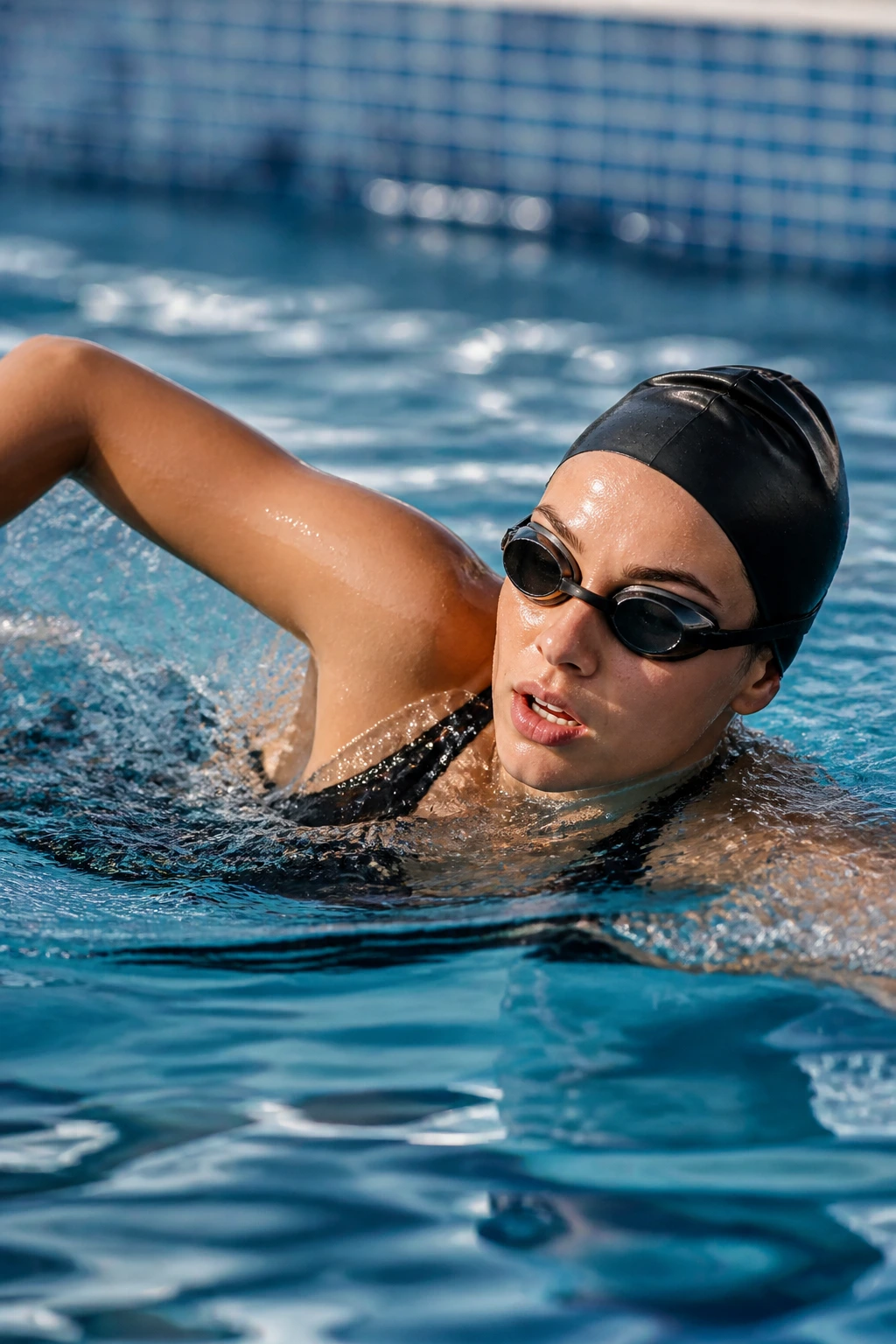
There is a reason physical therapists point toward the pool immediately after surgery or injury. Buoyancy is the great equalizer; it takes the weight off your joints while forcing your muscles to work against the natural viscosity of the water. When you swim, you are not just getting cardio; you are getting a full-body resistance workout.
Why It Protects Your Knees
When you are submerged, your body weight is significantly reduced, meaning the compression on your knee joint disappears. You can push your cardiovascular system to its limit without worrying about the shearing force of a foot strike. Even if you struggle with specific strokes, the simple act of treading water or swimming with a float creates a metabolic demand that matches land-based running.
How to Structure Your Swim
- Warm up with two slow laps using a gentle breaststroke or freestyle.
- Perform high-intensity intervals: swim as hard as you can for one length, then recover with a slow lap for two lengths.
- Use a pull buoy between your thighs if you find your legs are dragging or causing discomfort during kicks. This isolates the upper body and keeps the legs completely passive.
Pro tip: Do not worry about form perfection in the beginning; focus on maintaining continuous movement for at least twenty minutes.
2. Recumbent Cycling
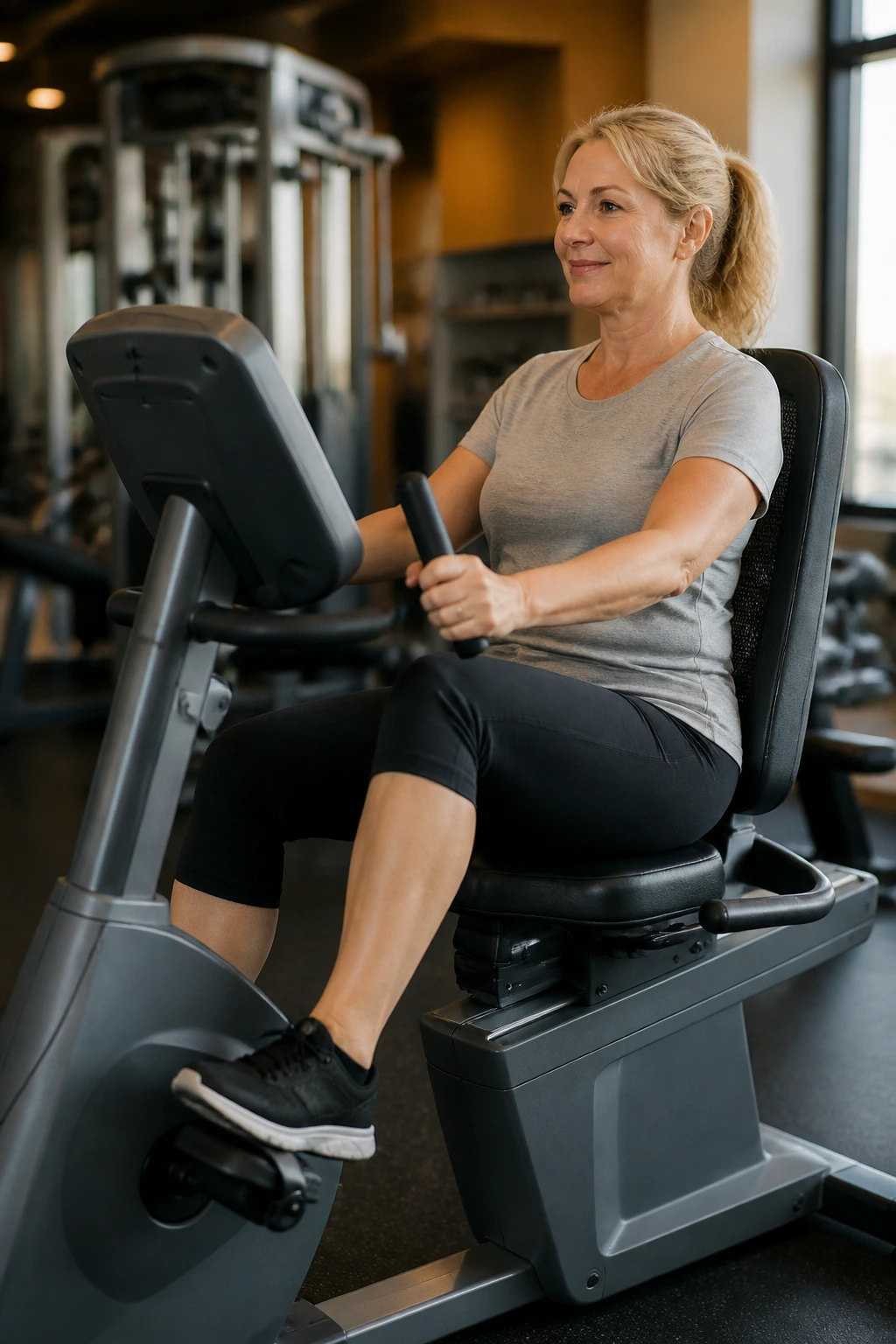
Traditional upright bikes can sometimes put undue pressure on the kneecaps, especially if the seat is positioned incorrectly. The recumbent bike changes this by placing your body in a semi-reclined position. This shifts the focus of the work from vertical loading to a horizontal push-pull motion, which is far friendlier to the joint capsule.
The Mechanics of the Movement
When you sit in a recumbent bike, your back is supported, which helps stabilize your pelvis. This stability allows you to generate power through the glutes and hamstrings rather than relying on the quads to stabilize the knee during every revolution. Adjust the seat so that your leg has a slight bend at the bottom of the pedal stroke—locking out your knee is a common mistake that can actually irritate the joint.
Building Intensity
- Use the bike’s resistance dial to mimic climbing hills rather than just increasing your speed.
- Set a steady cadence of 80 to 90 revolutions per minute (RPM).
- If your knee feels “pinchy” at the top of the pedal stroke, push the seat back an inch or two to increase the opening angle of your knee.
3. Elliptical Cross-Trainer
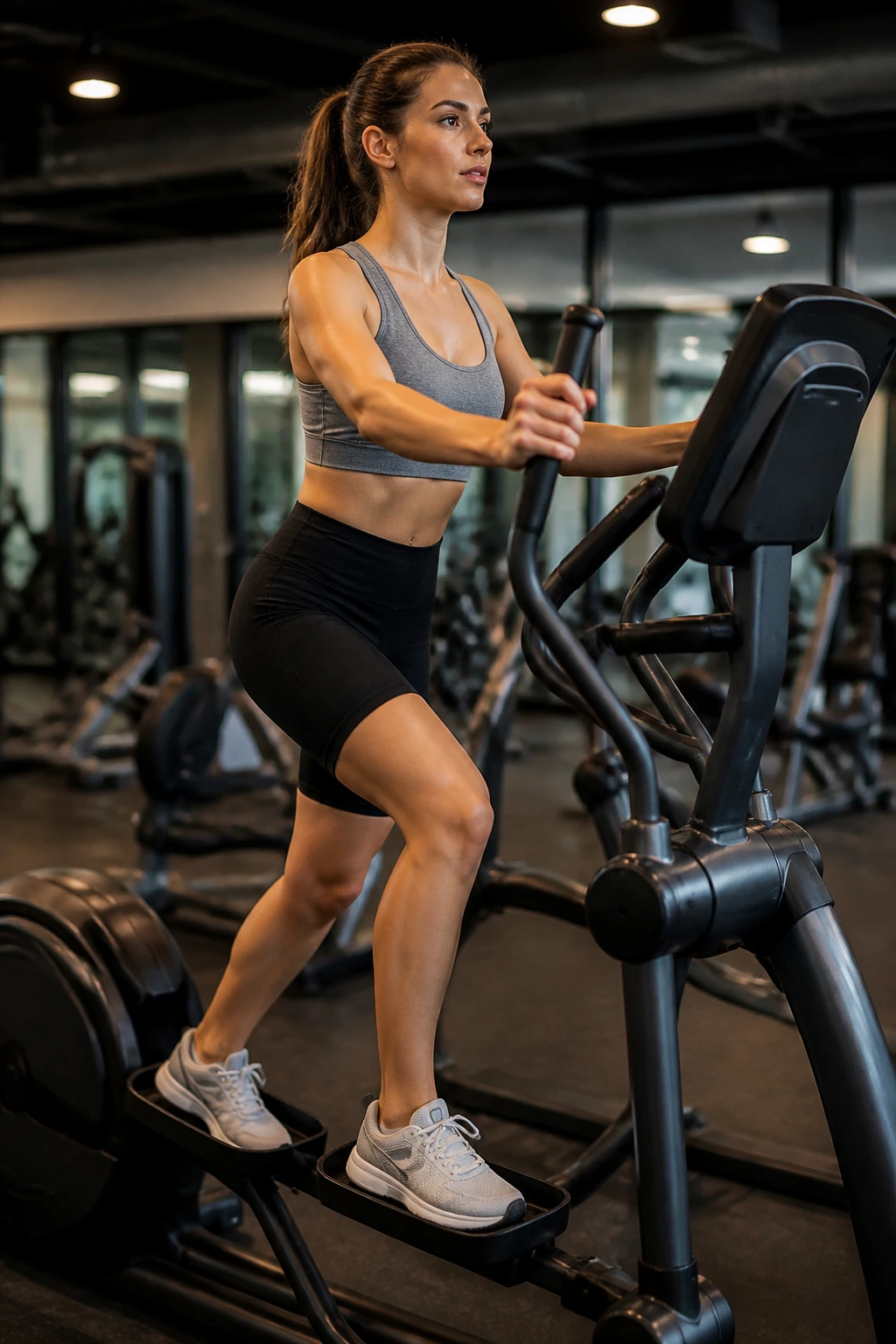
The elliptical is a staple in gyms for a reason: it mimics the motion of running without the impact of foot-to-floor contact. Because your feet never leave the pedals, you eliminate the jarring shock waves that travel up your tibia and hit the knee joint.
Proper Form is Everything
Many people treat the elliptical like a mindless machine, but using it correctly is vital for knee safety. Do not lean your body weight into the handlebars; that takes tension off your core and dumps it into your lower body. Keep your back straight, your core tight, and your heels flat against the pedals.
Why It Works for Injuries
The fixed path of the pedals ensures that your knees are always traveling in the same plane of motion. There is no lateral instability, which is often what causes pain in injured knees. By adjusting the incline and the resistance, you can create a steep climb that burns serious calories while keeping your feet in constant, fluid motion.
4. Water Aerobics
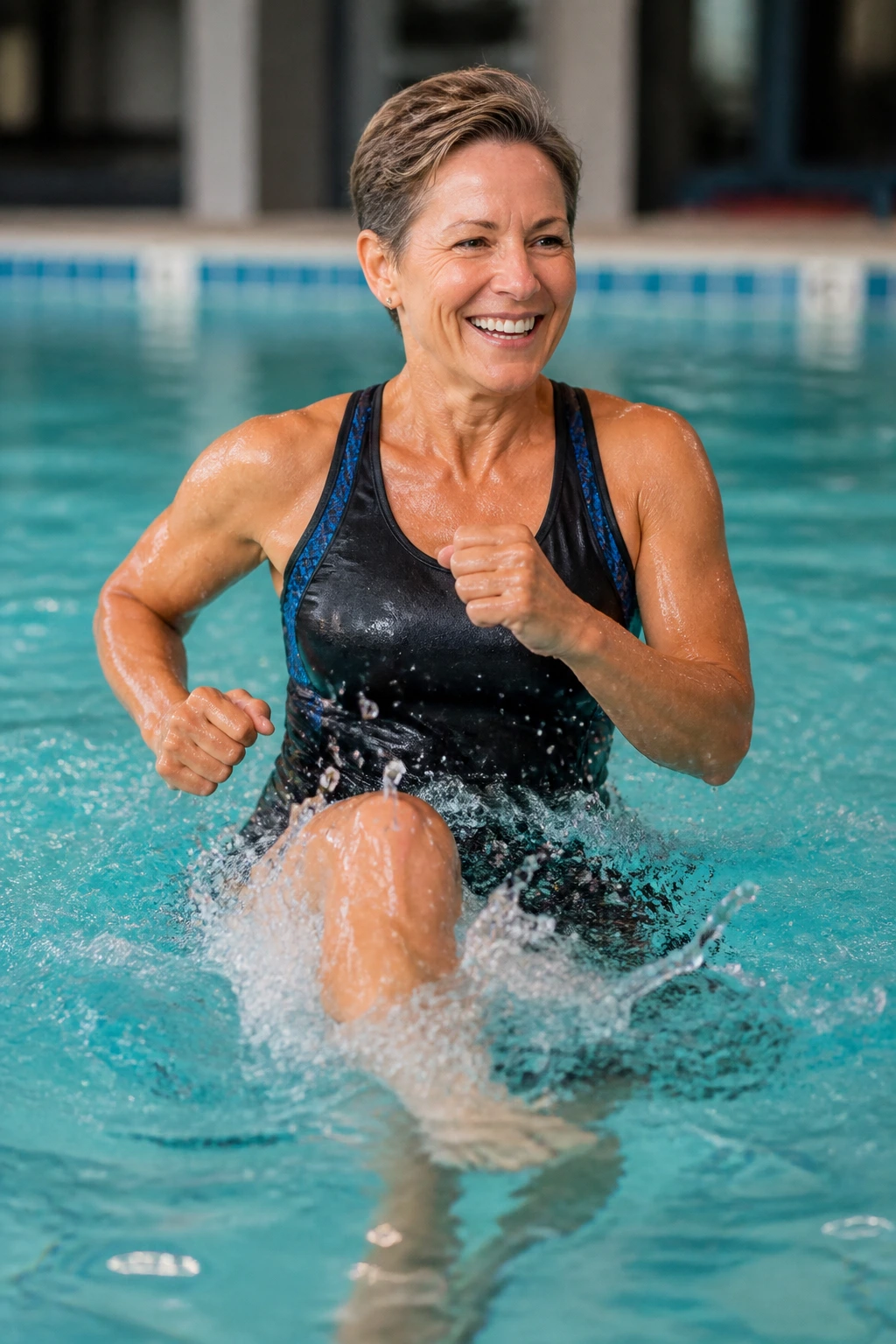
Do not let the “aerobics” label fool you; this is not just low-intensity movement. When you are waist-deep or chest-deep in water, the resistance you face when moving your limbs is significantly higher than moving through air. This allows you to work your heart rate into high zones without any impact.
Movements to Focus On
- Water Jogging: Keep your torso upright and lift your knees toward your chest, driving your arms back and forth.
- Lateral Leg Swings: Standing in the water, swing your legs out to the side. The water provides resistance on the way out and on the way back in.
- Arm Jacks: Mimic the motion of a jumping jack, but keep your feet planted on the floor of the pool. Use the water resistance to make the arm movements explosive.
Pro tip: Wear water shoes if the pool floor is slippery to ensure you have good traction and can push off with confidence.
5. Rowing Machine
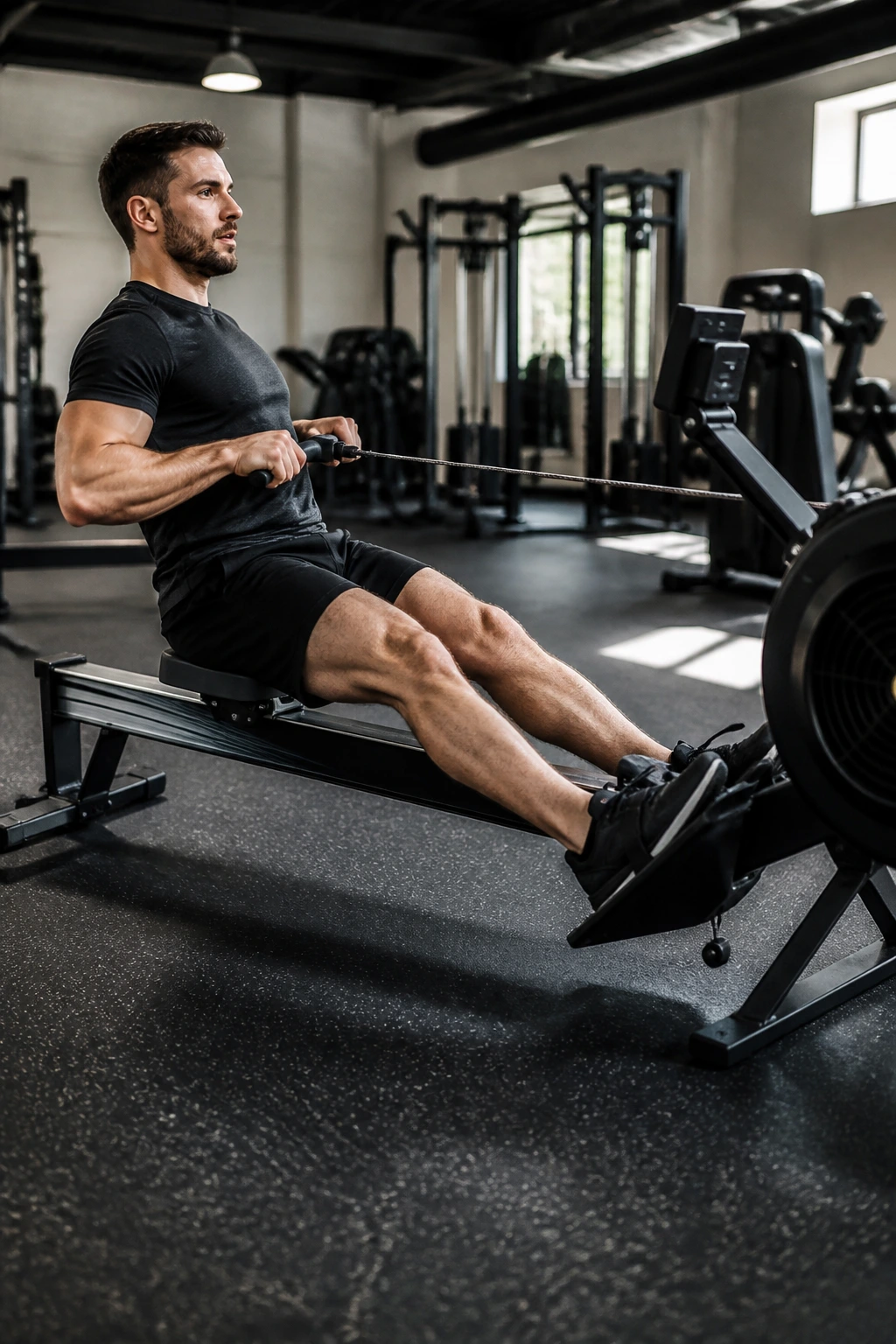
Rowing is often misunderstood as an “arm workout,” but true rowing is a leg-dominant, full-body cardiovascular exercise. Because you are seated, there is no weight-bearing impact on your knees. However, you must be precise with your form to ensure the load is carried by your hamstrings and glutes, not by your kneecaps.
The Stroke Sequence
The secret to safe rowing is the “leg drive.” Start with your shins vertical. Push back through your heels—never your toes. When you push through your heels, you engage the posterior chain. If you push through your toes, you force your quads to overwork, which can pull on the patellar tendon and cause irritation.
Why It Is an Elite Cardio Choice
Rowing burns more calories than almost any other stationary machine because it engages the largest muscle groups in your body simultaneously. Start with short, ten-minute sessions to build endurance, then move to longer intervals.
6. Seated Battle Ropes
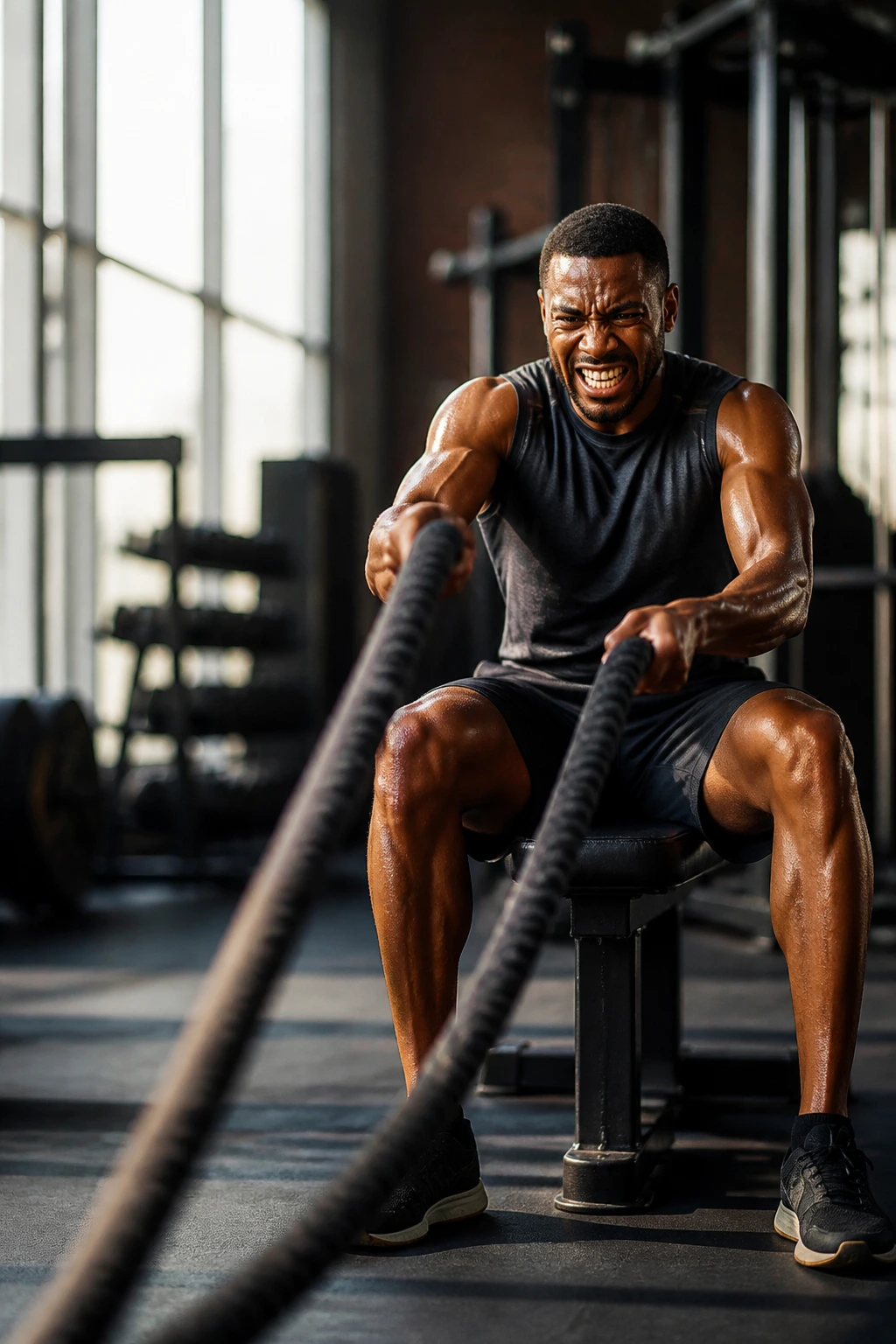
Usually, battle ropes are associated with athletic standing power, but they are incredibly effective when performed from a seated position on a bench or a stability ball. This modification removes the lower body entirely from the equation, turning the ropes into a pure, high-intensity cardio tool.
Creating the Intensity
When you are seated, you cannot cheat by using your legs to generate momentum. Every wave you create with the ropes must come from your lats, shoulders, and core. This forces your heart to work overtime to supply oxygen to your upper body muscles.
Structuring a Workout
- Perform 30-second “all-out” intervals.
- Keep the ropes moving continuously.
- Rest for 30 seconds between sets.
- Repeat for ten rounds.
This is a fantastic way to spike your heart rate when you simply cannot tolerate any weight on your knees.
7. Arm Ergometer
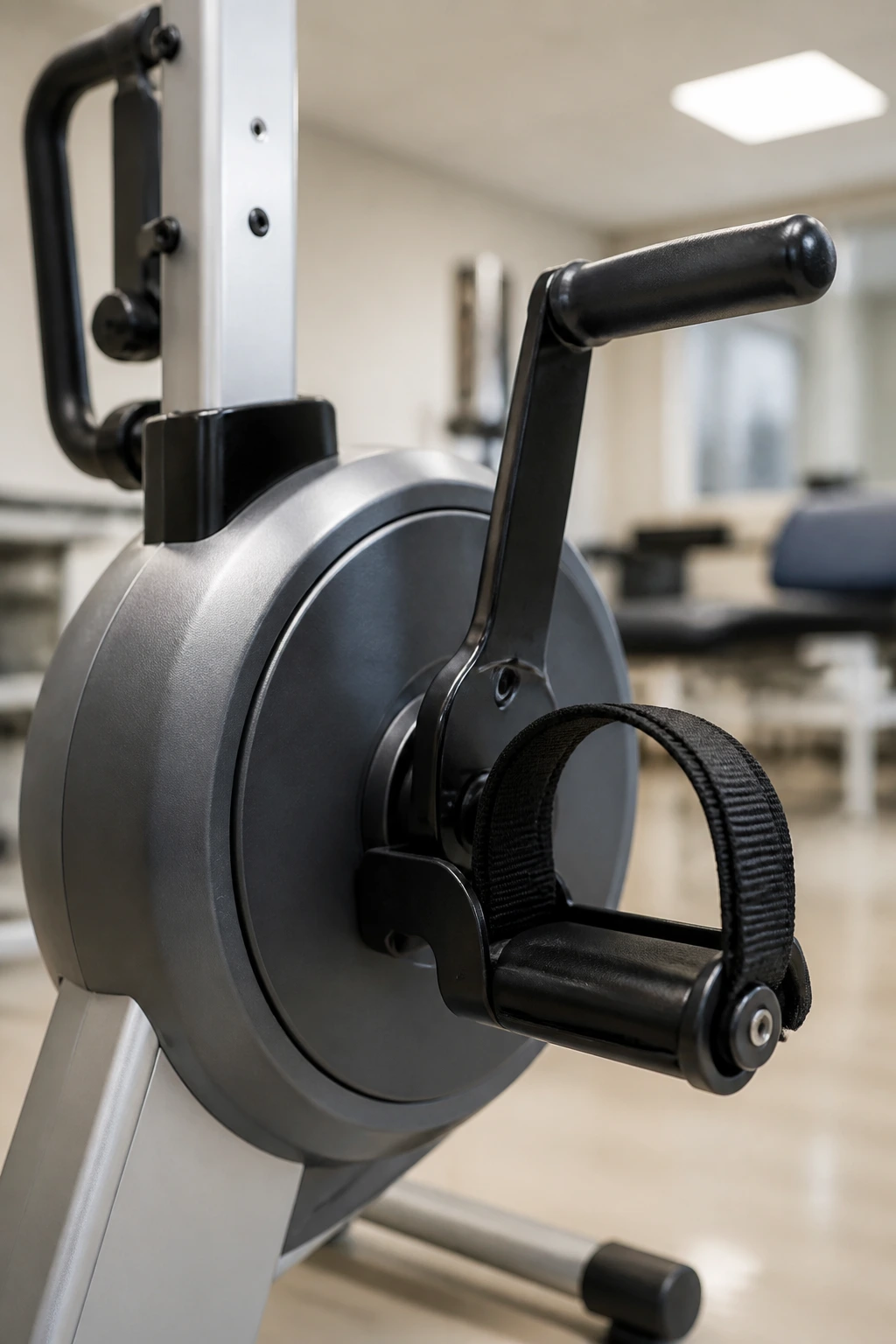
You have likely seen these in physical therapy clinics—it looks like a bicycle, but you use your hands to turn the pedals. The arm ergometer is the gold standard for upper-body cardiovascular training. It is surprisingly difficult to keep your heart rate up for an extended time with just your arms, which makes it a unique challenge.
Why It Is Effective
Using the arm ergometer mimics the heart-rate-elevating effects of running but shifts the work to your upper body. It is impossible to use your legs to cheat, so you are forced to maintain a consistent speed. Many units have adjustable heights so you can sit or stand, depending on what your knees allow.
Training Strategies
- Keep your elbows slightly bent to avoid straining the joint.
- Maintain a steady RPM of 60 to 70 for sustained aerobic work.
- For intervals, go as fast as you can for 45 seconds, then drop the resistance for a slow 45-second recovery.
8. Underwater Walking
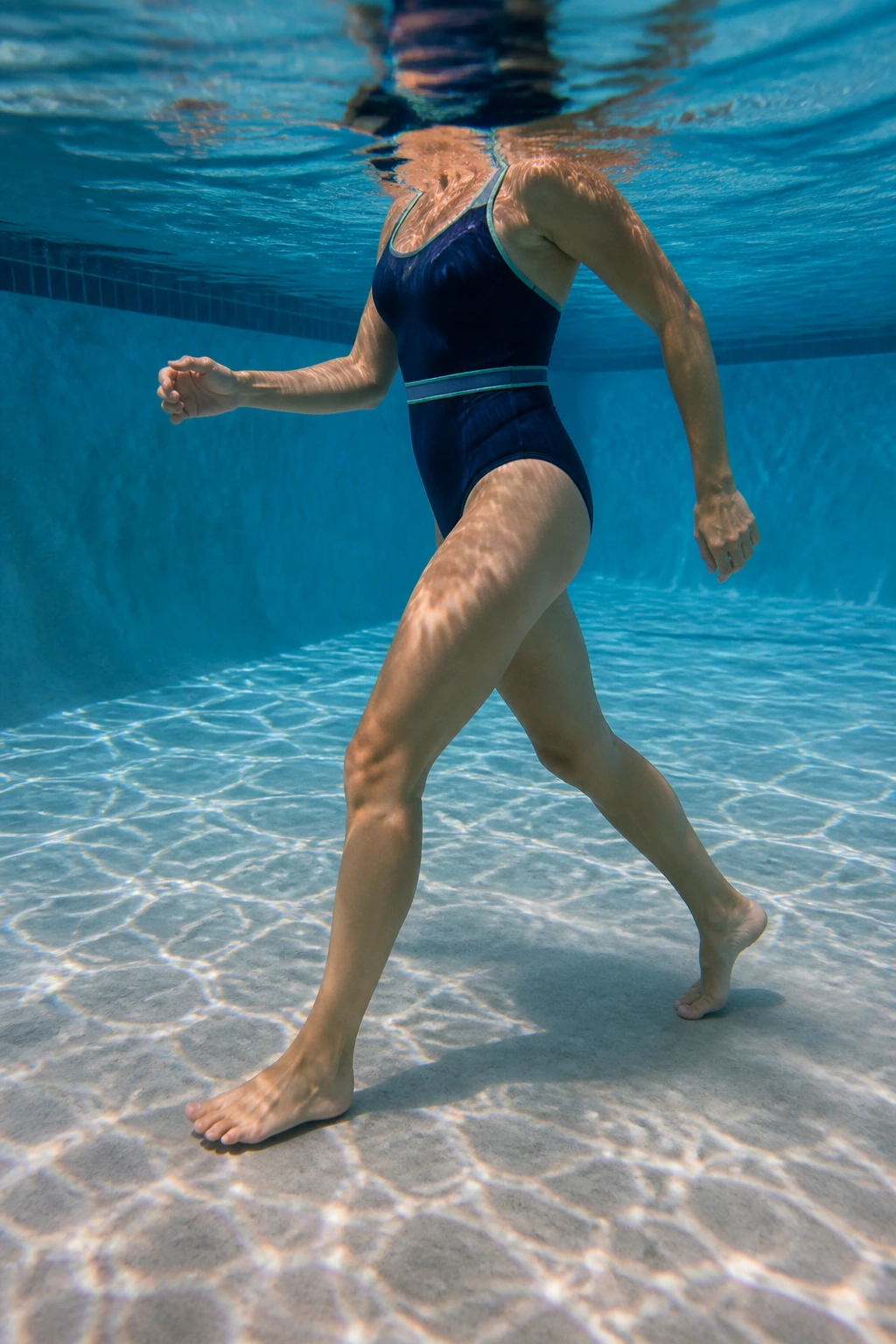
If you have access to a pool, walking against the resistance of water is one of the most underrated cardio methods available. The deeper the water, the more resistance you face. The water provides an even, constant pressure around your entire leg, which can actually help with mild swelling or joint stiffness.
How to Do It Correctly
- Walk across the width of the pool, ensuring you plant your heel and push off with your toe.
- Focus on taking long, controlled strides.
- If you have trouble with balance, hold onto the side of the pool, but try to let go once you feel comfortable.
- Increase intensity by walking faster or by holding light water-weights in your hands to create more drag.
9. Seated Boxing
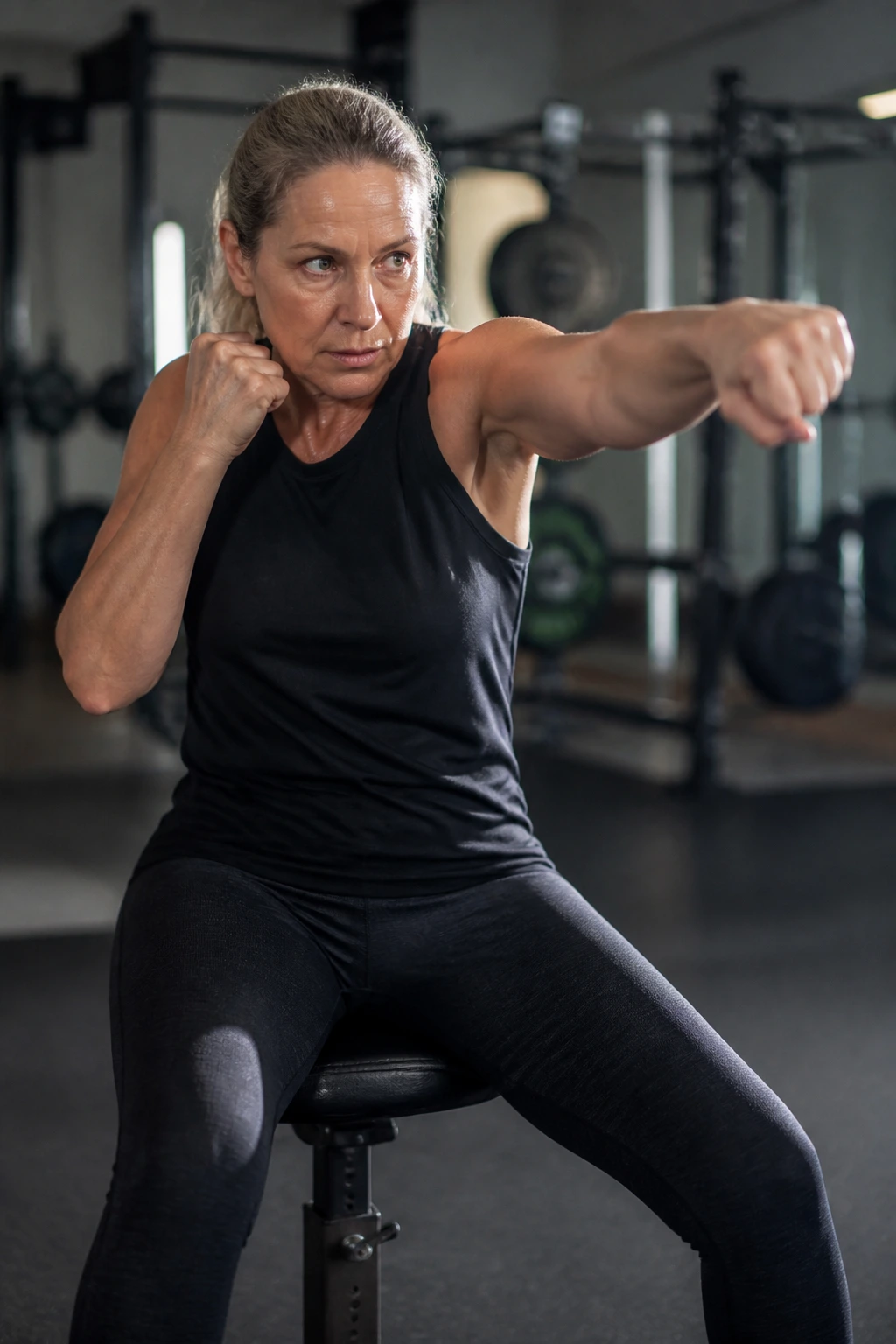
Cardio boxing is intense, but the footwork involved in “real” boxing can be brutal on the knees due to the constant pivoting. By staying seated, you eliminate the risk of catching your foot or twisting your knee. You still get all the cardiovascular benefits of high-speed punching.
The Technique
- Sit on a sturdy, backless stool or bench.
- Keep your core engaged and your feet planted firmly on the ground.
- Throw punches with intent, fully extending your arms but not locking your elbows.
- Alternate between jabs, crosses, hooks, and uppercuts.
- Use a timer: three minutes of punching followed by one minute of active rest, mimicking a boxing round.
Pro tip: Imagine you are punching through a target, not just into the air. This adds resistance to the movement and engages your entire upper body.
10. Pilates Reformer
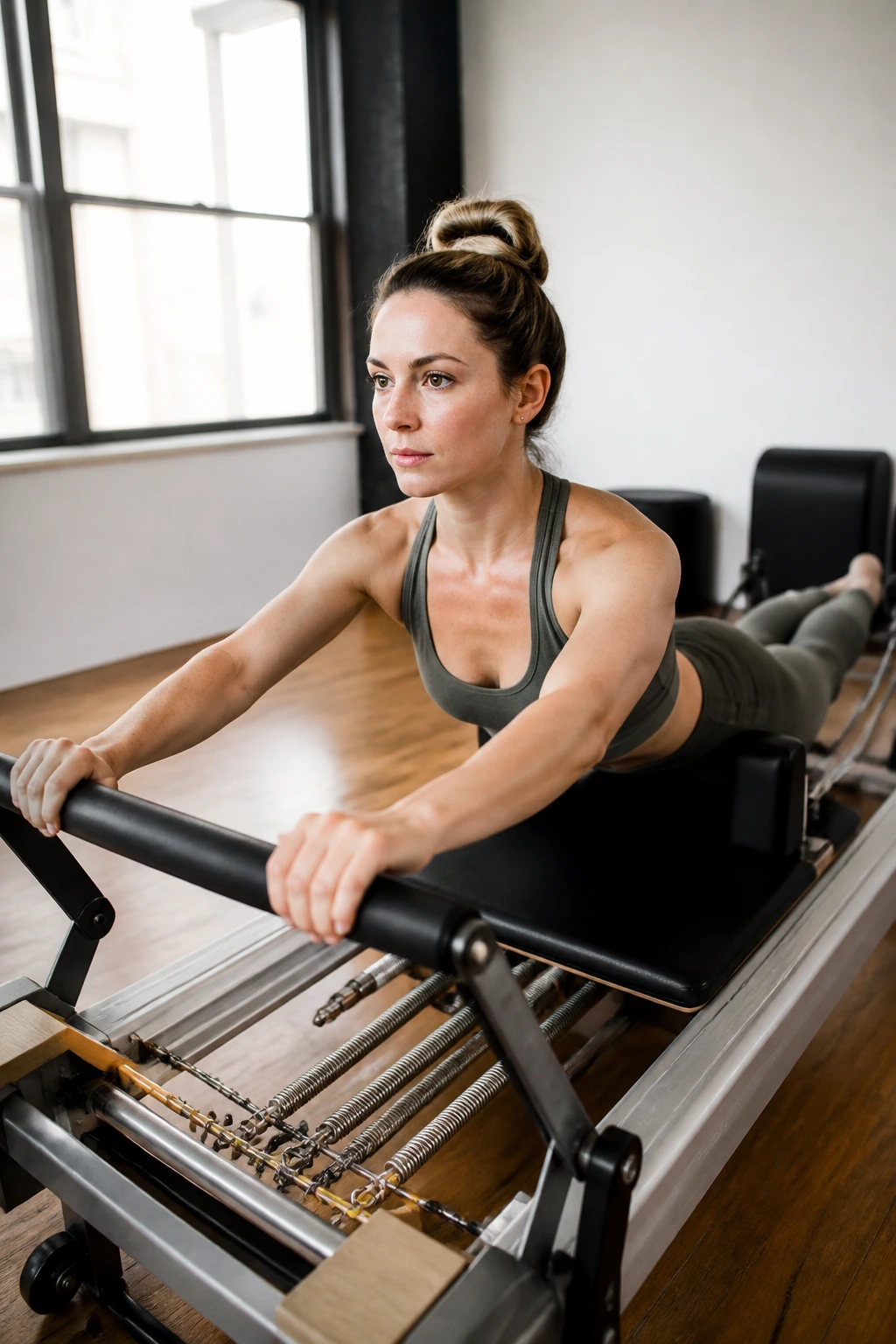
Pilates is often viewed as a toning practice, but a jump-board session or a flow-based class can elevate your heart rate significantly. The key is the tension on the springs. Because you are lying down or sitting, your knees do not bear your body weight.
Focusing on the Cardio Aspect
Look for classes that keep a “flow” pace. When you move from one exercise to the next without pausing, you keep your heart rate elevated. The resistance of the springs strengthens the muscles around the knee without stressing the joint itself. A stronger quad, hamstring, and glute complex provides better support for the knee, which is a long-term win for your injury recovery.
11. Tai Chi
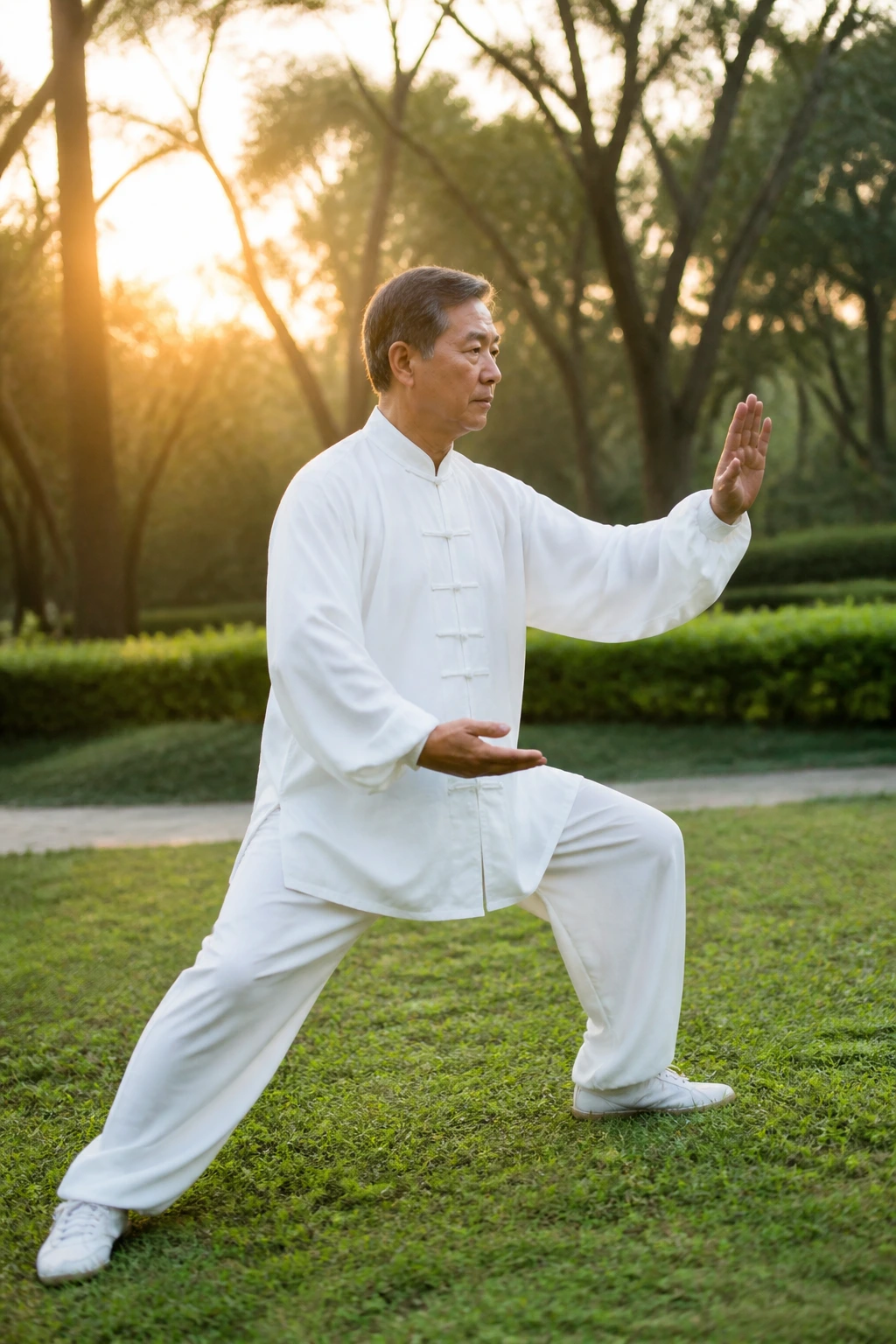
While Tai Chi is generally considered a slow-motion, meditative practice, it can be a surprisingly demanding cardiovascular workout if you maintain deep, continuous stances. It requires constant muscle activation and focus, keeping your body engaged the entire time.
Why It Matters
Tai Chi emphasizes perfect alignment. When your hips, knees, and ankles are stacked correctly, the load is distributed evenly, rather than being concentrated on the knee joint. Over time, this improves your balance and proprioception—your body’s ability to know where it is in space—which is crucial for preventing future knee injuries.
12. Yoga (Flow-Based)
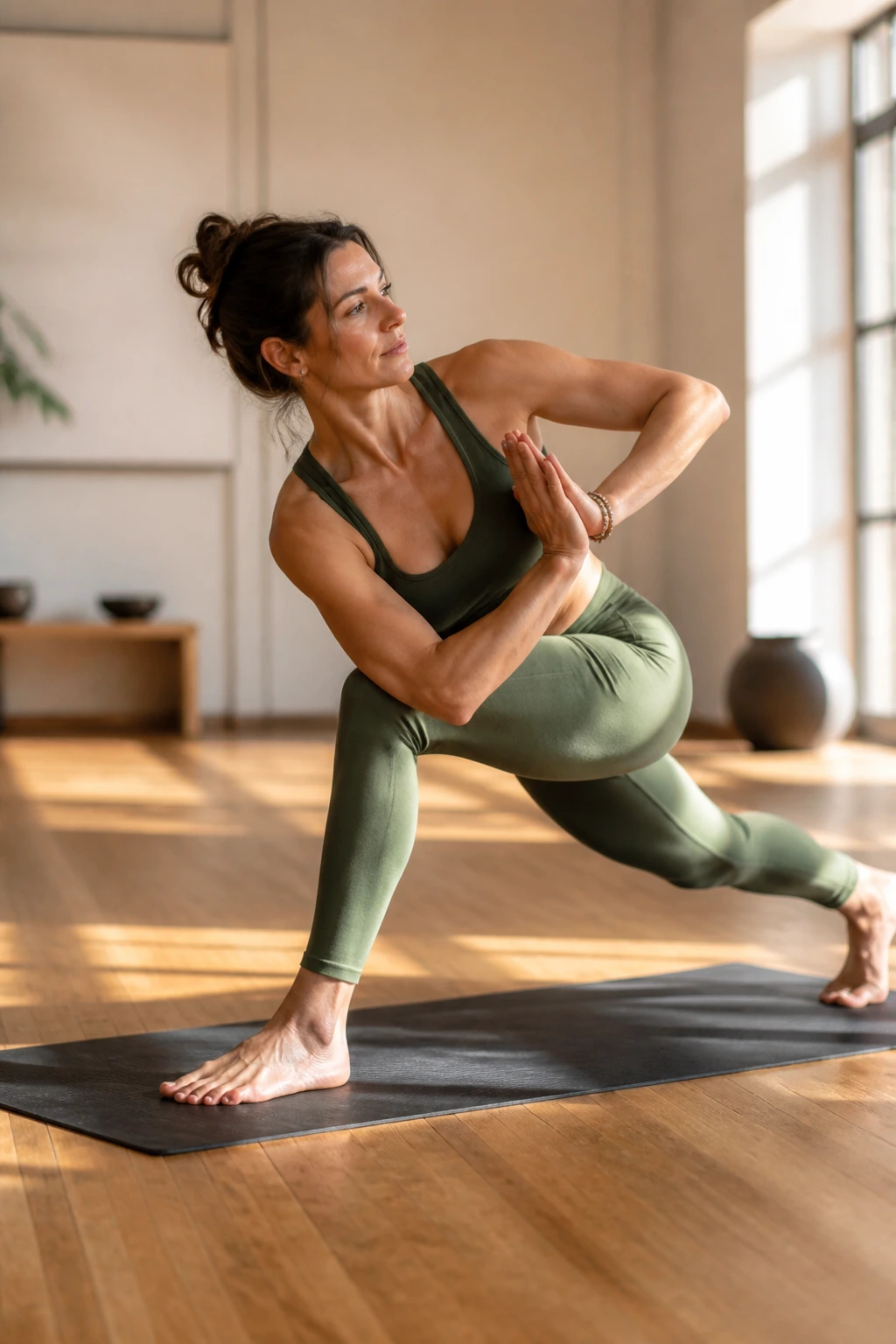
Sun salutations, when performed with intention, are a fantastic cardiovascular exercise. You are essentially doing a constant flow of planks, push-ups, and stretches. For someone with knee pain, the trick is avoiding poses that require deep knee flexion (bending) or kneeling on hard surfaces.
Modifications to Protect the Knees
- Skip lunges or deep squats; substitute them with planks or wide-legged folds.
- If a pose requires kneeling, put a folded blanket or a thick mat under your knees.
- If you feel pain in “Warrior” poses, shorten your stance.
- Focus on the vinyasa (the flow) rather than holding the static poses.
13. Gliding Disks (Floor Sliders)
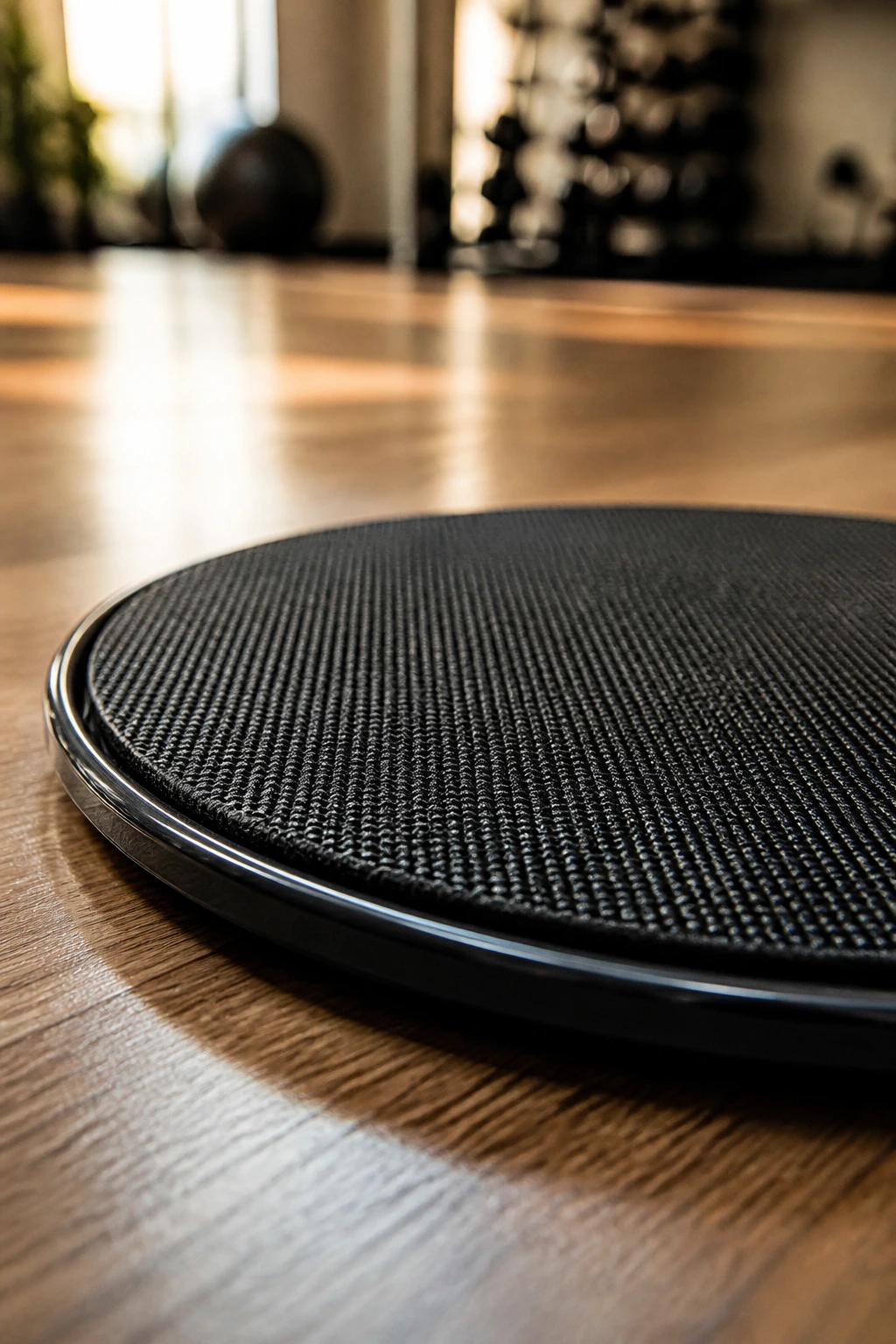
Using small plastic disks under your feet, you can perform cardio movements on a smooth floor without ever lifting your feet off the ground. Because there is no impact, this is exceptionally safe.
Recommended Movements
- Mountain Climbers: From a plank position, slide one knee toward your chest at a time, keeping your toes on the disk. The constant sliding motion mimics running but removes the “pop” of the step.
- Lateral Slides: Start standing, put a disk under one foot, and slide it out to the side while keeping the other leg slightly bent. It mimics a speed skater’s motion.
- The “Running” Plank: Get into a push-up position with disks under your toes. Alternate driving your knees forward in a rapid running motion. Because your feet stay on the floor, the knee joint never experiences a sudden stop or impact.
14. Stability Ball Bouncing
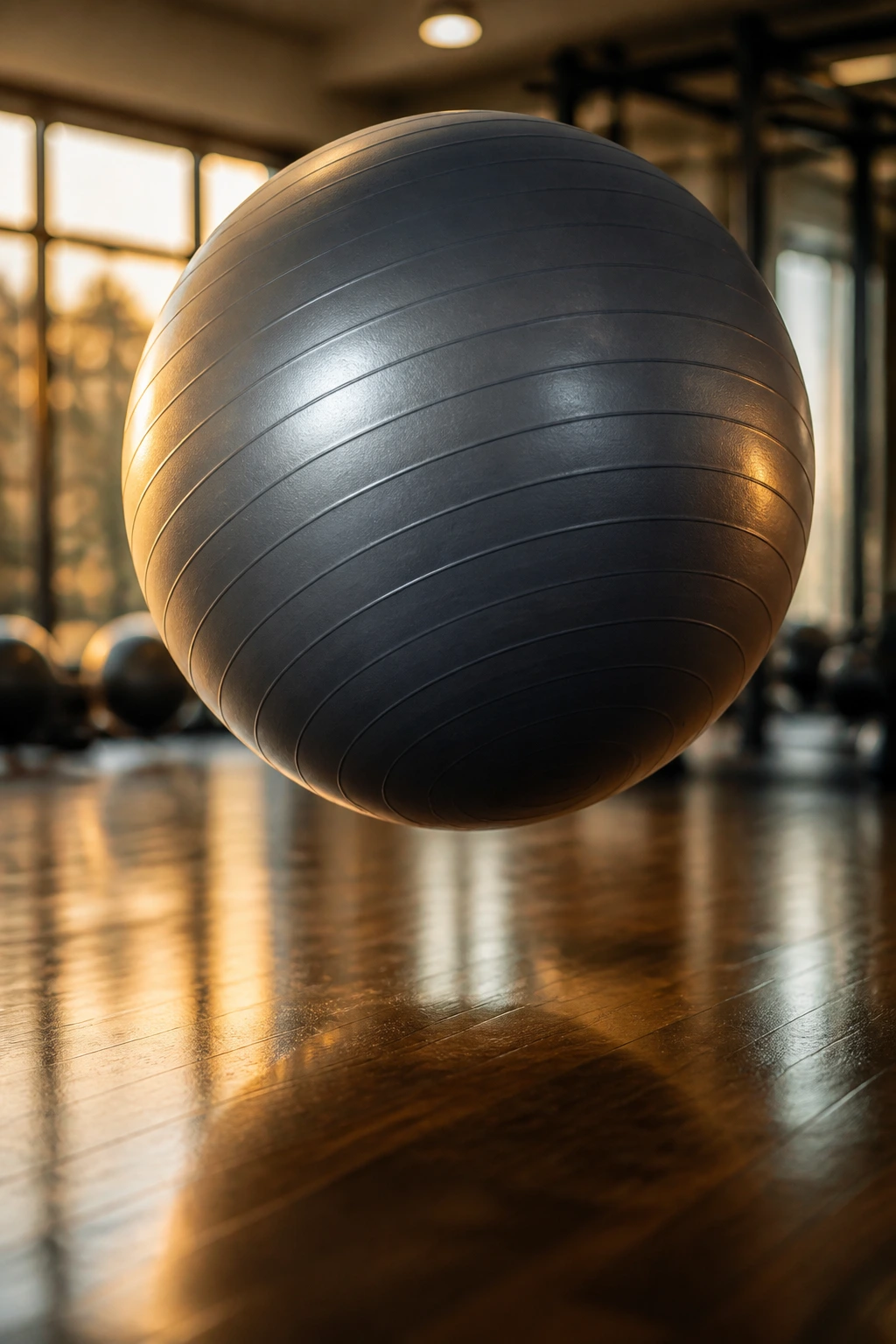
This might seem simple, but sitting on a large exercise ball and bouncing (or rhythmic bobbing) is a legitimate way to get your heart rate up without straining your knees. It engages your core and requires constant micro-adjustments to stay balanced.
Turning It Into a Workout
- Sit on the ball, keep your feet flat, and maintain a rhythmic bounce.
- Add arm movements—reach overhead, perform shoulder presses, or shadow box while you bounce.
- The lack of impact allows you to keep this up for 15 to 20 minutes at a time, which creates a solid cardiovascular stimulus.
15. Hand-Crank Cycling
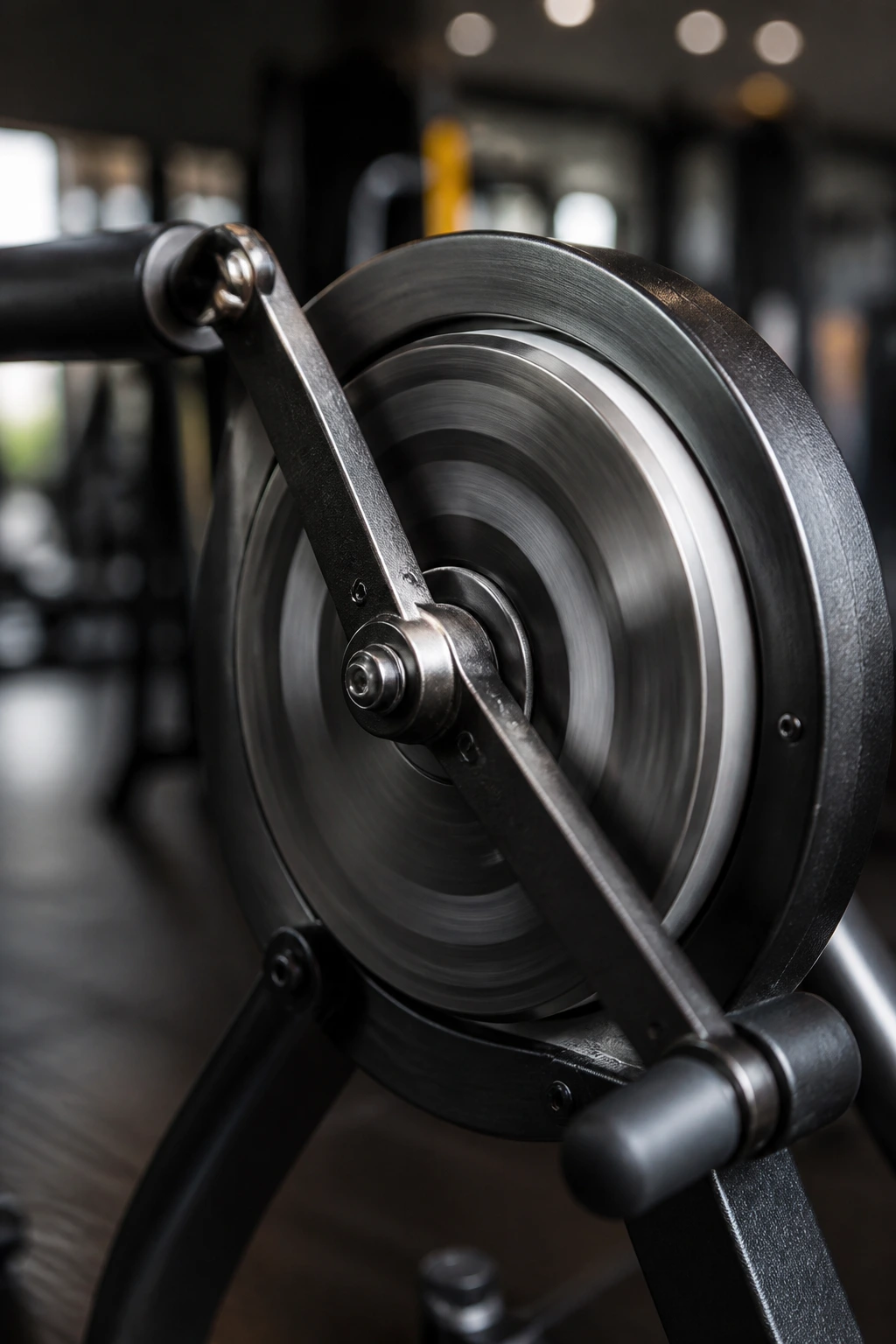
Similar to the arm ergometer, this is a dedicated piece of equipment often found in commercial gyms. It is designed to be purely for the upper body. The key difference here is the positioning; it is usually set up to be more of a “full-body” motion where you can lean into the rotation.
How to Get the Most From It
- Increase the resistance rather than just spinning faster.
- Use a “diagonal” push—as you push forward with your right hand, pull back with your left. This rotational force engages your oblique muscles, which adds an extra layer of difficulty that keeps your heart rate high.
16. In-Place Marching
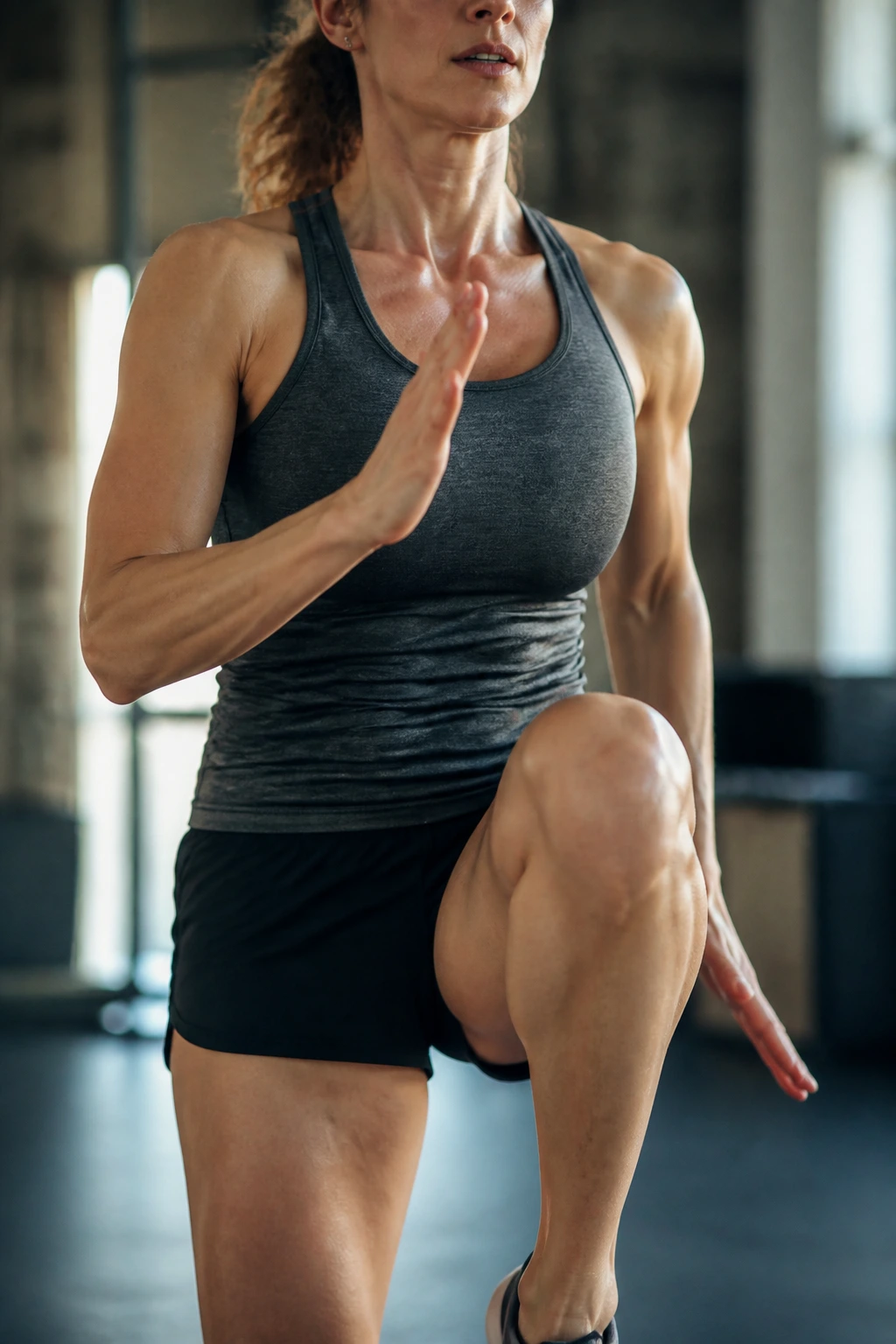
It sounds basic, but “marching in place” is an effective way to keep your heart rate up if you approach it with intensity. The difference between “lazy marching” and “cardio marching” is how you engage your core and how you move your arms.
Maximizing the Effort
- Drive your arms as if you are running a sprint.
- If your knees allow it, lift your knees toward your waist—if they hurt, keep the march low-impact.
- The secret is speed and tension. Squeeze your abs and glutes with every step.
- Set a timer for three minutes, move as fast as you possibly can, then take one minute to slow down.
17. Shadow Kickboxing
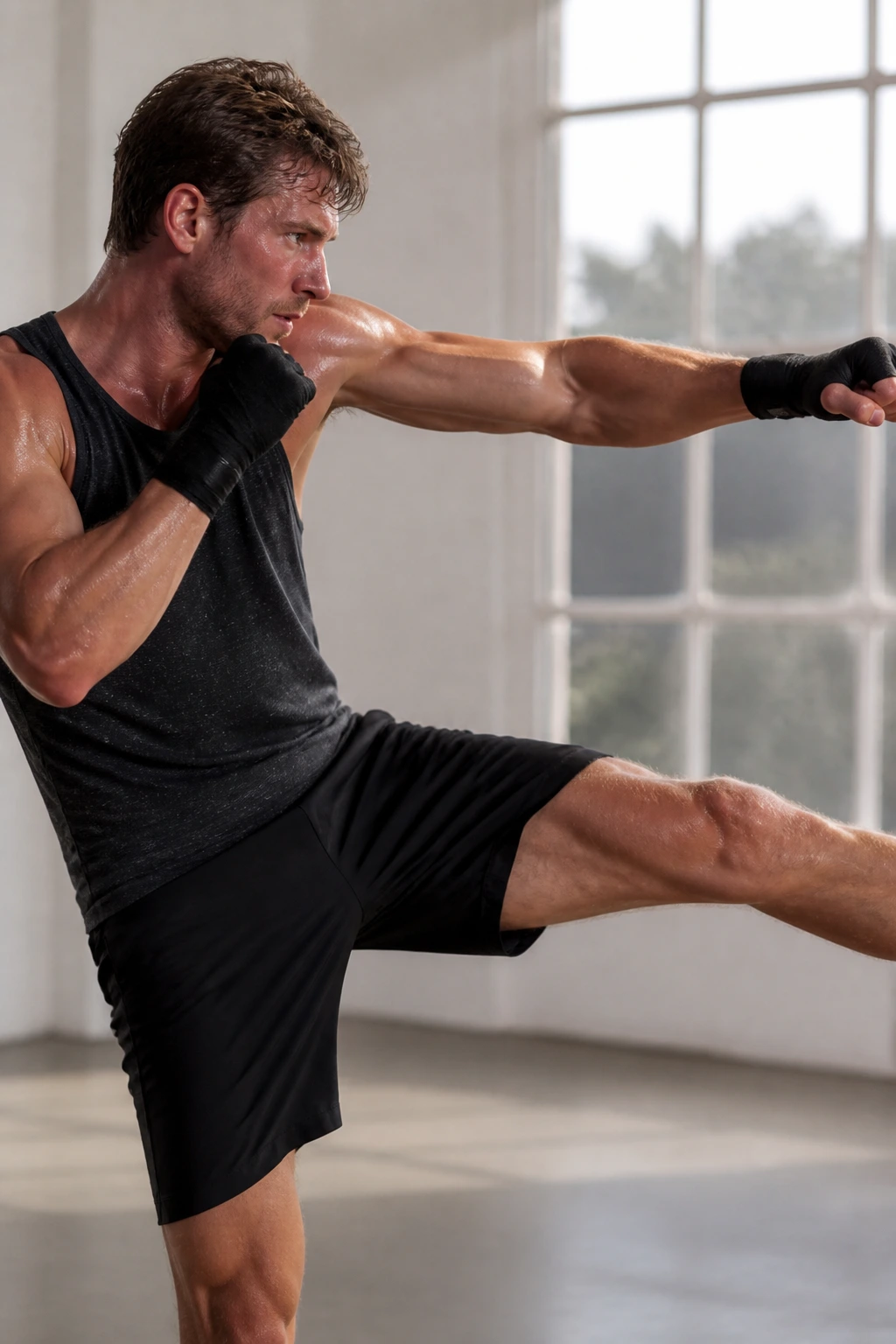
You do not need to kick a heavy bag to get the benefits of a kickboxing workout. Shadow boxing allows you to go through the motions without the impact of striking a target. The key to knee safety is to never fully lock out your leg during a kick or a punch.
Safety Rules
- Keep your kicks low. You do not need to aim for the head.
- When you “strike,” keep a micro-bend in your knee and your elbow.
- Pivot your standing foot slightly when you throw a punch to take the torque off the knee joint.
- Maintain a rhythmic, bouncy step—but keep it light, like you are walking on eggs.
18. Resistance Band Circuits
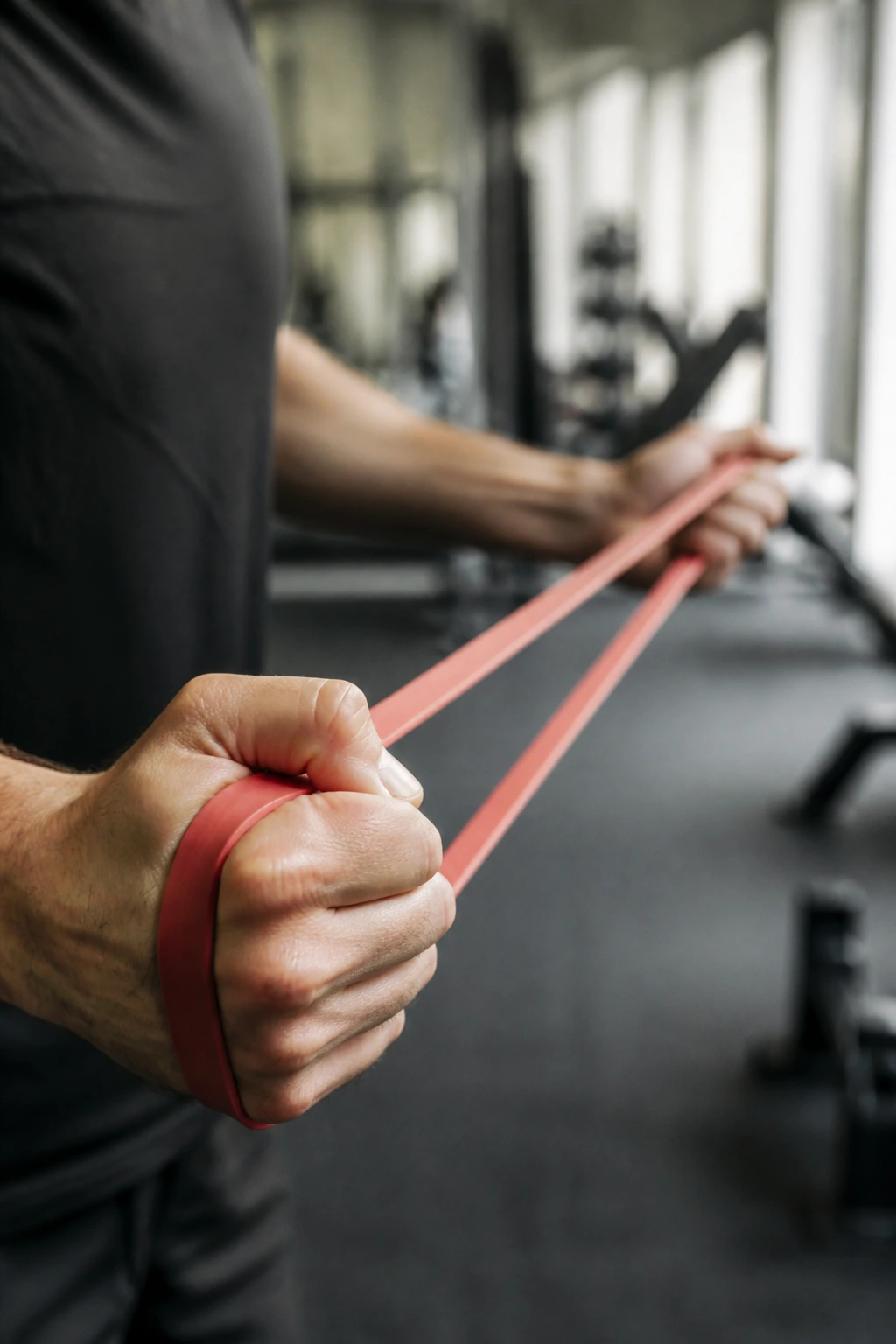
You can use heavy-duty resistance bands to create a cardio circuit. By attaching a band to a sturdy pole and performing quick, repetitive movements, you create a metabolic demand that taxes your heart and lungs without any impact.
Example Circuit
- Band Rows: Stand with feet shoulder-width apart, knees slightly bent, and row the band back rapidly.
- Band Chest Presses: Turn around and press the band forward quickly.
- Band Lat Pulldowns: Reach overhead and pull down.
- Perform each for 45 seconds, then switch. The lack of heavy external weight means your joints are spared, but the constant tension keeps your heart racing.
19. Swimming with a Kickboard
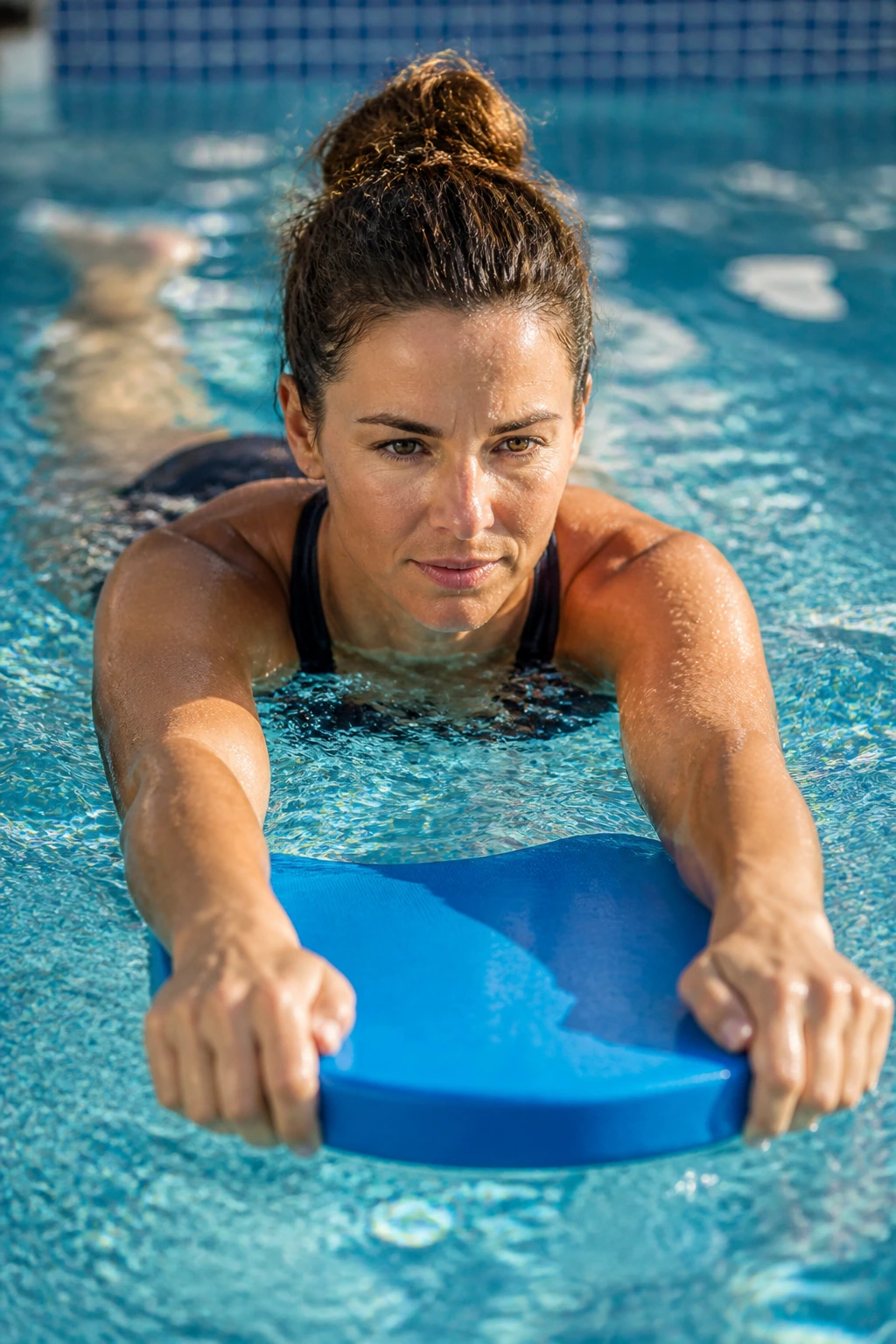
If you want to isolate your lower body to build strength but cannot handle the impact of standing, a kickboard is your best friend. This allows you to work your legs intensely in the water, which is the only place you can safely load the knee joint while swimming.
The Nuance of the Kick
- Keep your knees straight but not hyperextended.
- Use a small, rapid “flutter kick” rather than a deep, whipping kick.
- The smaller the kick, the more intense the cardiovascular demand, and the less stress on the knee.
- If you feel pain, stop immediately and switch to a pull-buoy (isolating the upper body).
20. Bodyweight Circuit Training
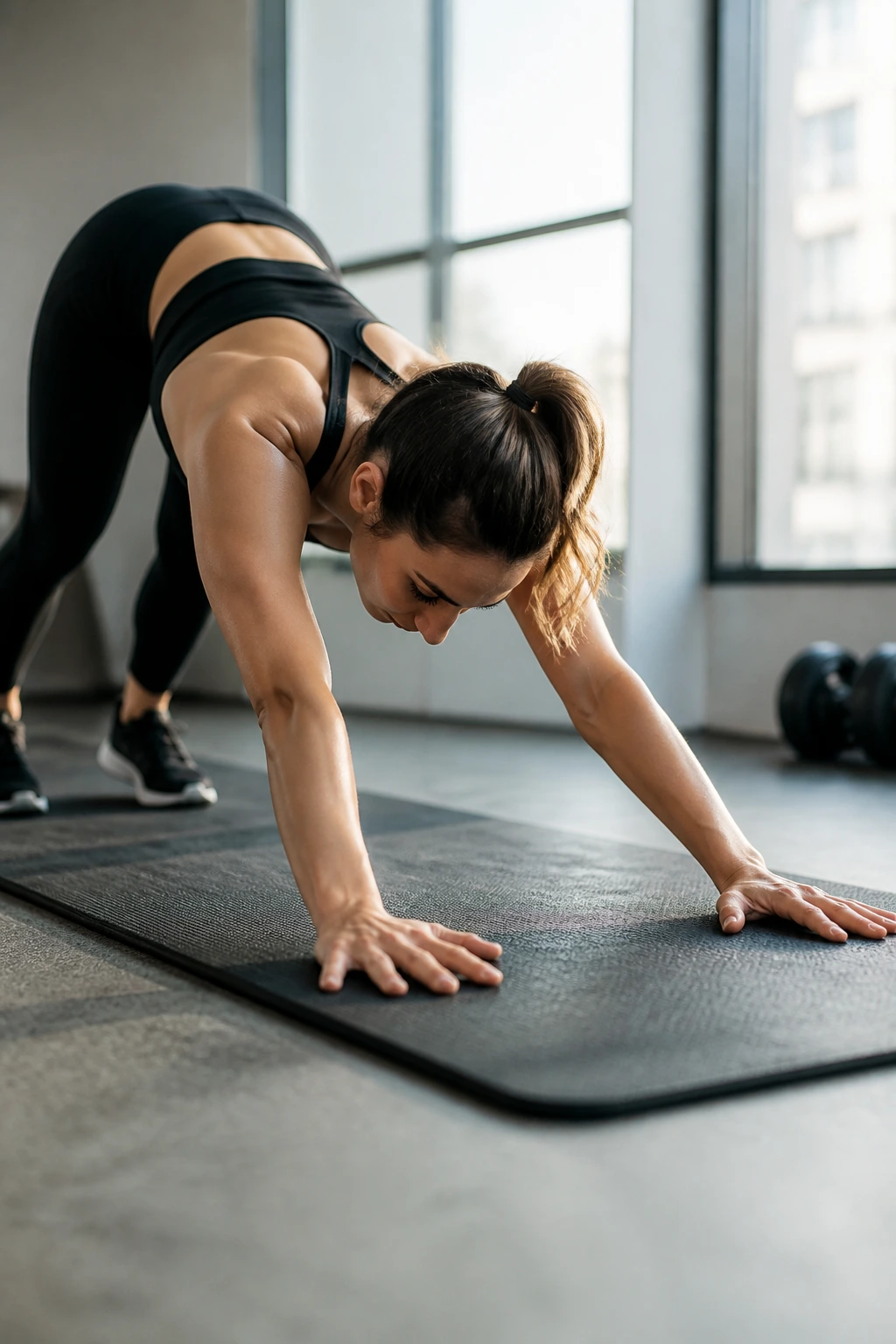
You can design a circuit that uses only movements where the weight is supported by your hands or by sitting/lying on the floor. This is often the most effective “gym-anywhere” cardio routine.
The Routine
- Inchworms: Walk your hands out to a plank and back up (this builds strength but is low impact).
- Plank Jacks: From a plank position, jump your feet out and in—but keep them on a sliding surface (like the disks mentioned earlier) so you don’t actually leave the floor.
- Seated Bicycles: Lie on your back and perform bicycle crunches.
- High-Plank Shoulder Taps: Stay in a push-up position and tap your shoulders.
- Move through these exercises for 45 seconds each. The continuous transition from one move to the next keeps your heart rate in the “aerobic zone” the entire time.
Final Thoughts
When you are managing a knee injury, the temptation is to stop moving altogether. That is the worst possible approach. Movement is medicine. Your goal is simply to find the specific channels of motion that your joints can tolerate.
It might be swimming today. It might be the recumbent bike tomorrow. The specific modality matters far less than your consistency and your willingness to listen to your body. If a movement causes sharp, shooting pain, stop and pivot to something else on this list. Pain is a signal, not a goal. By staying active through these low-impact methods, you are not just maintaining your cardio—you are protecting your long-term joint health while you heal. Stay patient, stay consistent, and keep moving.
