



Walking into a gym on an empty stomach and then wondering why the first ten minutes feel awful is a rite of passage for beginners. Pre workout tips for beginners at the gym are usually far simpler than the internet makes them sound. Most of the time, you do not need a fancy powder, a neon shaker cup, or a playlist that makes you feel invincible.
What you do need is enough fuel, enough water, and a body that has been nudged awake before the first hard set. Skip those pieces and even a basic session can feel clumsy. Get them right and your workout feels smoother, your head feels clearer, and you stop confusing “hard” with “bad.”
The annoying part is that new lifters often copy the loudest routine in the room. They slam a huge scoop of caffeine, eat something greasy on the way to the gym, then blame their energy when their stomach rebels halfway through squats. I’ve seen that pattern enough times to know the fix is usually boring, practical, and cheap.
Start with the part most people rush past: what you eat and drink before you ever touch a barbell.
1. Eat a Carb-First Meal 1 to 3 Hours Before You Train
A beginner’s best pre-workout meal is usually built around carbs first, not protein first. That sounds backward if you’ve spent time around gym chatter, but your body wants quick fuel before training, and carbs are the cleanest way to get it. They give you energy you can feel in the workout, not three hours later when it’s too late to matter.
What That Meal Should Look Like
Keep it simple. A bowl of oatmeal with a banana, toast with eggs, rice with chicken, or yogurt with fruit all do the job well enough. The point is not culinary brilliance. The point is showing up with blood sugar that isn’t crashing halfway through your warm-up.
- Aim for 30 to 60 grams of carbs if you’re eating 1 to 3 hours before training.
- Keep the portion moderate, not giant, so your stomach isn’t full when you start moving.
- Add a little protein, like eggs, yogurt, or chicken, if it helps you stay full.
- Save the heavy, greasy food for later; it usually sits like a brick.
If you train early and breakfast sounds awful, even a piece of toast and a banana is better than nothing. A beginner does not need a flawless nutrition plan before every session. A workable one beats a perfect one you never follow.
2. Drink Water Before You Feel Thirsty
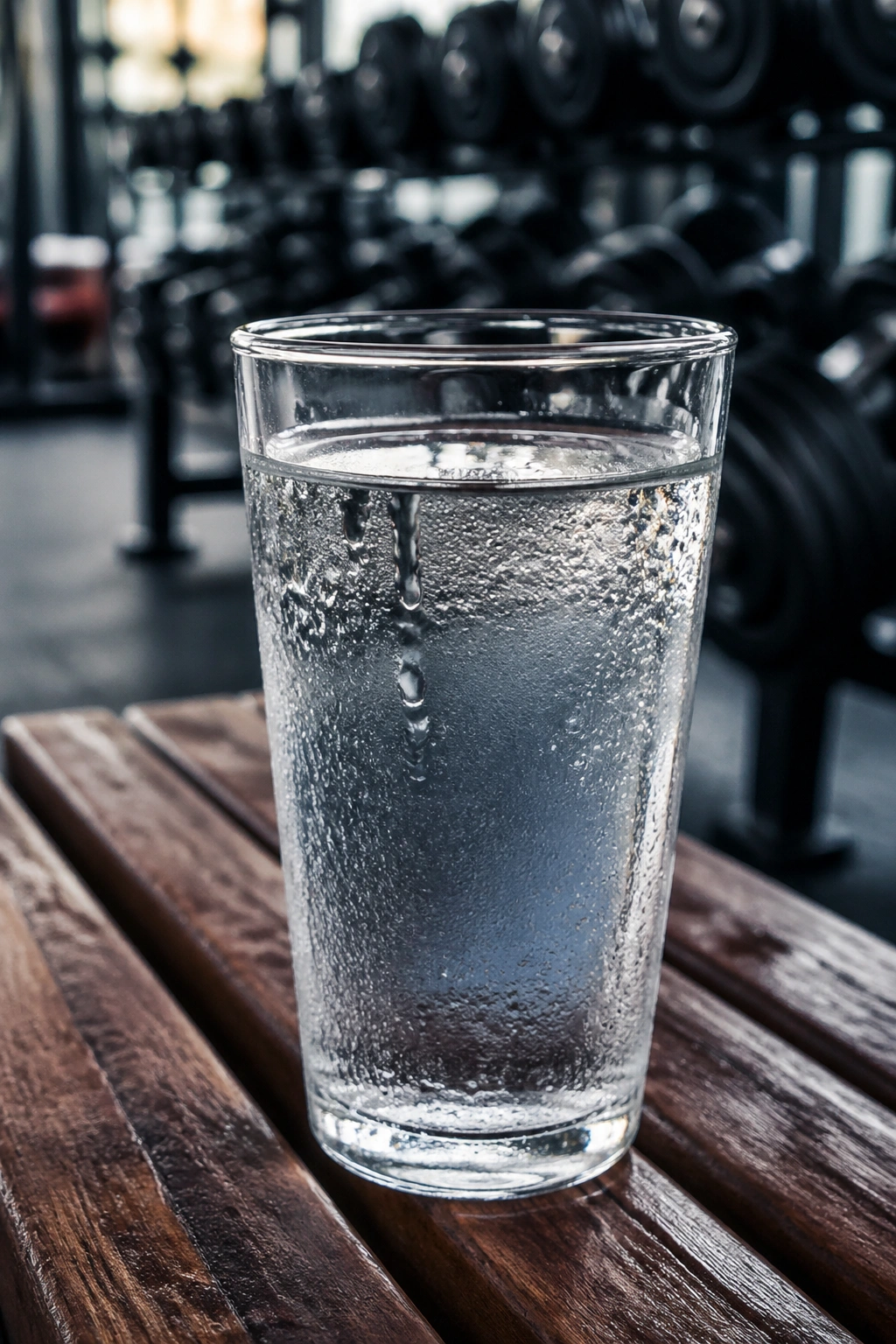
A dry mouth before your warm-up is a bad sign. By the time you feel thirsty, you may already be a little behind. That matters more than people like to admit, because dehydration does not always feel dramatic at first. Sometimes it just shows up as sluggish reps, a headache, or that weird flat feeling where everything seems harder than it should.
Drink a glass or two of water in the hour or two before training. Roughly 16 to 20 ounces is a solid starting point for many people, and you can add more if you sweat a lot or had a salty meal earlier. Don’t chug so much that you spend the whole session thinking about the bathroom.
Water isn’t glamorous. Fine. It still works.
If plain water feels hard to drink, make it easier on yourself. Keep a bottle in the car, drink a few mouthfuls while you’re changing, and finish the rest during your warm-up. The goal is simple: your mouth shouldn’t feel like cotton when you reach your first set.
3. Don’t Train Fasted Unless Your Body Handles It Well
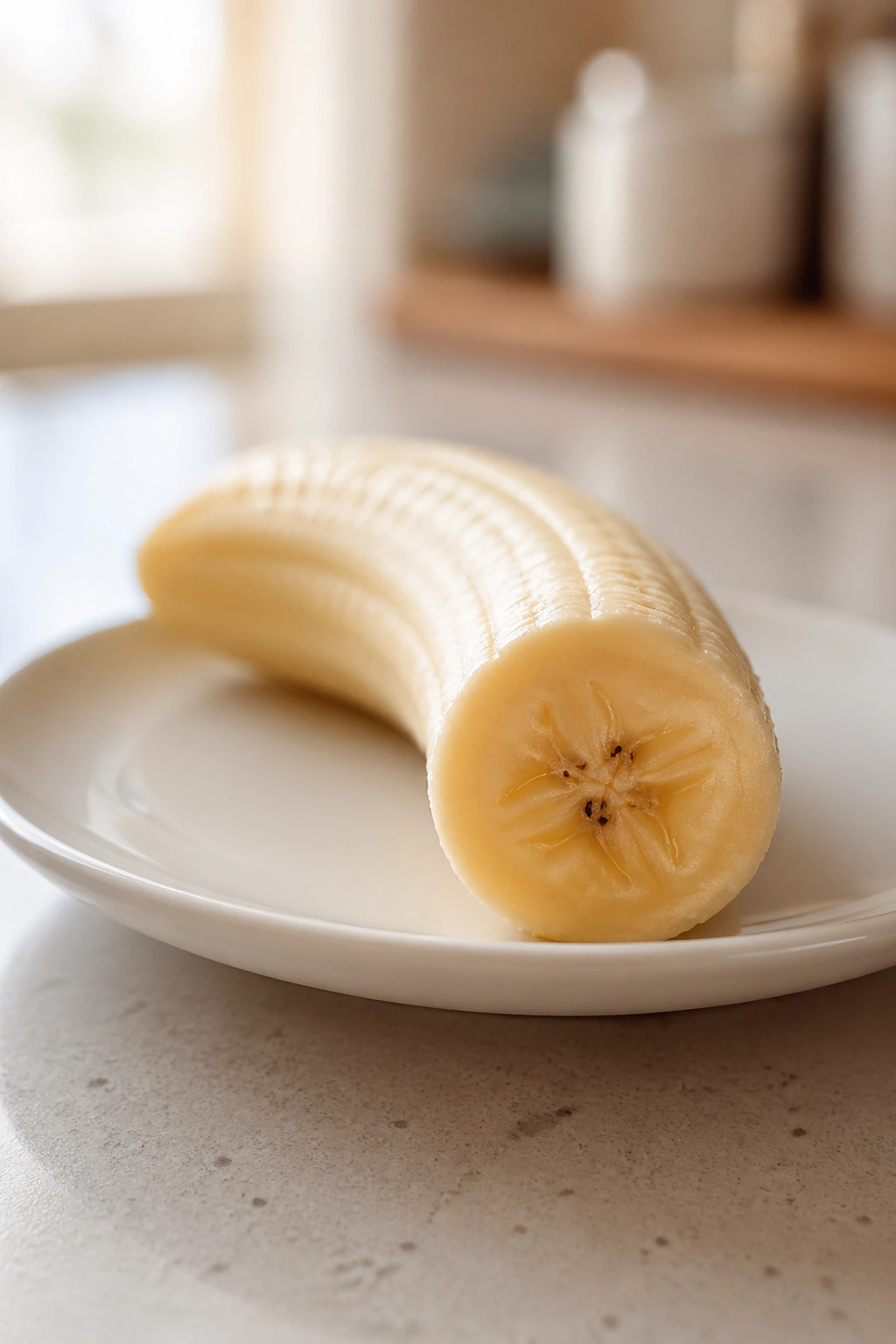
Can you lift on an empty stomach? Sure. Should a beginner make that the default? Usually not.
Fasted training works best for people who already know how their body reacts. Beginners often don’t. If you feel shaky, headachy, nauseated, or weirdly weak before the second exercise, the empty-stomach routine is probably not helping you. A lot of people mistake that drained feeling for “burning more fat” or some other gym myth. What it usually means is that you showed up under-fueled.
A Smarter Middle Ground
If a full meal sounds like too much, eat a small snack instead. Half a banana, a slice of toast with jam, or a small yogurt can make a big difference without sitting heavy. That little bit of food can steady your energy and take the edge off the workout without making you feel stuffed.
Watch For These Warning Signs
- Lightheadedness during your warm-up
- Sudden hunger halfway through training
- Feeling irritable before the session even starts
- A dip in strength on basic lifts
If those show up often, stop trying to be heroic before the gym. Eat something small. Your workout will usually feel better within a few sessions.
4. Keep Fat and Fiber Low Right Before Lifting
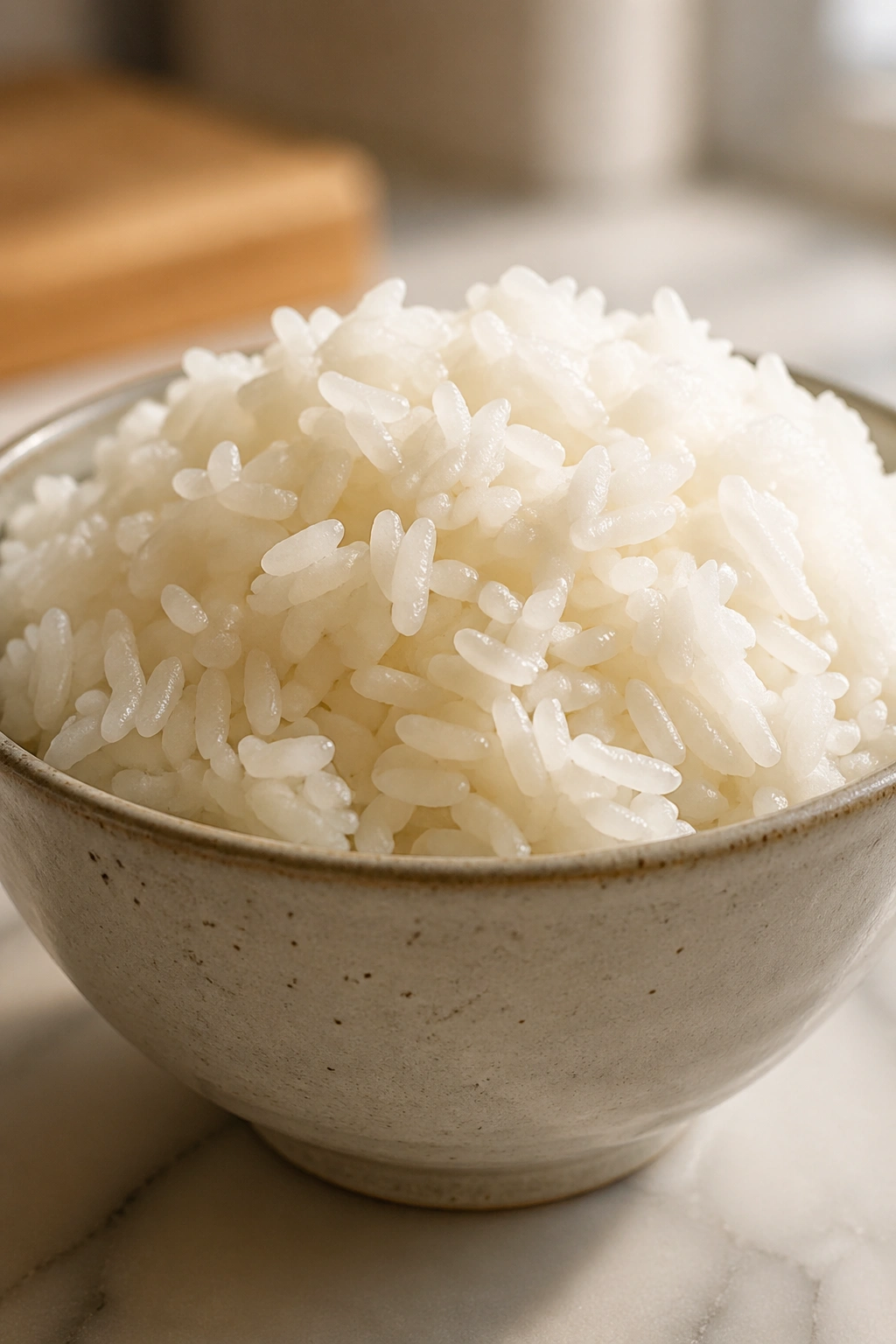
The burger-and-fries pre-gym idea is a disaster for a lot of beginners. So is a giant bowl of bran cereal or a mountain of beans right before leg day. Fat and fiber digest slowly, and that slow digestion can make you feel heavy, bloated, and distracted when you should be focusing on form.
I care more about stomach comfort here than nutrition bragging rights. You can eat fiber-rich foods all day long. Just don’t make them the last thing sitting in your stomach before deadlifts.
A better pre-workout meal is usually easy to chew and easy to digest. White rice, sourdough toast, oatmeal, a banana, applesauce, rice cakes, or a plain bagel tend to sit better than greasy, spicy, or very fibrous meals. That doesn’t mean those foods are “bad.” It means timing matters.
Skip the giant salad an hour before training. Seriously.
If you’ve ever felt a weird sloshy pressure during squats or had to pause between sets because your stomach felt full, this is usually the reason. Keep the last meal simpler and lighter, then eat the heavier stuff after the workout when your body is done juggling the load.
5. Use Caffeine Like a Tool, Not a Personality Trait

More caffeine is not the same thing as better training. A lot of beginners hear “pre-workout” and assume the answer is a giant scoop of something that makes their skin tingle. That’s a mistake. You want enough caffeine to feel alert, not so much that your heart taps out before your first set.
For many beginners, a small cup of coffee or about 50 to 100 milligrams of caffeine is enough to test the waters. That can mean better focus, a slightly higher work rate, and less of that sleepy, sluggish start. It should not feel like your brain is vibrating.
What Too Much Caffeine Feels Like
- Racing heart
- Jitters in your hands
- Feeling oddly warm or shaky
- Needing the bathroom five minutes after you arrive
- Trouble sleeping later, even if the workout felt great
If you train later in the day, be even more careful. A strong coffee that feels harmless at the gym can wreck your sleep, and bad sleep is a brutal way to sabotage the next session. Start low. Keep notes. If one cup feels fine, stay there. There’s no medal for taking a scoop that makes you miserable.
6. Test Any Pre-Workout Supplement on an Easy Day First
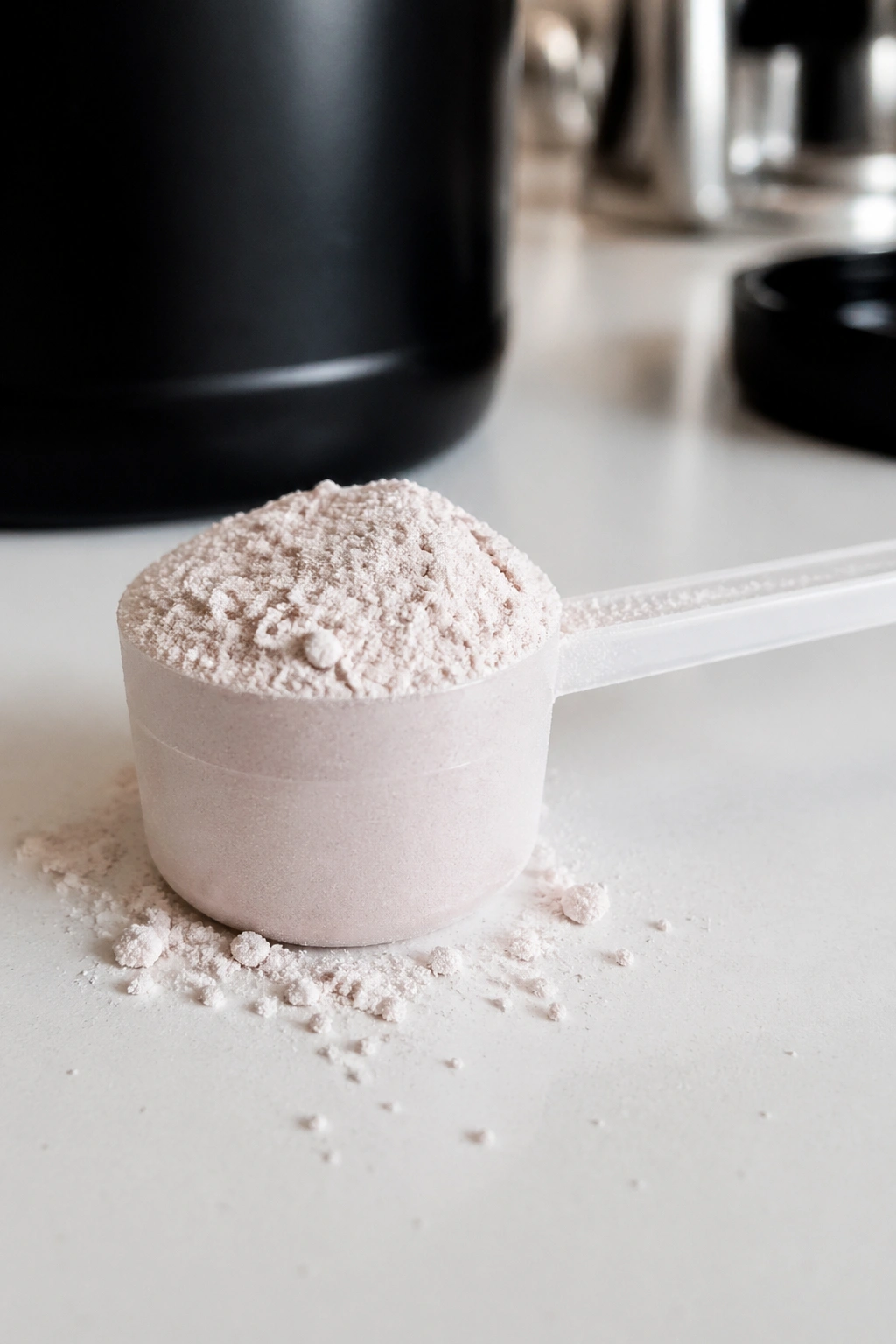
A hard leg day is not the place to find out that a supplement makes your stomach weird. A few powders leave people jittery, nauseated, itchy, or stuck in the bathroom, and that is a terrible surprise when you’ve already warmed up.
If you want to try a pre-workout supplement, test it on a lighter session first. Take the smallest reasonable dose, not a heroic one, and see how your body reacts over the next hour. Pay attention to your stomach, your heart rate, and whether the energy feels steady or messy. Some formulas are loaded with ingredients you do not need right away, especially as a beginner.
Read the Label Like It Matters
- Check the caffeine amount per scoop.
- Watch out for huge “proprietary blends” that hide the real dose.
- Be cautious with high-stimulant formulas if you’re sensitive to caffeine.
- Don’t stack pre-workout powder on top of an energy drink.
A plain cup of coffee is often easier to manage than a flashy tub with twenty ingredients and a label that looks like a fireworks show. If the simple option works, use the simple option.
7. Warm Up With Movement and Ramp-Up Sets
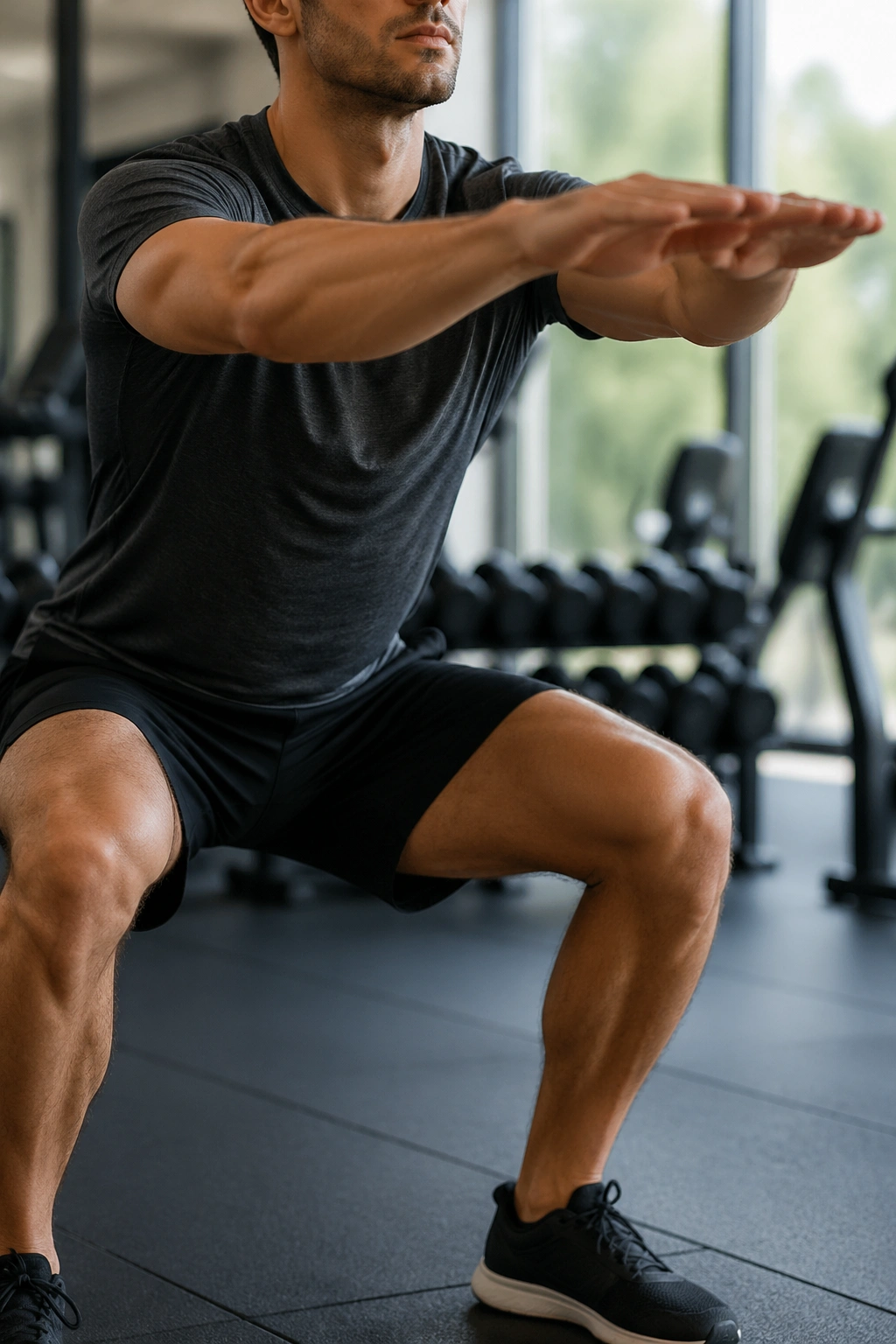
A proper warm-up is not a waste of time. It’s the bridge between sitting all day and lifting something heavy without feeling broken.
Start with 5 to 10 minutes of easy movement. A brisk walk, a bike ride, or a light row works well. You want your body warm, your breathing a little faster, and your joints moving more freely. Then do ramp-up sets for your first lift — lighter sets that gradually get you closer to your working weight. That is where most beginners need help, because they jump straight to the big number and wonder why the bar feels weird.
A Simple Warm-Up Flow
- 5 minutes of brisk walking, cycling, or rowing
- 8 to 10 bodyweight squats
- 8 arm circles in each direction
- 1 or 2 light sets of the first lift
- A brief pause before the first hard set
Your warm-up should leave you loose, not tired. If you’re sweating hard before the workout even starts, you’ve probably gone too far. Save your energy for the actual training. That’s the part that counts.
8. Pack Your Gym Bag Before You Leave Home
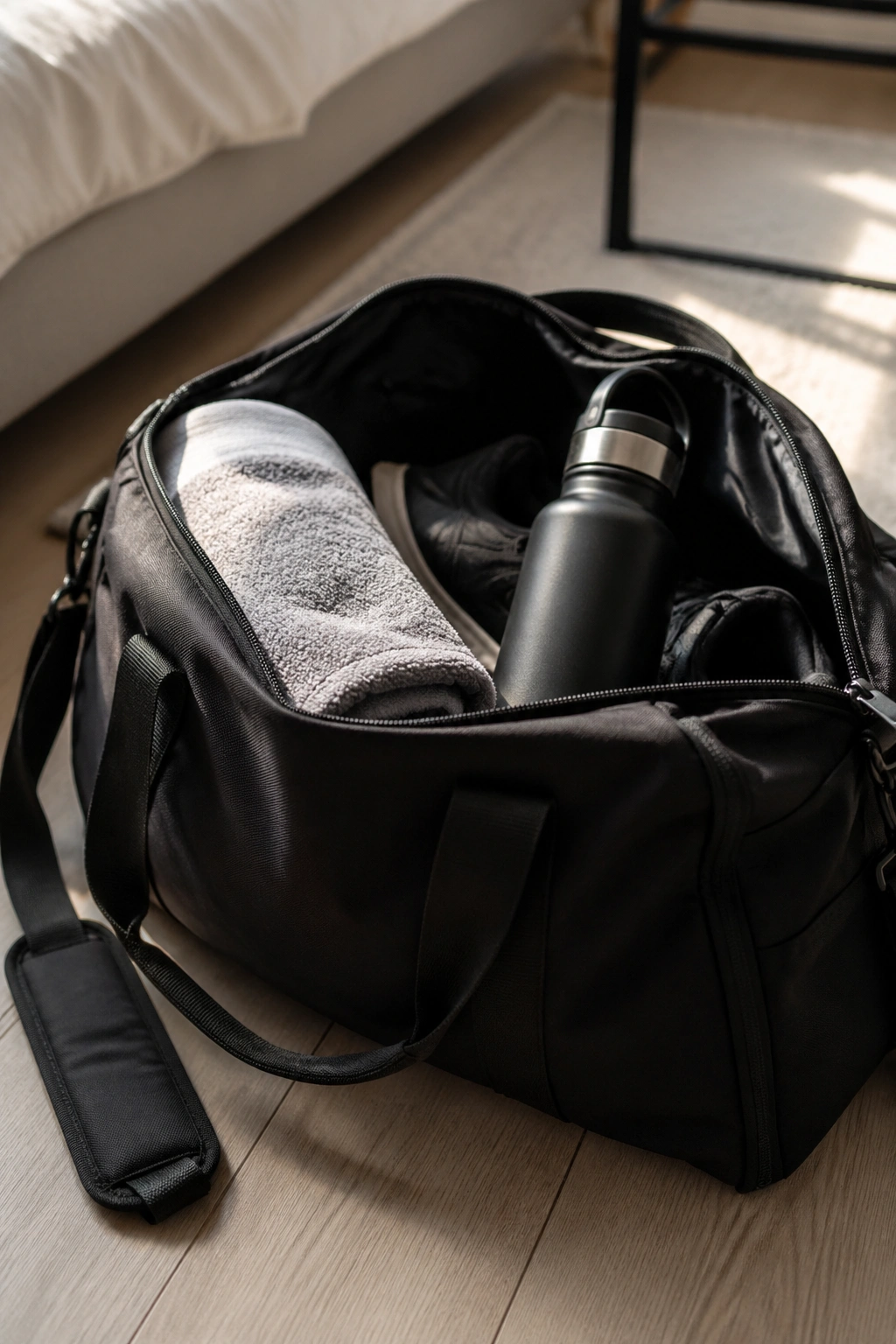
The most underrated pre-workout tip is being ready before the day starts. Nothing throws off a session faster than realizing you forgot your headphones, your water bottle, or the shoes you actually meant to wear. Then your calm little plan turns into a scramble.
Pack your bag the night before, or at least lay everything out in one spot. Put your water bottle, lock, headphones, towel, any toiletries you need, and the clothes you’ll train in where you can see them. If you’re a beginner, this sounds tiny. It isn’t. Small friction kills consistency faster than bad motivation ever will.
Keep the Bag Simple
- Water bottle
- Lock, if your gym uses lockers
- Headphones
- Towel
- Spare hair tie or clip
- Membership card or phone pass
- Clean shirt if you sweat a lot
I like habits that remove decisions. When you open the bag and everything is already there, your brain gets one less chance to argue with you. That alone can be the difference between going and skipping.
9. Wear Clothes and Shoes That Help You Move
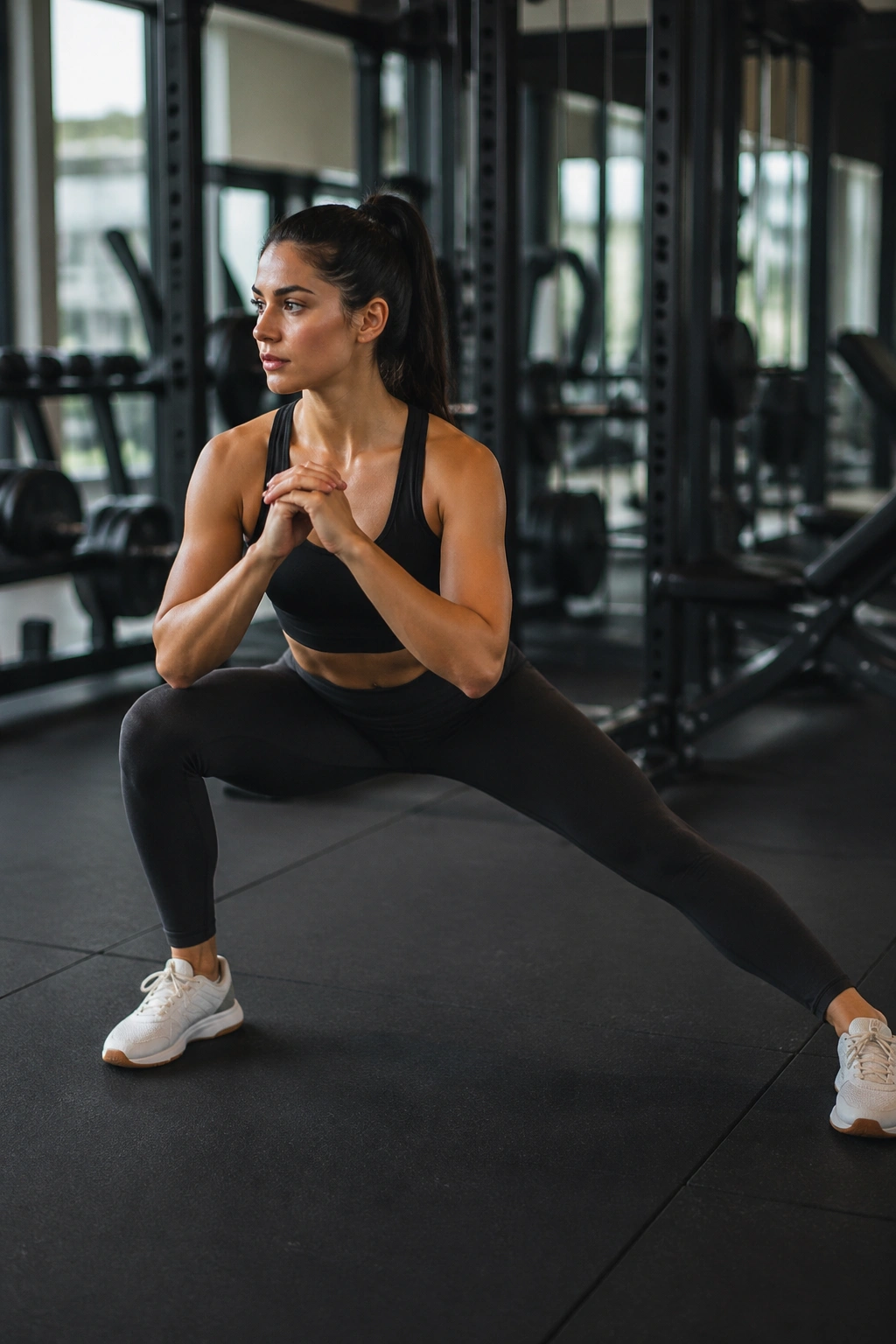
A beginner does not need expensive gym clothes. You do need clothes that don’t fight you. If your shirt rides up, your waistband digs in, or your shorts bunch around your thighs, you’ll think about that stuff more than the exercise.
Shoes matter even more. Cushioned running shoes can feel fine on a treadmill, but they can be annoying for squats or deadlifts because the soft sole shifts under load. A stable, flat shoe usually works better for lifting. If you’re doing mostly cardio, the story changes a bit. Match the shoe to the work.
Your clothes should let you move through a full range of motion without tugging or pinching. Try doing a bodyweight squat, an overhead reach, and a hinge at the waist before you leave. If the outfit feels awkward in your bedroom mirror, it’ll feel worse under the bar.
No one needs a fashion show in the gym. Just wear things that stay out of the way.
10. Use the Bathroom Before You Start

This one sounds silly until you’re halfway through a set and suddenly distracted by your bladder. Then it stops sounding silly pretty fast.
Go before you begin, especially if you had coffee, a big glass of water, or a meal close to training. The need usually hits at the worst possible moment: right after you rack the bar, right as you’re holding a plank, or during the first ten minutes on a treadmill. Get ahead of it.
That bathroom stop also gives you a tiny reset before the session starts. You wash your hands, check your gear, maybe sip a little water, and walk back out with a bit more focus. It’s not dramatic. It’s just clean, practical, and useful.
If you’re nervous before a workout, the bathroom break can calm the nerves too. The less random discomfort you carry into the session, the easier it is to focus on the actual lifts.
11. Plan Your First Three Exercises Before You Walk In
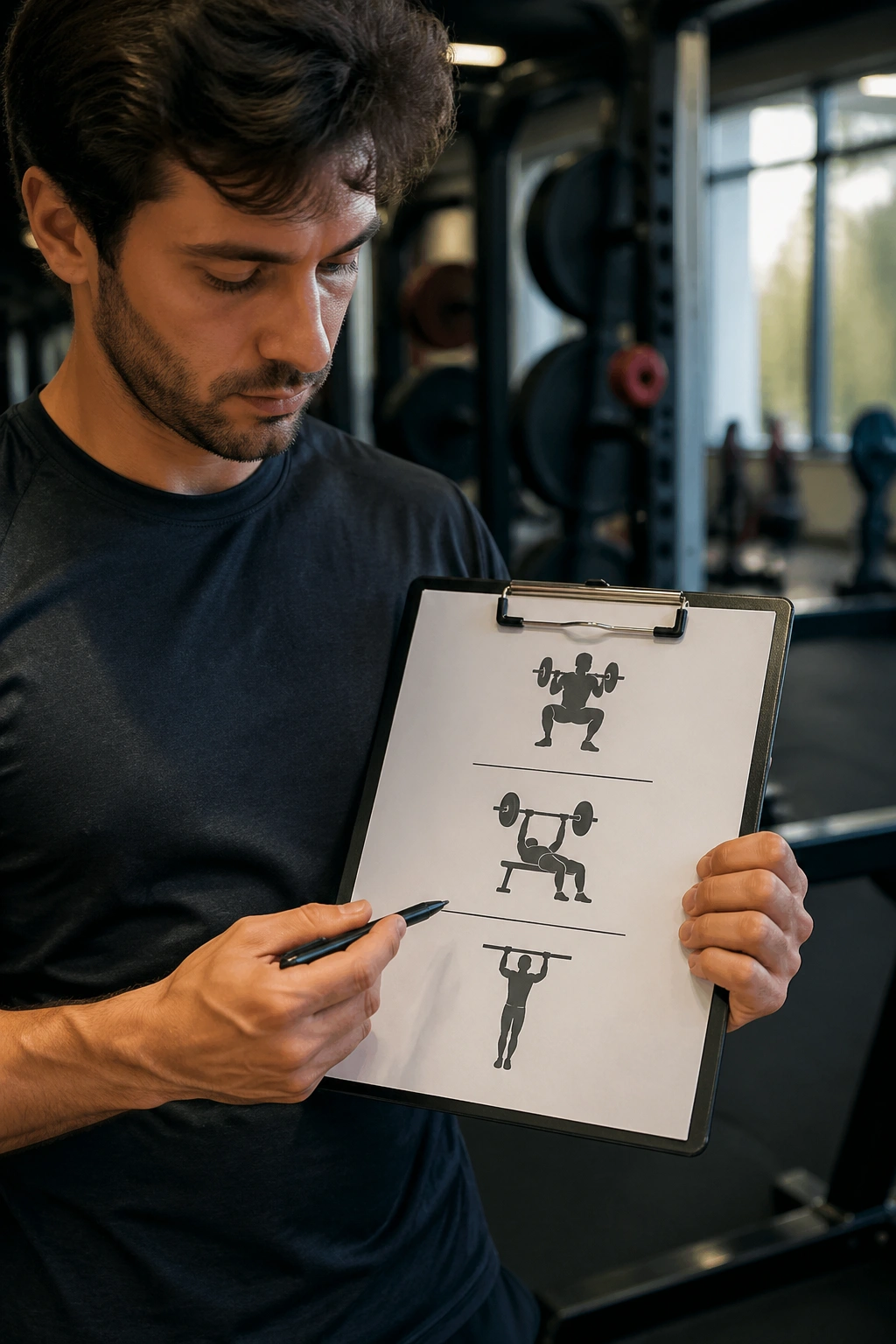
Walking into the gym without a plan is how beginners end up wandering between machines, doing three sets of random stuff, and leaving annoyed. I’m not against freedom. I’m against confusion.
Pick your first three exercises before you arrive. Maybe it’s squat, dumbbell bench press, and a row. Maybe it’s leg press, chest press, and a lat pulldown. The exact list matters less than the fact that you already chose it. Once you’re in the building, you should be moving, not browsing.
A Simple Way to Plan
- One lower-body movement
- One push movement
- One pull movement
- A short warm-up before the first one
- A rough set-and-rep goal for each exercise
That tiny bit of planning also keeps you from wasting energy on decisions. Beginners often burn more mental fuel choosing equipment than actually using it. Write the plan in your phone, on a paper note, or in a gym app — whatever you’ll check without fuss. Less wandering. Better workout.
12. Start With the Hardest Lift While You’re Fresh
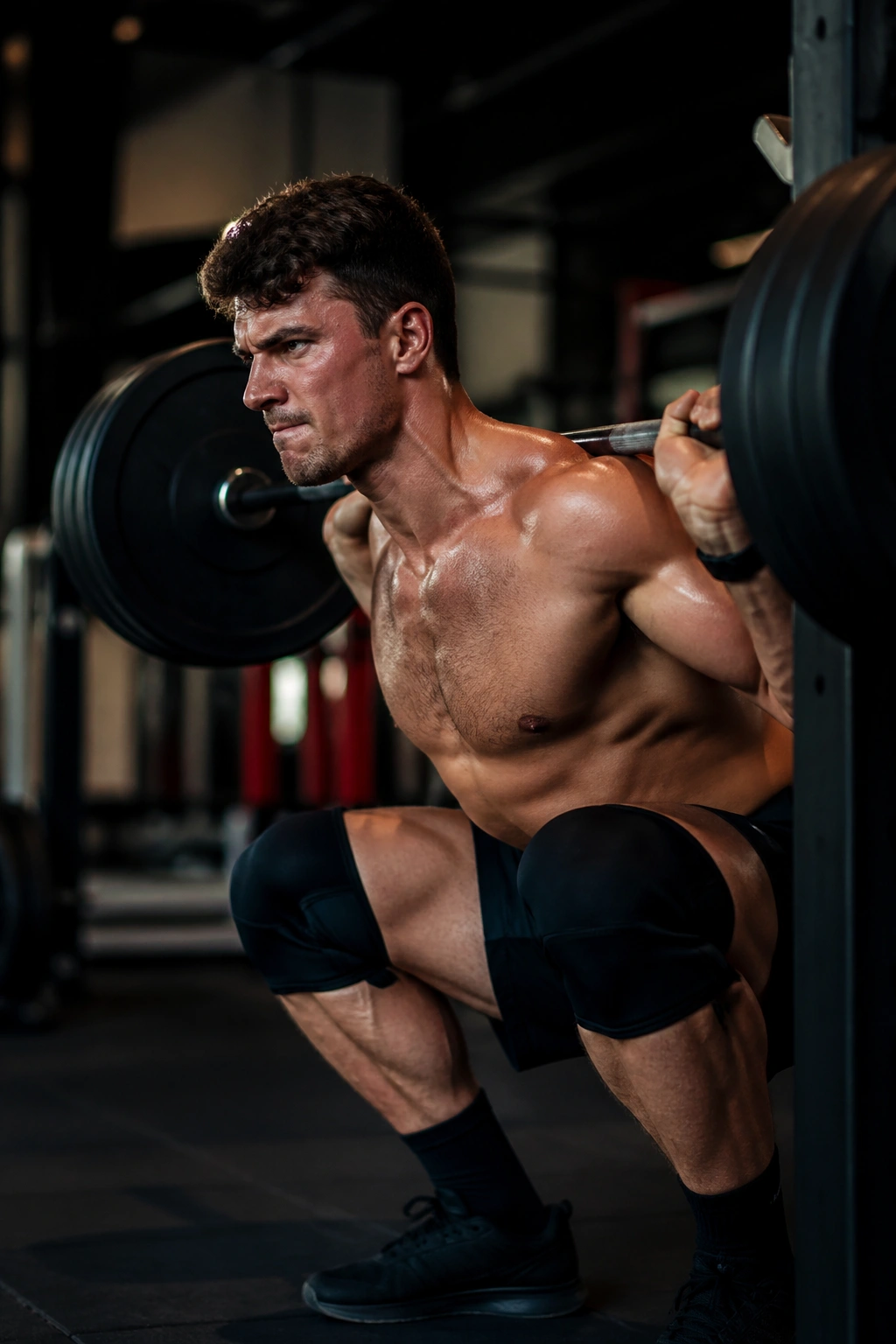
Put the hardest, most technical lift at the front of the session. That usually means a squat, deadlift, bench press, overhead press, or another compound movement that asks a lot from your body and your focus. Don’t save it for the end when you’re tired and rushing.
There’s a reason this advice shows up so often among experienced lifters: the first exercise gets the best version of you. Your grip is fresher. Your concentration is sharper. Your form is less sloppy. By the time you reach the little accessory work, you can tolerate being tired a bit more.
What Goes First, Usually
- Heavy compound lift
- Main machine or dumbbell movement
- Secondary exercise
- Smaller isolation work
- Core or finisher
A beginner does not need to chase exhaustion from minute one. You want quality reps, not just a sweaty victory lap. If your first lift is the one that teaches your body to move well, everything after it tends to go more smoothly.
13. Keep a Small Snack Handy for Short-Notice Sessions

Sometimes the schedule gets messy. You leave work, the gym is close, and there’s no time for a real meal. That’s when a small snack earns its keep.
A banana, a granola bar with a short ingredient list, toast with honey, applesauce, or yogurt can bridge the gap without sitting like a rock in your stomach. You’re not trying to recreate a full meal. You’re trying to stop your session from feeling empty.
Good Quick Options
- 1 banana
- 2 rice cakes with peanut butter
- 1 slice of toast with jam
- Small yogurt cup
- Applesauce pouch
- Half a granola bar if you’re sensitive to food before training
The key is timing. Eat the snack 15 to 45 minutes before training, then start your warm-up. If you eat it and immediately sprint to the squat rack, you may still feel off. Give it a little room to settle. Not much. Just enough.
14. Figure Out Which Foods Sit Well With Your Stomach
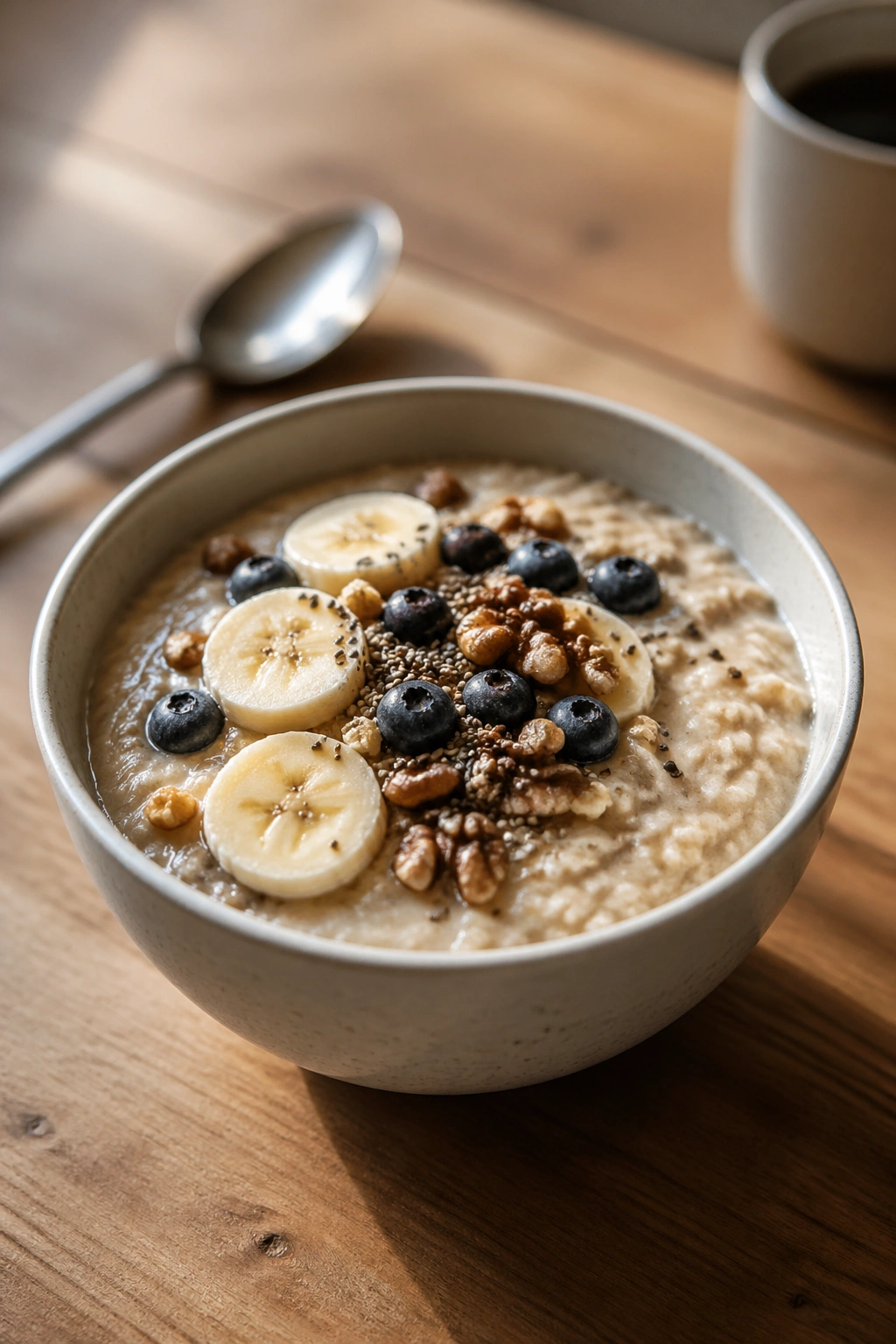
A pre-workout meal only works if your stomach agrees with it. That part gets ignored a lot, and it shouldn’t. Two people can eat the same thing and feel totally different in the gym.
Some beginners do great with oatmeal. Others get bloated. Some love peanut butter on toast. Others feel sluggish after even a small amount of fat. Dairy can be fine for one person and a problem for another. Your job is to notice the pattern, not guess at it forever.
Build a Tiny Food Log
Write down three things after each session:
- What you ate
- How long before training you ate it
- How your stomach and energy felt
You do not need a spreadsheet with fifty tabs. A note in your phone is enough. After a few sessions, the good choices usually stand out. So do the bad ones. Keep the meals that make you feel light, steady, and alert. Cut the ones that make you feel bloated, sleepy, or oddly tense.
That little bit of attention saves a ton of trial and error.
15. Protect Your Sleep the Night Before
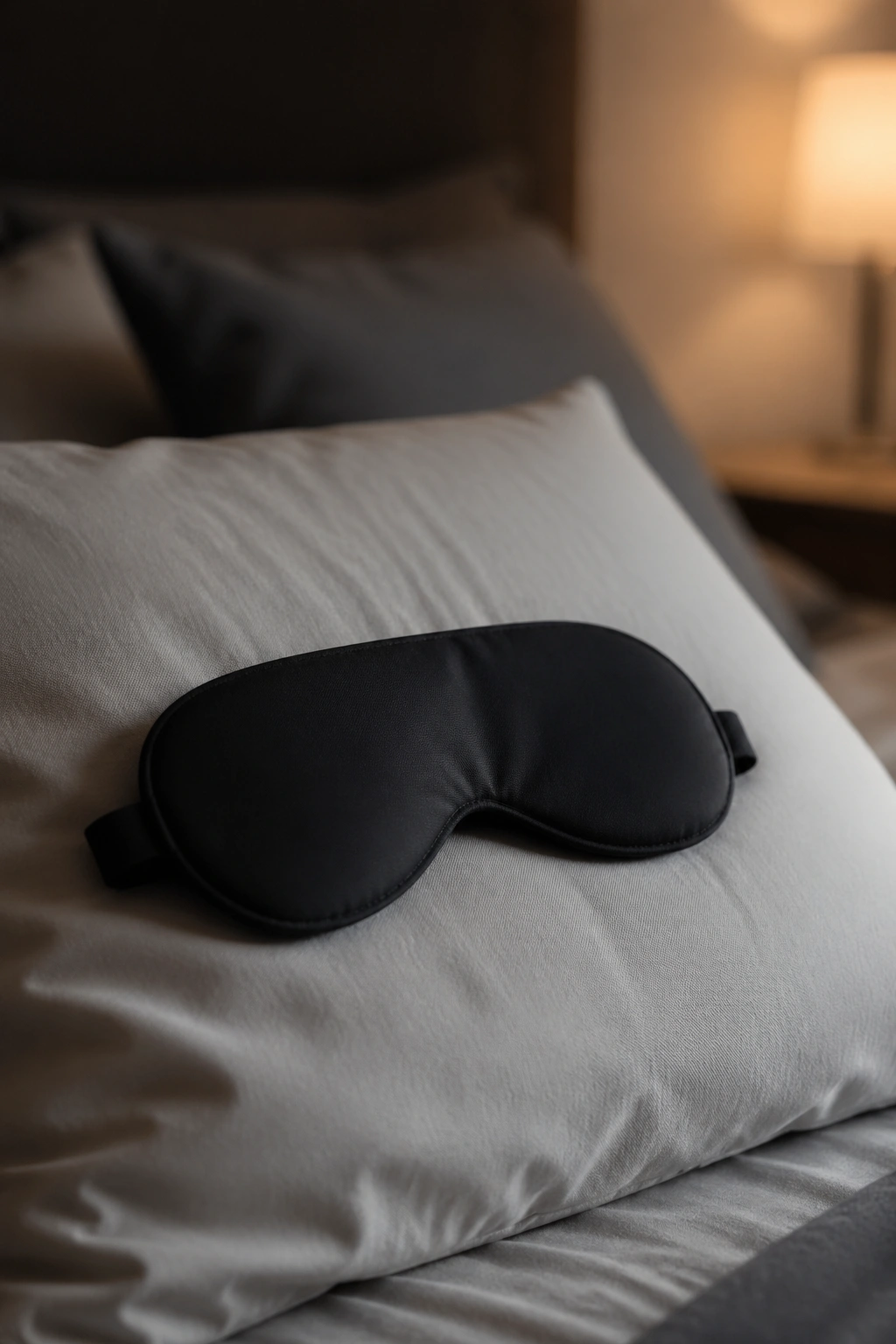
Sleep is a pre-workout tool, even though nobody sells it in a tub.
If you slept badly, the gym feels harder. The weights feel heavier. Focus slips. Your mood gets cranky. A beginner might blame cardio, caffeine, or the workout plan, when the real culprit was the short night before. I care about this more than most flashy supplement advice because it changes everything.
Late caffeine is the usual saboteur. So is scrolling in bed until your eyes feel dry. A simple habit helps: stop caffeine early enough that you can still fall asleep on time, and keep the room dark and quiet when you wind down. If you train early the next morning, this matters even more.
A rough night does not mean you skip the gym. It means you lower the pressure and keep the session sane. Use a longer warm-up. Pick manageable weights. Pay attention to form. A tired body can still train, but it needs a little respect.
16. Use a Short Mental Routine Before You Start

Some beginners walk into the gym physically prepared and mentally scattered. That doesn’t look dramatic from the outside, but it can wreck the first half of the session. You’re there, yet not there.
A short routine fixes that. Pick one thing you do before every workout: three slow breaths, one song, a quick check of your plan, or a few minutes of quiet walking near the entrance. The point is to tell your brain, “We’re here now.” That small cue helps more than people admit.
A Simple Reset
- Put your phone on silent
- Take 3 slow breaths
- Read your first exercise and weight
- Walk to the rack or machine
- Start the first warm-up set without delay
You do not need a dramatic mindset ritual. You need a repeatable one. If you feel anxious, rushed, or distracted, keep the routine short and plain. Overthinking before a workout wastes energy you’d rather spend on the session itself.
17. Stop Copying Other People’s Pre-Workout Habits

The guy in the oversized stringer with four different bottles and a tub of powder the size of a flowerpot is not your template. Neither is the woman who eats a full meal, takes a stimulant stack, and then somehow still trains at a civilized pace. People have different bodies, different tolerances, and different goals.
Beginners often copy the visible stuff because it looks advanced. That’s a trap. Half the rituals you see in the gym are habit, preference, or plain showmanship. They are not instructions. The better move is to build a routine that feels calm and repeatable, not loud and complicated.
Simple beats impressive when you’re trying to learn how your body responds. If one cup of coffee, a banana, and a warm-up set get you through the session, that is a win. You do not need to earn your place by making pre-workout difficult.
And yes, some people train great on more stimulation, more food, or more supplements. Fine. You’re not them. Build the version that helps you show up tomorrow without dreading it.
18. Build a Repeatable Checklist You Can Use Every Time
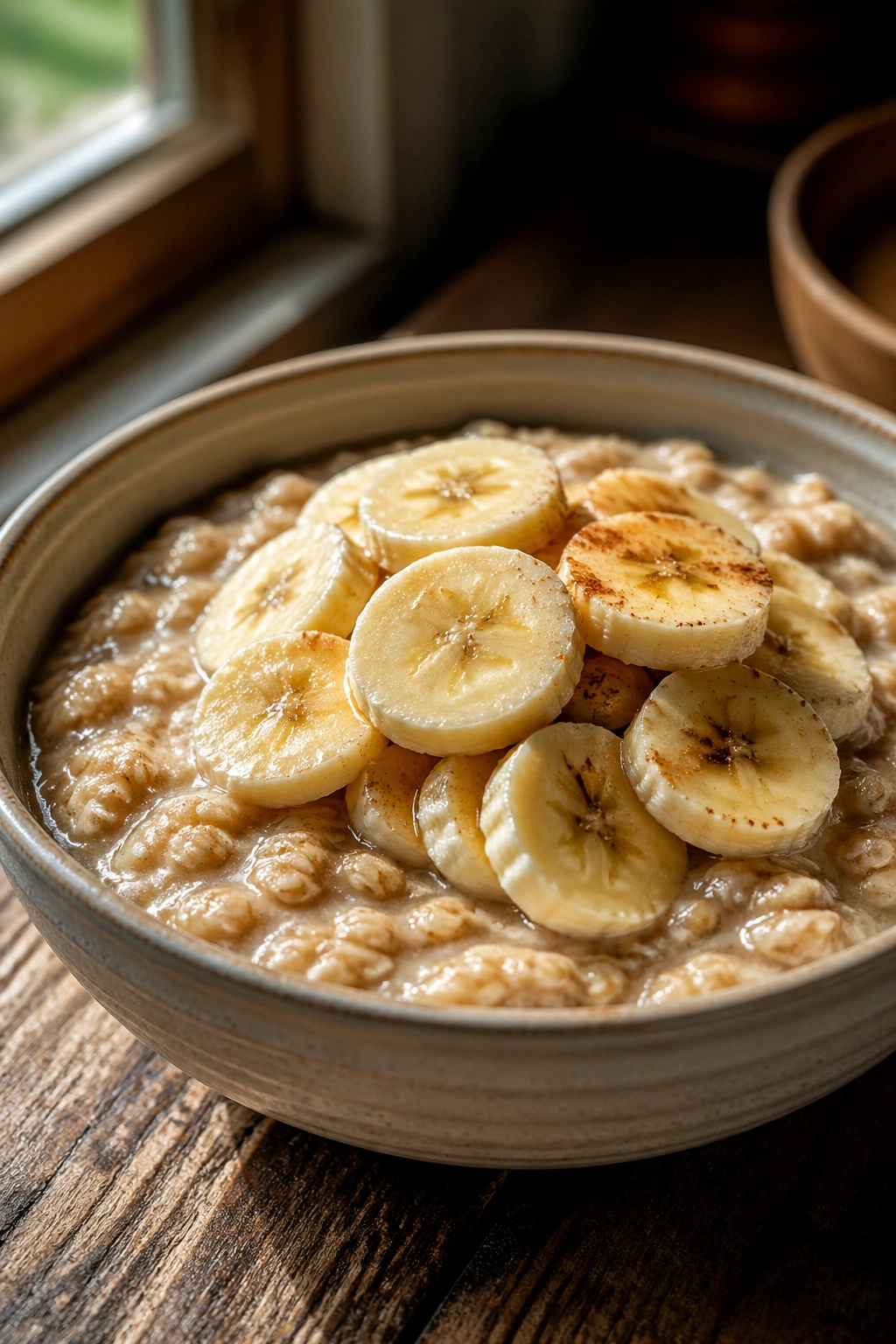
A good pre-workout routine gets boring in the best way. It happens almost automatically, which is exactly what beginners need. Less guessing. Less drama. More reps.
Make a short checklist and keep it the same for most sessions. Mine would look something like this: eat something light 1 to 3 hours before, drink water, use the bathroom, pack the bag, warm up, review the first three exercises, and start. That’s it. No circus. No ten-step ceremony.
Your Checklist Can Be Tiny
- Water bottle filled
- Snack or meal handled
- Shoes and clothes ready
- Phone on silent
- First lift planned
- Warm-up done
The power of a checklist is not that it feels fancy. It’s that it removes the tiny mistakes that throw off beginners all the time. Miss one thing, and the whole session can feel off. Catch those things early, and the gym starts feeling familiar fast.
Keep the routine plain enough that you’ll actually do it. That matters more than making it clever.
