



The soreness usually doesn’t show up in the gym. It shows up on the stairs, when your quads complain about a single flight and your shoulders feel a little too honest every time you reach for a mug.
The foods that help muscle recovery are not fancy, and that is part of the charm. A solid mix of protein, carbs, fluids, potassium, magnesium, and a few anti-inflammatory compounds can take the edge off that heavy, beat-up feeling after lifting, sprinting, or a long run.
I like recovery food that does more than one job. Greek yogurt feeds muscle repair and feels cold when you do not want to cook; salmon brings protein and omega-3 fats; bananas and oats refill glycogen without sitting like a brick in your stomach.
The trick is knowing which foods pull their weight and which ones just sound healthy on a label. Start with the foods below, and pay attention to the pairings — because recovery almost never comes from a single bite.
1. Greek Yogurt
Greek yogurt earns its spot because it gives you protein in a form that goes down easily after training. A single cup often lands around 15 to 20 grams of protein, and some tubs push higher depending on the brand. That matters when your appetite is low and the thought of cooking chicken sounds like a punishment.
Why It Works After Training
Greek yogurt brings a strong mix of whey and casein protein, which gives muscle repair a steady supply of amino acids. Casein digests more slowly than whey, so you get a little staying power instead of a quick spike and fade.
Plain Greek yogurt is the move. Sweetened versions can turn into dessert fast, and recovery food should not sneak into sugar-bomb territory unless you mean to add carbs on purpose.
- Choose plain Greek yogurt with at least 15 grams of protein per serving.
- Add ½ cup berries or ⅓ cup oats if you need more carbs after a hard session.
- Stir in a spoonful of honey only when you want faster refueling and can handle the sweetness.
- If the texture feels too thick, loosen it with a splash of milk.
My favorite recovery move: Greek yogurt plus banana slices and a pinch of salt. It sounds simple. It works.
2. Eggs
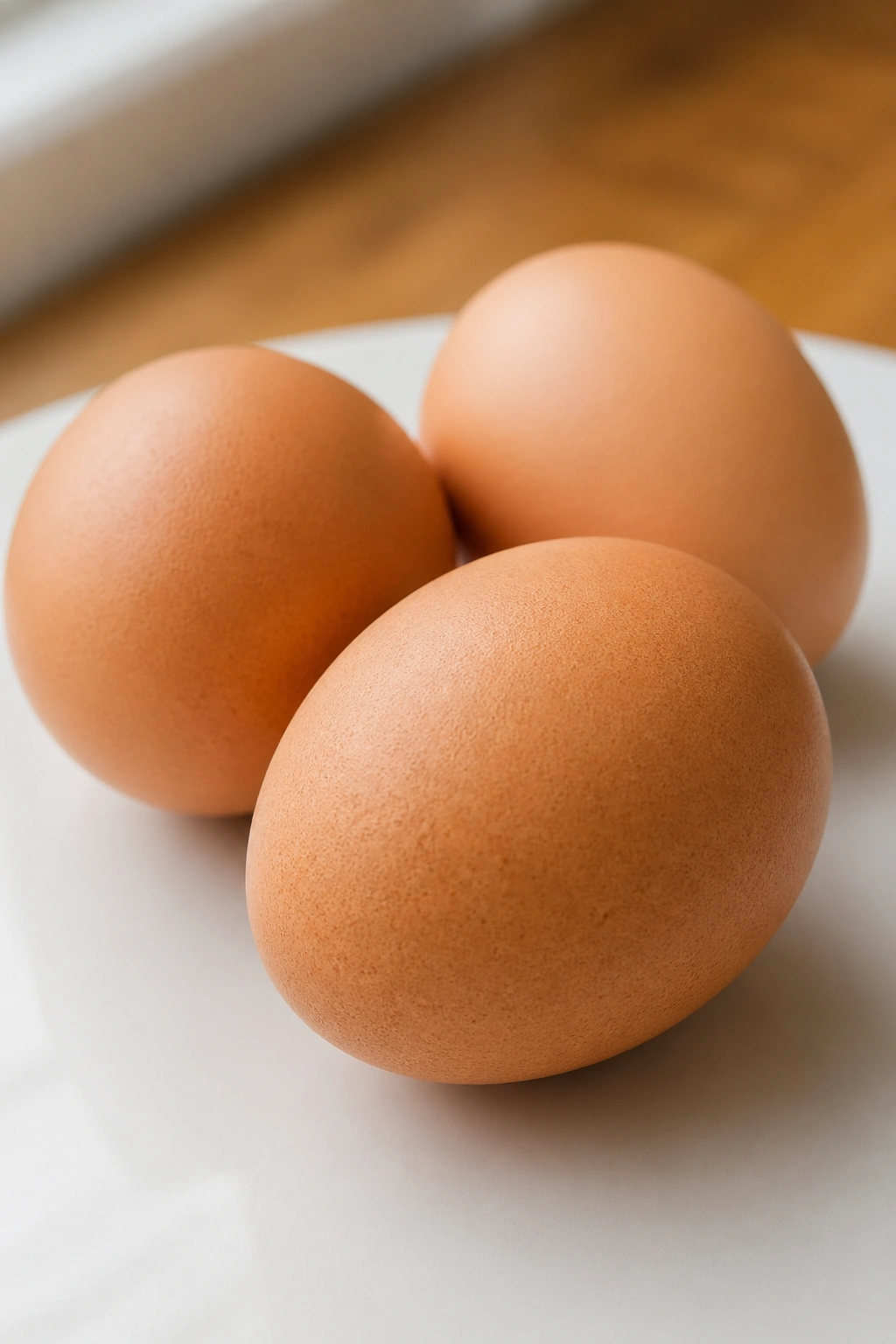
Eggs are one of those foods that never need a sales pitch. Two or three large eggs give you a tidy protein hit, along with leucine, the amino acid that helps switch on muscle protein synthesis.
The yolk matters. People love to strip eggs down to whites only, but that leaves out choline, fat, and a more filling bite. After a hard workout, fullness can be a feature, not a bug, especially if you are trying to avoid raiding the kitchen an hour later.
Scrambled, boiled, poached, folded into fried rice — eggs keep showing up because they are fast, cheap, and easy to match with carbs. Put them on toast, tuck them into a wrap, or eat them with leftover potatoes. That pairing matters more than people like to admit.
A plain egg meal does not need drama. It needs bread, rice, oats, or fruit beside it.
3. Salmon
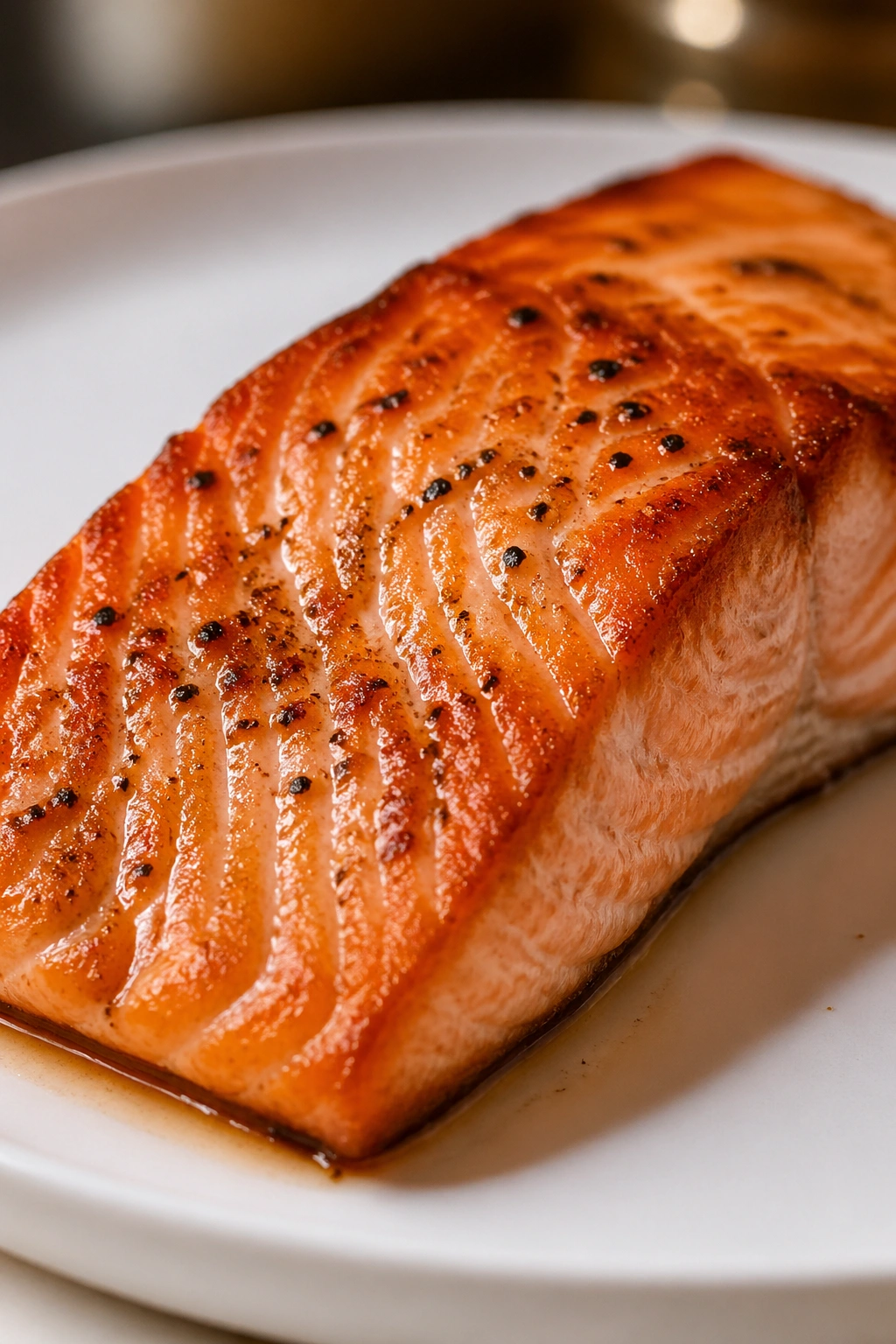
A grilled salmon fillet is one of the cleanest recovery meals you can eat. You get a strong protein base, and you also get omega-3 fats, especially EPA and DHA, which are often discussed in sports nutrition because they may help calm the soreness that follows hard training.
A 4- to 6-ounce portion is a sweet spot for many people. It is enough to matter, but not so much that the meal feels heavy or greasy. Salmon also brings vitamin D and selenium, which do their own quiet work in the background.
How to Serve It Without Making It Fussy
I like salmon with rice and a green vegetable. That combination gives you protein, carbs, and a little color on the plate, which sounds cosmetic until you realize that recovery meals get eaten more often when they look good.
- Serve salmon with 1 to 2 cups cooked rice for glycogen refill.
- Add a squeeze of lemon and a little salt after cooking.
- Use canned salmon if you need speed; it still brings protein and omega-3s.
- Choose a pan-seared or baked fillet when you want a crisp edge and less oil.
Salmon is not cheap in the casual sense. It is useful in the serious sense.
4. Tart Cherries
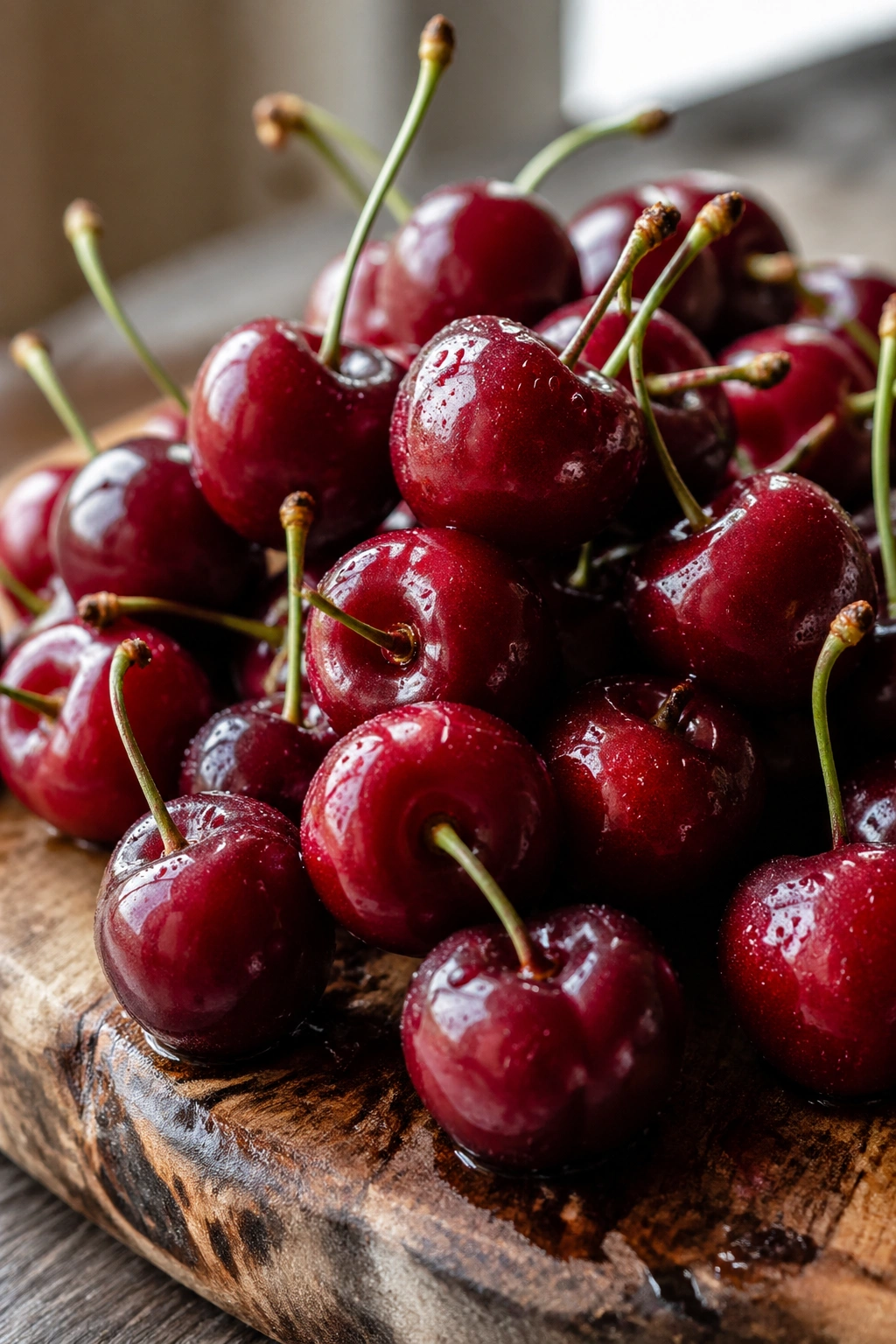
Why do so many recovery drinks lean on tart cherry? Because tart cherries bring anthocyanins, the pigments tied to that deep red color, and those compounds have been studied for soreness, inflammation, and sleep support after hard exercise.
The catch is that sweet cherries are not the same thing. Tart cherry juice and concentrate show up in most of the recovery work, not random bowlfuls of grocery-store cherries. That detail matters if you want a real effect instead of wishful thinking in a pretty glass.
How to Use It
Tart cherry juice can be strong, so many people dilute it with water. Concentrate goes a long way, and a little usually covers the job without making the drink taste like candy.
- Mix 1 to 2 tablespoons tart cherry concentrate into water or sparkling water.
- Sip 8 ounces tart cherry juice after especially hard sessions.
- Blend frozen tart cherries into a smoothie with yogurt or milk.
- Use dried tart cherries sparingly; they are handy, but the sugar can stack up fast.
This is one of those recovery foods that feels a little ceremonial. That is fine. Ritual helps consistency, and consistency matters more than perfection.
5. Bananas
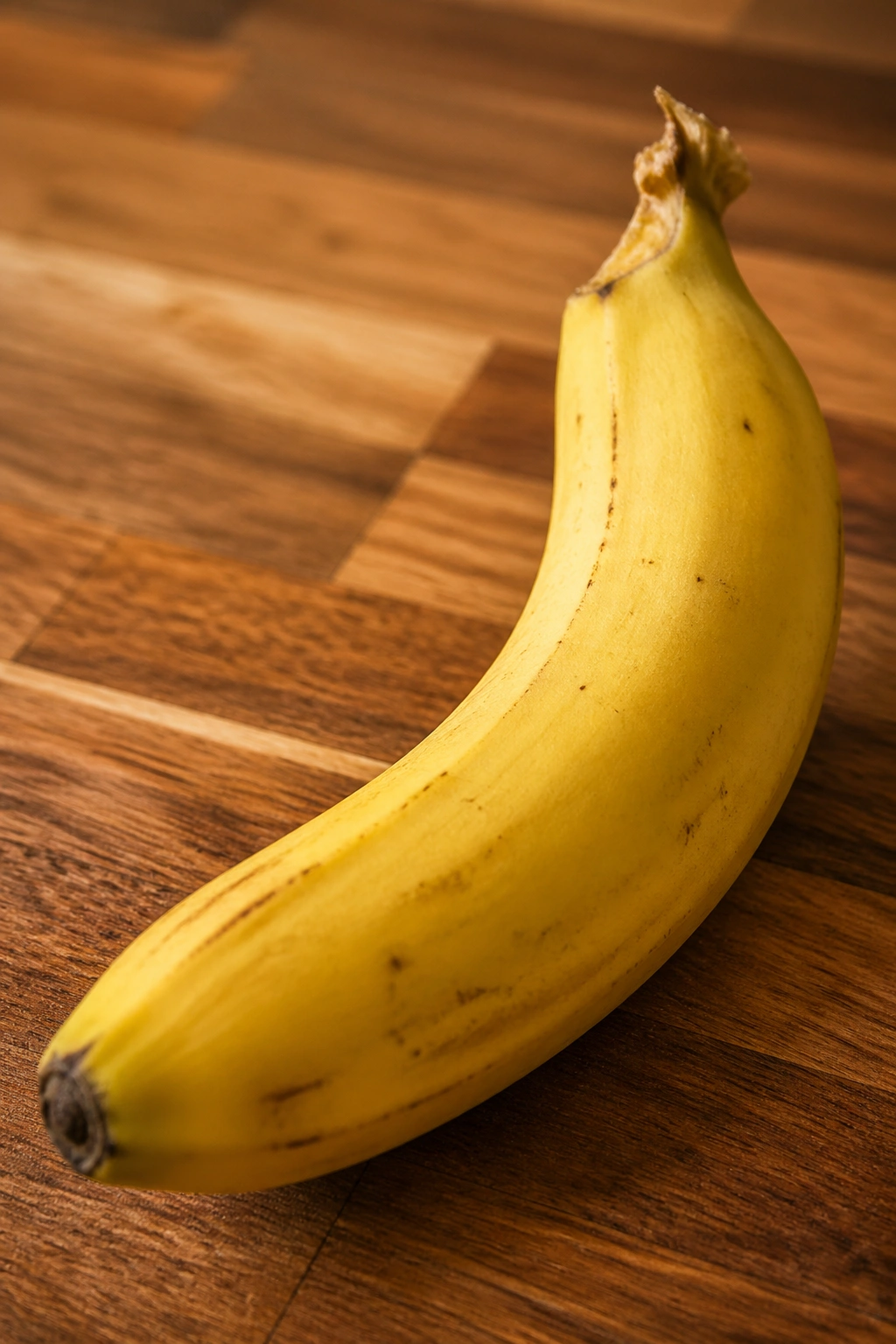
The banana you eat with shaking hands after leg day is not glamorous. It works.
A medium banana gives you quick carbs, a useful amount of potassium, and a soft texture that is easy to handle when your stomach is still settling down. That makes bananas a smart post-workout food for people who cannot face anything heavy right away.
Bananas are also flexible in a way that some “health foods” are not. Eat one plain. Slice it over oats. Pair it with yogurt. Blend it into a shake with milk. The fruit does not fight the rest of the plate, and that is part of why it keeps showing up in gyms, lunch bags, and kitchen counters everywhere.
If you train hard and sweat a lot, a banana plus something salty can be a smart move. The fruit covers carbs; the salt helps replace what you lost through sweat. Small thing. Big difference.
6. Oats
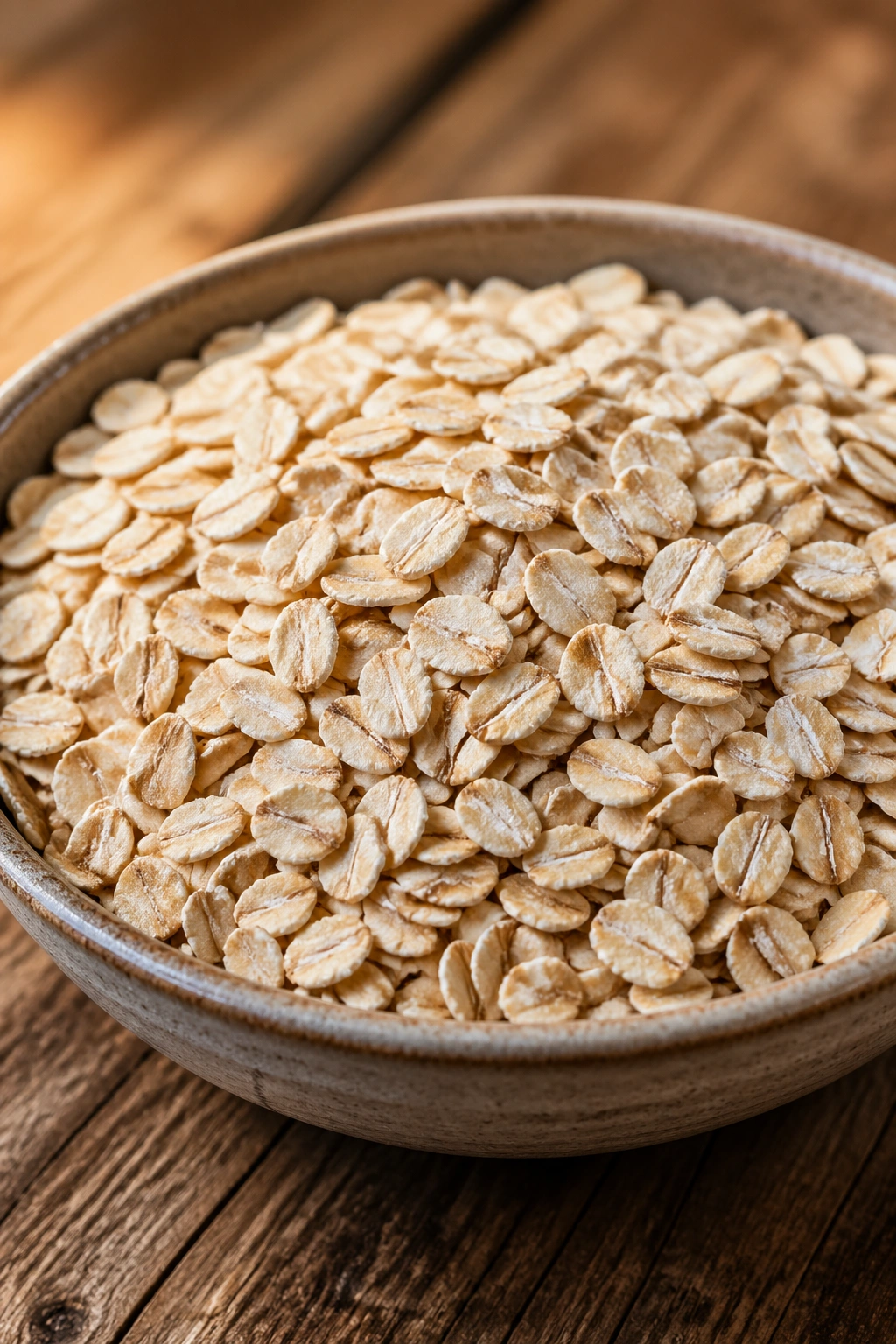
Oats are a recovery food that does one job first and then quietly helps with a few others. Their main strength is carbohydrate refill, which matters when you have emptied out some glycogen during lifting, intervals, cycling, or a long run.
Why Oats Belong After Hard Sessions
A bowl of oats sits in the sweet spot between fast and slow digestion. It is not candy, and it is not a brick. The fiber, especially beta-glucan, helps oats feel steady and satisfying, which is useful when you want recovery food that lasts longer than ten minutes.
Steel-cut oats, rolled oats, and overnight oats all work. The difference is texture and timing. Rolled oats cook fast. Steel-cut oats take longer and give you a chewier bite. Overnight oats are for the days when you want breakfast waiting in the fridge.
- Stir in Greek yogurt or a scoop of protein powder for a bigger protein hit.
- Add banana slices or berries for more carbs and flavor.
- Use milk instead of water if you want extra protein and calories.
- Sprinkle salt and cinnamon; both make oats taste less flat.
Plain oats can taste dull if you treat them like punishment food. Dress them a little and they become one of the easiest recovery meals around.
7. Cottage Cheese
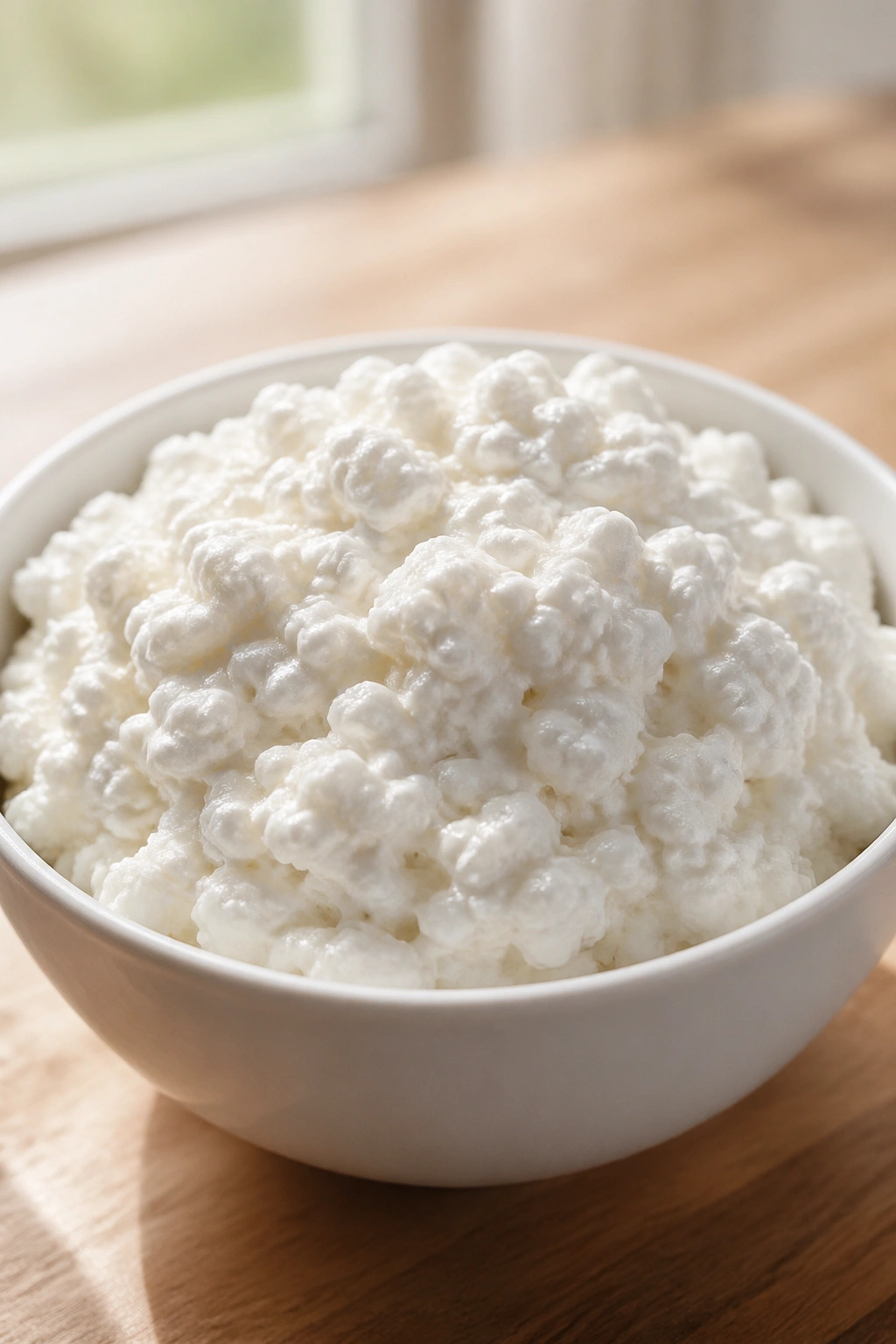
Cottage cheese is slower than a shake, and that is the point. It is packed with casein protein, which digests at a slower pace and can keep feeding muscle repair for hours.
A cup of low-fat cottage cheese often delivers around 25 grams of protein, which is a serious number for such a small-looking bowl. That makes it especially handy in the evening, when a lot of people want recovery food that will not leave them starving an hour later.
The texture is its own thing. Some people love it immediately. Others need time. I have noticed it works best when you stop trying to make it act like yogurt and let it be cottage cheese. Add fruit, cracked pepper, cucumber, or tomatoes. All of those pairings make sense.
Before bed is where this food really shines. If you trained late and still need protein without a huge meal, cottage cheese gives you a quiet, reliable finish.
8. Sweet Potatoes
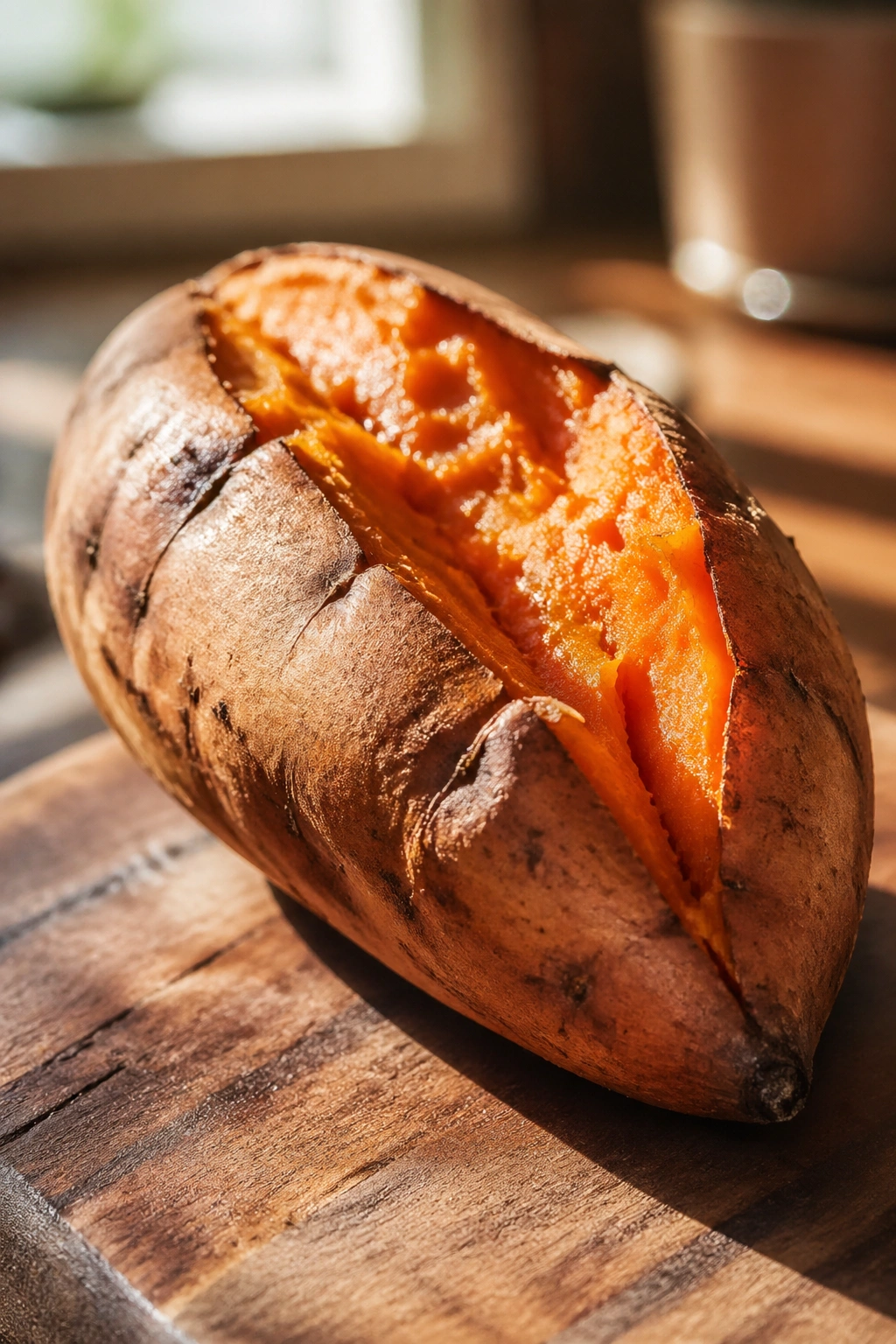
A baked sweet potato smells like warm sugar and earth, and that combo feels oddly right after training. Sweet potatoes bring carbs for glycogen, along with potassium, vitamin A, and a soft texture that is easy to eat when you are already tired.
One medium sweet potato is usually enough to anchor a recovery plate. It gives you energy back without demanding much from your stomach, and it pairs cleanly with eggs, fish, beans, or tofu. Mash it, roast it, or slice it into wedges with a little oil and salt. All three work.
The skin gets especially useful here. Leave it on if you want extra texture and fiber. If you peel it, the inside turns almost buttery when roasted long enough. That contrast — crisp edges, soft center — makes the meal feel more like food and less like a nutrition assignment.
Sweet potatoes are not flashy. They are dependable, and after a hard session, dependable wins.
9. Spinach
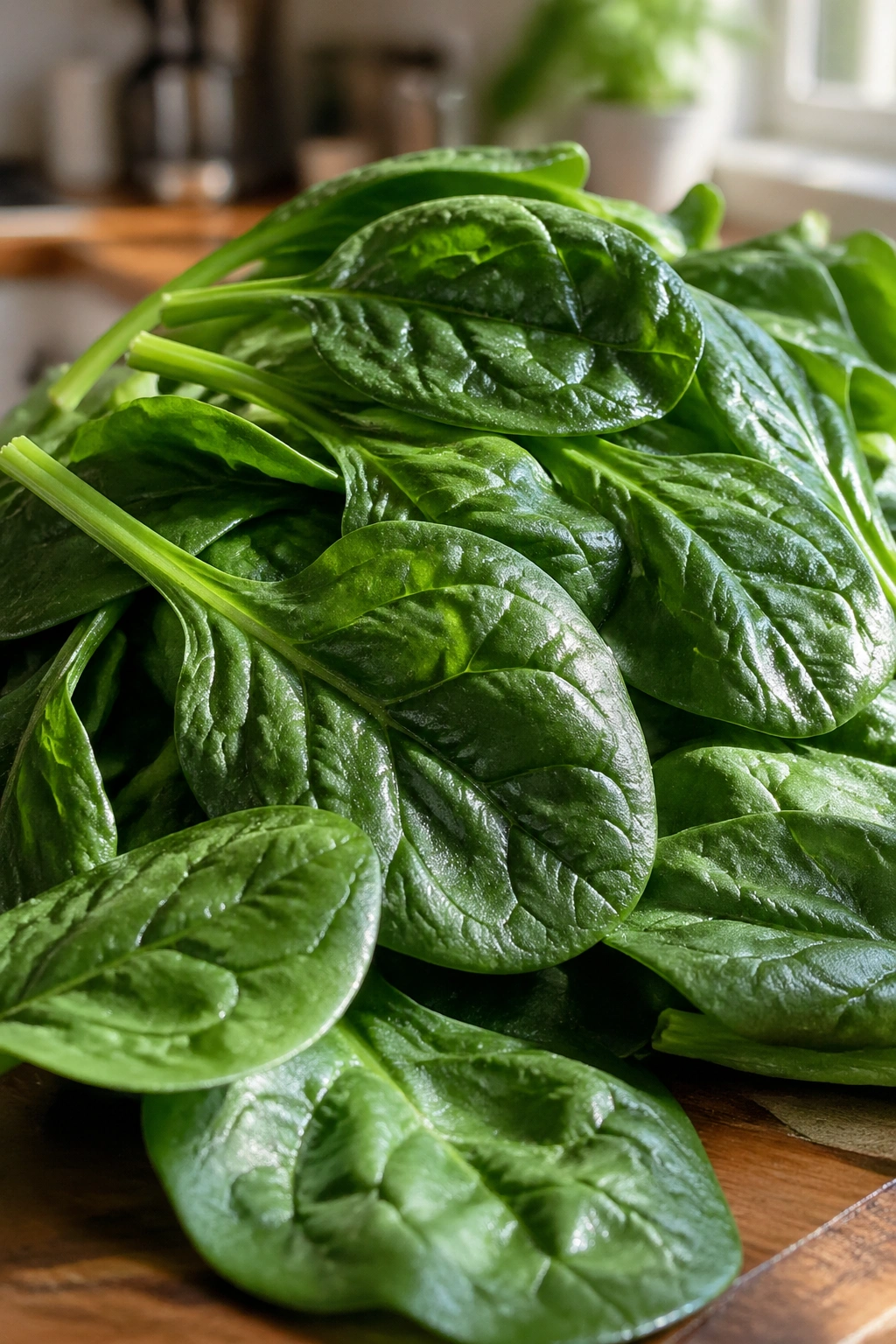
Spinach is not a protein food, and that is fine. It brings other things to the table: magnesium, folate, vitamin C, and nitrates, all of which fit neatly into recovery meals when the rest of the plate is doing the protein heavy lifting.
A handful of raw spinach disappears into eggs, smoothies, wraps, and pasta sauces without much fuss. Cooked spinach shrinks a lot, so a big-looking pile often collapses into a modest serving. That is normal. The point is not volume. The point is getting a mineral-rich green onto the plate when your meal would otherwise be mostly beige.
I like spinach in omelets because it softens fast and picks up the flavor around it. But it also works in rice bowls and lentil soup, where it adds color and a little bitterness that cuts through heavier foods.
If you care about muscle recovery, do not overrate spinach. Do not underrate it either. It is one of the easiest ways to make a meal more complete.
10. Quinoa
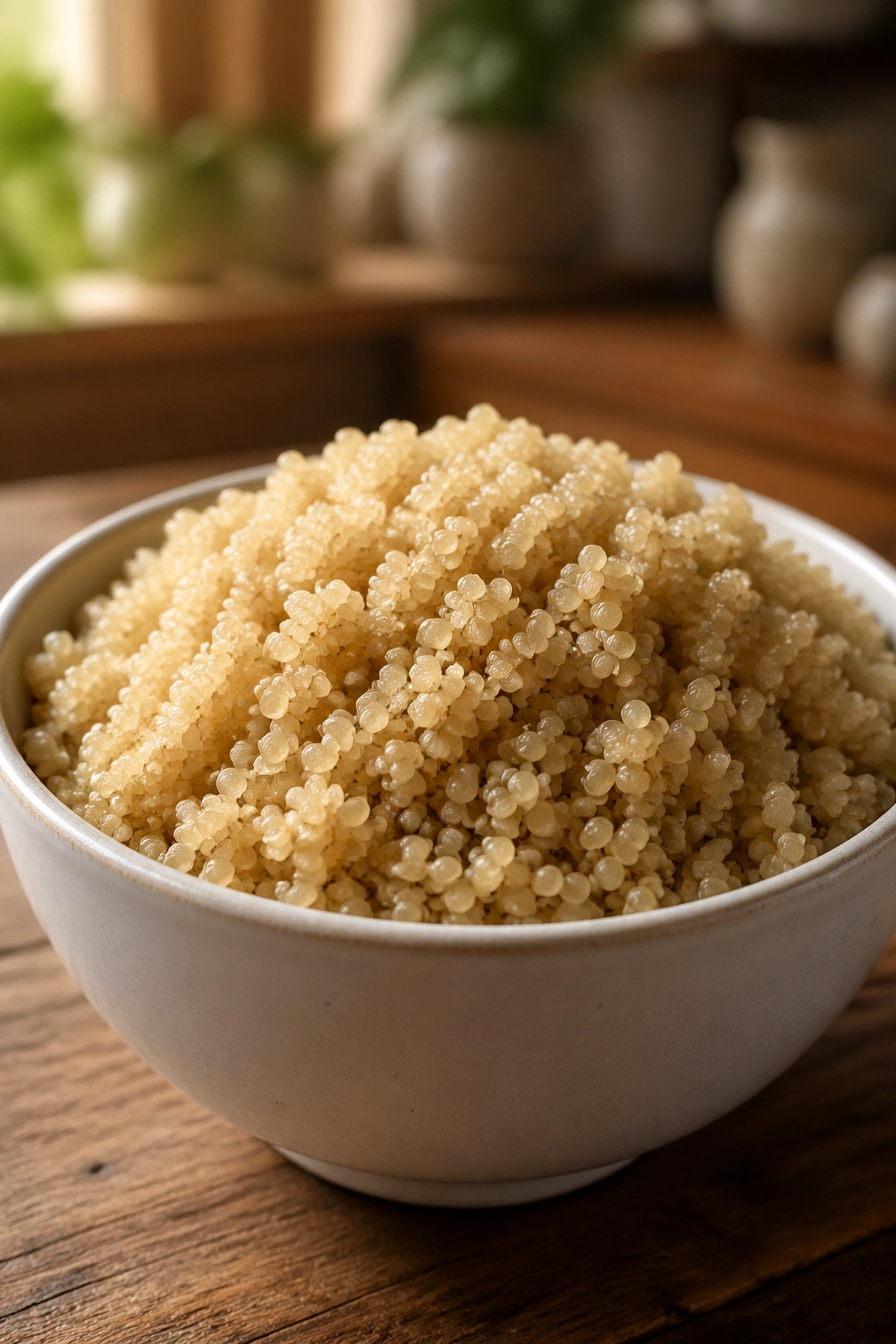
Why do lifters keep ending up with quinoa bowls? Because quinoa manages to be a carb source and a decent protein source at the same time, which is rare enough to matter. One cup cooked usually gives around 8 grams of protein and a solid carb load, plus magnesium and iron.
What Makes Quinoa Useful
Quinoa has all nine essential amino acids, so it gets called a complete protein. That does not make it magical. It does make it useful, especially for people who train hard and eat mostly plant-based meals.
The texture matters, too. Quinoa stays a little fluffy and nutty if you cook it well, which gives you a base that does not slump the way some grains do. Rinse it first if you want to reduce the bitter coating on the outside of the seed.
How I Like to Use It
- Cook it in broth if you want more flavor.
- Mix it with black beans, corn, and avocado for a sturdy recovery bowl.
- Add salmon or tofu on top if you want more protein.
- Cool leftovers and toss them into a salad with olive oil and lemon.
Quinoa works because it is easy to build around. That is a bigger deal than it sounds.
11. Watermelon
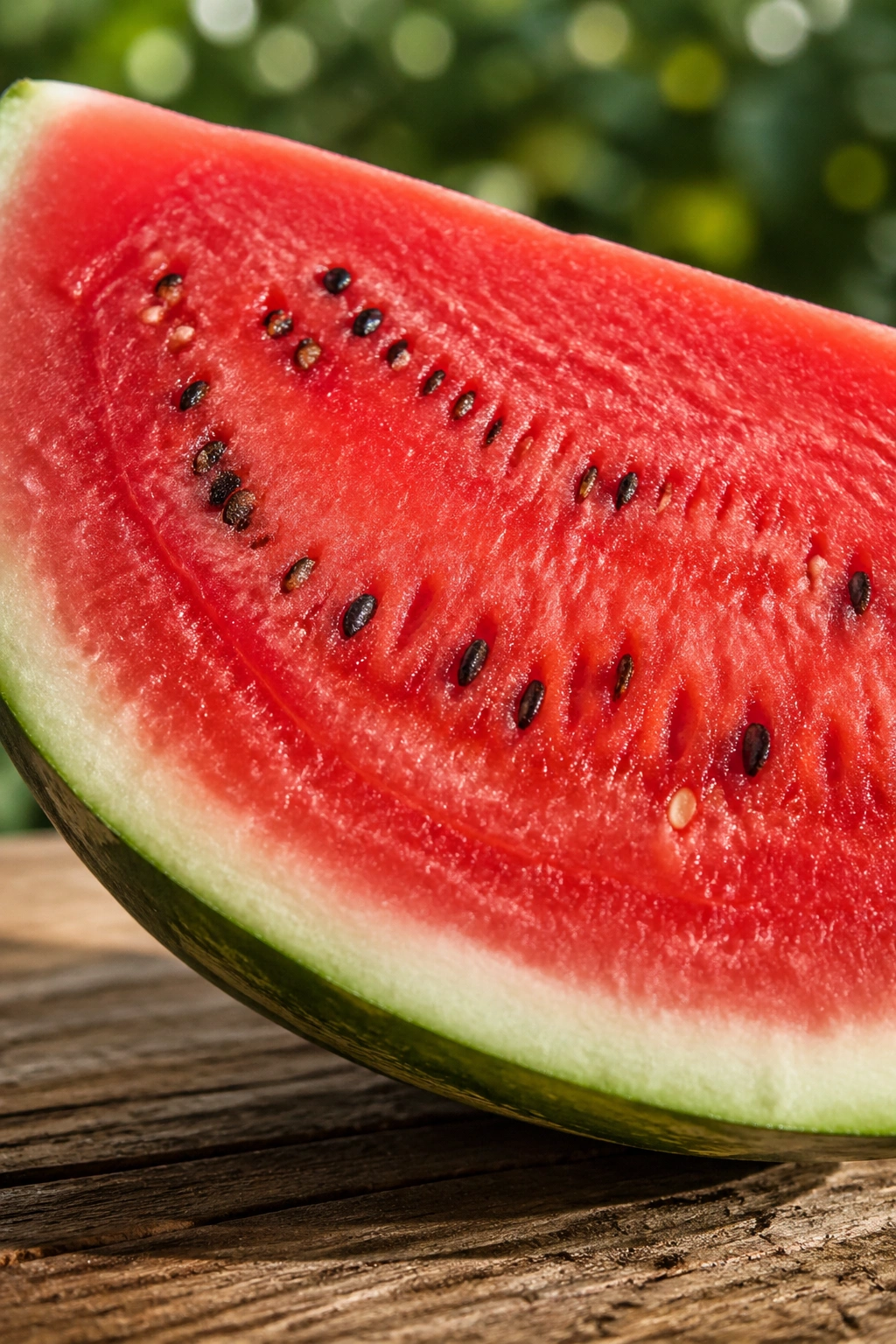
Watermelon is what I reach for when a workout leaves me warm, thirsty, and not interested in heavy food. It brings water, carbs, and a little citrulline, an amino acid tied to blood flow and exercise performance in a lot of sports nutrition conversation.
The juicy part is the main attraction here. Recovery is not only about protein. You also need fluids, and watermelon gives you a food-based way to get them without chugging a bottle that tastes like nothing. That can matter after sweaty sessions, especially when appetite is low.
A couple of cups of cubed watermelon make a clean snack. Blend it with ice for a fast slush, or pair it with feta and mint if you want something more meal-like. The salt from feta also helps if you have lost a lot through sweat.
Watermelon will not rebuild muscle by itself. It will make the rest of recovery easier to handle, and that counts.
12. Tuna
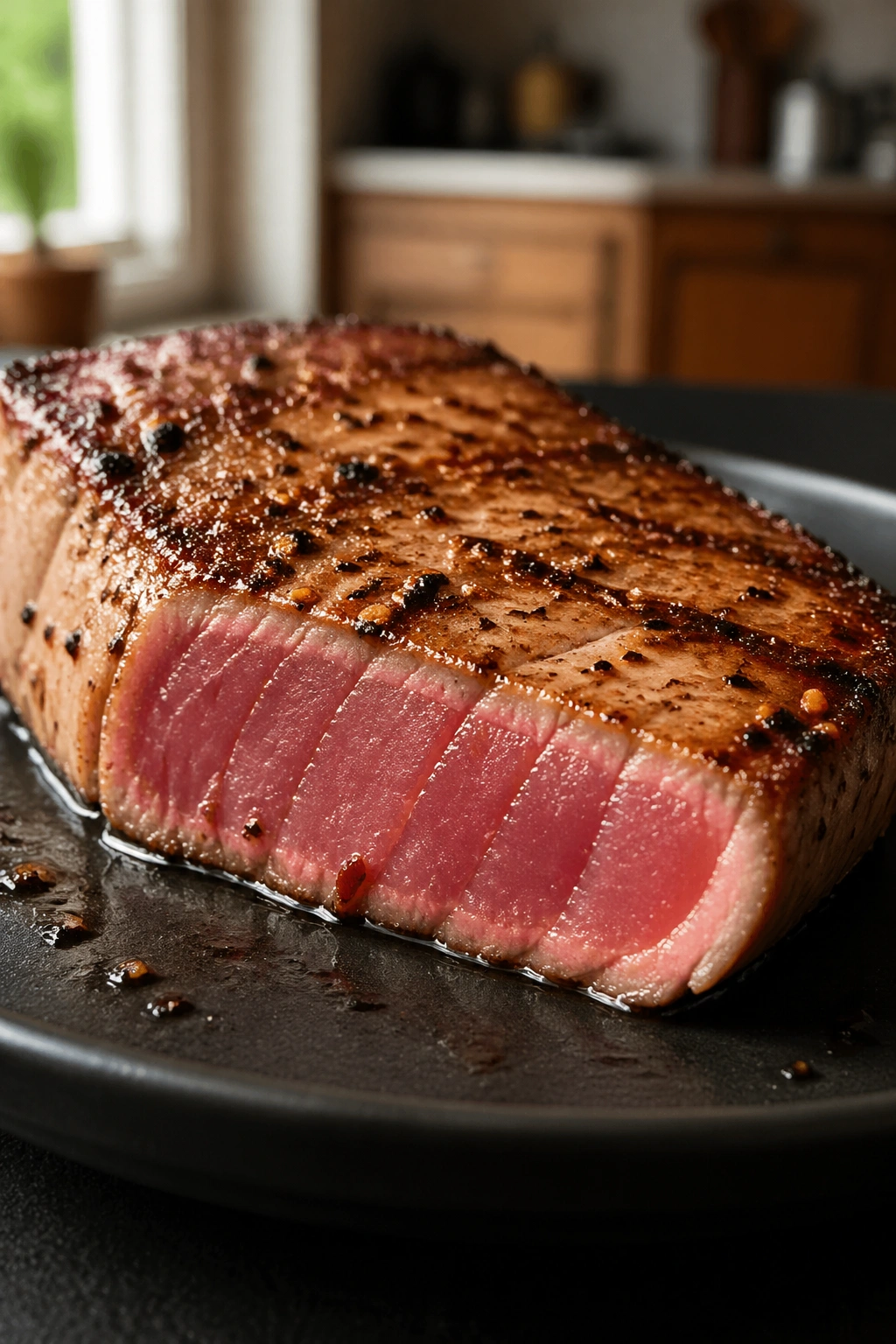
Canned tuna is boring in the best possible way. Open the can, and you get a lean protein source with almost no prep, which is exactly what a lot of people need after a hard session when energy is low and patience is lower.
A typical can gives you roughly 20 to 25 grams of protein, depending on the size and type. That is enough to make tuna useful on its own, but it works even better when you put it on toast, rice, crackers, or a baked potato. Recovery food needs carbs, too. Tuna knows how to share.
If the flavor feels harsh, soften it with olive oil, mustard, chopped celery, or avocado. I would skip drowning it in heavy mayo unless that is the only way you will eat it. The better version is the one you can repeat three times a week without sighing.
Tuna is a pantry food that behaves like a post-workout meal. That is a nice trick.
13. Lentils
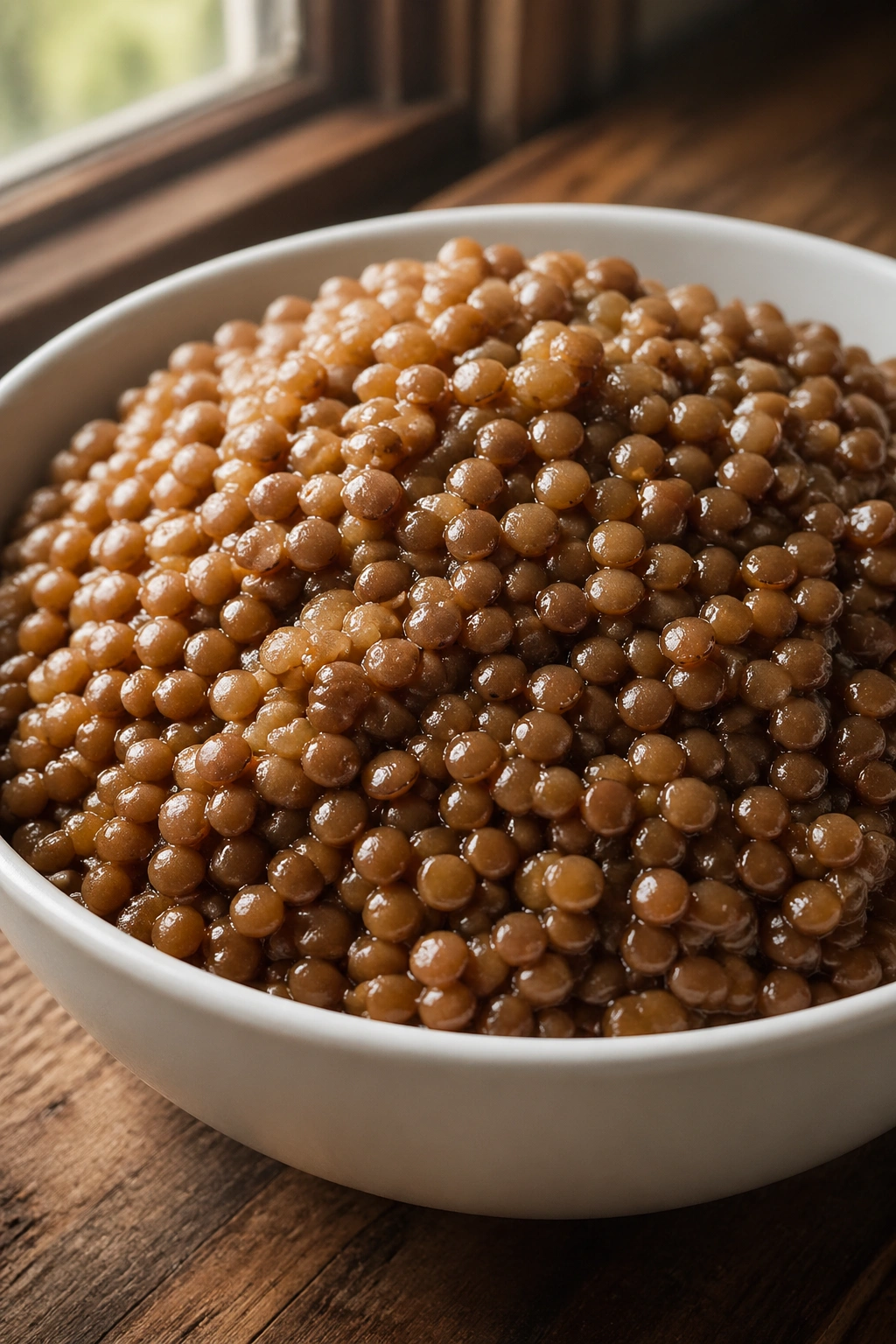
A pot of lentils smells earthy and a little sweet when it starts to soften, and that smell says a lot about why they work so well after training. Lentils bring protein, carbs, iron, folate, and fiber in one compact package.
They are especially useful for athletes who do not want a giant meat-heavy meal every time they train. Red lentils cook fast and break down into a thick stew. Brown and green lentils hold their shape better and feel sturdier in salads and grain bowls. That flexibility makes them one of the more underrated recovery foods in the kitchen.
Pair them with rice, bread, or potatoes, and you get a nice mix of amino acids and carbs. Add lemon or tomato, and you also help the iron play nicer with the rest of the meal.
Lentils are not flashy. They are one of the quiet workhorses of post-workout nutrition, and I mean that as praise.
14. Tofu
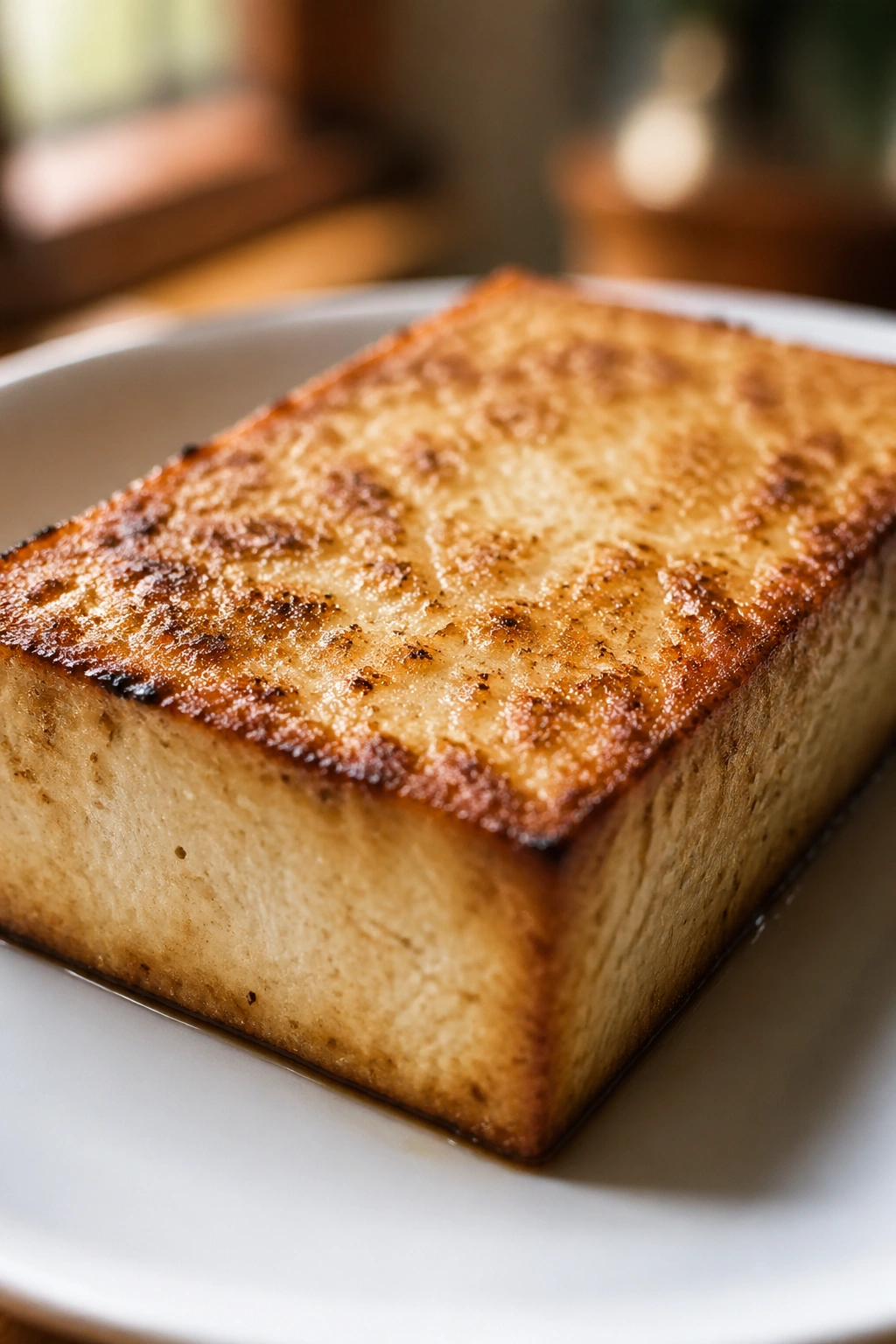
Tofu gets dismissed too easily by people who only know it as a bland cube. That misses the point. Firm tofu brings complete soy protein, a decent amount of calcium when it is set with calcium sulfate, and a texture that takes on whatever seasoning you throw at it.
Press it first if you want better browning. Ten to 20 minutes under a heavy pan or a tofu press is enough for many blocks. Then sear it in a hot skillet until the edges go golden. That crisp surface matters more than people think. It gives you flavor, and flavor gets the meal eaten.
What to Look For
- Choose firm or extra-firm tofu for post-workout bowls and stir-fries.
- Use silken tofu only when you want smoothies, dressings, or desserts.
- Marinate for at least 15 minutes if the tofu tastes flat.
- Pair it with rice, noodles, or potatoes so recovery does not stall on protein alone.
Tofu is one of the easiest foods to keep in rotation because it plays nicely with both strong sauces and simple salt-and-pepper cooking.
15. Blueberries
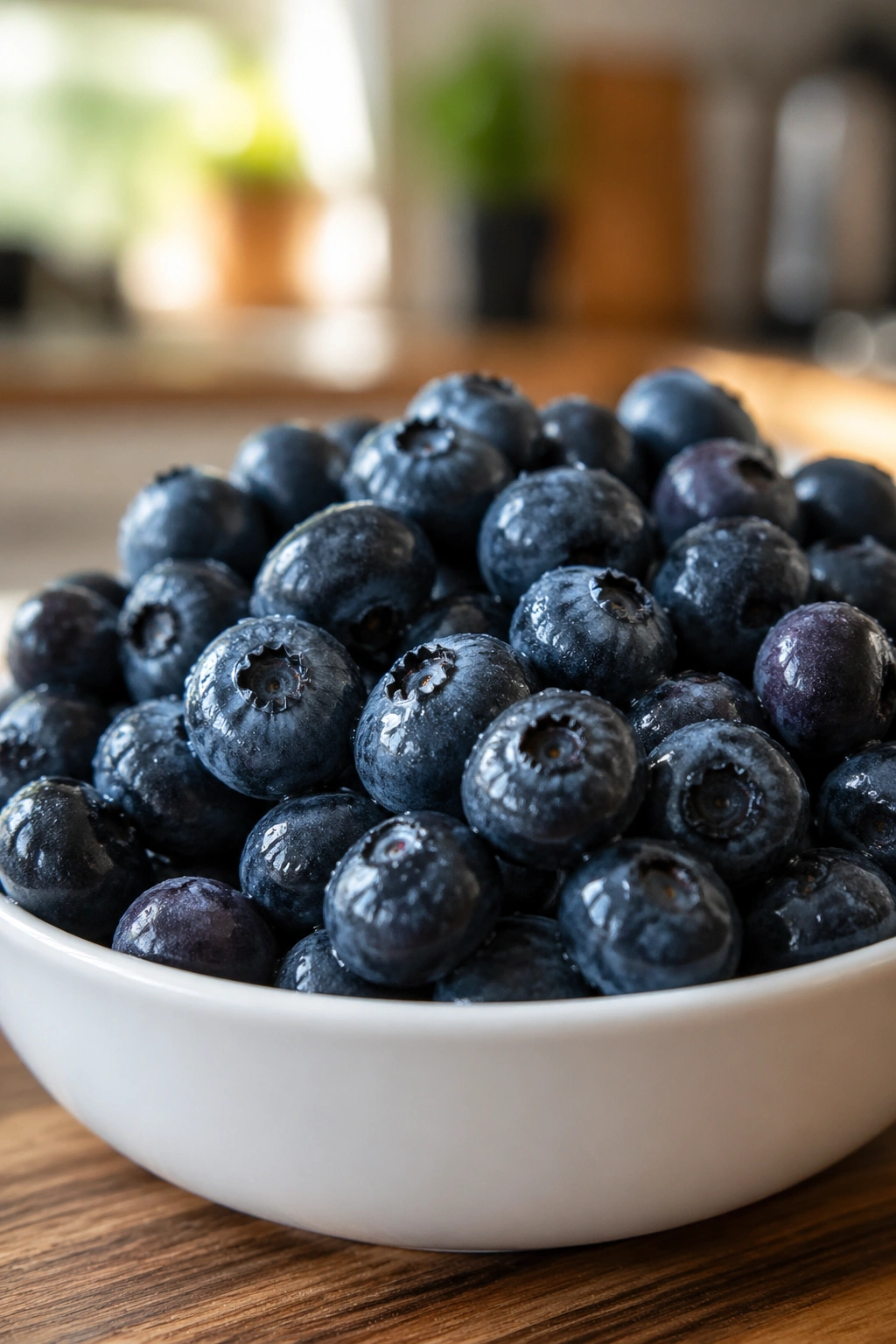
Blueberries are small, but they show up with a lot of useful baggage. They carry anthocyanins and other antioxidants that fit neatly into recovery meals, especially when your session left you with that dull, all-over ache that comes from training hard and stacking days.
Frozen blueberries are underrated. They are usually cheaper, they keep longer, and they mash into oats or smoothies without much effort. Fresh ones are nice when they are good, but frozen berries are the version I trust to be around when I need them.
Blueberries do not bring much protein, and that is fine. They are the support act. Put them next to Greek yogurt, cottage cheese, oatmeal, or a protein shake and they do more useful work than a supplement tub with a shiny label.
A cup goes a long way. Sweet, tart, cold, easy — that is the kind of sidekick recovery meals need.
16. Kiwi
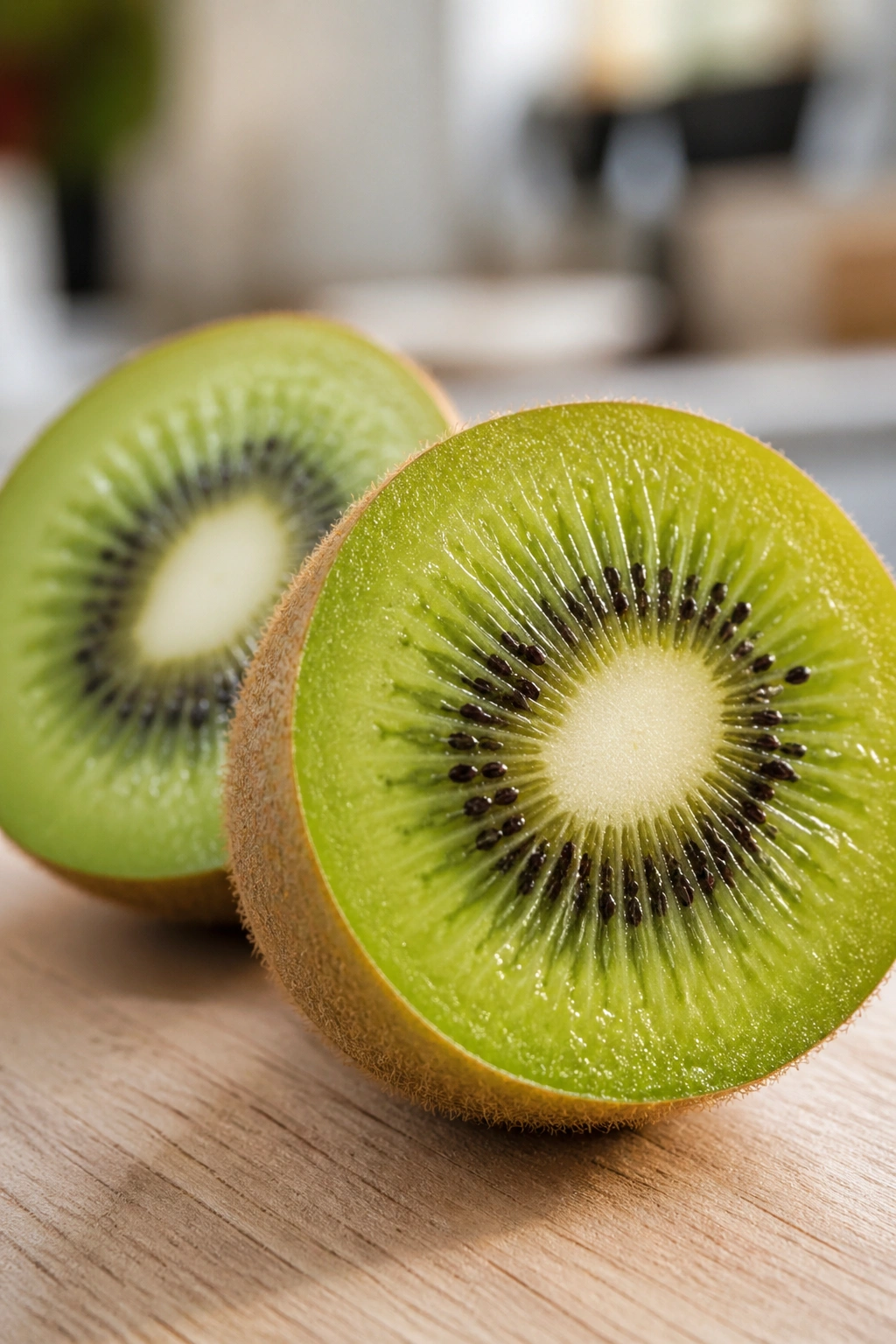
Do you want a fruit that is small, bright, and oddly useful after training? Kiwi fits that role. Two kiwis give you a good dose of vitamin C, some carbs, and fiber, with a texture that feels lighter than many other fruits.
Vitamin C matters because it supports collagen formation, which is part of the bigger repair picture when you train hard and put stress on connective tissue. That does not turn kiwi into a magic fix. It does make it a smart fruit to keep around if you care about the stuff around the muscles, not only the muscles themselves.
Kiwi is also easy on the plate. Slice it in half and scoop it, chop it into yogurt, or toss it into a fruit bowl with banana and berries. The flavor is sharp enough to wake up a dull meal, which is useful when recovery food starts to feel repetitive.
Small fruit. Useful job.
17. Milk
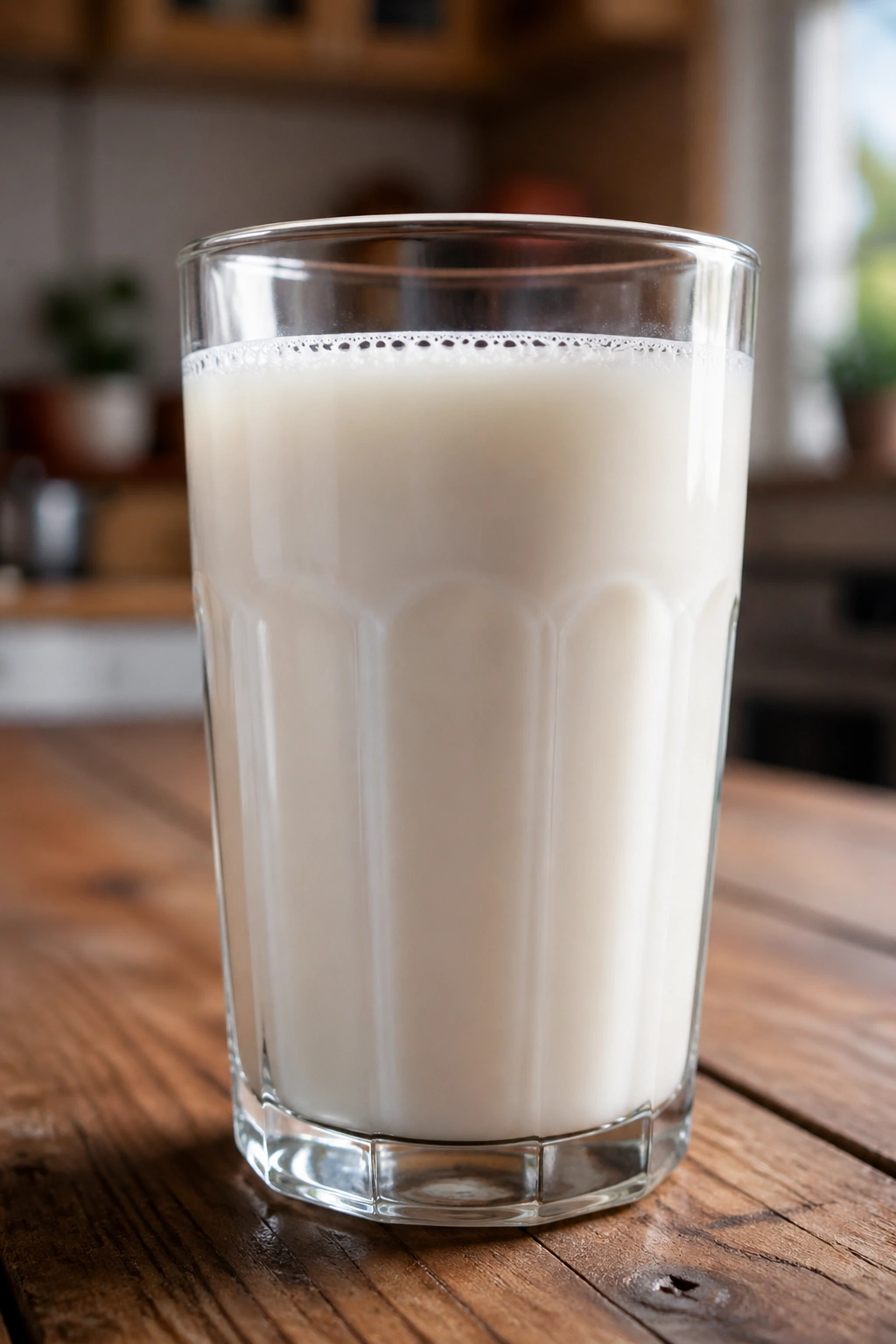
Milk is one of the oldest recovery drinks because it hits a useful combo: protein, carbs, fluid, calcium, and sodium in one glass. Sports nutrition groups have spent plenty of time pointing toward milk because it covers several recovery needs at once instead of forcing you to juggle three separate foods.
Whole Milk or Chocolate Milk?
Whole milk gives you a richer mouthfeel and a little more calorie density, which can help if you need to regain energy fast. Low-fat milk trims the fat and still leaves you with protein and carbs. Chocolate milk adds more carbs and often goes down easier after a tough session, which is why it keeps hanging around in locker rooms and training bags.
- Drink 1 to 2 cups after training if you want a simple recovery base.
- Use chocolate milk when you need more carbs and a sweeter taste.
- Pair plain milk with oats, cereal, or a banana if you want a fuller meal.
- Choose lactose-free milk if regular milk sits badly in your stomach.
Milk is not glamorous. It is practical, and practical food wins a lot of days.
18. Beets
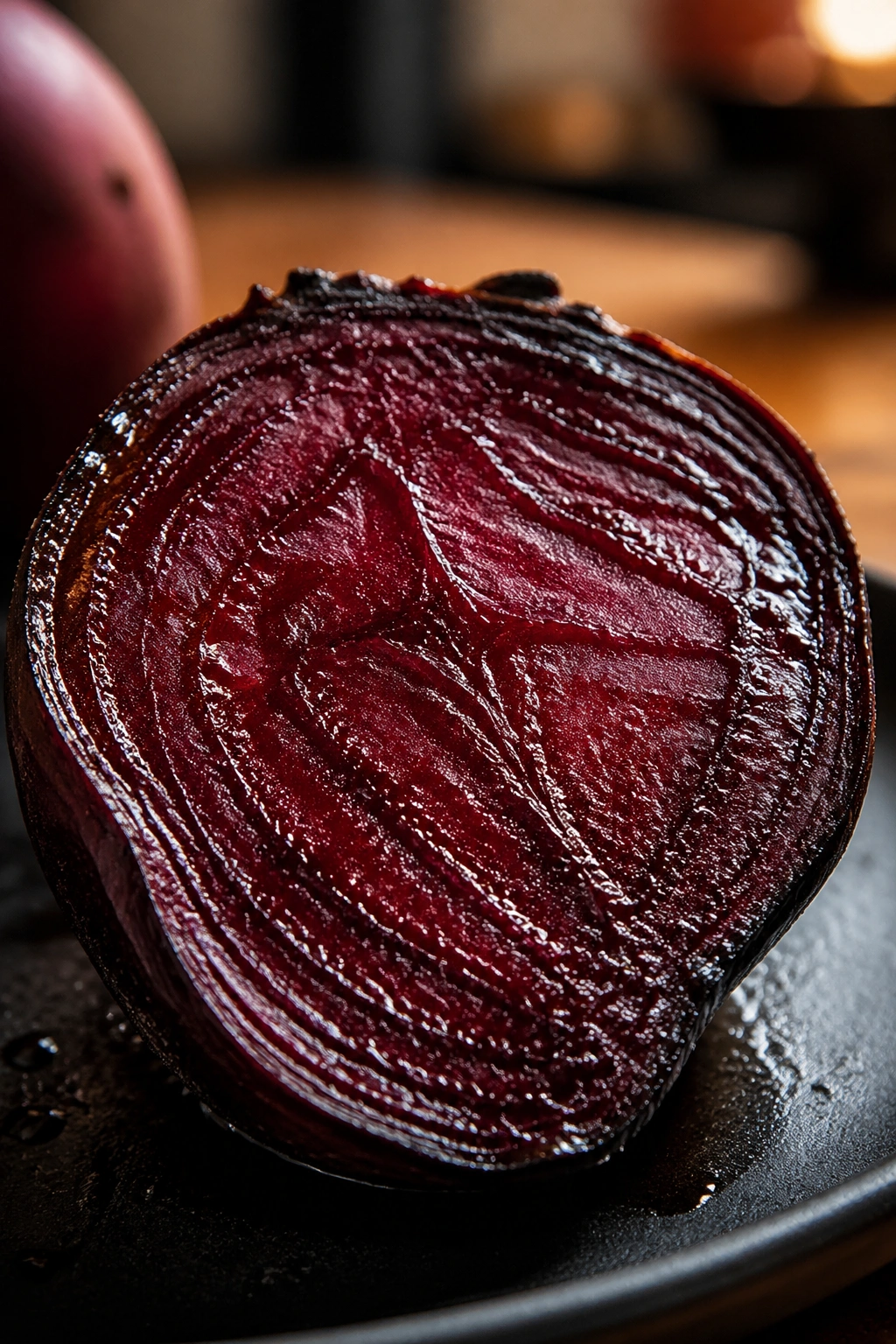
Beets smell earthy when they roast, and that flavor can be a dealbreaker for some people. For recovery, though, they bring a real mix of nitrates, betalains, and carbs, which is why they show up in both performance and recovery conversations.
Roasted beets are easy to love once they are cooked enough. Slice them, toss them with oil and salt, and roast until a fork slides in without resistance. They get sweet, dense, and a little sticky at the edges. That sweetness makes them useful in grain bowls, salads, and wraps.
Beet juice has a more concentrated version of the same idea, and some athletes like it when they want a quick drinkable option. It can stain everything it touches, so maybe do not open the bottle over a white shirt. Learned that one the annoying way.
Beets work well beside lean protein and grains. They are especially nice when recovery food needs to feel a little fresher than another plain bowl of rice and chicken.
19. Pumpkin Seeds
Pumpkin seeds are tiny, salty, and annoyingly easy to keep eating by the handful. They bring magnesium, zinc, protein, and healthy fats, which makes them a strong add-on for muscle recovery even if they are not the star of the plate.
A couple of tablespoons can change a bowl. Sprinkle them over yogurt, oats, salads, rice, or roasted vegetables. You get crunch, a little mineral boost, and a more satisfying meal without much work. Salted pumpkin seeds can also help replace some sodium after a sweaty workout, which is a nice bonus when you have been training hard in a warm gym or outside.
I like them most as a finishing touch. They do not need their own spotlight to matter. A spoonful on top of cottage cheese or overnight oats gives you texture and turns a soft meal into something you can chew on a little.
That sounds minor. It is not.
Recovery food works best when the meal is easy to repeat, easy to digest, and built from parts that do more than one job. Protein matters. Carbs matter. Fluids matter. So do the small things — salt, minerals, color, and texture — because they keep you eating well when fatigue makes you want to take the lazy route.
Pick the foods that fit the kind of training you actually do, not the fantasy version in your head. A hard lift day, a long run, and a light mobility session do not all call for the same plate, and that is fine.
