



No food melts belly fat on command, which is why the phrase foods that burn belly fat for women causes so much confusion. Belly fat drops when your overall body fat drops. That means fewer calories than you burn, yes, but also meals that keep you full, steady, and less likely to send you hunting through the kitchen at 9 p.m.
That’s where food choice matters. A plate built around protein, fiber, and high-volume produce works harder for weight loss than a plate built around refined carbs and snack foods that disappear in three bites. The best foods also help with the stuff people forget to count: cravings, blood sugar swings, bloating, and the post-workout hunger spike that can wreck a good day.
Women often have to be a little more careful here. Appetite can feel sharper on some days than others, protein needs are easy to undercut, and low-energy meals tend to backfire fast. A good fat-loss food does not need to be exotic. It needs to be filling, easy to cook, and realistic enough that you’ll eat it again tomorrow.
1. Eggs for Women Who Want to Burn Belly Fat
Eggs are one of the easiest ways to build a breakfast that actually keeps you full. A large egg gives you about 6 grams of protein, and the yolk brings fat and nutrients that make the meal feel satisfying instead of skimpy. That matters when you’re trying to cut calories without feeling like you’re punishing yourself.
Why Eggs Work So Well
A lot of breakfast foods are all carbs and no staying power. Eggs do the opposite. Two eggs with vegetables can sit in your stomach for hours in a good way, which makes random snacking less tempting later on.
- 2 eggs give you a fast, cheap base.
- Egg whites can stretch protein without many extra calories.
- Spinach, tomatoes, or mushrooms add volume for almost no calorie cost.
- Boiled eggs travel well in a lunch bag or gym tote.
Best move: cook a batch of hard-boiled eggs and keep them ready in the fridge. That tiny bit of planning saves you from grabbing pastries or sugary cereal when you’re rushed.
2. Plain Greek Yogurt for a Belly Fat-Friendly Snack
Plain Greek yogurt is one of those foods that looks boring until you notice how long it keeps you full. A cup often gives you 15 to 20 grams of protein, sometimes more, and the thick texture makes it feel like a proper snack instead of a diet punishment.
Skip the flavored cups if you can. Many of them come loaded with sugar, and then the yogurt is doing half the job while the added sweetener does the other half of the damage. Plain yogurt with berries, cinnamon, or a spoonful of chia seeds feels cleaner and works better for keeping calories in check.
I like Greek yogurt most as a bridge food. Eat it between lunch and dinner, or after a workout when you need something fast and cold. It plays nicely with fruit, nuts, or oats, and you can even stir in cocoa powder if you want something that tastes a little less virtuous.
3. Salmon When You Want Fullness That Lasts
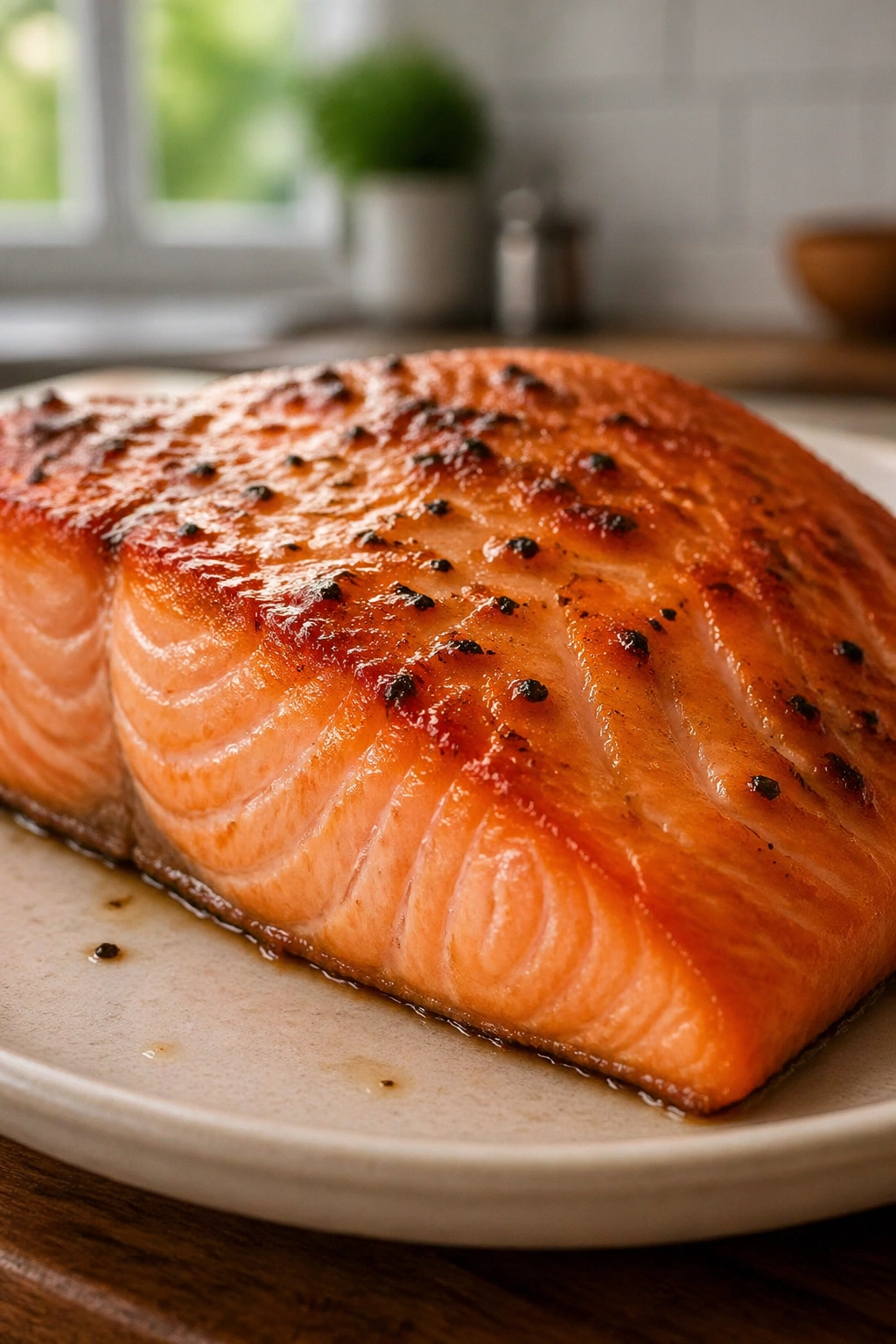
Why does salmon show up on so many weight-loss lists? Because it’s one of the few foods that gives you protein and fat in a package that still feels satisfying after a normal portion. A 4- to 6-ounce fillet can carry dinner without leaving you rummaging for dessert ten minutes later.
What Makes It Different
The fat in salmon is part of the reason it works. You do not need a huge amount of food when the meal has enough richness to feel complete. That matters more than people admit.
A simple salmon dinner looks like this:
- 4 to 6 ounces salmon
- Roasted broccoli or asparagus
- Half a cup of rice or a small sweet potato
- Lemon, dill, garlic, or black pepper
Keep the cooking plain. Heavy breading and creamy sauces can bury the benefit fast. A hot oven, a little olive oil, and a squeeze of lemon usually do the job better anyway.
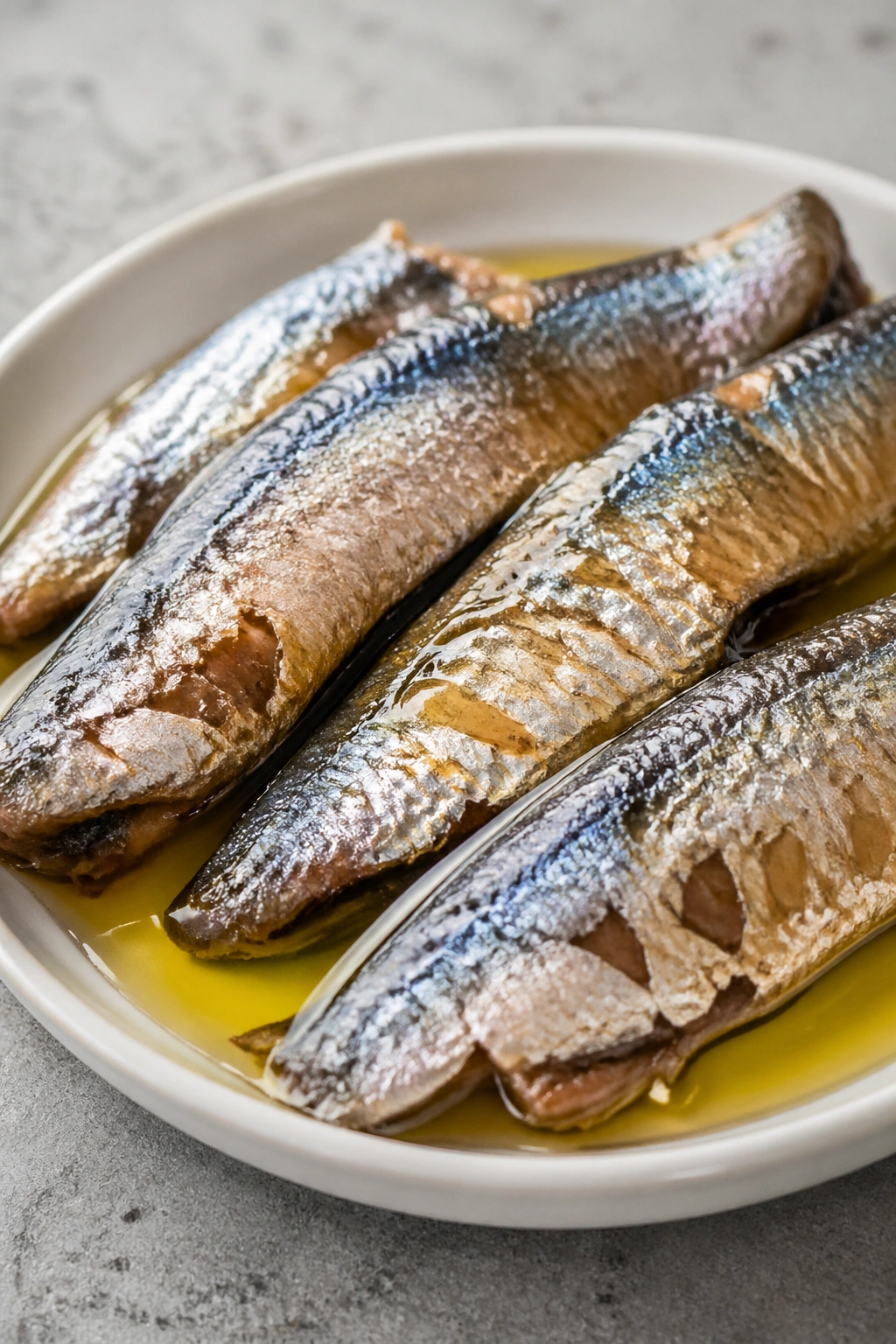
4. Sardines for a Small Meal With Big Payoff
Sardines are tiny, salty, and far more useful than their reputation suggests. They’re rich, filling, and easy to keep on hand, which makes them a weirdly good answer for nights when you’re too tired to cook but still want something that supports fat loss.
A single can brings protein, omega-3 fats, and, if you eat the bones, calcium too. That combination is useful for women who want a compact meal that does more than just silence hunger for twenty minutes. It’s not glamorous. It works.
Try them on toast, tossed into a salad, or mashed with mustard and lemon on cucumber slices. If the flavor feels strong, that’s part of the charm. A little goes a long way, and that usually means you eat less while still feeling fed.
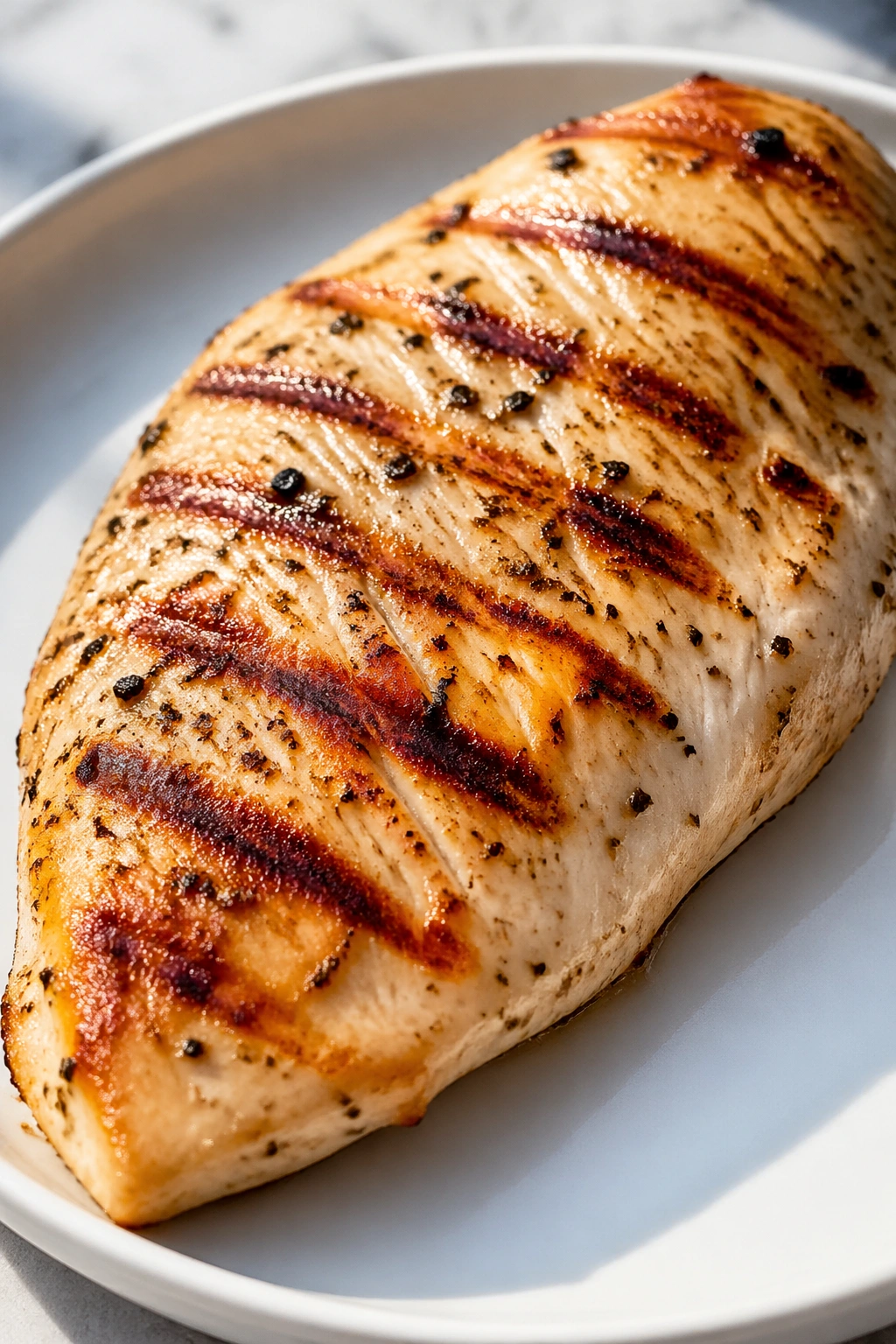
5. Chicken Breast for Lean Protein Without the Drama
Chicken breast is plain, predictable, and useful. I know that sounds dull, but dull food is often the food that helps you lose weight because it fits into ordinary life. A 4-ounce cooked portion gives you a solid protein hit without much fat or carbs.
The trick is not to ruin it. Breaded chicken, sugary marinades, and thick restaurant sauces can turn a lean protein into something closer to a comfort food pile-up. Keep it simple: salt, pepper, garlic, paprika, then grill, roast, or pan-sear.
Chicken breast shines when you pair it with vegetables that take up space on the plate. Big salad. Roasted zucchini. Sautéed green beans. You’ll notice you can eat a decent-sized dinner and still stay inside a calorie target, which is the whole point.
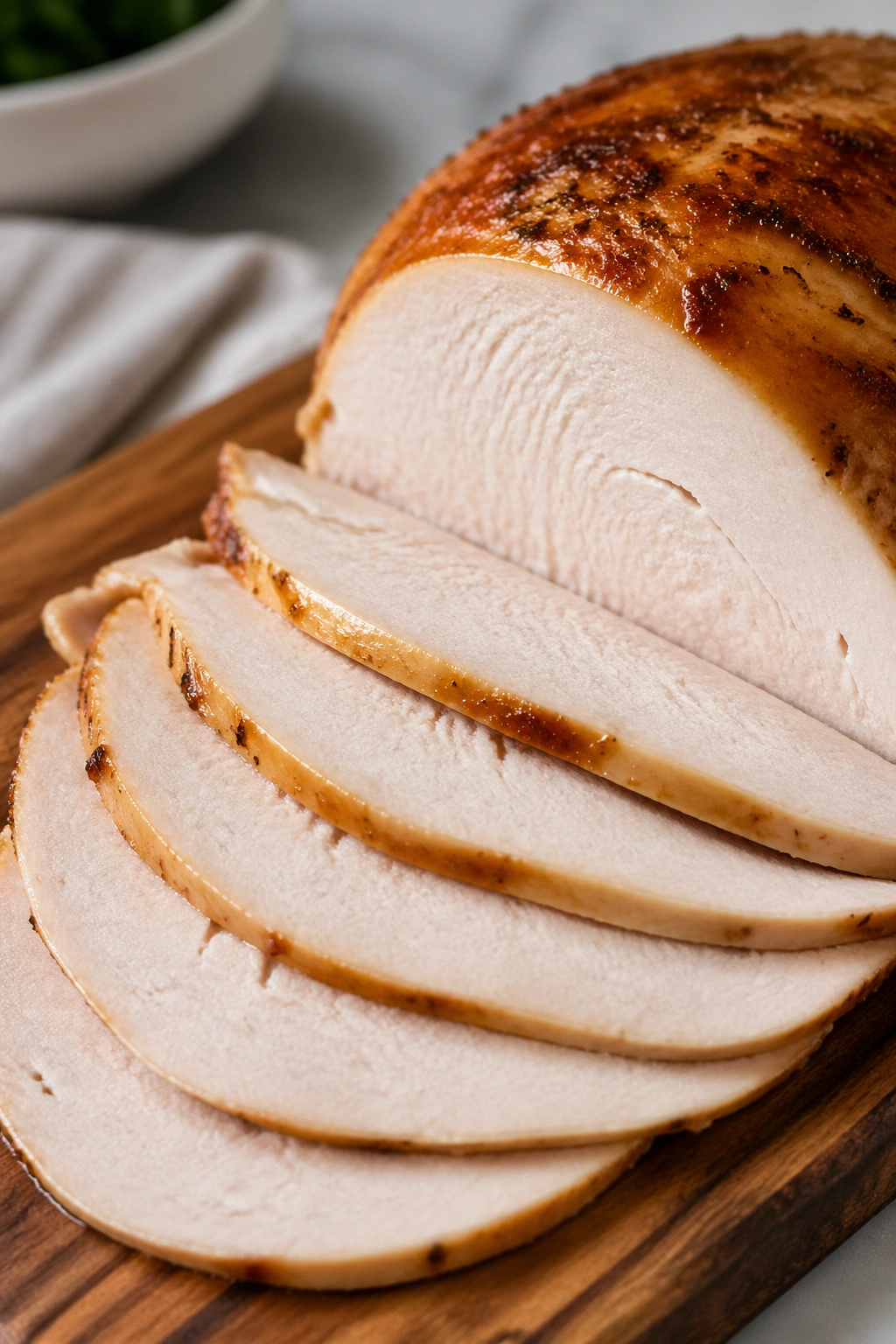
6. Turkey Breast for a Leaner Lunch
Turkey breast is one of those foods that quietly saves a lot of calories over the week. It’s lean, high in protein, and easy to slice for wraps, salads, or quick lunches. If chicken breast feels too familiar, turkey gives you the same basic benefit with a slightly different flavor.
Processed deli turkey is another story. The salt can be high, and the texture is often rubbery enough to make the whole meal feel sad. Fresh roasted turkey breast is the better pick if you can get it. Even simple leftovers beat most packaged versions.
Use it in lettuce wraps with mustard, cucumber, and tomato. Or stack it on whole-grain bread with avocado and a pile of spinach. The main thing is this: keep the serving substantial enough to satisfy, not so small that you’re craving chips an hour later.
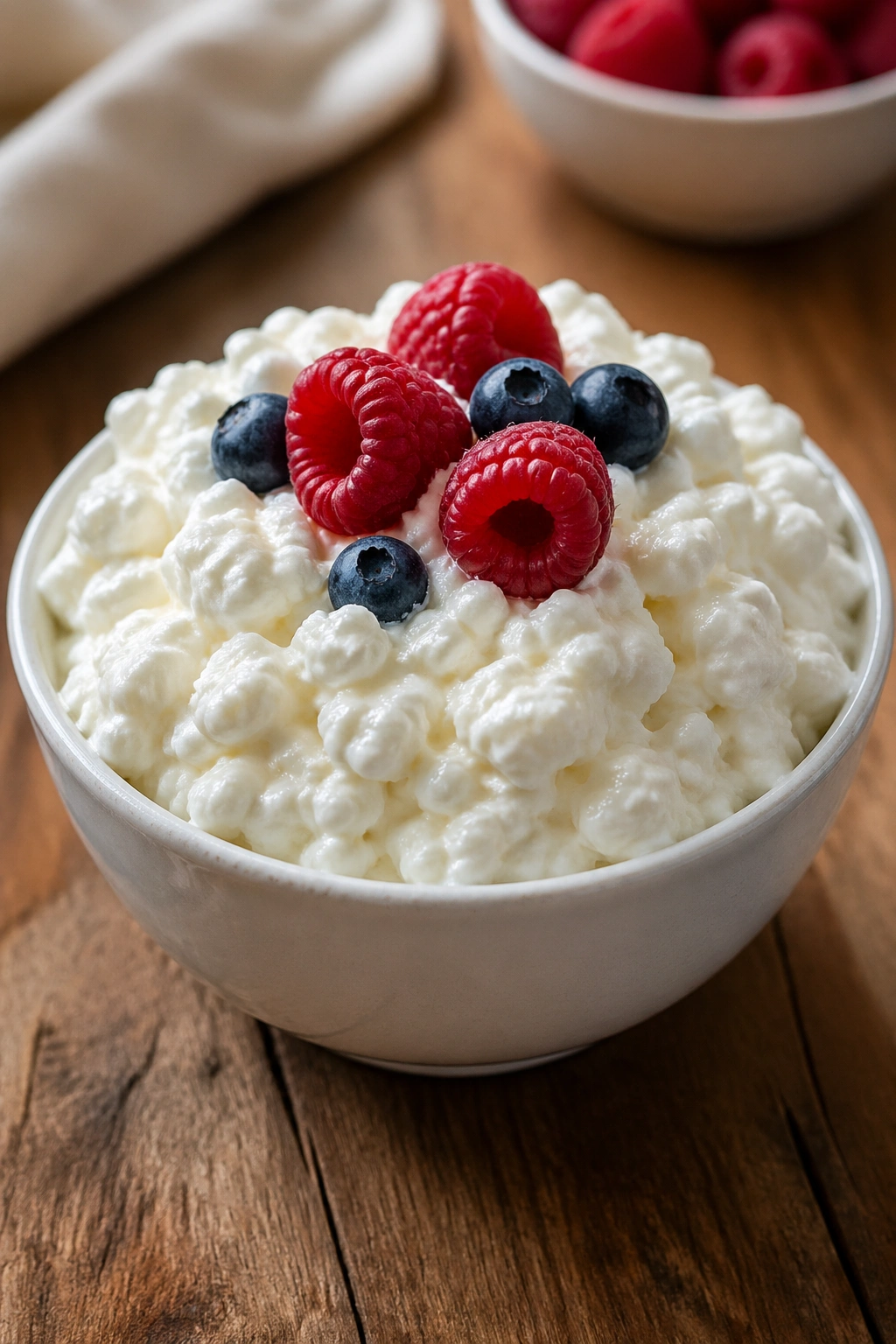
7. Cottage Cheese When You Need Protein Late in the Day
Cottage cheese is a little underrated, probably because it doesn’t try very hard. But that thick, cool texture is exactly why it works as a weight-loss food. It delivers protein in a form that feels filling, especially in the afternoon or at night when snack urges get loud.
Why It Helps
Cottage cheese is rich in casein, a slower-digesting milk protein. That means it tends to stick around longer than something like juice or crackers. You feel fed, not just occupied.
Best ways to eat it:
- Half a cup to 1 cup plain cottage cheese
- With berries and cinnamon
- With sliced tomatoes and black pepper
- With cucumber and herbs for a savory bowl
Choose plain or low-sugar versions. Sweetened cups can turn a useful snack into dessert in disguise.
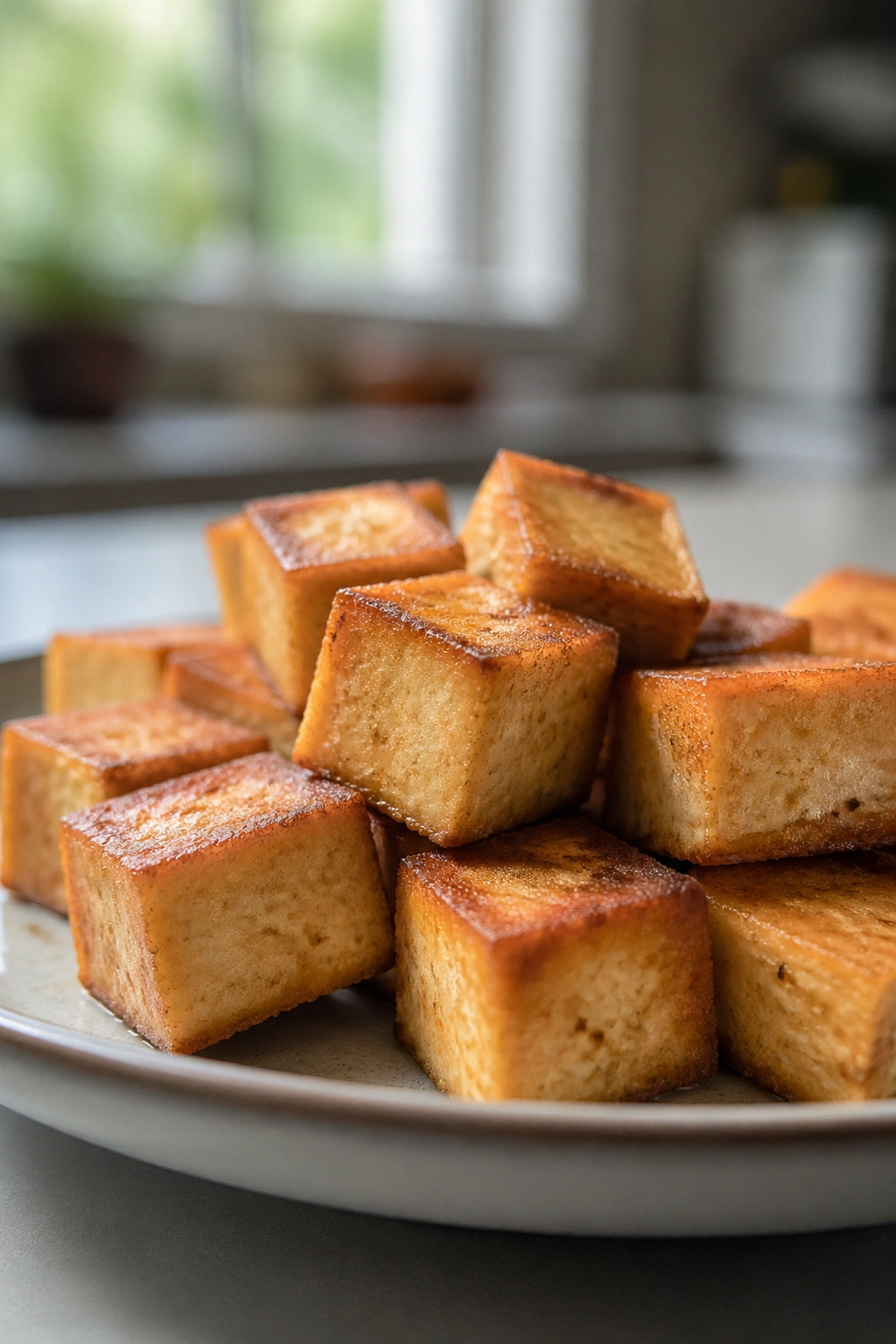
8. Tofu for a Plant Protein That Actually Fills You Up
Tofu works because it’s mild, flexible, and better at absorbing flavor than almost any other protein on the shelf. A good serving gives you protein without a pile of extra calories, and that makes it handy for women who want more plant-based meals without ending up hungry an hour later.
The texture matters. Pressing tofu for 15 to 20 minutes helps it brown instead of steaming in the pan. That one small step changes everything. Cubes get firmer, edges get crisp, and the meal feels more satisfying.
I like tofu best stir-fried with broccoli, bell peppers, and a soy-ginger sauce that isn’t drowning in sugar. It also works in scrambles with turmeric and spinach. If you’ve only eaten soft tofu in soups, the firmer versions are worth trying.
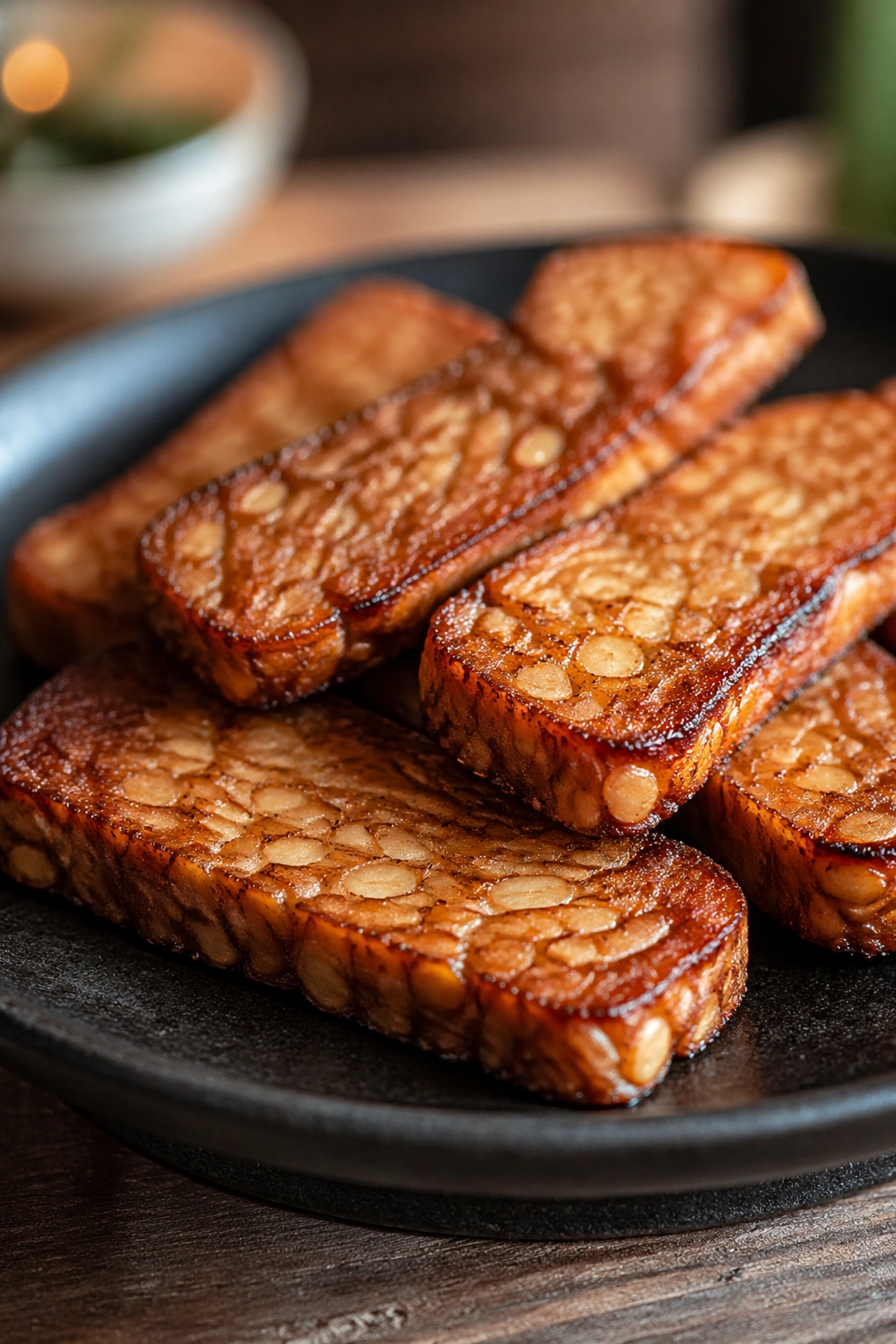
9. Tempeh for a Firmer, More Filling Soy Option
Tempeh is tofu’s sturdier cousin. It has a nuttier taste, a chewier bite, and a little more personality. Because it’s fermented and compact, it tends to feel like a real meal instead of a protein add-on.
That texture is useful for fat loss. Foods that take more chewing often slow you down, and slowing down is underrated. You notice fullness sooner. You also tend to eat a little less without thinking about it.
Quick Ways to Use It
- Slice and pan-sear tempeh with garlic
- Crumble it into tacos
- Marinate it in soy sauce, vinegar, and maple syrup
- Add cubes to grain bowls with cabbage and cucumber
Tempeh is not a miracle food. It just happens to be one of the better plant proteins for dinners that need substance.
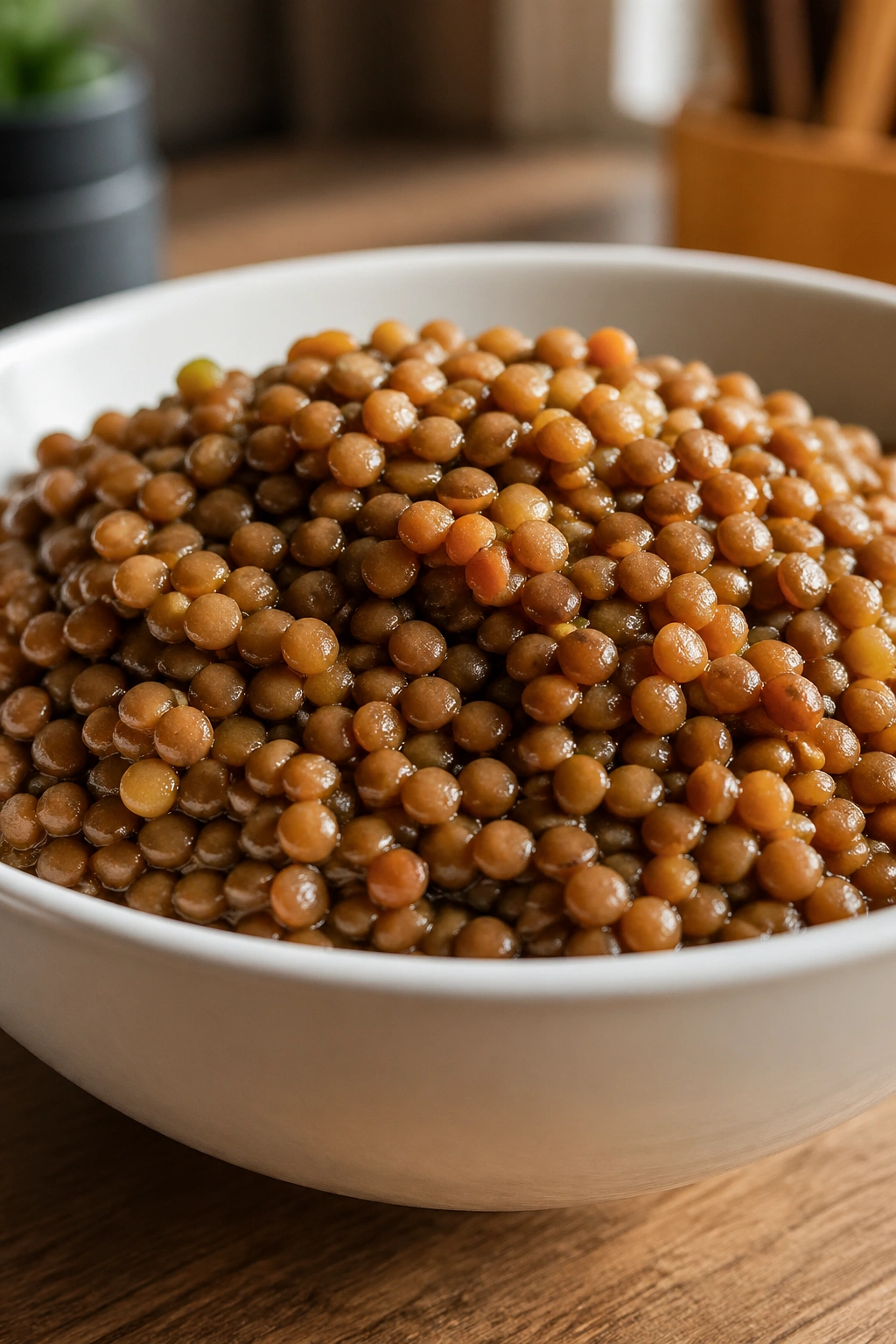
10. Lentils for Belly Fat Control Through Fiber
Lentils are one of the smartest foods on this list because they give you protein, fiber, and volume in one cheap package. A cooked cup brings a lot of staying power for very few calories compared with many other carb foods.
What They Bring to the Table
The fiber in lentils slows digestion and helps blunt the urge to keep grazing. That matters when you’re trying to trim your waistline, because random extra bites add up faster than people think.
A few good uses:
- Lentil soup with carrots and celery
- Cold lentil salad with herbs and lemon
- Lentils folded into ground turkey
- Lentils over spinach with a spoonful of yogurt
If you’re new to them, start small. Too much fiber too fast can leave your stomach feeling heavy. A half-cup serving is plenty to begin with.
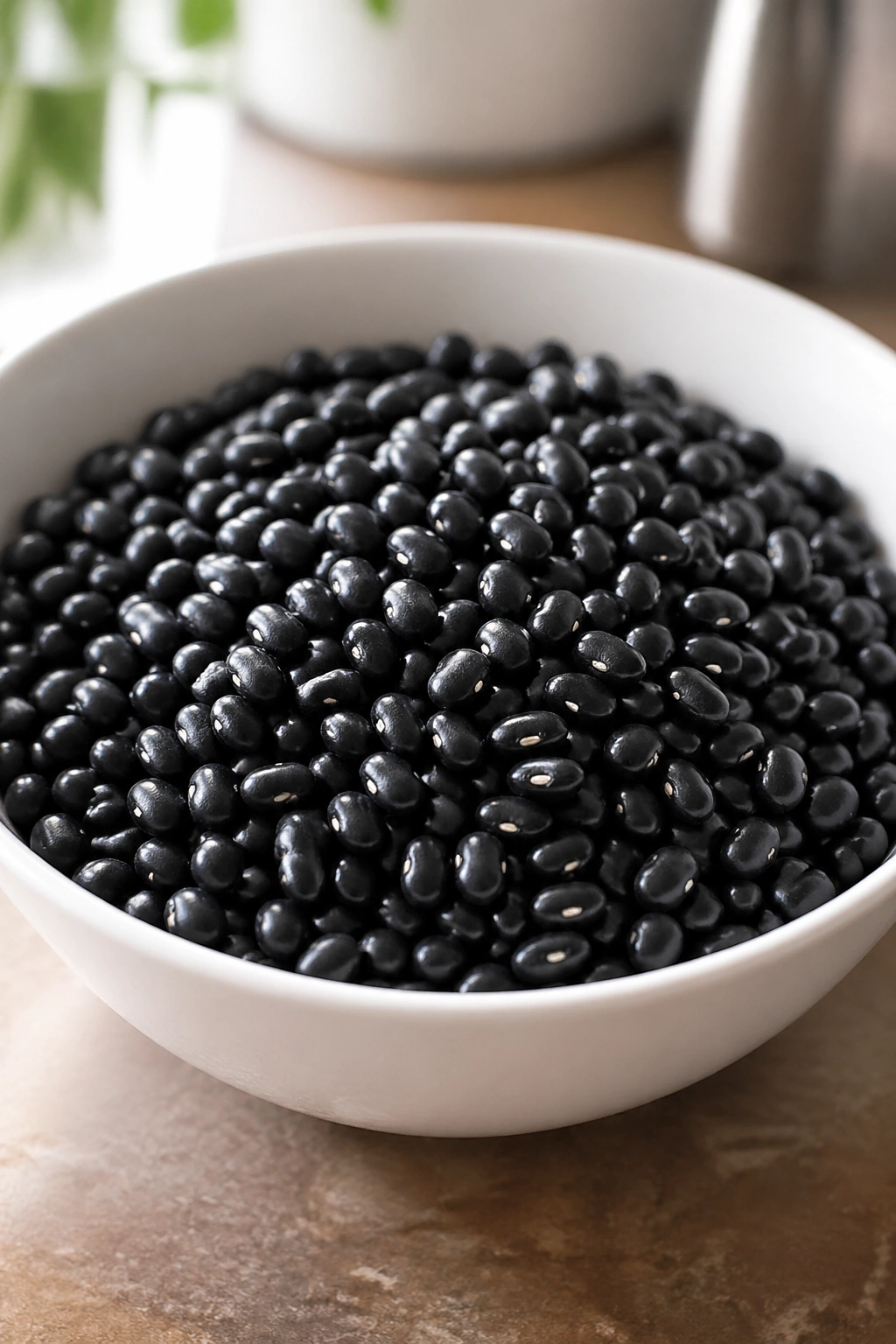
11. Black Beans for Cheap, Filling Meals
Black beans are one of the easiest belly-fat-friendly foods to keep in the pantry. They’re dense, cheap, and loaded with fiber, which is exactly the kind of food that helps you feel full on fewer calories.
Rinsing canned black beans makes a difference. It cuts some of the sodium and gets rid of that canned taste. Then you can add them to salads, tacos, soups, or even scrambled eggs if you like savory breakfasts.
One thing people miss: black beans are better when they’re paired with crunch or acid. Lime, onion, cilantro, tomato, and lettuce all wake them up. Plain beans are fine. But beans with a bit of flavor are easier to eat consistently, and consistency is where the fat loss happens.
12. Chickpeas for Crunch, Creaminess, and Fiber
Chickpeas are versatile in a way that makes healthy eating easier. You can roast them until they’re crisp, mash them into a salad, blend them into hummus, or toss them into a stew. That flexibility matters because boredom is a real reason diets fall apart.
Roasted chickpeas are the version I trust most for snacking. Drain them well, dry them fully, toss with a little oil, salt, and paprika, then roast until the outsides are firm. They give you the crunch people usually chase in chips, but with more fiber and a lot more staying power.
Hummus counts too, though portions matter. It’s easy to overdo because it goes down fast. A few tablespoons with raw vegetables is a good use of it. Half a tub is not.
13. Oats for a Belly-Fat-Friendly Breakfast
Oats are one of the better breakfast carbs because they come with a built-in dose of soluble fiber. That fiber turns thick and slow in the bowl, and the same thing happens in your stomach. You feel full for longer, which helps you avoid the mid-morning snack spiral.
What to Buy
Choose plain rolled oats or steel-cut oats. Skip the flavored packets unless you’ve checked the sugar. A lot of those packets act like dessert with a health label.
A solid bowl looks like this:
- 1/2 cup dry oats
- 1 cup water or milk
- 1 tablespoon chia seeds or flaxseed
- Berries, cinnamon, or a spoonful of yogurt on top
Oats do not need to be fancy. They need to be filling. That’s enough.
14. Chia Seeds That Turn a Small Snack Into a Real One
Chia seeds are tiny, but they’re thirsty little things. Stir them into liquid and they swell into a gel, which gives your snack or breakfast more bulk without a huge calorie hit. That gel-like texture is part of why they work so well for appetite control.
I like them in yogurt, smoothies, and overnight oats. Two tablespoons go a long way. More is not always better, especially if your stomach is sensitive to a sudden jump in fiber. Start there and give your body a day or two to adjust.
The best use is simple: mix chia with Greek yogurt, berries, and cinnamon. Let it sit for 10 minutes if you can. The whole thing turns thicker and more spoonable, which oddly makes it feel more like dessert and less like “healthy food.”
15. Ground Flaxseed for Fiber Without Much Effort
Ground flaxseed is one of those quiet additions that improves meals without asking for much back. A tablespoon or two adds fiber, a little healthy fat, and a faint nutty taste that disappears into smoothies, oatmeal, or yogurt.
Whole vs Ground
Use ground flaxseed, not whole. Whole seeds often pass through without giving you much benefit. Ground flax is the version your body can actually work with.
Good places to add it:
- Stir into oatmeal
- Mix into pancake batter
- Blend into a smoothie
- Sprinkle over cottage cheese or yogurt
Store it in the fridge if you can. The oils can go stale faster than you’d expect. Small detail, big difference.
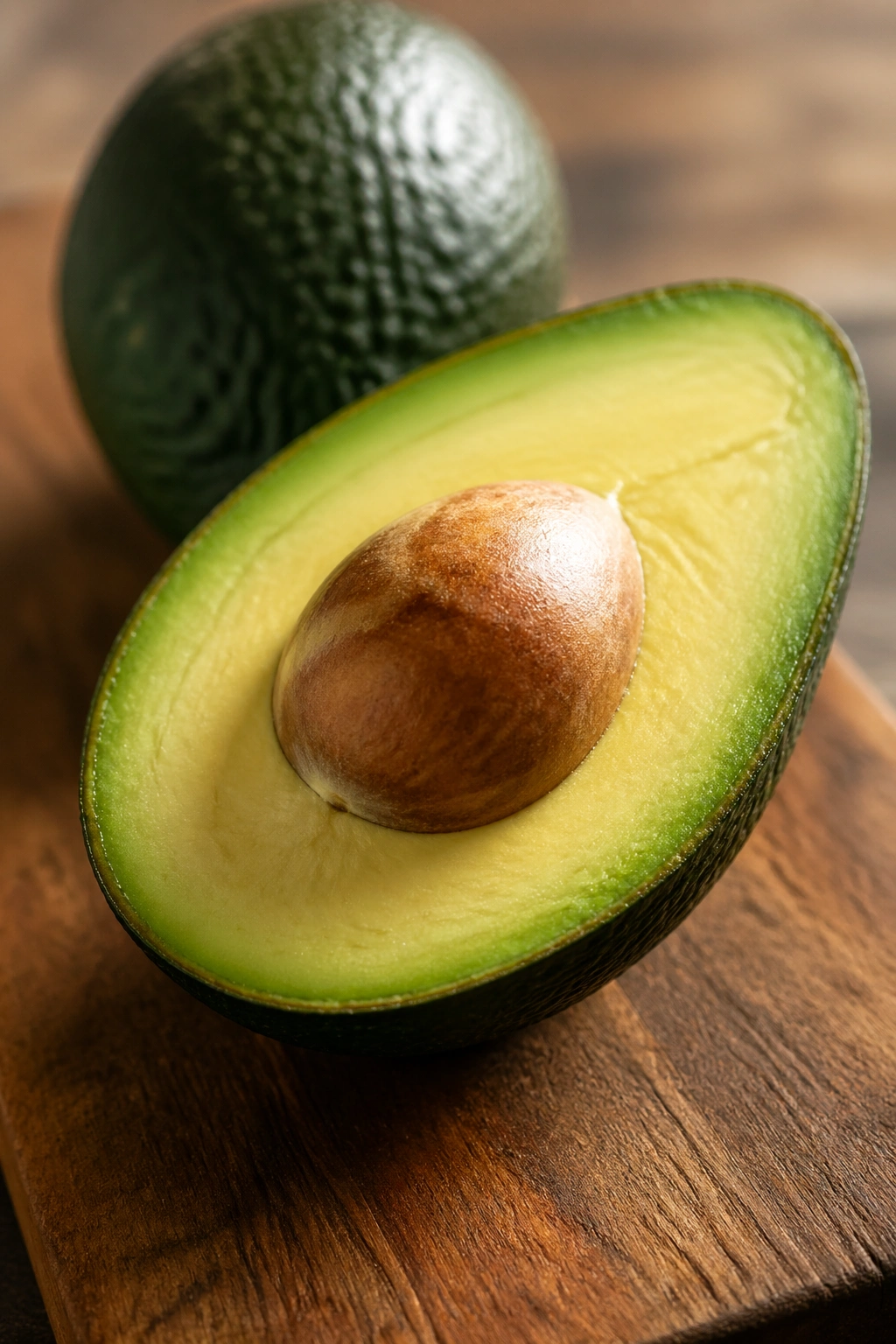
16. Avocado for Satisfaction, Not Free Calories
Avocado helps with belly fat loss only if you respect portions. That’s the part people skip. A quarter to half an avocado gives you fiber and fat that make meals feel complete, but a whole avocado can push calories up fast.
Still, I’m a fan. Add it to eggs, salads, or turkey wraps, and the meal suddenly feels more substantial. That can keep you from chasing snacks later, which is where avocado earns its place.
The mistake is treating it like a vegetable. It is not. It’s more like a rich fat source that happens to be green. Use it that way, and it works. Stack it on every meal, and the calorie math gets sloppy.
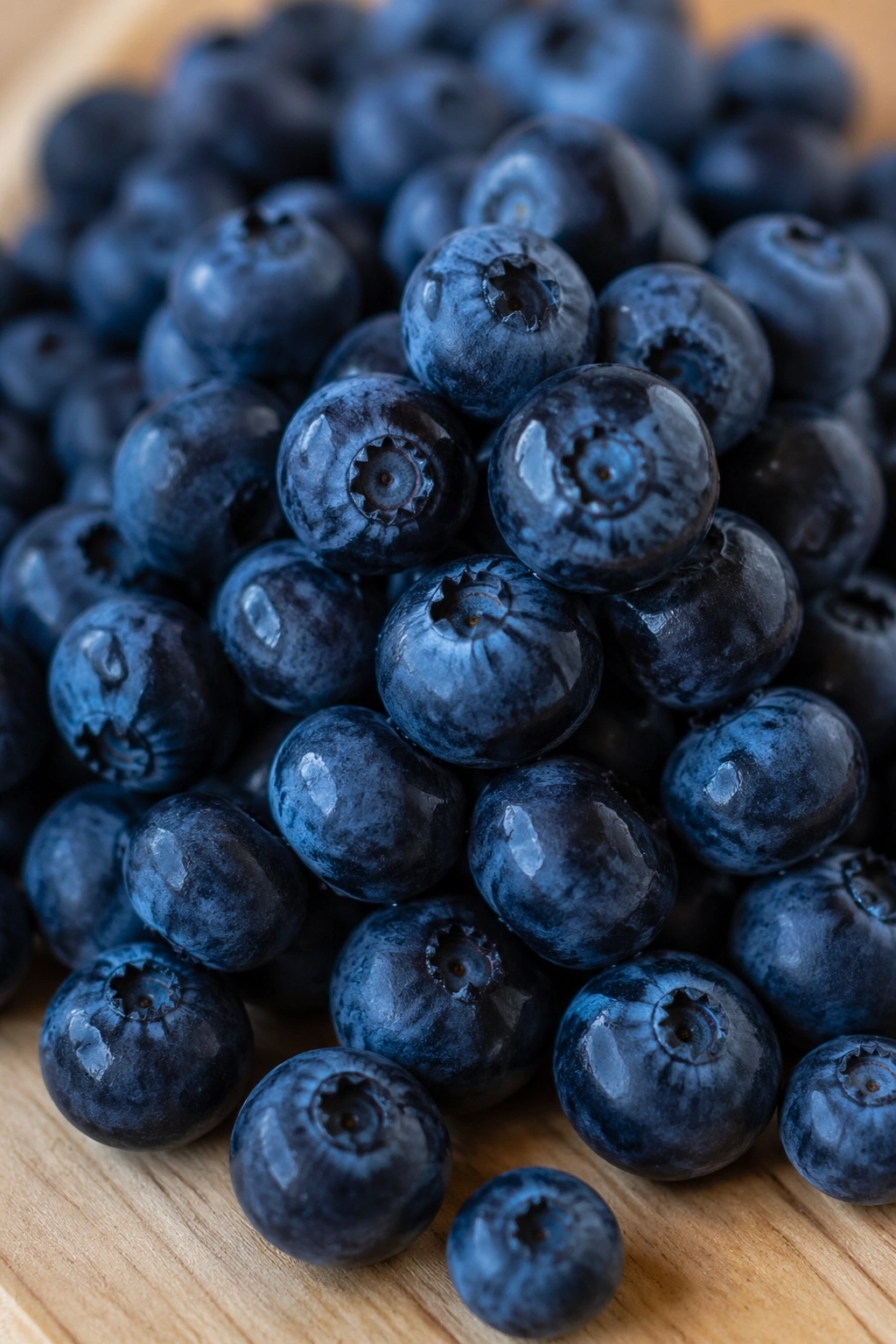
17. Blueberries for Sweetness Without the Sugar Bomb
Blueberries are one of the easiest fruit choices when you want something sweet but not heavy. They’re small, easy to portion, and their natural tartness keeps them from tasting like candy. That’s a good thing.
They also work well with protein foods. Yogurt, cottage cheese, oats, and chia pudding all benefit from a handful of blueberries. You get more volume, more color, and a dessert-like feel without pouring sugar over the top.
Frozen blueberries are fine too. In fact, I often prefer them because they’re cheaper and easier to keep around. Let them thaw a little if you want them juicy, or stir them straight into hot oats so they burst in the bowl.
18. Apples for Crunch That Slows You Down
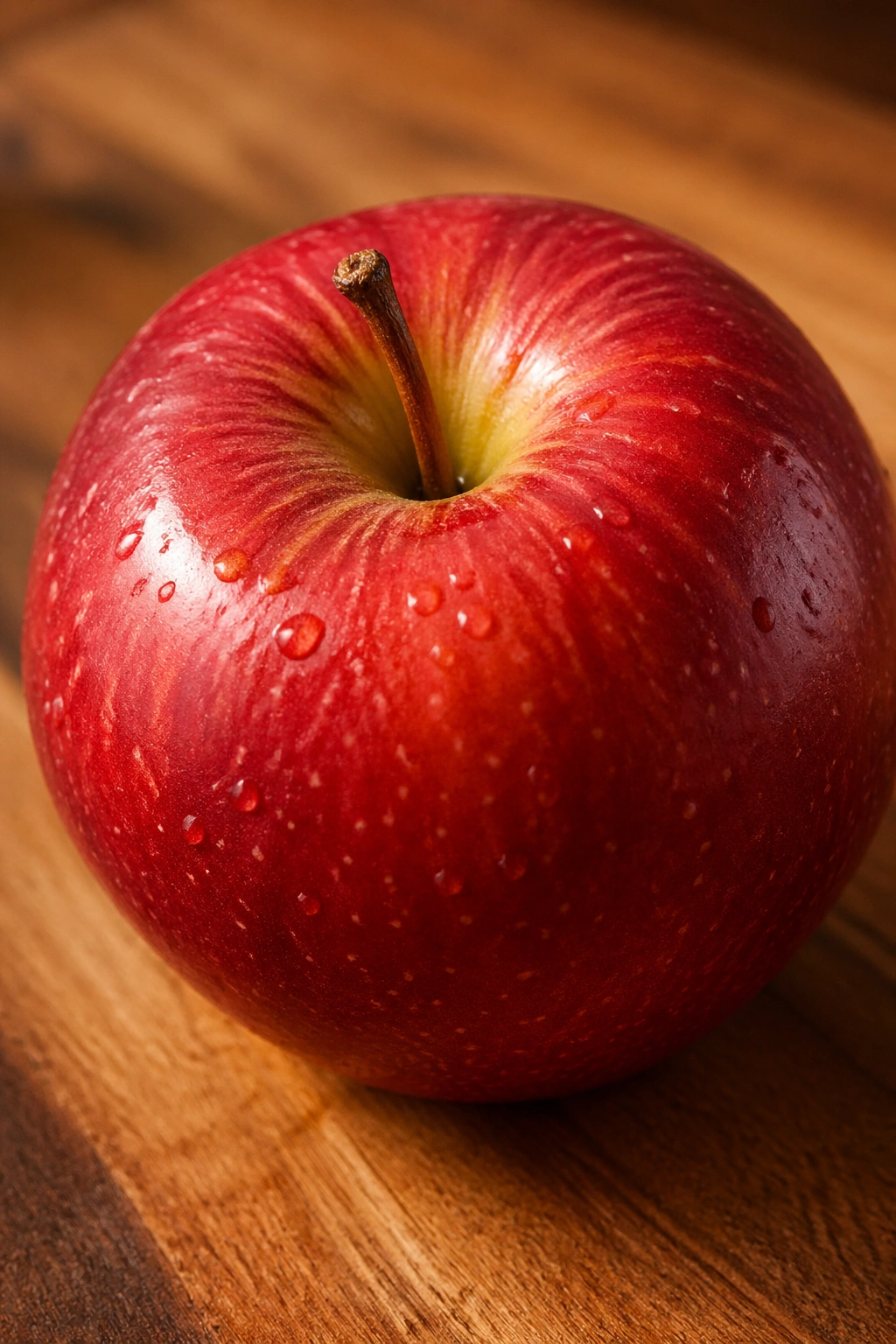
An apple is the kind of snack that forces a pause. You have to bite, chew, and pay attention, which sounds small but makes a real difference when you’re trying to stop mindless eating. That crunch is part of its charm.
Apples bring fiber, especially if you keep the skin on. Pair one with peanut butter or a few almonds and it becomes a much better snack than a plain granola bar. You get sweetness, texture, and enough staying power to bridge the gap to your next meal.
I like apples before a workout or in the late afternoon. They’re clean, portable, and easy to eat without thinking too hard. That alone makes them better than a lot of packaged “healthy” snacks that disappear in two bites.
19. Pears for a Juicier, More Filling Fruit
Pears are a little messier than apples, and I mean that in a good way. The texture is softer, the juice is higher, and the fiber content can make them feel more filling than they look at first glance.
A ripe pear is a useful snack when you want something sweet that doesn’t send you straight into a sugar crash. The key is to eat it with something protein-rich if you’re truly hungry. Yogurt, cheese, or a small handful of nuts turns it into a more balanced bite.
Ripe but not mushy is the sweet spot. Too hard and it tastes bland. Too soft and it turns into fruit mush before you finish. Buy a couple that need time on the counter, then use them when they give just a little at the stem.
20. Spinach for Volume With Almost No Calories
Spinach is a fat-loss helper because it lets you eat a bigger plate without piling on calories. A handful wilts down to almost nothing, which means you can put a lot of it on a plate and still keep the meal light.
That sounds too simple, but it matters. Eggs, omelets, soups, smoothies, and pasta all benefit from spinach because it adds bulk and a mild green flavor without trying to steal the show. If you’re trying to lose belly fat, plate size matters more than people admit.
Fresh spinach is easiest for quick use. Frozen spinach is useful too, especially in soups or egg bakes. Keep both around if you can. One does the fast job. The other does the cheap job.
21. Kale for Heavier, Chewier Salad Bases
Kale is the salad green I use when I want a bowl that actually lasts. It’s tougher than lettuce, so it takes longer to chew, and that alone can make meals more satisfying. The texture also holds up better under dressing, which means you don’t end up with a soggy pile ten minutes later.
The Part Most People Miss
Raw kale needs a little help. Massage it with a bit of olive oil, lemon juice, and salt for 30 seconds, and it softens enough to eat comfortably. That tiny step matters.
A good kale bowl often includes:
- Massaged kale
- Chicken, salmon, or beans
- Shredded carrots
- Pumpkin seeds or avocado
- A sharp dressing with lemon or vinegar
If you hate kale, don’t force it. But if you can get it right, it’s one of the better greens for meal prep.
22. Broccoli for Big Portions and Better Fullness
Broccoli earns its spot because it fills the plate fast. That alone is useful when you want to lose weight without feeling like portions have shrunk to nothing. A big serving takes up visual space, chews well, and pairs with almost any protein.
Roasting helps a lot. Steam is fine, but roasted broccoli gets crisp edges and a deeper flavor that makes it easier to enjoy. Toss it with olive oil, garlic, and salt, then cook until the florets are browned in spots and the stems are tender.
I especially like broccoli with salmon or chicken. It gives you the feeling of a full dinner. And that feeling matters. When dinner feels generous, you’re less likely to go looking for another snack right after.
23. Cauliflower for Swapping Out Heavier Sides
Cauliflower is useful because it can stand in for heavier starches when you want fewer calories without a tiny plate. Mash it, rice it, roast it, or turn it into soup. Each version gives you volume without much energy density.
The classic move is cauliflower rice, but I’m more interested in roasted florets. When they brown around the edges, they taste nuttier and less watery. That makes the whole meal feel less like a compromise.
Use cauliflower as a side, not a magic trick. Cauliflower mash next to grilled chicken is helpful. Cauliflower pretending to be pizza crust is a different conversation, and honestly, that one tends to disappoint more often than it helps.
24. Brussels Sprouts for a Bitter, Crunchy Side That Fills You Up
Brussels sprouts are one of the best vegetables for people who need food to feel substantial. They’re dense, a little bitter, and much better when roasted hard enough for the edges to brown. That bite gives the meal some attitude.
What to Watch For
Under-cooked Brussels sprouts can taste sulfur-heavy and unpleasant. That’s probably why so many people think they dislike them. Roast them cut-side down until the outer leaves crisp up and the centers turn tender.
Try them with:
- Olive oil and salt
- Balsamic vinegar
- Shaved Parmesan
- A chopped up hard-boiled egg or chicken breast
The bitterness is part of why they work. It keeps you from overeating them the way you might with softer, sweeter vegetables.
25. Bell Peppers for Crunch, Color, and Vitamin C
Bell peppers are one of the easiest snacks on this list because they’re crisp, sweet, and ready to eat raw. Slice one up and the whole container looks more generous than the calories would suggest. That’s a good trade.
Red, yellow, and orange peppers taste sweeter than green ones, so pick the color you’ll actually eat. Green peppers are sharper and a little grassy. I use them more in cooked food; the sweeter ones disappear quickly in salads and snack boxes.
They also work well with hummus, cottage cheese, or tuna salad. That little bit of crunch helps slow you down, and slowing down is useful when you’re trying to keep belly-fat loss moving in the right direction.
26. Cucumbers for a Cool, Low-Calorie Snack
Cucumbers are not flashy. Fine. They’re still useful. The high water content makes them refreshing, the crunch helps with snack cravings, and the calories stay low enough that you can eat a decent amount without worrying about it.
Slice them into rounds, cut them into spears, or shave them into ribbons for salads. A cucumber with lemon, salt, and chili flakes can scratch the same itch that chips do, at least for me. Not the same intensity, but close enough to matter on a random Tuesday.
They’re also good with yogurt-based dips, tuna, or a little feta. If you want a food that adds volume without much effort, cucumbers do the job.
27. Tomatoes for Juicy Bulk in Meals
Tomatoes help because they bring moisture and flavor without piling on calories. A salad with tomatoes feels bigger than a salad without them. So does an egg scramble, a sandwich, or a bean bowl. That’s simple but useful.
Fresh tomatoes are great, but cherry tomatoes might be the easiest option. They’re sweet, bite-sized, and easy to keep in a bowl on the counter. If you cook them down a little, they turn richer and more satisfying, which is why they’re so good in soups and sauces.
I like tomatoes with eggs, cottage cheese, and avocado. The acid cuts the richness and keeps the meal from feeling heavy. That balance is nice when you’re trying to eat in a way that supports a smaller waist.
28. Sweet Potatoes for Satisfying Carbs That Don’t Feel Empty
Sweet potatoes belong on a fat-loss list because they give you carbs that feel like food, not filler. They’re soft, sweet, and dense enough to handle hunger better than many refined starches. A medium one can anchor a lunch or dinner without blowing the whole day.
Roasting is the best method in my opinion. The edges caramelize a little, the middle turns soft, and you get something that tastes comforting instead of diet-ish. A small portion with chicken, salmon, or black beans can hold you for hours.
The mistake is turning them into dessert with butter, sugar, and marshmallows. That version has its place, but not if belly fat loss is the goal. Keep the toppings modest, and they work much better as part of a balanced plate.
29. Edamame for a Snack That Feels Like a Meal
Edamame is one of the better snack foods for women who want protein without cooking a whole meal. It’s easy to buy frozen, quick to steam, and satisfying in a way that chips or crackers almost never are.
Why It Works
The mix of protein and fiber is what makes edamame useful. You eat it slowly, and the pods make the snack feel more intentional. That alone can change how much you eat.
A few easy ways to serve it:
- Warm with salt
- Tossed into salads
- Mixed with rice and vegetables
- Blended into a dip with lemon and garlic
It’s one of those foods that works best when it’s kept simple. Don’t overthink it. A bowl of salted edamame can do a lot of heavy lifting between meals.
30. Quinoa for a More Balanced Grain Bowl
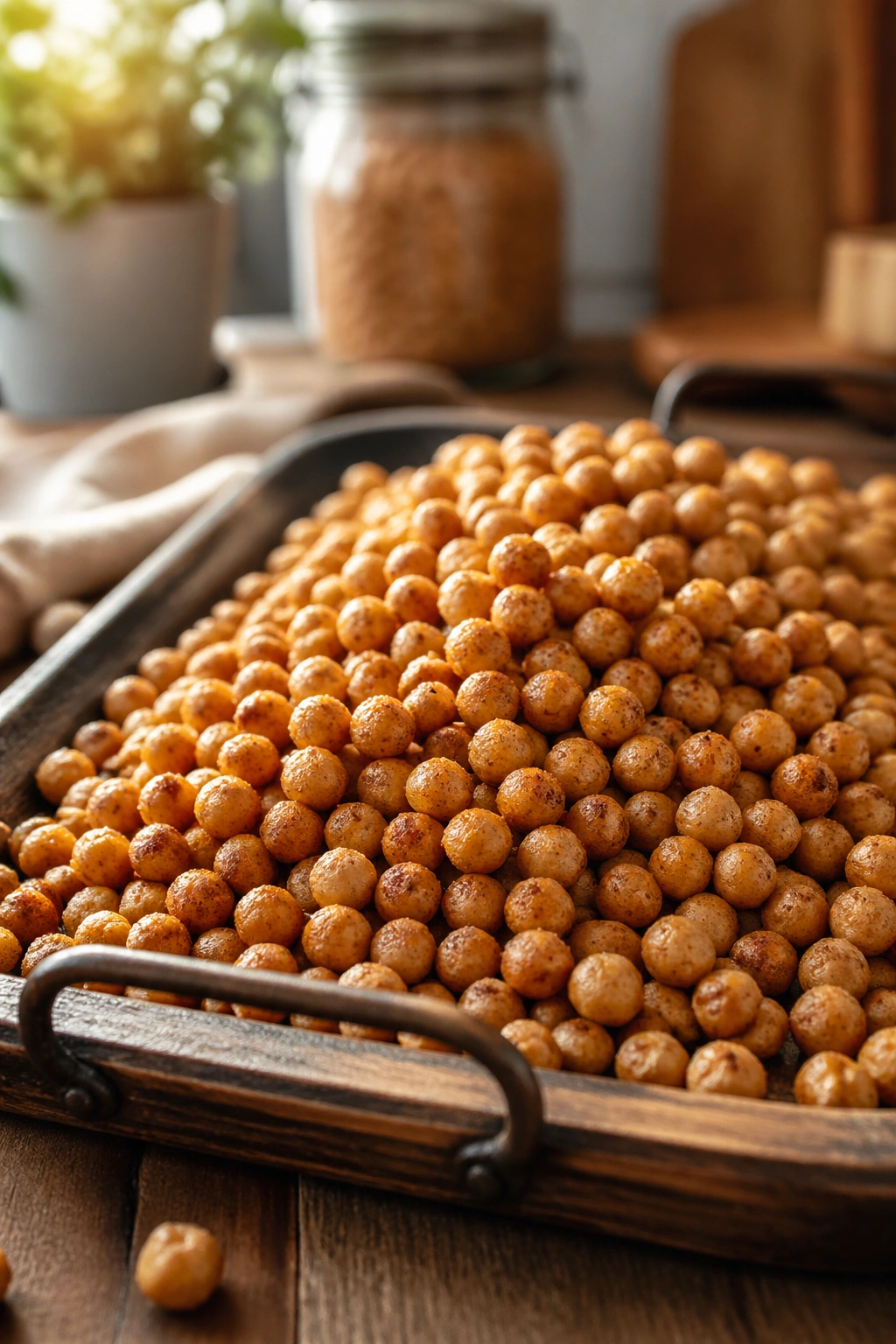
Quinoa is a decent choice when you want a grain that brings a little more protein than rice usually does. It’s not magic, and I would not treat it like one, but it does make meals feel more complete when paired with vegetables and lean protein.
Rinse it first. That removes the bitter coating. Then cook it until the little spiral tails appear and the grains are tender, not mushy. A half-cup cooked serving is enough for many meals, especially if the rest of the bowl is loaded with vegetables.
I like quinoa in lunch bowls with chickpeas, cucumber, tomato, and a lemon dressing. It gives the meal shape. If rice leaves you hungry too soon, quinoa is worth trying.
31. Artichokes for Fiber That Takes Up Space
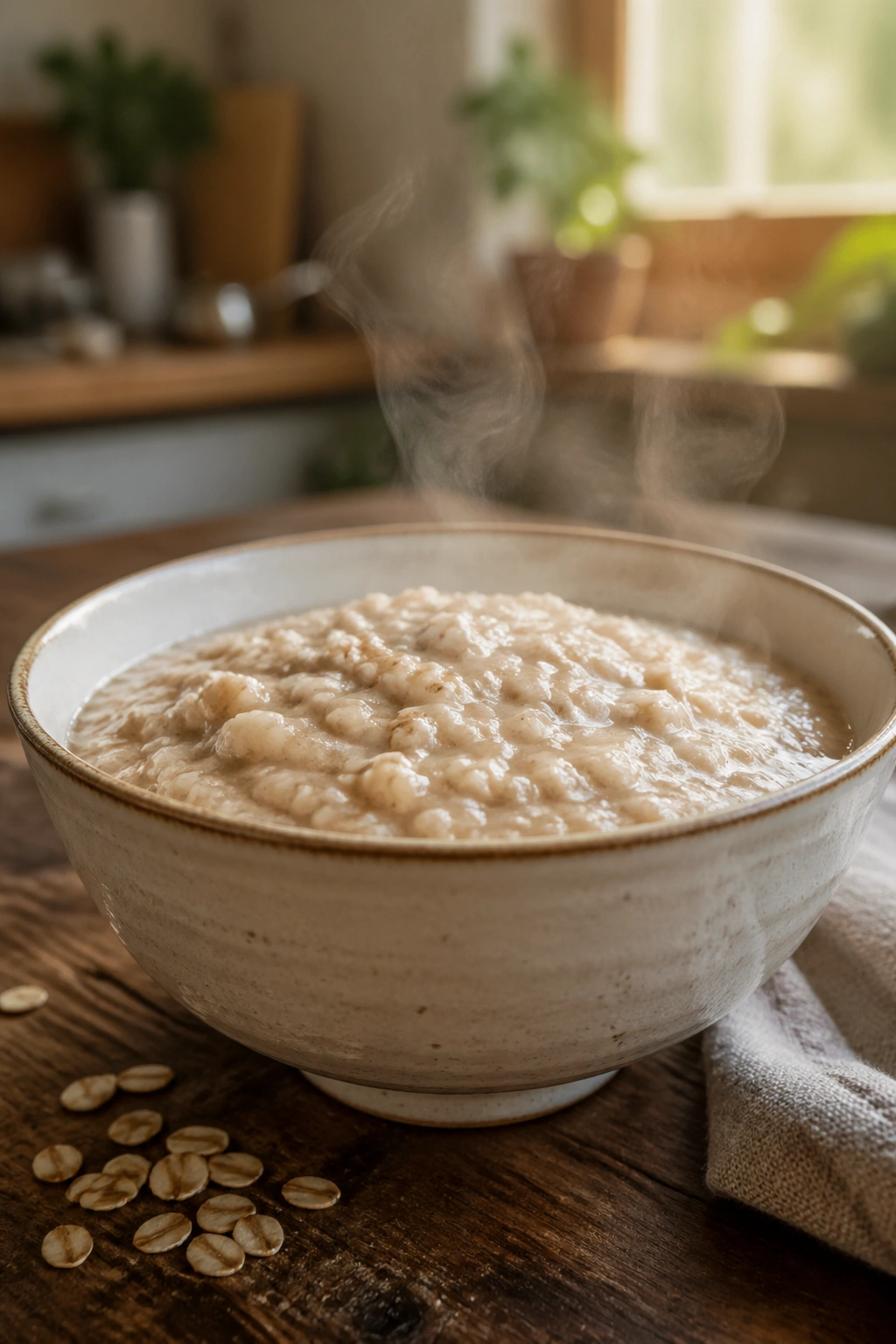
Artichokes are a little fussy, and that’s part of why they work for some people. They take effort to eat, which slows you down. The leaves come off one by one, and the pace naturally stretches the meal out.
If fresh artichokes feel like too much work, jarred or canned artichoke hearts still give you some of the same benefit. They’re easy to toss into salads, pasta, or roasted vegetable trays. Just watch the oil and salt on packaged versions.
How to Use Them
Steam a whole artichoke and serve it with lemon. Or chop hearts into a chicken salad. Either way, you get a food that adds bulk and keeps the meal from feeling one-note.
32. Plain Kefir for a Tangy Protein Boost
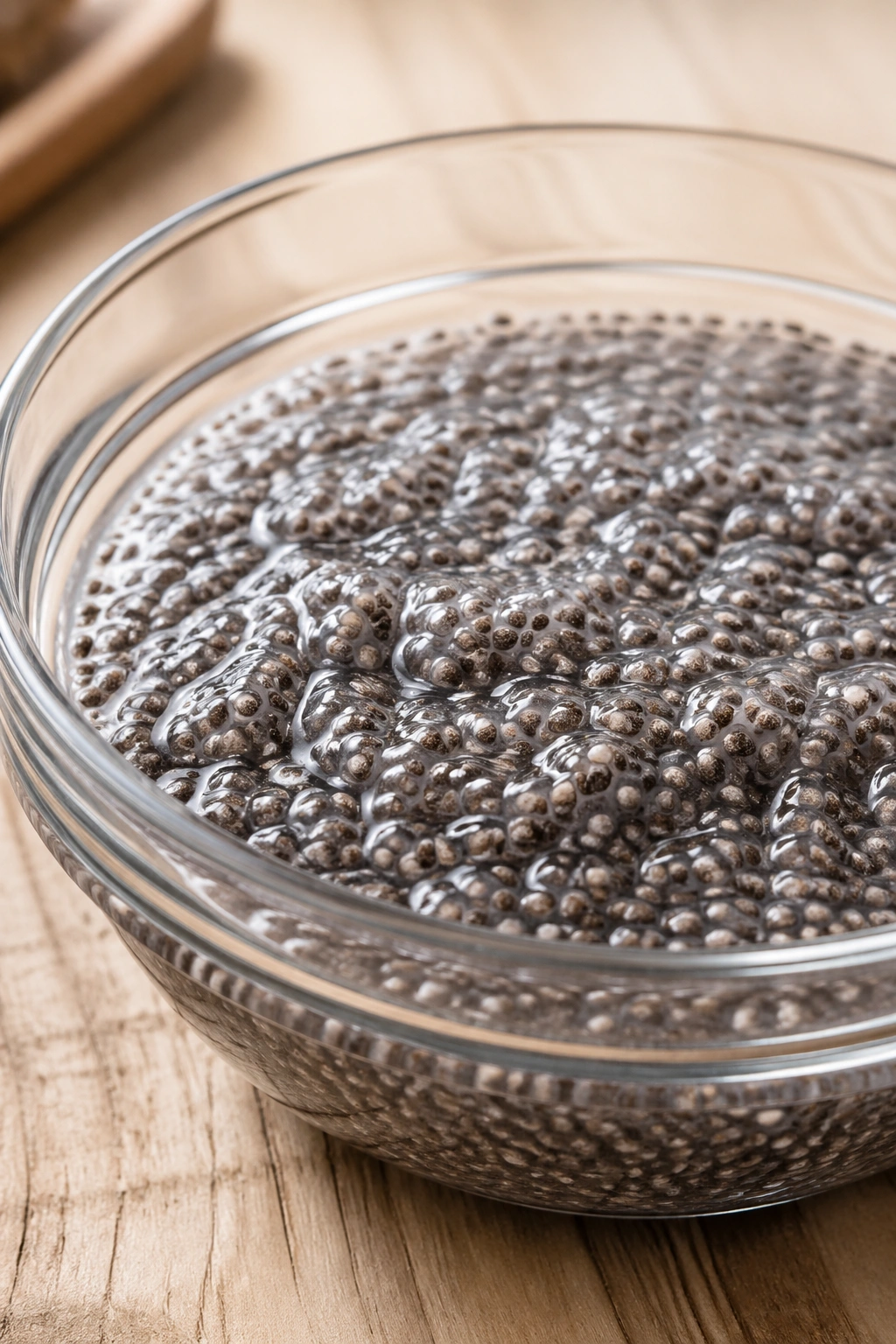
Kefir is one of my favorite overlooked foods for weight loss because it gives you a drinkable snack that still feels substantial. It’s tangy, a little sour, and usually thinner than yogurt, which makes it easy to pour into smoothies or drink plain.
The key word is plain. Sweetened kefir can sneak in a lot of sugar, and then you lose the point of the thing. Unsweetened kefir with berries or cinnamon keeps the calories more reasonable and works better as a snack between meals.
Women who struggle to fit protein into busy days often like kefir because it doesn’t require a spoon, a recipe, or a long cleanup. That sounds minor. It isn’t.
33. Sauerkraut for Flavor That Helps Lean Meals Stick
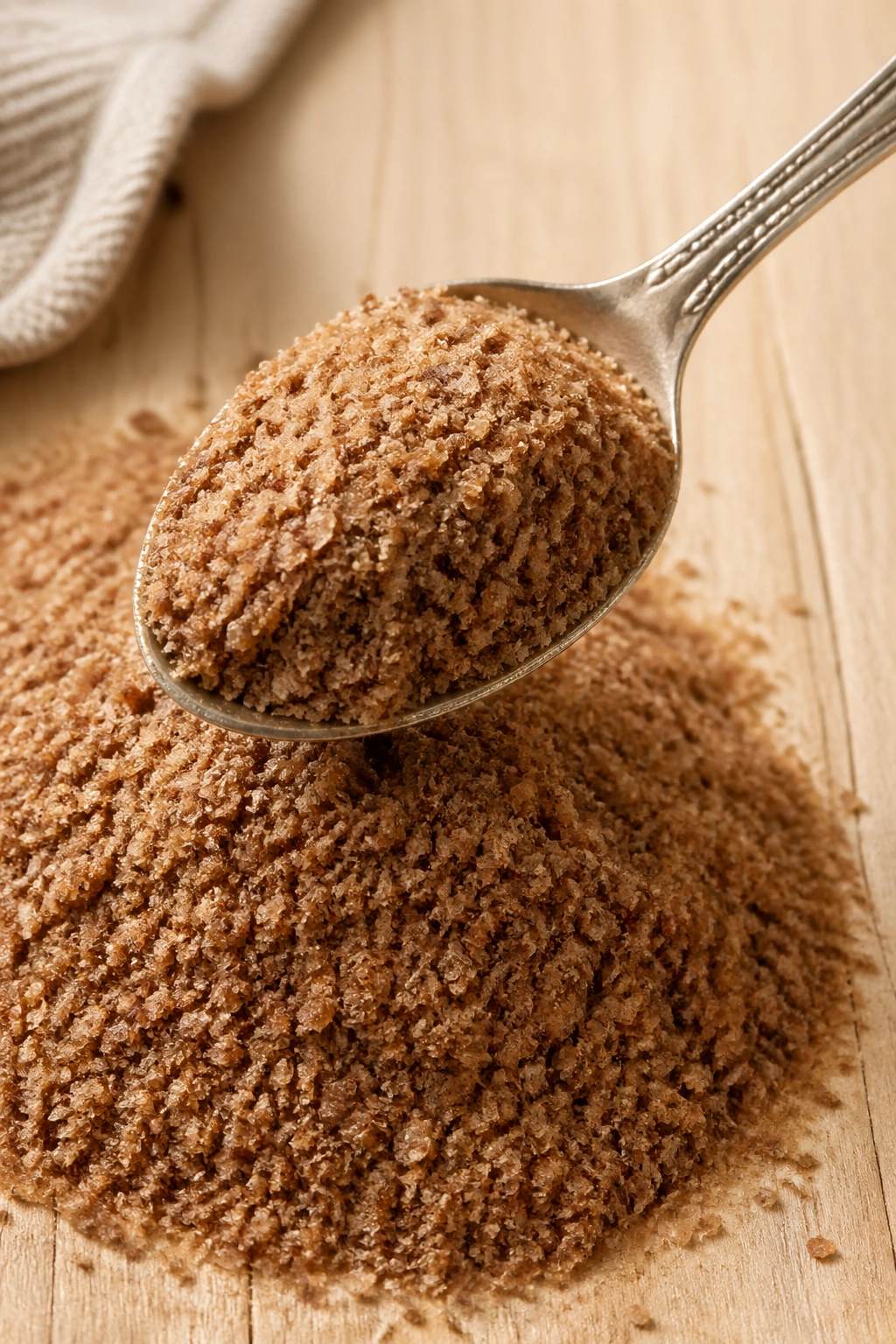
Sauerkraut is not there to fill you up on its own. It’s there to make a lean meal taste better, which is a bigger deal than it sounds. When food tastes more alive, you’re more likely to eat the healthy version again tomorrow.
A couple tablespoons can wake up turkey bowls, egg plates, or grilled chicken sandwiches. The sharp, salty bite cuts through richness and keeps meals from feeling flat. That matters when you’re eating the same basic proteins on repeat.
Go easy if you’re sensitive to salt or fermented foods. The flavor is strong, and the sodium can add up in a hurry. Small portions are the move here.
34. Almonds for Smart Snacking, Not Mindless Snacking
Almonds are useful, but only if you portion them. A handful turns into a couple hundred calories before you know it. That’s not a reason to avoid them. It’s a reason to treat them like a planned snack.
What Makes Them Work
The mix of fat, protein, and crunch can take the edge off hunger. That’s why a measured serving often does better than a bag of crackers or pretzels.
Keep it simple:
- 1 ounce, or about 23 almonds
- With an apple
- With a few berries
- As a topping on yogurt or oatmeal
The crunch is the point. Don’t turn almonds into a handful-every-time-you-walk-by-the-kitchen habit. That habit is how “healthy snacks” become a calorie leak.
35. Pumpkin Seeds for Crunch, Magnesium, and Staying Power
Pumpkin seeds are a strong finish because they bring crunch, fat, and a mineral profile that many women appreciate, especially when meals have been a little too light all day. They’re also easy to sprinkle on food without changing the whole dish.
A tablespoon or two over salads, yogurt bowls, soups, or roasted vegetables adds texture fast. If you prefer a more snack-like version, roast them lightly with salt and paprika. They’re chewy enough to feel satisfying, but small enough that portion size still matters.
I like them most as a topper. That’s where they shine. They make plain food feel finished, and when meals feel finished, you stop searching for something else five minutes later.
The foods that help with belly fat are rarely flashy. They’re the foods that keep you satisfied, make portions feel generous, and stop the cycle of snack, crash, repeat. If you build meals around protein, fiber, and sensible portions of fats and carbs, the middle usually changes as a side effect.
And that’s the real trick. Not a miracle ingredient. Not a magic smoothie. Just a grocery cart that makes the next good choice easier than the bad one.
