



Stubborn belly fat is rude. It hangs around after the rest of your body has started to change, and for many women it seems to ignore clean eating, long walks, and a decent amount of self-control.
The annoying part is that the waistline often moves last. Hormones, stress, sleep, alcohol, and daily movement all play a part in how easily body fat comes off the middle. Age can matter too, but not in the doom-and-gloom way people like to make it sound.
The fix is rarely one magic workout. It’s a mix of muscle-building, smarter cardio, enough protein, better recovery, and habits that stop appetite from running the show. Once those pieces line up, stubborn belly fat for women starts behaving like ordinary body fat instead of a personal insult.
A few of the ideas below are gym-based. A few are boring in the best possible way. A couple are about food, because fat loss does not care about the fake wall people build between workouts and the plate. The first place to start is the thing most women skip: what you do after you eat.
1. Walk After Meals Instead of Sitting Down
A 10- to 15-minute walk after eating can make a bigger difference than people expect. Not because it “burns off” a meal in some dramatic movie way, but because it gets your muscles using fuel and keeps you from turning every meal into three straight hours of sitting.
That little walk also adds steps without feeling like a workout. And that matters. Belly fat tends to drop when your total daily movement goes up, not just when you crush one hard session and then sit the rest of the day.
What to do
- Walk at a pace that makes you breathe a little harder, but still lets you talk.
- Start with one walk after your biggest meal.
- Keep it easy enough that you’ll actually repeat it tomorrow.
- If the weather is awful, march around your house or do laps in a hallway.
A small habit like this feels almost too simple. It isn’t.
2. Lift Weights Three Times a Week
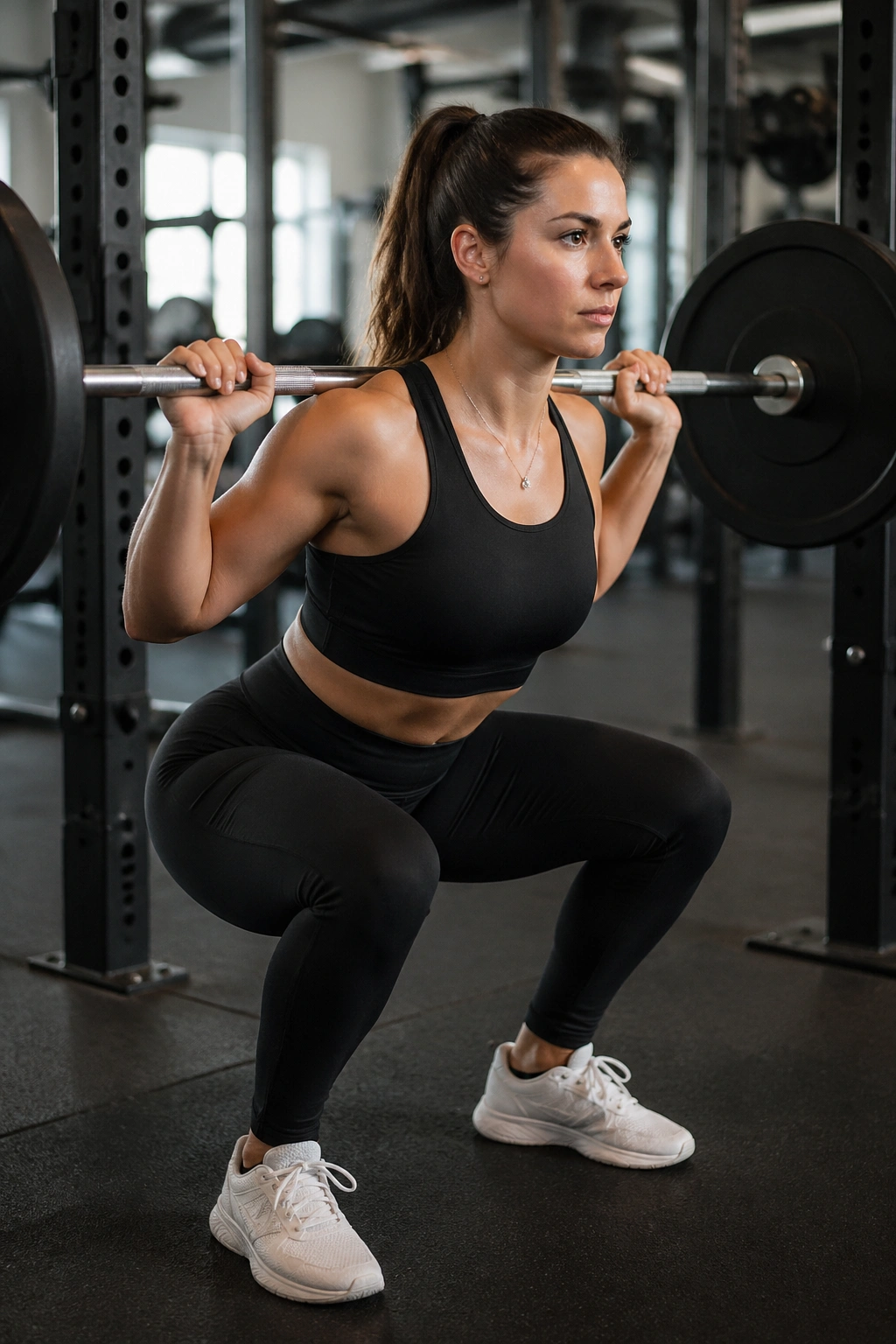
Strength training is one of the smartest ways to lose belly fat without looking flattened out. When women lose weight with only cardio and eating less, they often end up smaller but softer. Weights help preserve muscle, which keeps your shape and makes the whole process look better in the mirror.
Three full-body sessions a week is enough for most people to start. Squats, rows, presses, hinges, and lunges cover a lot of ground without turning your life into a gym schedule.
A good beginner pattern
- 3 sets of 6 to 12 reps for each lift
- 5 to 6 exercises per session
- 60 to 90 seconds of rest between sets
- A weight that feels hard by the last 2 reps
No need to chase exhaustion. Chase progress. That’s the part people miss.
3. Use Interval Training Instead of Endless Cardio

Long, slow cardio has its place. So do intervals. But if your goal is stubborn belly fat for women, short bursts of hard work often give you more return for the time you put in.
Try 20 to 30 seconds hard, then 60 to 90 seconds easy. Repeat that 6 to 10 times on a bike, rower, treadmill, or hill. The hard parts should feel uncomfortable. Not reckless. Just sharp enough that you need the recovery.
Intervals are useful because they fit into a short window and can keep your workouts from getting stale. They also train your body to handle effort better, which helps with everything else in your program.
How to keep them sane
- Use intervals 1 or 2 times a week
- Keep the total session under 25 minutes at first
- Pick a low-impact machine if your joints complain
- Stop before your form turns sloppy
More is not always better here. A little goes a long way.
4. Eat More Protein at Breakfast

A breakfast built on protein can change the rest of your day. Seriously. If you start with toast and coffee alone, hunger often shows up early and gets loud by midmorning. If you start with 25 to 35 grams of protein, the day usually feels a lot more controlled.
Eggs help. Greek yogurt helps. Cottage cheese helps. Tofu scramble helps. So does a protein smoothie with fruit and ice if you’re not a big breakfast eater.
Easy breakfast targets
- 2 to 3 eggs with fruit and oats
- Plain Greek yogurt with berries and chia seeds
- Cottage cheese with sliced apple and cinnamon
- Protein shake plus a piece of whole-grain toast
Protein is not magic. It just makes it easier to eat less without feeling like you’re white-knuckling every hour.
5. Put Fiber on Every Plate
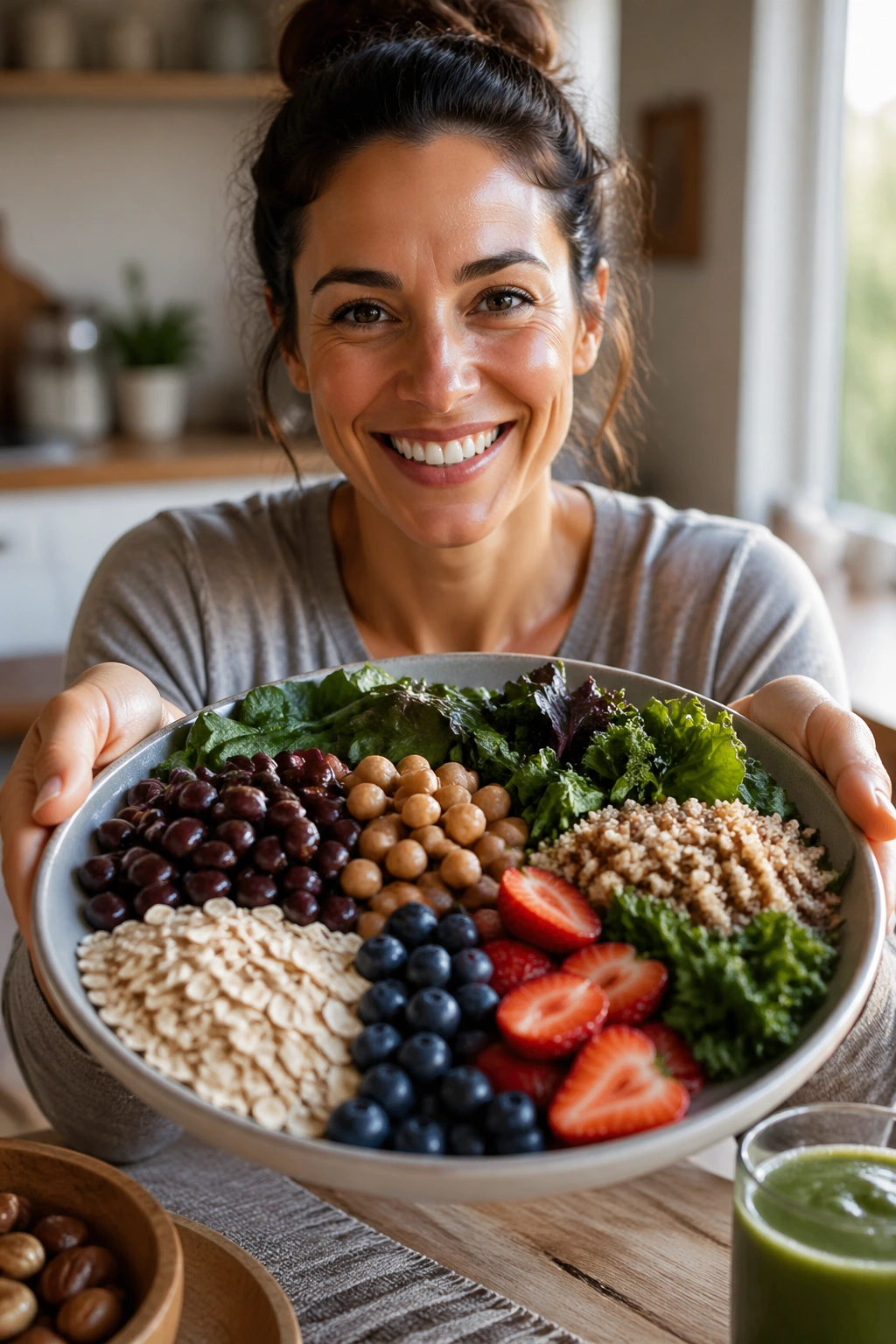
Fiber is the quiet workhorse of fat loss. It slows digestion, helps you feel full, and keeps meals from disappearing too fast. That matters when you’re trying to lose belly fat and not spend your whole day thinking about food.
Beans, lentils, oats, berries, chia seeds, leafy greens, broccoli, carrots, and whole grains all help. You do not need some bizarre cleanse. You need meals that keep you satisfied long enough to live your life between them.
If you’re not used to much fiber, add it slowly. Jumping from low fiber to a giant salad and three servings of beans can leave your stomach unhappy. That is not the vibe we want.
Smart fiber moves
- Add one vegetable to breakfast
- Put beans in soups, wraps, or rice bowls
- Use berries instead of juice
- Swap refined snacks for nuts and fruit
The goal is easier appetite control, not digestive chaos.
6. Keep a Small Calorie Deficit for Belly Fat Loss, Not a Crash Diet
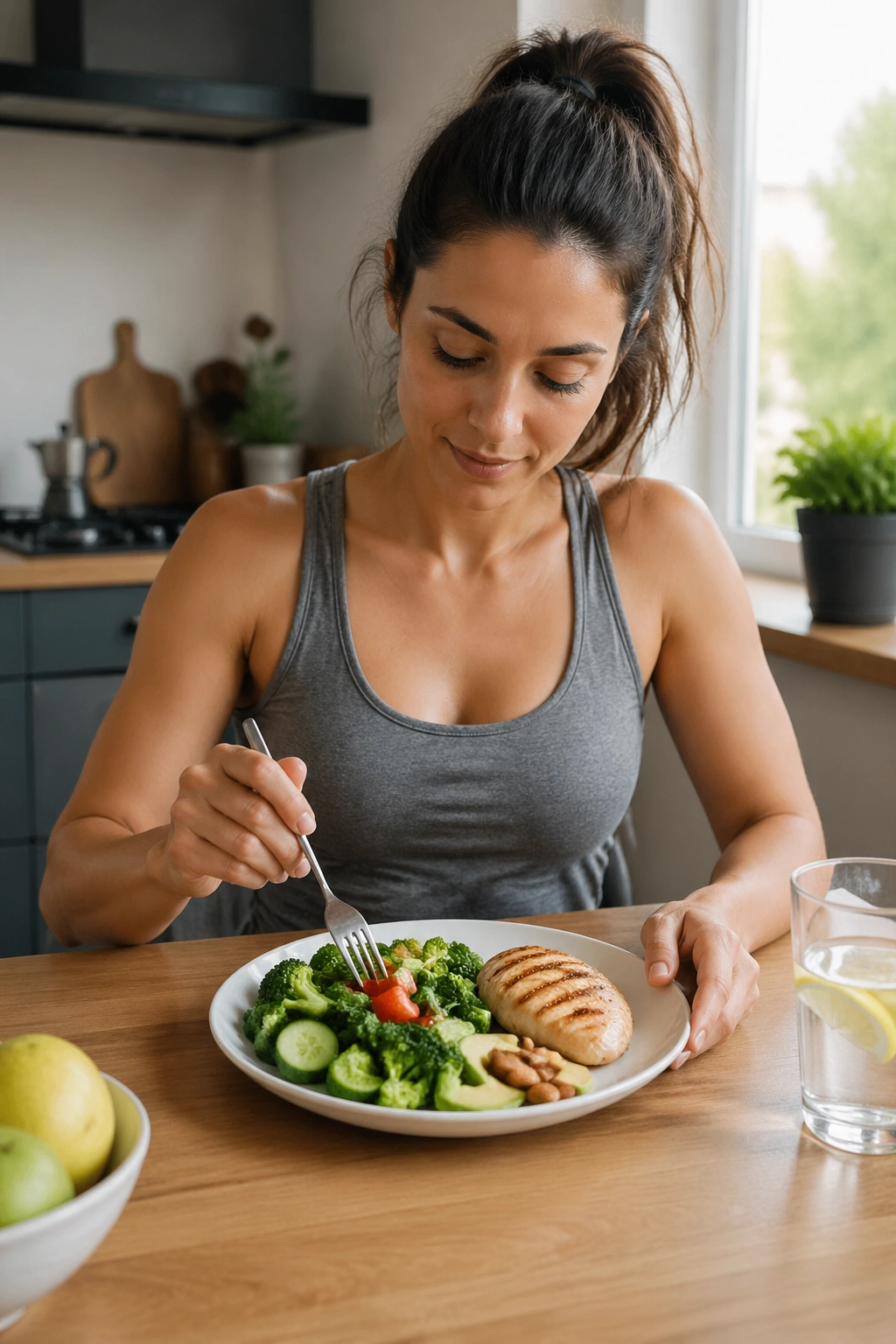
A modest calorie deficit works. A huge one often backfires. When you slash food too hard, you get tired, snacky, and miserable, and your workouts start to slide. Then muscle loss creeps in, and the waistline often looks softer instead of tighter.
A steady gap of about 300 to 500 calories a day is often enough to move body fat without wrecking energy. The number itself matters less than the pattern: consistent enough to work, gentle enough to keep.
If you hate tracking calories, use portions. Fill half your plate with vegetables, keep protein palm-sized, and be honest about oils, sauces, drinks, and “little bites” that add up fast.
A crash diet is loud. A small deficit is boring. Boring wins.
7. Bring Down Stress Before It Hits Your Waistline

Stress does not create belly fat out of thin air, but it can make fat loss harder than it needs to be. When stress runs high, sleep gets worse, cravings get stronger, and you’re more likely to grab easy food instead of planned food.
A 10-minute walk, slow breathing, a short stretch session, or even sitting still without your phone can help more than another anxious scroll through social media. That last one is free, by the way. No app needed.
Good stress resets
- 4 slow breaths in, 6 slow breaths out for 3 minutes
- A walk without headphones
- A quick journal dump before dinner
- A hard stop on work emails after a set hour
The body likes rhythm. Give it some.
8. Sleep Like Your Fat Loss Depends on It

Poor sleep makes hunger louder and willpower weaker. That’s not a moral failure. It’s biology doing its annoying little dance. When you’re short on sleep, your body tends to want more quick energy, and workouts feel harder than they should.
Seven to nine hours is the sweet spot for many adults. The exact number matters less than keeping your sleep regular. A bedtime that shifts by 90 minutes every night can make you feel jet-lagged even if you technically get enough hours.
Better sleep setup
- Keep the room dark and cool
- Put the phone across the room
- Stop caffeine earlier than you think you need to
- Do not save your hardest workout for late evening if it wires you up
Belly fat is stubborn. Sleep loss makes it stubborn-er.
9. Train Your Lower Body Hard
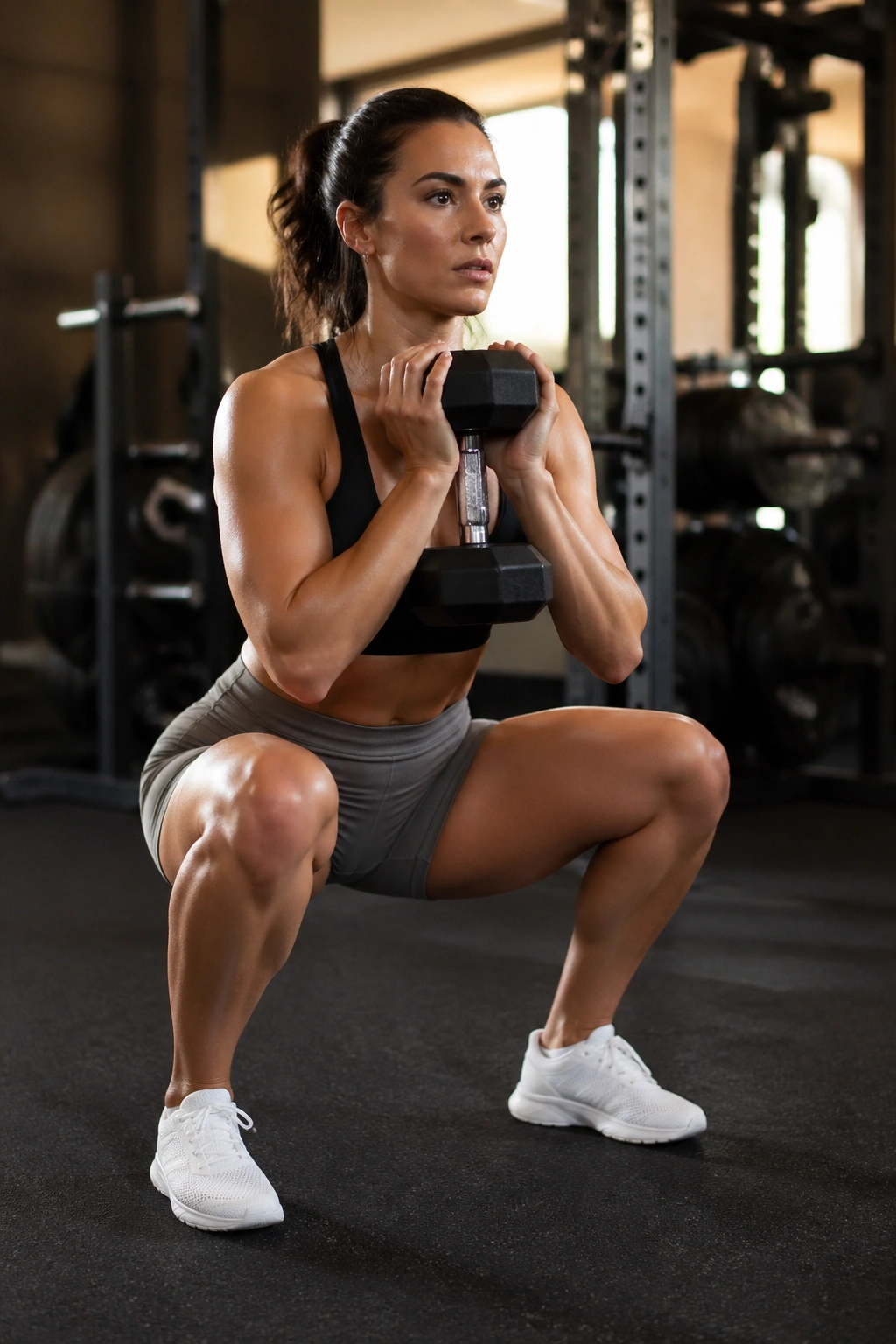
Your legs and glutes are big muscles. Big muscles use more energy. That’s one reason lower-body training belongs in any plan for women trying to lose belly fat.
Squats, Romanian deadlifts, lunges, hip thrusts, and step-ups don’t just shape the lower half. They also make you stronger in ways that spill into daily life. Carrying groceries feels easier. Climbing stairs feels less annoying. Your whole body starts to work better.
A solid lower-body day
- Goblet squat: 3 sets of 8 to 10
- Romanian deadlift: 3 sets of 8 to 10
- Reverse lunge: 3 sets of 10 each leg
- Hip thrust: 3 sets of 10 to 12
Heavy legs are not the enemy. They are part of the plan.
10. Stop Relying on Crunches Alone
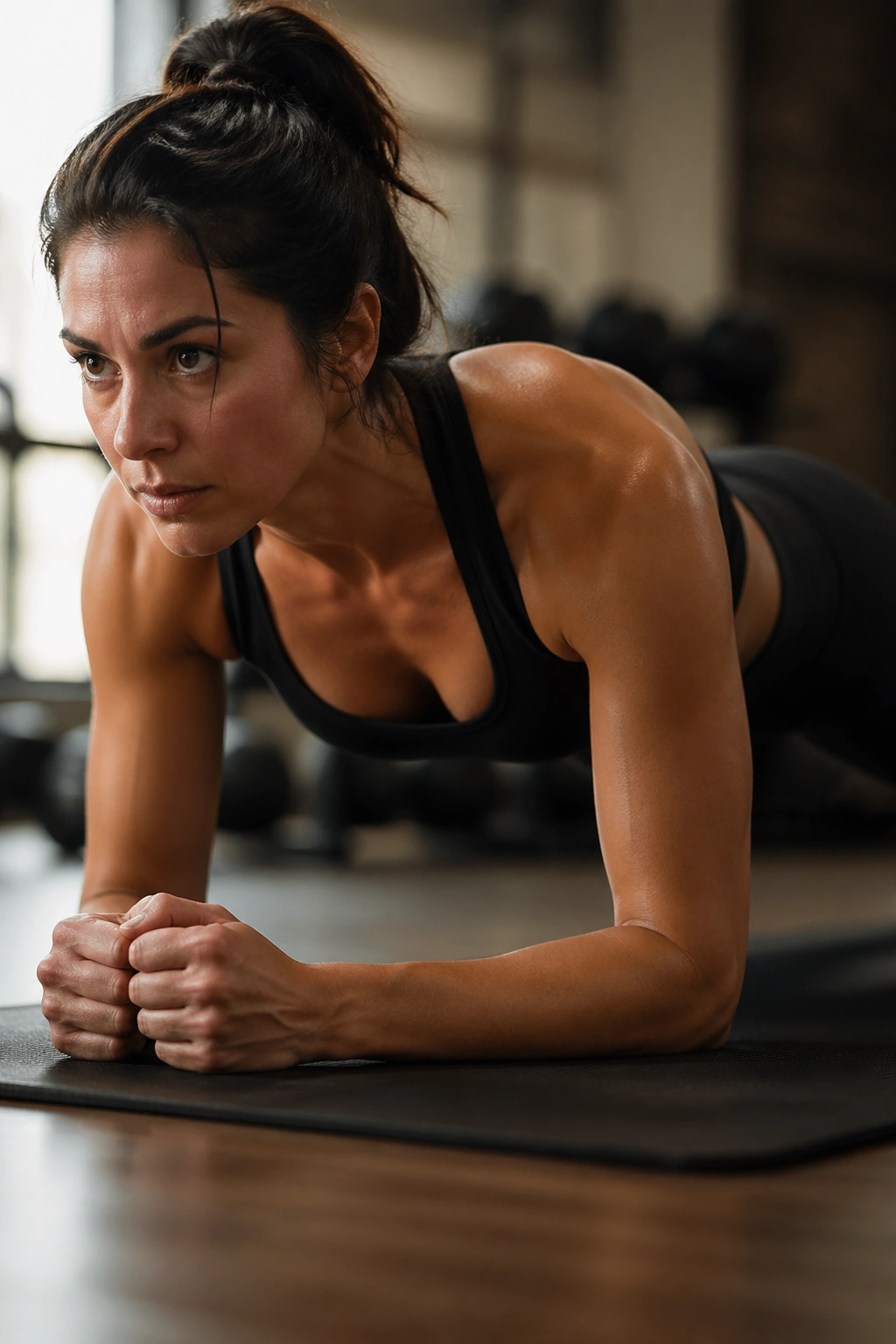
Crunches are not useless. They’re just not enough. If you want a flatter midsection, your core needs to do more than flex forward a hundred times.
What actually helps
Planks, dead bugs, bird dogs, Pallof presses, and farmer carries teach your trunk to brace and resist movement. That matters because a strong core supports better lifting, better posture, and better control through your middle.
A lot of women have a weak deep core, not a “no abs” problem. That difference matters. You may still need to lose body fat, but you also need your midsection to hold itself well when you stand, walk, squat, and carry weight.
Crunches can stay. They just shouldn’t be the whole story.
11. Raise Your Daily Step Count
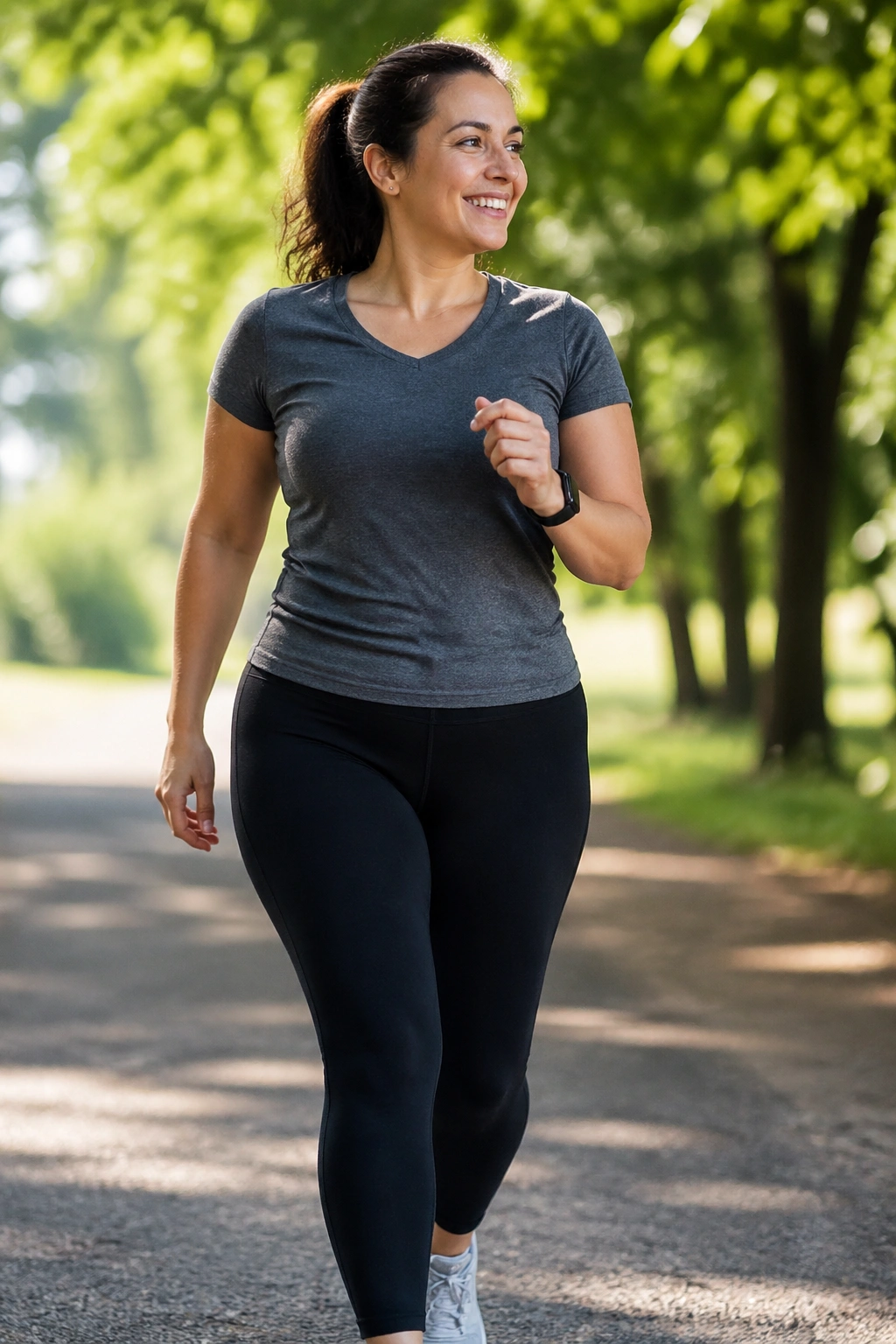
Steps are one of the easiest ways to burn more energy without beating yourself up. This is the boring truth, and I mean that in a kind way. Walking is underrated because it feels too easy to count, yet it adds up fast.
If you move from 4,000 steps to 8,000, that’s a huge difference over the week. You do not need a perfect number. You need more movement than you had before.
Easy ways to add steps
- Take calls while walking
- Park farther away
- Use a bathroom on another floor
- Set a 10-minute walking alarm after lunch
- Walk during one TV break instead of sitting through all of it
Steps are a fat-loss lever. Small, but real.
12. Cut Liquid Calories and Extra Alcohol

Drinks can quietly wreck a calorie deficit. Juice, sugary coffee drinks, fancy smoothies, wine, cocktails, and even “healthy” beverages with a lot of fruit or cream can pile on more energy than you expected.
Alcohol is its own problem. It lowers restraint, makes late-night snacking more likely, and often leaves you tired the next day. That second part matters more than people think.
Better swaps
- Sparkling water with lemon instead of soda
- Coffee with milk instead of syrup-heavy drinks
- One glass of wine instead of a long night of refills
- A protein shake instead of a dessert drink
You do not need to ban everything. You do need to stop drinking calories like they are invisible.
13. Build Meals Around Vegetables
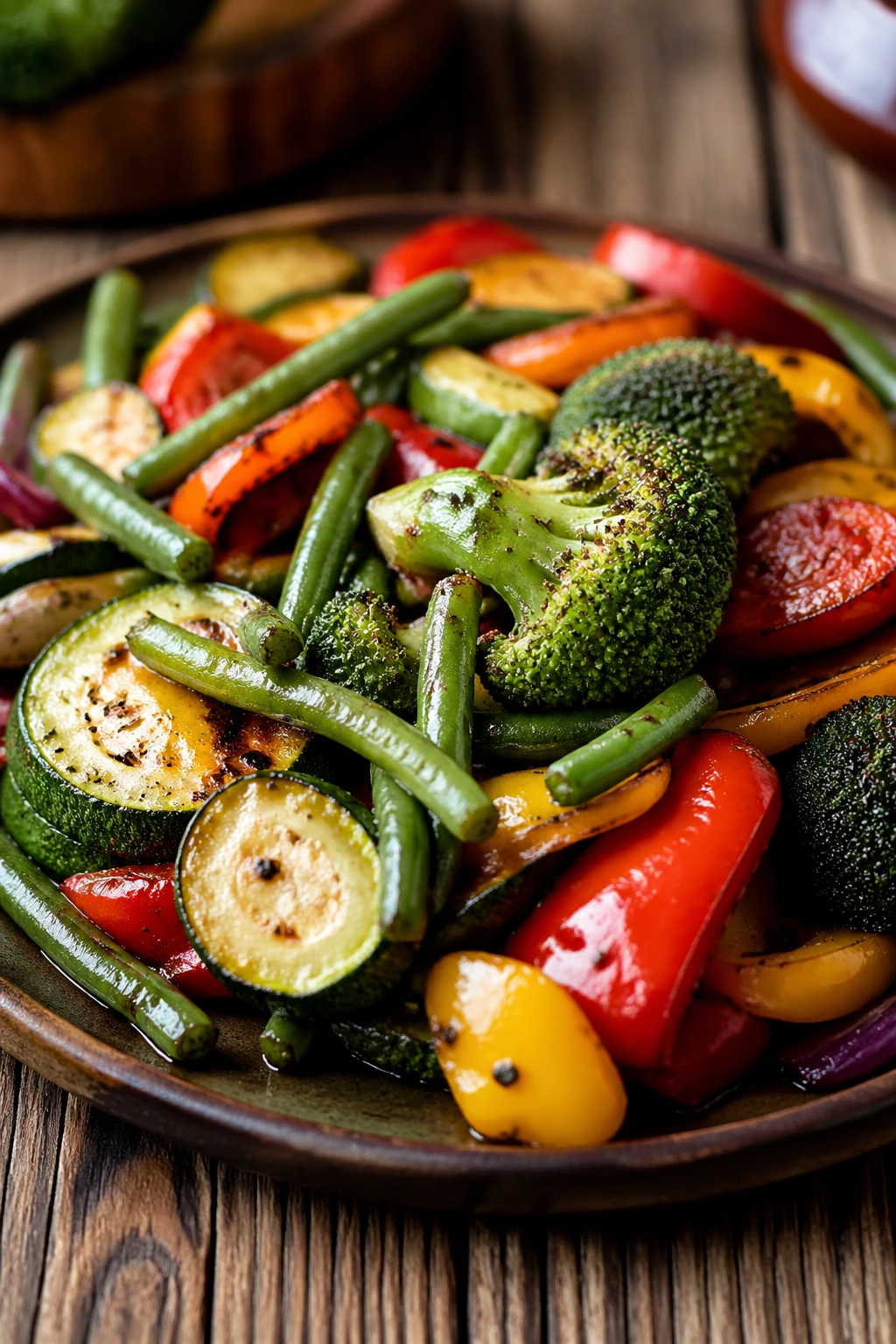
Vegetables help meals fill the plate without filling the calorie budget too fast. That sounds dull until you notice how much easier it is to stay full when half your dinner is roasted broccoli, peppers, zucchini, salad greens, or green beans.
This is not about surviving on salad. It’s about using vegetables as the base, then adding protein, starch, and fat in amounts that make sense. A chicken bowl with rice, peppers, onions, and salsa feels very different from a tiny piece of chicken next to a mountain of pasta.
A simple plate rule
- Half vegetables
- One quarter protein
- One quarter starch
- Add sauce, but measure it once in a while
The trick is volume. Full belly, lower calories. That’s the whole game.
14. Keep Weekend Eating from Undoing the Week
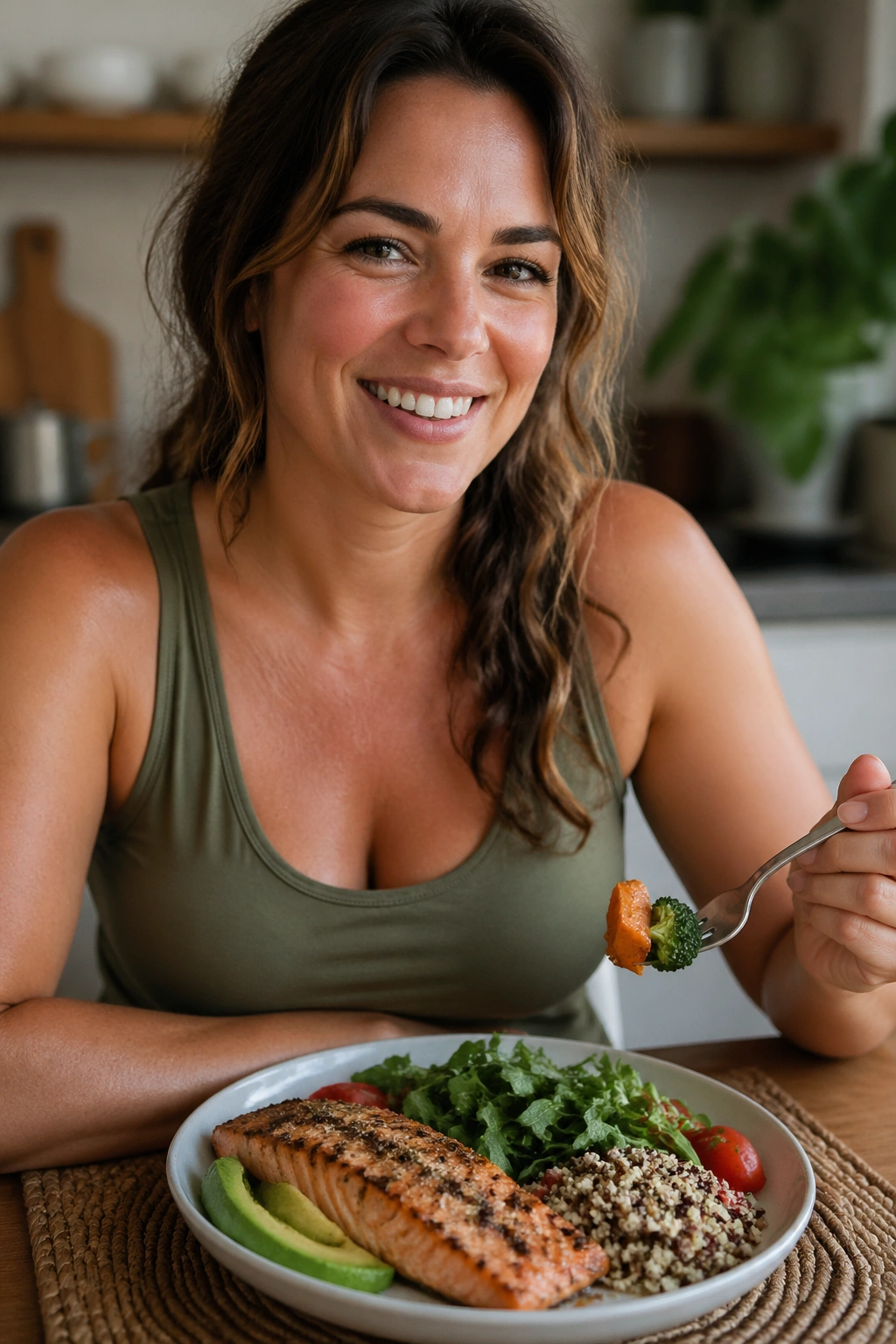
Two loose meals can erase five decent days. That’s the part people hate hearing. You don’t need perfect weekends, but if Friday night turns into a three-day buffet, your progress will crawl.
I like a simple rule: keep one or two meals fun, not the whole day. Eat a normal breakfast. Get protein in early. Decide where the splurge happens instead of letting it happen everywhere.
Weekend guardrails
- Pick the restaurant before you arrive
- Share dessert or take half home
- Keep protein high at the first meal
- Don’t arrive starving to a dinner out
You can still have a life. Just stop letting the weekend become a free-for-all with chips.
15. Use Compound Lifts That Work Several Muscles
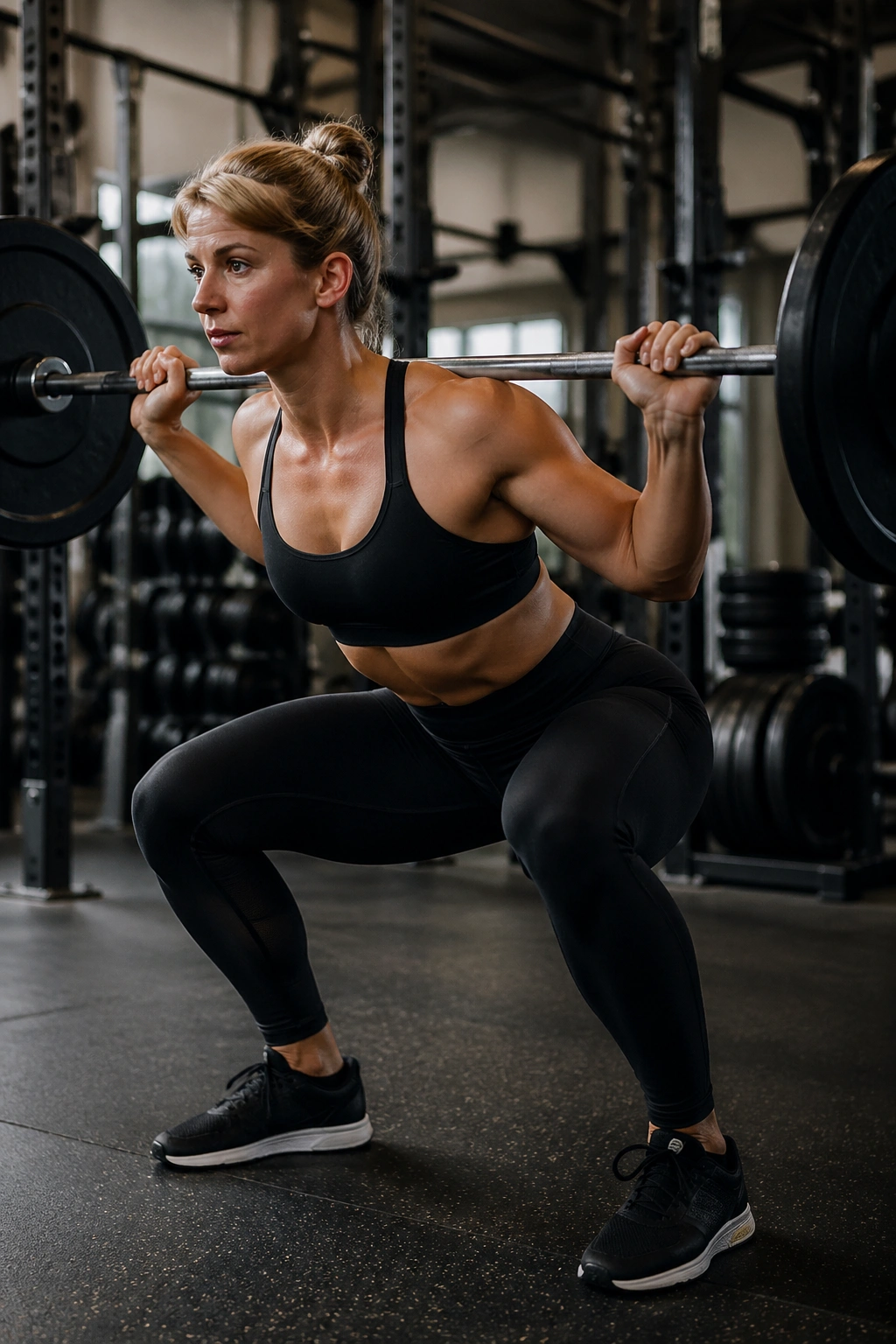
Compound lifts give you more work for the same time. Squats, deadlifts, push-ups, rows, presses, and carries all use multiple muscles at once, which is exactly what you want when the goal is fat loss with shape.
Isolation work has a place. So do compound lifts. But if time is tight, the big movements should come first because they create the biggest training effect per minute.
Good compound choices
- Squat or leg press
- Dumbbell row or cable row
- Chest press or push-up
- Romanian deadlift or trap-bar deadlift
- Farmer carry
Short sessions can still work if the exercises are chosen well. The exercise selection matters more than people want to admit.
16. Try Incline Walking or Hill Work
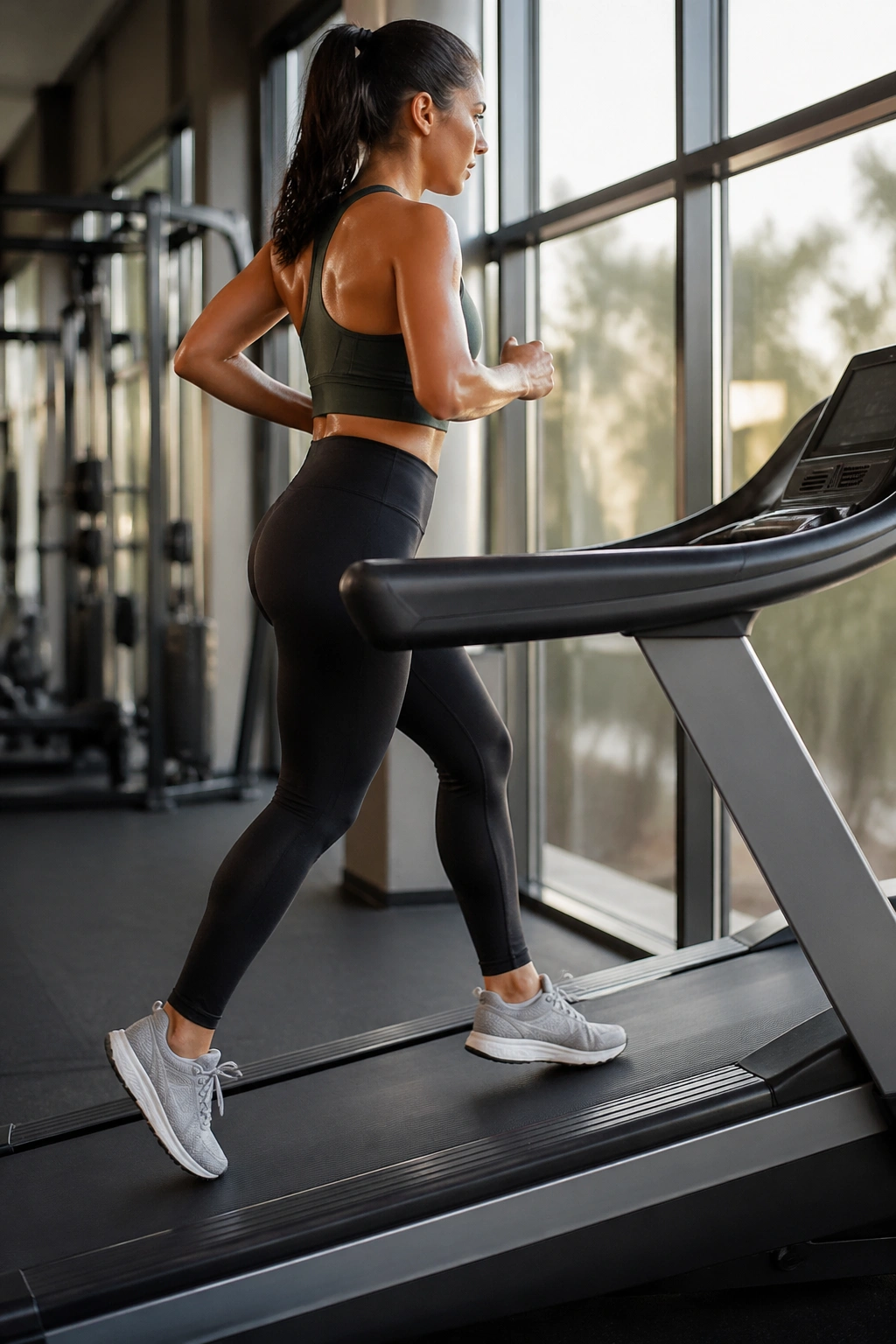
Incline walking is one of my favorite tools for women who want more calorie burn without angry knees. It’s simple, sweaty, and easy to scale. Turn the treadmill up to a modest incline, shorten your stride, and keep walking.
Hills do a lot of the same work outside. They raise effort without needing a sprint. That means you can get your heart rate up while staying in control.
A practical setup
- Treadmill incline: 6 to 12 percent
- Pace: brisk enough to breathe hard, not gasp
- Time: 20 to 40 minutes
- Frequency: 2 to 4 times a week
Your glutes will notice. Your lungs will too.
17. Add Low-Impact Cardio on Recovery Days
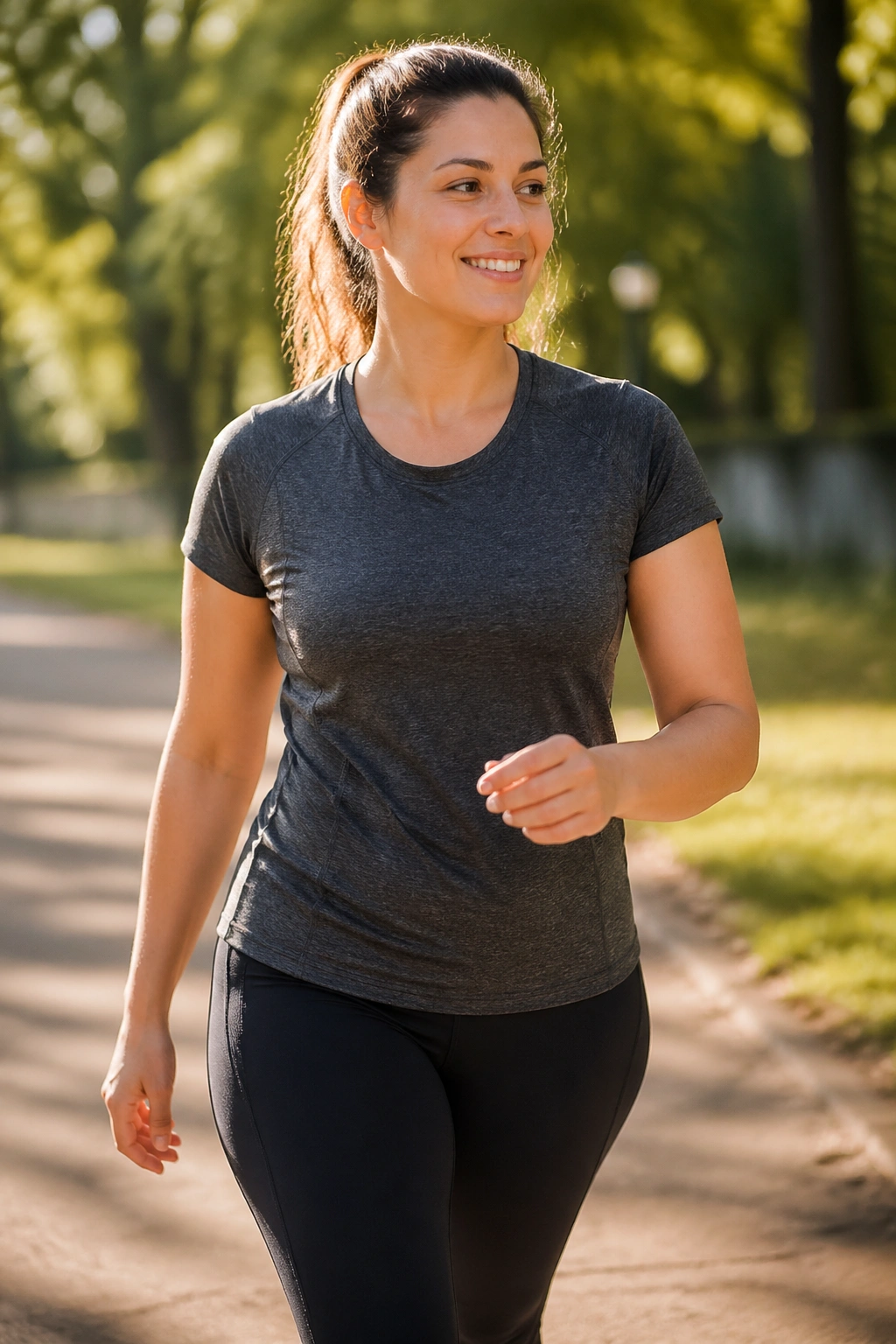
Recovery days should recover you. Shocking concept, I know. But many women either do nothing on off days or accidentally turn every day into a brutal session. Low-impact cardio sits in the middle and does a better job of keeping momentum going.
Cycling, rowing, swimming, elliptical work, and brisk walking can keep energy expenditure up without trashing your legs. That matters if you’re lifting three days a week and do not want to feel wrecked by Thursday.
Best uses for low-impact cardio
- 20 to 30 minutes after lifting
- 30 to 45 minutes on a lighter day
- A steady pace you could hold for a while
- Enough effort to warm you up, not flatten you
The point is recovery plus movement. Not punishment.
18. Measure Your Waist, Not Just Your Weight
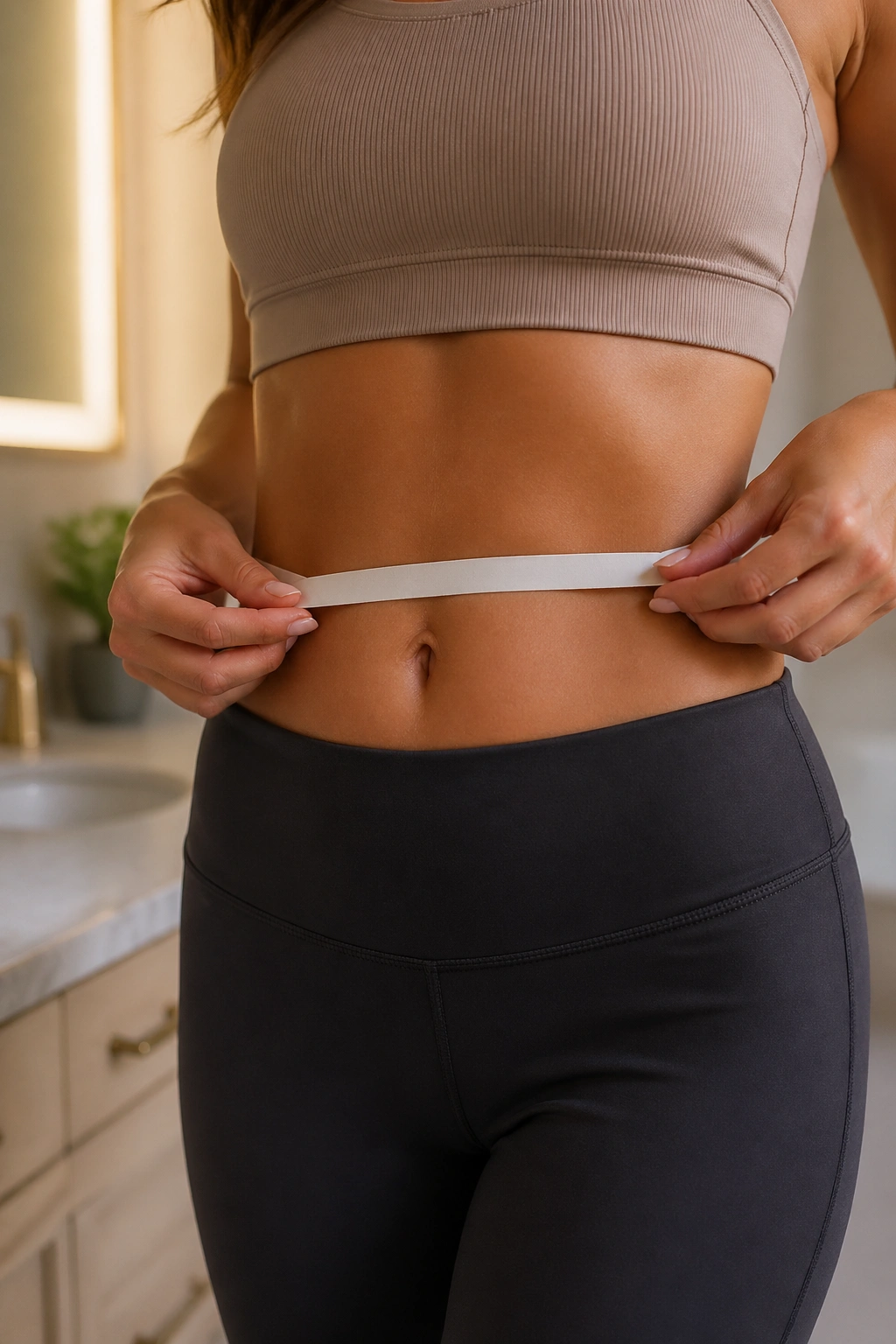
The scale can be rude. Water retention, cycle shifts, sodium, sore muscles, and constipation can all nudge it around. That does not mean your body fat has changed much.
A tape measure gives you a cleaner picture. Measure around the waist at the same spot each time, usually at the navel or the narrowest point, and do it once a week under the same conditions.
Use more than one marker
- Waist measurement
- Progress photos
- How pants fit at the button
- Energy during workouts
If your waist is shrinking and the scale is stuck, you are probably still making progress. That’s the kind of detail that keeps people from quitting too early.
19. Tell Bloating Apart from Belly Fat
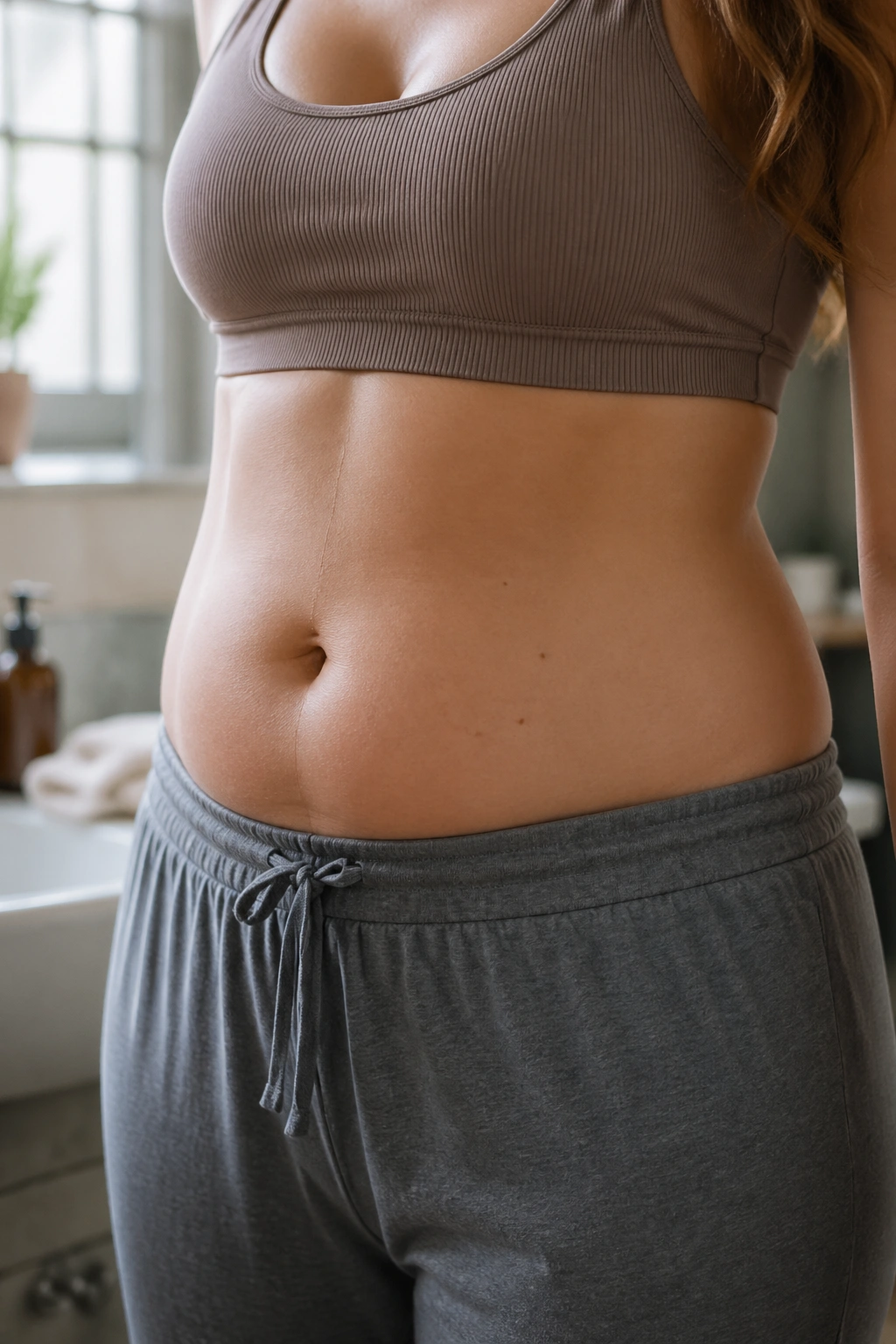
A bloated stomach and body fat are not the same thing, and women get stuck blaming the wrong one all the time. Bloating can change from morning to night. Belly fat does not shift that fast.
Food choices, menstrual cycle changes, constipation, salt, carbonated drinks, and eating too fast can all make the stomach look fuller. If your midsection feels tight, puffy, or different after a big meal, that is often bloating, not stored fat.
A few clues
- Bloating comes and goes
- Belly fat stays there longer
- Bloating often feels firm or stretched
- Belly fat feels soft and steady
If the bloating is painful, sudden, or paired with other symptoms, get it checked. No guesswork needed there.
20. Match Training to Your Cycle and Energy
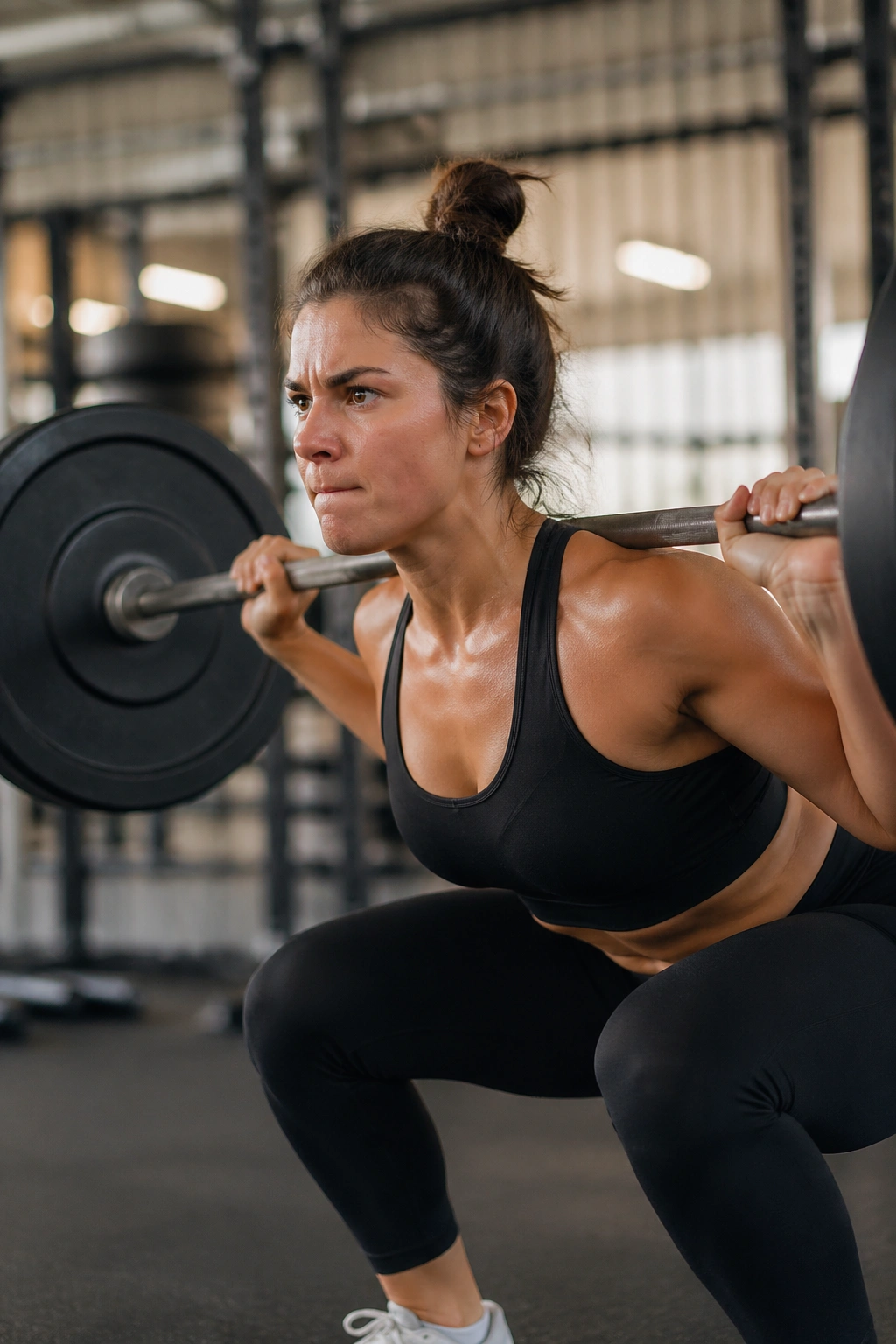
Some weeks you feel stronger. Some weeks you feel like your body is carrying a backpack full of bricks. That is not a character flaw. Women often notice shifts in energy, appetite, water retention, and recovery across the menstrual cycle.
When energy is lower, use that as a cue to keep moving without forcing heroic workouts. Do your walks, keep the lifts lighter, and focus on good form. On stronger days, push harder on squats, intervals, or loaded carries.
A simple way to handle it
- High-energy days: heavier lifting
- Low-energy days: walking, mobility, easy cardio
- Very rough days: keep the habit alive, then back off
This is not about making excuses. It’s about matching effort to the body you actually have that day.
21. Keep Snack Foods Out of Sight
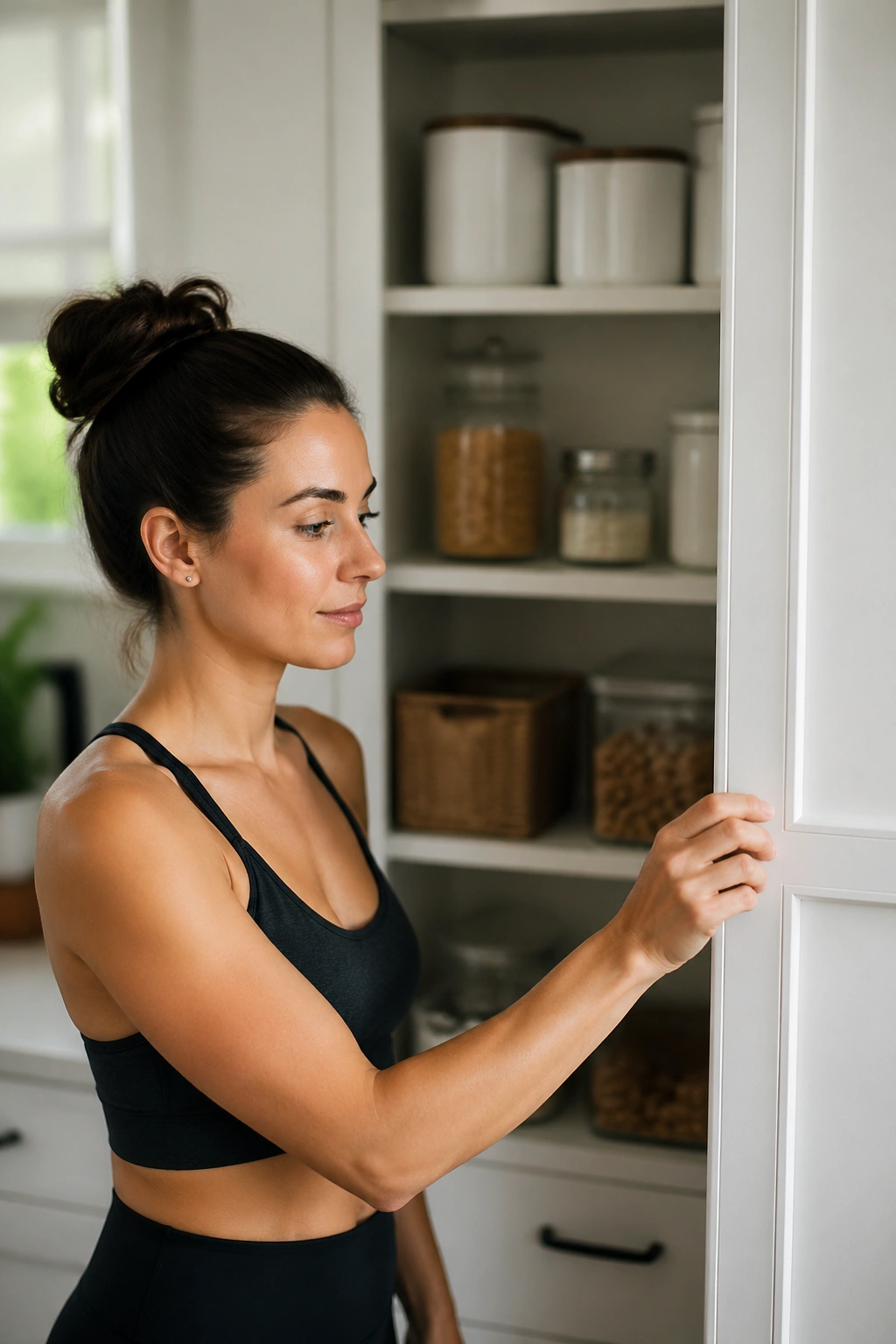
Willpower gets blamed for a lot of problems that storage could fix. If chips are on the counter, you will eat chips. If cookies are in a clear jar, you will notice cookies. That is how humans work.
Make the easy thing the better thing. Put fruit in front, hide the trigger foods, and pre-portion the snacks you do keep around.
Simple environment changes
- Put nuts into single-serving bags
- Keep protein yogurt at eye level in the fridge
- Store sweets in a cabinet, not the counter
- Buy the snack size if you tend to graze
You don’t need perfect discipline. You need less temptation staring at you from the kitchen.
22. Progressively Overload Your Lifts
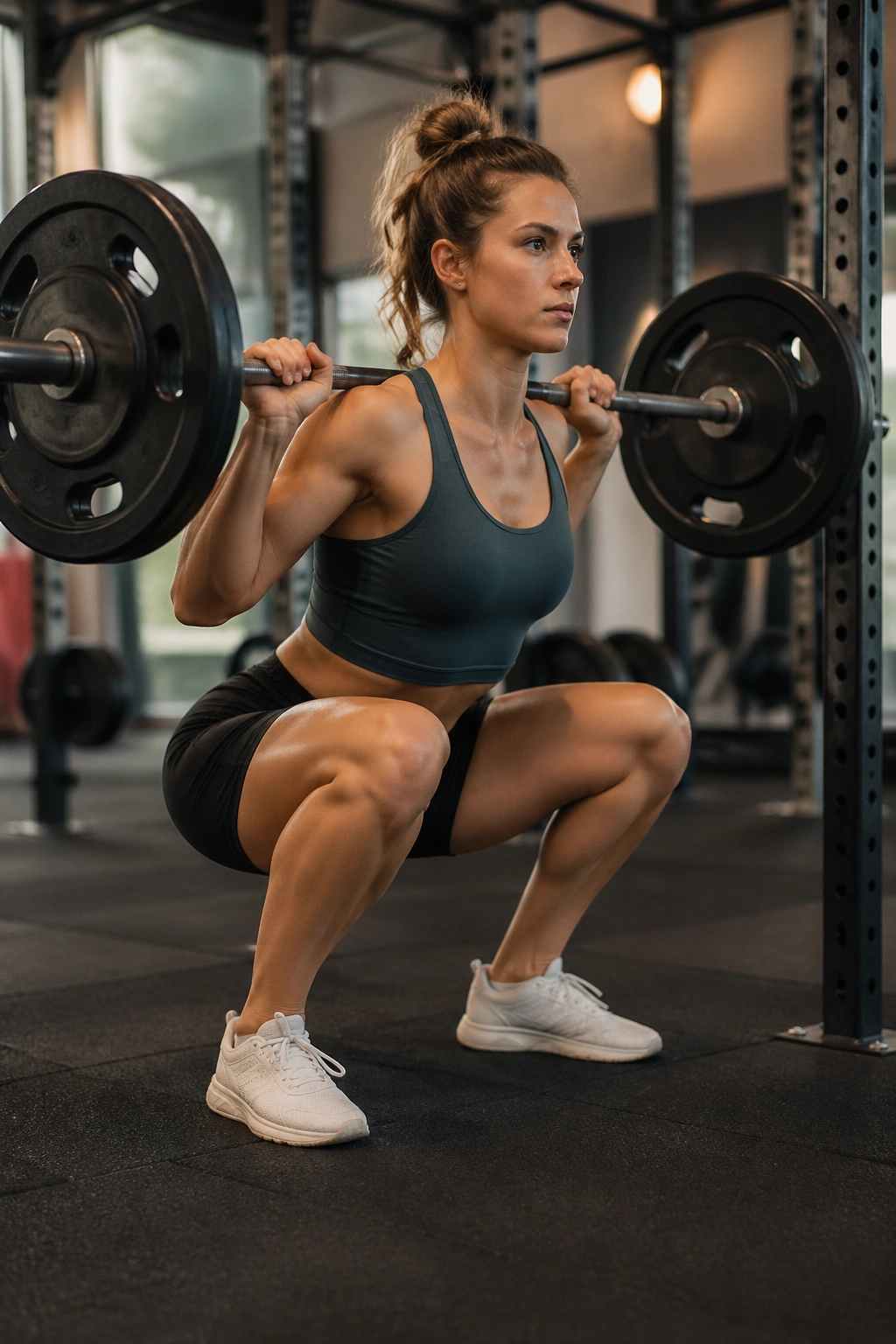
If your workout is the same every week, your body has no reason to change much. Progressively overloading your lifts means asking for a little more over time: more weight, more reps, another set, better range of motion, or cleaner form.
That steady increase is what nudges the body to keep adapting. It also helps preserve muscle while you lose fat, which matters a lot for the look of the waist and hips.
Easy ways to progress
- Add 1 to 2 reps before raising weight
- Increase dumbbells by 2.5 to 5 pounds
- Add one extra set to a main lift
- Slow the lowering phase for 3 seconds
No need to chase huge jumps. Tiny progress is still progress.
23. Use Home Workouts When Time Is Tight
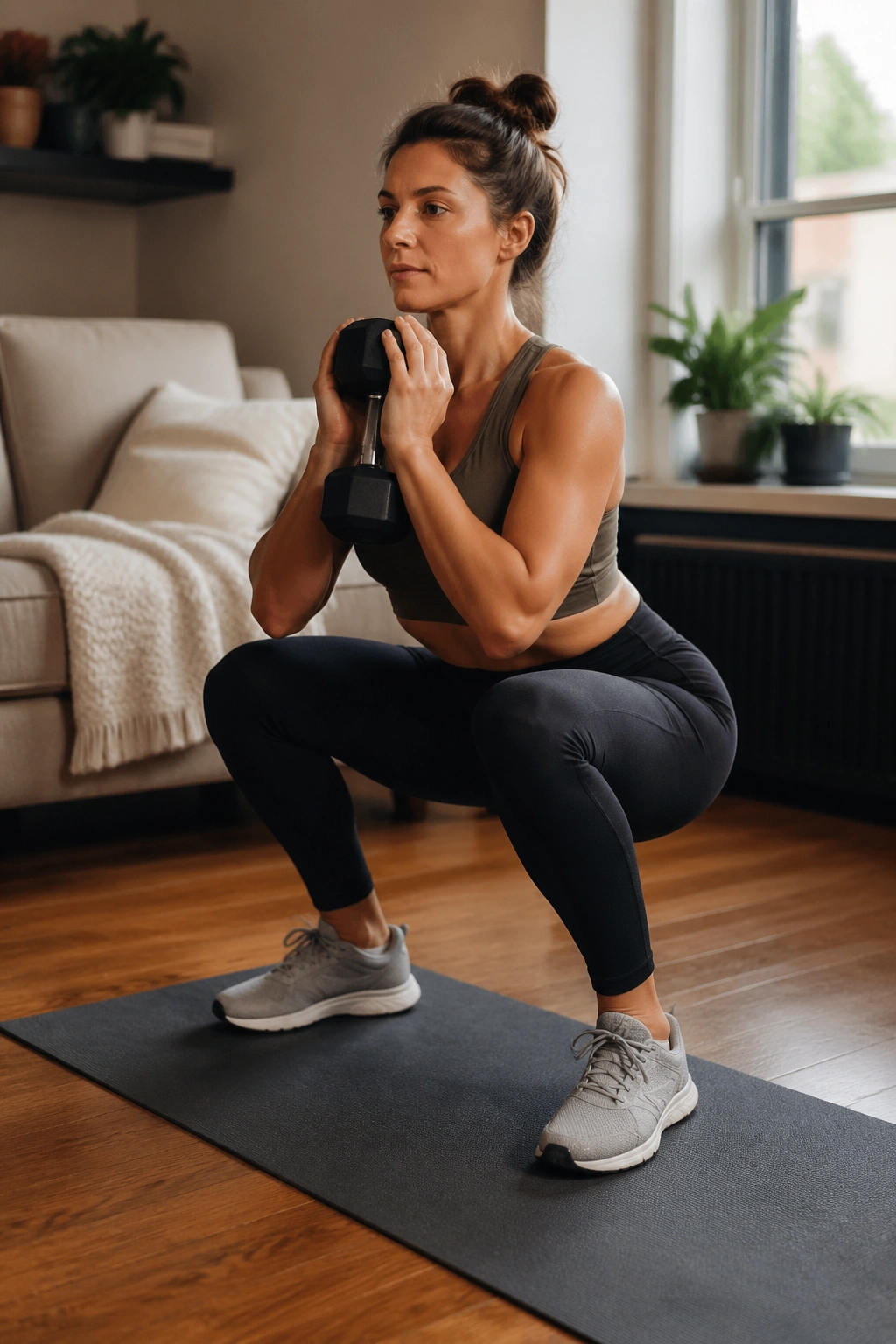
A good workout is the one you can keep doing. If getting to the gym takes 40 minutes you do not have, home sessions are a smart backup, not a downgrade.
A pair of dumbbells, a resistance band, and 20 focused minutes can cover a lot. Push-ups, split squats, rows, glute bridges, dead bugs, and step-ups are enough to make a real dent when done with enough effort.
A fast home circuit
- Goblet squat: 10 reps
- Dumbbell row: 10 reps each side
- Push-up: 8 to 12 reps
- Glute bridge: 15 reps
- Dead bug: 8 reps each side
Repeat 3 rounds with short rests. That’s a real workout, not a consolation prize.
24. Close the Kitchen Earlier at Night

Late-night eating is often less about hunger and more about habit. You’re tired. The day got long. One snack turns into three. That pattern can quietly push you out of a deficit without making you feel like you ate much at all.
Set a kitchen close time that makes sense for your life. Brush your teeth. Make tea. Put the food away. If you’re genuinely hungry, plan a small protein snack instead of wandering in and nibbling at whatever is open.
Helpful night rules
- Choose a cutoff time
- Don’t eat straight from the bag
- Keep protein handy if needed
- Stay off the couch with the snack bowl
This one works because it reduces mindless eating. Not because food after dark is cursed.
25. Give Stubborn Belly Fat Enough Time to Change
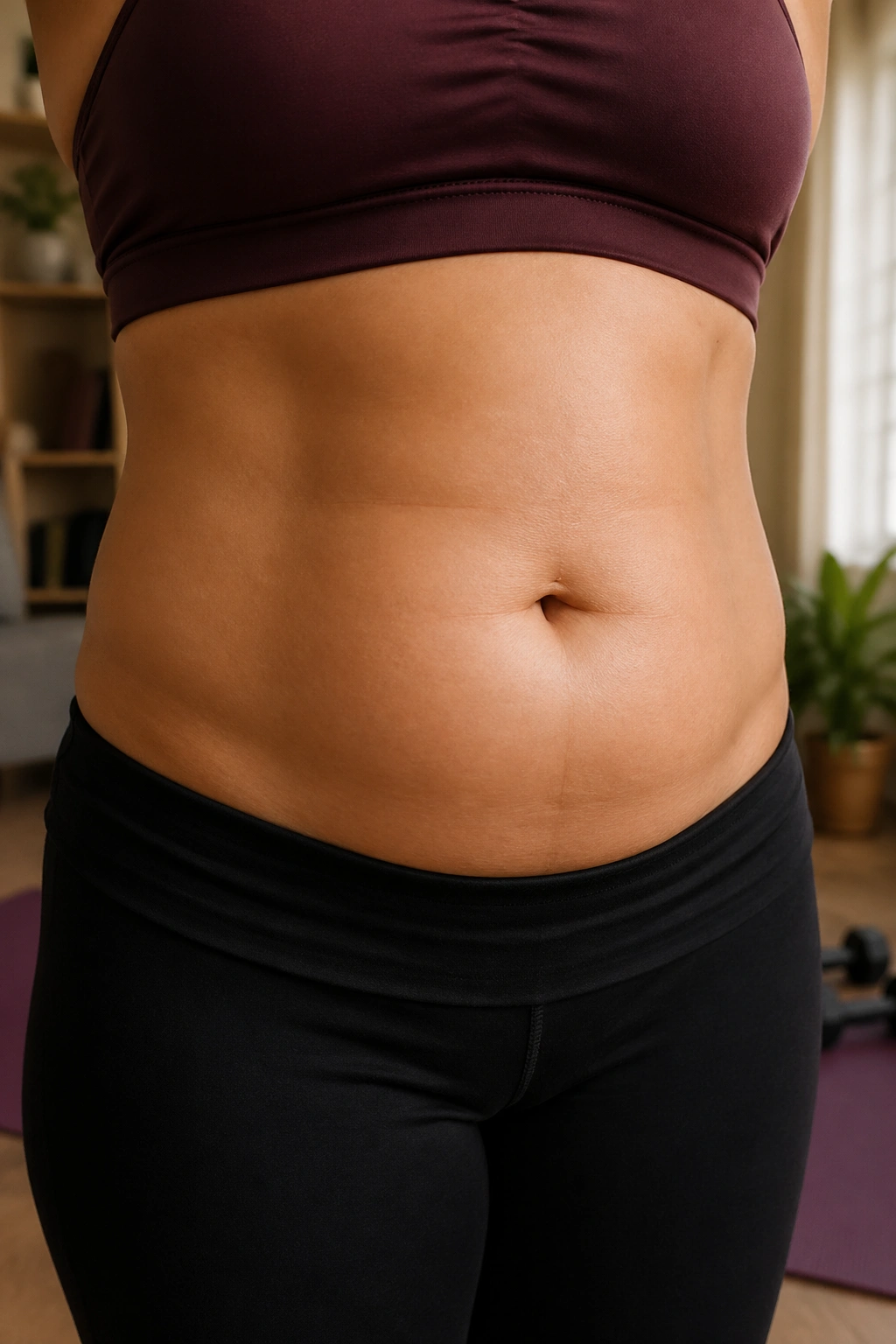
The waist is often the last place to lean out, and that makes people panic too early. They look at two weeks of effort, see little change in the mirror, and assume the plan failed. It probably didn’t. Belly fat just tends to leave slowly and in uneven waves.
That is why a realistic block of 8 to 12 weeks matters. Keep the lifting, keep the steps, keep the protein high, keep the calorie intake steady, and use the tape measure instead of mood swings as your scoreboard. A woman can do a lot right and still have a belly that hangs on for a while. Annoying, yes. Rarely permanent.
The best move is to stay steady long enough for the body to catch up. A week is noise. A month starts to matter. A few months done well can change the middle in a way no crash diet ever does.
Final Thoughts
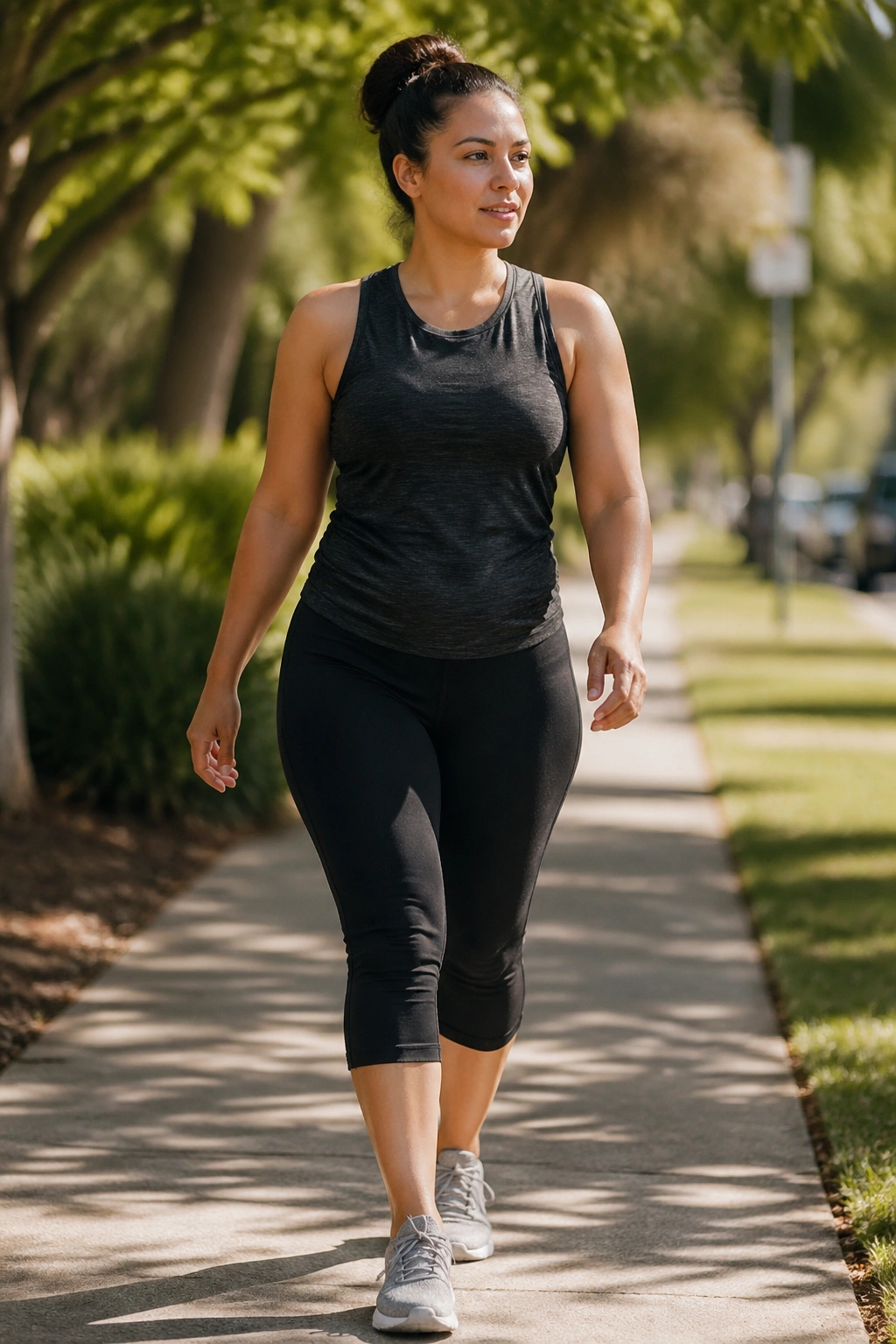
Belly fat loss gets easier when you stop treating it like a single problem. It is usually a mix of movement, food, sleep, stress, and enough resistance training to keep muscle on your frame.
If you want the shortest useful version, I’d pick this: walk more, lift regularly, eat enough protein, sleep better, and quit expecting your waist to change on a deadline. That combination is plain, but it works because it fits real life.
And that’s the part worth keeping. The best plan is the one you can repeat on an ordinary Tuesday.
