



That specific, trembling sensation—the “shake”—is the true hallmark of a quality barre workout. It happens when your muscles reach fatigue, pushing through the lactic acid threshold, and it is exactly where the physiological changes occur. Most people mistake this for a sign to stop, but those who understand the mechanics of barre know this is the precise moment the work begins. It is not about how high you can lift your leg or how gracefully you move; it is about microscopic, isometric contractions that challenge your stabilizer muscles in ways that heavy lifting or standard cardio often miss.
If you are looking to build lean muscle tone, improve your posture, and develop a level of core stability that carries over into every other aspect of your physical life, you have to approach your weekly schedule with intention. You cannot just jump into random movements and expect transformative results. Structure is the difference between feeling like you worked hard and actually watching your body composition shift over time.
Whether you have three days a week or seven, or whether you are working with a full home studio or just a kitchen chair, the key is consistency paired with variety. Your muscles adapt quickly. If you do the same thirty-minute routine every single day, you will stop seeing the progress you crave. These schedules are designed to shock the system, target neglected zones, and ensure you remain challenged, regardless of your current fitness level.
1. The Foundation-Building Beginner Week
Starting with barre requires a recalibration of how you perceive movement. You are not trying to crush your joints; you are trying to find the precise muscle activation point for every isometric pulse and hold. This weekly schedule prioritizes learning the “tuck,” understanding neutral spine, and finding the connection between your breath and your movement.
The Weekly Rhythm
- Monday: 30 minutes of foundational leg work, focusing on first and second position.
- Tuesday: 20 minutes of core and plank variations.
- Wednesday: Rest or light walking.
- Thursday: 30 minutes of upper body sculpting using light weights or soup cans.
- Friday: Full-body integration class.
- Saturday: 20 minutes of deep, mindful stretching.
- Sunday: Rest.
Pro tip: Focus entirely on your pelvic alignment. If you do not tuck properly, your lower back will take the load that your abdominals should be handling. If you feel it in your lumbar spine, stop and reset your tailbone.
2. Core-Centric Stability Focus

Most people think barre is all about the legs, but the core is the anchor for every single movement. If your center is weak, your arms and legs will compensate, leading to bad form and potential injury. This schedule puts your abdominals at the start of every session to ensure they are firing before you get to the barre.
Why This Works
The abdominal muscles are endurance muscles. By pre-fatiguing them with crunches, boat poses, and varied plank holds, you force your body to engage its deepest layers—the transverse abdominis—during the standing portion of the workout. This creates a functional, “wrapped” core feeling.
How to Execute
Before you even touch a chair or ballet barre, commit 10 minutes to core-only work. This could be bicycle crunches, leg lowers, or forearm planks. Once your core feels engaged—almost as if you are bracing for a punch—move into your standard standing series. You will find that your balance in single-leg poses improves instantly.
3. Upper Body Toning and Posture Correction
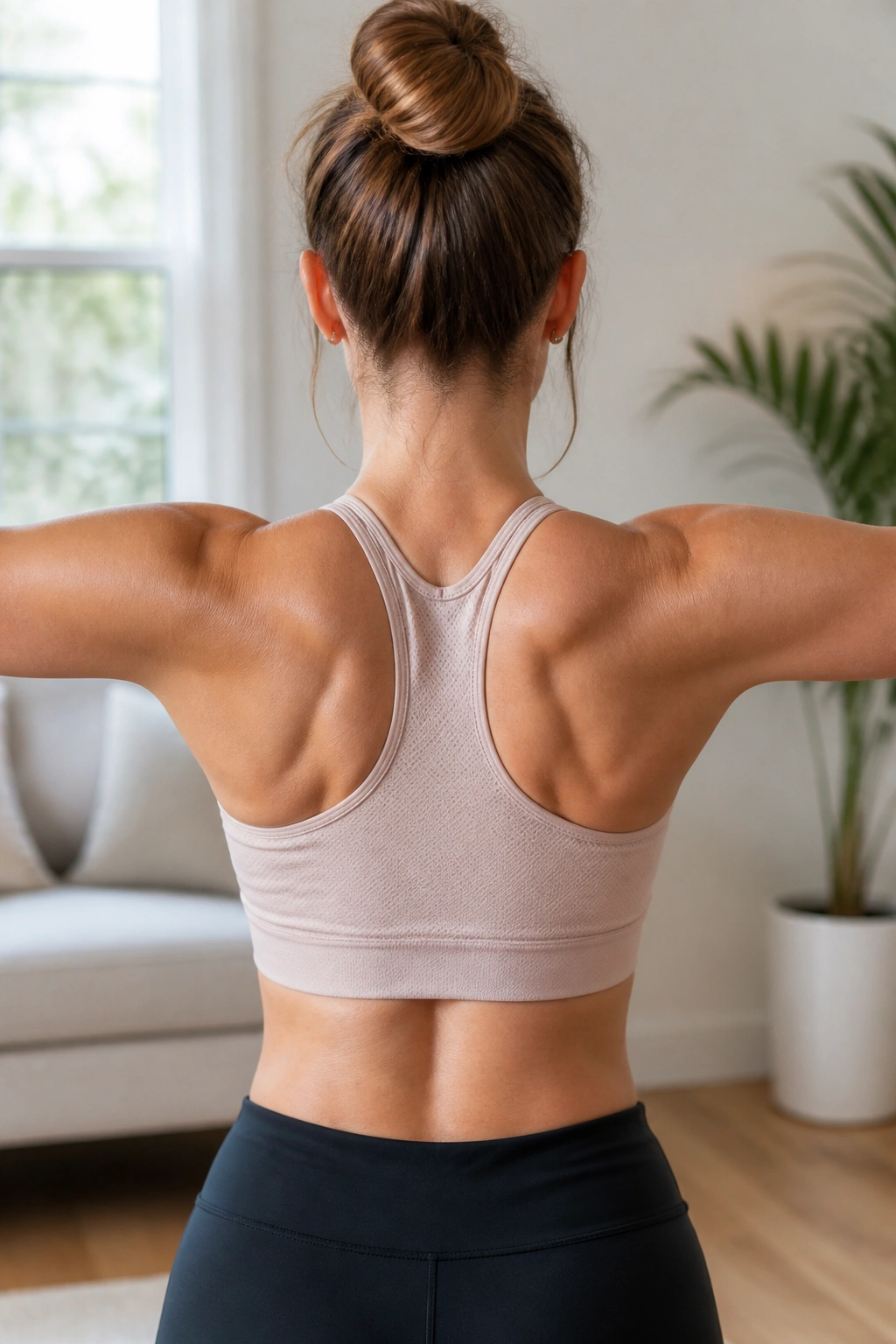
If you spend your day hunched over a keyboard or looking down at a phone, your chest muscles are likely tight and your back muscles are likely overstretched and weak. This schedule focuses on scapular retraction, lateral raises, and those tiny pulses that burn out the deltoids and triceps.
The Schedule Layout
- Monday: Heavy emphasis on back muscles (rows and reverse flies).
- Tuesday: Arm-specific endurance (2lb weights, high repetition).
- Wednesday: Full body with a chest-opening focus.
- Thursday: Arm-specific burnout.
- Friday: Posture correction and mobility.
Important: Do not shrug your shoulders. Keep them pressed down into your back pockets. If you see your traps engaging, lower the weight or stop using weights entirely. The goal is long, lean definition, not bulky tension.
4. The Lower Body Sculpting Protocol

This is the schedule for those days when you really want to feel the burn in your glutes, hamstrings, and quads. We are talking about side-lying series, arabesque pulses, and wide second-position squats. This schedule is demanding and requires adequate rest days to allow for muscle repair.
Why It Works
By hitting the lower body hard on Monday, Wednesday, and Friday, you are creating a cycle of stimulus and repair. The Tuesday/Thursday/Saturday blocks should be dedicated to upper body, core, or active recovery (like walking or yoga) to prevent overtraining.
Key Movements
Focus on the “clam shell” exercises for the outer glutes and deep, slow pulses in a squat position. When you are doing a side-lying leg lift, ensure your hips are stacked perfectly. If your top hip rolls back, you are missing the glute medius and putting the strain on your lower back.
5. High-Intensity Interval Barre (HIIT)
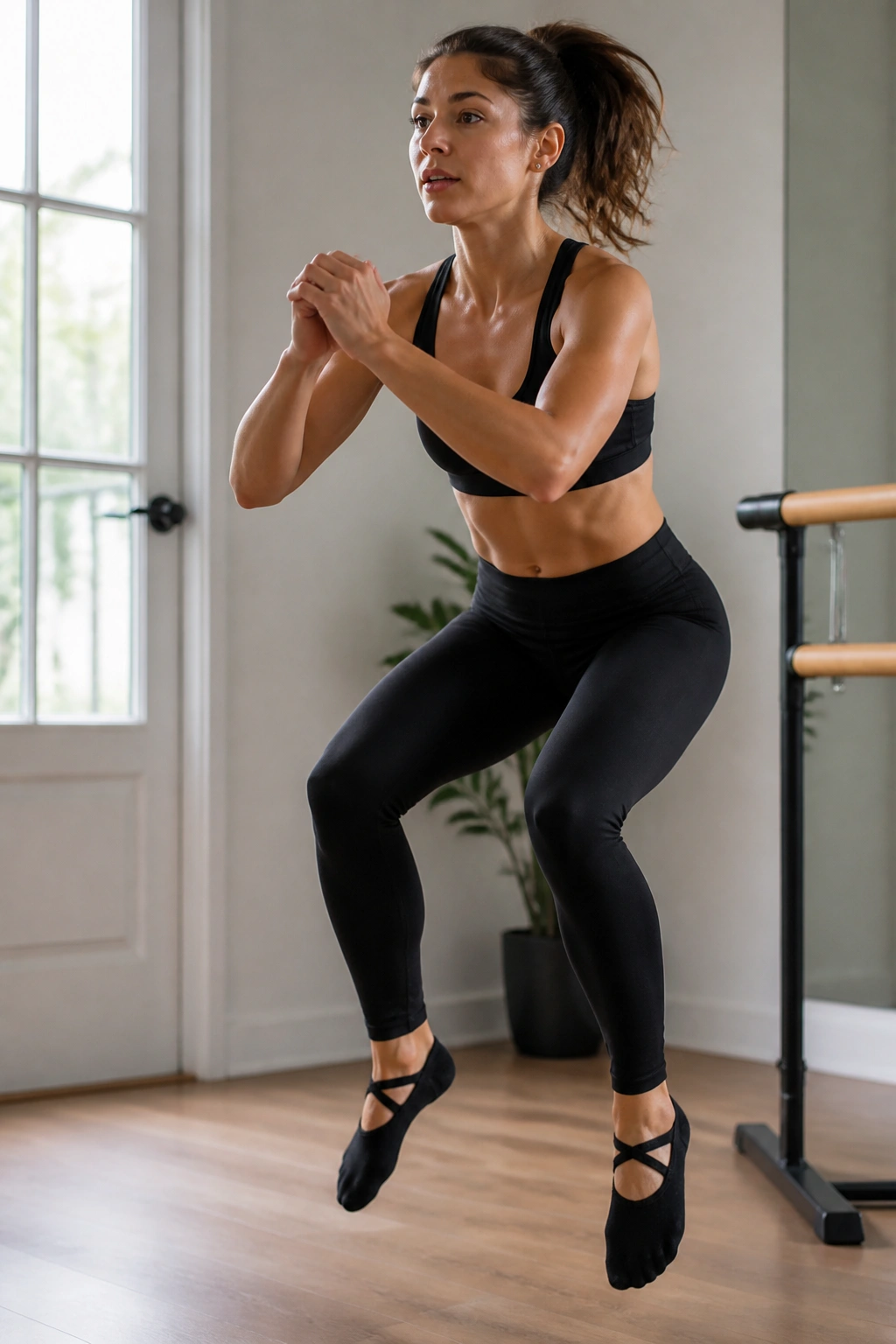
Barre is generally seen as low-impact, but you can absolutely turn it into a high-intensity session by minimizing rest times and increasing the tempo of your movements. This schedule is for when you want the toning benefits of barre but the cardiovascular calorie burn of a HIIT class.
The HIIT Structure
- 45 seconds: High-energy movement (jumping jacks, high knees, or fast-tempo squats).
- 15 seconds: Rest.
- 45 seconds: Barre isometric hold or pulse.
- 15 seconds: Rest.
Repeat this circuit five times for a 20-minute power workout. This is not about perfect ballet form; it is about keeping your heart rate elevated while maintaining the integrity of the muscular engagement.
6. The 20-Minute Morning Energy Boost
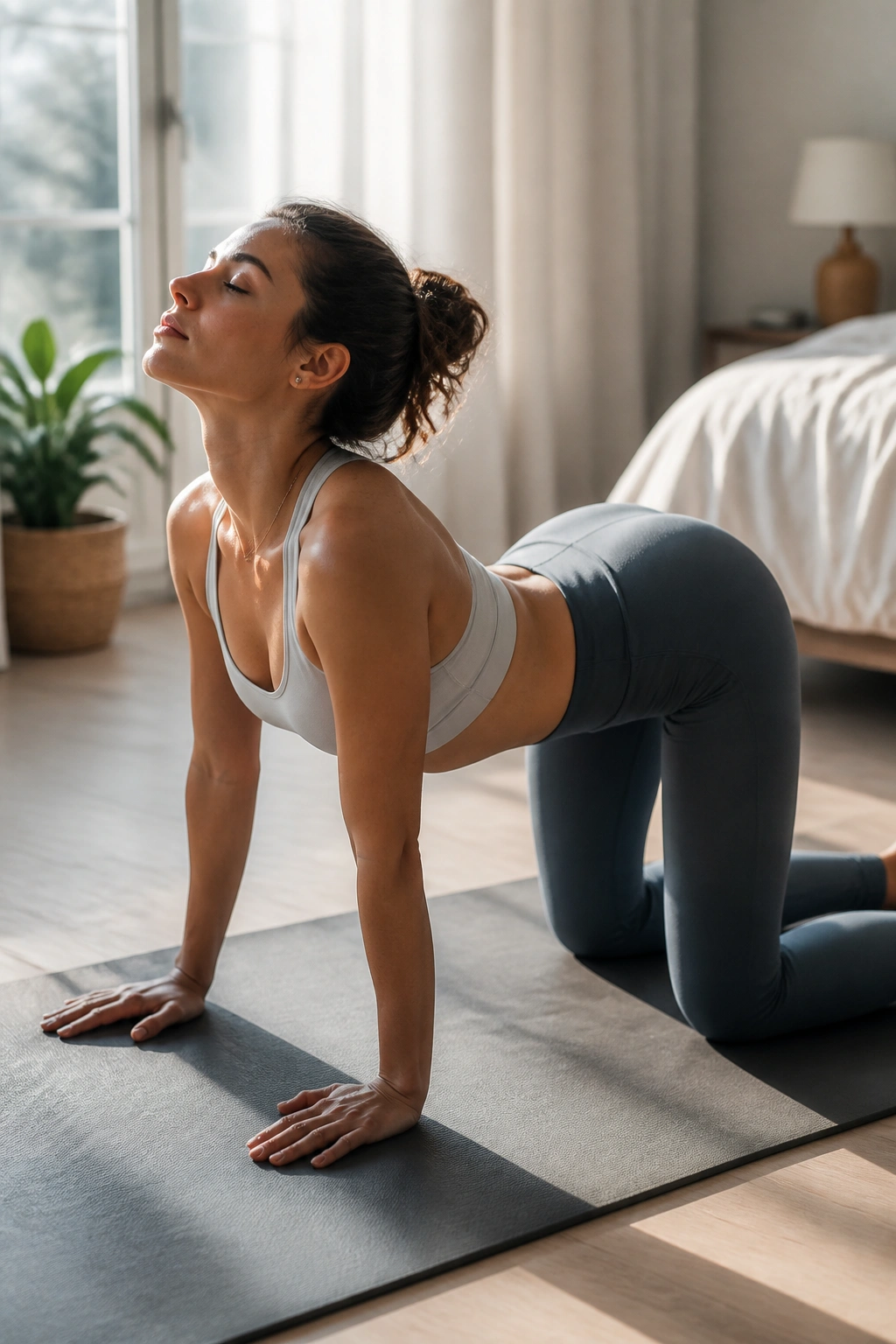
Some days you just do not have an hour. This schedule relies on efficiency. The goal here is to wake up the muscles, get the blood flowing, and improve your posture before you start your day. It is a “get in, get out” routine.
The Routine
- 0-5 mins: Cat-cow and gentle spinal twists.
- 5-12 mins: Standing leg work—focus on the “outer thigh” series.
- 12-18 mins: Glute work—tabletop kicks or donkey kicks.
- 18-20 mins: Quick core engagement.
This is not a heavy-muscle-building day. It is a “waking up the nervous system” day. You should finish feeling alert, not exhausted.
7. Decompression and Mobility-Focused Barre
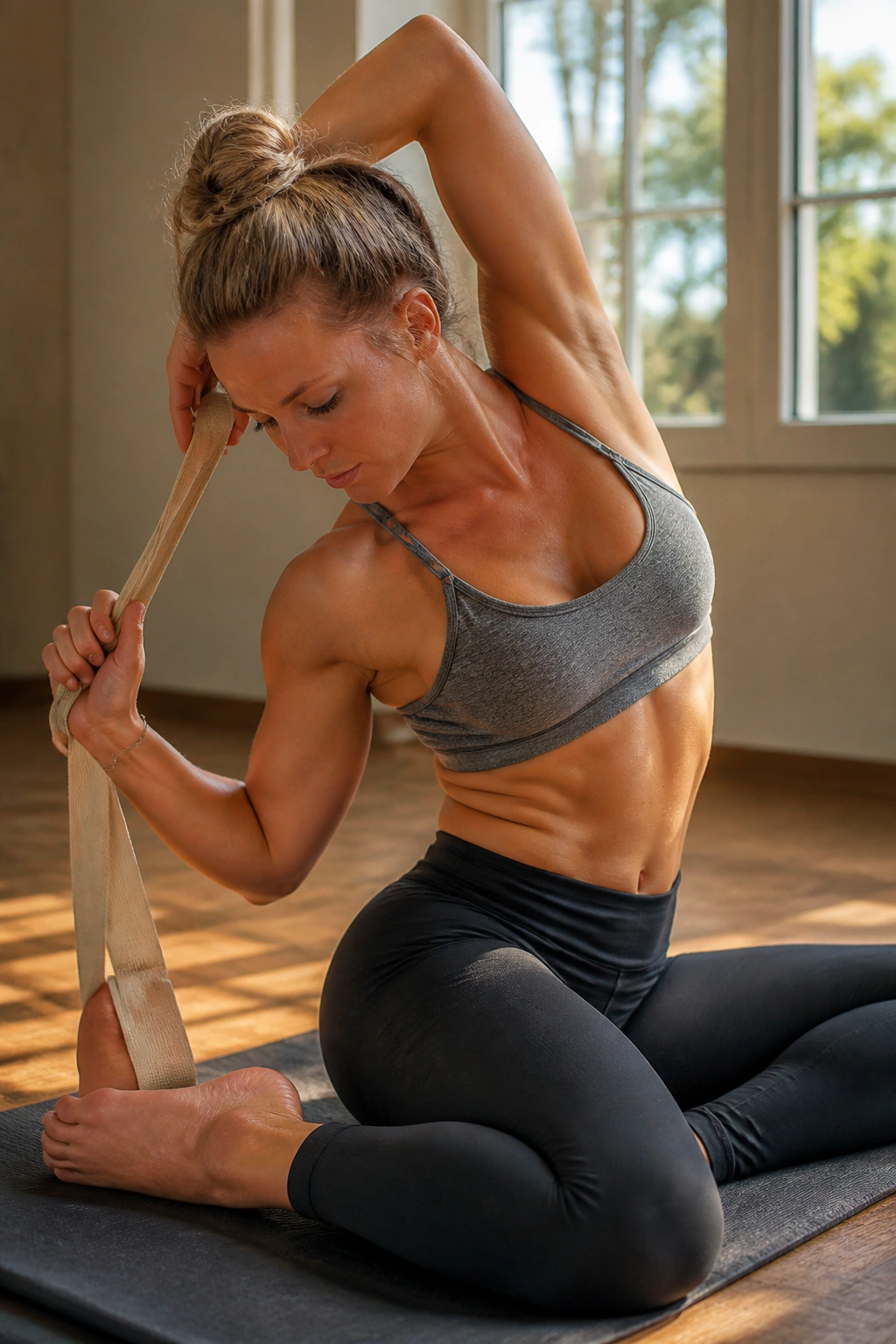
Sometimes the most effective workout is the one that addresses the tension you have accumulated. This schedule is not about “burn” in the traditional sense; it is about opening up tight hips, releasing the shoulders, and finding space in the spine.
Why Mobility Matters
If you have tight hamstrings, your pelvic tilt is restricted. If your hips are stiff, your squat depth is limited. By dedicating two or three sessions a week to deep, slow movements and static holds, you are actually clearing the path to perform better during your higher-intensity barre days. Use a towel or a yoga strap if your flexibility is currently limited.
8. The Advanced Endurance Challenge

This schedule is for when you have mastered the basics and you find that a 30-minute class is no longer making you sweat. You need to extend the duration of the “burn” phases and minimize transitions.
Moving Up
- Increase the reps: If you usually do 30 pulses, move to 60.
- Lower the base: If you are in a squat, get an inch lower.
- Add weight: If you are using 2lb weights, try 3lb or 5lb, but only if your form remains flawless.
- Eliminate rest: Perform the entire set without standing up to shake out your legs.
This builds significant muscular endurance. You will notice the difference in your stability during balance-based poses like the “arabesque.”
9. Travel-Friendly No-Equipment Barre
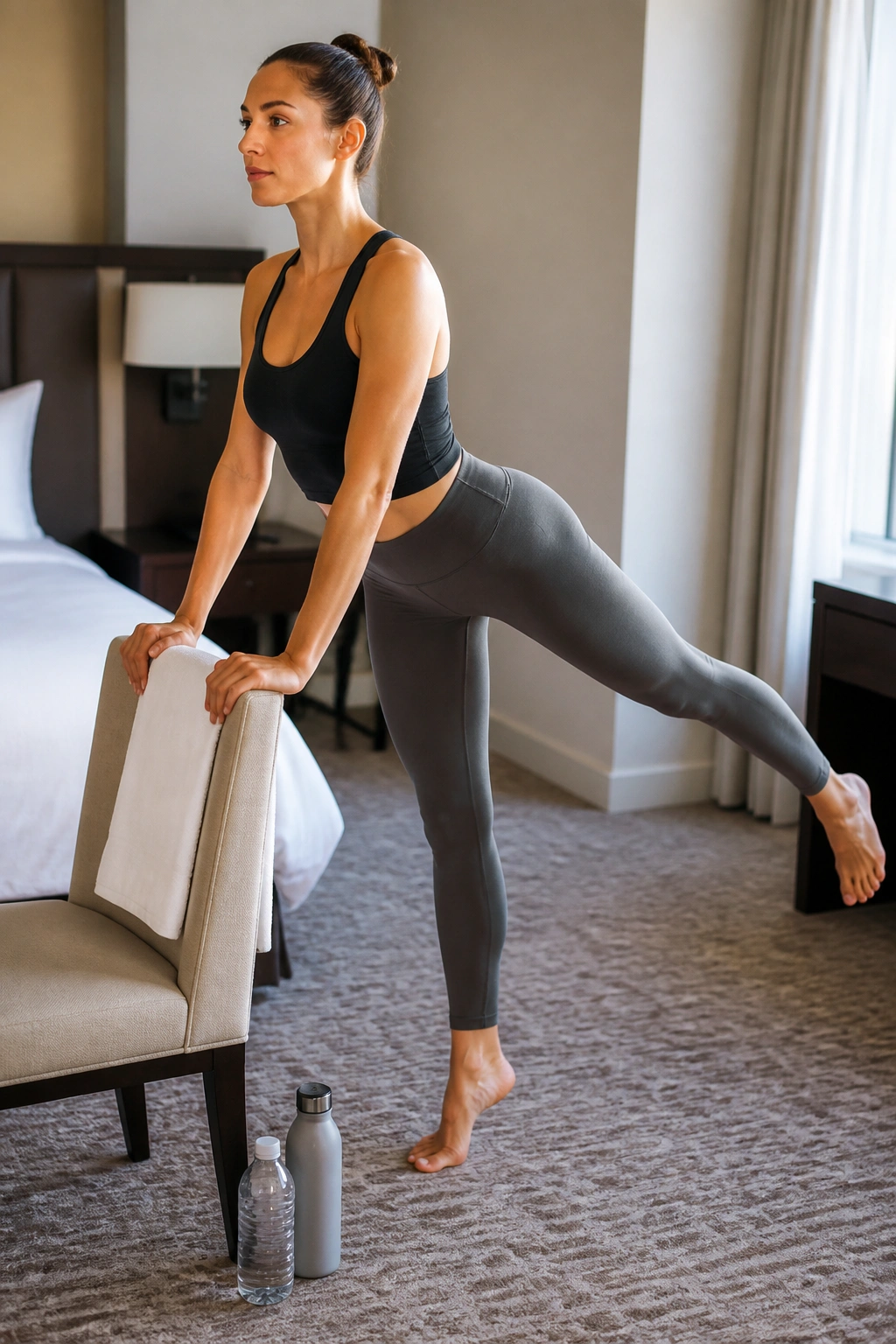
One of the best things about the barre method is that it is portable. You can get an incredible workout in a hotel room or an Airbnb using nothing but your own body weight and a sturdy piece of furniture.
Equipment Substitutes
- The Barre: Use the back of a sturdy chair, a countertop, or even a wall for balance.
- The Mat: A hotel towel works fine for floor work.
- The Weights: Use water bottles. A full 16oz water bottle is a perfect pound of weight, and it is usually enough for high-repetition arm work.
Keep your focus on the quality of the contraction. Without weights, you have to be even more intentional about squeezing the muscles—mind-muscle connection is your primary resistance tool.
10. The Glute-Activation Specialist Schedule
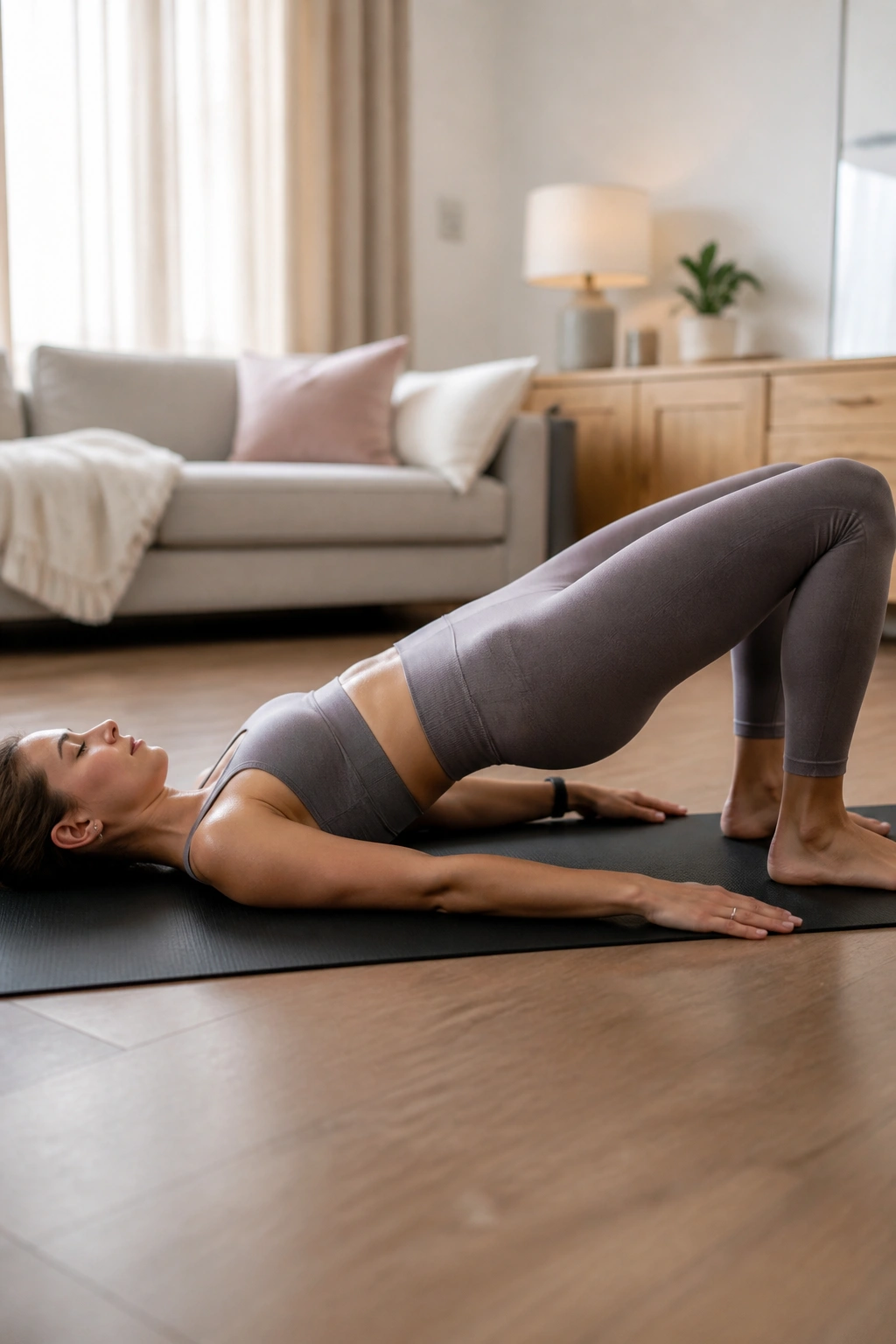
Are you struggling to feel your glutes firing in your standard leg day? Many of us have “dormant glutes” from too much sitting. This schedule is designed to wake them up. We use isometric holds in the “glute max” position to force the muscle to turn on.
The Activation Sequence
- Bridge Work: Before standing, do 3 sets of 20 bridges with a focus on the squeeze at the top.
- Tabletop Kicks: Spend significant time on all fours, focusing on the lift from the glute, not the lower back.
- Side-Lying Clams: Essential for the side glutes.
- Standing Leg Lifts: Keep the movement small.
Do not rush. If you move too fast, your hamstrings will take over. Slow, controlled, and precise is the only way to effectively target the gluteus maximus.
11. Balance and Proprioception Training
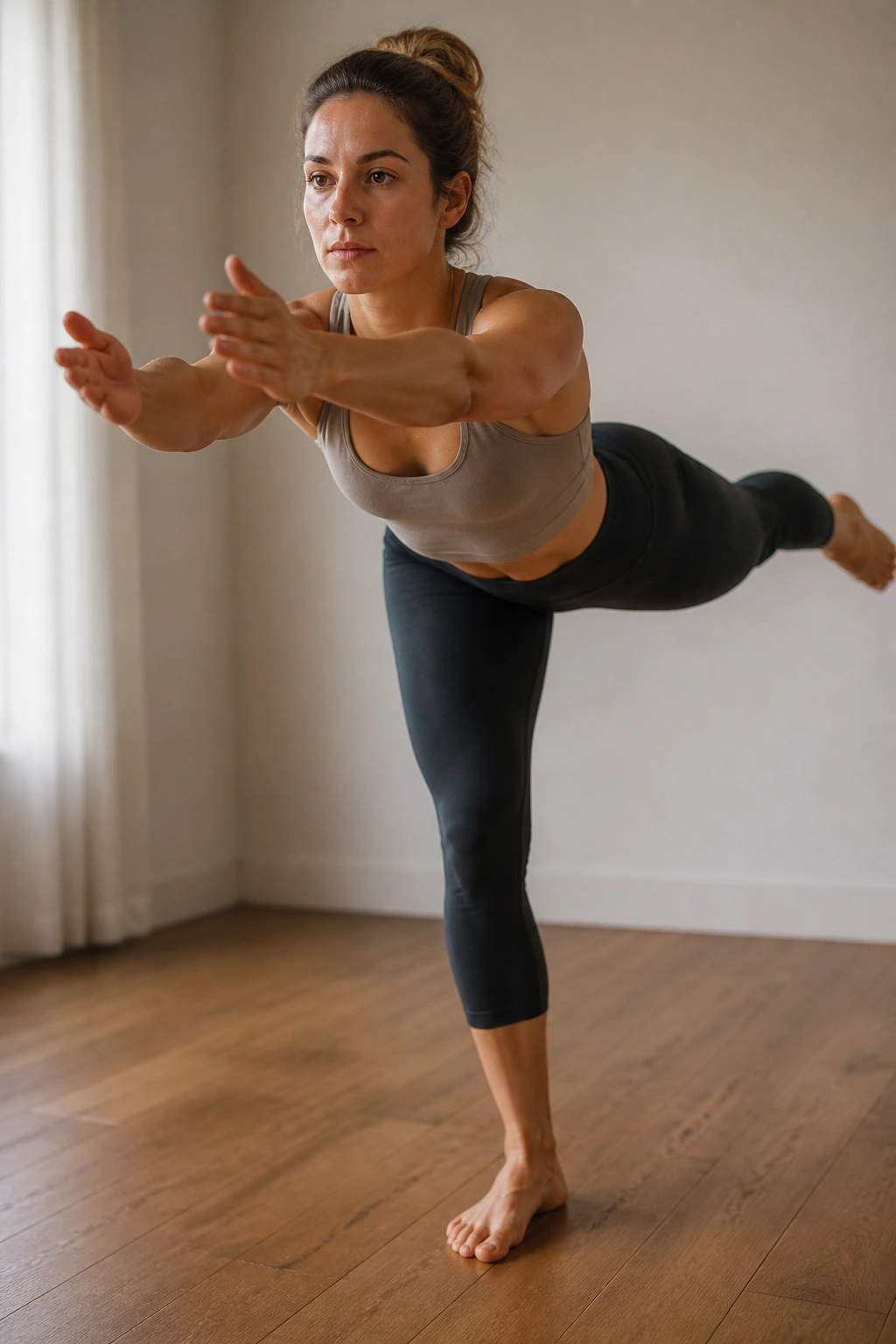
Barre is essentially proprioception training. It teaches your body where it is in space. This schedule focuses on single-leg work, which forces the stabilizing muscles around the ankle and hip to fire constantly.
Why It Matters
When you stand on one leg, your brain has to work harder to keep you upright. This fires up the entire kinetic chain. On days you do this, wear minimal shoes or go barefoot. You need the feedback from the floor. Practice closing your eyes during a basic balance pose for 10 seconds; the challenge it adds is exponential.
12. The Low-Impact Joint-Friendly Routine
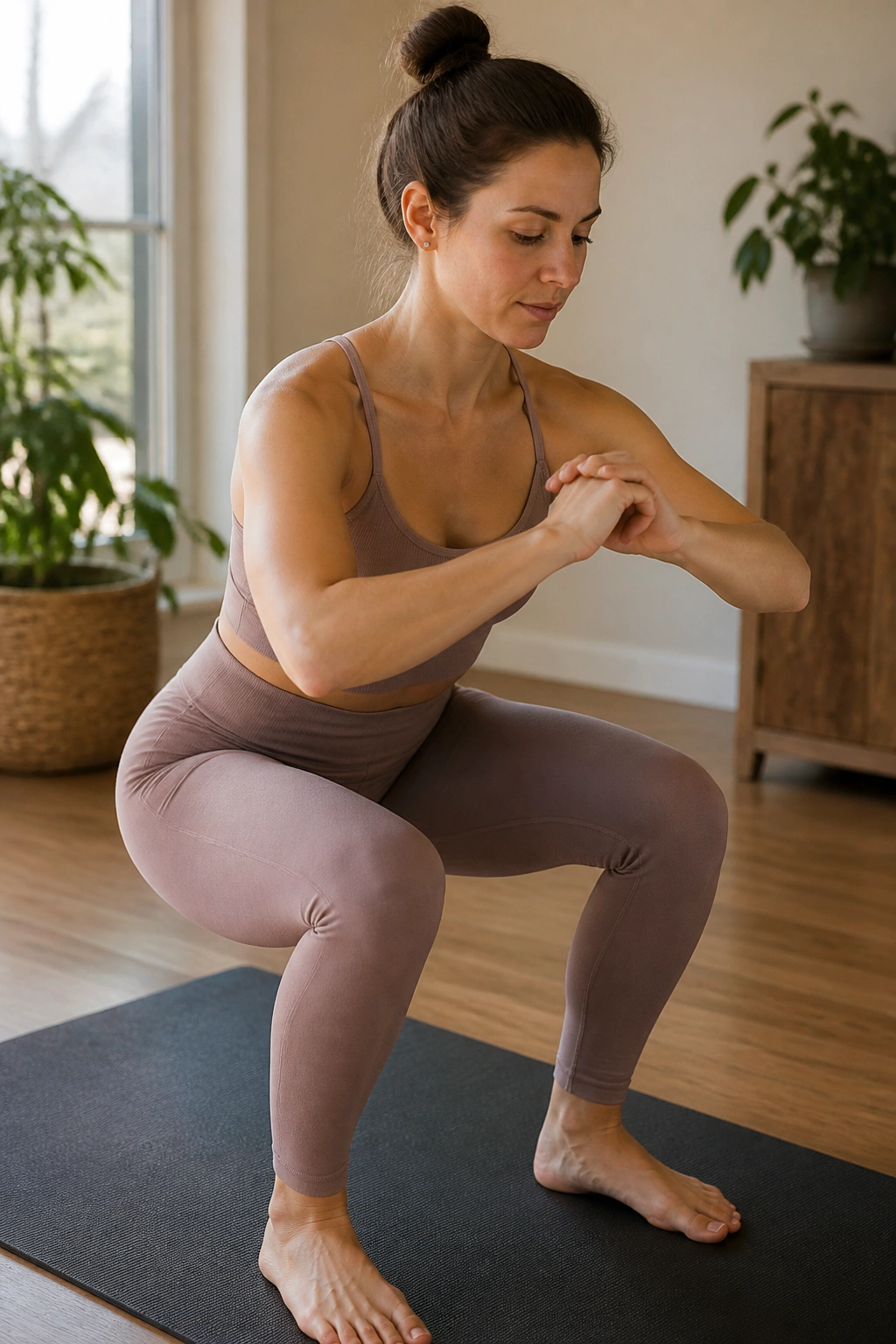
If you have sensitive knees or ankles, you can still reap the benefits of barre. This schedule removes all hopping, jumping, and aggressive lunging. Instead, it focuses on floor-based work and standing work that keeps the weight distributed evenly.
Modification Strategies
- Squats: Do not go past 90 degrees if it causes clicking or discomfort.
- Knees: Use a folded towel under your knees for floor work.
- Tempo: Keep everything slow. Momentum is the enemy of joint health.
- Range of Motion: It is perfectly fine to keep your movements smaller.
You do not need to go deep to get a great result. A tiny, 1-inch pulse can be just as effective as a deep lunge if your muscle is engaged the entire time.
13. Prenatal and Postpartum Gentle Flow

During and after pregnancy, your body’s needs change drastically. This schedule is about support, not straining. It prioritizes pelvic floor health, core stability, and gentle opening of the hips.
Important Considerations
Always consult a doctor before starting or continuing an exercise program during or after pregnancy. In general, focus on “keeping the core connected” rather than “crunching the core.” Avoid any moves that cause “coning” (where the belly pops out). Focus on posture—standing tall and keeping the shoulders back—which can be a huge help when dealing with the physical changes of pregnancy.
14. Weekend Deep-Stretch and Release
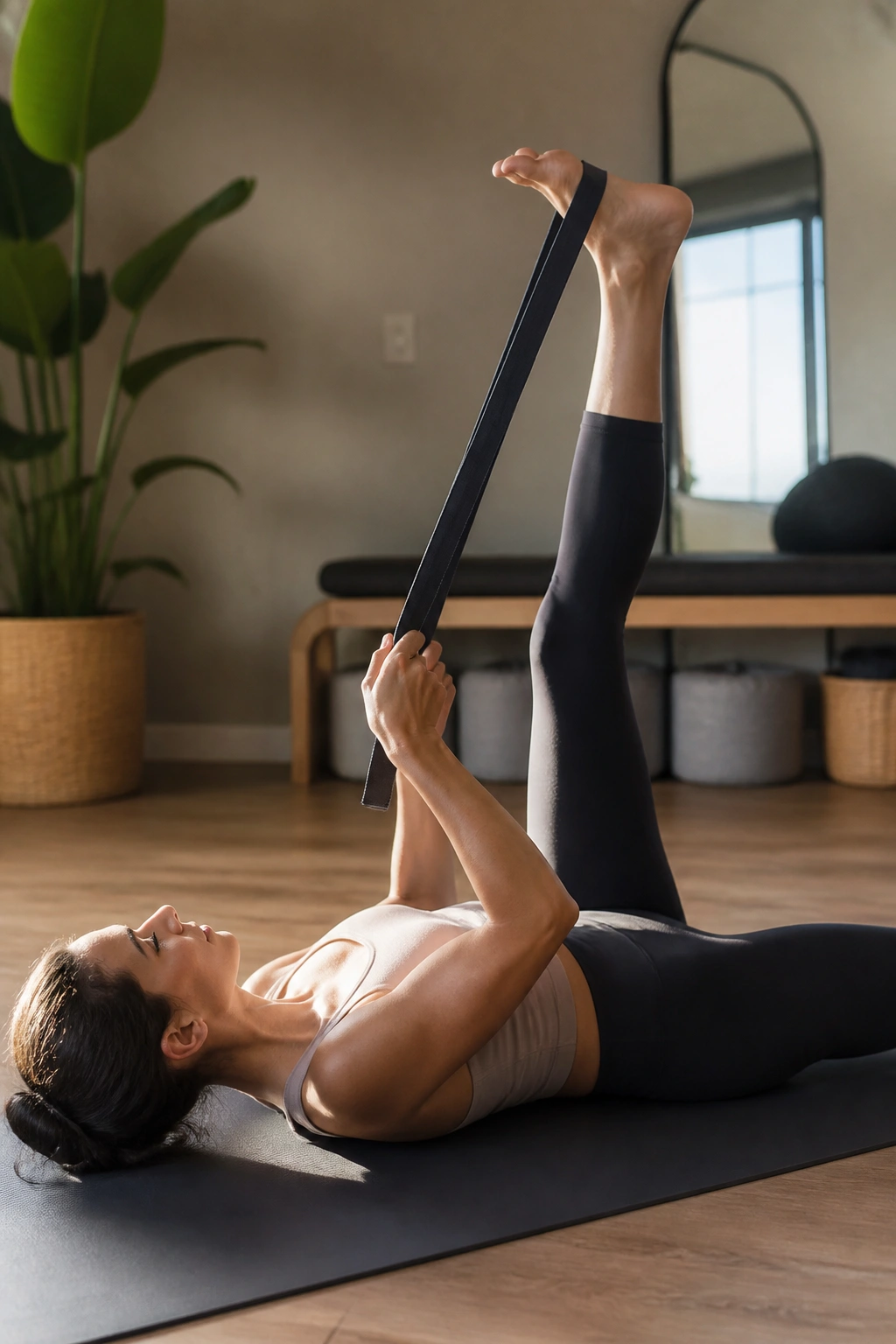
Your muscles need time to recover, but recovery does not have to mean doing nothing. This weekend schedule is designed to flush out the lactic acid and improve your range of motion for the coming week.
The Sequence
- Warm-up: Gentle spinal rolls.
- Hamstring Release: Deep, held stretches with a strap.
- Hip Openers: Lizard pose or pigeon pose (modified).
- Chest Opener: A wall stretch to counteract the “hunching” from the week.
- Breathing: Five minutes of diaphragmatic breathing to calm the nervous system.
Do this at the end of a long week. It will make your Monday barre class feel infinitely easier because your joints won’t be fighting against tight muscles.
15. The Triple-Threat: Cardio, Core, and Glutes

This is the “greatest hits” schedule. It is designed for the person who wants to see total-body results without needing a different theme every day. It hits the three most requested areas in a single 45-minute session.
The Structure
- 15 minutes: High-repetition, cardio-focused barre (fast pulses, quick kicks).
- 15 minutes: Glute-focused floor work.
- 15 minutes: Core-focused standing and floor work.
This is the most balanced schedule. If you only have time for two workouts a week, make them this one.
16. Post-Work Desk Relief Sequence

We all know the “desk slump.” By 5:00 PM, your chest is tight, your glutes are asleep, and your lower back is barking. This 15-minute sequence is specifically designed to reverse the damage of a sedentary workday.
The Strategy
- Chest Stretch: Use a doorframe.
- Glute Activation: 20 standing glute squeezes.
- Spinal Mobility: 10 cat-cow stretches (if on the floor) or standing spinal rolls.
- Postural Reset: Shoulder rolls and scapular pinches.
It is short, simple, and you can do it in your work clothes. It is the perfect bridge between your professional life and your evening.
17. The Isometric Strength Builder
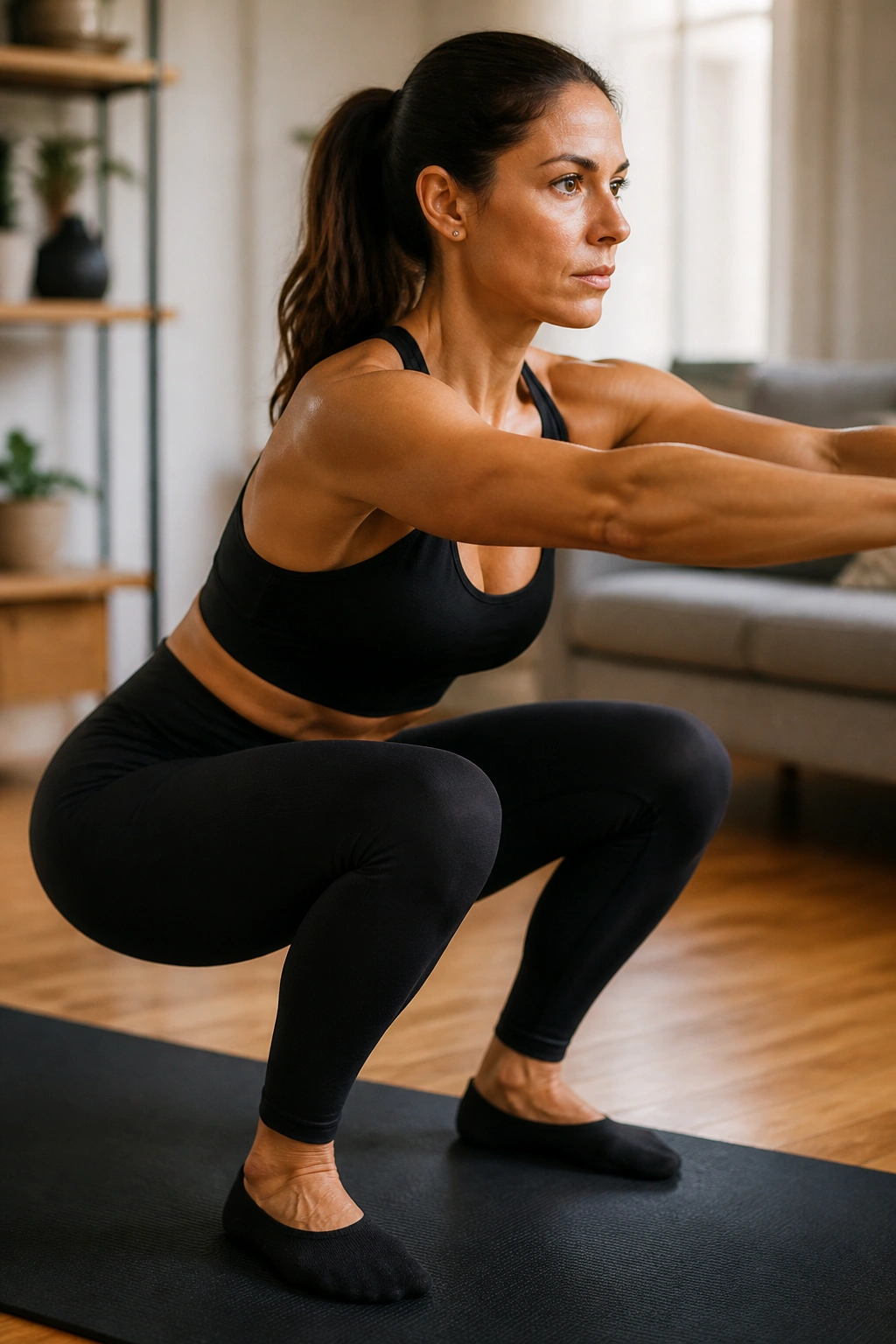
This schedule ignores movement entirely and focuses on the “hold.” Isometric strength—holding a muscle under tension without moving the joint—is incredibly effective for building endurance and stability.
The Challenge
- The Chair Hold: Find a squat position and hold it for 60 seconds.
- The Arabesque Hold: Lift one leg behind you and hold for 60 seconds.
- The Plank Hold: Hold a forearm plank for 60 seconds.
- The Boat Pose Hold: Hold your V-sit for 60 seconds.
Repeat this circuit three times. The shaking will be intense, but this builds the kind of deep, internal strength that makes regular movement feel easy by comparison.
18. Barre-Pilates Hybrid Conditioning
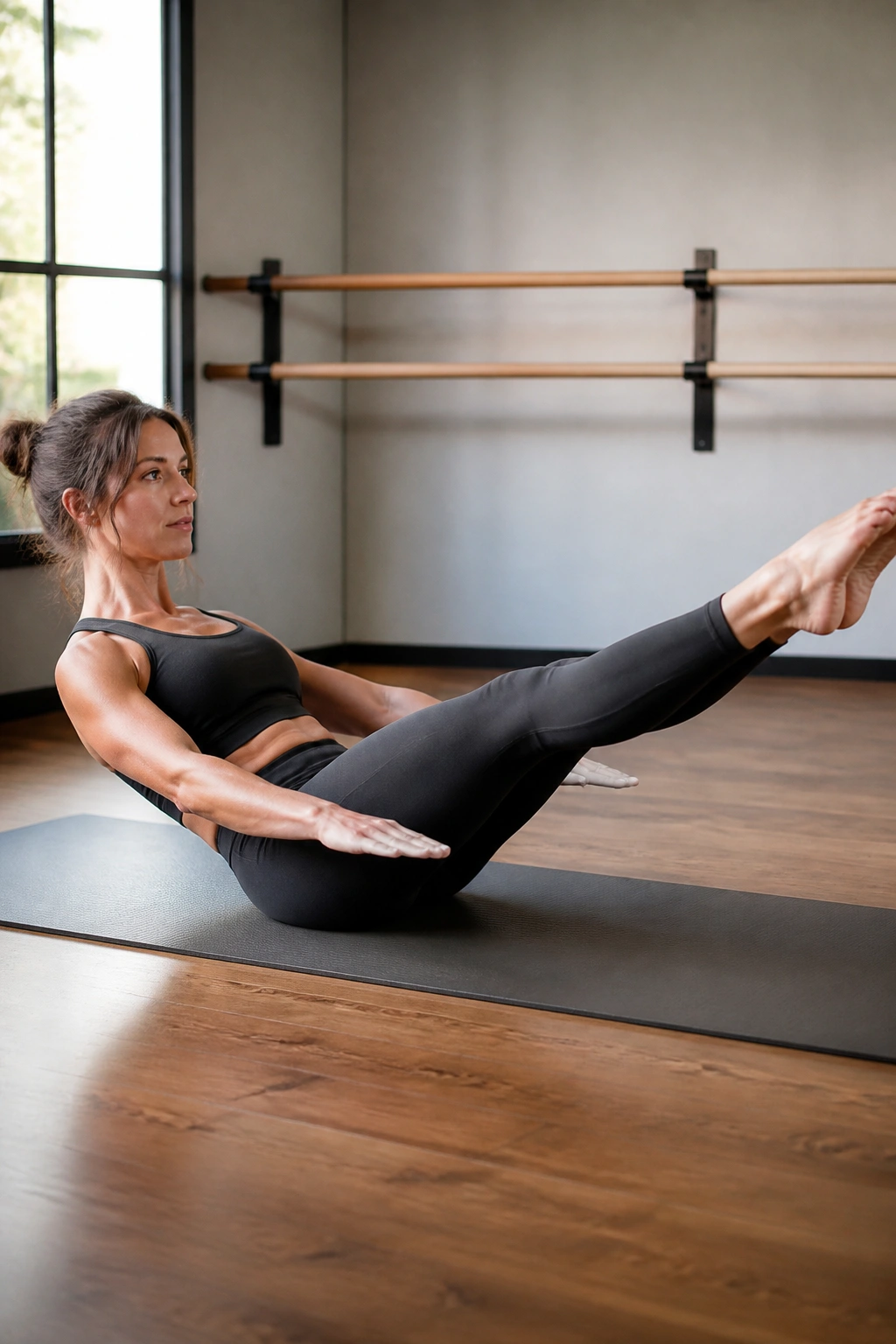
Pilates and barre share a lot of DNA. Combining them creates a comprehensive conditioning program. Pilates brings the precision and spinal articulation, while barre brings the standing postural work and the “burn.”
How to Blend
- Pilates Component: Use exercises like “the hundred,” “single leg stretch,” and “swan” to warm up the core and spine.
- Barre Component: Use squats, lunges, and calf raises to build lower-body endurance.
- Blending: You can alternate: 20 minutes of Pilates on the mat, 20 minutes of standing barre work. It creates a balanced, functional body.
19. The Mind-Body Connection Flow

Barre is a mental game. If your mind is wandering, your muscles will stop firing. This schedule is about “tuning in.” Use this week to practice total focus.
The Technique
During every single pulse, ask yourself: Is my core tight? Are my shoulders down? Am I breathing? Do not let a single rep go by where you are just “going through the motions.” If you feel your mind drifting, stop, breathe, and reset. This quality of focus is what separates the casual exerciser from the athlete.
20. The Consistency Maintenance Routine

Some weeks are just crazy. You might have travel, family obligations, or a massive project at work. This schedule is your fallback. It is not about progression; it is about preservation.
The Maintenance Mindset
- Frequency: Aim for 10-15 minutes, 3 days a week.
- Intensity: Just enough to keep your muscles awake.
- Goal: Just get it done.
Do not worry about hitting PRs or mastering new forms. Just keep the habit alive. If you do these short sessions, you will find it much easier to ramp back up when your schedule stabilizes.
Final Thoughts
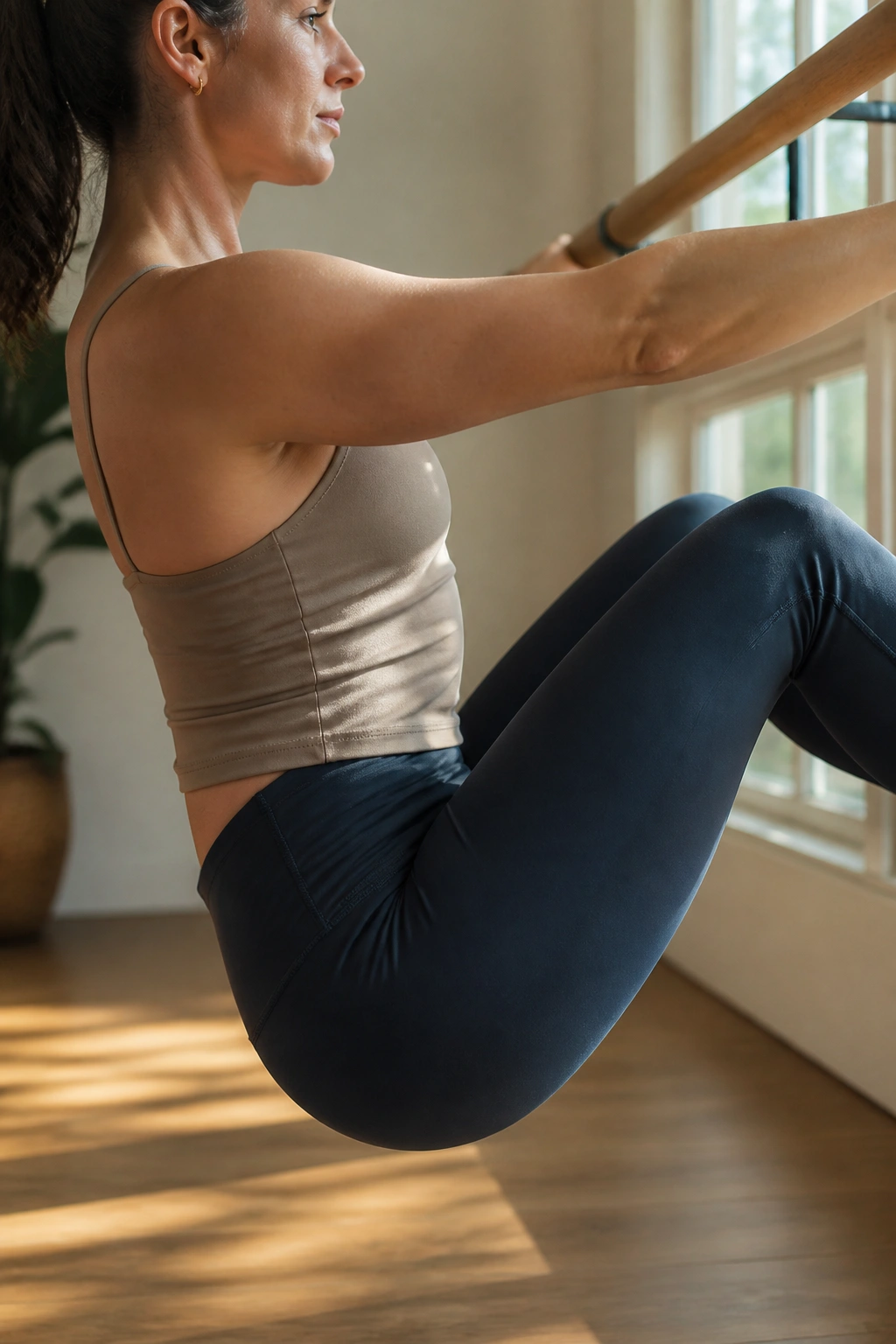
The beauty of barre is that it adapts to your life, not the other way around. You do not need a fancy studio, expensive equipment, or hours of free time. You just need a wall or a chair, a little bit of floor space, and the willingness to find that “shake” in your muscles.
Remember that the most effective schedule is the one you actually stick to. If a specific routine feels like a chore, swap it for one that makes you feel energized. Experiment with the different focuses—core, glutes, posture, mobility—and see how your body responds. As your consistency grows, you will likely find that you feel stronger, stand taller, and move with more ease in your daily life. That, more than any aesthetic change, is the real result of this work.
