



Strong abs are built under control, not under panic. If your core workouts are all crunches, you’re missing the part that keeps your torso from folding when the load gets ugly.
Advanced ab exercises are not about chasing soreness. They train anti-extension, anti-rotation, lateral stability, and hard flexion under load — the stuff that shows up when you deadlift, press overhead, sprint, or carry groceries up three flights of stairs without hunching like a tired fork.
That’s why hanging raises, rollouts, carries, and hard planks belong in the same rotation. They ask different questions of the trunk. One tests whether you can stop your lower back from arching. Another checks whether your ribs can stay stacked over your pelvis while your arms and legs move in different directions.
The 20 moves below lean into that kind of work. Some are brutal. Some are sneaky. A few look almost too simple until you try them for real.
1. Hanging Leg Raise for Advanced Ab Training
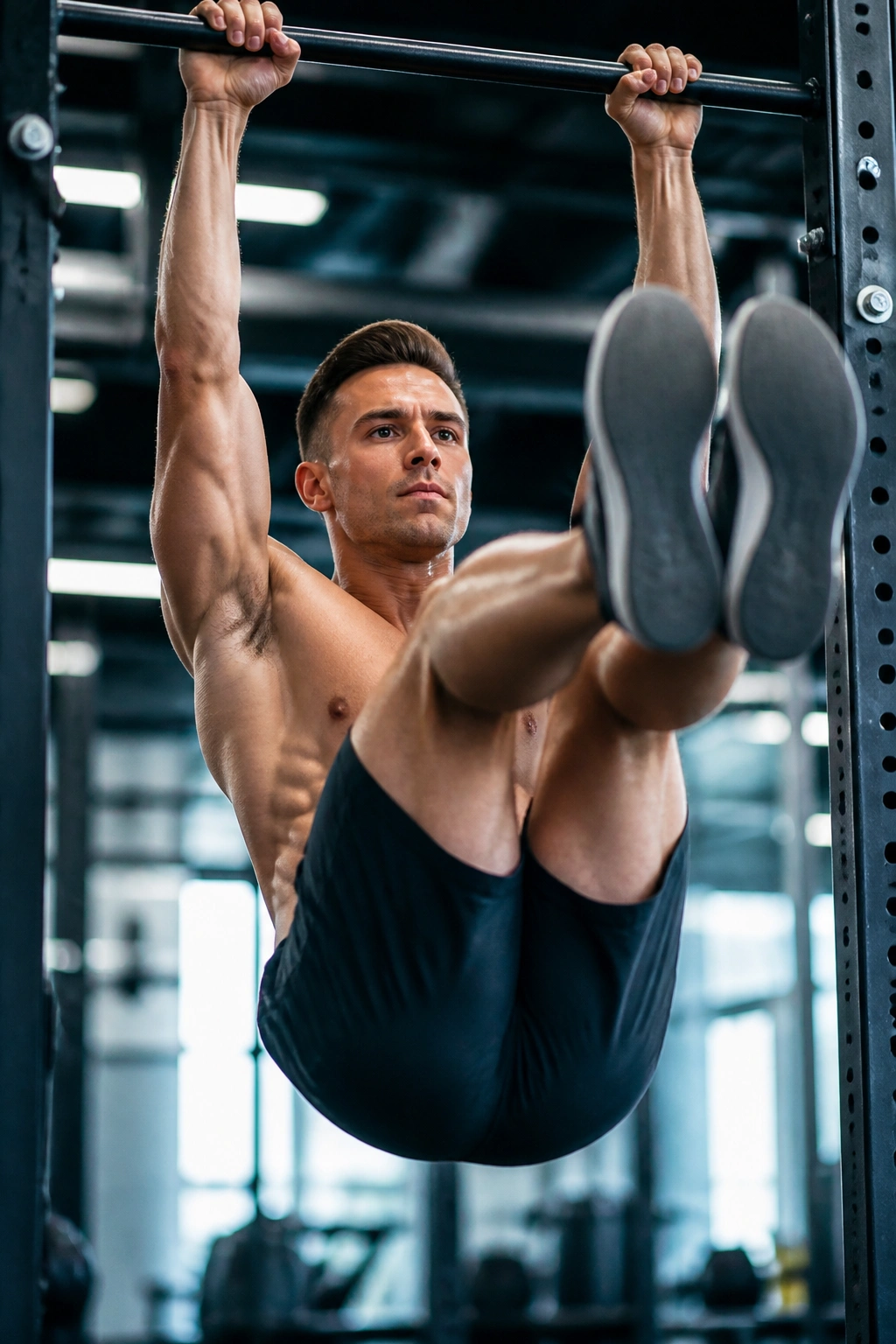
If your legs swing, the movement is already cheating. A strict hanging leg raise should look quiet: shoulders packed, pelvis tucked, toes rising without a kip. The goal is not to fling your feet toward the bar; it’s to make your abdomen do the lifting while your grip and lats keep everything from turning into a circus.
Start with bent knees if needed. Exhale as the knees or straight legs come up, then pause for a beat when the thighs reach parallel or higher. Lower on a three-second count. If your lower back arches on the way down, the set is over.
Why It Works
This hits the rectus abdominis hard, but the sneaky win is pelvic control. When you finish the rep with a small posterior pelvic tilt — tailbone curling forward — you teach the abs to own the lower half of the trunk instead of letting the hip flexors take over.
- Start from a dead hang, not a swing.
- Keep ribs down.
- Lift the pelvis last.
- Stop the set when the body starts to rock.
Best use: 3 to 4 sets of 6 to 10 strict reps, or 15-second top holds after the last rep.
2. Ab Wheel Rollout for Stronger Core Workouts
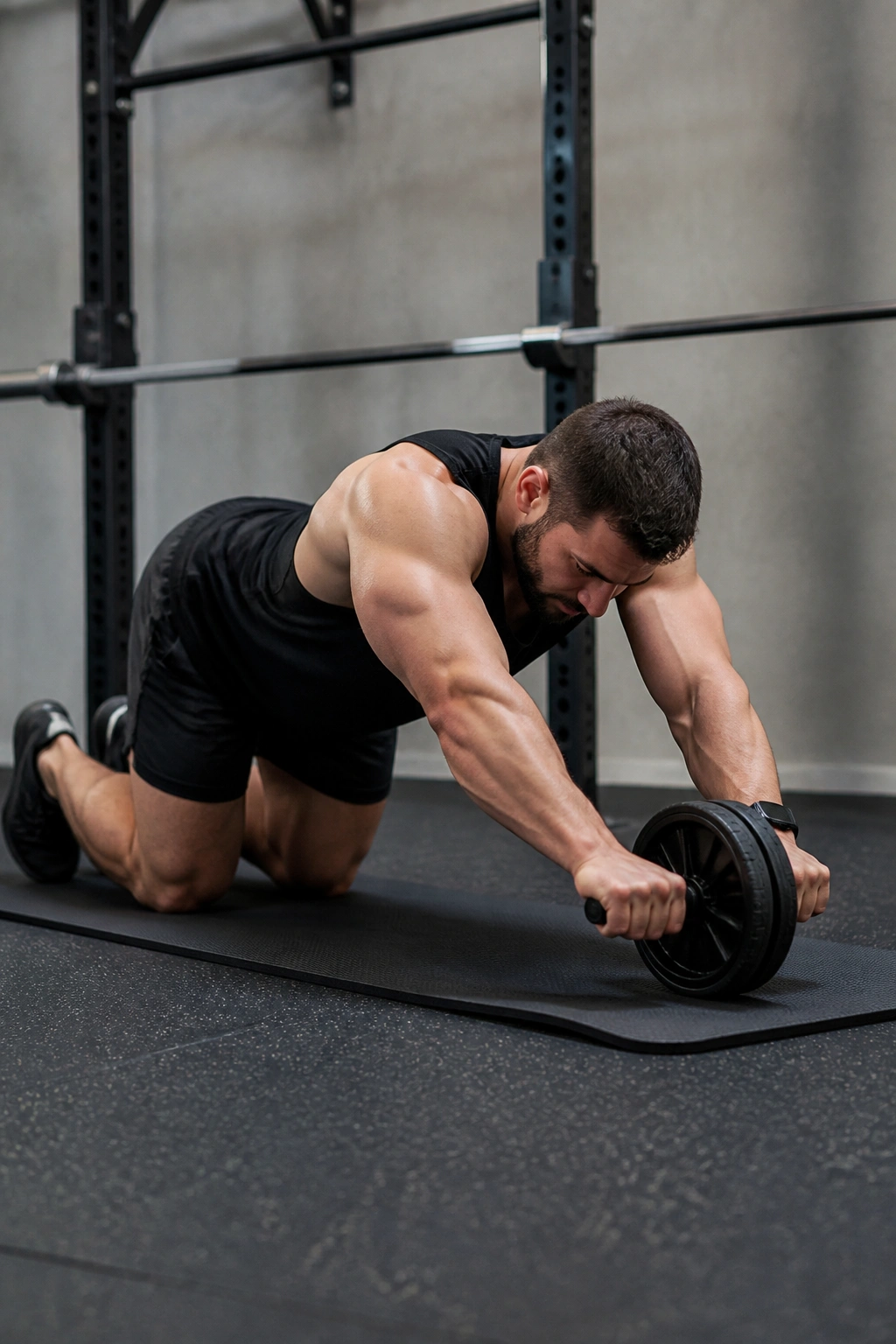
The ab wheel is unforgiving in the best way. One sloppy rep and your lower back lets you know. That feedback is useful, because it tells you exactly when your brace stops working.
Kneeling rollouts are the place to start. Roll forward slowly, reach long through the shoulders, and stop before the ribs flare or the hips dump forward. If you can’t keep the pelvis tucked, the range is too long. Tiny reps count. A clean six-inch rollout beats a giant arc with lumbar collapse every time.
I like this movement because it forces honest anti-extension strength. You are not just holding a plank; you’re resisting the urge to fold open while the arms travel away from the body.
Good loading: 3 to 5 sets of 4 to 8 reps.
Good cue: stretch forward, do not sink forward.
Bad sign: low back ache during the set, not after it.
3. Dragon Flag
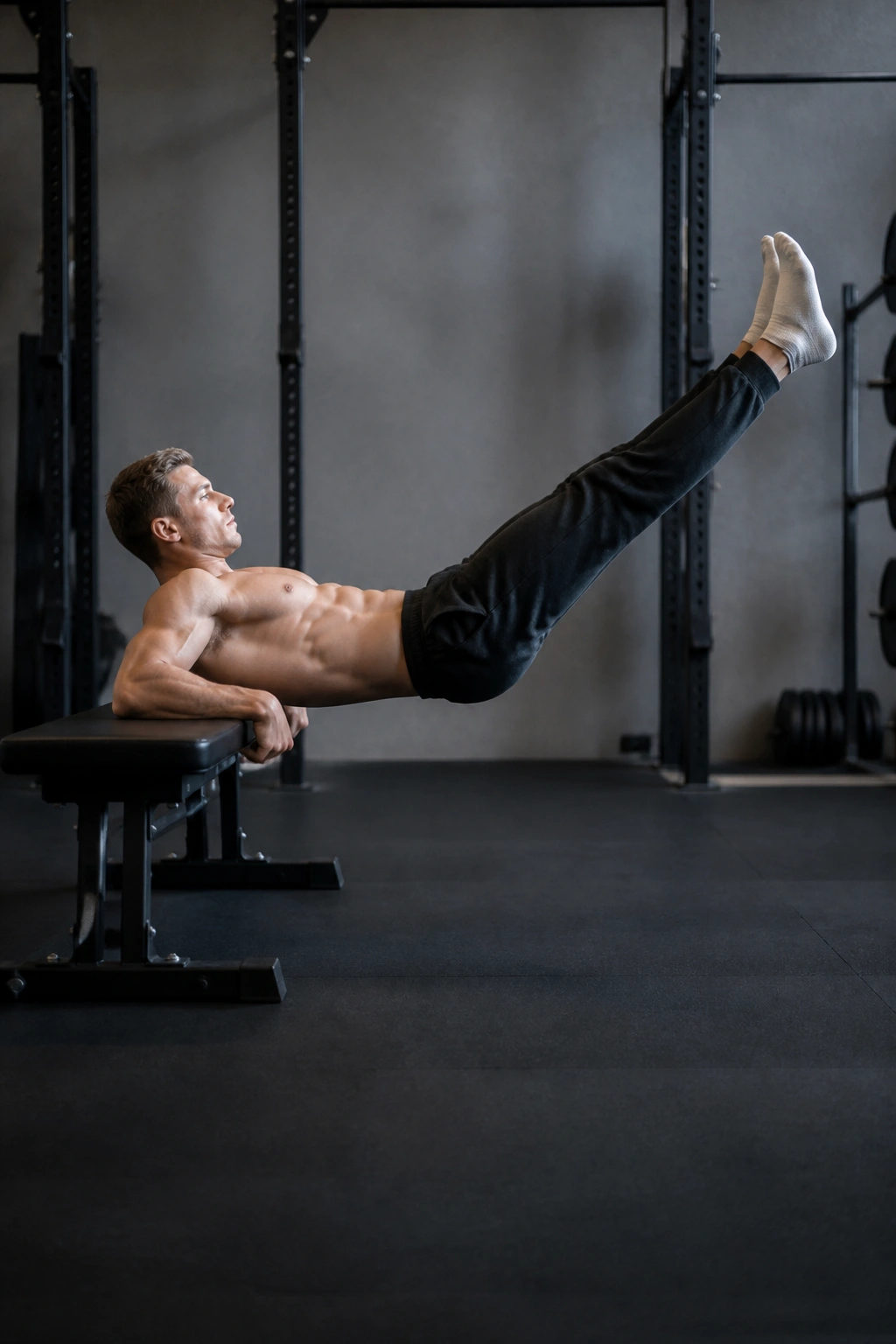
Why do dragon flags humiliate strong lifters? Because they strip away every lazy inch of momentum.
You anchor the upper body on a bench, grip hard, and keep the torso locked into a straight line as the legs lower and rise together. The whole point is to keep the body rigid, like a lever. If the hips break first, the movement stops being a dragon flag and starts becoming a dramatic leg drop.
How to Scale It
- Start with tucked negatives: lower for 3 to 5 seconds, then reset.
- Keep one knee bent if the full body line is too much.
- Use a short range before you chase the full descent.
The real trap here is ego. People try to go full range too soon, then compensate with a lower-back arch that looks strong and feels awful. Keep the ribs down, squeeze the glutes, and treat the descent like a slow hinge you refuse to lose.
4. Toes-to-Bar
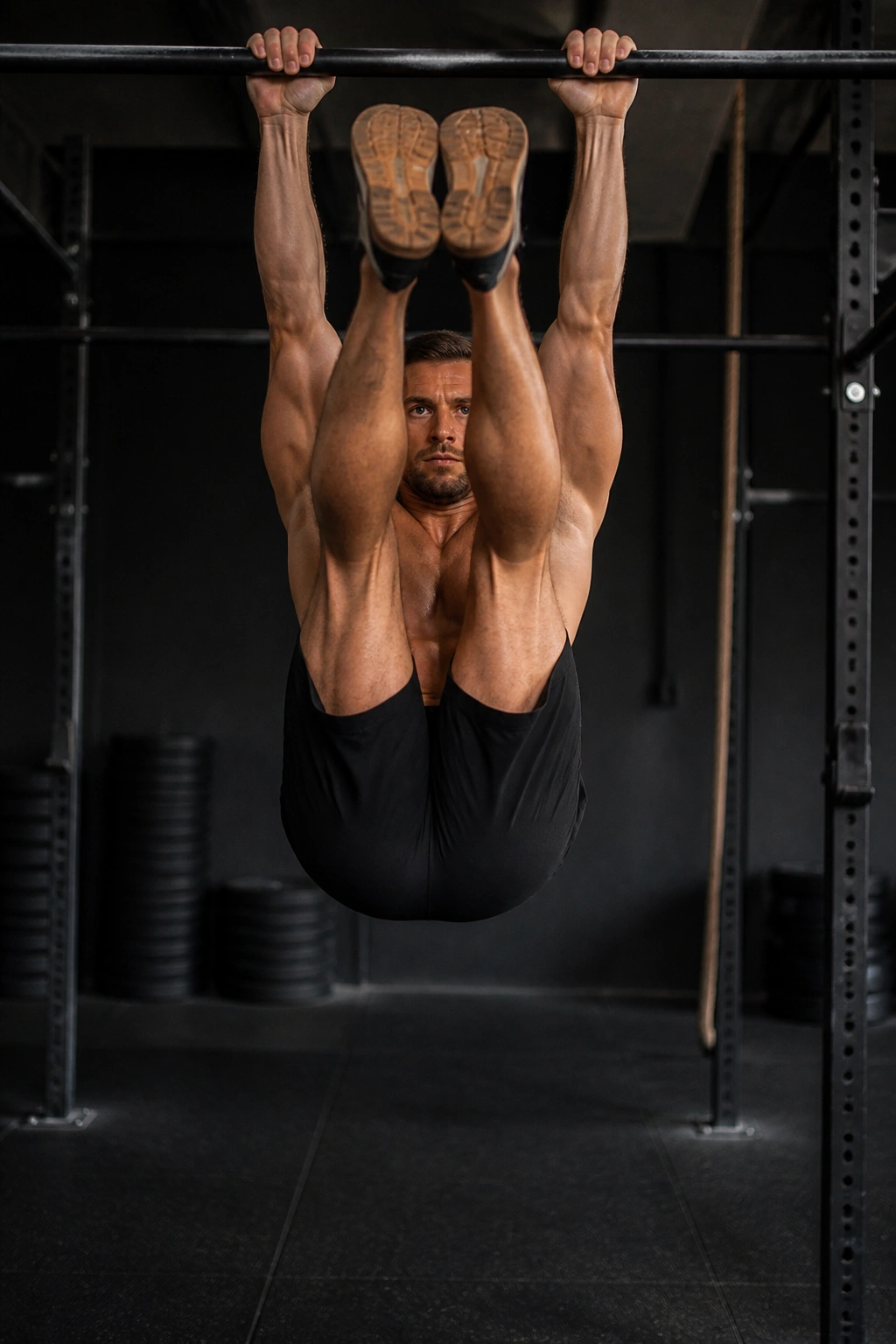
Strict toes-to-bar is part abs drill, part honesty test. The best reps look almost boring. The knees stay quiet, the swing stays tiny, and the feet touch the bar because the trunk did the work.
A lot of people turn this into a hip swing. That’s fine if you’re practicing rhythm for gymnastics, but it is a different animal from core strength. For abdominal work, keep the kip minimal and focus on folding the torso with control. The moment the shoulders fly loose and the bar starts moving with you, the set has drifted away from the goal.
Strict or Kipping?
Strict reps build more trunk control and usually expose weak points faster. Kipping uses more timing and shoulder rhythm, which can be useful in sport settings, but it lowers the direct load on the abs.
- Use chalk and a stable bar.
- Bring the toes to the bar, not the bar to the toes.
- Lower under control instead of dropping like a sack.
A solid starting target is 3 to 5 sets of 5 to 8 strict reps.
5. Hollow Body Hold
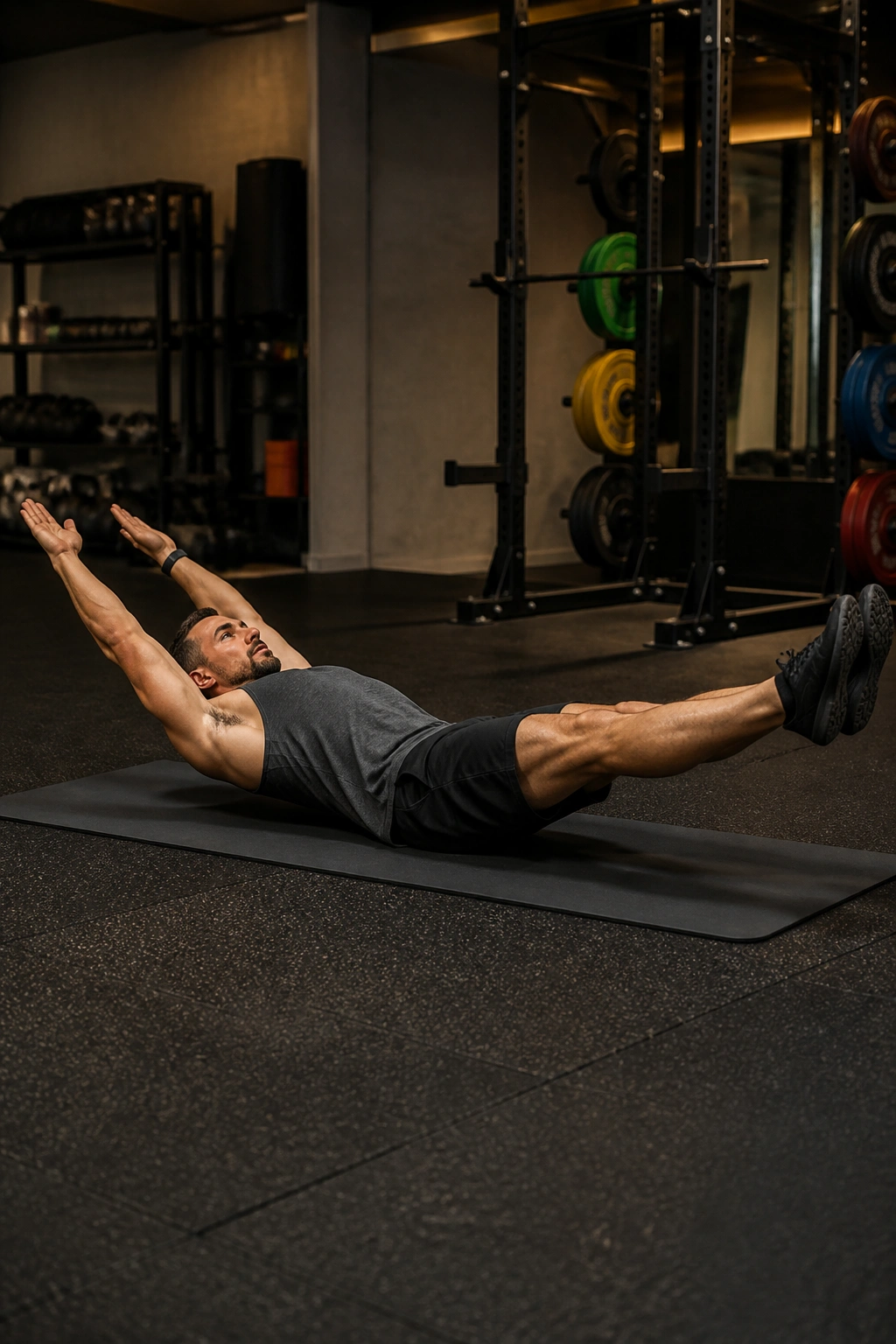
A hold can wreck you faster than a hundred fast crunches.
The hollow body position is simple to describe and brutal to do: lower back pressed into the floor, ribs tucked, arms stretched overhead or by the ears, legs lifted a few inches off the ground. If the low back leaves the floor, the shape is gone. That little gap is the whole game.
Breathe behind the brace. Short, controlled breaths through the nose or a quiet mouth exhale help you keep tension without turning the hold into a shaking mess. Your abs should feel like they are pinning your trunk to the floor.
No wobble. None.
Aim for 20 to 40 seconds per set. If you can’t hold the shape, bend the knees a little and shorten the lever. That isn’t a downgrade; it’s a smart move.
6. Windshield Wipers
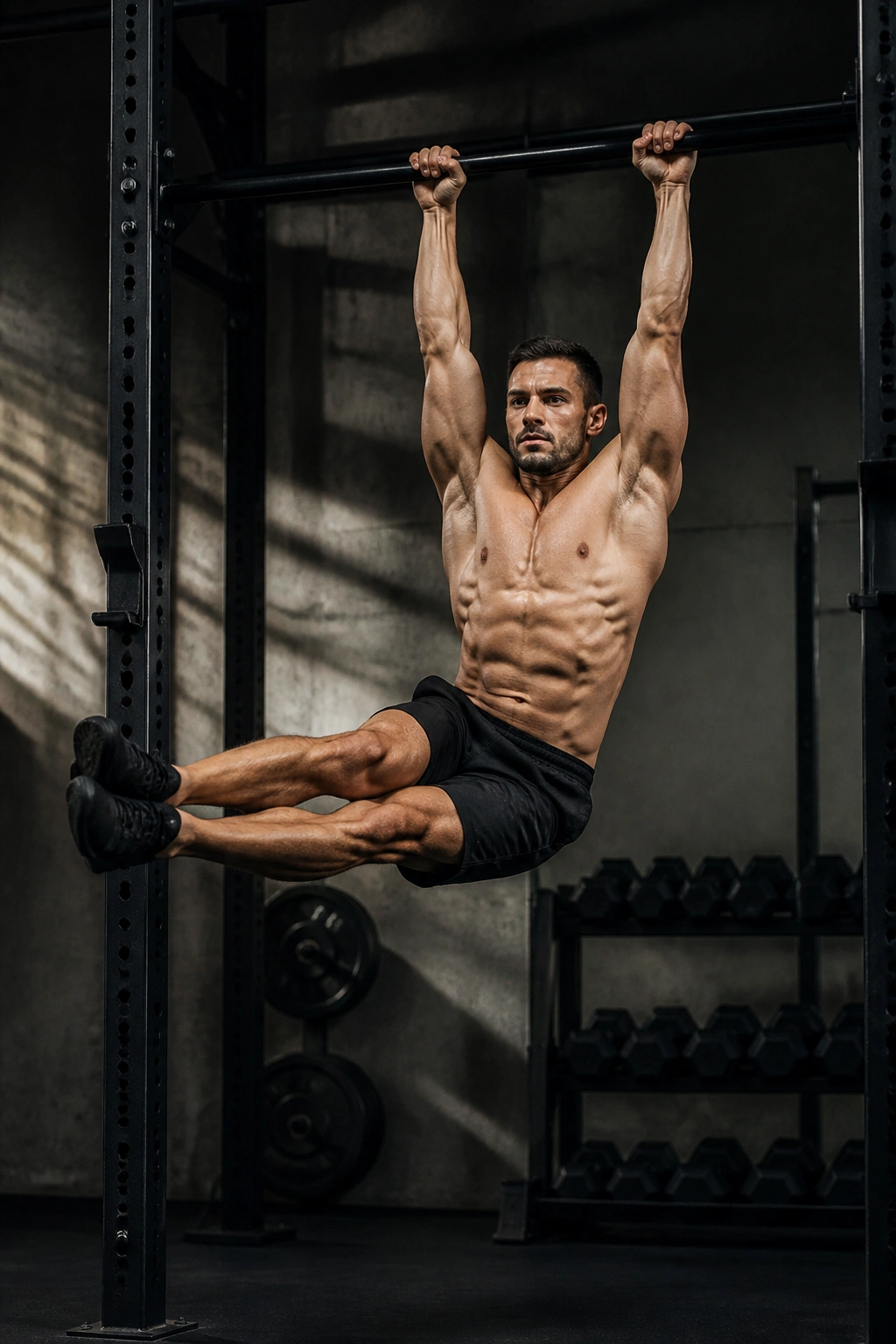
Hang from a bar, raise your legs, then move them side to side without letting your torso spin. That’s the whole idea, and it is much harder than it sounds.
Windshield wipers train the obliques and the deeper muscles that stop rotation. Straight-leg versions are serious business, so start with bent knees if your control isn’t there yet. A small arc is fine. A controlled small arc is better than a giant swing that turns into chaos.
What to Watch For
- Keep the shoulders active so you do not hang dead and loose.
- Move the legs slowly enough that the torso stays square.
- Stop the rep the second you feel momentum taking over.
- Use bent knees before straight legs.
This is one of those core drills where more speed makes you worse, not better. Three sets of 4 to 6 reps each side is plenty for most lifters.
7. L-Sit
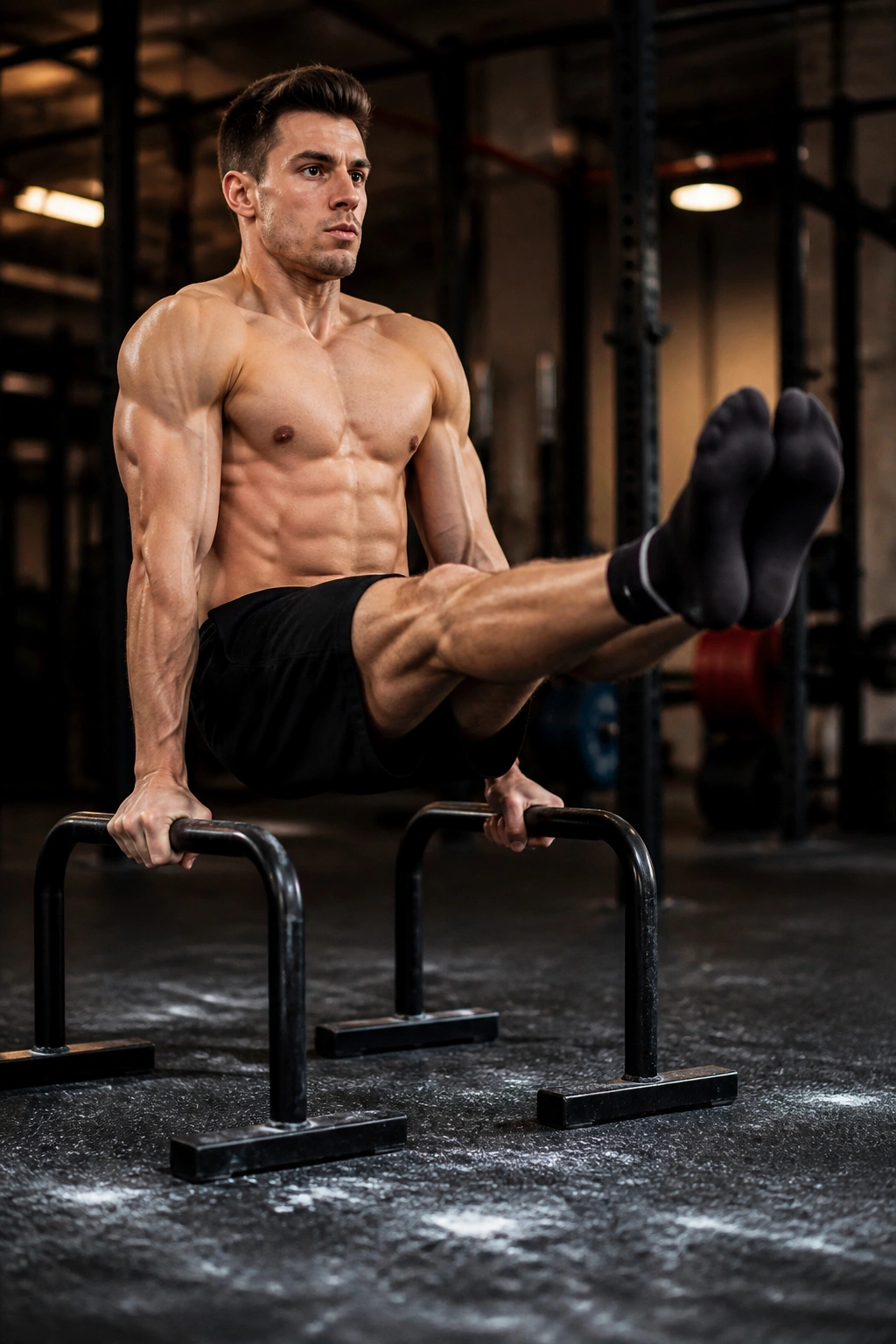
The L-sit looks clean. It is not clean to do.
You support your body on parallettes, dip bars, or even sturdy boxes, then lift both legs until they form an L with your torso. The real work comes from compression — bringing the thighs up without letting the spine collapse — plus shoulder depression, which means pushing the shoulders down away from the ears.
Your legs will feel heavier than they look.
Start with a tuck L-sit, then move to one-leg extended, then the full version. If your wrists hate the position, use parallettes or handles so the wrist angle is friendlier. A lot of people also forget to breathe here and lock up every muscle in a panic. Don’t. Keep the brace, but let the breath stay calm enough that the hold doesn’t turn into a shrug.
Try 3 to 5 sets of 10 to 20 seconds.
8. Swiss Ball Pike
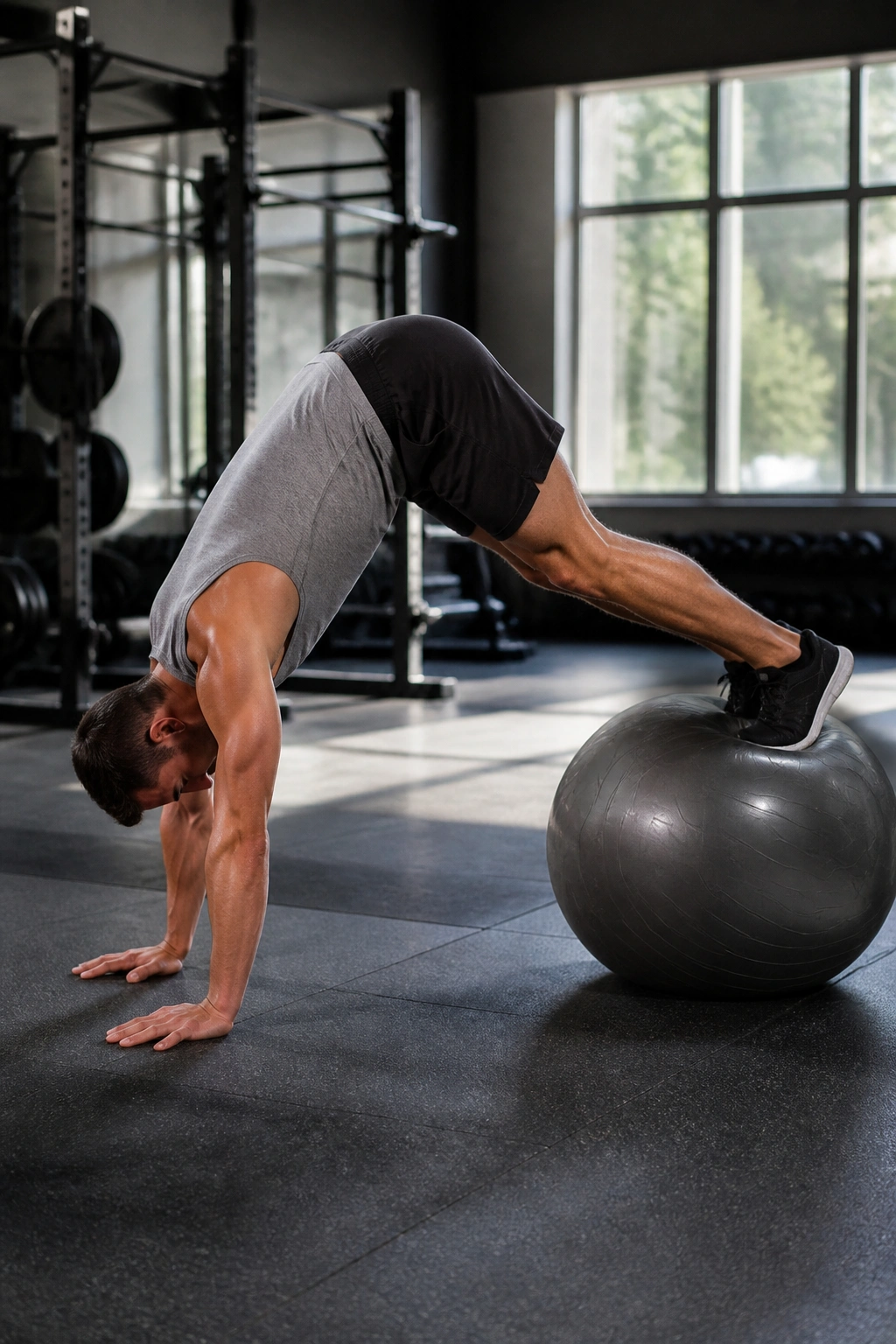
The ball feels like it’s trying to roll away the entire time. That is the point.
Start in a plank with your shins or feet on a stability ball, then pull the hips up while keeping the legs straight enough to create an inverted V. Lower back to plank with control. The abs have to fire hard to stop the midsection from sagging as the ball shifts underneath you.
Setup and Tempo
- Begin in a solid plank, shoulders stacked over wrists.
- Keep your hands planted and drive the hips up.
- Lower with a slow two- to three-second return.
- Stop if the low back dips or the shoulders collapse.
This one hits the abs and shoulders at the same time, which is why it sneaks up on people. It looks like a small movement. It is not. Six to 12 reps is a useful range, and smaller sets keep the form cleaner.
9. Plank Body Saw
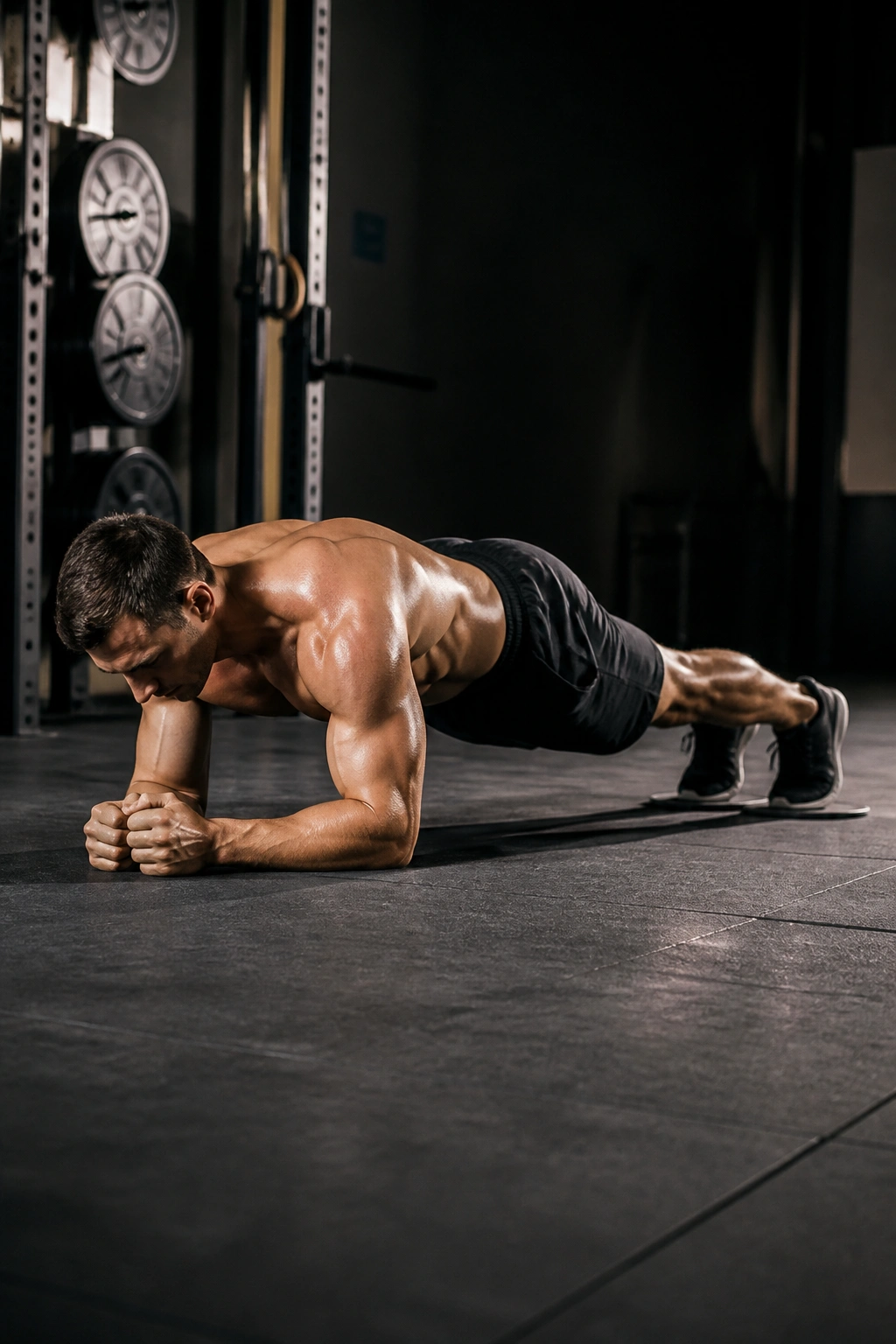
A plank body saw looks small. It isn’t.
You set up on forearms with your feet on sliders, towels, or gliding discs, then move the body a few inches forward and back while keeping the trunk rigid. The motion should come from your whole body sliding as one unit, not from your hips popping up and down like a nervous fencepost.
What makes this drill rough is the constant anti-extension demand. The farther you slide, the more your abs have to stop the lower back from drooping. If your shoulders feel like they’re doing all the work, shorten the range and squeeze the glutes harder.
One solid note: the best body saws look almost boring from the outside. The person doing them is the one who knows the truth.
Try 8 to 12 controlled reps or 20 to 30 seconds of steady work.
10. Cable Crunch for Advanced Core Workouts
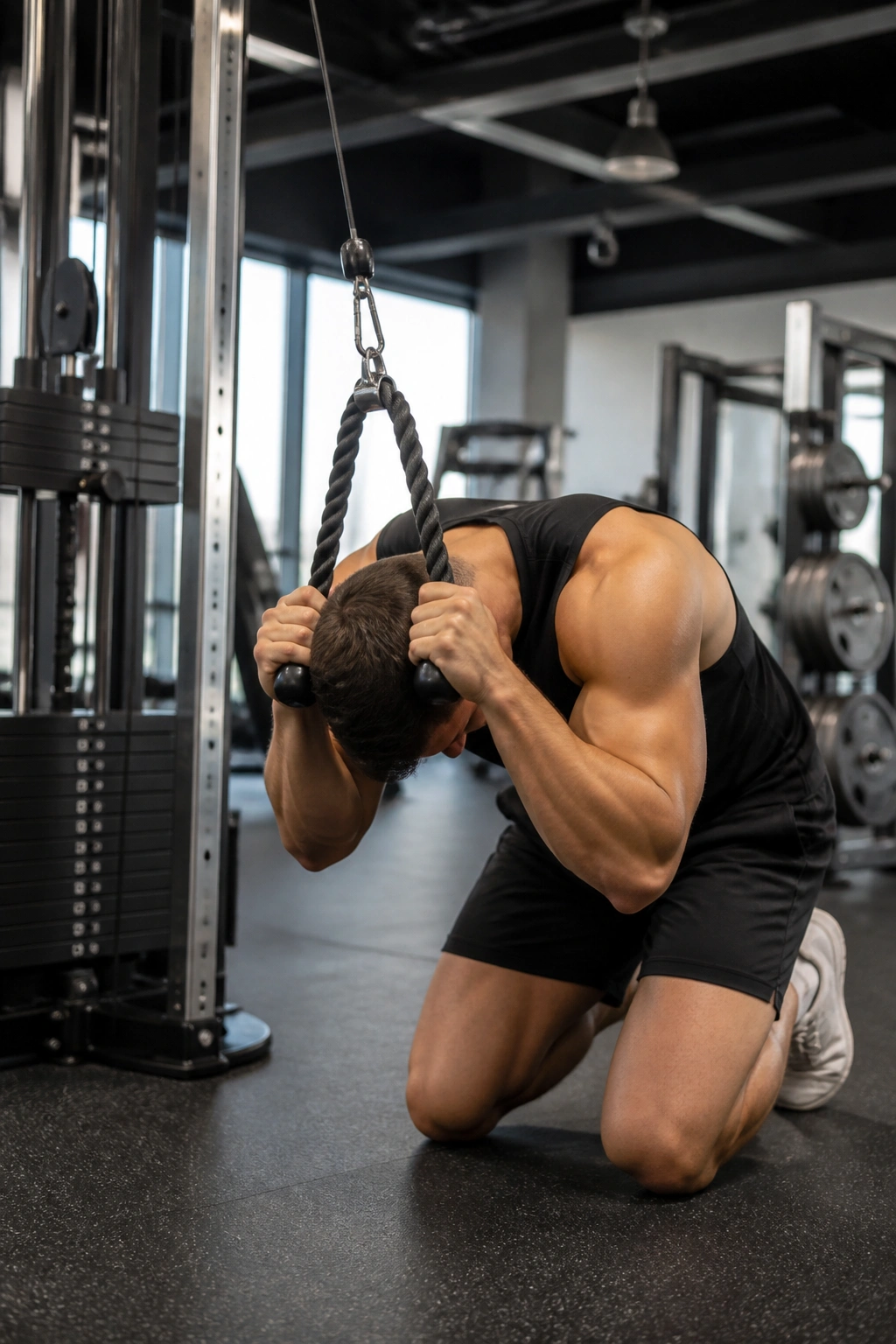
Weighted crunches get dismissed because people do them badly.
A kneeling cable crunch is a direct way to load spinal flexion without turning the movement into a sloppy sit-up. Kneel a short distance from the stack, hold the rope near the sides of your head, and curl the ribs toward the hips. The motion should feel like the torso folding, not the arms yanking the weight down.
The biggest mistake is hinging at the hips and calling it abs work. It isn’t. Keep the hips mostly fixed, round the upper back, and squeeze the abs hard at the bottom for a brief pause. That pause matters. It keeps the set from becoming a fast, half-rep shrug.
Heavier loads work here, but only if the range stays clean. Start with 8 to 12 reps and build slowly. If your neck gets involved, the weight is too high or the setup is off.
11. Barbell Rollout
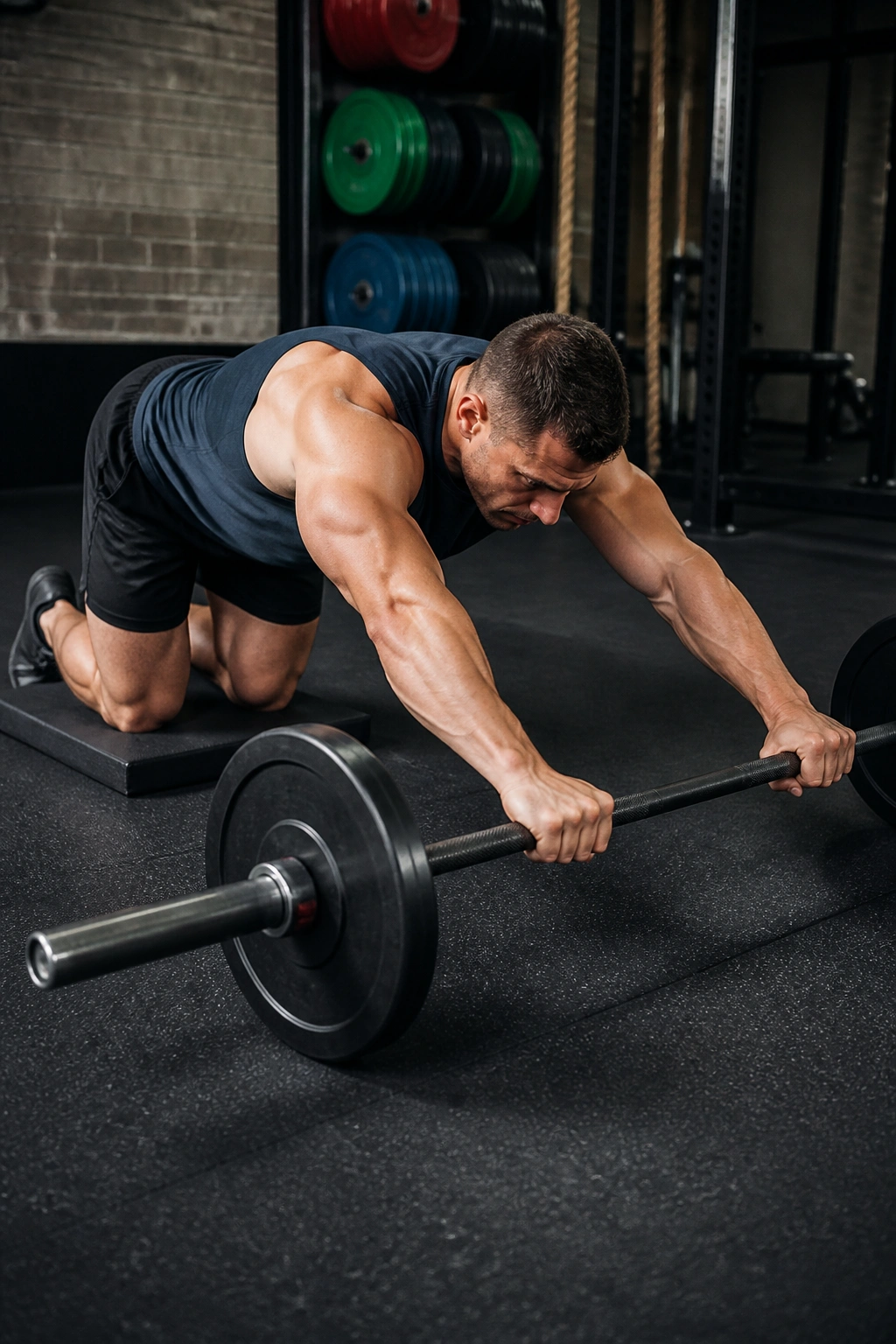
Put a barbell on plates and the rollout becomes even less forgiving.
The setup is straightforward: kneel on a pad, grip the bar shoulder-width, and roll forward while staying braced. Because the bar sits lower and the load can travel farther, this version can expose weak core control quickly. It’s a favorite of mine for people who already handle the ab wheel well and want more tension without changing the pattern much.
Small reps. That’s the rule.
Do not chase range just because the bar can move. If the lumbar spine starts to sag, cut the rep short and stop pretending it’s a strength set. Use bumper plates if the floor is rough and a towel under the knees if needed.
Three to four sets of 3 to 6 reps is enough. This is not a high-volume exercise. It’s a precision drill with bite.
12. V-Up
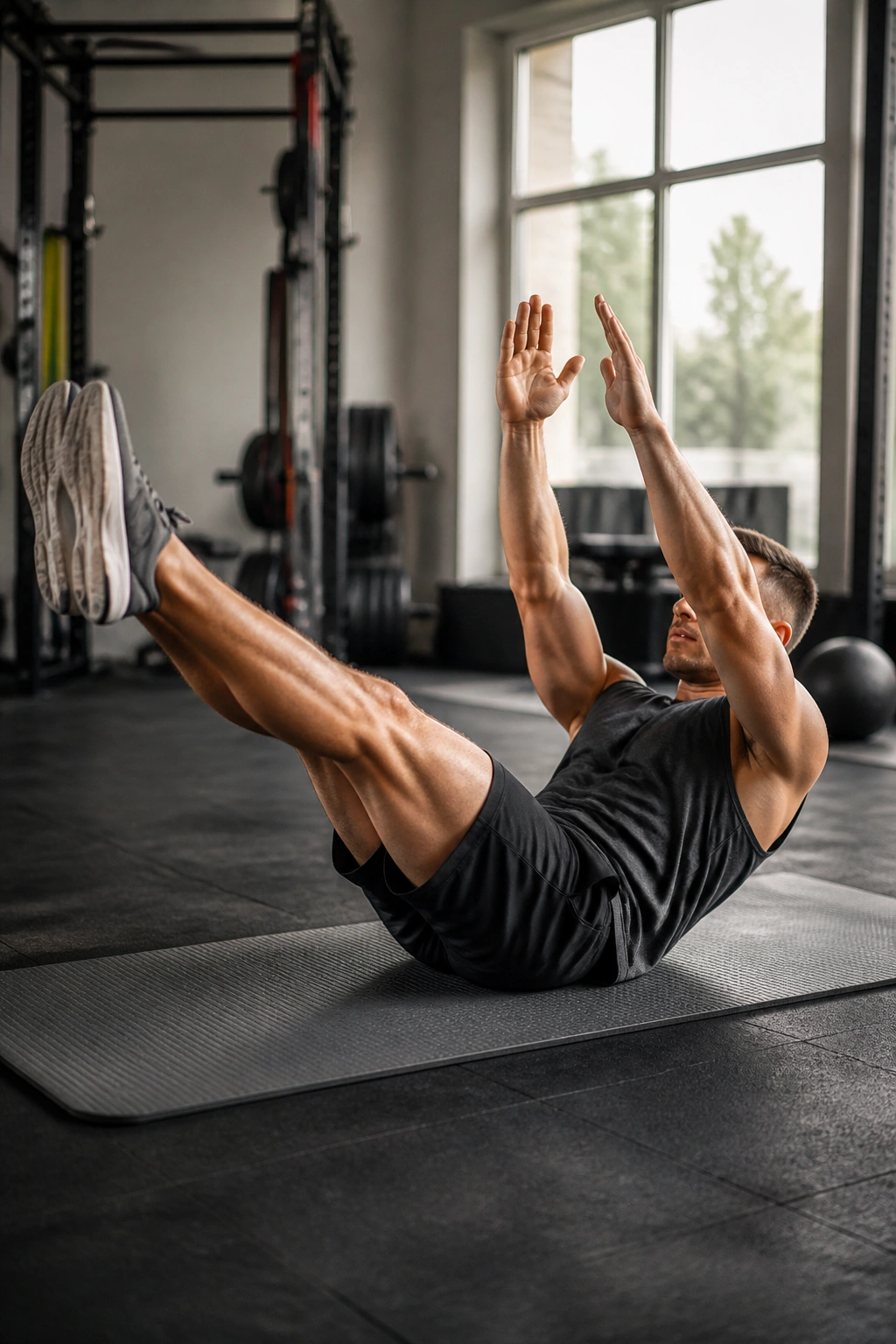
A good V-up feels explosive; a bad one looks like a flop.
You lie flat, arms overhead, legs long, then lift both ends of the body at the same time until the hands meet the feet. Lower under control. The movement asks the abs to coordinate fast hip flexion and trunk flexion together, which makes it a useful bridge between pure floor work and more athletic core training.
If your lower back peels off the floor before the rep starts, bend the knees a little or shorten the range. The goal is not to snap up so hard that the neck takes over. Keep the chin slightly tucked and lift from the middle, not from the shoulders.
Fast reps are the trap here. A slower lowering phase tells you more and usually builds better control. Eight to 15 reps works well if the form stays crisp.
13. Weighted Side Plank
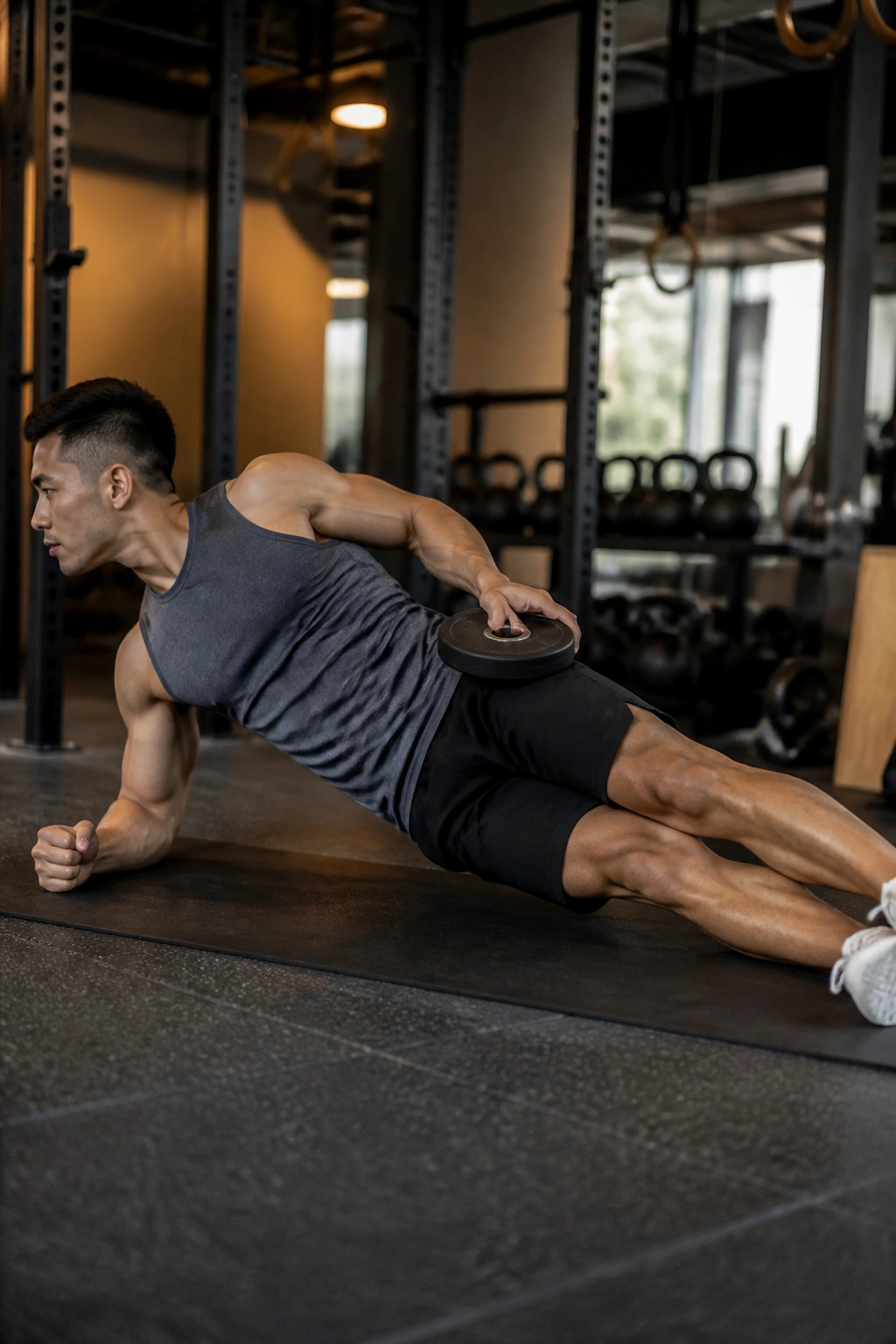
Side planks are boring until you add load.
A weighted side plank trains anti-lateral flexion, which is the body’s way of saying no to side-bending under pressure. Set the elbow under the shoulder, stack the feet or stagger them, and place a plate on the top hip or extend the top arm with a dumbbell held overhead. The body should look like one straight line from head to heel.
Quick Rules That Matter
- Keep the hips square to the floor.
- Don’t let the bottom shoulder creep toward the ear.
- Hold 20 to 45 seconds per side.
- Use a lighter load before you chase long holds.
This one gets ugly fast when the obliques fatigue. That’s normal. What you do not want is a twist through the chest or a sagging waist. If the plate keeps sliding off, the setup is too unstable or the weight is too heavy.
14. Pallof Press Hold
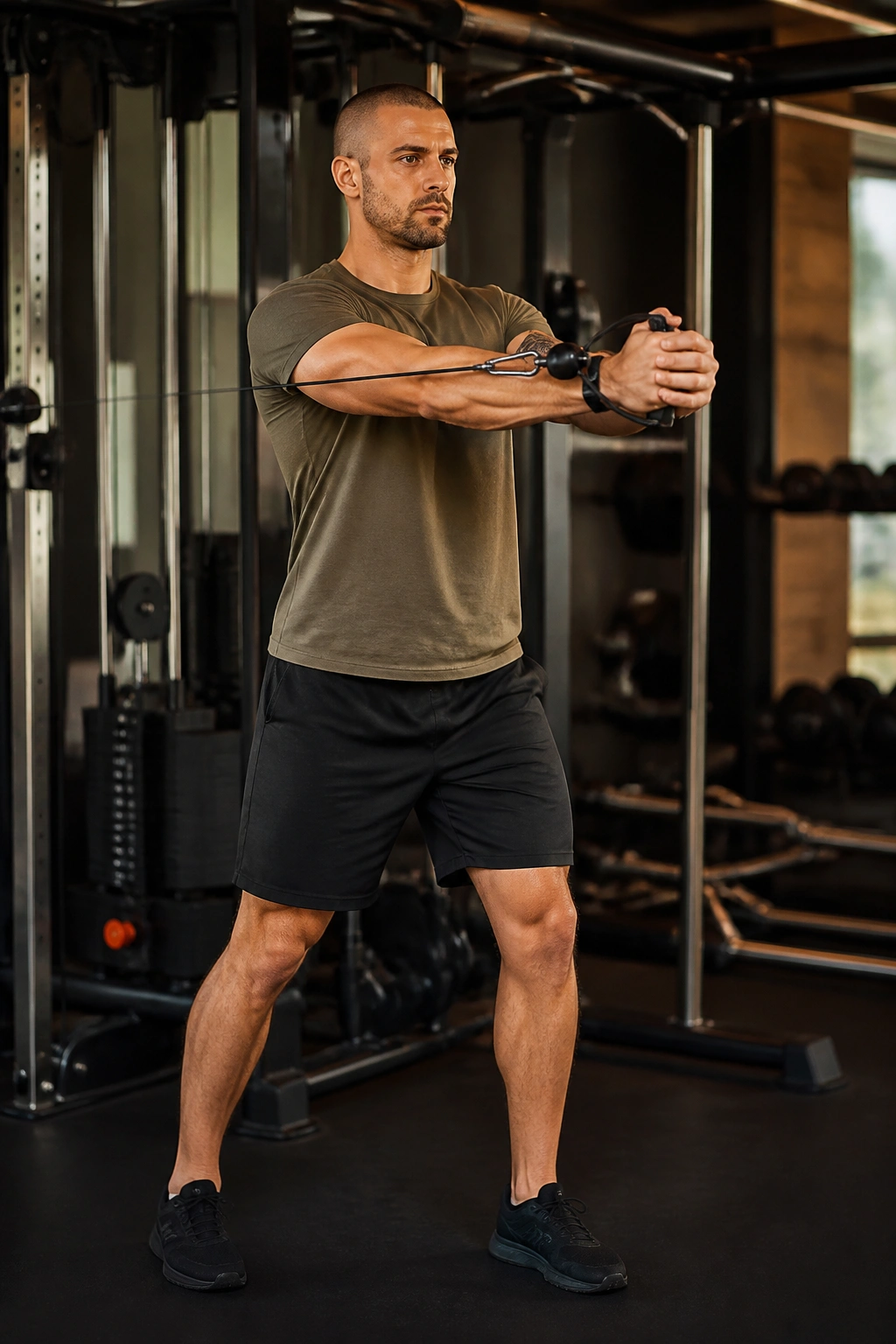
Want a core drill that punishes twisting without much movement?
The Pallof press does exactly that. Set a cable or band at chest height, stand sideways to the anchor, pull the handle to the chest, then press straight out and hold. The load tries to rotate your torso, and your abs have to stop it. That’s the whole point — anti-rotation work with a very clear feedback loop.
How to Set It Up
- Stand in a split stance or a shoulder-width stance.
- Keep the knees soft and the ribs stacked over the pelvis.
- Press the handle out on a straight line.
- Hold for 5 to 10 seconds, or pulse for controlled reps.
This looks simple. It is not simple. You’ll feel the obliques, glutes, and deep abdominal wall light up if the setup is right. A useful format is 2 to 4 sets of 8 to 12 presses per side, or short holds with clean posture.
15. Renegade Row
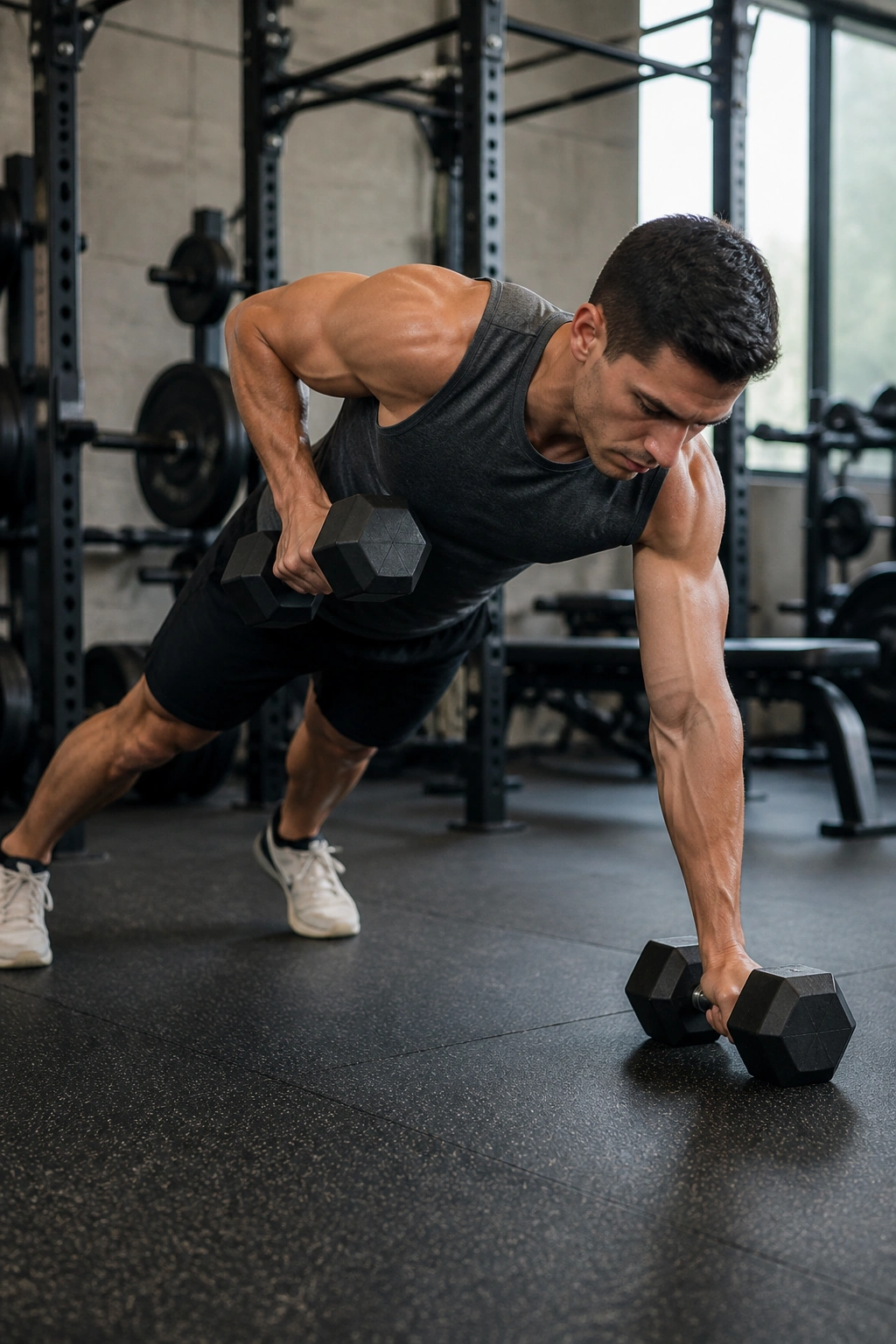
Rows expose sloppy bracing fast.
Set up in a high plank with dumbbells under the shoulders, feet wider than a regular plank, then row one weight while the rest of the body stays square to the floor. If the hips twist hard, the core is losing the argument. That doesn’t mean the movement failed. It means the load is too heavy or the stance is too narrow.
The smart version of this move is slow. Pause at the top, set the dumbbell down with control, and resist the urge to rush the other side. A fast renegade row often becomes a shrugging contest with a bit of torso rotation thrown in for free.
What Usually Goes Wrong
- Feet stay too close together.
- The lower back sags.
- The row turns into a yank.
- The non-working shoulder collapses.
Keep the reps low, around 5 to 8 each side. Clean reps beat loaded chaos every time.
16. Stir-the-Pot
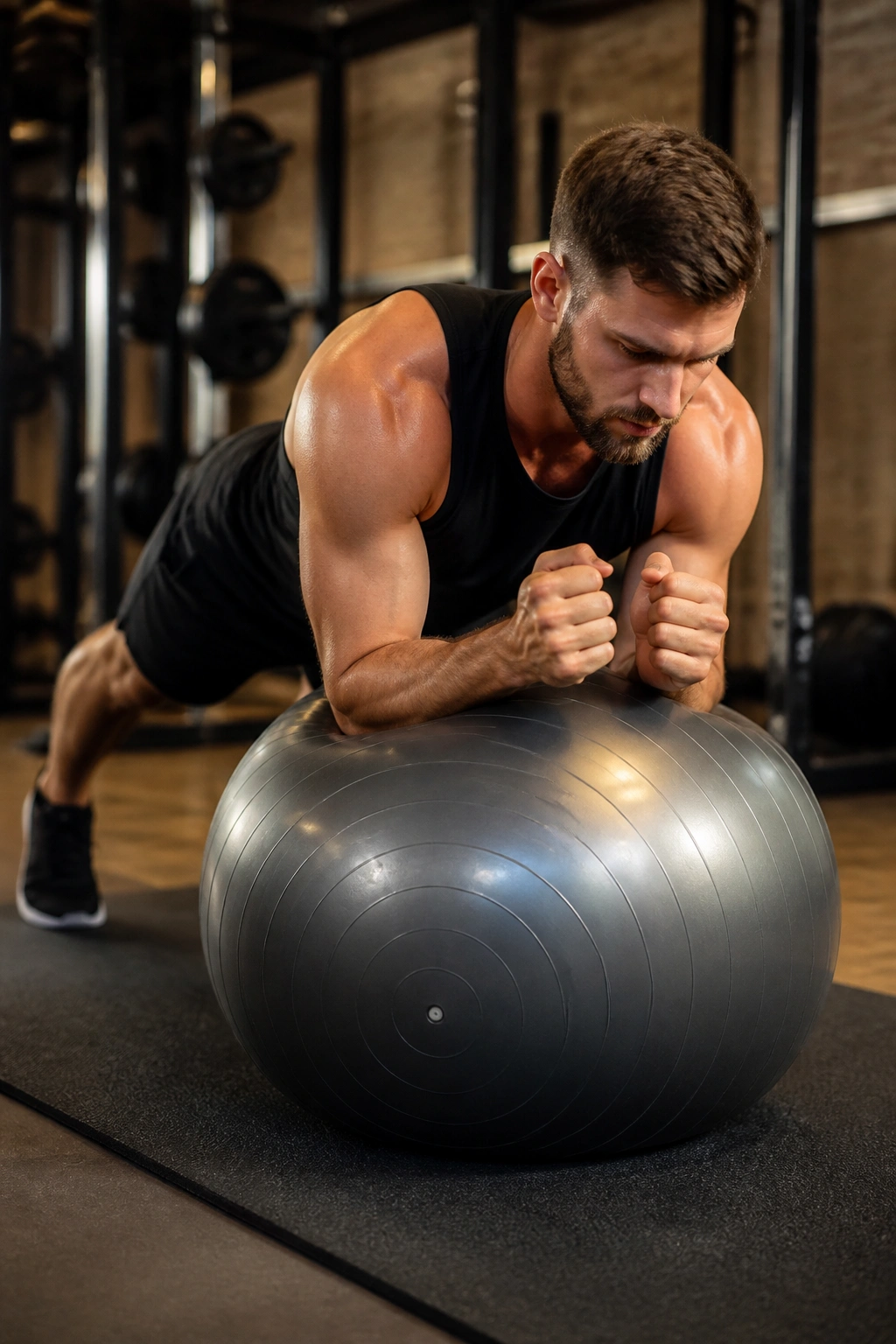
On a Swiss ball, tiny circles feel oddly aggressive.
You start in a forearm plank with the elbows resting on the ball, then draw small, controlled circles with the forearms while the torso stays as still as possible. The ball never sits still, and that is exactly why the drill is worth doing. Your abs, serratus, and shoulder stabilizers all have to keep the body from wobbling apart.
The trick is to make the circles smaller than you think. Big circles turn into a sway and the body starts chasing the ball. Small circles force control.
If your lower back starts to arch, stop and reset. If your neck gets tight, push the floor away a little harder through the forearms. Ten to 20 seconds each direction is a useful place to start. This one gets ugly in a hurry, and that is part of its charm.
17. Hanging Knee Raise with Twist
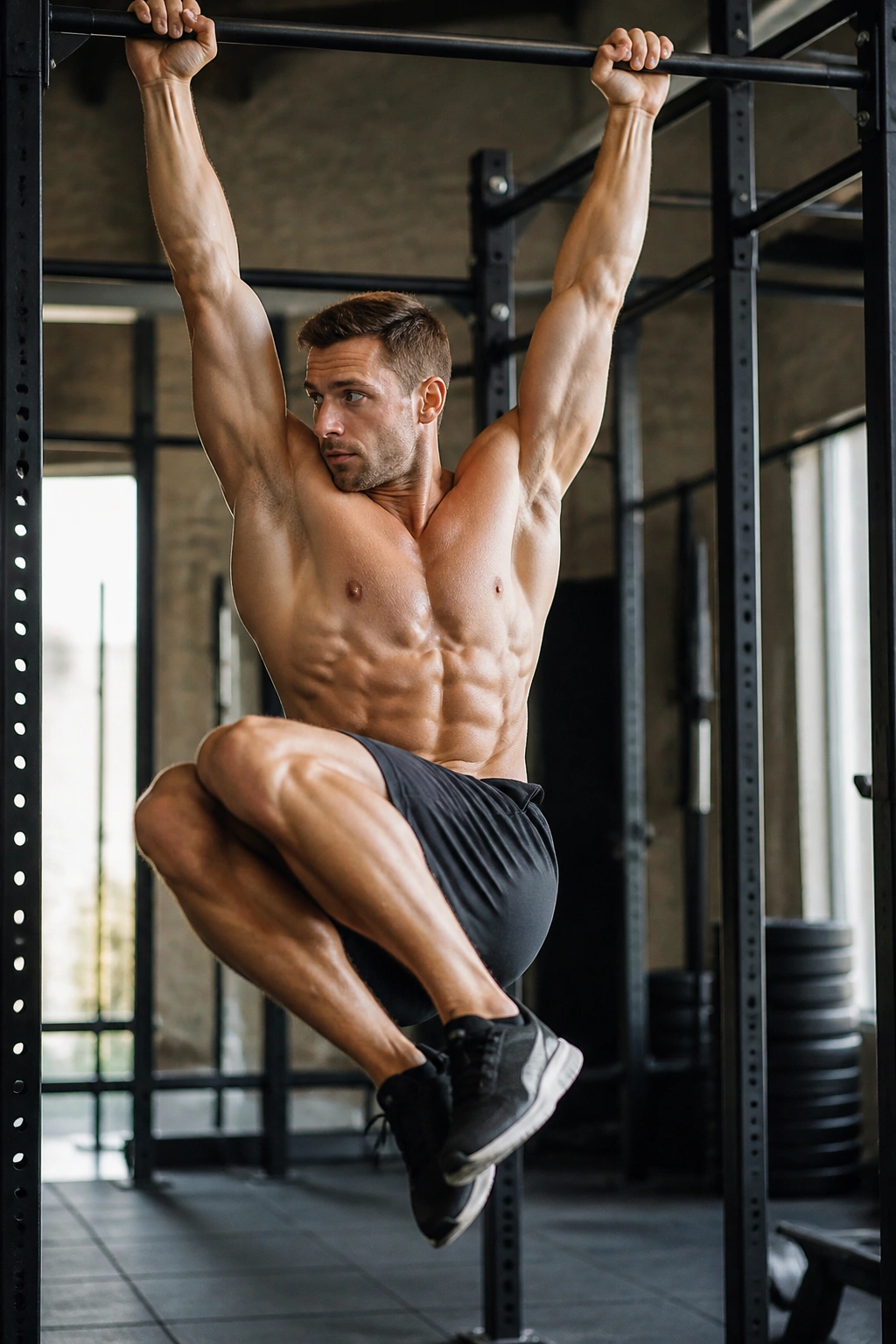
If straight leg raises are about length, this one is about control through rotation.
Hang from the bar, bring one knee up and across toward the opposite elbow, then switch sides on the next rep. The twist should be small and deliberate. You are not trying to swing your pelvis around like a pendulum. You’re asking the obliques to guide the knees through a diagonal path while the rest of the trunk stays quiet.
The swing is the enemy.
Use a slower tempo than you think you need. A useful rhythm is one second up, one second across, a brief squeeze, then a controlled lower. Six to 10 reps per side is plenty for most people. If the body starts rocking, shorten the range and keep the movement honest.
This is a nice bridge between straight hanging leg raises and more advanced rotational work.
18. Decline Bench Sit-Up with Plate
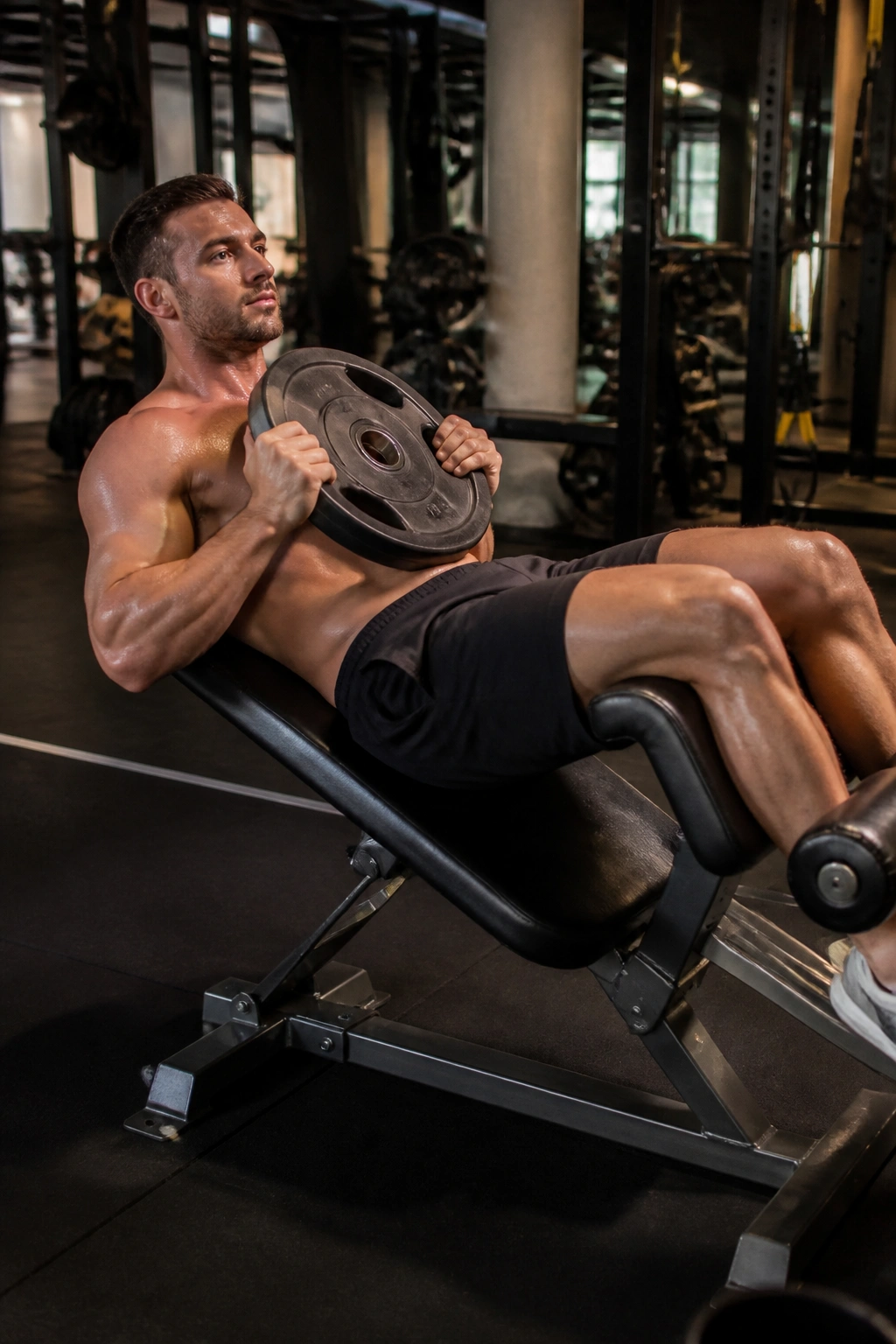
Sit-ups are not the villain; sloppy sit-ups are.
On a decline bench, hold a plate at the chest or overhead, lower with control, then curl the torso all the way up using the abs rather than a violent hip snap. The decline angle adds load to the bottom half of the movement, where many people lose tension. That makes the exercise useful for strength, not just burn.
The key is to keep the neck relaxed and the movement smooth. Do not yank on your head or bounce off the bench. A clean sit-up should feel like a controlled fold through the trunk, with the abs doing the lifting and the hips staying in check. If the hip flexors take over, reduce the decline or use a lighter plate.
Eight to 12 reps is a solid range. I prefer this one when someone wants loaded flexion without a machine.
19. Copenhagen Plank
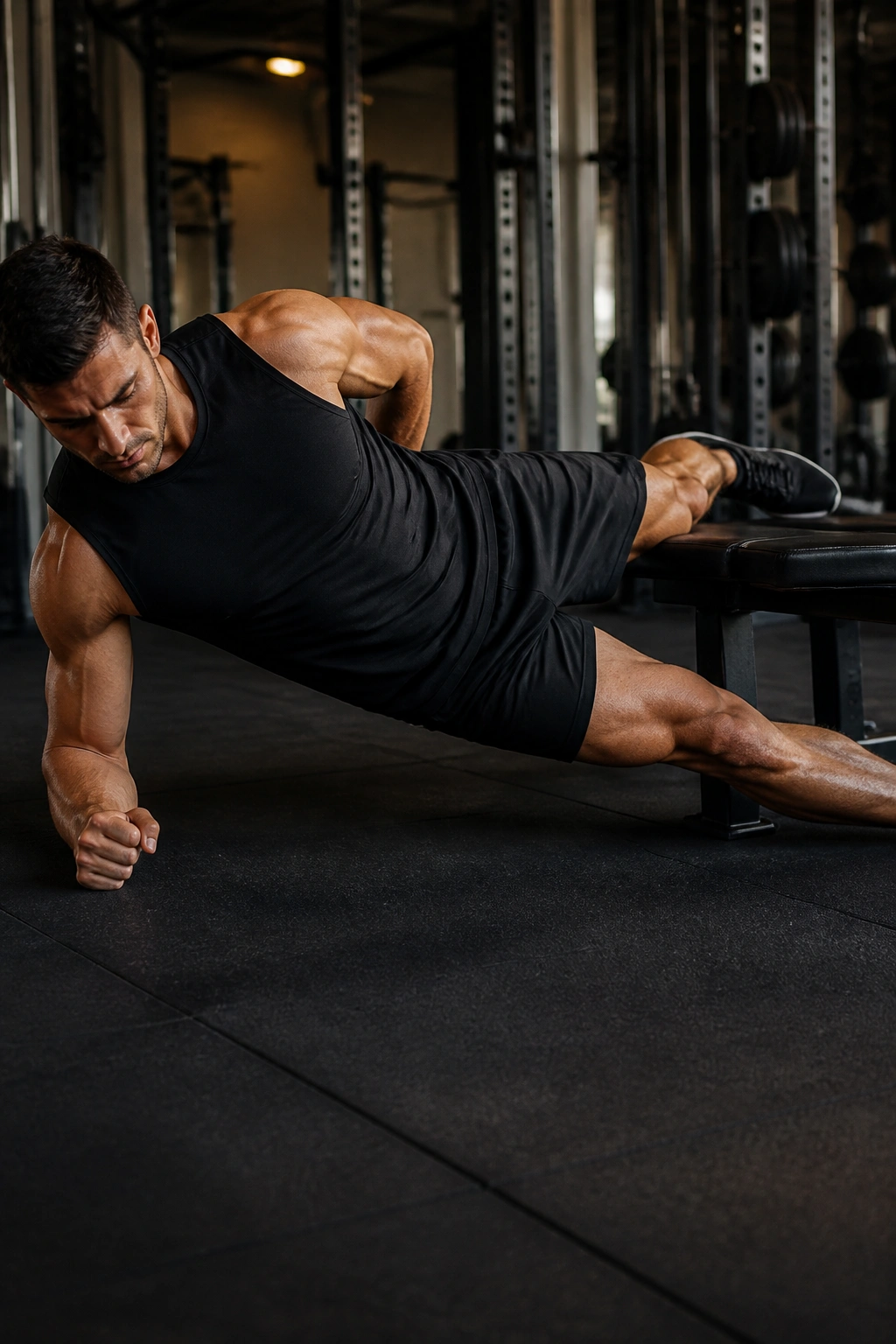
The first time you put one leg on a bench and hover the other, the inside of your thigh starts talking.
That is the adductor side of the Copenhagen plank, and it matters more than most lifters expect. The exercise trains the inner thigh, the obliques, and the pelvic stabilizers together. That link is real in sports and in basic strength work alike. If the hips leak side to side, the trunk usually follows.
How to Progress It
- Start with the top knee on the bench.
- Keep the bottom leg straight and lifted.
- Hold for 10 to 20 seconds before chasing longer times.
- Move to the top ankle on the bench only after the knee version feels solid.
It is a brutal little move. Keep the body long, the ribs stacked, and the neck relaxed. People often cramp in the adductors here, which is a sign that the position is demanding the right thing.
20. Suitcase Carry for Stronger Core Stability
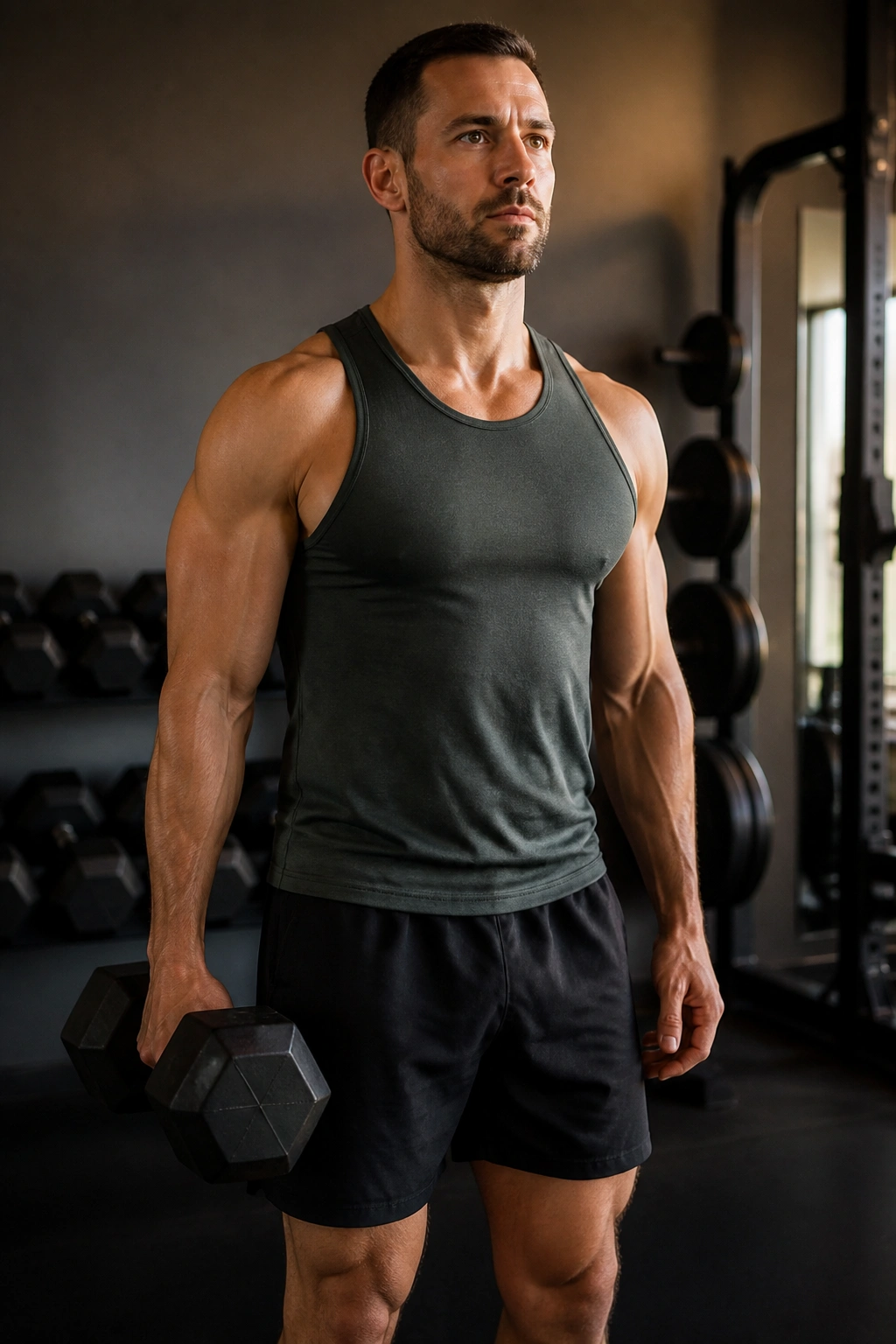
If you want core strength that shows up when you walk, carry something heavy in one hand.
The suitcase carry is simple: hold a heavy dumbbell or kettlebell on one side, stand tall, and walk without leaning toward or away from the weight. The trunk has to fight side bend, the grip works hard, and the shoulder on the loaded side has to stay quiet instead of shrugging up around the ear. This is one of the most honest tests of real-world core strength I know.
Keep the steps slow and even. Do not rush it just because you’re holding a weight and moving through space. Twenty to 40 meters per side, or 30 to 60 seconds, is enough to make the point. If you start leaning, the load is too heavy or the walk is too fast.
The best core program usually mixes three things: a hanging drill, an anti-extension drill, and a carry. Pick one from each bucket and keep the reps clean. That combination teaches your abs to brace, resist, and hold shape when the body is standing up and moving, which is where strength actually earns its keep.
