



The dream of a flat, defined midsection often leads people down a path of endless crunches and restrictive diets that feel like punishment. You have probably seen the magazines at the checkout counter promising that one magic exercise will erase everything. It is a lie. If you want a leaner midsection, you have to look at the body as an integrated machine. You cannot spot-reduce fat. You can, however, build enough metabolic demand and structural integrity to reveal the muscle underneath.
Many people spend hours doing isolated ab exercises and wonder why their waistline does not shrink. The answer is almost always metabolic. To change your body composition, you need movements that demand energy, stabilize your spine, and force your entire core to engage under heavy loads or high intensity. We are talking about compound movements, stability work, and training that keeps your heart rate elevated.
When you focus on the following list, forget about how many “reps” you can do while watching television. Focus on the tension you create, the quality of your movement, and the sheer intensity of the effort. If you can talk comfortably while doing these, you are probably not working hard enough. Let’s get into the work that actually changes your physique.
1. High-Intensity Interval Training (HIIT)
Most people get cardio wrong. They jog at a moderate, steady pace for forty minutes while reading a book on the treadmill. That is not going to strip fat from your midsection. HIIT forces your body into an oxygen debt, which keeps your metabolism firing long after you leave the gym. This is the physiological state known as EPOC—excess post-exercise oxygen consumption.
The Mechanism of Action
You want to work at 85 to 95 percent of your maximum heart rate for short bursts, followed by a period of active recovery. The sheer intensity required here forces your core muscles to stabilize your entire body against violent, rapid movements.
- Pick a format: 30 seconds of all-out effort, 30 seconds of rest.
- Repeat this for 15 to 20 minutes.
- Do not pace yourself. If you are not gasping for air by the fourth interval, you aren’t going hard enough.
Pro Tip: Your heart rate monitor might suggest you’ve burned a certain amount of calories, but the real benefit is the hormonal response. By pushing your limits, you are signaling your body to burn fat for fuel during the recovery hours.
2. Heavy Compound Lifts

Stop obsessing over abdominal isolation. If you want a strong core, you need to lift heavy things. Deadlifts, squats, and overhead presses are the most effective “ab” workouts you will ever do. Why? Because your core is the anchor point for your entire skeleton. When you hold a barbell, your abs and obliques contract with far more force than they ever would during a crunch.
The Physics of Bracing
Imagine someone is about to punch you in the gut. That involuntary stiffening of your entire midsection? That is the feeling you need to maintain during a compound lift.
- Keep your spine neutral.
- Breathe into your belly, not your chest.
- Squeeze your glutes at the top of the movement.
If your form starts to break down, stop. Your core protects your spine, but it can only do that if it is engaged properly. When you move heavy weight, your body is forced to recruit every stabilizing muscle it has, which builds a thick, muscular core that actually shows through the skin once the fat layer drops.
3. Dead Bugs
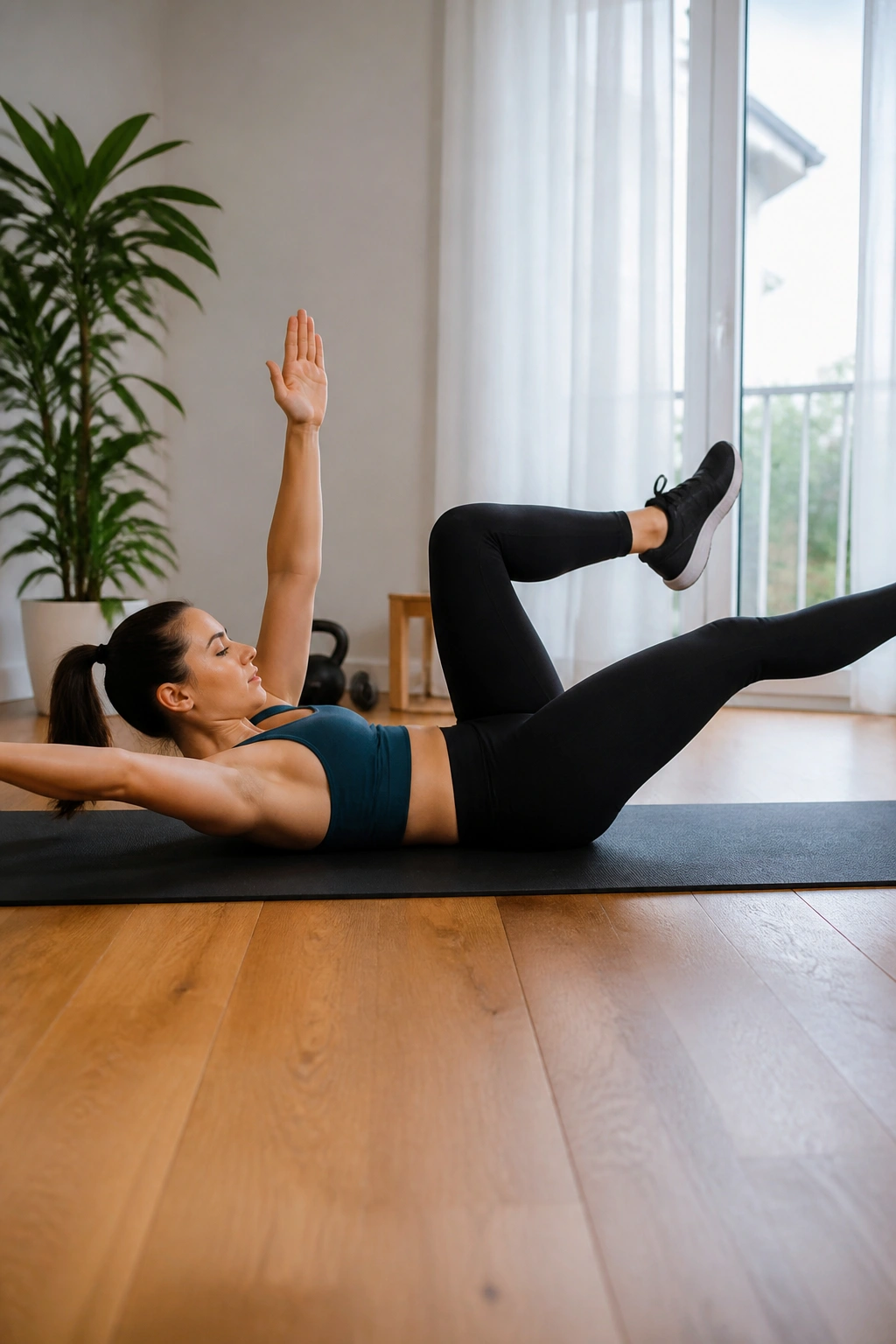
This is an exercise that looks easy but is often done incorrectly. The dead bug is the ultimate test of your ability to separate your limb movement from your spinal position. If you can master this, you have the foundational strength for more complex movements.
Mastering the Core-Spine Connection
You lie on your back, arms extended toward the ceiling, legs in a tabletop position. Your goal is to drive your lower back into the floor and keep it there while you slowly extend opposite arm and leg.
- If your lower back arches, you have lost the engagement.
- Move slowly. Speed is the enemy of the dead bug.
- Focus on the trembling you feel when your limbs are extended.
That tremble is your deep transverse abdominis muscles realizing they have to work harder than they usually do. Do three sets of ten reps per side. It will humble you.
4. The Active Tension Plank
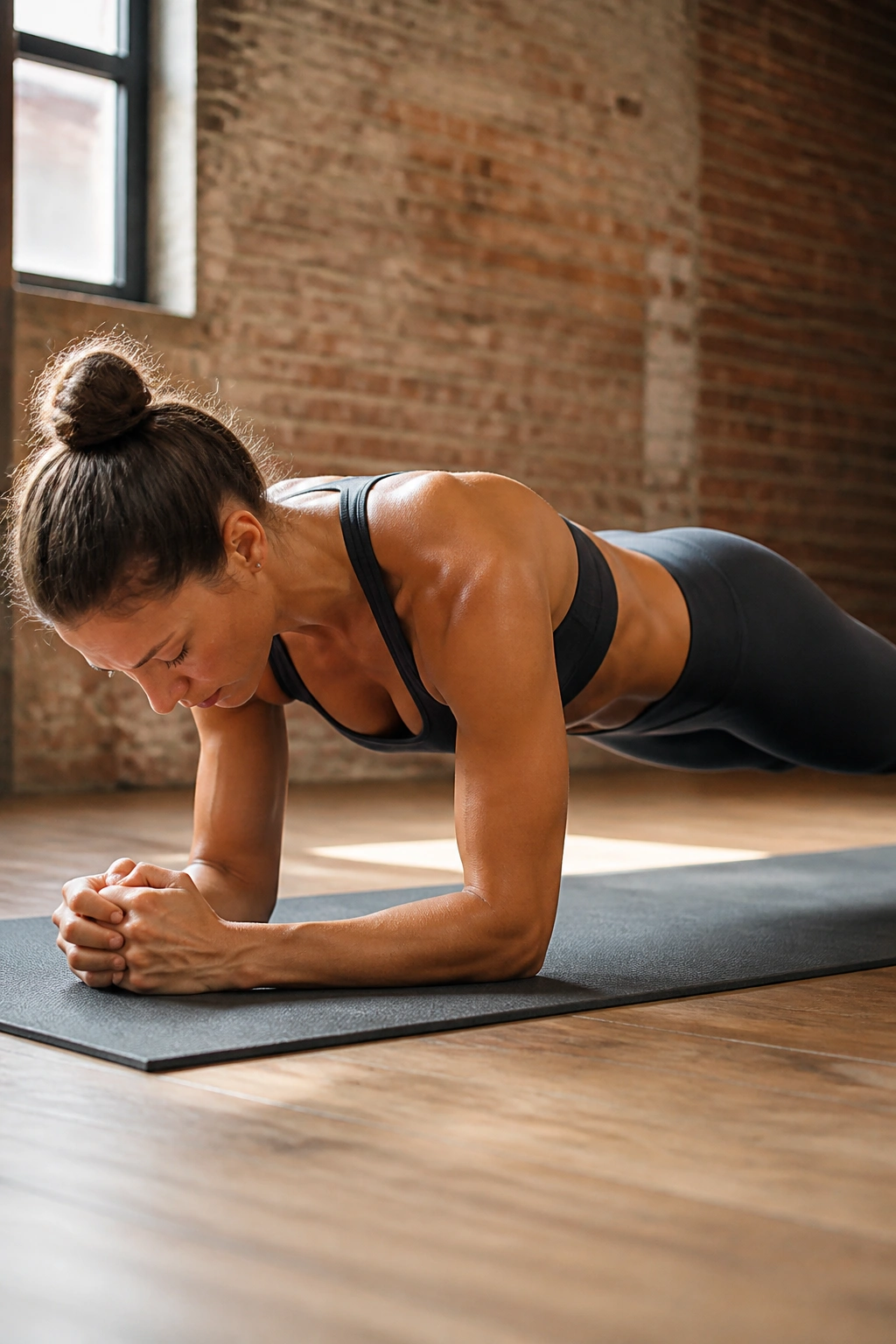
Forget the planks where you just hang out for five minutes staring at a wall. That is essentially resting. To make the plank an effective workout for your midsection, you need to turn it into an active, full-body squeeze.
Creating Internal Resistance
You should be trying to pull your elbows toward your toes and your toes toward your elbows without actually moving your limbs. This creates a massive amount of tension in your core.
- Squeeze your glutes as hard as you possibly can.
- Tuck your pelvis slightly to remove the arch in your lower back.
- Keep your neck neutral; don’t look down at your feet.
You should be shaking violently after 30 seconds. If you can hold this for two minutes, you are not engaging your muscles correctly. Stop worrying about duration and start worrying about intensity.
5. Burpees
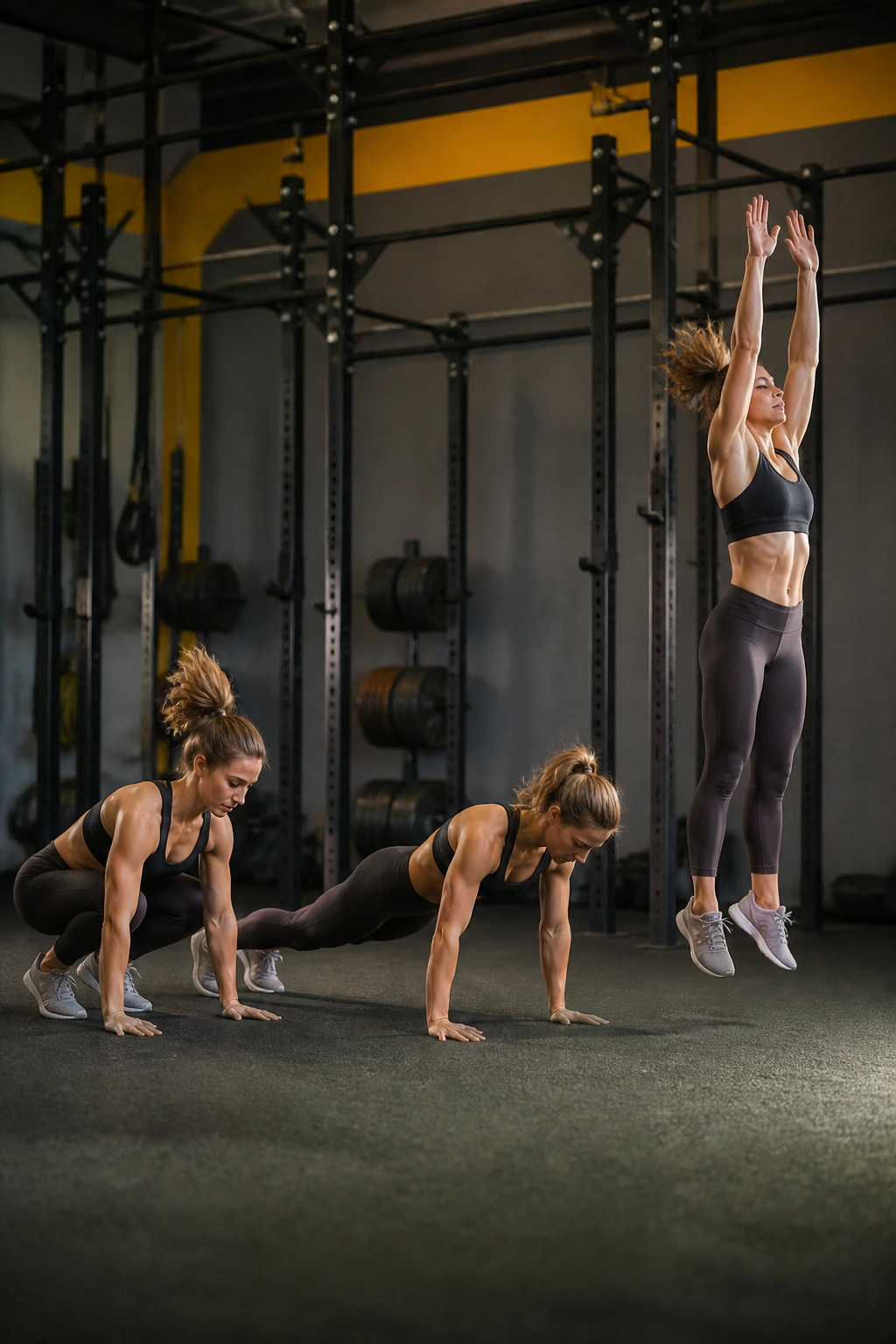
Burpees are the exercise everyone loves to hate, and for good reason. They combine a squat, a plank, a push-up, and a jump. It is a full-body movement that requires your midsection to stabilize your spine in multiple planes of motion every single rep.
The Metabolic Tax
The reason burpees are effective for a flat stomach is the sheer metabolic tax they place on your body. You are moving your entire body weight up and down off the floor, which jacks up your heart rate faster than almost any other bodyweight exercise.
- Do not arch your back when you kick your feet back into the plank position.
- Stay tight. Your core should act like a rigid pillar, not a hinge.
- Focus on explosive movement.
If you add a push-up at the bottom, you increase the time under tension for your core. It’s brutal, effective, and efficient.
6. Kettlebell Swings

This is a posterior chain powerhouse. It hits your glutes, hamstrings, and—crucially—your core, which has to decelerate the kettlebell at the bottom of the swing and accelerate it at the top. It is the perfect movement for building a rigid, functional midsection.
The Hinge vs. The Squat
A common mistake is turning the swing into a squat. It is a hip hinge. Your knees should stay relatively still while your hips drive back and snap forward.
- Keep your chest up.
- Let the bell float; do not muscle it up with your arms.
- Your core should feel like a corset tightening every time the bell reaches the top of the arc.
The swing is ballistic. It forces your abs to react to the weight. If you maintain a strong, braced core during these, you will feel it in your abs as much as you do in your hamstrings.
7. Bicycle Crunches
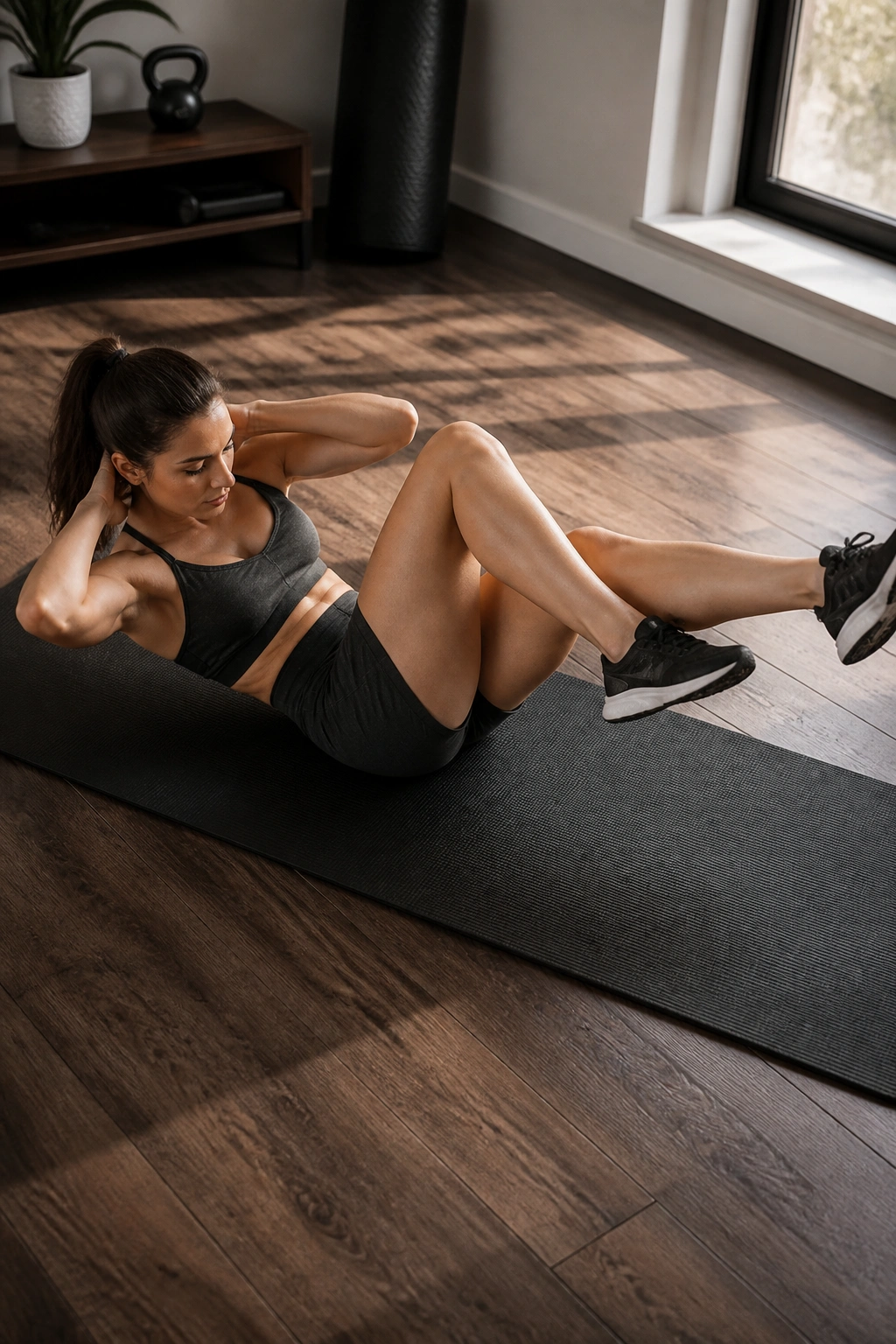
This is one of the few floor-based abdominal exercises that actually works well, provided you do it right. Many people rush through them, just moving their elbows back and forth, but the secret is in the rotation of the torso, not the movement of the arms.
Maximizing Oblique Engagement
You want to bring your shoulder toward the opposite knee, not just your elbow. This rotation forces the obliques to fire.
- Go slow.
- Extend your legs fully, hovering them just a few inches off the floor.
- Think about pushing your heels into a wall as you extend.
The longer your legs are, the heavier they feel, and the more your lower abs have to work to keep your pelvis stable. If you feel this in your hip flexors instead of your abs, you need to adjust your leg angle.
8. Mountain Climbers

Mountain climbers are essentially running while in a plank position. They are incredible for heart rate elevation and core stability, but only if you maintain the integrity of your plank throughout the movement.
Avoiding the Bouncy Trap
Most people bounce their hips way too high. You want your back to be as flat as a table. Imagine a glass of water sitting on your lower back—if you bounce, that water spills.
- Drive your knees to your chest, not toward your armpits.
- Keep your shoulders stacked directly over your wrists.
- Engage your abs on every single knee drive.
When you start to fatigue, your hips will naturally want to pike up. Fight that urge. Keep the tension in your core, not your shoulders.
9. Renegade Rows
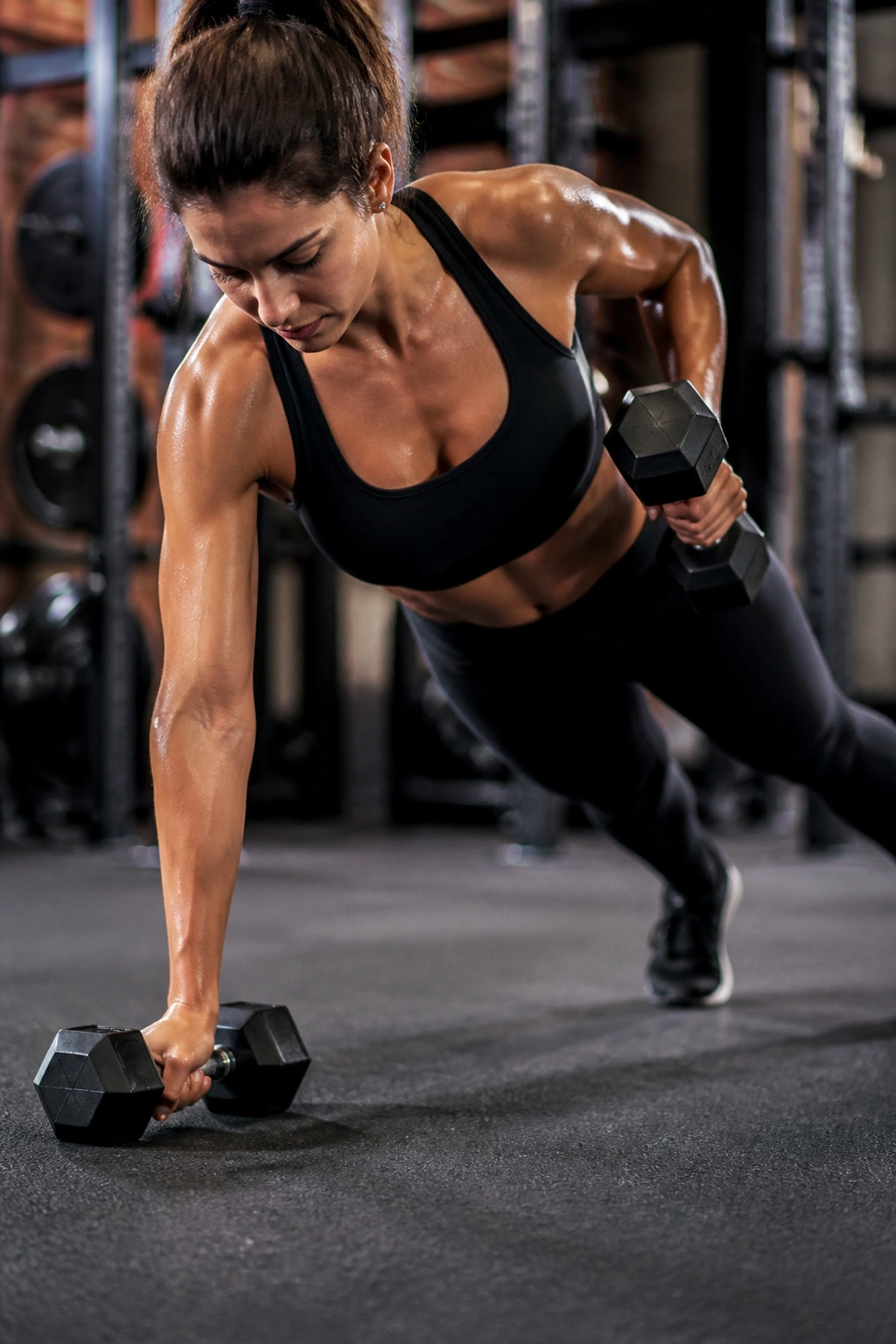
This is a combination move that requires immense core stability. By performing a row with a dumbbell while in a plank position, you are forcing your body to resist rotation. Your core is working overtime to prevent your hips from twisting as you lift the weight.
The Anti-Rotation Challenge
- Set up in a push-up position with your hands on two dumbbells.
- Feet should be wide, shoulder-width apart, to provide a stable base.
- Pull one weight up to your hip while squeezing the other into the floor.
If your hips rotate even an inch when you lift the weight, you need to lighten the load or widen your stance. The point of this exercise is the resistance to movement.
10. Hanging Leg Raises

This is a staple of gymnastics training for a reason. Hanging from a bar forces you to stabilize your entire torso while you move your legs, which is a massive demand on the lower abdominal region.
The Gravity Factor
The hardest part is not letting your hips swing. You want to control the movement on the way down, not just drop your legs.
- Avoid using momentum.
- If you can’t keep your legs straight, bend your knees and perform hanging knee raises until you have the strength to extend.
- Actively push down on the bar with your hands to engage your lats, which helps stabilize the core.
When you perform these correctly, your lower abs do the lion’s share of the work. If you swing, the momentum does the work.
11. Medicine Ball Slams
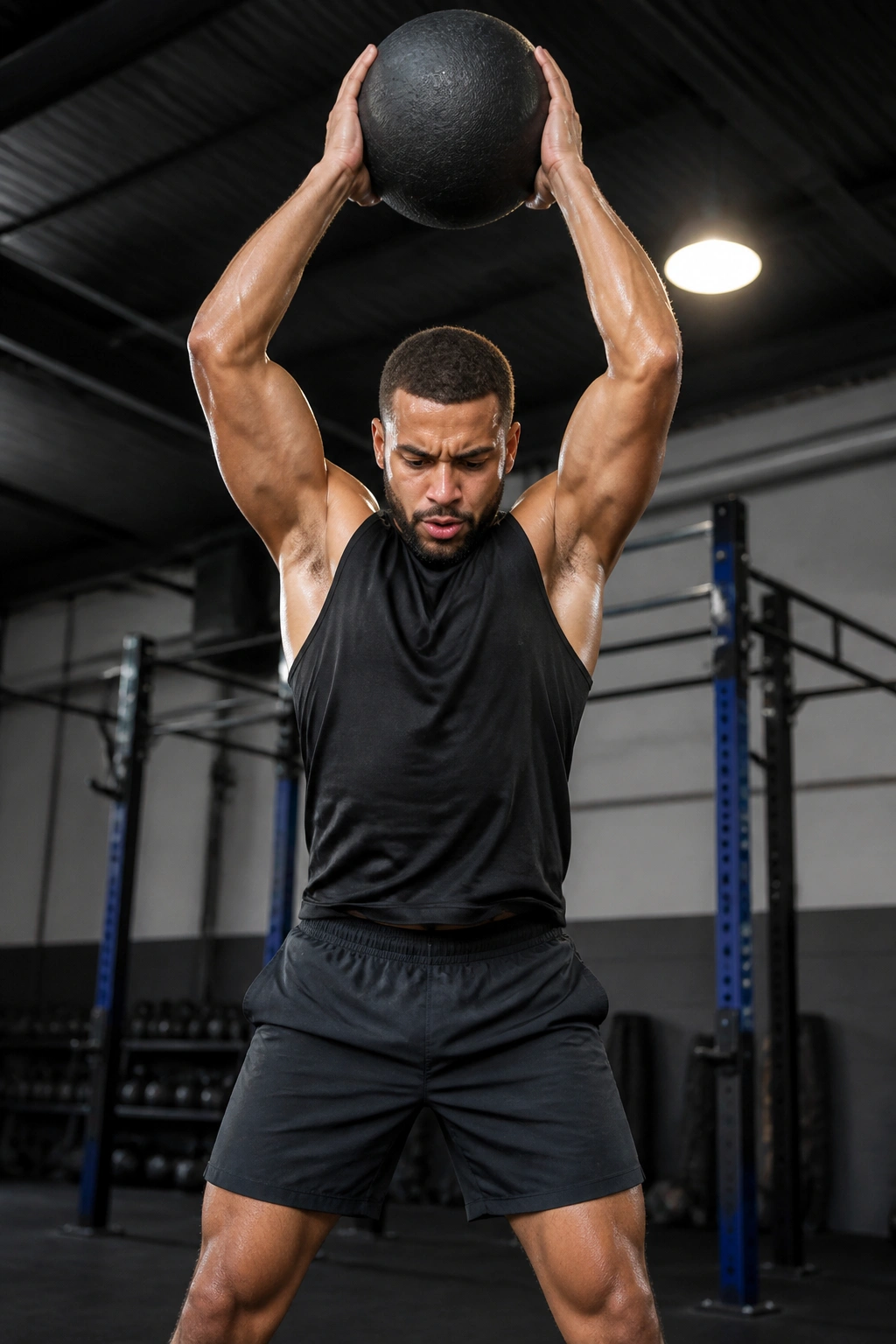
This movement is fantastic for releasing frustration and building explosive power. It engages the entire core, from the lats down to the rectus abdominis, as you forcefully throw a medicine ball into the ground.
The Full-Body Snap
You have to use your core to initiate the slam. You are essentially crunching your body around the ball as you throw it.
- Stand with feet shoulder-width apart.
- Reach the ball overhead, extending your body fully.
- Slam it down with everything you have, using your core to snap your torso forward.
Pick a weight that is heavy enough to offer resistance but light enough that you can still throw it with speed. If the ball is too heavy, the movement becomes slow, and you lose the explosive benefits.
12. Incline Walking
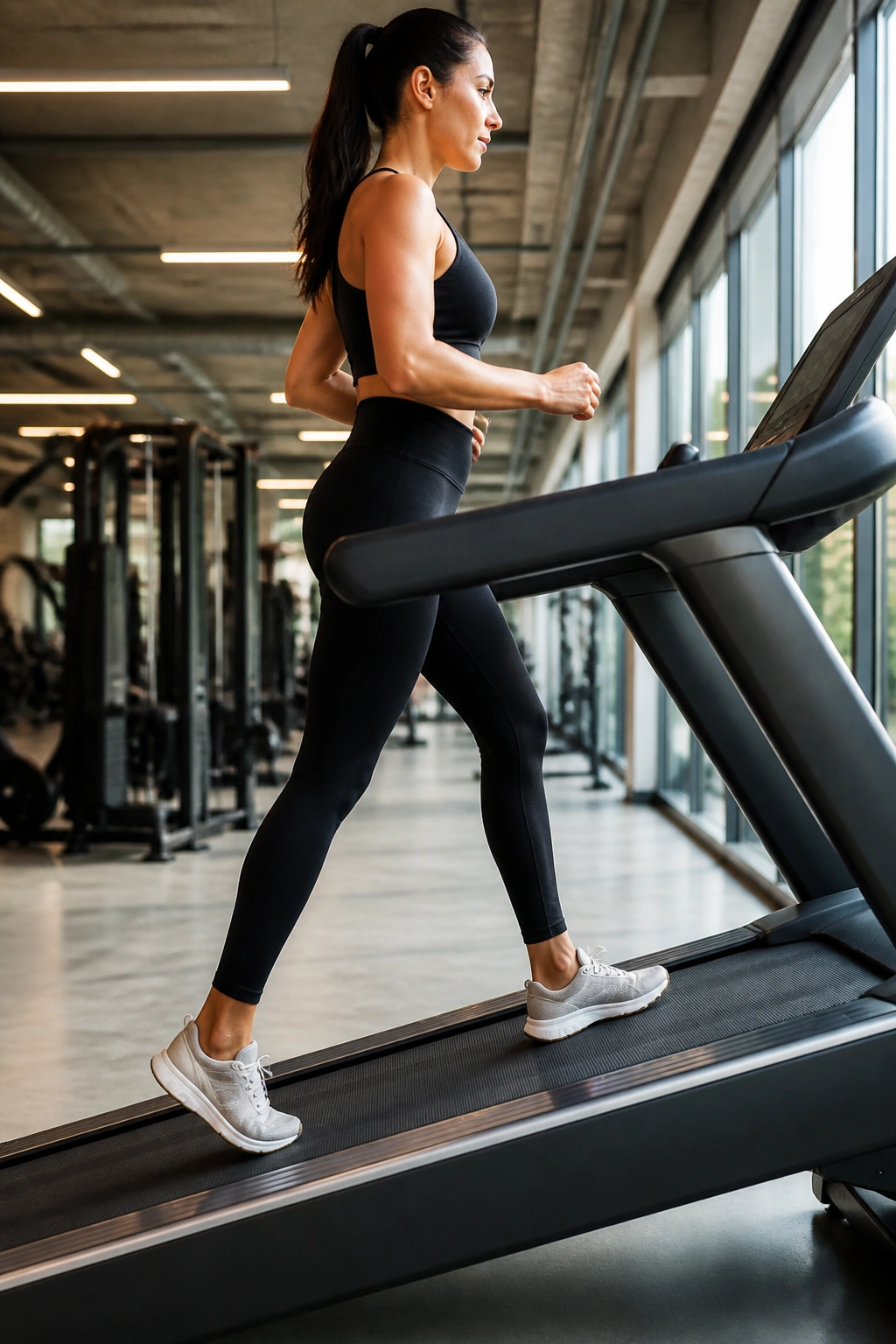
Sometimes the simplest things are the most overlooked. Walking on a high incline (10% to 15% grade) on a treadmill forces your body to work harder to maintain balance and posture.
Engagement Through Elevation
You are not just strolling; you are battling gravity. To stay upright on a steep incline, your core must remain engaged to protect your lower back and keep your torso aligned over your hips.
- Do not hold onto the handrails. Holding on takes the work away from your core and legs.
- Keep a slight forward lean from the ankles, not the waist.
- Maintain a brisk pace.
This is a steady-state cardio method that builds endurance and burns significant calories without the joint-pounding impact of running on flat ground.
13. Sprints

If you want a flat stomach, you need to develop the kind of muscle that only comes from explosive power. Sprints are the ultimate way to trigger this. They require a violent engagement of the core to transfer power from your legs to your torso.
High-Intensity Mechanics
You cannot sprint effectively without a strong core. Your midsection serves as the bridge between your lower and upper body.
- Sprint for 10 to 20 seconds.
- Walk back to the start for recovery.
- Repeat until your power output drops significantly.
This is not a long workout. It is an intense one. The metabolic cost is high, and the muscle recruitment is total.
14. Farmer’s Carries
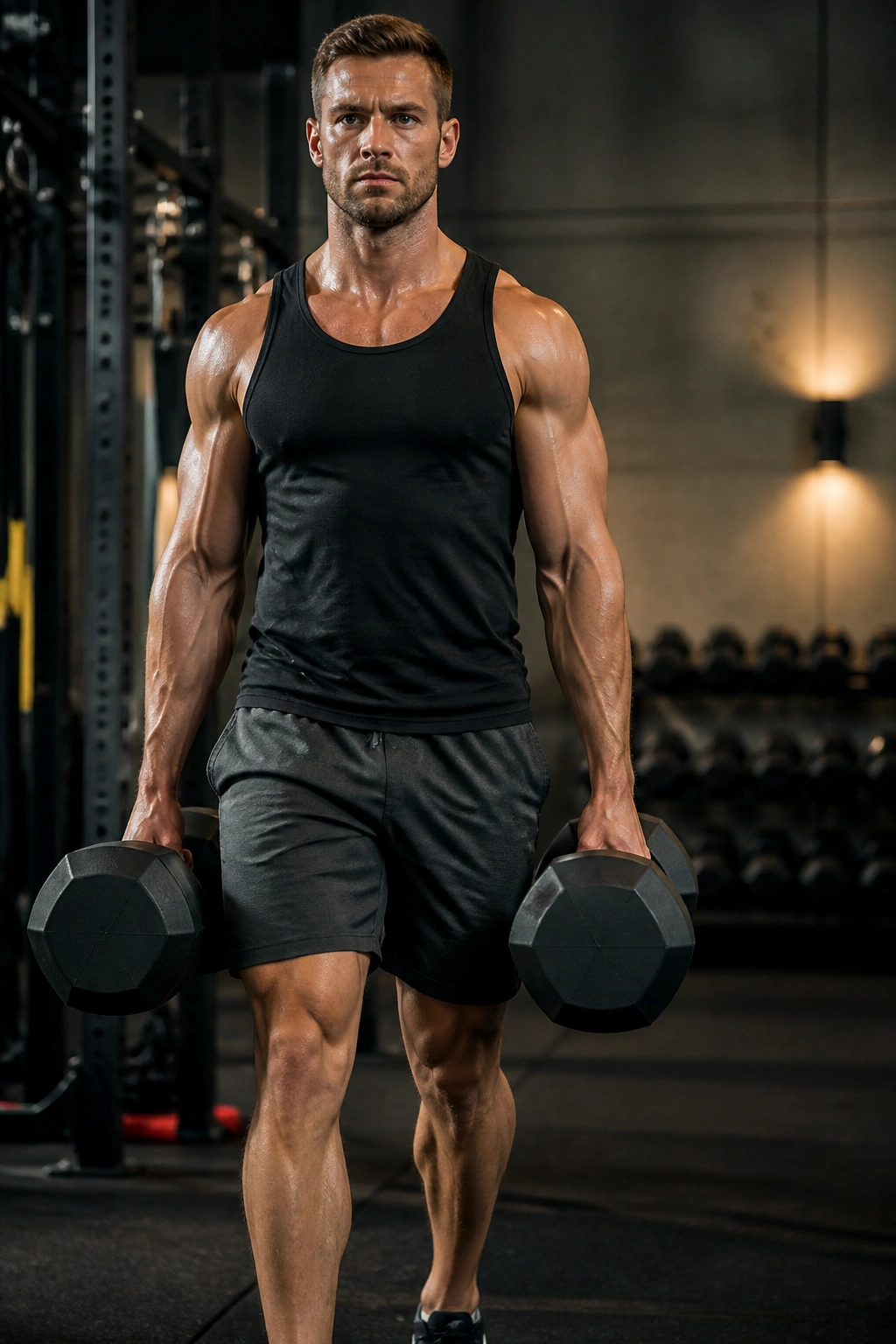
This is one of the most underrated exercises in existence. Pick up two heavy dumbbells or kettlebells—one in each hand—and walk. That is it. It seems simple, but it is brutal on your core.
The Dynamic Stability Workout
As you walk, the weight will want to pull you off balance. Your obliques and deep spinal stabilizers have to fight that sway with every single step.
- Keep your shoulders back and down.
- Maintain a neutral spine.
- Walk with intent, not a shuffle.
If you want to make it harder, carry a heavier weight in only one hand. The imbalance will force your core to work twice as hard to keep you upright.
15. Russian Twists
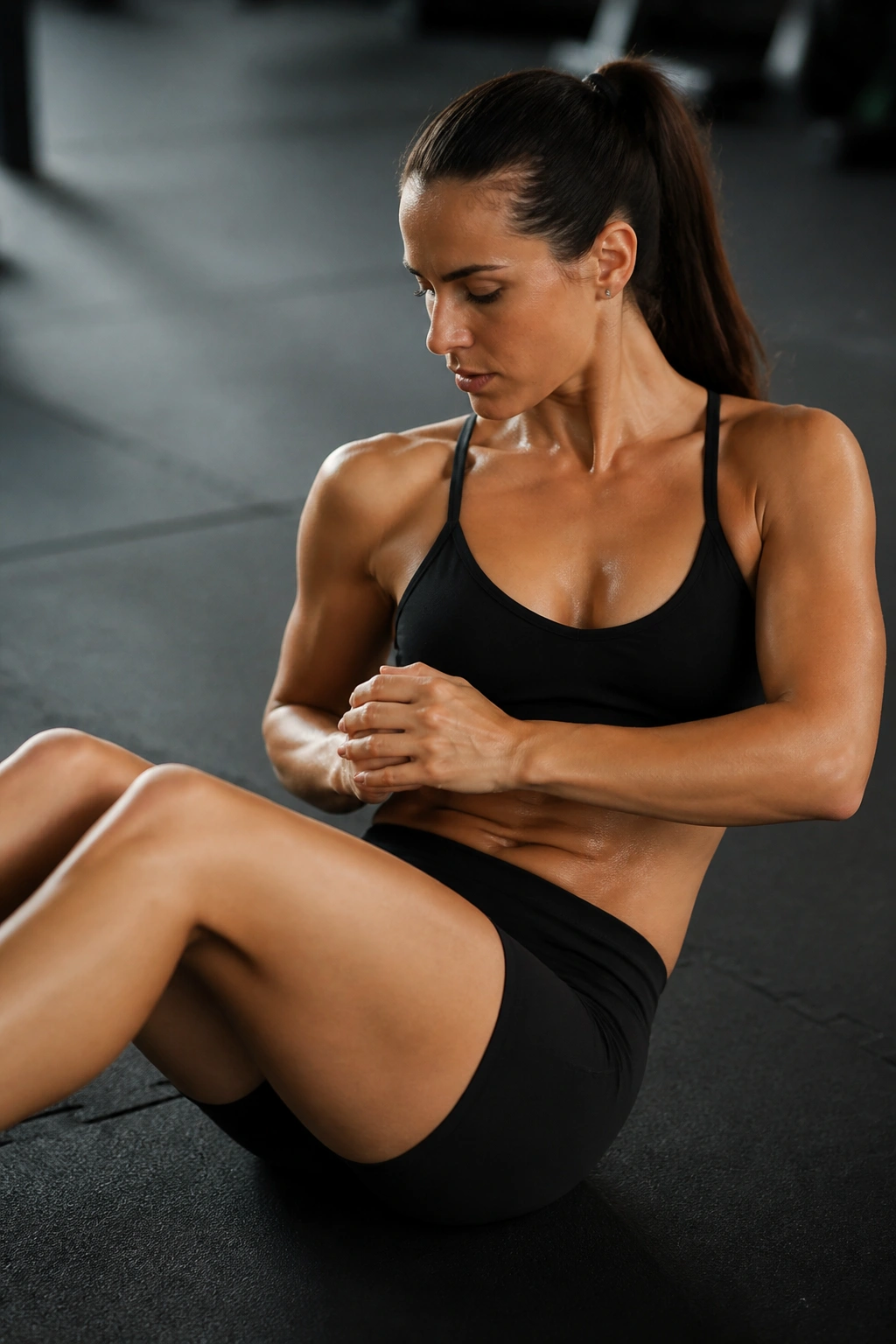
Rotation is a movement pattern we rarely train, but it is essential for a functional, toned midsection. Russian twists target the obliques, which are the muscles that give your waist a defined look.
Precision Over Speed
Do not just flail your arms back and forth. You want your shoulders and your chest to turn, not just your hands.
- Sit on the floor, lean back slightly until you feel your abs engage, and lift your feet.
- Touch the floor on either side of your hips.
- If you can keep your feet on the ground, that is fine, but challenge yourself to lift them.
If this bothers your lower back, stop. It usually means your core is not strong enough to support the rotation, and you should switch to a simpler standing trunk rotation first.
16. Swimming

Swimming is unique because the water provides 360-degree resistance. Every stroke you take requires you to stabilize your body against the water, which forces your core to work constantly.
The Fluid Core
Because you are horizontal in the water, your core has to keep your body straight. If your core is weak, your legs will sink.
- Focus on the freestyle stroke.
- Engage your abs to minimize drag.
- Practice rhythmic breathing.
You can burn a massive amount of calories in a short time swimming, and because it is low impact, you can do it frequently without wearing out your joints.
17. Stability Ball Pikes
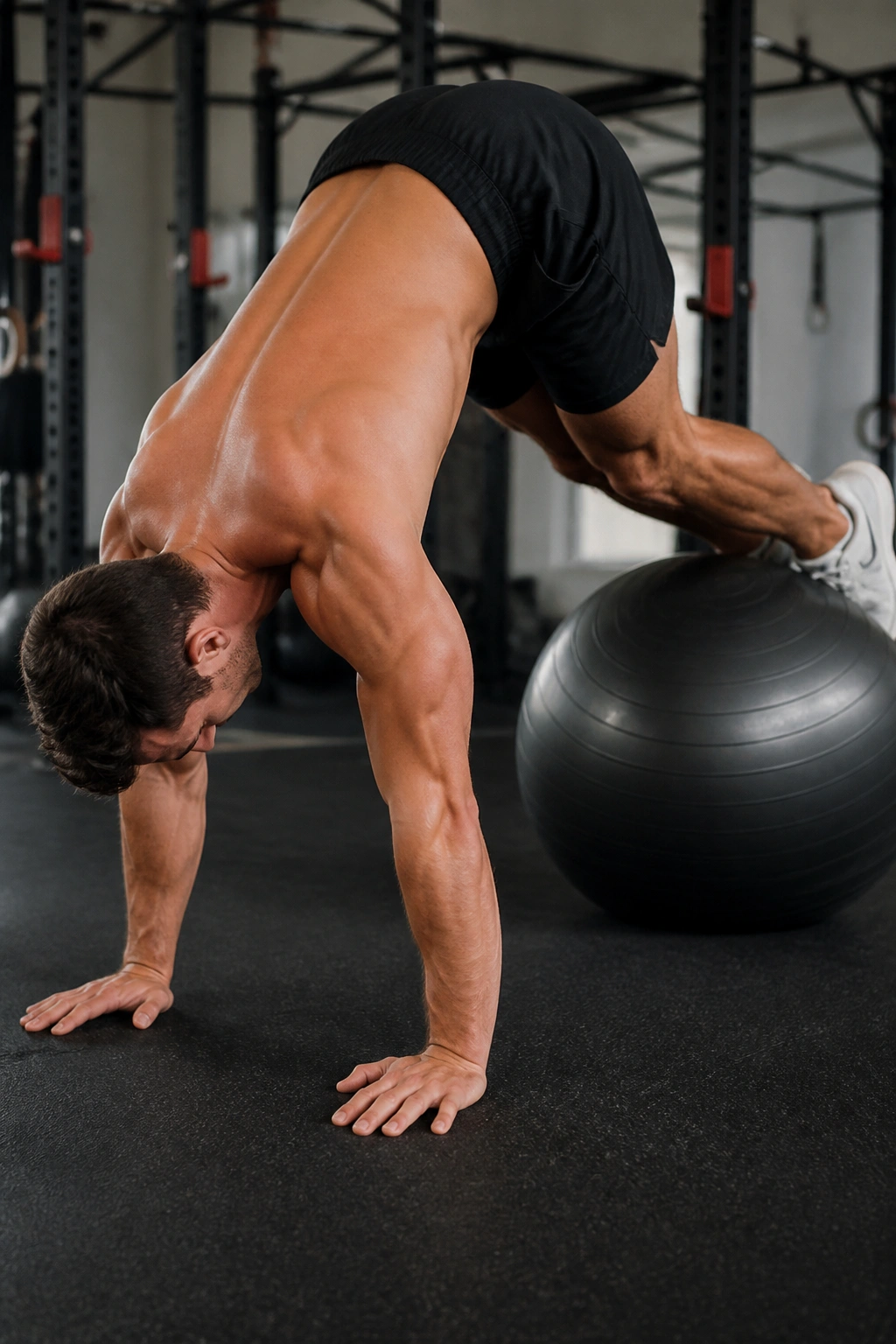
These are a significant step up from standard core work. Using a stability ball adds an element of instability that forces your muscles to work much harder to keep you steady.
Total Body Control
You start in a push-up position with your shins on the ball. You pull your hips toward the ceiling, rolling the ball toward your hands until your body forms an inverted V shape.
- Keep your legs straight.
- Use your lower abs to pull the ball in.
- Do not let your lower back sag at the top of the movement.
This is as much about control as it is about strength. If you rush, you will fall off the ball. Control is the key to activating the right muscle groups.
18. Steady-State Endurance Cycling

While high intensity is great, there is a place for long-duration steady-state work. Cycling—especially on an outdoor bike where the terrain changes—forces your core to stabilize your upper body while your legs pedal.
Core Endurance
When you are on a bike, your core is the anchor point. You are constantly shifting your weight, balancing, and stabilizing yourself against the handlebars.
- Maintain a flat back.
- Engage your core as if you are bracing for a light tap.
- Ride for at least 45 minutes to get the full metabolic benefit.
This isn’t about crushing your abs; it is about maintaining a posture that forces your core muscles to stay “on” for an extended duration.
Final Thoughts

The path to a flatter stomach is not paved with endless abdominal exercises. It is built through a combination of high-intensity movement, compound strength training, and consistent, challenging activity. You have to feed your body well, keep your stress levels in check, and be patient enough to let the fat loss process happen naturally.
There is no shortcut that replaces the work. Whether you are lifting heavy weights or sprinting, the goal is always the same: creating a metabolic demand that forces your body to change. Focus on the quality of your movement, embrace the intensity, and be consistent. The results come when you stop looking for the quick fix and start building the engine that makes the change possible.
