



There is a common, persistent myth that if your feet aren’t pounding the pavement for miles, you aren’t truly doing cardio. This belief has pushed countless people to grit their teeth through running routines they despise, often resulting in nothing more than achy knees, shin splints, and a deep-seated resentment for exercise. The reality is that your heart does not know the difference between a stride on the asphalt and a powerful pull on a rowing machine; it only knows that it needs to pump blood faster to fuel your muscles.
Building cardiovascular endurance is about keeping your heart rate in that target zone for a sustained period. You do not need to subject your joints to the repetitive impact of running to achieve that. In fact, for many, high-impact running can be counterproductive, leading to downtime caused by injury rather than the steady progress of consistent movement. There are countless ways to get breathless, burn calories, and improve your stamina while keeping your joints happy and your interest piqued.
Variety is the secret to consistency. When you remove the monotony of running, you often find that you can push harder, go longer, and enjoy the process significantly more. Whether you are recovering from a previous injury, trying to protect your knees for the long haul, or simply bored to tears by long-distance jogging, there are better paths forward. Here is how you can train your heart and lungs without ever lacing up for a run.
1. Jump Rope
There is a reason professional boxers make jump rope a cornerstone of their training. It is arguably the most efficient cardio tool you can own, and it demands focus. Unlike running, where you can zone out and let your form deteriorate, jumping rope forces you to engage your core and stay light on your feet. If you get distracted, the rope hits your shins, and you are reminded instantly to re-engage.
Why It Works
It is essentially a full-body workout disguised as a simple agility drill. You are training your cardiovascular system while simultaneously developing coordination, balance, and calf endurance. You don’t need a massive gym footprint to do it, making it ideal for home use.
Mastering the Technique
Most beginners make the mistake of jumping too high. You only need to clear the rope by an inch or two. Keep your elbows tucked near your ribs and use your wrists to flick the rope, not your whole arm. If you are doing it correctly, you should be able to keep a steady rhythm for minutes at a time rather than gasping for air after ten seconds. Start with 30-second intervals followed by 30 seconds of rest, and slowly build up from there.
2. Rowing Machine
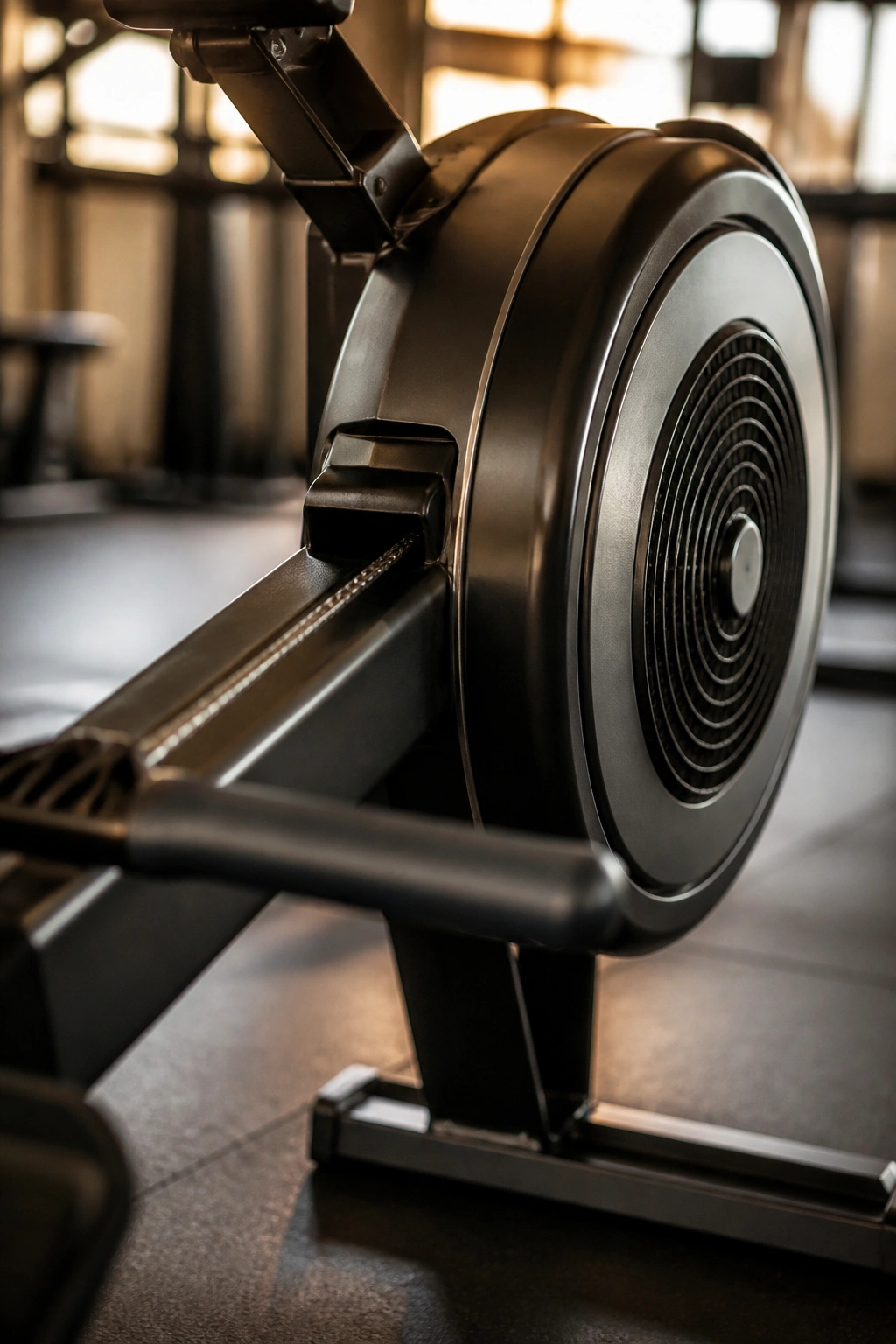
If you want the biggest bang for your buck, look no further than the rowing machine, or ergometer. It is one of the few pieces of equipment that recruits almost every major muscle group in the body. You get a massive cardiovascular challenge, but you also hit your legs, back, shoulders, and core in a single, fluid motion.
The Power of the Stroke
Rowing is not an arm workout. That is the number one misconception that ruins the experience for new rowers. The movement starts with a powerful leg drive, followed by a hinge of the hips, and finishes with a pull of the arms. It is a push-pull dynamic that builds genuine power.
Why Your Back Will Thank You
Because you are seated, you remove the impact of gravity on your ankles and knees. However, you must maintain a neutral spine. Do not hunch over the machine. If you focus on driving with your heels and keeping your core braced, you will find that rowing actually strengthens your posture while torching calories. It is efficient, brutal, and incredibly effective for sustained heart-rate elevation.
3. Swimming

Swimming is the ultimate low-impact, high-intensity cardio workout. The water provides natural resistance in every direction, which means you are engaging your muscles just to move forward. Unlike running on land, where you have to worry about gravity and joint impact, the water supports your weight entirely. This makes it perfect for people who need to be careful with their ankles, knees, or hips.
Building Breath Control
One of the most underrated benefits of swimming is the forced rhythm of your breathing. You cannot hyperventilate or take shallow, frantic breaths; you have to time your inhalations with your strokes. This forces you to control your oxygen intake, which translates into better endurance in other areas of life.
Finding the Right Pace
You don’t have to swim like an Olympian to get the benefits. Start with steady laps where you focus on form rather than speed. Once you feel comfortable, incorporate intervals: swim hard for one lap, then recover at a slower pace for the next. This keeps your heart rate climbing and falling, which is excellent for metabolic conditioning.
4. Cycling and Spin Classes

Cycling is the classic runner’s alternative, and for good reason. It allows you to maintain a high level of aerobic exertion for an hour or more without the pounding that running delivers. Whether you are on a road bike outside or in a stationary spin class, the mechanical nature of the pedal stroke creates a consistent, rhythmic load on your legs that is relatively easy on the joints.
Adjusting the Resistance
A common error in indoor cycling is spinning with the resistance set too low. You want to feel a connection to the wheel. If the pedals feel like they are flying around with no effort, you aren’t doing cardio; you’re just moving your legs. Dial up the resistance until you feel a firm push at the bottom of every stroke.
The Benefit of Classes
If you struggle with self-motivation, spin classes or virtual cycling programs can be a game-changer. Having an instructor or a structured workout video cues you on when to stand, when to sit, and when to climb. It removes the guesswork and ensures you actually put in the work required to hit your heart-rate goals.
5. Kettlebell Swings
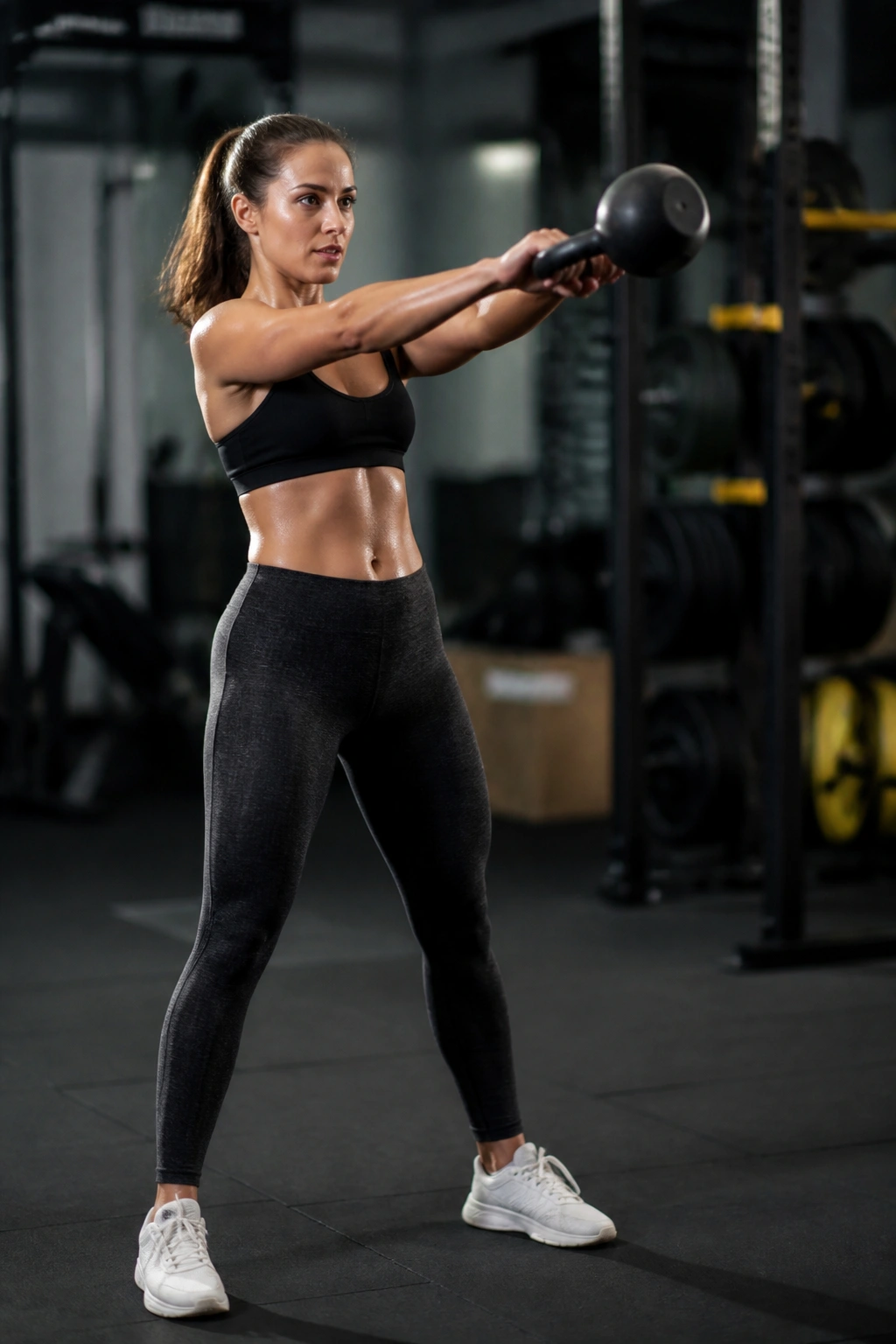
This is not a traditional “cardio” move in the sense of pedaling or swimming, but it is a metabolic powerhouse. A high-volume set of kettlebell swings will have your heart rate through the roof in under a minute. It combines a hip hinge movement with an explosive exertion of energy, making it a fantastic way to burn fat and build endurance simultaneously.
Focus on the Hips
The kettlebell swing is a hinge, not a squat. Do not bend your knees excessively. Instead, think about pushing your hips back as if you are trying to close a door behind you with your glutes. When you snap your hips forward, the momentum sends the bell flying upward. Your arms are just cables holding the weight; they should not be doing the lifting.
The Conditioning Effect
Because the movement is so explosive, you can use it for Tabata-style training. Try 20 seconds of work followed by 10 seconds of rest. Perform this for four minutes total. You will be shocked at how exhausted you are in such a short window of time. It is perfect for those days when you have twenty minutes and need to get the job done.
6. Stair Climbing
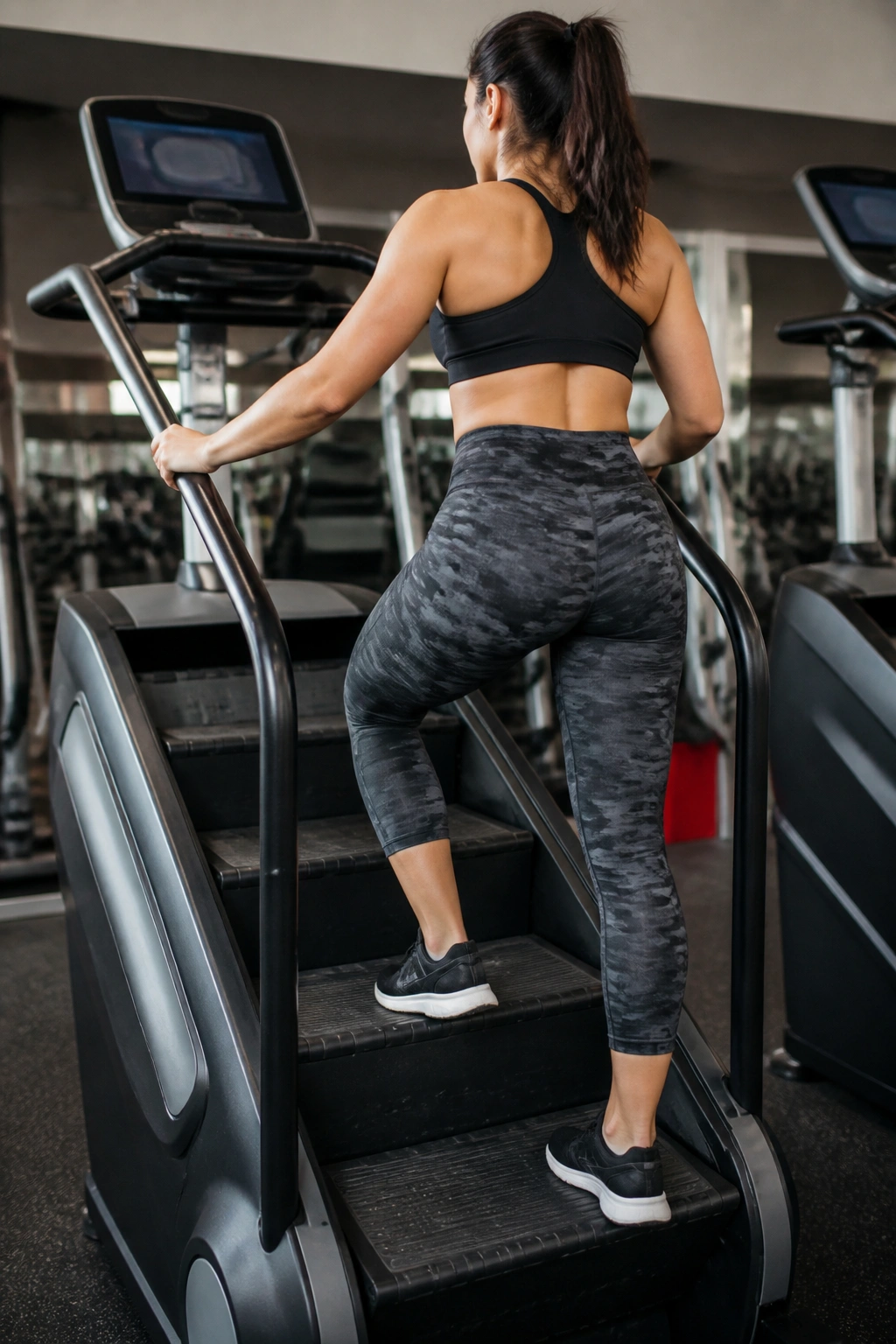
Walking up stairs is a vertical version of running, but it feels completely different. You are working against gravity constantly. Whether you are using a StairMaster at the gym, a stadium staircase at a local park, or just the stairs in your office building, this is one of the most effective ways to build lower body strength and aerobic capacity.
Engaging the Glutes
To get the most out of stairs, avoid leaning heavily on the handrails. When you dump your body weight into the rails, you are cheating yourself out of the work your legs and core should be doing. Keep your chest up and your posture vertical. Aim to land on your whole foot rather than just your toes to avoid excessive strain on your calves and Achilles.
Variations to Try
If you want to make it harder, skip a step. Taking two steps at a time forces your glutes and hamstrings to fire even harder. It slows your cadence but increases the power required for every single movement. It’s a great way to break up the monotony of standard stair climbing.
7. Boxing and Shadowboxing

Boxing is a deceptively simple way to get world-class cardio. It requires constant movement, weight shifting, and upper-body engagement. You don’t need to hit a heavy bag to get the benefits, either. Shadowboxing—throwing punches into the air while maintaining footwork—can be just as exhausting if you keep your intensity high.
The Rhythm Factor
Boxing isn’t just about punching; it’s about moving your feet. You are constantly bouncing, pivoting, and shifting your center of gravity. This constant micro-movement is what spikes your heart rate. If you stand flat-footed and just throw arm punches, you won’t get the same cardiovascular return.
Practical Tips
Focus on your exhales. Every time you throw a punch, exhale sharply through your mouth. This keeps your core engaged and helps you maintain a steady breathing rhythm. If you are doing this at home, throw a combination—jab, cross, hook—and then do a quick footwork drill before throwing again.
8. Battle Ropes
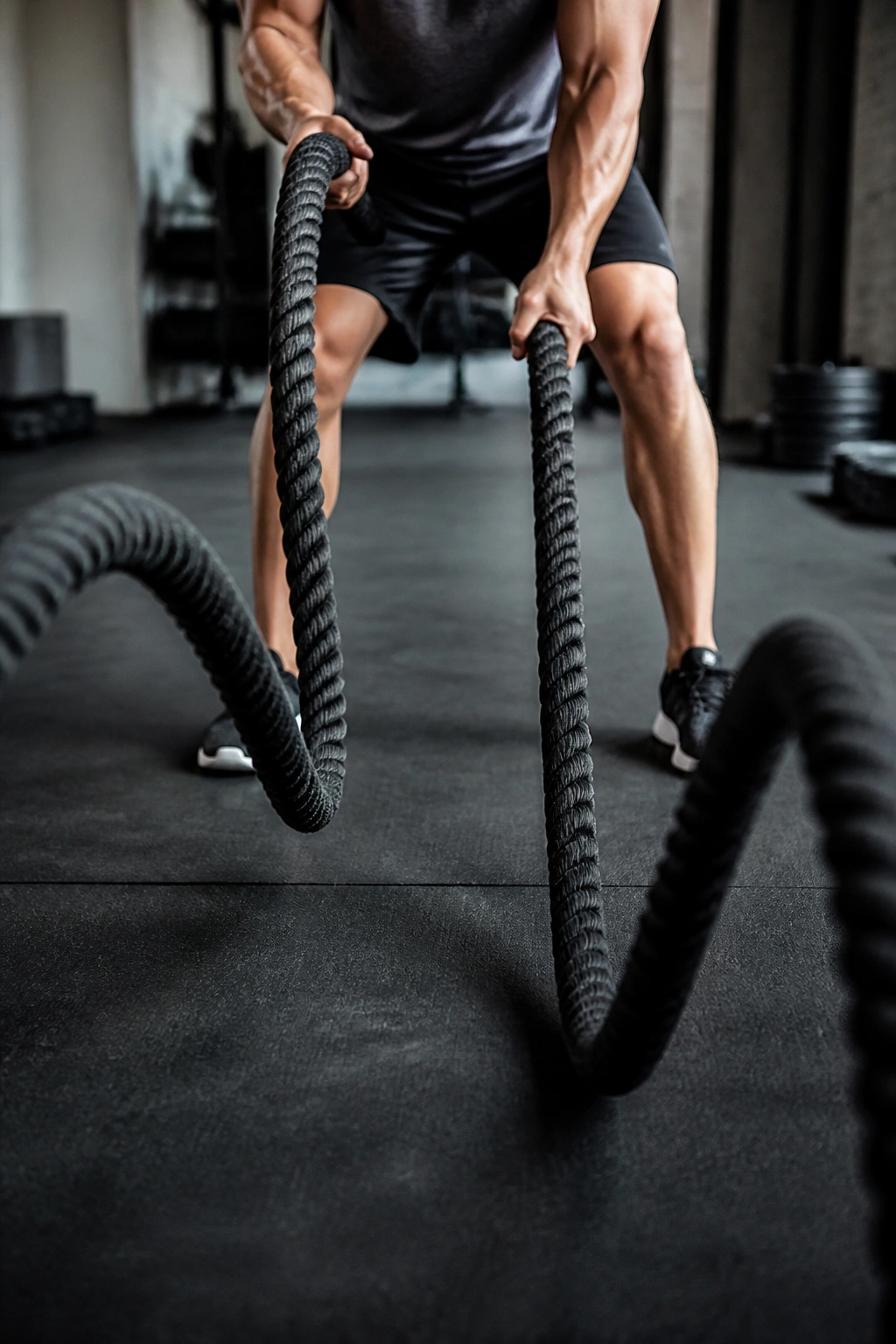
If you want to feel your shoulders and heart screaming in unison, grab a set of battle ropes. This exercise involves creating waves with heavy, thick ropes. It sounds simple, but two minutes of continuous movement will make you rethink your definition of “cardio.”
Maintaining the Stance
The secret to effective battle rope work is the athletic stance. Sink into a half-squat, brace your core, and keep your back straight. If you stand too upright, you won’t be able to generate the force needed to move the ropes properly. You want to see the wave travel all the way to the anchor point.
The Interval Approach
Battle ropes are best utilized in short, high-intensity bursts. Try thirty seconds of alternating waves, thirty seconds of double slams, and thirty seconds of rest. Repeat this for ten minutes, and you will have achieved a level of metabolic exhaustion that usually takes thirty minutes on a treadmill to replicate.
9. The Elliptical
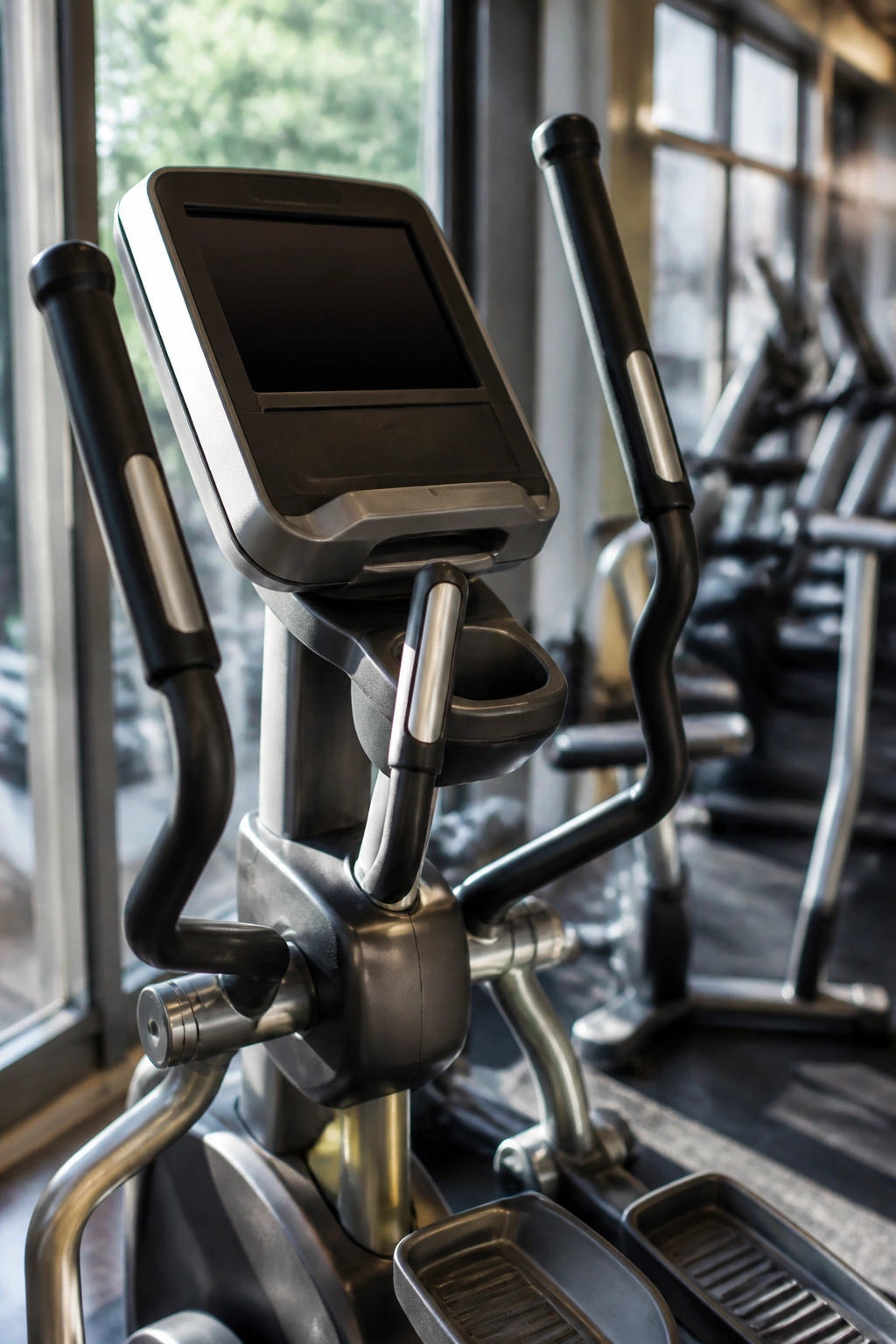
The elliptical trainer is often unfairly maligned as the “easy” machine, but that is usually because people don’t use it correctly. If you keep the resistance at zero, sure, it’s easy. But if you ramp up the resistance and increase your stride rate, it becomes a challenging, low-impact workout that mimics the gait of running without the jarring impact on your knees.
Use the Handles
Don’t just hold the stationary handles. Use the moving handles to pull and push. By engaging your arms and upper back, you transform the workout from a leg-only session into a full-body movement. This increases the total amount of energy you expend, which makes the workout much more efficient.
Monitoring Intensity
Use your perceived exertion to gauge your effort. If you aren’t sweating after ten minutes, you need to increase your resistance. You should reach a point where holding a conversation becomes difficult but not impossible. That is the “sweet spot” for aerobic development.
10. Burpees and Bodyweight HIIT
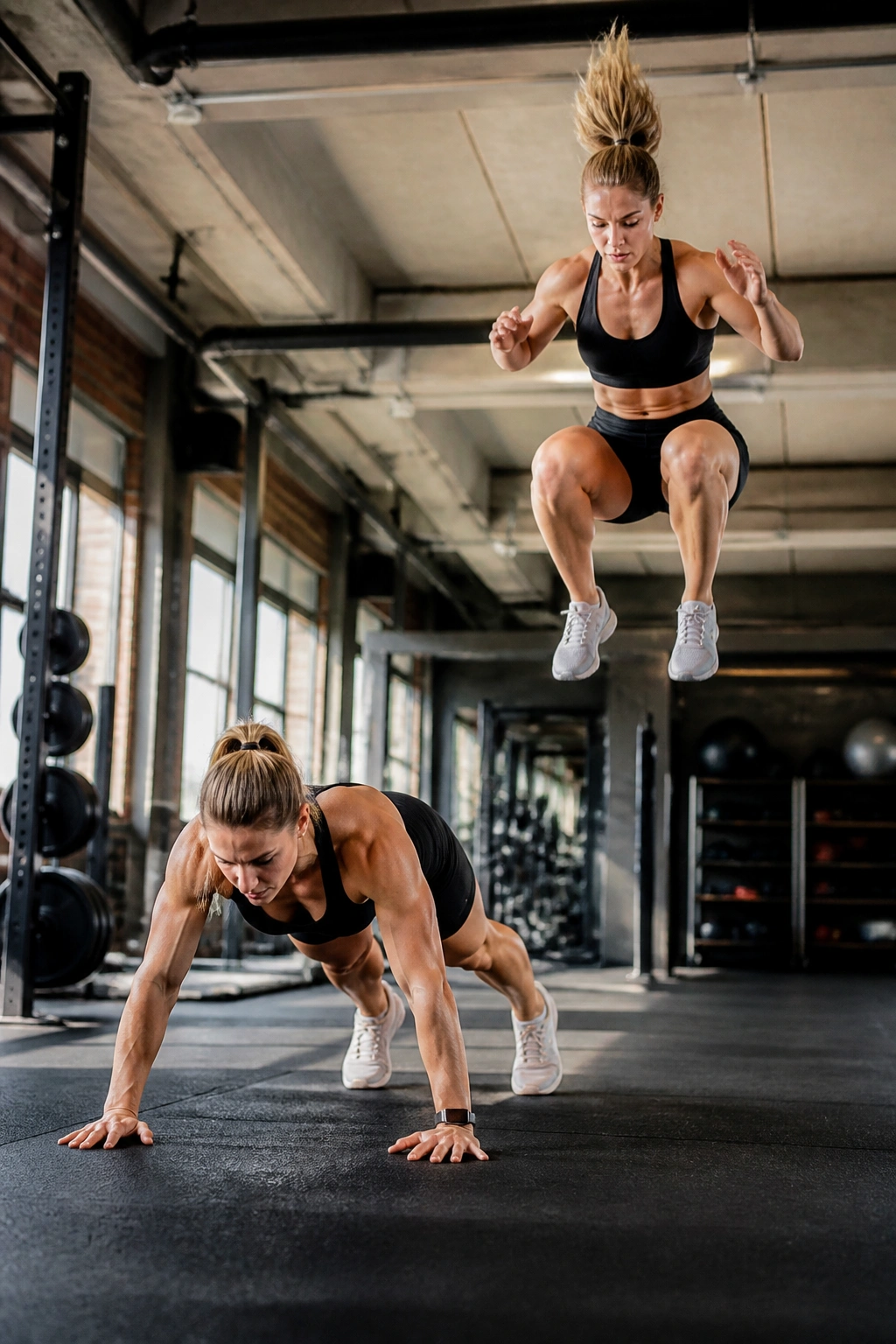
Bodyweight intervals are the ultimate “no-excuses” workout. You don’t need equipment, a membership, or even much space. Movements like burpees, mountain climbers, and high knees get your heart rate up instantly because they require you to move your center of gravity up and down repeatedly.
The Efficiency of the Movement
The burpee is a full-body exercise that transitions from a plank to a squat to a jump. It is taxing because it requires total body coordination. If you struggle with the full jump-back version, start with a “walk-out” burpee where you step your feet back into a plank instead of jumping.
Why Variety Matters
Don’t just do burpees. Combine them with other movements to keep your interest high. A simple circuit of 10 burpees, 20 mountain climbers, and 30 seconds of high knees, repeated for five rounds, will leave you breathless and challenged. The rapid transition between movements is what keeps the heart rate elevated.
11. Incline Walking
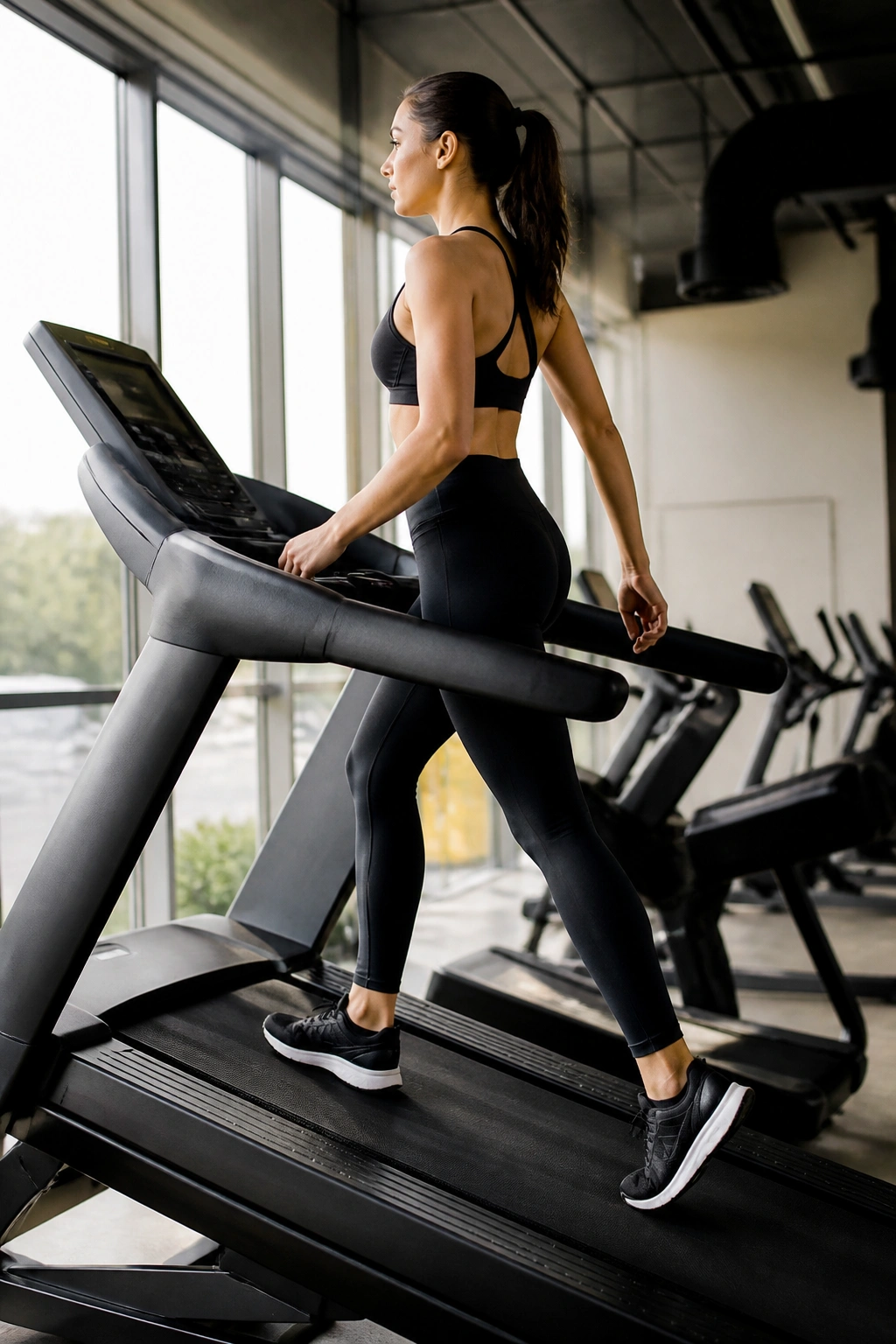
If you are a treadmill person but hate running, incline walking is the solution. By setting the treadmill to a steep incline—anywhere from 8% to 12%—you simulate the effort of hiking up a mountain without the need to travel. Walking at a moderate pace on a steep hill is incredibly taxing on the heart and lower body.
The Posture Trap
Do not hold onto the handrails. This is the most common mistake. When you grab the rails, you are essentially reducing the incline by leaning your body back. Walk with your hands swinging naturally at your sides. If you feel like you are going to fall off the back, lower the incline until you can walk with proper posture.
Why It’s Superior to Running
For many people, the high incline burns more calories per minute than a slow jog on flat ground, all while being significantly easier on the joints. You are essentially doing a low-impact strength and cardio hybrid. It builds your glutes and hamstrings in a way that flat running rarely does.
12. Dancing
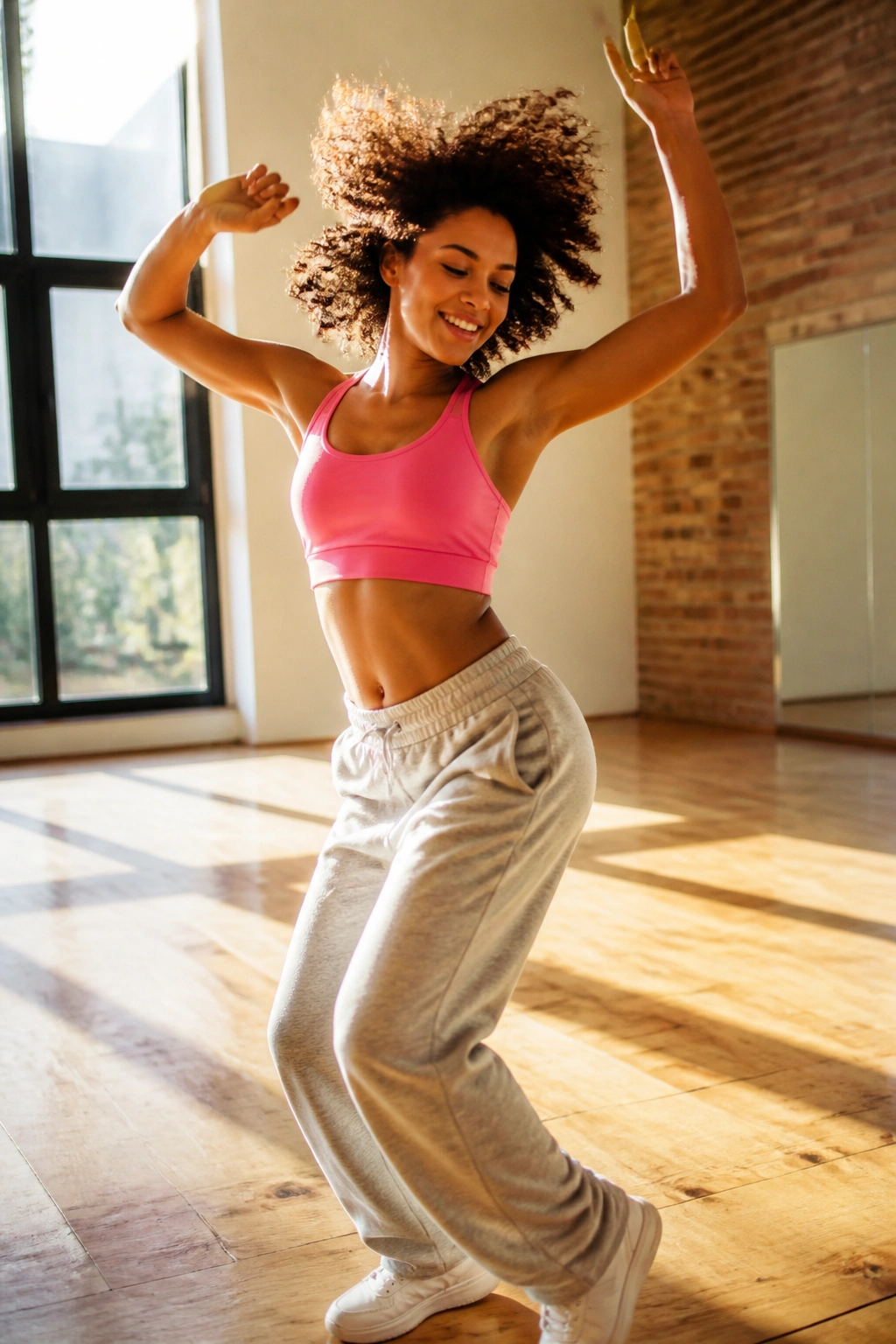
Don’t underestimate the power of a dance-based workout. It is one of the most effective ways to get your heart rate up because you are often having enough fun to forget you are exercising. Whether you follow an online dance cardio class, go to a Zumba session, or just spend thirty minutes moving to your favorite high-tempo playlist, the sustained movement creates a solid aerobic challenge.
The Coordination Element
Dancing requires you to think about moving your body in space. This added layer of brain-body coordination increases the metabolic demand of the exercise. You are not just going through the motions; you are reacting to rhythm and music, which can actually help you push harder for longer periods than you would on a static machine.
Make It Your Own
You don’t need to be a professional dancer. The goal is continuous movement. Keep your arms involved, take big steps, and keep moving until the song ends. If you keep the pace high, you will easily hit the same intensity levels you would achieve in a more structured gym environment.
13. Hiking

Hiking is nature’s answer to cardio. Unlike walking on a track, hiking involves uneven terrain, varying elevation, and obstacles. This requires your stabilizing muscles—ankles, knees, core—to fire constantly to keep you balanced. That extra engagement increases the energy cost of the movement.
The Pack Effect
If you want to increase the intensity, carry a light backpack with some water and gear. This adds weight to your frame, which forces your heart to work harder to move you up the trail. You don’t need to go heavy; even ten pounds makes a noticeable difference over the course of an hour.
Finding the Pace
The key to hiking as a workout is maintaining a brisk pace. Don’t stop to take photos every thirty seconds. Choose a trail that offers a steady climb and aim to maintain a heart rate that feels like a “fast walk.” You will find that you cover more ground and get a much better workout than if you treat it like a leisurely stroll.
14. Medicine Ball Slams
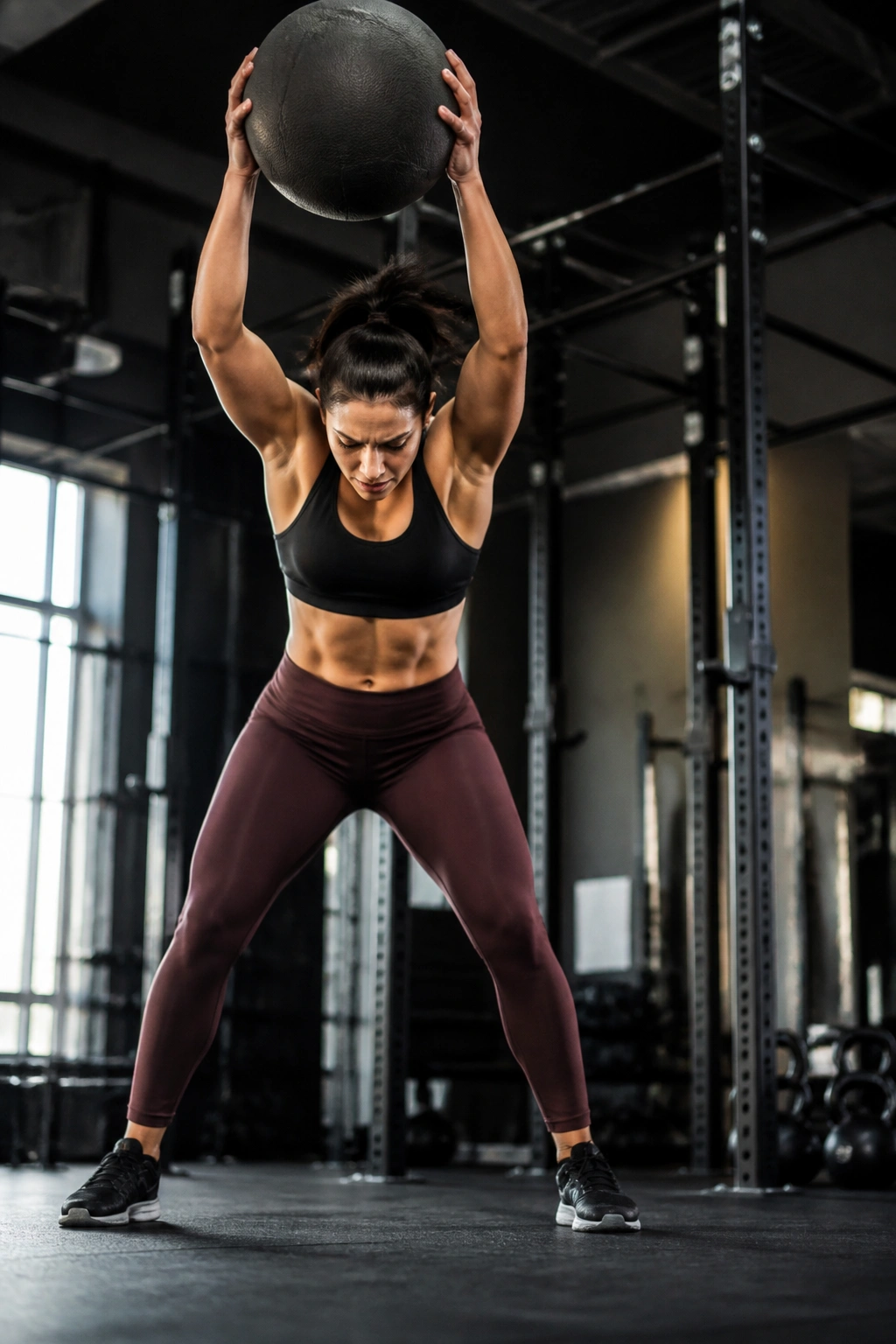
If you need to get some aggression out, medicine ball slams are the perfect cardio movement. You are exerting maximum force in a very short time, which is essentially the definition of high-intensity training. Because you have to pick the ball up after every slam, you are constantly squatting and standing, which keeps your legs moving.
The Core Engagement
This is not an arm movement. You are using your lats, your abs, and your glutes to drive the ball into the ground. When you bring the ball overhead, think about reaching through your fingertips. When you slam it, think about exhaling and using your entire torso to crunch forward.
Intensity and Volume
Do not go for too long. A set of 10 to 15 slams is plenty. Rest for 30 seconds, then repeat for 5 to 8 sets. Your heart rate will skyrocket, and your shoulders and core will feel the burn quickly. It is an efficient, powerful way to round out a cardio-focused circuit.
15. Kayaking or Canoeing

If you have access to a body of water, paddling sports are a fantastic way to get endurance training. It is a pure upper-body and core workout. You are using your lats and core to stabilize your torso and propel the boat, which creates a constant burn.
Consistent Cadence
The trick to getting a good workout on the water is to keep a consistent cadence. Do not paddle in bursts with long breaks in between. Find a rhythm and try to maintain it for 20 to 30 minutes. You will be surprised by how tired your back and shoulders feel afterward.
The Added Benefit
There is a mental component to being on the water that makes the time pass much faster than it does on a stationary bike. You are focused on your surroundings, your stroke, and your balance. Before you know it, you’ve done an hour of vigorous exercise without the “boredom factor” that keeps people away from the gym.
16. Cross-Country Skiing (or SkiErg)

Cross-country skiing is legendary for its ability to build world-class endurance. If you live in a snowy climate, it is unbeatable. If not, the SkiErg—a machine found in many gyms that mimics the motion of cross-country skiing—is just as effective. It creates a vertical pulling motion that heavily recruits the core and shoulders.
Total Body Engagement
When you use a SkiErg, you aren’t just pulling with your arms. You are engaging your abdominal muscles to “crunch” downward, using your body weight to generate the power. It is an incredibly efficient way to burn calories while keeping the impact nonexistent.
The Aerobic Demand
This movement is unique because it forces you to coordinate upper-body power with lower-body stability. It will quickly show you if you have any weaknesses in your posterior chain or core. Start with short intervals of 500 meters and see how quickly your heart rate climbs.
17. Rebounding
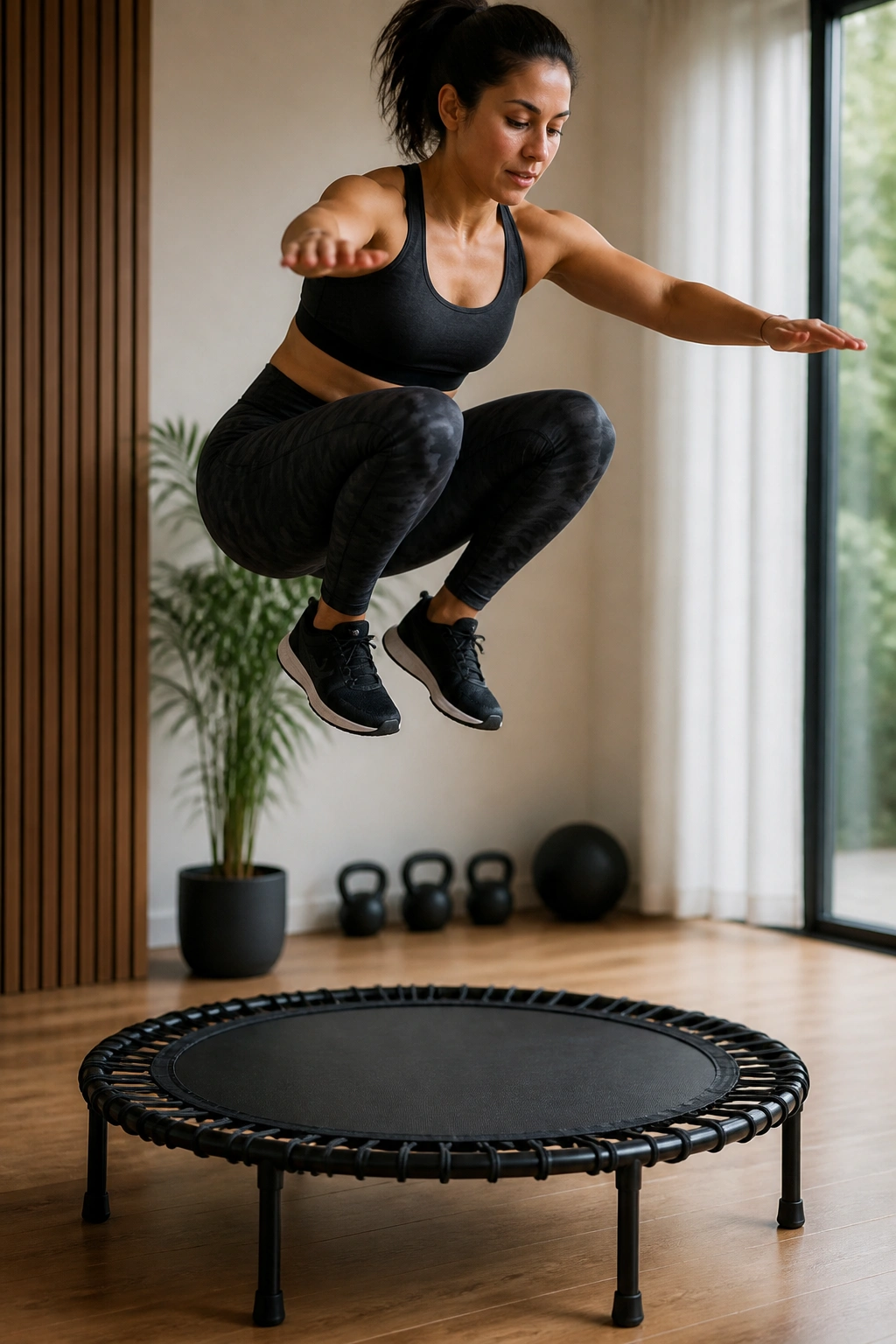
Rebounding refers to jumping on a mini-trampoline. It sounds like something from a childhood playdate, but it is a legitimate fitness tool. The surface of the trampoline is unstable, which forces your deep stabilizing muscles to fire constantly to keep you balanced. This is why you feel tired much faster on a trampoline than on a solid floor.
The Joint-Friendly Bounce
Because the trampoline mat absorbs a significant portion of the impact, it is much easier on the joints than jumping on concrete. You can do jumping jacks, high knees, or simple bounces for extended periods with minimal stress on your knees.
Finding Your Rhythm
You don’t need to do complex tricks. Basic bouncing—keeping your feet on the mat and just using your legs to push—is enough to elevate your heart rate. If you keep the intensity up and add arm movements, you can get a very effective cardio session in a very small amount of space.
18. Circuit Training

If you cannot decide on just one of these methods, combine them into a circuit. Circuit training is the art of moving from one exercise to the next with little to no rest. This keeps your heart rate elevated from the first minute to the last. It is the most time-efficient way to train.
Designing the Circuit
Pick four to five movements from this list. For example: one minute of jump rope, one minute of kettlebell swings, one minute of mountain climbers, and one minute of battle ropes. Perform each for 60 seconds, rest for 60 seconds, and repeat the circuit four times.
Why It Works
By the time you finish the circuit, you have hit your heart rate in a dozen different ways. You aren’t just training one movement pattern; you are forcing your body to adapt to varied stimuli. It is the ultimate antidote to the “cardio is boring” mindset because you are constantly switching gears.
Final Thoughts
The goal of cardiovascular exercise is simple: challenge your heart and lungs so they become stronger and more efficient. It does not require a specific movement, a specific piece of equipment, or a specific level of impact. What it requires is consistency. If you force yourself to run when you hate it, you will eventually quit. If you find a form of movement that you actually enjoy—whether that is rowing, boxing, hiking, or swimming—you will show up and do the work.
Take this list as a menu, not a mandate. Try a few of these, see which ones leave you feeling energized rather than drained, and rotate them to keep things interesting. Your fitness journey is yours to design. Stop worrying about whether your chosen method is “real” cardio and start focusing on whether it makes you feel capable, strong, and healthy. Your heart will get stronger either way.
