



If your training leaves you tired but not stronger, the problem is usually not effort. It’s the plan. Weight lifting workouts for real strength look plain on paper: heavy compound lifts, clean reps, enough rest, and no obsession with turning every set into a near-death experience.
A lot of lifters get stuck because they chase the feeling of work instead of the result of work. Soreness feels productive. Sweating buckets feels productive. A bar that moves the same weight a little cleaner, a little faster, and a little more confidently from week to week is the real test.
Real strength is blunt. It shows up when the bar gets heavy enough to expose weak links — a soft brace, a lazy lockout, knees that drift, a pull that dies two inches off the floor. The workouts that fix those problems are rarely flashy. They’re usually built around squats, presses, pulls, pauses, and a little patience.
Start with the squat, because it tells the truth fast.
1. Back Squat 5×5 Strength Workout
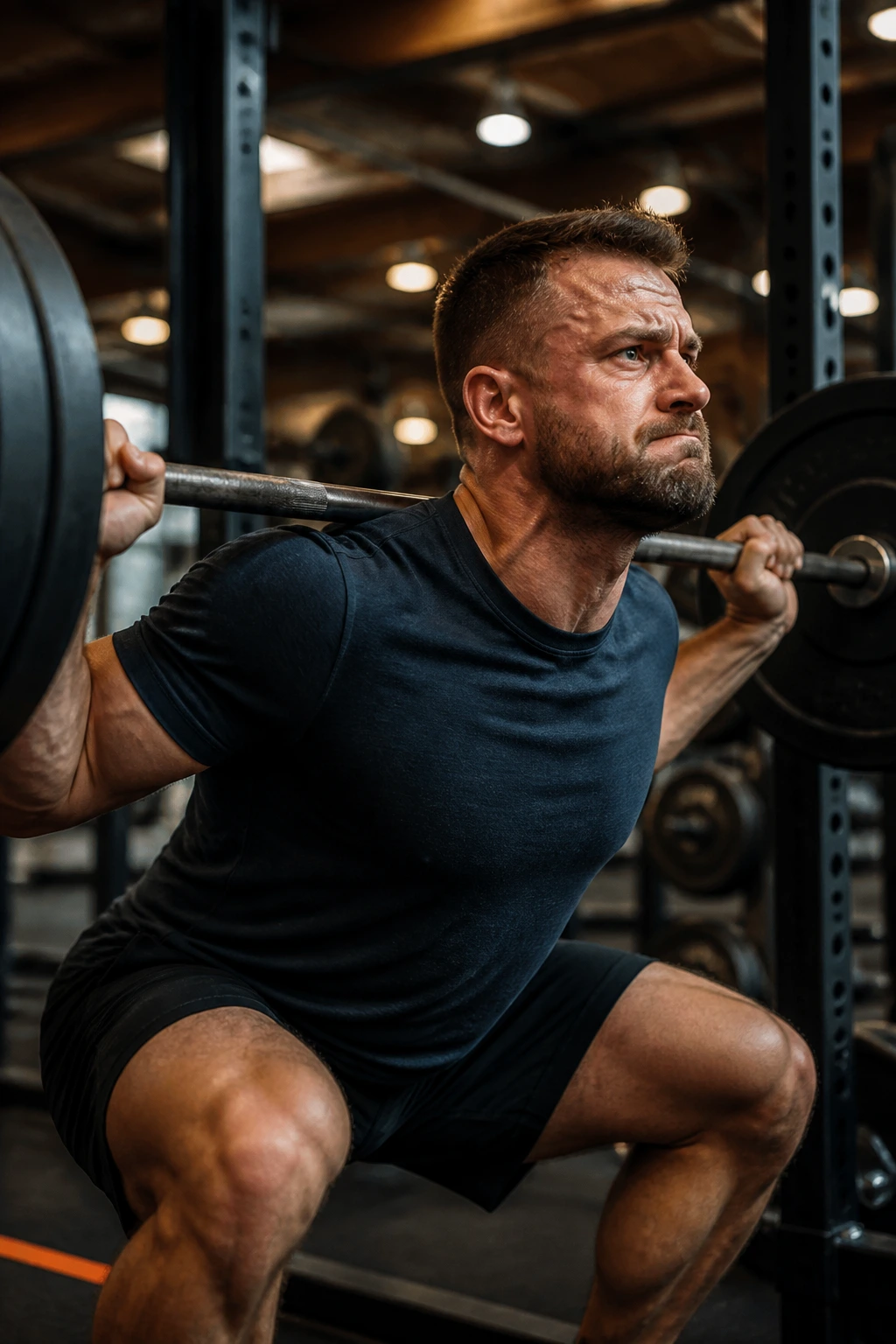
Five hard sets of five is still one of the cleanest ways to build lower-body strength. The back squat asks your legs, hips, and trunk to do the same thing under load, which is exactly why it keeps showing up in serious barbell programs.
Why It Works
A 5×5 back squat lives in that useful middle ground where the weight is heavy enough to force adaptation, but not so heavy that every rep turns into a grind. Most lifters do well somewhere around 75 to 82 percent of max, with 3 to 4 minutes of rest between sets.
That setup gives you enough practice to groove the movement without falling apart. The first three reps should feel deliberate. The last two should be slow enough to respect, but not ugly enough to make you question your life choices.
- Keep your feet planted like you mean it.
- Brace before every rep, not after you start descending.
- Take about 2 seconds on the way down.
- Add 2.5 to 5 pounds when all five sets stay crisp.
What to Watch For
If your hips shoot up faster than your chest, the weight is too heavy or your upper back is giving up. If your depth changes from set to set, you’re probably rushing the descent. Clean squats are a skill. Heavy squats are a skill under stress.
Tip: Stop the set with one rep in reserve if you want steady progress instead of ugly hero reps.
2. Paused Bench Press Triples
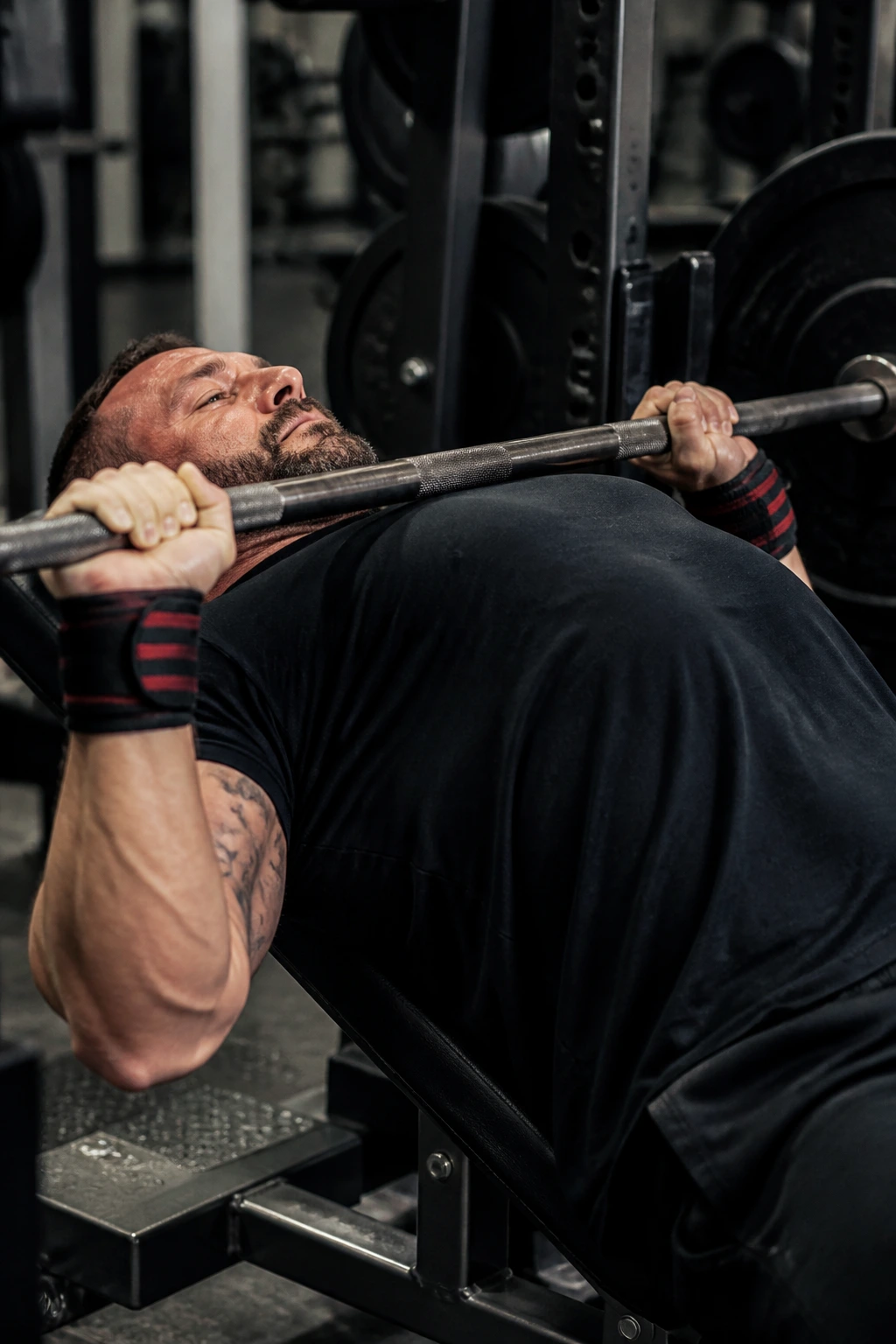
Heavy bench work gets sloppy fast when you bounce the bar off your chest. Paused triples fix that. They strip away the stretch reflex and force you to own the bottom position, which is where a lot of benches go to die.
Three reps is enough to stay strong and focused. It also keeps your setup tight. Lie back, squeeze your shoulder blades together, plant your feet, and pause the bar for a full second on the chest before each press. That little pause changes everything.
The load should feel heavy, but the bar still needs to move with purpose. If the third rep turns into a long, shaky press where your elbows flare and your butt starts to scoot, you’ve gone too far. Use 4 to 6 total work sets, resting 2.5 to 4 minutes between them.
I like this version of the bench for lifters whose press looks strong halfway up but leaks power off the chest. That usually means the setup is fine and the bottom position needs more honest work.
One more thing: keep your touch point consistent. Same spot every rep. Same pause. Same path.
3. Conventional Deadlift Singles and Back-Off Triples
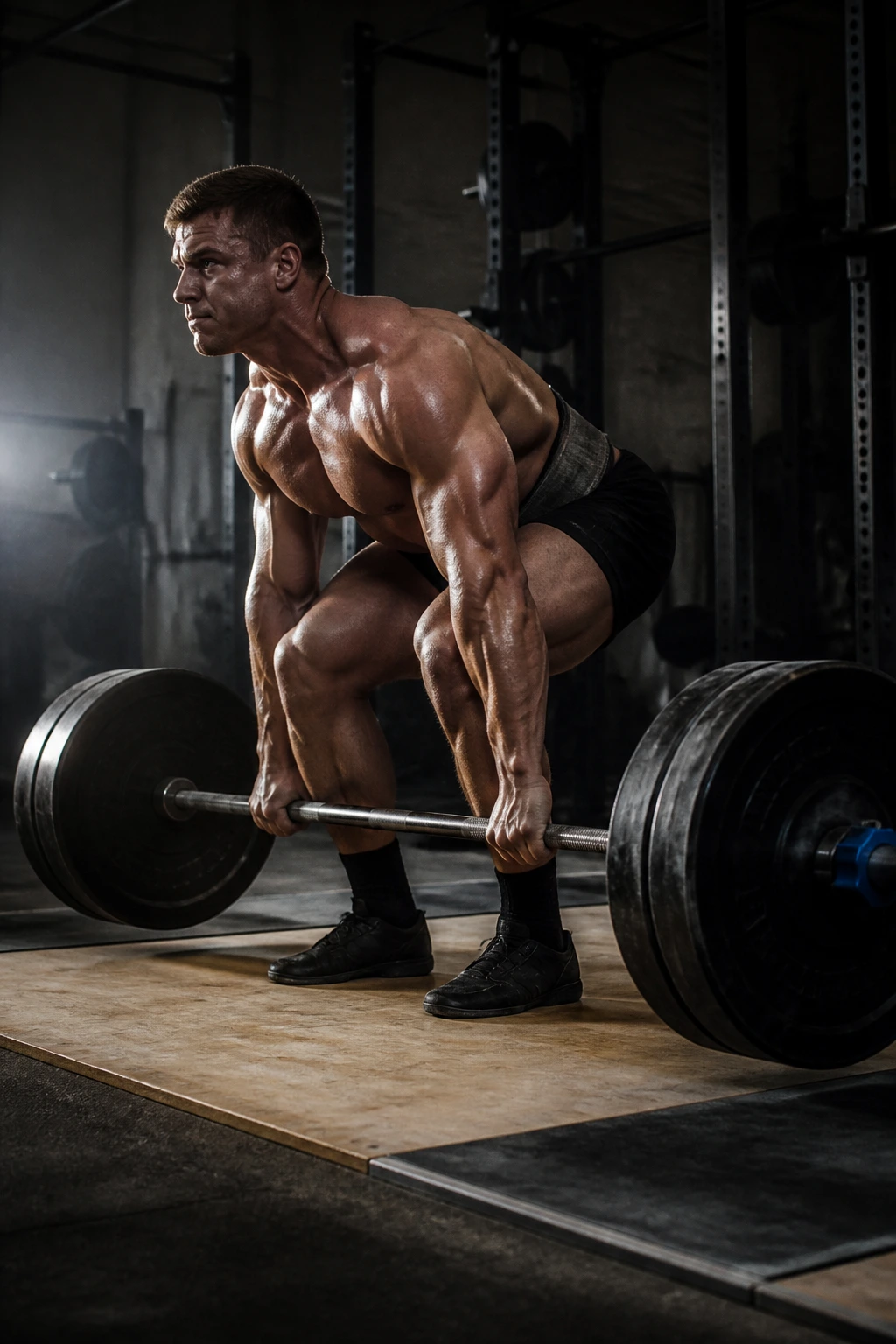
Why do heavy deadlift singles help more than endless sets of eight? Because the deadlift punishes fatigue faster than almost any other barbell lift. Once your position slips, the set stops being strength work and turns into survival training.
A better setup is 4 to 6 singles at a challenging but controlled effort, then 2 to 3 back-off sets of 3 reps with a lighter load. The singles teach you to set up with intent. The back-off triples give you a little more volume without dragging your form through the mud.
How to Run It
Warm up in jumps, not tiny plate changes. Once the bar gets heavy, take full resets between every rep. That means bar down, breath, brace, pull again. No touch-and-go nonsense if the goal is real strength.
The best deadlift singles look boring. The plates leave the floor, the bar stays close, and the rep finishes without a lurch at the top. If you have to hitch, yank, or chase the bar with your hips, the weight is too high for productive work.
Keep the singles around RPE 7.5 to 8.5. That leaves room to practice instead of just hanging on.
4. Front Squat and Pause Squat Combo
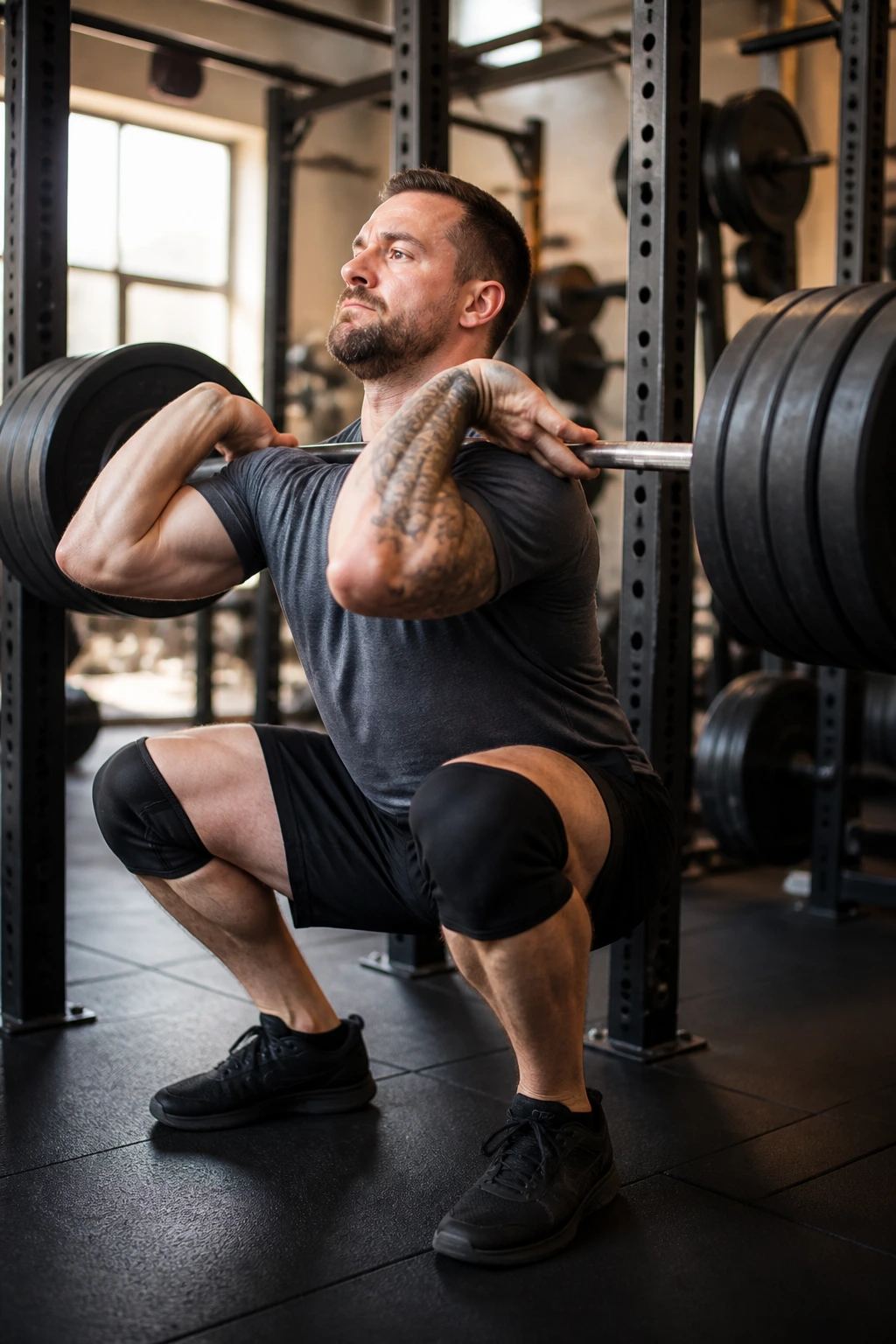
The first time most lifters try a front squat, they discover how much a stacked torso matters. The bar sits on the shoulders; if the chest drops, the whole set goes south. That’s why pairing front squats with pause squats works so well.
Start with 3 to 5 sets of 3 front squats, then follow with 3 sets of 2 pause squats using the same or slightly lighter load. Hold the bottom of the pause squat for 2 seconds. Not a bounce. A real pause. You should feel the quads and the brace working together, which is the whole point.
- Use straps if your wrists hate the front rack.
- Keep your elbows high enough that the bar doesn’t roll.
- Sit between your heels, not forward onto your toes.
- Stay tight through the pause, especially in the belly and upper back.
The combo is brutal in a useful way. Front squats punish a lazy torso. Pause squats punish a lazy bottom position. Together, they make heavy back squats feel a little less mysterious.
5. Overhead Press Ladder Workout
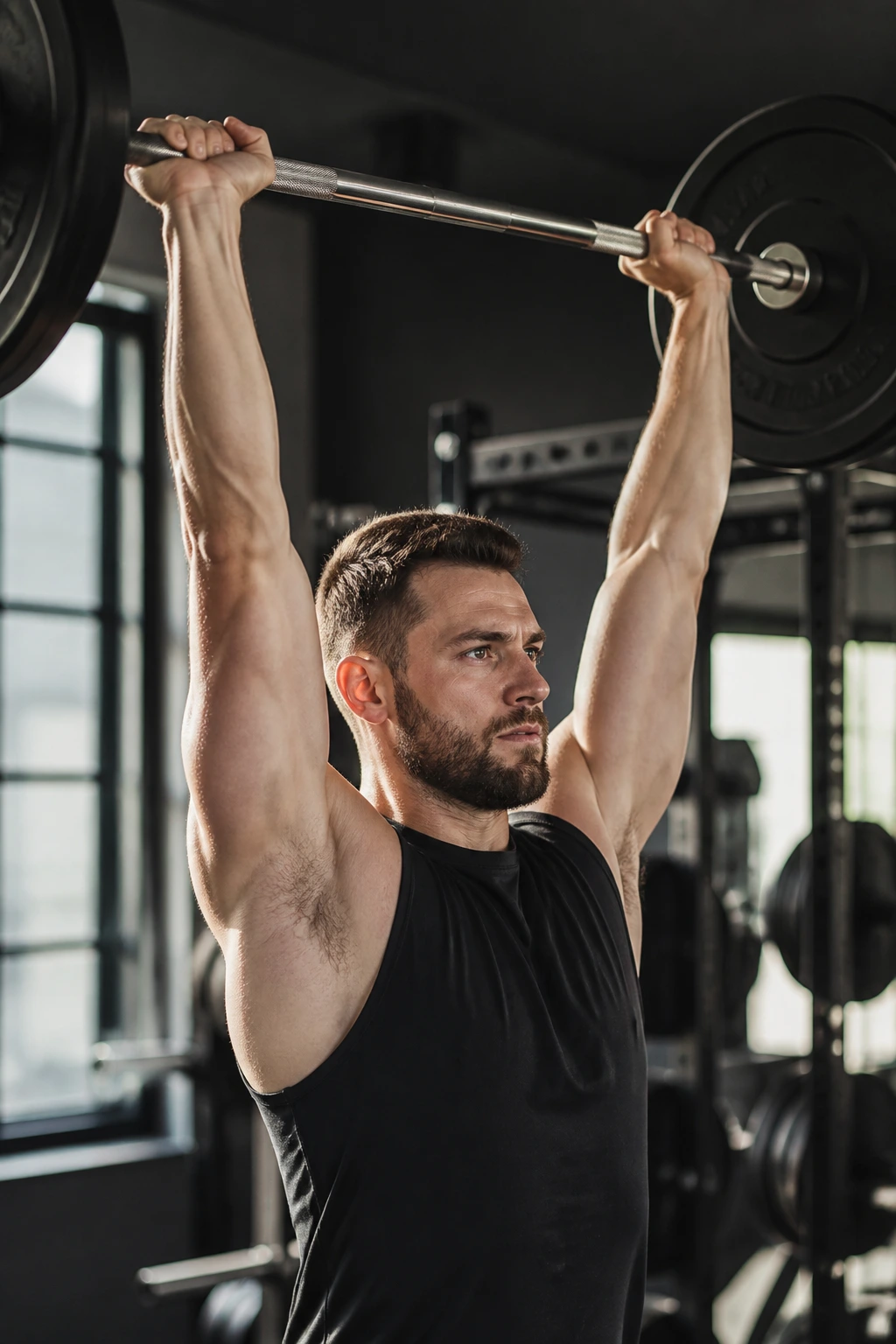
A ladder looks almost too simple: 1 rep, then 2 reps, then 3 reps, rest a minute or two, and repeat. For the strict press, that simplicity is part of the charm. The press rewards clean reps and hates sloppy fatigue.
Run 3 to 5 ladders with a load you can own for all the reps. That usually means the last rep of the 3-rep rung is hard, but not a grinder. If you have to lay back so far that the lift turns into a standing incline press, the bar is too heavy.
The ladder format gives your shoulders, triceps, and upper back repeated practice without forcing a huge set count. It also keeps your rib cage honest. You can’t hide much on overhead work. The bar path has to stay tight, and the lockout has to finish stacked over the shoulder, elbow, and wrist.
Boring on paper. Hard in real life.
I like this for lifters who press once a week and want quality more than drama. Add 2 to 5 pounds when every ladder stays crisp, and don’t rush the rest. A strict press with sloppy setup is just a lumbar extension contest.
6. Trap-Bar Deadlift Power Session
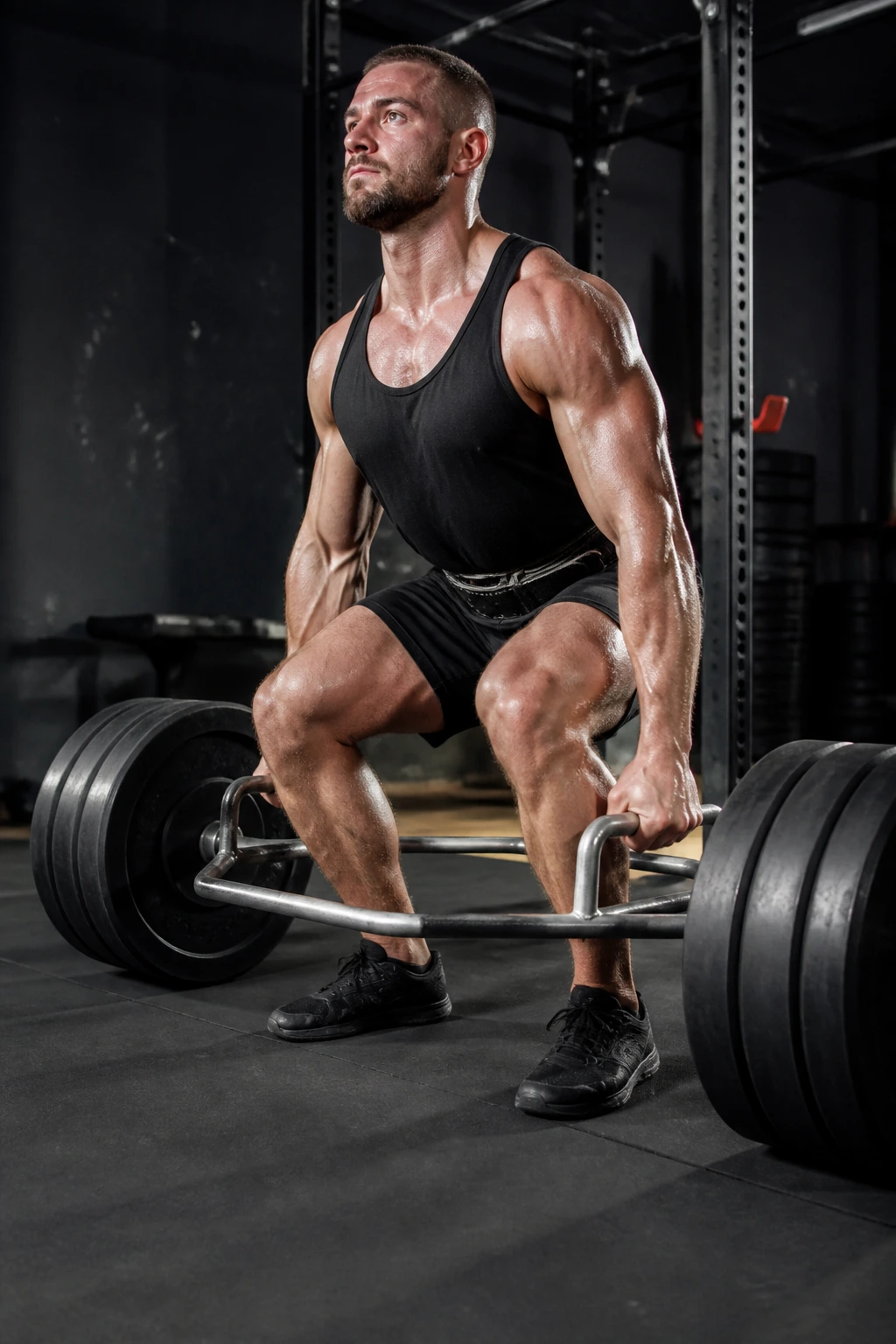
Unlike a straight-bar deadlift, the trap-bar deadlift keeps the load closer to your center of mass. That usually means a more upright torso, a shorter reach to the handles, and less shear stress on the lower back. For a lot of lifters, that’s the difference between good training and a cranky hinge.
A smart session is 5 sets of 3 with a heavy but fast load, followed by 2 back-off sets of 5. If your gym has high and low handles, use the low handles when your position is clean enough to earn them. High handles are fine too, but low handles force more leg drive and a deeper start.
This version works especially well for taller lifters, field athletes, and anyone who wants heavy pulling volume without the same amount of wear that a conventional deadlift can bring. It is not magic. It just tends to be easier to repeat well.
The catch? Some people get lazy with the trap bar and turn it into a standing jump. Don’t. The bar still needs a tight brace, controlled start, and a hard finish.
If your goal is real strength with a slightly friendlier setup, this is a strong trade.
7. Heavy Bulgarian Split Squat Workout
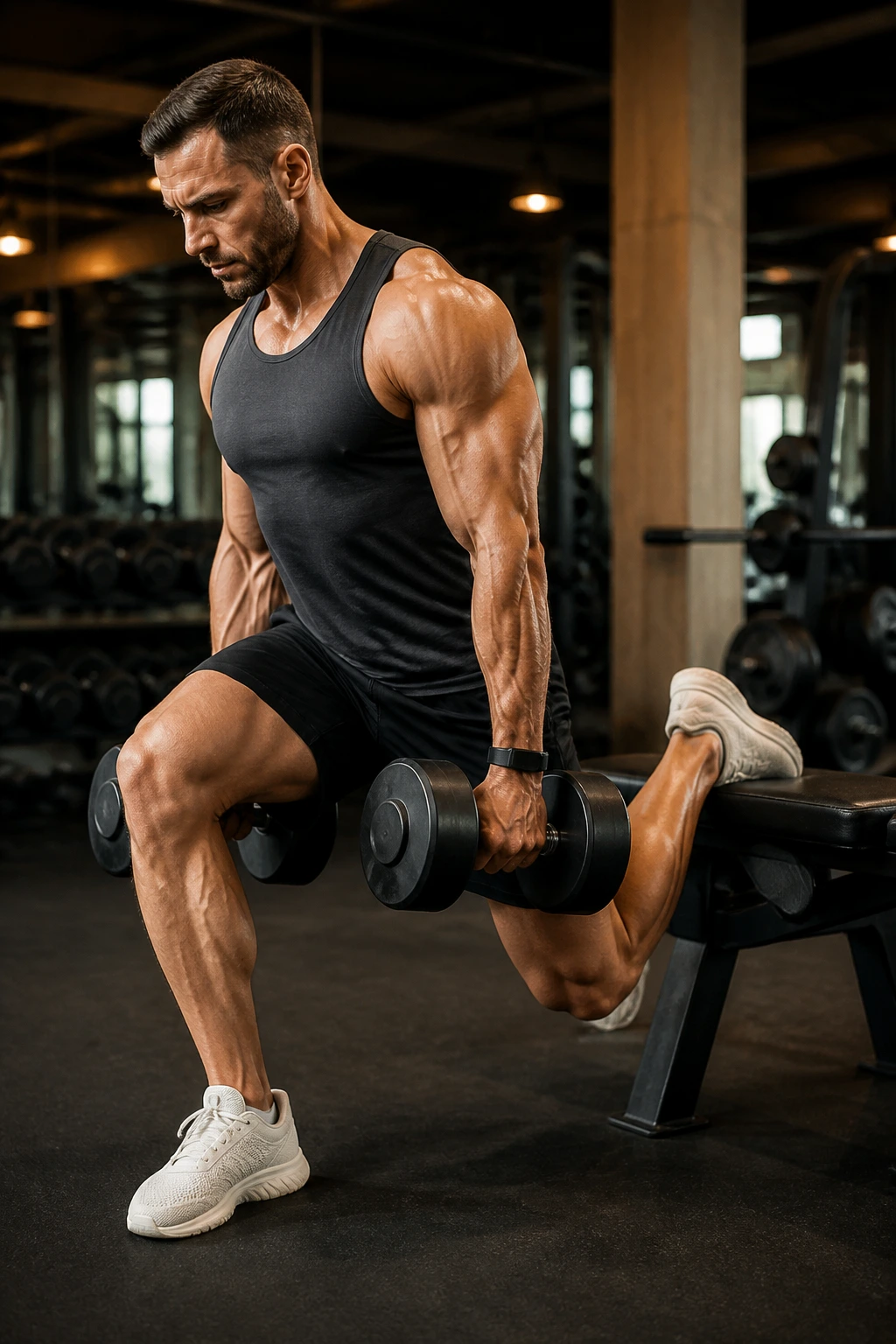
Why do split squats matter when you can already squat heavy? Because bilateral strength can hide side-to-side weakness for a long time. The Bulgarian split squat drags those weak spots into the light.
Use 4 sets of 6 reps per leg, resting 90 seconds to 2 minutes between sides. Hold dumbbells at your sides, keep the front foot flat, and let the torso lean forward just enough to keep the front glute working. Your back foot is there for balance. That’s it.
What to Watch For
The front knee should track over the toes without caving in. The rep should start from a dead stop in the bottom, not a bounce. If you’re wobbling like crazy, shorten the range a little and rebuild control before you chase load.
A lot of lifters avoid this movement because it feels awkward. Fair. It does. But awkward is often where the real work is hiding. Once the set gets heavy, the split squat teaches hip stability, knee control, and leg strength without any place to hide.
Good sign: the front leg does most of the work, and the back leg stays quiet.
8. Pendlay Row Dead-Stop Power Workout
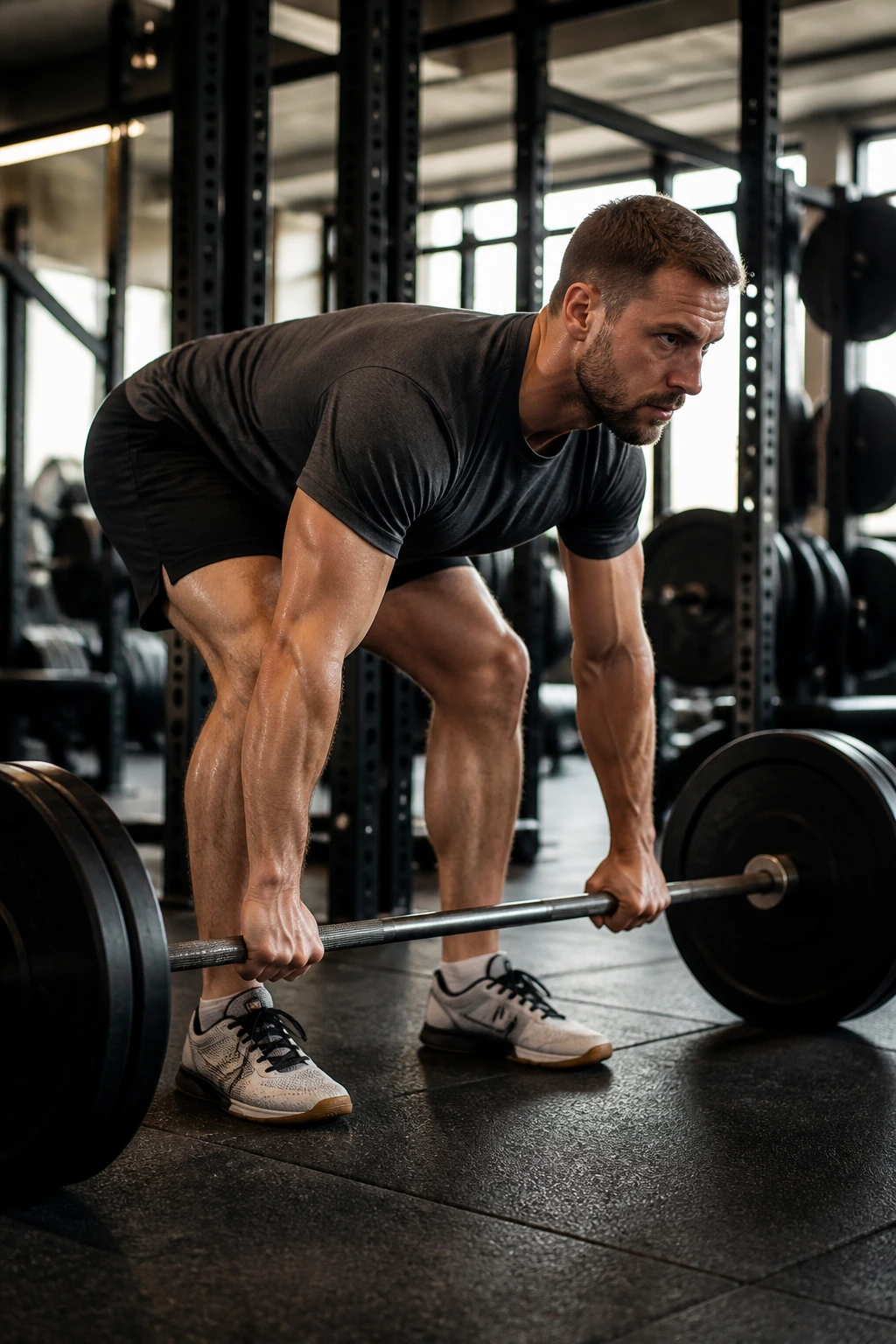
A Pendlay row starts from the floor every rep. That one detail changes the whole lift. No swinging. No dragging the bar up with a lazy torso. Just a dead stop, then a hard pull.
Use 5 sets of 5 or 6 sets of 4 with a weight that lets your torso stay roughly parallel to the floor. Pull to the lower chest or upper stomach, then set the bar down fully between reps. The reset matters. It kills momentum and makes the upper back do its job.
- Hinge and lock the torso before the first rep.
- Keep the neck neutral.
- Pull the bar fast.
- Let the plates settle before the next rep.
The Pendlay row is one of those lifts that helps almost everything else. Deadlifts get tighter. Benches feel more stable. Even front squats can feel less like a battle against collapse because your upper back stops being the weak link.
Tip: If your back angle keeps rising, the bar is too heavy for this version. Use less weight and row it clean.
9. Close-Grip Bench Press Volume Day
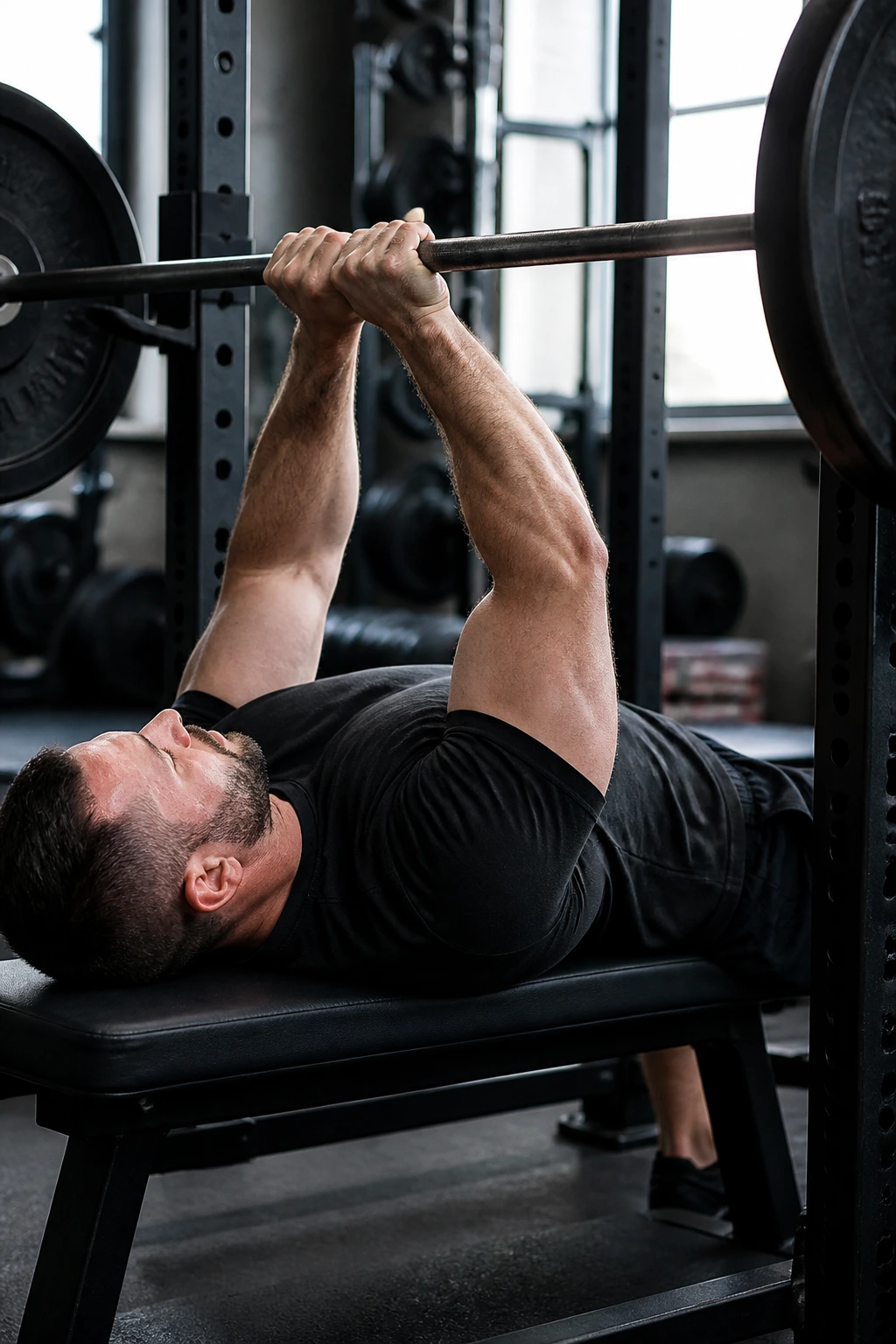
Close-grip bench is not some triceps vanity move. It’s a clean way to build the middle and top of the bench while keeping the shoulders a little happier than a wide-grip grind-fest.
A good setup is 4 to 5 sets of 5 to 6 reps, with the hands just inside shoulder width. Too narrow and you turn it into a wrist fight. Too wide and you lose the point. Lower the bar under control, pause the first rep if you want extra discipline, and drive up with elbows tucked at about 30 to 45 degrees.
The triceps work hard here, but so does the chest, especially if you keep the descent smooth. The key is not turning the lift into a partial rep circus. Keep the touch point consistent and let the bar travel in a small, repeatable arc.
This workout shines when your bench stalls a few inches off the chest or when lockout feels soft. It is also easier to recover from than endless max singles, which matters more than people admit.
A simple rule: if your grip gets so narrow that your wrists ache, widen it a little. You want strong, not angry.
10. Weighted Pull-Up Strength Workout
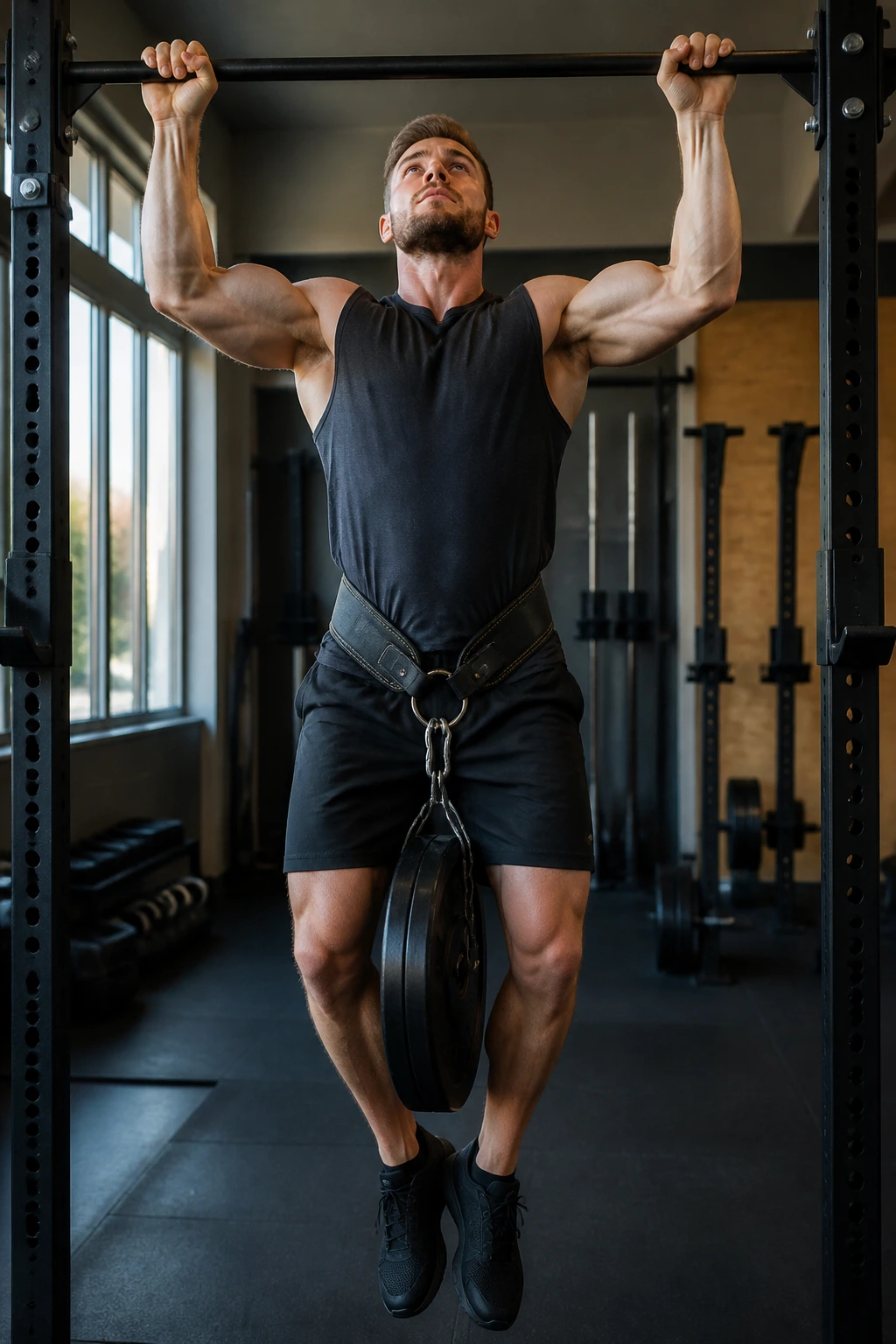
Weighted pull-ups get less attention than presses and squats, which is ridiculous. A good weighted pull-up tells you a lot about upper-body strength, trunk control, and how well you can own your own body under load.
Start with 5 sets of 3 reps using a belt and a small plate, even if the plate feels almost laughable. The goal is not to pile on weight fast. The goal is to keep the reps strict: full hang, chest tall, no kicking, no half reps.
If bodyweight pull-ups are still shaky, stay there first. Build to clean sets of 8 to 10 bodyweight reps before adding load. Once you start weighting them, progress in tiny jumps. 2.5 to 5 pounds is plenty for a long stretch.
The nicest thing about this workout is how little it asks for in return. You don’t need a lot of fluff. A pull-up bar, a belt, a little patience, and decent rest between sets is enough.
One hard truth: if you can’t pause for a split second at the bottom without losing position, you’re not ready to chase bigger numbers yet.
11. Romanian Deadlift Hamstring Session
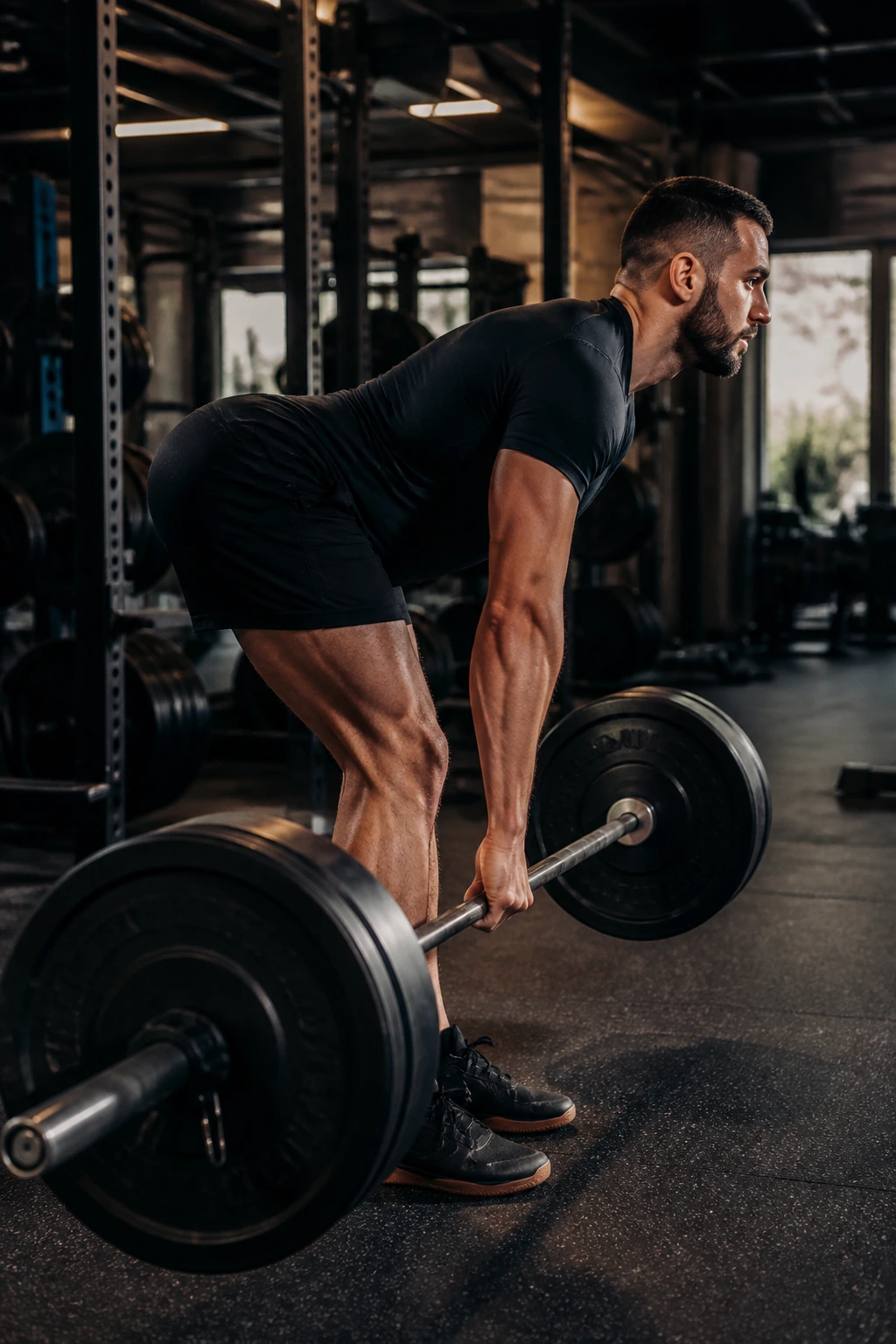
Romanian deadlifts are not deadlifts with a different name. They load the hamstrings and glutes in a longer stretch, which makes them a much better accessory for hinge strength than people expect.
Run 3 to 4 sets of 6 reps with a 3-second lower and a slight bend in the knees. The bar should slide down the thighs and shins, staying close enough that you almost scrape skin. Stop when the hamstrings hit a hard stretch and the back still looks flat.
Unlike a conventional deadlift, the RDL keeps tension on the chain longer. That makes it useful for building the kind of posterior strength that supports the pull without draining you the same way heavy floor work can.
What Makes It Different
The bar never fully rests between reps. You stay in tension. That is the whole game.
Who likes this most? Lifters whose deadlift stalls because the hips shoot up too early, and anyone who wants more hamstring strength without another max-effort pull day. Keep the load honest, not ego-heavy. Heavy enough to matter. Light enough to keep the shape.
12. Zercher Squat Bracing Workout
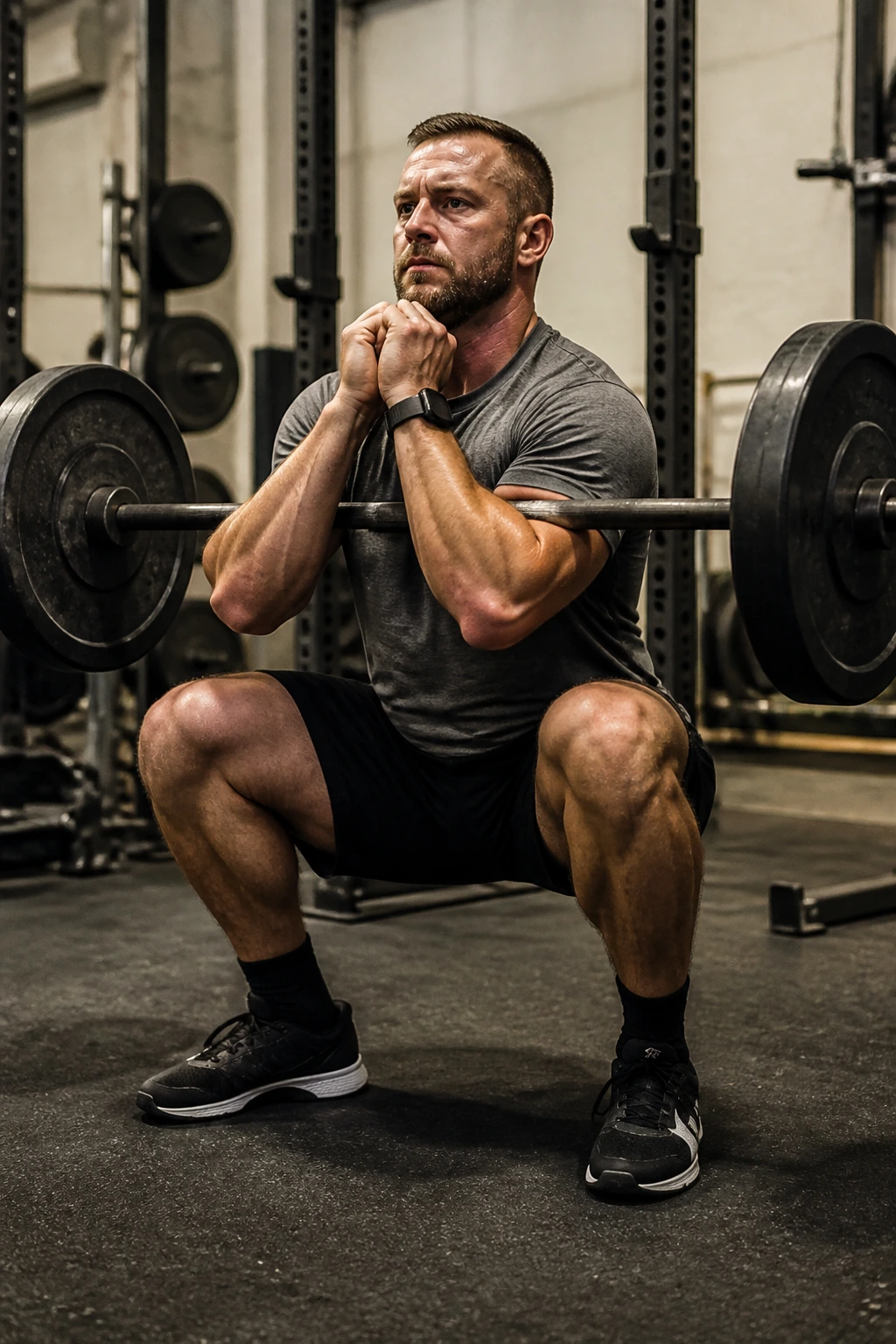
The Zercher squat looks awkward because it is awkward. The bar sits in the crook of your elbows, which sounds odd until you realize how much it forces your trunk to work. There’s no comfortable place to fake it.
Try 5 sets of 4 reps with a load you could probably front squat a bit more easily. Cradle the bar high enough on the torso that it doesn’t drag your arms down, then brace like someone is about to punch you in the stomach. Walk out carefully. The setup matters more here than in a lot of lifts.
- Keep the bar close to your body.
- Hold your hands together or clasped.
- Stay upright through the descent.
- Use a pad or towel if the bar digs too hard into the arms.
The Zercher squat is a sneaky strength builder because it punishes a loose torso and rewards ugly-but-useful toughness. It also exposes upper-back weakness fast. If your chest folds, the bar tells on you immediately.
I like this one for lifters who want stronger squats without always loading the shoulders and wrists the same way. It’s a little weird. That’s part of the point.
13. Pause Deadlift Off-the-Floor Session
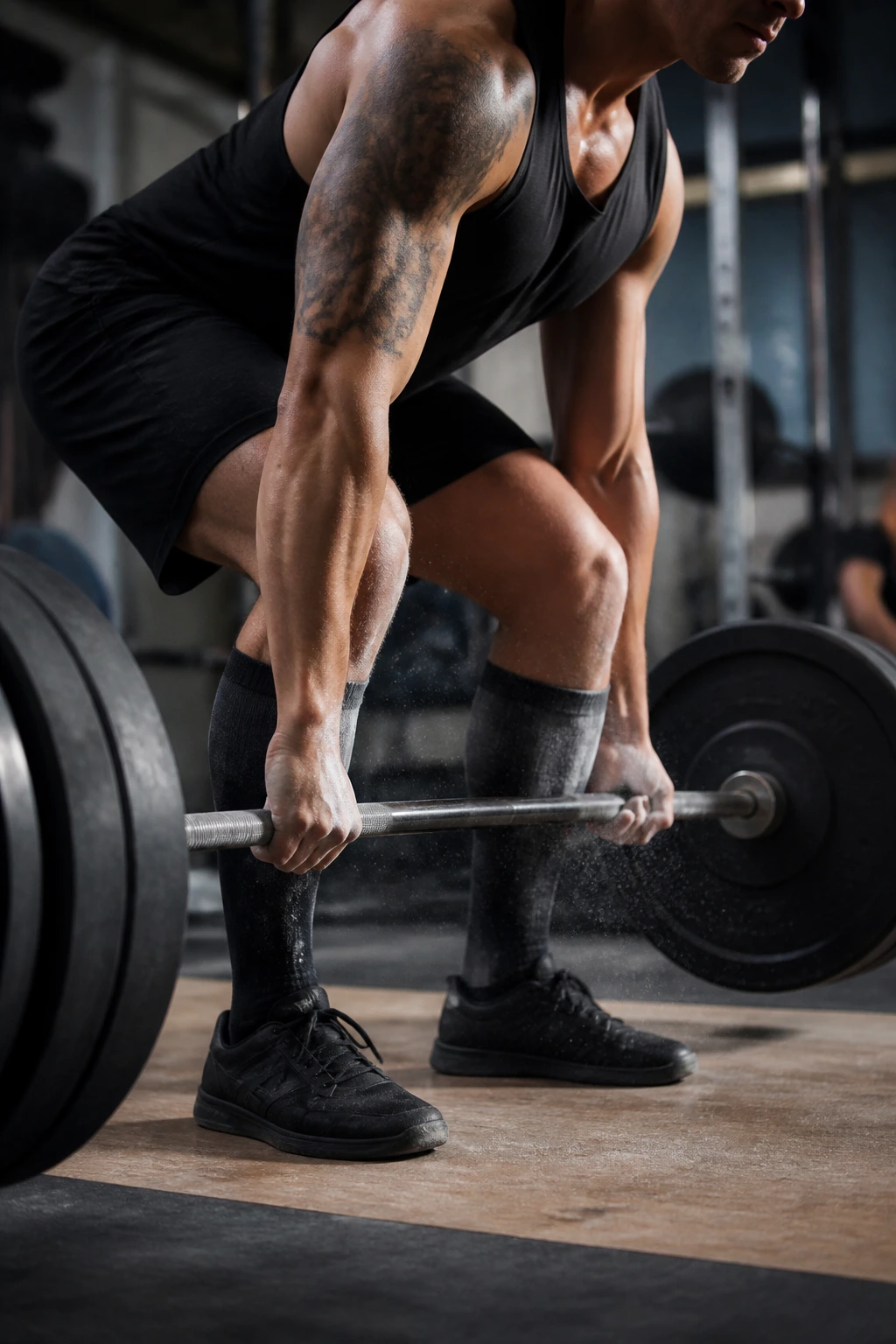
Why do some deadlifts stall two inches off the floor? Usually because the lifter loses position before the bar has a chance to move. A pause deadlift fixes that by forcing you to stay patient right where things usually go wrong.
Use 4 sets of 3 reps and pause the bar 1 to 2 inches off the floor for 1 to 2 seconds. Not on the plates. Not at the knee. Just off the floor, where the pull usually feels sticky and awkward. Keep the lats tight, push the floor away, and don’t let the hips rise while you pause.
How to Use It
This workout is not for chasing max load. Use enough weight to make the pause honest, but not so much that your position collapses. That usually means a decent drop from your normal deadlift numbers.
It works well for lifters who yank too hard from the start, lose back angle early, or never quite feel the bar stay close. The pause teaches patience and tension better than a lot of cues do.
Simple. Uncomfortable. Useful.
14. Floor Press Lockout Workout
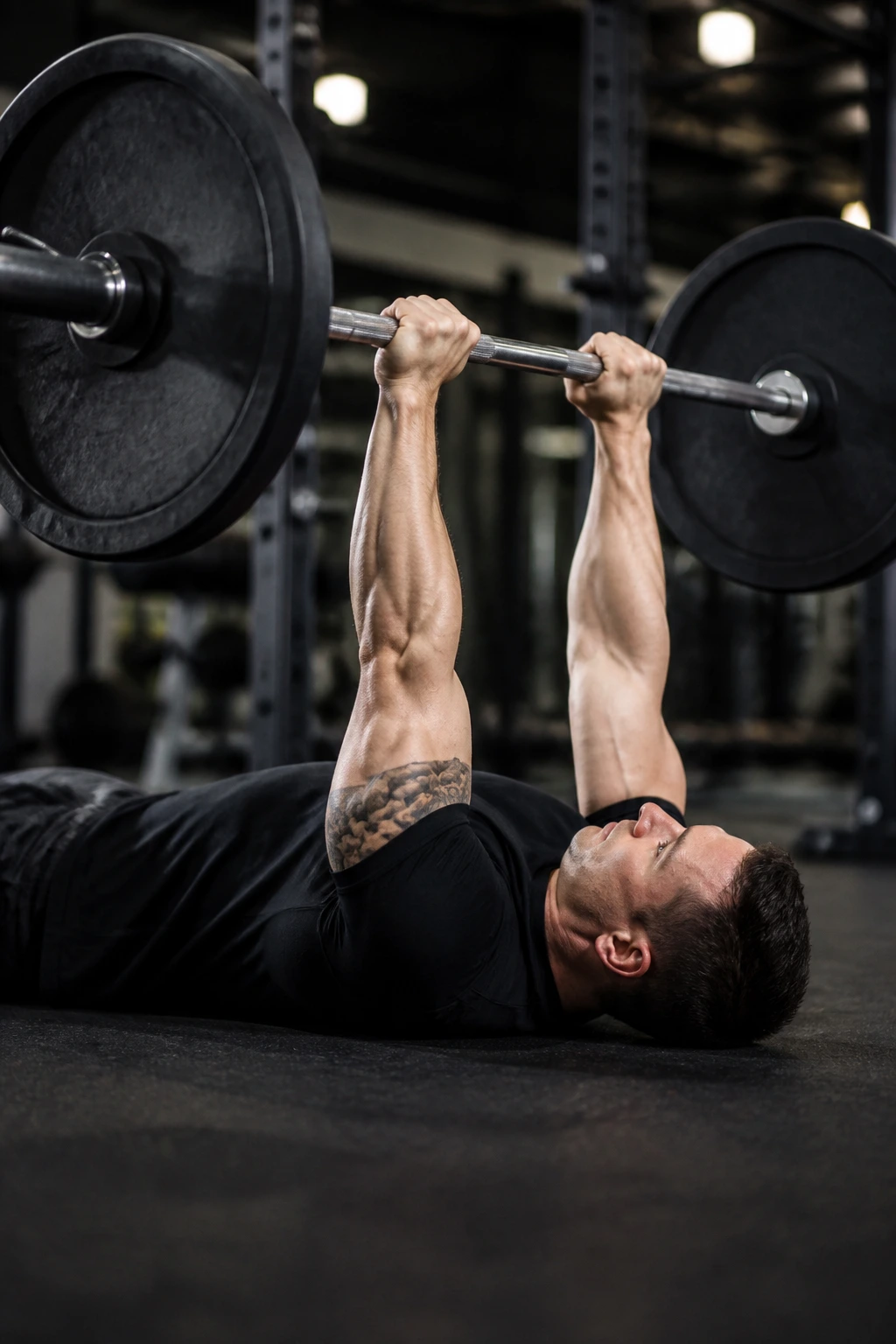
The floor press is where a bench press goes when you strip away leg drive and limit the range of motion. That sounds like a downgrade, but it’s often the cleanest way to build triceps and lockout strength without beating up the shoulders.
Run 5 sets of 4 reps with a grip slightly narrower than your normal bench grip. Lower the bar until your upper arms touch the floor, pause for a beat, then press hard. The floor cuts off the bounce and stops the shoulders from wandering into a bad position.
This lift is especially helpful if your bench gets stuck in the last third of the press. It also gives you a brutally honest look at elbow path. If the elbows flare too early, you feel it instantly. No hiding.
A small warning: keep the load controlled enough that you don’t slam the triceps into the ground so hard that the rep turns sloppy. The pause on the floor should be brief and clean, not a crash landing.
I like this workout when bench fatigue is high but strength still needs work. It’s mean in a tidy way.
15. Barbell Hip Thrust Heavy Set Workout
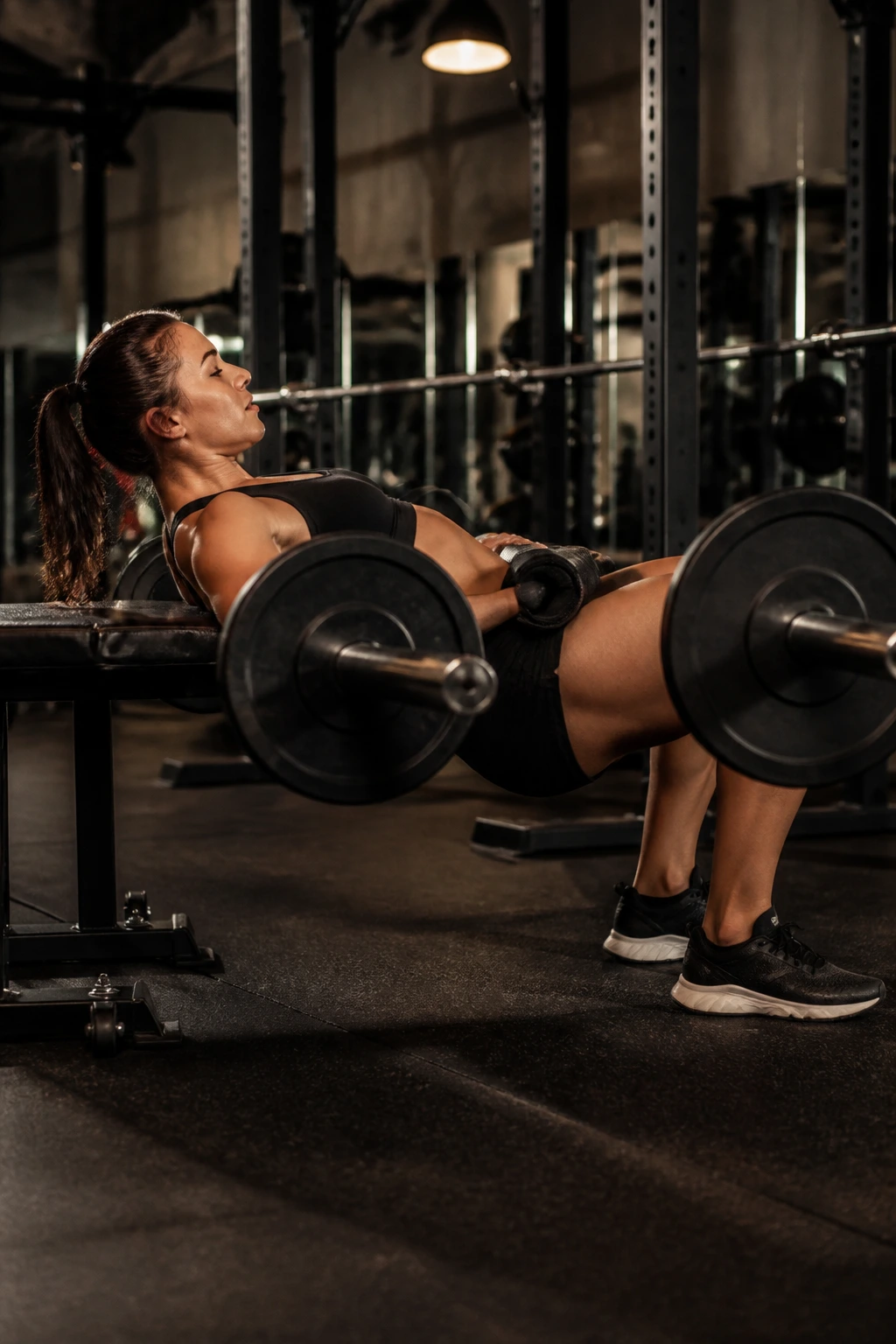
Hip thrusts only work if you stop turning them into a lower-back arch contest. The point is to load the glutes hard through hip extension, not to fling the rib cage skyward and call it a day.
A solid session is 5 sets of 5 reps with a 2-second squeeze at the top. Set your upper back on a bench, plant the feet so the shins are near vertical at lockout, and keep the chin tucked. If your eyes are looking at the ceiling and your lower back feels crushed, you’ve overextended.
The nice thing about hip thrusts is how heavy they can get without the same spinal fatigue as some other barbell lifts. That makes them useful for building glute strength that carries into squats, deadlifts, and even sprint work.
One sentence matters here: the top position should feel like a hard glute squeeze, not a back bend.
If you want to load them well, use a proper pad on the bar. A rolled towel can work once or twice. It gets old fast.
16. Push Press Strength Workout
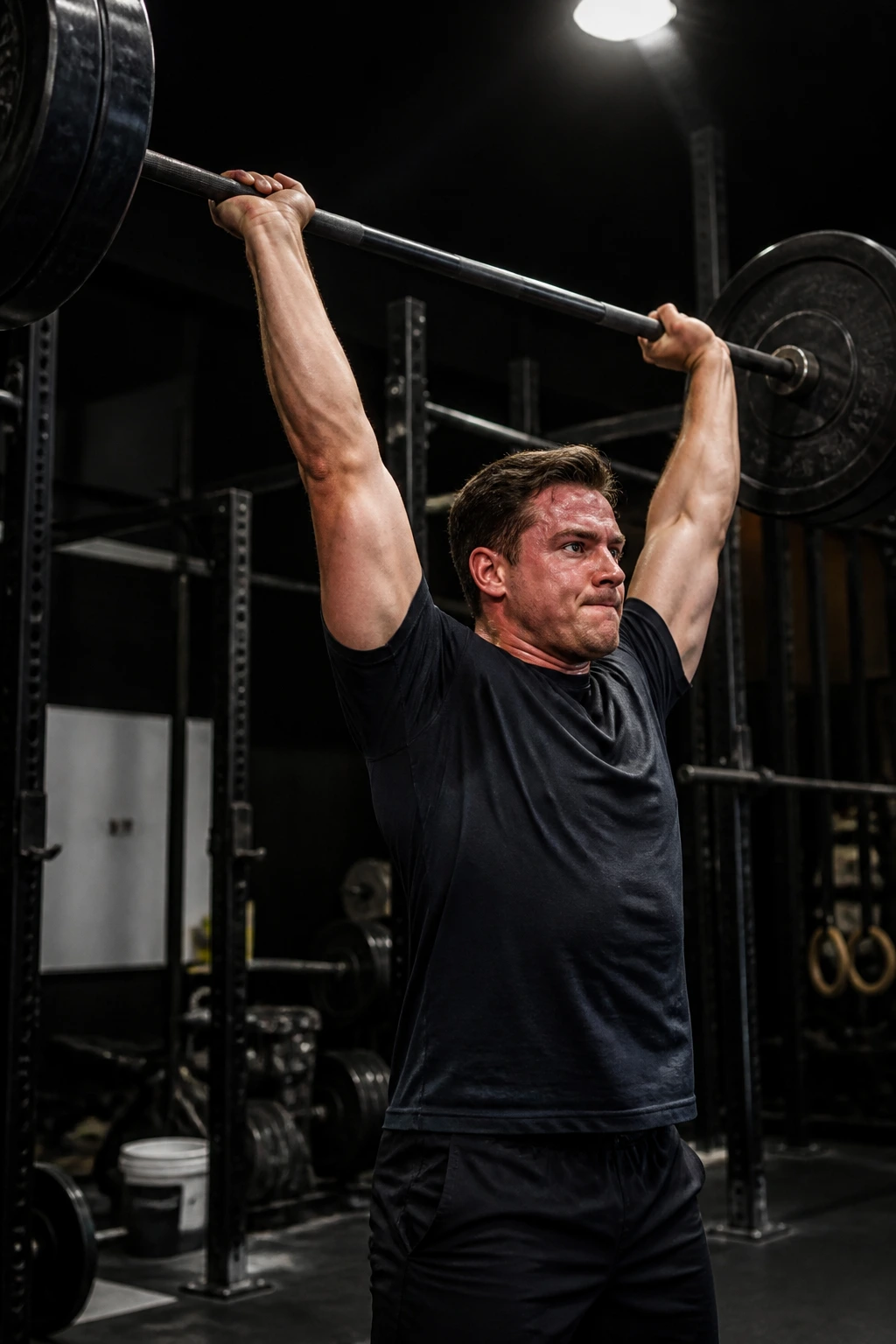
A strict press tests raw shoulder and triceps strength. A push press adds leg drive and teaches you to move a heavier bar overhead with speed and timing. That does not make it cheating. It makes it a different tool.
Use 6 sets of 2 reps or 5 sets of 3 reps. Dip straight down 2 to 4 inches, keep the torso upright, then drive hard through the floor and finish with locked elbows and glutes tight. The bar should feel like it floats after the leg drive does its part.
This workout is excellent for building overhead power and teaching you to handle loads that are a little heavier than a strict press would allow. It also exposes sloppy dip mechanics fast. If your knees slide forward or your chest collapses, the bar tells on you immediately.
I still like keeping some strict pressing in the plan. The push press should not replace it forever. It should sit beside it and help the heavier work move better.
Short version: dip vertical, drive hard, finish tall.
17. Rack Pull Overload Session
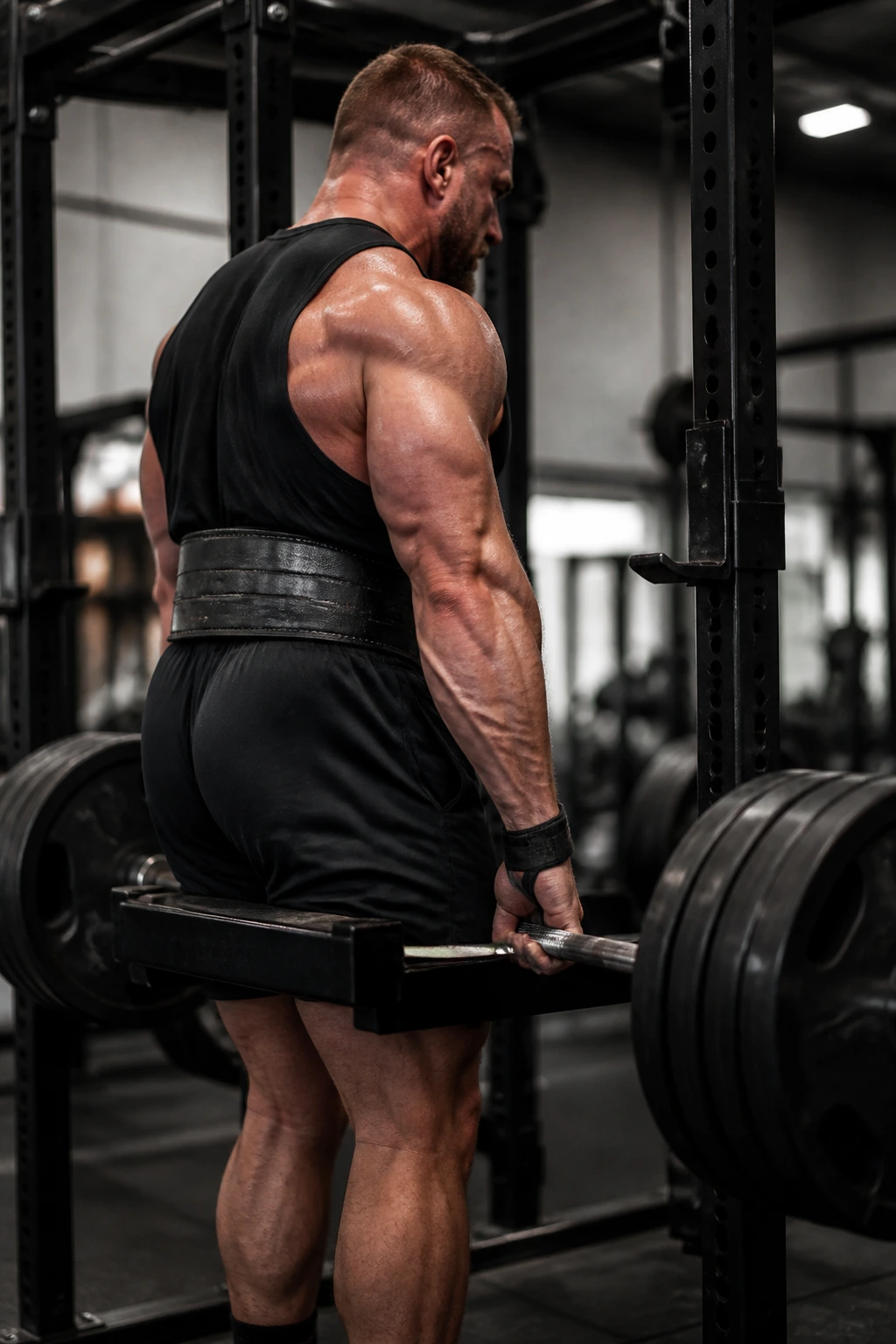
A rack pull is what happens when you meet your sticking point halfway and load it up. Set the bar just below the knee if lockout is the weak part, or a little lower if you need more carryover from the floor. Then pull heavy for 4 sets of 3 or 5 sets of 2.
This is an overload tool, not a main dish. The lift lets you handle more weight than a conventional deadlift, which can help the top end of the pull and build confidence under a heavy bar. It also lets you practice lockout without the same demand on the initial break from the floor.
Where to Set the Pins
If the bar only dies near the top, use higher pins. If the whole deadlift is weak, don’t get greedy and set them too high. That just turns the workout into a partial rep ego check.
The danger is overusing it. Rack pulls can make people feel strong while quietly letting the floor pull get worse. That’s why I like them in small doses, usually after a block of honest full-range deadlifts.
Heavy. Useful. Easy to abuse.
18. Deficit Deadlift First-Pull Workout
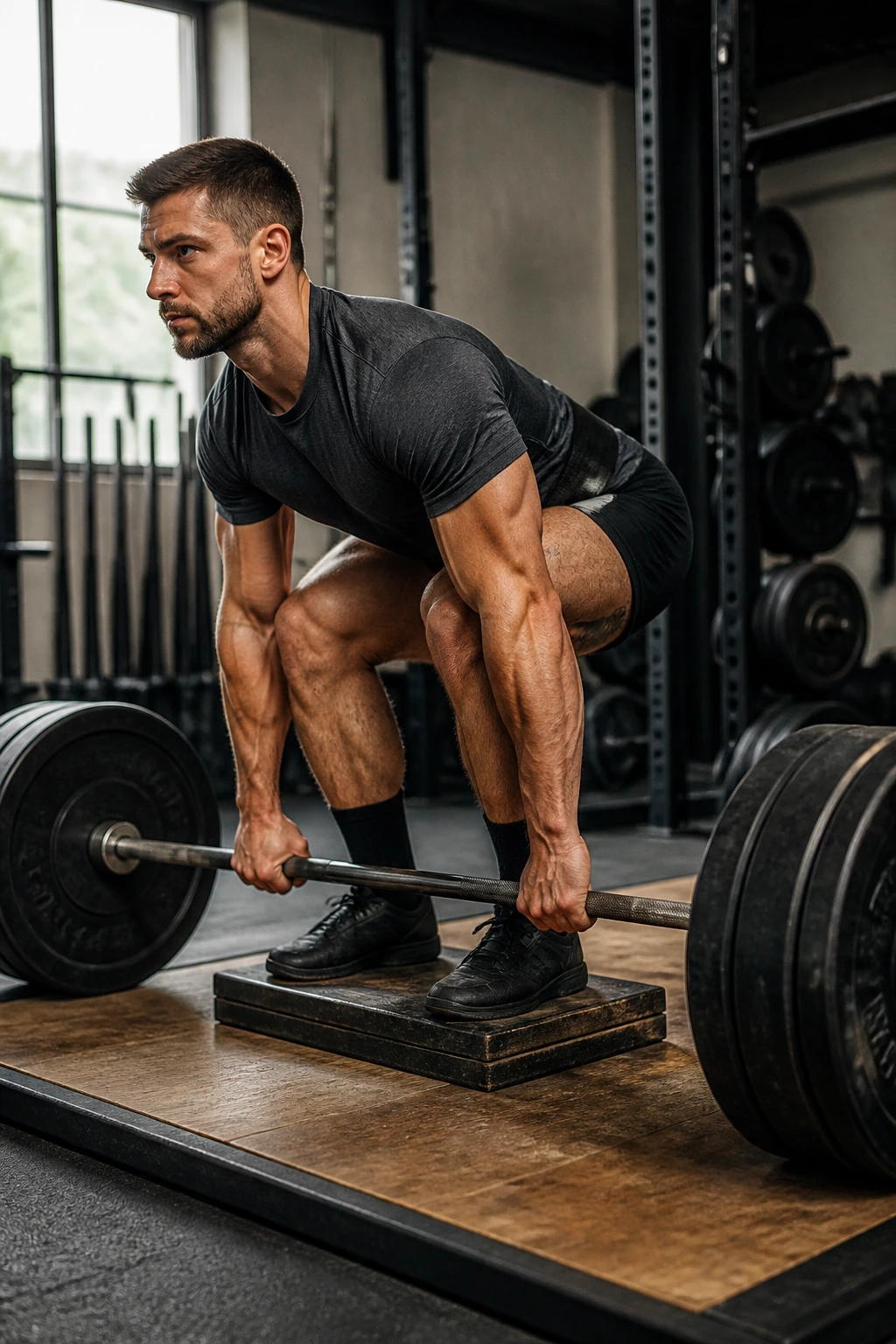
A deficit deadlift forces you to earn the first inch. Standing on a 1 to 2 inch platform increases the range just enough to make your start position tighter, your leg drive sharper, and your patience better off the floor.
Run 4 sets of 4 reps or 6 sets of 2 reps, using a load that stays fast and honest. Any higher than a small deficit, and the lift starts becoming a circus. The whole point is to challenge the start, not invent a new deadlift nobody asked for.
This workout is useful when the bar breaks the floor slowly, when your hips pop up too soon, or when your pull looks strong at the top but messy at the start. You will feel the difference right away. The bar does not give you much slack.
The setup should be even more careful than a normal deadlift. Brace hard, keep the bar over midfoot, and pull the slack out before you break the plates loose. If you rush the start, the deficit punishes you fast.
That is why it works: the lift tells you exactly where you lose tension, and it does it without much drama.
If the floor is where your pull dies, this is the place to fix it.
