



Bulk is not the goal.
Lean muscle workouts live in a different lane: enough resistance to shape your arms, glutes, back, and legs, enough conditioning to keep body fat from creeping up, and enough control that you finish worked, not flattened. That is the sweet spot most people miss. They either chase heavy lifting like they’re training for a meet, or they drift into featherweight circuits that burn calories but do little for actual muscle shape.
Definition comes from a mix of muscle and lower body fat. Muscle shows the line; fat hides it. That’s why the smartest workouts here use moderate loads, short rest, unilateral moves, and plenty of total-body work. They build enough stimulus to make the body change, but not so much volume that every session turns into a chest-bursting, recovery-draining grind.
Tone is not magic. It’s training plus consistency plus decent food choices, with the boring part left intact. The good news is that you do not need a bodybuilder split or marathon gym sessions to get there. A well-built dumbbell complex, a hard rowing block, or even a nasty set of split squats can do more for visible shape than a random hour of flailing through machines.
1. Full-Body Dumbbell Complex for Lean Muscle
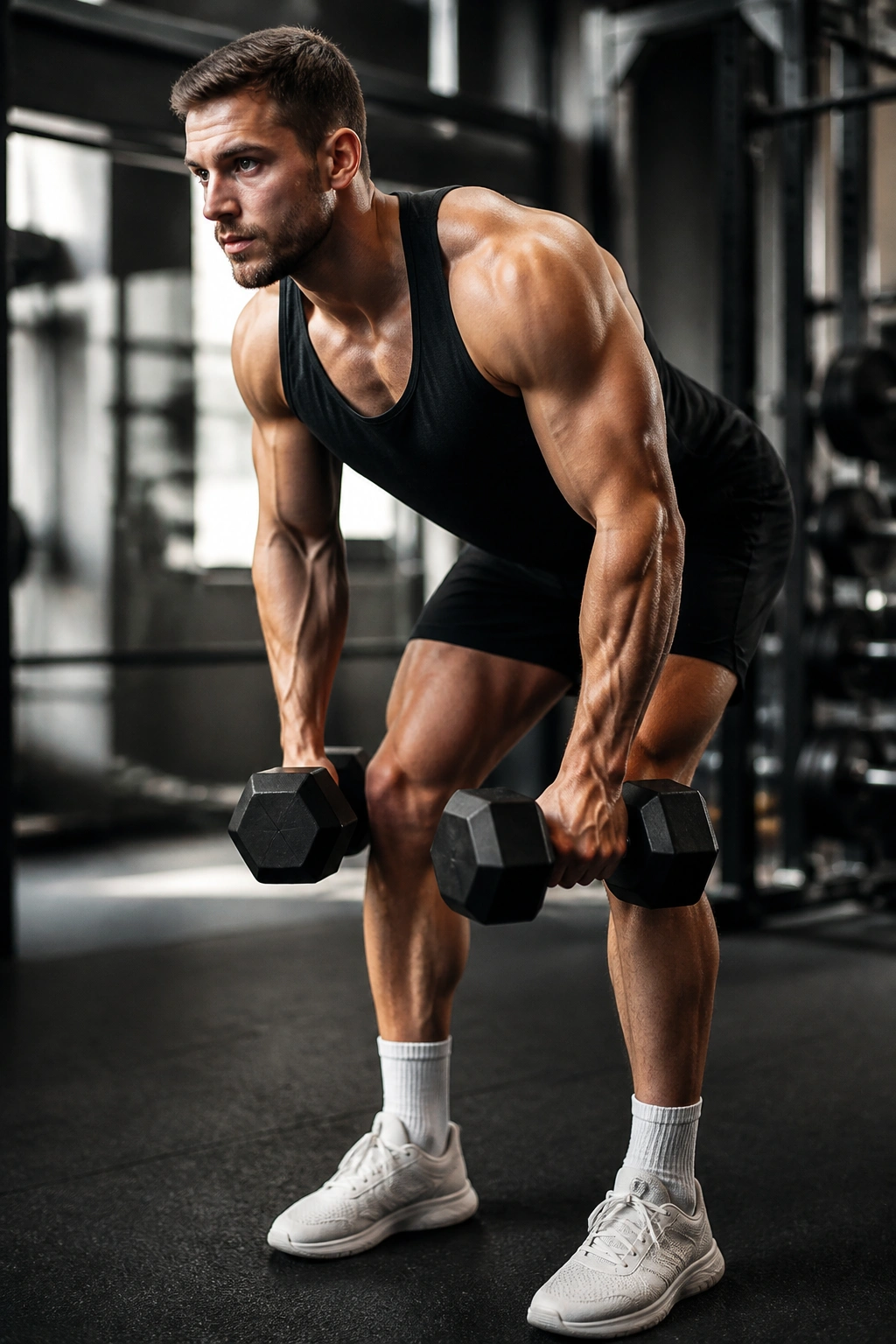
This is the kind of workout that looks harmless until the third round.
A dumbbell complex keeps the same pair of weights in your hands through several moves, which means your heart rate climbs while your muscles keep working under tension. That combination is gold for lean muscle because you are not just lifting; you are also managing fatigue, balance, and grip at the same time.
Why It Works
The best version uses 5 moves, 4 rounds, and 6 reps per move with no setting the weights down until the round ends. Try a Romanian deadlift, hang clean, front squat, push press, and reverse lunge. Pick a load you could press for 8 clean reps, not 15 sloppy ones.
- Romanian deadlift: 6 reps
- Hang clean: 6 reps
- Front squat: 6 reps
- Push press: 6 reps
- Reverse lunge: 6 reps each leg
Rest 75 to 90 seconds between rounds. That short pause is enough to keep your form honest, but not enough to let your pulse settle all the way down.
Pro tip: Stop the set the moment your back starts to flatten on the hinge. That is the point where “toning” turns into a lower-back complaint.
2. Tempo Split Squats and Romanian Deadlifts
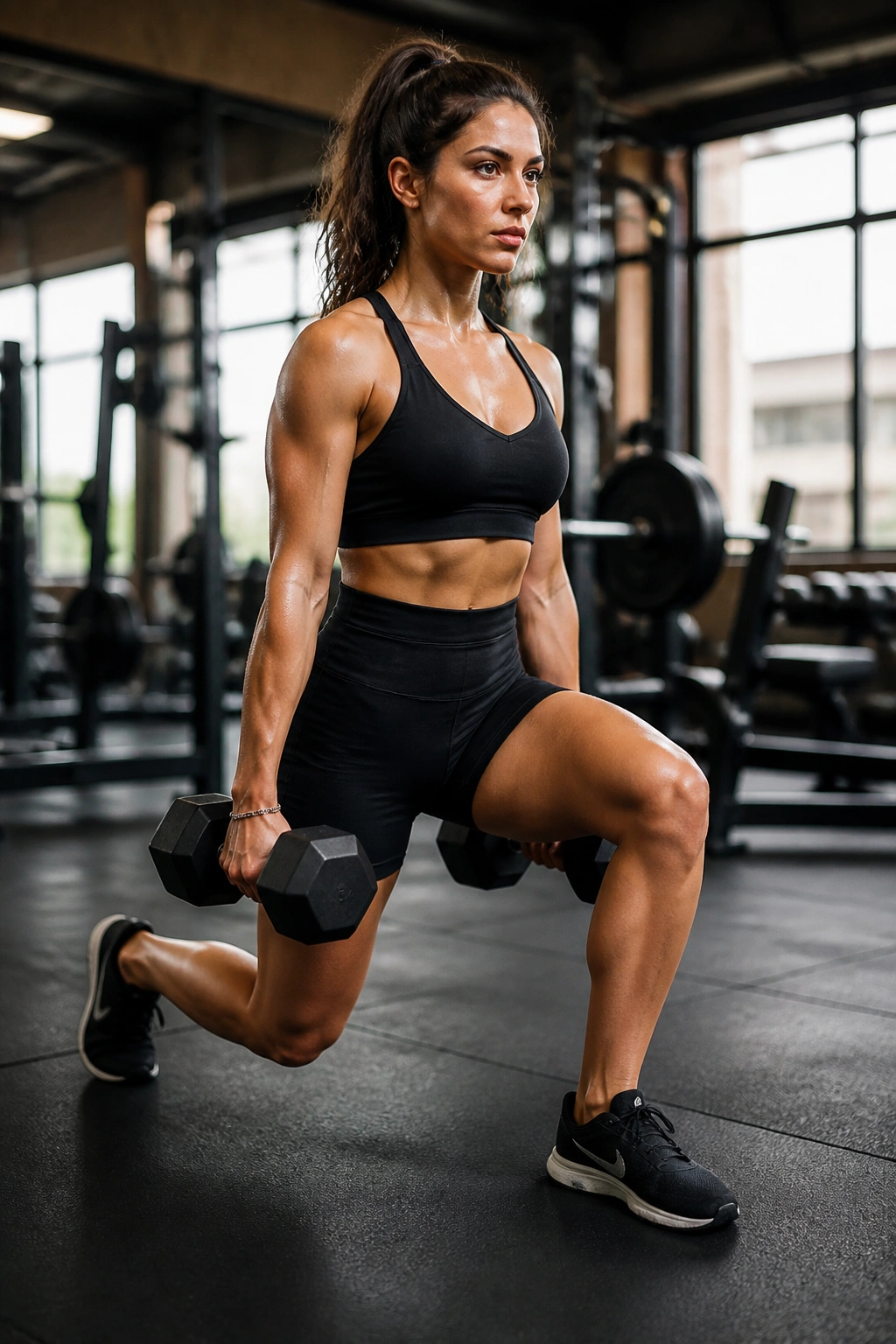
Why do slow leg reps feel harder than heavy ones? Because they usually are.
Tempo work is one of the cleanest ways to build shape without chasing size through endless volume. A 3-second lower, 1-second pause, 1-second rise makes each rep count, and split squats are especially good at exposing weak links in the hips, knees, and ankles. You will feel that in the glute of the front leg long before you feel a barbell on your back.
The pairing I like most is split squats and Romanian deadlifts. One is knee-dominant, the other is hip-dominant, and together they give the legs a fuller look without needing crazy load. Three sets of 8 reps per side on split squats, then 8 to 10 Romanian deadlifts, is enough to make the legs shake a little.
How to Run It
Keep the front foot flat. Keep the torso tall. Lower until the back knee hovers a few inches from the floor, then drive up through the midfoot instead of bouncing off your toes.
Finish with 12 controlled calf raises. Small thing. Big difference.
3. Push-Up and Row Supersets
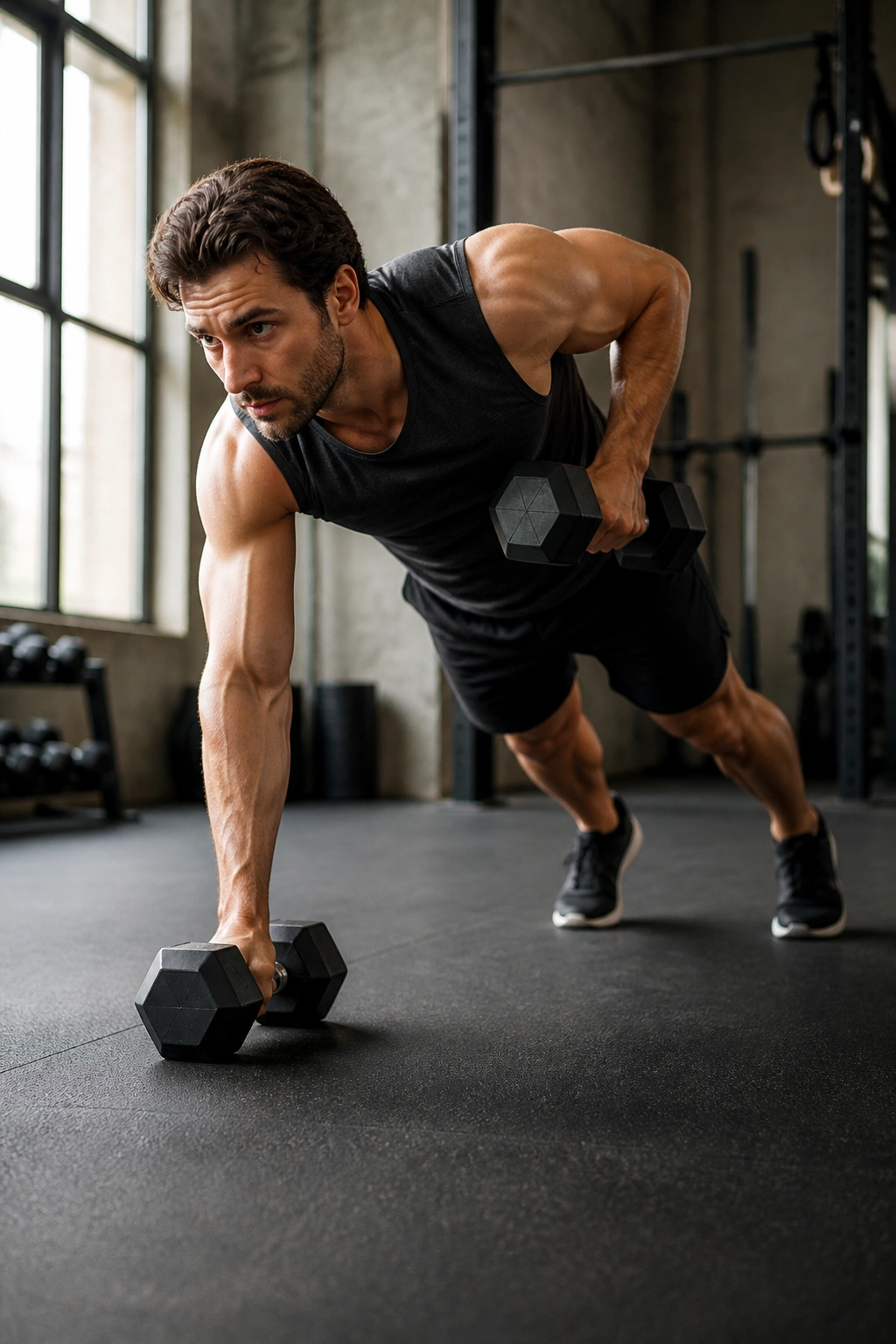
Picture the last five minutes of a solid upper-body session: your chest is warm, your back is lit up, and your shoulders still feel organized instead of cranky.
That is the appeal of push-up and row supersets. You train the front of the body and the back in the same block, which keeps the shoulders happier and the posture cleaner. A lot of people want toned arms and a firmer upper back; this is one of the few workouts that hits both without turning into a circus.
Do 8 to 12 push-ups, then 10 to 12 one-arm dumbbell rows per side. Rest 30 to 45 seconds and repeat for 4 rounds. If floor push-ups are too much, use a bench or incline rail. If they are too easy, slow the lowering phase to 3 seconds.
A small detail matters here: keep the rib cage from flaring on the row. That one cue saves the lower back and makes the lats do their job.
4. Kettlebell Swing and Goblet Squat Ladder
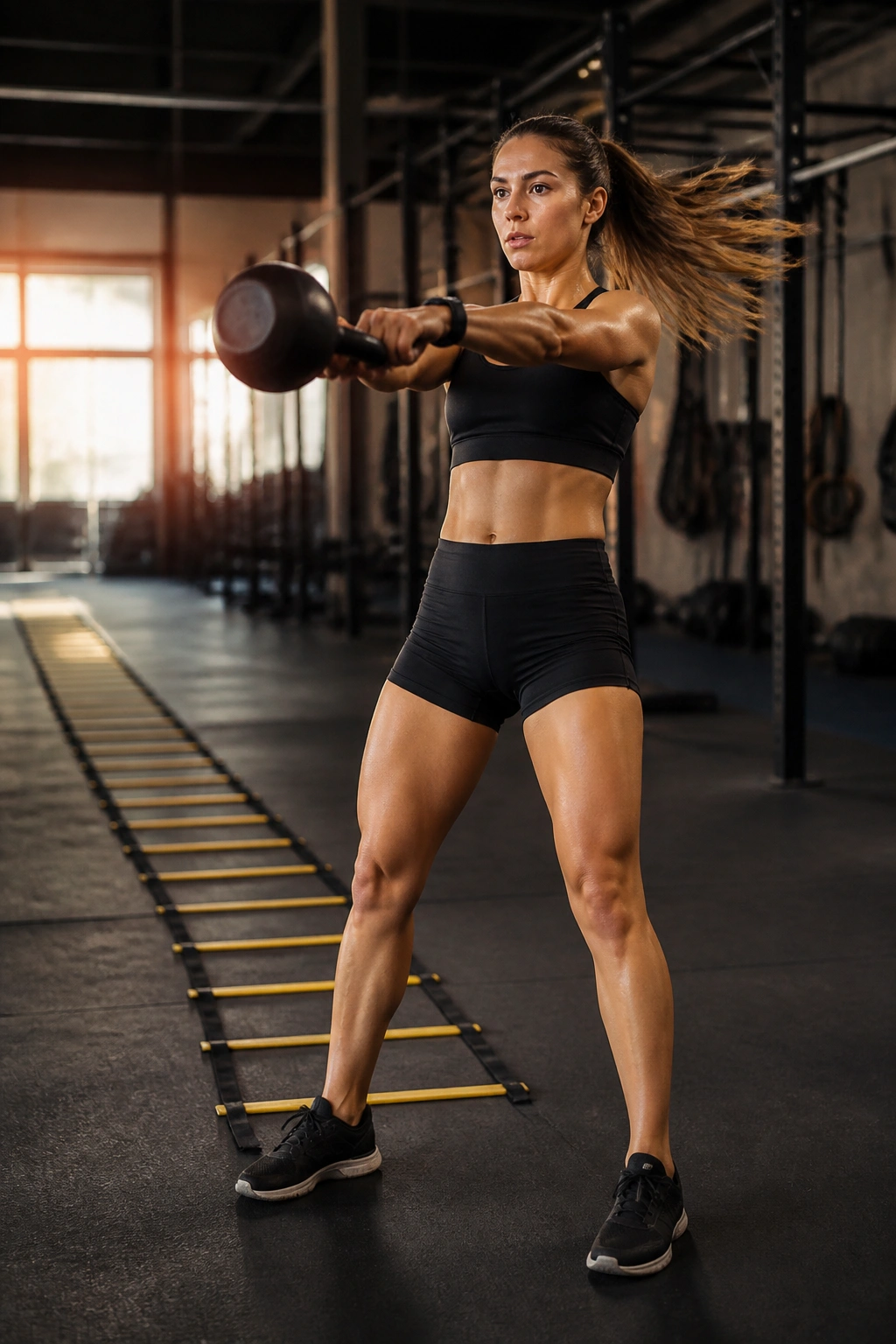
Heavy is not the problem. Endless volume is.
A kettlebell swing and goblet squat ladder gives you power, leg work, and conditioning in one clean package. It is one of those sessions that looks simple on paper and leaves your shirt damp in real life. The swing handles the hinge pattern. The goblet squat keeps the torso upright and loads the quads and glutes without crushing the spine.
Start with 10 swings and 8 goblet squats. Then 8 swings and 6 squats. Then 6 swings and 4 squats. That descending ladder keeps the pace brisk and the effort honest.
Best Rep Range
Use a kettlebell that snaps back to you, not one you have to wrestle. The swing should feel crisp at the top, with the bell floating for a split second from hip drive rather than arm pull.
What to Watch For
Do not turn the swing into a front raise. Do not squat so low that your elbows pinch your knees. And do not rush the ladder like speed alone counts for something. It doesn’t.
5. Pilates Mat Strength Flow
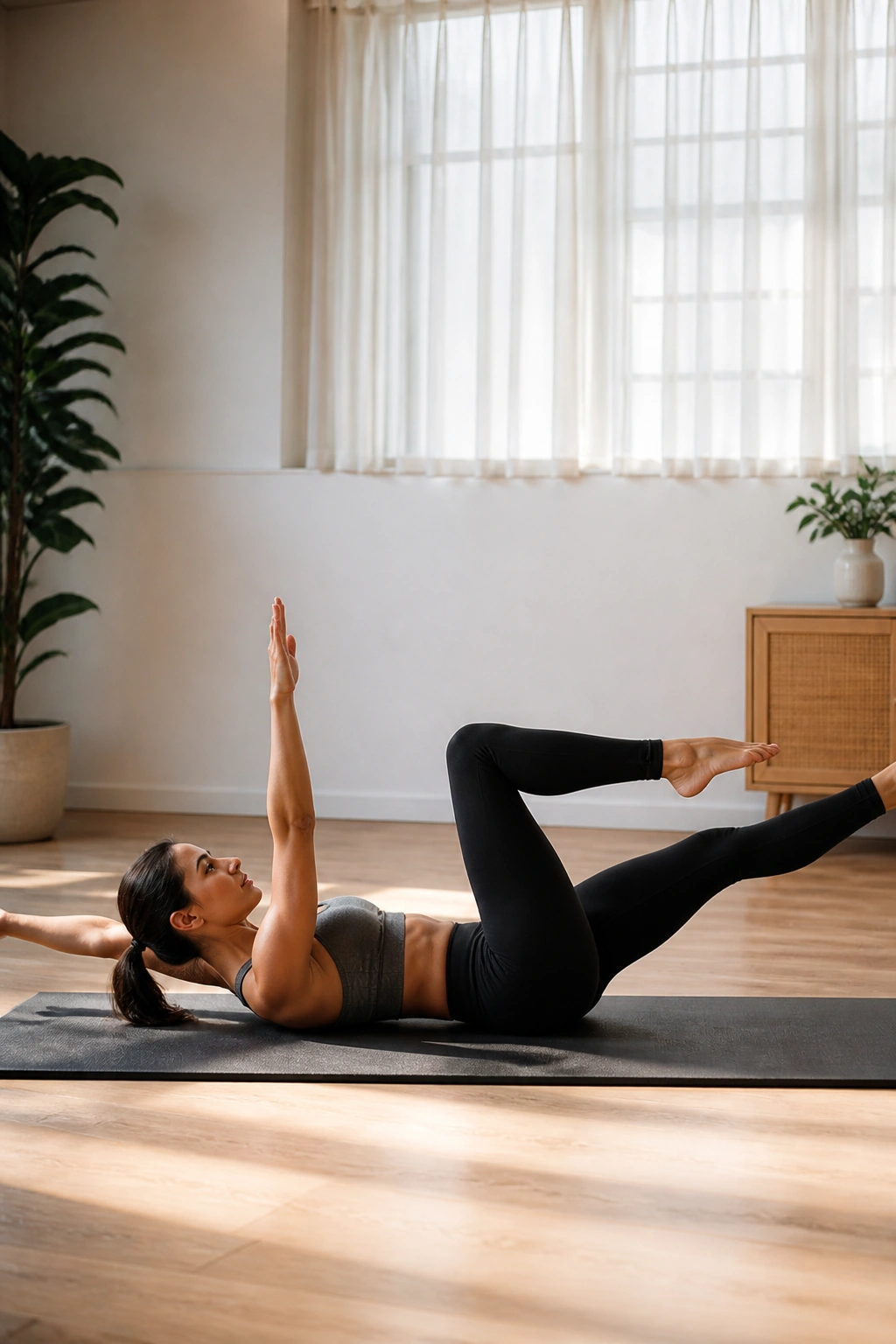
If you want a workout that leaves your core shaking and your posture looking a little taller, Pilates-style mat work earns its place.
This is not the kind of session that makes noise in the gym. It is quieter than that. But a well-run mat flow can light up the deep abs, glutes, inner thighs, and shoulder stabilizers in a way that dumbbells sometimes miss. The work is controlled, so the joints get a break while the muscles stay under tension longer than people expect.
A good sequence might include dead bugs, single-leg stretches, glute bridges, side planks, and swimming holds. Keep the transitions smooth and the breathing steady. If you rush, the whole thing turns sloppy fast.
The best part is how repeatable it is. You can do 20 minutes on a busy day or stretch it to 40 minutes when you want more volume. Either way, it gives you that “held together” feeling through the middle of the body, and that matters more for tone than people admit.
6. Incline Walking Intervals for Lean Legs
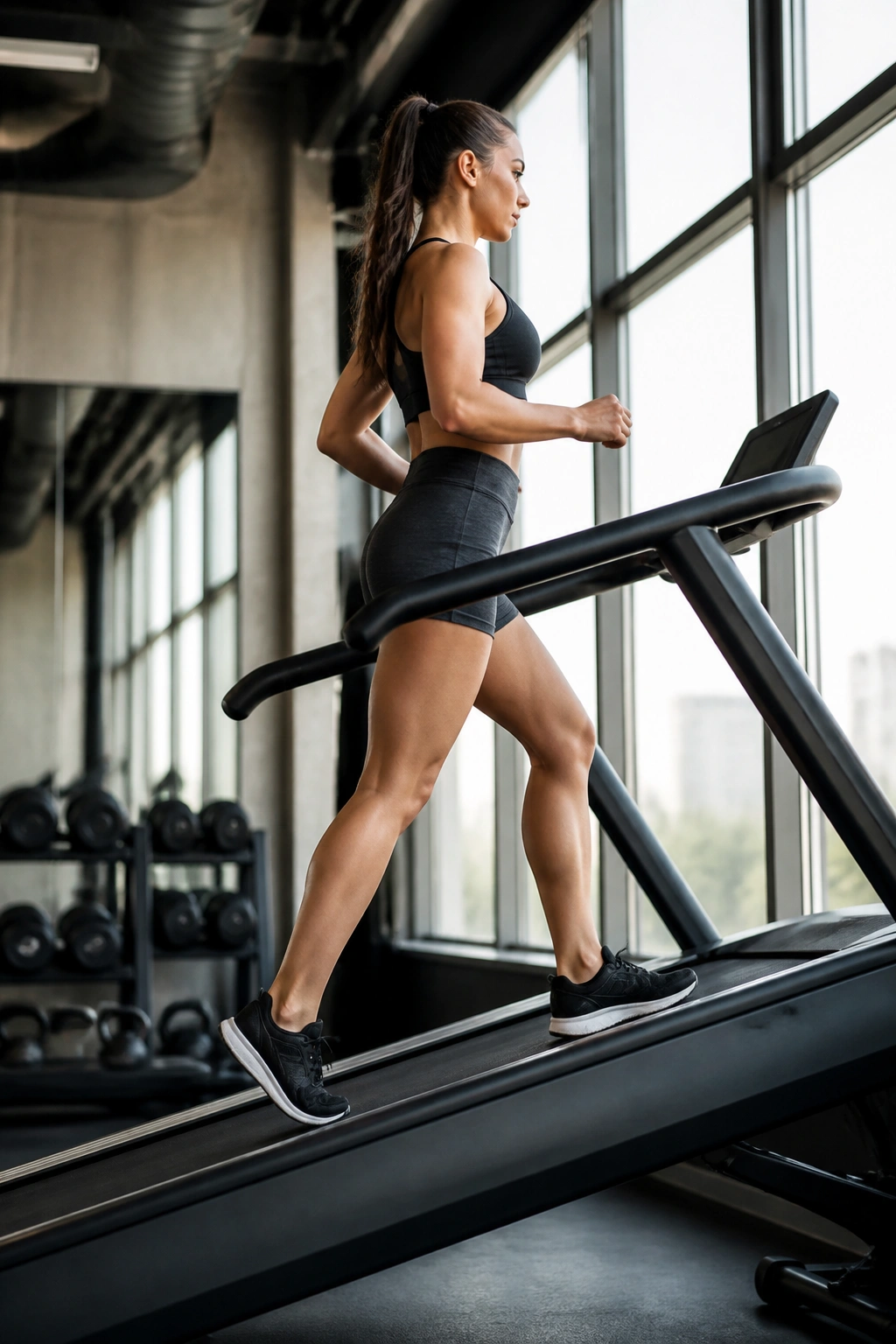
The treadmill changes character the moment the incline goes up.
Walking at 8 to 12 percent incline, even at a modest speed, shifts the work into the glutes, calves, and hamstrings in a way flat walking never quite does. Your breathing deepens. Your legs heat up. The pace feels manageable, but not easy. That is a useful place to be.
Try 2 minutes at a steep incline, then 1 minute easier, for 8 to 10 rounds. Keep the stride controlled and avoid hanging onto the rails. If the speed has to drop to keep the posture clean, drop the speed. The point is not to survive the machine by leaning your body weight into the handles like a shopping cart.
One thing I like about incline walking is that it works well on days when high-impact cardio feels like too much. It still burns, it still conditions, and it still helps keep the legs tight without pounding the joints. No drama. Just steady work.
7. Resistance Band Sculpt Circuit
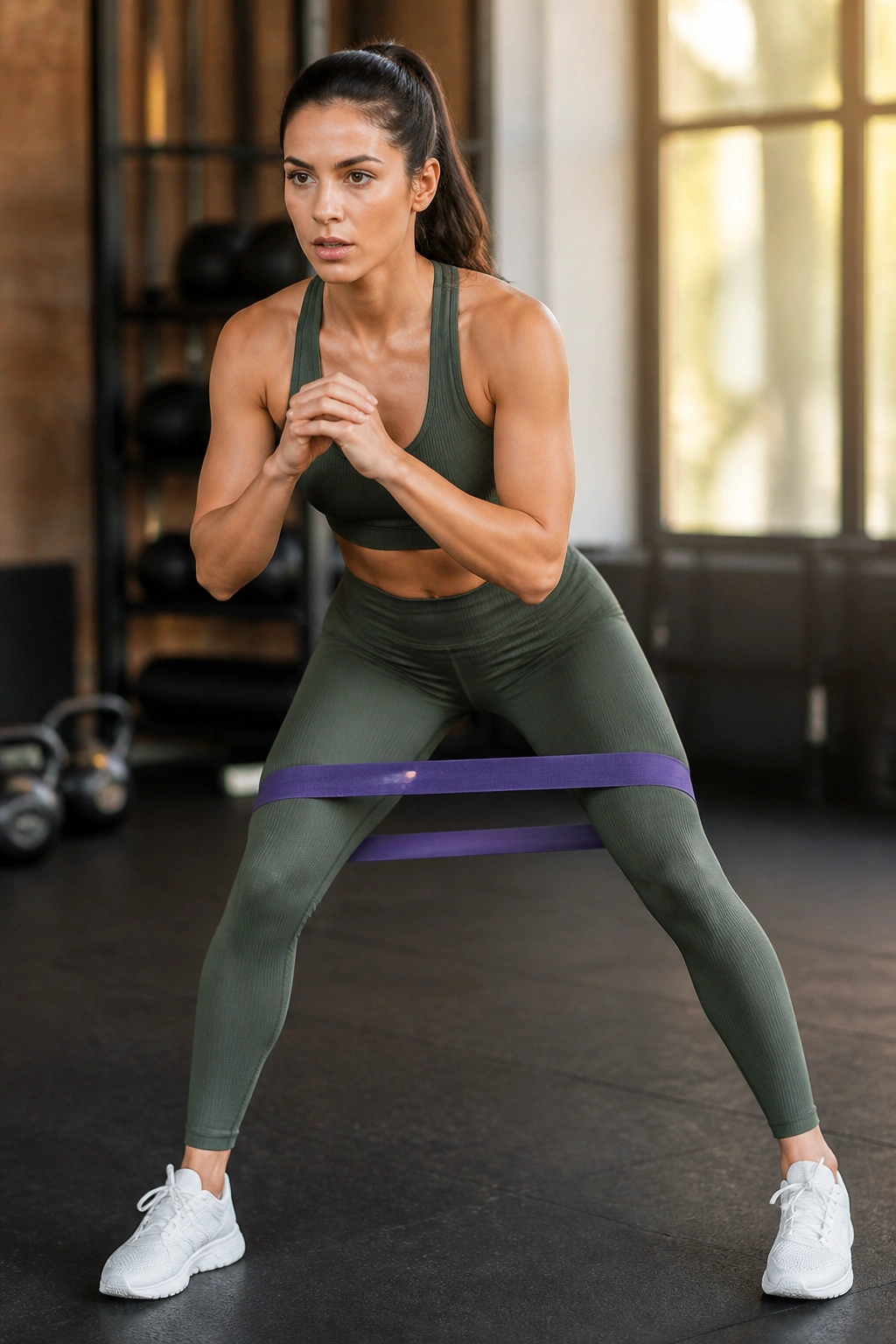
A loop band around the thighs and a long band in the hands can make a short workout feel suspiciously hard.
Bands are underrated because they keep tension on the muscle through the whole rep, especially near the top where bodyweight work often gets easy. That makes them useful for glutes, shoulders, and upper back—exactly the places people want to shape when they say they want to tone.
The Circuit
Use 3 rounds of the following:
- 15 banded lateral steps each way
- 12 band pull-aparts
- 15 glute bridges with the band above the knees
- 12 band rows
- 10 to 12 banded overhead presses
Rest 30 to 40 seconds between moves. Keep the band tight enough that the last 3 reps burn, but not so tight that your form turns into a shrugging contest.
The Rule That Keeps It Useful
If the band is so light you forget it’s there, it is too light. If it yanks your shoulders forward or twists your knees, it is too much. That little middle lane is where the work lives.
8. TRX Suspension Training Session
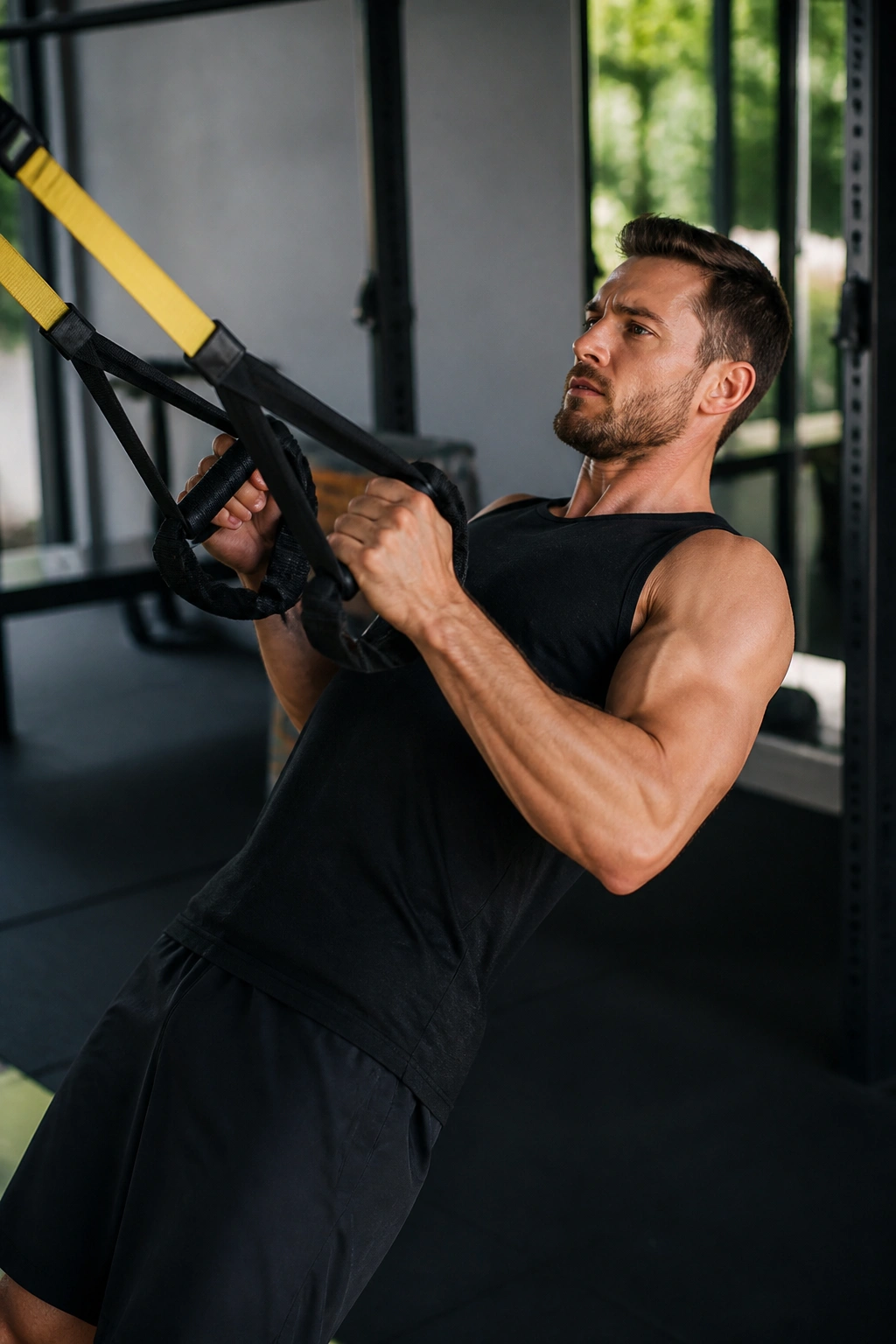
TRX work looks clean from a distance, then your core starts complaining.
Unlike a machine, suspension straps force you to control every inch of the movement. That instability is the point. Rows become harder because you have to brace. Split squats become harder because the back foot is free. Even a simple chest press starts demanding real shoulder control, not just brute effort.
A strong TRX session might include rows, assisted split squats, chest presses, hamstring curls, and fallouts. The straps let you adjust the challenge fast by changing your body angle, which makes this a good option when you want precise control over intensity.
It is especially useful for people who want visible shape without beating up their joints. You can load the muscles enough to create adaptation, but the movement stays smooth and controllable. That matters more than people think, especially if your lower back or shoulders tend to grumble.
9. Single-Leg RDL Reach and Balance Workout
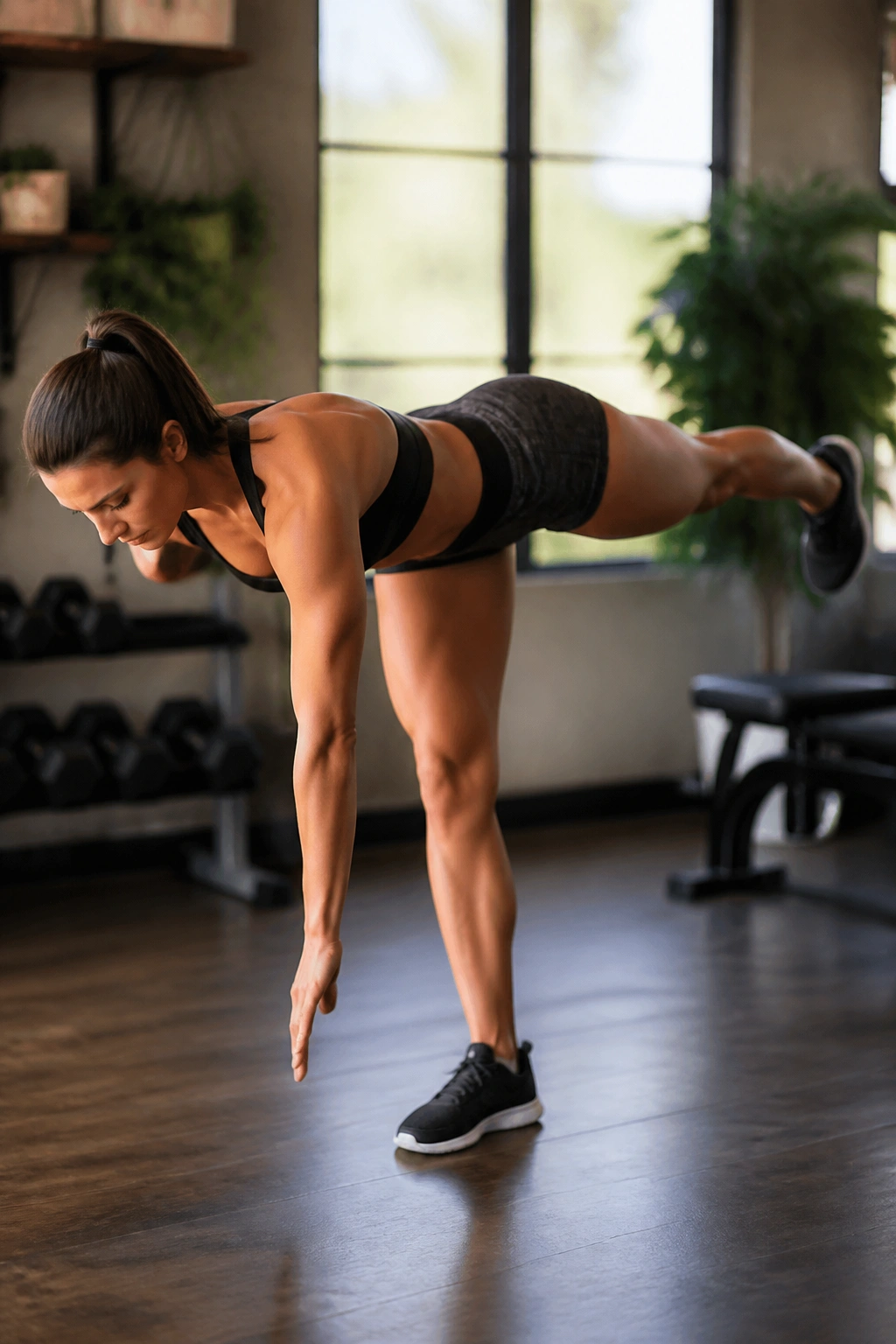
The first rep usually feels fine. The second one is where the wobble shows up.
Single-leg Romanian deadlifts are one of the best quiet builders for the back of the legs. They train hamstrings, glutes, and foot stability all at once, and they force the body to clean up sloppy side-to-side habits. Add a reach toward the floor or a dumbbell in the opposite hand, and the core has to work overtime to stop you from twisting.
The Tempo Rule
Use 3 sets of 8 reps per side. Lower for 3 seconds, pause for 1 second near the bottom, then stand back up without jerking the torso open. If balance is rough, keep one fingertip on a wall or rack.
- 8 single-leg RDLs per side
- 8 step-downs per side
- 20-second single-leg balance hold per side
- 10 slow calf raises per side
What to Feel
The standing foot should feel grounded. The hamstring should lengthen. The glute should finish the rep. If you only feel your low back, the hinge is off and the range is too deep.
10. Boxing Shadow Rounds
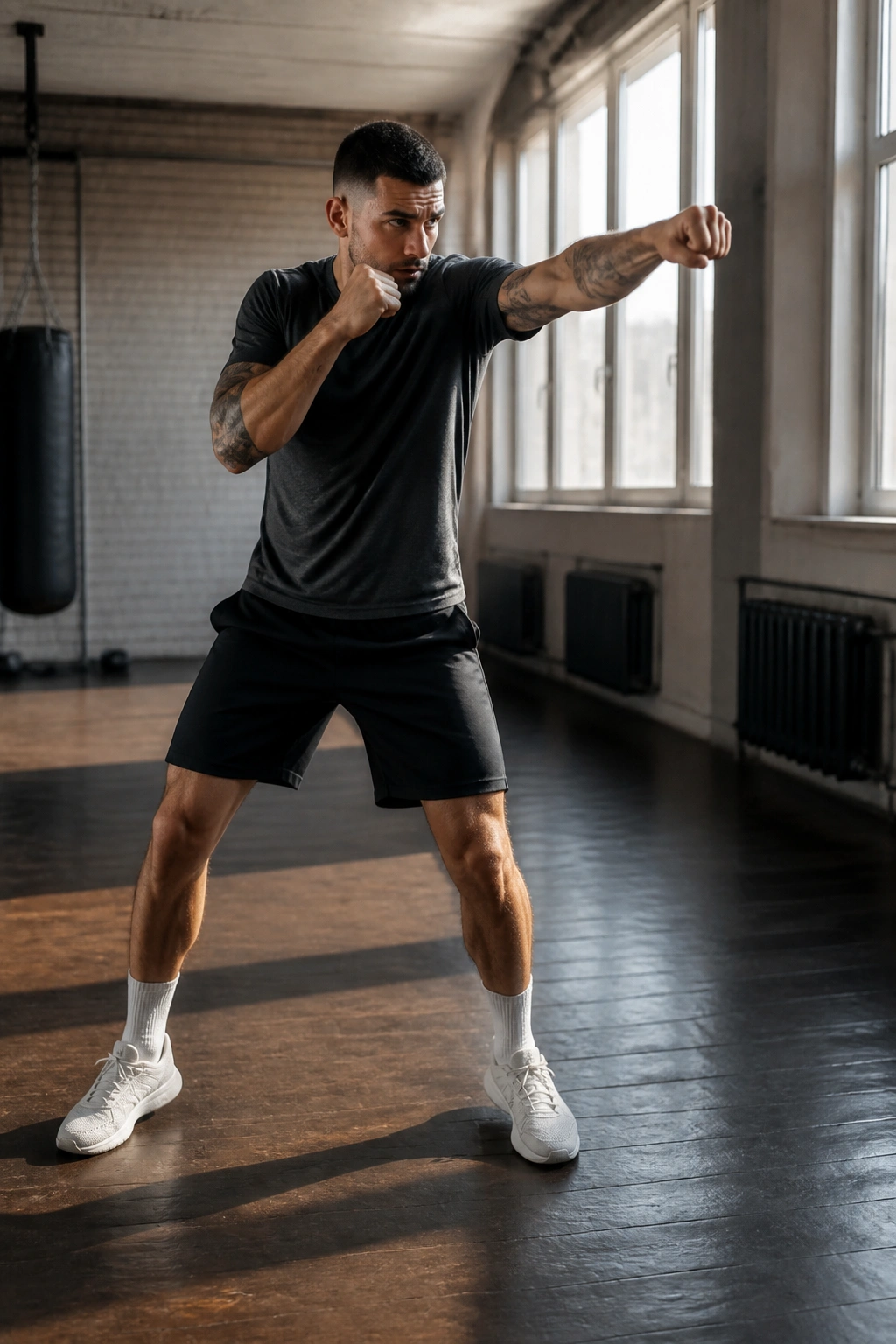
Six rounds of shadow boxing can do more for the upper body than another mindless shoulder circuit.
Why? Because boxing asks for repetition, speed, balance, and rotation all at once. Your shoulders stay under light but constant tension. Your core keeps transferring force. Your feet never stop making tiny adjustments. That combination burns calories, firms the arms, and builds the kind of endurance that shows up in posture and movement.
Round-by-Round Structure
A simple format works well:
- Jab-only round
- Jab-cross round
- Add hooks
- Add slips and rolls
- Add footwork exits
- Freestyle round with short bursts
Work for 3 minutes, rest for 1 minute, and keep the hands high even when you are tired. A lot of people drop their guard without noticing. That habit kills the form and loads the neck.
Shadow boxing is also nice because it does not need perfect conditions. No machines. No crowd. Just space, a timer, and enough attention to stay sharp.
11. Rowing Machine Power Pieces
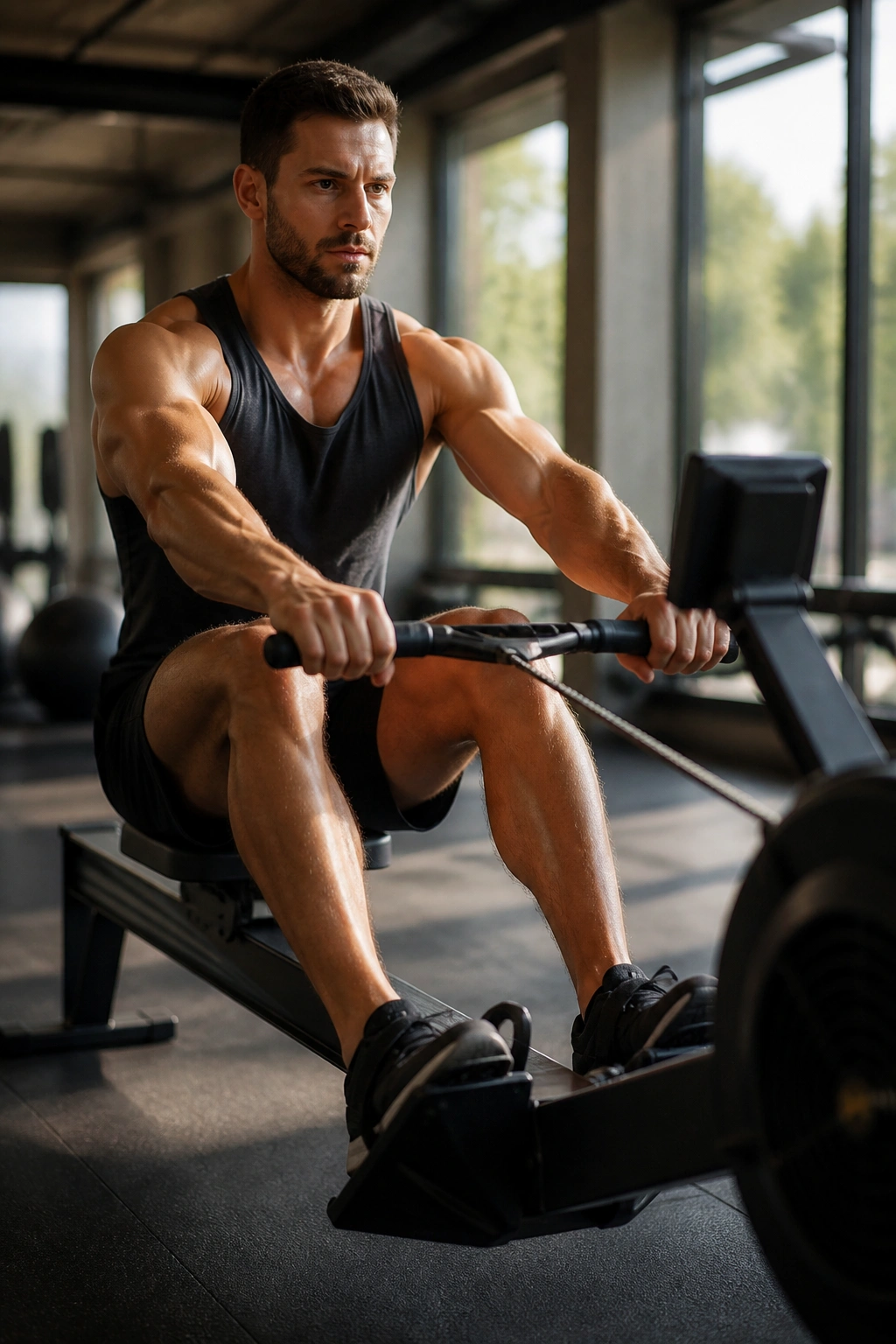
Rowing is one of the few cardio tools that builds a back, not just a sweat.
The stroke starts in the legs, passes through the hips, and finishes with the arms. That sequence matters. If you yank with the hands first, the rower turns into an awkward arm exercise and your lower back pays the bill. When it’s done well, though, rowing gives you a hard conditioning hit and a lot of full-body tension for the time spent.
Try 8 rounds of 250 meters hard, then 250 meters easy. Or use 45 seconds strong, 75 seconds light if distance numbers make you cranky. Keep the drive smooth and the return controlled. The seat should move cleanly, not bounce around like you are fighting the machine.
The beauty here is that rowing is dense without being clumsy. Your legs work. Your trunk works. Your breathing gets ugly. Then you recover, reset, and do it again.
12. Stair Climb Glute Session
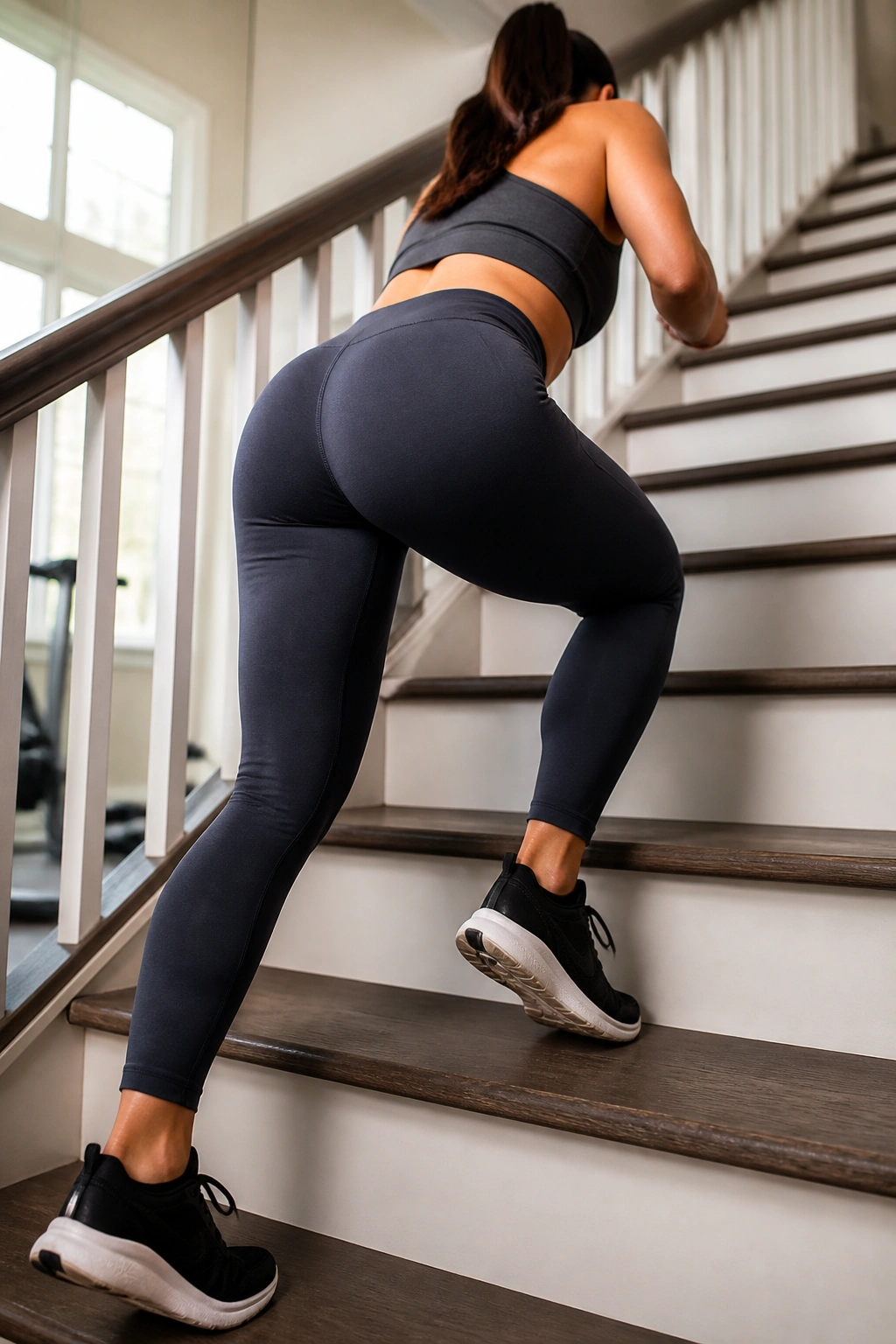
A staircase is not a lesser machine.
It is one of the most honest lower-body tools around. Every step asks the glutes, quads, and calves to push bodyweight upward, and the repeated climbing keeps the heart rate in a useful place. If you want legs that look trained without spending forever under a barbell, stairs are hard to ignore.
Use 10 rounds of 30 seconds climbing and 60 seconds easy. After that, add 3 sets of step-ups on a box or bench, 10 reps per leg, with a slight forward lean. That lean shifts more work into the glutes instead of making the quads do all the labor.
Skip the two-at-a-time sprinting unless your knees and ankles already tolerate it well. Simple, steady climbing usually wins here. The shape work comes from repetition and control, not from trying to win a sprint no one asked for.
13. Sled Push and Pull Workout
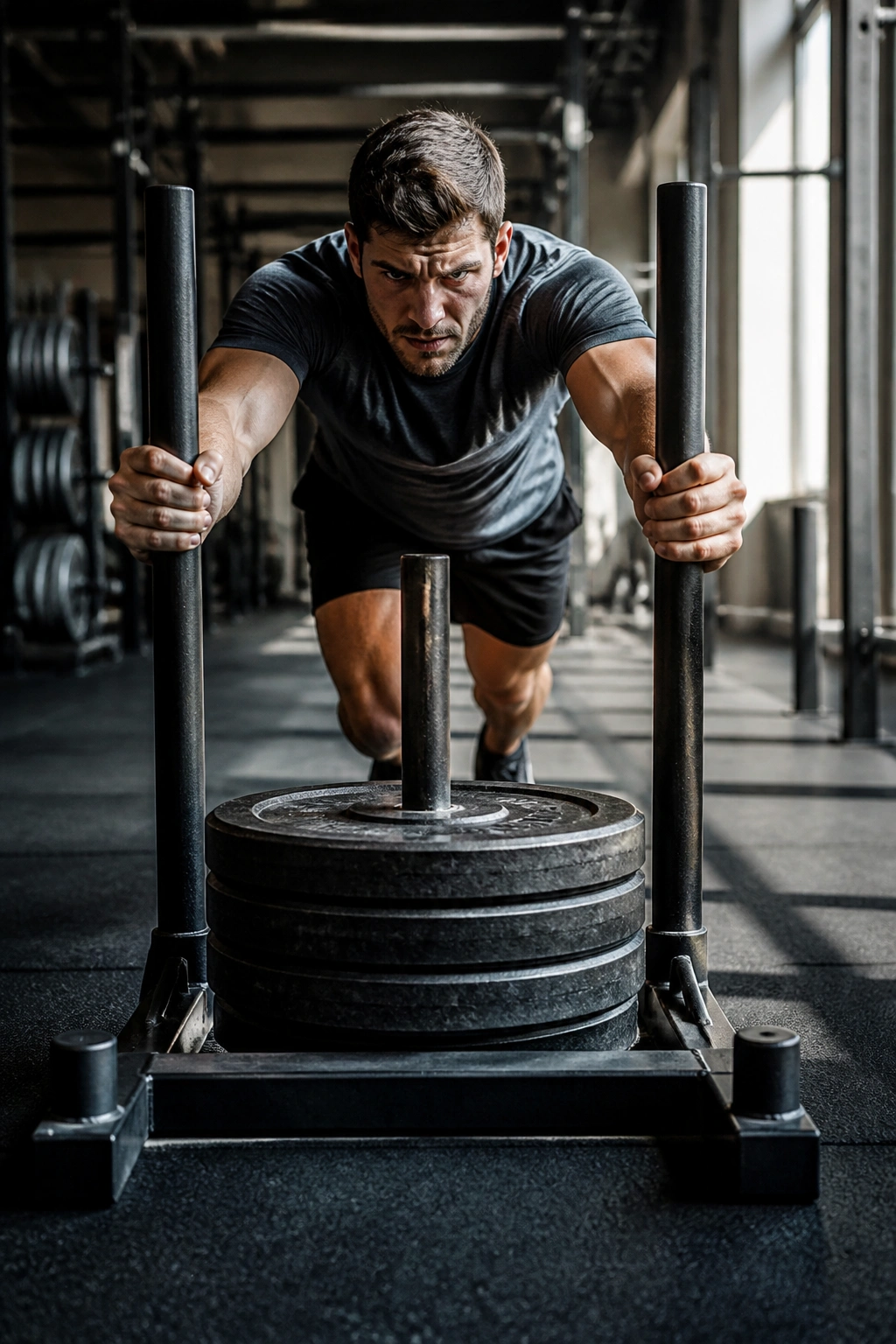
Sled work is a gift if you want conditioning without the usual ache that follows hard running.
Pushing and dragging a sled loads the legs and trunk while cutting down on the eccentric stress that makes people sore for days. That is one reason athletes like it, and it is one reason regular gym-goers should stop sleeping on it. You get effort, power, and a lot of leg engagement without the same wear-and-tear as jumping or pounding intervals.
Use 4 to 6 rounds of 20 meters pushing, then 20 meters backward dragging. If the sled is light enough that you coast, load it more. If your torso folds over and your feet start skidding, load it less. The sweet spot is a forceful march, not a panic sprint.
Best Use Cases
- Fatigue-resistant leg work
- Conditioning with less joint stress
- Glute and quad emphasis
- Finishing a strength day without trashing recovery
If you do not have a sled, a towel drag on turf or a loaded plate push on a smooth floor can stand in. Not perfect, but close enough to get the job done.
14. Dead Bug and Plank Core Set
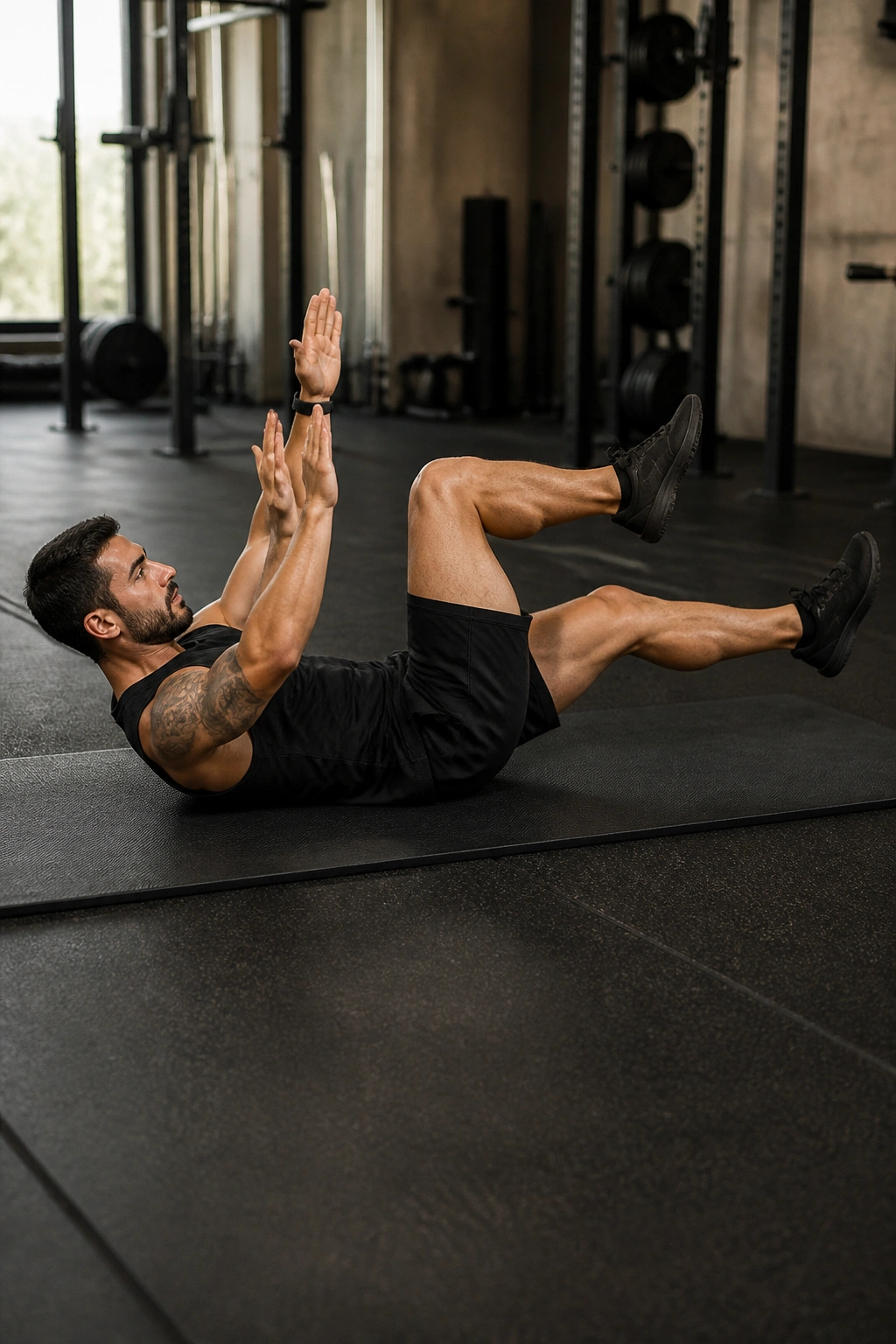
Crunches are fine. They are also not the whole story.
If you want a midsection that looks tighter and holds the rest of your body together, anti-extension and anti-rotation work deserve more space. That means dead bugs, planks, side planks, hollow holds, and bear positions. These moves teach the trunk to resist movement instead of just curling over and over again.
The Core Circuit
Try 3 rounds of:
- 8 dead bugs per side
- 30-second forearm plank
- 20-second side plank per side
- 20-second hollow hold
- 20-second bear hover
Rest only as needed to keep the shape clean. If the lower back starts arching, shorten the hold. If the neck starts taking over, reset your ribs.
The reason this works for a lean look is simple. A strong trunk makes every other lift cleaner, and cleaner lifts tend to build better lines through the waist, shoulders, and hips. A messy core leaks force everywhere. Nobody wants that.
15. Minimalist Barbell Strength Day
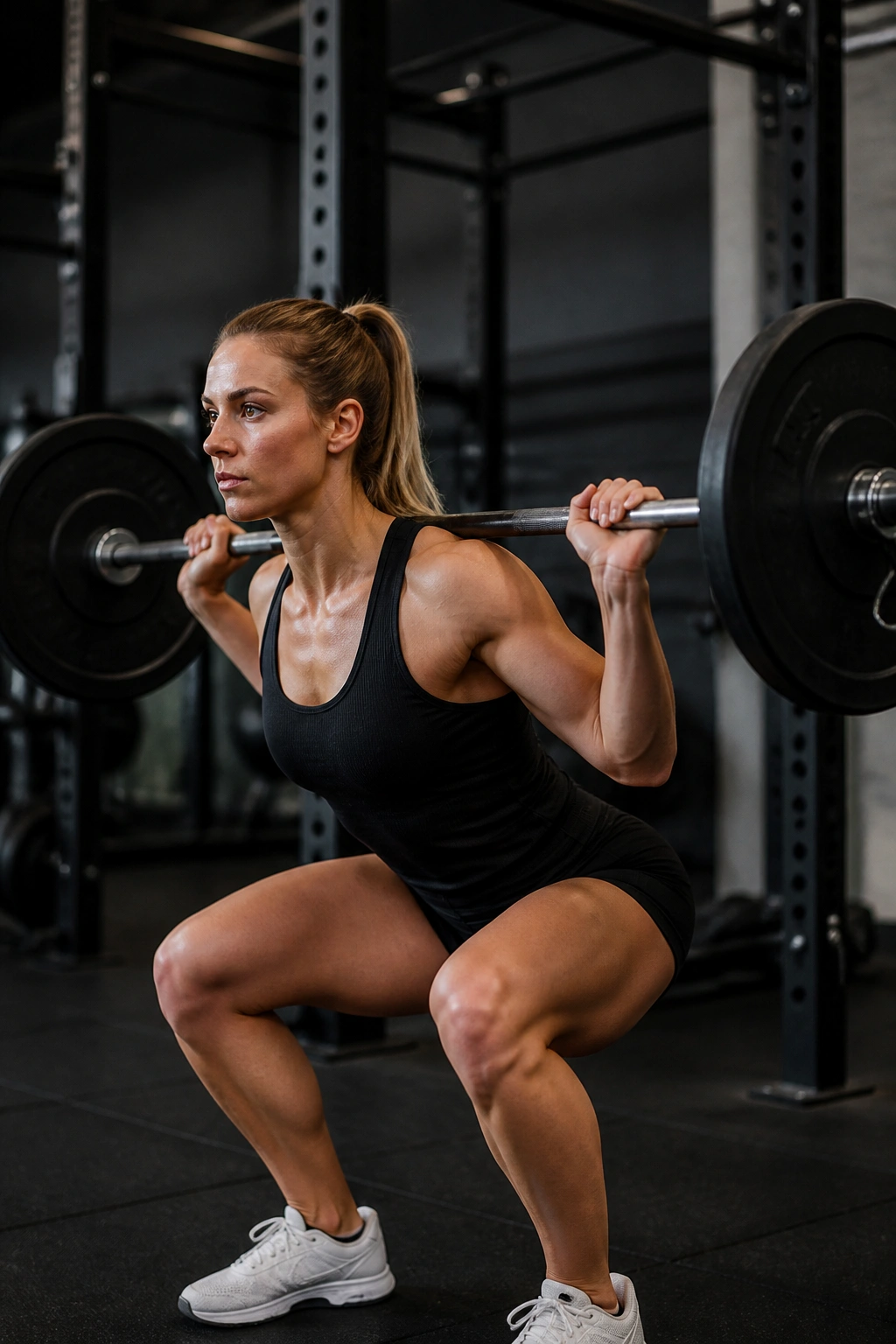
People hear “barbell” and assume bulk is waiting around the corner. That is not how it works.
A minimalist barbell day can be one of the best ways to build lean muscle because it gives you a clear strength stimulus without drowning you in volume. Three lifts. Moderate weight. Clean reps. Long enough rest to keep the technique sharp. Done properly, this is sturdy, not bloated.
A simple setup might be squat, bench press, and bent-over row. Use 3 to 5 sets of 4 to 6 reps on each lift, resting 90 to 120 seconds. Keep two reps in the tank on most sets. Grinding every rep is a fast way to turn a smart workout into a recovery tax.
What Makes It Lean-Friendly
The lower volume keeps total fatigue from exploding. The moderate load builds strength and firmness. The controlled rep range lets you progress without needing marathon sessions. And because the work is balanced, you are not overfeeding one area while neglecting the rest.
This is a useful day for anyone who wants shape and strength without the whole gym-life personality transplant.
16. Swim Interval Ladder

The pool has a way of making hard work feel cleaner than it looks.
Swimming gives you resistance from the water, demand from the breathing, and a lot of shoulder and back involvement without joint pounding. The body stays long in the water, which is part of why swimmers often develop that narrow-waist, broad-back look people notice.
A good ladder could be 25 meters, 50 meters, 75 meters, 100 meters, then back down. Rest 20 to 30 seconds between lengths, or a little more if the breathing gets messy. If you are not a confident swimmer, stick to freestyle drills or even aqua jogging. No prize for drowning your workout.
What to Feel
The water should push back on every pull. The kick should be steady, not frantic. And the finish of each stroke should feel smooth, not chopped up. When the form starts to break, the workout stops being useful.
Swimming is one of those rare options that can make you feel worked and refreshed at the same time. Oddly satisfying.
17. Loaded Carry Finisher
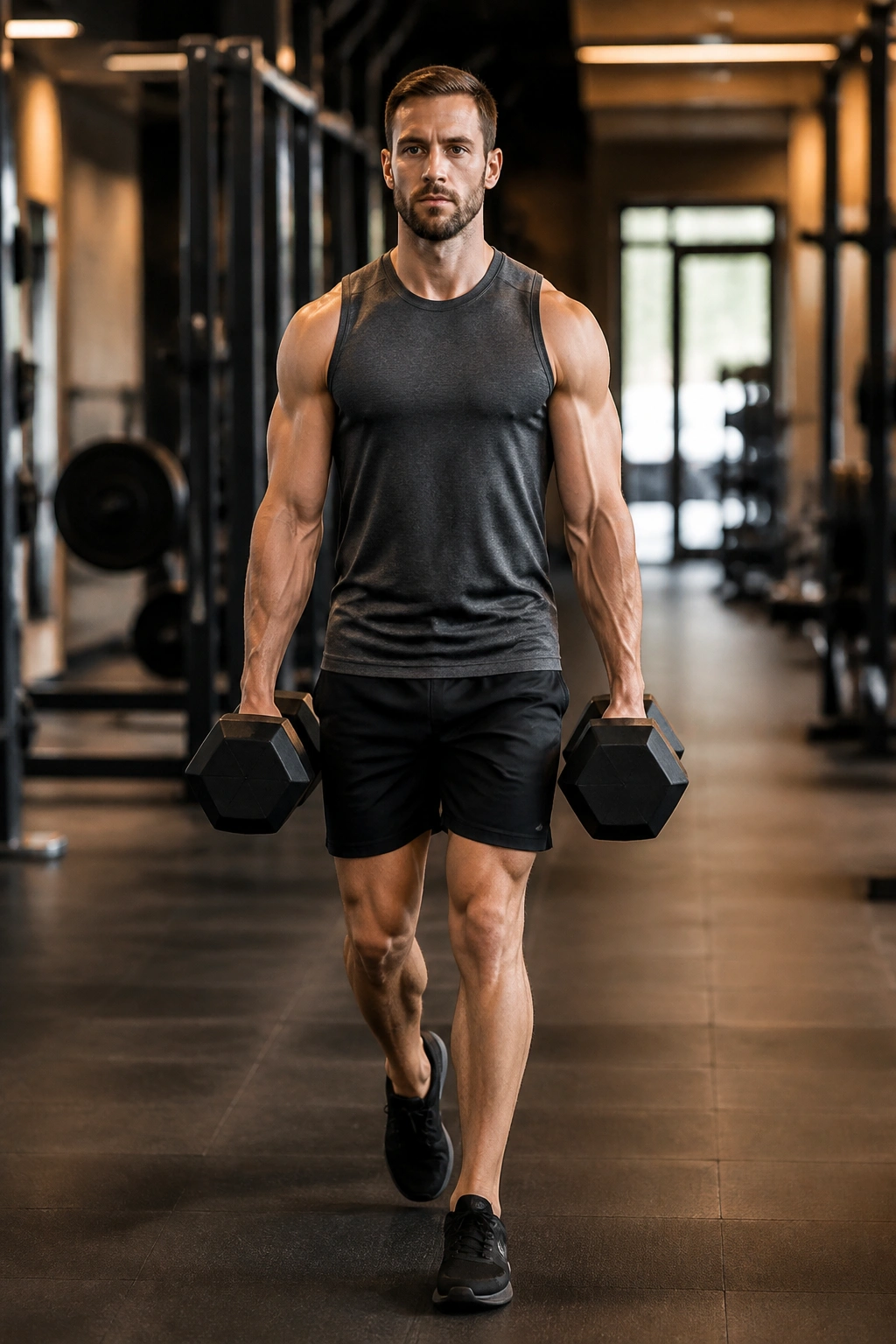
Carry work looks too simple to matter. It matters.
Farmer carries, suitcase carries, and front rack carries train grip, posture, breathing, and trunk stability in one shot. They also show you very quickly where your weak side lives. If one hand slips sooner or one shoulder hikes higher, the body is telling on itself.
Use 3 rounds of 30 to 40 meters per carry style:
- Farmer carry with two dumbbells
- Suitcase carry with one dumbbell on one side
- Front rack carry with kettlebells or dumbbells
- Overhead carry if the shoulders tolerate it well
Walk slowly enough to stay tall. Ribs down. Chin level. No leaning. That posture work is part of why carries help a lean look; they train the body to stand and move in a cleaner line.
This is a smart finisher after lifting, and it also works on low-energy days when you want a short session that still feels like a real session.
18. Mobility and Isometric Sculpt Session
This is the workout that keeps the other workouts honest.
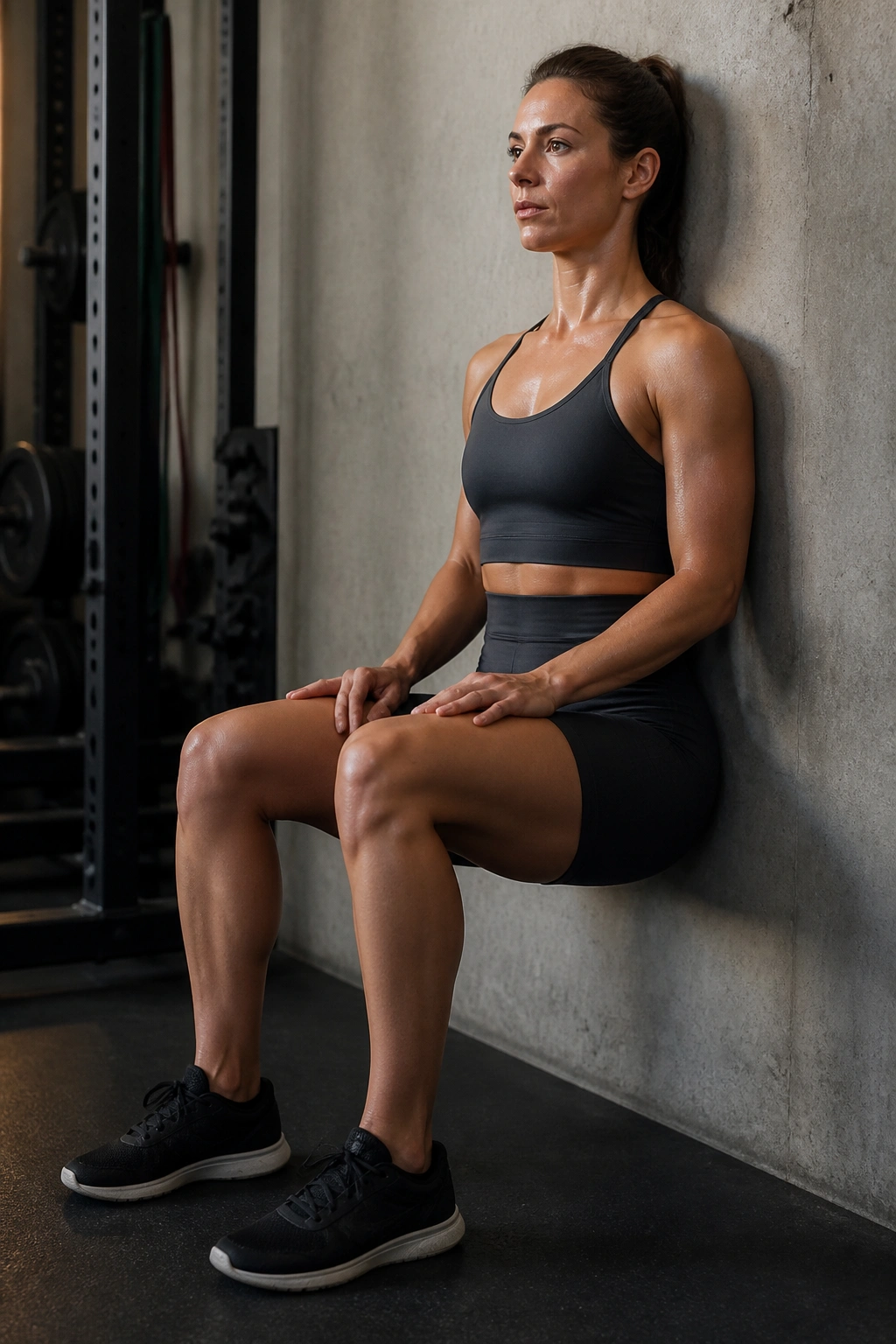
Mobility plus isometrics gives you tension without the pounding. Wall sits, glute bridge holds, Cossack squat holds, calf raise pauses, and deep squat breathing can make the legs and hips work hard while the joints get a break. There is no rushing here. The point is to hold positions well and let the muscles stay lit long enough to matter.
Try 2 to 3 rounds of 20 to 40 seconds per hold. A wall sit should make the thighs burn. A glute bridge hold should squeeze the backside, not the lower back. A side lunge hold should open the inner thigh without collapsing the torso. If the posture gets sloppy, shorten the hold and clean it up.
This kind of session is especially useful between harder days. It keeps blood moving, teaches better positions, and leaves you feeling more put together than punished. Some people skip it because it looks easy. That mistake usually lasts one round.
And honestly, that is the whole point of lean muscle training: enough challenge to change the body, enough control to keep showing up, and enough variety that you do not dread the next session. The workouts that tone without bulk are rarely flashy. They are the ones that make the body work from a dozen angles, then let it recover and come back a little sharper.
