



You cannot choose where fat comes off first. That is the annoying part, and it is also why so many people get stuck chasing flat-belly tricks that never had much chance of working.
Reducing stomach fat at home usually comes down to a few plain habits: eating enough protein, adding more fiber, cutting liquid calories, and stopping the slow creep of portions that get bigger when nobody is watching. The kitchen matters because it is where those habits either hold up or fall apart.
No special powder fixes that. No “detox” tea does either.
The upside is that home gives you control over the details that matter most. You can change what goes on the plate, how much lands in the bowl, and how late the snacks keep coming, and those small moves tend to add up faster than people expect.
1. Start Reducing Stomach Fat at Home With a Protein Breakfast
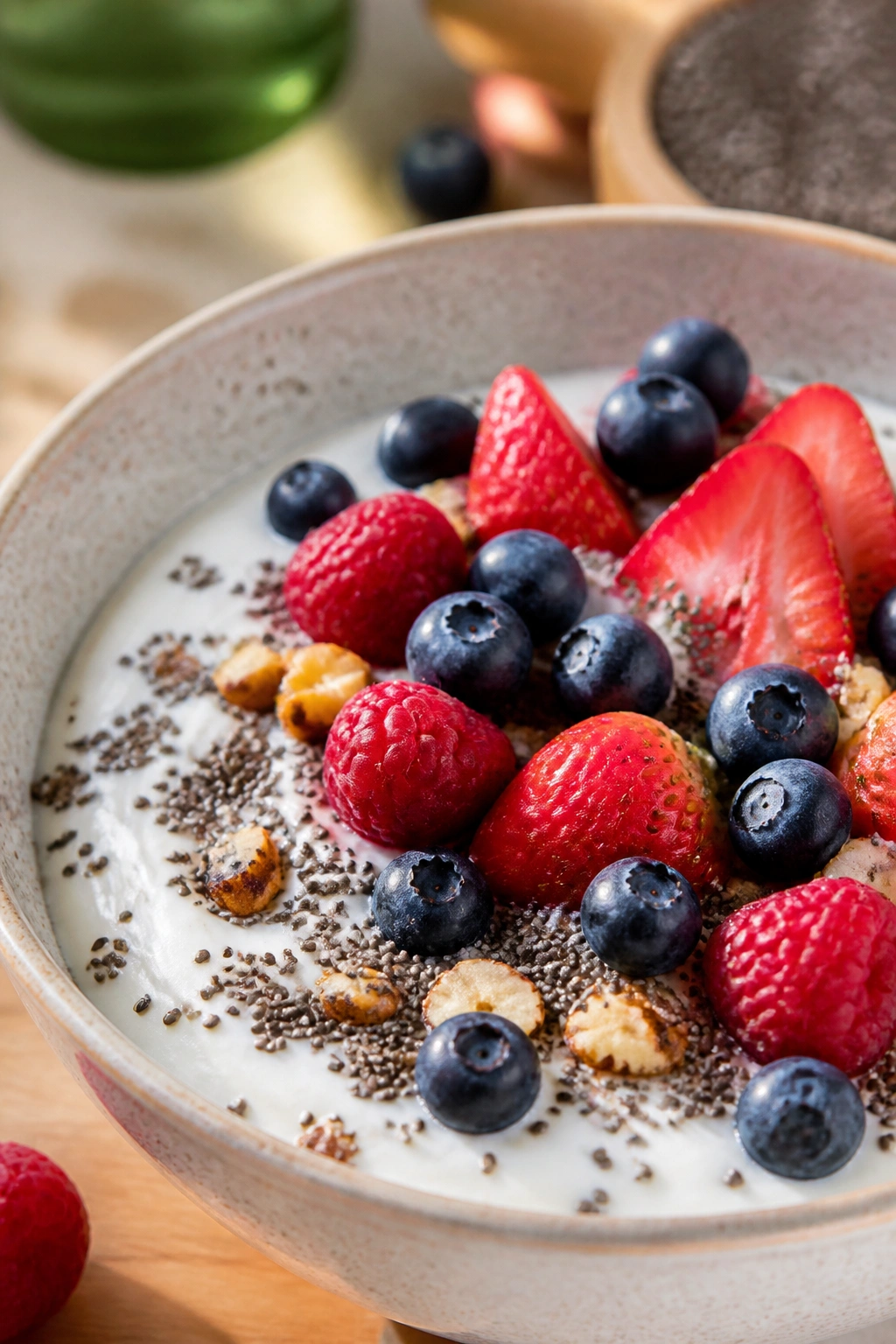
A weak breakfast sets the tone for the whole day. If you start with toast, jam, and coffee, you may be hungry again before lunch even gets a chance to feel like lunch.
Protein changes that. Eggs, Greek yogurt, cottage cheese, tofu, smoked salmon, and leftover chicken all do a better job of keeping hunger steady than a sweet breakfast that burns through fast. Aim for 25 to 35 grams of protein if that fits your appetite, and pair it with something filling, not just something fast.
A bowl of plain Greek yogurt with berries and chia seeds works. So does a three-egg omelet with vegetables and a slice of whole-grain toast. If you like oatmeal, stir in protein powder, milk, or a big spoon of nut butter so the meal has some staying power.
Skip the “coffee counts as breakfast” habit. It usually does not.
2. Put Fiber in Every Meal
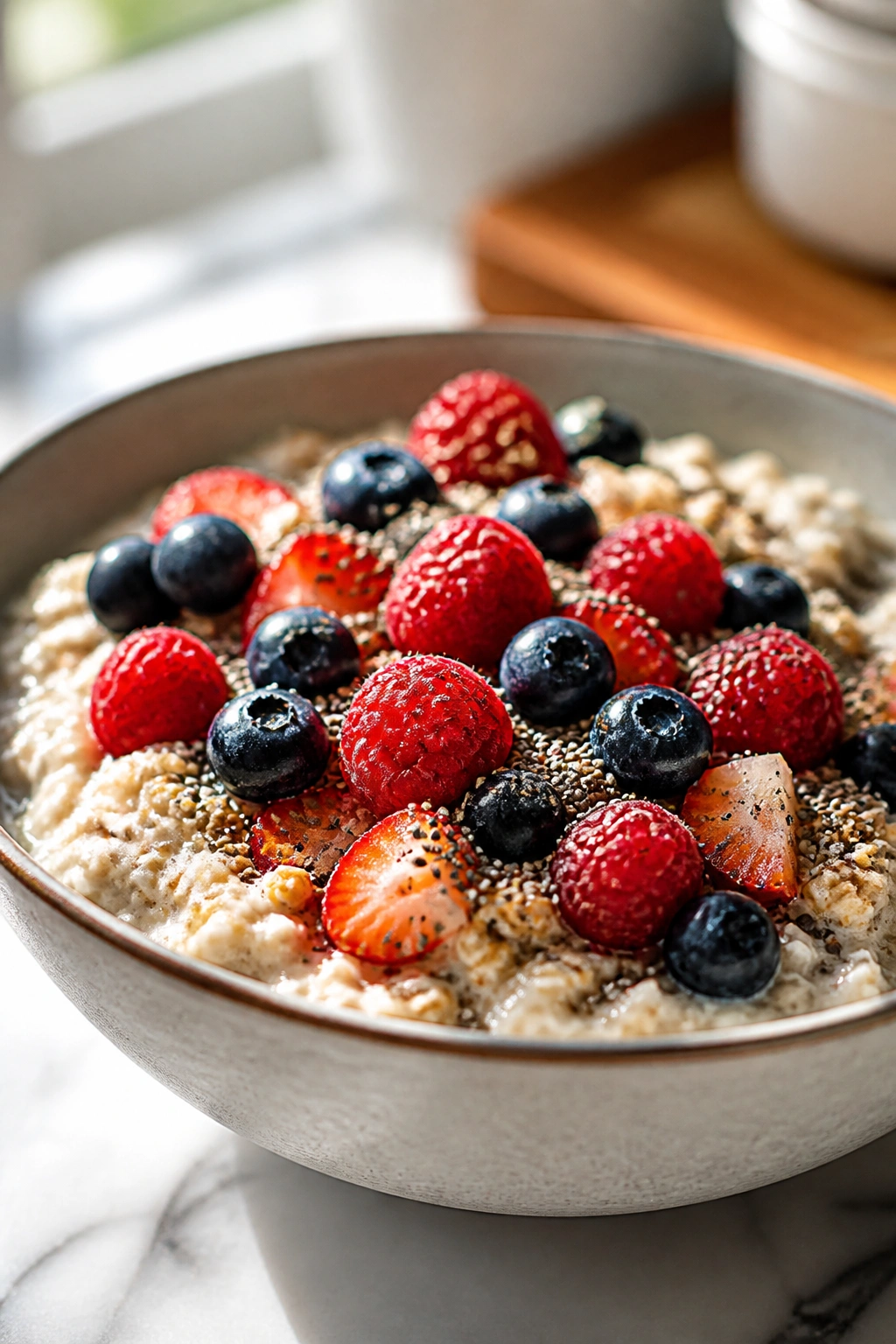
Why does fiber matter so much? Because it slows down how fast a meal leaves your stomach, and that gives your brain time to catch up before you go looking for seconds.
There are two easy kinds to think about. Soluble fiber, found in oats, beans, apples, chia, and citrus, helps meals feel thicker and slower. Insoluble fiber, found in vegetables, whole grains, and many skins and peels, adds bulk and helps the plate feel like an actual meal instead of a snack in disguise.
You do not need to chase some perfect number at first. Put fiber on the plate three times a day and let it become normal.
Easy Ways to Add It
- Add 1 tablespoon chia seeds to yogurt or oatmeal.
- Toss 1 cup beans or lentils into soup, salad, or rice bowls.
- Keep apples, pears, oranges, and berries where you can see them.
- Use half a plate of vegetables at lunch and dinner.
- Choose whole-grain bread, oats, brown rice, or barley when you can.
Fiber is boring in the best way. It works quietly.
3. Drop Sugary Drinks and Fancy Coffee First
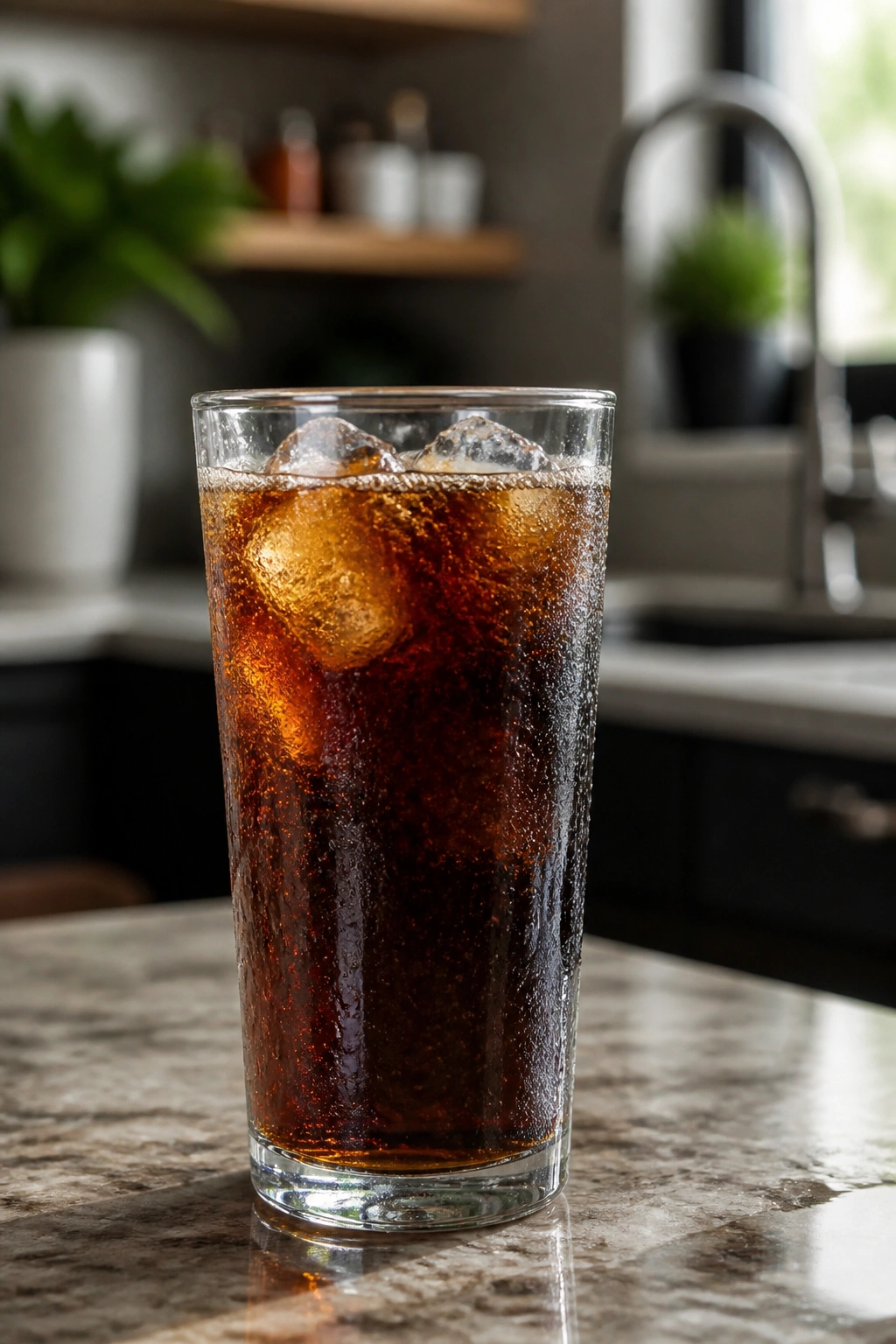
If you only change one drink habit, start here. Sugary drinks are slippery because they barely feel like food, yet they can add a big chunk of energy without touching your appetite much.
Soda is the obvious one. Sweet tea, bottled coffee drinks, fruit juice, sports drinks, and those huge café drinks with syrups and whipped cream count too. A drink can go down in two minutes and leave you just as hungry as you were before.
Try water, sparkling water, unsweetened tea, plain coffee, or coffee with milk instead of syrup. If you like flavor, use cinnamon, a splash of vanilla, or a squeeze of lemon. Small change. Big difference.
4. Use a Smaller Plate and Bowl at Home
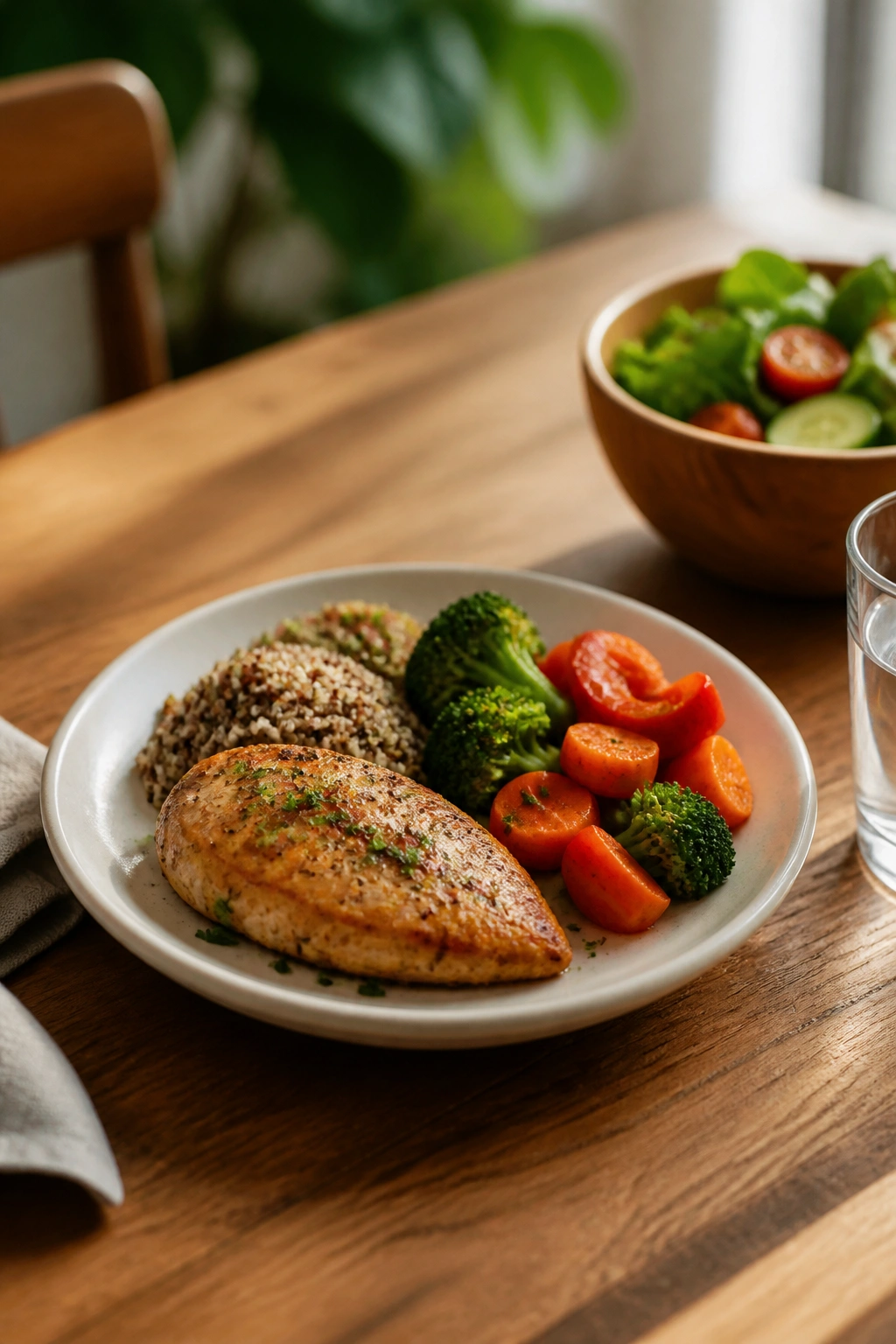
A full plate tricks the eye. A half-empty plate makes people keep searching the kitchen after dinner, even when they have had enough.
That is why plate size matters more than most people admit. A 9-inch plate tends to make a sensible portion look normal, while a huge dinner plate can make the same portion look skimpy. The bowl trick works too. Cereal in a deep, wide bowl can disappear fast, which is how “one bowl” turns into a second pour.
A Simple Home Setup
- Use smaller plates for dinner.
- Serve snacks in bowls, not from the bag.
- Pour cereal into a measuring cup once if you need a reality check.
- Put leftovers away before you sit down.
It sounds almost too basic. It is not.
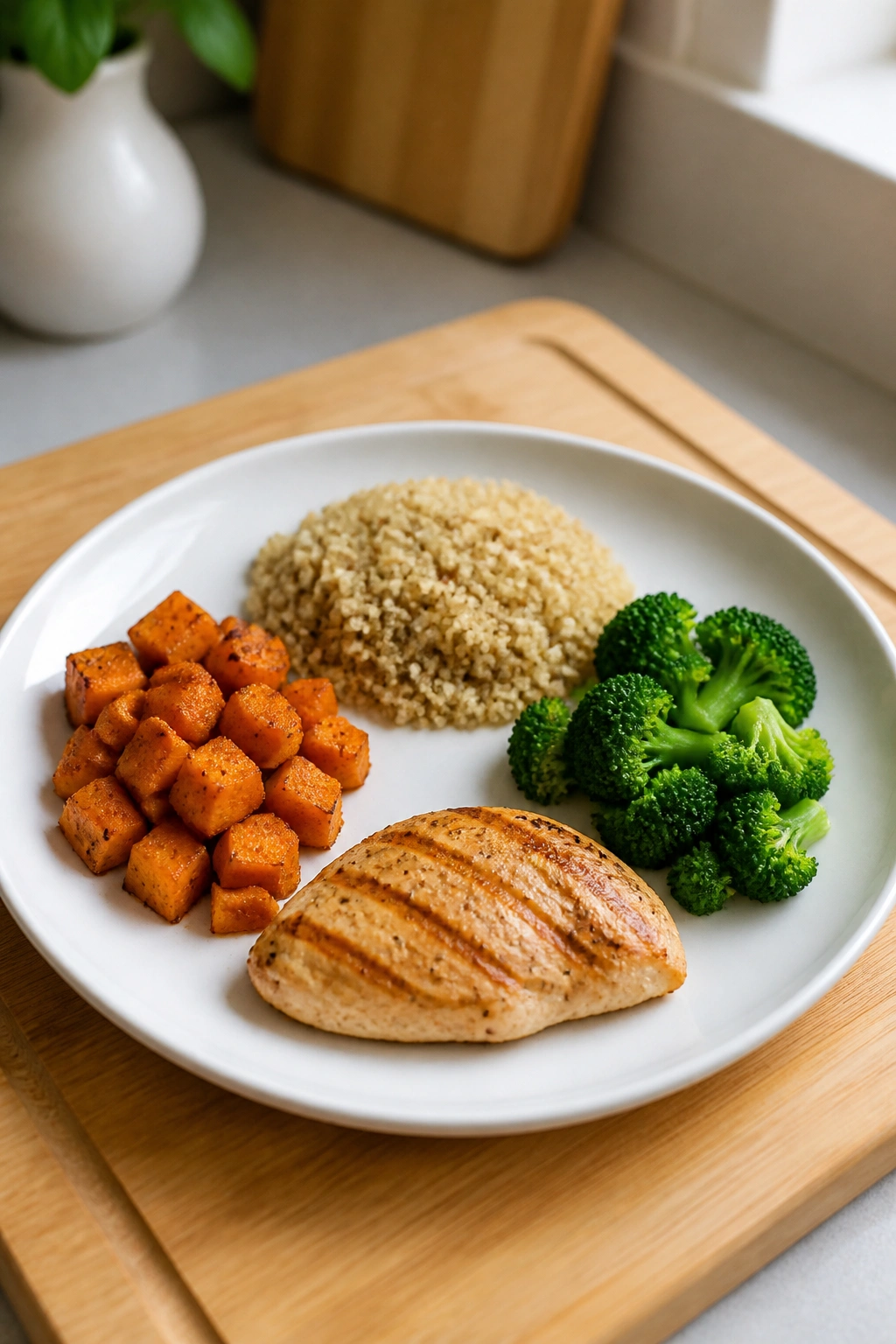
5. Build Meals Around Lean Protein and Vegetables
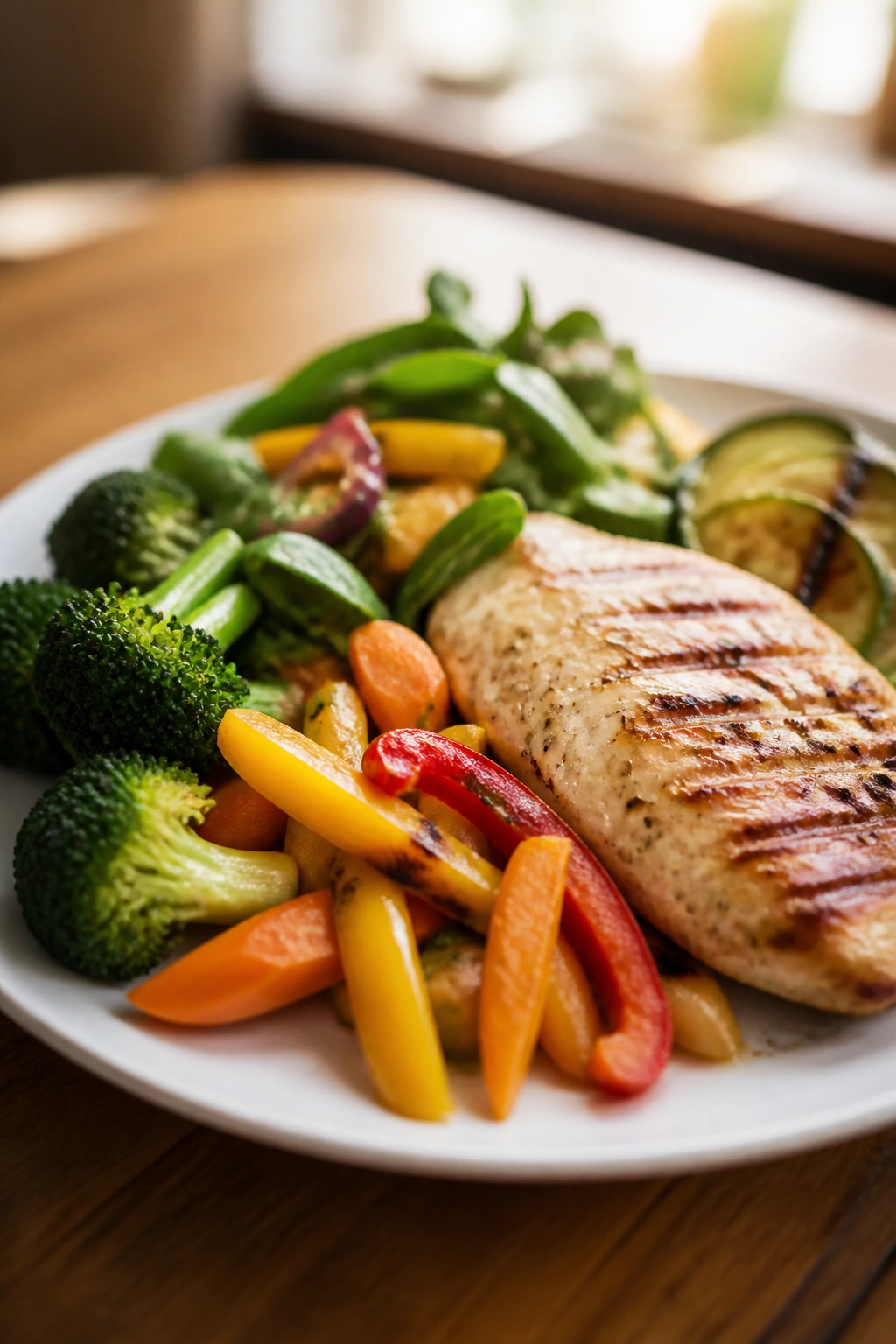
Carbs are not the villain. Lopsided plates are.
A plate built around chicken, fish, eggs, tofu, beans, or lean beef gives you a solid base. Add vegetables next, and they should take up real space: broccoli, green beans, cabbage, peppers, spinach, zucchini, salad greens, roasted cauliflower. Then bring in the starch, not the other way around.
A good rule at home is simple: half vegetables, a palm-sized protein, and one measured portion of starch. That could be rice, potatoes, corn, quinoa, or pasta. If you stack two cups of rice under a little sauce and call it dinner, the waistline tends to notice.
This kind of plate also helps with snacking later. Meals that leave you physically satisfied make the pantry quieter.
6. Keep Snack Foods Out of Reach
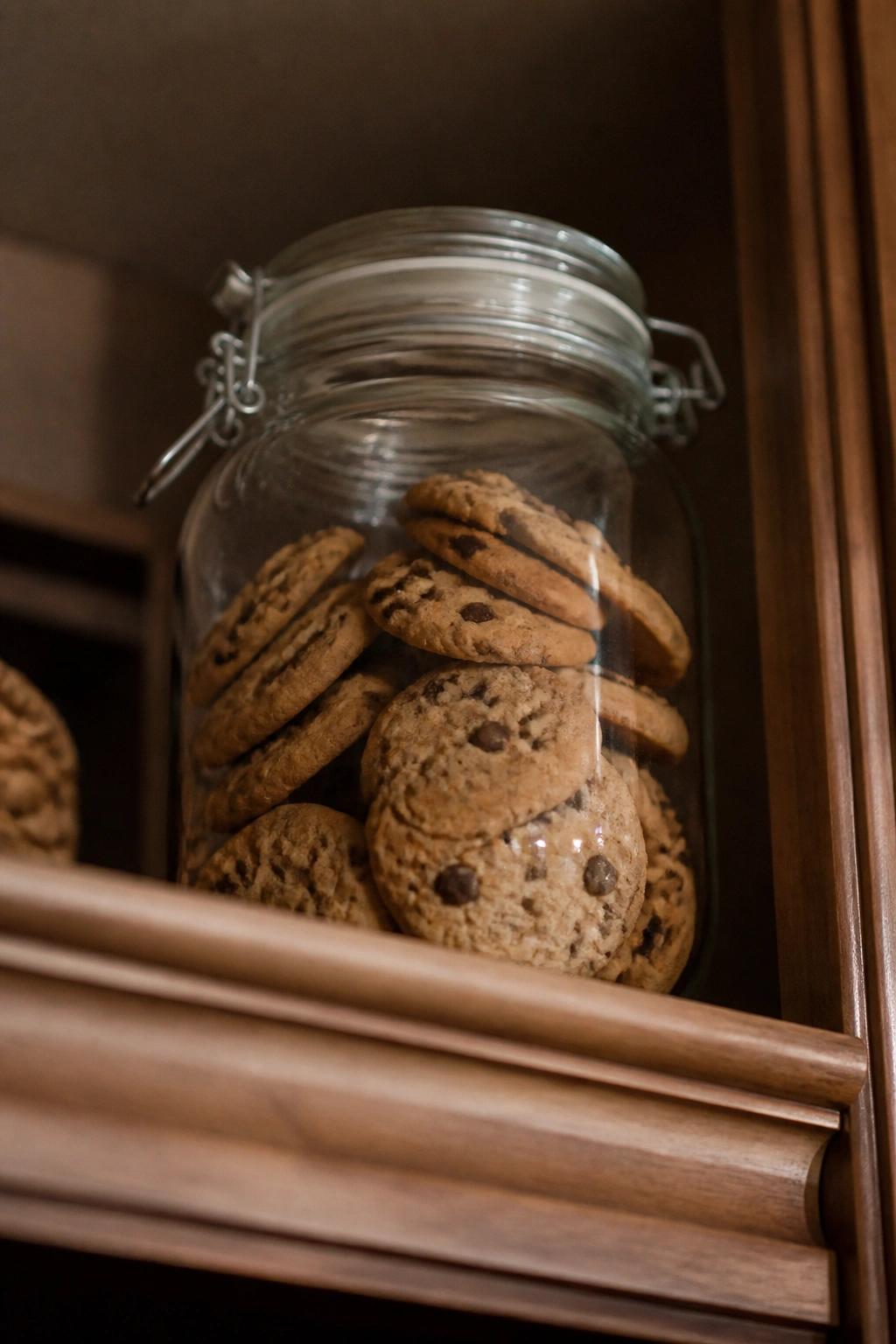
Food you can see gets eaten faster. That is not a character flaw; it is just how kitchens work.
Chips on the counter, cookies by the coffee maker, and crackers in an open box all make mindless eating easier. If you want to reduce stomach fat at home, put the fragile stuff where you have to work a little to get it. Top shelf, opaque container, or the back of the pantry. Anywhere out of sight is better than front and center.
Better Snack Storage
- Put fruit in a visible bowl.
- Pre-portion nuts into small containers.
- Keep yogurt and cut vegetables at eye level in the fridge.
- Repackage snack foods into single servings instead of leaving the bag open.
That tiny bit of friction matters. A lot.
7. Choose Whole Fruit Over Juice and Dried Fruit
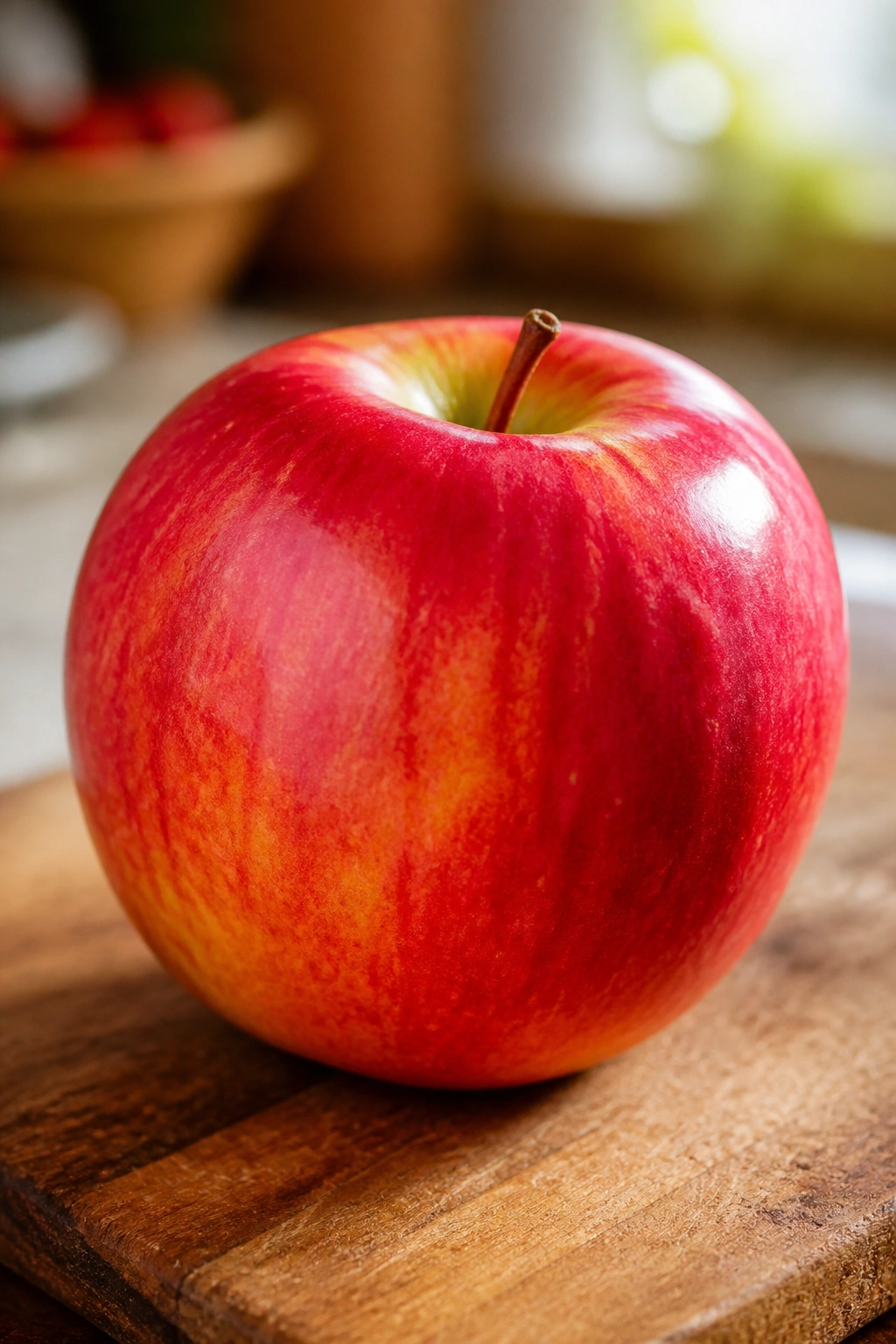
An apple and apple juice are not the same thing. One takes chewing, fills a bowl, and comes with fiber. The other disappears in a few gulps.
Whole fruit is one of the easiest swaps for reducing stomach fat at home because it satisfies sweet cravings without letting calories pile up too fast. Berries, oranges, pears, apples, kiwi, and melon all give you water, fiber, and a decent amount of volume for the calories you get.
Dried fruit is a little trickier. It is fine in small portions, but it is easy to keep eating because the water is gone and the handfuls get small. If you use it, measure it. A small handful can quietly turn into three.
Fruit should feel like food, not like a loophole.
8. Measure Oils, Nut Butters, and Cheese
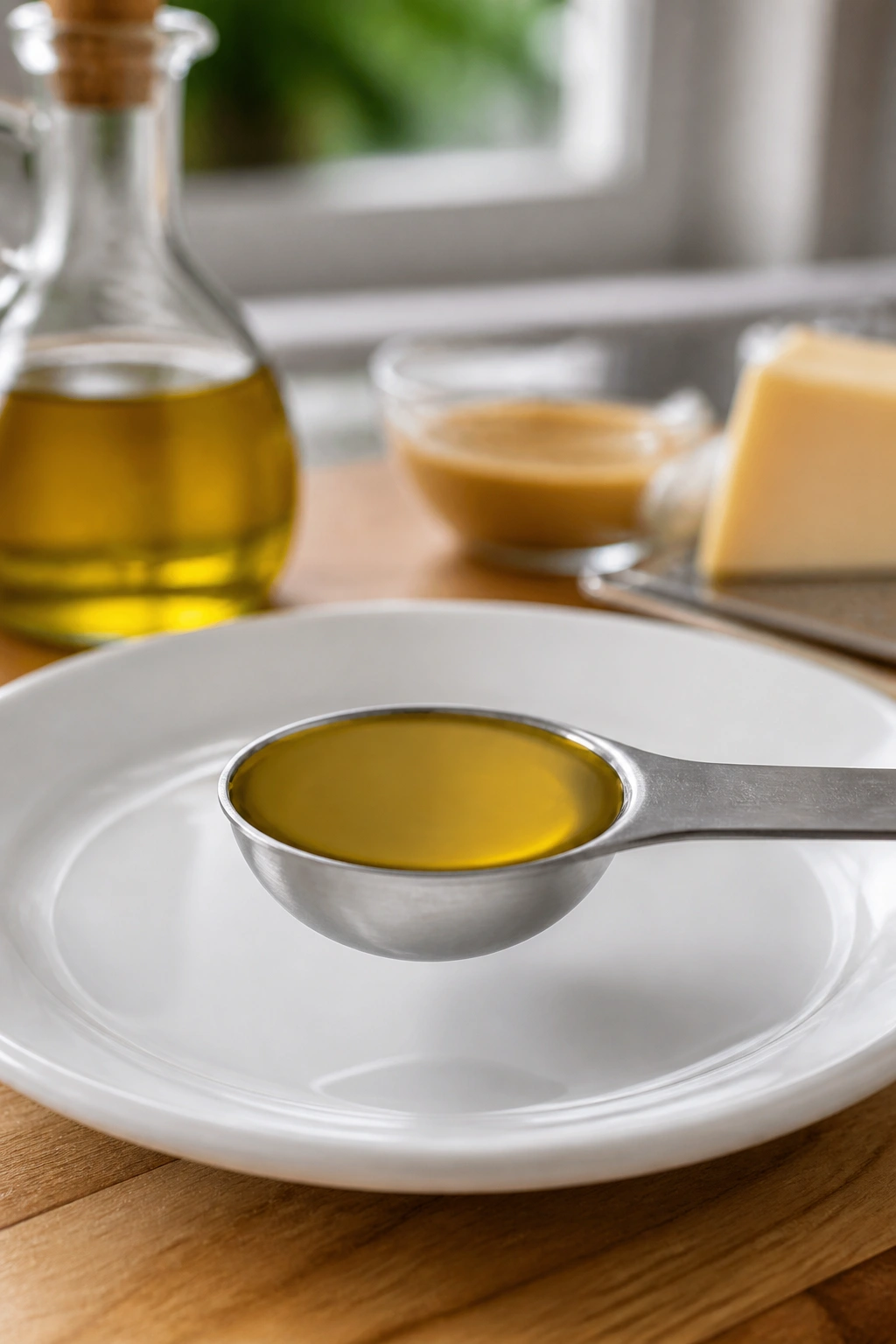
Healthy foods can still stack calories fast. Olive oil, peanut butter, tahini, avocado, nuts, seeds, and cheese all belong in a smart eating plan, but they are dense.
That means free-pouring is dangerous. A tablespoon of oil on a salad, two tablespoons of peanut butter on toast, and a handful of cheese on top of a bowl of pasta can change a meal more than people expect. The food still looks reasonable. The numbers are where things drift.
The Things Worth Measuring
- Olive oil: measure 1 teaspoon to 1 tablespoon, not a splash.
- Nut butter: level the spoon instead of heaping it.
- Cheese: think 1-ounce portions or a small grated mound.
- Nuts: pour them into a small bowl first.
- Avocado: use a measured wedge, not half the fruit by accident.
You do not need to fear these foods. You do need to stop pouring them like water.
9. Eat Dinner Earlier and Stop Grazing Late
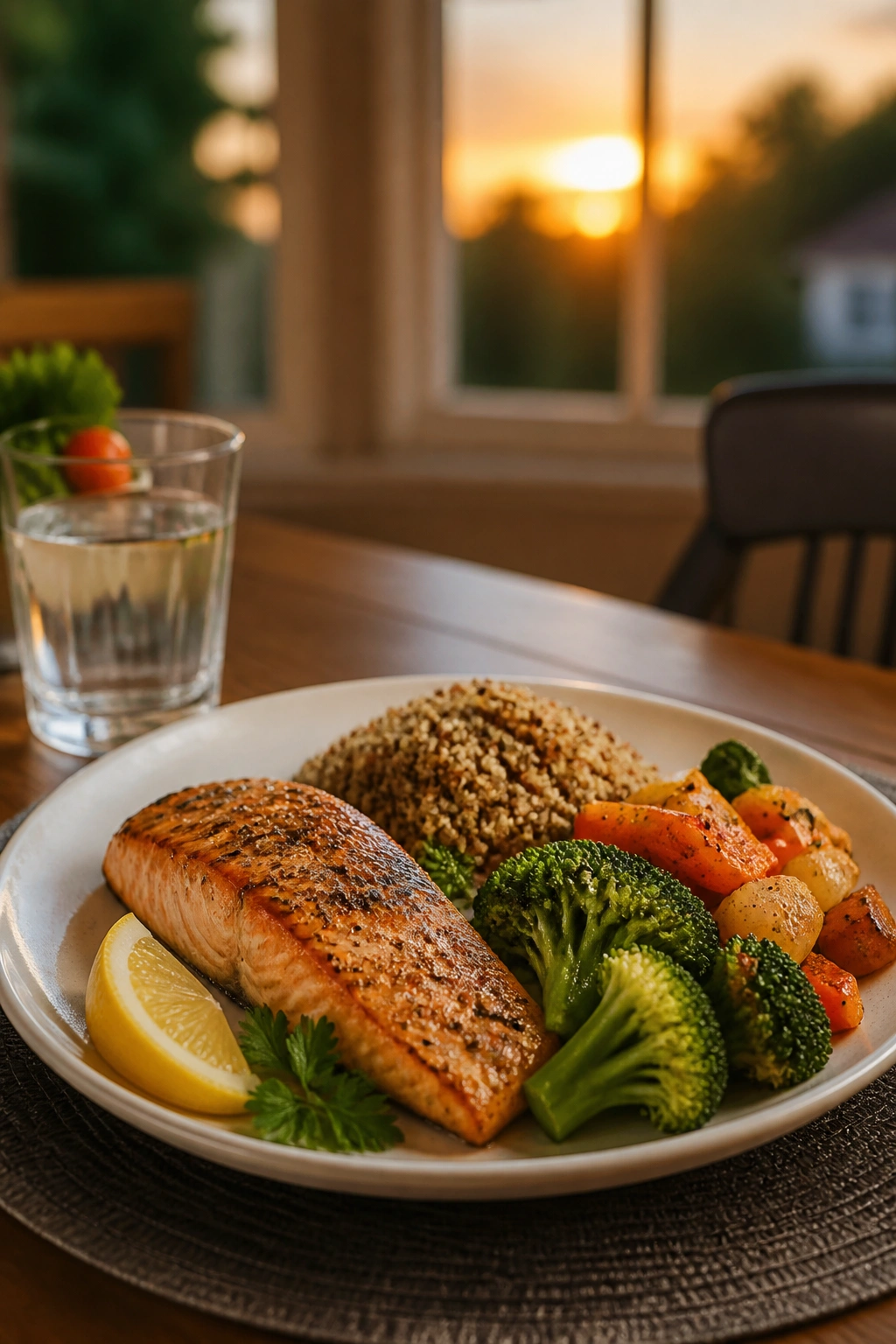
The kitchen that stays open all night usually costs more than people think.
Late-night eating tends to happen when you are tired, bored, or half-watching something on a screen. That is when portions get loose. A few crackers become a plate of crackers. A spoonful of peanut butter becomes four. And once you have circled the pantry twice, the day’s calories can jump without much warning.
Set a rough cutoff for food if that helps. Brush your teeth after dinner. Make herbal tea. Put the snacks away before the evening gets long and sleepy. If you need a small planned snack, have it on purpose, not out of habit.
The later the eating drifts, the harder it gets to tell hunger from boredom.
10. Swap Refined Carbs for Slower Carbs
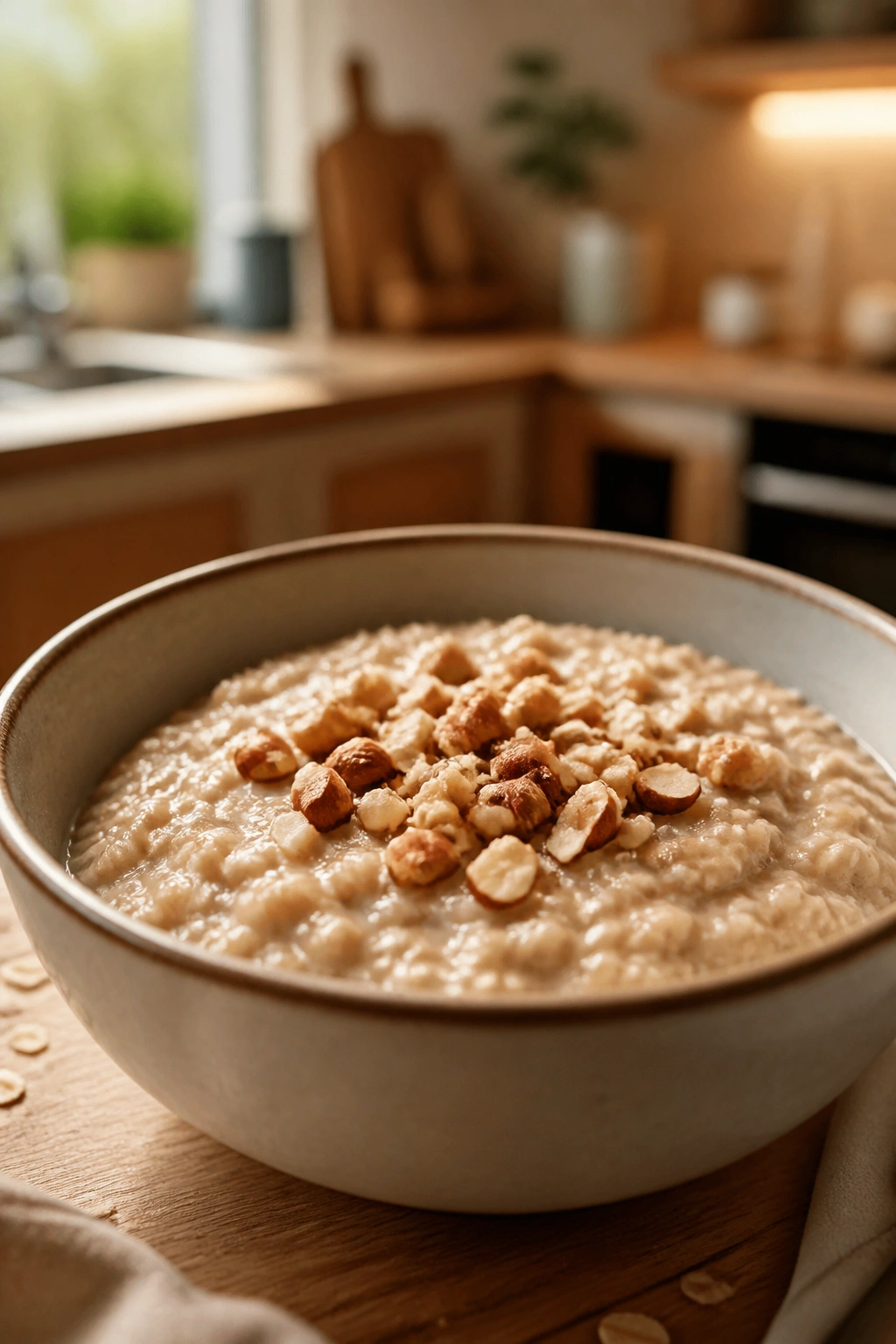
White bread, white rice, pastries, and sugary cereals are easy to overeat because they go down fast and do not stick around long. That does not make them forbidden. It does mean they should not run the whole menu.
Slower carbs help more when you are trying to trim stomach fat at home. Think oats, beans, lentils, brown rice, quinoa, sweet potatoes, whole-grain bread, and fruit. These foods usually bring fiber along for the ride, and that keeps meals from turning into a quick spike-and-crash cycle.
Good Swaps That Still Taste Like Real Food
- Oatmeal instead of sugary cereal.
- Brown rice or quinoa instead of a big mound of white rice.
- Whole-grain toast instead of soft white bread.
- Roasted potatoes instead of fries.
- Lentil soup instead of a pastry-heavy lunch.
These swaps are not flashy. They work because they make hunger less chaotic.
11. Drink Water Before and Between Meals
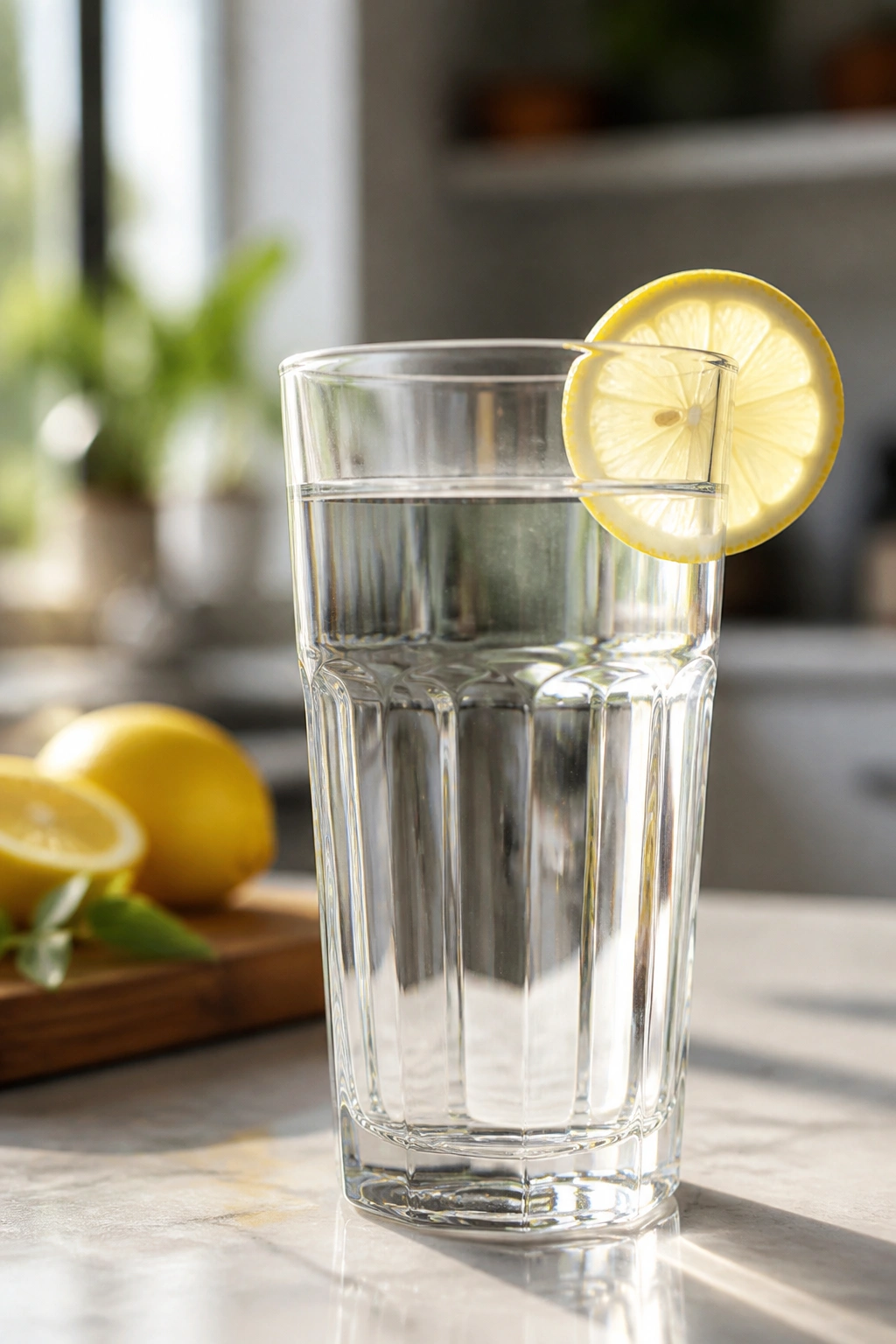
Water is not a fat burner, and I would rather be honest about that than dress it up. Still, it helps in a simple way: a lot of people eat when they are actually a little thirsty.
A glass of water before meals can take the edge off false hunger. It also gives you a small pause, which is useful when you tend to eat first and think later. Keep a bottle near the sink or on the counter if that makes it easier to remember.
If plain water feels dull, use ice, lemon slices, cucumber, or unsweetened tea. The point is not to force yourself into some perfect hydration routine. The point is to stop mistaking dry mouth and fatigue for a food emergency.
Small pause. Less snacking.
12. Watch Salt, Sauces, and Takeout Extras
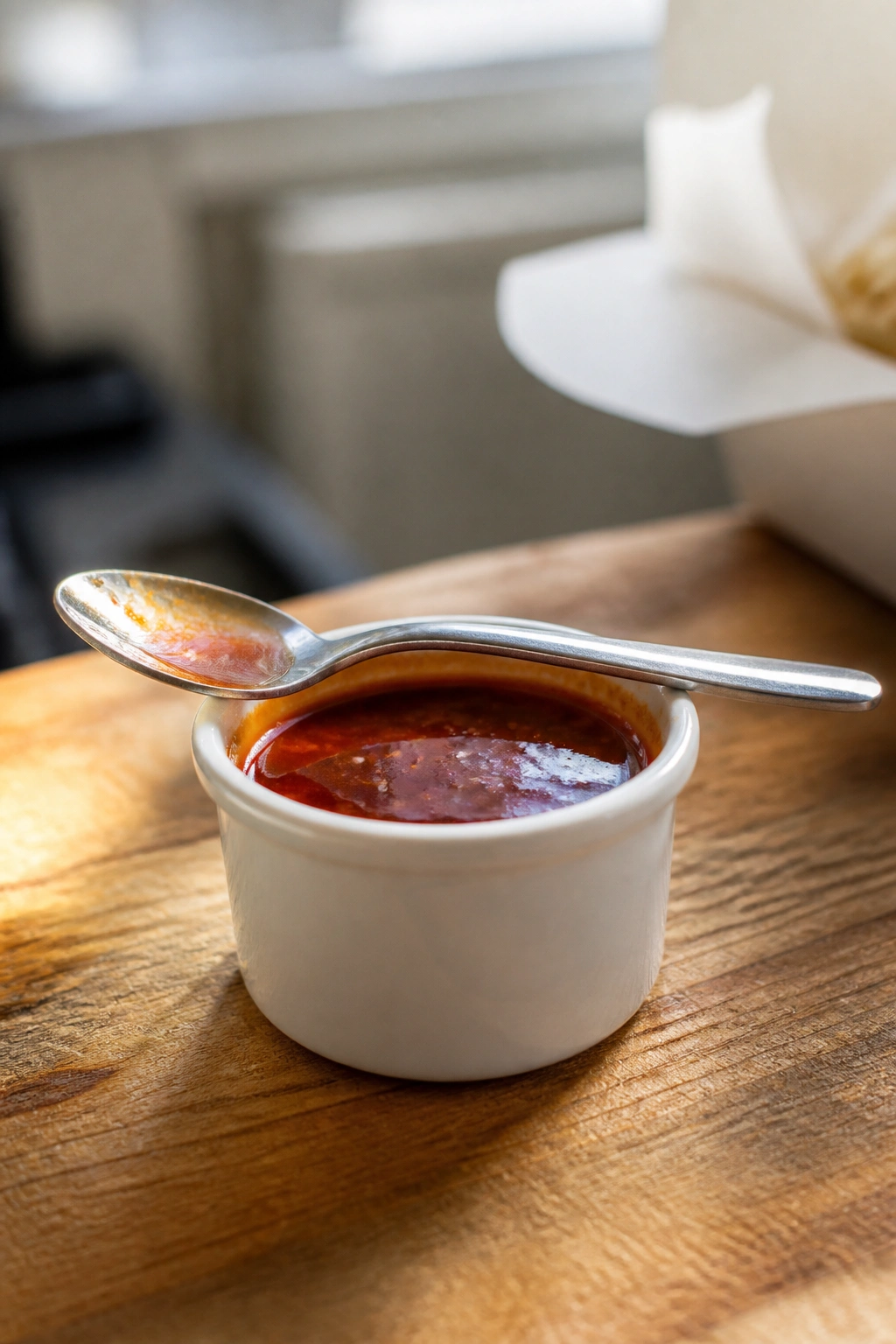
Salt does not add fat, but it can puff up the waist and make you feel heavier than you are. That matters when you are trying to tell whether your eating plan is working.
The usual suspects are sauces, dressings, packaged soups, deli meats, frozen meals, jarred pasta sauce, takeout rice, and anything that comes with a salty glaze. A meal can look light and still carry a lot of sodium once the sauce, cheese, and seasoning packets show up.
Try a few easy fixes. Use half the sauce packet. Rinse canned beans. Mix your own dressing with olive oil, vinegar, mustard, and herbs. Taste first, then salt. Most home cooks oversalt because they never give the food a chance to show its own flavor.
Bloating is not fat, but it can make the mirror feel rude.
13. Make Dessert a Planned Portion, Not a Habit
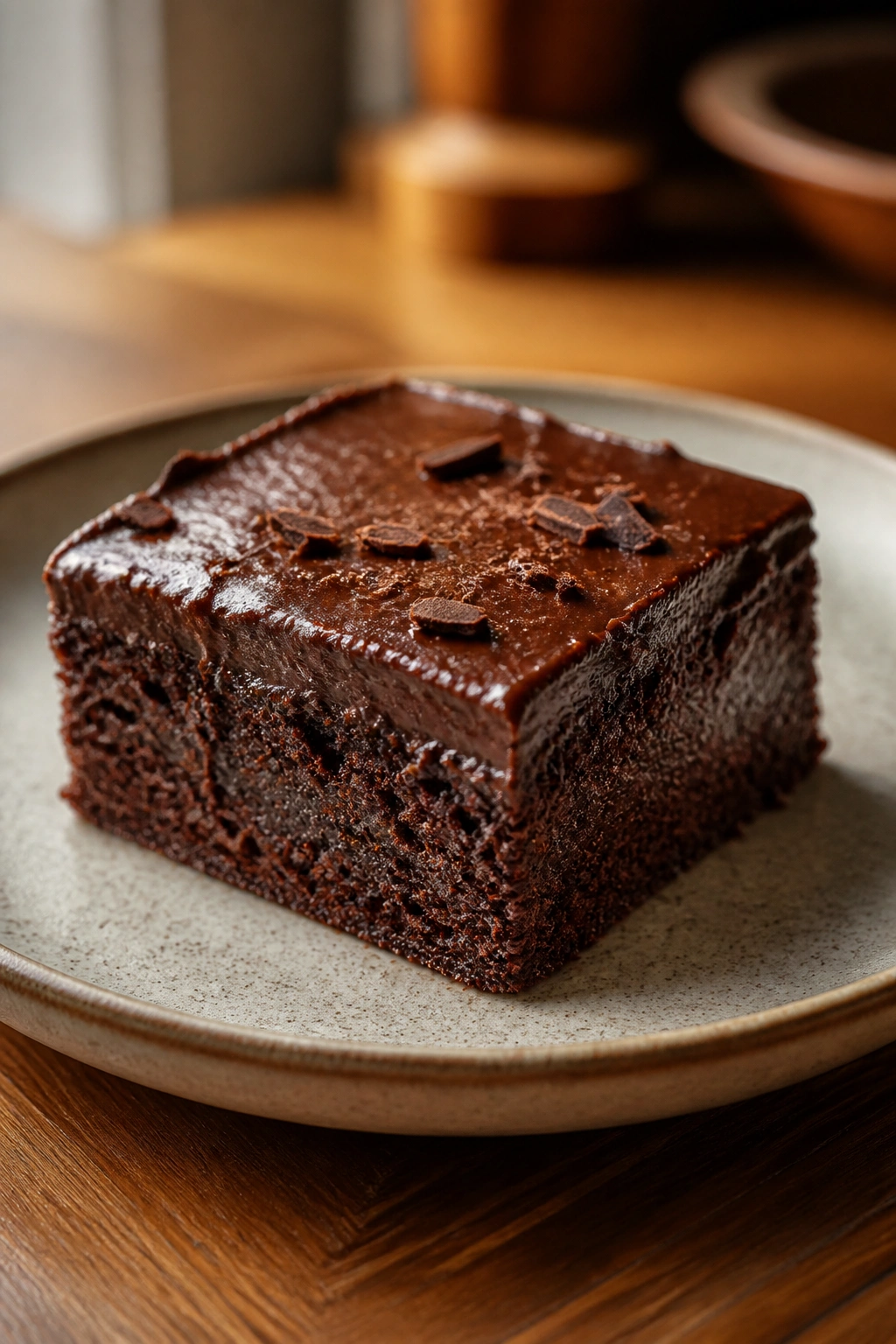
Dessert is not the problem by itself. The open-ended routine is.
A cookie after dinner can be fine. A tub of ice cream eaten with one eye on the television is where things get messy. If you want to reduce stomach fat at home, decide in advance what dessert looks like. One square of chocolate on a plate. A small scoop in a bowl. Yogurt with berries. A baked apple with cinnamon.
Plating matters here too. Food in a container invites grazing. Food on a small plate feels finished when it is gone. That tiny boundary helps more than people want to admit.
If sweets keep calling your name every night, move the treat to a planned day instead of making it a daily drift. Less automatic eating, fewer regrets later.
14. Make Reducing Stomach Fat at Home Easier With a Post-Dinner Walk
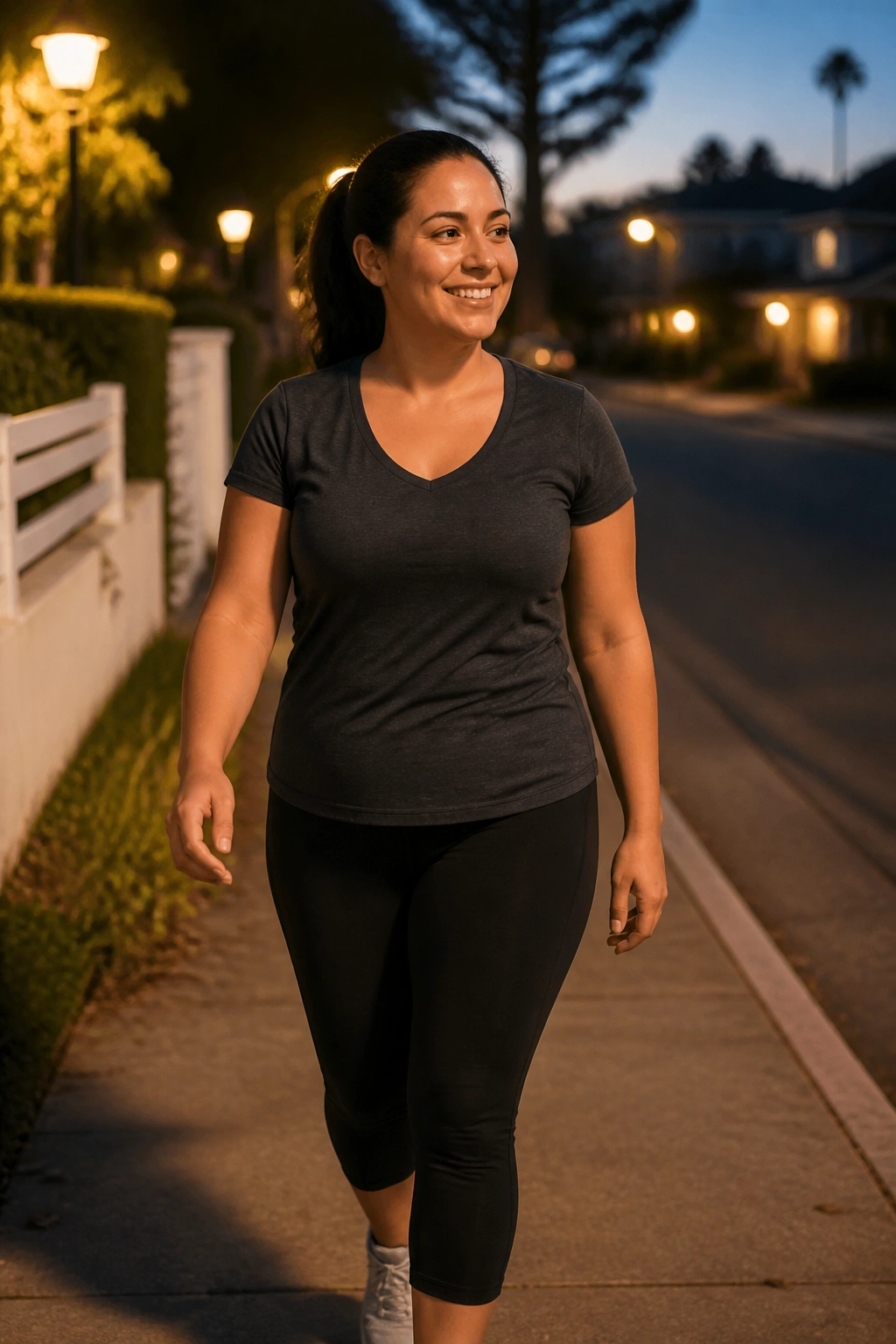
A short walk after dinner does more than people give it credit for. It helps you step away from the kitchen, and that alone can save you from the “one more bite” loop.
A 10- to 15-minute walk around the block is enough. If the weather is bad or you do not feel like leaving the house, pace the hall, climb stairs slowly, or tidy the kitchen while you stay on your feet. The movement is not about burning a dramatic number of calories. It is about changing the rhythm of the evening.
Why It Helps
- It gives your body time to settle after eating.
- It interrupts the urge to keep snacking.
- It makes the evening feel finished.
- It can help you sleep better if the walk is calm and easy.
I like this habit because it is plain and hard to mess up. No gear. No app. Just shoes.
15. Prep Tomorrow’s Food Before You’re Hungry
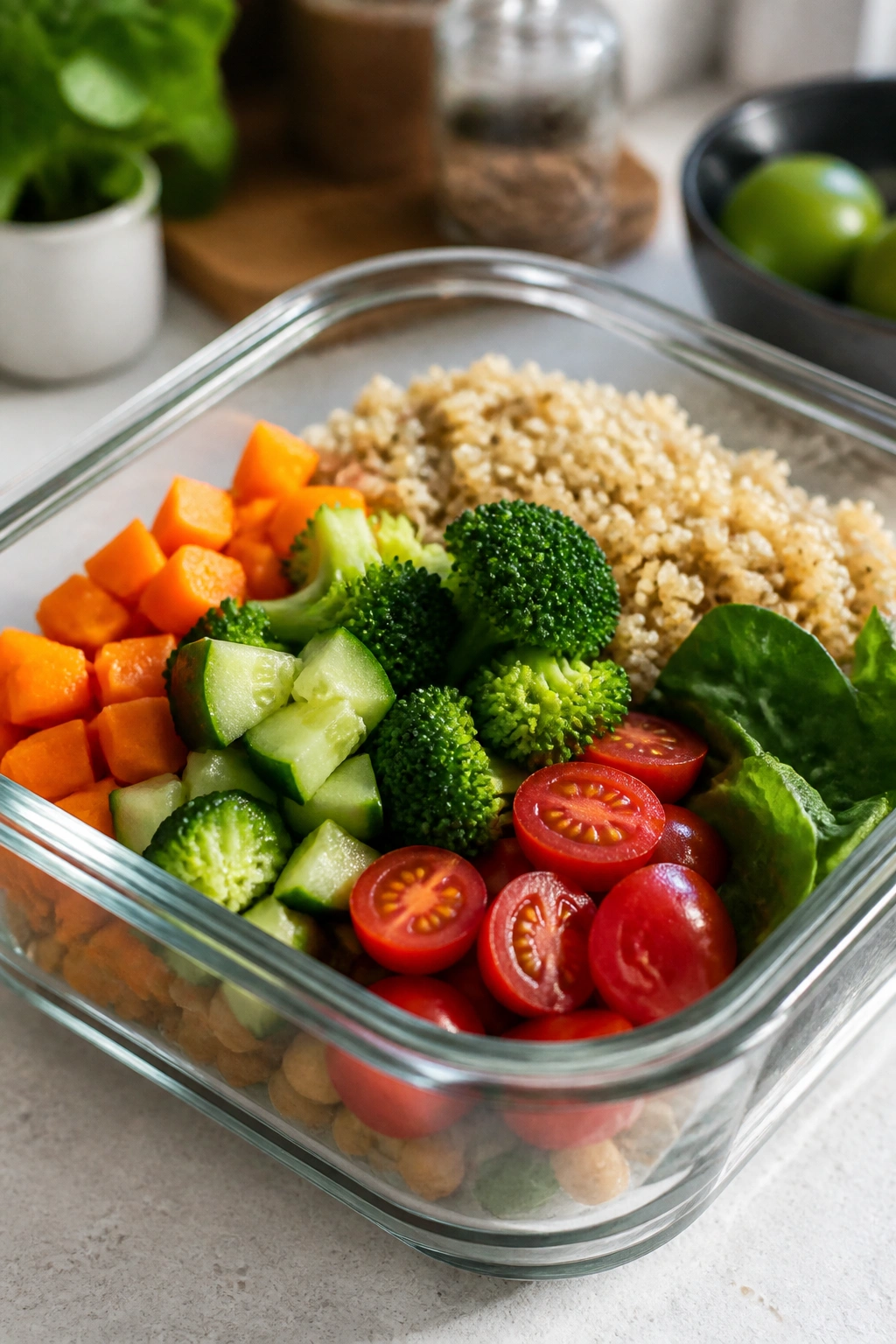
Hunger makes people sloppy. That is why planning when you are already hungry usually goes sideways.
A small prep session in the evening can save the next day. Wash and chop vegetables. Cook a batch of chicken, tofu, rice, or lentils. Portion out yogurt, fruit, or eggs. Put tomorrow’s lunch where you can grab it without thinking too hard. Ten minutes is enough to change the whole shape of the next day’s meals.
What Helps Most
- Put a protein source in the fridge and make it visible.
- Leave cut vegetables in a clear container at eye level.
- Pack snacks in single servings.
- Set out breakfast ingredients so the morning feels easy.
The goal is not a perfect meal-prep routine. The goal is to make the good choice the easy one when your brain is tired and your stomach is loud.
16. Keep High-Protein, High-Fiber Snacks Ready
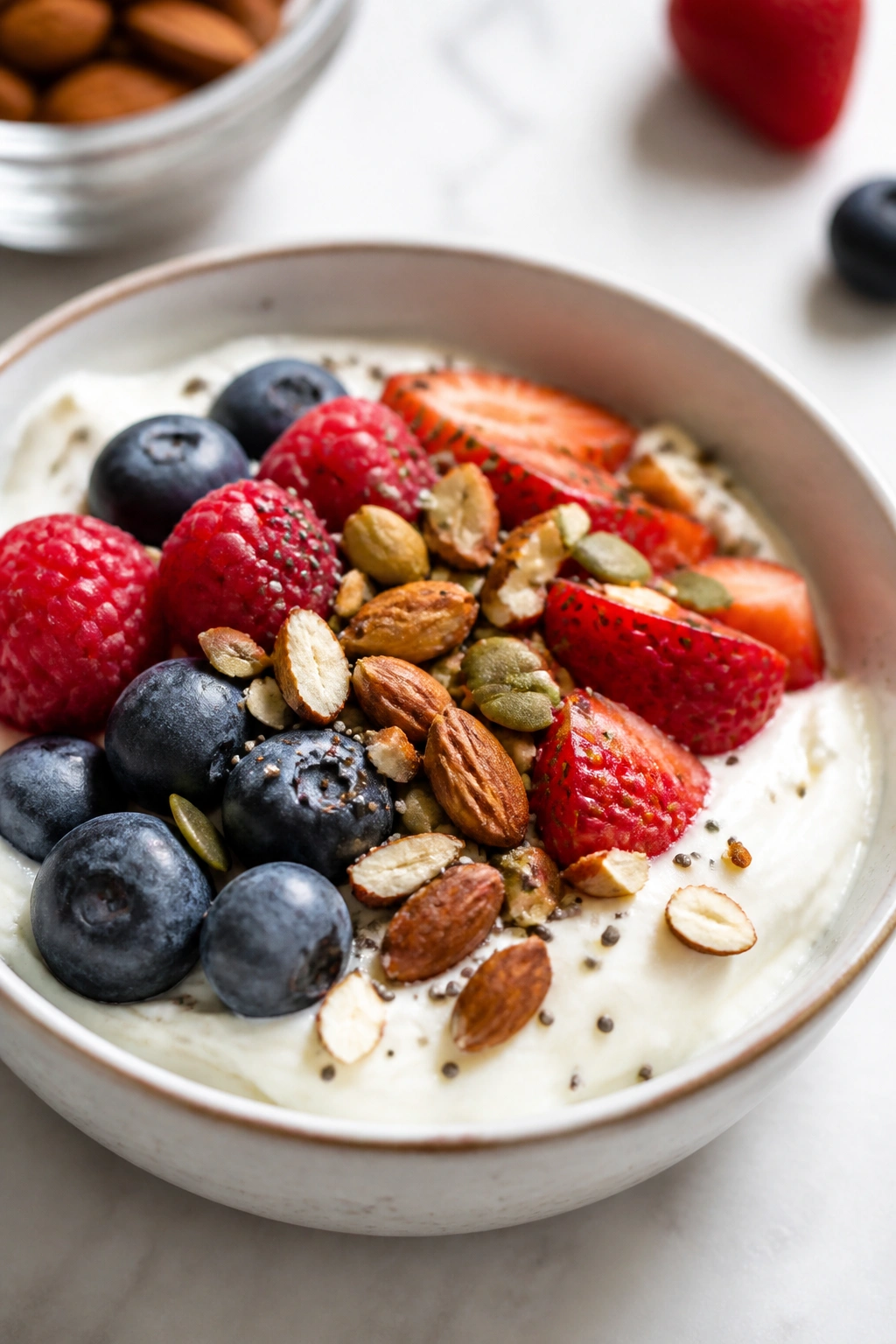
A bad snack plan usually turns into random snacking. Then the day gets noisy.
If you know you need something between meals, make that snack earn its place. Pair protein with fiber so you get real fullness instead of five minutes of chewing and another craving an hour later. Greek yogurt with berries works. Apple slices with peanut butter work. Hummus with carrots works. Cottage cheese with sliced cucumber works. Edamame works too.
The key is to keep these foods ready. Wash the fruit. Portion the nuts. Put the yogurt where you can see it. If the only snack in the house is a bag of chips, your plan was weak before it started.
Better Snack Pairings
- Greek yogurt + berries
- Apple + peanut butter
- Hummus + carrots
- Cottage cheese + tomato slices
- Edamame + a pinch of salt
A good snack should end the hunger, not start a second meal.
17. Track Portions for 7 Days
This one can be uncomfortable, which is exactly why it helps.
Most people are off by more than they think when it comes to portions at home. Not because they are careless, but because eating straight from the bag, pouring oils by eye, and taking “just a little more” after dinner adds up fast. A short tracking spell can show you where the extra calories hide.
Use a kitchen scale, measuring cups, or even photos if that feels easier. Write down the foods, the amounts, and the time you ate them. Look for patterns, not perfection. Maybe breakfast is tiny and dinner turns huge. Maybe drinks are carrying more calories than you expected. Maybe your “small” snack is not small at all.
That information is gold. A week of honest tracking can fix a month of guessing.
18. Protect Sleep When Reducing Stomach Fat at Home Is the Goal

Sleep and stomach fat are linked in a way people ignore until the pantry keeps winning. When sleep gets short, appetite tends to feel louder, cravings get rougher, and the willpower that looked solid at noon can feel thin by nine o’clock.
A late night also makes the next day harder. You wake up hungrier, you reach for faster food, and the whole rhythm of eating gets more ragged. That does not mean one bad night ruins anything. It means sleep is part of the nutrition picture, not a separate issue to deal with later.
Make the evening calmer. Dim the lights earlier, stop the endless screen scrolling, keep dinner a little simpler, and give yourself a real bedtime. That sounds almost too plain to matter. It matters plenty.
The plan that survives a tired evening is the one worth keeping.
