



A plate of chicken and rice can do more for lean muscle mass than most fancy supplements ever will. That sounds almost too plain to matter, which is exactly why it gets ignored. People keep hunting for a secret food, a magic powder, or a perfect timing trick, then forget the boring truth: muscle is built from repeated training, enough total calories, and enough protein spread across the day.
Food is not the whole story. It never was. But if your meals are too light, too random, or too low in protein, your workouts start to feel like they’re happening in a vacuum — hard work with not much to show for it.
The trick is to think in layers. Some foods supply fast, high-quality protein. Others bring carbs that refill muscle glycogen and keep training output high. A few bring helpful fats, iron, creatine, or minerals that matter more than people realize when they’re trying to grow without getting sloppy. That mix matters.
1. Eggs
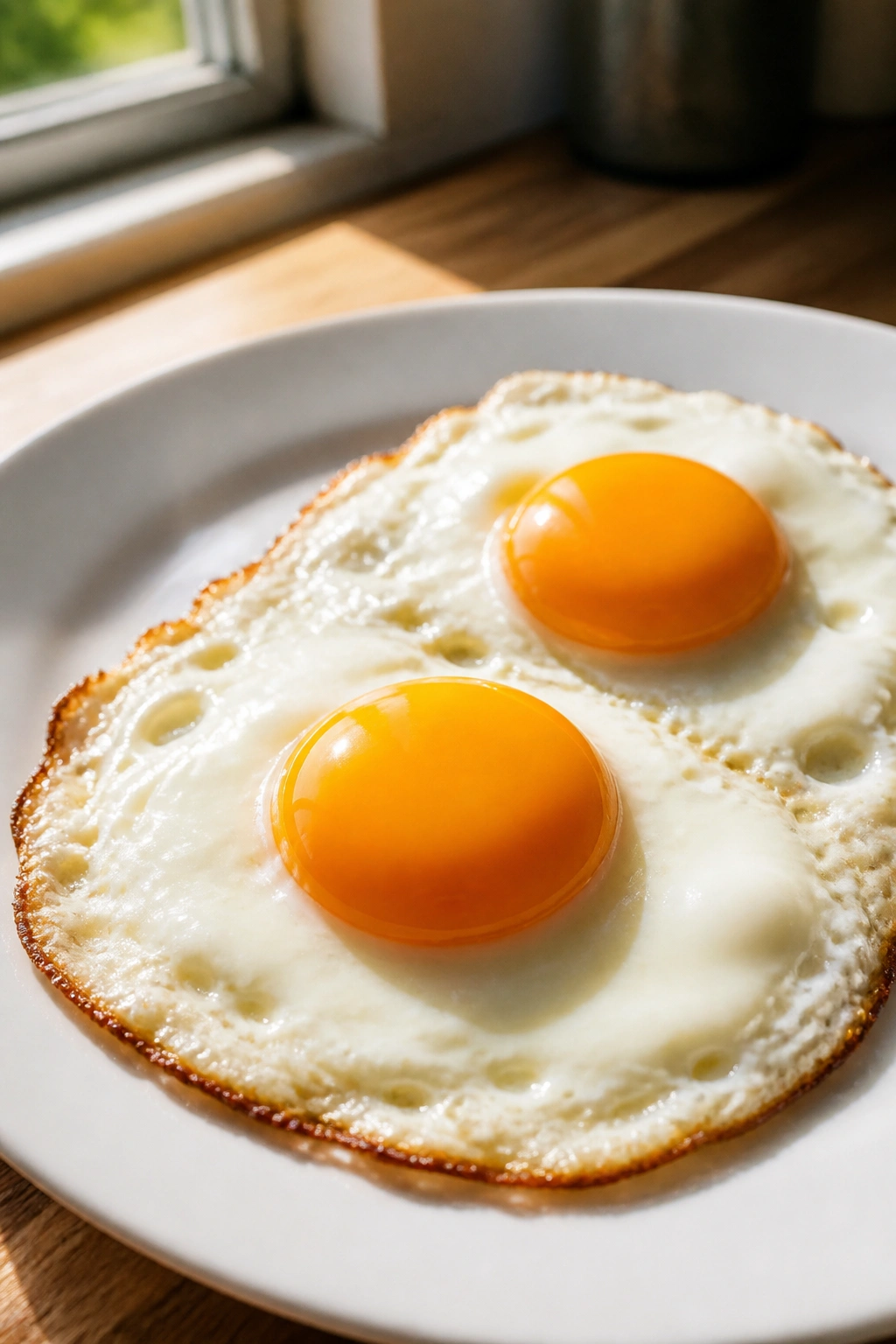
Eggs are one of the cheapest, easiest ways to get a strong protein hit without turning breakfast into a project. One large egg gives you about 6 to 7 grams of protein, and the amino acid profile is solid enough that eggs have earned their reputation the hard way.
Why they pull their weight
The yolk gets blamed by people who only look at the numbers on a nutrition label and miss the bigger picture. The yolk carries vitamin D, choline, B12, and extra calories, which can help when you’re trying to build lean muscle mass without eating like a bird.
Whole eggs make sense when you need more total food. Egg whites make sense when you want more protein with less fat. I like the mix: 2 whole eggs plus 3 egg whites gives you a bigger protein bump while keeping the meal lighter than a full omelet loaded with cheese.
- Best use: breakfast, post-workout toast, or a quick wrap
- Easy pairing: oats, potatoes, rice, or fruit
- Watch for: overcooking, which turns eggs rubbery fast
- Smart move: keep hard-boiled eggs in the fridge for two to four days
Tip: If you only have time for one thing, cook eggs until the whites are set and the yolks are still soft. Dry eggs are a sad way to start the day.
2. Greek Yogurt
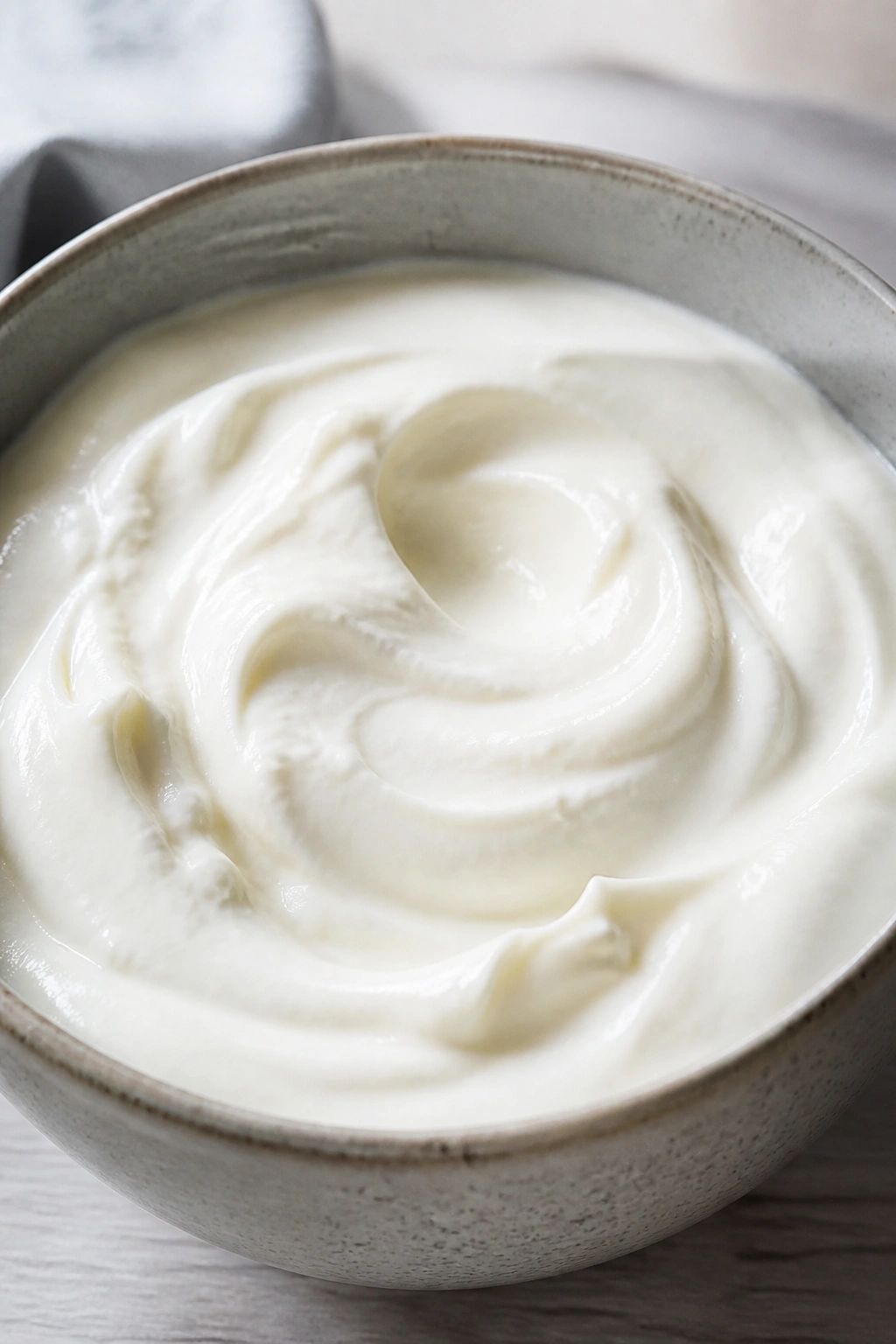
Why do so many lifters keep a tub of Greek yogurt in the fridge? Because it’s one of the simplest ways to get a lot of protein without chewing through a huge meal. A plain cup often gives you around 15 to 20 grams of protein, and some versions go higher.
What makes it useful
Greek yogurt is strained, which removes more liquid and leaves a thicker, denser texture. That thickness matters. It feels like food, not a diet trick, and it can work as breakfast, a snack, or even a base for savory sauces if you’re tired of sweet stuff.
The other nice part is that it tends to combine faster-digesting protein with slower-digesting protein. That makes it handy before bed or between meals when you want something that hangs around a little longer.
How I’d eat it
- Stir in berries and oats for a fast breakfast
- Mix with cinnamon and sliced banana after training
- Use plain yogurt with garlic and herbs over chicken or potatoes
- Choose plain, unsweetened yogurt when you can; flavored cups often bring a lot of sugar for no good reason
There’s a reason this one keeps showing up in meal prep containers. It works, and it doesn’t ask much from you.
3. Chicken Breast
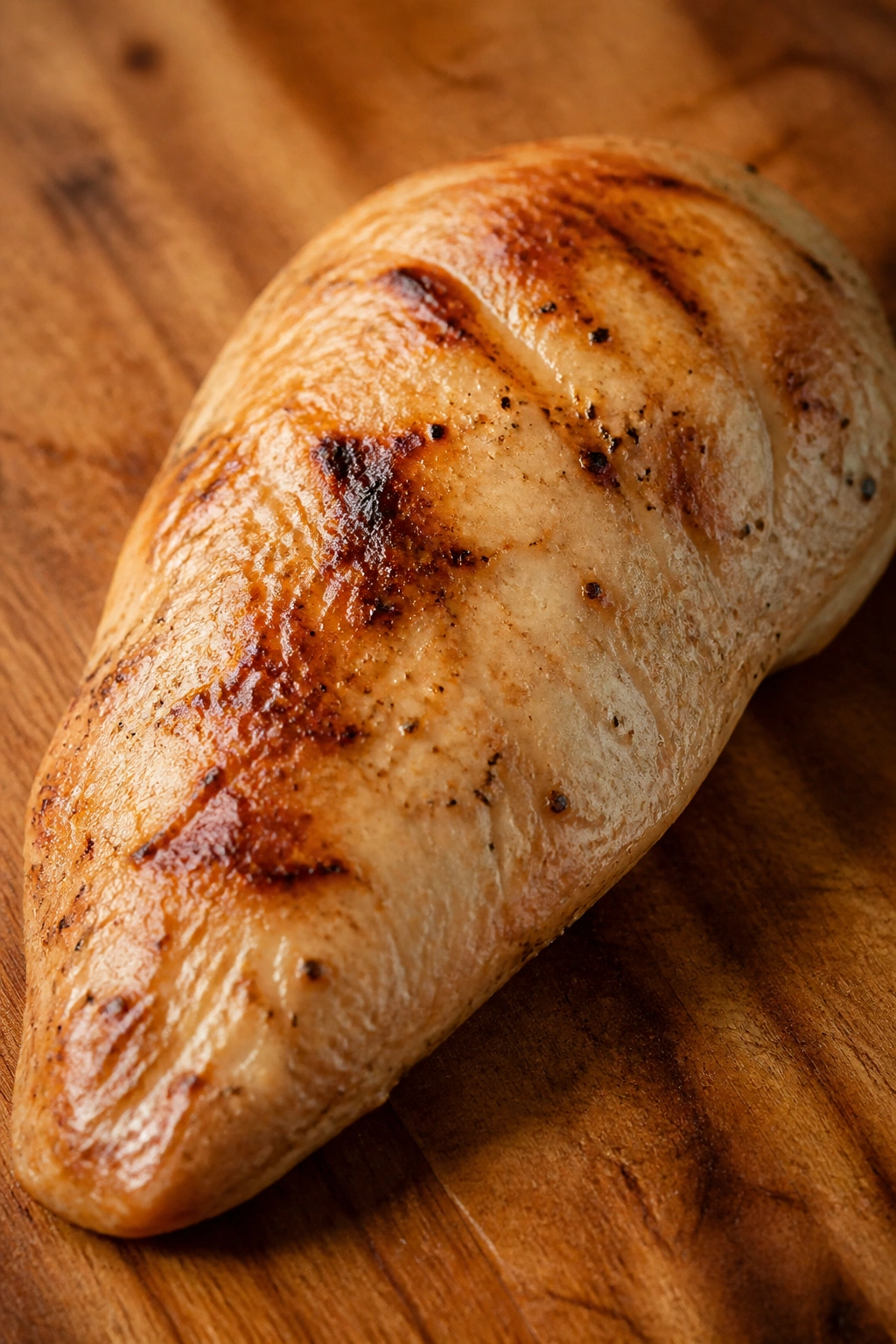
Chicken breast is the meat people roll their eyes at until they need a reliable protein source that doesn’t come with much fat. A cooked 3- to 4-ounce serving usually brings about 25 to 30 grams of protein, which is a tidy amount for one piece of food.
It’s not exciting. That’s the point.
For lean muscle gain, chicken breast helps you stay in control of calories while still getting enough protein to support muscle repair. That makes it a good fit when you’re eating multiple times a day and don’t want every meal to feel heavy. A lot of people complain that chicken is bland, but the real issue is usually overcooking. Pull it before it turns stringy. Rest it. Slice it thin.
A few things make chicken breast worth keeping around:
- It’s easy to batch-cook and portion
- It fits into rice bowls, wraps, salads, and pasta
- It gives you a lot of protein without much saturated fat
- It’s easy to season in different directions — garlic, paprika, lemon, curry, chili
If you train hard and want lean muscle mass, chicken breast is the dependable workhorse in the middle of the week. Not glamorous. Just useful.
4. Salmon
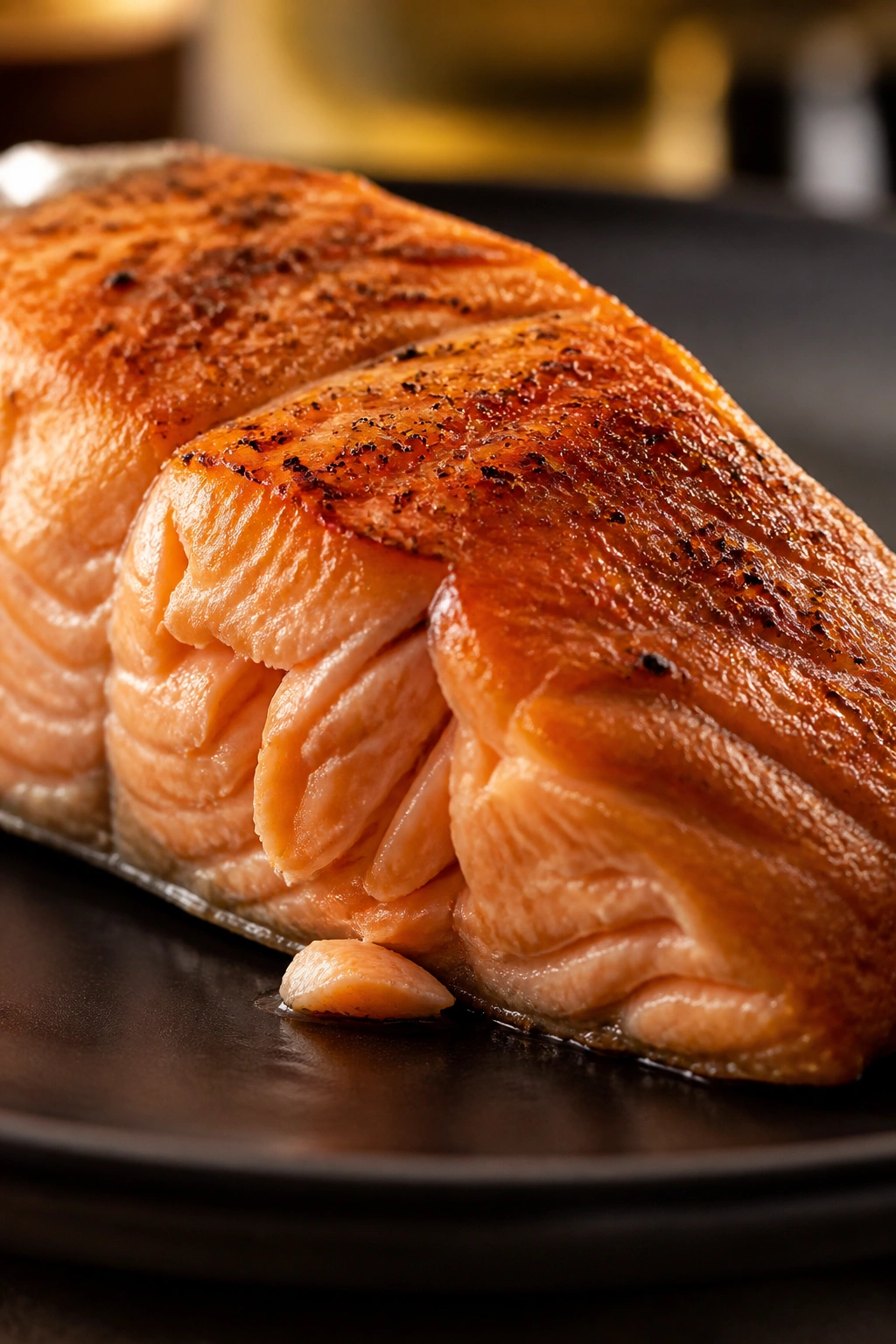
A piece of salmon goes from translucent to flaky in minutes, and that little change is part of its appeal. It gives you a solid dose of protein — roughly 20 to 22 grams in a 3-ounce cooked serving — but it also brings fats that help it do more than the average lean cut of meat.
Why the fat matters
People sometimes treat fat like a problem to be minimized at all costs. Bad idea. Salmon’s omega-3 fats are one reason it earns a place in a muscle-building diet. They help round out your nutrition when you’re training often, and they also make the meal easier to turn into enough calories if you struggle to eat enough.
Salmon is one of those foods that feels like a complete meal on its own. Pair it with potatoes, rice, or quinoa and you’ve got protein plus fuel, which is exactly what hard training asks for.
Best ways to use it
- Bake it with lemon and dill
- Flake it into rice bowls
- Serve it with roasted potatoes and greens
- Use canned salmon when fresh fish feels too expensive or inconvenient
I like salmon on days when a plain chicken breast would feel too dry and too thin. It gives the plate more weight. That matters when your goal is muscle, not just “healthy eating.”
5. Lean Beef
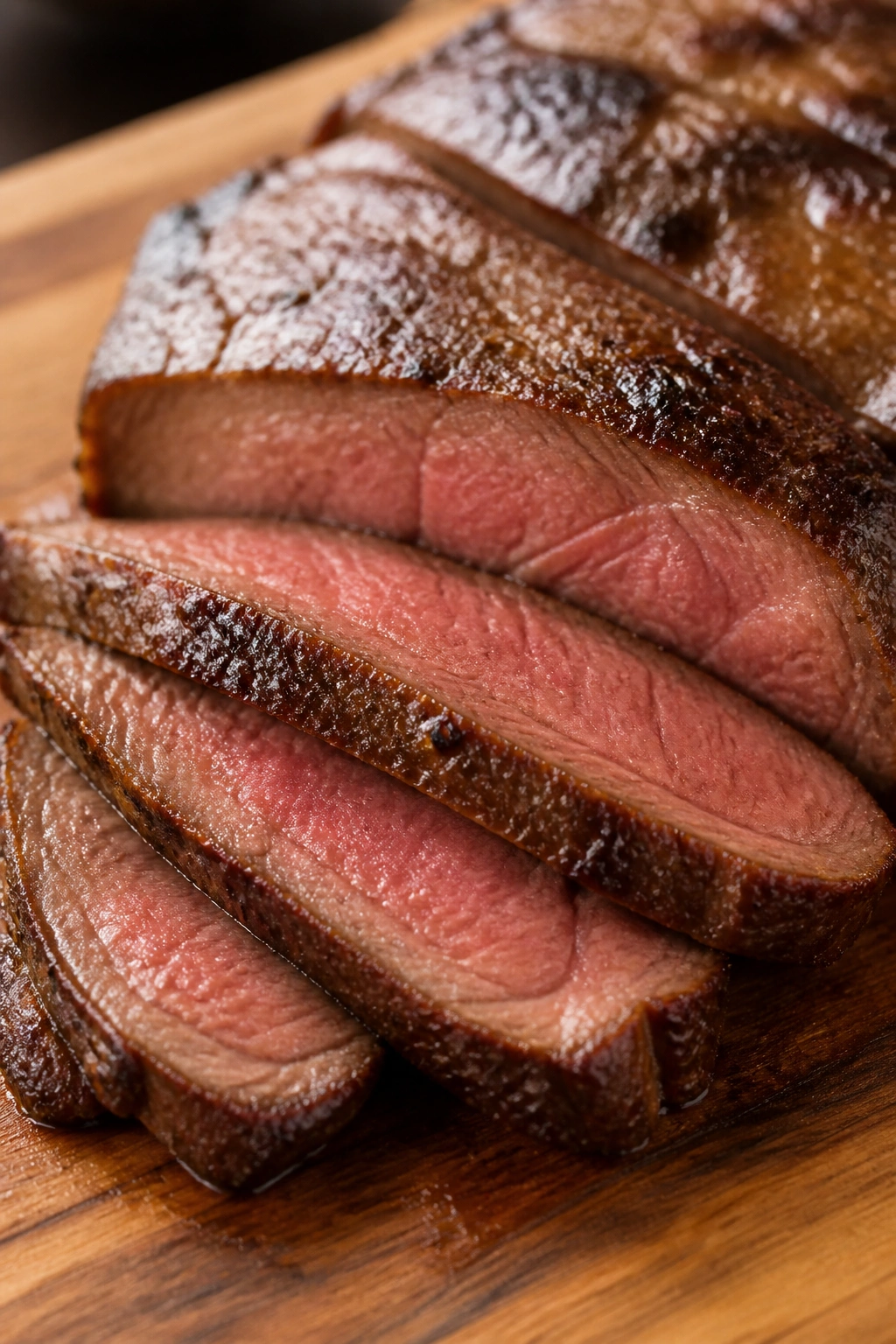
Can beef fit into a lean-muscle diet? Absolutely — if you choose the right cut and don’t treat every steak like a contest. A 3-ounce serving of lean beef often delivers about 22 to 26 grams of protein, along with iron, vitamin B12, and naturally occurring creatine.
What to look for
Choose 90% lean or leaner ground beef, sirloin, round cuts, or extra-lean steak portions if you want to keep the fat in check. That way you get the muscle-building benefit without turning every dinner into a grease puddle.
Iron and B12 matter more than a lot of casual gym advice admits. If your training feels flat, your energy is low, and your recovery seems sluggish, low iron can be part of the picture. Beef won’t fix everything, but it gives you a useful mix of protein and nutrients that support hard sessions.
- Best use: burgers, chili, taco bowls, meat sauce
- Good pairing: potatoes, rice, beans, or whole-grain pasta
- Try this: drain excess fat after browning ground beef
- Don’t do this: buy super-processed beef products and pretend they work the same way
I’d keep beef in the rotation, not at every meal, but often enough that you’re not missing what it offers. It’s a different kind of fuel.
6. Cottage Cheese
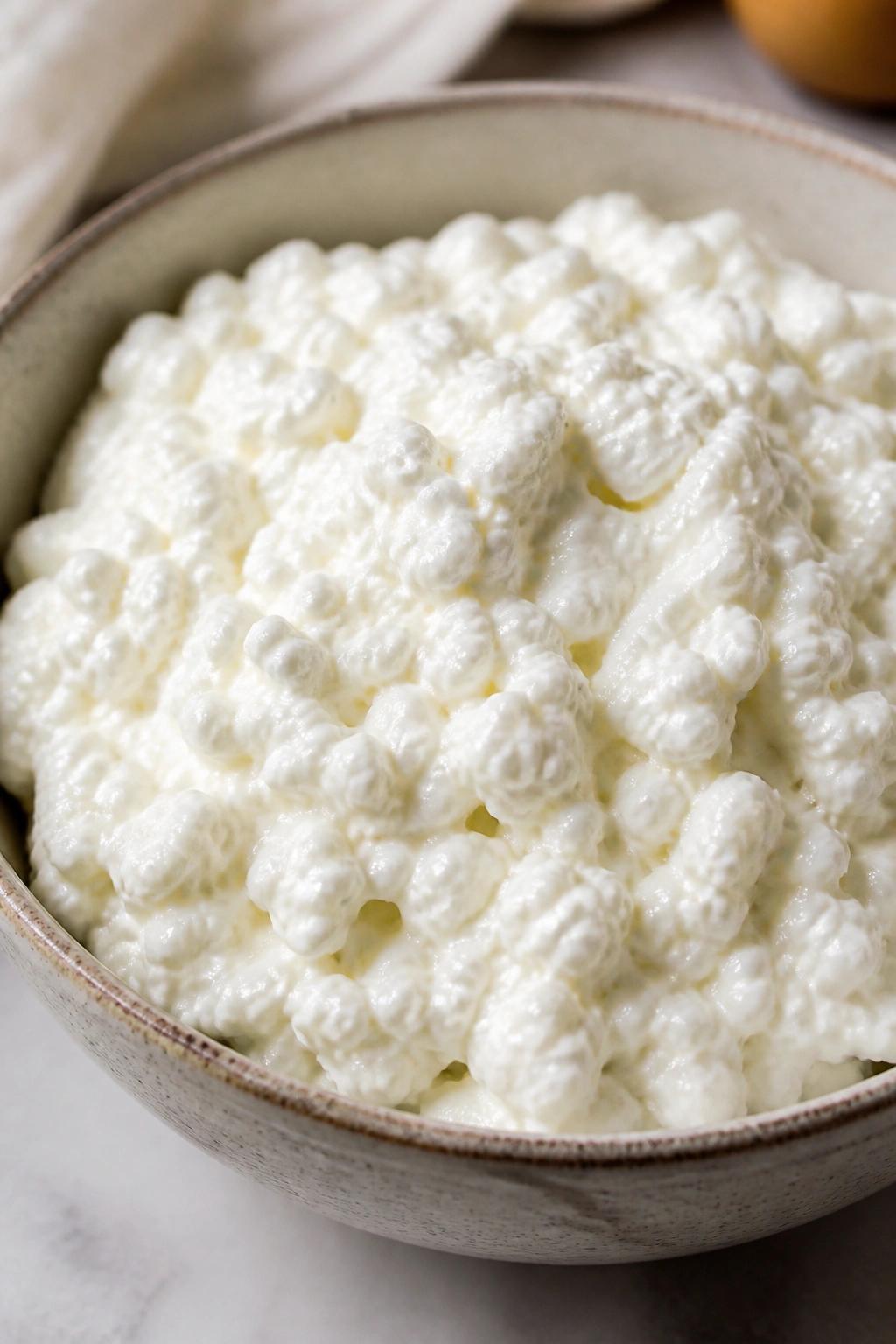
I keep cottage cheese on this list because it does something a lot of people want from food and almost nothing else in the fridge does as well: it feeds you without making you feel stuffed. One cup can bring around 24 to 28 grams of protein, depending on the brand and fat level.
The slow-digesting edge
Cottage cheese is rich in casein, a slower-digesting milk protein. That makes it a useful pre-bed snack or a late meal when you want amino acids to keep trickling in through the night. It’s not magic. It’s just practical.
Some people hate the texture. Fair enough. I still think they’re missing out.
The trick is to treat it like a blank canvas. Go sweet with pineapple, peaches, berries, or honey. Go savory with black pepper, sliced tomatoes, cucumbers, or a little hot sauce. Low-fat and full-fat versions both have a place; the better choice depends on your calorie needs.
A few fast ideas
- Spoon it onto toast with sliced tomato
- Stir it into scrambled eggs for more protein
- Eat it with berries after training
- Mix it with herbs and use it as a dip
If you want a high-protein food that doesn’t take much effort, cottage cheese is a stubbornly good option.
7. Oats
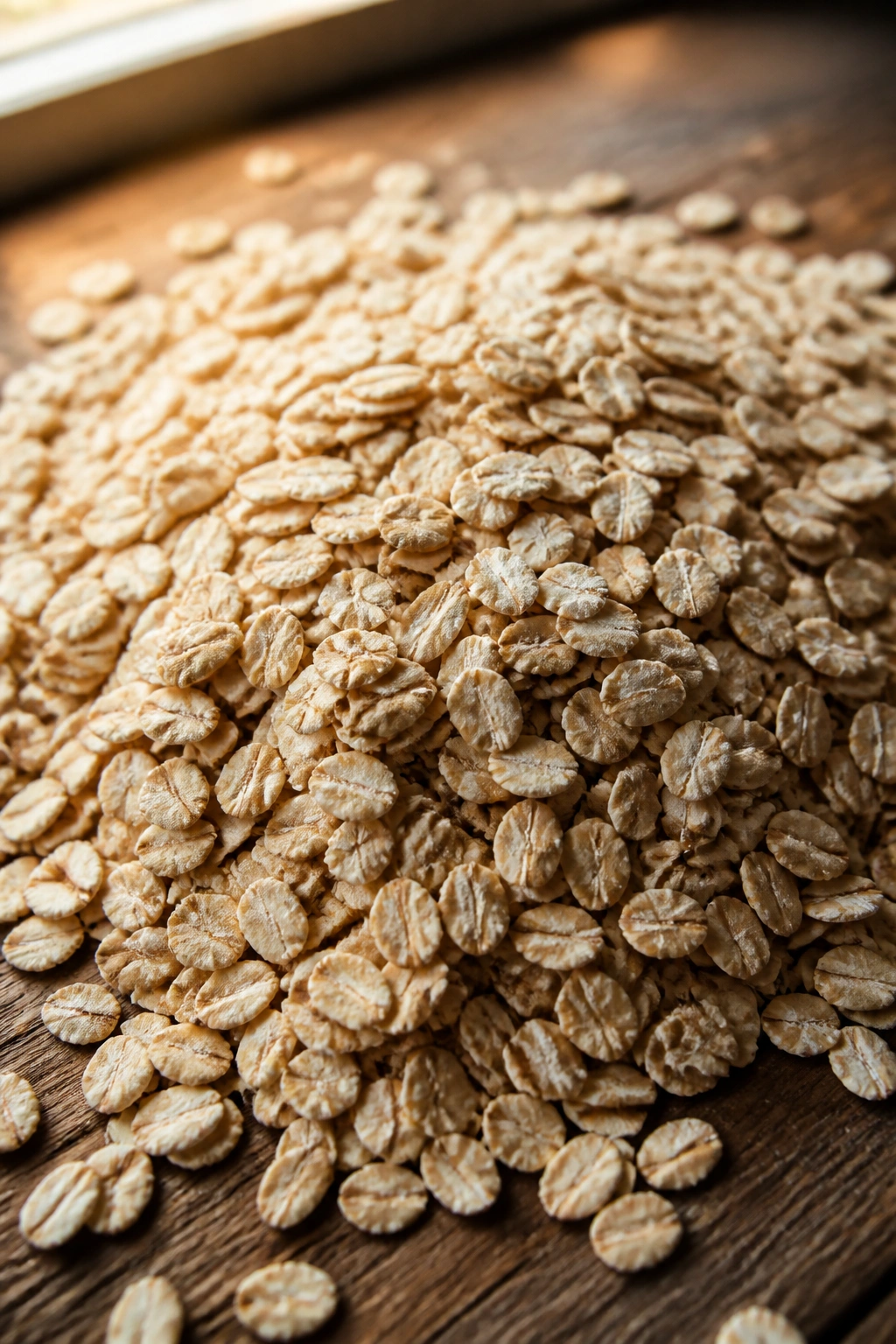
If breakfast is tiny, your training usually feels it by mid-morning. Oats fix part of that problem because they give you slow carbs, a little protein, and enough fiber to keep hunger from chewing through your day too fast.
Rolled oats are the sweet spot for most people. Steel-cut oats take longer and sit heavier. Instant oats are fine when you need speed, but they can feel mushy if you’re picky about texture. A half-cup dry serving gives you roughly 27 grams of carbs and about 5 grams of protein, which is not huge on its own, but that’s not the point.
Why lifters keep coming back to oats
They help fill out a calorie target without making the meal greasy or expensive. That matters when you’re trying to build lean muscle mass and still keep your diet clean enough to repeat five or six days a week.
Pair them with protein and they start working harder:
- Cook oats with milk instead of water
- Stir in Greek yogurt after cooking
- Add eggs on the side if you want a bigger breakfast
- Use peanut butter or nuts when you need more calories
Oats are one of the rare foods that can be breakfast, pre-workout fuel, or a recovery meal depending on what you put with them. That flexibility is the real value.
8. Rice
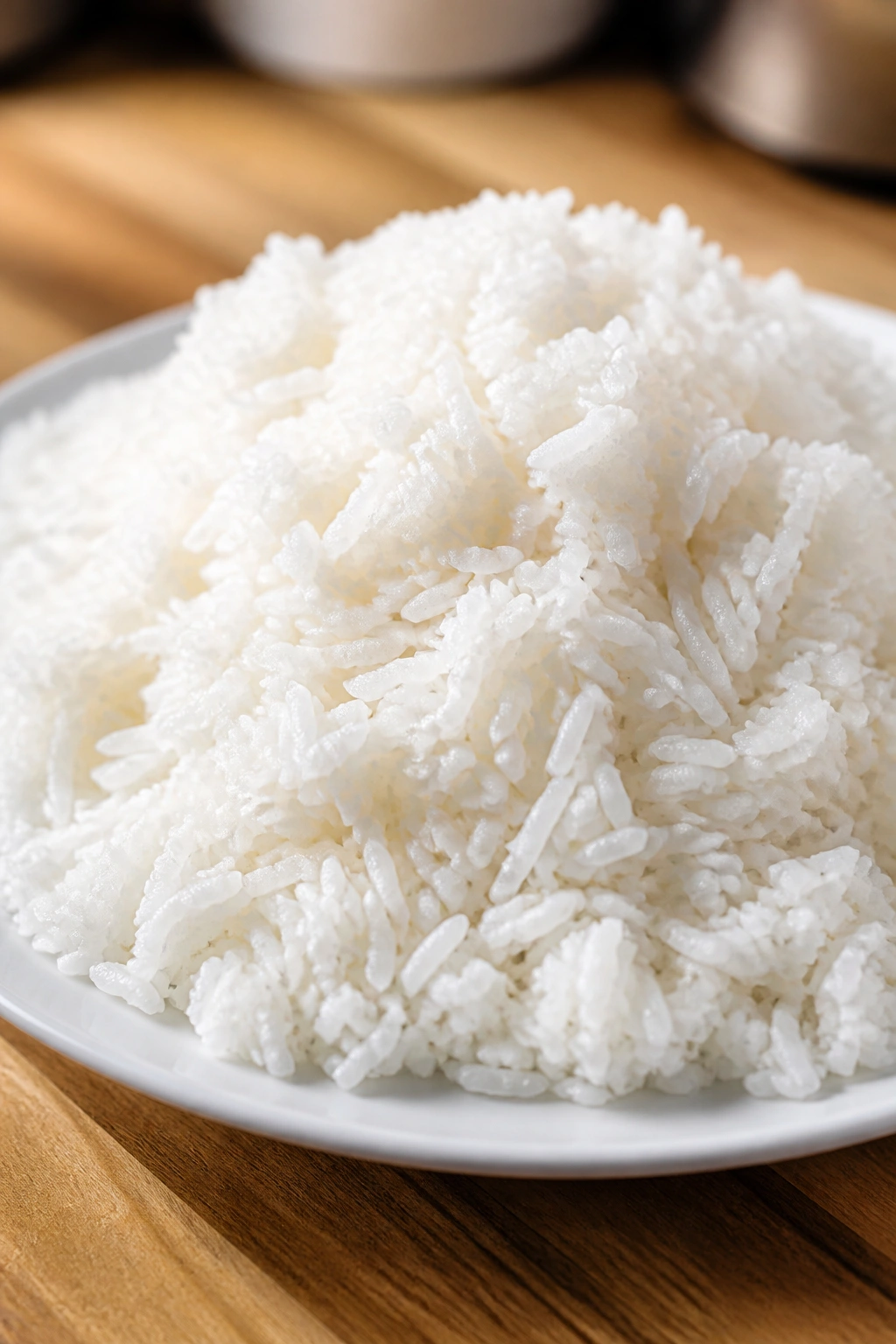
Rice gets dismissed because it doesn’t brag about protein. Fine. It doesn’t need to. Rice earns its place by giving you easy carbs that help refill muscle glycogen and keep training output high, especially when your workouts are hard and frequent.
White rice is usually easier to digest than brown rice. That makes it a smart choice before or after training, especially if your stomach gets picky around heavy fiber. Jasmine, basmati, sushi rice, and plain long-grain rice all do the job.
Where rice helps most
Picture a training week with squats, presses, rows, and another lower-body day. If your carbs are too low, the bar speed drops and your legs feel flat. Rice helps fix that without making dinner complicated.
- Best around workouts: pre-lift or post-lift meals
- Best with: chicken, beef, salmon, tofu, or lentils
- Best when: appetite is low and you need calories that go down easy
- Watch for: giant portions drowned in sauce that wipe out the point
Rice is not glamorous. It’s dependable. That distinction matters more than people admit.
9. Lentils
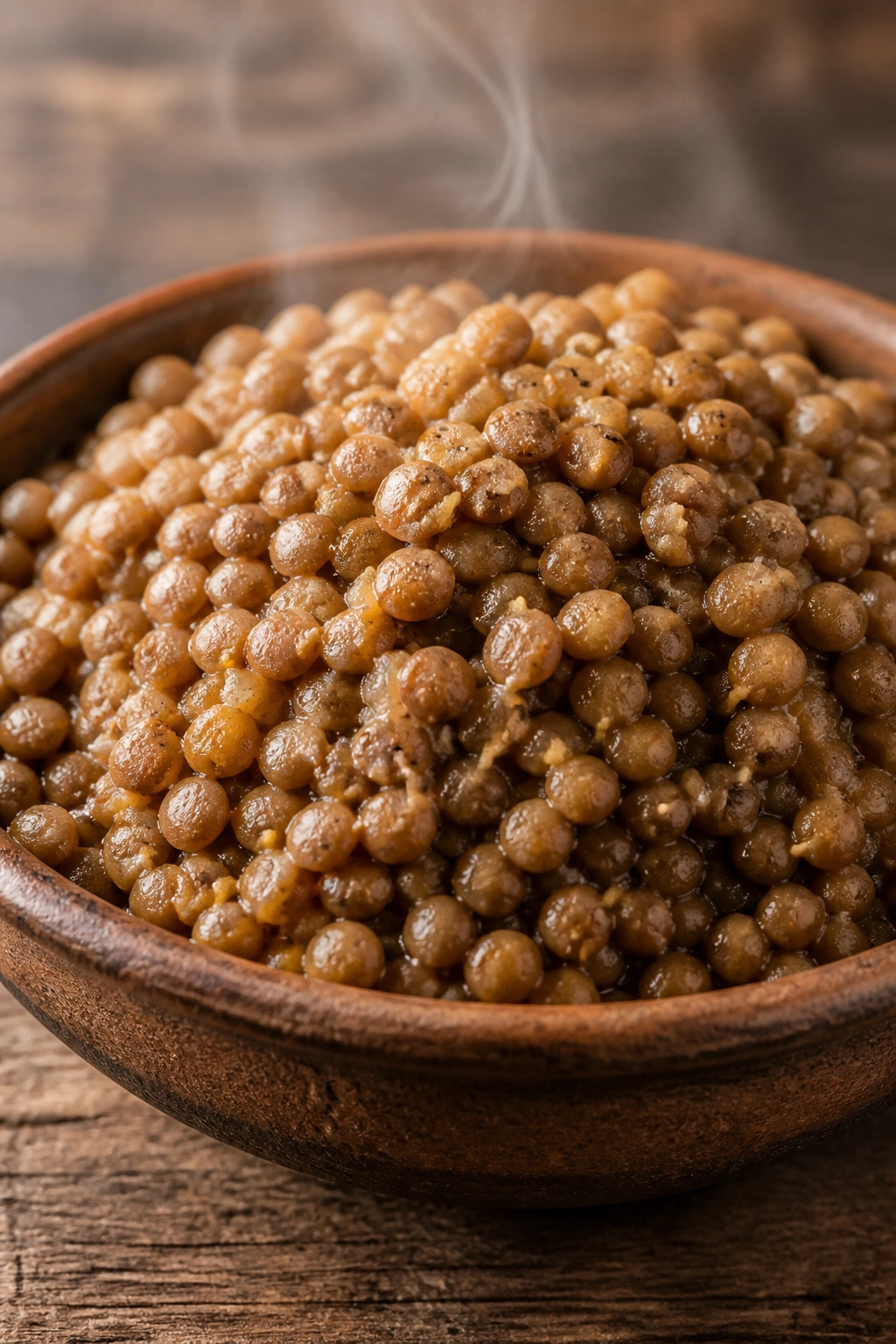
A bowl of lentils looks plain, then you check the numbers and realize it’s doing a lot more work than it seems. One cooked cup often gives you about 18 grams of protein, plenty of carbs, and a useful hit of fiber, folate, and iron.
Why they belong in a muscle-gain diet
Lentils are one of the best plant foods for people who want to grow without leaning on meat at every meal. They’re cheap, filling, and easy to pair with grains. That pairing matters because it helps round out the amino acid profile and makes the meal more complete.
There’s a catch, and it’s a real one: some people get gas or bloating from a big lentil serving. Start with half a cup if you’re new to them, rinse canned lentils well, and cook dried lentils until they’re tender, not chalky.
Good ways to use them
- Lentil soup with bread on the side
- Lentils and rice with olive oil and herbs
- A cold lentil salad with chopped vegetables
- Red lentils in a curry for a softer texture
I like lentils because they do not ask you to be fancy. They just quietly move the nutrition needle.
10. Tofu
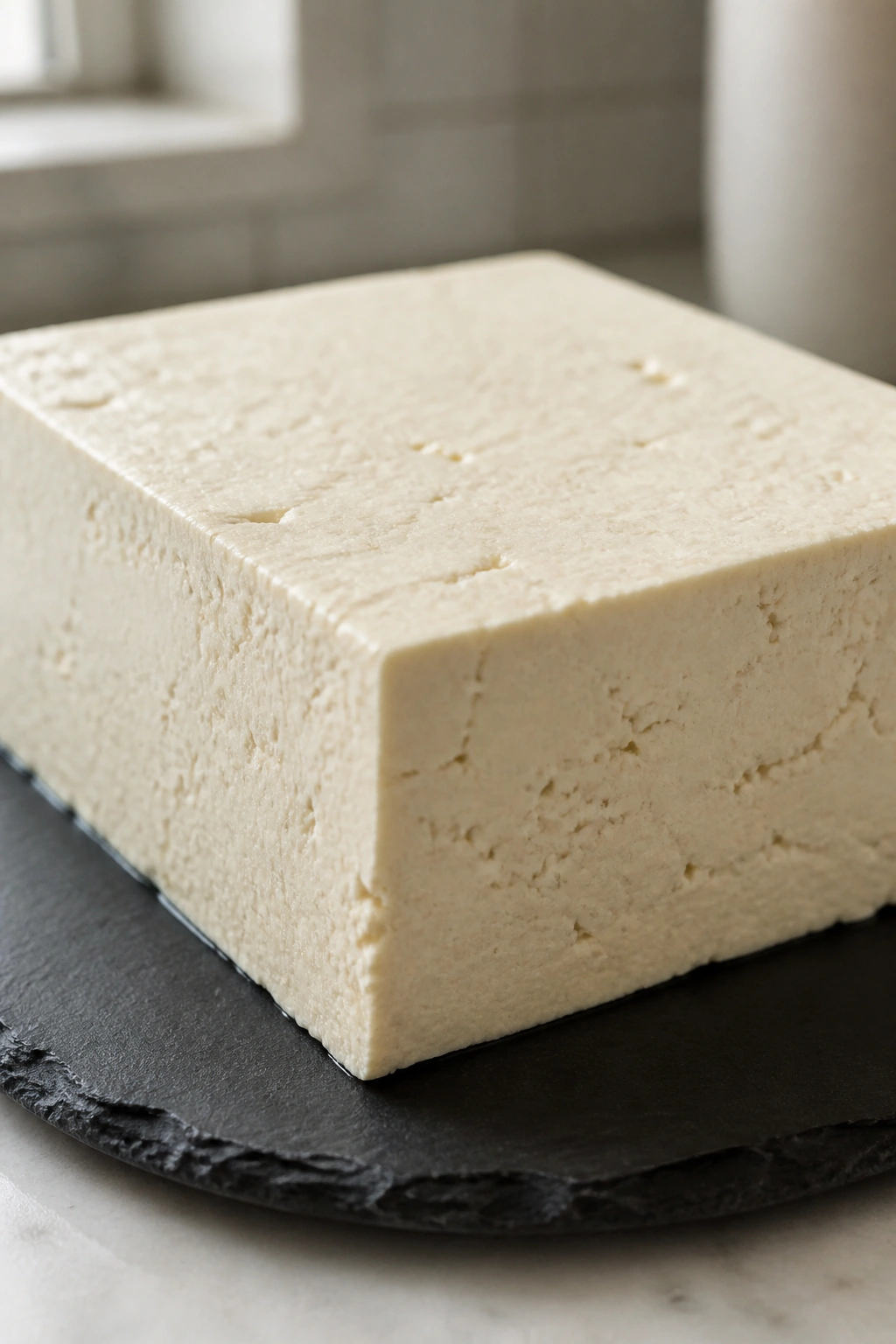
Tofu is not trying to taste like chicken, and it’s better when you stop expecting that. Firm tofu brings a decent amount of protein, usually around 10 to 20 grams per serving depending on the portion, and it fits easily into stir-fries, bowls, and baked meals.
Why it works in real life
Soy protein is a strong option for muscle repair because it gives you a complete amino acid profile. That’s a useful thing if you eat mostly plant-based meals, or if you simply want a break from meat without losing protein density.
Pressing tofu helps. So does marinating it. If you skip both and throw it into a pan wet and naked, you’ll get a soft block that tastes like it gave up halfway through dinner. Give it 10 to 15 minutes under a towel with a light weight on top, then sear it until the edges turn golden.
The version I’d buy
- Firm or extra-firm tofu
- Calcium-set tofu if you want more calcium
- Plain tofu that you season yourself instead of pre-flavored blocks with extra sugar
Tofu is one of the easiest foods to make muscle-friendly without making the meal feel heavy. That alone makes it worth keeping around.
11. Edamame
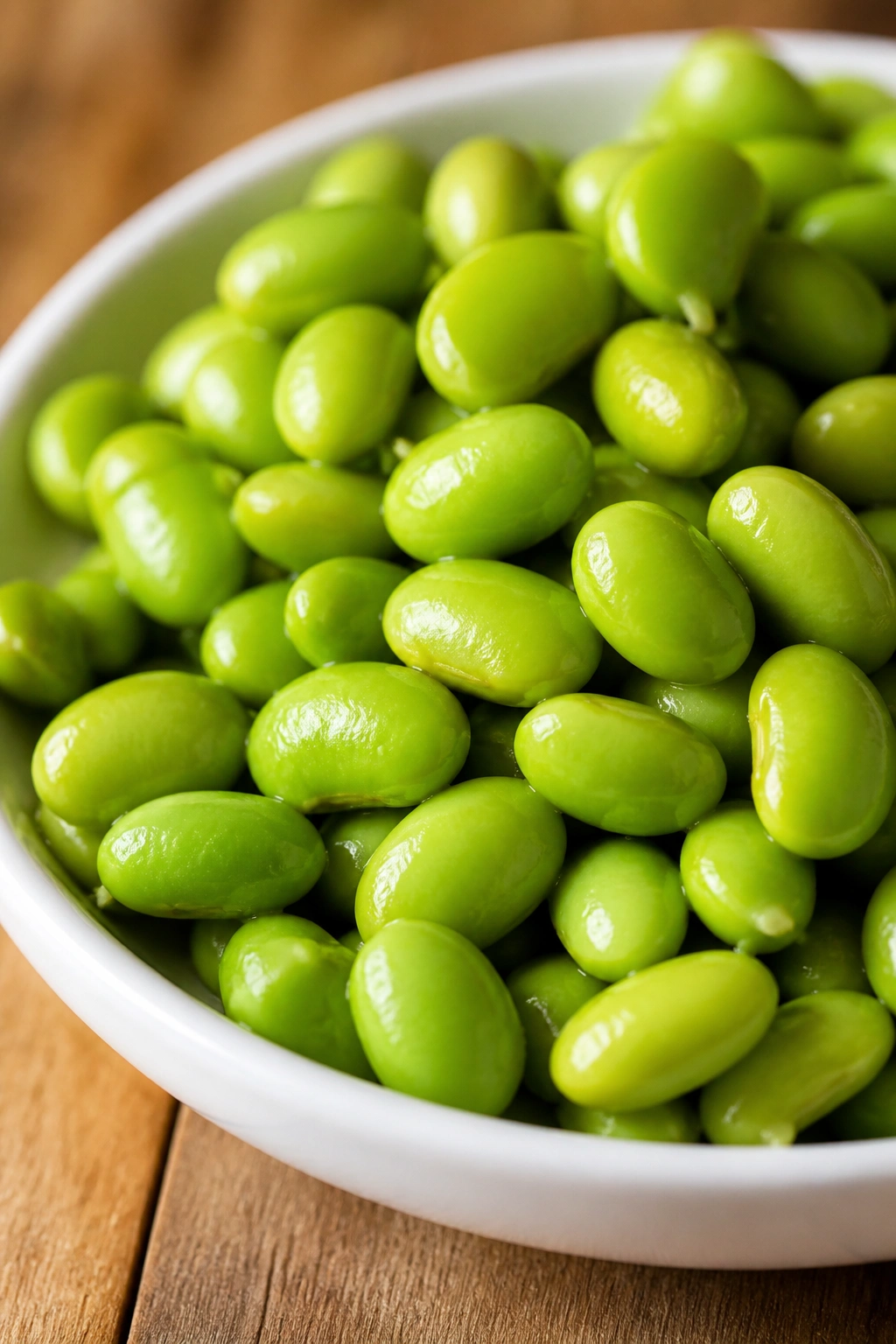
Need a snack that isn’t a protein bar wrapped in sugar alcohols? Edamame has your back. Shelled edamame often gives you around 17 grams of protein per cup, plus fiber and enough carbs to make it more than a sad nibble.
Small food, useful job
Edamame is young soybeans, which means you get a plant protein that doesn’t feel like an afterthought. It’s easy to keep frozen, and that matters. Pull a bowl from the freezer, steam it for a few minutes, add salt, and you’ve got something that works as a snack or a side.
It also plays nicely with rice bowls, noodle dishes, and chopped salads. If you’re the kind of person who gets hungry two hours after lunch, this one helps.
- Snack use: between meals when protein is lagging
- Meal use: tossed into fried rice or grain bowls
- Best seasoning: sea salt, chili flakes, or a little sesame oil
- Storage: keep frozen and cook only what you need
That’s the appeal. It’s fast, it’s filling, and it doesn’t take much planning.
12. Tuna
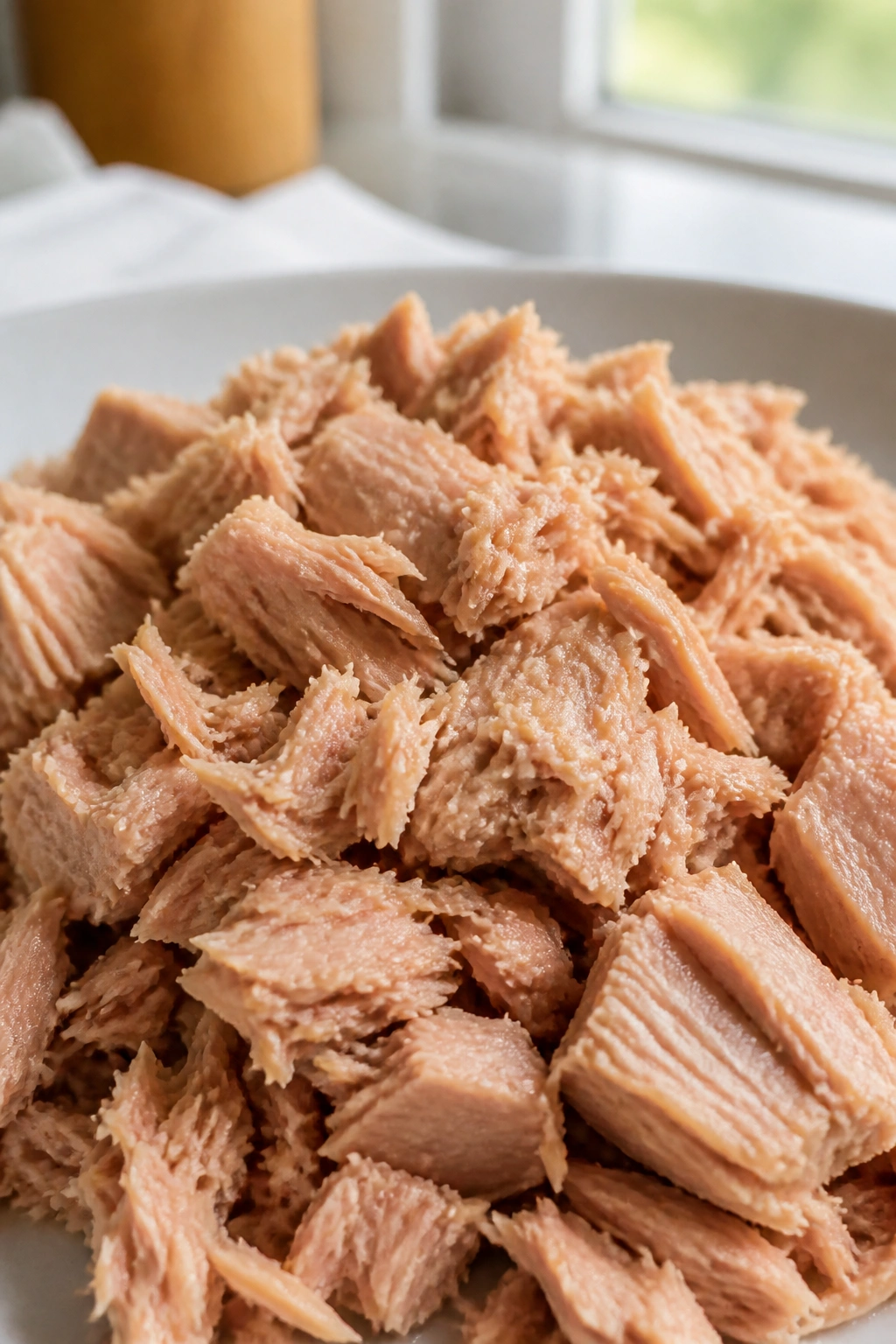
Canned tuna is one of the easiest 20-gram protein hits in the pantry, and that kind of convenience matters when you’re trying to eat enough on a busy day. A standard can usually brings about 20 to 25 grams of protein, depending on the brand and size.
What to pay attention to
Light tuna tends to have less mercury than albacore, so it’s the version many people lean on more often. That doesn’t mean you have to avoid albacore entirely. It means you should be a little smart about how often you eat each type.
Tuna also benefits from a little restraint. If you eat it every day, your menu gets dull and your mineral balance can get lopsided. Keep it in the rotation, not as the entire rotation.
Better ways to eat it
- Mix with Greek yogurt, mustard, and chopped pickles
- Serve on toast with sliced tomato
- Stir into rice with olive oil and lemon
- Pack with crackers and fruit for an easy lunch
Tuna is not fancy. It is useful. That’s a stronger trait than people give it credit for.
13. Quinoa
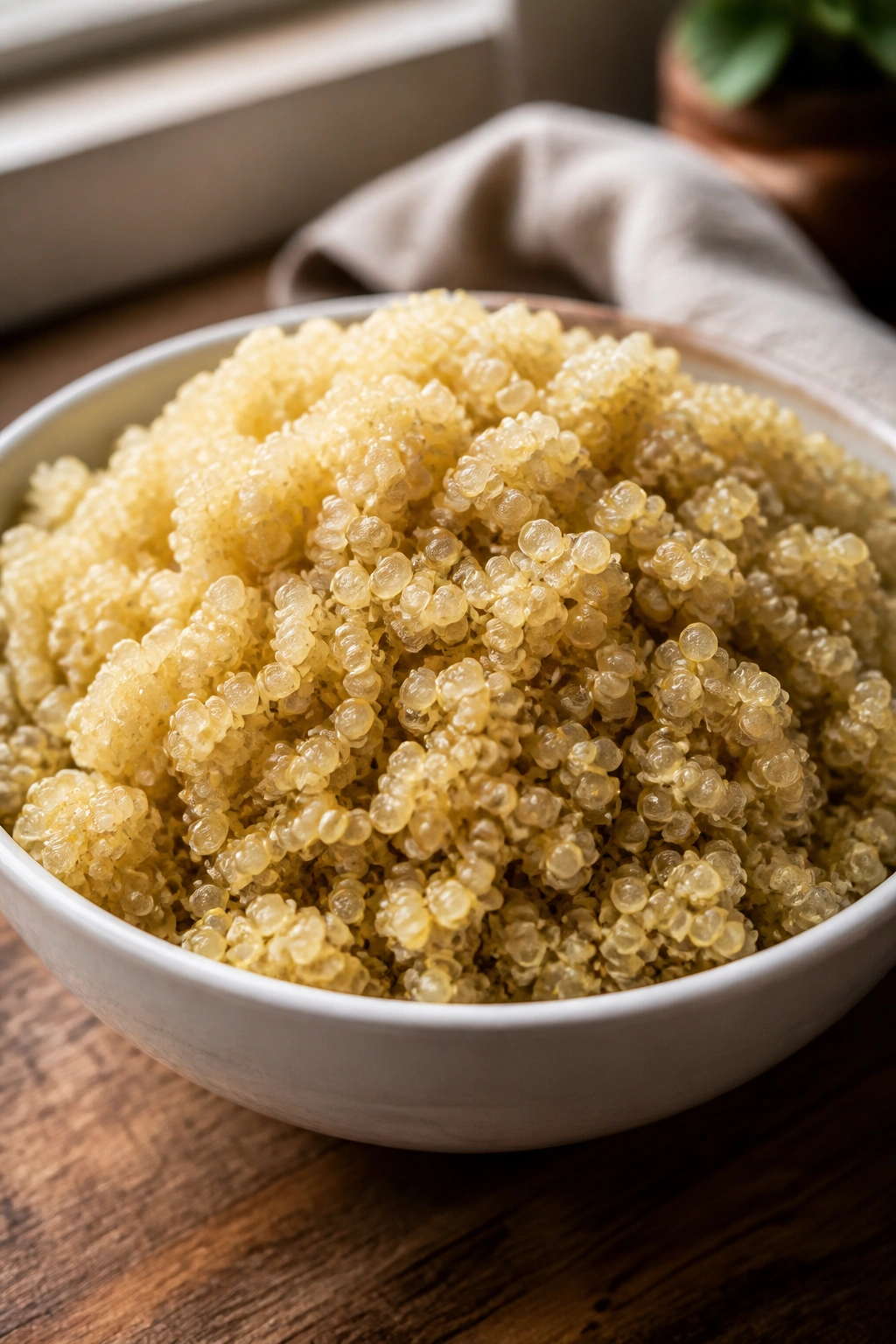
Quinoa shows up when someone wants a grain that does a little more than rice without becoming weird or expensive. A cooked cup gives you roughly 8 grams of protein, plus carbs, magnesium, manganese, and a texture that works in bowls, salads, and side dishes.
The part people miss
Quinoa is not a meat substitute in disguise. It is a supportive food. Used that way, it shines. It brings enough protein to matter and enough carbs to help fuel training, but it usually works best beside another protein source rather than as the star.
Rinse it before cooking. That step takes less than a minute and removes the bitter coating that can make quinoa taste dusty. Cook it until the little spirals pop out and the grain turns tender with a slight bite.
Good uses
- Serve it under salmon or chicken
- Mix it with beans and vegetables
- Eat it cold in a lunch salad with herbs and olive oil
- Use it in place of rice when you want a little more texture
Quinoa gives a meal a different feel. Sometimes that’s enough to keep your diet from getting stale.
14. Milk
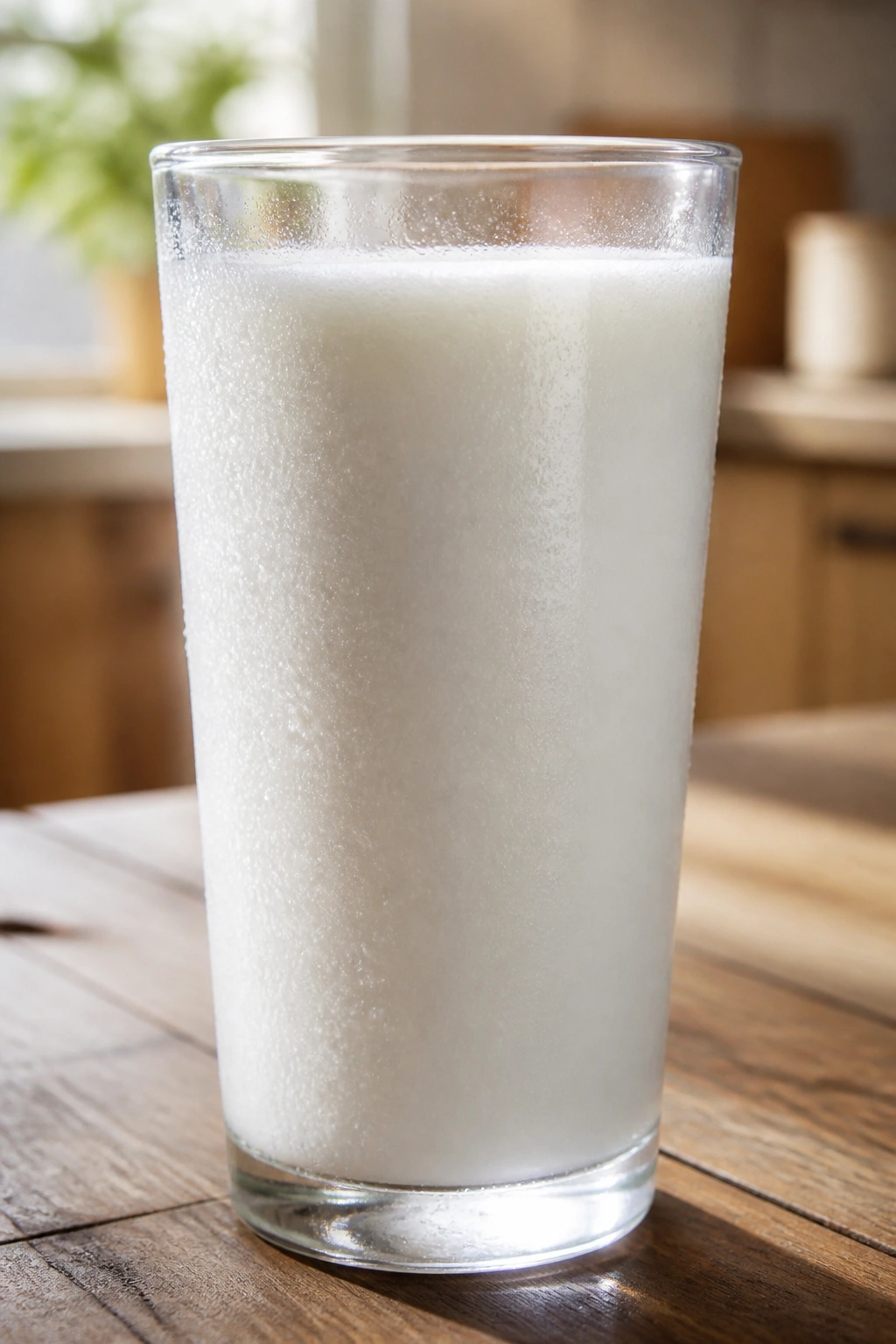
Milk works because it gives you protein, carbs, and fluid at the same time. That combination is a lot more useful than people think, especially after training when you want something that goes down easily and starts recovery without much fuss.
Why it keeps showing up in muscle diets
A cup of milk gives you around 8 grams of protein, and that protein comes from both whey and casein — fast and slow components together. That makes milk one of the easiest ways to add protein without cooking anything.
Chocolate milk gets attention for a reason. It combines carbs with protein in a way that can work well after hard lifting or field sports. Plain milk is fine too, especially if you’re putting it into oats, smoothies, or a shake with fruit.
If lactose bothers you, use lactose-free milk or fortified soy milk instead. No need to wrestle your stomach for the sake of a nutrition chart.
Easy ways to use it
- Drink a glass with oats and eggs
- Blend it into a banana smoothie
- Pour it over cereal when appetite is low
- Use it in mashed potatoes or creamier soups
Milk is a quiet helper. It doesn’t shout, but it does a lot.
15. Potatoes
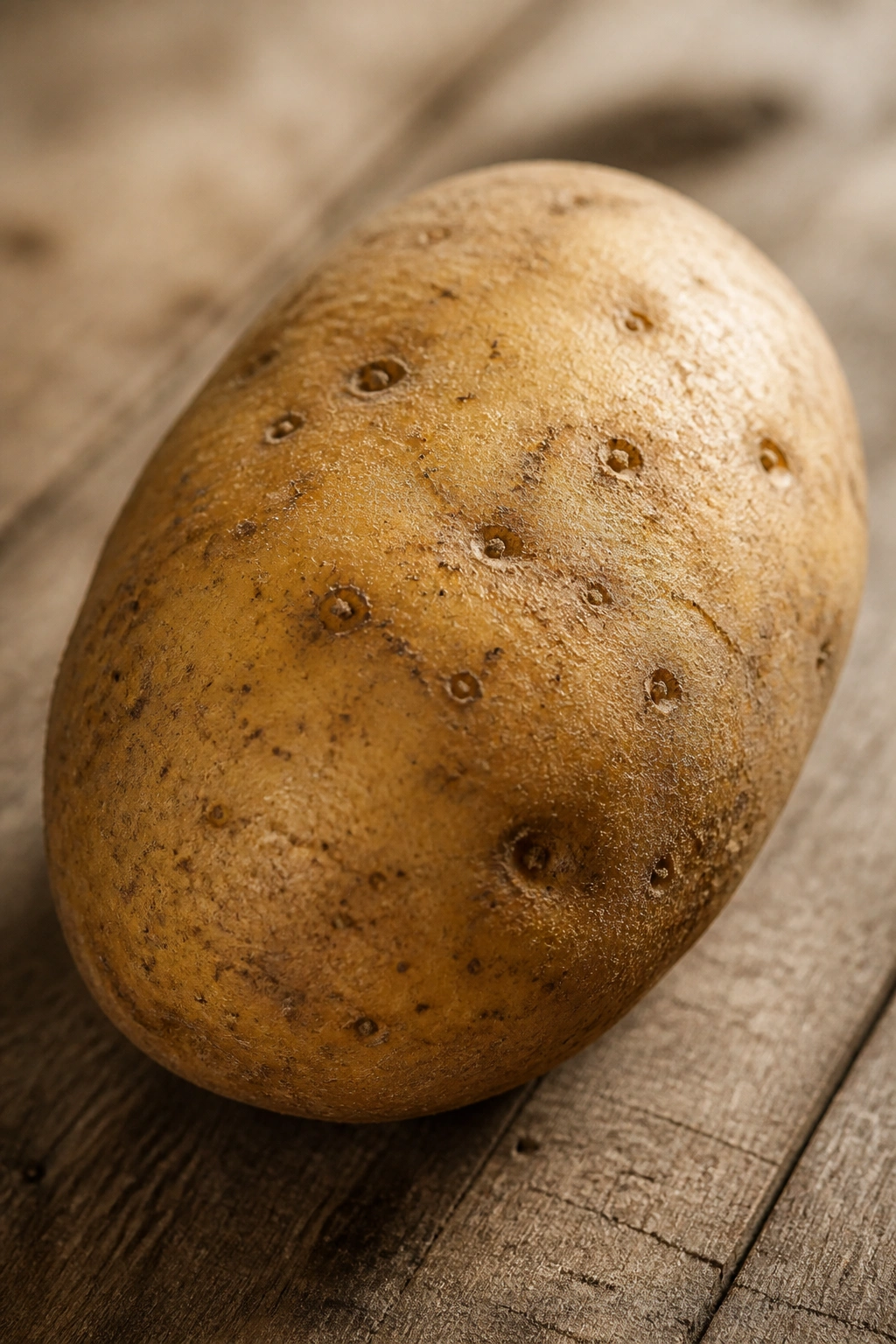
A potato is not glamorous. It also doesn’t care. What it does care about is giving you a clean, easy carb source that helps refill glycogen and keeps hard training from feeling like a punishment. A medium potato gives you around 25 grams of carbs, a useful hit of potassium, and enough volume to make a meal feel substantial.
Why they help with lean gains
When calories are too low, muscle gain stalls. Potatoes make it easier to eat enough without relying on greasy food or giant pasta bowls. They’re especially good on days when your appetite is low but your legs are cooked from training.
Baking, boiling, and roasting are the easiest ways to handle them. Leave the skin on when you can; it adds texture and a little extra fiber. White potatoes are easy to digest, while sweet potatoes bring a different texture and a little more sweetness. Both have a place.
Best plates to build around
- Potatoes with eggs for breakfast
- Potatoes with salmon and yogurt sauce
- Potatoes with lean beef and greens
- Potatoes with tofu and salsa
I like potatoes because they disappear into the rest of the meal. They do their job, then let the protein take center stage.
Lean muscle mass responds best to food that is repeatable. Not flashy. Repeatable. If you can build most of your meals from a mix of high-protein staples, smart carbs, and a few useful extras like milk or yogurt, you stop depending on perfect days and start depending on habits. That’s the part that sticks.
