



The easiest Weight Watcher foods are the ones that keep a day from getting complicated. A couple of eggs. A bowl of plain Greek yogurt. A baked potato with salsa. None of that feels flashy, and that’s the point. Weight Watcher foods that work well in real life tend to be the ones you can repeat without getting bored, broke, or trapped in the kitchen.
What usually trips people up is not hunger alone. It’s the scramble of decisions: what to eat when you’re rushing, what to grab when you’re tired, what still tastes good after sitting in the fridge for two days. Foods that are high in protein, high in fiber, or high in volume make those moments easier because they give you something to lean on. A food database will tell you the numbers; your stomach will tell you the rest.
There’s a practical way to think about it. Some foods help because they’re filling. Some help because they’re portable. Some help because they rescue a meal that would otherwise turn into takeout. The smartest list is not built around perfection. It’s built around repetition. Start with the foods that do the least drama and the most work.
1. Eggs
Eggs are the kind of food that can save breakfast, lunch, or a lazy dinner without asking much from you. A large egg brings roughly 6 grams of protein for about 70 calories, which is a tidy little trade when you’re trying to keep a day moving. They also taste like something, which matters more than people admit.
Why They Earn Their Spot
Protein is the big reason eggs show up again and again in points-friendly kitchens. You get richness from the yolk and structure from the white, so the whole thing feels more satisfying than its size suggests. Hard-boiled, scrambled, poached, fried in a nonstick pan — they all work. A lot of foods are “healthy” in the abstract and annoying in practice. Eggs are not.
Easy Ways to Keep Them Interesting
- Hard-boil a half-dozen on Sunday and keep them in the fridge for grab-and-go breakfasts.
- Scramble them with spinach, mushrooms, or chopped tomatoes.
- Make an egg wrap with one tortilla, two eggs, and salsa.
- Bake them in muffin cups with peppers and scallions.
My rule: season eggs more boldly than you think you need to. Salt, pepper, hot sauce, smoked paprika — those are cheap upgrades.
2. Plain Greek Yogurt
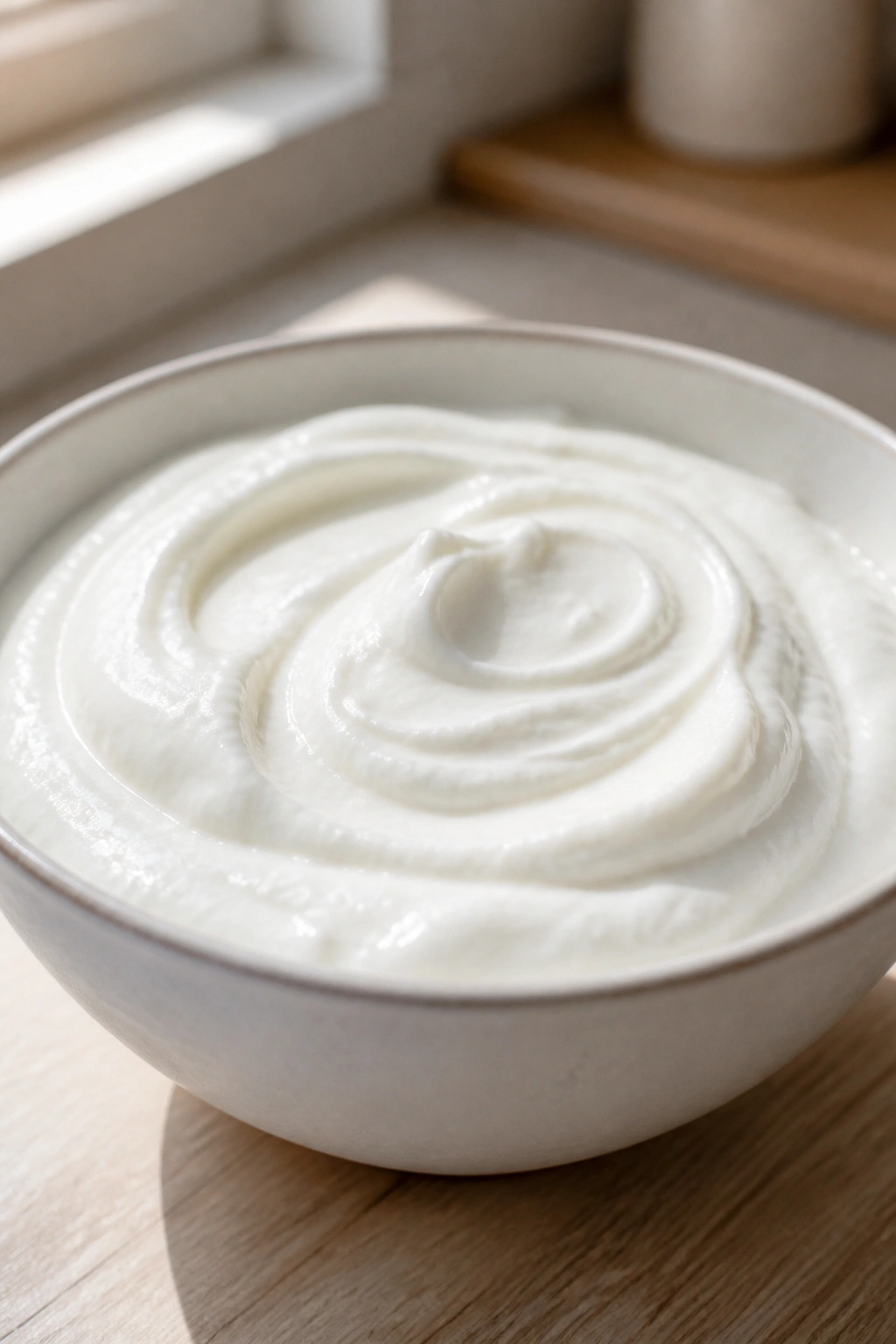
Why does plain Greek yogurt end up in so many refrigerators? Because it solves three problems at once: breakfast, snack, and protein. A 6-ounce cup usually gives you around 15 to 20 grams of protein, depending on the brand and fat level. That’s a lot of staying power for a food that takes thirty seconds to eat.
What to Look for on the Label
Pick plain, unsweetened yogurt whenever you can. Flavored cups look easy, but the sugar adds up fast and the fruit-on-the-bottom stuff can turn into dessert with a better reputation. I usually like 0% or 2% if I’m using it in a bowl, though full-fat versions can fit too if the texture helps you stay satisfied. Short ingredient lists are your friend here.
Mix in berries, cinnamon, or a little vanilla extract. Or go savory and stir in cucumber, garlic, and dill for a quick dip. That move is underrated. It turns yogurt from “healthy snack” into something you actually want to keep eating.
If you only remember one thing, remember this: plain Greek yogurt is a blank canvas, not a punishment.
3. Berries
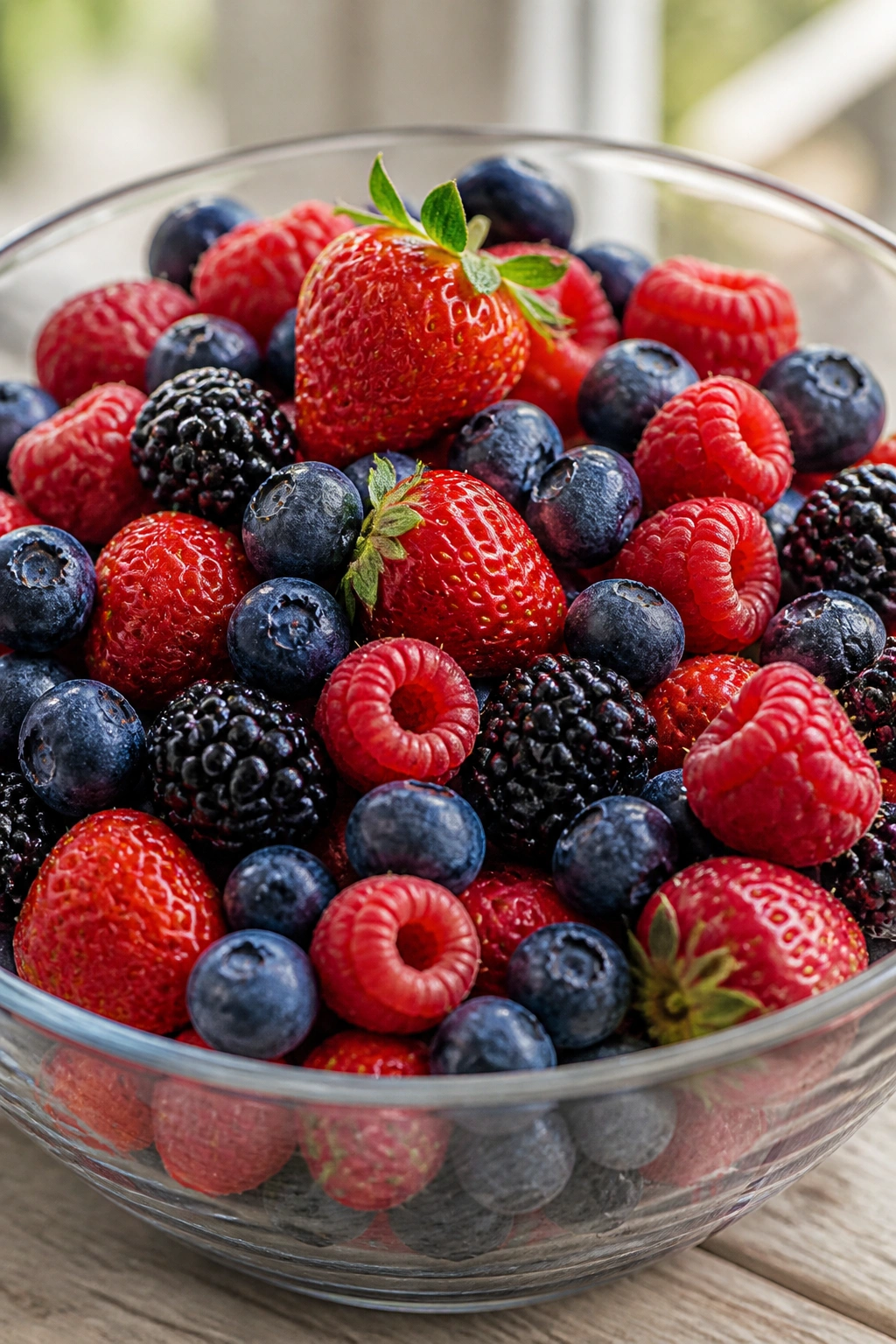
Berries are what I reach for when I want something sweet without opening a door I can’t close. A cup of strawberries or raspberries gives you a lot of volume for very few calories, and the fiber helps slow things down. Frozen berries work too, which is handy because they don’t judge you for forgetting them in the back of the freezer.
Why They Work So Well
The texture matters. Blueberries pop. Raspberries break apart. Strawberries feel juicy and familiar. That mix makes a small bowl feel more satisfying than it should. They’re also easy to drop into yogurt, oats, or cottage cheese, which means they quietly improve a lot of other foods.
My Favorite Uses
- Stir them into plain Greek yogurt with a pinch of cinnamon.
- Freeze them and eat them half-thawed for a cold, almost sorbet-like snack.
- Spoon them over oatmeal instead of using syrup.
- Toss them into a salad with spinach and a little feta.
Fresh berries can be pricey, and that’s the honest downside. Frozen ones fix most of that. Keep both around if you can.
4. Oatmeal
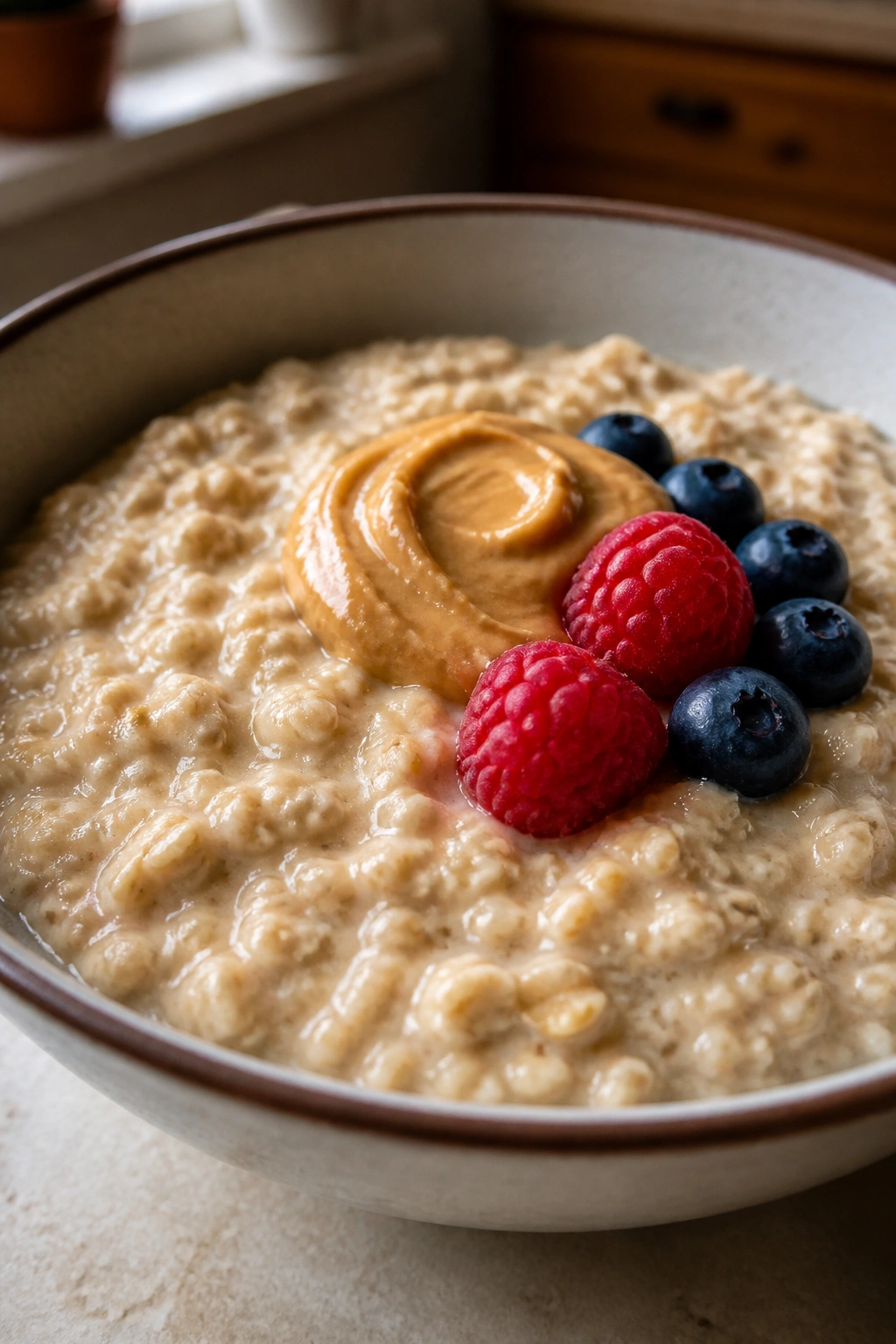
Oatmeal is one of those foods people underestimate until they eat a real bowl made from plain oats, a pinch of salt, and toppings that make sense. The flavored packets are where oats get into trouble. Too much sugar, too little texture, and suddenly breakfast feels like a compromise.
A half-cup of dry old-fashioned oats cooked with water or milk gives you a base that can go sweet or savory. I like old-fashioned oats because they keep a little bite. Steel-cut oats take longer but have even more chew. Instant oats are fine in a pinch, though the texture gets softer and less interesting.
Savory oatmeal is underrated. Add a fried egg, scallions, and a splash of soy sauce, and the whole bowl shifts from “diet food” to a lunch that actually lands. Sweet works too, but keep the toppings measured. A spoon of peanut butter, a handful of berries, and cinnamon is plenty. You do not need a parade on top.
The best part is how steady oatmeal feels after you eat it. Not glamorous. Useful.
5. Chicken Breast
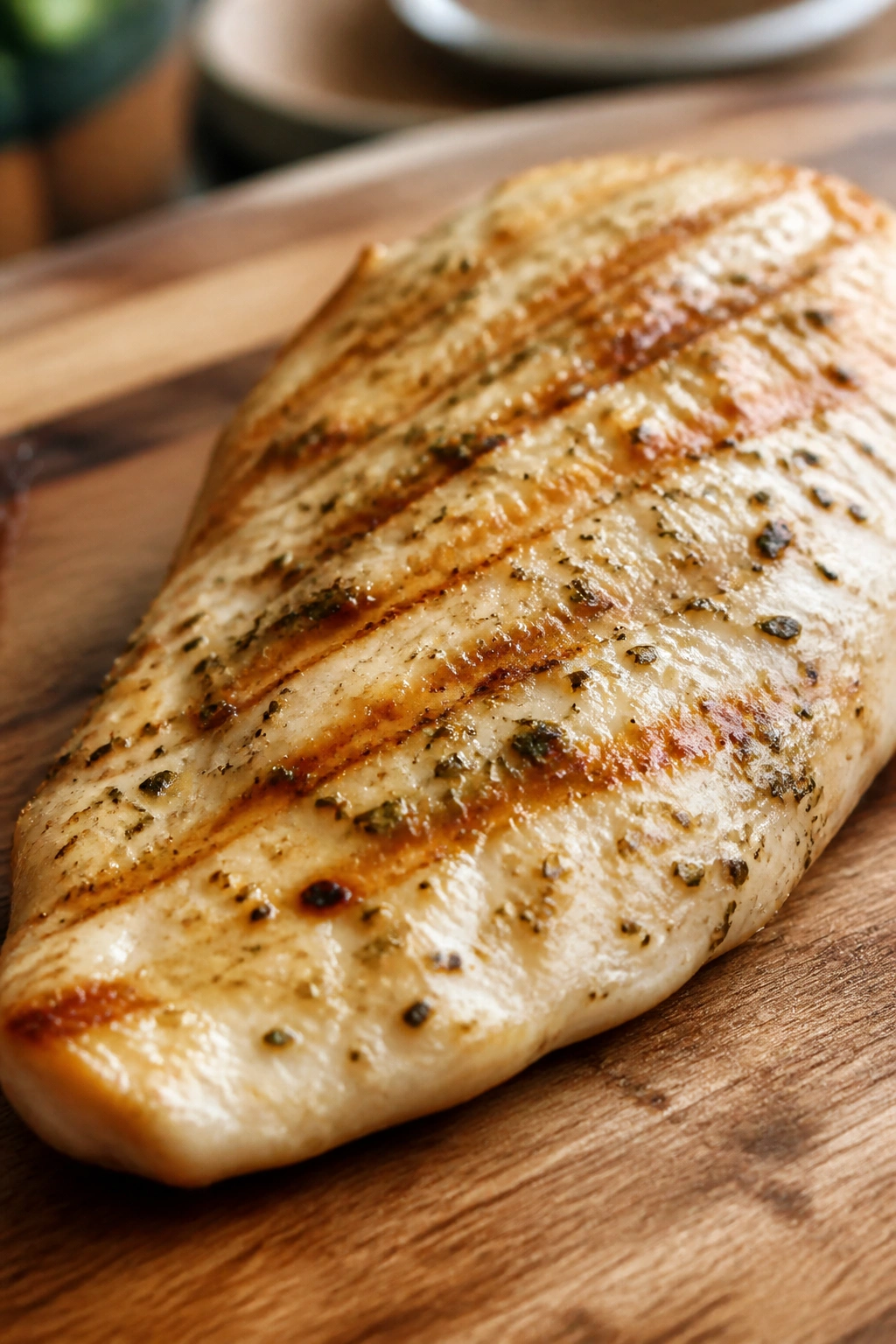
Chicken breast is plain, yes. That is also the point. A 4- to 6-ounce portion gives you a solid amount of protein without blowing up your points budget, and it plays nicely with almost every seasoning you can think of. The trick is keeping it juicy enough that you don’t start resenting it by Wednesday.
How to Keep It from Turning Dry
- Bake it at 400°F until the thickest part hits 165°F.
- Pound thicker pieces to an even thickness before cooking.
- Let it rest for 5 minutes before slicing.
- Use a quick brine if you want extra insurance against dryness.
Chicken breast is a meal-prep workhorse because it takes on flavor well. Lemon-garlic one day, chili-lime the next, maybe a little curry powder later in the week. Leftovers are easy to fold into salads, wraps, soups, and rice bowls.
The thing most people get wrong is overcooking. They keep it on the heat until they’re “sure,” and then the texture goes stringy. Pull it when the center is opaque and the juices run clear. That’s enough.
6. Canned Tuna
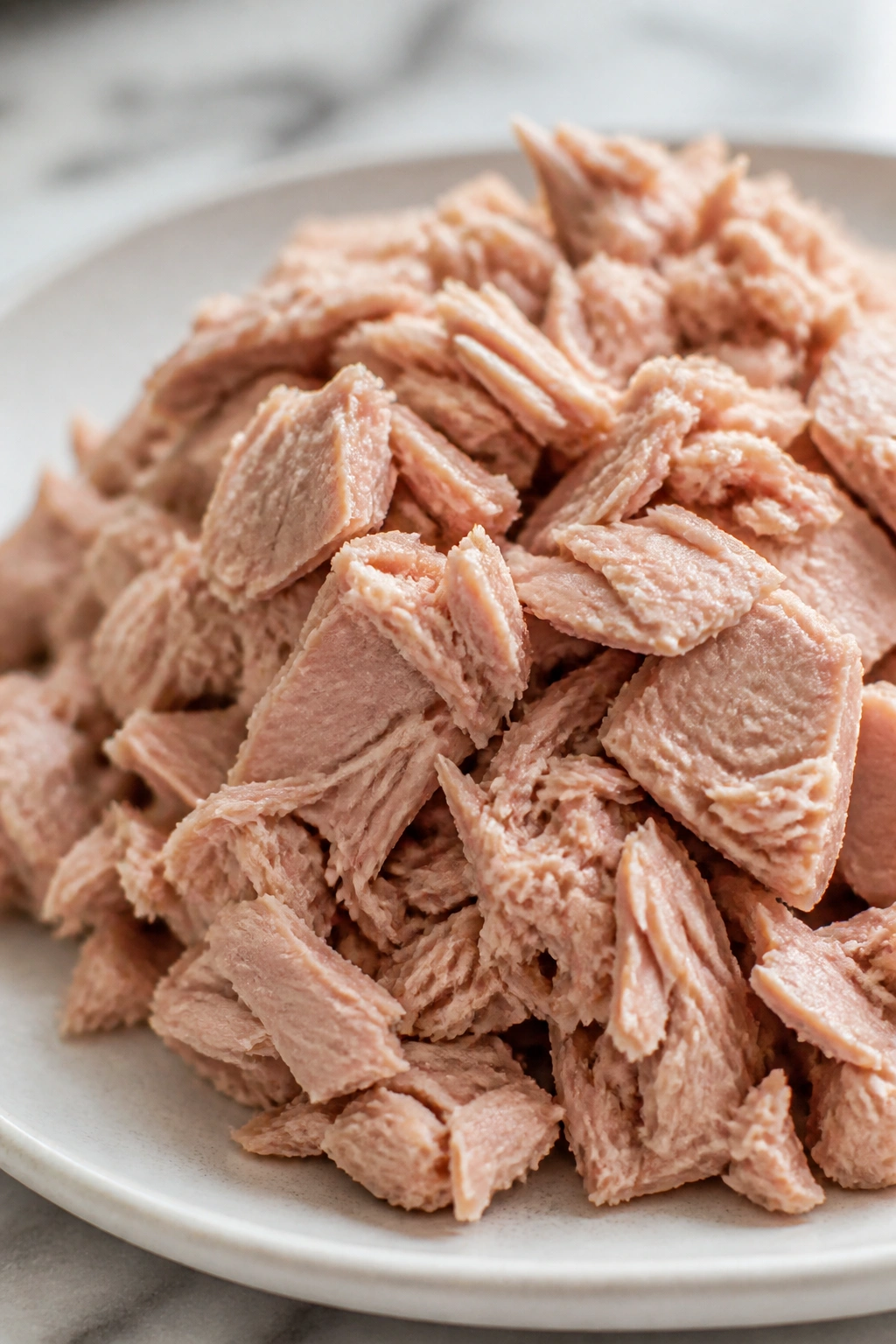
A tuna pouch in the pantry can rescue lunch with almost no warning. Water-packed light tuna mixes fast with mustard, chopped celery, black pepper, or a spoon of Greek yogurt, and suddenly you’ve got a decent meal in two minutes. That kind of speed matters on days when cooking feels like a bad joke.
What Makes It Handy
- It stores well.
- It needs no stove.
- It brings protein without much prep.
- It works in salads, wraps, and stuffed tomatoes.
The catch is sodium. Some cans and pouches are saltier than you’d expect, so it pays to read the label if that matters to you. Mercury is part of the conversation too, especially if tuna becomes an everyday thing rather than an occasional backup. Light tuna is usually the easier pick.
I like tuna best when it’s mixed with something crisp. Celery, diced pickles, minced onion, or chopped apple all help. Straight tuna from the can is efficient. Mixed well, it’s a lot more pleasant.
7. Cottage Cheese
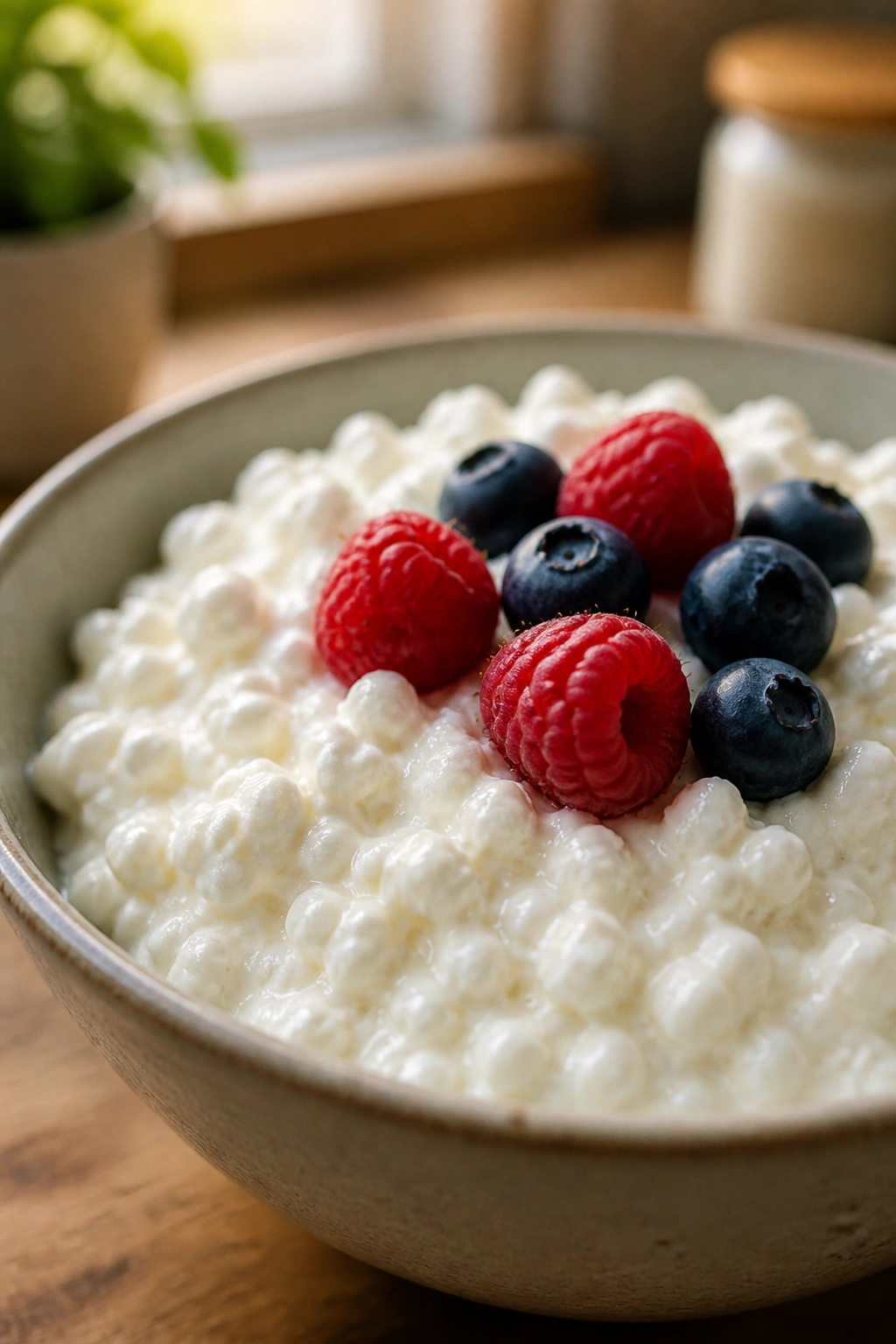
Why do people either love cottage cheese or avoid it completely? Texture. That’s the whole story. Once you get past that, cottage cheese becomes a sneaky useful food for breakfast, lunch, and late-night hunger. A half-cup usually brings a solid chunk of protein, and the portion is easy to keep under control.
Sweet or Savory?
Sweet cottage cheese works when you want something cool and quick. Spoon on berries, peaches, or sliced pineapple if that fits your day. Savory is where I think it really shines, though. Add tomatoes, cracked pepper, chives, or a little everything-bagel seasoning and you’ve got a snack that feels more like lunch.
The curds matter. Some brands are wetter, some are drier, and some taste saltier than you’d expect. Small-curd versions often feel smoother; large-curd ones have more bite. If one brand bugs you, don’t write off the whole food.
I also like it as a base for dip. Blend it until smooth, stir in herbs and lemon, and you get something that can stand in for creamier spreads without getting greasy.
8. Beans
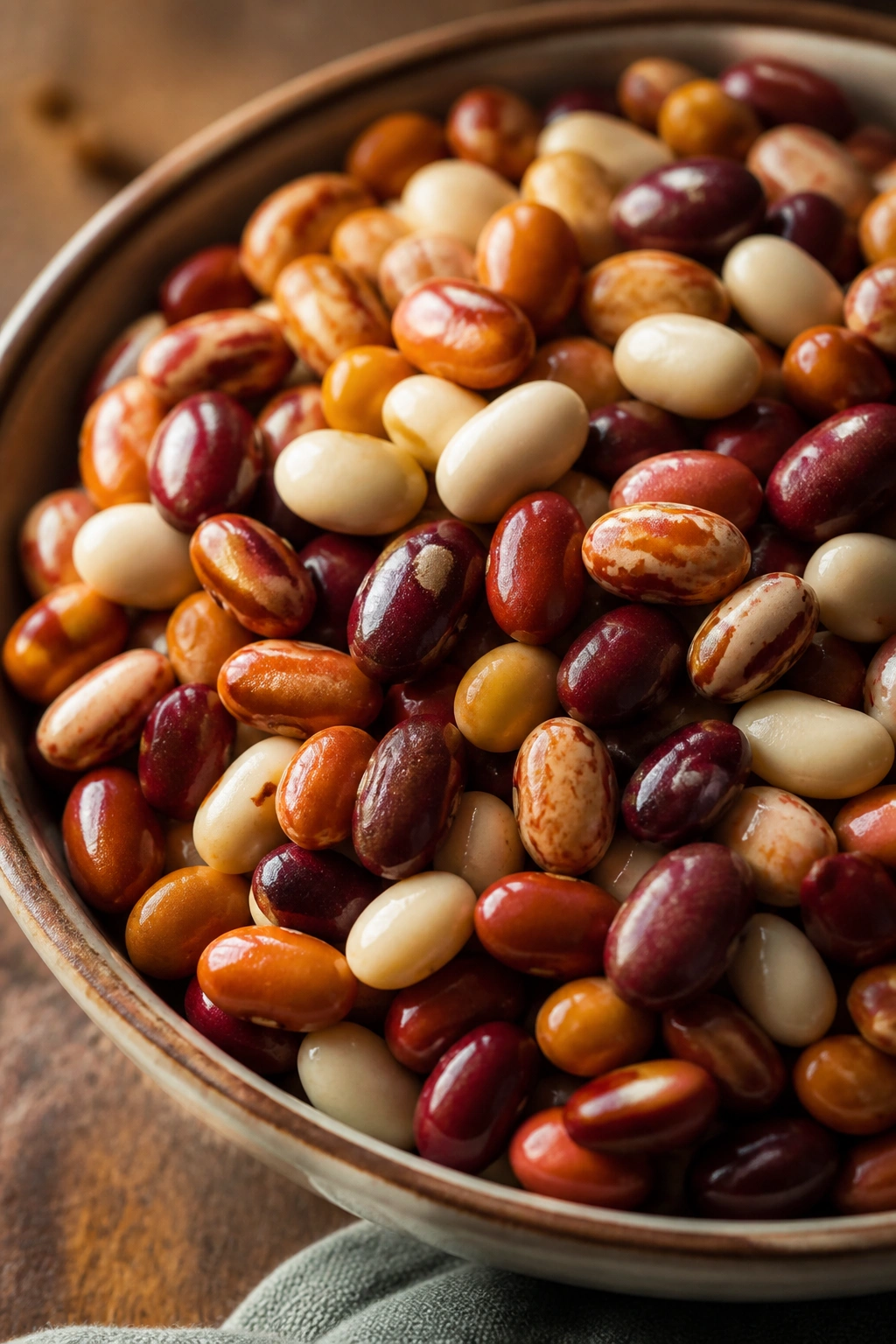
Beans are slow in the right way. Black beans, chickpeas, kidney beans, cannellini beans — they all bring fiber and protein, which is a pretty good reason they keep showing up in lunches that actually hold you over. A salad with beans feels like food. A salad without them can feel like a dare.
Rinse canned beans under cold water and you’ll knock down some of the sodium and that canned taste. Dry beans are cheaper and often taste better, but they ask more of you. If you cook in batches, great. If you don’t, canned beans still earn their keep.
Where They Fit Best
- Toss black beans into taco bowls.
- Stir chickpeas into cucumber salad.
- Add kidney beans to soup.
- Mash cannellini beans into a thick spread with lemon and garlic.
I’m a fan of beans because they make simple food sturdier. Rice, greens, tomatoes, salsa, broth — beans pull those things together. They’re not flashy. They’re useful. That’s a better deal.
9. Lentils
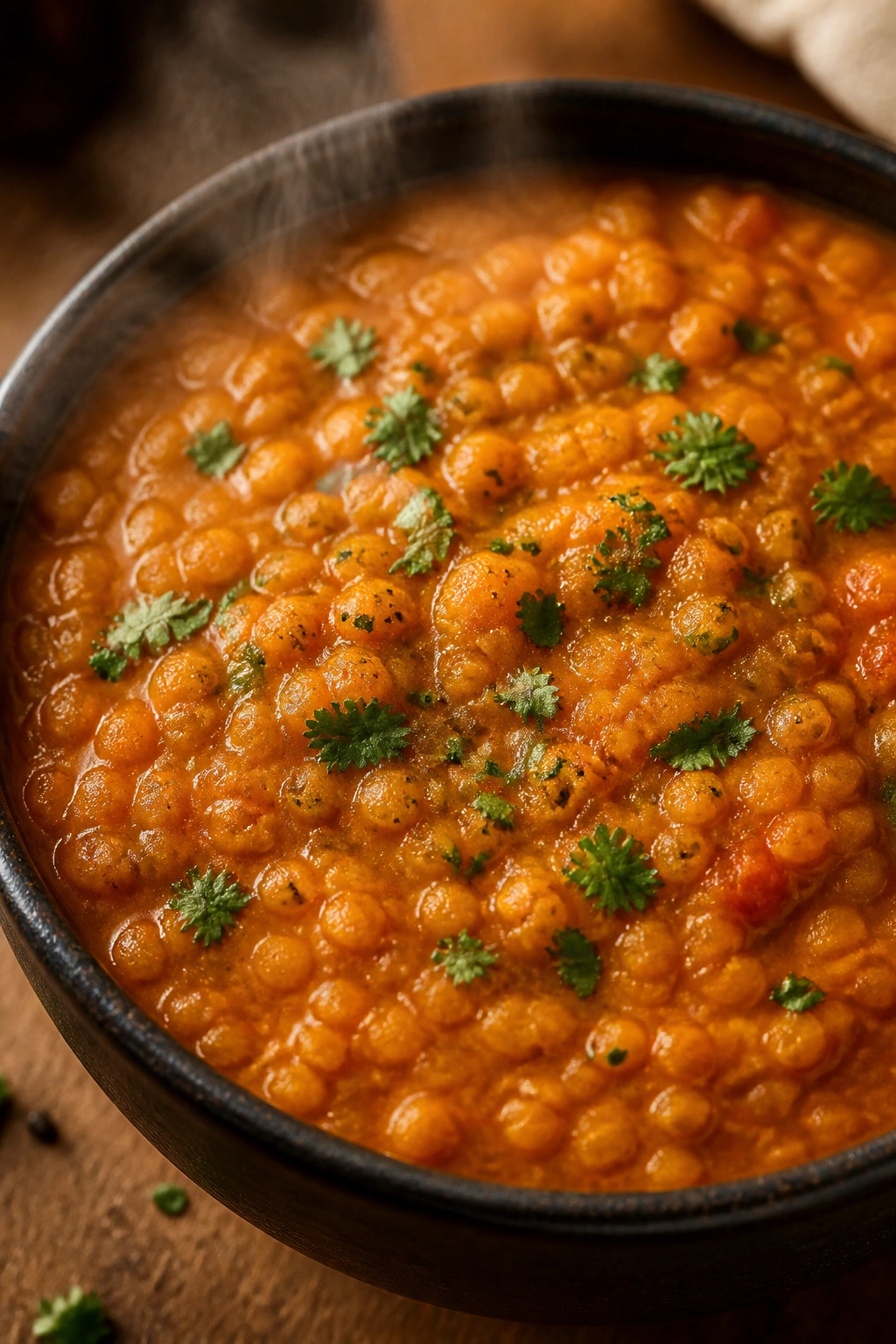
Lentils are what I reach for when I want dinner to feel a little more put together than it really is. They cook fast, they don’t need soaking, and they take on whatever seasoning you throw at them. Red lentils melt into soup in about 15 to 20 minutes. Green and brown lentils hold their shape and work better in salads or stews.
A cooked cup brings a lot of protein and fiber for the calorie count, which is why lentils sit so comfortably on a points-friendly plate. Cumin, garlic, onion, carrots, thyme, bay leaf — all of those play nicely here. You can go smoky, earthy, or bright with lemon.
Which Kind to Buy
- Red lentils for soup and dal-style dishes.
- Green lentils for salads and side dishes.
- Brown lentils for soups that need a little texture.
Lentils also happen to be cheap, which matters more than people want to admit. A food that’s filling, fast, and inexpensive earns a permanent spot in my pantry.
10. Air-Popped Popcorn
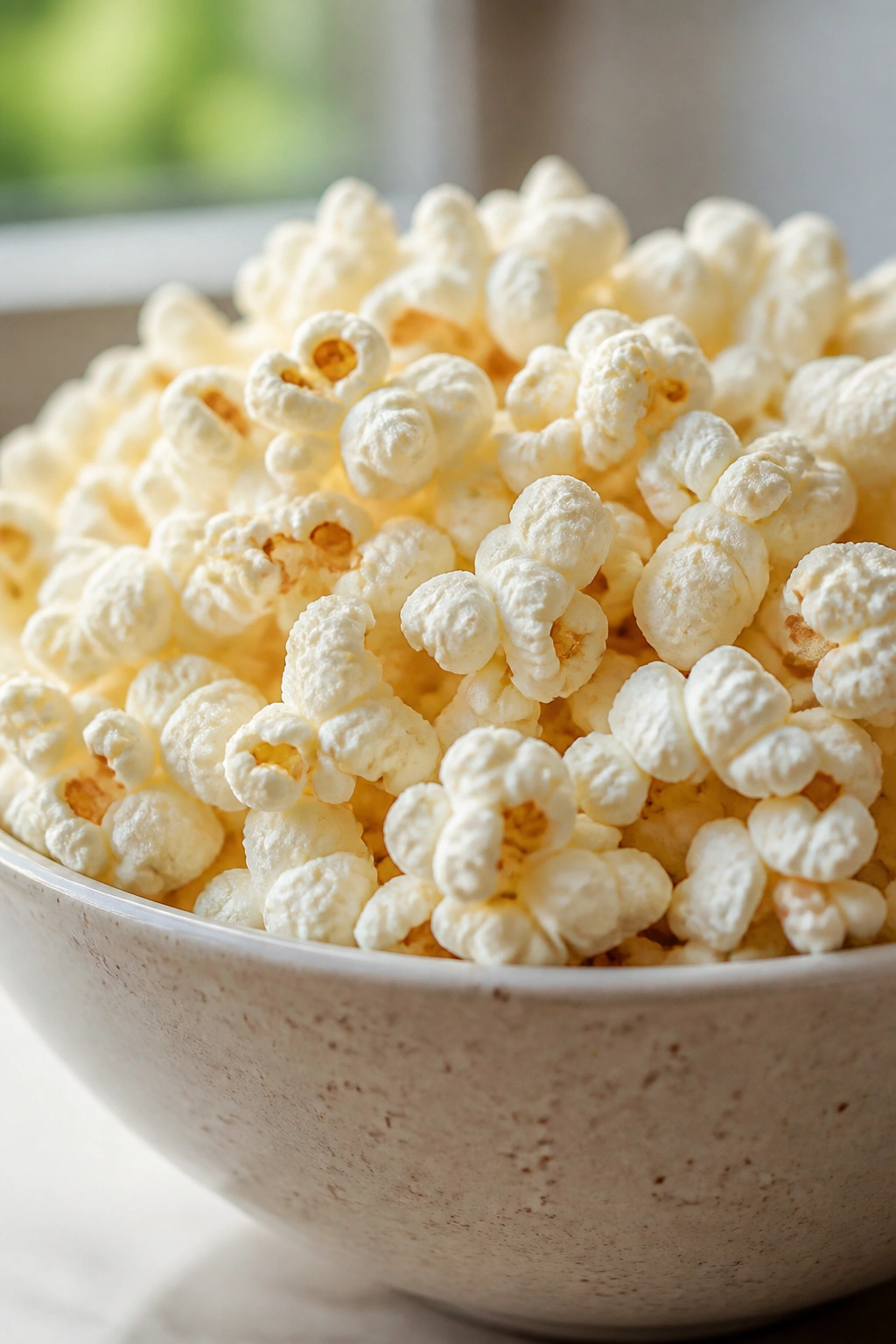
Three cups of air-popped popcorn can feel like a lot of snack for not many calories. That matters on days when your hands want crunch more than your brain wants a perfect meal. Popcorn gives you volume, texture, and a little salt if you want it.
The big mistake is drowning it in butter and calling it a “light snack.” Movie-theater popcorn is a different animal. Air-popped or lightly sprayed popcorn is where the real value lives. A popcorn maker helps, but a brown paper bag in the microwave can work too if you know your appliance.
Ways to Season It
- Salt and black pepper.
- Smoked paprika and garlic powder.
- Cinnamon for a slightly sweet route.
- Nutritional yeast if you like a cheesy note.
I like popcorn in the late afternoon when dinner still feels far away. It shuts down the urge to raid the kitchen without making me feel sluggish. That’s a rare win.
11. Baked Potatoes
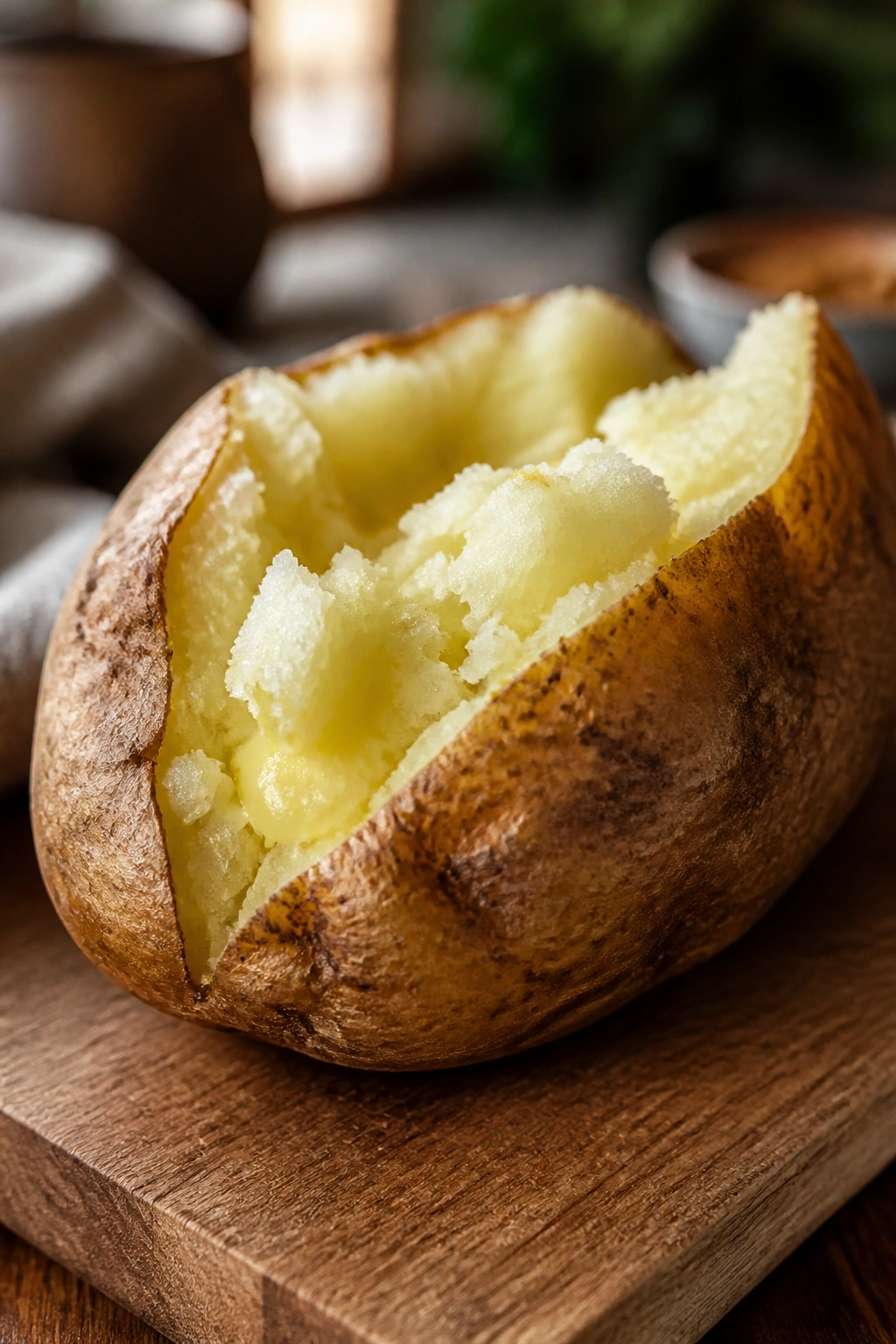
Potatoes have gotten blamed for too much. A baked potato with the skin on is a cheap, filling base that behaves a lot better than fries, chips, or a casserole loaded with cream. The skin carries fiber, and the fluffy middle soaks up whatever you put on top.
A medium baked potato can be a whole meal if you build it well. Salsa, steamed broccoli, cottage cheese, chili, plain yogurt with chives — all of those work. Butter is fine in a measured amount. The issue is the heap, not the potato.
A hot baked potato also has a nice little trick: it feels indulgent even when it’s not. That’s a useful thing when you want dinner to feel substantial without leaning on heavy toppings.
I’m partial to russets because they bake into that soft, mealy texture people expect. Sweet potatoes are good too, but they’re a different story and a different flavor. Sometimes plain old potato is the smarter move.
12. Leafy Greens
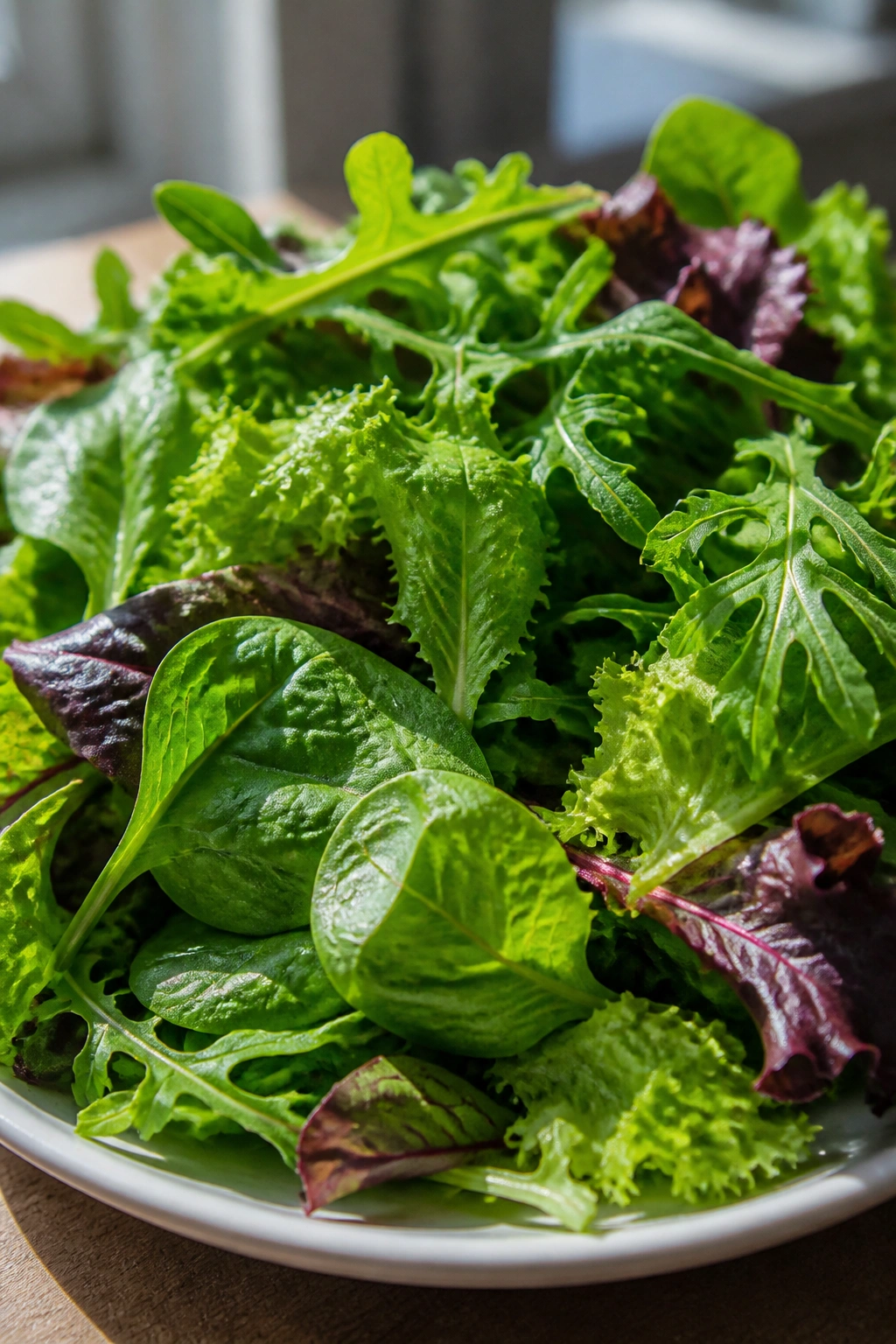
A salad is only miserable when you treat greens like the meal and not the base. Spinach, romaine, arugula, spring mix — they all do different jobs. Spinach is soft and mild. Romaine brings crunch. Arugula has that peppery bite that wakes up a tired plate.
The easiest way to make leafy greens useful is to stop asking them to do everything. Add protein, add a little crunch, and measure the dressing. A tablespoon or two is often enough if the rest of the bowl has enough flavor. Pouring on a cup of ranch and hoping for the best is how a salad quietly becomes a problem.
Best Uses
- Spinach in omelets and pasta bowls.
- Romaine for wraps and chopped salads.
- Arugula under chicken or salmon.
- Spring mix when you want speed and zero prep.
A cold, crisp salad can carry a meal when the toppings are honest. A few cherry tomatoes, sliced cucumber, lean protein, and a sharp vinaigrette go farther than a giant bowl of sad leaves ever will.
13. Apples
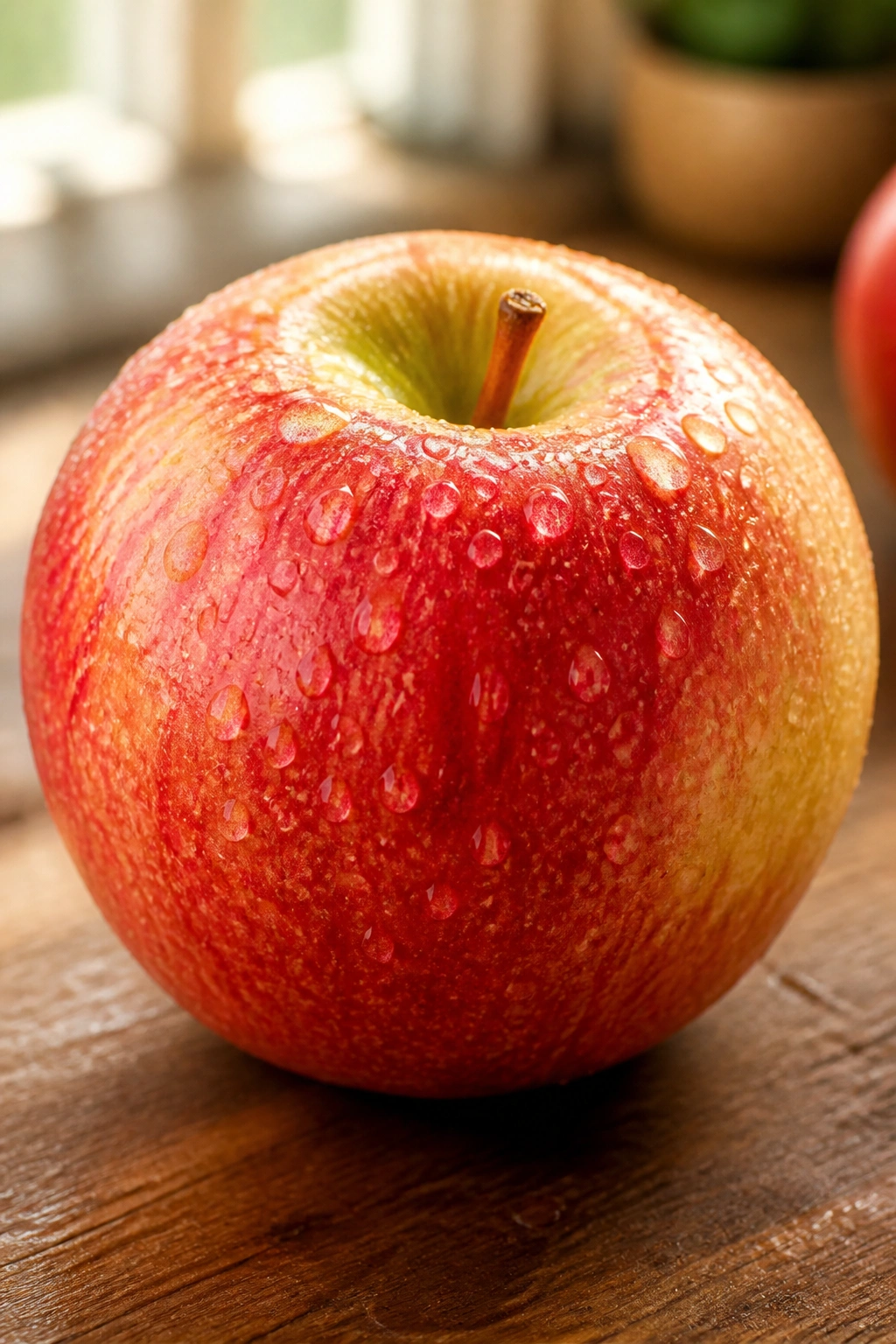
An apple is one of the simplest snacks on earth, and that’s why it works. It doesn’t melt. It doesn’t need a fork. It travels well in a bag or glove compartment, and the crunch gives your brain something to do. One medium apple brings fiber and enough natural sweetness to feel like a treat.
Slice it if you want to slow yourself down. Whole apples are fine, but slices can make a snack feel more deliberate. A little lemon juice keeps the cut pieces from browning, which matters if you’re packing lunch ahead of time.
I like apples best with protein on the side. String cheese, cottage cheese, or a measured spoon of peanut butter all make sense if the points fit your day. On their own, apples are clean and fresh. Paired well, they feel more complete.
The variety matters a bit, too. Honeycrisp is crisp and juicy. Granny Smith is tart and sharp. Gala is softer and sweeter. Pick the one you’ll actually eat.
14. Salmon
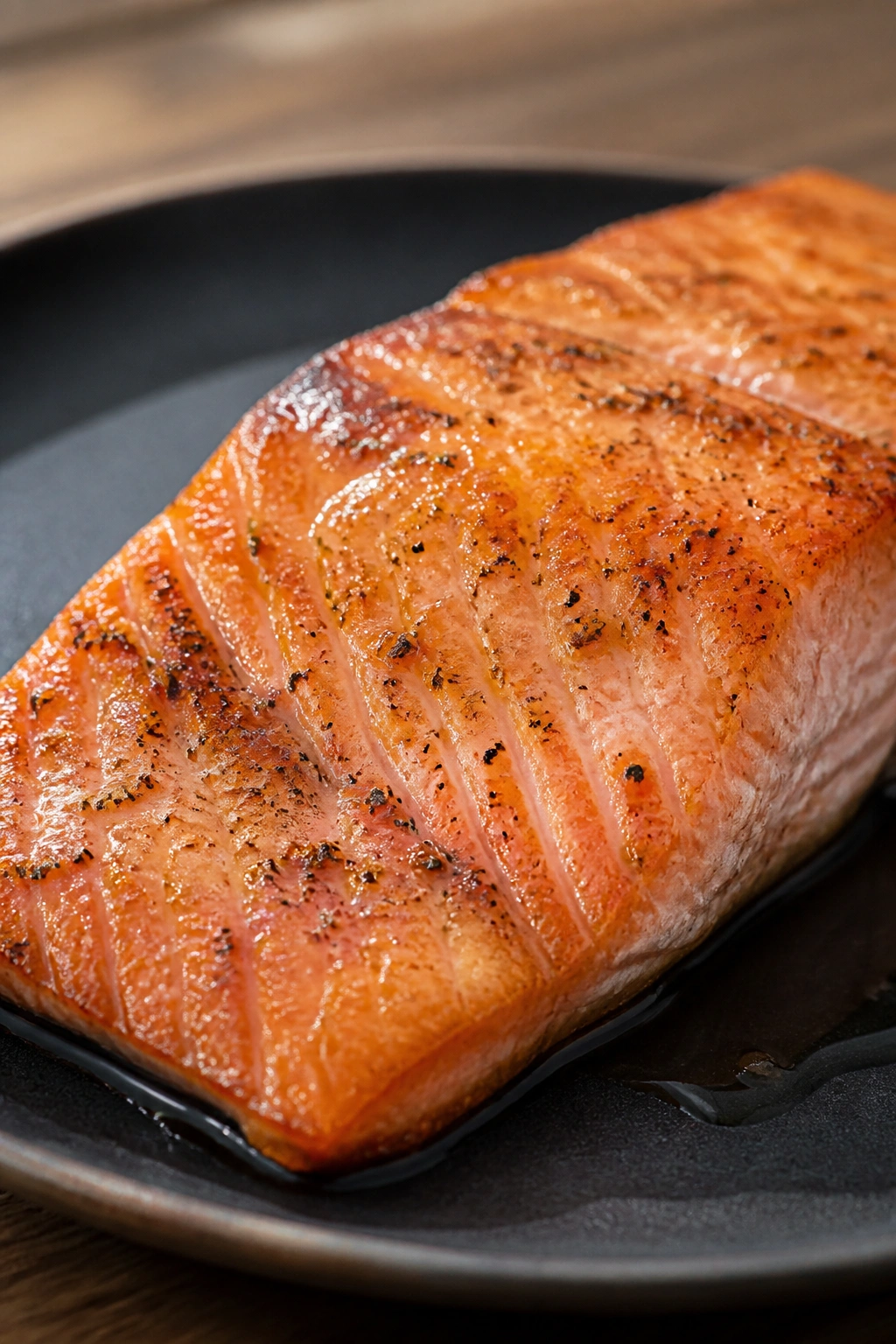
Salmon is the food I pull out when dinner needs more staying power. A 4-ounce portion brings protein along with those omega-3 fats that make the meal feel richer and less like a checklist. It’s not the cheapest fish, and I’m not going to pretend it is, but you don’t need a huge fillet to make it worth it.
The flavor is strong enough to stand on its own, which helps. Lemon, dill, garlic, mustard, soy sauce, or a little maple glaze can all do the job without turning the plate into a sauce project. Bake it, broil it, air-fry it, or flake it over a salad.
Small Things That Matter
- Don’t overcook it until the flakes are bone-dry.
- Pull it when the center still looks just slightly glossy.
- Use canned salmon for salads and patties when you want a cheaper option.
Salmon also makes leftovers feel less sad than a lot of proteins do. Cold salmon on greens with cucumbers and a sharp dressing is one of those lunches that feels pulled together with almost no effort.
15. Lean Turkey
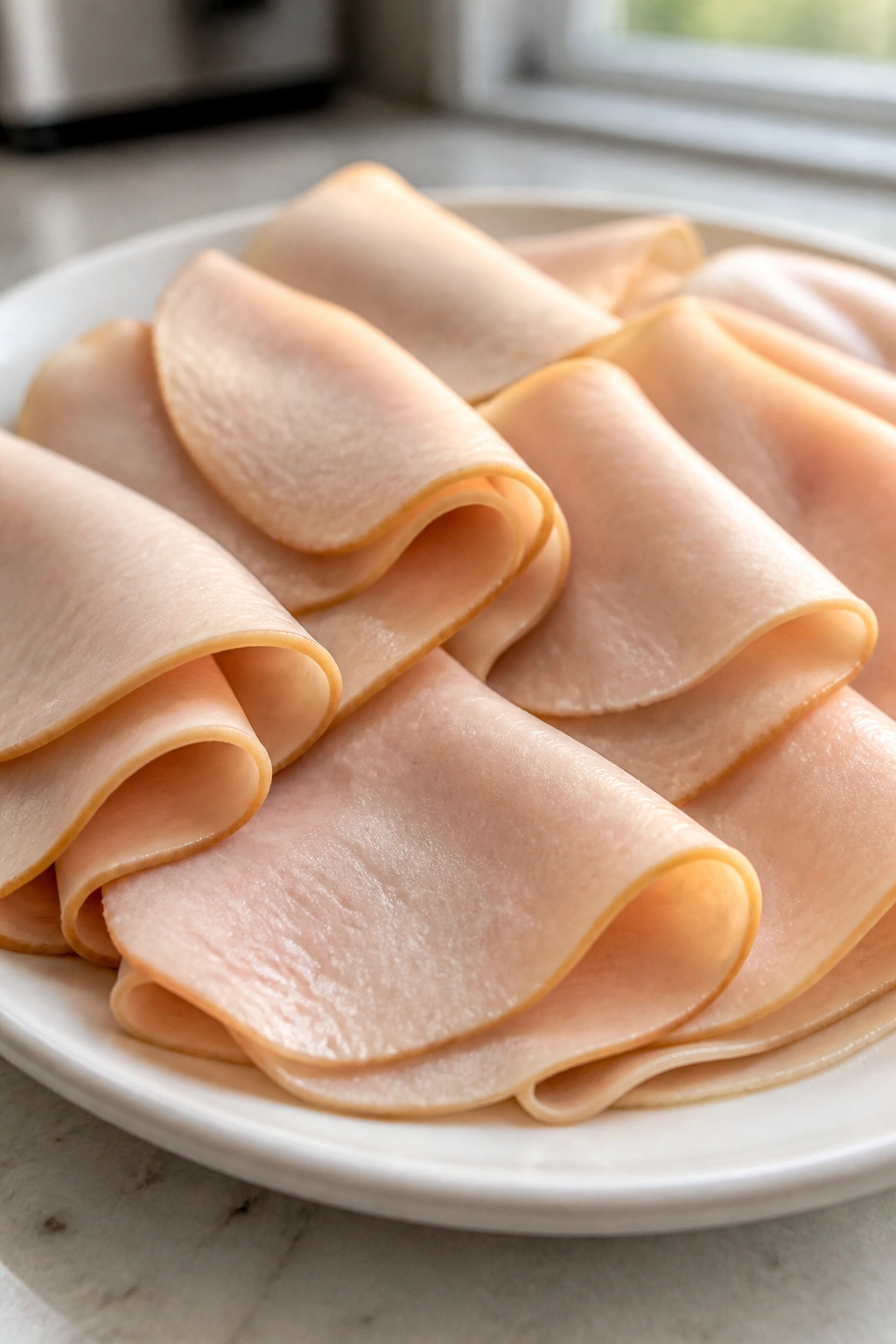
Ground turkey and deli turkey do not behave the same way, and it’s worth separating them in your head. Ground turkey makes burgers, taco meat, meatballs, and chili. Deli turkey makes wraps and quick lunches. Both can fit a points plan well, but they solve different problems.
Choose 93% lean ground turkey if you want flavor and a little moisture. Go leaner if you’re watching fat more closely, though the texture can get a bit dry if you’re not careful. Deli turkey is convenient, but the sodium can climb fast. That’s the catch people notice after they’ve already built the sandwich.
Good Uses for Each
- Ground turkey in lettuce wraps with ginger and scallions.
- Turkey burgers on a toasted bun or lettuce base.
- Deli turkey rolled around pickles or cheese.
- Turkey chili with beans and tomatoes.
I like turkey because it’s flexible without feeling bland when seasoned properly. Garlic, onion powder, smoked paprika, cumin, and black pepper do a lot of work here.
16. Edamame
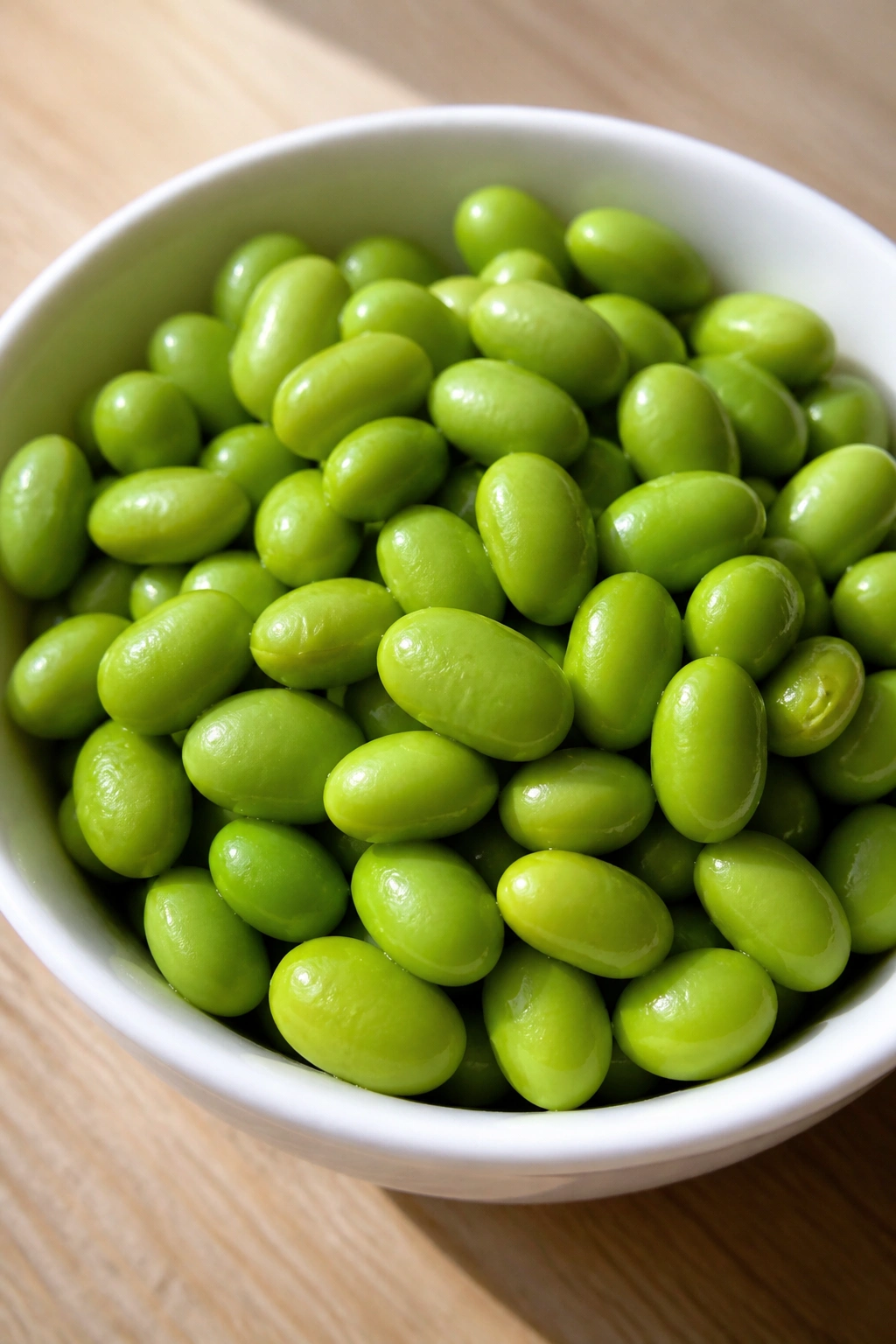
Frozen edamame is one of those foods that makes a snack feel organized. It’s in the freezer, it cooks fast, and it gives you a clean hit of protein and fiber without a lot of planning. Shelled edamame is easiest for salads and bowls. In the pod, it slows you down a bit, which I actually like.
Pod or Shelled?
- Shelled edamame goes into rice bowls, noodle bowls, and cold salads.
- Poded edamame makes a good snack with salt and chili flakes.
- Steam-in-bag edamame can be ready in 3 to 5 minutes.
The texture is part of the appeal. Tender, a little nutty, and just firm enough to feel like food with some substance. It also takes seasoning well — sesame oil, soy sauce, garlic, ginger, or a squeeze of lime all work.
Edamame is especially useful when you want something between a snack and a side dish. Not huge. Not flimsy either.
17. Vegetable Soup
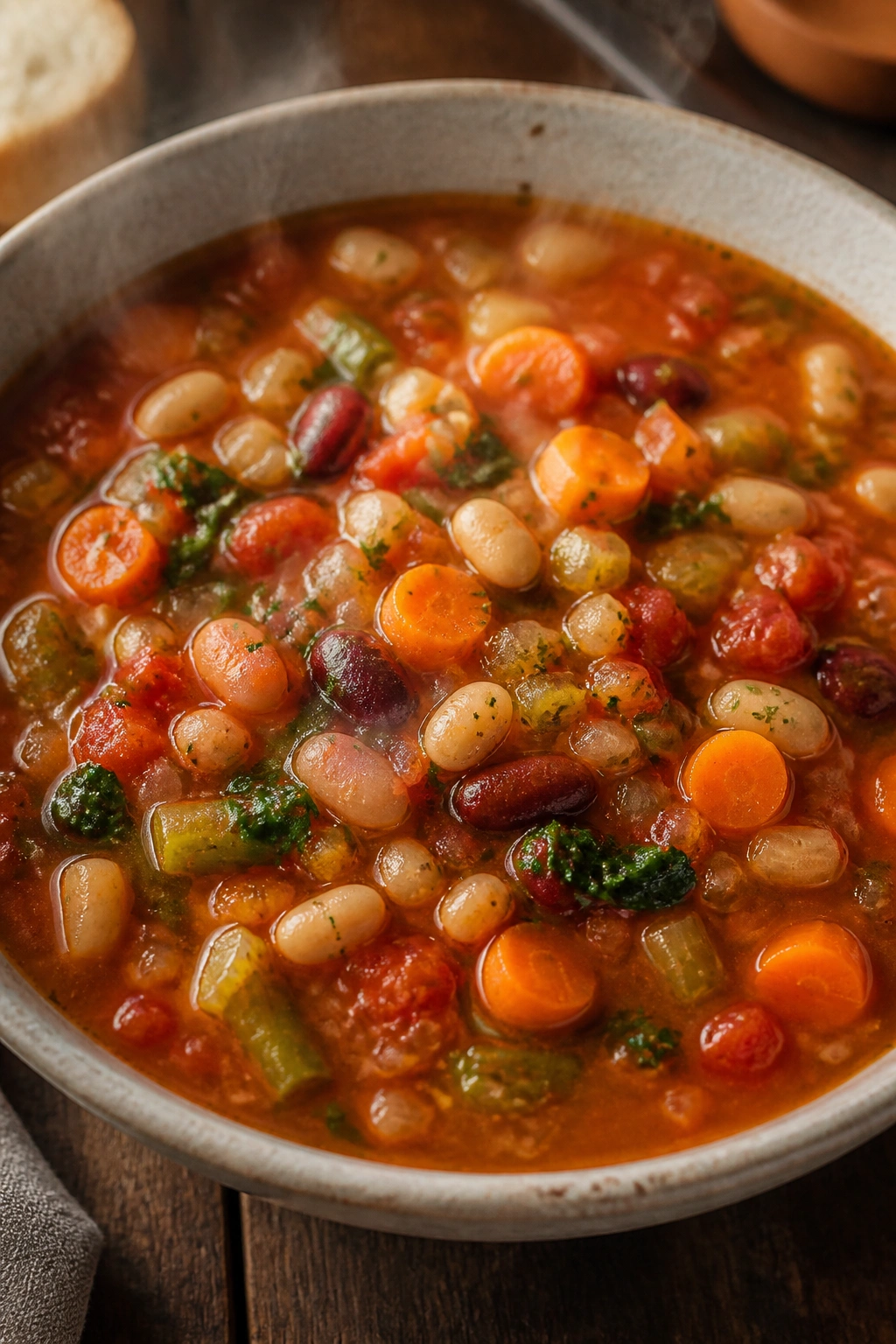
Soup is what I make when I want a big bowl and a smaller calorie bill. Broth-based vegetable soup gives you volume from water, vegetables, and often beans or tomatoes, which means it can feel filling in a way that a tiny snack never will. Cream soups are a different story, so reading the label matters if you’re buying canned.
Homemade soup is even better because you can load it with carrots, celery, onion, zucchini, cabbage, green beans, or whatever is sitting in the crisper drawer. Frozen vegetables are fine too. They save money and time, and they don’t care if you forgot the market run.
I also like soup because it works when appetite is weird. Too cold outside? Soup. Too tired to chew your way through a full dinner? Soup. Need something warm that doesn’t feel heavy? Soup again. Sometimes the plain answer is the right one.
Add beans, shredded chicken, or lentils if you want more staying power. A broth that tastes good is doing half the work already.
18. Tofu
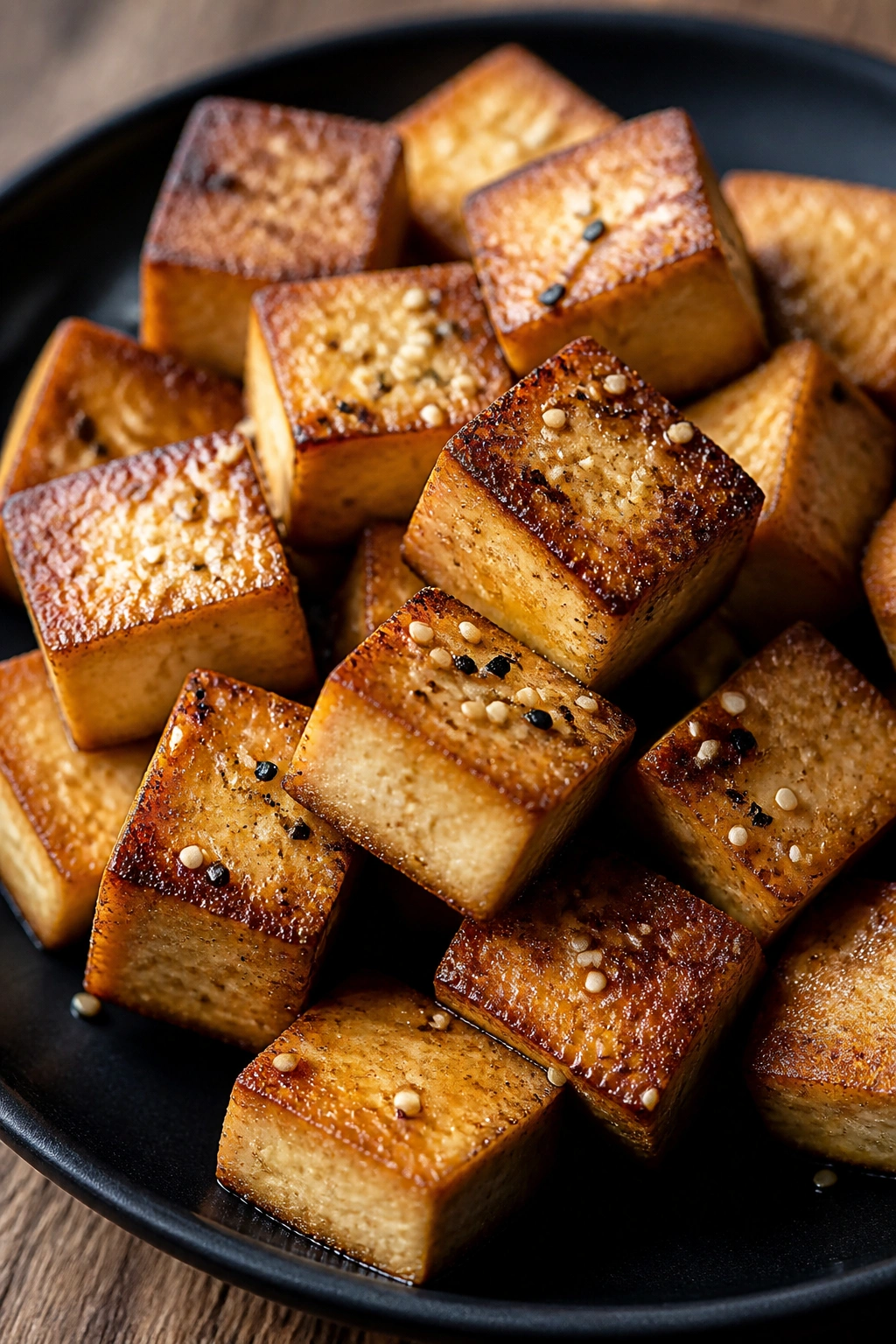
Tofu gets blamed for bad cooking more than it deserves. Firm tofu can be excellent when it’s pressed, cut, and browned properly. It’s mild by design, which means it absorbs marinades and sauces better than a lot of people expect. That’s the whole trick.
Firm, Extra-Firm, or Silken?
- Firm tofu works in stir-fries and baked cubes.
- Extra-firm tofu holds shape best when roasted.
- Silken tofu is better for smoothies, soups, and creamy sauces.
If you want tofu to taste good, press it for about 15 minutes, cube it, and bake it at 425°F until the edges turn golden and a little crisp. Toss it with soy sauce, garlic, ginger, or chili paste after cooking. Or marinate first if you want the flavor deeper inside.
Tofu is useful because it can stand in for chicken without trying to be chicken. That makes it easier to like. Once you stop asking it to taste like meat straight out of the package, it starts making a lot more sense.
19. Cucumbers
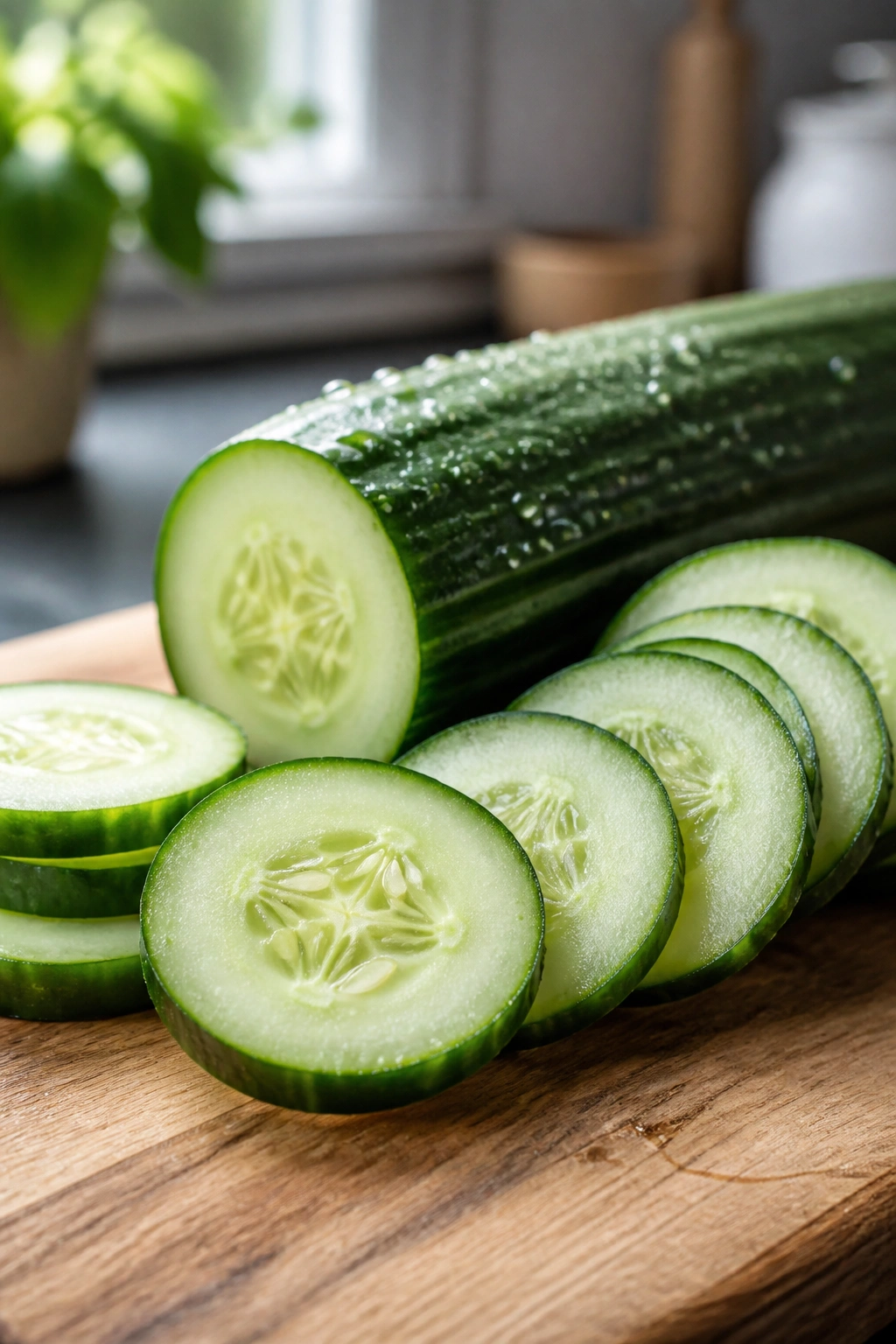
Cucumbers are the easiest kind of crunch. Cold slices with a little vinegar, dill, and salt can wake up a dull plate fast, and they bring a lot of volume for very few calories. They’re the kind of food you keep around when you want fresh without effort.
The texture is what sells them. Crisp skin, watery center, clean finish. If the peel is waxy, peel stripes or remove it entirely. If the seeds bug you, scoop them out. Small tweaks matter more than people think.
Ways I Actually Use Them
- Slice them into salads for crunch.
- Cut them into sticks and dip them in measured hummus or yogurt dip.
- Toss them with rice vinegar and sesame seeds.
- Pair them with tuna, cottage cheese, or smoked salmon.
Cucumbers are not exciting on their own. That’s fine. They play a support role well, and sometimes a good support player saves the whole meal.
20. String Cheese
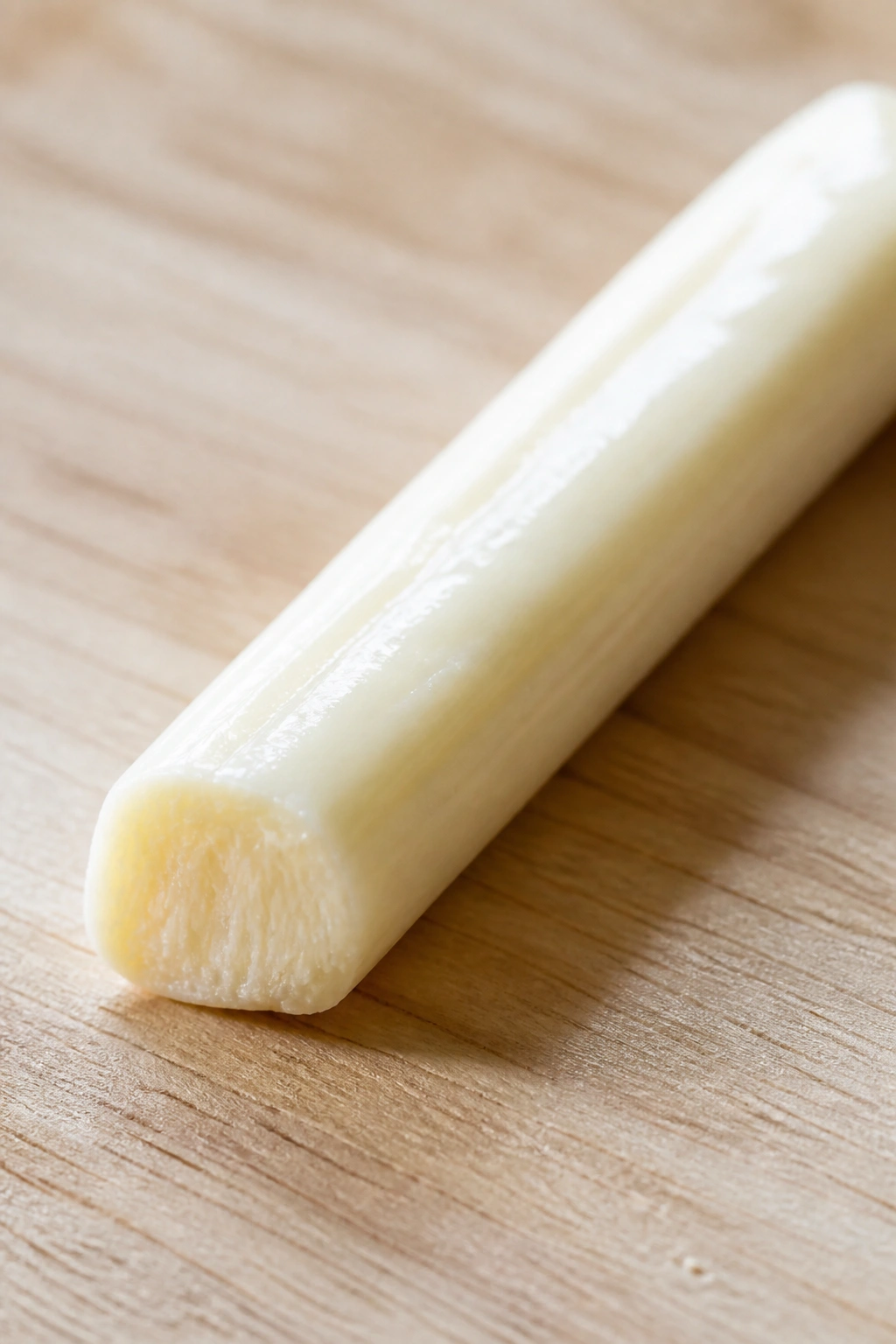
String cheese is the snack I trust when the afternoon is messy and my brain wants a fast answer. One stick is already portioned, which removes a lot of guesswork. It gives you protein, salt, and a little bit of chew, all of which help when you’re trying to avoid the vending machine.
The best part is how easy it is to pair. String cheese with an apple. String cheese with grapes. String cheese with a few whole-grain crackers. None of that is complicated, and it doesn’t need to be.
What to Keep in Mind
- Pack it cold if you can.
- Eat it with fruit when you want more volume.
- Choose plain mozzarella sticks if you want the simplest option.
- Check the protein on the label, since brands vary a bit.
It isn’t glamorous. It doesn’t need to be. String cheese earns its keep by being dependable, and dependable food is a lot more valuable than people give it credit for.
Final Thoughts
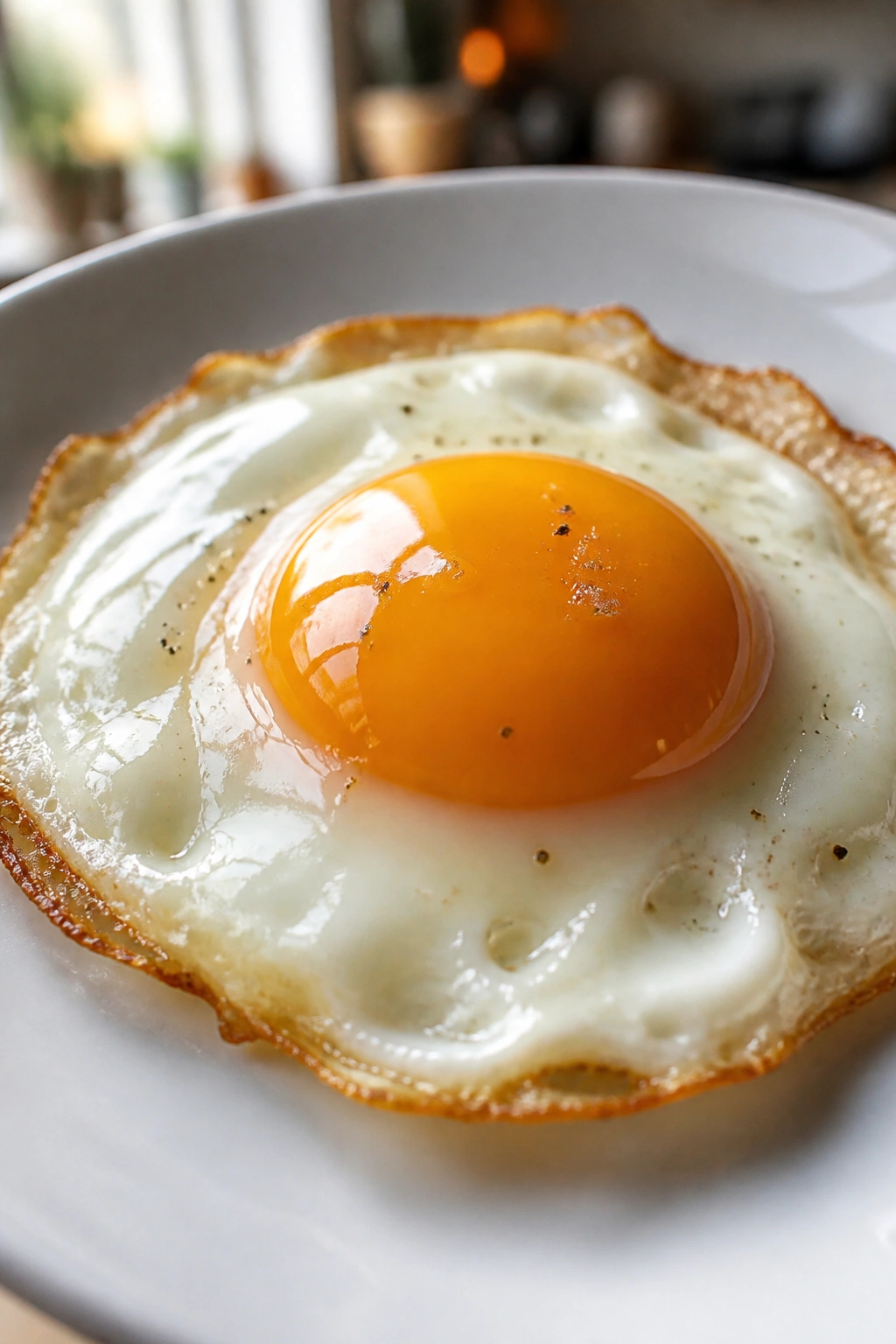
The easiest way to make Weight Watcher foods work is to stop chasing novelty and build a short list you actually trust. Keep a few proteins, a couple of fruits, one or two crunchy vegetables, and a backup snack that doesn’t make you think too hard. That’s the whole game on busy days.
I’d also keep one soup, one grain, and one freezer item on hand at all times. That little bit of structure saves you from the “there’s nothing to eat” spiral, which is usually just a pantry problem wearing a drama costume.
Boring food can be a gift. When it’s filling, cheap, and easy to repeat, it gives you room to spend your energy on the meals that matter more.
