



Cross training workouts for runners work best when they feel a little unglamorous. Not flashy. Not like a fake run. Just steady work that keeps your engine humming while your joints get a break from the road, the track, or the trails.
A lot of runners wait until something hurts before they think about cross training. That’s backward. The smarter use is much more boring and much more effective: build aerobic volume without extra impact, keep your legs moving when they need a break, and give weak links like glutes, calves, hips, and trunk some actual attention.
The tricky part is choosing the right session. A hard bike workout can leave you cooked for tomorrow’s run. A lazy mobility day can feel nice and do almost nothing. The useful sessions live in the middle, where effort is specific and the purpose is clear. Some days you need aerobic work. Some days you need power. Some days you need to stop your hips from feeling like rusted hinges.
Pick the right tool, and the week starts to make sense.
1. Deep-Water Running: A Cross Training Workout for Runners
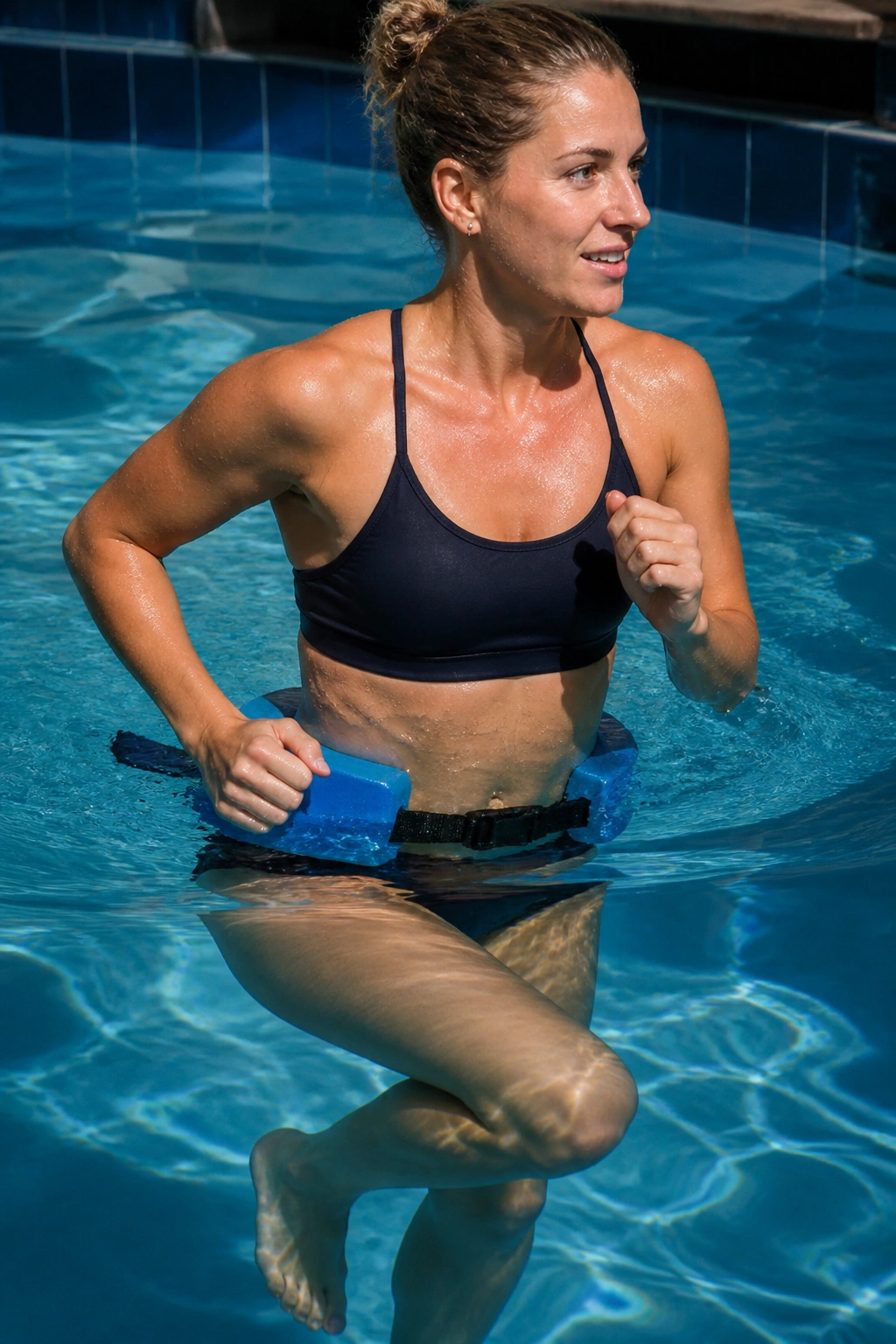
Deep-water running looks odd for about thirty seconds, and then it starts to make sense fast. You wear a flotation belt, stay suspended in the water, and mimic the running motion without foot strike. For runners dealing with cranky shins, tender Achilles, or the first week back after a break, this is one of the cleanest ways to keep fitness moving.
Why It Works
The water gives you resistance in every direction, so the effort is real even though the impact is gone. Your cadence still matters, your posture still matters, and your arms need to work instead of flapping around. That means you can keep the session honest, not sleepy.
A good starter workout is 10 minutes easy, then 8 to 12 rounds of 1 minute hard and 1 minute easy, then 5 minutes easy. Hard should feel like a strong 5K effort in the legs, not a frantic splash-fest. Keep your chest tall and drive the knees forward instead of bicycle-kicking from the hips.
Quick facts:
- Best for: injured runners, taper weeks, and hot-weather recovery days
- Time: 25 to 45 minutes
- Effort: moderate to hard, depending on the set
- Watch for: slumping at the waist and turning the workout into an upper-body wiggle
Pro tip: keep your turnover quick. If the movement gets slow and choppy, the session loses its running feel.
2. Stationary Bike Interval Session

A bike can carry serious aerobic load without the thump of pavement, and that is a gift on tired legs. This is the session I like when a runner wants a sweat-heavy workout that still leaves the calves and feet alone.
The sweet spot is cadence plus resistance. Sit too heavy in the saddle and your legs feel mashed. Spin too lightly and you end up pedaling air. Aim for 85 to 100 rpm on the work segments, with enough resistance that your breathing climbs and your quads are doing actual work. A simple session is 15 minutes easy, 5 x 4 minutes hard with 2 minutes easy, then 10 minutes steady.
That hard part should feel like threshold effort, the kind you can hold while speaking in short phrases. Not a sprint. Not a cruise. Somewhere in the middle where the sweat starts dripping off your nose and you stop caring about the music.
A bike day is also sneaky-good for runners who struggle to recover from fast workouts. The legs get blood flow, the heart gets pushed, and the pounding stays low. If you use a spin bike, be careful not to bounce in the saddle. If the hips are rocking, the resistance is too light or the fit is off.
3. Elliptical Tempo Run Replacement

Can an elliptical session replace a tempo run? Sometimes, yes. Not perfectly, and not forever, but close enough to preserve the feel of a sustained effort when the body wants less impact and more mercy.
The elliptical is useful because it keeps the stride pattern familiar. You still get a leg drive, a rhythm, and a steady breathing pattern. What you lose is ground contact, which means less stress on the feet and lower legs. That tradeoff matters on weeks when your training stack is already heavy.
How to Use It
Settle in after a 10-minute warm-up, then hold 2 x 10 minutes at a strong but controlled pace with 3 minutes easy between efforts. If you are newer to it, start with one 15-minute block. The machine should feel smooth, not like you are pushing through mud.
Keep your hands light on the rails. The whole point is to make the legs and lungs work. If you lean your weight into the handles, the workout gets easier in a fake way, and runners usually notice that the first time they get back outside.
Elliptical tempo sessions are especially handy after a hard hill run or a long run that left the ankles a little grumpy. They are not glamorous. They are useful. That is a better deal.
4. Heavy Strength Training: The Cross Training Workout for Runners That Pays Off on Hills
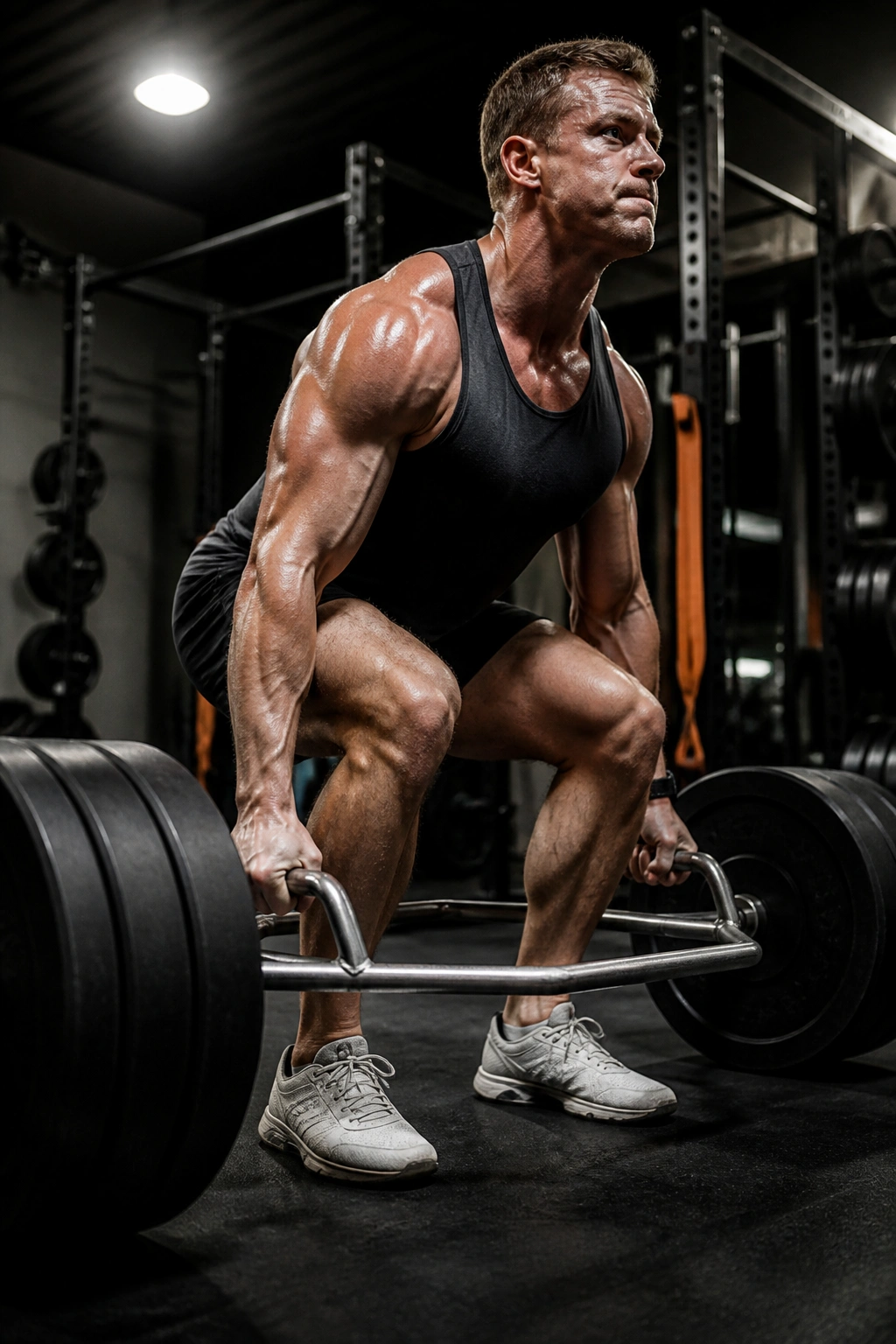
If your form falls apart on the last climb of a workout, the answer is probably not more grindy miles. It is strength. Heavy, simple strength, done with enough respect that the room goes quiet and the weights do their job.
The reason this works is pretty plain: running asks you to hold shape on one leg, over and over, while absorbing force. Strength work raises the ceiling on that force. Stronger glutes help you stay upright. Stronger hamstrings help the push-off. Stronger calves help the lower leg feel less like a wet noodle when pace changes.
A solid runner-friendly lift can look like this:
- Trap-bar deadlift, 3 sets of 4 to 6 reps
- Rear-foot elevated split squat, 3 sets of 6 reps per leg
- Romanian deadlift, 2 to 3 sets of 5 reps
- Standing calf raise, 3 sets of 8 to 12 reps
- Side plank, 2 sets of 30 to 45 seconds per side
Rest 2 to 3 minutes between hard sets. Leave 1 to 2 reps in reserve on most lifts. That keeps the work productive without turning the next run into a limp.
This is not a circuit to rush through with tiny dumbbells and a dripping T-shirt. It is slow enough to matter. And yes, you will feel it the next day if you jump in too fast. That does not mean the workout is wrong. It means you should start with fewer sets and build.
5. Stair Climber Repeats

Stairs are rude. That is exactly why they work.
A stair climber session asks for repeated hip extension, decent posture, and enough calf and glute work to make your breathing spike faster than you expect. Runners usually notice the burn first in the quads, then the glutes, then the lungs. That order tells you the machine is doing its job.
A good starter session is 10 minutes easy, then 8 to 10 rounds of 1 minute hard and 90 seconds easy, then 5 minutes cool-down. Hard means you are climbing with purpose, not leaning on the rails and letting the machine drag you upward. Keep the torso tall. Let the feet press through the full step.
The stair climber is one of those workouts that teaches force production without needing a track or a long hill. It also exposes sloppy posture fast. If the chest collapses or the pelvis tips forward, the quads end up doing too much. That is a useful correction, not a failure.
What to Watch For
- Don’t hang on the handles unless balance needs it.
- Keep the heel from hanging off the step.
- Use shorter, stronger intervals before you try long climbs.
- Stop before the calf burn turns into cramping.
On a rough training week, this can be the session that keeps your cardio sharp without another pounding run.
6. Rowing Machine Power Intervals
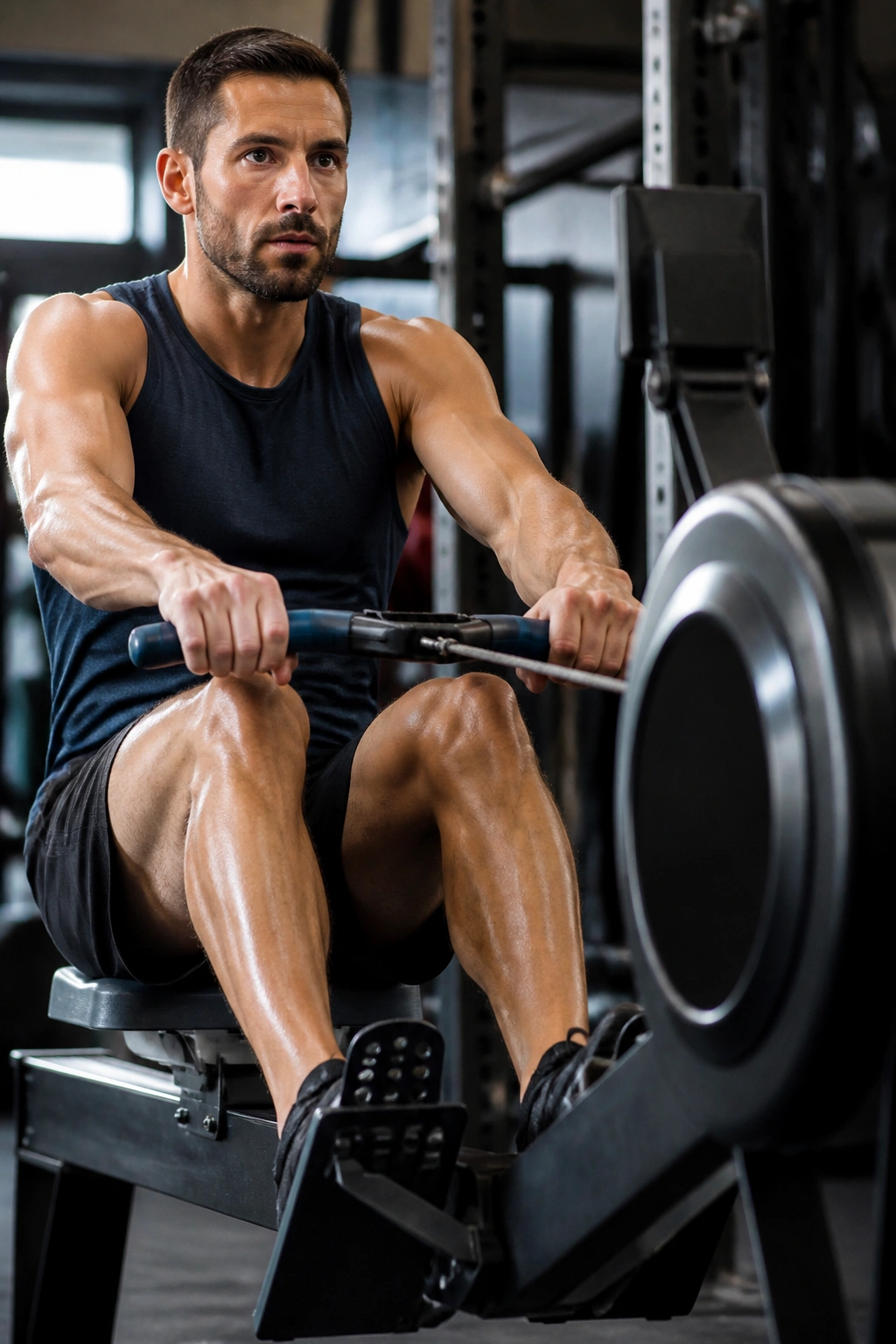
Unlike cycling, rowing asks your legs, back, and arms to share the work in one smooth pull. That makes it a nice change for runners who are tired of always driving from the same places. It also means your posture matters from the first stroke to the last.
Rowing rewards timing. Push with the legs first, open the hips next, then finish with the arms. On the way back, reverse it: arms, hips, legs. If you yank with the back too early, the workout gets clumsy and the low back starts complaining. If you rush the recovery, your pace falls apart and the machine feels twitchy.
A good session is 6 x 500 meters at hard effort with 2 minutes easy rowing, or 10 x 1 minute hard with 1 minute easy if you want something shorter. Keep the stroke rate in the 24 to 28 strokes per minute range for the hard parts. That gives you power without turning it into a frantic flail.
Rowing is best for runners who like structure. You can watch split times, tighten the pace, and chase consistency from rep to rep. It is not the most running-specific choice, and I would not use it as the only cross-training option, but it is excellent when you want a whole-body cardio hit.
7. Swim Intervals in the Pool

The pool is one of the few places where hard work feels strangely calm. Your breathing gets louder, the water goes quiet around your ears, and the session can turn serious without beating up your legs at all.
Swimming helps runners in a different way from biking or the elliptical. It asks for shoulder rhythm, trunk control, and breath management. That matters more than people think. If you lose form in the water, you feel it instantly. The stroke stalls, the kick gets messy, and the workout turns into survival mode.
A straightforward session is 200 meters easy, then 8 x 50 meters at strong effort with 20 to 30 seconds rest, then 4 x 100 meters steady, then a relaxed cool-down. If you are new to swimming, shorten the repeats and focus on even pacing. The goal is not to thrash harder. It is to stay smooth when fatigue shows up.
If freestyle beats your shoulders up, use a pull buoy for a few sets or mix in backstroke. Runners often get locked into one tight pattern after lots of running, and backstroke can loosen the front of the shoulders in a way that feels oddly good.
Pool work is also a smart choice when your legs are fried but you still want to leave the session feeling trained, not emptied out.
8. Incline Treadmill Walking
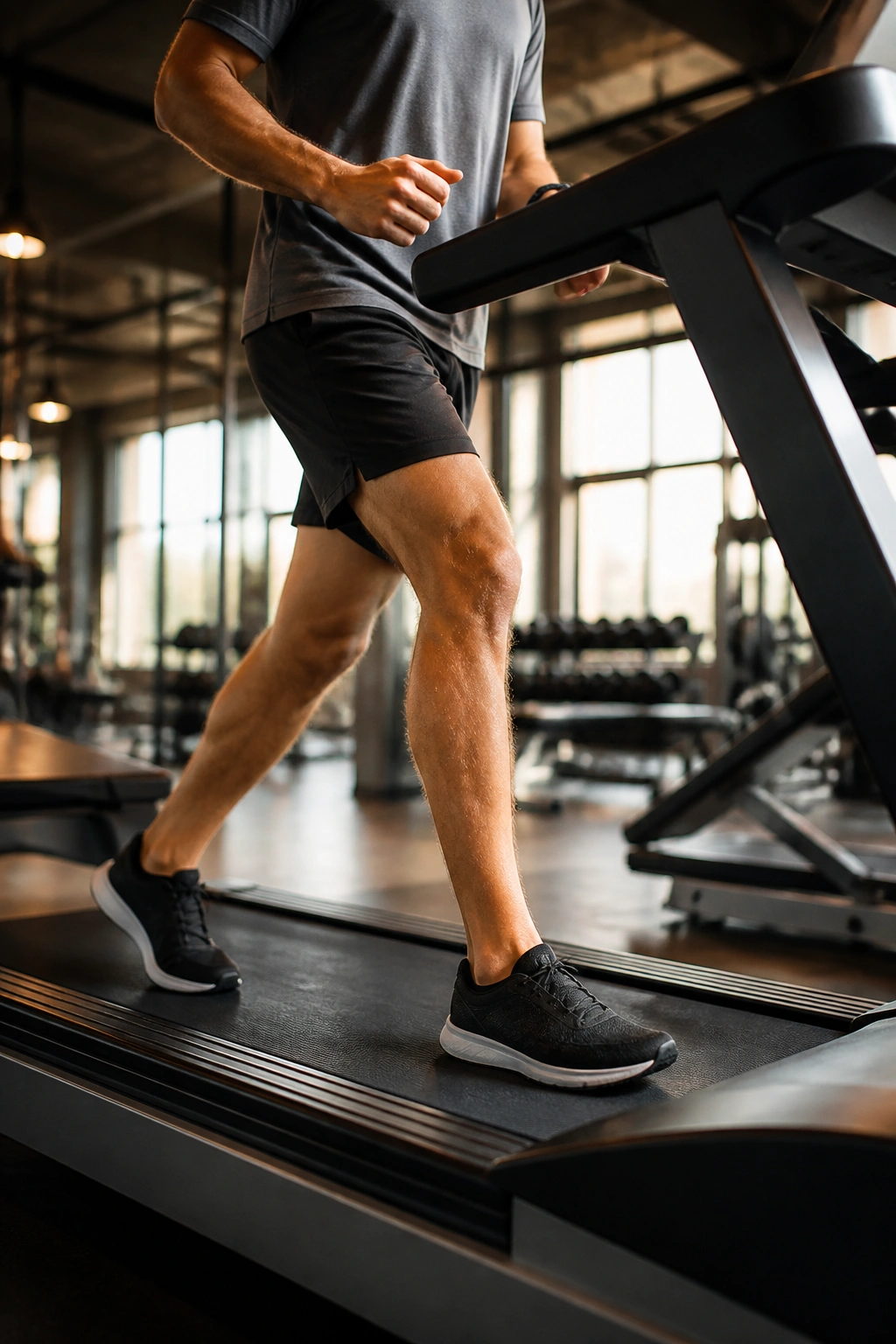
Walking uphill is not a consolation prize. It is a sneaky way to build calf strength and aerobic capacity in the same session, and it tends to leave runners less wrecked than a run that tries to solve every problem at once.
A treadmill incline of 6 to 15 percent changes the demand fast. Your glutes engage more, your hamstrings stay online, and your heart rate climbs even though the speed is modest. That makes incline walking a useful tool for base building, recovery days, and the awkward stretch between hard workouts when you want motion but not impact.
Try 30 to 45 minutes at a brisk pace, or break it into 5 x 5 minutes at a steep incline with 2 minutes flat walking. Keep the stride short. Let the arms swing. Do not grab the rails unless the incline is so steep that balance becomes a real issue. If you are clinging to the front, the workout is getting watered down.
Incline walking is especially friendly for runners who are coming back from a flare-up in the shins or feet. It keeps the training rhythm alive without the repeated ground strike. And if you live somewhere flat, a treadmill incline saves you from hunting for hills every week.
9. Pilates Mat Session for Runners
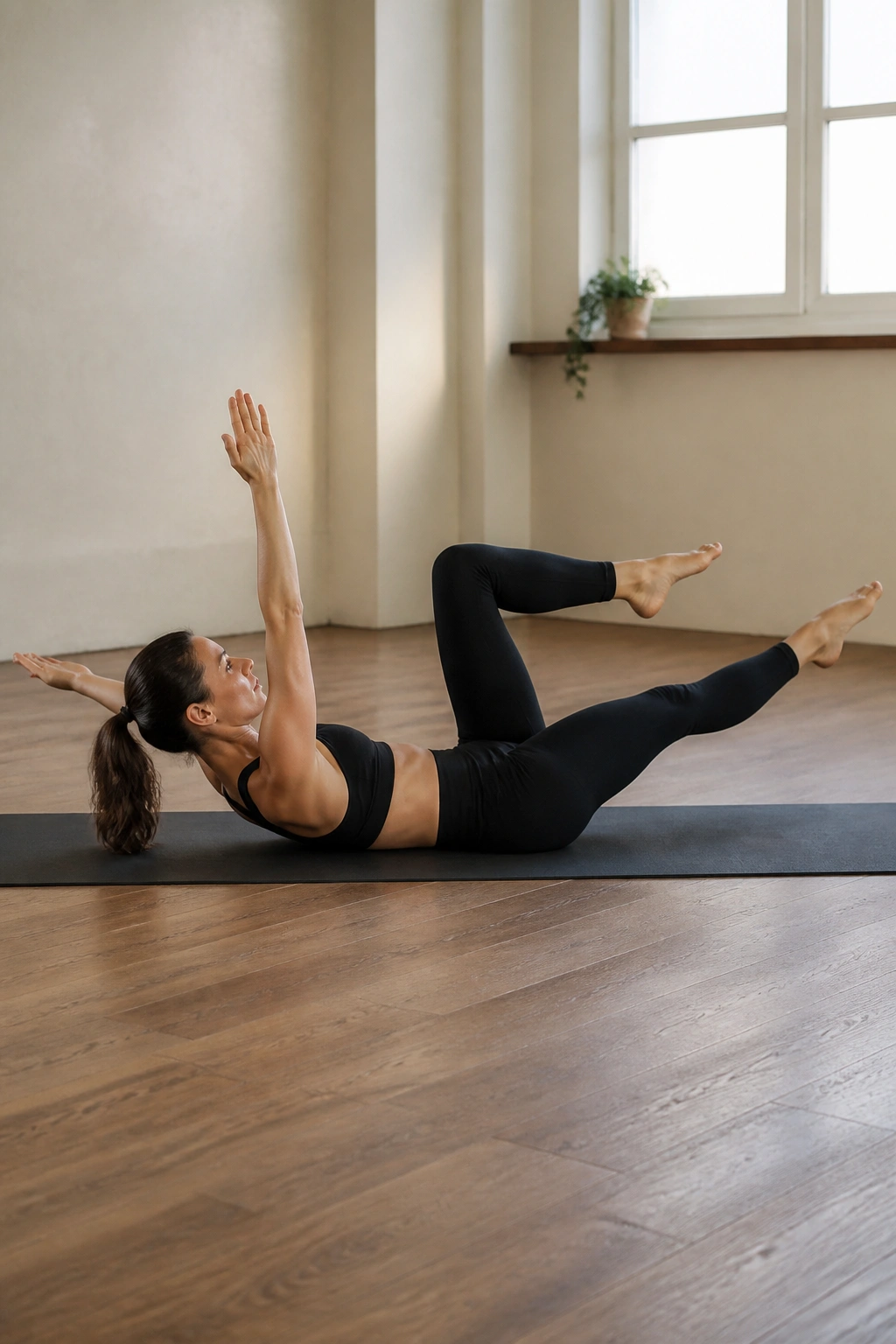
Why do so many runners come back to Pilates after ignoring it for months? Because it does the unglamorous work of making the torso and hips behave.
The value here is control. Pilates trains the deep abdominal muscles, the glutes, and the small stabilizers around the pelvis so your stride wastes less energy from side to side. That sounds abstract until you watch a runner who collapses at the hips on tired miles. Then it becomes obvious.
A Simple Mat Sequence
Build a 20 to 30 minute session around moves like these:
- Dead bug, 2 sets of 8 reps per side
- Glute bridge march, 2 sets of 10 reps
- Side plank, 2 sets of 20 to 30 seconds per side
- Single-leg stretch, 2 sets of 10 reps per side
- Clamshell or side-lying leg lift, 2 sets of 12 reps per side
Move slowly enough that you can control the position from start to finish. If the low back arches or the ribs pop up, shorten the range.
Pilates is not a sweat contest. It is more of a precision session. That is why it helps runners who keep getting the same little aches in the same places. The body learns to hold shape when the work gets boring. That pays off late in long runs, when form starts to leak away and the feet get sloppy.
10. Yoga Flow for Tight Hips and Calves
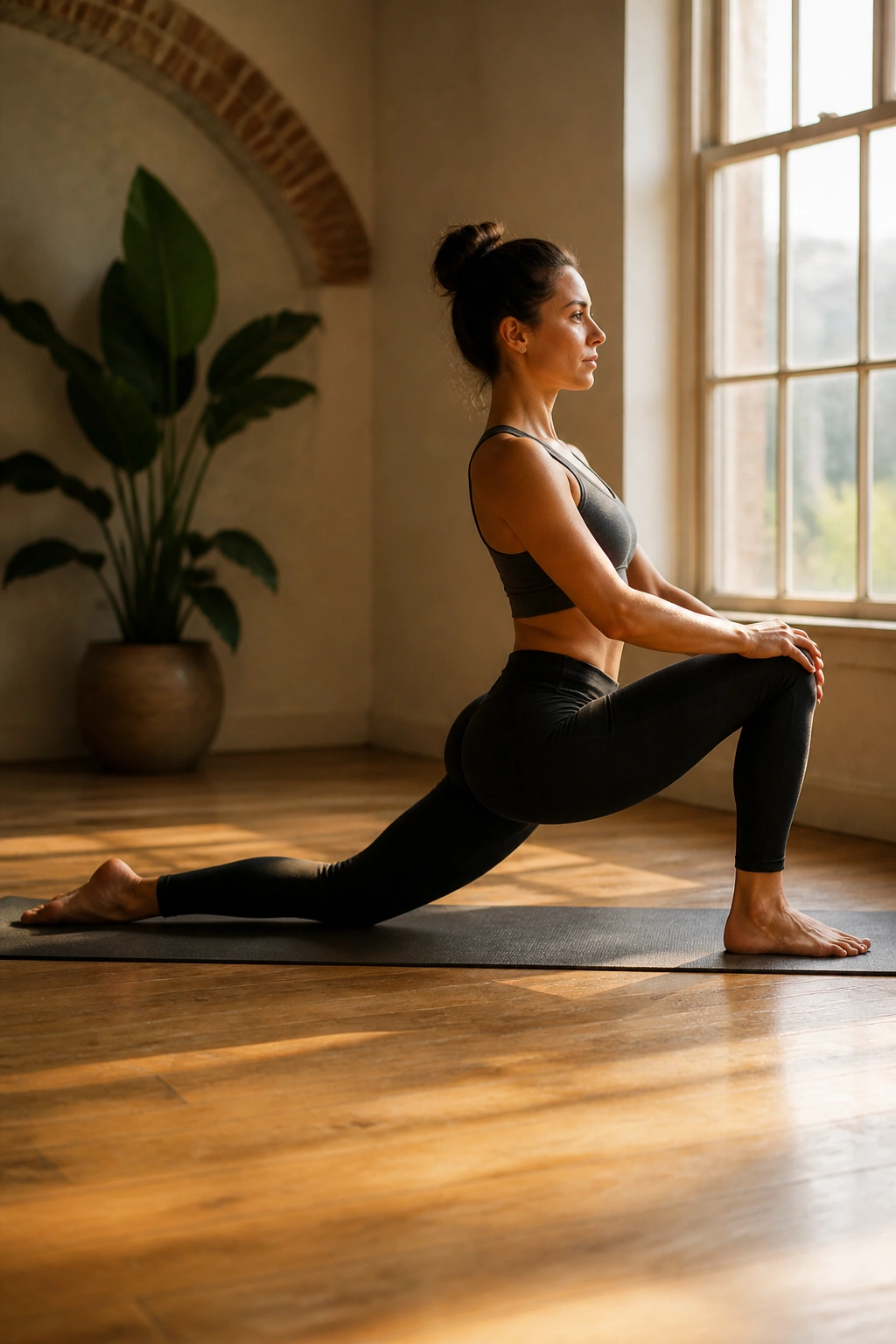
You know that feeling when the first mile feels like your hips were bolted shut overnight? Yoga is not magic, but it can make that sensation less common.
The good yoga sessions for runners are the ones that combine breathing, long holds, and a little honesty about range of motion. You do not need to force anything. In fact, forcing usually backfires. A slow flow with a few longer holds tends to work better than a frantic vinyasa class where everyone is pretending their hamstrings enjoy punishment.
A runner-focused sequence can include low lunge, lizard pose, half split, pigeon, downward dog with calf pedals, and a seated forward fold. Hold each shape for 30 to 60 seconds, then move on without rushing. Breathe into the ribs and let the exhale get long. That calms the nervous system and gives the tissue time to let go a bit.
The best time for this is after a run or on a recovery day, when the body is warm but not cooked. I would skip aggressive stretching right before speed work. That is a good way to feel loose and flat at the same time.
Yoga also has a sneaky mental benefit. A measured, quiet session can reset the tone of a hard training block when everything else has started to feel like a checklist.
11. Jump Rope Micro-Intervals
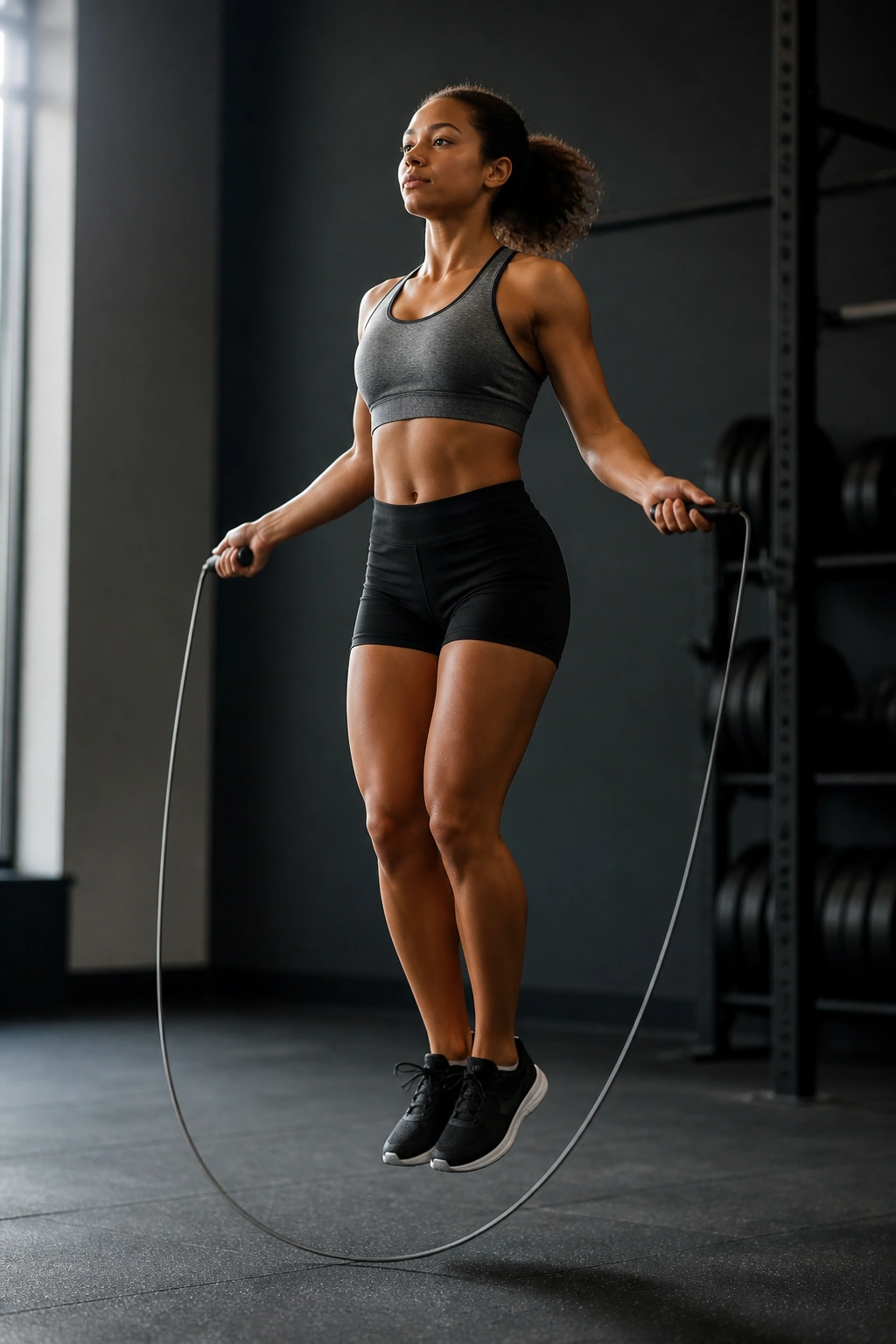
Jump rope looks like child’s play until you do it for five minutes and your calves start filing complaints.
For runners, that is part of the point. Rope work loads the ankles, feet, and calves in a small, fast dose. It helps with elastic strength, rhythm, and foot speed. You are not trying to turn every session into a double-under circus. You are teaching the lower leg to be springy without being sloppy.
A useful starter workout is 10 rounds of 45 seconds on and 15 seconds off, or 20 rounds of 30 seconds on and 30 seconds off. Stay light on the balls of the feet, keep the elbows close, and let the wrists turn the rope. If the shoulders are doing the work, the session gets bulky fast.
This one is best for runners who already tolerate calf loading well. If the Achilles gets cranky or the plantar fascia starts talking back, back off and use a lower-volume session. The surface matters too. A mat or wooden floor is kinder than concrete.
Jump rope is short, cheap, and annoyingly effective. You can fit it into a travel day, a garage gym, or a ten-minute gap between errands. That convenience is not trivial. It makes consistency easier.
12. Sled Pushes and Backward Drags
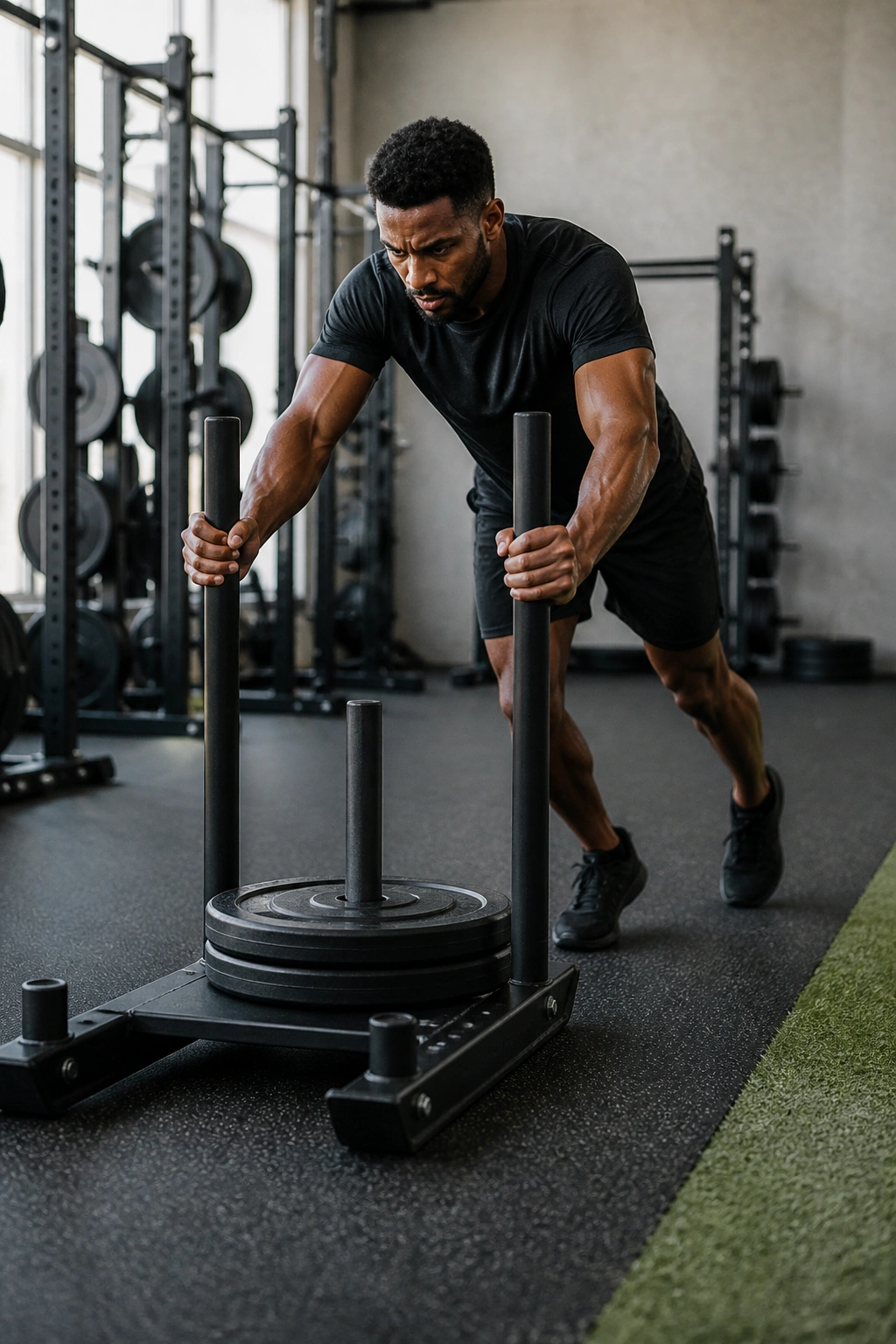
Sled work is one of those rare sessions that leaves you winded without leaving your joints beat up. The resistance is real, but the impact is low, which is a pretty nice trade for runners who want force production without another pounding day.
A push targets the quads, glutes, calves, and trunk. A backward drag lights up the quads in a different way and is often friendlier on the knees than people expect. Together, they build work capacity in a way that feels clean and direct.
A simple session is 6 to 8 pushes of 15 to 20 meters with 60 to 90 seconds rest, then 4 to 6 backward drags of the same distance. Start with a load that lets you keep the torso stable and the foot strike controlled. If the sled stalls every two steps, the weight is too heavy for the goal.
- Push with a short, powerful stride.
- Keep the chest up.
- Drive through the whole foot.
- Use smooth rest intervals, not sloppy wandering around the gym.
The reason I like sleds for runners is simple: they build legs that can keep producing force when tired. That shows up late in races, late in long runs, and late in those ugly middle miles where posture starts getting expensive.
13. Boxing Rounds with Footwork
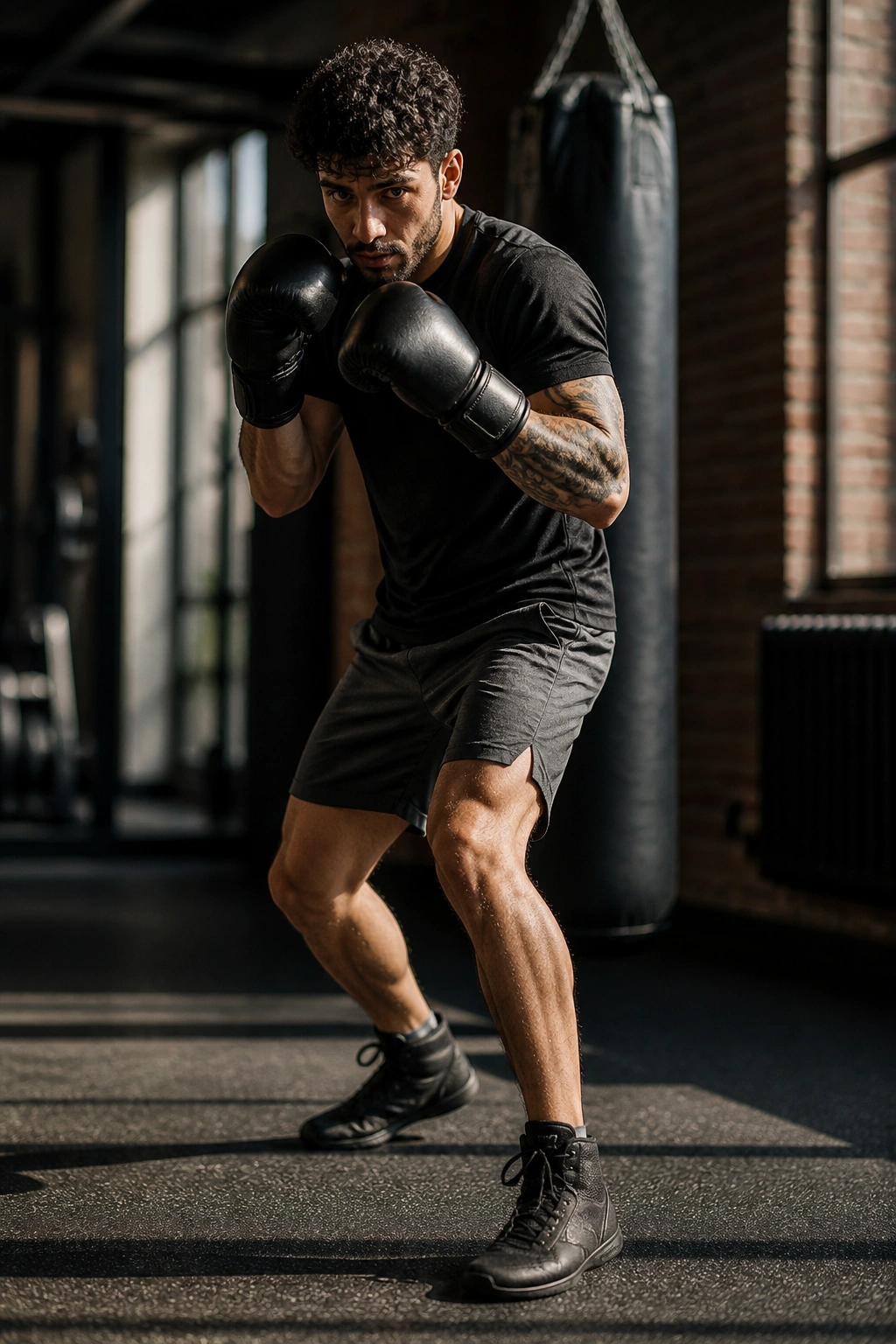
Boxing looks chaotic until you realize it is basically intervals with better footwork. Once the round starts, you are moving, breathing, reacting, and keeping your torso alive instead of stiff. Runners who spend too much time moving in one plane usually feel this almost immediately.
The value is not just cardio, though the cardio is no joke. Boxing teaches quick weight shifts, ankle bounce, shoulder endurance, and a tighter relationship between the upper body and the feet. That can clean up a runner’s arm swing more than a thousand verbal cues ever will.
A useful format is 6 rounds of 3 minutes with 1 minute rest. Shadowbox for one round, work the heavy bag for the next if you have one, then mix in slips, pivots, and light jabs. Keep the hands relaxed. If the shoulders creep up to the ears, your breathing gets trapped and the round goes downhill fast.
What Runners Get Out of It
- Faster feet without full sprint load
- Better trunk control under fatigue
- More relaxed shoulders on runs
- A cardio hit that never feels monotone
Boxing is a good fit for runners who get bored on machines. It also helps when you need energy but do not want another straight-line session. The biggest mistake is swinging like you are trying to break a wall. Stay loose. Stay rhythmic. Save the drama for the final minute of each round.
14. SkiErg Intervals for Upper-Body Aerobic Work
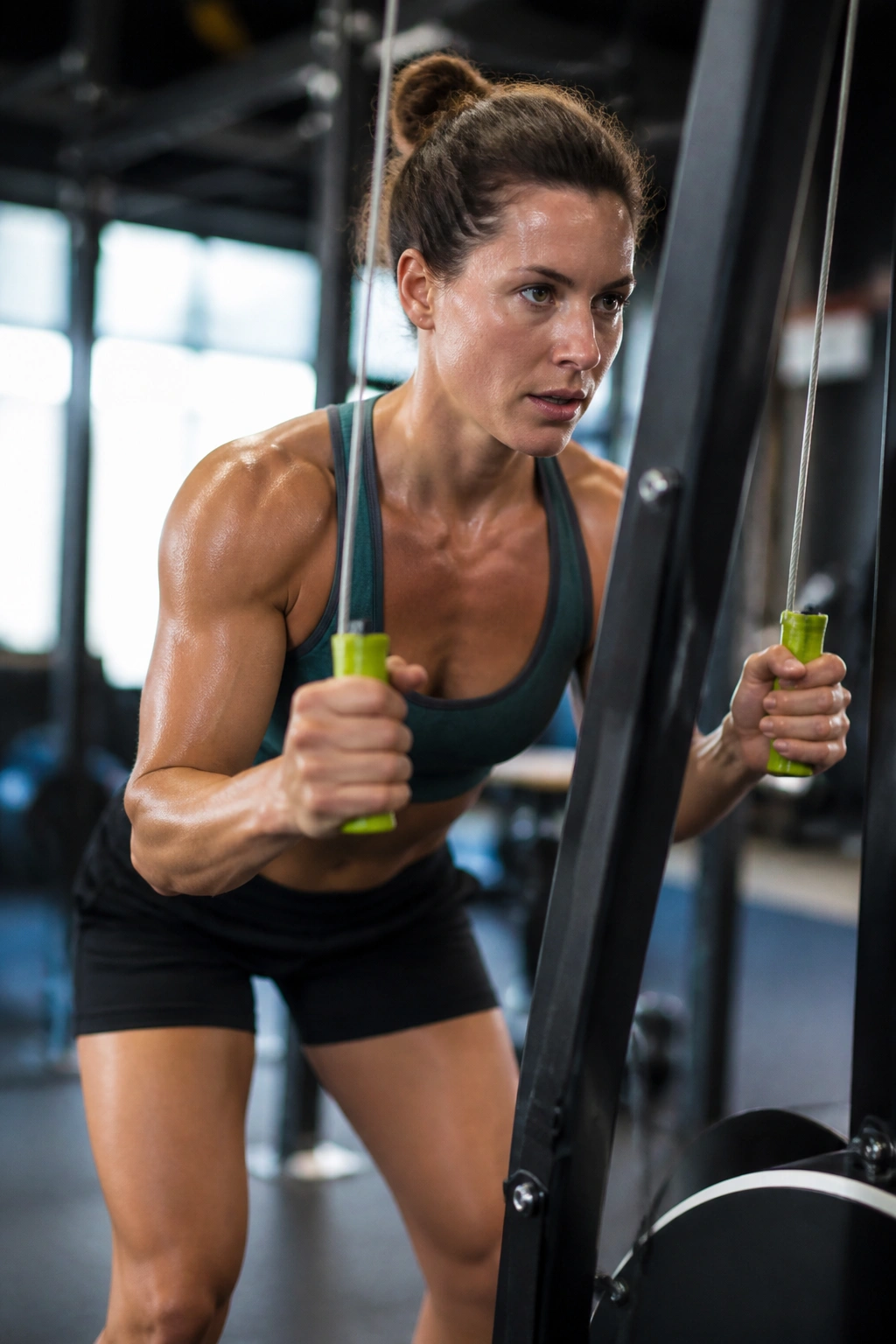
If you want cardio without another leg-heavy session, the SkiErg is a little monster. It asks the lats, core, shoulders, and legs to work together while keeping impact out of the picture. The stroke pattern is different enough from running to feel fresh, but the heart-rate demand can climb fast.
The key is not muscling every pull. Start tall, hinge from the hips, and let the arms finish the stroke after the trunk and shoulders have done their part. If you rip with the arms first, the workout gets sloppy and your neck starts to hate you. I have seen runners turn a clean SkiErg session into an awkward arm workout in under two minutes. Don’t do that.
A solid session is 5 x 4 minutes hard with 2 minutes easy, or 12 x 1 minute hard with 1 minute easy if you prefer shorter pieces. Keep the resistance moderate. You want repeatable power, not a single heroic pull that fades by rep three.
SkiErg intervals work well in weeks where running volume is already high. They let the lungs work hard while the legs get a break from impact and the quads get a slightly different kind of fatigue. That change of pattern can feel refreshing in a training block that has gone a bit stale.
15. Trail Hiking with Poles

Can hiking count as training? If you treat it like training, absolutely.
A steady hike on a hill or trail gives runners a long aerobic block with less pounding and more muscular endurance than a flat walk. Add poles, and the upper body joins the party. That can take pressure off the legs during long climbs while teaching you to hold posture when the grade keeps dragging on.
The best version is not a casual wander. It is a purpose-driven walk with a steady pace, a pack if needed, and enough elevation to make breathing change. Try 60 to 90 minutes on rolling terrain or 45 minutes on a steep hill loop. If you use poles, plant them lightly and let them help with rhythm rather than turning the hike into an arm swing contest.
How to Use It
- Keep strides short on steep sections.
- Stay tall through the chest.
- Drink water on outings longer than an hour.
- Use the outing as a recovery day or an aerobic base day.
Trail hiking is also kind to the head. Runners who spend too much time measuring every split often like this one because it gives effort without obsession. The terrain decides a lot of the pacing, and that can be a relief.
16. Barre-Style Leg Endurance Session
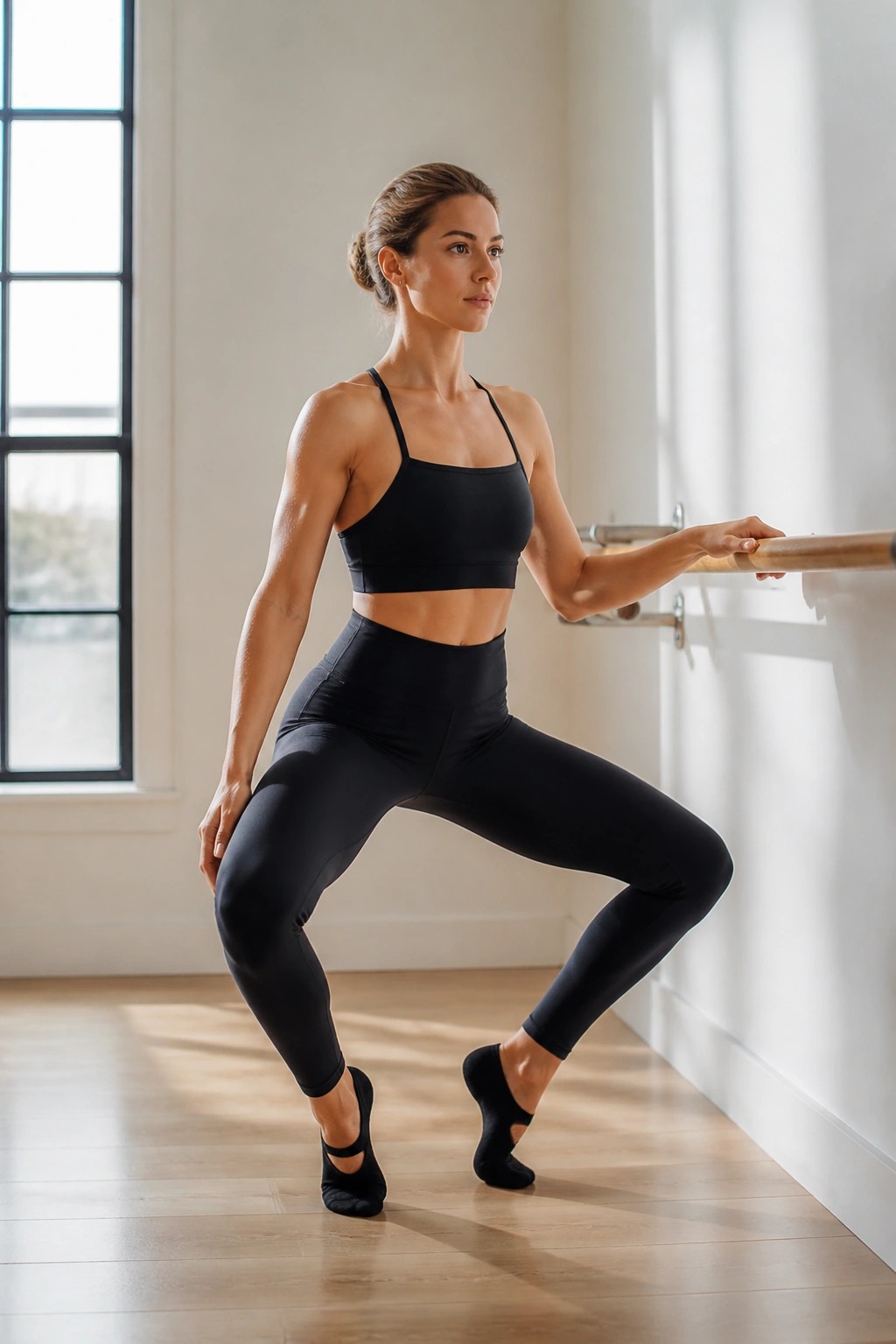
Barre work looks gentle until your thighs start shaking during a set of tiny pulses. Then it stops being gentle fast.
What makes barre useful for runners is the time under tension. The legs work in small ranges, the glutes stay awake, and the muscles around the hips have to hold shape without a lot of help from momentum. That is a clean way to build endurance in places that often get ignored in straight-line running.
A runner-focused barre session might include plié holds, small-range squats, heel raises, rear-leg lifts, and side leg lifts, with 30 to 45 seconds per move and 2 to 3 rounds. Use a chair or wall for balance if needed. The work should feel controlled, not rushed.
The thing I like here is how specific the fatigue gets. Quads burn. Outer hips burn. Calves burn. And because the movements are small, you can keep form honest longer than you might with heavier gym work. That makes barre a nice complement to hill running and strength days.
It is not the sexiest session on the list. It does not need to be. The payoff shows up when your hips stop dropping late in a run.
17. Medicine Ball Core and Rotation Circuit
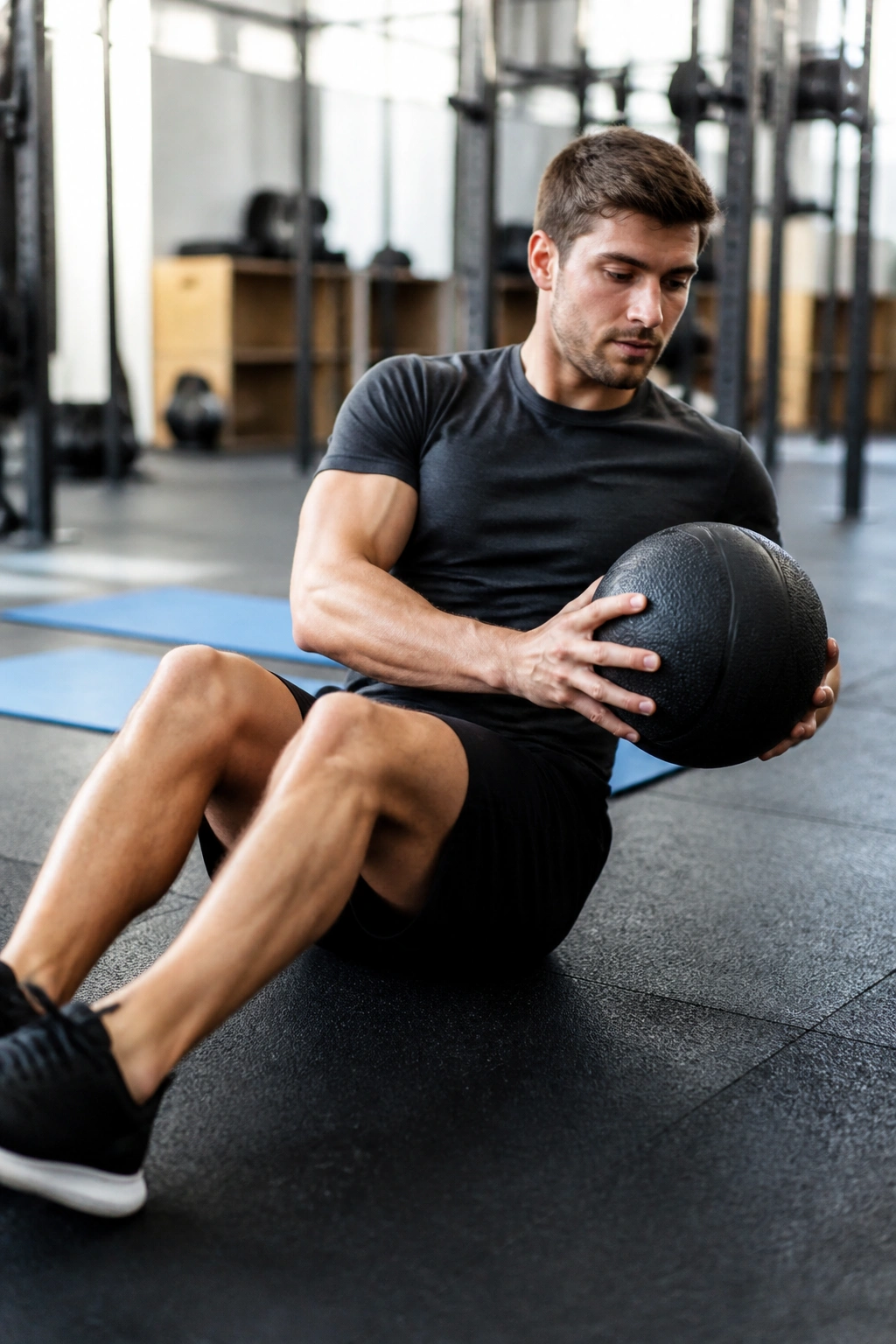
Runners usually know they need a stronger core, but they often pick exercises that are too easy or too generic. A medicine ball circuit fixes that by making the trunk work while the arms and hips move at the same time.
The point is not a six-pack contest. The point is to resist twisting, control rotation, and keep the torso from folding when the legs get tired. That matters on turns, descents, surges, and the last mile of a long effort when posture wants to collapse.
A good circuit can look like this: medicine ball slams, standing rotational chops, dead bug with a ball press, side tosses against a wall, and plank ball drags. Do 3 rounds, with 30 to 40 seconds per exercise and 20 to 30 seconds rest between moves. Choose a ball that feels firm but manageable; most runners do better with something in the 4 to 8 pound range.
The first round feels almost too easy. The second round starts to tax timing. The third round usually exposes which side of the body does too much of the work. That feedback is useful. It is one of the reasons I like med-ball sessions more than endless crunches. The body has to organize force, not just bend.
18. Mixed-Modal Gym Circuit for the Weeks That Go Sideways
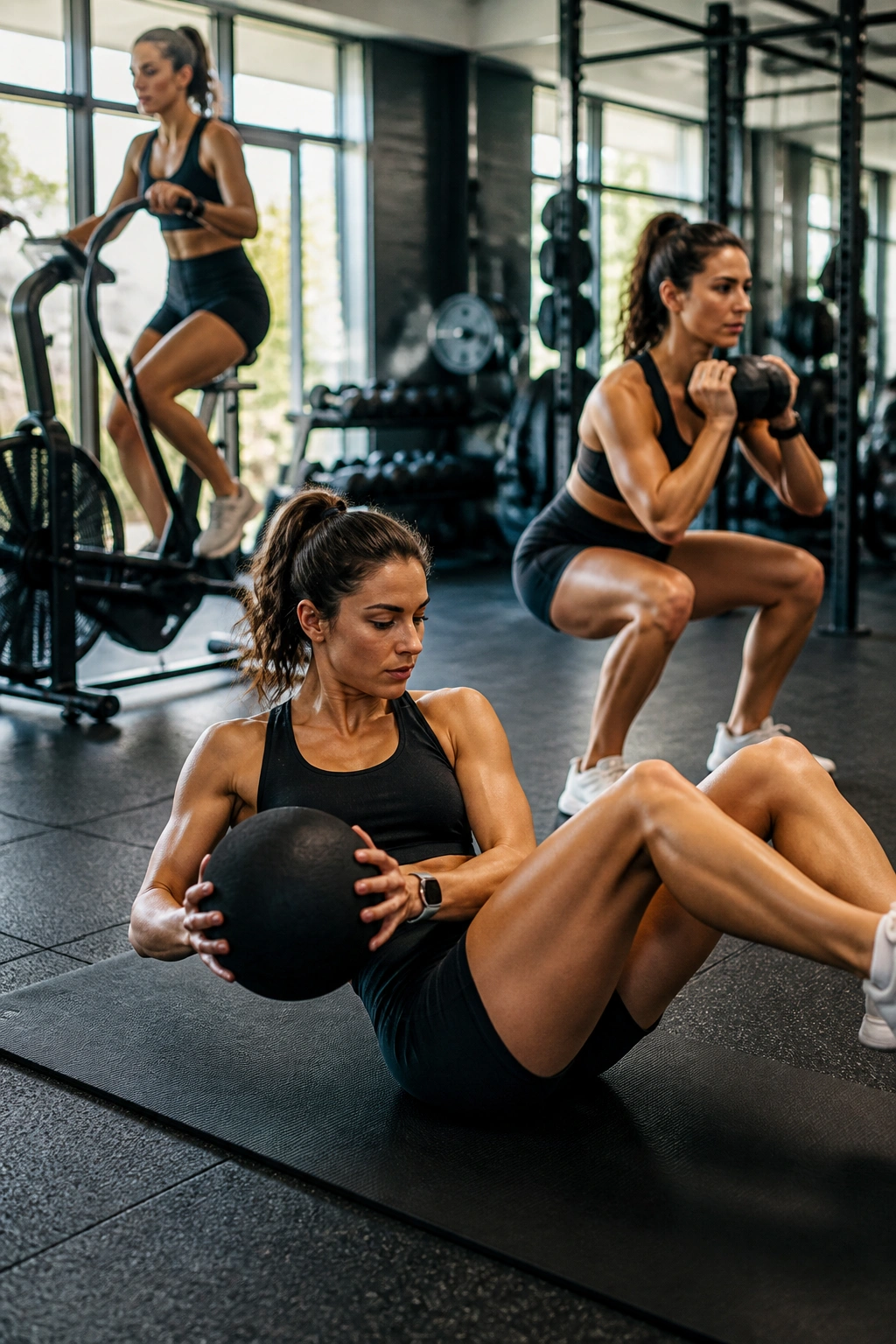
Some weeks are tidy. Most are not.
That is where a mixed-modal circuit earns its place. Instead of forcing a single machine or a single focus, you can stitch together a workout that hits cardio, strength, and mobility in one block. It is the most flexible option on the list, which makes it a strong fallback when you miss a run, wake up stiff, and still want the day to count.
A practical version might be 8 minutes on the bike, 2 strength moves, 1 core drill, and 5 minutes of mobility, repeated twice. Keep the effort moderate on the cardio pieces and clean on the lifting. A sample round could be:
- Bike: 3 minutes at a steady hard pace
- Split squat: 8 reps per leg
- Push-up: 8 to 12 reps
- Pallof press: 10 reps per side
- Hip flexor stretch: 30 seconds per side
The reason this format works is balance. You are not dumping all your stress into one system, so the workout leaves room for tomorrow’s run. That matters more than trying to turn every session into a hero workout.
If I had to choose one fallback session for a messy training week, this would be close to the top. It is not flashy. It is practical. And runners usually need more practical than they admit.
