



Most people approach the quest for a flatter stomach with an over-reliance on crunches or restrictive calorie counting, but they often ignore the most fundamental biological lever: proper, consistent hydration. When you are even slightly dehydrated, your body enters a conservative state, hoarding resources and often confusing thirst signals with hunger pangs. This leads to unnecessary snacking and a sluggish metabolic rate. The simple, effective solution isn’t a magic pill or an expensive supplement; it is replacing the high-sugar beverages that spike your insulin with flavored, infused waters that actually encourage you to drink more.
When you infuse water, you aren’t just making it palatable; you are extracting subtle flavor compounds, vitamins, and antioxidants from whole foods. This makes the ritual of drinking water something you crave rather than a chore you force yourself to complete. The secret is that the best infusions don’t use sugar to mask the taste. They use botanicals, aromatics, and fresh produce to elevate the experience, making the water crisp, refreshing, and deeply hydrating.
The recipes below are designed to be simple, using ingredients you can find in any standard grocery store. They don’t just add a splash of flavor; many of them incorporate ingredients known to assist in digestion, reduce inflammation, and help manage blood sugar—all of which are essential components when you are trying to lean out the midsection.
1. Classic Cucumber and Mint Hydration
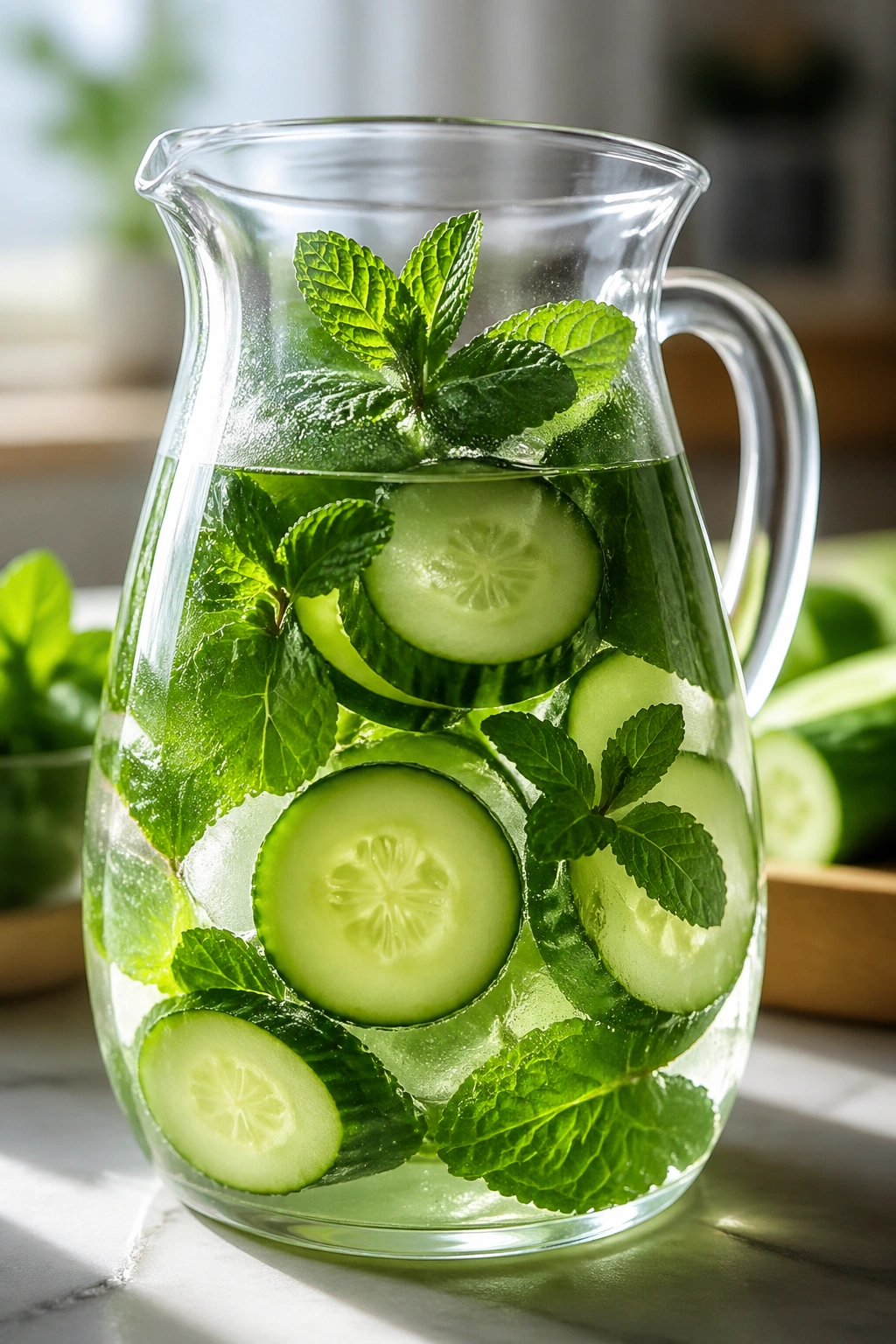
This is the baseline, the standard against which all other infused waters are measured. You have likely seen this in day spas or high-end hotel lobbies, and there is a reason for its ubiquity: it works. Cucumber is mostly water, yes, but it also contains silica, which helps with skin health and connective tissue, while the mint provides a cooling sensation that makes drinking large volumes effortless.
Why This Combination Matters
Cucumber is incredibly mild, which makes it perfect for those who find the taste of plain water boring but struggle with the intensity of acidic citrus waters. The mint is the key component here. It acts as a natural palate cleanser and has a calming effect on the digestive tract. If you tend to hold onto water weight due to poor digestion or bloating, this combination is your best friend.
How to Prepare It
Slice half a medium cucumber into thin rounds—keep the skin on for the extra nutrients—and toss them into a large glass pitcher. Add a handful of fresh mint leaves. Gently crush the mint with a wooden spoon against the side of the pitcher before adding the water; this releases the essential oils. Fill with cold water and let it steep in the refrigerator for at least two hours before serving.
Pro tip: Do not let the cucumber sit in the water for more than 24 hours. After a day, the cucumber slices begin to degrade and can make the water taste slightly bitter and “off.” Always strain the water or remove the produce if you are not drinking it within that window.
2. Zesty Lemon and Ginger Metabolism Spark
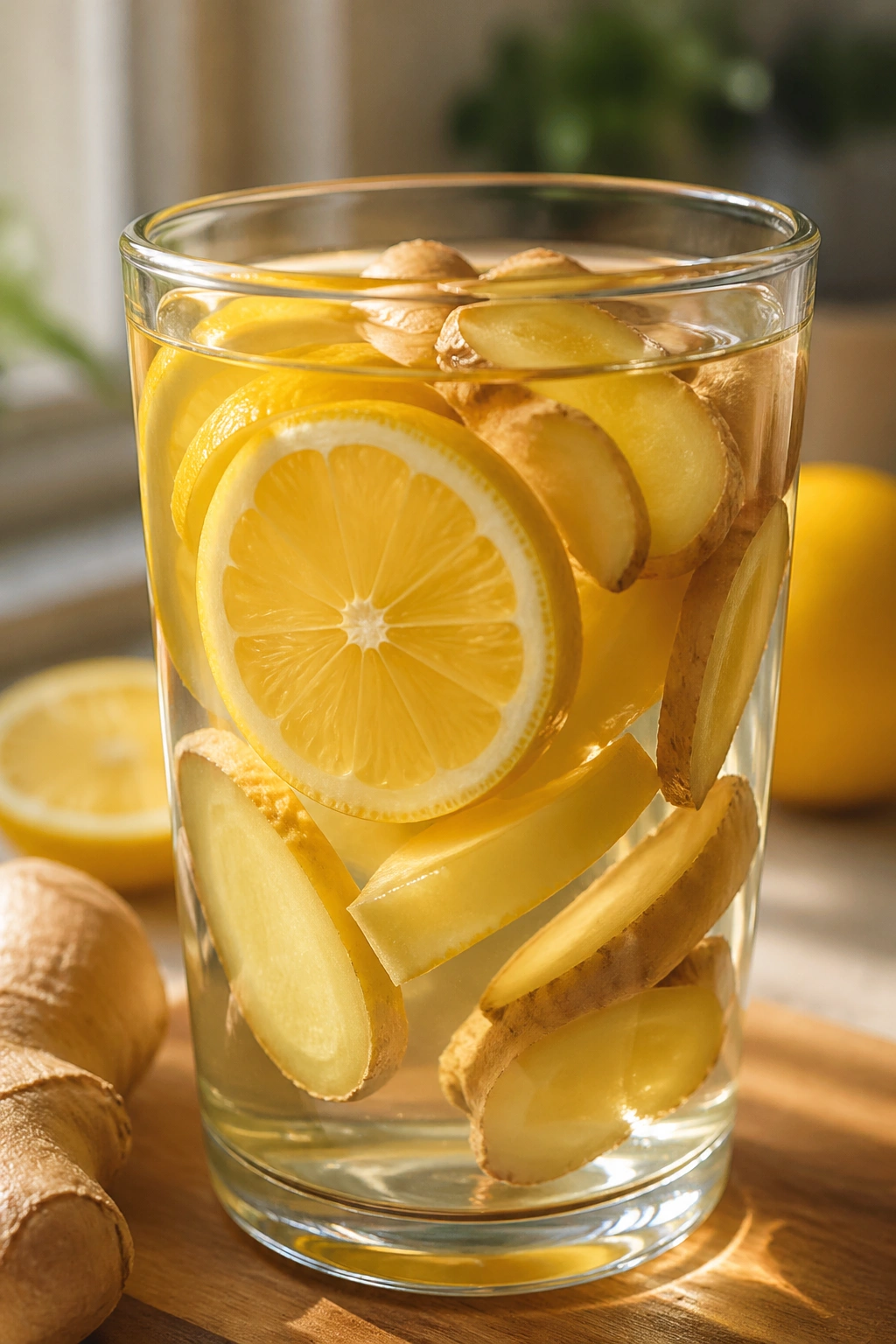
If you are looking for a morning jumpstart that wakes up your digestive system, this is the infusion you want. Lemon provides a clean, acidic brightness that signals to your palate that you are drinking something refreshing, while ginger brings a warm, spicy undertone that is historically linked to improved gastric motility.
The Metabolism Connection
Ginger is the star here. It is thermogenic, meaning it can slightly increase your body temperature and metabolism. While it is not a “fat burner” in the literal sense, the gingerol compounds it contains are excellent for reducing nausea and speeding up the process of gastric emptying. When your stomach empties properly, you feel lighter and less bloated.
Preparation Notes
- Use organic lemons whenever possible, as you are soaking the peel in the water.
- Slice the ginger very thinly, or use a vegetable peeler to shave off wide, thin ribbons. This exposes more surface area to the water.
- Pour boiling water over the ginger slices first for one minute to “activate” them, then add cold water and lemon slices.
- Drink this first thing in the morning on an empty stomach to prime your digestion for the day.
3. Grapefruit and Rosemary Fat-Burning Blend
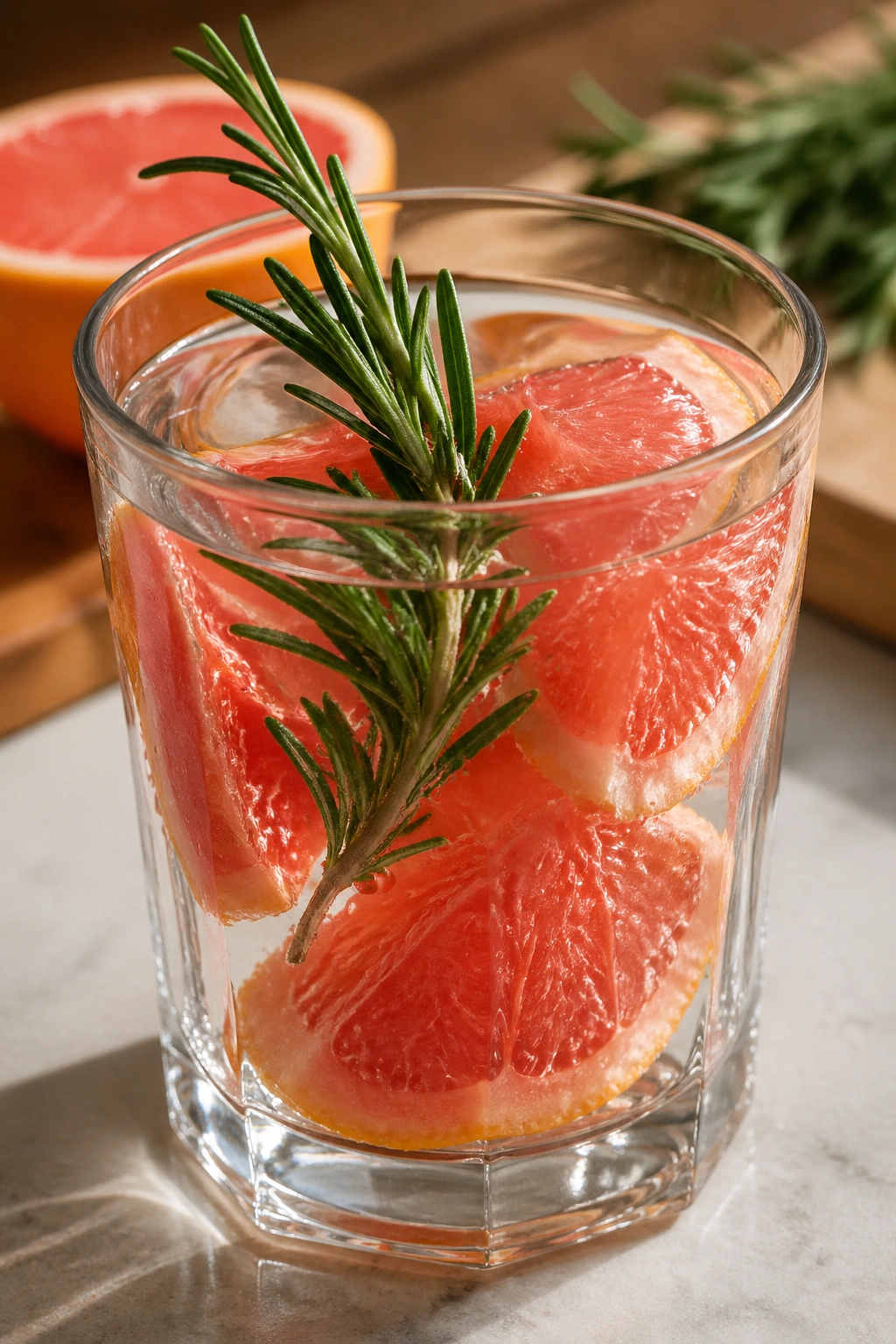
This combination leans into the sophisticated, savory side of flavor profiles. Many people shy away from grapefruit because of its bitterness, but when you pair it with the woody, pine-like aroma of fresh rosemary, that bitterness transforms into a complex, refreshing flavor that feels like a mocktail.
The Science of Pairing
Grapefruit is frequently cited in diet literature for its high water content and its potential impact on insulin resistance. While no single food will melt fat off your body, grapefruit contains compounds that may help regulate blood sugar levels, preventing the sharp spikes and crashes that often lead to belly fat storage. Rosemary adds a layer of depth that keeps the drink from being one-dimensional, and it contains antioxidants that help fight cellular inflammation.
Creating the Blend
Combine the juice of half a grapefruit with a few wedges of the remaining half in your glass. Add one large sprig of fresh rosemary. The key here is the rosemary—ensure it is fresh, not dried. Dried rosemary will create a gritty texture that is unpleasant to sip. Let this steep for at least an hour. The oils in the rosemary will slowly permeate the water, creating a clean, crisp beverage that is excellent when enjoyed chilled during the afternoon slump.
4. Pineapple and Jalapeño Digestive Spark
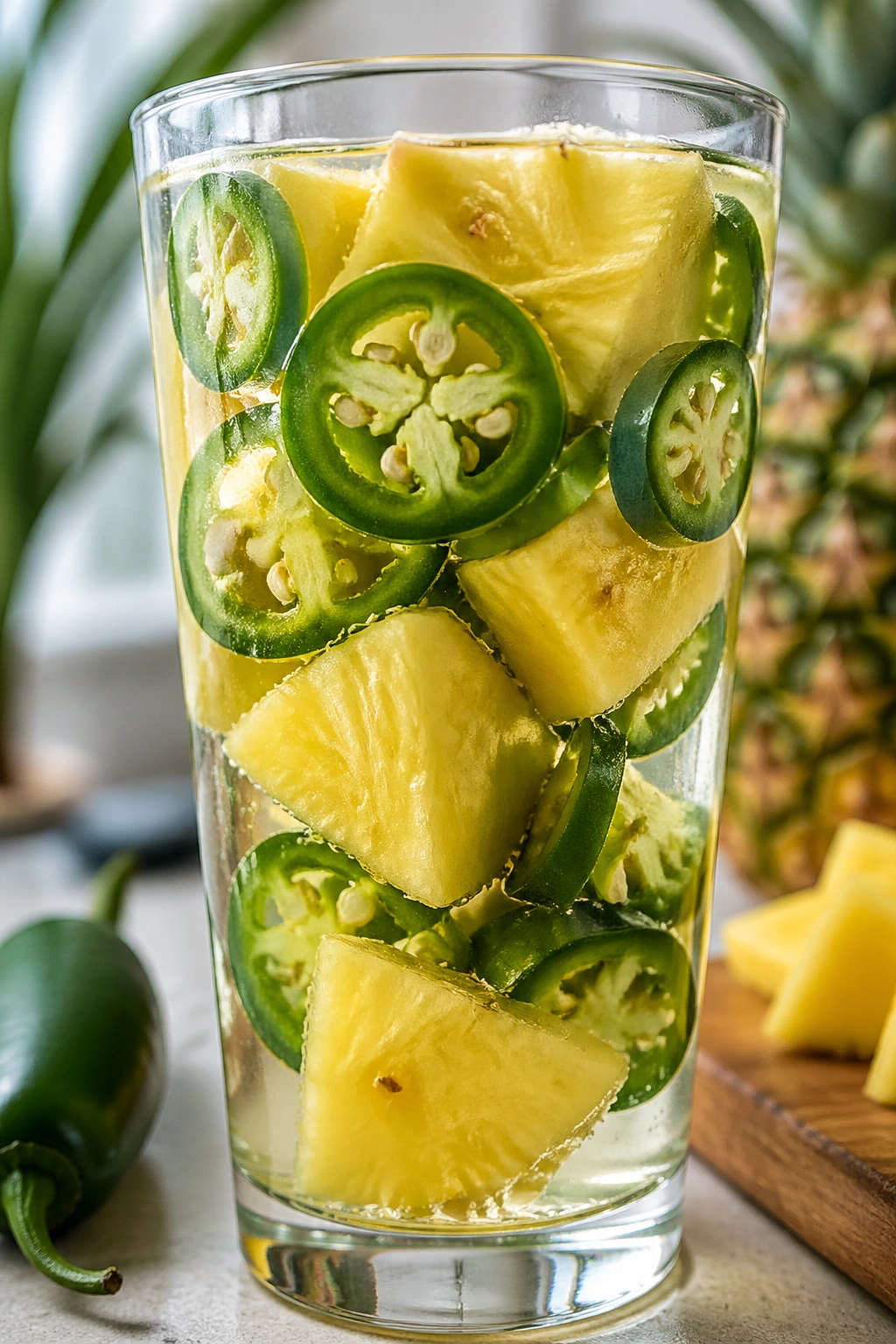
For those who enjoy a bit of heat, this is a game-changer. It sounds strange, but the sweetness of the pineapple perfectly balances the sharp, grassy heat of a fresh jalapeño pepper. It is a drink that feels bold and exciting rather than like you are “on a diet.”
The Power of Bromelain
Pineapple contains an enzyme called bromelain. This enzyme is renowned for its ability to break down proteins, which helps with digestion and reducing gut bloating. When you combine this with the capsaicin found in jalapeños—which is known to help boost metabolic rate—you get a drink that is functionally useful for your gut health.
How to Balance the Heat
- Slice the pineapple into chunks; you can even include a small piece of the core, as that is where the highest concentration of bromelain resides.
- Slice one jalapeño into rounds.
- Safety warning: If you want less heat, remove the seeds and the white membrane from the jalapeño. If you want a noticeable kick, leave them in.
- Only steep for 30 to 45 minutes. Any longer and the jalapeño heat can become overpowering. Taste as you go.
5. Strawberry and Basil Freshness
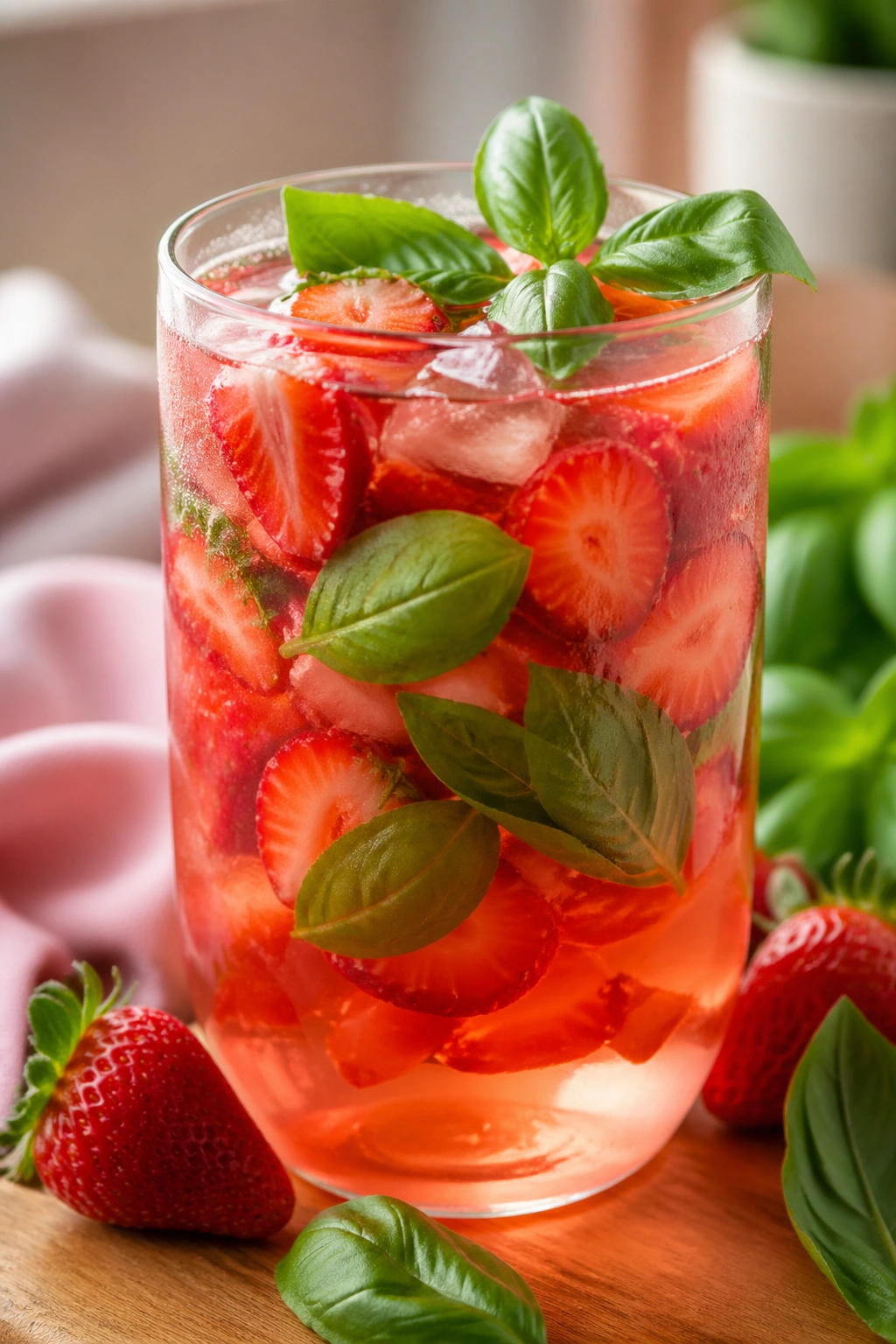
There is something inherently elegant about the combination of berries and herbs. Strawberry and basil is a classic culinary pairing for a reason: the sweet, jammy notes of the berry play beautifully against the peppery, aromatic profile of the basil.
Why It Works for Weight Management
Strawberries are lower in sugar than many other fruits and are packed with polyphenols, which are plant compounds that can help manage body weight and combat oxidative stress. Using them in water gives you a hint of sweetness without the glycemic impact of eating a bowl of fruit with added sugar. Basil provides a refreshing finish that keeps the water from feeling like sugary fruit juice.
Assembly Method
Crush about five large strawberries—halved or quartered—at the bottom of your container. Gently slap the basil leaves between your palms before dropping them in. This “slap” method is a common trick among bartenders; it bruises the leaves just enough to release the oils without tearing them to shreds. Add ice and water, and let it sit for two hours. The water will take on a beautiful, soft pink hue.
6. Blueberry and Sage Savory Infusion
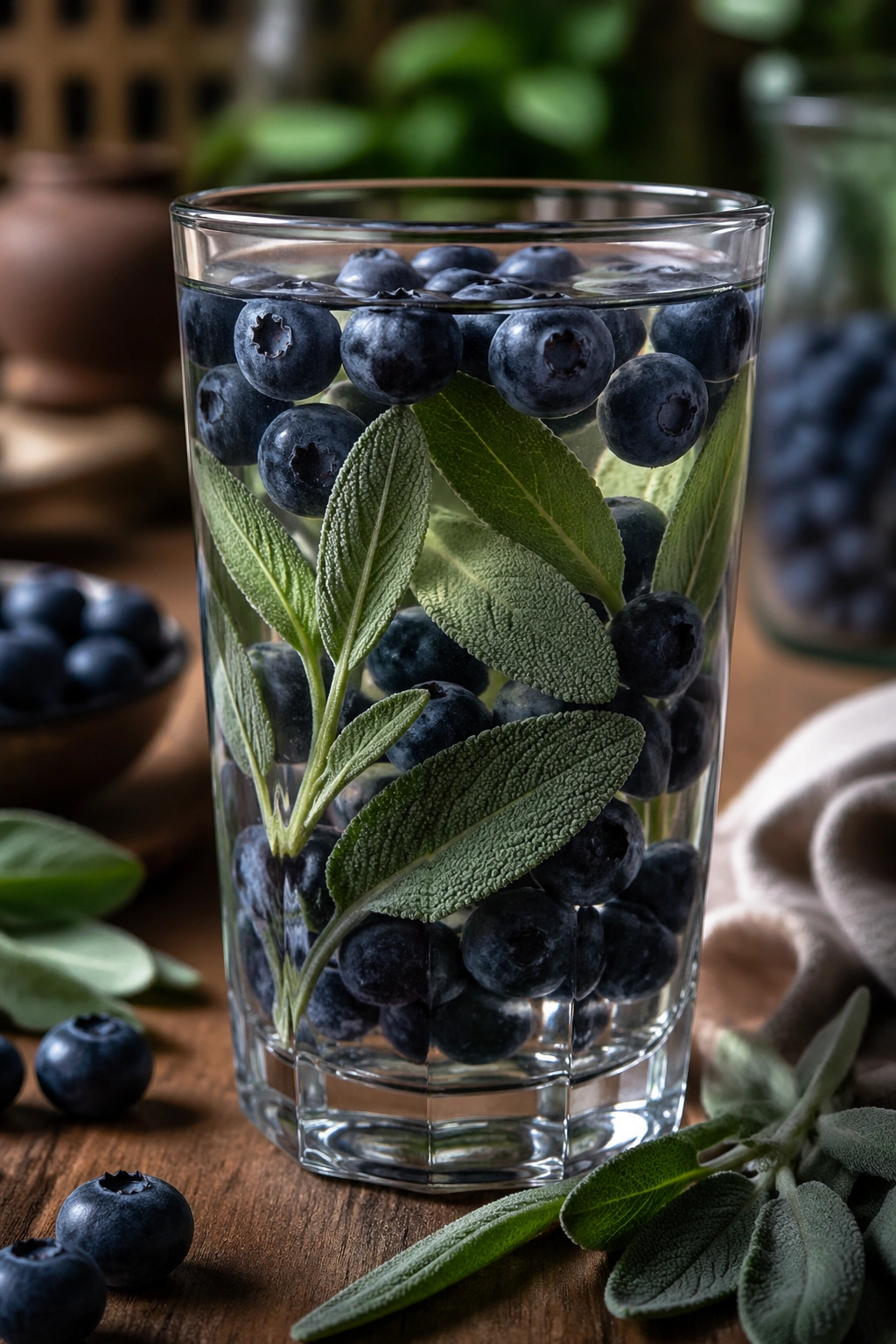
If you are tired of sweet or citrus-heavy drinks, this savory-leaning infusion is a fantastic alternative. Sage is an underutilized herb in beverages, but it has a robust, earthy quality that stands up well to the dark, tart sweetness of fresh blueberries.
Nutritional Insight
Blueberries are often labeled a “superfood,” and for good reason—they are dense with antioxidants, specifically anthocyanins, which give them their deep color. These antioxidants are vital for reducing the systemic inflammation that often plagues those struggling with excess abdominal fat. Sage has also been used traditionally to support digestive health, making this a functional drink for after a heavy meal.
The Preparation
Use a fork to slightly burst the skins of the blueberries before adding them to your water. This allows the pigment and the juice to seep into the water. Drop in three or four sage leaves. Do not overdo the sage; it is a strong herb, and too much can make the water taste medicinal. A light infusion over two hours is all you need for a balanced, sophisticated drink.
7. Orange and Fennel Bloat Blaster
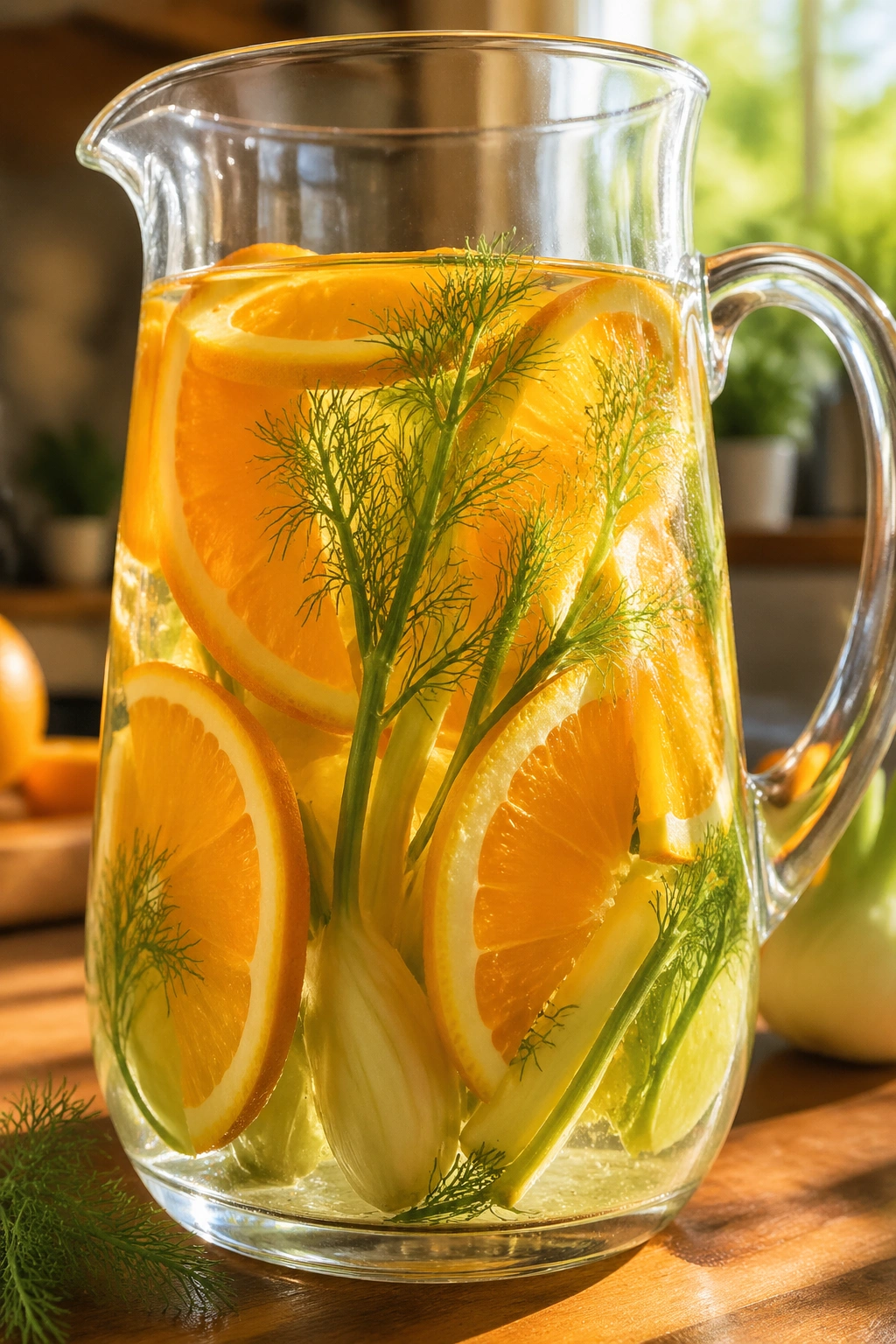
This recipe is specifically targeted at anyone who feels “puffy” or bloated after meals. Orange provides a gentle sweetness, while fennel is a legendary digestive aid. In many cultures, chewing on fennel seeds after a meal is a standard practice to aid digestion and freshen breath; here, we use the fresh bulb or fronds to infuse the water.
The Role of Fennel
Fennel is a carminative herb, meaning it helps prevent and expel gas from the digestive tract. It is exceptionally effective at soothing an upset stomach and reducing the distension that makes the belly look larger than it actually is. By drinking this throughout the day, you are essentially keeping your digestive system calm and flowing smoothly.
Making the Drink
You can use the green, feathery fronds of a fennel bulb for the most delicate flavor. Simply place a few sprigs in your pitcher along with thin slices of a navel or blood orange. The combination is light, slightly anise-flavored, and very refreshing. It is a perfect drink for late afternoon when you might be tempted to reach for a caffeinated soda.
8. Apple and Cinnamon Blood Sugar Stabilizer
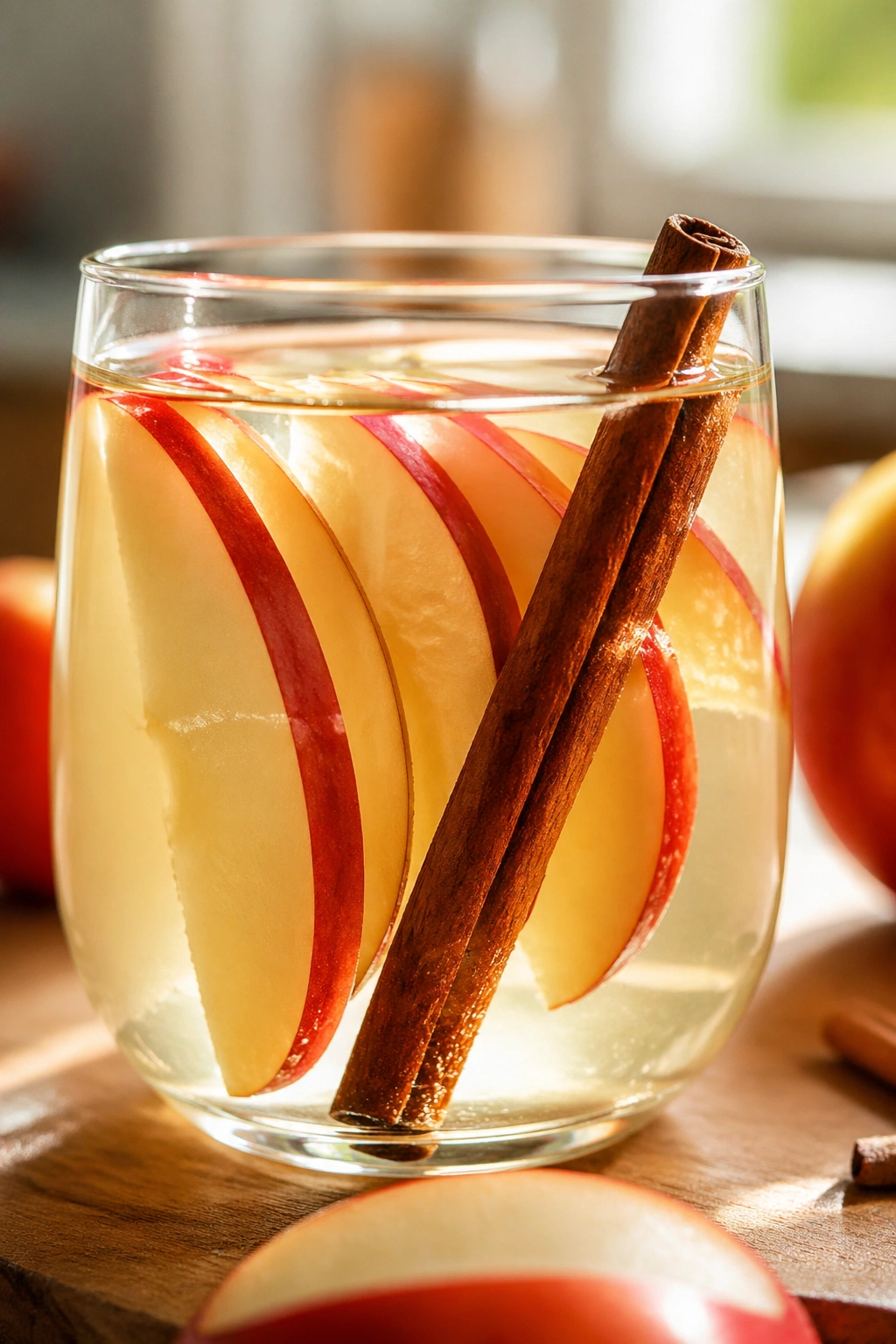
This combination is reminiscent of warm apple pie, but it is excellent served ice-cold. It feels comforting and autumnal, which is helpful if you are trying to curb cravings for sweets, as the scent of cinnamon is often enough to “trick” the brain into feeling satisfied.
Why This Combination Matters
Cinnamon is one of the most studied spices for blood sugar control. Evidence suggests it may help improve insulin sensitivity, which is a critical factor in how the body stores fat—especially in the abdominal region. By keeping your blood sugar stable, you reduce the likelihood of the insulin spikes that drive fat storage.
The Best Way to Infuse
Do not use ground cinnamon; it will leave a gritty, sandy residue at the bottom of your glass. Instead, use a whole cinnamon stick. Place the stick in the water and let it steep for several hours—or even overnight in the fridge. Thinly slice a crisp apple like a Granny Smith or Honeycrisp, which will hold its shape better than mealy varieties. This infusion improves the longer it sits, so feel free to keep the pitcher in the fridge for up to 48 hours.
9. Pear and Vanilla Bean Dessert Water
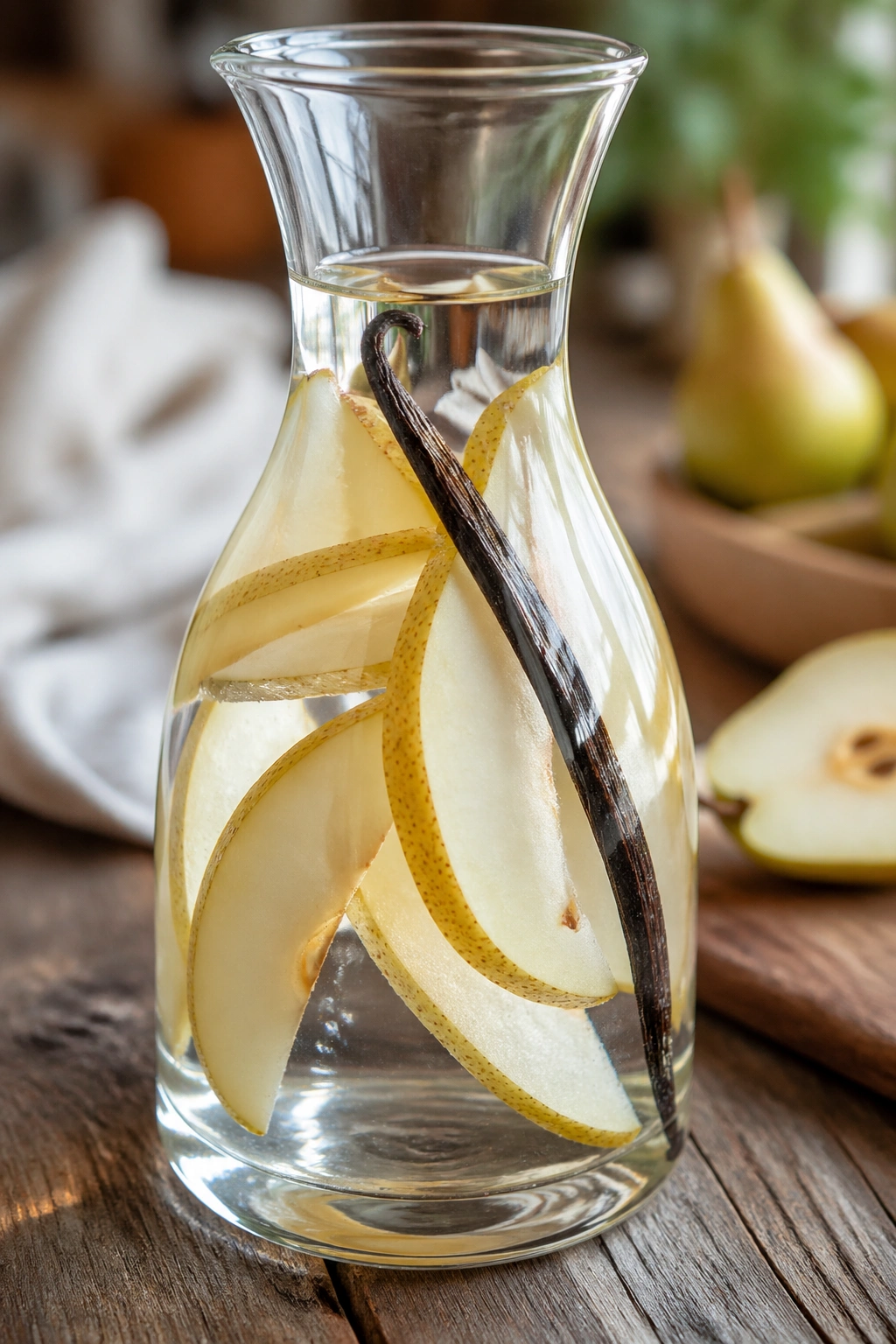
Sometimes, the desire to eat something sweet is purely psychological. When you are craving a dessert but know it won’t help your fitness goals, this pear and vanilla infusion can bridge the gap. It is surprisingly sweet without containing a single gram of added sugar.
Managing Cravings
The aroma of vanilla is psychologically linked to satisfaction and comfort. By having this drink nearby, you can address the need for a “treat” without consuming empty calories. Pears provide a subtle, floral sweetness that rounds out the vanilla perfectly.
Essential Technique
Slice a ripe pear into thin wedges. For the vanilla, do not use extract (which contains alcohol and can taste harsh in water). Instead, use a whole vanilla bean. Split the bean down the middle with a sharp knife to expose the seeds, then drop the whole pod into the water. The flavor will be delicate and aromatic. You can reuse the vanilla bean pod for a second batch before discarding it.
10. Watermelon and Lime Rehydration
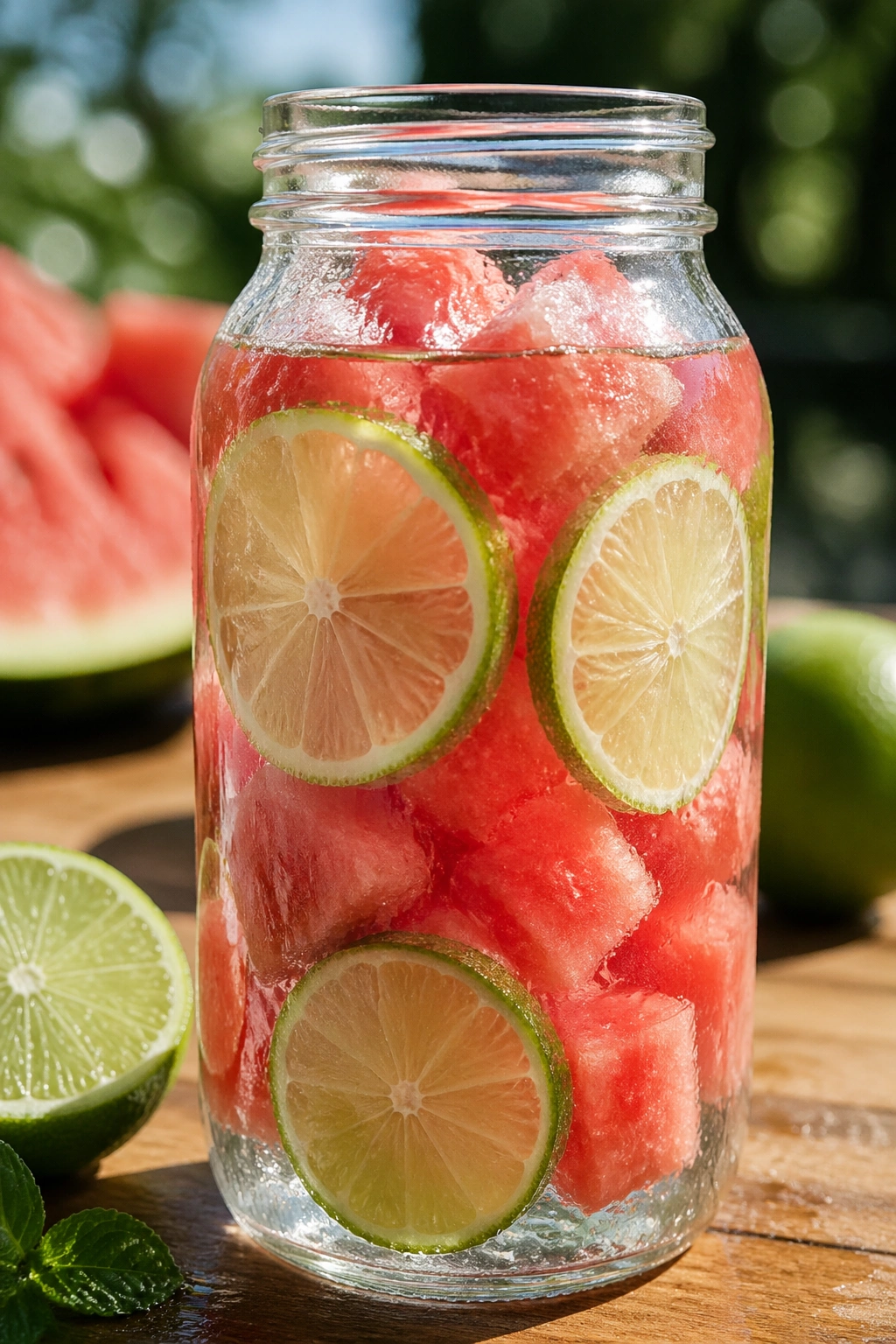
This is arguably the most refreshing drink on the list, particularly during warmer weather. Watermelon is 92% water, making it a natural hydrator, while lime adds that necessary acidic kick to keep it from tasting flat.
Electrolytes and Hydration
Watermelon contains small amounts of electrolytes, including potassium, which helps balance sodium levels and reduce fluid retention. If you have been eating salty foods, you might be retaining water in your midsection; the potassium in the watermelon can help flush that excess sodium out, making you feel instantly leaner.
How to Infuse
Cut the watermelon into small cubes—remove the rind, as it can impart a bitter, grassy taste if left for too long. Drop in a few lime wheels. This drink is best consumed within 6–8 hours because the watermelon can begin to ferment slightly if left out too long. It is the perfect drink to keep in a large mason jar on your desk.
11. Raspberry and Lemon Tart Recovery
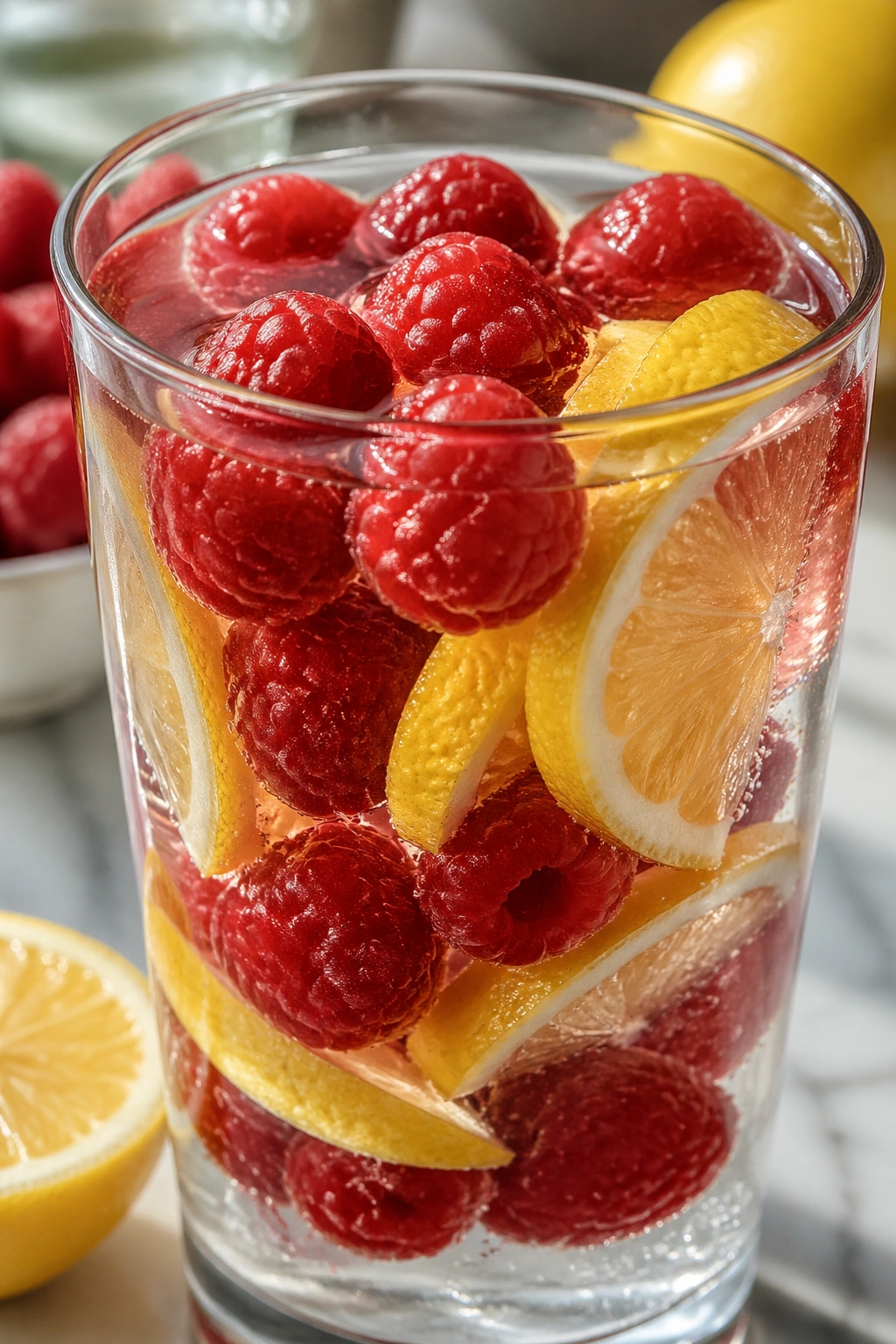
Raspberries are incredibly high in fiber for a fruit, and they contain ketones—compounds that have been studied for their potential to help with weight management. While the amount in infused water isn’t enough to induce a metabolic miracle, they are a delicious, antioxidant-rich addition.
Why the Tartness Helps
Lemon and raspberry create a tart profile that is very satisfying to the palate. When you are trying to break the habit of drinking sodas, you need flavors that are “loud” and acidic to replace the sharpness of carbonated sugar drinks. This combination hits that note perfectly.
Quick Tip
Lightly mash the raspberries with a fork to release their juice. If you find the lemon is too acidic, add a tiny bit more water or let the raspberries steep for an extra hour; the natural sweetness of the berries will mellow out the bite of the citrus.
12. Blackberry and Thyme Savory Infusion
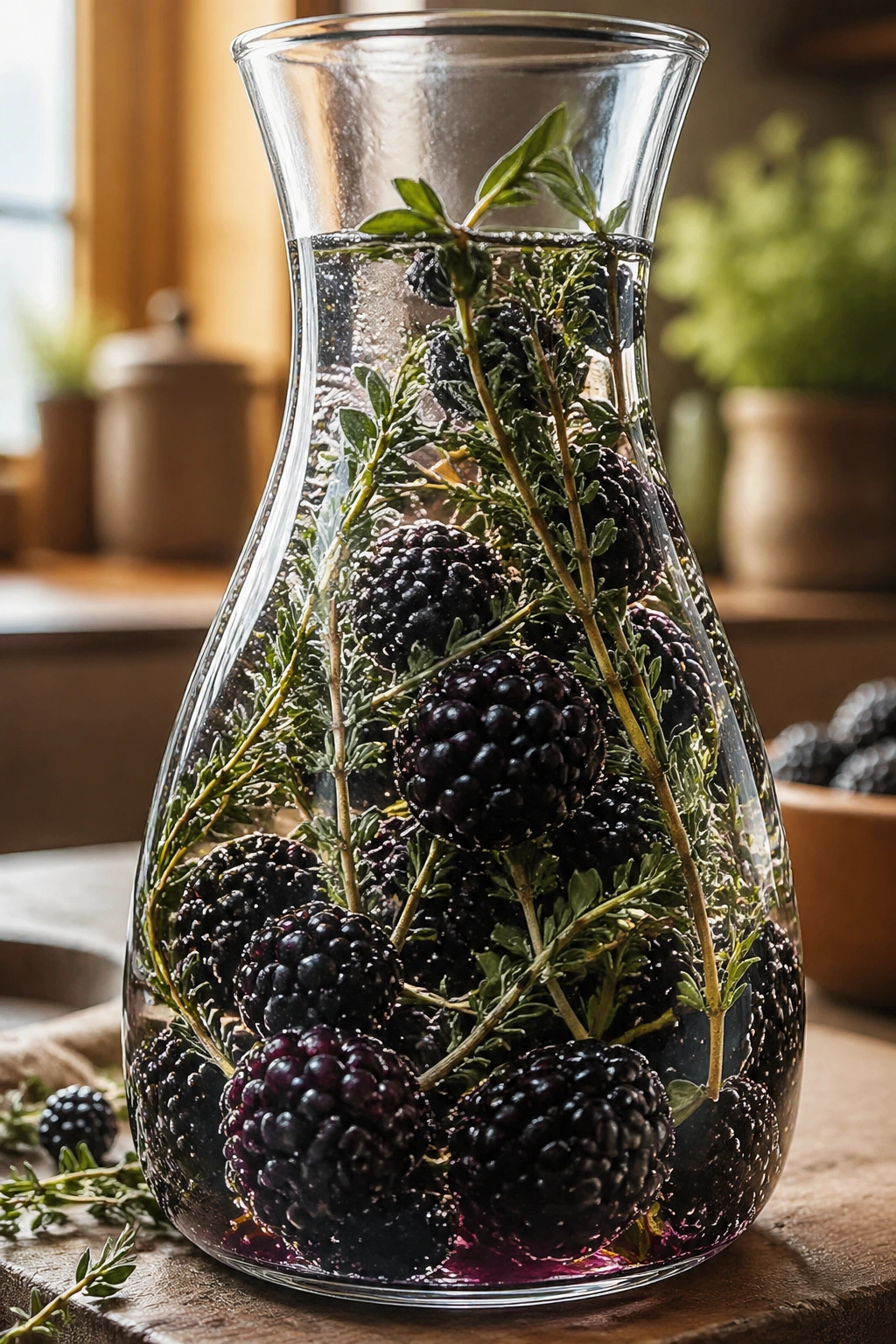
Blackberries are deeply earthy and rich, and they pair exceptionally well with the woodsy, almost floral notes of fresh thyme. This is not a “fruity” drink in the traditional sense; it is more of a botanical experience.
The Benefit of Thyme
Thyme is more than just a seasoning for roast chicken. It contains thymol, an essential oil with potent antibacterial and antifungal properties. Integrating fresh herbs into your water is an easy way to get those plant-based compounds into your system without much effort.
Serving Idea
Use a handful of blackberries and two sprigs of thyme. This drink looks beautiful in a glass carafe, making it a great option to serve when you have guests over. It feels elevated and intentional, proving that healthy habits don’t have to be boring.
13. Peach and Ginger Soft Infusion
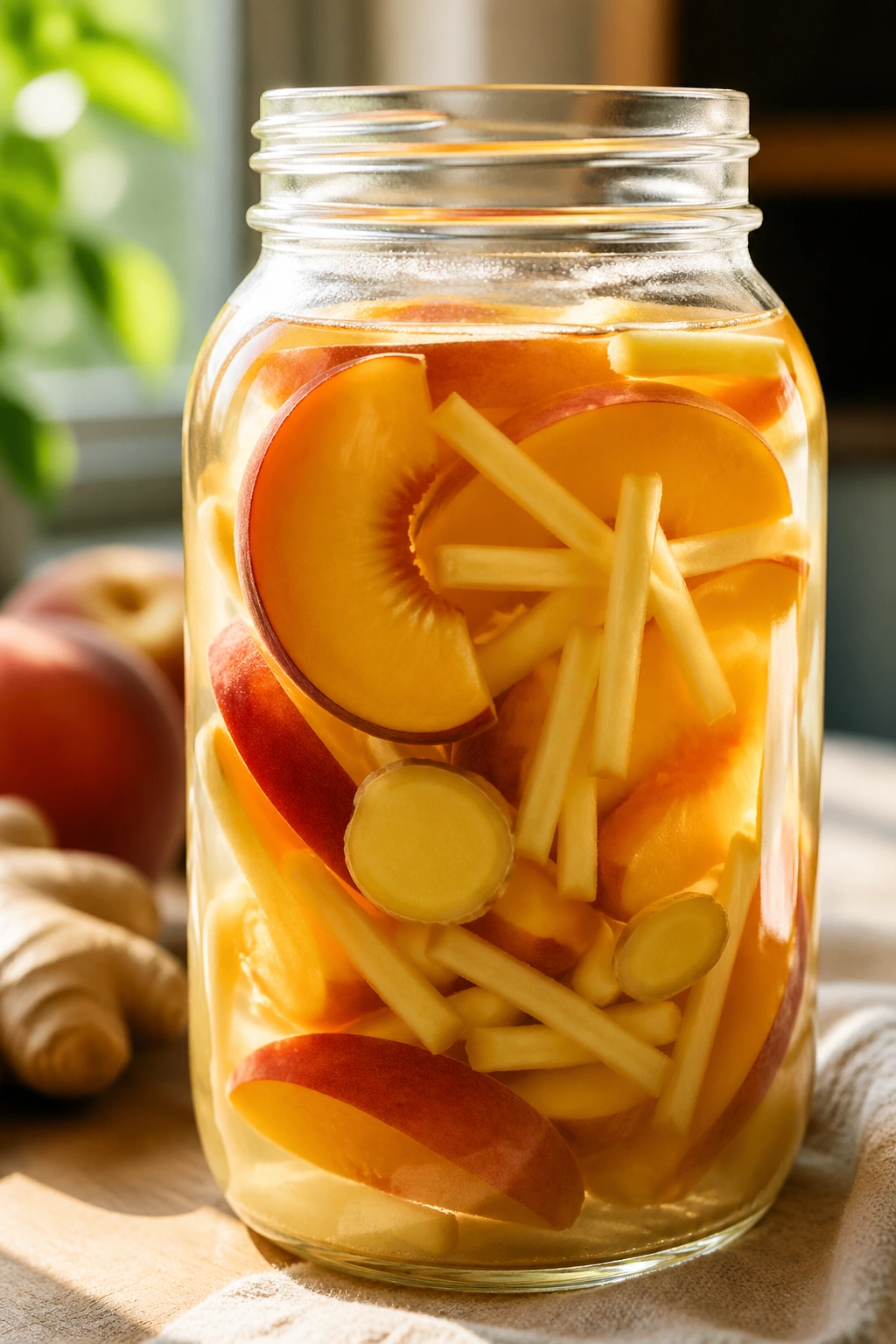
If you find ginger too spicy on its own, pairing it with the mellow, fuzzy sweetness of a ripe peach is the perfect compromise. The peach flavor is delicate and summer-like, while the ginger adds that necessary metabolic kick.
Choosing the Right Peach
Use yellow peaches for a sweeter, more intense flavor. White peaches tend to be more floral and subtle, which can get lost in the infusion. Make sure the peach is ripe—a hard, under-ripe peach will provide very little flavor to the water.
The Prep
Slice the peach and remove the pit. Add about an inch of sliced fresh ginger. If you find the ginger is still too strong, try blanching the ginger slices in hot water for 30 seconds before adding them to the pitcher. This removes the harsh, raw edge while keeping the warm, spicy notes.
14. Cherry and Lime Anti-Inflammatory Blend
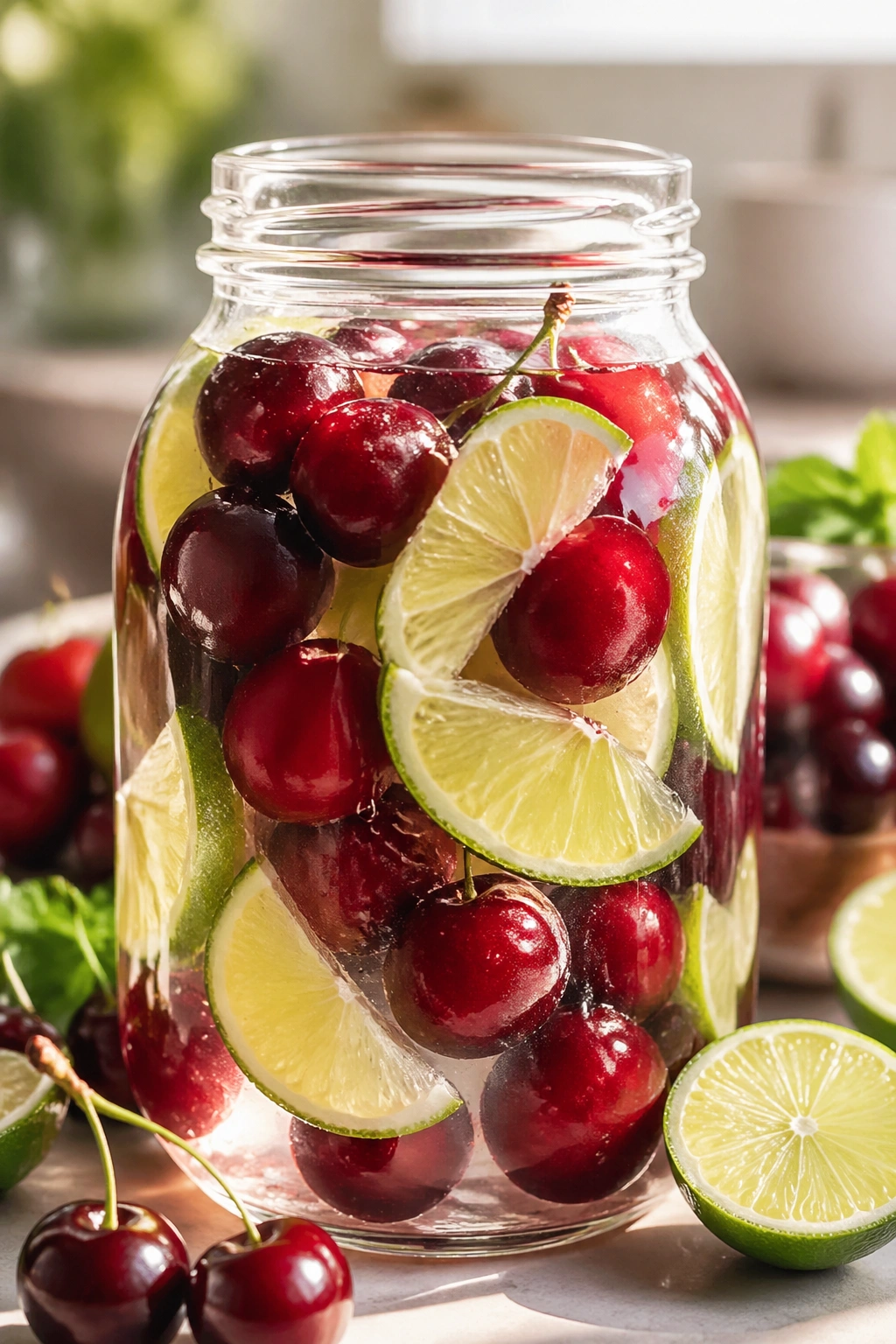
Tart cherries are a powerhouse for recovery. They are packed with anthocyanins, which are potent anti-inflammatory compounds. If you are doing workout routines to help with your weight loss goals, you are likely dealing with some muscle soreness. This drink is a great way to support recovery while staying hydrated.
Why This Combination Works
The tartness of the cherries pairs perfectly with the sharpness of the lime. It creates a profile that is very similar to a cherry-limeade but without the corn syrup. It is bold, bright, and deeply satisfying.
How to Use Cherries
You can use fresh or frozen cherries. If you use frozen, let them thaw slightly before adding them to the water, and be sure to pit them first. Lightly crushing the cherries helps the color bleed into the water, making it a vibrant, appealing shade of red.
15. Kiwi and Blackberry Refreshment
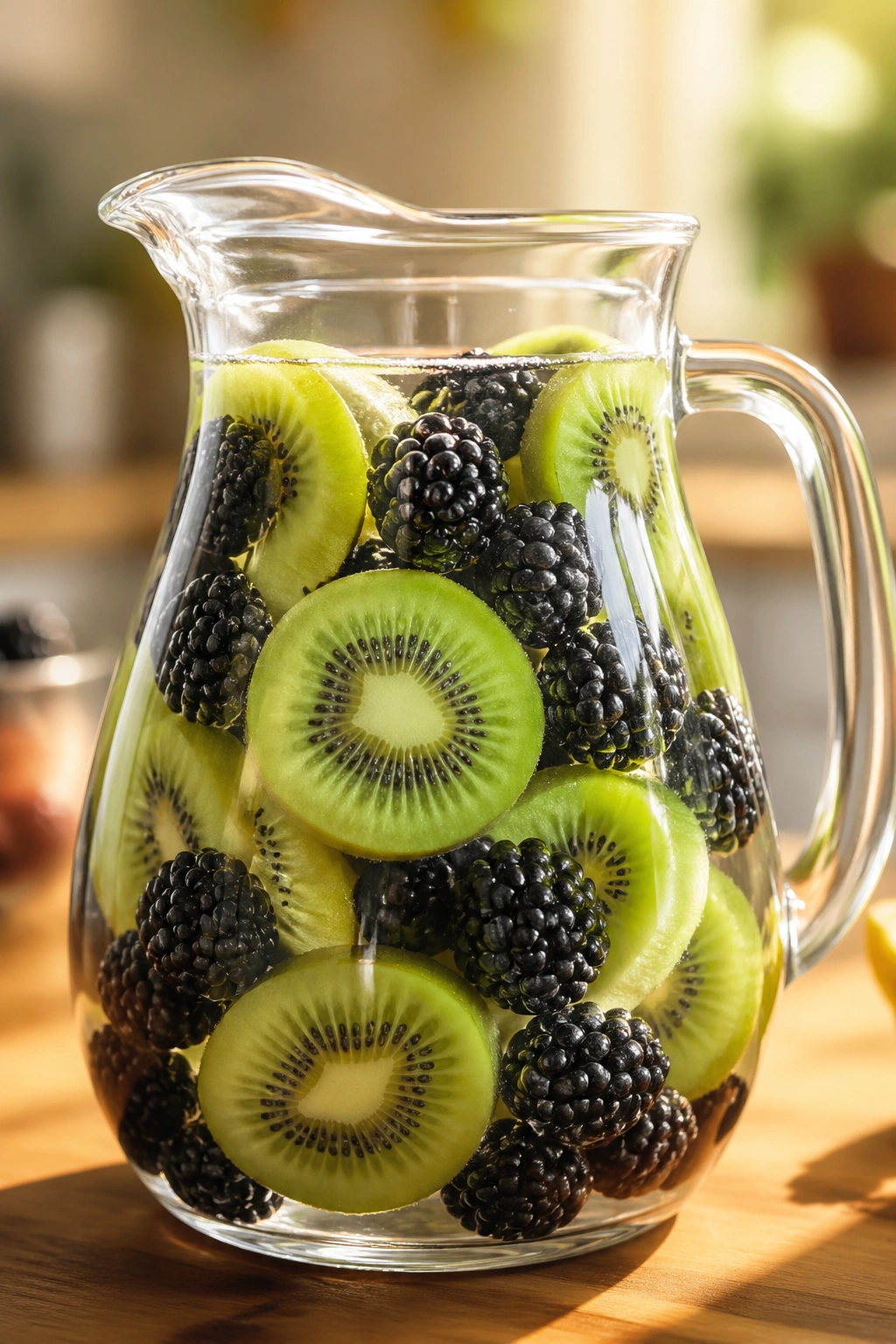
Kiwi is an underrated fruit for infusions. It contains actinidin, an enzyme that aids in the digestion of proteins, similar to the bromelain in pineapple. It also provides a distinct, tropical flavor that brightens up the darker, moodier notes of the blackberry.
The Visual Appeal
Kiwi slices are beautiful, and when you add them to the water, the black seeds of the kiwi and the dark berries create a striking visual. This is a drink that feels special.
Preparing the Kiwi
Peel the kiwi before slicing it. While the skin is edible, it can be fuzzy and unpleasant in a drink. Slice the kiwi into thin rounds, and add them to the pitcher along with a handful of blackberries. Let this steep for at least two hours to allow the kiwi flavor, which is fairly mild, to fully integrate with the water.
Essential Tips for Perfect Infusions
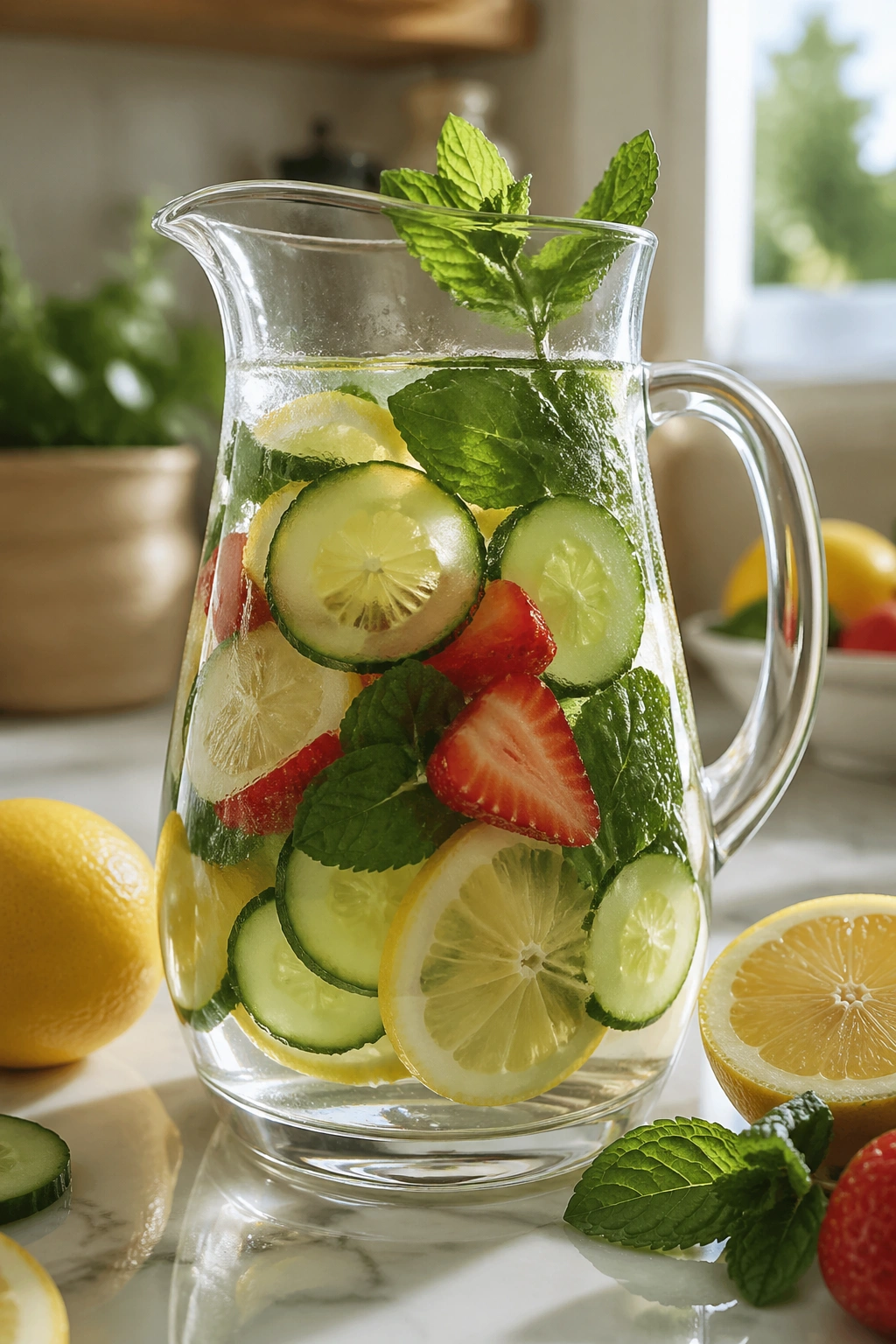
Now that you have fifteen recipes, you need to know the rules of the road. Infused water is simple, but there are a few technical details that separate a soggy, bland mess from a crisp, refreshing beverage.
The Vessel Matters
Always use a glass pitcher or a stainless steel container. Avoid plastic, especially if you are using citrus or acidic ingredients like ginger or pineapple. Acid can leach chemicals from lower-quality plastics, which not only affects the taste but can introduce unwanted compounds into your drink. Glass is inert, looks better, and is easier to clean.
The Soaking Time
Do not let your infusions sit out on the counter. Always keep them in the refrigerator. The cold temperature slows down the bacterial growth that can happen when produce sits in water. Generally, 2 to 4 hours is the “sweet spot” for most infusions. Anything longer than 24 hours usually results in the fruit getting mushy, which can make the water cloudy and impact the flavor negatively.
Preparation Shortcuts
If you want to be consistent, prep your fruit and herbs in advance. You can wash and slice your cucumbers, lemons, and ginger, and store them in small containers or bags in the freezer. When you are ready to make your water, just grab a handful, toss it into your pitcher, and fill it with water. This removes the “I don’t have time to chop fruit” barrier that often causes people to give up on their habits.
Managing the Sweetness
None of these recipes require sugar, and you should resist the urge to add any. The goal is to retrain your palate to enjoy the natural, subtle flavors of fruit and herbs. If you find the water is too bitter or “thin” at first, try adding a few extra slices of fruit rather than reaching for a sweetener. Over time, you will find that your cravings for artificially sweet beverages start to fade.
Why Hydration Is the Real Belly Fat Solution
You might be wondering how simply changing what is in your water can actually change your body composition. The answer isn’t that these ingredients have magical fat-burning properties, but rather that they replace the “silent” calorie sources that keep us from our goals.
Many people drink hundreds of calories a day without realizing it. Sweetened coffees, sodas, fruit juices, and even “enhanced” waters are often loaded with refined sugar. These drinks spike your blood glucose, causing your insulin levels to soar. Insulin is a storage hormone; when levels are high, your body is biologically primed to store fat rather than burn it.
By switching to infused water, you are removing those spikes. You are keeping your blood sugar stable, which keeps your insulin low. When your insulin is stable, your body is much more likely to tap into its stored fat reserves for energy.
Furthermore, water is essential for the lipolysis process—the breakdown of fats. If you are dehydrated, your liver is too busy helping the kidneys filter toxins to focus on metabolizing fat efficiently. By keeping yourself hydrated, you are ensuring your metabolic processes have the fluid environment they need to function at their best.
When to Avoid Infusions
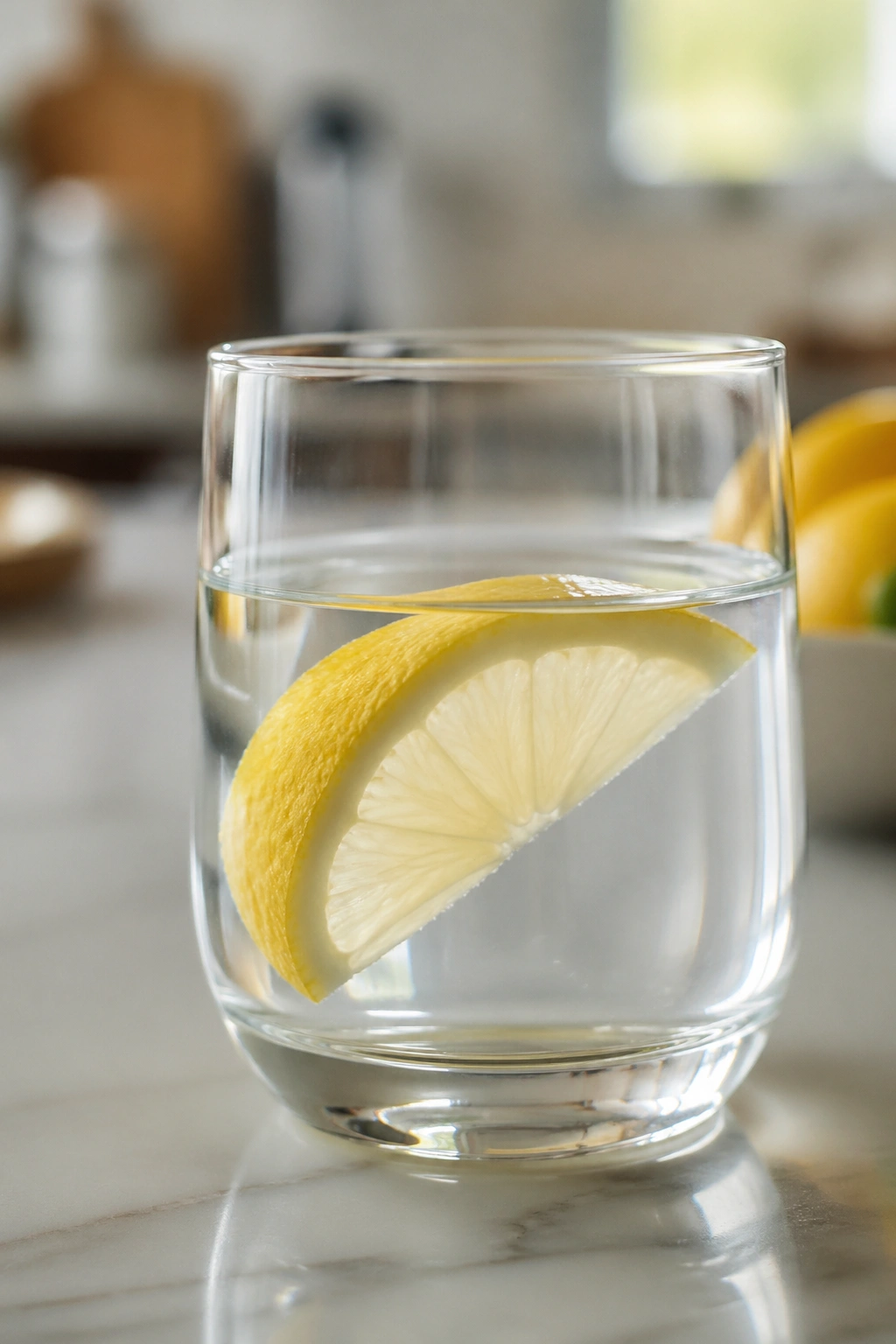
While infused water is a healthy habit, there are a few instances where you should be mindful. First, be aware of the acid content. If you have a sensitive stomach, GERD, or frequent heartburn, heavy citrus infusions (lemon, grapefruit, lime) might irritate your esophagus or stomach lining. In these cases, stick to the non-acidic infusions like cucumber-mint, pear-vanilla, or even the herbal blends like blueberry-sage.
Second, consider the fruit quality. If you are using non-organic produce, wash it very thoroughly. You are soaking the skins in your water, which means any pesticide residue could end up in your drink. A simple vinegar-and-water soak for your produce before you slice it can help remove residues.
Lastly, do not treat these as a replacement for water itself if you find you are having adverse reactions. For the vast majority of people, they are an excellent, low-risk way to boost intake. If you notice any digestive discomfort, rotate your ingredients. Perhaps ginger is too much for your system, or you have a mild sensitivity to mint. Listen to your body and adjust accordingly.
The Bottom Line
Drinking more water is one of the most basic, yet most impactful, things you can do for your health and your waistline. It helps with digestion, it improves skin health, it curbs hunger, and it keeps your metabolism running as it should. The infusion recipes provided here aren’t magic—they are tools.
Use them to make your daily hydration habit enjoyable. When you look forward to the crisp taste of cucumber and mint or the spicy kick of pineapple and jalapeño, you stop viewing water as a boring necessity and start viewing it as a ritual. That shift in perspective is exactly what creates lasting change. Don’t worry about trying all fifteen at once. Start with one that sounds appealing to you, prep a pitcher, and keep it in your fridge. Once you get used to the habit, branch out, experiment with your own combinations, and enjoy the process of becoming more hydrated and more energetic.
