



Slow, painful indigestion has a nasty way of making everything feel slightly wrong. One minute you’re fine, the next there’s pressure under the breastbone, a tight upper belly, a burp that won’t come out, and you’re stuck wondering whether to sit up, lie down, or pace the room like an annoyed cat.
Yoga can help, but only if you choose shapes that calm the abdomen instead of squeezing it. Gentle movement, slow breathing, and a little space around the ribs often do more for a grumpy stomach than any dramatic stretch ever will. The goal is not to force digestion. It’s to stop the body from bracing against it.
Do not treat sharp, new, or severe pain like a yoga problem. If the discomfort comes with vomiting, black stools, fever, chest pain, trouble swallowing, or weight loss, stop trying to fix it on a mat and get medical help. Same goes for pain that keeps returning or feels different from your usual indigestion.
Start with the least demanding shapes on the floor, keep your range small, and move like you’re trying not to wake a sleeping baby. That’s usually the smart way through slow, painful indigestion, and the first pose is about as simple as it gets.
1. Constructive Rest Pose
Constructive Rest Pose is the one I reach for when the stomach feels irritated but not alarming. Lie on your back, bend your knees, and place your feet flat on the floor about hip-width apart. That’s it. No effort, no fancy setup, no performance.
The point is to let the belly stop guarding. When your low back, abdominal wall, and jaw all unclench a little, the diaphragm has an easier time moving, and that can take some of the pressure out of the upper abdomen. A soft exhale matters more than how the pose looks.
Stay here for 2 to 5 minutes and breathe in through the nose for 4 counts, out for 6. If lying flat makes the burning worse, slide a folded blanket or pillow under your upper back so you’re not completely horizontal. Simple wins here.
2. Child’s Pose for Indigestion Pressure
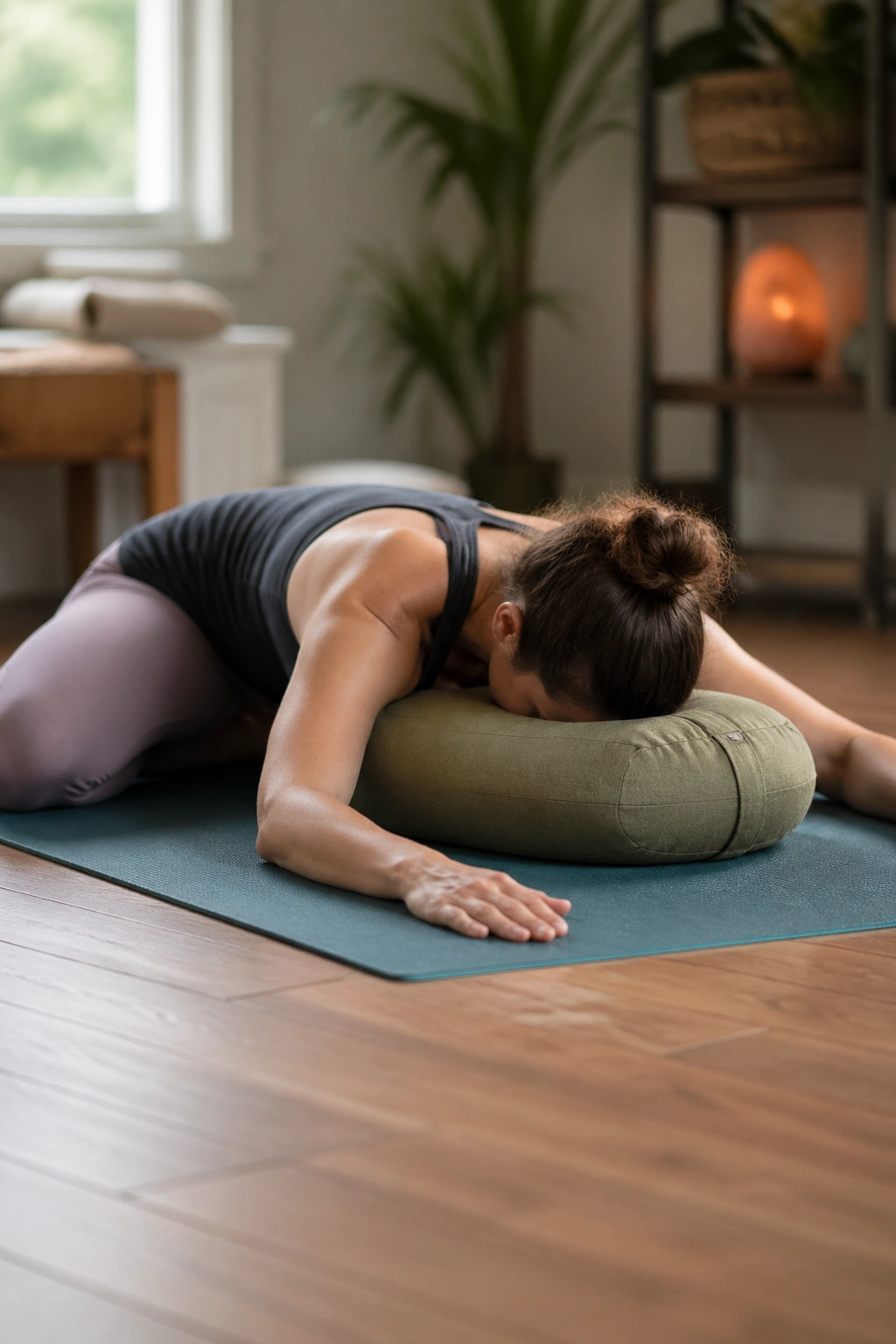
Child’s Pose looks peaceful, and when the stomach feels full and cranky, peaceful is useful. Kneel, separate the knees as wide as feels comfortable, and fold forward until your torso can settle somewhere without strain. If you jam the belly into the thighs, the pose stops helping.
How to Set It Up
- Keep the knees wide enough that the abdomen has room.
- Rest the chest on a bolster, firm pillow, or stacked blankets if the floor feels too low.
- Turn the head to one side only if the neck likes that; otherwise rest the forehead on support.
The wider-knee version is the one that tends to work best for slow, painful indigestion. Narrow knees can press the belly and make that heavy, trapped feeling louder. You want space, not compression.
Hold for 5 to 8 breaths, then come up slowly. If your symptoms are more like acid reflux than gas, keep the torso a little higher rather than folding deep. A small incline can be the difference between comfort and misery.
3. Cat-Cow

Cat-Cow is one of those plain, almost boring movements that turns out to be worth a lot. On hands and knees, you gently arch the spine on the inhale and round it on the exhale. The abdomen gets a soft massage from the changing shape of the torso, and that can help when things feel stuck.
Keep the movement small. Big, showy Cat-Cow is unnecessary here. Let the pelvis tip only as far as the breath wants, and stop before the lower back starts pinching or the belly feels squeezed.
Do 5 to 10 slow rounds. If the wrists complain, drop onto forearms or place your hands on a couch or bed so the angle is easier. The rhythm matters more than depth. Inhale, open. Exhale, round.
A lot of people rush this pose. Don’t. Slow, even pacing is the whole reason it helps with digestion-related tension.
4. Knees-to-Chest Pose
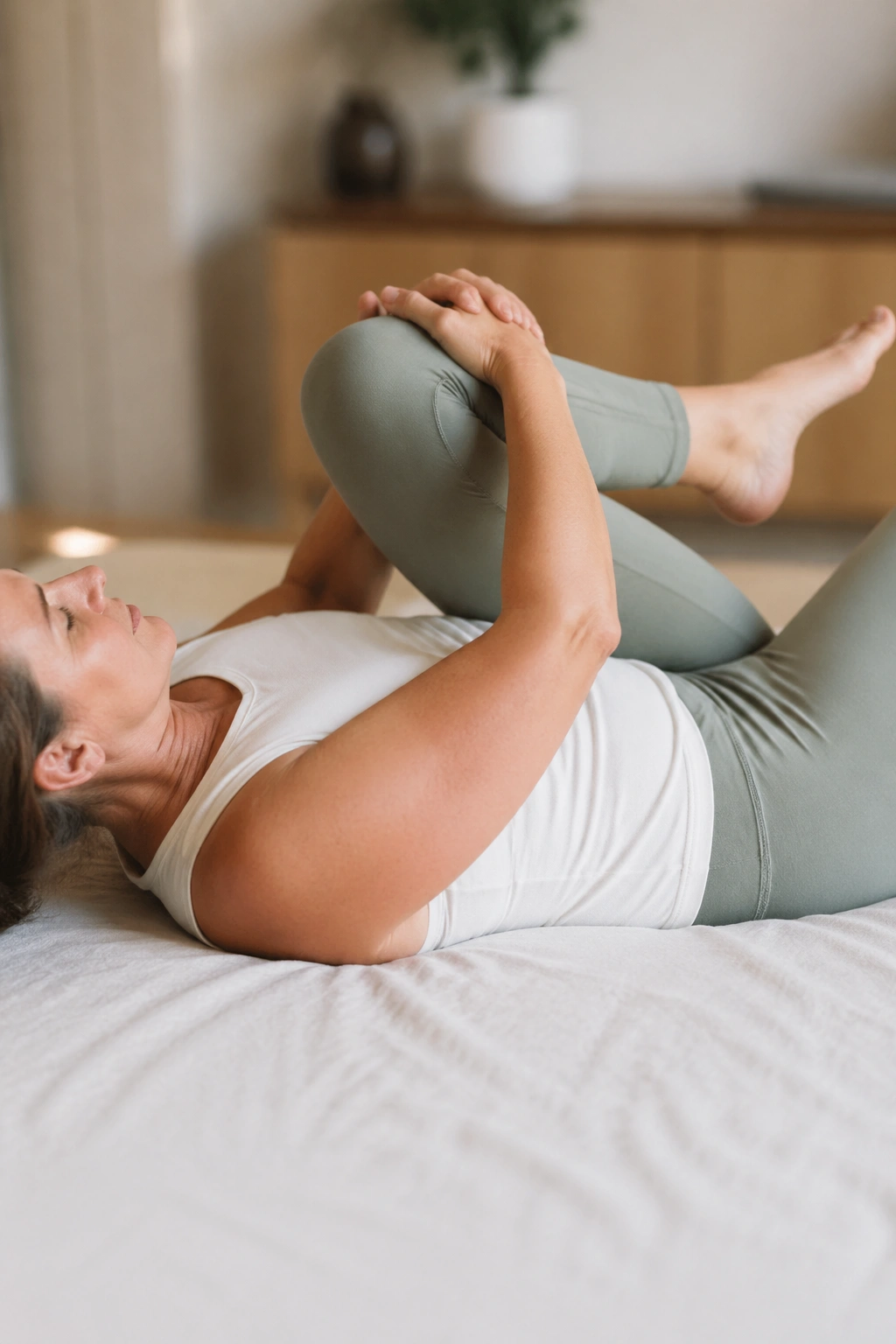
What if the belly feels too full for anything clever? Knees-to-Chest Pose is the answer. Lie on your back and draw one knee at a time toward the chest, or bring both knees in if that feels gentle enough. The shape is compact, but it doesn’t need to be aggressive.
A Gentler Version Usually Works Better
- Keep the tailbone heavy on the floor.
- Hold behind the thighs if gripping the shins feels too tight.
- Rock side to side in tiny motions if gas feels trapped.
I like the one-knee version when indigestion comes with a lot of pressure and not much appetite for deep bending. The both-knees version can feel nice too, but it compresses the belly more, so use it only if that compression feels soothing rather than irritating. If you catch yourself holding your breath, back off.
Stay for 20 to 30 seconds, release, and repeat a few times. Sometimes that little cycle of compress and release is enough to shift the uncomfortable fullness.
5. Wind-Relieving Pose for Gas and Indigestion
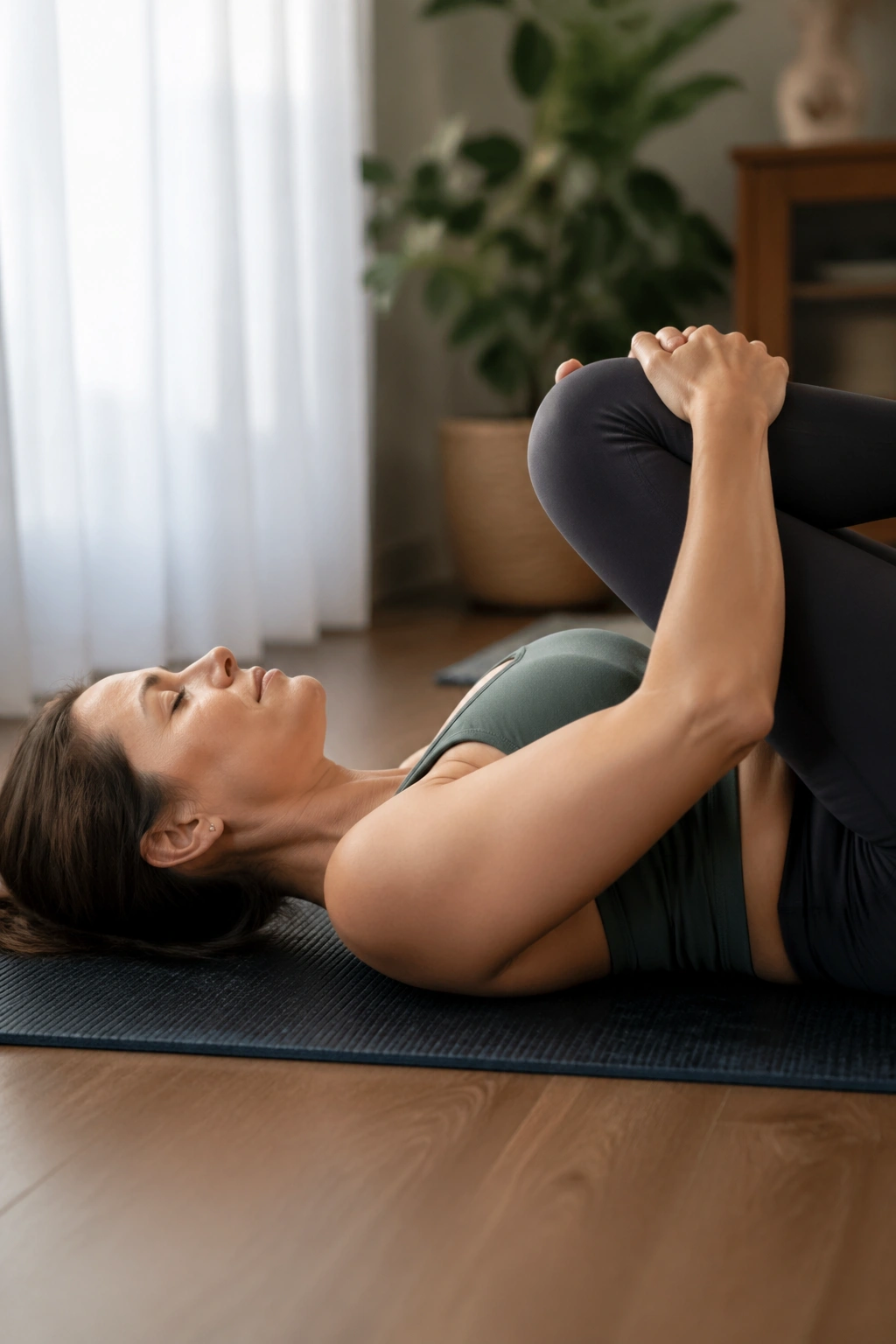
Why does this one show up in so many yoga classes for gas? Because it does exactly what the name says, and it does it without making a scene. One knee or both knees come toward the belly, then you pause and let the abdomen soften around the shape.
The one-leg version is usually the safer place to start. Lie on your back, draw the right knee in, then switch sides. If that feels too mild, try both knees in together and hold them with the hands or forearms. No yanking. Just steady contact and a slow exhale.
How to Use It
- Hold 3 to 5 slow breaths on each side.
- Keep the neck and shoulders loose.
- Release, rest, and repeat once or twice if it helps.
If you have reflux, this pose can be a mixed bag because the belly is compressed. That does not make it bad, but it does mean you should listen closely. If the burning climbs, come out of it. No pose is worth feeding the fire.
6. Supine Twist
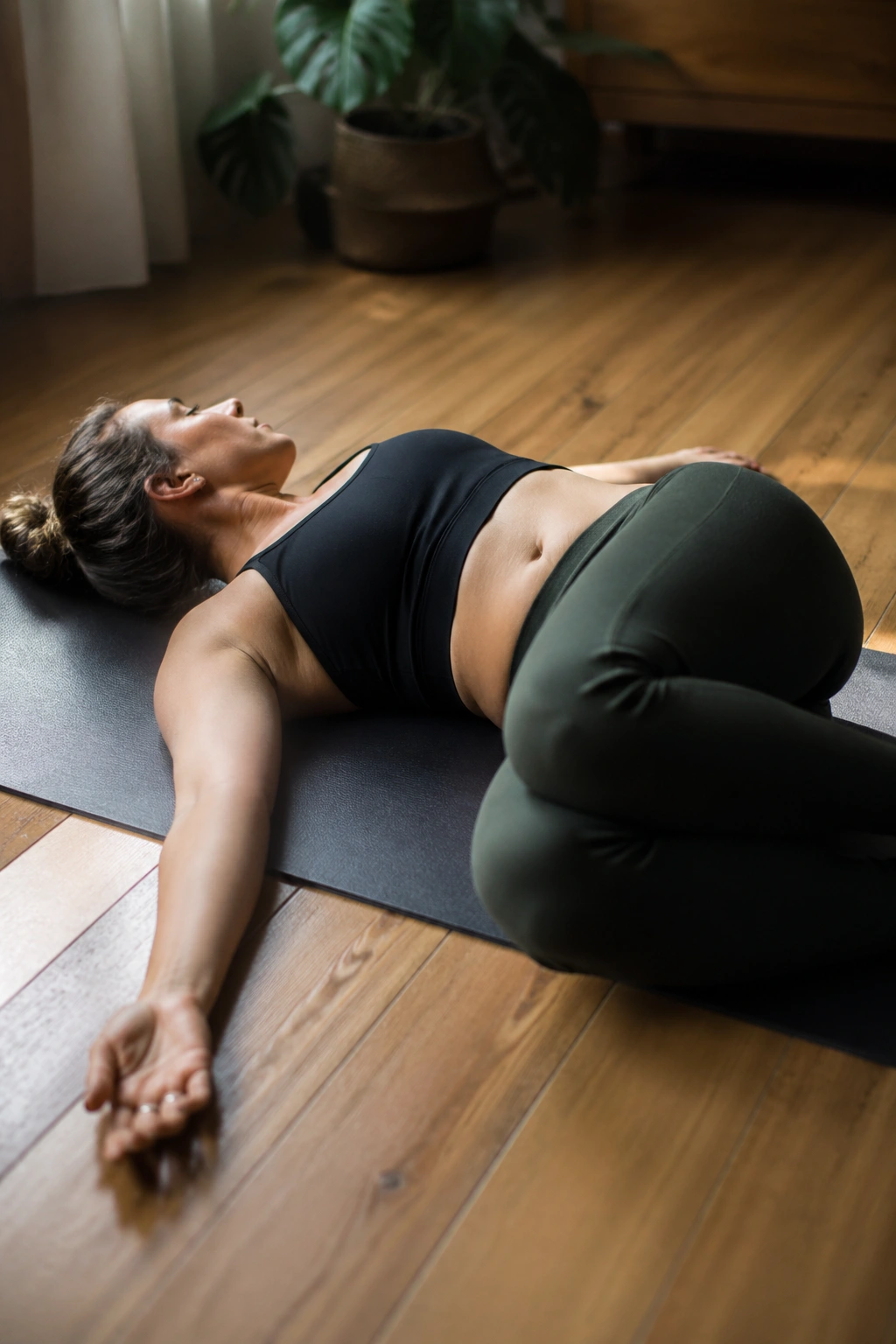
Supine Twist is useful when indigestion comes with that weird, dragging feeling in the torso and lower back. Lie on your back, bring the knees together, and let them fall to one side while you keep the shoulders heavy on the floor. The twist should feel like a squeeze-and-release, not a wring-out.
I usually tell people to make the twist smaller than they think they need. A shallow twist is often better for a tender stomach than a heroic one. If the chest turns tight or the throat feels annoyed, the twist is too deep.
Stay for 5 slow breaths on each side. If your knees don’t reach the floor, place a pillow or block under them. That support changes the whole feel of the pose, and for digestion work, support is often the smarter choice.
Skip this one if reflux is active and bending sideways makes the burn worse. There’s no prize for pushing through that.
7. Happy Baby

Happy Baby looks playful, but it’s actually a quiet little reset for the lower body. Lie on your back, bend the knees toward the armpits, and hold the outer feet, ankles, or the backs of the thighs. The knees can stay a little wider than the torso so the belly isn’t trapped.
Unlike a deep twist or a hard crunch, Happy Baby keeps the back supported while opening the hips. That combination can feel good when indigestion comes with tension in the pelvis and low back. It’s a release shape, not a strength move.
Best Version for a Touchy Stomach
- Keep the knees bent more than you think.
- Hold the thighs instead of the feet if the groin or hamstrings pull.
- Rock gently only if the motion feels calming.
Three to five breaths is enough. If you want to stay longer, let the shape get smaller rather than deeper. A calm version of this pose is far more useful than a dramatic one.
8. Legs Up the Wall
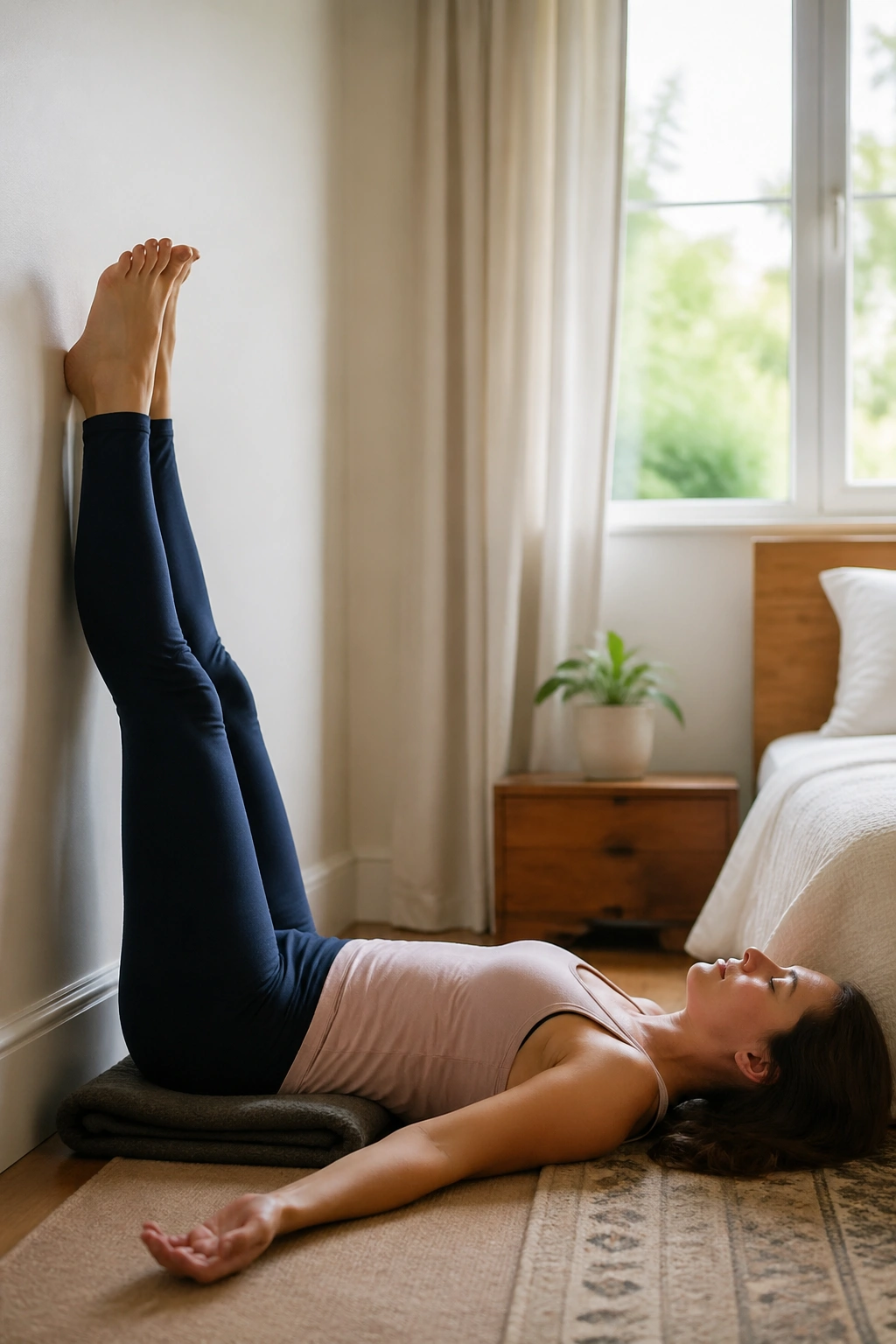
The first time you do Legs Up the Wall during indigestion, you may wonder why everyone is so fond of it. Then you stay there for two minutes and feel your breathing slow down, and the answer gets clearer. It is one of the easiest ways to take the load off the belly without asking the body to do much at all.
Sit one hip close to a wall, swing the legs up, and let the back lie on the floor. If the hamstrings pull, slide a little farther from the wall so the legs can rest without strain. A folded blanket under the pelvis is optional, not required. Comfort comes first.
When It Helps Most
- After the sharpest part of the discomfort has passed.
- When the body feels heavy, tense, or overworked.
- When you need to stop fidgeting and breathe normally again.
This pose won’t always move gas right away, and that’s fine. Sometimes the win is less dramatic: less bracing, less urgency, less noise in the chest.
9. Reclined Bound Angle Pose
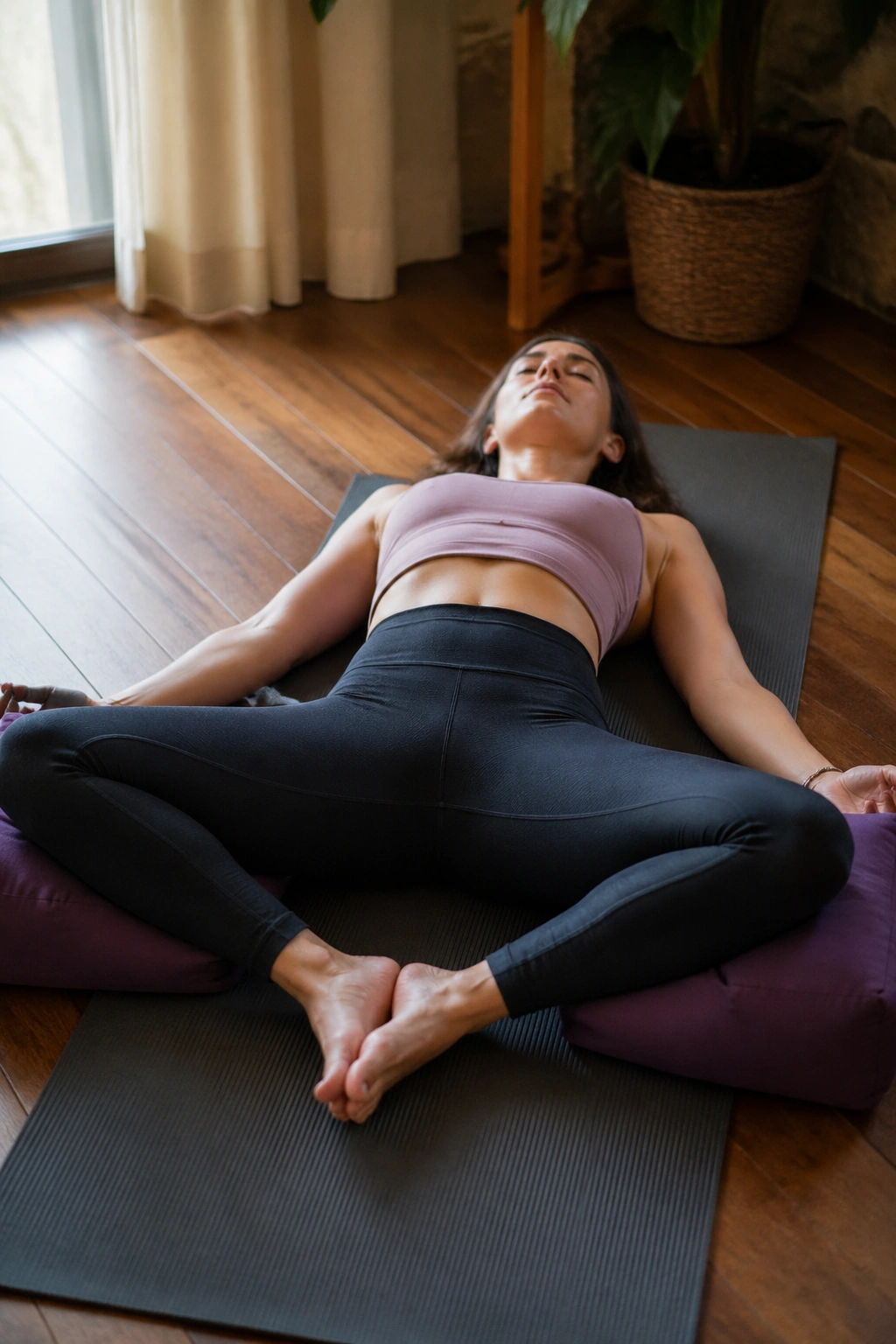
Reclined Bound Angle Pose gives the front of the body space without forcing the abdomen to crunch. Lie back, bring the soles of the feet together, and let the knees open out to the sides. If the inner thighs complain, prop each knee with a pillow, block, or rolled blanket.
This is one of the better shapes for the “my stomach feels tender and my whole torso feels clenched” kind of indigestion. The chest opens a little, the hips soften, and the breath has room to spread. It should feel spacious, not strung out.
Stay for 1 to 3 minutes with a hand on the lower ribs if that helps you notice the breath moving. If the groins tug too much, bring the feet farther from the pelvis and support the knees higher. Tiny adjustments matter a lot here.
This pose is especially nice when the stomach is irritated after stress. The body often carries that stress in the front of the ribs, and this shape quietly unwinds that pattern.
10. Sphinx Pose
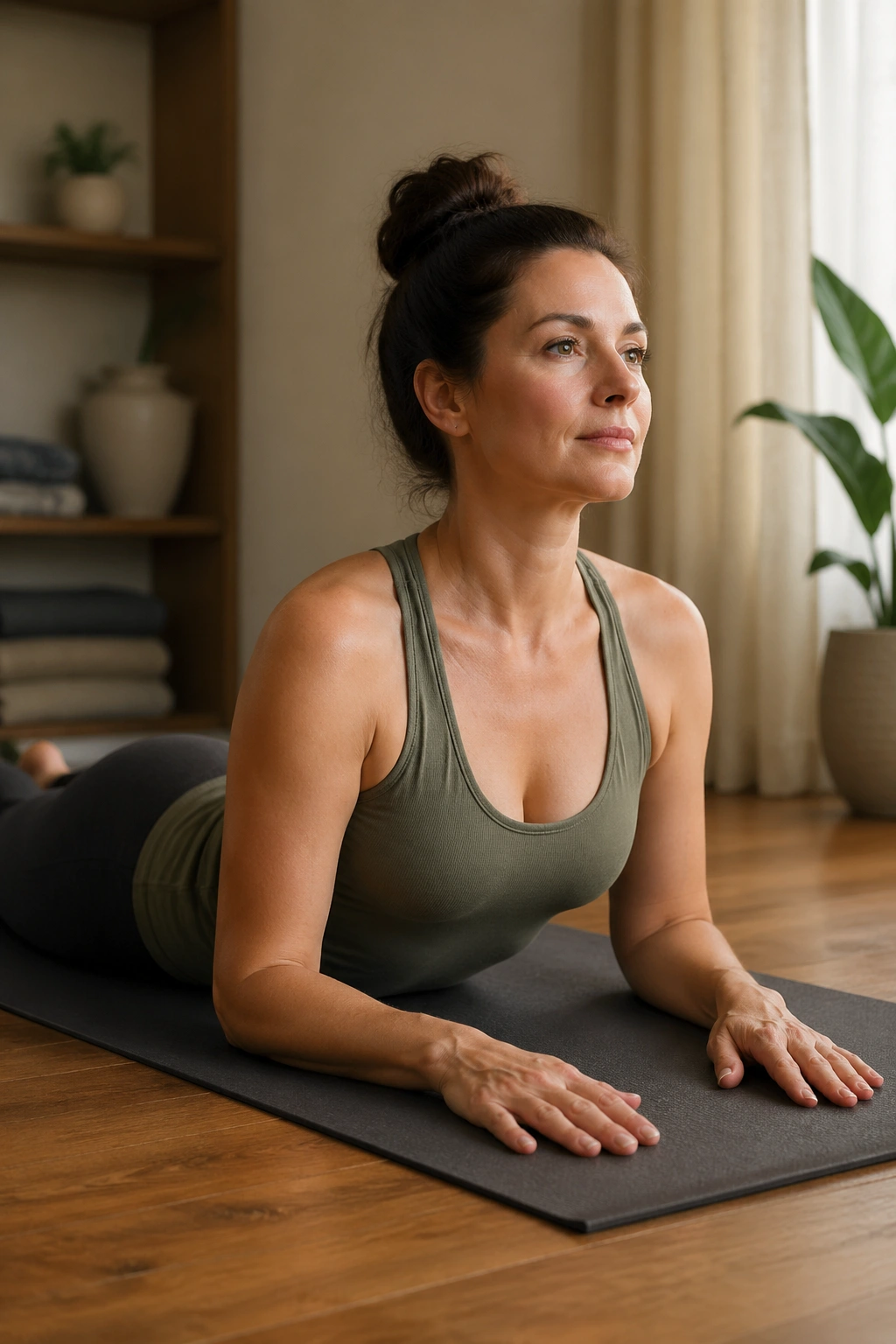
Can a gentle backbend help indigestion? Sometimes, yes. Sphinx Pose is a low, mild version that lifts the chest without folding the belly in half. Lie on your stomach, place the forearms on the floor, and stack the elbows under the shoulders. The belly stays on the ground, but the chest gets a little lift.
Make It Smaller Than You Think
- Keep the forearms slightly forward if the low back pinches.
- Press the pubic bone down to keep the lumbar spine from jamming.
- Soften the glutes instead of squeezing them.
A lot of people take this too high, too fast. Don’t. The point is a tiny opening, not a big cobra-like shape. If the low back works harder than the upper chest, come down.
Sphinx can help when indigestion feels worse after hunching over a desk or slumping on the couch. That slumped posture compresses the upper abdomen; a mild lift can feel like taking your ribs off a shelf.
11. Bridge Pose
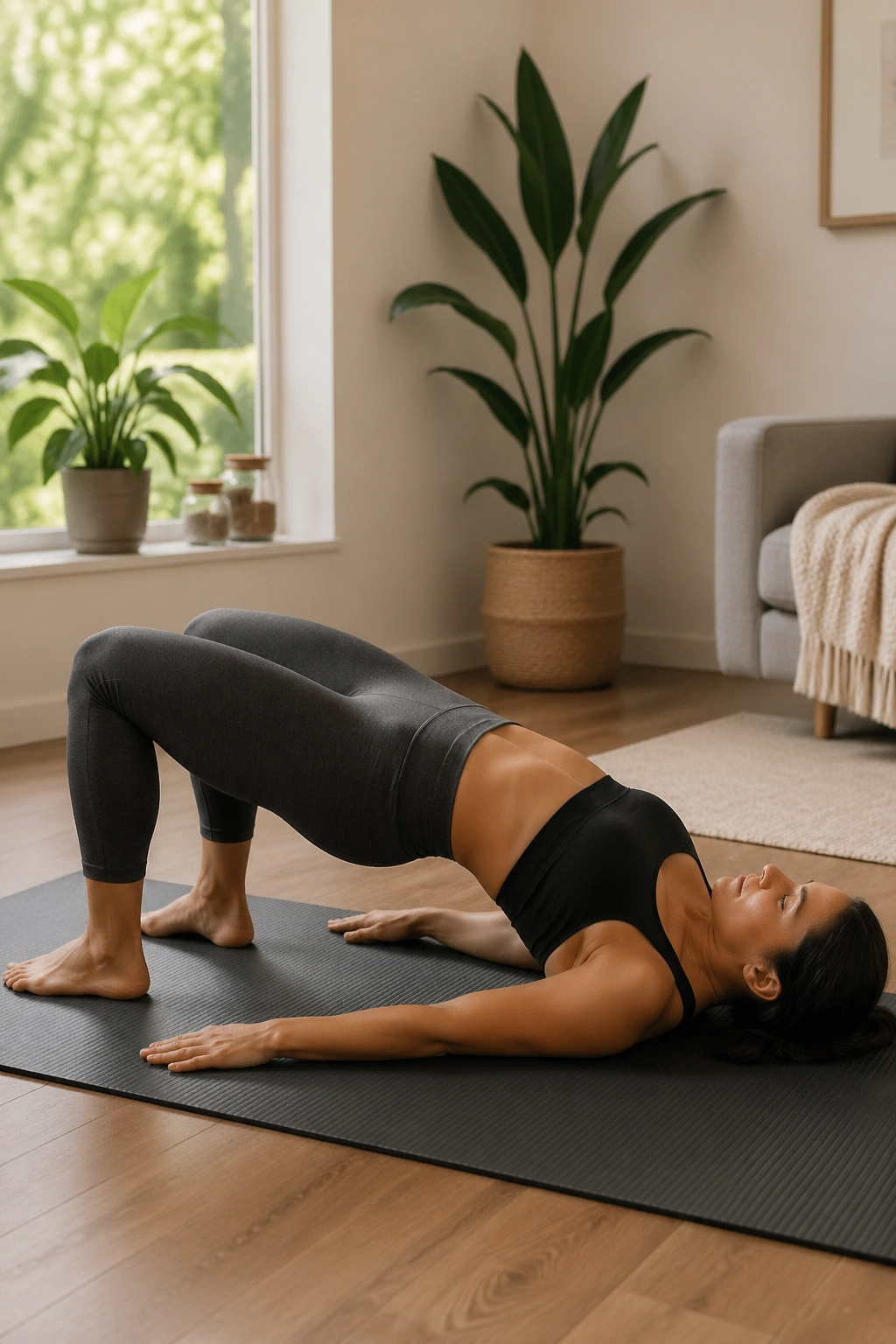
Bridge Pose can be a good choice when you want a little movement but not a full-on workout. Lie on your back, bend your knees, and lift the hips just enough that the front of the body opens. The lift does not have to be high. In fact, a modest bridge usually feels better for digestion than a big one.
A soft Bridge helps if the body feels sluggish or folded in on itself. Keep the ribs from flaring, and don’t squeeze the butt hard. The belly should stay relaxed while the hips do the work.
Hold for 3 breaths, lower slowly, and repeat 2 or 3 times if it feels good. If lifting the hips makes the stomach feel like it’s being pushed upward in a bad way, skip it. That’s usually a sign that a flatter resting pose would be wiser.
One thing I like here: the pose reminds the body that it doesn’t need to collapse around discomfort. That tiny change in posture can matter.
12. Supported Fish Pose for Indigestion After a Heavy Meal
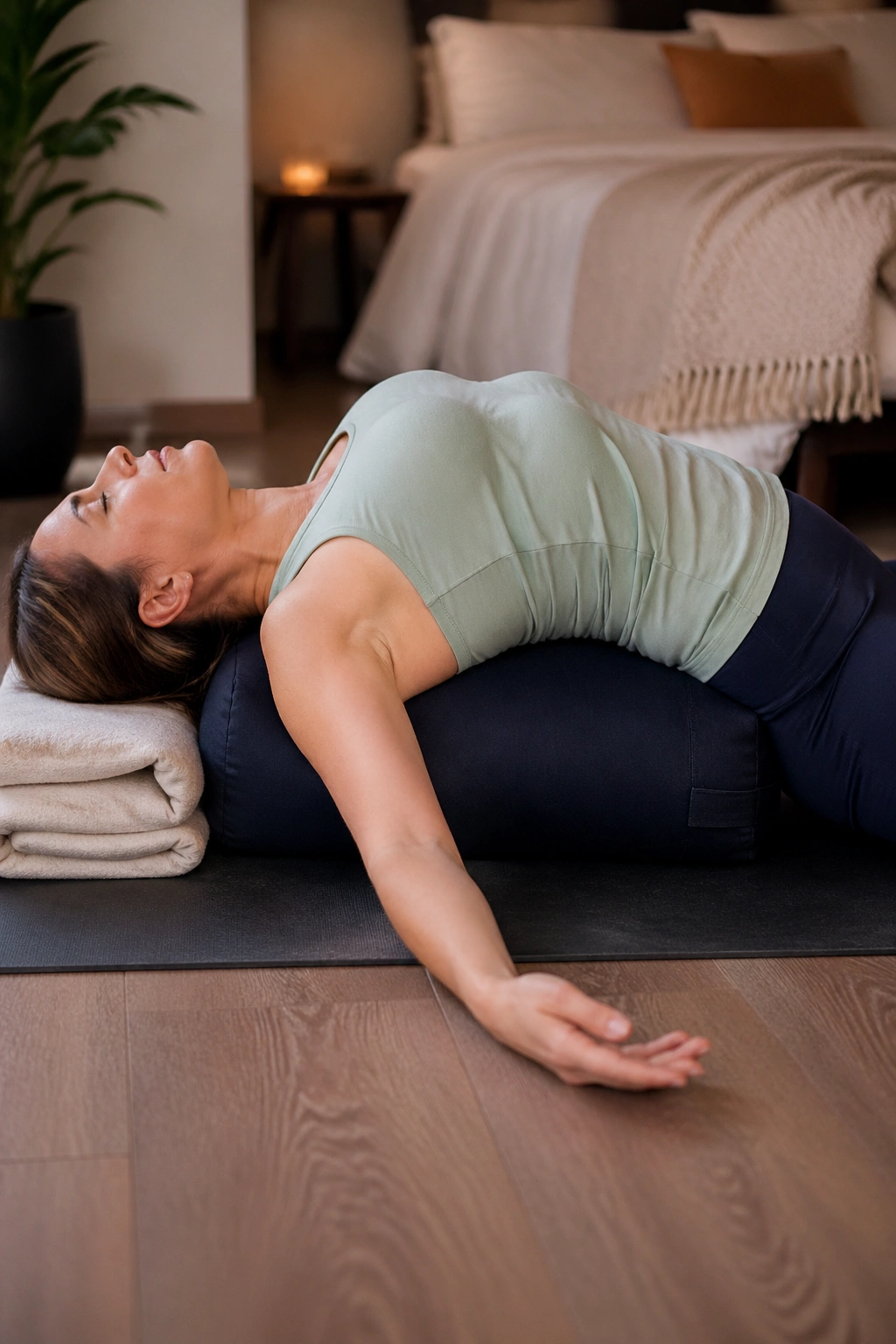
Supported Fish Pose is the sort of backbend that feels luxurious when the body is tired and the belly is annoyed. The support is the key. Lie back over a bolster or a rolled blanket placed along the spine, from low ribs to upper back, and let the chest open without effort.
Compared with a regular backbend, this version is far kinder to a sensitive stomach. The support does the work, so the body can unclench instead of brace. If the pose makes acid rise, lower the support or skip it entirely.
A folded blanket under the head may help if the neck feels exposed. Stay for 1 to 2 minutes and keep the breath easy. If you’ve had a very heavy meal, wait until the pressure eases before trying this one; otherwise the opening can feel a bit too much.
This pose is less about fixing digestion and more about calming the whole front side of the body. That still counts.
13. Seated Forward Fold
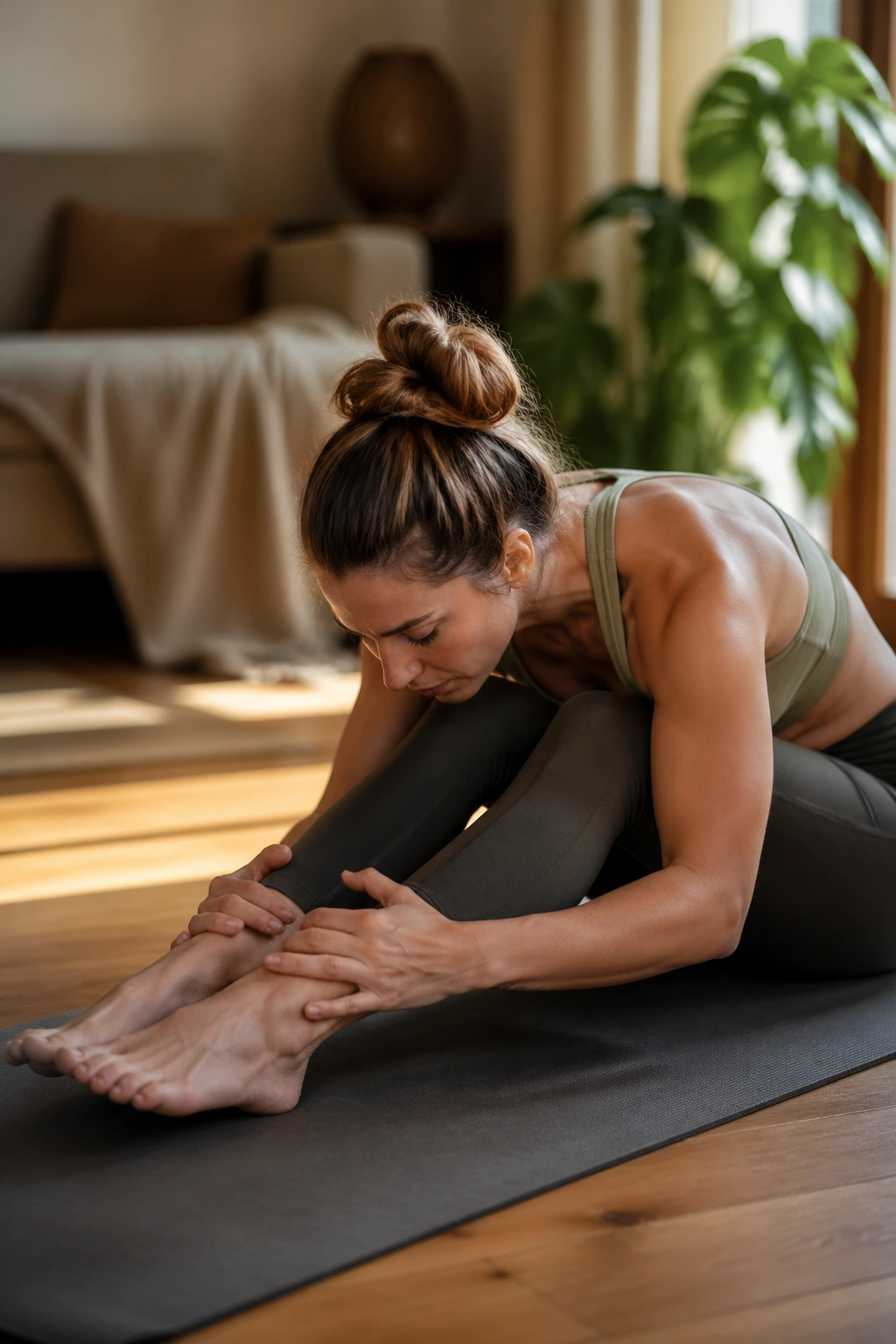
Seated Forward Fold is useful only if the stomach has settled enough to tolerate a little bend. Sit on a folded blanket so the pelvis can tip forward more easily, then bend the knees as much as needed and fold from the hips rather than curling the spine hard. A soft fold is the target.
A lot of people try to reach their toes here. That’s not the point. The point is to quiet the nervous system and gently lengthen the back body while leaving the belly room to breathe. Bend the knees first, then decide how far to go.
The Mistake Most People Make
- They lock the knees and pull with the arms.
- They fold too deep and compress the stomach.
- They hold their breath because the stretch feels “productive.”
That last one is the sneaky problem. If you have to strain, the pose has gone past useful. Stay for 5 slow breaths, or less if the belly is still touchy.
14. Wide-Legged Forward Fold

Wide-Legged Forward Fold can be nice when indigestion comes with a puffy, scattered feeling in the torso. Stand with the feet wide, soften the knees, and hinge forward only a little. Hands can rest on blocks, on a chair seat, or on the shins. There is no medal for getting your head to the floor.
Small is smart here. A shallow fold with support often feels better than a deep one, especially if the stomach is still sensitive. Keep the spine long and the belly soft.
If standing feels wobbly, do this with the feet closer together or use a wall behind you so you feel more grounded. Stay for 3 to 5 breaths and come up slowly with bent knees. If you feel a rush of pressure in the head or chest, exit sooner.
This pose can be useful later in the day, after the worst part of the stomach discomfort has eased. It is less about instant gas relief and more about helping the body stop holding itself so tightly.
15. Savasana with Bolster Under the Knees
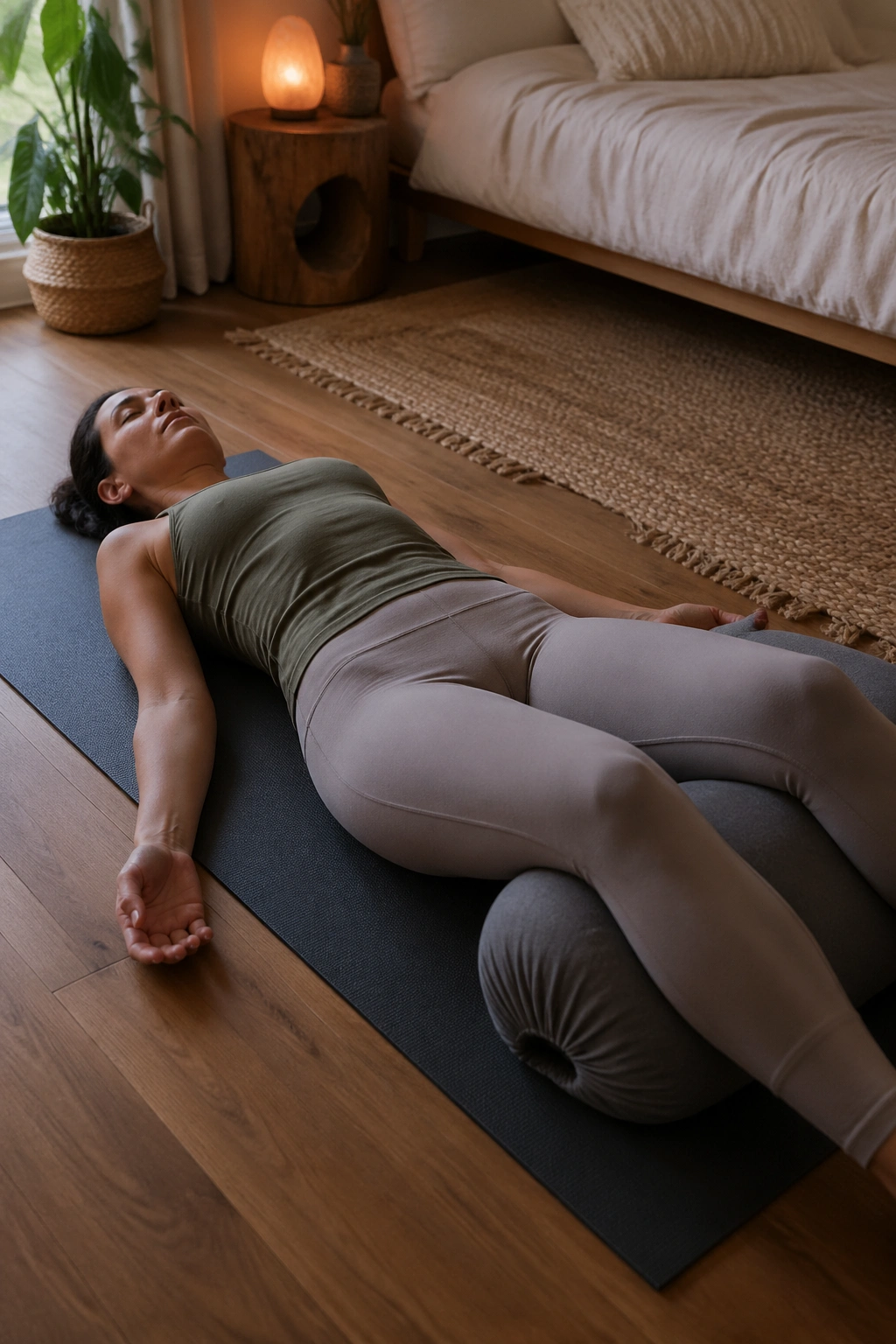
Savasana with support under the knees is a very plain finish, and plain is good when the gut has been difficult. Lie on your back, place a bolster, pillow, or rolled blanket under the knees, and let the feet fall open. If the low back feels flat or strained, this little lift changes everything.
A Calm Setup Matters
- Put a thin cushion under the head if the neck needs it.
- Cover the eyes with a cloth or a soft shirt.
- Let the hands rest palm-up if that feels comfortable.
Stay for 5 to 10 minutes if you have the time. The body often needs a little while to realize it is safe to stop bracing. Do not rush the exit. Roll to one side first, pause, and then press up.
This is the pose I’d choose when the stomach is still irritated but you want one clear signal to the nervous system: we’re done fighting now.
Final Thoughts
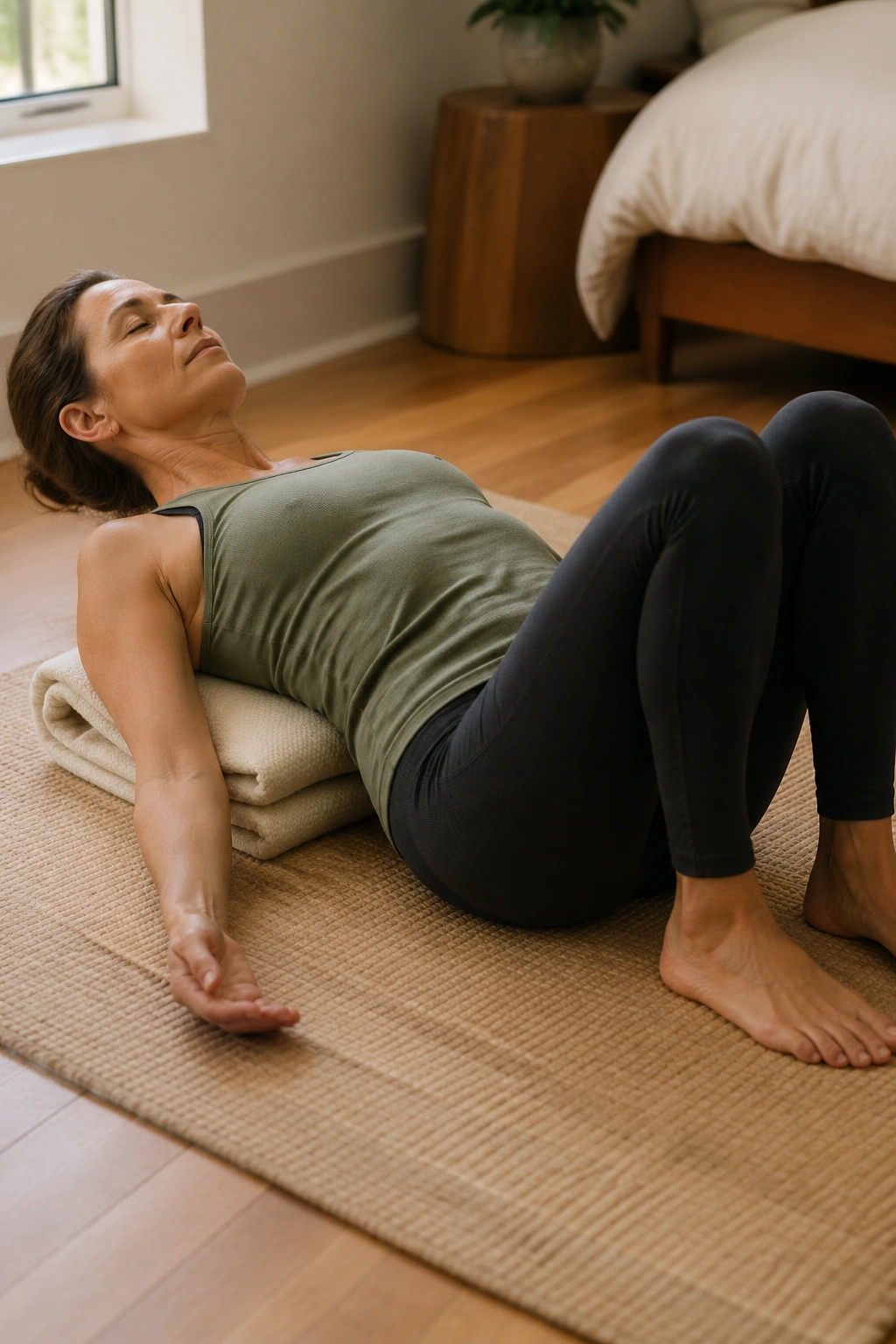
With indigestion, the smartest yoga often looks almost too gentle to matter. That is usually a good sign. Soft breathing, small shapes, and a little support under the body tend to do better than deep stretches and forceful twists.
If a pose makes the burning, pressure, or nausea worse within the first few breaths, leave it. Your body is not being dramatic. It is giving you information. Use that information and move to something quieter.
And if slow, painful indigestion keeps showing up, do not keep guessing on the mat. A good checkup beats endless trial and error, especially when the discomfort is sharp, persistent, or new.
