



If you want upper body workouts for toned arms and back, stop treating biceps curls like the whole story. Curls have their place, but the shape people notice in a sleeveless shirt comes from a lot more: rows, presses, rear-delt work, triceps, and the muscles that keep your shoulder blades from drifting forward.
Curls alone won’t do it.
A better routine gives your back something to do besides just “hold posture,” and it gives your arms enough real work to look firmer when they’re relaxed. That means pressing and pulling, yes, but also smarter exercise choices that hit the triceps and rear delts — the two areas people skip until their shoulders start rounding and their arms stop looking defined from the side.
The list below leans hard into that idea. Some moves use dumbbells, some use cables or bands, and a few need nothing but your bodyweight and a bar. Use them well, keep the reps honest, and the work adds up fast. Start with the row.
1. Bent-Over Dumbbell Row
A bent-over dumbbell row is boring in the best way. It asks for good hips, a flat back, and a clean pull toward the ribs — no swinging, no heaving, no pretending the weight is lighter than it is.
Why It Works
This move hits the lats, mid-back, rear delts, and biceps in one clean pattern. Your back does the main job, and your arms help finish the pull, which is exactly why the exercise belongs in any upper body workout for toned arms and back.
Keep your torso angled forward about 30 to 45 degrees, and let the dumbbells hang under your shoulders before you row. Pull them toward your hips if you want more lat work, or toward your lower ribs if you want a little more upper-back emphasis.
- Use 3 to 4 sets of 8 to 12 reps
- Keep your neck long and your chest proud
- Pause for 1 second at the top
- Stop the rep when the dumbbell starts drifting away from your body
Tip: If your lower back feels tired before your back muscles do, the weight is too heavy.
2. Push-Ups
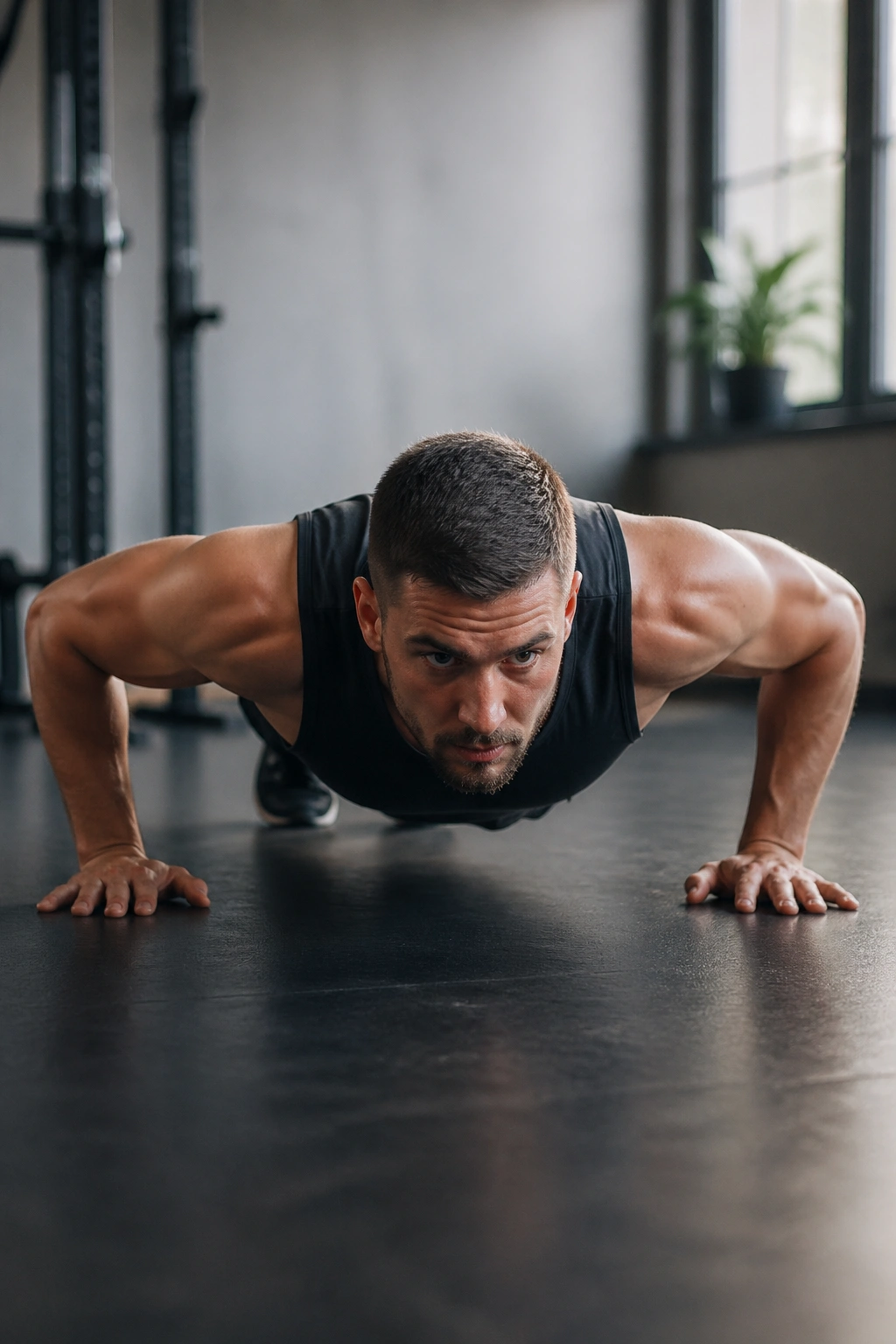
Push-ups train more than the chest. Done with control, they light up the triceps, front shoulders, and the muscles that keep your torso from sagging into the floor.
A lot of people rush them. That’s the mistake. Slow down the lowering phase, keep your elbows at about 30 to 45 degrees from your sides, and let your chest come close to the floor without losing tension through your midsection. The triceps do more work when the last third of the press is honest.
If standard push-ups are ugly, start on a bench or countertop. That’s not cheating. It’s smart scaling. A cleaner incline push-up beats a sloppy floor rep every time, and it gives you room to build the strength that makes the full version feel natural.
Try 3 sets of 6 to 15 reps, stopping one or two reps before your form breaks. If your hips droop or your chin reaches for the floor first, reset. The rep is over.
3. One-Arm Dumbbell Row
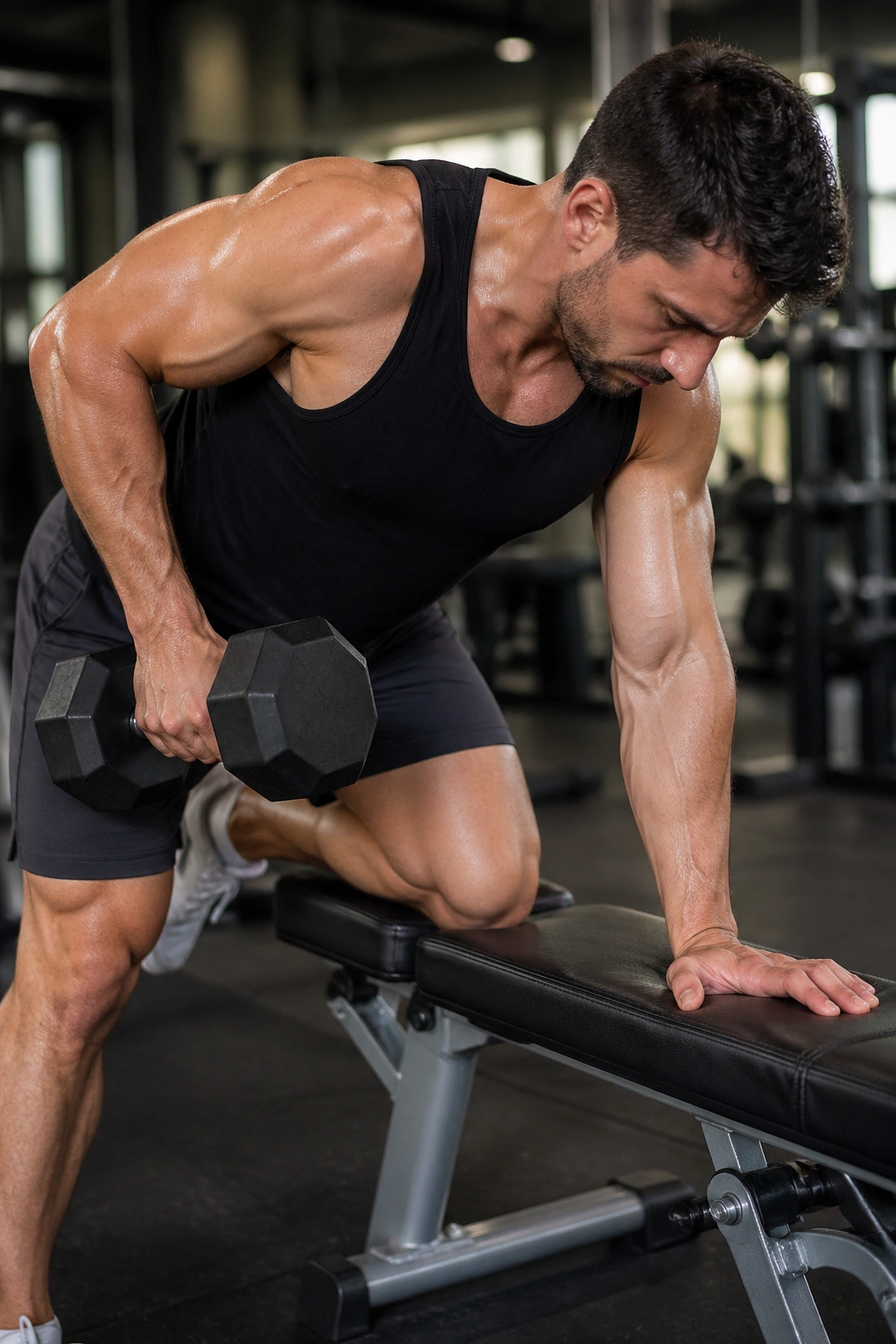
Why do so many good back routines keep coming back to the one-arm row? Because the exercise forces each side to work on its own. No side can hide.
How to Use It
Brace one hand and knee on a bench, let the working arm hang straight down, and row the dumbbell toward your hip. The path matters. A straight pull to the ribs feels different from a pull toward the shoulder, and the hip-level version usually gives your lat more of what it wants.
The real trick is control. Don’t twist your torso to help the dumbbell up. A little body sway turns the exercise into a shrug-and-jerk mess, and that does almost nothing for the muscles you’re trying to train.
- Best with 3 sets of 8 to 10 reps per side
- Use a bench or sturdy chair
- Keep the shoulder from rolling forward at the bottom
- Lower the weight for a full count of 2 to 3 seconds
This is one of those lifts that looks simple until you do it right. Then it bites.
4. Triceps Dips
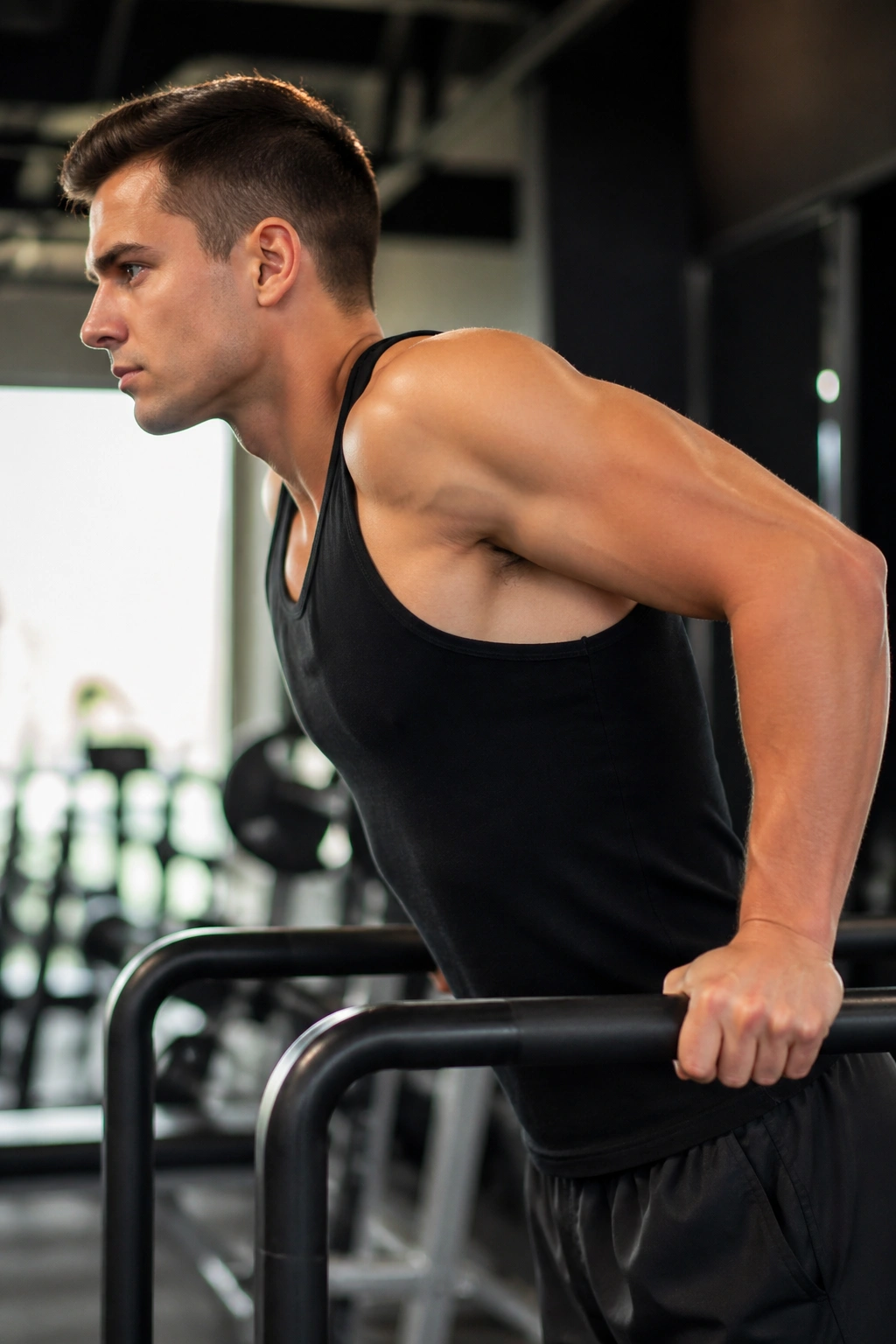
The backs of your arms are often the first place sleeves betray weak training. Triceps dips fix that in a hurry, but only if you keep the shoulders in a safe line and avoid dipping so low that the front of the shoulder complains.
Use parallel bars, a sturdy bench, or a dip station. Lower until your upper arms are about parallel to the floor, then press back up by driving through the palms. If the bench version makes your shoulders feel pinched, skip it and use an assisted dip machine or band support instead.
The triceps are the star here, but the chest and front delts help too. That’s what makes dips such a useful upper-body option: they build the back-of-arm look people usually want when they say “toned.”
A clean dip is smooth. No bouncing. No shrugging into the top position. No half-reps because the full range feels annoying. The range is the point.
5. Face Pulls
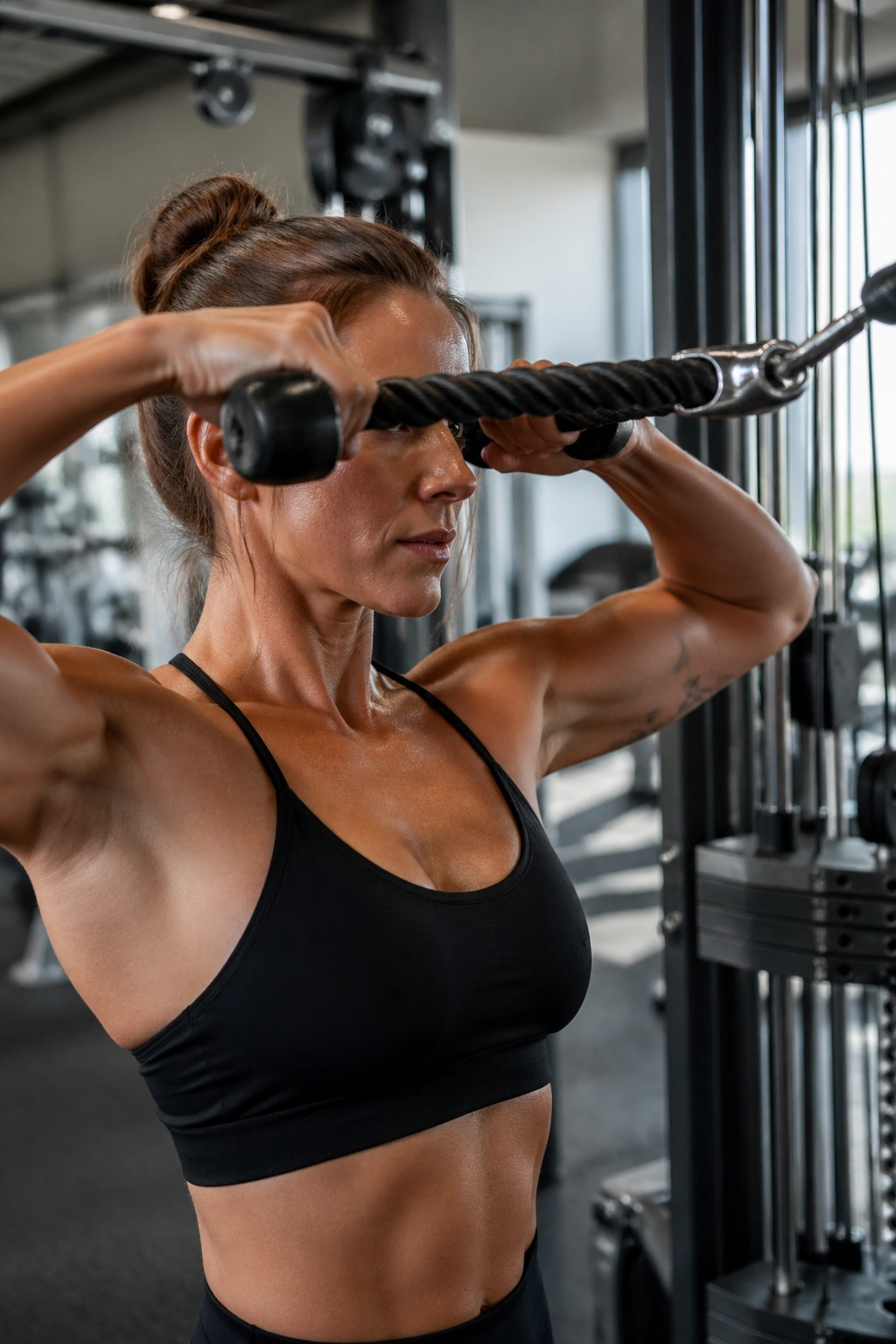
Face pulls are the move people ignore until they spend a week doing them and realize their shoulders sit differently. Not magically. Just better.
This exercise hits the rear delts, rhomboids, and lower traps, which are the muscles that help keep the shoulder blades from floating forward all day. Use a rope attachment set around eye level, pull the rope toward your face, and let your hands separate as the rope comes in. The elbows should travel high, but the shoulders should not creep up toward your ears.
One sentence here matters: don’t turn the pull into a shrug.
I like face pulls because they clean up the look of the upper back without beating it up. They’re also a useful warm-up before pressing or rowing, since the motion reminds your shoulders how to move without getting jammed forward. That sounds simple. It is. And simple is often what sticks.
Use 2 to 4 sets of 12 to 20 reps with a light-to-moderate load. If the stack is making your lower back work, you’re cheating the angle.
6. Lat Pulldowns
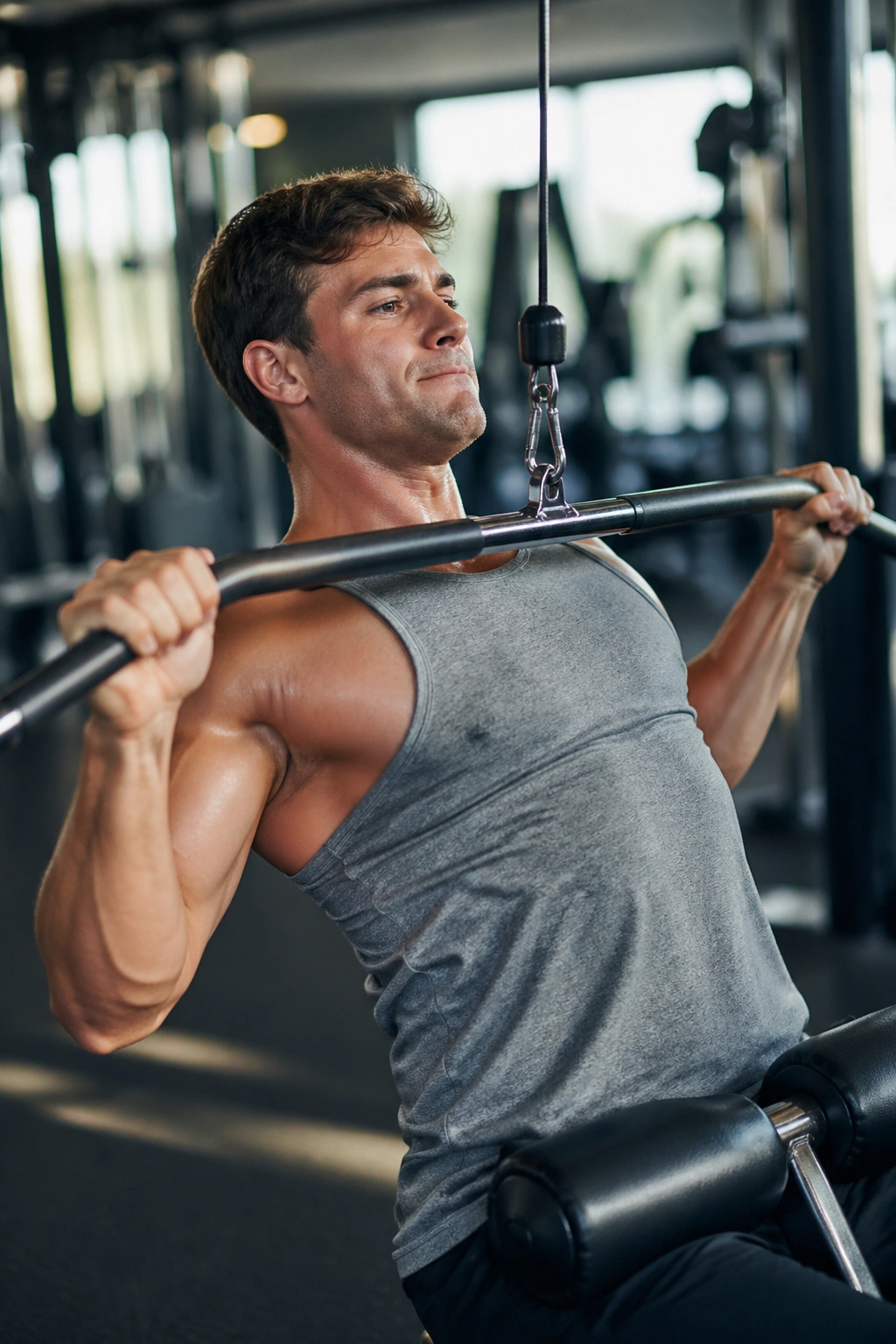
A lat pulldown is the vertical-pulling answer to rows, and that difference matters. Rows pull from front to back. Pulldowns pull from above, which changes the way the lats and arms share the work.
This makes the pulldown a smart choice if pull-ups are out of reach right now. You can set the load, keep your torso steady, and train the same broad back muscles without turning every set into a wrestling match with your own bodyweight. Use a grip a little wider than shoulder-width, bring the bar to the upper chest, and keep the elbows moving down instead of flaring out.
Grip changes the feel, too. A neutral grip can feel friendlier on the shoulders, while a wider grip tends to shift more work into the upper back. Neither is sacred. Pick the one that lets you pull cleanly for 8 to 12 controlled reps.
The worst pulldowns are the fast ones. If your body is launching backward on every rep, the weight is too heavy.
7. Hammer Curls
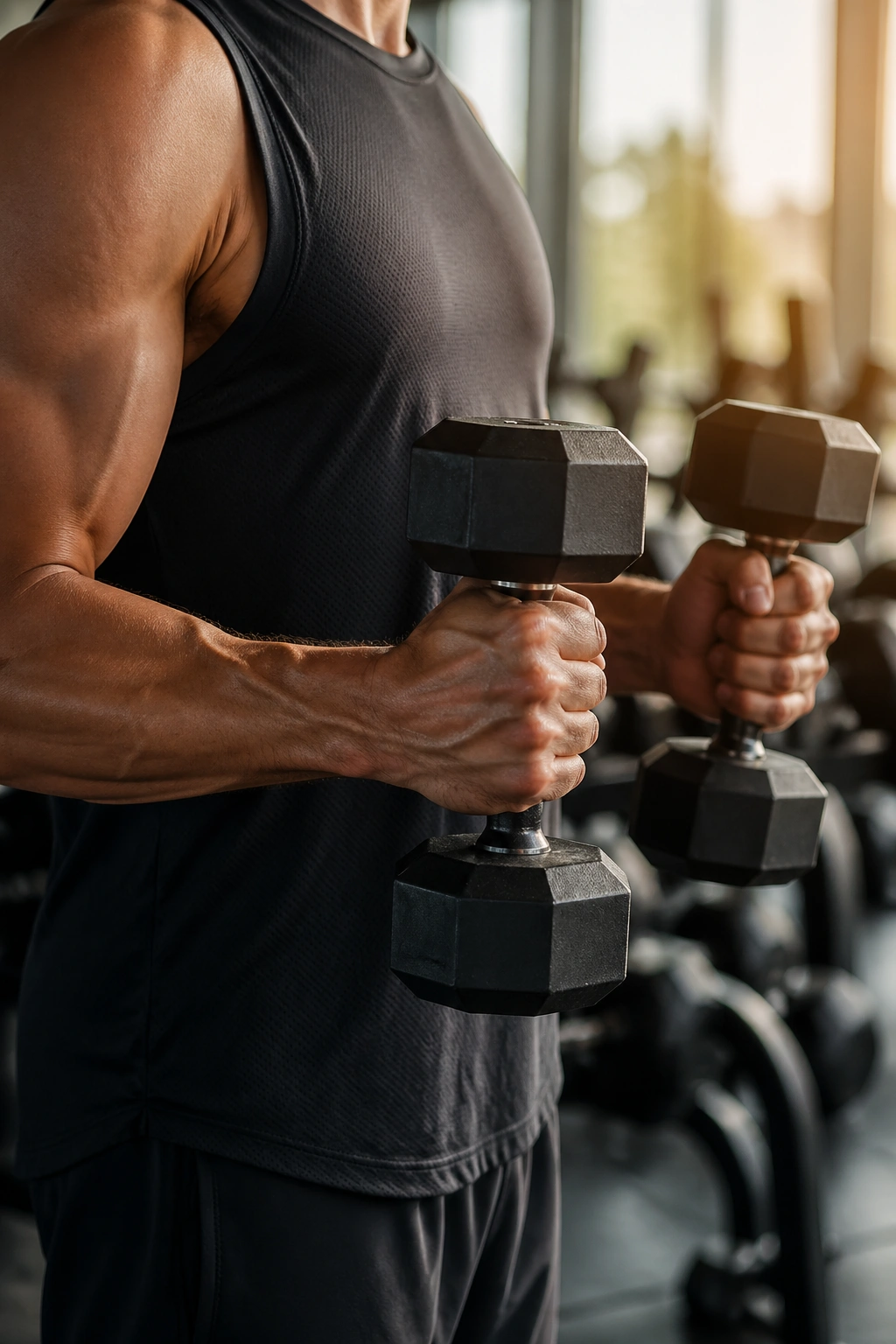
Hammer curls do one job that regular curls miss: they train the brachialis and forearms hard. That’s a long way of saying they help the upper arm look thicker from the side, which is exactly the kind of detail people notice.
What Makes Them Different
Hold the dumbbells with your palms facing each other and keep them there the whole time. No twisting, no rescue turn at the top, no swinging the elbow forward to make the rep feel easier. The neutral grip changes the stress enough to make this a useful companion to standard curls, not a duplicate.
The movement itself is simple. Curl the weight, squeeze at the top, then lower it slowly until the dumbbells are back by your thighs. A slow lowering phase matters more than people think, because the arm has to fight gravity all the way down.
- Try 3 sets of 10 to 14 reps
- Keep the elbows close to your sides
- Use a dumbbell that lets you stay strict
- Finish with a full lower, not a half-drop
If your wrists get cranky with straight-bar curls, hammer curls are often the kinder option.
8. Inverted Rows
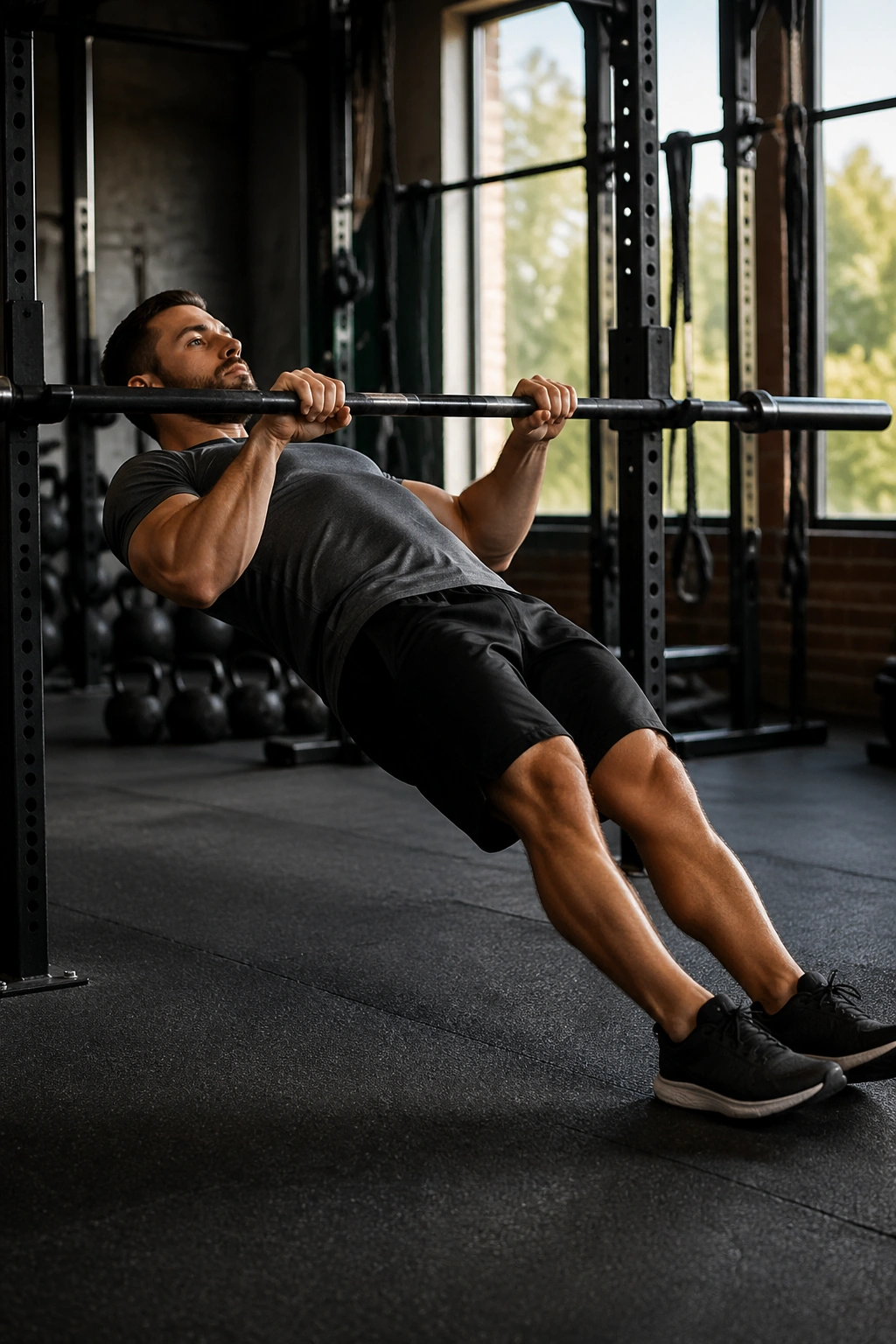
If a bar set low over a rack looks awkward, that’s because it is. Then you do it once and realize awkward can be excellent.
Your body stays in a straight line under the bar, and you pull your chest toward it while your heels stay planted on the floor. The farther your feet are from the anchor point, the harder the row becomes. Bend your knees a little if you need to make the movement honest instead of ugly.
What makes inverted rows so useful is the way they teach body tension. Your back works, your arms work, and your glutes and core have to keep you from sagging in the middle. That creates a strong, clean pull without needing a stack of weights.
- Bar at about waist height
- Chest leads the pull
- Lower under control for 2 seconds
- Stop when the shoulder blades are fully engaged, not jammed
A lot of people can row more than they think once the body position is strict. That’s the point.
9. Renegade Rows
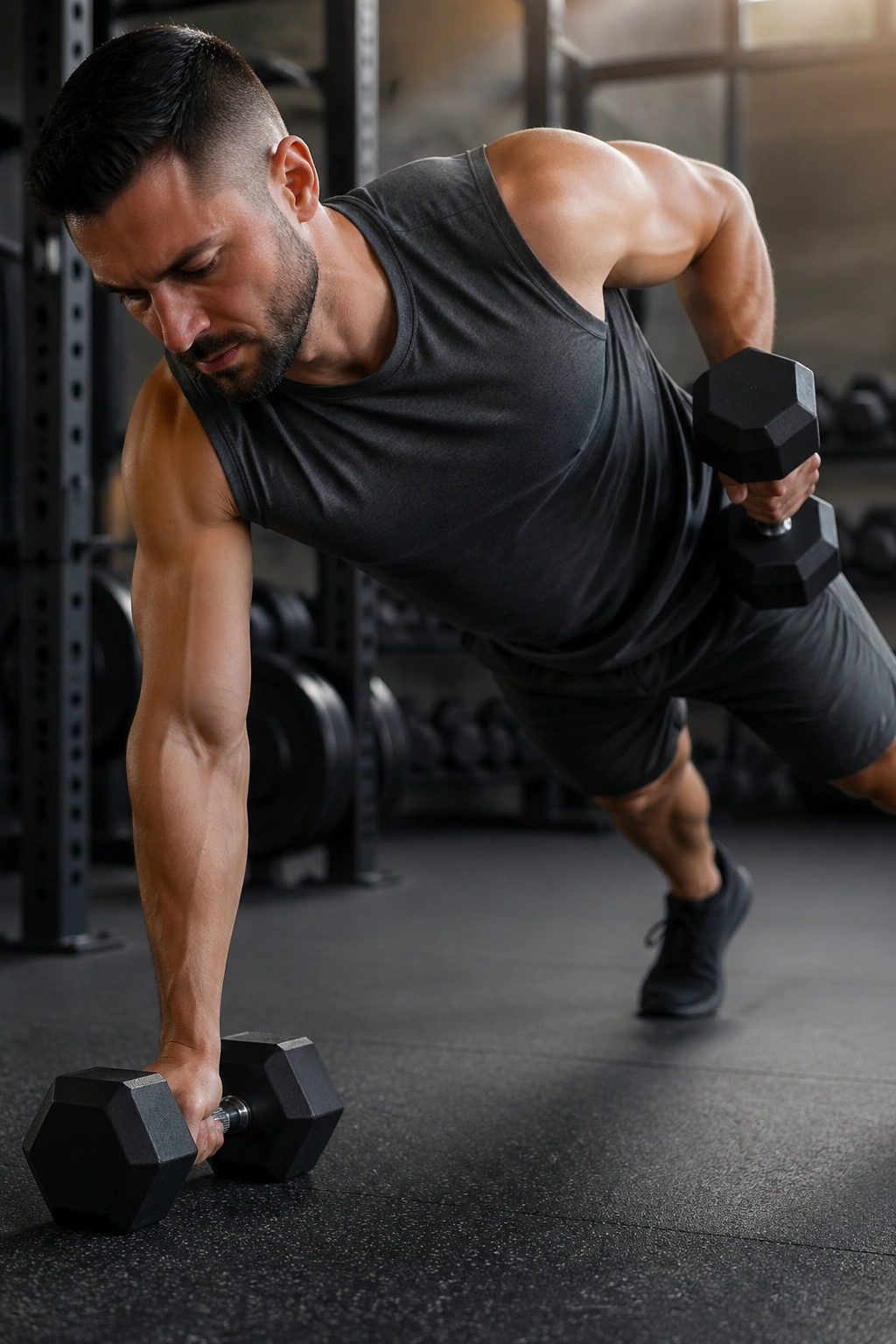
Can one move train your back and core at the same time? Yes — if you don’t rush it and pretend the twisting doesn’t count.
Renegade rows start in a plank with hands on dumbbells. From there, you row one weight at a time while the rest of the body fights to stay still. The anti-rotation part is the hidden prize. Your lats pull the weight, but your obliques, glutes, and deep core muscles keep your hips from swinging all over the floor.
Use light dumbbells. Seriously. Heavy weights make the whole thing collapse into a messy hip swivel, and then the exercise stops teaching the control it’s supposed to build. Keep your feet a little wider than hip-width if you want more stability.
How to Get the Most From It
Row slowly, pause near the top, and set the dumbbell down with control. If your lower back feels like it’s doing the work, shorten the set and clean up the plank before adding more reps.
A good target is 3 sets of 6 to 8 reps per side. That’s enough to feel it without turning form into noise.
10. Rear Delt Fly
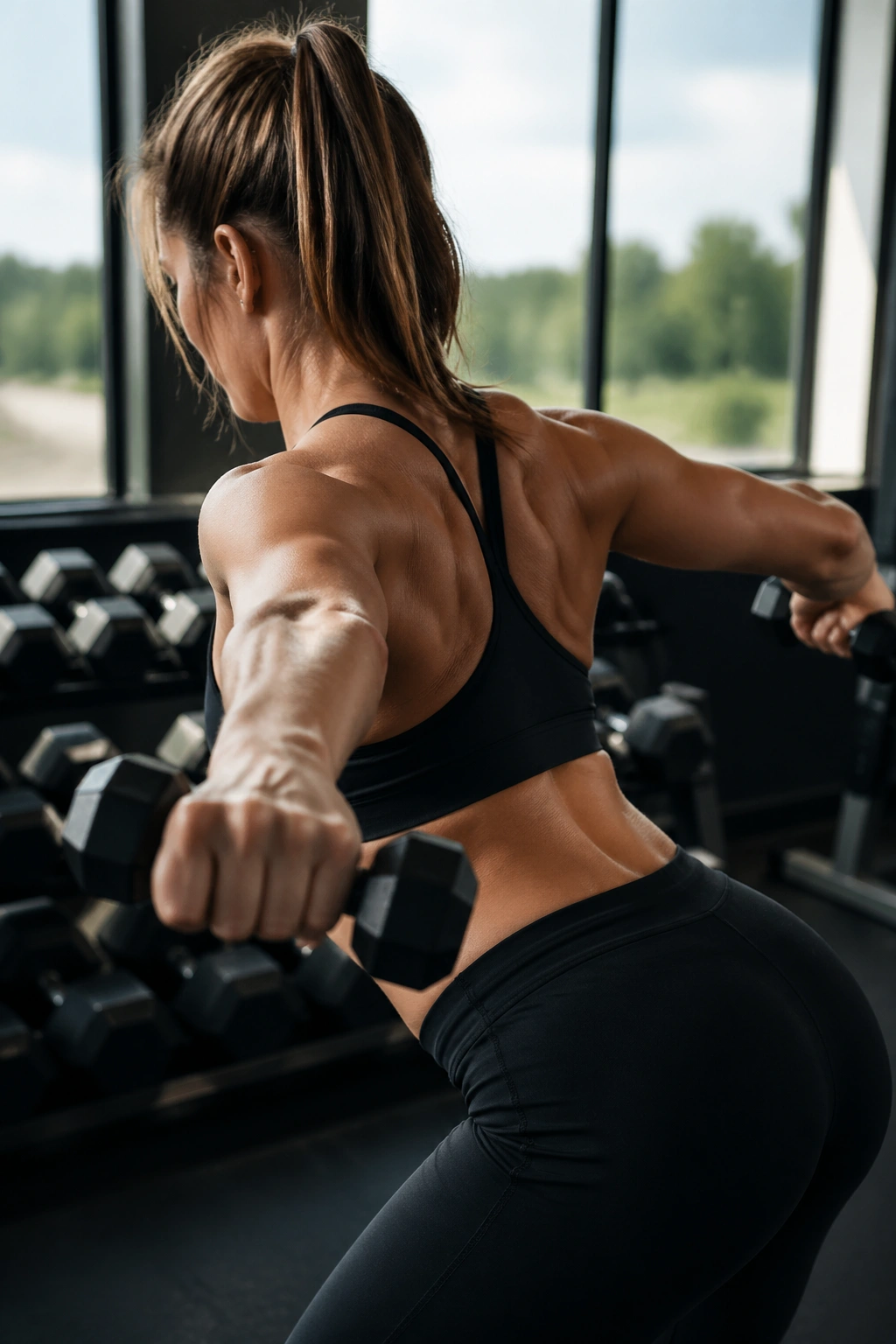
Rear delt flyes are small, precise, and easy to botch. That’s also why they’re worth doing.
The rear delts sit on the back of the shoulders, and they do a lot of the cosmetic work people mean when they talk about “upper body shape.” Strong rear delts help the shoulders look broader from the side and help balance out all the pressing most people already do. Use light dumbbells or a cable setup, hinge at the hips, and let the arms hang with a soft bend in the elbows.
Raise the weights out to the sides until your hands line up with your shoulders. No need to heave higher. If the traps are jumping in first, the load is too heavy or the angle is wrong. The motion should feel like opening the arms wide, not shrugging a grocery bag onto your shoulder.
One clean set of rear delt flyes can feel like a tiny burn. That burn is useful. It means the small muscles are doing their job instead of hiding behind the bigger ones.
11. Pull-Ups
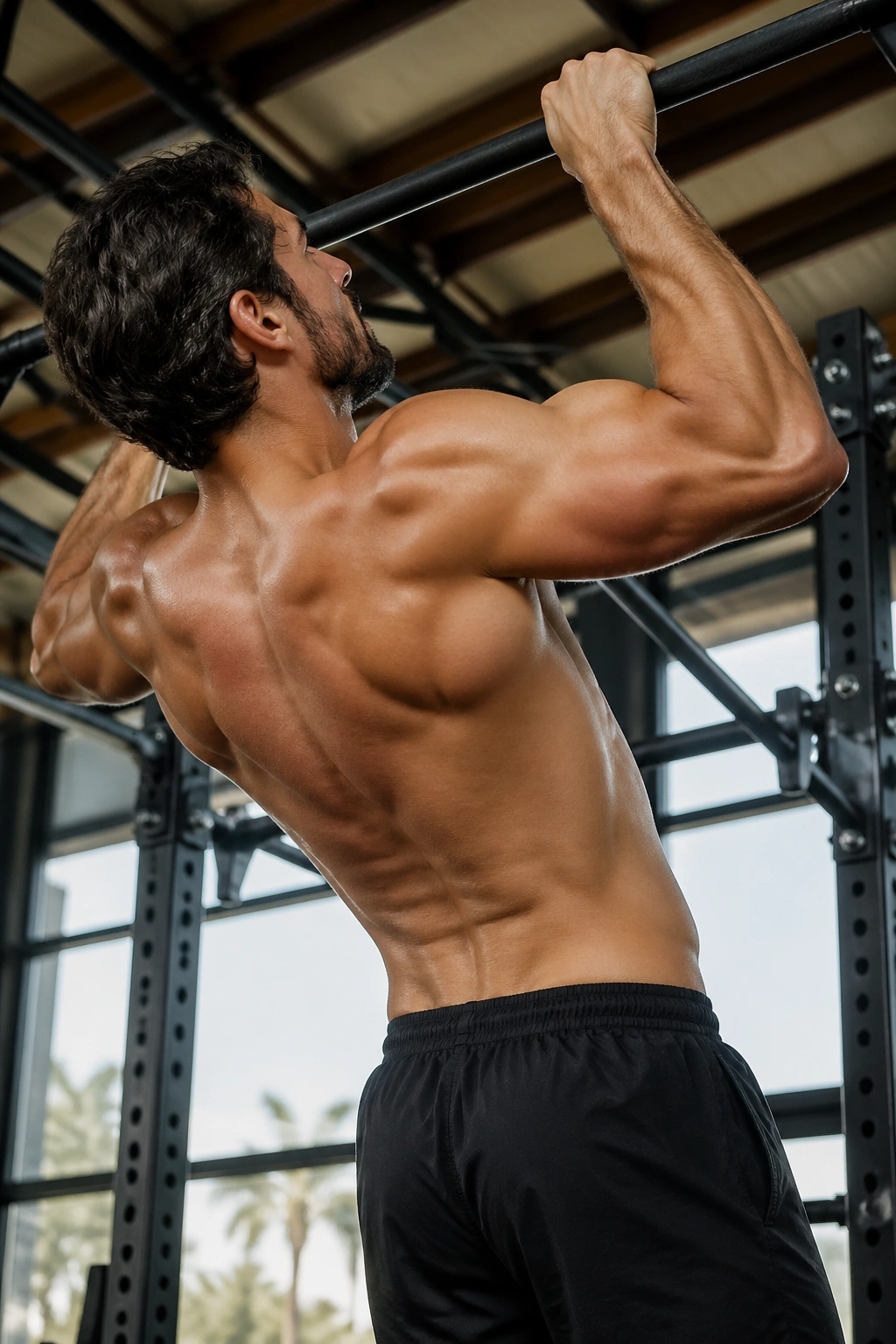
A pull-up is the move that makes people either grin or swear under their breath. There’s not much middle ground.
Unlike a lat pulldown, the pull-up asks your body to move through space with no machine helping the load. That makes it brutally honest. If you can do full reps, you’ve earned a lot of pulling strength. If you can’t yet, assisted versions still give you the same pattern and let you build toward the bar.
Use a full hang, then pull until your chin clears the bar or your chest rises toward it. Don’t kick. Don’t turn every rep into a half-bent elbow yank. Band-assisted pull-ups, machine-assisted pull-ups, and slow negatives all work well here, and each one gives you a different rung on the same ladder.
What to Watch For
- Start with 2 to 5 reps if you’re new
- Keep the ribcage from flaring wildly
- Lower under control for 3 seconds
- Use a neutral grip if a straight bar irritates your elbows
If you can only manage one solid rep, that still counts. Build from there.
12. Overhead Press
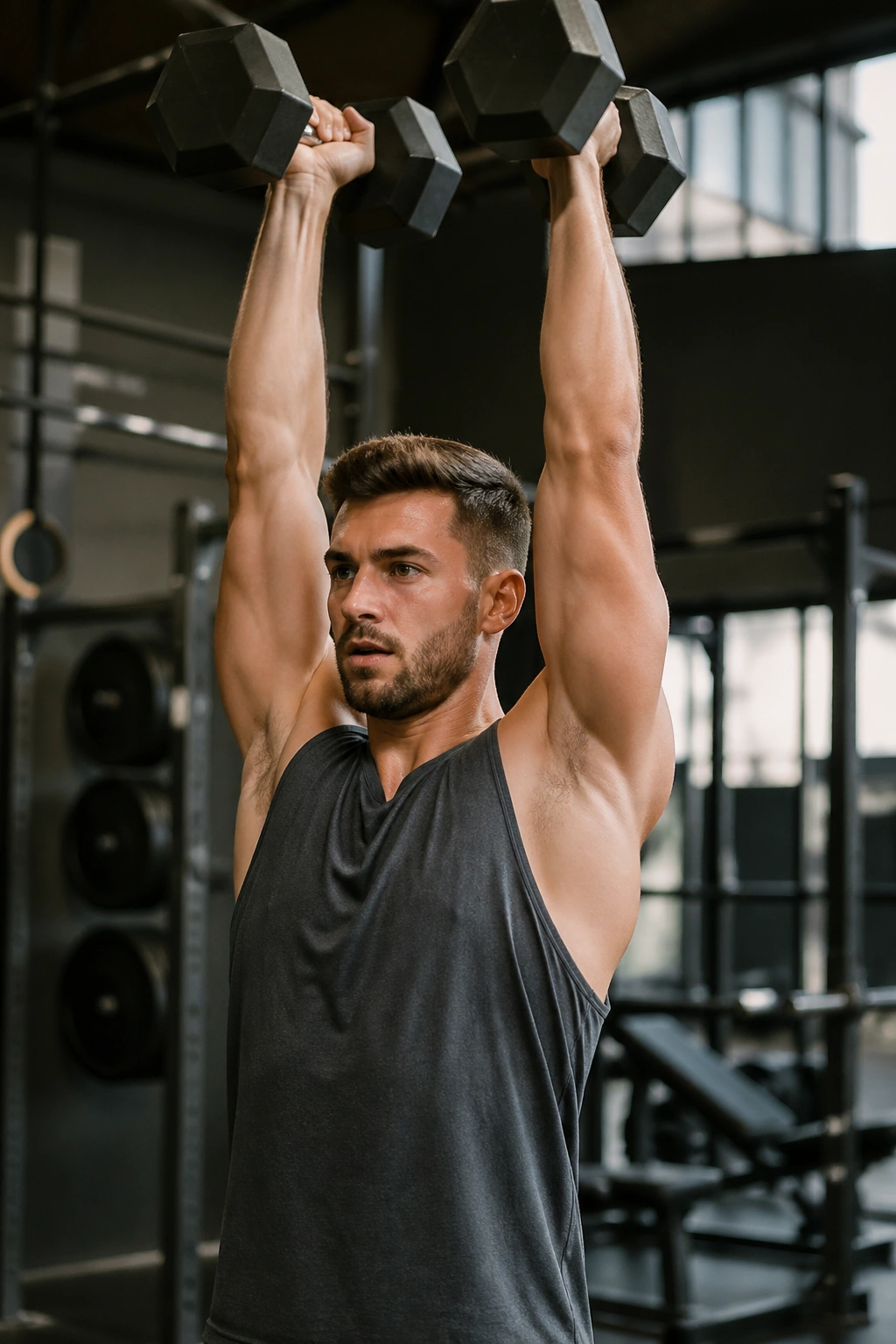
The overhead press does more than train shoulders. It teaches the whole upper body to brace, stack, and push without leaking power through the ribs or lower back.
You can press with dumbbells, a barbell, or a machine. Standing presses demand more from your core and glutes; seated presses make it easier to focus on the shoulders and triceps. Either way, the bar or dumbbells should move in a clean line overhead, finishing with the biceps near the ears and the ribs under control.
A lot of people over-arch here. They lean back, flare the ribs, and call it strength. It isn’t strength. It’s a backbend. Keep your glutes tight, squeeze the legs, and drive straight up. The press should feel powerful, not loose.
Use 3 sets of 6 to 10 reps with enough weight to challenge you on the last two reps, but not so much that your lower back starts volunteering for the job. That trade is never worth making.
13. Resistance Band Pull-Aparts
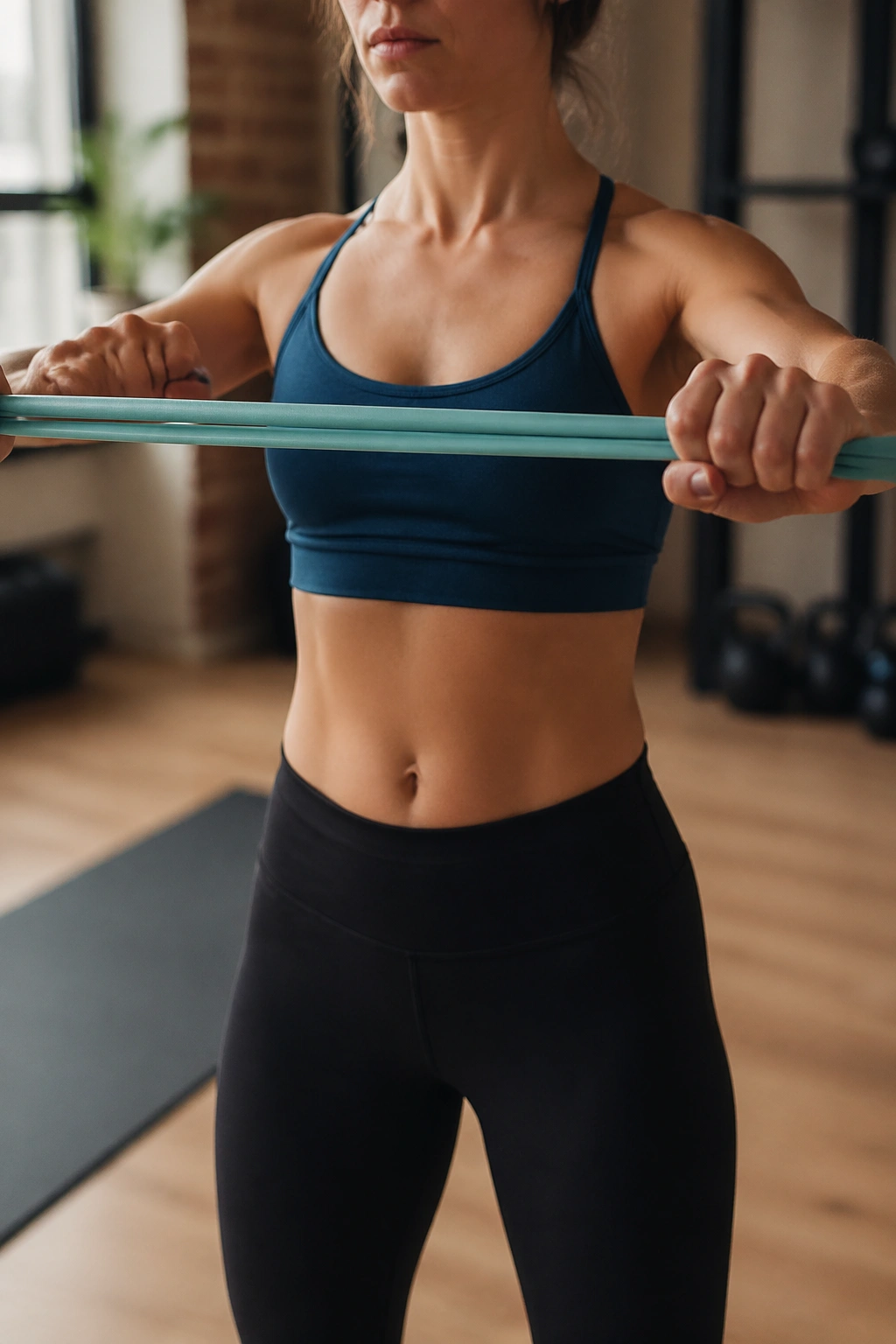
Can a tiny band exercise make your shoulders feel better? Often, yes.
Pull-aparts look almost too easy. Hold a resistance band at chest height, keep your arms straight but not locked, and pull the band apart until it touches your chest line. The rear delts and upper back take over fast, especially if you control the return and don’t let the band snap your hands back together.
This move works well as a warm-up, between heavier sets, or as a small finisher when your shoulders feel stiff from too much desk time. It’s not fancy. It does not need to be. The value is in the repeated squeeze between the shoulder blades and the reminder that your upper back should do more than sit there.
How to Get the Most From It
- Use a light band with steady tension
- Keep the neck relaxed
- Pull to the chest, not the chin
- Stop before the shoulders rise
Do 2 to 4 sets of 15 to 25 reps. If your hands are flying around, slow them down.
14. Close-Grip Push-Ups
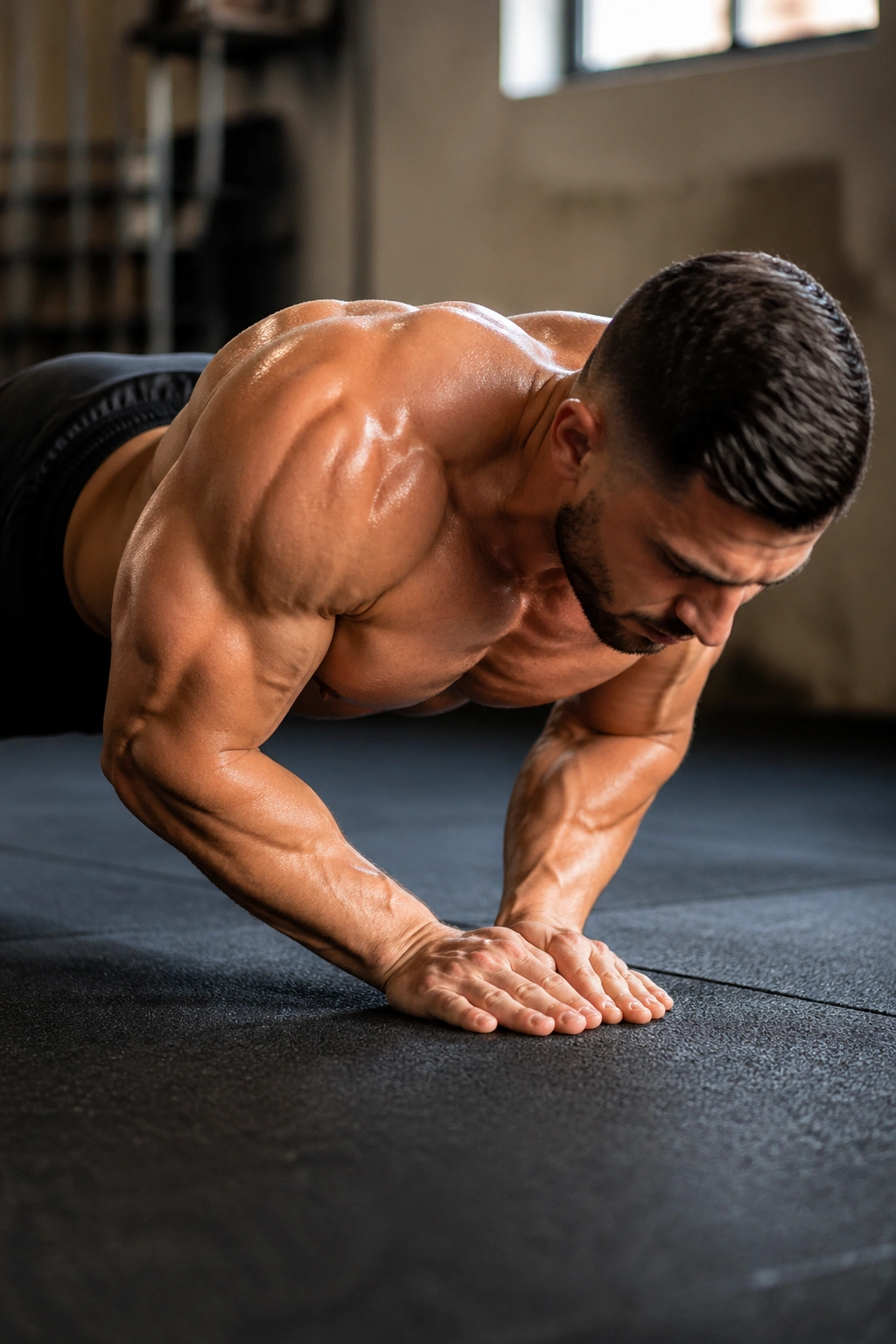
A close-grip push-up is like a standard push-up with a sharper triceps bias. The hands sit closer together, the elbows stay tucked, and the back of the arms has to work harder to finish the press.
That change matters more than it sounds. Standard push-ups split the load across chest, shoulders, and triceps. Bring the hands in, and the triceps have to own a bigger piece of the rep. The movement still trains the chest and core, but the arm emphasis shifts enough that it earns a place in a routine focused on firmer-looking upper arms.
Start with your hands just inside shoulder width. Don’t shove them into a diamond shape unless your wrists and elbows are happy with that position. Lower with control, keep the body in one line, and press without letting the elbows flare out.
This is a sneaky-hard exercise. If the floor version is too much, use an incline. Same pattern. Less drama.
15. Overhead Triceps Extensions
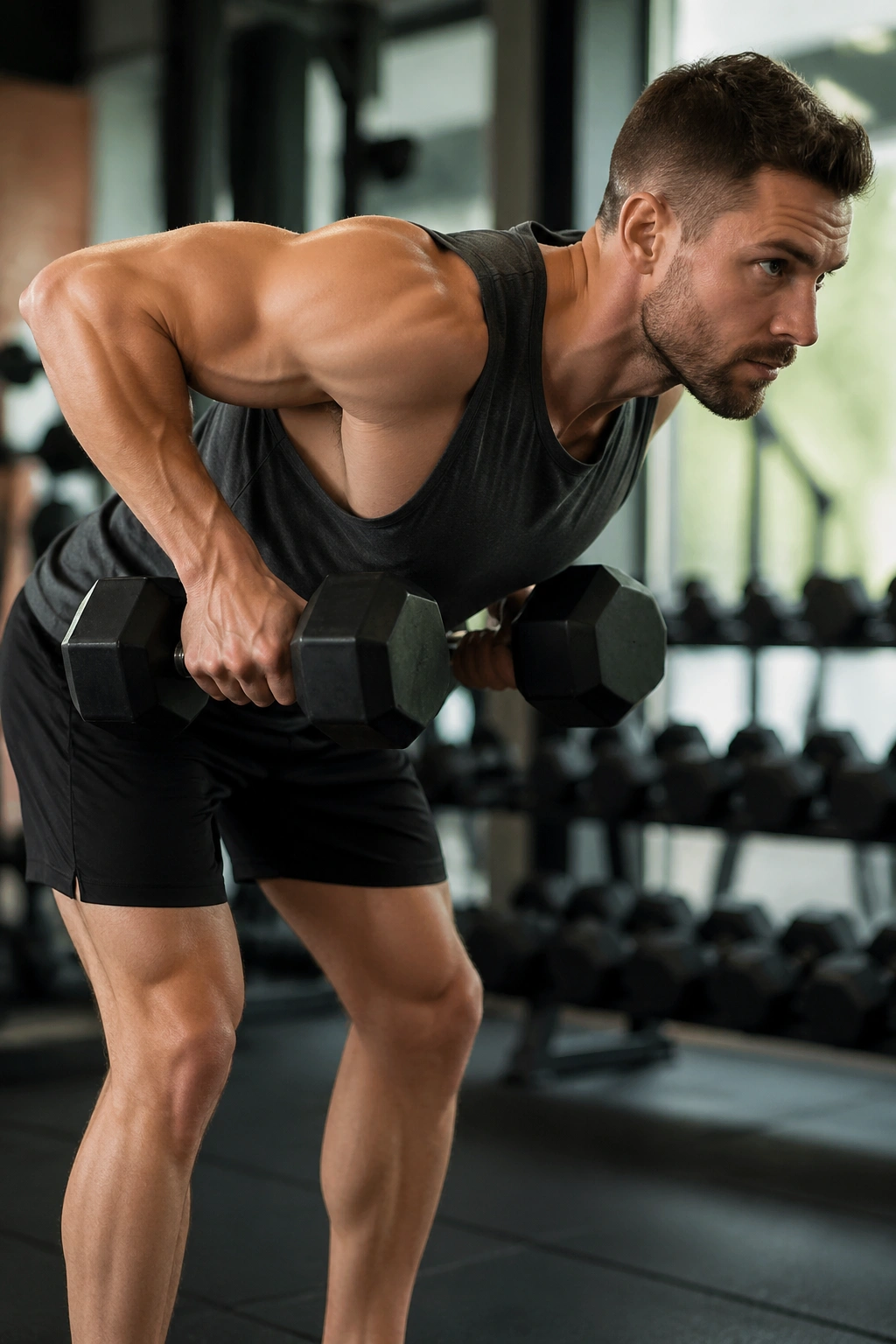
Overhead triceps extensions hit the long head of the triceps, which is the part that often gets shortchanged when people only do pushdowns and regular presses. Put simply, the arm looks better when the full triceps gets attention, not just one side of it.
Use a dumbbell, cable, or band. Hold the weight overhead, keep the elbows pointed forward rather than flung wide, and lower the weight behind your head until you feel a stretch through the back of the arm. Then press it back up without letting your ribs flare or your lower back turn into a second set of triceps.
The stretch position is the point here. That long head gets a bigger challenge when the arm is overhead, and that makes this move a useful finish after rows, presses, and pull work. It’s also one of the few arm exercises that can make the backs of your arms feel worked in a way you can notice a day later.
Use 3 sets of 10 to 15 reps and keep the elbows steady. If the weight forces your shoulders to wobble, drop it and clean up the line. Three smart moves beat a scattered hour, every time.
