



Trying to lose belly fat while pregnant is the wrong target. Your abdomen is expanding for a reason, and most of what people call “belly fat” during pregnancy is a mix of baby growth, fluid, bloating, posture changes, and normal body fat that your body may need later on.
That does not mean you have to feel helpless. You can still move, eat well, sleep better, and keep your body from feeling puffy, heavy, and uncomfortable. You can also avoid the sneaky mistakes that make pregnancy feel rougher than it needs to be — skipping meals, doing the wrong core work, chasing sweat for its own sake, and trying to shrink a body that is busy building one.
The useful goal is steadier, not smaller. Stronger, not punished. More comfortable, not exhausted. If that sounds less glamorous than “burning belly fat,” good. It’s also a lot closer to what a healthy pregnancy actually asks for.
1. Get Clearance From Your Prenatal Care Provider
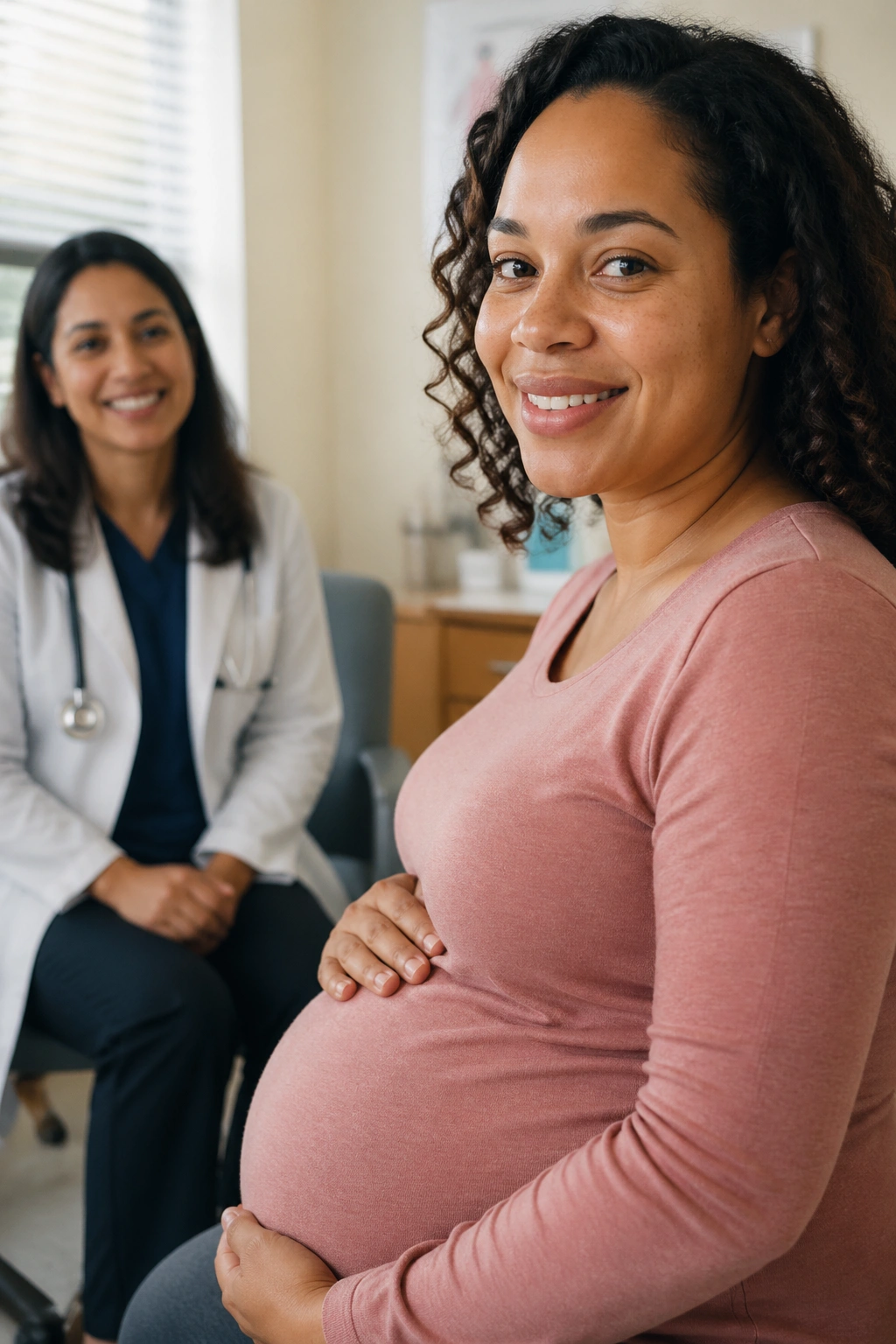
Before you change your exercise or food routine, get a real answer from the person tracking your pregnancy. That sounds obvious, but people skip it and then guess their way through workouts that may or may not fit their body.
Most uncomplicated pregnancies can handle moderate movement, but some need real limits. Bleeding, placenta issues, cervical concerns, high blood pressure, anemia, dizziness, severe pelvic pain, a history of preterm labor, or carrying multiples can change the plan fast. And if your provider has already told you to cut back, follow that guidance without trying to “power through.”
Ask three direct questions: what kinds of exercise are fine, what should stop immediately, and whether you have any weight-gain or nutrition targets that are specific to you. That last part matters. Pregnancy is not the time to copy a friend’s routine, especially if her health, body size, and symptoms look nothing like yours.
A five-minute conversation can save you weeks of second-guessing. It also keeps the rest of this list grounded in reality, which is the point.
2. Walk More, Skip the Heroics
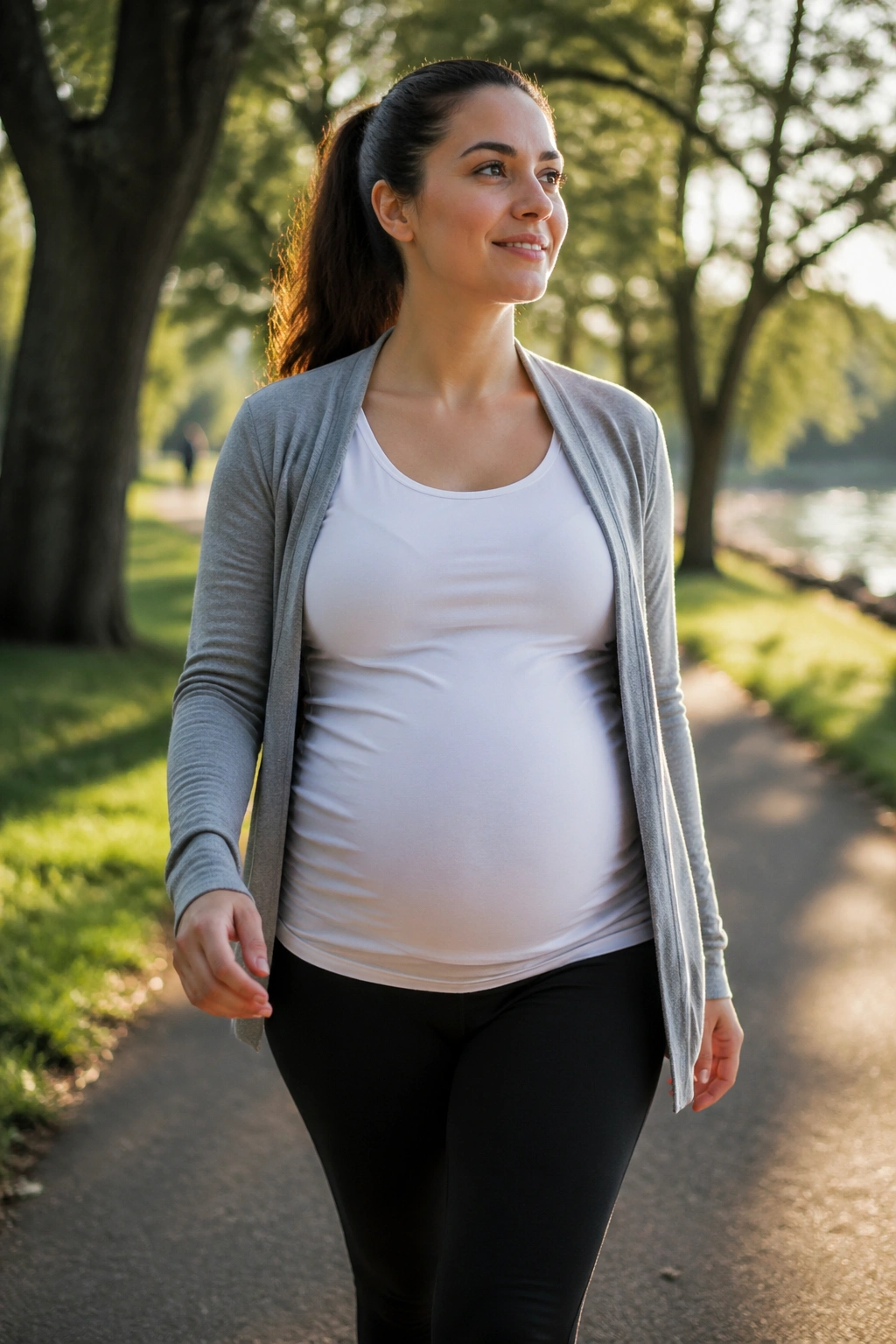
Walking is boring. That’s why it works.
It does not ask much of your joints, it doesn’t spike abdominal pressure, and it can be split into tiny chunks that fit a busy day. A 10-minute walk after breakfast, another after lunch, and another after dinner can feel easier than a single long workout that leaves you wiped out by noon.
The pace should be steady enough that you can talk in full sentences. Not sing. Not huff. Talk. If your pelvic floor feels heavy, your hips ache, or you start getting dizzy, slow down or stop. A walk is supposed to leave you more functional, not flatter on the couch.
Little adjustments that help
- Wear shoes with a firm sole and enough toe room.
- Choose flat routes when your balance feels off.
- Keep water nearby, especially if the weather is warm or your pregnancy appetite is unpredictable.
- Use walking as a digestion tool after meals if bloating or reflux hits hard.
A lot of people underestimate how much walking helps with the “my belly feels bigger by dinner” problem. It won’t erase pregnancy changes, and it should not. It often does make you feel less stiff, less swollen, and a little more like yourself.
3. Use Prenatal Strength Training to Protect Your Core
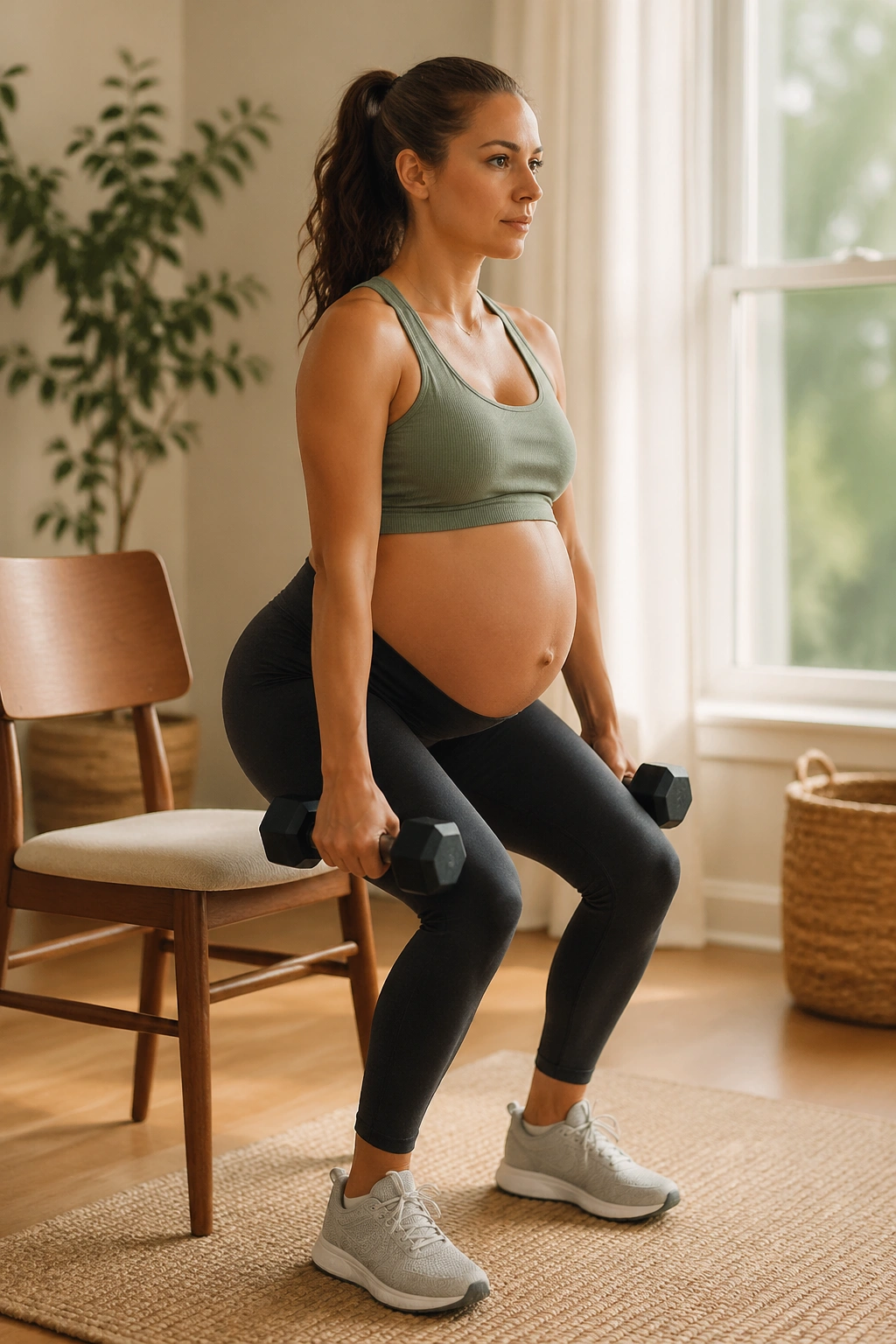
A few light dumbbells can do more for pregnancy comfort than a dozen sweaty workouts that leave you gasping. Strength training helps support your back, hips, and legs as your center of gravity shifts. It also makes the daily stuff — carrying groceries, climbing stairs, getting off the floor — feel less annoying.
The kind of strength that helps
Think controlled, not macho. A set of 8 to 12 reps with light to moderate resistance is usually enough to challenge you without turning the session into a battle. Breathing matters more than load here. Exhale on effort. Do not hold your breath and brace hard like you’re trying to lift a car.
The moves that tend to age well in pregnancy
- Sit-to-stand from a chair
- Wall pushups
- Supported squats
- Band rows
- Side steps with a mini-band
- Hip hinges with very light weights
- Bird-dog variations, if they feel stable
The goal is not a sore-ab-everything workout. The goal is control. If a move makes your belly dome out, your back pinch, or your pelvis feel weirdly heavy, back off. That’s useful feedback, not failure.
Strength work done well can also keep posture from collapsing under the load of pregnancy. That matters more than people think.
4. Favor Low-Impact Cardio That Keeps You Comfortable
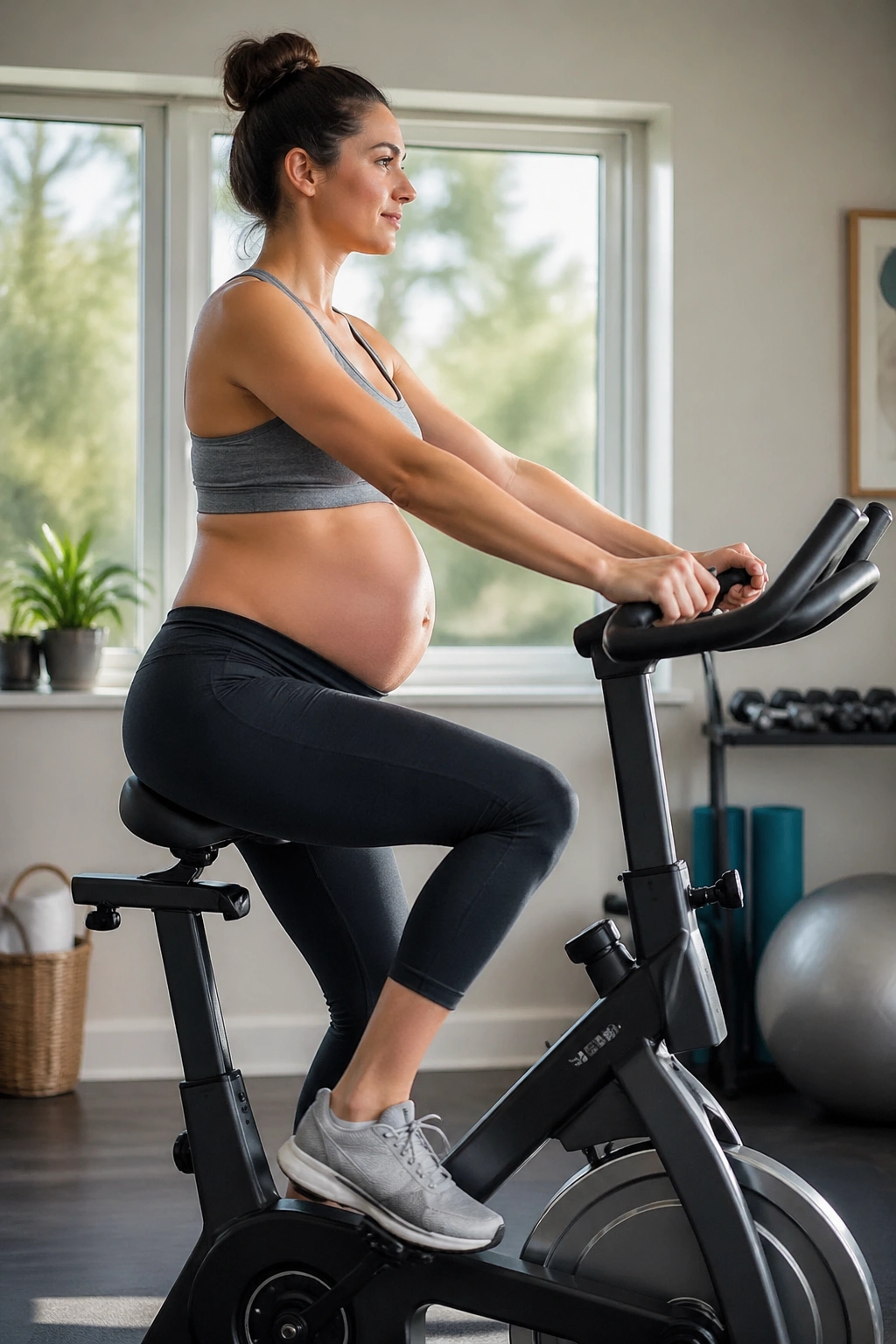
Some days, the treadmill feels wrong. Listen to that.
Low-impact cardio is often a better fit than pounding through runs or high-bounce classes, especially as your body changes. Swimming, water walking, stationary biking, and the elliptical tend to be kinder to joints and pelvic floor pressure. Water is a nice cheat code here because it supports your body weight and can make swelling feel a little less dramatic.
If walking feels fine, you do not need to upgrade to something fancier. If it feels like your belly, hips, or pelvis are getting thrashed, scale down. Comfort is not laziness. It is information.
A simple rule helps: if you finish feeling warm, a bit breathy, and still able to function, you’re in a decent zone. If you finish shaky, crampy, or unable to stand up straight, the session was too much.
Some pregnant people love cycling because the seat gives structure and the movement is smooth. Others hate it because the position feels cramped. Fair. Your body gets the final vote.
5. Eat Regular Meals Instead of Accidentally Under-Eating
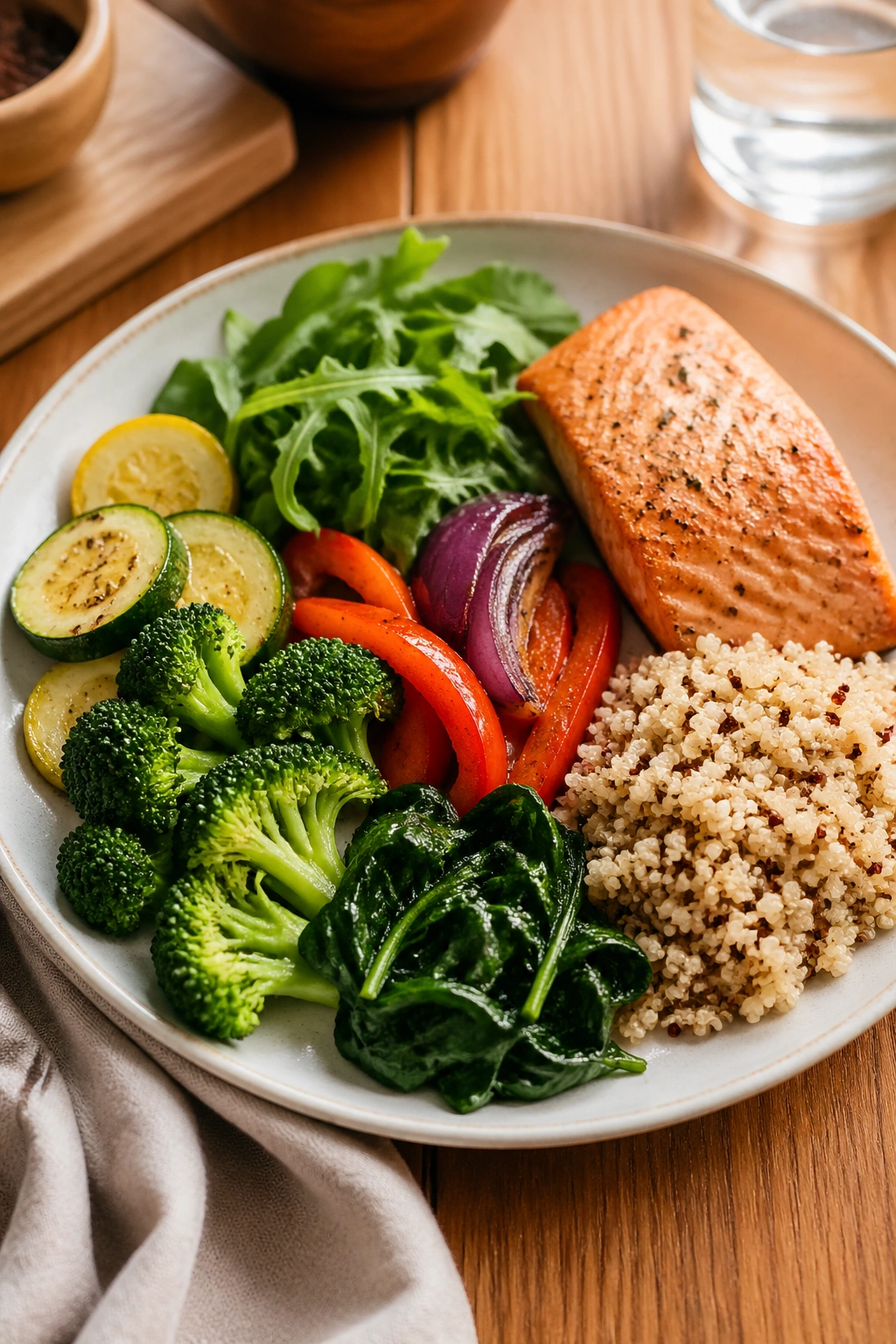
Skipping meals is a bad trade during pregnancy.
It usually does not “burn belly fat.” It tends to create a mess: shaky blood sugar, nausea, weird cravings, headaches, irritability, and the kind of hunger that sends you hunting for the fastest food in the house. That is a bad setup if you want to feel steady.
The fix is simpler than it sounds. Eat on a rhythm that keeps you from crashing. For some people that means three meals and two snacks. For others it means smaller meals every 3 to 4 hours because a full plate feels impossible.
Protein helps a lot here. Eggs, Greek yogurt, cottage cheese, beans, tofu, chicken, fish that’s safe in pregnancy, nuts, and nut butter can make meals feel more stable. Pairing protein with fiber and a carb you tolerate well usually keeps you from bouncing between ravenous and queasy.
A few useful snack combinations:
- Apple slices with peanut butter
- Crackers with cheese
- Yogurt with berries
- Toast with hummus
- Oatmeal with walnuts and banana
If morning sickness is part of the picture, plain crackers, toast, or cold foods can help you get something in without making your stomach revolt. Empty stomach, angry stomach. I’ve seen that pattern enough times to trust it.
6. Build Plates That Keep Blood Sugar Steadier
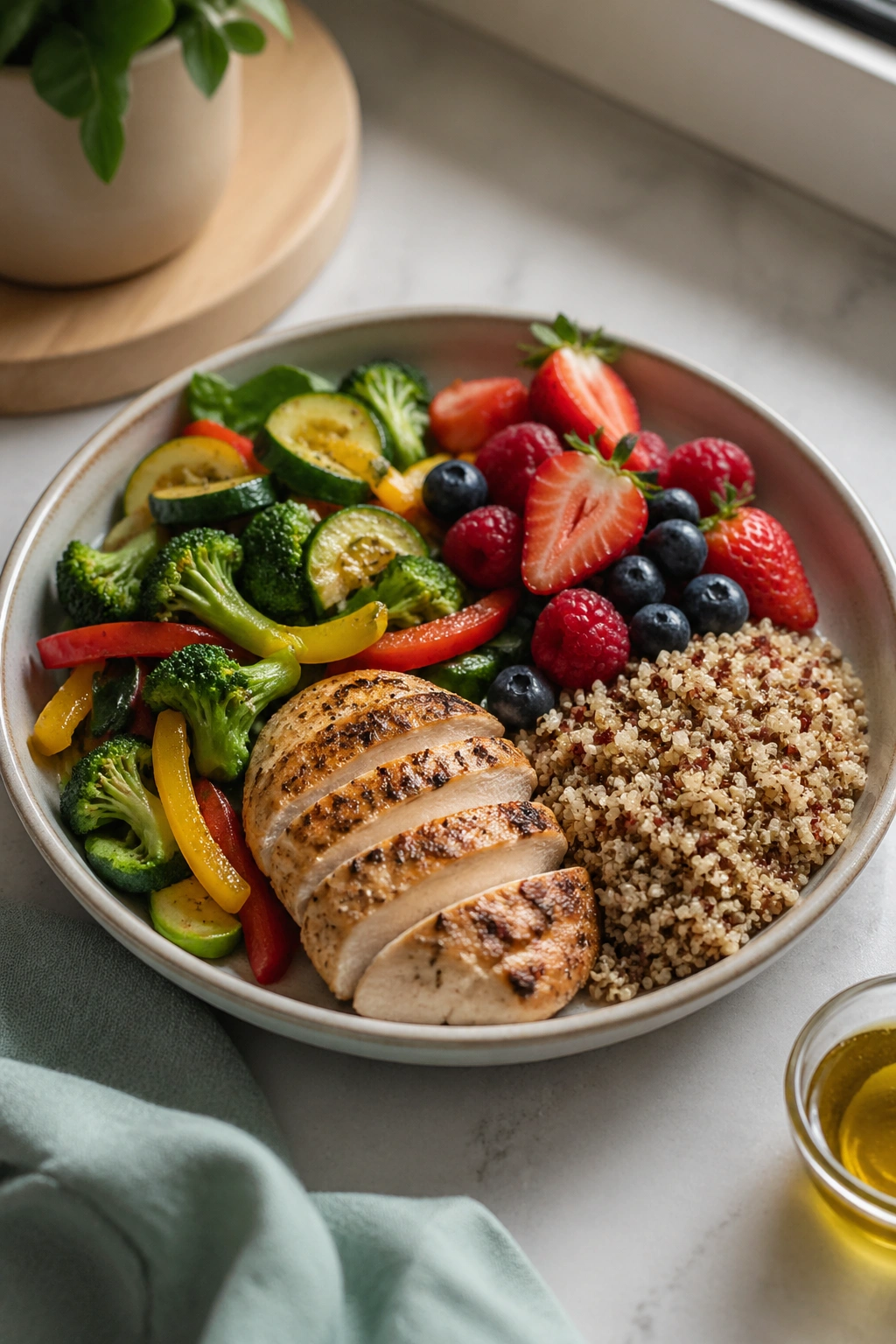
What does a pregnancy plate actually look like when you want energy without chaos?
The best answer is usually less dramatic than social media makes it sound. You do not need to cut carbs. You do not need to eat like a bodybuilder. You need meals that keep you upright, satisfied, and less likely to spiral into hunger an hour later.
A simple plate pattern
A good starting point is:
- Half the plate: non-starchy vegetables or fruit
- One quarter: protein
- One quarter: whole grains or another starchy carb
- Add a little fat: olive oil, avocado, nuts, seeds, cheese
That mix tends to sit better than a meal built around one food group. A bowl of cereal alone may be quick, but it often doesn’t last. Cereal with milk, nuts, and fruit is a different story. Same idea, more staying power.
When nausea or heartburn make this hard
On rough days, perfection is a waste of time. Toast with peanut butter is fine. Rice and eggs are fine. Soup with crackers is fine. Pregnancy is not the time to insist on an ideal meal if your stomach is already making a scene.
The point is balance over the course of the day, not every bite. If one meal is a mess, the next one can be better.
7. Drink Enough Water to Reduce Bloating and Fatigue
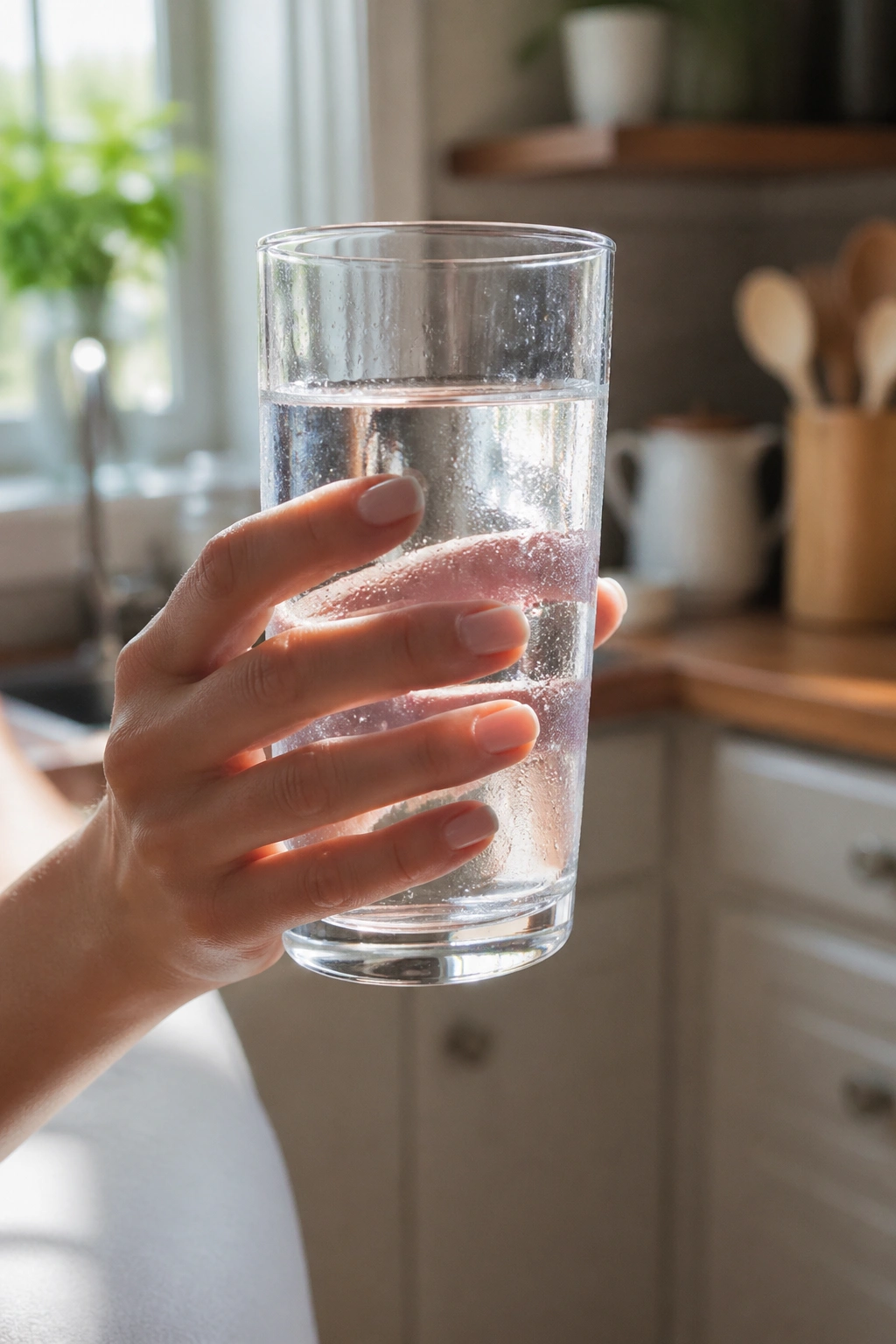
Dry mouth isn’t the only clue.
By the time your urine is dark yellow, your head feels dull, and your legs are dragging, you may already be behind on fluids. Hydration won’t flatten a belly, but it can help with constipation, headaches, fatigue, and some of the puffiness that makes people feel bigger than they are.
The easiest trick is dumb and effective: keep water where you can see it. On the desk. In the car. Beside the bed. A cold bottle often goes down better than room-temperature water if nausea is hanging around. Some people like a squeeze of lemon or a few ice cubes. Fine. Whatever makes you drink.
Signs you may need more fluid
- Dark yellow urine
- Dry lips or mouth
- Headaches that show up with thirst
- Constipation
- Feeling wiped out after mild activity
If your care team has told you to limit fluids for a medical reason, follow that instead. Pregnancy is not a one-rule-fits-all situation.
And yes, you may be peeing more. That is the deal. Better that than walking around mildly dehydrated and wondering why your body feels like a wrung-out towel.
8. Sleep and Rest Like They Matter
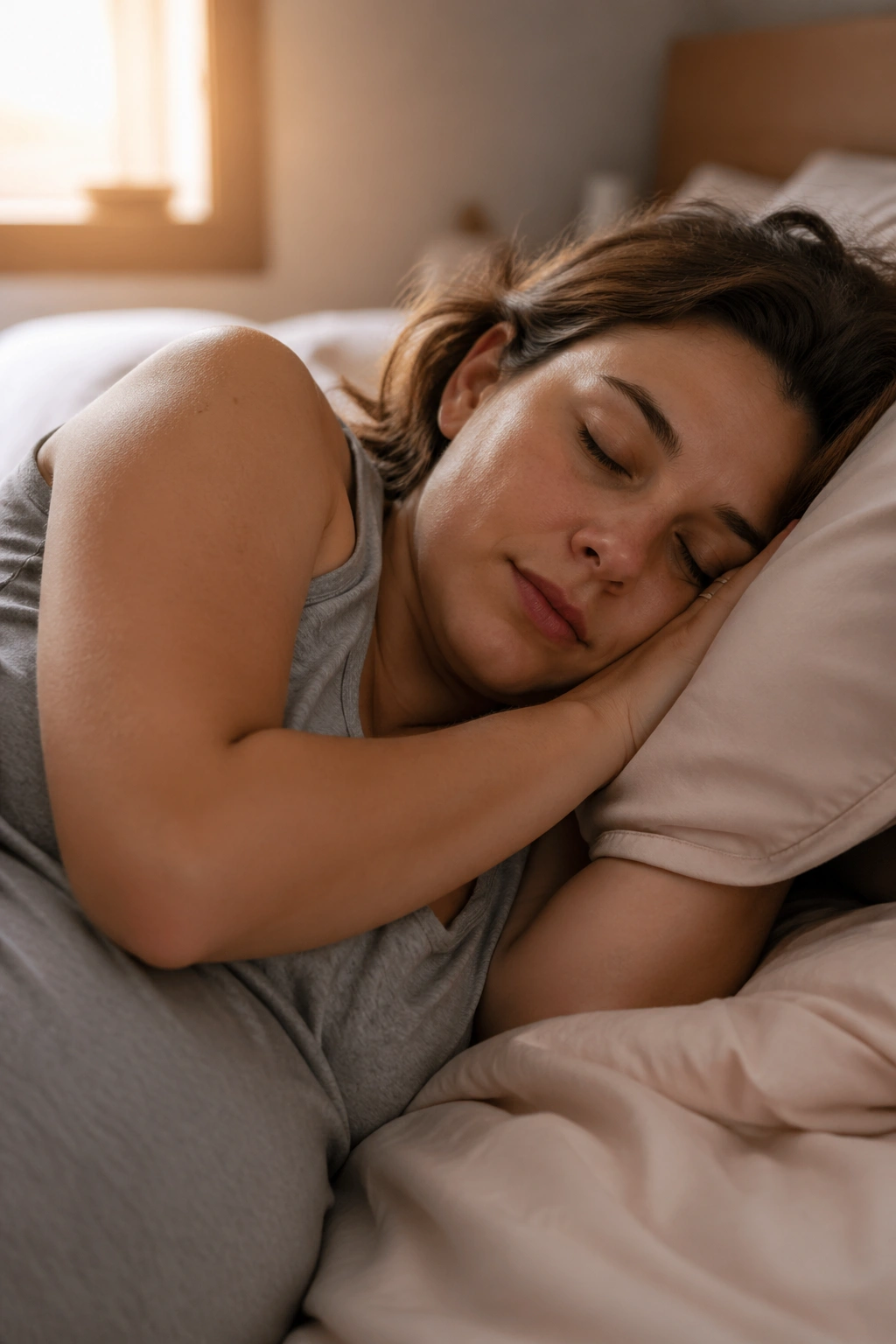
Sleep is not a luxury here.
Poor sleep makes everything feel harder. Hunger feels louder. Cravings get louder. Workouts feel heavier. Even your patience gets shorter, which nobody warns you about enough. A tired pregnant body is much more likely to reach for fast energy and skip movement, not because it lacks discipline, but because it is tired.
Side sleeping can help once lying flat starts feeling rough. A pillow between the knees, one under the belly, or one against the back can reduce the sense that your spine is being pulled apart at night. If reflux is a problem, a slight upper-body incline may help too.
Short naps count. So does getting up slowly in the morning instead of bolting upright and wondering why the room spins. The body you’re living in is doing overtime. Treating sleep like an afterthought is a good way to feel puffy, irritable, and not at all like doing a workout.
One more thing: rest days are part of the plan, not evidence that the plan failed.
9. Improve Posture to Make Your Middle Look and Feel Smaller
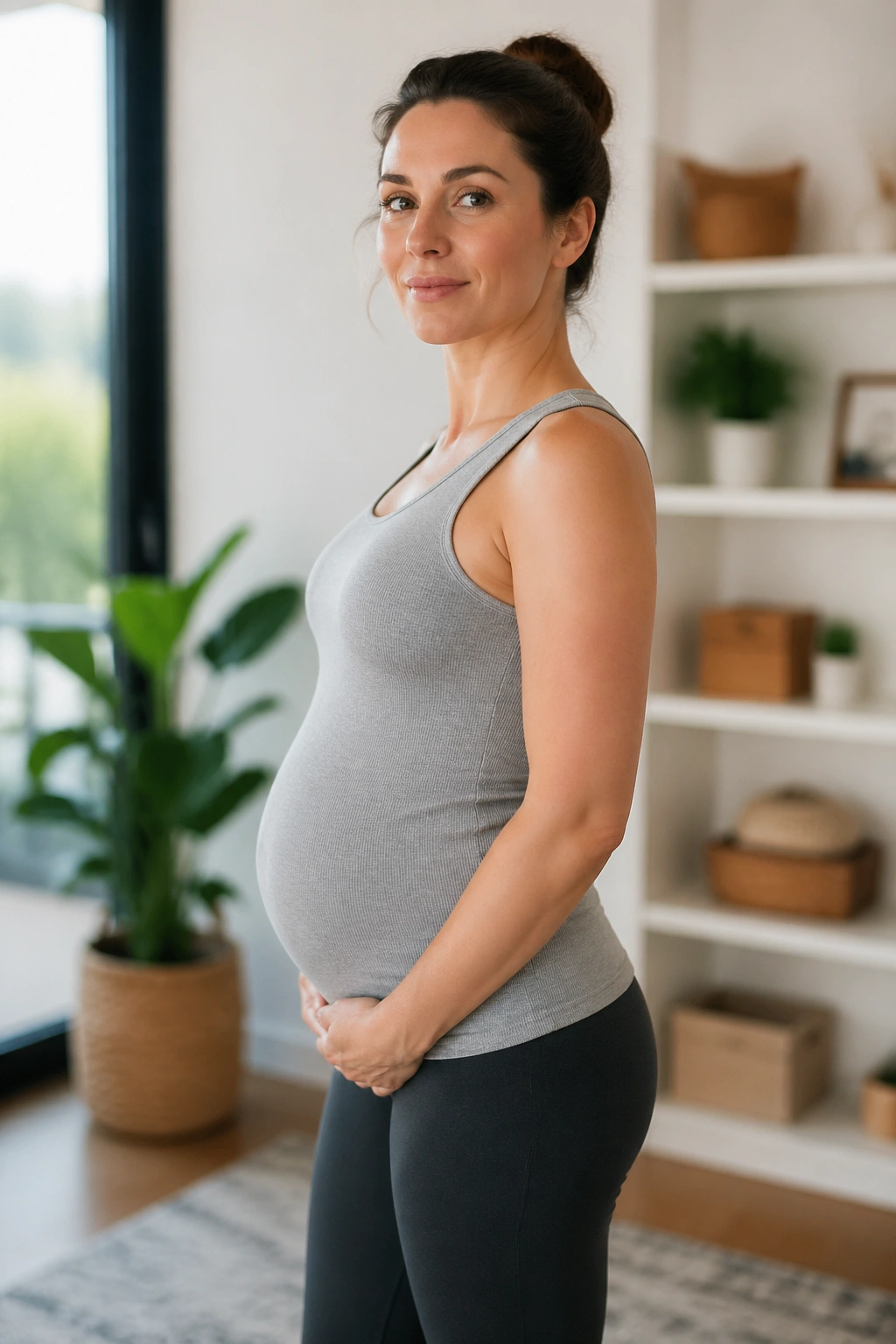
A slouched rib cage can make your belly feel bigger and your back feel worse.
Pregnancy changes your center of gravity, so a lot of people start leaning back, sticking the belly forward, and squeezing the lower back into a shape it never asked for. That posture can create a tiring loop: back pain leads to slumping, slumping leads to more pressure, and the whole front of the body feels tighter than it should.
Try a simpler alignment cue. Stand with your feet hip-width apart, soften your knees, and let your ribs sit over your pelvis instead of flaring forward. You’re not trying to become stiff. You’re trying to stop hanging on your lower back all day.
Small posture fixes that matter
- Raise screens so you’re not craning your neck
- Sit on a firm chair instead of sinking into the couch
- Use a supportive bra if your chest feels heavy
- Keep one foot on a low stool while cooking or brushing teeth
- Exhale fully before standing from a chair
That last one helps more than people think. A good exhale can take pressure off the belly and pelvic floor for a moment, which feels like a tiny reset. Tiny resets add up.
10. Manage Constipation and Water Retention

Belly tightness is not always fat. Sometimes it’s gas, constipation, or plain old swelling.
Pregnancy hormones slow digestion for a lot of people, and iron supplements can make it worse. If you are backed up, your abdomen can feel bigger, firmer, and more uncomfortable by the hour. Swelling in the hands, ankles, and feet can also make your whole body feel heavier than the scale suggests.
What helps the gut move
- Add fiber slowly if you’re not used to it
- Keep drinking water
- Walk after meals when you can
- Try prunes, kiwi, oats, beans, chia, or pears if they sit well
- Don’t ignore the urge to go when it shows up
Go slowly with fiber. A sudden jump can backfire and make you bloated enough to regret your optimism.
When swelling needs a phone call
If swelling comes on fast, or you get a headache, vision changes, upper abdominal pain, or sudden puffiness in the face and hands, call your provider. That is not a “wait and see” situation. Same goes for constipation that is severe, painful, or tied to vomiting.
A lot of people blame belly size on fat when the real problem is slower digestion and extra fluid. It’s a common mix-up.
11. Keep an Eye on Gestational Weight Gain, Not Belly Fat

The scale has a place, but not the one people think.
During pregnancy, the goal is usually not weight loss. It is staying within a healthy gain range that your care team can personalize based on your starting weight, overall health, and whether you’re carrying one baby or more. That range is not a moral score. It is a medical reference point.
The belly itself will grow. That is the point. Chasing a smaller waist while your uterus, placenta, blood volume, and baby are all increasing is a losing battle, and frankly, a distracting one.
A better approach is to track the things that matter more:
- Blood pressure
- Blood sugar, if your provider checks it
- Energy level
- Swelling
- Sleep
- Fetal growth and movement, when relevant
Weigh-ins can help your provider spot patterns, but daily scale obsession is usually a bad trade. Pregnancy already gives you enough to think about. No need to let a bathroom scale run the show.
If your provider says your gain is moving faster than expected, that is a conversation about nutrition and activity, not permission to diet aggressively.
12. Skip the Stuff That Puts Pressure on Your Abdomen

There are a few moves I would cut without apology.
Crunches, sit-ups, aggressive twisting, breath-holding under load, and any exercise that causes doming or coning along the midline are not worth it. They create pressure where you don’t need more pressure. Same with anything that leaves you woozy, overheated, or at risk of falling.
Common things to back away from
- Full sit-ups and crunches
- Hard plank holds if they cause coning or strain
- Jump-heavy classes that pound your pelvic floor
- Hot yoga or overheated rooms
- Contact sports or anything with a fall risk
- Exercises done flat on your back if that position makes you dizzy
If your abdomen bulges in a ridge down the middle during a move, stop and scale it back. That’s your body saying the load is not being managed well. No drama needed. Just adjust.
Some people get attached to old workouts and want to prove they can still do them. I get it. But pregnancy is not the season for proving points to your calendar or your gym mirror.
13. Use Safe Pregnancy Core Work Instead of Crunches
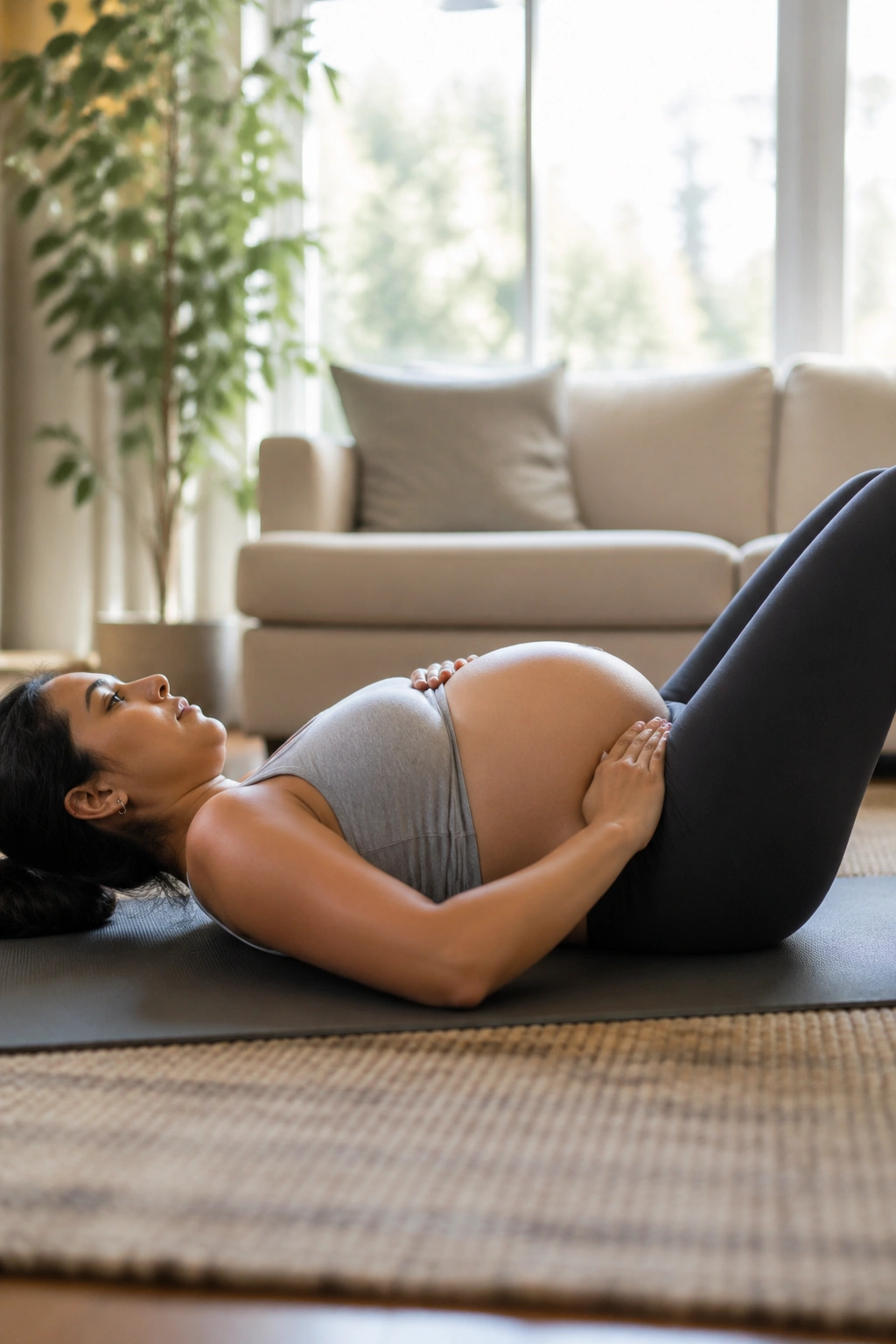
Can you train your core during pregnancy? Yes. Should it look like old-school ab day? No.
Your core is not just the six-pack muscle everyone obsesses over. It also includes the deep abdominal muscles, diaphragm, back muscles, and pelvic floor. The aim is stability and support, not flattening the belly. That distinction matters.
Safe core moves that are usually friendlier
- 360-degree breathing with gentle rib expansion
- Pelvic tilts
- Heel slides
- Cat-cow
- Bird-dog variations
- Side-lying leg lifts
- Modified side planks on knees, if comfortable and cleared
What they should feel like
You want control, not strain. A little muscle effort is fine. Sharp pain, pulling at the midline, doming, or a sense that you’re bearing down is not. Stop if the movement makes you brace hard or hold your breath.
A lot of prenatal core work gets sold as “flatten your stomach,” which is silly. The belly is doing something bigger than aesthetics. Train for support, better posture, and less back strain. That is the useful bargain.
And if a move feels awkward, that’s not a sign you’re failing. It’s a sign the move may not belong in this chapter.
14. Watch for Red Flags That Mean Stop and Call
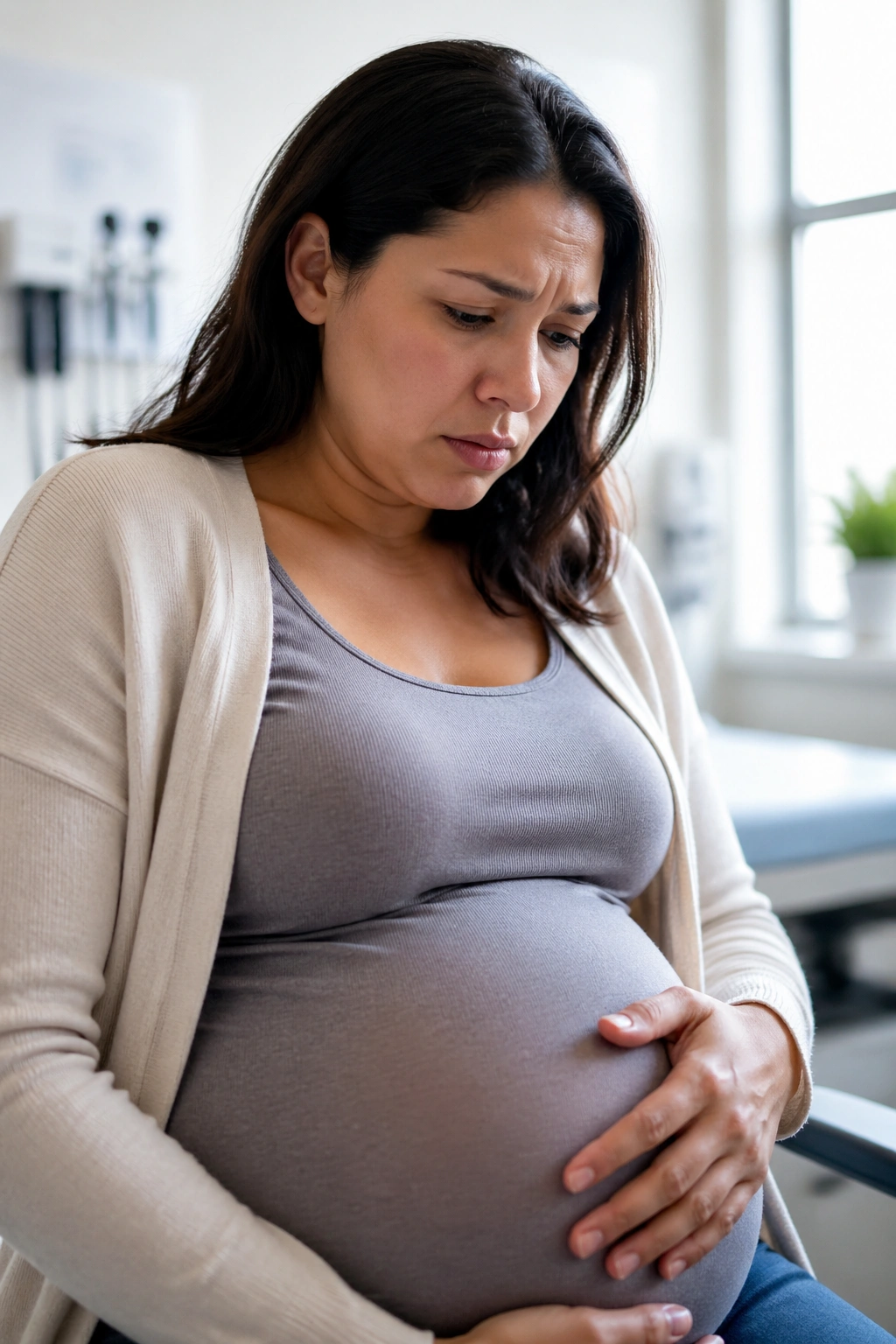
Your body should not be ignored because you want to keep up a routine.
Stop exercising and call your provider if you get vaginal bleeding, fluid leaking from the vagina, chest pain, faintness, severe shortness of breath, regular contractions, or a sudden drop in fetal movement if you’re far enough along to notice that pattern. New calf pain or swelling also deserves attention, especially if it’s on one side.
A few more warning signs deserve the same respect:
- Severe headache that won’t let up
- Blurred vision or flashing spots
- Sudden swelling in the face or hands
- Sharp upper abdominal pain
- Pain that feels different from normal workout soreness
Do not try to out-stubborn those symptoms. Pregnancy is one of those times when “wait and see” can be the wrong instinct.
If your workout has you feeling off in a way that lingers longer than a normal cool-down, that matters too. A good session leaves you tired in a clean way. It should not leave you scared.
15. What to Do After Birth
The waistline conversation belongs after birth.
That is when fat loss can be discussed in a real way, and even then the answer is still gentler than people expect. The first job after delivery is healing. Walking, sleeping when you can, eating enough protein and fiber, drinking water, and checking in with your care team all matter more than rushing back into hard exercise.
If you have a diastasis recti gap, pelvic floor symptoms, or back pain, a pelvic floor physical therapist can be worth their weight in gold. That is one of the few health services I recommend without hesitation because it’s practical, specific, and often underused. The work may be slow, but it is not wasted.
A sane postpartum starting point
- Start with short walks
- Rebuild core control before intensity
- Eat regular meals instead of skipping them
- Watch for pain, heaviness, leaking, or pressure
- Get cleared before returning to harder workouts
Breastfeeding does not guarantee weight loss, and it can make hunger louder. That surprises people. The body is not a machine with one setting.
If you want a smaller waist later, the best route is usually not punishment. It is healing well, moving steadily, and giving your body time to settle into its new shape without a fight.
