



Nobody burns a real layer of belly fat while asleep.
If you’re trying to lose belly fat overnight, the hard part is this: fat doesn’t leave the body in one night. What can change by morning is the way your stomach looks and feels. A salty dinner, a couple drinks, fizzy soda, late snacking, and short sleep can leave your middle puffier than it was the night before. That puffiness is usually water retention, gas, or food still moving through your system, not a sudden gain in body fat.
That distinction matters. A lot.
Once you know what’s actually happening, the fix gets a lot less mystical and a lot more practical. You stop chasing fake shortcuts and start doing the small things that help you wake up flatter: eat earlier, cut sodium, skip alcohol, walk after dinner, and sleep like you mean it. That’s not glamorous. It works better than glamorous.
1. Stop Treating Belly Fat Like a One-Night Problem
The quickest way to get disappointed is to expect fat loss to behave like swelling. They are not the same thing. Belly fat comes off slowly, through a consistent calorie deficit, movement, sleep, and time. Overnight changes are usually about bloat, not fat.
What changes by morning
- Water retention can make your midsection feel soft and puffy after a salty meal.
- Gas can build up from carbonation, sugar alcohols, and certain carbs.
- Food volume still sitting in the stomach or intestines can make your waist feel fuller.
- Sleep loss can leave you looking a little swollen and tired, especially around the face and belly.
That doesn’t make the goal fake. It just means the goal needs to be honest. If your waistline looks an inch smaller in the morning after a smarter dinner and a better night’s sleep, that is a real change. It is not fat melting off. It is your body settling down.
The trap is chasing dramatic promises and ignoring the small levers that actually show up on your waist tape.
Best first move: stop asking, “How do I burn belly fat tonight?” and start asking, “How do I wake up less bloated tomorrow?”
2. Eat Dinner 3 to 4 Hours Before Bed
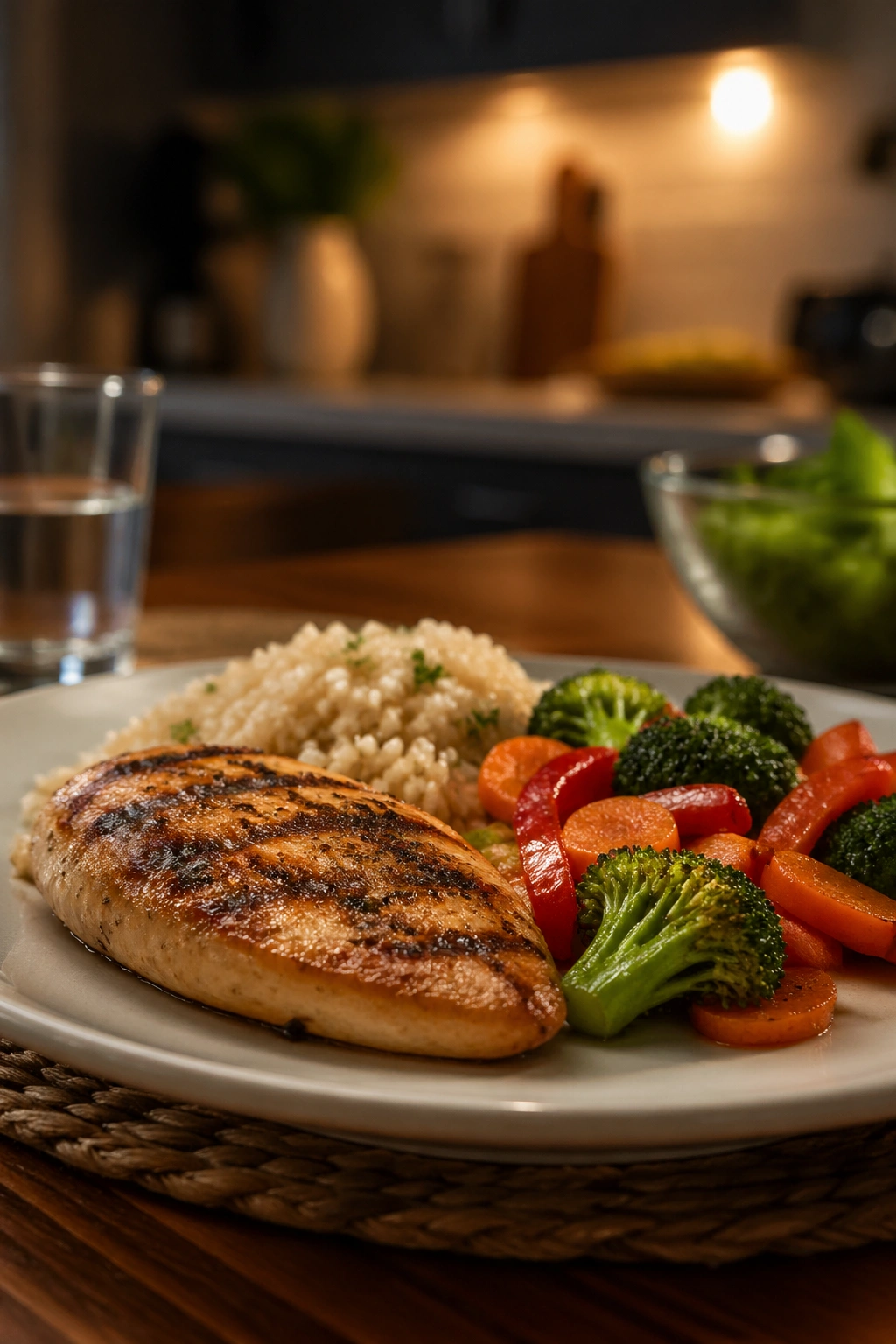
Why does dinner timing matter so much? Because lying down with a full stomach is a cheap way to wake up feeling thick through the middle. Digestion slows when you’re horizontal, and a big meal late at night tends to sit there longer than you want it to.
A dinner finished 3 to 4 hours before bed gives your body time to do some of the work while you’re still upright. That doesn’t mean you need to eat tiny meals. It means you should avoid turning the last meal of the day into a second round of snacking, dessert, and “just one more bite.”
Late hunger happens. I’m not pretending it doesn’t.
If you’re hungry later
Keep it small and simple: a plain Greek yogurt, a boiled egg, a few slices of turkey, or a small banana if that sits well with you. The point is to stop the “open the fridge five times” behavior that leaves you full, gassy, and annoyed with yourself.
A lot of people think they need to go to bed stuffed so they won’t wake up hungry. That backfires. You usually sleep worse, and the morning stomach feels heavier, not lighter. Timing alone won’t erase belly fat, but it can make a visible difference by breakfast.
3. Go Light on Salt After Dark
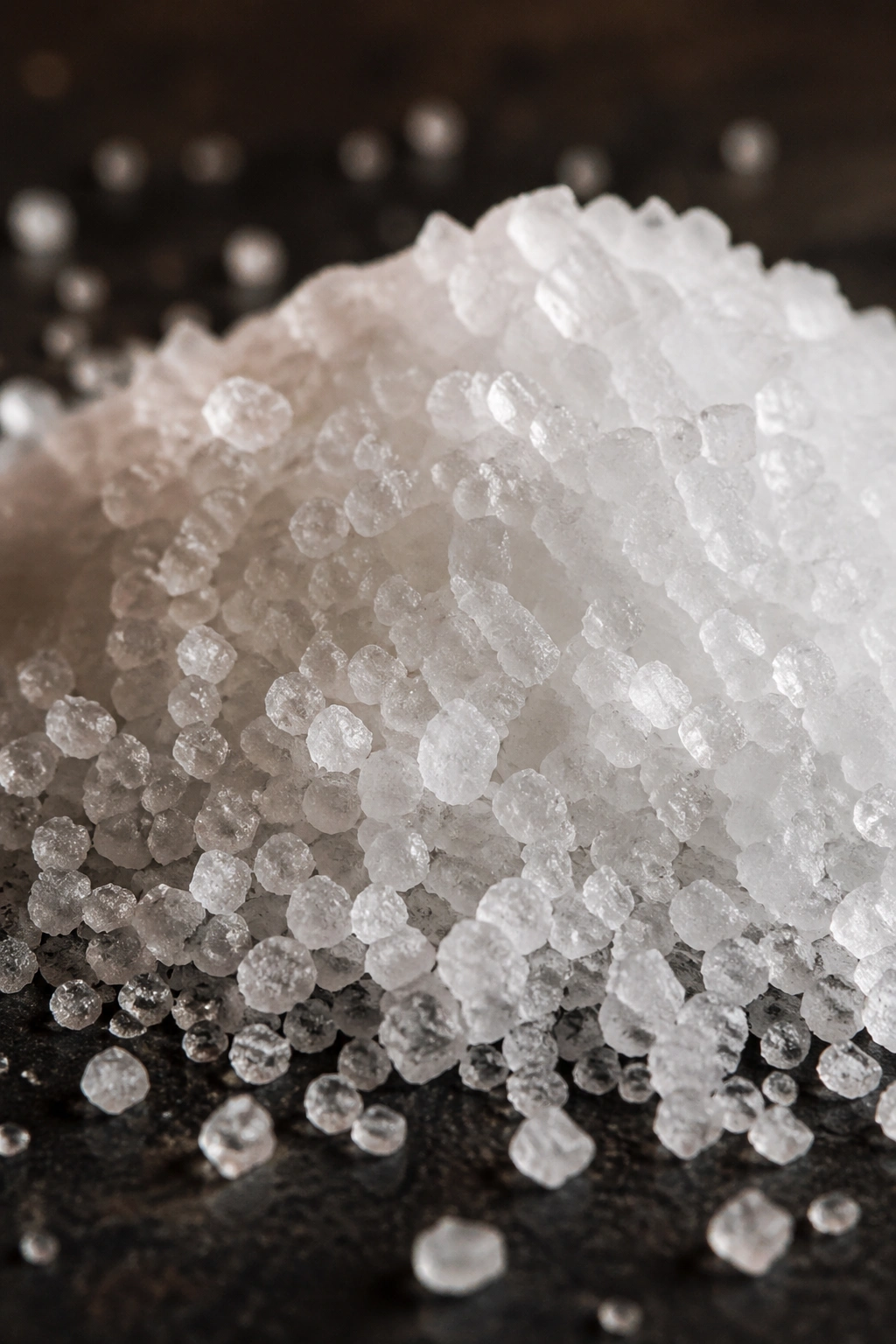
Salt is sneaky.
A meal does not need to taste salty to be loaded with sodium. Takeout rice, soup, rotisserie chicken, salad dressing, deli meat, frozen meals, and restaurant sauces can all stack up fast. One salty dinner can leave your body holding onto extra water by morning, and the stomach is one of the first places people notice it.
That puffiness is especially common after a high-sodium meal paired with not enough water during the day. Your body tries to balance things out, and the scale often goes up a little for no reason that has anything to do with fat.
The easiest evening sodium traps
- Pizza and wings
- Fast-food burgers
- Soy-heavy stir-fries
- Packaged noodles
- Deli sandwiches
- Bottled sauces and dressings
You do not need a zero-salt dinner. That would be miserable. You just need a calmer one. Use lemon, garlic, pepper, herbs, vinegar, or a little chili for flavor instead of leaning on heavy sauces and packaged seasoning mixes.
If you want to look less puffy tomorrow, this is one of the fastest changes you can make tonight.
4. Skip Alcohol for Just One Night

Alcohol is a double hit. It can mess with sleep, and it can leave you bloated or dehydrated enough to hold water in odd places. Either way, you wake up worse off than you felt at the start of the night.
That glass of wine or the “one or two” cocktails often comes with a salty snack, a late meal, or a missed water refill. Then sleep gets lighter, you wake up more often, and your body feels off the next morning. Not dramatic. Just enough to show up around the waist and face.
You do not need to quit drinking forever to see a difference. One dry night can change how your stomach looks by morning, especially if alcohol usually shows up with takeout or dessert.
If you want something in the glass, go with sparkling water and lime, cucumber water, or ginger tea. If you’re used to having a drink while you cook, switch the ritual, not just the beverage. That’s the part people miss.
One night off can do more than you’d think.
5. Build a Dinner That Sits Quietly in Your Stomach
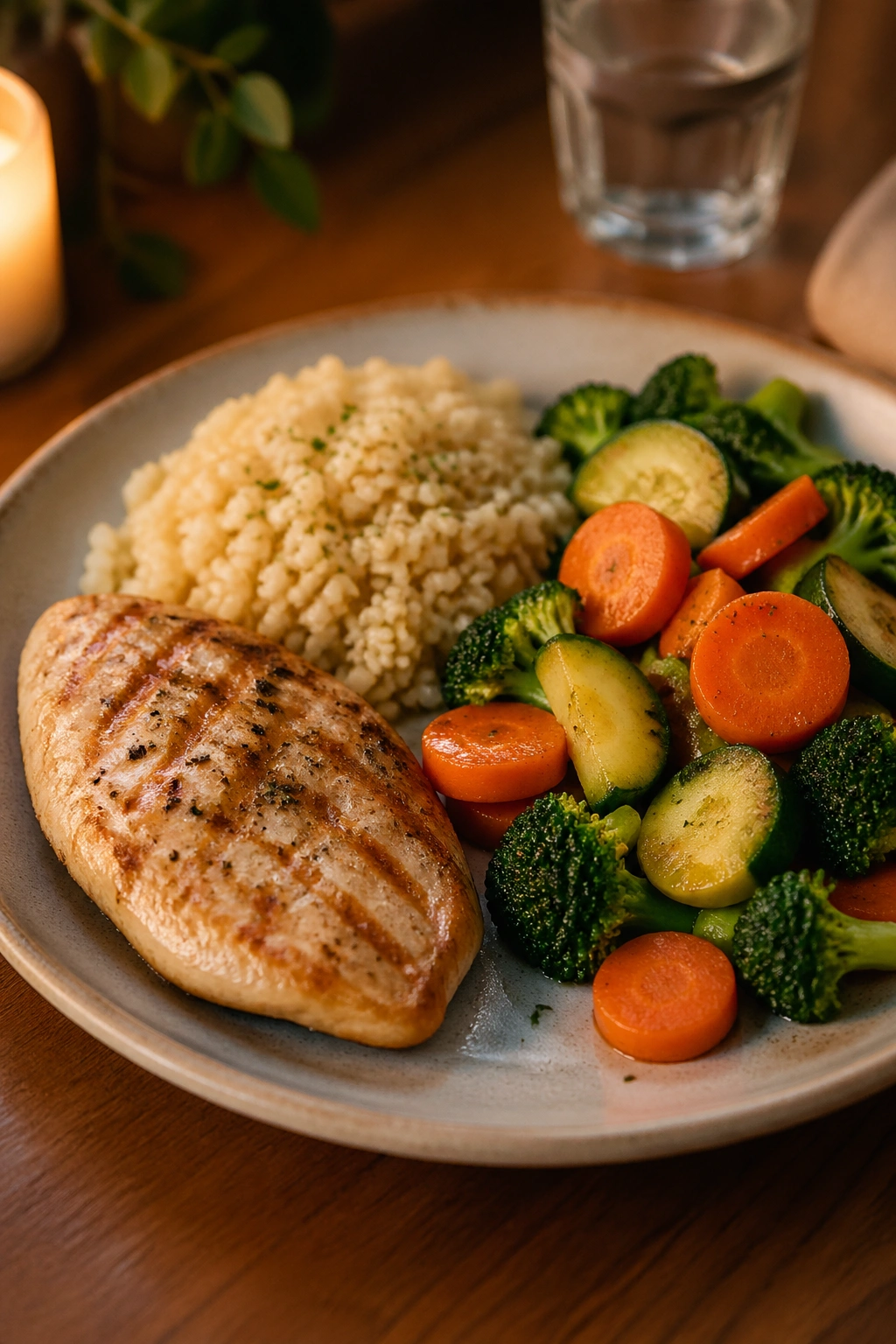
A dinner that looks “healthy” on paper can still leave you bloated by bedtime. Big raw salads, beans, cauliflower, creamy sauces, and mountains of fiber are common culprits. So are heavy fried foods and giant portions.
The plate that tends to work best
- 4 to 6 ounces of protein: chicken, fish, eggs, tofu, or lean turkey
- 1/2 to 1 cup of cooked starch: rice, potatoes, or oats if it’s a breakfast-for-dinner kind of night
- 1 cup of cooked vegetables: zucchini, carrots, green beans, spinach, or bell peppers
- A small amount of fat: olive oil, avocado, or a light sauce
Cooked vegetables usually sit easier than a giant bowl of raw crunch. That doesn’t mean salads are bad. It means a huge raw salad at night is a bloating machine for many people, especially if you eat it fast and wash it down with sparkling water.
If dairy bothers your stomach, skip the creamy sauce and cheesy add-ons. If garlic or onion gives you gas, go easy on those too. A boring dinner is sometimes the smartest dinner when your goal is to wake up flatter.
6. Walk for 10 to 20 Minutes After Dinner
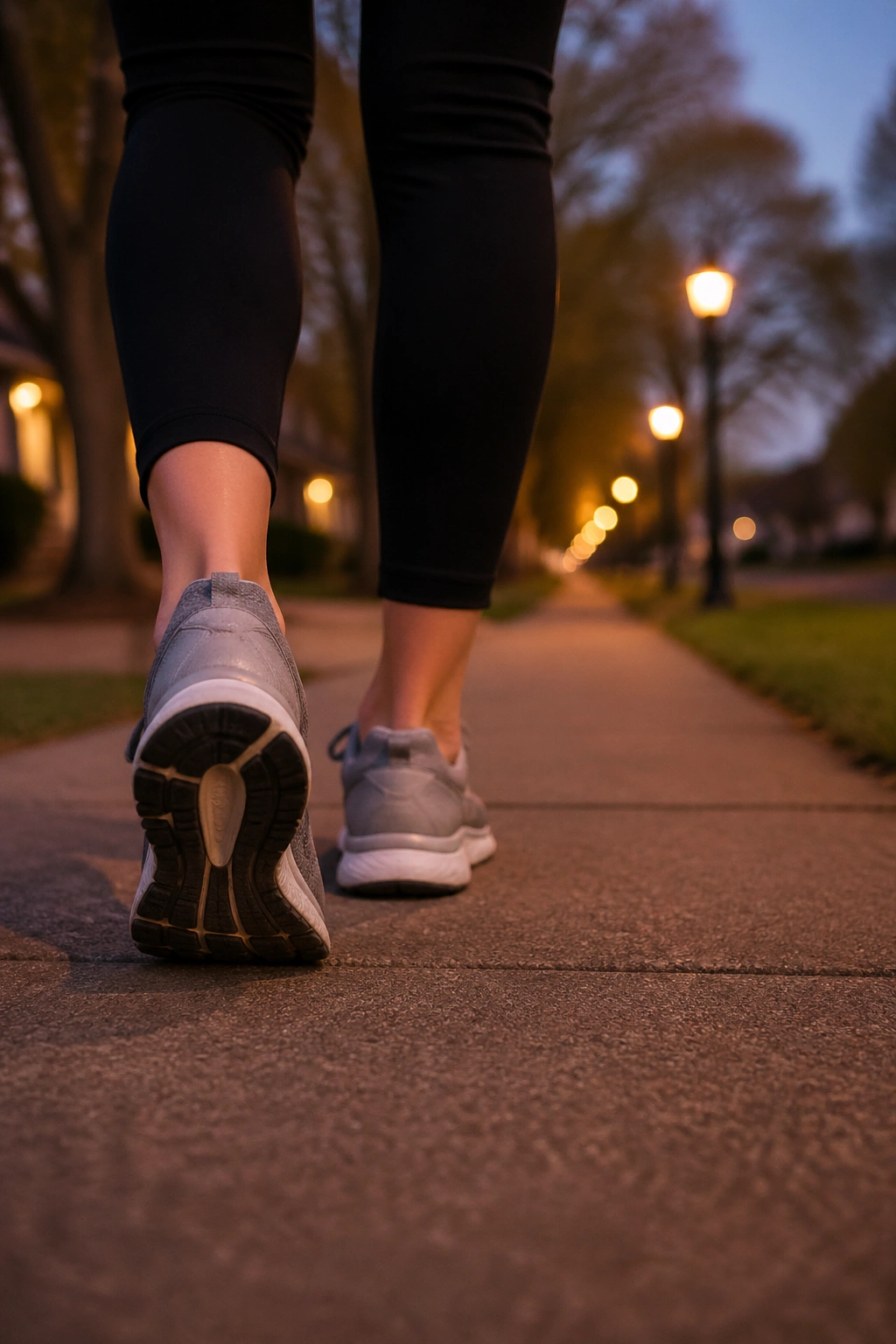
A walk after dinner is not flashy. Good. Flashy is usually where people make mistakes.
A gentle 10- to 20-minute walk helps move food along, keeps you from collapsing on the couch, and can reduce that heavy, stuck-in-your-stomach feeling that shows up after a big meal. You’re not trying to torch calories like a gym ad. You’re trying to keep digestion moving and avoid the sluggish, puffy feeling that comes from sitting still too long.
If you live in a place with bad weather, walk laps around the house, pace while you put dishes away, or do an easy stroll on a treadmill. The pace should be comfortable enough that you could keep going without huffing. If you’re breathing hard, you’ve gone past the point of a digestion walk.
This is one of those habits that looks too simple to matter. It matters.
Skip the instinct to sit down immediately after eating. Your stomach will thank you by morning, and so will your waistline.
7. Drop Carbonation and Sugar Alcohols Tonight
Gas shows up fast.
Soda, sparkling water, beer, diet drinks, sugar-free gum, protein bars with sorbitol or xylitol, and some “keto” snacks can all create a bloated stomach overnight. Carbonation adds gas. Sugar alcohols can pull water into the gut and leave some people feeling swollen and crampy. Neither one is a friend to a flatter morning belly.
If you drink sparkling water all day and feel fine, great. Keep it. But if your stomach gets tight, noisy, or distended after fizzy drinks, tonight is the night to leave them out. Same goes for endless gum chewing. It seems harmless until you notice how much air you’re swallowing.
Plain water is the safest choice here. Herbal tea is fine too, as long as it’s caffeine-free and not loaded with sweeteners. Peppermint and ginger are the two I’d reach for first if your stomach tends to act up.
The short version: if it gives you gas, skip it after dinner.
8. Sleep in a Cool, Dark Room

Can sleep change your waistline by morning? Indirectly, yes.
Poor sleep tends to make people hungrier, more stressed, and more likely to wake up puffy. A room that is too warm or too bright can leave you tossing, waking, and sweating, which is not a recipe for looking lean in the morning. Your body likes calm. It shows.
A cool room usually feels better than a warm one, and many people sleep well somewhere around 65 to 68°F. Blackout curtains help. So does keeping your phone across the room instead of under your pillow, where it tempts you into one more scroll. If your room is noisy, a fan or white noise can make a real difference.
Small bedroom fixes that matter
- Lower the thermostat a bit before bed
- Dim lights an hour earlier
- Keep water by the bed, not snacks
- Charge your phone outside arm’s reach
This is not about being perfect. It is about giving your body a night where it can actually settle down. A calmer night usually means a calmer stomach.
9. Use a Five-Minute Wind-Down Before Bed

A tense body often looks tense the next day. That includes the middle.
Stress does not magically create belly fat overnight, but it can make you clench, snack, sleep badly, and wake up with a stomach that feels tight and irritated. If your evening is one long blast of screens, work messages, and half-finished chores, your body stays in a wired state longer than it should.
A five-minute reset
- Sit down and take 5 slow breaths through your nose.
- Stretch your hips, hamstrings, or lower back for 60 seconds each.
- Put the phone away for the final 15 minutes before sleep.
- Lie on your back and exhale longer than you inhale for a few rounds.
That’s it. Nothing fancy.
The goal is not to meditate like a monk. The goal is to stop carrying the whole day into bed with you. If your shoulders drop and your jaw unclenches, your stomach often follows. It’s a small thing, but small things add up fast when the topic is how your body looks by morning.
10. Drink Water Earlier, Then Slow Down at Night

People mess this up in both directions. They drink too little all day, then panic-chug water right before bed. Neither version helps.
If you’re under-hydrated, your body can hang on to water more stubbornly. If you slam a huge glass at 10 p.m., you may wake up bloated, trip to the bathroom, and sleep badly. That’s a rough trade.
Front-load your water earlier in the day. Drink regularly with meals, then taper off at night. A glass with dinner is fine. Two giant bottles before bed are not.
A useful marker: pale yellow urine usually means you’re in a decent spot. You do not need crystal-clear urine. You also do not need to be thirsty and dry-mouthed by bedtime. That middle ground is the sweet spot.
If you like a warm drink at night, herbal tea is fine. If you exercise hard or sweat a lot, add extra water earlier in the day, not all at once when the sun goes down. Your stomach will feel calmer, and your sleep will probably be better too.
11. Do a Gentle Morning Workout, Not a Punishment Session

The morning after a heavy dinner is not the time for heroic intervals and a workout that leaves you bent over a trash can. Keep it light. Keep it moving.
A 15- to 25-minute brisk walk, an easy bike ride, or a simple bodyweight circuit can help you feel less sluggish and set the tone for the day. You’re not burning off last night’s meal in some dramatic way. You’re waking up your body, helping digestion, and making it less likely that you’ll spend the rest of the day dragging.
A low-drama circuit that works
- 10 bodyweight squats
- 10 wall push-ups or incline push-ups
- 20 marching steps in place
- 10 dead bugs per side
- 60 seconds of easy walking
Repeat that 2 to 3 times if you want a little more. The effort should feel light to moderate, not punishing. If you go too hard, you may end up ravenous and more likely to overeat later.
This is one of those quiet weight loss workouts that pays off by making the next 12 hours cleaner, calmer, and easier to control.
12. Watch the Foods That Back You Up
A backed-up digestive system can make your stomach feel bigger than it is. Sometimes the issue is constipation. Sometimes it’s just too much of the wrong kind of fiber too late at night.
Beans, lentils, raw broccoli, cauliflower, big salads, and a sudden jump in bran-heavy foods can all leave some people gassy or slow the next morning. Dairy can do the same if you’re sensitive. So can greasy foods that sit around longer than they should.
Common culprits
- Beans and lentils at dinner
- Huge raw salads with lots of dressing
- Heavy cheese dishes
- Fried takeout
- Protein bars with sugar alcohols
- A sudden fiber jump after eating low-fiber all week
The fix is not to avoid fiber forever. It’s to place it where your body handles it best. Some people do fine with a bean bowl at lunch and hate it at night. Others can eat lentil soup with no trouble. You have to pay attention to the pattern your own body gives you.
If you’re constipated, water, movement, and regular meal timing matter too. A flat stomach in the morning often starts with a gut that is actually moving.
13. Fix the Way You Stand and Breathe

Try this in the mirror: exhale, soften your ribs, gently tuck your pelvis to neutral, and stand tall without arching your lower back. Most people are surprised by how much flatter their stomach looks in thirty seconds.
Posture is not a fat-loss trick. It is a shape trick. If your ribs flare out, your pelvis tips forward, or you spend the day hunched over a laptop, your belly can stick out even when you’re not carrying much extra weight. That’s especially obvious in the morning when you catch your reflection before coffee.
Three quick posture checks
- Keep your ribs stacked over your hips
- Lengthen the back of your neck
- Lightly tighten your lower abs on the exhale
Posture work costs nothing, and it often gives an immediate visual payoff. You still need the other habits if you want the stomach to look less bloated. But this one can make you look cleaner in clothes almost right away.
Posture is free.
14. Make Breakfast Small, Simple, and Protein-Heavy
Should you skip breakfast after a late meal? Sometimes, yes. Sometimes, no. The better question is what kind of breakfast helps you stay flat and not rebound into overeating later.
If you wake up hungry, start with something that doesn’t come with a sodium bomb or a sugar crash. Eggs, Greek yogurt, cottage cheese, a protein smoothie with berries, or oatmeal with a scoop of protein all work better than pastries, giant muffins, or a greasy breakfast sandwich. Those options can leave you hungry again fast, and the salt tends to show up around the belly.
If you’re not hungry, don’t force a big meal. A lot of people wake up with a flatter stomach after a light morning and then ruin it by eating a giant breakfast out of habit. You do not need to do that.
Keep the first meal steady, not chaotic. A small protein-heavy breakfast often keeps lunch calmer too, and that helps more than people think when the goal is a less puffy middle.
15. Repeat the Same Nighttime Pattern for Seven Nights

One flat morning is nice. A repeatable pattern is better.
If you want the stomach to look less bloated on a regular basis, the boring sequence is the one that works: earlier dinner, lower sodium, no alcohol, a short walk, enough water during the day, and decent sleep. Do that once and you might feel lighter. Do it for a week and your body starts to stop bouncing around so much.
Keep the pattern boring
- Eat dinner 3 to 4 hours before bed
- Keep the meal lighter on salt
- Skip alcohol
- Walk for 10 to 20 minutes after eating
- Sleep in a cool, dark room
- Weigh or measure yourself at the same time each morning if you want to spot patterns
That last part helps more than most people expect. If your waist changes by morning after certain foods or habits, you’ll see it fast when you track it under the same conditions. Same time, same tape measure, same routine. Messy data tells you almost nothing. Clean data tells you what actually puffs you up.
Real belly fat loss takes longer. But a flatter morning stomach starts with one calm evening, then another, then another.
