



The feeling of hitting a wall during a workout isn’t just physical; it is a psychological signal that your brain is tired of the repetition. You know the sensation well. Your legs start to feel heavy, the rhythm feels stale, and suddenly the clock on the wall seems to be moving in slow motion. When your body becomes too accustomed to a specific movement, the metabolic demand decreases, and your motivation often plummets right along with it. The solution isn’t to push harder through the monotony, but to change the mechanism of the stress.
Variety in cardiovascular training does more than keep boredom at bay. It forces your heart, lungs, and muscle groups to adapt to new angles of strain, different ranges of motion, and varying metabolic pathways. Most people stick to one or two modes of cardio, effectively training only one pattern of movement while leaving other physiological systems under-utilized. By rotating through a broader toolkit, you develop a more resilient, functional physique.
Whether you are looking to lean out, increase your VO2 max, or simply reclaim some energy in your daily life, the secret lies in how you apply intensity and load across different formats. You do not need to be an elite athlete to benefit from this, but you do need to be intentional about how you move. Here are 15 distinct ways to get your heart rate up, each offering a unique set of challenges and adaptations.
1. Running
Running is the most accessible form of cardio, requiring nothing more than a pair of shoes and a surface to move on. Its efficiency comes from the continuous, weight-bearing nature of the movement, which forces your cardiovascular system to support your entire body mass against gravity. You are essentially doing thousands of small, repetitive squats with every stride.
The Mechanics of an Efficient Stride
Focus on landing softly, with your feet striking underneath your hips rather than reaching out in front of your body. Over-striding—landing with your heel well ahead of your center of gravity—creates a braking force that sends shockwaves up into your knees and hips. Aim for a quick cadence, somewhere around 170 to 180 steps per minute. It feels fast at first, but it keeps your impact forces manageable.
Quick Tips for Better Runs
- Vary your terrain: Flat pavement is predictable, but it can lead to repetitive strain; trails and grassy surfaces force your stabilizer muscles to work harder.
- Run for time, not distance: When you are just starting, setting a goal of 20 or 30 minutes removes the pressure to hit a specific mile marker.
- Proper gear: Do not sacrifice support for style; visit a local shop to have your gait analyzed.
Pro tip: If you feel persistent pain in your shins, stop immediately and look at your footwear; it is rarely the ground that is the problem, but the lack of cushion or arch support in your current setup.
2. Swimming
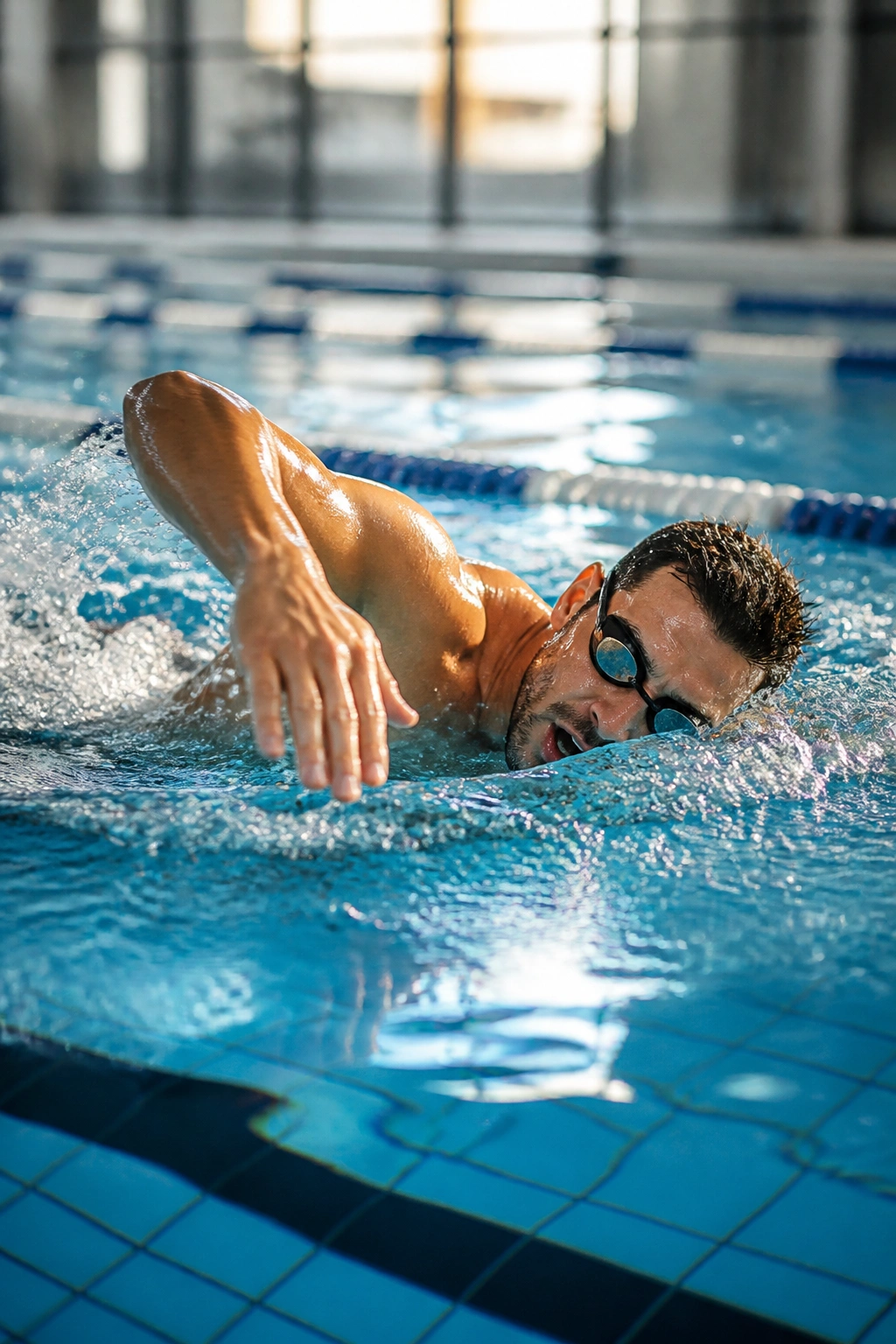
Swimming is an anomaly in the cardio world because it provides a total-body resistance workout without a single ounce of impact stress. The water provides constant, omnidirectional resistance—every movement you make has to push against the density of the water. This builds muscular endurance in the shoulders, core, and back while keeping your heart rate elevated.
Many people avoid swimming because they think they need to be competitive swimmers to get a good workout. In reality, you just need to keep moving. If you cannot swim laps continuously, try doing water walking or holding onto the side of the pool for kicking drills. The goal is to move the water and keep your breathing controlled.
Because you are horizontal in the water, blood flow is much more efficient than when you are vertical. This means your heart does not have to work quite as hard to pump blood against gravity, yet you can still achieve a very high intensity. It is the perfect way to recover from the impact of running while still pushing your aerobic capacity. Just remember that swimming is a skill-based exercise; the better your form, the more you will get out of every stroke.
3. Jump Rope
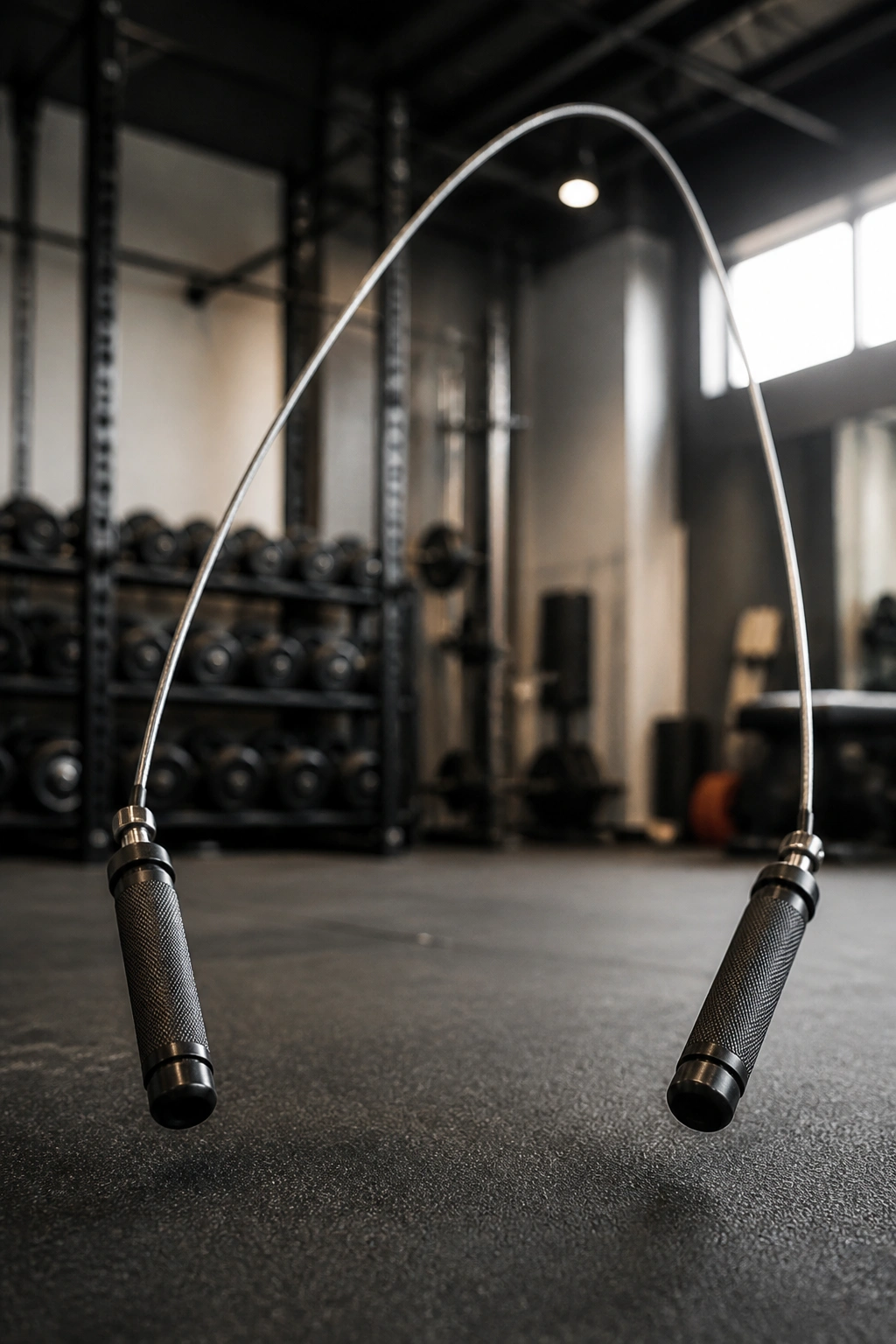
There is a reason boxers have used the jump rope for decades—it is arguably the most efficient tool for building agility and high-intensity aerobic capacity in a small space. It demands focus. If you lose concentration, the rope hits your shins or feet, providing immediate, humbling feedback.
Why It Works for Fat Loss
The constant bouncing action engages the calves, quads, and glutes, but the real magic happens in the upper body and core. You must maintain an upright, braced posture to keep the rhythm, which keeps your abdominal muscles engaged for the entire duration of the set. It is a high-calorie burner that keeps your metabolic rate elevated for a long time after you finish.
Essential Technique
- Keep it small: You do not need to leap high off the ground; an inch or two is plenty.
- Wrist movement: The power comes from your wrists, not your shoulders. If your arms are swinging wide, you are wasting energy and making the rope move inconsistently.
- Surface matters: Avoid jumping on hard concrete if possible. A gym mat or a wooden floor provides just enough cushion to protect your ankles.
Pro tip: Do not worry about fancy crossovers or double-unders right away. Master the basic bounce first. If you can maintain a steady rhythm for three minutes straight, you are doing more work than most people at the gym.
4. Cycling
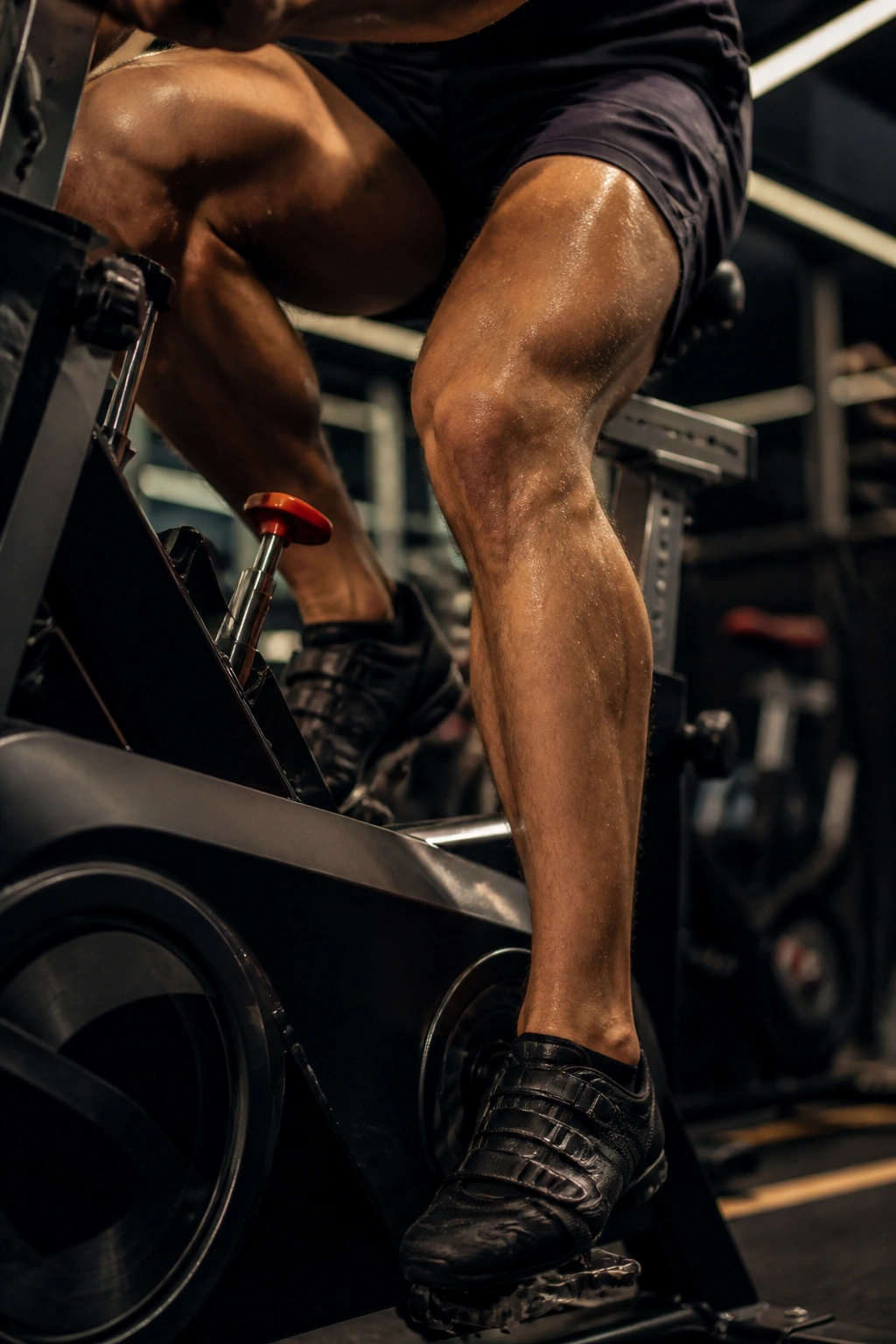
Cycling is the king of low-impact, high-duration endurance. Unlike running, you do not have to worry about the repeated pounding of your joints, which makes it ideal for days when you are feeling sore or recovering from a harder workout earlier in the week. The focus is purely on the aerobic engine.
When you cycle, you are mostly utilizing your glutes and quads. To get the most out of it, you need to think about the full rotation of the pedal, not just the downward push. Try to pull up on the pedal during the back half of the circle. This uses your hamstrings and creates a much smoother, more efficient power transfer.
Many people make the mistake of setting the resistance too low and spinning their legs like a blender. While that gets the heart rate up, it doesn’t build the muscular tension that actually shapes the legs. Crank the resistance up until you feel a genuine push required to turn the wheel. It should feel like you are riding uphill, even if you are on a flat stationary bike.
5. Stair Climbing

Stair climbing is essentially a never-ending lunging workout. It is one of the most effective ways to force your body to work against gravity, especially if you carry a little extra weight. Because you are physically lifting your body mass onto the next step repeatedly, your heart rate will climb significantly faster than it would on a flat treadmill.
Making It More Than a Grind
Most people lean heavily on the handrails of the stair climber, which takes a significant portion of the load off the legs. If you want the full benefit, keep your hands off the rails—or just use them for balance. Engaging your core and standing tall forces your glutes to do the work they were designed for.
How to Structure Your Session
- Intervals: 30 seconds of high-speed climbing followed by 60 seconds of slow walking.
- Steady State: Pick a pace you can maintain for 20 minutes without needing to stop.
- Lateral Steps: Turn sideways and step up, alternating sides to work the adductors and abductors.
Pro tip: If you are using an actual staircase in a building or park, you get the added benefit of the descent, which is actually excellent for building eccentric strength in your quads, provided you take it carefully.
6. Rowing
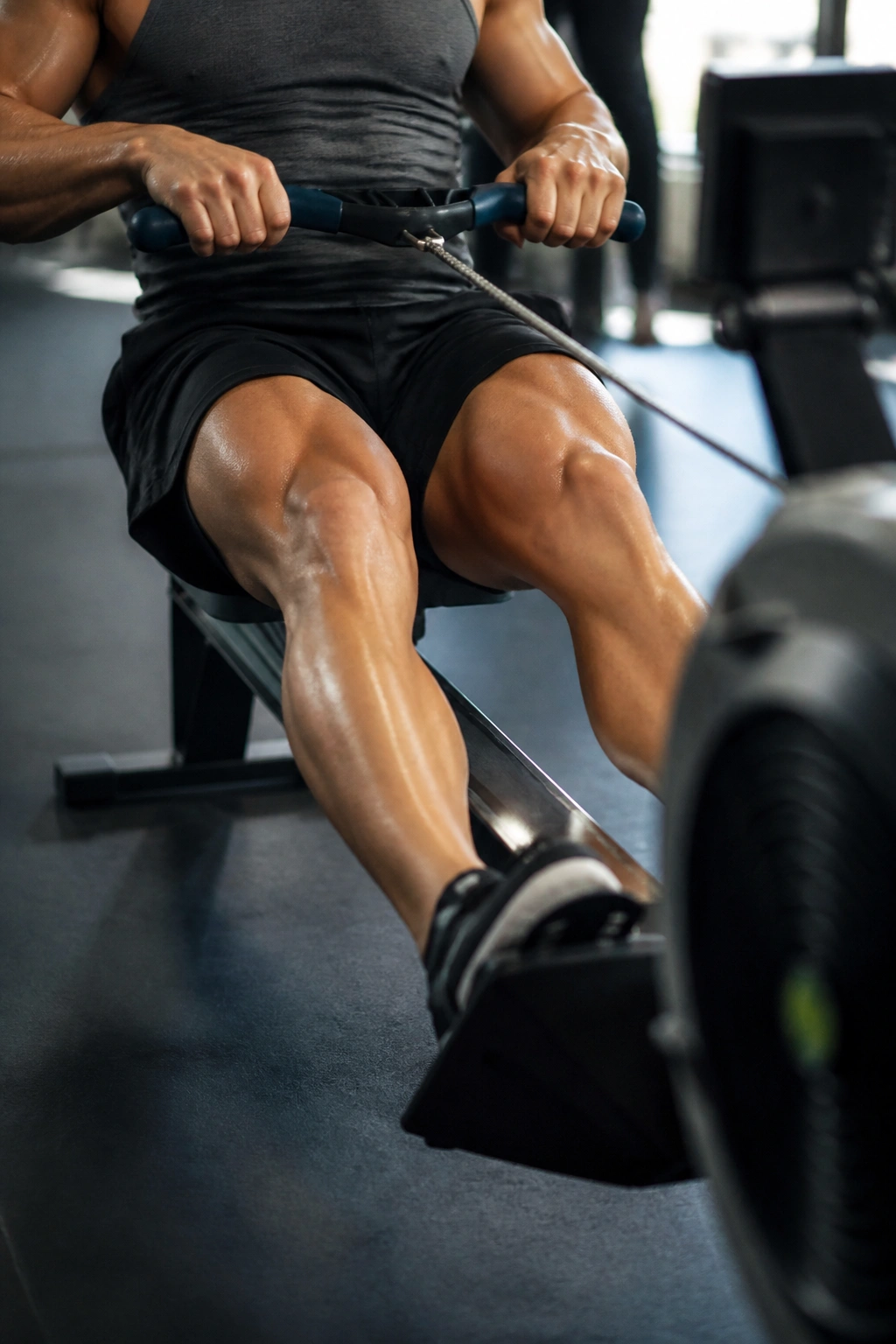
The rowing machine, or ergometer, is often misunderstood as an arm workout. In reality, it is a leg-dominant exercise. A proper rowing stroke is roughly 60% legs, 20% core, and 20% arms. If you are doing most of the work with your biceps, you will burn out within minutes.
When you start your pull, drive through your heels. Push the platform away with your legs first. Only when your legs are nearly straight should you lean back and pull the handle toward your ribs. The finish should be a fluid motion, not a jerky tug.
The real beauty of rowing is the full-body engagement. You are working your back, shoulders, arms, legs, and glutes simultaneously. It requires a high level of coordination. Once you get the rhythm down, it becomes almost meditative. It is easy to track your progress too—just watch your “split time” on the monitor to see how many minutes it takes to row 500 meters.
7. Elliptical Training
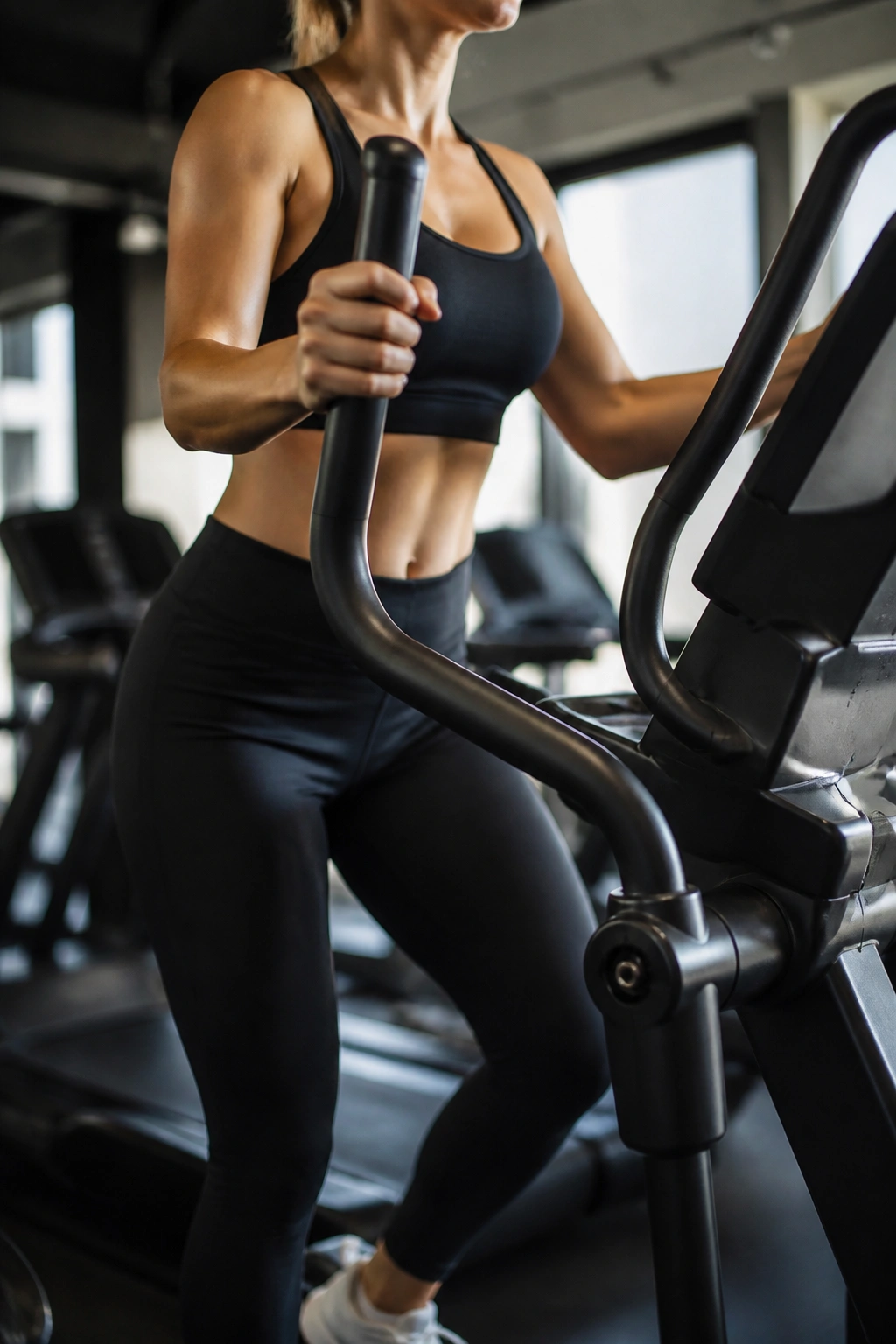
The elliptical is the great compromise of the cardio world. It gives you the feel of running without the jarring impact of your feet hitting the pavement. It is excellent for those who are heavier, injured, or just want to log extra time on their feet without trashing their joints.
To get the most out of it, you have to actively use the handlebars. Many people just let their arms hang or lazily push the handles. If you push and pull with intent, you turn an otherwise lower-body-focused exercise into a total-body conditioning session. Your chest, back, and shoulders will feel it by the end of a long set.
Don’t ignore the resistance settings. The elliptical is often criticized for being “too easy,” but that is usually because the user leaves the resistance at level one. Crank it up until your legs feel the burn, and you will find that the elliptical is just as challenging as any other piece of equipment. It is all about how much effort you decide to put into the stride.
8. Hiking

Hiking is cardio that you don’t realize is cardio. Because you are focused on the terrain, the scenery, or conversation, you can often push yourself harder and for longer than you could in a gym environment. It is the ultimate natural endurance training.
The instability of the ground—rocks, roots, dirt—engages your stabilizer muscles in your ankles, knees, and hips constantly. You are not just moving forward; you are balancing, adjusting, and correcting with every single step. This constant engagement burns significantly more energy than walking on a perfectly flat gym floor.
If you want to turn a casual hike into a serious workout, consider wearing a light backpack. Even ten extra pounds of water and gear changes the intensity. Focus on consistent pacing. The goal is to keep moving forward without spikes in intensity that leave you breathless, just a steady, unrelenting output that builds aerobic capacity.
9. Boxing and Kickboxing

Boxing is a visceral, high-intensity way to burn calories. You aren’t just thinking about your heart rate; you are thinking about your target, your guard, and your footwork. This mental engagement makes the time fly by. You can do this with a heavy bag, shadow boxing, or in a structured group class.
The Focus Factor
When you throw a punch, you are using your entire kinetic chain. The power starts in your feet, travels through your legs, is amplified by your core rotation, and finishes at your fist. You aren’t just moving your arms; you are throwing your weight. This creates a massive metabolic demand.
Essential Components
- Stance: Keep your knees soft and your core tight. Never stand flat-footed.
- Rotation: If you aren’t pivoting your feet, you aren’t punching correctly, and you are missing out on the core engagement that makes this a workout.
- Breath: Exhale sharply on every punch. This forces your core to contract and prevents you from holding your breath.
Pro tip: Do not worry about being “good” at boxing. Nobody starts with perfect technique. Just focus on keeping your hands moving and your feet active. The sweat will come regardless of your skill level.
10. Dancing and Aerobic Classes
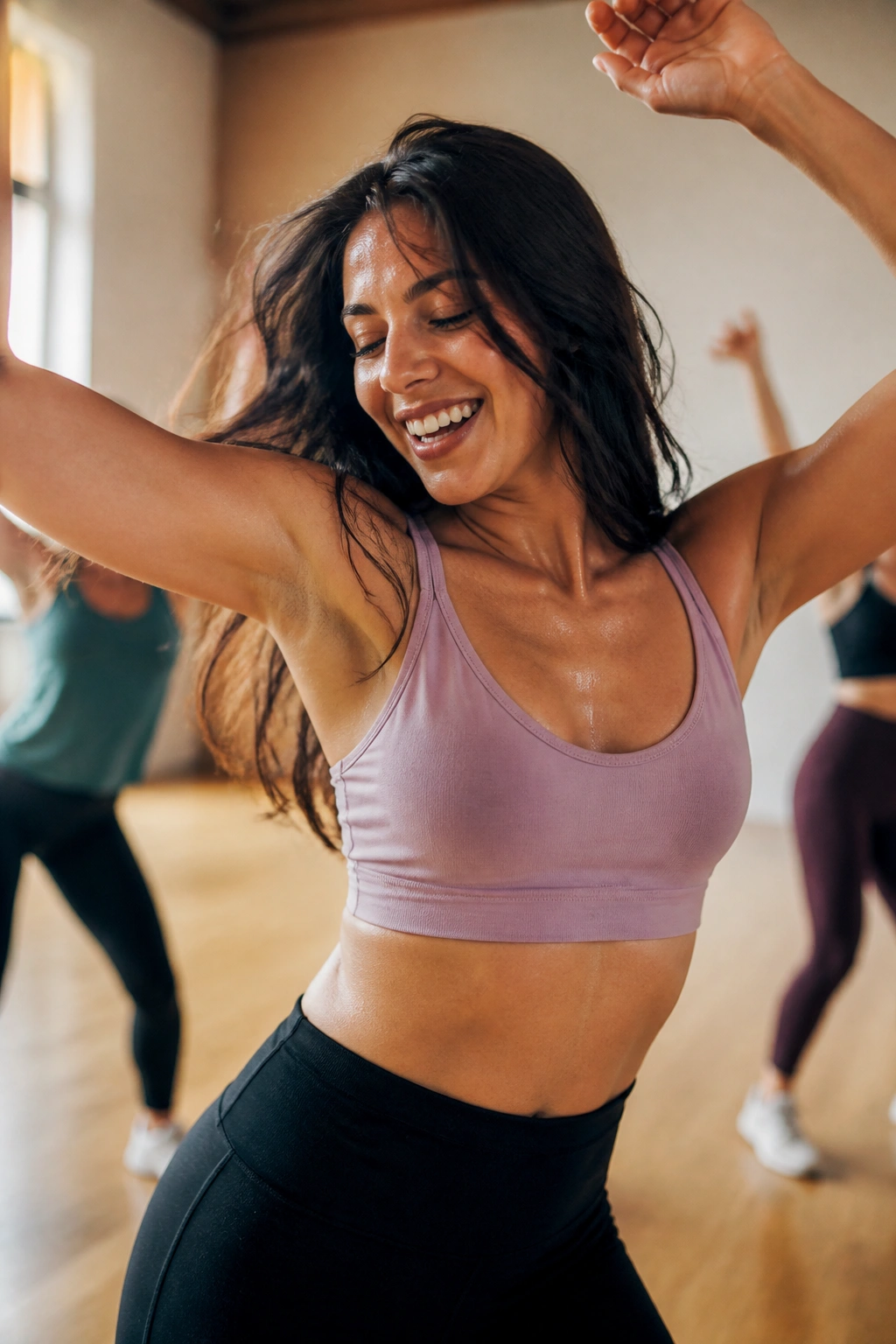
Dancing is cardio masquerading as fun. Whether it is a dedicated dance-fitness class, a salsa night, or just an hour of moving in your living room to a high-tempo playlist, the sustained movement keeps your heart rate elevated. It requires coordination, agility, and endurance.
The unpredictability of movement is what makes this so effective. Unlike running or cycling, which are linear, dance involves lateral movement, twisting, and reaching. These planes of motion are often neglected in traditional workouts. You are training your body to move dynamically, which improves balance and flexibility while torching calories.
If you are self-conscious about your rhythm, start with online videos in the privacy of your own home. The point is not how you look; the point is to keep moving for the duration of the song. String together thirty or forty minutes of movement, and you will find it is just as intense as any session on a treadmill.
11. Kettlebell Circuits
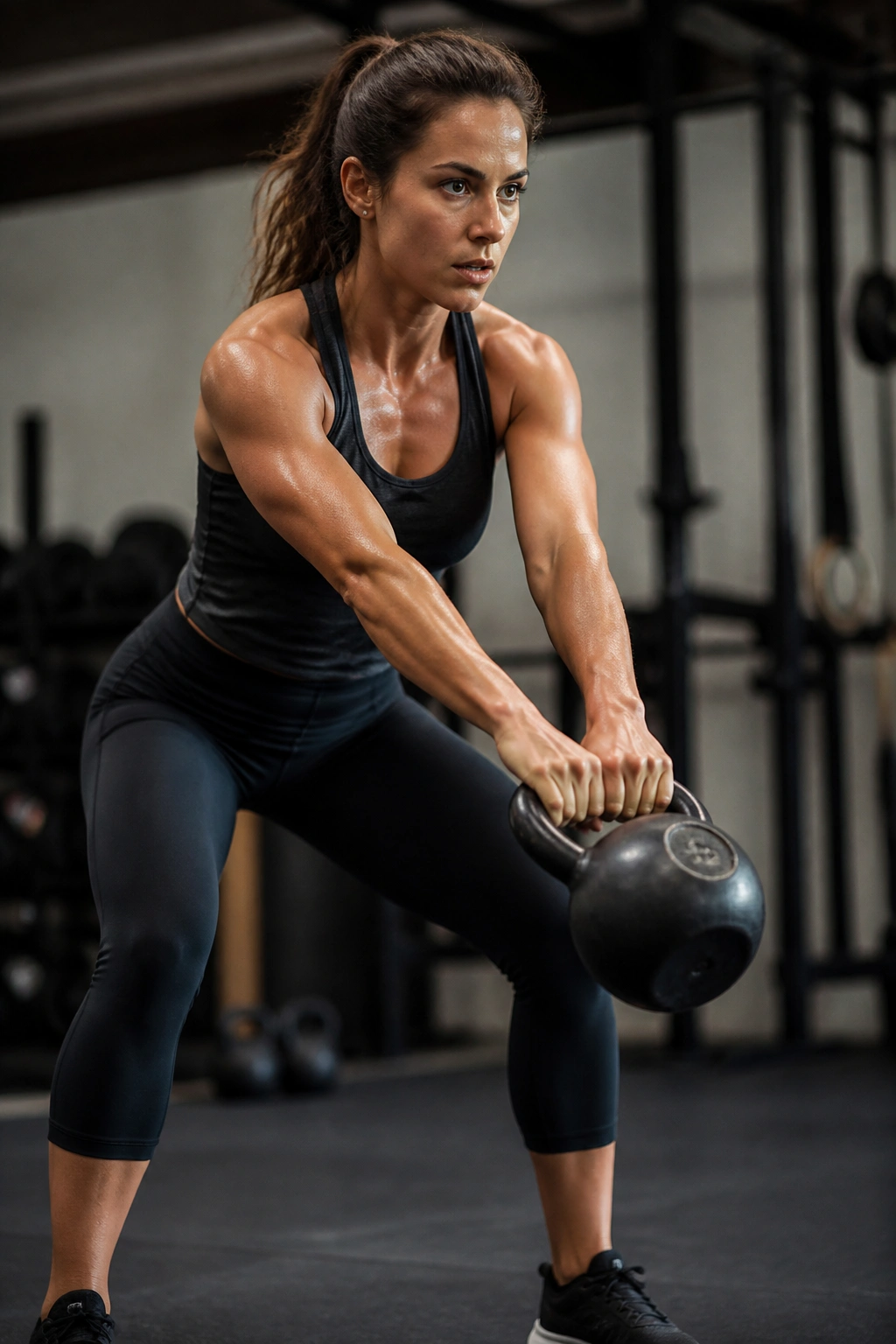
Kettlebell training bridges the gap between strength and cardio. When you string together exercises like swings, cleans, and snatches without rest, your heart rate spikes because your muscles are demanding massive amounts of oxygen to power the repeated movements. It is a fantastic way to build “strength-cardio.”
The kettlebell swing is the backbone of this training. It is a hip-hinge movement that fires your glutes, hamstrings, and lower back. Because you are using a weighted implement, you create an explosive output with every repetition. This builds raw power and cardiovascular resilience simultaneously.
Start with a weight you can handle with perfect form—do not ego lift here. The goal is volume and speed, not maximum weight. Set a timer for 10 or 15 minutes and see how many quality repetitions you can complete. The combination of the heavy load and the repetitive motion is a recipe for a very effective conditioning session.
12. Battle Ropes
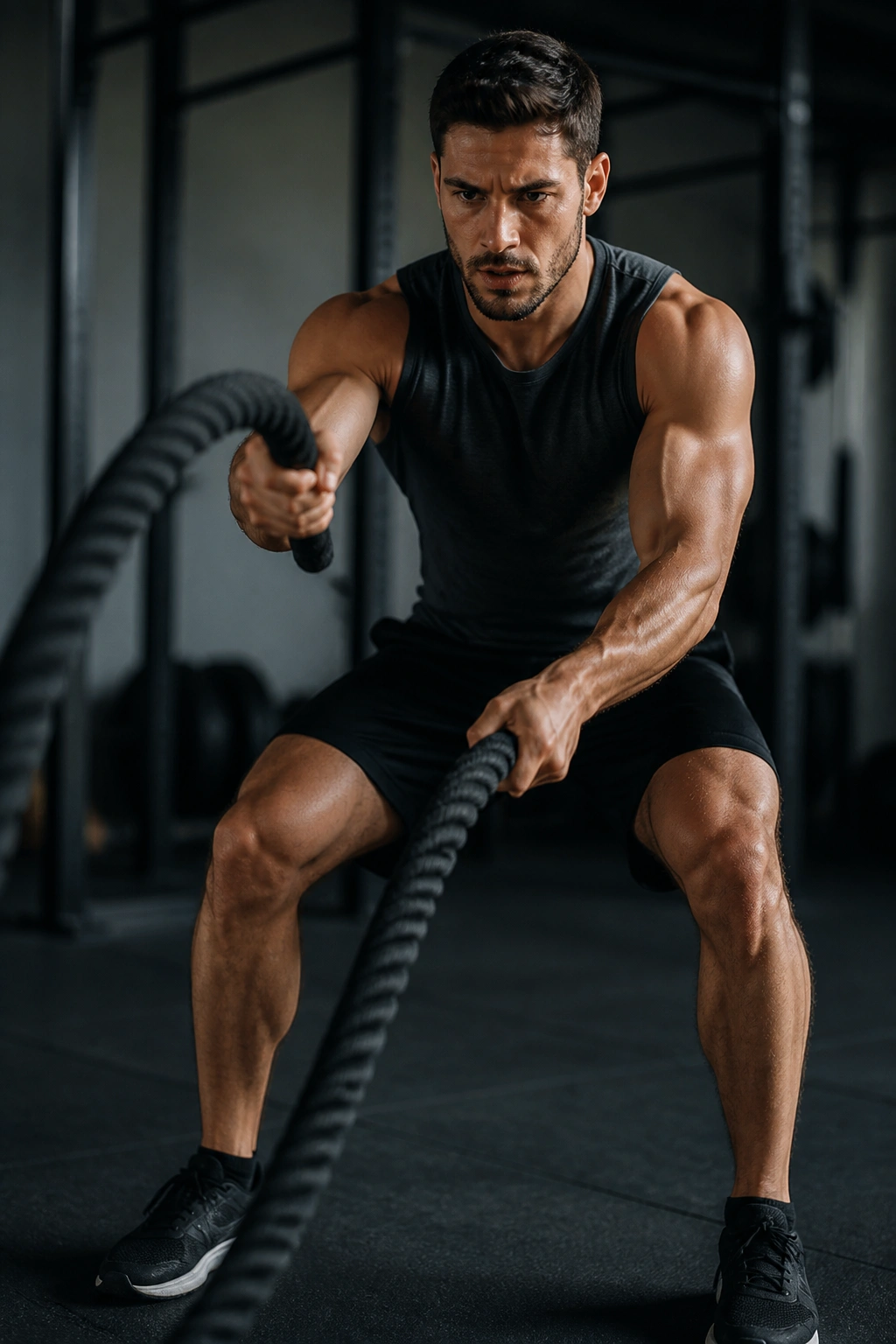
Battle ropes look like a simple, primitive tool, but they are an incredible test of endurance for your entire upper body. You are essentially creating waves with heavy, thick ropes. It sounds easy until you try to do it for 30 seconds straight.
The key to battle ropes is keeping your core absolutely rigid. If your torso is wobbling, you are leaking energy. You want to transfer the force from your shoulders, through your arms, and into the ropes. Your core acts as the anchor that holds it all together.
Try different patterns: alternating waves, double slams, or side-to-side whips. Since it is so intense, it is best used in intervals. Try 20 seconds of maximum effort followed by 40 seconds of rest. Do that for 10 rounds, and you will be gasping for air. It is a brutal, short, and highly effective way to finish a workout.
13. Rebounding (Mini-Trampoline)
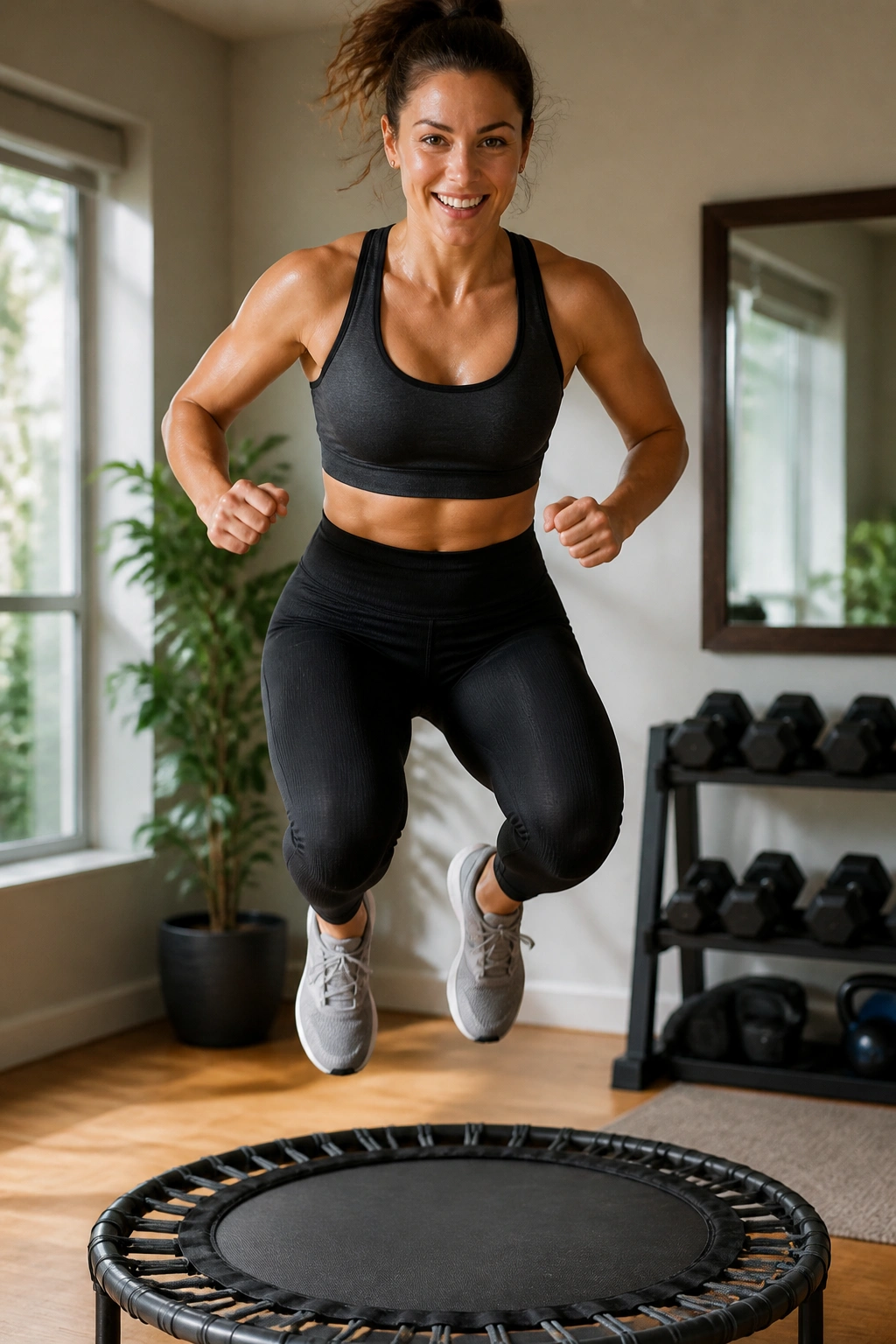
Rebounding—or jumping on a mini-trampoline—is surprisingly demanding. The unstable surface forces your body to constantly adjust to maintain balance. With every jump, you are engaging your core, legs, and deep stabilizer muscles. It is also significantly easier on your joints than running on concrete.
The beauty of rebounding is the eccentric load. When you land, you have to absorb the force of the trampoline, which works your muscles differently than a hard surface. It is excellent for lymphatic drainage and bone density, as the low-impact bouncing stimulates the skeletal system.
You can make it as hard as you want. You can do simple bounces, tuck jumps, or sprint in place on the trampoline. Just ten minutes of high-intensity jumping is enough to leave you drenched in sweat. It feels less like a chore and more like play, which is a major advantage for consistency.
14. Plyometrics
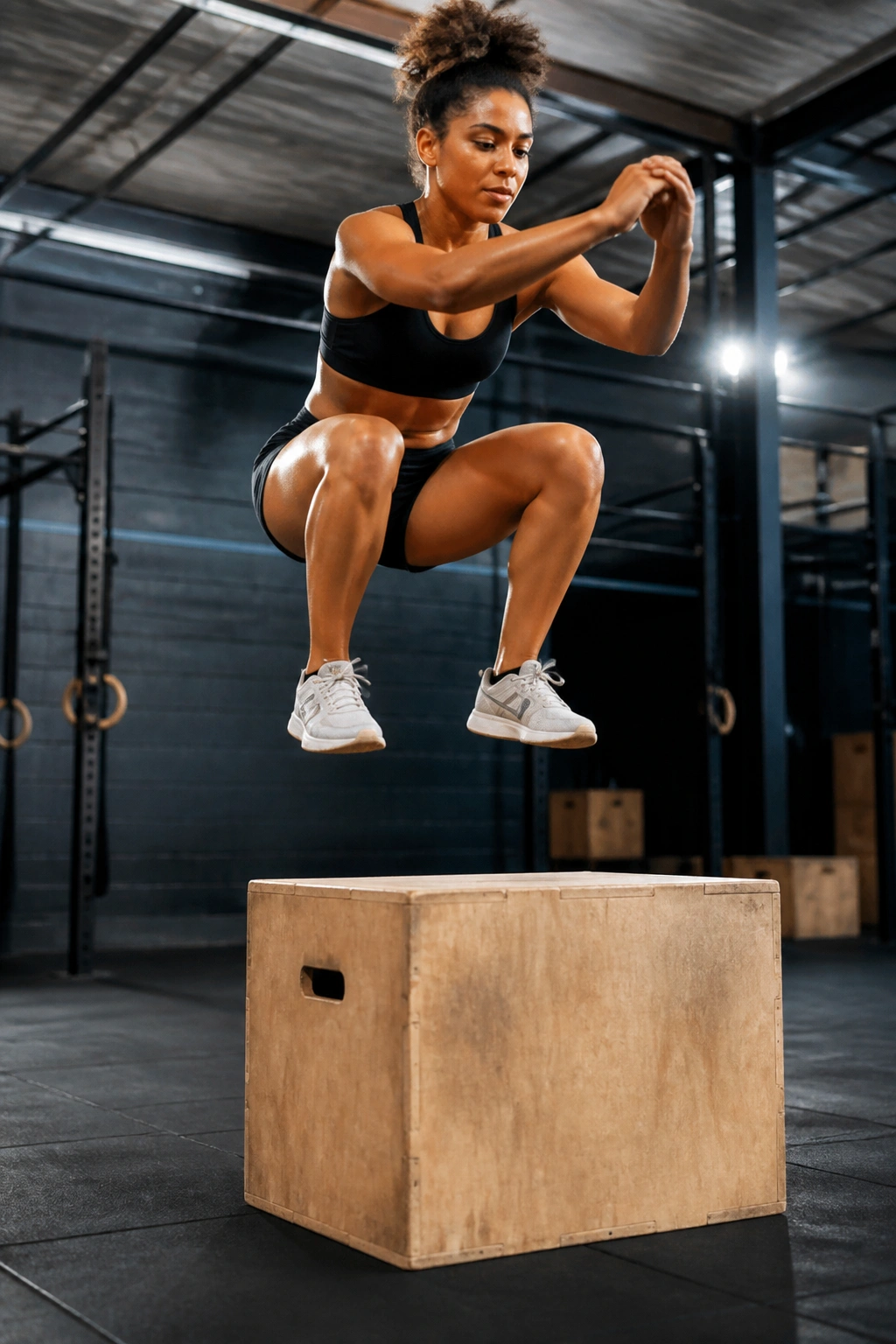
Plyometrics are explosive, jumping-based movements designed to improve power and speed. Box jumps, broad jumps, and skater jumps fall into this category. These movements are taxing on the central nervous system, so they are best done at the start of a workout, not at the end when you are already fatigued.
The focus here is maximum force production in the shortest amount of time. You are trying to launch your body off the floor as explosively as possible. This requires significant recruitment of fast-twitch muscle fibers, which are vital for athleticism and burning energy efficiently.
Because these exercises are high-impact, you have to be careful with your landings. Always land softly, with your knees bent to absorb the shock. Do not just drop onto the box; land quietly. If you are making a loud “thud” when you land, you need to either lower the box height or focus more on your landing mechanics.
15. Incline Walking

If you are just starting out, or if you are dealing with joint issues, incline walking is the most underrated tool in the gym. By cranking up the incline on a treadmill, you get all the cardiovascular benefits of running without the impact. It forces your heart to work harder to pump blood against gravity, and it builds incredible stamina in your glutes and calves.
Why It Beats Flat Walking
Walking on a flat surface is helpful, but adding an incline turns it into a strength-cardio hybrid. You are effectively walking up a constant hill. It forces a more aggressive stride and requires more core engagement to keep your torso upright.
The Right Way to Do It
- Set the incline high: Aim for a 5% to 12% grade.
- Watch your speed: You do not need to be running. A brisk walk—usually between 3.0 and 3.5 miles per hour—is more than enough when the incline is set high.
- Hands off: Again, resist the urge to hold the handrails. Holding on takes away the challenge and ruins your posture. Swing your arms naturally as if you were hiking up a mountain.
Pro tip: Treat this like a hike. If you are walking at a 10% incline for 30 minutes, you are getting an incredible workout that will leave your glutes burning and your lungs working hard, all without the risk of overuse injuries common in high-impact sports.
Final Thoughts

The best cardio workout is the one you actually do consistently, but your progress depends on avoiding the adaptation trap. If you always run, your body becomes an efficient running machine—which is great until you hit a plateau. By mixing in high-impact plyometrics, low-impact swimming, or explosive kettlebell work, you force your body to stay in a state of positive adaptation.
Pick two or three of these methods to focus on for a few weeks, then swap them out. Your goal should be to become a generalist—someone who can jump rope, walk hills, row, and cycle with confidence. This variety is what builds a lean, resilient, and capable body. Listen to your joints, respect your recovery, and always aim to bring a little more effort to your movement than you did the day before. True fitness is found in the willingness to keep challenging your body in new ways, week after week.
