



A post-workout smoothie without protein powder can still pull its weight. The trick is not making it taste like watered-down fruit purée with a gym bag attached.
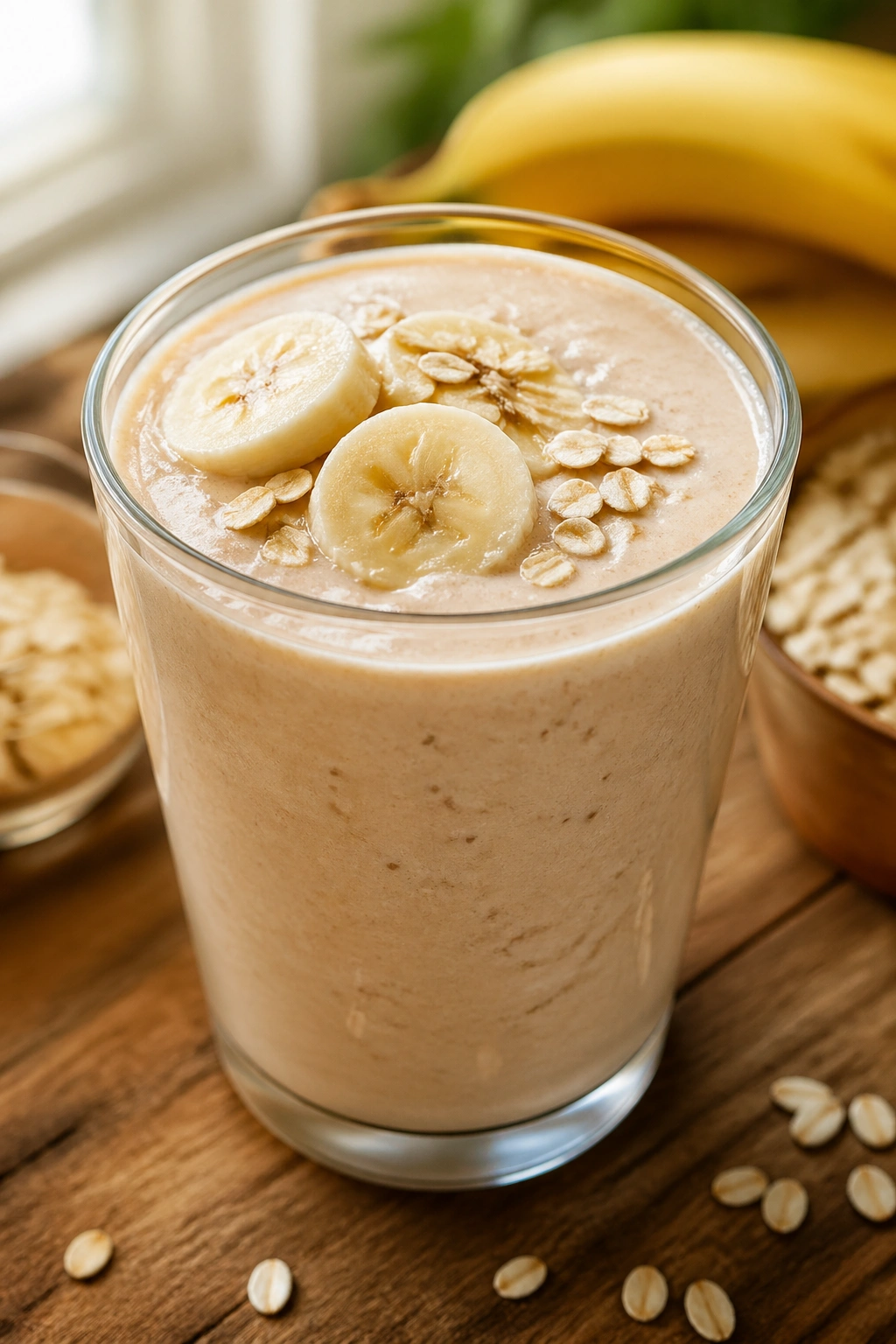
After lifting, sprinting, spinning, or dragging yourself through a long session you probably did not feel like doing, your body wants a few things at once: fluid, carbs, a little sodium, and enough protein to matter. Whole foods can cover that more comfortably than people think. Greek yogurt, kefir, cottage cheese, silken tofu, oats, hemp seeds, nut butter — all of them do real work, and none of them need a neon scoop to get there.
I like smoothies that feel thick enough to count, cold enough to wake you up, and flavorful enough that you’d drink them even on a rest day. Banana, tart cherry, mango, coffee, citrus, berries — each one brings something different to the glass. The good ones do not just taste nice. They help you recover without leaving you hungry an hour later.
The 15 below lean on normal grocery-store ingredients and a blender, not powder, not fuss, and not a fake dessert flavor that falls apart after three sips. Some are bright and light. Some are rich enough to serve as a snack and a recovery drink at the same time. A few are the kind of thing you make because you trained hard. A few are the kind you make because you are tired and want something cold that still makes sense.
1. Banana-Oat Post-Workout Recovery Smoothie
Banana and oats are the boring-looking duo that keep showing up for a reason. Together, they give you fast carbs, a creamy texture, and enough body that the drink does not vanish in three sips.
Why It Works After Heavy Lifting
The banana gives the smoothie easy sweetness and quick energy. The oats slow things down a little, which helps the drink feel more like fuel and less like juice. Add Greek yogurt and you get the part people usually try to fake with powder: actual protein from food.
Use this when you want a classic recovery drink that still tastes like breakfast. I usually reach for it after leg day, when I want something plain in the best way. No weird flavors. No sharp edges.
- 1 frozen banana
- 1/2 cup rolled oats
- 3/4 cup plain Greek yogurt
- 1 cup milk, dairy or unsweetened soy
- 1 tablespoon almond butter
- 1 pinch fine salt
- 1/2 teaspoon cinnamon
Blend the oats first if your blender is a little old and stubborn. Then add everything else and run it until the mixture looks smooth and thick, about 30 to 45 seconds.
Pro tip: If you want it colder without watering it down, freeze the banana in chunks and skip the ice.
2. Tart Cherry Kefir Smoothie
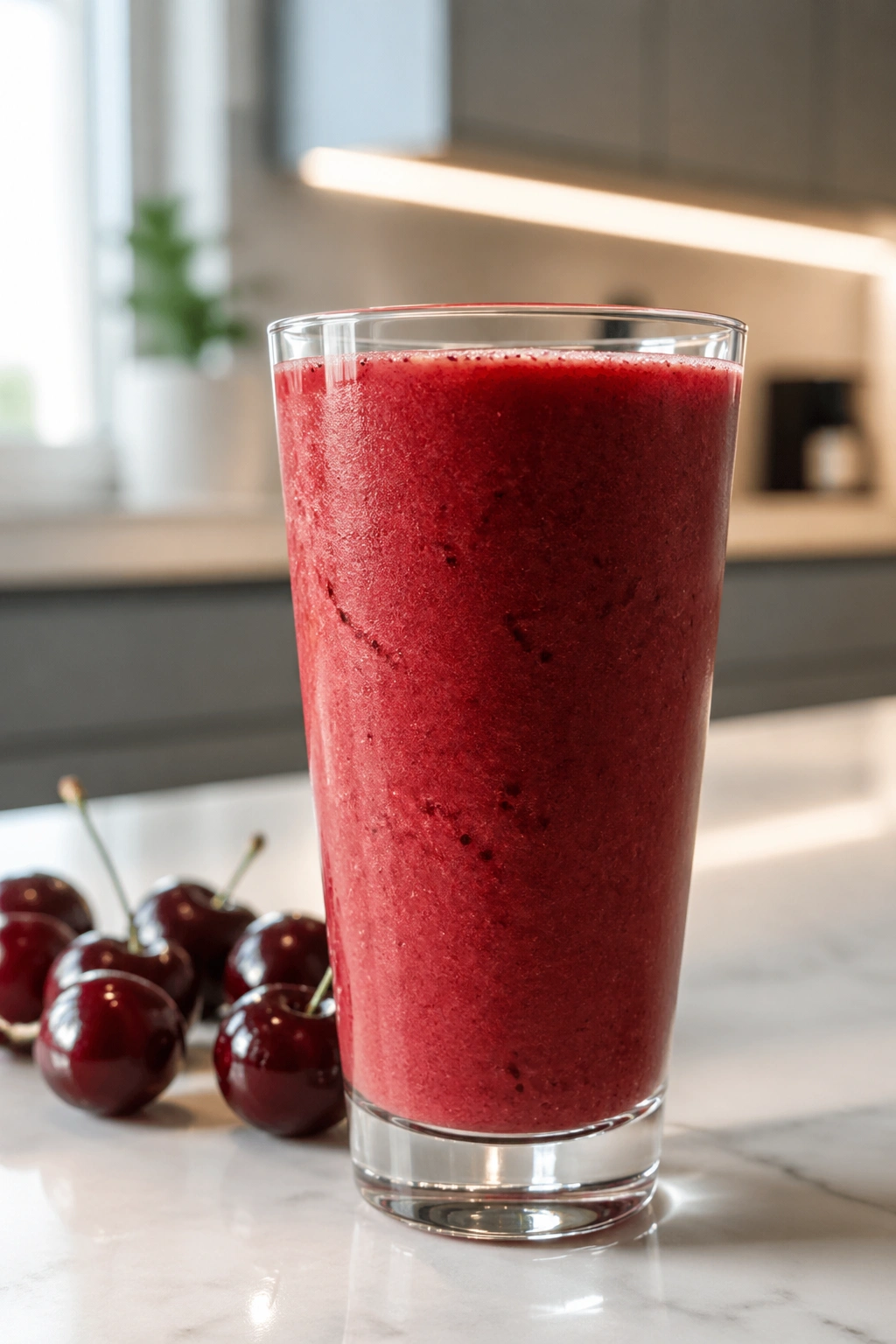
This is the one I make after a sweaty session when I want something bright, tangy, and not remotely heavy. Tart cherry and kefir have a sharpness that wakes up a tired palate fast.
Cold and tart beats flat and sweet.
Kefir gives the smoothie a drinkable, almost thin-yogurt texture, which sounds small until you need something your stomach can handle after effort. Tart cherries bring a deep fruit flavor that works especially well after hard cardio or a long run. If you’ve ever finished training and found heavy nut-butter shakes a little too much, this is the answer.
A good version uses 1 cup plain kefir, 1 cup frozen tart cherries, and 1/2 banana for body. If you want more staying power, add 1/4 cup oats. If you want it lighter, leave the oats out and blend in a splash of water. A tiny squeeze of lemon sharpens the whole thing.
Use this one when you want recovery without a big, creamy finish. It tastes clean, but not dull. And that matters more than people admit.
3. Peanut Butter Cocoa Banana Smoothie
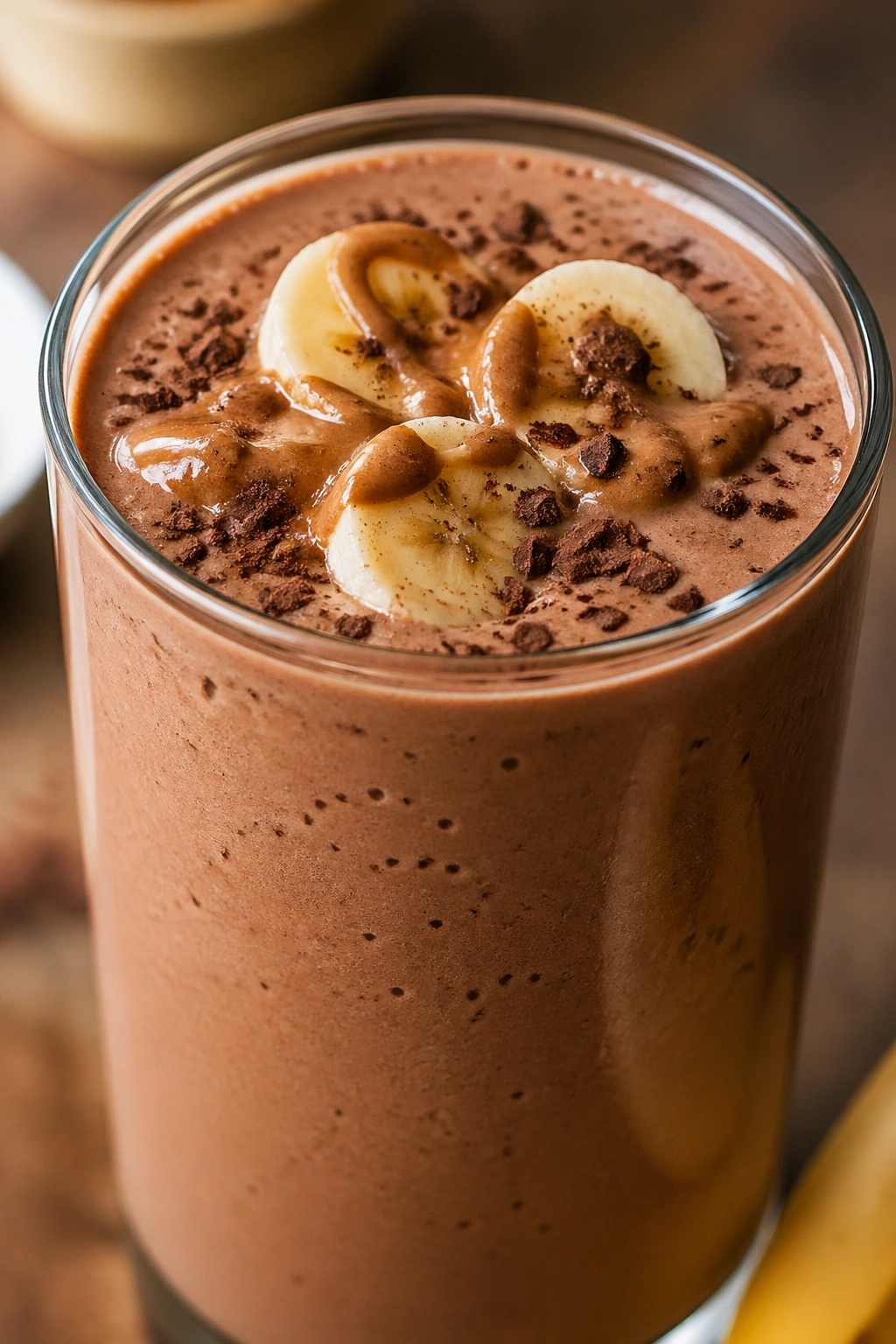
Why does a smoothie that tastes like a milkshake still make sense after training? Because if it gives you carbs, protein, and enough calories to actually satisfy you, dessert vibes are a feature, not a flaw.
Peanut butter does the heavy lifting here. It brings fat, a little protein, and that thick, salty edge that makes cocoa taste deeper. Banana gives the smoothie sweetness and structure, while Greek yogurt keeps it from turning into a candy drink. The result feels rich, but not sloppy.
How to Keep It from Tasting Flat
Use 2 tablespoons peanut butter, 1 banana, 1 tablespoon unsweetened cocoa powder, 3/4 cup milk, and 1/2 cup Greek yogurt. If you trained hard or skipped a meal, add 1/4 cup oats. That extra handful of oats makes the whole thing feel less like a snack and more like actual recovery fuel.
A pinch of salt helps more than people expect. So does a splash of vanilla. Small things. Big difference.
How to Use It
This one works best after strength training, especially if you know you need something with a bit of staying power. It is not the lightest drink on this list, and that is the point. If your stomach prefers gentler blends, cut the peanut butter to 1 tablespoon and add a few ice cubes. The texture stays nice, and the flavor still lands.
4. Mango Tofu Ginger Smoothie
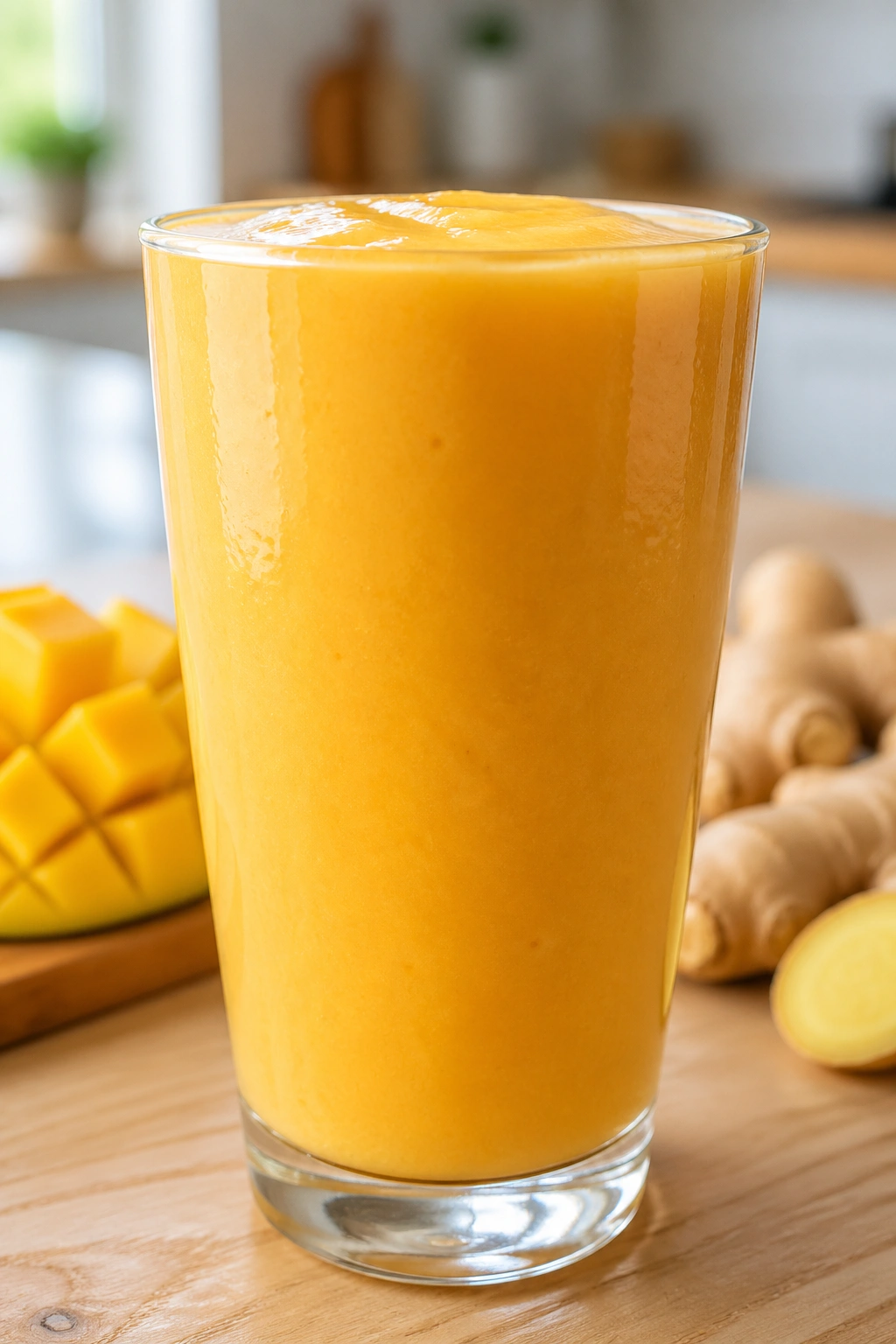
You finish a run, your face is hot, and the only thing you want is something cold enough to feel almost unfair. This is that drink.
Mango gives the blend a sunny, soft sweetness. Silken tofu handles the protein side without making the smoothie heavy, and ginger cuts through the fruit so the whole glass tastes sharper and cleaner. Coconut water or plain water keeps it light enough for warm-weather training, though I’d argue this works year-round if you like bright flavors.
- 1 cup frozen mango chunks
- 1/2 block silken tofu, about 7 ounces
- 1 cup coconut water
- 1 teaspoon finely grated fresh ginger
- 1 tablespoon lime juice
- 1 pinch salt
- 2 to 3 ice cubes if needed
Blend the liquid and tofu first, then add the mango, ginger, lime, and salt. You want the finished smoothie glossy and pourable, not foamy. Thirty seconds usually does it.
Best use case: cardio recovery, hot days, or any time you want a dairy-free option that still has substance. This is one of those smoothies that tastes lighter than it is, which is a nice trick when you’re not in the mood for a thick shake.
5. Strawberry Cottage Cheese Smoothie
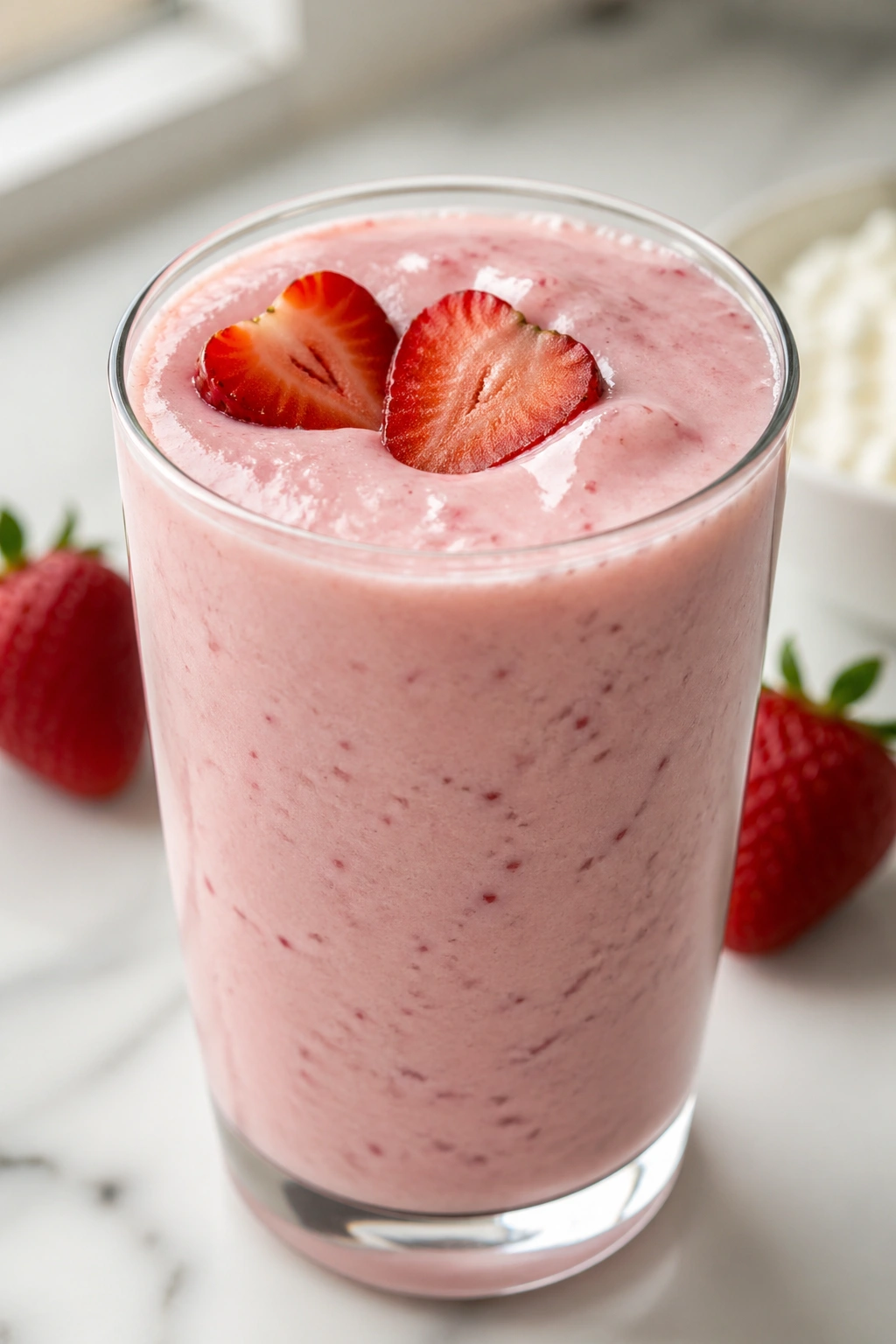
Cottage cheese is not shy in a blender. That is exactly why it works.
Blend it with strawberries and it turns into something creamy, cool, and almost cheesecake-like, though less sweet and a lot more useful after a workout. The texture can be a surprise if you have only eaten cottage cheese plain, spoon by spoon, from a container. In a smoothie, the curds disappear. They really do.
I like 1 cup strawberries, 1/2 cup cottage cheese, 1 banana, and 3/4 cup milk as the base. A tablespoon of chia seeds adds a little thickness and some extra staying power. If your strawberries are tart, a teaspoon of honey smooths the edges. If they’re already sweet, skip it.
Yes, it works.
The one thing people get wrong is stopping the blender too early. Give it time. About 45 to 60 seconds is better than 20. Scrape the sides once if needed, then blend again until the drink looks completely smooth and pale pink. The flavor is mild, which makes it easy to drink after a hard session when you do not want anything loud.
6. Blueberry Avocado Oat Smoothie
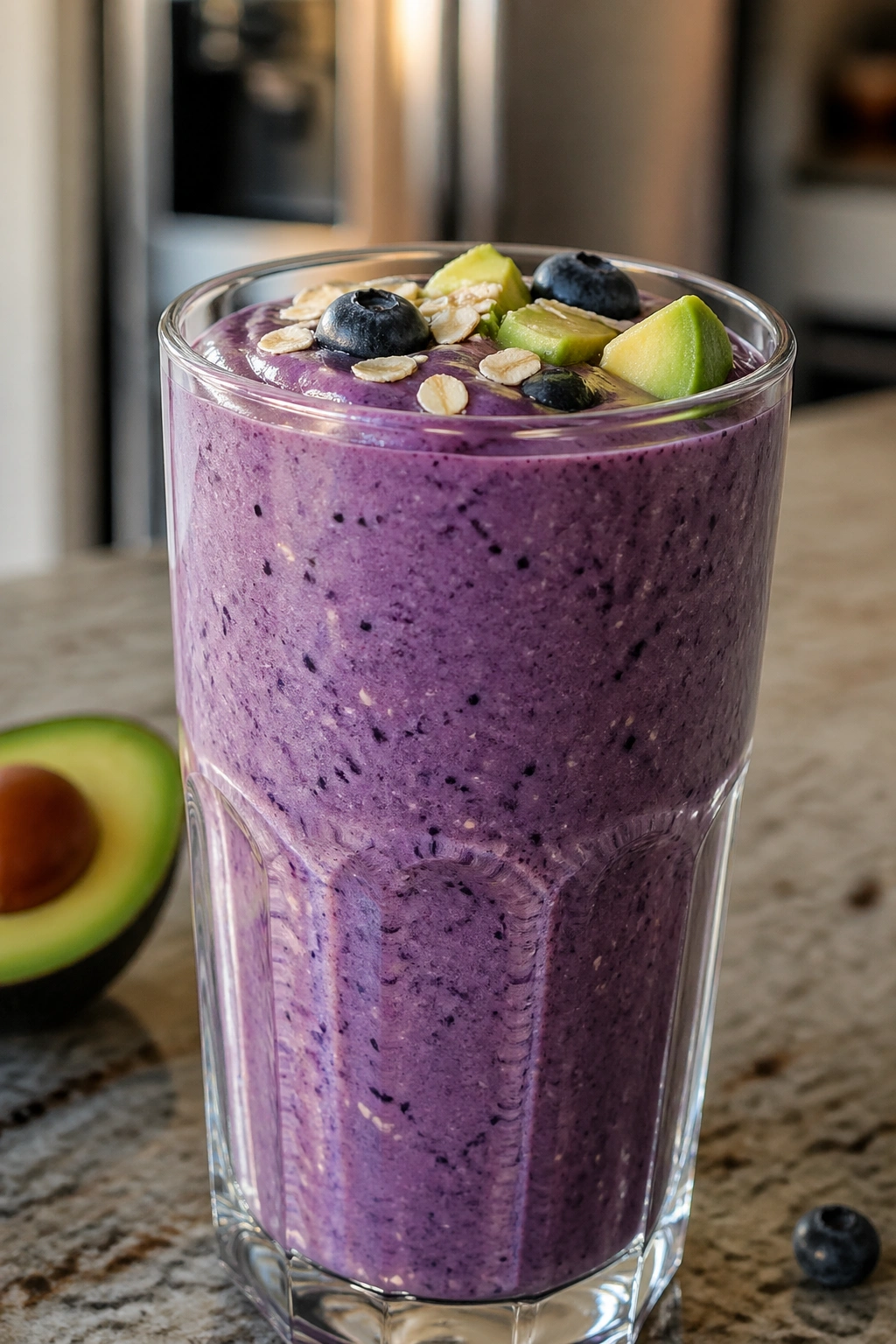
Unlike a berry juice drink, this one has enough body to feel like breakfast. The avocado is the quiet part that changes everything.
Blueberries bring tartness and that deep purple flavor people never seem to get tired of. Avocado softens the texture and gives the smoothie a richer mouthfeel without making it taste like guacamole, which is always the fear the first time. Oats round out the carbs, and skyr or soy yogurt adds protein without fighting the fruit.
A solid version uses 1 cup blueberries, 1/4 avocado, 1/2 cup skyr, 1/2 cup rolled oats, and 1 cup milk. Frozen blueberries make the drink colder and a little thicker. Fresh ones work too, though you may want a few ice cubes if you want that spoon-thick finish.
This is the one I’d make after a morning workout when I know I still have a full day ahead. It sits better than a pure fruit smoothie and keeps you from raiding the pantry 20 minutes later. If avocado feels too rich for you, reduce it to 2 tablespoons. Small amount. Same creamy effect.
7. Coffee-Date Post-Workout Smoothie
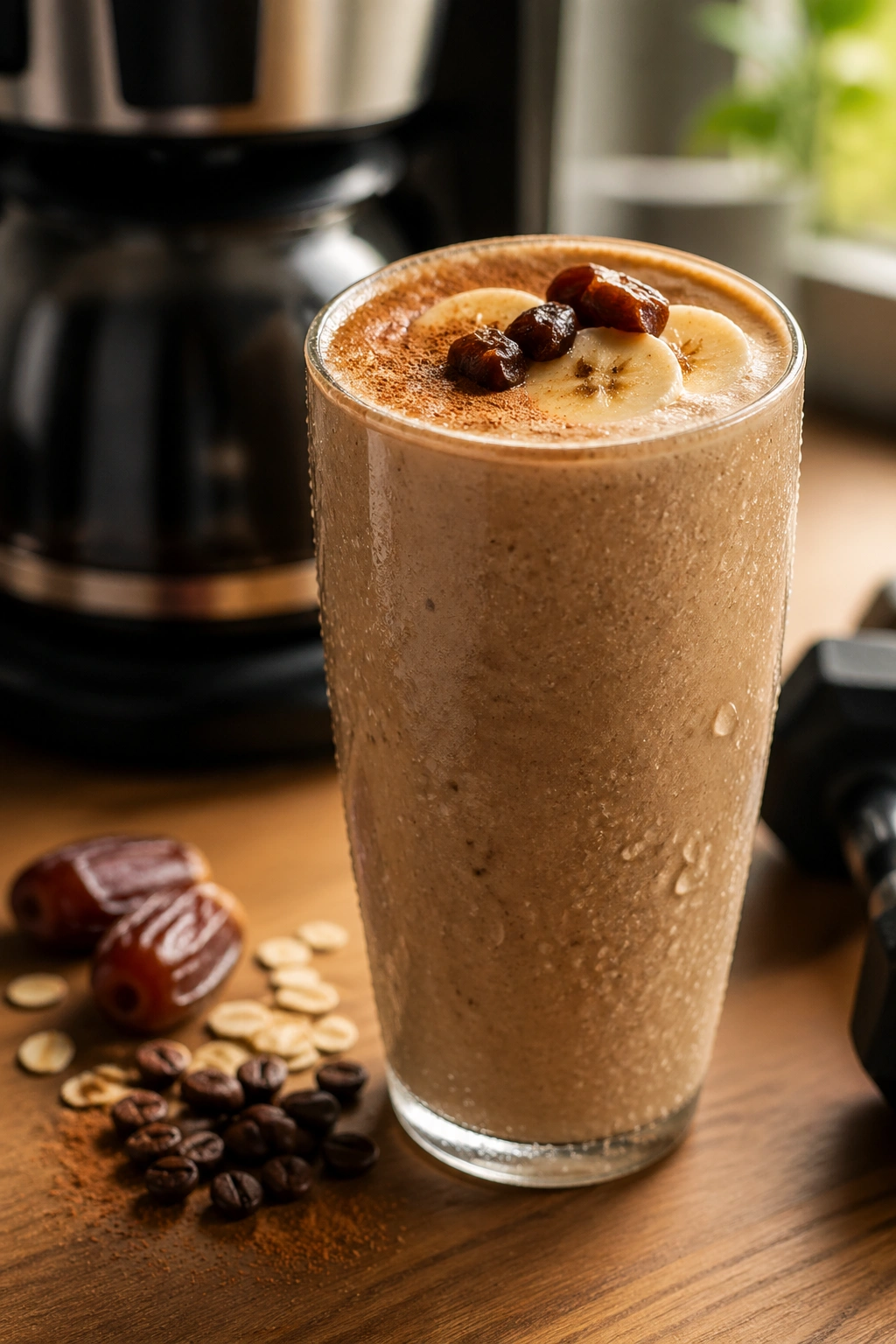
You finish training early, your brain is awake, and your stomach wants something cold that still feels useful. Coffee and dates solve that neatly.
What Goes Into It
- 3/4 cup chilled coffee
- 1 banana
- 2 pitted dates
- 3/4 cup milk
- 1/2 cup plain Greek yogurt
- 1/4 cup oats
- 1 pinch cinnamon
- 3 to 4 ice cubes
The coffee gives the drink a bitter edge that keeps it from tasting childish, if that makes sense. Dates carry the sweetness without turning the whole thing into syrup, and Greek yogurt brings the protein. Oats make the texture thicker and more satisfying, which matters because thin coffee smoothies can end up feeling like a fancy iced drink, not recovery food.
Use this when your workout happens in the morning or early afternoon. I would skip it late in the day unless caffeine does not bother you. That part is personal, and you probably know your own tolerance by now.
Small tweak that helps: if the coffee tastes too sharp, use half coffee and half milk. You still get the flavor, but the drink lands softer.
8. Pineapple Spinach Coconut Smoothie
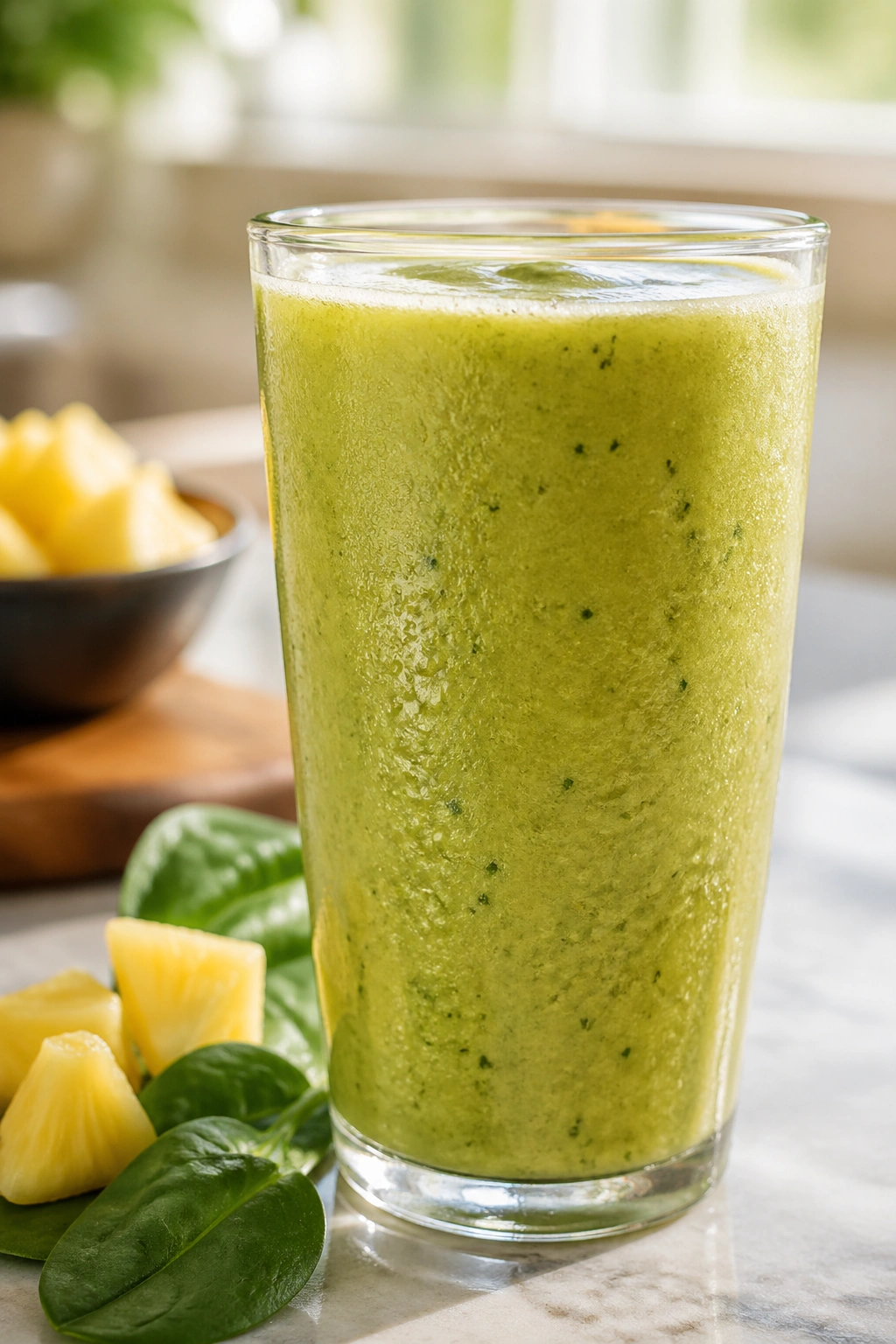
Pineapple brings the sharp, juicy edge that wakes up a muted smoothie. Spinach, when it’s handled well, disappears into the background and leaves only a green tint and a little mineral note.
This is one of my favorite options when I want something that feels refreshing rather than dense. Coconut water keeps it light, pineapple keeps it bright, and a little yogurt or tofu adds enough protein to make the smoothie count as more than flavored hydration. Lime juice pulls the flavors together. A pinch of salt gives the fruit a bit more shape.
Start with 1 cup pineapple chunks, a handful of spinach, 3/4 cup coconut water, 1/2 cup Greek yogurt or silken tofu, and 1 tablespoon lime juice. Blend the spinach with the liquid first if you want the green flecks to vanish more completely. That tiny step matters more than people think.
The first sip tastes sweet and crisp. The second sip tastes colder than you expect. And by the time you reach the bottom of the glass, the spinach has done its job without asking for attention. That’s the whole point.
9. Watermelon Mint Yogurt Smoothie
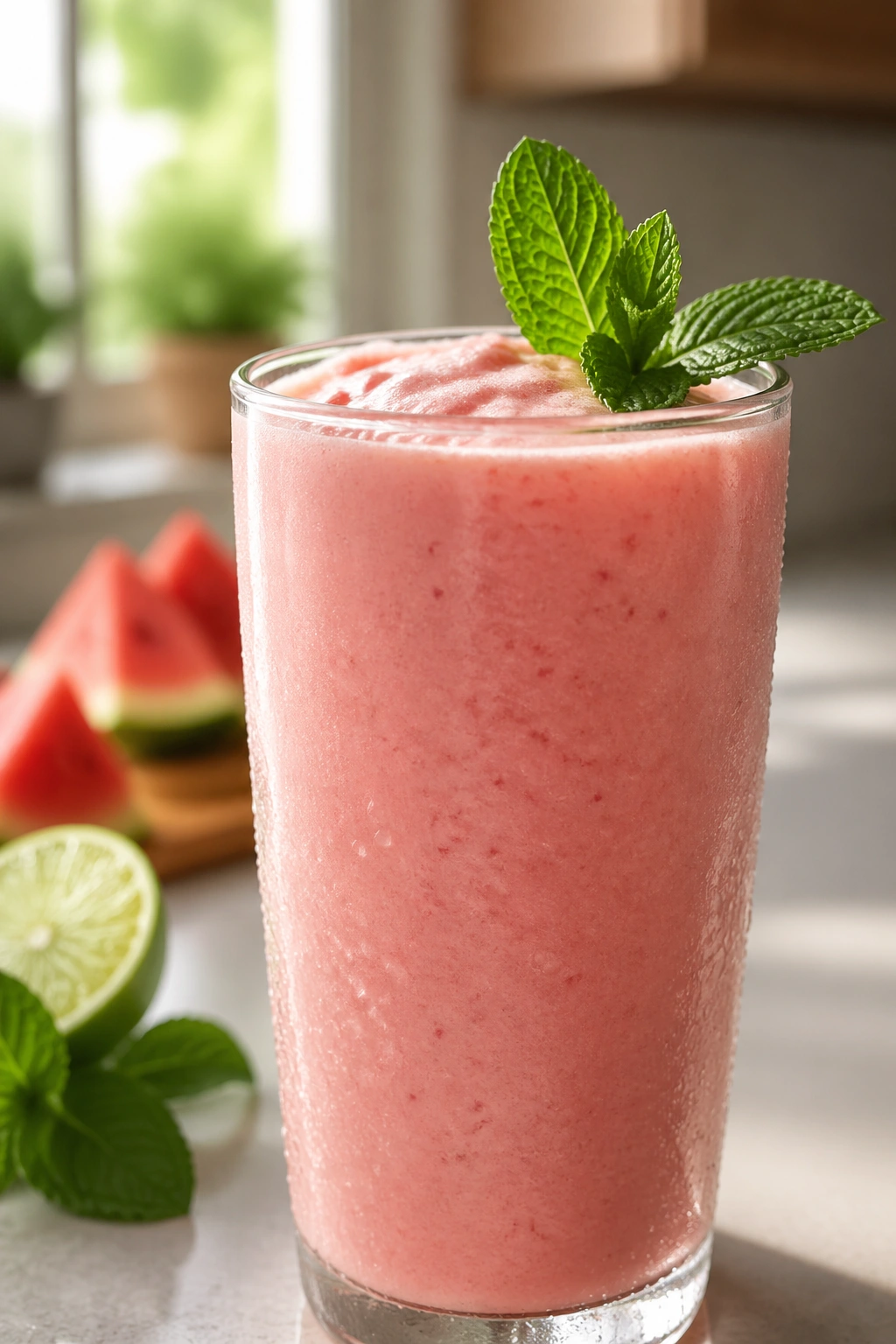
Can something this light still count after cardio? Yes, if it is built with more than fruit and ice.
Watermelon alone is mostly hydration and sweetness. Good, but not enough. Greek yogurt gives the smoothie some body and a decent amount of protein, while mint and lime keep the flavor from sliding into dull territory. A pinch of salt is worth adding here, especially if your workout left you sweaty and flat.
Alone, watermelon is a snack.
Turn it into a proper recovery smoothie with 2 cups cubed watermelon, 3/4 cup plain Greek yogurt, 6 to 8 mint leaves, 1 tablespoon lime juice, and 1 tiny pinch salt. Blend it briefly, because watermelon can go foamy if you overwork it. Thirty seconds is usually enough.
This is the one I’d make after a long walk, an interval session, or anything where I wanted fluid more than density. It tastes cool and clean, and the mint gives it a chilled, almost icy feel even when you use no ice at all. If your blender struggles with mint leaves, tear them once before adding them. Easy fix. No more leafy bits.
10. Apple Pie Skyr Smoothie
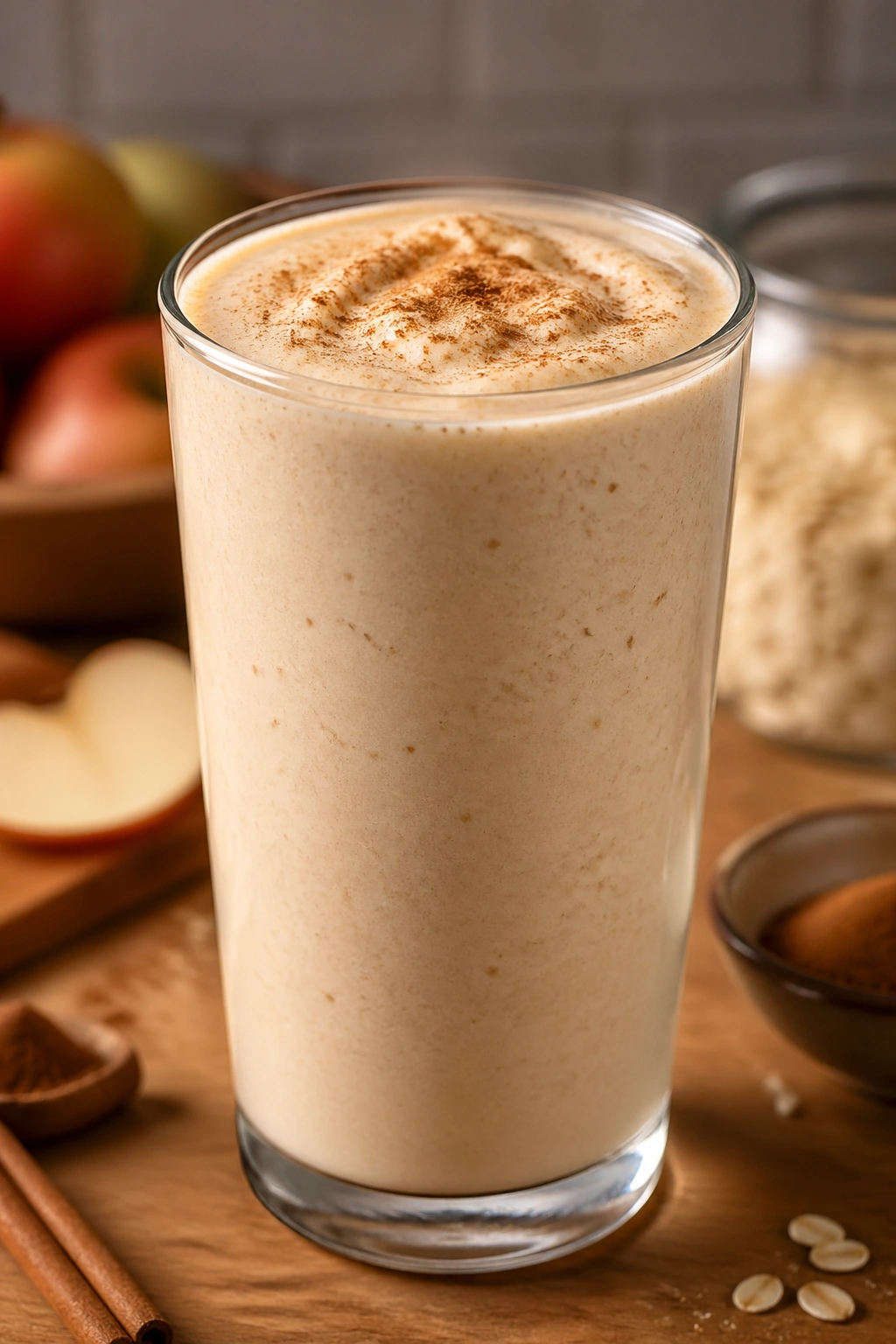
Apple pie flavor does not need a crust.
That’s the first thing worth saying, because people get hung up on making apple smoothies taste like applesauce and forget that cinnamon, vanilla, and oats can do a lot of heavy lifting. Skyr brings a thick, tangy base. Apple gives the drink a crisp flavor. Oats make it feel more like a meal, which is exactly what a post-workout smoothie should do when your training session actually meant something.
Use 1 peeled apple, 3/4 cup skyr, 1/2 cup rolled oats, 1 cup milk, 1/2 teaspoon cinnamon, and a small pinch of nutmeg. If your blender is not especially strong, chop the apple small or grate it first. That saves you from tiny chunks hiding near the blade.
A teaspoon of almond butter works if you want a little more richness. A date works if the apple is tart and you want the sweetness pushed up a notch. The goal is not to make pie in a cup. The goal is to get that familiar flavor profile into a drink that helps you recover without feeling like a sugar rush.
11. Cherry Beet Oat Smoothie
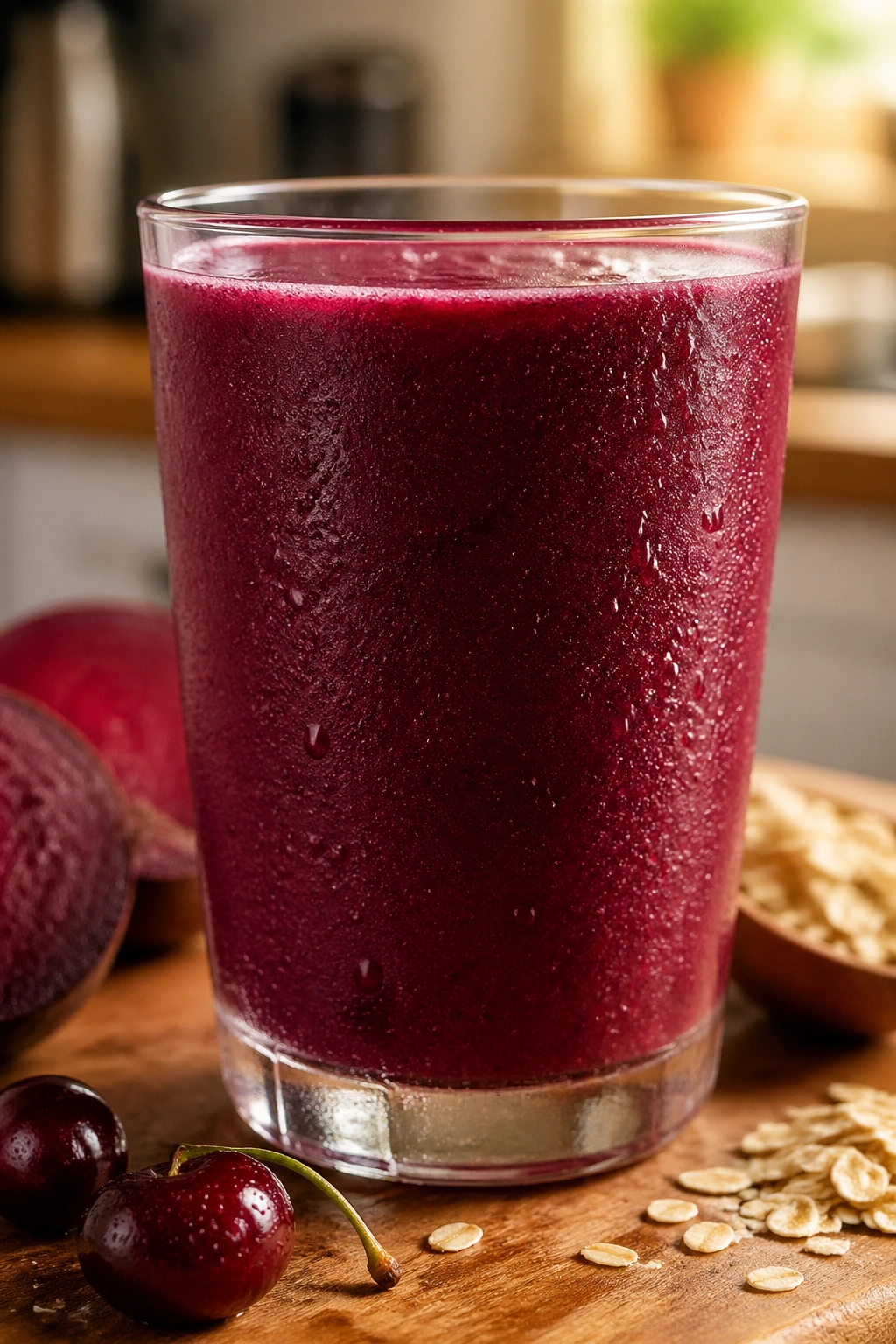
Why do beet smoothies keep showing up in recovery conversations? Because beets bring a deep, earthy sweetness that sits well with tart fruit, and they make the texture feel thicker than a simple berry blend.
This is a strong choice after endurance work, especially if you like flavors that lean a little savory at the edges. The beet should be cooked and cooled — roasted, steamed, or vacuum-packed if that is what you have. Raw beet can be too stubborn in a home blender unless you’ve got a powerful one. Tart cherries keep the flavor from turning muddy, and oats help the drink feel more complete.
A good build is 1 small cooked beet, 1 cup frozen tart cherries, 1/2 cup kefir or Greek yogurt, 1/4 cup oats, 3/4 cup water or milk, and 1 teaspoon lemon juice. Start with less beet if you’re unsure. A quarter beet gives you color and earthiness without taking over the glass.
The first sip is usually the weirdest. Then it starts to make sense. Cherry comes forward, beet stays in the background, and the whole thing settles into a rich, almost jammy finish that feels more substantial than it looks.
12. Peach Tahini Vanilla Smoothie
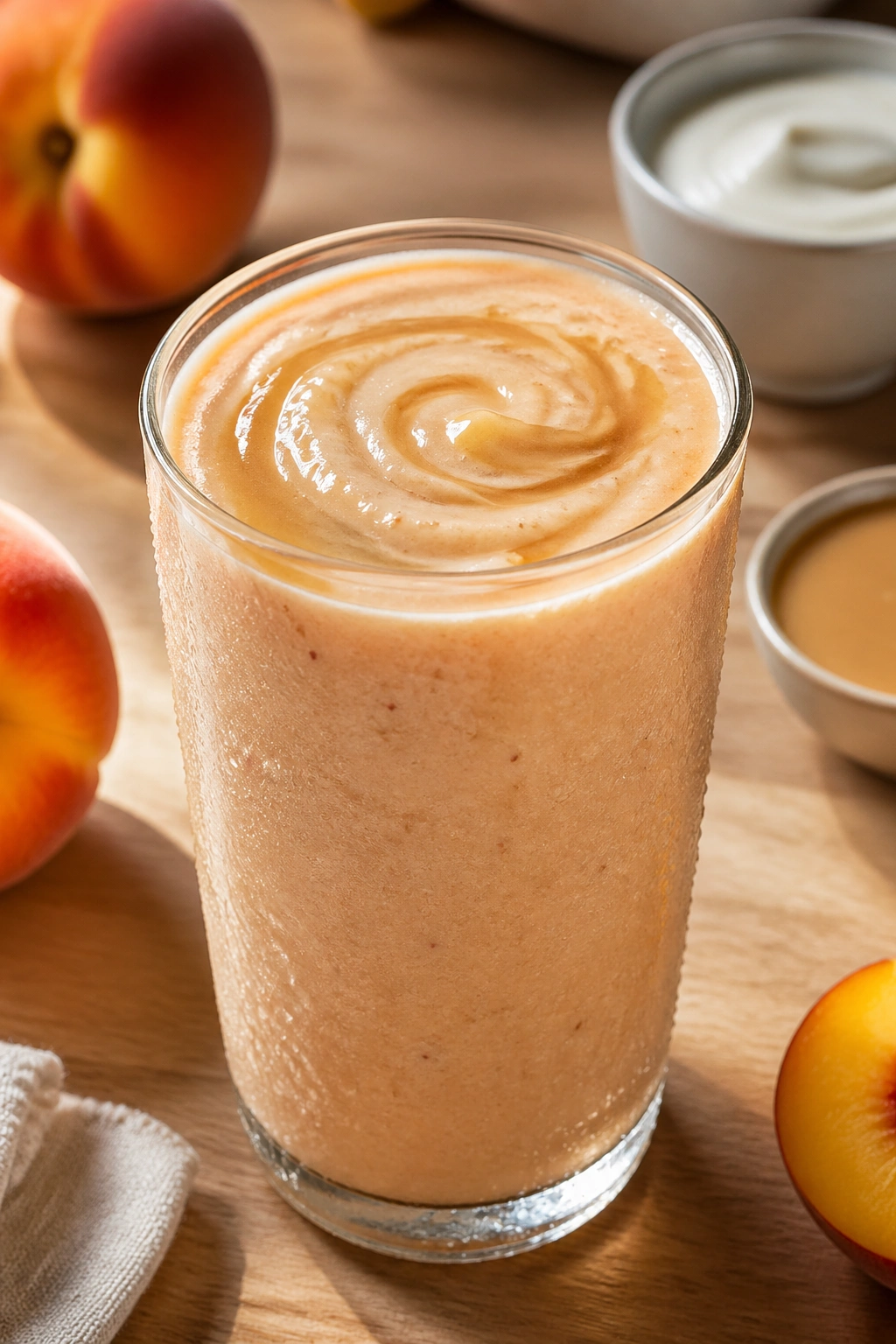
Tahini belongs in smoothies more often than it does. That is the blunt version.
It adds a nutty, slightly savory depth that works especially well with peaches, which are soft, fragrant, and just sweet enough to carry something richer. Vanilla rounds the edges. Greek yogurt or soy yogurt adds protein. The result is creamy, a little fancy without trying too hard, and excellent when you want something more interesting than banana and peanut butter again.
- 1 cup frozen peach slices
- 1 tablespoon tahini
- 3/4 cup Greek yogurt or soy yogurt
- 1 cup milk
- 1/2 teaspoon vanilla extract
- 1 pinch salt
- 1 to 2 teaspoons honey if needed
Blend until the sesame paste disappears and the drink turns pale gold. If it feels too thick, add a splash of water. If it tastes a little flat, add another pinch of salt before reaching for more sweetener. Salt does more work here than most people expect.
This is a good option after strength training when you want something filling but not heavy in a greasy way. The sesame flavor gives it character. Plain peach smoothies can be a little one-note. Tahini fixes that fast.
13. Orange Creamsicle Tofu Smoothie
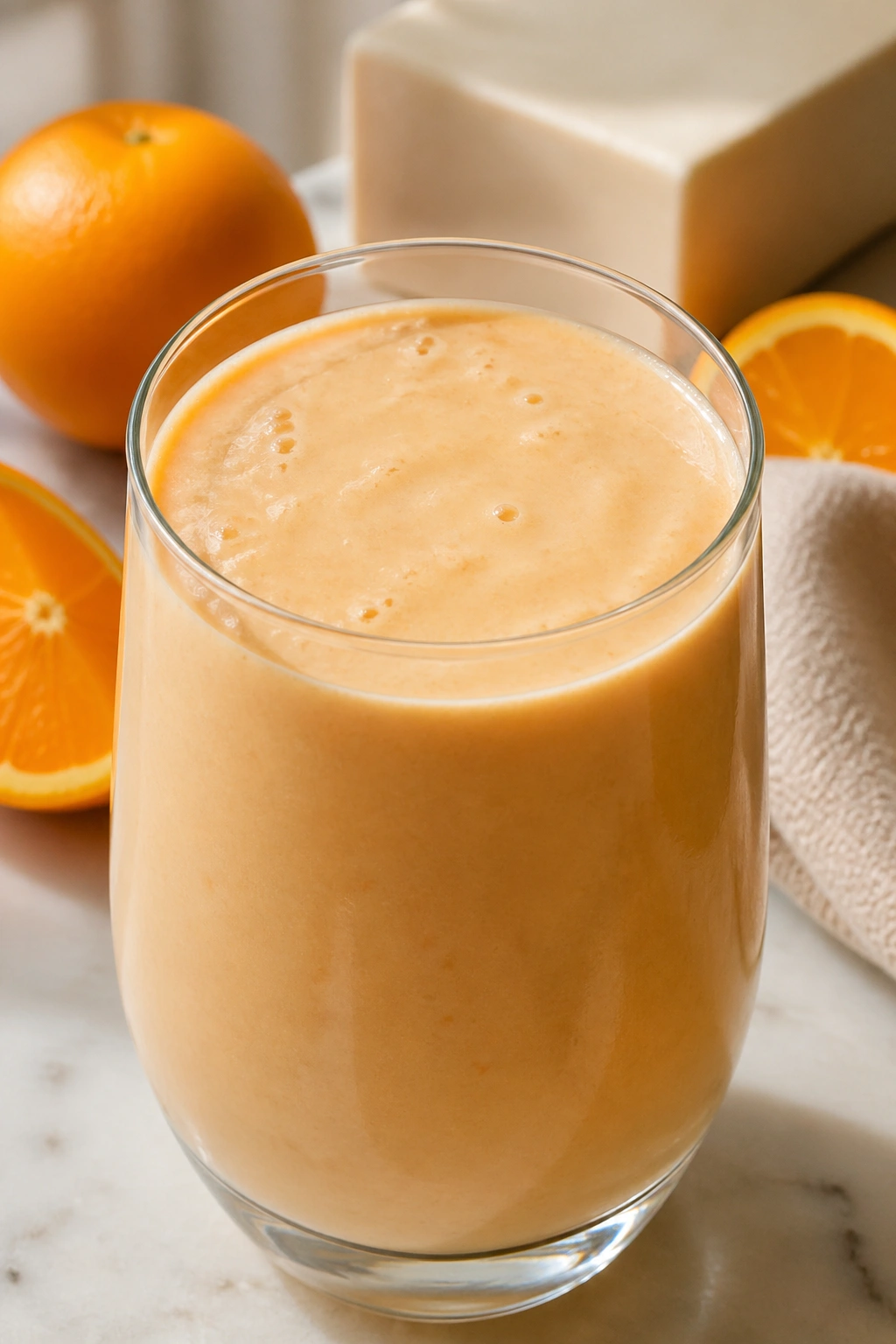
If orange juice alone leaves you hungry, this version solves the problem.
Whole orange or orange segments give you the bright flavor, but silken tofu turns the drink into something more filling and smoother than juice could ever manage. Vanilla bridges the citrus and the tofu so the final taste lands in creamsicle territory without needing ice cream or powder. It’s one of the easiest dairy-free options on this list, and it works especially well after a session where you want something light on your stomach.
A solid blend is 1 peeled orange, 1/2 banana, 1/2 block silken tofu, 3/4 cup unsweetened almond milk or oat milk, 1/2 teaspoon vanilla, and 3 to 4 ice cubes. If your orange is very sweet, skip any added sweetener. If it’s a little sharp, a teaspoon of maple syrup smooths it out.
The texture should be smooth and pale, with the orange doing the heavy lifting on flavor and the tofu staying in the background. That balance is the whole point. You get protein from food, not powder, and the smoothie still tastes like a treat.
14. Pumpkin Banana Seed Smoothie
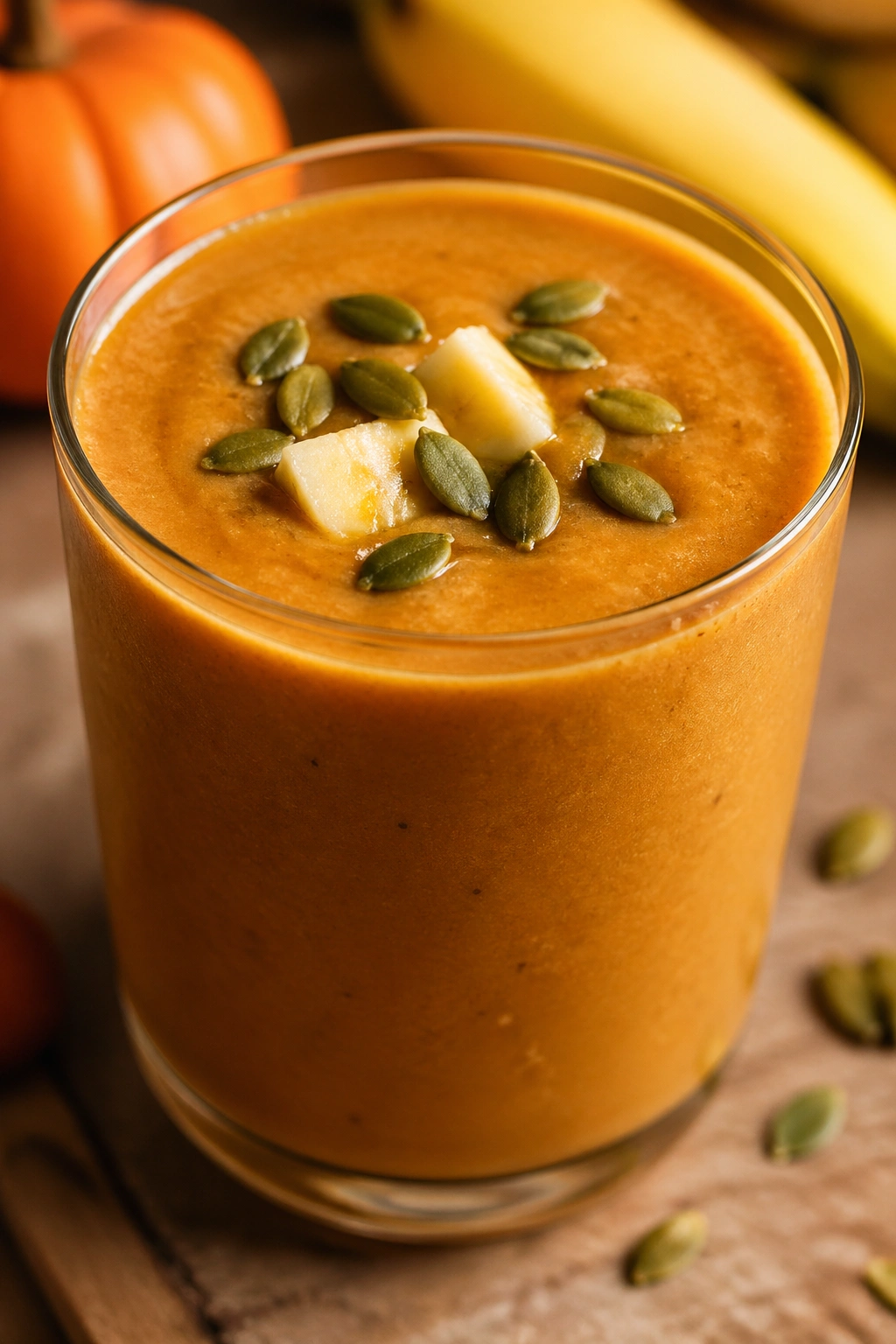
Pumpkin purée is not just for baking. In a smoothie, it gives you thickness, a mellow flavor, and a little earthy sweetness that plays nicely with banana and spices.
How to Build It So It Does Not Taste Flat
Use 1/2 cup pumpkin purée, 1 banana, 3/4 cup kefir or Greek yogurt, 1 cup milk, 1 tablespoon pumpkin seeds, 1/2 teaspoon cinnamon, and a small pinch of ginger. If you want it sweeter, add a date. If you want it lighter, use extra milk and skip the seeds in the blender, then sprinkle them on top.
The banana keeps the pumpkin from feeling dry. The yogurt or kefir adds protein and tang. The pumpkin seeds bring a little crunch if you leave them out of the blender, which I like because every smoothie does not need to be perfectly smooth. A bit of texture keeps things interesting.
This is a very good choice after a workout when you want something more grounding than a berry blend. It tastes like breakfast, not candy, and that matters if you’re trying to refuel without crashing later.
15. Blackberry Hemp Post-Workout Smoothie
Blackberries and hemp seeds make a smoothie that tastes tart, nutty, and a little less sweet than the usual recovery drink. That’s a good thing.
Blackberries bring a deeper berry flavor than strawberries or raspberries, with tiny seeds that give the drink a little texture. Hemp seeds are the quiet hero here. They add protein, healthy fat, and a mild nuttiness that makes the smoothie feel fuller without taking it into heavy territory. Skyr or Greek yogurt keeps the whole thing anchored.
Use 1 cup blackberries, 3/4 cup skyr, 2 tablespoons hemp seeds, 1 cup milk, and 1/4 cup oats if you want a thicker finish. A teaspoon of honey helps if your berries are especially tart. If you want it colder, use frozen blackberries and skip the ice.
This is the one I’d make when I want a recovery smoothie that does not taste like dessert. It is sharper, more grown-up, and less sweet than a lot of fruit blends. Good after a tough session. Good after a long day. Good when you want something cold that still feels like food.
