



A post workout recovery smoothie works best when it does more than taste nice. After a hard lift, a run, or a sweaty class, your body wants fluid, carbs, and protein in a form you’ll actually drink without fussing over it for 20 minutes.
That is where most blender drinks go sideways. People load them with fruit, maybe a handful of spinach, and call it recovery food. Fine as a snack. Not so great when you’ve emptied the tank and need something that gives your muscles a reason to stop complaining.
The smart formula is simple: carbohydrates to refill energy, protein to support repair, and enough liquid to make the whole thing easy to get down fast. A pinch of salt helps after a sweaty session. So does using frozen fruit, which keeps the texture cold and thick without making you stand there with a spoon.
These post workout recovery smoothie ideas lean into that balance. Some are creamy and heavy enough to count as a small meal. Others are lighter and sharper, which is exactly what you want after heat, intervals, or a workout that left you looking for the nearest chair.
1. Chocolate Banana Post-Workout Recovery Smoothie
Chocolate and banana earn their keep here. The banana brings quick carbs, the milk gives you fluid and protein, and cocoa keeps the flavor from turning into something that tastes like dessert in workout clothes.
Why it works after training
Use 1 frozen banana, 1 cup milk or soy milk, 1 scoop chocolate whey or plant protein, 1 tablespoon unsweetened cocoa, 1 tablespoon peanut butter, and a pinch of salt. Blend it for 30 to 45 seconds until the ice-free mixture looks glossy and smooth.
That pinch of salt matters more than people think. After a sweaty lift or a long run, a little sodium makes the smoothie taste less flat and helps it feel like it actually belongs in the recovery category, not the milkshake category.
If you want it thicker, add 1/4 cup rolled oats. If you want it lighter, skip the peanut butter and use more milk. Both versions work, but the thicker one is better when you know dinner is still a while away.
Tiny upgrade: use a banana that’s heavily spotted and freeze it in chunks. It blends faster and tastes sweeter without extra sugar.
2. Greek Yogurt Berry Recovery Smoothie
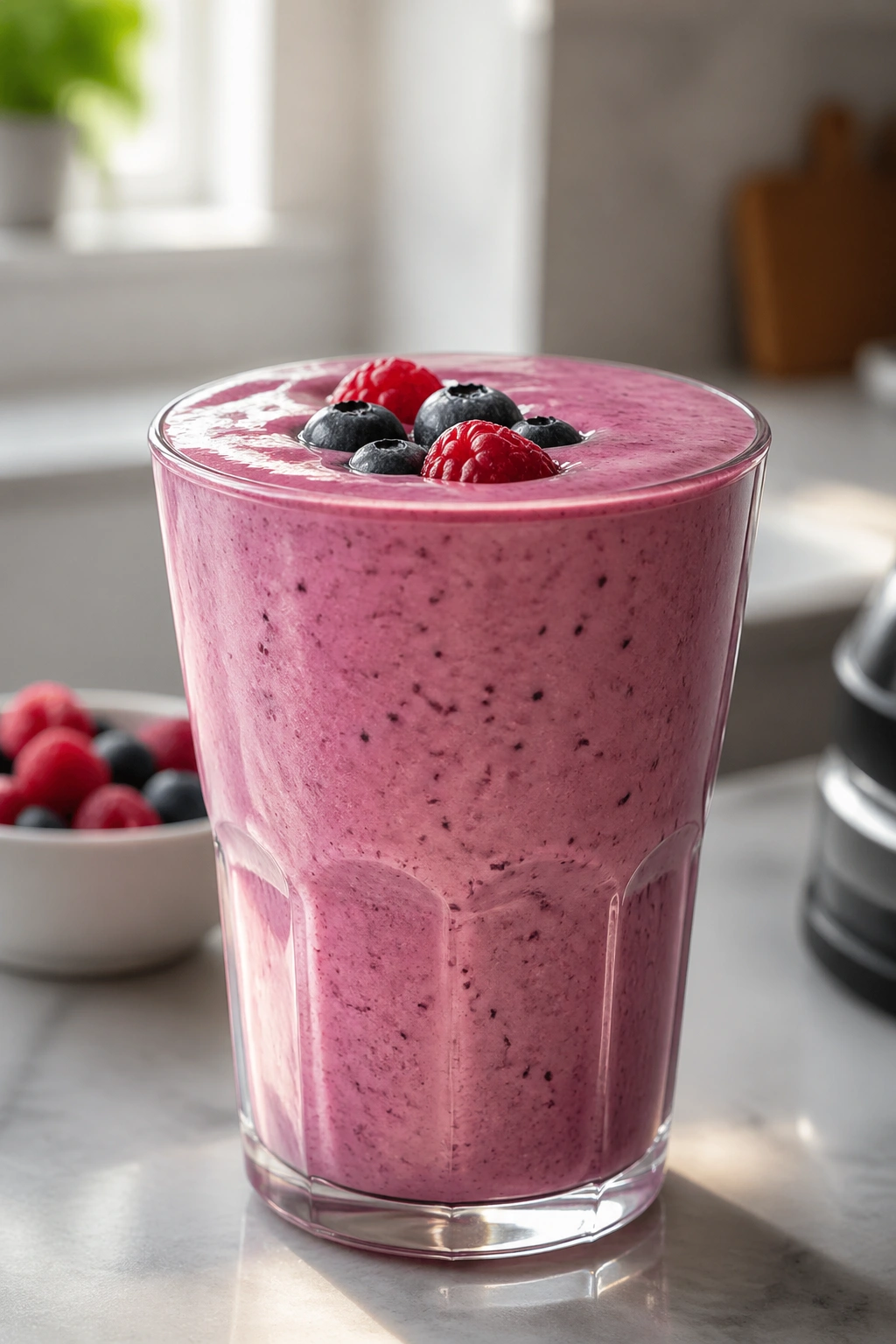
Can a berry smoothie actually do real recovery work? Yes — if you give it enough protein and enough body to stop it from feeling like juice.
What to put in it
- 1 cup plain Greek yogurt
- 1 cup mixed berries, frozen or fresh
- 1/2 cup milk, kefir, or water
- 1/4 to 1/3 cup rolled oats
- 1 teaspoon honey or maple syrup, only if needed
- 1 teaspoon chia seeds, optional
The Greek yogurt does the heavy lifting here. A single cup usually lands you in the 15 to 20 grams of protein zone, which is a good start for a post-workout drink. Add oats and berries, and you’ve got something that eats more like breakfast than a snack.
I like this one after strength training because it sits well. It’s not greasy, not heavy, and not so sweet that you feel weird drinking it at 7 p.m. If your stomach gets touchy after training, keep the oats modest and use more yogurt than milk.
Best texture trick
Frozen berries make the smoothie colder and thicker, but they can also make it taste slightly sharp. A teaspoon of honey smooths that edge out. Don’t dump in half a cup and call it done. That’s too much.
3. Tropical Mango Pineapple Recovery Smoothie
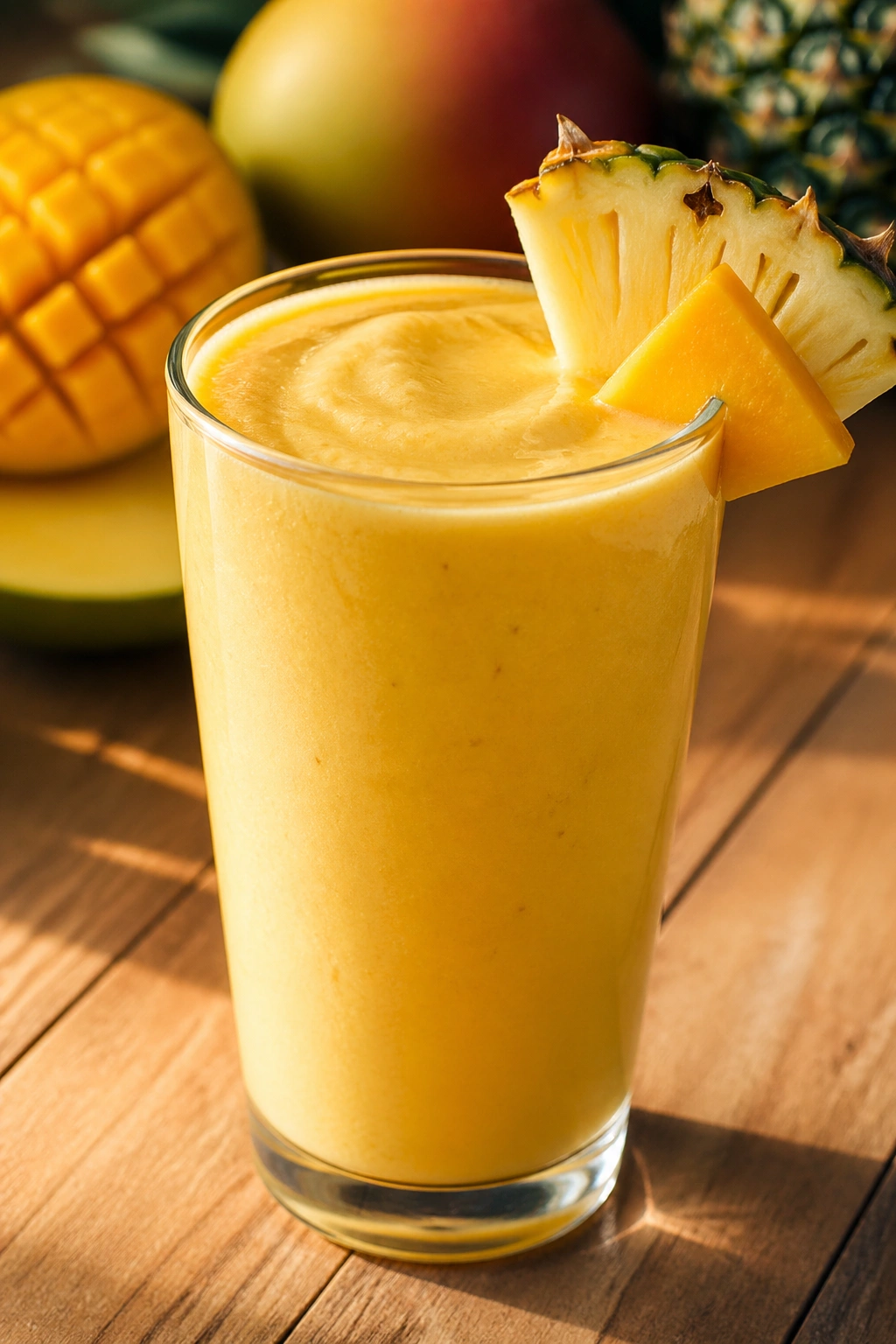
Cold mango hits differently after a hot workout. It’s soft, bright, and almost sherbet-like before you even add the protein.
The base is straightforward: 1 cup frozen mango, 1 cup frozen pineapple, 1 scoop vanilla protein, 3/4 cup coconut water, and 1/2 cup plain yogurt or soy yogurt. Blend until the fruit disappears and the drink turns pale gold. If you want a little more body, add another few spoonfuls of yogurt. If you want it looser and easier to sip, splash in more coconut water.
This is one of the better options when you’re sweaty and slightly overheated. Coconut water gives it a clean, light finish, and the pineapple keeps the flavor from going dull. A small pinch of salt helps here too, especially after long cardio or a summer run.
No need to overbuild it. That’s the mistake. Too much nut butter or too much oats and you lose the bright, refreshing thing that makes this smoothie useful in the first place.
Good to know: if you train early and don’t want a heavy breakfast, this one feels like food without sitting like porridge.
4. Peanut Butter Oat Recovery Smoothie
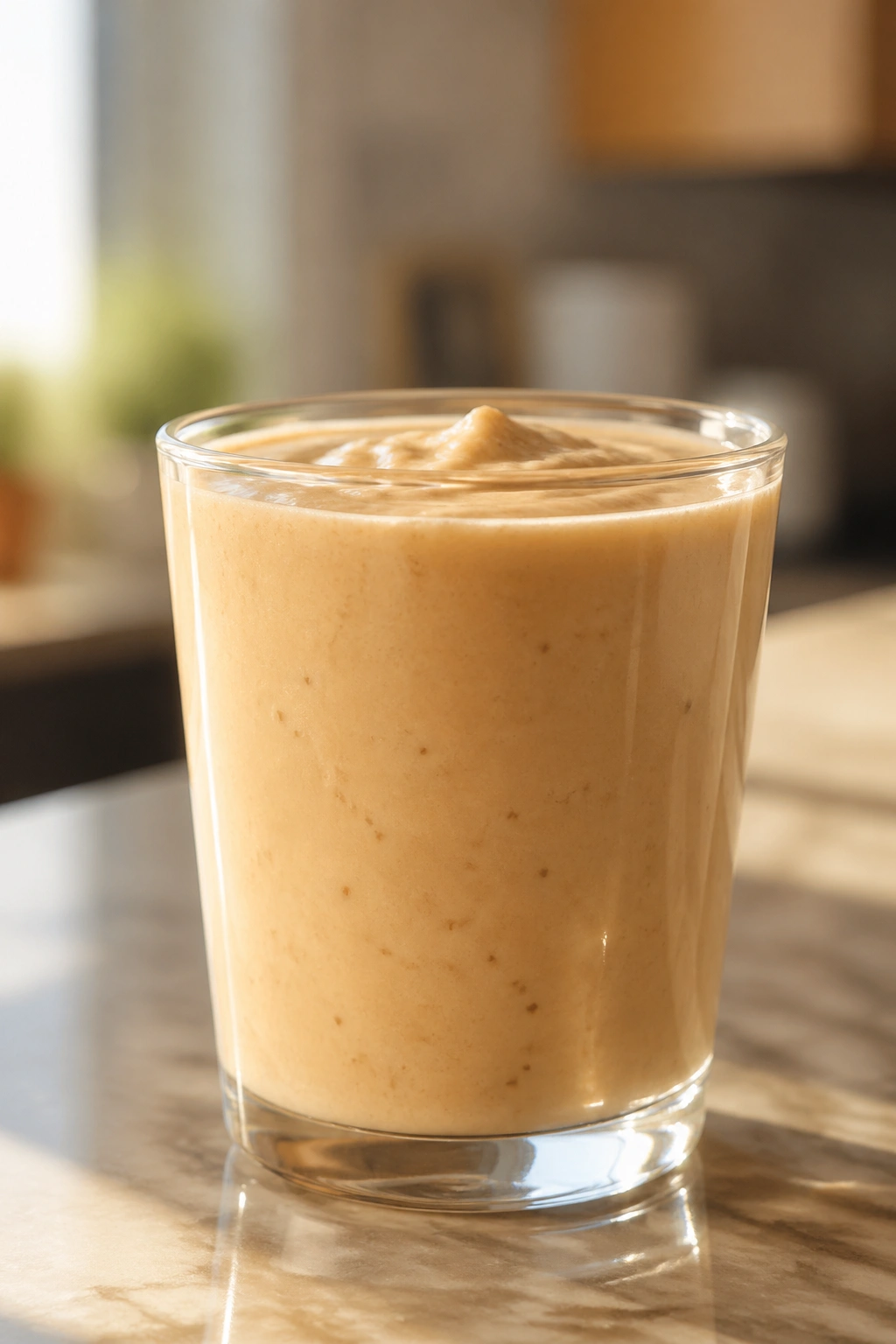
This is the one you make when dinner is still an hour away and you already know you’ll be hungry again in 20 minutes if you pick the wrong drink.
- 1 banana
- 2 tablespoons peanut butter
- 1/3 cup rolled oats
- 1 scoop vanilla or chocolate protein
- 1 cup milk
- 1/2 teaspoon cinnamon
- Ice, if you want it colder
Blend the oats first if your blender is weak. That tiny move saves you from tiny chalky bits that never quite disappear, no matter how long you let the machine run. A decent blender handles everything at once, but not all blenders are decent.
This smoothie is thicker than the berry version and more filling than the tropical one. That makes it a strong choice after a lifting session, a long bike ride, or any workout that leaves you ravenous. It also works well if you’re trying to maintain weight or rebuild appetite after hard training.
Best for longer training days
Use this one when you need a smoothie that feels like a meal. It’s not the lightest option on the list. That’s the point.
If peanut butter feels too heavy right after exercise, cut it to 1 tablespoon and let the oats do more of the work.
5. Tart Cherry Almond Recovery Smoothie
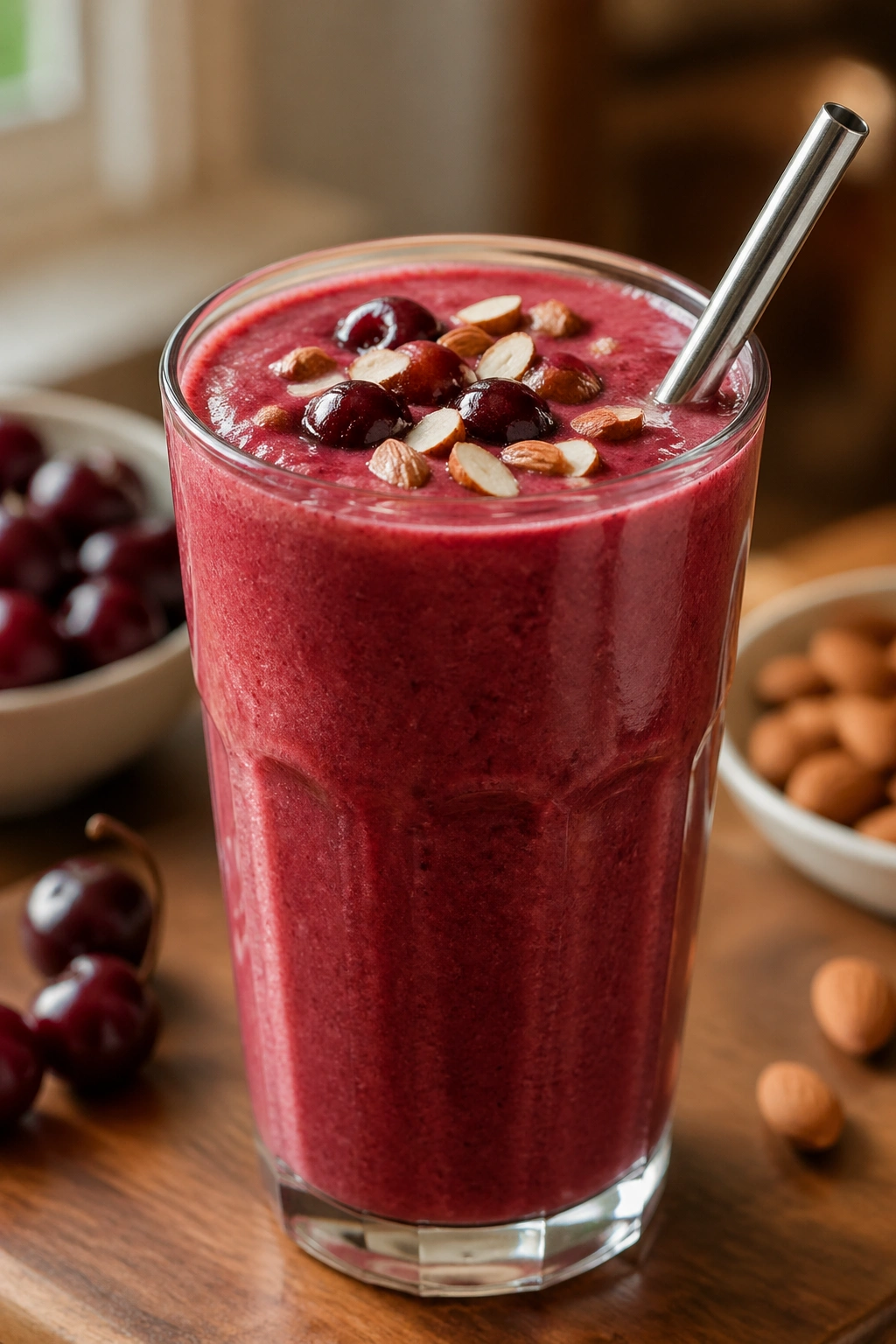
If you train in the evening, tart cherry deserves a place in the blender. The flavor is sharper, less sugary, and a little more grown-up than the usual banana-heavy routine.
Tart cherries are often used for their deep color and bright flavor, and they pair well with 1 cup plain Greek yogurt, 3/4 cup tart cherry juice or frozen tart cherries, 1 banana, 1 tablespoon almond butter, and 1/2 cup milk. Blend it until the color turns a deep ruby pink and the texture goes velvety.
This is the smoothie I’d reach for after a late session when I want something that doesn’t feel like a sugar bomb. The almond butter rounds out the tartness, but it stays lighter than peanut butter. That matters if you’re drinking it close to bedtime or just don’t want a heavy, sticky finish.
Best time to use it
After a hard run or a leg day that wrecked you, this one feels calm instead of flashy. It’s not trying to taste like a milkshake.
A small note: if you use tart cherry juice, watch the quantity. Too much and the whole drink starts tasting thin and sharp. Keep the juice to 1/2 to 3/4 cup and let yogurt or protein powder do the rest.
6. Green Spinach Avocado Banana Recovery Smoothie
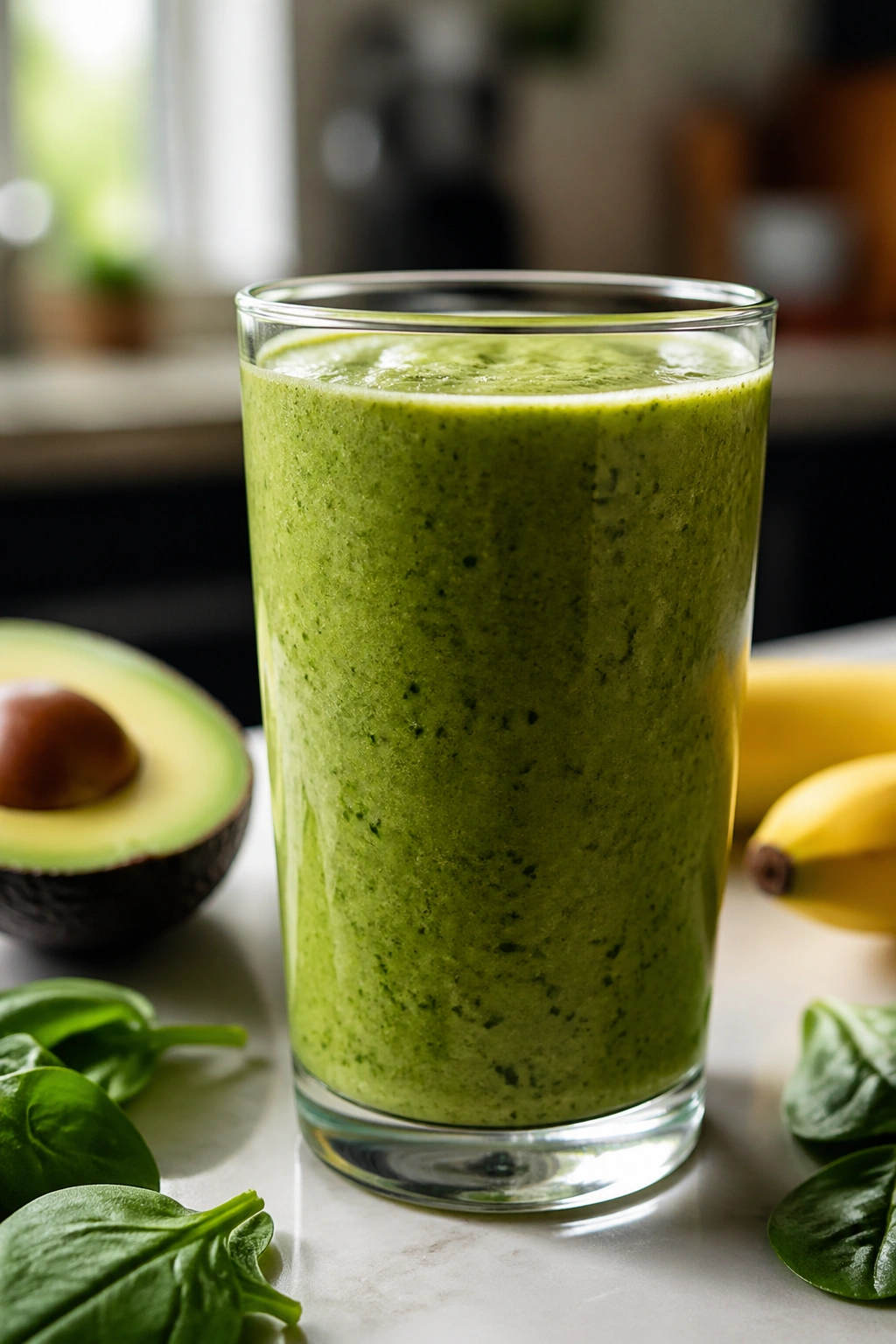
Unlike green juice, this one actually fills you up. That’s the whole reason to make it.
A good version uses 1 packed cup baby spinach, 1/2 avocado, 1 banana, 1 scoop vanilla protein, 1 cup milk or soy milk, and 1 tablespoon hemp seeds. The spinach disappears into the background if you use a ripe banana, and the avocado makes the texture feel almost custard-like.
People get nervous about avocado in smoothies for no good reason. One-half fruit is enough to make the drink rich without turning it into guacamole in a glass. You get creaminess, a little fat for staying power, and that smooth mouthfeel that makes the whole thing seem more finished.
If you want more carbs after a brutal session, add 1/4 cup oats. If you want it lighter, skip the hemp seeds and keep the blend short. Either way, blend long enough that the spinach fully disappears. Grainy green smoothies are a waste of time.
Use this when: you want something that lands between breakfast and recovery food, with a cleaner feel than peanut butter-heavy blends.
7. Mocha Banana Recovery Smoothie
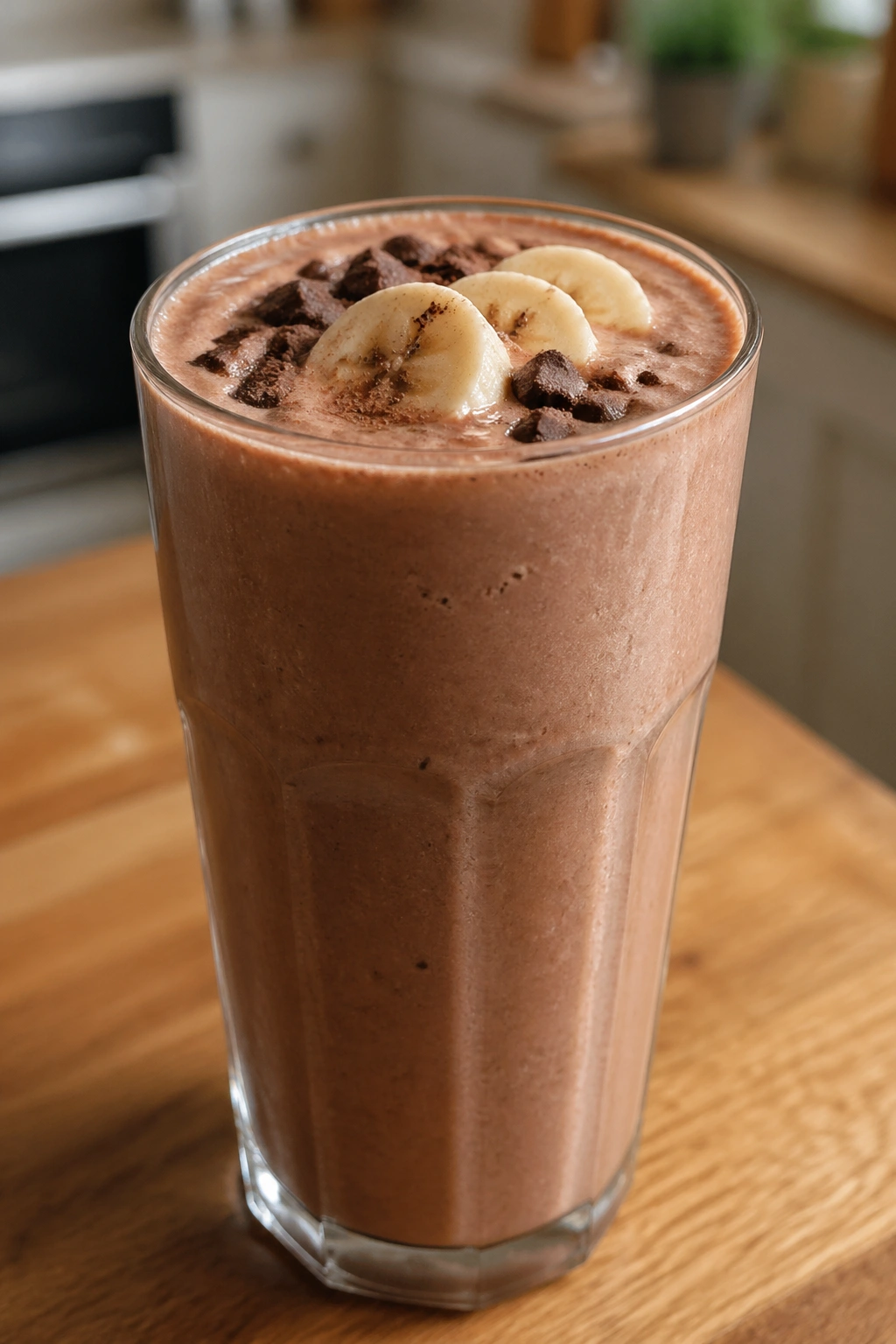
Can coffee pull its weight after training? Yes — when you keep it modest and pair it with real food instead of turning the whole thing into dessert with caffeine.
Use 1 frozen banana, 3/4 cup cold brew or chilled coffee, 1 scoop chocolate or vanilla protein, 3/4 cup milk, and 1 tablespoon cocoa. If you like it a little richer, add 1 teaspoon almond butter. If you train early and want a wake-up effect along with recovery, this is a strong move.
Coffee or espresso?
Cold brew gives you a smoother, rounder flavor. Espresso makes the coffee note louder and a little sharper. I prefer cold brew here because it mixes better with banana and doesn’t take over the glass.
This smoothie is best after morning workouts or a midday session when a little caffeine still makes sense. If you train late, skip the coffee and use decaf cold brew or leave it out. Not every recovery drink needs caffeine attached to it.
The trick is restraint. Too much coffee makes the smoothie bitter, and too much cocoa can push it into muddy territory. Keep the balance clean, and it tastes like an iced mocha that happens to be doing useful work.
8. Strawberry Kefir Recovery Smoothie
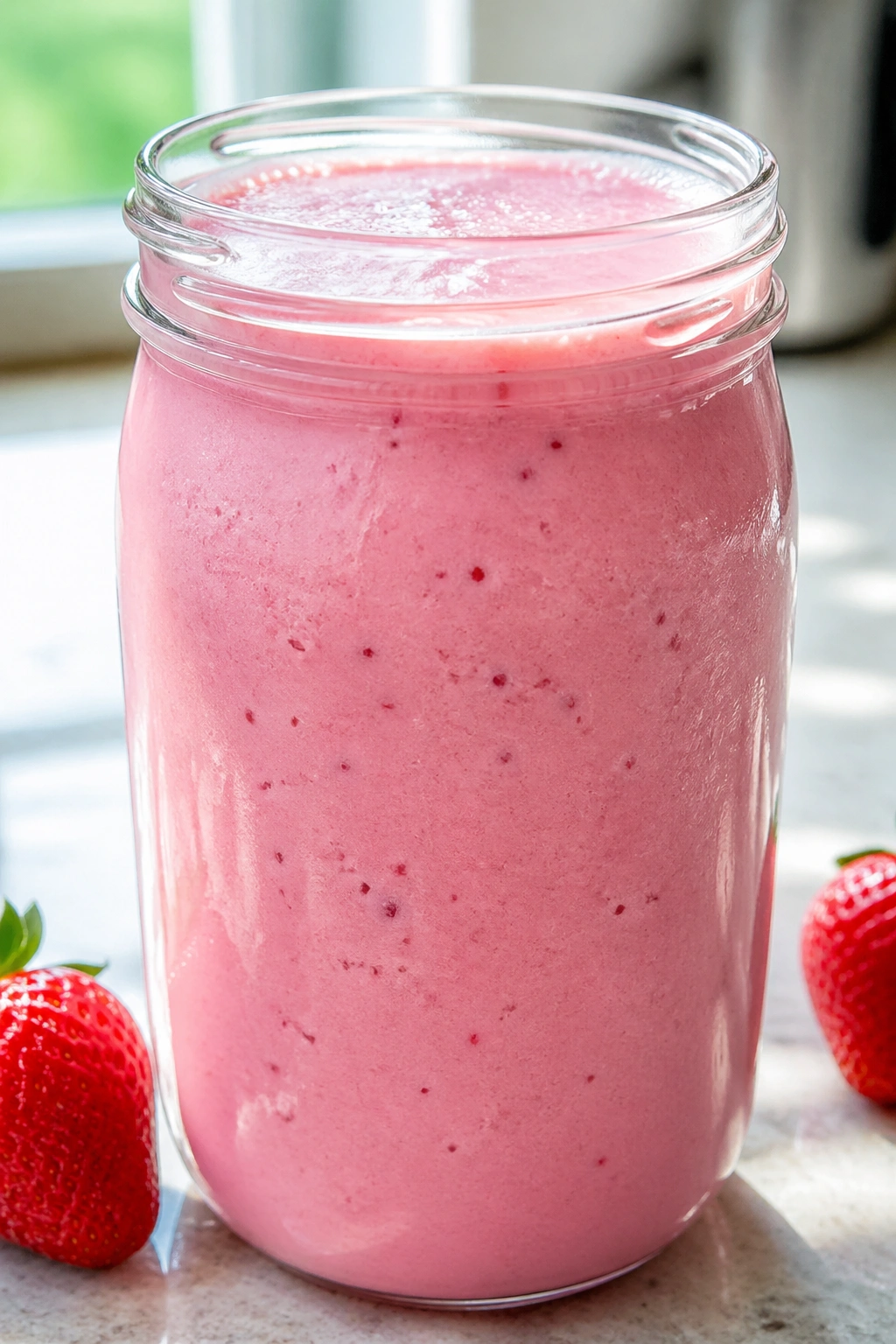
Kefir is one of those ingredients people forget about until they taste it again and remember how easy it is to blend. It has a tang that lands somewhere between yogurt and buttermilk, and that tang wakes up strawberry in a good way.
A simple version uses 1 cup plain kefir, 1 cup strawberries, 1 banana, and 1 scoop vanilla protein. If you want a softer flavor, add a drizzle of honey. If you want more texture, throw in 2 tablespoons oats or 1 tablespoon chia seeds.
This one is drinkable fast. No thick spoonfuls, no blender battles, no weird chalky finish. That’s useful when you’re not in the mood for a heavy recovery drink but still want something with enough protein to count.
The berry-kefir combo also works when your appetite is low. You still get carbs from the fruit, a decent protein bump from the kefir and powder, and a colder, sharper flavor that feels clean after training.
A small warning: if you hate tang, this is not your best match. If you like the bite of yogurt but wish it were thinner, kefir is the sweet spot.
9. Orange Carrot Ginger Recovery Smoothie
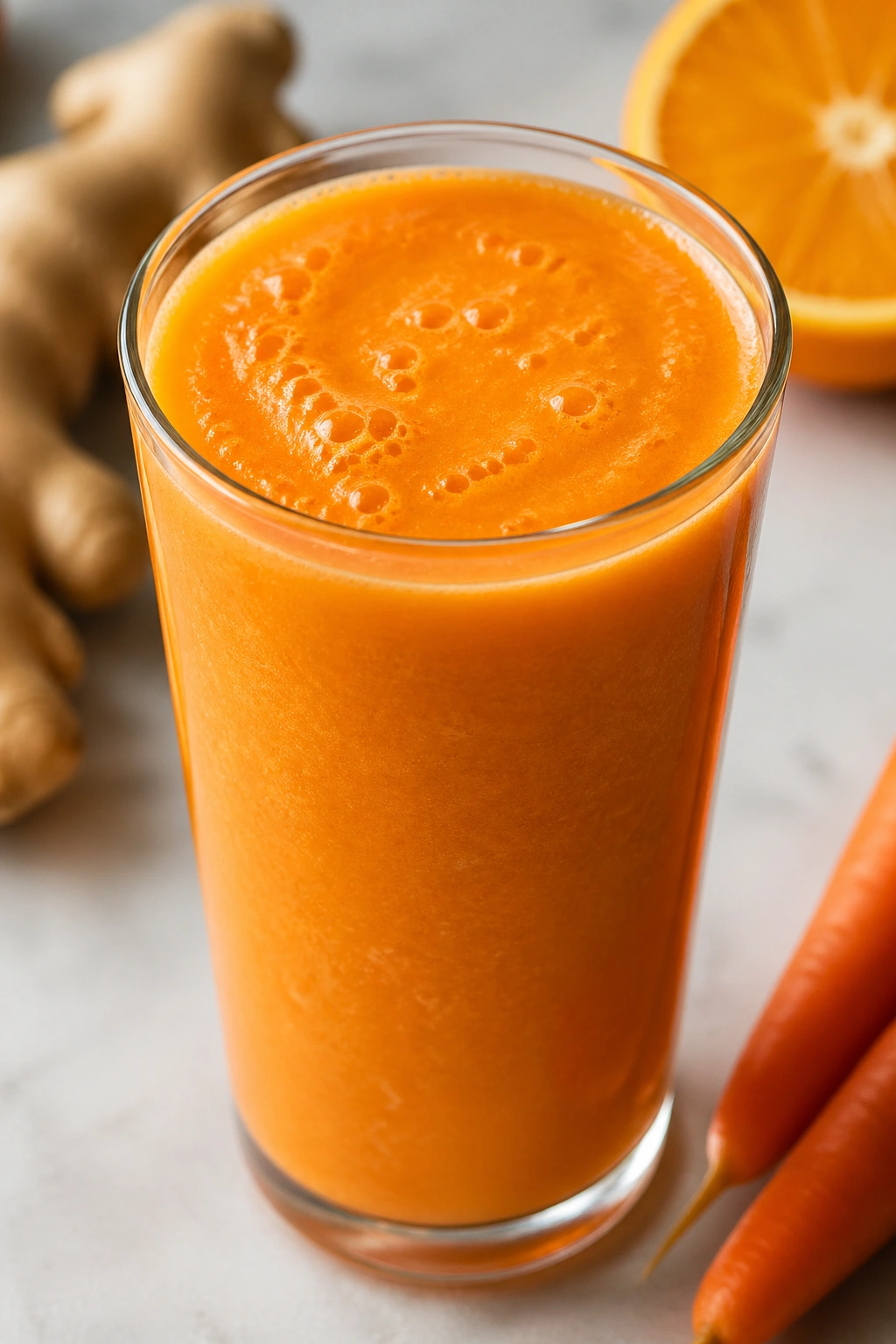
After a hot workout, this kind of smoothie feels like a cold shower in a glass. Bright orange, a little sharp, and not nearly as sweet as most fruit-heavy blends.
What makes it different
- 1 peeled orange
- 1/2 cup cooked or steamed carrot, cooled
- 1 banana
- 1 scoop vanilla protein
- 3/4 cup milk, orange juice, or soy milk
- 1/2 teaspoon freshly grated ginger
- Pinch of salt
The carrot needs to be soft enough to blend cleanly. Raw carrot can leave little bits behind, and that’s a good way to ruin the texture. Steam it for 8 to 10 minutes, cool it, and toss it in. The result tastes more like a breakfast smoothie than a vegetable drink.
Ginger gives the whole thing a clean snap. Use too much and it starts tasting like a health shot, which is not what we want here. Half a teaspoon is plenty. Maybe a little less if your ginger is strong.
This smoothie is best after cardio, spin, or any workout that leaves you craving something fresh rather than creamy. It’s still recovery food, just with a brighter personality.
10. Blueberry Vanilla Oat Recovery Smoothie
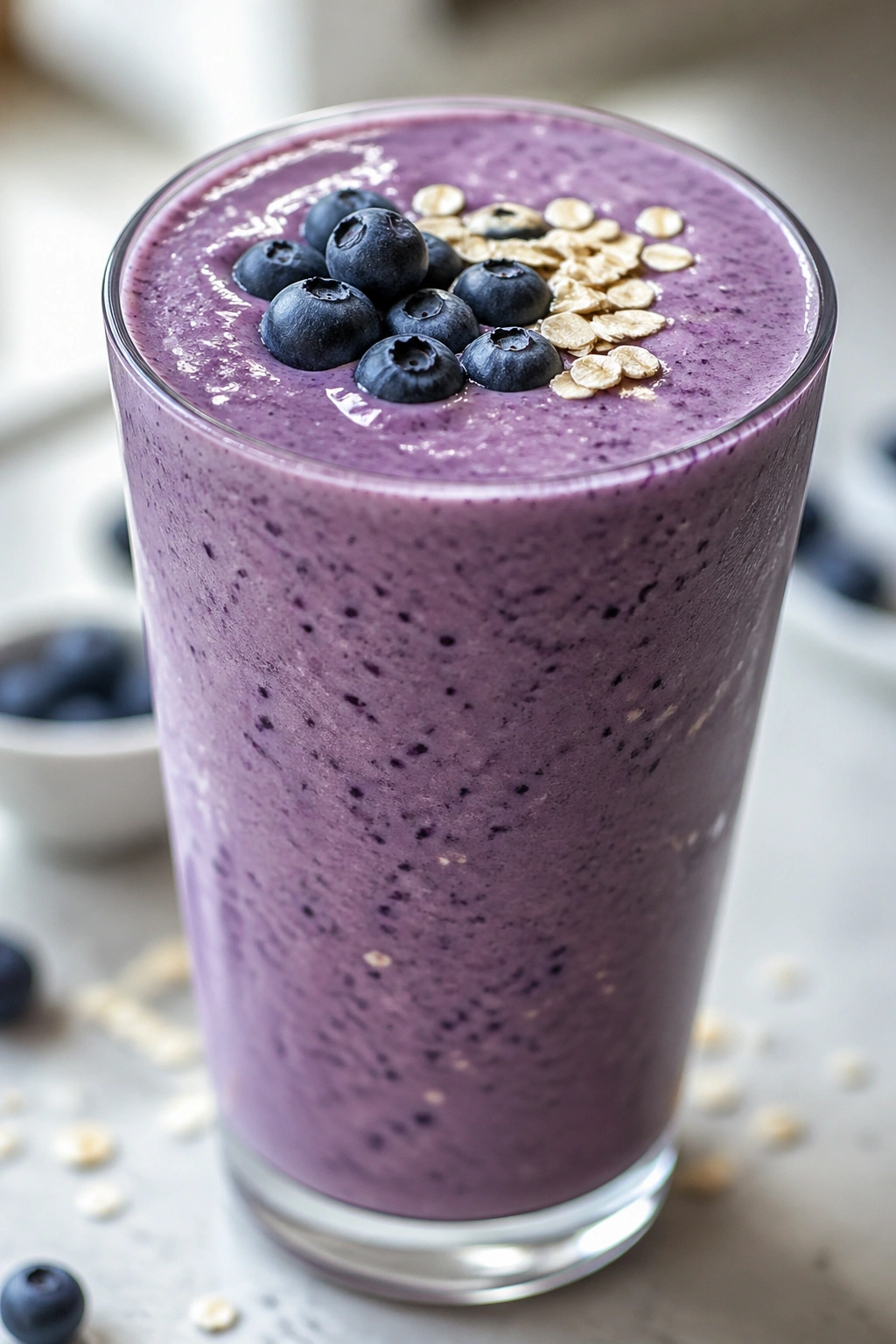
It looks like a milkshake and behaves like breakfast. That’s a good combination when you need recovery food that doesn’t feel like a chore.
Use 1 cup blueberries, 1 banana or 1/2 cup yogurt, 1 scoop vanilla protein, 1/4 to 1/3 cup rolled oats, and 1 cup milk. A splash of vanilla extract makes the flavor rounder. A few ice cubes make it thicker and colder.
Texture tricks that matter
Blueberries are small, but they can make a smoothie taste flat if you don’t give them enough help. Banana adds sweetness. Yogurt adds body. Oats keep the whole thing from going watery 10 minutes after you pour it.
If your blender struggles, start with the milk and oats first. Let them run for 10 seconds before adding the fruit. That keeps the oats from clumping on the side of the pitcher.
This is a good one for people who want a recovery smoothie that feels familiar. Nothing strange. Nothing aggressive. Just a reliable mix that tastes like something you’d make again without needing a new shopping list.
A small improvement: use frozen blueberries for color and chill, then finish with a tiny pinch of salt. It sounds odd. It works.
11. Watermelon Lime Electrolyte Recovery Smoothie
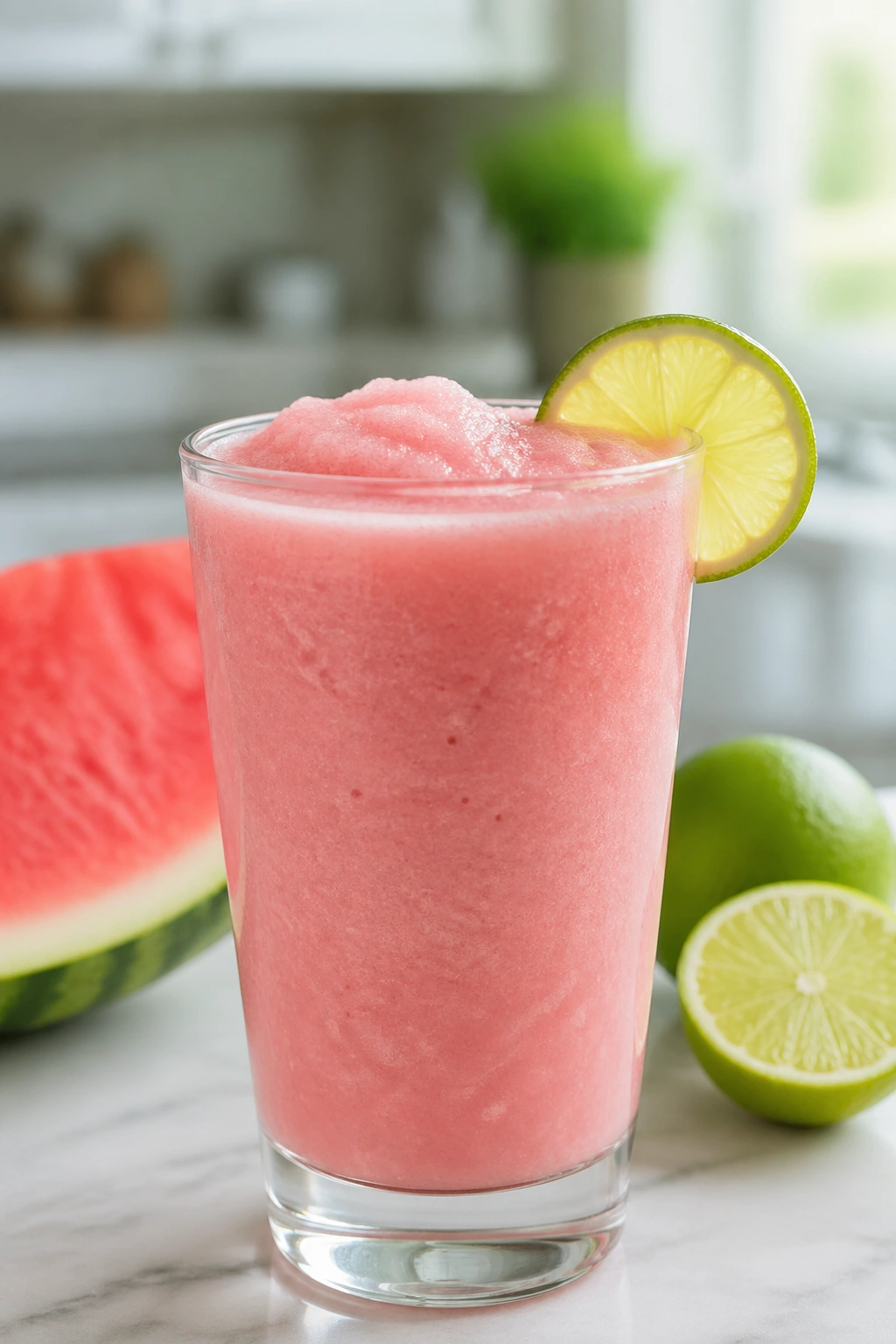
Sometimes the best recovery drink is the lightest one on the list. After a long, sweaty workout, heavy dairy can feel like too much.
Watermelon does the hydration work here. Use 2 cups cubed watermelon, 1/2 cup plain Greek yogurt or silken tofu, the juice of 1/2 lime, a pinch of salt, and ice. Blend until frothy and pale pink. If the watermelon is very sweet, you may not need anything else.
This is the smoothie I’d hand to someone who trained in heat and wants something cool rather than dense. The lime keeps it from tasting like candy, and the salt sharpens the flavor in a way that makes sense after sweating. That little savory edge is the part people often leave out.
You can add a few mint leaves if you like the cooling effect. Do not overdo it. Two or three leaves are enough. A full handful takes over fast.
It’s not the most filling smoothie on the list, and that’s fine. Not every recovery drink needs to sit in your stomach like a meal. Sometimes you need hydration first, food second.
12. Peach Cottage Cheese Recovery Smoothie
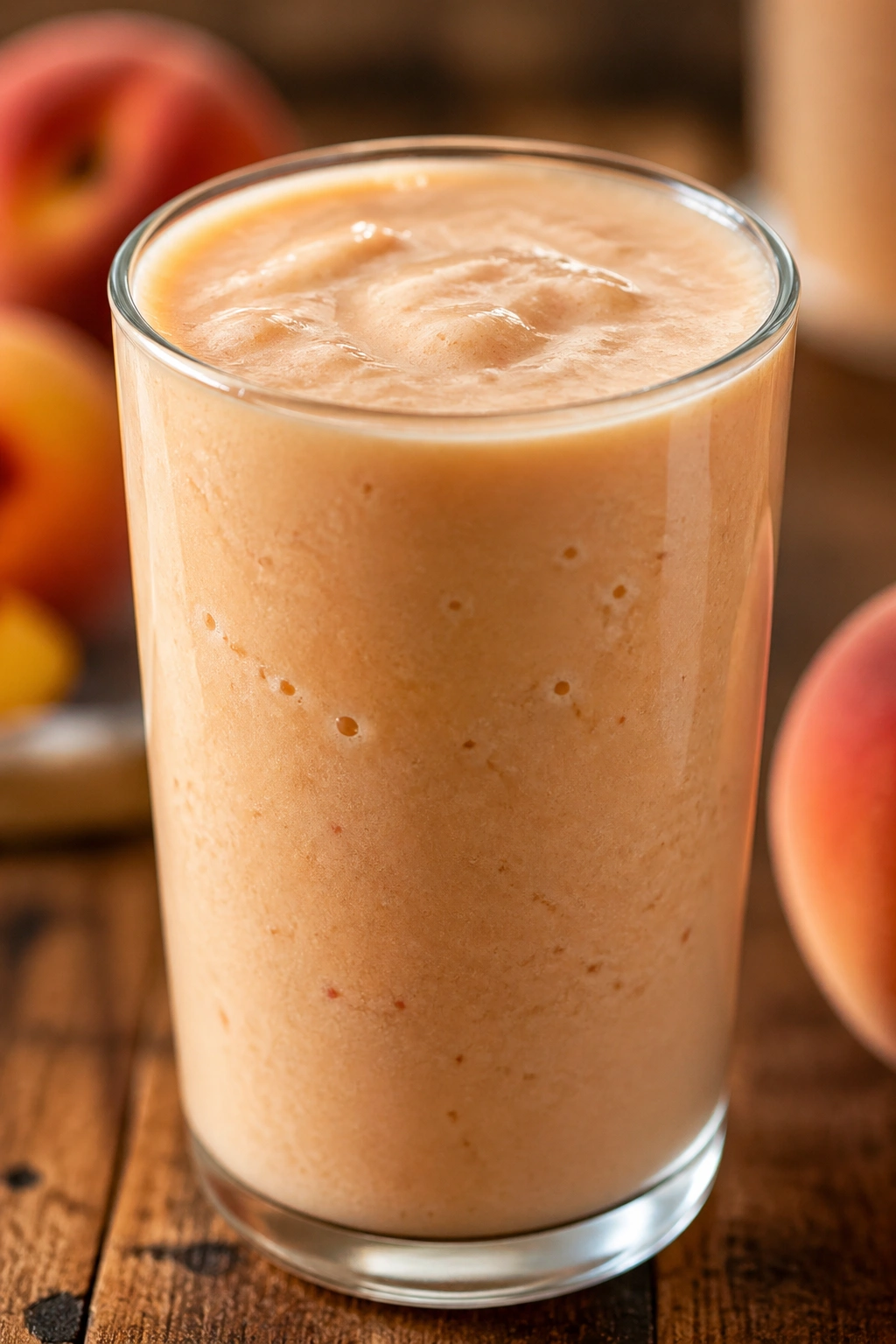
Cottage cheese in a smoothie sounds odd until you blend it once and realize how creamy it gets. Then it starts making a lot more sense.
Why cottage cheese works
- 1/2 cup cottage cheese
- 1 cup frozen peaches
- 1/2 banana
- 3/4 cup milk
- 1/2 teaspoon vanilla extract
- Pinch of cinnamon
The cottage cheese adds protein and a thick, almost cheesecake-like body. If you use low-fat cottage cheese, the flavor stays milder. Full-fat gives you a richer finish. Either one blends smooth if you give it 30 to 45 seconds.
Peaches bring a soft sweetness that sits nicely with vanilla. This smoothie tastes rounder than a berry blend and less sharp than citrus. It’s a good choice after strength training when you want something creamy but not peanut-butter heavy.
If the cottage cheese taste bothers you at first, bump the fruit up a little. A full cup of peaches and a ripe banana go a long way toward hiding it. After the first few sips, most people stop noticing the cottage cheese anyway.
This one is especially good if you need a recovery drink that feels closer to dessert without actually turning into dessert.
13. Pumpkin Spice Recovery Smoothie
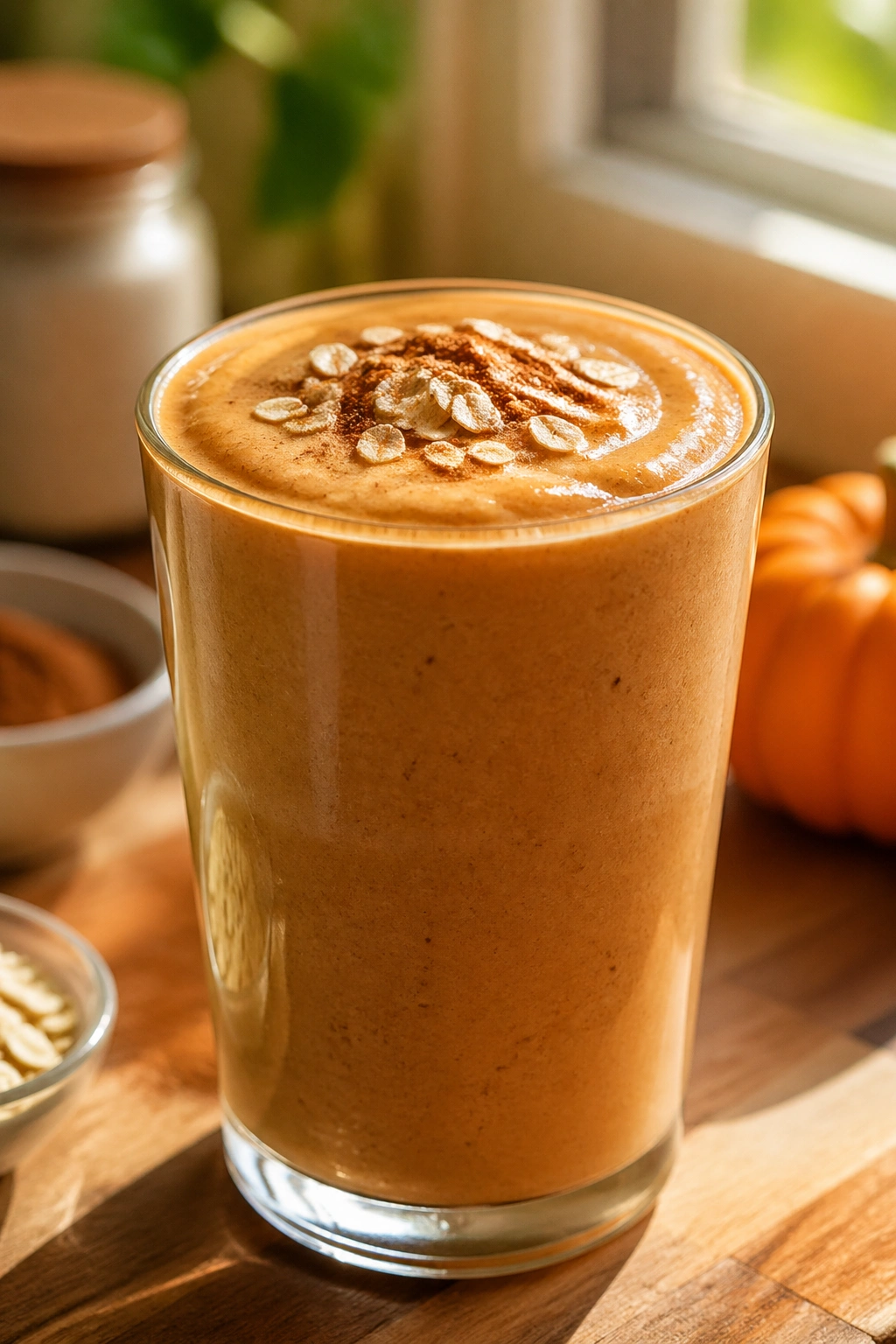
Cold pumpkin sounds a little strange until you taste it. Then it makes total sense, especially when you want something thick and spiced instead of bright and fruity.
Use 1/2 cup pumpkin purée, 1 banana, 1 scoop vanilla protein, 3/4 cup milk, 1/4 cup rolled oats, 1/2 teaspoon cinnamon, 1/8 teaspoon nutmeg, and a pinch of salt. If you want it sweeter, add 1 teaspoon maple syrup. That usually does the trick.
The important part here is using pumpkin purée, not pumpkin pie filling. Pie filling comes sweetened and spiced already, which throws off the balance. Purée lets you control the flavor and keep the drink thick rather than syrupy.
This smoothie has a cozy, almost pie-crust flavor once the cinnamon and nutmeg warm up the pumpkin. It’s not loud. It’s steady. That makes it a good match for late dinners, busy mornings after a workout, or days when you want recovery food that feels a little more substantial.
A short blend time helps preserve the body of the oats. Over-blend it and the texture can turn a bit gummy. Stop when it’s smooth and thick, not fluffy beyond reason.
14. Pineapple Tofu Ginger Recovery Smoothie
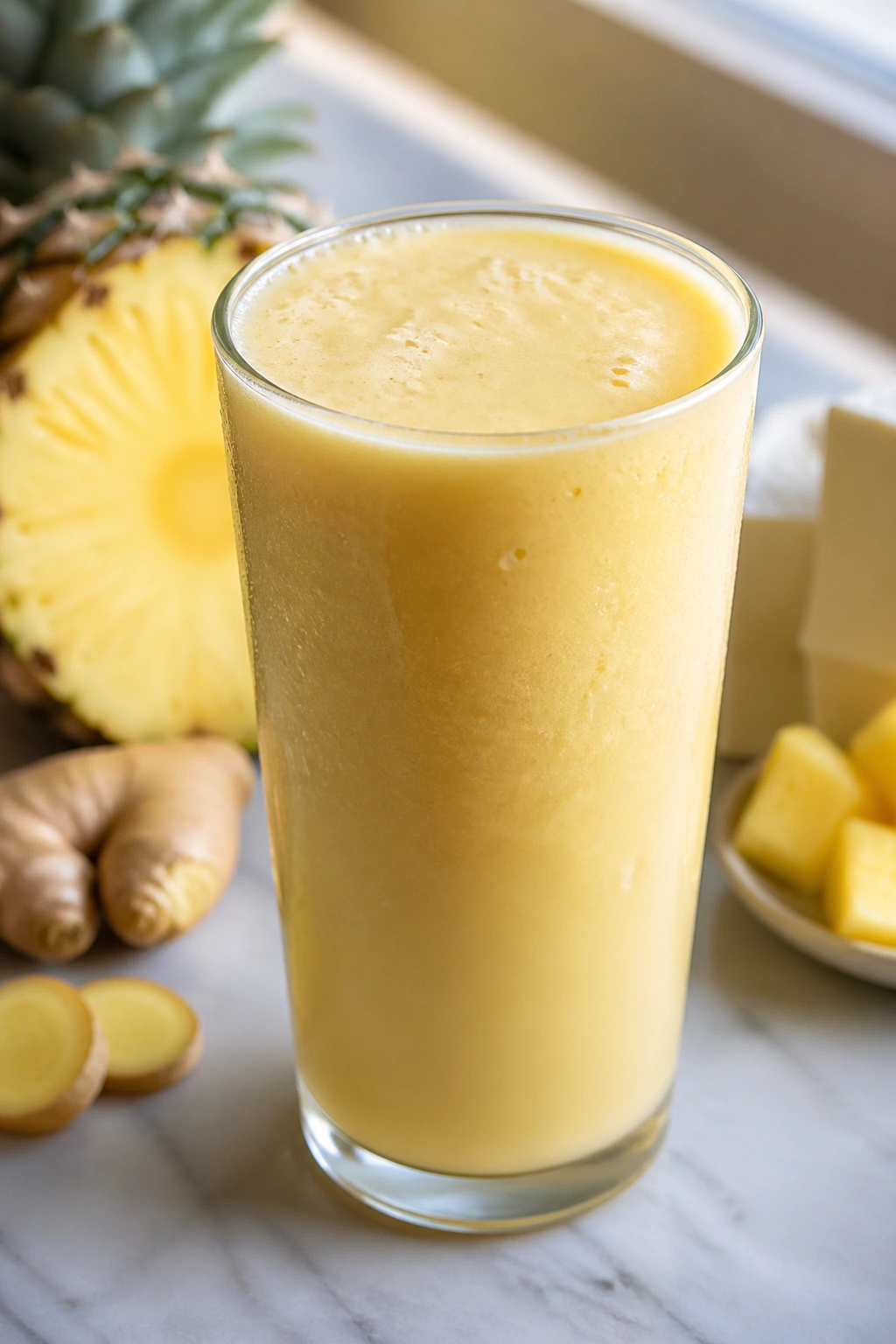
If dairy sits heavy after training, silken tofu gives you body without the tang. That alone makes this smoothie worth knowing.
- 1 cup pineapple chunks
- 1/2 block silken tofu
- 1 cup soy milk
- 1/2 teaspoon grated fresh ginger
- 1 tablespoon oats or hemp seeds
- 1 teaspoon lime zest, optional
- Ice, as needed
Silken tofu blends into a creamy base with almost no effort. You get protein, a smooth texture, and a neutral flavor that lets the pineapple stay in charge. Soy milk adds a little more protein on top, which is exactly why this drink works so well for plant-based recovery.
The ginger keeps the pineapple from tasting one-note. Start with half a teaspoon. More than that and the drink starts feeling spicy in a way that fights the fruit instead of helping it.
Best for dairy-free recovery
This is the one I’d make when I want a recovery smoothie that feels light, cold, and protein-forward without relying on yogurt or whey. It’s also a smart option if your stomach is a bit touchy after intense training.
A tiny handful of ice helps the texture. Too much and you dilute the pineapple. Just enough keeps it crisp.
15. Beet Berry Recovery Smoothie
This is the one for people who want something a little earthy but still sweet. Beet and berry sound strange together until you blend them, and then the color alone makes you pause.
Use 1 small cooked beet, 1 cup mixed berries, 1 banana, 1 scoop vanilla or berry protein, 1 cup milk or soy milk, and 1 teaspoon lemon juice. Blend until the beet disappears and the color turns deep red-purple. If you need more sweetness, add a little honey, but start without it.
Cooked beet is the move here. Raw beet is too hard on most blenders and can leave the texture gritty. A vacuum-packed cooked beet or a roasted beet from the fridge works well. Just chop it first so the machine does not have to fight for its life.
This smoothie feels more substantial than it first looks. The fruit brings the familiar sweetness, but the beet adds a little depth that keeps it from tasting like candy. It is a good choice after a workout when you want something different from the usual banana-peanut-butter routine.
Rinse the blender right away. Beet stains. Fast.
The best recovery smoothie is the one you’ll make again tomorrow without rolling your eyes. Keep the formula simple: fruit for carbs, a real protein source, enough liquid to blend cleanly, and a little salt when the workout was sweaty enough to deserve it.
That’s the real trick with post workout recovery smoothie ideas. They do not need to be fancy. They need to taste good enough, blend fast enough, and leave you feeling like you recovered instead of just had a cold snack.
