



Eat the wrong thing before training and your body lets you know fast. A heavy, greasy meal can sit in your stomach like a brick, while a tiny snack with no staying power can leave you flat halfway through your session. Good pre workout foods fix both problems: they give you usable fuel, they digest on a schedule that matches your training, and they do not turn warm-ups into a burping contest.
Most people do not need anything fancy. They need carbs they can actually use, enough fluid and sodium to keep energy steady, and in some cases a little protein so hunger does not creep in during the workout. Fat and fiber still matter in a healthy diet, though right before hard exercise they can slow stomach emptying more than you want—especially before running, intervals, or heavy leg day.
Timing changes the kind of food that works. If you are eating 20 to 45 minutes before training, go lighter and easier to digest: 20 to 40 grams of carbs, low fat, low fiber. If you have 60 to 120 minutes, you can handle a fuller snack with some protein. Stretch that window to 2 to 4 hours, and a bigger meal makes sense; sports nutrition guidelines often place pre-exercise carbs around 1 to 4 grams per kilogram of body weight in that range for longer training.
I keep coming back to the same rule because it saves people a lot of trial and error: match the food to the clock and the workout. Sprint work, long runs, bodybuilding, pickup basketball, and a gentle lift do not all ask the same thing from your stomach.
1. Bananas for Fast Pre Workout Energy
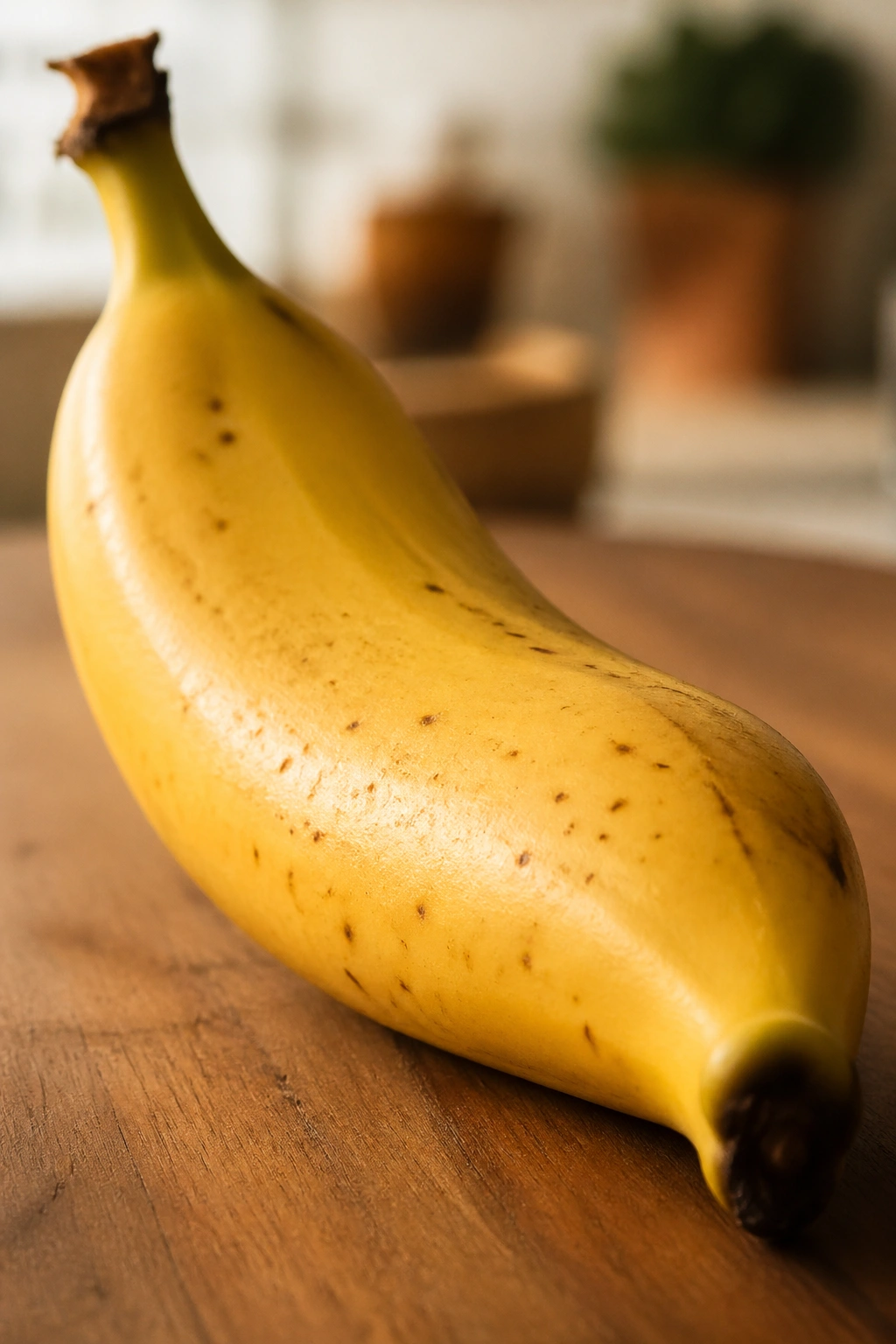
Bananas are the old standby for a reason. A medium banana gives you about 27 grams of carbs, enough to raise blood sugar without feeling like a full meal, and it usually digests well even when you are short on time.
Why bananas work so well
They sit in the sweet spot between quick and steady fuel. You get natural sugars for fast energy, a little starch for staying power, and enough potassium to help with fluid balance and muscle function. Potassium is not a magic cramp shield, but when you sweat hard, every bit helps.
Quick details
- Best timing: 30 to 60 minutes before training
- Good portion: 1 medium banana
- Best for: lifting, short runs, cycling, team sports
- Watch for: if you are heading into a long workout, a banana alone may not last
Best move: pair a banana with 1 tablespoon of peanut butter if you have at least 60 minutes, or eat it plain if the session starts soon.
2. Oatmeal That Holds Up During Longer Sessions
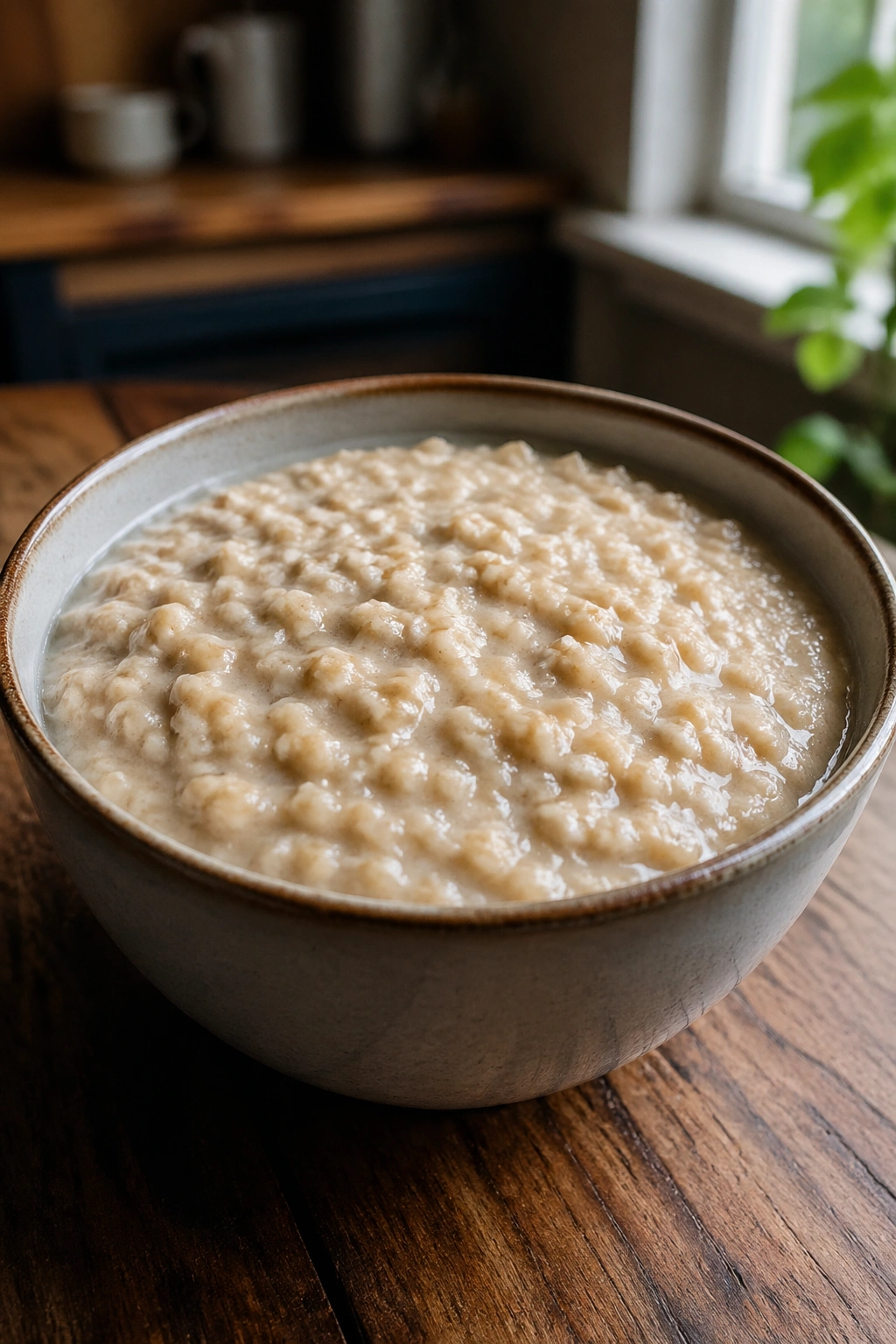
If bananas are the quick answer, oatmeal is the food I trust when I want energy that does not disappear after the first half hour. A bowl of oats gives you slow-burning carbs, a bit of protein, and enough texture to feel like you ate a meal rather than a token snack.
Steel-cut oats take longer to digest than instant oats, which matters. If your workout starts in under an hour, instant oats or quick oats are usually the safer bet. Rolled oats sit in the middle. That detail gets skipped a lot, and it matters more than people think.
A solid pre-workout bowl is ½ to 1 cup dry oats, cooked, with sliced banana, berries, or a spoonful of maple syrup. That lands you around 30 to 60 grams of carbs, depending on the add-ins. Good range for endurance work, long gym sessions, or morning training when you need something sturdier than fruit.
Skip the giant pile of nuts, seeds, and thick nut butter right before running. Good foods, wrong timing. Too much fat and fiber can make your stomach drag.
3. White Toast With Honey When You Need Fuel Fast
Need something lighter than oats but more substantial than fruit?
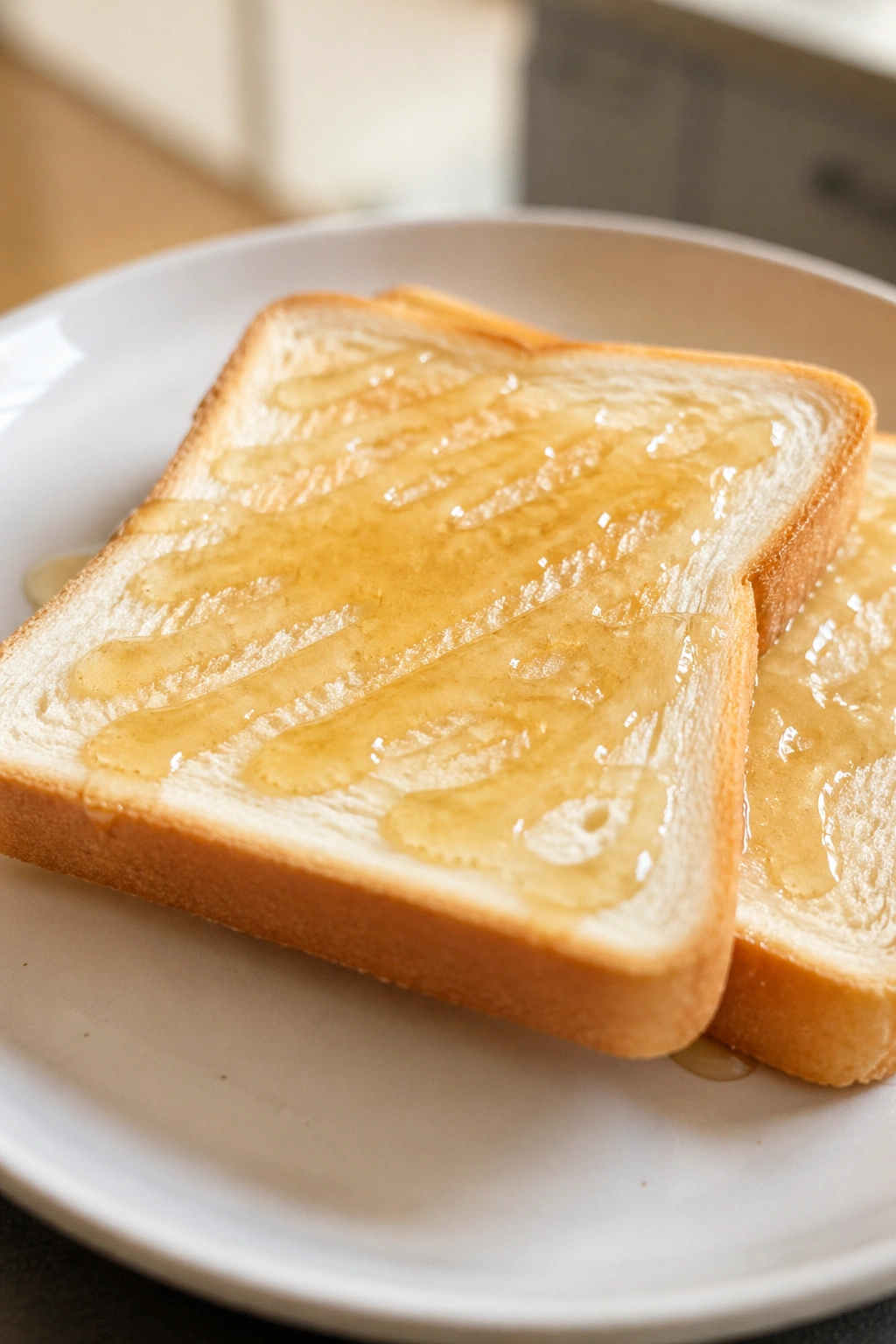
White toast with honey is one of the cleanest pre-workout snacks around. Two slices of toast plus 1 to 2 teaspoons of honey can give you 30 to 40 grams of carbs with almost no fiber, which means it moves through the stomach fast and starts working soon.
That matters when you are training within the hour. A heavy whole-grain loaf with seeds has its place, though not always right before hard exercise. White bread is not a nutritional villain here; it is doing a specific job.
How to use it
Eat 2 slices of toast with honey about 30 to 45 minutes before sprints, circuits, rowing, or a hard lift. Add a thin smear of peanut butter only if you have more time—around 60 to 90 minutes. If you stack too much on top, the snack stops being quick fuel and turns into a meal.
The texture helps too. Dry toast, sticky honey, easy bite. No blender, no prep, no fuss.
4. Applesauce When Solid Food Sounds Awful
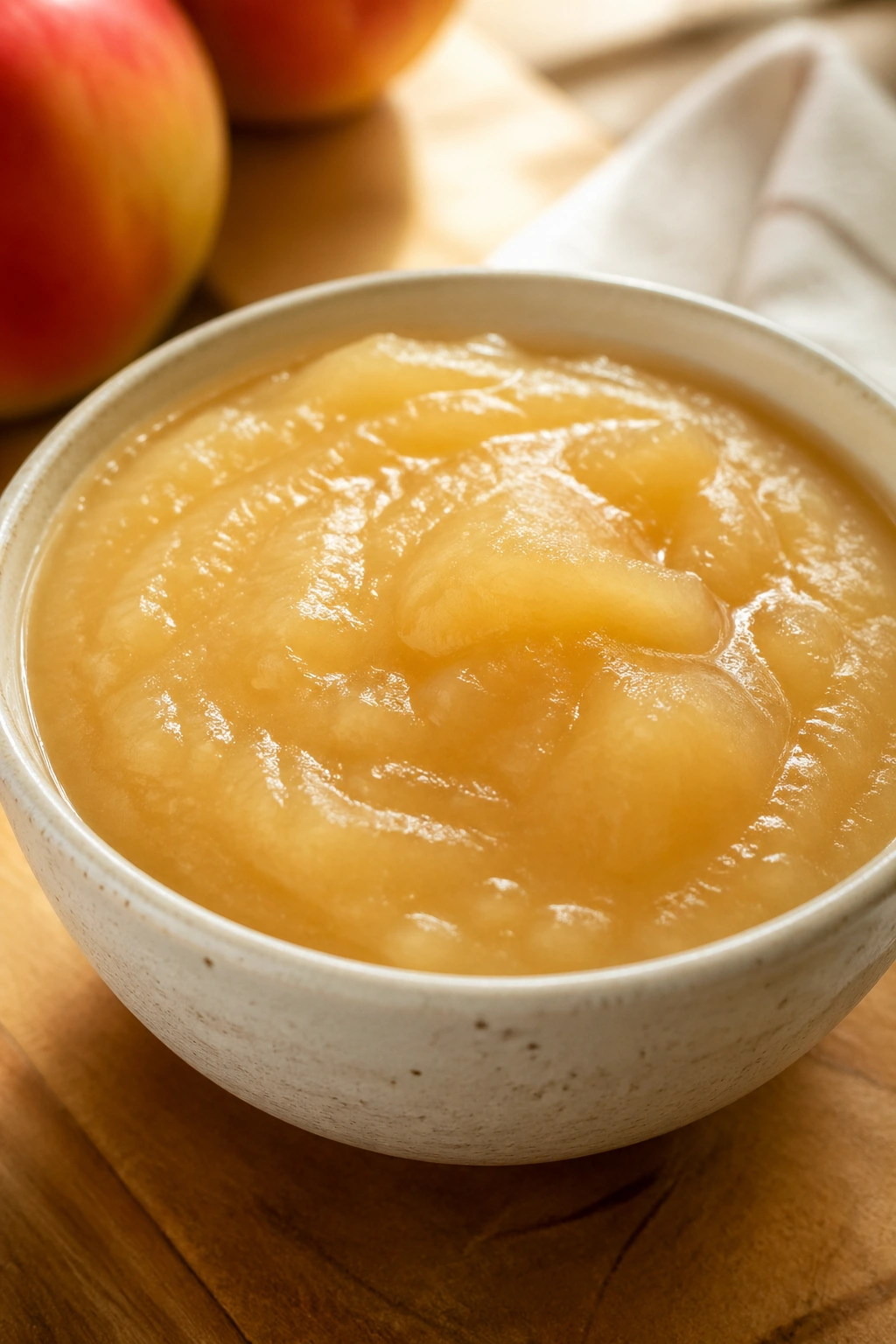
There is a point before some workouts—early mornings, nerves before a race, brutal summer heat—when chewing feels like work. Applesauce earns its keep there. It is soft, mild, easy to get down, and a ½-cup serving gives you around 13 to 15 grams of carbs.
I have seen more than one person save a training session with one of those portable applesauce pouches. Not glamorous. Effective.
Why it helps
Applesauce is lower in fiber than a whole apple, so it usually causes less stomach trouble before running or jumping. You still get fruit-based carbs, though the texture makes it easier to digest at speed.
- Best timing: 15 to 45 minutes pre-workout
- Good portion: 1 pouch or ½ to 1 cup
- Works well for: runners, early-morning lifters, anyone with a touchy stomach
- Good add-on: pretzels or toast if you need more carbs
Unsweetened is fine. Sweetened is fine too if it sits well. Right before a workout, digestion matters more than food purity points.
5. Dates for Dense, Portable Fuel
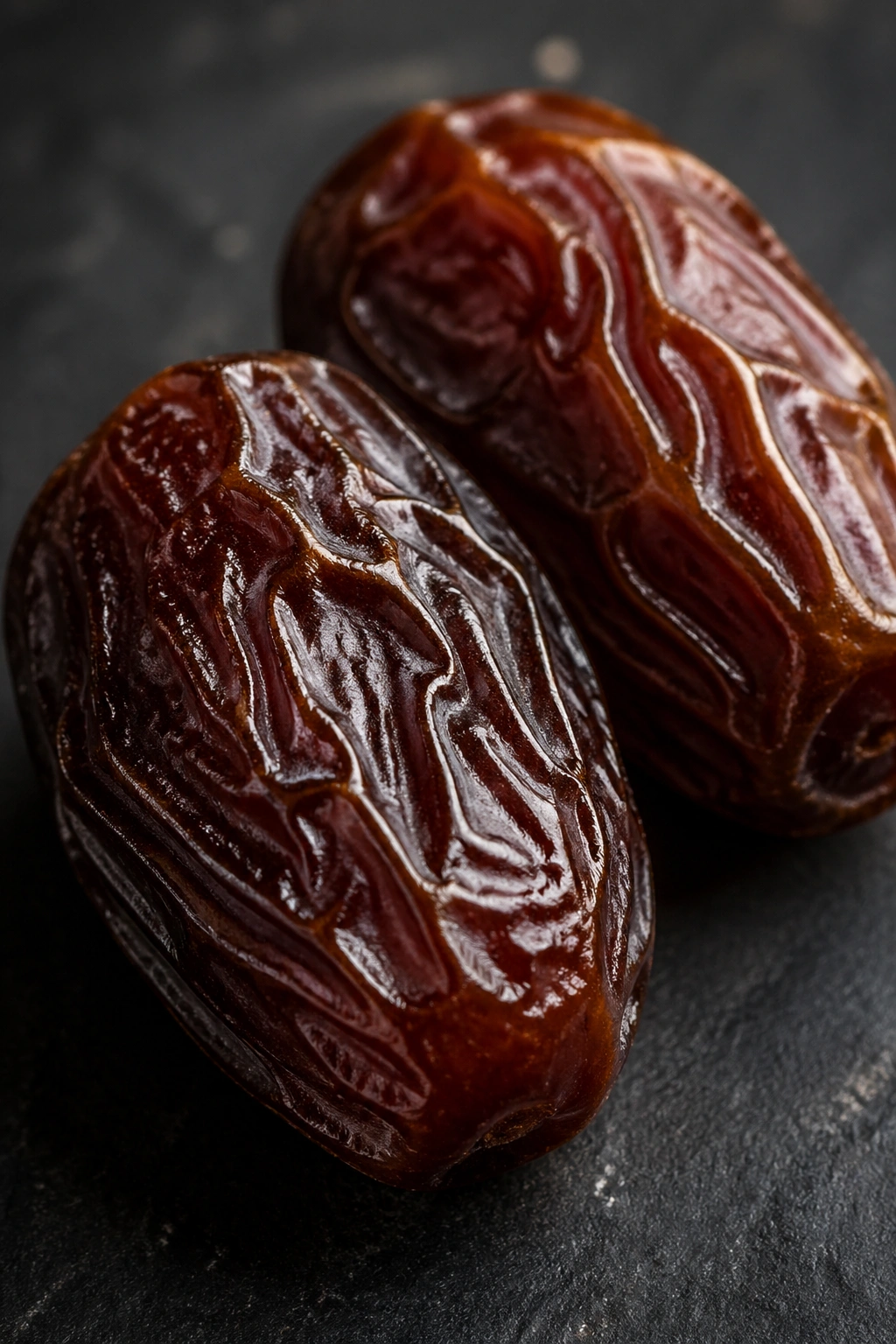
Few foods pack more pre-workout energy into a smaller bite than dates. Two Medjool dates can land near 35 to 36 grams of carbs, and they fit in your pocket.
That density is why endurance athletes lean on them. You can eat dates before a session, during a long one, or both. They taste sweet, they chew fast, and they do not take much volume to do the job. If a full banana feels like too much, dates can be the smarter move.
Portion size matters here. Three or four large dates may be fine before a long bike ride; before hill sprints, that can feel syrupy and heavy. Start with 2 dates 20 to 30 minutes before training. Add a pinch of salt or pair them with a few pretzels if you are sweating hard.
One downside: they are sticky. Bring water. Also, if high-sugar dried fruit bothers your stomach, do not test dates for the first time on a race day.
6. Rice Cakes With Jam for Quick Carbs Without the Weight
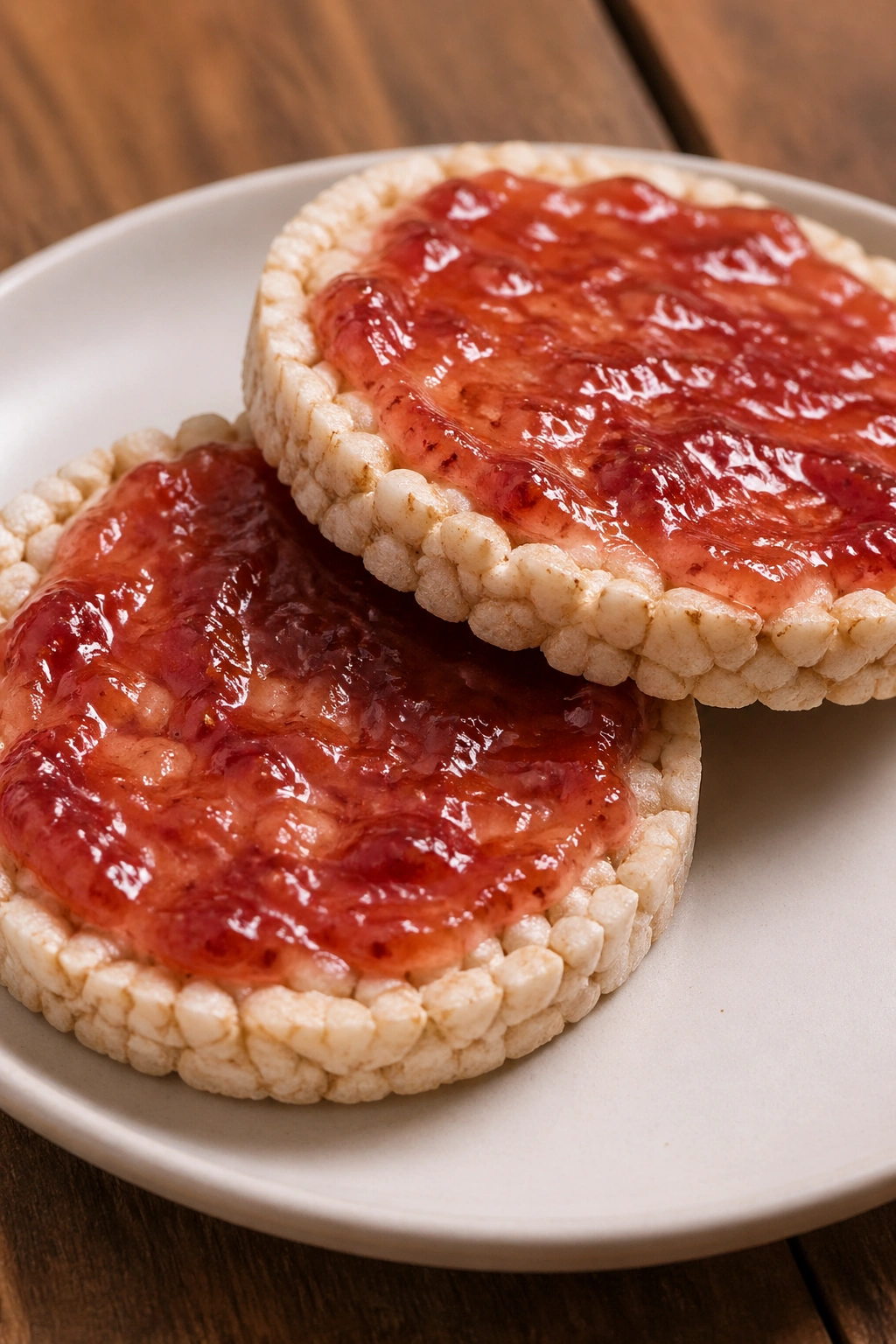
Unlike a bagel or a bowl of oats, rice cakes with jam feel almost weightless in the stomach. That is their edge. Two plain rice cakes plus 1 tablespoon of jam usually gives you 25 to 30 grams of carbs, and the low fiber count makes them useful when you are cutting the clock close.
This is the snack I point people toward when they say, “I need energy, but I cannot train on a full stomach.” Fair point. Rice cakes are airy enough that they rarely feel like too much.
You can go savory too—rice cakes with a tiny swipe of cream cheese and a pinch of salt work for some athletes—but jam or honey is the cleaner pre-workout play when fast carbs are the goal.
Who gets the most from this? Lifters training 30 to 45 minutes after work, swimmers heading into a hard set, and anyone who does not digest dense bread well. If you are doing a two-hour endurance session, rice cakes alone will not carry you far. Add fruit or eat a bigger meal earlier.
7. Bagels When You Need a Bigger Carb Hit
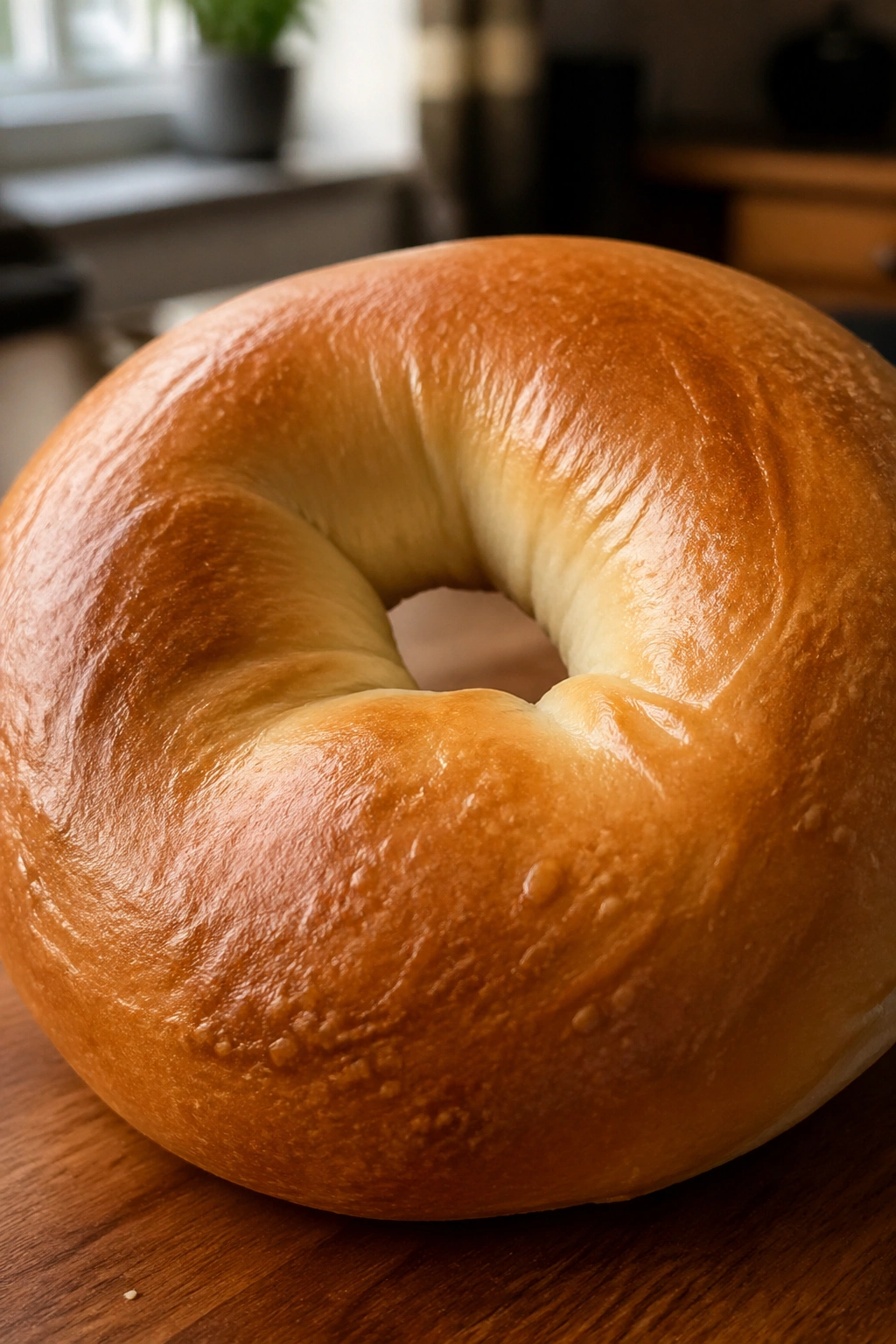
A plain bagel is not subtle, and that is the whole point. One medium bagel often gives you 45 to 55 grams of carbs, which makes it one of the easiest ways to top off energy stores before a long run, ride, game, or heavy training day.
People shy away from bagels because they sound like “too much.” Before serious exercise, that can be exactly enough. Carbs are stored as glycogen in your muscles and liver. Hard training burns through that fuel fast. A bagel gives you a lot of it without much chewing or prep.
The topping decides how light or heavy the meal feels. Jam, honey, or a thin spread of cream cheese keeps digestion moving. A thick layer of peanut butter or a stack of bacon changes the whole equation. Good breakfast, poor sprint-session snack.
Eat a bagel 60 to 120 minutes before training if you want it to sit comfortably. If your stomach is sturdy, you can go closer. If it is not, give the bagel more time. That one adjustment saves a lot of mid-workout regret.
8. White Rice for Clean, Predictable Fuel
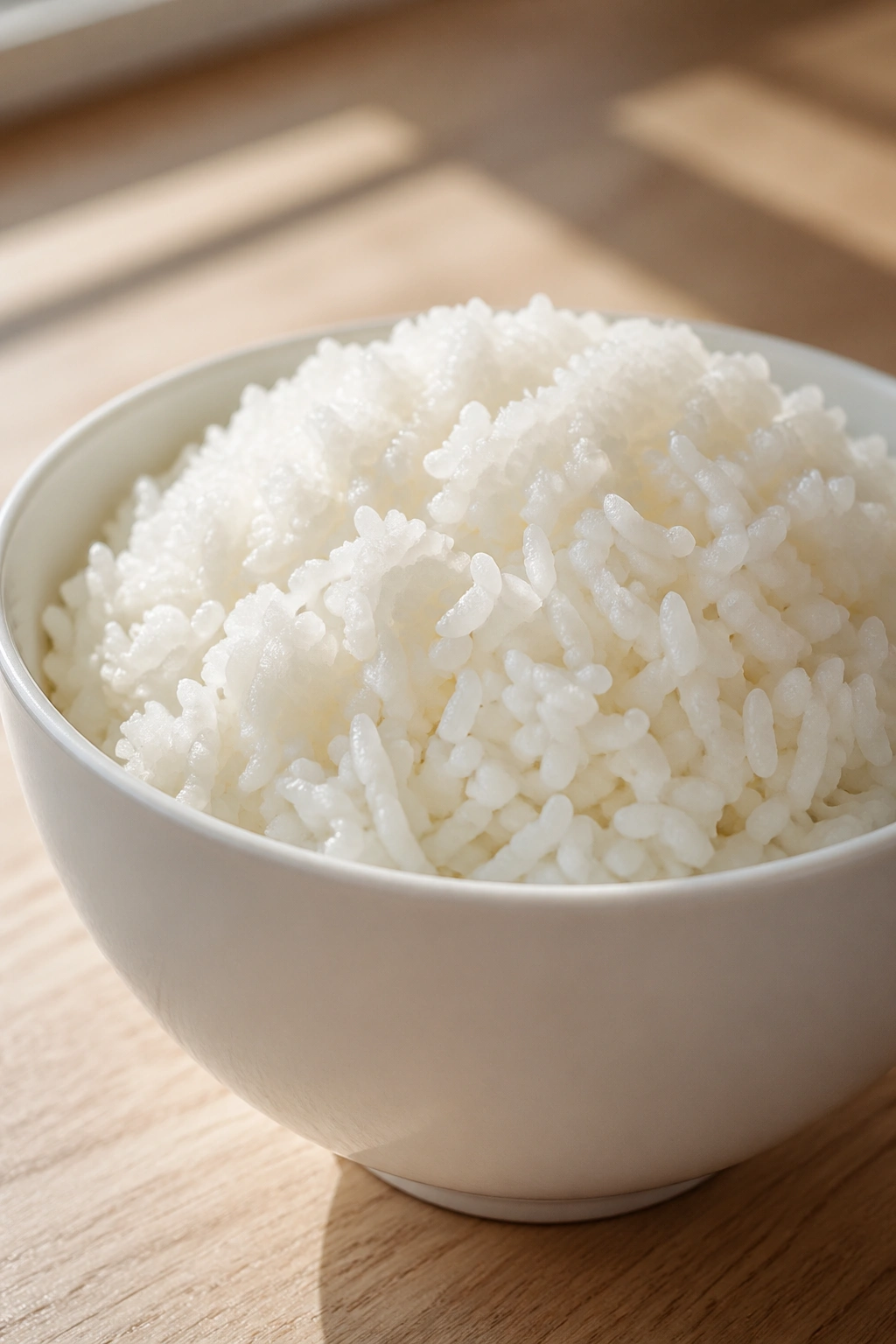
White rice does not win style points, though it wins a lot of workouts. One cup cooked gives you about 45 grams of carbs, low fiber, and a texture that most stomachs tolerate well. Bodybuilders have known this forever. So have endurance athletes.
Why white rice beats brown rice before hard training
Brown rice brings more fiber and a nuttier chew. Good at dinner. Before squats or a tempo run, white rice is usually easier on the gut and faster to use. That makes it more practical, not “better” in every setting.
Smart ways to eat it
- 1 cup white rice with a little soy sauce for a light carb-focused meal
- 1 cup rice plus 3 to 4 ounces chicken if you have 2 to 3 hours
- Rice with scrambled egg when you want more protein and a softer texture
- Rice with fruit if you prefer sweet over savory
Cold leftover rice works too, though fresh warm rice tends to sit better for most people. Salt it. Pre-workout food should not taste like punishment.
9. Sweet Potatoes for Steadier Energy
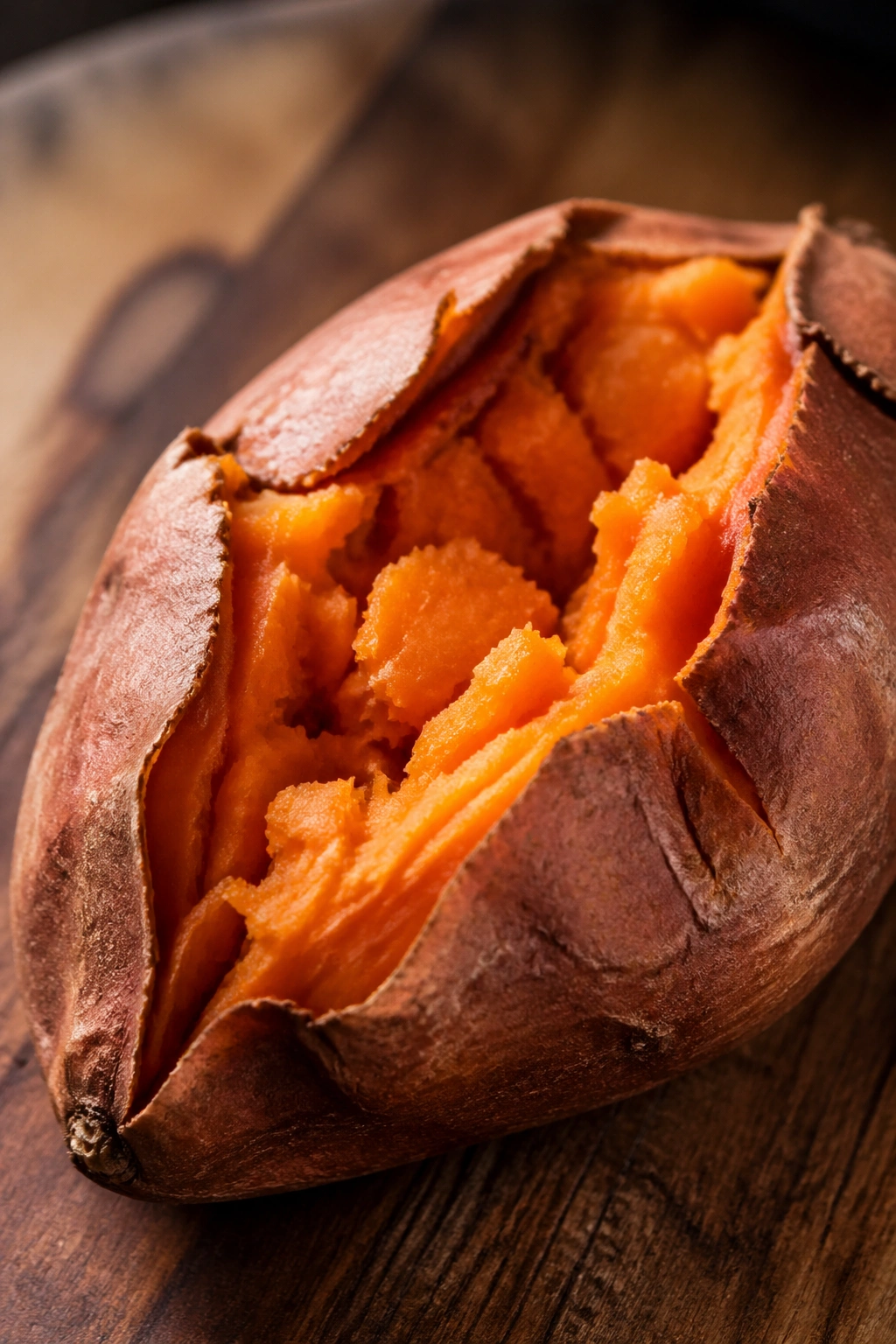
Why pick sweet potatoes instead of rice or bread? Because when you have a wider pre-workout window—say 90 minutes to 3 hours—sweet potatoes can give you a steadier ride.
A medium sweet potato lands around 24 to 27 grams of carbs, plus fiber, potassium, and a little more staying power than fast bread or fruit. The trick is not to overload the portion. One giant sweet potato with butter, sour cream, and a pile of toppings is lunch. One medium baked sweet potato with a pinch of salt is pre-workout fuel.
Sweet potatoes shine before moderate-to-long sessions, hiking, field sports, and strength workouts where you want fullness without feeling stuffed. Their soft texture helps too. Bake them until the flesh is tender enough to mash with a fork; undercooked sweet potato feels dense and oddly dry, and your stomach notices.
If you are running hard within the hour, pick something lower in fiber. Sweet potatoes are better when you have enough time to digest them properly.
10. Low-Fiber Cereal With Milk for Easy Carbs in a Bowl
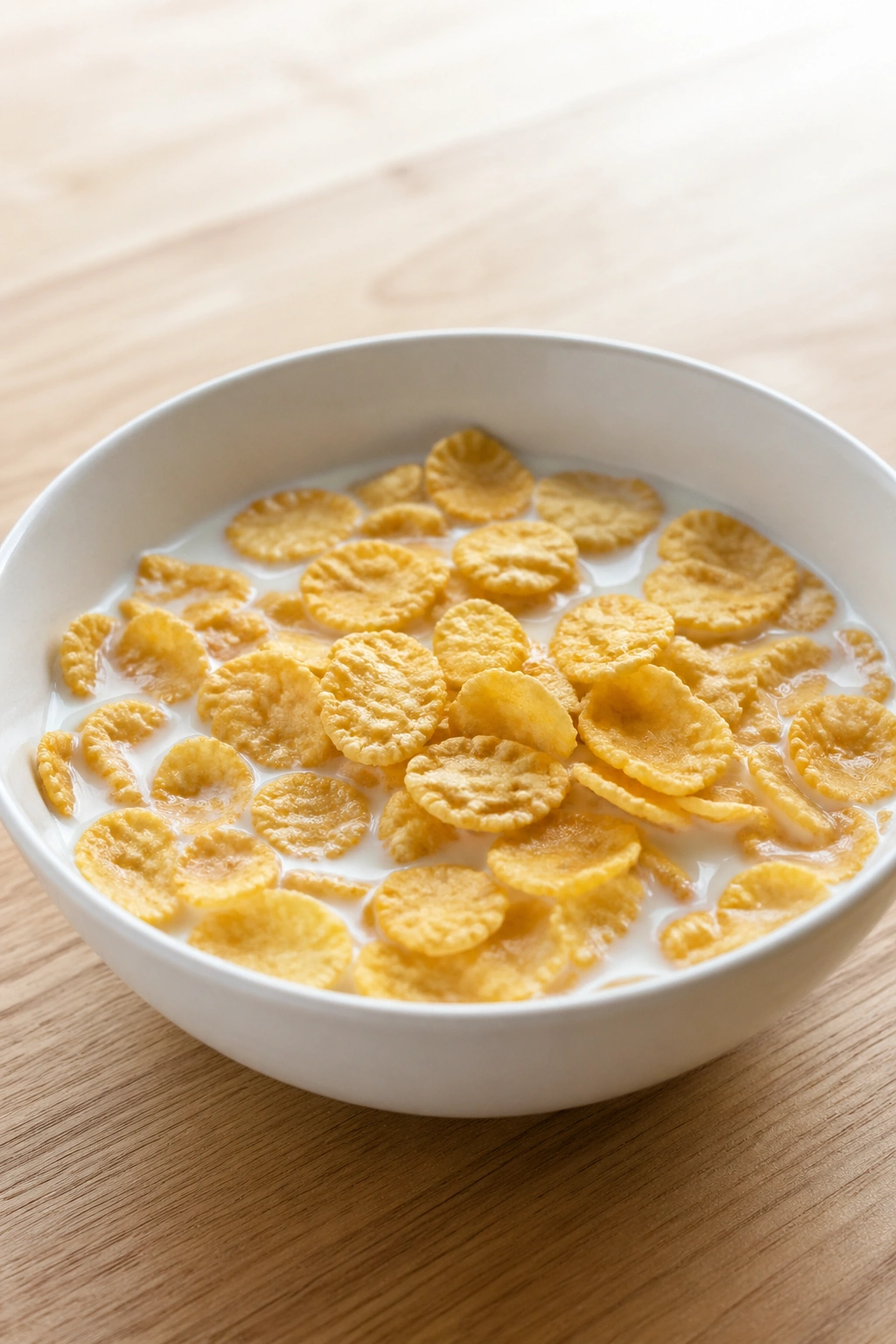
Cereal can be a smart sports food, not kid food. A bowl of cornflakes, rice cereal, or another low-fiber option with milk gives you quick carbs, fluid, and a bit of protein in one shot.
That combo is useful for morning sessions because it is fast to make and easier to eat half-awake than chicken and rice. Aim for 1½ to 2 cups of cereal with 1 cup of milk. That usually lands near 35 to 50 grams of carbs and 8 to 13 grams of protein, depending on the milk.
Pick the cereal with your stomach in mind. Bran-heavy bowls and dense granolas are rough before fast running or circuits. Plain flakes or puffed rice tend to move better. If dairy sits badly, use lactose-free milk or soy milk. Almond milk is lighter, though it often brings less protein.
Add sliced banana if you need extra fuel. Skip the cereal mountain that fills a mixing bowl. Volume matters before training.
11. Greek Yogurt With Berries When You Want Carbs and Protein
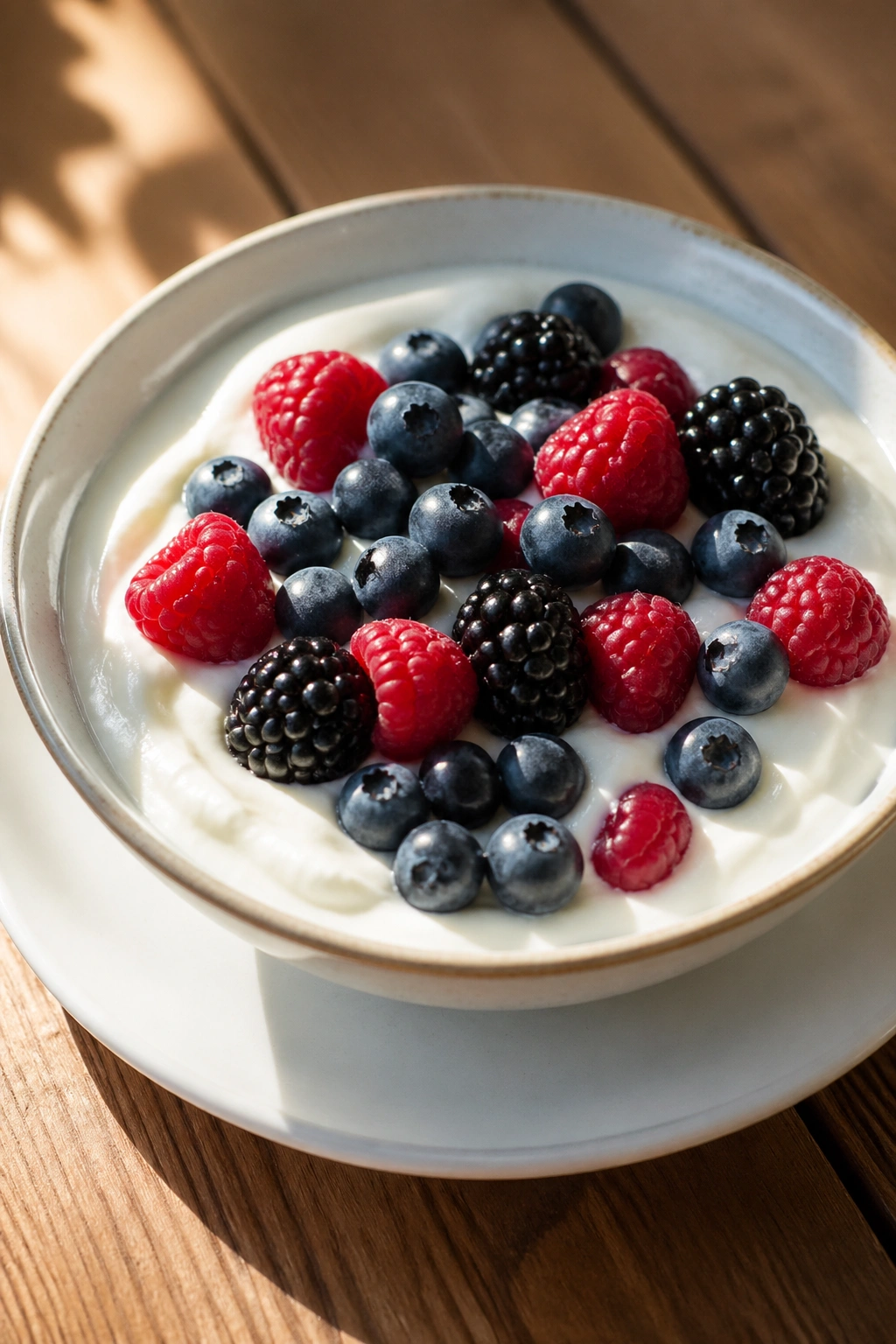
This one works best when you have a bit more breathing room before the workout. Greek yogurt with berries gives you a mix of 15 to 20 grams of protein and 20 to 30 grams of carbs, which can hold hunger down during a long gym session without making you sluggish.
I like it before upper-body training, steady-state cardio, and afternoon workouts when lunch was a while ago. The protein gives it more staying power than fruit alone, and the berries lighten it up so it does not feel like a chore.
A good serving is ¾ to 1 cup Greek yogurt with ½ to 1 cup berries and a drizzle of honey if you need extra carbs. Use low-fat or nonfat yogurt if you are training within 60 to 90 minutes. Full-fat versions can linger longer in the stomach.
Cold food sits well for a lot of people before exercise. Not everyone. If dairy turns your gut into a problem, move on fast and pick a different option.
12. Cottage Cheese With Pineapple for a Lighter Pre-Lift Meal
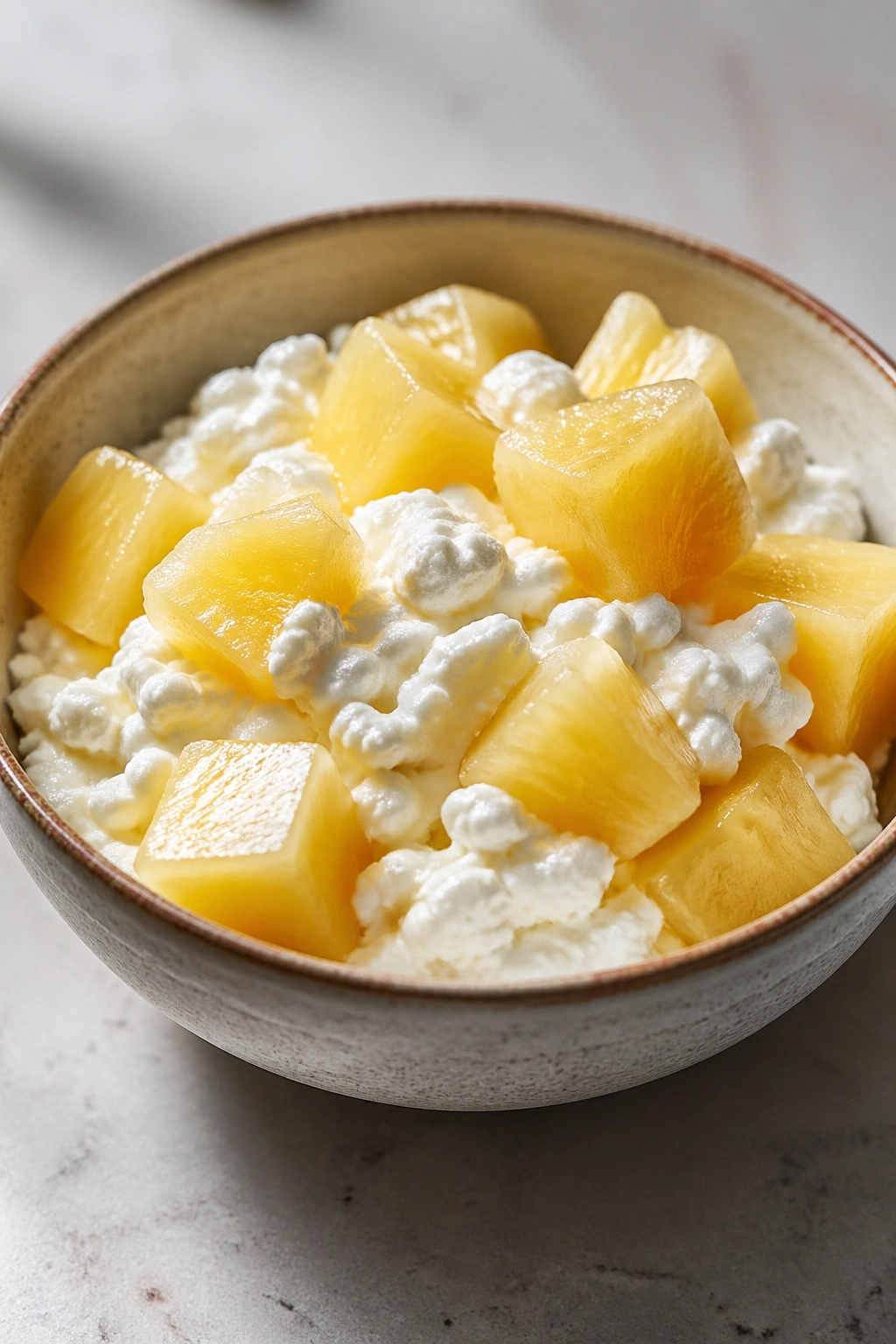
Unlike Greek yogurt, cottage cheese has a looser texture and a saltier profile, which some people find easier before lifting. Pair it with pineapple and you get a snack that brings 20 to 25 grams of protein plus 15 to 20 grams of carbs, depending on the portion.
This is not my first choice before hard intervals or a fast run. It is better before strength sessions, a moderate bike ride, or a training block where you want more protein on board and have 90 minutes or more before you start.
Pineapple earns its place because it is soft, juicy, and easy to digest. Cottage cheese on its own can feel flat and a little chalky. Add fruit and it becomes an actual meal.
Go with 1 cup cottage cheese and ½ cup pineapple chunks. If the session will run long, add toast on the side. That turns a light protein snack into something with enough carbs to matter.
13. Fruit Smoothies When Chewing Is the Problem
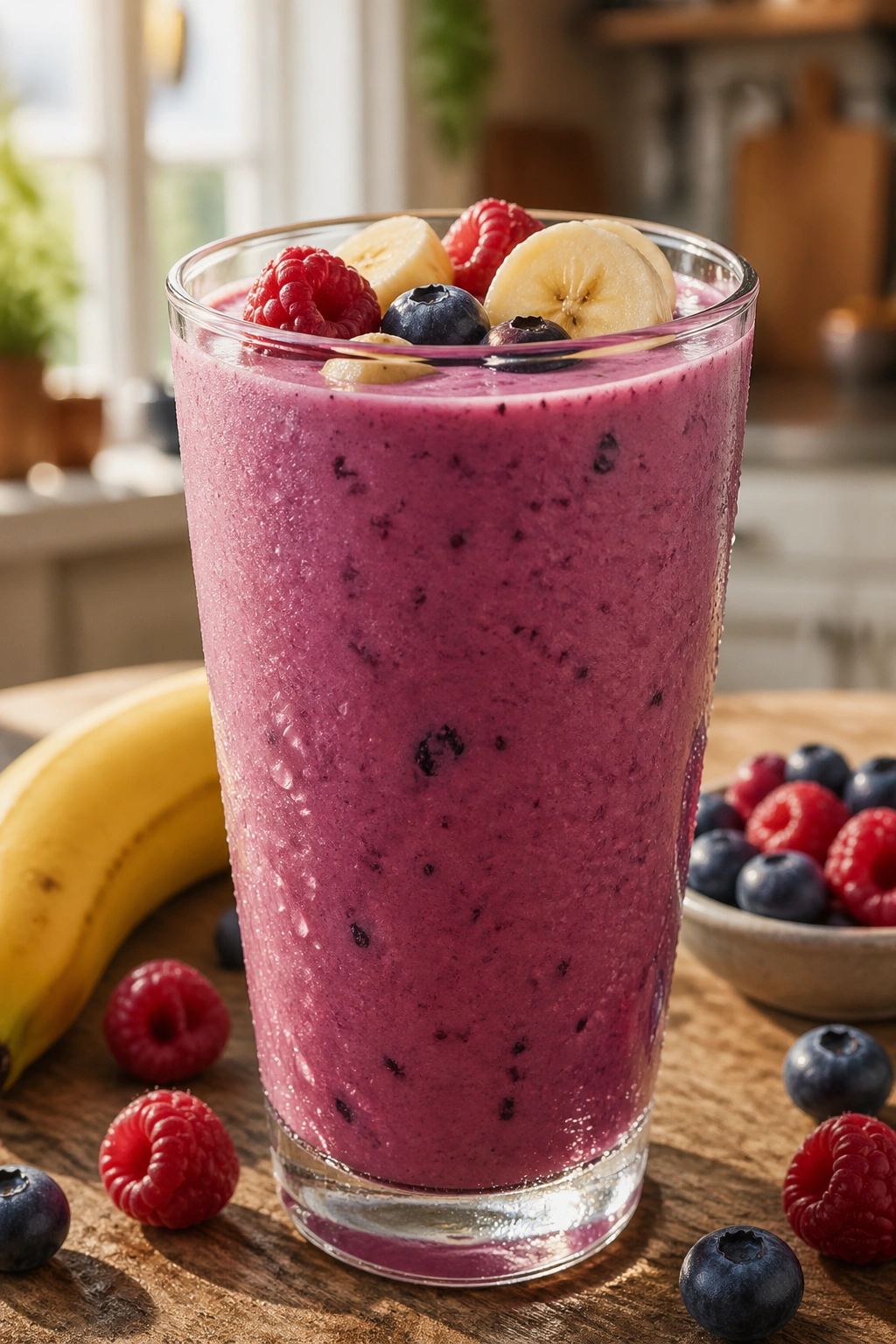
A good smoothie can be one of the best pre-workout foods you will ever use. A bad smoothie can be a milkshake in gym clothes.
The line between the two is simple: build it around carbs first, keep fat modest, and do not turn the blender into a health-food dumping ground. A pre-workout smoothie should feel light, not sticky and heavy.
A reliable mix looks like this: 1 banana, 1 cup frozen berries, ½ to 1 cup yogurt or milk, and a splash of juice or water. That gives you 30 to 50 grams of carbs with enough fluid to help hydration. If you want more protein, add a scoop of whey. If you are training in 20 minutes, leave the nut butter and chia seeds out.
Texture matters more than people admit. Thick smoothies can sit like food. Thin smoothies behave more like a drink with fuel attached. If your stomach is touchy, thinner wins.
14. Pretzels for Salt and Fast Carbs
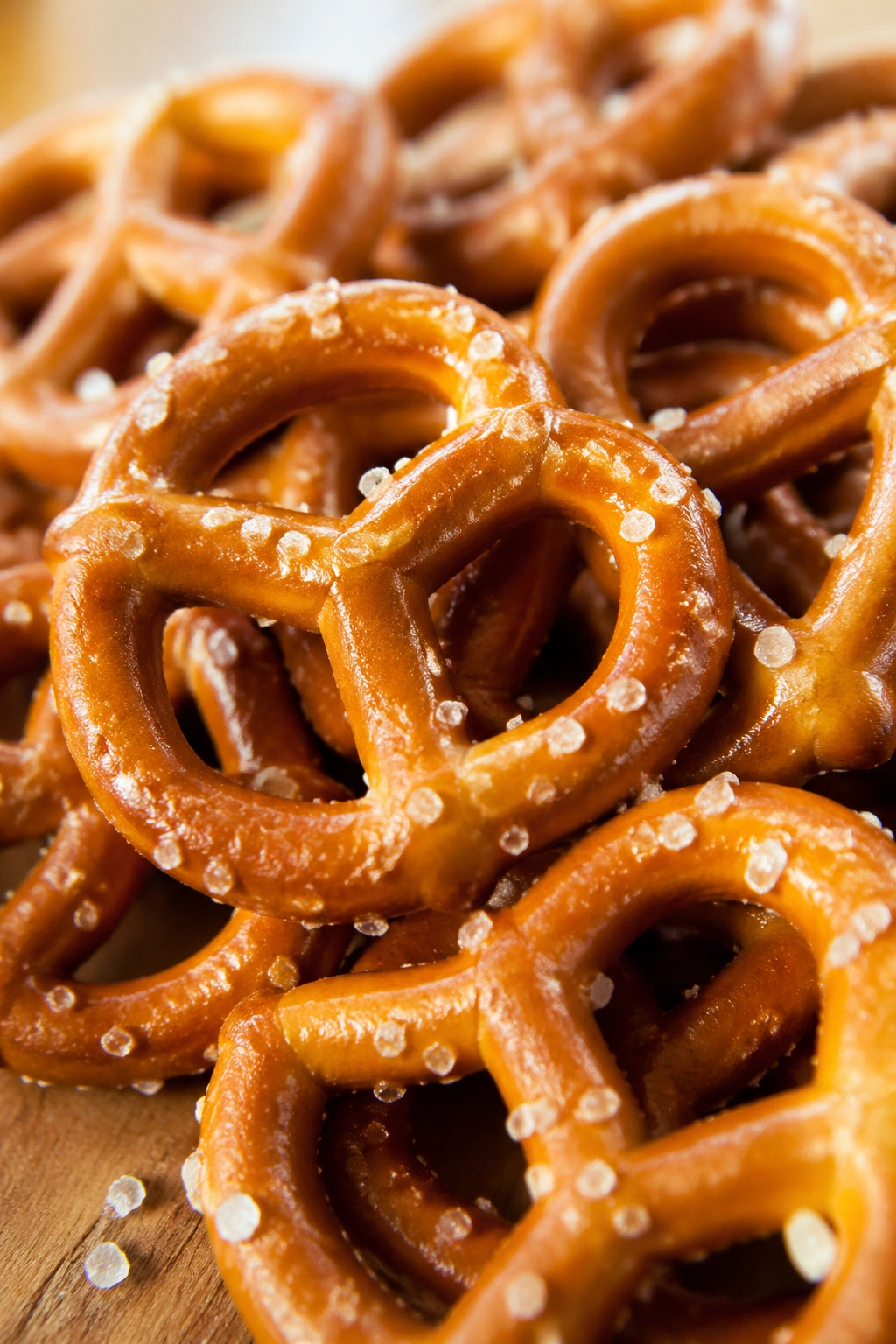
Pretzels do one job well: quick carbs with sodium. One ounce gives you around 22 to 24 grams of carbs, and the salt can be useful before hot-weather sessions or long workouts where you sweat hard.
When pretzels shine
They are better than people give them credit for before endurance sessions, tournaments, and outdoor training blocks. The carb source is simple, the texture is light, and you can eat them without much prep.
Quick ways to use them
- 1 to 2 ounces pretzels 30 to 60 minutes before training
- Pair with applesauce or a banana for more total carbs
- Add to a bigger snack if lunch was light
- Sip water with them so the salt helps rather than drying you out
Pretzels are not enough by themselves for a long ride or a two-hour lift. They are a sharp little tool, not a full toolbox.
15. English Muffins for a Neat Middle Ground
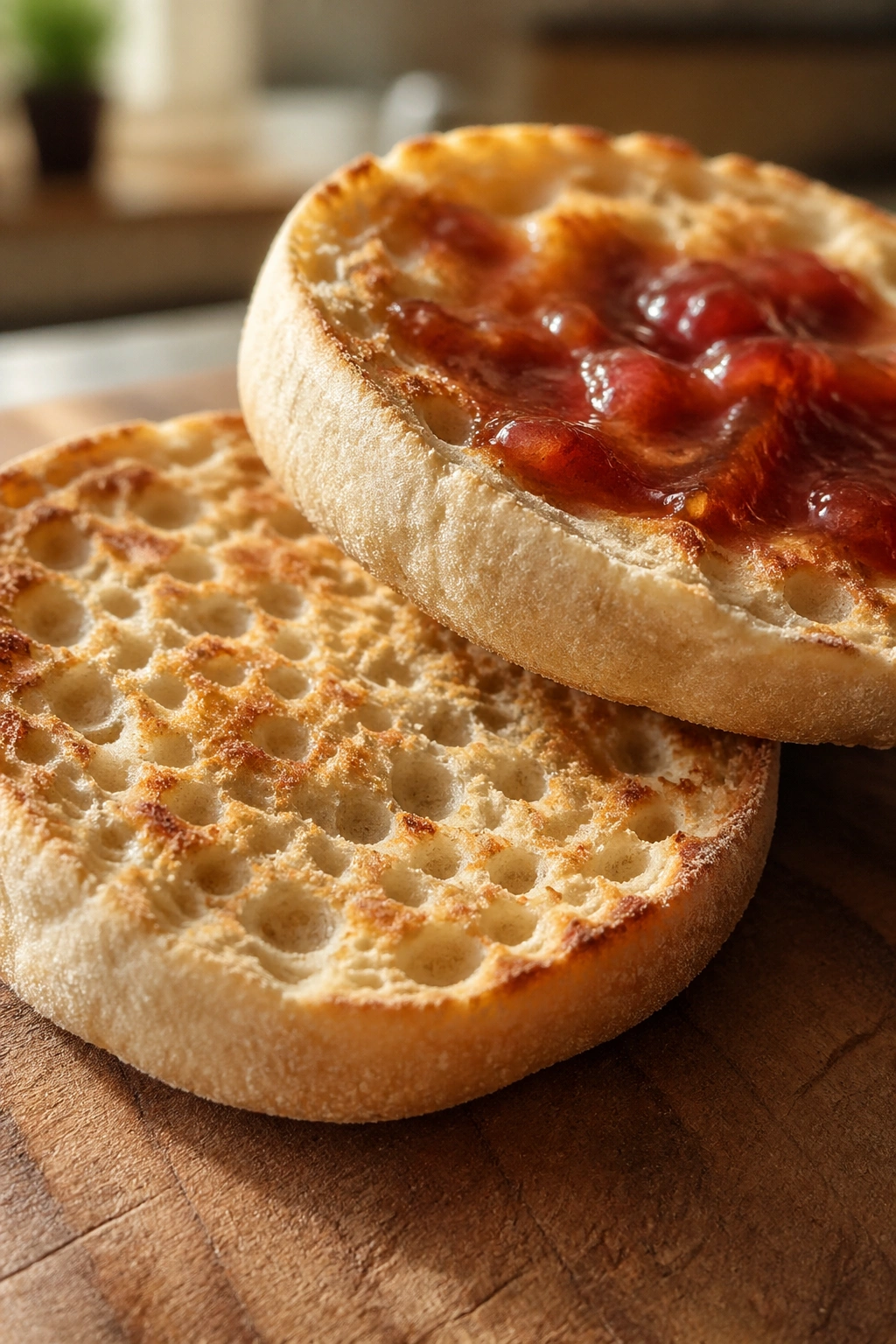
If toast feels too small and a bagel feels too heavy, an English muffin lands right in the middle. Split one, toast it, add jam or honey, and you have 25 to 35 grams of carbs that are easy to portion.
That middle-ground quality makes it useful. People often need a snack that is more filling than fruit but not as dense as a full sandwich. English muffins solve that without asking much from your stomach.
Best way to eat it
Go with 1 English muffin and 1 to 2 teaspoons jam about 45 to 75 minutes before training. Add a little cream cheese only if you have more time. The nooks hold toppings well, which is not a small thing when you are eating fast on the way out the door.
Whole grain versions can work, though plain white muffins are often the smoother choice before hard cardio. That is one of those cases where the “healthier” label is not the point. Performance is.
16. Potatoes for Serious Fuel Without Fancy Prep
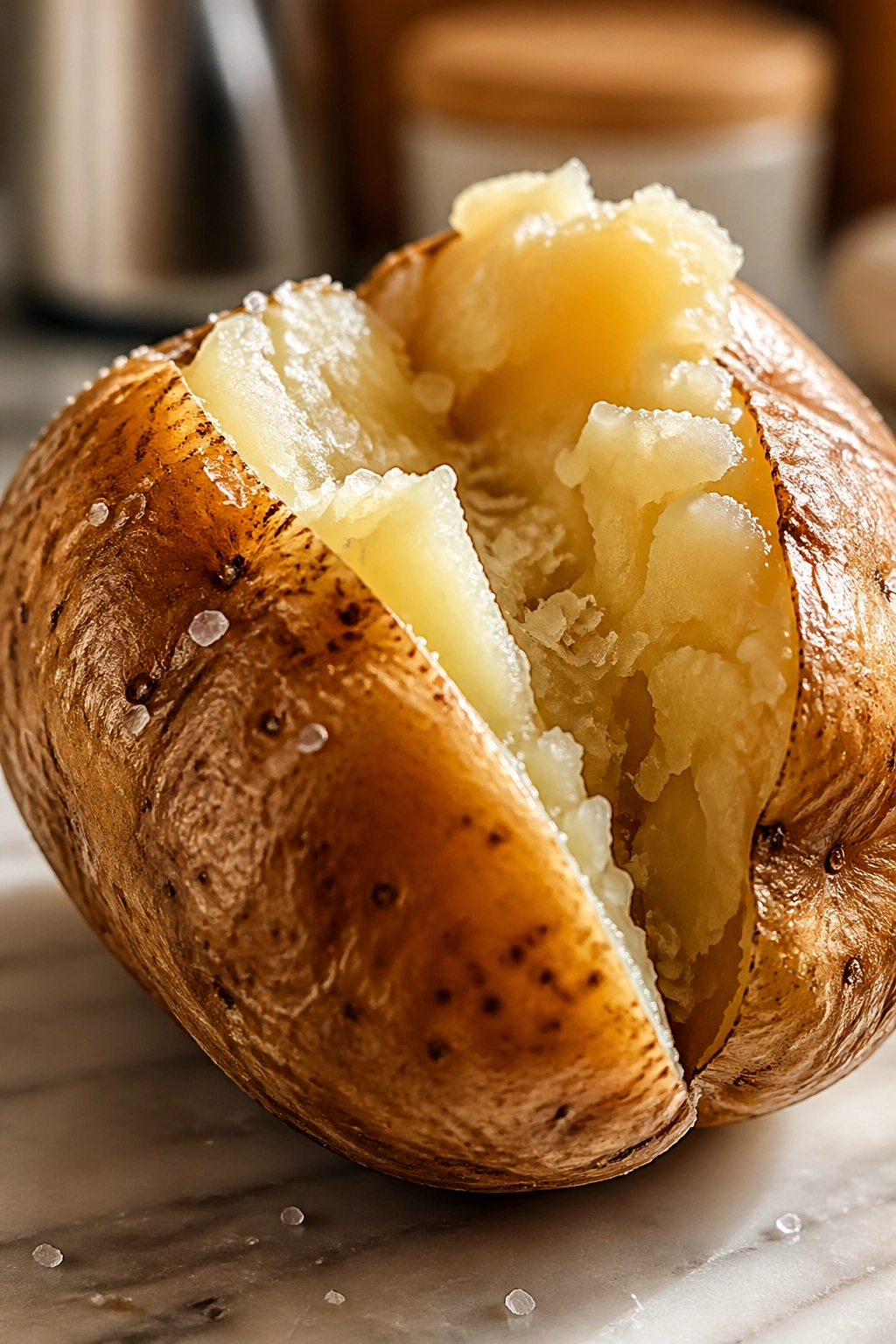
A plain potato is one of the best carb foods athletes underuse. A medium white potato brings 30 to 35 grams of carbs, potassium, and a soft texture when baked or microwaved until tender.
What I like about potatoes is how easy they are to adjust. Need a lighter snack? Eat half a potato with salt. Need a full pre-workout meal? Eat a whole potato with eggs, yogurt, or lean meat on the side. They are flexible without feeling like diet food.
Microwaved potatoes deserve more respect. Poke a few holes, cook until the center gives under a knife, split it open, and salt it. Done in under 10 minutes. That beats waiting on oats if you are already late.
Avoid drowning it in butter, cheese, bacon, and sour cream right before hard training. Tastes good. Slower digestion. Pre-workout meals do not need to be joyless, though they do need a bit of discipline.
17. Pasta Before Long Workouts or Big Game Days
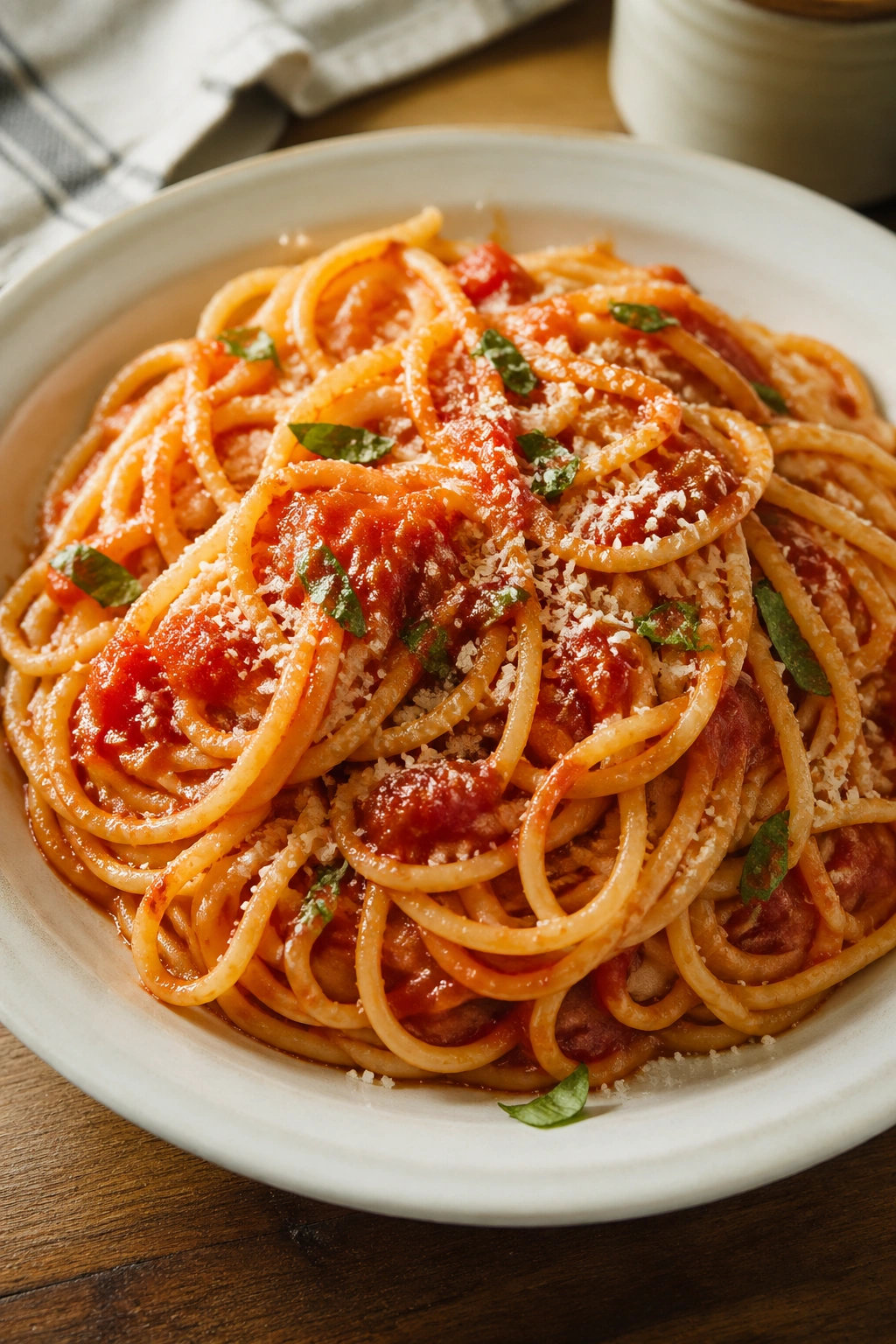
Pasta is the meal you eat when the workout is long enough—or hard enough—to justify a bigger carb load. Two cups cooked pasta can push 70 to 80 grams of carbs, which is a serious amount of fuel for long runs, rides, tournaments, and heavy training days with volume.
I would not eat a giant bowl of pasta 45 minutes before a speed session. Give it time. Two to four hours is the better window, especially if you are adding protein and sauce.
The sauce matters. A light tomato sauce works better than a heavy cream sauce before exercise. So does a moderate portion of lean protein rather than a meat feast that turns lunch into a gut challenge. People blame pasta when the issue was the pound of cheese they buried it under.
Salt the water well. Eat enough to matter. And if you are doing an evening event, pasta at lunch can be smarter than pasta right before.
18. Turkey Sandwiches for a Balanced Pre-Workout Meal
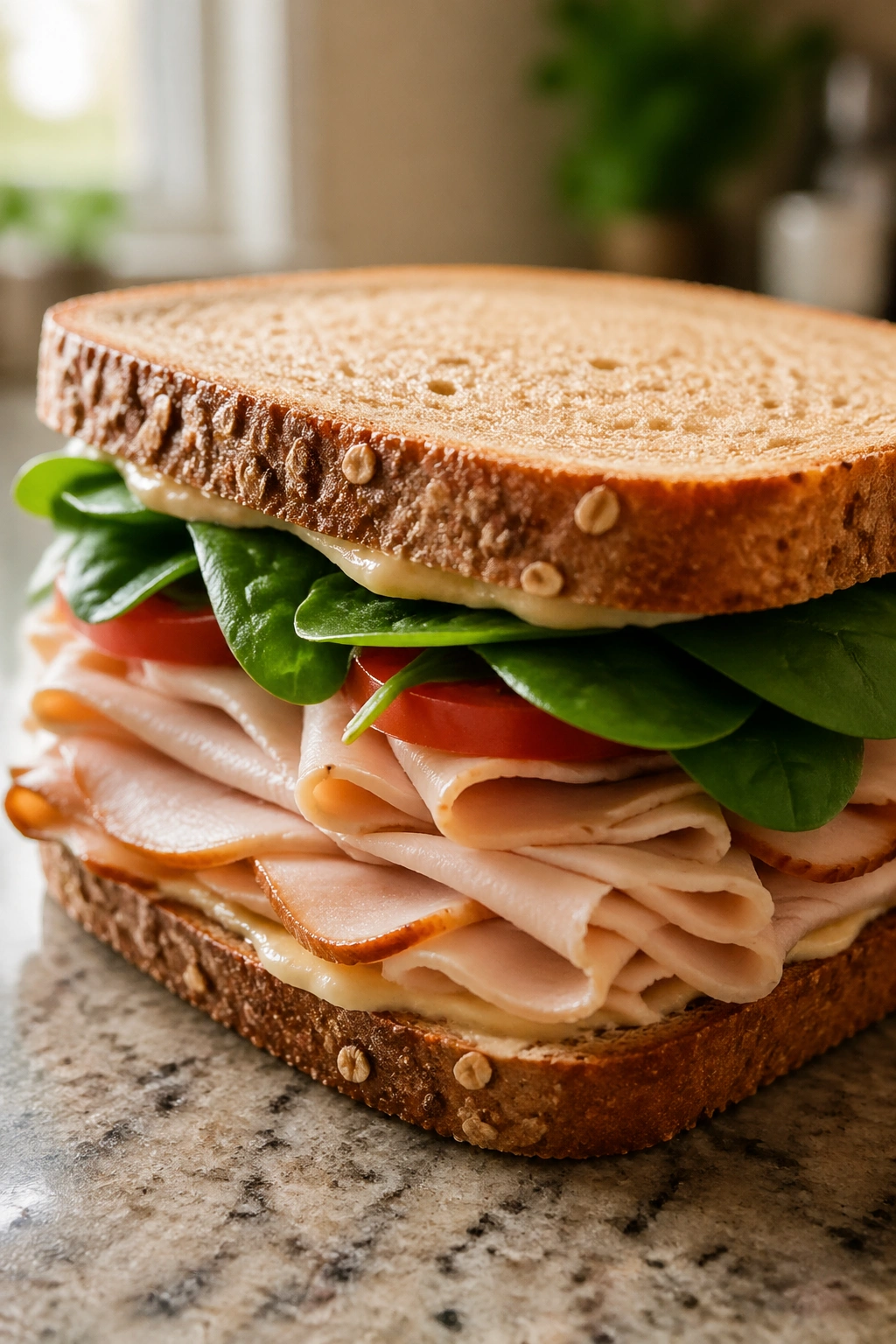
Unlike fruit snacks and fast carbs, a turkey sandwich gives you a fuller mix: 30 to 40 grams of carbs, 15 to 25 grams of protein, and enough substance to carry you through a longer session. It is one of the cleanest choices when you have 2 to 3 hours before training.
Bread choice changes the feel. White or sourdough bread is easier to digest than a dense seeded loaf. Turkey keeps protein lean, which helps the sandwich sit lighter than roast beef or sausage.
Add lettuce and tomato if you like them, though do not build a deli tower. Too much crunch, fiber, and volume right before hard movement can turn a good sandwich into too much sandwich. Mustard is usually a better pre-workout spread than mayo for the same reason.
This is the kind of food that works best when life is busy. You can make it, wrap it, eat half early, eat half later, and move on.
19. Chicken and Rice Bowls for Heavy Training Days
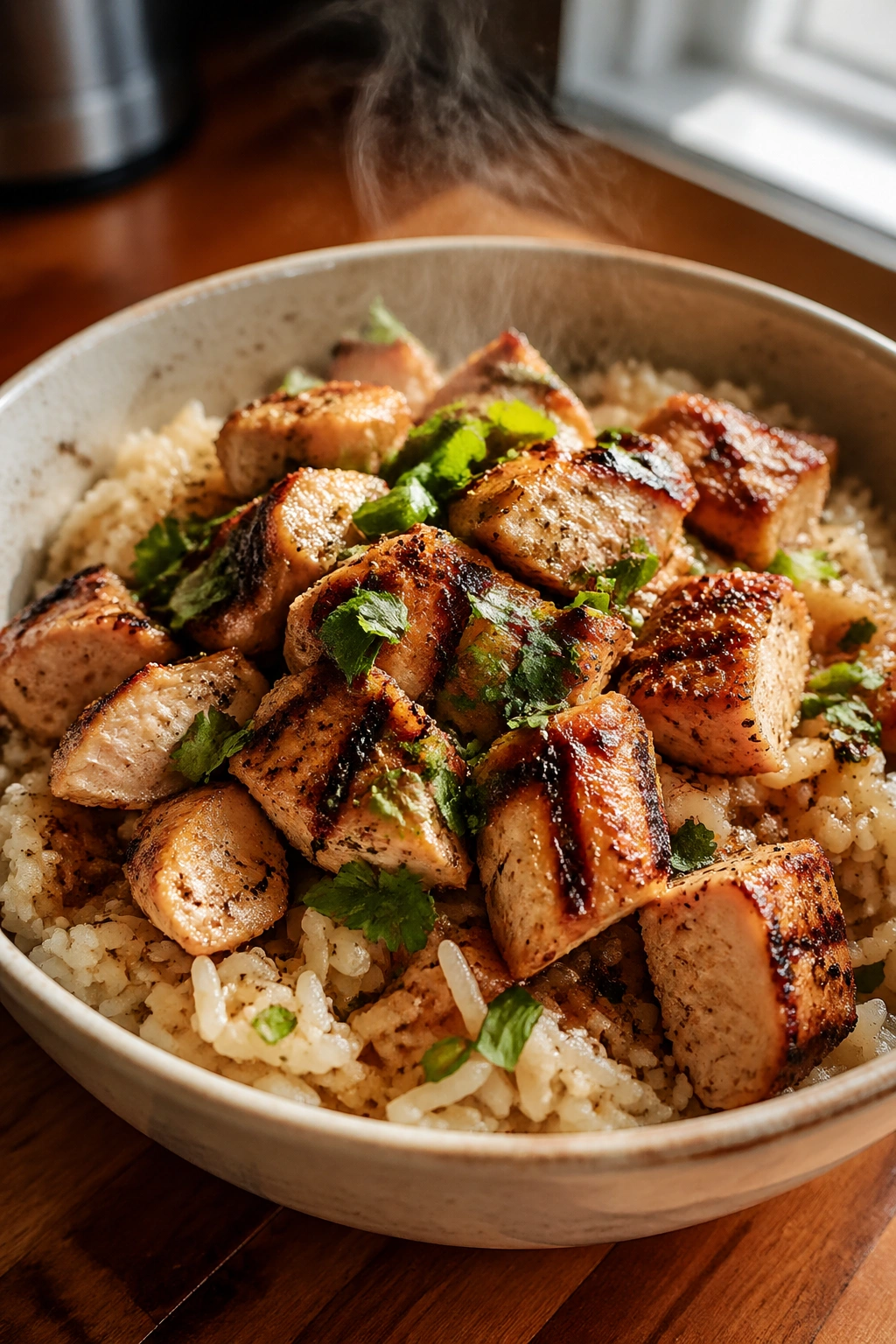
Chicken and rice has become a cliché in gym culture, and for once the cliché exists for a solid reason. One cup cooked rice plus 3 to 4 ounces chicken breast gives you around 45 grams of carbs and 25 to 30 grams of protein, with a texture and fat level that most athletes handle well.
It is not exciting. It is effective.
This meal works best when you have 2 to 3 hours before training, or longer if the portion is large. It suits bodybuilding sessions, long skill practices, double training days, and those stretches when you need something dependable more than you need novelty.
Season it enough to want to eat it. A little soy sauce, lemon, herbs, or hot sauce goes a long way. Dry chicken and plain rice are a fast route to food fatigue, and once people hate a meal, they stop eating enough of it.
20. Eggs on Toast for Strength Sessions
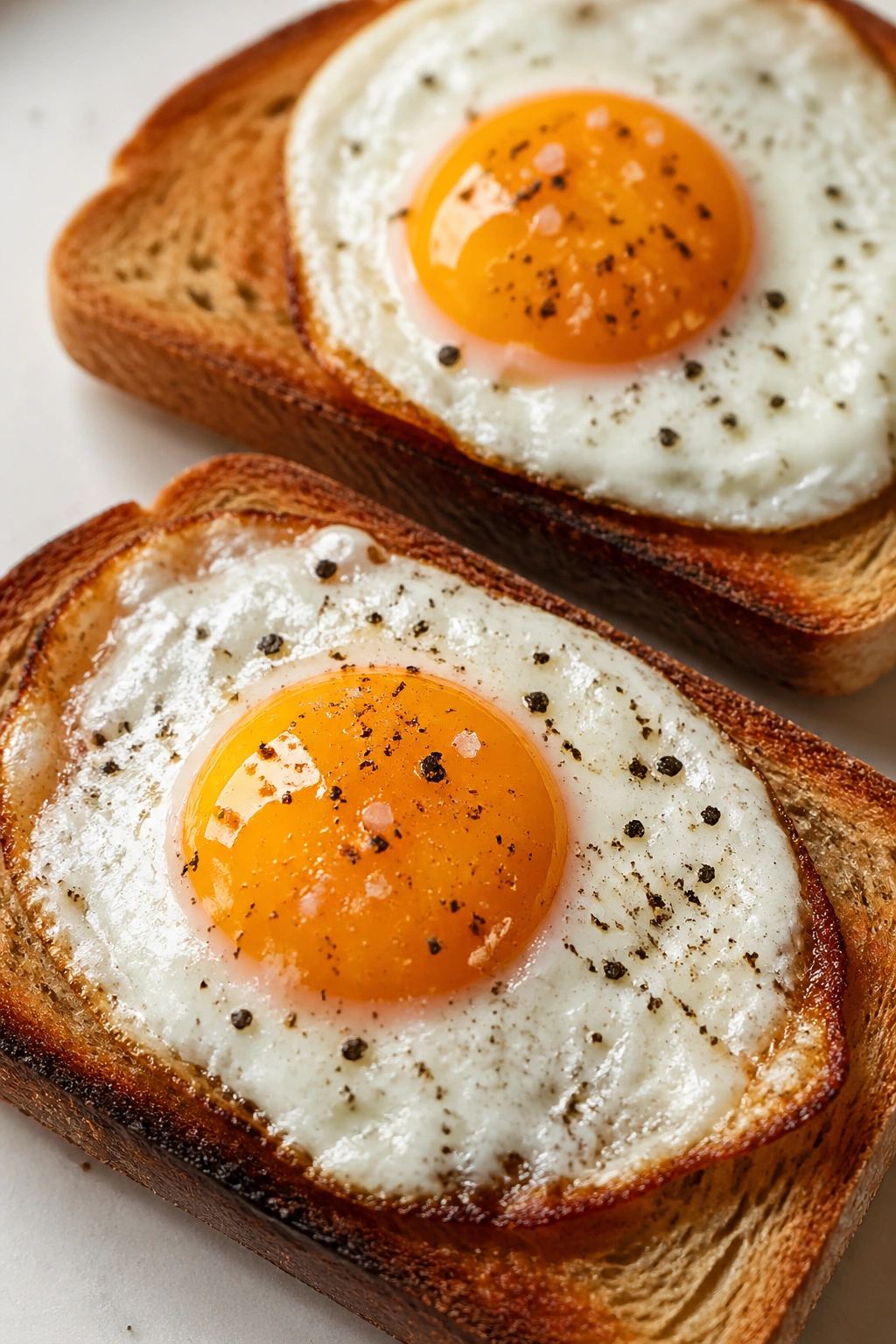
Eggs are not a fast-carb snack, though they can be a smart pre-lift meal when paired with bread. Two eggs and 2 slices of toast gives you around 25 to 30 grams of carbs and 12 to 16 grams of protein, enough for a moderate strength session if you eat it with enough time.
Why this combo works
The toast covers the carb side. The eggs make the meal more satisfying, which helps when you train after a long gap between meals. Soft scrambled or poached eggs often sit better than fried eggs swimming in oil.
Best timing
- 90 minutes to 3 hours before lifting
- Better for strength work than speed runs
- Works well with fruit on the side if you need more carbs
- Less ideal before jumping, sprinting, or hard intervals if your stomach is touchy
Cook the eggs plain. A cheese-loaded omelet is a different meal.
21. Cream of Rice for Easy Digestion and Fast Glycogen
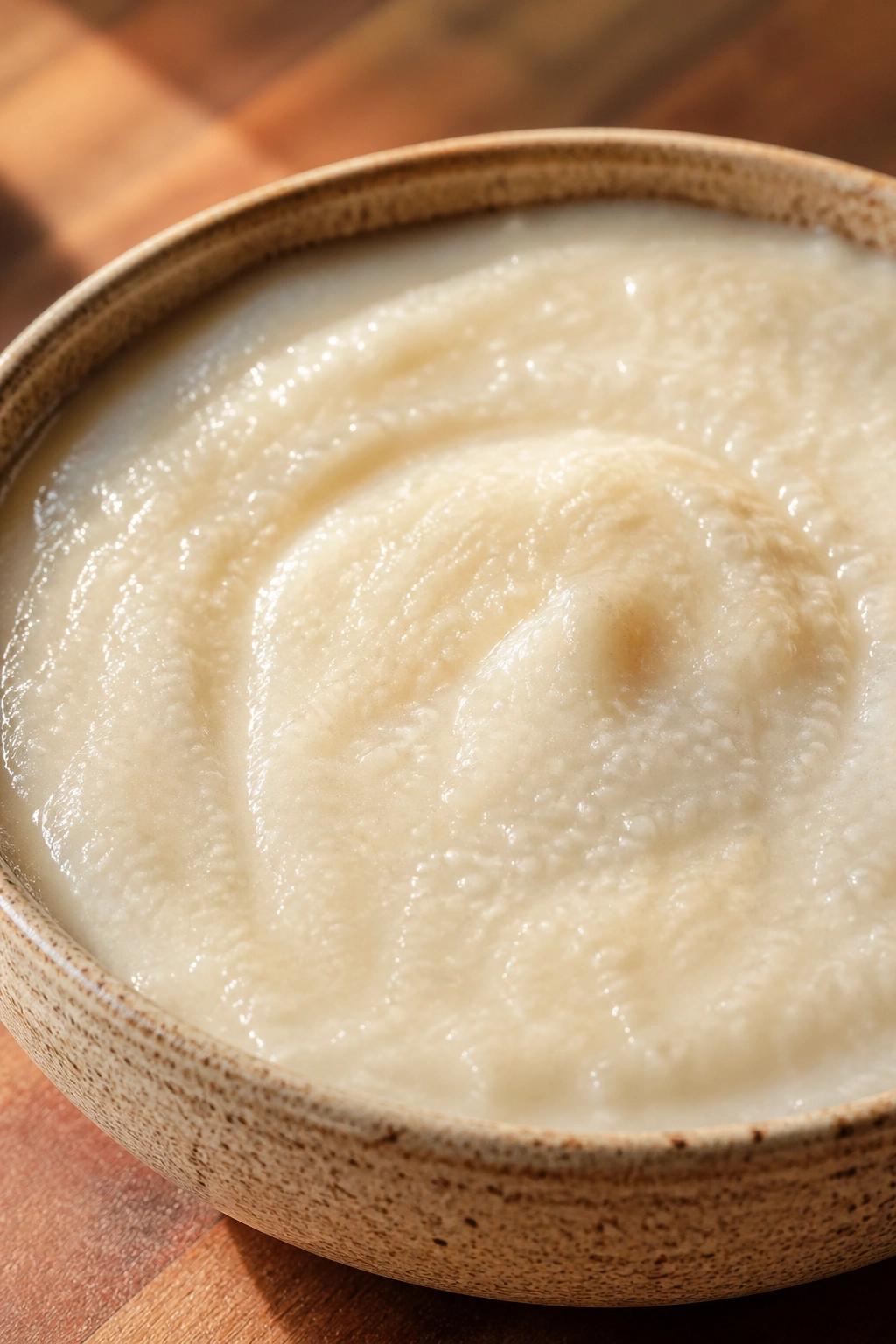
Cream of rice is one of the easiest carb foods to digest before training. That is why it shows up so often in bodybuilding circles.
It cooks fast, goes down fast, and you can scale it up or down with no fuss. A serving made from 40 to 60 grams dry usually gives you 30 to 45 grams of carbs. Stir in banana slices, honey, cinnamon, or even a scoop of whey if you have more time before the workout.
The texture is the selling point. Smooth, warm, gentle on the stomach. If oats feel too heavy or too fibrous, cream of rice is often the fix. I have seen people go from skipping breakfast before training to eating this daily because it does not fight them.
Use enough liquid so it stays soft. Thick paste is far less pleasant before exercise, and it can feel heavy in a way the thinner version does not.
22. Pancakes Before Endurance Work or Team Sports
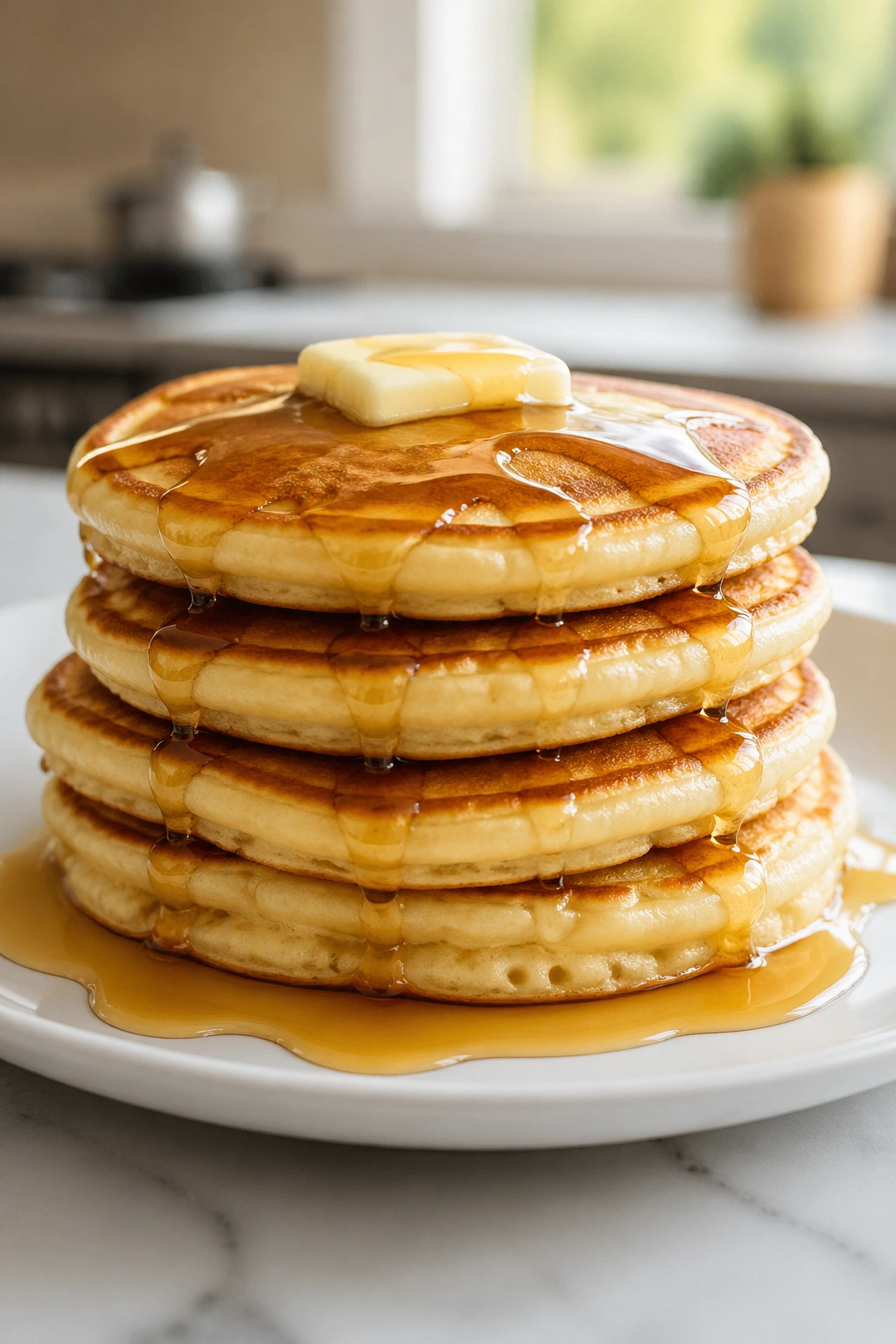
Can pancakes be performance food? Yes—if you stop treating them like dessert. A stack of 2 medium pancakes gives you around 30 to 40 grams of carbs, and that number climbs fast once syrup enters the picture.
Pancakes work well 1 to 3 hours before long sessions because they are mostly easy carbs. Their soft texture helps too. They chew fast and digest more smoothly than a dense muffin or greasy breakfast sandwich.
How to make them work
Go lighter on butter, heavier on fruit or syrup if the goal is fuel. Pair pancakes with a side of Greek yogurt or eggs if you want more protein and have time to digest it. If the workout starts soon, keep the meal simple: pancakes, a bit of syrup, maybe banana slices.
People tend to overdo the stack. Three to four pancakes with bacon and hash browns is brunch. Two pancakes with fuel-focused toppings is a pre-workout meal.
23. Dried Figs for a Sweet, Compact Snack
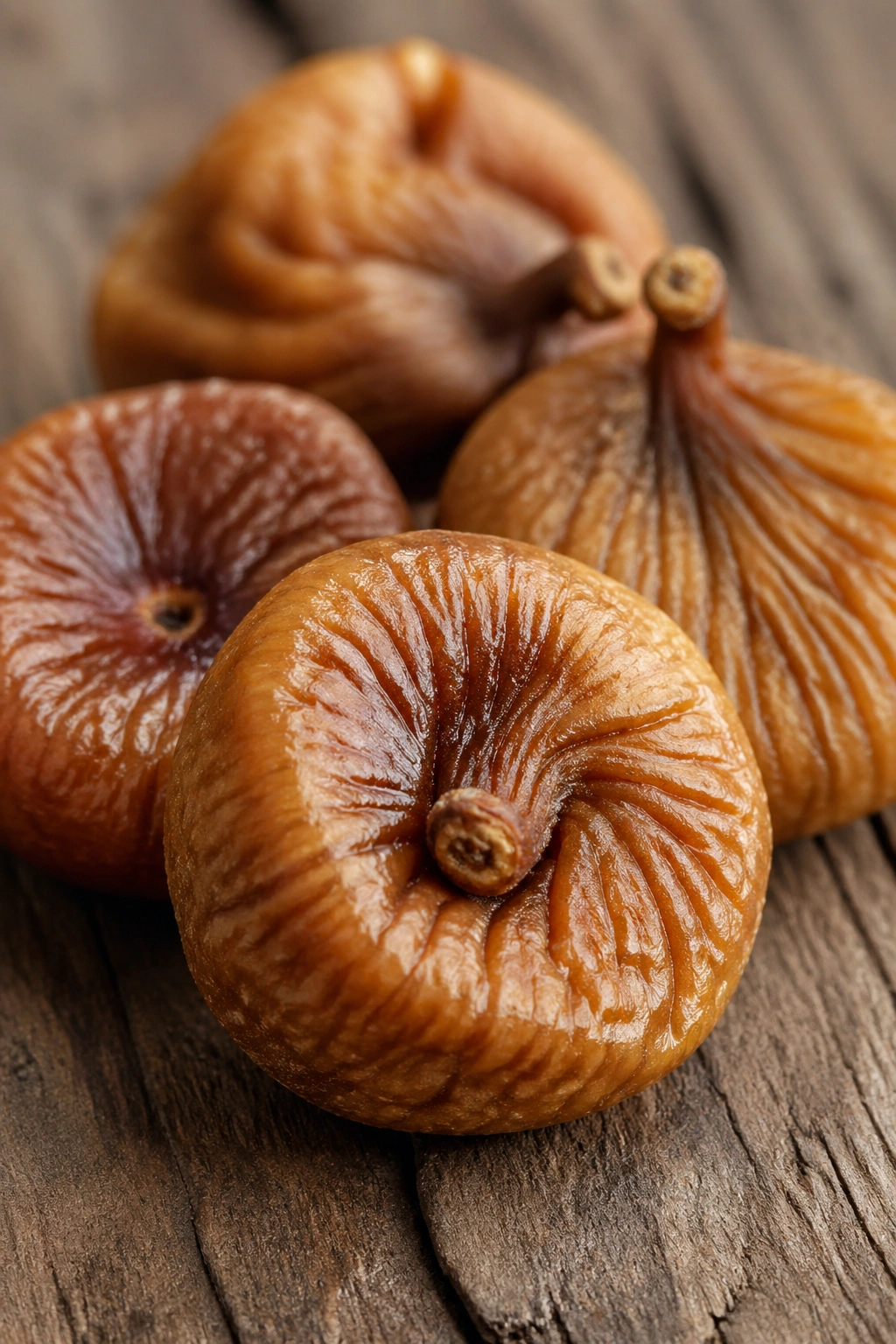
Dried figs do not get the same attention as dates, though they deserve a spot on the list. Four dried figs give you roughly 28 to 32 grams of carbs, plus a soft chew and a taste that is less sticky-sweet than dates.
A runner I know swears by them before track sessions because they sit better than gels and feel more like food. That makes sense. Figs have enough structure to feel satisfying without taking up much room.
Eat them 20 to 45 minutes before training if you want quick energy, or pair them with a few crackers if you need a touch more staying power. Their fiber count is a little higher than some fast-carb snacks, so do not go overboard right before an all-out run.
They also travel well. No fridge, no prep, no mess beyond the occasional seed on your lip.
24. Raisins When You Need Quick Sugar in a Small Portion
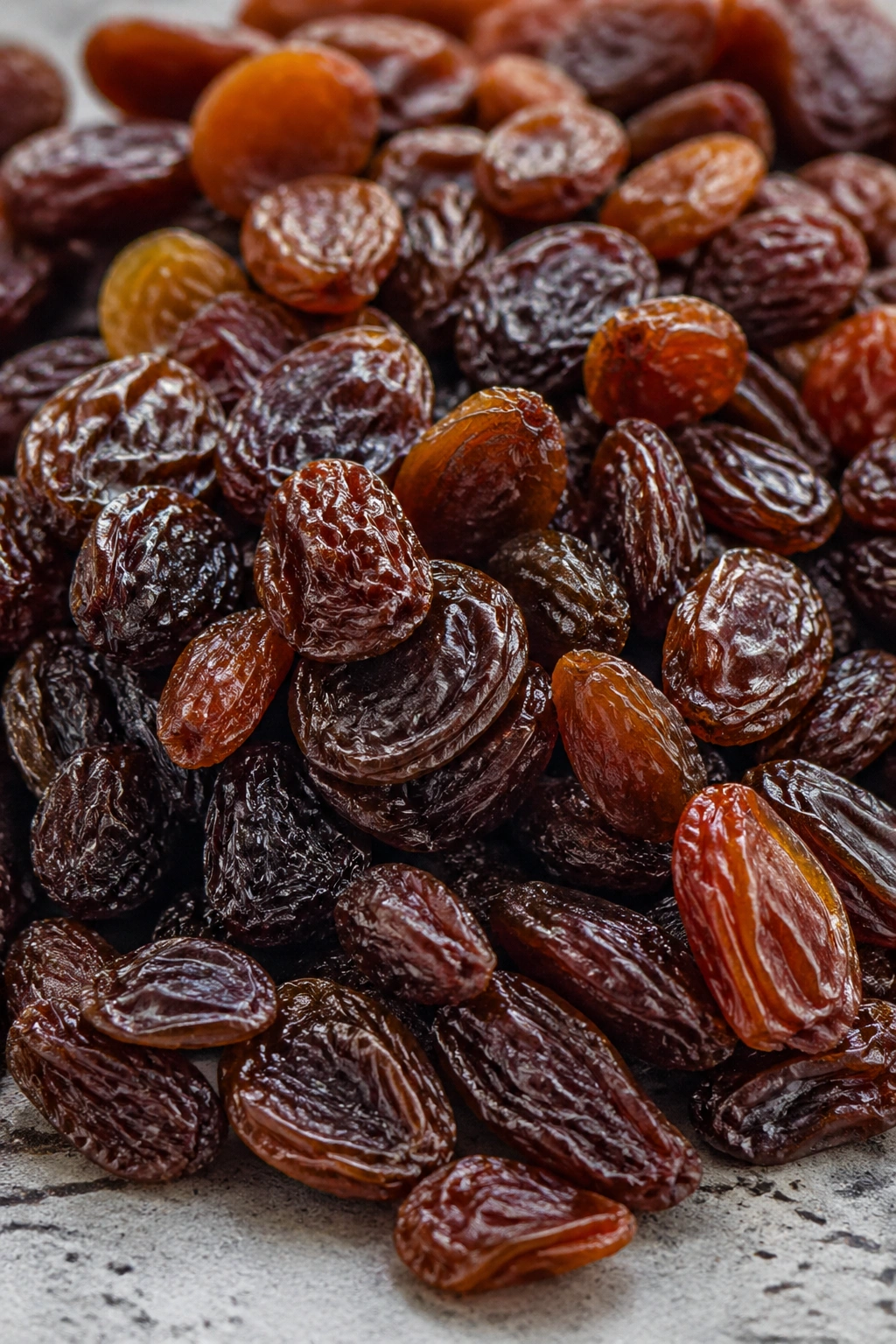
Unlike fresh fruit, raisins give you a lot of carb in not much volume. A ¼-cup serving brings about 30 to 33 grams of carbs, which makes them useful when you want fast fuel but do not want to feel full.
They are especially handy before warm-weather training and long events because they pair well with salted foods. A small box of raisins plus pretzels is not glamorous, though it works.
Who are raisins best for? Athletes who tolerate dried fruit well, people who need a pocket snack, and anyone squeezing a workout into a narrow time window. If dried fruit bloats you, skip this one and move toward applesauce, toast, or cereal instead. No prize for forcing it.
Use raisins as a small tool. Eat them by the handful, not by the bag, and wash them down with water.
25. Beetroot for Blood Flow Support Before Endurance Sessions
Beetroot sits a little apart from the carb-heavy foods on this list. It is not here because it dumps a big load of calories into your system. It is here because beets contain nitrates, which your body can convert into nitric oxide—a compound tied to blood flow and exercise efficiency.
That makes beetroot more useful before endurance work, hard conditioning, and repeated efforts than before a short casual lift. Roasted beets, cooked beet cubes, or beet puree can all work. A practical serving is around 1 to 2 medium beets, eaten 2 to 3 hours before training.
Do not expect beets to replace carbs. They are support, not the engine. Pair them with rice, toast, or fruit if you want actual fuel.
And yes, beetroot can tint your urine or stool pink-red later. If you forget that fact, it is a startling afternoon.
26. Watermelon for Hydration and Light Pre-Workout Carbs
Watermelon shines when heat is part of the problem. Two cups gives you around 22 grams of carbs plus a lot of water, which can make it a smart choice before outdoor training, summer runs, or a gym session when you already feel a bit dry.
Why watermelon works
It is light, juicy, and easy to eat when dense food sounds unappealing. The carb load is not huge, though the hydration side adds value.
Best ways to use it
- Eat 2 to 3 cups chilled 30 to 60 minutes before training
- Add a pinch of salt if you are sweating heavily
- Pair with pretzels or toast if you need more carbs
- Use it after a bigger earlier meal, not as your only fuel for a long session
Cold watermelon can feel almost too easy. That is the catch. If your workout will last a while, add more substance.
27. Orange Segments for a Clean, Fresh Energy Boost
Oranges are one of the best pre-workout fruits when you want something bright and light. Two medium oranges give you close to 30 grams of carbs, a good dose of fluid, and a sharp, clean taste that cuts through that stale mouth feeling people get before hard training.
They work well before circuits, tennis, basketball, and moderate runs, especially if heavy food makes you feel dull. Peel them ahead of time and eat the segments so you are not dealing with pith and mess on the way to the gym.
Some people do better with orange slices than orange juice because the fruit feels steadier. Others prefer juice because there is less fiber. Your stomach makes that call fast enough. Use the version that sits better and move on.
If citrus bugs your reflux, skip it. No point forcing an orange on a body that wants toast.
28. A Banana Tortilla Roll-Up for Cheap, Fast Fuel
Need something faster than a sandwich and more filling than plain fruit? Spread a little honey on a medium flour tortilla, place a banana inside, roll it up, and you have a snack with around 45 to 50 grams of carbs that takes less than two minutes to make.
This is one of those combinations that sounds almost too simple to mention. Then you eat it before training and realize it solves a lot of small problems at once. It travels well, does not crumble all over your car, and gives you both quick and moderate-speed carbs.
Best timing
Eat it 45 to 75 minutes before training. If the session is farther away, add a thin layer of peanut butter for more staying power. If it is closer, keep it to tortilla, banana, and honey.
Cheap matters too. Pre-workout nutrition does not need boutique powders and branded bars when a tortilla and a banana are sitting in the kitchen.
29. Couscous for a Fast-Cooking Carb Base
Couscous gets overlooked beside rice and pasta, which is a shame because it is one of the fastest carb bases you can make. One cup cooked gives you around 35 to 36 grams of carbs, and it takes only a few minutes with hot water to turn into a meal.
I like couscous before afternoon training when lunch has to happen in a rush. Add lemon, salt, a few chopped herbs, and some chicken or tuna if you have a wider digestion window. Or keep it plain and carb-focused if the workout is closer.
Its texture is lighter than pasta and less sticky than rice, which some people prefer before movement-heavy sessions. If whole wheat couscous feels too rough before training, plain couscous is the easier call.
You do need to salt it well. Unsalted couscous tastes like edible packing material.
30. Fig Bars for Grab-and-Go Pre Workout Energy
Unlike many snack bars that sneak in nuts, chocolate chunks, and enough fat to slow everything down, fig bars tend to stay focused on carbs. Two bars often give you 35 to 40 grams of carbs, which makes them a reliable option when you are running from work, school, or traffic straight into training.
They are useful because they are predictable. Open package, eat, done. No cutting fruit, no toaster, no container to wash later.
Fig bars are strongest in the 30- to 60-minute window before exercise. They suit lifting, steady cardio, and team sports warm-ups. Chase them with water because the texture can feel dry, and check the label if you have a sensitive stomach; brands vary, and some pack in more fiber than others.
I would still pick a meal over a bar when time allows. When time does not allow, fig bars beat training on fumes.
Final Thoughts
The best pre-workout food is not the one with the loudest label. It is the one that gives you enough carbs for the work ahead, sits well in your stomach, and fits the clock you are dealing with.
If your workout starts soon, lean toward bananas, toast, applesauce, rice cakes, pretzels, raisins, or fig bars. If you have more time, step up to oatmeal, rice, potatoes, pasta, sandwiches, or chicken and rice. That one shift—light and quick versus full and steady—solves most pre-training food problems.
Start small, especially if you train early or your stomach is touchy. A snack that lands perfectly 45 minutes before lifting may be a terrible choice 20 minutes before sprints. The body is honest about this stuff, and it does not take long to learn which foods help you walk into a session feeling ready instead of weighed down.
