



Drop set workouts are messy in the best way. You pick a load, push close to failure, strip some weight, and keep going while the muscle is already complaining. Done with a little restraint, that approach builds a ton of training density without turning every session into a two-hour slog.
The mistake most lifters make is obvious once you’ve watched a few crowded gym floors. They slap drop sets onto heavy barbell lifts, let form drift, then wonder why their lower back is angry and their chest or quads never seem to do much of the work. Machines, cables, and stable free-weight moves are where the method earns its keep. That is where you can keep tension on the target muscle instead of spending all your energy not tipping over.
A 20% to 30% weight drop is the sweet spot for most people. Smaller drops often feel too similar to the first set, and giant drops can turn the whole thing into flailing cardio with dumbbells. The point is not to suffer for its own sake. The point is to keep the working muscle under strain long enough that the last reps actually mean something.
The best drop set workouts are the ones that let you stay honest. They feel hard, but not sloppy. Brutal, but controlled. That balance is where the growth lives, and it shows up fast once you start using the right exercises the right way.
1. Machine Chest Press to Pec Deck Drop Set
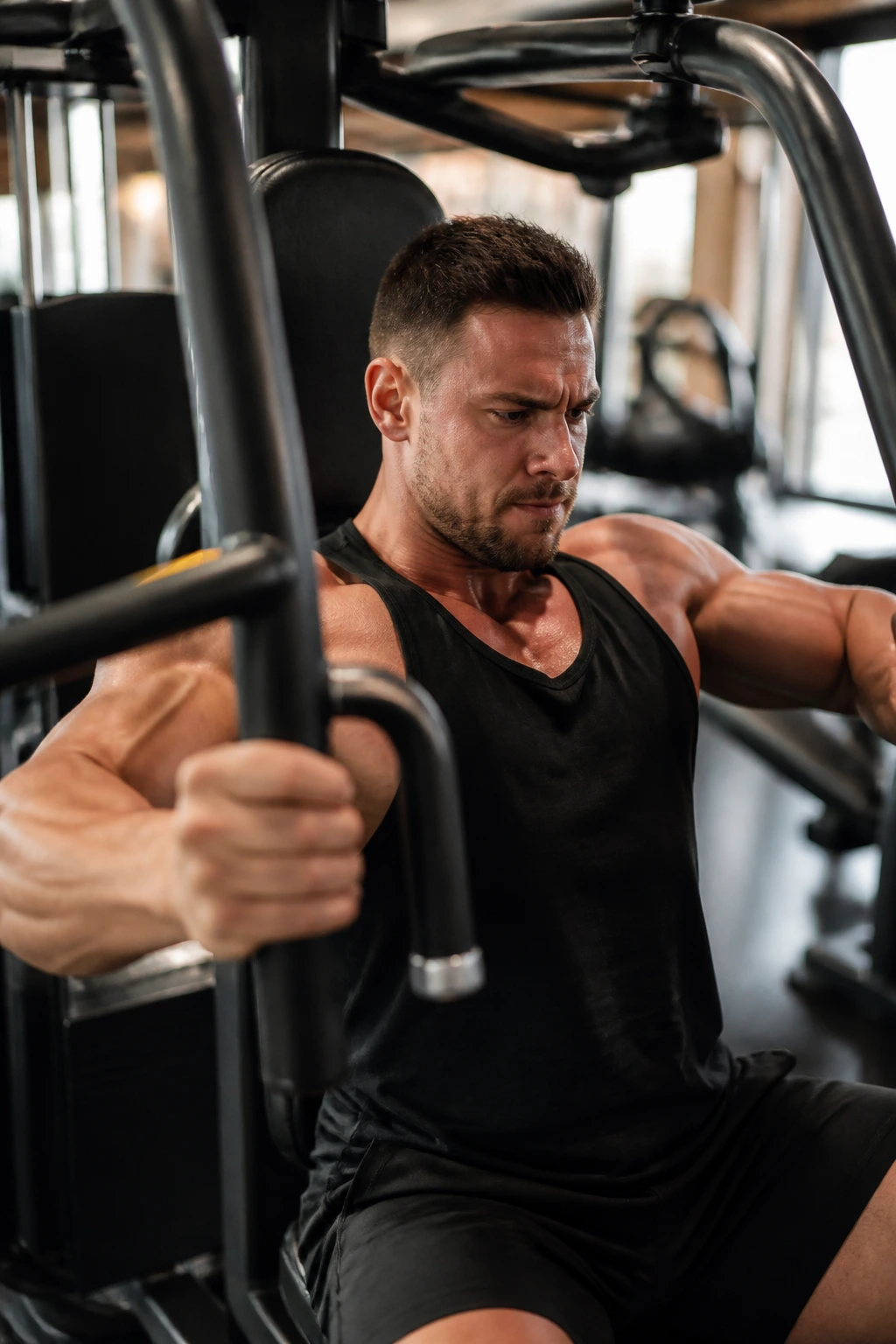
Chest pressing is where drop sets feel almost unfair. The machine takes balance out of the equation, so your pecs keep working after your triceps start whining and your shoulders would rather go home.
Why It Works
A machine chest press lets you push near failure with less setup drama than a barbell bench. Once the first set is done, a 20% load drop keeps the pecs under tension without turning the movement into a joint grind. The pec deck then finishes the job because the line of pull shifts into a hugging motion that shortens the chest hard at the top.
Start with 8 to 10 controlled reps on the chest press. Strip the weight once and get 6 to 8 more reps. If the machine stack is smooth and the shoulder position still feels clean, finish with 10 to 12 reps on the pec deck and hold the last squeeze for a full second.
- Keep your shoulder blades pinned back and down.
- Stop the first set when the last clean rep is close, not ugly.
- Use a slow lower on the flye portion so you do not bounce off the stack.
- Rest 90 to 120 seconds before repeating the whole sequence.
Tip: If your front shoulders take over, lower the seat one notch and bring the handles slightly lower on the chest line.
2. Lat Pulldown to Straight-Arm Pulldown Drop Set
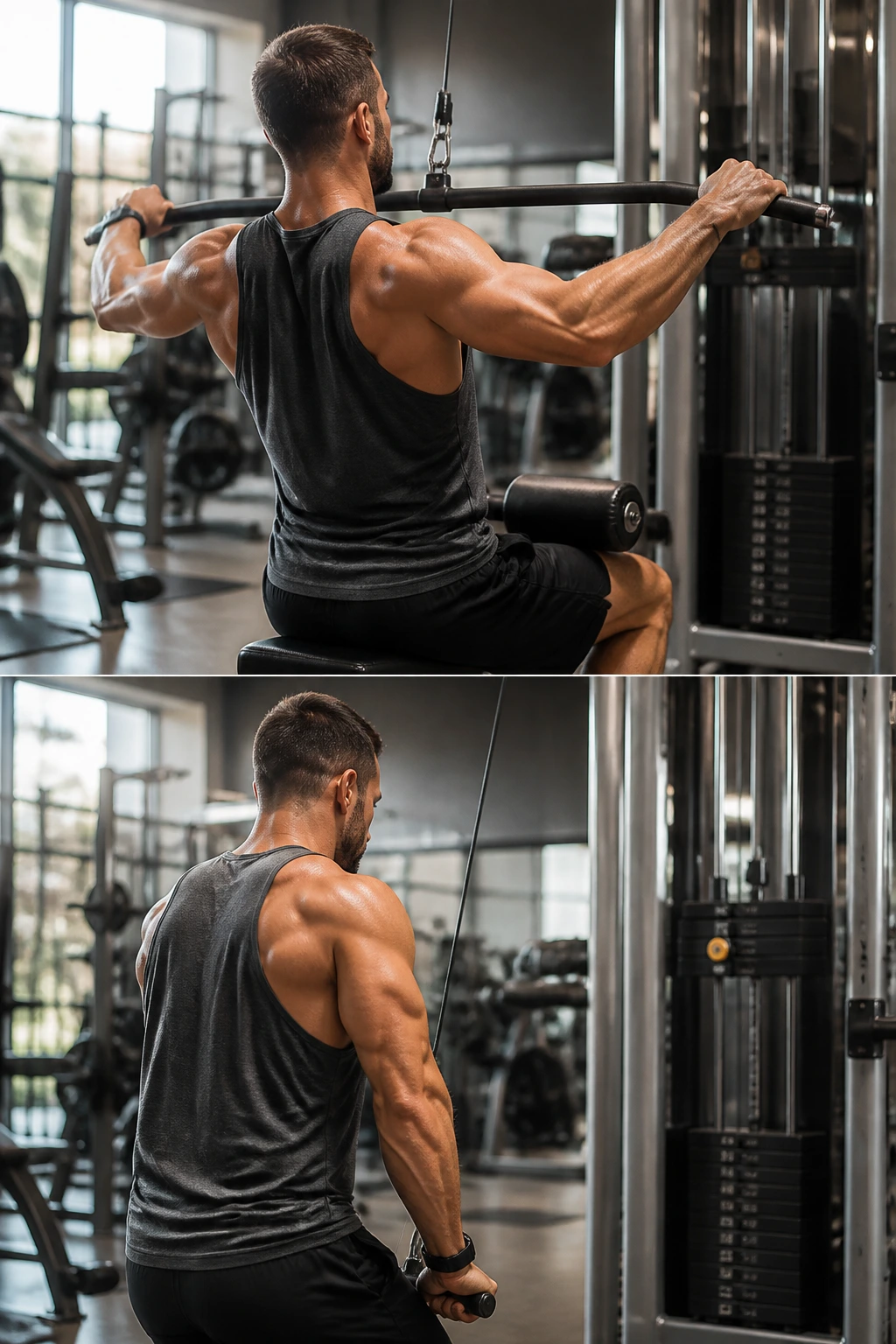
The lat pulldown to straight-arm pulldown pairing is a back-width cheat code. The first movement loads the lats in a big compound pattern; the second keeps them working when the biceps would normally steal the show.
Here’s why this combo earns a spot. The pulldown gives you a strong elbow-drive motion with enough stability to handle real tension. Once you drop the weight, the straight-arm pulldown keeps the arms long and the lats active through a shorter range, which is exactly what you want when your grip is fading but your back still has gas left in the tank.
Use a medium or neutral grip on the pulldown and hit 8 to 12 reps with the chest tall. Reduce the weight by 20% to 25% and move straight into 10 to 15 straight-arm reps, keeping the elbows soft and the ribs down. If you turn this into a lean-back yanking contest, the lats lose the argument fast.
Who is this for? Anyone who wants more lat work without wrecking the lower back. It is also one of the easier ways to keep a back day productive when you are already cooked from deadlifts or rows.
3. Leg Press Quad Drop Set
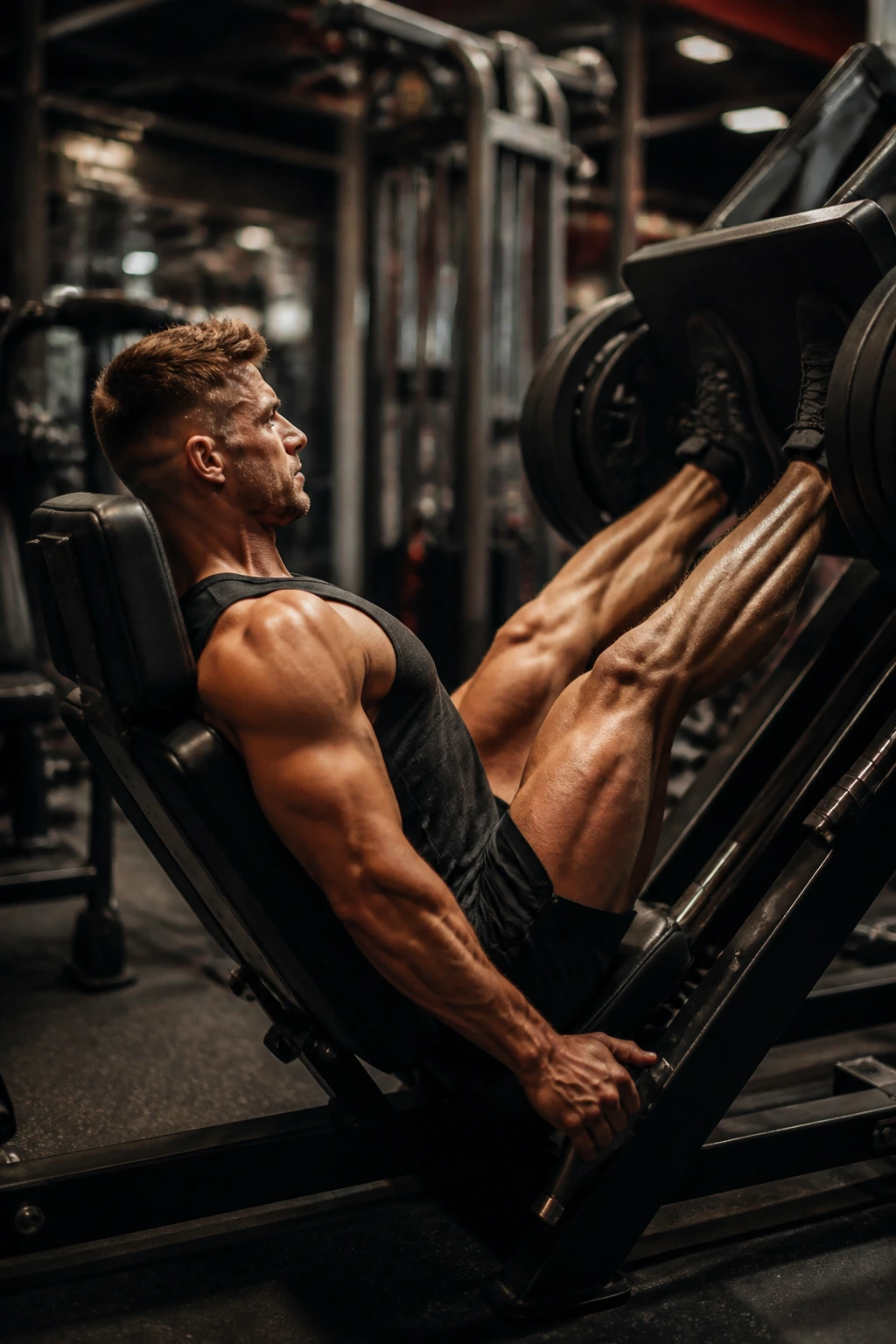
Why do leg press drop sets hit the quads so hard? Because the sled gives you a place to keep pushing when your balance would have already called the session.
The key is foot placement. Put your feet low and about shoulder-width apart if quad growth is the goal, then descend until the thighs are deep enough that the pelvis does not curl off the pad. That little detail matters more than people admit. If your lower back pops up at the bottom, the set is no longer a quad set. It becomes a survival exercise.
Run the first set for 10 to 15 reps with a weight that leaves one clean rep in the tank. Drop the load 25% and chase another 8 to 12 reps. A second drop can work too, but only if the first two rounds stayed smooth and controlled. Too many people bounce the sled and call it intensity. It is not.
Setup Cues That Actually Matter
- Keep the knees tracking over the middle toes.
- Lower under control for 2 to 3 seconds.
- Do not slam the safety stops at the bottom.
- Push through the midfoot, not the toes alone.
The best part is the pump. The legs feel full, tight, and a little wooden by the end. That is the right kind of miserable.
4. Dumbbell Lateral Raise Ladder Drop Set
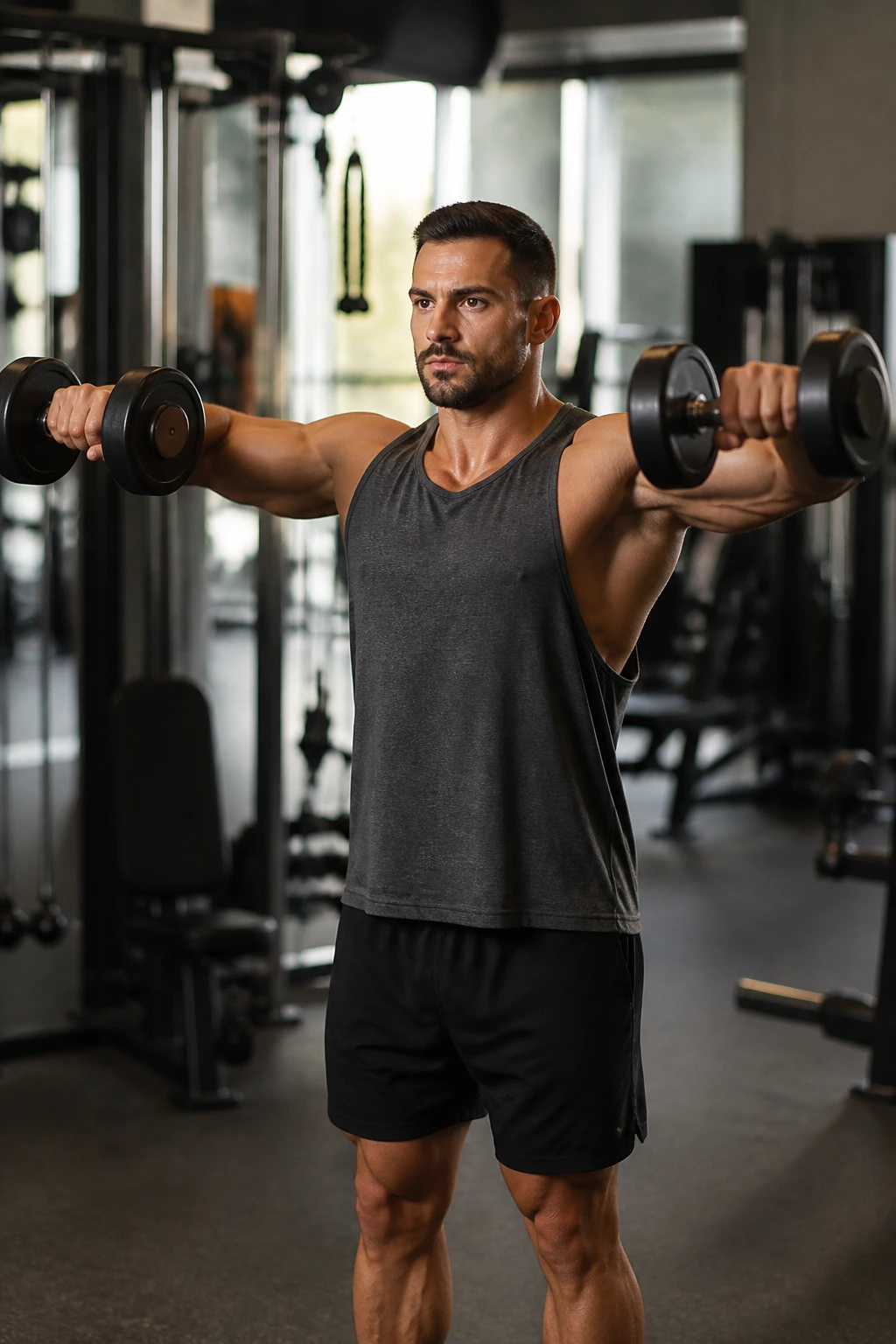
You know that moment when lateral raises stop looking like lateral raises and start looking like tiny shrugs? That is the exact moment most people should have dropped the weight five reps earlier.
Shoulders love this style because side delts respond well to clean, high-rep tension. Start standing with a pair of dumbbells you can lift for 10 to 12 strict reps. Then drop to a lighter pair and keep going for 8 to 10 more reps. If the gym has enough space and your shoulders still feel steady, finish seated with even lighter dumbbells for another 10 to 15 reps.
What To Watch For
- Raise until the hands are just below shoulder height.
- Keep the wrists quiet; do not curl the dumbbells up.
- Lead with the elbows, but do not yank them higher than the hands.
- Use a slight forward torso lean if it helps you avoid traps.
A lot of people chase heavy side raises and end up training neck tension. Bad trade. The ladder approach keeps the movement honest because each drop buys you more clean reps instead of more cheating.
My take: side delts are one of the best places to use a drop set because the exercise is simple, stable, and easy to judge. If your form falls apart, the weight is too heavy. Easy.
5. Seated Leg Curl to Lying Leg Curl Drop Set
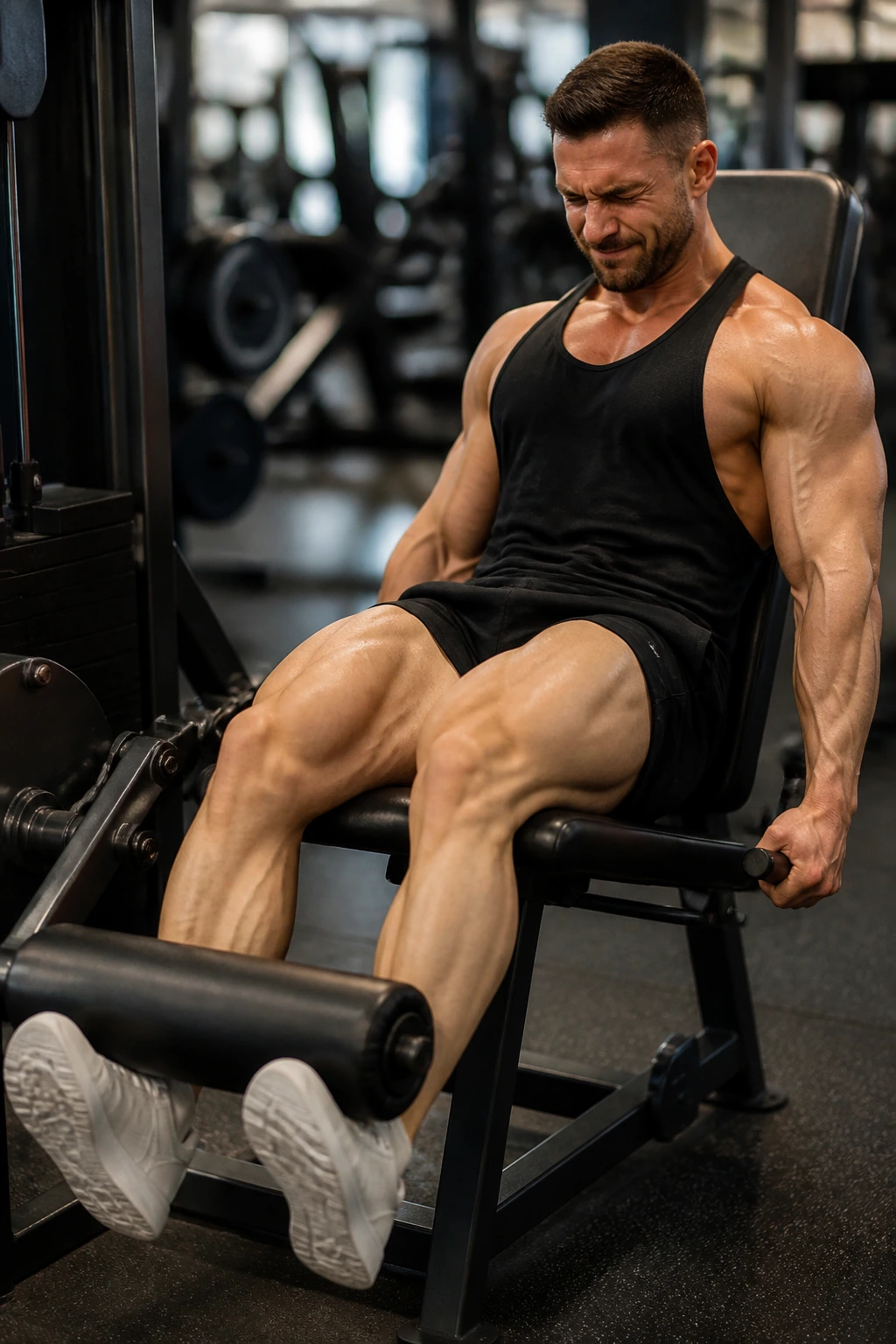
Hamstrings are stubborn. They usually need more than one angle, and they reward stable knee-flexion work more than flashy loading patterns.
That is why the seated-to-lying leg curl pairing works so well. Seated curls put the hamstrings in a stretched position at the hip, which makes the first set feel unusually intense if you use a full range of motion. Dropping the weight and moving to lying curls shifts the line of pull a bit while letting you keep the knees doing the same job: bending hard against resistance.
The first set should land around 8 to 12 reps with a one-second squeeze at the top. Strip 15% to 20% and keep curling until you reach 10 to 15 reps with controlled lowering. If the machine is smooth, a third mini-drop can work, but only if your hips stay glued to the pad and you are not bouncing the stack like a nervous tic.
A lot of lifters rush hamstring work and wonder why it never feels like much. Slow down the lowering phase. The muscle does not care that you are in a hurry. It cares that the knee flexes under tension and the last few reps feel heavy in the back of the thigh.
One more thing: if cramps show up, shorten the range slightly and breathe between reps. That is not weakness. That is useful information.
6. EZ-Bar Curl to Cable Curl Drop Set
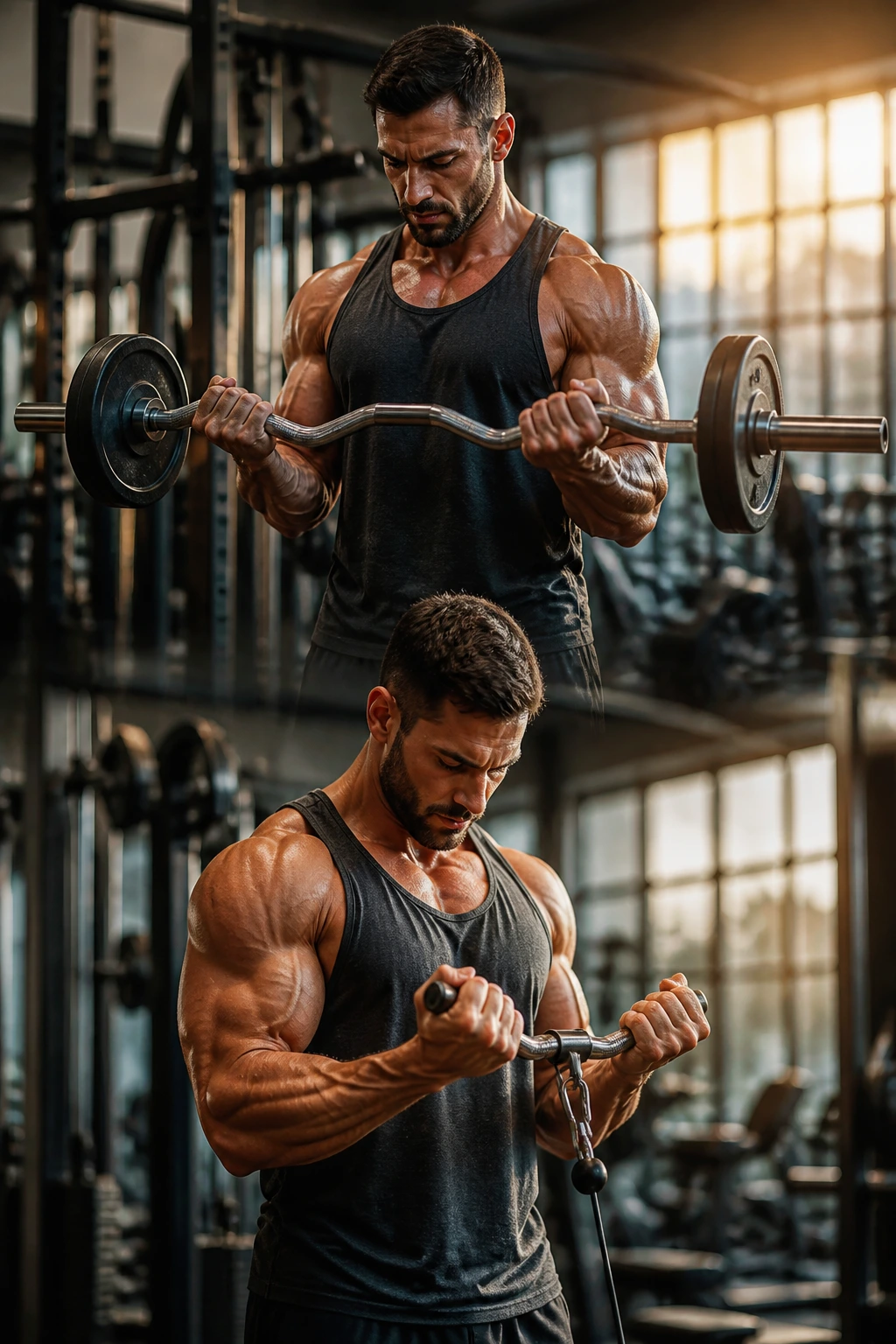
Unlike sloppy dumbbell curls, this one keeps the biceps honest from start to finish. The EZ-bar gives you a solid heavy curl with a hand position that usually feels friendlier on the wrists, and the cable keeps tension on when the easy cheating urge kicks in.
I like this pairing because the cable version removes the dead spot. Once you drop the weight and grab the handle, the biceps stay loaded through a smoother arc, which is exactly what you want after the first set has already lit them up. Start with 8 to 10 EZ-bar reps, then cut the load by 20% to 30% and go for 12 to 15 cable reps without swinging your elbows forward.
Why This Beats Sloppy Curls
The biceps do not grow from momentum. They grow from repeated elbow flexion under tension, and the cable is annoyingly good at keeping tension where you need it. If you like the old-school look of a hard arm workout, this is one of the cleanest ways to get there.
Use it for arm day or as a short finisher after back work. If your forearms take over, widen the grip a touch on the EZ-bar and keep the wrists stacked instead of bent back. That small adjustment can save a lot of pointless strain.
Recommendation: save this for days when you want a pump, not a max lift. It works far better when the reps stay smooth and the last few are earned, not flung.
7. Rope Pressdown to Overhead Cable Extension Drop Set
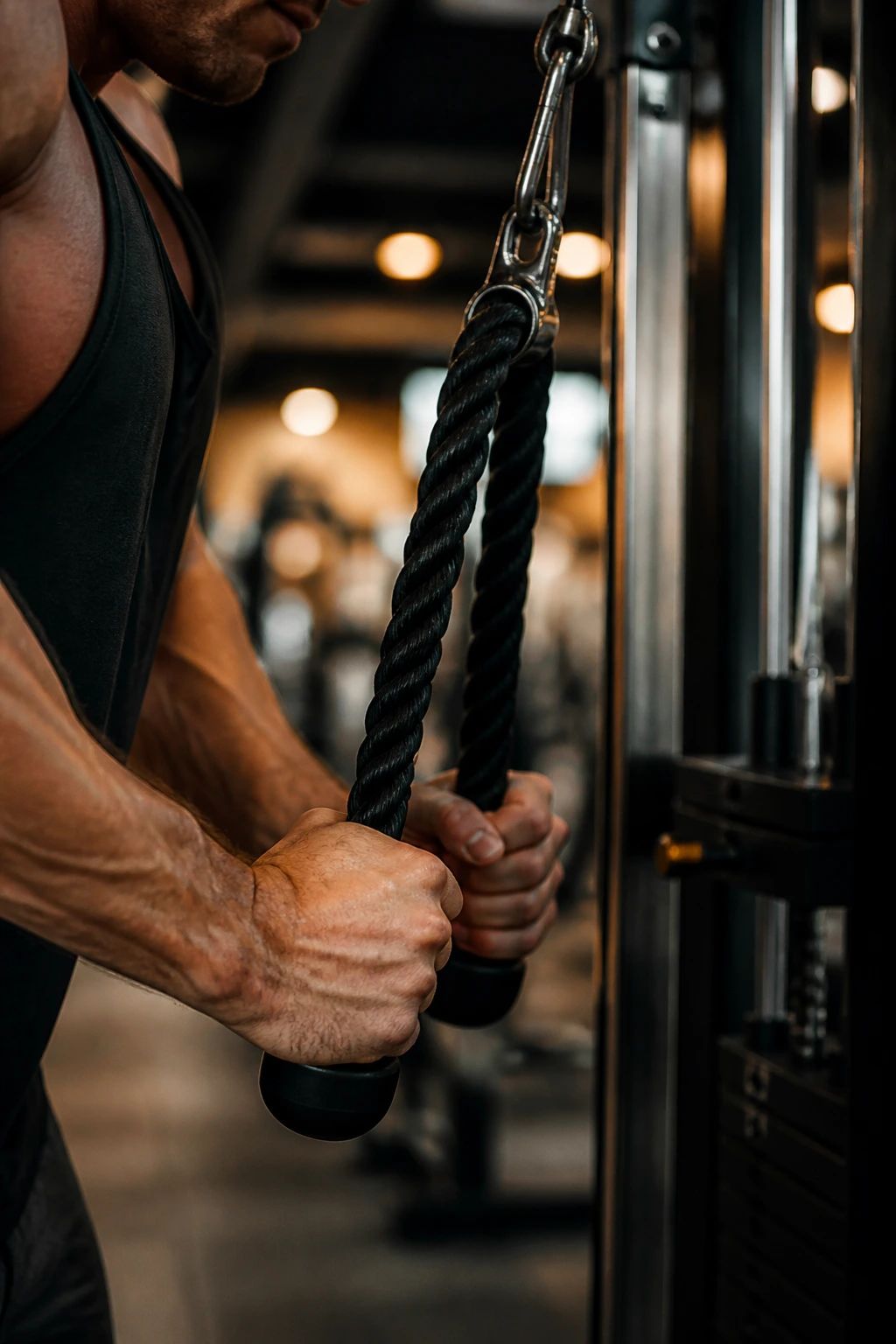
Triceps are easier to fry than to train well. The trick is not finding pain. The trick is keeping the elbows in a lane where the triceps do the work instead of the shoulders wandering off with it.
The rope pressdown gives you a strong lockout pattern with plenty of control. Once you drop the weight, the overhead extension shifts more of the load onto the long head of the triceps, which likes being stretched. That stretch matters. If you stop short and keep the movement tiny, you miss half the point.
How to Keep Elbows Happy
- Keep the upper arms mostly still on the pressdown.
- Separate the rope at the bottom and hold the squeeze for one second.
- Drop 20% to 25% and move immediately into overhead extensions.
- Let the elbows point up, but do not flare them wildly.
Aim for 10 to 12 pressdown reps and then 8 to 12 overhead reps after the drop. If your elbows feel cranky, use a rope instead of a straight bar on the second movement. Small change. Big difference.
The reason this pairing works so well is simple: the first half lets you load the triceps hard without cheating, and the second half keeps the long head working in a lengthened position. That is a useful mix, not a random burn.
8. Hip Thrust to Glute Bridge Drop Set
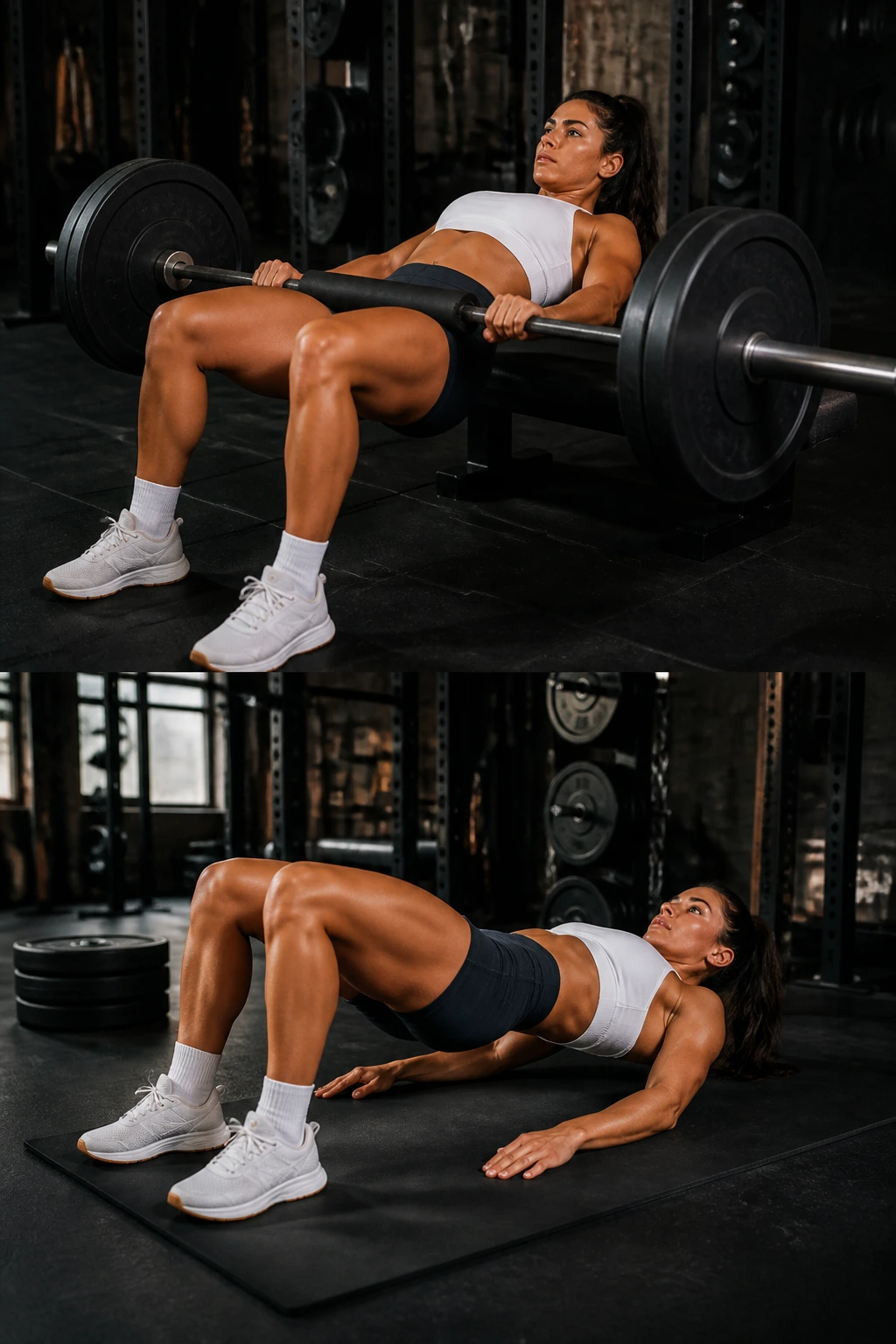
If you have ever felt your glutes cramp halfway through a hip thrust, you already know why this one works. The first exercise loads the hips hard in a strong lockout pattern; the second keeps the glutes firing when the setup gets a little easier and the burn gets sharper.
Hip thrusts are the heavy part of the sequence. Use a barbell, smith machine, or loaded pad and hit 8 to 10 reps with a firm pause at the top. Then strip 15% to 25% of the load and move straight into glute bridges on the floor for 12 to 20 reps. The shorter range makes the second half feel almost sneaky, but your glutes will know.
What Makes It Different
The bridge lets you keep the pelvis tucked and the ribs down without needing as much shoulder support. That matters when fatigue starts to show. The glutes stay the main event, and the lower back does not get to take over just because you are tired.
You can make this even harsher by holding the top bridge for two seconds on the last five reps. Do not rush that part. The lockout is the point.
I prefer this on lower-body days when the goal is muscle growth, not power. Heavy thrusts alone can be fine, but pairing them with a lighter bridge set is one of those simple choices that makes the whole session feel more complete.
9. Preacher Curl to Hammer Curl Drop Set
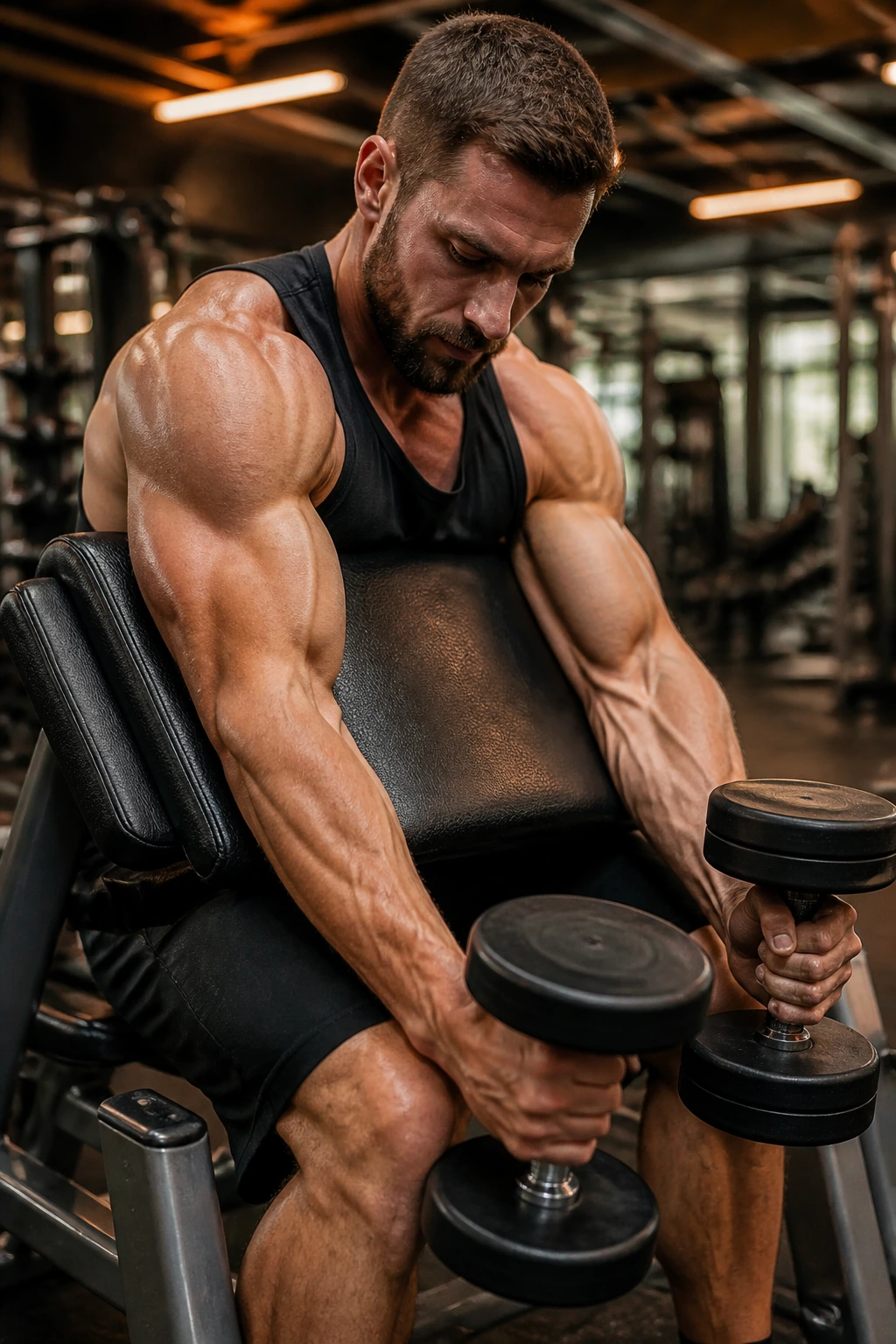
Preacher curls are mean in the best way. The pad removes most of the body english, so the biceps get exposed fast, and the follow-up hammer curl changes the stress just enough to keep the set alive when the first grip pattern starts to fail.
This is a useful pairing because the preacher curl pins the upper arm and makes cheating nearly impossible. Once the load drops, the hammer curl brings the brachialis and forearm flexors more into play while still hammering the upper arm. That shift can make the arm look fuller, not just more peaked.
Use 8 to 10 preacher reps with a controlled lower. Drop the weight by about 20% and move into 10 to 12 hammer reps. If your elbows get cranky on the preacher bench, move your grip a touch wider or shorten the bottom range slightly so you are not hanging on the joint.
The people who usually love this pairing are the ones who already have some curl experience and want a more direct arm-day tool. Beginners can use it too, but they should keep the weights modest and learn how to keep the upper arm fixed before they try to be heroic.
10. Machine Shoulder Press Triple Drop Set
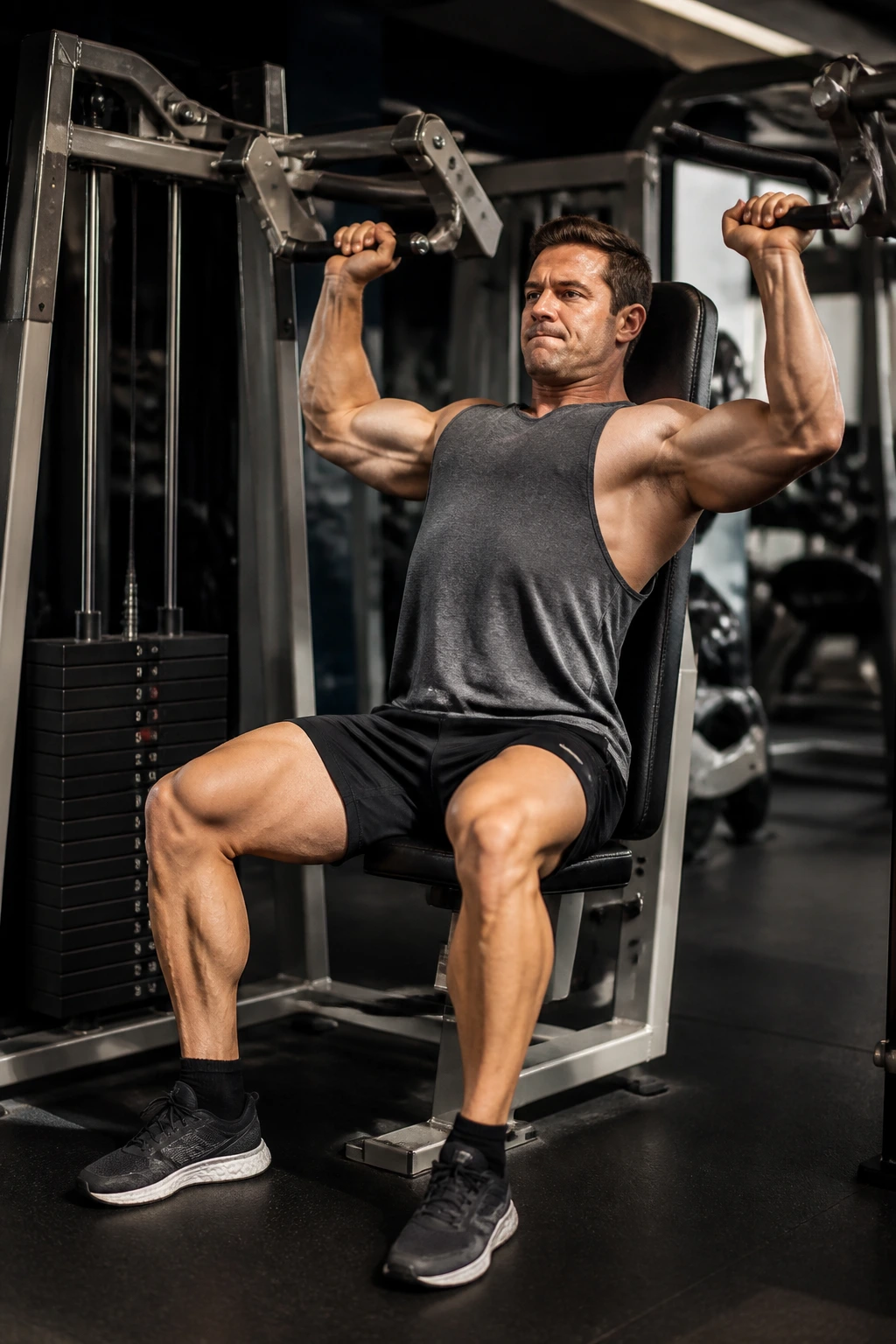
Shoulders grow when the pressing gets honest and stable. A machine shoulder press gives you that honesty because the path stays fixed and your core is not spending half the set trying to keep you upright.
This is one of the few places where a triple drop can make sense if you keep the first set controlled. Start with 6 to 8 heavy reps, drop the load by 20%, go again for 6 to 8 reps, then drop once more and finish with 8 to 12 reps. The first set should never look like a grinder from rep one. If it does, the whole ladder falls apart.
Why This Version Feels So Effective
The machine lets the delts and triceps share the work without the wobble tax that dumbbells often demand. That means you can keep pressing while fatigue builds, instead of losing half your effort to balance and momentum.
A few details matter:
- Keep your ribs down and avoid over-arching.
- Lower until the handles come just below ear level if the machine allows it.
- Stop the set if your head starts jutting forward on every rep.
- Rest 2 minutes before repeating.
This is a blunt tool, not a daily habit. Use it when you want shoulder volume fast and your joints feel ready for it.
11. Bulgarian Split Squat to Bodyweight Pulse Drop Set
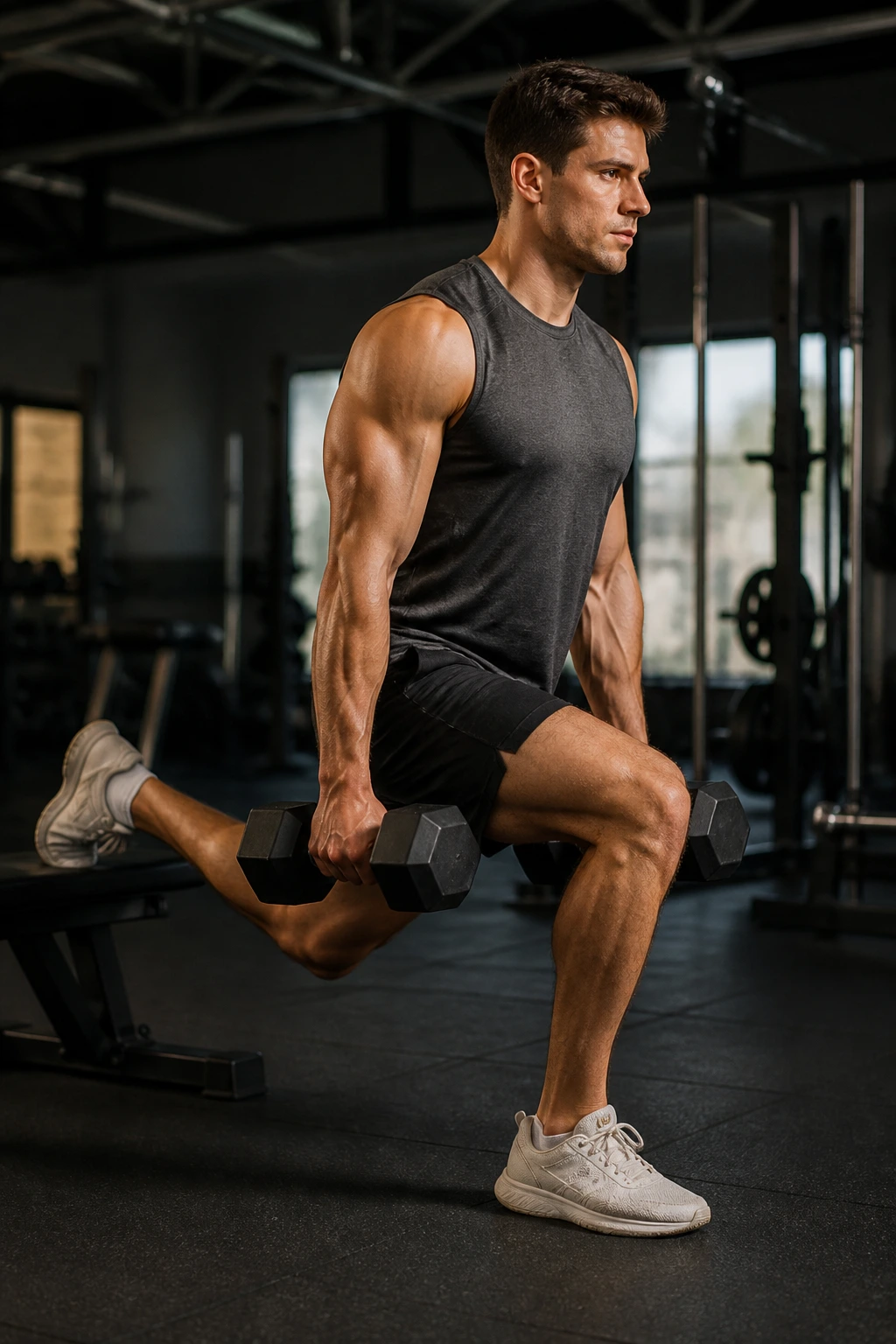
One dumbbell in each hand is enough to humble you here. The Bulgarian split squat already exposes weakness, and the bodyweight pulse at the end just makes sure there is no hiding place left.
The setup is simple, but the details are where people get sloppy. Put the back foot on a bench or box, take a long enough stance that the front heel stays flat, and descend until the front thigh gets close to parallel. Run 8 to 10 reps per leg with a load you can control cleanly. Then drop the dumbbells, stay in position, and finish with 10 to 15 bodyweight pulses in the bottom half of the range.
How To Keep Your Knee Happy
- Keep the front knee tracking over the middle toes.
- Slight forward torso lean is fine; collapsing is not.
- Use a flat shoe or hard sole for better balance.
- Stop if the back foot starts doing all the work.
This drop set is miserable in a useful way. The quads and glutes stay loaded, the balance challenge never disappears, and the bodyweight finish turns the last few reps into a pure muscle burn instead of a loading contest.
If you have limited time and want one lower-body movement that feels like it covered everything, this is a strong choice. It is also a good reminder that hard does not need to mean sloppy.
12. Pec Deck Fly to Push-Up Drop Set
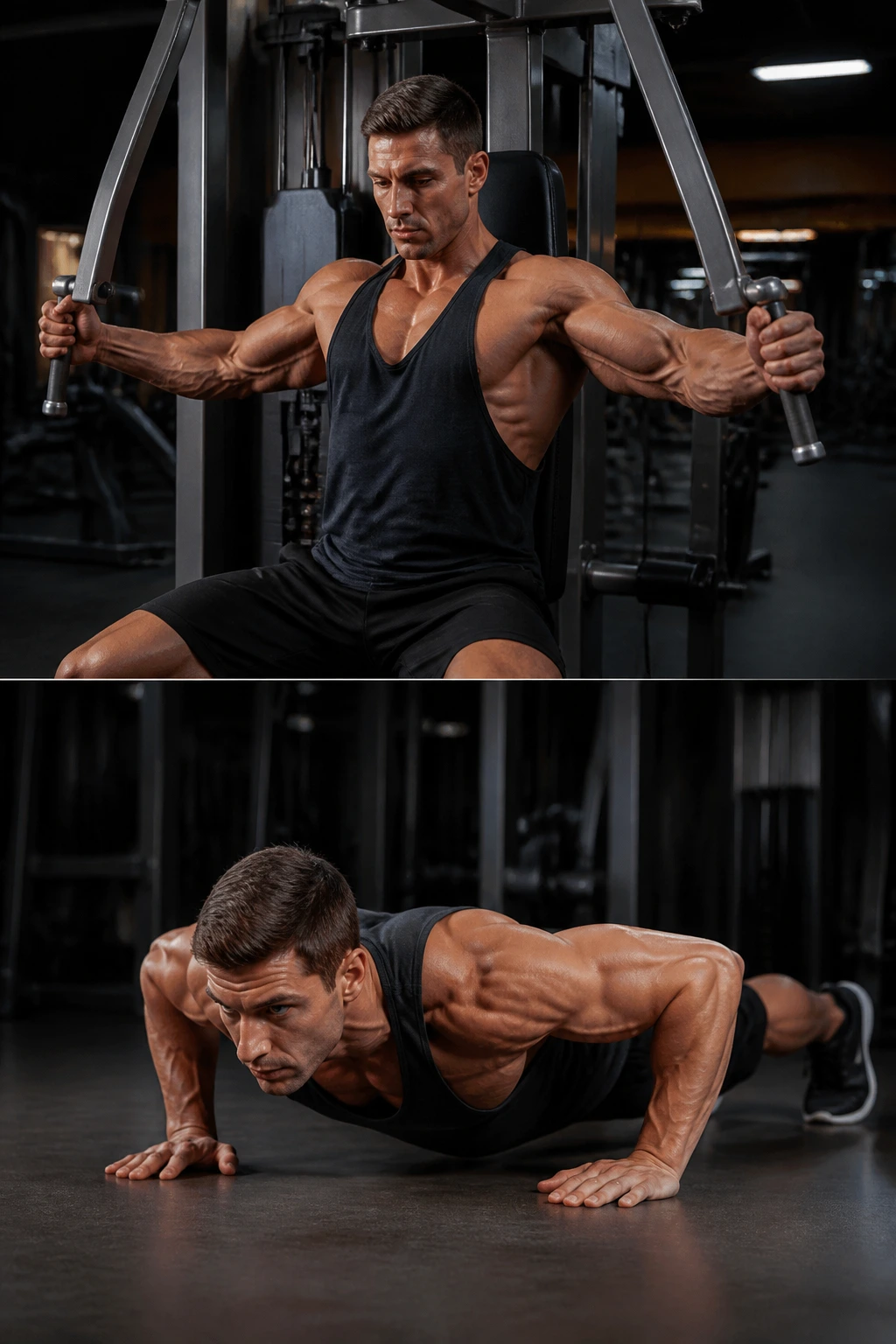
Why do chest finishers feel better when you switch from a machine to the floor? Because the pec deck takes the chest near failure with a very clean line of tension, and the push-up makes you earn every extra rep with your own bodyweight.
Run the pec deck for 10 to 15 reps, keeping the elbows slightly bent and the shoulder blades set. Drop the pin or change the stack by 20% to 30%, then head straight into push-ups. If standard push-ups are too easy after the flyes, slow the lower phase to 3 seconds or elevate your feet. If they are too hard, put your hands on a bench and keep the same pace.
The value of this combo is that the movement pattern changes just enough to let you keep working without needing a machine reset. The pec deck isolates the chest well; the push-up brings in a stable closed-chain finish that keeps tension on the pecs, triceps, and front delts without much setup.
I like this as a finisher, not a main event. It is the kind of last-mile work that leaves the chest full and warm rather than wrecked. A small but useful difference.
13. Standing Calf Raise Drop Set
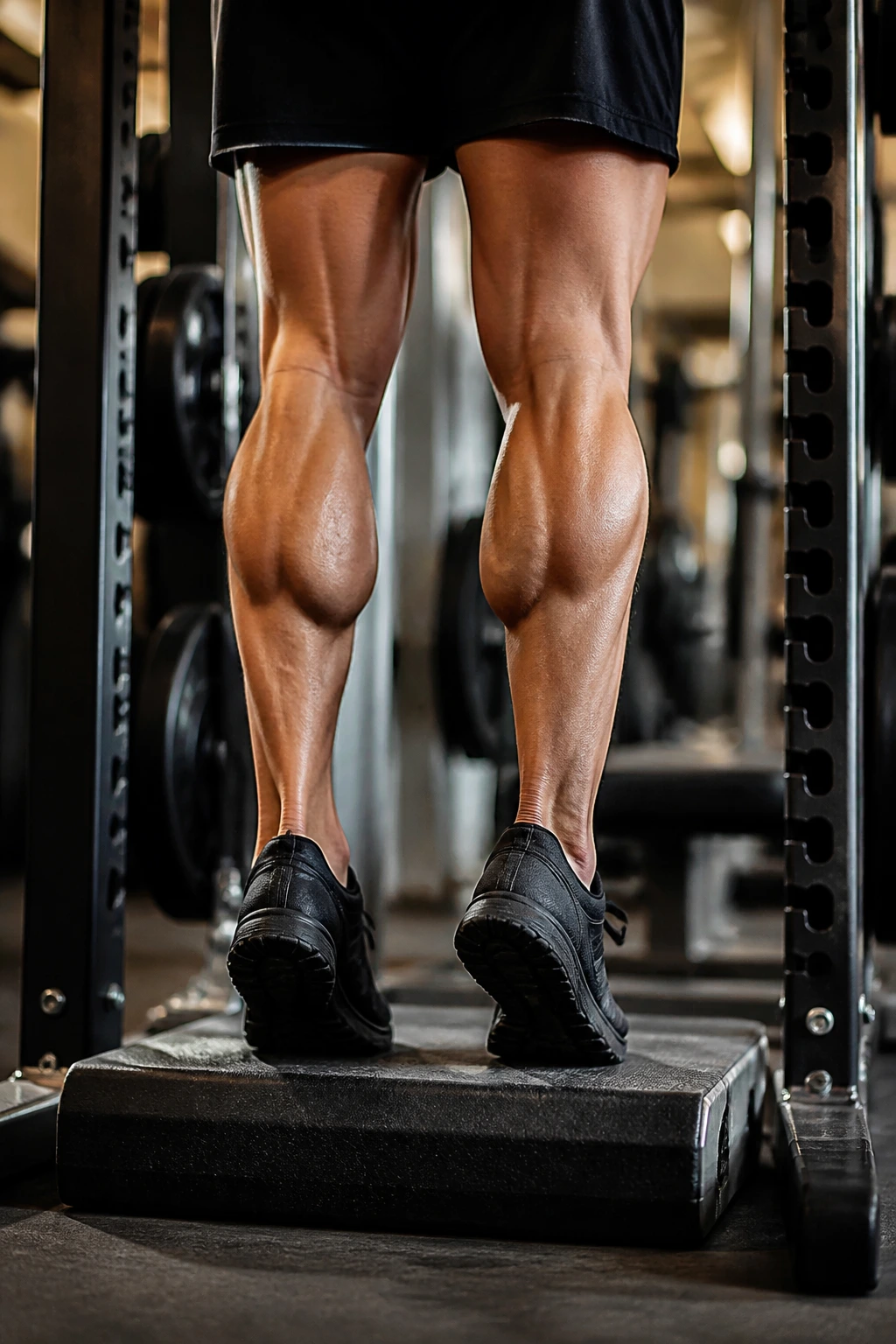
Calves do not care about your excuses. They care about stretch, pause, and how often you actually train them without turning each set into a bounce-off-the-floor contest.
A standing calf raise works well because the knee stays straight, which loads the gastrocnemius hard. Start with 10 to 12 slow reps and hold the bottom stretch for one full second. Drop the weight by 15% to 20% and keep going for another 10 to 15 reps. If the machine lets you, finish with a short set of partial reps in the stretched position, which tends to be the part people skip and then complain their calves never grow.
What To Feel
- A deep stretch at the bottom.
- A hard squeeze at the top, not a bounce.
- Pressure through the big toe and second toe.
- A slow lowering phase that lasts 2 to 3 seconds.
The common mistake is simple: lifters rush the reps and then wonder why the calves shrug it off. The muscle needs a real pause at the bottom and a real squeeze at the top. Otherwise, the set is just ankle movement.
This is one of those places where a little discipline pays off fast. Calves can be stubborn, but they are not magical. Make the range honest and they start to answer.
14. Chest-Supported Row Drop Set
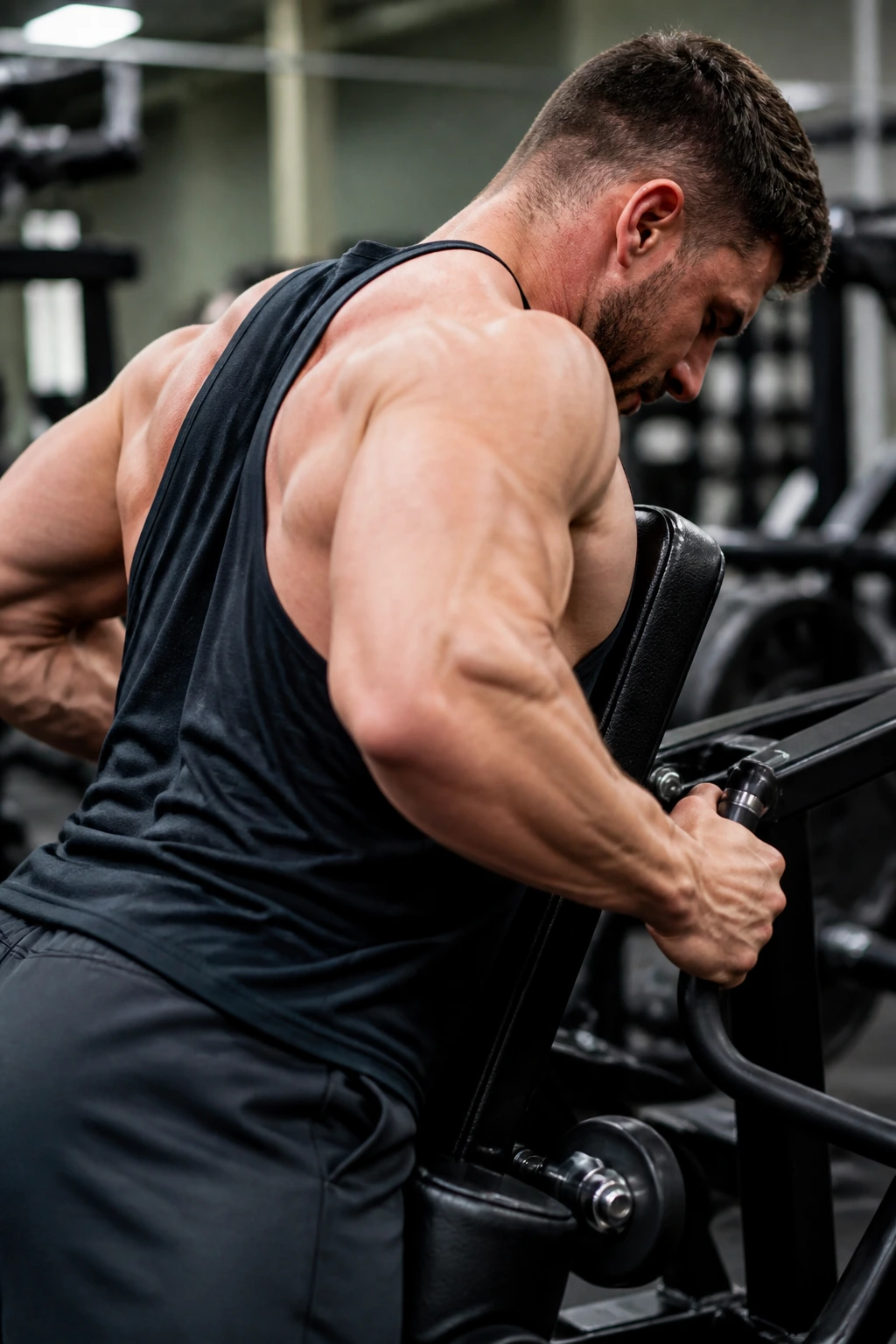
Unlike bent-over rows, the chest pad keeps your low back out of the argument. That is the whole appeal. Once the torso stops acting like a shaky hinge, the upper back can actually do the work it was supposed to do.
Use a chest-supported row machine or incline bench dumbbell row for 8 to 10 reps with a strong pull toward the lower ribs. Drop the weight by 20% and continue for 8 to 12 reps. If your machine allows a neutral grip and a slightly wider grip, alternate them across sessions. The neutral grip usually feels friendlier on the elbows; the wider grip tends to light up the rear delts and upper back a bit more.
This pairing is good for lifters who want back thickness without the fatigue spillover that often comes from heavy free-standing rows. The chest support makes the finish cleaner, which matters more than people think. Once the body starts wobbling, the row turns into a lower-back drill with some pulling mixed in.
I would use this on days when you still want to train hard but your hinge pattern is already tired. It is a smart place to get extra volume without collecting junk reps.
15. Smith Machine Close-Grip Press Drop Set
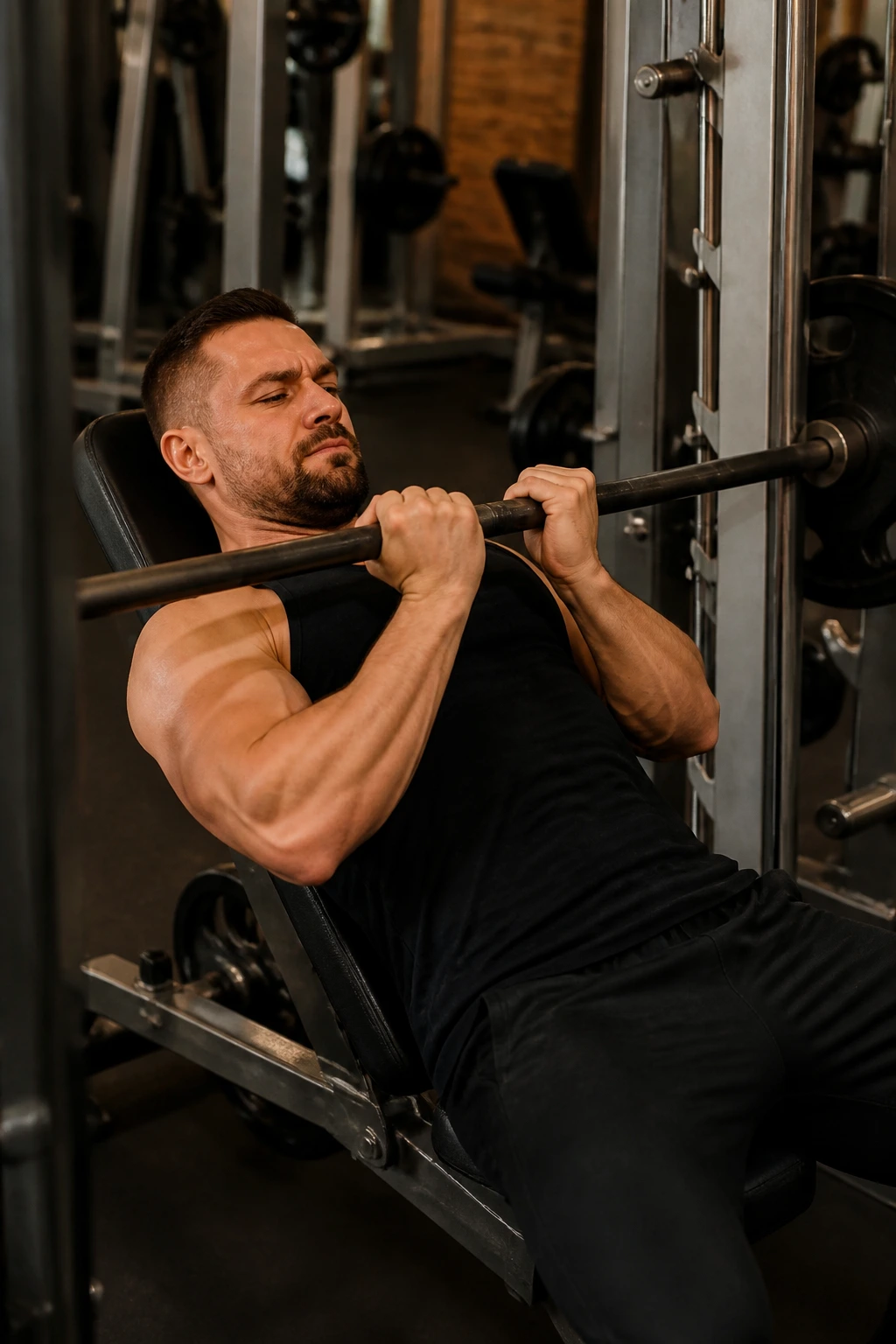
If you want triceps and upper chest without wrestling a barbell, this is the one I keep coming back to. The Smith machine gives you a fixed bar path, the close grip shifts some of the load toward the triceps, and the drop set lets you keep pressing after the first heavy round gets heavy.
Set the bench so the bar lowers to the lower chest or upper sternum area. Use a grip a little narrower than shoulder width and press for 6 to 8 reps with control. Drop the load by 20% to 25% and get another 8 to 10 reps. If the shoulders still feel good, a final smaller drop can add 6 to 8 more reps, but only if the bar path stays smooth and the wrists remain stacked.
Clean Pressing Rules
- Keep the elbows tucked at about 30 to 45 degrees from the torso.
- Touch lightly, do not bounce.
- Drive the bar up with the triceps, not a chest heave.
- Use a spotter or safety stops if the machine is unfamiliar.
This one lands near the end of a push workout for me. It is heavy enough to feel like work, stable enough to keep form decent, and direct enough that you can tell when the triceps are done. That last part matters.
Final Thoughts
Drop sets work best when they stay in their lane. Machines, cables, and stable movements give you the cleanest muscle fatigue for the least amount of nonsense. Heavy free-weight compounds can handle them too, but only if your form stays sharp and your ego stays quiet.
One or two drop-set workouts in a session is usually plenty. More than that, and recovery can get weird fast, especially if you are also pushing hard on your main lifts. The sweet spot is simple: one hard set, one or two drops, then move on before the quality starts sliding.
The best version of this method leaves you pumped, tired, and a little humbled — not limping, not guessing, and not wondering whether the last five reps were actually doing anything useful. Keep the tension clean and the drops sensible, and these workouts earn their place fast.
