



A workout journal feels different when the name has a little weight behind it.
Not a giant slogan. Not a glossy catchphrase. Just enough character to make you open the page, write the numbers, and keep coming back after the hard sets are done.
The best gym names for your workout journal do one quiet job: they make the log feel like a tool, not homework.
I’ve always liked names that sound good on a cover and still make sense three months later when the pages are full of squat notes, missed reps, deload weeks, and those little comments you only write when you’re half tired and half proud. A journal title can be sharp, playful, tough, or calm. It can sound like a locker room wall tag or a clean notebook label. What matters is whether it fits the way you train.
Some names below lean gritty. Some feel polished. A few are a little nerdy, which is fine — honestly, the nerdy ones often stick best because they match how real training works. Pick the one that feels natural to write at the top of a page, then let the log do the rest.
1. Iron Log

Iron Log is the cleanest name on the list. Short. Direct. Hard to mess up.
That matters more than people think. A workout journal title needs to look good in block letters, fit on a spine, and still make sense when the notebook is crammed with numbers, rest times, and notes like “paused on the chest” or “hips felt tight.” Iron Log does all of that without trying too hard. It sounds serious, but not stiff.
Why It Works
The best part is the balance. “Iron” gives it weight and a little grit, while “Log” keeps it practical. You’re not naming a trophy. You’re naming a record of work.
Best for:
- Strength training journals
- Simple handwritten notebooks
- Lifters who want a no-nonsense cover title
- People tracking barbell work, top sets, and weekly load
Tiny tip: Write it in all caps or a heavy serif font. The name looks stronger when the lettering feels as steady as the program inside.
2. The Rep Room

The Rep Room sounds like a place you return to on purpose. That’s the appeal.
It has a little more personality than a plain log name, and it feels friendly without turning cute. I like it for people who train four or five days a week and want their journal to feel like a familiar space — the same pages, the same layout, the same little ritual before lifting.
A name like this works especially well if you treat your journal as part training partner, part memory bank. One day it holds a push day. Next day it holds deadlift notes and a complaint about your grip. The room stays open.
If your training splits are organized and repeatable, this name fits right in. It also works well on a tabbed binder or a digital notes app where each “room” becomes a section for a different lift or body part.
One more thing: it has a nice sound when you say it out loud. That helps more than it should.
3. Sweat Notes

Why does Sweat Notes work so well? Because it sounds casual, but not lazy.
There’s a little honesty in it. The name says the pages will be marked by effort, not polished sentences or perfect charts. That makes it a good fit for people who write during rest breaks, jot down a failed set, or keep a running list of what felt off in a session. It’s less macho than a lot of gym names, and that is a good thing.
What Makes It Stick
The phrase feels light enough for beginners and grounded enough for serious lifters. If your workout journal holds warm-up notes, set counts, recovery reminders, and the occasional “should’ve eaten more before training,” Sweat Notes fits the mood.
- Works well for handwritten pages
- Feels approachable on the first day
- Good for mixed training, not only lifting
- Easy to pair with simple headers like date, session, and notes
Best use: a journal you want to keep using, not one you want to impress people with.
4. Lift Ledger

Lift Ledger sounds a little formal, and that is exactly why I like it.
Ledger is a word with structure in it. You hear it and think of records, totals, and things that matter enough to keep track of properly. That makes this name a strong pick for lifters who care about exact numbers: bar weight, rep drops, rest periods, even bodyweight trends across the week.
It’s a good name if your notebook is neat. Even if the pages are not neat, the name makes them feel more organized than they really are. That’s a useful trick.
What It Signals
A ledger is about accountability. A lift ledger says, “I’m not guessing today.” It feels right for people who track progression with intention, whether they’re using a spiral notebook, a binder, or a spreadsheet that gets printed out every few weeks.
Boring can be good. This is one of those cases.
If you like clean handwriting, tidy columns, and a habit of circling personal records, Lift Ledger lands better than something flashy. It also ages well, which matters more than style points. A journal name should still feel right when the notebook is almost full.
5. PR Page

PR Page is one of the most usable names on this list.
It says exactly what a lot of people want from a training journal: a place to chase personal records, write them down, and remember what it took to get there. No mystery. No fluff. Just a page that matters.
A name like this works best if you like goal markers. Top sets, rep PRs, bodyweight PRs, timed runs, faster split times — it all belongs here. The name is short enough to feel modern, but it still has enough punch to sound like something you’d actually use.
How It Feels in Practice
Every time you open a notebook with this title, you’re reminded that the log isn’t only about today’s workout. It’s also about the next number you want to beat.
- Good for test-day notes
- Strong fit for strength cycles
- Works with color-coded tabs or stickers
- Great if you like to track milestones month by month
My favorite detail: it looks good with one bold accent line under the title. One line. That’s enough.
6. Grind Journal

The notebook on the kitchen table at 5 a.m. probably belongs to someone who picked Grind Journal.
That’s the image this name carries, and it earns it. Grind Journal has a little grit in the sound, but it does not feel fake or overdone. It’s the kind of title that fits hard training phases, rough weeks, and sessions where you show up because you said you would.
It works especially well if your program has some bite to it. Heavy squats. Conditioning circuits. Long carries. Rows that make your forearms light up. The name feels right when the work is plain and a little exhausting.
No sparkle. No distraction.
That’s the point. A journal like this is for people who care more about what happened in the rack than what the cover looks like on a desk. If you like names with edge but want to avoid something too aggressive, Grind Journal sits in a nice middle spot.
7. Barbell Diary

Barbell Diary has more charm than most lift names.
It sounds like a training journal with a memory. Not just reps and sets, but the little notes around them — slept badly, elbows felt sharp, belt got tighter on the third set, deadlift bar felt slick, skipped accessories because the room was packed. That extra layer is what makes a journal useful over time.
Where It Works Best
This name is strong for anyone who likes writing a short sentence after each session. Not a novel. Just enough to remember how the day felt.
It suits:
- Strength cycles
- Coaching notes
- Training reflections after heavy sessions
- Lifters who want a mix of data and personal notes
A diary can sound soft in the wrong context, but here it works because the barbell gives it backbone. You get the feeling of a record without losing the human part of it.
If your journal is a place where you track both the lift and the lesson, Barbell Diary lands better than almost anything else on the list.
8. Set & Score
Want a name that sounds like you keep score because you actually do? Set & Score gets there fast.
It has a little rhythm to it. That helps. It also makes sense for training styles where you care about volume, pace, and how a session stacks up against the last one. If your log includes set counts, RPE, or rest timers, this title feels like it belongs there.
A lot of gym names lean hard into toughness. This one leans smart. It suggests structure, not ego.
That makes it a good fit for people who like a bit of gamification in their training. Maybe you score your sessions by completed work. Maybe you write down accessory circuits and check them off as you go. Maybe you just like a clean heading that makes the page feel active.
Why I like it: it works for lifting, running, conditioning, and hybrid plans. That is rare. Most names skew too narrow.
9. Strong Script

Strong Script is the prettiest name here, and I mean that as a compliment.
It has a cleaner, more editorial feel than some of the harder-edged options. “Script” gives it a written, personal quality, while “Strong” keeps it grounded in training. The result feels polished without getting precious.
This is the one I’d pick for someone who likes a journal that feels intentional. A hardcover notebook. A fountain pen. Clean page headings. Maybe a simple line for each day, plus a longer reflection at the bottom.
Why It Feels Different
The name sits nicely between style and function. You can use it for heavy training, but it also leaves room for notes about sleep, recovery, and how the session actually felt.
A few things make it especially good:
- Great for handwritten journals
- Fits a minimalist cover design
- Works with both strength and general fitness
- Looks good on a label or spine
Strong Script has an old-school calm to it. Not soft. Just steady. And steady is underrated in a workout journal.
10. Chalk Marks

Chalk dust, knurled steel, a page with smudges on the margin — Chalk Marks catches that mood fast.
This is the grittiest name on the list, and it has personality. It sounds lived-in. Not pristine. Not delicate. The kind of title you’d expect on a notebook that gets thrown into a gym bag, pulled out next to a squat rack, and marked up with quick notes in between sets.
It works especially well if your training space is messy in the best way. Lots of grip chalk. Loud plates. Fast notes. A few underlined PRs. The title suits a journal that does not need to look expensive to feel useful.
Key Details
- Best for lifters who train in real, sweaty conditions
- Strong fit for handwritten pages and quick session logs
- Good if you like a rough, tactile feel on the cover
- Works nicely with dark paper, white ink, or a matte notebook
Best part: it sounds honest. Some names try too hard. This one doesn’t.
11. Motion Log

Motion Log is the one I’d pick for mixed training.
It sounds broader than a pure lifting journal, which is a plus if your week includes runs, sled pushes, kettlebell work, mobility drills, or circuit training. The name keeps the focus on movement instead of one narrow style of exercise.
That makes it practical. Not fancy. Practical. If you bounce between strength days and conditioning days, a title like Motion Log doesn’t box you in. It leaves room for the stuff most journals forget to make space for — warm-ups, recovery drills, tempo work, even notes about how your joints felt before you started.
It also has a clean, modern sound. Not trendy. Clean. There’s a difference.
A name like this works well if you want your workout journal to feel like a training system rather than a bodybuilder’s notebook. It can hold plenty of muscle-building work, sure, but it does not pretend lifting is the only thing that matters.
12. Iron Archive
Iron Archive sounds bigger than a notebook, which is exactly why people like it.
Archive gives the journal a long-term feel. You are not just writing down today’s session. You are building a record you can come back to later, compare against, and learn from. That matters more than it seems when you have been training for a while and your memory starts to lie a little.
This name is a strong choice for lifters who like to review old blocks, compare rep quality, or check how a lift changed over time. It also works if you keep notes on injuries, equipment changes, or the way your energy shifts with different programs.
What Goes Inside
- Max attempts and top sets
- Week-to-week load changes
- Deload notes
- Small technical cues that fixed a lift
- Bodyweight or circumference notes, if you track them
Iron Archive has a serious feel, but not a cold one. It sounds like something worth keeping.
13. Daily Loadout
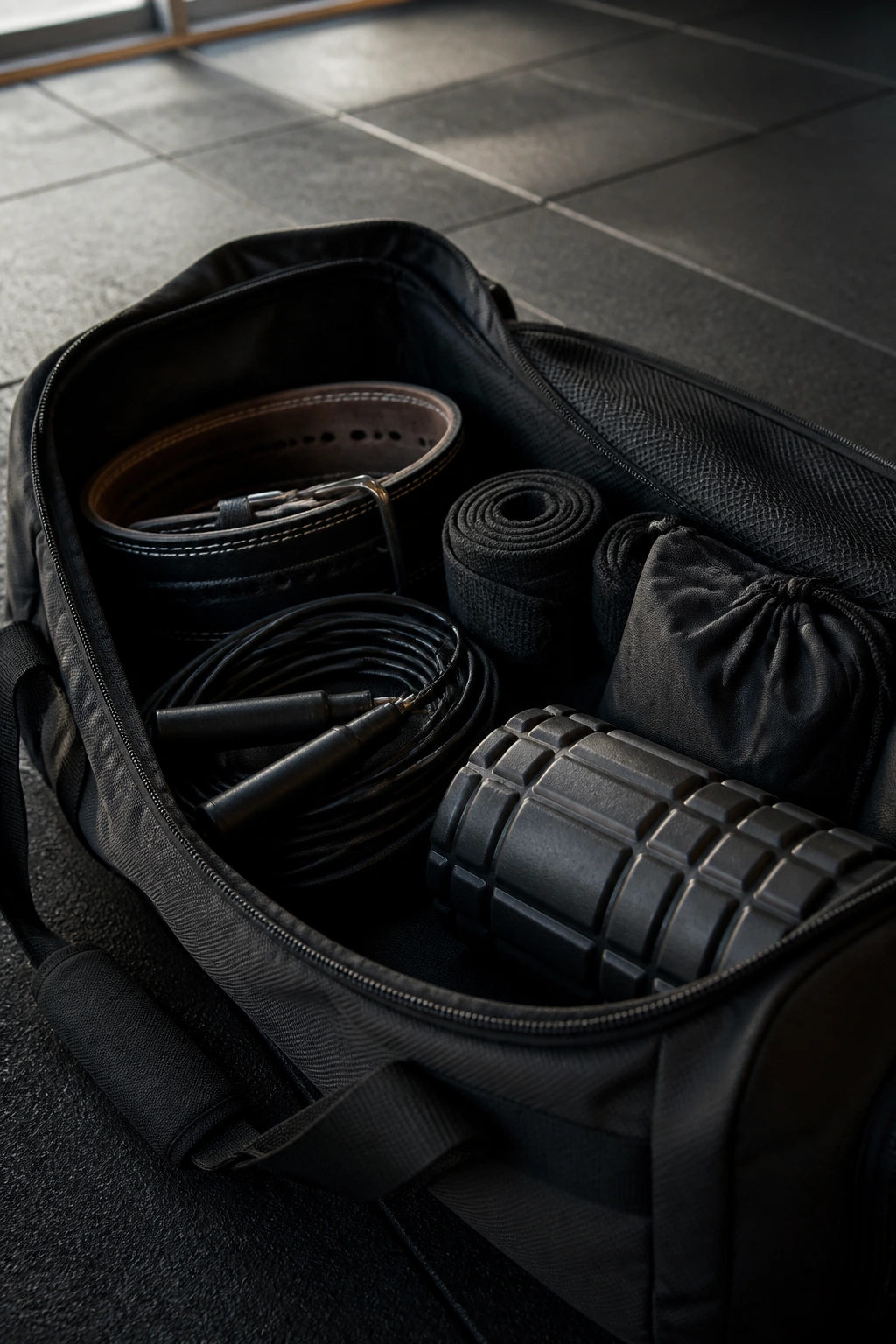
If you plan your sessions the way some people plan a backpack, Daily Loadout makes sense.
The name has a tactical edge to it. It suggests you’re choosing tools for the job: warm-up moves, work sets, accessory lifts, conditioning finishers, maybe one mobility drill that keeps your shoulders from turning into concrete. That structure can be calming when your training week gets crowded.
I like this title for people who love organized pages. Boxes. Checkmarks. A header at the top, then a clear map for the day. It works especially well for full-body plans, busy home gym routines, or hybrid athletes who need to fit a lot into one session.
One-sentence truth: it sounds efficient.
That’s a compliment here. The best journal names often reflect how you actually train, and a loadout-style name is perfect if you want each day to feel prepared before the first warm-up set even starts.
14. Volume Vault
Can a name sound nerdy and cool at the same time? Volume Vault says yes.
This one is a gift for anyone who tracks weekly set counts, hypertrophy blocks, or exercise swaps with near-religious care. It sounds like a place where useful data gets stored, which is exactly what a serious training journal should be doing anyway.
Volume matters when you’re building muscle. Not in a dry textbook way — in a real, practical way where you need to know whether you hit 12 hard sets for legs or only 8 because a machine was taken and you lost your rhythm. A name like Volume Vault makes that kind of tracking feel like a feature, not a chore.
Why Bodybuilders Like It
It gives space to the stuff a lot of names ignore:
- Weekly set totals
- Rep ranges
- Exercise order
- Pump notes
- Swap ideas when equipment is busy
If your journal lives near a stack of programs, spreadsheets, and handwritten macros, Volume Vault fits right in. It has a little brainy edge, and I mean that nicely.
15. The Last Set

The Last Set works because it sounds honest.
Every good training day has one, and every bad one does too. The last set is where fatigue shows up, where form gets tested, and where your notes usually get a little more truthful than they were at the start of the session. That makes this name oddly emotional in a good way. It carries effort without sounding dramatic.
I like it for people who want a journal title with a stronger finish than the usual fitness language. It feels reflective. It feels earned. It also looks good on a plain cover because the words are short and balanced.
No fluff. No extra decoration needed.
If your notebook is the place where you write what really happened — not what you hoped happened — The Last Set fits that role beautifully. It is one of those names that stays interesting because it means something slightly different every time you read it.
Final Notes
The best workout journal name is the one that feels easy to write after a hard session. That sounds small, but it matters. If the title feels awkward, the journal starts to feel like a project. If it feels natural, you’ll use it more.
For a clean, tough look, I’d start with Iron Log, Lift Ledger, or Iron Archive. If you want something a little more personal, Sweat Notes, Barbell Diary, and Strong Script have more warmth. And if your training style is broad, Motion Log or Daily Loadout give you room to grow.
Pick one, write it on the first page, and see how it feels after a week of actual use. That test tells you more than any brainstorm ever will.
