



Stepping through the front door after an eight-hour shift often feels like hitting a physical wall. Your brain is fried, your shoulders are tight, and the couch looks like the only logical destination. But here is the secret that seasoned athletes and fitness enthusiasts know: the hardest part of working out is not the physical exertion itself; it is the mental act of putting on your sneakers and starting the video. Once you actually begin moving, that workday stress starts to dissipate, replaced by the rhythmic thud of your feet and the clarity that comes from intentional physical effort.
You do not need an hour of free time or a home gym packed with expensive equipment to make a significant impact on your fitness. A focused, high-energy session can be compressed into a tight timeframe, offering just enough intensity to spike your heart rate and burn off the day’s accumulated tension. Whether you are aiming to shed stubborn belly fat, build cardiovascular endurance, or simply blow off steam, the right digital workout partner can be the catalyst for a total mood reset.
The following list breaks down fifteen distinct types of cardio workouts you can find online. These are categorized by style and intensity, ensuring that no matter what your energy level is when you walk in the door, there is a session waiting for you. Forget about finding the perfect gear or the perfect time; just pick a style, hit play, and let the movement take over.
1. High-Intensity Interval Training (HIIT)
HIIT remains the gold standard for after-work sweat sessions because it is unapologetically efficient. These videos operate on a simple principle: you work at maximum effort for a short window, usually thirty to sixty seconds, followed by a brief period of active recovery. The goal is to keep your heart rate in that uncomfortable, anaerobic zone for enough time to trigger an after-burn effect, which keeps your metabolism humming long after you have cooled down.
Why It Works for Busy Evenings
When your schedule is packed, you cannot afford to waste time on low-intensity movement that does not challenge your cardiovascular system. HIIT forces you to focus entirely on the present moment; it is nearly impossible to worry about an unfinished email draft when you are in the middle of a third round of mountain climbers or burpees. The structure provides a clear, finite end point, making it easier to convince yourself to start.
- Look for: Sessions that clearly display a timer or work-to-rest ratio on the screen.
- Best approach: Start with a ten-minute video if you are feeling sluggish; you can always add another round if you find your second wind.
- Pro Tip: If the video suggests a movement you hate—like jumping lunges—swap it for a high-intensity alternative like high knees, but keep the intervals strict.
2. Kickboxing and Shadowboxing Circuits

There is something uniquely satisfying about throwing a punch or a kick when you are frustrated. Kickboxing cardio videos combine athletic conditioning with martial arts movements, requiring you to engage your core for every strike and rotation. These workouts turn the stress of the workday into kinetic energy, helping you release tension while you refine your coordination and balance.
You will find that these videos move quickly, keeping your heart rate high by layering strikes with footwork drills. It is not just about swinging your arms; it is about grounding your feet and twisting through your midsection. This is exactly where the core work happens, making it a stellar choice for anyone targeting midsection definition. You do not need a heavy bag to make this effective; the air provides plenty of resistance if you throw with intent and control.
3. Apartment-Friendly Quiet Cardio
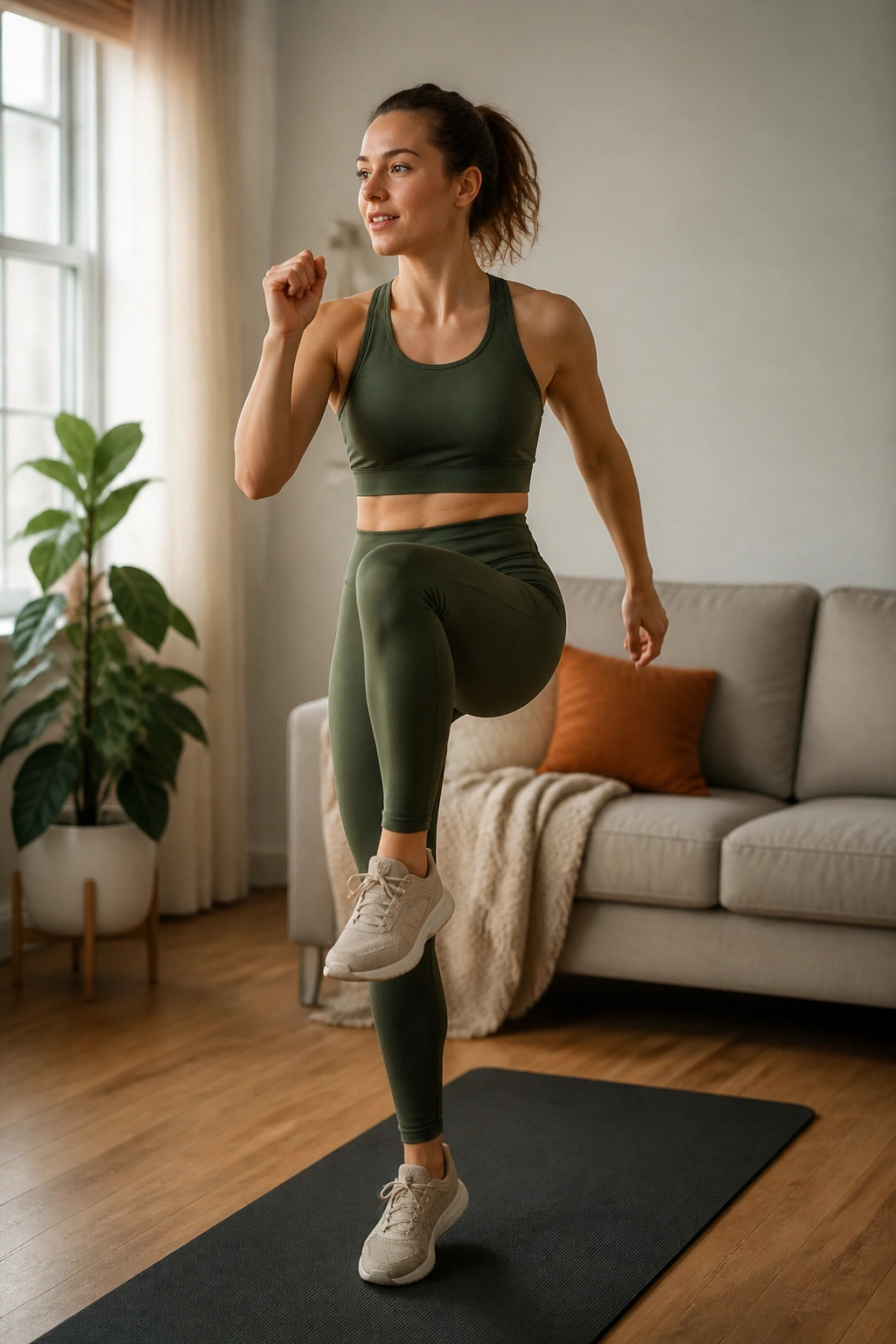
Living in an upstairs apartment often means you have to be mindful of your downstairs neighbors. Traditional cardio—jumping jacks, high-impact plyometrics, and aggressive bouncing—can make your floor feel like a drum set. Quiet cardio focuses on low-impact, high-intensity movements that emphasize large muscle groups, like squats, lunges, and slow-motion mountain climbers, without requiring you to leave the ground.
These videos prove that you can achieve a massive calorie burn without making a single loud thump. The focus shifts toward controlled, deep movements that fatigue your muscles through time under tension rather than explosive speed. Look for instructors who emphasize “no jumping” or “silent cardio” in their titles. These are surprisingly difficult, often leaving your quads burning more intensely than a high-impact session would, simply because you have to work harder to maintain momentum.
4. High-Energy Dance Cardio
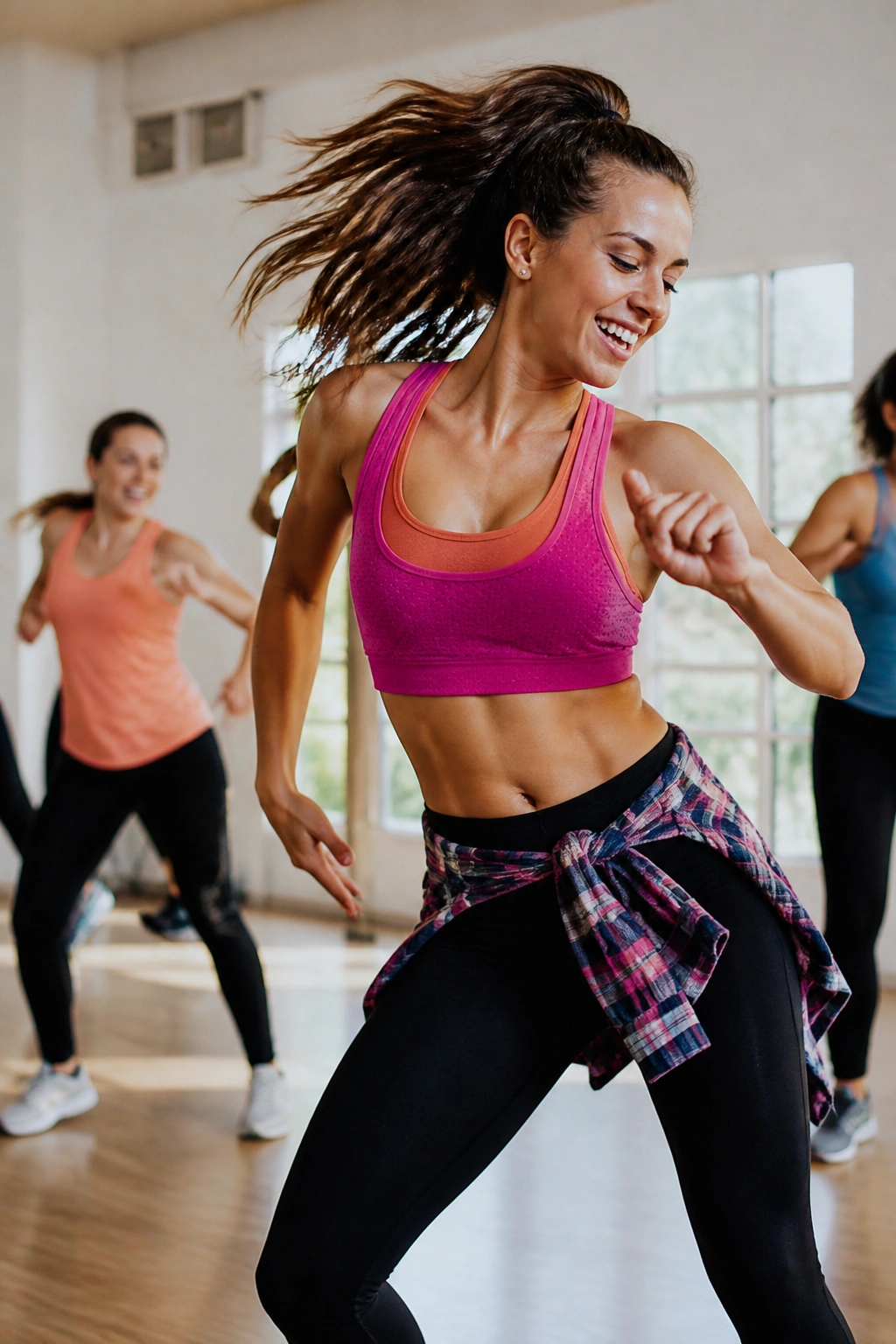
Do not mistake dance cardio for a lightweight activity. The best sessions are relentless, stringing together complex movements that keep your heart rate elevated for twenty or thirty minutes straight. If you struggle to focus on repetitive exercises, dance-based cardio offers a distraction; you are so busy trying to learn the footwork or keep up with the rhythm that you forget you are actually exercising.
The beauty of this style is the sheer variety of movement planes. Unlike running or rowing, which are linear, dance cardio forces you to move laterally, rotate your hips, and shift your weight in ways that recruit stabilizing muscles you usually ignore. It is a full-body workout that feels less like a chore and more like a high-stakes rehearsal. If you are someone who craves a mental shift away from logic and toward rhythm, this is your go-to after a long day at a desk.
5. Kettlebell Cardio Flows
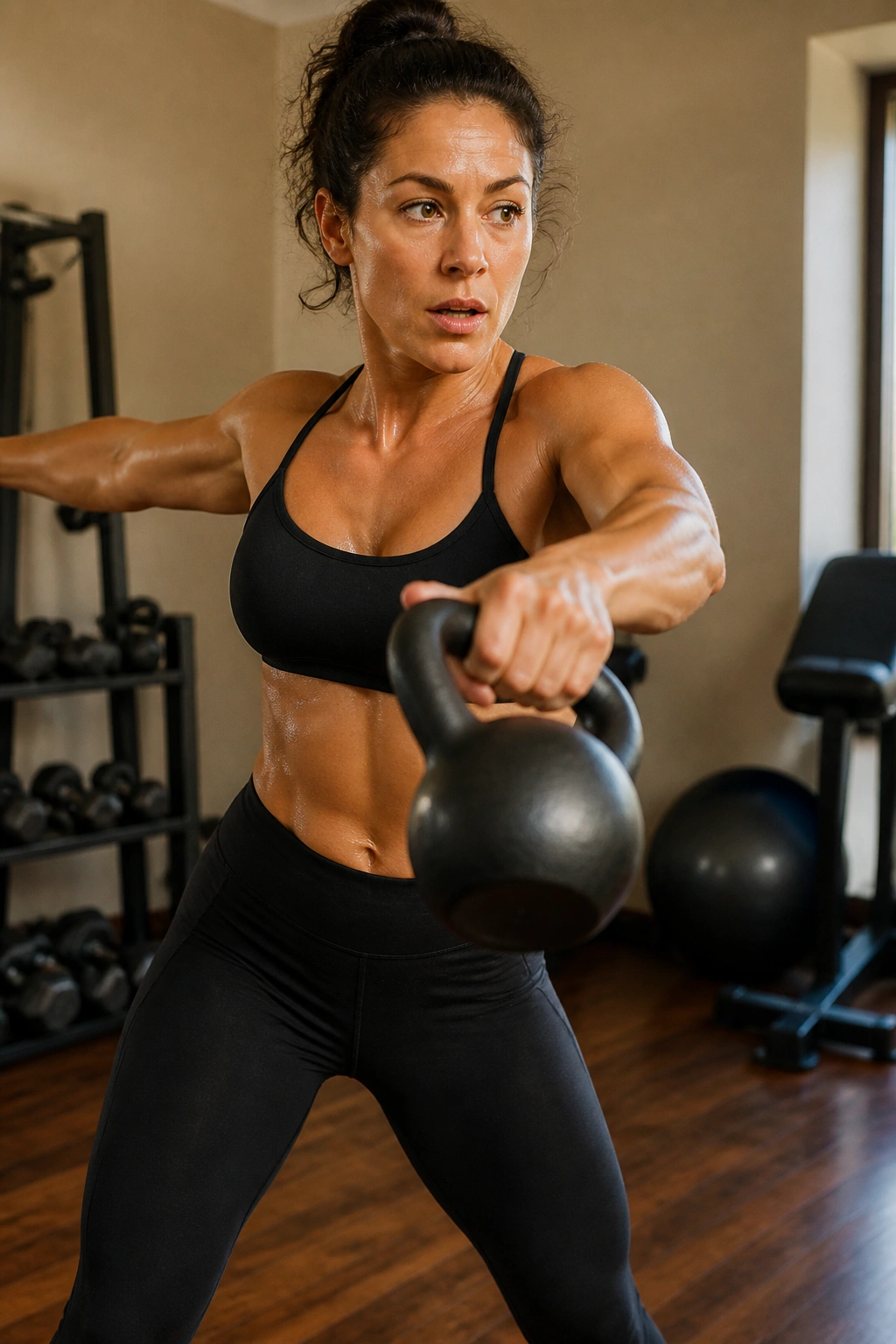
Kettlebells offer a unique advantage: they combine weight training with cardiovascular conditioning. A flow-based kettlebell video moves from one exercise to the next—swing, snatch, clean, press—without setting the weight down. This sustained, rhythmic movement creates a cardiovascular demand similar to running, but with the added benefit of significant strength development.
What Makes This Different
Most cardio workouts ignore strength, while most weight workouts are too slow to be considered cardio. Kettlebell flows sit right in the middle. You are building muscle and elevating your heart rate simultaneously. This “metabolic conditioning” is fantastic for tightening the core and improving posture after a day spent hunching over a screen.
- Look for: Flows that last at least twenty minutes.
- Warning: Start with a lighter weight than you think you need. The fatigue happens fast when you eliminate the rest periods.
- Focus: Maintain a neutral spine throughout the swings; it is easy to get lazy with form as your heart rate spikes.
6. Low-Impact Steady-State Workouts

Sometimes, the last thing you want after a high-stress day is more intensity. Low-impact steady-state cardio (LISS) is for those moments when you need to move, but your nervous system is already redlining. These sessions are usually thirty to forty-five minutes long and involve walking-based movements, modified step-touches, and reaching exercises that never involve jumping.
Think of these as active recovery. They improve blood flow to your tired muscles, which can actually help with soreness and stiff joints. The mental health benefits here are massive; because the movements are repetitive and predictable, you can zone out and listen to music or a podcast. It is not about reaching exhaustion; it is about consistency and keeping your body in motion, which can be the difference between feeling stiff in the morning and feeling ready to move.
7. Tabata-Style Quick Bursts

Tabata is a very specific type of HIIT. It follows a rigorous 20-seconds-on, 10-seconds-off structure. While HIIT allows for some flexibility in timing, Tabata is non-negotiable. That short 10-second rest period is barely enough to catch a breath, which means your intensity must stay high for the entire duration of the video. It is effective, brutal, and incredibly time-efficient.
These videos are perfect for days when you genuinely only have fifteen minutes before dinner preparations start. Because the protocol is so intense, you do not need to do it for long to see results. The primary goal of Tabata is to push your VO2 max—the ability of your body to utilize oxygen—meaning it is one of the most efficient ways to build stamina quickly. If you are strapped for time and need a fast, effective burn, look specifically for “Tabata” in the title.
8. Retro 80s Aerobic Challenges
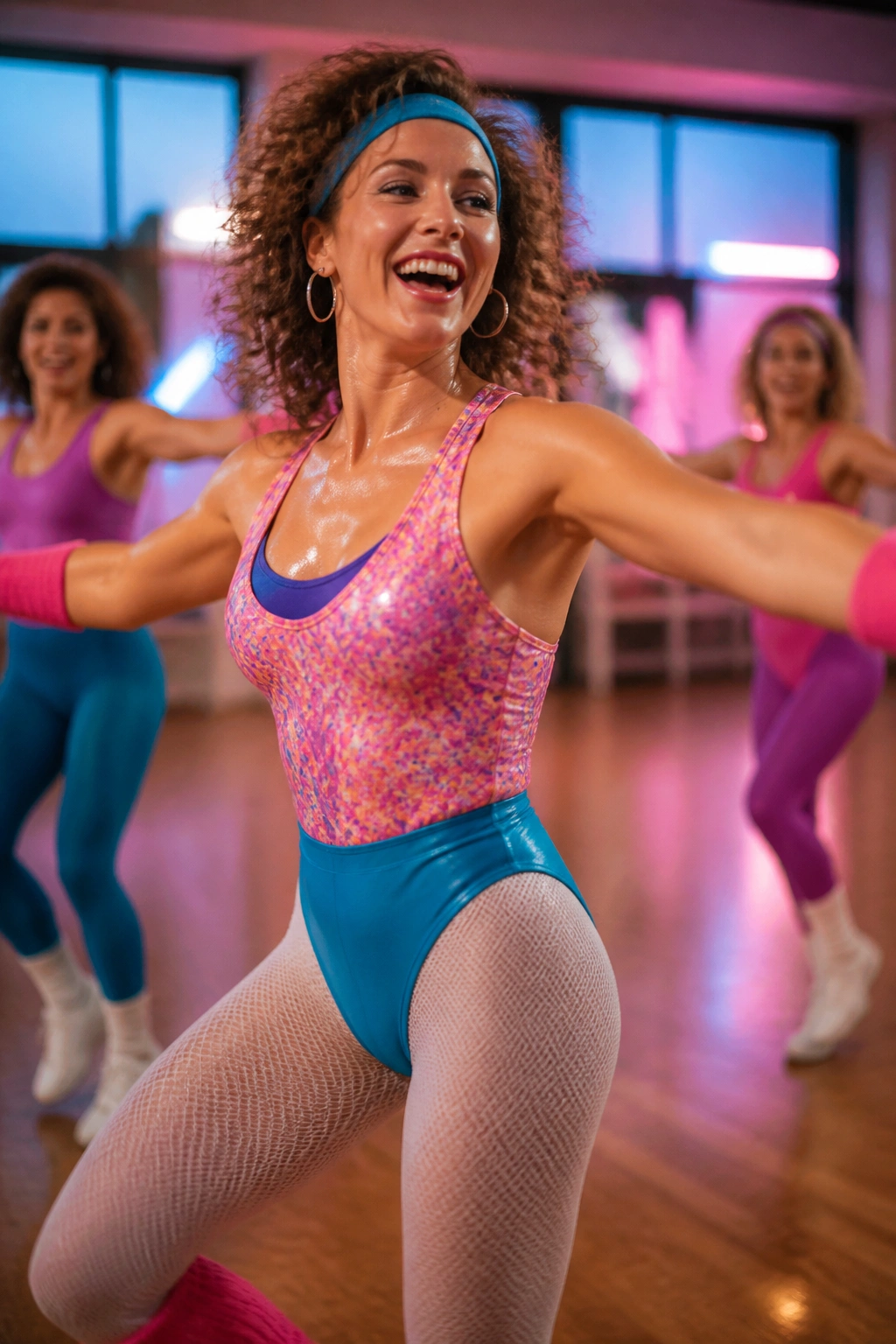
There is something undeniably joyful about a classic aerobics video. Beyond the neon spandex and retro leg warmers, these workouts are legitimately hard. They rely heavily on continuous movement, high-repetition leg lifts, and constant coordination drills that keep you moving for long stretches without the typical breaks you find in modern workouts.
If modern HIIT feels too clinical or aggressive, try a throwback aerobic session. The instructors are almost always smiling, the music is high-tempo pop, and the structure is straightforward. It is a fantastic way to break up the monotony of “serious” fitness routines. You will find that keeping your arms above your heart level during those overhead reaches and arm circles keeps your heart rate significantly higher than you might expect.
9. Bodyweight Animal Flow
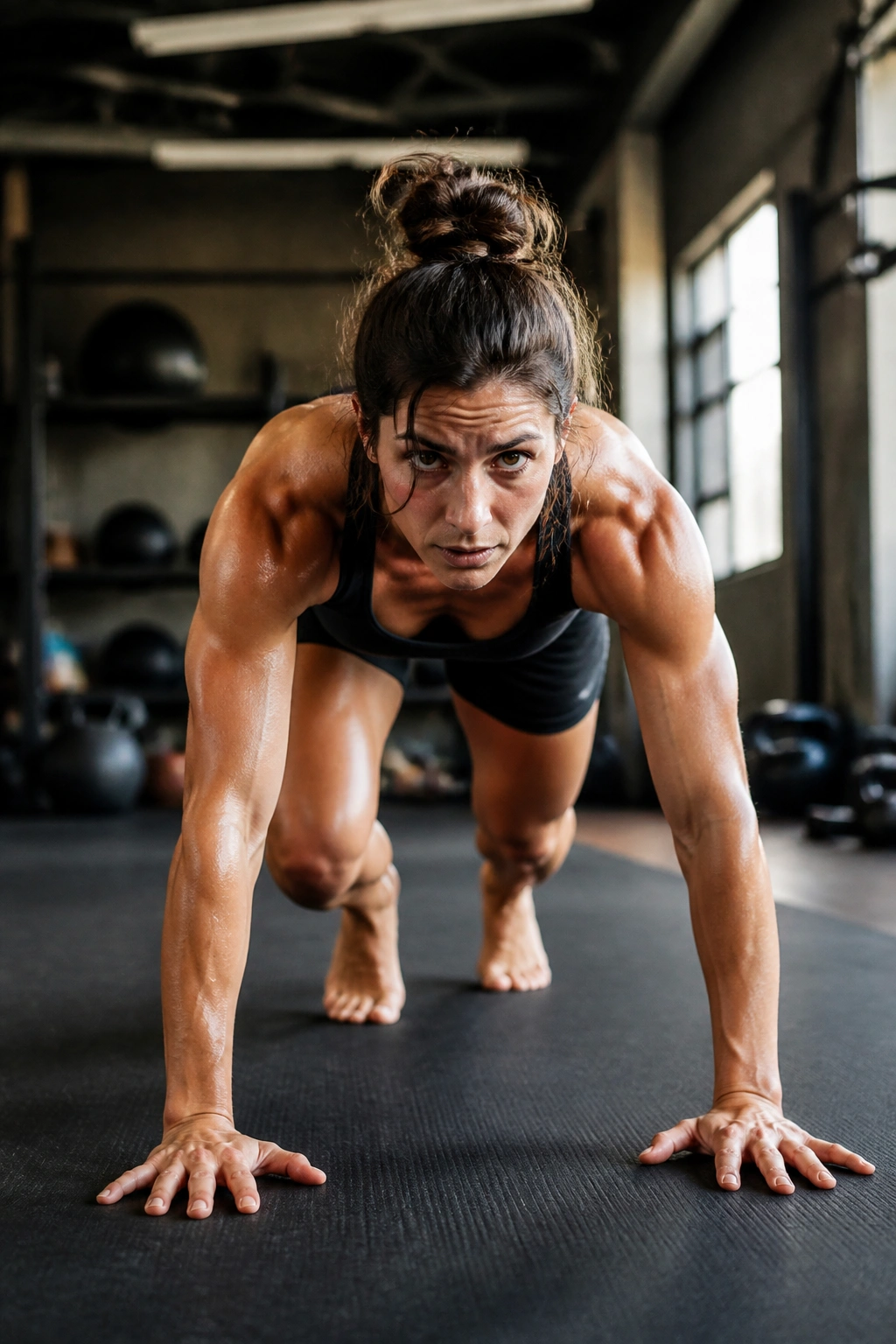
Animal flow is a category of training that focuses on ground-based movement. Think bear crawls, crab walks, and various lunge variations that feel almost primal. These exercises require you to support your own body weight while moving through different planes of motion. It is deceptively difficult cardio that also happens to be a masterclass in mobility and core stability.
Because you are constantly transitioning from hands to feet, your heart has to work hard to pump blood to all extremities. This is a full-body engagement workout; your shoulders, core, glutes, and legs are all firing at once to keep you balanced and moving. These videos are perfect for after-work sessions because they demand 100% of your focus—you simply cannot perform a bear crawl correctly while your mind is wandering to your to-do list.
10. 15-Minute “Emergency” Cardio Blasts

We all have those evenings where everything went wrong and the idea of a long workout is laughable. This is where the 15-minute emergency blast comes in. These are high-density workouts designed to get you moving and sweating as fast as possible. They usually skip the warm-up and cool-down—which you should do on your own—and go straight into intense movement.
The secret to these videos is the pacing. They are not designed to be sustainable for an hour. They are meant to be a sprint. If you find yourself needing a break, take it, but the goal is to keep the output high for the entire fifteen minutes. It is a perfect mental reset button; you get in, you sweat hard, you get out. It stops you from using “I’m too busy” as an excuse to avoid movement entirely.
11. Shadowboxing and Bag Work

If you have access to a punching bag, great; if not, shadowboxing is arguably more effective for cardio because you have to use your core to stop your arm momentum at the end of every punch. These videos guide you through combinations: jab-cross-hook-uppercut. You are constantly moving, slipping, and weaving, which keeps your lower body just as active as your upper body.
This style of training is exceptional for waistline toning. The constant twisting motions required for proper punching technique force your obliques and core muscles to fire repeatedly. It is an active meditation. The structure of the workout usually involves rounds—three minutes of work, one minute of rest—mimicking a professional fight schedule. It is intense, it is disciplined, and it feels like a genuine training session rather than just “exercising.”
12. Barre-Fusion Cardio
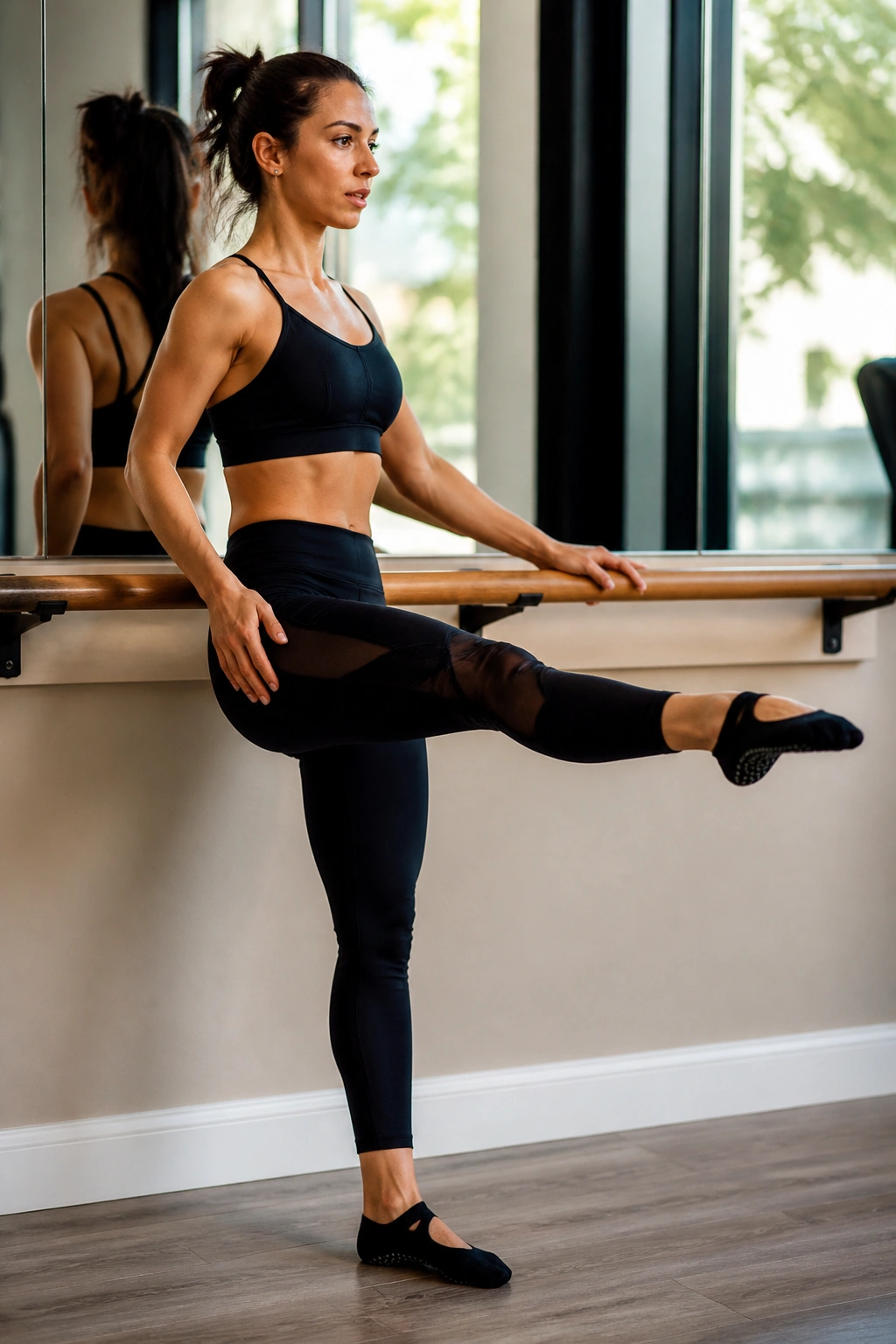
Barre is often viewed as a toning workout, but “cardio-barre” or “barre-fusion” takes those small, pulsing movements and strings them together at a faster pace. You will be doing high-rep leg lifts, chair squats, and pulsing lunges, all while maintaining a heart rate that forces you to breathe heavily. It is a burn that starts slow and becomes overwhelming.
The beauty of barre-style cardio is the precision. It forces you to isolate muscles and control your range of motion. Unlike a frantic burpee session, where form can break down under fatigue, barre-fusion keeps you in tight, controlled positions. This prevents injury and builds deep endurance in the smaller stabilizing muscles around your joints, which is essential if you spend your day sitting down.
13. Step-Aerobics Variations
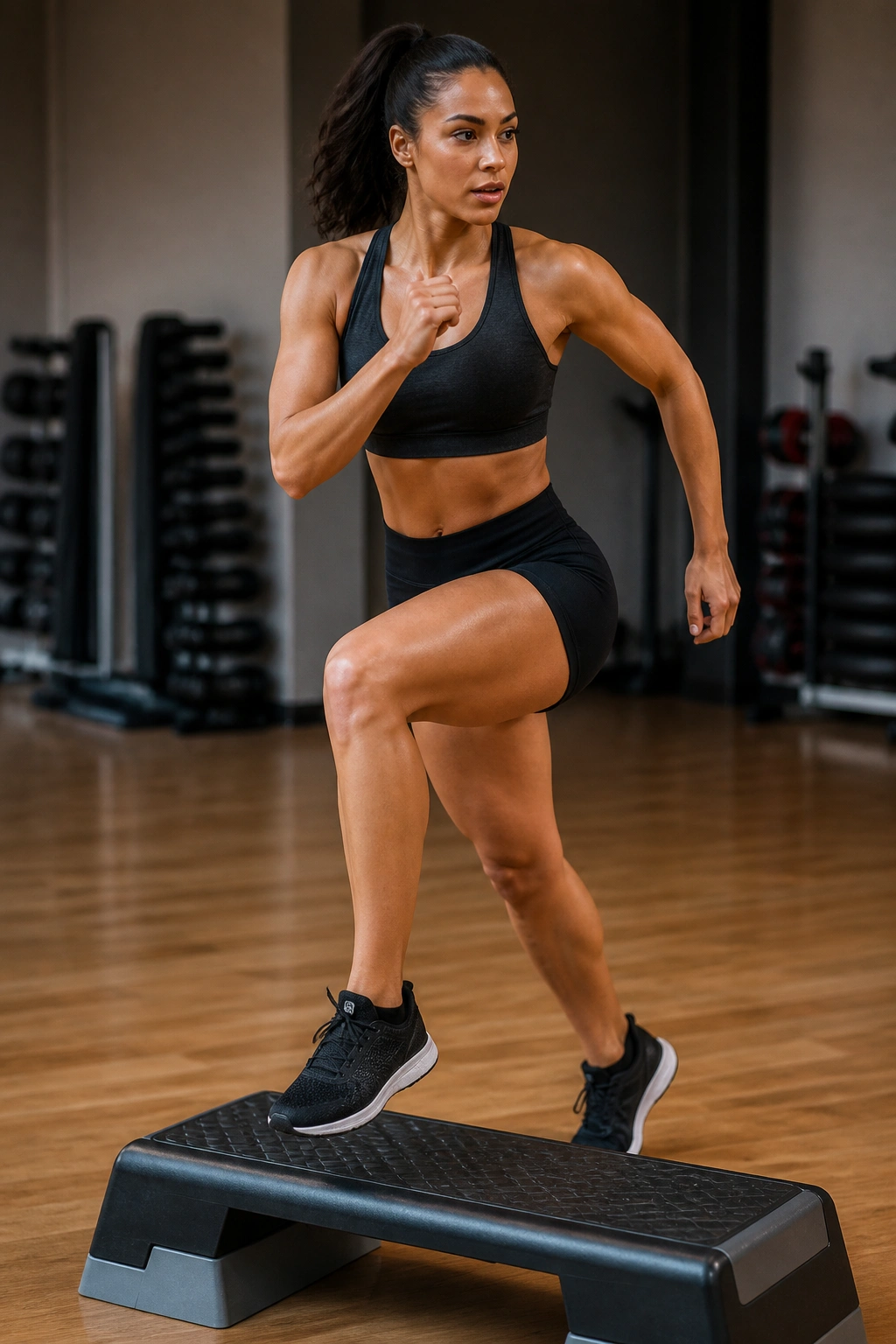
Step aerobics is not just for the 1990s. The core concept—stepping up and down on a platform—is one of the most effective ways to build cardiovascular endurance. It is essentially a series of lunges and squats performed in a controlled, rhythmic manner. Modern step videos often incorporate weighted arm movements or faster, more complex footwork patterns.
Using a step platform increases the difficulty of every movement compared to doing it on the floor. It forces you to engage your glutes and hamstrings more effectively to drive your body weight upward. Even without a platform, you can mimic the movements on a staircase, though a dedicated bench offers more stability for high-impact jumping or hopping. It is a classic for a reason: it works.
14. Strength-Hybrid Metabolic Conditioning
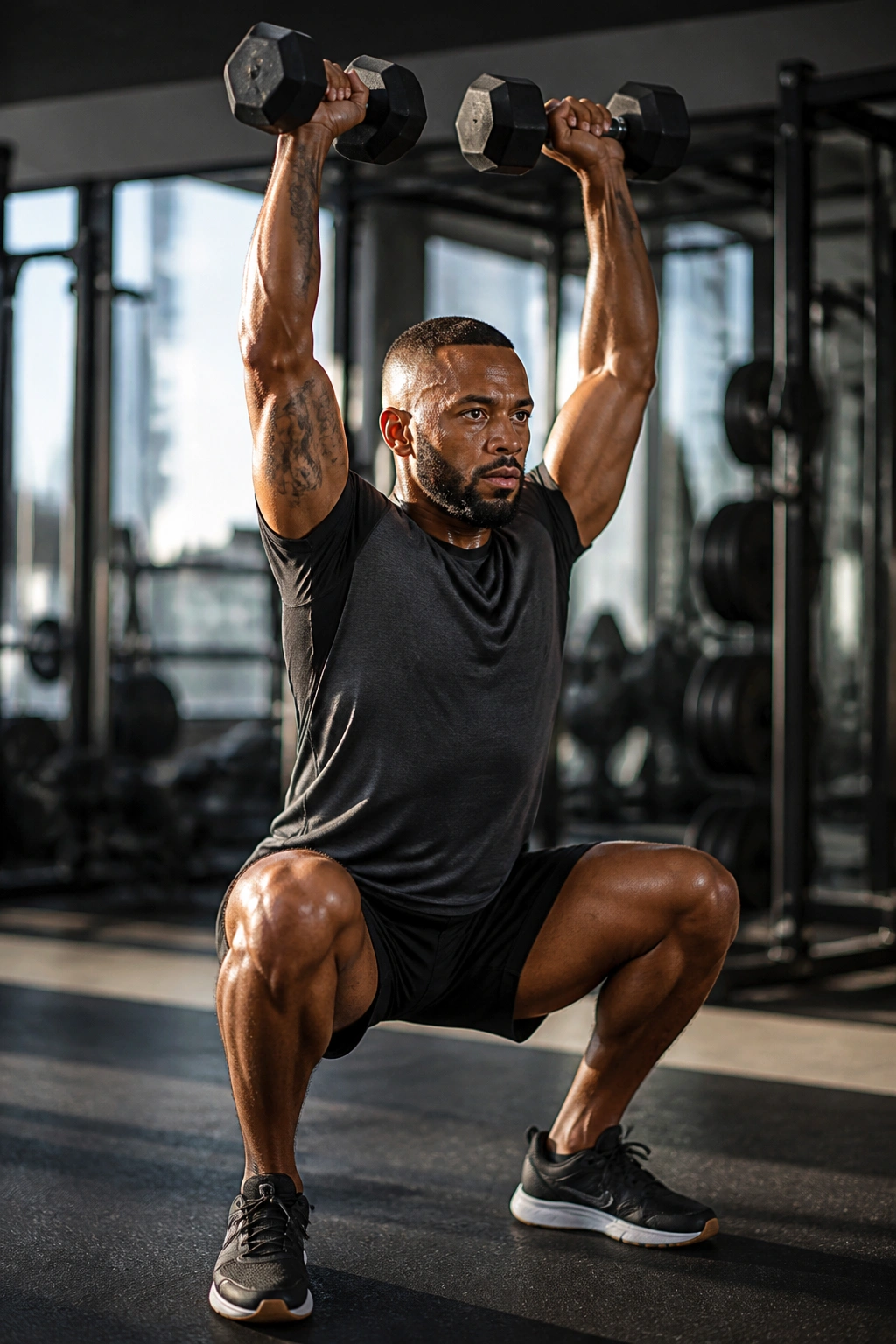
Metabolic conditioning (or “MetCon”) is a training style that blends strength movements—think squats, push-ups, and lunges—with cardio pacing. You are essentially doing strength training, but without the rest periods. Instead of resting for two minutes between sets, you move to the next exercise immediately. This keeps the heart rate high while challenging your muscular endurance.
These videos are ideal if you want to save time by combining your “cardio day” and “strength day.” You will feel significantly more fatigued than a pure cardio session, but you will also feel the muscle soreness the next day, which is a satisfying trade-off. It is an excellent approach for people who get bored with traditional aerobic exercises and want to see tangible progress in their strength alongside their endurance.
15. Active Recovery Movement Flows
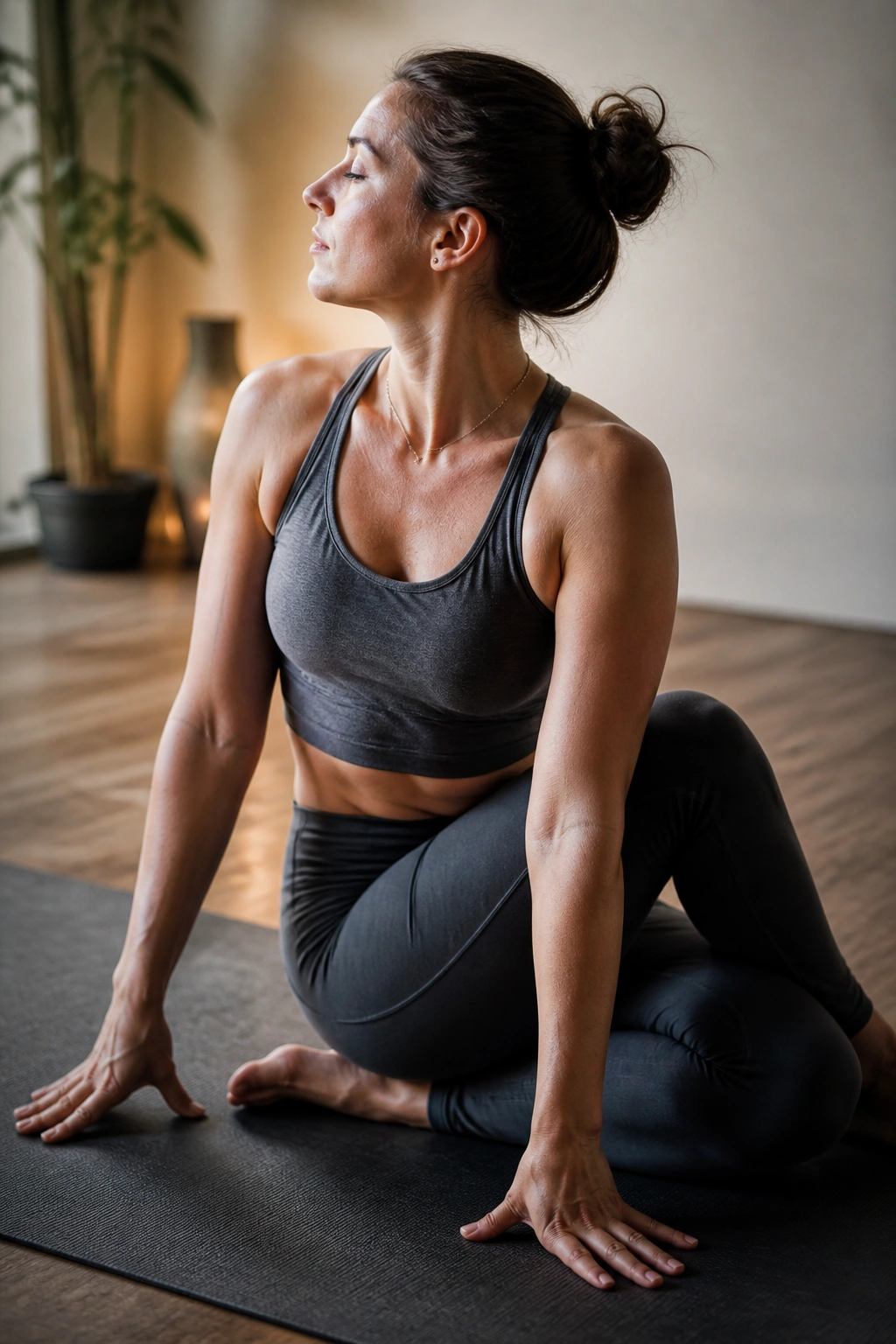
Sometimes, your body needs movement that is restorative rather than exhausting. Active recovery flows often combine mobility work, deep stretching, and slow-moving yoga-inspired cardio. These are not about burning as many calories as possible. They are about flushing out lactic acid, improving range of motion, and calming the nervous system after a chaotic workday.
When to Choose This
If you feel physically shattered—eyes tired, muscles aching, mind unfocused—this is your best choice. It gets the blood moving and releases tension in the hips and shoulders without adding to your stress load. It is a vital tool for long-term consistency. You are not “skipping” your workout; you are choosing the type of movement that your body needs to actually recover so you can hit the intensity harder tomorrow.
Final Thoughts

The most effective workout is simply the one you actually do. You do not need to hunt for the perfect video or the most elite instructor. The goal of these sessions is to create a physical bridge between the stress of your work life and the relaxation of your home life. Whether you choose a brutal Tabata session to burn off frustration or a slow movement flow to quiet your mind, the movement itself is the medicine.
Pick a style that matches your mood, keep your focus on your breathing, and remember that even fifteen minutes of effort is vastly superior to an hour of inaction. Once you find that rhythm, the post-work slump will stop being an obstacle and start being your cue to get moving. Consistency in the little things—like deciding to press play every evening—is what builds the lasting changes you are looking for.
