



If your breakfast leaves you prowling the kitchen an hour later, your waistline usually pays for it. That’s why smoothies for belly fat loss for women can make sense—not because a blender melts fat from one body part, but because a well-built smoothie can pack protein, fiber, volume, and decent flavor into one glass without turning into a 700-calorie dessert.
I like smoothies when they do a boring but useful job: they make the first meal of the day easier to get right. A lot of women under-eat protein early, then spend the rest of the day chasing fullness with coffee, snack bars, or whatever is closest at 3 p.m. That pattern is rough on appetite control. One good smoothie can interrupt it.
There’s a catch, though. Many café smoothies are heavy on fruit juice, frozen yogurt, sherbet, nut butter, sweeteners, and giant portions. They taste fine. They also drink like a meal and a snack smashed together. If belly fat loss is the goal, that version works against you.
The smarter move is to treat a smoothie like a structured meal: 20 to 35 grams of protein, 6 to 12 grams of fiber, enough thickness to slow you down, and calories that fit your day. Get that part right, and the blender starts earning its space on the counter.
What Smoothies for Belly Fat Loss for Women Can Actually Do
Let’s get the honest part out first: no smoothie targets belly fat. Fat comes off where your body decides it comes off, and for many women the midsection is one of the slower places to change—especially with stress, poor sleep, lower activity, or hormonal shifts around midlife.
What a smoothie can do is help create the conditions that make fat loss easier. A high-protein smoothie tends to keep you full longer than toast, cereal, or a pastry. A high-fiber smoothie helps too. The Dietary Guidelines put adult women’s fiber needs around 25 to 28 grams per day, and breakfast is where a lot of people come up short.
Portion size matters. If you’re using a smoothie as a meal, a good target is 300 to 450 calories. If it’s a snack, keep it around 150 to 250. Once you start adding fruit juice, two big spoonfuls of nut butter, sweetened yogurt, honey, dates, and granola, things get out of hand fast.
A few ingredients do heavy lifting here:
- Protein anchors: Greek yogurt, skyr, cottage cheese, kefir, silken tofu, unsweetened soy milk, protein powder
- Fiber boosters: berries, chia seeds, flaxseed, oats, avocado, spinach, cauliflower, kiwi
- Flavor without sugar overload: cocoa powder, cinnamon, ginger, mint, lemon, vanilla, coffee, matcha
And yes, workouts matter. So does walking. So does sleep. A smoothie helps the plan; it does not replace the plan.
The Best Smoothies for Belly Fat Loss for Women Follow the Same Formula
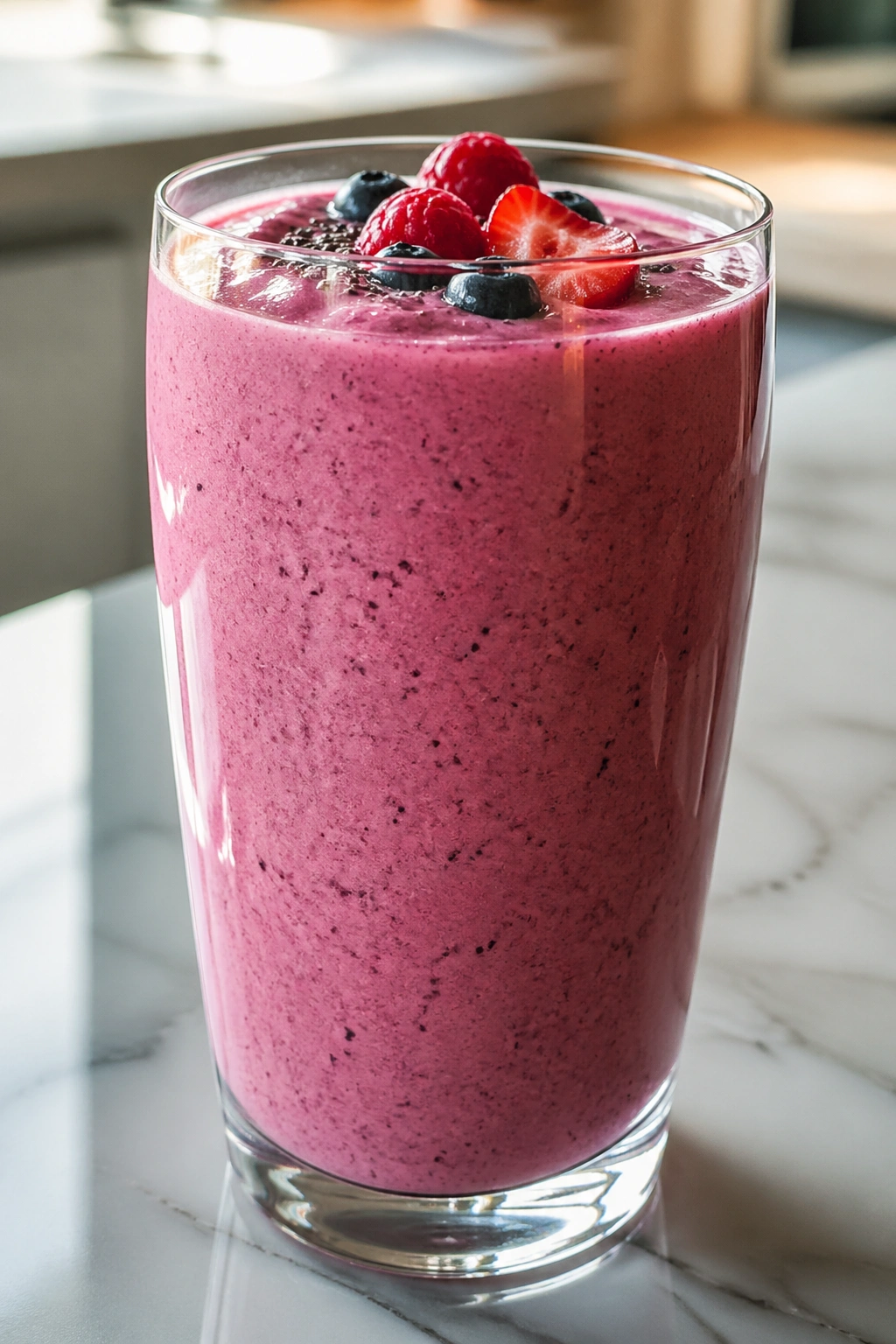
Most good fat-loss smoothies look different on the surface and identical underneath. That’s not a bad thing. The formula works.
Start with one protein base. Think 3/4 to 1 cup Greek yogurt, 1/2 to 1 cup cottage cheese, 1 scoop protein powder, or 3/4 cup silken tofu. If you use unsweetened almond milk as your only base, the smoothie may stay low in calories, but it usually won’t keep you full for long because the protein is minimal.
Then add one or two fiber-rich carbs. Frozen berries, oats, chia, flax, spinach, kiwi, pumpkin, pear, and even frozen cauliflower all fit. If you want banana, use half in most recipes unless the smoothie is replacing a full meal or you’re drinking it around a workout.
The fat piece is where people accidentally double the calories. Use 1 tablespoon nut butter, 1/4 avocado, or 1 tablespoon chia or flax. Not all three at once unless you’ve planned for it.
Texture matters more than people admit. Add liquid in stages. Start with 3/4 cup, blend, then adjust. A smoothie that’s a little thick tends to be more satisfying than one you can gulp in six seconds. Drink it from a cold glass. Sit down. Slow down. That part sounds trivial—until you try both versions.
1. Greek Yogurt Berry Flax Smoothie
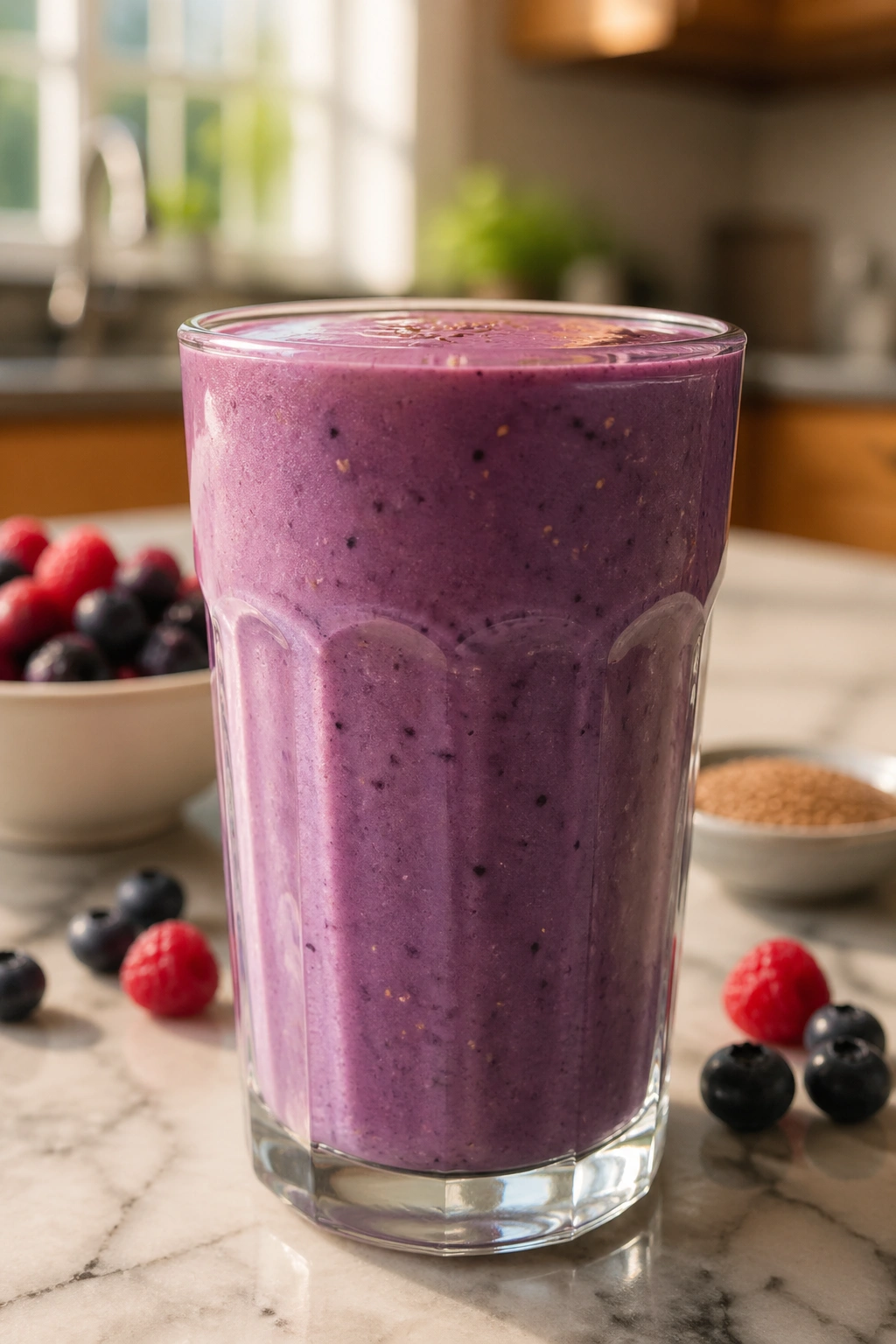
A berry smoothie is the safest place to start because it’s hard to mess up, and this version actually keeps you full. Greek yogurt plus berries plus flax covers protein, fiber, and flavor without needing fruit juice or syrup.
Why this one earns a spot
Berries bring volume and sweetness with less sugar than mango, pineapple, or dates-heavy blends. Ground flax adds fiber and a mild nutty taste, and it thickens the drink in a useful way.
Blend this for one serving
- 3/4 cup plain Greek yogurt
- 1 cup frozen mixed berries
- 1 tablespoon ground flaxseed
- 1/2 cup unsweetened soy milk or dairy milk
- 1/2 teaspoon vanilla extract
- A few ice cubes, if you want it thicker
A cup of Greek yogurt can land around 17 to 20 grams of protein, depending on the brand, so even 3/4 cup gets you off to a solid start. If you want a sharper flavor, add a squeeze of lemon.
Best move: skip sweetened yogurt here. The berries are doing enough already.
2. Spinach Avocado Kefir Smoothie
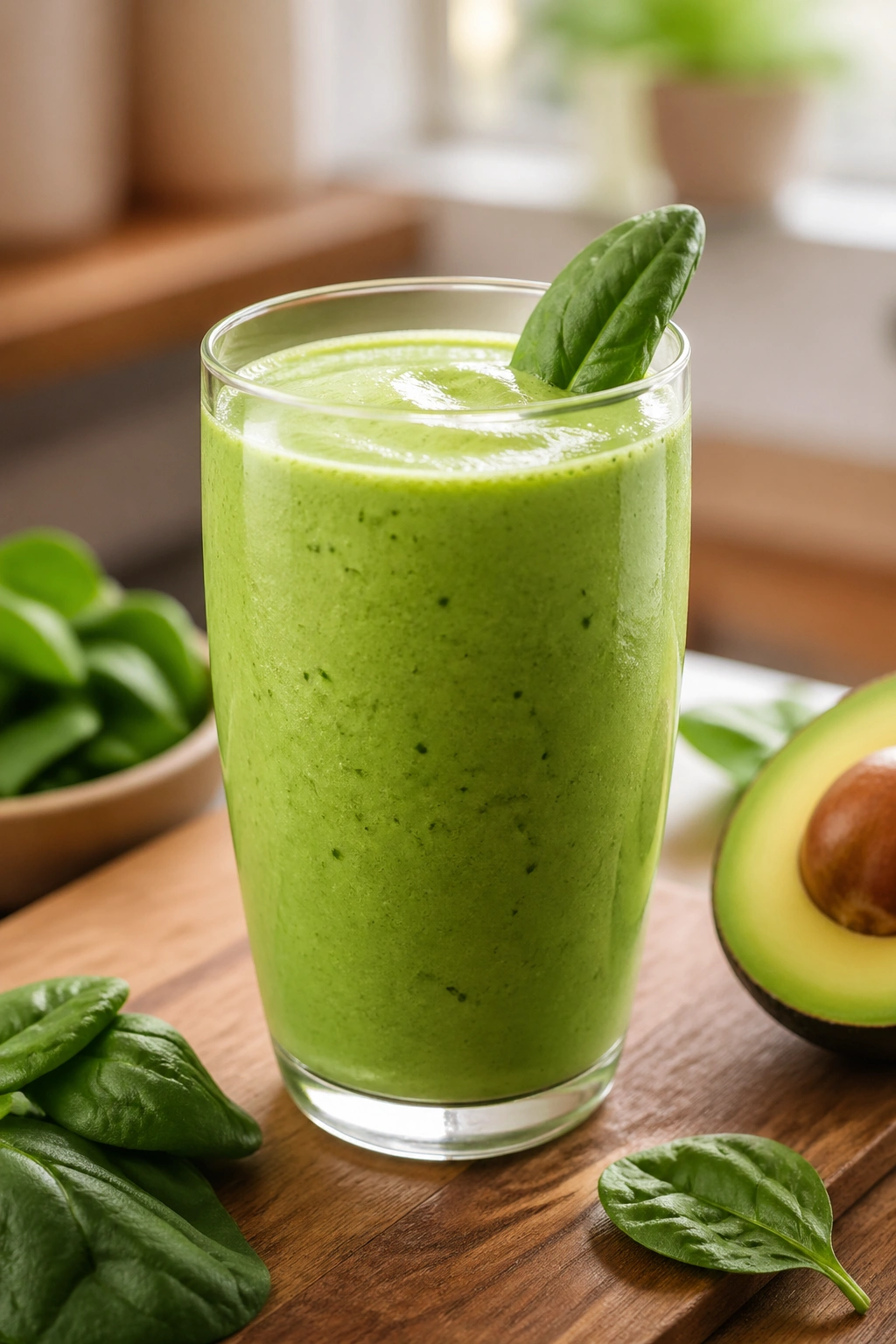
This is one of the best “I need something fresh, not dessert-like” smoothies on the list. It’s green, creamy, and far lighter on the palate than the average smoothie-shop blend.
Kefir gives you protein and a tangy bite that keeps the drink from tasting flat. A quarter avocado adds body without turning the whole thing into a fat bomb. Spinach disappears into the mix—flavor-wise, not nutritionally—and cucumber makes it taste colder than it is.
Blend 1 cup plain kefir, 1 packed cup spinach, 1/4 avocado, 1/2 cup cucumber, 1/2 green apple, and a squeeze of lime. If you want more protein, use 1/2 cup Greek yogurt plus 1/2 cup kefir instead of kefir alone.
This one works well on mornings when your stomach feels touchy or bloated. It doesn’t sit heavy. That said, do not treat avocado as a free ingredient because it’s healthy. Go past 1/4 to 1/3 fruit, and calories creep up fast.
3. Chocolate Peanut Butter Protein Smoothie
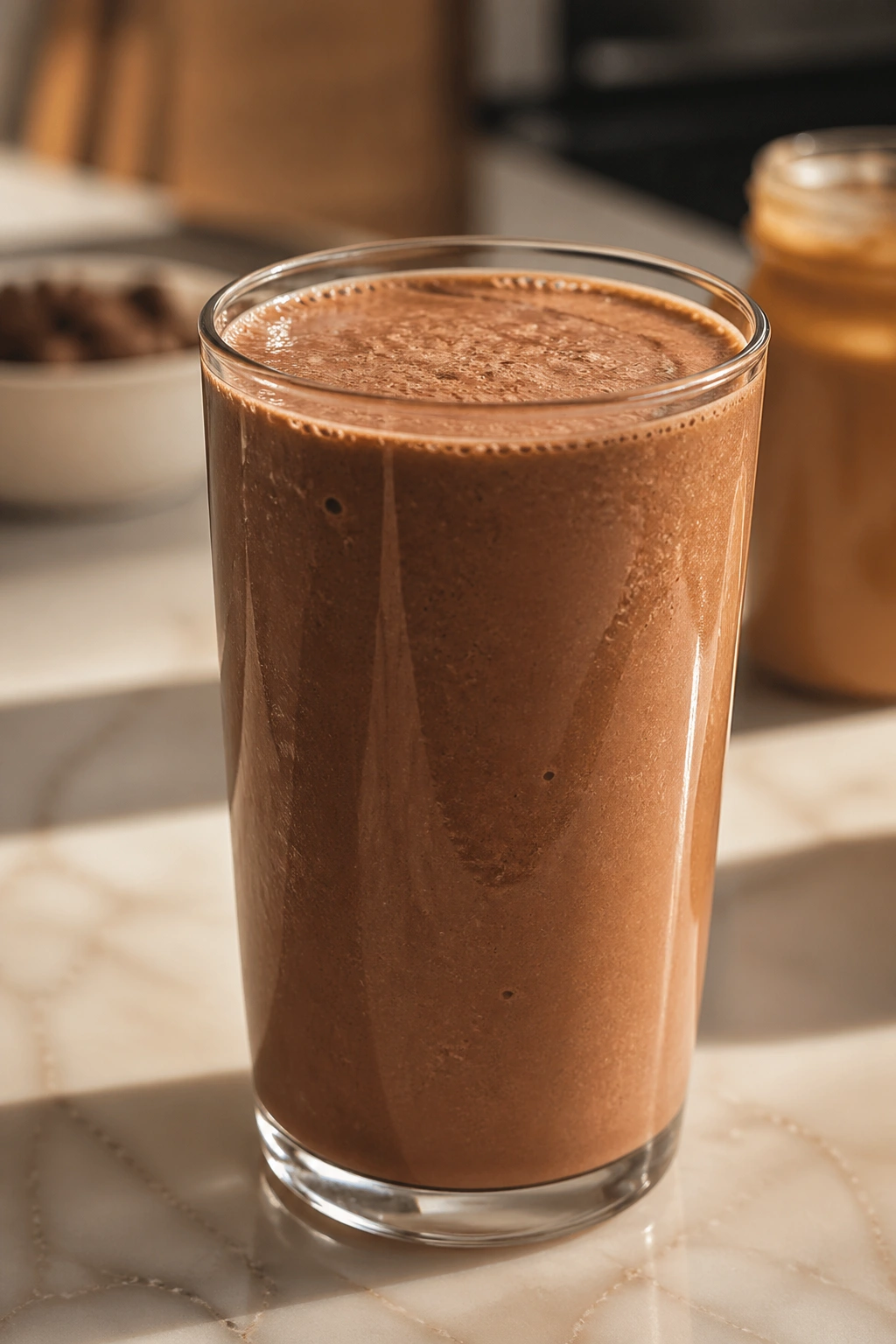
Can a chocolate smoothie help with fat loss? Yes—if it tastes like cocoa, not like melted ice cream.
The trick is swapping calorie-dense peanut butter for powdered peanut butter or using a small measured spoon of the real thing. Unsweetened cocoa powder gives you that deep chocolate taste without much sugar, and banana smooths the edges.
Blend 1 scoop chocolate or vanilla protein powder, 1 tablespoon powdered peanut butter, 1 tablespoon cocoa powder, 1/2 frozen banana, 3/4 cup unsweetened soy milk, and ice. If you want more thickness, throw in 2 tablespoons rolled oats.
Keep the calories under control
A heaping spoon of peanut butter can add 120 to 190 calories fast. If your hand is generous, use a measuring spoon and call it done. Also, this smoothie does not need honey.
This is a smart after-workout option when you want something that tastes comforting but still lands in a fat-loss-friendly range.
4. Apple Cinnamon Oat Smoothie
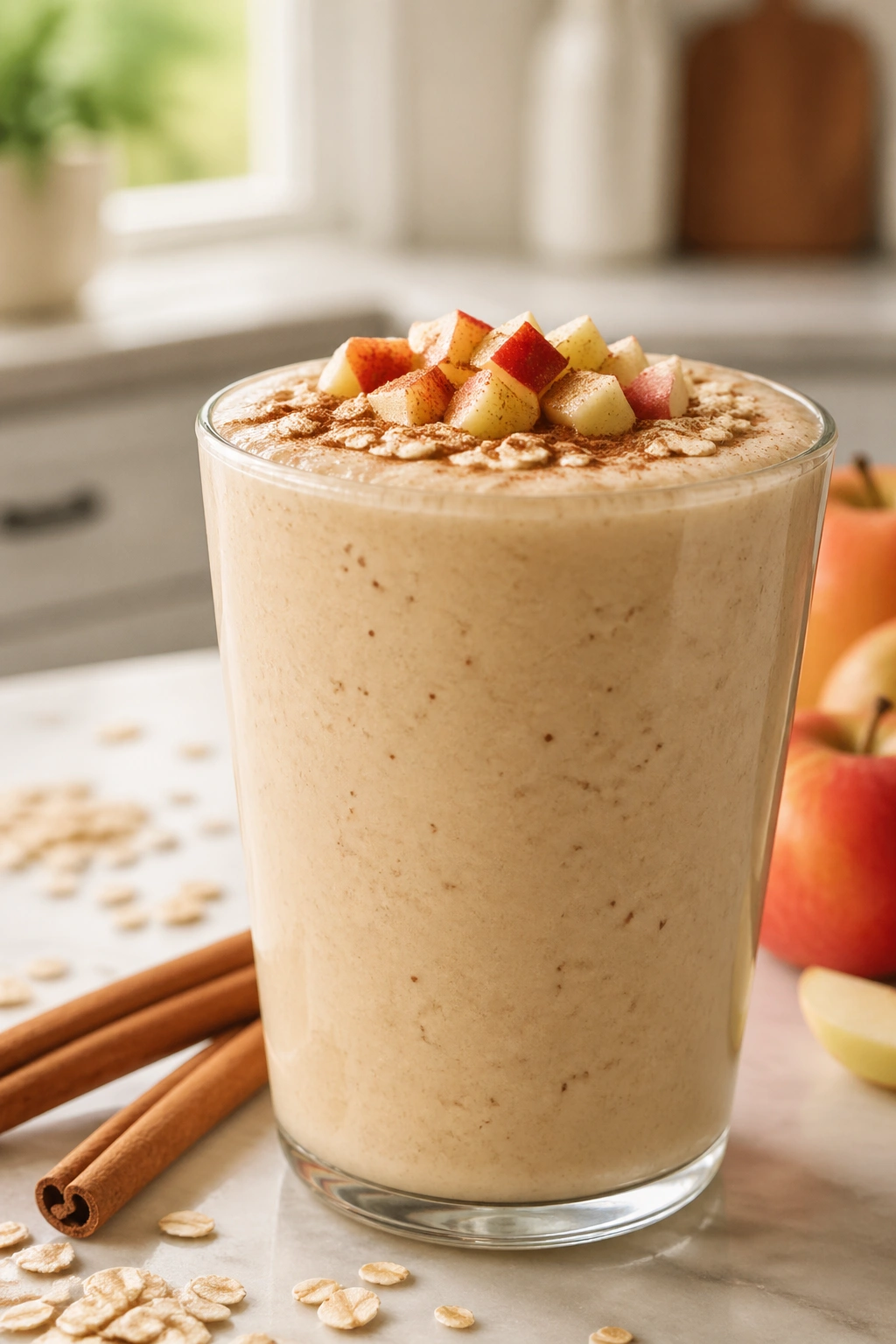
Some mornings scream for something that tastes like breakfast. This is that smoothie. It scratches the cinnamon-roll itch without dragging you into a sugar crash.
Use 1 small apple, 1/4 cup rolled oats, 3/4 cup Greek yogurt, 1/2 cup milk, 1 tablespoon chia seeds, 1/2 teaspoon cinnamon, and a pinch of salt. Frozen apple slices make it colder and thicker, though a fresh apple works if you add ice.
Why it works comes down to texture. Oats bring beta-glucan fiber, apple adds pectin, and Greek yogurt handles the protein. The result drinks more like a meal than a beverage.
A small warning: raw oats can taste chalky if you under-blend them. Let them sit in the liquid for 5 minutes before blending, or blitz them first so they turn to oat flour. That one small step changes the whole smoothie.
- Best as: breakfast
- Protein boost: add 1/2 scoop vanilla protein powder
- Sweetness fix: use a sweeter apple, not maple syrup
5. Pineapple Ginger Green Smoothie
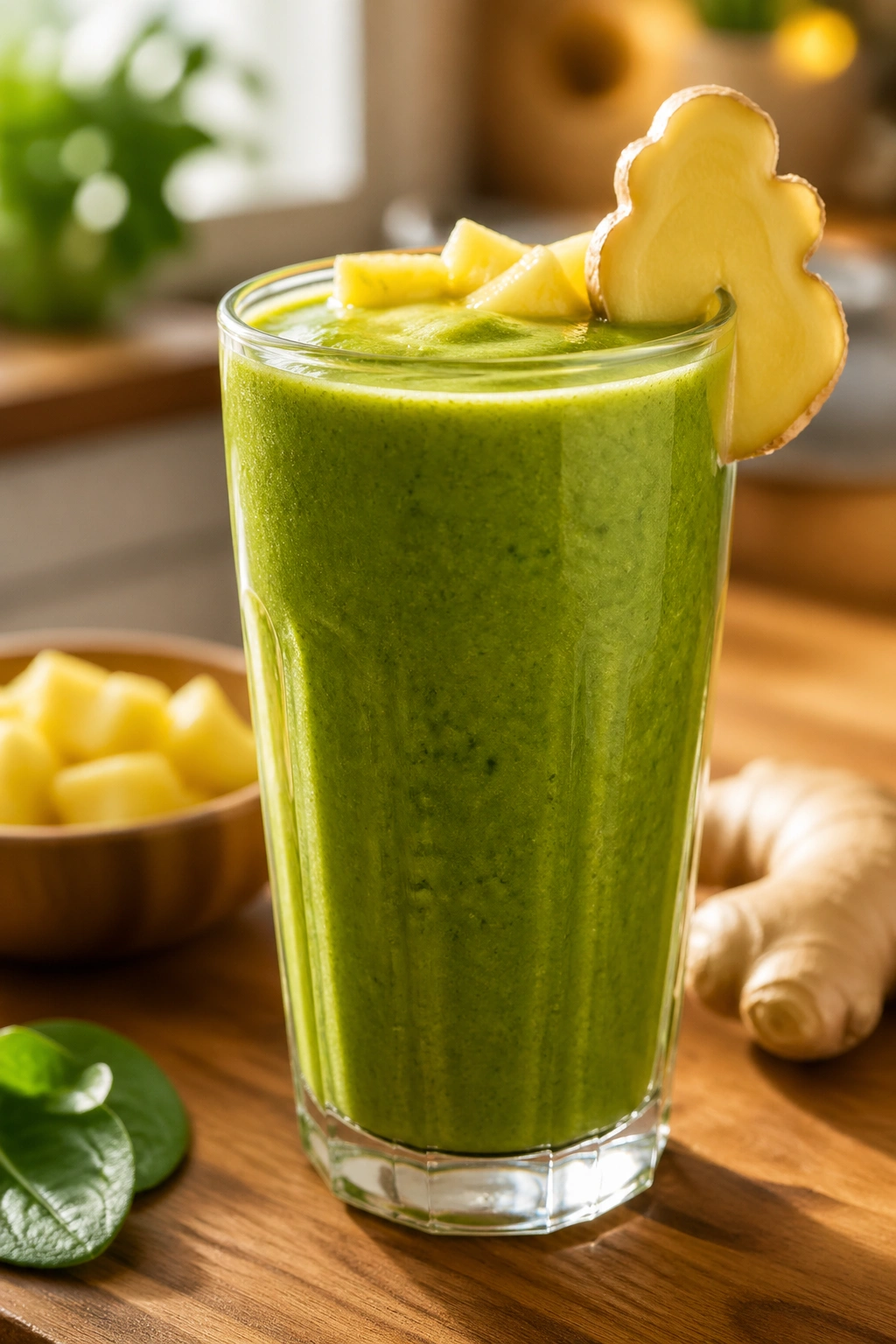
Cold, sharp, and bright—that’s the appeal here. Pineapple and ginger can make a green smoothie taste alive, which matters because too many green blends taste like lawn clippings and regret.
Blend 3/4 cup plain Greek yogurt, 1/2 cup frozen pineapple, 1 cup spinach, 1/2 cup cucumber, 1 teaspoon fresh ginger, 1 tablespoon chia seeds, and 1/2 to 3/4 cup water. If you want it thinner, add more water after blending.
Fresh ginger does more than add flavor. It makes the smoothie taste less sweet, which helps if you’re trying to move away from milkshake-style breakfasts. Pineapple carries enough natural sugar that you do not need much of it—1/2 cup is plenty.
This is the kind of smoothie I reach for after a salty dinner or a travel day when everything feels puffy. Not because it “detoxes” anything. That word gets abused. It just tastes clean and light, and sometimes that’s reason enough.
6. Strawberry Cottage Cheese Smoothie
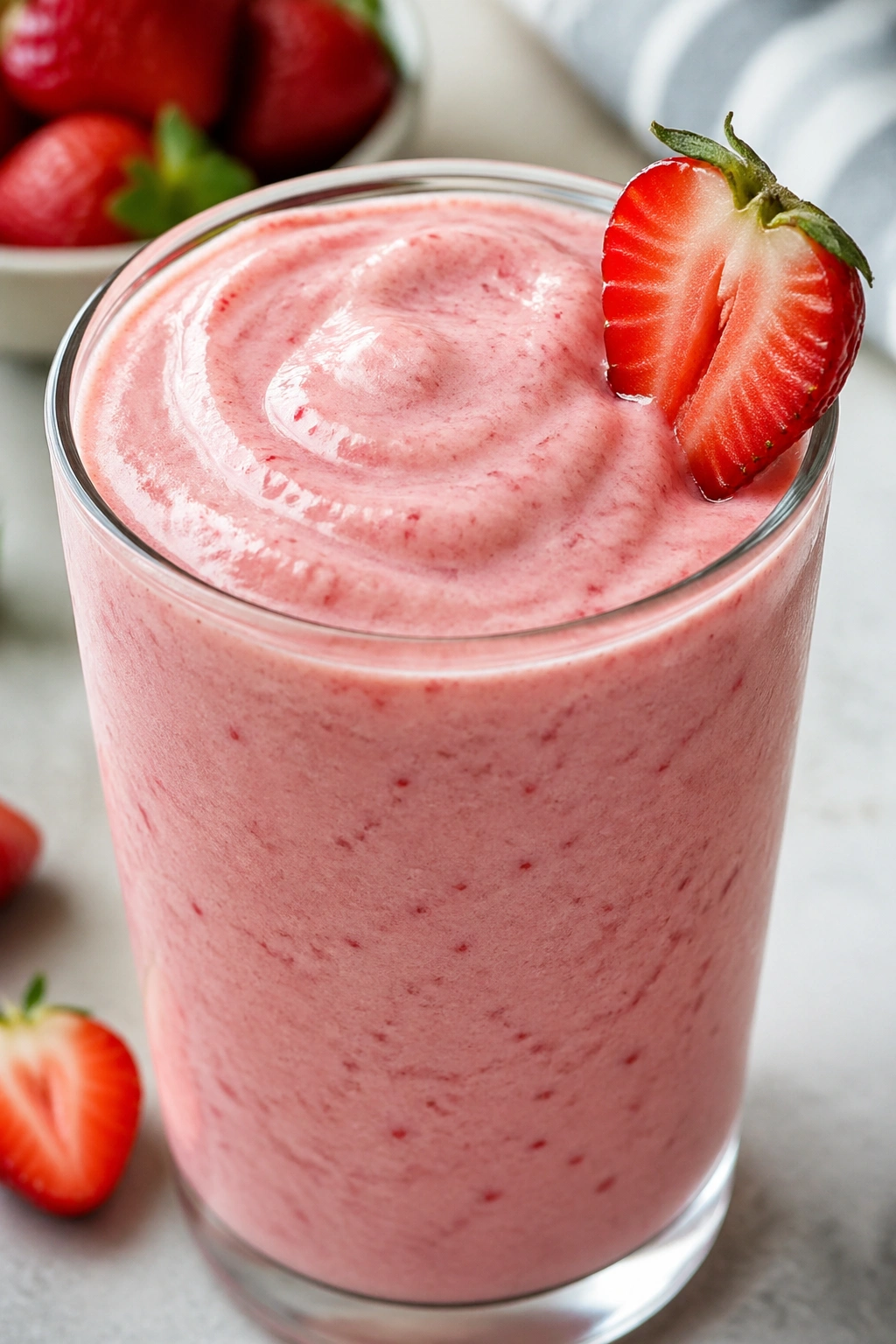
Unlike protein powder, cottage cheese adds body, creaminess, and a mild cheesecake note. If you’ve never blended it, I get the hesitation. It sounds odd. It works.
For one serving, blend 3/4 cup cottage cheese, 1 cup frozen strawberries, 1/2 banana, 1/2 cup milk, and 1 teaspoon vanilla extract. A dash of cinnamon is good here too.
Who this one suits best
If you want a smoothie that feels substantial and keeps you full, this is strong. Cottage cheese can bring 20 grams or more of protein per cup, so even a modest serving does a lot of work. The curds vanish once blended.
The one thing to watch is sodium. Cottage cheese runs saltier than Greek yogurt, and the flavor can peek through with delicate fruits. Strawberry handles it well. Peach can too. Watermelon does not.
7. Matcha Mango Chia Smoothie
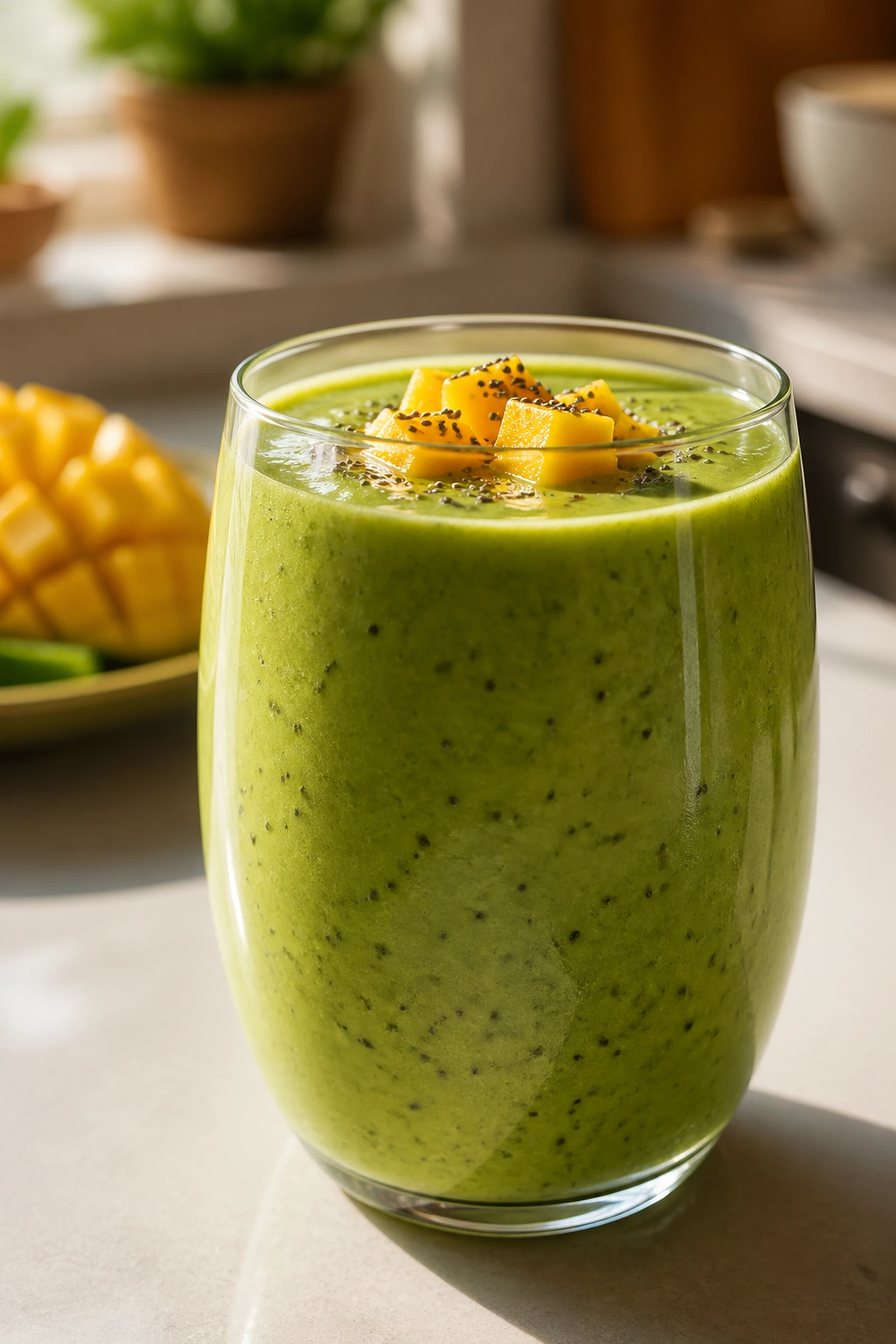
There’s a reason matcha fans keep putting it in smoothies: it gives you a steady, tea-like lift with a grassy edge that cuts sweetness. That edge matters when mango is in the glass.
Build it like this
- 1 teaspoon matcha powder
- 1/2 cup frozen mango
- 3/4 cup plain skyr or Greek yogurt
- 1 tablespoon chia seeds
- 3/4 cup unsweetened soy milk
- A squeeze of lime
Mango can turn a smoothie sugary fast, so cap it at 1/2 cup unless the smoothie is replacing a full meal after a hard session in the gym. Chia slows the whole thing down by thickening it and adding fiber.
Drink this on a spoon-thick setting and it feels almost like pudding. Thin it too much, and you’ll miss half the point.
Small upgrade: blend the chia in if you like a smooth finish; leave it whole if you want a bit of texture.
8. Coffee Banana Almond Smoothie for Belly Fat Loss
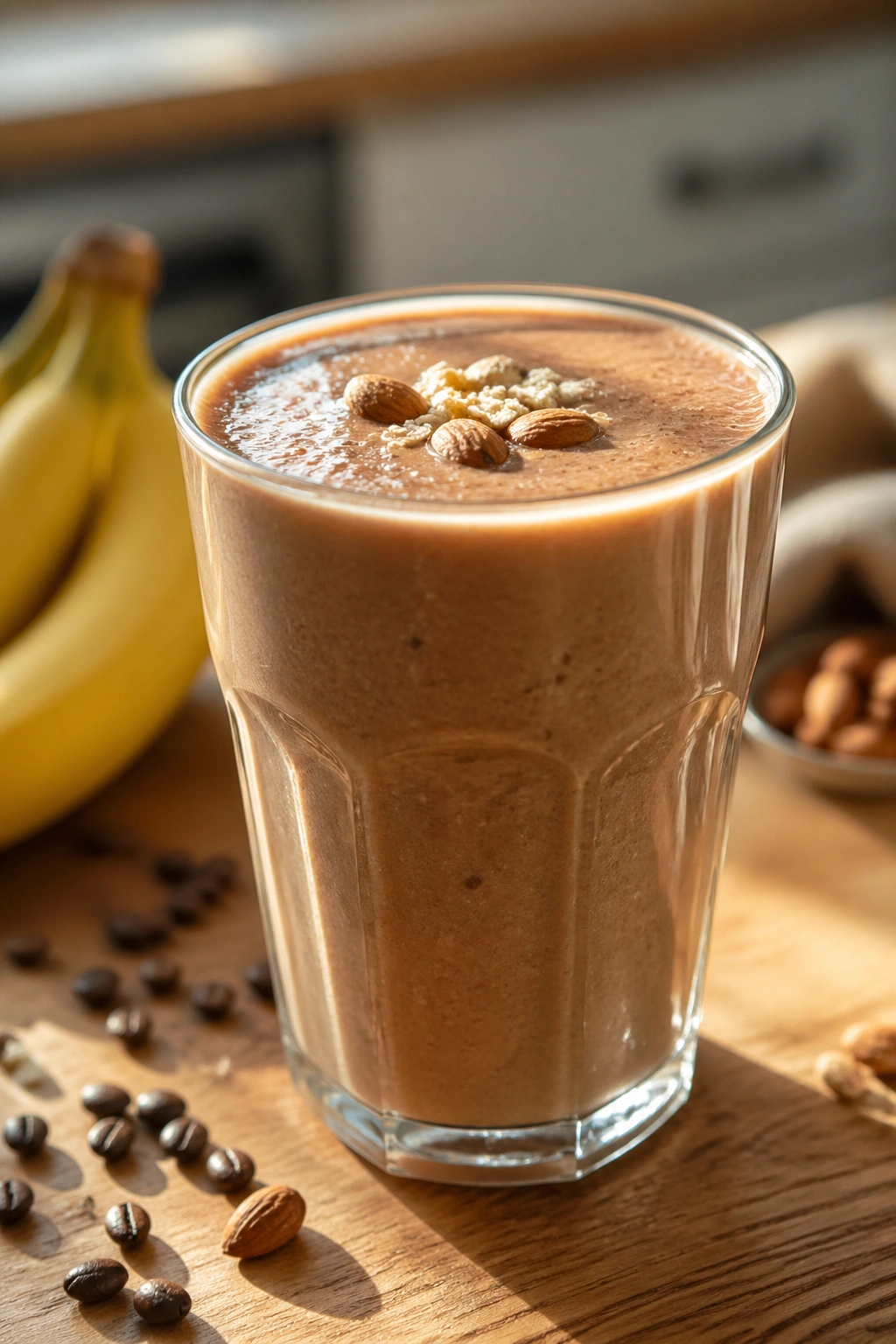
If you already drink coffee first thing, fold it into breakfast and make it count. Coffee on its own is not breakfast, and women who live on caffeine until lunch often end up chasing hunger all afternoon.
Blend 1/2 cup chilled brewed coffee or 1 shot espresso, 3/4 cup Greek yogurt, 1/2 frozen banana, 1 tablespoon almond butter, 1/4 cup oats, and 1/2 cup milk. Add ice if your coffee wasn’t cold enough.
The caffeine can help with workout energy, and the combination of protein plus oats makes this much more stable than a sweet coffee drink. Banana keeps the bitterness in check. Almond butter makes it smoother, though you do not need more than 1 tablespoon.
Use cinnamon here if you want it to taste a little like a blended latte. Skip flavored coffee creamer. That stuff can wreck the whole point in a hurry.
9. Cucumber Mint Yogurt Smoothie
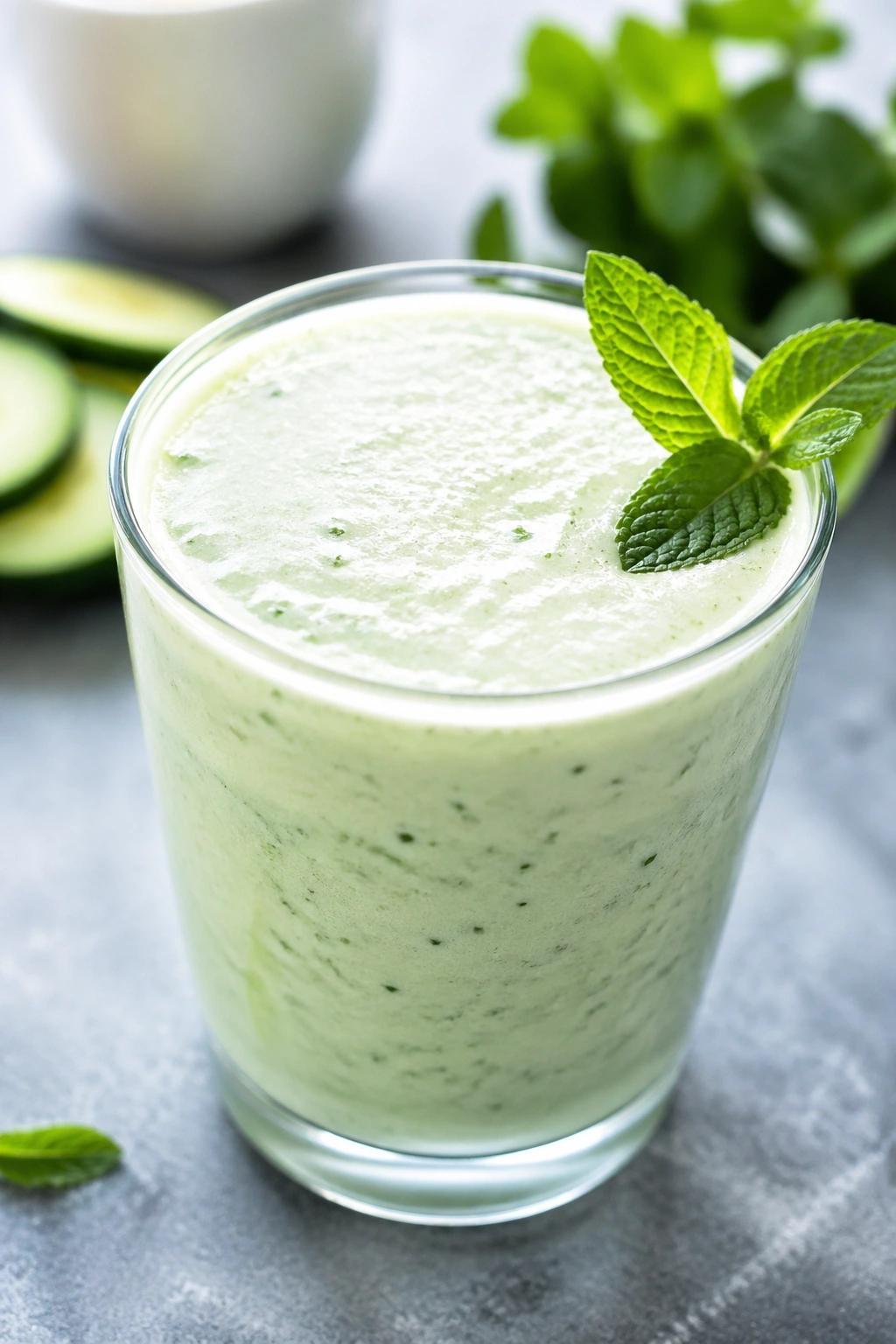
This one feels like a reset button. Cool cucumber, fresh mint, yogurt, and lime produce a smoothie that lands closer to a savory lassi than a sweet breakfast shake.
Blend:
- 3/4 cup plain Greek yogurt
- 1/2 cup cucumber
- 8 to 10 mint leaves
- 1/2 kiwi or 1/4 green apple
- 1 tablespoon chia seeds
- 1/2 to 3/4 cup cold water
- Squeeze of lime
The fruit stays low on purpose. You want brightness here, not candy. Mint wakes the whole thing up, and kiwi adds tartness plus fiber without pushing sugar too high.
This is not the smoothie to hand someone who wants dessert in a cup. It is, however, a smart option for hot weather, after a walk, or on mornings when sweeter blends sound heavy.
10. Cherry Cocoa Recovery Smoothie
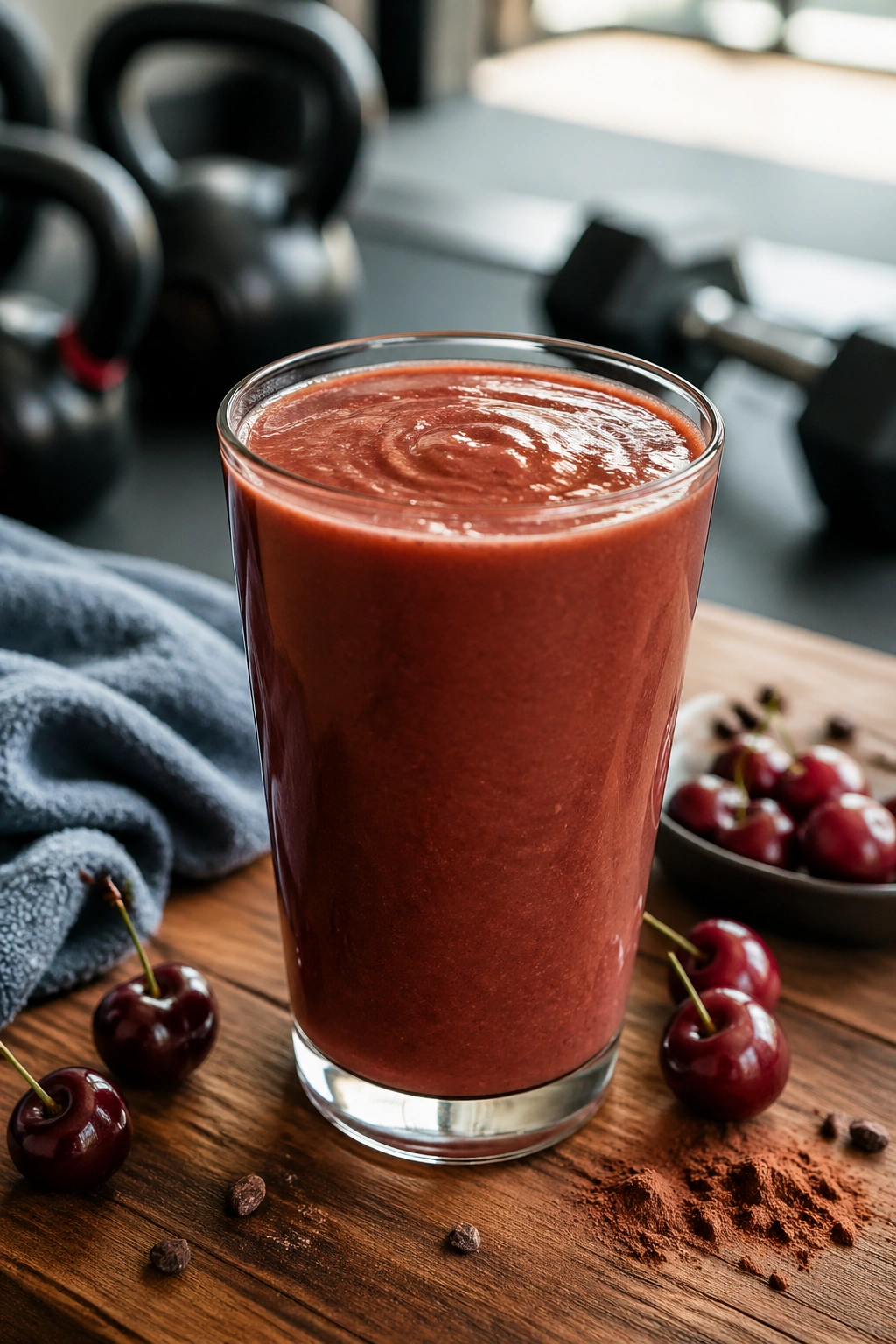
One of the most satisfying fat-loss smoothies tastes like a black cherry truffle. No shame in that.
Use 3/4 cup tart cherries, 1 scoop chocolate protein powder, 1 tablespoon cocoa powder, 3/4 cup milk, and 1 tablespoon ground flax. If you need more creaminess, add 1/4 cup Greek yogurt.
Tart cherries bring a deeper flavor than strawberries, and they play well with cocoa. The pairing feels richer than it is. That matters because satisfaction is half the battle with any calorie-controlled meal.
This smoothie makes sense after strength training, especially if you train in the morning and do not want eggs right after. The protein helps, the carbs are moderate, and the taste is far better than most “recovery” drinks. Use frozen cherries unless you enjoy pitting fruit before sunrise—which I do not.
11. Papaya Lime Kefir Smoothie
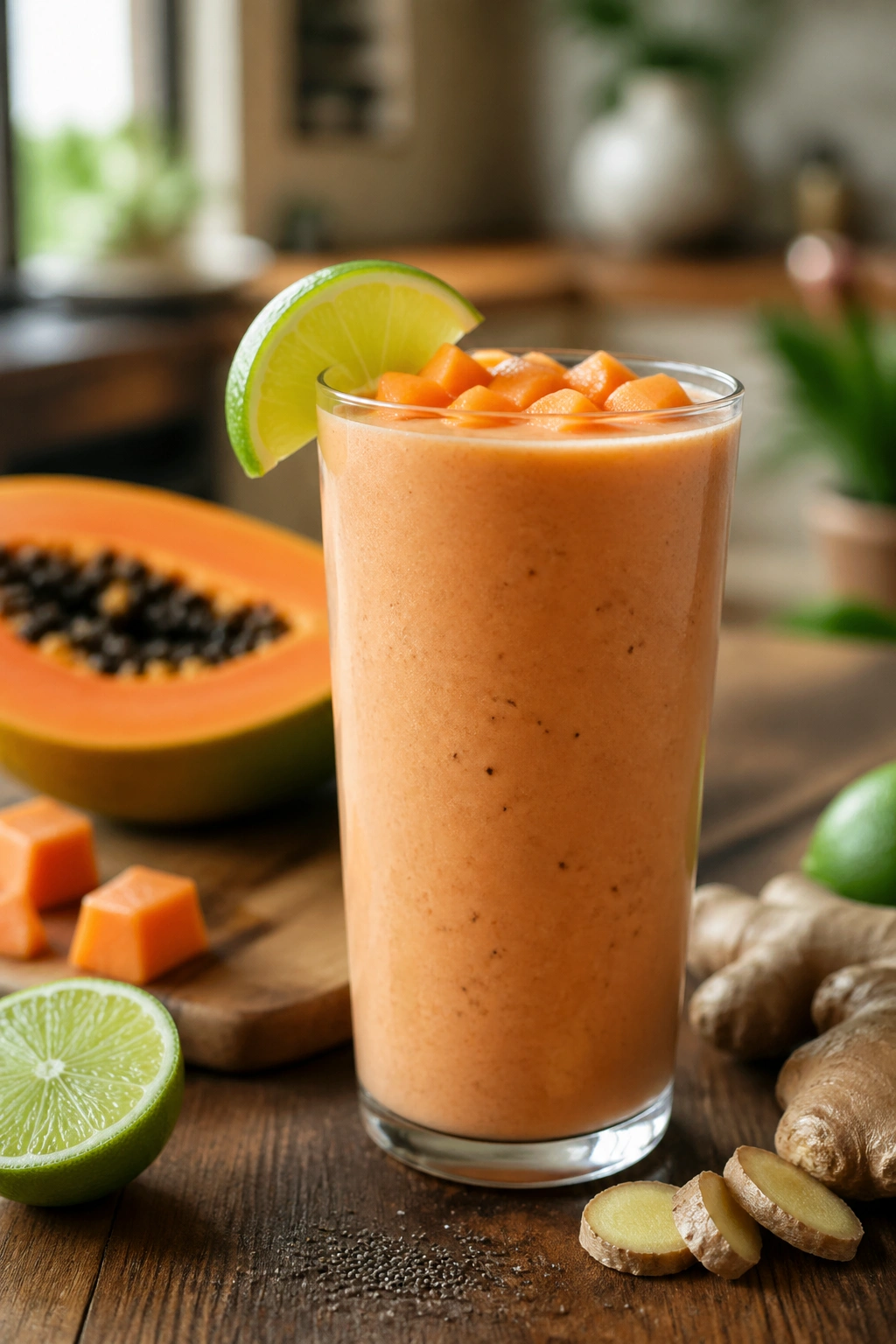
Need something light but still filling? Papaya does that job better than it gets credit for. It blends silky, tastes mellow, and pairs well with tart ingredients.
Try 3/4 cup papaya, 3/4 cup plain kefir, 1 tablespoon chia seeds, juice of 1/2 lime, and a small piece of fresh ginger. If you want it colder, add ice or use frozen papaya chunks.
A good choice for touchy mornings
Papaya is softer and less acidic than pineapple or orange, so this smoothie tends to go down easier when your stomach feels off. Kefir adds tang and protein. Lime keeps the flavor from getting sleepy.
The one thing papaya does not do is carry a smoothie on its own. Without lime, ginger, or yogurt, it can taste flat. Give it contrast and it’s lovely.
12. Pear Cardamom Walnut Smoothie
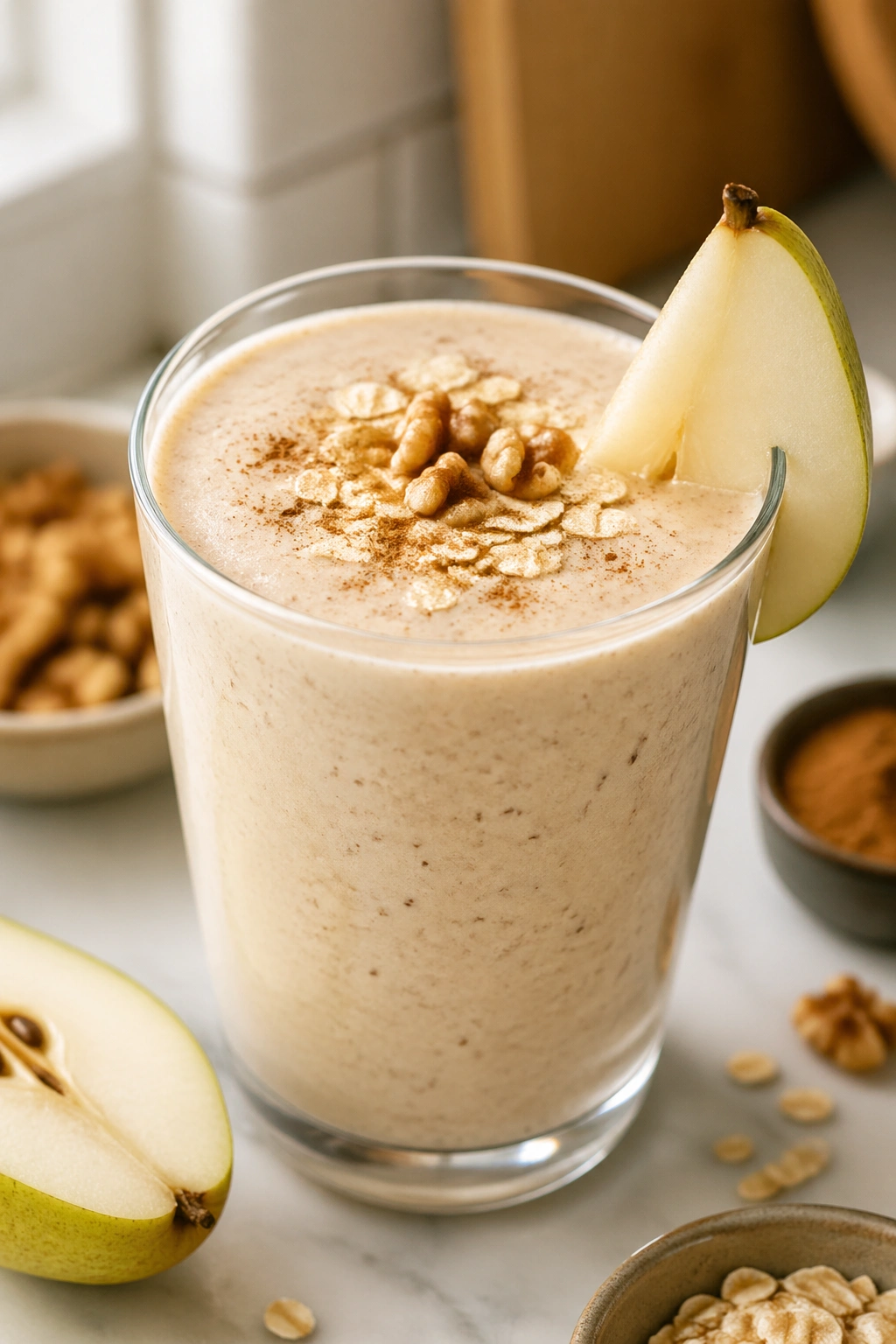
A ripe pear gives a smoothie a soft sweetness that feels more grown-up than banana. Cardamom makes it smell like a bakery without adding sugar, and a small amount of walnut adds richness that lingers.
Blend 1 ripe pear, 3/4 cup Greek yogurt, 1 tablespoon chopped walnuts, 1 tablespoon oats, 1/4 teaspoon cardamom, and 1/2 cup milk. Frozen pear slices are even better if you plan ahead.
This is one of those smoothies that benefits from restraint. Walnuts are healthy, yes, but they’re dense. Stick to 1 tablespoon, maybe 2 if this is a full meal and your day is active. Any more and you are halfway to a trail mix breakfast.
Cardamom can be loud. Start small. You want warmth in the background, not a mouthful of perfume.
13. Pumpkin Pie Protein Smoothie
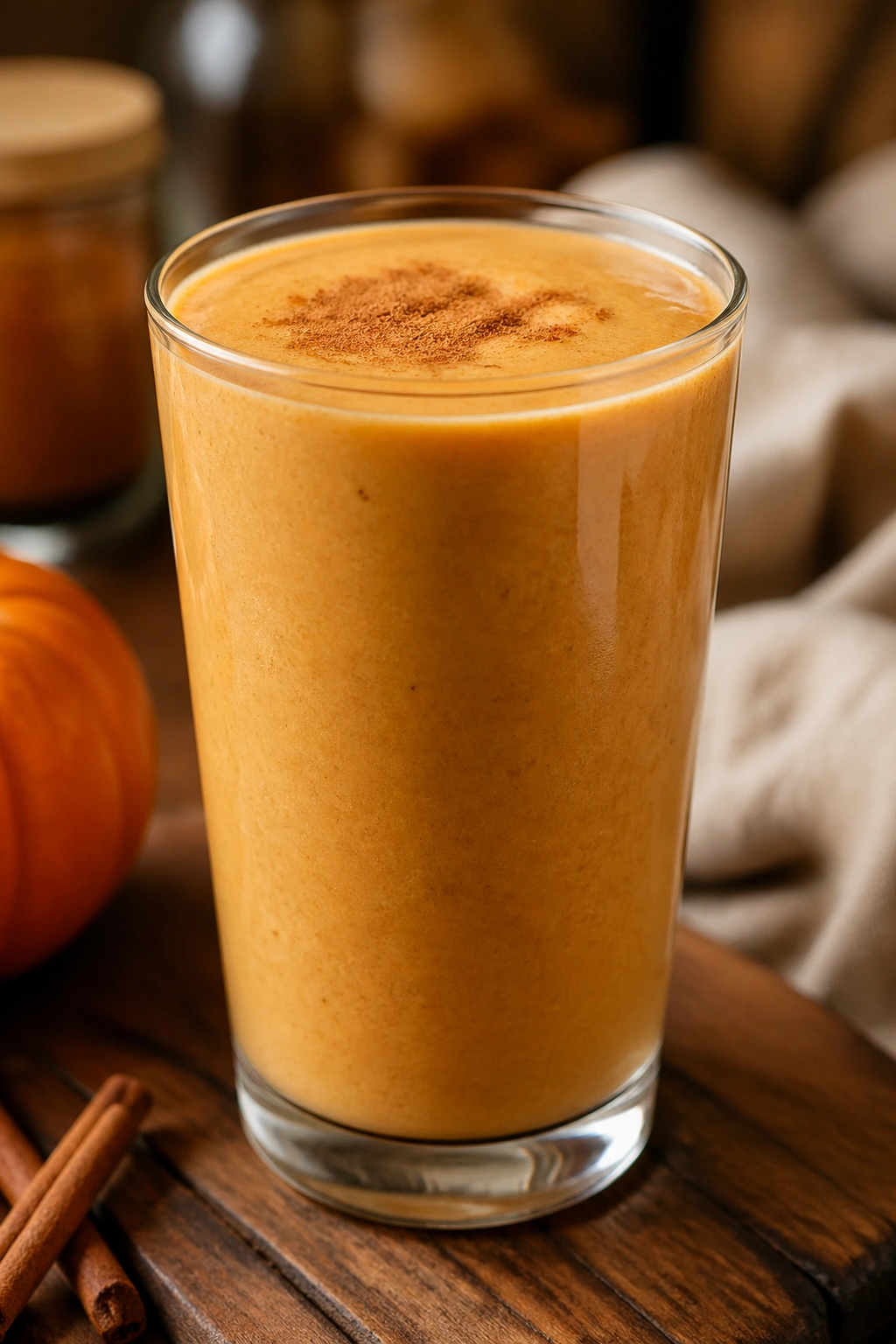
This one proves canned pumpkin deserves more use outside dessert. Pumpkin adds fiber, volume, and a thick spoonable texture for barely any calories.
What goes in the blender
- 1/2 cup pumpkin purée
- 3/4 cup vanilla Greek yogurt
- 1/4 frozen banana
- 1 tablespoon chia or ground flax
- 1/2 teaspoon cinnamon
- Pinch of nutmeg
- 1/2 cup milk
A lot of “pumpkin smoothies” lean on maple syrup and nut butter until they become liquid pie. This version keeps the spice and dials back the baggage. If you want extra protein, add 1/2 scoop vanilla protein powder and a splash more milk.
Use pumpkin purée, not pumpkin pie filling. Mix those up once and you’ll only do it once.
14. Kiwi Spinach Citrus Smoothie
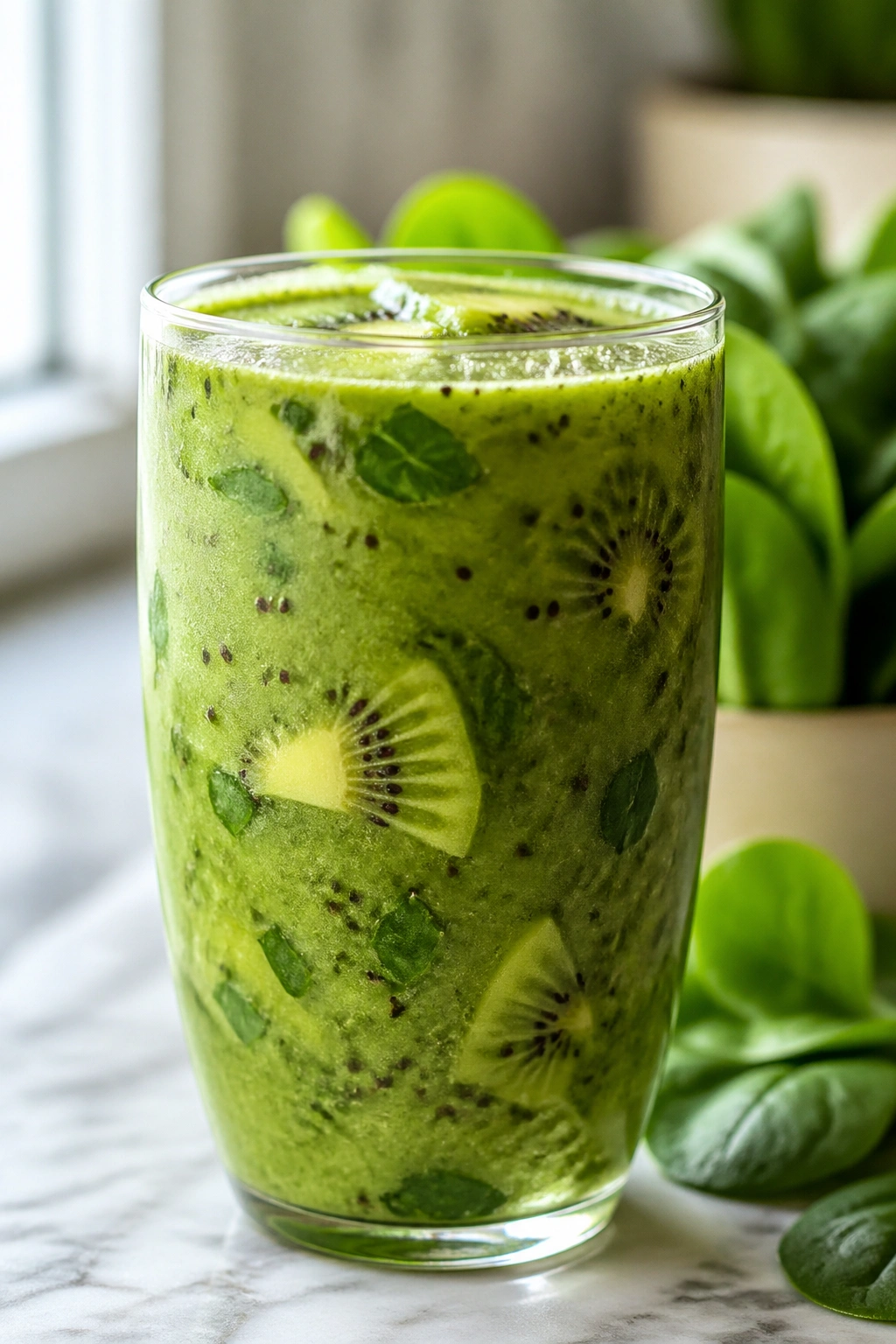
Kiwi doesn’t get enough smoothie attention. It brings tartness, fiber, and a bright green flavor that works with spinach instead of covering it up.
Blend 2 peeled kiwis, 1 packed cup spinach, 3/4 cup plain yogurt, 1/2 orange, and 1 tablespoon hemp hearts or chia. If you want more protein, use skyr or add a scoop of plain protein powder.
This smoothie feels sharp and fresh, which can be useful if you’re tired of creamy berry blends. Orange lifts the kiwi, but keep it to half unless you want the drink sweeter than necessary.
A tip from experience: peel the kiwi well. Tiny bits of fuzzy skin do not ruin the smoothie, though they’re not pleasant either.
15. Raspberry Tofu Vanilla Smoothie
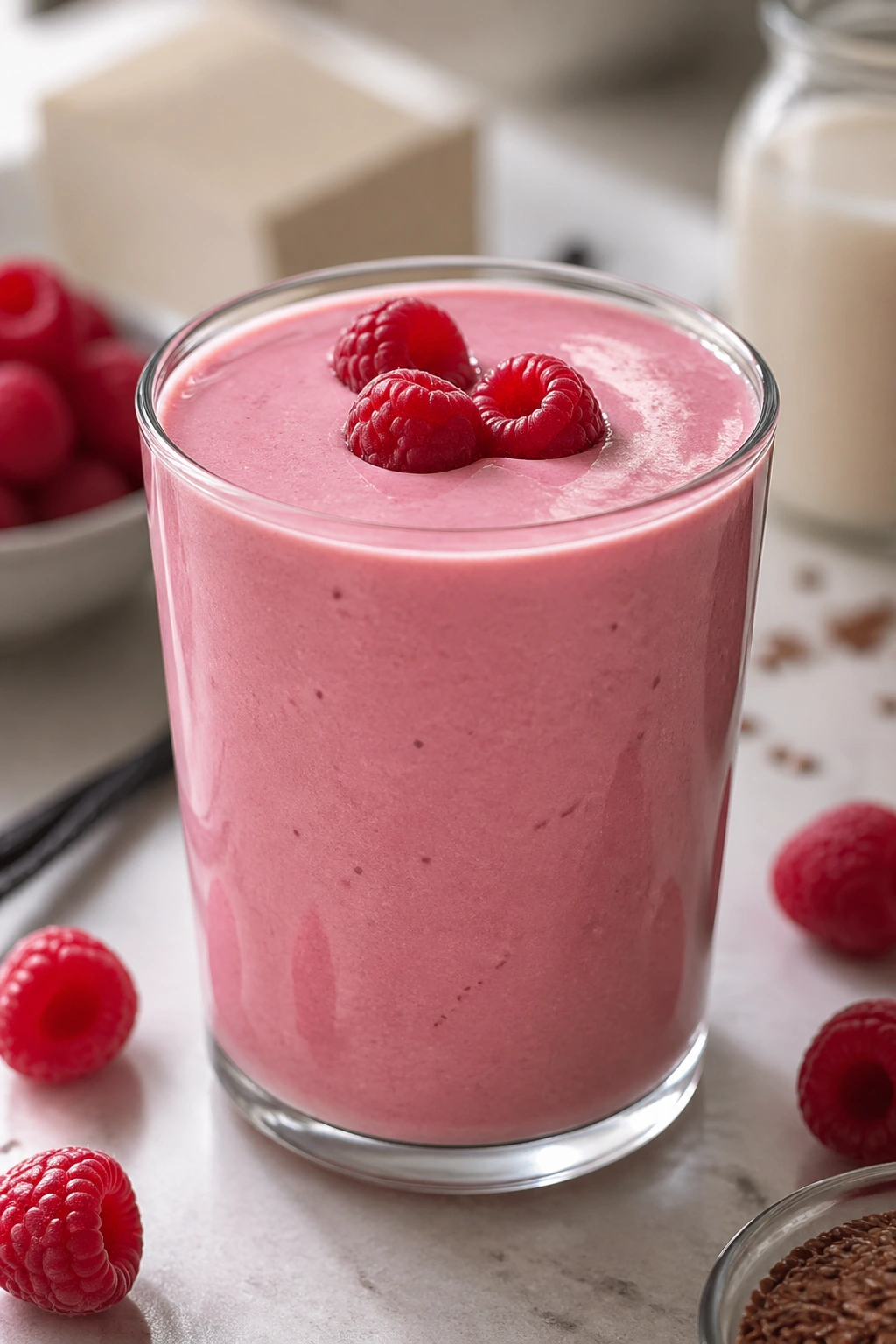
Silken tofu is one of the smartest smoothie ingredients around, and it still gets ignored. It’s cheap, mild, high in protein, and blends into a texture that lands somewhere between mousse and yogurt.
Use 3/4 cup silken tofu, 3/4 cup frozen raspberries, 1/2 cup unsweetened soy milk, 1 teaspoon vanilla, and 1 tablespoon ground flax. If the raspberries are too tart for you, add 1/4 banana instead of sweetener.
Why tofu works so well here
Raspberries have a strong flavor and enough acidity to keep tofu from tasting flat. Soy milk doubles down on protein, which is useful if you’re building a meal instead of a snack.
- Texture: thick and smooth
- Protein: usually better than almond-milk-based smoothies
- Best upgrade: add a spoon of oats if you need more staying power
If dairy doesn’t love you back, start here.
16. Beet Berry Smoothie
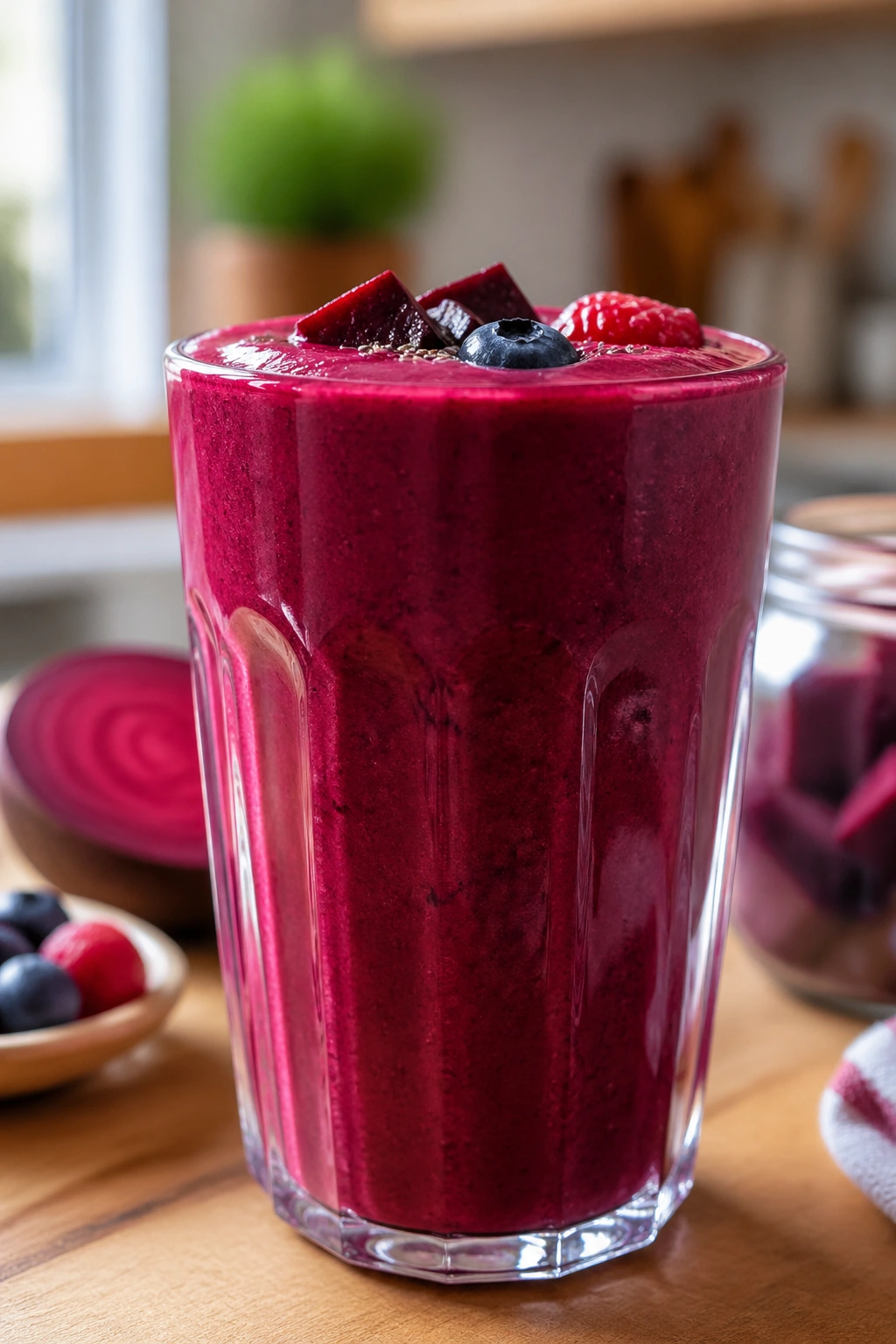
The color alone makes this one fun. A small piece of cooked beet turns a plain berry smoothie into something earthy, sweet, and a little more interesting than the standard pink blend.
Blend 1/4 to 1/3 cup cooked beet, 3/4 cup frozen berries, 3/4 cup Greek yogurt, 1 tablespoon chia seeds, and 1/2 cup milk or water. Add ginger if you want a sharper edge.
Good before activity
Beets contain nitrates, which have been linked with exercise performance in some settings. I would not treat this as a magic pre-workout drink, but it can be a smart option before a long walk, bike ride, or lifting session.
Keep the beet portion modest. Push it too far and your smoothie starts tasting like salad in a glass. Around 1/4 cup is the sweet spot for most people.
17. Mocha Oat Shake
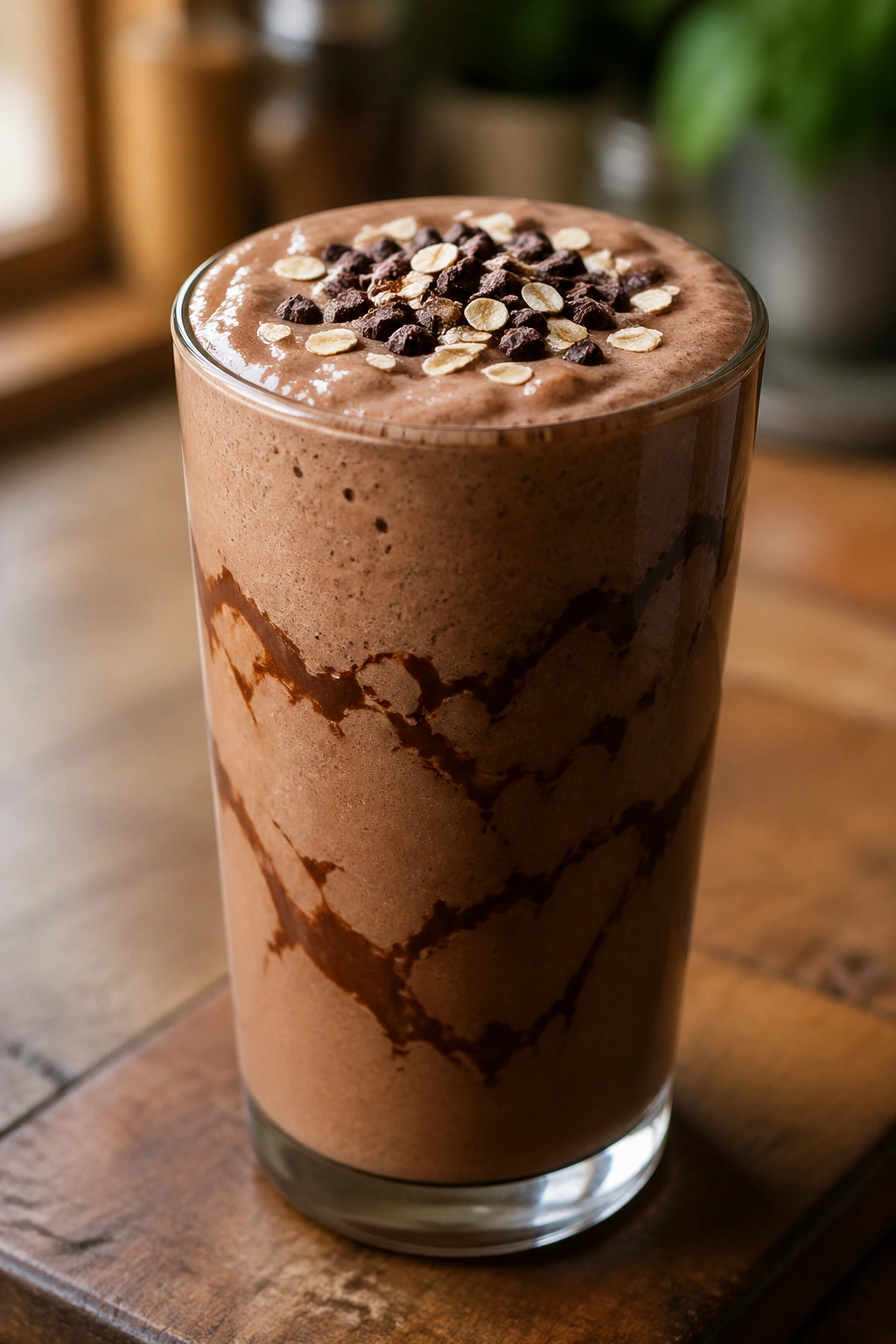
If breakfast is where your day goes sideways, make this and stop negotiating with yourself. It’s coffee, breakfast, and appetite control in one glass.
Blend 1 shot espresso or 1/2 cup cold coffee, 1 scoop chocolate or vanilla protein powder, 1/4 cup oats, 1/2 frozen banana, 3/4 cup milk, and 1 teaspoon cocoa powder. That’s it.
This one has a job. It gets protein into the morning fast, gives you enough carbs to avoid the shaky coffee-only crash, and tastes better than choking down a dry protein bar in traffic. The oats matter more than people think. Leave them out and the smoothie feels thin, less meal-like, less satisfying.
You can add spinach if you want. I usually don’t. Not every smoothie needs to pretend it’s a salad.
18. Peach Ginger Yogurt Smoothie
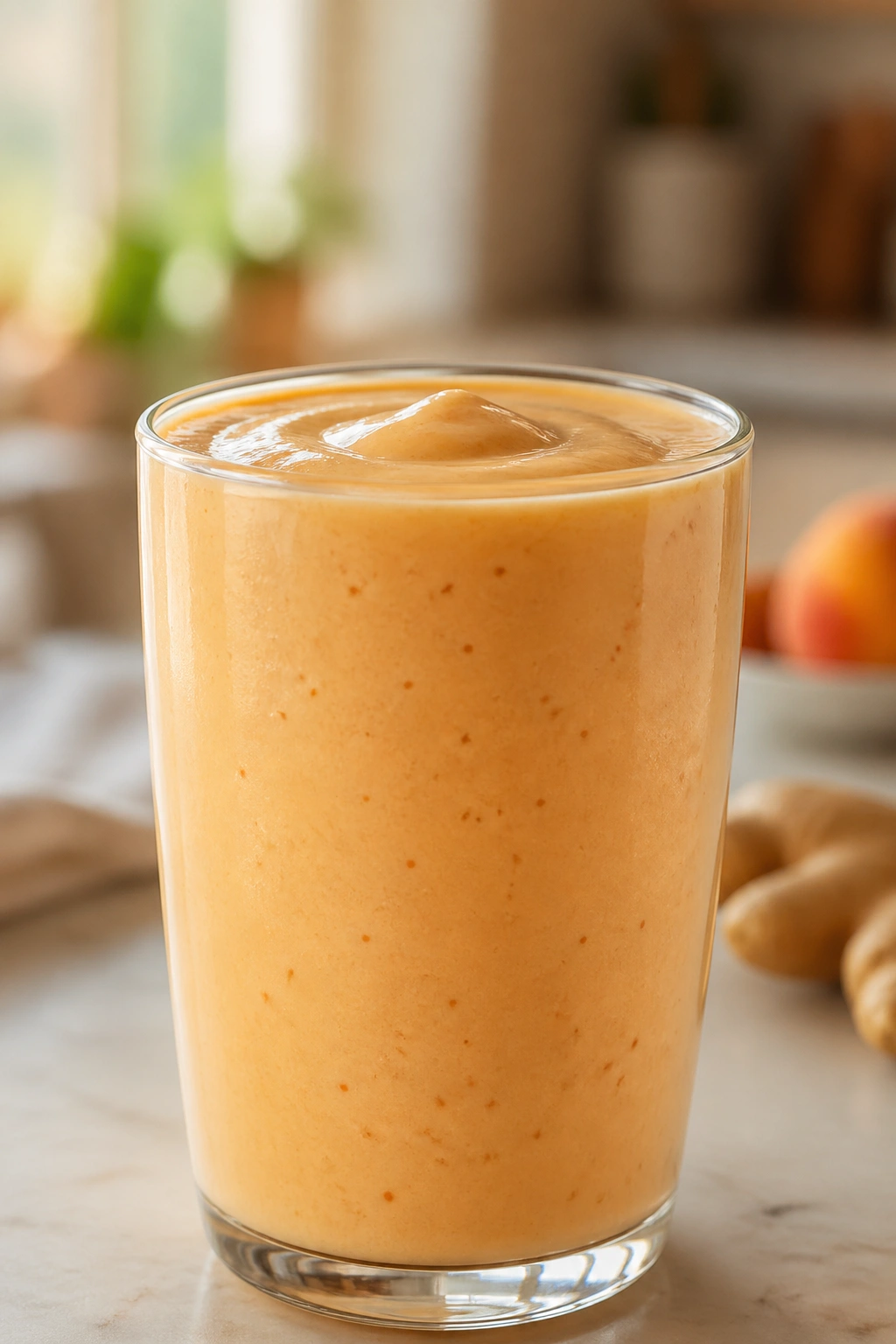
Frozen peaches blend into a texture that’s almost unfair. They create thick, creamy smoothies without needing much banana, which makes them useful when you want fruit flavor without a heavy sugar hit.
For one serving, blend:
- 1 cup frozen peach slices
- 3/4 cup plain Greek yogurt
- 1 teaspoon fresh ginger
- 1 tablespoon chia seeds
- 1/2 cup unsweetened soy milk
- A squeeze of lemon
Peach and ginger is a clean pairing. Lemon sharpens it. Chia thickens it after blending, so let the smoothie sit for 2 to 3 minutes if it seems thin at first.
This is a strong choice for women who want a sweeter-tasting smoothie but still need protein and fiber in the mix. Use canned peaches only if they’re packed in juice, drained well, and you’re in a pinch.
19. Turmeric Pineapple Smoothie
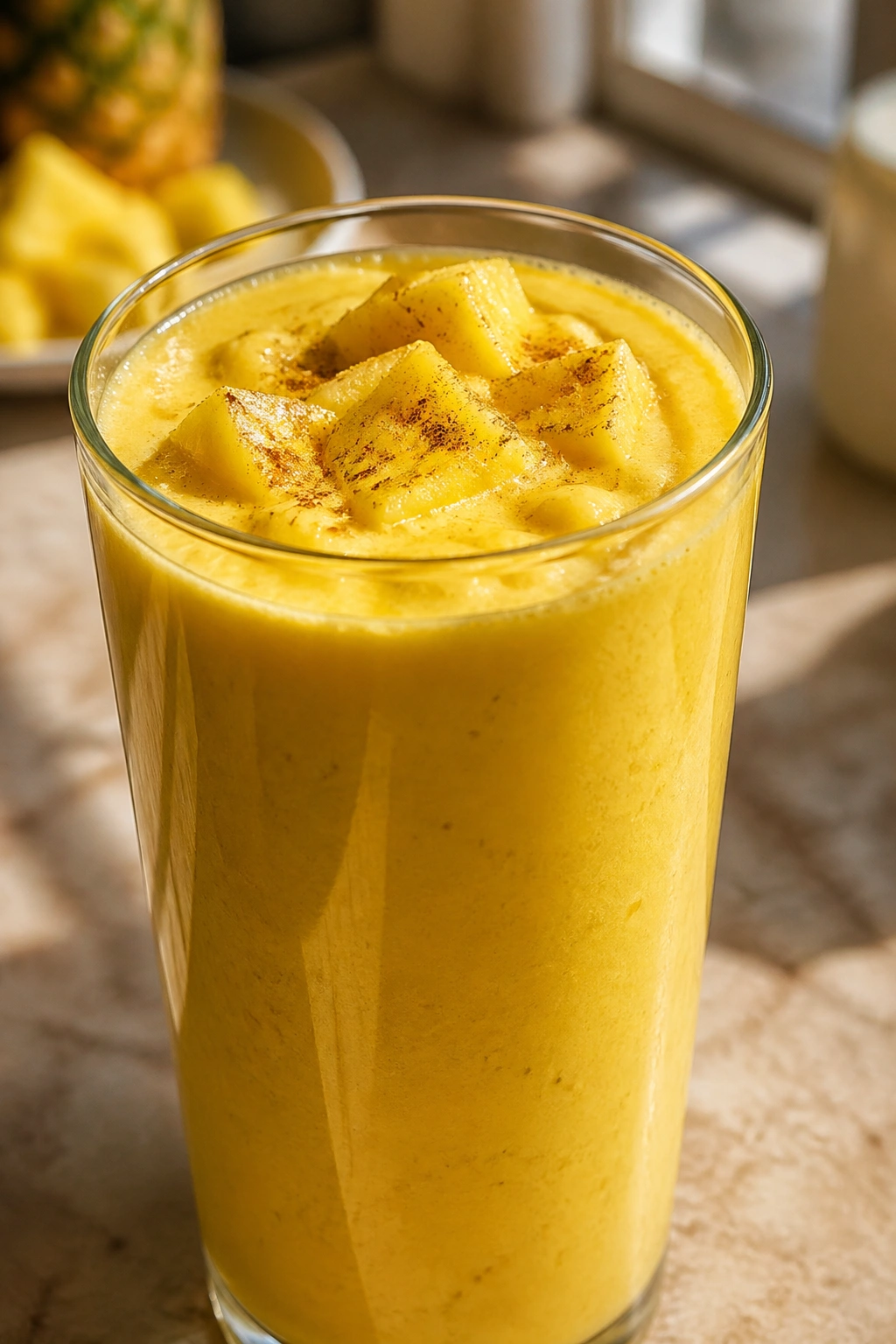
Turmeric can go wrong in a hurry. Too much and your smoothie tastes dusty. The fix is pineapple, yogurt, and a tiny pinch of black pepper.
Blend 1/2 cup pineapple, 3/4 cup Greek yogurt, 1/2 frozen banana, 1/2 teaspoon turmeric, a tiny pinch of black pepper, and 1/2 cup milk. Fresh ginger works well here too.
Why this one works
Pineapple masks turmeric’s rougher edges, and yogurt gives the drink some weight. Black pepper is often paired with turmeric because piperine may improve curcumin absorption, though you only need a speck—seriously, a speck.
This smoothie tastes brightest when served cold and thick. If you water it down too much, the turmeric stands out for all the wrong reasons.
20. Blackberry Almond Butter Smoothie
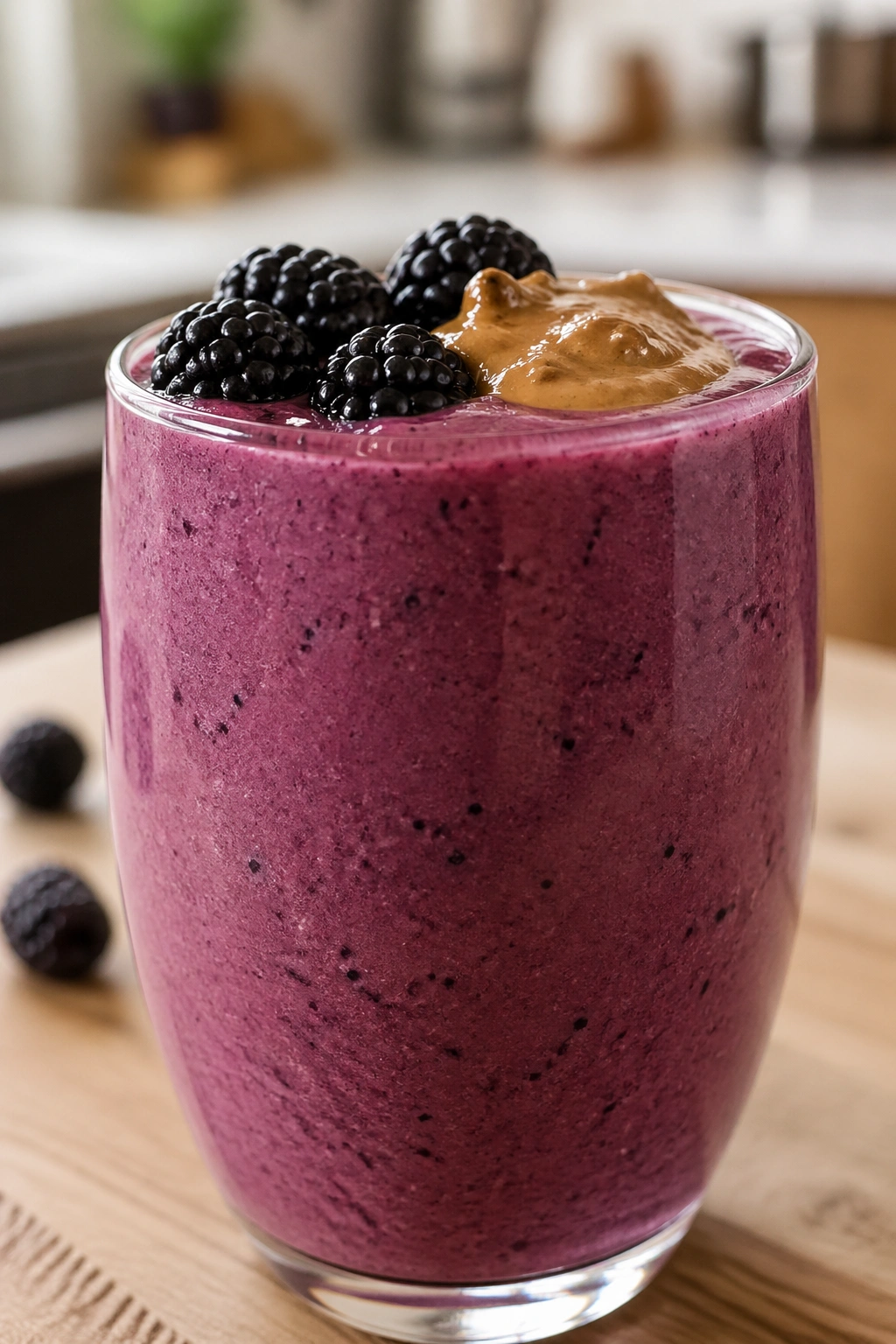
Blackberries are one of the most useful fruits for fat-loss smoothies because they bring a lot of fiber for their calorie load. They’re tart, seeded, and bold enough to stand up to richer ingredients.
Blend 3/4 cup blackberries, 3/4 cup Greek yogurt, 1 tablespoon almond butter, 1/2 cup milk, and 1 tablespoon flaxseed. A bit of vanilla helps if your berries are sharp.
This smoothie feels more substantial than a strawberry blend even when calories stay close. That’s partly the seeds, partly the acidity, partly the almond butter adding a slow finish.
Don’t love the seeds? Strain the smoothie after blending or use half blackberries, half blueberries. I keep the seeds in. They make the drink feel like actual food.
21. Vanilla Pear Cottage Cheese Smoothie for Belly Fat Loss
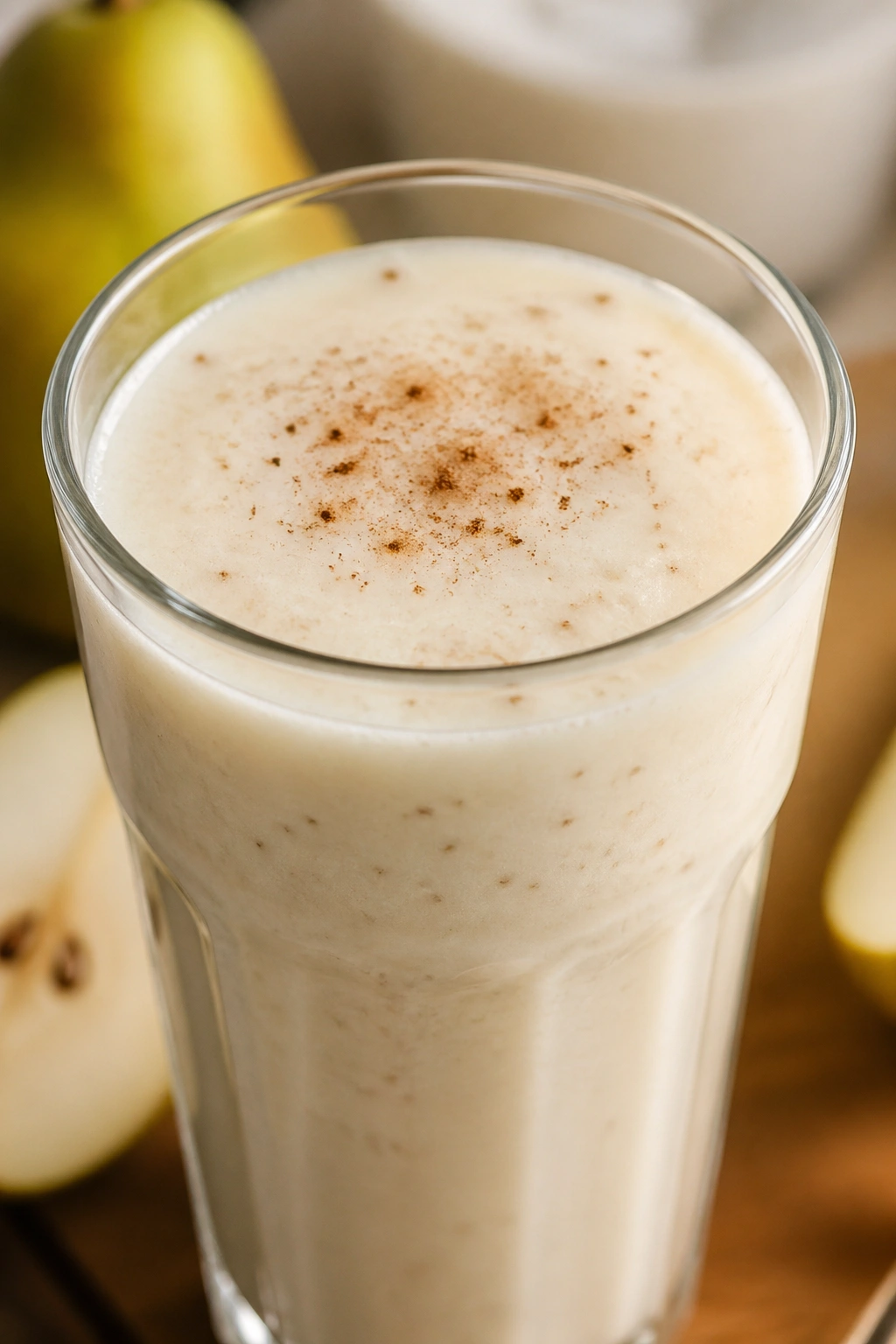
This is one of the quieter smoothies here, and I mean that as praise. It’s smooth, mild, filling, and easy to drink on mornings when intense flavors sound like too much work.
Blend 3/4 cup cottage cheese, 1 ripe pear, 1/2 teaspoon vanilla, 1 tablespoon flaxseed, and 1/2 cup milk. Add ice if the pear isn’t chilled.
Why it helps with appetite
Cottage cheese delivers a slow, steady fullness that sugary fruit smoothies often miss. Pear brings fiber and soft sweetness. Flax adds texture and keeps the smoothie from feeling thin.
If you need more spice, cinnamon works. If you need more protein, a half scoop of vanilla powder slides in easily. What I would not add is honey. This smoothie’s whole appeal is that it stays calm and balanced.
22. Green Apple Celery Smoothie
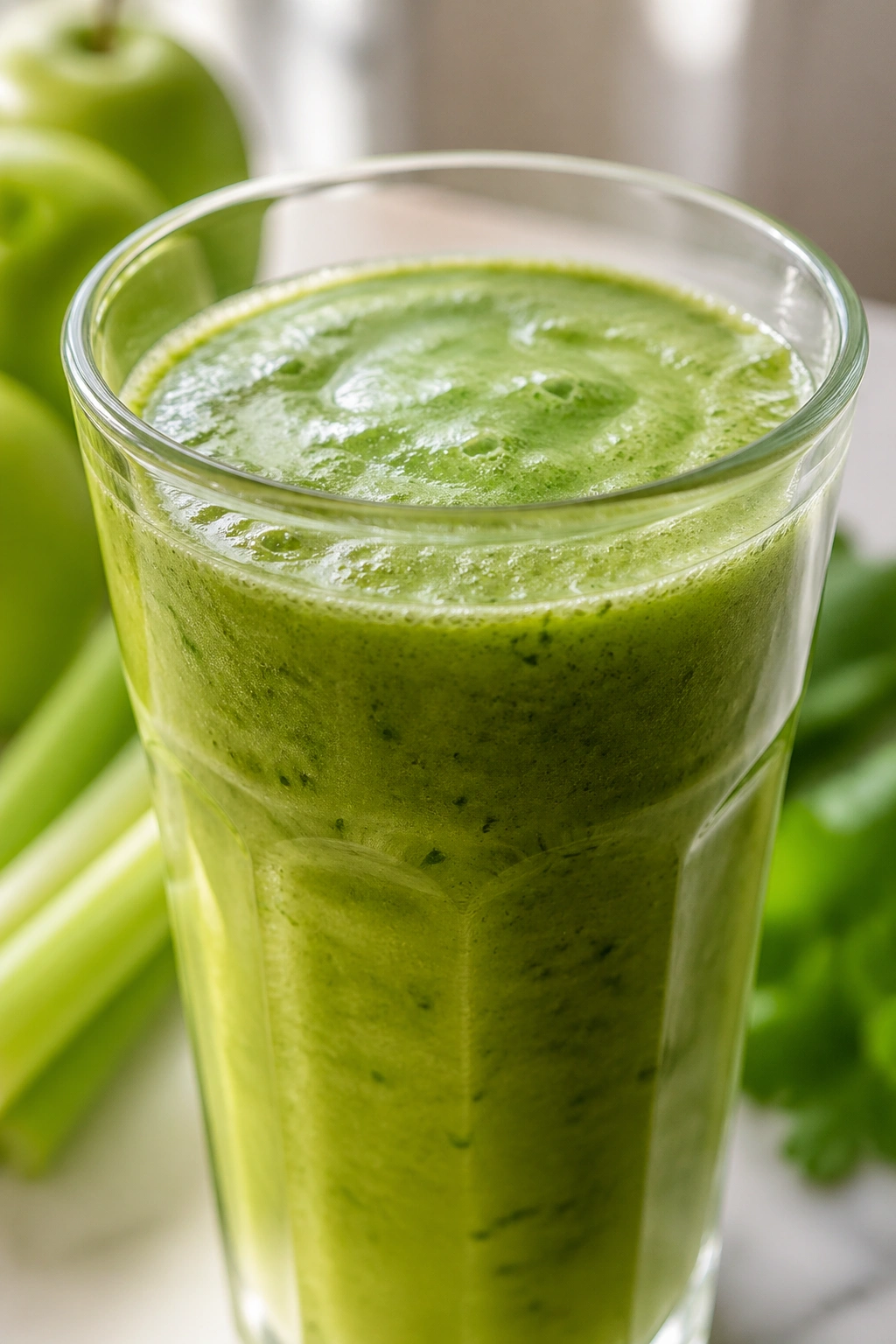
Here’s the blunt version: celery alone does not flatten your stomach. It’s crunchy water with a little fiber, and the internet has overpraised it for years. Still, used well, it can make a smoothie taste snappy and cold.
Blend 1/2 green apple, 1 celery stalk, 1 cup spinach, 3/4 cup kefir or Greek yogurt, 1 tablespoon chia, and a squeeze of lemon. If you want it sweeter, add cucumber before you add more fruit.
This one works because the protein base keeps the smoothie from turning into green juice. Apple and lemon handle flavor. Celery adds crispness and a faint savory note.
The bad version of this smoothie is all produce and no protein. You drink it, feel virtuous for 20 minutes, then start hunting crackers. Do not build that version.
23. Banana Tahini Cinnamon Smoothie
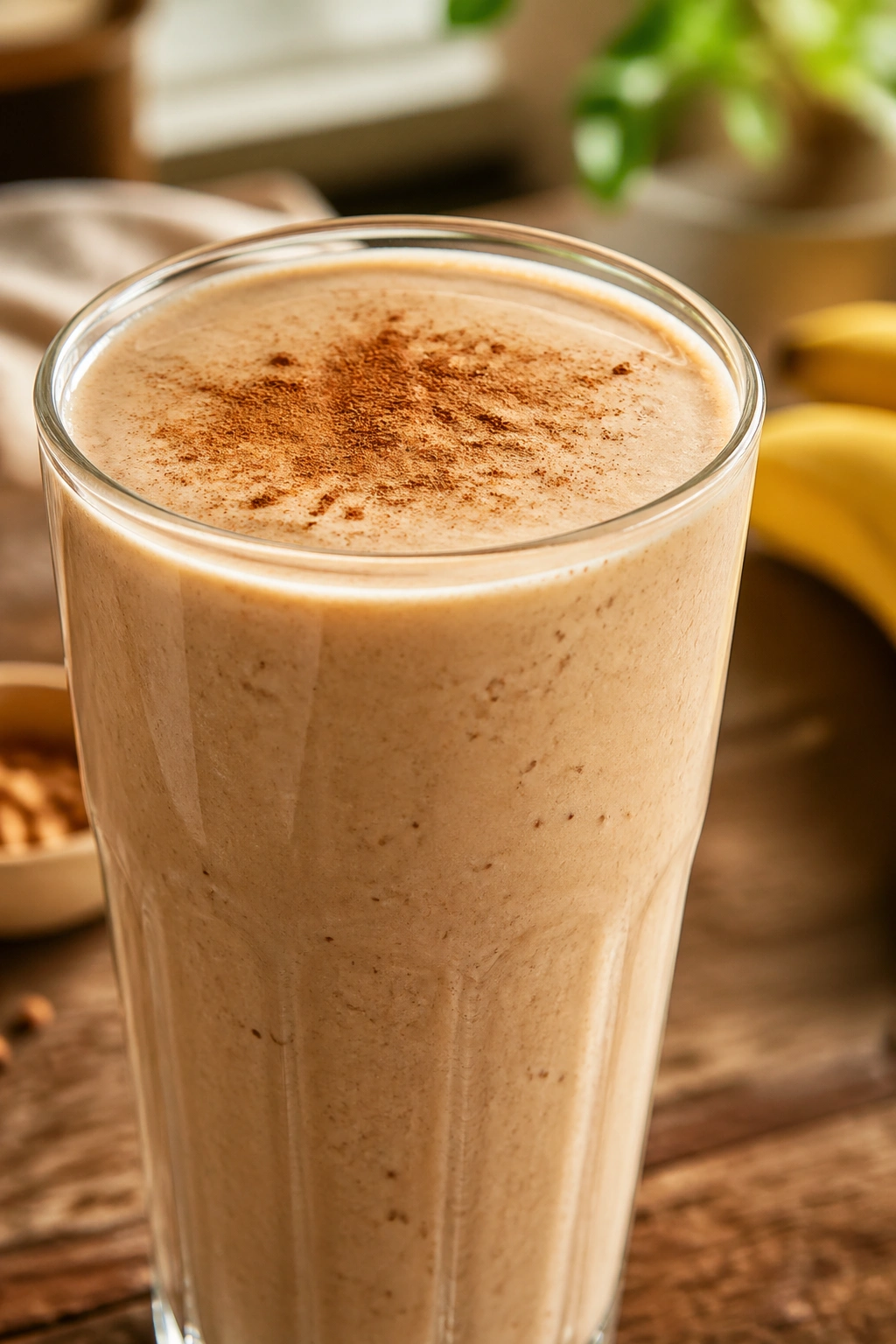
Tahini deserves more smoothie use. It gives a toasted, almost halva-like flavor that makes banana taste deeper and less one-note.
Blend 1/2 banana, 3/4 cup Greek yogurt, 1 tablespoon tahini, 1 tablespoon oats, 1/2 teaspoon cinnamon, and 1/2 cup milk. A pinch of salt wakes it up.
This one leans richer than most, so it fits best as a meal replacement, not a casual add-on. Tahini is dense, and a loose spoonful gets out of hand fast. Measure it.
The payoff is satiety. Sesame has a way of lingering on the palate, which makes the smoothie feel more substantial than the numbers suggest. It’s also a nice break from peanut butter fatigue, which is real.
24. Blueberry Cauliflower Smoothie
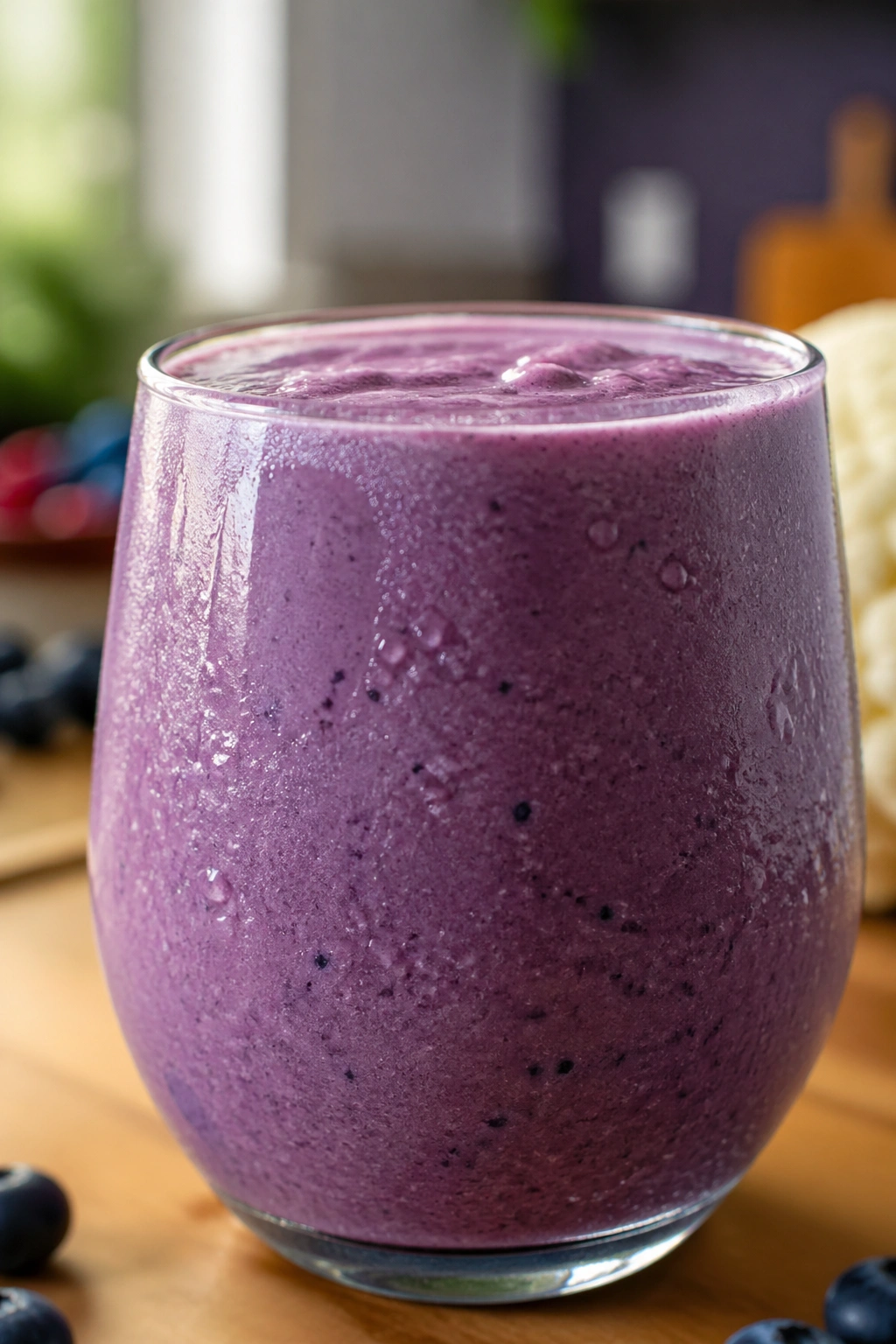
Frozen cauliflower rice is the stealth ingredient here. It thickens a smoothie, adds volume, and barely announces itself when paired with a strong fruit like blueberry.
Use this combo
- 3/4 cup frozen blueberries
- 1/2 cup frozen cauliflower rice
- 3/4 cup Greek yogurt
- 1 tablespoon chia or flax
- 1/2 cup unsweetened soy milk
- 1/2 teaspoon vanilla
Blueberries cover the cauliflower neatly, and the texture turns milkshake-thick if your blender is decent. If it tastes flat, add a squeeze of lemon instead of sweetener. Acid wakes blueberry up.
This is one of my favorite “make it bigger without making it heavier” tricks. You do not need a heroic mound of cauliflower. Half a cup is enough.
25. Prune Cocoa Walnut Smoothie
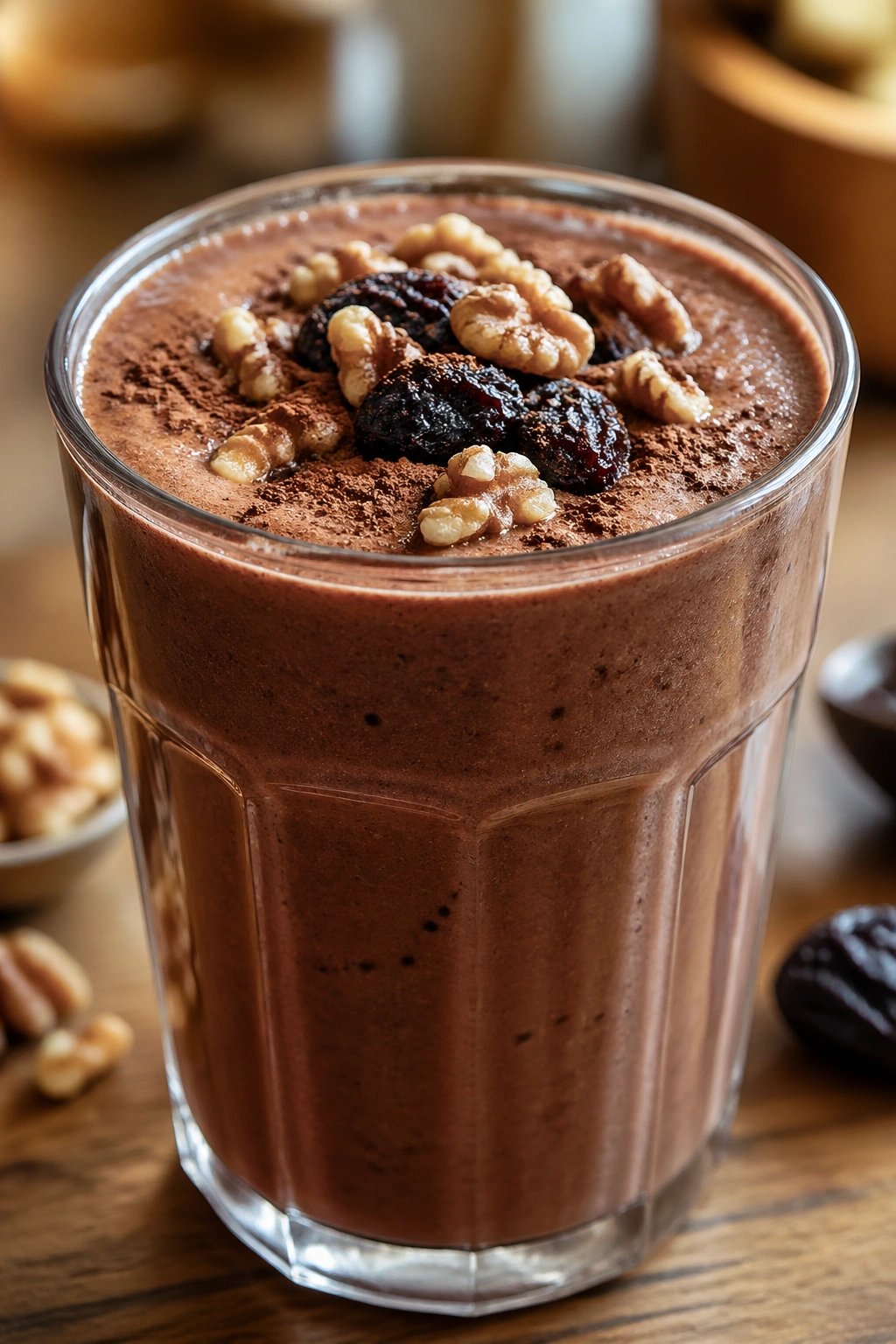
Yes, prunes. Stay with me. A couple of prunes add sweetness, body, and digestive help without needing syrup or a giant banana.
Blend 2 to 3 prunes, 3/4 cup Greek yogurt, 1 tablespoon cocoa powder, 1 tablespoon chopped walnuts, 1/2 banana, and 1/2 cup milk. If the prunes are firm, soak them in hot water for 5 minutes first.
Who tends to like this one
Women who want a chocolate smoothie with less added sugar often like this combo once they try it. The prune flavor disappears into the cocoa, leaving depth rather than obvious dried-fruit taste.
Do keep the portion modest. Three prunes are enough. More than that and the smoothie swings sweeter and looser than you probably want.
Final Thoughts
If you remember one thing, make it this: the best smoothie for belly fat loss is the one that helps you stay full on sensible calories. That means protein first, fiber second, flavor third. Not the other way around.
Pick three or four of these and repeat them until they become automatic. Rotating through all 25 in one week sounds ambitious and mildly chaotic. A tighter rotation works better in real life.
And if your smoothie still leaves you hungry, don’t blame yourself before you check the build. Most of the time the fix is simple enough: more protein, more fiber, less juice, and a spoon instead of a straw if the texture gets thick enough.
