



Post gallbladder surgery workout ideas need to start small, because the first sign you’re moving in the right direction is usually that nothing gets worse. That sounds dull. It’s also the truth.
After gallbladder removal, the goal isn’t to “get back in shape” in a dramatic hurry. The goal is to move enough to keep your body from stiffening up, your breathing from getting shallow, and your energy from sinking into the couch for days on end. A five-minute walk may feel absurdly easy, but after abdominal surgery, easy is the point.
The tricky part is that recovery does not look identical for everyone. A laparoscopic surgery with a few small incisions usually allows earlier gentle movement than an open procedure, but even then, your abdominal wall has been through enough drama already. Pulling, twisting, bracing hard, or trying to prove something with a workout is a fast way to make a small problem into a bigger one.
So the smartest exercise plan is the boring one: short walks, light mobility, controlled breathing, and gradual progress that respects incision healing. Keep an eye on pain that sharpens, swelling that increases, dizziness, fever, nausea, wound drainage, or a tugging feeling that does not settle down after you stop. Those are not “push through it” signals. Those are stop signals.
1. Hallway Walks That Start the Healing Process
Walking is the first workout I’d put on the list almost every time, and not because it’s flashy. It works because it asks the least from your incision sites while still waking up the muscles, lungs, and gut that tend to go sluggish after surgery.
A hallway walk can be as short as 2 to 5 minutes, repeated several times a day. That may sound tiny, but tiny is fine. Pace matters more than distance here. You want to walk at a speed where you can speak in full sentences without feeling winded or braced around the middle.
How to Keep It Honest
- Keep your shoulders loose and your ribs soft.
- Swing your arms gently, but don’t force a big stride.
- Stop before you feel wiped out.
- Turn around early if the incision line starts to pull.
A lot of people make the mistake of waiting until they feel energetic before they move. That usually backfires. Light movement often creates the energy, or at least prevents that stiff, heavy feeling that comes from staying still too long. And if you’re on prescription pain medicine, hallway walking is safer than anything that asks for balance, speed, or sudden direction changes.
One useful rule: finish the walk feeling like you could have done a little more. That reserve is doing you a favor.
2. One-Block Outdoor Walks on Flat Ground
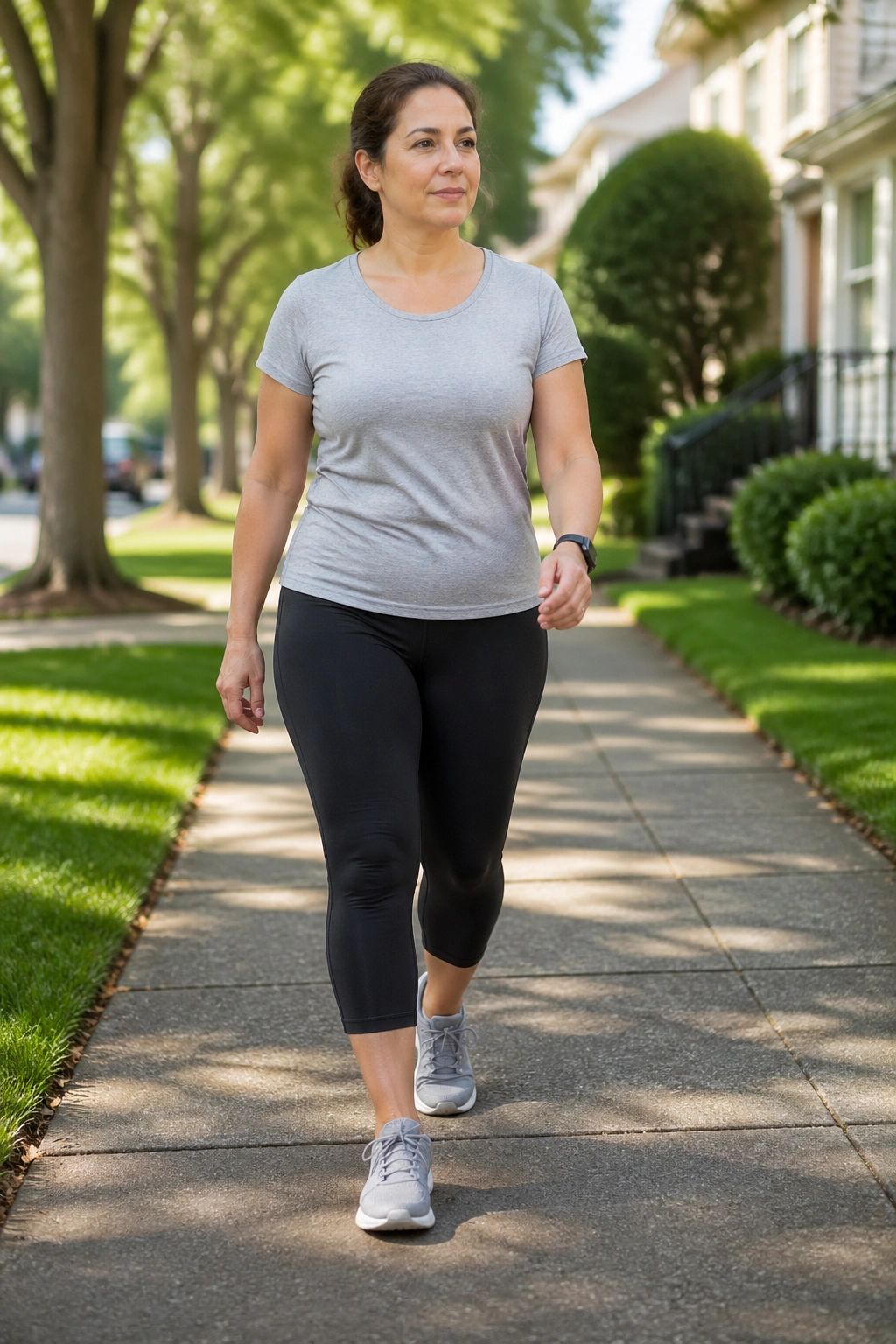
Once the hallway feels easy and your surgeon has not put a stop sign on activity, an outdoor walk is a nice next step. Fresh air helps, sure, but the real advantage is psychological: you stop feeling trapped inside your own recovery.
Keep the route flat. A sidewalk loop, a driveway stretch, or a quiet street with no hills is enough. You do not need steps, inclines, or a big neighborhood circuit. A single block out and back can be plenty if the walk stays smooth and your abdomen doesn’t complain.
The biggest rookie mistake here is pace. People see the outdoors and unconsciously speed up. Then they notice the pull across the belly, shorten their breath, and start holding their torso too tight. That’s not exercise. That’s a guarded march.
If you can, wear supportive shoes with a firm heel counter. Flip-flops are a bad idea. So are shoes that slide around, because after surgery even minor wobbling can make your core brace more than it should.
A short outdoor walk also gives you a clean way to judge your recovery. If you can walk comfortably outside, recover within a few minutes, and feel normal again after, you’re probably in the right zone. If you come back sore, nauseated, or shaky, the dose was too high.
3. Diaphragmatic Breathing for a Tight Belly and Shallow Chest

Why bother with breathing exercises when you want a workout? Because after gallbladder surgery, people often breathe like they’re trying not to wake a baby. Shallow breaths make the chest stiff, the shoulders creep upward, and the whole torso feel guarded. That is a lousy place to stay for long.
Diaphragmatic breathing is one of those quiet little things that pays off faster than people expect. It can ease that tight, protected feeling around the ribs, especially after laparoscopic surgery when the upper abdomen and shoulders can feel odd from the gas used during the procedure.
How to Do It
- Lie on your back or sit tall in a chair.
- Place one hand on your chest and one on your belly.
- Breathe in through your nose for 4 slow counts.
- Let the belly hand rise more than the chest hand.
- Breathe out through pursed lips for 6 slow counts.
- Repeat for 5 to 10 breaths, then rest.
The goal is not a giant inhale. It’s a calm one. If you start feeling lightheaded, shorten the breaths and pause. A small amount of practice done several times a day tends to work better than one long session you grit through.
I like this option because it does not ask much of the incision line, yet it makes the whole body feel less clenched. That matters more than people think. A relaxed torso moves better when you do get up and walk.
4. Seated Shoulder Rolls, Neck Turns, and Gentle Spine Mobility

Sitting still after surgery has a sneaky way of making the upper body cranky. The neck gets stiff. The shoulders ride up toward the ears. The upper back rounds a little more than you notice. None of that is dramatic, but it adds up fast.
A dining chair, kitchen chair, or sturdy bench gives you enough support to work on mobility without asking the abdomen to stabilize every little movement. Keep the motions slow and small. This is not a stretching contest.
A Simple Seated Sequence
- Shoulder rolls: 5 forward, 5 backward
- Neck turns: look left, center, right, center
- Ear-to-shoulder tilts: hold each side for 3 seconds
- Seated chest opener: clasp hands lightly behind your back if that feels fine
- Upper-back reach: round forward and then stack tall again
You want motion that feels clean, not yanked. If a neck turn makes you dizzy, cut the range in half. If clasping your hands behind your back pulls on the belly, skip it. There’s no prize for forcing a shape your body does not want.
This is a good place to remind yourself that recovery isn’t only about the incision. It’s about how the rest of you compensates for that incision. A stiff neck or locked upper back can make walking feel harder than it needs to be, which is a bit annoying when all you wanted was a five-minute stroll.
5. Ankle Pumps, Heel Raises, and Leg Circles

Lower-body movement may seem unrelated to gallbladder surgery, but it matters a lot when your activity level has dropped. Blood flow slows down when you sit or lie around for long stretches, and the legs are usually the first place to feel that sluggishness.
Ankle pumps are almost laughably simple. Point and flex your feet 10 to 20 times, then circle each ankle 5 times each direction. Heel raises can be done while holding the back of a chair or standing at a counter once you feel steady. They wake up the calves without loading the abdomen.
Why This Helps
- It keeps the legs from feeling heavy.
- It nudges circulation along.
- It gives your body a movement break without strain.
- It can be done in bed, on the couch, or while waiting for food to heat up.
The easy mistake is treating these like a warm-up nobody needs. They’re more useful than that. If you’ve been resting a lot, the lower body can feel weirdly disconnected, almost like the joints forgot their job. A few minutes of leg motion can fix that faster than a bigger workout would.
And no, this is not the time to add lunges or fast marching. Keep it smooth. Keep it calm. The purpose is to remind the legs that they still belong in the conversation.
6. Pelvic Tilts to Wake Up the Deep Core Without Strain

Crunches after abdominal surgery? Absolutely not. Planks? Also no, not this early. What you want instead is a tiny, low-pressure way to reconnect with the muscles around the pelvis and lower belly without pressing on the incision area.
Pelvic tilts are the classic answer because they look almost too easy to matter. Lie on your back with your knees bent, feet flat, and gently flatten the small of your back into the floor. Then release. That’s the whole move. Done slowly, it wakes up the deep core muscles that help you stand, walk, and bend later on.
What It Should Feel Like
- A mild tightening low in the abdomen.
- No sharp pain.
- No bulging at the incision sites.
- No breath-holding.
Try 5 to 8 slow repetitions at first. If that feels smooth, build to 10 to 12. You can also pair the movement with breathing: exhale as you tilt, inhale as you release. That little rhythm keeps the effort from getting sloppy.
The thing I like about pelvic tilts is that they’re honest. If they bother your belly, you’ll know immediately. If they feel fine, you’ve got a clean bridge between pure rest and more active core work. That bridge matters, because people often either do too little for too long or jump straight to exercises that ask for too much too soon.
7. A Short Stationary Bike Session With Low Resistance
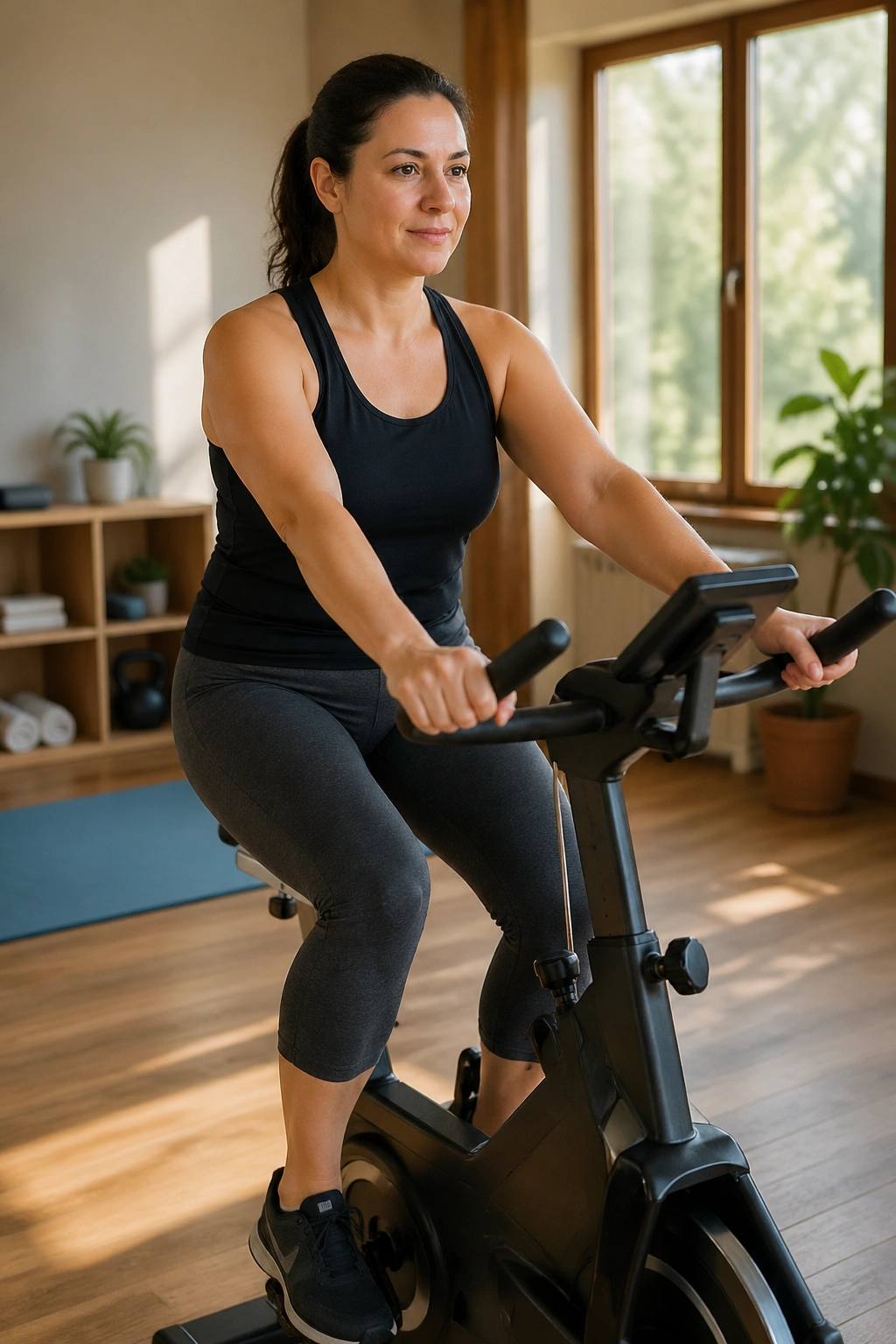
A stationary bike can be a useful middle-ground workout once walking feels easy and your surgeon has given you the green light. The key word is easy. No racing. No standing climbs. No sweaty heroics.
An upright bike usually asks for a little more torso control than a recumbent bike, so seat height matters. Set the seat high enough that your knee stays slightly bent at the bottom of the pedal stroke. Keep the resistance at the lowest setting for the first few rides. Five minutes may be enough the first time.
A Good Bike Setup
- Seat high, so you are not folded over.
- Hands resting lightly on the bars.
- Shoulders down, not shrugged.
- Pedaling smooth, not forceful.
- Resistance low enough that you can still talk comfortably.
The big mistake here is leaning forward and bracing through the belly. That turns a gentle cardio option into a core challenge your body probably does not want. Stay tall. If a forward reach makes the incision line feel tight, adjust the seat or skip the bike for a few days.
I prefer bike work after walking because it adds a little more continuous movement without impact. Still, it should feel almost underwhelming at first. If you finish a session and wonder whether it counted, that probably means you got the dose right.
8. A Recumbent Bike for Days When Upright Feels Awkward
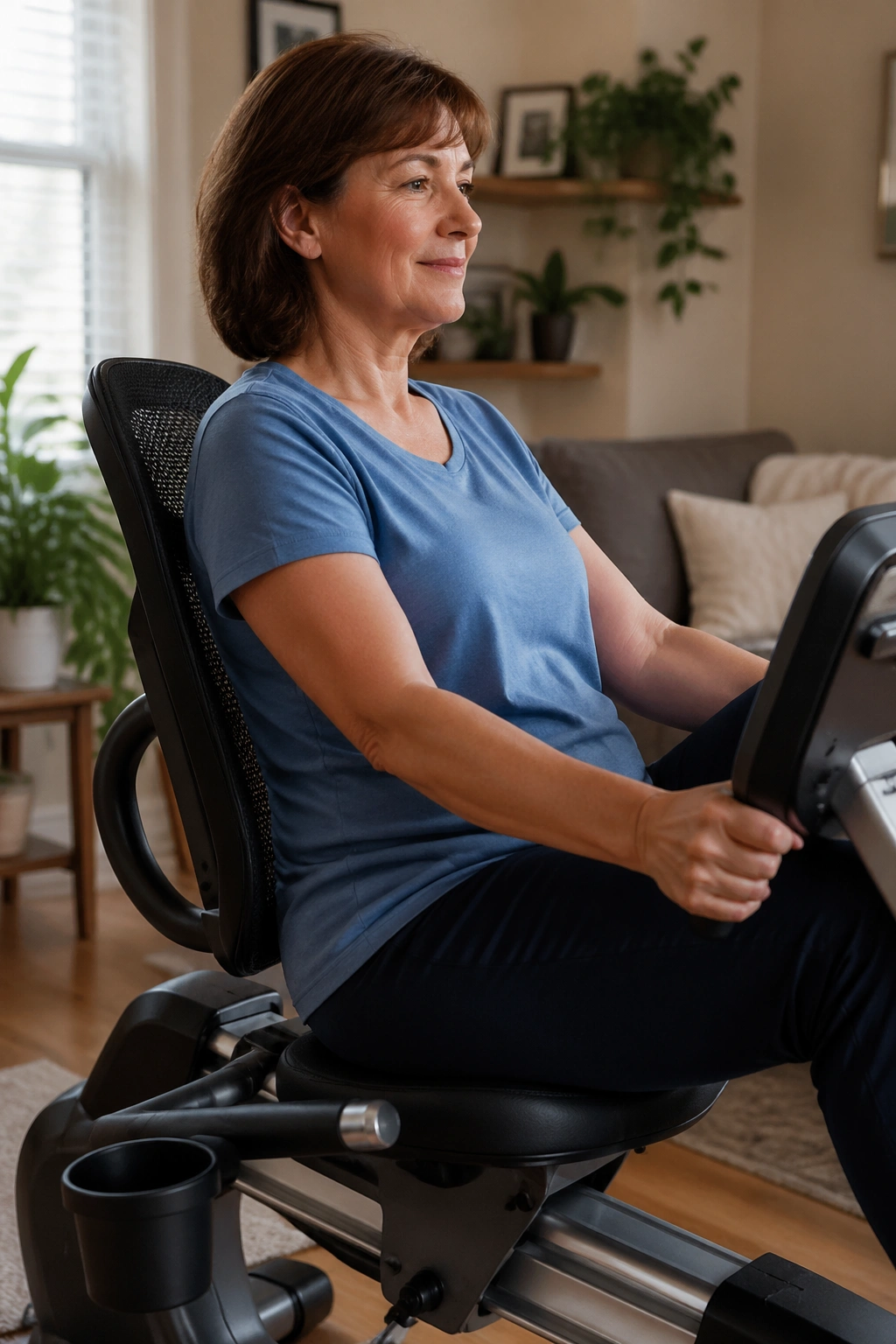
Some people hate upright bikes after surgery. I get it. Sitting up tall can tug at the abdomen, and the forward posture can make you think about your incision every few seconds. A recumbent bike fixes part of that problem by giving you a backrest and a more open hip angle.
That support makes a difference. You can pedal with less need to hold your torso rigid, which is useful if you still feel sore when you stand for long. The motion is smooth, the seat is stable, and you’re less likely to overbrace.
Why It Works Better for Some Bodies
- The back support cuts down on abdominal strain.
- The reclined position can feel safer if you’re tired.
- The pedals are easy to reach without leaning forward.
- The workout stays steady without impact.
Keep the first session to 5 to 8 minutes with minimal resistance. If you tolerate that well, add a few minutes on later sessions. Don’t crank the resistance because your legs feel fresh. The limitation after gallbladder surgery is rarely your quadriceps. It’s the tissue around the incision and the way your body protects itself.
A recumbent bike is not “less serious” than other cardio choices. It’s just more forgiving. And after surgery, forgiving is a feature, not a flaw.
9. Chair Yoga and Supported Stretching Without Deep Twists
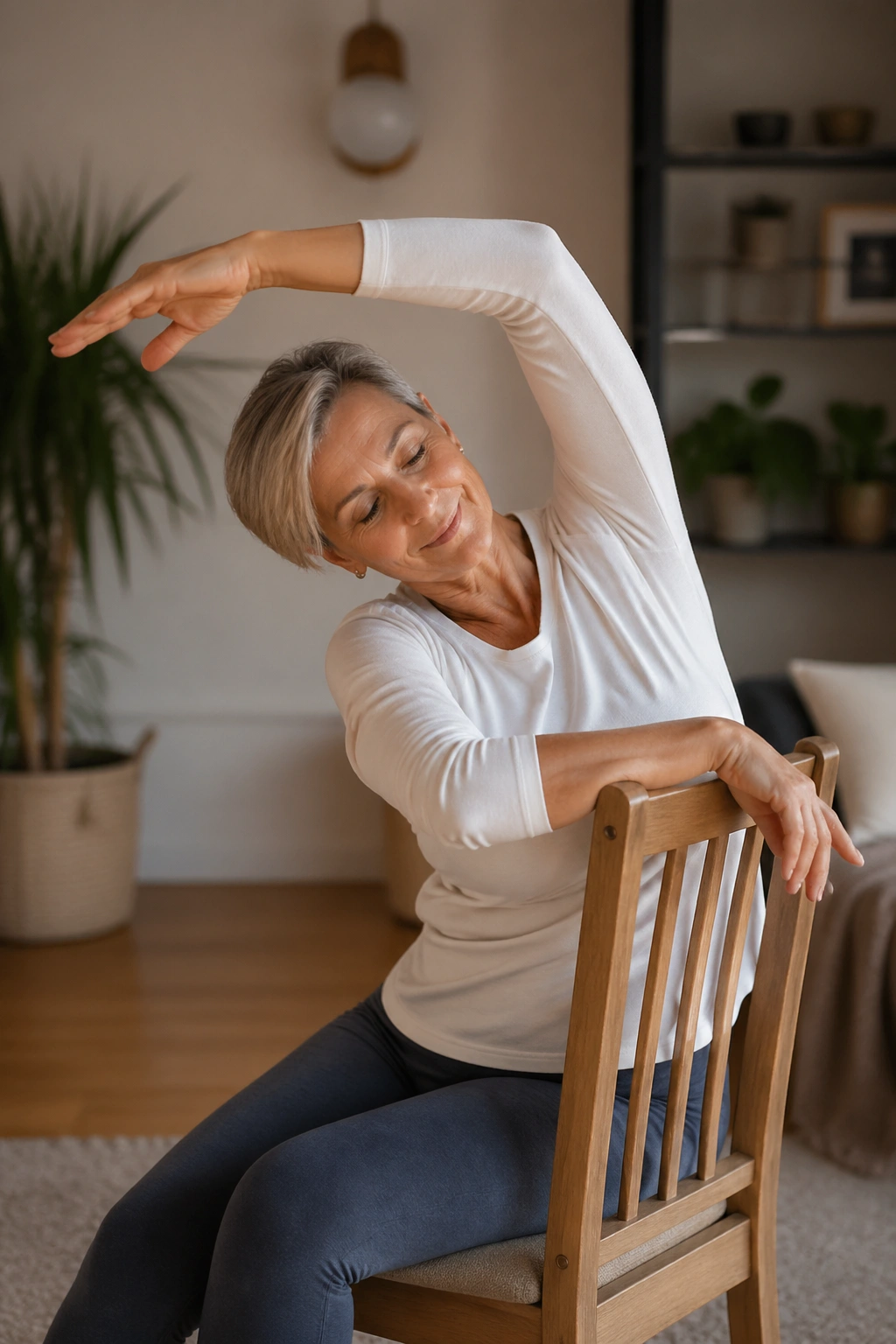
Can yoga work after gallbladder surgery? Yes, but only if you strip out the dramatic stuff. No deep twists. No strong backbends. No poses that make you bear down through the abdomen or pull hard across the incision line. Think support, not performance.
Chair yoga is a good entry point because the chair gives you a reference point and keeps balance demands low. Supported stretching with a wall, counter, or folded blanket can also help the body feel less boxed in. The goal is not flexibility for its own sake. The goal is to stop every movement from feeling stiff and guarded.
Good Choices
- Seated side bends with a tiny range
- Gentle cat-cow with hands on a countertop
- Chest opening with forearms on the wall
- Supported hamstring stretch with one heel on a low step
- Easy seated spinal lengthening without rotation
The caution here is twists. People love twists because they feel productive, but after abdominal surgery they can tug in exactly the wrong place. If a pose compresses the belly or asks you to grip hard through the middle, skip it.
I’d also keep stretches brief. Hold each one for 10 to 20 seconds, then come out slowly. Long, intense holds can make the area around the incision feel more sensitive afterward. Short and gentle wins. Again.
10. Light Resistance Band Rows and Arm Work
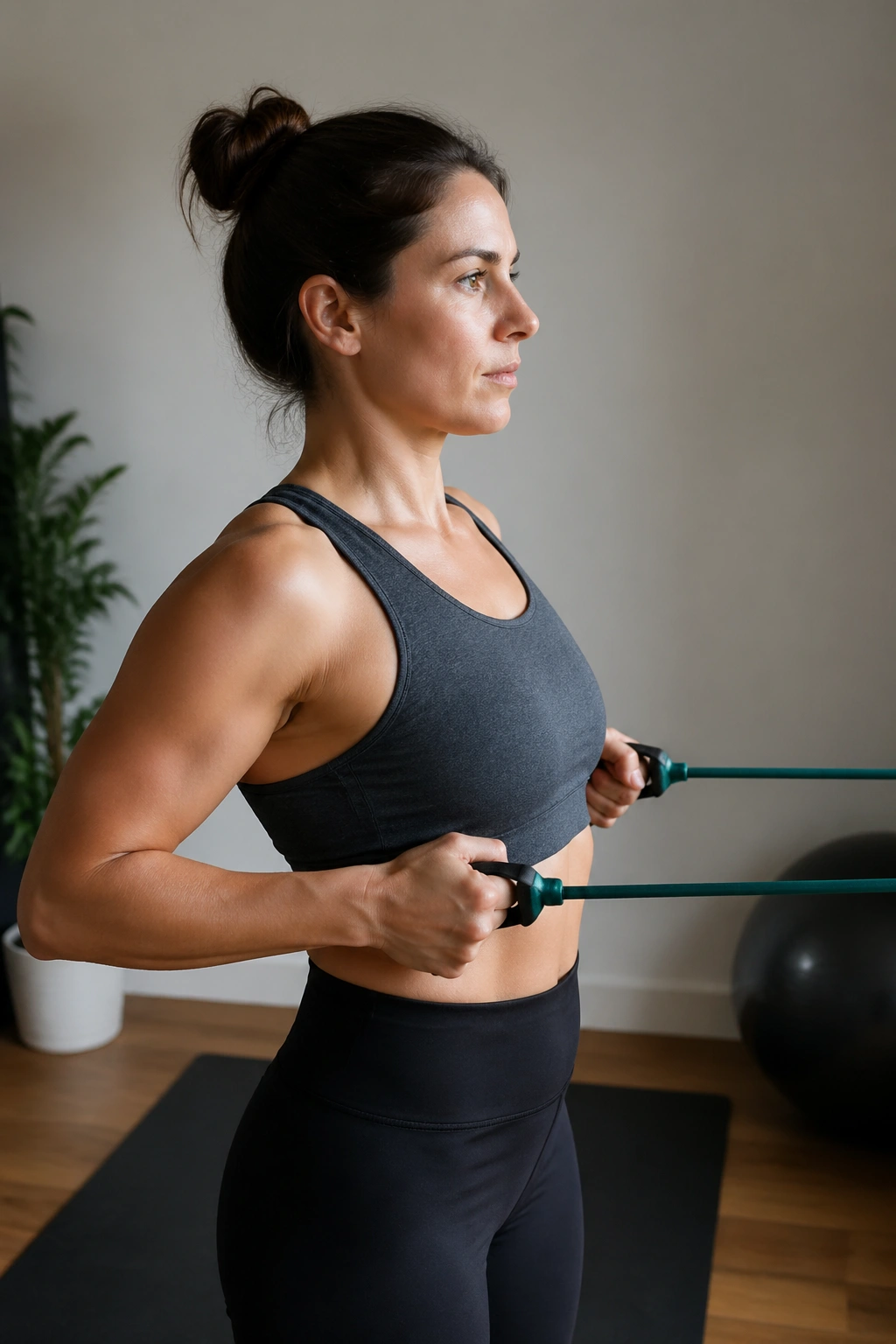
Once walking and mobility feel steady, a little upper-body resistance can be useful. Resistance bands are my pick because they give you control over the load in a way dumbbells sometimes don’t. You can keep the effort tiny, which matters when your torso is still recovering.
Rows are the best place to start. Sit tall or stand with the band anchored at chest height, pull your elbows back, and stop before your shoulders creep upward. The motion should feel like you’re opening your chest, not yanking something heavy out of the wall.
Smart Band Moves
- Seated or standing rows
- Biceps curls with elbows tucked
- Chest press with a very light band
- Pull-aparts at chest height
- Very small arm raises only if they do not tug on the abdomen
Leave overhead presses for later. They often encourage rib flare and bracing, which is not what you want after abdominal surgery. The safer moves are the ones that keep your torso stacked and your breath moving.
A resistance band should feel almost too light in the beginning. If your face tightens or your belly starts to brace hard, the band is too strong. Reduce the tension, shorten the range, or sit down for support. The point is to restore movement, not to test your tolerance for discomfort.
11. Pool Walking Once the Incisions Are Fully Closed

Water feels good after surgery for a reason: it supports part of your body weight and makes movement smoother. But pool work comes with one hard rule—do not get into the water until your incisions are fully closed and your surgeon says it’s fine. Open skin and public water do not belong together.
Once you’ve got clearance, pool walking can be a lovely next step. Start in the shallow end where you can stand securely. Walk forward for a lap, backward for a shorter return, then side-step for a few passes. The water adds gentle resistance without impact, and the buoyancy takes some pressure off your abdomen.
What to Keep in Mind
- Stay in shallow water first.
- Keep movements slow and controlled.
- Avoid hard kicking or jumping.
- Stop if you feel dizzy or chilled.
- Dry the incision areas carefully afterward.
Pool walking is one of those activities that feels easier on the body but still gives you a sense of doing something real. That said, do not let the water fool you into overdoing it. The first few sessions should be short, maybe 5 to 10 minutes, especially if you have not done much since surgery.
A chlorine-smelling indoor pool may not sound glamorous, but it can be a smart bridge back to regular exercise when the skin has healed and land-based movement still feels awkward.
12. A Home Circuit Built From Sit-to-Stands and Marching
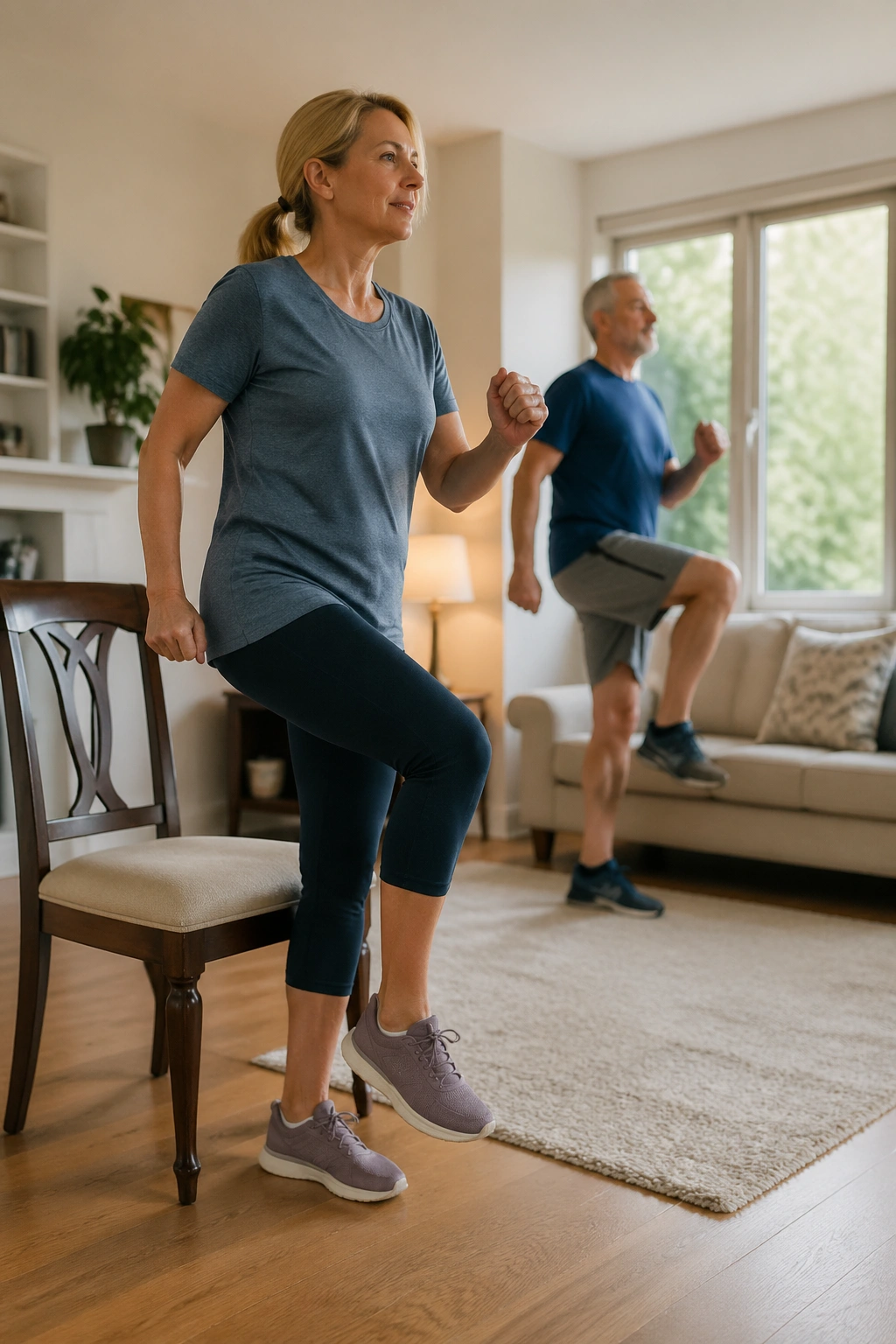
If you want one workout that starts to look like real life again, this is the one. Sit-to-stands and marching ask your body to handle the exact kinds of motions that show up all day: getting up from a chair, lifting one foot, keeping your balance, and moving with a little purpose.
A sturdy chair is enough. Stand up slowly, sit back down with control, then repeat. March in place for a few seconds. Add a wall push-up if your abdomen tolerates it. That combination gives you mild strength work, balance practice, and a little cardio without jumping straight into anything aggressive.
A Simple Circuit
- 5 sit-to-stands
- 10 seconds of marching in place
- 5 wall push-ups
- 5 heel raises
- 5 slow breaths
Rest for a minute, then repeat once or twice if you still feel good.
The nice thing about this circuit is how adaptable it is. On an easy day, you can do two rounds. On a tired day, one round is enough. If sit-to-stands make your belly tug, use your hands lightly on the chair arms for support. If marching feels bouncy, slow it down until both feet stay quiet and controlled.
This kind of workout is also a practical checkpoint. When you can move from sitting to standing, breathe normally, and hold your torso without guarding, you’re getting back to everyday strength—not gym strength, but the kind that matters more in real life.
Final Thoughts
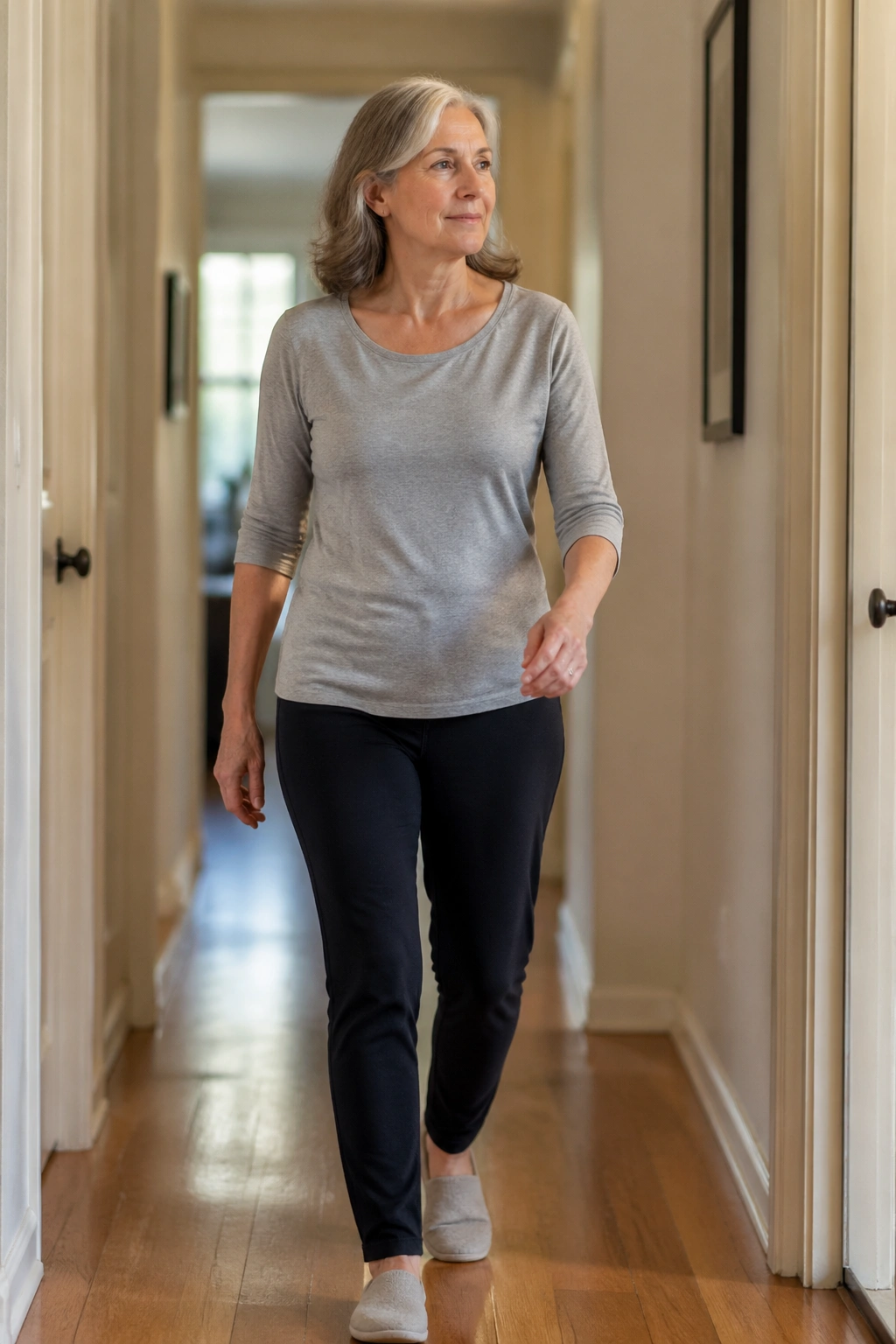
The best post gallbladder surgery workout ideas are the ones that feel almost too manageable at first. That is not a weakness. It is what healing asks for. Short walks, light mobility, breathing work, and low-load strength all give you a path back without poking the incision line.
If a move creates sharp pain, pulling, dizziness, nausea, or a new wave of fatigue that sticks around, back off and let your surgeon know if it doesn’t settle. Recovery tends to reward patience more than ambition, and the body usually says so in plain language if you’re willing to listen.
A good rule for the next step: if you can finish the session and still feel like a person rather than a patient, you probably chose well.
