



The post-workout window is short, and your body is essentially an empty fuel tank asking for a refill. After you finish a set of heavy squats or wrap up a long run, your muscle fibers have undergone microscopic tears, and your glycogen stores—the primary energy fuel for your muscles—are largely depleted. You don’t need a fancy supplement or a complex regimen; you need simple, digestible, and nutrient-dense fuel to start the repair process.
Many people struggle with dairy-based post-workout drinks because they can cause bloating, digestive sluggishness, or inflammation, which is the last thing you want when you are trying to recover. Switching to dairy-free smoothies is not just about avoiding cow’s milk; it is about choosing ingredients that support recovery without taxing your digestive system. Plant-based proteins and whole-food carbohydrates provide exactly what your body craves after a session, and they do it without the heavy, weighted-down feeling that dairy can bring.
Getting the balance right is the most important part. A recovery smoothie needs a mix of high-quality protein, complex or simple carbohydrates, and a small amount of healthy fats. If you go too heavy on the fat, you slow down the absorption of the nutrients your muscles need right away. If you skip the protein, you miss the building blocks for repair. The goal is to hit that sweet spot—a drink that replenishes your energy while providing the amino acids necessary for muscle synthesis.
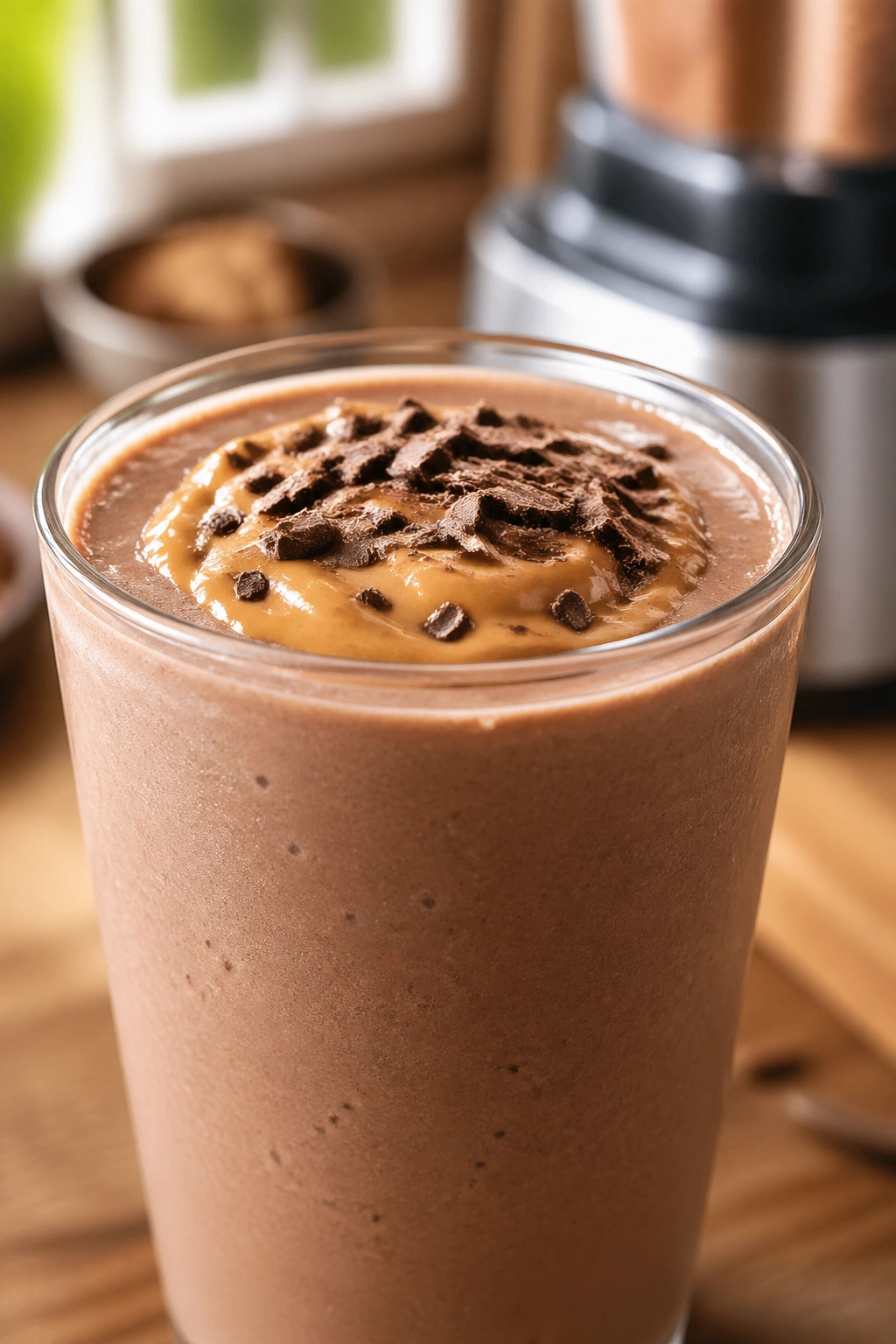
1. The Creamy Chocolate Peanut Butter Powerhouse
This is the classic, the standard-bearer, and honestly, the one most people crave after a heavy lifting session. It mimics the flavor of a milkshake while being packed with the specific nutrients needed for muscle recovery. The peanut butter adds a dose of healthy fats and protein, while the cocoa powder brings in antioxidants.
Yield: 1 serving Prep Time: 5 minutes Cook Time: 0 minutes Total Time: 5 minutes Difficulty: Beginner — requires only a basic blender and a few pantry staples.
Ingredients:
- 1 cup unsweetened almond or oat milk
- 1 scoop chocolate plant-based protein powder (pea or rice blend works best)
- 1 tablespoon natural creamy peanut butter (no added sugar)
- 1 medium frozen banana, sliced
- 1 teaspoon unsweetened cocoa powder
- 1/4 teaspoon pure vanilla extract
- A pinch of sea salt
Instructions:
- Add the liquid base, protein powder, and cocoa powder into the blender first. Always add liquids first to ensure the protein powder doesn’t stick to the bottom and clump.
- Add the frozen banana slices, peanut butter, vanilla extract, and sea salt.
- Blend on high for 45 to 60 seconds until the mixture is completely smooth and creamy.
- Pour into a glass and drink immediately while the texture is thick and icy.
Tips and Variations: If you want an extra boost, toss in a teaspoon of chia seeds. They won’t change the flavor, but they add fiber. If you are allergic to peanuts, swap for sunflower seed butter or almond butter with identical results.
2. Tropical Turmeric and Pineapple Recovery
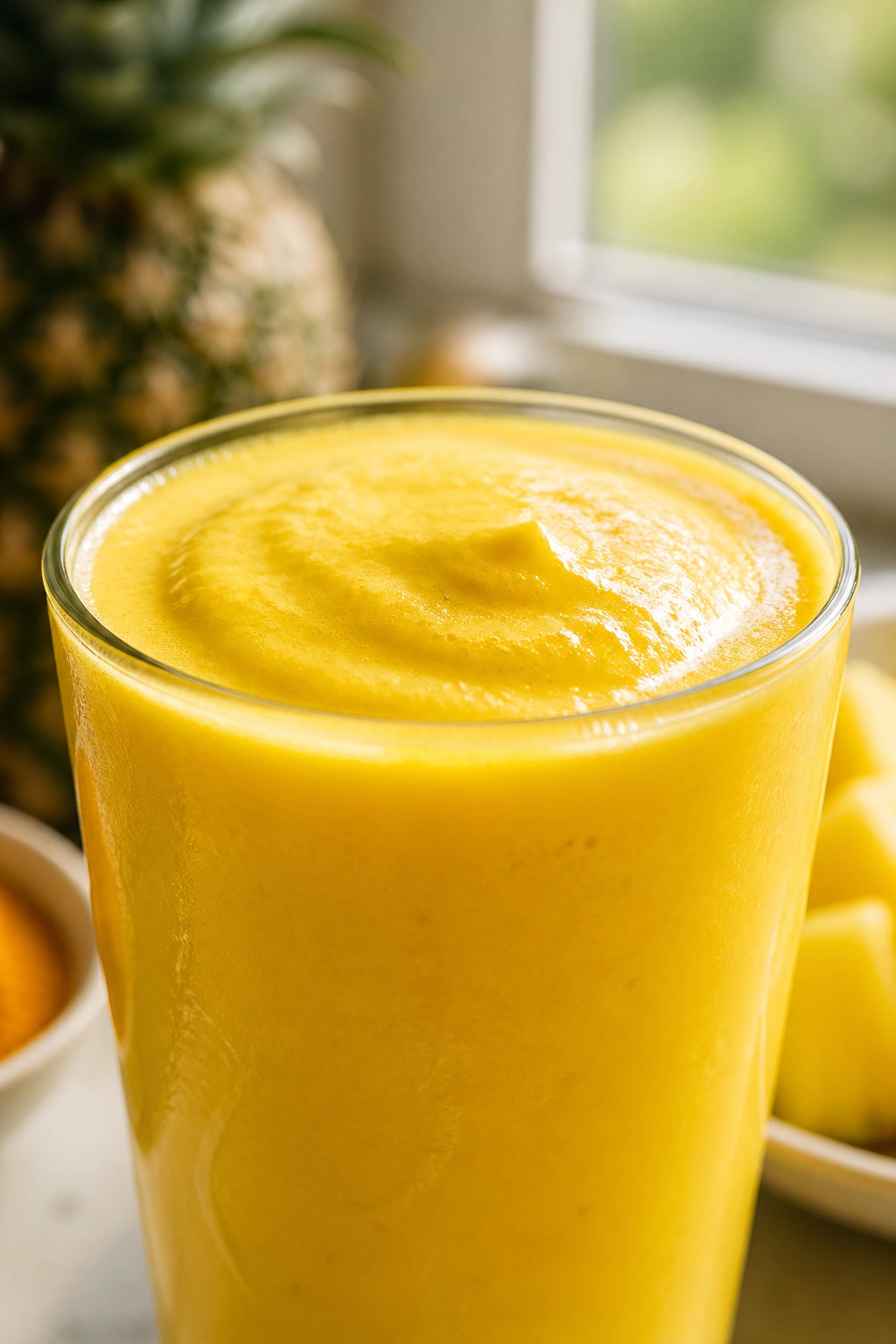
Pineapple is a secret weapon in recovery nutrition. It contains bromelain, an enzyme that can help reduce muscle soreness and inflammation. When paired with the anti-inflammatory properties of turmeric, this smoothie feels more like a restorative tonic than a workout drink.
Yield: 1 serving Prep Time: 6 minutes Cook Time: 0 minutes Total Time: 6 minutes Difficulty: Beginner — the ingredients are straightforward, and the prep is minimal.
Ingredients:
- 1 cup unsweetened coconut water
- 1 scoop vanilla plant-based protein powder
- 1 cup frozen pineapple chunks
- 1/2 teaspoon ground turmeric
- 1/4 teaspoon ground ginger (or 1/2 inch fresh peeled ginger)
- 1 teaspoon chia seeds
Instructions:
- Pour the coconut water and protein powder into the blender.
- Add the frozen pineapple, turmeric, and ginger.
- Blend on medium-high speed until the pineapple is completely pulverized. The smoothie should be bright yellow and have a velvety consistency.
- Stir in the chia seeds last, or blend them in if you prefer a smoother texture.
Tips and Variations: A tiny pinch of black pepper is essential here. It helps your body absorb the curcumin found in the turmeric. You won’t taste it, but it makes the anti-inflammatory effects much more effective. If you find it too thin, add half a frozen banana.
3. Blueberry Basil Antioxidant Blend
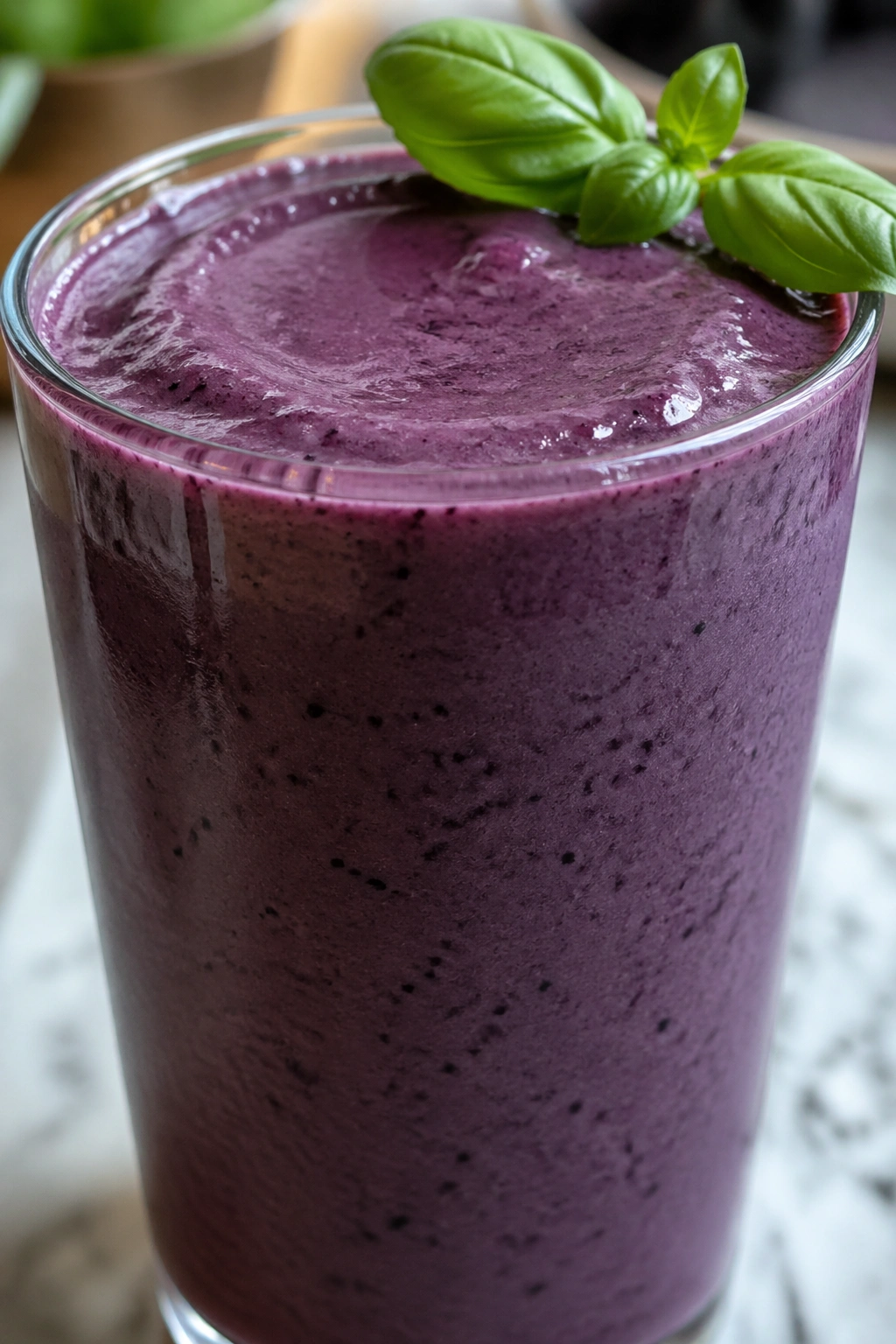
Blueberries are dense with polyphenols, which are fantastic for combating exercise-induced oxidative stress. Adding fresh basil might sound strange if you are used to sweet smoothies, but it provides an earthy, refreshing note that cuts through the sweetness of the fruit.
Yield: 1 serving Prep Time: 5 minutes Cook Time: 0 minutes Total Time: 5 minutes Difficulty: Beginner — just requires washing and prepping the herbs.
Ingredients:
- 1 cup soy milk or cashew milk
- 1 scoop unflavored or vanilla plant-based protein powder
- 1 cup frozen wild blueberries
- 4 to 5 fresh basil leaves
- 1/2 teaspoon honey or maple syrup (optional)
Instructions:
- Combine the soy milk and protein powder in the blender.
- Add the frozen blueberries and fresh basil leaves.
- Blend on high until the basil is fully incorporated and you no longer see large flecks of green.
- Taste and add the sweetener only if you prefer a sweeter profile.
Tips and Variations: If you want to make this heartier, add a tablespoon of almond butter. The fat content helps your body absorb the fat-soluble vitamins found in the blueberries.
4. Strawberry Hemp Seed Classic
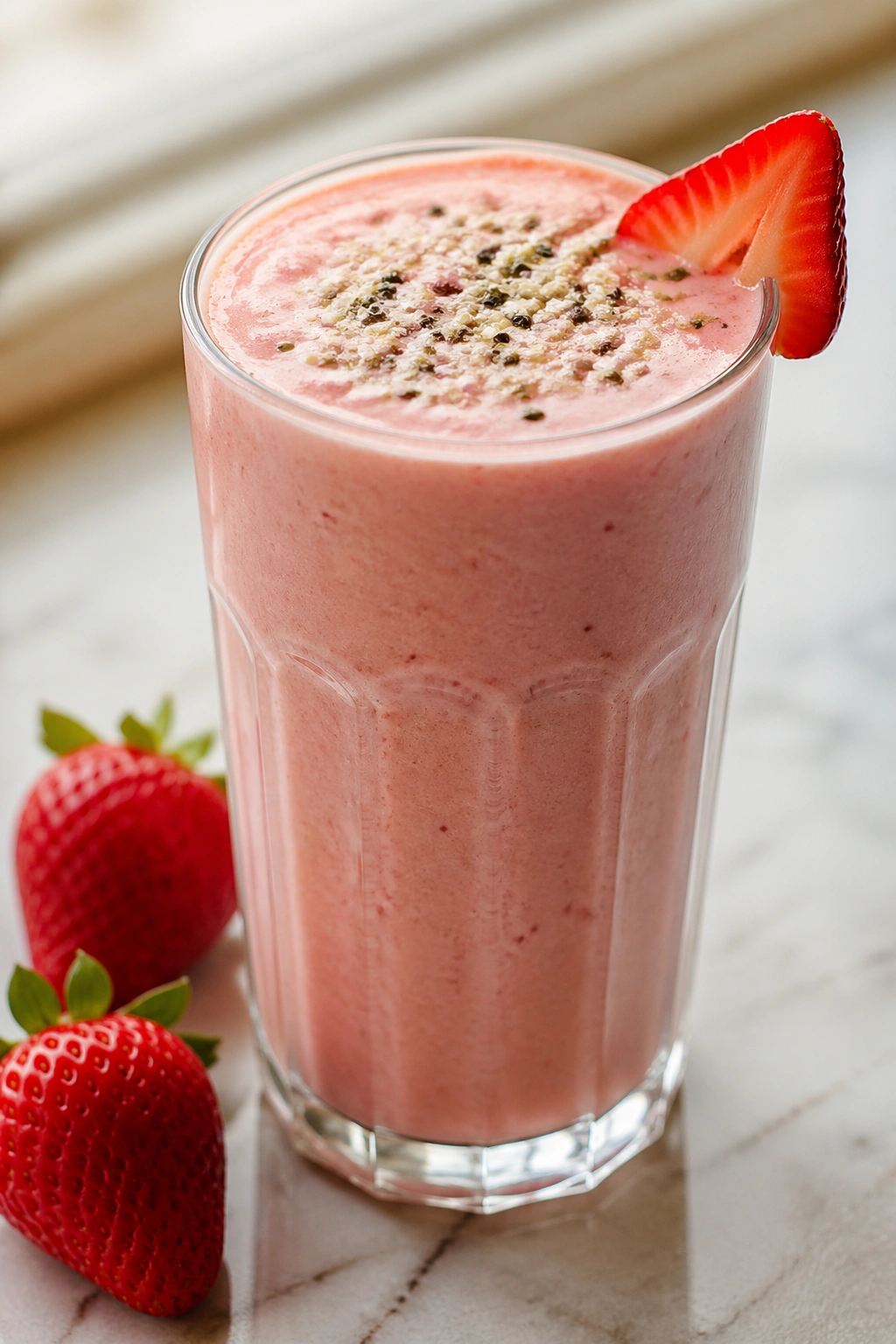
Hemp seeds are a nutrition powerhouse, offering a perfect ratio of omega-3 to omega-6 fatty acids. They also add a slightly nutty flavor that complements the tartness of strawberries. This is a very clean-tasting smoothie, perfect for hot summer days after an outdoor run.
Yield: 1 serving Prep Time: 5 minutes Cook Time: 0 minutes Total Time: 5 minutes Difficulty: Beginner — extremely simple ingredient list.
Ingredients:
- 1 cup unsweetened almond milk
- 1 scoop strawberry or vanilla protein powder
- 1 ½ cups frozen strawberries
- 2 tablespoons hemp hearts (shelled hemp seeds)
- A splash of lemon juice
Instructions:
- Put the almond milk, protein powder, and lemon juice into the blender.
- Add the frozen strawberries and hemp hearts.
- Blend until completely smooth. You want the strawberries fully broken down so the texture is consistent.
- Pour immediately; hemp seeds tend to thicken the smoothie if left to sit, so drink it fresh.
Tips and Variations: If you have fresh strawberries, use them, but be sure to add a half-cup of ice so the smoothie remains cold and refreshing. The lemon juice is vital—it brightens the strawberry flavor and prevents the smoothie from tasting “flat.”
5. Mocha Almond Energizer
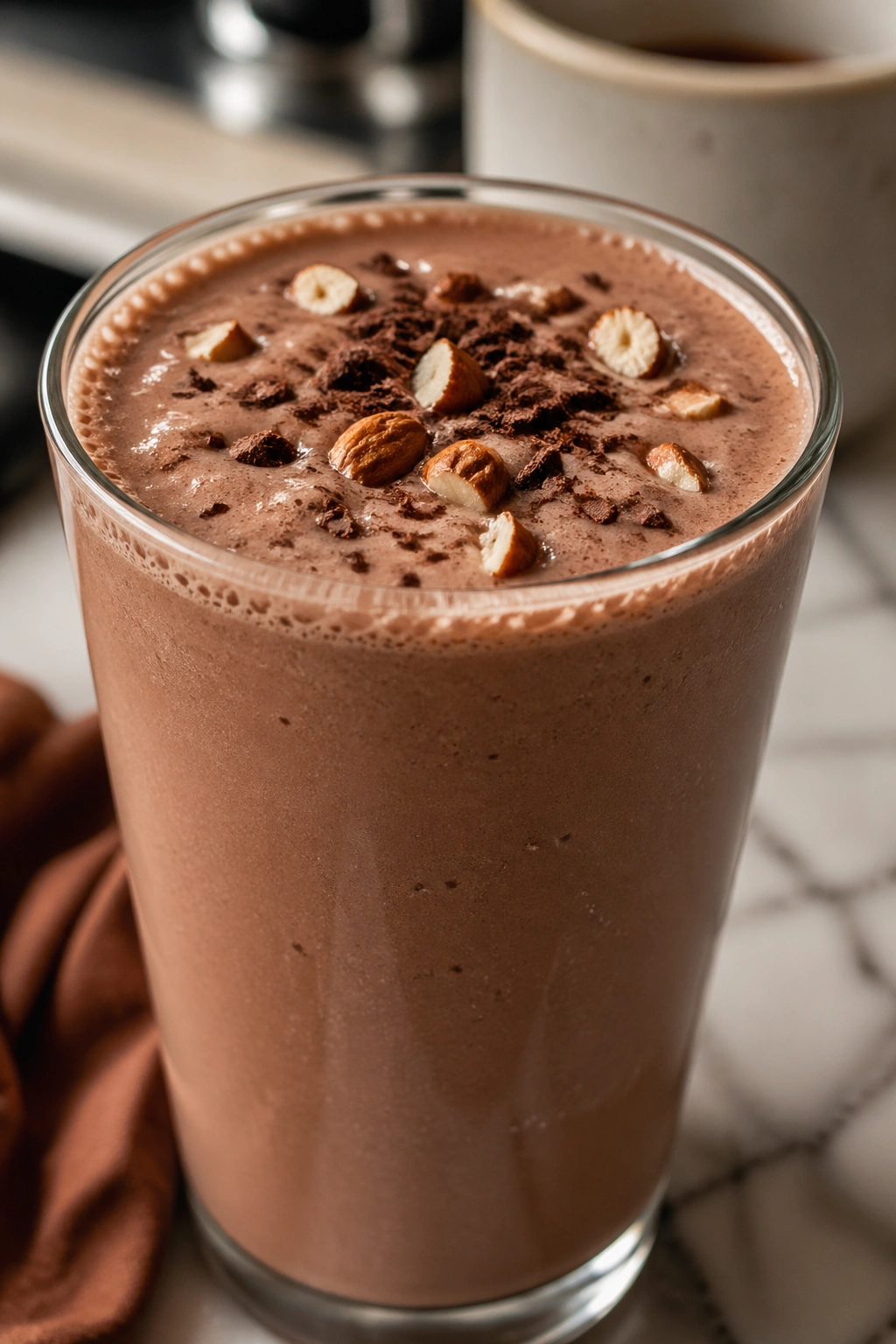
When you train early in the morning, you need both muscle recovery and a caffeine kick. This smoothie combines cold brew coffee with chocolate protein for a breakfast-recovery hybrid. It effectively replaces your morning coffee and your post-workout shake in one glass.
Yield: 1 serving Prep Time: 4 minutes Cook Time: 0 minutes Total Time: 4 minutes Difficulty: Beginner — just ensure your coffee is chilled beforehand.
Ingredients:
- 1/2 cup cold brew coffee or chilled espresso
- 1/2 cup unsweetened almond milk
- 1 scoop chocolate plant-based protein powder
- 1 tablespoon almond butter
- 1/2 frozen banana (for creaminess)
Instructions:
- Pour the chilled coffee and almond milk into your blender.
- Add the protein powder, almond butter, and the frozen banana.
- Blend on high until the banana is fully incorporated and the mixture is frothy.
- Taste to see if it needs more liquid; if it’s too thick, add a splash more almond milk.
Tips and Variations: Make sure your coffee is cold. If you pour hot coffee into a blender with frozen bananas, you will get a lukewarm, weirdly melted smoothie. For an extra treat, add a dash of cinnamon.
6. Oatmeal Cookie Fuel
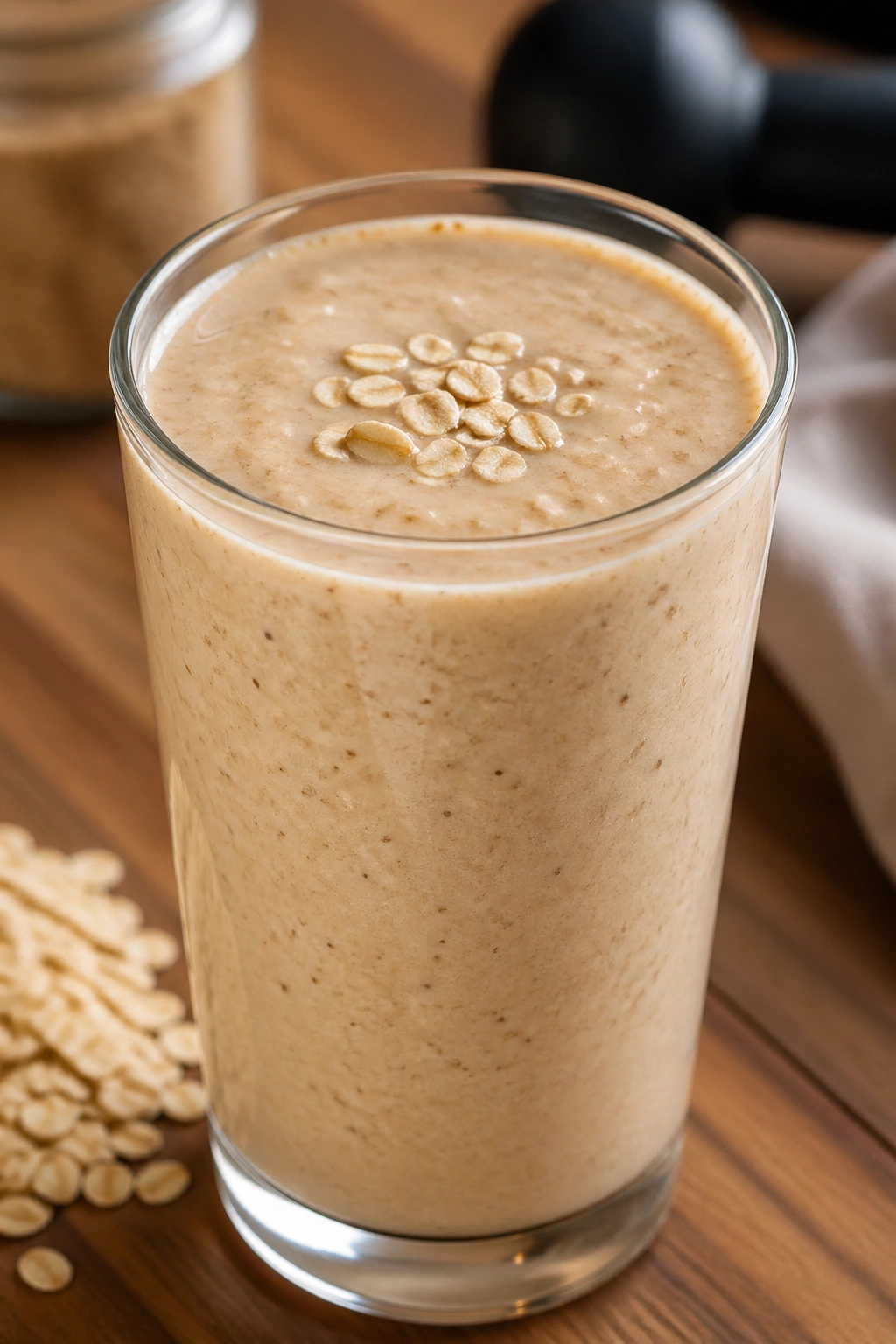
This is a higher-carbohydrate option, which is excellent if you just finished a long-distance endurance event or a high-volume leg day where your glycogen stores are completely empty. It tastes exactly like a dessert but delivers complex carbohydrates from the oats.
Yield: 1 serving Prep Time: 5 minutes Cook Time: 0 minutes Total Time: 5 minutes Difficulty: Beginner — the main trick is blending the oats well.
Ingredients:
- 1 cup soy milk
- 1 scoop vanilla protein powder
- 1/3 cup rolled oats (quick oats blend smoother)
- 1 tablespoon almond butter
- 1/2 teaspoon cinnamon
- 1/4 teaspoon vanilla extract
- 2 pitted dates (for natural sweetness)
Instructions:
- Add the oats to the blender first and pulse them into a powder before adding liquids. This prevents a gritty texture.
- Add the soy milk, protein powder, almond butter, cinnamon, vanilla, and dates.
- Blend on high until the dates are completely pulverized and smooth.
- Let the mixture sit for one minute—the oats will absorb some liquid and make the smoothie thicker and more satisfying.
Tips and Variations: If you don’t have dates, use a teaspoon of maple syrup. The fiber in the oats is great for sustained energy, but be warned: this is a “heavy” smoothie that will keep you full for several hours.
7. Green Machine Avocado Cream
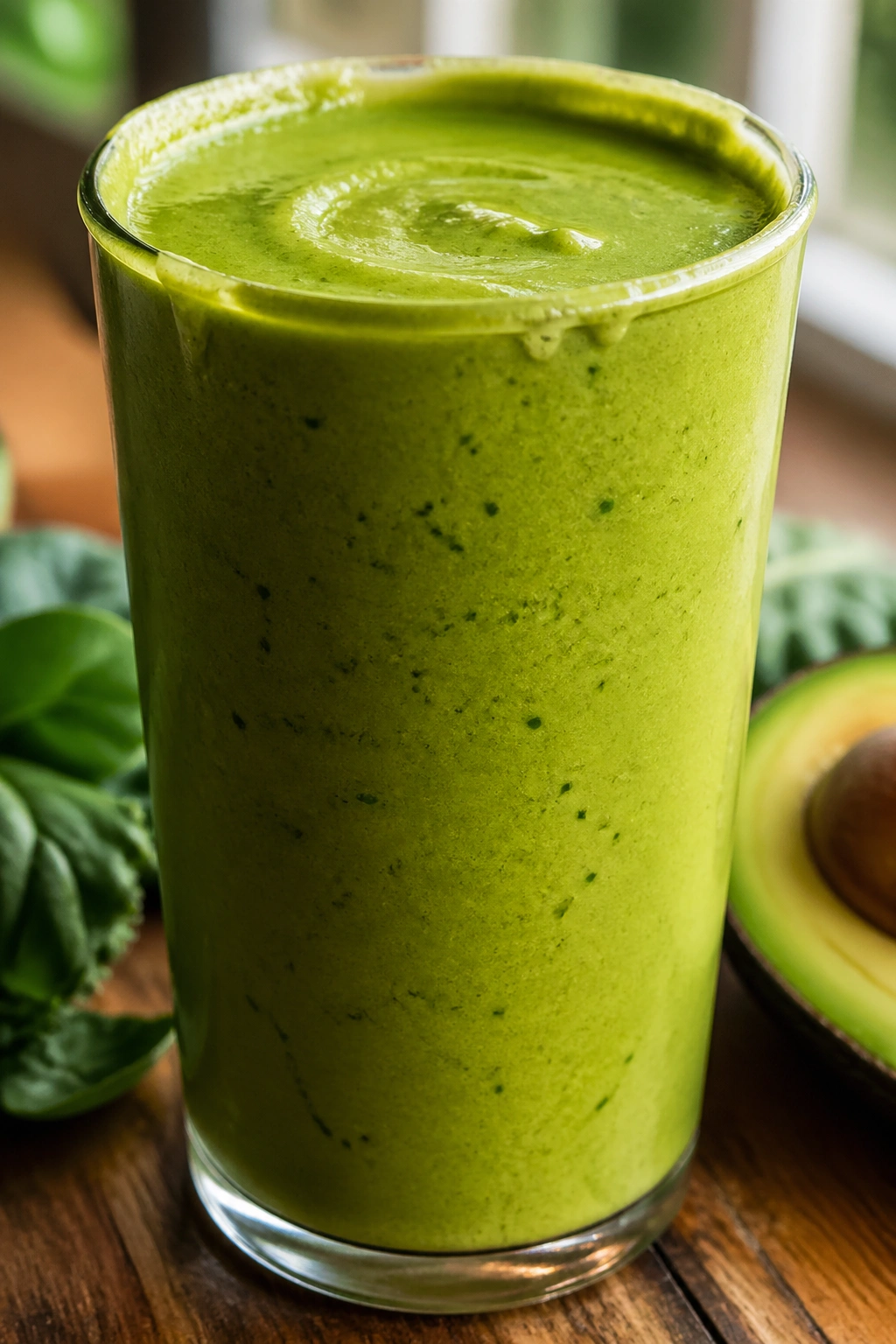
Avocado is the best way to get a creamy texture without using dairy. It provides monounsaturated fats that are excellent for heart health and keeping you satiated, while the greens provide micronutrients that help clear out metabolic waste.
Yield: 1 serving Prep Time: 5 minutes Cook Time: 0 minutes Total Time: 5 minutes Difficulty: Beginner — just prep the avocado correctly.
Ingredients:
- 1 cup coconut water
- 1 scoop vanilla or unflavored plant-based protein powder
- 1/2 small avocado
- 1 cup packed baby spinach
- 1/2 cup frozen mango chunks
Instructions:
- Combine the coconut water, protein powder, and spinach in the blender.
- Blend the greens and liquid first to ensure there are no leafy chunks remaining.
- Add the avocado and frozen mango.
- Blend on high until the texture is perfectly smooth and creamy.
Tips and Variations: The spinach needs to be blended well. If you have a lower-power blender, blend the spinach with the liquid before adding anything else. This ensures you don’t end up with leafy bits in your teeth.
8. Tart Cherry Recovery Elixir
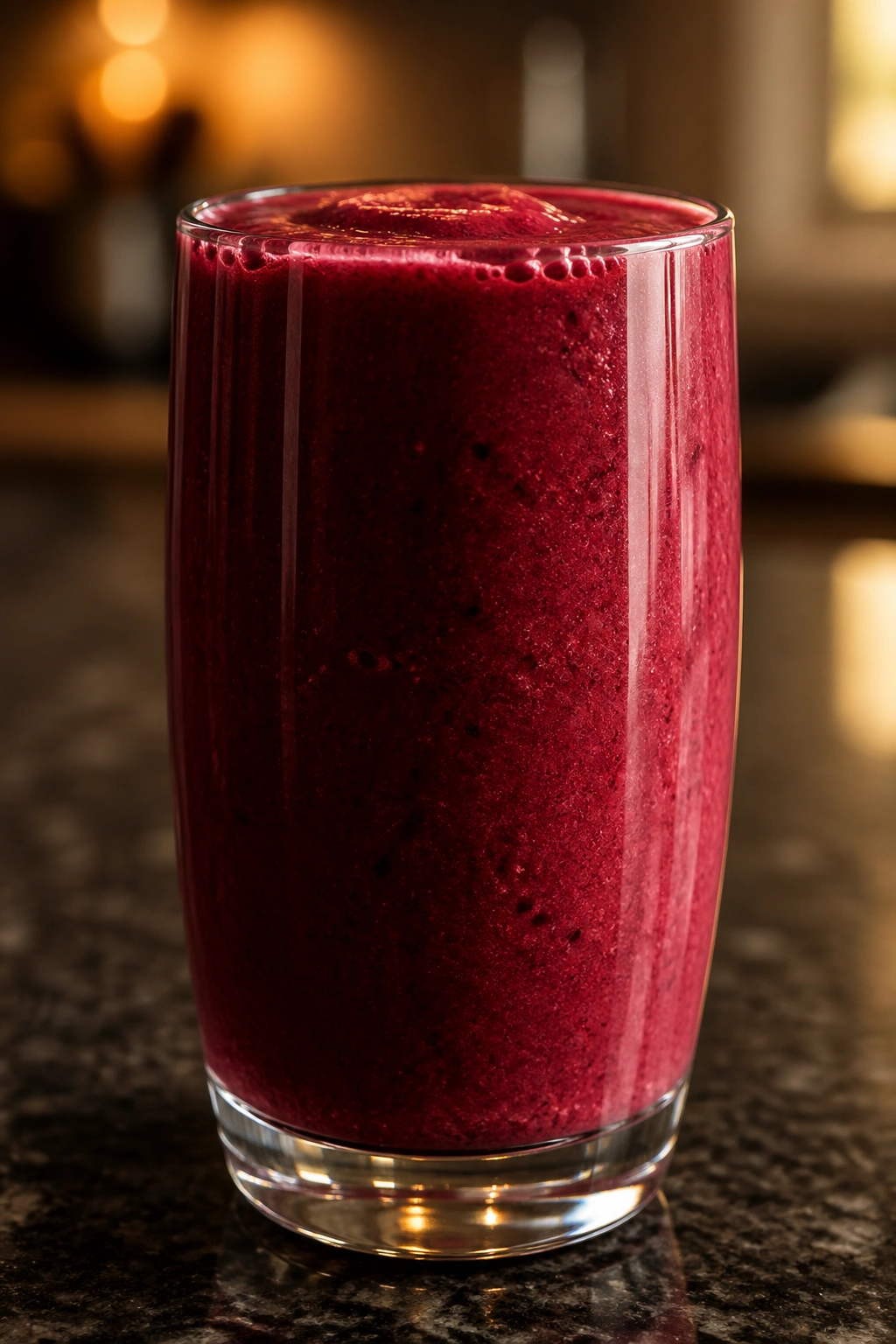
Tart cherry juice is widely used by athletes to help with muscle recovery and sleep. It has a distinct, sharp flavor that works well with berries. This smoothie is best consumed after evening workouts because it is light and refreshing.
Yield: 1 serving Prep Time: 3 minutes Cook Time: 0 minutes Total Time: 3 minutes Difficulty: Beginner — simple assembly.
Ingredients:
- 1/2 cup tart cherry juice
- 1/2 cup unsweetened almond milk
- 1 scoop vanilla protein powder
- 1 cup frozen mixed berries
- 1 tablespoon chia seeds
Instructions:
- Add the cherry juice, almond milk, and protein powder to the blender.
- Add the frozen berries and chia seeds.
- Blend on high speed for about 60 seconds until the berries are completely broken down.
- Pour and serve.
Tips and Variations: Check your tart cherry juice label. Many store-bought versions have added sugar. Look for 100% tart cherry juice to get the recovery benefits without the sugar spike.
9. Creamy Sunbutter and Banana
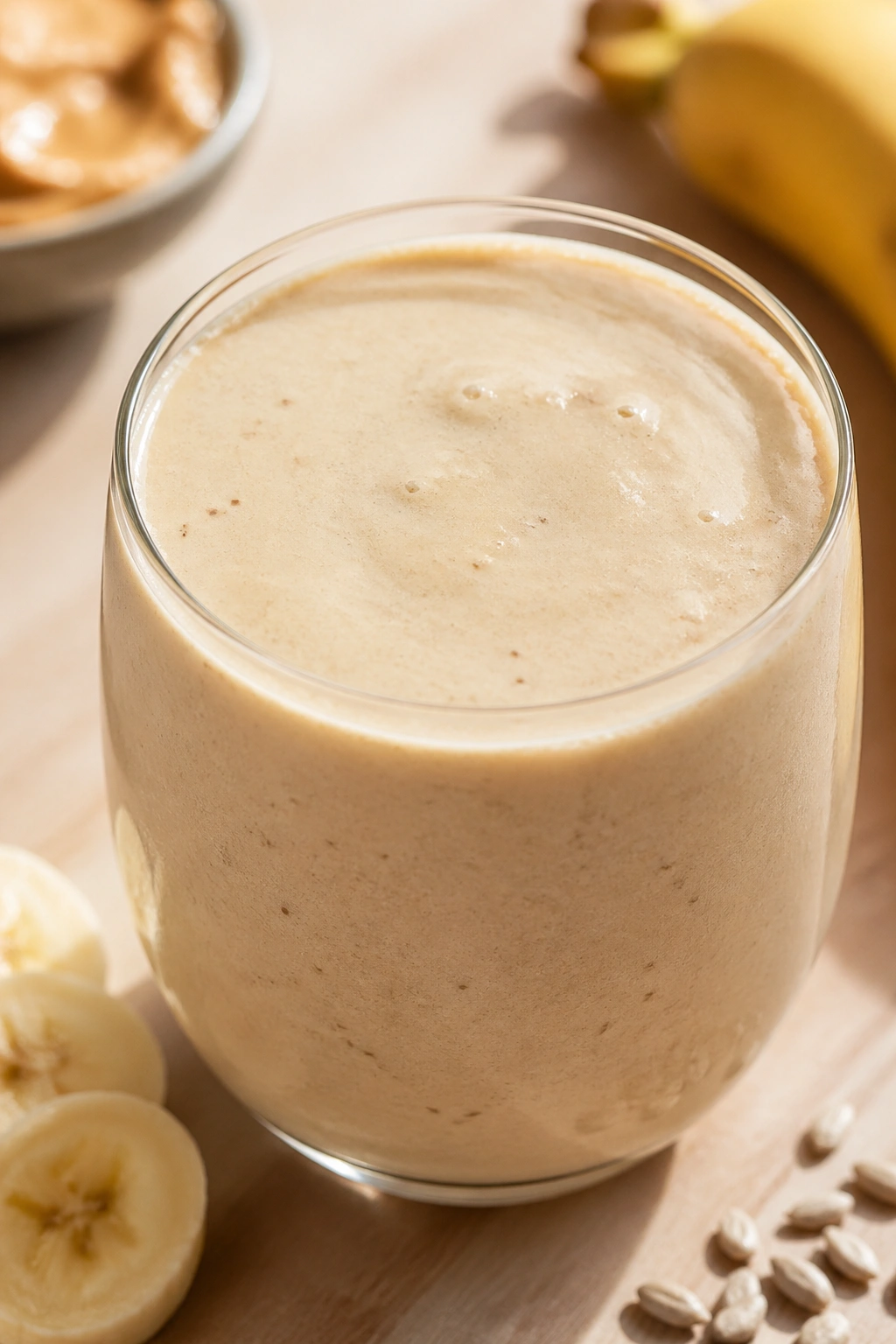
Sunflower seed butter (Sunbutter) is a fantastic alternative if you have tree nut or peanut allergies. It has a slightly savory, earthy flavor that pairs perfectly with banana. It provides a good dose of Vitamin E, which helps protect your cells from damage.
Yield: 1 serving Prep Time: 4 minutes Cook Time: 0 minutes Total Time: 4 minutes Difficulty: Beginner — very simple to assemble.
Ingredients:
- 1 cup oat milk
- 1 scoop vanilla or unflavored plant-based protein powder
- 1 tablespoon sunflower seed butter
- 1 medium frozen banana
- 1/4 teaspoon cinnamon
Instructions:
- Add the oat milk and protein powder to the blender.
- Add the Sunbutter, frozen banana, and cinnamon.
- Blend until completely smooth. The oat milk makes this particularly creamy.
- Serve immediately.
Tips and Variations: Sunbutter can sometimes be a bit salty, so check your brand. If it is unsalted, you might want to add a tiny pinch of sea salt to bring out the flavor of the banana.
10. Matcha Green Tea Fuel
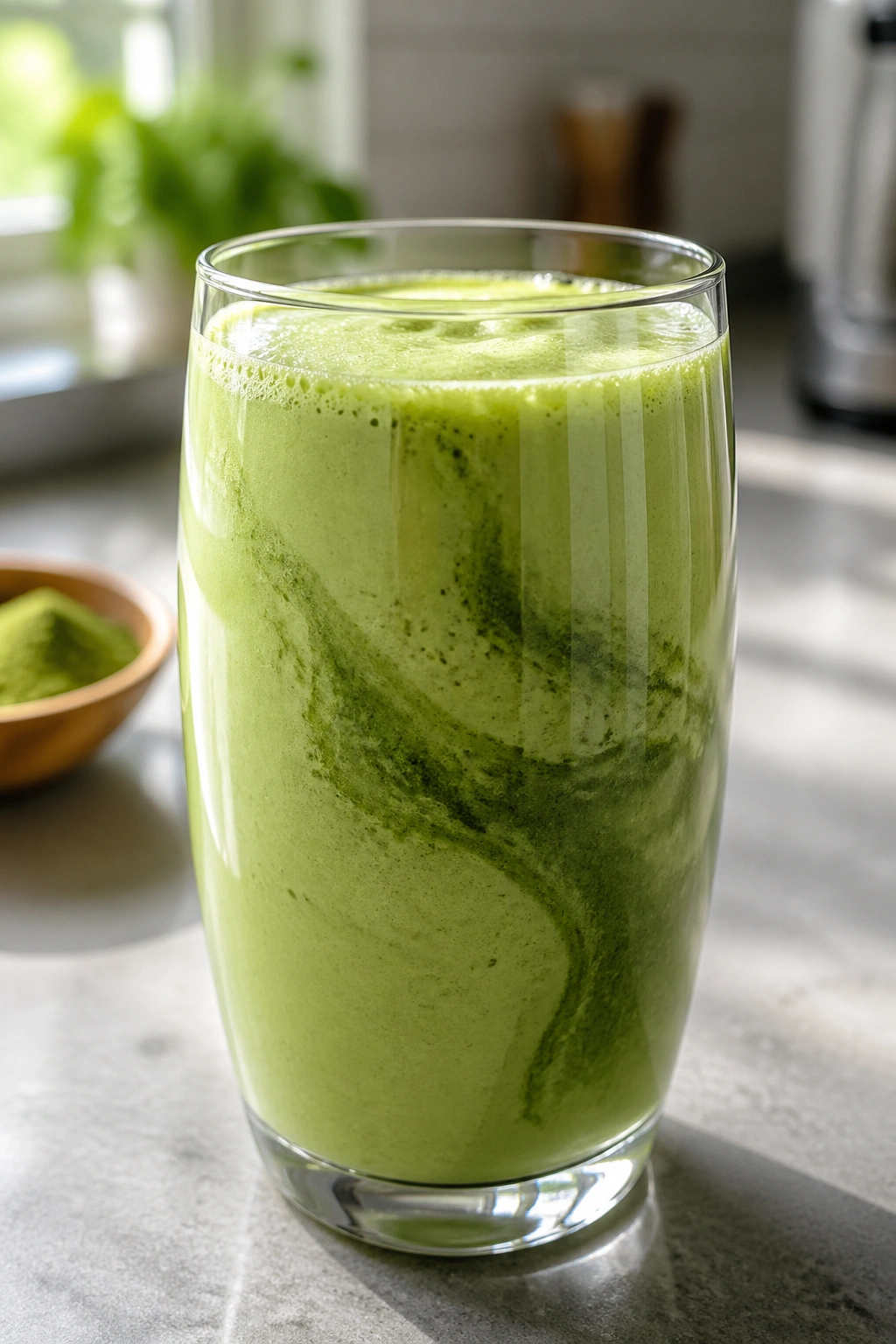
Matcha provides a steady, calm energy release due to the L-theanine content. This is a great choice if you are doing a workout that requires focus, like yoga or a technical lifting session, and you want to maintain that state of flow afterward without the jitters of coffee.
Yield: 1 serving Prep Time: 5 minutes Cook Time: 0 minutes Total Time: 5 minutes Difficulty: Beginner — requires a decent quality matcha powder.
Ingredients:
- 1 cup unsweetened soy milk
- 1 scoop vanilla plant-based protein powder
- 1 teaspoon high-quality matcha powder
- 1 frozen banana
- 1 tablespoon cashew butter
Instructions:
- Pour the soy milk and protein powder into the blender.
- Add the matcha powder, frozen banana, and cashew butter.
- Blend on high until the matcha is fully emulsified and the smoothie is a light, frothy green.
- Taste for sweetness; if the matcha is too bitter, a tiny bit of stevia or maple syrup helps.
Tips and Variations: Don’t use “culinary grade” matcha if you can help it; it can be overly bitter. Ceremonial grade is smoother and makes for a much better smoothie experience.
11. Pear and Ginger Digestive Aid
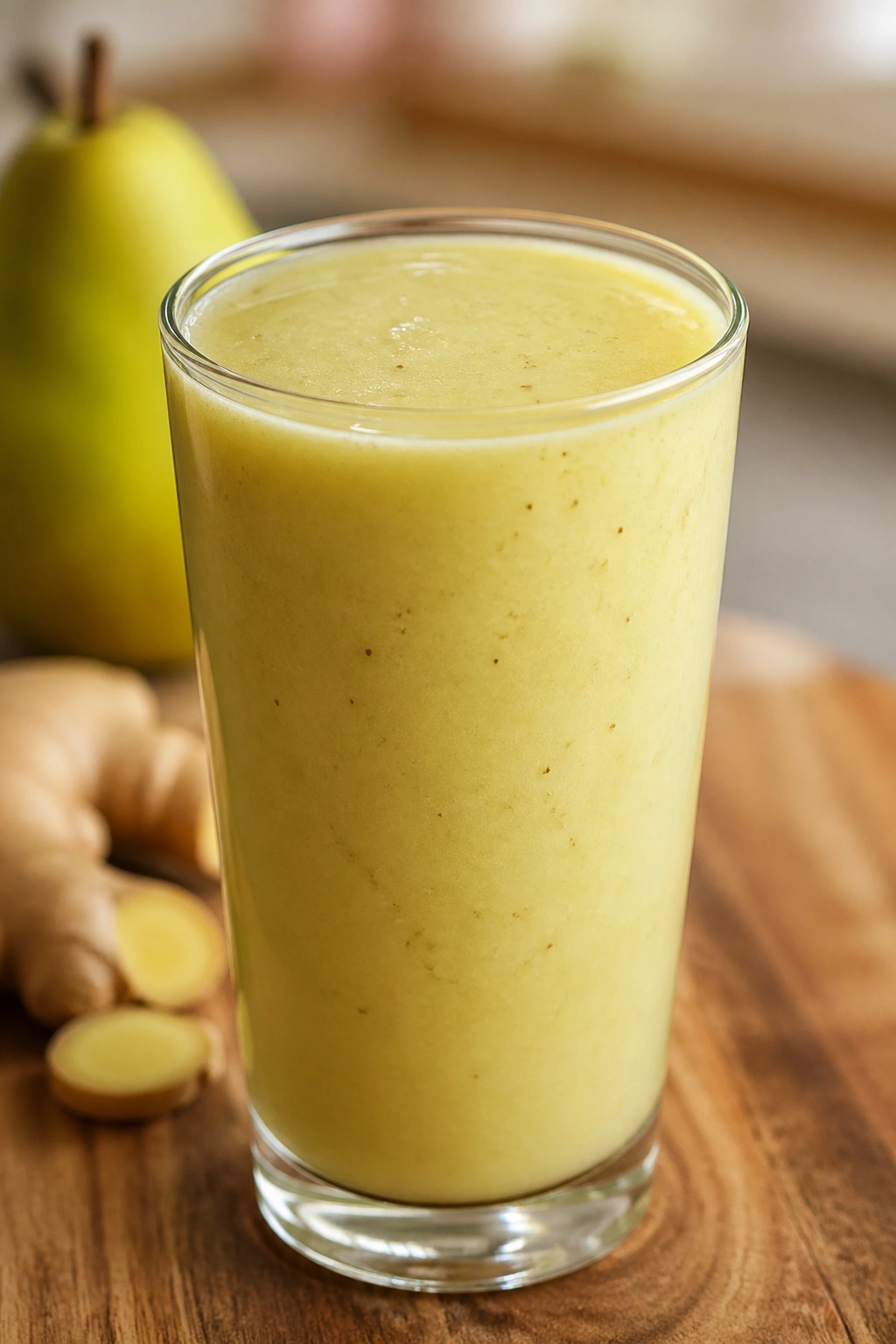
Sometimes post-workout, your stomach feels a bit sensitive. Pear is highly digestible and gentle, and ginger is world-renowned for settling the stomach. This is a non-traditional smoothie that feels incredibly light.
Yield: 1 serving Prep Time: 5 minutes Cook Time: 0 minutes Total Time: 5 minutes Difficulty: Beginner — prep the pear well.
Ingredients:
- 1 cup coconut water
- 1 scoop vanilla plant-based protein powder
- 1 ripe pear, cored and chopped (keep the skin on for fiber)
- 1/2 inch fresh ginger, peeled
- 1 tablespoon flax seeds
Instructions:
- Combine the coconut water, protein powder, and flax seeds in the blender.
- Add the chopped pear and fresh ginger.
- Blend on high for a full minute to ensure the pear skin is fully processed.
- If you like it colder, add a handful of ice before the final blend.
Tips and Variations: If your pear isn’t very ripe, the smoothie won’t be sweet. If that happens, add a pitted date or a teaspoon of honey to compensate.
12. Spiced Pumpkin Pie Recovery
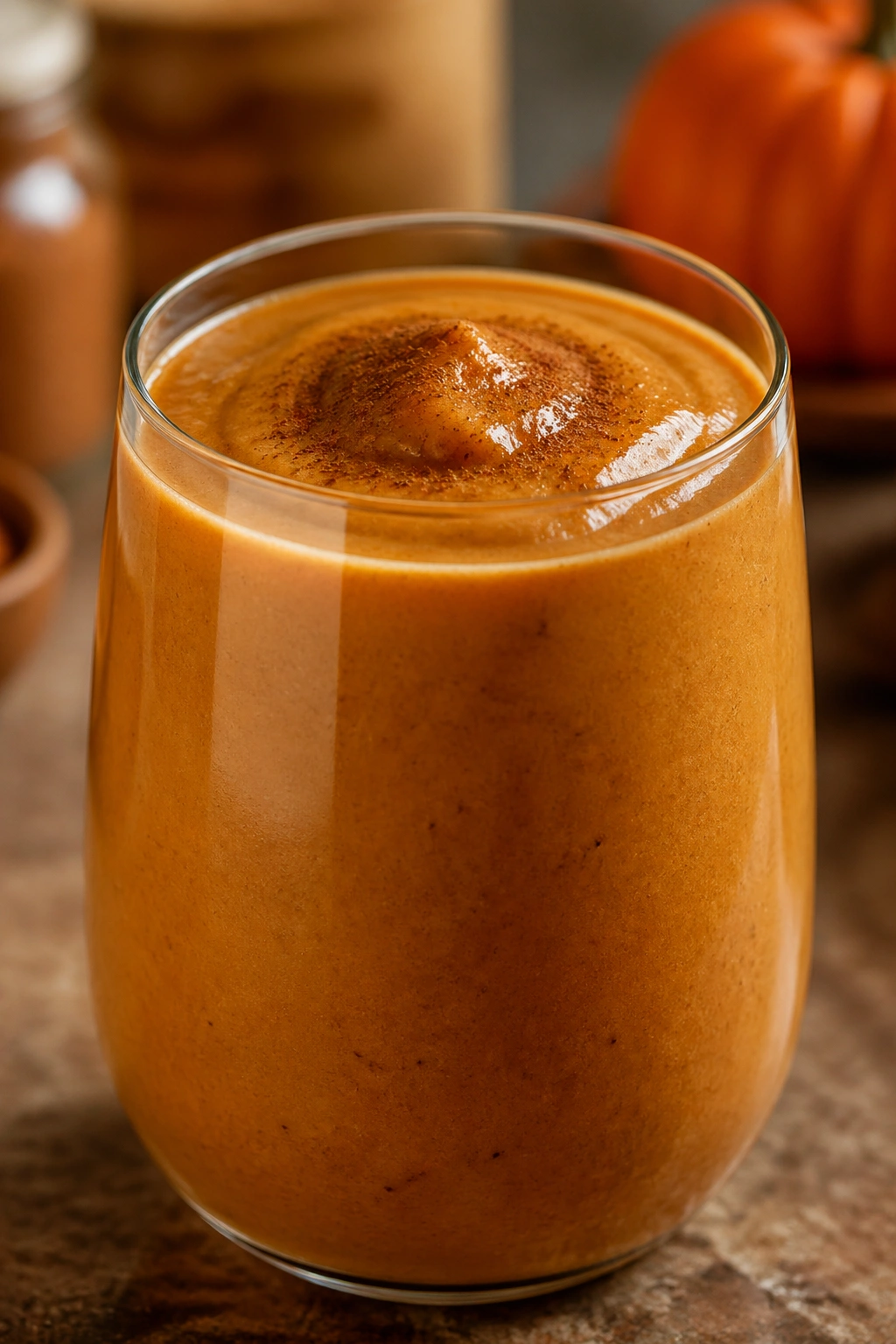
You do not have to wait for autumn to enjoy these flavors. Pumpkin puree is loaded with Vitamin A and fiber. It is a fantastic recovery food because it is nutrient-dense but relatively low in calories, allowing you to control the macronutrients of your smoothie easily.
Yield: 1 serving Prep Time: 5 minutes Cook Time: 0 minutes Total Time: 5 minutes Difficulty: Beginner — easy to mix.
Ingredients:
- 1 cup unsweetened almond milk
- 1 scoop vanilla or unflavored plant-based protein powder
- 1/4 cup pumpkin puree (canned, not pie filling)
- 1/2 frozen banana
- 1/2 teaspoon pumpkin pie spice (or a mix of cinnamon, nutmeg, and cloves)
- 1 tablespoon almond butter
Instructions:
- Add the almond milk, protein powder, and pumpkin puree to the blender.
- Add the frozen banana, spices, and almond butter.
- Blend on high until creamy. The pumpkin puree creates a very thick, decadent texture.
- Serve immediately.
Tips and Variations: Ensure you are using 100% pumpkin puree, not the “canned pie mix” which is already loaded with sugar and spices. You want to control the sweetness yourself.
Essential Tips for Preparing Dairy-Free Smoothies
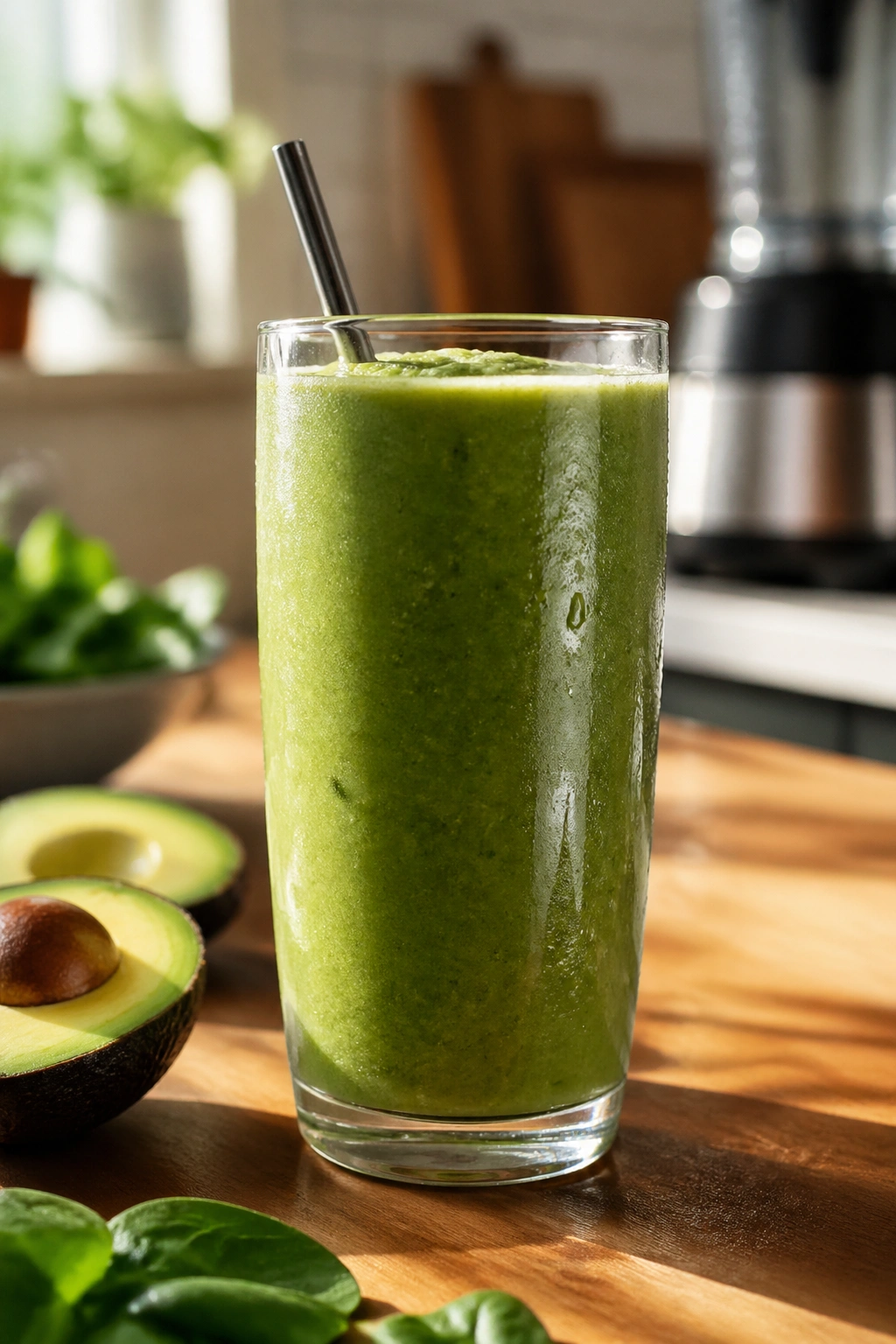
The secret to a great smoothie is not just the ingredients, but the way you prepare them. If you are making these regularly, you need a system that minimizes time in the kitchen. The goal is to spend less time blending and more time recovering.
First, invest in a decent blender. It does not need to be a commercial-grade machine that costs a fortune, but it needs enough power to pulverize frozen fruit and fibrous greens. If you have to chew your smoothie, your blender is not doing its job.
Second, consider “freezer packs.” On a Sunday, take 10 freezer-safe bags. In each bag, put your fruit (like the pineapple, blueberries, or bananas) and your seeds (chia, flax, hemp). When you finish your workout, you dump the bag into the blender, add your liquid and protein powder, and hit the button. This saves about five minutes of measuring and prep, which is a massive help when you are exhausted.
Third, temperature management is key. If you use fresh fruit, your smoothie will be room temperature, which is rarely satisfying. Always use frozen fruit or keep a bag of ice ready. If you use fresh fruit, you must add ice, or you will be drinking a lukewarm shake, which is rarely enjoyable after a workout.
Lastly, do not underestimate the importance of your liquid base. Soy milk offers the most protein, making it excellent for recovery. Almond and oat milk are generally lower in protein, which is fine if your protein powder is high-quality, but remember that the liquid base contributes to the total nutritional profile. If you feel tired or hungry shortly after finishing, try switching your base to soy or pea-based milk for that extra protein boost.
Pairing Your Smoothie with Post-Workout Nutrition
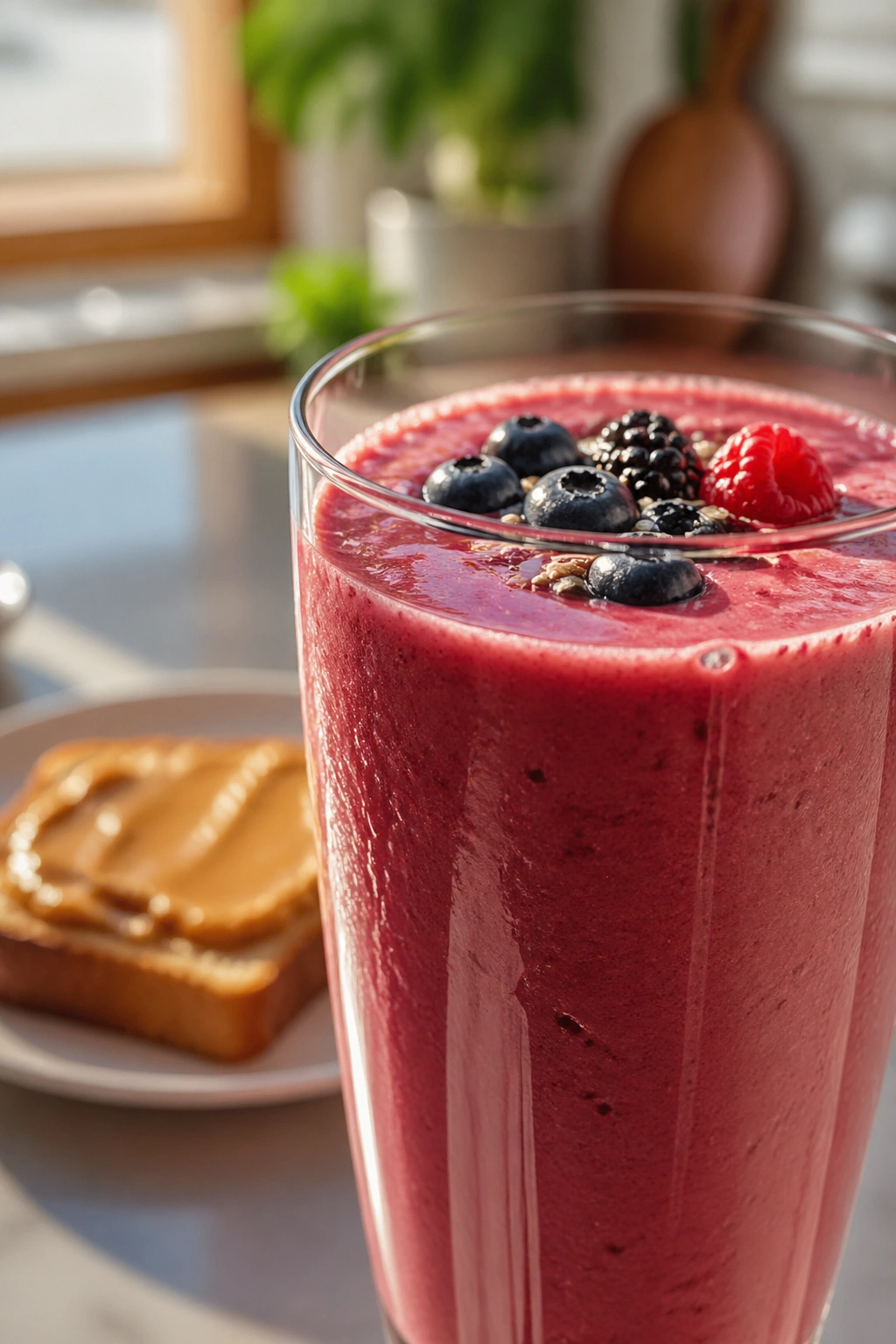
While a smoothie is a fantastic recovery tool, it is not always the whole meal. Depending on the intensity of your workout, you might need a little more substance.
If you had a moderate workout, the smoothie is enough. If you just finished a two-hour session or a high-intensity endurance workout, your body might need a bit more. A piece of sourdough toast with a little nut butter or a hard-boiled egg can be a great, easy-to-digest companion to these smoothies.
The biggest mistake people make is consuming their smoothie and then immediately jumping into a high-stress activity. Your body recovers best when you are in a parasympathetic state—that “rest and digest” mode. Try to drink your smoothie sitting down, slowly, rather than chugging it while rushing out the door. Digestion begins in the mouth, and if you swallow your smoothie in thirty seconds, you are putting unnecessary stress on your digestive system.
If you find that smoothies make you feel bloated, look at the fiber content. Sometimes, raw fiber can be hard to digest right after exercise. If this happens to you, try blending your greens thoroughly and maybe swapping some of the fibrous fruits for smoother options like mango or banana for a few days to see if your digestion improves. Everyone’s gut reacts differently to raw produce, and it is worth adjusting the recipes until you find the balance that makes you feel energized rather than heavy.
Final Thoughts
Recovery is not about perfection; it is about consistency. You do not need to follow these recipes to the letter every single time. Use them as a starting point. If you like more protein, add an extra half-scoop. If you want more healthy fats, add an extra tablespoon of nut butter.
The best recovery smoothie is the one you actually enjoy drinking. When your nutrition is enjoyable, you are far more likely to stick to a good post-workout routine, and that consistency is what will ultimately lead to better performance and faster recovery over the long term. Trust your palate, listen to your body, and keep your blender ready.
