



A brutal leg day has a way of making itself known in the stairs, the chair, and that awkward little shuffle you do the next morning. The right post workout foods won’t erase soreness like a magic trick, but they can take the edge off in a way that plain snacking usually doesn’t.
What you eat after training matters because sore muscles are doing two jobs at once: they’re repairing tiny bits of damage, and they’re trying to refill the fuel you burned. Protein helps with repair. Carbs refill glycogen. Fluids keep things moving. Then there are a few foods that bring compounds — omega-3s, anthocyanins, bromelain, magnesium — that seem to help the whole recovery process feel a little less punishing.
The annoying part? Most people reach for whatever is easiest: a sugary coffee drink, a random bar, maybe leftover fries if they’re desperate. That works fine if you just need calories. It’s not the same thing as choosing post workout foods that reduce soreness. The difference shows up later, when your quads are less locked up and you can train again without feeling like a rusted hinge.
The foods below all have a job to do. Some are obvious. Some are a little sneaky. All of them earn their place.
1. Greek Yogurt for Post Workout Recovery
Greek yogurt is one of the cleanest recovery foods you can eat after training. It gives you a lot of protein in a small bowl, and that protein is usually rich in leucine — the amino acid that helps trigger muscle repair. If you want something that feels easy but still does real work, this is one of my favorite answers.
A plain 1-cup serving often lands around 20 grams of protein, depending on the brand and fat level. That’s enough to matter. Add a handful of berries or a banana, and you’ve also covered the carb side of recovery without turning the snack into dessert.
How to Eat It After a Workout
- Use plain Greek yogurt if you can tolerate the tang.
- Add berries, sliced banana, or chopped pineapple for fast carbs.
- Stir in oats or granola if your workout was long or brutal.
- Pick a thicker style if you want something more filling, or a lighter version if your stomach feels a little off.
One thing I like about Greek yogurt is how little planning it needs. Open the tub, add fruit, eat. Done. And if you train at odd hours, that simplicity matters more than people admit.
2. Tart Cherry Juice for DOMS Relief
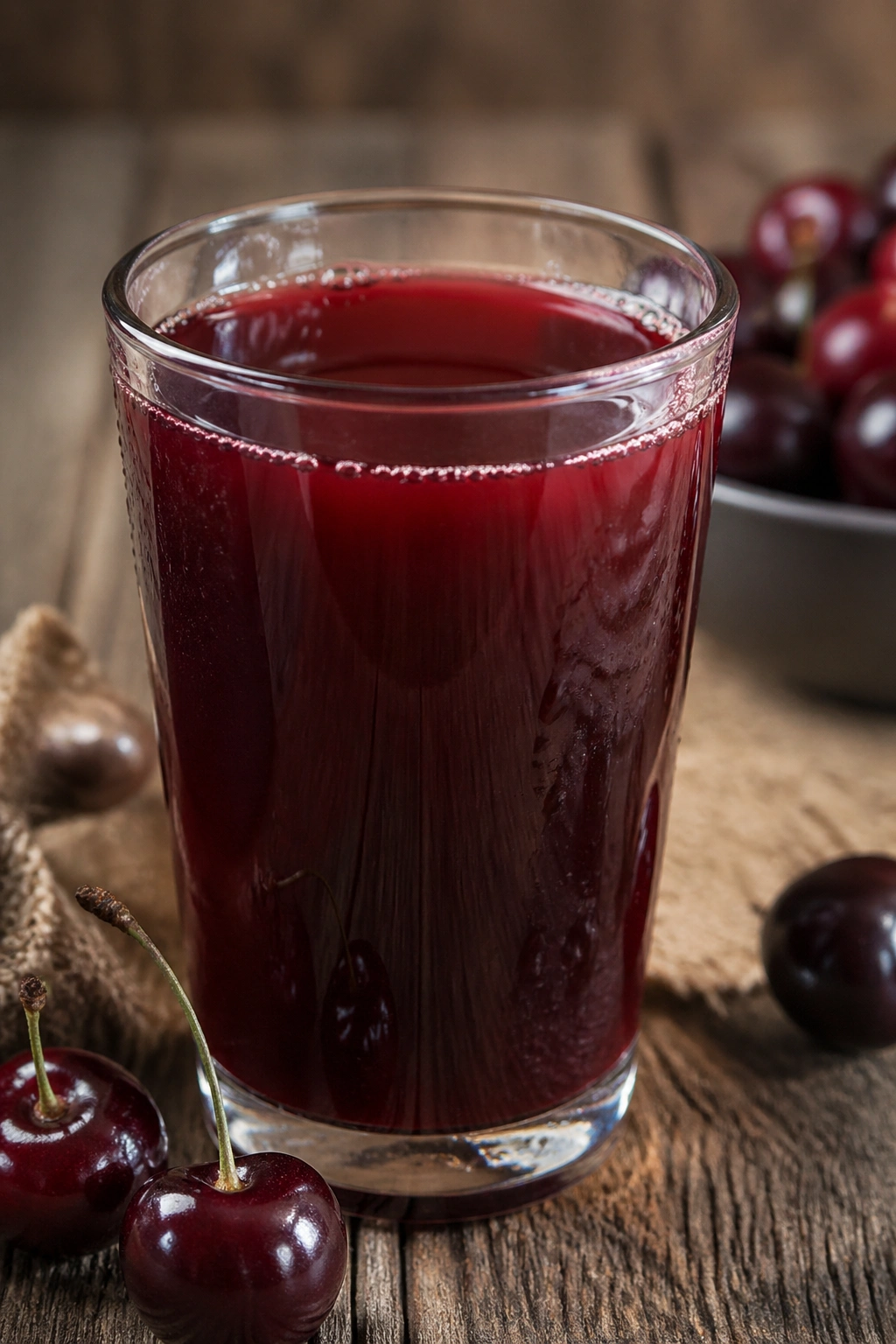
Why do so many runners and lifters keep tart cherry juice around? Because it has one of the most interesting recovery profiles of any fruit drink. Tart cherries contain anthocyanins, the deep red pigments that give them their color, and those compounds are often linked with less exercise-induced soreness.
The practical part is easy. A small glass after a hard session — or split across the day if that fits your routine better — is the usual move. You do not need to drink a gallon. You also do not want a sugary cherry cocktail that barely contains any actual tart cherry.
The best version is unsweetened or low-sugar tart cherry juice or concentrate. If it tastes too sharp, dilute it with cold water or sparkling water. That keeps the flavor tolerable and the sugar load lower, which matters if you’re already eating enough carbs from food.
How It Helps
- Fits best after high-volume lifting, sprints, or long runs.
- Seems most useful when soreness usually peaks the next day.
- Works nicely with a protein source, not by itself.
- Tastes better chilled, which is probably why so many people actually stick with it.
It’s a bit sour. That’s part of the deal. Also part of the deal: it’s one of the few recovery drinks that feels targeted instead of just sweet.
3. Salmon When Your Muscles Feel Beat Up
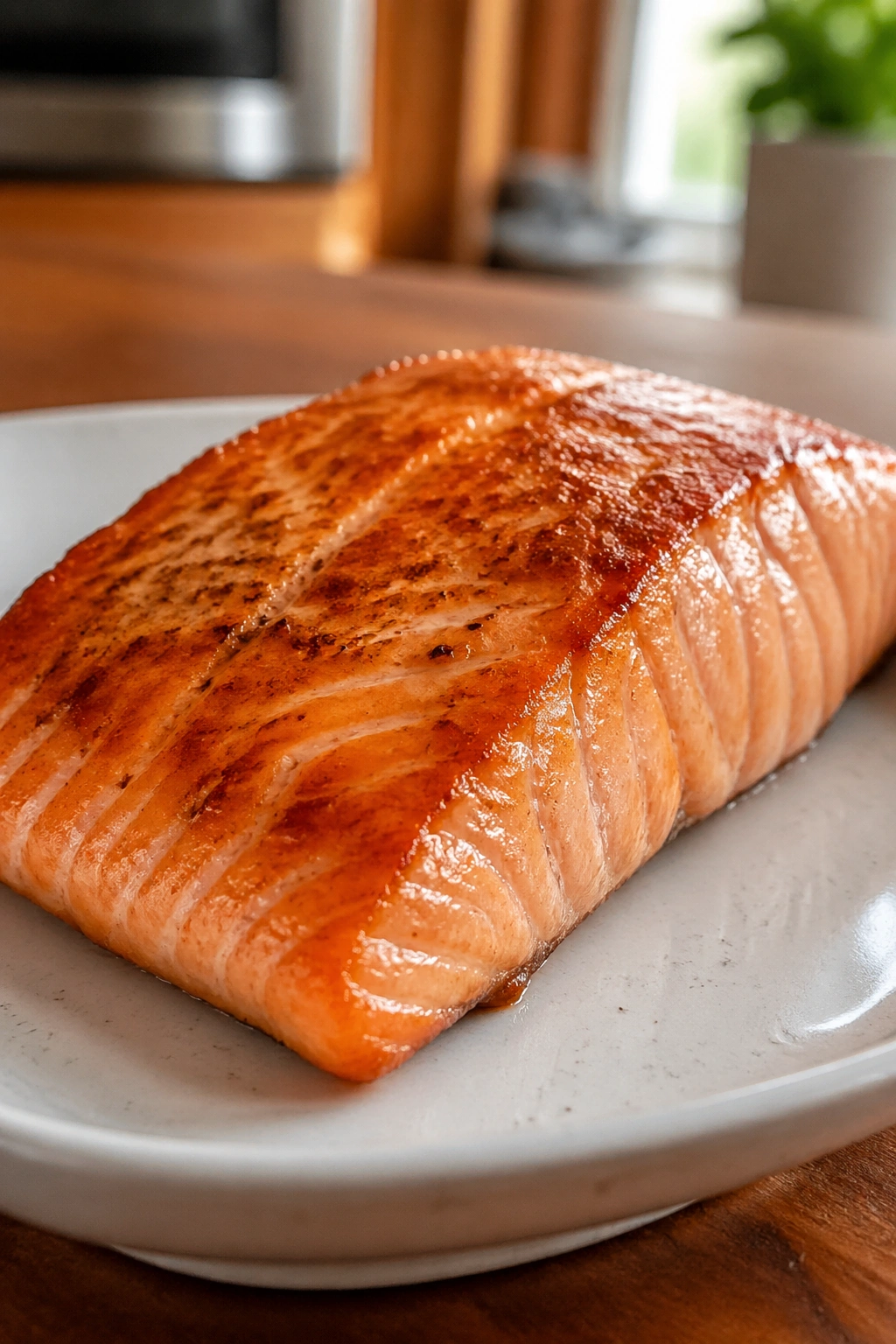
A salmon fillet after a hard lower-body session is not glamorous. It is, however, one of the more sensible things you can put on a plate when soreness is the main problem.
Salmon brings high-quality protein plus omega-3 fats, especially EPA and DHA. Those fats are interesting because they’re tied to a calmer inflammatory response, and that matters when your muscles are trying to settle down after training. A 3- to 5-ounce cooked portion also gives you enough protein to count without leaving you stuffed.
A simple plate works best here: salmon, rice or sweet potato, and maybe a vegetable if you can be bothered. That’s the kind of meal that feels boring in the moment and smart an hour later.
- 3 to 5 ounces cooked salmon is a solid recovery portion.
- Bake, grill, or pan-sear it; don’t drown it in heavy cream sauces if you want a lighter post-workout meal.
- Pair it with carbs so you refill glycogen instead of eating protein in a vacuum.
I’d choose salmon over a random protein-heavy snack almost every time after a long session. The fats matter. So does the fact that it actually feels like dinner.
4. Eggs Give You Repair Fuel Fast
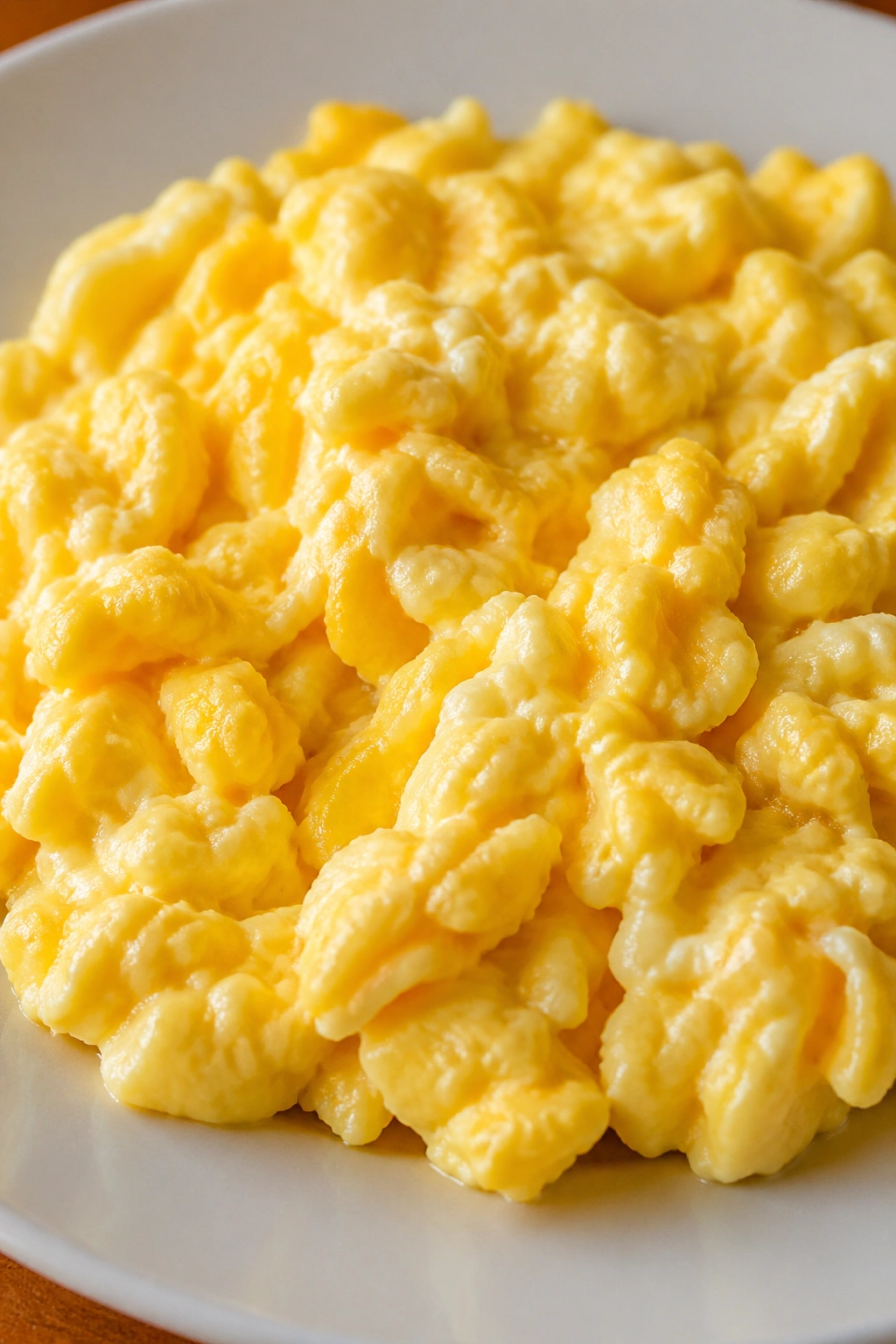
Eggs are the recovery food I trust when I want something cheap, fast, and not remotely fussy. They bring complete protein, and the yolks carry nutrients people forget about — choline, vitamin D, selenium — that matter more than their reputation suggests.
Two or three whole eggs after training is a very sane target. Add toast, fruit, or leftover rice, and you’ve got a real meal instead of a protein stunt. The yolk is not a problem here. I’d argue it’s the point.
Some people try to build recovery meals around egg whites alone. Fine, if that’s your preference. But the yolk brings more of the useful stuff, and the flavor is better too. That matters when you need to keep eating this way week after week.
Eggs also sit nicely in that sweet spot of being filling without being heavy. Scrambled, boiled, or folded into a rice bowl, they’re flexible enough that you can use them after almost any workout without thinking too hard about it.
5. Cottage Cheese Before Bed or After Late Training
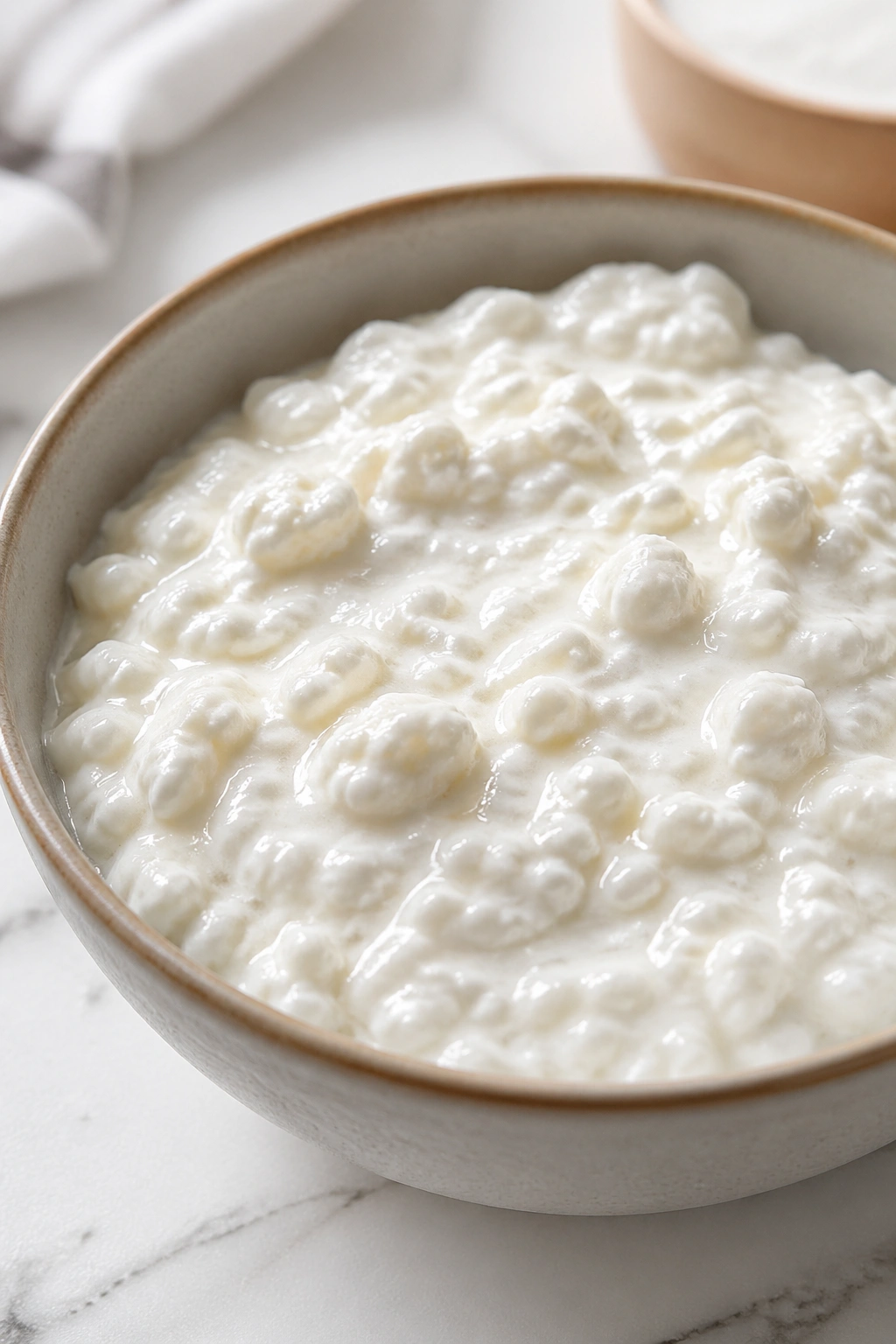
Cottage cheese is sneaky good for soreness because it gives you slow-digesting casein protein. Casein doesn’t rush through your system the way some lighter proteins do. It hangs around longer, which is useful if you trained late or know you’re not eating again for hours.
A 1-cup serving can deliver roughly 24 to 28 grams of protein, depending on the brand. That makes it one of the easiest ways to get a meaningful recovery dose without cooking anything. If you tolerate dairy well, it’s almost too convenient.
Unlike a lot of snack foods, cottage cheese works just as well with sweet add-ins as with savory ones. I like it with pineapple, berries, or sliced peaches. If you want something more blunt, eat it with salt and black pepper and move on.
Best use: after evening training or before bed.
Best pairings: fruit, oats, cucumbers, tomatoes, or a drizzle of honey if you need extra carbs.
It’s not fancy. That’s part of the appeal. Recovery food doesn’t need to impress anybody.
6. Bananas for Quick Carbs and Easy Digestion
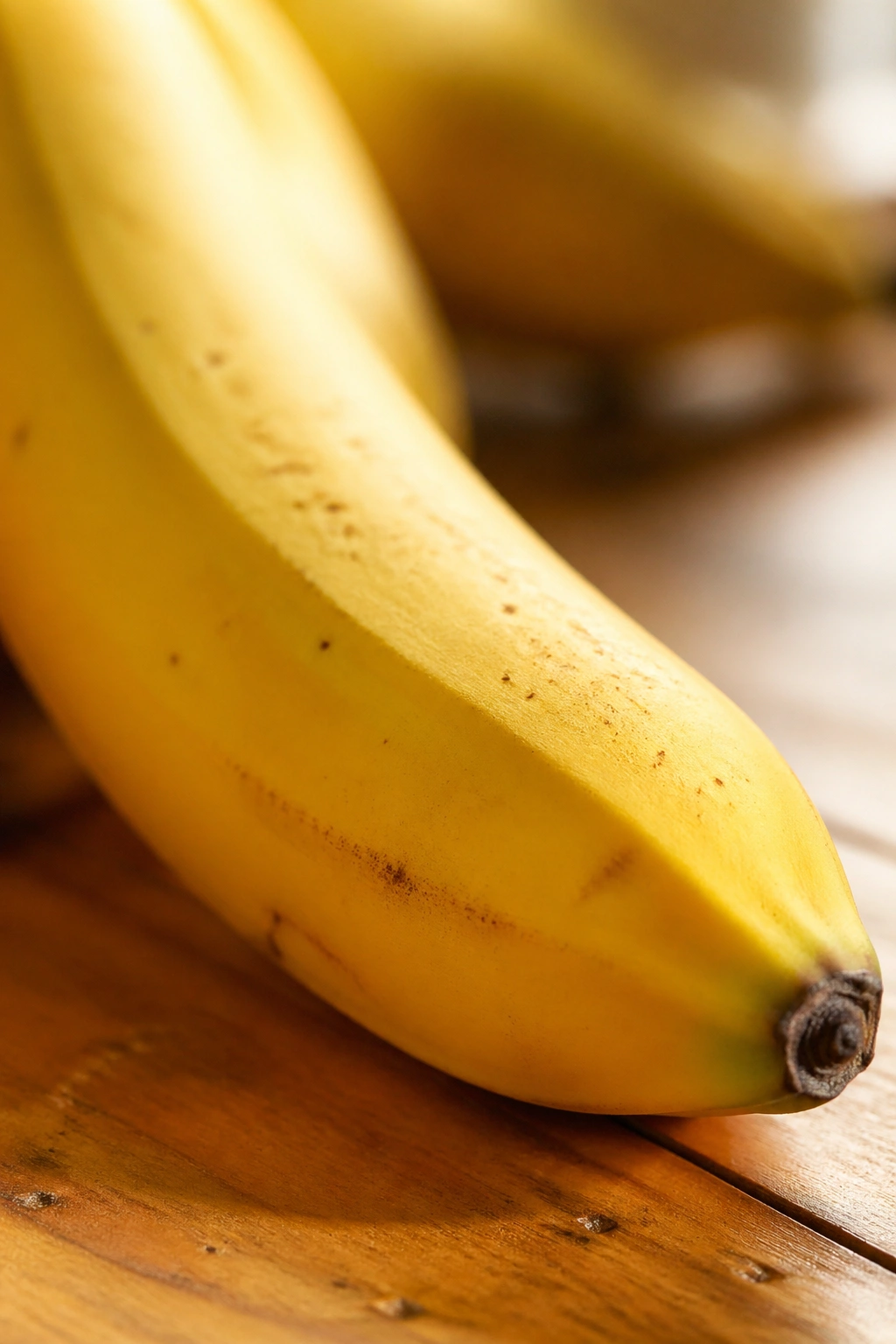
Can a banana really help with soreness? Yes — not because it’s some miracle fruit, but because it solves two annoying recovery problems at once: it gives you quick carbs, and it usually sits lightly in the stomach.
A medium banana has around 27 grams of carbs, which makes it a useful refuel option after a workout that left you flat and shaky. It also brings potassium, and while potassium isn’t a magic anti-soreness switch, it does matter for normal muscle function and fluid balance.
How to Use It
- Eat one banana with Greek yogurt for protein + carbs.
- Slice one over oatmeal if you need a bigger recovery meal.
- Blend it into a smoothie with milk or soy milk.
- Pair it with peanut butter if the workout was long and you need more calories.
Bananas are boring in the best possible way. No prep, no mess, no drama. And after a hard session, that kind of reliability is worth more than people think.
7. Watermelon for Hydration That Actually Tastes Good
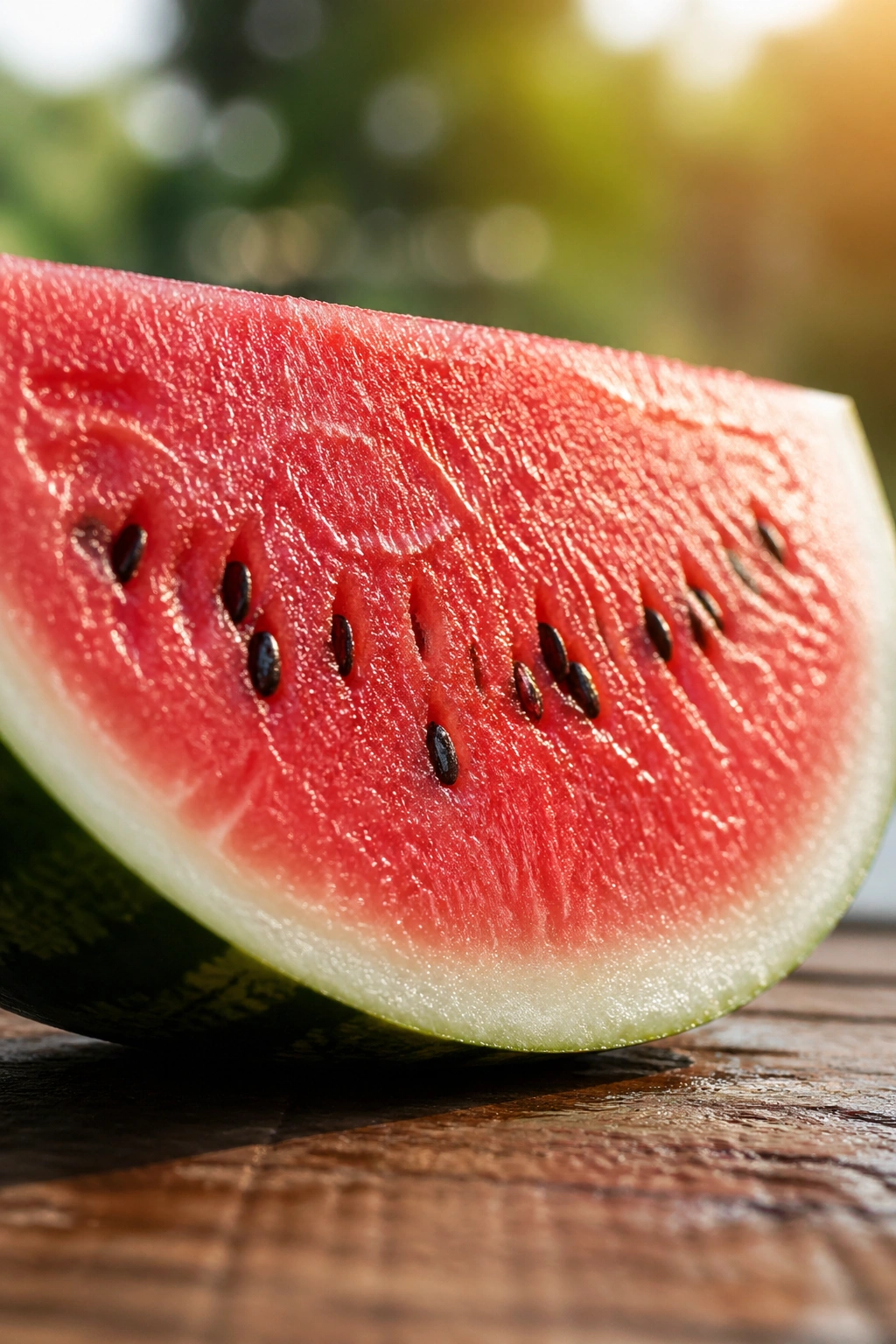
Cold watermelon after a sweaty workout tastes like relief. That’s not a nutritional term, but it should be.
Watermelon is mostly water — about 92 percent — which makes it one of the easiest foods to use when you need to replace fluid without forcing yourself to chug plain water. It also contains citrulline, an amino acid that’s been studied for blood flow and exercise recovery. I wouldn’t lean on watermelon alone for soreness, but I absolutely like it as part of the picture.
The nice part is how well it fits after hard, hot training. If you’re dehydrated and sore, a few thick wedges can feel better than another dry snack. Sprinkle a little salt on top if you’ve been sweating heavily. That sounds odd until you try it.
Watermelon works best when your stomach is a little tired and you want something cold, soft, and easy to eat. It does not replace protein. It never was supposed to. It just makes the recovery meal feel more complete.
8. Oatmeal for Refilling Empty Legs
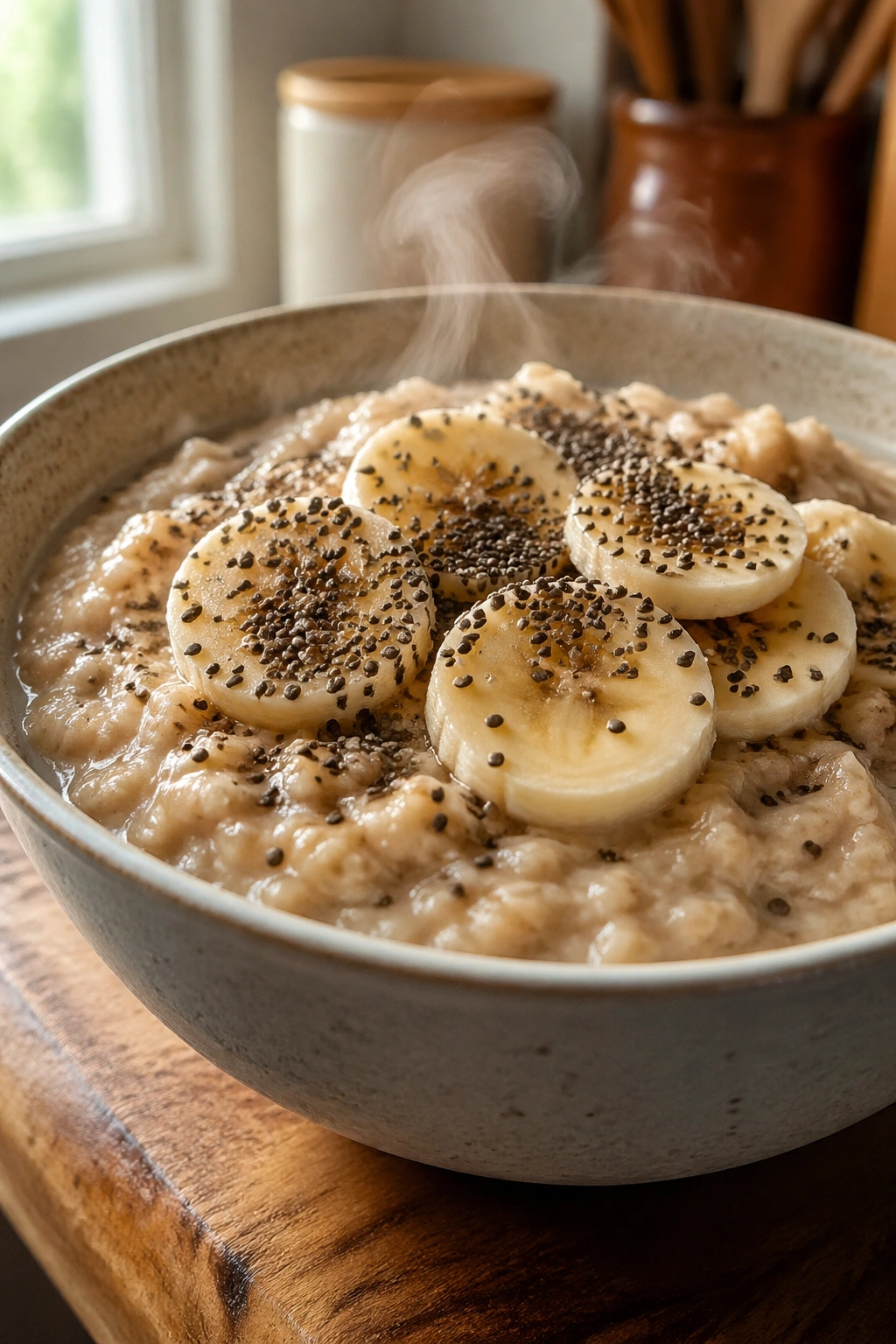
Oatmeal is one of those plain foods that earns its keep every single time. After training, your body wants carbs. Oats give them to you in a way that feels steady instead of sugary, and that matters if you’re trying to recover without crashing later.
Why Oats Help
Rolled oats or quick oats are especially good after training because they digest faster than thick, chewy steel-cut oats. That makes them a little easier on the stomach when you’re hungry, tired, and not in the mood for a giant meal. They also bring beta-glucan fiber, which supports satiety, so you don’t go hunting through the kitchen an hour later.
What to Put on Top
- Greek yogurt for extra protein.
- Banana slices for fast carbs.
- Chia seeds for fiber and omega-3s.
- Honey or maple syrup if you just finished a long run and need quick fuel.
Use milk instead of water if you want a richer bowl. Or make it savory with an egg on top. That sounds weird to some people and completely normal to others. I’m in the second camp.
9. Pineapple Brings More Than Sweetness
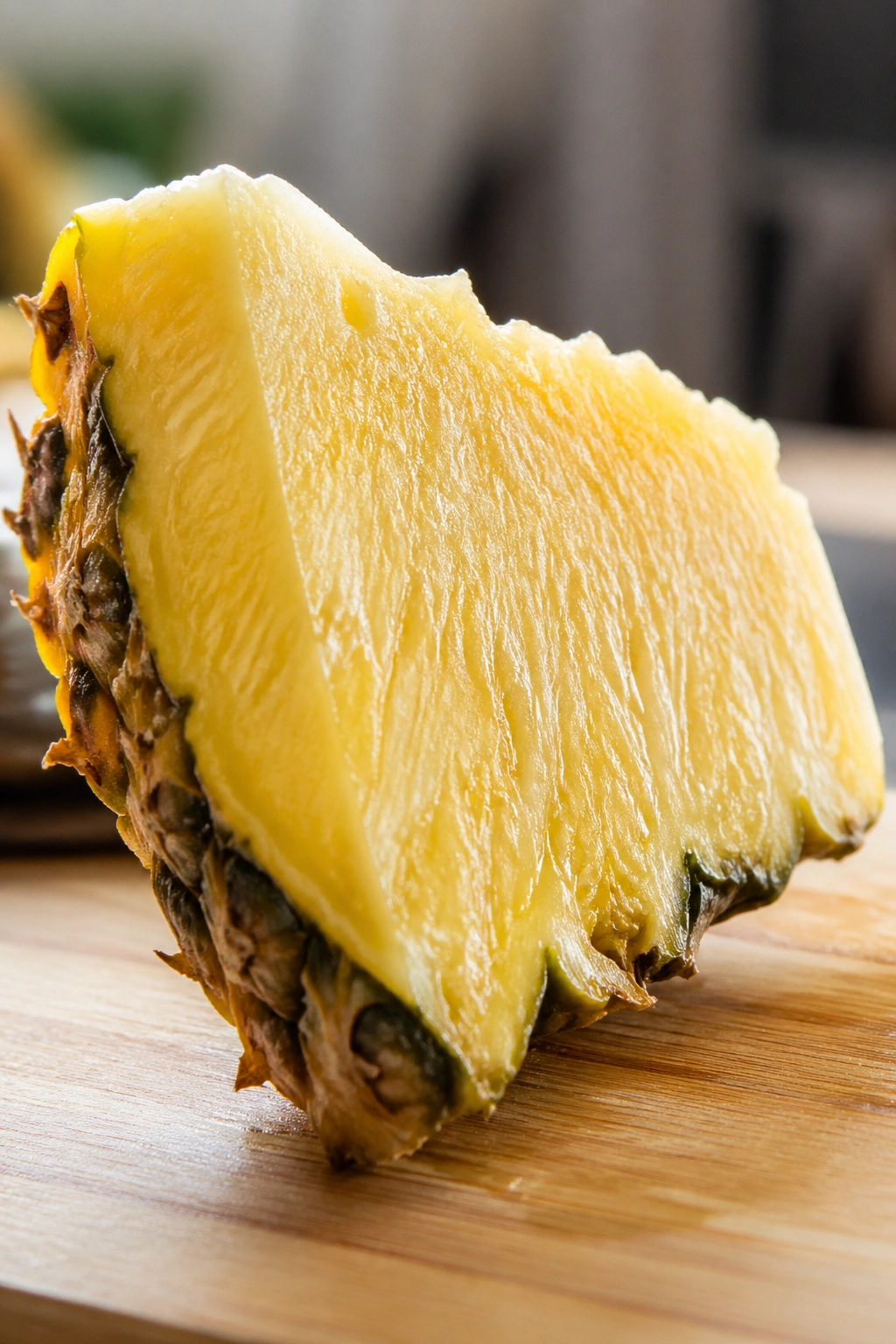
Pineapple gets mentioned a lot in recovery talk because it contains bromelain, a mix of enzymes that has a long reputation for helping with inflammation and swelling. That alone doesn’t make it magical, and I’d be cautious of anyone who talks about it like a cure-all. Still, pineapple earns its spot here.
A cup of fresh pineapple gives you carbs, fluid, vitamin C, and that sharp, bright flavor that makes a post-workout bowl easier to finish. If you’ve ever felt too wiped to chew through a big meal, pineapple is useful because it goes down easily.
Canned pineapple is fine too, as long as it’s packed in juice rather than heavy syrup. Fresh is nicer, but I’d rather see you eat canned pineapple with yogurt than skip the recovery meal because the fruit isn’t perfectly ripe.
Pineapple is especially good on top of cottage cheese or Greek yogurt. That combo gives you protein, carbs, and a little bite. Pretty simple. Pretty effective.
10. Sweet Potatoes for the Long Recovery Meal
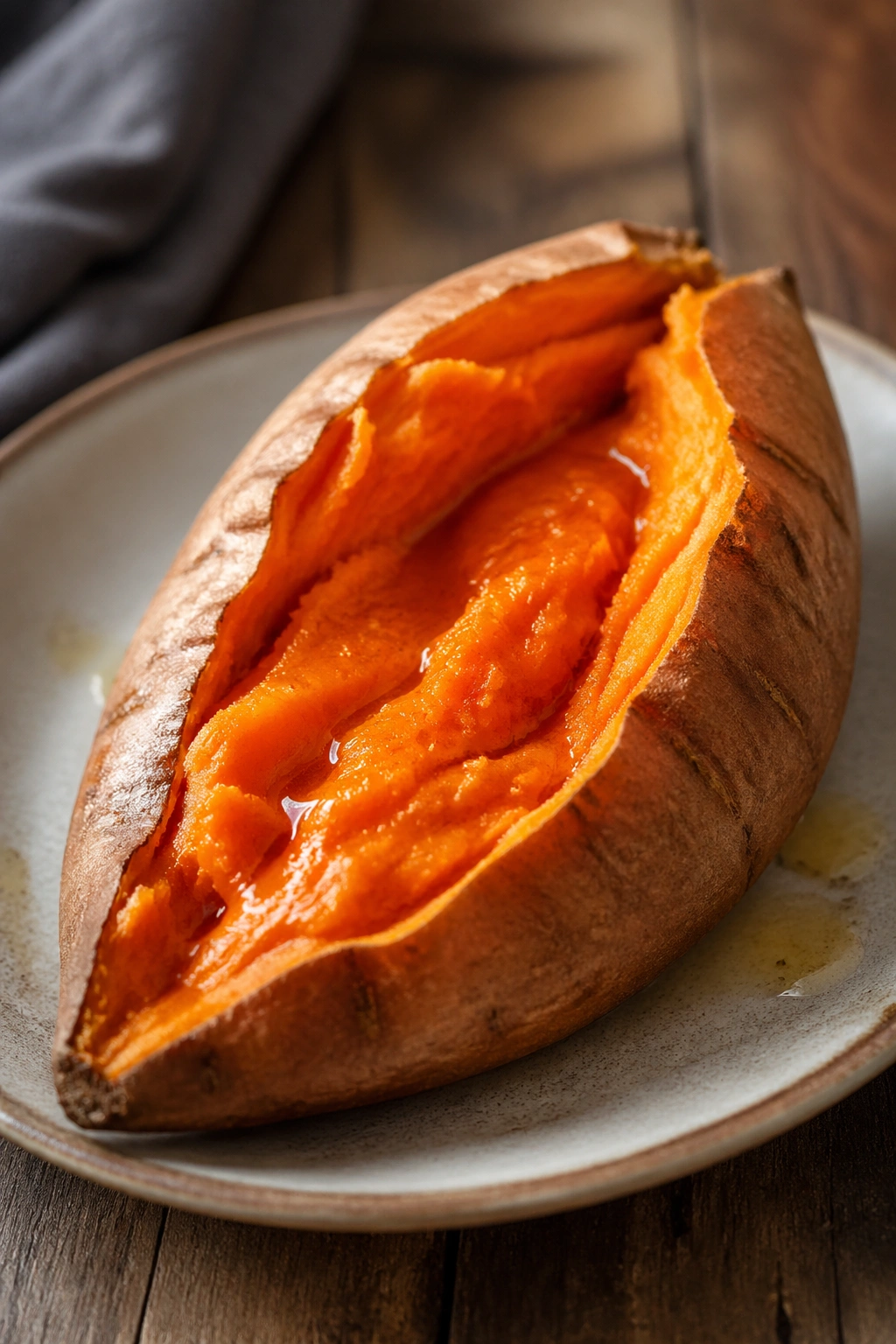
Sweet potatoes are the food I reach for when the workout was big enough to deserve a real plate. They bring carbs, potassium, vitamin C, and beta-carotene, which gives them a nice recovery profile without making them hard to digest.
Compared with a lot of heavy sides, sweet potatoes feel useful rather than sloppy. Baked, mashed, or roasted, they refill energy stores without the blood-sugar chaos you can get from a random pile of pastries or fries. That matters when soreness and fatigue are both hanging around.
If you’re training hard several times a week, sweet potatoes are a reliable dinner base. Pair them with salmon, eggs, tofu, or chicken, and you’ve covered the big recovery boxes. No mystery there.
Best forms: baked, mashed, or roasted with a little olive oil and salt.
Best time to use them: after long sessions, lower-body work, or any day you need a meal that actually sticks.
They’re not flashy. They don’t need to be. Some foods just do the job and go away.
11. Spinach Fits Better Than People Expect
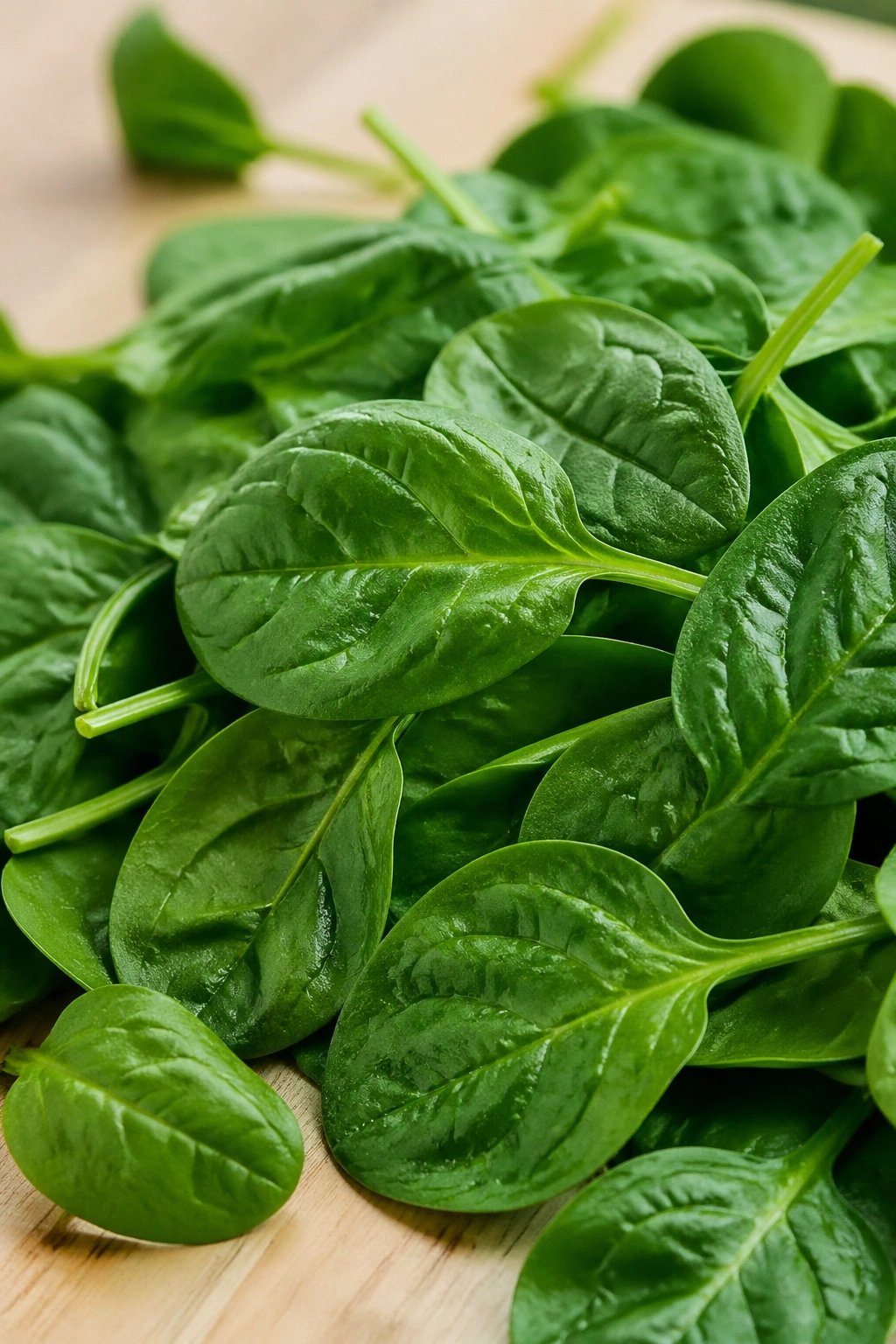
Spinach doesn’t sound like a soreness food, which is exactly why it gets ignored. That’s a mistake. It brings magnesium, folate, potassium, and nitrates, and all of those matter in recovery meals even if spinach itself won’t carry the whole show.
I like spinach because it sneaks into almost anything. Eggs. Smoothies. Pasta. Rice bowls. A handful wilted into a pan takes 30 seconds and adds more nutritional depth than most people get from an entire sad protein bar.
No, spinach is not a substitute for protein. It shouldn’t be. But it’s useful because it rounds out the meal and supports the boring parts of recovery that people skip: minerals, hydration, and enough plant matter to keep digestion moving.
Cooked spinach shrinks down fast, so use more than you think you need. A big handful becomes a small pile in the pan. That’s normal. It also means you can get a meaningful amount of greens into a plate without feeling like you’re eating a lawn.
12. Almonds Are a Support Player, Not the Whole Plan
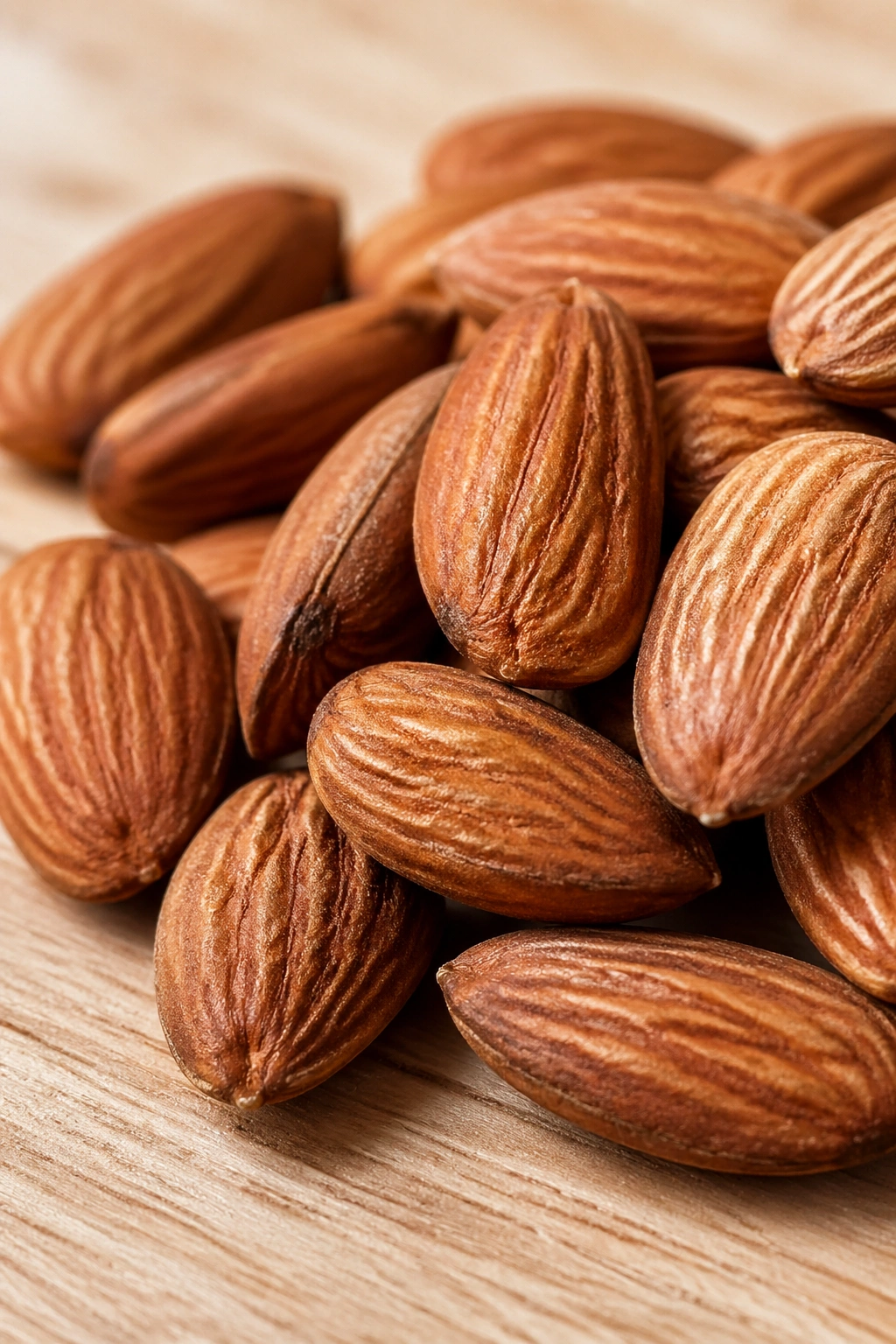
Almonds are not the first food I’d pick after hard exercise. They’re too calorie-dense to eat carelessly, and they don’t bring enough protein on their own to count as a full recovery meal. But as part of the plan, they make sense.
A small handful — about 1 ounce, or roughly 23 almonds — gives you vitamin E, magnesium, and healthy fats. Vitamin E is the piece people usually miss, and it matters because it’s one of the antioxidants that can help buffer the stress from tough training. Magnesium helps too, though almond-level magnesium is a supplement to the meal, not the whole point.
I’d use almonds after a workout in one of two ways: mixed into yogurt and fruit, or eaten beside a carb-heavy snack when you need a bit more staying power. On their own, they’re too easy to overeat and too weak to stand alone.
Where Almonds Fit Best
- Mixed into oatmeal
- Chopped over Greek yogurt
- Eaten with fruit when you need portable calories
Useful. Not magical. That’s the honest answer.
13. Chia Seeds in Yogurt, Smoothies, or Oats
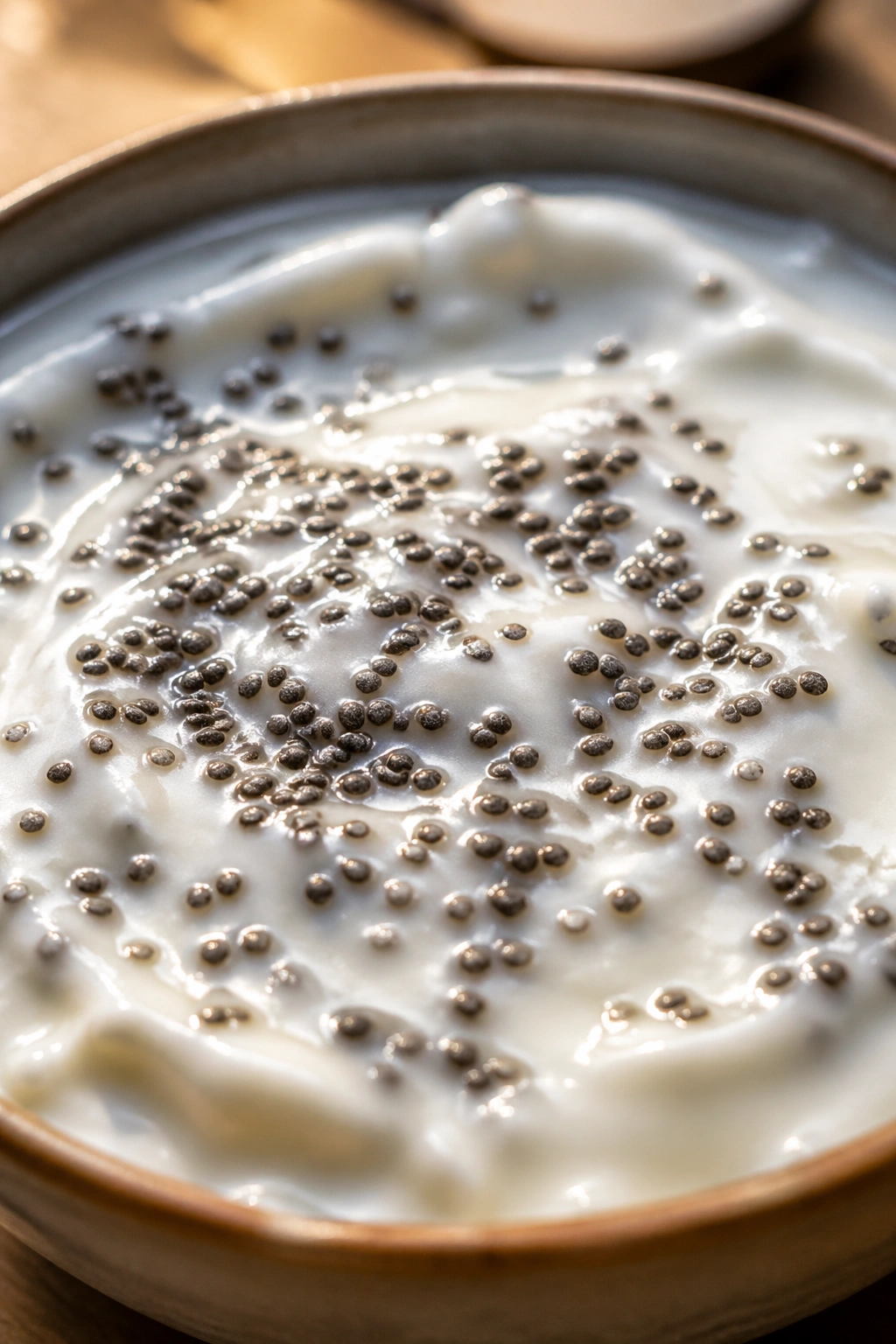
Can something as small as chia seeds matter after a workout? Yes, if you use them the right way. Chia brings fiber, ALA omega-3s, and a little protein, and it does one thing that’s easy to appreciate after training: it helps a recovery meal feel more complete.
The catch is texture. Dry chia seeds clump, and nobody wants that. Stir them into something wet — yogurt, overnight oats, a smoothie — and let them sit for a few minutes. They swell up and turn into a soft, spoonable texture that works better than most people expect.
One or two tablespoons is plenty. More than that can make the meal feel heavy, especially if your stomach is already sensitive after training. That’s the mistake I see most often: too much chia, too little liquid, and a weird gel situation nobody asked for.
Best uses: stirred into yogurt, blended into smoothies, or mixed into oats with fruit.
Best paired with: protein and carbs, because chia alone is too small to carry a recovery meal.
It’s a support food. A good one. Just don’t treat it like a main course.
14. Ginger for Sore, Tight, Overworked Muscles
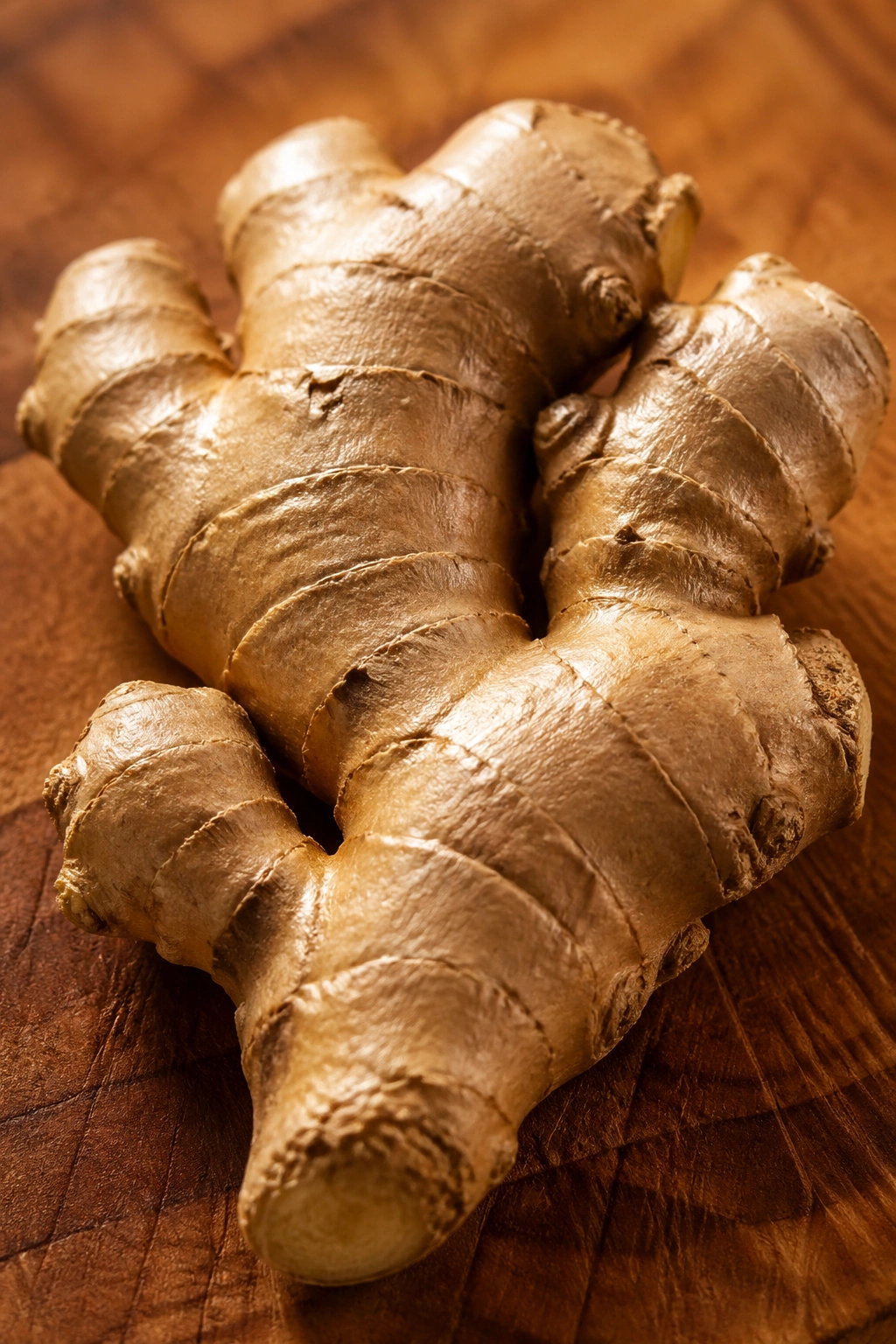
Ginger is one of those foods people remember when their stomach is off, but it deserves more credit as a recovery ingredient. Fresh ginger and ginger powder both contain compounds like gingerols and shogaols, which are tied to a calming effect on muscle discomfort.
I like ginger because it works in the background. It doesn’t need to be the center of the plate. Grated into a stir-fry, blended into a smoothie, steeped as tea, or mixed into oats with fruit, it adds a sharp warmth that makes the meal feel a little more alive.
If your workout left you both sore and slightly nauseated — which happens more than people admit — ginger is a smart move. It can make food easier to tolerate, and that matters when the body wants fuel but the appetite is lagging.
A teaspoon or two of fresh grated ginger is enough for most uses. Too much can turn the whole thing harsh and bitey. That’s not the vibe you want after a hard session.
15. Tofu for a Meatless Recovery Plate
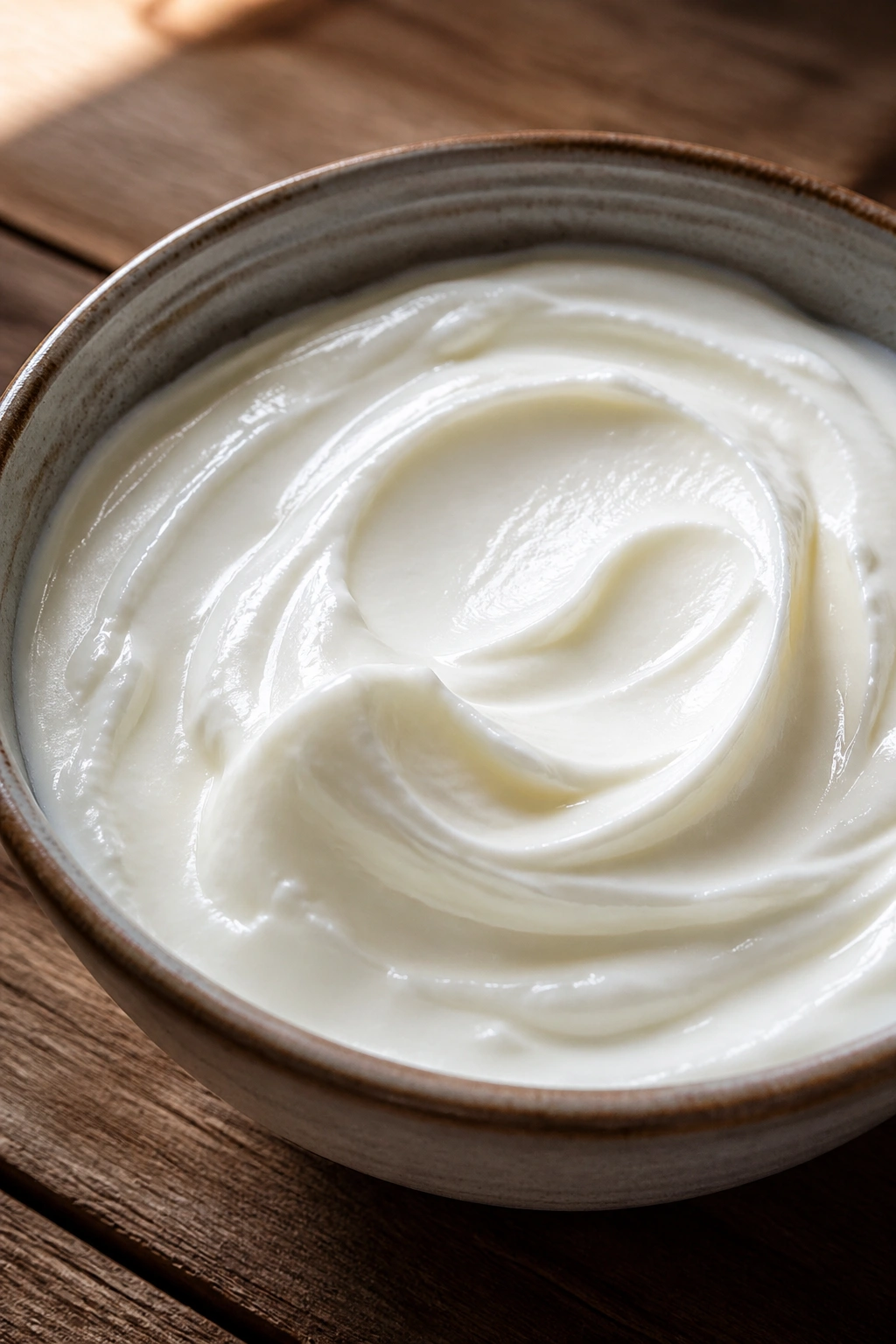
Tofu is one of the easiest plant proteins to use after training, and it gets overlooked because it doesn’t shout. It should. A serving of firm tofu can bring a solid protein hit, and it digests gently enough that it works even when you’re not in the mood for a heavy meal.
Compared with a lot of plant foods, tofu is unusually practical. It absorbs flavor, it cooks fast, and it plays well with rice, noodles, vegetables, or fruit on the side. If you want a post-workout dinner that doesn’t feel like effort, tofu is hard to beat.
Why It Belongs Here
- Gives you complete protein without needing meat.
- Works well in stir-fries, rice bowls, and wraps.
- Can be cooked soft or crisp, depending on what your stomach wants.
- Pairs cleanly with carbs, which is the part many recovery meals miss.
If you like firmer texture, press the tofu for 15 to 20 minutes before cooking. If you want it softer, skip that step and use it in soups or bowls. Either way, season it well. Bland tofu is a missed opportunity, and bland recovery food is a fast way to stop eating the way you meant to.
A good post-workout plate is rarely about one heroic ingredient. It’s the mix that matters: protein for repair, carbs for fuel, fluids for rehydration, and a few foods that calm the sore, battered feeling that follows hard training. Put those pieces together and recovery gets less annoying, which is really the whole point.
No single food fixes every ache. Still, the right foods can make tomorrow’s stairs less rude.
