



The first week of a beginner workout plan is often unfairly dramatic.
You start with good intentions, then your legs feel heavy after a few squats, your lungs get loud on the stairs, and suddenly the whole thing feels bigger than it should. That’s exactly why 30 day fitness challenges for beginners work so well when they’re built the right way. They give you a short runway, a clear finish line, and enough structure to stop the endless “I should start soon” loop.
Small wins matter here. A ten-minute walk that actually happens beats a heroic two-hour plan that dies on day three. A beginner challenge should feel a little too easy in the beginning, because the real goal is not to impress anyone. It’s to repeat the same basic pattern long enough that your body and brain stop arguing with it.
Boring is good.
Why 30-Day Fitness Challenges Work for Beginners
A month is long enough to build a pattern, but short enough to feel survivable. That’s the sweet spot. A beginner does not need a grand transformation plan; a beginner needs a plan that gets repeated on tired mornings, busy afternoons, and the days when motivation is doing absolutely nothing for you.
The best part is how simple the structure can be. If the challenge says “walk 20 minutes, strength train twice a week, stretch on off days,” you already know what to do before the day starts. No wandering around the room deciding whether you should do a burpee circuit, a yoga video, or 45 minutes of something you found by accident.
Why the short window matters
- Decision fatigue drops fast when the schedule is already set.
- Early momentum builds confidence because you get quick evidence that you can keep a promise to yourself.
- Recovery stays manageable if the workload is small enough to repeat.
- Missed days hurt less because there are still many days left.
That last one matters more than people admit. A challenge with room for a missed workout is kinder, and kinder plans get finished more often.
The whole thing works because it lowers the emotional cost of starting. You are not signing up for “forever.” You’re signing up for 30 days, and that feels less like a personality overhaul and more like an experiment. That difference helps.
What a Realistic Win Looks Like After 30 Days
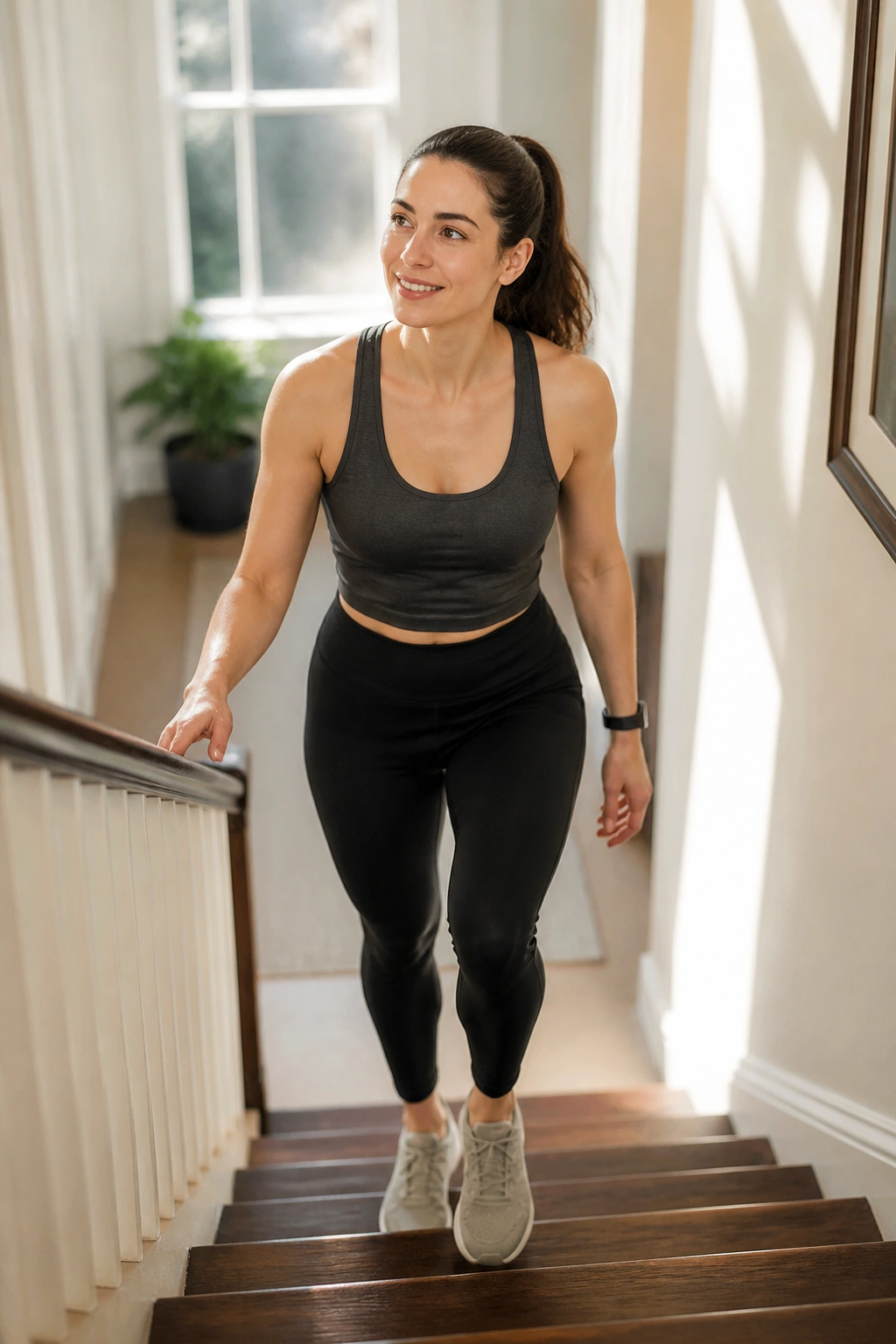
Most beginners picture weight loss first. Fair enough. But the better signs of progress are usually quieter, and honestly more useful.
You might notice that walking up stairs takes less out of you. Your resting heart rate may settle a bit. Your shoulders may stop living by your ears. The clothes part is worth watching too, but the real win is that movement starts to feel normal instead of dramatic.
The signs that matter most
- You finish workouts without dreading the next one.
- You can walk farther before your breathing gets choppy.
- Your body feels less stiff after sitting for a long stretch.
- You recover from soreness faster than you did in week one.
- You stop negotiating with yourself quite so much.
That is progress. Not glamorous, but real.
The scale can change, and sometimes it does, but it can also wobble around because of water, sodium, soreness, hormones, and a dozen other ordinary things. If a beginner challenge leans too hard on the scale, it starts punishing people for being human. Better to track a few things at once and notice the pattern. A 30-day challenge is more about proof of consistency than proof of perfection.
How to Pick the Right Beginner Challenge
Pick the wrong challenge and the whole month becomes a little story about guilt. Too much intensity, too many rules, too many “no excuses” vibes, and suddenly even a missed Tuesday feels like a failure. That is a terrible setup for a beginner.
Start with your actual life. If you’ve been mostly inactive, a walking-focused challenge with two short strength sessions may be perfect. If you already walk a lot, you may want a bodyweight strength challenge with mobility built in. If your joints get cranky, choose low-impact work and keep the jumps out of it. No one needs to earn extra pain.
Three challenge styles that work well
Walking-based challenge
Best for people who want something simple, low-cost, and easy to keep up. A daily step target or a 20- to 30-minute walk can raise activity without chewing up recovery.
Bodyweight strength challenge
Good for people who want to feel firmer, stronger, and more stable. Think squats, wall push-ups, glute bridges, dead bugs, and planks. Nothing fancy.
Hybrid challenge
This is my favorite for most beginners. You mix walking, two or three short strength days, and one or two mobility sessions. It feels balanced, and balanced tends to last.
If you have health concerns, joint pain, dizziness, or anything that makes exercise feel unsafe, get medical advice before pushing into a new routine. That’s not fear talking. That’s basic common sense.
The First Week Should Feel Almost Too Easy

Week one is not the place to prove anything.
If you finish the first week thinking, “That was manageable,” you probably did it right. If you are wrecked, you probably did too much too soon. Beginners often mistake soreness for success. Sometimes soreness is normal. Sometimes it is a warning that you started like a maniac.
What week one should look like
A first-week plan can be tiny and still count:
- 15 to 20 minutes of brisk walking
- 1 to 2 rounds of a short bodyweight circuit
- 5 minutes of stretching or mobility
- At least one full rest day
That’s enough. Seriously.
The early days are about learning the rhythm: when to work, when to stop, how your body feels the next morning, what time of day makes you more likely to follow through. You’re collecting data, not auditioning for anything. If you can end day three with a little energy left in the tank, that is a much better sign than crawling out of a workout like you lost a fight.
What not to do
Do not stack a workout challenge on top of a major diet overhaul, a sleep purge, and a new personality. That kind of pileup usually collapses. Keep one big change at a time.
Do not turn every session into a test. Leave a couple of reps unused on strength moves. Keep walking at a pace where you can speak in short sentences. You should feel challenged, not hunted.
A Simple Week-by-Week Progression That Makes Sense
Progress should creep, not crash.
The best beginner challenge uses small jumps that the body can handle without drama. Add a little time, a little distance, one more round, or one more rep. That is enough. A tiny increase repeated over four weeks beats a wild surge followed by a week on the couch.
Week 1: Learn the moves
Keep the workload light. Focus on form, breathing, and consistency. If you’re doing squats, sit your hips back and keep your feet flat. If you’re walking, choose a pace that raises your temperature without turning the whole thing into a chase scene.
Week 2: Add a little volume
You can add 5 minutes to walks or one extra round to a circuit. Don’t add everything. Pick one lever. One.
Week 3: Make it a touch harder
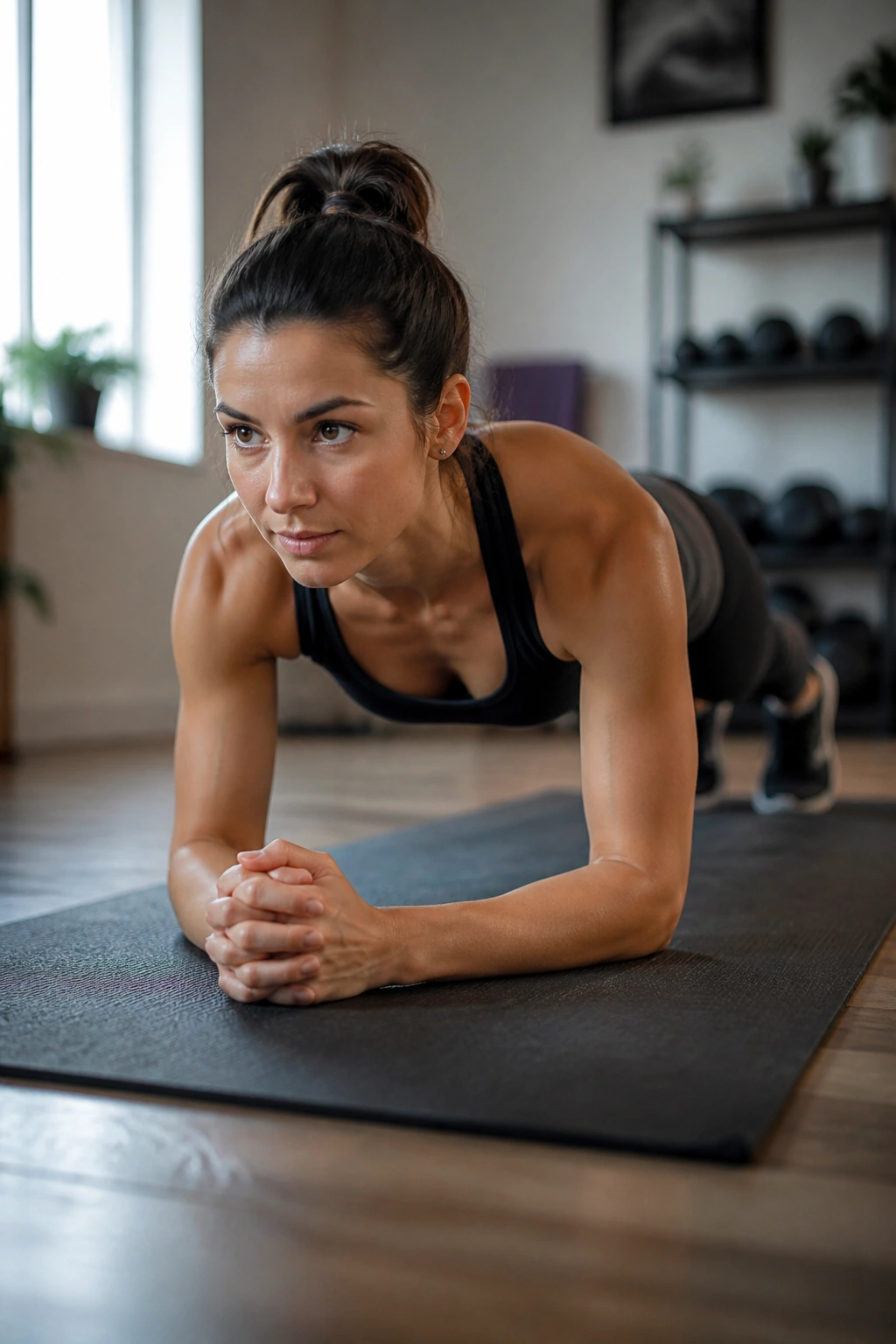
This is the week where many people finally feel the groove. You might hold a plank for 10 to 15 seconds longer, or walk a route with a slight hill, or move from wall push-ups to incline push-ups on a counter. Small jump. Big enough to notice.
Week 4: Prove the habit
The final week should test consistency, not punishment tolerance. If you started with 15-minute walks, maybe you finish with 25. If you started with two strength days, maybe you finish with three. Keep the effort steady and the form clean.
A beginner plan does not need dramatic progression. It needs repeatable progression. That distinction saves people from overdoing it.
Walking, Strength, and Mobility Each Pull a Different Lever

A lot of beginner plans go wrong because they try to do everything at once, badly. Walking builds aerobic fitness and gives you a base. Strength training helps you keep muscle, feel stable, and make daily tasks easier. Mobility work helps your joints move without that rusty feeling when you stand up from a chair.
You need all three, but not in equal amounts at the start.
Walking is the easiest to recover from, which is why it belongs in so many beginner programs. It also pairs well with almost anything else. A 20-minute walk after dinner can do more for consistency than a fancy plan you never start. Strength work is the piece that changes how your body handles stairs, bags, groceries, and getting up off the floor. Mobility is the quiet fixer. People skip it because it looks unimpressive. Then their hips complain.
A practical split for beginners
- 3 to 5 walking sessions a week, 15 to 30 minutes each
- 2 strength sessions a week, 15 to 25 minutes each
- 1 to 3 short mobility sessions a week, 5 to 10 minutes each
That’s enough to begin with. You do not need six different exercise categories and a spreadsheet that looks like tax prep.
If your goal is fat loss, walking and strength are usually the pair I’d keep closest. If your goal is to feel less stiff and more capable, mobility becomes more important. If your goal is just to stop feeling winded all the time, walking gives the fastest return for the least fuss.
How to Warm Up and Cool Down Without Wasting Time

A warm-up is not a ceremony. It is a practical reset.
Five minutes is enough for most beginners. The point is to wake up the joints, raise the heart rate a little, and make the first working set feel less shocking. Cold muscles don’t need a speech. They need movement.
A simple five-minute warm-up
- March in place for 60 seconds.
- Do 10 arm circles forward and 10 backward.
- Perform 10 bodyweight squats.
- Step side to side for 60 seconds.
- Finish with 5 deep breaths and a few easy torso twists.
That’s a clean little ramp into a workout. Nothing fancy.
A cooling-down habit that actually helps
After the session, walk slowly for 2 to 3 minutes and then stretch the parts that feel tight. Calves, hips, chest, and upper back usually deserve attention first. Hold each stretch for 20 to 30 seconds. You do not need to yank on anything.
People often skip cool-downs because they seem optional. Fine. But a short cool-down can help signal the end of the workout, and that matters more than people think. It makes the challenge feel contained instead of spilling into the rest of the day.
Recovery Days Are Part of the Plan

Rest is not a bonus. It is part of the training.
Beginners often think a good challenge means doing something every day at full tilt. That’s a fast way to get sore, cranky, and suspicious of exercise. Recovery days let your body adapt. Without them, you just keep piling stress on top of stress.
There’s a difference between normal soreness and a problem. Mild muscle soreness, especially in the thighs or glutes after squats or lunges, is common. Sharp pain, joint pain, swelling, numbness, or pain that gets worse as you move are different stories. Those deserve a pause, and if something feels off in a serious way, get it checked.
Signs you may need more recovery
- Your sleep gets worse after workouts.
- Your resting energy drops for several days in a row.
- Your muscles stay sore for more than 72 hours.
- You dread every session before it starts.
- Your form falls apart because you’re too tired.
That last one is a big clue. Bad form can show up fast when fatigue is high.
Sleep matters more than most beginner plans admit. If you’re getting six broken hours and trying to train hard, the workout plan is not the main problem. The recovery is. Water, food, and a little patience make the whole thing smoother. Not glamorous. Useful.
Eating for Energy Without Turning the Month Into a Diet Contest
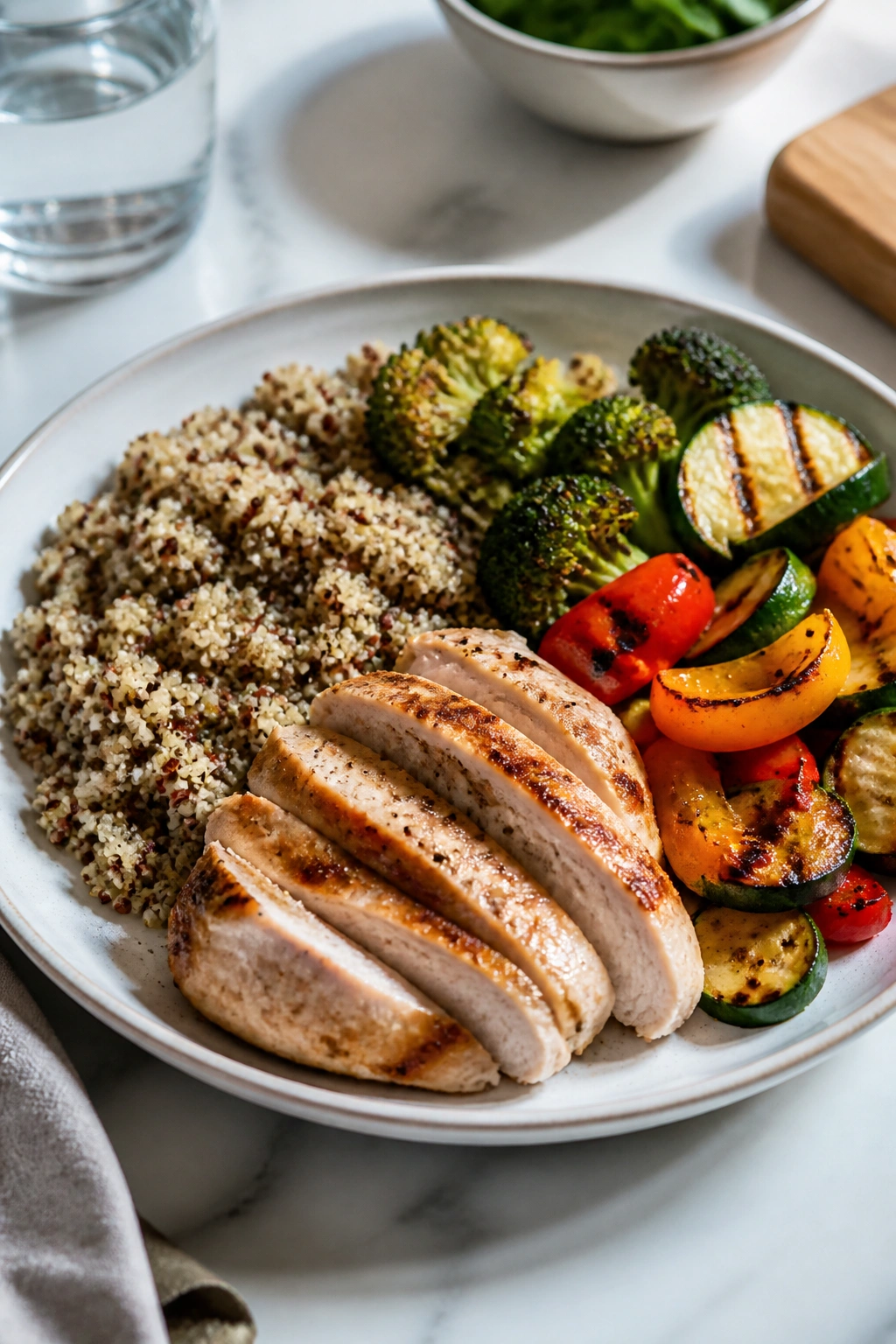
The easiest nutrition advice is also the least exciting: eat enough, drink enough, and keep protein in the mix.
A beginner challenge gets harder when people under-eat and then wonder why they feel flat. You do not need a strict meal plan to support exercise. You need regular meals with some protein, some fiber, and some carbs around training if that helps your energy. A chicken sandwich, yogurt with fruit, eggs and toast, rice with beans, a tuna wrap, oatmeal with peanut butter — all of that counts.
A simple plate that works
- Protein: chicken, eggs, tofu, Greek yogurt, fish, beans
- Carbs: rice, potatoes, oats, fruit, bread, pasta
- Color: vegetables or fruit
- Fat: olive oil, nuts, avocado, cheese
That is a practical dinner. Not a lecture.
Hydration matters more than people expect, especially if you’re walking more or sweating in warmer weather. Start the day with a glass of water. Carry a bottle if you tend to forget. If your urine is dark and workouts feel rough, you may be behind.
I’m not a fan of turning a beginner challenge into a food purity contest. That road leads to burnout. Eat like someone who wants enough energy to finish the month, not like someone trying to earn a medal for restriction.
How to Track Progress Without Letting the Scale Run the Show
Numbers can help. Numbers can also become a hobby.
A good beginner challenge uses a few simple metrics and leaves room for day-to-day noise. If you weigh yourself, do it the same way each time and expect the number to wobble. If you measure something else too, the picture gets clearer fast.
Better things to track than weight alone
- Minutes exercised each week
- Number of workouts completed
- Longest walk without stopping
- Plank hold time
- How many stairs you can take without gasping
- Energy level in the afternoon
- Soreness the day after strength work
That mix tells a better story than a single data point.
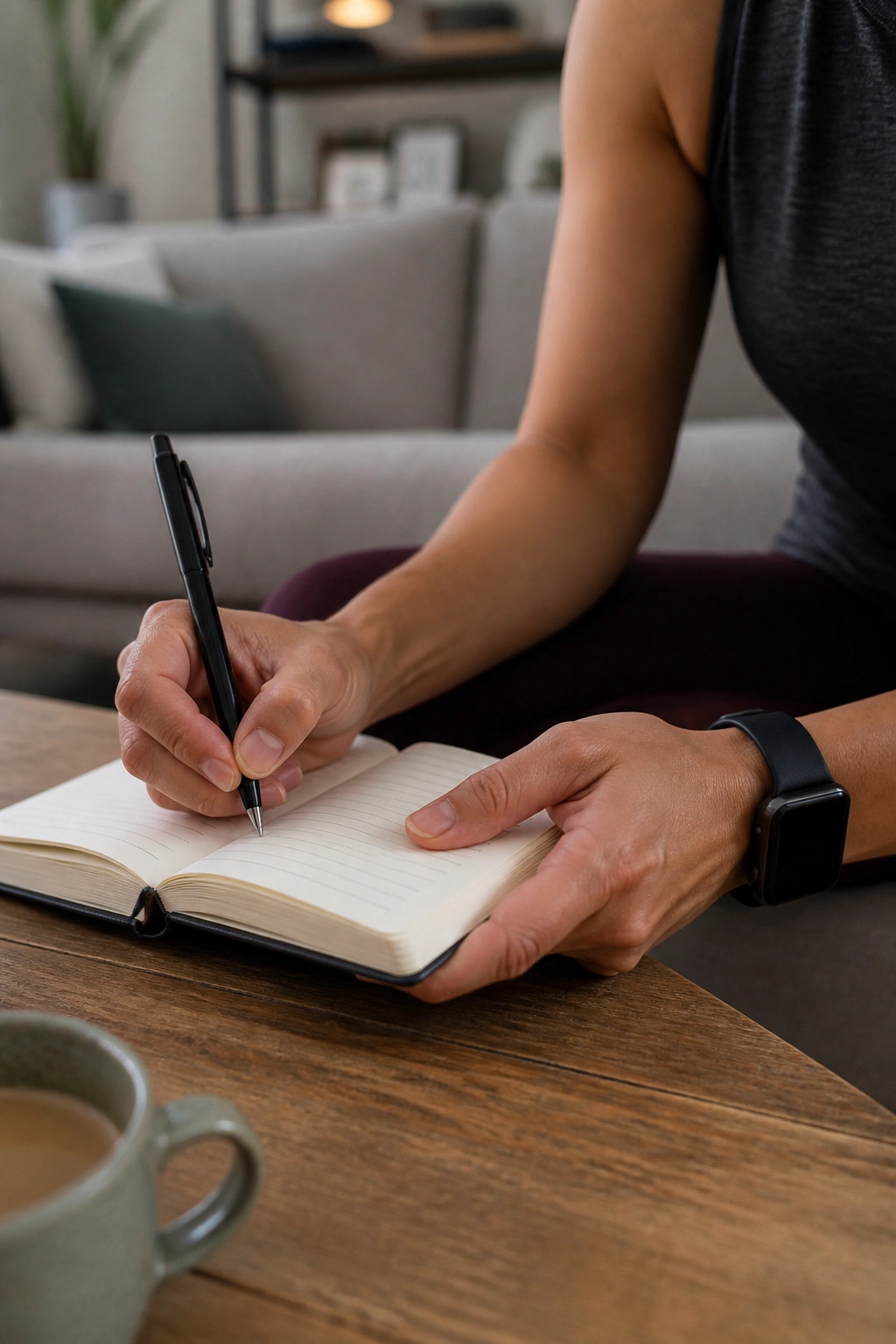
A journal helps, but it does not have to be elaborate. Write “walked 20 minutes, felt stiff at first, loosened up after 8 minutes” and move on. Those tiny notes make it easier to see patterns later. Maybe mornings are better. Maybe the workout feels easier after a snack. Maybe a certain move irritates your knees. Useful things show up in ordinary notes.
Progress pictures can help too, if you do them honestly and under the same light. Same stance. Same time of day. Same clothes if possible. Otherwise you end up comparing apples to gym mirrors, which is not fair to anyone.
The Beginner Mistakes That Kill Momentum

The first mistake is trying to do too much, too fast. That one gets most people. They start with a challenge built for someone already fit, then spend the next week chasing soreness and low energy. A beginner does not need punishment. A beginner needs repetition.
The second mistake is making the plan too complicated. If you need to check three apps, two videos, and a calculator before every workout, the challenge is too fussy. Simple wins because it survives tired brains. A good plan should fit on a note card.
The traps that show up again and again
- Skipping warm-ups and then acting surprised by stiffness
- Doing every workout at max effort
- Treating one missed day like a failed month
- Changing the plan every few days
- Ignoring sleep and then blaming the workout
That last one deserves a side-eye. If your sleep is a mess, your exercise plan will feel harder than it should.
There’s also the comparison trap. Beginners often watch people who have trained for years and try to copy them line for line. Don’t. Their bodies, joints, work capacity, and habits are not yours. Start where you are, not where the internet thinks you should be.
One missed workout is not the end. It is Tuesday. Pick up on Wednesday.
A Simple 30-Day Challenge Template That Actually Fits Real Life
A workable template is better than a flashy one. This is the kind of beginner challenge I’d trust because it doesn’t ask for much, and that’s the point.
Weekly structure
Monday: 20-minute brisk walk
Tuesday: 2 rounds of a bodyweight circuit
Wednesday: 20-minute easy walk or mobility work
Thursday: Rest or a light stretch session
Friday: 2 to 3 rounds of the bodyweight circuit
Saturday: 25-minute walk
Sunday: Rest
That gives you movement without making every day feel loaded. If six days sounds like too much, trim it down. If you want more, add a short walk after dinner on one of the rest days.
The bodyweight circuit
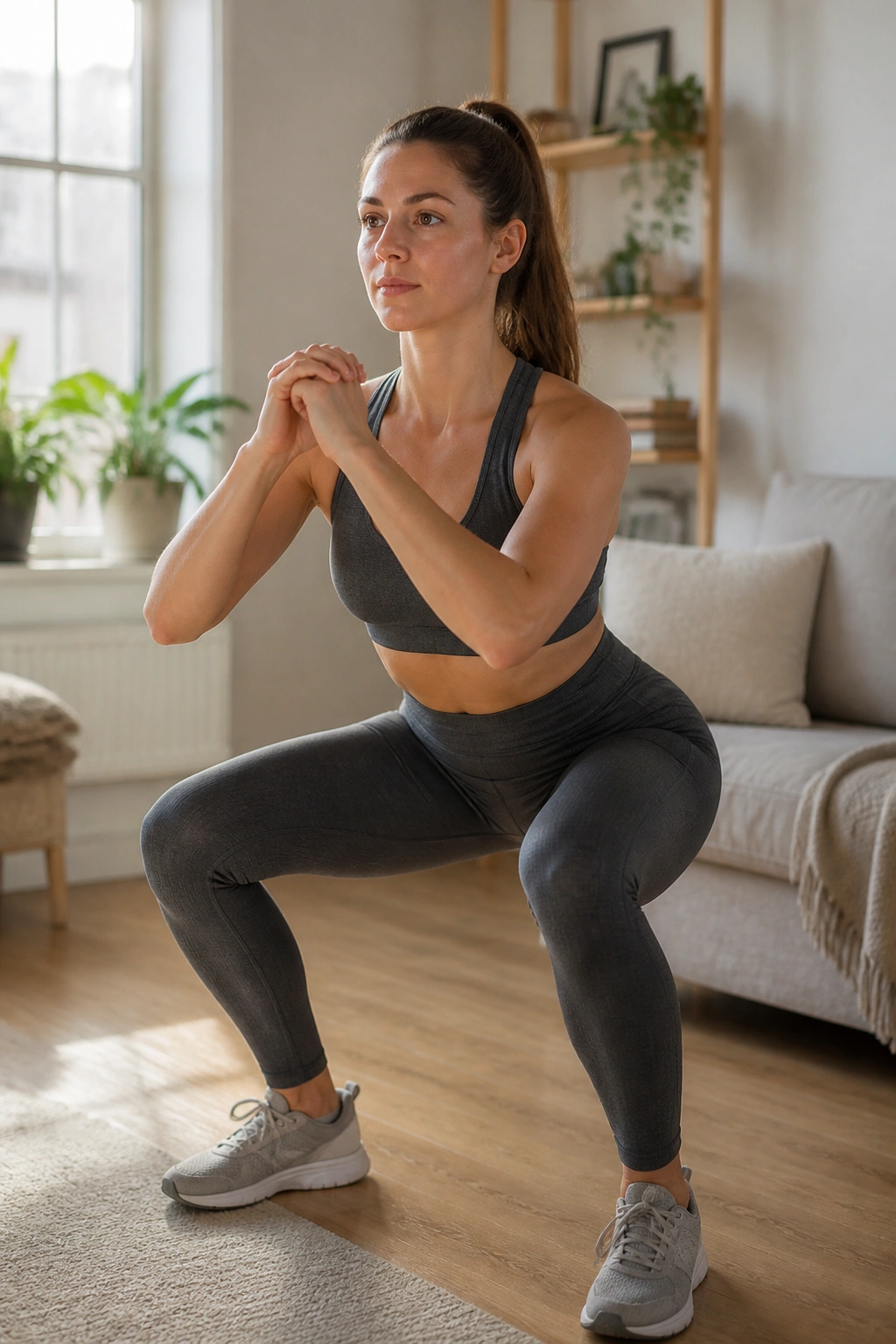
- 8 squats
- 6 wall push-ups
- 10 glute bridges
- 20-second plank
- 8 reverse lunges per side
Move through the list at an easy pace. Rest 30 to 60 seconds between moves if needed. In week one, do 1 or 2 rounds. In week two, make it 2 rounds consistently. In week three, add a third round if your form stays clean. In week four, keep the same structure and aim to feel smoother, not crushed.
How to make it harder without wrecking it
- Walk a little faster.
- Add 5 minutes.
- Lower the incline of the wall push-up slightly.
- Hold the plank for 5 to 10 seconds longer.
- Use one extra round, not five.
Those tiny changes add up. And they do it without making the month miserable.
If you want a low-impact version, keep the same skeleton and remove the lunges or replace them with sit-to-stands from a chair. If your knees don’t love deep squats, use a chair behind you as a target. If push-ups on the wall feel too easy, use a countertop. The challenge should meet your body where it is.
How to Stay Consistent When Motivation Drops
Motivation is unreliable. That’s not a character flaw. It’s just how brains work.
The trick is to make the workout tiny enough that resistance has less room to grow. Ten minutes is easier to defend than forty-five. A specific time is easier to follow than “later.” If you know the walk happens after lunch, or the strength session happens before the shower, the plan stops floating around in your head like a vague wish.
Three tools that help more than hype ever will
- Keep workout clothes where you can see them.
- Tie exercise to an existing habit, like coffee or brushing your teeth.
- Have a backup version for bad days, such as 8 minutes instead of 20.
That backup version matters. A challenge without a smaller option turns every rough day into a lost day. A challenge with a short version keeps the chain alive.
I also like visible proof. Crossing off a calendar square works because it is stupidly simple. No app needed. No graphs. Just a mark. After a week or two, people start protecting the streak. Human beings are funny that way.
The point is not to feel inspired every time. The point is to make the default action small enough that you’ll do it even when you feel plain tired.
What To Do After Day 30 So the Habit Doesn’t Fade

Day 30 should not be a cliff.
If the challenge went well, keep the parts that worked and change one thing at a time. Maybe you keep the same walking habit but raise your strength work from two days to three. Maybe you repeat the month with slightly longer sessions. Maybe you trade one walk for a beginner class or a bike ride. The next step should feel like a continuation, not a new personality.
You can also run the same challenge again. There is no law against repeating something that worked. In fact, repeating a solid 30-day fitness challenge for beginners is often smarter than chasing a brand-new plan every month. Repetition reveals what fits your life. Novelty can be fun, but consistency wins.
One clean next move is this: keep two anchor habits and one flexible habit. For many people, that means two strength sessions and a walking routine, with mobility or stretching as the flexible piece. That gives you structure without boxing you in.
Final Thoughts

A beginner challenge works when it feels doable on a bad day, not just an enthusiastic one.
That’s the test I’d use. If the plan can survive a tired Tuesday, a busy Thursday, and a weekend when you’d rather do almost anything else, it has a chance to stick. If it only works when life is perfect, it was too big from the start.
The smartest 30 day fitness challenges for beginners are plain, repeatable, and a little modest. They build confidence by keeping the promise small enough to keep. And once that starts happening, the rest tends to follow — not in a dramatic movie-scene way, but in the ordinary way that actually changes lives.
