



If your walks feel like errands in sneakers, the fix usually is not more time. It is better structure. The walking workouts that burn belly fat tend to share two traits: they push your heart rate high enough to matter, and they stay manageable enough that you can repeat them four or five times a week without your knees, feet, or motivation falling apart.
One thing needs saying early. You cannot strip fat from one body part on command. Belly fat comes down when total body fat comes down, and the deeper visceral fat around your organs often responds well to steady aerobic work, better blood sugar control, and a routine you can keep for months instead of ten hard days. Walking earns a spot here because it is easy to recover from, which means you can do more of it.
There is also a huge gap between a casual 2.5 mph stroll and a purposeful power walk. Add a hill, a fast interval, a weighted vest, or even sharper arm drive, and the same movement starts asking far more from your heart, lungs, glutes, and core. On a 1-to-10 effort scale, many fat-loss walks sit between RPE 5 and RPE 8—hard enough that talking comes in short sentences, easy enough that you are still walking, not jogging.
I keep coming back to walking for one reason: it fits real life. Before breakfast. After dinner. Between meetings. On a treadmill when the weather turns nasty. On a trail when you need your head cleared. That flexibility is not a small detail; it is often the reason the plan sticks.
1. Brisk Baseline Walking Workout for Belly Fat
Forget the lazy sightseeing pace. A brisk baseline walk is the one I would hand almost anyone first, because it teaches you what “working” during a walk is supposed to feel like.
You are aiming for 20 minutes total: 3 minutes easy, 14 minutes brisk, 3 minutes easy to cool down. Brisk means your stride feels purposeful, your arms swing with intent, and your breathing is deeper than normal. If you are on a treadmill, that often lands around 3.4 to 4.2 mph, though shorter walkers may need a faster cadence rather than a big stride.
What the pace should feel like
The sweet spot is RPE 6 out of 10. You can still talk, though you will not be in the mood for a long story. If you can scroll your phone and keep the same speed, you are moving too slowly.
Quick setup
- Warm-up: 3 minutes at an easy stroll.
- Work block: 14 minutes at a pace that feels sharp but controlled.
- Cooldown: 3 minutes slower, letting your breathing settle.
- Weekly use: 4 to 6 sessions works well for building consistency.
Try this: keep your steps short and quick instead of reaching out with your front foot. That one tweak makes brisk walking feel smoother on the hips and lower back.
2. 30-Second Speed Burst Walk
A half-minute surge can change the whole session.
Short bursts work because they let you touch a harder pace without staying there long enough to wreck your form. You warm up for 5 minutes, then alternate 30 seconds fast with 90 seconds easy for 10 to 12 rounds. Add a 5-minute cooldown and you are done in under half an hour.
The fast segment should feel close to a racewalk effort: elbows bent, arms driving, feet landing under you, not out in front. On a treadmill, some people hit 4.0 to 4.8 mph here; outside, think walk like you are late and the elevator is closing. Still walking, though. No sneaky jogging.
This is a strong pick if long intervals make you dread the workout. You only need to focus for 30 seconds at a time, then you get a longer reset. That makes the session feel lighter in your head, even when the total training load is solid. And that matters more than people admit.
3. 3-Minute Fast, 2-Minute Easy Intervals
Why do longer intervals work so well for walking? Because three hard minutes are long enough to raise your heart rate and keep it there, which means the workout stops feeling like random pace changes and starts feeling like training.
A strong session looks like this: 5 minutes easy, then 6 rounds of 3 minutes fast and 2 minutes easy, then 5 minutes to cool down. That gives you 40 minutes with a clear rhythm. The fast blocks should sit around RPE 7, not an all-out push.
Build the session
If you are on a treadmill, try 3.7 to 4.5 mph for the fast blocks and 2.8 to 3.2 mph for recovery. Another route: keep speed close and use a 2 to 4 percent incline during the hard minutes. Outside, choose a route with long uninterrupted stretches so you are not stopping at every crosswalk.
What I like here is the middle ground. Short bursts feel snappy. Long steady walks feel calming. This one has enough bite to help fat loss and enough structure to improve fitness at the same time.
4. Incline Treadmill Climb Session
The treadmill gets more useful the second you tilt it.
I have watched people try to burn more calories by cranking speed first, then wonder why their shins ache and their form gets sloppy. Incline is often the smarter first move. Walking uphill pulls more from the glutes, hamstrings, and calves while keeping impact lower than a jog at the same effort.
A clean setup looks like this:
- Warm-up: 5 minutes at 0 to 1 percent incline.
- Main work: 15 to 20 minutes at 5 to 8 percent incline.
- Speed: usually 2.8 to 3.6 mph.
- Cooldown: 5 minutes flat.
Keep your chest tall and your hands off the rails. Leaning your body weight onto the treadmill kills part of the training effect. Shorter steps help, too. If your calves start shouting after 8 minutes, drop the grade by 1 or 2 percent and finish strong rather than grinding through ugly form.
5. Outdoor Hill Repeat Walk
Find a hill that takes 60 to 90 seconds to walk up with effort. That is your workout.
Hill repeats are one of the cleanest ways to make walking harder without needing gadgets, pace screens, or a metronome app. You walk up hard, turn around, recover on the way down, and do it again. A first round of 6 repeats is enough for many people. Stronger walkers can build toward 8 or 10.
The uphill section should feel demanding by the final 20 seconds. Arms pump harder. Your glutes kick in. Breathing gets noisy. Then the downhill becomes your built-in recovery. I like hills because they force honest effort—there is nowhere to hide when the grade rises under your feet.
There is a catch. Downhill walking loads the quads and can bother touchy knees if you fly down carelessly. Slow the descent, keep steps short, and treat the first 5 minutes of the whole workout as a warm-up on flat ground. Your calves and Achilles will thank you the next morning.
6. 5-5-5 Speed Pyramid Walk
Unlike random pace changes, this workout has shape. Your body can feel the build, the peak, and the slide back down.
Walk 5 minutes easy, 5 minutes moderate, 5 minutes hard, 5 minutes moderate, and 5 minutes easy. Add another 3 to 5 easy minutes at the front if you need more warm-up time. The hard middle block should land around RPE 7 to 8, while the moderate sections hover near RPE 6.
This setup works well when you want one focused peak instead of repeated intervals. You settle in, nudge the pace higher, hit one hard segment, then back off in stages. That makes it mentally easier than a choppy session with ten changes. Lunch break walkers tend to like it for that reason.
I also like the way it teaches pace control. You cannot blast the first moderate block and hope for the best. You need to leave room for the center 5 minutes. That pacing skill carries over to every other walking workout on this list.
7. Long Zone 2 Weekend Walk
Not every belly-fat workout needs fireworks. Some of the most useful ones look almost boring from the outside.
The long Zone 2 walk is your steady, lower-stress calorie burner. You walk for 60 to 90 minutes at a pace where breathing is faster than normal but still controlled. A lot of people can keep this effort while breathing through the nose for stretches, though not every second.
What this one should feel like
You should be able to talk in full sentences, though not with the same ease as a casual stroll. Heart rate tends to sit around 60 to 70 percent of max for many walkers, though the feel matters more than the exact number.
Make it work better
- Bring water if you are out longer than 45 minutes.
- Use a route with mild hills instead of one steep monster climb.
- Wear shoes with enough cushioning for the full distance.
- Keep posture tall when fatigue creeps in around minute 40.
Small note: if you are sore from lifting, this walk often feels better on trails or grass than on hard concrete.
8. Fasted Morning Walk
Fasted walking is not magic. It does not melt belly fat because the clock says 6:30 a.m. What it can do is make the workout easier to fit into your day, and that alone makes it useful.
Keep this one on the easier side: 20 to 40 minutes at RPE 4 to 5. You should finish feeling warmed up, not wrung out. Plenty of people like coffee first; water works fine too. If you feel shaky, lightheaded, or oddly flat, eat something small and stop pretending discipline means ignoring your body.
There is another reason this format sticks: mornings are quieter. Fewer texts. Fewer work demands. Less bargaining with yourself. You wake up, lace up, and move before the day gets noisy.
I would not pair fasted walking with a heavy vest or brutal hill repeats unless you already know you handle that well. Easy or moderate pace suits this slot better. Save the sharper sessions for later, when you are fueled and more switched on.
9. Post-Dinner Glucose-Control Walk
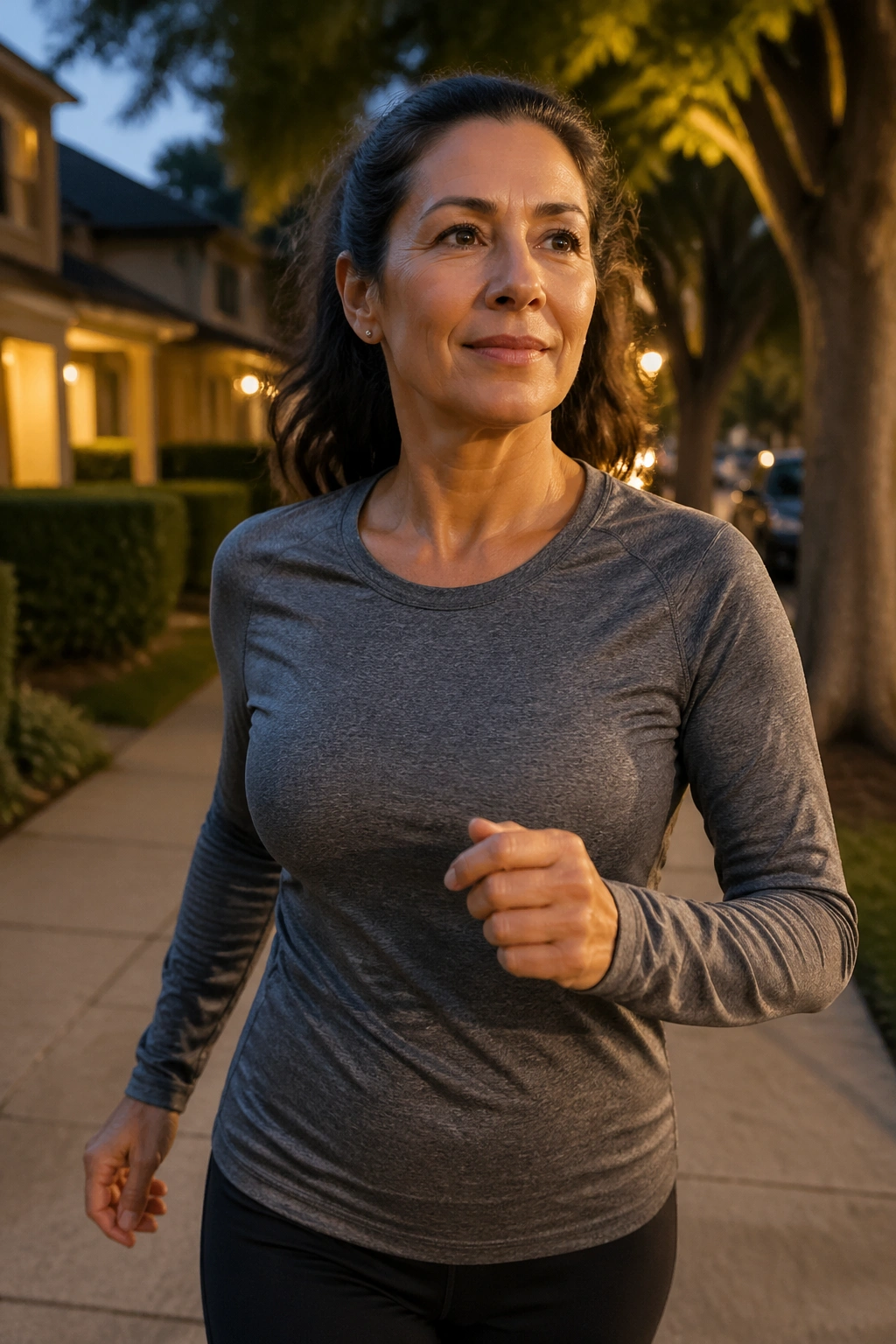
Why does a 10- to 15-minute walk after dinner hit above its weight? Because your muscles can pull glucose from the bloodstream while they work, which helps smooth the blood-sugar rise that often follows a meal.
That matters for fat loss more than people think. Better glucose handling can help rein in the energy crashes and snack cravings that wreck a calorie deficit at night. A post-meal walk is short, but it attacks one of the sloppiest parts of many diets: the hour after eating when people sit, scroll, and keep picking at food.
How to do it
Walk within 15 to 30 minutes after finishing the meal. Keep the first 2 minutes easy, then settle into a brisk pace for the middle chunk, finishing easy again if you need to. If dinner was heavy, do not race. A steady clip is enough.
This one is gold for people who swear they have “no time” for workouts. Most households can find 12 minutes after dinner. Not glamorous. Still effective.
10. Weighted Vest Power Walk for Belly Fat
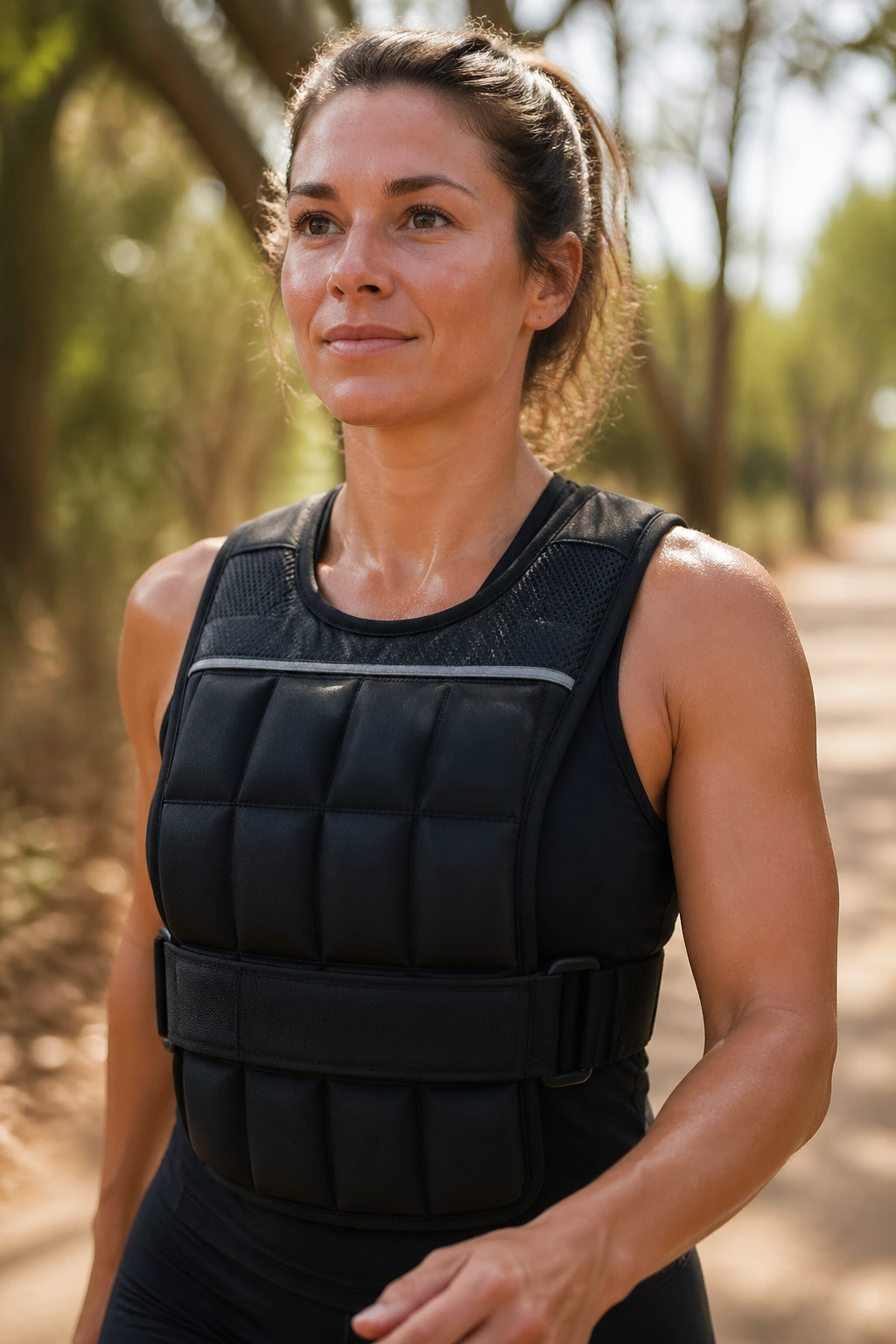
Put 5 to 10 percent of your body weight on your torso and your regular route stops feeling casual in a hurry.
A weighted vest increases the demand on your legs and trunk without forcing a faster stride. That can be a smart trade if speedy walking bothers your shins or hips. Start with 15 to 20 minutes, not an hour, and keep the fit snug so the load does not bounce.
Here is the part people mess up: they go too heavy, too soon, then spend the whole walk leaning forward like they are hiking into a storm. Stay upright. Ribs stacked over hips. Shoulders relaxed. If your lower back tightens or your steps start slapping the ground, the load is too much.
Use the vest on flat ground first. Later, pair it with mild hills or a treadmill incline. I like this session for walkers who want a stronger training effect but do not want the joint stress that can come with jogging.
11. Backpack Ruck Walk

A ruck walk feels different from a vest walk, and that difference matters.
With a backpack, the load sits farther back, so your upper back, core, and posture muscles have to work harder to keep you from sagging into the straps. Pack 10 to 20 pounds to start—books, water bottles, or a sandbag work fine—and place the weight high and close to the spine. Stuff a towel around it so it does not swing around with every step.
This is one of my favorite outdoor formats because it turns a familiar trail or neighborhood loop into a training session fast. You do not need a crushing pace. A 30- to 45-minute brisk walk is plenty. The load does the talking.
Skip one-strap bags. Skip loose packs that slap your lower back. And if you are tempted to carry a huge load because military rucking videos got in your head, pump the brakes. Belly-fat loss likes consistency more than heroics.
12. Arm-Drive Racewalk Session

Unlike loaded walking, this one costs nothing. You are changing technique, not equipment.
The trick is arm drive and cadence. Bend your elbows around 75 to 90 degrees, keep your hands moving from hip pocket to lower chest, and let the arms set the rhythm. Most people can reach 125 to 140 steps per minute with this style while still staying in a walk.
Racewalk mechanics are sharp. One foot stays in contact with the ground, your stride stays quick rather than huge, and your hips rotate enough to let the legs turn over cleanly. It looks odd if you have never tried it. It also works.
This session can be as easy as 5 minutes normal, 10 minutes arm-drive power walking, 5 minutes easy, or you can build it into intervals. I like it on treadmills, where people often drift into a sleepy shuffle. Tighten the arms and the whole body wakes up.
13. Stair-and-Sidewalk Combo
Short and punchy.
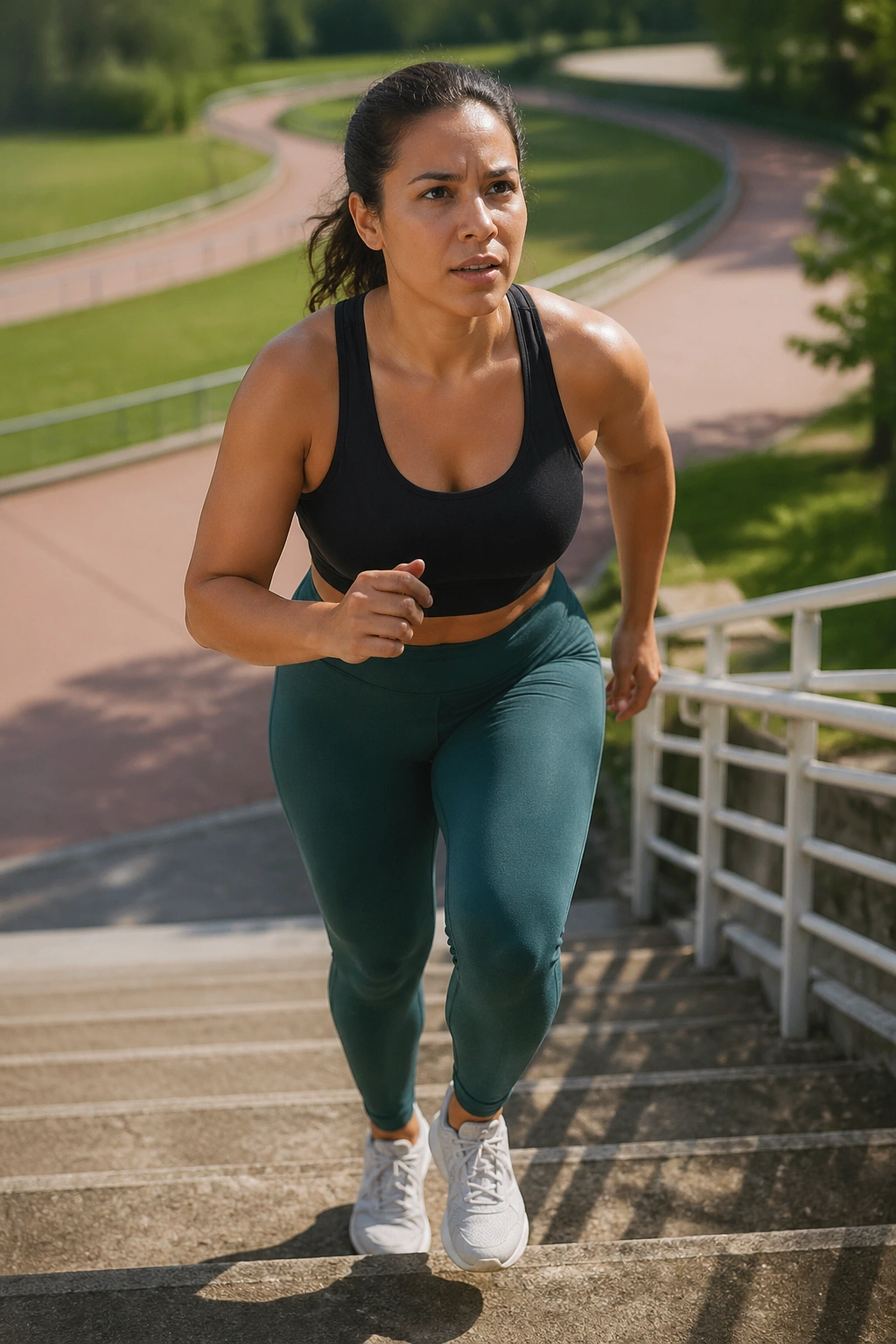
This workout works well in office parks, apartment buildings, stadium steps, and anywhere you can loop a flat stretch with a staircase. You walk briskly for 2 minutes, hit the stairs for 30 to 45 seconds, recover for another 90 seconds, then repeat.
The pattern
- Brisk walk: 2 minutes on flat ground.
- Stairs: 1 climb lasting 30 to 45 seconds.
- Recovery: 90 seconds easy walking.
- Rounds: 8 to 12.
Stairs spike effort fast because each step asks more from the glutes and calves than flat walking. You do not need to sprint them. Steady and upright is enough. If descending bothers your knees, walk down slowly or use an elevator when one is available. No shame there.
Quick cue: place your whole foot on each step when you can. Pushing through the full foot often feels smoother than bouncing on the toes.
14. Walk-and-Squat Bench Circuit
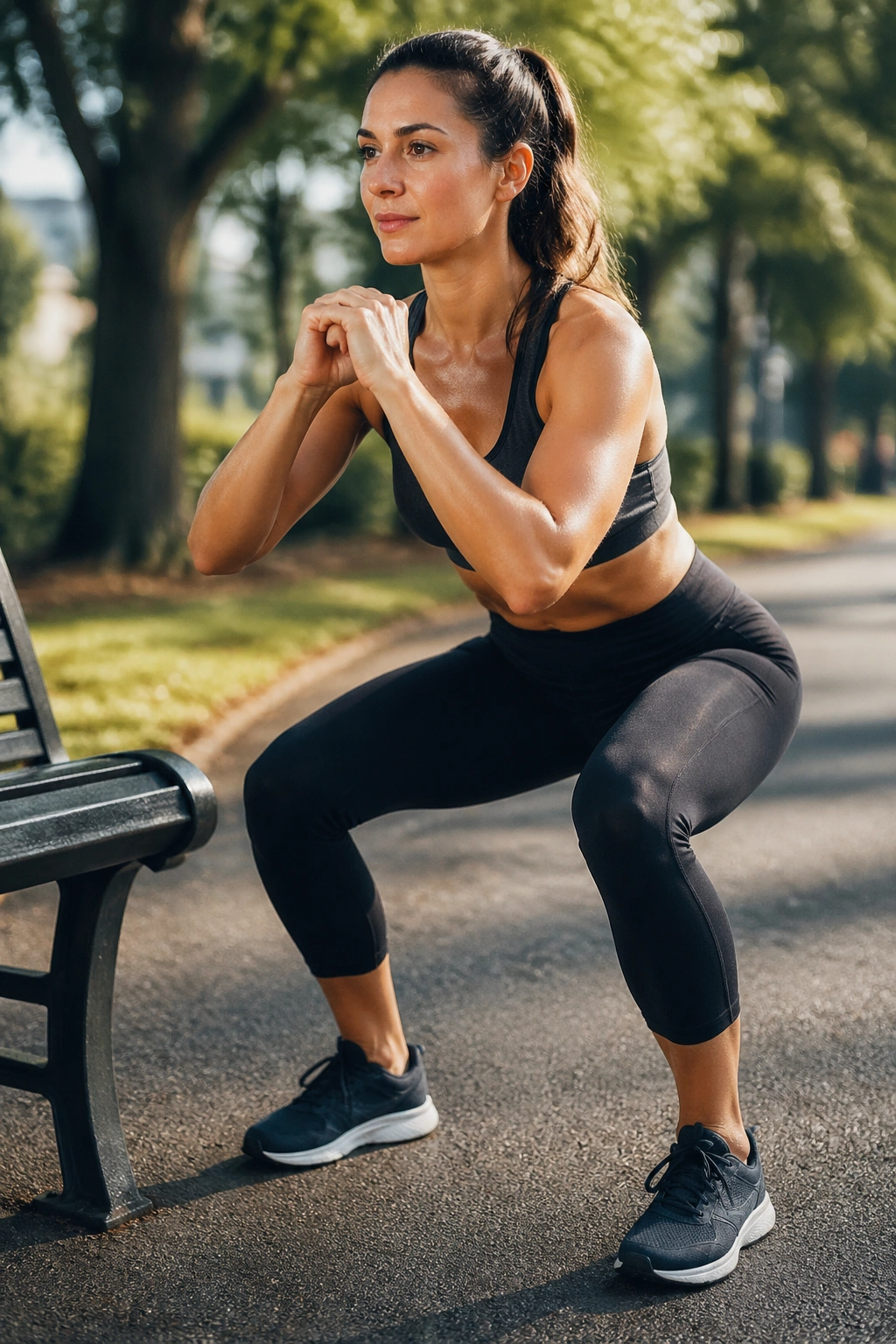
Adding bodyweight squats turns a walk into a full-body session without wrecking the flow.
Set a timer for 32 minutes. Walk briskly for 4 minutes, then stop at a bench and do 12 to 15 squats—or sit-to-stands if you want a friendlier version. Repeat that sequence until the timer ends. You get 7 squat stops if you start with walking.
What I like here is the way it raises the floor of the workout. Even if your walking pace drifts a bit, the squat sets pull heart rate back up and involve bigger muscle groups. Bigger muscle groups mean a larger energy cost, and that is the whole point.
Use a bench height that lets you stand without rocking back hard. Knees cranky? Make it a partial squat. Hold the bench for balance if needed. No one is handing out medals for the deepest rep at the park.
15. Walk-and-Lunge Block Workout
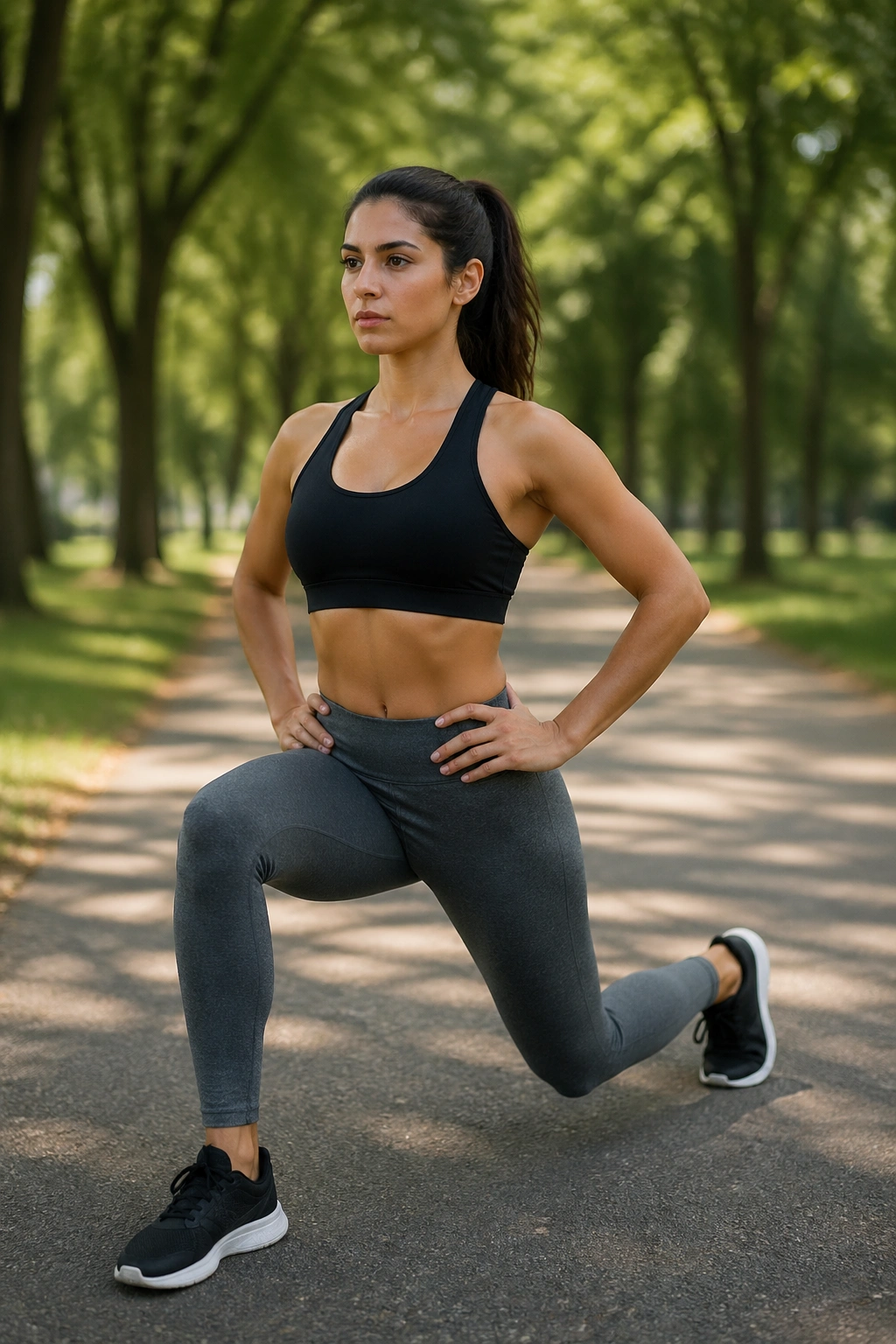
Can lunges belong in a walking workout? Yes—if you keep the dose modest and choose the right version.
Try 5 minutes of brisk walking, then stop for 8 reverse lunges per leg. Walk another 5 minutes, repeat, and build up to 4 to 6 rounds. Reverse lunges tend to feel kinder on the knees than forward lunges because you are stepping back instead of driving the front knee hard over the toes.
Keep it clean
The first rep should look like the last rep. Step back, drop straight down, front foot flat, chest up. If balance goes wonky, shorten the range and hold onto a railing, bench, or tree if that is what the route gives you.
This workout is sneaky. The walking keeps moving the session along, then the lunge blocks add local muscle fatigue in the quads and glutes. Your heart rate climbs again when you resume walking, and the whole thing hits harder than it sounds on paper.
16. Walk-and-Core Park Loop

Benches are not only for sitting.
Pick a loop where you can stop every 4 to 5 minutes. At each stop, do 30 seconds of incline plank with hands on a bench, then 10 standing knee drives per side. Resume your brisk walk right away. A 30-minute session gives you 5 or 6 core stops, which is enough to make your trunk do some actual work without turning the whole outing into floor exercise.
Here is a simple setup:
- Walk briskly for 5 minutes.
- Hold an incline plank for 30 seconds.
- Do 10 controlled standing knee drives each side.
- Walk again and repeat.
This one is more about posture and trunk stiffness than “ab training” in the six-pack sense. That still matters. When your core gets lazy, your walking form often falls apart from the ribs down. A sharper trunk can make the back half of the walk look and feel stronger.
17. Backward and Side-Step Intervals
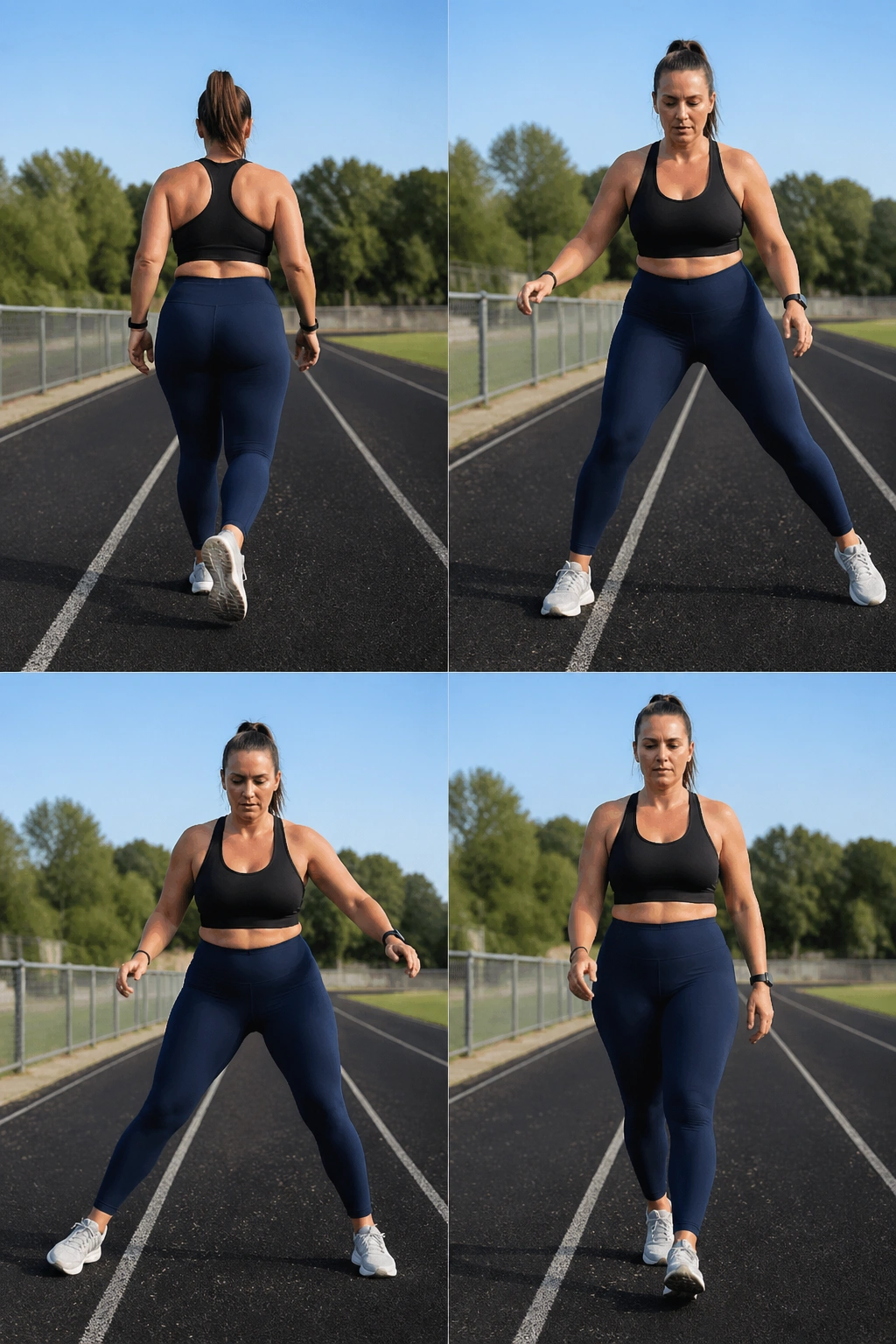
This is the oddball on the list, and I mean that as praise.
Walking backward and stepping sideways challenge the hips, ankles, and brain in ways forward walking does not. On a flat, clear stretch—track, empty court, quiet driveway—alternate 20 seconds backward walking, 20 seconds side-step left, 20 seconds side-step right, and 80 seconds brisk forward walking. Do 8 to 10 rounds.
The pace is slower than your usual power walk, yet effort climbs because coordination and stability demand more. The side steps light up the glute medius on the outer hips. The backward segment asks more from the quads and makes you pay attention to foot placement.
Use small steps. Eyes up. No traffic. This is not one to improvise on a crowded sidewalk while checking messages. Still, if your usual walks leave your hips asleep and your knees cranky, these directional changes can be a smart shake-up.
18. Sand or Grass Resistance Walk
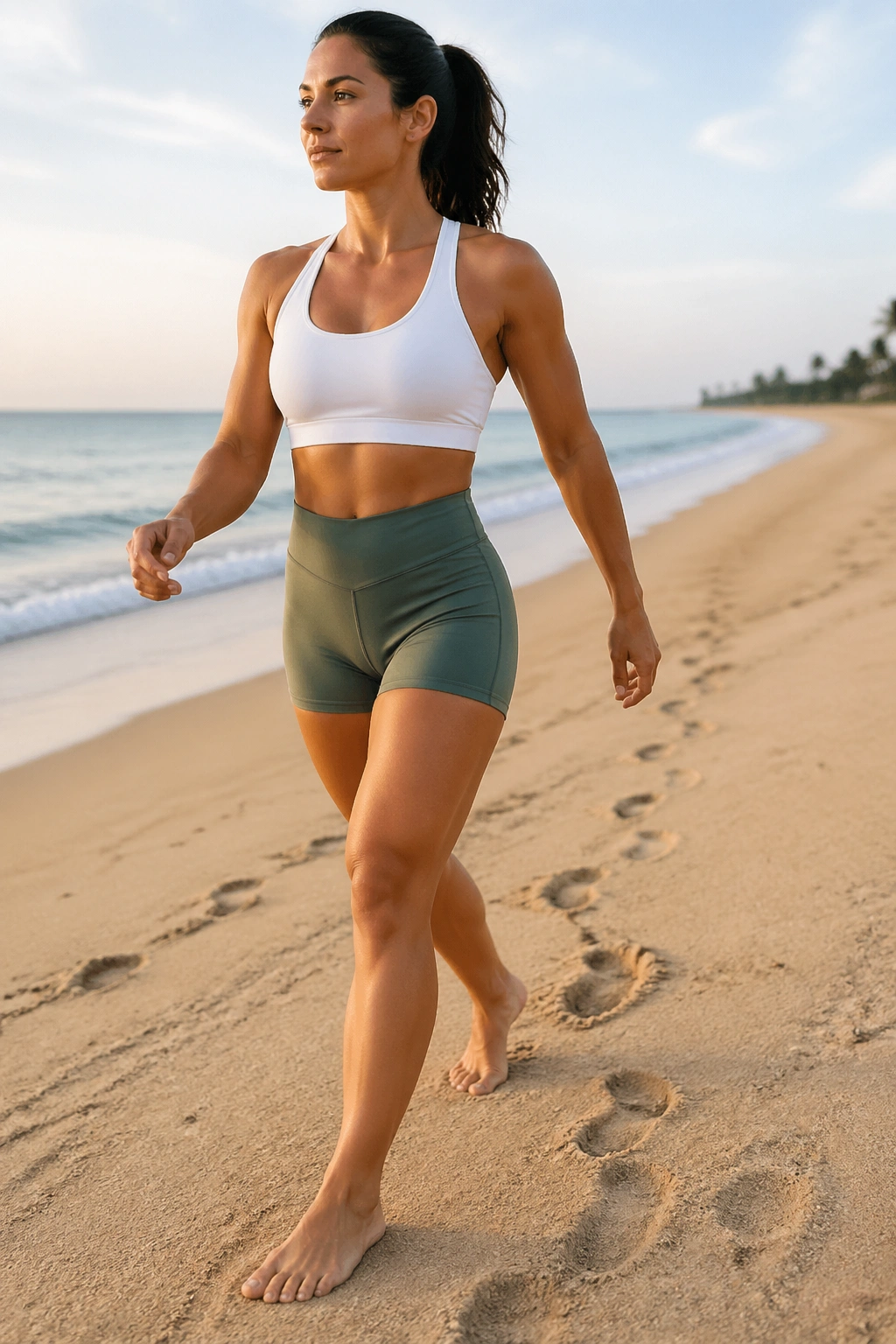
Unlike pavement, soft ground gives way under your feet. That steals some force from every step, which means your legs have to work harder to keep speed.
A 20- to 30-minute walk on sand or deep grass can feel like a much longer road walk, especially through the calves and the small stabilizers around the ankles. Keep your stride shorter than normal and lift your feet cleanly instead of dragging them. Dragging is how the shins start complaining.
Beach walking gets the attention, though even a soccer field or uneven park lawn can change the demand enough to matter. I would not make this your daily format unless your feet already tolerate it well. Soft surfaces are useful; they also sneak up on the plantar fascia and Achilles.
Treat this one like seasoning. Use it once or twice a week, not every day, and your regular flat walks may start to feel snappier.
19. Trail Walk with Short Climbs
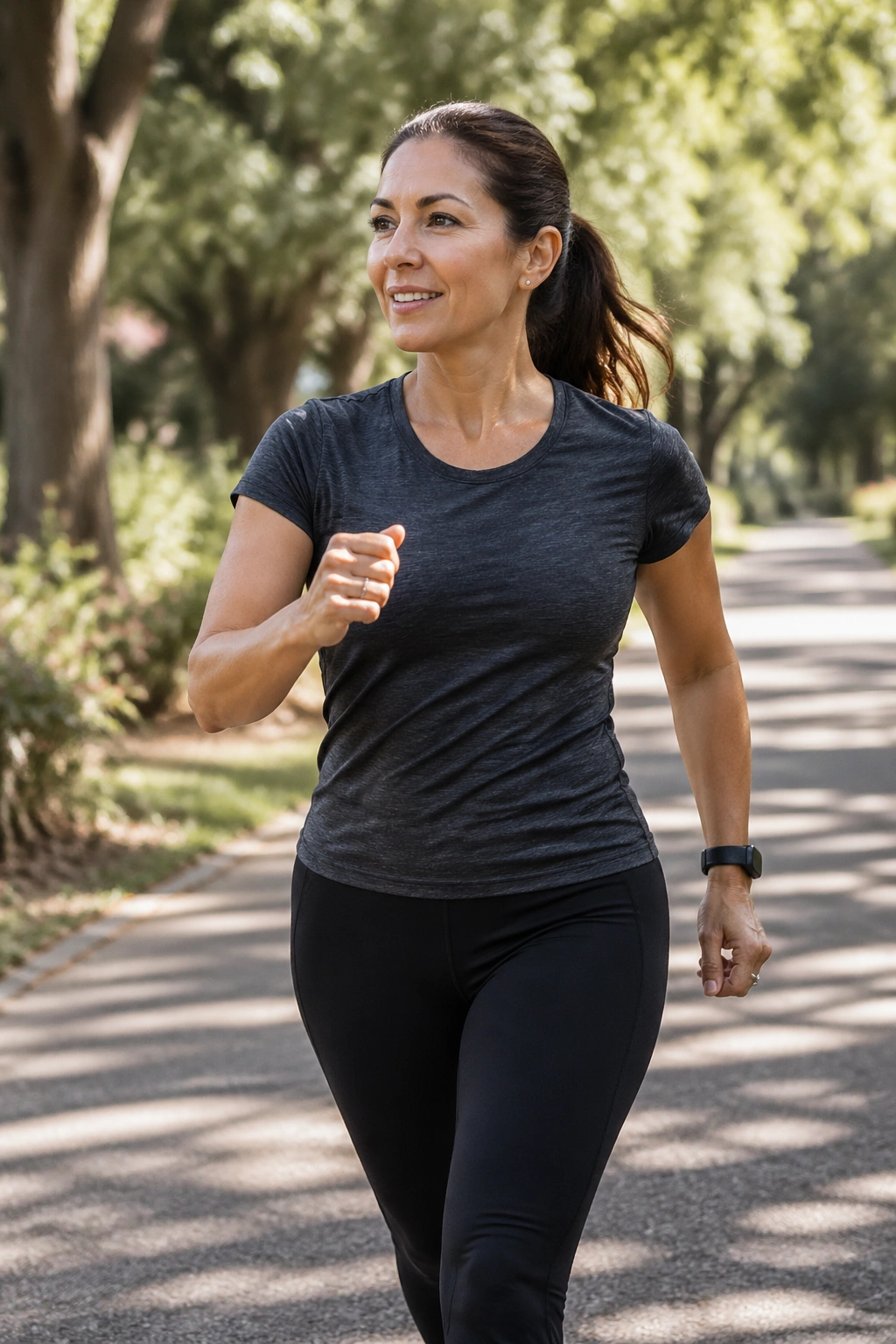
Trail walking burns energy in a different way. The pace may look slower on a watch, yet the body is doing more—balancing on roots, stepping over rocks, handling short climbs, and bracing on descents.
A solid trail session lasts 45 to 75 minutes. Look for a route with rolling terrain rather than one giant mountain march. Short climbs of 30 seconds to 2 minutes let you push effort up, then back off naturally on flatter sections.
What makes trails useful
- Uneven ground recruits more stabilizer muscles.
- Small climbs raise heart rate without forced speed.
- Mental fatigue drops for many people outdoors.
- You are less likely to stare at pace every 15 seconds.
You do need to watch your footing. A trail walk stops being a fat-loss workout the second you twist an ankle. Keep your gaze a few steps ahead, not at your shoes, and use your arms on climbs. Yes, you may walk slower than on the road. No, that does not make the session easy.
20. 10-20-30 Speed Wave Walk

Ten seconds is short enough to go hard without panicking.
This workout borrows the wave idea used in some run training, then makes it walking-friendly. Go 30 seconds easy, 20 seconds brisk, 10 seconds hard, and repeat that wave for 5 minutes. Rest by walking easy for 2 minutes. Do 4 to 6 blocks.
The hard 10-second segment should feel close to your sharpest possible walking speed—arms pumping, feet turning over fast, posture tall. Because the effort window is short, you can hit a higher pace than you could hold in a full-minute interval. That raises the intensity of the session while keeping it manageable.
This is a good fit for people who get bored fast. You are changing gears every half minute, which keeps your head in the workout. One warning, though: do not turn the 10-second segment into a jog. Keep the form honest or lower the speed.
21. Incline Ladder Treadmill Workout
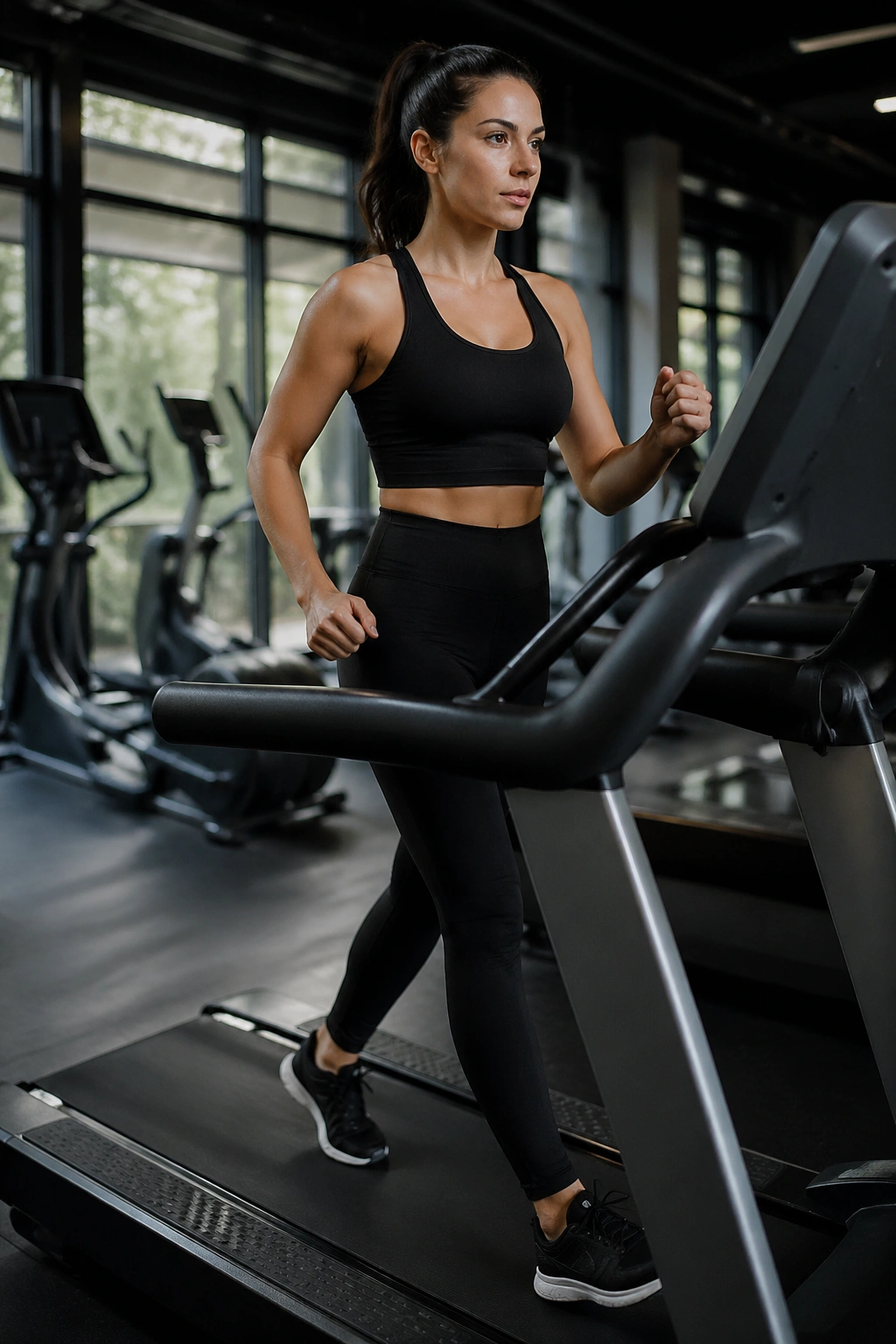
Want a treadmill session with clear checkpoints? Build a ladder.
Start at 1 percent incline for 2 minutes, then move to 3 percent, 5 percent, 7 percent, and 9 percent, spending 2 minutes at each level. After the top rung, come back down the same way. Keep speed around 3.0 to 3.5 mph, adjusting if your stride gets ragged.
Sample ladder
- 2 minutes at 1 percent
- 2 minutes at 3 percent
- 2 minutes at 5 percent
- 2 minutes at 7 percent
- 2 minutes at 9 percent
- Back down the ladder
- 5 easy minutes to finish
This workout works because the grade does the progression for you. You do not have to guess whether effort is rising; the treadmill tells your body. If 9 percent feels too steep at first, top out at 7 percent and live there for a week or two. Pride is useless if it wrecks your calves halfway through.
22. Cadence Beat Power Walk
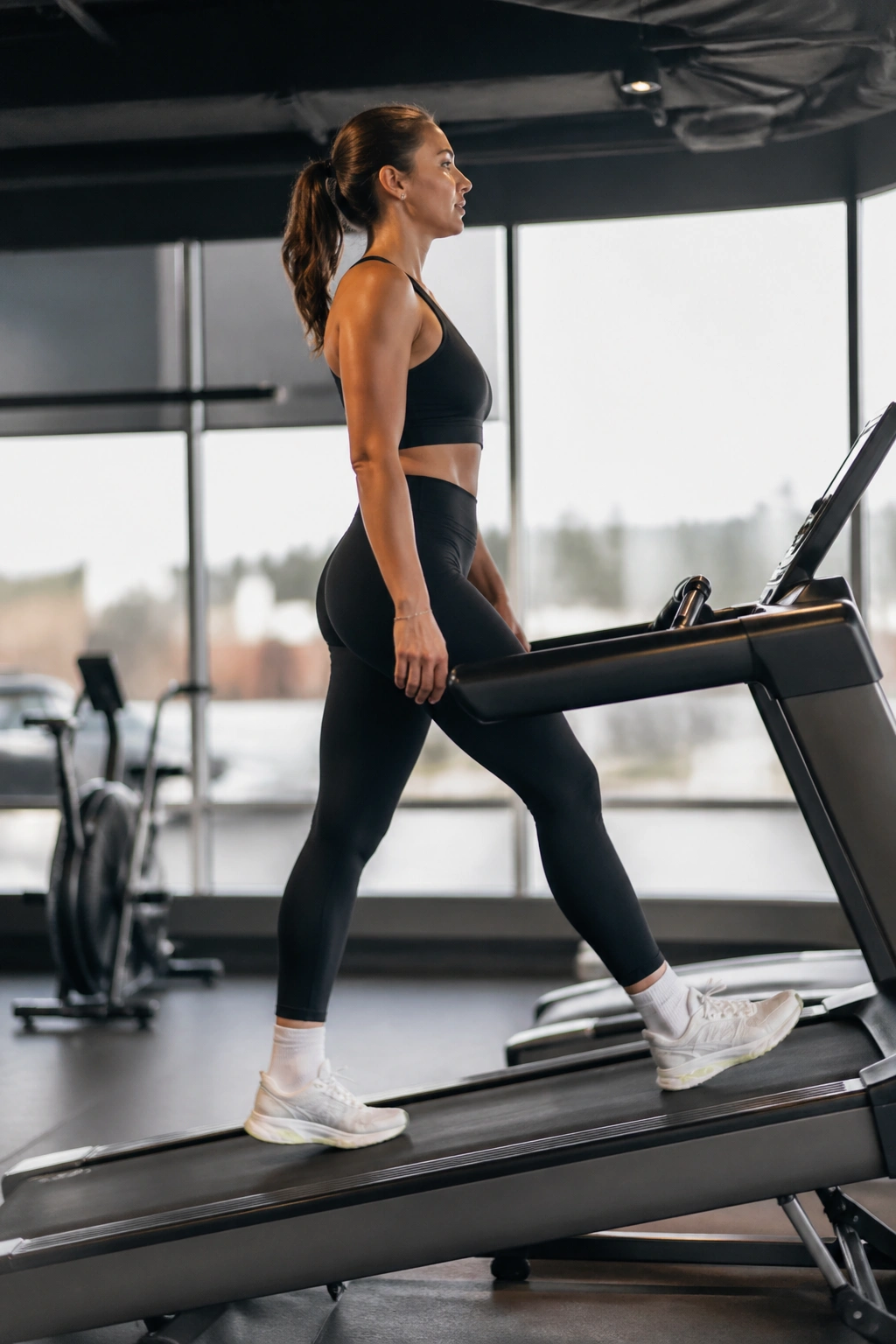
Music can turn pace control from guesswork into something you can feel in your bones.
Pick songs or a metronome setting around 128 to 140 beats per minute and match your steps to the beat. Many walkers find that 130 to 135 steps per minute creates a strong brisk pace without forcing a huge stride. You are not chasing dance perfection here. You are using rhythm to stop yourself from fading.
A simple session: 5 minutes easy, 20 minutes on-beat power walking, 5 minutes easy. If you drift, the beat pulls you back. That is why this one works well for treadmill walkers who slow down the second their attention wanders.
A few cues help:
- Keep steps quick, not long.
- Let the arms swing with the rhythm.
- Relax the jaw and shoulders.
- Pick a beat you can maintain for the full work block.
I would not use this for hill repeats or technical trails. Flat routes and treadmills suit it best.
23. Landmark Fartlek Walk
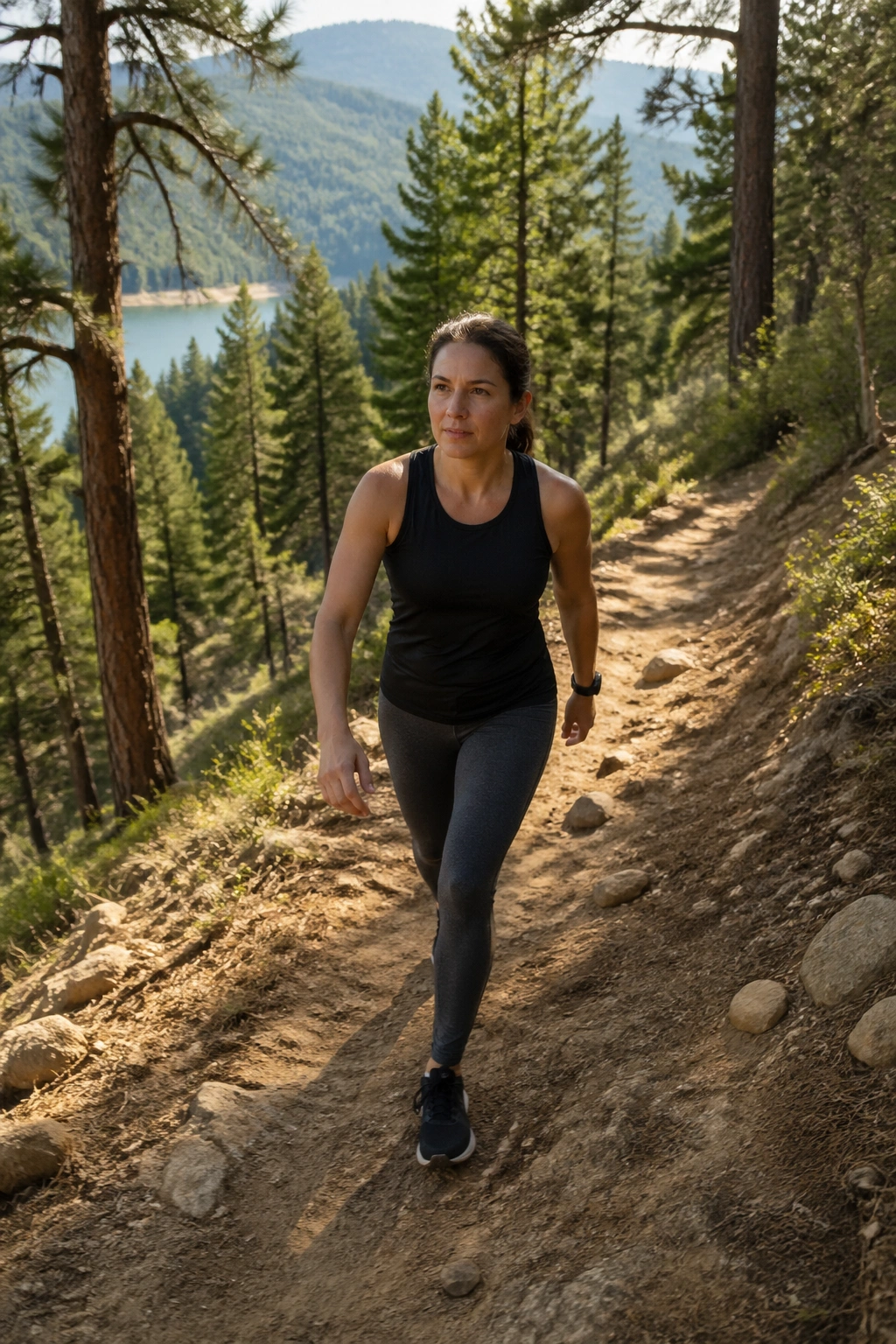
You do not need a stopwatch for every hard walk.
A fartlek—Swedish for speed play—works beautifully with walking because outdoor routes already give you markers. Push hard to the next lamp post. Recover to the red mailbox. Walk briskly past two driveways. Ease up to the corner. The landmarks become the interval timer.
This format keeps the session from feeling robotic. Some surges might last 20 seconds. Others may stretch to 90 seconds if the road cooperates. That natural variation is part of the appeal. Your body gets changes in pace and grade, and your brain gets a workout that feels less boxed in.
There is one rule I like to keep: match the harder push with enough recovery that your breathing drops before the next surge. If every segment feels half-hard and half-tired, you missed the point. Fartlek walking should feel playful and sharp, not sloppy.
24. Split Walk Day for Belly-Fat Loss
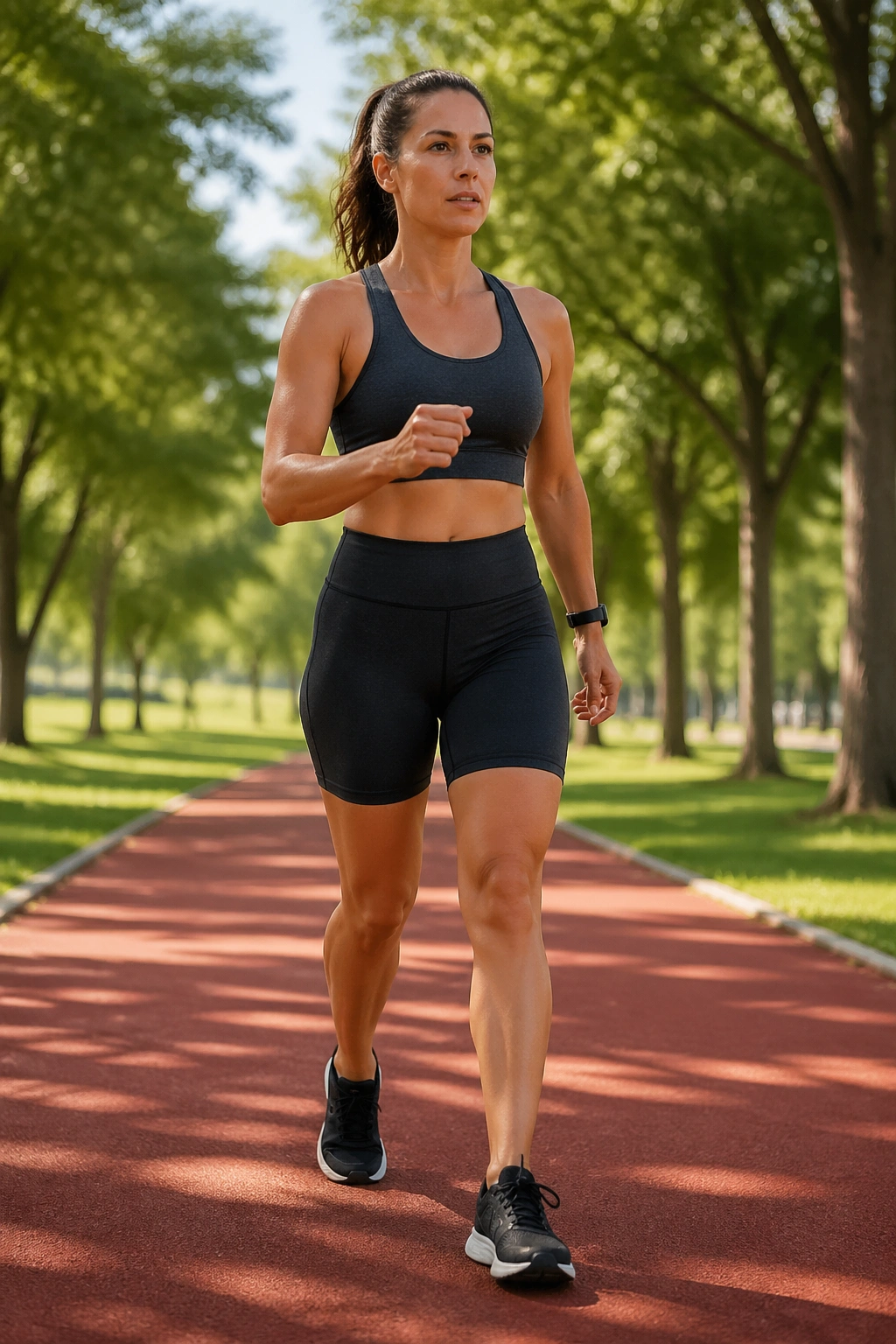
Unlike one long session, two or three shorter walks spread across the day can keep your total movement high without asking for a giant block of free time.
Think 20 minutes in the morning and 20 minutes after dinner, or 15 minutes after breakfast, lunch, and dinner. You still rack up 40 to 45 minutes of purposeful walking, but the effort feels lighter because each piece starts fresh. For busy schedules, that matters more than the textbook ideal workout.
This format also helps with the part of fat loss that has nothing to do with gym grit: staying out of the chair for too many hours in a row. Breaking the day up with walking often nudges step count, energy, and appetite control in a better direction all at once.
If I had to build a week for someone juggling work, kids, and low motivation, split walks would be near the front of the plan. They are not flashy. They are stubbornly practical—and practical tends to win.
25. Recovery Flush Walk After Lifting
This one is not glamorous. It is one of the smartest.
After a lower-body strength session—or the day after, when your legs feel wooden—do an easy 15- to 25-minute recovery walk. Keep effort at RPE 3 to 4. You should finish feeling looser than when you started.
A recovery walk helps you keep weekly energy output up without piling on more muscle damage. That matters because fat loss often stalls when people treat every session like a test, then need two days on the couch to recover from the test. Easy walking gives you movement without digging the hole deeper.
You can use it in two ways:
- Right after lifting: 10 to 15 minutes easy on a treadmill or outside.
- Next day: 20 to 25 minutes at a relaxed pace.
- Optional add-on: a few gentle hills if your legs feel fresh enough.
- Skip it: if pain changes your gait or one joint feels sharp.
The workout is quiet, almost humble. Keep it anyway. The boring sessions are often the ones that hold the week together.
Final Thoughts

If you want walking to help shrink your waistline, treat it like training and not background movement. Pace, incline, duration, load, and timing all change the effect. A 12-minute post-dinner walk can earn its place right beside a hard hill session because both solve a different piece of the fat-loss puzzle.
Pick three formats that fit your week instead of chasing all 25 at once. One brisk baseline walk, one harder interval or incline session, and one longer steady walk is a clean place to start. Add split walks or post-meal walks if your schedule is chaos.
The best walking workout is not the fanciest one on paper. It is the one you can repeat long enough for your body to notice.
