



Love handles do not disappear because you did 200 random twists on a mat.
The waist responds best to a mix of oblique strength, anti-rotation work, and exercises that actually make you breathe hard. That means some moves stay on the floor, some happen standing up, and a few are there mainly because they force your trunk to stay quiet while your limbs move all over the place.
Food and daily movement still matter most for fat loss. If your steps are low and your calories are high, side-belly work alone will not change much.
A smart routine uses controlled rotation, side-bending, planks, carries, and short cardio bursts—no circus acts, no endless crunch marathons. The exercises below hit the waist from different angles, and that variety is the part most people miss when they keep repeating the same tired side crunch for months.
1. Standing Side Crunch
This is the simplest place to start, and that is exactly why it works for a lot of people.
How to do it cleanly
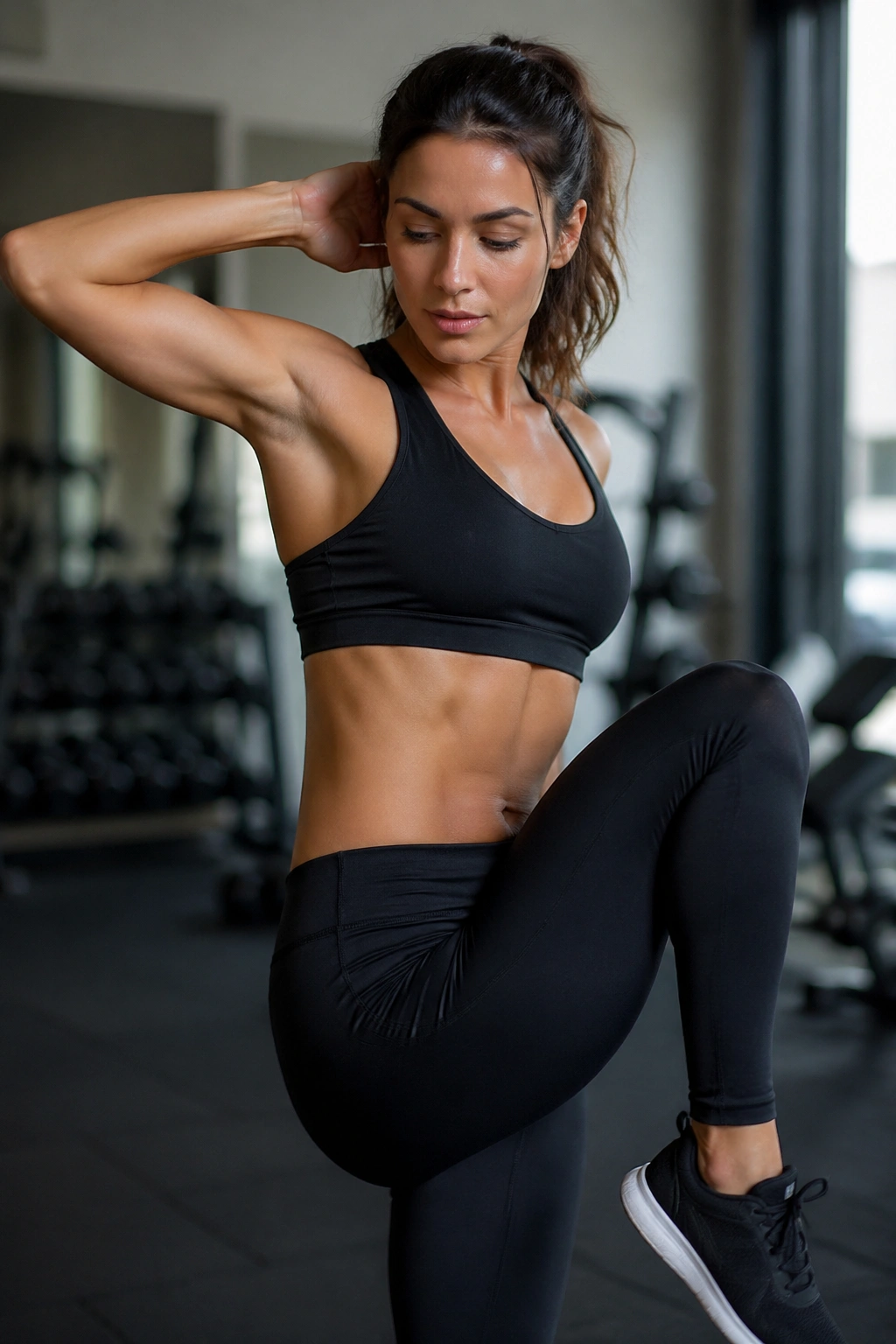
Stand tall, place one hand lightly behind your head, and lift the same-side knee toward your elbow without folding yourself in half. Keep your chest open and your ribs stacked over your hips. You should feel the side of your waist doing the work, not your hip flexors yanking everything upward.
What to watch for
- Do not lean hard into the crunch.
- Keep the movement slow enough that you can feel the oblique contract.
- Use 12 to 15 reps per side for 2 to 3 rounds.
A standing version is nice because it teaches control in a position you actually use during the day. It also tends to bother the neck less than floor crunches. If the motion turns sloppy, shrink the range and slow down. The burn should build along the side of your waist, not in your lower back.
2. Bicycle Crunch
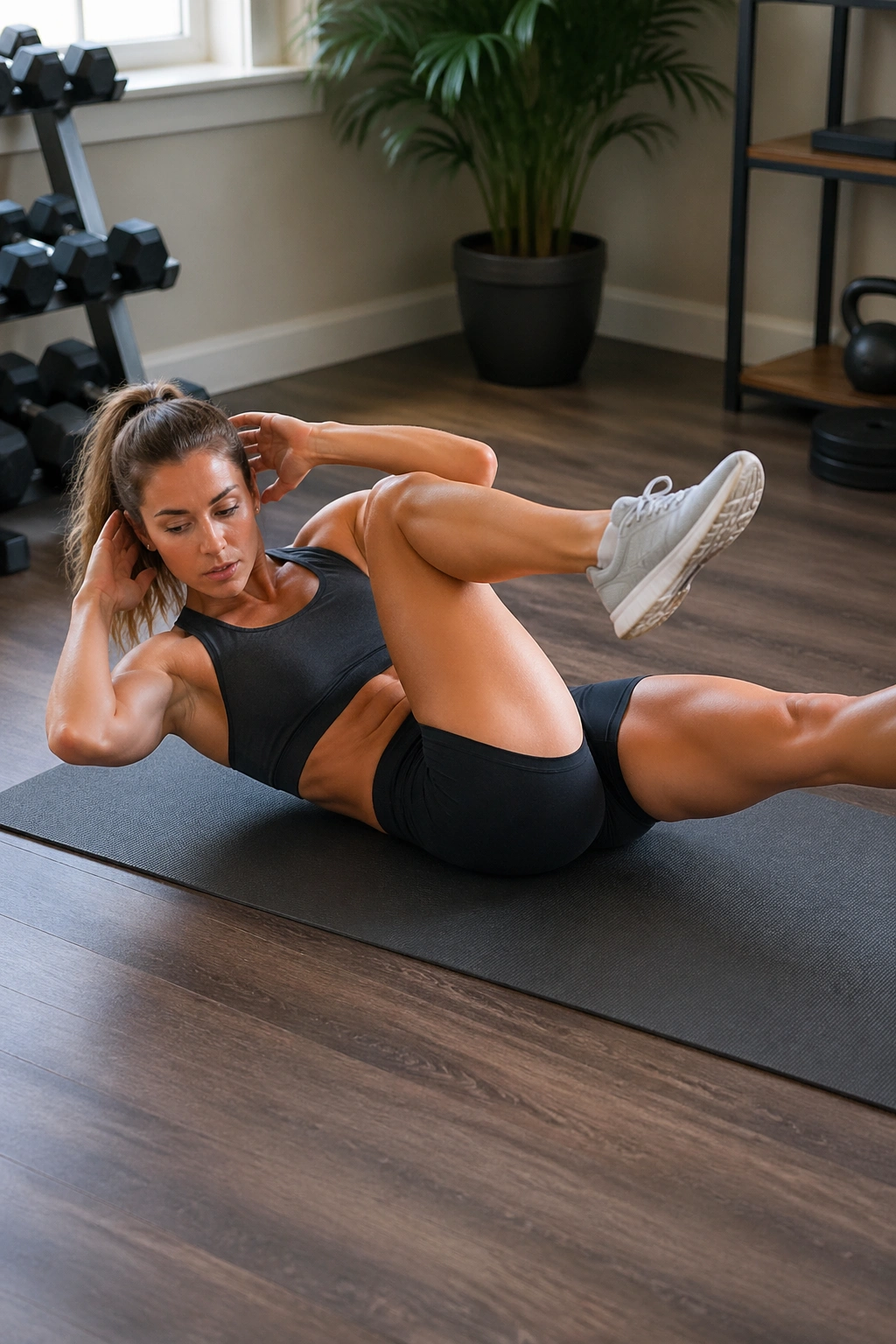
Bicycle crunches look basic, but the slow version is a different animal.
Lie on your back, lift your shoulders a little, and bring one elbow toward the opposite knee while the other leg extends. The trick is not speed. If you rush, the movement turns into flailing, and your hips take over. Go slower than feels natural, and keep your lower back pressed into the floor.
The best part here is the twist. That cross-body motion asks the obliques to work while the front of the core stays tight, which is exactly what you want from side belly fat workouts. Aim for 16 to 24 total reps, or 30 seconds of controlled work. If your neck feels crowded, keep your hands wide and your chin slightly tucked. No tugging.
3. Russian Twist
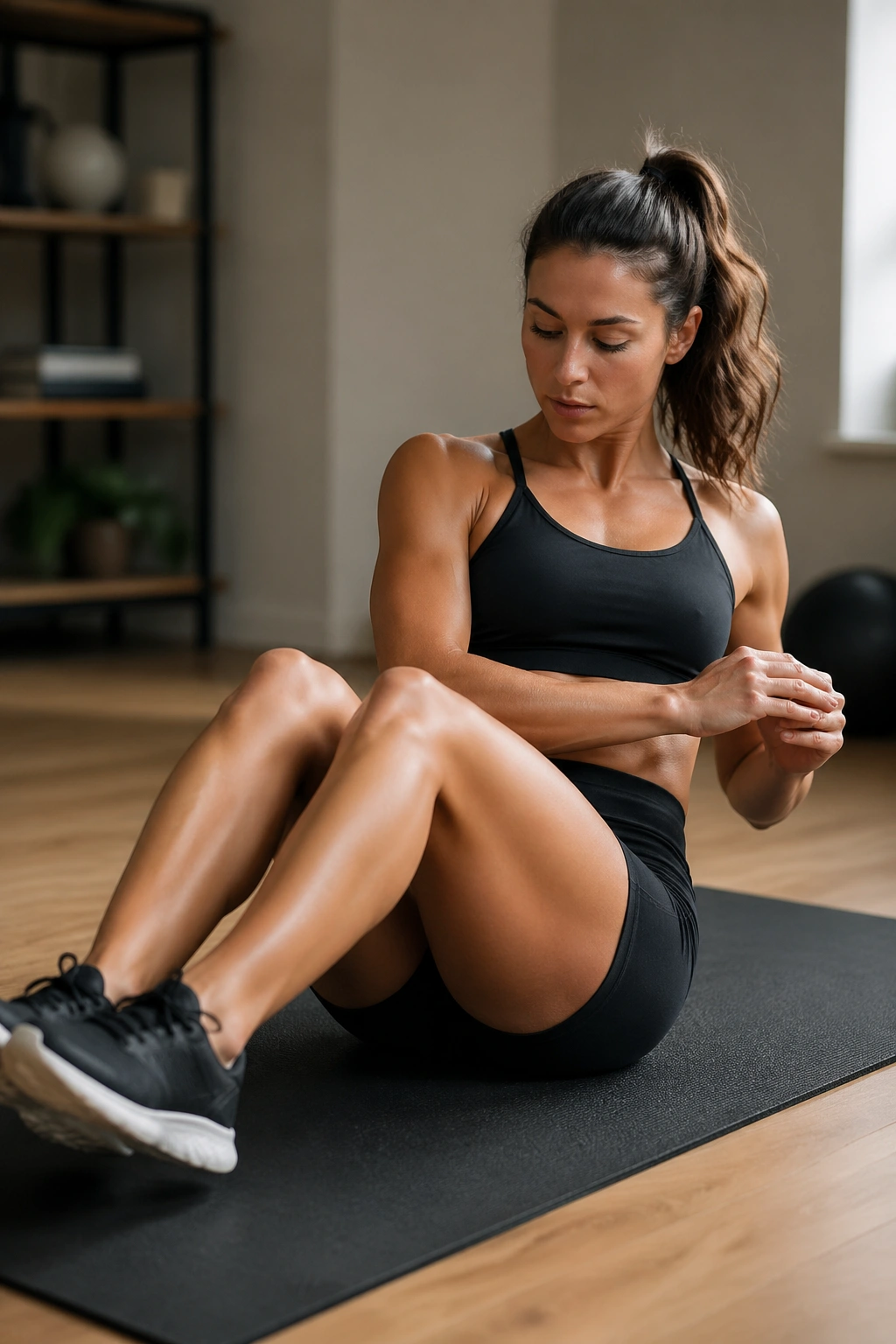
Want rotation without the awkward lower-back wiggle?
Russian twists can be useful, but only if you treat them like a controlled torso drill instead of a speed contest. Sit with your knees bent, lean back a little, and rotate your ribcage side to side. Your arms can stay together at chest level, or you can hold a light plate or dumbbell. If your feet need to stay on the floor, keep them there. That is not cheating.
The core cue is simple: twist from the torso, not just the shoulders. If the movement comes from the arms alone, you are mostly waving at the air. Start with 16 to 20 total twists and build from there. Light load beats sloppy load every time. Heavy Russian twists are a bad bargain for most people.
4. Side Plank
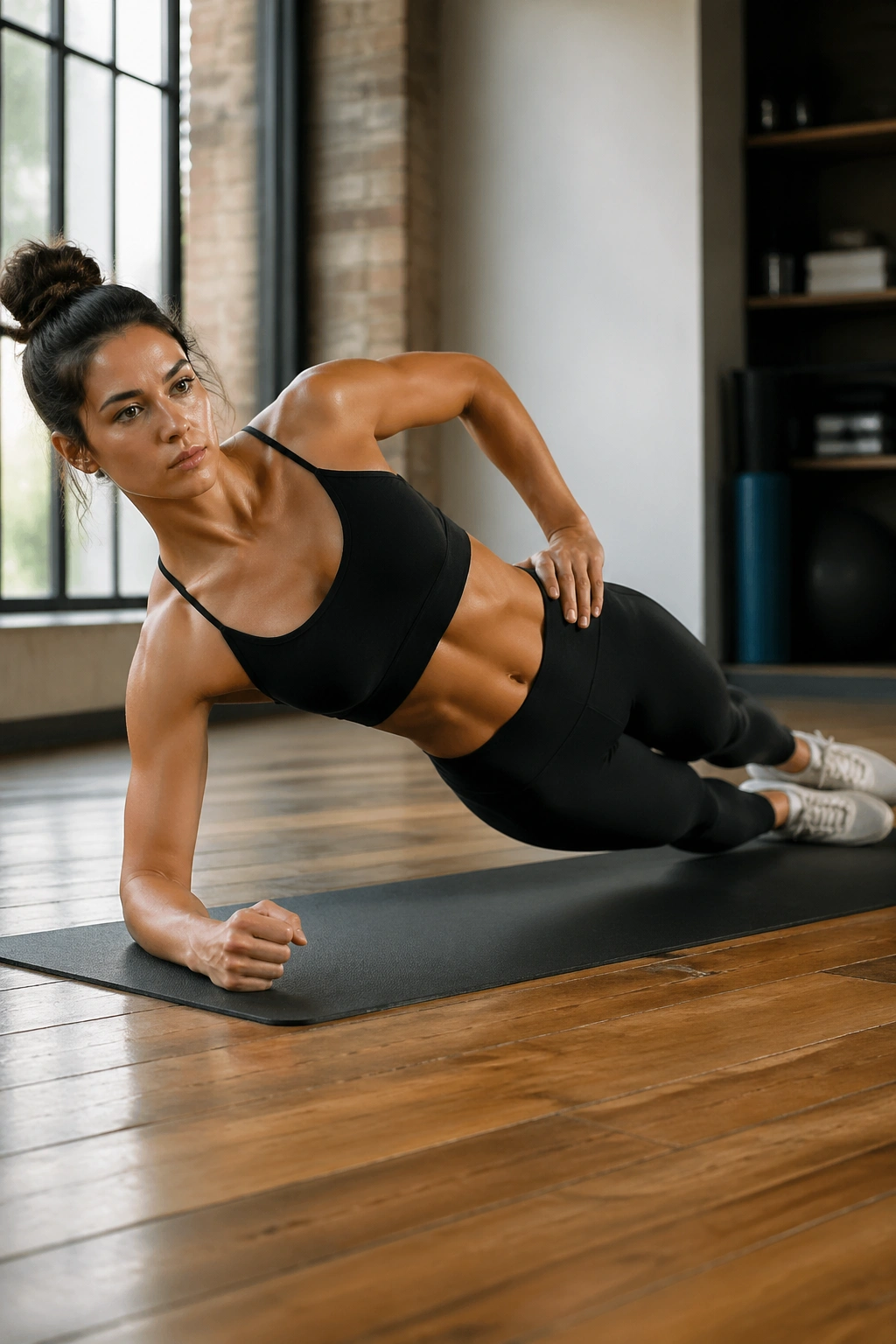
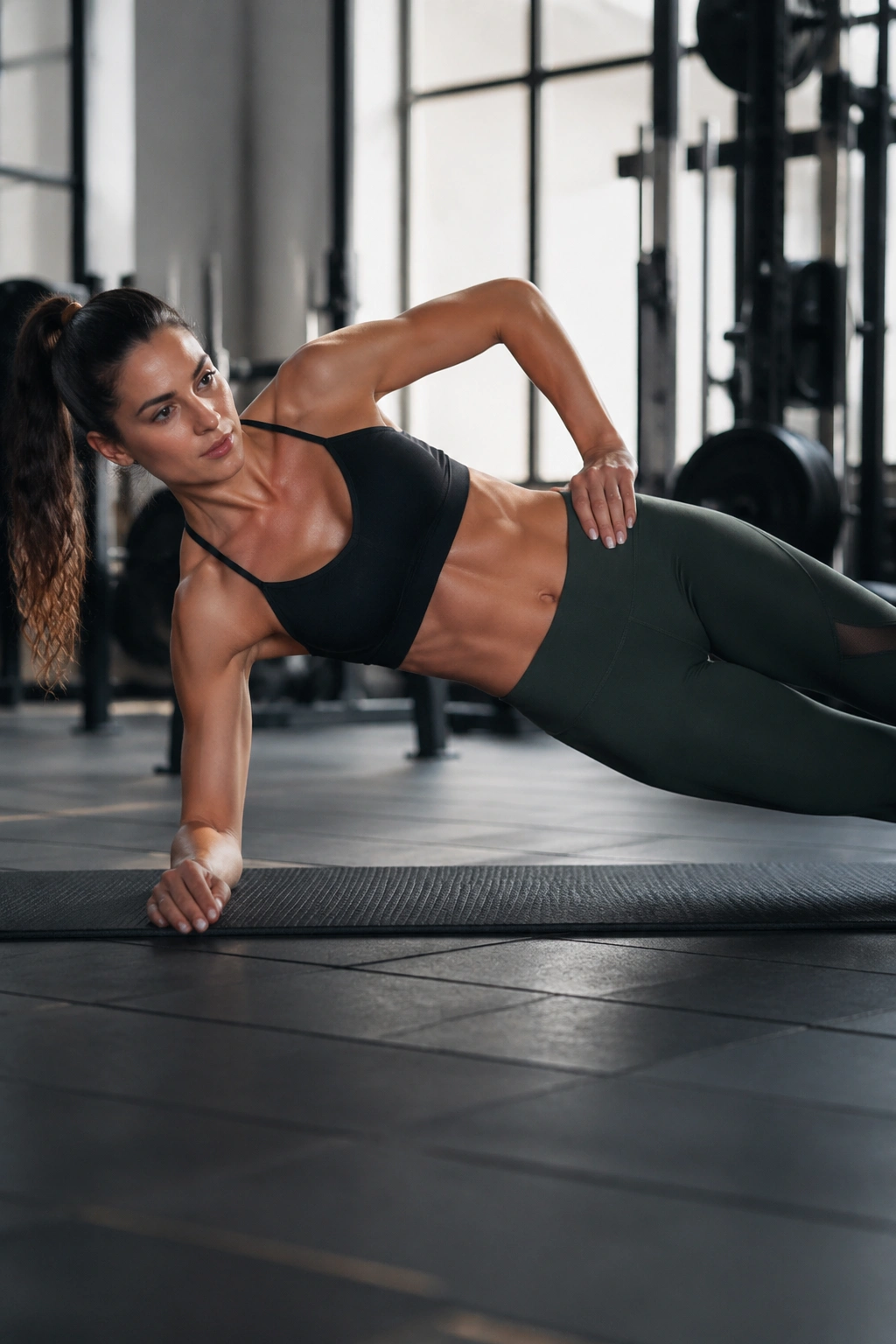
If a move makes the sides of your waist shake, it is probably doing its job.
Side planks are one of the cleanest ways to train the obliques without a lot of motion. Set your elbow under your shoulder, stack your feet, and lift your hips until your body forms a straight line. Hold there. Breathe. The point is to resist side-bending, which is a fancy way of saying your waist learns to stay tight under stress.
For beginners, bend the bottom knee and keep the top leg straight. That cuts the load without turning the exercise into a shrug. Hold 20 to 45 seconds per side. If your shoulder starts creeping toward your ear, reset. A good side plank feels firm and quiet. It should not feel like your whole body is collapsing sideways.
5. Side Plank Hip Dips
This is the side plank’s meaner cousin.
From a side plank, lower your hips a few inches toward the floor, then lift them back up under control. The range is small, and that is the point. You are not trying to touch the floor. You are trying to make the obliques work through repeated, honest tension. A tiny dip done well is better than a big drop done badly.
The biggest mistake is dumping weight into the shoulder and swinging the hips. That turns the exercise into a mess. Keep your chest open, your neck long, and your ribs from flaring. Ten to fifteen dips per side is plenty. If that feels easy, slow the lowering phase to three full seconds. The burn shows up fast.
6. Wood Chop
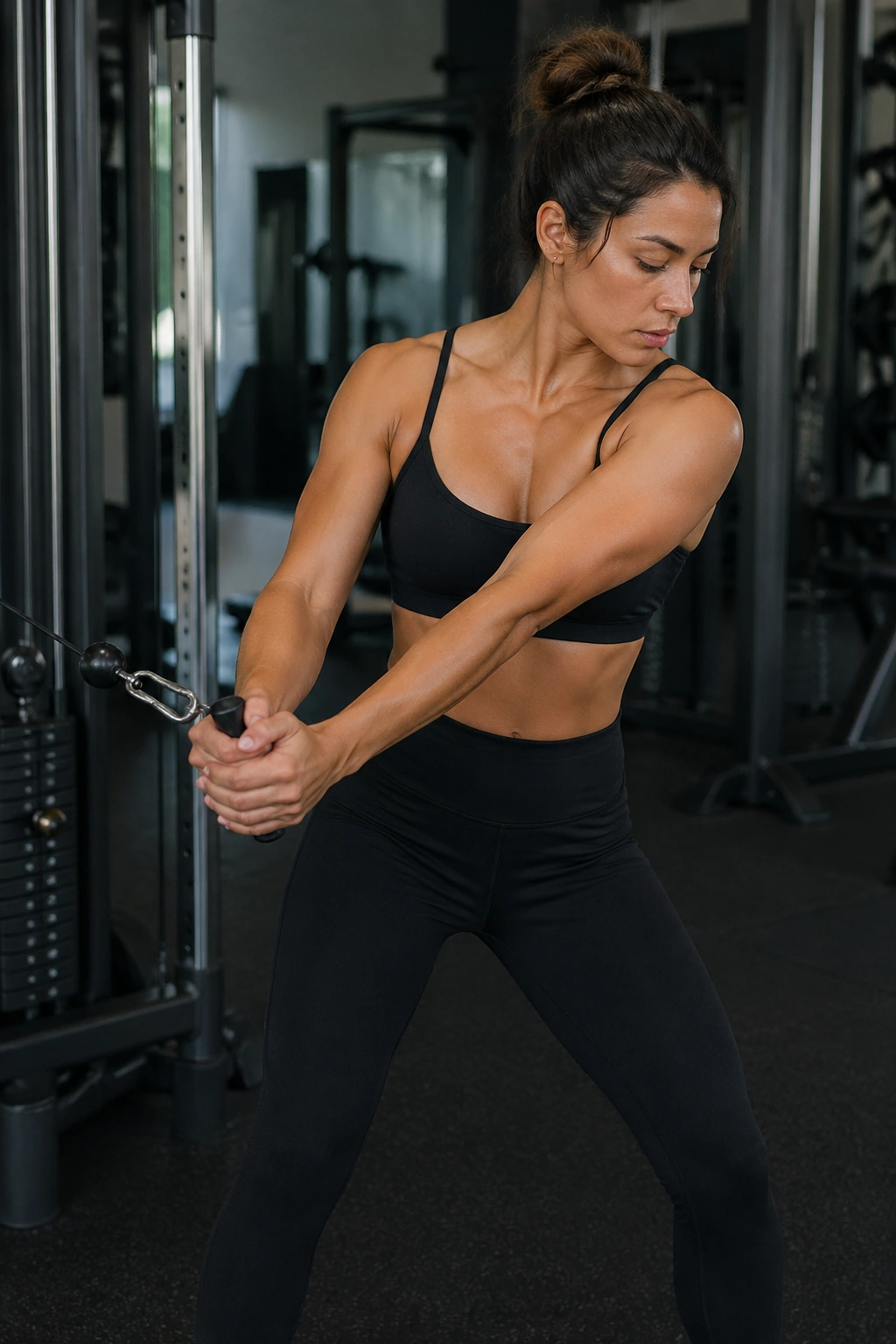
A wood chop is one of the few rotational moves that feels as useful as it looks.
Why it works
You are training the waist, shoulders, and hips to move together with control. That matters because love handles do not live in isolation; the whole trunk has to stabilize while you rotate, reach, and brace. A cable machine, resistance band, or dumbbell can all work.
How to do it
Start high-to-low or low-to-high, depending on the setup. Keep your arms connected to your torso instead of yanking the weight around with your hands. Turn through the ribcage and hips, then return with control.
Do 10 to 12 reps per side. If your lower back twists too much, shorten the range and plant your feet more firmly. That small adjustment usually fixes the whole thing.
7. Standing Oblique Reach
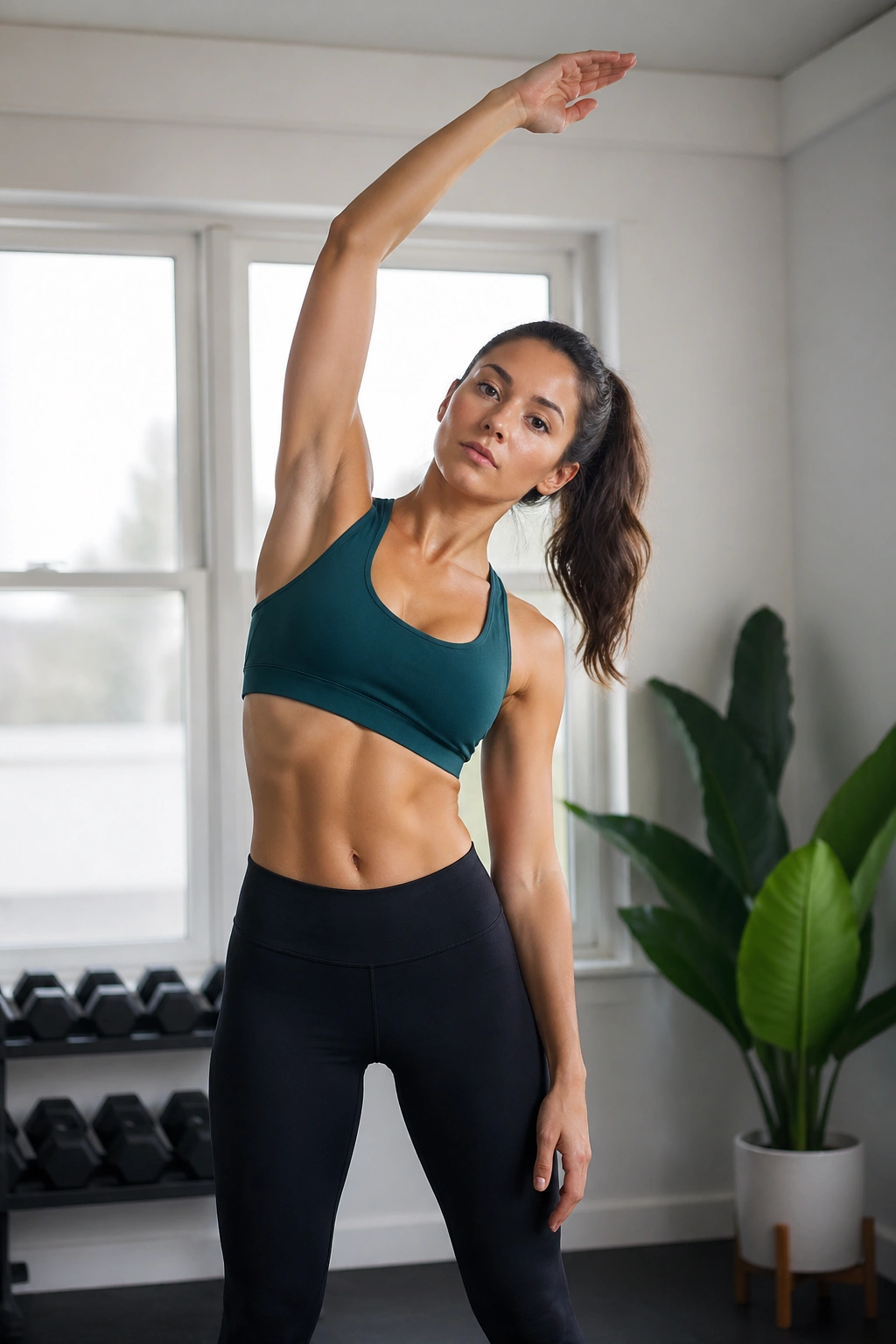
Why do standing moves matter so much? Because they teach the waist to work while you are upright, which is where life happens.
Reach one arm overhead and bend gently toward the opposite side, then come back to center without rocking forward. The temptation is to fold at the waist like a lawn chair. Don’t. Keep your ribs down and your hips still. Think long line, not collapsed side bend.
This move is not about brute force. It is about control and range. Twelve to fifteen reaches per side is enough, especially if you pause for a beat at the bottom. If you want more challenge, hold a light dumbbell in the top hand. The oblique should light up along the side of the waist, not cramp in the hip.
8. Mountain Climbers with a Twist
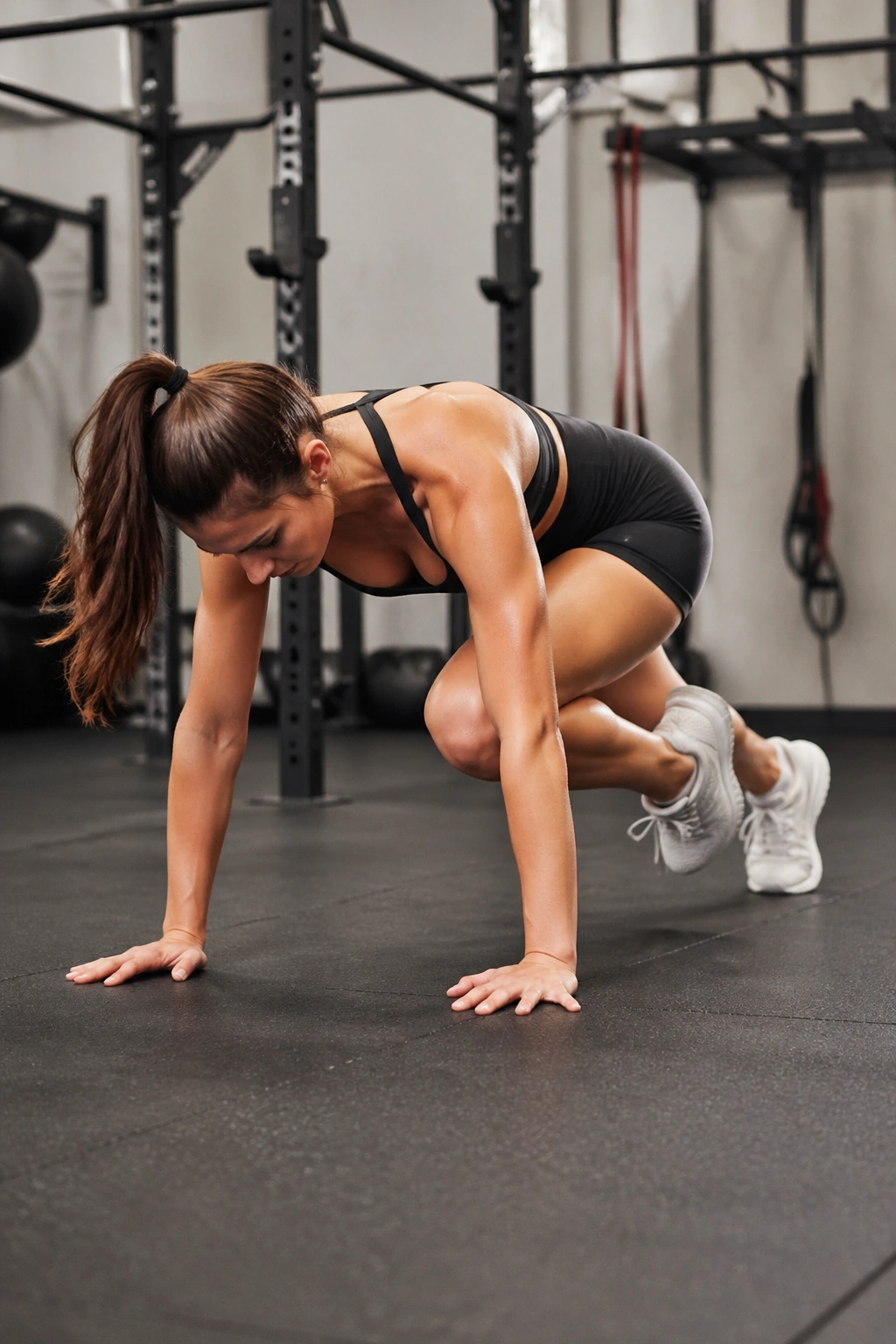
Do them fast and they become a mess. Do them clean and they turn into a brutally efficient combo.
Start in a strong plank, drive one knee toward the opposite elbow, and switch sides with a steady rhythm. The cross-body path is what makes this version better for the obliques than a straight mountain climber. Your shoulders stay stacked over your wrists, and your hips stay level as long as you can manage it.
Twenty to thirty seconds is enough for a hard set. If your form starts wobbling after ten seconds, slow down instead of speeding up. That is a better workout, not a worse one. A lot of people chase pace here and lose the whole point. Keep the floor away with your hands. That little mental cue helps more than it should.
9. Heel Taps
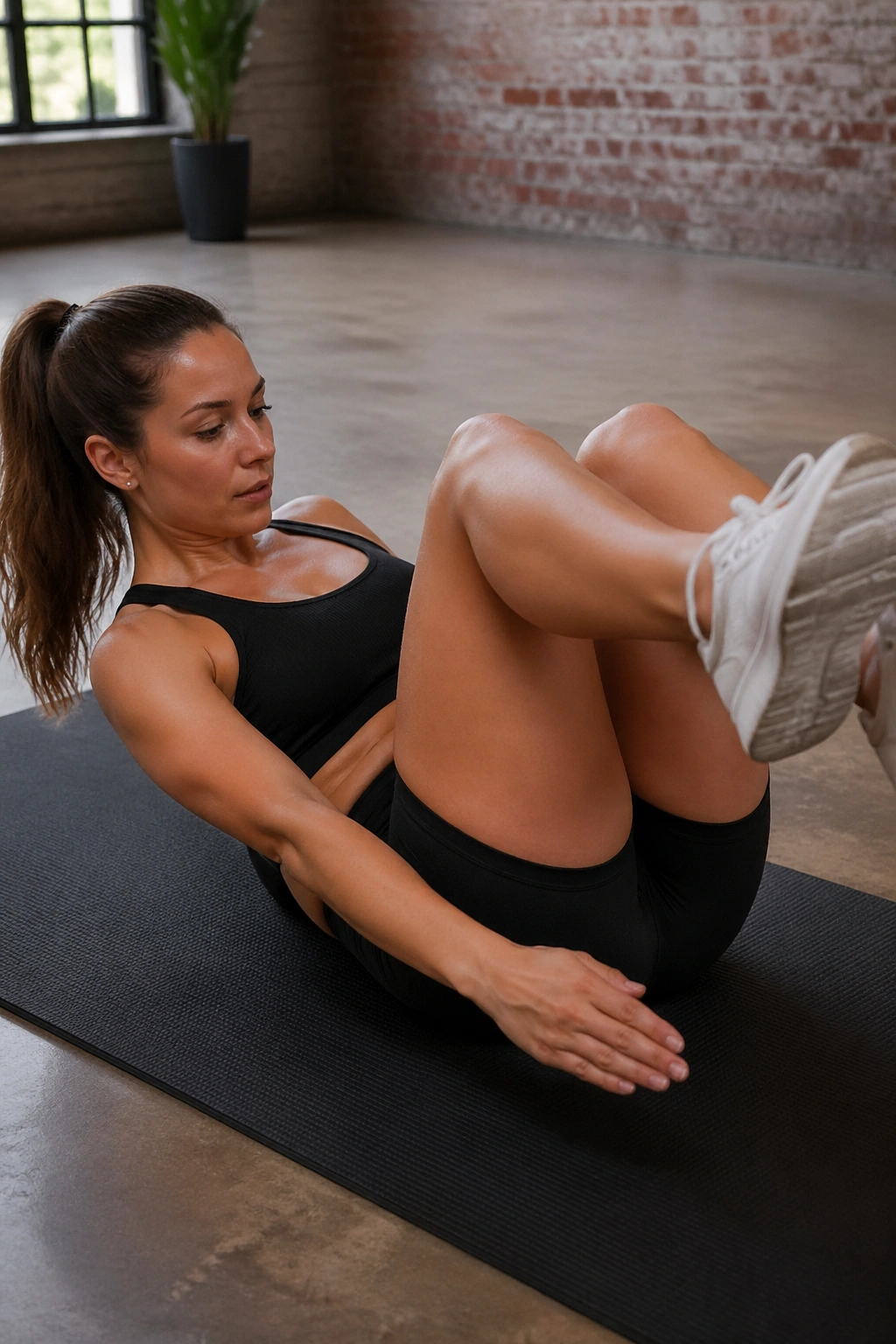
Heel taps are one of the most underrated beginner core exercises.
Lie on your back with your knees bent and feet lifted so your shins are roughly parallel to the floor. Tap one heel to the ground, then the other, while keeping your lower back pressed down. The side of the waist works hard to stop your torso from rocking around. That is the whole magic.
The movement should feel small and tidy. If your back arches off the floor, the set is too hard, or your heels are going too low. Keep the taps shallow and controlled. Fifteen to twenty taps per side is a solid starting range. This is the kind of exercise that looks easy from across the room and suddenly feels rude halfway through the set.
10. Dead Bug with Cross-Body Reach
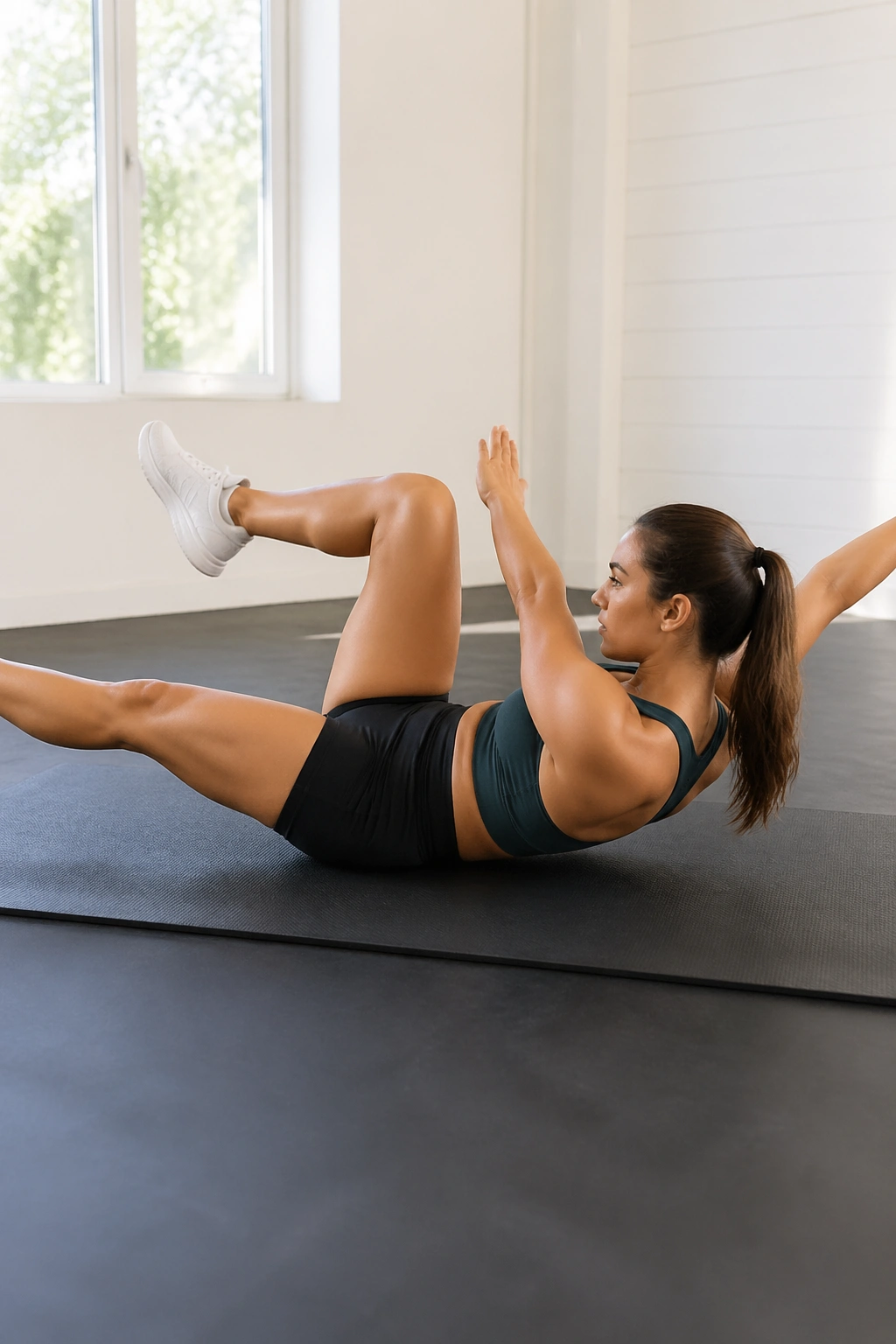
Dead bugs are the opposite of flashy, which is why they earn a place here.
Unlike crunching motions, this drill trains the core to resist movement while your arms and legs extend away from each other. That anti-extension work is useful for a tighter midsection because it teaches your trunk to stay braced under strain. Reach one arm back as the opposite leg lowers, then return and switch sides. Slow wins here.
Keep your lower back glued to the floor. If it pops up, shorten the reach. Eight to twelve reps per side is enough. A lot of people think the dead bug is too gentle to matter. They usually change their mind once they keep the tempo honest and stop rushing the reps.
11. Plank Hip Twists
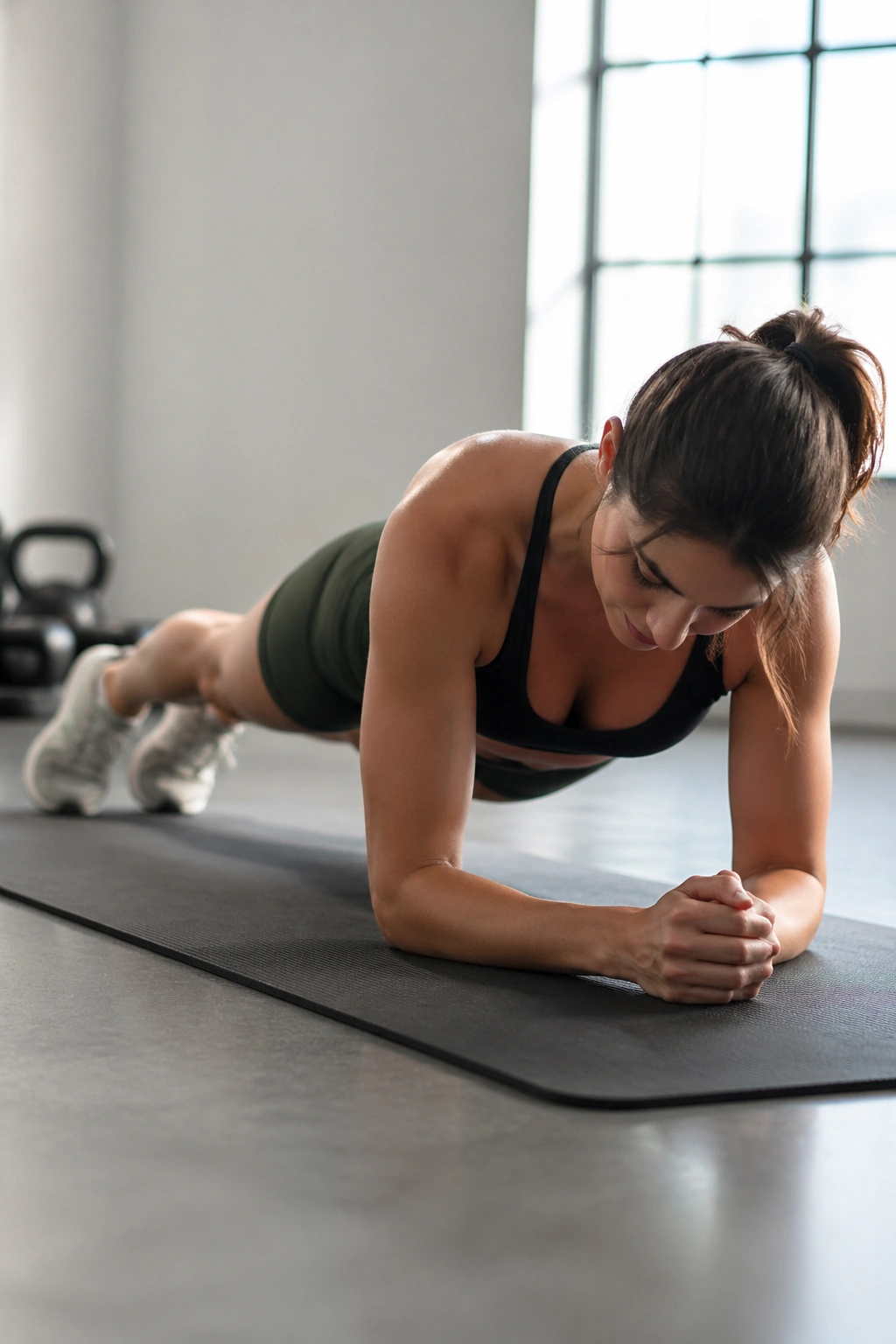
Can a plank hit the waist without turning into a hold-and-pray exercise? Yes.
From a forearm plank, rotate your hips side to side in a controlled way so they tip toward the floor and then return to center. The motion is small. You are not trying to wipe the mat with your pelvis. You are teaching the obliques and deep core muscles to manage rotation while the rest of the body stays braced.
The shoulders will want to work too much, so keep them strong and quiet. If the low back feels pinched, reduce the twist and slow the breathing. Twelve to twenty total twists is a smart range. This one pairs well with side planks because the first holds tension and the second adds motion. Nice little pairing. Simple, too.
12. Dumbbell Side Bend
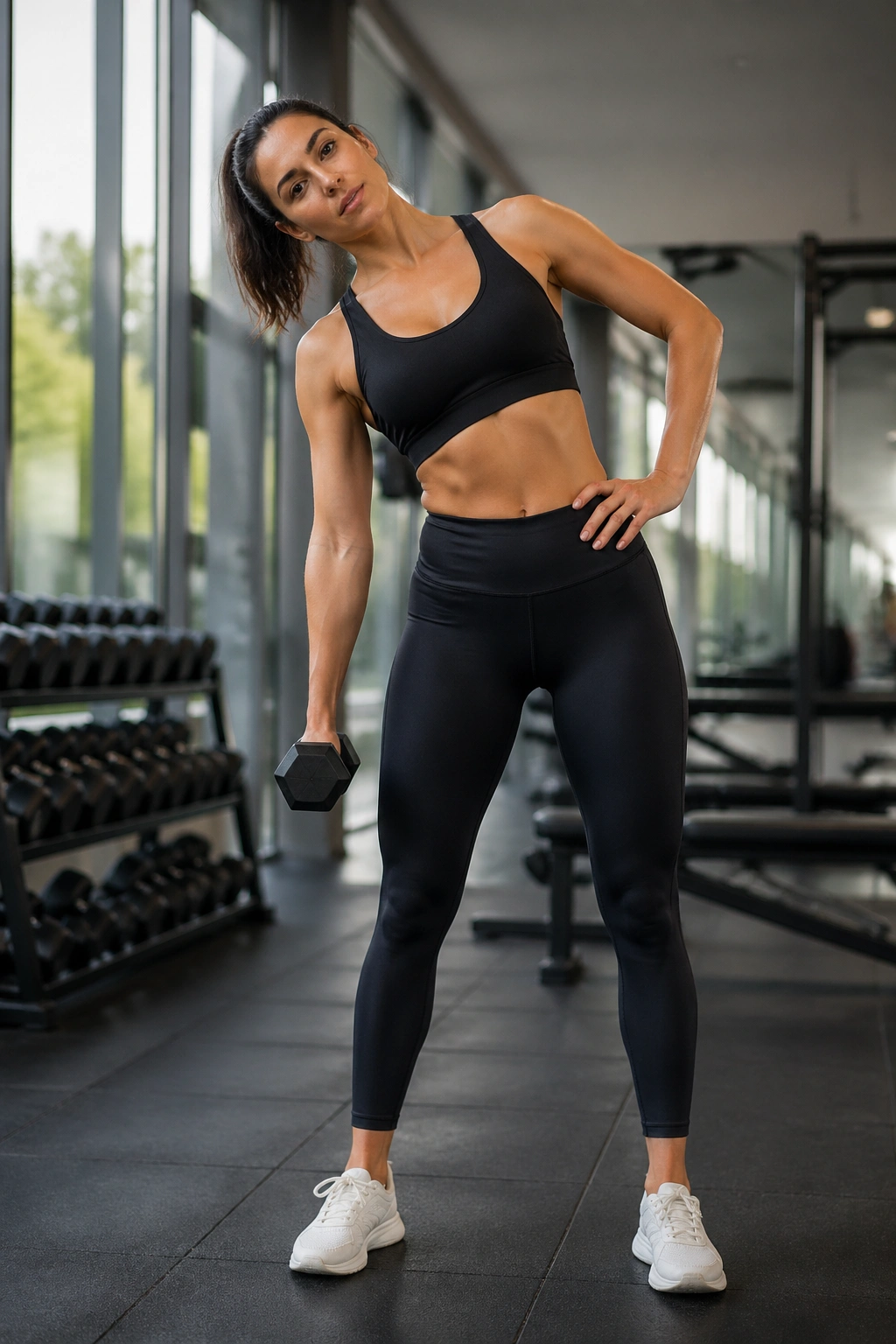
Use this one lightly.
A dumbbell side bend can build the obliques well, but people mess it up by going too heavy and turning the movement into a sloppy tug. Stand tall, hold one dumbbell in one hand, and bend sideways only as far as you can control. Then come back up without leaning backward. That last part matters more than most people think.
Keep the dumbbell moderate. You want tension, not a wrestling match with your spine. Ten to fifteen reps per side is enough. If you already do a lot of carries, planks, and rotation work, you may not need much loading here at all. The move is useful, but it is not a free pass to pile weight on and hope for the best.
13. Reverse Crunch with a Twist
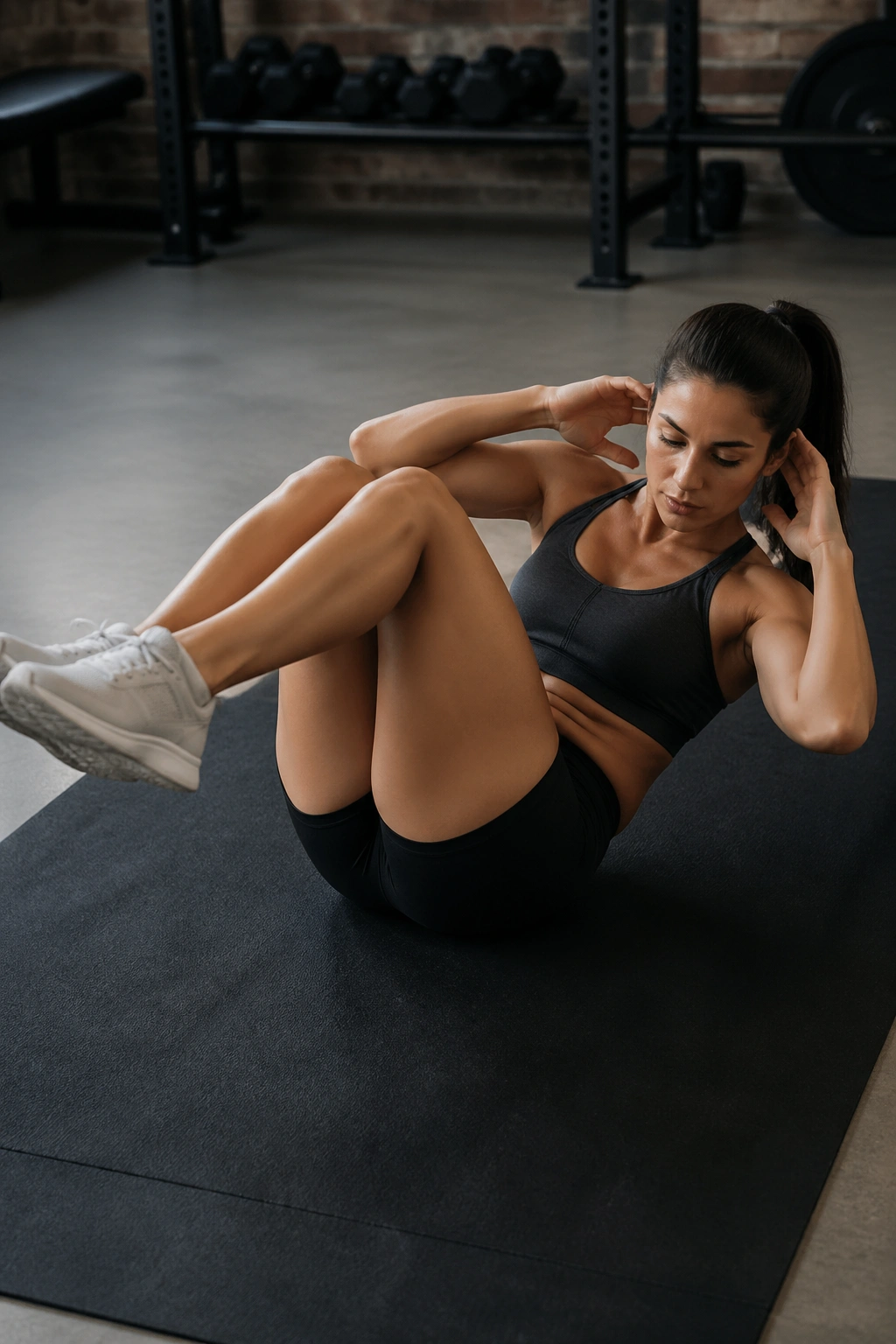
This one works because it combines lower-ab focus with a little oblique action.
Lie on your back, bring your knees toward your chest, then tilt your hips slightly and rotate the knees toward one side before returning to center. The twist is small. The abdominal contraction is not. Keep the motion smooth and keep your lower back from arching off the mat between reps.
A reverse crunch with a twist can be tougher than it looks, especially if you try to swing the legs. Don’t. Lift with the abs, not momentum. Ten to twelve reps per side is enough for most people. If your neck is straining, rest your head and keep your gaze up toward the ceiling. The goal is a controlled curl, not a dramatic fling of the legs.
14. Lateral Lunge with Overhead Reach
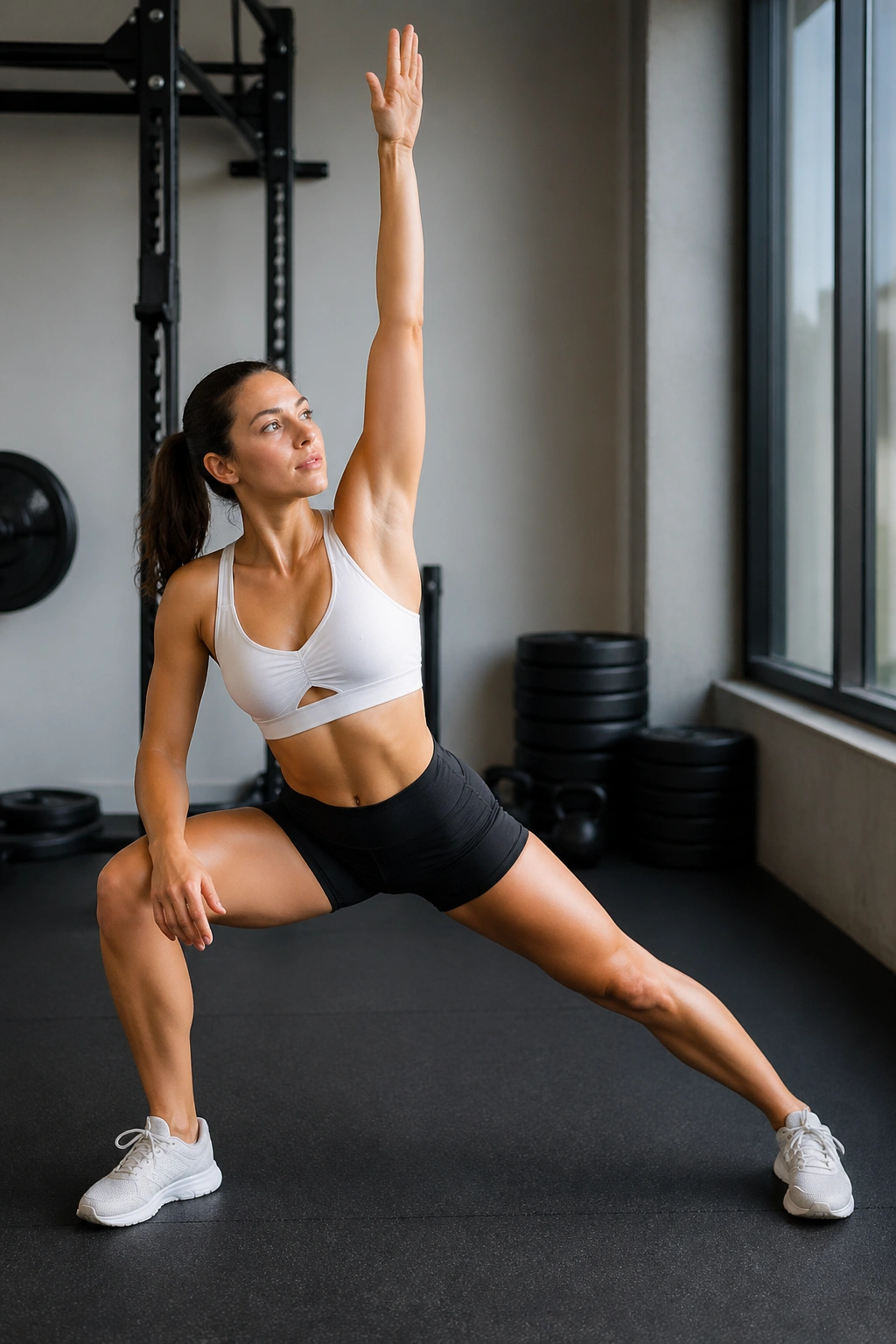
A side-body workout does not have to stay on the floor.
Why it earns a place here
The lateral lunge asks your hips, glutes, and core to work together, and the overhead reach adds a long line through the waist. Step wide, sit into one hip, and keep the other leg straight. As you push back to center, reach the opposite arm overhead. That combination makes your trunk stabilize while your legs do the heavy lifting.
It is a good choice if you want more than a pure ab exercise. Eight to ten reps per side is enough, and you can load it with a light dumbbell if your form stays clean. If your knee caves inward or your heel pops up, shorten the step. The movement should feel athletic, not forced.
15. Skater Hops
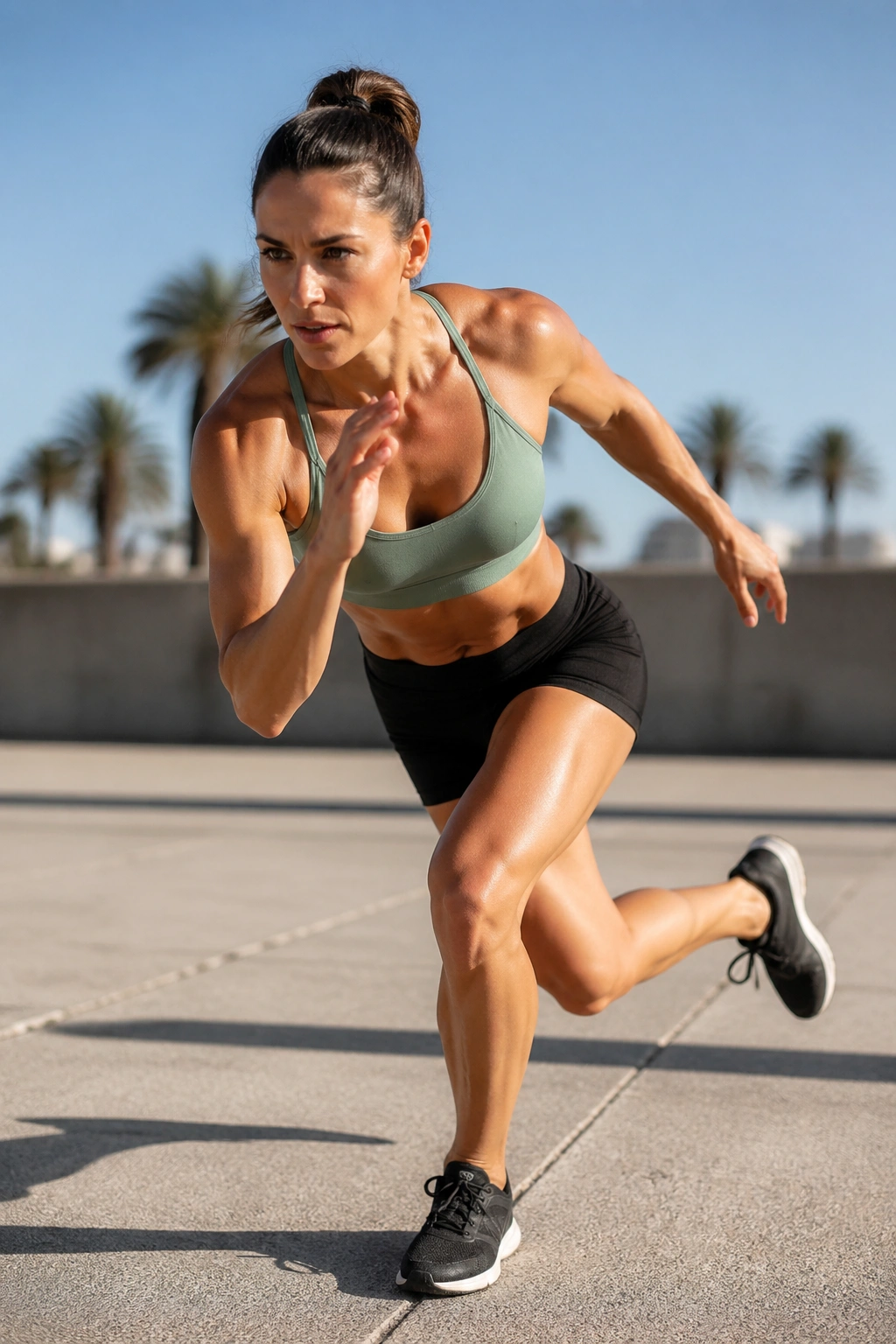
If you want a move that raises the heart rate fast, this one earns its keep.
Skater hops send you side to side in a way that looks simple but burns through your legs and core quickly. Land softly on one leg, let the free leg sweep behind you, and keep your chest lifted as you bound across. The obliques help stabilize every landing, which is why this belongs in a love-handle workout plan even though it is not a classic crunch.
Twenty to thirty seconds is a solid burst. If hopping bothers your joints, step behind instead of jumping. That lower-impact version still trains lateral control and keeps the waist working. No need to turn this into a pogo-stick contest. Smooth, quiet landings are the real goal.
16. Medicine Ball Rotational Slams
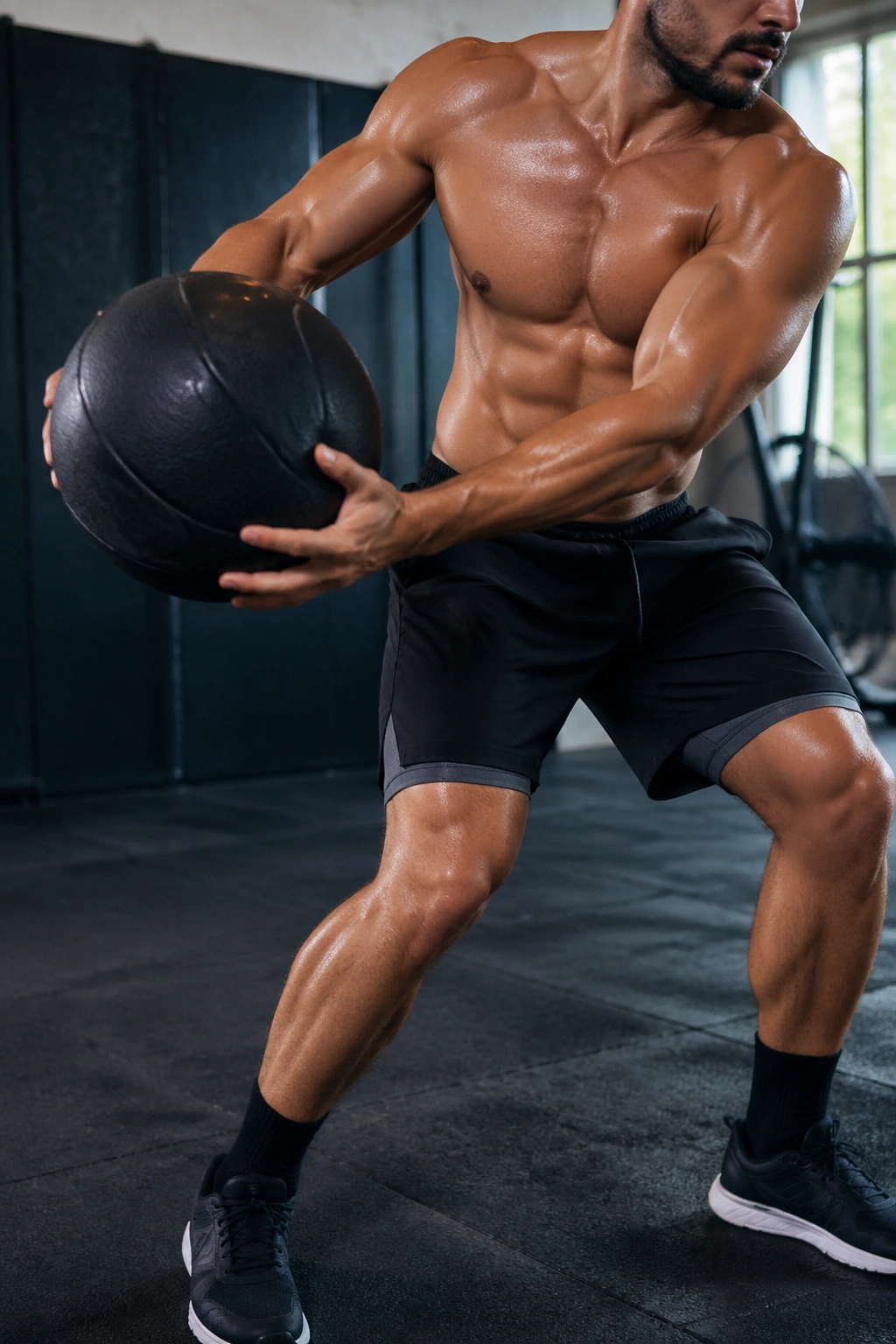
There is something satisfying about this one, and I am not pretending otherwise.
A rotational slam combines power and rotation in a way that makes your whole trunk wake up. Lift a medicine ball or soft slam ball to one side, rotate through the torso and hips, and drive it down across your body with force. Reset fully before the next rep. That reset matters because every slam should feel deliberate, not rushed.
Eight to ten reps per side is plenty. If the ball is too heavy, your lower back will try to steal the motion. If it is too light, the move loses its punch. Somewhere in the middle is the sweet spot. Keep your core braced on the way up and exhale hard on the slam. Sharp, fast breathing helps a lot here.
17. Pallof Press
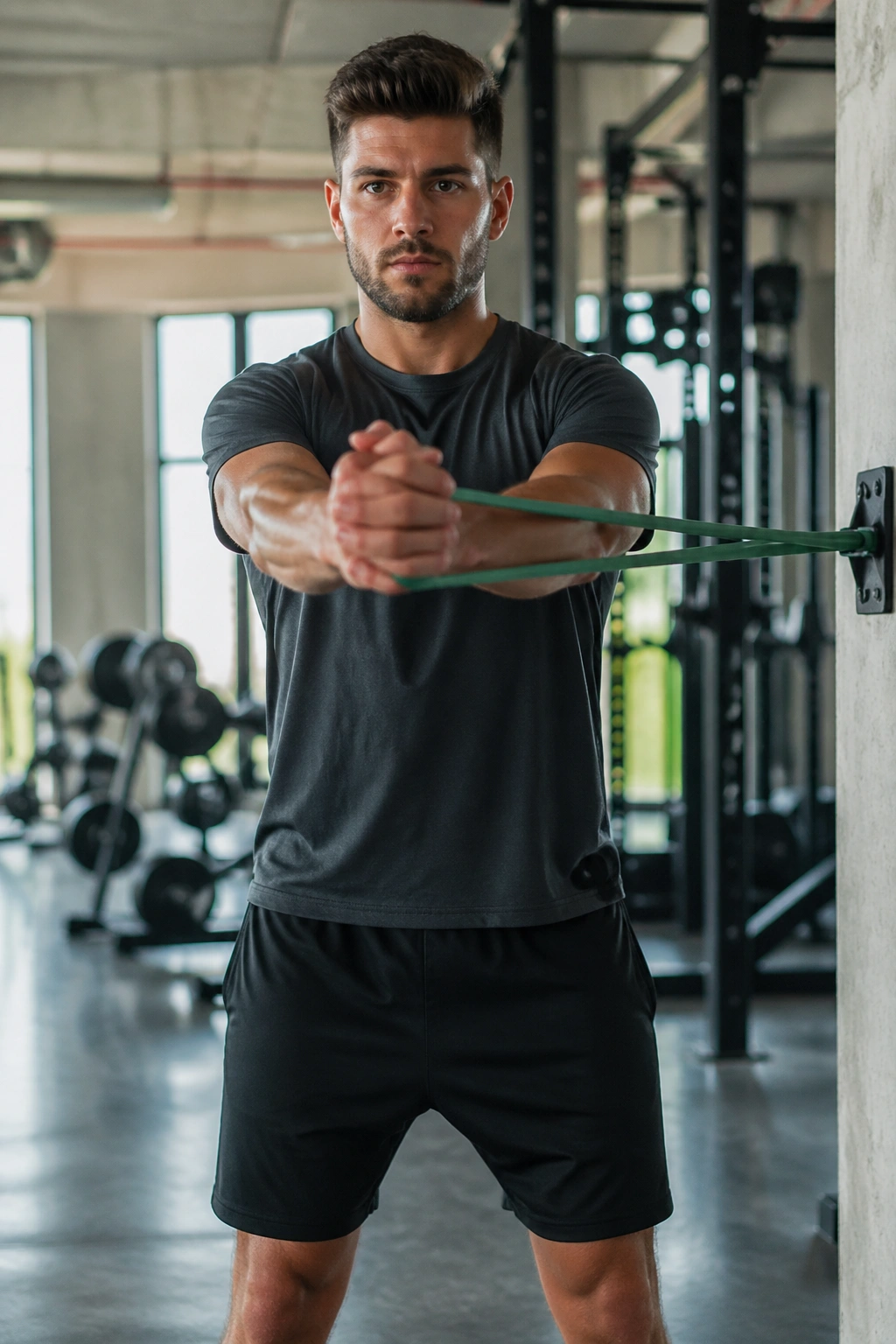
This is one of the cleanest anti-rotation exercises you can do, and it deserves more respect than it gets.
Set a band or cable at chest height, stand sideways to the anchor, and press the handle straight out from your chest without letting your torso twist. The resistance tries to pull you sideways. Your job is to stay square. That simple fight teaches the waist to resist unwanted motion, which is a big deal for a tighter-looking midsection.
You can do 8 to 12 presses per side or hold the arms extended for 15 to 20 seconds. If the band feels too easy, step farther from the anchor point. If it pulls you around like a toy, step closer. The best part? You can feel the work without needing explosive movement. Calm exercise, serious payoff.
18. Single-Arm Overhead Carry
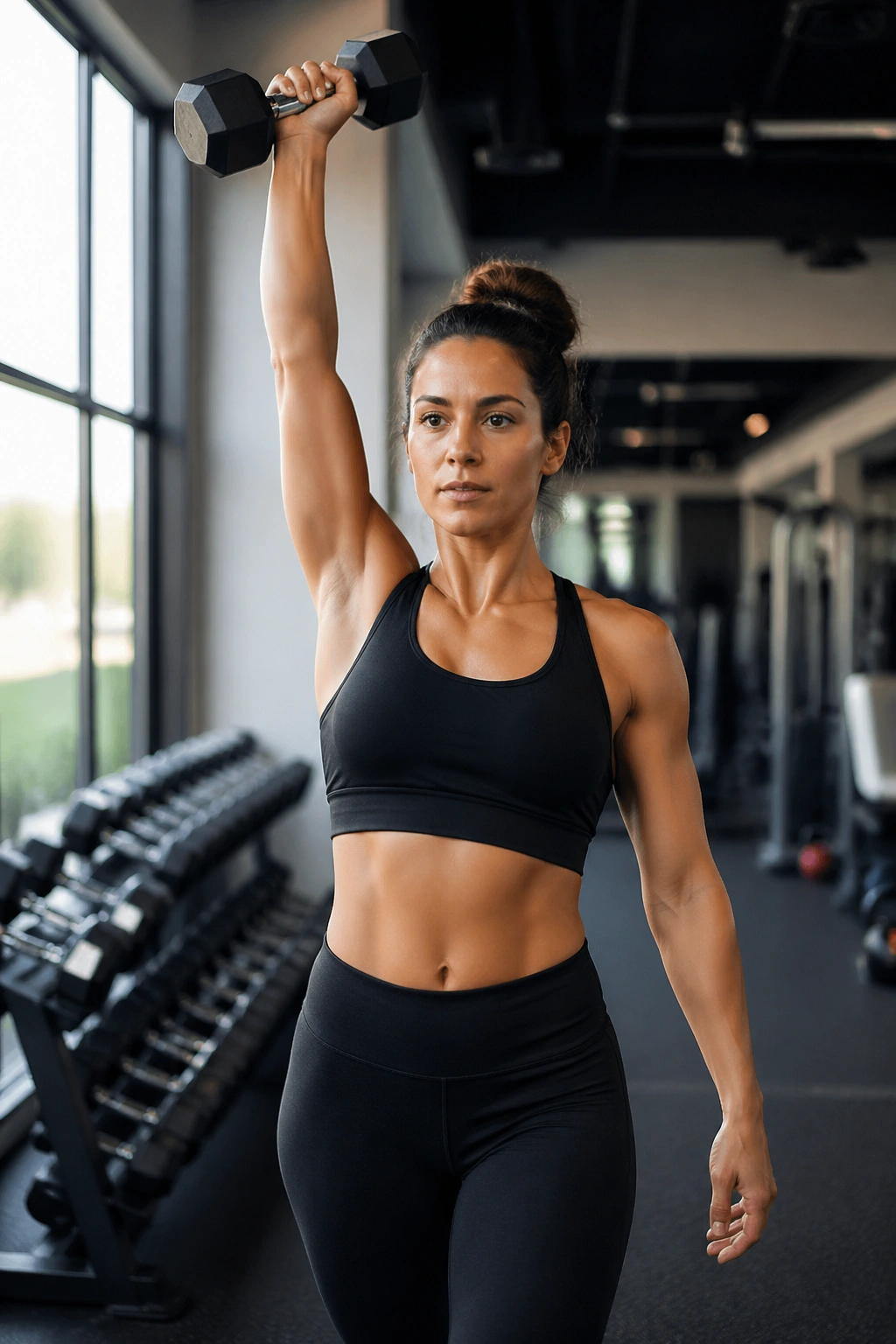
What happens when you walk around with one weight held overhead? Your whole side body starts working.
Hold a dumbbell or kettlebell overhead with one arm, keep your ribs down, and walk slowly for 20 to 40 yards. The body wants to lean away from the weight, and the obliques have to fight that drift. It is a sneaky but brutal way to build side-core strength, shoulder stability, and posture at the same time.
How to keep it honest
- Keep the wrist stacked over the shoulder.
- Don’t let your ribs flare.
- Walk slow enough that you can control every step.
Switch sides and repeat. If walking space is limited, march in place for 20 to 30 seconds. The carry should feel tall and controlled, not wobbly. If it does feel wobbly, drop the weight a little and clean up the line first.
19. Standing Knee-to-Elbow
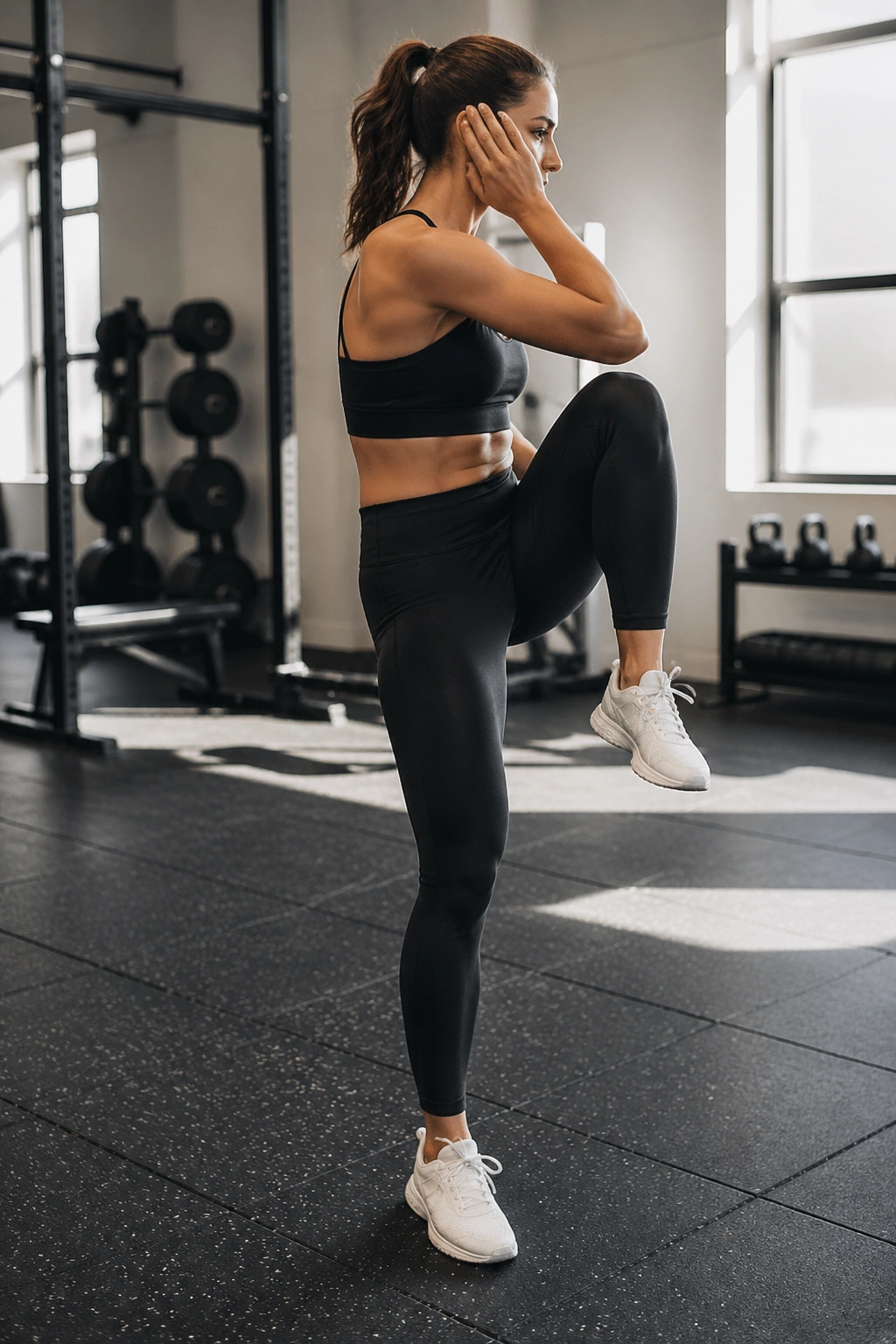
This move sits nicely between cardio and core work.
Drive one knee up and across the body to meet the opposite elbow, then return to standing before switching sides. It looks simple, but the cross-body path lights up the obliques and gets the heart rate moving. The standing position also makes it easy to use as a finisher or part of a circuit. You do not need a mat. You do not need much space.
Twelve to fifteen reps per side works well. Keep the torso tall until the knee rises, then rotate just enough to feel the side crunch. If you hunch forward the whole time, you are cheating the waist out of its share of the work. Clean reps beat frantic ones here, too.
20. Windshield Wipers
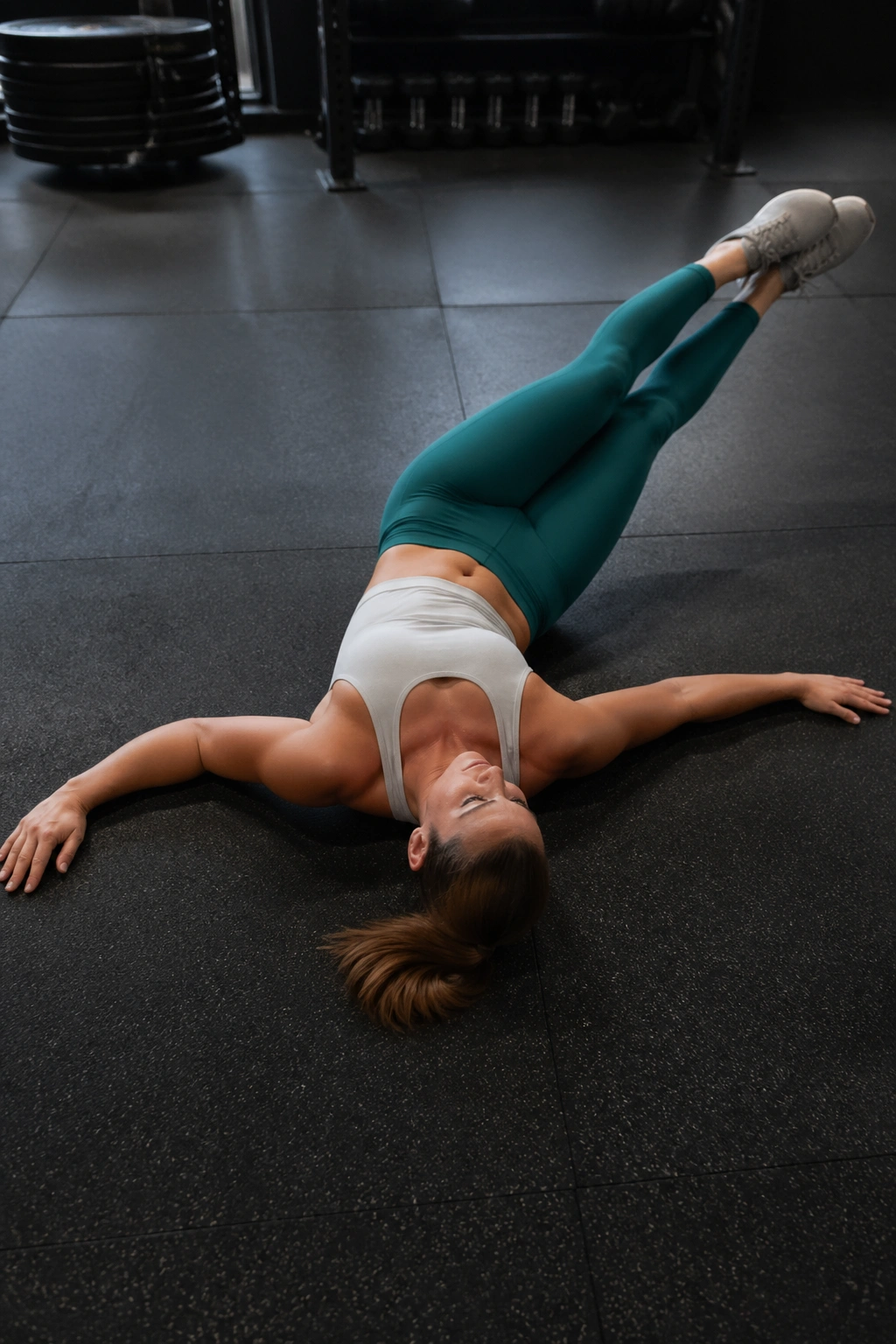
This is a stronger move than it looks, so do not rush it.
Lie on your back, extend your arms out for support, and raise your legs. Lower both legs to one side, sweep them through center, then lower them to the other side like windshield wipers. The obliques work hard to control the descent and return. If your hamstrings are tight, bend your knees a little. That makes the exercise more manageable and safer.
Keep your shoulders pinned down and avoid arching your lower back off the floor. If the range is too large, trim it down. Six to ten reps per side is enough for most people. This one is better earned than forced. If your back complains, skip it for now and use side planks or dead bugs instead.
21. Cossack Squat
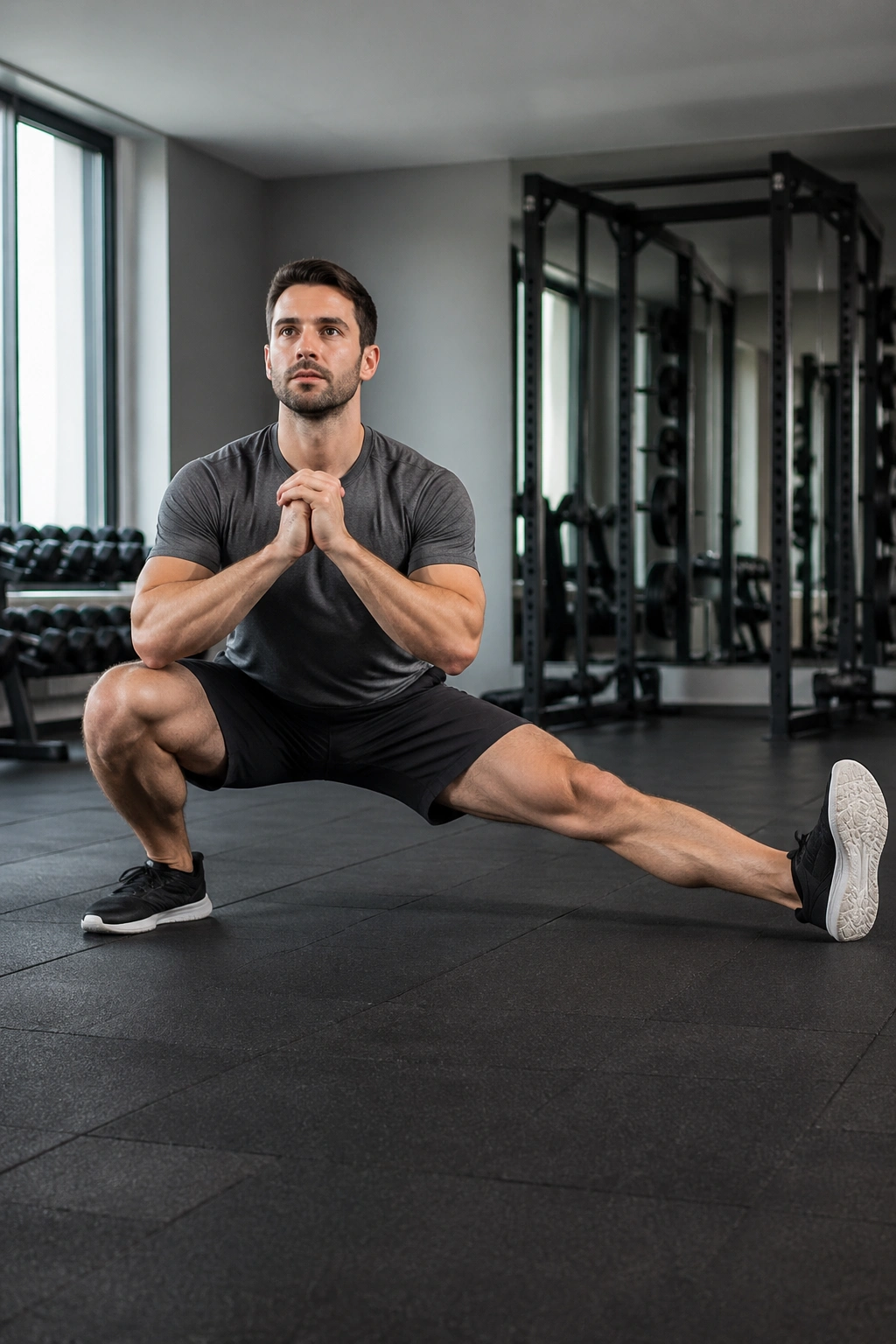
A Cossack squat is a leg move, sure. It also does a lot for the sides of the waist.
Step wide, sit into one hip, and keep the other leg straighter as you sink down. The torso has to stay tall while the hips move side to side, which lights up the core in a very practical way. It also opens the inner thighs and asks the glutes to work through a different range than a normal squat.
A lot of people try this and tip forward immediately. Slow it down. Keep your chest proud, your foot flat on the bending leg, and your weight centered over the heel. Six to eight reps per side is a good starting point. If you can go deeper without losing control, great. If not, a partial range is still worthwhile.
22. Side-Lying Oblique Lift
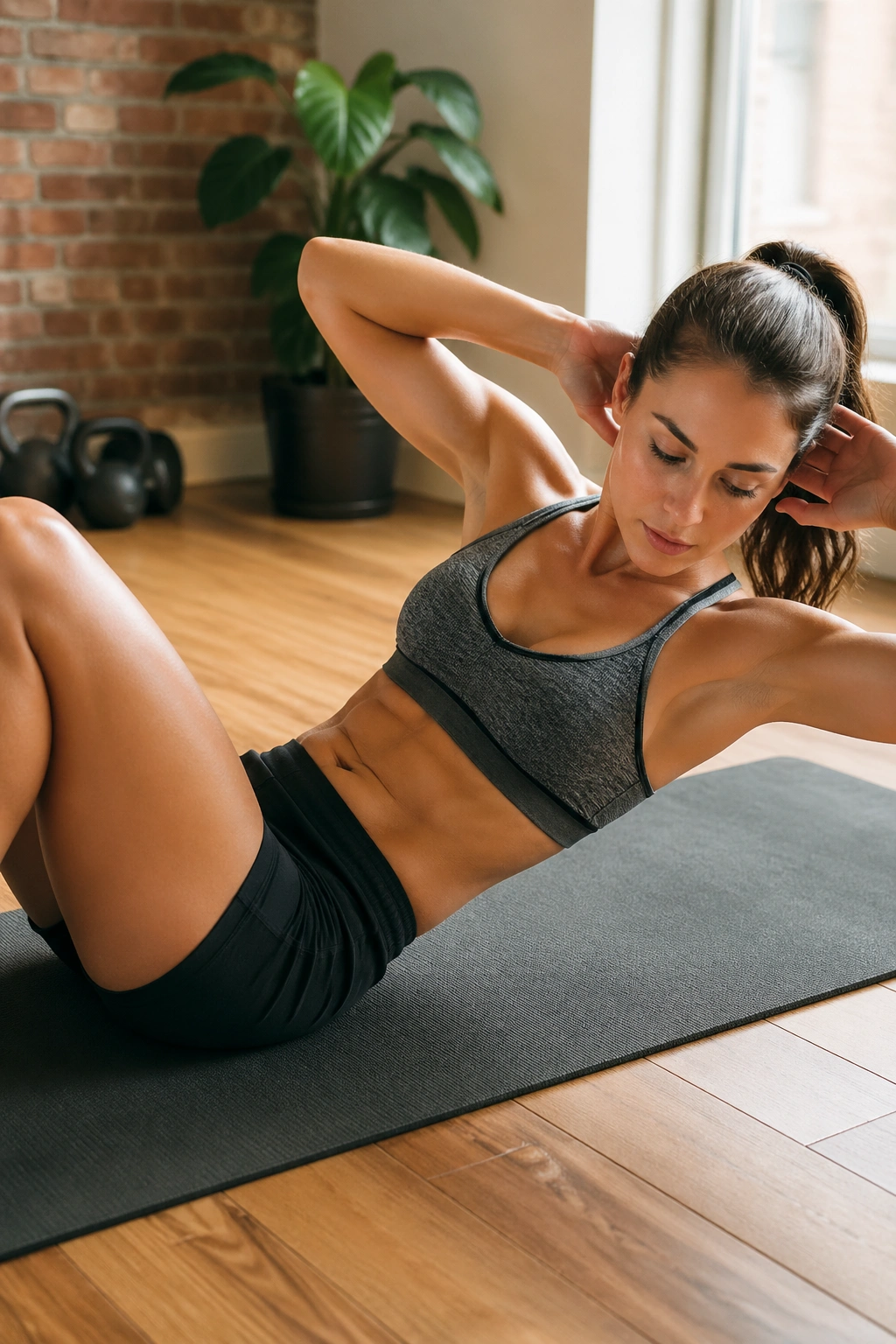
Sometimes the floor gives you the best feedback.
What makes it useful
Lie on your side with your knees bent, place one hand lightly behind your head or across your chest, and lift your upper torso a few inches using the side of your waist. The motion is small, and that is a good thing. You are trying to isolate the obliques without yanking the neck or twisting wildly.
This is a useful option if side planks bother your shoulder or if you want a floor-based move that feels a little less intense. Twelve to fifteen reps per side usually does the job. Keep your chin neutral and avoid leading the movement with your elbow. The lift should come from the waist, not from some dramatic crunching effort.
23. Cross-Body Mountain Climber
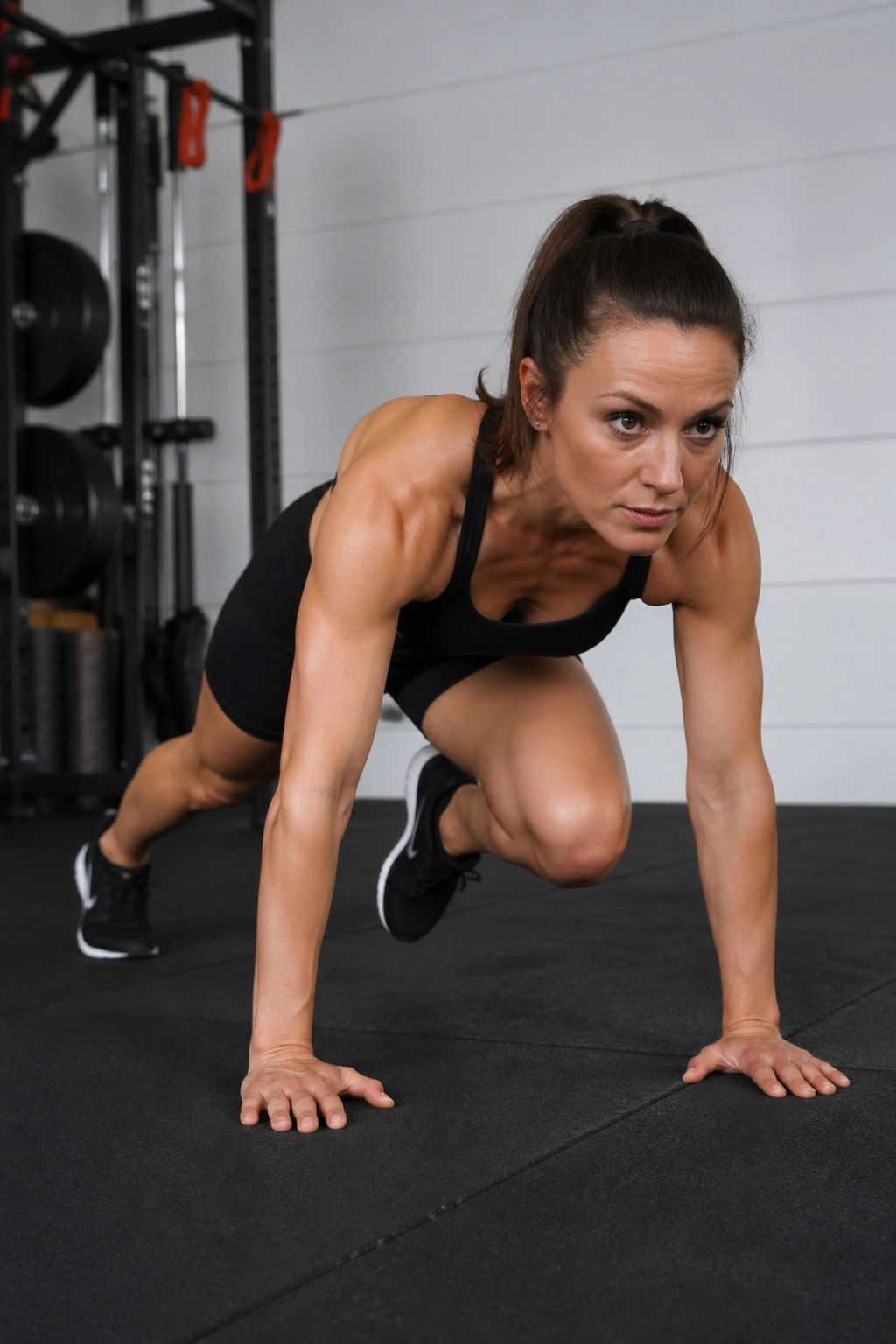
Cross-body mountain climbers are the kind of thing people underestimate until their breathing gets loud.
Start in a plank and drive each knee toward the opposite elbow, either in a quick rhythm or a slower, more controlled pattern. The slower version is excellent for form. The faster version is better if you want more cardio demand. Both versions train the waist to resist twisting while the legs move.
Twenty to thirty seconds is a solid work interval. If your hips bounce all over the place, widen your hands a touch and slow your feet down. Keep your shoulders over your wrists and think about pulling the knee under the torso, not flinging it across the floor. Small adjustment. Big difference.
24. Standing Cable Rotation
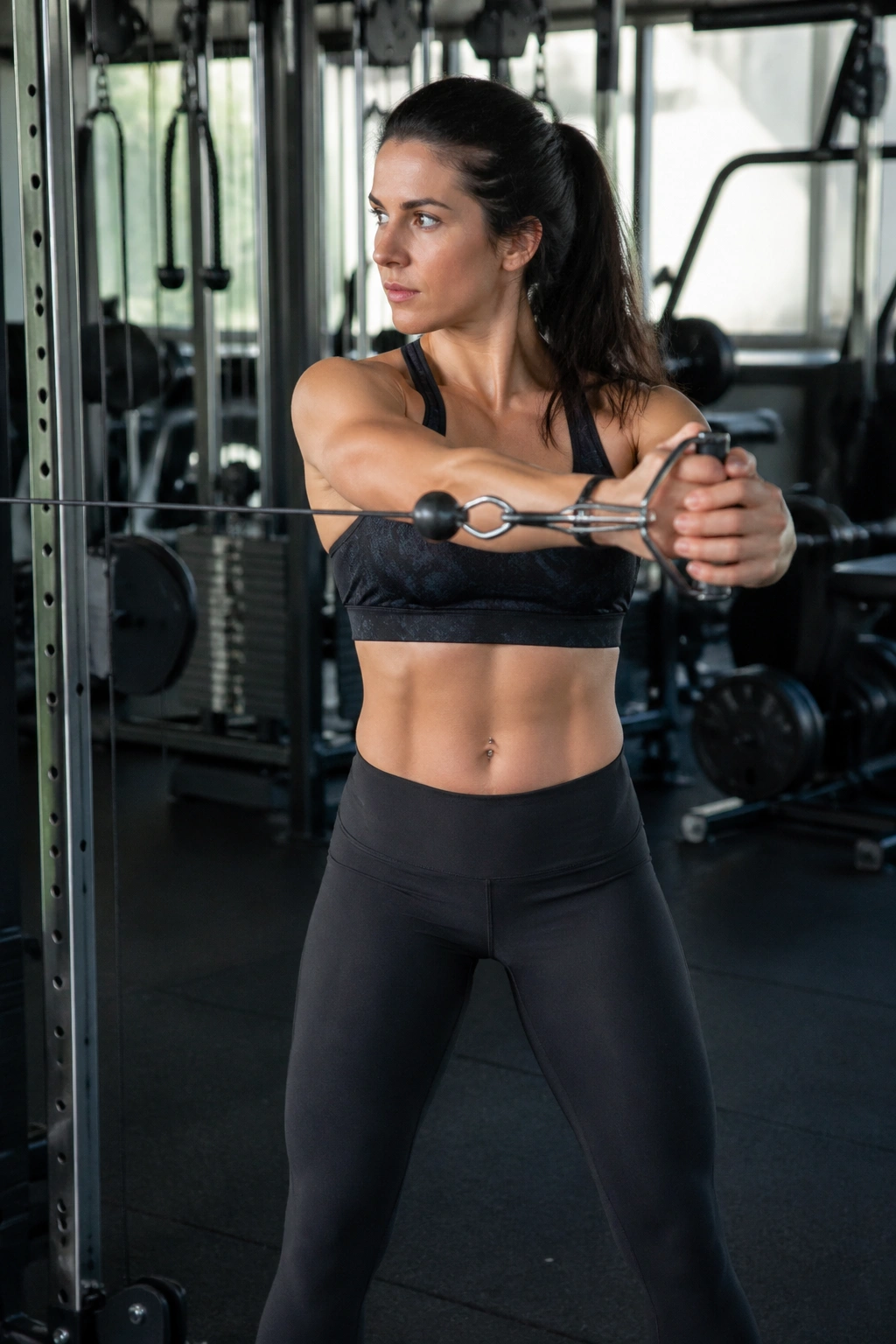
This is the move to use when you want smooth resistance through the whole range.
Set a cable handle at chest height, stand with your feet shoulder-width apart, and rotate your torso under control. The cable keeps tension on the obliques from start to finish, which is one reason this feels cleaner than some free-weight twists. You can also use a heavy band if a cable station is not available.
The key is not to let the hips spin wildly. A little pivot is fine, but the torso should do the main work. Ten to twelve reps per side is a good target. If the movement turns jerky, lower the weight. The goal is controlled rotation, not a yank from the arms. That part gets missed all the time.
25. Burpee with Side Knee Drive
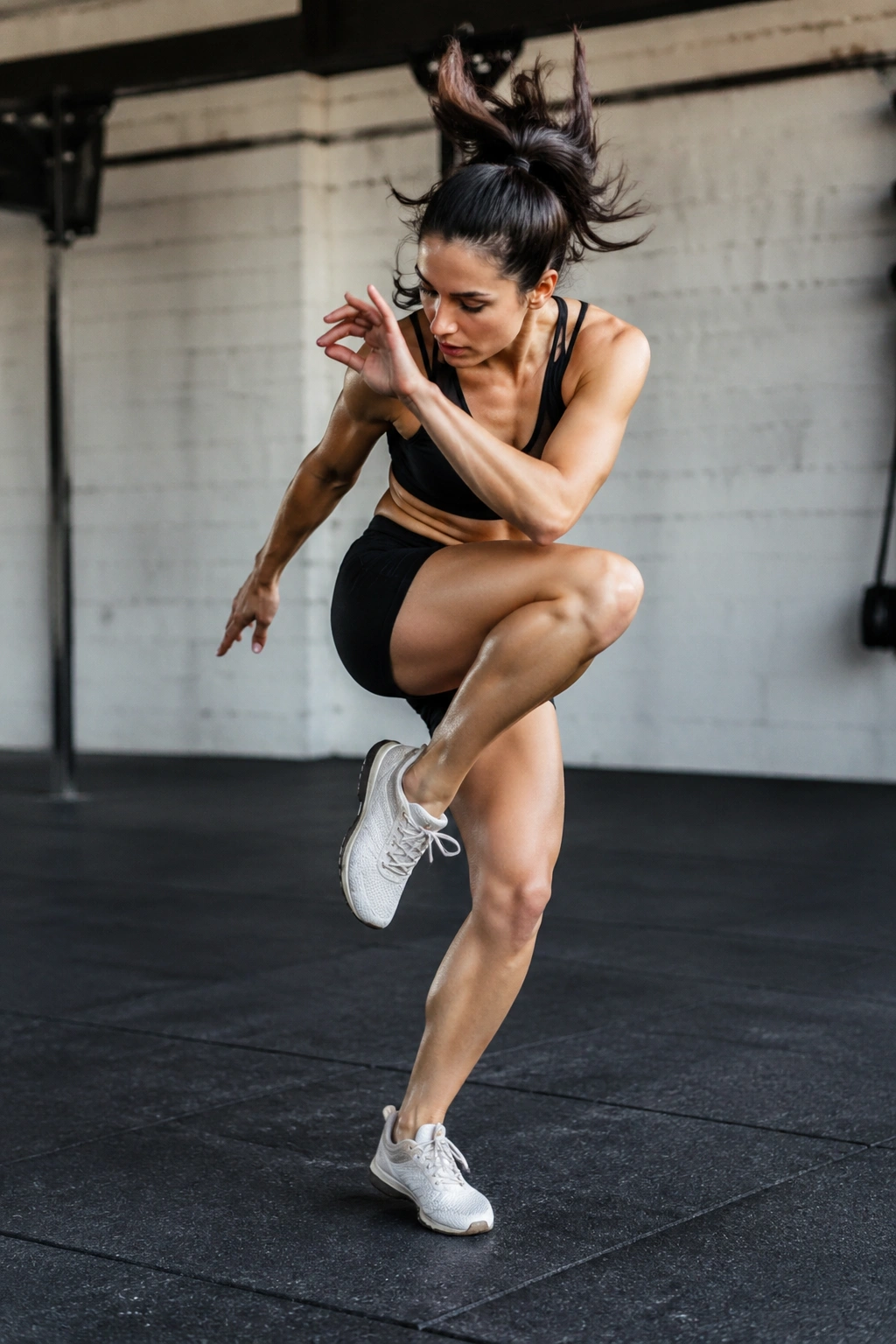
This is the finisher if you want the routine to end with your lungs complaining a little.
Drop into a burpee, stand up, and drive one knee across the body toward the opposite elbow before repeating on the other side. That extra side-knee drive brings the obliques into the mix while the burpee keeps the whole body under pressure. It is a nice little mess of core work, cardio, and coordination.
Six to ten reps is enough if you move hard. If burpees are already rough on your wrists or back, cut out the jump and step the feet back instead. The side knee drive can stay. In fact, that controlled twist is the part that makes this useful for love handles instead of just tiring you out. Use it as a final drill, not a warm-up. It earns its place near the end.
Final Thoughts
The best side belly fat workouts are not the flashiest ones. They are the ones you can repeat with clean form, enough effort, and no drama from your lower back.
A good mix usually includes one or two anti-rotation moves, one side-bending or side-plank variation, and one or two higher-breathing exercises like skater hops or burpee variations. That mix gives the waist different kinds of work instead of hammering the same crunch pattern over and over.
If you want a simple way to use these, pick five moves, do 2 to 3 rounds, and keep the work interval between 20 and 45 seconds. Add brisk walking and basic strength training, and the waistline changes start making more sense. Chase control first. The visible result follows.
