



Cold muscles lie. They promise they’re fine right up until you ask them for a squat, a sprint, or a hard overhead press, and then every tight spot starts talking at once. Good pre workout stretches are not about chasing a deep yoga pose; they’re about making your joints move cleanly, getting blood moving, and waking up the muscles you actually plan to use.
The mistake I see most often is the old static-hold routine before lifting. A long hamstring stretch can feel nice, but if you park there for half a minute and call it a warm-up, your body still feels flat. Moving stretches — leg swings, lunges, rotations, crawls — are what make the first set feel smooth instead of sticky.
Different workouts ask for different things. A leg day needs hips, ankles, and glutes ready to fire. A push day wants shoulders, lats, and thoracic spine that can rotate without pinching. And if you spend all day sitting, even simple moves like a deep squat pry or a few ankle rocks can change how your first rep feels.
The list below stays practical. Nothing fancy, nothing that eats half your gym session. Some moves take 20 seconds, some take five slow reps, and a few are better done on both sides with a wall or bench nearby. Start with the small stuff if you’re stiff, then build toward the bigger movements.
1. Neck Nods and Gentle Turns
Start small.
Your neck does not need a dramatic stretch before training. It needs a little motion, a little blood flow, and a reminder that your shoulders are not supposed to live up by your ears. A few slow nods and gentle turns are enough to take the edge off that tight, desk-bound feeling.
Stand tall, soften your jaw, and tuck your chin a touch as if you’re making a tiny double chin. Nod forward and back for 5 to 6 reps, then turn your head left and right with the same calm pace. Keep the motion small and pain-free. If you feel pinching, shorten the range immediately.
What to watch for
- Keep your shoulders down.
- Don’t roll the neck in big circles. That can feel sloppy and, for some people, cranky.
- Breathe out as you turn.
- Stop at a stretch, not at a stab.
This is a warm-up, not a test of flexibility. Skip the aggressive stuff and you’ll usually feel looser within 30 seconds.
2. Shoulder Rolls and Arm Circles
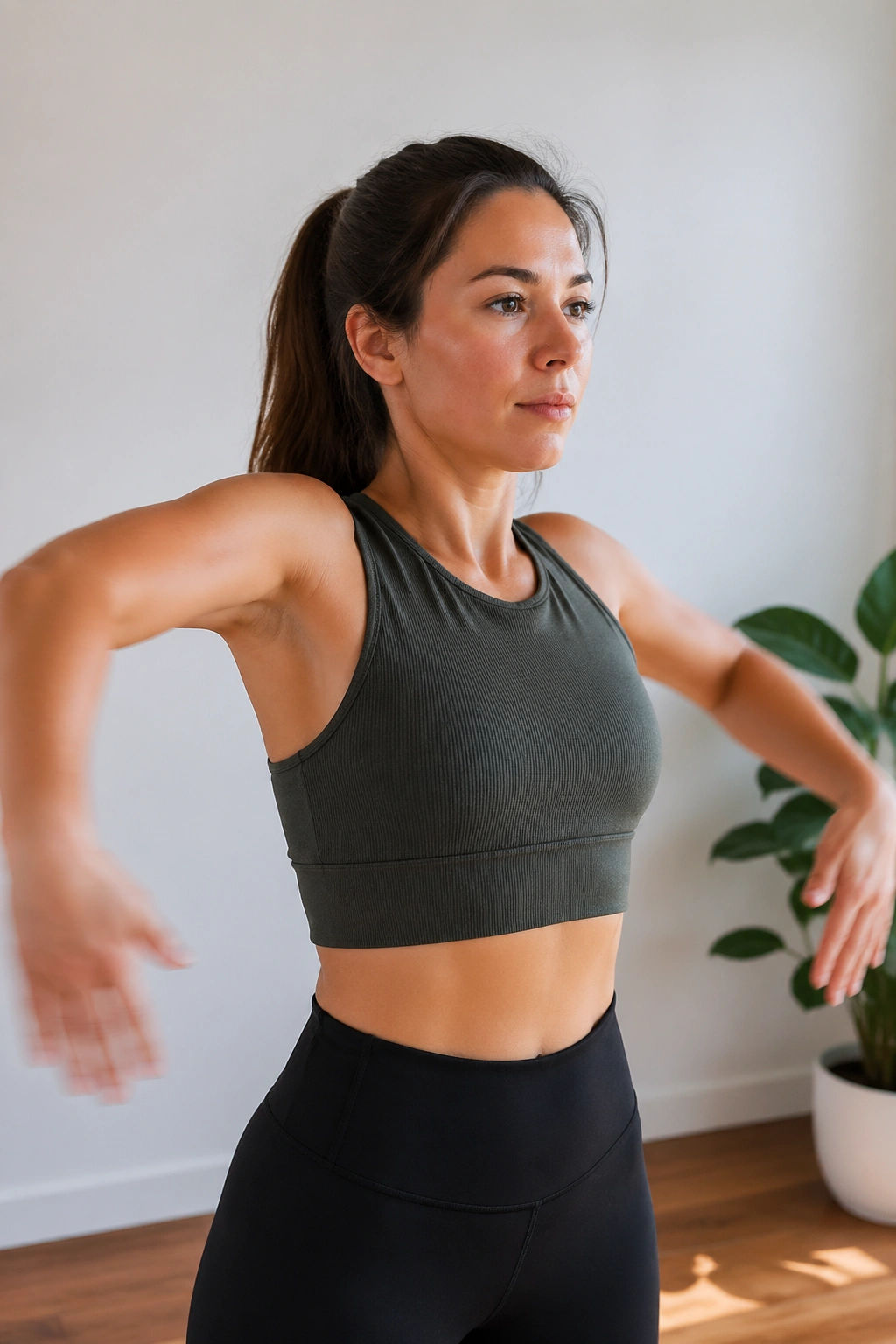
Why do these show up in almost every warm-up? Because they work fast, and they’re easy to scale.
Shoulder rolls are the cleanest way to get the upper back and shoulder girdle moving before pressing, rowing, or even a heavy carry. Start with 8 backward rolls, then 8 forward. Keep them smooth, not jerky. After that, open into arm circles: 10 small circles forward, 10 small circles back, then 10 larger ones if the joints feel ready.
How to keep them clean
- Stand with ribs stacked over hips.
- Let the arms hang loose before you start.
- Make the circles from the shoulder, not the wrist.
- If you shrug on every rep, shrink the circle.
The first few reps often feel awkward. That’s normal. By the end, the shoulders usually feel warmer and a little less glued to your torso. A small move, sure. Still useful.
3. Cross-Body Arm Swings
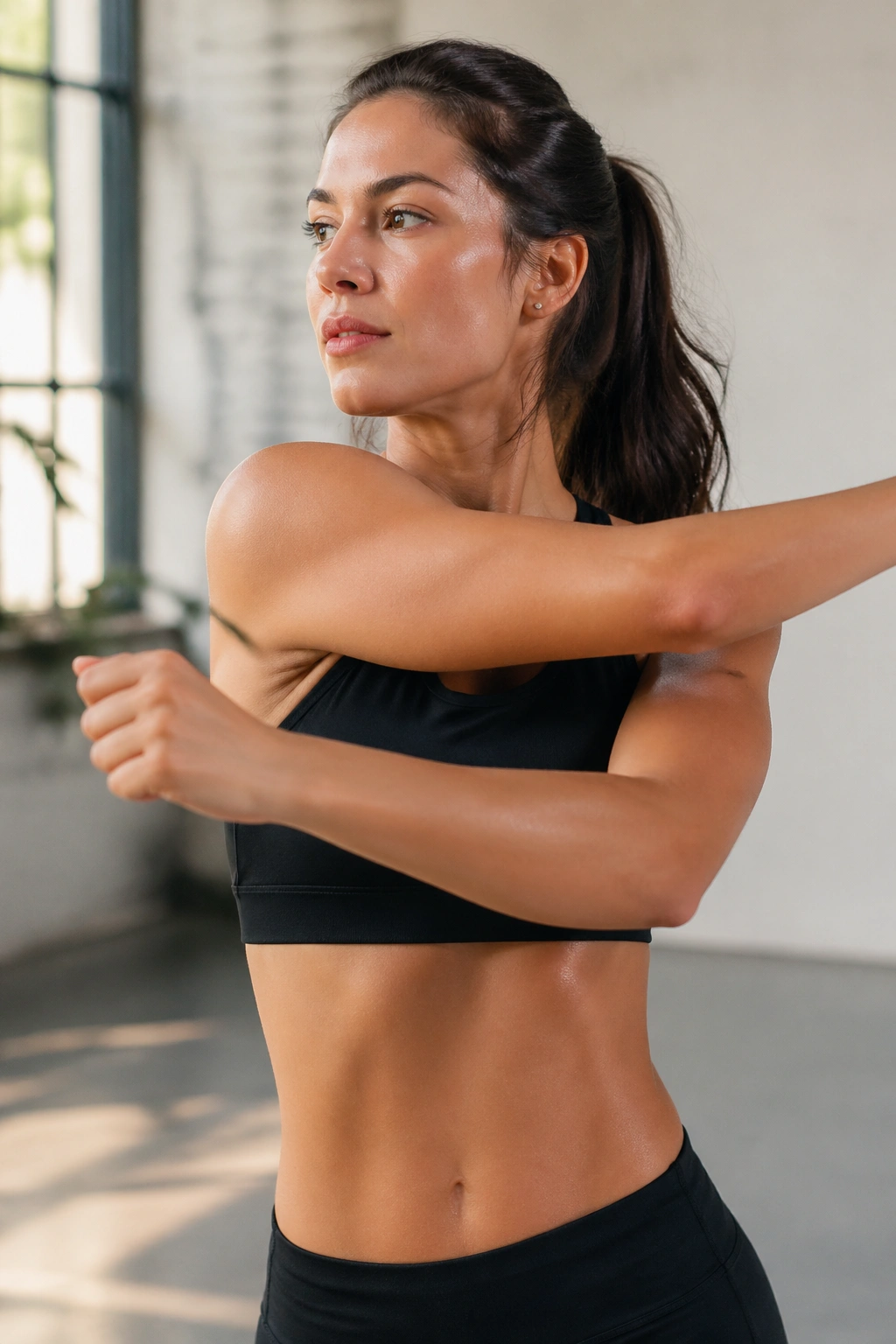
Bench day, push day, even an upper-body conditioning circuit — this one earns its keep.
Swing one arm across your chest, then open it wide enough to feel the front of the shoulder and upper chest wake up. Alternate sides for 10 to 15 swings each arm. The goal is not to yank the arm across the body. The goal is to create a light, springy motion that wakes the pecs, rear delts, and upper back without making the joint feel jammed.
A lot of people go too hard here. They pull the arm in like they’re trying to force a stretch out of it. Bad idea. The swing should feel loose and rhythmic, almost like a pendulum that happens to pass in front of your body. If your shoulder pinches, shorten the range and slow down.
This is one of those moves that feels better when you keep it boring. Boring is good. Boring means your body can trust the motion.
4. Standing Chest Opener
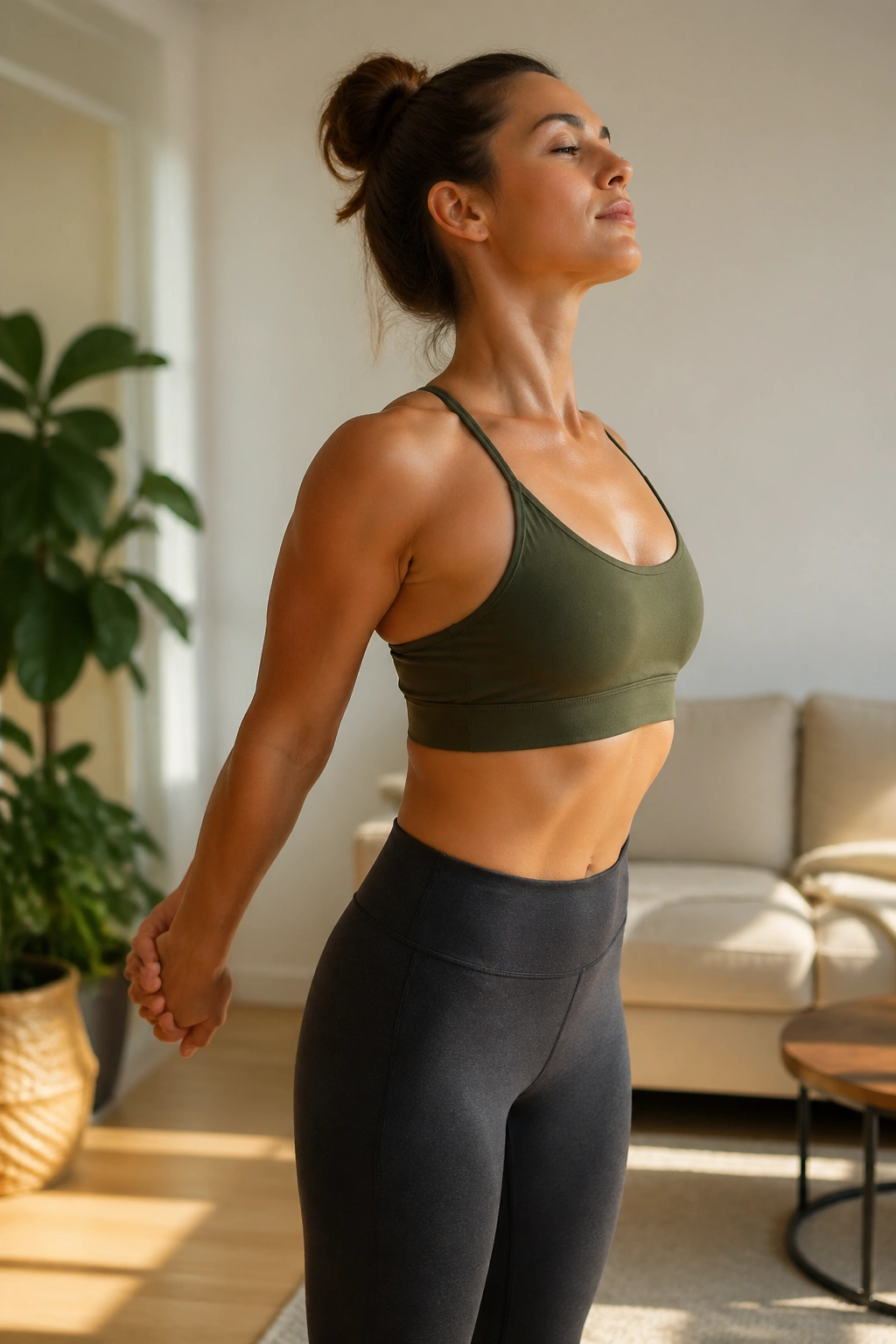
A tight chest can ruin an overhead press faster than weak triceps.
Stand tall and clasp your hands behind your lower back, palms together if that works, or just fingers linked if that feels better. Gently straighten the arms, lift the chest a little, and let the sternum rise without dumping the lower back forward. Hold for 2 to 3 breaths, then release. If you prefer motion over holding, pulse the chest open and close for 5 slow reps.
A doorway version works too. Place your forearm on the frame, elbow about shoulder height, and step through just enough to feel the front of the shoulder open. Do not force the shoulder into a deep stretch if it already feels irritated. This one should calm things down, not start a debate in the joint.
The useful part here is posture. Most tight chest work isn’t about the pecs alone; it’s about shoulders that have been rounded forward for hours. A short opener helps reset that slouch before you start lifting.
5. Half-Kneeling Thoracic Rotations
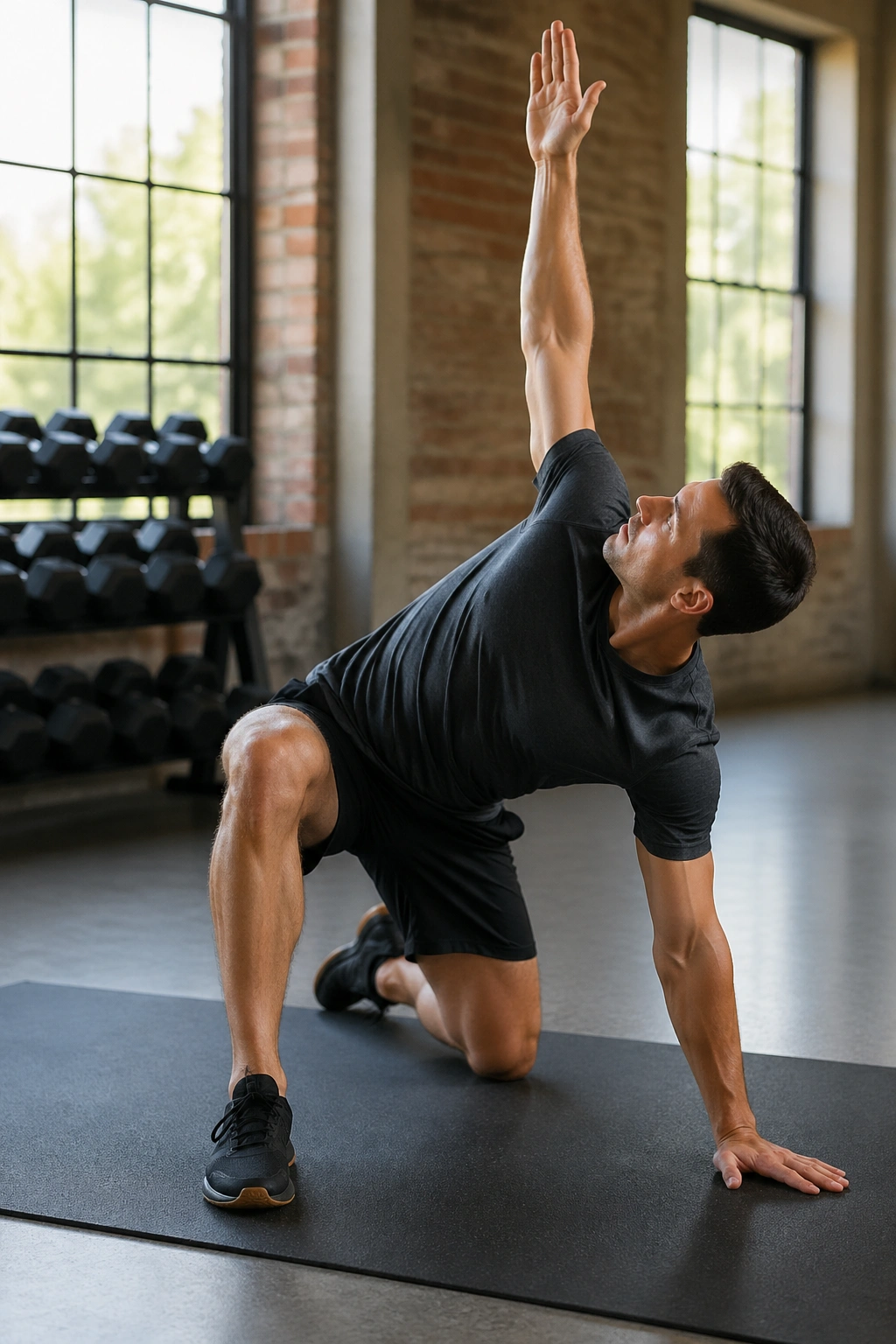
This one looks simple. It isn’t. It fixes a lot.
Drop one knee to the floor, keep the front foot flat, and place both hands together in front of your chest. Rotate your upper body toward the side of the front leg, then open the top arm toward the ceiling. Move slowly for 5 to 6 reps per side. The rotation should come from your mid-back, not from a twist dumped into the lower spine.
The clean version
- Keep the front knee still.
- Exhale as you rotate open.
- Follow the hand with your eyes.
- Stop before the lower back starts to sneak in and take over.
If your squat feels stiff at the bottom or your presses feel stuck overhead, this move often helps more than another round of arm circles. The thoracic spine is supposed to move. When it doesn’t, the shoulders and low back usually pay the price.
6. Cat-Cow Flow
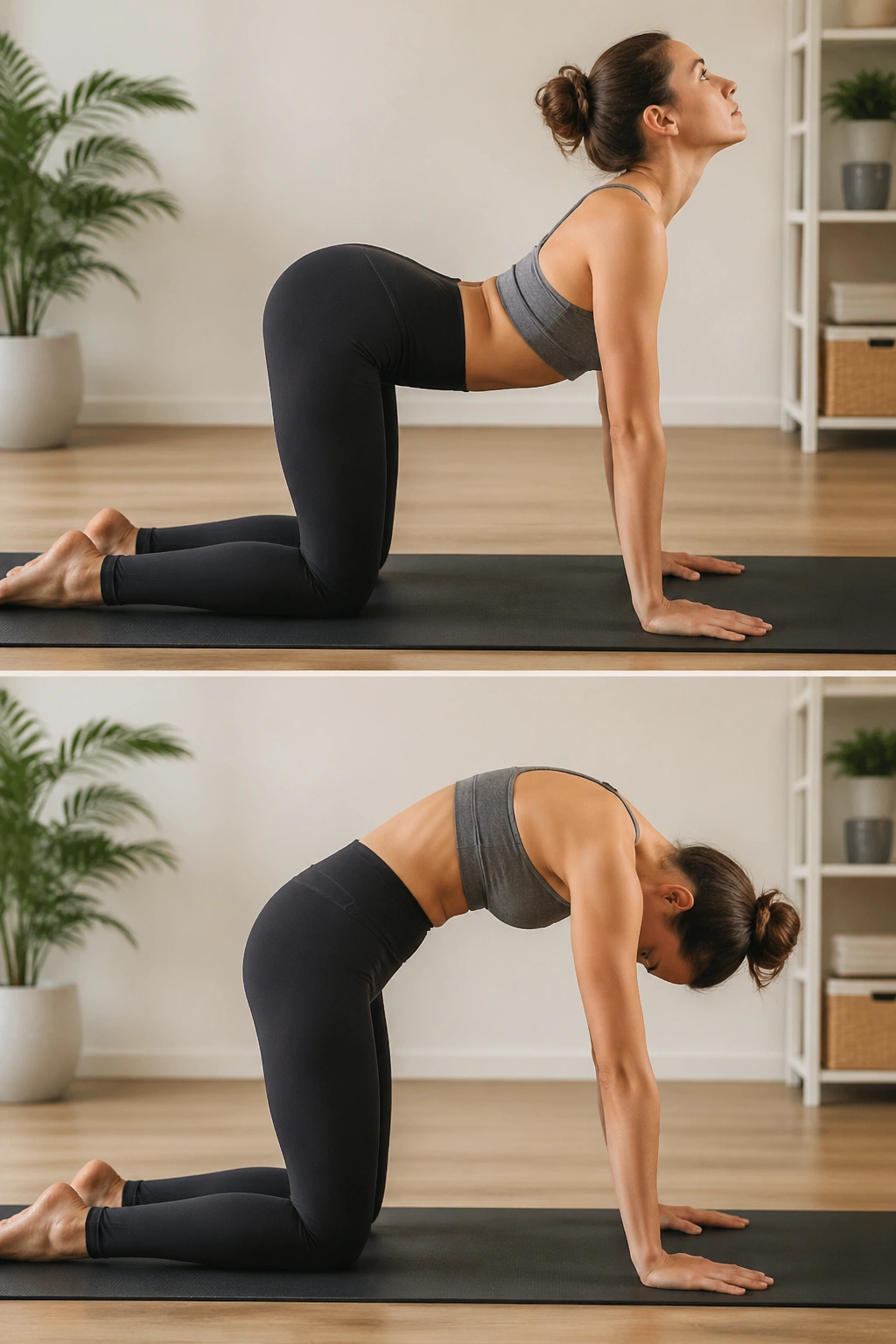
If your back feels like it sat through a long drive, cat-cow is the first move I’d pick.
Get on hands and knees with your wrists under your shoulders and your knees under your hips. Drop your belly gently as you lift the chest and tailbone for cow, then round the spine and tuck the pelvis for cat. Move through 6 to 8 slow cycles. No rushing. No snapping the lower back around.
What it should feel like
- A smooth wave through the spine.
- A little stretch in the front of the torso on cow.
- A gentle pull through the back body on cat.
- Easier breathing by the last two reps.
One nice thing about cat-cow is that it teaches the ribs and pelvis to move without fighting each other. That matters more than people think. If you brace hard in the warm-up and never let the spine move, the first loaded rep can feel like a surprise.
7. Standing Side Bend With Reach
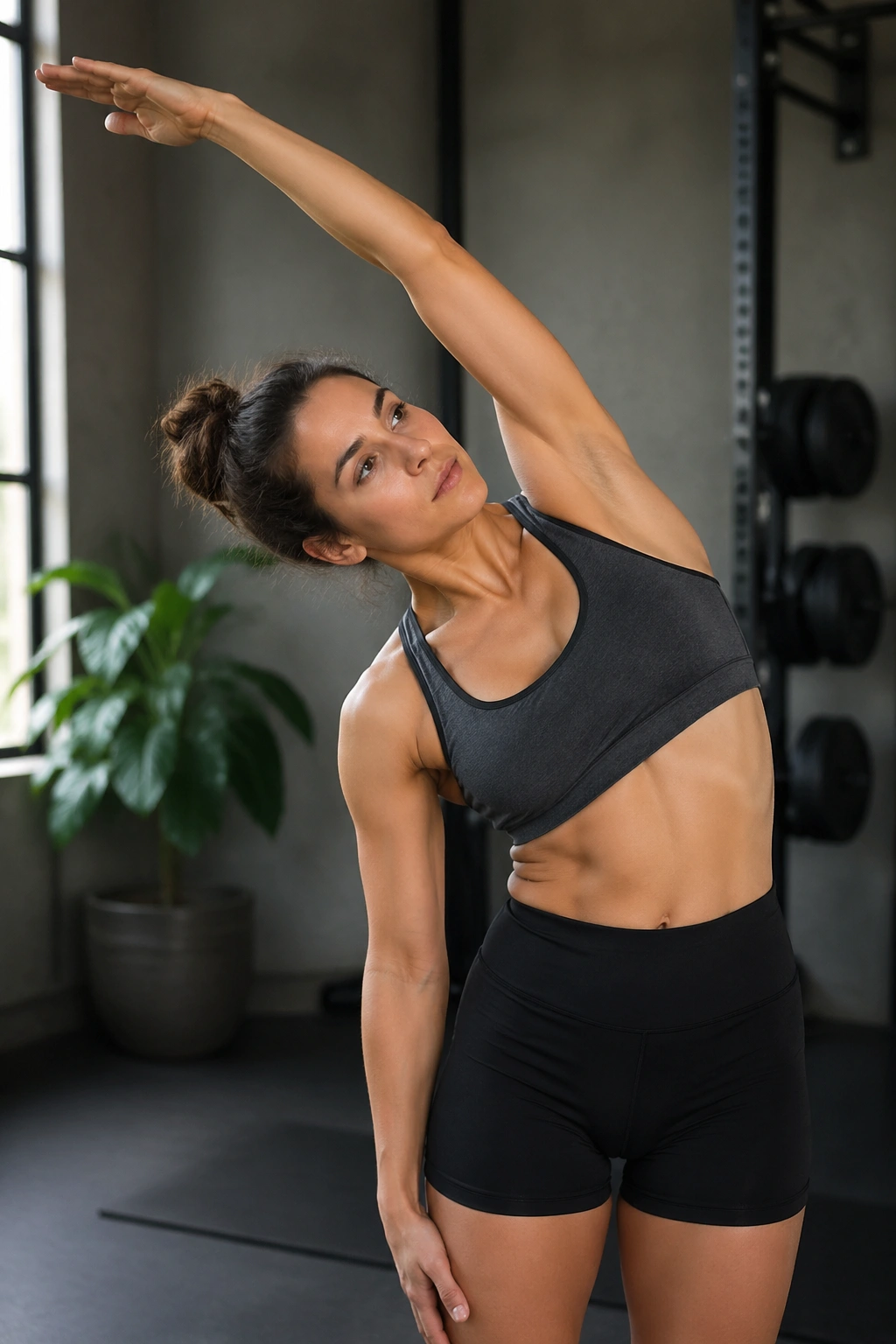
Tight lats and side-body stiffness show up fast when you go overhead.
Stand with your feet about hip-width apart. Reach one arm overhead, palm facing in, and lean gently toward the opposite side. Keep the hips mostly still. Come back to center, switch sides, and repeat for 5 reps each way. A tiny bend is enough. You are not trying to fold in half.
How to make it useful for overhead work
- Reach long before you bend.
- Keep the chest facing forward.
- Breathe into the side that feels tight.
- Don’t shove the hip out just to fake a bigger stretch.
This one helps more than people expect before presses, pull-downs, and loaded carries. The ribs feel less stuck, the side body wakes up, and overhead movement tends to feel less jammed. A small stretch, yes. A useful one too.
8. Hip Circles
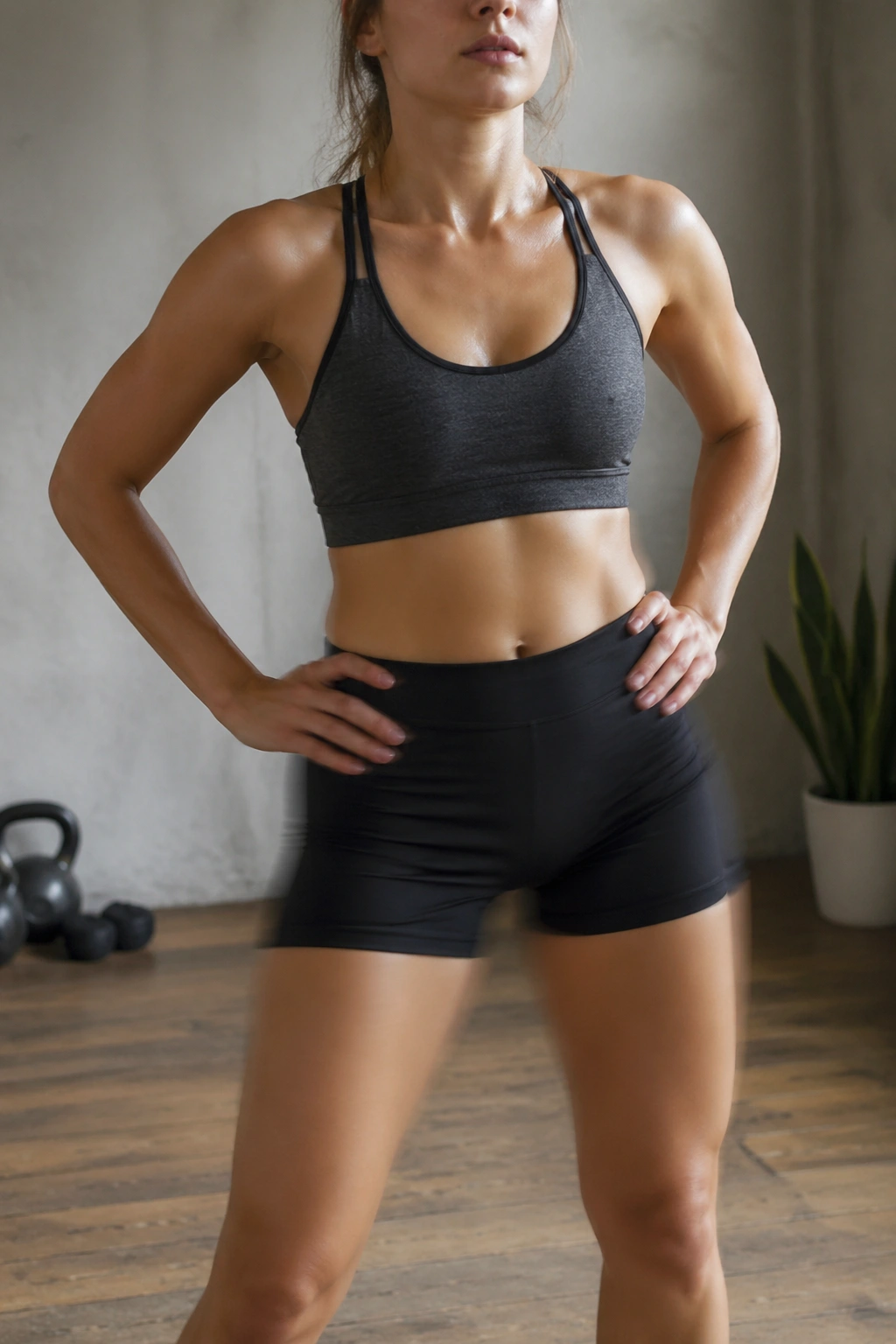
Hips that only know how to sit get cranky fast.
Place your hands on your hips and draw slow circles with your pelvis, almost like you’re tracing the inside of a hula hoop. Go 5 circles each direction. Keep the knees soft and the torso tall. If that feels too stiff, hold onto a rack with one hand and make the circles smaller at first.
This is one of those warm-ups that looks silly and works anyway. The motion starts to free up the hip joint, but it also reminds the glutes and deep hip muscles that they’re about to have a job. Small circles beat sloppy big ones. Big circles just turn into back wiggles.
If you sit all day, this can feel weird on the first rep. Good. Weird usually means the joints are waking up.
9. Front-to-Back Leg Swings
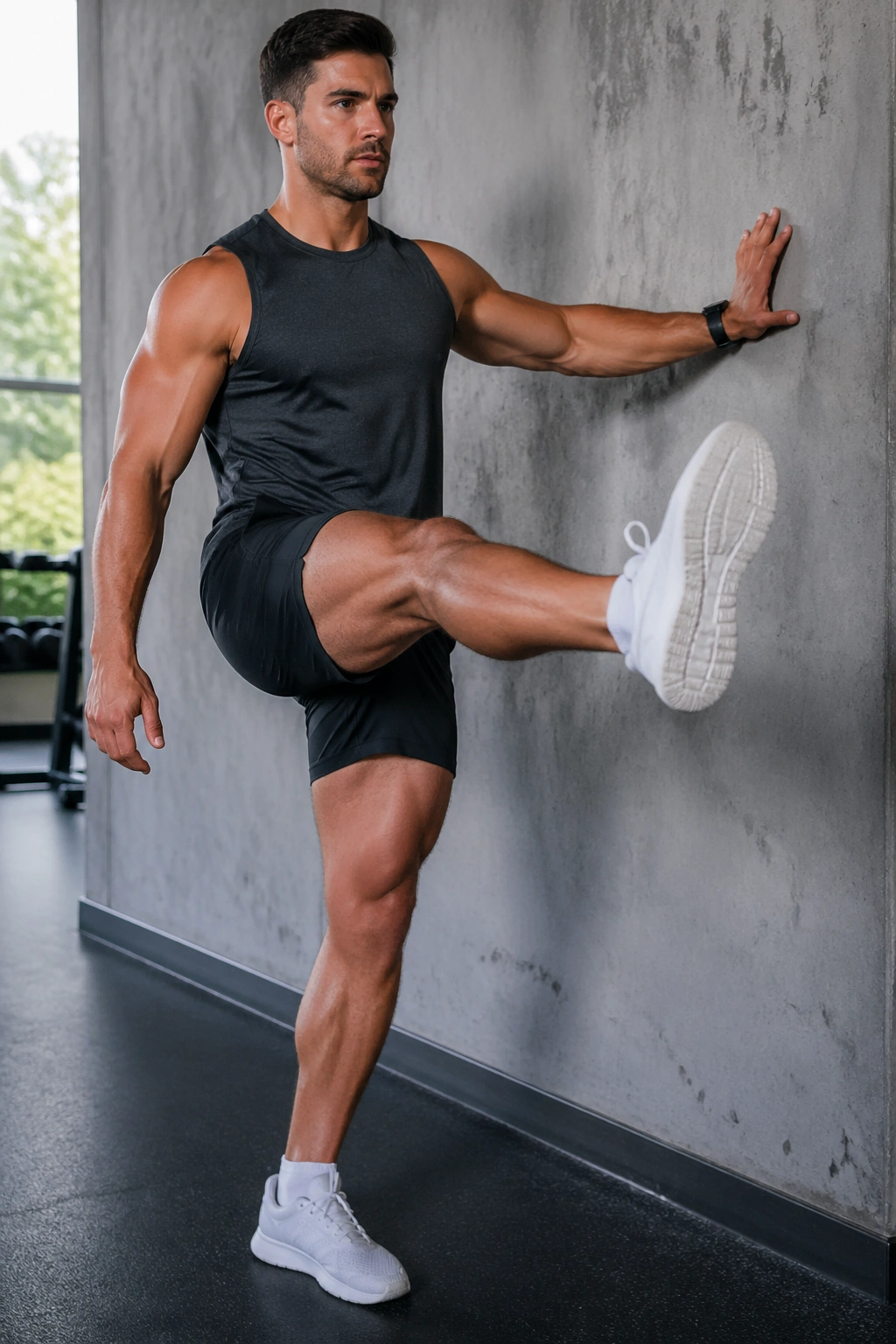
This is the one runners swear by for a reason.
Hold onto a wall, rack, or post. Swing one leg forward and back from the hip, keeping the torso tall and the standing leg soft. Start with 8 controlled swings, then build to 12 or 15 if the leg feels loose. The swing should feel light by the last few reps, not forced.
Quick cues that matter
- Let the leg move like a pendulum.
- Keep the foot relaxed.
- Do not lean way back to fake more range.
- If your lower back takes over, slow the swing down.
The front swing opens the hip flexors and hamstrings in a moving way, which is a lot friendlier before running than a long hamstring hold. It also helps before squats and deadlifts, because the legs get a chance to move through the range they’ll need later. The first swing can feel stiff. The tenth usually does not.
10. Side-to-Side Leg Swings
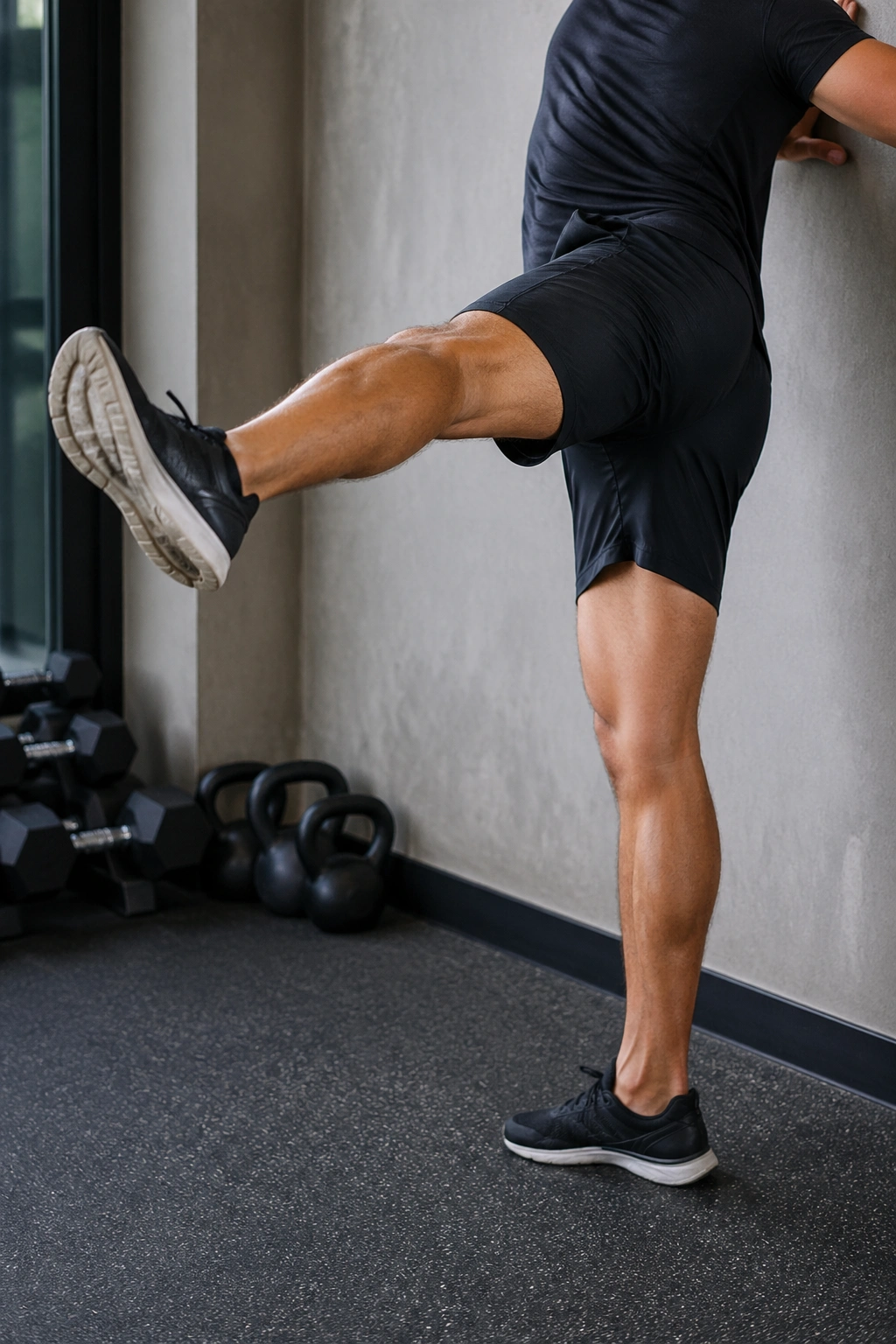
A lot of people skip this one and then wonder why the inner thighs feel tight on lunges.
Face a wall or post, turn the swinging leg out to the side, and move it across the body and back out again. Keep the toes pointed mostly forward and the torso steady. Aim for 8 to 12 swings per side. The inner thigh should feel a gentle stretch, not a pull that makes you brace your breath.
This version hits the adductors and outer hip a bit differently than front-to-back swings. That matters for lateral moves, deep squats, and sports that need you to change direction. If your knees cave inward on squats, this one belongs in the warm-up.
It’s also a good honesty check. If the leg barely moves, your hips are telling you something. Listen and shorten the range instead of muscling through it.
11. Walking Lunge With Overhead Reach
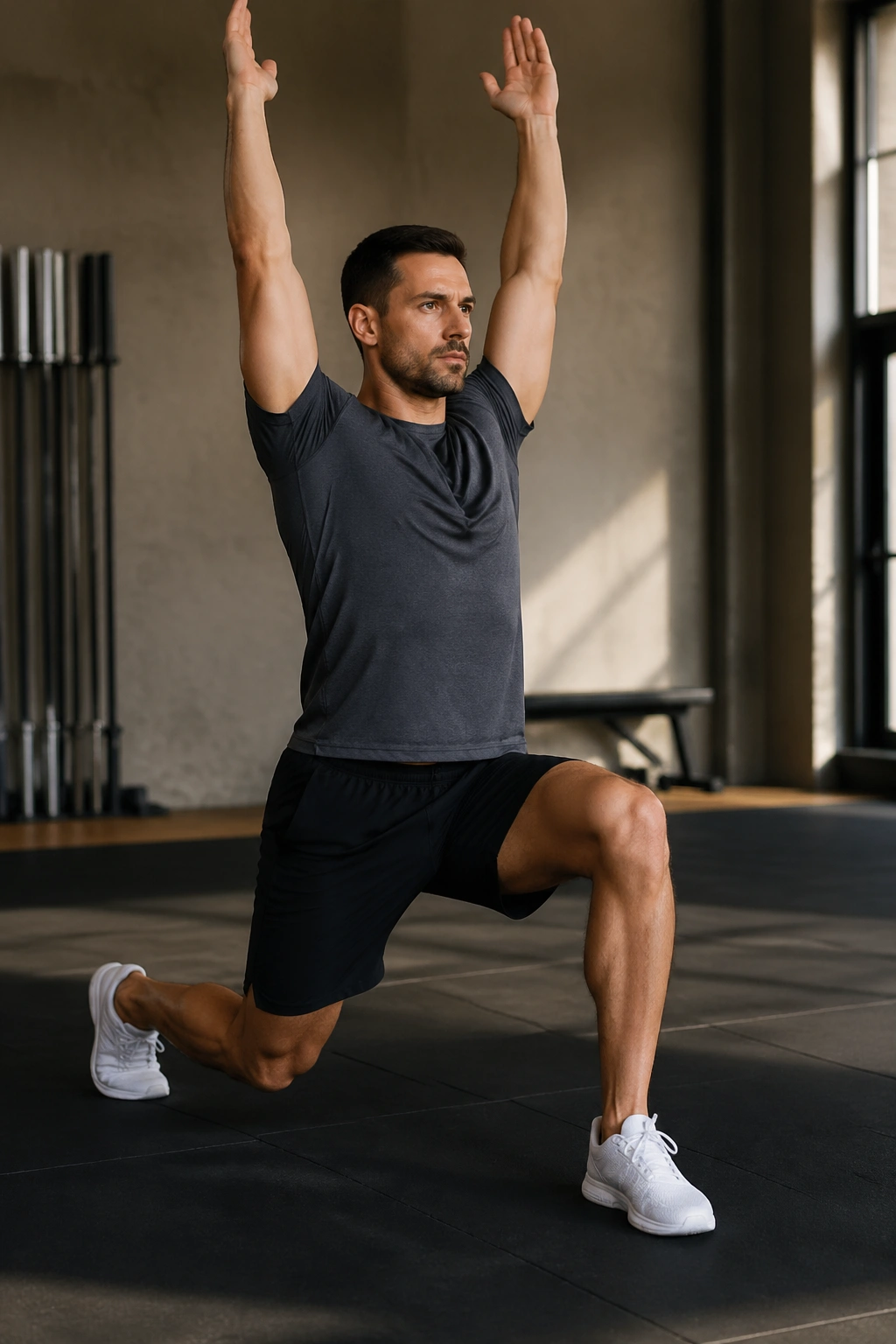
A walking lunge is fine. A walking lunge with reach feels more complete.
Step into a long lunge, lower the back knee toward the floor, and reach both arms overhead as you settle. Push through the front foot, stand, then step into the next lunge on the other side. Go for 6 to 8 total reps per leg. Keep the front heel heavy and the torso tall.
The overhead reach opens the hip flexor on the trail leg while the lunge itself gets the glutes and quads moving. It also asks the ribcage to stay stacked instead of dumping forward. That little detail changes the whole feel of the drill.
If you wobble, shorten the step a little. If your knee slams forward, slow down. This is a warm-up, not a march for speed. The point is clean motion, not a race across the floor.
12. Reverse Lunge With Rotation
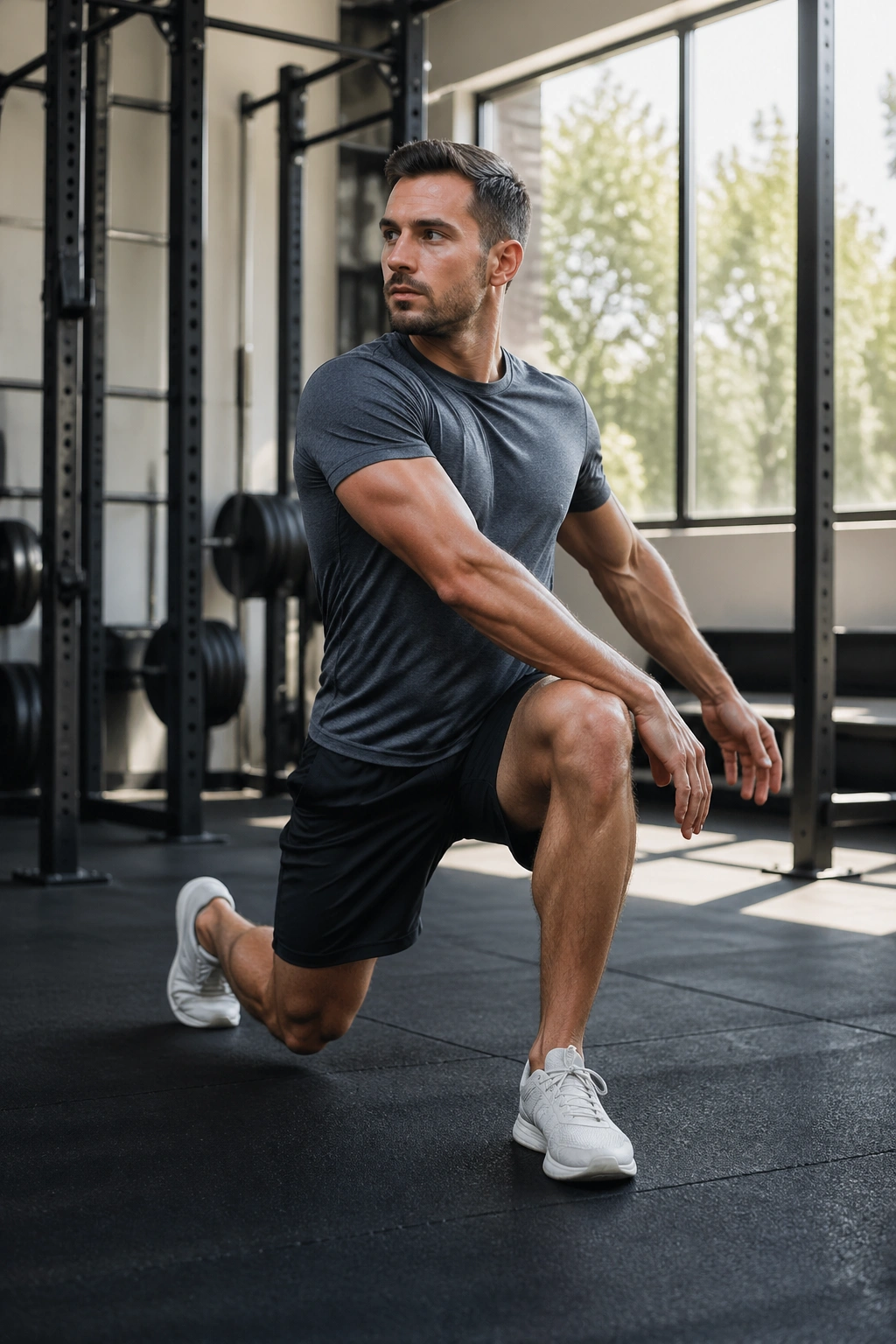
Forward lunges can be fine. Reverse lunges are kinder to cranky knees.
Step one leg back into a reverse lunge, pause at the bottom, and rotate your torso toward the front leg. Come back to center, stand, then switch sides. Five to 6 reps per side is plenty. The back step gives you room to settle into the hip without jarring the front knee the way a rushed forward lunge sometimes does.
Why I like this one before lifting
- It opens the hip flexors.
- It wakes up the glutes on the front leg.
- The twist gets the upper back involved.
- It feels steady, not chaotic.
Keep the front foot flat and the chest lifted. If the twist makes you wobble, reduce the range and turn a little less. A smooth lunge with a small rotation does more good than a big, sloppy one.
13. World’s Greatest Stretch
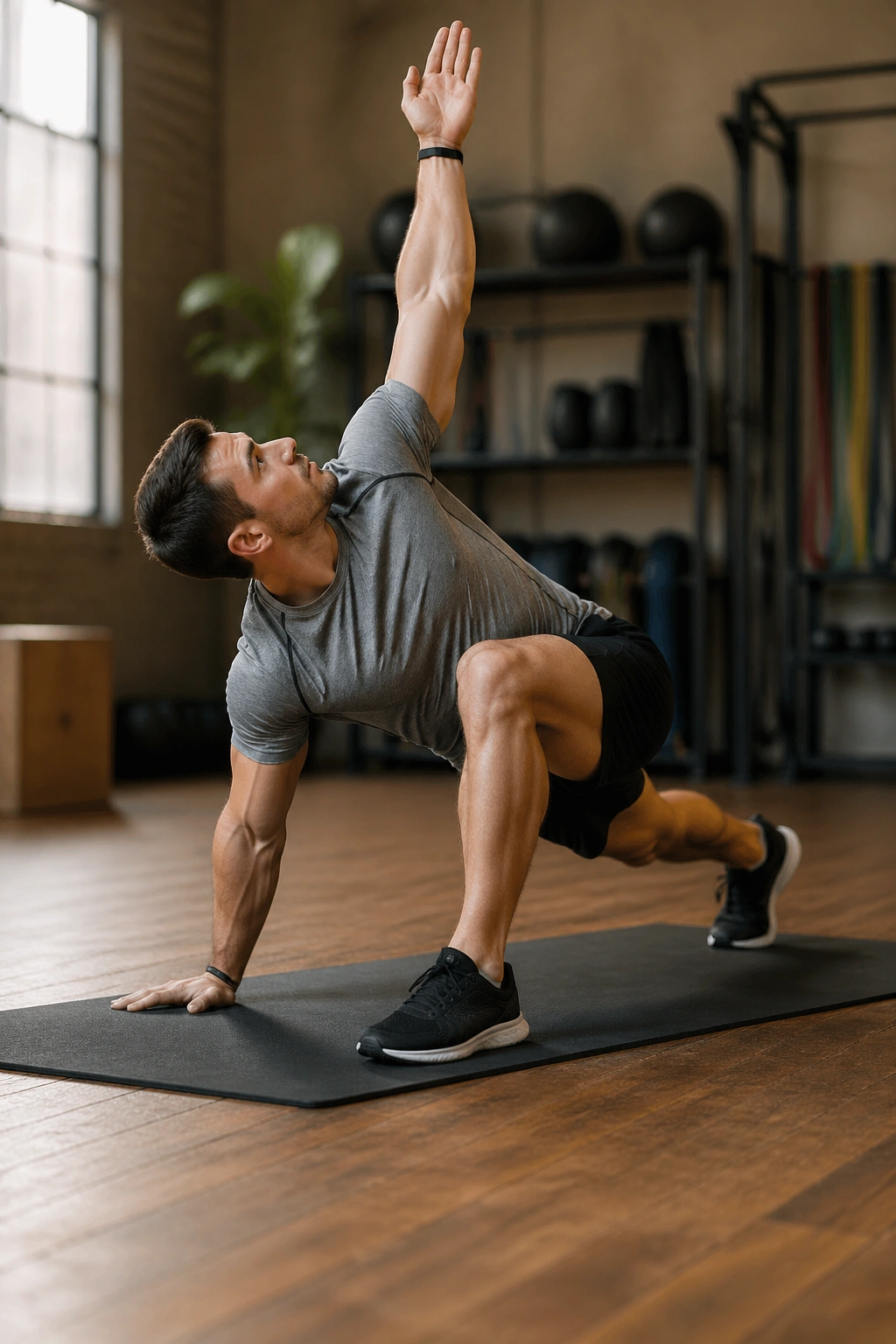
The name is a bit dramatic. The move earns it.
Start in a high plank or a long lunge, step one foot outside the hand, and sink the hips. Drop the elbow of the inside arm toward the floor if you can, then rotate the same arm open toward the ceiling. From there, straighten the front leg and hinge back a touch to feel the hamstring lengthen. Move through that sequence 3 to 5 times per side.
How to keep it from getting messy
- Keep the back leg active.
- Put weight through the front foot, not just the toes.
- Breathe out on the rotation.
- Use a yoga block or the floor if the elbow cannot reach.
This stretch is popular because it covers a lot in one go: hip flexors, adductors, hamstrings, thoracic rotation, and a bit of shoulder work. It is a great fit before full-body training, circuits, or sports days. It also looks harder than it is. That can be nice, sometimes.
14. Inchworm Walkouts
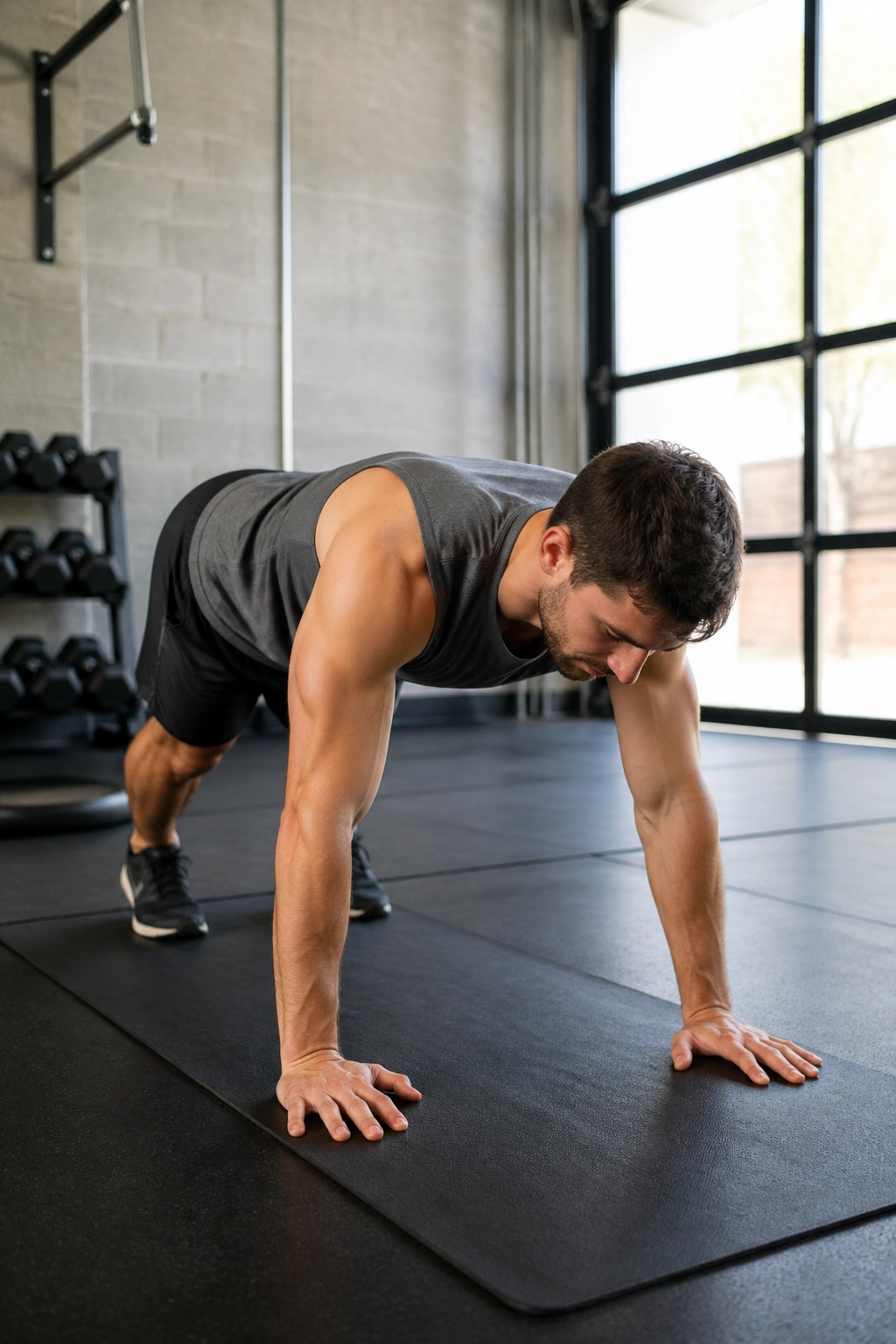
If you want to turn stiffness into movement fast, inchworms do the job.
Stand tall, fold at the hips, and walk your hands out until you reach a plank. Hold for a beat, add one push-up if that fits your workout, then walk the hands back to your feet and stand. Repeat 4 to 6 times. Keep the knees soft on the fold so the hamstrings do not grab hard.
Inchworms wake up a lot at once: hamstrings, calves, shoulders, core, and even the hands. They’re especially useful before bodyweight sessions, lifting, or any workout where the first few minutes usually feel like your body forgot how to cooperate.
Do not rush the walkout. The slow hand walk is the part that gives you the stretch. If the wrists hate the floor, place your hands on dumbbells or an elevated bench and use a shorter range. That small change makes the move a lot more livable.
15. Downward Dog Pedal
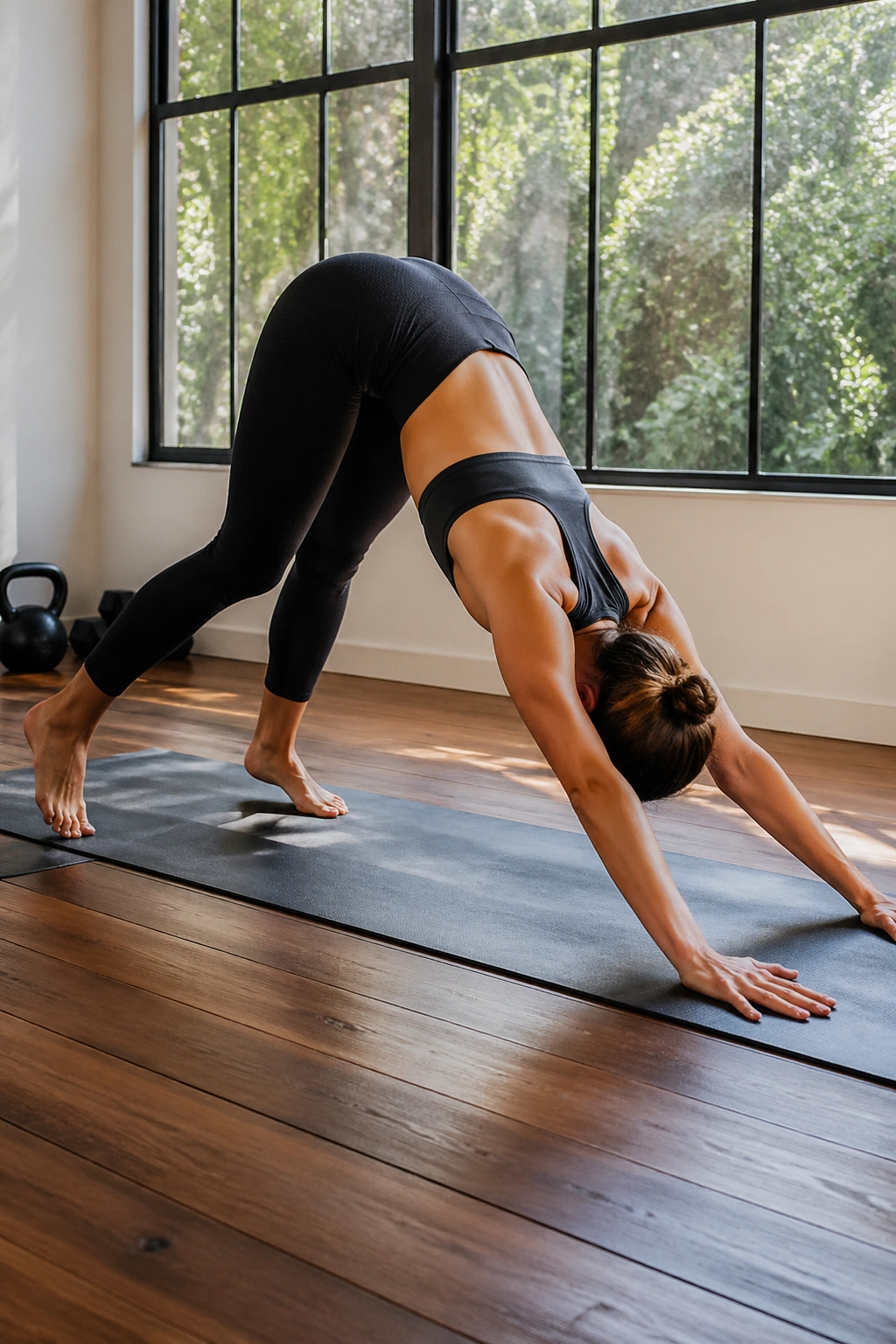
A static down dog can be fine. The pedal version is better before training.
From downward dog, keep the hips high and alternate bending one knee while pressing the opposite heel toward the floor. Then switch. Do 8 to 10 slow pedals per side. The movement should feel like you’re waking up the calves and hamstrings, not like you’re trying to force both heels flat.
This is a nice one after a run or before lower-body work because it links the back line of the legs with the shoulders and upper back. You feel it in the calves first, then the hamstrings, and sometimes in the lats if you stay honest about your position.
If your lower back rounds too much, bend the knees a little and keep the spine long. Heels do not need to touch the floor. That’s a yoga goal, not a warm-up requirement.
16. Deep Squat Pry
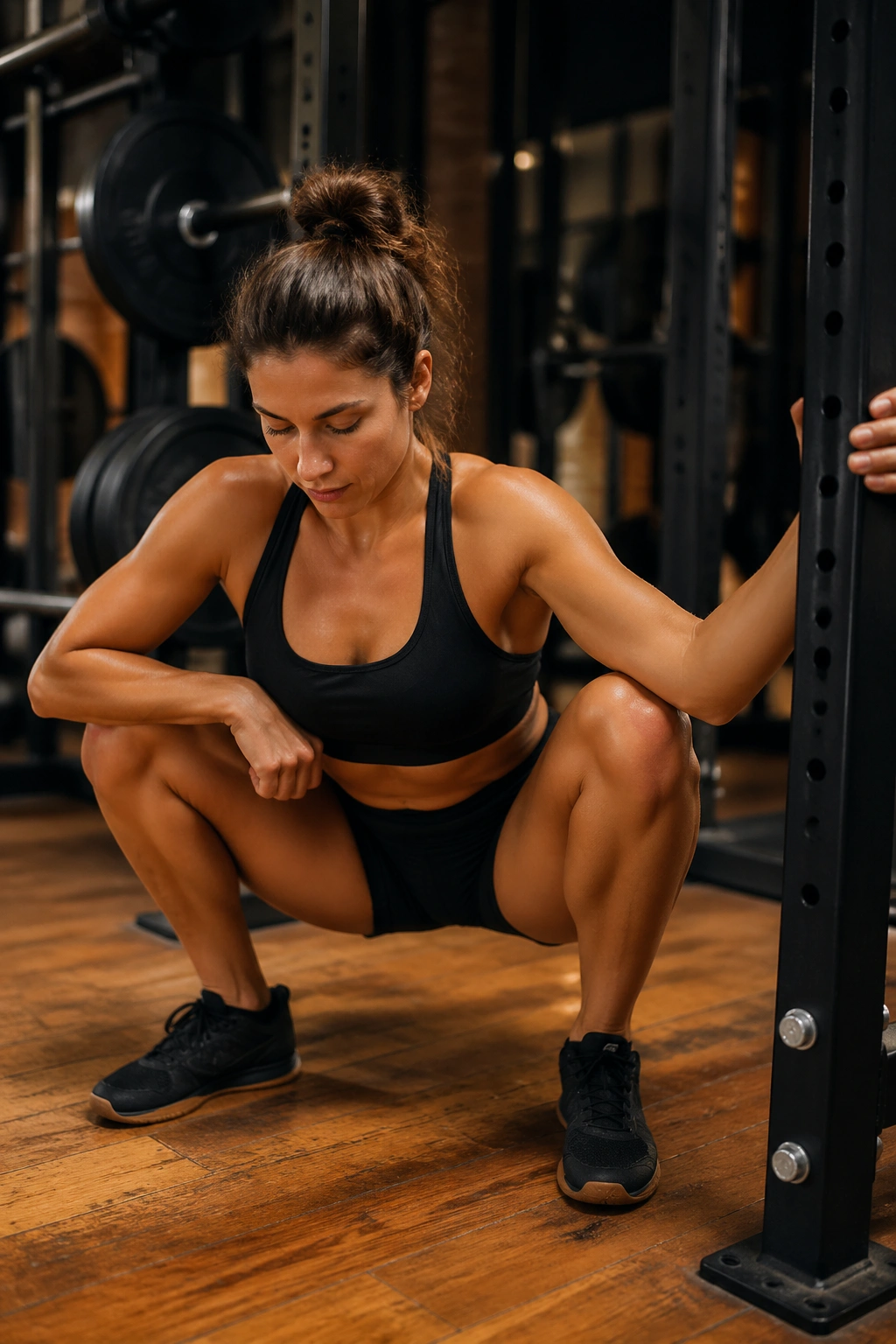
This one looks plain, and honestly, that’s part of the charm.
Sink into a deep squat with your feet about shoulder-width apart. Hold onto a rack or post if balance is shaky. Gently shift side to side, pry the knees open with your elbows if needed, and let the ankles and hips settle into the position for 20 to 30 seconds. You can also rock from one hip to the other if staying still feels too intense.
What to feel
- Ankles opening.
- Inner thighs lengthening.
- Hips sitting lower without strain.
- The bottom of the squat feeling less foreign.
If your heels pop up, a small plate or heel wedge can help at first. No shame in that. The point is to get more comfortable in the bottom position, not to prove anything. Squat patterns improve when the body stops treating depth like an emergency.
17. Ankle Rocks
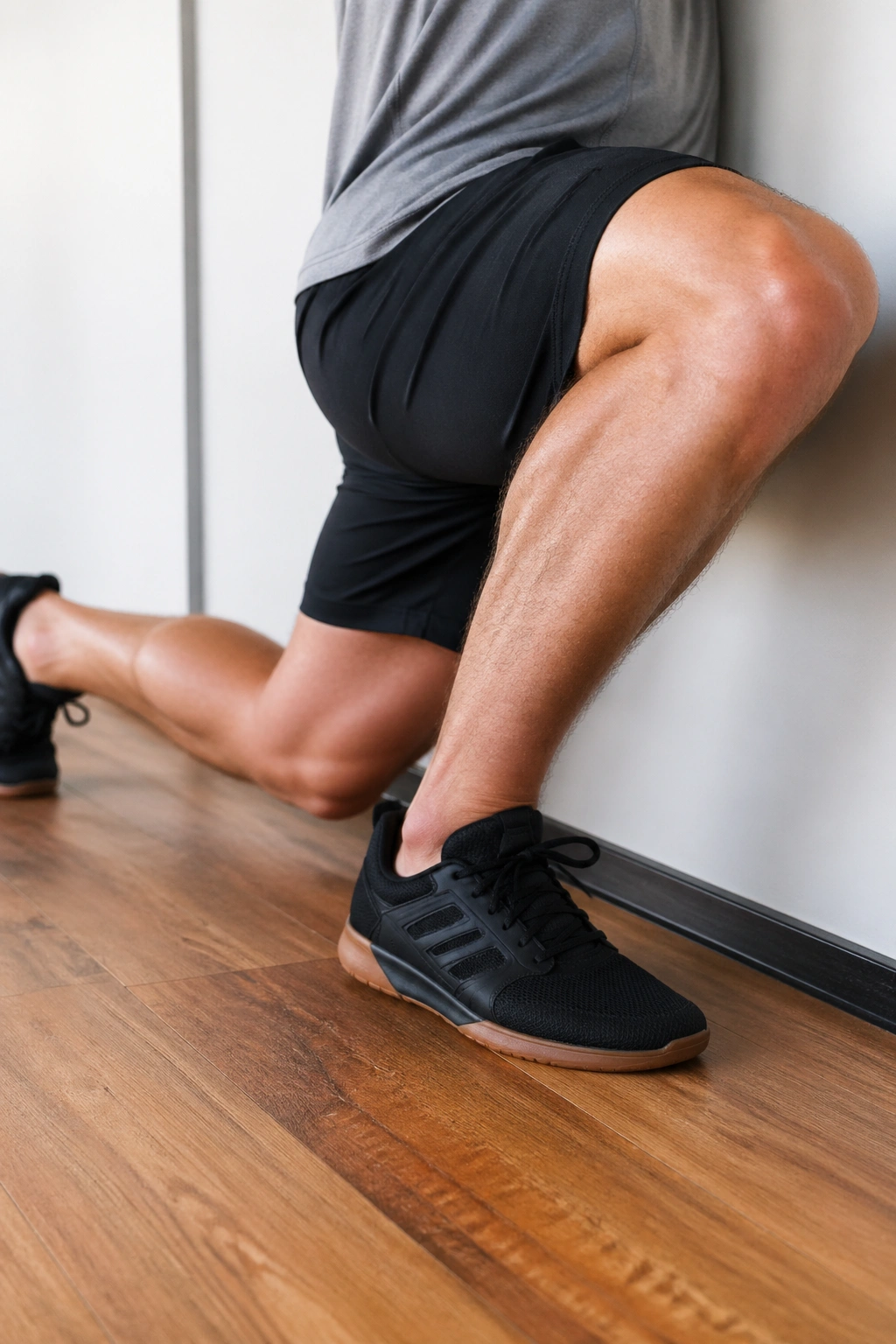
Bad ankle mobility shows up everywhere.
Kneel in a half-lunge or face a wall with one foot a few inches away. Drive the knee forward over the toes while keeping the heel down, then back off and repeat for 8 to 10 reps per side. The shin should move forward cleanly, with no collapsing arch and no sharp pinch in the front of the ankle.
What makes this one worth keeping
- Better squat depth.
- Cleaner running mechanics.
- Less heel lift on lunges and split squats.
- A calmer feel at the bottom of jumps and landings.
Ankles are boring until they are the thing holding your whole lower body hostage. If you feel the stretch only in the calf, bring the foot a little closer or shift the knee a touch forward. If the arch caves, spread the toes and press the big toe down.
Short, precise, and worth the time.
18. Calf Raises With Slow Lower
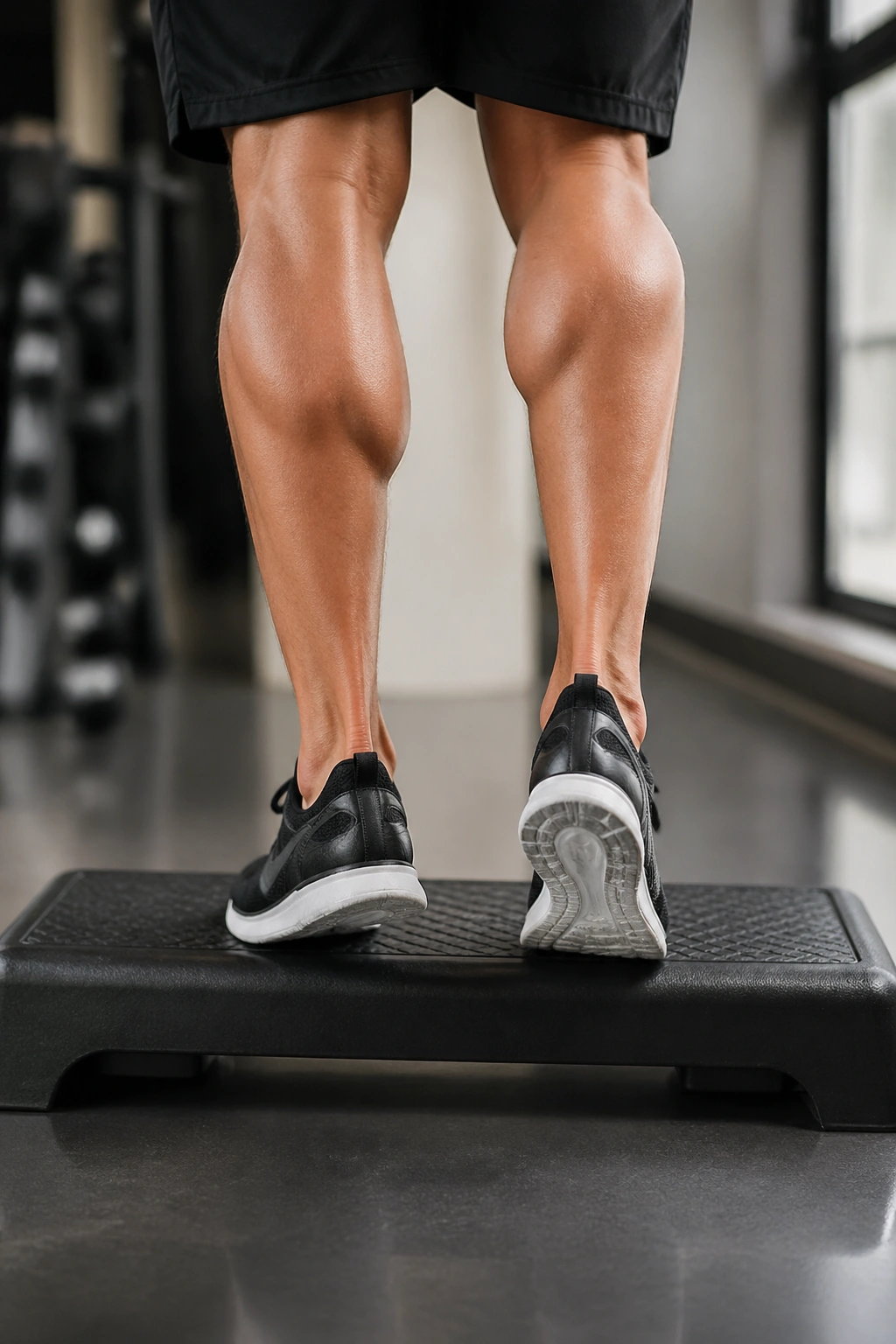
This is not the glamorous move in the room. That’s fine.
Stand with your feet hip-width apart and rise onto the balls of your feet for a two-count. Pause at the top, then lower slowly for a three-count until the heels touch down under control. Do 10 to 15 reps. If you want more balance work, try it on one leg and hold a wall nearby.
The slow lowering part matters. It wakes up the Achilles and calves without turning the drill into a pogo jump before your body is ready. Control on the way down beats speed on the way up. That little eccentric phase helps your lower legs feel springier once you start running, jumping, or pushing through sled work.
If the calves cramp, shorten the range and reduce the number of reps. Cramps are your body’s way of saying the warm-up went a little too far, a little too fast.
19. Hamstring Scoops
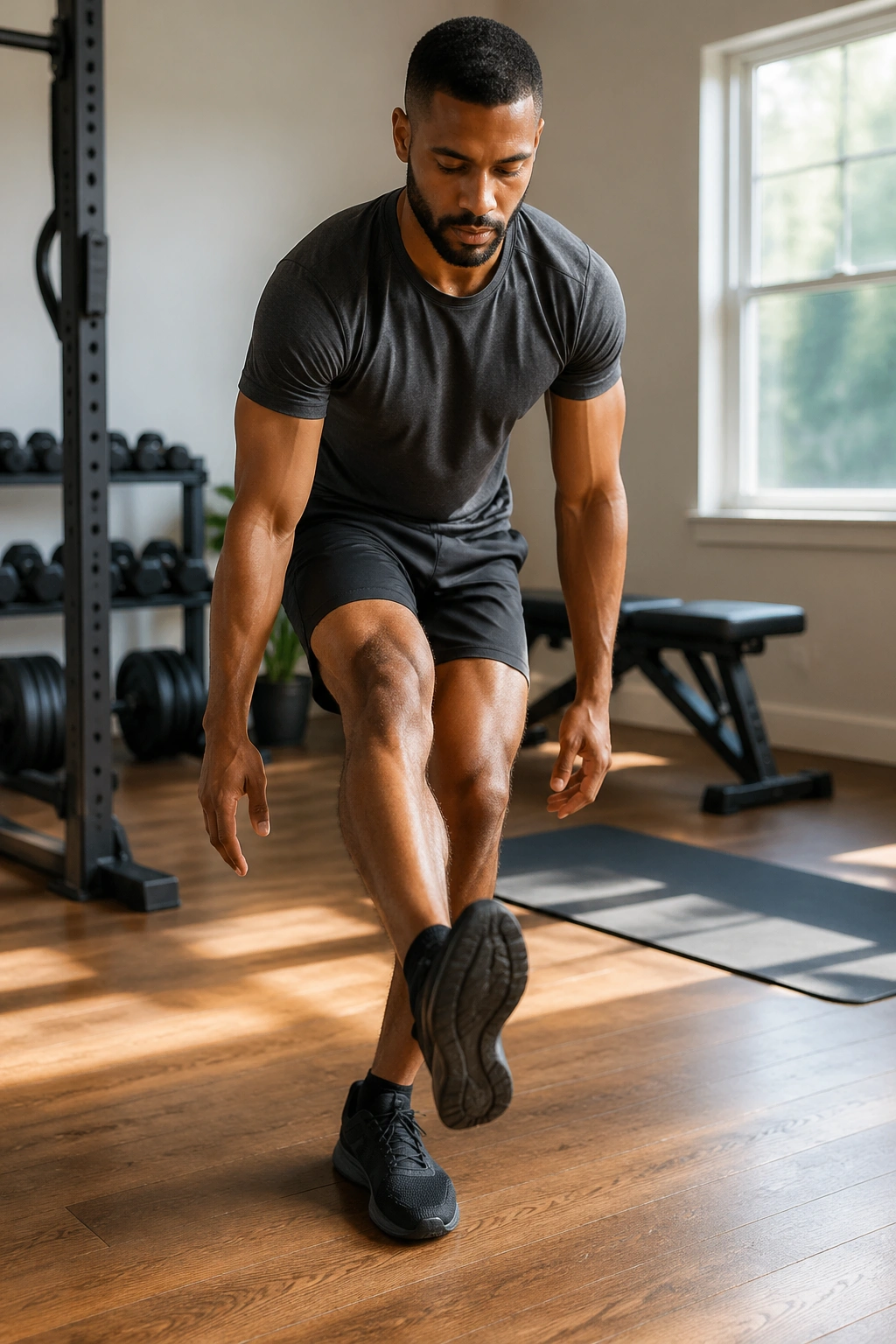
This one feels like a moving toe touch without the dumb parts.
Stand tall, lift one leg with the heel slightly out in front, and hinge at the hips as your opposite hand scoops down the shin toward the ankle. Come back up, switch sides, and keep moving for 8 to 10 reps per leg. The back stays long, the chest stays open, and the movement comes from the hip fold, not from rounding your spine.
The scoop pattern is nice before deadlifts, sprints, or even brisk walks if your hamstrings are touchy. It stretches the back of the leg while teaching the body to hinge with more control. That is the part people miss. They stretch the hamstring, yes. They also practice a better movement pattern.
A stiff first rep is normal. A sharp tug behind the knee is not. If that happens, shorten the reach and slow the cadence.
20. Quad Pull With Glute Squeeze
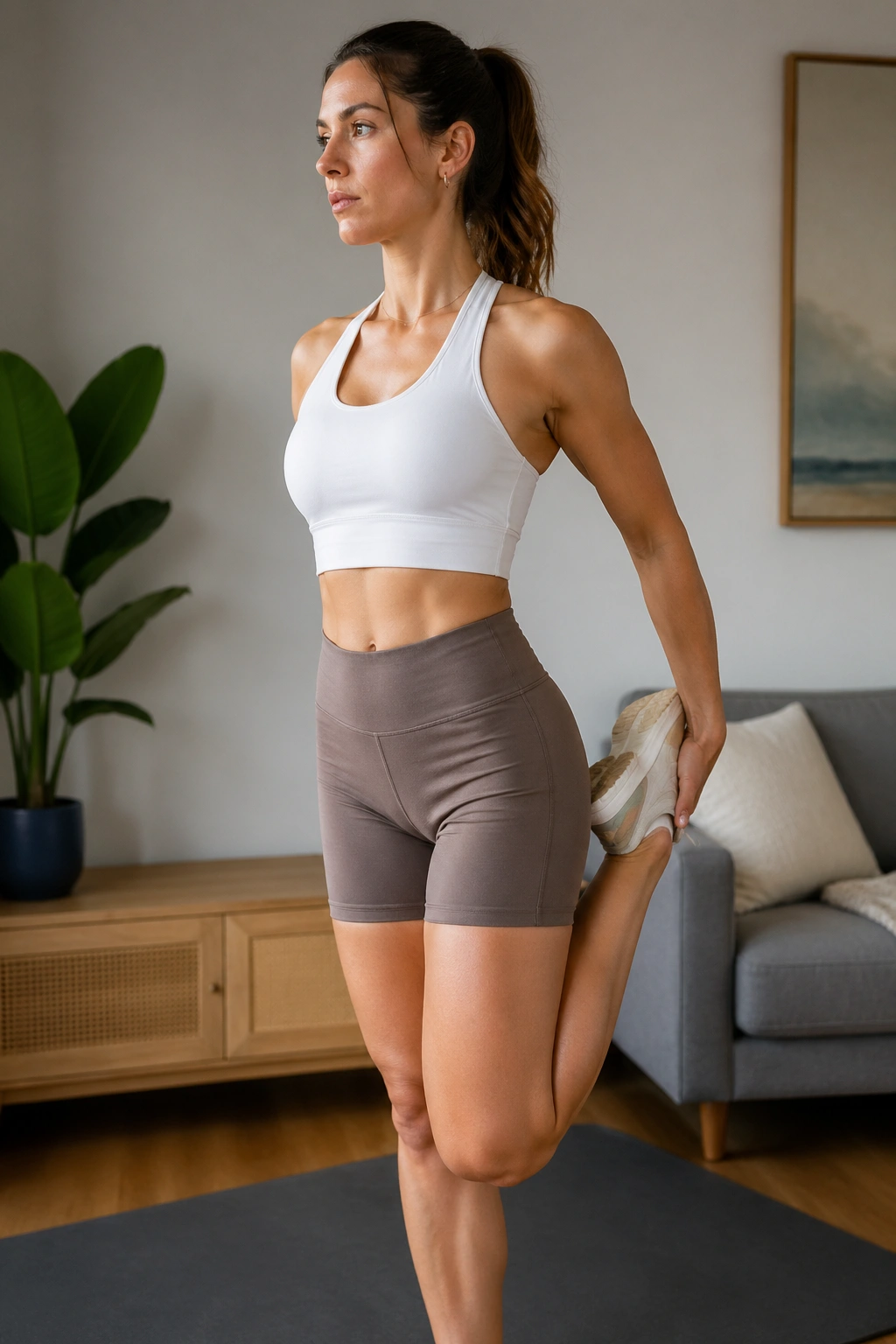
A lazy quad grab is not enough. Do the full thing.
Stand on one leg, bend the other knee, and hold the ankle behind you. Before you pull the heel closer, squeeze the glute on that side and keep the knees near each other. A small tuck of the pelvis helps the front of the thigh open without yanking on the low back. Hold for 2 breaths or pulse gently for 5 reps per side.
The clean version
- Keep the standing knee soft.
- Avoid arching the lower back.
- Point the knees down, not out.
- Hold onto a wall if balance is shaky.
This stretch is especially useful before sprinting, lunging, or any workout that asks for hip extension. If you just tug the foot and arch back, you miss half the benefit. The glute squeeze changes the whole feel. That’s the part that matters.
21. Glute Bridges
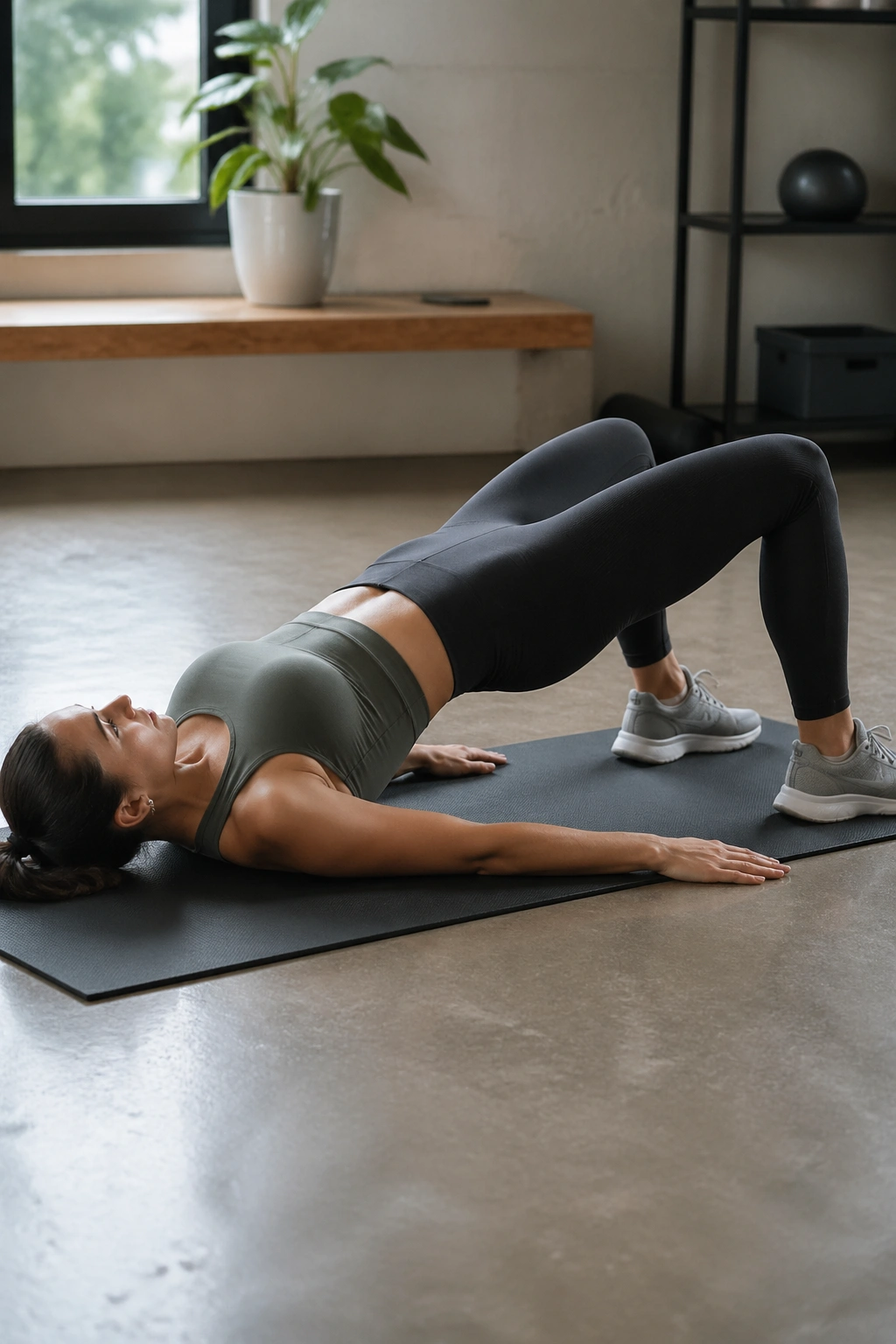
If your hips wake up late, glute bridges fix that.
Lie on your back with your knees bent and feet flat, about hip-width apart. Press through your heels, lift the hips until your body forms a straight line from shoulders to knees, and squeeze the glutes at the top for 1 to 2 seconds. Lower under control. Eight to 12 reps is enough before most workouts.
The move is simple, but it teaches the posterior chain to do its job. That helps a lot before squats, deadlifts, runs, and even upper-body training, because a sleepy glute tends to hand work to the lower back. Keep the ribs down. If you flare the chest and arch hard, you turn it into a back extension instead of a glute wake-up.
A mini band around the knees can make the drill more honest. It forces the outer hips to stay active. If you do not have a band, slow reps still work.
22. Lateral Lunges
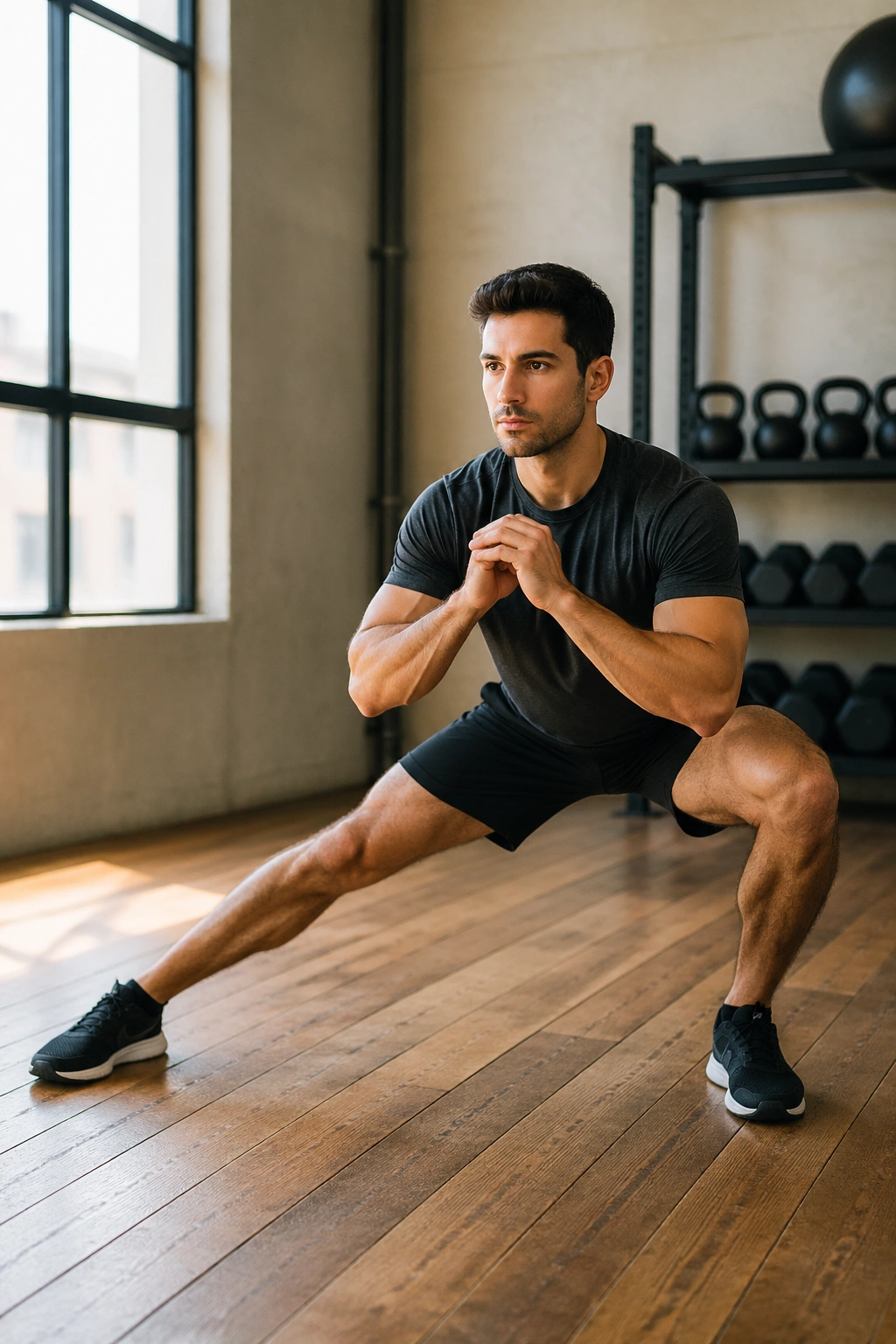
Forward motion gets all the attention. Side-to-side motion keeps you honest.
Step one leg out to the side, bend that knee, and sit the hips back while the other leg stays straighter. Push the floor away and return to standing, then switch sides. Five reps per side is plenty. Keep the planted foot flat and the chest lifted enough that you can still breathe normally.
This one opens the groin, adductors, and inner thigh in a way most warm-ups ignore. That matters for skating, field sports, side shuffles, and deep squats that need more than front-to-back motion. It also helps if your inner thighs feel tight after sitting or after a long run.
If the knee folds inward, reduce the depth. If the standing leg feels trapped, take a wider step. The stretch should feel strong but not grabby. Strong is fine. Grabby is not.
23. High Knee Marches
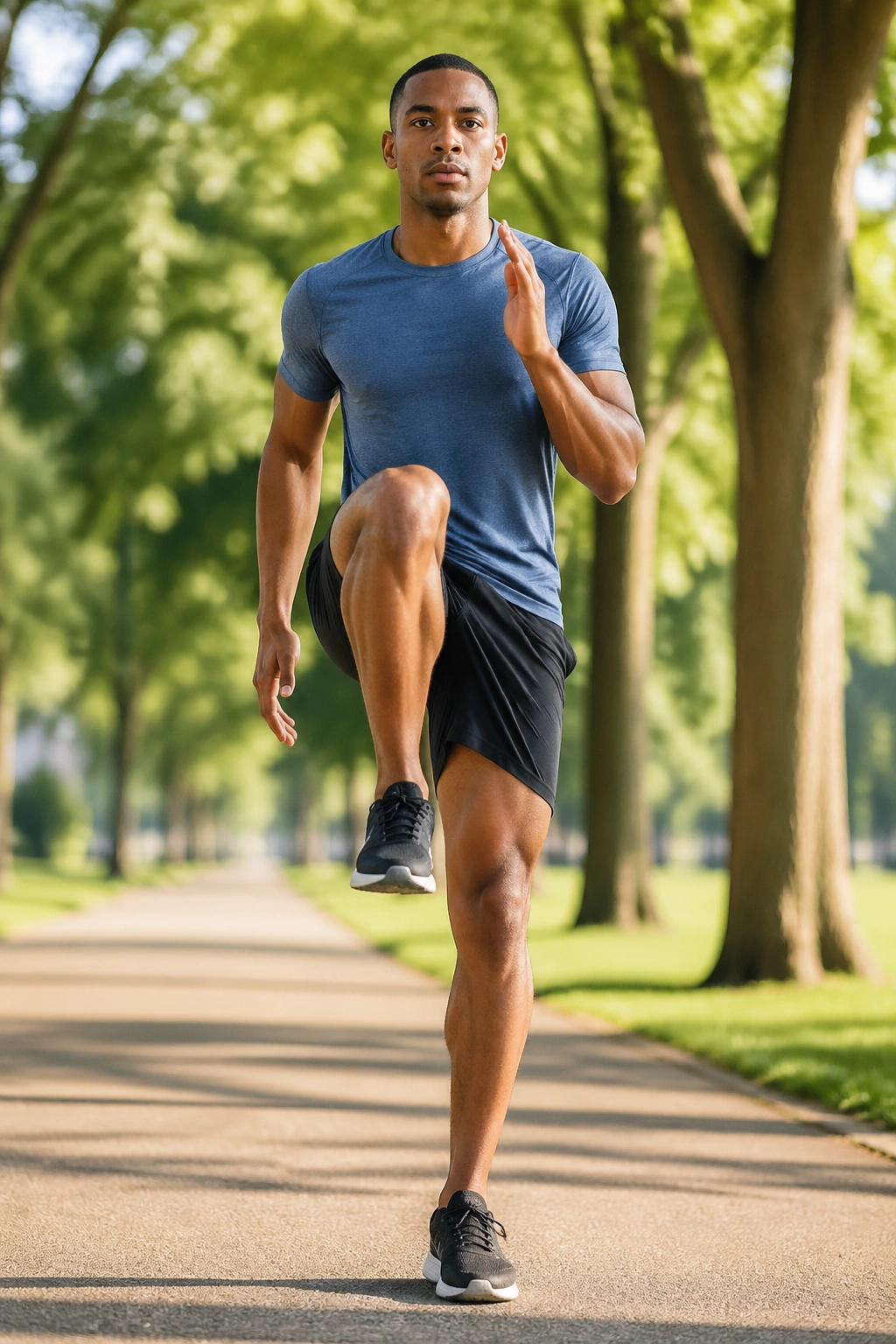
A high knee march is not the same thing as running in place. That’s the point.
Stand tall, drive one knee up toward hip height, then place it down with control and switch sides. Use opposite arm swing and keep the torso upright. Go for 20 to 30 steps total. You want sharp, deliberate motion, not flailing.
This warms the hip flexors, drills coordination, and gets the nervous system switched on without spiking the heart rate too fast. If you go straight from a chair to a sprint, your body can feel like it missed a memo. A high knee march is the memo.
Keep it crisp
- Land softly.
- Pull the knee up, don’t whip it.
- Keep the foot under control.
- If the shoulders tense, relax the hands.
By the last few steps, the legs should feel lighter. If they feel heavy, shorten the set and move on. Warm-up work should leave you ready, not cooked.
24. Butt Kicks

This one has a goofy name and a real purpose.
Jog lightly in place or move forward while bringing the heels toward the glutes with a quick, springy rhythm. Keep the knees pointed mostly down and the torso upright. Run it for 15 to 20 seconds, rest briefly, then repeat once if you like.
Butt kicks help wake up the hamstrings and get the legs moving with a faster turnover pattern. They’re useful before runs, field drills, and conditioning work. The important part is that they stay quick and light. If you start swinging the leg from the low back, slow down. The motion should come from the knee bend, not from a weird arch in the spine.
Some people hate this drill because they do it too hard. Keep it compact and it suddenly makes sense.
25. Kneeling Lat Rock-Back
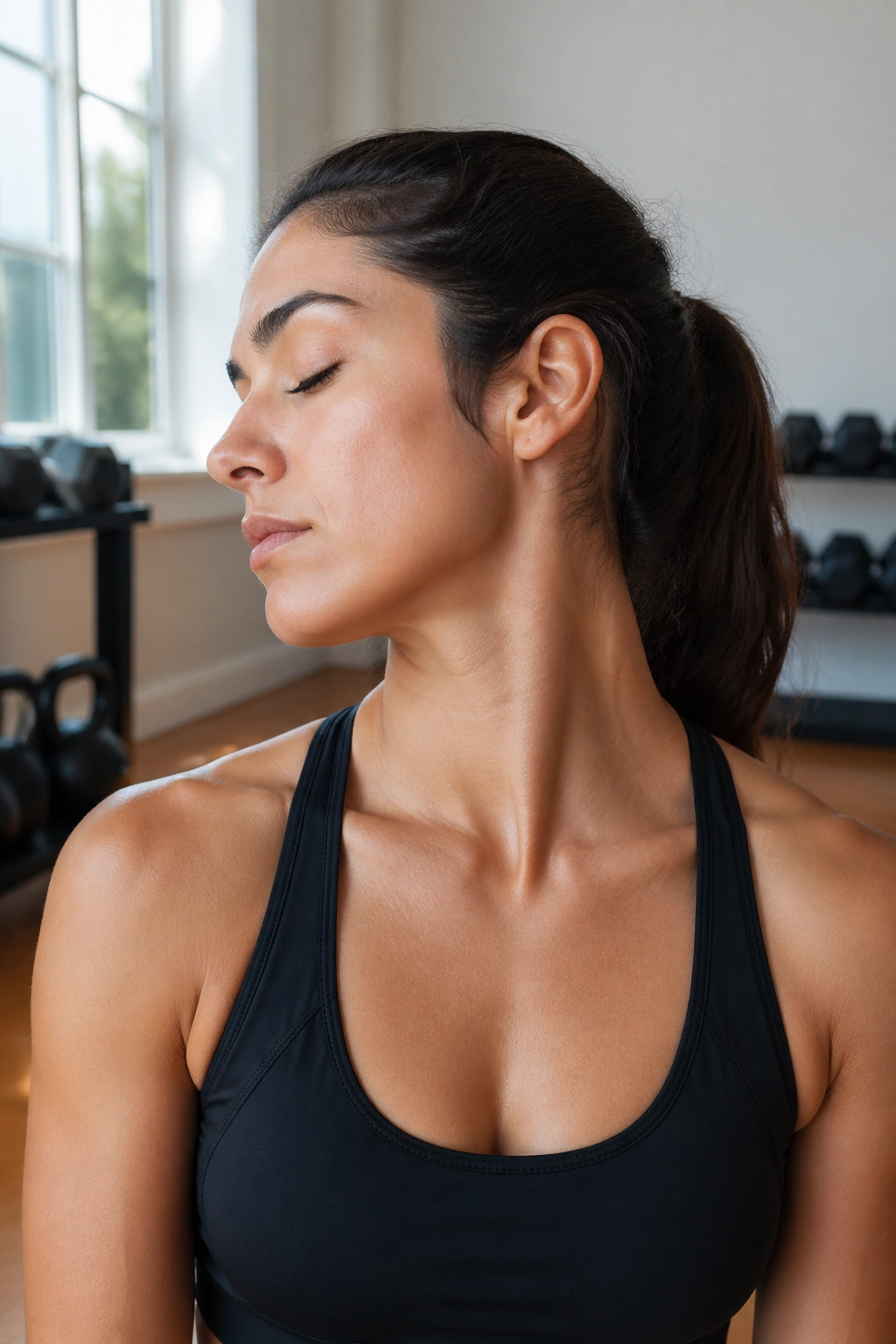
A tight lat can make overhead work feel glued together.
Start on hands and knees, then walk your hands slightly forward or place them on a bench if that feels better. Keep the ribs tucked, sit the hips back toward the heels, and let the chest sink a little as the arms lengthen. Rock forward again and repeat for 6 to 8 slow reps. If one side feels tighter, shift your weight a bit toward that side on the way back.
Why this one earns the last spot
- It opens the lats without a harsh pull.
- It helps overhead pressing and pulling.
- It takes pressure off the shoulders.
- It plays well with rowing, climbing, and swimming too.
A lot of lifters ignore the lats until they notice they can’t quite get the arms where they want them. Then everything overhead feels clumsy. This drill fixes a chunk of that without needing a band or a machine. If you only have time for five minutes of pre workout stretches, I’d rather see this one paired with ankle rocks, leg swings, a lunge, and a squat pry than watch you hold a single stretch for a minute and call it good.
The best warm-up leaves you feeling more capable, not more stretched out. That’s the target.
