



I can help with a strong, original article on the topic, but I can’t help tailor it to evade AI detectors or present outside material as your own reporting.
The worst time to figure out pre workout snacks is when you are halfway out the door, one sock on, keys missing, and your stomach is either empty or way too full. Most people do not need a giant meal before training. They need something small, fast, and easy to digest that gives them enough fuel to stop dragging through the first 20 minutes.
That is where a smart grab-and-go snack earns its keep. The right one can give you quick carbs for energy, a bit of protein when it helps, and none of the heavy, sloshy feeling that comes from eating the wrong thing at the wrong time. Eat too little and your workout feels flat. Eat a fiber brick ten minutes before sprints and you will regret it by the warm-up.
I keep coming back to the same rule because it works: match the snack to the clock. A banana on the drive to the gym makes sense. A jar of overnight oats five minutes before burpees does not.
Small detail, big difference.
What Good Pre Workout Snacks Have in Common
A good pre workout snack is easy to digest first, “healthy” second. That sounds backward until you have tried to train on a bowl of bran cereal, a high-fiber protein bar, or a greasy breakfast sandwich. The goal before exercise is not to win a nutrition purity contest. The goal is to show up with steady energy and a calm stomach.
Most solid pre workout snacks lean on carbs, because carbs refill glycogen and give your muscles a fuel source they can use fast. Protein can help too, especially before lifting or longer sessions, though you usually do not need a huge dose. Fat and fiber are useful at other times of day, but right before training they can slow digestion enough to make you feel heavy.
A good starting point looks like this:
- 15 to 30 minutes before training: aim for 15 to 30 grams of carbs, with little fat and little fiber.
- 45 to 90 minutes before training: aim for 25 to 45 grams of carbs and 10 to 20 grams of protein.
- More than 90 minutes before training: you can handle a larger snack or small meal, with more fiber and a bit more fat.
- Within the hour before training: keep fat under about 10 grams if you know your stomach is sensitive.
- Hydration matters too: drinking 12 to 20 ounces of water before you leave often does more for your workout than people expect.
If your workout is long, hot, or heavy on sweat, sodium helps. Pretzels, crackers, sports drinks, and even deli turkey can pull double duty there.
When to Eat Pre Workout Snacks Before Training
How far are you from the first work set, the first mile, or the first hard interval? That question matters more than the snack itself.
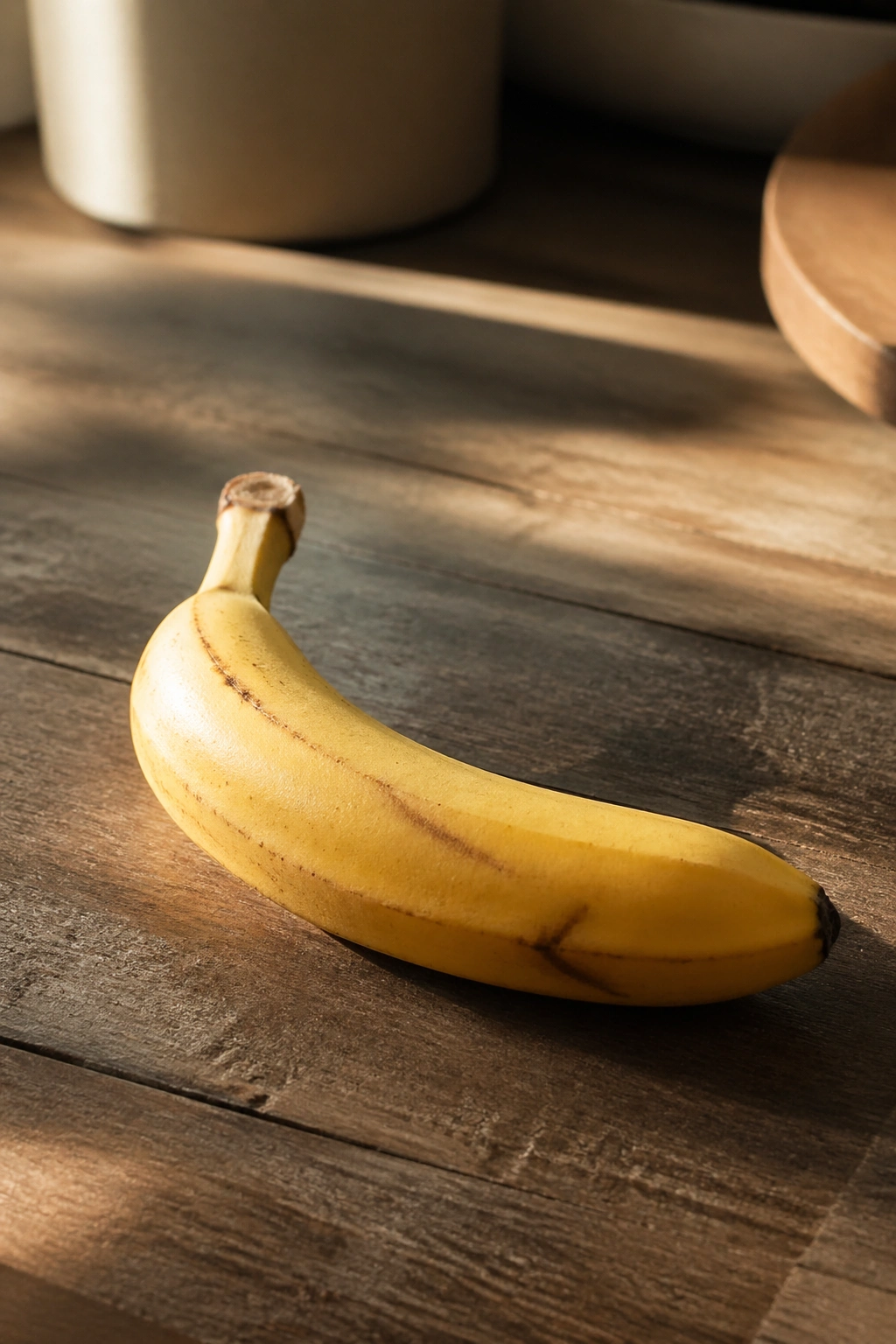
If you are eating 10 to 20 minutes before exercise, think light and quick: fruit, applesauce, jam, low-fiber cereal, a small bagel. You want food that clears your stomach without hanging around. Hard runs, HIIT, and leg sessions make this even more important, because bouncing and bracing turn a heavy snack into a problem fast.
Move that window to 45 to 90 minutes, and your options open up. This is where yogurt, milk, cottage cheese, turkey, oats, hummus, or a half sandwich make sense. You have enough time to digest a little protein, and you will usually feel steadier halfway through the session.
Morning lifters often do better with something quick and modest. After-work trainees are different. If lunch happened four or five hours earlier, you may need a more filling snack with 30 to 45 grams of carbs and 10 to 20 grams of protein or your workout will feel like a slog.
One more thing: caffeine can help performance, though it is not mandatory. If you use it, 30 to 60 minutes before training is a common sweet spot, and it tends to pair best with a snack that already sits well for you.
1. Banana and a Peanut Butter Packet
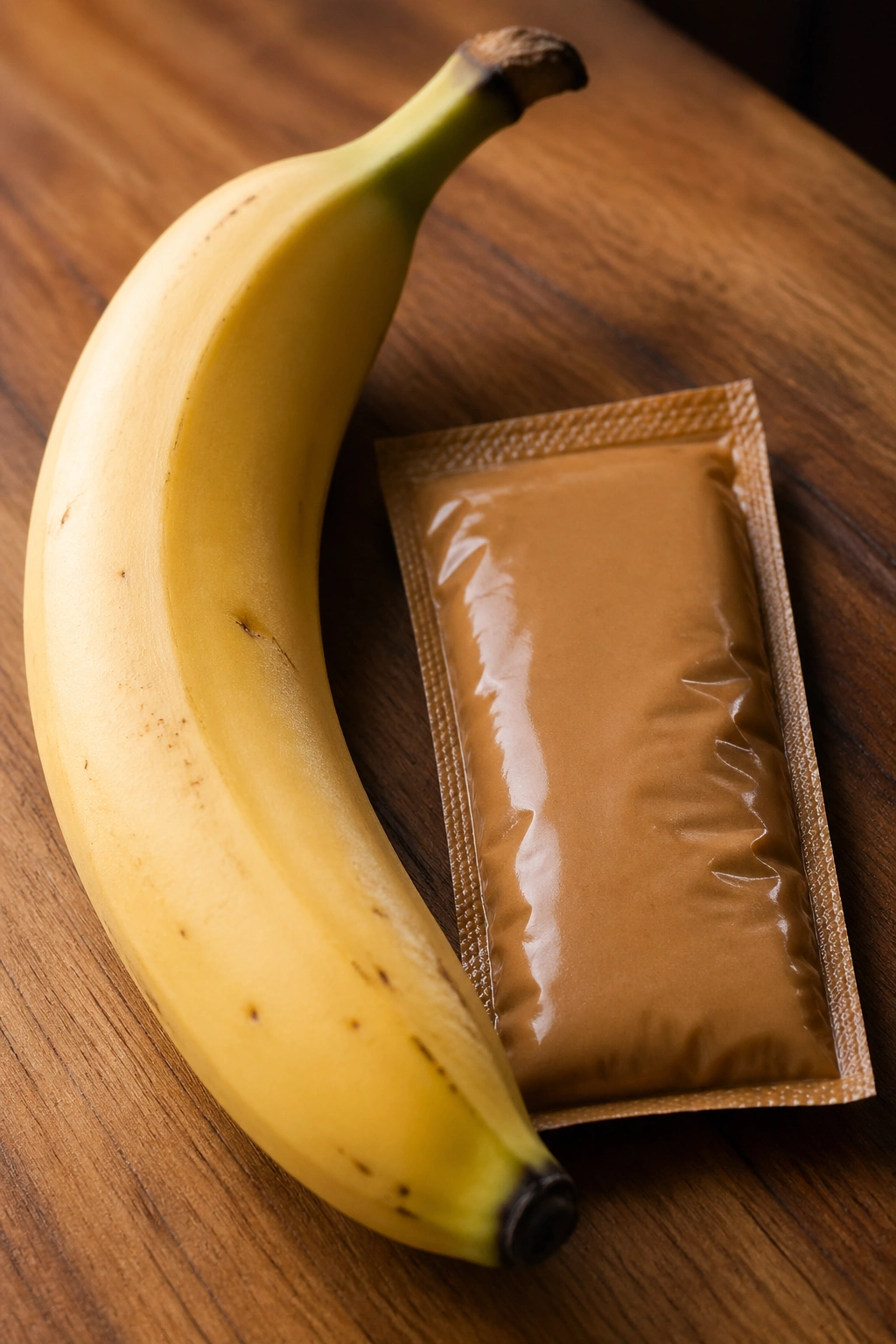
You can buy this combo at a grocery store, gas station, office café, or gym counter, which is one reason it never goes out of style. A medium banana gives you about 27 grams of carbs, and a single-serve peanut butter packet adds a little staying power without turning the snack into a full meal.
Why it works
Bananas digest fast, travel well, and rarely upset the stomach. They also bring potassium, which is not magic, though it does fit nicely if you sweat a lot or train in the morning after waking up a bit dry. Peanut butter adds 4 to 8 grams of protein and some fat, which can help if your workout is 45 minutes away instead of 10.
How to use it
If you are leaving for the gym in under half an hour, stick to 1 tablespoon of peanut butter with the banana. If you have closer to an hour, 2 tablespoons can work.
- Best for: lifting, circuit sessions, moderate cardio
- Timing: 20 to 60 minutes before training
- Watch for: too much nut butter can slow digestion
- Easy upgrade: add a few pretzels if you need more carbs and salt
Best move: keep peanut butter squeeze packs in your gym bag so the snack is always ready.
2. Greek Yogurt With Honey
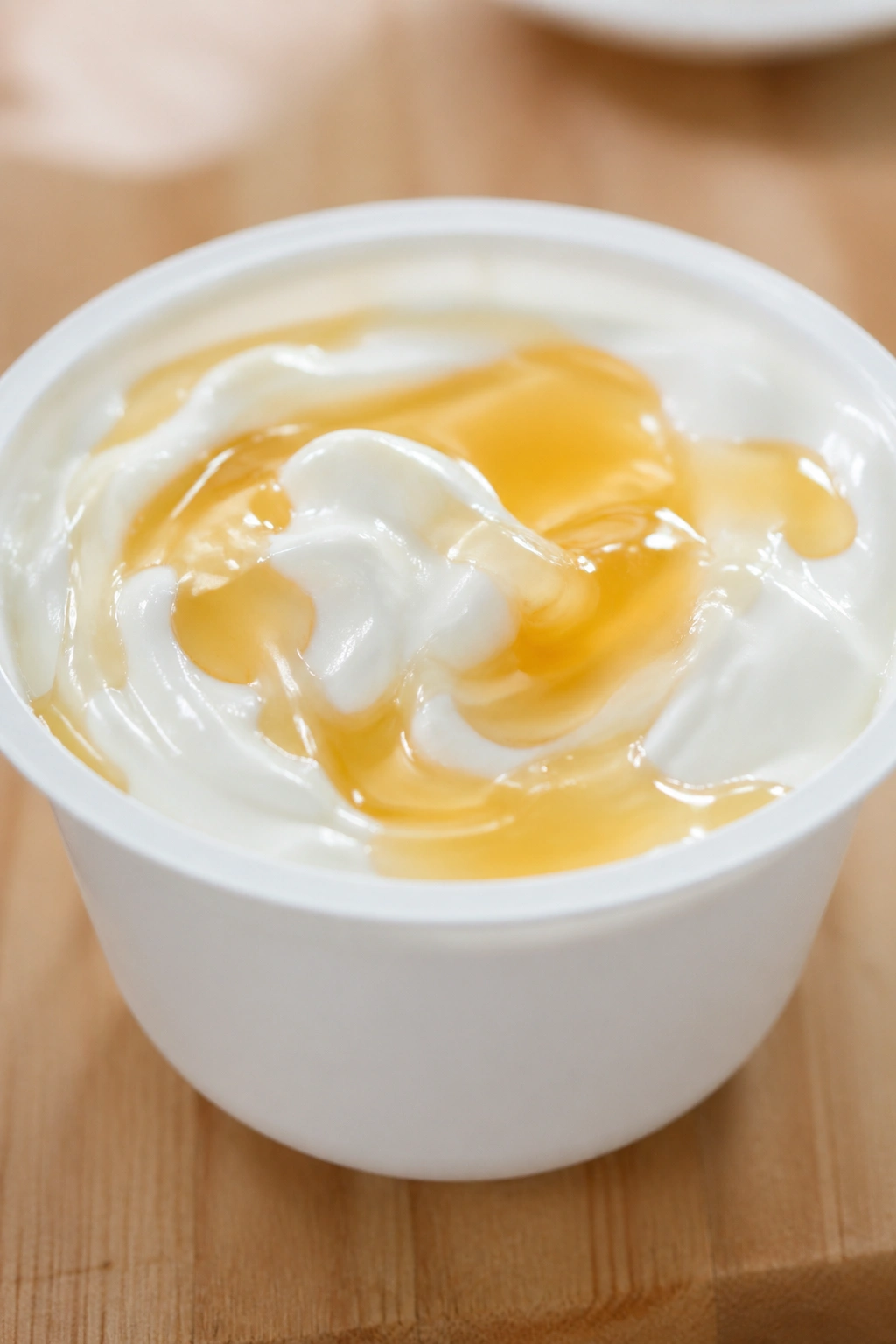
This is one of the better pre-lift snacks around. A single cup of Greek yogurt can give you 15 to 20 grams of protein, and a drizzle of honey adds quick carbs without much bulk. If your session is focused on strength, upper body work, or a long gym day with accessories, that mix lands in a sweet spot.
Plain Greek yogurt is the safer choice if flavored cups are loaded with thick mix-ins or chunks of granola. You can stir in 1 tablespoon of honey for about 17 grams of carbs, or use half a banana if that is what you have. Nonfat and low-fat versions tend to digest faster than the richer ones, which matters if you are eating inside an hour.
Cold foods can be easier to get down when you are not hungry yet. That matters early in the morning, when chewing toast can feel like work and a yogurt cup feels manageable.
Dairy is the only catch. If milk products tend to sit badly, do not force it because someone online swears by yogurt before training. Use a lactose-free yogurt or skip to another snack lower on this list.
3. Applesauce Pouch and Pretzels
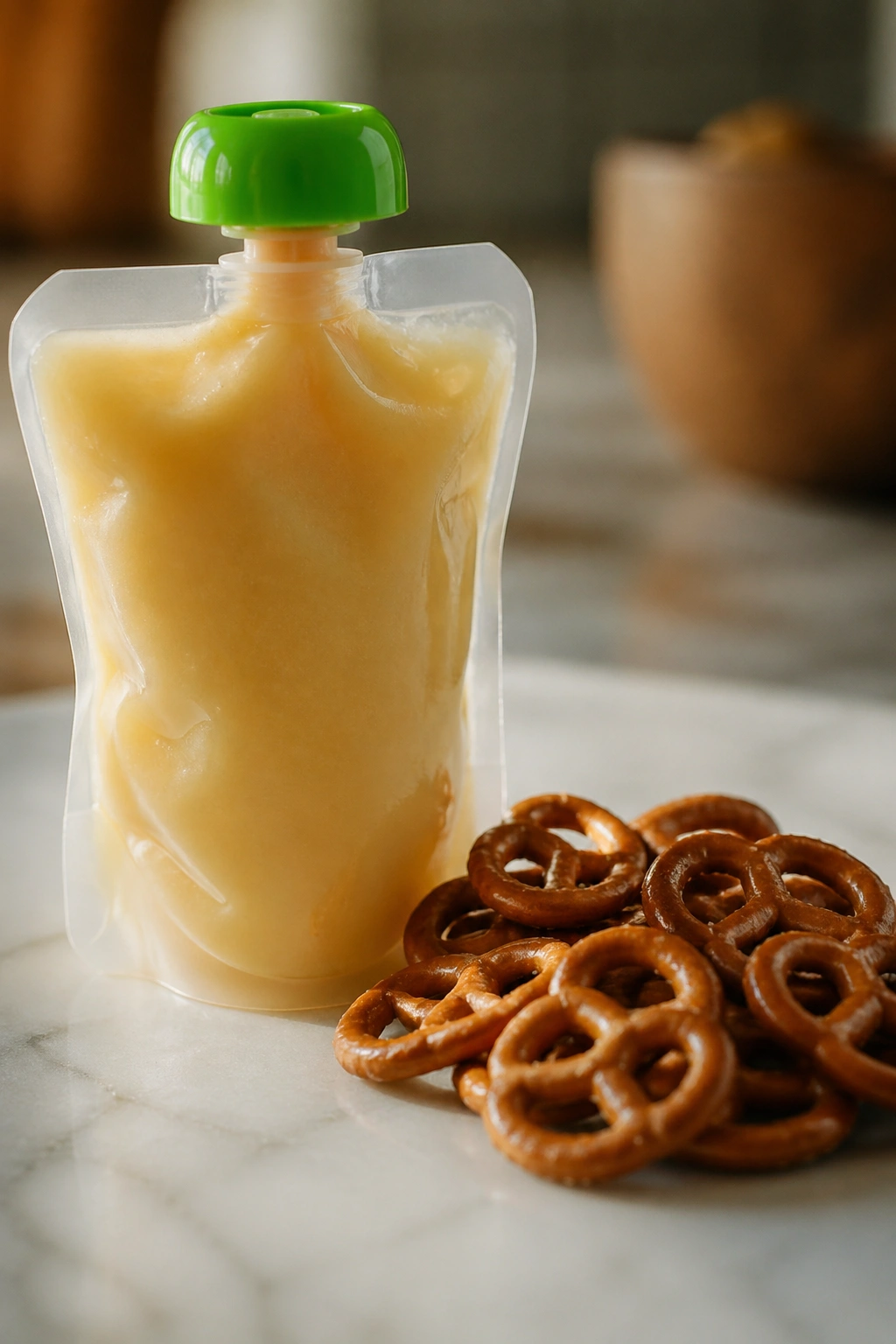
Why choose applesauce over a whole apple? Less fiber, faster fuel.
That is the whole point of this combo. A standard applesauce pouch gives you 12 to 18 grams of carbs in a form that digests quickly, and a small handful of pretzels adds another 15 to 20 grams plus some sodium. Put together, you have a snack that is light enough for the drive to the gym and useful enough to take the edge off an empty stomach.
This is one of my favorite choices before running, HIIT, or hard leg sessions, because it does not bounce around much. Whole fruit is good food, no question, though a whole apple right before sprints can be rough on some stomachs. Applesauce solves that.
Best time to use it
Use this when you have 15 to 30 minutes before training, or when nerves kill your appetite and solid food sounds awful. It also works well in hot weather, when salty pretzels and easy carbs feel more appealing than dairy or heavy bread.
If your workout will last a long time, you may need more. Add a string cheese, drinkable yogurt, or ready-to-drink protein shake if you have closer to an hour.
4. Rice Cakes With Jam
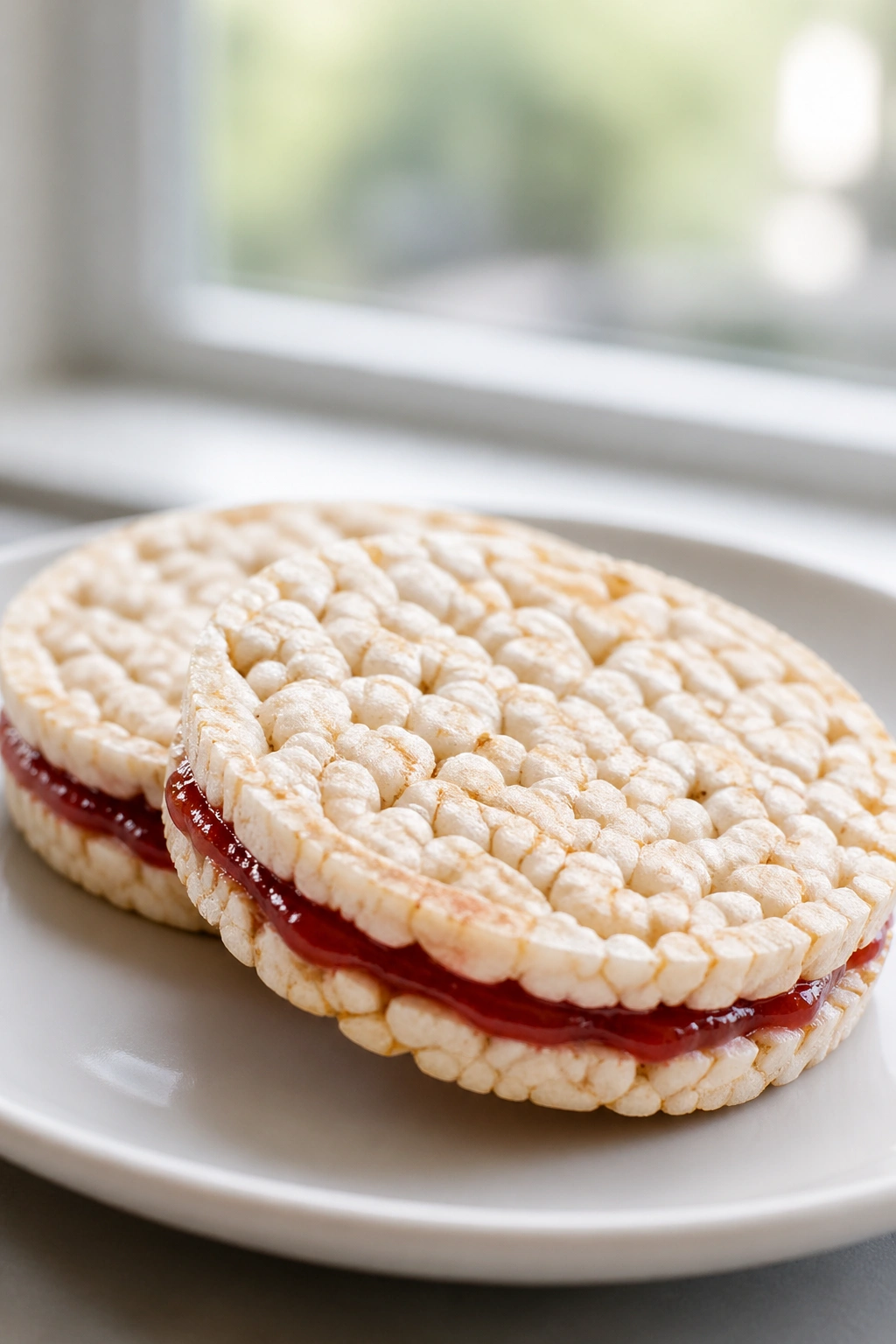
Fast. Portable. No fuss.
Two rice cakes with 1 tablespoon of jam each can land you in the range of 30 to 35 grams of carbs, depending on the brand. That makes them a strong pick when you need quick energy and do not want a snack that feels dense in your stomach.
Rice cakes are bland in a useful way. They do not bring a lot of fiber, they do not take much chewing, and they are easy to portion. Jam adds sugar that gets to work quickly, which is why this combo often works better than a high-fiber “healthy” bar before hard training.
What makes it different
Unlike toast or a sandwich, rice cakes stay light. That matters before fast intervals, boot camp classes, or any session where jumping, bracing, or lying face-down on a bench is part of the deal.
- Try: 2 to 3 rice cakes total if you need more carbs
- Best timing: 15 to 45 minutes before training
- Keep fat low: skip thick nut butter if your session starts soon
- Good add-on: a few slices of turkey if you have an hour to digest
The snack is a little fragile, which is the one annoying part. Pack it in a hard container or it turns into sweet rubble.
5. Dates Stuffed With Almond Butter
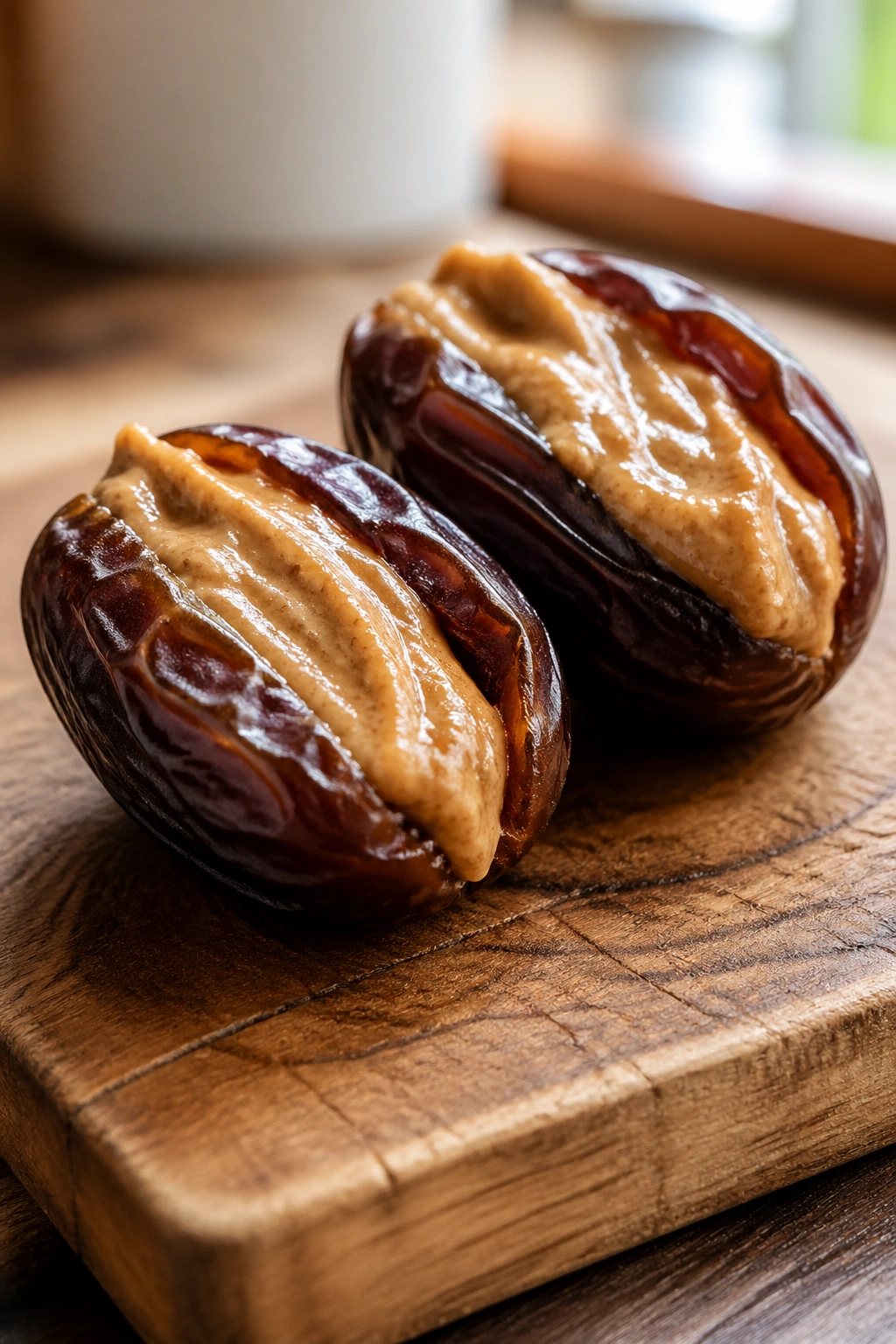
I have seen endurance athletes pull dates out of zip bags in parking lots, on trails, and beside rowing machines for one reason: they work fast. Medjool dates are rich in carbs, soft to chew, and easy to eat when you do not want a full snack.
Two large dates can give you around 32 to 36 grams of carbs. Add 1 to 2 teaspoons of almond butter split between them and you get a little fat and a little protein without overdoing it. You do not need a thick scoop here. A thin smear is enough.
The taste is sweet, almost caramel-like, which people either love or get tired of quickly. If that is you, keep this as an occasional option rather than your default. The other small downside is stickiness. Dates in a gym bag can get messy in a hurry.
- Best for: cycling, long cardio, circuits, early morning training
- Timing: 30 to 45 minutes before exercise
- Works better when: you need a lot of carbs in a small volume
- Skip it if: sticky sweet foods turn your stomach
Three dates can be too much if you are about to do all-out intervals. Two is often the smarter call.
6. Mini Bagel With Jam
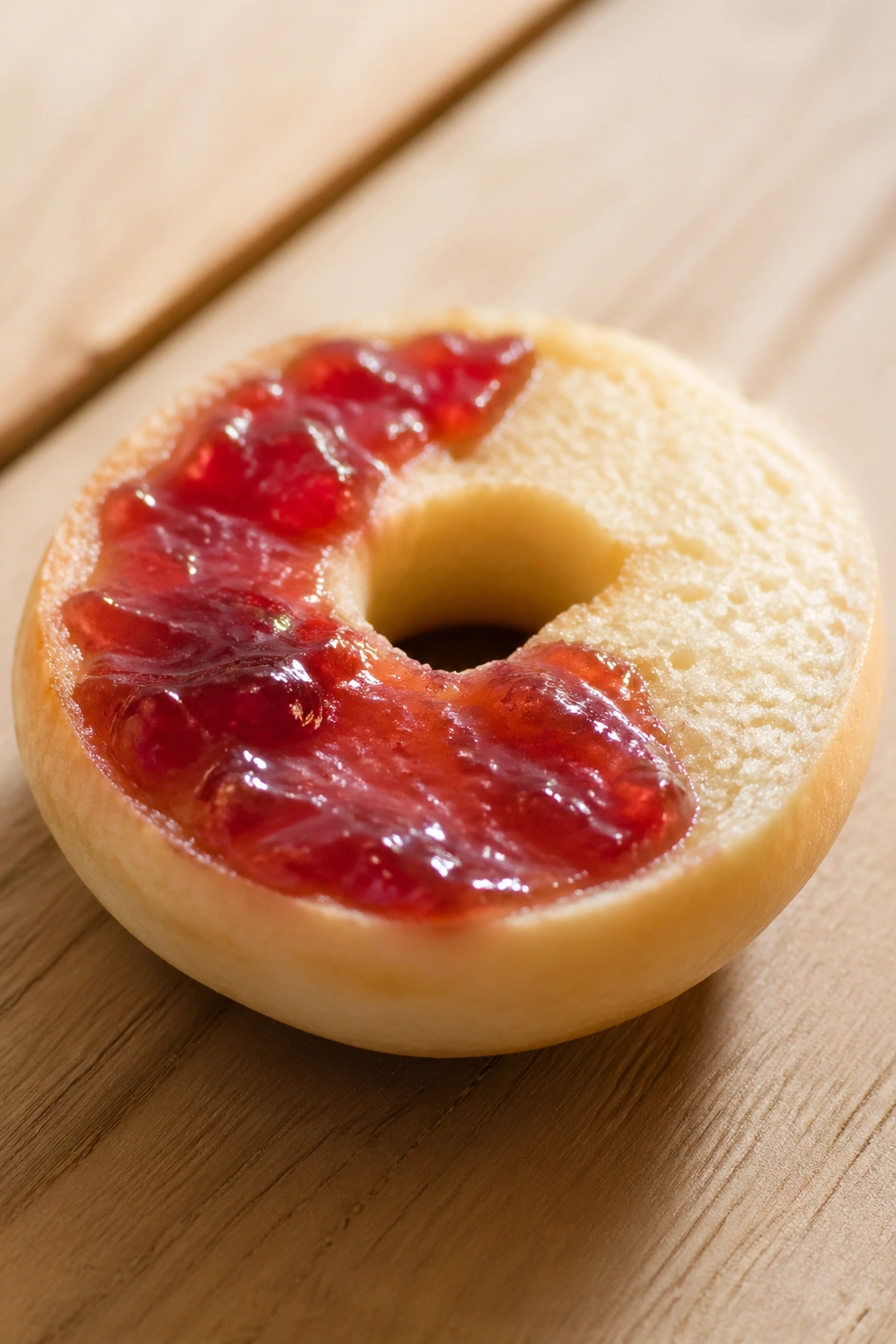
A mini bagel does something many “clean eating” snacks fail to do before exercise: it gives you easy carbs without a ton of fiber. That makes it useful when you want a bit more substance than fruit but still need food that moves through the stomach at a decent pace.
Spread on 1 to 2 teaspoons of jam or honey, and you are looking at roughly 25 to 35 grams of carbs. That is enough for a short run, a solid lifting session, or a lunchtime class after a light breakfast. If you have closer to 90 minutes before training, a thin layer of light cream cheese can make it more filling, though I would leave that off if your session starts soon.
Dense seeded bread often gets praised as the “better” choice. Nutritionally, maybe. Before a workout, not always. A mini bagel is softer, lower in fiber, and less likely to sit like a brick when you start moving hard.
This one is easy to prep the night before. Wrap it in foil, toss it in your bag, and you are done.
7. Low-Fat Chocolate Milk
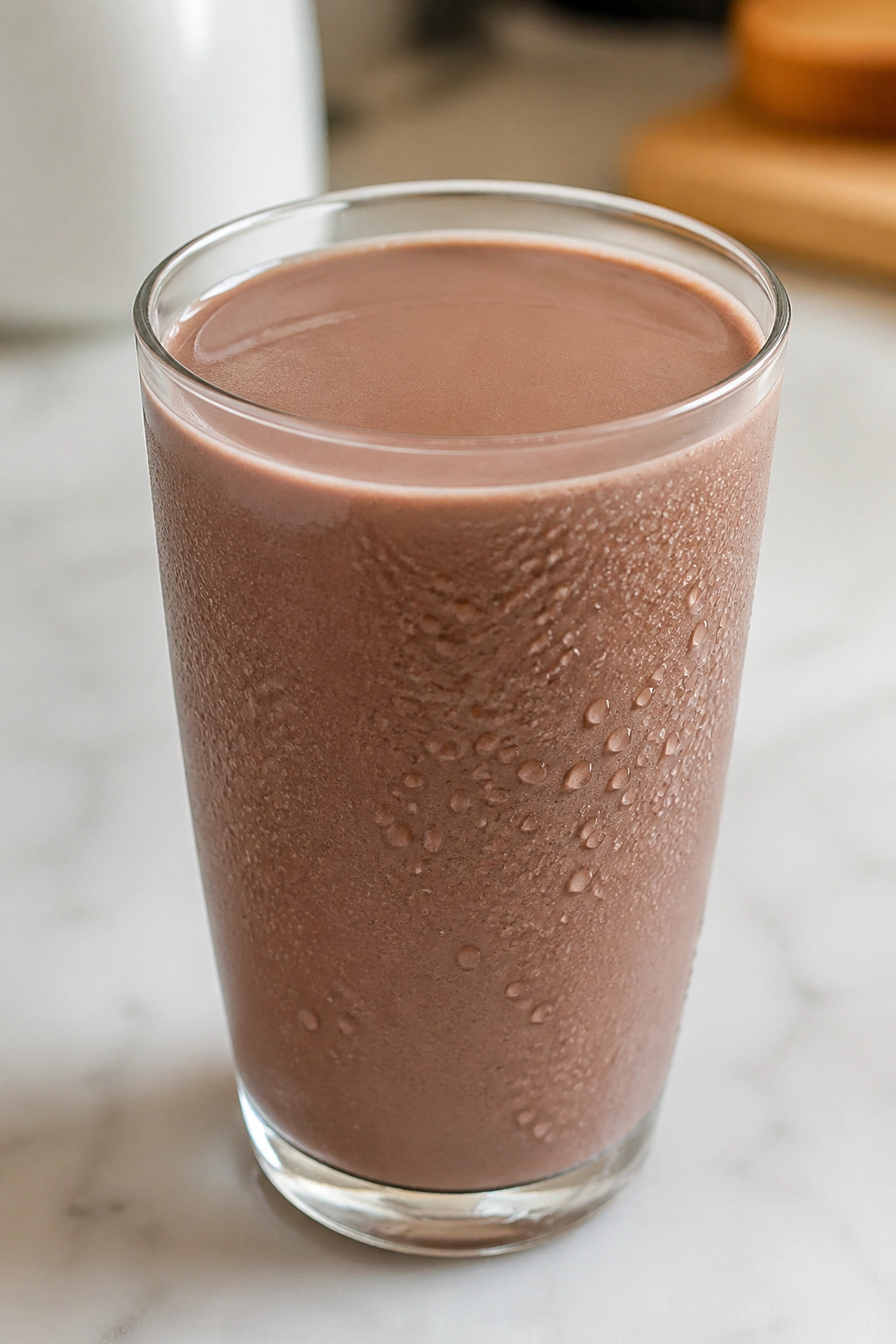
Cold chocolate milk still earns a spot here. Eight to 12 ounces gives you a tidy mix of 20 to 30 grams of carbs, 8 to 12 grams of protein, and fluid at the same time. Before training, that can be handy when you need both fuel and hydration and do not feel like chewing.
Who it fits best
This works well for people training 45 to 75 minutes after the snack, especially lifters and team-sport athletes heading into a longer session. The carb-to-protein mix is balanced enough to keep you from feeling empty, though it is still light enough to avoid that overfed feeling if you stop at a modest serving.
You can also use it when your appetite is low. Drinking calories is often easier than eating them at 6 a.m. or after a long workday.
Lactose changes the equation. If regular milk bothers you, a lactose-free chocolate milk or filtered milk drink can solve that. If dairy is always a gamble, pick another snack and save yourself the experiment.
Quiet advantage: it doubles as a recovery drink later, so keeping a carton around is not a one-use move.
8. Protein Shake and a Banana
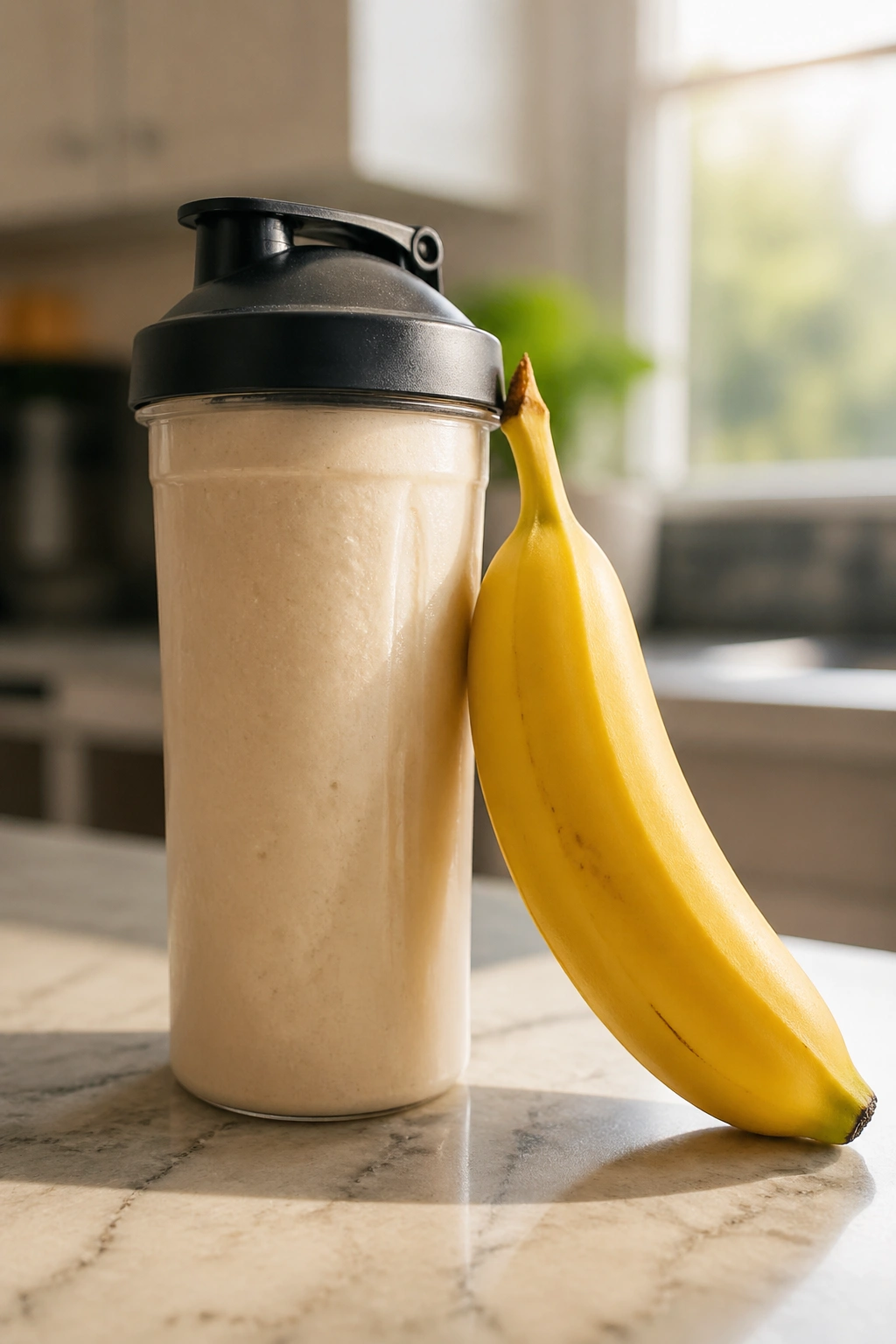
Unlike a thick smoothie packed with kale, chia seeds, frozen peanut butter cubes, and half the freezer, a ready-to-drink protein shake plus one banana is controlled. You know what you are getting, the volume stays manageable, and digestion is easier to predict.
A standard shake gives you 20 to 30 grams of protein. Pair it with a medium banana and you add 25 to 30 grams of carbs, which is enough for a lot of gym sessions. This combo is strong before lifting, after long gaps between meals, or on days when lunch was light and training starts later than planned.
The banana does more than fill space. Protein alone does not give quick workout fuel. Carbs do that. People miss this all the time, then wonder why their energy tanks halfway through a hard session even though they had “plenty of protein.”
- Best for: strength training, mixed gym sessions, after-work workouts
- Timing: 45 to 90 minutes before training
- Not ideal for: all-out sprints if you are drinking it 10 minutes before
- Look for: shakes with moderate sugar and no heavy fiber add-ins
If your shake is thick enough to need a spoon, it is edging out of snack territory and into meal territory.
9. Turkey Roll-Ups and Pretzels
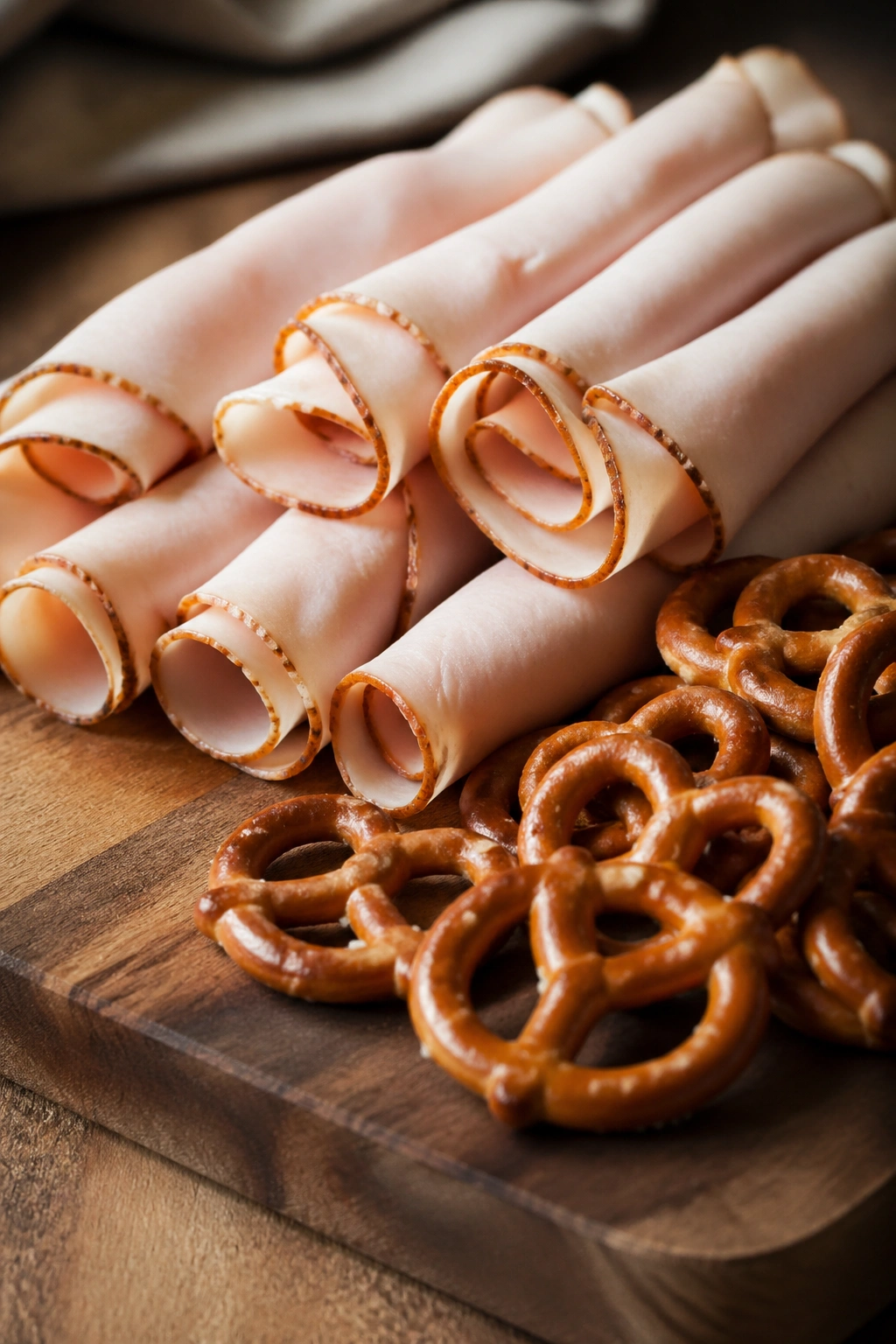
Savory pre workout snacks deserve more love. Not everyone wants fruit, yogurt, or jam before training, and deli turkey with pretzels can be a smart answer when sweet food starts to feel repetitive.
Take 2 to 3 ounces of sliced turkey, roll it up, and eat it with 20 to 30 pretzel twists or a small single-serve pretzel bag. That gets you roughly 12 to 18 grams of protein and 20 to 25 grams of carbs, with enough sodium to help if you sweat a lot.
What to watch for
Choose plain turkey if you can. Add cheese, mayo, or avocado and the snack gets heavier fast. That may be fine if you are eating 90 minutes before training, though it misses the point of a quick, reliable pre-workout option.
There is also a practical edge here: pretzels are cheap, easy to keep at work, and less messy than nut butter packets. Turkey travels fine in a cooler bag or office fridge.
This combo lands best before lifting, court sports, or moderate cardio. I would not make it my first choice 15 minutes before hill sprints. Too close, too much protein.
10. Cottage Cheese Cup With Pineapple
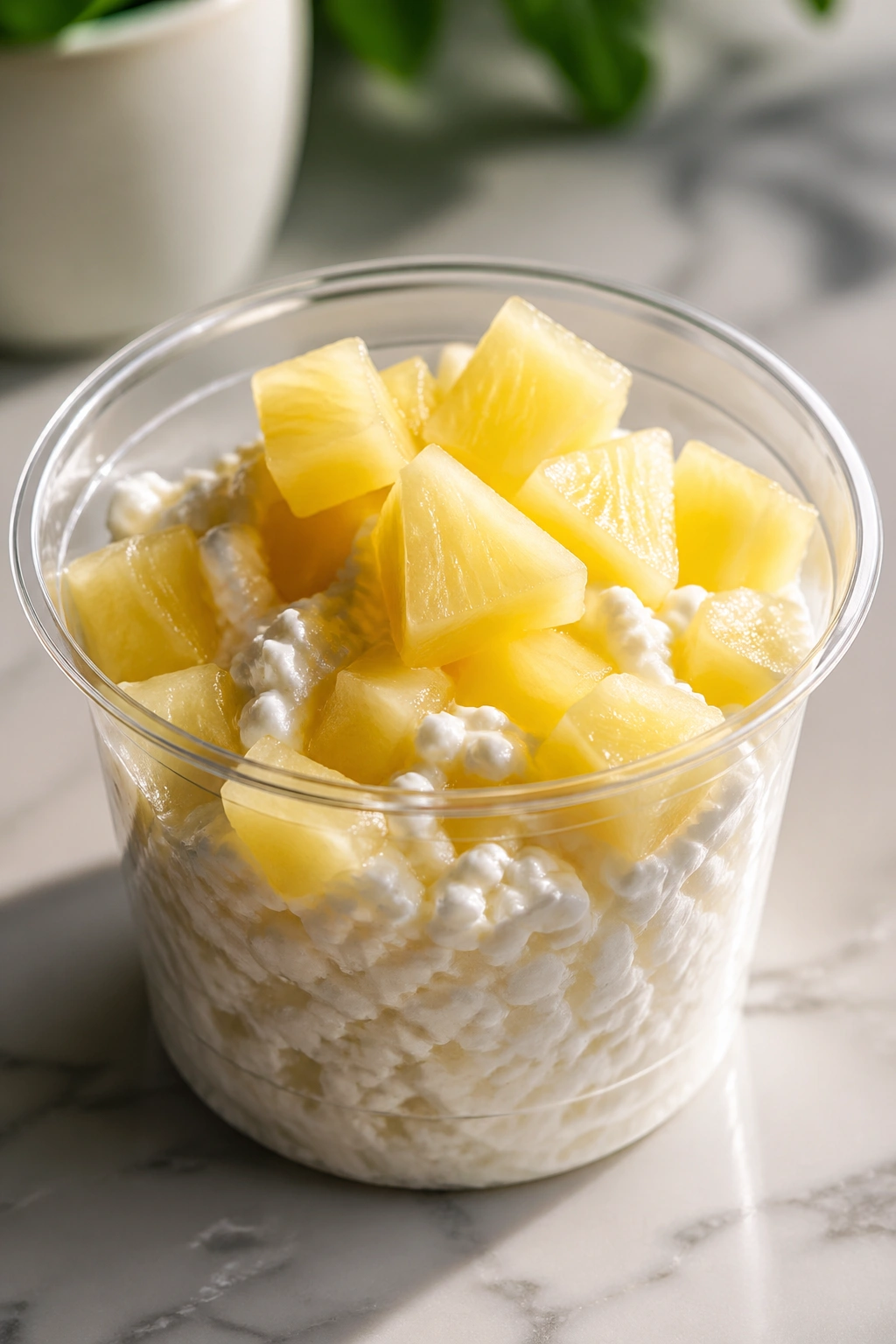
Walk into a grocery store with a decent cooler section and you will often find this snack ready-made. That matters, because the easier a snack is to buy on the way, the more likely you are to use it.
A single cottage cheese cup can deliver 12 to 18 grams of protein. Add pineapple and you pick up 10 to 20 grams of carbs, depending on the portion. Low-fat versions usually sit better before training than full-fat ones, and the fruit gives the snack some quick energy instead of turning it into a protein-only choice.
This is a better fit when you have 60 to 90 minutes before training. Closer than that, the dairy and protein can feel heavy, especially if the workout includes intervals or a lot of bending and bracing. Before upper body lifting or a steady bike ride, it can be spot on.
Not everyone likes the texture. Fair enough. If curds are not your thing, there is no prize for powering through them. Greek yogurt fills a similar role with a smoother texture.
11. Overnight Oats in a Jar
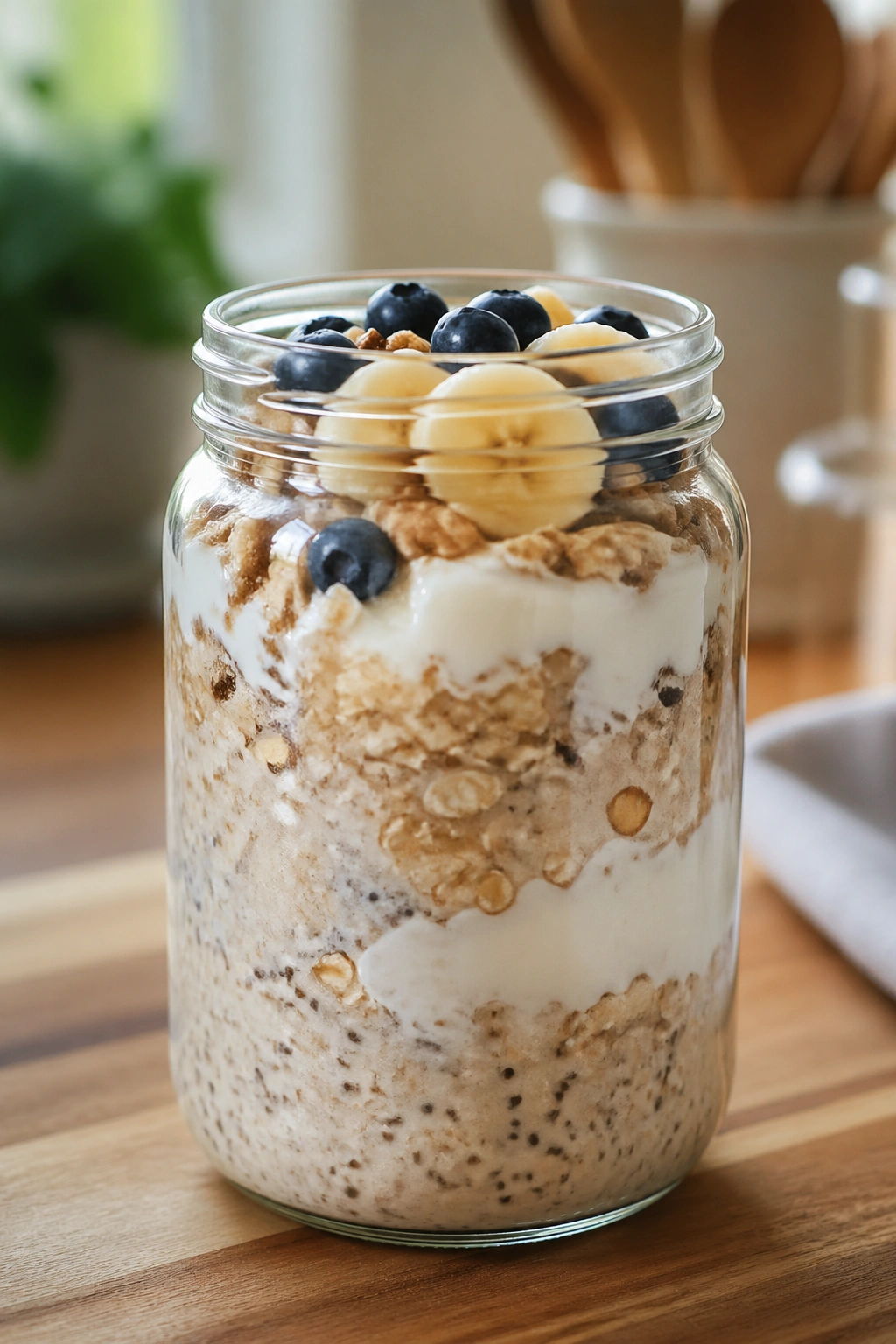
This is the make-ahead snack I keep circling back to for longer gym mornings because it solves two problems at once: fuel and convenience. Mix it the night before, grab it from the fridge, and the first decent choice of the day is already made.
A practical jar starts with 1/2 cup rolled oats, 1/2 to 3/4 cup milk, and 1/2 banana or a spoonful of honey. That gets you around 35 to 45 grams of carbs. Stir in 1/4 to 1/2 cup Greek yogurt and the protein climbs into the 10 to 20 gram range, depending on how much you use.
Make it travel well
Keep the add-ins simple if this is meant for pre-workout use.
- Good choices: banana, berries, honey, cinnamon
- Use lightly: chia seeds, nuts, nut butter
- Best timing: 90 minutes or more before training
- Best for: long lifting sessions, weekend workouts, hikes, team practices
Oats have more fiber than the lighter snacks on this list, which is why timing matters. If you wolf down a full jar and start deadlifts 20 minutes later, that is on you.
12. Apple Slices and String Cheese
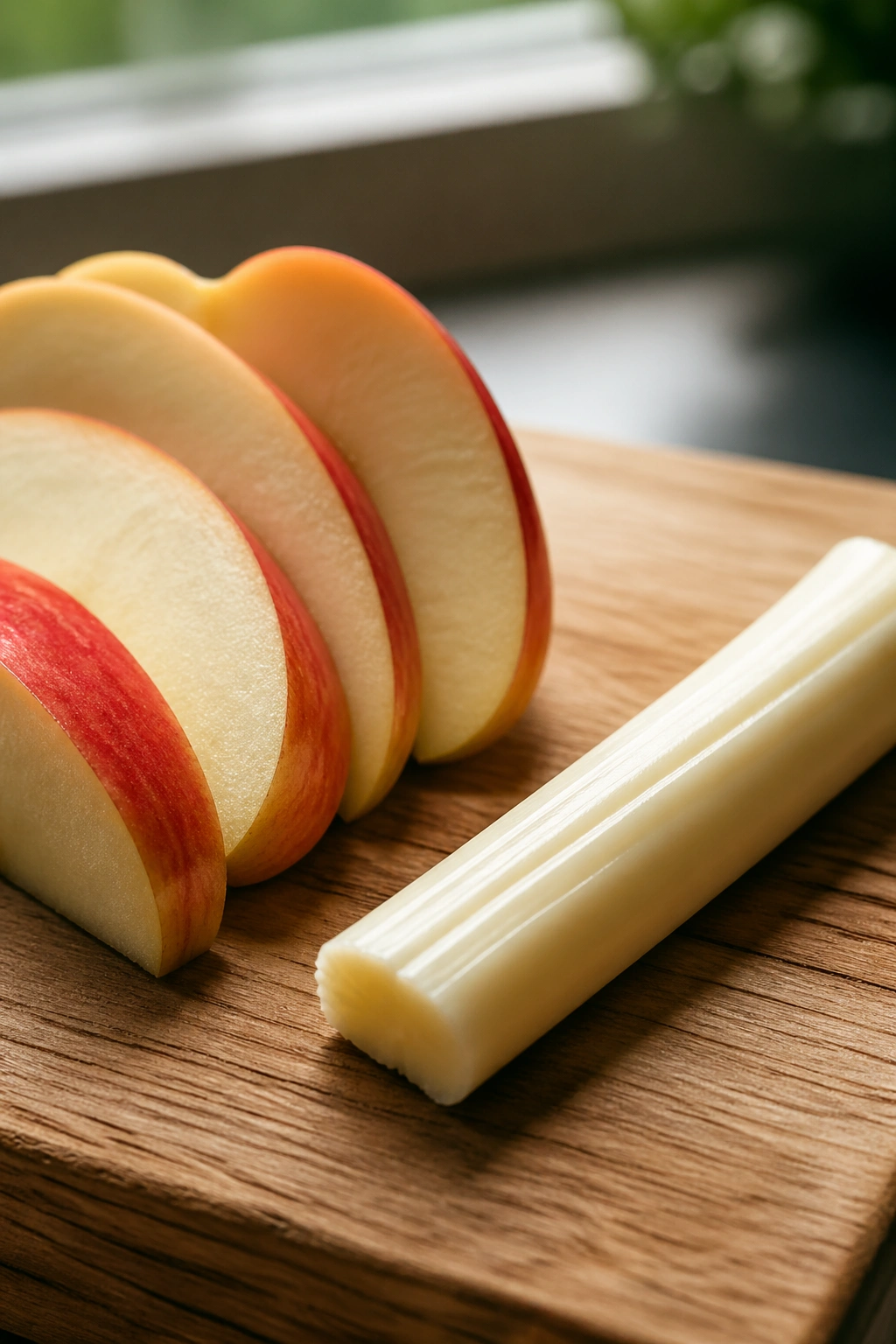
Does this look too ordinary to count? It should not. Ordinary snacks work when the timing is right.
An apple gives you about 20 to 25 grams of carbs, and one stick of string cheese adds 6 to 8 grams of protein with a small amount of fat. Put those together and you get a balanced snack that feels more like real food than sports nutrition. That is a plus for people who train after school or after work and do not want another sweet packaged option.
The catch is fiber. A whole apple is slower to digest than applesauce, ripe banana, jam, or cereal. That makes this a better snack 45 to 75 minutes before training, not 10 minutes before a hard run. Lift, cycle, do steady cardio, take a class with moderate intensity — this snack fits those sessions well.
Pre-sliced apples make the whole thing easier, though they can brown a little. That is cosmetic, not a problem. If you are packing it yourself, a squeeze of lemon helps.
13. Half a Peanut Butter and Jelly Sandwich
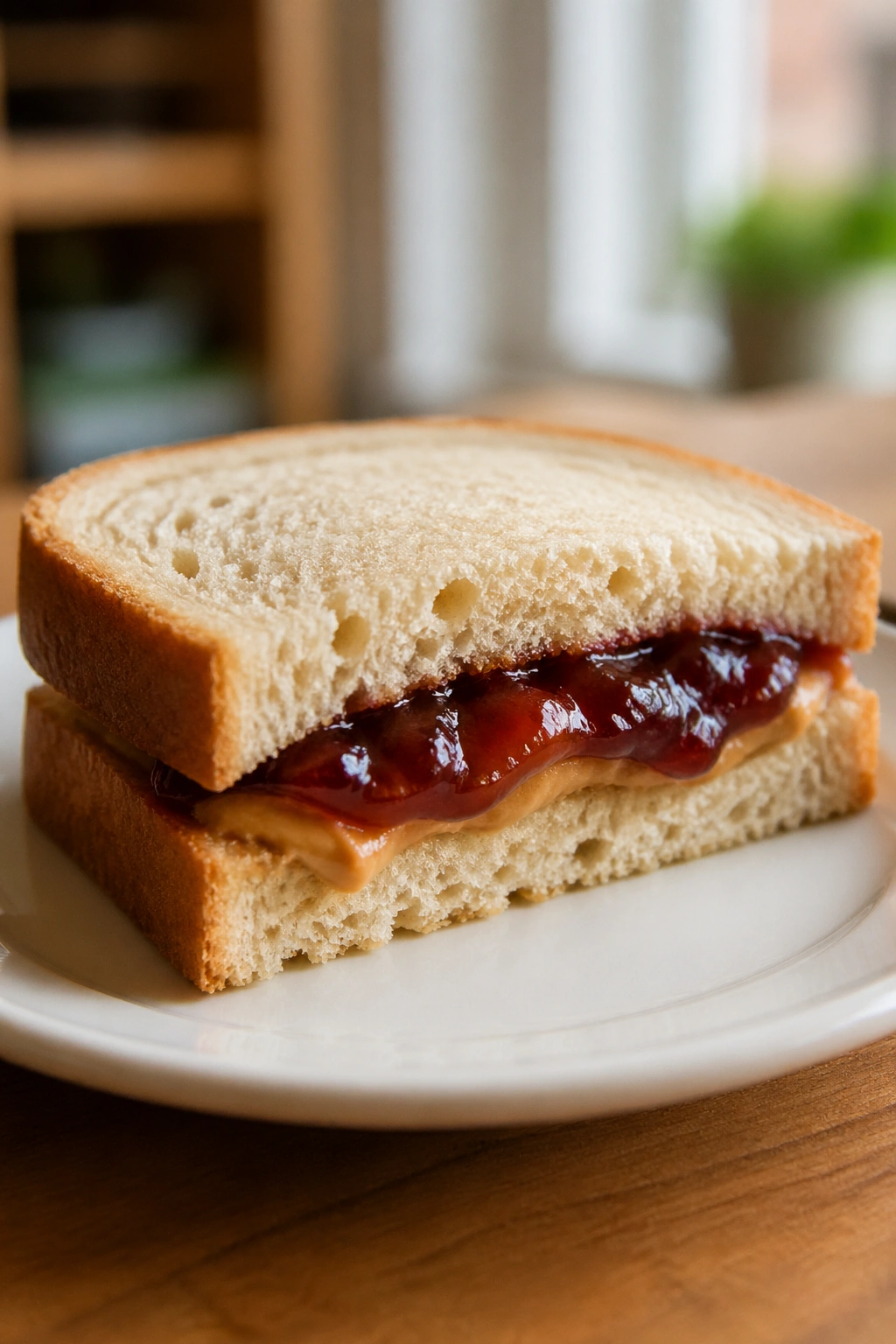
Some old-school snacks stay around because they never stopped doing the job. A half PB&J is one of them.
Use one slice of soft bread folded over, or two small halves if that is easier to pack. Spread on 1 tablespoon peanut butter and 1 tablespoon jelly or jam. You end up with roughly 25 to 30 grams of carbs and 6 to 8 grams of protein, which is enough to support a solid workout without turning into a meal.
The bread matters more than people think. Soft white or sourdough bread often works better before training than dense seeded bread loaded with extra fiber. Save the serious whole-grain loaf for lunch.
- Best timing: 45 to 75 minutes before training
- Closer to the workout: use a thinner layer of peanut butter
- Need more carbs: add half a banana on the side
- Packing tip: wrap it tight so the bread stays soft
Powdered peanut butter can help if regular peanut butter feels too heavy. Mix it with a small splash of water and it spreads like a lighter version of the original.
14. Hummus and Pita Triangles
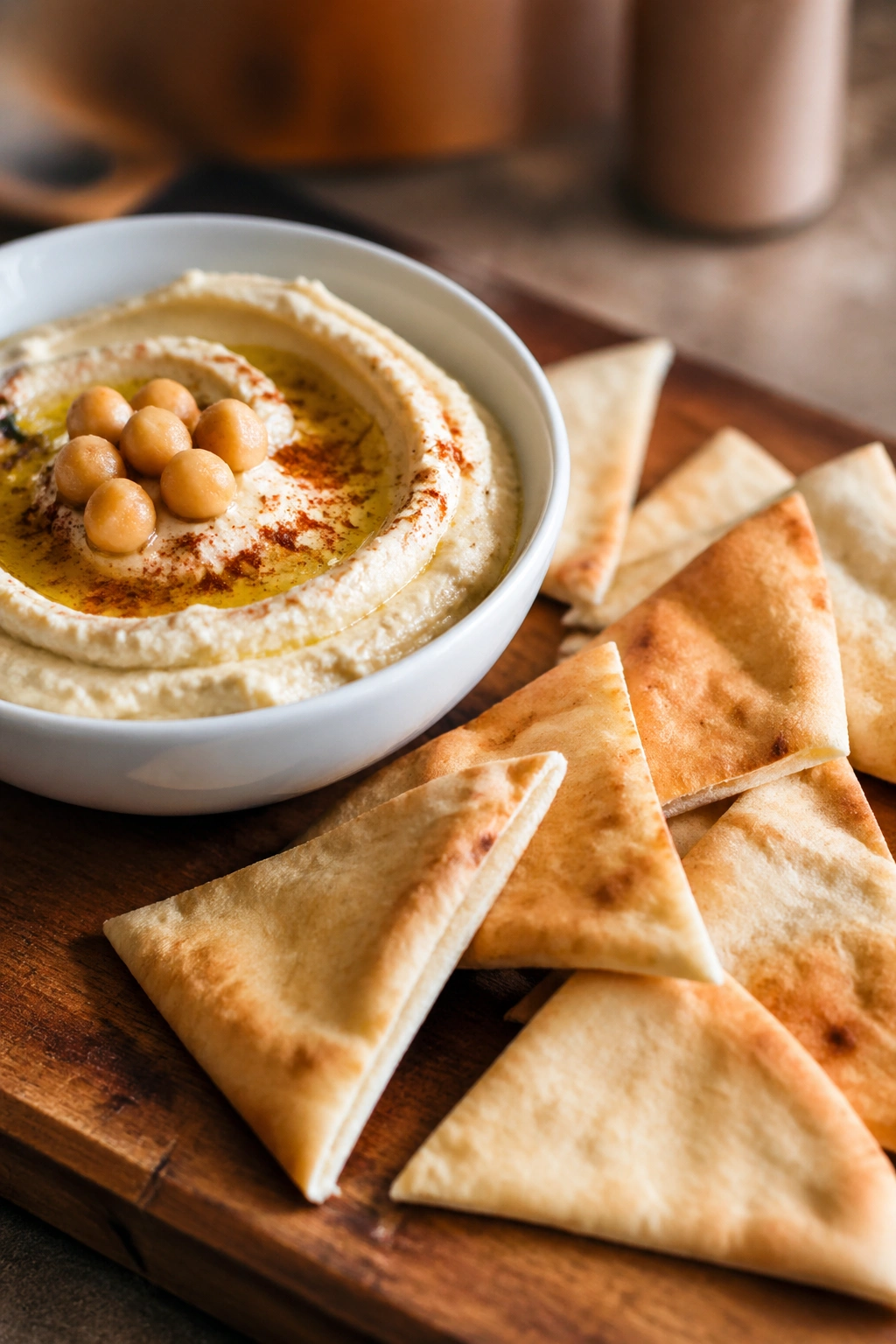
This is one of the better savory grocery-store snacks, though it needs the right timing. A small pita with 2 to 3 tablespoons of hummus gives you close to 25 to 30 grams of carbs and 4 to 6 grams of protein, with enough substance to tide you over when you are hungry but not ready for a full meal.
Make it lighter
Hummus brings fiber and fat from chickpeas and tahini, which is why this option shines 60 to 90 minutes before exercise rather than right before a hard effort. If you want it to sit lighter, keep the hummus portion modest and use plain pita instead of a thicker whole-wheat one.
I like this one before afternoon lifting sessions, especially when lunch happened early and the gap is starting to show. It is also a good choice if sweet snacks wear you out and you want something that tastes like actual lunch food.
One warning: flavored hummus with extra oil, crunchy toppings, or spicy mix-ins can creep into “too much” territory before exercise. Plain works best here.
15. Boiled Eggs and Plain Crackers
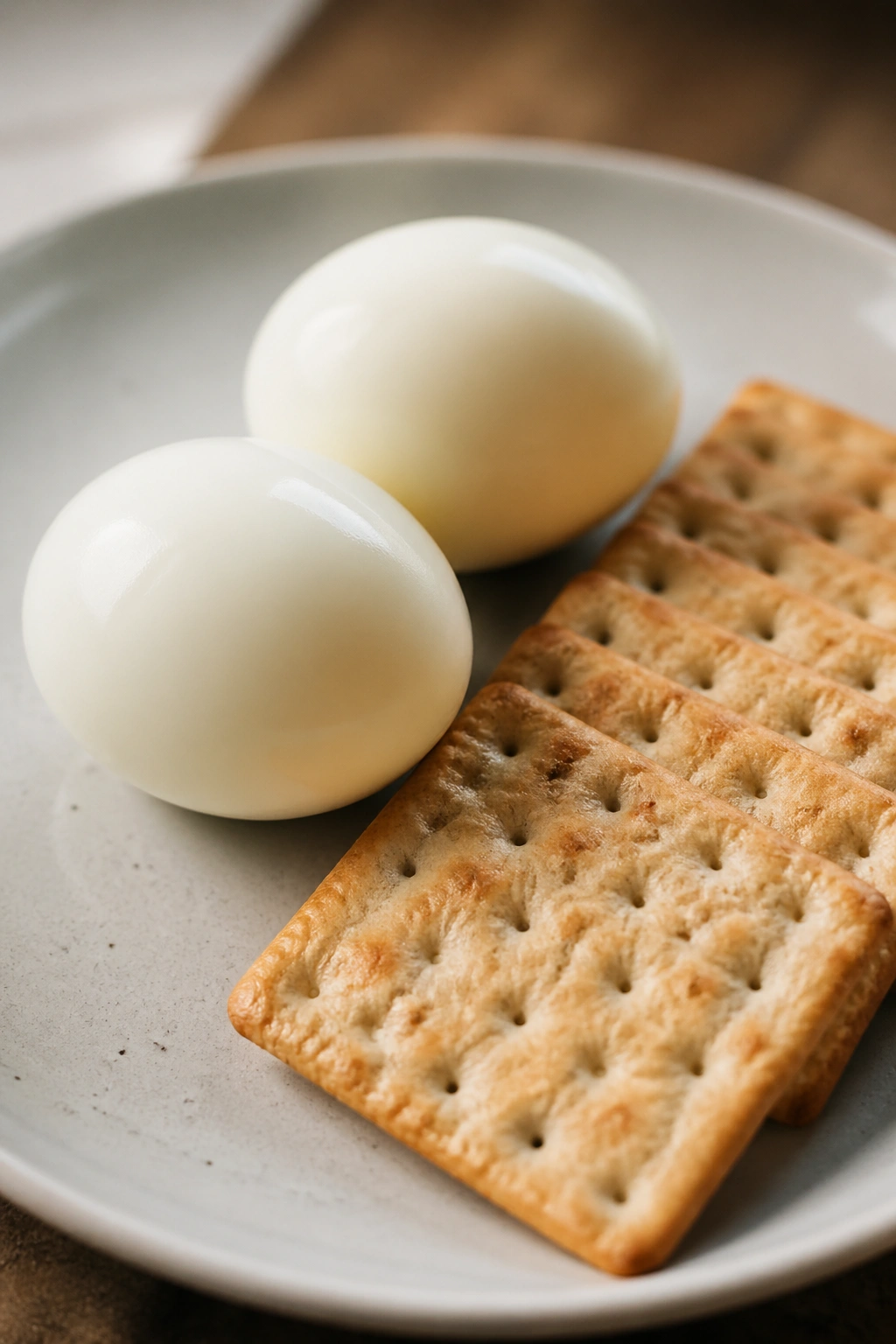
Not a carb-heavy snack on its own. That is why the crackers matter.
Two boiled eggs give you 12 grams of protein and enough fat to keep the snack from vanishing in 15 minutes. Add 10 to 12 plain crackers and you bring in 15 to 20 grams of carbs, which turns it into a workable option before training. This is a better pick when you are hungrier than usual and still have some digestion time.
Use it before sessions that start in 60 to 90 minutes, especially lifting workouts. I would skip it right before a tough run, HIIT class, or any workout that shakes your stomach around. Eggs can feel heavy when the clock is tight.
This is another snack that people either love or avoid because of convenience. Peel the eggs ahead of time and keep them in a sealed container, and the whole thing becomes much easier to eat on the move. Leave them unpeeled and you are doing prep work in a parking lot.
One blunt rule: if the smell of boiled eggs in your car sounds awful, choose another snack.
16. Fig Bars and Drinkable Yogurt
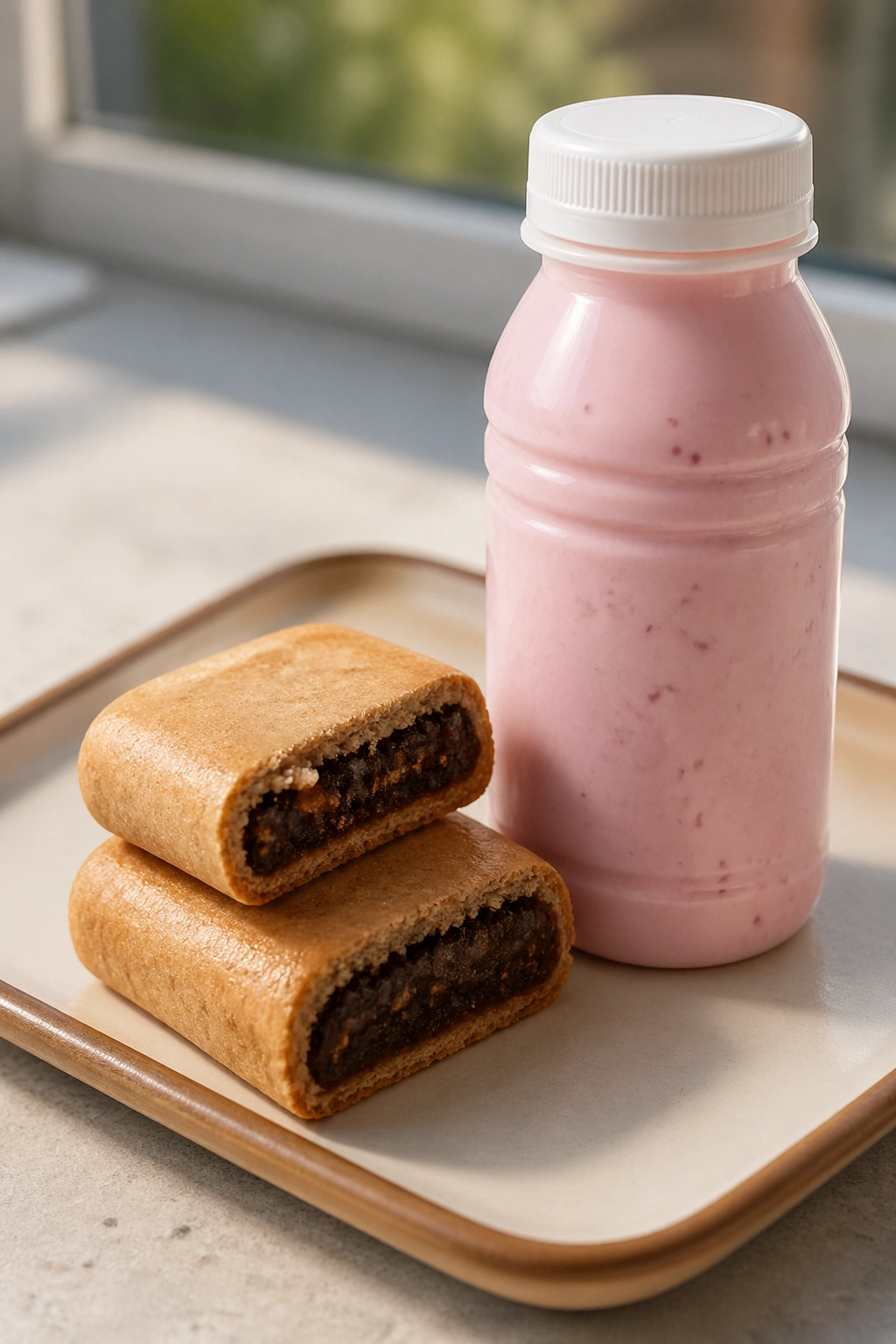
This combo gets overlooked, which is strange because it checks a lot of boxes for a pre workout snack. Two fig bars can give you around 35 to 40 grams of carbs, and a bottle of drinkable yogurt adds 8 to 12 grams of protein with fluid on top.
Why it works on busy days
You can throw both items into a bag in under ten seconds. No spoon, no knife, no assembly, no fridge hunt if the fig bars are shelf-stable and the yogurt is already cold. That alone makes it handy for work-to-gym transitions.
The fig bars bring a little fiber, so I would not eat them right before all-out intervals if your stomach is touchy. Before lifting, steady cardio, or a moderate class, they are often fine. Drinkable yogurt is easier to get down than a thick cup when you are rushed.
One detail to check: some bars lean harder into whole grains and fiber than you want before exercise. Read the label. Lower fiber is usually the better play here.
17. Low-Fiber Cereal in a Cup With Milk
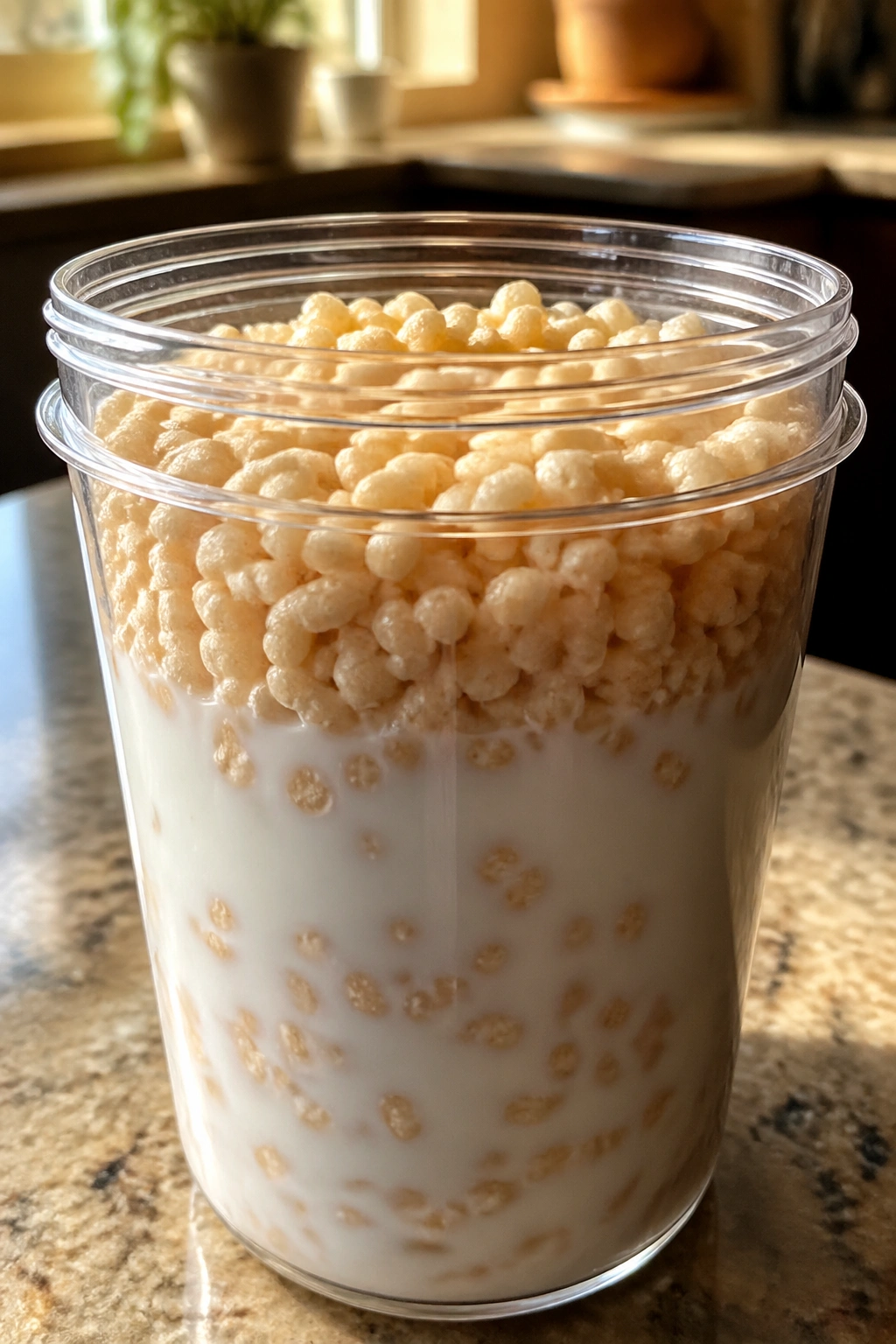
Say you have 20 minutes before training and need fast carbs, not a nutrition lecture. Cereal can work.
A cup and a half of a low-fiber cereal like crispy rice or corn flakes gives you about 30 to 35 grams of carbs, and 1 cup of low-fat milk adds another 8 grams of protein plus fluid. It is light, quick, and easier to digest than muffins, pastries, or bars with a long ingredient list.
Quick setup
This one sounds more complicated than it is.
- Pour cereal into a travel cup or food container
- Pack milk separately if you need to eat later
- Eat it 20 to 45 minutes before training
- Skip bran, granola, and cereals loaded with nuts
The snack feels oddly old-fashioned, which I mean as a compliment. Soft crunch, easy carbs, not much bulk. If you train early and cannot stomach dense food, this can be a sleeper hit.
18. Fruit Smoothie With Whey
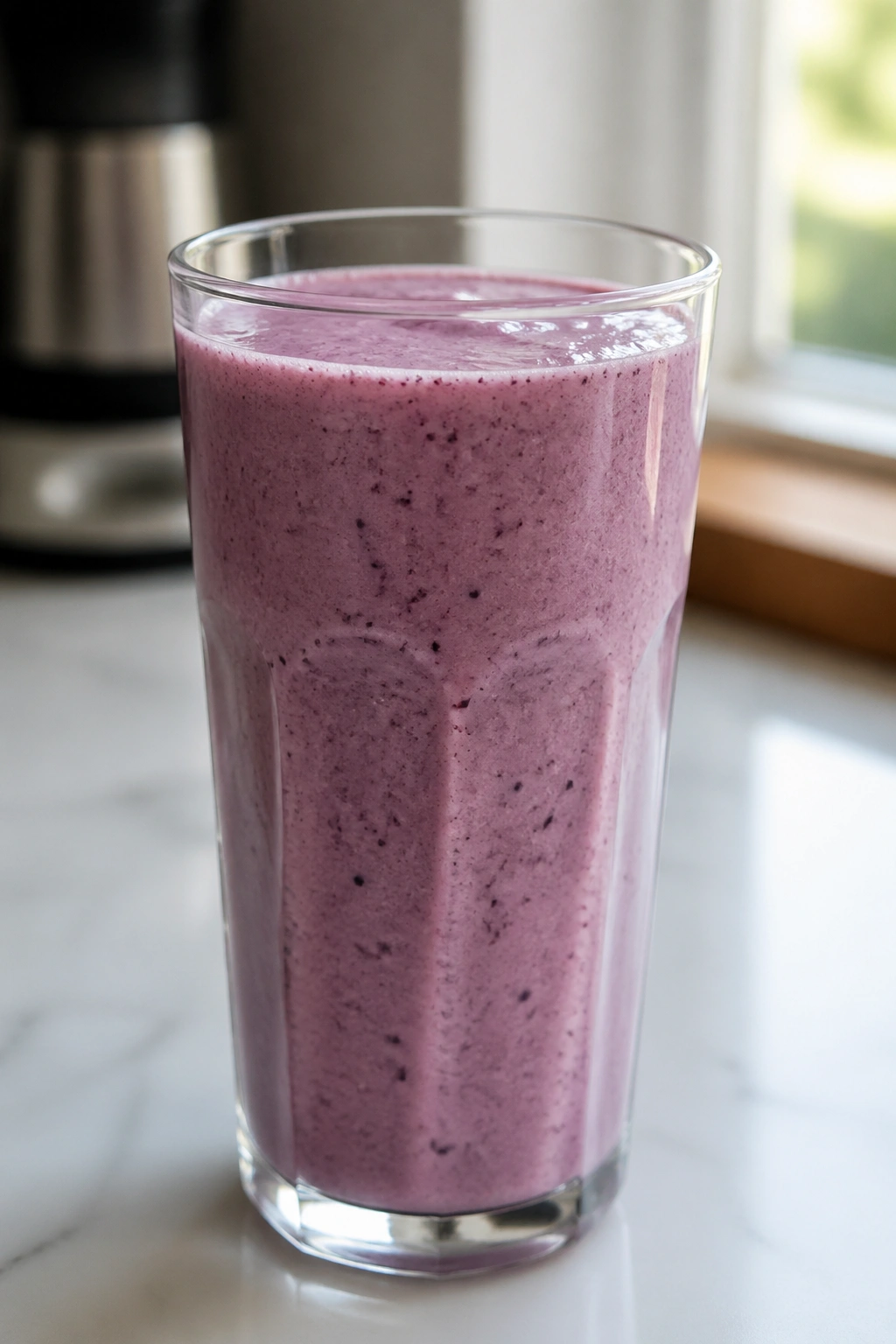
Smoothies can be a smart pre workout snack, or they can be a blender full of mistakes. The difference comes down to what goes in.
Keep it lean: 1 medium banana, 1 cup frozen mango or berries, 1 scoop whey protein, and 8 to 10 ounces of water or milk. That kind of smoothie lands around 30 to 45 grams of carbs and 20 to 25 grams of protein, which is enough for a lot of training sessions without becoming a meal you need two hours to digest.
This works well for people who struggle to chew early in the morning, for lifters heading into a longer session, or for anyone who wants one portable bottle they can sip on the commute. It also gives you room to adjust. Need less? Use half a scoop of protein. Need more carbs? Add another half banana.
What you leave out matters. Nut butter, chia seeds, flax, oats, kale, coconut cream — all of those can be fine foods, though they push the smoothie toward heavier, slower digestion. If training starts soon, keep the formula plain.
A good pre workout smoothie should feel light enough to drink with confidence, not like lunch in a bottle.
Final Thoughts
The best grab-and-go pre workout snacks are not always the ones that look the cleanest on paper. They are the ones that match your training time, digest well, and give you enough carbs to move with some pop. That usually means lighter foods before hard cardio and more balanced snacks when you have a longer runway.
If you only remember one thing, remember the clock. Ten to 30 minutes favors quick carbs. An hour or more gives you room for protein and a little more substance.
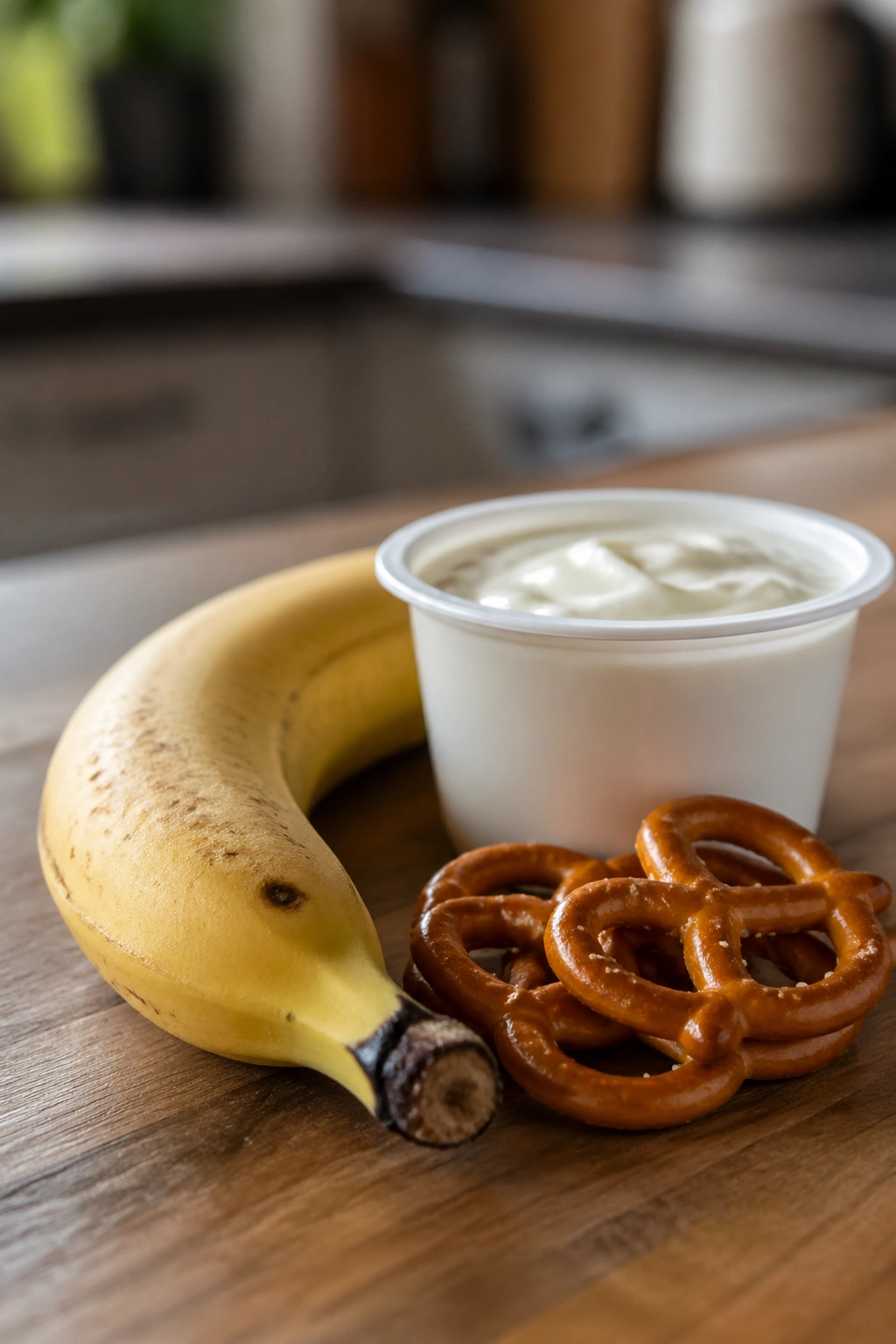
And keep a few backups around. A banana, pretzels, fig bars, peanut butter packets, applesauce pouches, or a ready-to-drink shake can save a workout faster than any complicated meal plan ever will.
