



The waistline change that sneaks up after 40 can feel oddly personal. One month your jeans sit fine, and the next they dig in at the middle even though nothing else seems to have changed.
No, you do not need to live on salad.
The smartest belly fat diet plans for women over 40 do not chase miracles. They calm hunger, protect muscle, and make it easier to eat a little less without feeling miserable by 4 p.m. That matters because midsection fat usually responds to the same boring truths every time: consistent calorie control, enough protein, plenty of fiber, fewer liquid calories, and meals that do not send you searching for crackers at night.
Hormones can shift appetite and sleep. Muscle tends to slip away a little faster if strength work has faded. Stress can push the whole thing sideways. So the trick is not punishment. It is structure. Breakfast is where a lot of people either stabilize the day or start wobbling, which is why the first plan starts there.
1. A Protein-First Breakfast That Keeps You Full Until Lunch
The best breakfast for belly fat loss is not flashy. It is boring in the nicest possible way: 25 to 35 grams of protein, some fiber, and not much added sugar. That combo keeps your stomach calm and your energy steadier, which makes a strange amount of difference by midafternoon.
Why Breakfast Matters After 40
After 40, a skimpy breakfast often backfires. A bowl of cereal, a muffin, or toast with jam may taste fine for 20 minutes, then the hunger comes roaring back. Protein slows that down. Fiber helps too, especially if you pair eggs, yogurt, or cottage cheese with berries, chia, or vegetables.
A few solid examples:
- 2 eggs plus 1 cup egg whites, spinach, and 1 slice whole-grain toast
- 1 cup plain Greek yogurt, 2 tablespoons chia seeds, and 1 cup berries
- ¾ cup cottage cheese with sliced cucumber, tomatoes, and a piece of fruit
- A protein smoothie with 1 scoop protein powder, unsweetened milk, spinach, and frozen berries
Skip the breakfast that feels like dessert. If your morning meal is mostly sweet, you will probably pay for it before lunch.
2. The Mediterranean Plate That Tames Cravings Without Counting Every Bite
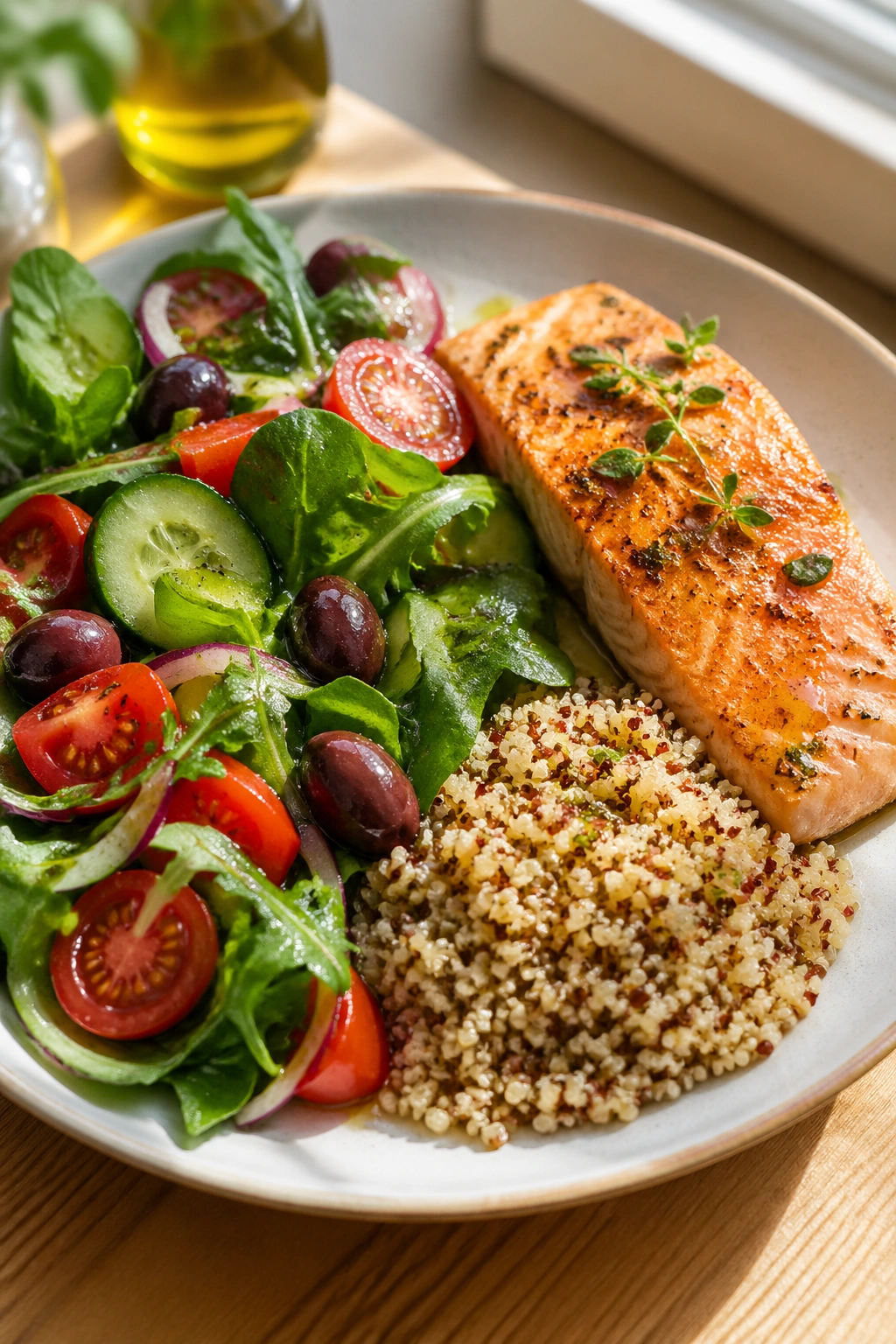
A Mediterranean-style plate works because it keeps the food you can eat a lot of — vegetables, beans, fish, olive oil, herbs — at the center, while the calorie-dense stuff stays in a smaller role. That makes it easier to lose belly fat without turning every meal into a math problem.
Half the plate should be non-starchy vegetables. Think tomatoes, cucumbers, greens, broccoli, peppers, zucchini, and asparagus. One quarter should be protein, like salmon, chicken, tuna, tofu, shrimp, eggs, or lentils. The remaining quarter can be potatoes, brown rice, quinoa, or beans. Then add 1 to 2 tablespoons of olive oil or a small handful of olives, not both if the rest of the meal already has fat.
What this plan does well is reduce “snack drift.” You know the kind: lunch was light, dinner was late, and now you are standing in front of the fridge looking for something salty. A plate built this way is harder to overeat and easier to repeat.
It also suits women who do not want a rigid diet. Good. Rigid diets are usually the ones that snap.
3. A 30-Gram Protein Lunch Rule for Busy Days
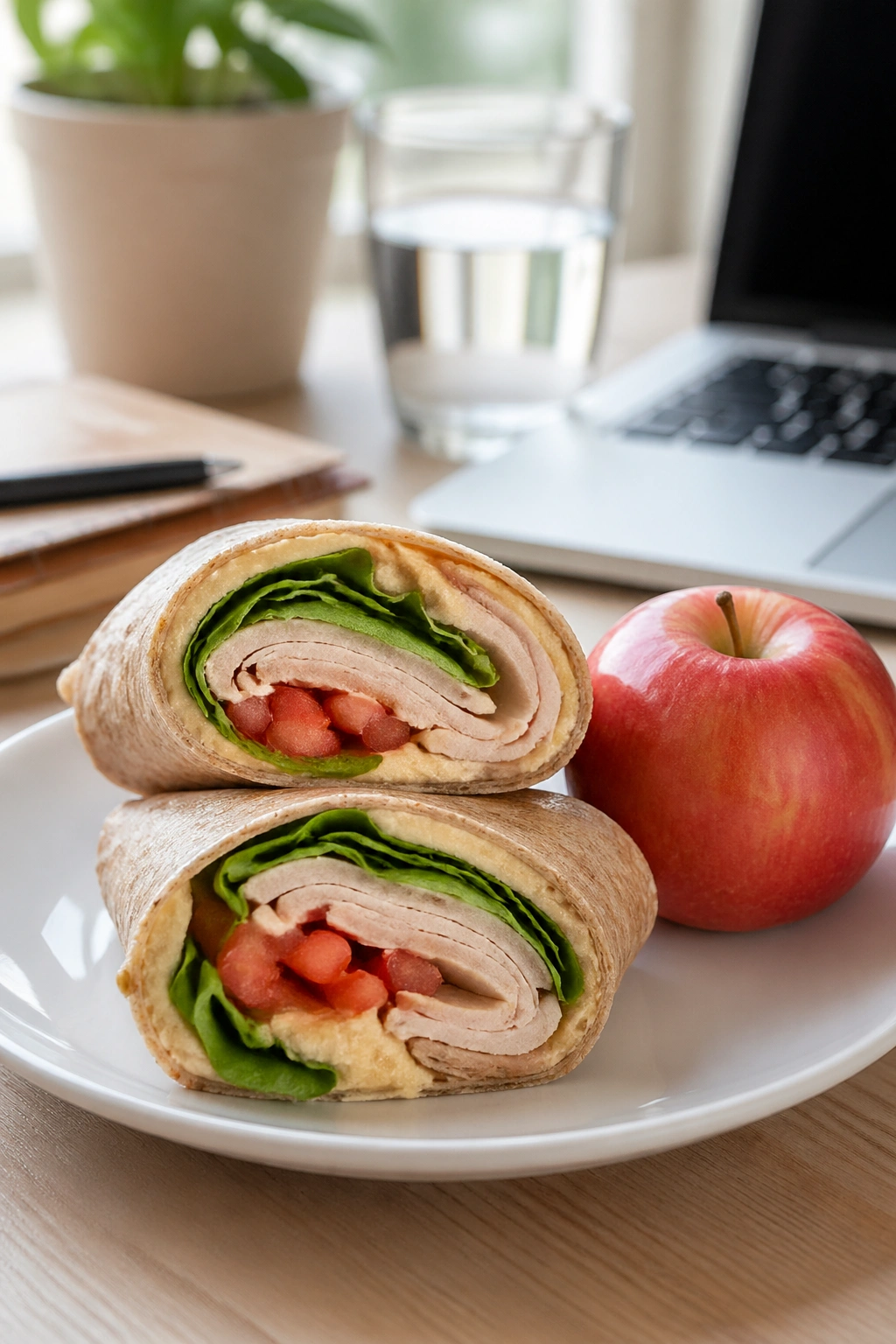
A rushed lunch is where belly fat plans go to die. You grab something tiny, feel virtuous for an hour, then end up grazing on whatever is closest to your desk. That pattern is expensive. It usually shows up as extra calories by the time dinner lands.
Build Lunch Around One Number
Aim for 30 grams of protein at lunch. That single target does a lot of heavy lifting because it forces the meal to have enough substance. A salad with a few sad leaves and two cherry tomatoes is not lunch. A salad with chicken, beans, feta, and enough vegetables to actually chew is lunch.
A good lunch usually has:
- 3 to 5 ounces of chicken, turkey, tuna, salmon, tofu, tempeh, or shrimp
- 1 to 2 cups of vegetables
- 1 piece of fruit or ½ to 1 cup of a slow-burning carb
- A measured dressing, not a free-pour habit
A simple desk-friendly version is a turkey wrap with a whole-grain tortilla, lettuce, tomato, and hummus, plus an apple. Another is leftover salmon over greens with chickpeas and cucumber. Keep it real. Keep it repeatable.
4. The Fiber-Heavy Bowl Plan That Shrinks Snacking
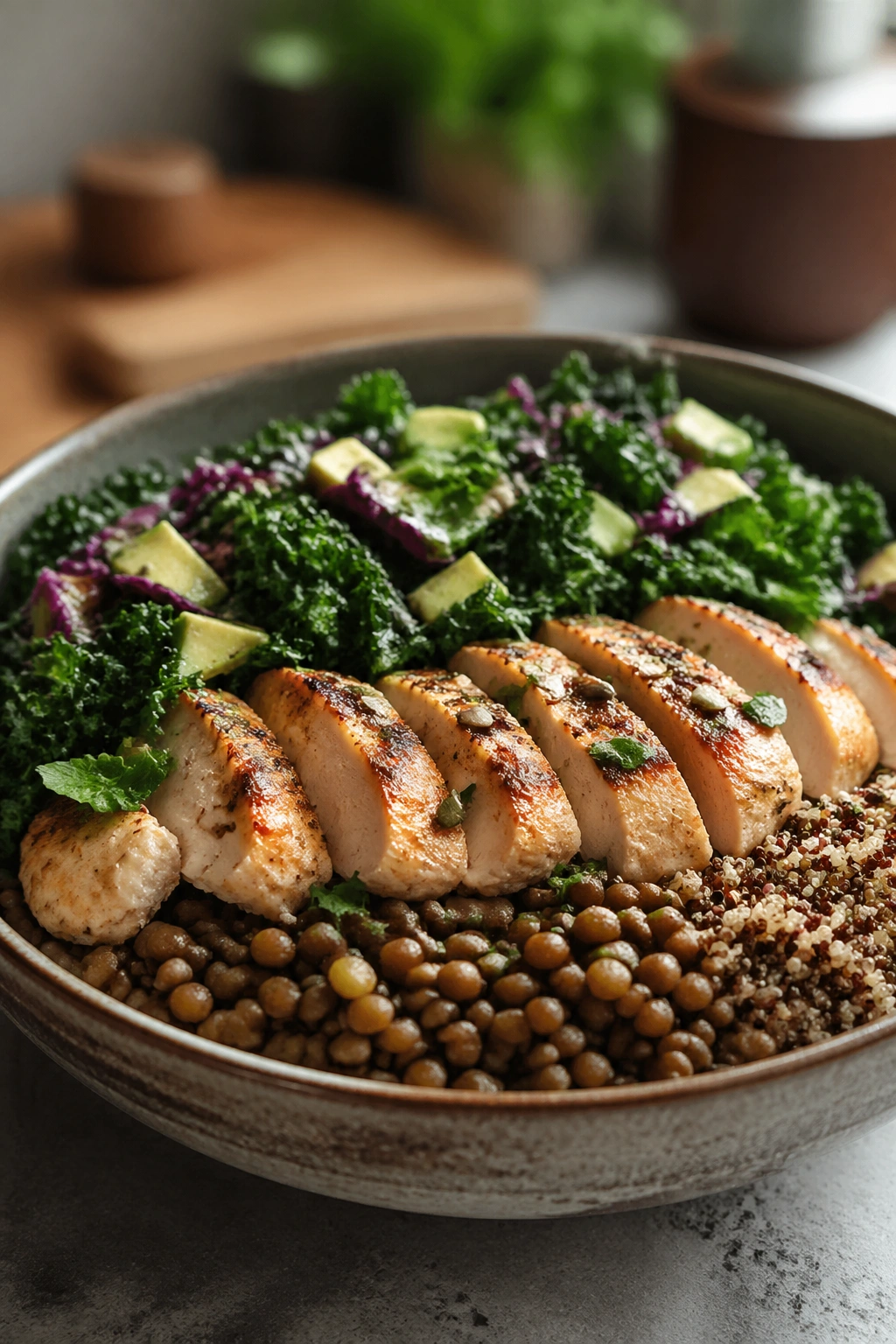
Why do bowl meals work so well? Because they make it easy to stack texture, volume, and protein in one place. That sounds plain, but plain food that keeps you full is worth more than a clever recipe that leaves you hungry in an hour.
Build It in Three Layers
Start with vegetables. Use 2 cups or more of chopped greens, roasted cauliflower, shredded cabbage, peppers, or cucumber. Add a protein layer with chicken, tofu, tempeh, salmon, hard-boiled eggs, or edamame. Then finish with a fiber-rich base like lentils, black beans, quinoa, or brown rice.
A bowl with 1 cup lentils, 4 ounces grilled chicken, mixed greens, tomatoes, cucumber, and 1 tablespoon pumpkin seeds can land around the sweet spot: filling, steady, and not loaded with empty calories. If you need more flavor, add salsa, lemon juice, vinegar, herbs, or a spoonful of tahini. What you do not need is a thick cream sauce dumped on top until the whole thing turns into an accident.
The fiber matters because it slows digestion and makes the meal sit better in your stomach. That is one reason these bowls work so well for women dealing with afternoon hunger and evening snacking.
5. A Lower-Sugar Morning Plan for Smoother Appetite
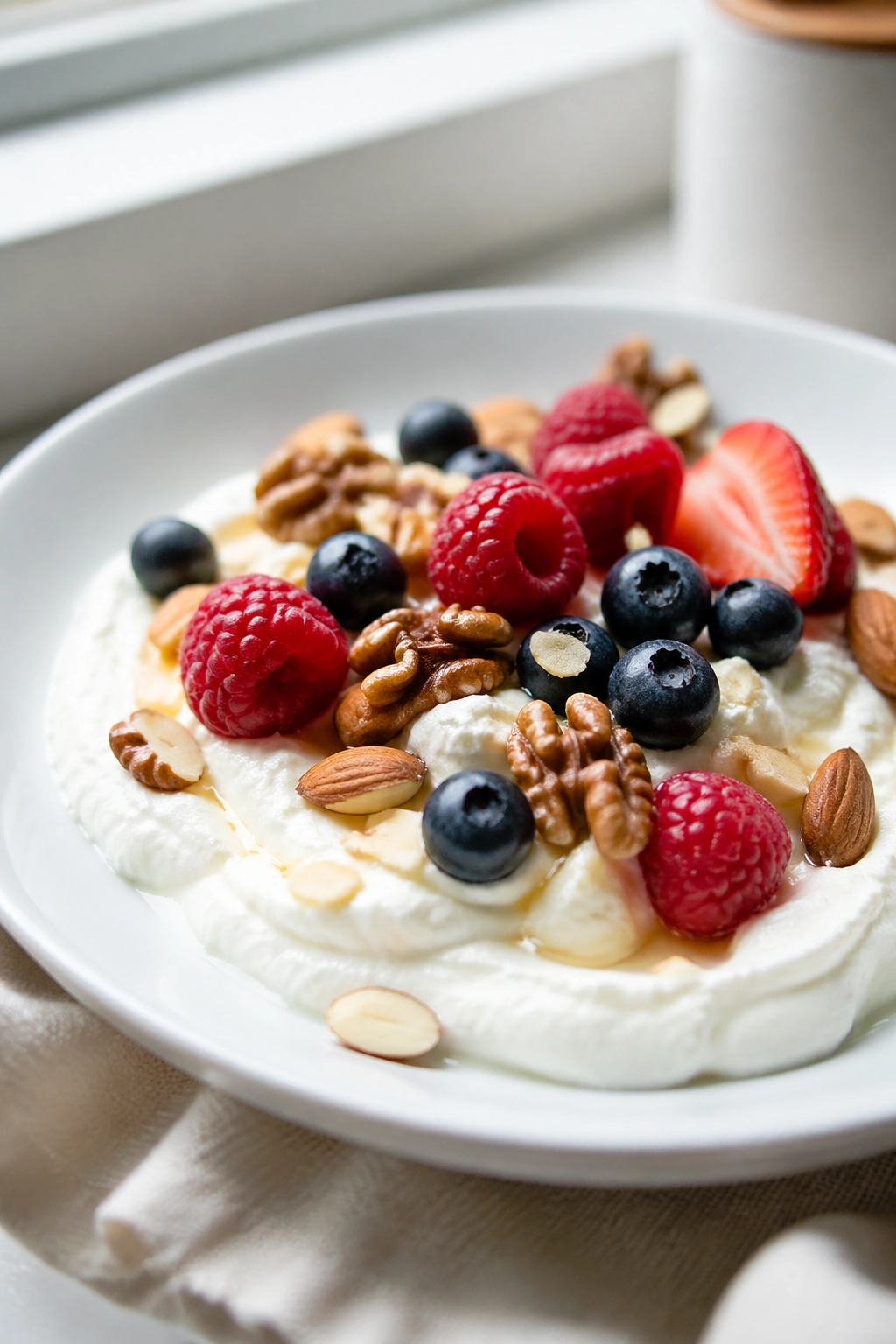
Sweet breakfasts are sneaky. They feel light, and they can even taste “healthy” if they come dressed up as granola, flavored yogurt, or a fancy coffee drink. Then the blood sugar roller coaster shows up, and suddenly the cookies in the break room look like a reasonable life choice.
Fruit is not the problem.
The problem is added sugar without enough protein or fat to slow things down. If breakfast contains more sugar than substance, the hunger rebound can hit hard by late morning. A better morning plan keeps added sugar modest and leans on plain yogurt, eggs, nuts, seeds, and berries instead of syrupy toppings.
A few easy swaps help more than people expect:
- Plain Greek yogurt instead of flavored yogurt
- Oatmeal with cinnamon, chia, and walnuts instead of brown sugar packets
- Black coffee or coffee with milk instead of a large sweet drink
- Toast with peanut butter and sliced banana instead of pastry
You do not have to ban sweetness. That usually backfires. Just make it a side note, not the whole breakfast. A woman trying to lose belly fat will usually do better with a meal that tastes calm, not candy-like.
6. Swapping Refined Carbs for Slow-Burning Staples
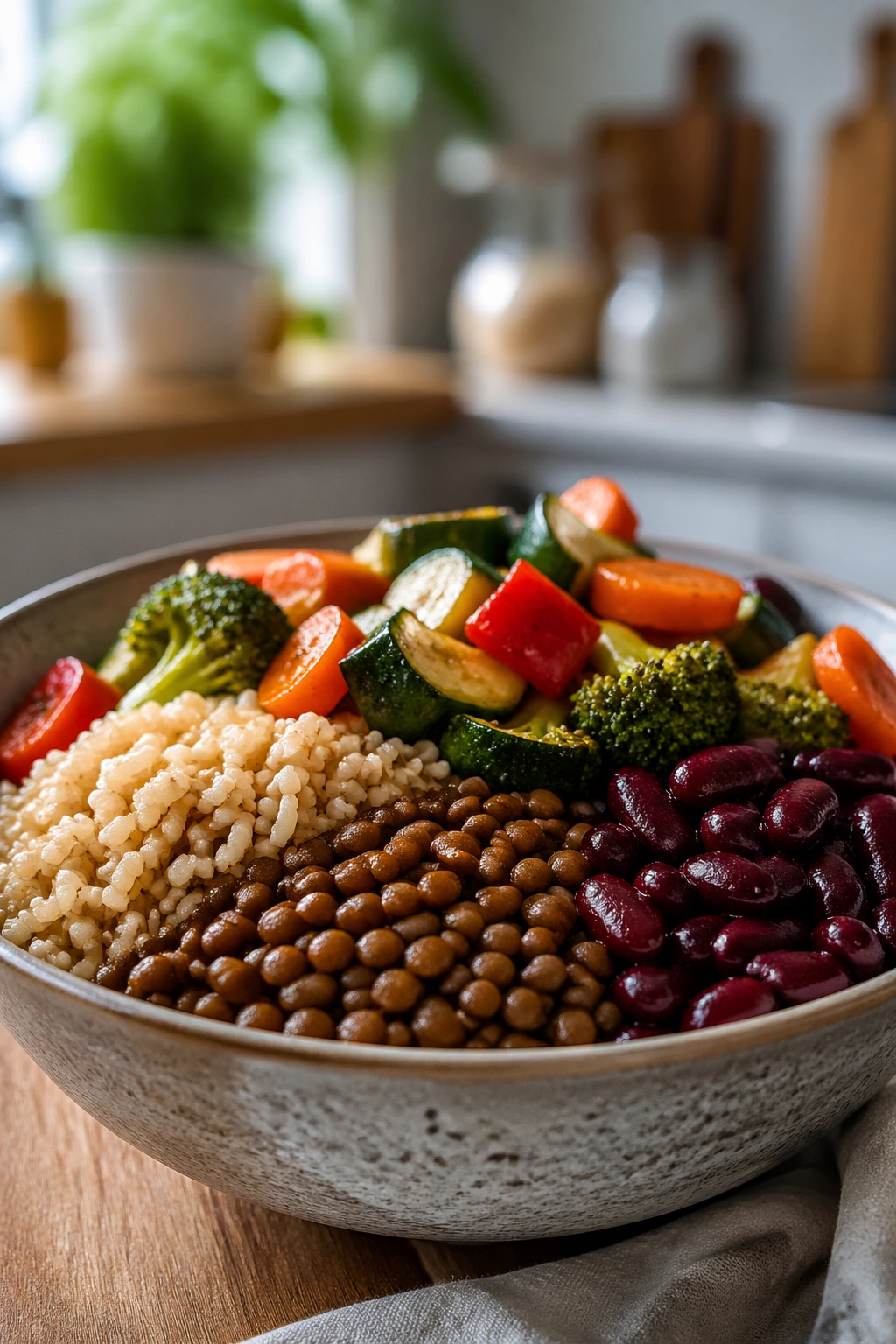
White bread and sugary cereal are not evil. They are just easy to overeat, and they tend to leave a gap in the stomach sooner than better-built carbs do. If your lunch leaves you sleepy and your dinner leaves you hunting snacks, the carb quality may be part of the problem.
Slow-burning carbs are the ones that show up with fiber, texture, or some natural resistance to being inhaled in 90 seconds. Oats, beans, lentils, potatoes with the skin on, brown rice, quinoa, barley, corn tortillas, and whole fruit all fit here. They still count. They just behave better.
Unlike a bagel with jam or a bowl of sweet cereal, these carbs play nicely with protein and vegetables. That matters because you are not trying to eliminate carbs. You are trying to stop them from running the whole meal. If you love rice, keep the rice. Use ½ cup to 1 cup cooked, add a real protein, then pile on vegetables so the plate does not tilt toward starch.
Best fit? Anyone who gets sleepy after lunch, raids the pantry at 4 p.m., or feels better when meals have more chew than sugar.
7. The Home-Cooked Dinner Plan That Ends Grazing
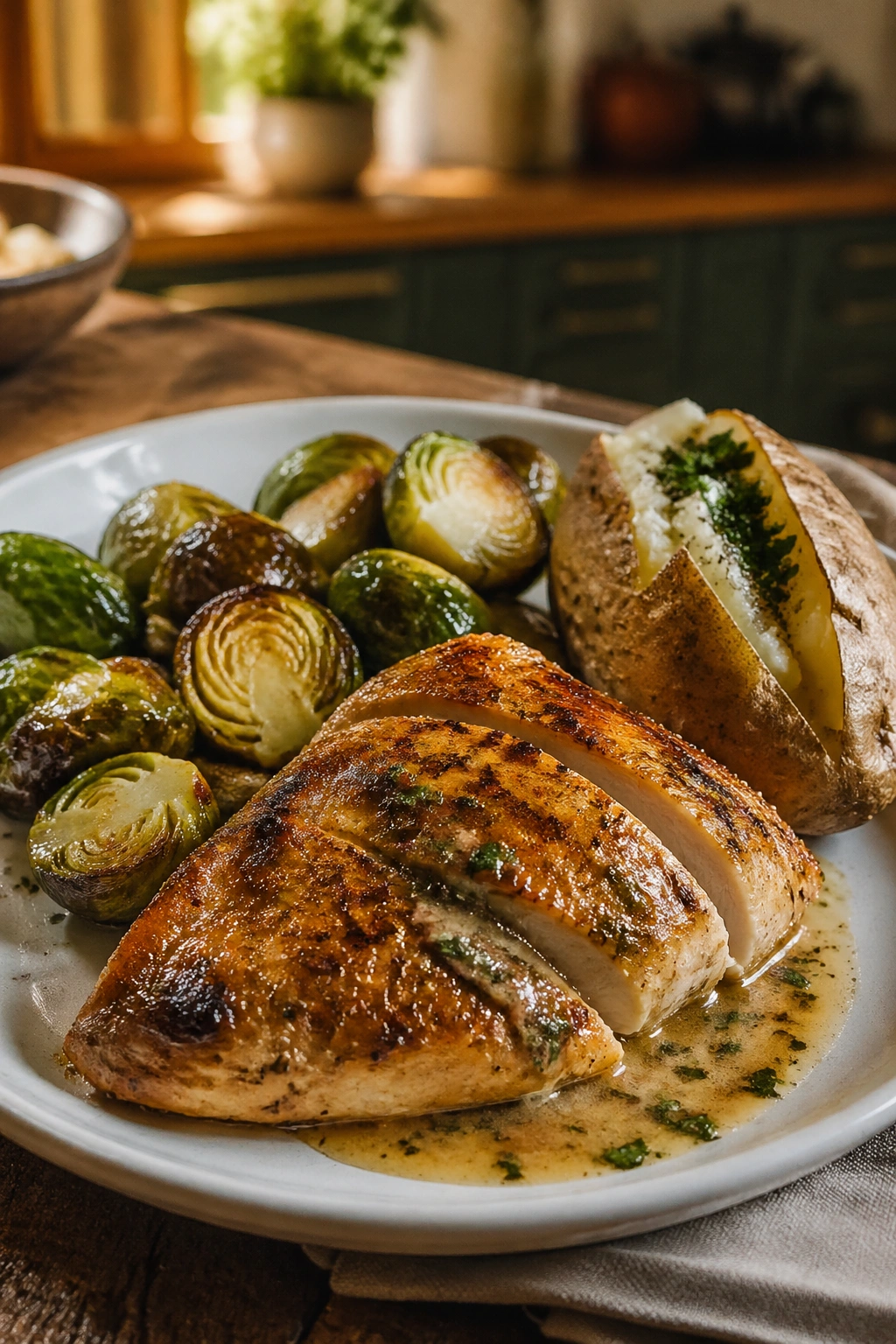
Dinner is where people quietly lose the plot. Restaurant portions are large, takeout comes with extra oil, and “I’ll just have a small snack later” often turns into cheese, crackers, and something sweet before bed. A home-cooked dinner plan fixes that by making the last meal of the day satisfying enough that you do not need a second dinner.
The Plate Formula
Use this as a default:
- 4 to 6 ounces of protein
- 2 cups of vegetables
- ½ to 1 cup of starch if you want one
- 1 tablespoon of fat for cooking or dressing
- A sauce you measured, not poured from a mystery bottle
Roast chicken with Brussels sprouts and a small baked potato works. So does salmon, asparagus, and rice. So does tofu stir-fry with broccoli, mushrooms, and noodles. The point is not fancy cooking. It is predictability.
A lot of women over 40 do better when dinner is the meal that feels generous but not heavy. If you cut dinner too hard, late-night snacking usually gets louder. If you make it balanced, the kitchen can close without a fight.
8. A Gentle Overnight Fast That Fits Real Life

Can a 12-hour overnight fast help without turning into a crash diet? Yes, for some people, and the 12-hour version is a lot easier to live with than the harsher versions people love to argue about online.
The idea is simple: finish dinner at 7 p.m. and eat breakfast around 7 a.m., or push it to 8 and 8 if that fits your life better. That does not sound dramatic, and that is the point. It trims late-night eating, gives the digestive system a break, and can create a little structure around snacking.
Keep It Gentle
This is not the place for heroics. If skipping breakfast makes you shaky, dizzy, or obsessed with food, stop. If you take blood sugar medication, have a history of disordered eating, are pregnant, or feel worse when you delay eating, get medical guidance first.
A mild overnight fast can work well for women who mindlessly snack after dinner. It can also fail if it turns into a revenge-eating pattern the next morning. The rule is simple: use it as a quiet boundary, not a challenge.
9. The No-Calorie-Drink Rule That Quietly Helps the Waistline
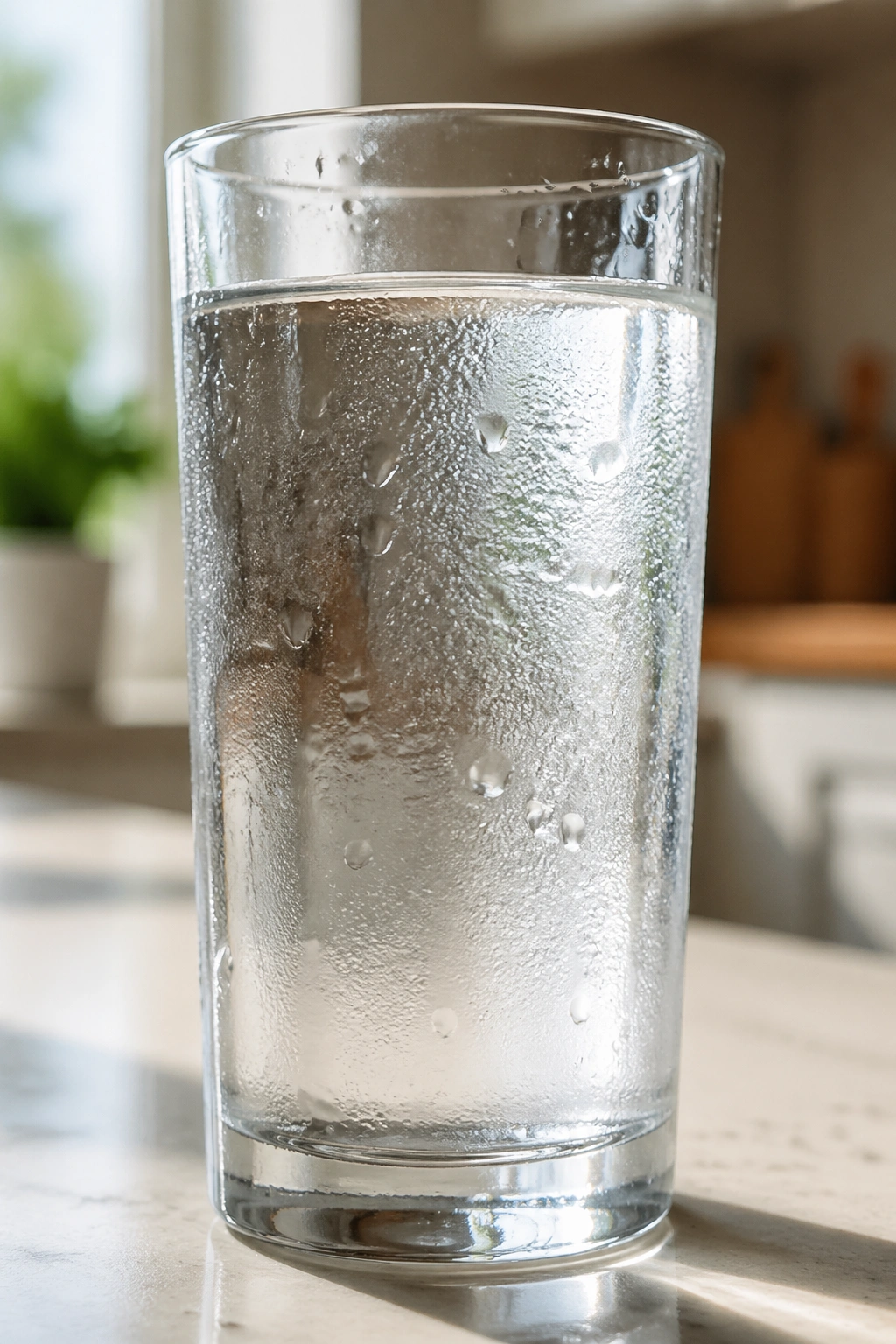
Liquid calories are rude. They slide in without much chewing, without much fullness, and without much memory. A sweet coffee drink can vanish in five minutes and still carry enough sugar and cream to matter later. Same with juice. Same with alcohol, which deserves its own hard look if belly fat is the goal.
Water, sparkling water, unsweetened tea, and black coffee are the easy wins. If you like milk in coffee, keep it modest. If you want juice, pour a small glass and treat it like food, because it acts like food in the body.
One sweet drink a day will not ruin anything. Two or three can make a very real difference over time, especially if the rest of the day is already close to maintenance calories. That is the annoying part of weight loss. Small things stack.
Coffee is not the problem. Syrup is.
10. A Big-Veggie, Moderate-Protein Dinner Plate
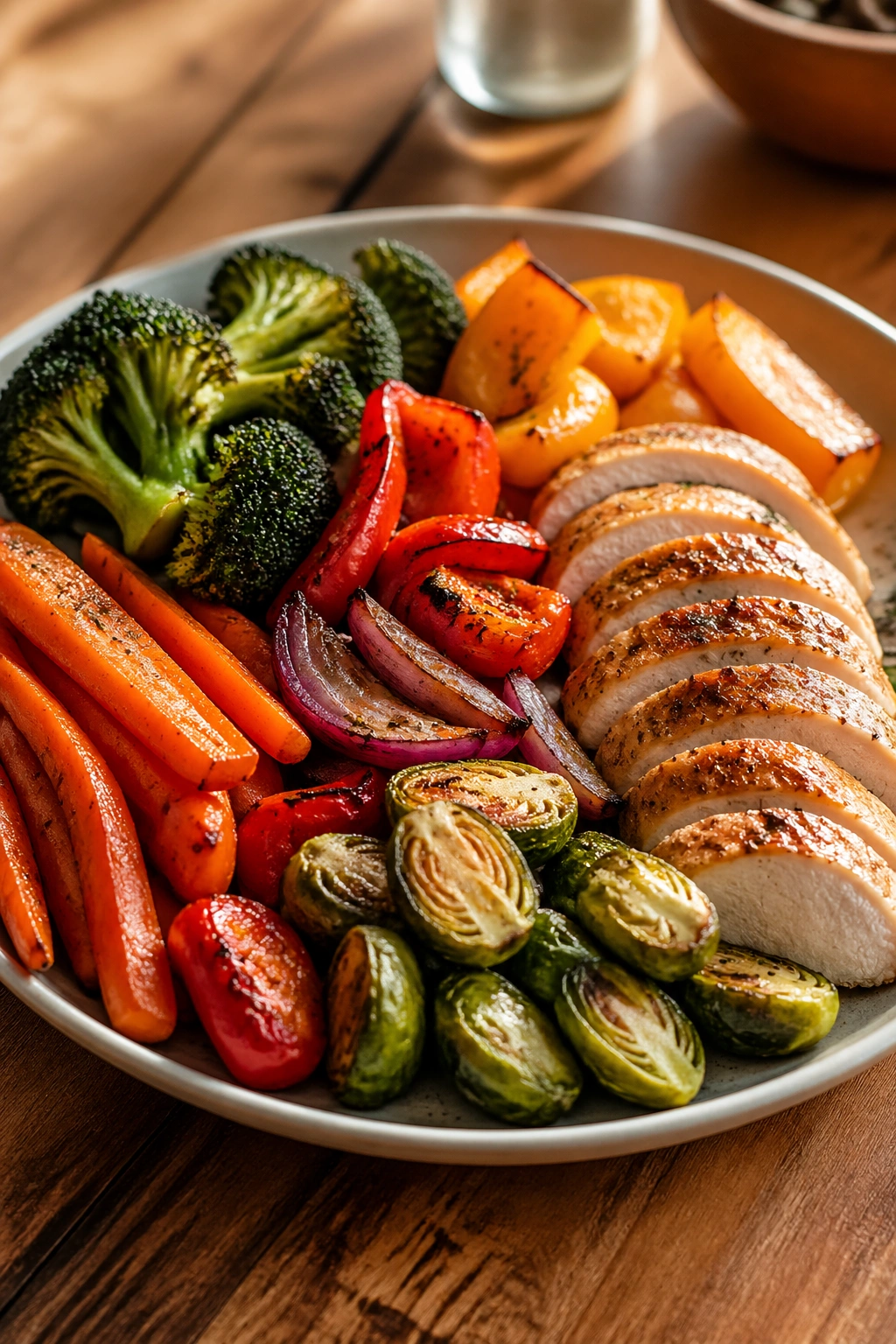
A dinner plate that leans heavily on vegetables can feel almost too simple. Then you eat it and realize you are full because the food takes up space. That is the magic: not zero calories, just a lot of volume for the calories you spend.
Roasted vegetables work especially well here because the oven gives them edges and flavor. Broccoli, cauliflower, carrots, peppers, zucchini, mushrooms, and Brussels sprouts all do well at 400°F to 425°F with a small amount of olive oil, salt, and pepper. Roast until the edges brown. Soft but pale vegetables are a missed opportunity.
What to Pile On
- 3 cups roasted vegetables
- 4 to 5 ounces chicken, fish, tofu, or shrimp
- ½ cup rice, quinoa, or a small potato if you need a starch
- 1 tablespoon olive oil or a measured vinaigrette
- Fresh herbs, lemon, garlic, or chili flakes for flavor
This plan is especially useful if dinner tends to become your heaviest meal. It gives the stomach something to do, but it does not pile on calories through giant portions of pasta or bread baskets. If you are hungry later, add more vegetables first. That is usually the cleaner fix.
11. Portable Snack Planning for Long Errands and Workdays
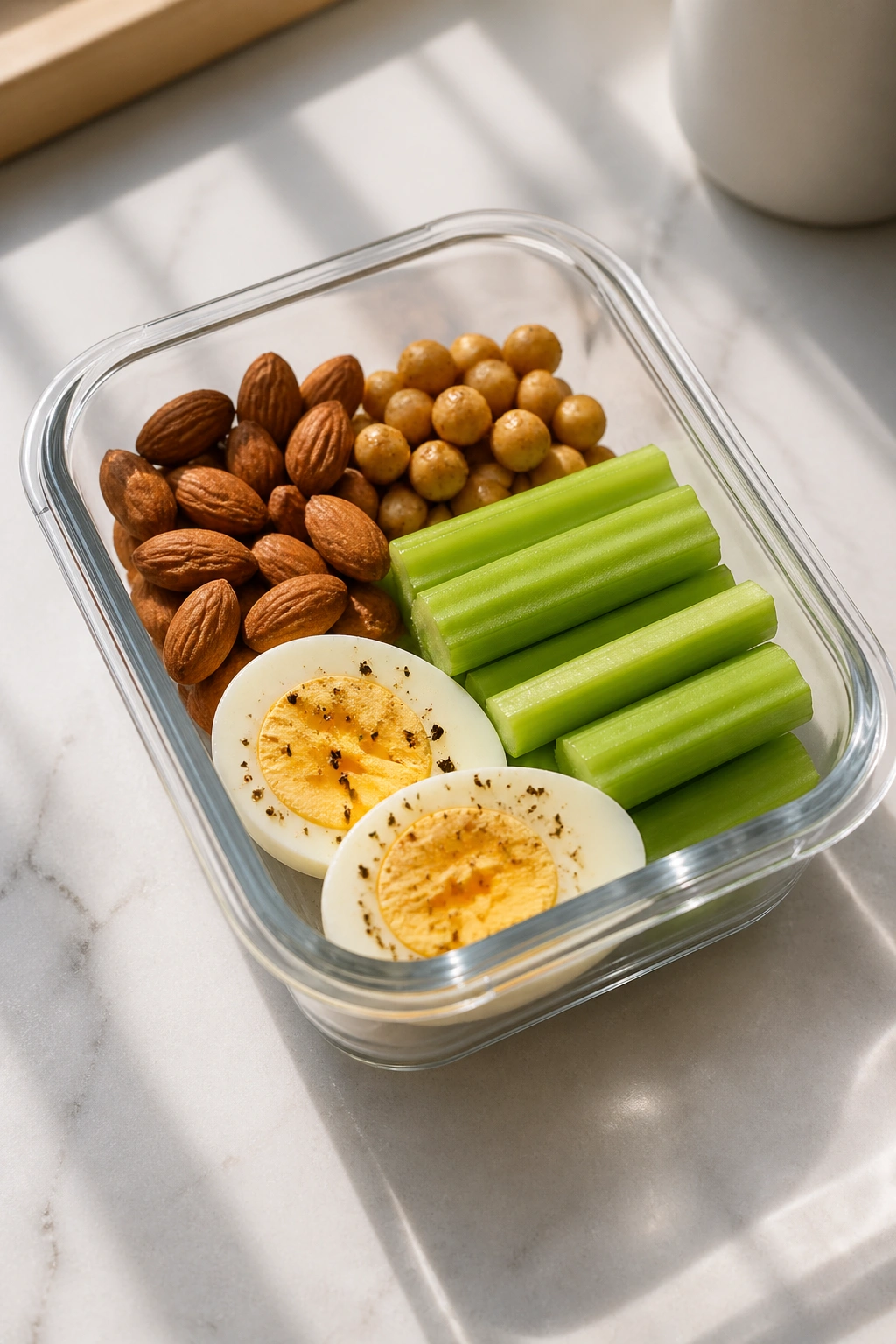
Some days are not shaped for neat meals. You are in the car, in meetings, at the school pickup line, or running errands that stretch longer than expected. That is when random snacking starts doing the work of lunch, and random snacking is rarely the friend of belly fat loss.
The answer is not to white-knuckle it. The answer is to carry one planned snack with protein plus fiber. That keeps you from buying whatever is closest, which is usually expensive and not very satisfying.
Good options:
- 1 small apple with 1 ounce cheddar
- ¾ cup Greek yogurt with berries
- 1 ounce almonds with a clementine
- Roasted edamame and cucumber slices
- Turkey roll-ups with baby carrots
One snack should be enough for one bridge between meals, not a second lunch. Keep it in a small container, not a giant bag. That sounds trivial until you notice how much easier portion control gets when the food is not staring back at you from a family-size package.
12. A Blood-Sugar Steadying Meal Pattern for Better Energy
Blood sugar control is not only a diabetes issue. It is also a hunger issue, an energy issue, and a “why am I starving again?” issue. Women over 40 often feel the effect most when meals are built around quick carbs with little protein.
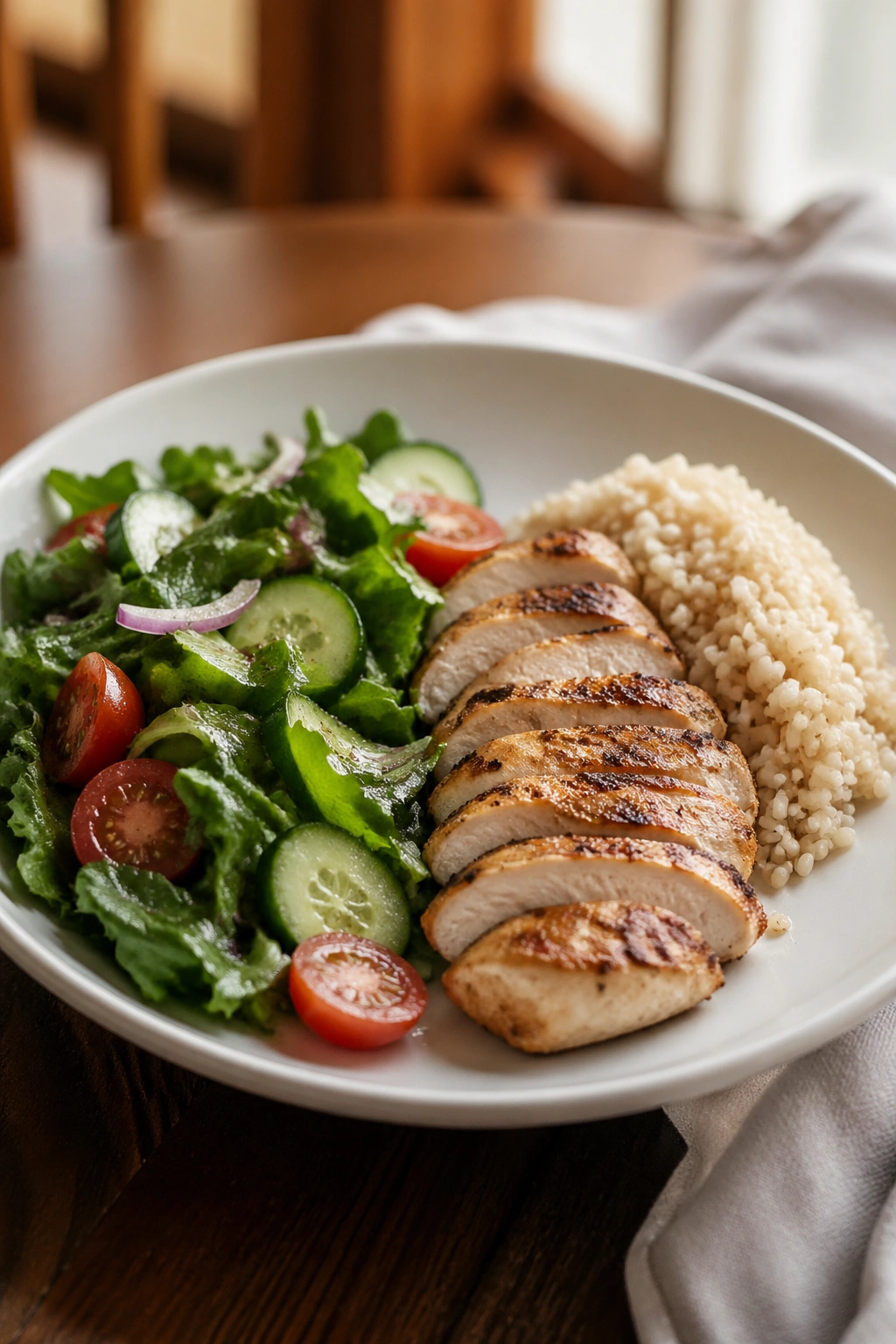
There is a simple trick that helps more than people think: eat protein and vegetables first, then starches last. That meal order can soften the blood sugar spike and make the whole meal feel steadier. It is not magic. It is just a small nudge in the right direction.
Try this at lunch or dinner:
- Start with salad, vegetables, or soup
- Eat the protein next
- Finish with rice, bread, potatoes, or fruit
If your breakfast is oats, pair them with eggs or Greek yogurt. If lunch is a sandwich, add a side salad or raw vegetables. If dinner includes pasta, build the plate around chicken, shrimp, or beans first, then use the pasta as the supporting role.
That little shift is often easier than cutting carbs outright. And it usually feels less grim.
13. The Weekend Plan That Prevents Monday Recovery Mode
The weekend is where a lot of good intentions get mugged. Breakfast gets skipped, lunch gets delayed, alcohol creeps in, and by Sunday night the whole pattern feels blurry. Then Monday arrives, and the “restart” mindset begins all over again.
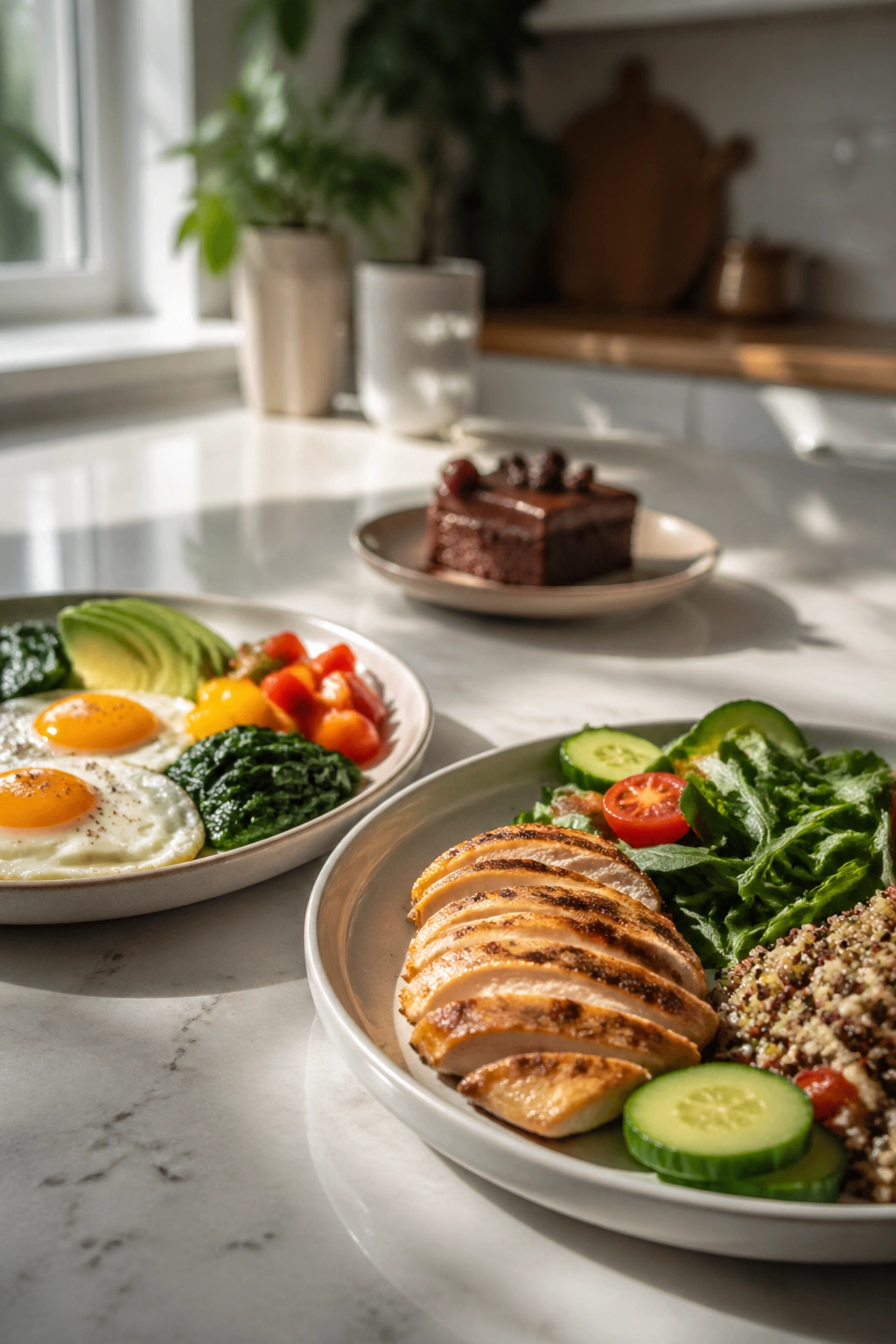
A better plan is annoyingly simple: keep two meals steady and choose one flexible meal. That means breakfast and lunch stay anchored around protein, produce, and sane portions, while dinner or dessert gets a bit more room. You do not need to turn the entire weekend into a free-for-all just because a pizza showed up.
A good weekend structure looks like this:
- Protein-rich breakfast
- Normal lunch, not a tiny one
- One restaurant meal or one dessert, not six random extras
- Plenty of water
- A walk after eating if you can swing it
The point is not to be perfect. It is to prevent the slow drift that makes Mondays feel like damage control. One indulgent meal is a choice. Two indulgent days often become a habit wearing sunglasses.
14. Batch-Cook One Day, Eat Better All Week
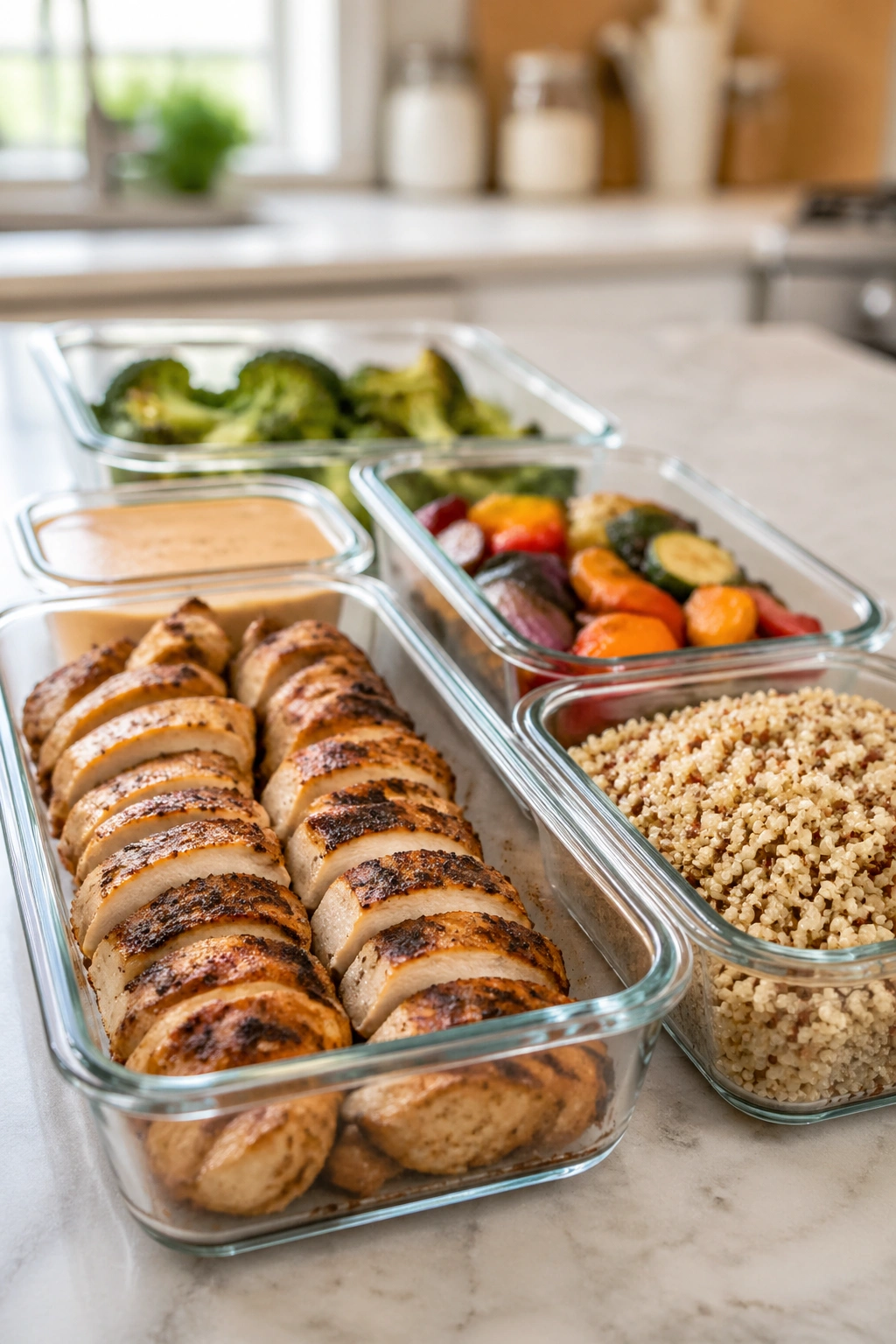
Batch cooking is less about being disciplined and more about reducing decision fatigue. If dinner requires a fresh start every night, you are more likely to order takeout when you are tired. If half the work is already done, you can throw together a real meal in 8 minutes and keep moving.
What to Cook
A good batch-cook session usually includes:
- 2 proteins: grilled chicken, baked tofu, turkey meatballs, salmon, or hard-boiled eggs
- 2 vegetables: roasted broccoli, peppers, green beans, cabbage, or zucchini
- 1 carb: rice, quinoa, potatoes, or beans
- 1 sauce: salsa, vinaigrette, yogurt herb sauce, or tahini lemon dressing
Put everything in clear containers. Not because clear containers are magical, but because seeing the food makes it easier to eat the food. A fridge full of mystery tubs is a recipe for takeout.
You can mix and match all week. Chicken with roasted veg and rice. Tofu with cabbage and quinoa. Eggs with potatoes and greens. The meals do not need to be exciting. They need to show up.
15. A Plant-Forward Plan That Still Protects Muscle
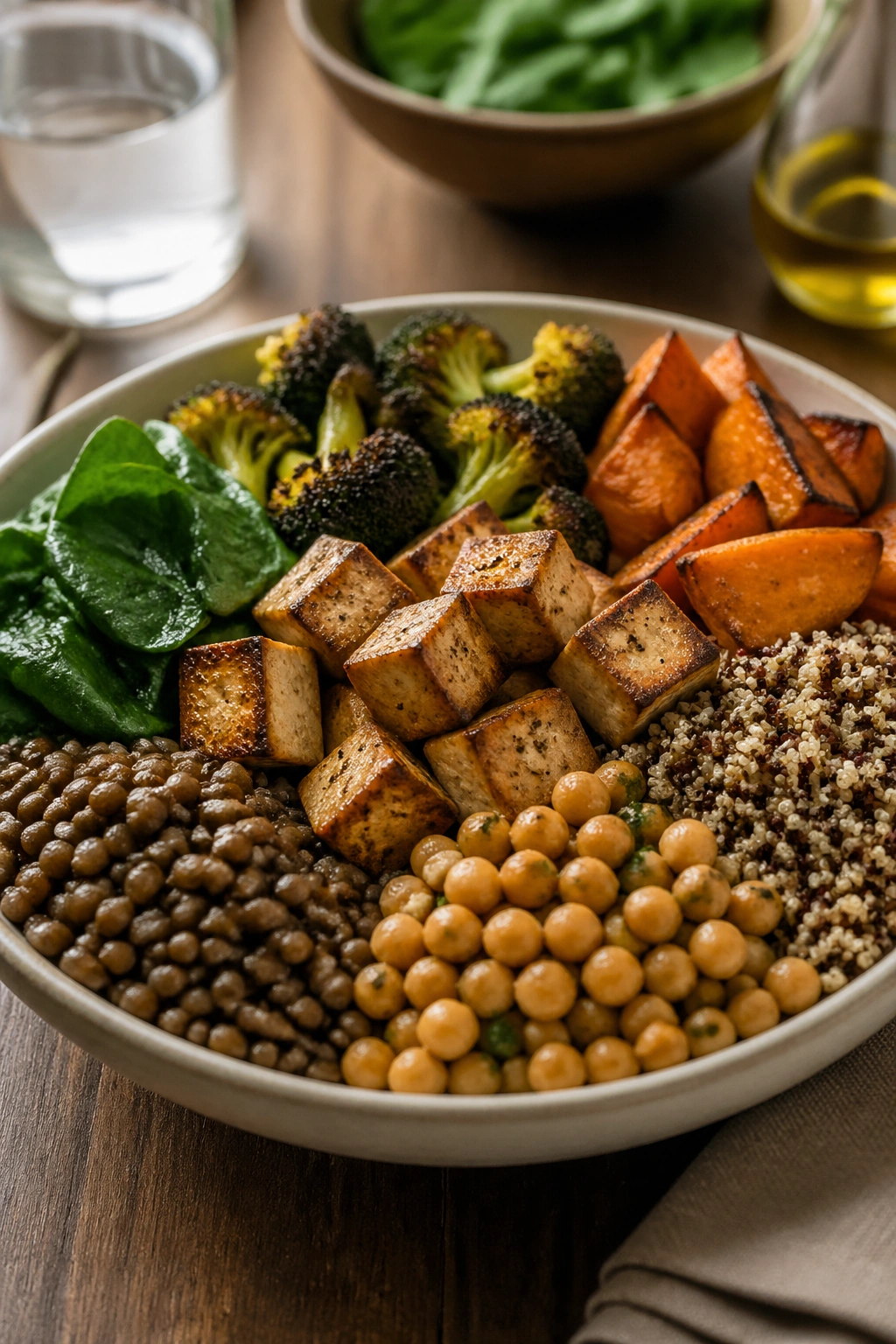
A plant-forward diet can be excellent for belly fat loss, but only if the protein is handled with some care. Too many plant-based meals are just pasta, bread, fruit, or a bowl of vegetables that looks noble and leaves you hungry again an hour later.
The fix is to make protein non-negotiable. Beans and lentils help, sure, but many women need more than that if they are trying to hold on to muscle. Tofu, tempeh, edamame, soy milk, seitan, and protein-rich dairy like Greek yogurt or cottage cheese can make plant-forward eating much more practical.
Strong Plant Proteins to Rotate
- Tofu, firm or extra-firm
- Tempeh
- Edamame
- Lentils
- Black beans
- Chickpeas
- Plain Greek yogurt, if dairy works for you
- Cottage cheese
A plant-forward plan is easiest when it is built around meals you already like. Chili with beans and turkey. Lentil soup with a side of yogurt. Tofu stir-fry with sesame and vegetables. It does not need to be a purity test. It needs enough protein and enough satisfaction to keep you from raiding the pantry later.
16. Portion Control Without Weighing Every Bite
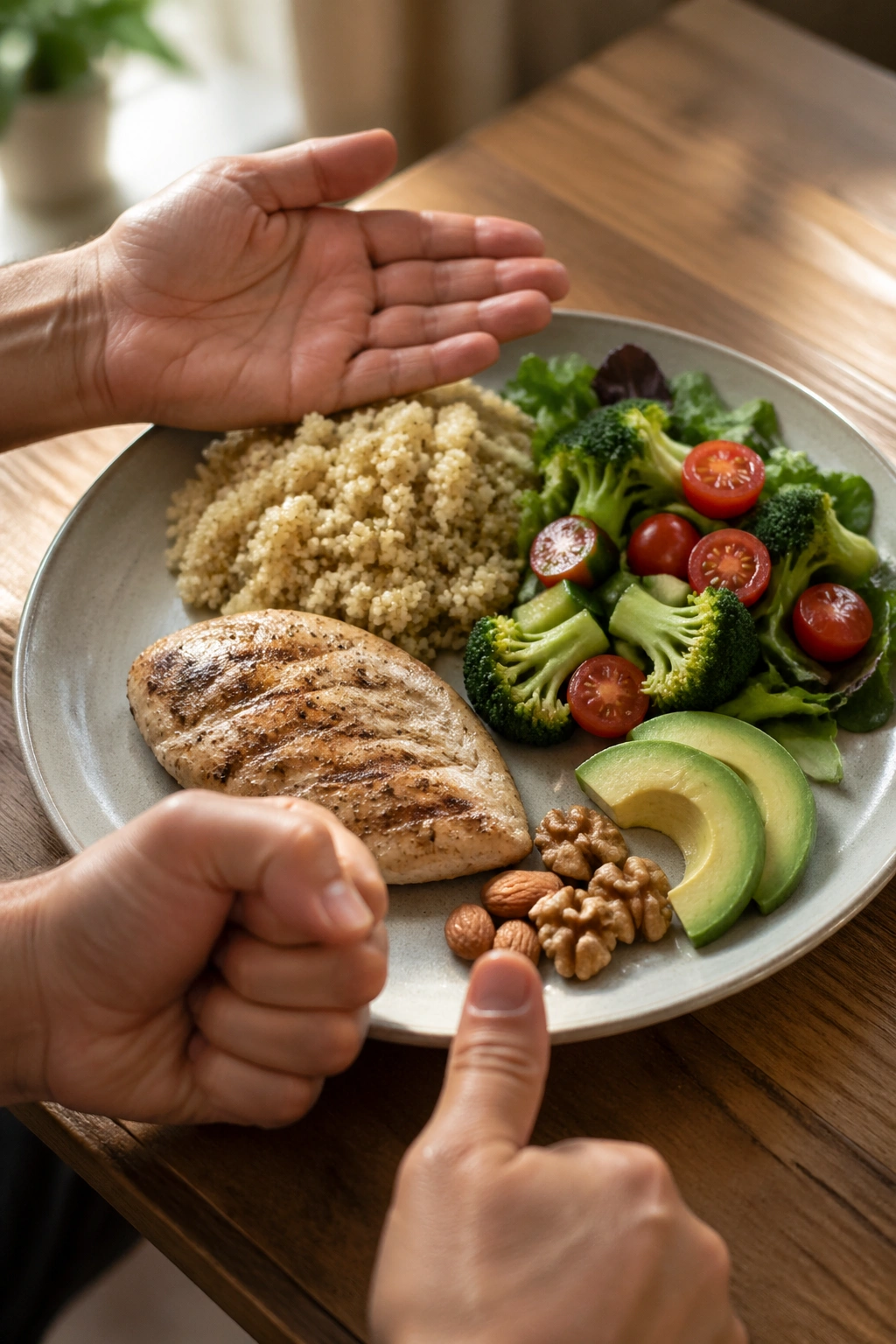
A food scale can teach you a lot. It can also become a hobby you never wanted. The hand method is easier for most people and good enough for everyday meals.
Use your palm for protein. Use your fist for carbs. Use your thumb for fats. Fill the rest of the plate with vegetables. At home, a 9-inch plate makes this even easier because the portions look full without being huge. At restaurants, ask for a box early or split the entrée before you start eating.
This method works because it removes the guesswork from meals that vary wildly. A chicken breast at home, a steak at a restaurant, a tofu bowl from a café — the hand method travels well. You still need to pay attention, but you do not need to count every almond or weigh a lettuce leaf.
Best of all, it leaves room for normal life. That is the part most diet plans miss.
17. Fueling Strength Training So You Lose Fat, Not Muscle

If belly fat loss is the goal, strength training deserves a seat at the table. Diet alone can shrink the scale, but it can also take muscle with it if the protein is too low and the workouts are nonexistent. That is a bad trade for women over 40.
Before and After Lifting
Before a workout, many women do fine with a light meal or snack that includes 20 to 30 grams of protein and a small carb source. Think Greek yogurt with fruit, a turkey wrap, or eggs and toast. After lifting, eat a real meal within a couple of hours if you can. Chicken and rice, tofu and vegetables, salmon and potatoes — anything balanced works.
The point is not to eat every two hours. It is to keep your body from feeling underfed while you ask it to hold onto muscle. Muscle is useful. It helps shape the waist, supports metabolism, and makes everyday life easier, from carrying groceries to climbing stairs.
A diet plan that pairs with strength training usually looks a little more generous than people expect. That is because the best body-composition changes come from fat loss plus muscle retention, not from getting smaller and softer.
18. The Maintenance Plan That Keeps the Waistline From Creeping Back
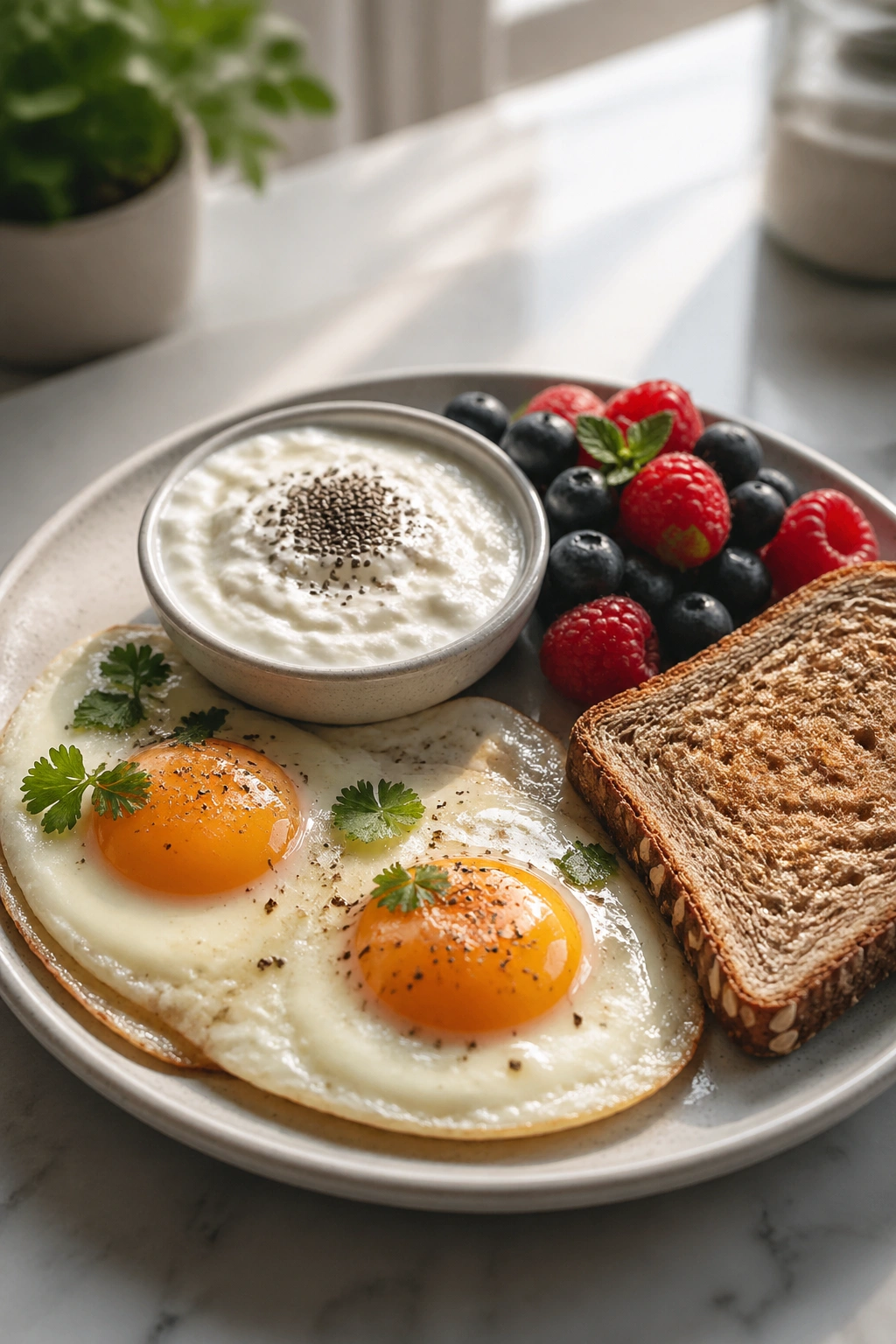
The last plan is the one people skip, which is a shame because maintenance is where the real win lives. A lot of women can lose a few inches if they go hard for a month. Keeping them off is the trick.
Set up three repeatable breakfasts, three lunches, and three dinners that you know work. Rotate them until they are automatic. Keep one or two flexible meals in the week so life does not feel trapped, but do not let every day become a surprise. Surprise meals are fun. Surprise weeks are where the belt loop creeps back.
A simple maintenance setup might look like this:
- Breakfast: Greek yogurt bowl, eggs with toast, or cottage cheese and fruit
- Lunch: protein salad, turkey wrap, or leftover grain bowl
- Dinner: protein, vegetables, and a measured starch
- Weekly check-in: waist measurement, how clothes fit, and whether hunger is getting louder
If the scale is stubborn but your waist is shrinking, pay attention to the waist. That matters more than daily noise. If nothing is changing for two or three weeks, trim portions a little, cut back on liquid calories, or tighten weekend eating before you slash food more aggressively.
The plan that lasts is the one that feels ordinary on a Wednesday night. That is not glamorous. It works.
