



Plyometric workouts are one of the quickest ways to teach the body to produce force fast. Jump, land, reset. That’s the whole game.
The catch is that jump training punishes sloppy form. Chase height too hard, rush the rest, and the set turns into ugly cardio with a little bouncing mixed in. That is not power work. That’s fatigue wearing sneakers.
A good jump rep feels sharp. A bad one sounds loud. If your shoes are slapping the floor, your knees are folding inward, or your torso is folding like a lawn chair, the set is already slipping away.
Warm up first. A couple minutes of easy skipping, 10 leg swings per side, and 2 sets of 10 bodyweight squats are enough to wake the legs up without wasting the session. Cold tendons hate surprises.
1. Plyometric Squat Jumps With a Dead-Quiet Landing

Squat jumps are the blunt instrument of plyometric workouts. They teach you to load the hips, drive through the floor, and finish with a clean landing that tells you whether the rep was worth keeping.
How to run it
- Do 4 sets of 5 reps.
- Rest 60 to 90 seconds between sets.
- Start in a shallow quarter squat, not a deep sit.
- Swing the arms hard on the way up.
- Land with both feet under your hips and hold for 1 full second.
A lot of people turn squat jumps into tiny calf hops. Don’t. The force should come from the hips, knees, and ankles working together, not from pogoing on the balls of your feet.
The best cue here is simple: make the landing quieter than the takeoff. If the floor sounds angry, the set is done.
2. Broad Jumps That Teach You to Finish the Rep

Broad jumps punish lazy mechanics. You can’t fake horizontal power the way you can fake a little vertical pop, and that’s why they belong in any serious power plan.
The real value is in the landing. A broad jump should end with your feet planted, knees soft, and chest stacked over the hips. If you keep stumbling forward or throwing your arms around to catch yourself, the jump was too ambitious.
Use 5 sets of 3 jumps with 90 seconds of rest. Mark a line on the floor with tape if you want a simple way to track distance. Try to beat your own best mark by an inch or two over time, not by lunging recklessly on every rep. Small progress is cleaner progress.
A broad jump is one of those exercises where the rep is either crisp or pointless. There is no middle ground.
3. Box Jumps for Safer Explosive Takeoffs

Why do box jumps show up in so many good plyometric workouts? Because they let you practice hard takeoffs without forcing a violent landing on the floor.
The box is not there to make you look athletic. It is there to give your legs a target. That makes box jumps useful for people who want explosive work but do not need more pounding through the joints. Use a box between 12 and 24 inches, depending on your strength and jumping skill.
What makes them work
- Jump from a quarter squat, not a deep crouch.
- Land with both feet fully on the box.
- Stand tall for a second before stepping down.
- Step down. Don’t jump down unless you’re doing a separate conditioning drill.
The box should feel like a landing pad, not a dare. If you have to tuck your knees to your ears just to clear the box, the box is too high.
4. Plyometric Depth Jumps for Reactive Power

The box is not the point here. The rebound is.
Depth jumps train reactive power, which is the body’s ability to absorb force and spit it back out fast. Step off a low box, hit the floor, and spring right back up. That tiny pause between impact and takeoff is where the magic lives — and where lazy mechanics get exposed fast.
Start low. 12 to 18 inches is plenty for most people. Do 3 sets of 3 reps with 90 to 120 seconds of rest. The contact on the floor should be quick and tidy, not a long sink into the knees and ankles.
What to watch for
- Step off; do not leap off.
- Keep the chest tall.
- Rebound fast.
- Stop if the landing gets noisy or slow.
Depth jumps are advanced. If your squat jumps and box jumps still look messy, build those first. This drill rewards spring, not bravado.
5. Tuck Jumps When You Need Fast Hip Snap
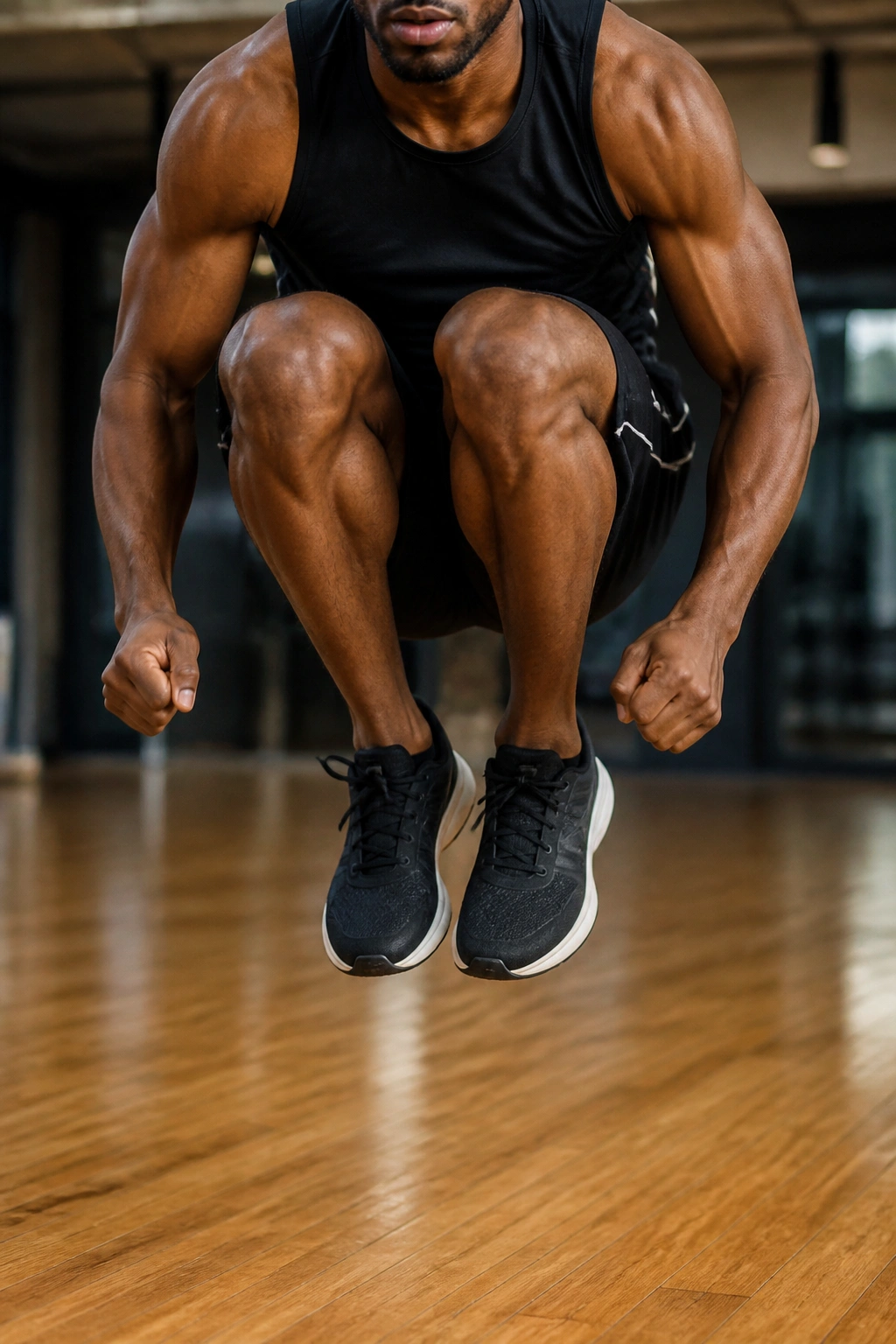
Tuck jumps look simple, then they start smoking your legs after the third set. That is part of the appeal. They demand a fast hip drive and a tidy landing, which makes them useful for athletes who need quick vertical force.
Do 3 sets of 6 reps. Rest about 45 seconds between sets, or longer if the jumps start getting sloppy. Bring the knees up sharply, but do not chase a chest-to-knees circus act. The goal is speed, not contortion.
The best tuck jump has a clean takeoff, a brief float, and a controlled landing under the hips. If you’re whipping the knees up while the torso folds forward, the rep gets ugly fast.
One good rep beats five noisy ones. That rule saves the knees, the Achilles, and your pride.
6. Split Squat Jump Switches for Single-Leg Drive
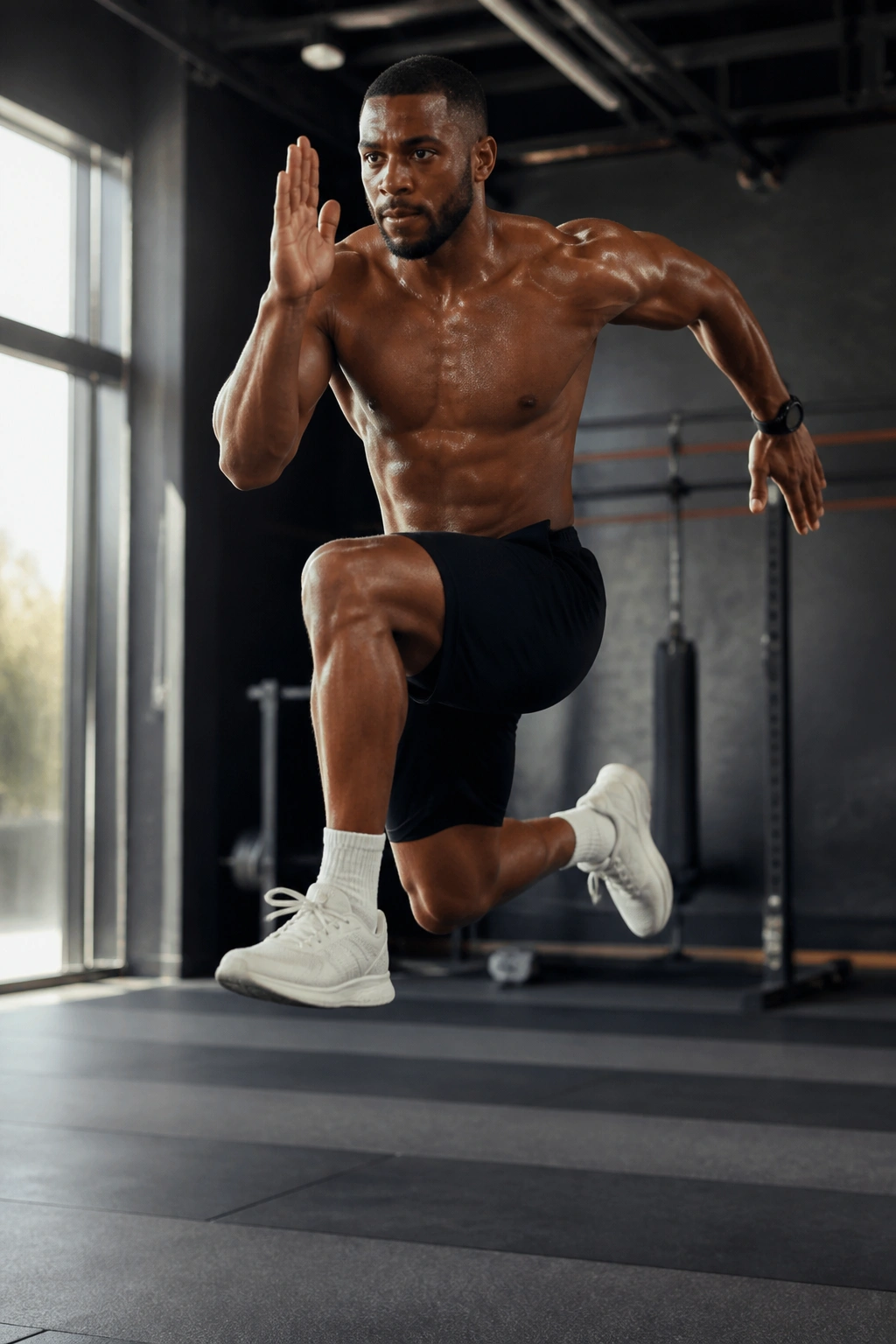
Unlike two-foot jumps, split squat jump switches show you exactly which leg is doing the work and which one is freeloading. There’s nowhere to hide.
Use them when you want more single-leg power for sprinting, basketball cuts, field work, or anything that asks one leg to drive while the other recovers. I like 3 sets of 5 switches per side, with 60 to 75 seconds of rest. Keep the torso tall, the front shin fairly vertical, and the switch snappy.
This drill gets ugly when people try to bounce forever. Don’t. Each switch should look like a deliberate exchange, not a pogo contest. If your rear knee is slamming into the floor or your front foot is sliding around, the stance is too long or the pace is too fast.
The sweet spot is sharp and controlled. That’s where the power actually builds.
7. Skater Hops for Lateral Power
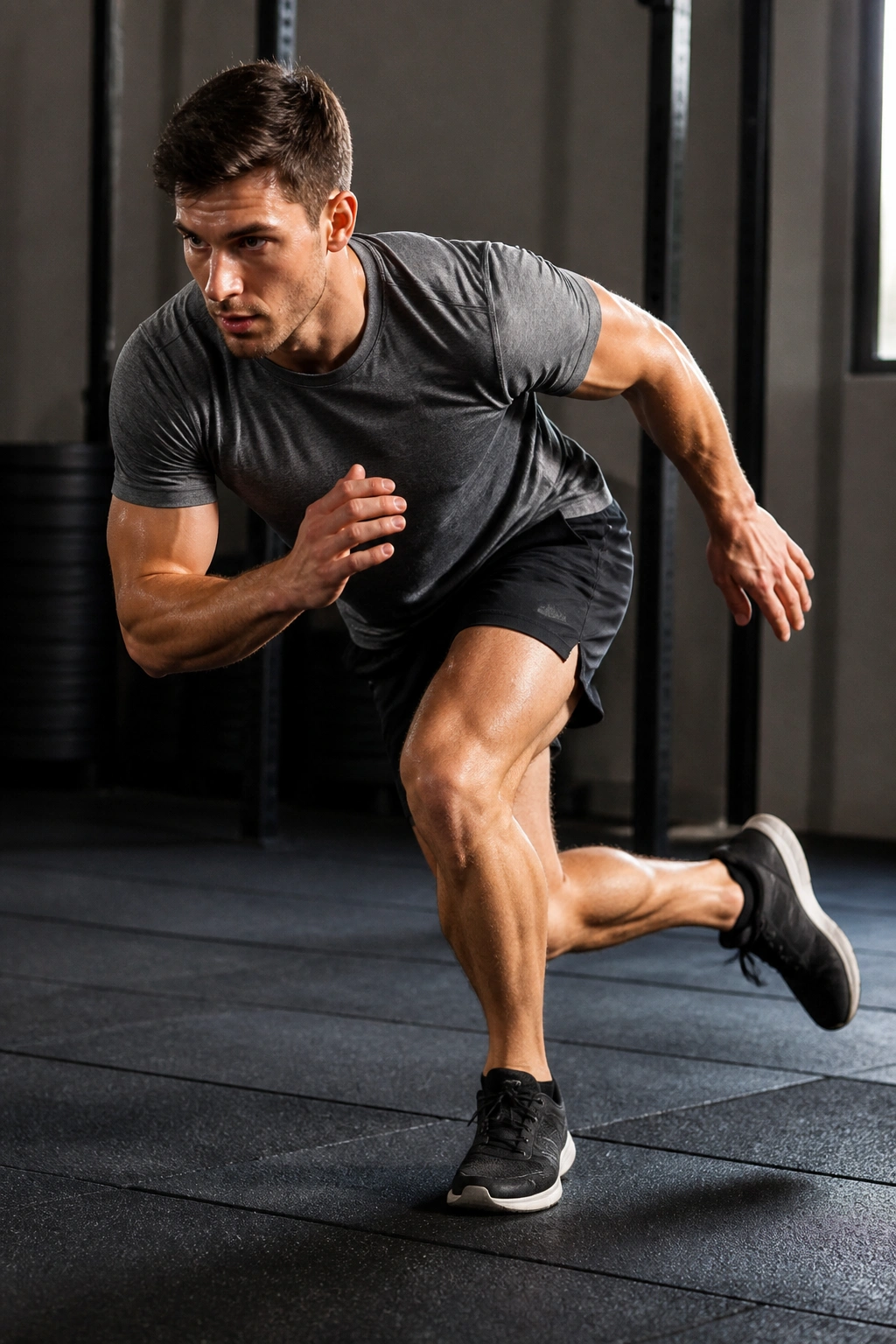
Picture a defender sliding hard to one side, then exploding back the other way. That’s the kind of force skater hops teach.
Jump laterally from one leg to the other, land softly, and try to own the landing for a beat before you move again. Do 4 sets of 6 hops per side or run them for 20-second intervals if you want a little more conditioning flavor. Either way, the hips should stay level and the landing knee should track over the foot.
A lot of people fling the free leg wildly behind them. No need. Keep the movement clean and direct. Push off the floor, travel sideways, stick the finish.
The outside hip should do real work here. If it feels like your ankle is doing everything, the range is too small or the push-off is too weak.
8. Single-Leg Hops and Sticks for Balance and Force
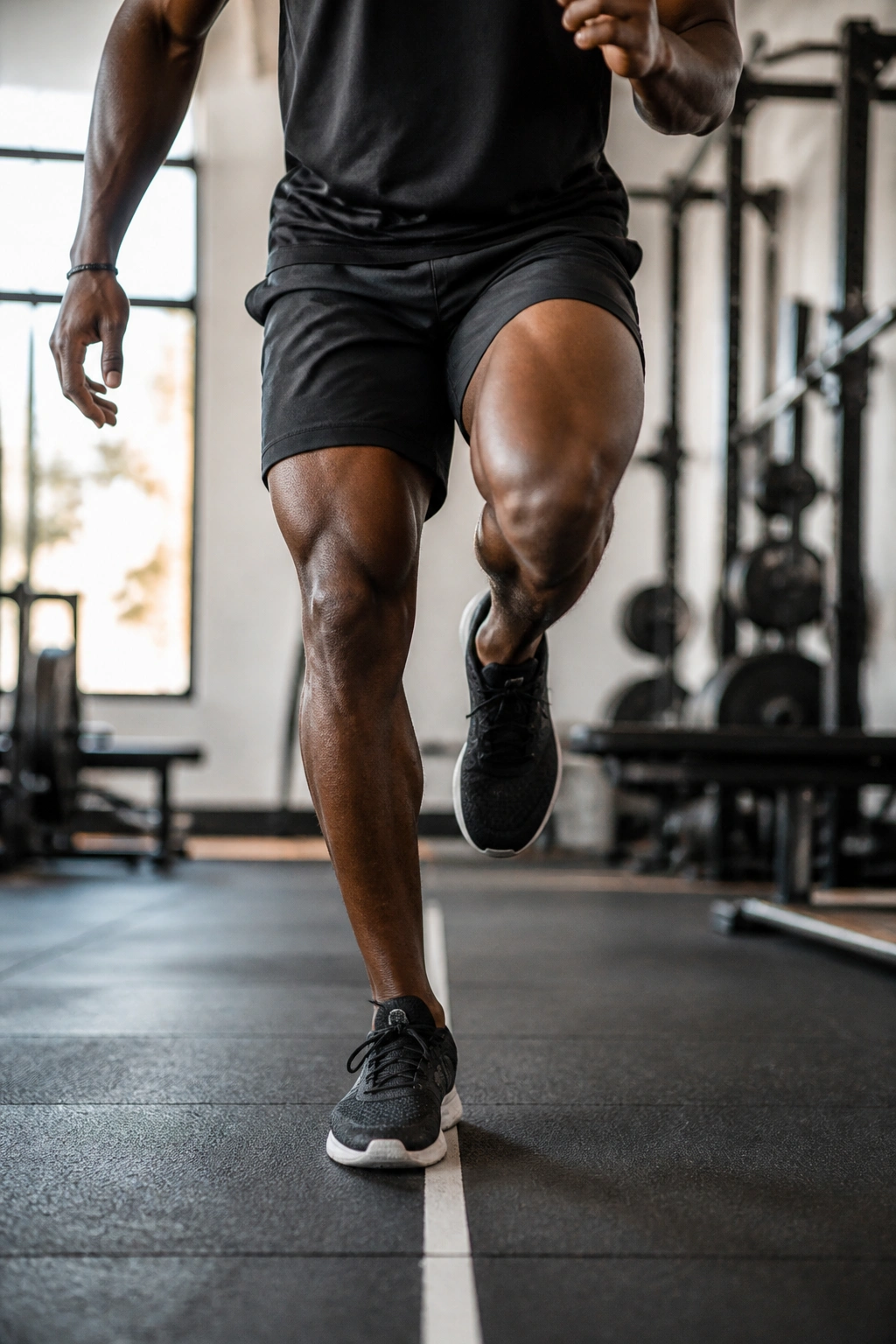
Single-leg hops are where sloppy ankles get exposed. Fast.
Set a tape line on the floor or use the seam in a gym mat. Hop forward on one leg for 5 reps, then hold the last landing for 2 seconds before resetting. Do 3 to 4 rounds per leg. The freeze matters. It tells you whether the foot, ankle, knee, and hip can all agree on where the body ended up.
If you rush through these, they turn into an ankle wobble with a little bounce attached. That’s not the goal. You want the foot to land under the center of mass, not way out in front like a brake pedal.
Use this drill when you want more control in sprinting, cutting, or jumping off one leg. It’s also a good honesty check. A tired athlete will show it here quickly.
9. Pogo Jumps for Stiff Ankles and Fast Contacts

Pogo jumps look almost too small to matter. Then you feel your calves light up and realize how much the ankles were missing in the rest of your training.
The idea is simple: stay tall, keep the knees slightly bent, and bounce quickly off the balls of the feet with very little knee action. 3 sets of 20 seconds is a clean starting point. If you prefer reps, use 30 total contacts and rest a minute between rounds.
How to use them without overcooking the calves
- Keep the bounce small and quick.
- Think “stiff and springy,” not “deep and powerful.”
- Stop if the feet start slapping the floor.
- Use them as a warm-up, a speed primer, or a short finisher.
Pogo jumps are one of those drills that look harmless on paper and feel sneaky in real life. They’re a good reminder that power doesn’t always come from bigger movement. Sometimes it comes from faster contact.
10. Bounds for Distance and Sprint Carryover

Watch a good sprinter accelerate and you’ll see bounds hiding in plain sight.
Bounding is long, aggressive running with exaggerated force through each step. It builds the kind of leg drive that carries over to sprinting, field sports, and any movement where you need to push the ground behind you instead of just shuffling across it. Run 4 sets of 20 meters with full recovery, or do 6 big bounds per leg if you’re working in a smaller space.
The key is posture. Keep the hips tall, the chest steady, and the forward leg active. If you fold at the waist, the exercise turns into a weird leap instead of a force drill.
Some people overstride and crash. Don’t chase distance at the expense of rhythm. Long, strong, and balanced is the target.
11. Hurdle Hops for Rhythm and Elasticity

Hurdle hops are where timing starts to matter more than brute force. Set up 3 to 5 low hurdles, cones, or even taped lines if that’s what you have, then move over them in a smooth chain of quick jumps.
Use 3 to 5 rounds, resting 60 to 90 seconds between rounds. The hops should feel bouncy, but not wild. The body needs to stay organized from takeoff to landing, which is why this drill is so useful for athletes who have to move fast while staying in control.
If the hurdle is too high, the rhythm disappears. If the spacing is too close, you’ll start chopping the steps. Low and even is the sweet spot.
One clean string of hops tells you more than ten messy attempts. That’s the part people miss. Rhythm is power with manners.
12. Lateral Bounds to a Strong Freeze
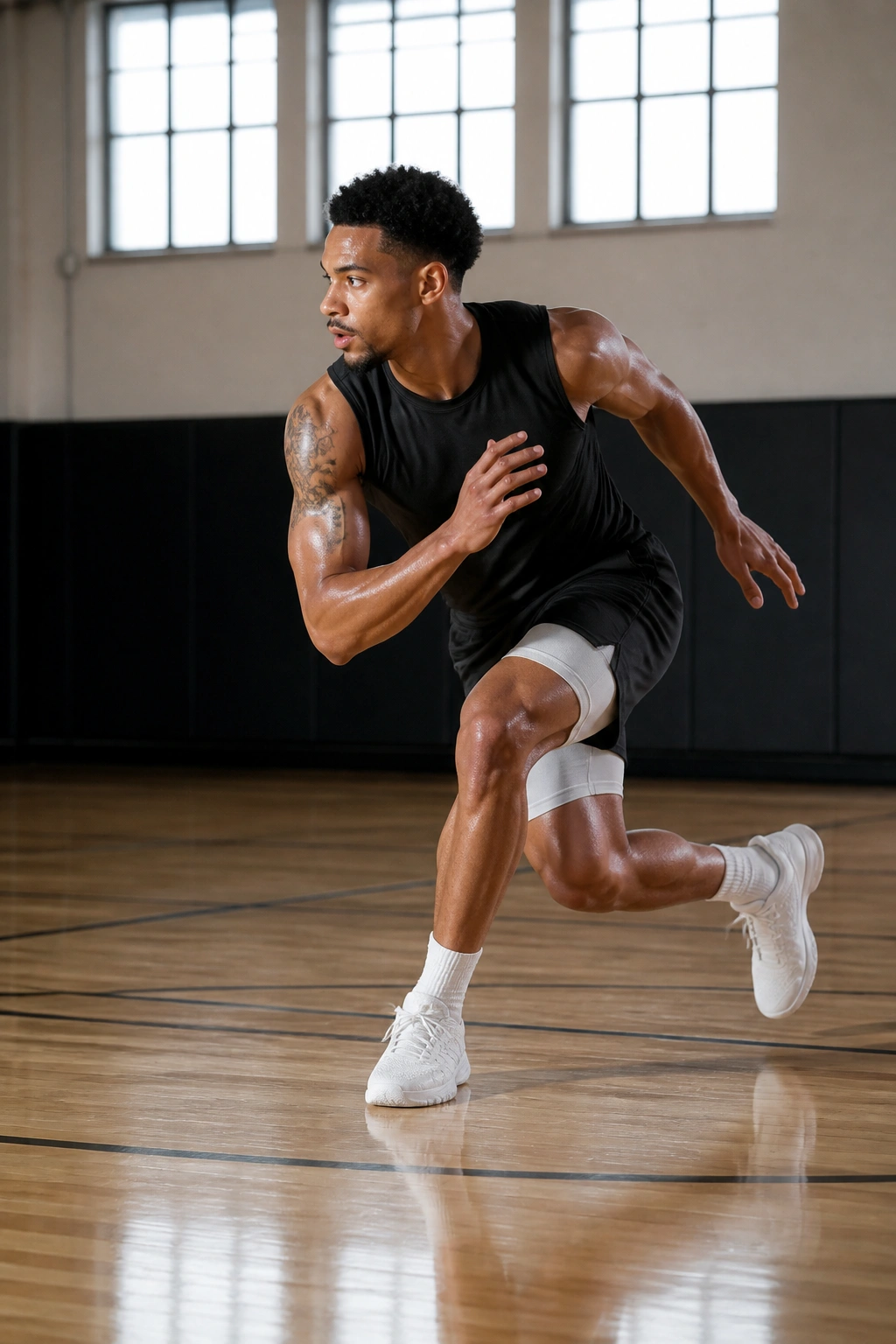
Lateral bounds are the bigger, more deliberate cousin of skater hops. They ask for a strong push off one leg, a longer travel, and a landing that you can actually own for a second.
Do 3 sets of 5 bounds per side and hold each landing for 1 to 2 seconds. That freeze matters because it forces the hips and knees to stabilize under load, not after the fact. Great for change-of-direction work. Great for stopping the knee from folding inward.
Unlike skater hops, this version asks you to be more forceful on the push-off and a little more patient on the finish. The difference is subtle until you feel it. Then it’s obvious.
I like this drill for people who already have decent jumping skill and want more lateral pop. It carries well to court sports, ski training, and any athlete who lives on side-to-side movement.
13. Medicine Ball Chest Passes for Upper-Body Power
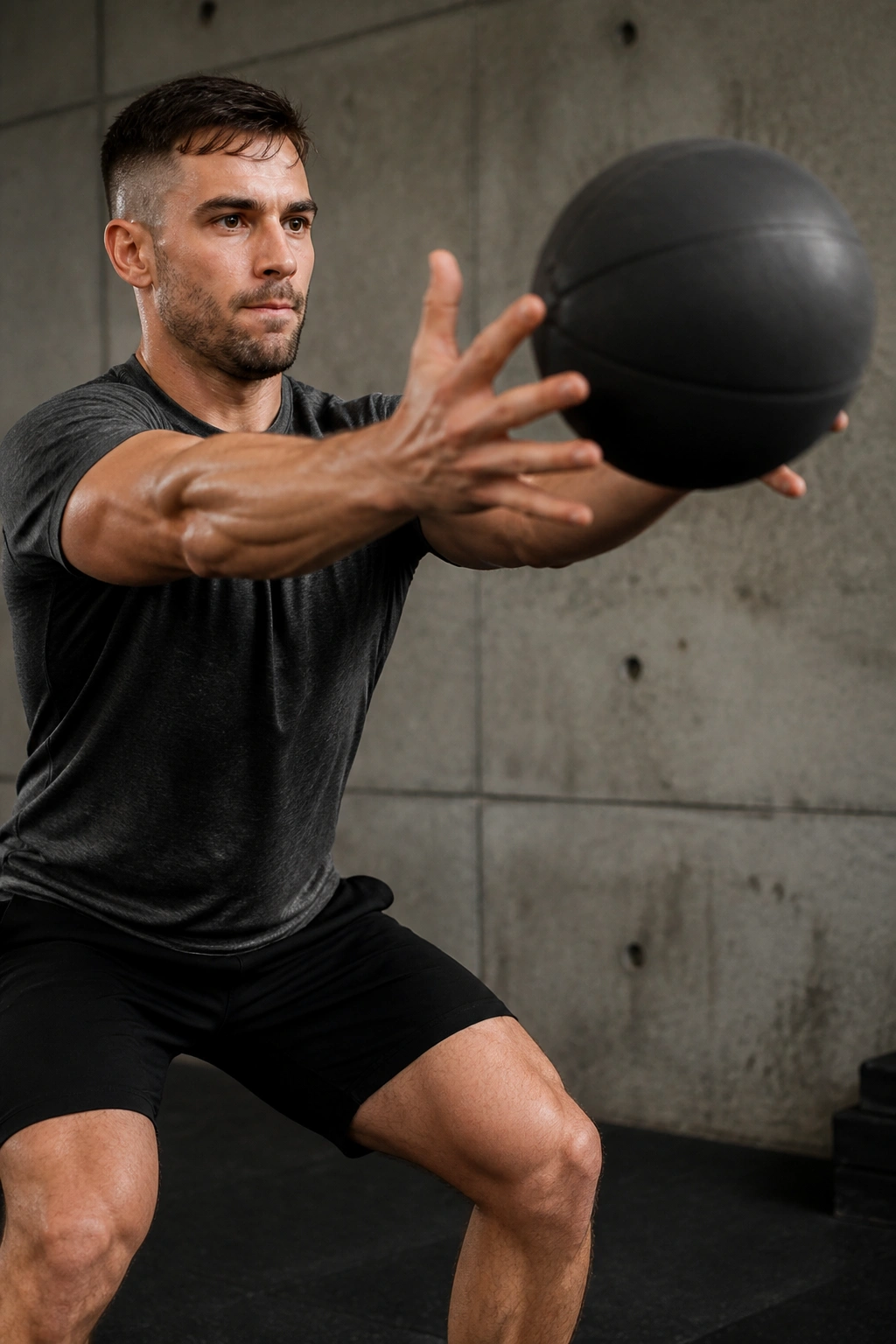
Plyometric workouts do not have to be all legs. Chest passes are one of the cleanest ways to train upper-body explosiveness without needing a barbell.
Use a 4 to 10 kg medicine ball, depending on strength, and throw it into a wall or to a partner from an athletic stance. 4 sets of 6 reps is a solid start. The ball should leave your hands fast. If it feels slow and grindy, the ball is too heavy.
What makes this different
- The power comes from the legs and trunk, not just the arms.
- The elbows finish with a sharp snap.
- The torso stays braced while the arms punch through.
- The catch should be ready, not casual.
A good chest pass feels almost violent for a split second. That’s fine. What matters is that the body resets cleanly between throws.
14. Overhead Medicine Ball Slams for Full-Body Force

This is the one I reach for when someone wants power without fuss. Pick up the ball, brace hard, and slam it into the floor like you mean it.
Do 5 sets of 5 slams with 45 to 60 seconds of rest. A slam ball is ideal because it won’t bounce away and wreck the rhythm. If all you have is a standard medicine ball, use a safe surface and make sure it can handle repeated impact.
The power comes from the whole chain — feet, hips, trunk, shoulders, arms. Start tall, reach high, then snap down hard while exhaling sharply. The finish should feel abrupt. If the movement turns into a slow overhead lift, it has lost the plot.
Keep the spine neutral and the ribs down. People love turning this into a backbend. Don’t.
15. Rotational Medicine Ball Throws for Trunk Power
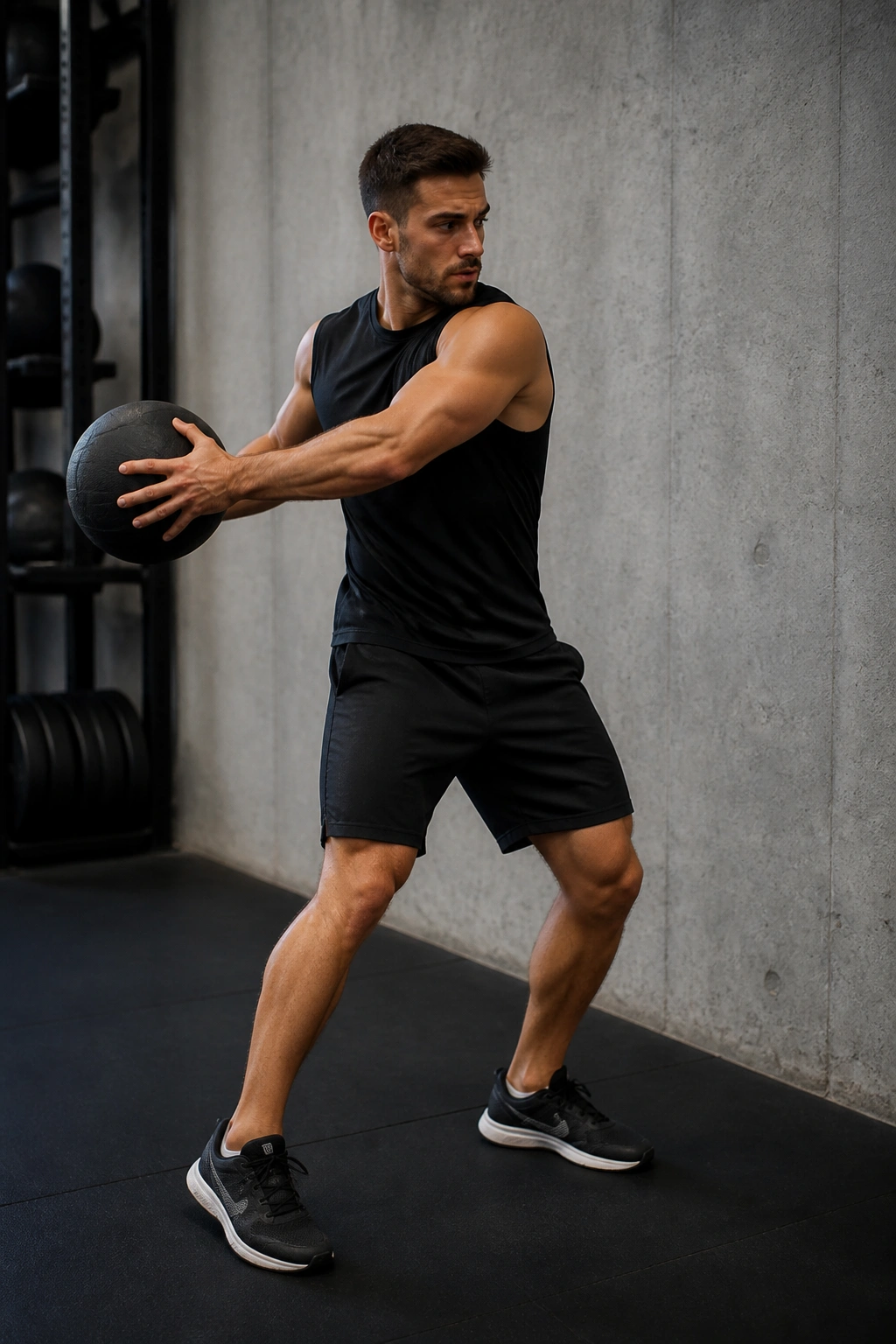
Can your hips and torso fire together without your shoulders doing all the work? Rotational throws answer that question quickly.
Stand side-on to a wall, hold a medicine ball at the hip, rotate through the hips and trunk, and throw across the body. Use 4 sets of 5 throws per side. Give yourself enough space that the ball doesn’t come back at your face. That part matters more than people like to admit.
The power should start from the ground, move through the hips, then zip through the torso into the throw. If the arms start first, the drill turns flimsy. Keep the feet planted, then let the back foot pivot naturally as you fire the ball.
This one works well for athletes in baseball, tennis, hockey, and any sport where rotation matters. It’s also a smart way to remind the trunk that it has a job beyond just holding you upright.
16. Burpee Broad Jump Combos for Harder Conditioning-Style Power
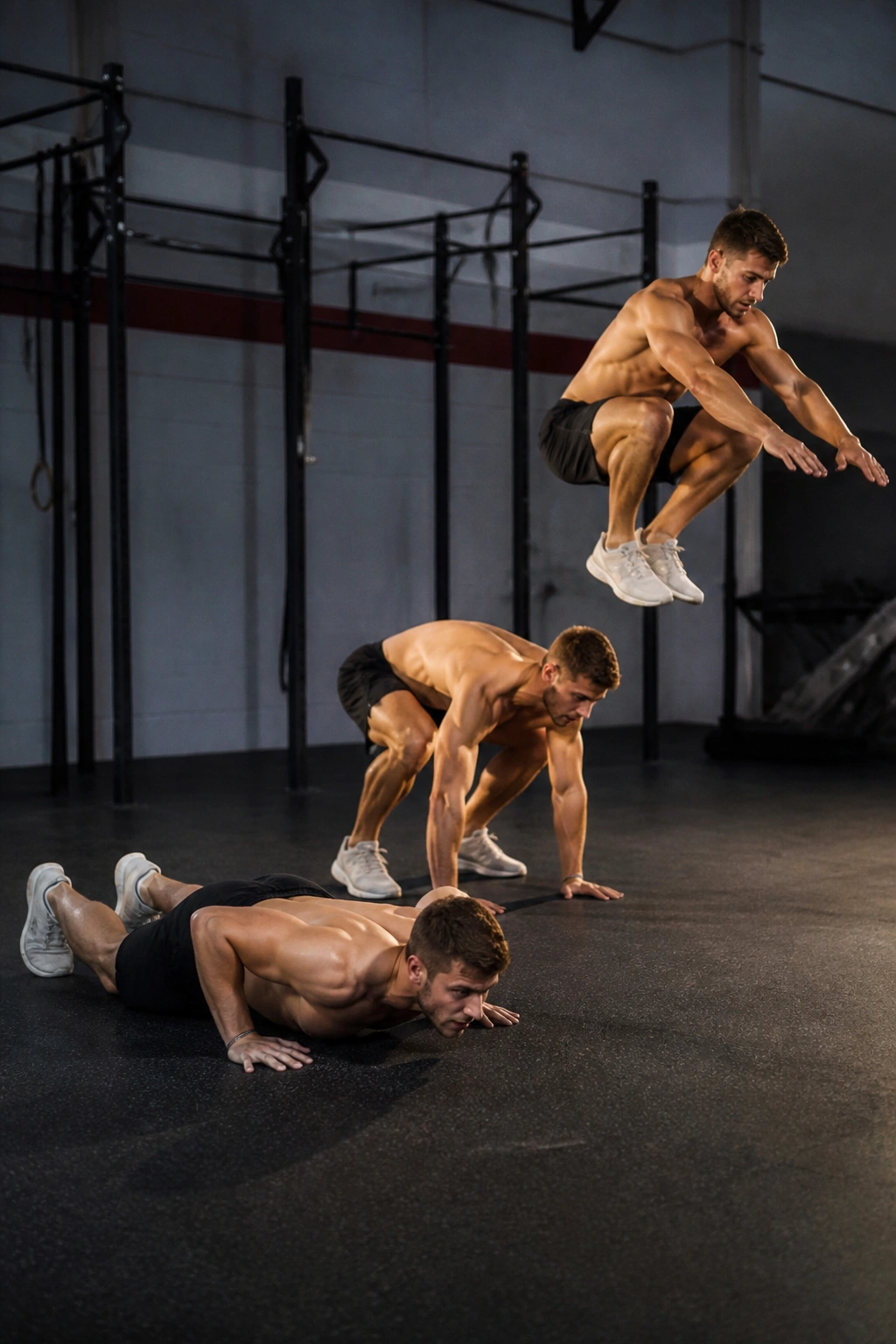
Burpee broad jump combos look messy when people rush them. That’s because the drill asks for two different things at once: a floor-to-stand transition and a real horizontal jump.
Run 3 rounds of 5 combos, resting 90 seconds between rounds. Keep the burpee clean, then explode into the broad jump with a reset stance. If the jump distance drops off by the third rep, cut the set. Don’t drag it out just because the stopwatch says you can.
This is not the best choice if pure power is the only goal. It drifts toward conditioning, which can be useful, but it also steals freshness fast. Save it for finishers, mixed sessions, or days when you want the legs challenged in more than one way.
If the jump becomes a hop, stop. That rule keeps the drill honest.
17. Jump Lunges for Quad and Glute Drive

Jump lunges are simple, ugly, and effective. They ask both legs to switch positions under load while the hips stay active and the trunk stays honest.
Try 3 sets of 8 total reps or 20-second bursts if you prefer time over counts. Keep the torso tall, land under control, and avoid letting the front knee shoot too far forward as you switch. The farther the leg swing gets from center, the more the landing starts to wobble.
This drill gets people breathing hard fast, which is part of the appeal, but the power benefit only sticks if the jumps stay clean. There’s no prize for suffering through a sloppy set.
If your knees do not love the switch, this is one of the first drills I’d cut back on. Split squat jumps are usually the safer cousin.
18. Frog Jumps for Short-Burst Leg Power

Frog jumps are gloriously crude. Deep squat, forward leap, reset, repeat. No one is pretending this is elegant.
Use 4 sets of 5 jumps in an open space. Let the arms swing naturally, sit into the hips, then drive forward and land with enough bend in the knees to absorb the impact. Outdoors is nice here because the drill covers ground fast and people tend to underestimate how far each rep travels.
I like frog jumps as a short finisher when the athlete still has some pop left but doesn’t need a perfectly technical drill. They load the quads and glutes hard, and they expose whether the lower body can produce force from a compact position.
Unlike tidy vertical jumps, frog jumps are more about raw drive. That makes them a little messy. That’s fine.
19. Push-Up Plyo Reps for Pressing Power

Upper-body plyometrics deserve more attention than they get. Push-up plyo reps teach the chest, shoulders, and triceps to produce force quickly, which carries over to contact sports and pressing strength.
If you’re new to them, use an incline bench or a sturdy box. If you’re advanced, go to the floor and add a small hand release or clap. 4 sets of 4 to 6 reps is enough. More than that and the quality drops fast.
How to scale it
- Use a higher incline if the hands don’t leave the surface cleanly.
- Keep the elbows at about a 45-degree angle.
- Brace the midsection so the hips don’t sag.
- Land softly through the palms and wrists.
The rep should look explosive, not frantic. If the lower back is doing a lot of talking, the body’s not braced well enough.
20. Trap Bar Jump Squats for Loaded Explosiveness
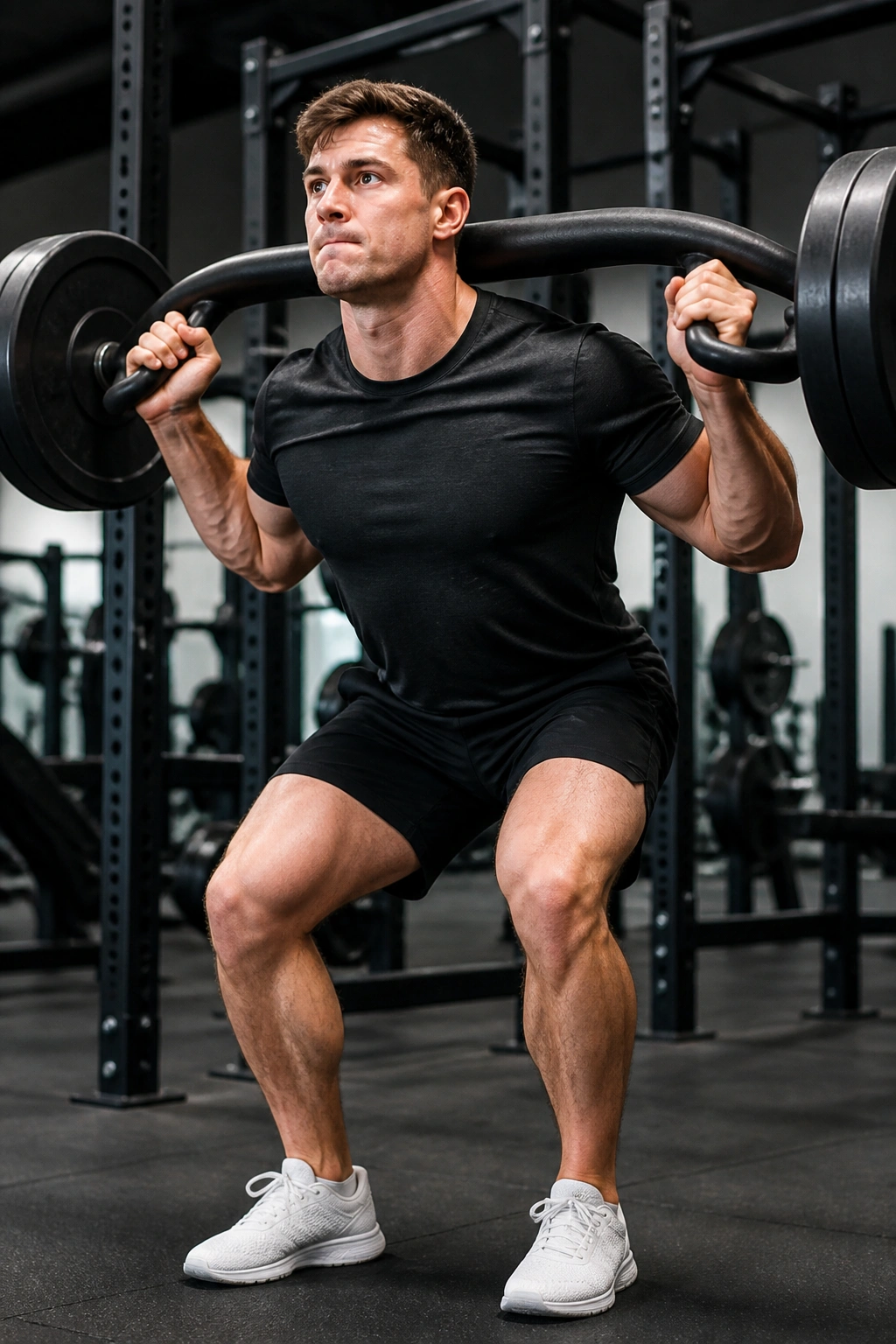
Loaded jumps sit in a different lane from bodyweight plyometrics, and trap bar jump squats are one of the better versions. They let you add resistance without forcing the awkward bar path of a straight barbell jump.
Use a very light load — usually around 20 to 30 percent of your deadlift load is plenty to start. Do 4 sets of 3 reps and rest 2 minutes between sets. If the plates start clanking on the way up, the load is too heavy.
The goal is speed, not grind. Drive through the floor, jump hard, and land under control. Keep the torso stacked and the grip relaxed enough that the bar moves like part of the body, not like a hitchhiker.
This drill is for people who already have some lifting experience. It is not the place to chase fatigue. It’s the place to turn strength into speed.
21. Step-Up Jumps for Drive Off One Leg
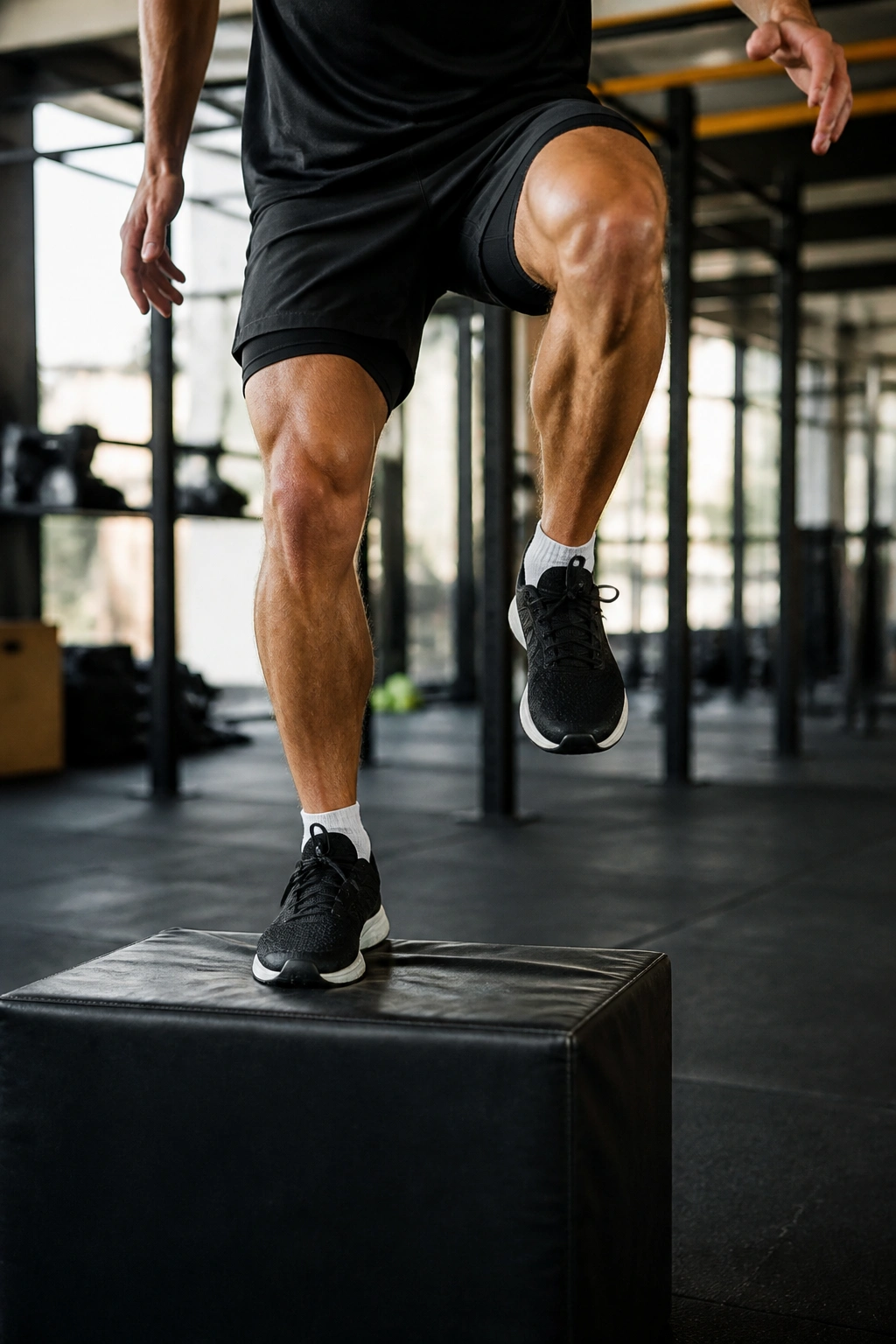
Why does a step-up jump feel so different from a standard squat jump? Because one leg has to do the work before the other one gets to help.
Set a box or bench at about knee height or lower. Step up with one leg, drive the opposite knee, and jump to the top or into a controlled landing depending on the drill setup. 3 sets of 5 reps per side is a strong starting point. Rest about 60 seconds between sides.
The key is not to launch wildly off a shaky step. Keep the whole foot on the box, load the working glute, then drive. That first push tells you a lot about single-leg power and balance.
This drill is especially useful for runners and field athletes because it mimics the one-leg drive you need when sprinting, climbing, or cutting. It also exposes side-to-side weaknesses fast. No hiding.
22. Sprint Starts From a Split Stance

If I had to pick one drill that transfers fast to real speed, this would be near the top. Sprint starts from a split stance turn all the power you’ve built into actual acceleration.
Set up in a staggered stance, lean slightly forward, and sprint 10 to 20 meters with full recovery. Do 6 to 8 starts and rest 60 to 120 seconds between efforts. Every rep should feel fresh. If the first three meters get mushy, the rest is too short.
What to focus on
- Push the ground back, don’t reach forward.
- Keep the first steps low and aggressive.
- Stay angled for the first few strides.
- Drive the arms hard and stay tight through the trunk.
This drill is simple, and that’s why I like it. No gimmicks. No extra noise. Just force directed into speed.
If you only have time for one explosive session, this is a smart place to start. Pair it with one lower-body jump drill and one upper-body throw, and you’ve got a session that teaches the body how to fire without wasting a single rep.
