



The first mile of a run is almost always the hardest. Your muscles feel cold, your joints have that morning stiffness, and your breathing hasn’t quite synced up with your stride. It is tempting to just head out the door and start grinding, hoping that the movement itself will warm you up as you go. Many runners do this for years without realizing they are essentially treating their bodies like a car engine that they are revving to redline while the oil is still cold and viscous.
Running is a high-impact, repetitive activity. Every step places stress on your ankles, knees, hips, and lower back. If you skip a proper warm-up, you are not just missing out on performance gains; you are inviting injury. Your tissues need to be pliable and your blood flow needs to be elevated before you start pounding the pavement. This isn’t about sitting on the ground stretching your hamstrings until they burn—that type of static stretching can actually be counterproductive right before a run. Instead, you need dynamic movement.
Dynamic stretching—moving through a range of motion—is the gold standard for runners. It mimics the mechanics of running while simultaneously firing up the nervous system. When you prepare correctly, your muscles act more like rubber bands and less like stiff cords. You will notice that your cadence feels more fluid, your stride feels more natural, and you reach your rhythm much faster. The following routine is designed to cover every major muscle group involved in your gait, from your toes all the way up to your shoulders.
The Physiology of a Dynamic Warm-Up
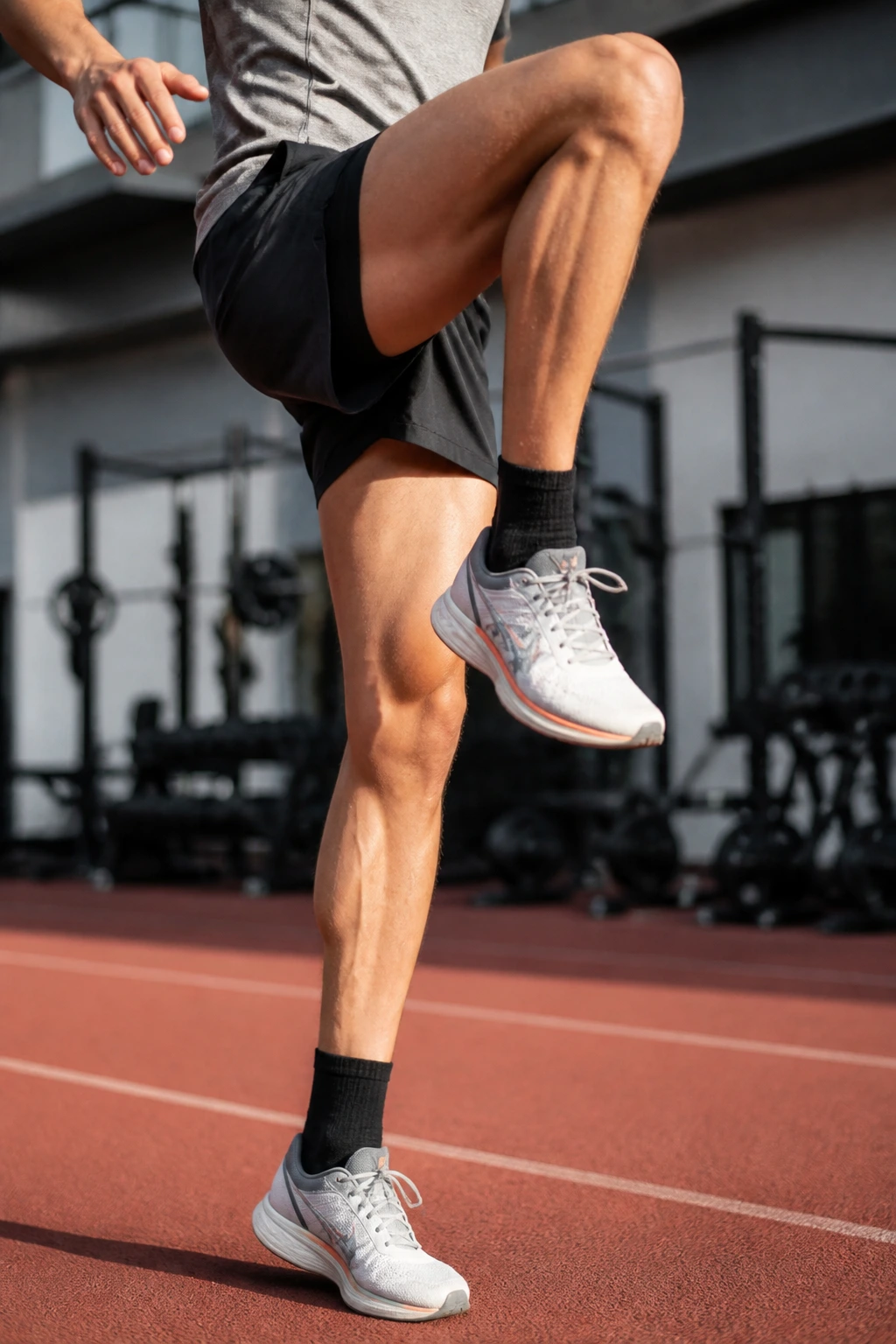
Why bother with twenty different movements when you could just jog slowly for five minutes? It is a fair question, but a jog is not the same as a targeted warm-up. A slow jog is good, but it often misses the small stabilizing muscles that keep your hips aligned and your ankles stable. When you perform specific dynamic movements, you are signaling to your central nervous system that it is time to work.
Blood flow is the primary goal here. When you move your legs through full ranges of motion, you are actively pushing nutrient-rich blood into the muscle tissues and tendons. This increases the temperature of the tissue, which reduces the internal friction of the muscle fibers. In practical terms, this means you are less likely to pull a muscle or strain a ligament in the first ten minutes of your workout.
Furthermore, these movements act as a rehearsal for your brain. You are training your coordination. By performing leg swings or lunges, you are telling your brain to activate the glutes, engage the core, and stabilize the knee. This “neuromuscular activation” is why runners who warm up properly often feel lighter on their feet. You are literally waking up the pathways that your body uses to run.
1. Front-to-Back Leg Swings
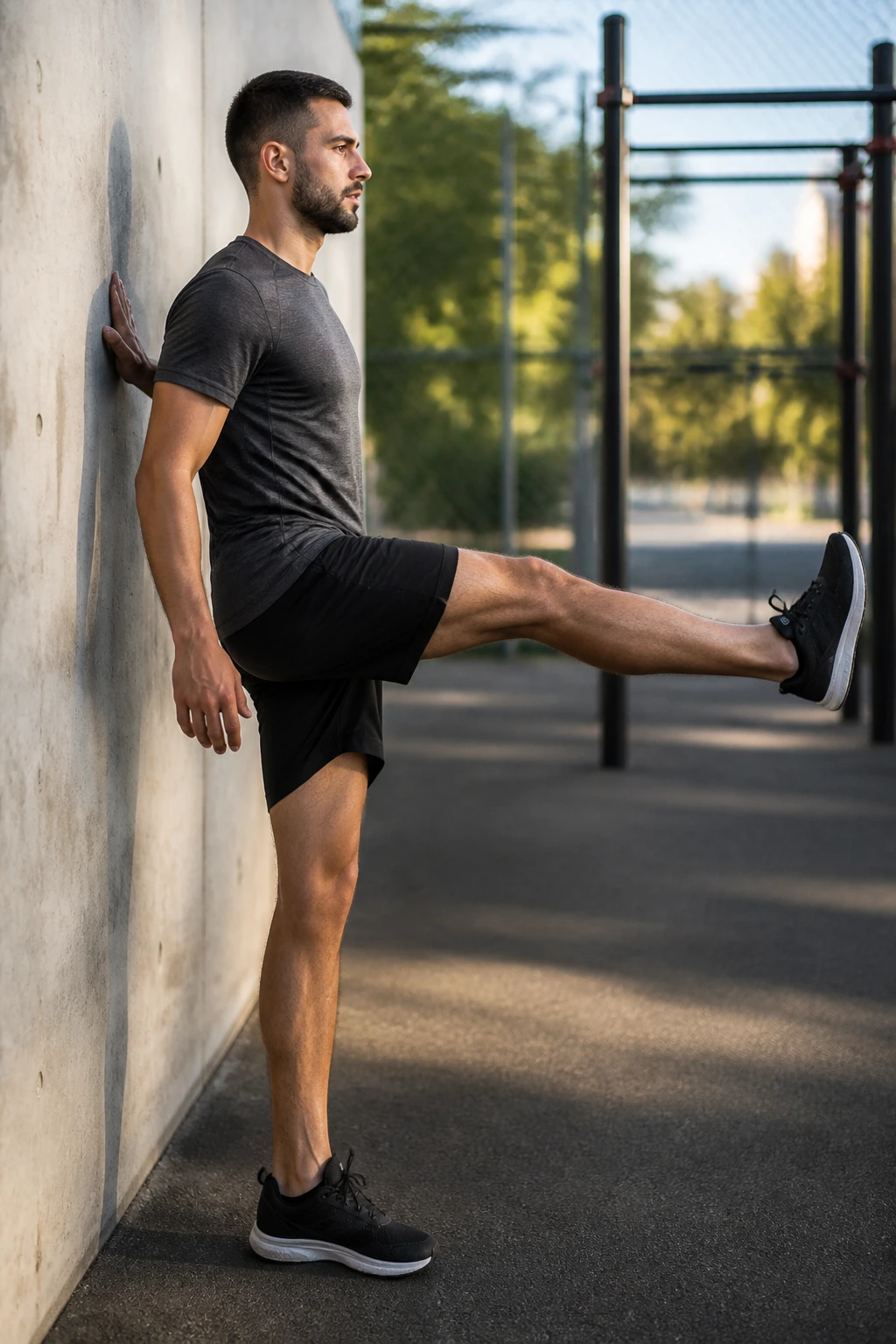
This is the quintessential runner’s movement. It targets the hip flexors and the hamstrings, two areas that are notoriously tight in anyone who spends a lot of time sitting. To perform this, find a sturdy fence or a wall for balance. Stand tall, keep your core engaged, and swing one leg forward and backward like a pendulum.
Why It Matters
When you run, your leg needs to extend fully behind you and lift comfortably in front of you. If your hip flexors are tight, your stride will be restricted, causing you to lose efficiency. This movement forces that full range of motion without the impact of gravity.
How to Get the Most From It
- Keep your torso perfectly upright. Do not lean forward or backward as your leg swings.
- The movement should come entirely from the hip joint.
- Start with smaller, controlled swings. As you feel the tension ease, increase the height of the swing.
- Aim for 15 to 20 swings per leg.
2. Side-to-Side Leg Swings
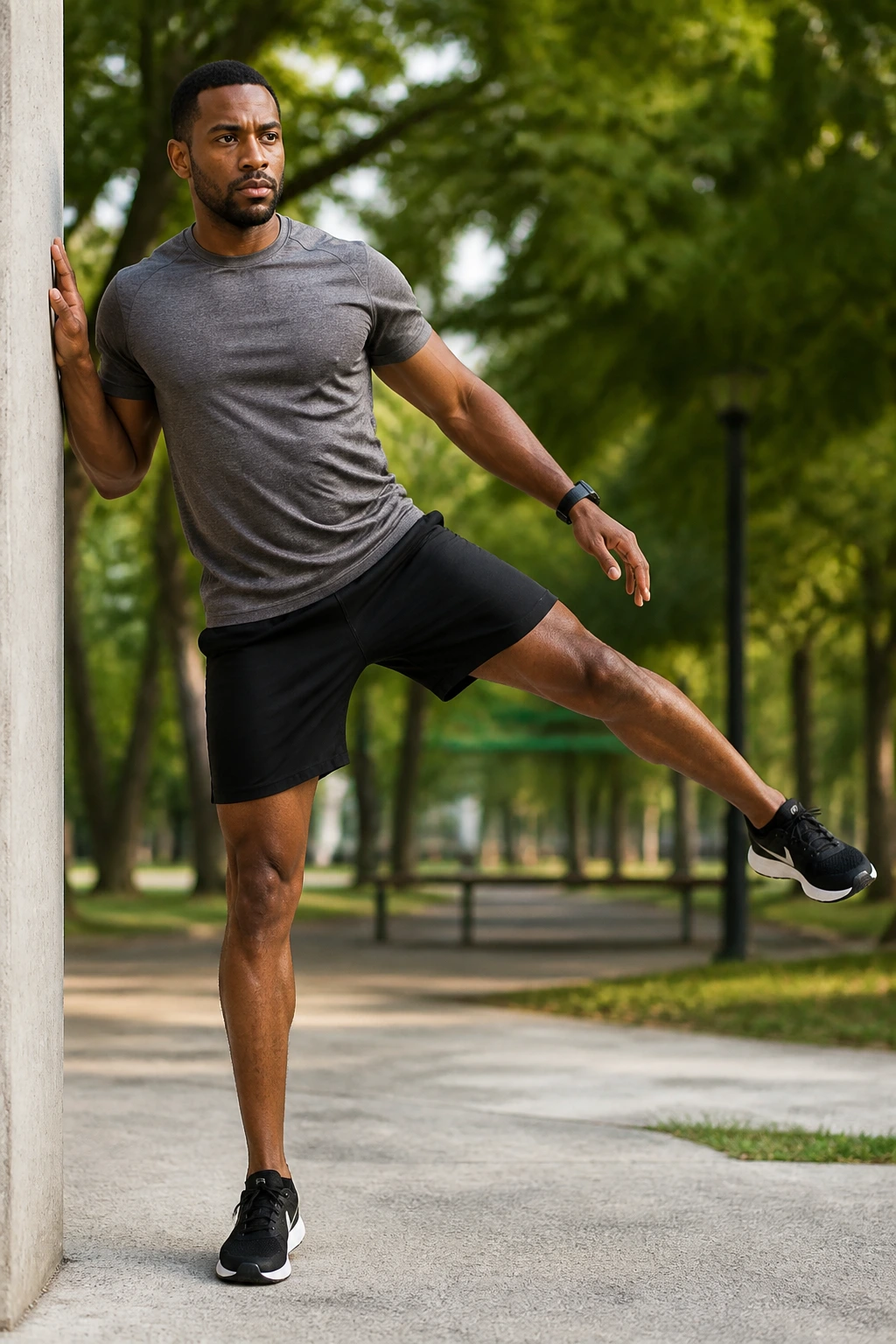
While the front-to-back swing hits the primary running plane, this variation addresses the lateral hip muscles. We often neglect the smaller stabilizers—the abductors and adductors—that keep our pelvis stable. If these are weak or stiff, your knees might cave inward during your run, leading to common issues like IT band syndrome.
The Execution: Face your support wall or post again. Shift your weight onto one leg. Swing the other leg side-to-side, passing it in front of your body rather than just out to the side. You are essentially crossing the midline of your body with your foot. This creates a gentle stretch in the inner thigh and the glute. Keep the movement smooth and continuous, not jerky. Aim for 15 reps on each side.
3. Walking Lunges
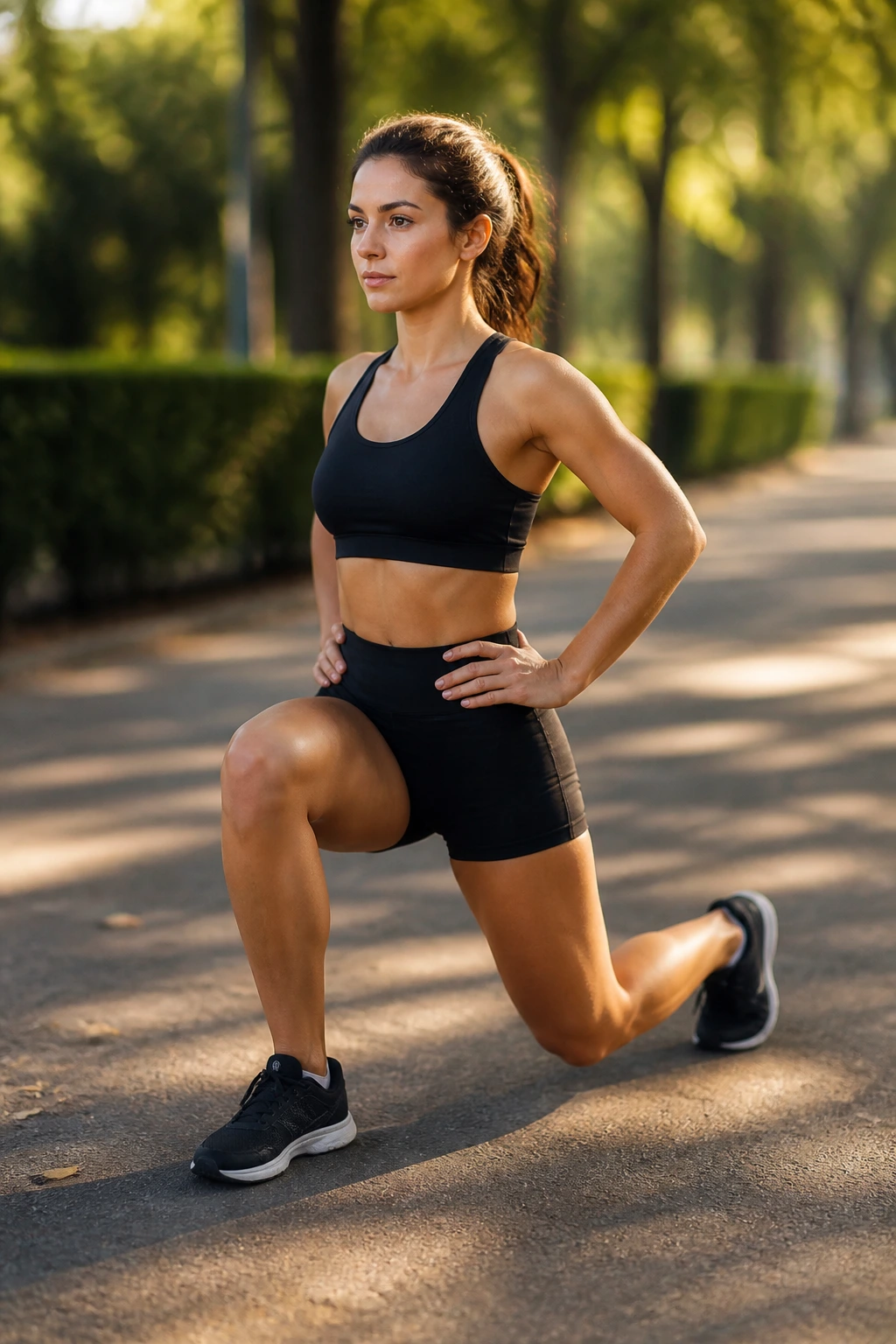
Walking lunges are not just for leg day at the gym; they are incredible for opening up the hips and activating the glutes in a functional way. Unlike a static lunge where you hold one position, the walking version requires balance and constant stabilization from your core.
The Technique
Step forward with your right leg, dropping your back knee toward the ground until both knees are at roughly 90-degree angles. Push off your right heel to bring your left foot forward into the next lunge. Do not let your front knee collapse inward; keep it aligned over your ankle.
Pro Tip for Better Stability
If you feel wobbly, keep your feet slightly wider apart—about hip-width—rather than walking on a tightrope. This provides a wider base of support for your balance. Focus on a point straight ahead to help keep your posture tall.
4. High Knees
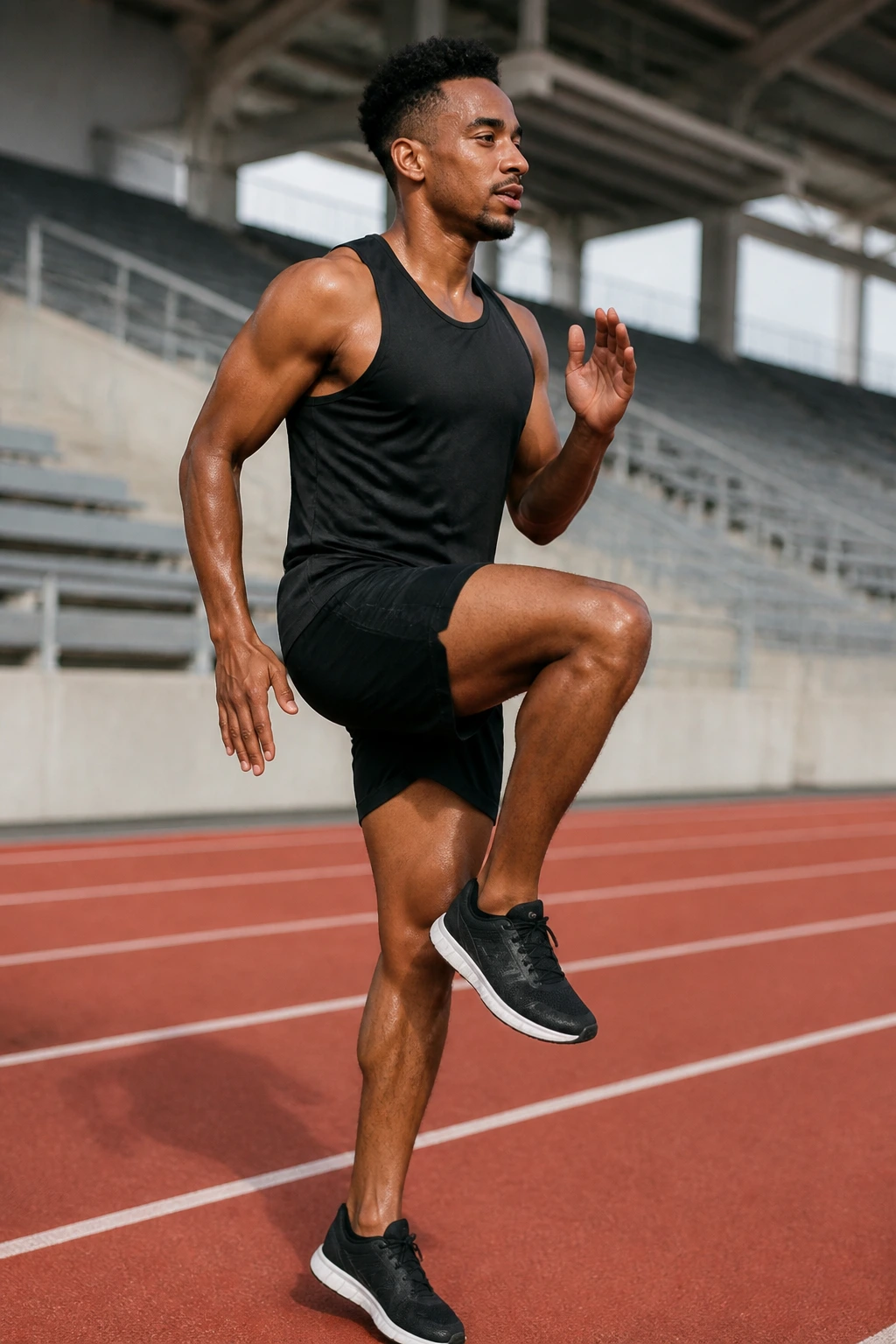
This movement is all about rapid-fire hip engagement. High knees force you to engage your core muscles to lift the thigh, which is the exact motion required for a faster running cadence. It also helps increase your heart rate quickly, making it a great transition from walking to running.
How to Do It: Start in place. Drive your right knee up toward your chest, then quickly switch to the left. It should feel like you are running in place with exaggerated form. Keep your back straight—do not hunch over the knees. Your feet should spend as little time on the ground as possible. Aim for 30 seconds of continuous movement. The goal is rhythm and quickness, not height.
5. Butt Kicks

If high knees work the front of the hip, butt kicks work the hamstrings. This movement emphasizes the “heel recovery” phase of your running stride. It trains your brain to pull your foot up toward your glutes, which is a hallmark of an efficient running gait.
The Mechanism
You can do these in place or while walking slowly. Bring your heel toward your glute. It does not need to actually touch your glute, but that is the direction of the force. Focus on pulling, not just flailing your lower leg. As your heel comes up, your knee should point straight down toward the ground. Do not let your knee drift forward.
Quick Fact
This movement also helps loosen up the quadriceps. If your quads are tight, they can restrict your knee flexion, leading to a choppy, inefficient running stride.
6. Hip Circles

Tight hips are the enemy of every runner. This movement is simple, but it is deceptively effective at loosening the joint capsule. Stand with your feet shoulder-width apart and your hands on your hips.
The Motion: Rotate your hips in a large, slow circle, as if you are using a hula hoop. Go in one direction for ten rotations, then switch and go the other way for ten. Focus on the sensation of the movement at the top of your thigh. You might hear some popping or clicking—that is usually normal as long as it is not painful. This move helps reset your pelvic alignment, which can shift if you have been sitting at a desk all day.
7. Ankle Circles
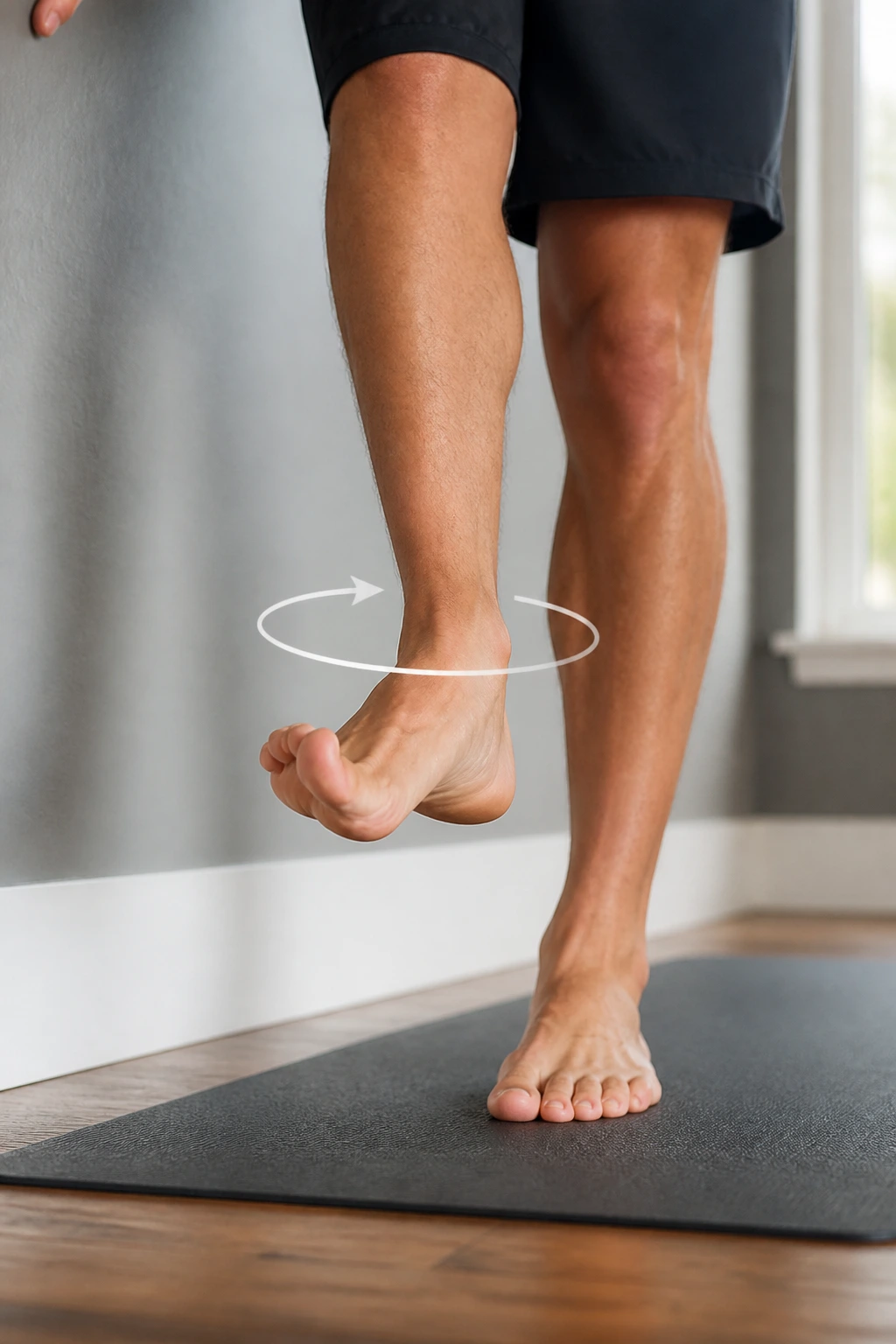
We often forget the ankles, but they are the first point of contact with the ground and the last point of push-off. Stiff ankles lead to compensations up the kinetic chain, often resulting in knee or calf pain.
How to Do It
Stand on one leg (use a wall for balance if you need). Lift your other foot off the ground. Rotate your ankle in a smooth circle, clockwise, for 10 repetitions. Then, rotate counter-clockwise for another 10. Repeat on the other side. This lubricates the joint and engages the small muscles that help you land stably on uneven terrain.
8. Calf Raises
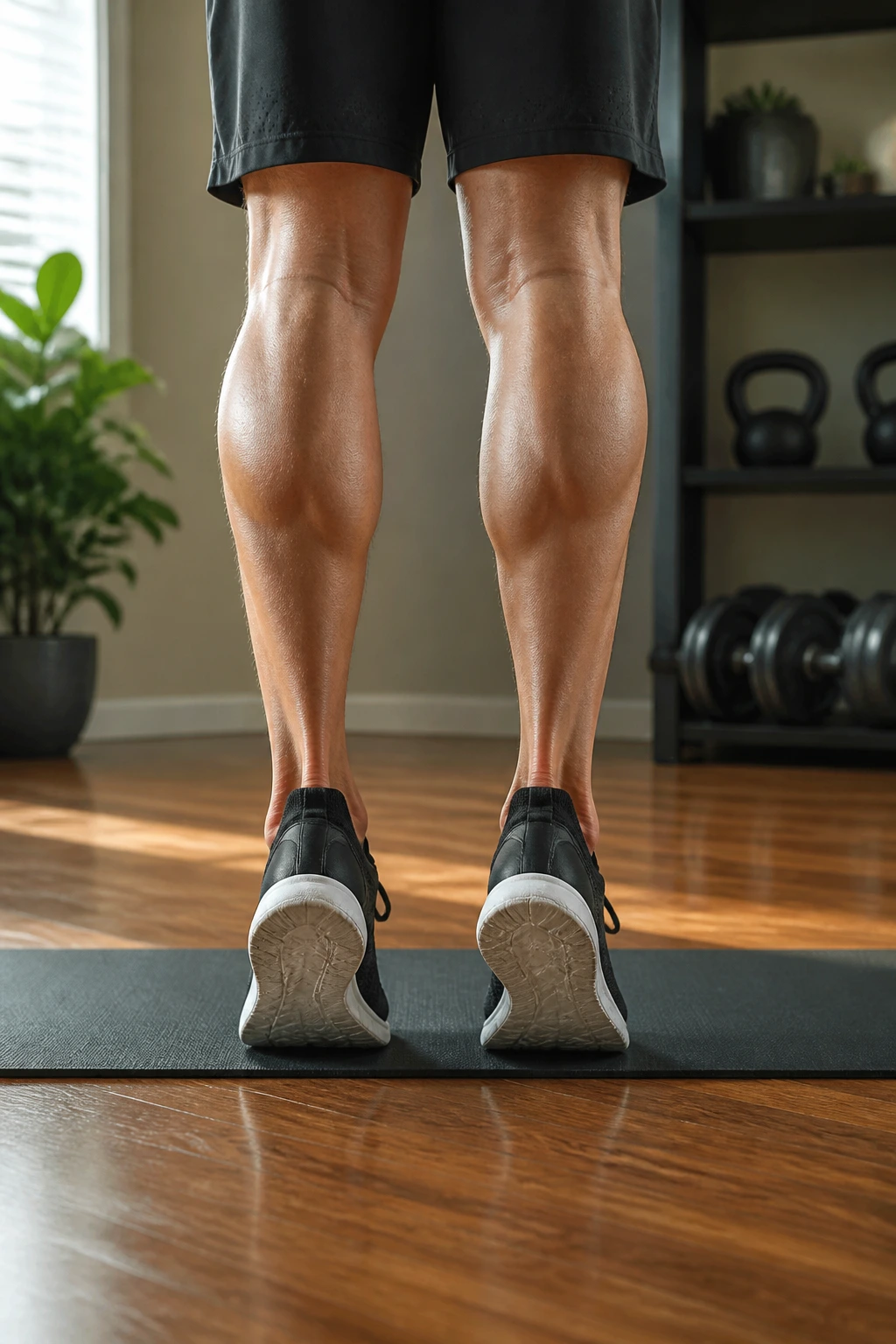
Your calves are the powerhouses of your propulsion. Tight or weak calves are a primary cause of Achilles issues and general lower leg fatigue. This move is straightforward, but its impact is significant.
The Execution: Stand with your feet hip-width apart. Rise up onto your toes, lifting your heels as high as possible. Pause at the top for a brief second to feel the engagement in the back of your lower leg, then lower your heels slowly back to the ground. Do not let your heels slam down. Do 20 repetitions. By the end, you should feel a mild burn; that is exactly the blood flow we are looking for.
9. Torso Twists
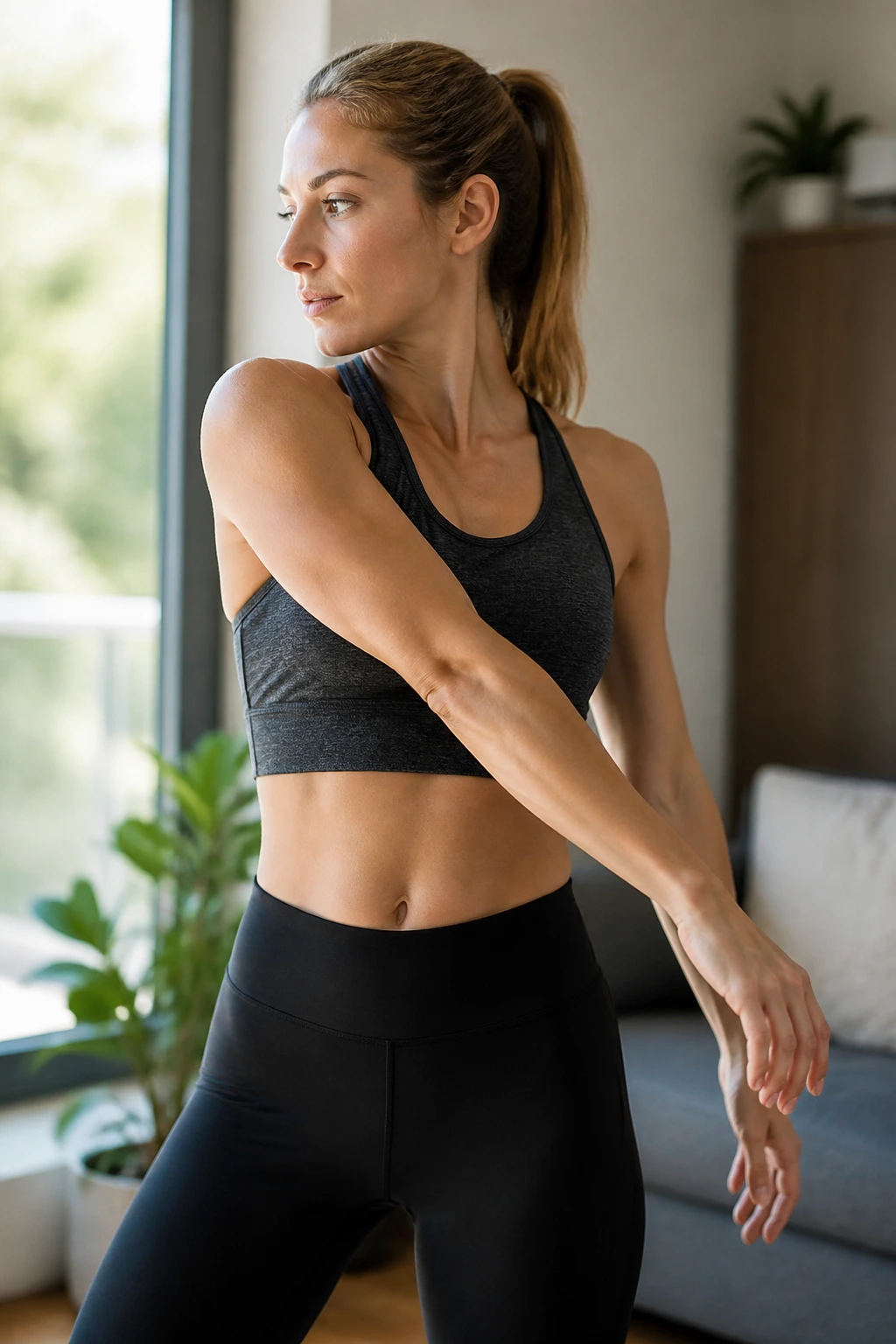
Running is not just about the legs. It requires your core to stabilize your upper body while your limbs swing. If your thoracic spine (the upper part of your back) is stiff, your gait will be inefficient because your arms and legs are fighting against each other.
The Technique
Stand with your feet wider than shoulder-width. Keep your knees slightly bent. Let your arms hang loosely by your sides. Gently rotate your torso from left to right, allowing your arms to swing naturally with the motion. Keep your gaze forward. The rotation should be gentle and controlled, not a violent yank. You are twisting the spine, not snapping it. Do this for 30 to 45 seconds.
10. Inchworms

This is a full-body movement that stretches the hamstrings, calves, and even the shoulders. It is a fantastic way to wake up the posterior chain before a run.
How to Do It:
- Stand tall.
- Hinge at your hips and reach down to touch your toes.
- Walk your hands forward on the floor until you are in a plank position.
- Hold the plank for a second, squeezing your glutes.
- Walk your hands back toward your feet, then stand up. Repeat this 5 times. It feels like a lot, but by the third rep, you will notice your hamstrings feel significantly more pliable.
11. Knee-to-Chest Hugs
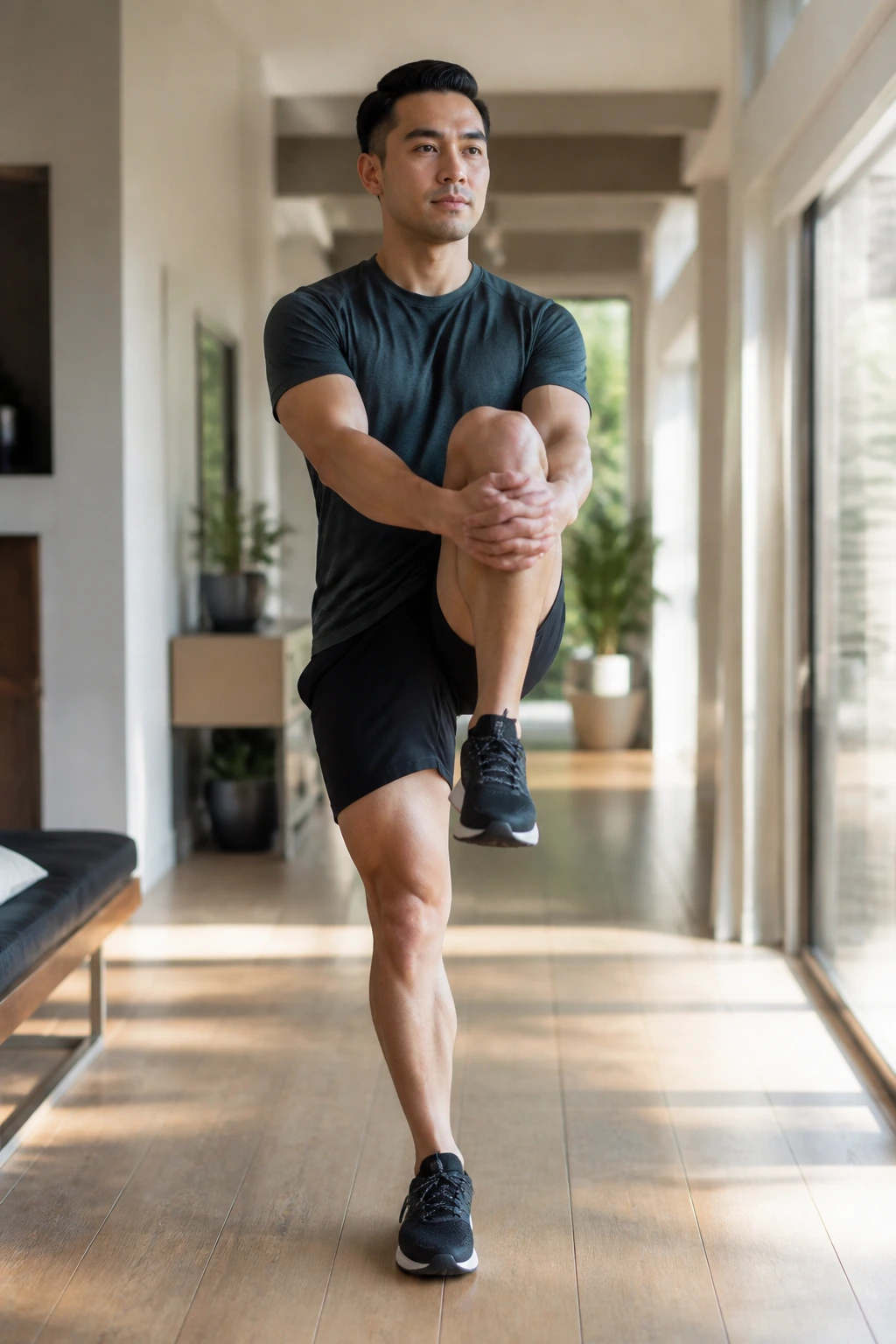
This stretch targets the glutes and the lower back. It helps “loosen the knot” that often forms in the gluteus maximus after hours of sitting.
The Execution
Walk forward slowly. As you take a step, bring your right knee up toward your chest. Clasp your hands around your shin and give it a gentle pull. Hold for a split second, then release and take a step forward. Repeat with the left leg. This is a dynamic movement, so do not hold the stretch for too long—just a quick hug to open the joint.
12. Standing Quad Pulls

You likely know the classic static quad stretch, but we are going to make it dynamic. The goal here is to wake up the quad while maintaining balance and engagement.
How to Do It: Stand on your left leg. Bend your right knee and grab your right foot behind you with your right hand. Instead of pulling it to your glute and holding it there, gently pulse your heel toward your glute and then release it slightly, repeating this rhythmic tug for about 10 seconds per leg. This keeps the muscle active rather than just lengthening it, which is crucial for pre-run preparation.
13. Frankenstein Walks
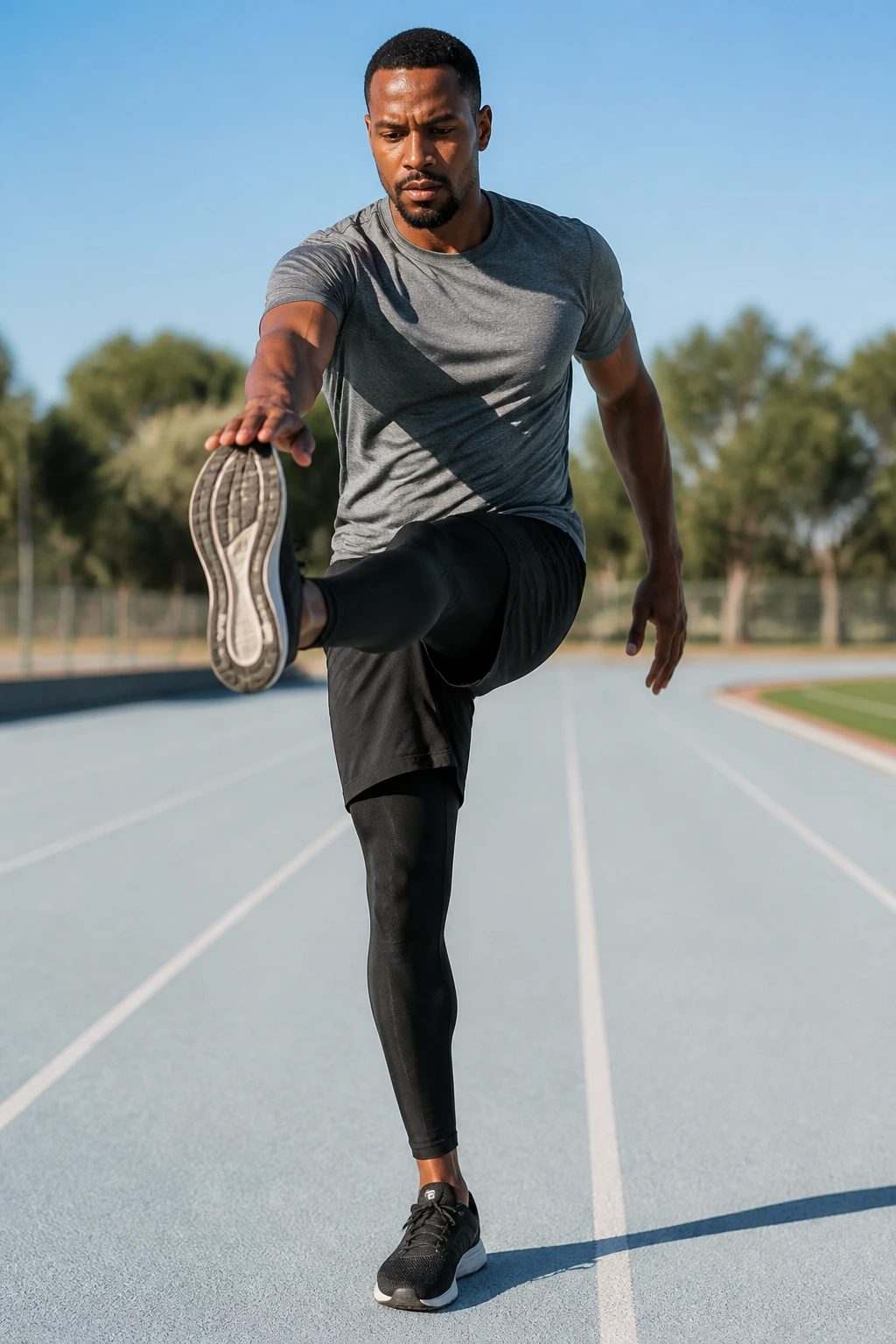
This sounds like a funny name, but it is a serious move for hamstring flexibility. It forces the hamstring to lengthen while the body is in motion, which is far more beneficial for runners than sitting on the floor touching your toes.
The Technique
Walk forward with your legs straight (not locked, but straight). As you step forward with your right foot, swing your left leg up in front of you as high as you can while keeping the leg straight. Reach your right hand toward your left toes. Return to the starting position and switch legs. You will feel a strong pull in the back of the lifted leg. Do 10 repetitions per side.
14. Lateral Shuffles
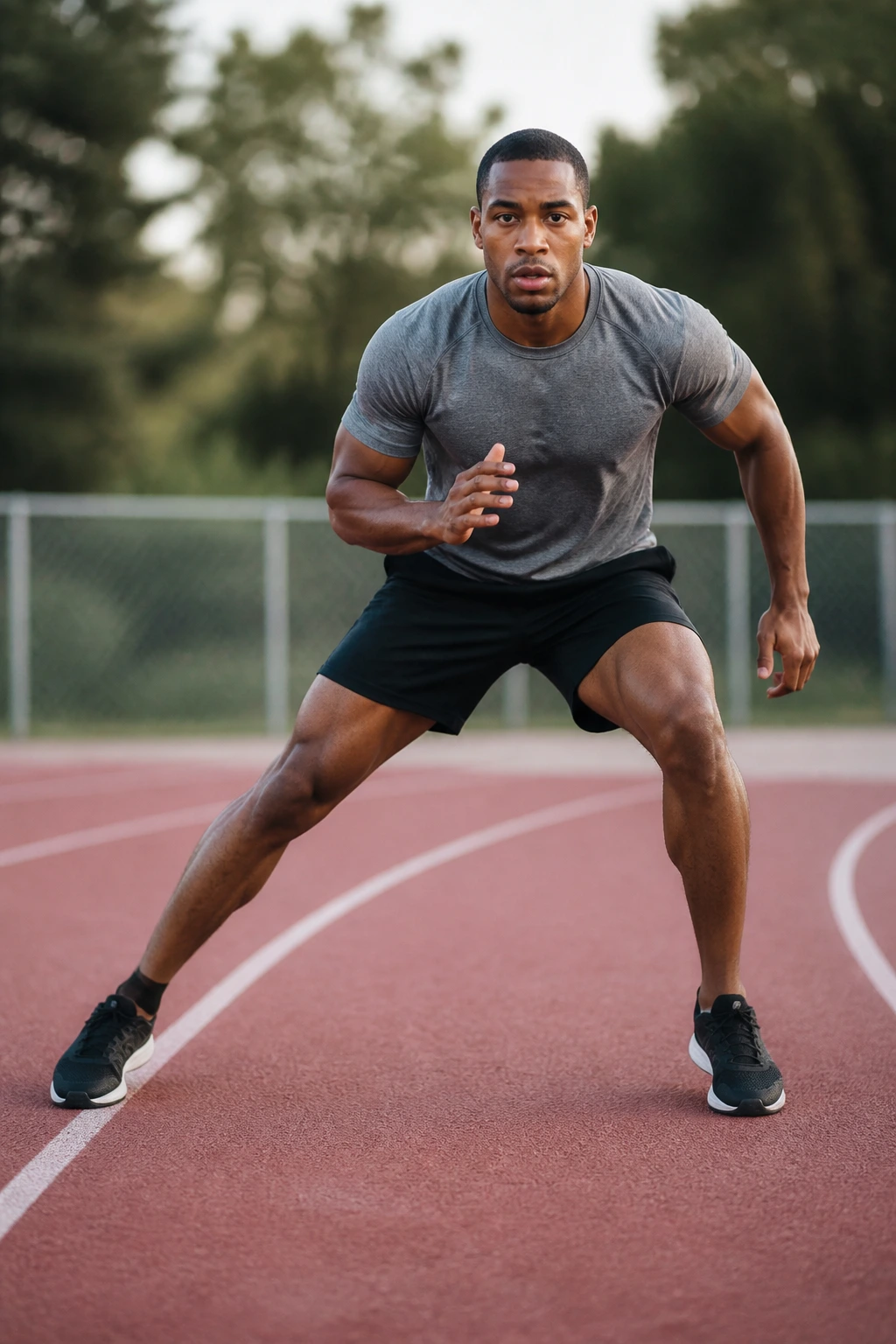
Running is a linear sport, but your hips need to be able to handle lateral movement. If you only train in a straight line, your stabilizer muscles get lazy. Lateral shuffles wake those muscles up.
How to Do It: Bend your knees slightly to get into an athletic stance. Shuffle to the right for three steps, then shuffle back to the left for three steps. Keep your chest up and your gaze forward. This movement engages the outer glutes and helps with the side-to-side stability you will need if you ever hit a patch of uneven road or take a corner on a trail.
15. Glute Bridges

While usually considered a strength exercise, a quick set of glute bridges before a run can “activate” your glutes, ensuring they actually fire during your stride. Many runners suffer from “lazy glutes” because of prolonged sitting.
The Execution
Lie on your back, knees bent, feet flat on the floor. Drive your heels into the ground and lift your hips toward the ceiling. Squeeze your glutes at the top, then lower slowly. Do 15 repetitions. This simple move does more for your running form than almost any other exercise on this list.
16. Gate Openers

This is a favorite among track athletes. It targets the hips, specifically the hip abductors, helping to open the joint for a full range of motion.
How to Do It: While walking forward, lift your right knee to about hip height and rotate your knee out to the side in a wide circle. Think of it as opening a gate. Place your foot down and repeat with the left leg. This movement is fantastic for loosening the hip capsule and preparing your legs for the rotational demands of the gait cycle.
17. Arm Circles

Don’t let your upper body get ignored. Your arm swing is a crucial part of your momentum. If your shoulders and chest are tight, your upper body will rotate excessively, wasting energy that should be going into forward motion.
The Motion: Stand with your arms out to the sides. Make small, controlled circles forward for 15 seconds, then backward for 15 seconds. Then, make large, sweeping circles to really open up the chest. This helps reset your posture and encourages a more efficient arm drive as you run.
18. Heel Walks
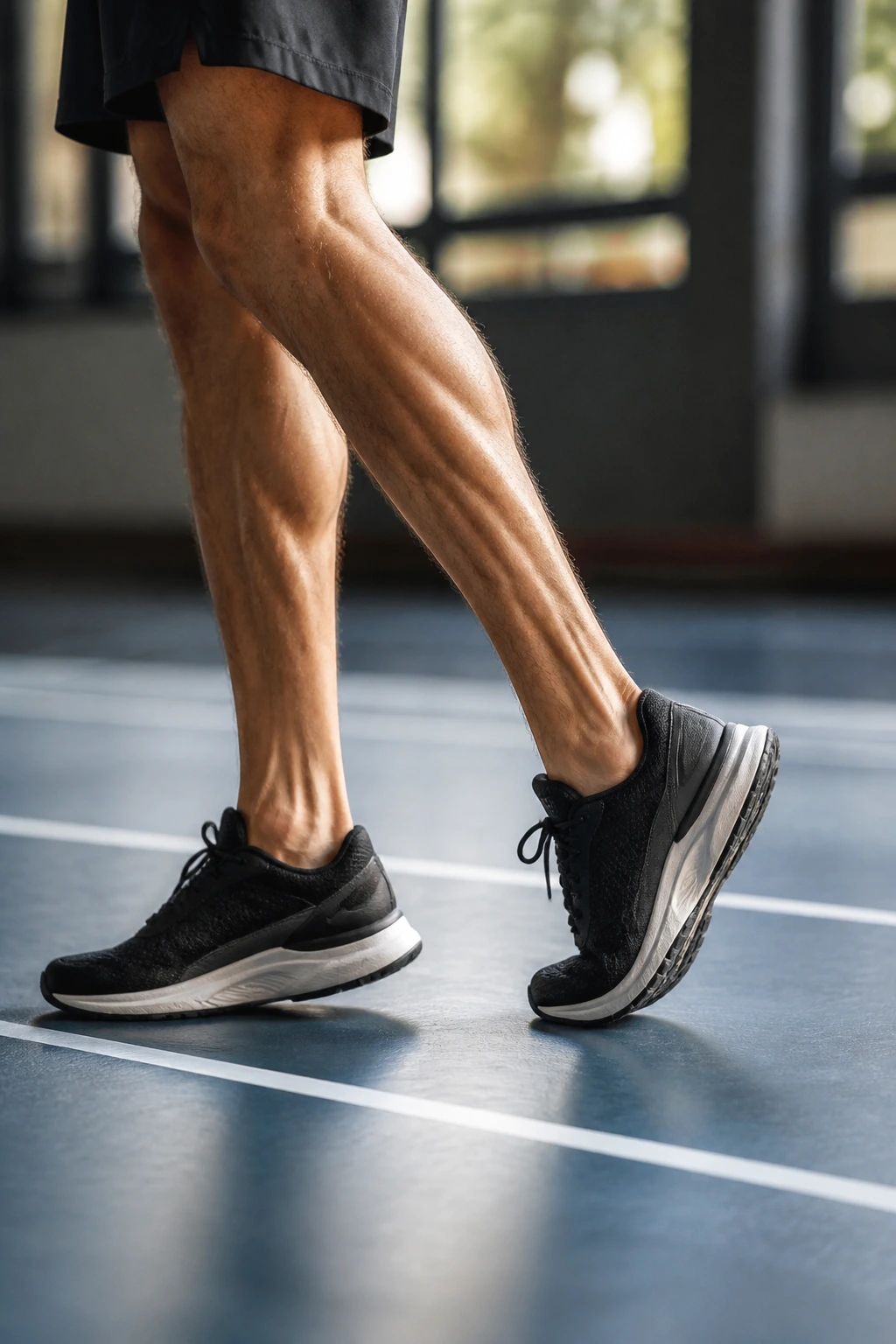
Walking on your heels might feel strange, but it does wonders for the muscles in the front of your lower leg, particularly the tibialis anterior. This is the muscle responsible for lifting your toes during the swing phase of your stride.
Why It Matters
If the tibialis anterior is weak, you are much more likely to experience “shin splints.” By strengthening and engaging this muscle with heel walks, you provide more support to the lower leg and reduce the impact forces that can lead to irritation. Walk on your heels for 20 to 30 feet, keeping your toes pointed up toward the sky.
19. Toe Walks
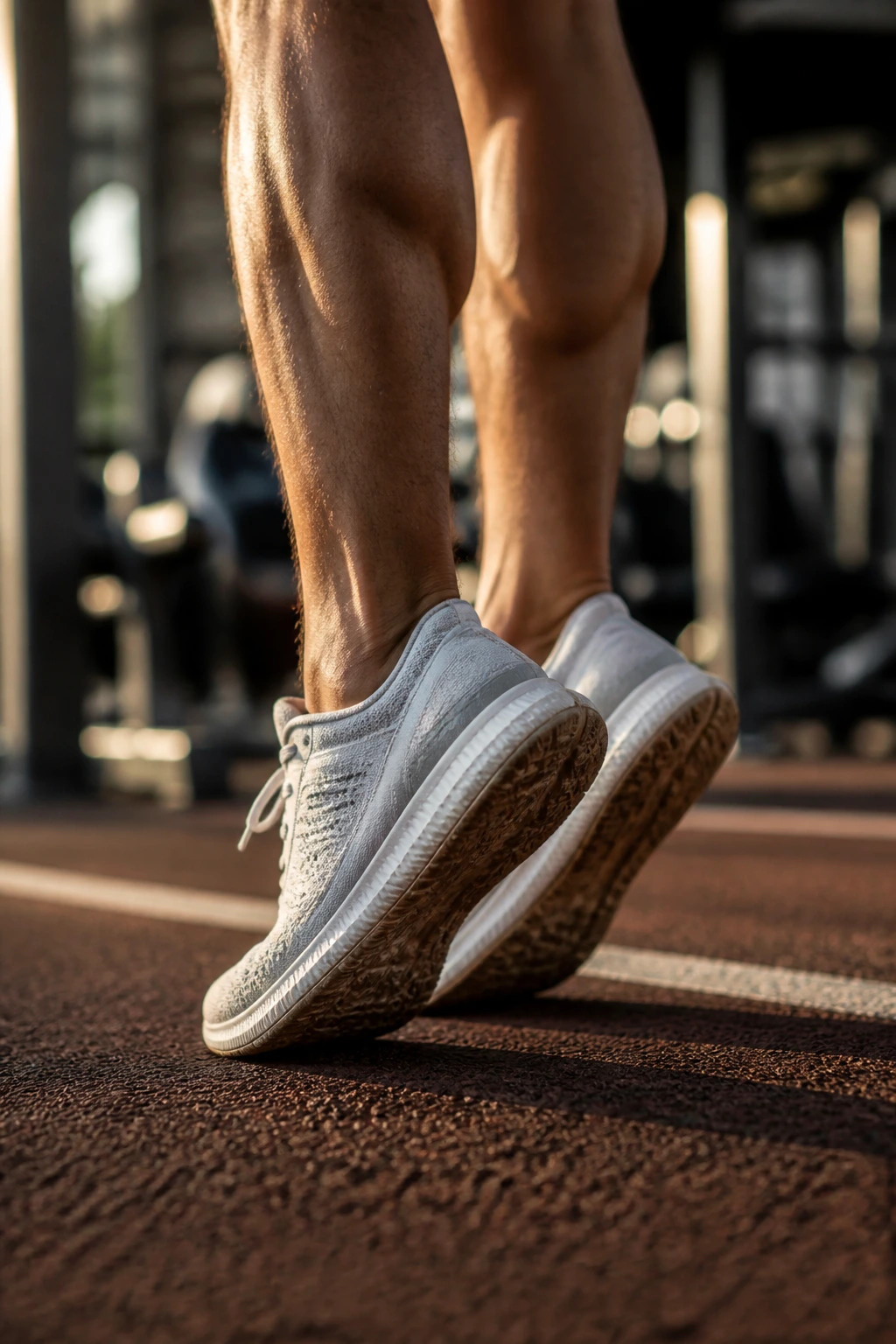
If heel walks target the front of the lower leg, toe walks target the back—specifically the calves and the arch of the foot. It also promotes balance.
How to Do It: Walk on the balls of your feet, keeping your heels as high as possible. Engage your core to keep your balance. It forces you to stabilize your ankle in a plantar-flexed position, which is the position your foot is in when you push off the ground during a run. Walk for 20 to 30 feet. You will feel a strong activation in your calves immediately.
20. Carioca Steps
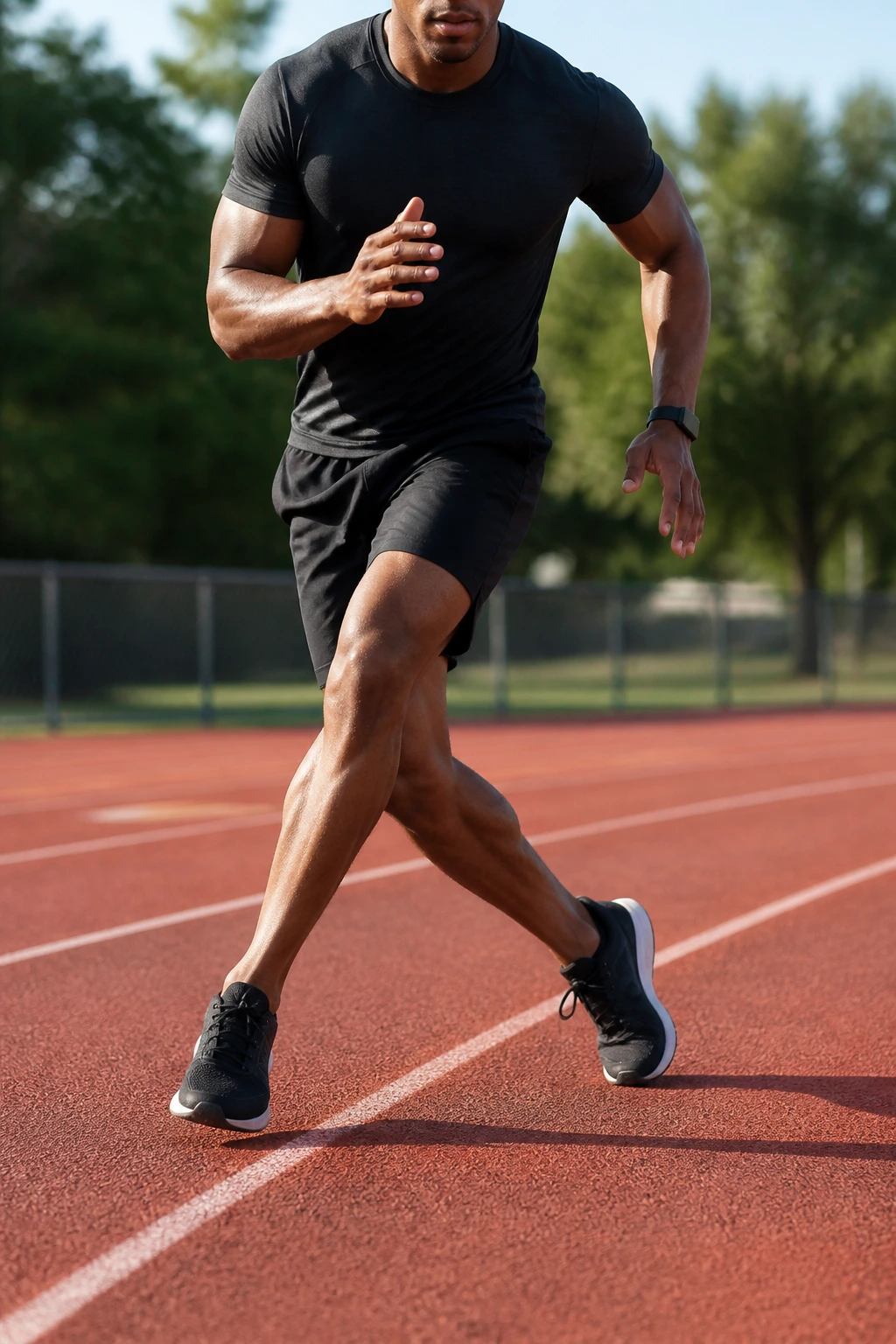
This is the most complex move on the list, but it is excellent for agility and hip mobility. It involves a “grapevine” movement where you step side-to-side, crossing your legs in front and behind.
The Technique: Start in an athletic stance. Step with your right foot to the right. Step your left foot behind your right foot. Step your right foot to the right again. Then, step your left foot in front of your right foot. This crossing pattern forces your hips to rotate and your core to stabilize in a dynamic, multi-planar environment. Practice it slowly at first. It is great for loosening up the hips and getting your brain fully engaged in the warm-up process.
Common Pitfalls for New Runners
The most frequent mistake is rushing the process. You want to run, so you skip the stretching to save time. This is a false economy. Five minutes of warm-up can save you weeks of recovery time from a preventable injury. If you feel “tight” at the start, that is your body telling you that you are not ready for intensity.
Another common mistake is confusing dynamic stretching with “bouncing.” Do not force your muscles into positions they are not ready for. A stretch should feel like a mild tension, not a sharp pain. If you feel sharp pain, stop immediately. You are not trying to be a gymnast; you are trying to be a runner. The goal is preparation, not flexibility training.
Lastly, do not forget the weather. If you are running in cold conditions, your muscles will take longer to warm up. Add another few minutes to your routine if the temperature is low. Cold muscles are stiffer and more prone to micro-tears, so be patient and let the movement do its work.
Building Your Routine
You do not need to do all twenty of these movements every single time you head out the door. That would take too long. Pick five to seven movements that feel the most helpful for your specific body.
If you struggle with tight hamstrings, prioritize the leg swings and the inchworms. If you have tight hips from sitting at a desk, make sure you include the gate openers and hip circles. If you have had trouble with shin splints, definitely keep the heel and toe walks in your rotation.
Over time, you will learn what your body needs. Maybe you find that three minutes of dynamic movement is perfect for your morning 3-mile run. Maybe you need a full ten minutes if you are planning to do high-intensity intervals. Listen to your body. It will tell you when it is ready to run.
The Bottom Line
Stretching is not a chore; it is an investment in your longevity as a runner. By choosing to spend just a few minutes preparing your muscles, you are creating a foundation that allows you to run faster, longer, and with less discomfort.
Consistency is more important than perfection. A decent warm-up done every time you run is infinitely better than a “perfect” warm-up that you only do when you remember. Once these twenty movements become part of your habit, they will no longer feel like extra work. They will just be the first mile of your run. Lace up, move through your routine, and enjoy the feeling of a body that is ready to work.
