



The best post workout foods are the ones you can eat when your pulse is still high and your shoulders feel like lead. That sounds obvious until you’ve actually finished a hard lift or a long run and realized your body wants two things at once: something easy to digest and something that does a bit of real work.
Protein helps repair muscle tissue. Carbs help refill glycogen, which is the fuel your muscles burn through during training. Fluid and sodium matter too, especially if your shirt is soaked and your tongue feels dry. Miss one piece and recovery gets sluggish; get the mix right and the next meal feels a lot less mysterious.
You do not need a perfect meal. You need a practical one. Some recovery foods are fast and light, some are hearty enough to count as dinner, and some are only useful because they’re the thing you’ll actually reach for when you get home and don’t want to cook from scratch. Greek yogurt is a good place to start because it checks the boxes without asking much from you.
1. Greek Yogurt
Plain Greek yogurt is one of those foods that quietly does a lot of heavy lifting. A single 170-gram cup often gives you around 15 to 20 grams of protein, and the texture is thick enough to feel like food, not a chore. After training, that matters.
Why It Works After Training
It’s the protein that makes Greek yogurt useful, but the cold, creamy texture helps too. If your appetite drops after hard exercise, a bowl of yogurt is easier to face than a hot plate of food.
A spoonful of honey, sliced banana, or a handful of oats turns it into a fuller recovery snack. Choose plain yogurt when you can; flavored versions can come with a sugar hit that does not add much beyond taste.
- 1 cup plain Greek yogurt
- 1 banana, sliced
- 2 tablespoons granola or oats
- 1 teaspoon honey if you want a little sweetness
Good tip: if dairy sits well with you, keep a tub in the fridge. It saves a surprising amount of post-workout indecision.
2. Eggs
Eggs earn their place because they’re simple, cheap, and easy to cook in a hundred different ways. Two large eggs give you about 12 grams of protein, and if you add a third or pair them with toast, you’ve got a recovery meal that feels calm and solid.
The fat in the yolk helps make the meal more filling, which is useful after a session that left you half-starved an hour later. Soft scramble, fried, boiled, or tucked into a breakfast sandwich — they all work. Don’t overcook them. Rubbery eggs are a small tragedy, and there’s no recovery benefit hidden in dryness.
If you want a lighter option, use two whole eggs plus two egg whites. That gives you more protein without making the meal heavy.
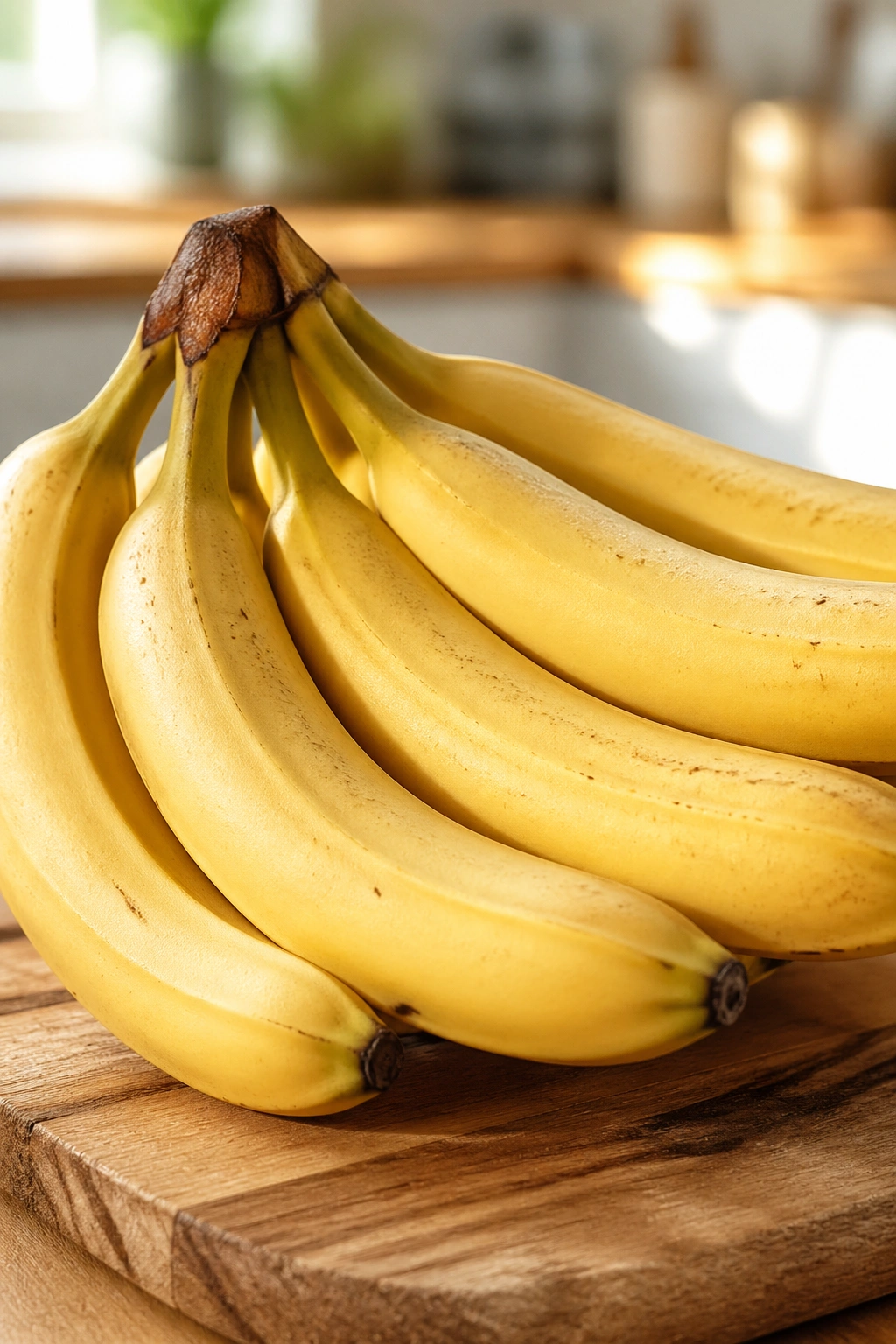
3. Bananas
Why do bananas show up in almost every gym bag? Because they’re soft, portable, and hard to mess up. One medium banana gives you roughly 27 grams of carbs, which makes it a tidy way to start refueling after training.
How to Use Them
Bananas are especially handy after runs, spin classes, or any workout where your stomach feels a little off. They go down fast and they don’t need peeling precision or a fork.
You can eat one plain, slice it over yogurt, or mash it into oatmeal. If you train early and can’t stomach a full meal, a banana plus milk or yogurt is a strong move. It’s not fancy. It works.
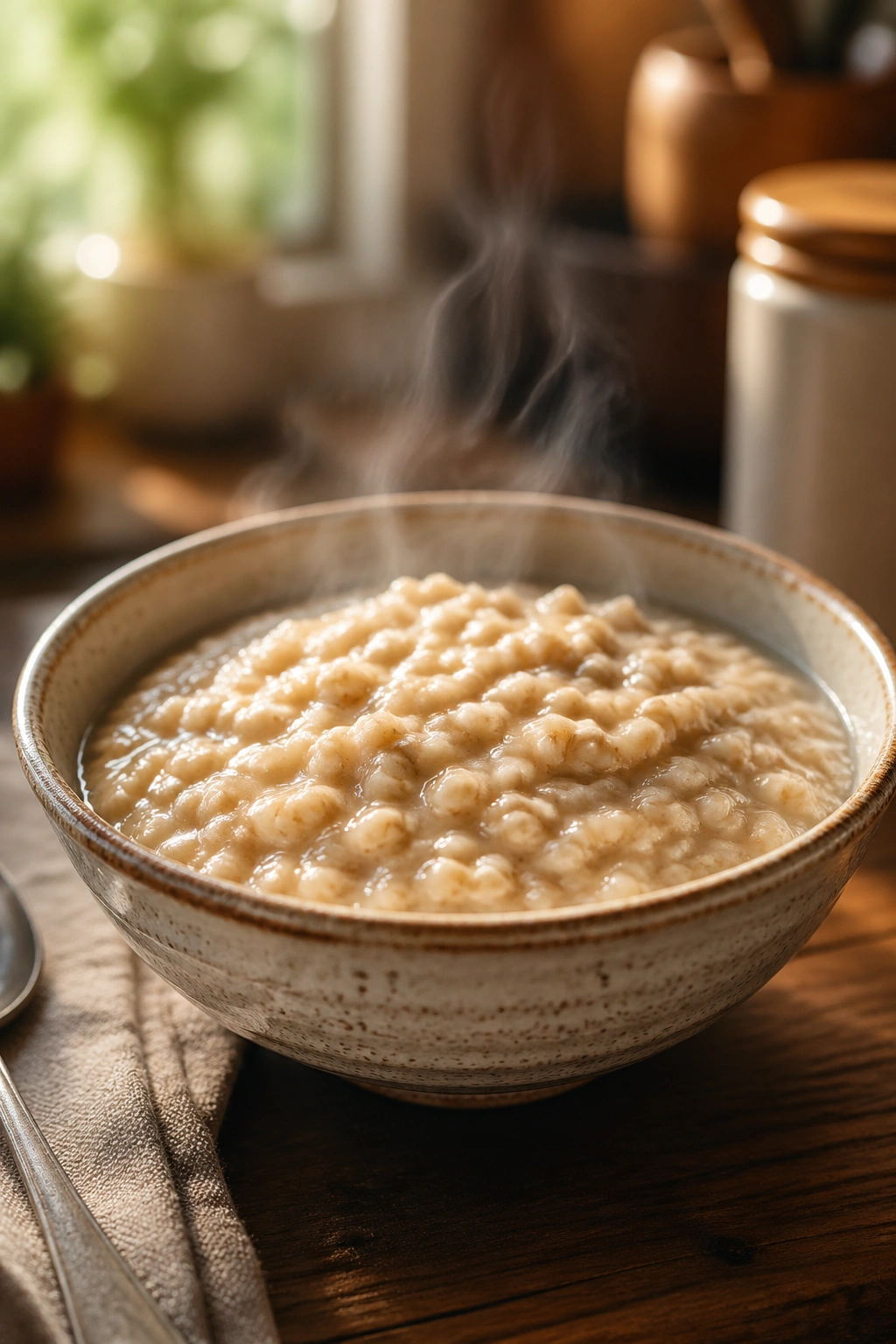
4. Oatmeal
Warm oatmeal feels like a reset button after a rough workout. One dry cup of rolled oats gives you around 40 grams of carbs, and that’s before you add milk, fruit, or nut butter. It’s filling without being loud about it.
A lot of people think oatmeal is just a breakfast food. After training, that’s missing the point. It gives you slow-ish carbs, a soft texture, and a base that takes on whatever you throw at it. Cinnamon, berries, chopped dates, chia seeds — all fair game.
- Cook ½ to 1 cup dry oats
- Stir in milk for extra protein
- Add a banana or berries
- Finish with peanut butter if you need more calories
Watch the fiber if your stomach is touchy. Big bowls of thick oats can feel heavy right after intense training.
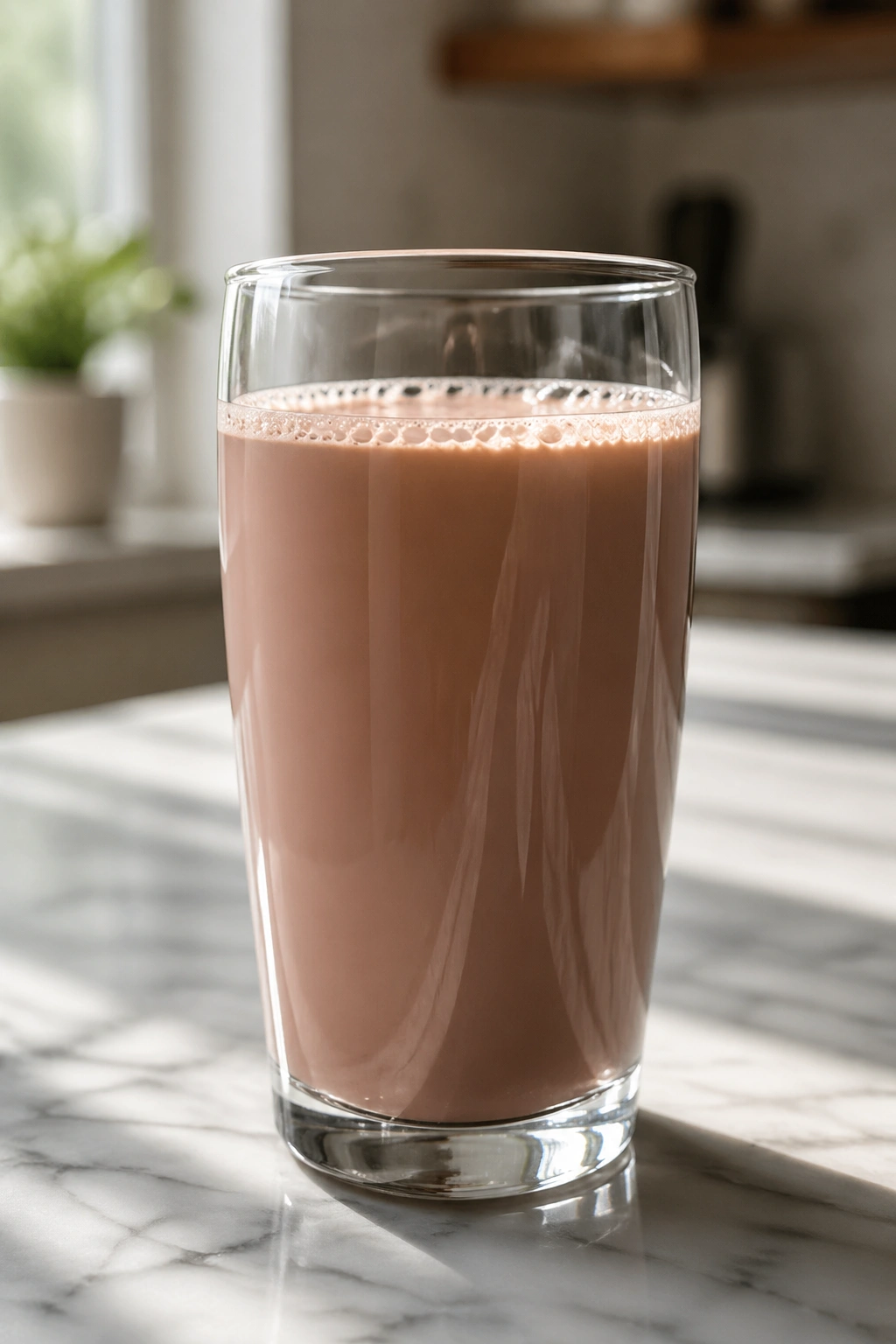
5. Chocolate Milk
Chocolate milk is one of the most practical recovery drinks around, and I mean that without romance. It brings carbs and protein together in a ratio that makes sense for tired muscles, and it’s easy to drink when you don’t want to chew.
A cup usually has around 8 grams of protein and about 25 grams of carbs, depending on the brand. That’s enough to matter, especially after a hard session. Plain milk works too, but chocolate milk is often easier to get down because the sweetness helps when your appetite is flat.
If you want a cheap, no-fuss recovery option, this is a strong one. Cold from the fridge. Done in 30 seconds. No blender. No drama.
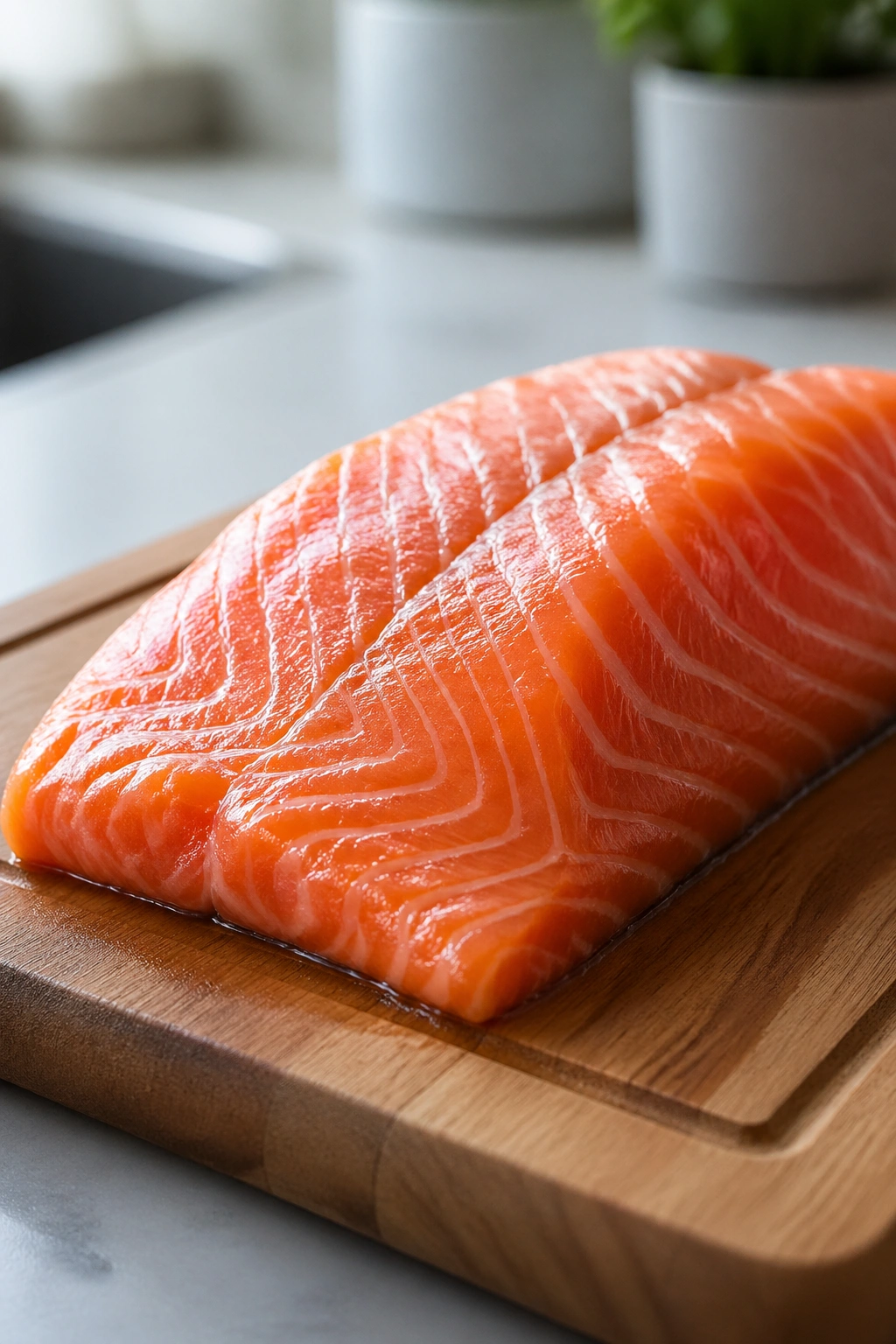
6. Salmon
Salmon belongs on a recovery plate when you want something more substantial than a snack. A 4-ounce fillet usually gives you around 23 grams of protein, and the fat makes the meal feel satisfying instead of stripped down.
The flesh should flake easily and look glossy, not dry around the edges. That matters. Overcooked salmon turns chalky fast, and chalky is not what tired muscles need. Pair it with rice, potatoes, or bread so the carbs do their job too.
Salmon also brings omega-3 fats, which many people like to include when they’re trying to keep training meals varied. I like it best with lemon, herbs, and a plain carb on the side. Simple. Better that way.
7. Chicken Breast
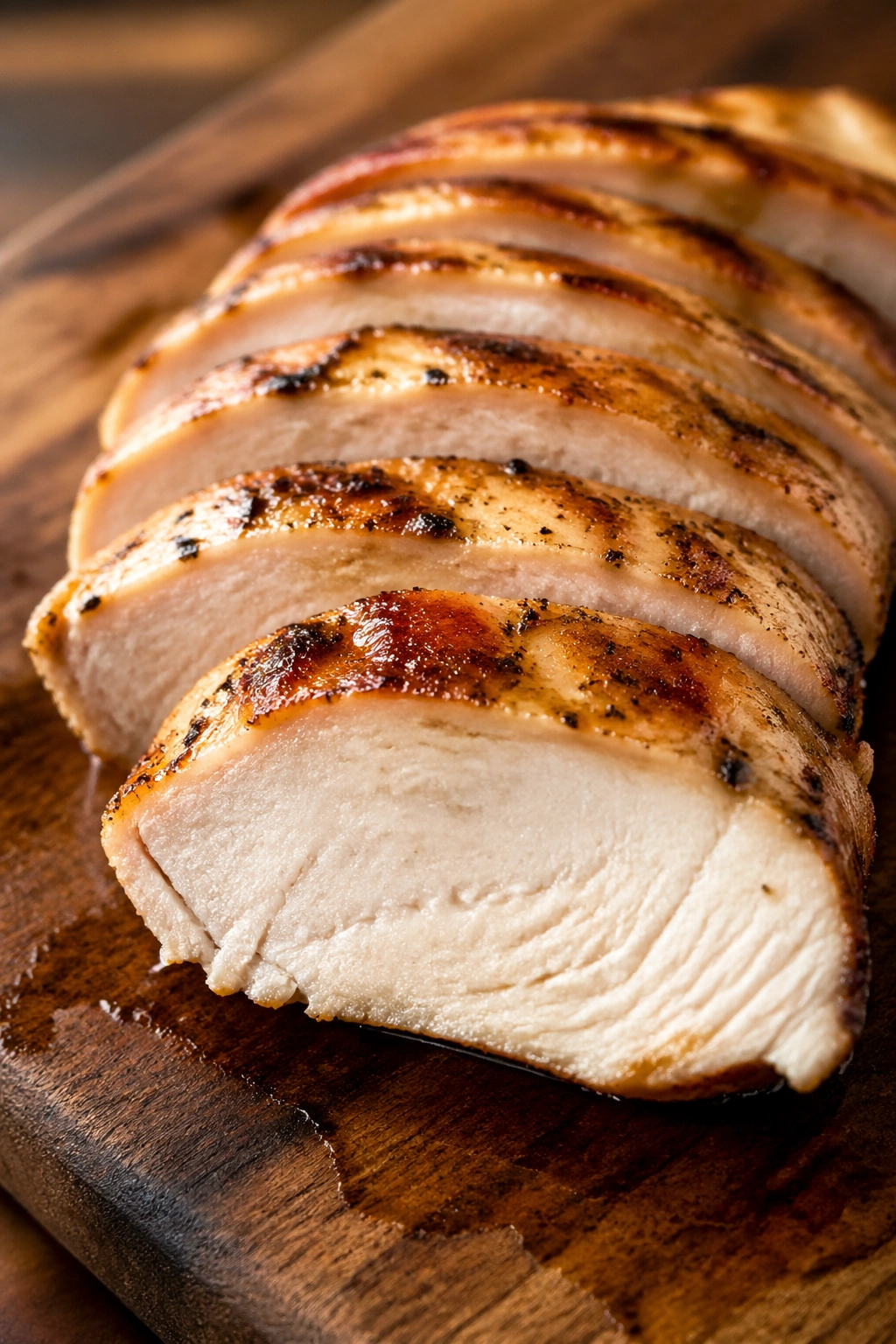
Chicken breast is the boring workhorse of recovery meals, and I say that as a compliment. A 3- to 4-ounce serving can give you 25 to 30 grams of protein, which makes it easy to build a solid plate around.
The main thing is not to wreck it. Dry chicken is common because people cook it too hard for too long. Keep it juicy, slice it across the grain, and pair it with rice, potatoes, pasta, or a sandwich roll. That’s where it shines.
Easy Pairings That Make Sense
- Chicken and white rice with salsa
- Chicken in a wrap with lettuce and yogurt sauce
- Chicken over roasted potatoes with olive oil
- Chicken tossed into a grain bowl with beans
Season it generously. Tired food is bad food. A little salt, garlic, and paprika can turn plain chicken into something you’ll actually want to eat.
8. Cottage Cheese
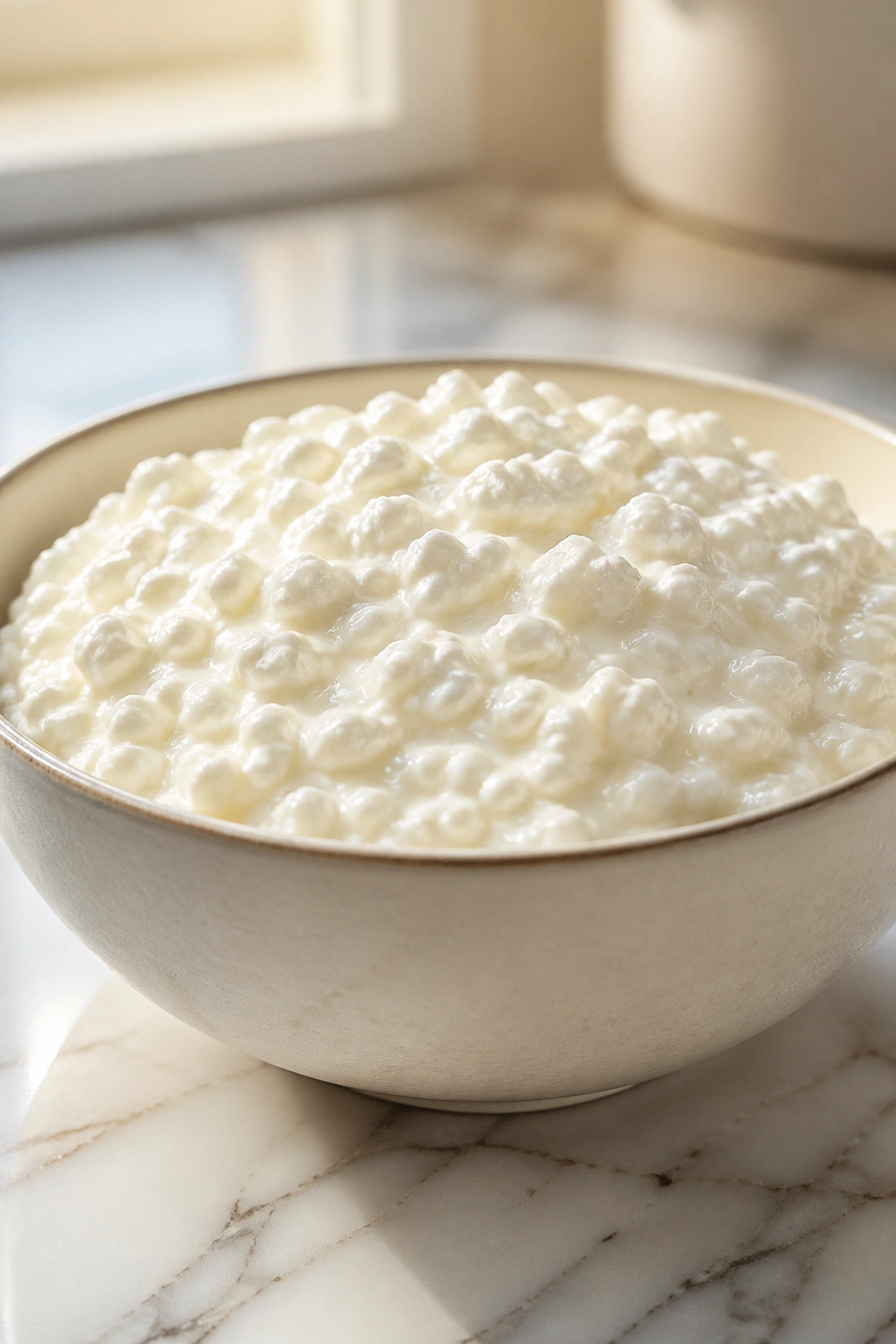
If you train later in the day, cottage cheese deserves more respect than it gets. One cup can bring around 25 grams of protein, and because it’s casein-heavy, it tends to feel slower and steadier than a quick shake.
That slower pace can be useful when you won’t eat again for a while. It’s also easy to eat cold, straight from the container, which matters when the idea of cooking feels ridiculous. Add pineapple, berries, cucumber, black pepper, or sliced tomatoes depending on whether you want sweet or savory.
This is the food I’d hand to someone who says they’re “not hungry” after training. It usually lands better than a big meal.
9. White Rice
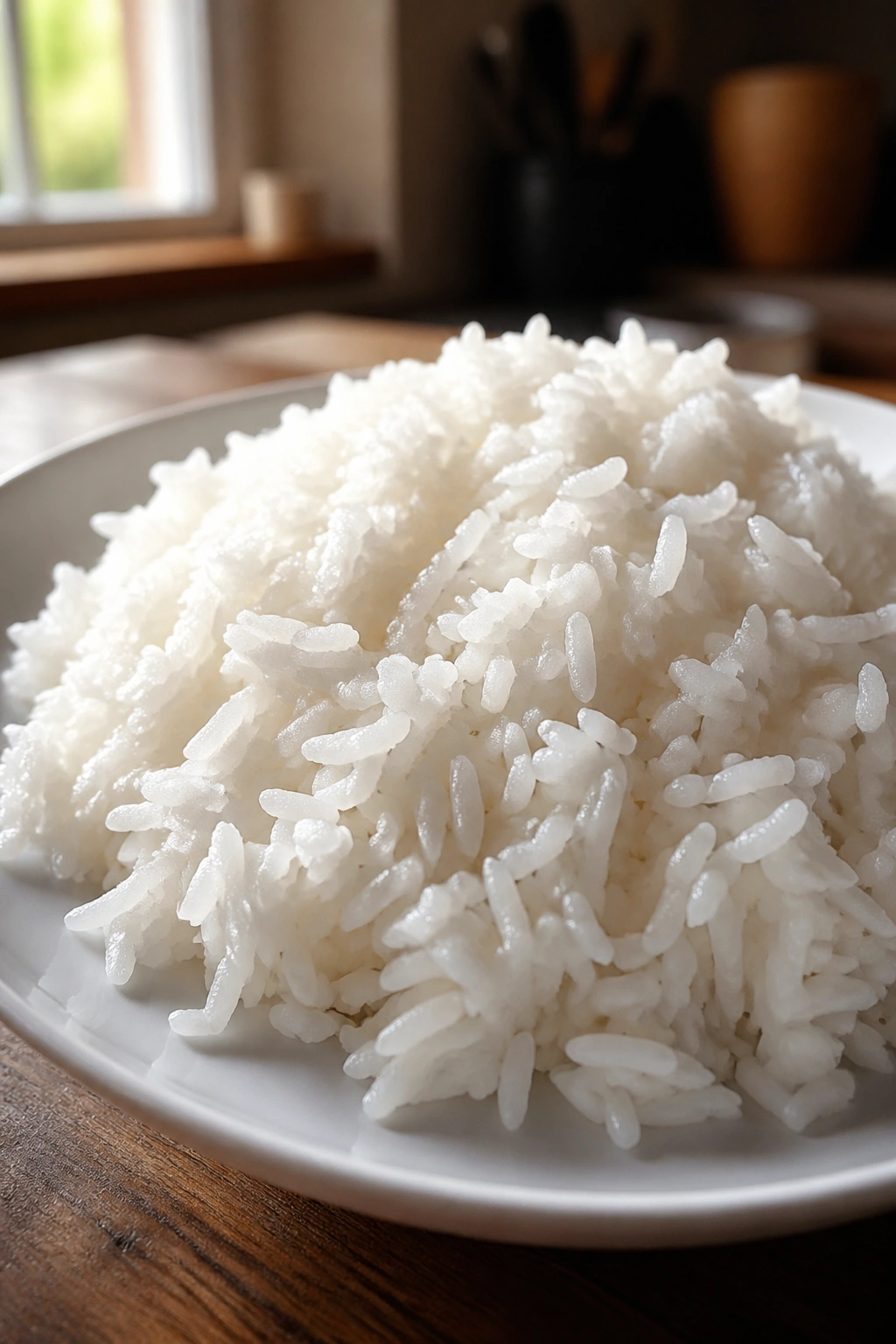
White rice gets unfair grief. After a hard workout, its low fiber is a feature, not a flaw. It’s easy to digest, it adds carbs quickly, and it goes with almost anything.
One cup cooked gives you roughly 45 grams of carbs, which is useful if you just emptied the tank. Rice also works when your stomach feels a little fussy, because it doesn’t demand much from your gut. That’s one reason it shows up in so many training meals around the world.
Top it with eggs, chicken, tofu, salmon, beans, or even a little soy sauce and sesame oil. If you want recovery to feel easy, rice is one of the easiest places to start.
10. Sweet Potatoes
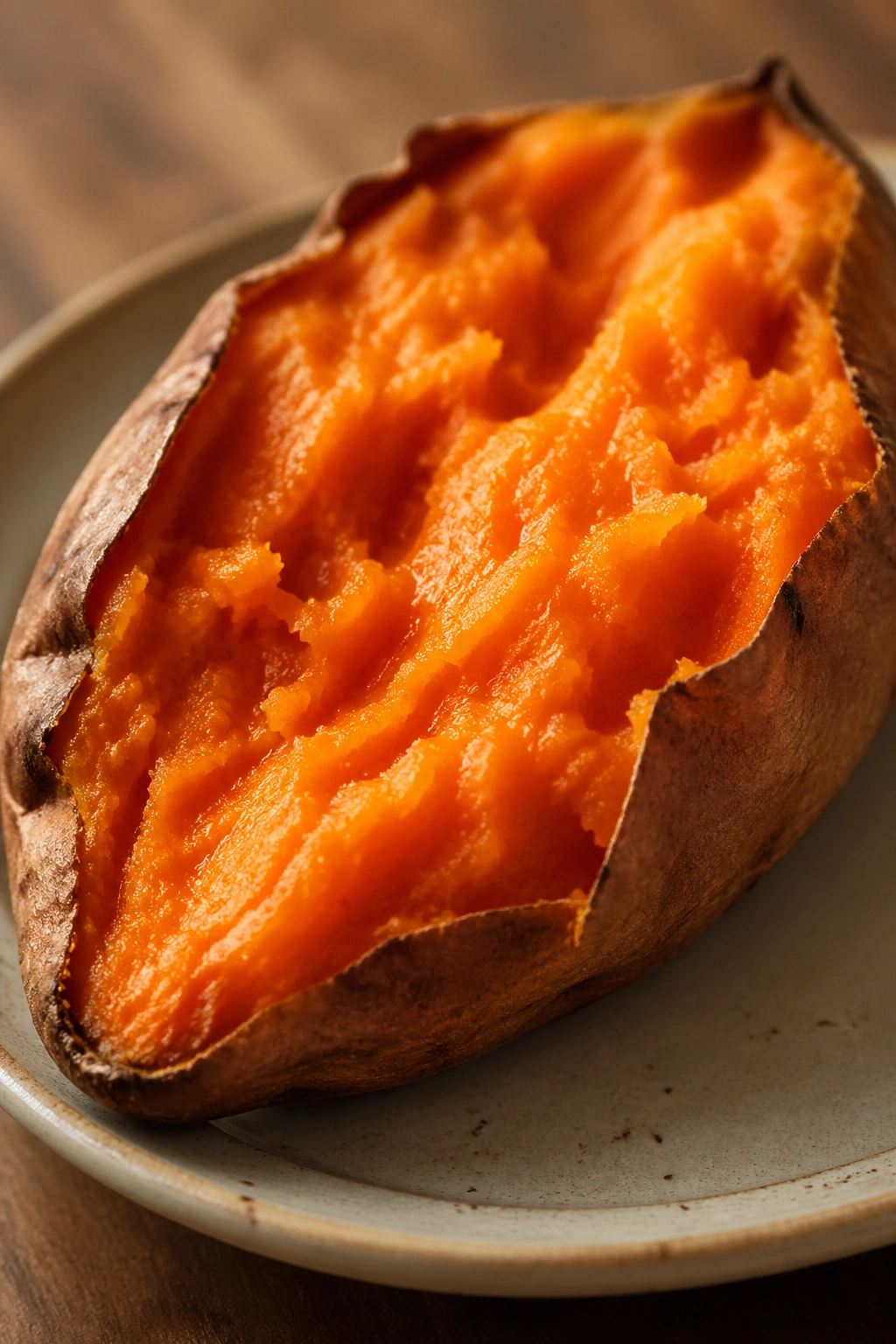
Sweet potatoes bring carbs, potassium, and a natural sweetness that feels satisfying after training. Roast them, mash them, or microwave one for a fast side. A medium sweet potato usually lands around 25 to 30 grams of carbs.
They’re a little more filling than white rice, which is a plus if your next meal is far away. They also hold up well next to savory foods, especially fish, chicken, and eggs. Butter and salt are fine. Greek yogurt mixed with herbs works too, if you like a cooler topping.
I’d use sweet potatoes when I want a recovery meal that feels like actual dinner instead of a snack. They’re sturdy. That’s the right word.
11. Blueberries
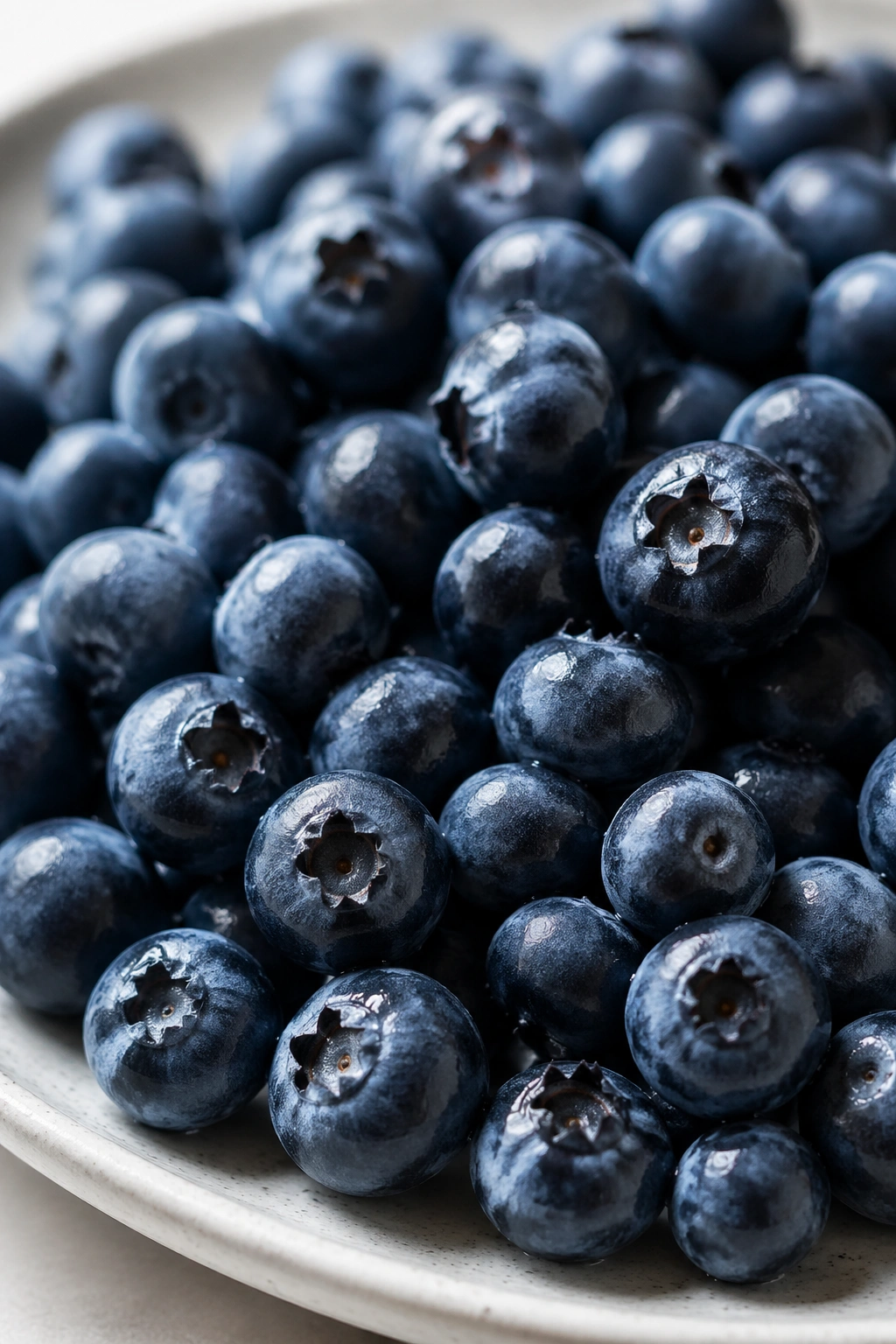
Can a handful of blueberries help recovery? Not by magic, but they do pull their weight. They give you carbs, vitamin C, and a pile of flavor for very little effort, which is useful when you need food to taste like something.
What Makes Them Easy to Use
Blueberries are gentle on the stomach and easy to mix into nearly anything. They work in yogurt, oatmeal, smoothies, or even alongside toast and eggs if you like a sweet-salty plate.
A cup of blueberries also adds water and a little fiber, which helps if your workout left you feeling flat. Frozen blueberries are fine. I actually like them in oatmeal because they burst and make the bowl feel more substantial.
12. Tart Cherries
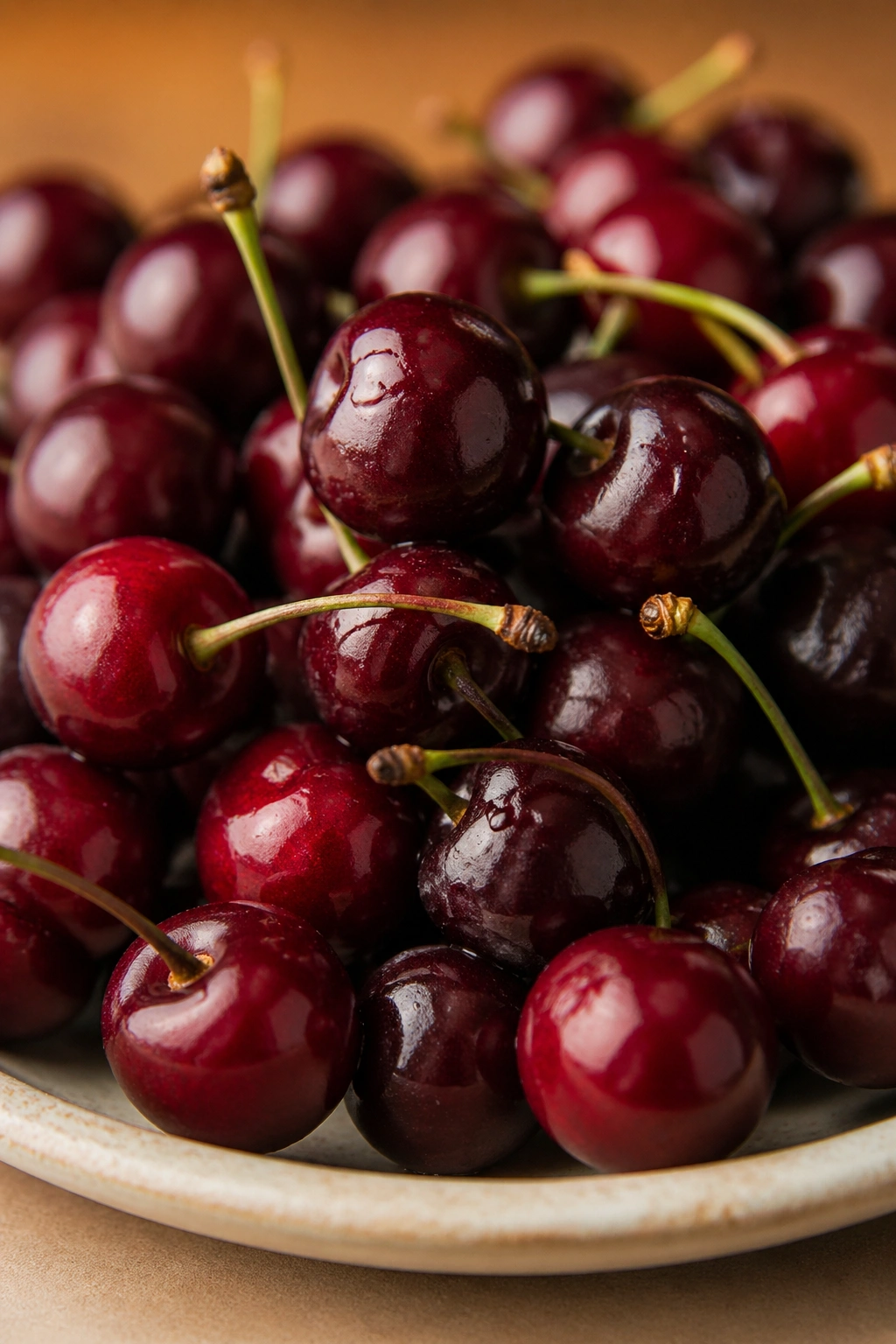
Tart cherries have a loyal following for a reason. They’re sharp, deep in flavor, and easy to use in juice, dried fruit, or whole-fruit form. A small glass of tart cherry juice or a bowl of cherries can slot neatly into a post-workout routine.
People who train hard often like them for sore legs and poor sleep after evening sessions. I’m not going to pretend one food fixes everything, because it doesn’t. But if you’re building a recovery meal, tart cherries bring carbs and a very specific kind of comfort-food brightness.
Try them with yogurt, oats, or a sandwich plate. They cut through richer foods well, which is half the appeal.
13. Avocado
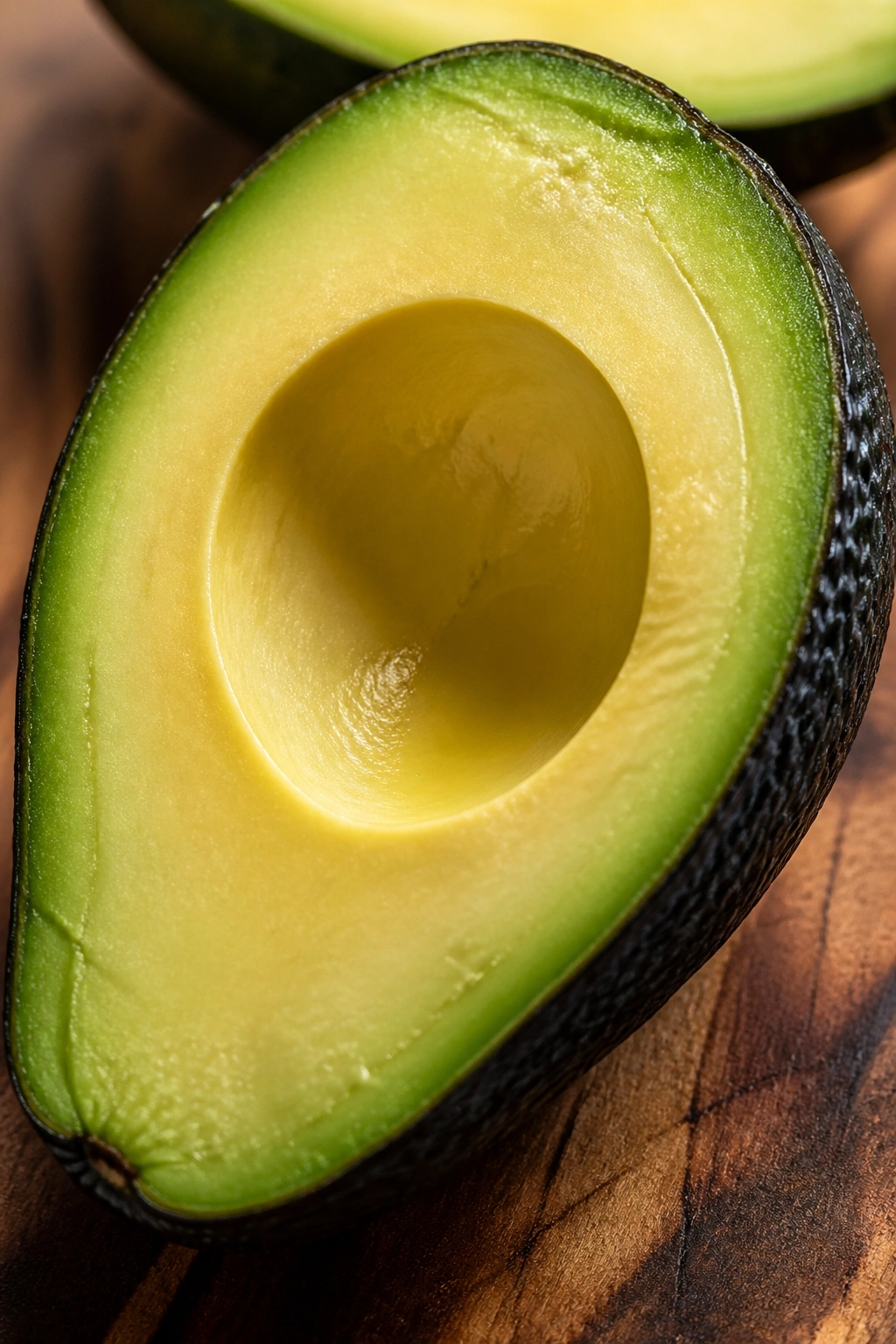
Avocado is not a protein food, and pretending otherwise is sloppy advice. What it does bring is calories, potassium, and a creamy texture that makes recovery meals feel more complete.
Half an avocado on toast, next to eggs, or mashed into a rice bowl gives you fat that helps with fullness. That matters after a long session where you’re hungry now and hungry again in 45 minutes. The catch is that avocado alone won’t rebuild much. It needs company.
So think of it as support, not the main event. Pair avocado with carbs and protein and it works much better than trying to make it carry the whole plate.
14. Tuna
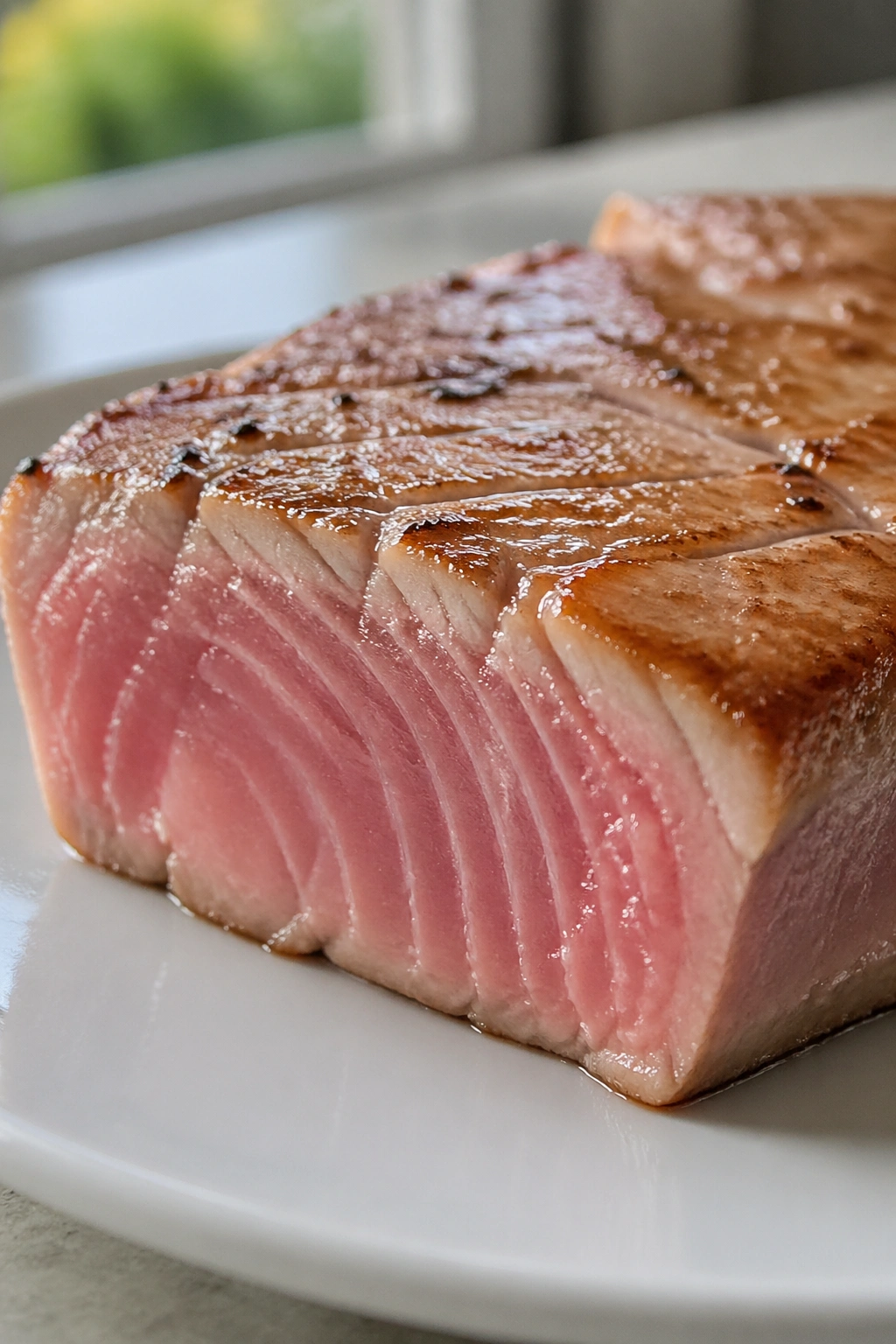
A tuna packet is the sort of thing that saves people who get home late and don’t want to start a whole cooking project. A 3-ounce serving usually gives you around 20 grams of protein, and shelf stability makes it absurdly convenient.
The Practical Side
Tuna is useful when you need protein fast and the fridge is empty. Spoon it onto crackers, stir it into rice, tuck it into a sandwich, or mix it with a little Greek yogurt and mustard for a quick salad.
Canned tuna can be salty, which is not always a bad thing after a sweaty workout. If sodium is low in your day, tuna helps more than most people realize. Just keep an eye on how much you eat across the week and choose lighter-tasting versions if you prefer them.
15. Quinoa
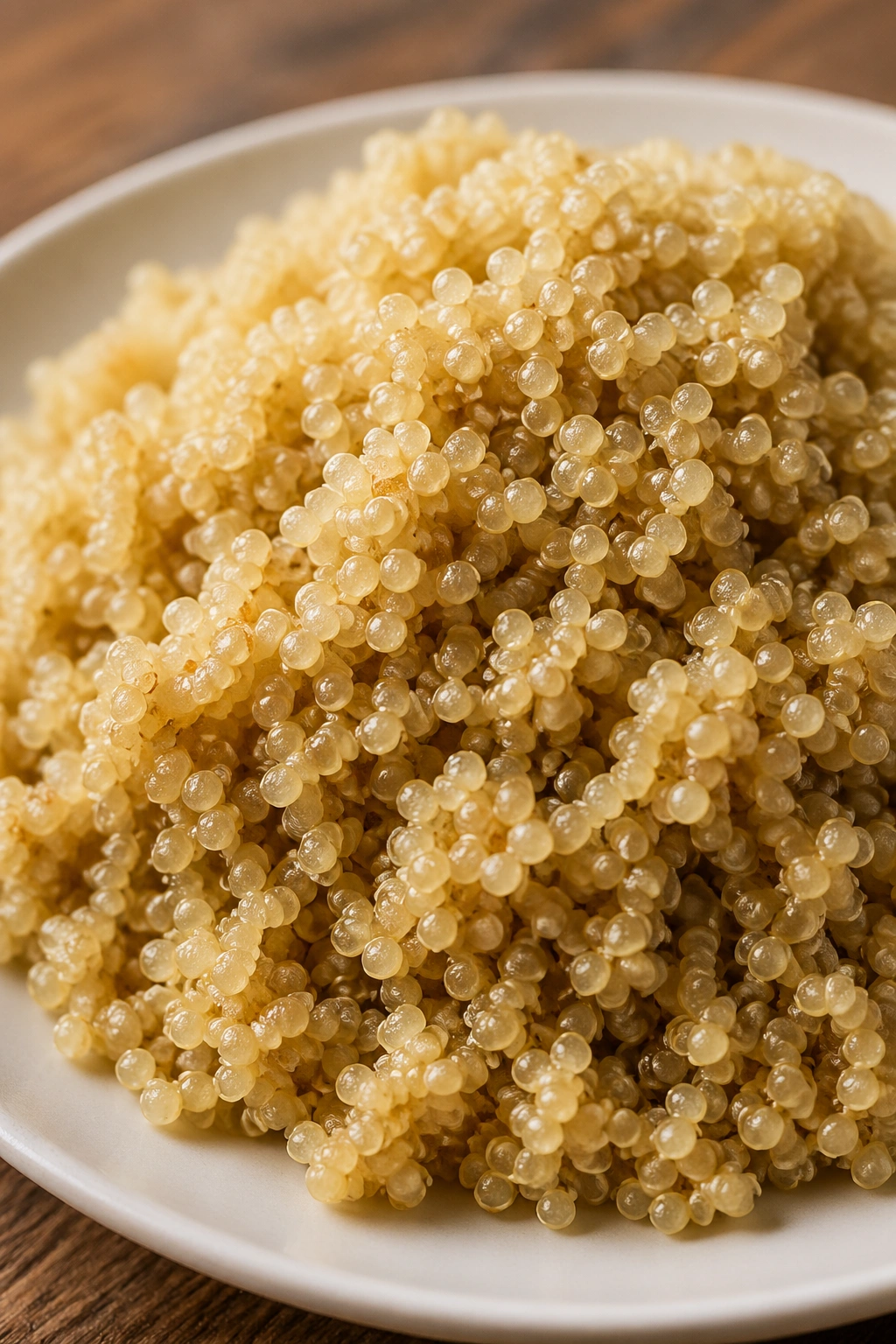
Quinoa sits in a nice middle spot between grain and protein food. One cooked cup gives you about 8 grams of protein and close to 40 grams of carbs, which makes it easy to build into a recovery bowl.
It has a nutty taste and a loose, fluffy texture when cooked well. Rinse it before cooking or it can taste a little bitter. That step is tiny, but it matters. Skip it and you’ll notice.
Quinoa works with roasted vegetables, beans, eggs, salmon, or tofu. It’s especially handy when you want one base that does more than one job. Not flashy. Just useful.
16. Tofu
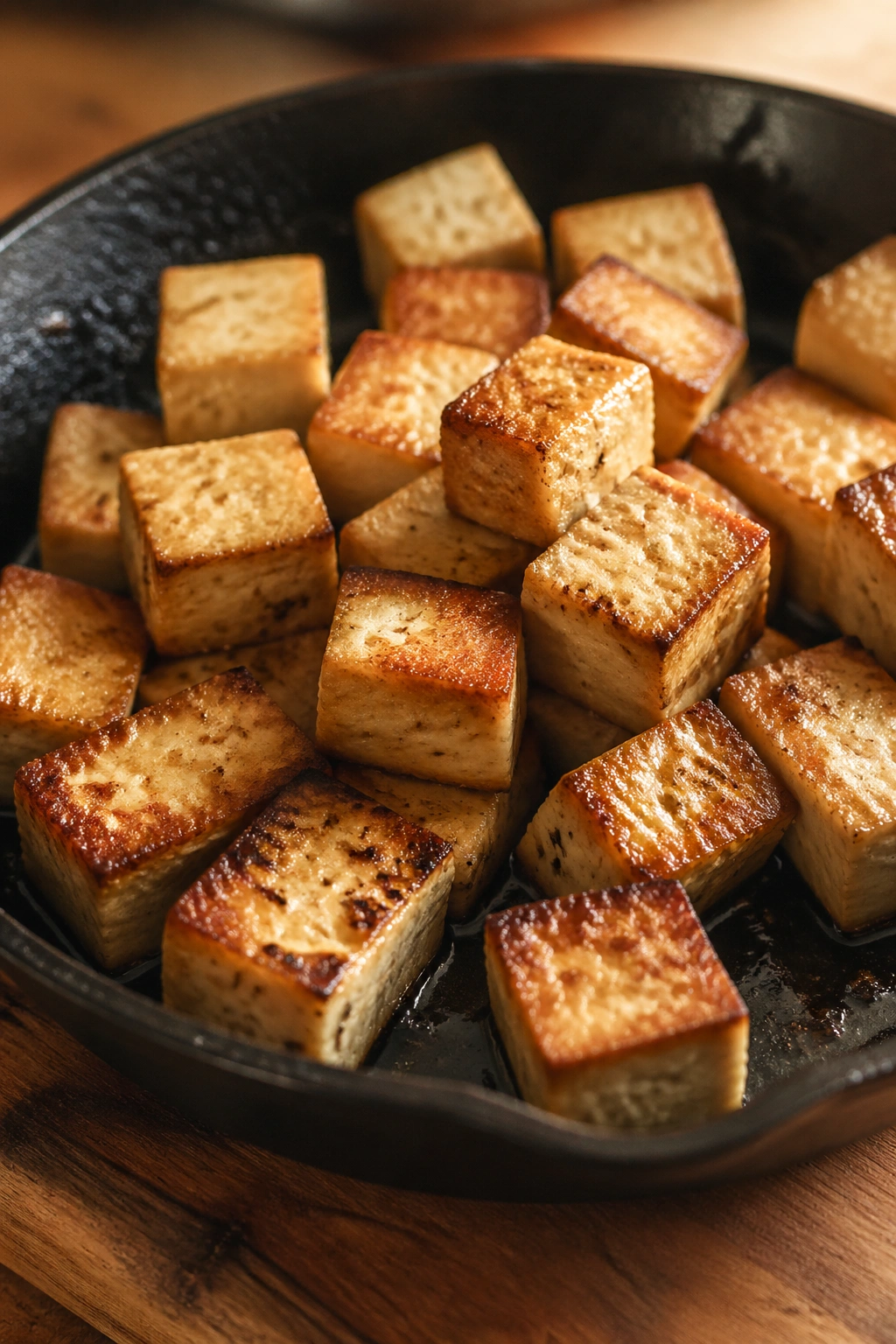
Tofu is one of the easiest plant proteins to work with after training. It soaks up flavor, cooks fast, and gives you a solid protein base without making the meal feel heavy. A half block can get you into a useful protein range, depending on the style.
Firm tofu is the best choice if you want crisp edges in a pan. Press it for 10 to 15 minutes, cut it into cubes, and sear it until the sides turn golden. That texture makes a difference. Silken tofu has its place, but not usually in a hot post-workout bowl.
Why It Belongs on the Plate
- Easy to pair with rice or noodles
- Accepts salty sauces well
- Works in both savory bowls and smoothies
- Feels lighter than many meat-based options
If you want plant-based recovery food, tofu is one of the least fussy choices.
17. Edamame
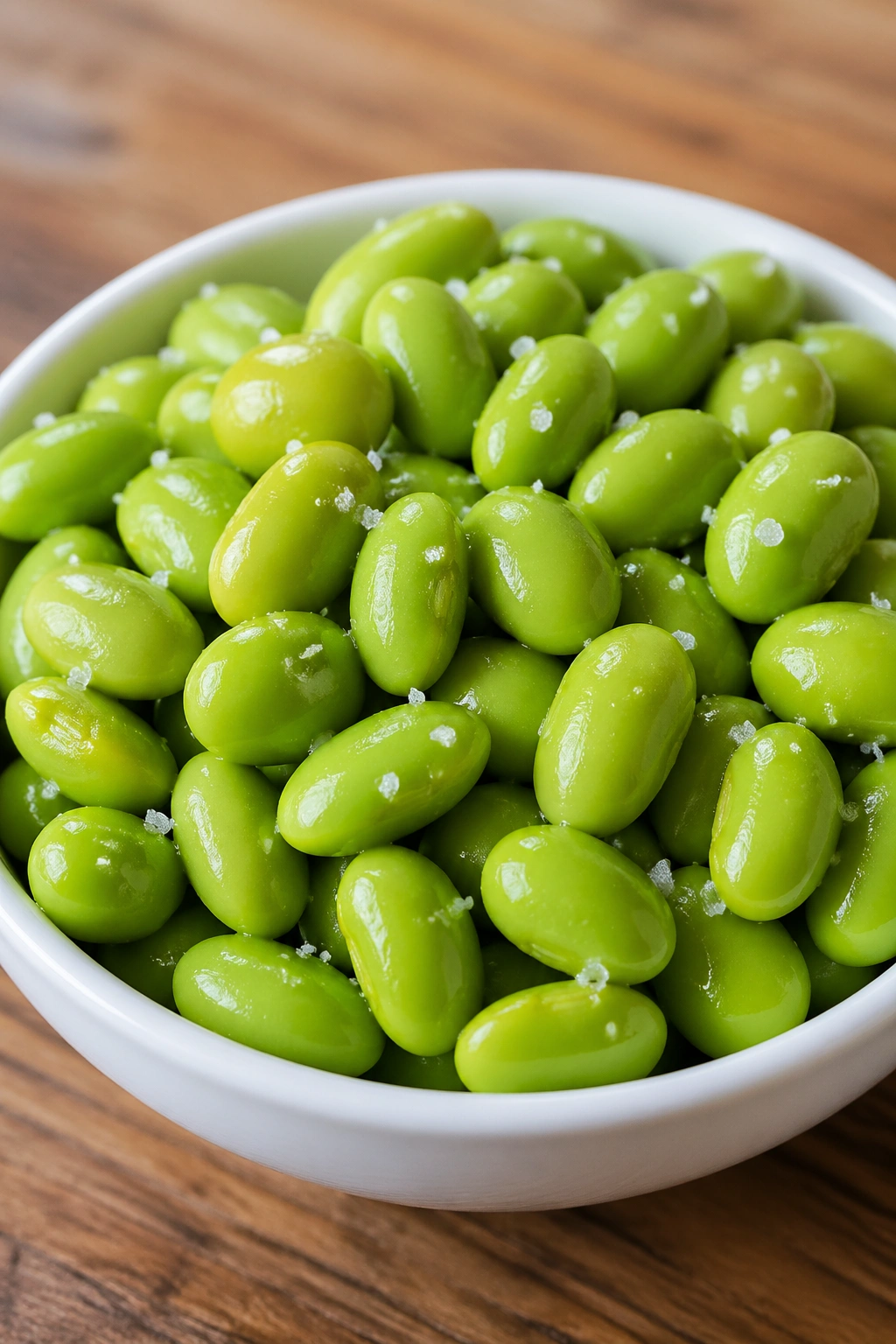
Edamame is one of my favorite “I need food and I need it soon” options. It’s fast, salty when lightly seasoned, and gives you protein, carbs, and fiber in a compact form. A cup of shelled edamame can bring around 17 grams of protein.
Steam it for 5 minutes, sprinkle on salt, and you’re done. That simplicity is the draw. You can eat it as a snack or pile it into a rice bowl if you need a fuller meal.
It also works well when appetite is low, because the pods make the food feel interactive. Small thing. Still useful. The more hands-on a post-workout snack feels, the more likely you are to finish it.
18. Whole-Grain Toast
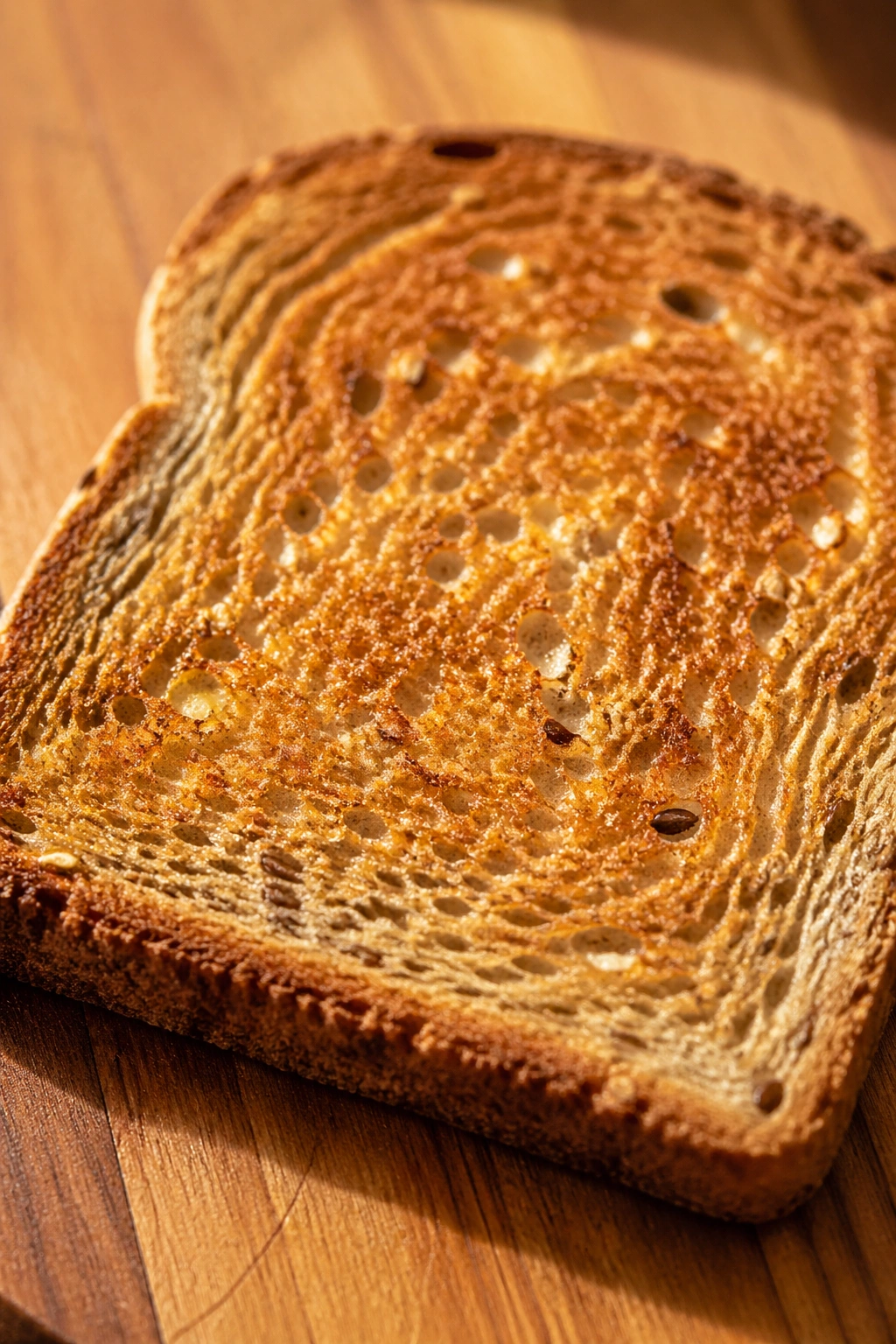
Whole-grain toast is a good carrier food. It’s not the star, and that’s fine. Two slices give you a decent carb base, some fiber, and a surface that can hold eggs, avocado, peanut butter, cottage cheese, or tuna.
Compared with plain white bread, whole-grain toast usually keeps you fuller longer because of the extra fiber. That can be a plus after a moderate workout. If you trained hard and need something faster on the stomach, plain bread or a bagel may feel easier. I like having both in the rotation.
Toast also solves the “I need breakfast but I’m tired” problem. Put something on it and you’ve got a meal.
19. Watermelon
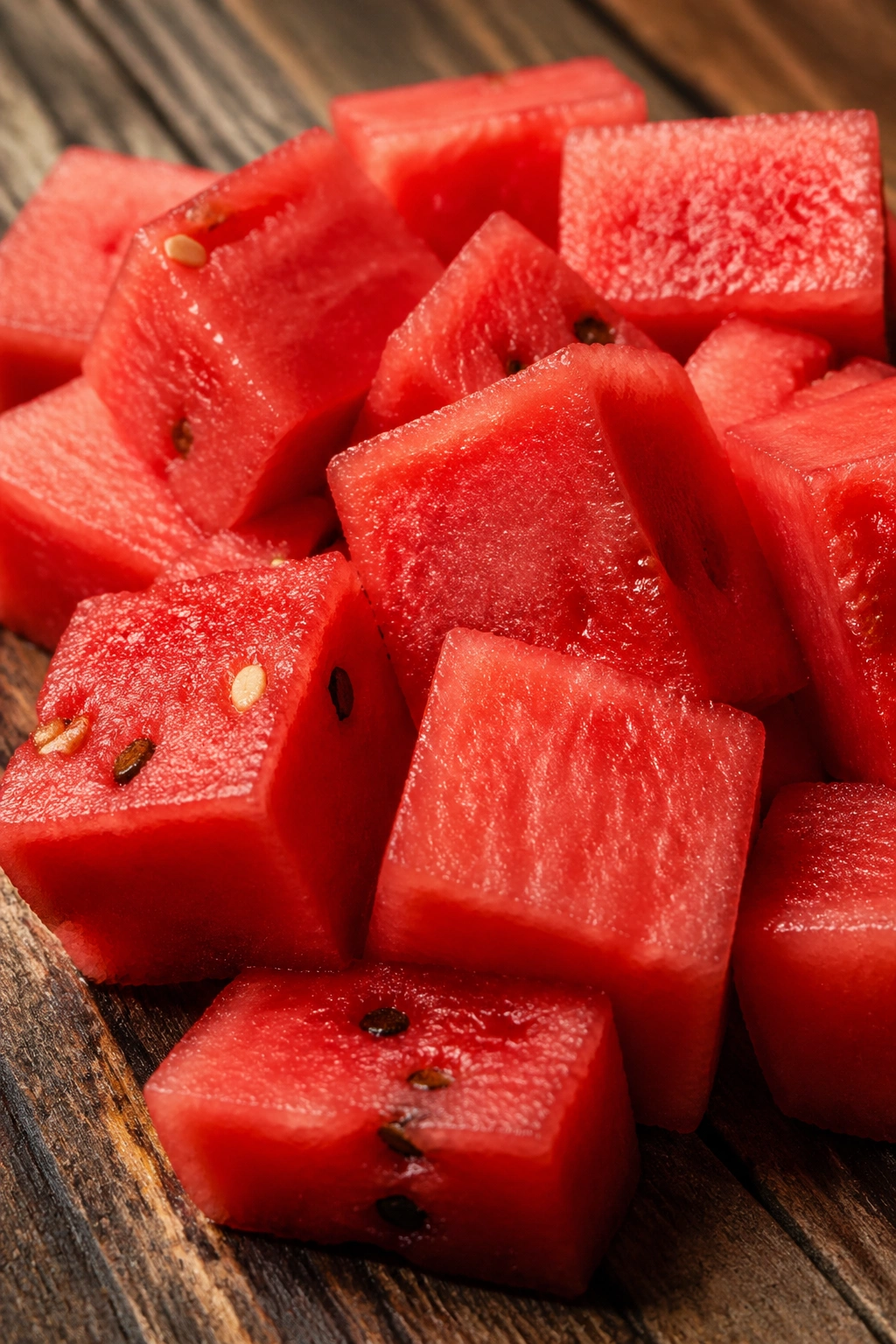
Watermelon is about as refreshing as post-workout food gets. It’s cold, crisp, and mostly water, which makes it great when you’re overheated and need to cool down fast. A 2-cup serving gives you a decent carb bump without feeling dense.
The trick is the texture. It should be firm enough to crunch slightly, not mushy or mealy. Cut it into cubes, chill it in the fridge, and eat it with something salty if you sweated a lot. A few salted nuts or a slice of cheese alongside it works better than watermelon alone.
How to Serve It
- Cubed in a bowl after running
- Blended with yogurt for a cold smoothie
- Served with feta and mint
- Paired with toast and eggs for a light meal
Simple food. Big payoff.
20. Oranges
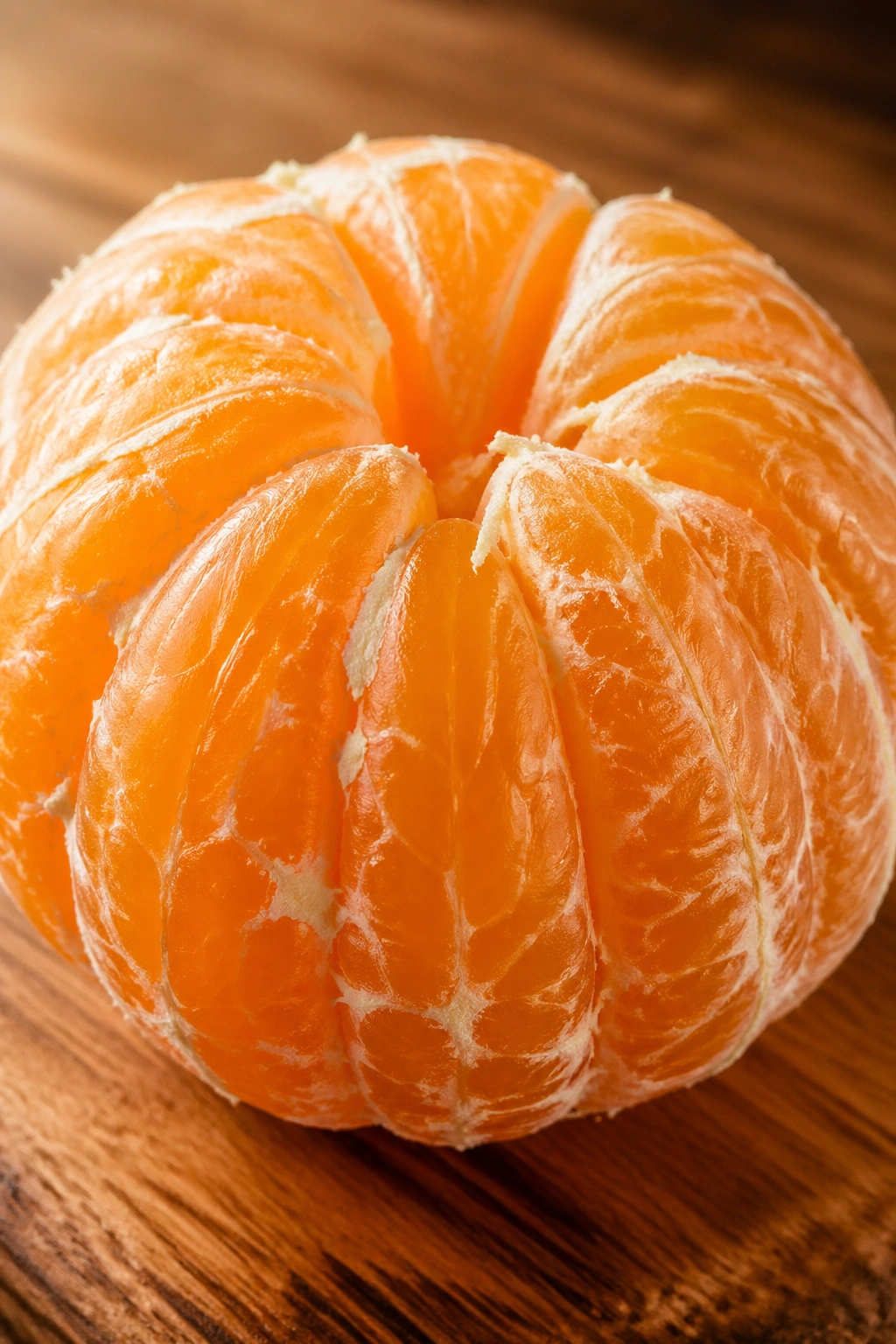
Do oranges help recovery? Yes, mostly because they give you fluid, carbs, and vitamin C in a package that’s easy to peel and eat. One medium orange has around 15 grams of carbs and a bright flavor that wakes up a tired palate.
Whole oranges are better than juice when you want fiber and a slower hit of sugar. Juice has its place if you need something quick and low-effort, but the fruit itself feels more satisfying. That’s the version I reach for when I want a snack, not a sip.
They also sit well next to savory food. An orange and a turkey sandwich makes more sense than people think.
21. Turkey
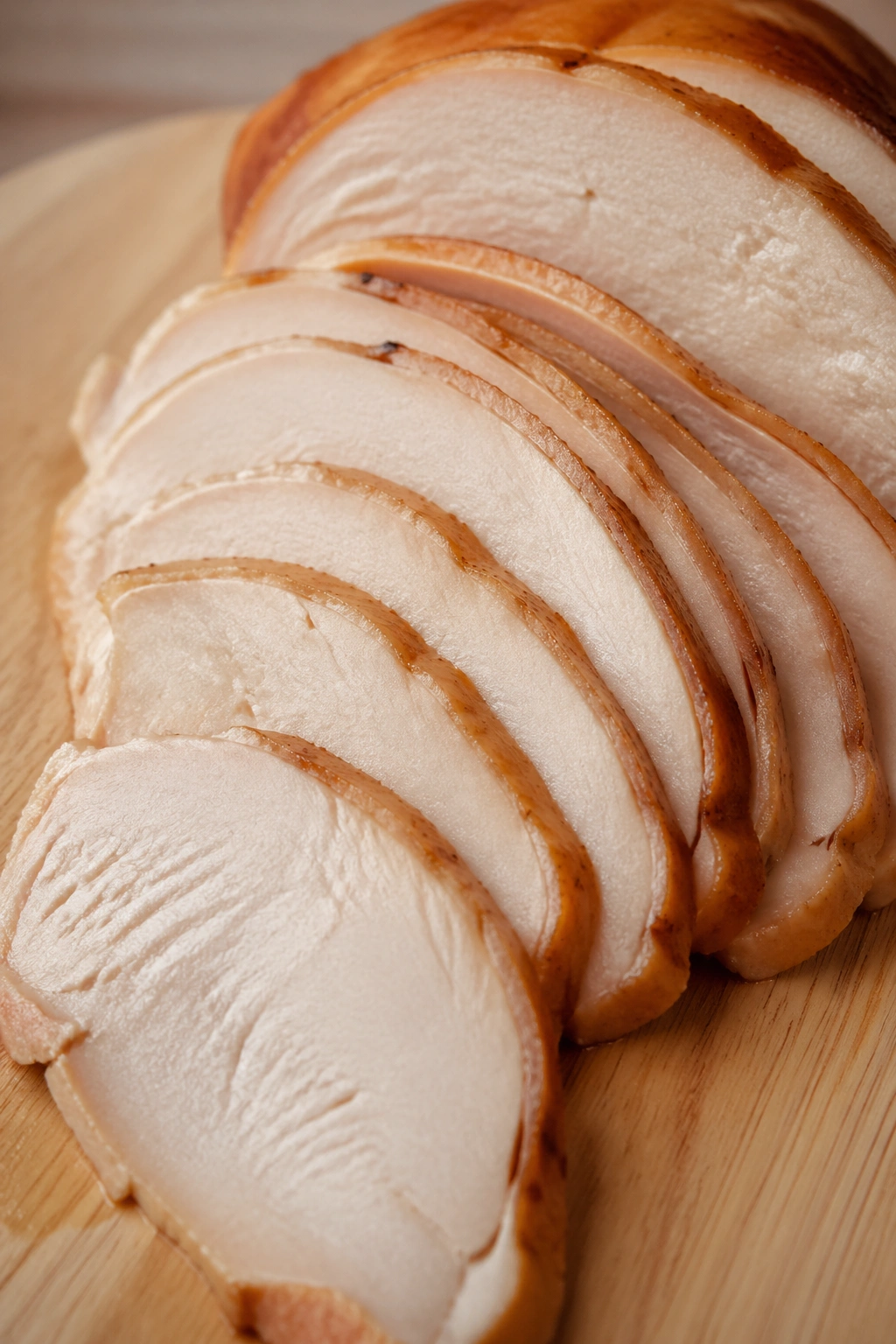
Turkey is a quiet recovery food that rarely gets enough credit. A 3-ounce serving usually brings around 25 grams of protein, and it’s easy to turn into a sandwich, wrap, or grain bowl.
I like turkey after training because it’s lean but not dry when handled well. Deli turkey is fast, though it can be saltier and more processed than roasted turkey breast. That salt can help after a sweaty workout, but I’d still choose a less processed version when I can.
Turkey pairs neatly with whole-grain bread, rice, potatoes, and plenty of mustard or yogurt-based sauce. It doesn’t need much help, which is part of the appeal.
22. Lentils
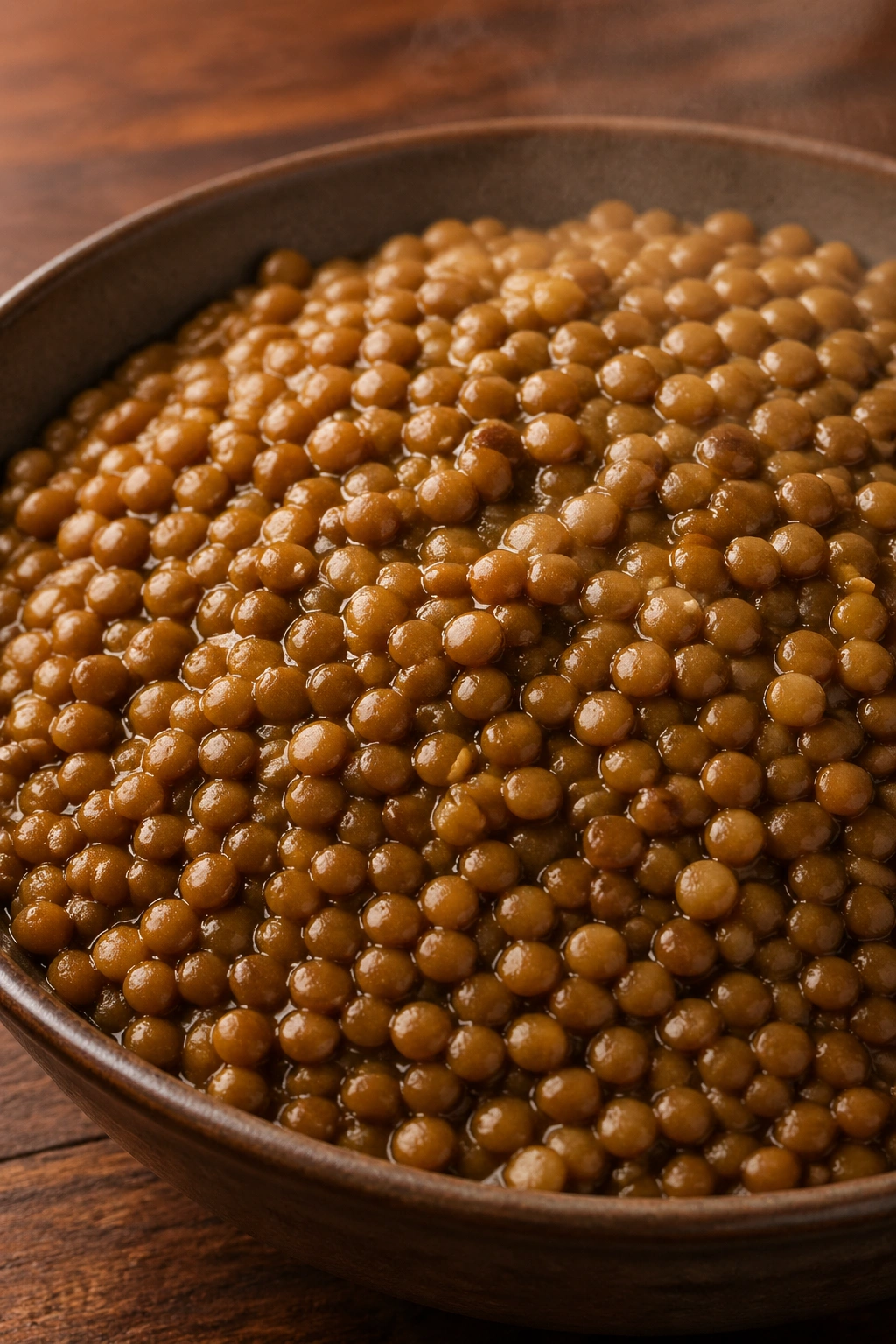
Lentils are one of the best plant foods for recovery because they bring both carbs and protein in a single bowl. One cooked cup has roughly 18 grams of protein and about 40 grams of carbs, which is a pretty useful split.
Why They Work
They’re filling, cheap, and easy to batch-cook. That matters if you train often and don’t want every recovery meal to start from scratch. Lentils also carry iron, which some people like to keep an eye on when training volume climbs.
The only catch is texture. A big bowl of lentils right after a hard run can feel heavy for some stomachs. If that’s you, start with a smaller portion and pair them with rice or bread rather than eating them alone.
23. Kefir
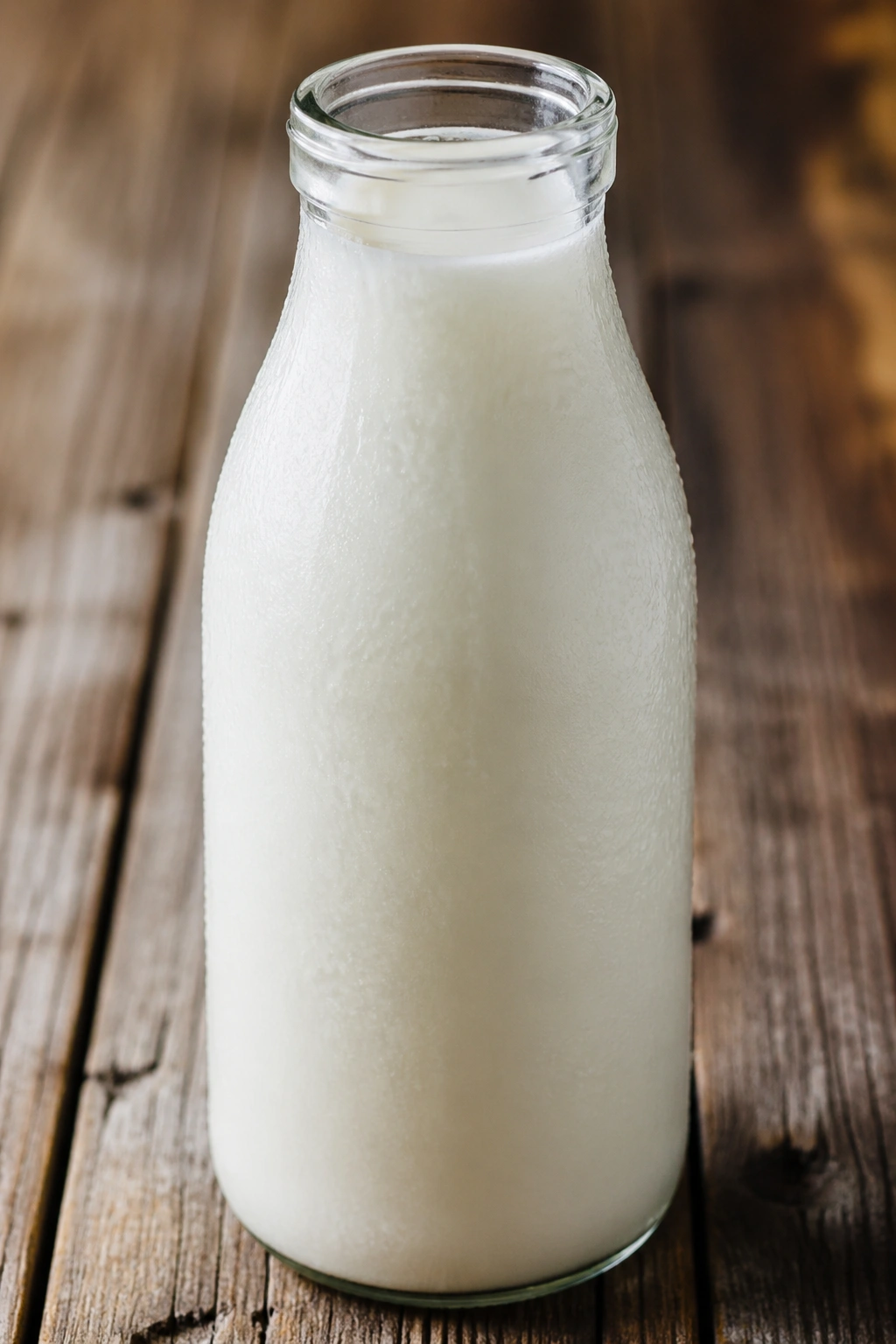
Kefir is basically drinkable yogurt with a tangier edge and a thinner body. That makes it useful when you want dairy nutrition but do not want to sit there chewing after a workout. A bottle can provide protein, carbs, and probiotics in one go.
It tastes a little sharp, almost fizzy sometimes, and that works better than you might expect when you’re tired. Blend it with banana, berries, or oats if you want something closer to a smoothie. Plain kefir is also a good base for savory sauces if you’re using it in a meal.
If your appetite drops hard after training, kefir is one of the easiest ways to get something down. That alone earns it a spot here.
24. Almonds
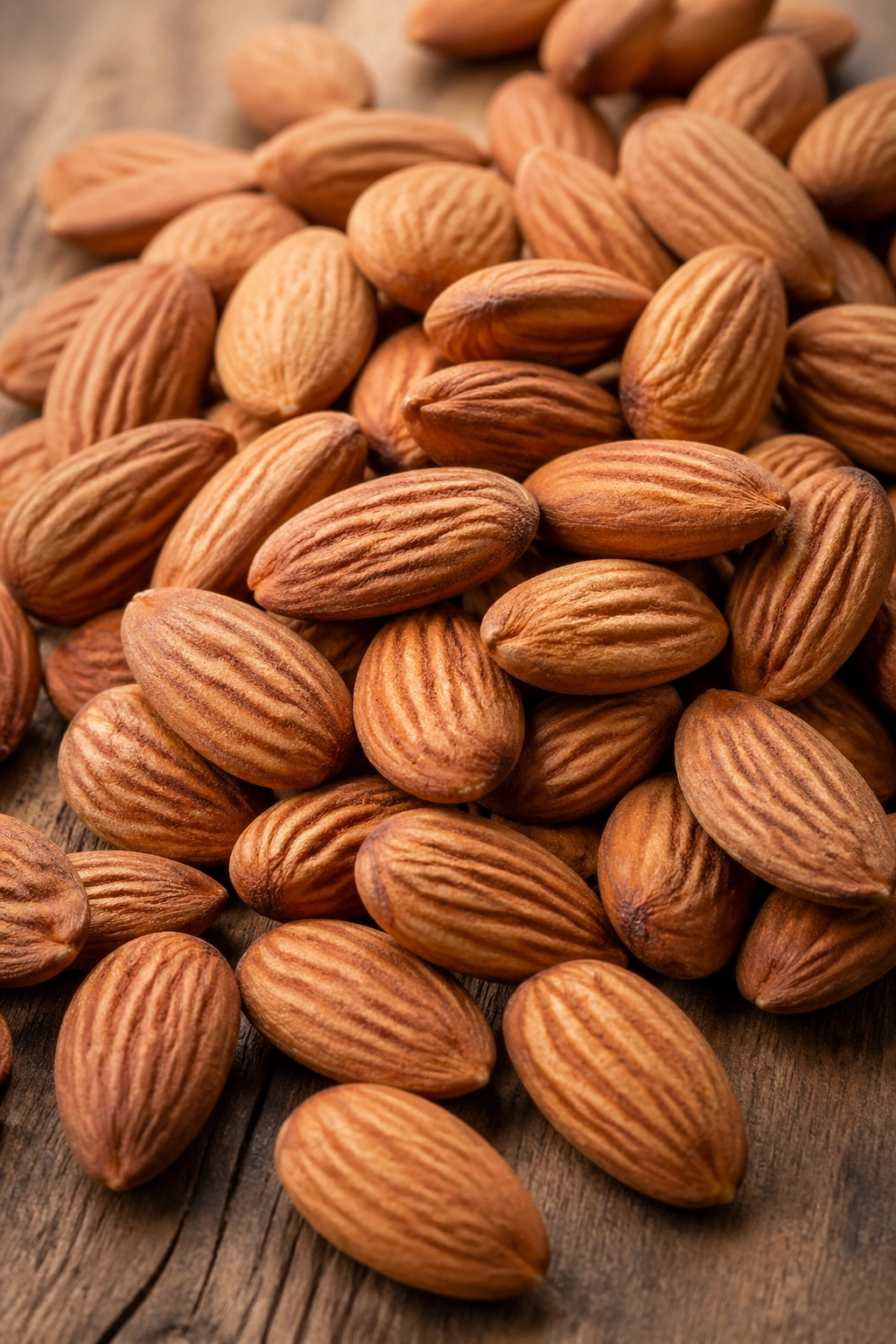
Almonds are useful, but they’re not a complete recovery answer on their own. A 1-ounce handful gives you some protein, fat, magnesium, and a lot of crunch, which makes them a smart add-on rather than the whole plan.
Almonds vs. Almond Butter
Whole almonds take longer to eat and can help you feel fuller. Almond butter is easier to spread or blend into a shake, which makes it more convenient when chewing sounds annoying. I use almonds when I want texture and almond butter when I want speed.
Pair them with fruit, yogurt, or toast. That way you get the carbs recovery needs instead of a bag of nuts that leaves the job half-done.
25. Chia Seeds
Can chia seeds help recovery? They can, but not by themselves. Two tablespoons bring fiber, fat, and a bit of protein, and they soak up liquid so aggressively that they’re best used in wet foods.
Mix them into yogurt, oatmeal, or a smoothie and let them sit for 10 to 15 minutes. That gives them time to soften and thicken the mix. If you dump them on dry food, they can feel distracting and a little gritty.
Chia works best when you need steady energy and a more filling snack. It is less useful if you want something very fast. Tiny seed, specific job.
26. Spinach
Fresh spinach is mild enough to disappear into a lot of meals, which is one reason I like it after training. A handful in eggs, a smoothie, a pasta dish, or a grain bowl adds folate, vitamin K, and a little iron without changing the meal much.
The leaves should look crisp, not slimy. That’s the quality check I trust most. If spinach tastes too grassy for you, cook it down in a pan with garlic and salt until it collapses into almost nothing. It shrinks fast, which is either annoying or useful depending on how you feel about greens.
Spinach is not the thing that rebuilds you. It helps the meal cover more ground.
27. Black Beans
Black beans are one of those foods that make a recovery plate feel full in a good way. They bring carbs, fiber, and plant protein, and they do it without costing much. One cooked cup can give you around 15 grams of protein and a nice carb base too.
A simple bowl of black beans and rice works because the two foods fit together naturally. Add salsa, avocado, cheese, or a fried egg and you’ve got something that feels complete. If your stomach is tender after exercise, start with a smaller serving because the fiber can feel heavy at first.
Beans are practical. That word fits. They’re not a luxury food, but they’re a strong one.
28. Potatoes
Potatoes are one of the most underrated recovery carbs on the table. A medium potato usually gives you around 30 grams of carbs, and it comes with potassium, a soft texture, and a lot of ways to cook it.
Baked, boiled, mashed, roasted, or smashed in a pan with salt — they all work. I like potatoes after sweaty workouts because they take salt well, and salt is not the enemy when you’ve just lost a lot of fluid. If you’re making a meal for someone else, potatoes are also easy to pair with chicken, fish, eggs, or beans.
White potatoes are not “empty.” They’re food that does a job, and they do it well.
29. Whey Protein Shake
A whey protein shake is useful when food sounds exhausting. One scoop usually gives you around 20 to 30 grams of protein, and it takes about 30 seconds to make if you have a shaker bottle and water or milk.
That speed is the point. It’s not better than food in some magical way, and it doesn’t need to be. It’s a tool for the moment when you’ve trained hard, you’re not hungry yet, and you know you still need protein soon.
Best Use Cases
- Right after a workout when you’re rushing
- On the drive home from the gym
- As a bridge until dinner
- Blended with banana or oats when you want more carbs
If you like solid meals more, fine. Keep the shake as backup. Backup matters.
30. Bagel
A plain bagel is a very clean answer to the “I need carbs and I need them now” problem. It’s soft, dense, and easy to eat after training, especially if your appetite is weird or you’ve got another meal a while away.
A standard bagel can bring 45 to 55 grams of carbs, which is a bigger hit than toast. That makes it especially handy after long runs, hard leg days, or any session where you burned through more fuel than usual. Add peanut butter, cream cheese, eggs, or turkey if you want more protein and fat.
There’s a reason bagels keep showing up in locker rooms and breakfast counters. They’re plain in the best way. They show up, do the job, and disappear without a fuss.
