



Half the battle starts after the last rep.
A lot of women finish a workout, chug plain water, answer two texts, and move on with the day without eating a thing. That’s where recovery starts to wobble. Post workout recovery drinks for women can close that gap fast, which matters more than people admit—when appetite is low, time is tight, and your body still needs protein, carbs, fluid, and a bit of sodium to settle down and rebuild.
I keep coming back to the same issue because it shows up everywhere: women train hard, then underfuel without meaning to. Morning lifters skip breakfast. Runners lose their appetite after heat and hill work. Busy professionals squeeze in a lunch workout and try to coast until dinner. Two hours later, energy crashes, soreness sticks around, and hunger turns feral.
Sports nutrition guidance has been pretty steady on the big points. A post-workout drink works best when it gives you 20 to 40 grams of protein, enough carbs to replace what you burned, and fluid to cover sweat losses. After longer endurance work, carb needs climb. After hot sessions, sodium matters more. If you’re in perimenopause or building muscle with heavy strength work, landing closer to the higher end of that protein range often pays off.
The good news is that recovery does not need to taste like chalk or involve a cabinet full of powders. Some of the best options come straight from the fridge, the blender, or the coffee bar.
How to Choose Post Workout Recovery Drinks for Women After Any Session
Start with protein first. Most women do well with 20 to 30 grams after a normal gym session, while 30 to 40 grams makes more sense after heavy lifting, long runs, or when you know the next full meal is still a while away. Whey, milk, Greek yogurt, skyr, and soy usually get you there without much effort. Plant blends can work too, though they often need a slightly larger scoop to match the amino acid punch of whey or dairy.
Carbs are not optional if the session was long, hard, or both. A short upper-body lift might only call for a banana or 15 to 25 grams of carbs in the drink. A 90-minute run, a long ride, or back-to-back classes asks for more—30 to 60 grams is a sensible target, and some endurance athletes need more across the next few hours. Stored carbohydrate, better known as glycogen, is what your body leans on during hard training. You burned it. Replace it.
Fluid is the other piece women often miss because thirst can be a lousy coach. A useful field rule is 16 to 24 ounces of fluid for each pound lost during training. You do not need to weigh yourself after every session, though it can teach you a lot during hot-weather training. If your shirt was crusted with salt, your leggings were soaked through, or you finished with a headache, bump sodium up too.
A quick recovery check
Your drink is doing its job if it gives you:
- 20 to 40 grams of protein
- 15 to 60 grams of carbs, depending on workout length and intensity
- 12 to 24 ounces of fluid, more if you sweat heavily
- 300 to 700 milligrams of sodium after long, hot, or very sweaty sessions
One more thing. If your stomach gets touchy after intervals or hard circuits, keep fiber and fat lower right away. Oats, nut butter, and chia are useful ingredients, though they are not always the first thing a sloshy stomach wants.
When Post Workout Recovery Drinks for Women Beat Solid Food
Some workouts leave you ready for eggs, rice, and toast. Great. Eat the meal.
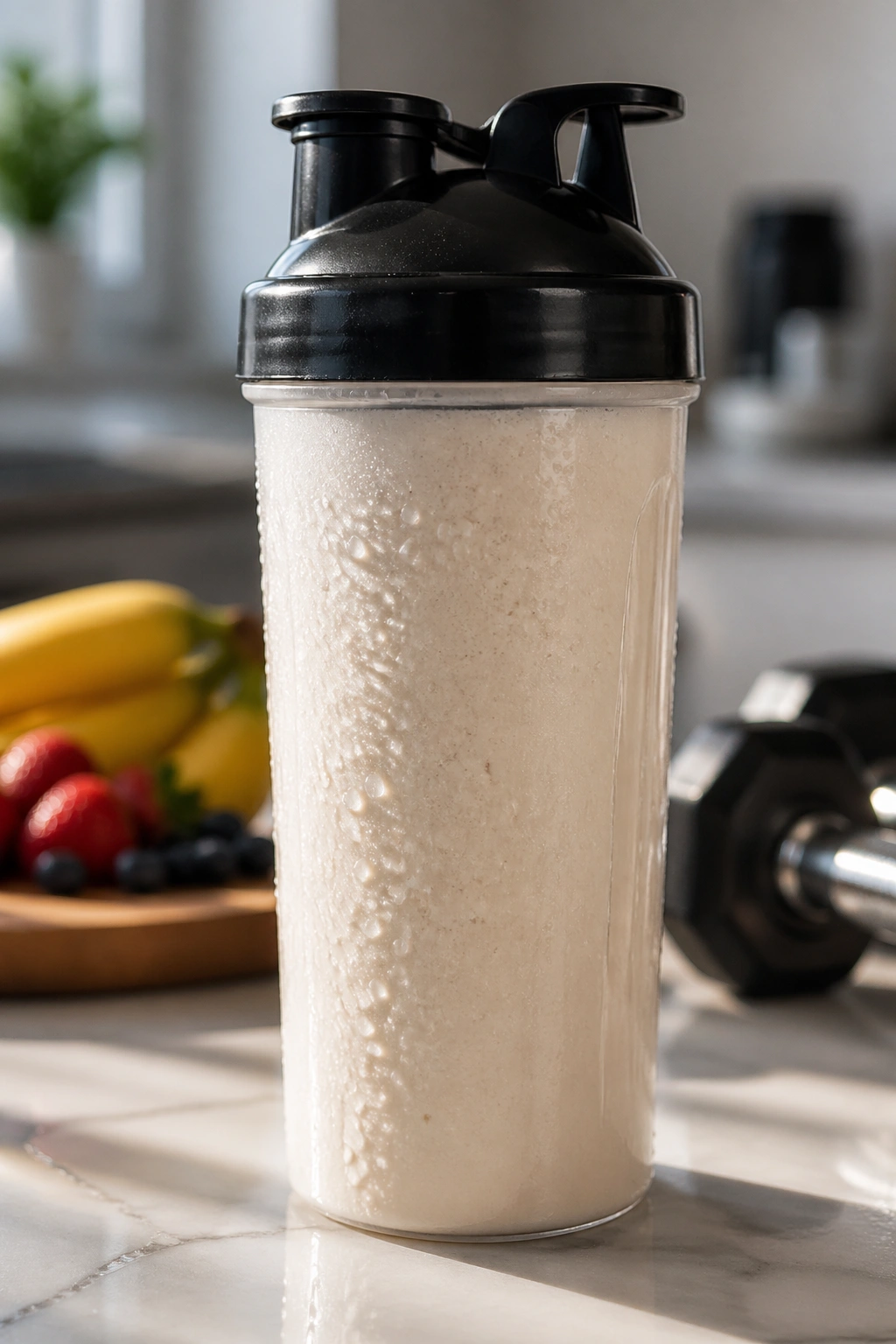
Other days, chewing feels like work. That’s when a drink wins. Liquid recovery is easier to get down after heat, early-morning training, hard intervals, or anything that leaves your stomach a little rattled. It’s also easier to carry in a shaker bottle, keep in the office fridge, or sip in the car while your body settles down.
There’s a convenience angle here, but it’s not only convenience. A drink can also be more precise. If you know you need 25 grams of protein and 35 grams of carbs, it’s easy to build that. You are not guessing at a café counter or hoping you can hold out until dinner.
And no, every workout does not need a 500-calorie smoothie.
A brisk 30-minute walk and mobility session probably needs water and your next normal meal. A full-body strength workout, a spin class that turned into a sweat flood, or a 10-mile run is different. Your recovery drink should match the job the workout asked your body to do.
1. Chocolate Milk With a Pinch of Sea Salt
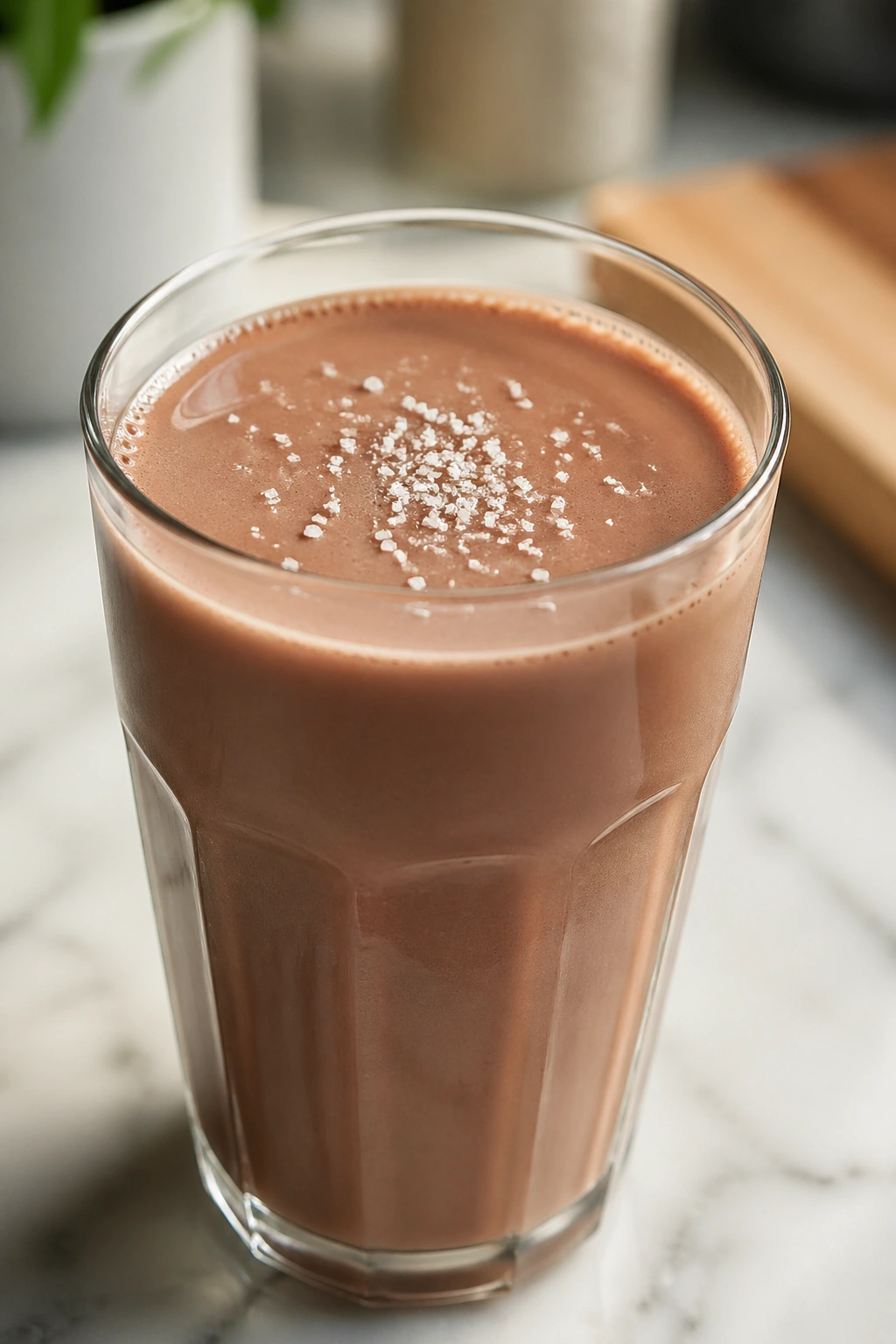
Chocolate milk gets mocked until you look at the numbers. It already has the basic recovery formula built in: carbs, protein, fluid, and a taste people will actually finish. That last part matters more than nutrition purists like to admit.
A standard 12- to 16-ounce bottle of low-fat chocolate milk lands in a useful range for many women after lifting or cardio. You usually get around 12 to 16 grams of protein and 30 to 50 grams of carbs, depending on the brand. Add a small pinch of sea salt if the workout was sweaty, or pair it with half a banana if you went longer and want extra carbs.
Why it punches above its weight
Milk proteins give you both whey for quick amino acids and casein for a slower release. The carb-to-protein ratio also works well for glycogen refill after endurance sessions.
- Best after: strength training, circuit classes, shorter runs, team sports
- Easy build: 12 ounces chocolate milk + pinch of salt + ice
- Make it stronger: stir in ½ scoop chocolate whey to push protein closer to 20 grams
My take: if you keep one dead-simple recovery drink in the house, this should be on the short list.
2. Greek Yogurt Berry Smoothie
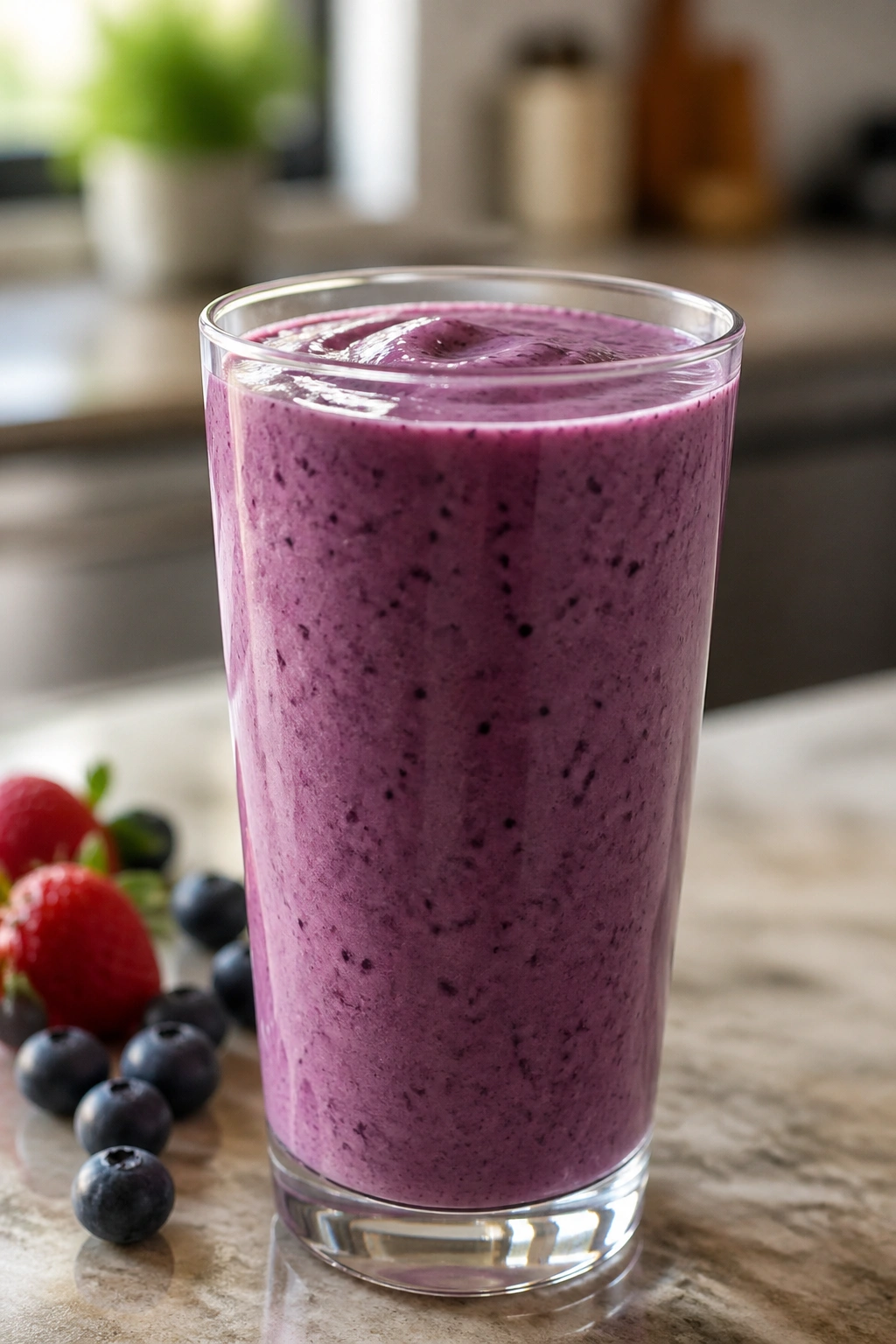
A thick berry smoothie fixes two common post-gym problems at once: low protein and no appetite. It drinks like a treat, though it behaves like a meal.
Blend ¾ to 1 cup plain Greek yogurt, 1 cup frozen mixed berries, ½ banana, ¾ cup milk, and 1 teaspoon honey. That gets most women into the 20- to 25-gram protein range with enough carbs to start recovery without leaving you stuffed. If you need more, add a scoop of whey or an extra half banana.
Berries bring more than color. They supply vitamin C, potassium, and polyphenols—the plant compounds linked with lower exercise-related muscle stress in some studies. Greek yogurt pulls the drink together with texture, protein, and calcium, which is useful for women who do not get enough of it across the day.
Keep the seeds in the berries unless your stomach hates them after hard intervals. If it does, switch to blueberries or strained berry purée and move on.
3. Whey, Banana, and Cinnamon Shake
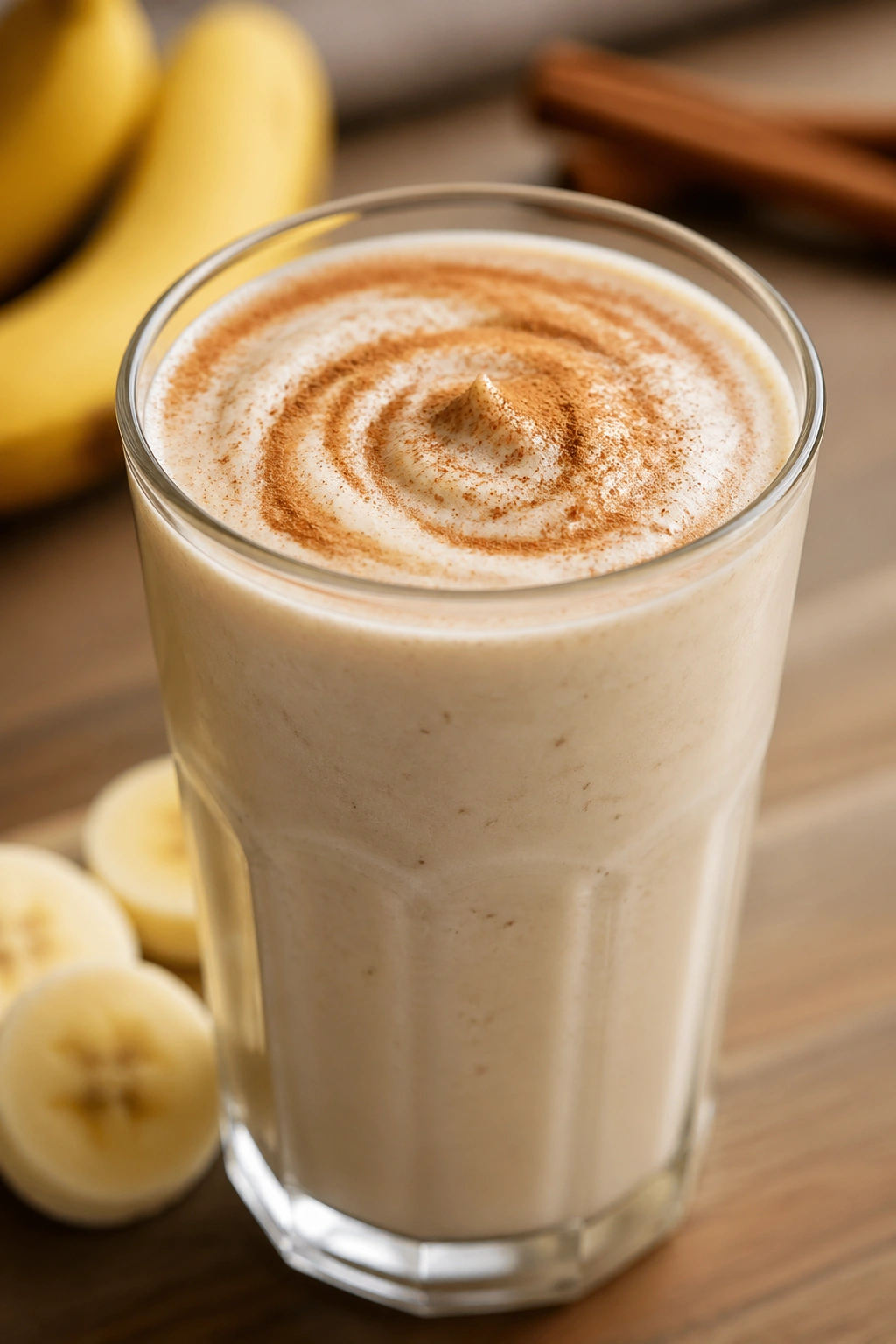
Why do lifters keep coming back to whey and banana? Because it works.
Whey is still the easiest way to hit the muscle-repair target fast. One scoop usually gives you 22 to 25 grams of protein, and a banana adds quick carbs, potassium, and enough sweetness that you do not need much else. Blend 1 scoop vanilla whey, 1 medium banana, 8 to 10 ounces milk or water, and ¼ teaspoon cinnamon. Done.
The beauty of this shake is not glamour. It is repeatability. After a tough lower-body day, when your brain is cooked and you can barely decide what shoes to wear home, you can still make this in under two minutes. Cinnamon adds warmth and makes a plain vanilla shake taste less like gym dust.
When it shines
Use this one after strength sessions, sprint work, or any workout where muscle repair is the main goal. If you trained for more than an hour, toss in ½ cup oats or a second piece of fruit to pull the carbs up.
Skip giant spoonfuls of nut butter right after training if your stomach turns on you after hard effort. Save the fats for the next meal.
4. Soy Milk Cocoa Recovery Shake
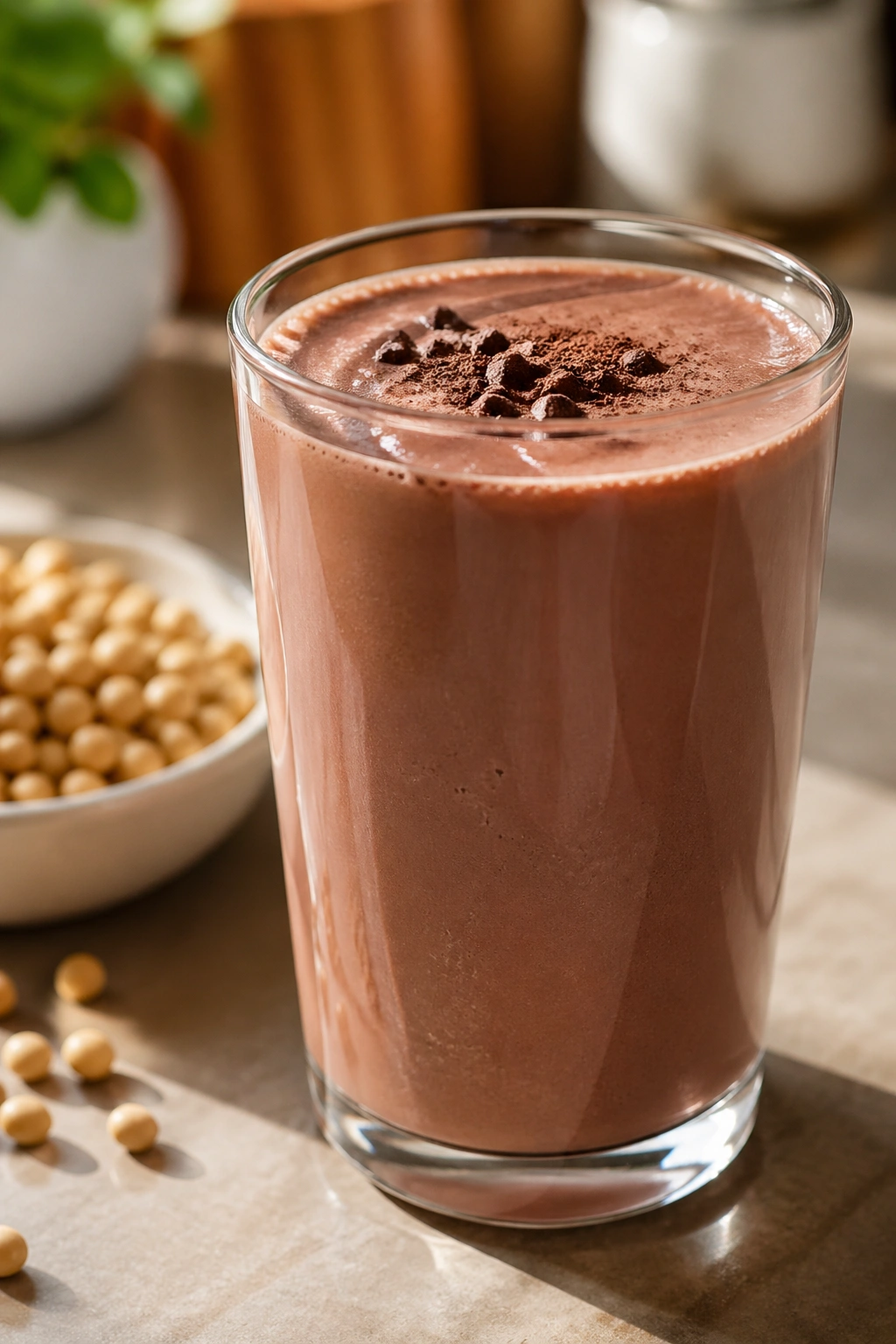
If dairy does not love you back, soy is the cleanest swap. Not almond milk. Not coconut beverage. Soy.
Unsweetened soy milk has a real protein count—often 7 to 8 grams per cup—and it is a complete protein, which means it contains all the amino acids your muscles need. Blend 2 cups soy milk, 1 tablespoon cocoa powder, 1 frozen banana, 1 to 2 dates, and a pinch of salt. You land around 16 to 18 grams of protein before any powder goes in. Add ½ to 1 scoop soy or pea protein if you want the drink in the 25- to 30-gram zone.
What I like here is how normal it tastes. Cocoa covers the earthy edge some soy milks have. A banana makes it rounder. The whole thing feels closer to chocolate shake territory than “plant-based compromise.”
For women who need calcium and vitamin D support, fortified soy milk pulls extra weight. Check the label. Some brands are generous with fortification; others are not.
5. Tart Cherry Vanilla Protein Smoothie
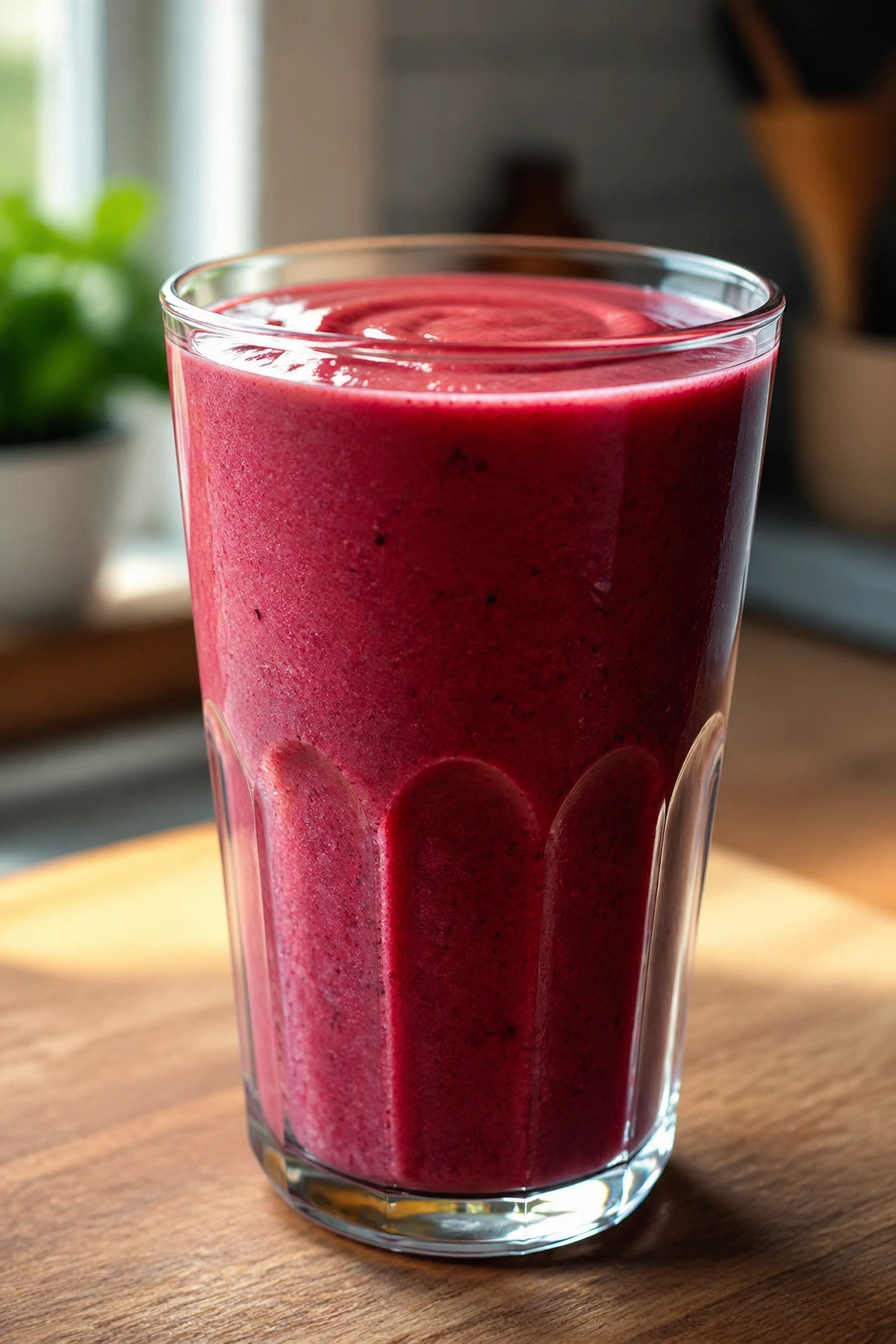
Sore legs after hill repeats have a way of making tart cherry sound better than it usually does.
Tart cherry juice has been studied for its polyphenols and its possible role in easing post-exercise soreness and helping recovery after hard training blocks. It is not magic, and it is not a substitute for protein, sleep, or enough food. Still, paired the right way, it earns its spot. Blend 8 ounces tart cherry juice, ¾ cup Greek yogurt or skyr, ½ scoop vanilla whey, ice, and a splash of milk. That gives you 20 to 25 grams of protein with a tart-sweet flavor that cuts through the heavy, milky feel some recovery drinks have.
This one shines after running, field sports, long hikes, or a tough leg day. The sharp cherry flavor also works when you are heat-tired and anything creamy sounds awful.
Use 100% tart cherry juice, not a cherry cocktail with added sugars and little fruit. The label should look blunt. If “pear juice concentrate” is leading the ingredient list, put it back.
6. Kefir and Mango Lassi-Style Drink
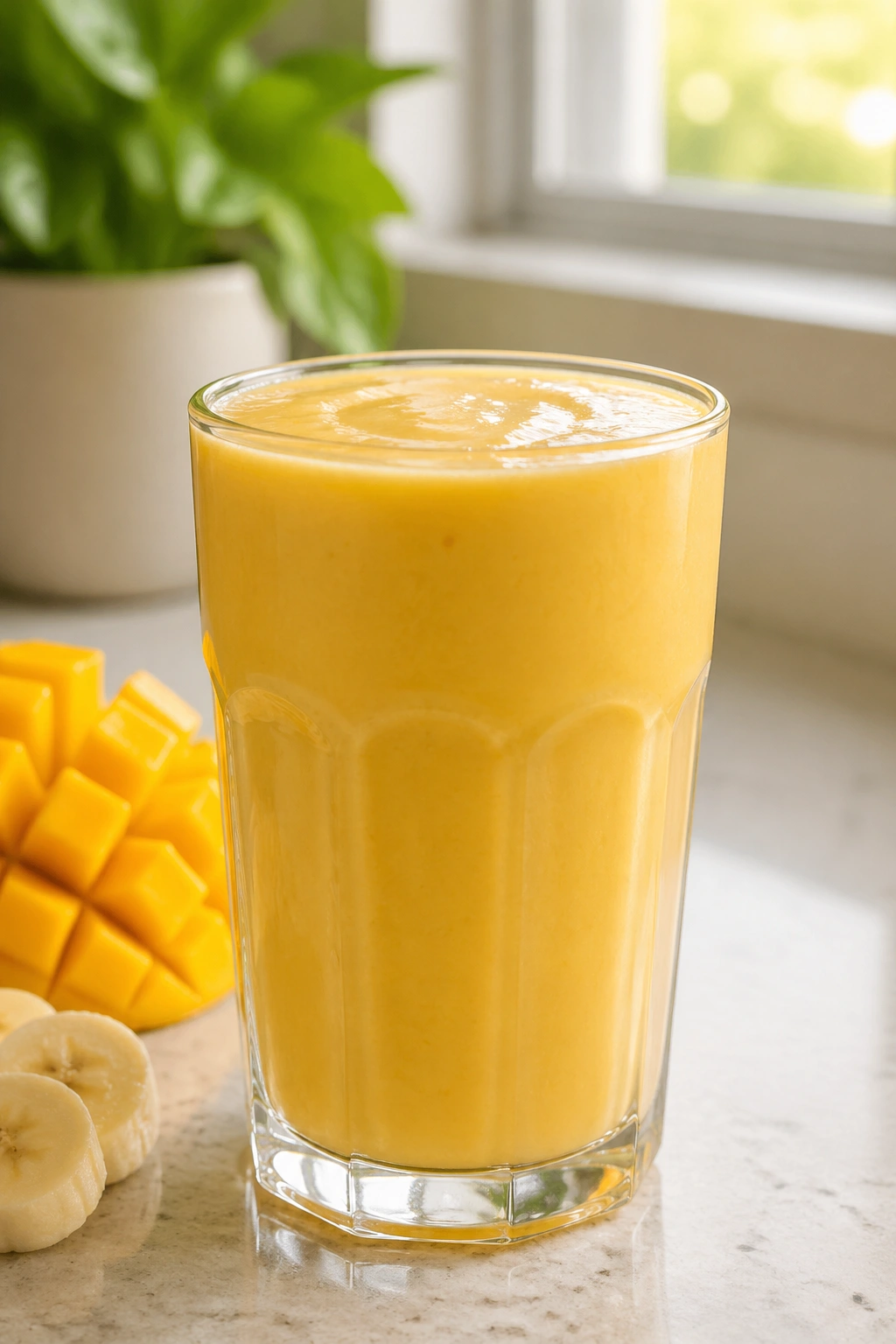
Picture the drinkable version of a mango yogurt bowl, only colder and easier to get down after training.
Kefir is a fermented milk drink with a thinner texture than yogurt and a pleasant tang that wakes up a smoothie. Blend 1 cup plain kefir, 1 cup frozen mango, ½ banana, ¼ teaspoon cardamom, and a pinch of salt. You will get 10 to 12 grams of protein from the kefir alone, so women who want a fuller recovery drink should add ½ scoop vanilla whey or ½ cup Greek yogurt to reach the 20-gram mark.
The gut angle gets a lot of hype online. I care more about the practical side: kefir is easy to drink when you do not want a thick shake, and it often sits well after training. Mango supplies quick carbs. Cardamom makes it taste like an actual recipe instead of blended leftovers.
A note from experience: use frozen mango, not fresh, unless you want a thin drink. Frozen fruit gives it body without needing ice, which waters things down fast.
7. Coconut Water Strawberry Protein Cooler
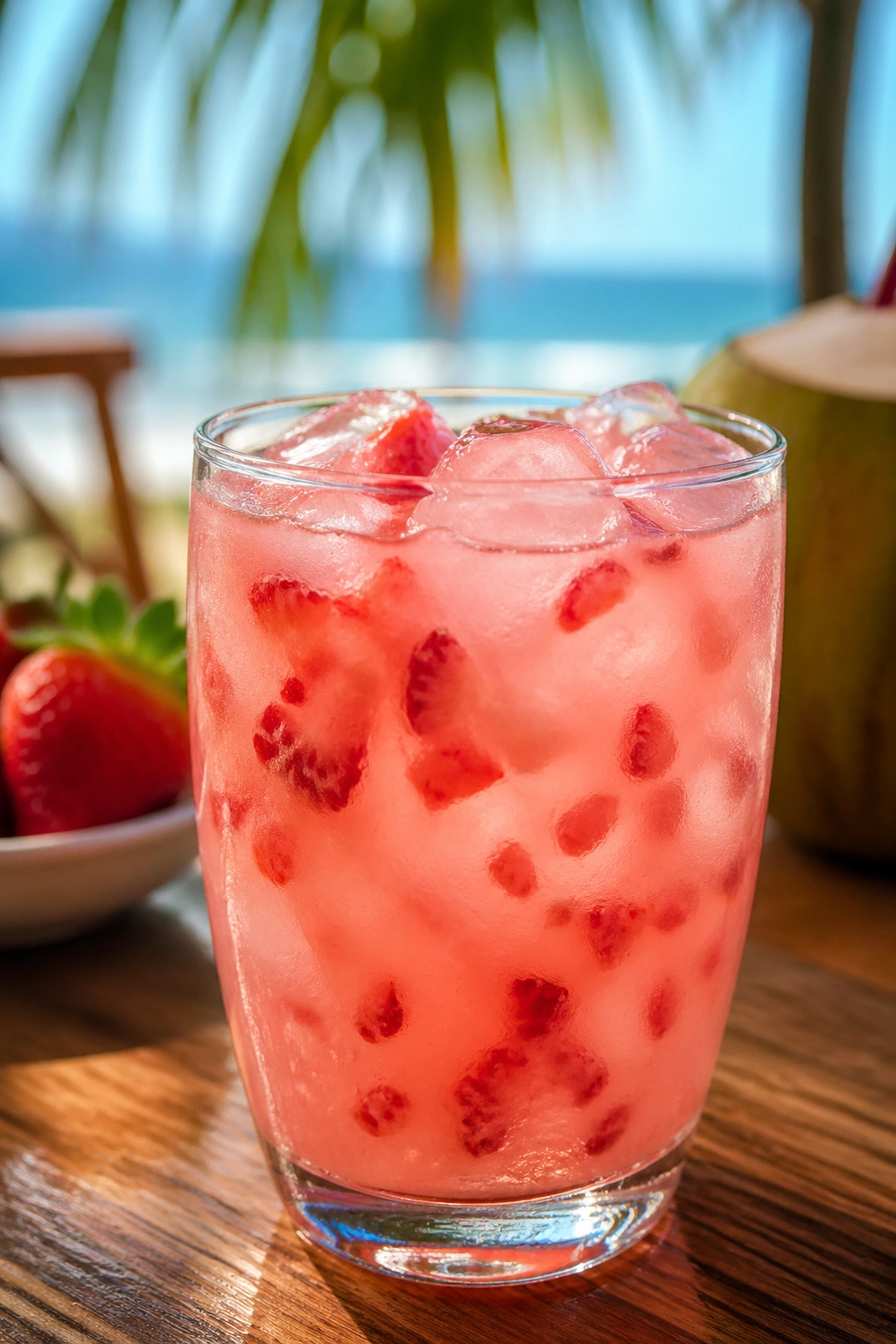
Unlike plain coconut water, this one actually helps repair muscle tissue.
Coconut water is useful for fluid and potassium, though on its own it misses the protein piece by a mile. Fix that by shaking or blending 10 ounces coconut water, 1 scoop clear whey isolate or unflavored whey isolate, 1 cup frozen strawberries, and a squeeze of lime. The result is lighter than a milk-based shake and easier after hot-weather sessions.
What makes it different
A lot of women want something refreshing after cardio, not creamy. That’s the lane this drink owns. You get:
- 20 to 25 grams of protein from the whey
- 15 to 25 grams of carbs from the coconut water and berries
- Potassium and fluid for rehydration
- A texture closer to juice than a smoothie
Use it after spin classes, long walks in heat, tennis, or interval work outdoors. If you are a salty sweater, add ⅛ teaspoon salt. Coconut water is not as sodium-rich as many sports drinks, and that matters when your tank is empty.
8. Oat Milk Espresso Protein Shake
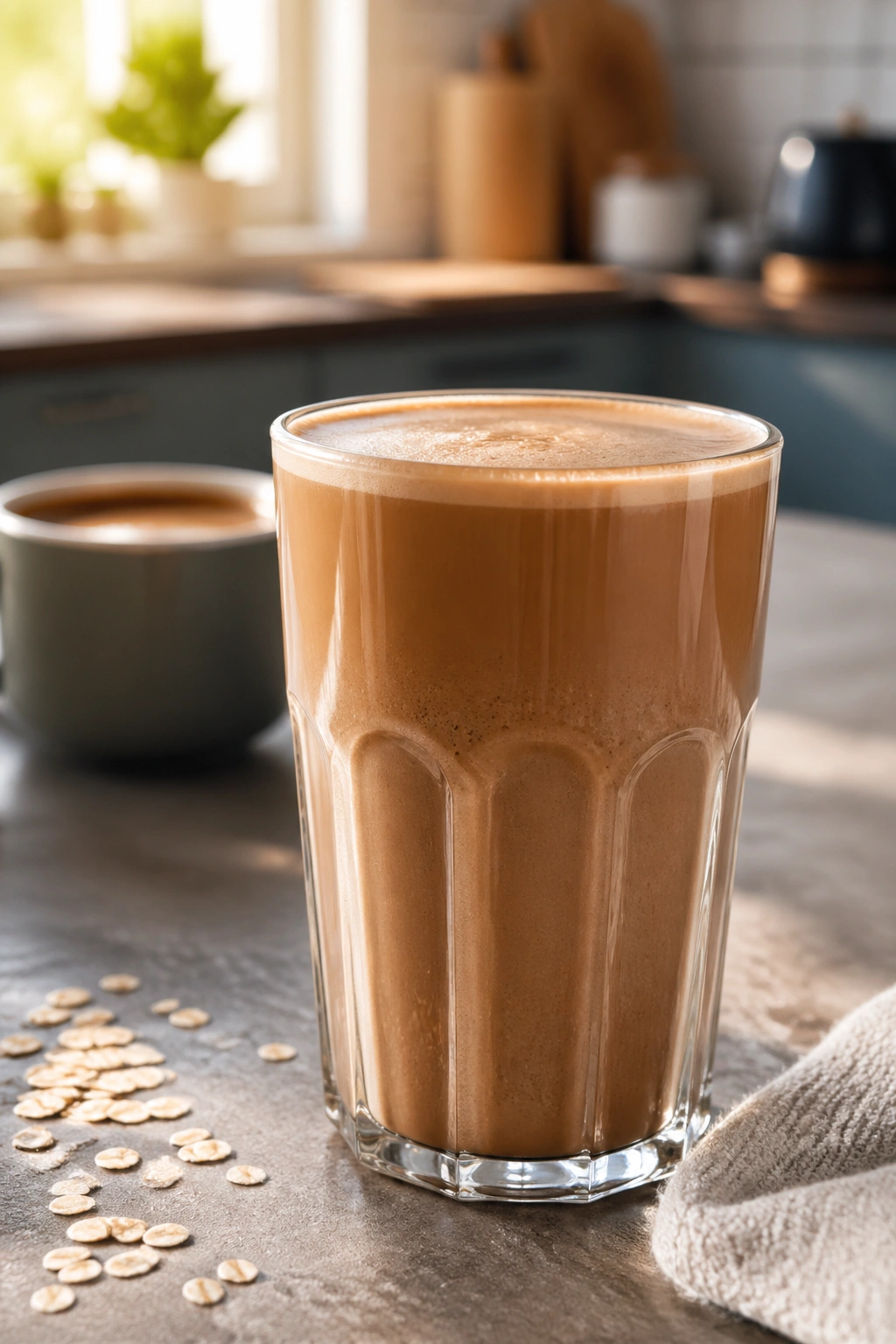
Morning trainees, this one earns its spot.
An espresso protein shake can pull double duty when you train before work and need recovery plus enough brain power to answer emails without staring at the screen for five minutes first. Blend 1 shot espresso or ½ cup chilled coffee, 1 scoop vanilla or caramel whey, 1 cup oat milk, ½ frozen banana, and ice. Add 2 tablespoons quick oats if the workout ran long and you want more staying power.
The coffee angle is not there only for taste. Caffeine can help performance before training, and after training it can still be useful if you are headed into a long workday. Oat milk gives the shake a café-style texture. Whey brings the protein. Banana smooths out the bitter edge.
Drink this one earlier in the day, obviously. If afternoon caffeine wrecks your sleep, switch to decaf coffee and keep the recipe the same. Recovery is not only what happens in the shaker bottle; a bad night of sleep will undo a lot of good nutrition.
9. Beet and Mixed Berry Endurance Blend
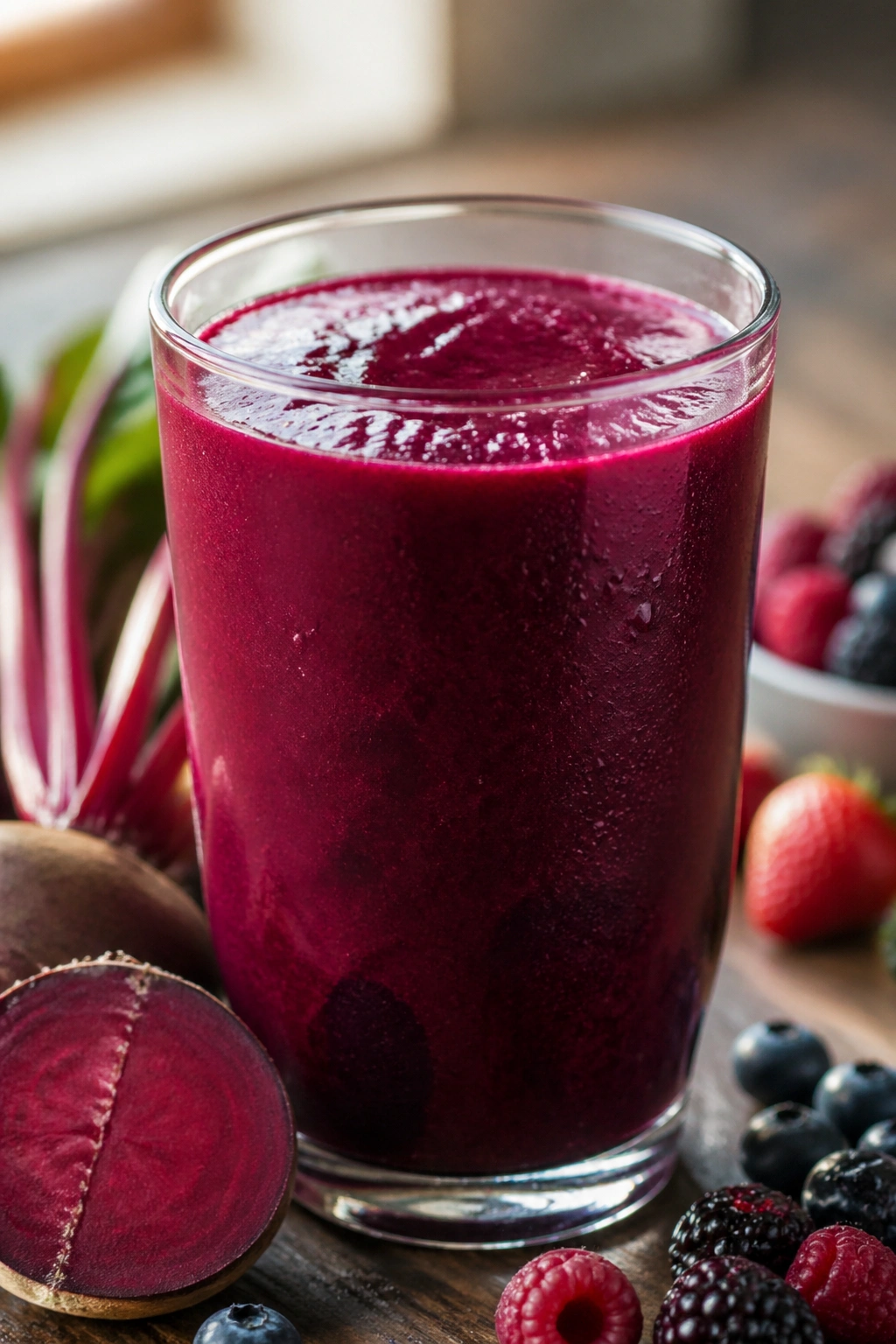
Beets are not magic. They are, though, one of the few vegetables endurance athletes keep buying on purpose.
Blend ½ cup cooked beets, 1 cup mixed berries, ¾ cup orange juice, ¾ cup Greek yogurt, and ice. You get a drink with carbs, color, and enough protein to matter. If you want it sweeter, use a small banana instead of extra juice. If you want more protein, add ½ scoop whey.
Beets are known for their natural nitrates, which have been studied more often for performance than recovery, though they still fit well in a post-run drink because they pair nicely with fruit and do not sit as heavily as peanut butter or oats. The berries pull the earthy beet flavor back into line. Orange juice adds vitamin C and fast carbs.
This is a good one after long runs, bike rides, rowing sessions, or any workout where glycogen got hammered. It is not the first shake I would reach for after a pure upper-body lift. Different workout, different glass.
10. Watermelon, Lime, and Clear Protein Cooler
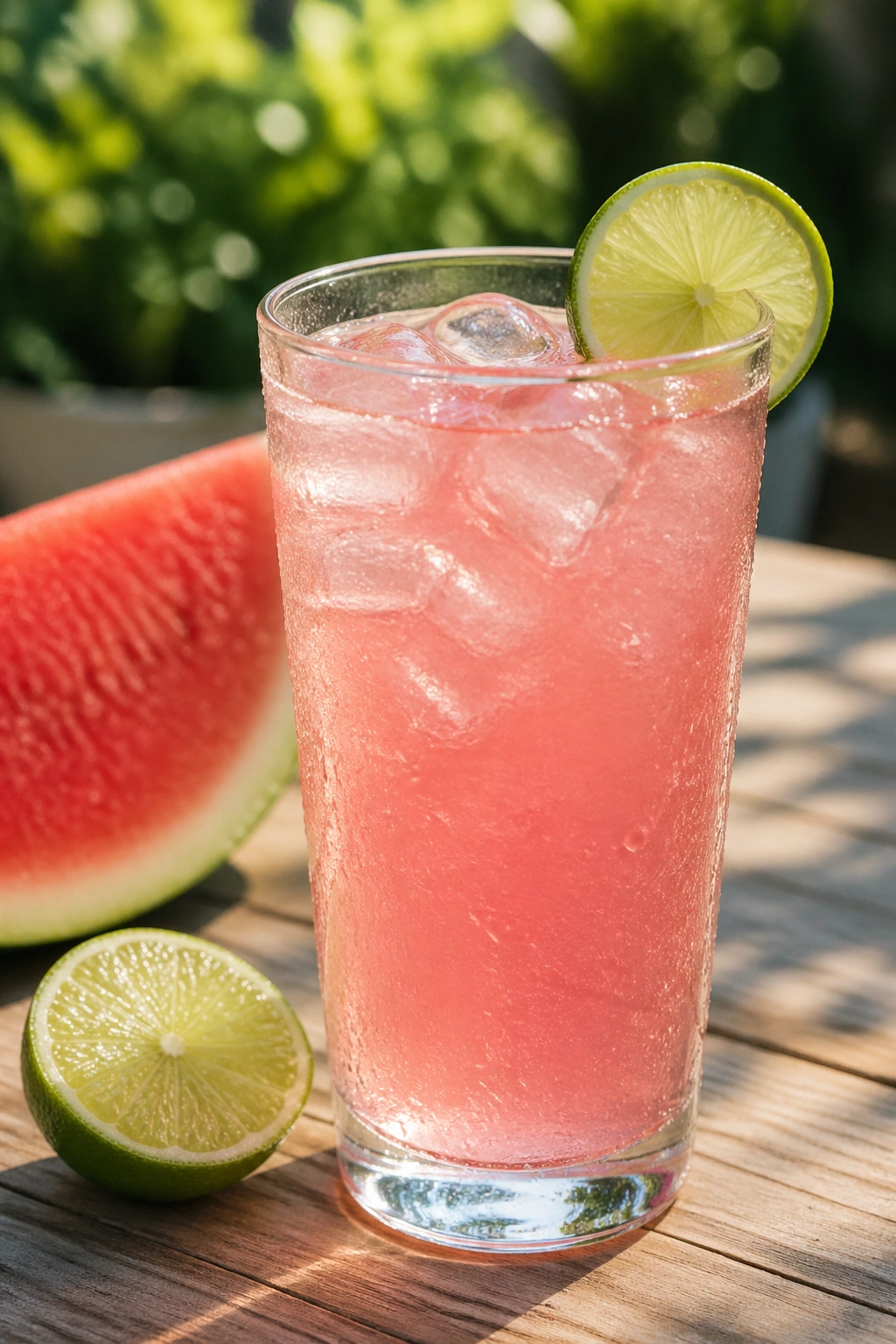
Cold, pink, and almost too easy to drink—that can be a problem after a workout if the glass is all sugar and no protein.
The fix is clear protein. Blend 2 cups cubed watermelon, juice of 1 lime, 10 ounces cold water, a few mint leaves, and 1 scoop unflavored or citrus clear whey isolate. Pulse lightly. Watermelon foams if you punish it in the blender.
The payoff is hydration. Watermelon is mostly water, which sounds obvious because it is obvious, yet after a brutal workout the simple things win. You also get carbs, potassium, and a clean texture that feels closer to a slush than a shake. Lime wakes it up. Mint helps if heat left your stomach dull and weird.
Use it this way
This cooler is sharpest after summer runs, boot camp classes, beach volleyball, and sweaty walks that turned into accidental threshold sessions. Pair it with a rice cake or pretzels if you need extra carbs and sodium.
Low-appetite days love this one.
11. Orange-Vanilla Skyr Shake
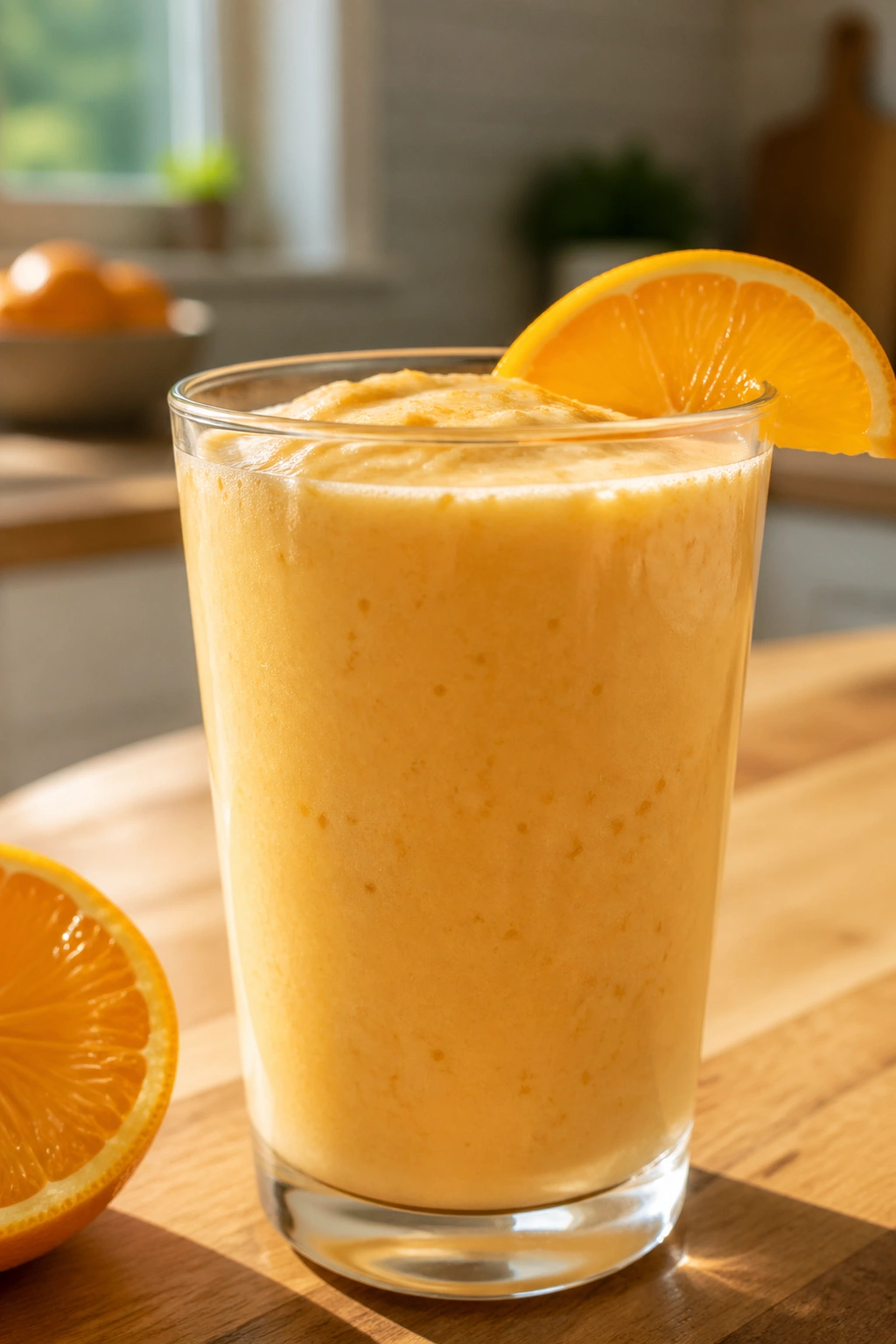
Some shakes taste like dessert in a bad way. This one tastes like a creamsicle in a good way.
Skyr is thick, high in protein, and a little tangier than Greek yogurt. Blend ¾ cup plain skyr, ½ cup orange juice, ½ frozen banana, ½ teaspoon vanilla extract, ½ cup milk, and ice. You’ll land around 20 grams of protein with enough carbs to start refilling the tank. If the workout was longer than an hour, bump the orange juice to ¾ cup or add a second half banana.
Orange juice does useful work here. It gives you quick carbs, fluid, and vitamin C. Skyr brings a dense protein base without making the drink heavy in the stomach. Vanilla turns it from “orange yogurt drink” into something you might keep making on purpose.
You can taste when this one is balanced. Too much orange juice and it gets thin. Too much skyr and it turns pasty. The sweet spot is bright, cold, and slightly creamy.
12. Peanut Butter Banana Milk Shake
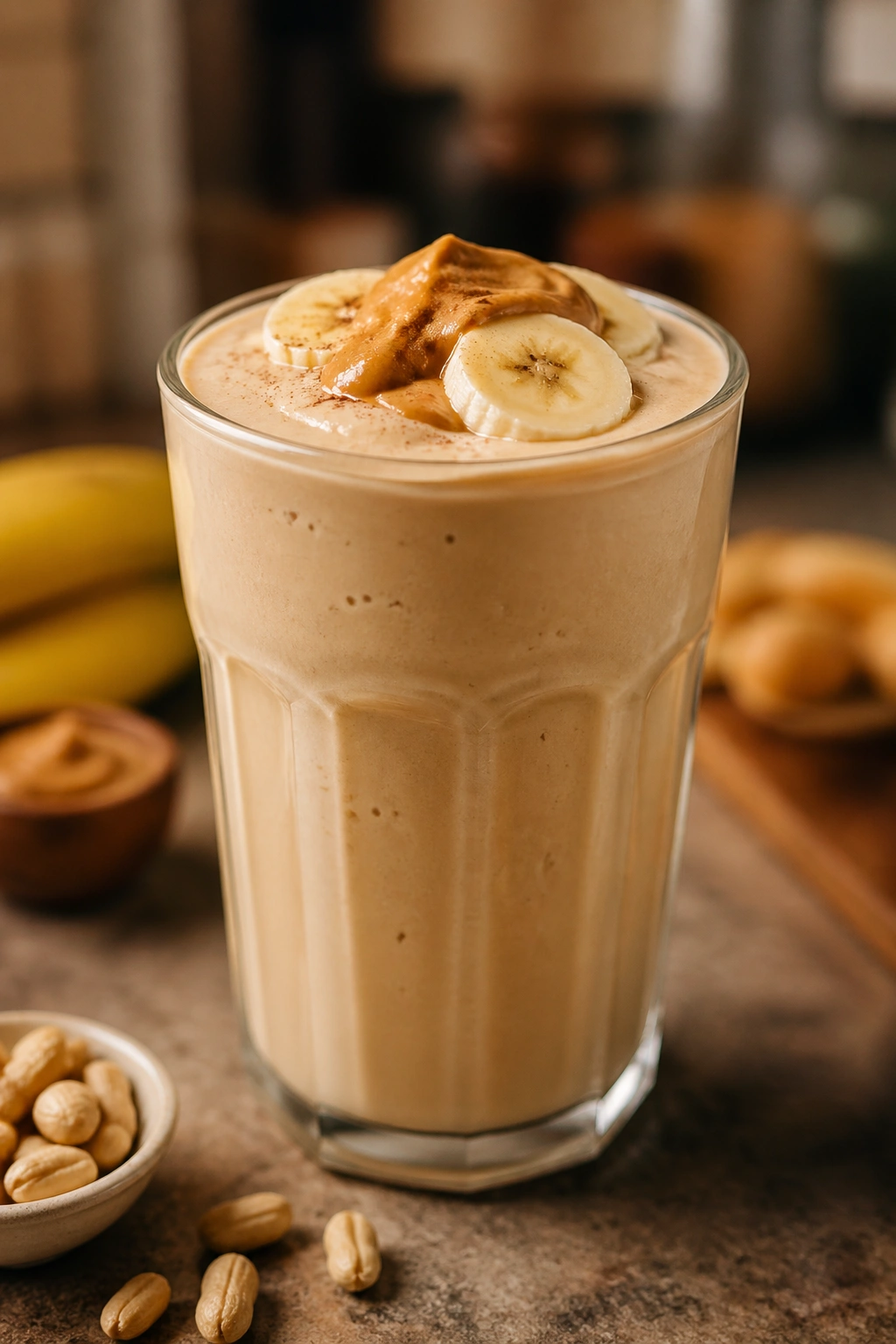
This is the thick, diner-style option, and I mean that as praise.
Blend 1 cup milk, 1 scoop vanilla whey, 1 medium banana, 1 tablespoon peanut butter, and ice. That puts you near 30 grams of protein with carbs and enough fat to hold you over. It is a sturdy recovery drink, one that can bridge the gap to a late lunch or dinner without leaving you scavenging for snacks 45 minutes later.
A caution, though. This shake is better after strength work or moderate cardio than after a gut-shaking interval session. Peanut butter slows the drink down. That can be useful when you need staying power. It can also feel like a brick if your stomach is still bouncing.
A few smart tweaks
- Add 1 tablespoon cocoa powder if you want a chocolate-peanut flavor
- Use powdered peanut butter for a lighter version
- Toss in ½ cup oats after long endurance sessions
- Choose lactose-free milk if regular milk gives you trouble
I would not drink this right after a race in hot weather. On a lifting day, though, it hits the spot.
13. Matcha Mango Yogurt Smoothie
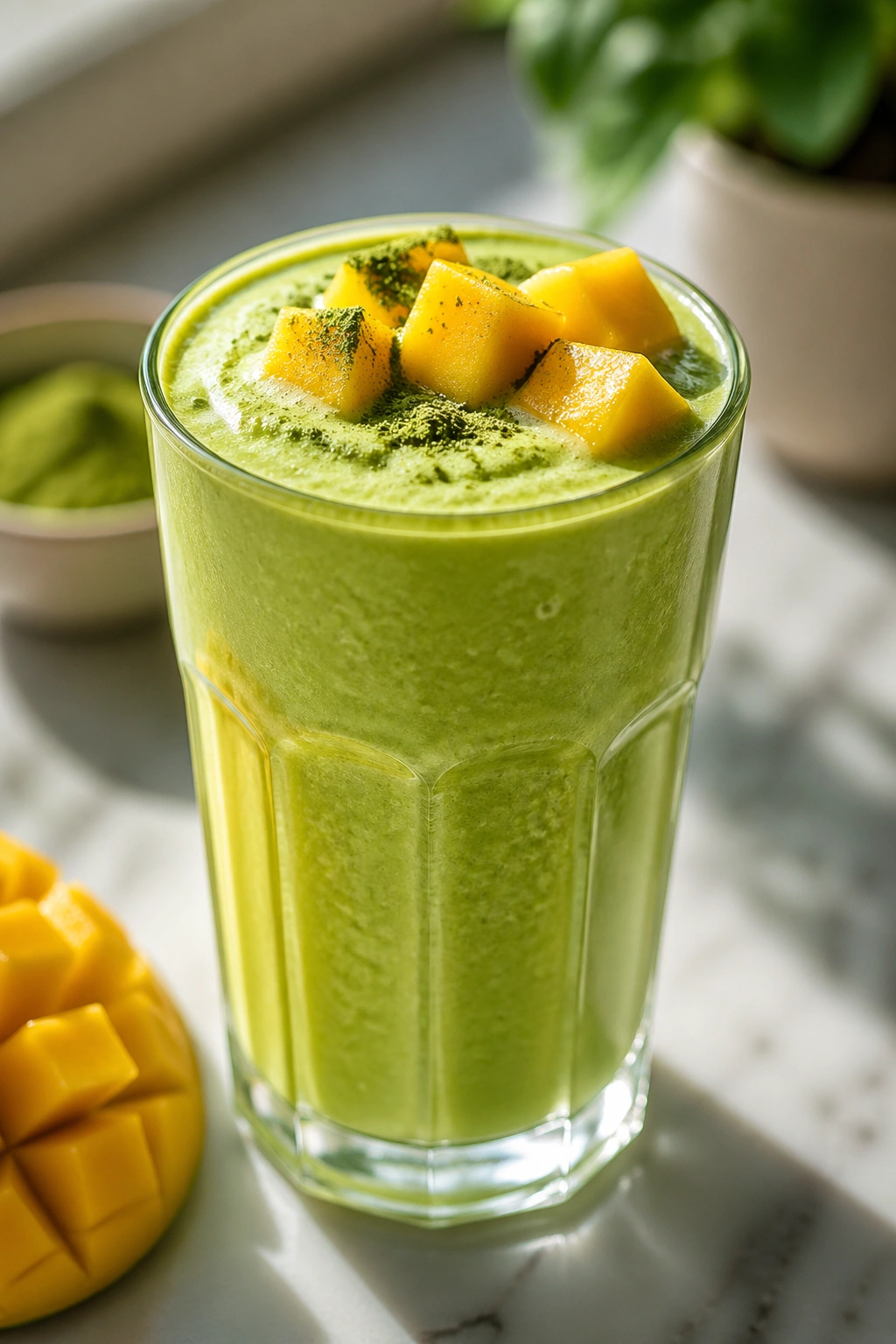
Need something lighter than peanut butter but more filling than juice? Matcha and mango do that job.
This is one of those combinations that sounds like wellness nonsense until you taste it. 1 teaspoon matcha, ¾ cup Greek yogurt, 1 cup frozen mango, ½ cup milk, and 1 teaspoon honey makes a bright, fresh smoothie with 18 to 22 grams of protein, depending on the yogurt. Add ½ scoop vanilla protein if you want more.
Matcha brings a softer caffeine lift than coffee and a grassy note that keeps the mango from turning candy-sweet. The yogurt adds protein and a little tang. The color alone helps on low-energy afternoons when your motivation fell apart after training.
Use a good whisk or blend the matcha with the liquid first. Dumping matcha straight on frozen fruit can leave little green clumps stuck to the side of the blender, and nobody wants to chew their recovery drink.
14. Pineapple Ginger Kefir Refresher
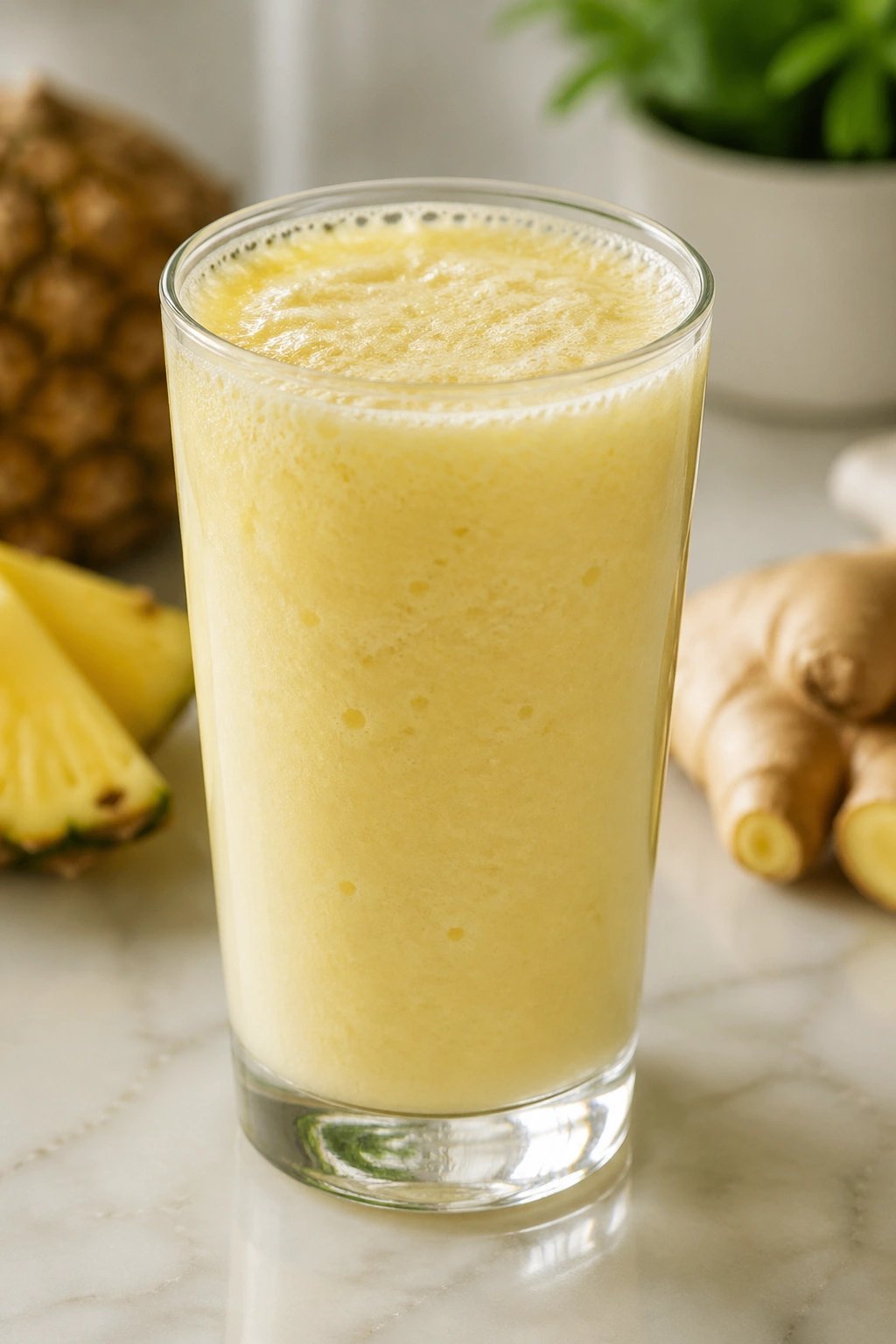
Ginger can save a rough stomach.
After hard conditioning sessions, fast intervals, or a workout done in heat, some women need a recovery drink that settles the body instead of challenging it. Blend 1 cup plain kefir, ¾ cup frozen pineapple, ½ teaspoon grated fresh ginger, ½ banana, and a pinch of salt. If you want a fuller protein hit, add ½ scoop vanilla whey.
Pineapple gives quick carbs and a bright acidic snap. Ginger cuts through nausea better than most sweet smoothie add-ins. Kefir keeps the texture loose and drinkable. The whole thing feels almost like a thin tropical smoothie rather than a heavy shake.
I like this after spin, track workouts, hot yoga, and any session where the room felt airless and your shirt never stood a chance. If the acidity bothers you, use mango instead of pineapple and keep the ginger. Same idea. Gentler finish.
15. Chia Oat Recovery Smoothie
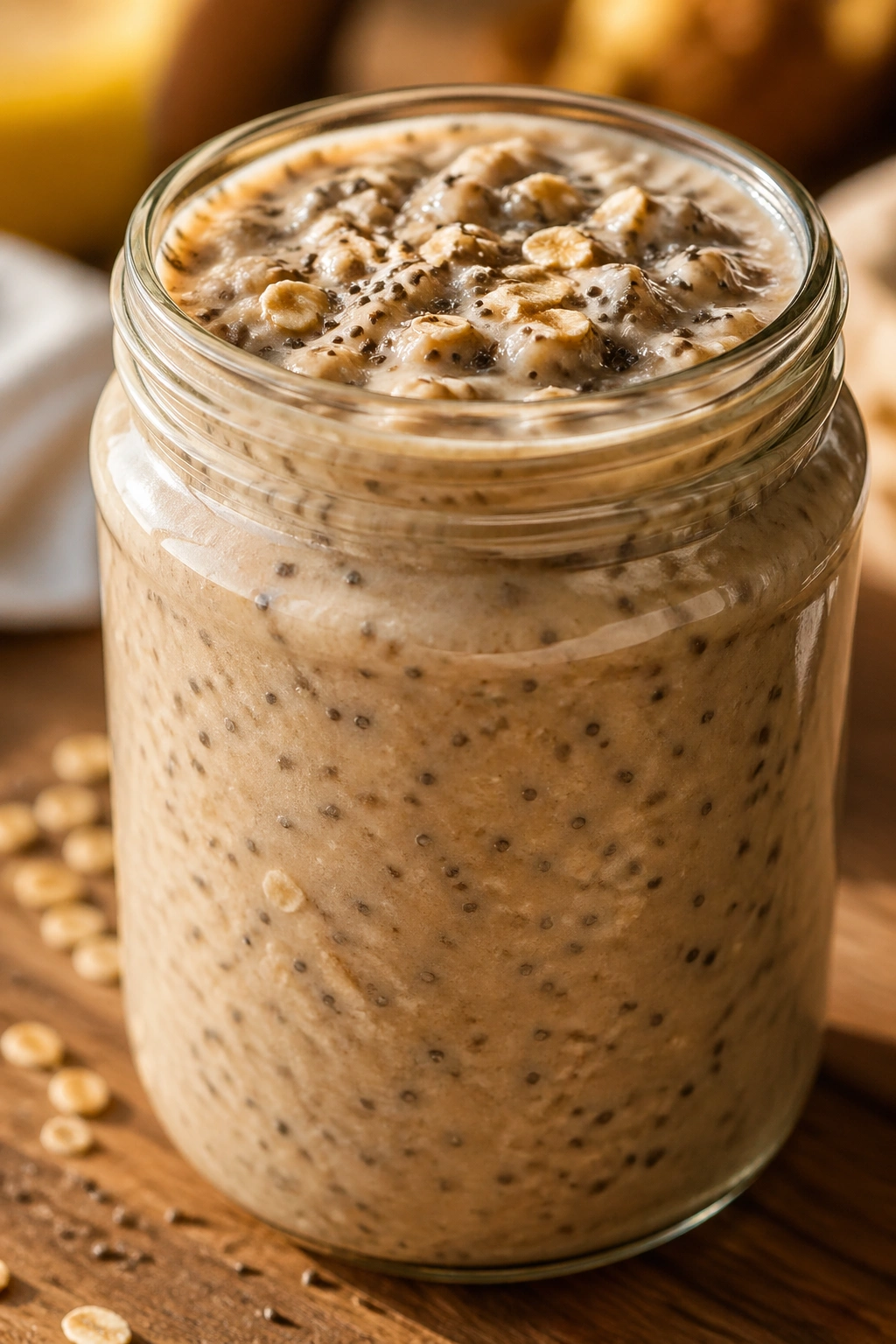
Oats in a recovery drink sound boring until you finish a hard run and realize you need more than fruit and hope.
Blend ½ cup quick oats, 1 cup milk, ¾ cup Greek yogurt, 1 banana, 1 teaspoon chia seeds, and cinnamon. Let it sit for 5 minutes before drinking if you want the oats to soften a bit more. This is a thicker, slower drink with 20 to 25 grams of protein and enough carbs to make a dent in long-run depletion.
Why it works after endurance training
Oats help because they add substance, not because they are trendy. You get:
- Steady carbs rather than a sharp sugar spike
- Extra texture and fullness if your next meal is far off
- A neutral flavor that plays well with banana, cocoa, berries, or coffee
- More fiber than a plain shake, which can be good if your stomach is calm
Save this one for endurance days, hiking, long gym sessions, or post-workout mornings that need to carry you through a commute. Right after all-out intervals, it may feel too dense. Timing matters.
16. Silken Tofu Blueberry Shake
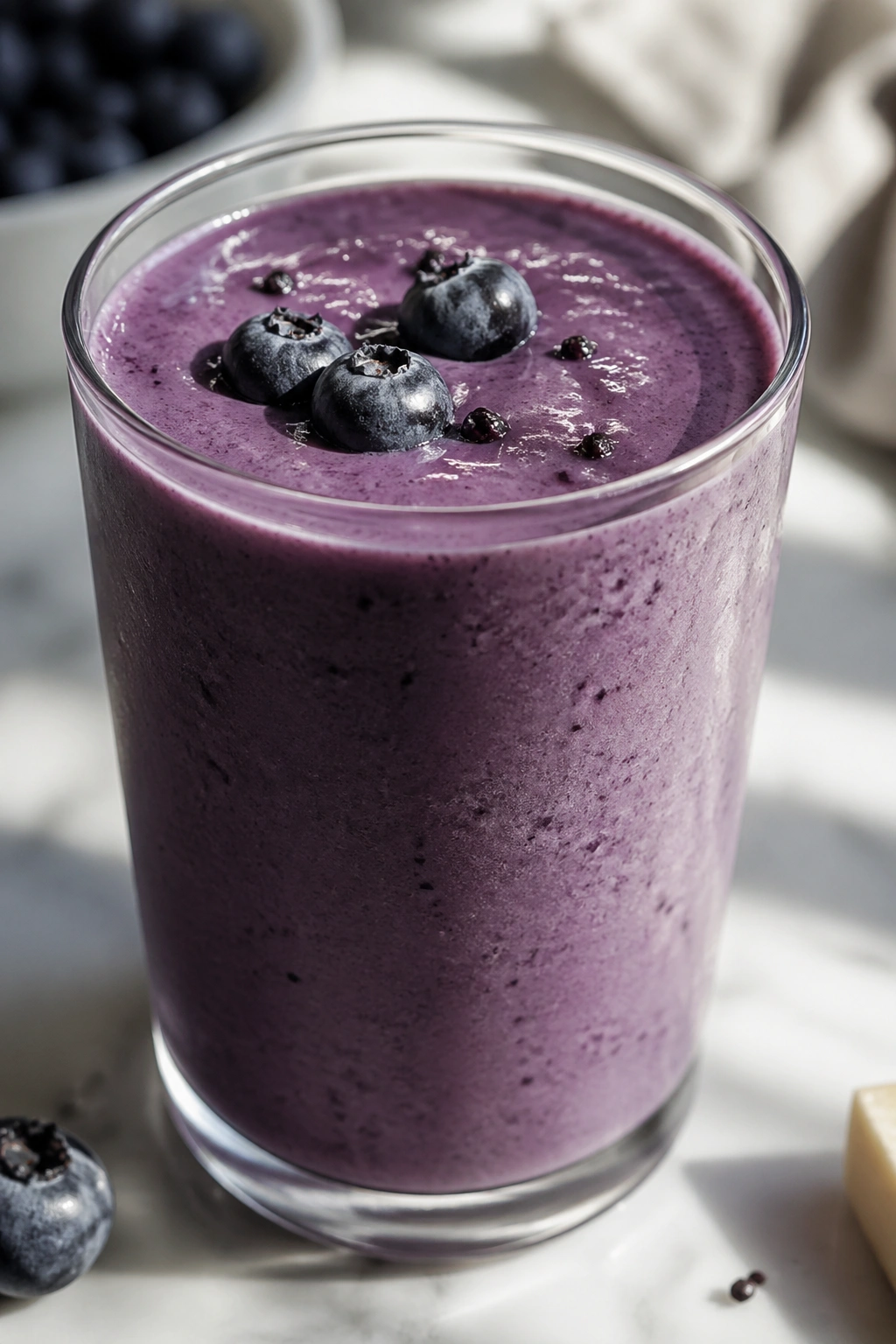
Silken tofu is the sleeper ingredient almost no one thinks of until they try it once.
It blends into a silky, almost milkshake-like texture without the chalkiness some vegan powders bring. Blend ½ block silken tofu, 1 cup blueberries, 1 cup fortified soy milk, 1 tablespoon maple syrup, and 1 teaspoon lemon juice. That gives you a plant-based drink with 20 to 25 grams of protein, depending on the tofu and milk.
There is a nice side benefit here for women who struggle to eat enough after training: tofu makes the shake feel creamy and filling without the heaviness of nut butter. The lemon keeps the flavor from going flat. Blueberries cover the bean note better than strawberries do. Small detail, big difference.
Use frozen blueberries for body. Fresh ones make the drink thinner and less cold, which sounds minor until you take a sip after a hot run and realize temperature is half the appeal.
17. Date, Almond Butter, and Cacao Shake
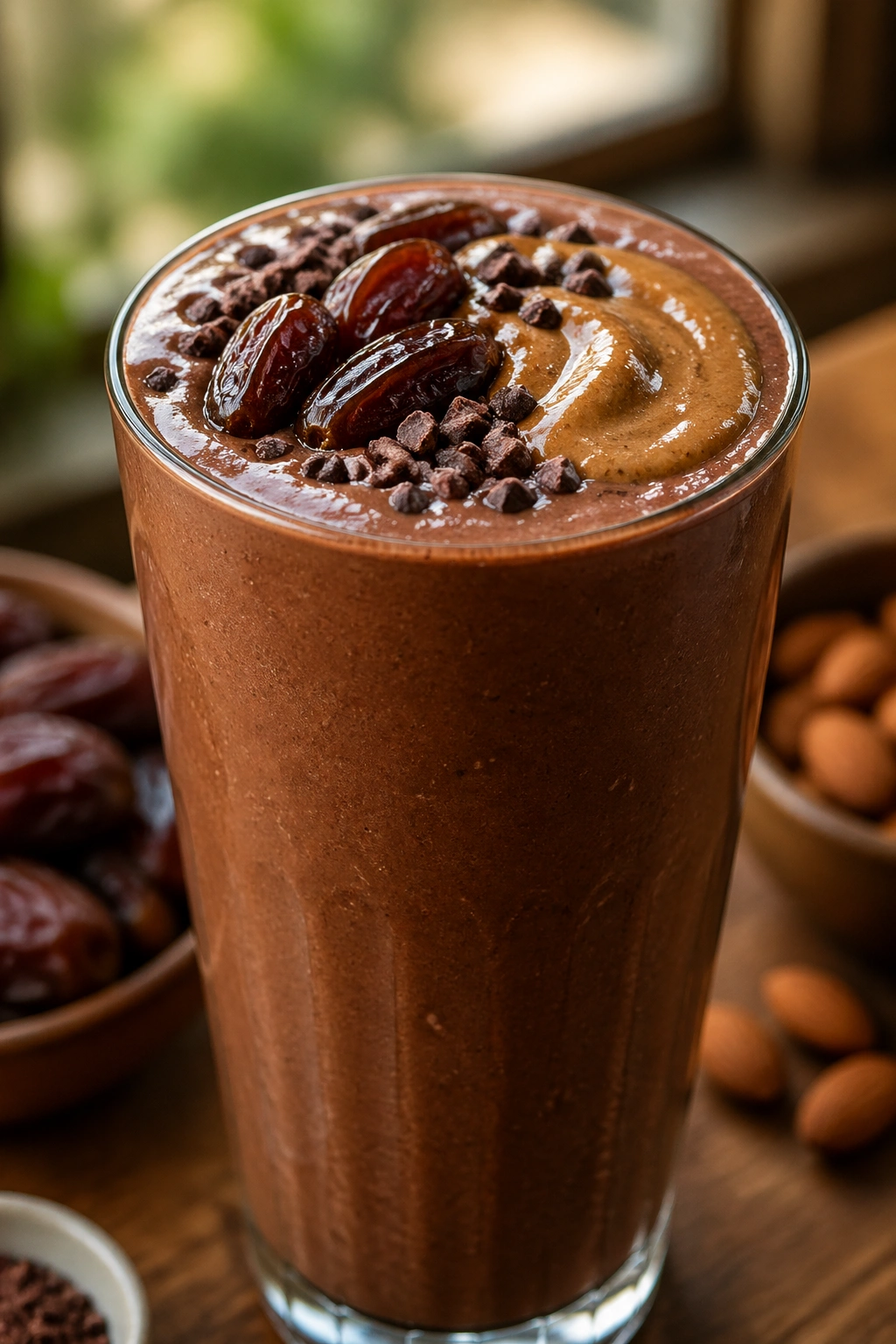
When a workout empties the tank, dates refill it fast.
This shake leans into carbs, which makes it a smart move after longer endurance work, doubles, or team sport sessions where you were on your feet and burning through stored fuel for a long stretch. Blend 2 to 3 Medjool dates, 1 scoop chocolate or vanilla whey, 1 tablespoon almond butter, 1 cup milk, 1 tablespoon cacao or cocoa powder, and ice.
The dates do more than sweeten. They give you concentrated carbohydrate without needing syrup or juice. Almond butter adds flavor and a little staying power. Whey keeps the drink grounded in recovery, not dessert. The result is rich, almost brownie-like, though still drinkable.
This is not my first choice when appetite is fragile. It is my choice when you come home hungry, tired, and a little hollow feeling in the legs. You know the feeling if you run long enough.
18. Peach Pea Protein Smoothie
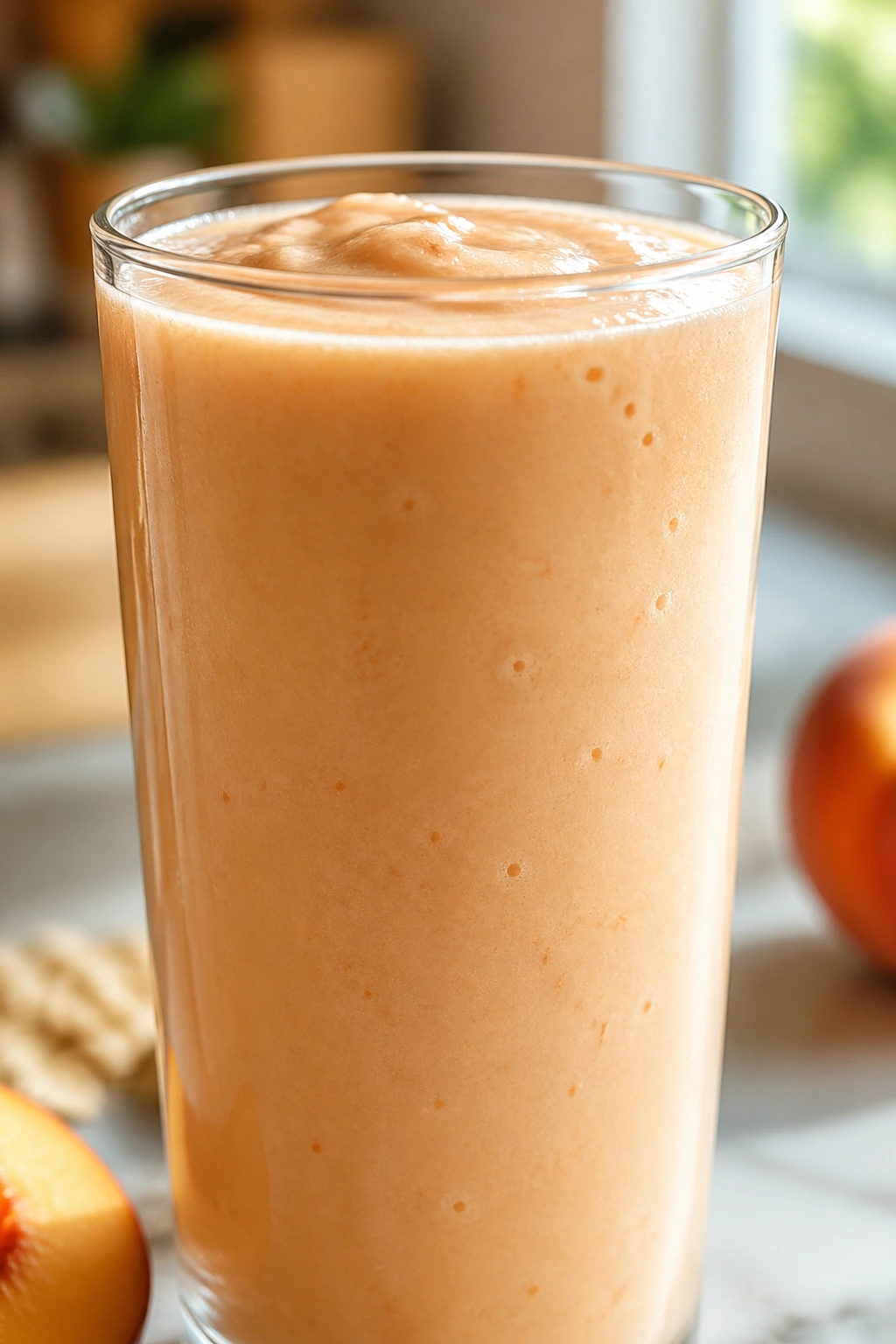
Peach and pea protein is a better combo than it sounds.
A lot of pea protein shakes have a grassy aftertaste or that dry, dusty finish that makes you regret your life choices halfway through the bottle. Frozen peaches fix a chunk of that. Blend 1 scoop vanilla pea protein, 1 cup frozen peaches, 1 cup fortified soy or dairy milk, ½ banana, and a pinch of cinnamon. The peach softens the edges and gives the shake a cleaner finish than berries sometimes do with pea protein.
Best use case
This is a smart pick for women who want a dairy-free drink with a full 25 to 30 grams of protein. Use it after lifting, Pilates with added resistance, long walks with a weighted vest, or moderate cardio.
A small trick: let the blended shake sit for 2 to 3 minutes. Pea protein often smooths out after a short rest, and the chalky feel drops. Tiny technique. Big payoff.
19. Pomegranate Vanilla Yogurt Shake
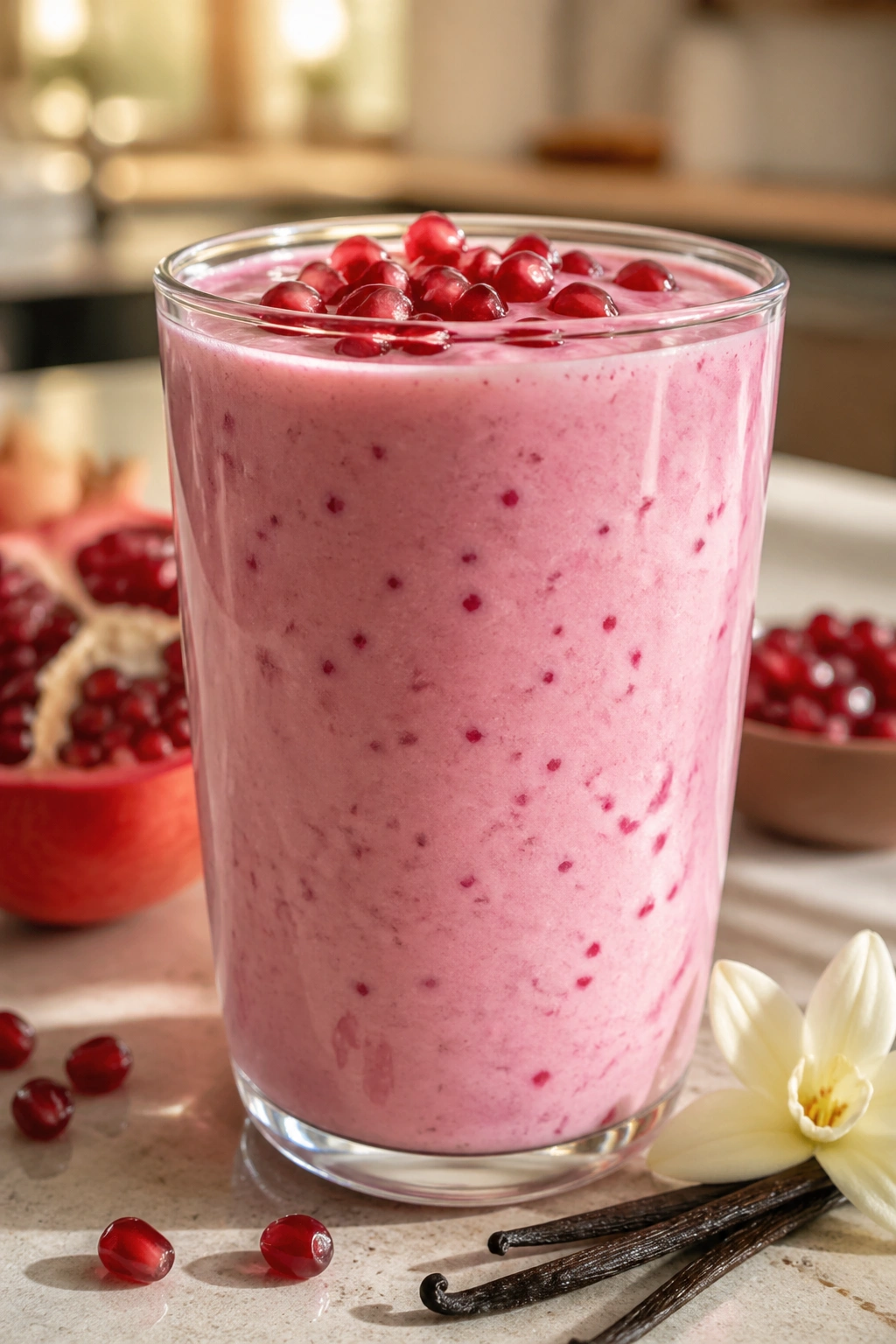
Pomegranate has bite, and that sharp edge is why it works so well in a recovery shake.
Blend ½ cup pomegranate juice, ¾ cup Greek yogurt, ½ cup frozen strawberries, ½ teaspoon vanilla, and ½ cup milk or water. You get a drink with 20 grams or so of protein and a flavor that lands somewhere between berry yogurt and something brighter, cleaner, more grown-up. That sounds vague, though once you taste it you will know what I mean.
Pomegranate juice brings carbs and polyphenols. Greek yogurt adds the protein backbone. Strawberries soften the tartness and chill the whole drink down fast. I like this one after tempo runs, gym sessions that ran long, or hot afternoon workouts when plain vanilla anything feels dull.
No need to overpour the juice. Half a cup is plenty. More than that can take over the shake and push it toward sour territory.
20. Hot Cocoa Protein Latte
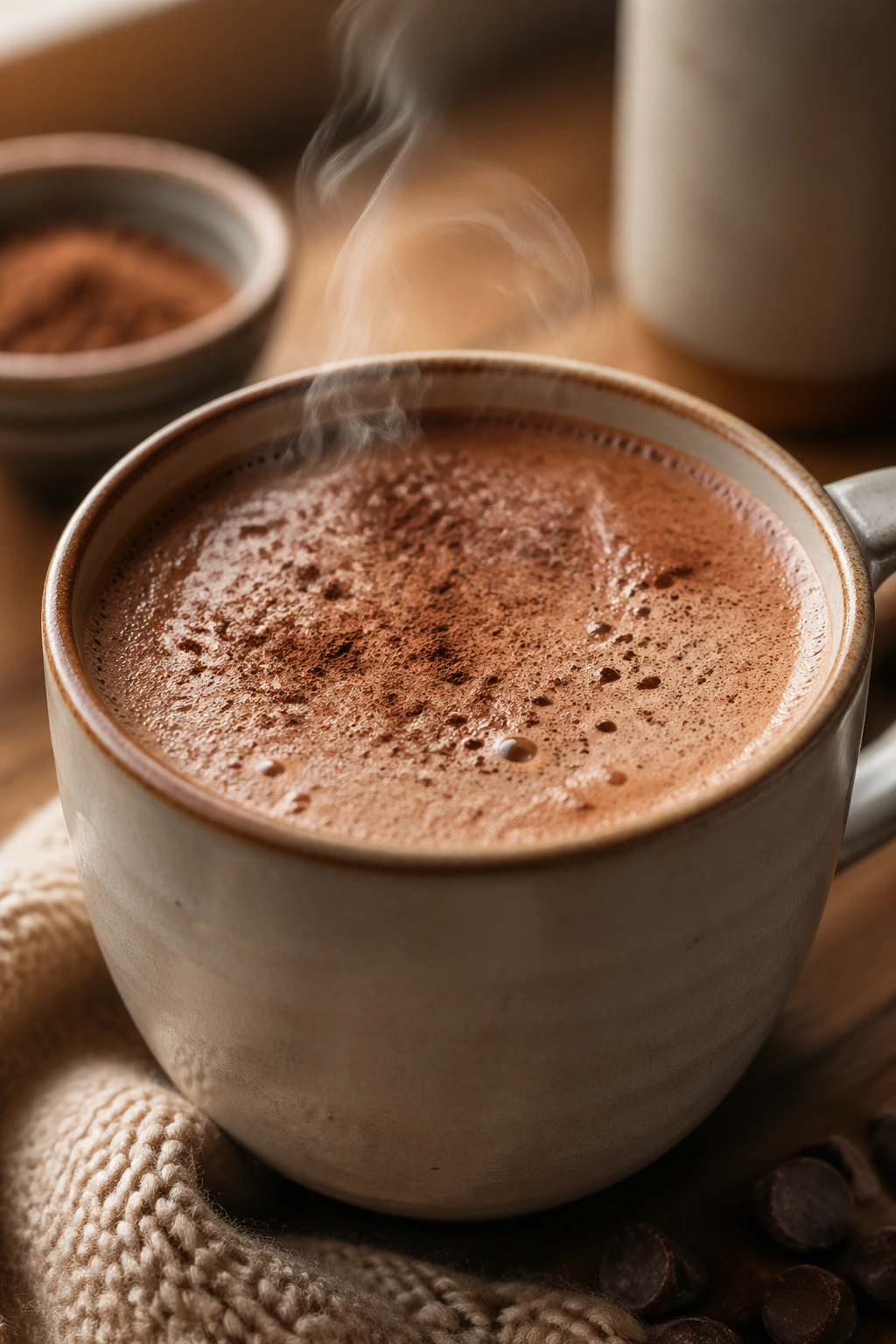
Not every post-workout drink needs ice.
Cold weather changes what sounds good after training, and a warm protein drink can be easier to finish after an early lift or a chilly run. Heat 10 to 12 ounces milk, whisk in 1 tablespoon cocoa powder and 1 teaspoon honey, then let it cool for a minute before shaking or blending with 1 scoop chocolate or vanilla whey. If you add whey to boiling liquid, it can clump. Warm, not boiling. That’s the move.
The result lands somewhere between hot chocolate and a café mocha, with 25 to 30 grams of protein if you use dairy milk and a full scoop of whey. Add a shot of espresso if you want it closer to a mocha. Use soy milk if you need dairy-free, though the texture will be a bit lighter.
This one is oddly comforting after strength training. You come in cold, your hands are stiff, and the usual frozen shake feels wrong. A warm mug fixes that faster than people expect.
One Last Pour
Recovery usually falls apart in the boring places—the grocery list, the blender cup, the 20 minutes after training when you are distracted and tell yourself you’ll eat later.
Pick three drinks you can make without thinking. Stock the ingredients. Repeat them until the habit sticks. That beats saving twenty clever recipes and making none of them when you are tired, sweaty, and trying to get out the door.
If I had to narrow the field, I’d keep chocolate milk for speed, a Greek yogurt berry smoothie for balance, and a whey-banana shake for strength days. Then I’d add one lighter option for hot weather and one warm option for cold mornings. Recovery gets easier when the decision is already made.
