



A weeknight menu can slide into a rut fast. One chicken dish. One pasta. Maybe a salad that leaves you hungry an hour later. Healthy recipes fix that only when they taste like something you’d actually want again.
The recipes people keep on repeat usually have the same shape: protein that fills you up, vegetables with some color, enough starch to feel like dinner, and a sauce or spice mix that keeps the plate from tasting flat. That’s a plain formula, but it works. It also saves money, because fewer last-minute takeout runs means fewer sad receipts.
I care a lot about meals that reheat well. Soup should still taste bright on day three. Grain bowls should not turn watery. Breakfast should survive the fridge without becoming glue. That is the difference between a nice idea and a recipe that earns a permanent spot on the menu.
What follows leans on exactly that kind of cooking—sheet-pan dinners, hearty bowls, make-ahead breakfasts, and a few meatless plates that are filling enough to count as dinner. Start wherever you like. The first one is the sort that makes a Tuesday feel easier than it should.
1. Sheet-Pan Salmon with Broccoli and Lemon
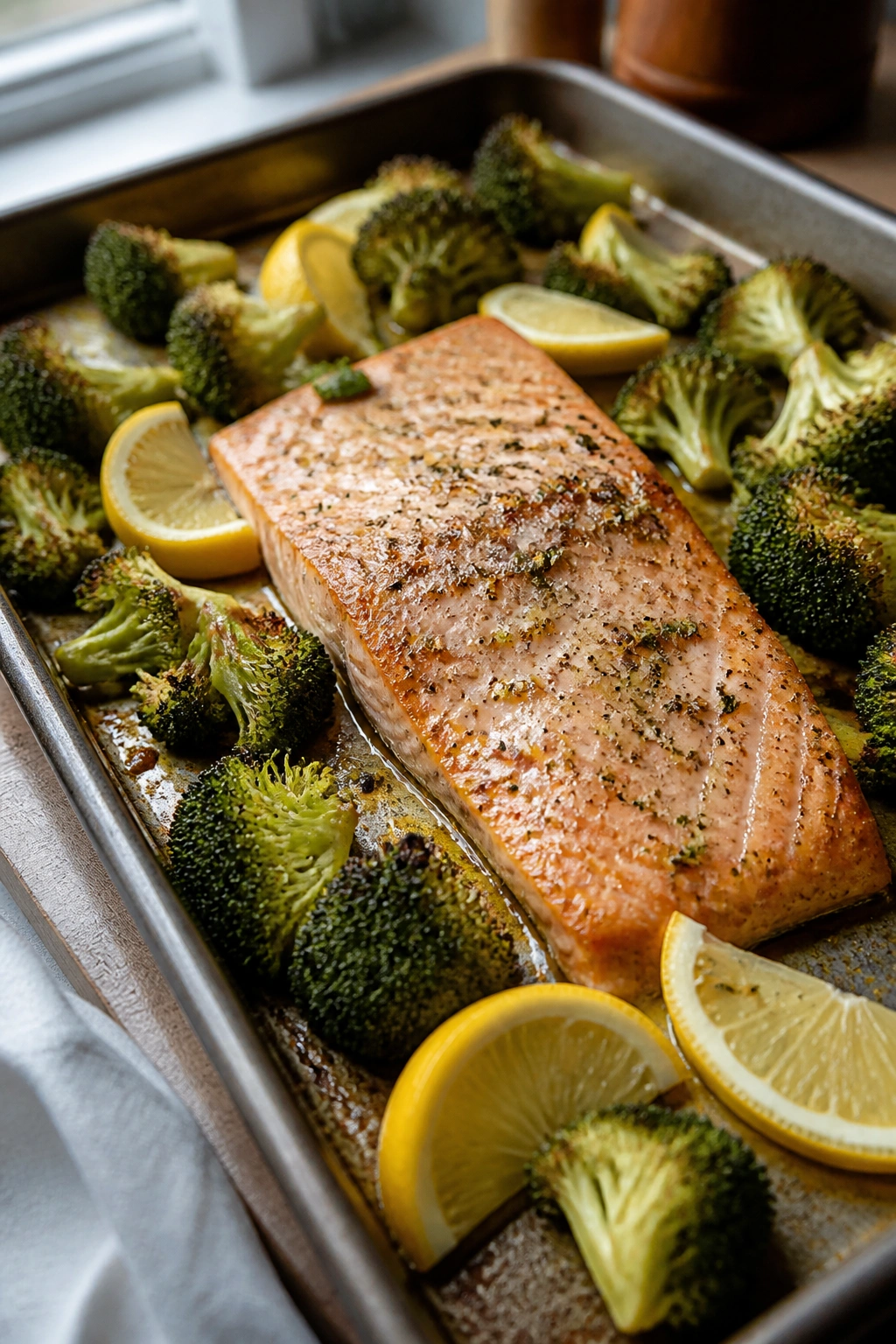
Salmon is one of those ingredients that makes healthy cooking feel less like a chore and more like a smart move. A hot oven, 12 to 15 minutes, and one sheet pan are usually all it takes to get dinner on the table with almost no cleanup.
What makes this recipe work so well is the contrast: tender fish, crisp broccoli edges, bright lemon, and a little olive oil to carry the flavor. Broccoli is a better partner than people give it credit for. Roasted hard enough, it gets nutty and a little sweet, which keeps the whole plate from tasting one-note.
I like this as a menu staple because it plays nicely with almost anything. Serve it with brown rice, farro, baby potatoes, or a simple cucumber salad. If you want a dinner that feels calm instead of frantic, this is the kind to keep close.
- Best for: weeknight dinner, meal prep, light but filling meals
- Useful add-ons: dill, capers, thin-sliced red onion, or a spoonful of yogurt sauce
- Watch for: salmon that stays opaque and flakes easily, not dry and chalky
A little salt on the broccoli before it goes into the oven helps more than you’d think. So does cutting the florets into similar sizes. Small details. Big payoff.
2. Turkey Chili with Beans and Corn
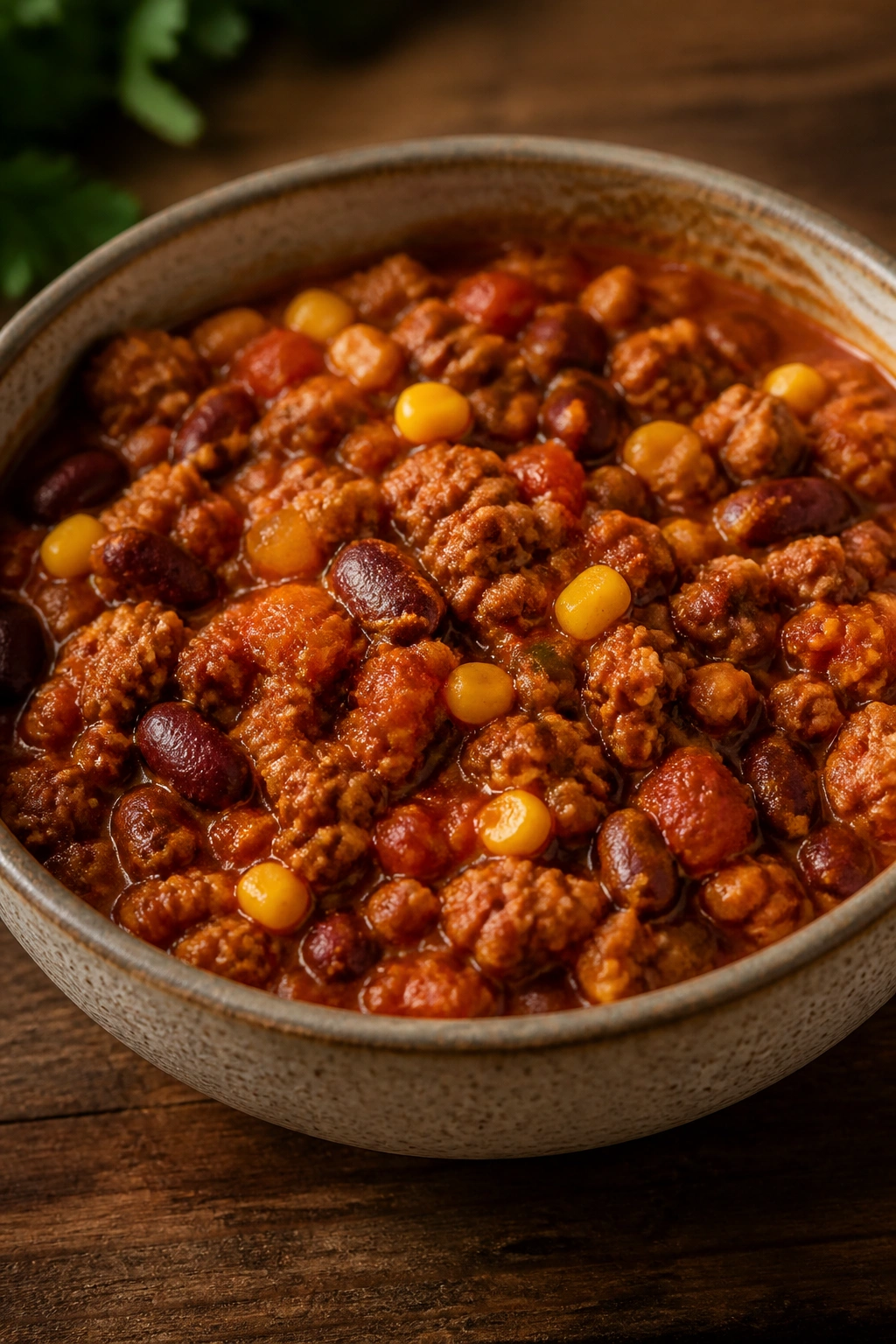
Why does turkey chili keep landing on healthy menus? Because it hits the sweet spot between cozy and practical. Lean ground turkey gives you protein without feeling heavy, and beans bring fiber, texture, and the kind of staying power that keeps you out of the snack drawer an hour later.
The spice mix matters more than the meat here. Cumin, chili powder, garlic, smoked paprika, and a little tomato paste can make a pot taste deeper than the ingredient list suggests. Corn adds a faint pop of sweetness, and that keeps the bowl from tasting flat or overly earthy.
How to finish the bowl
Top it the way you like, but keep the toppings bright and simple. Shredded cheddar is fine. So is avocado, plain Greek yogurt, sliced scallions, or a handful of cilantro.
- Best with: cornbread, tortilla chips, or a baked potato
- Good texture trick: let the chili simmer long enough for the beans to pick up the spice
- Meal prep note: it freezes well in flat freezer bags and thaws quickly in the fridge
I’ve always liked chili that tastes even better the next day. This is that kind of pot.
3. Greek Chicken Bowls with Cucumber, Tomato, and Tzatziki
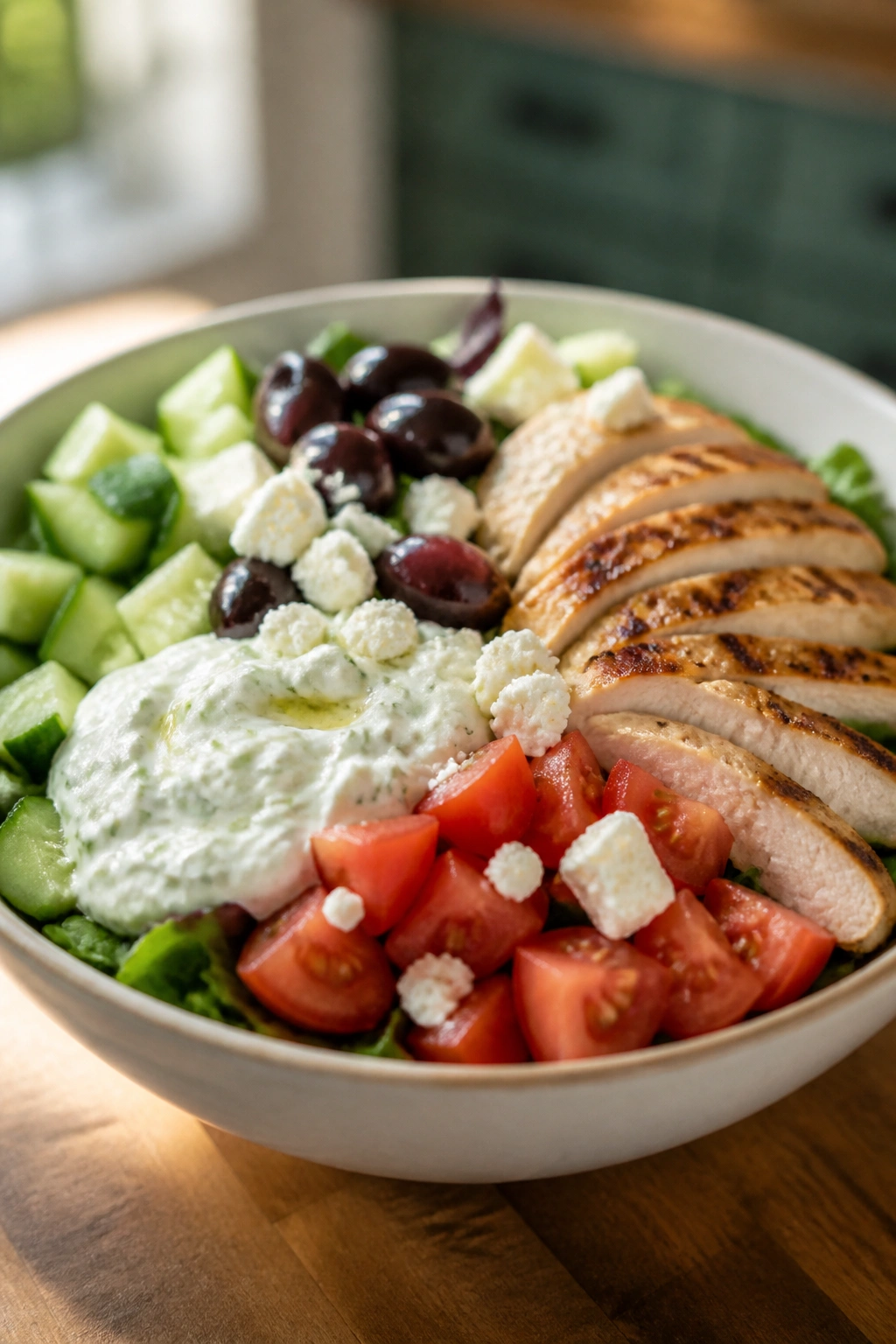
Cold lunches get old fast. A Greek chicken bowl fixes that because it gives you crunch, creaminess, and enough flavor to make leftovers feel deliberate instead of patched together.
Think juicy chicken, chopped cucumber, tomatoes, olives, feta, and a cool spoonful of tzatziki over rice or farro. The bowl works because every bite has a different texture. Some are soft. Some are sharp. Some are salty. You never get stuck chewing the same thing over and over.
Meal prep is where this recipe really earns its keep. Cook the chicken ahead, keep the vegetables dry and separate, and build the bowls just before eating if you can. If you want the simplest version, use store-bought tzatziki and add a squeeze of lemon. No shame in that at all.
It’s one of those meals that still tastes clean after a few days in the fridge. That matters more than people admit.
4. Chickpea Coconut Curry with Spinach
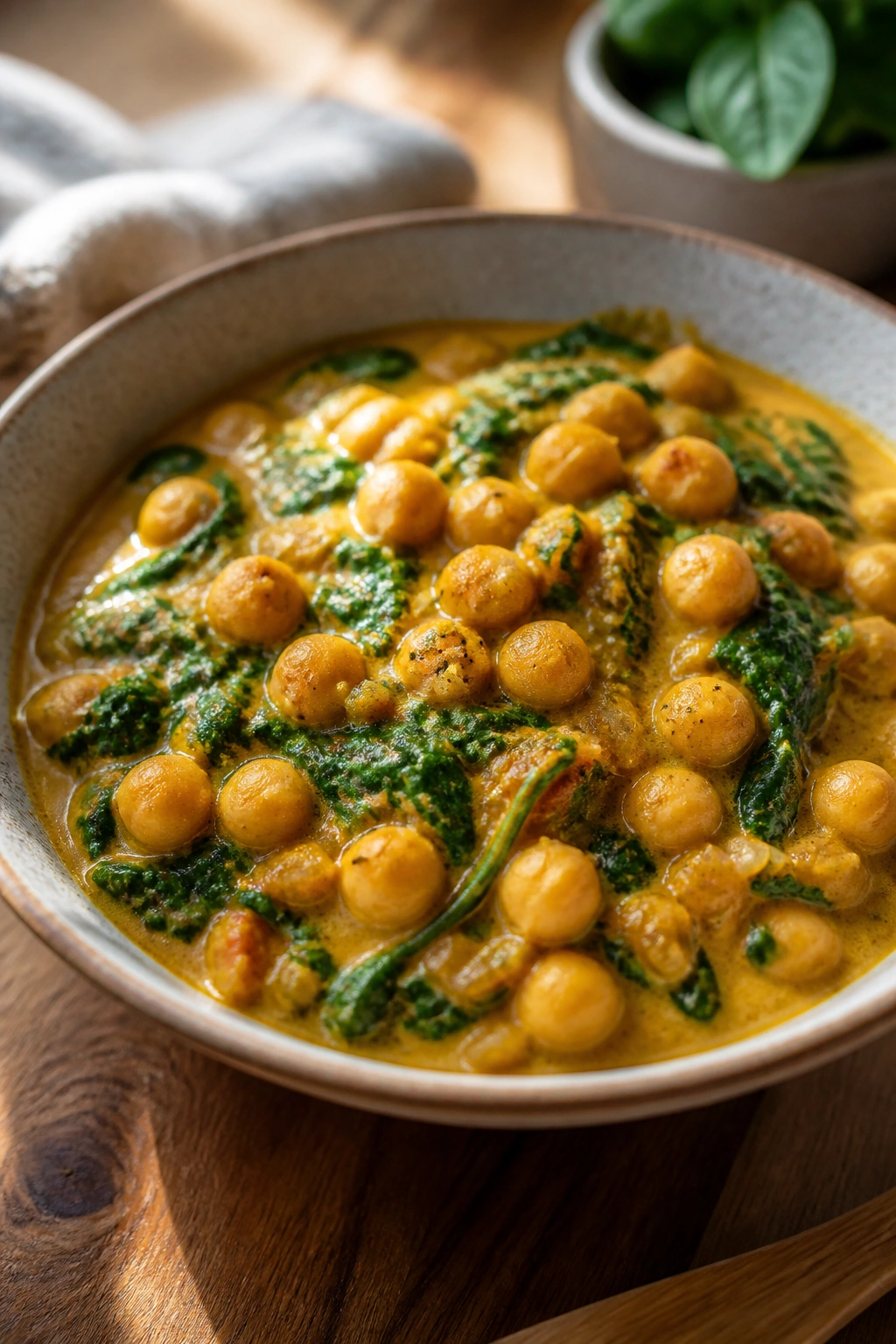
A good chickpea curry can feel richer than it looks. That’s the trick here: pantry ingredients, a short simmer, and a sauce that tastes like it took more effort than it did.
Chickpeas bring body. Coconut milk gives the sauce a silky finish. Spinach folds in at the end and disappears just enough to make the bowl feel fuller and greener. If you use curry paste or a well-made curry powder, the whole dish gets that warm, rounded flavor that makes rice disappear fast.
I like this recipe because it gives you a meatless dinner that still feels like dinner. Not a side dish pretending to be a meal. A real one. Serve it with basmati rice, naan, or even cauliflower rice if you want to keep things lighter.
A small squeeze of lime at the end does a lot of work. It wakes the whole pot up.
5. Overnight Oats with Berries and Chia
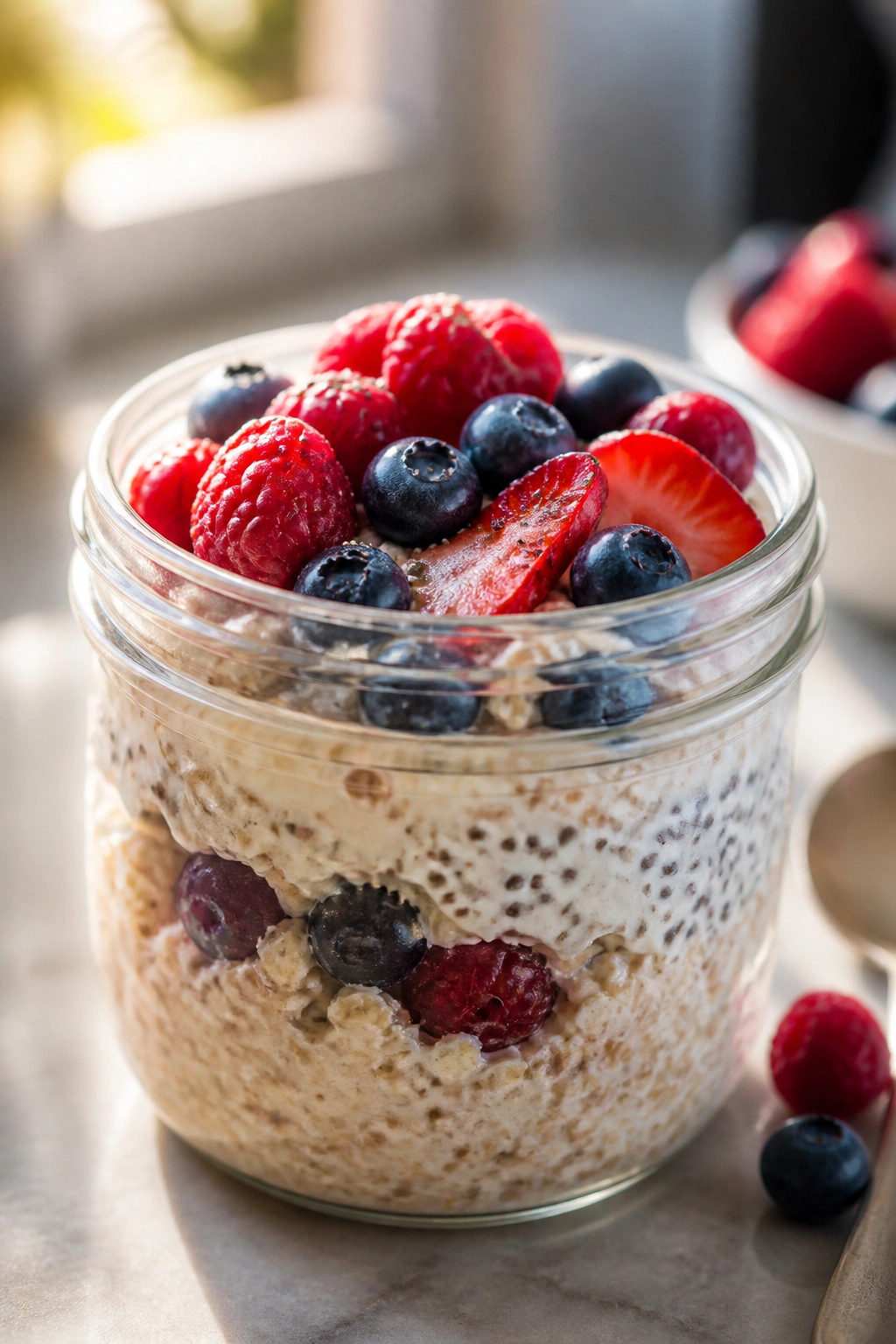
Unlike dry cereal, overnight oats do the work while you sleep. That sounds lazy, but it’s actually one of the most useful breakfast habits you can build if mornings tend to run loud and fast.
The basic structure is simple: oats, milk, chia seeds, and something creamy like yogurt. Berries on top keep it fresh, and a spoonful of nut butter makes it feel more like breakfast and less like homework. The texture after a night in the fridge is soft, spoonable, and cold in a way that feels satisfying without being heavy.
What makes a good jar
- Use old-fashioned oats for the best texture; quick oats go mushy faster
- Add chia seeds if you want a thicker, more pudding-like finish
- Keep sweetener light if you use fruit, because berries already do a lot
- Choose a jar or container with a lid so the oats stay fresh and don’t pick up fridge smells
The nice thing about overnight oats is how easy they are to bend. Cocoa powder, sliced banana, diced apple, chopped walnuts—each one changes the mood without changing the method.
6. Lentil and Vegetable Soup
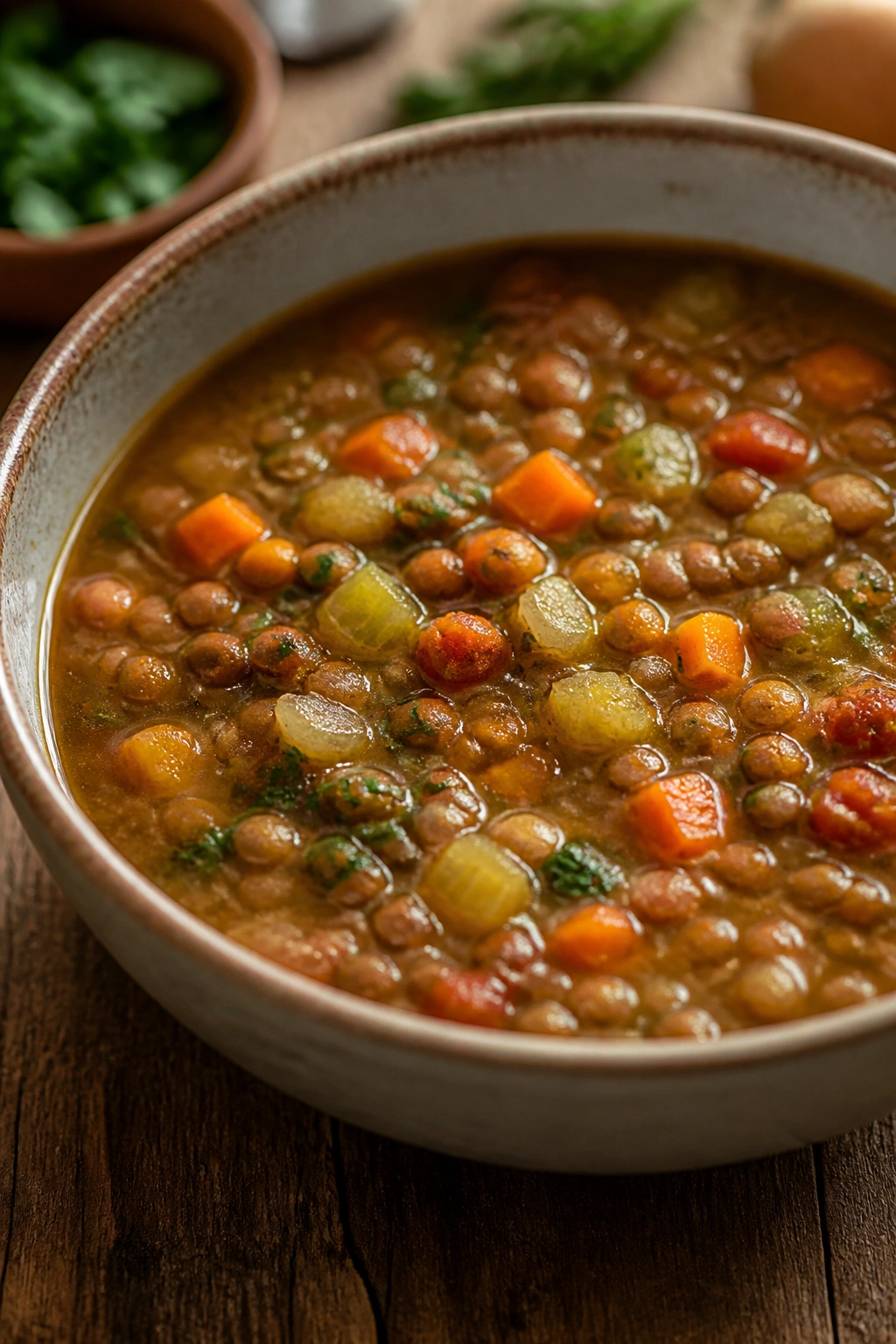
What makes lentil soup so reliable? It’s cheap, filling, and hard to ruin if you give it a little patience. Brown or green lentils hold their shape and give the soup a proper body, which is exactly what you want when dinner needs to stretch.
Start with onion, carrot, and celery if you like the classic route. Add garlic, tomato paste, broth, and a bay leaf. Then let the lentils simmer until tender, not collapsed. Red lentils turn creamy fast, which can be great, but they make a different soup. This one leans more rustic, more spoon-coating.
Brown lentils versus red lentils
Brown and green lentils stay distinct in the pot, so the soup feels more textured. Red lentils break down and thicken the broth, which is useful if you want something softer and more blended. Neither is wrong. They just do different jobs.
A splash of lemon or a little vinegar at the end sharpens the flavor in a way salt alone can’t. I almost never skip that step.
7. Quinoa Salad with Roasted Vegetables and Feta
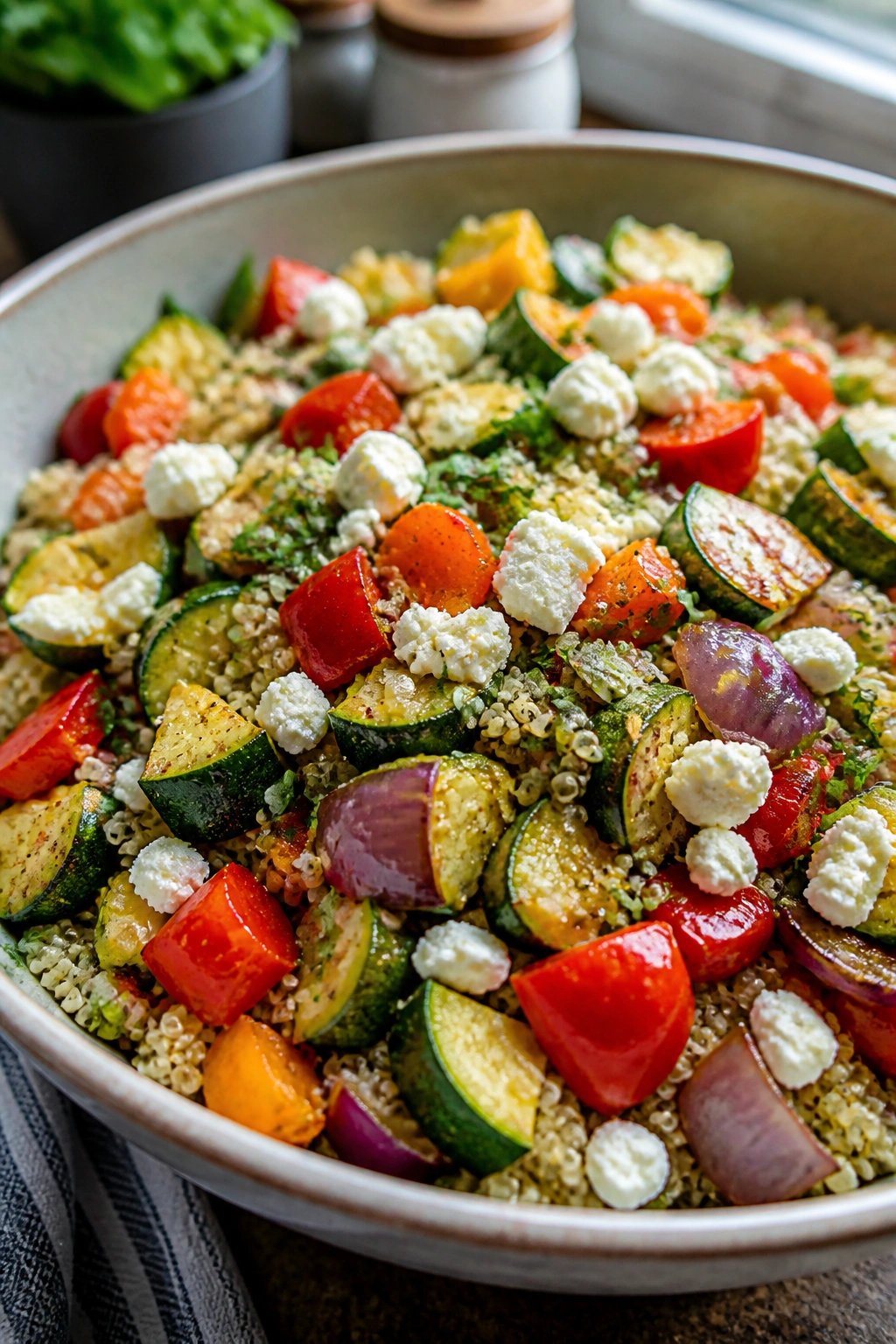
I like salads that don’t collapse after ten minutes. This one holds up because quinoa gives it structure, roasted vegetables bring sweetness, and feta adds a salty hit that keeps things interesting.
Use whatever vegetables roast well: zucchini, bell peppers, red onion, carrots, cauliflower, even Brussels sprouts. Once they get caramelized edges, toss them with quinoa and a simple vinaigrette. The salad works warm, room temperature, or cold from the fridge, which makes it a solid lunch and a decent dinner side.
A handful of herbs goes a long way here. Parsley, dill, mint, or basil can pull the whole bowl together. If you want more protein, add chickpeas or grilled chicken. If you want more richness, use avocado. You do not need to pile on everything at once.
This is the kind of recipe that gets better as the flavors sit together for a bit. Not hours and hours. Just enough time for the dressing to soak into the quinoa.
8. Cauliflower Fried Rice with Egg and Edamame
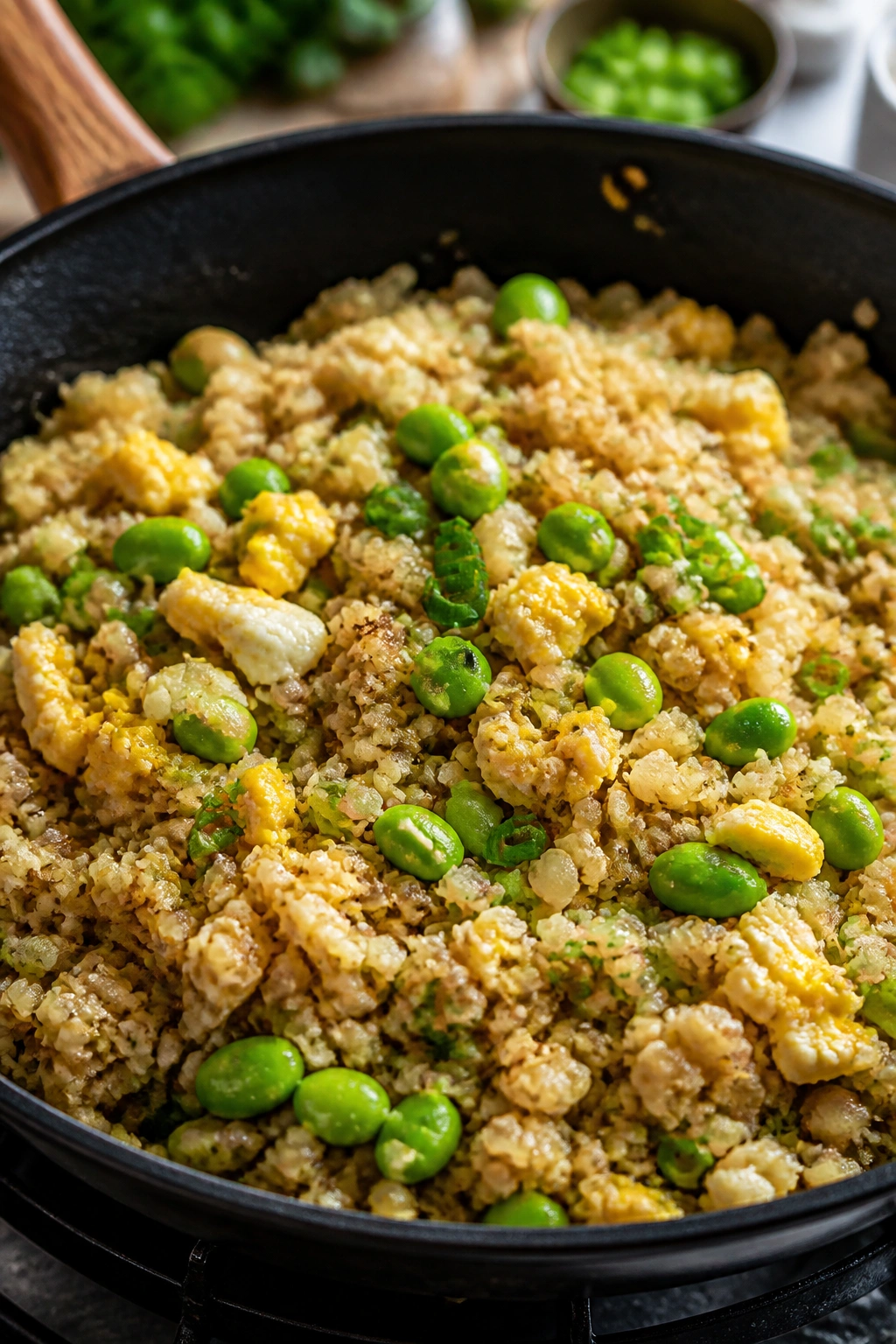
Cauliflower fried rice works when you treat it like a stir-fry, not a soft mash. That means high heat, a dry pan, and enough space for the cauliflower to brown a little.
The magic is in the texture. Finely chopped cauliflower takes on the role of rice without becoming a sad, watery pile if you cook it fast. Add egg for richness, edamame for protein, and scallions or peas for color. A splash of soy sauce and sesame oil gives the dish the same savory pull people want from takeout.
Do not crowd the pan. That’s the mistake. If the vegetables steam instead of sear, the whole thing goes limp. Cook in batches if you have to. It’s worth the extra minute.
A fried egg on top makes the bowl feel more complete, and a little chili crisp is never a bad idea if you like heat.
9. Black Bean Taco Bowls with Avocado and Salsa
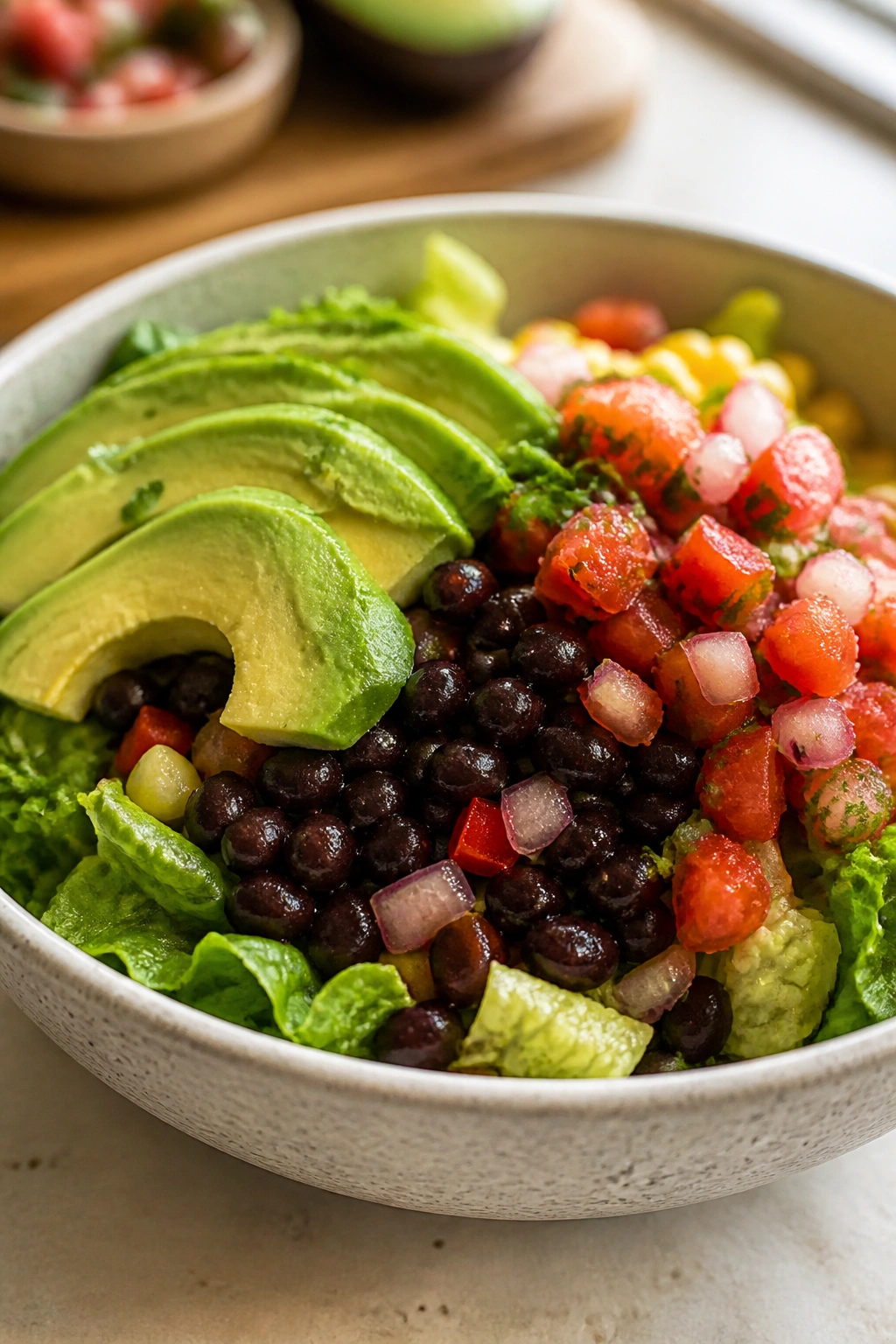
Taco night gets easier when you stop insisting on shells for everything. A taco bowl gives you the same flavor with less mess and more control over the toppings.
Black beans are the backbone here. They’re cheap, filling, and easy to season with cumin, garlic, and a little lime. Add shredded lettuce or cabbage, rice if you want it, pico de gallo, avocado, and salsa. That’s enough to make dinner feel fun without turning it into a project.
Why bowls work so well
- Everyone builds their own plate, which cuts down on complaints at the table
- The toppings stay crisp longer than they do inside a tortilla
- It’s easy to make vegetarian, or to add chicken if you want more protein
- Leftovers stay useful because the parts can be repurposed for wraps, salads, or nachos
I’ve always thought bowls are underestimated. They’re less fussy, and they give the ingredients room to breathe.
10. Zucchini Noodles with Shrimp and Pesto
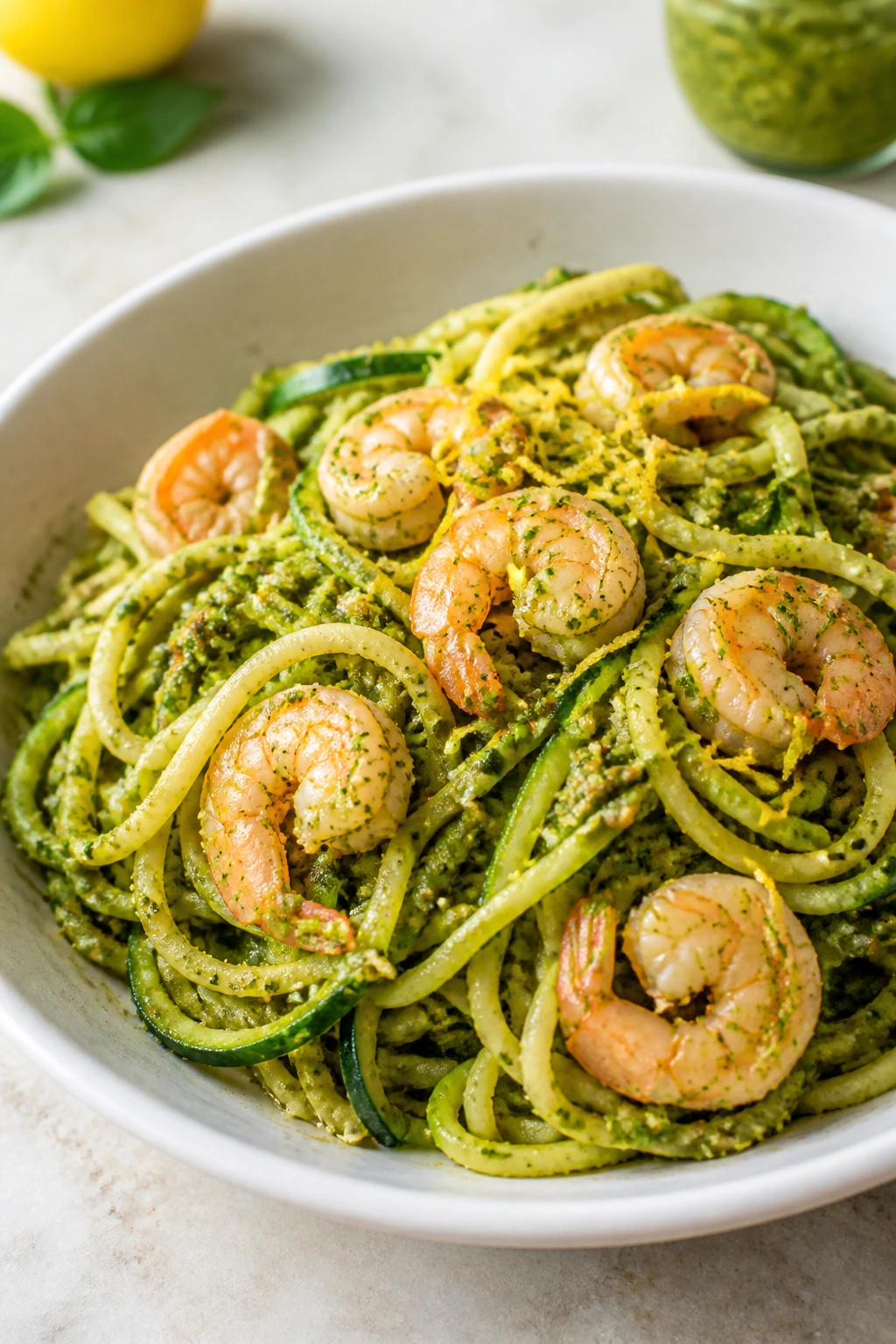
Zucchini noodles can be brilliant or soggy, and the difference is usually about thirty seconds. Cook them too long and they turn watery. Cook them fast and they stay crisp-tender, which is what you want.
Shrimp is a smart partner because it cooks fast too. Toss the shrimp in a hot skillet with garlic, then add the zucchini noodles at the very end with a spoonful of pesto. That’s enough. The sauce clings to the strands, the shrimp stay juicy, and the whole dish tastes fresh rather than heavy.
The 60-second window
The key move is to keep the zucchini moving and get it off the heat while it still has shape. You’re not trying to soften it into pasta. You’re trying to warm it through just enough that it bends without breaking.
A few cherry tomatoes can help here. So can lemon zest, which brightens the pesto and makes the shrimp taste cleaner. If you want a little more staying power, serve it with a slice of whole-grain bread or a small scoop of quinoa.
11. Veggie Minestrone with White Beans
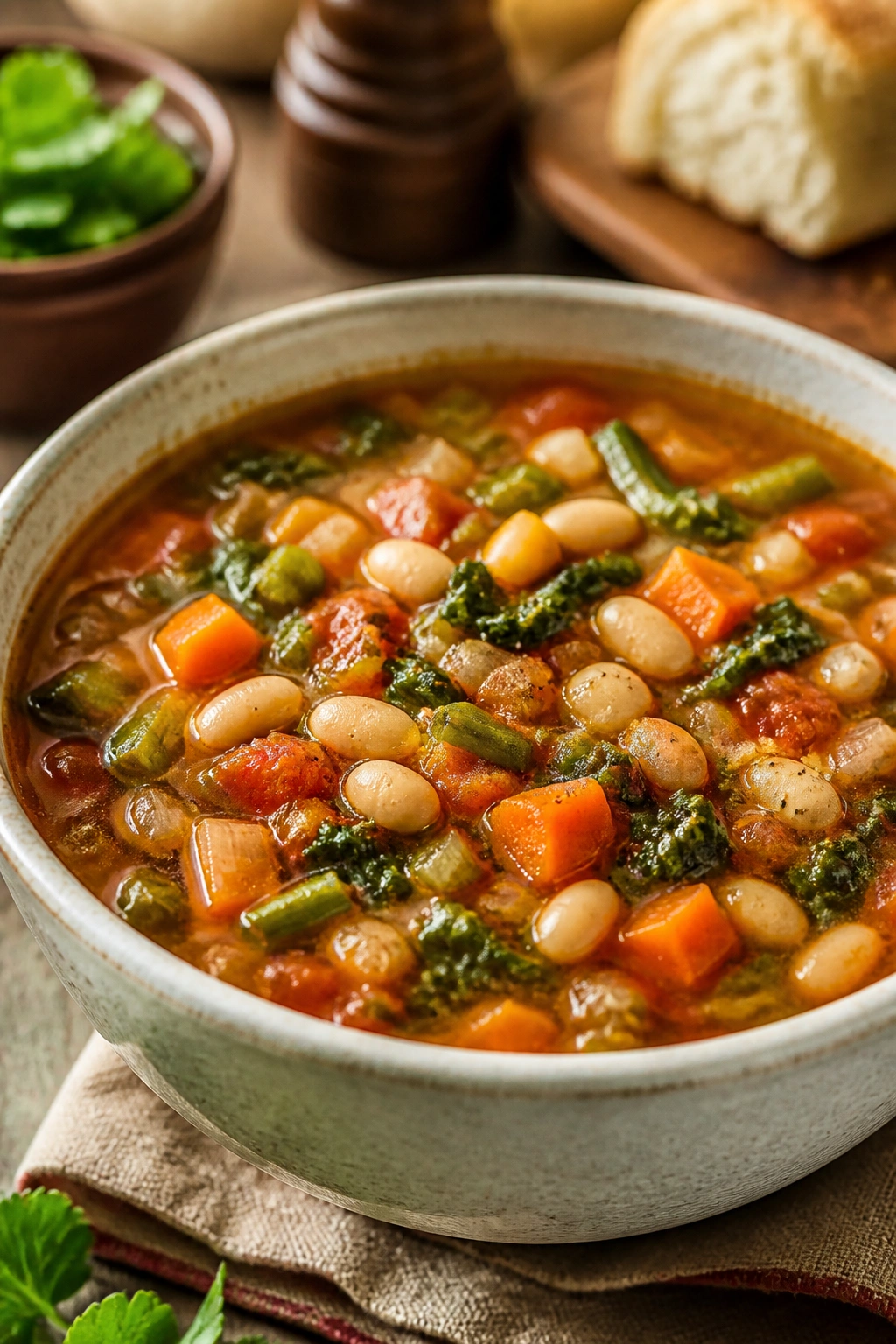
Minestrone is the rare soup that tastes better after a night in the fridge. The beans get creamier, the vegetables settle in, and the broth tastes more like itself. That alone makes it worth making a big pot.
This version leans on white beans, carrots, celery, zucchini, tomatoes, and a small pasta shape. Spinach or kale can go in at the end. If you like a more savory broth, a parmesan rind simmered in the pot adds a deep, salty note without taking over the whole bowl.
I’m a fan of minestrone because it forgives lazy shopping. Got only one zucchini? Fine. Only cannellini beans instead of a mix? Fine. It’s a soup that wants you to work with what’s in the crisper drawer.
Serve it with crusty bread, but don’t make the bread the main event. The soup deserves the attention.
12. Turkey Lettuce Wraps with Ginger and Garlic
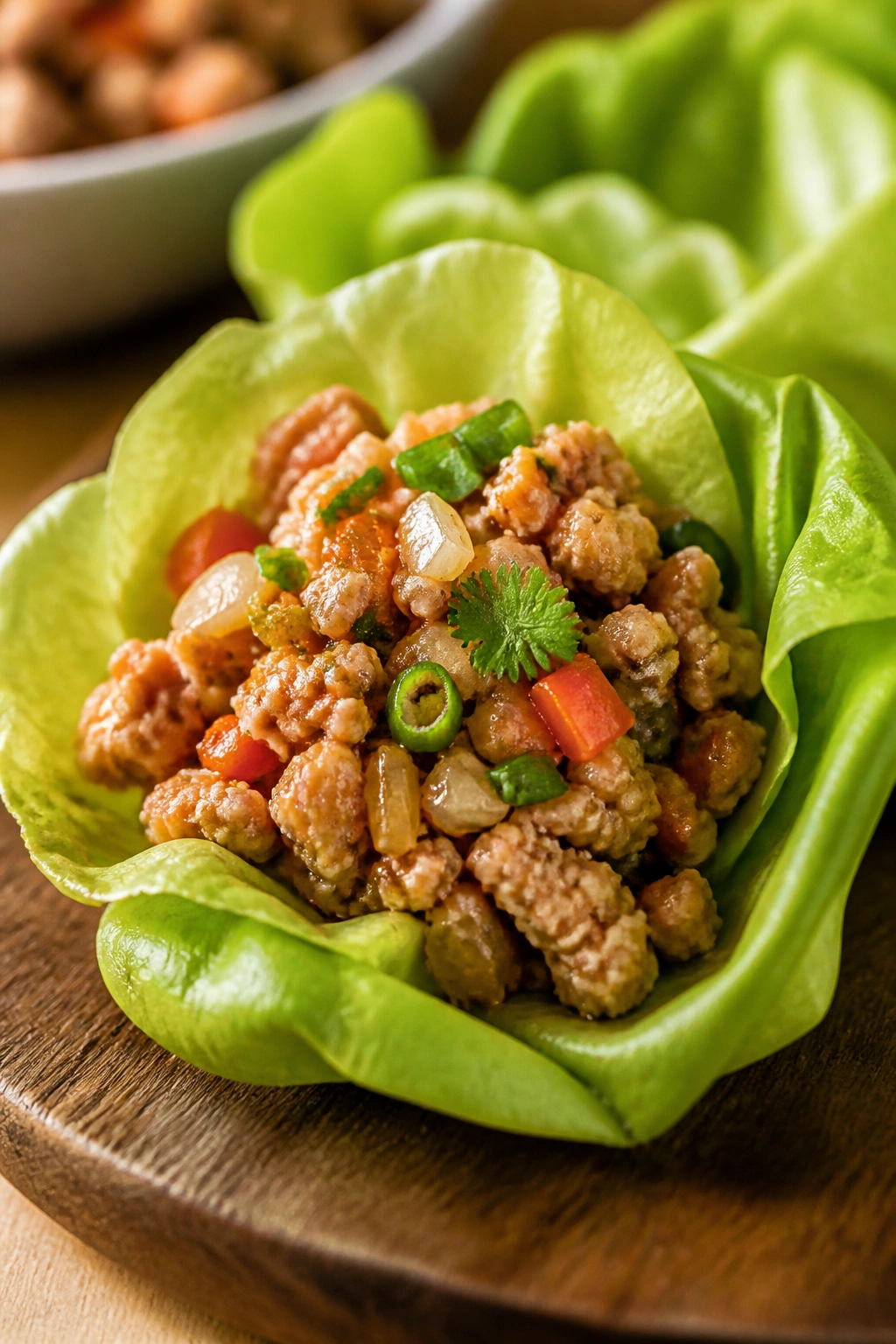
Takeout lettuce wraps are fun until the sauce gets too sweet and the filling feels like it came from a mystery tray. A home version fixes both problems. Lean turkey, fresh ginger, garlic, and crunchy vegetables make the filling taste lighter without tasting bland.
Water chestnuts add a snap if you like that texture. Carrots or mushrooms work too. Spoon the mixture into butter lettuce or romaine leaves, then finish with scallions, sesame seeds, and a small drizzle of sauce. Keep the sauce restrained. The whole point is to keep the filling savory and bright, not sticky.
These are good for nights when you want dinner to feel interactive without needing a pile of dishes. They also make a nice lunch if you don’t mind assembling them at the table. I usually do.
A side of steamed rice turns them into a bigger meal, but the wraps stand on their own if you keep the filling generous.
13. Baked Sweet Potatoes with Black Beans and Lime Yogurt
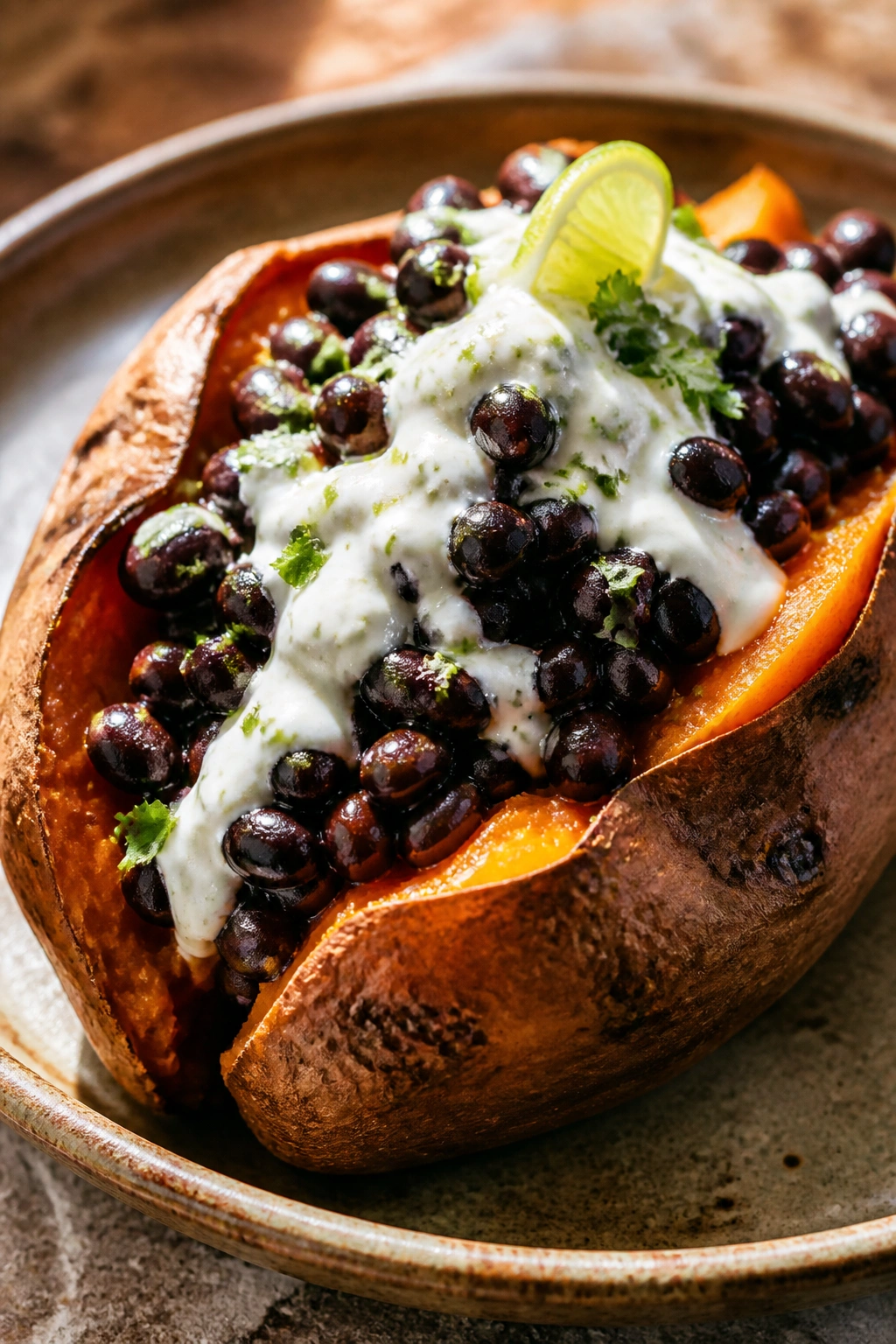
A baked sweet potato is one of the easiest healthy dinner bases around. Split it open, pile on black beans, add something creamy, and dinner basically builds itself.
The beans bring protein and a little spice if you season them well. Lime yogurt cools the heat and keeps the potato from tasting one-note. Add corn, salsa, cilantro, chopped jalapeño, or avocado if you want more color and crunch. It’s flexible in a way that matters on busy nights.
Why the yogurt matters
Plain yogurt with lime juice and a pinch of salt does more than act like a topping. It keeps the whole dish from feeling dry, and it gives you a smooth, tangy finish that balances the sweet potato’s softness.
This is also a good lunch recipe because the parts hold up well. Bake the potatoes ahead, keep the toppings separate, and assemble when you’re hungry. Simple. Useful. Not fancy, which is probably why it works.
14. Whole-Wheat Veggie Pasta with Tomato Sauce
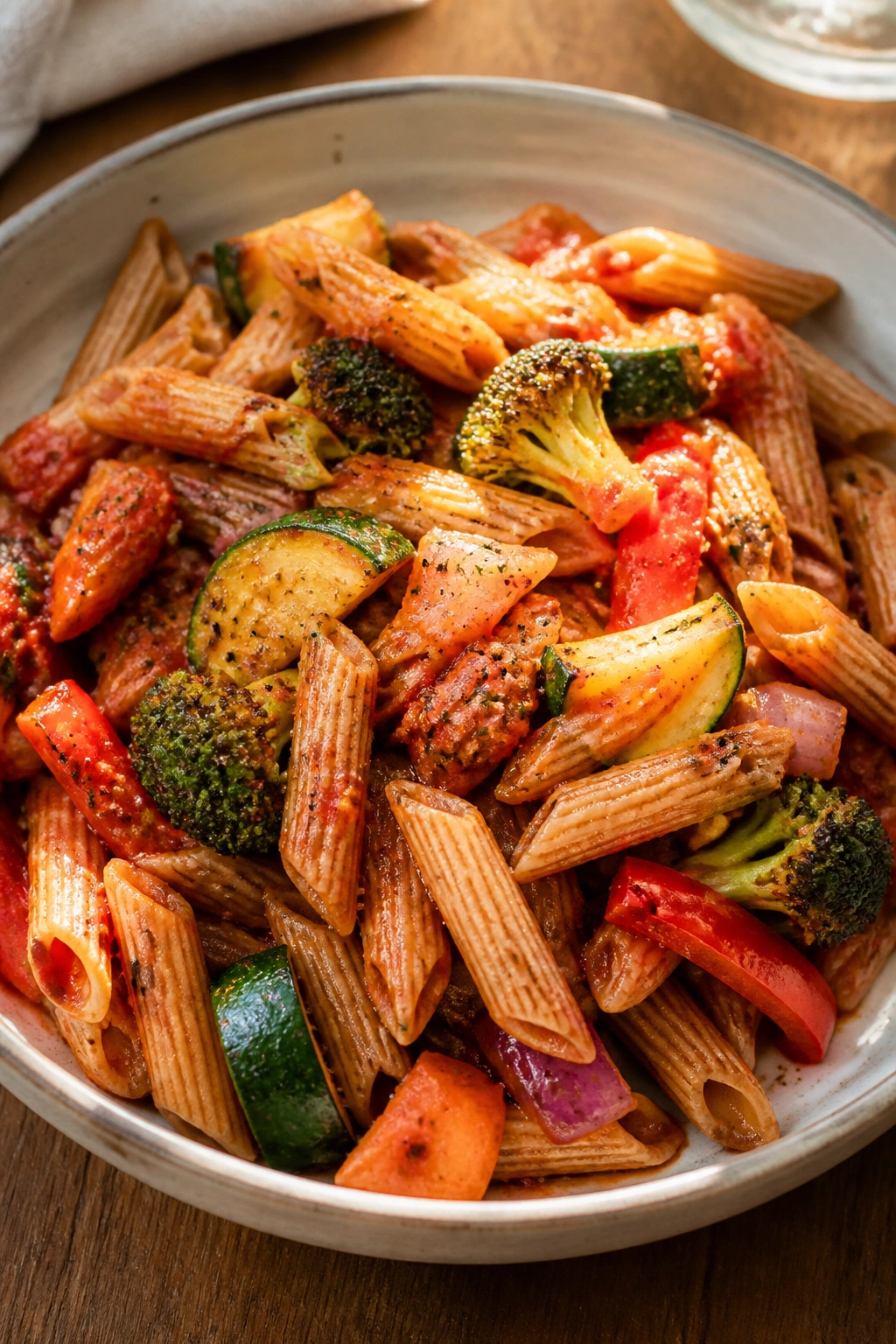
You don’t need a cream sauce to make pasta feel complete. A solid tomato base, a tray of roasted vegetables, and whole-wheat noodles can do the job with less heaviness and more fiber.
I like this recipe when there are vegetables in the fridge that need a plan. Zucchini, mushrooms, peppers, eggplant, spinach—anything that roasts well can end up in the bowl. Toss everything with garlic, olive oil, crushed tomatoes, and a little Parmesan. That’s enough to make a weeknight dinner feel pulled together.
Whole-wheat pasta has more chew than white pasta, which some people love and some people need a minute to warm up to. I’m in the first group. It holds sauce well and keeps the meal from going soft around the edges.
If the sauce tastes flat, salt it more than you think you should, then finish with basil or parsley. Herbs wake it up fast.
15. Tofu Stir-Fry with Brown Rice
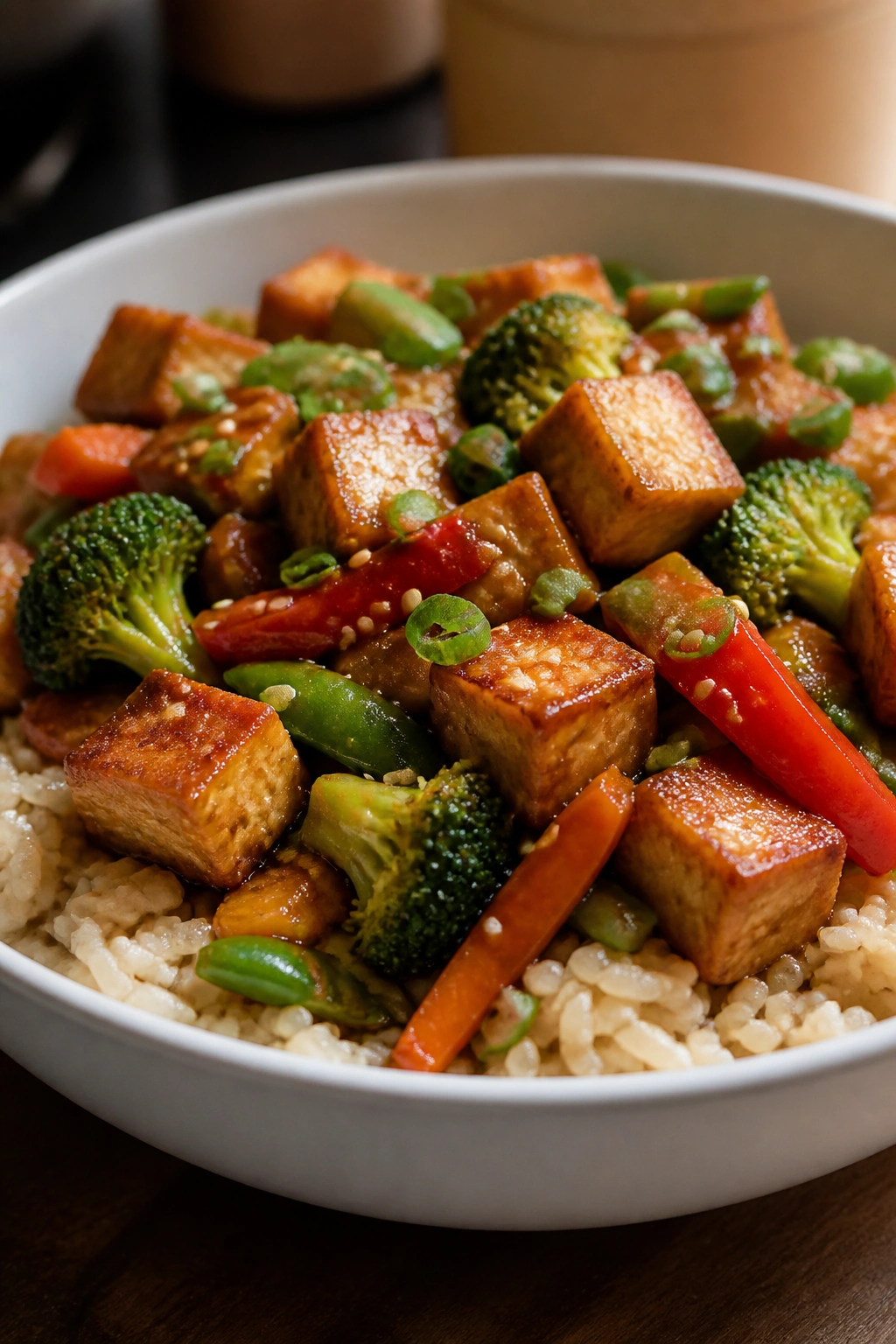
Tofu stir-fry gets dismissed too often by people who’ve only had it done badly. Press the tofu, brown it in a hot pan, and it becomes a different thing entirely—firm, crisp-edged, and worth repeating.
A good stir-fry needs color and movement. Broccoli, snap peas, bell peppers, carrots, mushrooms, and scallions all work. Toss them in a quick sauce made from soy sauce, garlic, ginger, and a little honey or maple syrup. Serve over brown rice if you want more chew and staying power.
The best part is how fast it comes together once the chopping is done. A hot skillet does a lot of the heavy lifting. You just need to keep the vegetables from getting soggy and the tofu from sticking.
- Useful tofu move: cut the blocks into even cubes so they brown at the same pace
- Sauce tip: mix the sauce before the pan gets hot, not after
- Texture note: a dusting of cornstarch can help the tofu crisp up in the skillet
It’s a quiet little dinner. Nothing dramatic. Just good.
16. Spinach and Feta Egg Muffins
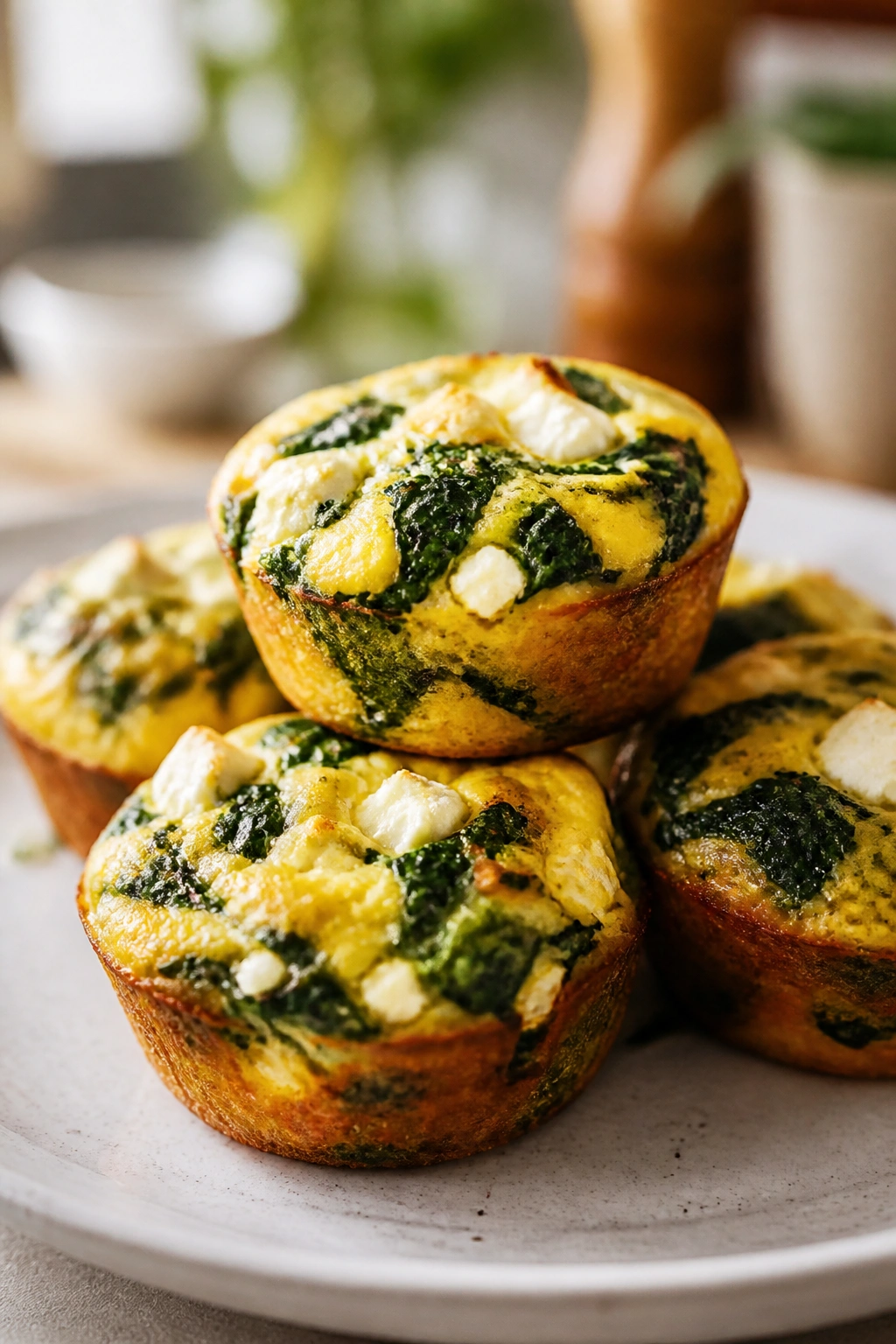
Breakfast recipes get ignored because too many of them feel fragile. Egg muffins are the opposite. They bake in a muffin tin, cool fast, and slide straight into the fridge or freezer without much complaint.
Spinach and feta are the classic pairing because spinach melts into the eggs and feta gives you salt in small, sharp pockets. Add diced bell pepper or onion if you want more flavor. The best version is tender in the middle and set around the edges, not rubbery. That means pulling them from the oven when the centers have just stopped wobbling.
They’re handy for mornings when you need food with one hand. Heat them in the microwave for a short burst, or eat them cold if you don’t mind it. I know people who do both.
A batch can cover breakfast for several days, which is more useful than any sleek brunch recipe that needs a table full of garnish.
17. Apple Cinnamon Baked Oatmeal
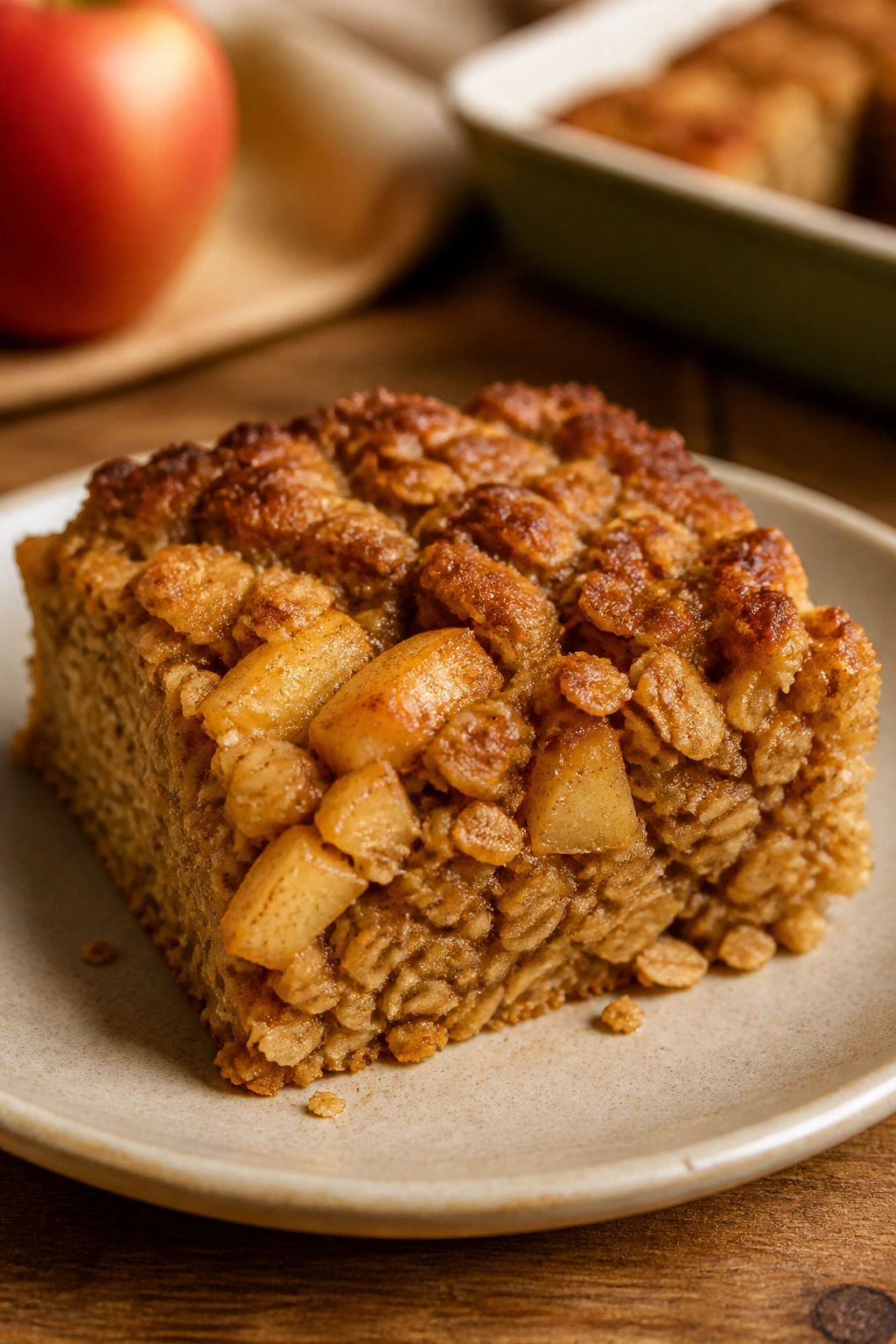
What makes baked oatmeal worth making when stovetop oats are easier? It holds its shape, feeds more people, and tastes like breakfast rather than warmed-up porridge. That’s a solid trade.
Apples and cinnamon give the dish a warm, familiar smell the second it comes out of the oven. Chopped nuts add crunch, and a little milk keeps the top from drying out. The texture should be soft but sliceable, more like a breakfast bar than a bowl of mush.
How to keep it from drying out
Use enough liquid, and don’t overbake it. Pull it when the center is set but still feels slightly tender under the knife. If you like it richer, add a spoonful of yogurt on top after reheating. That helps more than syrup alone.
This one is nice for weekend mornings that need to stretch a little. It also keeps well for a few days, which means you can eat well without cooking twice.
18. Salmon Tacos with Slaw
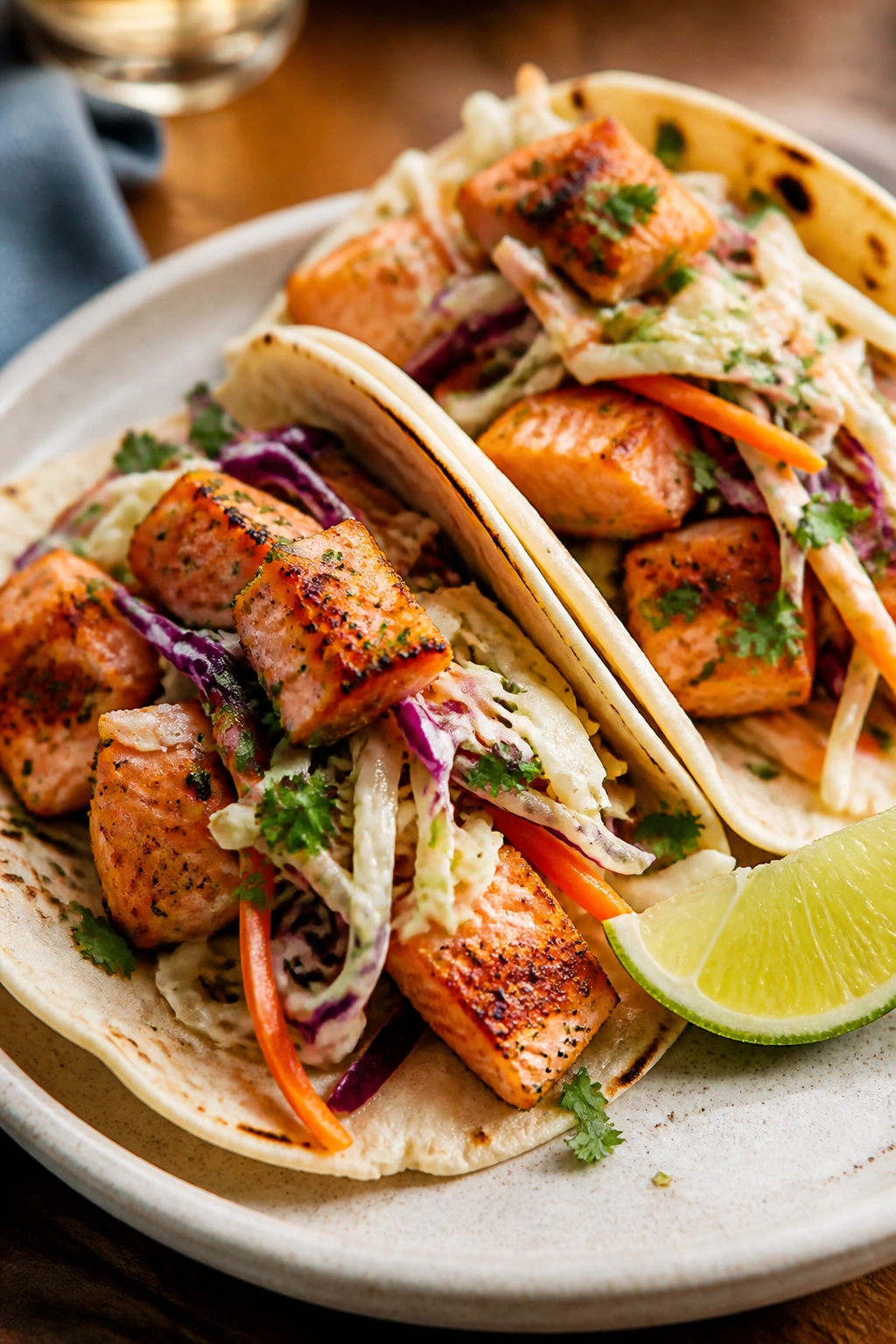
Salmon tacos are what happen when weeknight dinner stops trying so hard and still turns out better than expected. Flaky fish, crisp slaw, and a cool sauce make this feel like a treat without turning it into junk food.
The fish can be roasted, pan-seared, or grilled if you already have the heat going. A cabbage slaw with lime juice and a little salt gives you crunch and brightness. Add avocado, cilantro, and a yogurt-lime sauce if you want the tacos to feel a little more finished.
I like these because they change the mood of the menu. Same salmon, different energy. A tray dinner becomes taco night, and people act like you planned something elaborate. You didn’t. You just assembled smart parts.
Warm corn tortillas usually work best here. They hold the fish well and keep the tacos from feeling too dense.
19. Chicken and White Bean Soup
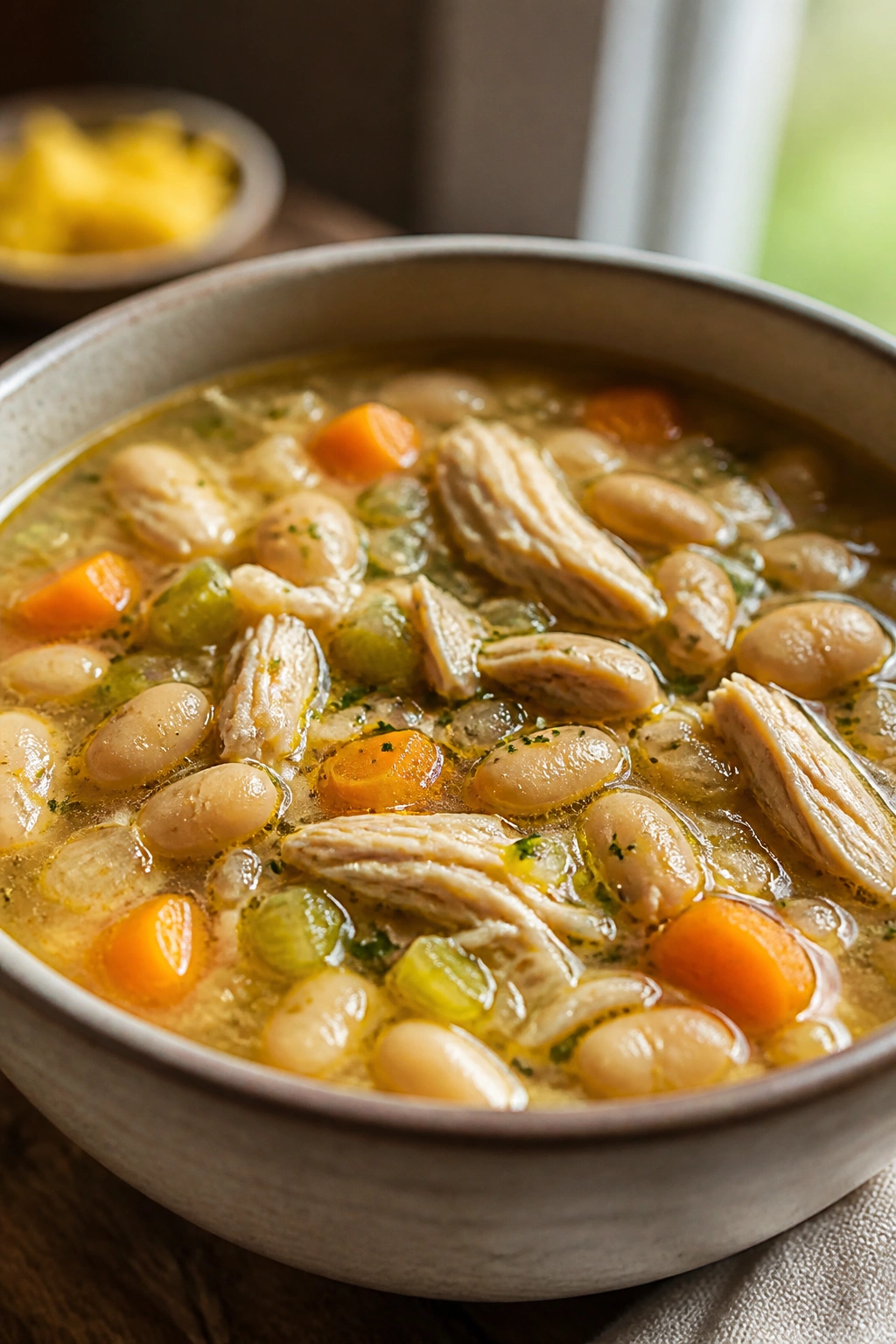
This is the bowl people ask for when they’re tired, hungry, and want something soothing without going all the way to heavy. Chicken and white bean soup gives you broth, protein, and enough substance to count as dinner.
The flavor base is simple: onion, carrot, celery, garlic, herbs, and a good broth. White beans add creaminess without cream, and shredded chicken fills out the pot. A little lemon at the end can keep the soup from tasting flat, which is a mistake people make with gentle soups all the time.
You can make this with leftover chicken, rotisserie chicken, or chicken cooked right in the broth. That flexibility is part of why it stays popular. It doesn’t care how you got there, only that the bowl tastes good at the end.
A slice of toast on the side works fine, but the soup is hearty enough to stand on its own.
20. Banana Oat Pancakes with Greek Yogurt
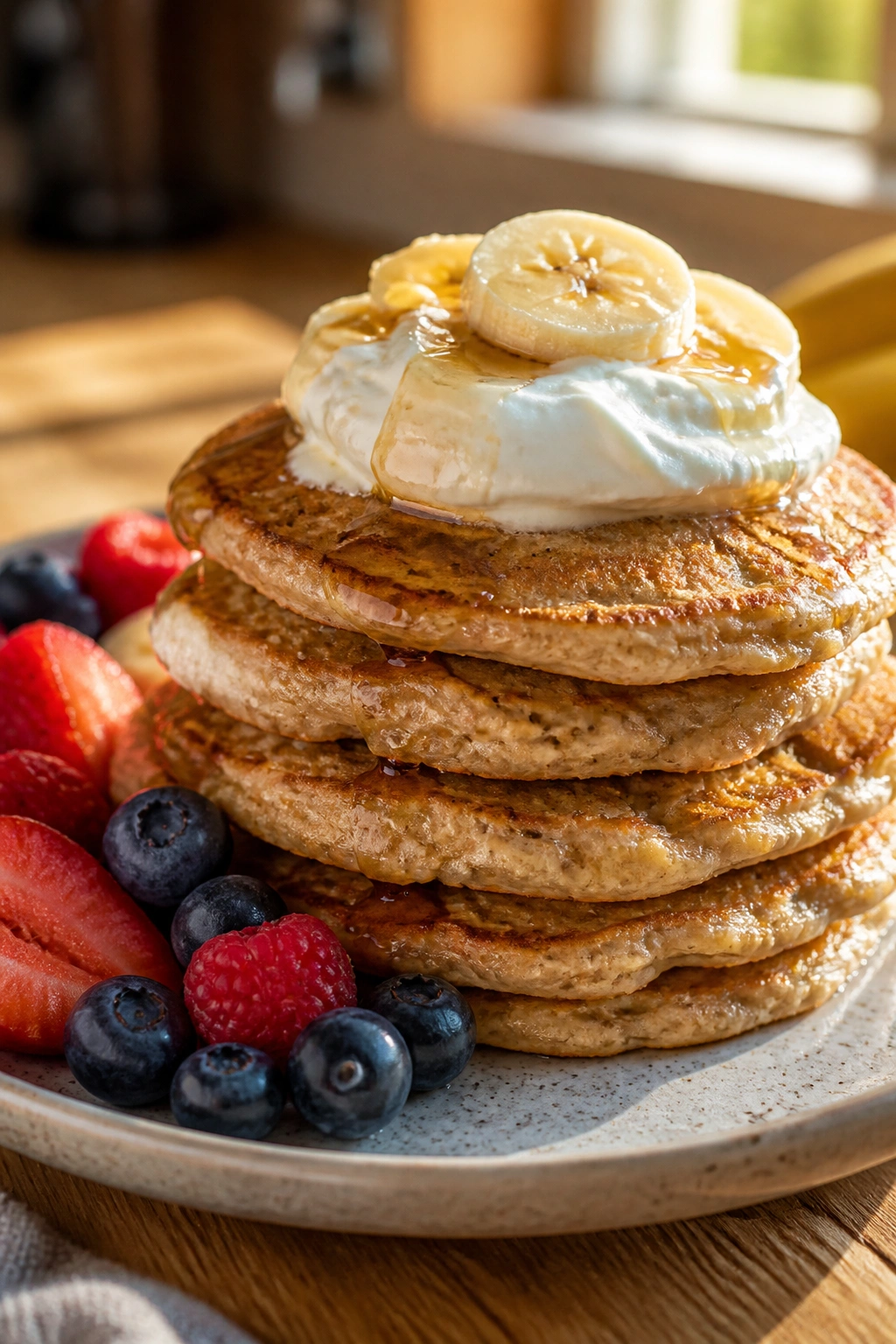
Banana oat pancakes are one of those healthy recipes that still feel like breakfast has a pulse. They’re soft, a little sweet, and sturdy enough to stack without falling apart the second you touch them with a fork.
The banana gives the batter sweetness and moisture. Oats add body. Greek yogurt on top brings a cool tang that keeps the plate from tipping into dessert territory. Fresh berries help too, and a small drizzle of maple syrup is enough if the bananas are ripe.
I like these for slow mornings and freezer prep alike. Make a batch, cool them on a rack, and freeze them between pieces of parchment. They reheat in a toaster or skillet and hold up better than most pancake recipes with this much fruit in the batter.
That’s the real reason they stay on the menu. They feel cheerful, but they also behave.
