



Your glutes do not grow on salad and wishful thinking. If your meals leave you underfed, flat, and dragging through leg day, your body will show it long before the mirror does.
The tricky part is that there is no single magic menu for glute growth. A good glute-building diet plan has to do a few boring but powerful things at once: give you enough protein, enough calories, and enough energy to train hard without feeling like every meal is a chore. That sounds plain. It works anyway.
I’ve always thought people make this harder than it needs to be. A small calorie surplus, steady protein at each meal, and carbs placed where they help most will usually beat a flashy diet with a lot of rules and not enough food. If your squats are flat, your deadlift is stalling, or your hips are sore for days after training, food is probably part of the answer.
The real issue is fit. A hardgainer, a vegan lifter, a budget-conscious eater, and someone with a touchy stomach should not all be eating the same way. Start with the plan that matches your appetite, your schedule, and the way your body actually behaves under a barbell.
1. The High-Protein Small-Surplus Plan
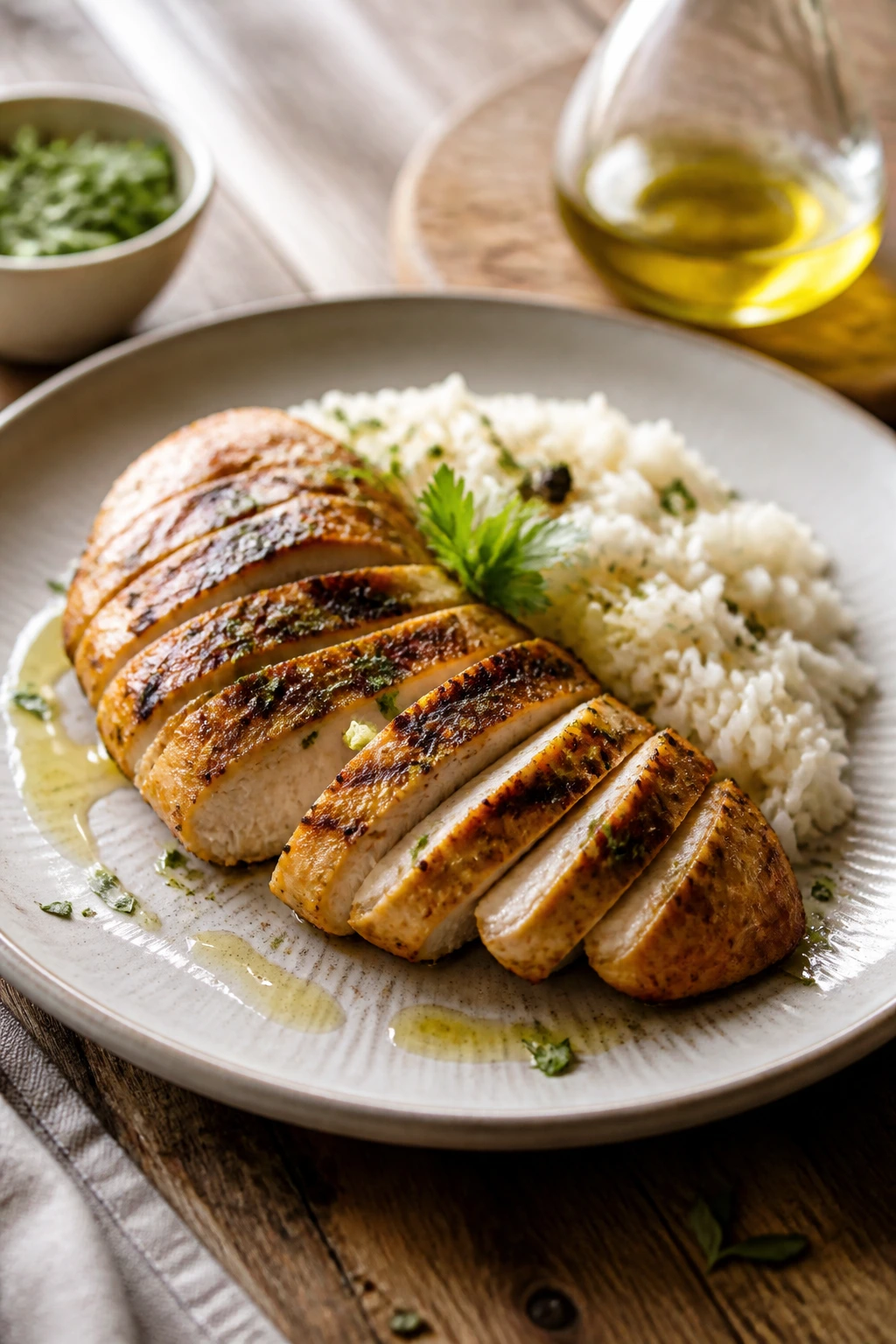
A small surplus is the cleanest place to start. If you want stronger glutes without gaining a ton of fluff everywhere else, this is the plan I’d reach for first.
The idea is simple: eat a little more than you burn, keep protein high, and let training do its job. For many people, 200 to 300 extra calories a day is enough to support muscle gain without turning every week into a bulk-and-cut drama. Protein should land around 1.6 to 2.2 grams per kilogram of body weight, spread across the day.
A simple plate formula
- 25 to 40 grams of protein per meal
- 1 fist of carbs at most meals: rice, potatoes, oats, fruit, pasta
- 1 thumb to 2 thumbs of fat: olive oil, avocado, nuts, seeds
- A vegetable or fruit for digestion and micronutrients
That structure keeps meals steady. It also stops the common trap where someone “eats more” by adding random snacks, then wonders why the scale moves but the barbell doesn’t. You want a plan, not grazing.
A day built this way might look like eggs and oats at breakfast, chicken and rice at lunch, yogurt and berries as a snack, then salmon with potatoes at dinner. Plain? Sure. But plain food that repeats well is often better than exciting food that you abandon in four days.
If body weight does not rise after two or three weeks, add 100 to 150 calories and keep everything else the same. Small changes beat panic eating.
2. The Mediterranean-Style Glute Builder
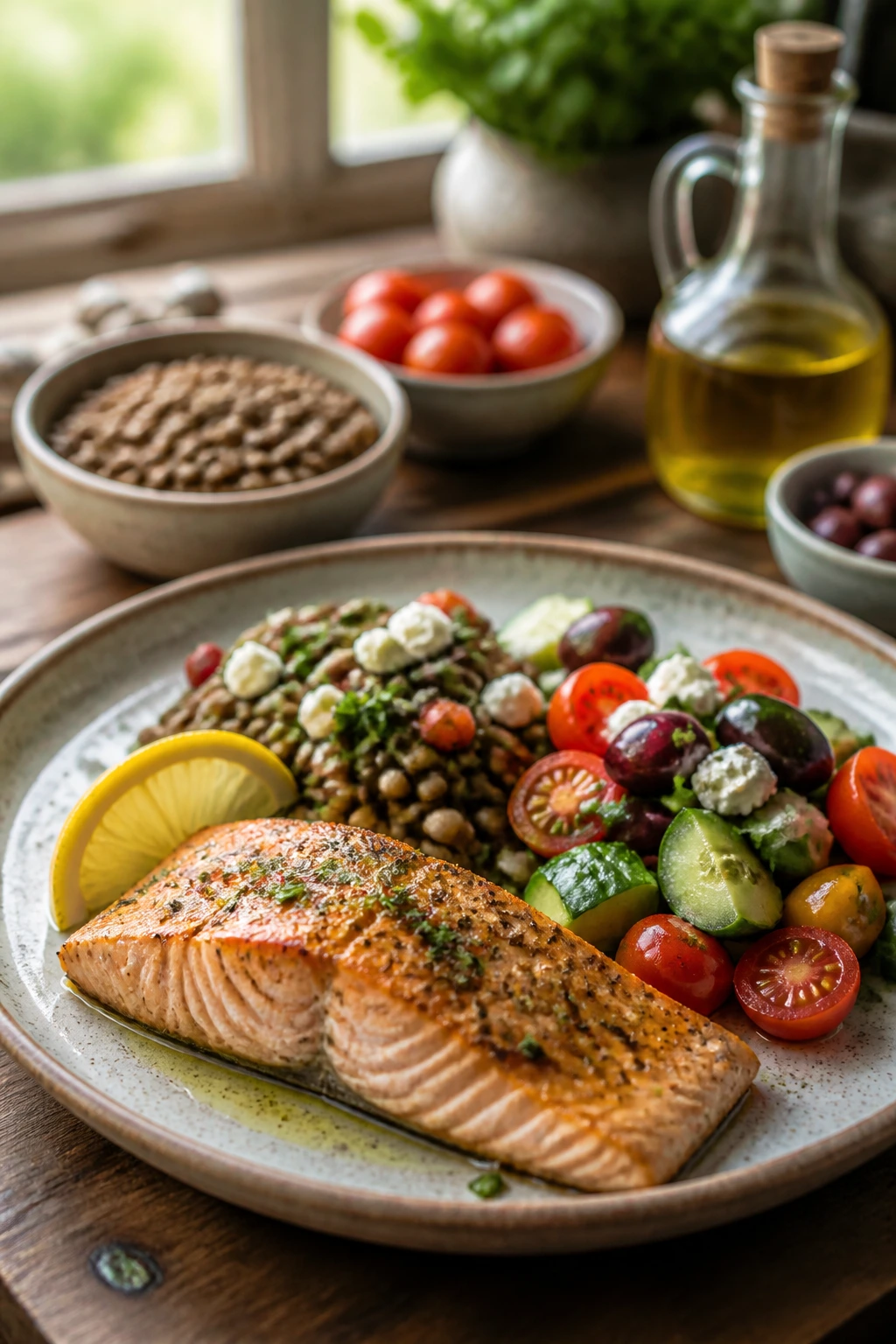
What if the most livable glute diet is the one that already looks like a normal dinner? That’s the appeal of a Mediterranean-style approach.
This plan leans on olive oil, fish, eggs, Greek yogurt, beans, lentils, potatoes, fruit, whole grains, and vegetables. It’s naturally rich in protein, but it also makes room for enough carbs and fats to support training. The food feels like food, which sounds obvious until you’ve watched someone try to bulk on dry chicken breast and steamed broccoli.
The nice thing here is flexibility. You can push calories up with an extra drizzle of olive oil, a larger scoop of rice, or a piece of fruit after training. You’re not stuck counting every gram, but you still have structure.
Mediterranean staples that do real work
- Salmon or sardines for protein and fats
- Lentil or chickpea bowls for protein plus carbs
- Potatoes or couscous for training fuel
- Olive oil to raise calories without huge portions
- Plain yogurt or kefir if dairy sits well
- Berries, oranges, grapes, apples for easy carbs and freshness
I like this style for people who hate rigid meal plans. It also plays nicely with family dinners and restaurant meals, which matters more than people admit. A plan that only works in a perfect kitchen is not much of a plan.
There’s a catch, though. Mediterranean-style eating can get too light if you lean too hard into vegetables and “clean” portions. Keep an eye on total food intake. If your plates look gorgeous but your body weight is glued to the same number, you are probably under-eating.
3. The Carb-Cycling Leg-Day Plan
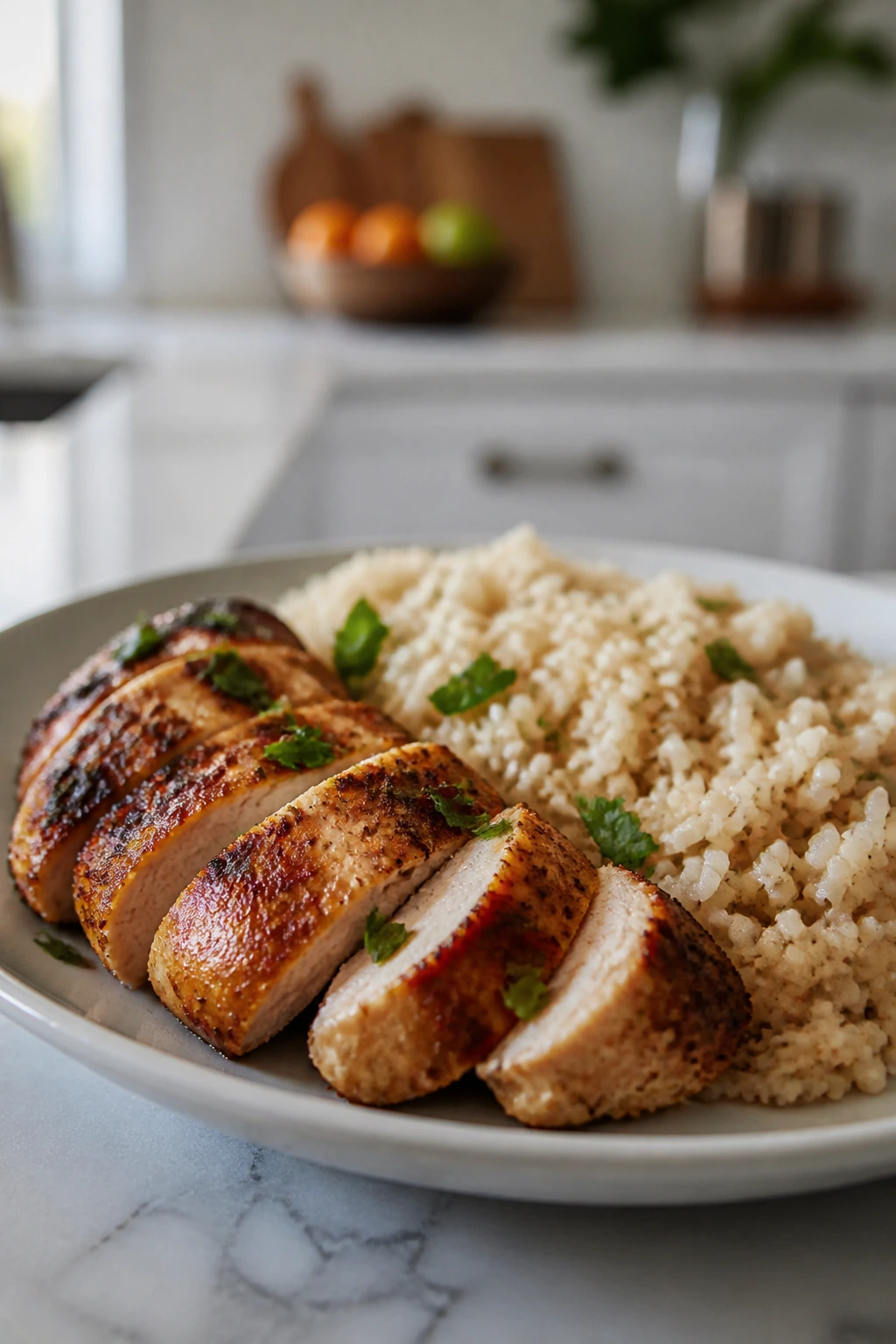
Carbs have a job, and leg day is where they earn their keep.
This plan puts more carbohydrate on the days when your glutes and legs are getting the hardest work, then pulls back a bit on rest days. It’s not magic. It’s timing. Carbs refill muscle glycogen, which is the fuel your body taps during tough lifting sessions, hard sets, and higher-volume lower-body workouts.
Training day vs. rest day
On training days, build meals around rice, potatoes, oats, fruit, pasta, bread, or cereal. A good pattern is one carb-heavy meal 1 to 3 hours before lifting and another meal after training that includes both protein and carbs. On rest days, keep protein the same and trim some of the starchier foods if your appetite or body fat starts drifting upward too fast.
A practical setup looks like this:
- Training day breakfast: oats, banana, eggs, and yogurt
- Pre-lift meal: chicken and rice, or bagel and turkey
- Post-lift meal: lean beef, potatoes, and vegetables
- Rest-day dinner: salmon, salad, avocado, and a smaller starch portion
This works well for people who train lower body twice a week or who notice a real difference in bar speed when carbs are high. It also helps if you hate eating the same amount every single day. That gets old fast.
Don’t slash carbs so low on rest days that you feel flat in the gym the next session. The point is to ride the training rhythm, not punish yourself for having a day off.
4. The Plant-Based Protein Stack
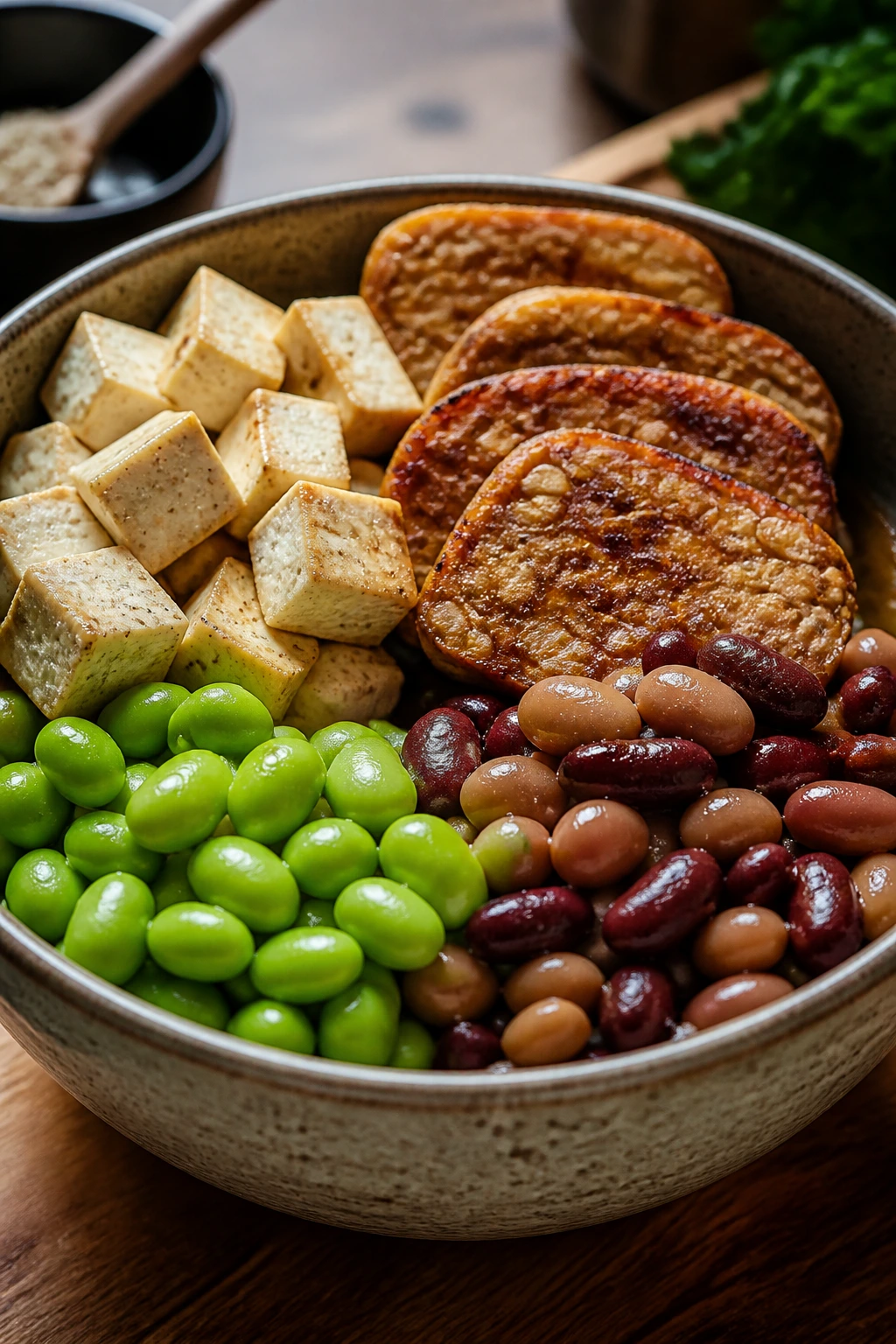
The most common plant-based mistake is not discipline. It’s protein.
People go vegan or mostly plant-based and accidentally live on toast, fruit, and tiny salads, then wonder why their glutes aren’t changing much. Plants can build muscle just fine, but you need to stack your protein on purpose. That means tofu, tempeh, edamame, soy milk, lentils, beans, seitan, pea protein, and high-protein snacks showing up on repeat.
What to keep in the kitchen
- Extra-firm tofu for scrambles, stir-fries, and bowls
- Tempeh for a firmer bite and more calorie density
- Seitan if you tolerate gluten and want a chewy, meat-like protein
- Edamame for quick snacks or bowl toppers
- Soy yogurt or soy milk for easy protein at breakfast
- Pea or soy protein powder for days when chewing feels like a nuisance
A plant-based glute plan often works better when meals are built around a protein anchor first. Then comes the carb base, then fat, then vegetables. The order matters because it keeps you from filling up on low-calorie volume and missing the part that actually drives growth.
I’d also keep an eye on energy density. Some plant-based meals are so lean and fibrous that they look healthy but leave you underfed. Add sesame oil, tahini, avocado, nuts, or a thicker sauce when needed. Not every meal has to be a mountain of greens.
If you lift hard and eat enough, a plant-based plan can do the job. If you eat politely and hope for the best, it usually won’t.
5. The Hardgainer Calorie-Dense Plan
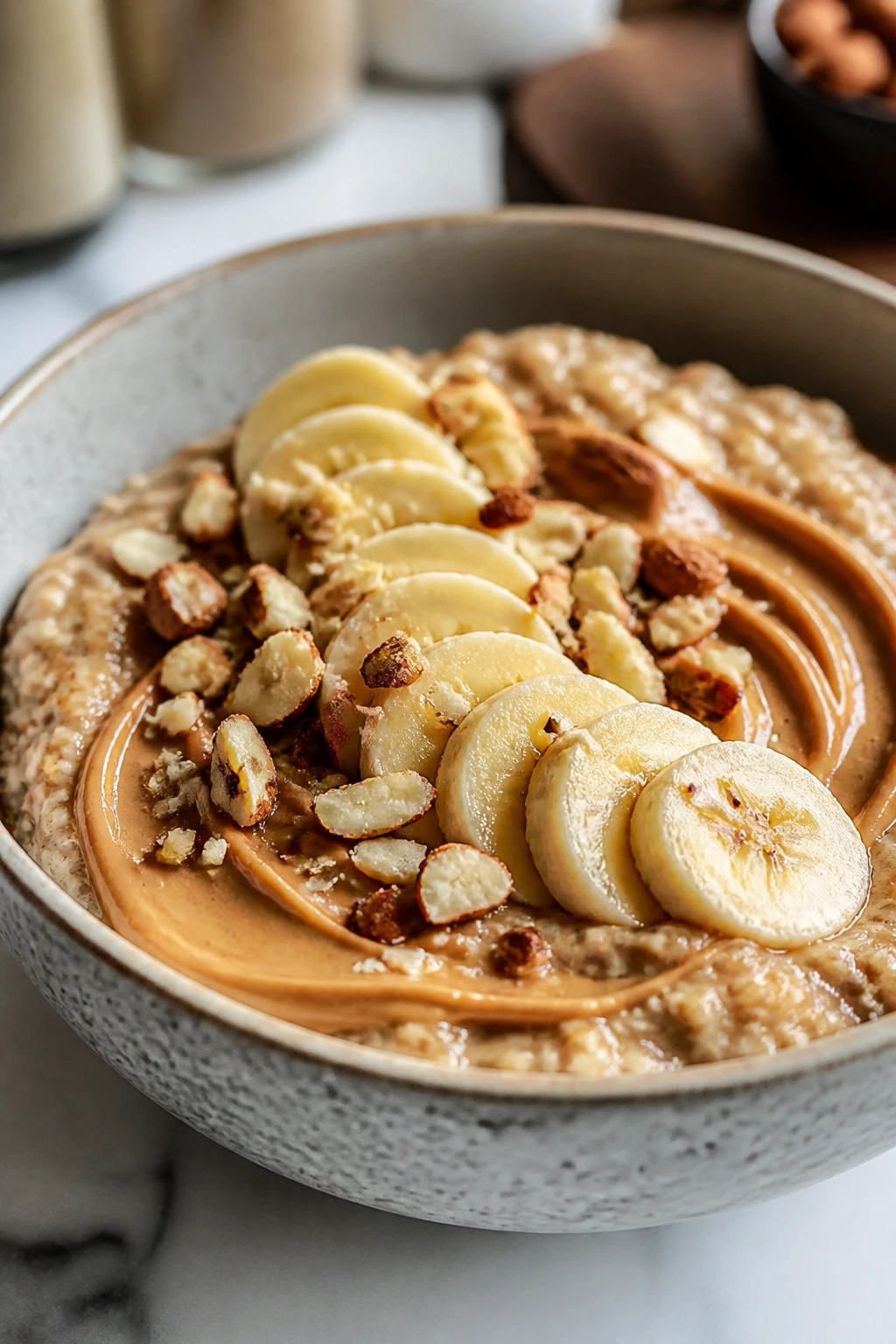
Unlike “eat clean” advice that fills the plate but not the calorie count, this plan is built for people who can’t seem to eat enough to gain anything.
If you’re a hardgainer, your best friend is calorie density. That means foods with more energy per bite: peanut butter, trail mix, granola, olive oil, whole milk, avocado, pasta, rice, dried fruit, bagels, cheese if you tolerate it, and smoothies that actually contain food. Giant salads and broth-heavy soups are not your allies here.
Volume is the enemy.
That’s the whole game.
You want meals that pack a lot of calories into a small amount of chewing. A bowl of rice with salmon, olive oil, and avocado is easier to get down than a giant mountain of lettuce with a few sad chicken strips on top. Same calories, different effort. The second one feels like punishment.
One smart rule: if your body weight has not moved after 14 days, add 200 calories to breakfast and lunch before you touch anything else. That often works better than trying to force more dinner into an already full stomach.
This plan is also the one where snacks matter. Keep them useful. Think nuts, dates, nut butter on toast, yogurt with granola, cheese and crackers, or a smoothie between meals. Not random candy. That stuff can sneak calories in, sure, but it rarely helps training the way more protein and carbs do.
For people with tiny appetites, a bigger shake can be the difference between “trying to bulk” and actually gaining muscle.
6. The Flexible Macro-Tracking Plan
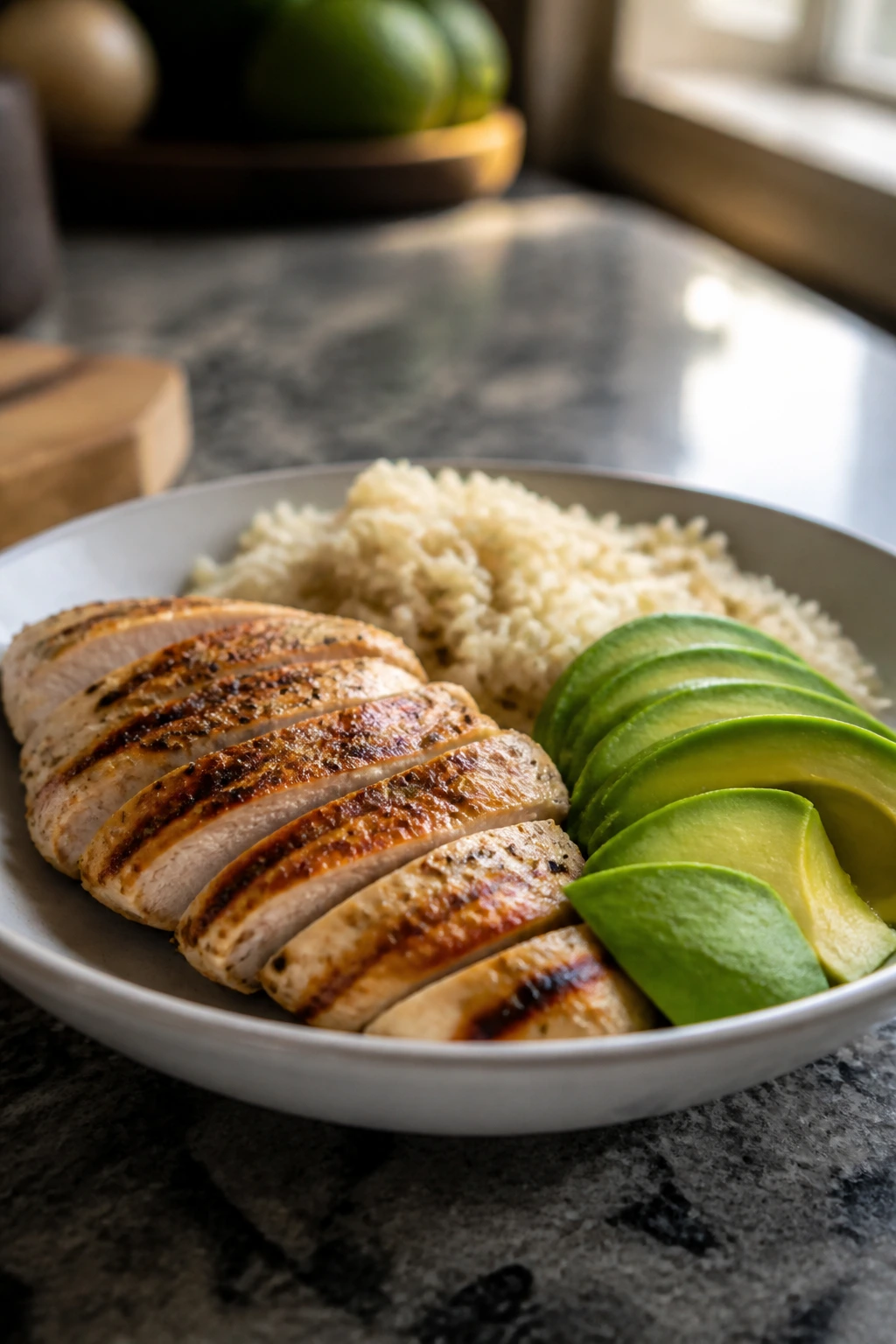
What if you don’t want fixed meals every day? Then track the numbers and let the menu breathe.
This approach works well for people who like data, people who travel, and people who get bored eating the same lunch five days in a row. You set protein, carbohydrate, fat, and calorie targets, then choose whatever foods help you hit them. The point is consistency, not culinary elegance.
A practical starting point
- Protein: 1.6 to 2.2 g per kilogram of body weight
- Calories: a small surplus if you want muscle gain
- Carbs: enough to keep training hard and recovery decent
- Fats: enough to keep hormones, satiety, and calories in a good place
The upside is freedom. You can have eggs and toast one day, a burrito bowl the next, and sushi if that fits your totals. No food is “good” or “bad” by default. The totals decide the outcome.
The downside is mental load. Tracking every bite can get annoying, and for some people it turns eating into homework. If you notice that happening, simplify. Track protein first, then calories, then move on with your life. You do not need to weigh blueberries forever.
I like this plan for intermediate lifters who already know their appetite patterns. They usually don’t need a lecture. They need a number and a little freedom.
7. The Meal-Prep Bowl Plan
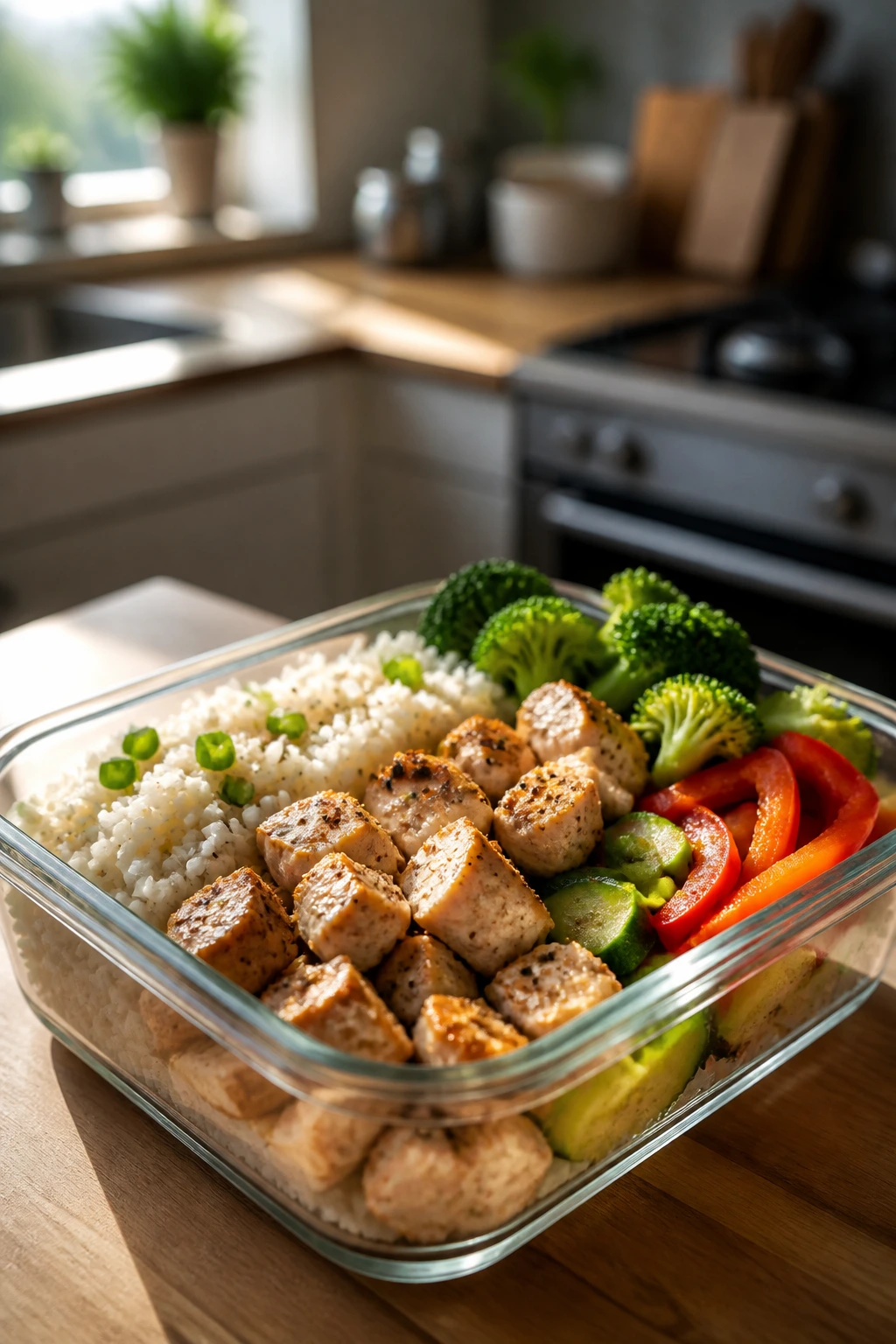
A plastic container full of rice, chicken, and vegetables may not sound romantic, but it gets results.
Meal prep works because it removes decision fatigue. Cook a couple of proteins, a couple of carb bases, and two or three vegetables, then mix and match through the week. That makes it much easier to stay in a small surplus and hit your protein target without negotiating with yourself at every meal.
A simple prep day can look like this:
- Protein: baked chicken thighs, ground turkey, tofu, or salmon
- Carbs: rice, potatoes, quinoa, or pasta
- Vegetables: roasted broccoli, peppers, carrots, green beans
- Sauces: salsa, yogurt sauce, pesto, tahini dressing, teriyaki
The bowl format is useful because you can adjust portions without changing the whole plan. Need more calories? Add extra rice, avocado, or olive oil. Need to stay lighter before training? Pull back on the starch and keep the protein.
The best part is texture. Warm rice, crisp vegetables, and a sauce with some punch make repeated meals easier to eat. Dry meal prep is where good intentions go to die. A little sauce fixes more problems than people want to admit.
I would keep this plan if you’re busy, if you like routine, or if you’ve already proven that loose eating leaves you underfed. It’s not fancy. It is dependable. That counts.
8. The High-Carb Pre- and Post-Workout Plan
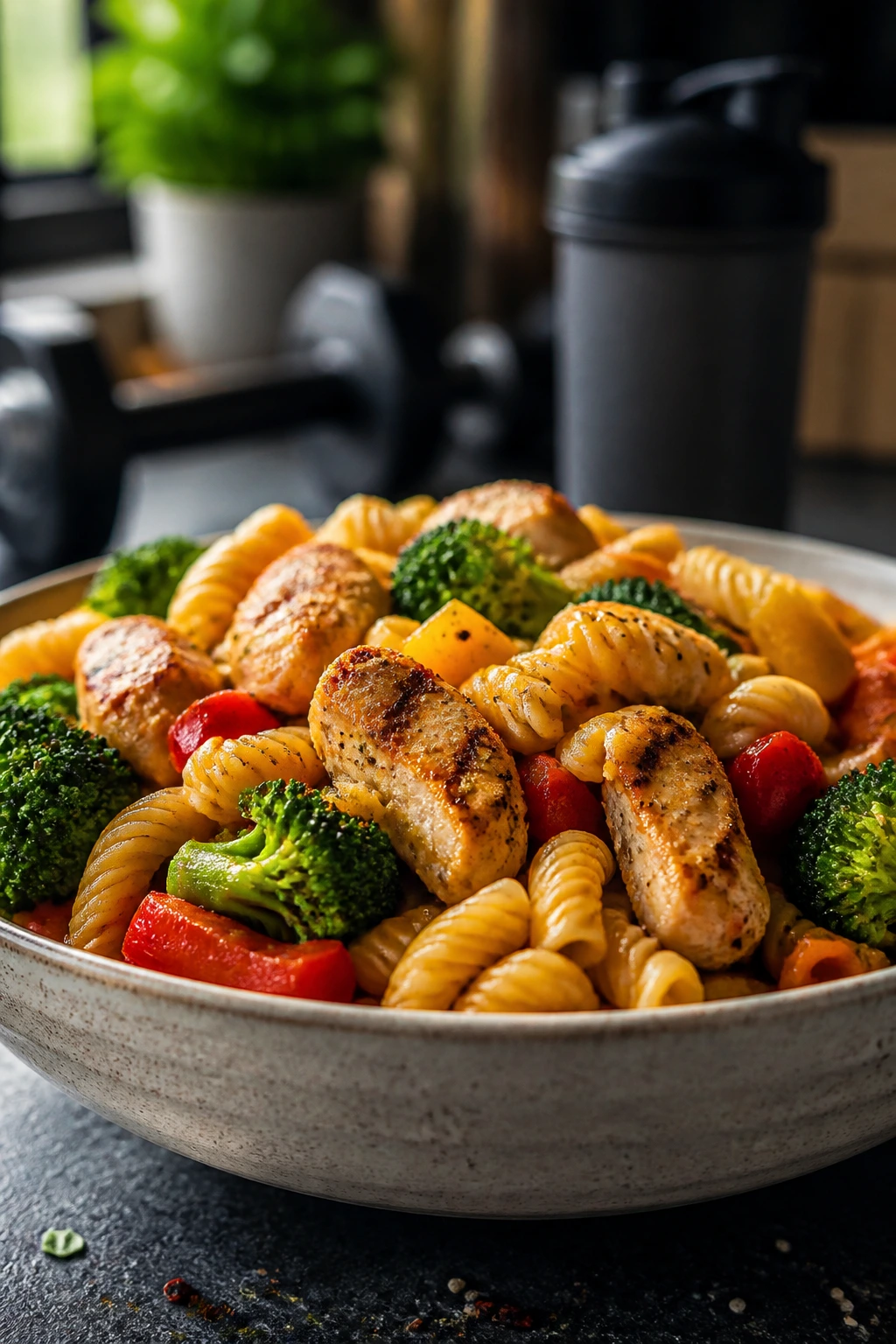
If your lower-body sessions are brutal, carbs belong near the workout. That’s the blunt version.
This plan puts a bigger share of your daily carbohydrate intake before and after training, especially on squat, deadlift, and hip thrust days. The goal is to show up with fuel in the tank and to refill that tank fast afterward. Carbs are not the enemy of glute growth. Around hard training, they’re a tool.
A decent starting point is 30 to 60 grams of carbs plus 20 to 30 grams of protein in the 1 to 2 hours before lifting, then another solid meal afterward with 60 to 90 grams of carbs and 25 to 40 grams of protein. You do not need to hit those numbers perfectly. Close is fine.
Easy pre-lift options
- Banana with whey or soy protein
- Bagel with turkey or egg whites
- Rice cakes with peanut butter and a protein shake
- Oats with berries and yogurt
Good post-lift choices
- Rice bowl with chicken and vegetables
- Pasta with lean beef and tomato sauce
- Potatoes, fish, and fruit
- Cereal with milk and a side of eggs if you need fast calories
This plan is especially good for lifters who feel flat during workouts or who notice better glute activation when they’re fed. Empty training is overrated. If your session is long, heavy, and full of hard sets, feed it.
One warning: don’t crush a huge fatty meal right before leg day. That can sit like a brick. Keep the pre-workout meal lighter, and leave the heavier fats for later.
9. The Higher-Fat, Lower-Rush Plan
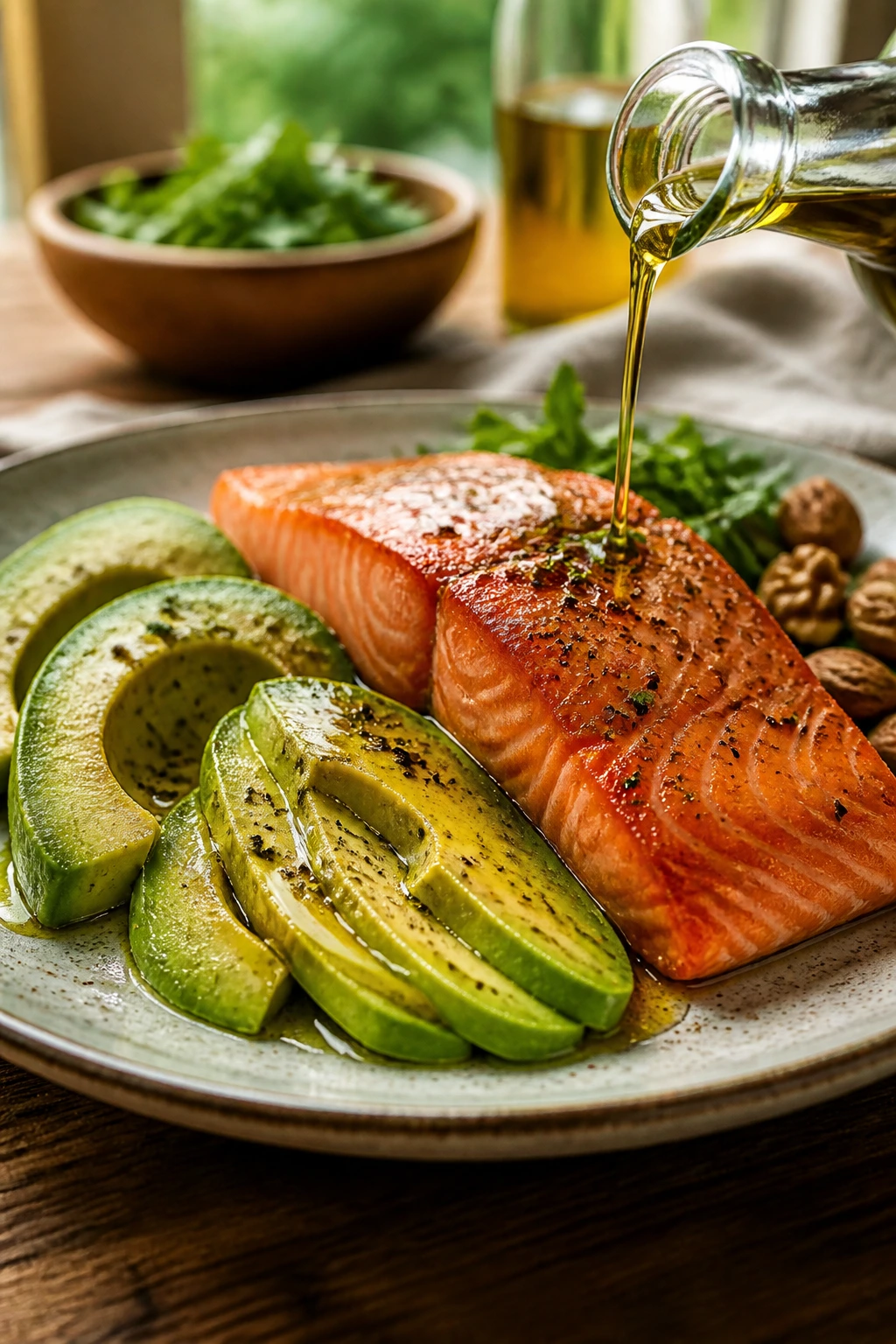
What if big carb meals make you sluggish or too hungry an hour later? Then a higher-fat structure might fit you better.
This is not a low-carb sermon. It is a calorie-management plan for people who do better with eggs, salmon, olive oil, avocado, nuts, seeds, full-fat yogurt, and fattier cuts of meat carrying more of the load. Fats give you a lot of calories in a small space, which is handy if you don’t enjoy huge portions.
The trade-off is speed. Fat digests more slowly, so you do not want a heavy, greasy meal right before training. That’s where people trip up. A giant burger and fries an hour before hip thrusts is a bad time. A balanced meal earlier in the day? Fine.
I like this plan for people with steady appetites who get sick of constant carb-heavy meals. It also works for folks who prefer richer food and feel better on smaller, more satisfying portions. You still need carbs for performance, but they do not have to dominate every plate.
A few smart moves help here:
- Keep pre-workout meals lighter
- Use olive oil or avocado to lift calories without huge volume
- Pair fatty proteins with potatoes, rice, or bread
- Watch that fiber does not pile up too high and kill appetite
The plan can drift into “I ate keto by accident” territory if you’re not paying attention. Don’t let that happen. Glutes still need fuel, and fuel still means enough total energy, not just good fats.
10. The Budget Grocery Cart Plan
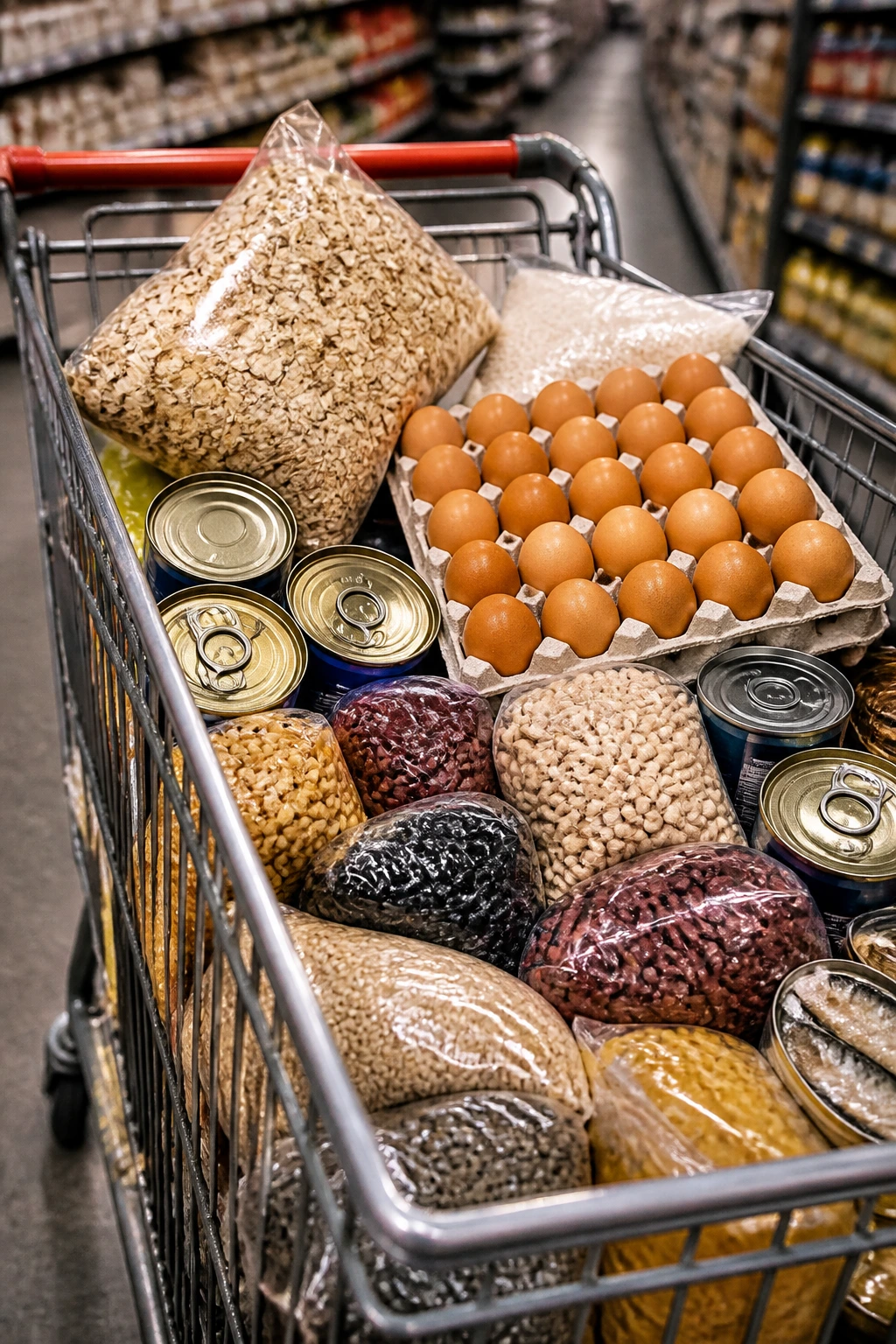
The cheapest glute-building diet is usually the one built from pantry food, not specialty snacks.
If money is tight, start with the basics: oats, rice, eggs, beans, lentils, peanut butter, frozen vegetables, bananas, canned tuna or salmon, chicken thighs, potatoes, and store-brand yogurt if you eat dairy. Those foods are plain, but they pull a lot of weight. They also survive long enough in the kitchen that you stop wasting food.
A budget plan works best when each meal has three parts: a protein, a carb, and something with fiber or color. That keeps the food sensible and the grocery bill lower than a menu full of fancy powders, overpriced bars, and pre-made “fitness bowls” with tiny portions.
Cheap staples worth repeating
- Eggs and oats for breakfast
- Rice and beans with salsa or spices
- Potatoes and chicken thighs for dinner
- Tuna sandwiches or wraps for fast lunches
- Frozen berries in yogurt or smoothies
- Peanut butter on toast or in a shake
One small trick: buy foods that can play several roles. Oats work for breakfast and shakes. Rice goes with almost anything. Beans can be a side, a main, or a filler when the protein portion looks too small. That kind of overlap saves money and reduces waste.
This plan is not glamorous. It does not need to be. Strong glutes care more about consistency than about whether your almond butter came in a glass jar.
11. The Dairy-Light Plan
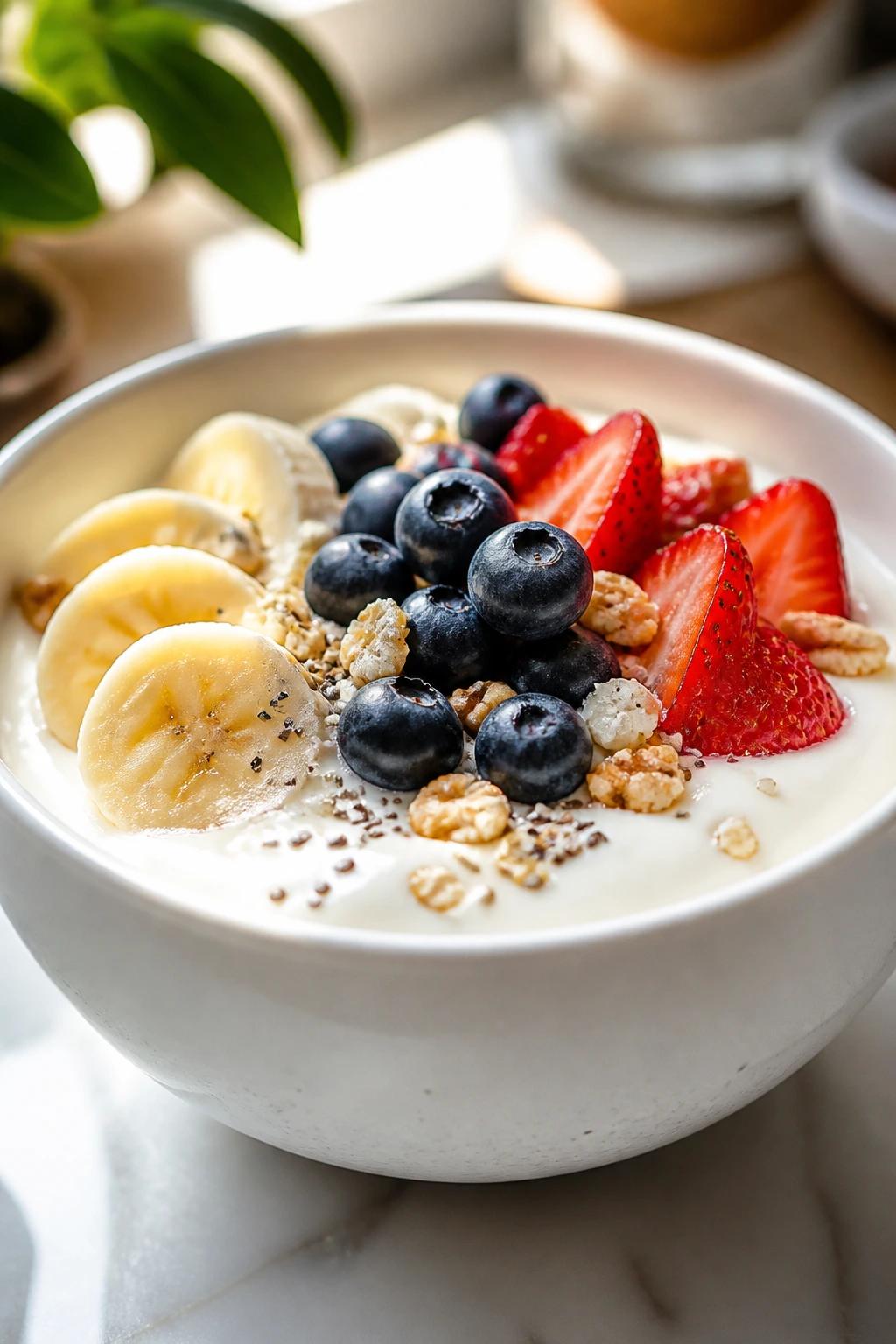
Do you need dairy to build glutes? No. Not even close.
That said, dairy can be a handy protein source if your stomach likes it. If it does not, the fix is straightforward: use lactose-free milk, lactose-free yogurt, soy milk, tofu, tempeh, eggs, poultry, fish, and protein powders that sit well with you. You are not losing some magical muscle-building ingredient by skipping regular milk.
Easy swaps that still keep protein high
- Replace regular milk with lactose-free milk or soy milk
- Swap Greek yogurt for lactose-free yogurt or soy yogurt
- Use hard cheeses in small amounts if you tolerate them better than soft dairy
- Choose whey isolate or plant protein if regular whey bugs you
- Lean on eggs, meat, fish, tofu, and legumes for main meals
A lot of people blame “eating too much” when the real issue is dairy discomfort. Bloating, cramps, or a heavy feeling after meals can crush appetite and make training miserable. Fixing that one thing often improves food intake more than adding a fancy supplement ever will.
I’d still keep an eye on total calories. Removing dairy can quietly remove calories too, especially if you used milk in shakes or yogurt as an easy snack. Replace it with something comparable, not just “less stuff.”
The nice part is that dairy-free or dairy-light eating can feel cleaner in the stomach without being low in protein. That matters on hard training days.
12. The Gut-Friendly Low-Bloat Plan
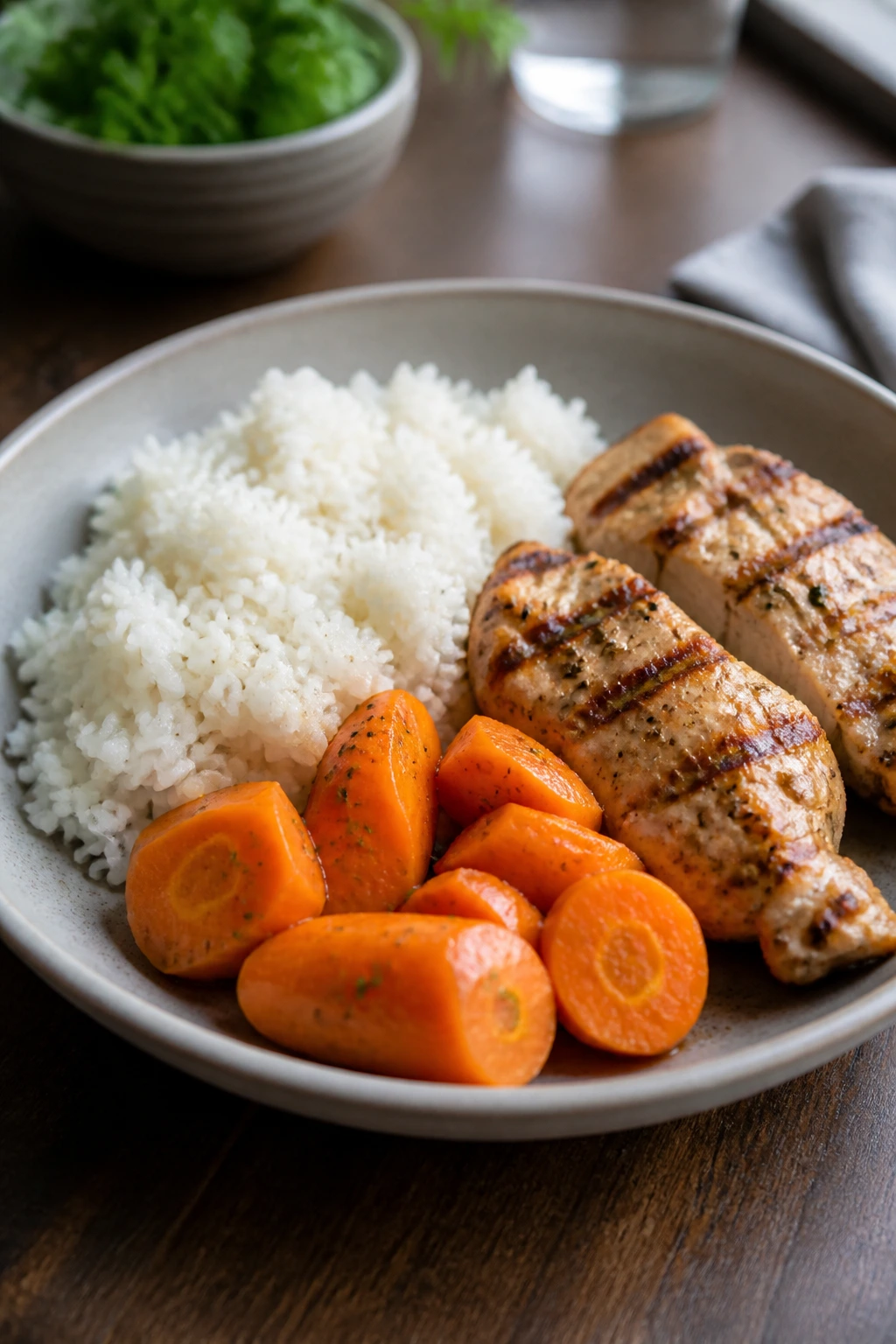
A bloated lifter is a miserable lifter. Sometimes the problem is not calories. It’s the way those calories sit in your gut.
This plan is for people who get wrecked by giant raw salads, too much sugar alcohol, thick protein bars, or high-fiber meals right before training. The fix is not to starve yourself. The fix is to choose foods that are easier to digest and place them better during the day. Think white rice, peeled potatoes, sourdough bread, oats, ripe bananas, cooked carrots, cooked zucchini, ginger, chicken, fish, eggs, and simple yogurt if tolerated.
Foods that usually sit easier
- White rice instead of a massive bean bowl before training
- Cooked vegetables instead of huge raw salads
- Ripe bananas instead of under-ripe fruit if your stomach is touchy
- Plain potatoes instead of deep-fried sides
- Simple seasonings instead of heavy cream sauces and tons of onion
The trick is timing. Eat lower-fiber, lower-fat meals before lifting, then bring the more fibrous stuff in later when you are not about to squat. That one change can make a leg workout feel twice as smooth.
I also like this plan for anyone who gets nervous before training and loses their appetite. Smaller, simpler meals are easier to finish. That means protein stays up, calories stay up, and your stomach isn’t fighting your workout.
Some people act like digestive comfort is a side issue. It is not. If your gut is unhappy, your training quality drops. Fast.
13. The Liquid Calories Plan
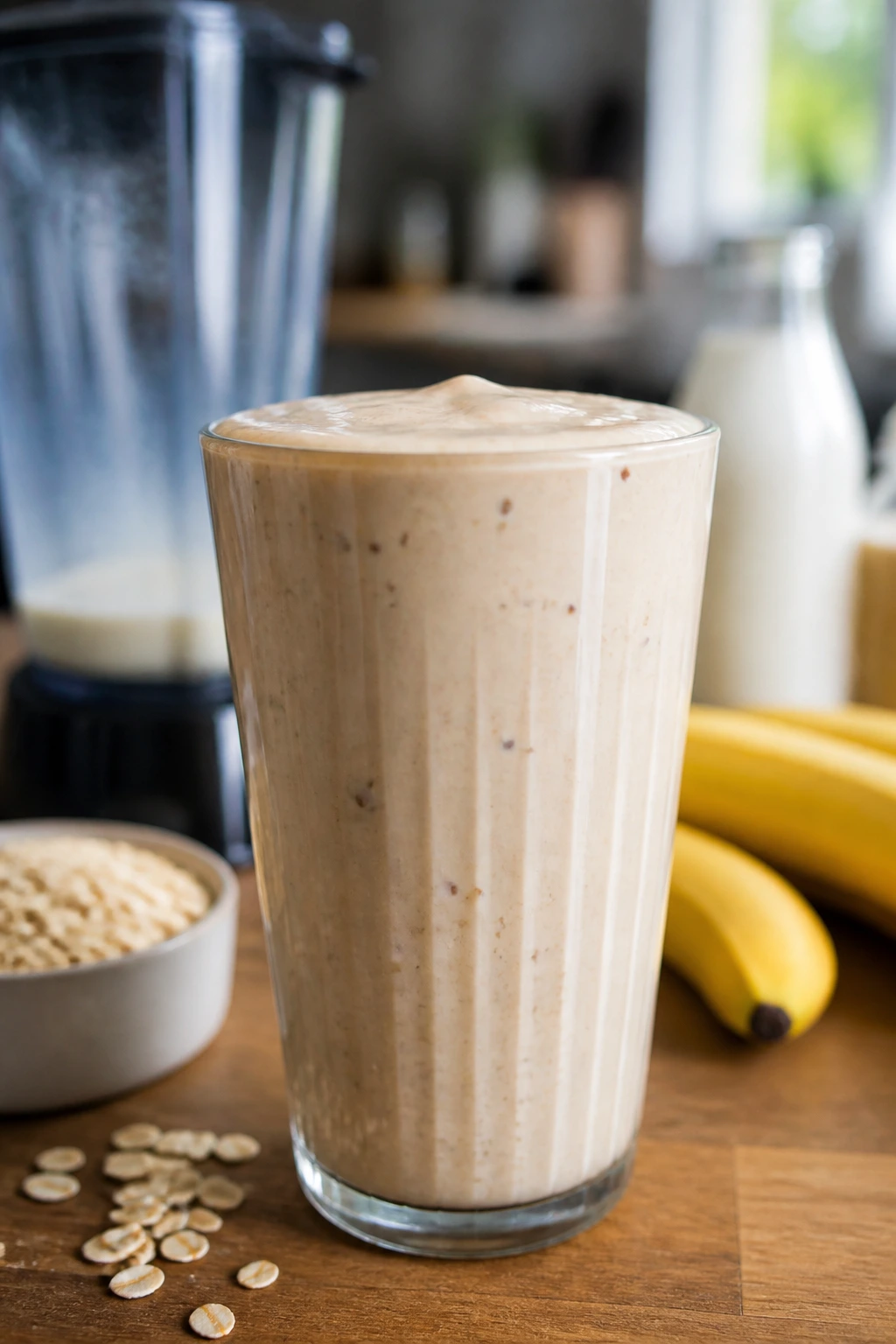
A blender can save a bulk.
This is the plan for people who say they’re “bad at eating enough,” which usually means solid food fills them up too fast. Smoothies and shakes let you push calories in without chewing through another mountain of food. Use milk or soy milk, protein powder, oats, banana, peanut butter, yogurt, berries, and maybe honey or cocoa if you want more calories and a better taste.
A shake formula that works for a lot of lifters looks like this:
- 12 to 16 ounces milk or soy milk
- 1 scoop protein powder
- 1 banana
- 1/2 cup oats
- 1 to 2 tablespoons peanut butter
- Ice and cinnamon or cocoa
That can turn into a serious meal, and it goes down fast. If you train early, it can be breakfast. If you train later, it can sit between lunch and dinner and fill the calorie gap that would otherwise stay empty.
The best part is flexibility. You can make it thicker when you need a meal replacement or thinner when you want to drink it fast after training. Just don’t turn it into a sugar bomb with no protein. That’s a milkshake, not a glute-building tool.
Liquid calories are not glamorous. They are practical. Sometimes practical wins.
14. The Grab-and-Go Plan

No, you do not need a perfect meal prep system to build stronger glutes.
This plan is for busy people who work long hours, travel a lot, or flat-out hate cooking. The goal is to keep high-protein food close at hand so you do not end up eating whatever happens to be around. That usually means rotisserie chicken, microwave rice, tuna packets, hard-boiled eggs, fruit, wraps, hummus, pre-cooked lentils, nuts, beef jerky, and yogurt cups if dairy works for you.
It helps to keep a few emergency foods in your bag, desk drawer, or car. Not glamorous. Useful.
A good grab-and-go setup might be:
- one protein item,
- one carb item,
- one fruit,
- one snack with fat or extra protein.
That’s enough to keep meals from falling apart when your day gets messy. And messy days are the real test, not perfect ones.
I like this plan because it respects reality. Some people will not cook three times a day, and pretending otherwise is a waste of everyone’s time. If all you can manage is a rotisserie chicken, a rice cup, a banana, and a protein shake, that is still a better glute diet than skipping meals and then inhaling chips at 9 p.m.
Simple wins. Again and again.
15. The Recovery-First Rest-Day Plan
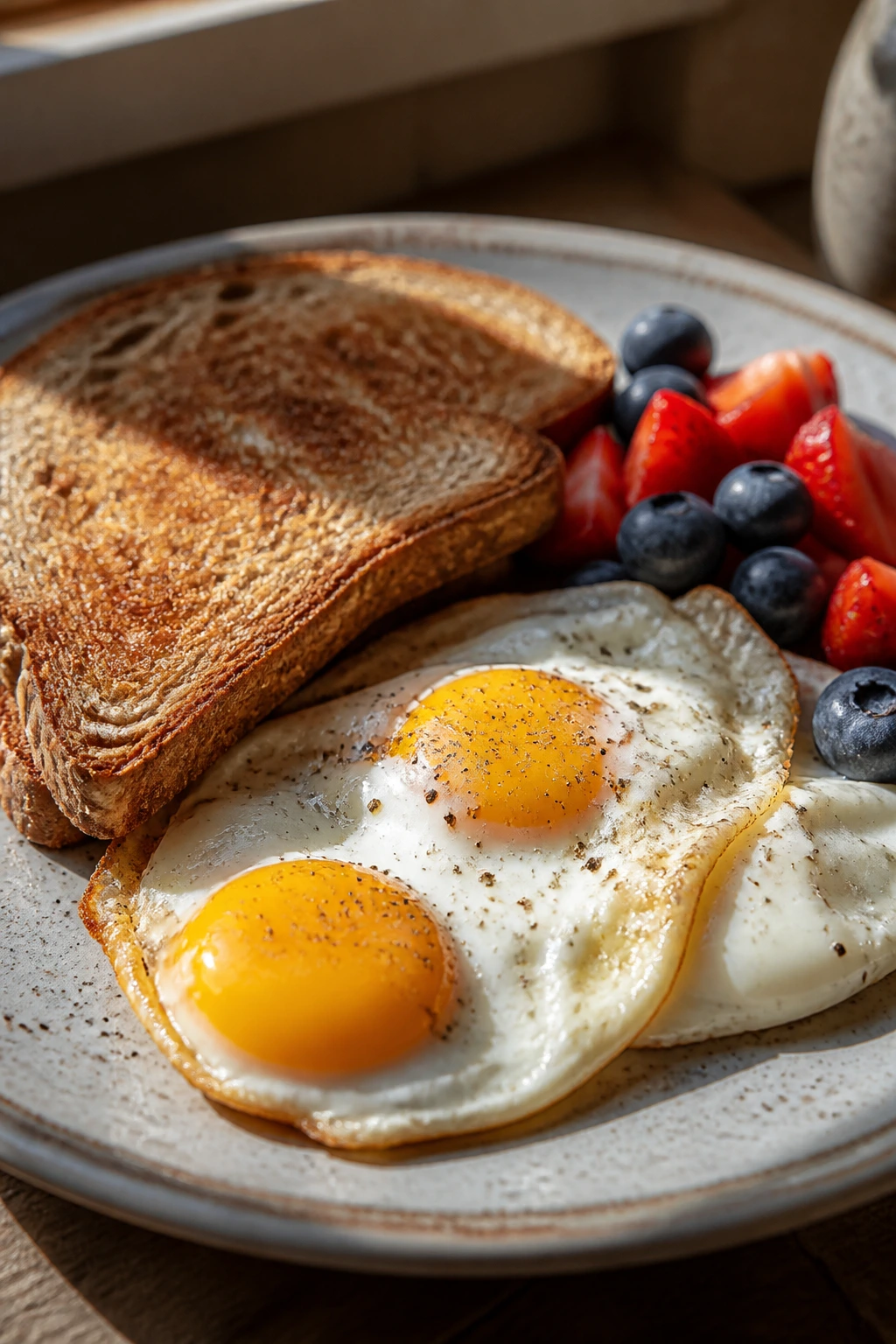
What happens on your rest days matters more than most people want to admit.
A lot of lifters train hard, then under-eat the next day because they assume the body only needs fuel when the bar is in their hands. That’s backward. Muscle is built during recovery, and recovery needs protein, energy, sleep, and enough micronutrients to keep the whole system running. Your glutes do not clock out when the gym closes.
What to keep constant
- Protein stays high: keep the same daily total you use on training days
- Calories stay close: you can trim carbs a little if appetite is low, but do not crash the day
- Produce stays in the mix: berries, greens, peppers, citrus, potatoes, tomatoes
- Hydration stays steady: water plus a little salt if you sweat a lot
This plan works best when rest-day meals feel calm, not punishing. Think eggs and toast, salmon with potatoes, chicken soup with rice, tofu bowls, or yogurt with fruit and nuts. If you dropped your carbs on a training day to time them better, bring them back up here if your body still needs the calories.
A recovery-first day is also a good time to look at sleep. Food cannot fix a terrible night, but a lighter dinner with enough protein, some carbs, and a not-too-heavy stomach can help the next one go better. That matters. A lot.
Keep the rest day quiet, not empty. There’s a difference.
The Bottom Line
The best diet for stronger glutes is the one that gets you enough food, enough protein, and enough energy to train hard without wrecking your appetite or your stomach. That can mean a small surplus, a carb-heavy leg-day setup, a plant-based stack, or a liquid-calorie plan that sneaks in the calories you were missing.
I’d start with the simplest version that fits your life, then adjust only one thing at a time. More food. A little more carb around training. Better protein distribution. That kind of steady tweaking beats jumping from plan to plan because the internet made one of them sound clever.
A glute plan that survives a tired Wednesday is worth more than a perfect one that falls apart by Thursday.
