



Sunday dinner has a funny way of making ordinary food feel ceremonial. A roast in the oven, potatoes softening on the stove, and a pan of onions turning sweet in butter can do more for a household than a flashy spread ever will.
The best family Sunday dinners do not need a trick. They need food that can feed a crowd, hold heat at the table, and still taste good when somebody comes back for a second plate after the first round of stories has run long. That usually means a centerpiece with a little weight—chicken, beef, ham, pork, pasta, stew—plus sides sturdy enough to handle gravy without collapsing.
What makes these meals endure is not nostalgia alone. A well-roasted chicken gives you crisp skin and a gravy made from its own drippings; a pot roast turns a cheap cut into something spoon-tender; a pan of lasagna gives you clean slices after a short rest. Those small kitchen truths are why the same dishes keep showing up on long tables, year after year, in one form or another.
Some families lean Italian. Some lean Southern. Some have a Sunday roast that smells like garlic and rosemary, while others swear by fried chicken, baked ziti, or a big pot of stew. The names change. The rhythm does not. And that rhythm starts with the first dish below.
1. Roast Chicken with Pan Gravy
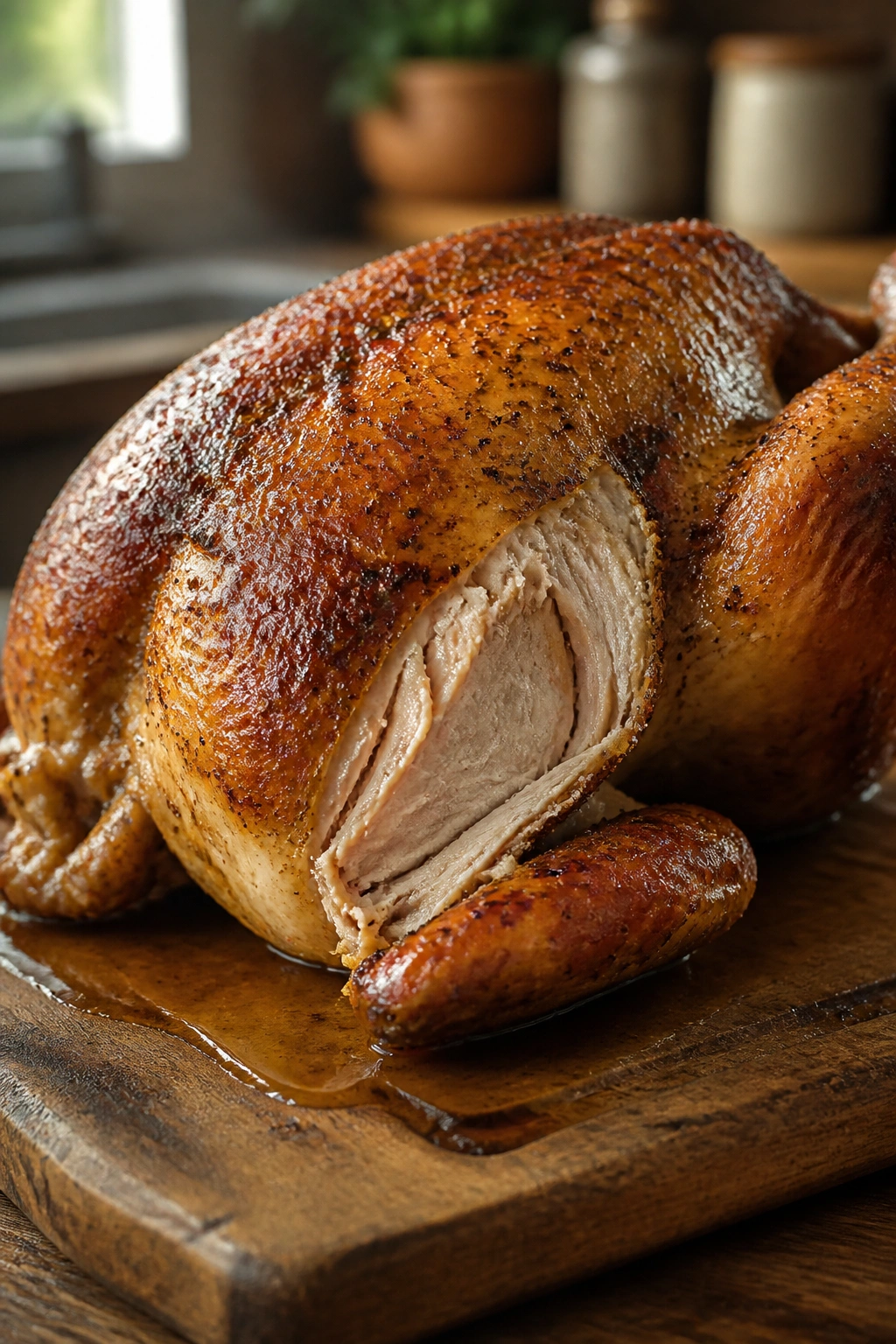
A roast chicken is the quiet hero of the Sunday table. It looks modest on the outside, then opens up into crisp skin, juicy dark meat, and breast meat that stays worth eating if you do not overcook it. The best part is the pan gravy, which catches all the good stuff hiding in the drippings and turns it into something spoonable.
One bird can feed a family without feeling skimpy. Add mashed potatoes, green beans, or carrots, and the whole meal lands in that sweet spot where nobody leaves hungry but the plate still feels clean and balanced. That gravy matters. Dry chicken becomes a complaint; chicken with gravy becomes dinner people remember.
There is also a nutrition side to it that makes sense. You get a solid protein center, and you can build the rest of the plate around vegetables instead of piling on heavy extras. If you want a lighter Sunday meal, this is one of the easiest places to start.
Leftovers are half the charm. Cold roast chicken makes good sandwiches, and the bones are the start of soup. Nothing about it feels wasteful, which is probably why it keeps showing up on family tables.
2. Beef Pot Roast with Carrots and Potatoes
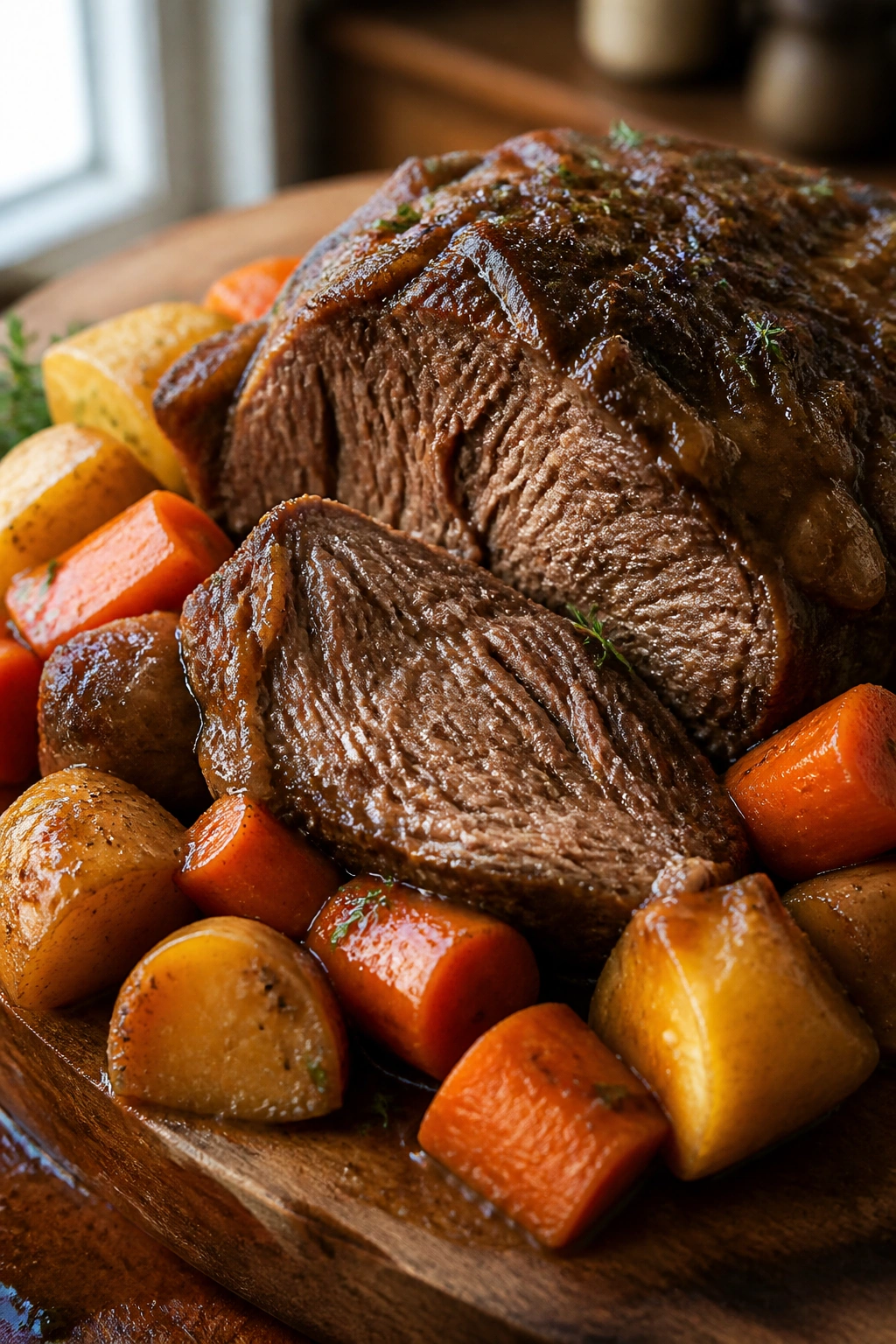
Why does pot roast still feel like the right answer when the table needs to feed people who all arrive hungry at different times? Because it solves the whole problem in one pot. A chuck roast, blade roast, or brisket cut with enough marbling slowly gives itself up, and what starts as a tough piece of meat becomes tender enough to pull apart with a fork.
Why It Feels Bigger Than It Is
The vegetables matter just as much as the beef. Carrots, onions, potatoes, and sometimes parsnips soak up the broth and take on that deep, savory taste that makes people keep picking at the pan after dinner. You do not need a stack of side dishes when the roast is done well. The pot already did most of the work.
- Best cut: chuck roast is the safest bet because the fat and connective tissue turn silky over time.
- Best vegetables: carrots and potatoes hold their shape; celery and onions melt into the broth.
- Best payoff: leftovers get richer after a night in the fridge.
- Best plate balance: serve it with a crisp salad or green beans so the meal does not feel too heavy.
Pot roast also gives you something that people rarely say out loud but always appreciate: leftovers that taste even better the next day. The broth thickens, the beef gets deeper, and suddenly Monday lunch is sorted.
3. Meatloaf with Mashed Potatoes
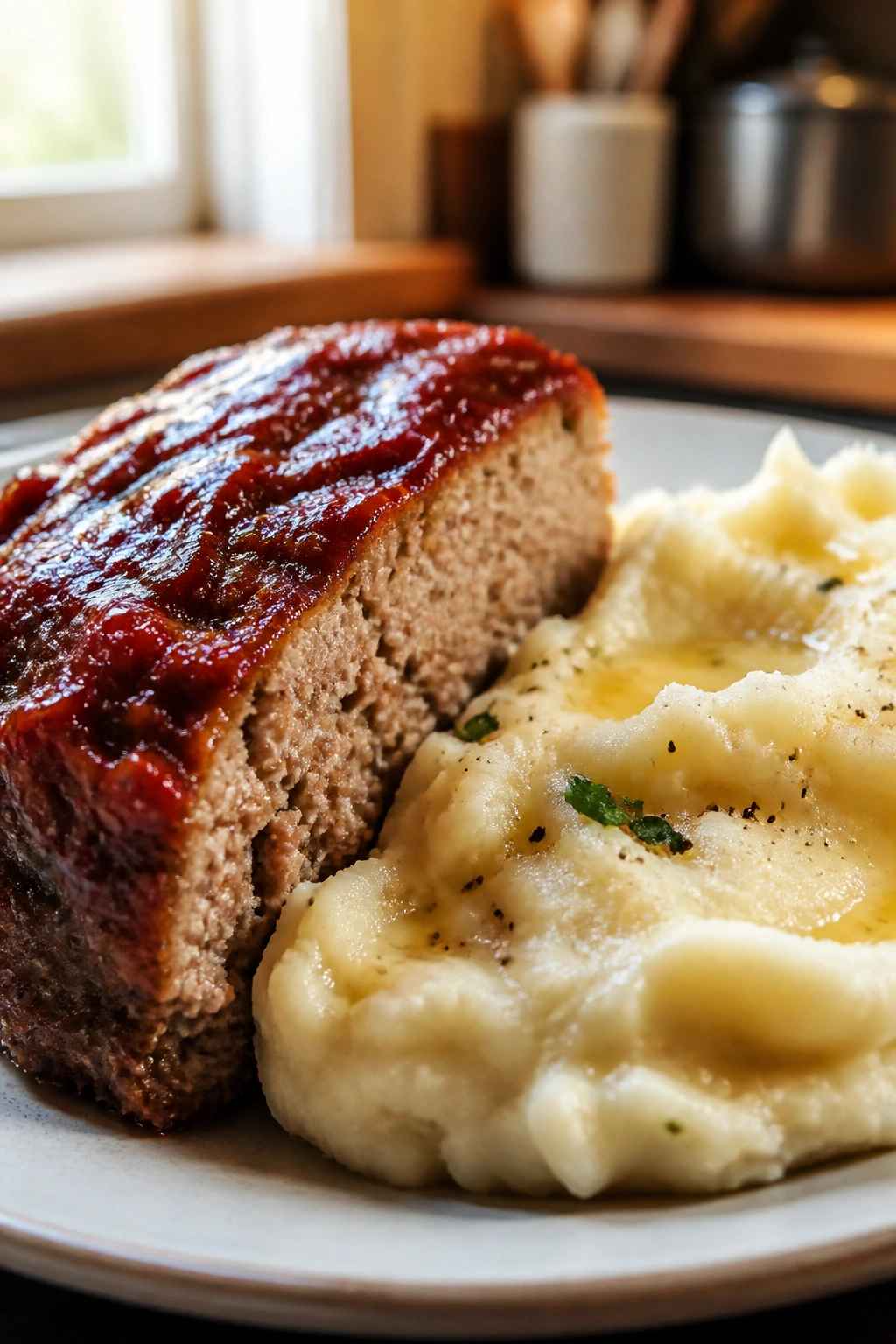
Meatloaf is the dish people dismiss until they get a good slice. Then they understand why it survived in so many kitchens. A loaf made with ground beef, breadcrumbs, onion, egg, and a tangy glaze lands somewhere between homey and practical, which is exactly where Sunday dinner often lives.
A good meatloaf should slice cleanly and hold together without turning dense. That sounds simple, but it is where a lot of bad versions fall apart. Too dry and it feels dusty. Too wet and it slumps. The sweet spot is a tender slice with a browned top and enough structure to sit next to mashed potatoes without collapsing.
The meal works nutritionally because it stretches well. You can mix in grated onion, mushrooms, or a little zucchini, and nobody at the table will complain if the loaf tastes good and the texture stays right. That balance is the whole trick. It is filling, familiar, and easy to serve with peas, carrots, or a green bean side.
Meatloaf also has one useful advantage over fancier roasts: it does not ask for a ceremony. It just asks for a hot oven and a hungry family.
4. Baked Ham with Honey Mustard Glaze
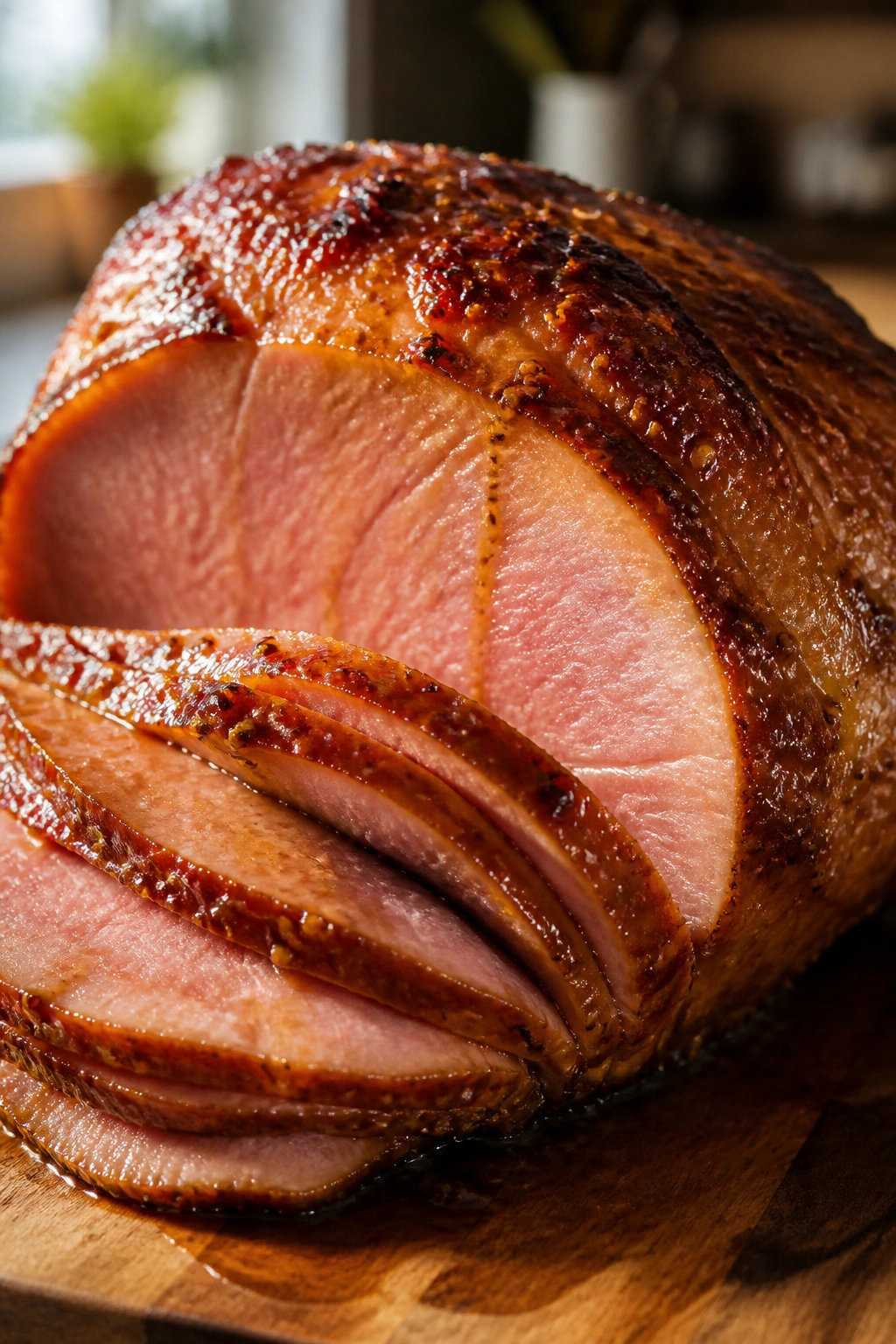
A baked ham changes the room the minute it comes out of the oven. There is something about that glossy surface, the salty-sweet aroma, and the promise of thick slices stacked on a platter that makes dinner feel generous before anyone has even sat down. Spiral-cut ham is easy to serve, but a whole ham usually stays juicier if you can manage the carving.
This is a dish that works especially well when you want a lot of food with very little fuss. The glaze can lean sweet, sharp, smoky, or all three at once, and the saltiness of the ham loves something bright beside it. Mustard greens, green beans, cabbage, or a sharp slaw all make sense here.
The practical bonus is obvious. Ham leftovers are almost too useful: sandwiches, diced breakfast potatoes, bean soup, pea soup, omelets. A big Sunday ham feeds more than one meal, and there is comfort in that kind of efficiency.
If you keep the sides lighter, the plate stays balanced. A baked ham does not need a heavy hand on every corner of the table. It just needs a few good companions and a sharp knife.
5. Southern Fried Chicken and Biscuits
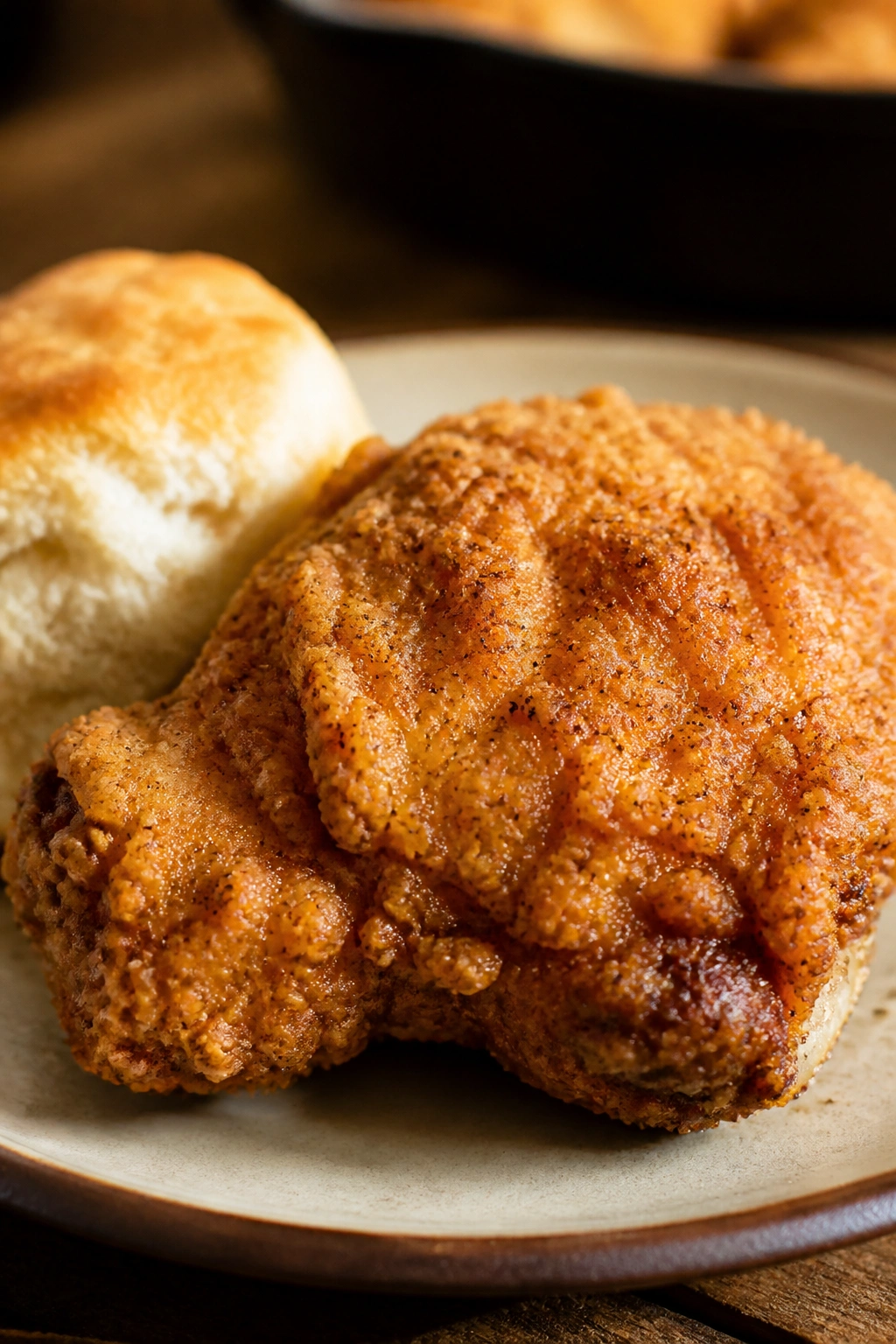
Some dinners need crunch. Fried chicken gives you that first crackle through the crust, then the juicier bite underneath, and there is no polite way to pretend that does not matter. The best versions have seasoning all the way through the flour, a crust that clings, and meat that still feels moist when the plate reaches the table.
A cast-iron skillet changes the whole thing. So does patience. If the oil is too cool, the crust drinks grease. Too hot, and the outside burns before the inside catches up. That is why fried chicken feels like an event even when the recipe itself is plain enough to fit in a handwritten notebook.
Biscuits belong here. Fluffy ones, preferably. They mop up juices, catch a little gravy, and make the meal feel complete without needing a pile of extra starches. Add collards, slaw, or corn, and the plate starts to make sense.
It is not the lightest Sunday dinner on the list. Nobody serious thinks it is. But when fried chicken is done well, it earns its place every time.
6. Chicken and Dumplings
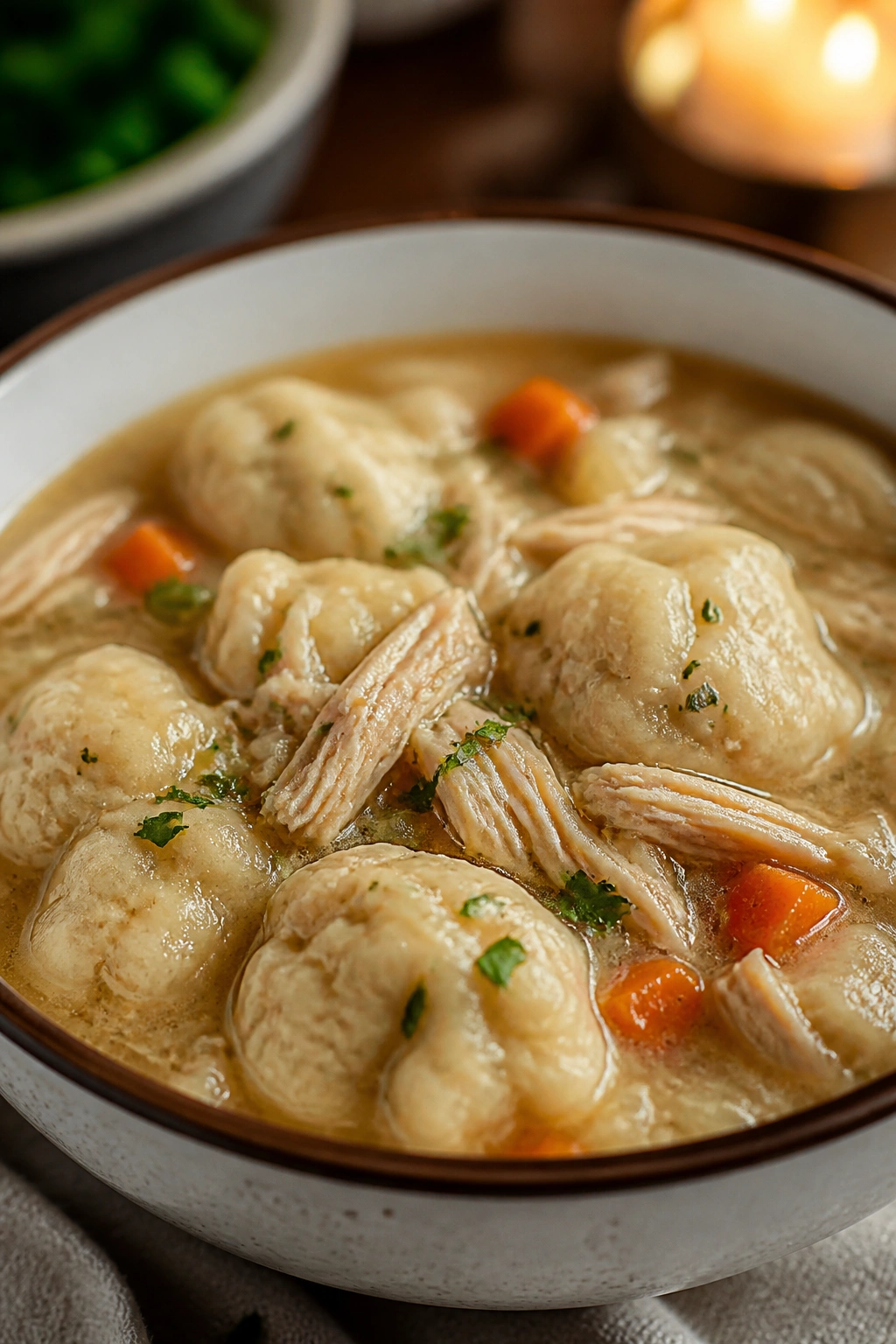
What else says comfort as plainly as chicken and dumplings? A pot of broth, tender chicken, carrots, celery, and soft dumplings floating on top has a way of calming the whole table before anyone takes the first spoonful. It is part soup, part stew, part memory.
The charm is in how it stretches. One chicken can become a big pot that feeds more people than you would expect, especially when the dumplings puff and take on some of the broth’s flavor. Flat dumplings feel rustic and old-school. Drop dumplings feel softer and more casual. Either way, the pot delivers a meal that is filling without being fussy.
This is also one of the better places to sneak in vegetables without making anyone complain. Peas, carrots, celery, even a little onion all work. The broth carries everything, and the dumplings keep the bowl from feeling thin.
A bowl of chicken and dumplings has a way of settling people down. That matters more than it gets credit for.
7. Lasagna with Slow-Simmered Tomato Sauce
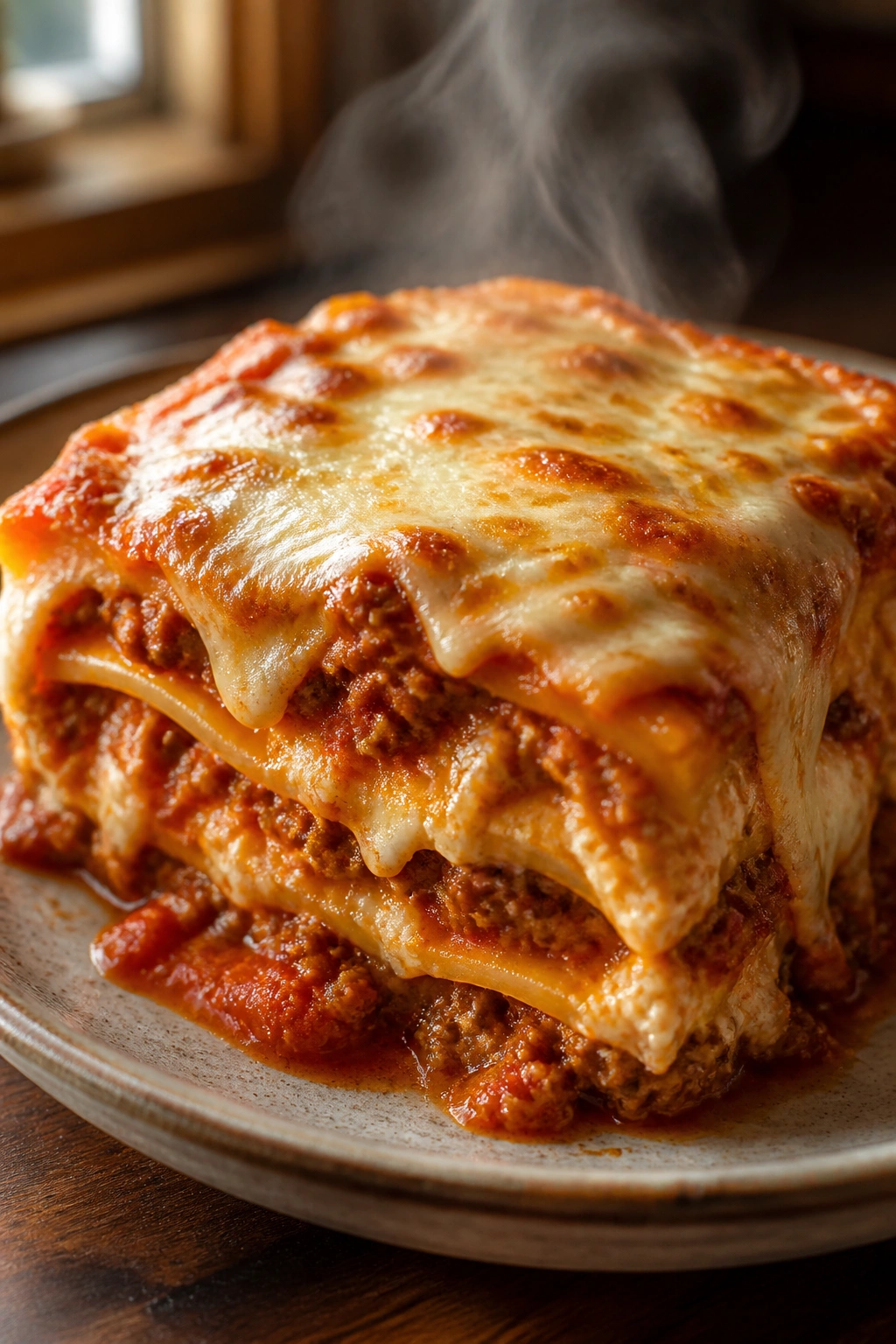
Unlike a weeknight pasta dish, lasagna is built for a long table and a little patience. It comes out in layers—noodles, ricotta, mozzarella, meat sauce, more cheese—and every square slice feels like it was meant to be handed over with care. You can make it rich and meaty, or go heavier on spinach and ricotta, and either way it still feels like Sunday food.
Why the Rest Matters
Lasagna needs a short rest before cutting, and that pause changes everything. Give it about 15 to 20 minutes, and the layers settle into clean slices instead of sliding into a casserole puddle. That one detail saves more dinners than people realize.
The sauce is where the flavor lives. A slow tomato sauce with garlic, onion, basil, and a little oregano gives the dish its backbone. If the sauce tastes flat on its own, the whole pan will taste flat. No amount of cheese fixes that.
Serve it with salad and bread, and you have the kind of meal that can handle a crowd without anybody needing to stand over the stove at the last minute.
8. Spaghetti and Meatballs
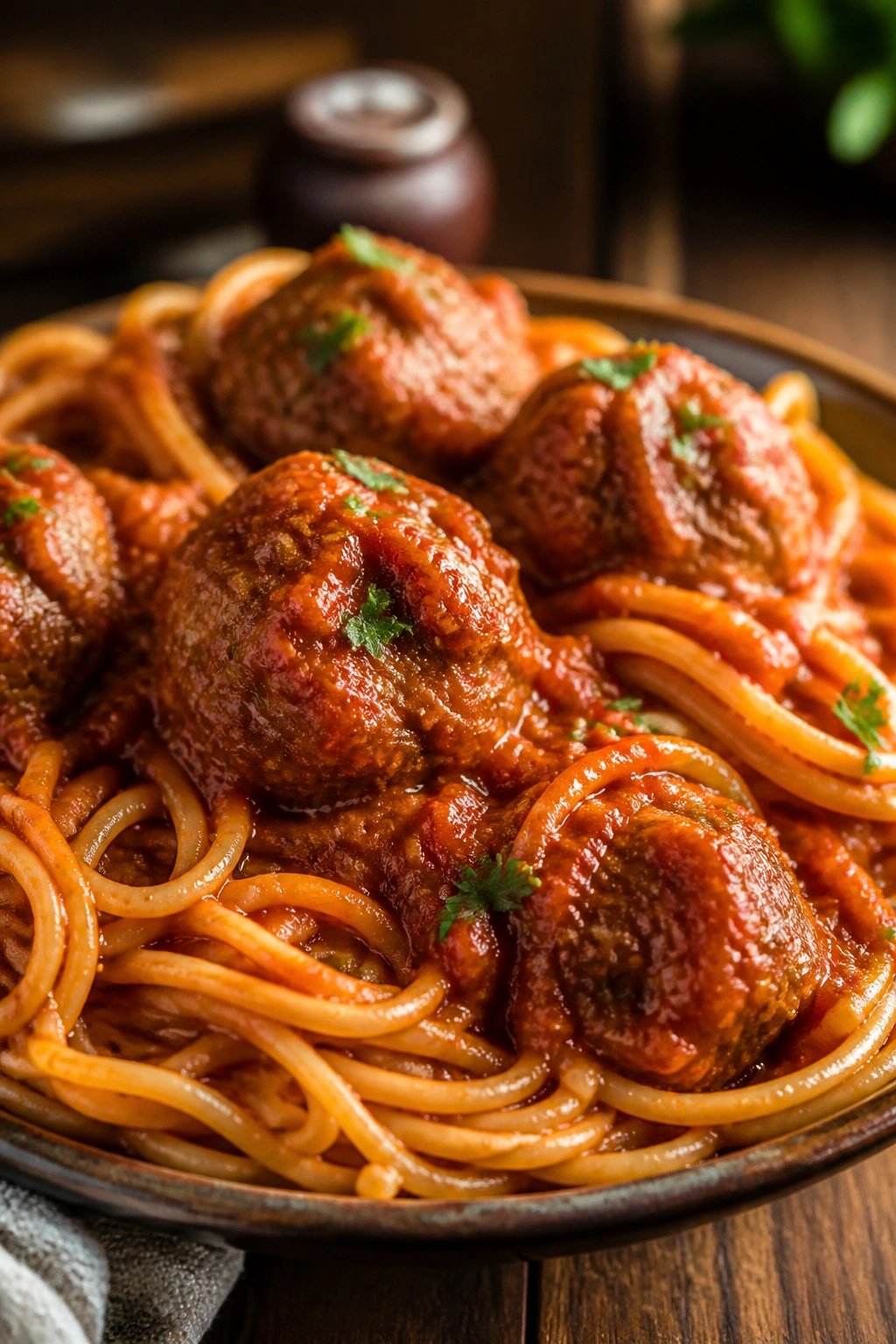
A big bowl of spaghetti and meatballs feels like a family argument that ended in a truce. Everyone knows the shape of it. The sauce clings, the noodles twirl, the meatballs sit in the middle like little anchors, and garlic bread disappears faster than anyone wants to admit.
This is one of those Sunday dinners that can be as simple or as dressed up as you like. A sauce simmered with onion and tomato paste tastes deeper than a quick jarred version. Meatballs made with a mix of beef and pork usually stay softer and more flavorful than all-beef ones. None of that is fancy. It just works.
The nutritional upside is easy to miss because the meal feels so familiar. A tomato-based sauce brings acidity and some brightness, and if you serve a salad or roasted vegetables beside it, the plate stops feeling like pure starch. That makes a difference.
Spaghetti and meatballs also travel well through a house full of people. It can sit a little longer than you’d expect and still taste right, which is why it keeps showing up at Sunday tables.
9. Baked Ziti with Mozzarella and Ricotta
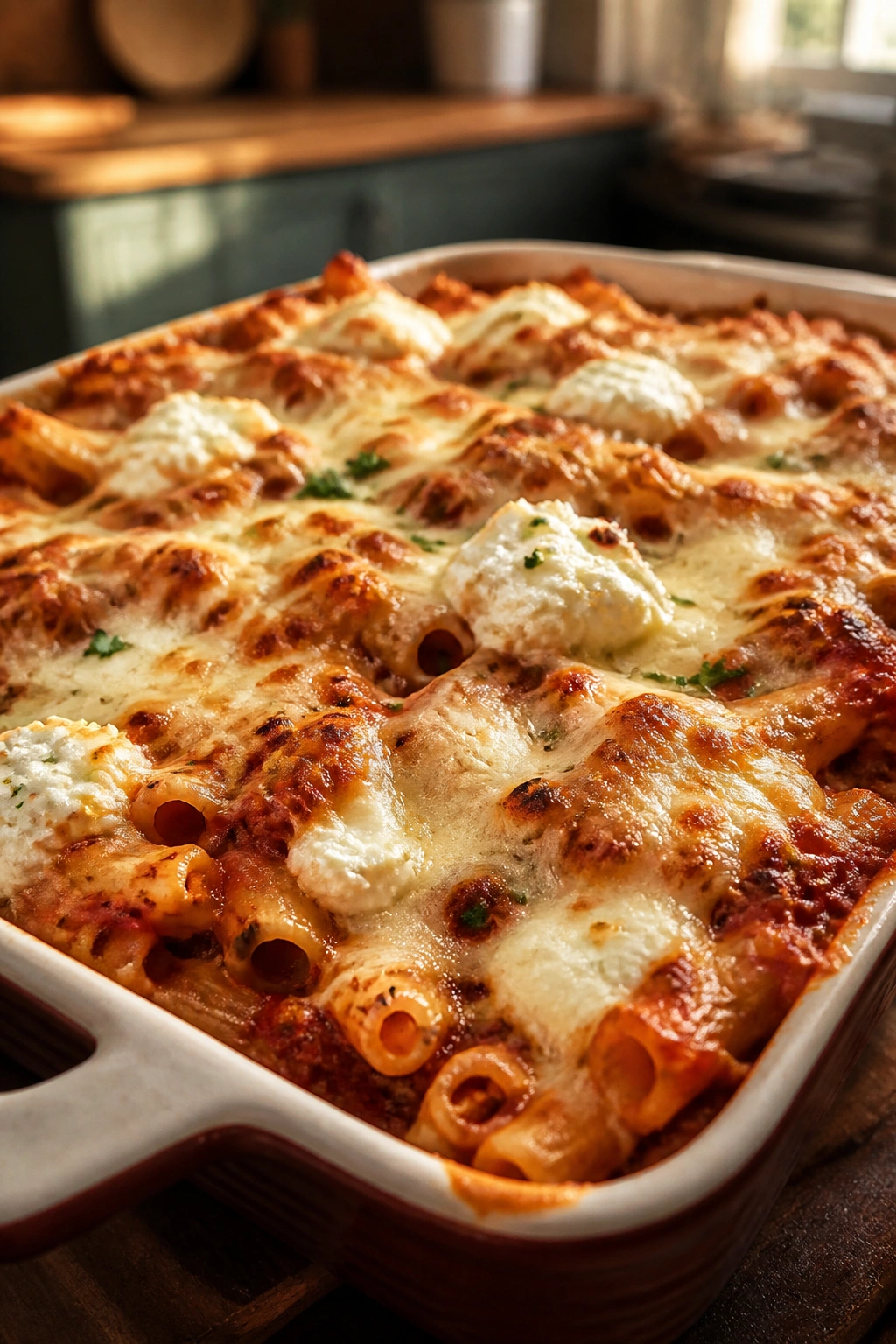
Baked ziti is lasagna’s easier cousin. It gives you the same comfort—red sauce, melted cheese, browned edges—but without the careful stacking. The pasta catches sauce in every tube, and the top turns into that slightly crisp, stretchy layer people fight over at the serving dish.
It is a smart choice for family Sunday dinners because it feeds a crowd without demanding precision. You can fold in sausage, spinach, mushrooms, or roasted peppers and still end up with something that feels familiar. The base is plain in the best way: pasta, sauce, ricotta, mozzarella, maybe parmesan.
This dish also reheats well, which is not glamorous but absolutely useful. A pan of baked ziti on Sunday means leftovers that still behave on Monday. The texture holds better than a lot of creamier casseroles, and that counts.
If you want one pasta bake that can stand in for a bigger meat-centered meal, this is the one I keep coming back to. It is simple, filling, and hard to mess up badly.
10. Pork Loin Roast with Apples and Onions
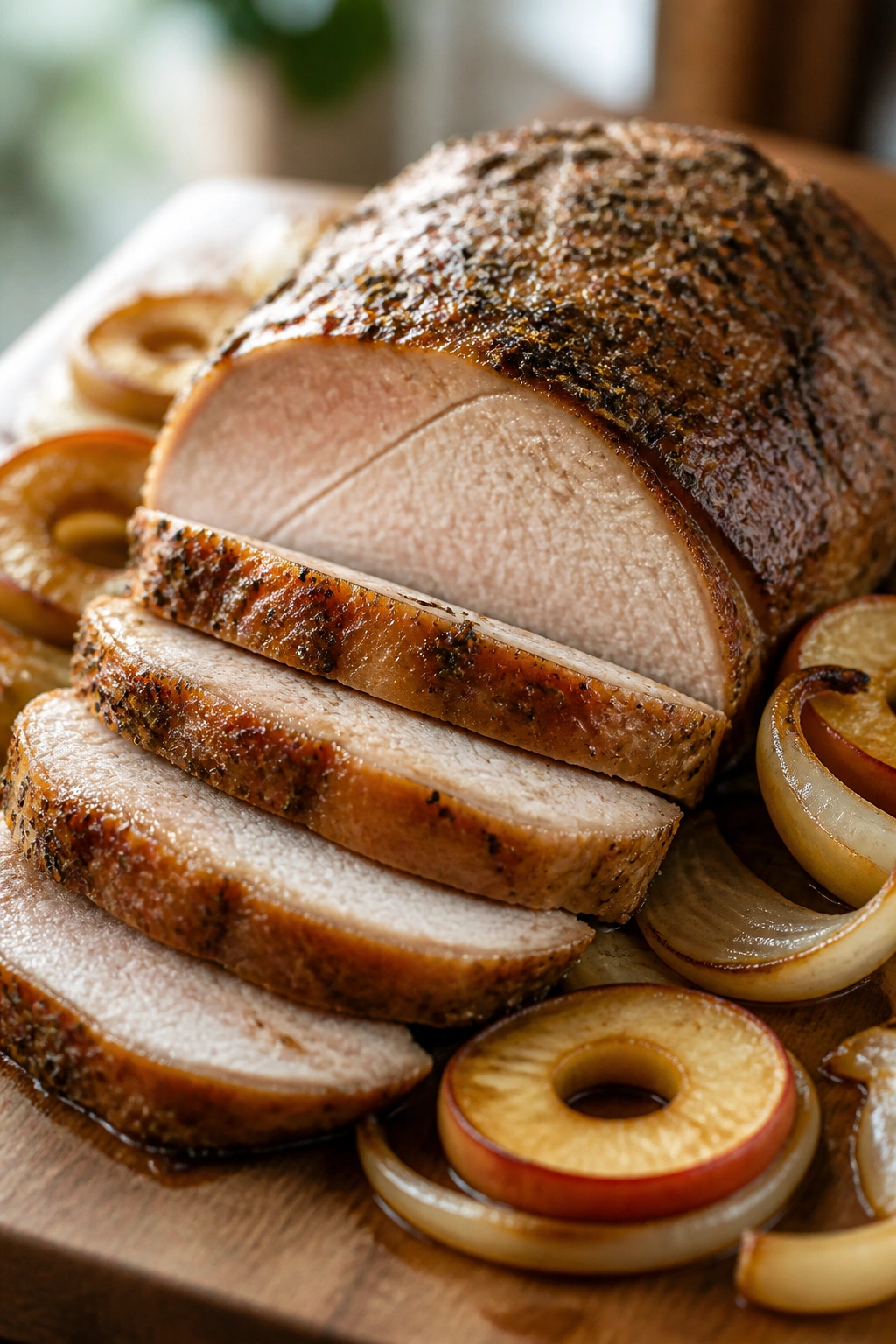
Why does pork loin love fruit so much? Because the cut is lean, and lean meat needs help. Apples and onions bring sweetness and moisture, which keeps the roast from tasting dry or flat. A little pan gravy or jus ties everything together and gives you a plate that feels finished.
Pork loin is one of those roasts that looks more polished than it actually is. Slice it thin, and you get neat portions that work well for a table with mixed appetites. Serve it with cabbage, roasted sweet potatoes, or green beans, and you get that clean combination of savory, sweet, and a little acidity that makes people keep eating.
There is a nutrition angle here too. Pork loin gives you solid protein without the heaviness of fattier cuts, so the rest of the meal can lean on vegetables and a modest starch. That is a nice change of pace after richer Sunday spreads.
The apple-onion pairing sounds old-fashioned because it is. That is part of the charm.
11. Shepherd’s Pie
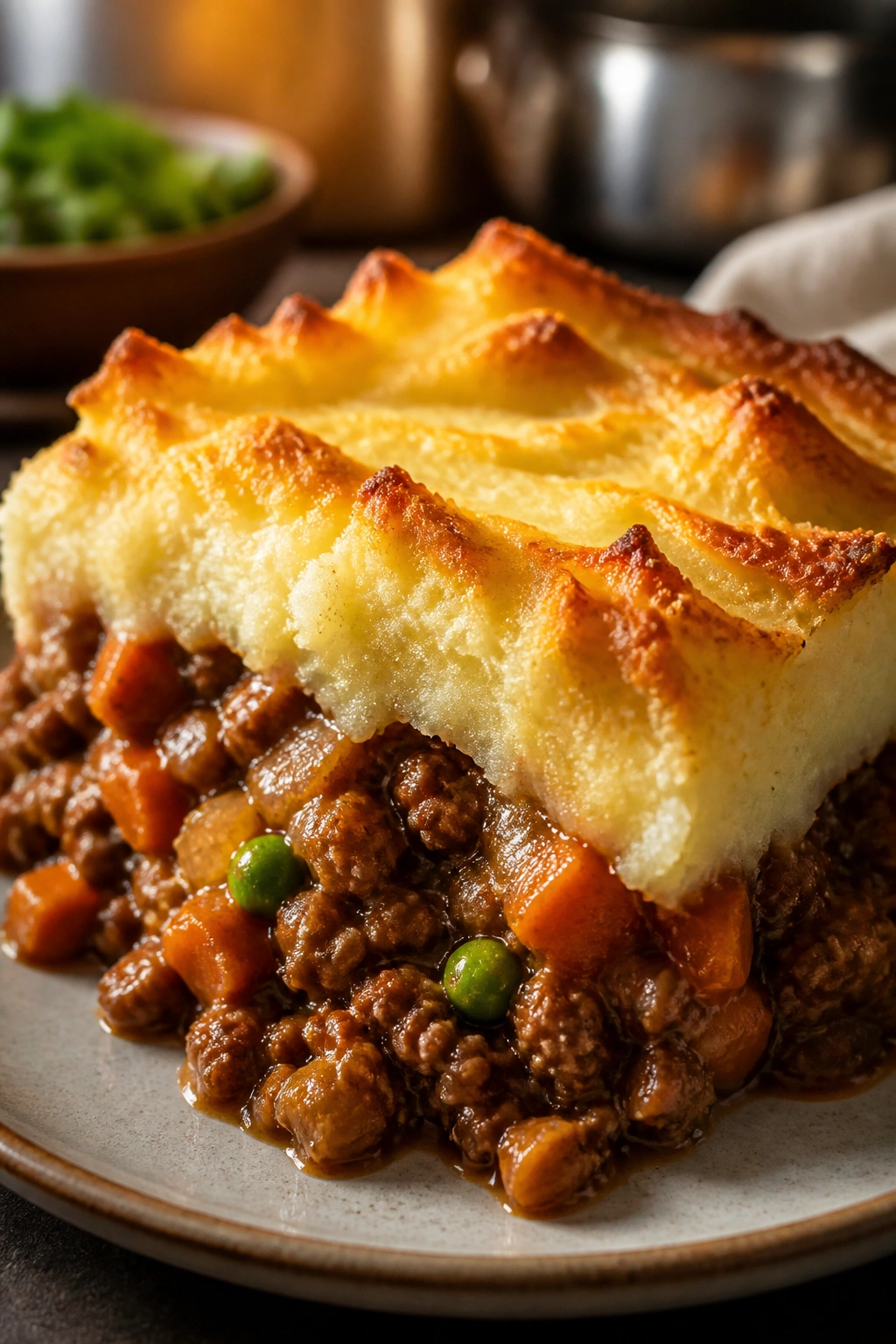
A properly made shepherd’s pie looks like leftovers wearing their Sunday clothes. Under the mashed potato top, you get seasoned meat, carrots, peas, onions, and a gravy that holds the whole thing together. It is humble food, but it does not eat humble.
What goes inside matters more than the crust of potatoes on top. The filling needs enough seasoning to stand on its own, because the mash is only part of the experience. Ground lamb gives it a more traditional flavor. Ground beef works too, and plenty of families use that because it is easier to find and cheaper to feed a crowd.
What Goes Inside
- Meat: lamb or beef, cooked until the fat tastes rich but not greasy.
- Vegetables: peas, carrots, onions, and sometimes corn.
- Sauce: a thick gravy that keeps the filling from drying out.
- Top: mashed potatoes spread in a thick layer so the edges brown a little.
This is one of the best one-dish dinners for families who want something filling without juggling four pans. One casserole dish, one serving spoon, and dinner is done.
12. Beef Stew with Crusty Bread
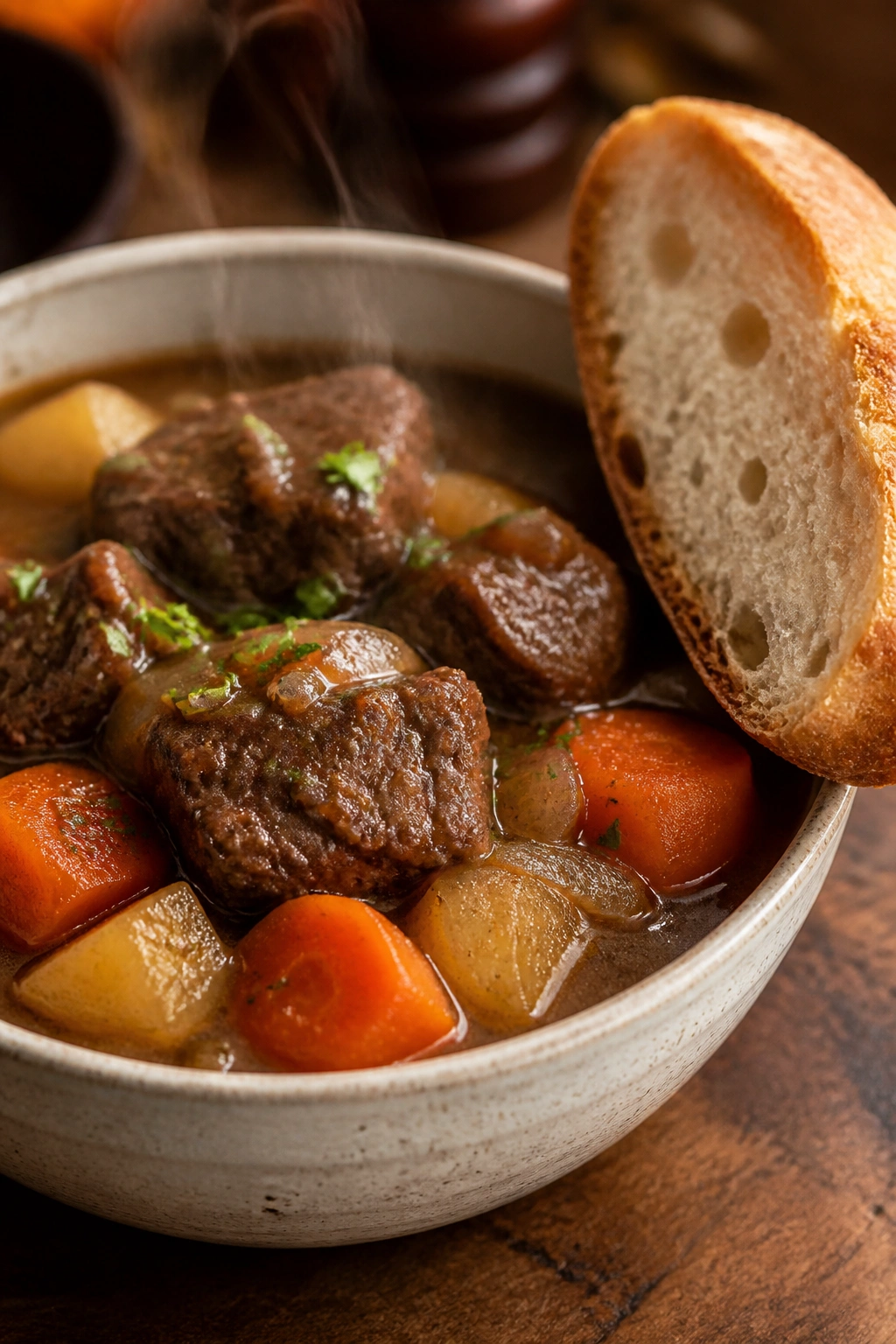
Beef stew is what happens when patience pays rent. Chuck, broth, onions, carrots, potatoes, and a few hours together in one pot create a meal that feels deeper than the sum of its parts. The meat softens. The broth thickens. The vegetables taste like they belong there instead of just showing up.
There is nothing flashy about it, and that is part of the appeal. A good stew does not need a garnish. It needs enough salt, a proper simmer, and a balance of meat and vegetables so every spoonful has something to chew and something to drink. Pearl onions, mushrooms, or parsnips can all fit without crowding the pot.
Crusty bread is the right partner because it does what bread should do at Sunday dinner: catch the broth and keep people from scraping the bowl with a spoon. If you like a heartier plate, a simple green salad on the side keeps the meal from feeling too heavy.
This is one of those dinners that tastes even better after a little rest, which is a lovely trait when the house is busy and the table is late.
13. Stuffed Cabbage Rolls
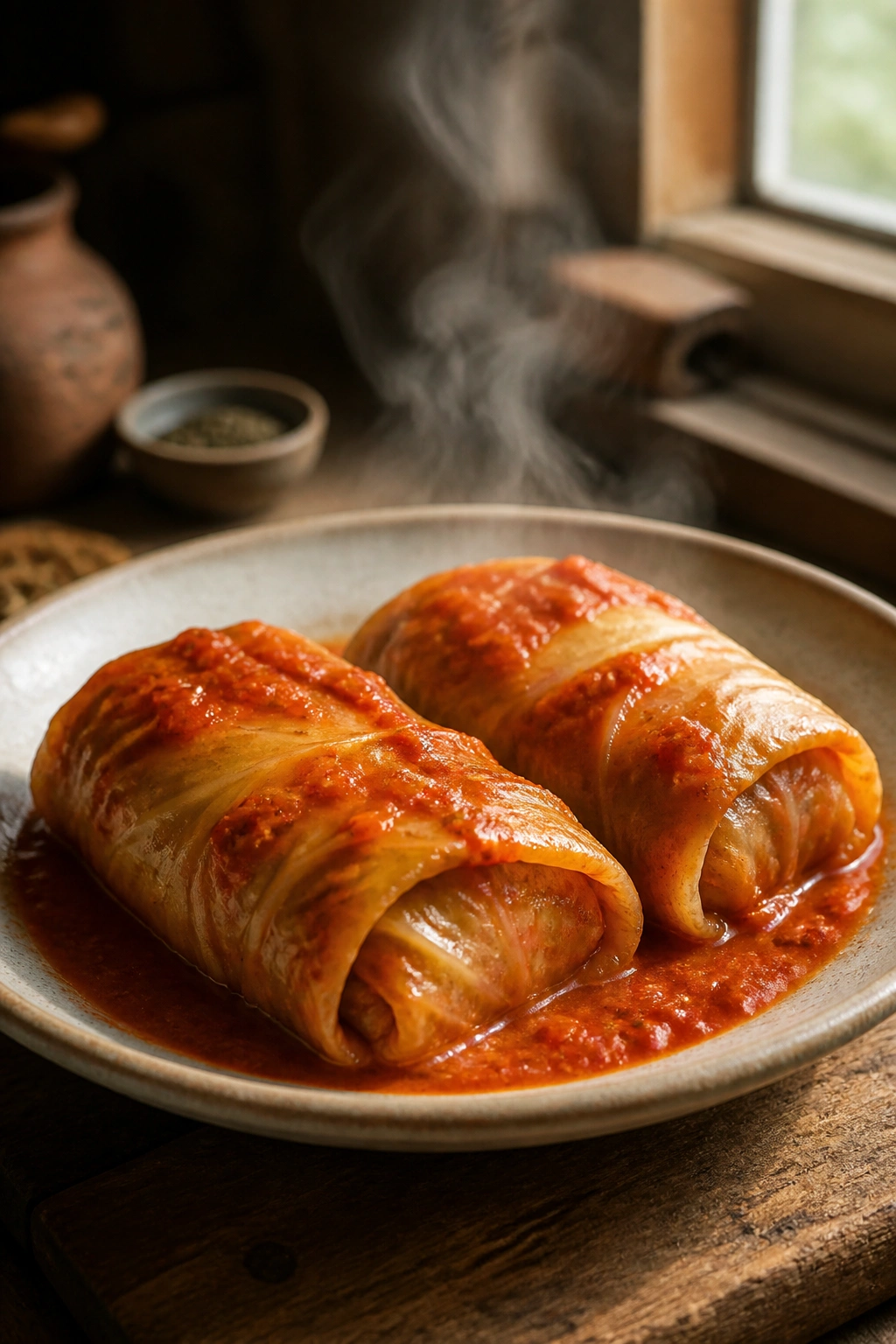
Old-style family dishes usually ask for time, and stuffed cabbage rolls are no exception. Tender cabbage leaves wrapped around rice, ground meat, herbs, and onion feel like the kind of food somebody’s grandmother knew by instinct. The tomato sauce on top pulls everything together and keeps the rolls moist as they bake.
The real beauty of cabbage rolls is how complete they feel. You have protein, starch, and vegetables in one neat parcel. That makes the meal easy to portion, easy to serve, and easy to freeze if the batch is large. It is not fast food. It is the opposite. It rewards the cook who does not mind a little rolling and tucking.
The flavor is gentle but steady. Not loud. That is why it works at a family table where people may want comfort more than surprise. Add sour cream or a simple herb garnish if that is part of your tradition, and the plate gets a little richer without losing its shape.
Some dishes feed a stomach. This one feeds a memory too.
14. Roast Leg of Lamb
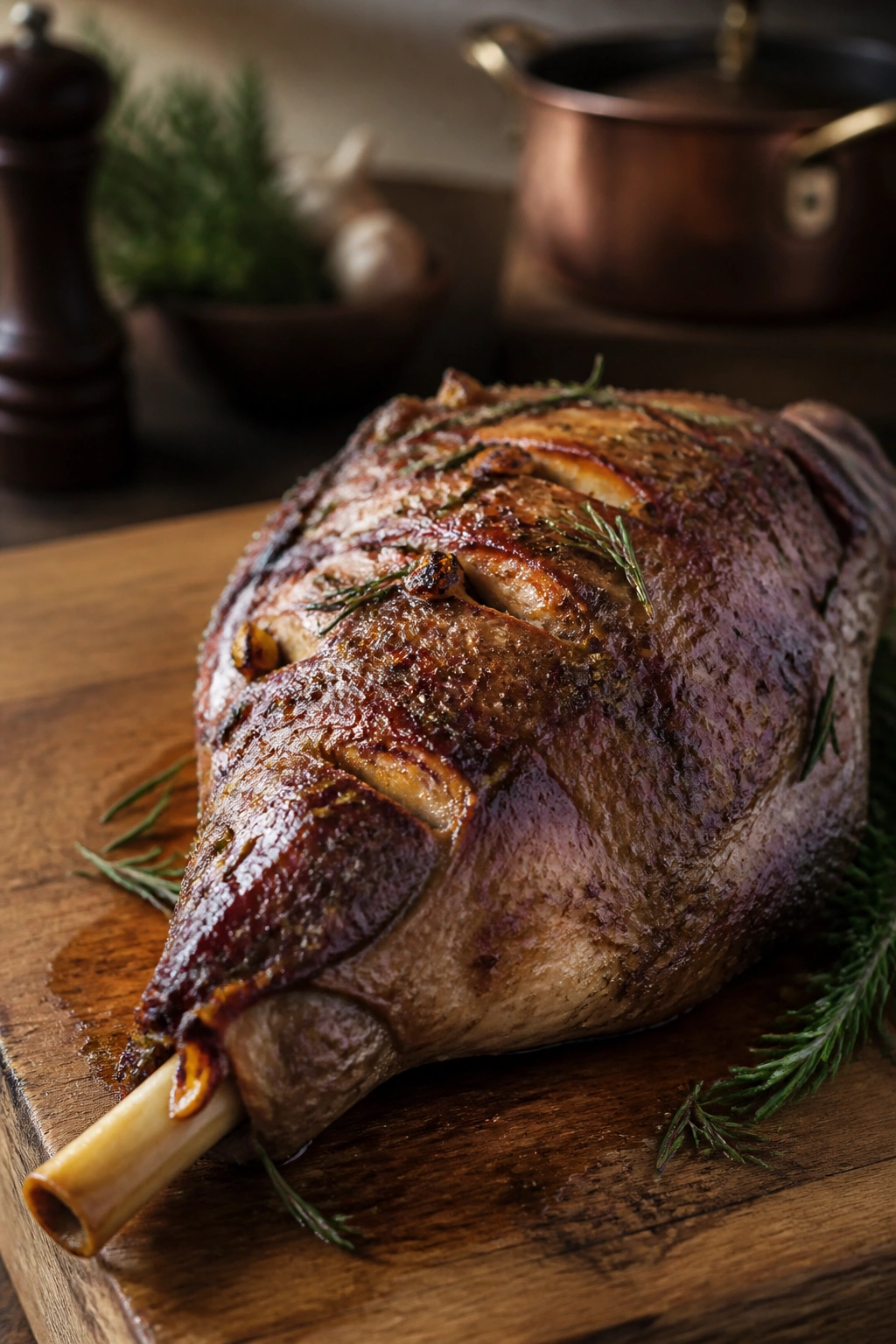
Lamb should not be reserved for rare occasions. A roast leg of lamb has the kind of deep, savory flavor that can carry a Sunday dinner all by itself, especially when garlic, rosemary, and a little lemon or mint show up nearby. It feels a touch more formal than chicken, but not so formal that it scares people off.
The best thing about lamb is that it brings its own character. You do not need to pile on ten extra flavors to make it interesting. Potatoes roasted in the drippings, peas, carrots, or a simple bean side are enough. A small amount of sharp sauce—mint, mustard, or even a bright herb relish—helps cut the richness.
It is also a meal where smaller portions satisfy. Lamb has enough flavor that you do not need a huge serving to feel like you ate well. That makes the whole table easier to balance, especially if you want the side dishes to matter too.
If your family likes a dinner that feels a bit different from the usual beef-and-chicken rotation, lamb is worth keeping in the mix.
15. Chicken Pot Pie
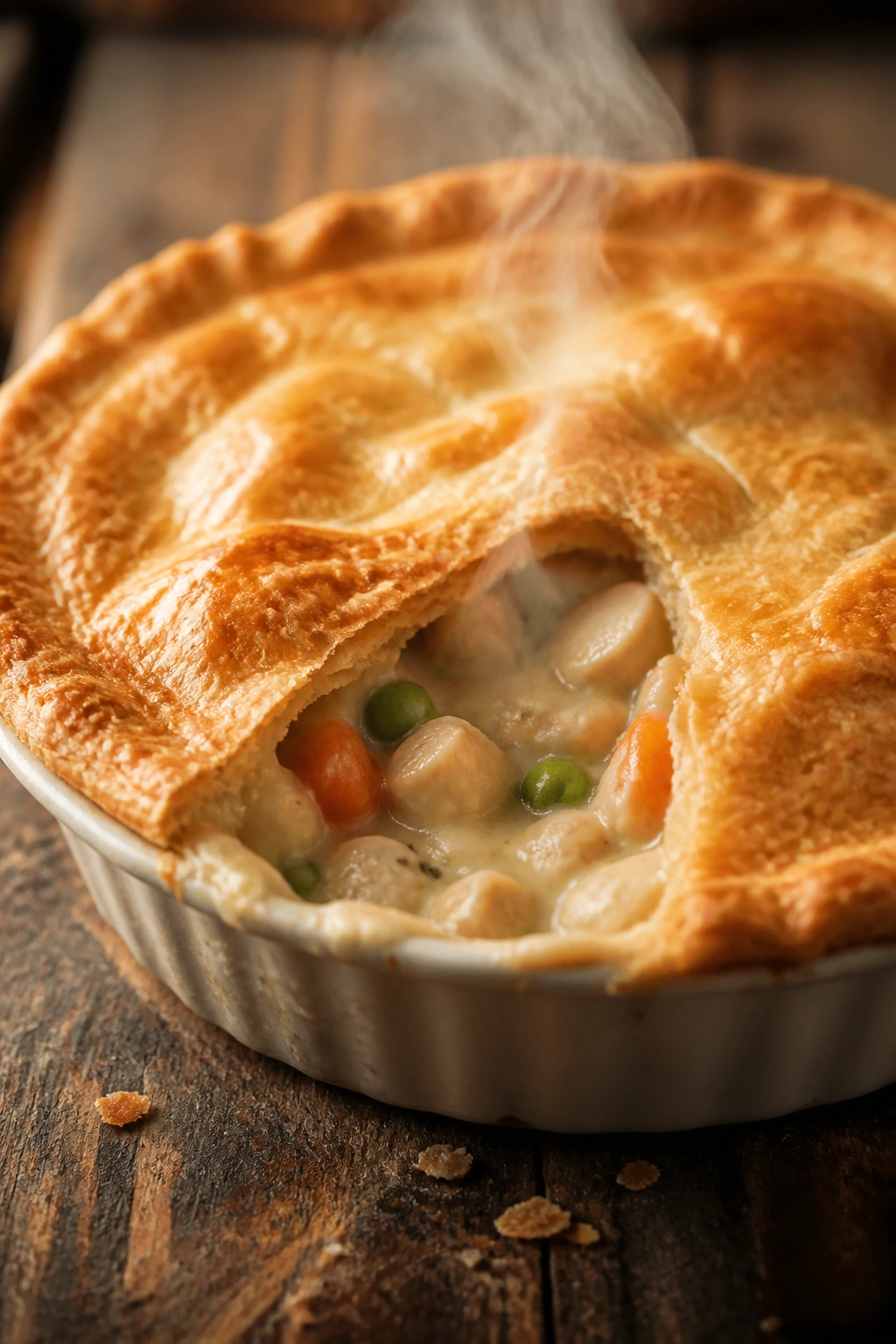
Why does a flaky lid make people go quiet at the table? Because chicken pot pie looks like comfort before the first bite even lands. Creamy filling, tender chicken, peas, carrots, celery, and a crust that breaks into buttery shards—there is a reason this dish keeps showing up in family kitchens.
Why the Crust Matters
The crust is not decoration. It gives the pie structure and a little contrast against the soft filling underneath. If the crust is pale and limp, the whole dish feels off. If it comes out browned and crisp, the filling has something to lean against.
Chicken pot pie also earns its place because it acts like a full meal in one dish. You do not need much else besides a green salad or simple greens. It is rich enough to satisfy but still flexible enough to handle extra mushrooms, corn, or herbs if your family likes a little more going on.
This is one of the smartest Sunday dinners when you want something that feels complete without laying out five separate serving bowls. One pie, one knife, and a table full of people who are suddenly less talkative.
16. Smothered Pork Chops and Rice
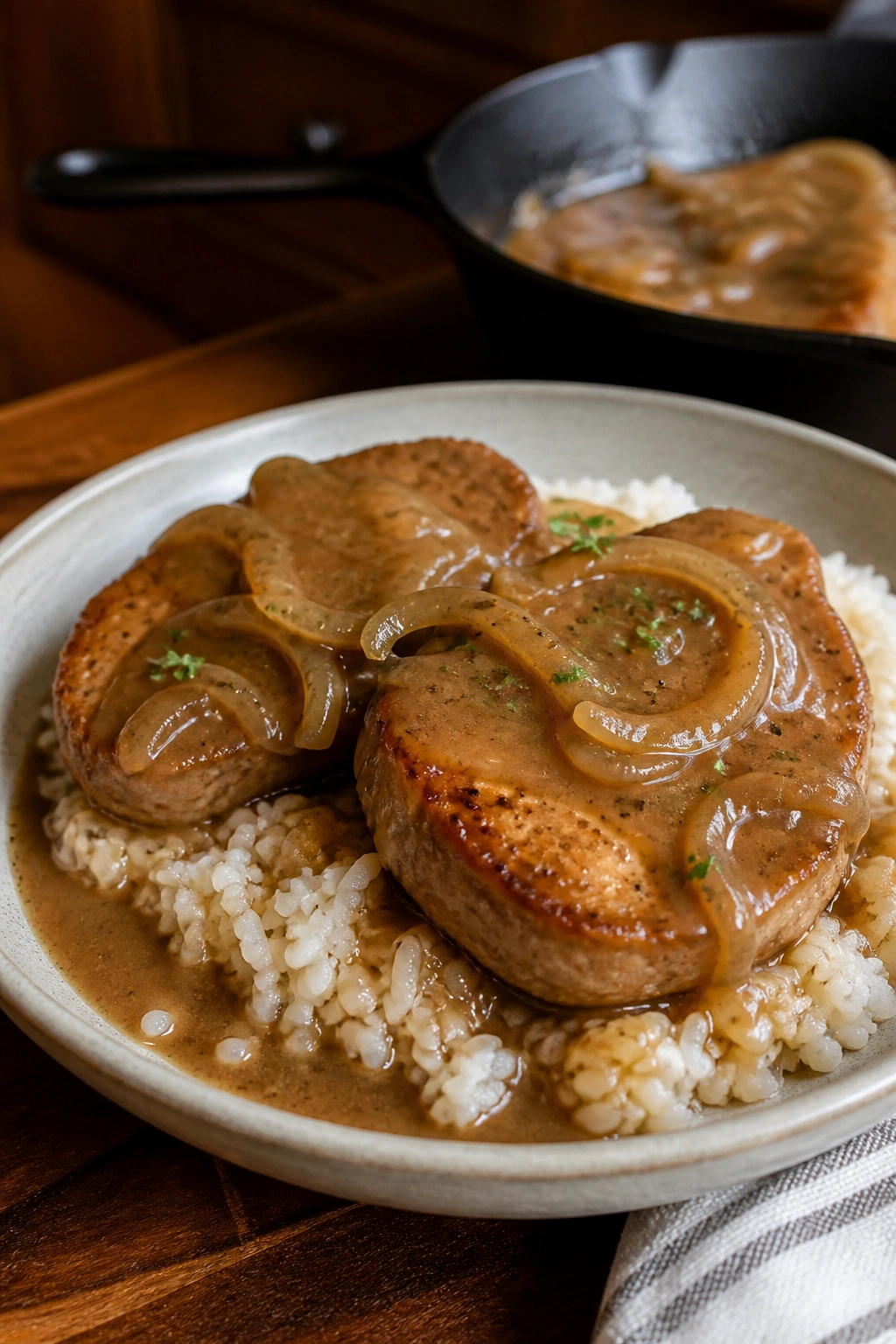
Gravy is what turns a pork chop into Sunday dinner. Smothered pork chops give you browned meat, onions softened down until they almost disappear, and a brown gravy that settles into the rice like it was meant to be there. It is one of the most satisfying budget-friendly plates on this list.
Bone-in chops usually hold up better than thin boneless ones, which can dry out fast. The sauce is doing a lot of the work here, so the rice matters too. White rice is the classic move because it soaks up gravy without stealing the show, though some families lean toward brown rice or mashed potatoes.
- Best companion: collard greens, green beans, or cabbage.
- Best texture: chops that stay tender under the gravy.
- Best use: feeding a crowd without stretching the budget too far.
- Best flavor note: onions should taste sweet, not harsh.
This dinner has a straightforward kind of power. It is not subtle. It is filling, savory, and built for people who want their gravy to reach the rice.
17. Sunday Brisket
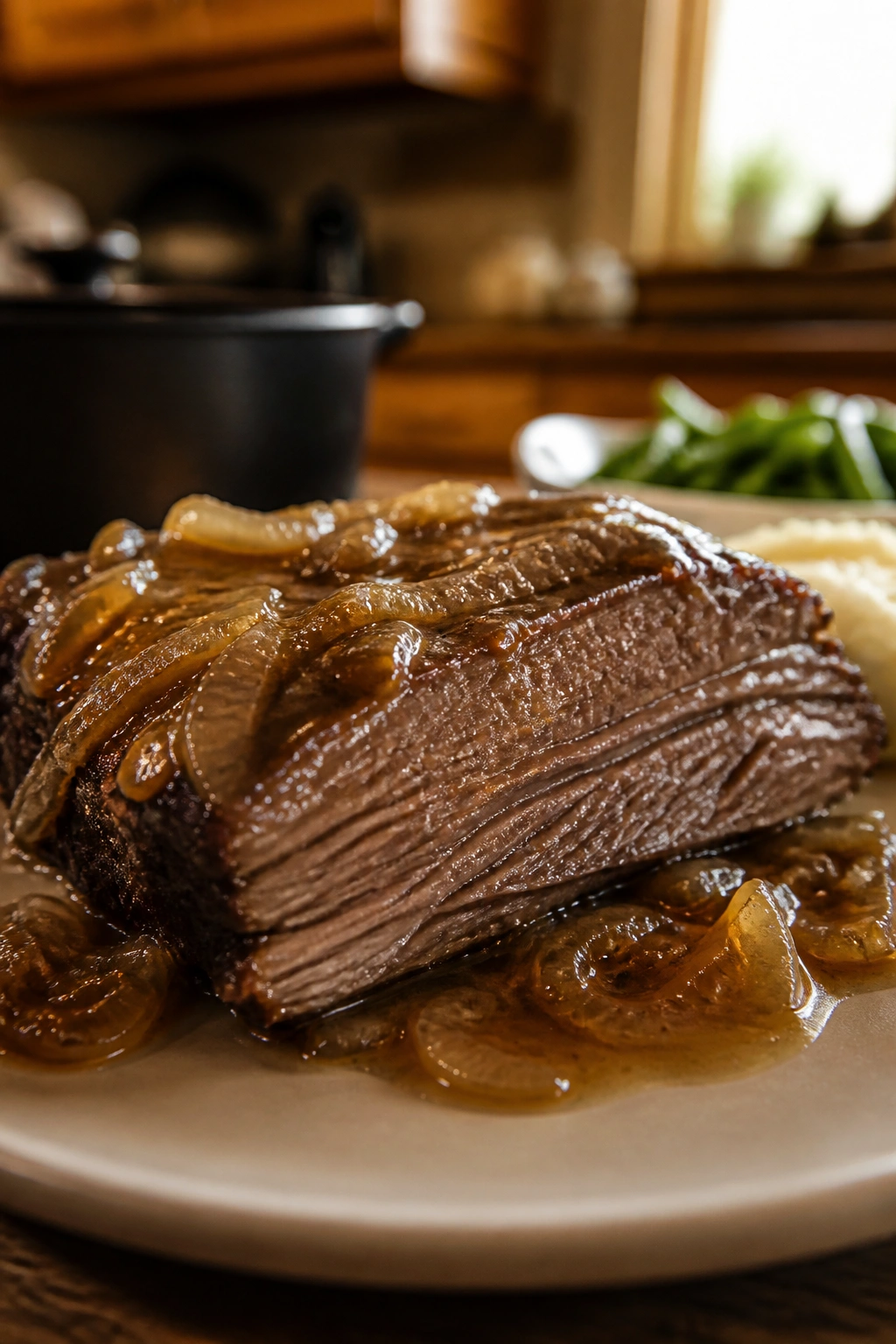
Brisket asks for time, and that is part of the appeal. Whether it is braised until it slices easily or roasted low and slow until the edges darken, brisket has a way of making the house smell like someone knows what they are doing. That alone buys it a place at the Sunday table.
The cut works because of its fat and connective tissue. Give it enough heat and enough patience, and it turns tender without losing its shape. Slice it across the grain, and suddenly the whole thing behaves better on the plate. Thick onion gravy, roasted potatoes, cabbage, or a sharp slaw can all sit beside it without getting lost.
Brisket also has one of the better leftover lives of any dinner meat. Thin slices on bread, chopped into hash, folded into a sandwich with pickles—none of that feels like punishment. It feels like the bonus round.
If your family likes a meal with a little smoke, a little sweetness, and a lot of substance, brisket belongs in the regular rotation.
18. Roast Turkey with Stuffing and Gravy
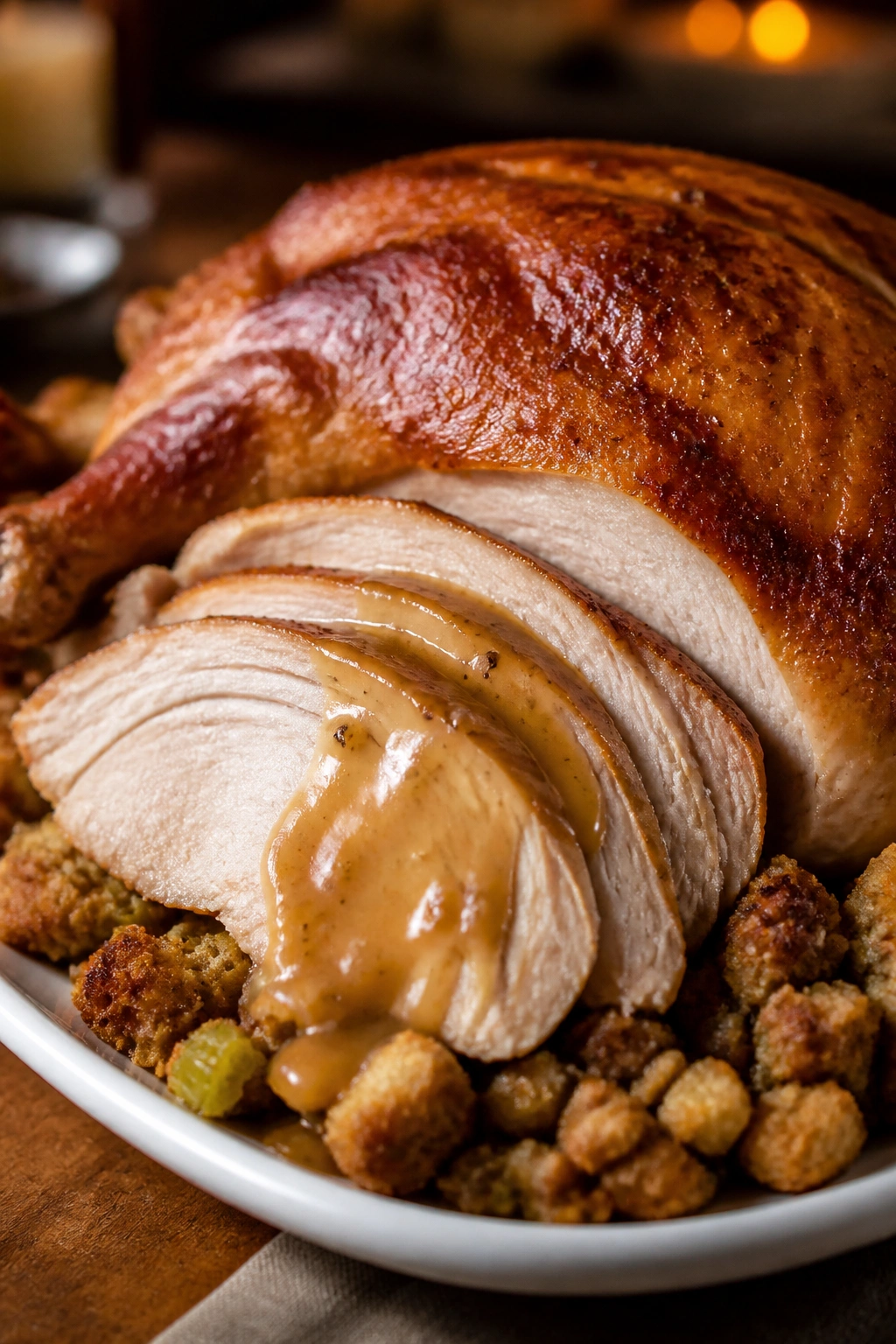
Turkey belongs at more than one kind of table. A well-roasted bird with stuffing, gravy, and a few sturdy sides can anchor a Sunday dinner for a large family without making the meal feel formal or stiff. The trick is keeping it juicy and treating the leftovers as part of the plan, not an afterthought.
A roast turkey gives you a lot of useful pieces. The breast slices neatly, the legs stay rich, and the carcass turns into stock if you are the sort of cook who likes to squeeze value from a bird. Add mashed potatoes, green beans, cranberry sauce, or roasted carrots, and the plate starts to feel complete fast.
The big advantage is scale. Turkey feeds a crowd with a little ceremony but not much drama. That is a useful combination when you want the table to feel full and welcoming without cooking three separate mains.
And the leftovers matter. Turkey sandwiches, soup, and chopped turkey with gravy over rice are not second-rate meals; they are part of the reason a big Sunday bird still makes sense. A good Sunday dinner should feed the people at the table and leave enough behind to make Monday a little easier.
