



6:30 PM on a Tuesday is the graveyard shift of the home cook. You’ve just walked through the front door, your brain feels like static, and the prospect of staring into the refrigerator to conjure a meal from thin air is enough to make you reach for the takeout menu. Most people treat cooking as a nightly crisis, a reactive scramble that begins the moment hunger hits. That approach is exactly why you end up eating cold cereal over the sink or ordering overpriced delivery three times a week.
True, sustained success in the kitchen doesn’t come from being a Michelin-star chef or possessing an endless amount of free time. It comes from treating your kitchen like a professional space, where systems replace guesswork. The goal isn’t to turn your life into a rigid military operation; it is about reclaiming your mental energy. When the “what’s for dinner” decision is already made before you even wake up, you free up hours of cognitive bandwidth that you can use for something—anything—other than panic-induced scrambling.
You have probably heard advice about meal prepping before, but most of it is impractical, Instagram-style nonsense that assumes you want to spend your entire Sunday weighing chicken breasts into plastic containers. That is not how real people live. Real food planning is about small, repeatable habits that integrate into your schedule, not take it over. It is about building a kitchen that works for you, rather than you working for your kitchen.
1. Batch-Cook Your Grains and Proteins
Cooking rice, quinoa, or a pound of chicken breast from scratch every single night is a recipe for burnout. It is inefficient. It is slow. Most of the time, the cleanup is actually more annoying than the cooking itself. Instead, dedicate one session—perhaps Sunday, or even a Wednesday morning if that fits your rhythm better—to knocking out the “foundation” components of your meals.
Why This Changes the Week
When you have a tub of cooked brown rice or a stash of shredded chicken ready, you are not cooking dinner; you are simply assembling it. You can take that grain, toss in some roasted vegetables, add a sauce, and you have a bowl in five minutes. This shifts your role in the kitchen from a chef preparing an event to a conductor managing a ready-made orchestra.
How to Execute Efficiently
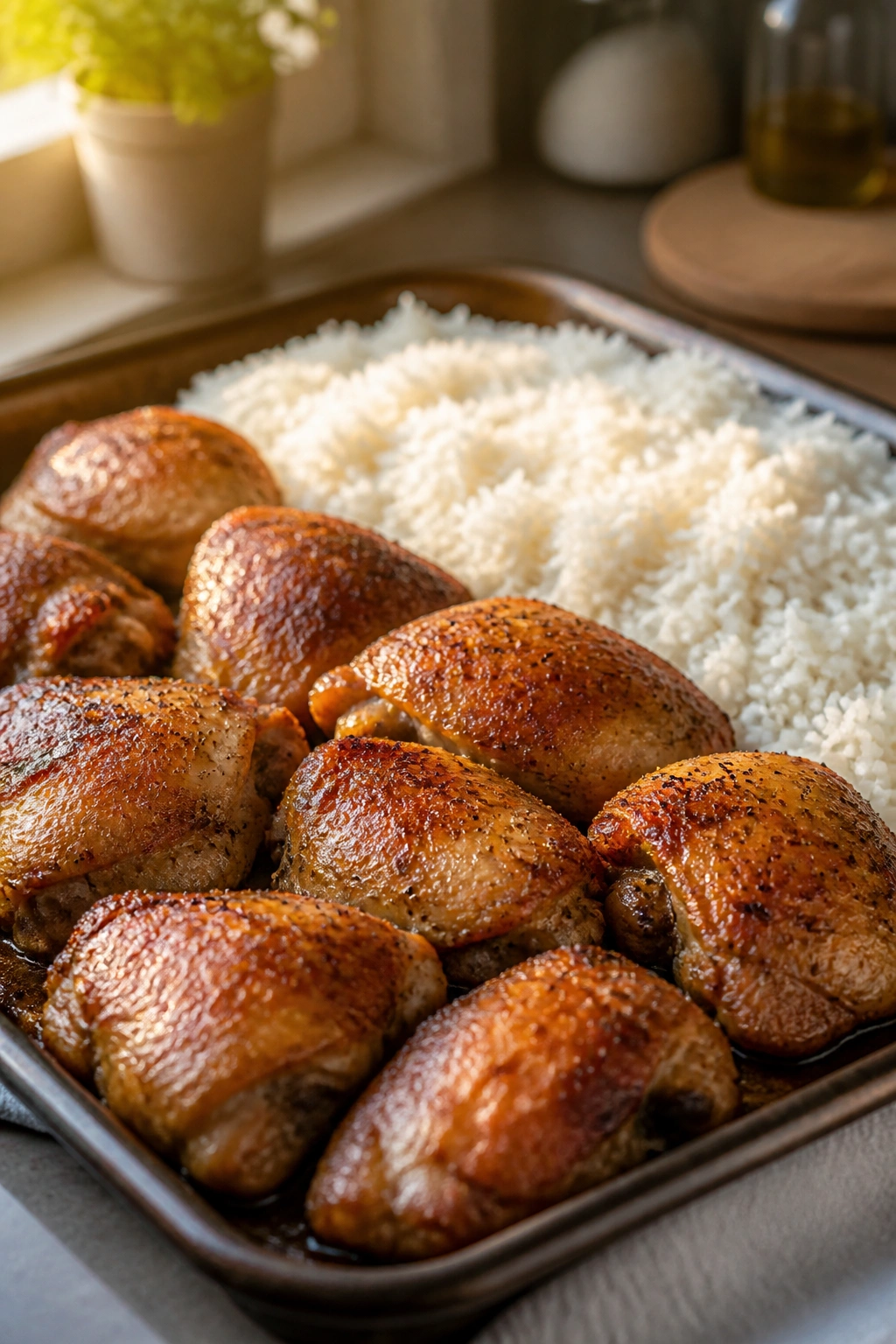
- Use the oven for proteins: Don’t pan-sear every piece of meat. Roast three pounds of chicken thighs or pork tenderloin on one sheet pan at 400°F.
- The rice cooker is your best friend: If you eat grains, get a machine that handles the timing and heat for you. It requires zero attention.
- Cool properly: Do not put steaming hot food into your fridge. Let it cool on the counter for 30 minutes, then pack it into airtight containers so the moisture stays inside rather than making your fridge a swamp.
Pro tip: Shred your meat while it is still slightly warm. It absorbs sauces much better than cold, refrigerated meat, and it’s significantly easier to pull apart with two forks.
2. Implement a “Theme Night” Schedule

Decision fatigue is the silent killer of any home-cooked meal plan. When you tell yourself, “I’ll just figure out something healthy,” you are setting yourself up to choose nothing at all. Theme nights provide a framework that narrows your options down from “anything in the grocery store” to “something specific.”
For example, maybe Monday is Pasta Night, Tuesday is Tacos, Wednesday is Stir-fry, Thursday is Soup/Salad, and Friday is Pizza. By narrowing the field, you aren’t stuck with decision paralysis. You know that on Tuesday, you are making tacos. The only remaining question is what kind of filling you want, which is infinitely easier to answer than “what are we eating?”
This structure allows you to build a grocery list with precision. You stop wandering the aisles aimlessly because you know you need tortillas, salsa, and beans every single Tuesday. Over time, you stop thinking about “what to make” and start thinking about “how to refine the taco I always make.” It makes shopping faster, cooking faster, and eating much more predictable.
3. Master the Art of the Weekend Prep Session
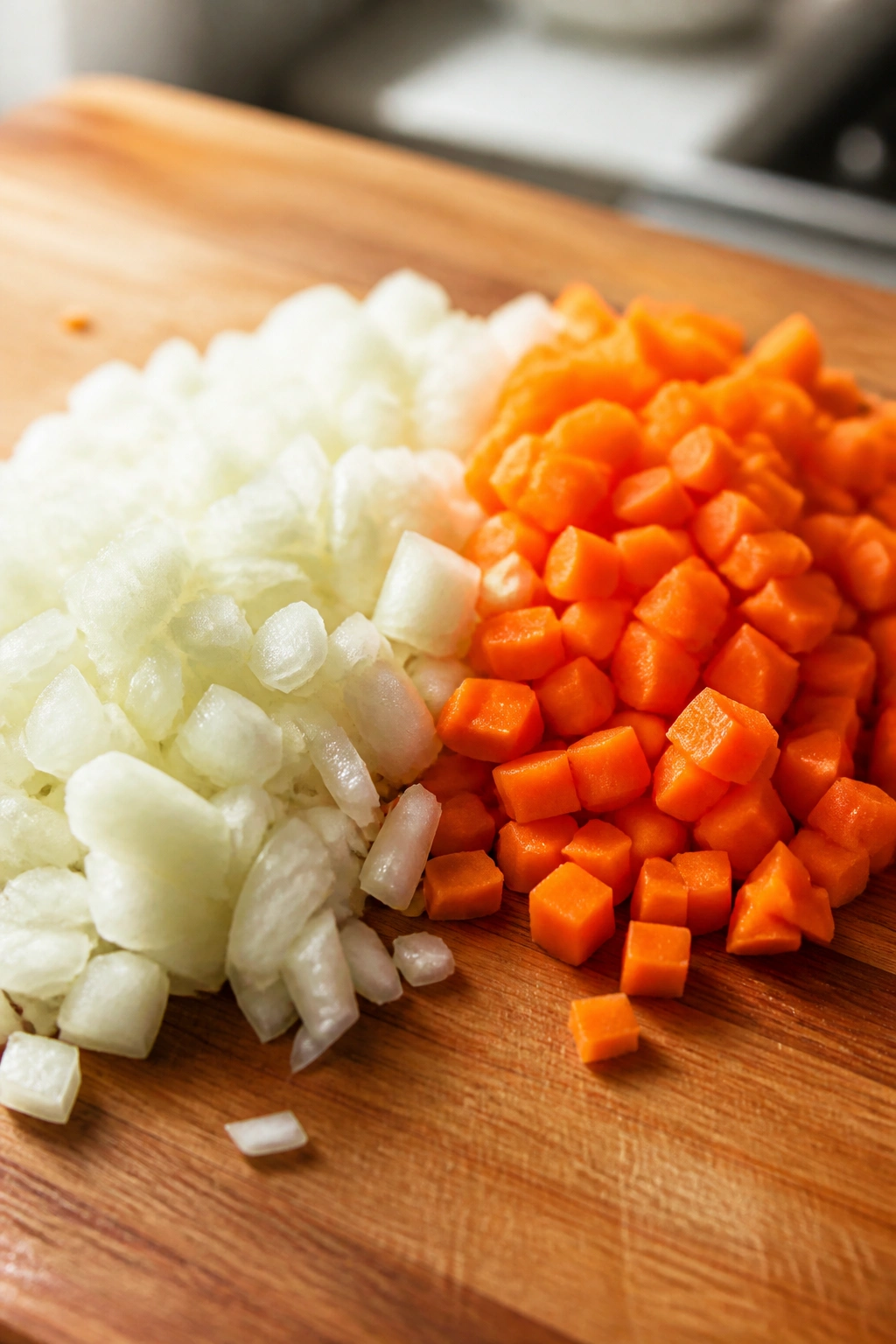
There is a massive difference between “meal prepping” and “meal planning.” You do not need to cook five days of food in advance. That leads to mushy vegetables and food you eventually toss out because you got tired of eating the same chicken curry on Friday that you made on Sunday. Instead, use your weekend time for preparation.
Wash your greens. Chop your carrots and onions. Portion out your snacks. Make one sauce or dressing that can be used on three different meals. If you have a bowl of diced onions in the fridge, a Tuesday night stir-fry that would have taken twenty minutes of prep suddenly takes five minutes of actual cooking.
The weekend session should focus on the annoying parts of cooking—the peeling, the chopping, the washing. When you arrive home on a Tuesday, you want to be able to turn on the stove and get to work immediately. If you have to pull out a cutting board and sharpen a knife, you are much more likely to give up and pick up the phone to order a pizza.
4. Utilize Freezer-Friendly Portioning
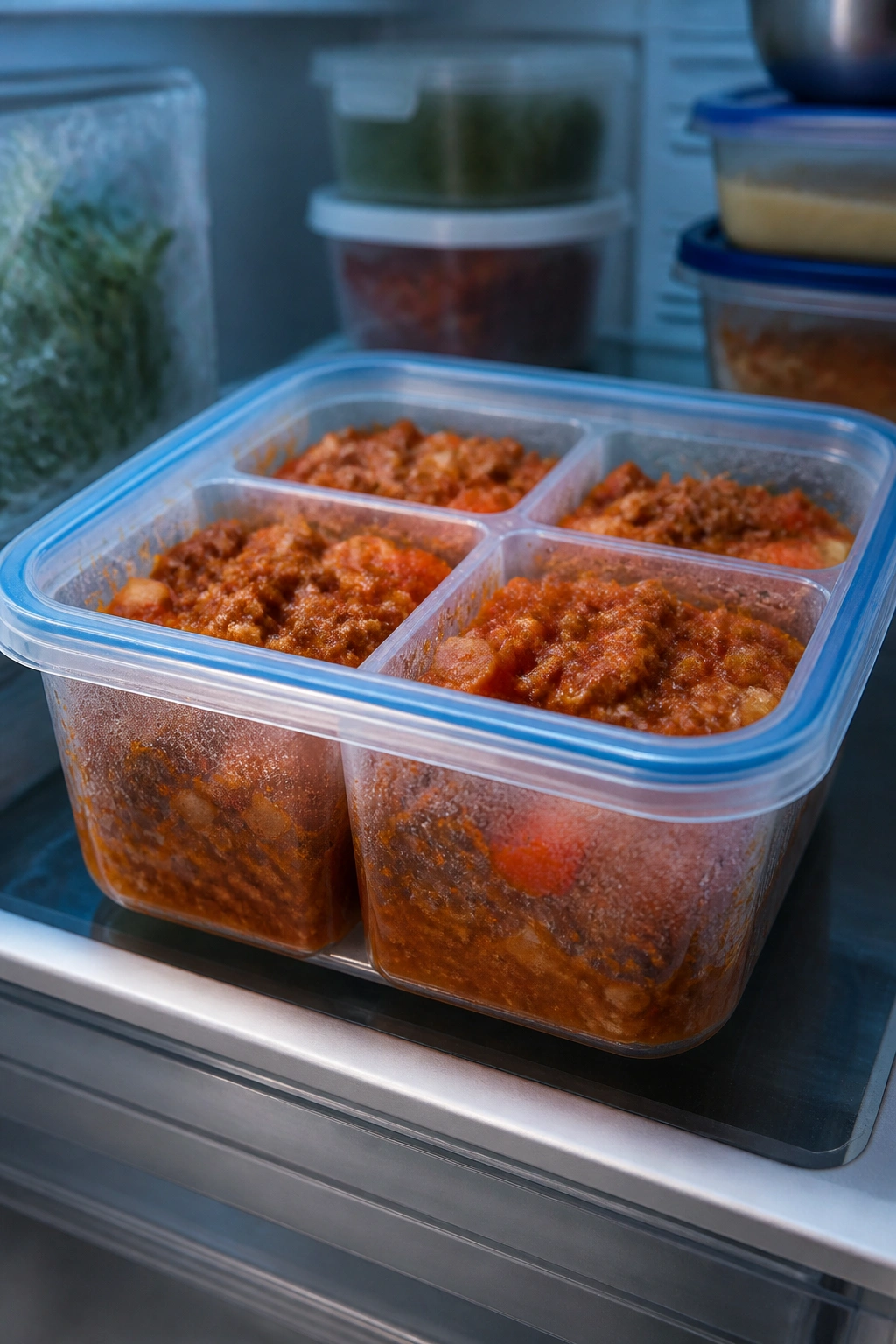
Most people only use their freezer to store ice or frozen peas. This is a massive missed opportunity for the busy weekday. If you are making a stew, a chili, or a pasta sauce, double the recipe. It takes almost no extra effort to chop two onions instead of one, or to brown two pounds of meat instead of one.
Once the dish is cooked, portion it into individual or family-sized containers before you put it away. Freeze them flat if you are using bags, or in stackable glass containers if you prefer rigidity. When you have an unexpectedly brutal Tuesday night, you don’t have to cook at all. You just grab a container, thaw it in the microwave or on the stovetop, and dinner is served.
Why this works:
- Waste reduction: You won’t have to throw out half a pot of chili that you got bored of eating.
- Cost savings: You can buy ingredients in bulk when they are on sale and cook them all at once.
- Safety net: You effectively have a “home-cooked fast food” stash that saves you money and calories.
Warning: Don’t freeze foods that don’t hold up well to freezing, like anything containing raw eggs, high-moisture vegetables like cucumbers, or cream-based sauces that tend to separate. Stick to stews, chilis, braises, and hearty grain dishes.
5. Build a “Safety Net” Pantry
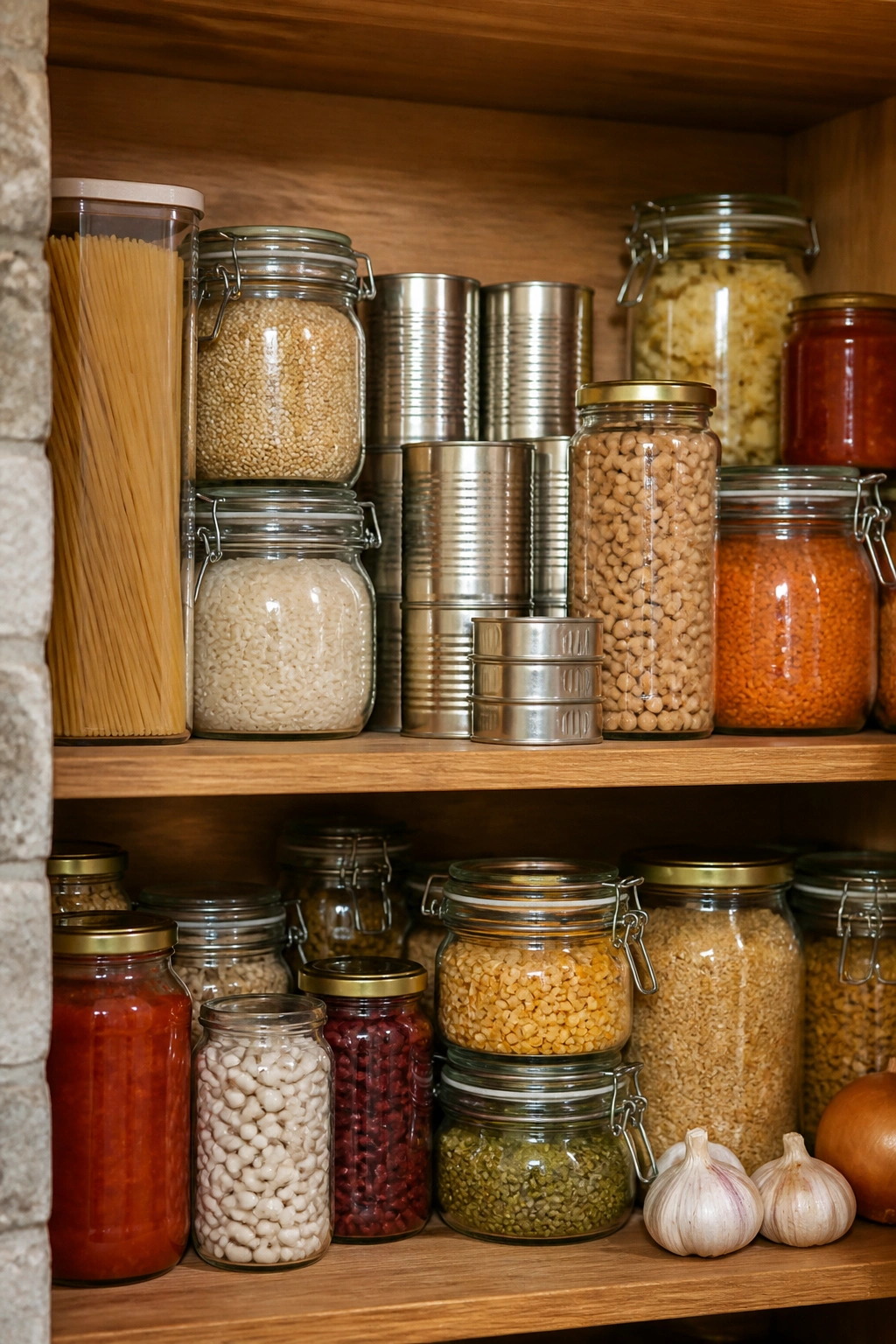
If you open your pantry and find nothing but dry pasta and expired cans of beans, you are vulnerable. A “safety net” pantry is a collection of shelf-stable ingredients that allow you to assemble a meal without needing to go to the store. This is the difference between a hungry night and a satisfying one.
What should be in this pantry? Think in terms of categories: proteins (canned tuna, chickpeas, lentils), starches (pasta, rice, quinoa, couscous), flavor bases (canned tomatoes, coconut milk, curry paste, soy sauce), and aromatics (garlic, onions, potatoes).
With these basics, you can almost always make something. Can’t think of dinner? Boil pasta, toss with garlic, olive oil, a tin of sardines or tuna, and some red pepper flakes. That is a legit meal. It takes ten minutes. It’s cheap. And it’s infinitely better than whatever you were going to grab from a delivery app.
6. The 15-Minute Refrigerator Audit
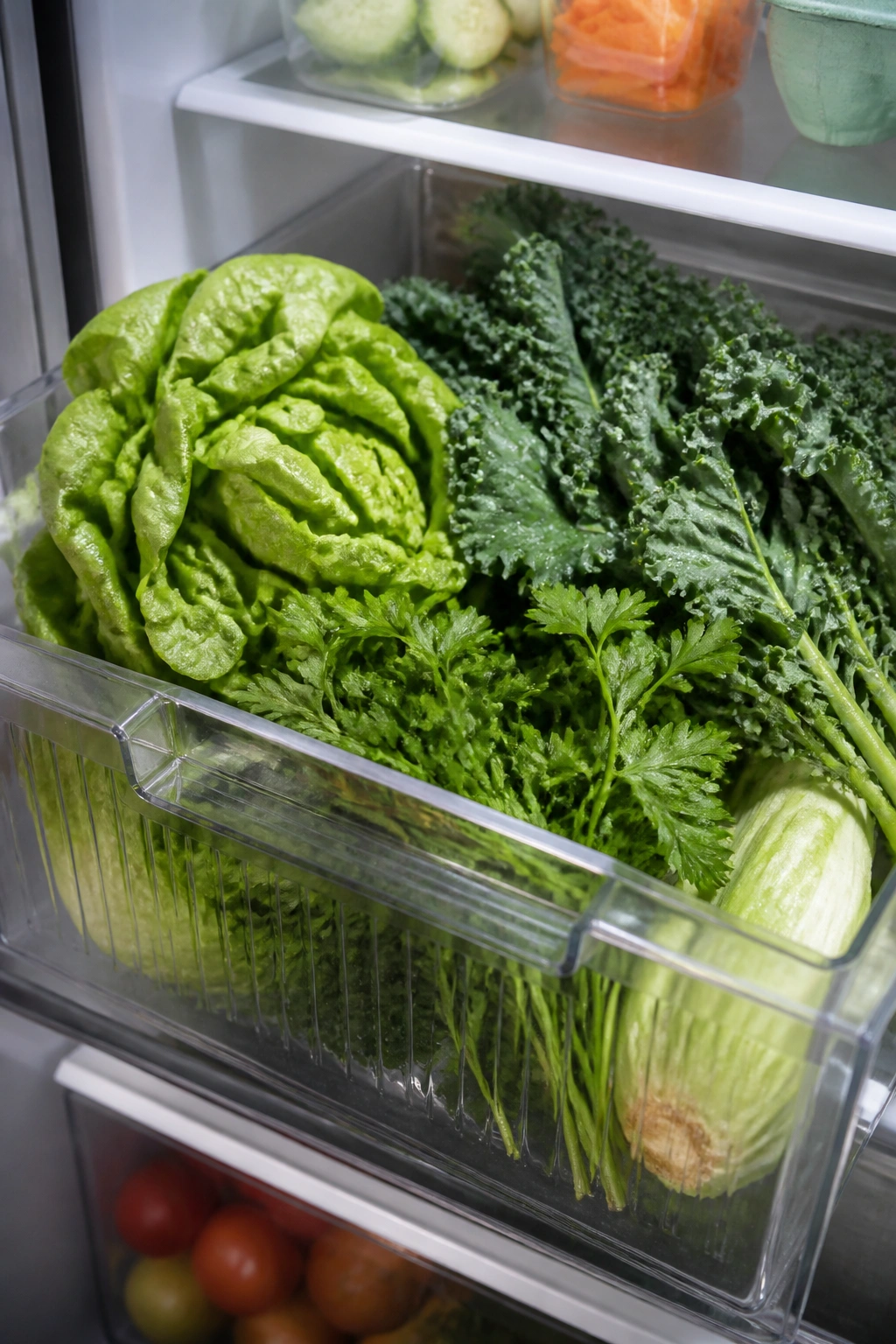
We have all been there: you buy a bag of spinach with the best intentions, and five days later, it is a slimy, green puddle in the crisper drawer. This is a waste of money and a reminder of your failed good intentions. The 15-minute audit is your defensive strategy.
Set a recurring time—maybe Thursday evening—to look through your fridge. Use the things that are nearing their end. That half-head of cabbage? Shred it and make a quick slaw. The carrots that are going soft? Roast them. The yogurt that is expiring soon? Use it in a smoothie or a marinade.
This habit forces you to be creative with what you have. It prevents food waste and, more importantly, it clears space for the fresh groceries you will be bringing home for the following week. Think of it as a reset button. A clean fridge is much easier to manage than one cluttered with half-used jars and wilting greens.
7. Wash and Chop Immediately Upon Return from the Store
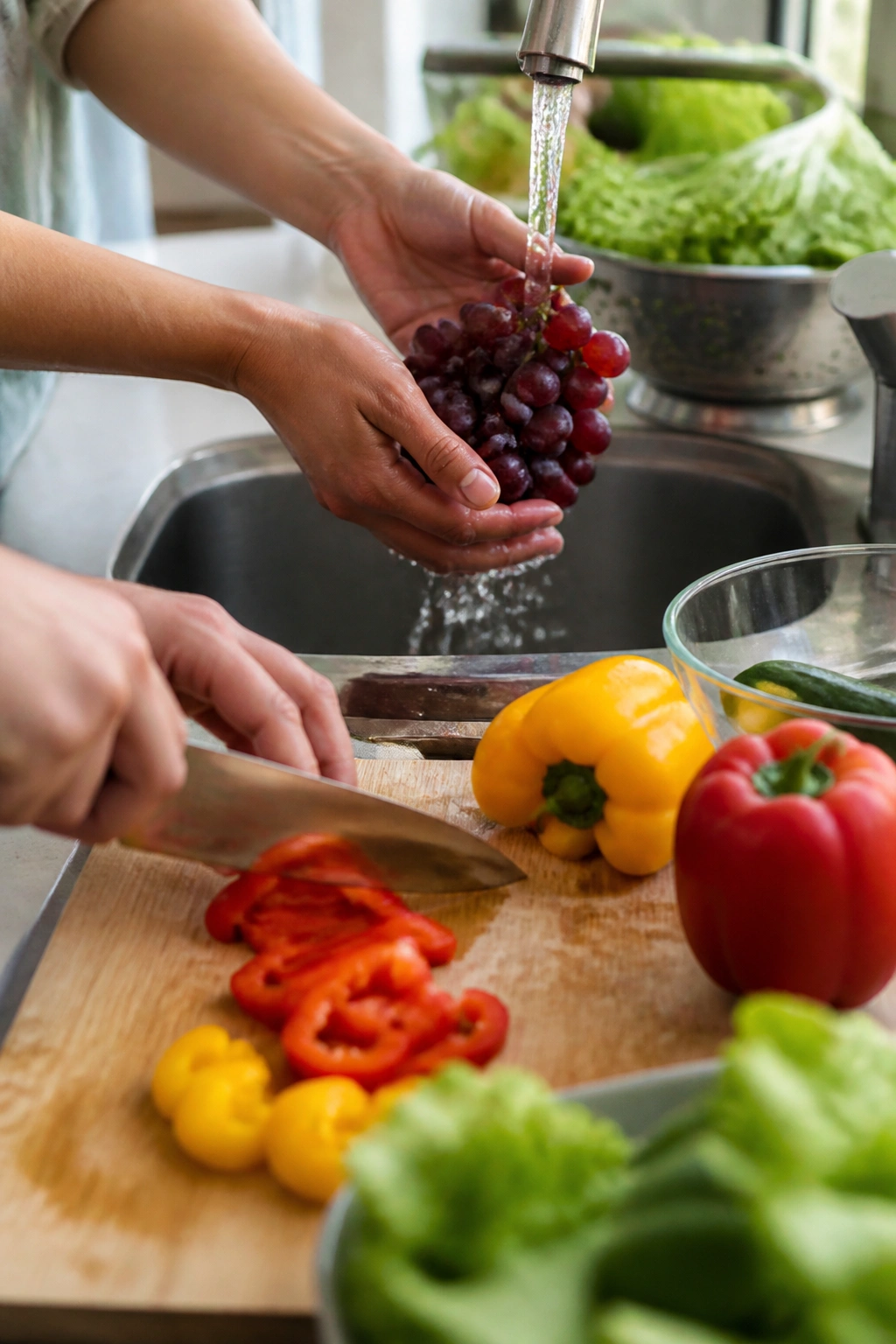
This is a piece of advice that sounds simple but is often ignored. When you get back from the grocery store, you are tired. You want to put the bags down and sit on the couch. Don’t. Take ten minutes to do the prep work while the ingredients are already out on the counter.
Wash your grapes, berries, and greens. If you leave them in the packaging, they will sit there until they turn. If you wash, dry, and store them properly—perhaps with a paper towel in the container to absorb excess moisture—they will last twice as long. Chop the bell peppers and carrots into sticks. Put them in clear containers.
When you see a container of pre-washed, pre-chopped vegetables in the fridge, you will actually reach for them when you’re hungry. If you see a whole, unwashed head of broccoli, you will ignore it until it’s too late. It’s a matter of psychological accessibility.
8. Create a Standard “Base Meal” Template
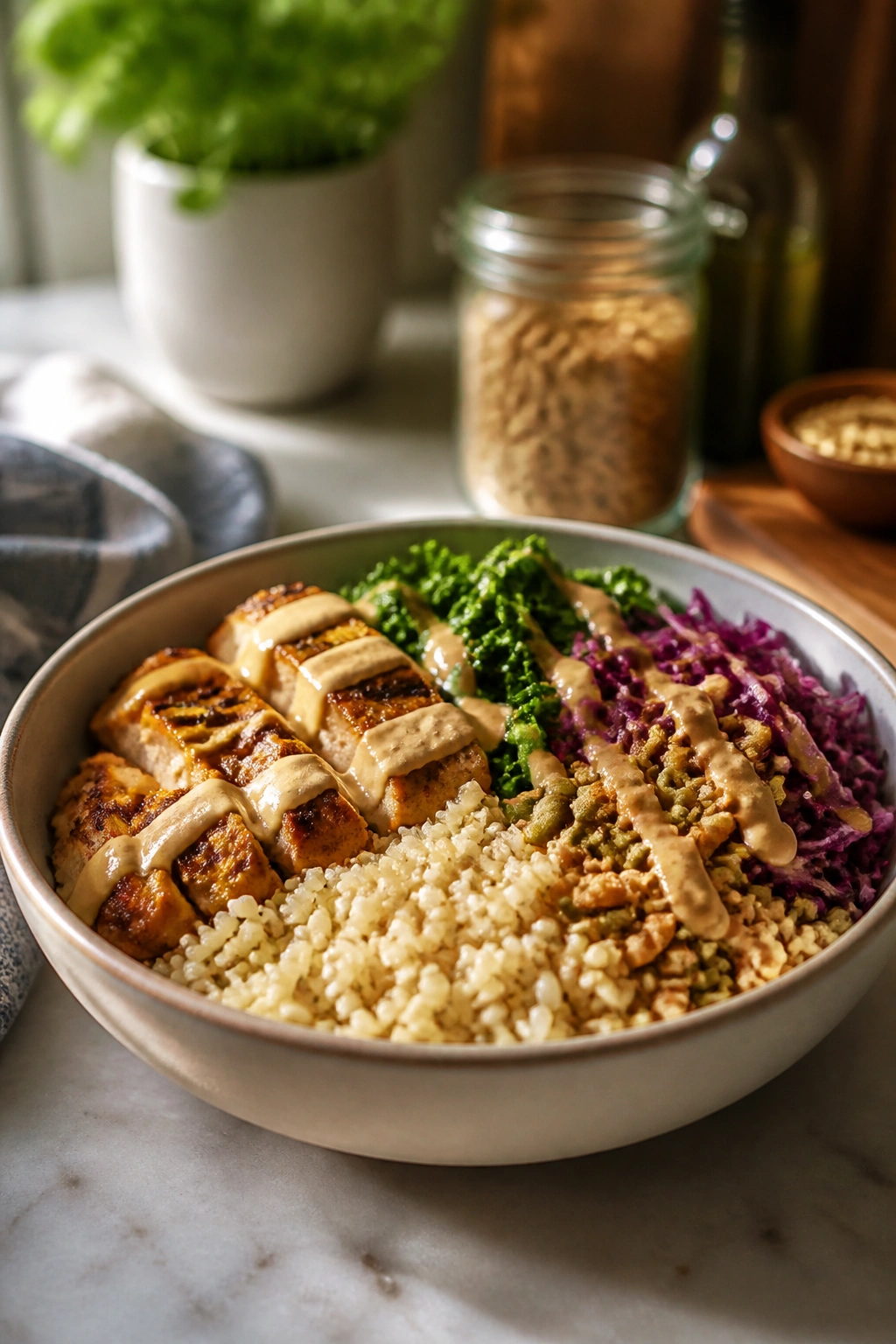
Don’t try to reinvent the wheel every single night. Instead, develop a “base meal” template that you can modify based on whatever you have in the fridge. For many people, a grain bowl is the perfect template.
The formula is simple: Base + Protein + Vegetable + Fat/Crunch + Sauce.
- Base: Rice, quinoa, couscous, or greens.
- Protein: Chicken, beans, tofu, tuna, or hard-boiled eggs.
- Vegetable: Roasted, raw, pickled, or sautéed.
- Fat/Crunch: Nuts, seeds, avocado, or feta cheese.
- Sauce: Tahini dressing, soy-ginger, pesto, or just olive oil and lemon.
Once you have this template, you don’t have to “think” about what to make. You just look at the fridge and pick one item from each category. You aren’t cooking a new meal; you are just iterating on the same proven structure. It is fast, it is healthy, and it never gets boring because you can change the sauce or the flavor profile to keep it interesting.
9. Leverage Kitchen Gadgets for Hands-Off Cooking
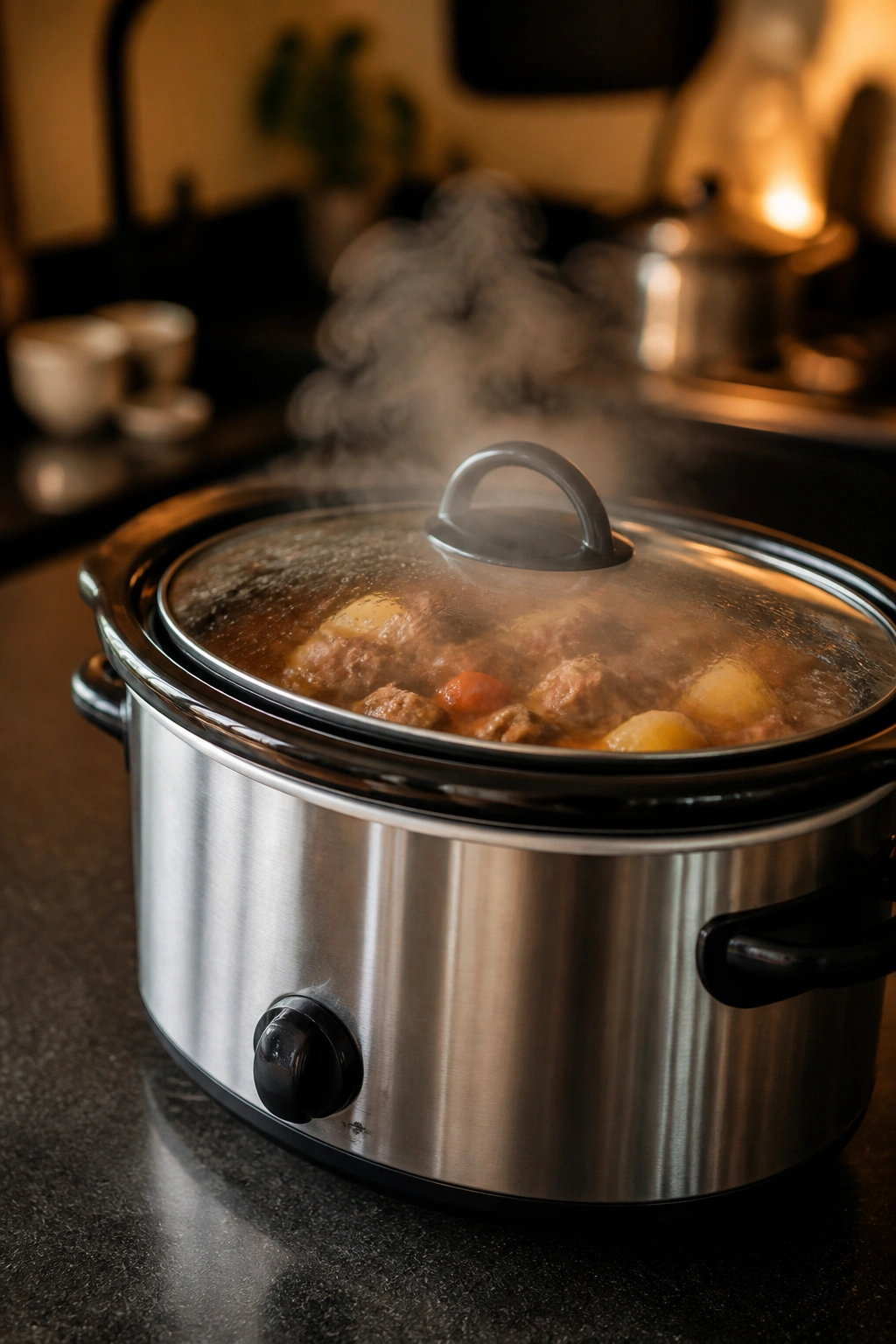
We live in an era of incredible kitchen technology, yet many people still rely solely on the stovetop. If you have an Instant Pot, a slow cooker, or a convection oven, you have a staff of sous-chefs that don’t need breaks.
Use these tools for the heavy lifting. If you are doing a braised beef or a large batch of beans, the slow cooker is your best friend. You dump the ingredients in, walk away, and come back to a cooked meal. There is no standing over a hot stove, no stirring, no risk of burning.
The convection setting on your oven is another often-overlooked tool. It circulates hot air, which means you can roast vegetables or proteins faster and more evenly than in a standard oven. It turns your oven into a more efficient machine. Stop trying to control the heat on a stovetop burner when a machine can do it better while you are doing something else.
10. Prioritize Versatile Ingredients
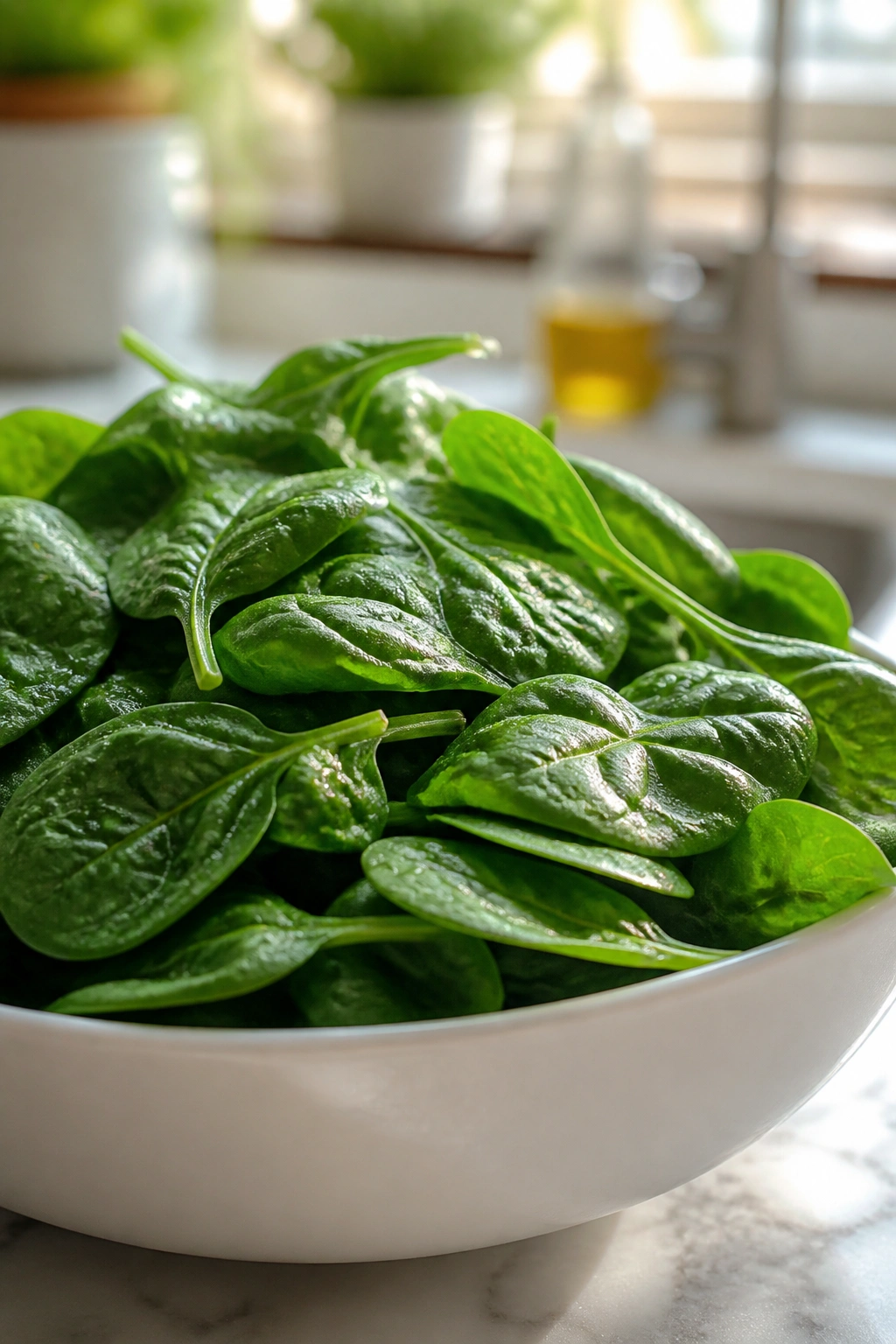
If you are buying specific ingredients for one-off recipes that you will never make again, you are cluttering your kitchen and wasting your money. When you are planning for a busy week, prioritize ingredients that can do double or triple duty.
For example, a bag of spinach can be added to pasta, thrown into a smoothie, used as a salad base, or sautéed as a side dish. A jar of pesto can be a pasta sauce, a spread for a sandwich, or a marinade for chicken. A carton of eggs can be breakfast, a protein topper for a grain bowl, or the base for a quick frittata.
When you shop, ask yourself: How many ways can I use this? If the answer is only one, think twice. Focus on building a pantry and fridge full of “chameleon” ingredients that adapt to whatever you feel like cooking that night.
11. Adopt a “Cook Once, Eat Twice” Strategy
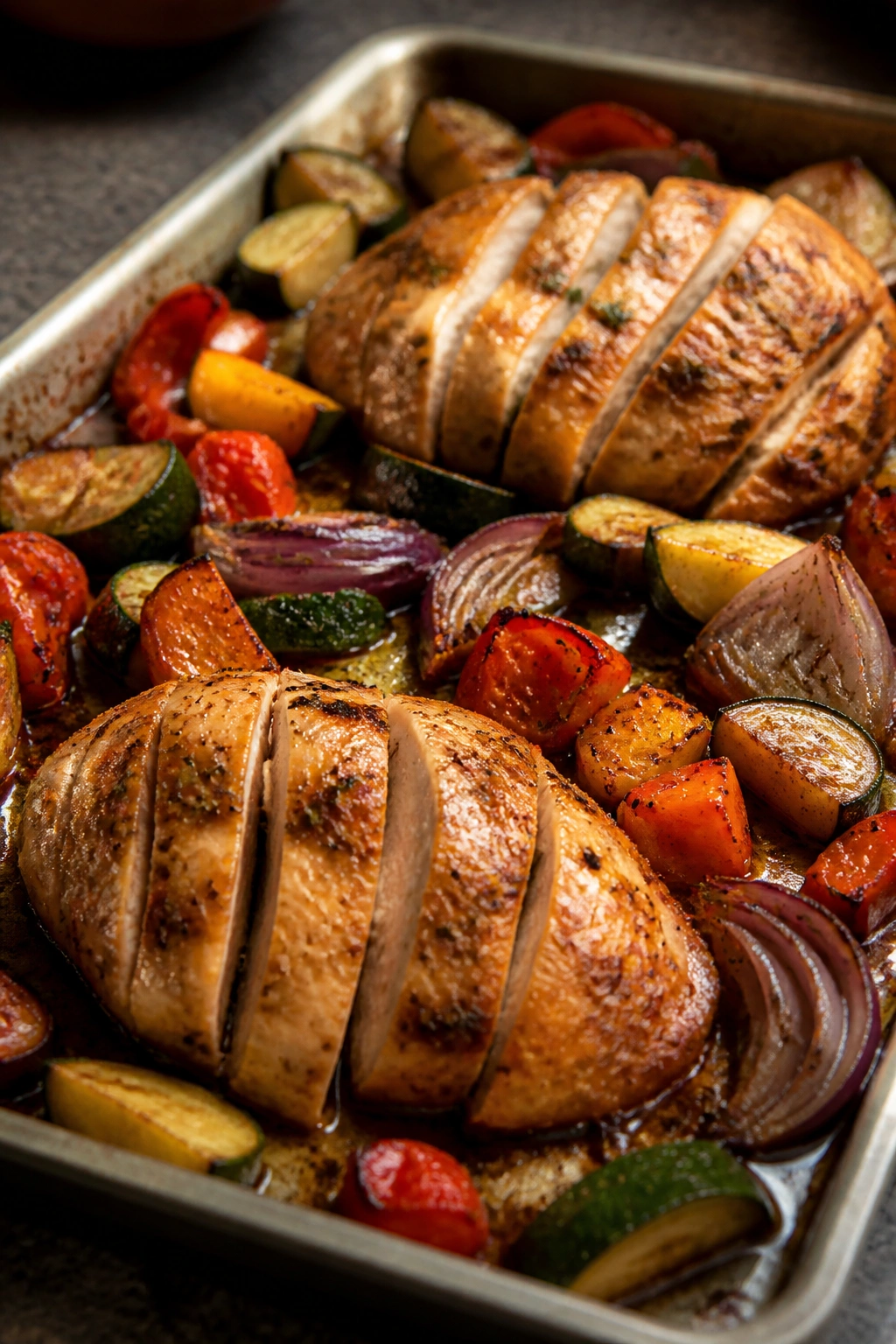
This is the golden rule of efficient home cooking. Never cook for just one meal. It takes almost the same amount of effort to cook a larger portion as it does a smaller one. If you are going to roast a sheet pan of salmon and asparagus, roast two pans.
Having leftovers isn’t just about having the same meal again. It’s about using the ingredients in a new way.
- The Transformation: Take that leftover roasted chicken and shred it for tacos the next day. Take the leftover vegetables from your stir-fry and toss them into an omelet or frittata.
- The Efficiency: By planning for leftovers, you essentially cut your cooking time in half over the course of the week. You aren’t “reheating” dinner; you are utilizing ingredients you have already cooked. It is a massive time-saver.
12. Organize Your Grocery List by Store Aisle
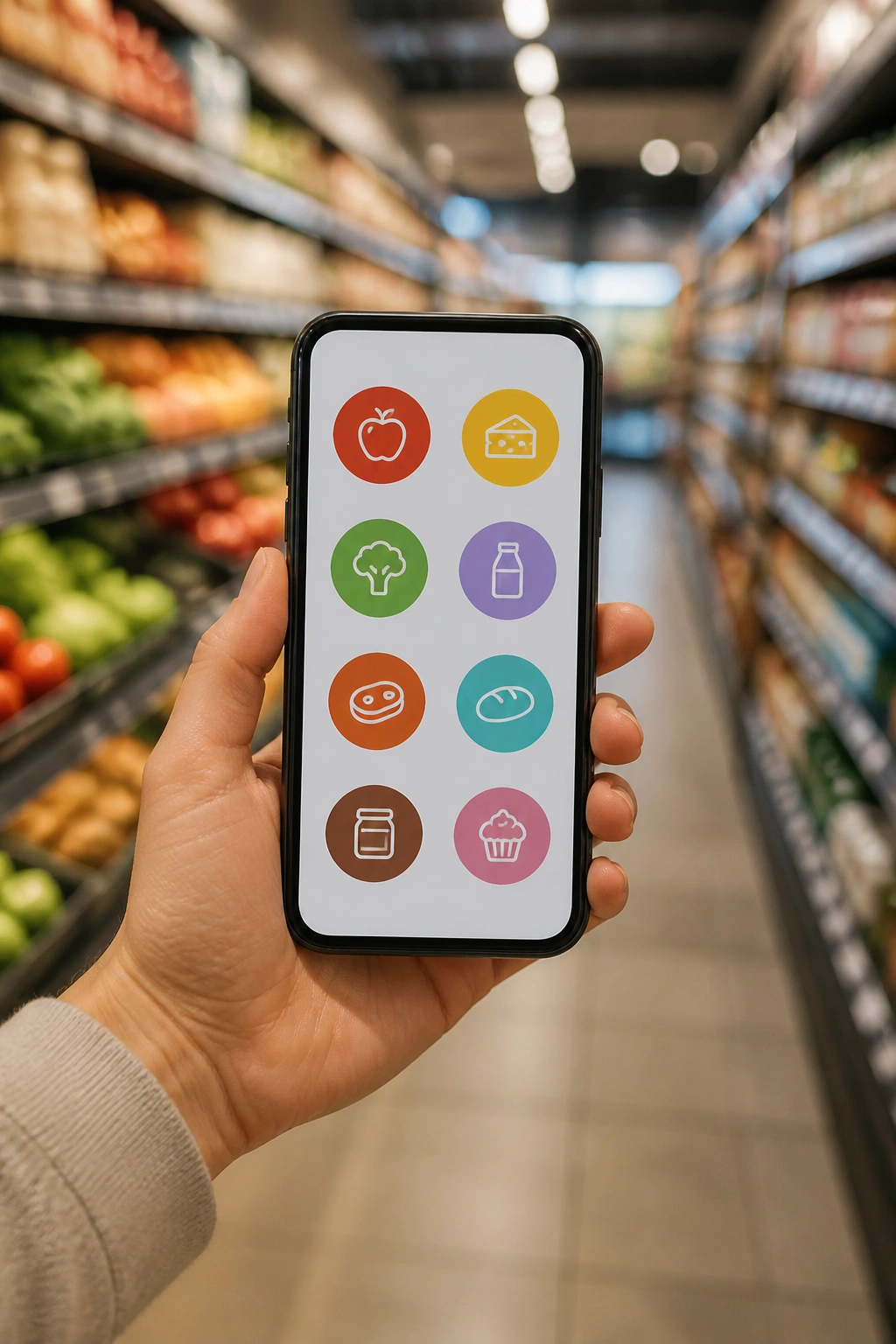
There is nothing that ruins a good meal-planning session faster than walking into a grocery store and wandering in circles for forty-five minutes. You end up buying things you don’t need, forgetting the one thing you actually do need, and wasting time you don’t have.
Take two minutes to organize your grocery list by aisle—Produce, Meat, Dairy, Grains/Canned, Frozen, Dry Goods. Most stores follow a similar layout. If you know you need onions, potatoes, and peppers, put them at the top. If you need beans and rice, keep them together.
You can even use a notes app on your phone to keep a recurring list of items you always need. When you are in the store, you can just tick them off as you go. It turns shopping from a chaotic hunt into a focused, efficient mission. You get in, you get out, and you get on with your life.
13. Maintain a Consistent Breakfast Protocol
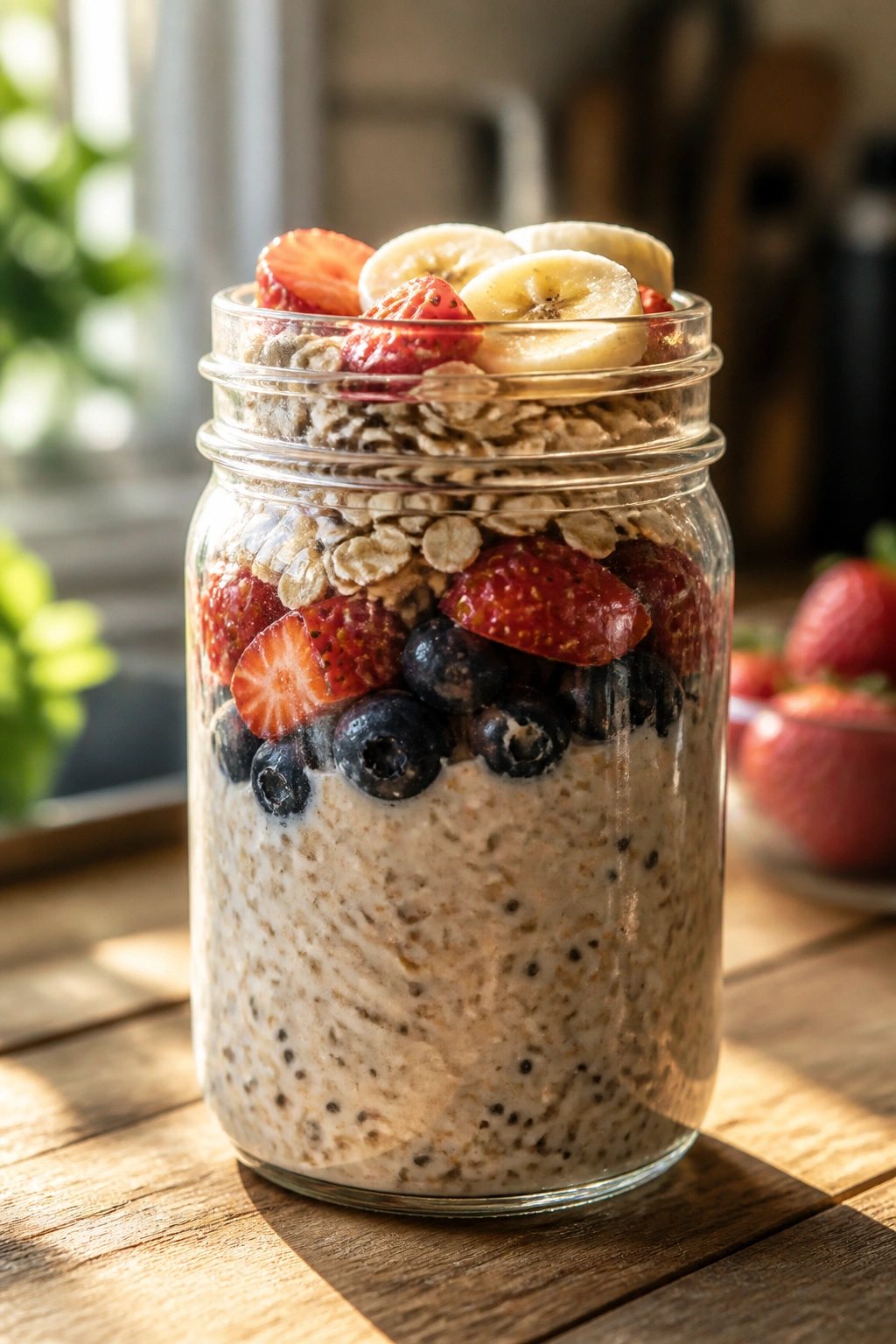
Breakfast is the meal most likely to be skipped or replaced by something processed because it’s usually the first thing we have to deal with when we are in a rush. If you don’t have a plan, you will grab a sugary muffin or skip it entirely, leading to a blood sugar crash by 11:00 AM.
Keep it simple and consistent. Whether it’s oatmeal (which you can prep in jars), smoothies (pre-portioned in bags in the freezer), or boiled eggs (cooked in bulk at the start of the week), find one or two things you actually like and rotate them.
Do not try to make eggs from scratch, toast bread, and brew coffee every single morning. That’s a chore. Make breakfast a “grab and go” event. If you have to spend more than three minutes on breakfast, you have failed the busy weekday test. Automate it.
14. Keep Condiments and Sauces Stocked
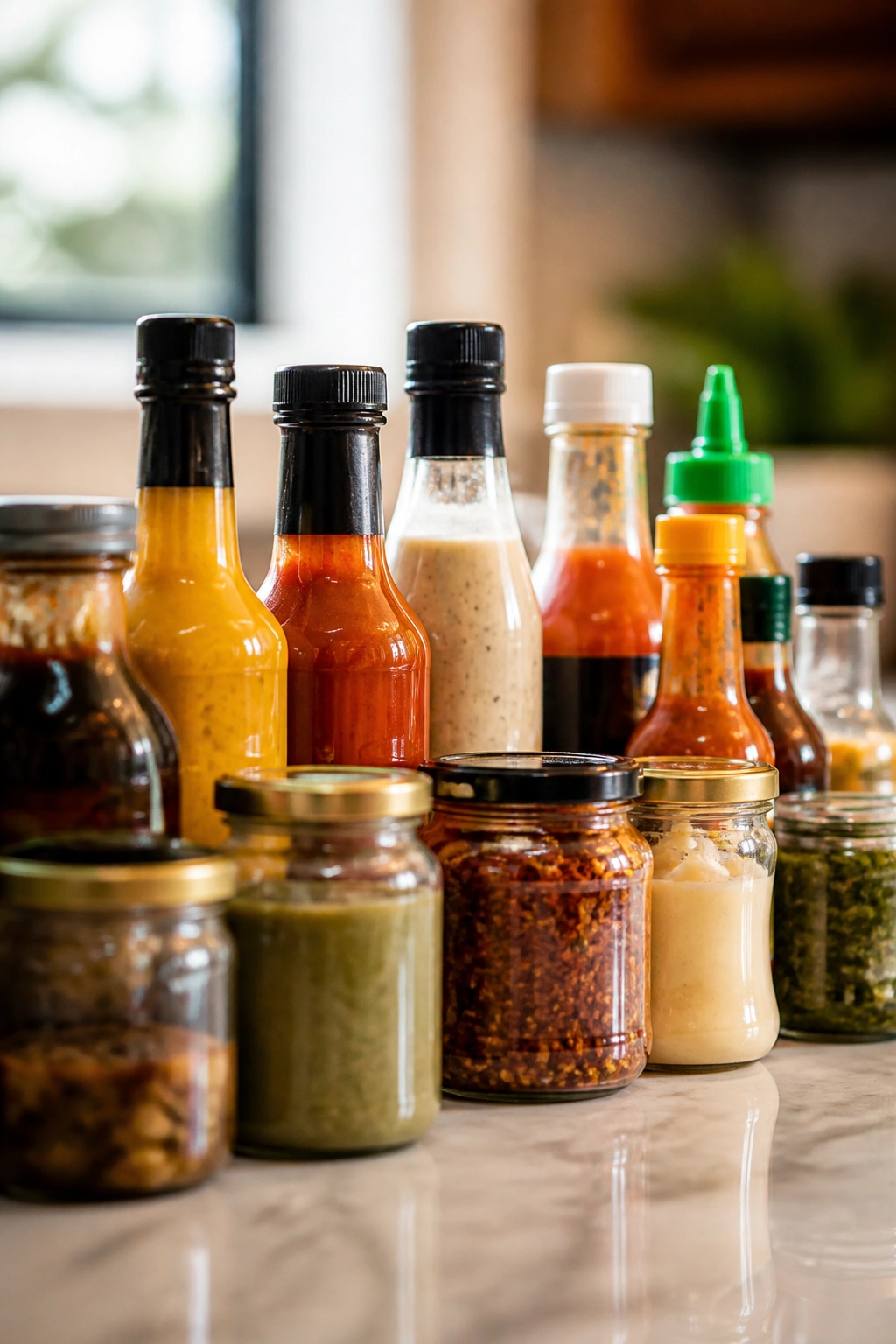
The difference between a bland, boring meal and a restaurant-quality bowl is often just the sauce. If you have a well-stocked collection of sauces, you can make a plain piece of chicken or a bowl of rice taste completely different every single night of the week.
What should you have?
- Acid: Red wine vinegar, rice vinegar, lemon juice, lime juice.
- Salty/Umami: Soy sauce, fish sauce, miso paste, Worcestershire sauce.
- Sweet/Heat: Honey or maple syrup, sriracha, chili crisp, Dijon mustard.
If you have these staples, you can whisk together a vinaigrette or a stir-fry sauce in thirty seconds. You aren’t relying on bottled dressings that are full of sugar and preservatives. You are making simple, fresh flavors that elevate your food with minimal effort.
15. Standardize Your Snacks
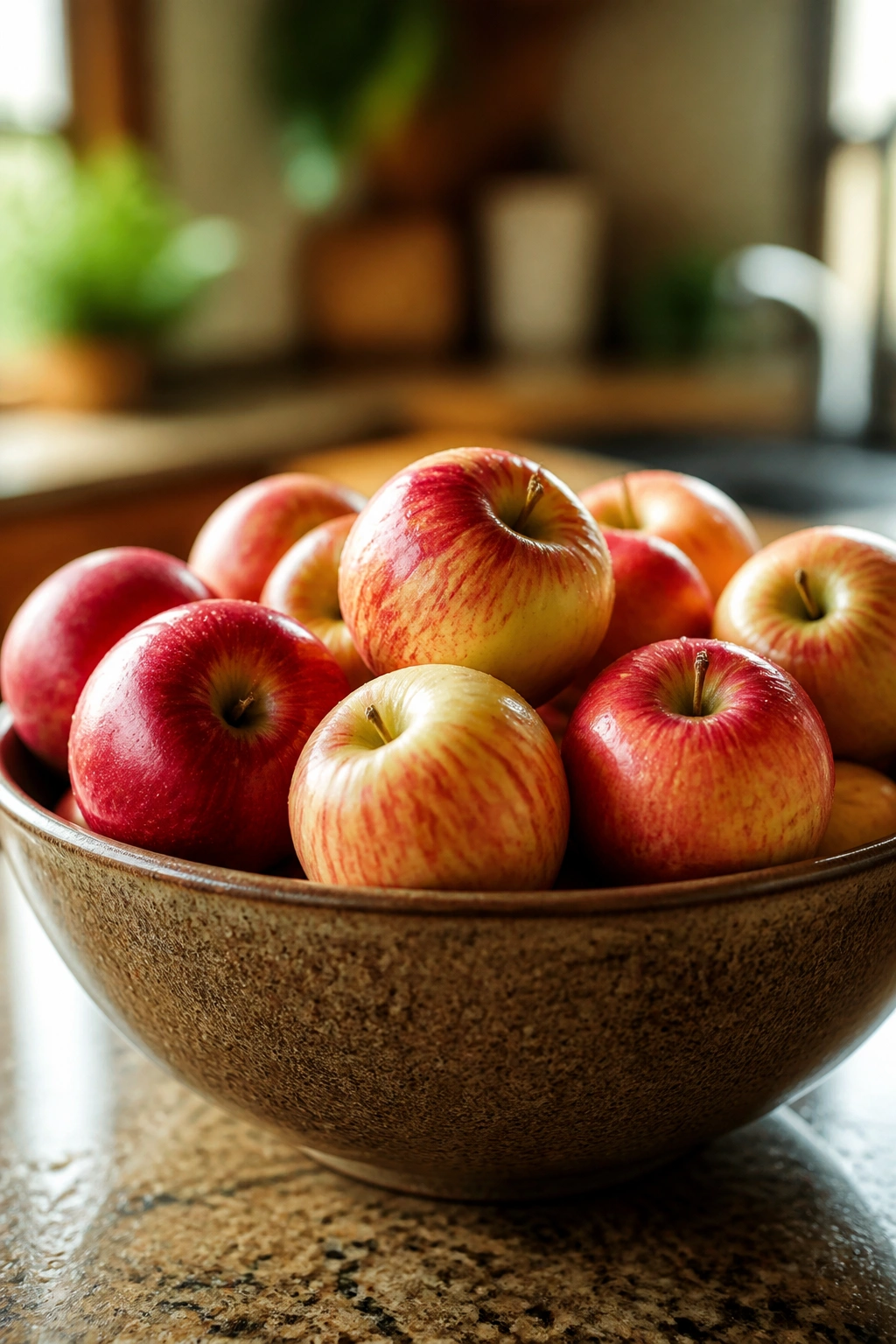
Snacking is where most meal plans fall apart. You get hungry at 3:00 PM, you don’t have anything prepped, so you grab a bag of chips from the vending machine or a cookie from the office stash. This isn’t a failure of willpower; it’s a failure of planning.
Keep your snacks standard. Have a bowl of apples or oranges on the counter. Keep pre-portioned bags of nuts or seeds in your desk drawer. If you like yogurt, buy the larger tub rather than the expensive individual cups and portion it out into small containers.
When you have a “go-to” snack that is already available and doesn’t require preparation, you remove the temptation to reach for the junk. It’s about having a better option within reach at all times.
16. Prepare Your Containers the Night Before
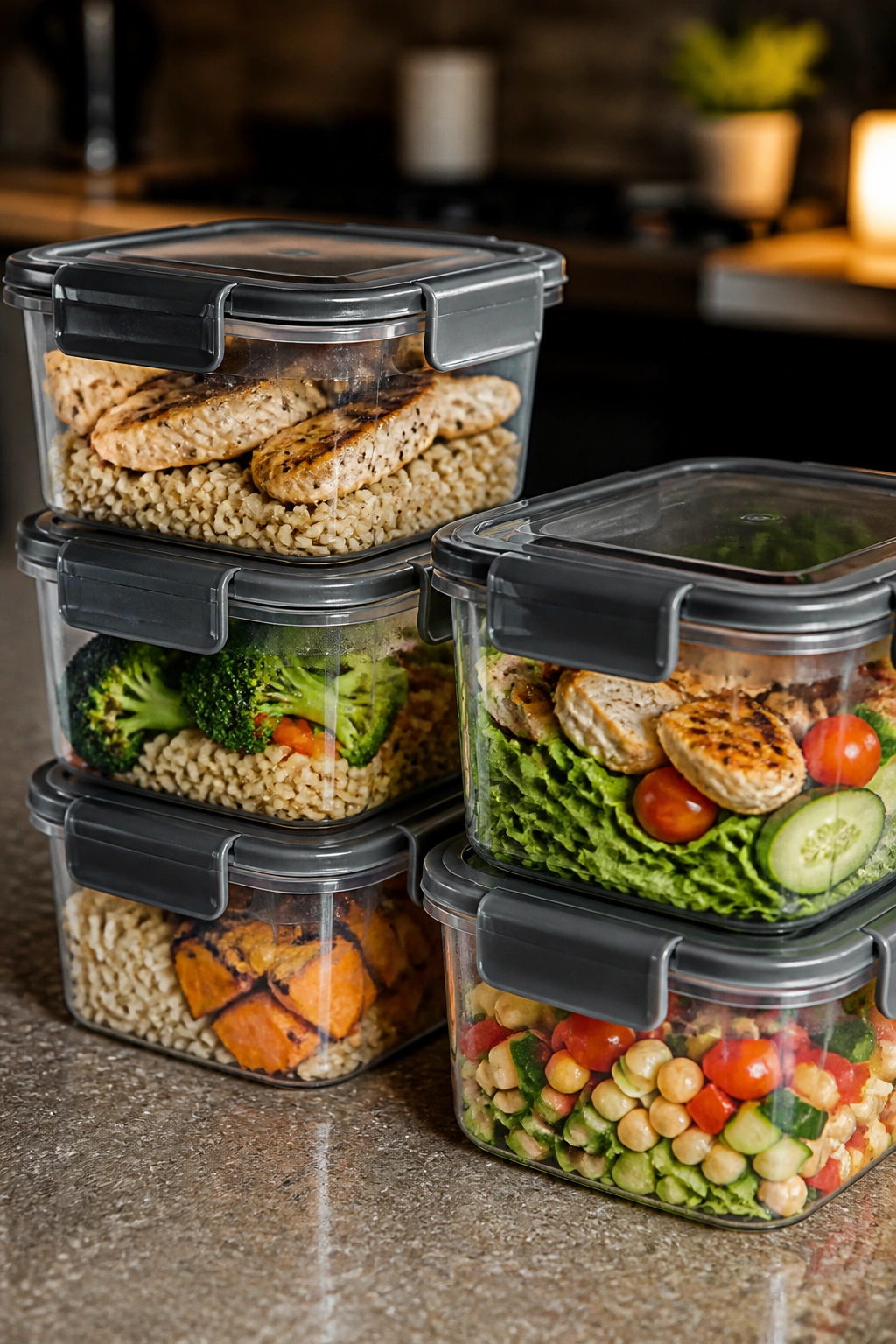
If you are taking lunch to work, do not try to pack it in the chaotic morning rush. That is when you forget your fork, leave the dressing at home, or just give up and buy a twelve-dollar salad.
Pack your lunch while you are cleaning up from dinner the night before. Put your leftovers directly into the container you will be taking to work. If you have fresh ingredients, pack them now. Put it in the fridge so it is ready to grab as you head out the door.
This simple habit eliminates the “morning scramble.” You don’t have to think about lunch; you just have to grab it. It saves you time, it saves you money, and it ensures you are actually eating what you planned.
17. Embrace the “No-Cook” Meal Night
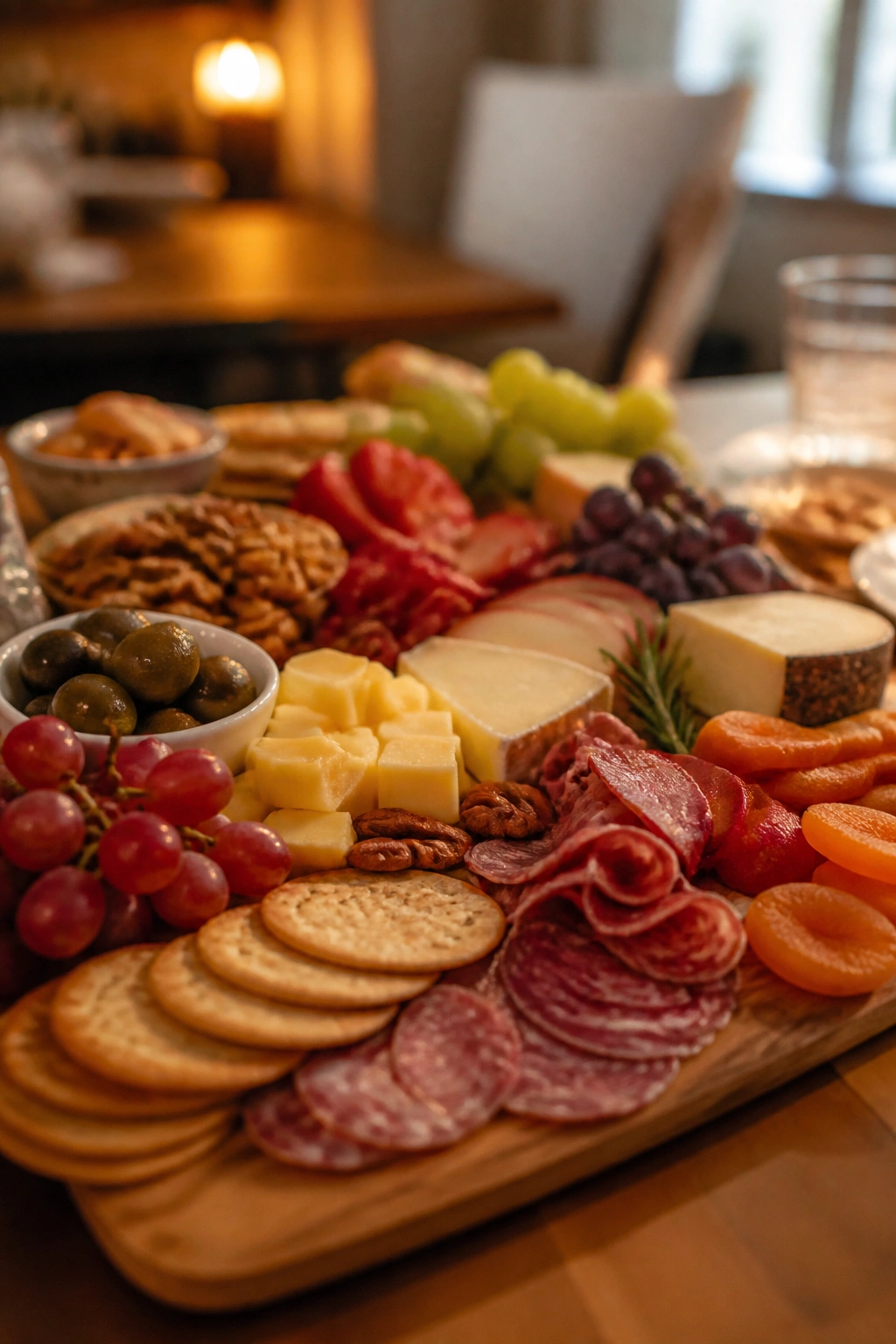
You will have days when you are too tired to even think about turning on the oven. If you don’t have a plan for these days, you are going to order out. That’s okay, but it’s expensive. Instead, have a “no-cook” meal night in your repertoire.
This isn’t a failure; it’s a strategy. Examples:
- A “charcuterie” board with cheese, crackers, nuts, fruit, and some cured meat or hard-boiled eggs.
- A large salad using canned beans, pre-washed greens, and whatever leftovers are in the fridge.
- “Adult Lunchables” with hummus, pita, vegetables, and olives.
These meals require zero cooking. They are healthy, they are fast, and they prevent the “I’m too tired to cook, so I’ll spend $40 on food delivery” trap. Embrace the no-cook night as a legitimate part of your weekly plan.
18. Plan Your Dinners Around Your Energy Levels
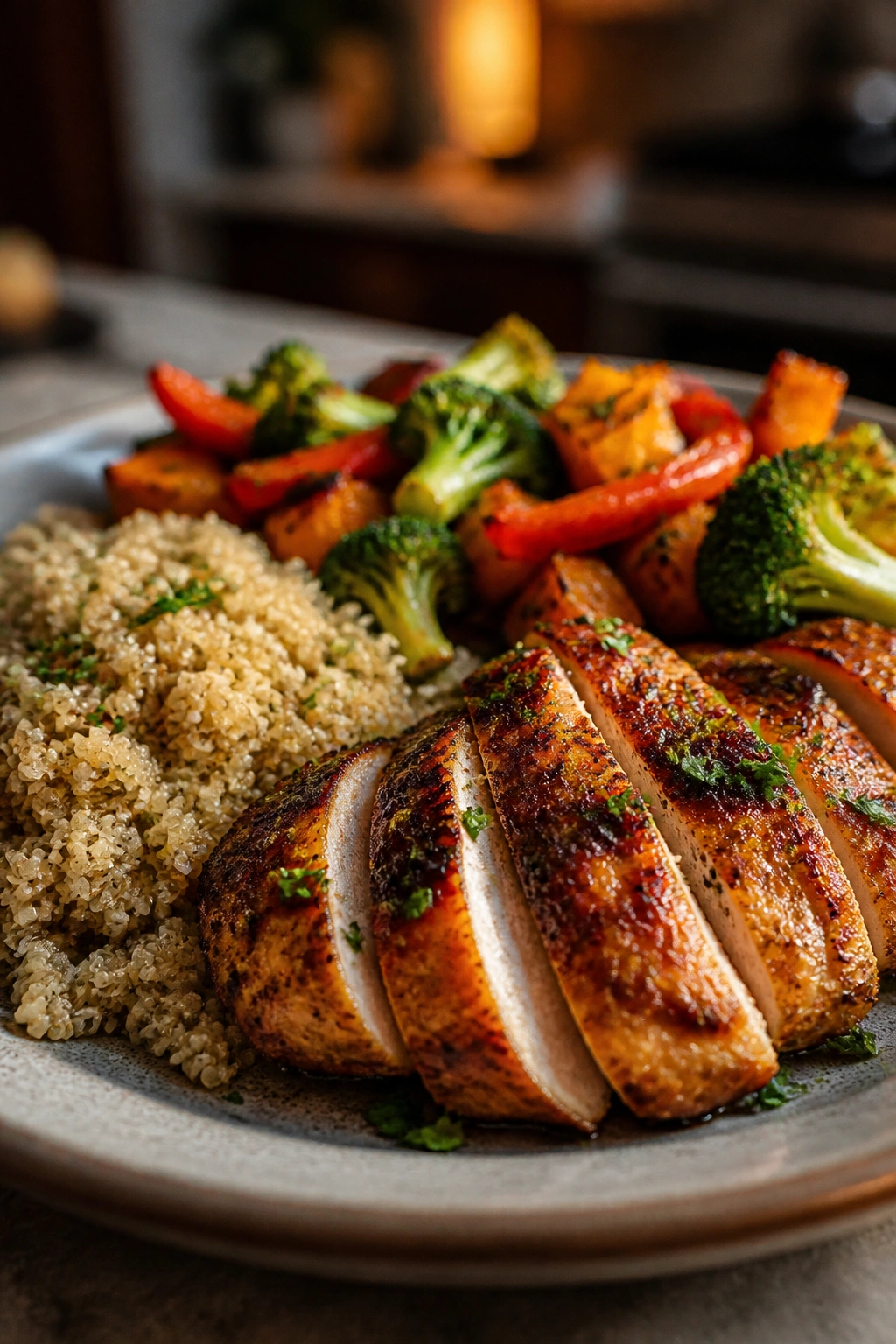
This is the most important tip of all. Be honest with yourself about your schedule. If you know that Wednesdays are your longest days, do not plan a complex lasagna for Wednesday night. Plan it for the night when you have the most time and energy.
Match the difficulty of the meal to the amount of energy you have that day.
- High-energy day: Roast a whole chicken, make a side of grains, steam some veggies.
- Low-energy day: Use the freezer stash you prepared, do a no-cook meal, or fall back on your “safety net” pantry meal.
You are the only person who knows your schedule. Stop planning as if you are a robot that functions at the same level every day. Plan for the reality of your life, not the fantasy version of it. When your plan matches your energy, you will actually stick to it.
The Bottom Line
True kitchen efficiency is not about complex hacks or expensive gadgets; it is about respecting your own time and energy. It requires you to be honest about what you are willing to do and what you are likely to avoid. When you stop fighting your own habits and start building systems that work with them, you will find that cooking on a busy weekday is not a burden, but a sustainable part of your routine.
Start with one or two of these tips. Don’t try to change everything at once. Once you master the grocery list, move on to batch cooking. Build your systems slowly. You are not trying to be a perfect home cook; you are trying to be a person who can feed themselves well without losing their mind. Keep it simple, keep it consistent, and you will find the kitchen becomes a place of relief rather than another item on your to-do list.
