



A bigger, rounder glute line is built on squats, yes, but the part people skip is the plate.
That sounds obvious until you look at what a lot of women actually eat on training days: a rushed coffee, a small salad, maybe a yogurt that barely has enough protein to matter. Glute building meal plans for women work best when they make room for protein, carbs, and enough total food to support muscle growth. Not endless food. Enough food.
The boring truth? Tiny meals do not build much. If you lift hard and then under-eat, your body has nowhere to send the raw materials it needs for recovery, and that shows up fast in stalled strength, flat workouts, and glutes that do not change much even after months of effort.
About 25 to 40 grams of protein per meal is a practical target for many lifters, and carbs are not some villain here. They refill glycogen, keep training performance up, and make it easier to push through the last few reps that actually matter. The plans below lean into that without turning dinner into a spreadsheet.
1. Greek Yogurt, Oats, and Berry Training Day
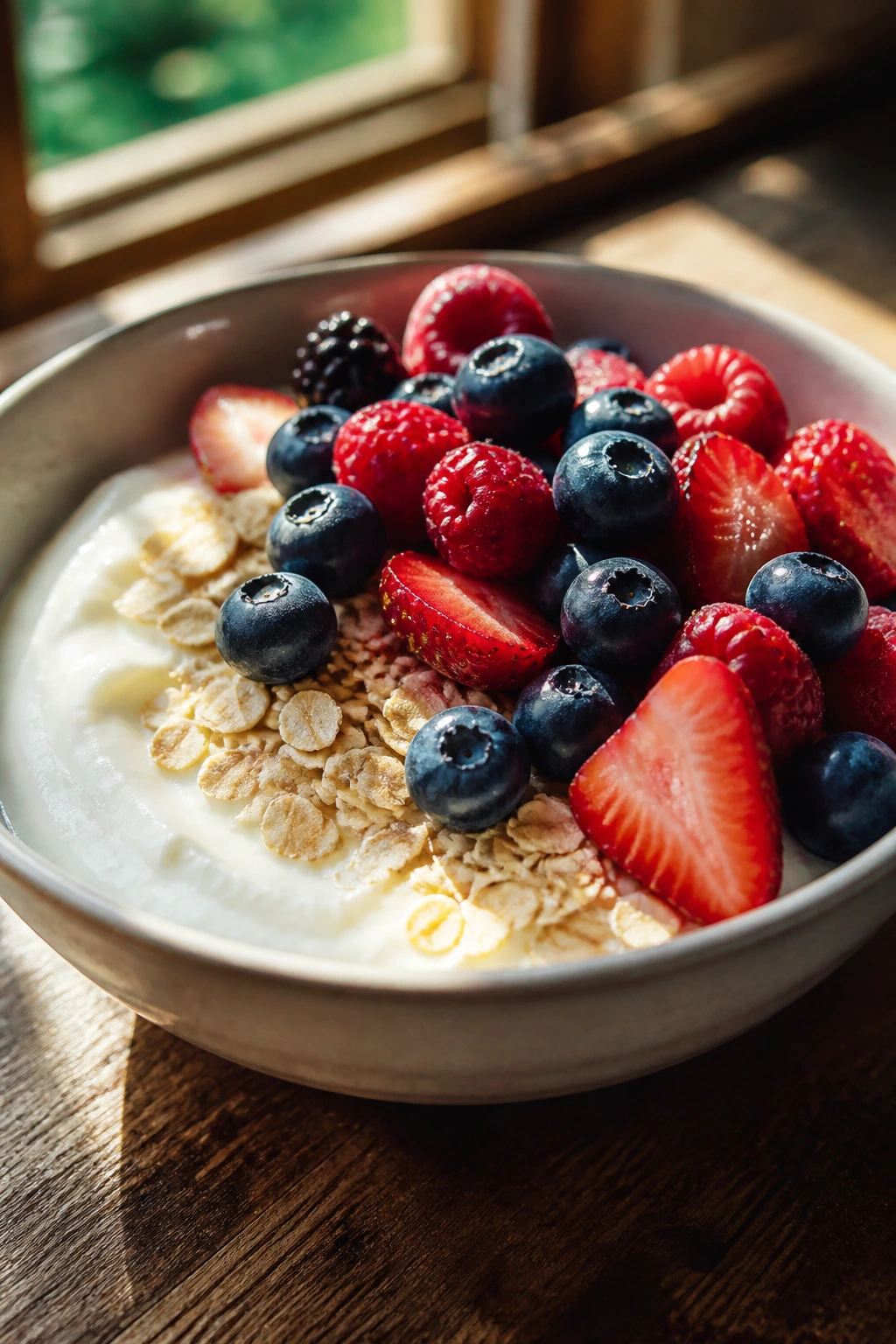
Some meal plans win because they are boring in the best way. Greek yogurt, oats, and berries show up early, and the whole day stays steady enough to support hard lifting without feeling heavy.
Why It Works
Greek yogurt gives you a dense protein hit with almost no fuss. Oats keep breakfast from disappearing too fast, and berries add fiber plus a little sweetness so the plan does not feel like punishment.
I like this setup for women who train after work. The carbs are there when you need them, and the foods are easy to batch on a Sunday night. A bowl of thick yogurt, warm oats, and fruit is not flashy, but it hits the job it needs to hit.
Quick Plate Plan
- Breakfast: 1 cup plain Greek yogurt, 1/2 cup dry oats cooked with milk, 1 cup berries, 1 tablespoon chia seeds
- Lunch: chicken breast or tofu bowl with rice, cucumber, olive oil, and avocado
- Snack: cottage cheese with a banana or apple
- Dinner: salmon, roasted potatoes, and broccoli with a spoonful of pesto
Best move: prep two breakfast jars at once. One for today, one for tomorrow. That small move keeps you from skipping the meal that often sets the tone for the whole day.
2. Eggs, Turkey, and Rice Power Day
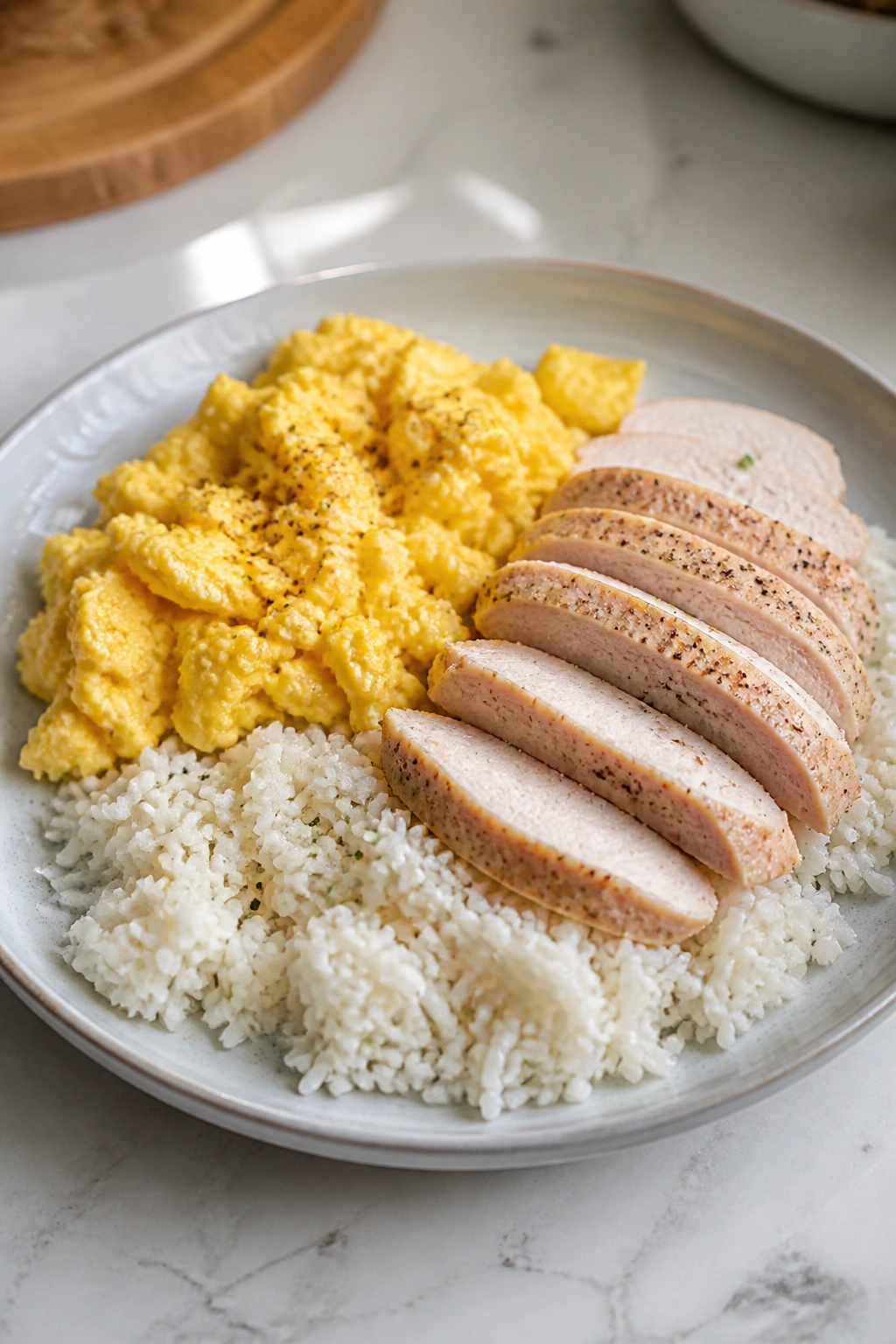
Eggs and rice beat sad salad bowls for glute growth more often than people want to admit.
The reason is simple. Eggs give you a solid breakfast base, turkey adds lean protein without making the meal heavy, and rice is an easy carb that keeps training from feeling like a grind. If you want a day that supports lower-body sessions without a lot of cooking drama, this is one of the cleaner choices.
Breakfast can be three whole eggs, two egg whites, and toast. Lunch can be a turkey rice bowl with peppers and a little salsa. Dinner can be ground turkey, jasmine rice, and green beans with olive oil. That pattern gives you steady protein across the day and enough carbs to keep your legs from feeling empty halfway through your workout.
I also like this plan for women who are busy and a little food-bored. It tastes like real food, not gym food, which matters more than people admit. Repeating a bland meal plan is easy for three days. Repeating it for months is another story.
3. Salmon and Sweet Potato Recovery Day
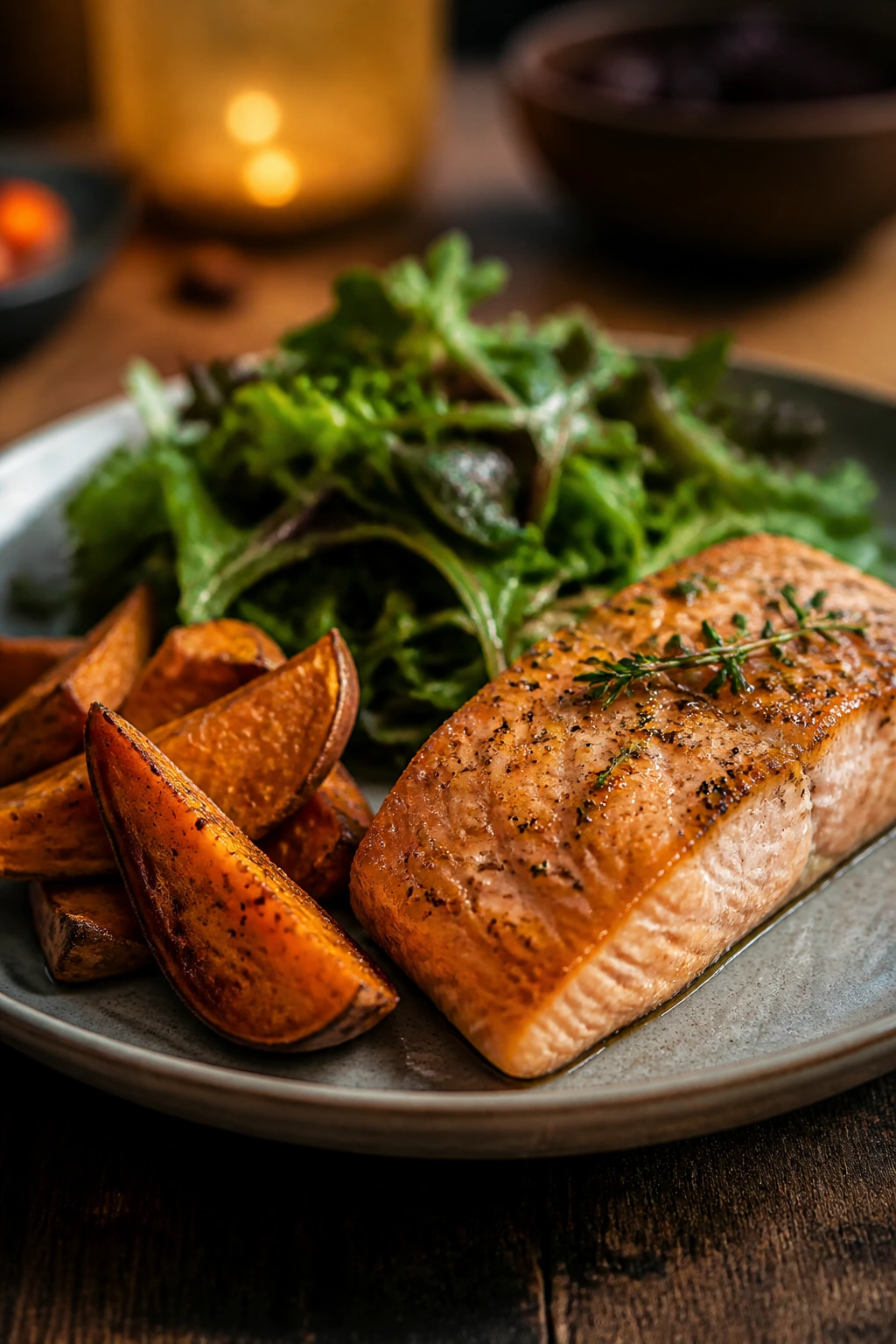
What makes salmon and sweet potato such a smart recovery meal? It is one of those pairings that looks plain and then quietly does a lot of work.
Salmon brings protein plus fats that help the meal feel satisfying, and sweet potato gives you a soft, easy carb source that sits well after training. When lower-body sessions get hard, a plate like this can feel almost soothing. The texture matters more than people think: flaky fish, creamy potato, and something green on the side make dinner feel complete instead of random.
How to Use It
Try this rhythm:
- Breakfast: protein oats with peanut butter
- Lunch: chicken wrap or tuna sandwich with fruit
- Post-workout dinner: salmon, sweet potato, asparagus, and a drizzle of olive oil
- Evening snack: skyr, kiwi, or a whey shake
This plan works especially well when your training volume is high and your appetite is a little weird after lifting. If plain rice feels too dry and pasta feels too heavy, sweet potato sits in a nice middle ground. Do not under-season the salmon. Salt, pepper, garlic, lemon, and dill go a long way here, and a dry piece of fish ruins the whole mood.
4. Chicken Burrito Bowl Day
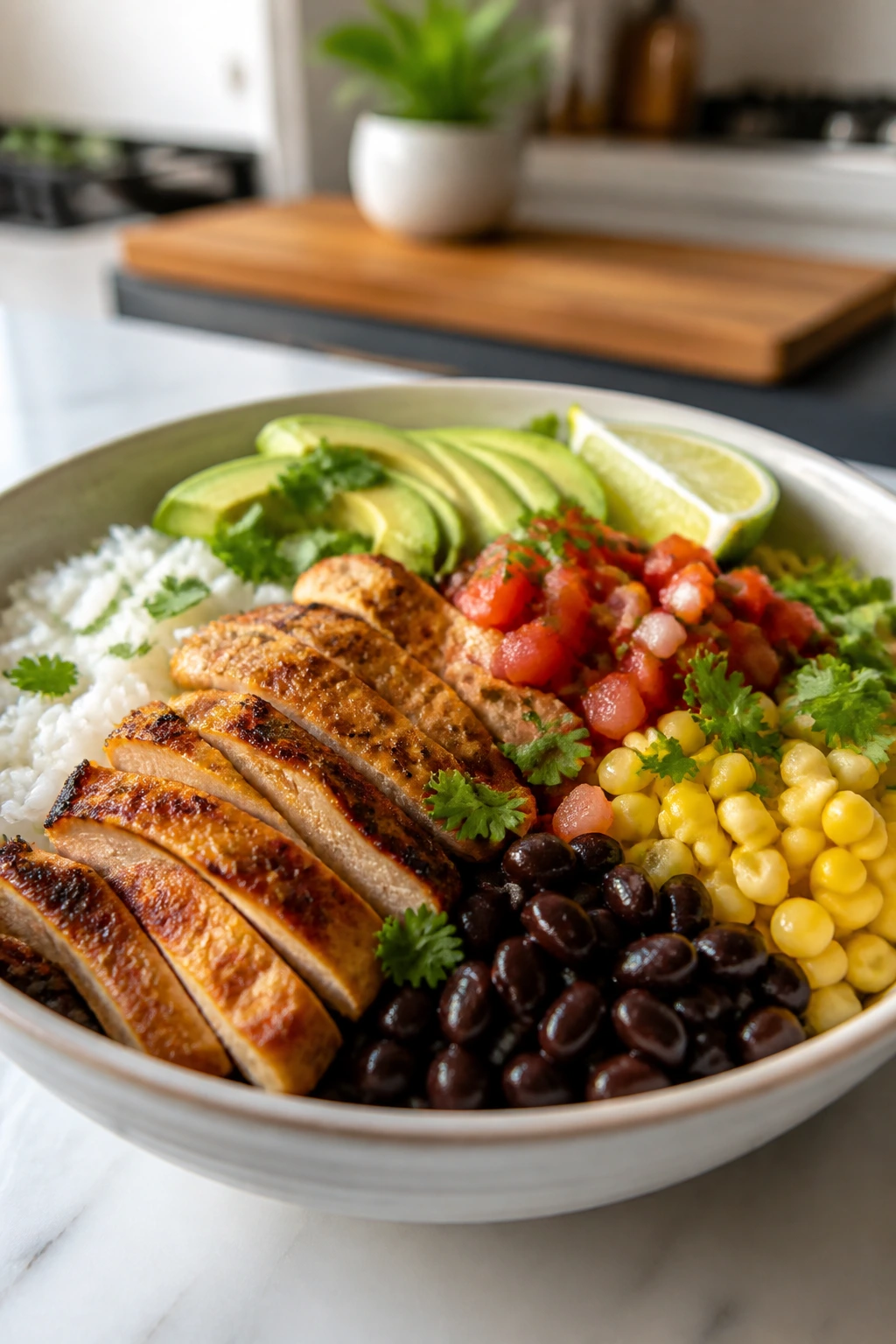
Picture a day built around one bowl that never gets old. Rice at the bottom, chicken on top, black beans for extra fiber, corn, salsa, avocado, and a squeeze of lime.
That is the kind of meal plan I trust. It gives you protein, carbs, and fats without asking you to cook three separate recipes just to hit your numbers. A burrito bowl also scales up easily, which is useful when your glutes need more fuel than your appetite wants to give.
For breakfast, keep it simple: scrambled eggs, toast, and fruit. Lunch is the bowl. Snack on yogurt and granola or a protein shake. Dinner can be a second bowl, honestly, or tacos if you want a small change without changing the whole grocery list.
The nice part is how forgiving it is. If you need more calories, add rice and avocado. If you need more protein, add extra chicken or a scoop of Greek yogurt as a sour-cream swap. It is a workhorse meal, and I mean that as a compliment.
5. Lentil, Tofu, and Quinoa Vegetarian Day
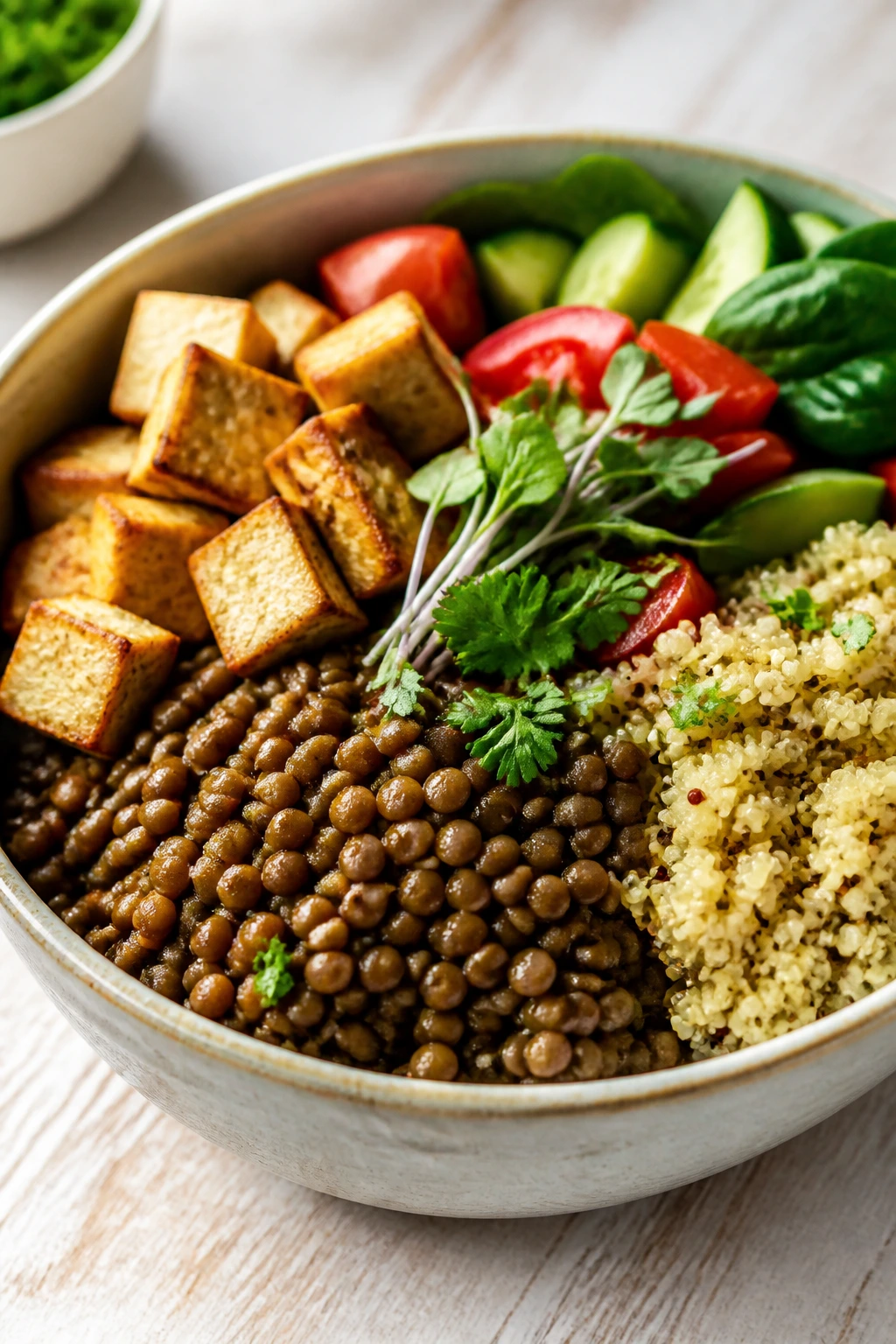
Vegetarian glute-building meals can work very well when they are built with intent, not apology.
Lentils and tofu give you a strong protein base, while quinoa adds carbs and a little more protein than rice usually does. This day is especially useful if you do not eat meat but still want meals that feel sturdy enough to support squat day. The key is not pretending a single salad with chickpeas is enough. It usually is not.
A better version looks like this: tofu scramble with toast and fruit in the morning, lentil soup with quinoa and olive oil at lunch, then a tofu stir-fry over rice at dinner. Add pumpkin seeds, edamame, or a protein smoothie if the day still comes up short. Vegetarian muscle-building gets easier when each meal has a clear protein anchor. No guesswork.
I would also pay attention to texture here. Crisp tofu, soft lentils, and fluffy grains make the food feel satisfying instead of dense. That sounds small. It is not.
6. Steak, Potatoes, and Spinach Day
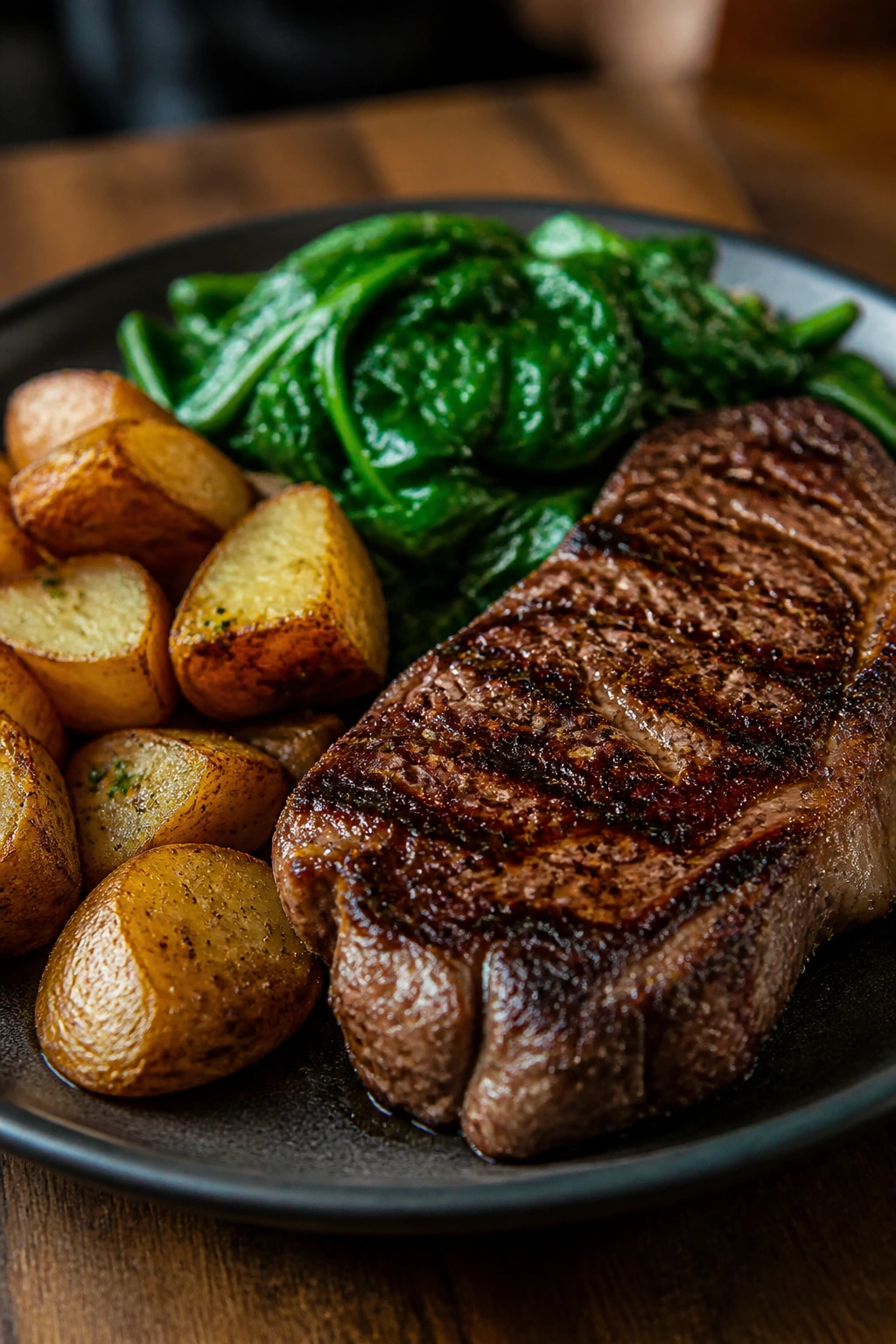
A steak dinner does not mean you’re bulking badly. Sometimes it just means you understand what a hard training day asks for.
Steak gives you iron, protein, and enough richness to make the meal feel substantial without needing a mountain of food. Potatoes are one of the easiest carbs to digest after a hard session, and spinach adds volume without stealing the spotlight. If you have ever finished leg day and wanted something more solid than a smoothie, this is your lane.
The rest of the day can stay clean and simple: eggs and fruit at breakfast, a chicken or tuna sandwich at lunch, steak with potatoes at dinner, and a cottage cheese cup before bed if you need one more protein hit. That pattern is not fancy, but it gets you closer to the surplus and protein intake that glute growth tends to like.
Compared with a low-carb day, this one is much kinder to performance. Your lifts feel less flat, and recovery usually feels less dragged out. That matters more than eating the prettiest plate in the room.
7. Smoothie-Start Day for Low Appetite
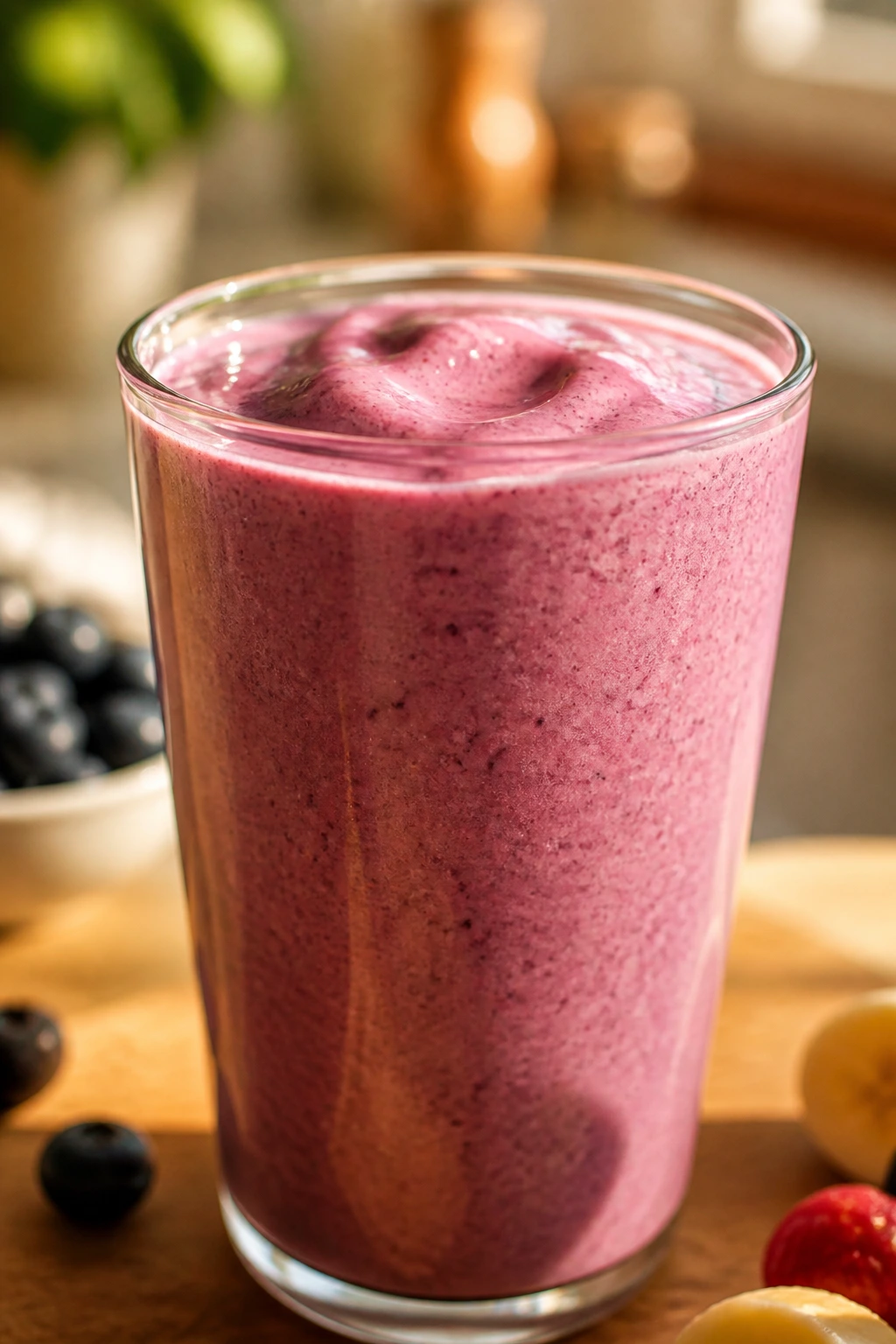
If you wake up not hungry, start with a smoothie.
That simple move saves a lot of weak meal plans. A shake with milk, whey or plant protein, oats, banana, peanut butter, and frozen berries can give you a serious calorie and protein base before your stomach has decided it wants solid food. For women trying to build glutes without forcing huge breakfasts, this is one of the easiest ways to stop falling behind early.
A Good Smoothie Build
- 1 to 1 1/2 cups milk or soy milk
- 1 scoop protein powder
- 1 banana
- 1/3 to 1/2 cup oats
- 1 tablespoon peanut butter
- 1 cup frozen berries
Then keep lunch and dinner normal. A chicken rice bowl at midday and pasta with meat sauce at night works well because the smoothie already handled part of the day’s load. Add almonds, string cheese, or hard-boiled eggs if you need more.
The catch is texture. If your smoothie is too thin, it will not keep you full long enough. Make it thick enough to spoon if needed. Seriously.
8. Cottage Cheese and Pasta Night Plan
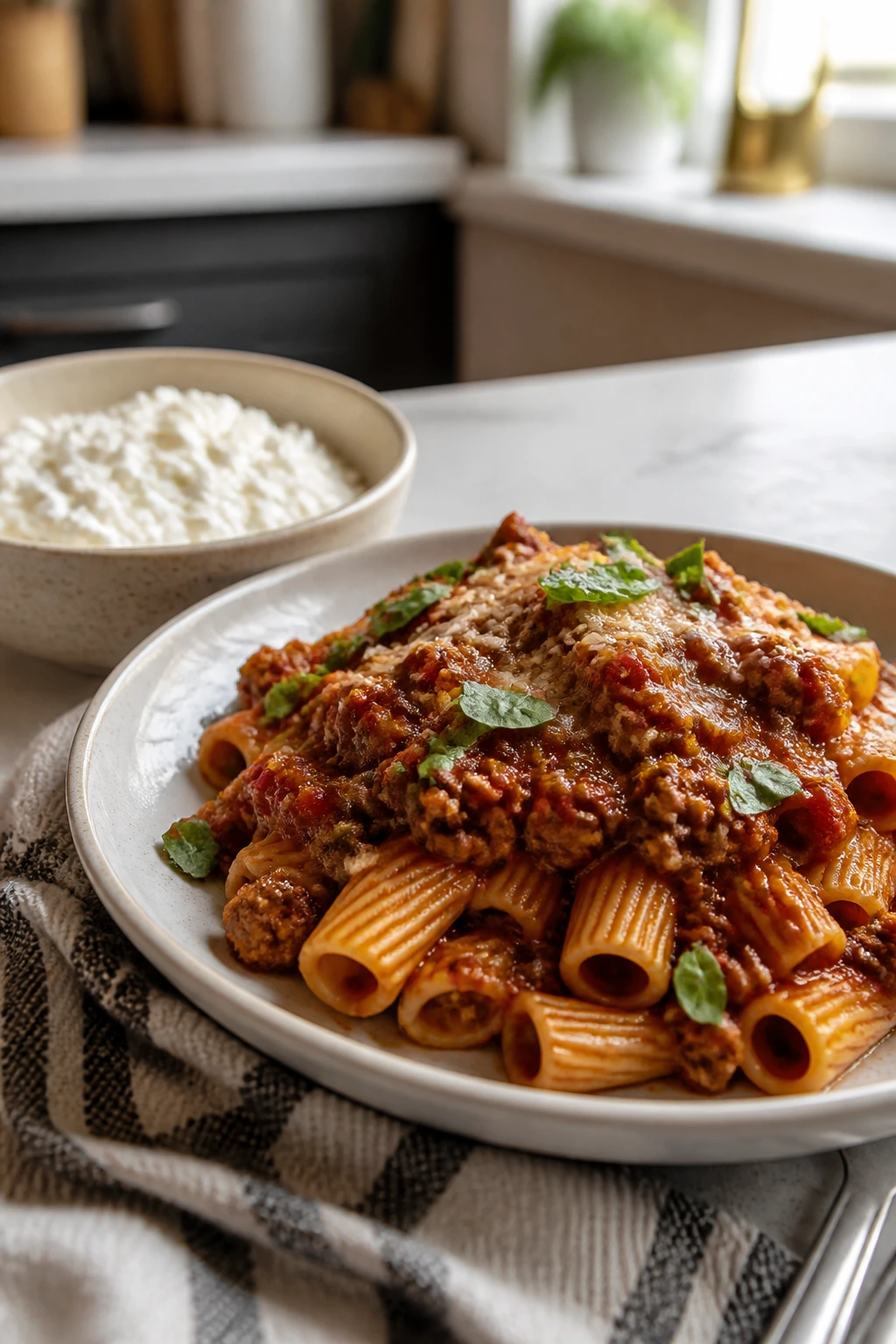
Cottage cheese gets written off way too quickly.
People think it is boring until they eat it with pasta, tomato sauce, and ground turkey or lentils. Then it starts looking useful. This is a strong evening-focused meal plan for women who train later in the day and want a meal that feels comforting without turning into junk food.
Breakfast can be toast, eggs, and fruit. Lunch can be a turkey sandwich with hummus and carrots. Dinner is where the fun happens: pasta with meat sauce, a side salad, and a bowl of cottage cheese with pineapple or tomatoes, depending on what you want. That combination gives you carbs for glycogen replenishment and a slow-digesting protein before bed.
I like this plan because it does not fight your appetite. Pasta tends to go down easier than giant piles of dry chicken and rice, and cottage cheese before bed can help you keep protein intake steady without another full meal. If you struggle to hit calories at night, this one is worth testing.
9. Budget Beans and Eggs Day
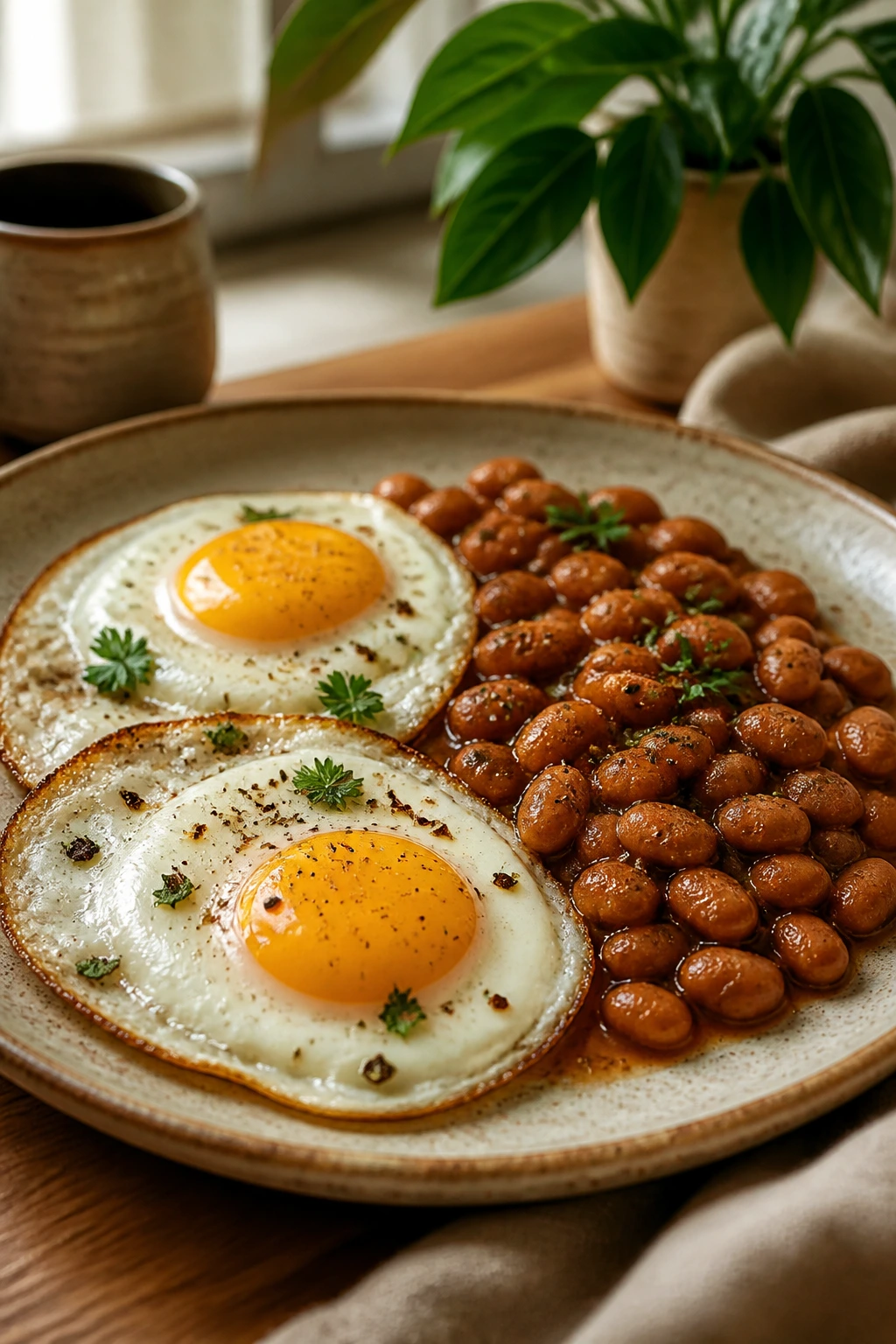
Budget eating gets a bad reputation, mostly from people who have never tried to build muscle on a real grocery bill.
Beans, eggs, rice, oats, peanut butter, canned tuna, and frozen vegetables can carry a glute-building day just fine. You do not need expensive powders and boutique snacks to make progress. You do need enough total food, enough protein, and enough consistency that your training does not get sabotaged by empty meals.
Start with oats and eggs in the morning. Use beans and rice for lunch, maybe with salsa and shredded cheese if dairy works for you. Snack on peanut butter toast, fruit, or a tuna packet with crackers. Dinner can be bean chili with ground turkey or tofu if you want to stretch the budget further.
The nice thing about this plan is that it teaches patience. Cheap ingredients often need seasoning and a little texture help, so add onions, garlic, hot sauce, lime, and herbs. Plain beans are fine. Well-cooked beans are better.
10. Dairy-Free Curry Day
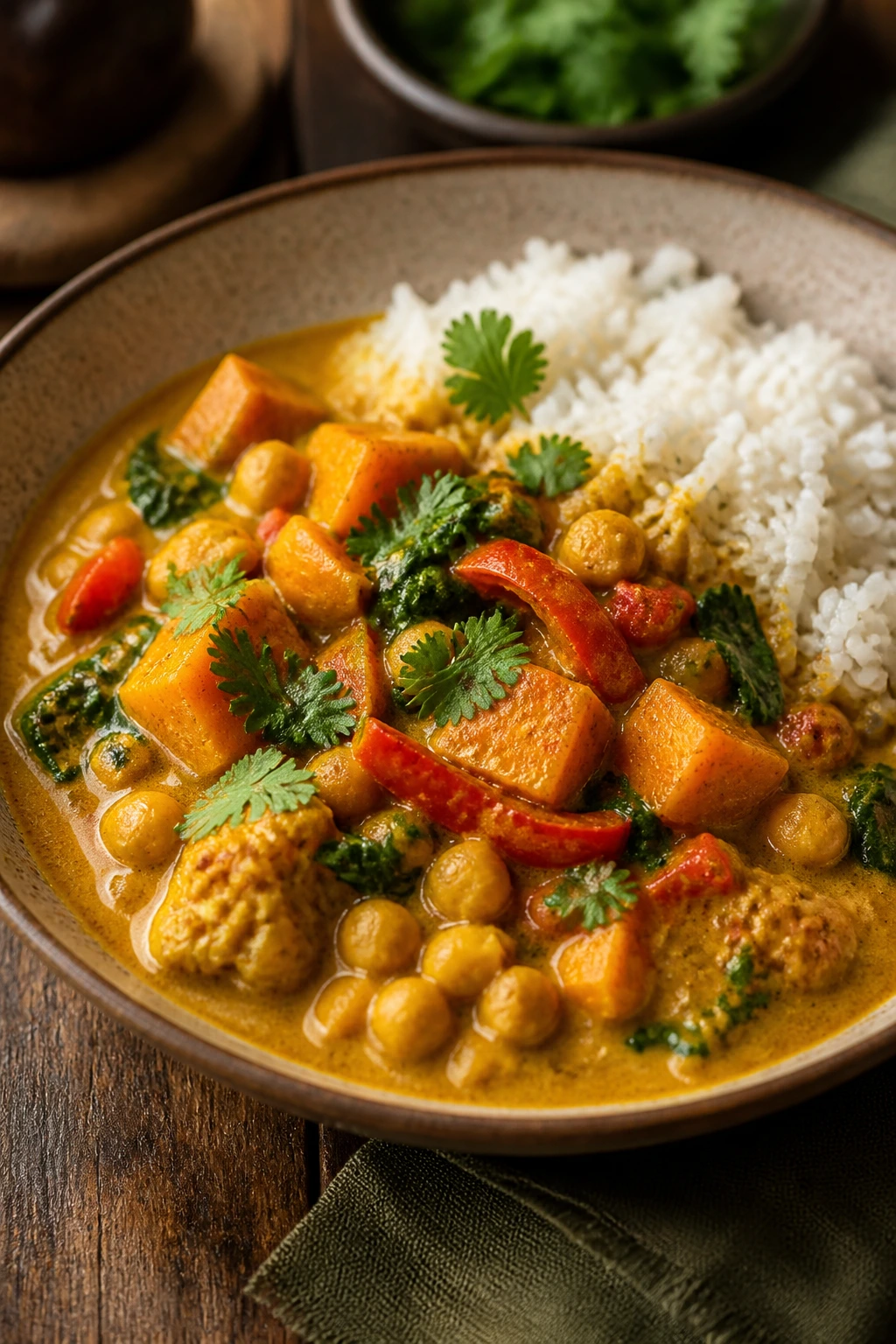
Dairy-free does not have to mean low-protein.
A chicken or tofu curry with rice, coconut milk, and vegetables can make a strong glute-building day without a drop of yogurt or cheese. This is useful for women who do not tolerate dairy well, or who simply want a change from the same chicken-and-rice loop. The sauce matters here. A good curry sauce makes the whole day easier to stick to.
Breakfast can be eggs with avocado and toast, or a smoothie made with soy milk. Lunch can be leftover curry over rice. Dinner can be another curry bowl with extra vegetables and a side of mango or pineapple. If you need a snack, rice cakes with almond butter or a handful of trail mix work well.
The main trick is not overdoing the vegetables until the meal becomes too bulky to finish. You want enough fiber to feel good, not so much that your stomach rebels. Coconut milk is useful here because it adds calories without making the plate huge. That is a quiet advantage, and a real one.
11. High-Calorie Surplus Day for Hard Gainers
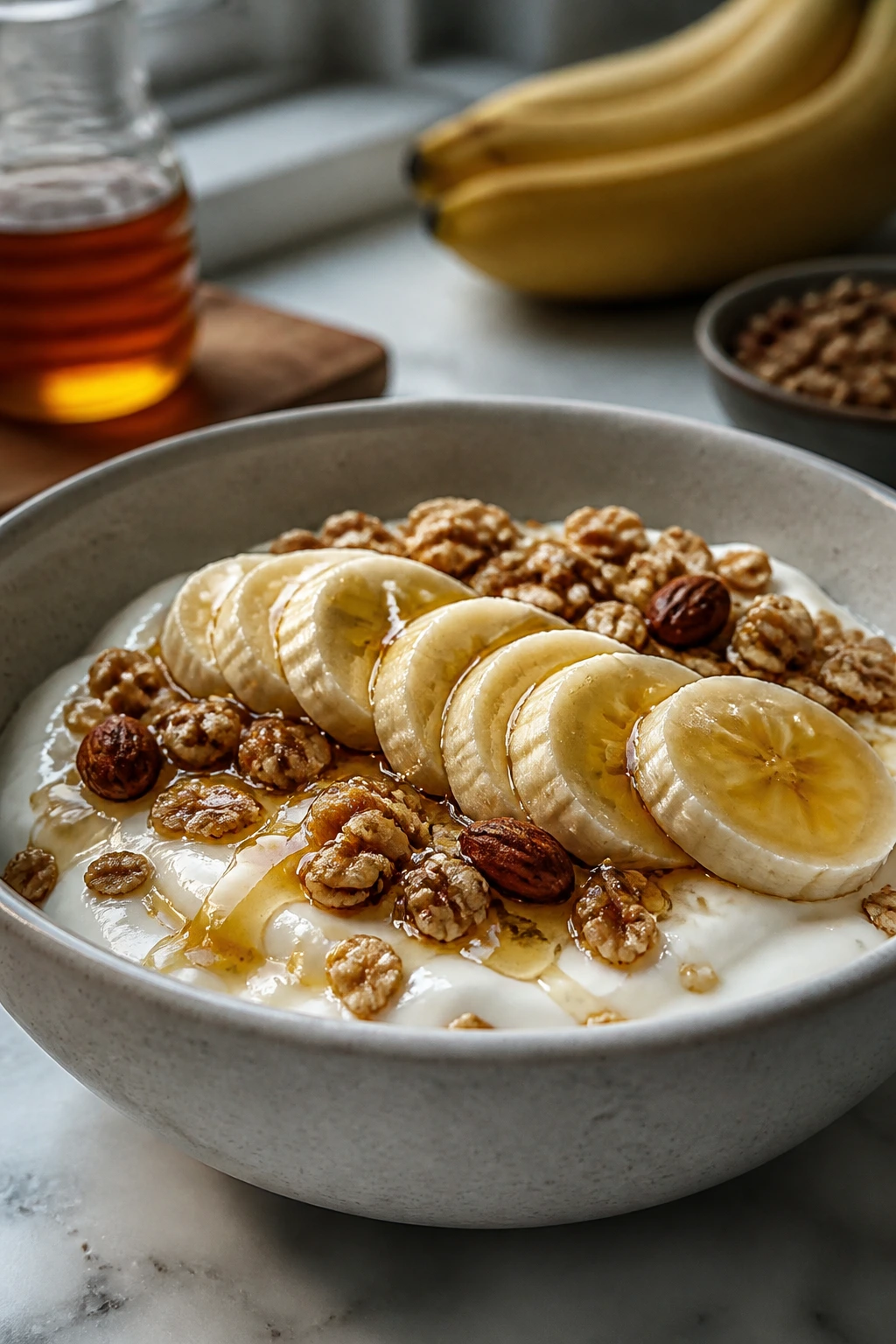
A hard-gainer plan is not an excuse to eat junk.
It is a plan that uses denser foods on purpose. Think full-fat yogurt, rice, pasta, avocado, olive oil, nut butter, granola, salmon, whole eggs, and plenty of snackable calories between meals. If you burn through food fast or just have a naturally low appetite, this kind of day can be the difference between “I try” and actual progress.
Breakfast might be eggs, toast with butter, and a banana smoothie. Lunch could be rice, chicken thighs, and avocado. Midafternoon snack: trail mix and Greek yogurt. Dinner: pasta with meat sauce, olive oil, and parmesan. Before bed, a peanut butter sandwich or cottage cheese with honey works well.
You are trying to create an easy calorie surplus here, not win a clean-eating contest. That means dense foods matter more than giant plates of lettuce. The food should feel satisfying, and it should not take forever to eat. If it takes 45 minutes to finish lunch, the plan is too bulky.
12. Recomp Day with Lean Protein and Slow Carbs
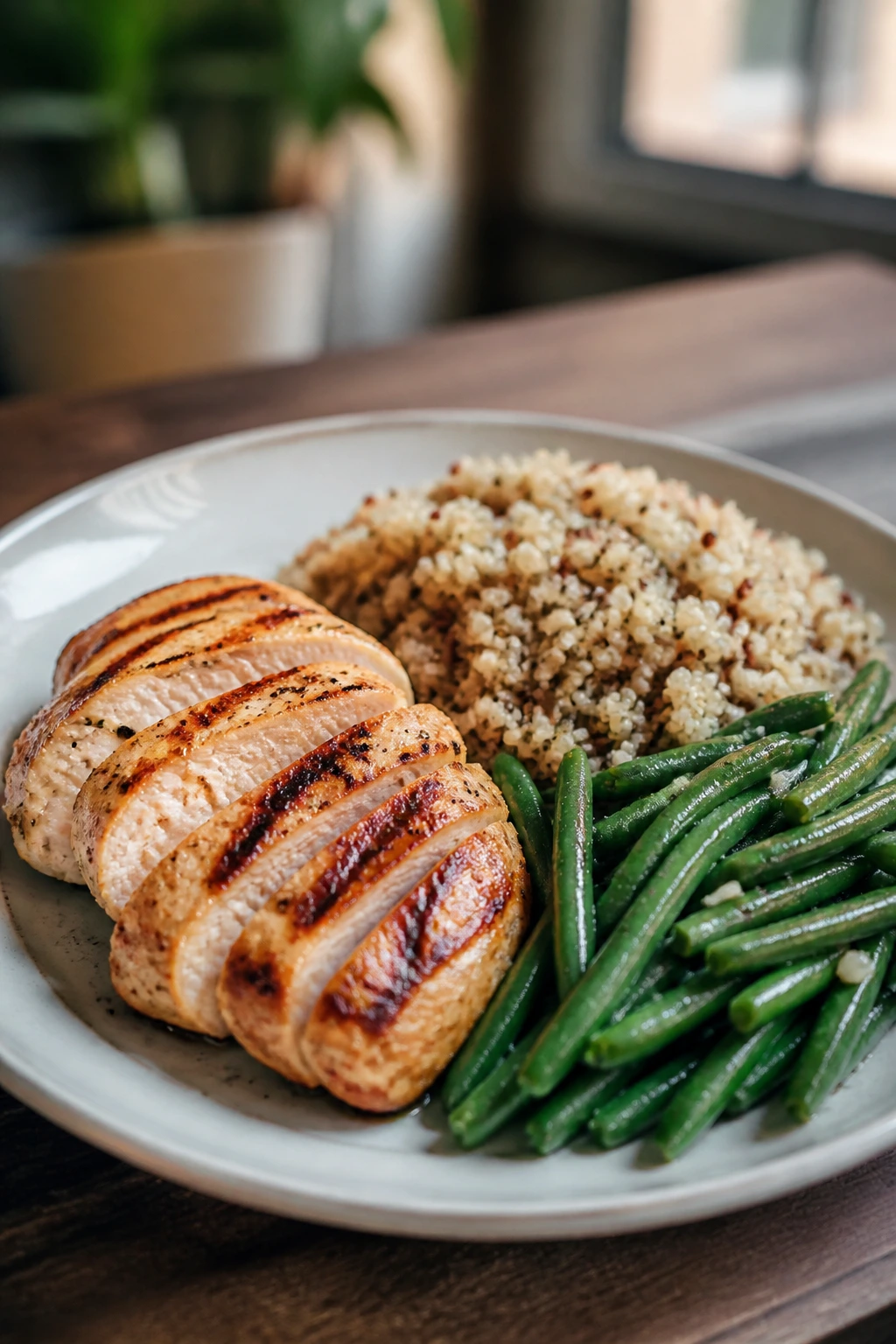
A recomp day needs discipline, not drama.
This is the plan for women who want to build glutes without letting body fat climb faster than they like. It keeps protein high, carbs steady, and fats moderate. The meals are less calorie-dense than a bulking day, but still plenty strong enough to support lifting if your training is consistent.
A good day here might look like oatmeal with egg whites and berries for breakfast, chicken and quinoa for lunch, a protein shake and fruit after training, then white fish, potatoes, and green beans at dinner. That is not a sad diet. It is controlled eating with a purpose.
Compared with the surplus day above, the portions are smaller and the snacks are tighter. You are still feeding muscle growth, just with less extra energy hanging around. I would use this style if you already know your appetite runs high and you need a bit of structure to stay on track.
13. Sunday Meal Prep Tray-Bake Day
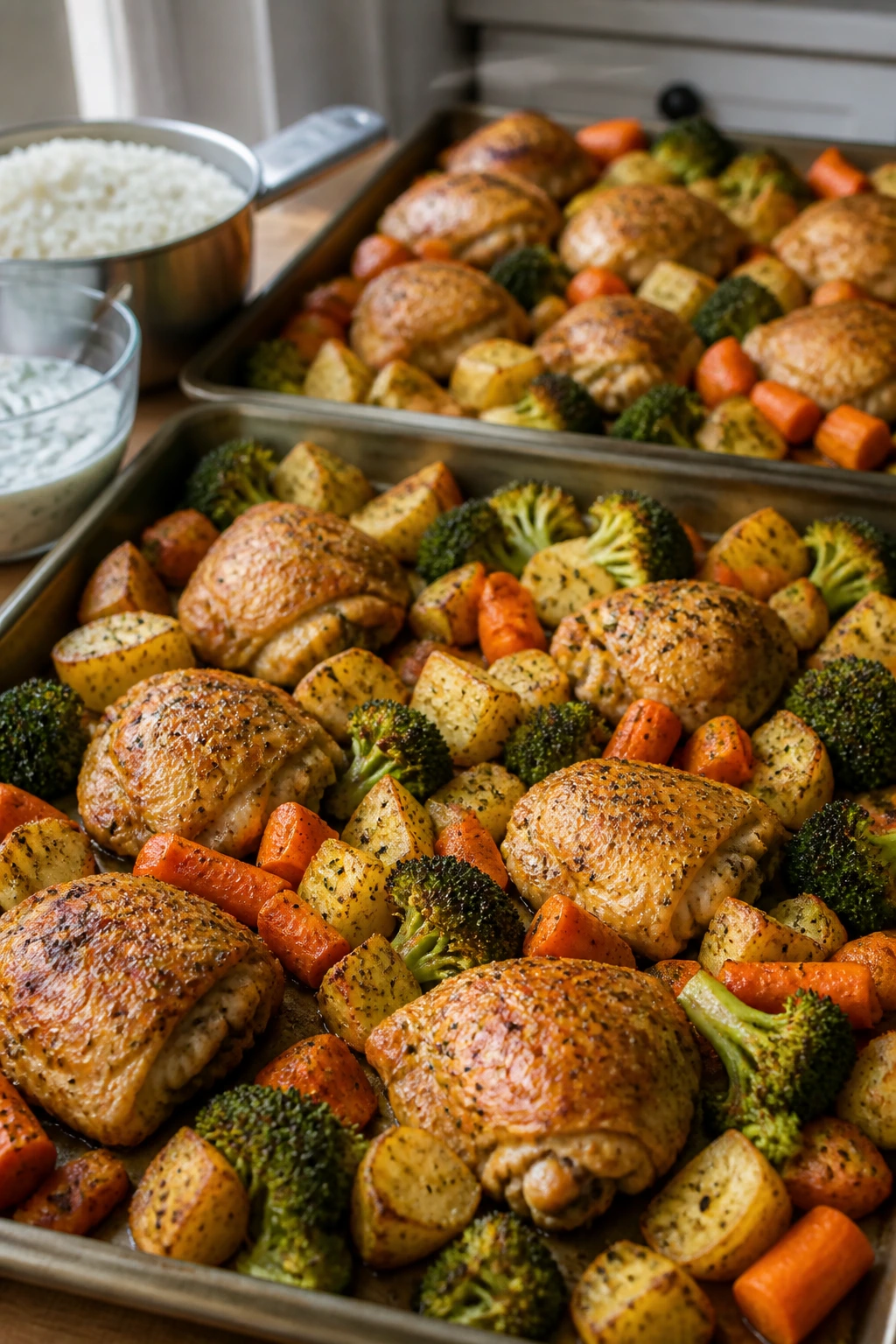
Sunday prep is the difference between good intentions and actual meals.
A tray-bake plan keeps things from falling apart during the week. Roast chicken thighs, potatoes, carrots, and broccoli on two sheet pans. Cook a pot of rice. Mix a quick yogurt sauce or a salsa-based topping. That is enough building material for four or five meals without staring at the stove every evening.
What to Cook First
- 2 to 3 pounds chicken thighs or breasts
- 4 to 5 medium potatoes, cubed
- 2 cups broccoli florets
- 2 cups carrots or peppers
- 3 to 4 cups cooked rice
- 1 sauce: Greek yogurt with garlic and lemon, or salsa with olive oil
The beauty of this plan is flexibility. You can eat the tray-bake as a bowl, stuff it into a wrap, or serve it over greens if you want a lighter lunch. The prep only works if you season generously. Salt, paprika, garlic, pepper, and olive oil are not extras here. They are the reason the food gets eaten on day three.
14. Portable Workday Pack-and-Go Plan
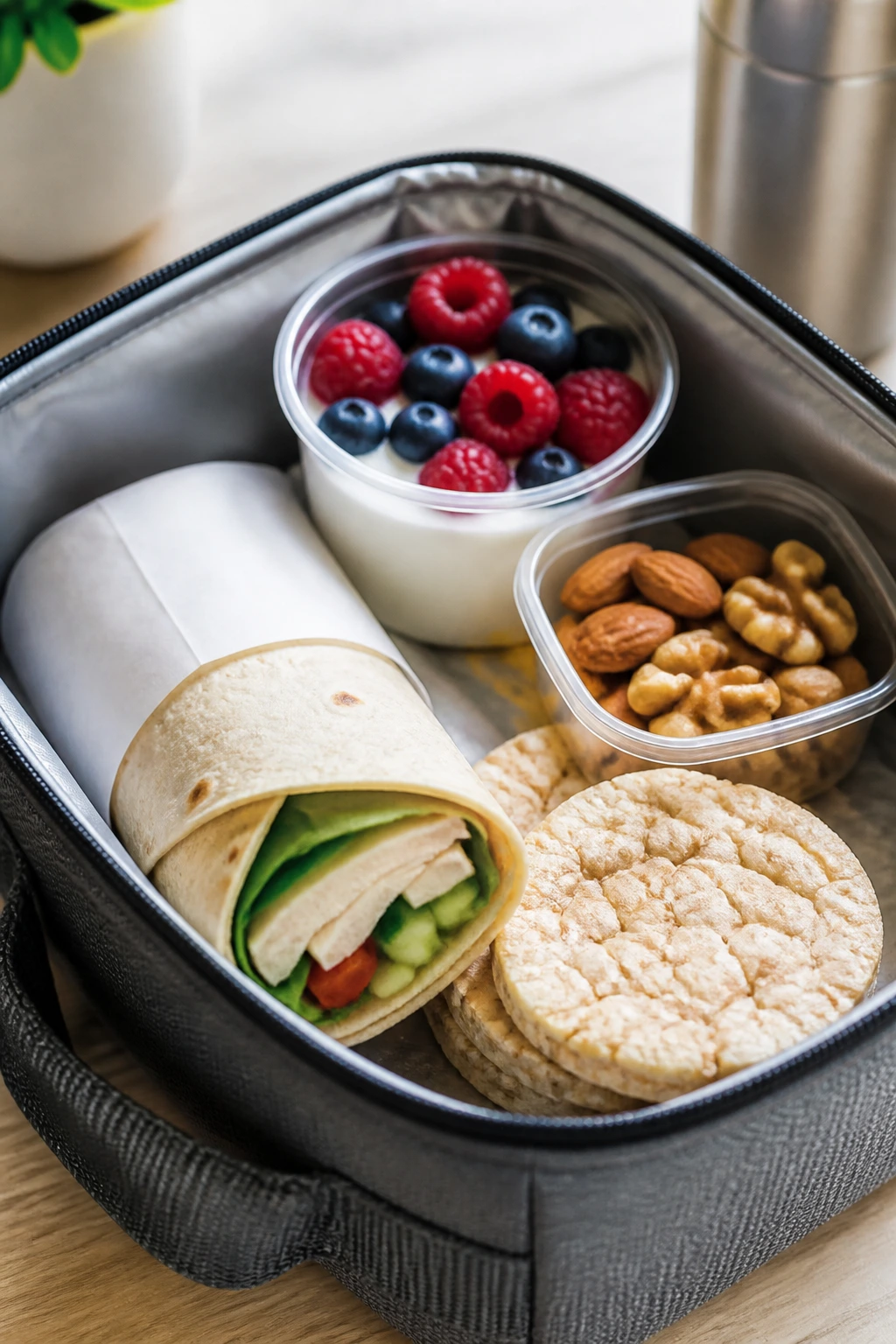
Desk days punish people who forget snacks.
If you go too long between meals, you end up so hungry that the next meal turns chaotic. This plan is built around portable foods that can live in a bag or lunch box without becoming weird. Think protein wraps, fruit, jerky, nuts, yogurt cups, rice cakes, and cooked chicken with pasta salad.
A practical workday could be this: breakfast burrito at home, yogurt and berries midmorning, chicken pasta salad for lunch, apple with peanut butter in the afternoon, and dinner of turkey burgers with potatoes. Nothing has to be fancy. It just has to be packable and enough to keep energy up for training after work.
I like this for women who are out of the house all day and hate lukewarm mystery meals. The food should still taste decent cold, or only need a quick microwave. If it needs five sauces and a prayer to survive the commute, skip it.
15. No-Cook Travel Day
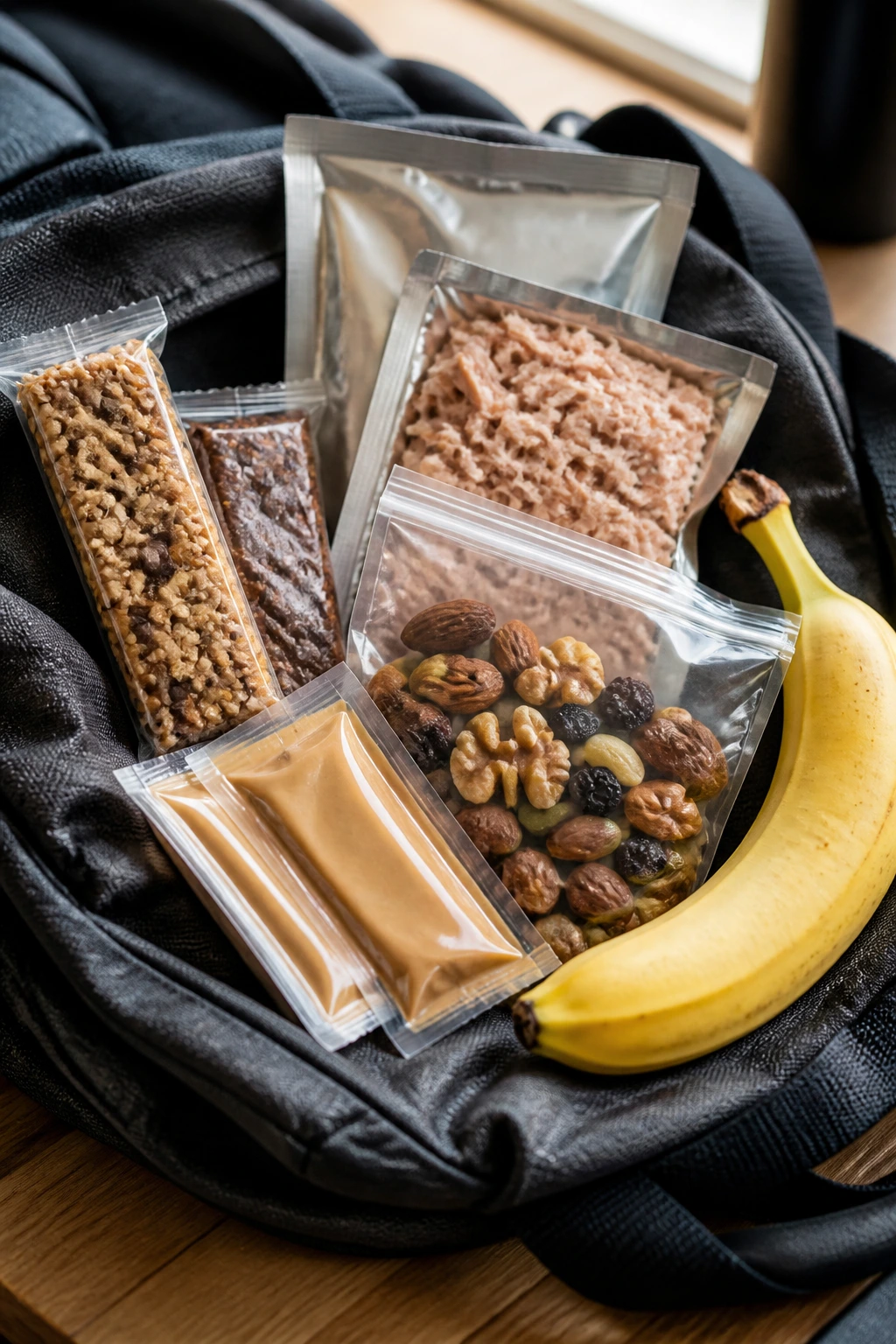
Travel food is where good plans go to die.
Airport snacks, gas-station chips, random pastries—none of it is ideal if your goal is glute growth. The fix is to build a no-cook plan that survives a long day without looking sad. Pack protein bars with decent protein, shelf-stable tuna packs, roasted edamame, trail mix, instant oats, bananas, whole-grain crackers, and a shaker bottle.
Better Travel Staples
- Protein bars with at least 15 to 20 grams of protein
- Tuna or chicken packets
- Trail mix with nuts and dried fruit
- Peanut butter packets
- Bananas or apples
- Instant oats
- A refillable water bottle
At your actual meals, pick the option with protein first and carbs second. A sandwich with extra turkey beats a pastry and coffee every time. A burrito bowl is better than fries alone. That sounds obvious until travel stress kicks in and logic leaves the building.
16. Brunch-Heavy Late-Start Day
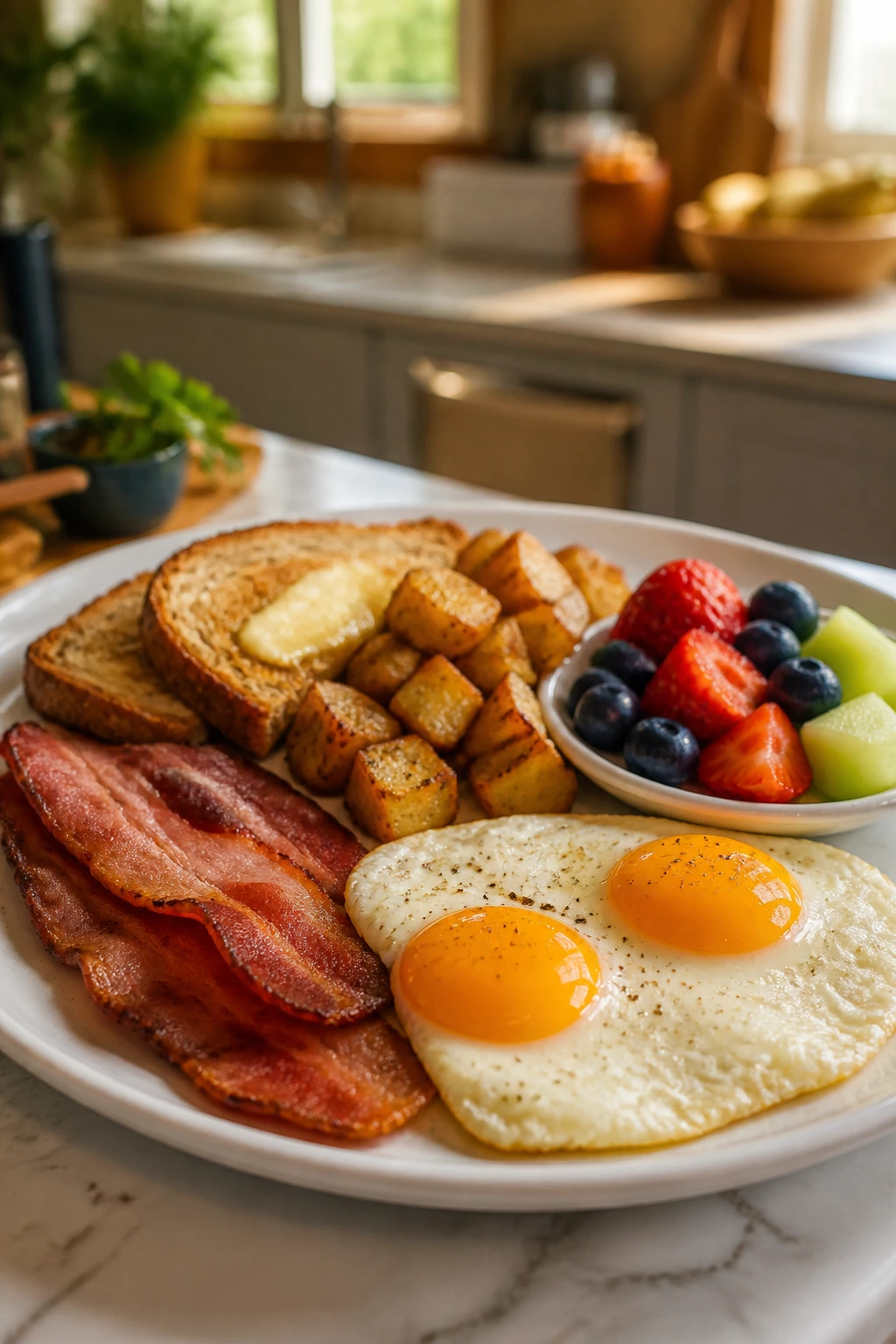
Late breakfast days are not lazy.
Sometimes your schedule, sleep, or appetite just works better with a bigger first meal and a lighter evening. A brunch-heavy plan can still support glute building if you do not let the day collapse after noon. Big protein meals early can take pressure off the rest of the day, which is useful if you know you get busy later.
Picture this: eggs, turkey bacon, toast, potatoes, and fruit for brunch; a protein smoothie in the afternoon; salmon or chicken with rice for dinner; Greek yogurt and honey before bed. That setup gives you a strong start and enough room to stay on target without constant snacking.
I also like brunch-heavy days for women who train midmorning. The food lands when appetite is strongest, and the workout has fuel behind it. Do not turn brunch into a sugar bomb. Add protein first, then carbs, then whatever fun extras you want.
17. Carb-Forward Leg Day Plan
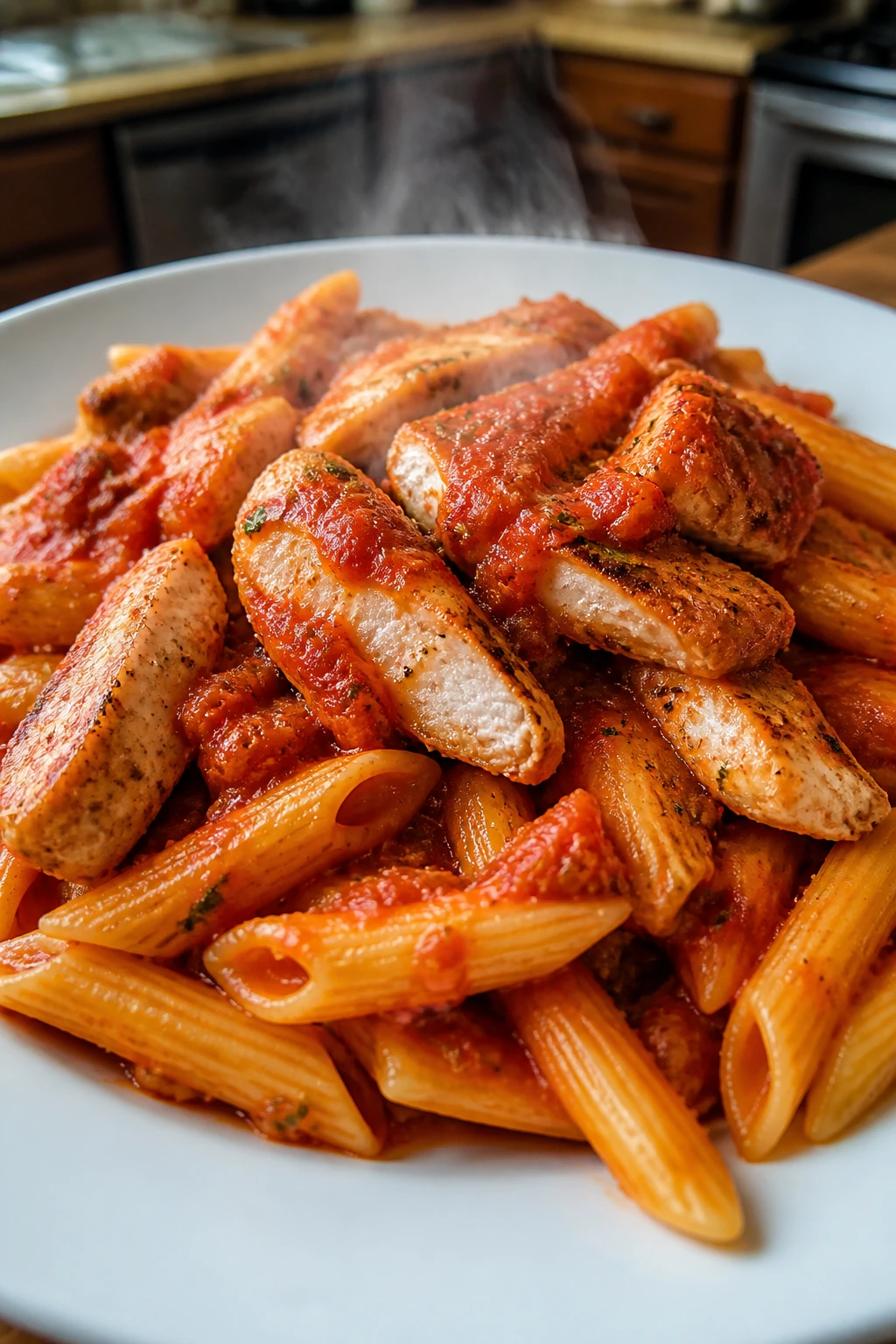
Carbs are not the enemy on leg day.
They are the reason you can keep driving through the last few sets without feeling like your legs have turned into wet sand. A carb-forward meal plan is especially useful on heavy squat, deadlift, or hip thrust days because it keeps glycogen topped up and recovery moving. That means rice, pasta, potatoes, fruit, oats, and maybe even a bagel or two if that sits well for you.
Breakfast can be oats with whey and banana. Lunch can be chicken pasta with marinara. A pre-workout snack might be rice cakes with jam and a protein shake. Dinner can be beef, potatoes, and vegetables, followed by yogurt and granola if you still need calories.
This is the plan I would choose when the workout is the whole point of the day. Keep fats a little lower before training if your stomach gets sluggish. Save the heavier foods for later. Leg day and a tiny lunch are a bad match. Your performance will tell on you.
18. Sweet Tooth-Friendly Protein Day
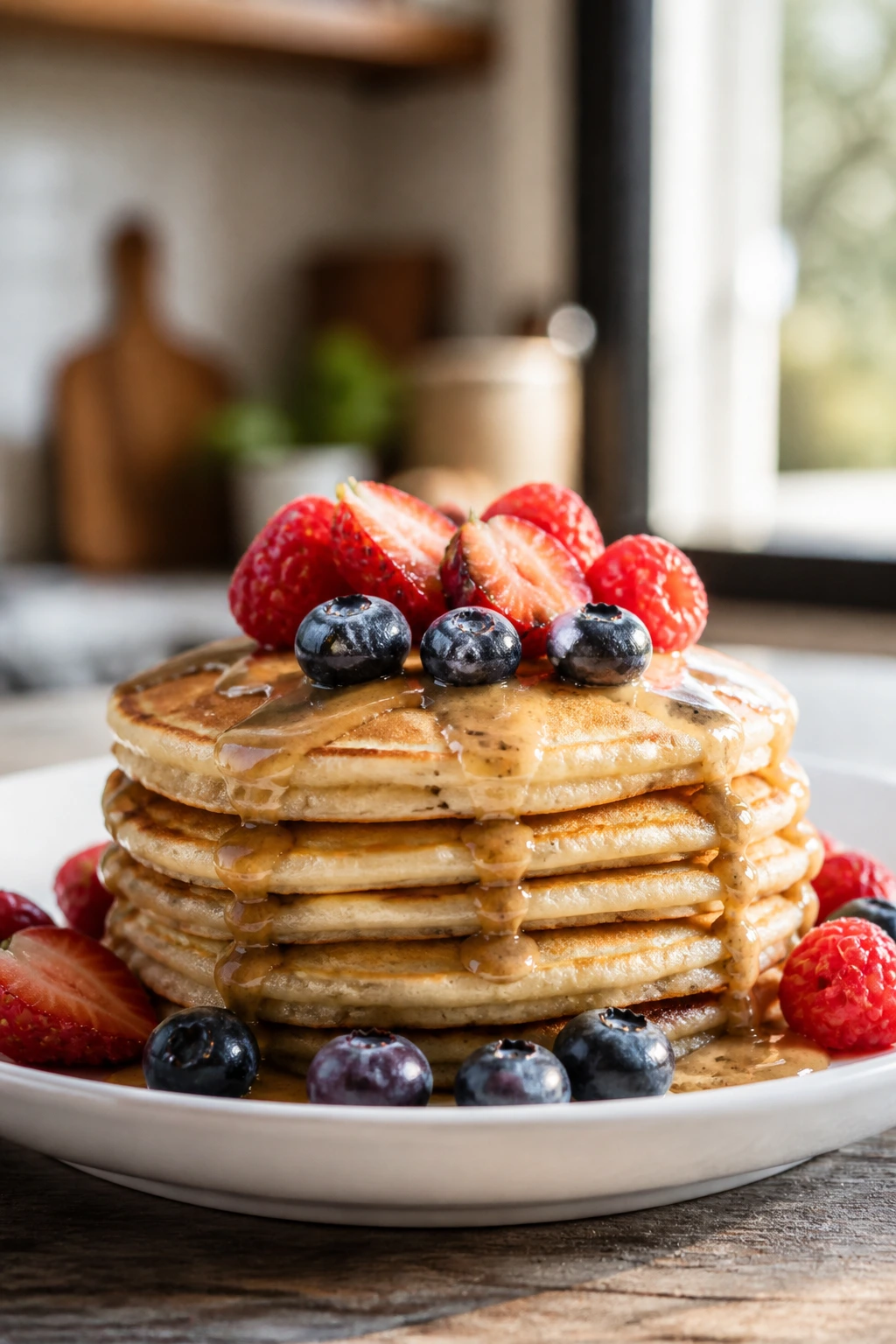
Sweet tooth? Fine.
You do not need to pretend you love plain chicken forever. A sweet-tooth-friendly plan can still be muscle-friendly if the sweets are built around protein and real food. Protein pancakes, Greek yogurt with cacao and berries, cereal with high-protein milk, chia pudding, and a banana-peanut butter sandwich can all fit.
Start with protein pancakes or oats with cinnamon and fruit. Use a yogurt bowl with granola for snack time. Lunch can stay savory—maybe turkey rice bowls—so the day does not become dessert by accident. Dinner can be pasta or tacos, and a dark chocolate square or two can land after that.
The trick is keeping the sweets attached to something that actually helps muscle growth. A cookie alone is a snack. A cookie with a protein shake and a banana is a better move. That tiny difference matters more than people want to admit.
19. Balanced Rest Day Plan
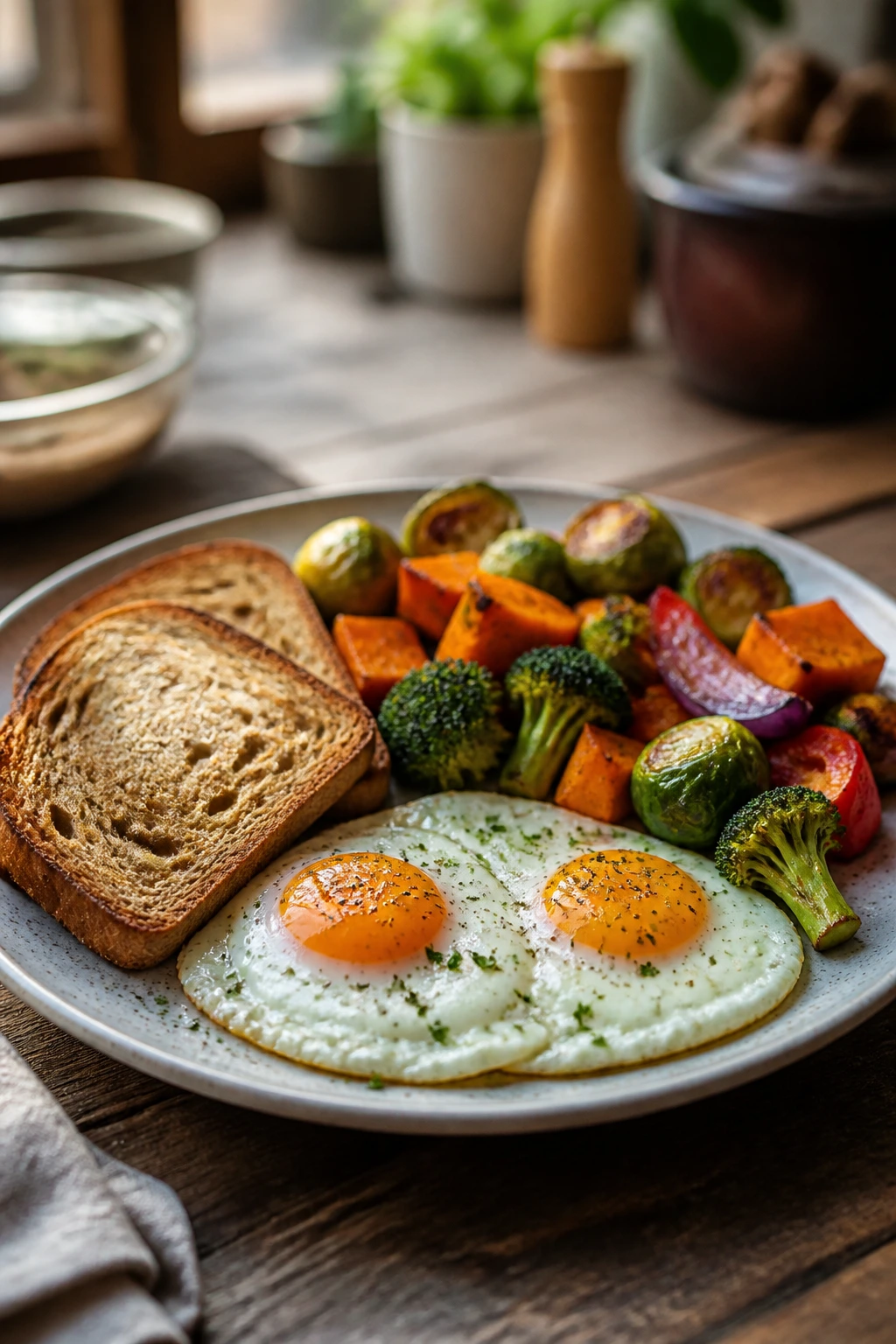
Rest days still need food.
Maybe not as many carbs as leg day, but definitely not some sad little lettuce routine. Muscles recover when you are resting, and recovery still costs energy. That means protein stays high, vegetables show up, and carbs stay present enough to refill what yesterday used.
A solid rest-day menu could be eggs and sourdough for breakfast, tuna salad wraps for lunch, yogurt and fruit as a snack, and chicken, rice, and roasted vegetables for dinner. If appetite is lower, reduce the carb portions a little and keep the protein the same. That is the part people skip. Don’t.
This style works well between heavy lower-body sessions because it gives digestion a small break while still feeding adaptation. Rest days are not cheat days, and they are not starvation days either. They are the middle ground that keeps the next workout from feeling like punishment.
20. The Repeatable Default Day
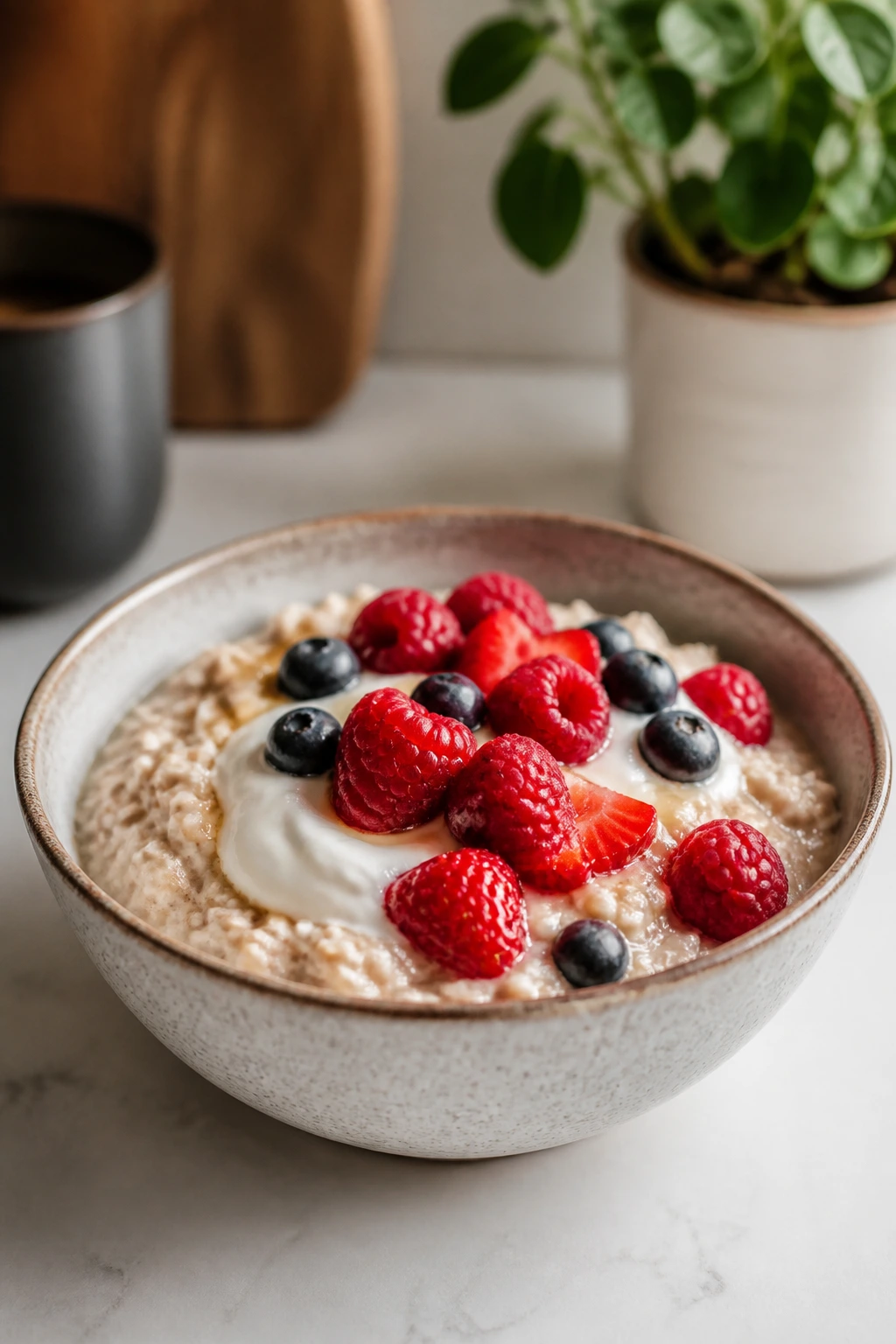
If you want one plan to repeat all week, keep it plain.
A default glute-building meal plan should be easy enough that you can follow it when you are tired, busy, or bored. That usually means one breakfast you like, one lunch bowl you can assemble quickly, one dinner protein with a carb side, and one or two snacks you never have to think too hard about. Greek yogurt, oats, eggs, rice, chicken, potatoes, fruit, and nuts are the kind of basics that hold up.
I would build it like this: breakfast is oats with Greek yogurt and berries; lunch is chicken rice bowl; snack is fruit plus cottage cheese; dinner is salmon or turkey with potatoes and vegetables. That is not exciting, and that is the point. The best meal plan is often the one you can repeat without negotiating with yourself every hour.
If you get tired of it, rotate sauces and textures, not the whole structure. Swap salsa for pesto. Use sweet potato instead of rice. Change chicken to salmon or tofu. Small changes keep the plan alive.
Final Thoughts
Glute growth is not a mystery, and it is not built on a dozen trendy rules. It comes from hard training, enough protein, enough carbs, and meals that you can actually stick with.
The best plan is the one that fits your appetite and your life. If you eat better on bowls, build bowls. If smoothies keep you on track, use them. If you need a bigger dinner and a lighter breakfast, that works too.
Keep the food simple. Keep the portions honest. And keep showing up for the workouts that ask your glutes to do the actual work.
