



A 1 p.m. crash usually starts at lunch, not at the coffee machine. If your meals swing from a sugar-heavy breakfast to a sad desk sandwich, your energy will wobble all afternoon. The best healthy meals for steady daily energy are not flashy; they’re the ones that quietly do their job with protein, fiber, slow-digesting carbs, and a little fat.
I like meals that have some texture to them. Something to chew. Something that takes a minute to digest. A bowl of oats with yogurt and berries will usually carry you farther than a muffin, even if the muffin looks more tempting at 8:15 a.m. Same story with beans, eggs, salmon, tofu, quinoa, and sweet potatoes.
The mistake is not eating carbs. The mistake is eating carbs by themselves and expecting a miracle. Oats, brown rice, farro, whole-grain bread, lentils, and beans are all useful tools when they’re paired with enough protein and fat to slow things down a bit.
So here’s the real trick: build meals that don’t leave you hunting for snacks an hour later. The ones below do that well, and they’re varied enough that you won’t get bored halfway through the week.
1. Greek Yogurt Oats with Berries and Walnuts
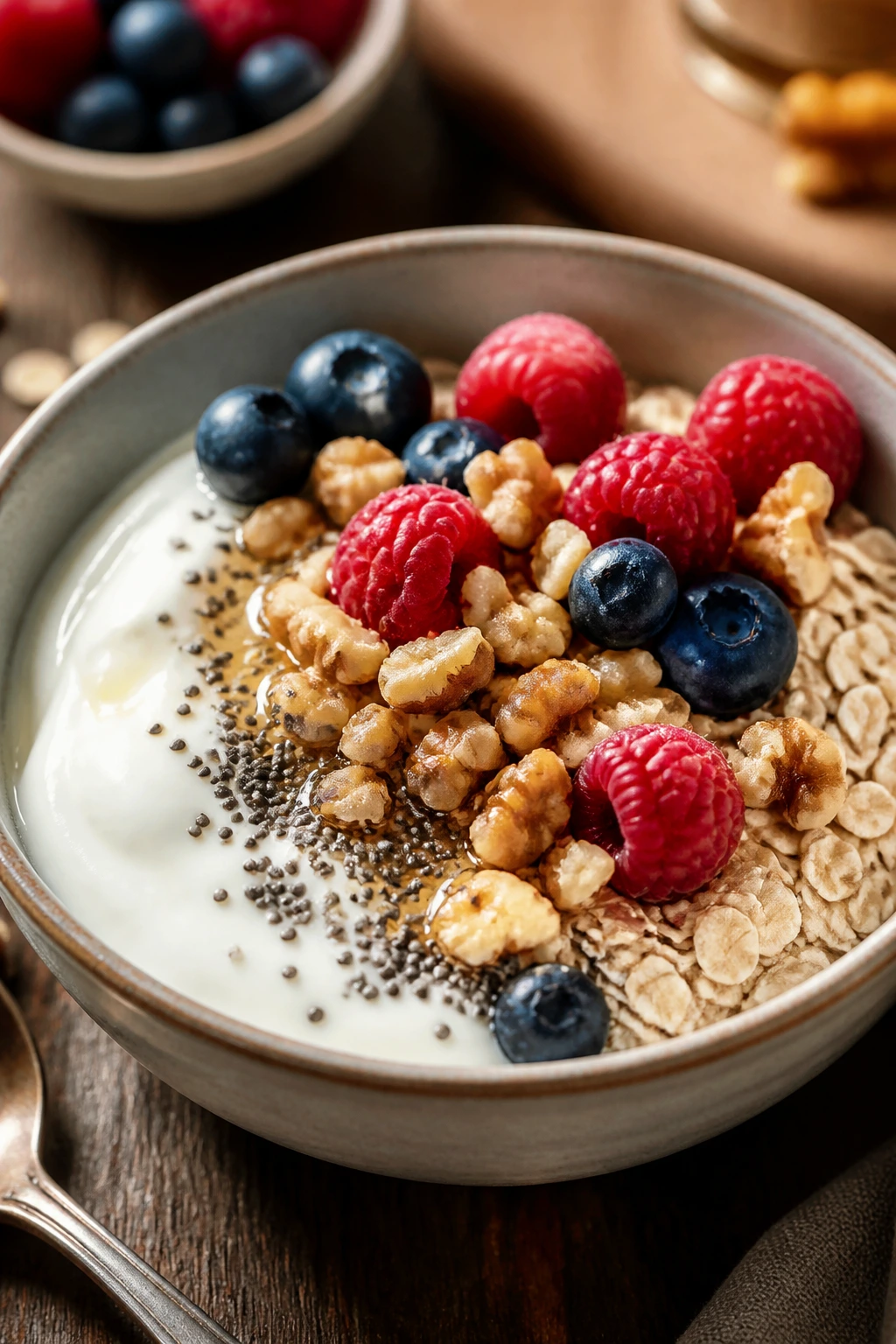
A yogurt bowl sounds tiny until you build it like a real meal. Greek yogurt gives you a strong protein base, oats bring slow-burning carbs, and walnuts add enough fat to keep the whole thing from feeling thin or sugary.
Why it works
What matters here is not the yogurt alone. It’s the mix of protein, fiber, and crunch. A bowl with 1 cup plain Greek yogurt, 1/2 cup oats, a handful of berries, and 2 tablespoons chopped walnuts hits all the right notes without being heavy.
The berries matter more than people think. They bring sweetness, yes, but they also keep the meal from tasting flat and give you something bright against the creaminess. Add 1 tablespoon chia seeds if you want extra staying power.
- 1 cup plain Greek yogurt
- 1/2 cup rolled oats
- 1/2 cup berries, fresh or thawed from frozen
- 2 tablespoons walnuts, chopped
- 1 tablespoon chia seeds
- Cinnamon, if you like a little warmth
Best move: let the oats sit in the yogurt for 5 to 10 minutes before eating. They soften just enough and feel less dry, which makes the bowl hold together better.
2. Veggie Omelet with Whole-Grain Toast
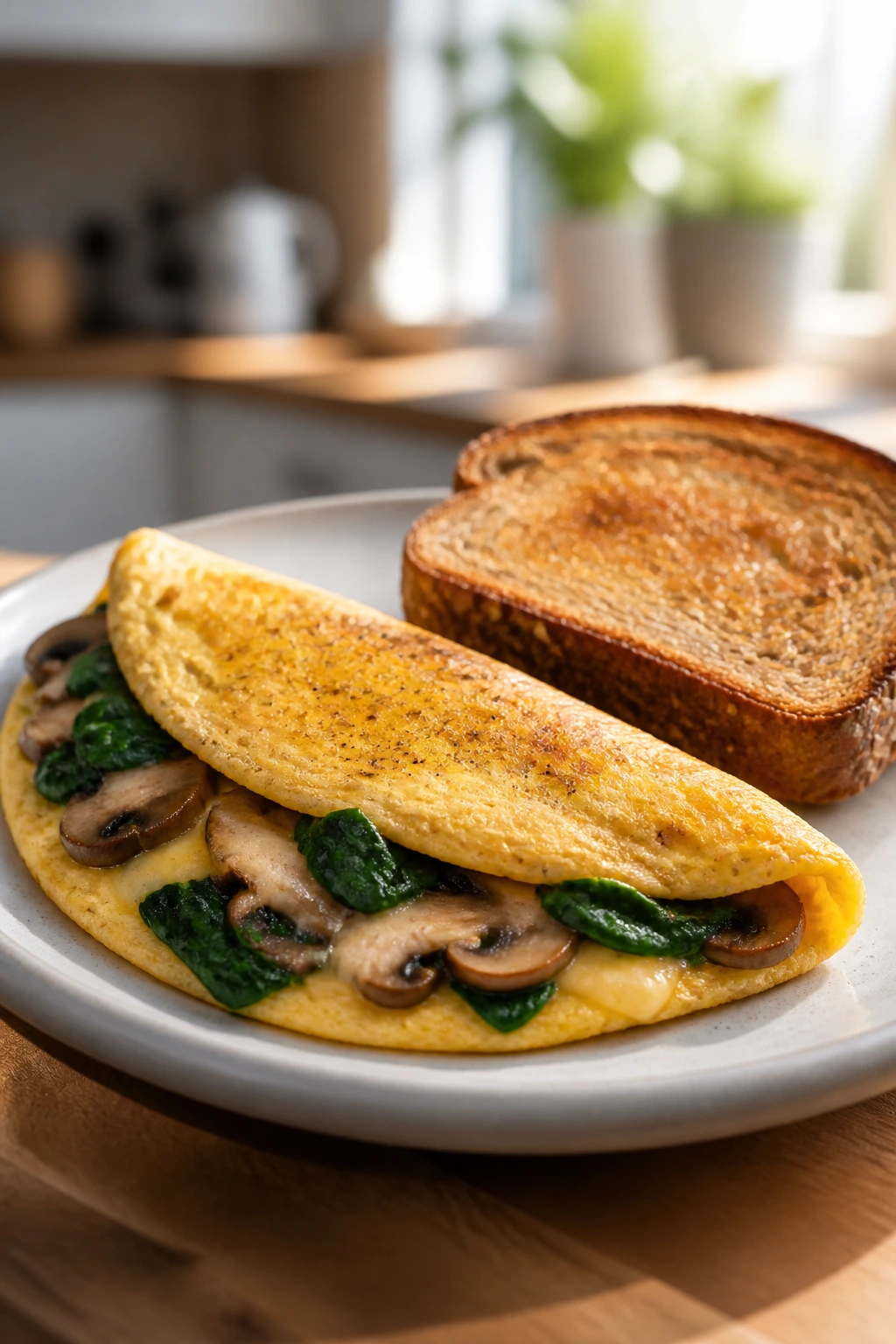
Why do eggs and toast beat cereal so often? Because they make your body work a little harder to get through the meal. That sounds basic, but it matters. Eggs bring protein and fat, and whole-grain toast gives you carbs that don’t disappear in five minutes.
A good omelet does not need to be stuffed with a dozen things. Two eggs, a splash of milk if you want, spinach, mushrooms, and a little cheese are enough. Keep the vegetables chopped small so they soften fast and fold in neatly.
I also like a side of fruit here, especially if the morning is long. Orange slices, apple wedges, or a few strawberries make the plate feel finished without turning it into dessert.
The real win is that this breakfast leaves you awake, not stuffed. If you want more staying power, use 2 eggs plus 2 egg whites and serve it with one thick slice of toasted whole-grain bread.
3. Chicken Quinoa Bowl for Steady Daily Energy
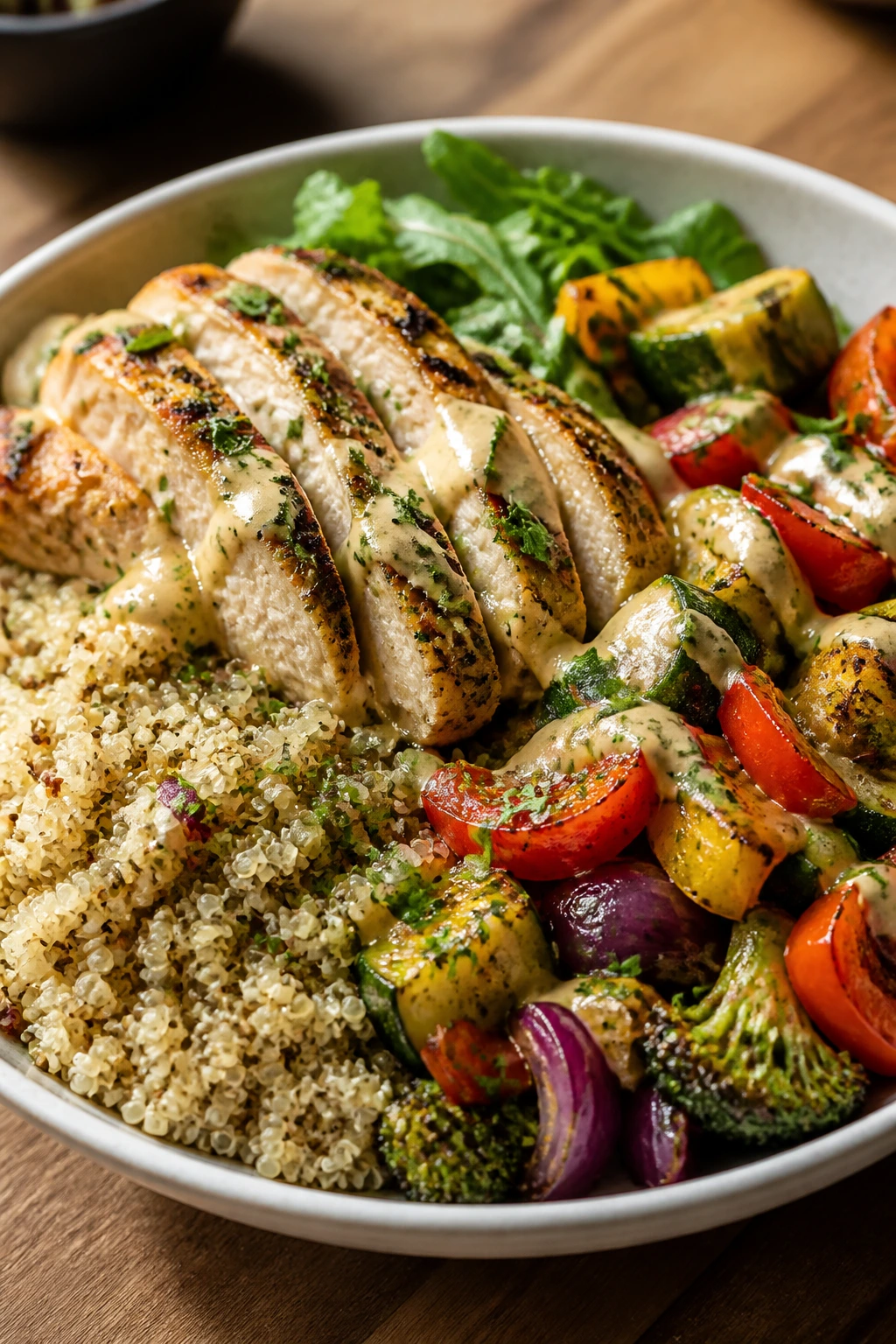
If you want one lunch that behaves itself, make a chicken quinoa bowl. This is the kind of meal that stays useful for hours, not just for the first ten minutes after you finish it.
Quinoa gives you a soft, nutty base, while chicken adds lean protein that carries the meal. Then you bring in roasted vegetables — broccoli, zucchini, carrots, bell peppers — and a spoonful of tahini or olive oil dressing to keep things from feeling dry.
What to put in the bowl
- 3/4 cup cooked quinoa
- 4 to 5 ounces cooked chicken breast or thighs
- 1 cup roasted vegetables
- 2 tablespoons tahini dressing or olive oil vinaigrette
- Lemon juice or a few pickled onions for brightness
The reason this works is simple: you get enough carbs to feel fed, but not so many that the meal turns sleepy. Quinoa is sturdy, chicken is clean and filling, and vegetables give you volume without a big calorie load.
A small upgrade helps a lot: add pumpkin seeds or chickpeas if you want a little more chew. That extra texture makes the bowl feel less like “health food” and more like an actual lunch you’ll want to eat again.
4. Lentil Soup with Whole-Grain Bread
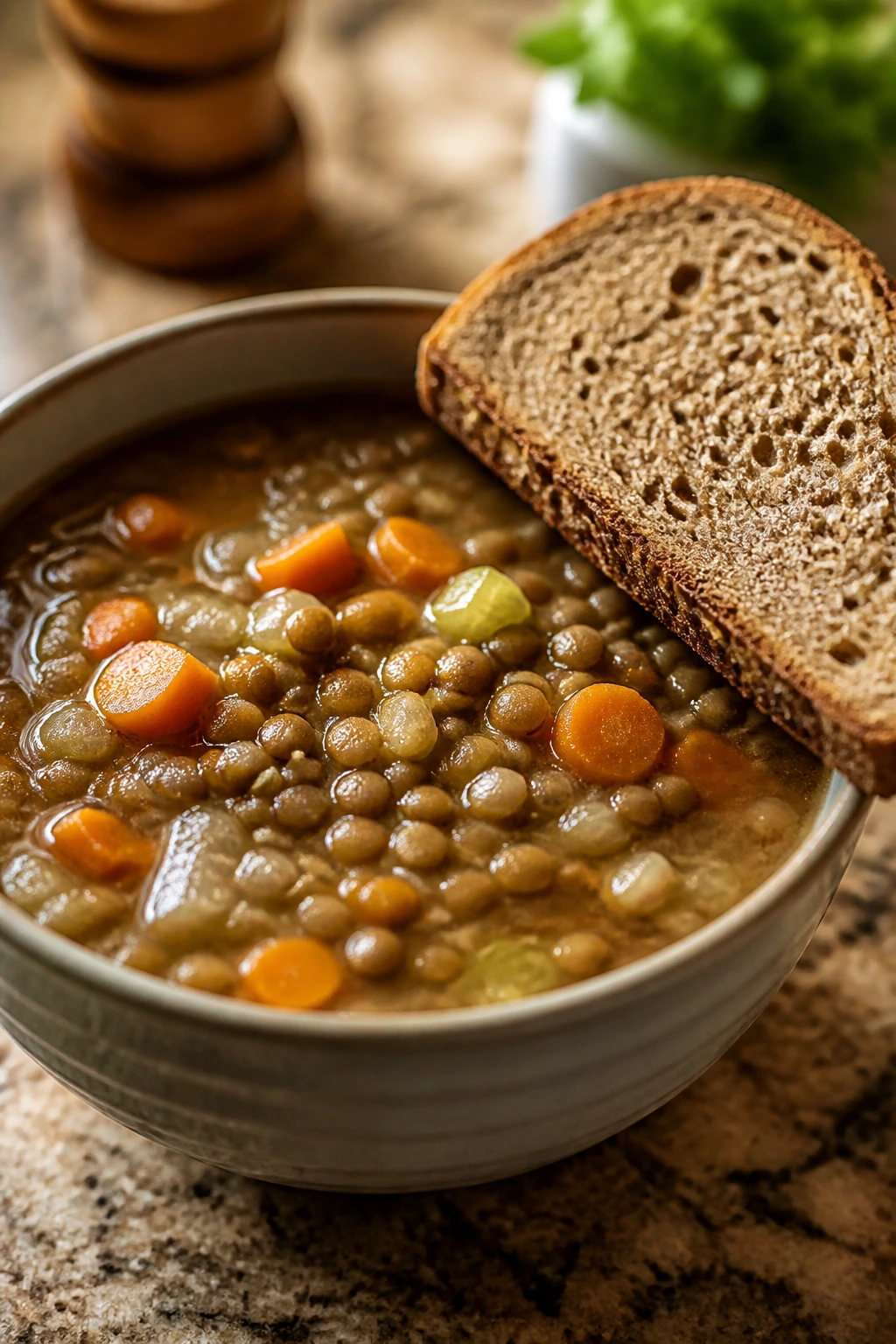
A pot of lentil soup is the difference between “I need a snack” and “I’m fine until dinner.” It’s cheap, comforting, and one of the easiest ways to build steady energy into a meal without thinking too hard.
Lentils are doing most of the heavy lifting here. They bring protein and fiber together in the same spoonful, which is exactly why the soup keeps you satisfied. Carrots, celery, onion, garlic, and tomatoes give it body, and a slice of whole-grain bread on the side turns it from a starter into a real meal.
What to watch for
- Cook the lentils until tender but not mushy.
- Use enough salt. Lentils taste flat if you don’t.
- Finish with lemon juice or a splash of vinegar.
- Add spinach or kale at the end for color and a little bite.
This is one of those meals that tastes even better the next day because the flavors settle down and the broth thickens. If you make soup once, make enough for two or three lunches. It’s not glamorous, but it saves you from worse choices.
5. Salmon with Sweet Potato and Broccoli
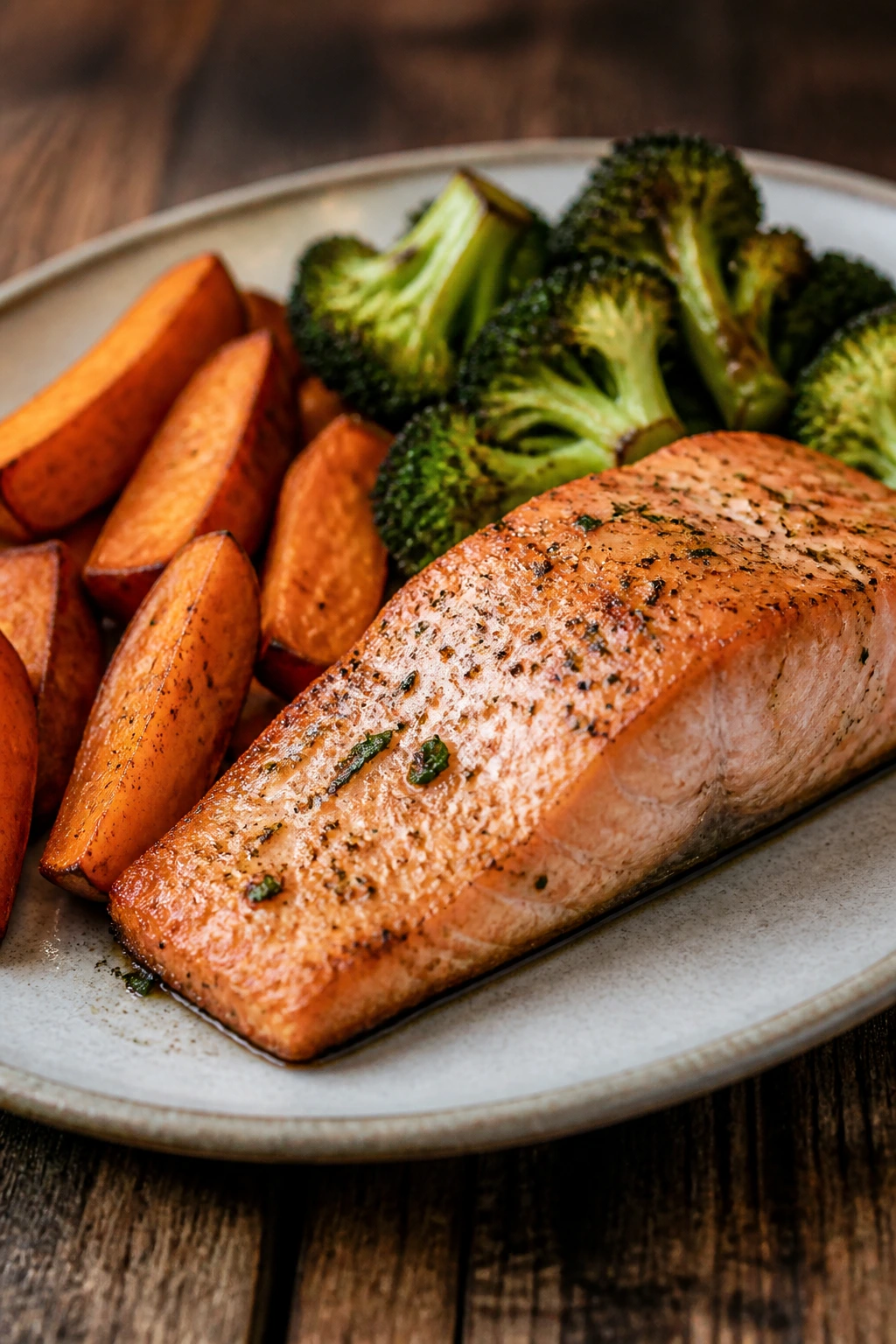
Salmon, sweet potato, broccoli. Nothing fancy. That’s part of the appeal. You get protein, slow carbs, and fat on the same plate, and the whole meal feels grounded instead of random.
Roasting works better than most people expect here. A salmon fillet cooked until the center flakes easily, a sweet potato cut into wedges, and broccoli tossed with olive oil will all finish around the same time if the oven is hot enough. Add lemon at the end and the whole thing wakes up.
I like this meal at dinner because it does not collapse an hour later. The sweet potato gives you a gentle carb base, the salmon brings richness, and the broccoli keeps the plate from feeling soft or heavy. The texture matters more than people admit.
If you want a stronger flavor, use smoked paprika on the sweet potato and garlic on the broccoli. If you want the meal lighter, swap in asparagus or green beans. The plate still works.
6. Turkey Hummus Wrap with Crunchy Vegetables
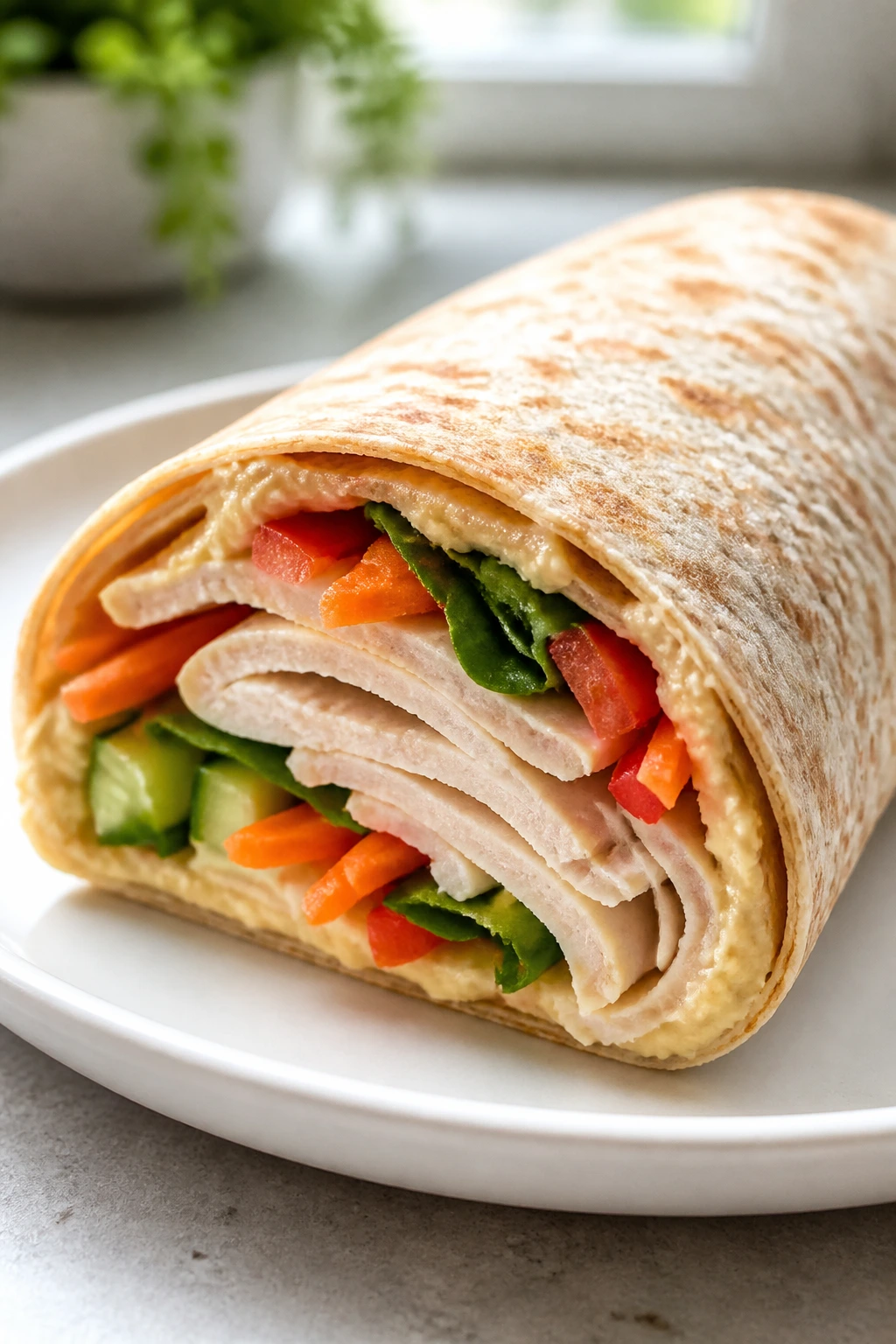
Unlike a deli sandwich drowned in mayo, this wrap stays light and still fills you up. That’s because hummus acts like a creamy glue without turning the whole thing greasy, and turkey gives you a solid protein anchor.
A good wrap needs crunch. Cucumber, shredded carrot, lettuce, bell pepper strips, or thin-sliced red cabbage all help. Without them, the wrap gets soft and boring fast. I’d also use a whole-wheat tortilla if you want the meal to carry you longer.
Why this one holds up
The turkey gives you lean protein, hummus gives you fat and a little extra fiber, and the vegetables keep your mouth interested. It sounds almost too plain, but plain is not the problem. Pale and soggy is the problem.
Best for packed lunches. Best for long afternoons. Best for people who want something cold, easy, and not messy. If you’re making it at home, spread hummus all the way to the edges so the tortilla doesn’t dry out by lunch.
7. Tofu Stir-Fry with Brown Rice
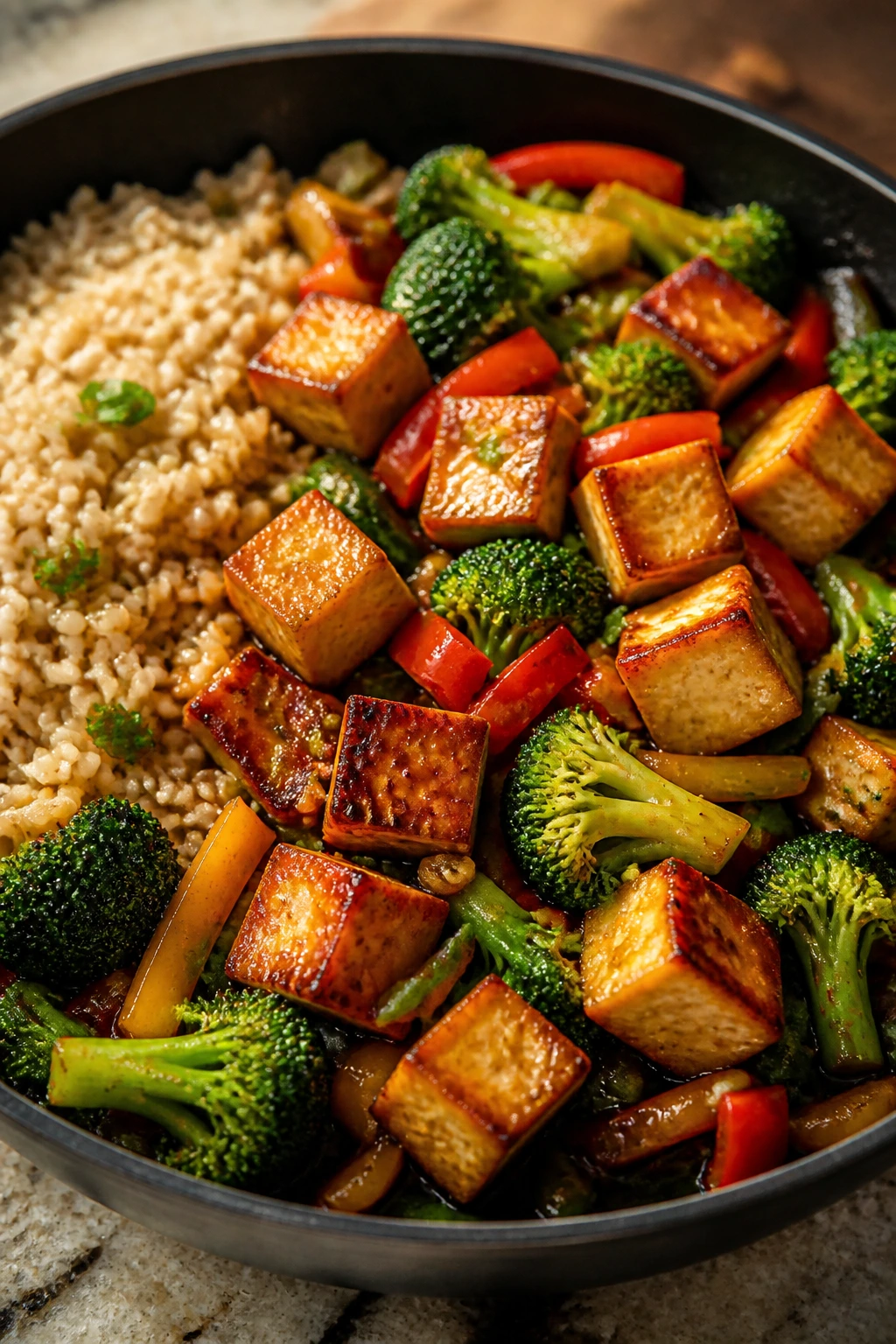
Can tofu really keep you full through the afternoon? Yes, if you treat it like a main ingredient and not a sad substitute. Firm tofu, browned properly, has enough substance to hold a meal together.
Press the tofu first. Fifteen minutes under a towel and a heavy pan makes a big difference, because extra water keeps it from getting crisp. Then cube it, sear it in a hot pan, and add broccoli, peppers, snap peas, or carrots.
How to keep it steady
- Use 1 to 1 1/2 cups cooked brown rice
- Cook the tofu until the edges are golden
- Add a sauce with soy sauce, garlic, and ginger
- Keep the vegetables crisp-tender, not limp
Brown rice gives this meal the slow carb piece. Sesame oil or peanuts add fat. The whole thing ends up tasting bright and savory, not like a health assignment. That matters. If lunch feels like punishment, you won’t stick with it.
8. Chickpea Salad with Olive Oil, Cucumber, and Feta
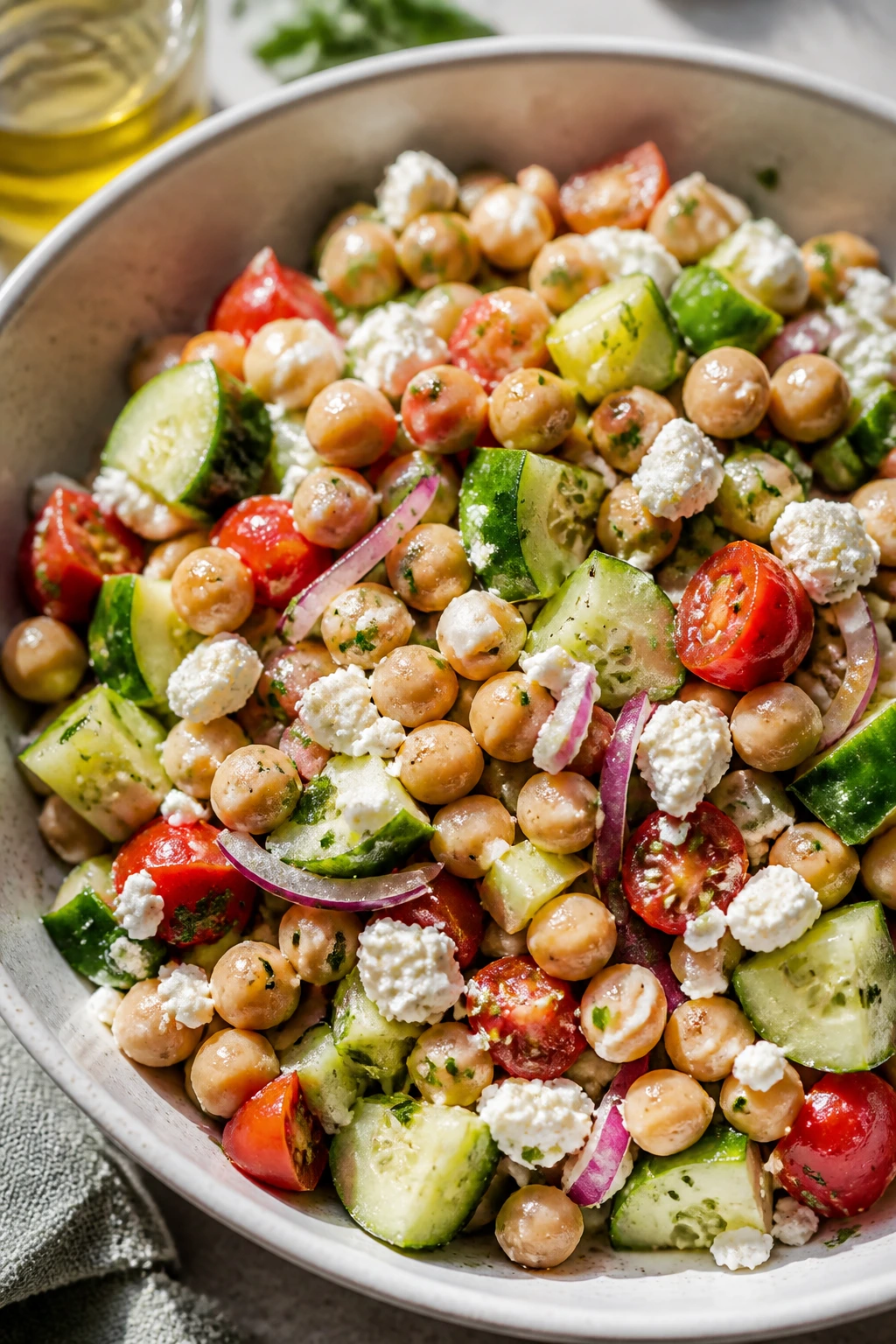
This is the desk lunch you can eat cold and still feel decent afterward. Chickpeas do a lot of work here: they give you protein, fiber, and a little chew, which is exactly why the salad feels more like a meal than a side dish.
I like to keep the dressing simple. Olive oil, lemon juice, salt, pepper, and a pinch of oregano are enough. Then add cucumber, cherry tomatoes, red onion, parsley, and a small crumble of feta. The feta is not there for drama; it just keeps the salad from tasting flat.
The thing people get wrong with bean salads is under-seasoning them. Chickpeas can take more salt than you think. They also need acid. Lemon wakes the whole bowl up.
If you want more staying power, spoon the salad into a whole-grain pita or serve it over farro. You do not need both. One carb is enough.
9. Cottage Cheese with Fruit and Seeds
A bowl of cottage cheese, fruit, and seeds is not glamorous. It works, and some days that is more useful than fancy.
Cottage cheese is doing the protein job here. A cup of it gives you a lot of staying power for not many calories, which is why this meal can be breakfast, lunch, or a snack that doesn’t leave you hunting for crackers 30 minutes later. Add sliced peaches, pineapple, berries, or even tomato and cucumber if you want the savory route.
I like pumpkin seeds or hemp seeds on top because they add texture and a little fat. Cinnamon works if you go sweet. Black pepper works if you go savory. That tiny shift changes the mood of the whole bowl.
If cottage cheese feels too thick for you, stir in 2 or 3 tablespoons of plain yogurt. It loosens the texture and makes it easier to eat. A meal does not need to be fancy to be useful.
10. Overnight Oats for Steady Daily Energy
Why do some overnight oats keep you full and others feel like cold baby food? Because the good ones have enough protein and fat to matter. Oats alone are not the point; oats plus yogurt, milk, chia, and nut butter are where the staying power comes from.
A practical jar usually looks like this: 1/2 cup rolled oats, 1/2 cup milk, 1/4 cup Greek yogurt, 1 tablespoon chia seeds, 1 tablespoon peanut butter, and sliced banana on top. Stir it well before chilling so the chia does not clump.
How to build it so it actually lasts
Use thick yogurt if you want a creamier texture. Use more milk if you want something looser and easier to stir. Frozen berries work fine, but let them thaw a bit so the oats don’t turn icy.
If you’re making breakfast for a busy week, prep three jars at once. The texture gets softer by the next day, and that’s not a problem; it’s part of the charm. Just don’t drown it in honey. That turns the whole thing into dessert with better branding.
11. Black Bean Burrito Bowl
If a burrito bowl is built right, it beats the drive-through version by a mile. The difference is not mysterious. A real bowl has enough fiber and protein to carry you, while a sloppy one turns into rice, sauce, and regret.
Start with brown rice or quinoa, then add black beans, grilled chicken or tofu if you want extra protein, lettuce, salsa, avocado, and a bit of cheese or plain yogurt. The beans matter more than the rice here, honestly. They give the bowl its backbone.
What makes this lunch work is the mix of hot and cold, soft and crisp, salty and bright. A squeeze of lime on top helps more than people expect. So does fresh cilantro if you like it.
Best for meal prep. Best for lunch that needs to survive a commute. Best for people who want a bowl with a little personality instead of a beige box. Keep the avocado separate until eating if you’re packing it ahead.
12. Soba Noodle Bowl with Edamame and Sesame
A cold soba bowl eats like lunch but doesn’t feel like a nap. That’s the appeal. The buckwheat noodles are light, the edamame brings protein, and the sesame dressing gives the whole thing enough depth to feel finished.
I like adding shredded carrots, cucumber, scallions, and a few strips of nori if I have them. None of those are mandatory. They just make the bowl more interesting to chew through, which is half the battle with steady-energy meals. A bowl that disappears too fast often leaves you hungry again too soon.
The dressing should be simple: soy sauce, rice vinegar, sesame oil, and a little grated ginger. Keep it sharp. Sweet dressings can get cloying fast, and this meal does better with clean flavors.
If you want more substance, add grilled shrimp or tofu. If you want it vegetarian, edamame is enough. A cold noodle bowl sounds casual, but this one can carry an entire workday afternoon without much drama.
13. Farro Salad with Chicken and Apples
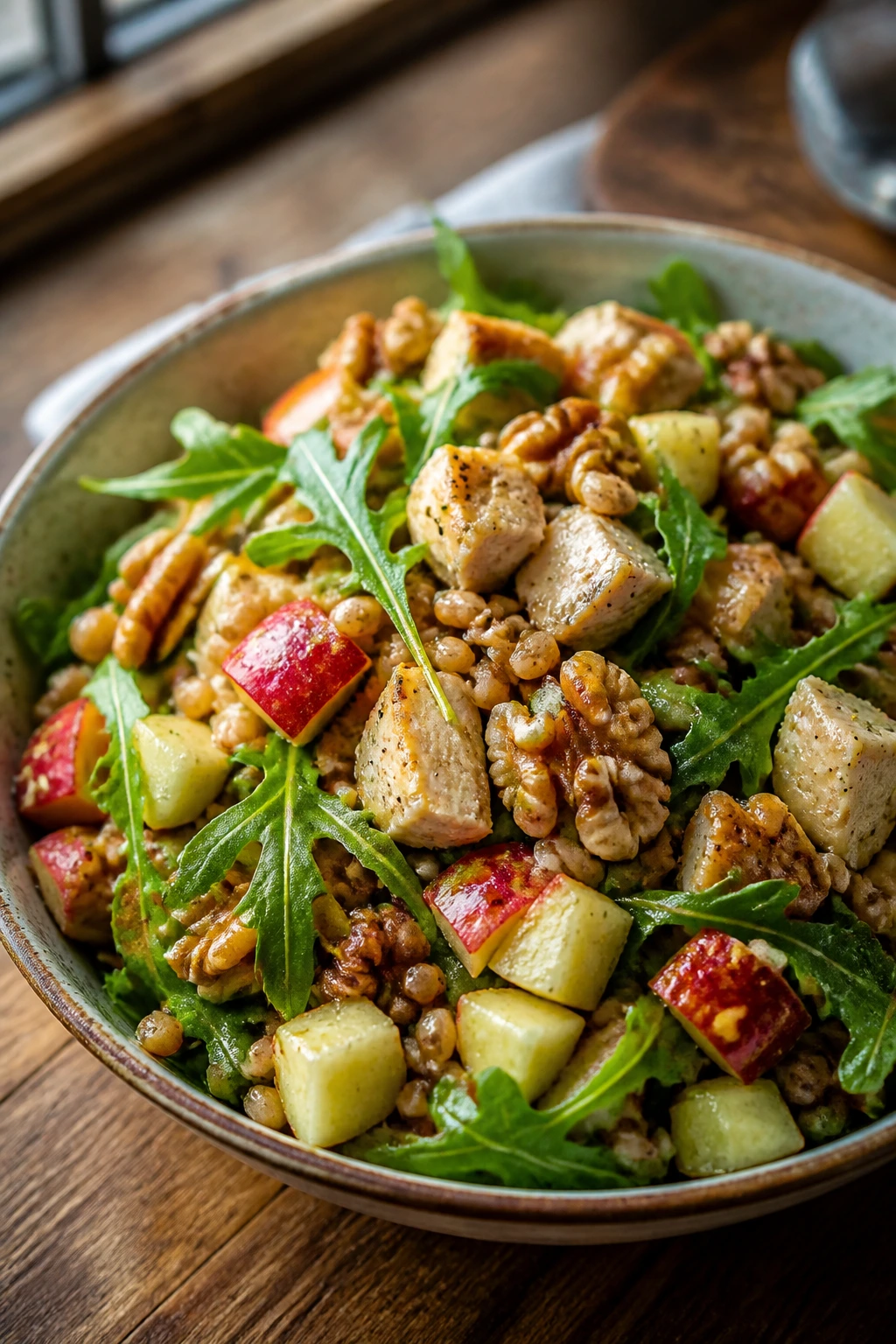
A grain salad can be dull if it’s all parsley and optimism. Farro fixes that. It has a chewy, nutty bite that holds up to chicken, apples, and greens without turning soft.
Cook the farro until it’s tender but still firm in the center. That texture is the point. Then fold in chopped chicken, arugula or spinach, diced apple, walnuts, and a simple vinaigrette. The apple brings a fresh snap that keeps the bowl awake.
Key details
- Use 1 cup cooked farro per serving
- Add 4 ounces cooked chicken
- Slice the apple thin so it does not feel clunky
- Toast the walnuts for 5 minutes in a dry pan
This is a good lunch when you want something that feels a bit more substantial than a salad but not as heavy as pasta. The chew of the grain matters. So does the balance of sweet and savory. Get those two things right, and the bowl stops being “healthy” in a boring way and starts being something you’d actually want again tomorrow.
14. Tuna and White Bean Salad
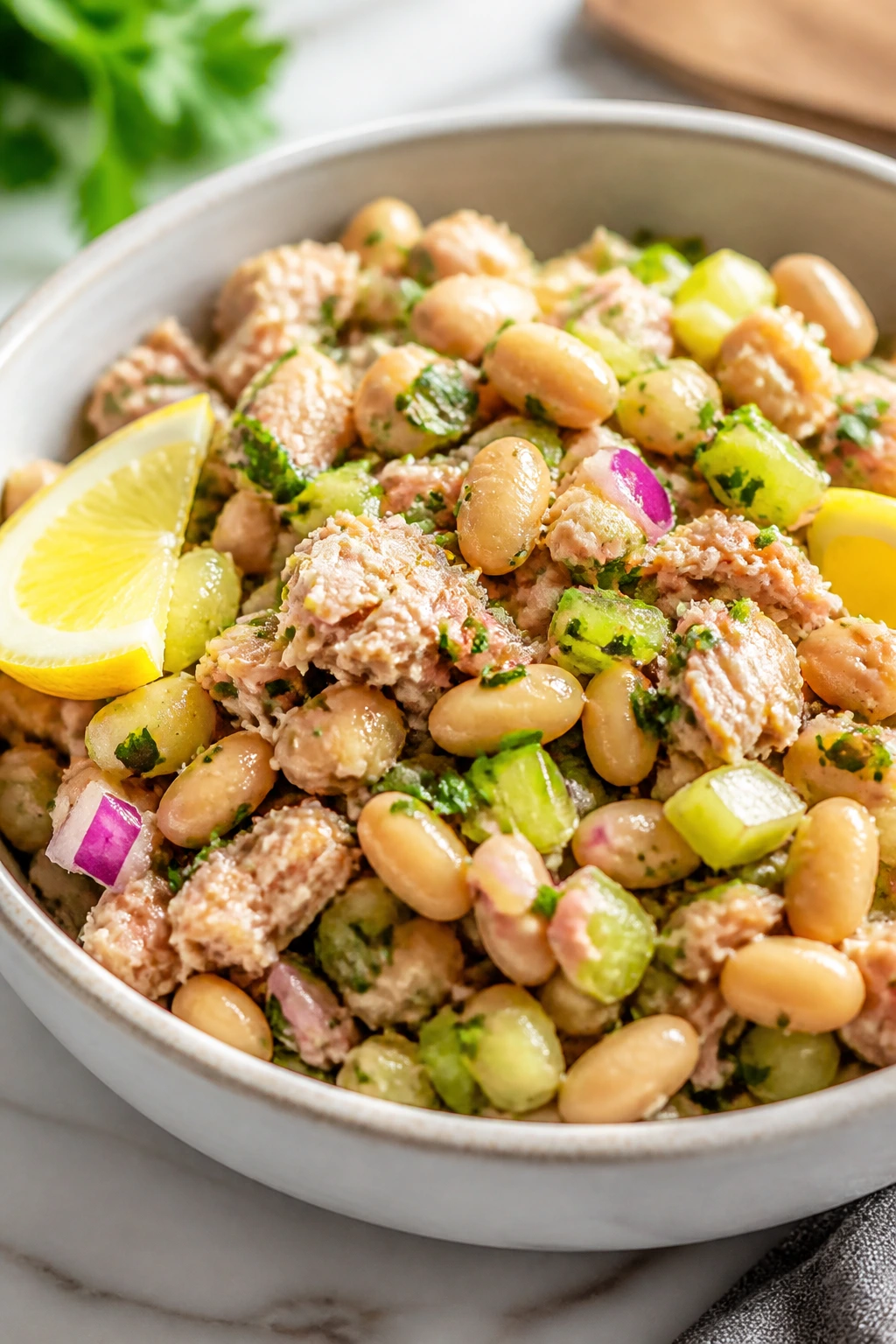
Tuna plus white beans is one of the cheapest, steadiest lunches in the book. It doesn’t need a lot of decoration either. The tuna brings lean protein, the beans bring fiber, and olive oil keeps the whole thing from feeling dry.
A can of tuna, a can of white beans, a little celery, red onion, lemon juice, and parsley are enough to make this work. Capers help if you like a salty bite. Serve it over greens or pile it onto toast. Either way, it eats like a full meal.
The nice thing about this salad is how fast it comes together. You can make it in 10 minutes and still feel like you made a grown-up choice. That matters on days when lunch has to be practical, not pretty.
If canned tuna is not your thing, cooked salmon or shredded chicken works in the same lane. But tuna and beans has a very particular kind of quiet reliability. It just does the job.
15. Berry Protein Smoothie with Oats and Peanut Butter
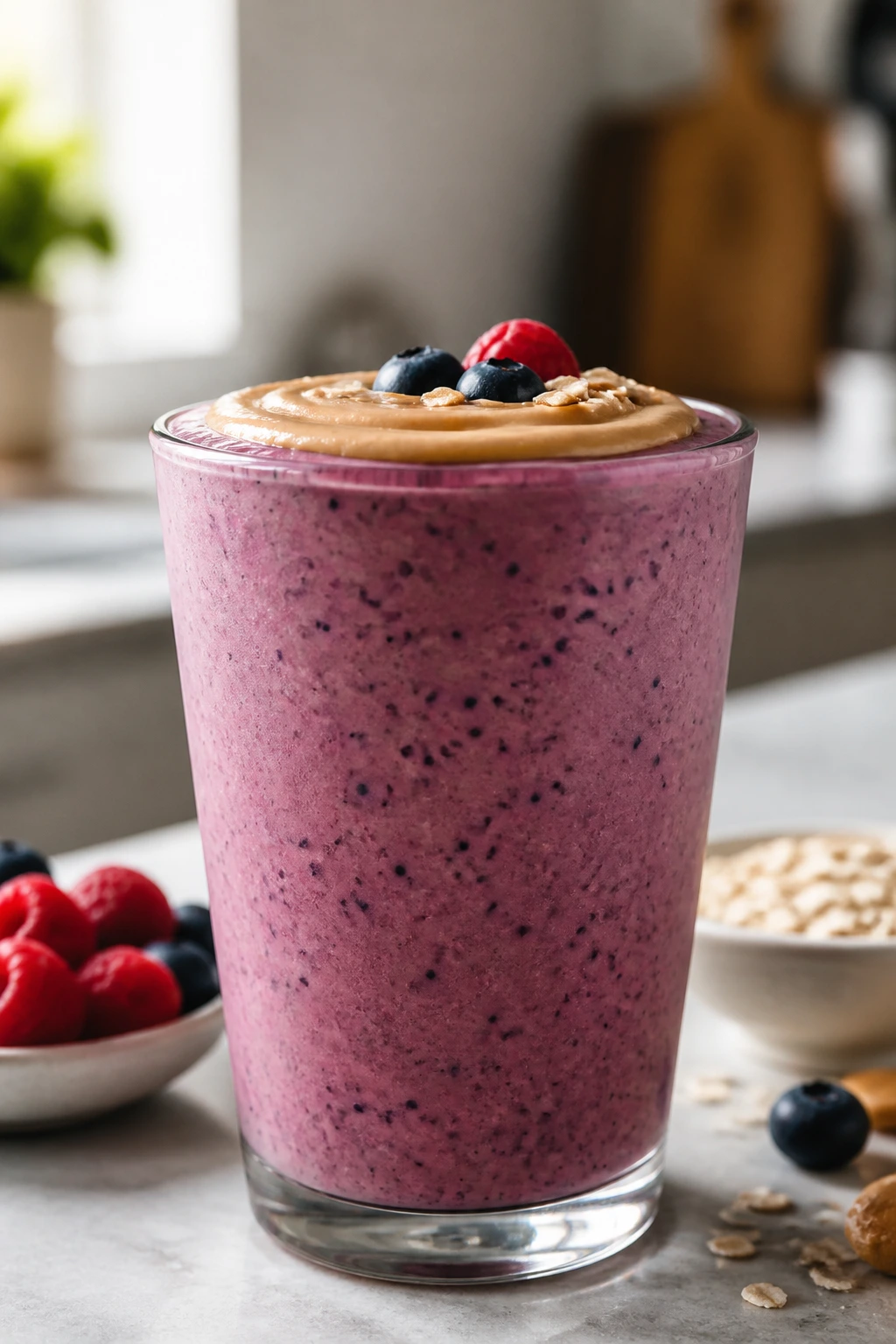
Why do some smoothies leave you hungry by 11 a.m.? Because they’re basically sweet drinks in a big glass. A good smoothie needs protein, fat, and enough fiber to slow it down.
Frozen berries, spinach, milk, Greek yogurt or protein powder, rolled oats, and peanut butter make a smoothie that behaves more like breakfast. The oats thicken it, the yogurt softens the edge, and the peanut butter keeps it from tasting like fruit puree.
How to keep it filling
- Use 1 banana or 1 cup berries, not both in giant amounts
- Add 1/4 to 1/2 cup oats
- Include 1 scoop protein powder or 3/4 cup Greek yogurt
- Blend until smooth, then let it sit for 2 minutes so the oats swell
If you drink it too fast, you’ll miss the point. Sip it slowly, or pair it with a boiled egg if you know your mornings are long. Smoothies can be useful, but only if they act like a meal and not a sugar shortcut.
16. Stuffed Sweet Potato with Black Beans and Yogurt
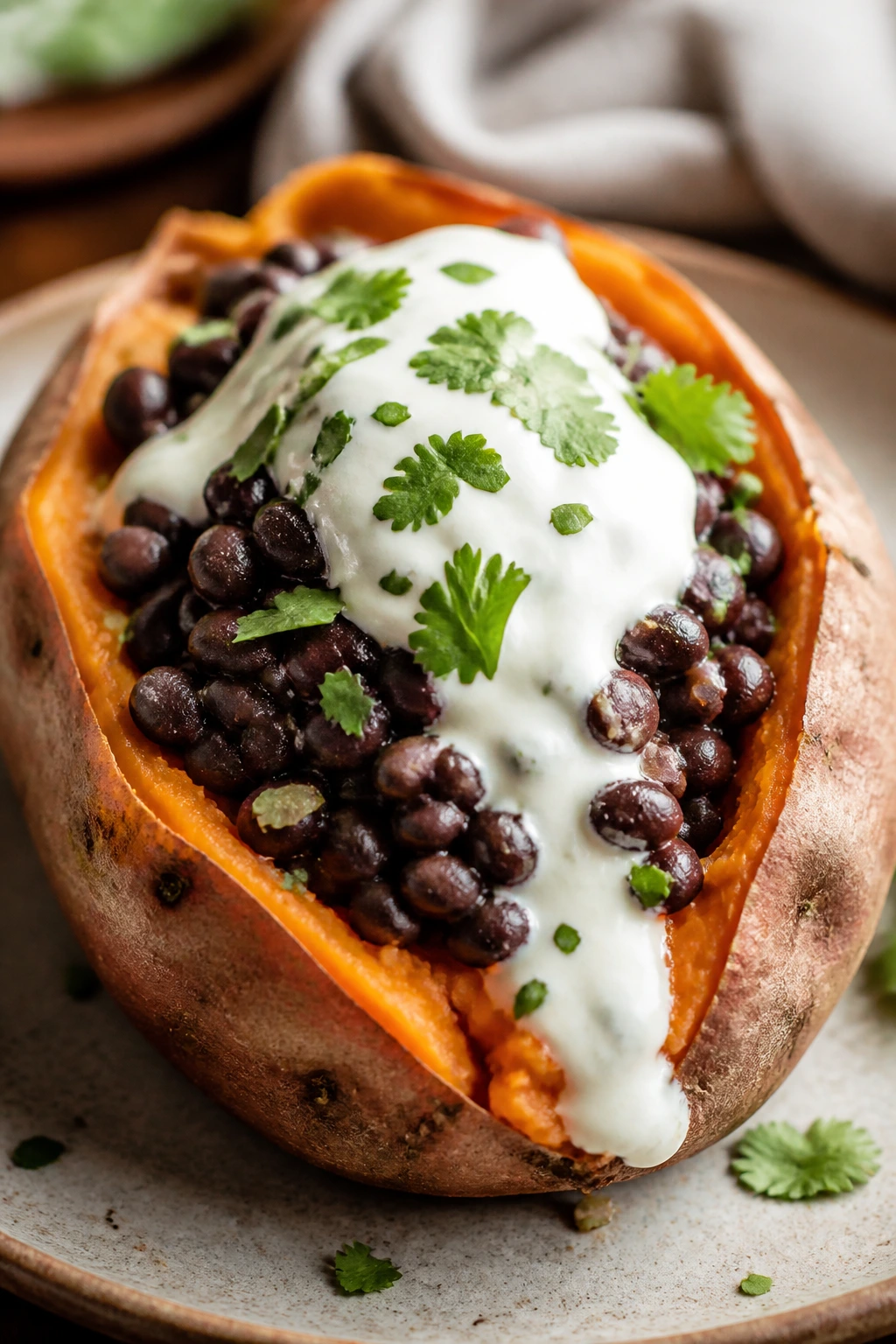
A sweet potato with beans and yogurt does more than a plain baked potato ever could. The sweet potato brings steady carbs, the beans add protein and fiber, and the yogurt cools everything down with a creamy finish.
I like this for dinner because it feels complete without much effort. Bake the potato until it gives easily when pressed, split it open, and pile in black beans, salsa, scallions, and a spoonful of plain yogurt or sour cream. If you want extra richness, add avocado.
The reason it works is not complicated. The potato is soft and sweet, which keeps it comforting. The beans give it substance. The yogurt adds enough tang to keep your palate awake.
If you need speed, microwave the sweet potato first and finish it in the oven for a few minutes. That gives you the same meal faster. Not every night calls for a full roasting session.
17. Savory Oatmeal with Egg and Spinach
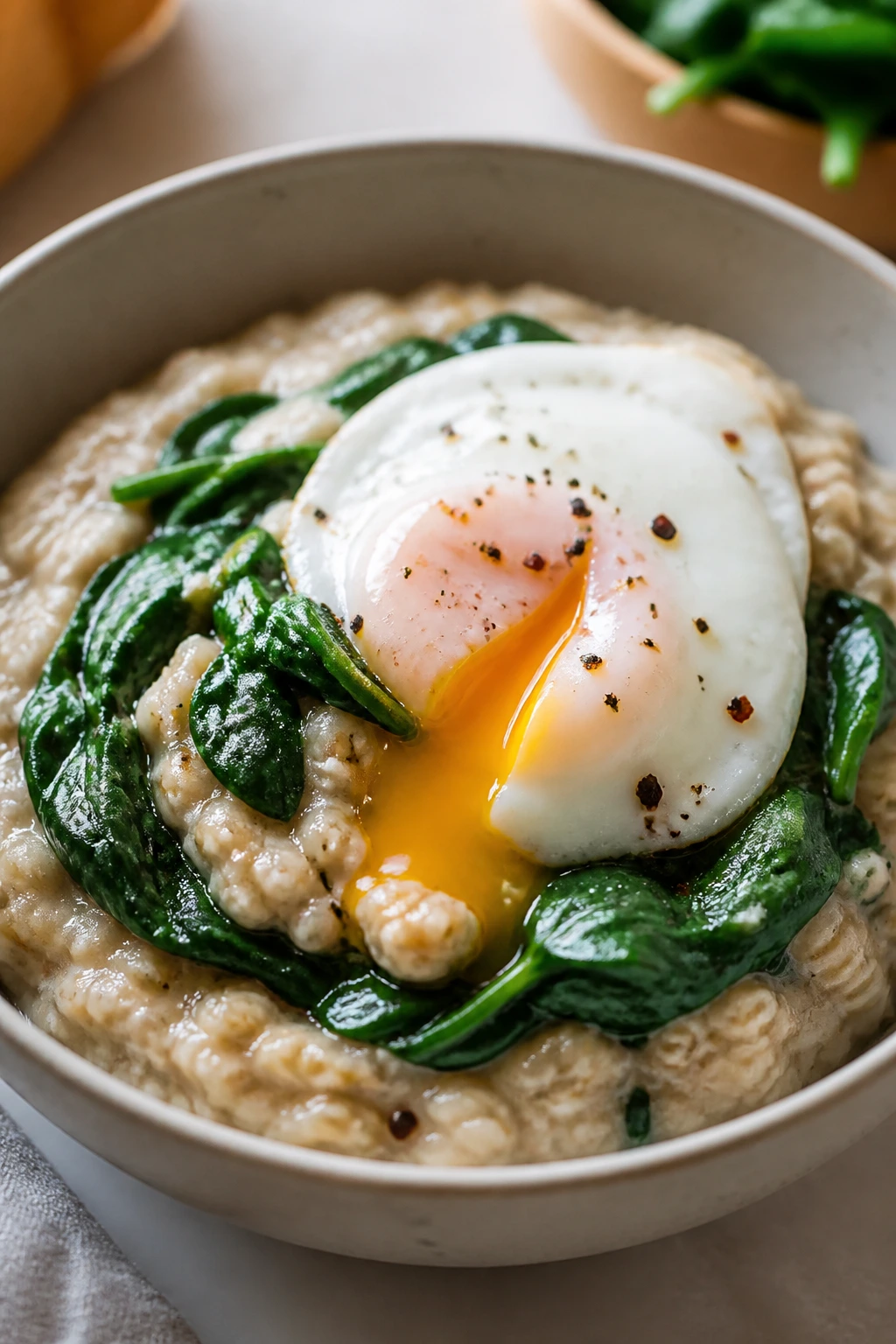
People who only know sweet oatmeal are missing half the story. Savory oats can be one of the best breakfasts for steady energy because they behave more like a grain bowl than a sugar bowl.
Cook rolled oats in water or broth, then stir in spinach, sautéed mushrooms, and a fried or poached egg. A little cheese, hot sauce, or sesame oil can finish it depending on which way you want to take it. The egg yolk gives the oats a rich, almost silky texture.
What makes it work
- Use rolled oats, not instant, for a better bite
- Season the oats while they cook
- Add the greens at the end so they stay bright
- Keep the egg runny if you like a richer bowl
This meal is not for people who want dessert at breakfast, and that is fine. It’s for people who want to sit down and feel fed without the 10 a.m. crash. Once you get used to savory oats, it’s hard to un-know them.
18. Salmon Grain Bowl for Steady Daily Energy
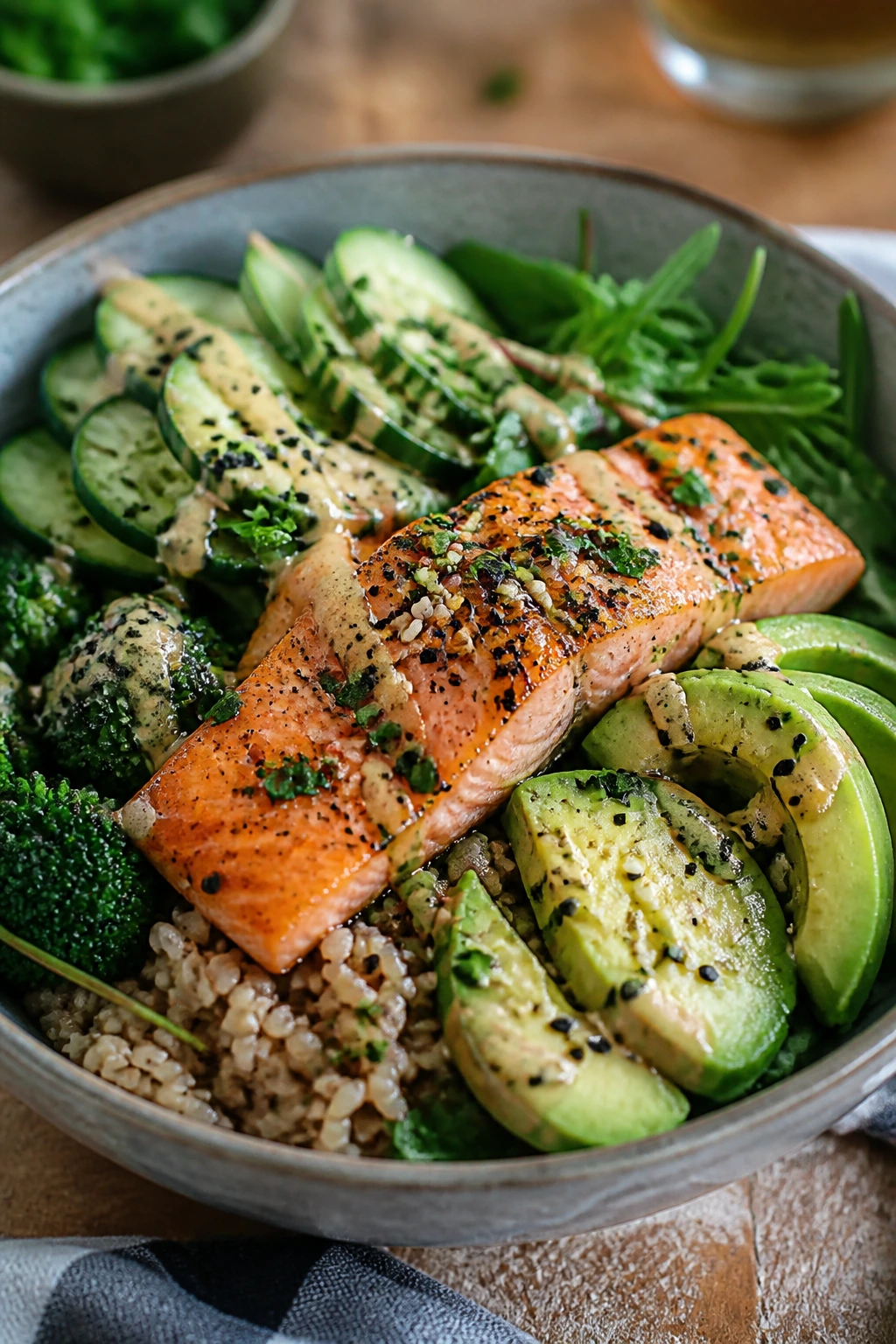
A salmon grain bowl is what I make when I want dinner to feel calm. Brown rice or quinoa on the bottom, roasted salmon on top, cucumber, avocado, greens, and a little sesame dressing. Protein, fiber, fat, and slow carbs all show up in one bowl, and the result is steady instead of sleepy.
The bowl works because each part pulls its weight. Salmon brings richness and protein. Avocado softens the edges. Cucumber and greens keep the texture fresh. Brown rice or quinoa gives you enough starch to feel satisfied without tipping the meal into a brick.
I also like pickled onions here. A few thin slices can wake up the whole bowl. Same with sesame seeds, a squeeze of lemon, or a dab of miso dressing if you want more depth. Small details matter more than people think.
If you only remember one thing from this list, make it this: meals for steady energy do not need to be bland, and they do not need to be tiny. They just need to be built with a little care. A bowl like this does that without making a scene.
