



A decent vegetable habit does not start with a glossy salad.
It starts with a few vegetables worth adding to daily meals because they show up in real kitchens, not just in tidy photos. Spinach vanishes into eggs. Carrots last long enough to save a lazy lunch. Cabbage still crunches after days in the fridge. Broccoli, tomatoes, onions, and the rest each solve a different problem, which is the whole point.
USDA food data makes one thing obvious: some vegetables pack a lot of nutrition into a small serving, but that’s only half the story. The other half is whether you’ll actually eat them. A vegetable that sits untouched in a drawer is just expensive compost, and I say that with some feeling.
The smartest daily vegetable routine isn’t built on one hero ingredient. It’s built on a small rotation of reliable ones — vegetables that can be roasted, sautéed, chopped raw, stirred into soup, tucked into pasta, or eaten cold straight from the fridge. That’s where the useful stuff starts.
1. Spinach
Spinach earns its place because it behaves. A big pile of leaves can shrink to a spoonful in a hot pan, which sounds dramatic until you realize that’s exactly why it works so well in scrambled eggs, grain bowls, soups, and pasta. The leaves are mild, the stems are tender when you buy baby spinach, and it never feels like a production.
Why It Deserves a Spot
Spinach is one of the easiest vegetables to sneak into meals without changing the whole dish. Toss a few cups into a skillet, and it wilts in under two minutes. Fold it into omelets, tuck it under warm beans, or stir it into tomato sauce at the end so it barely needs thinking about.
- Baby spinach is the easiest version for daily use because the leaves are tender and don’t need trimming.
- A cooked cup shrinks fast, so a bag goes farther than it looks.
- It brings folate, vitamin K, and a bit of iron to meals without shouting about it.
- It works raw in salads, but it’s even better in hot dishes where the leaves collapse down fast.
Best move: add spinach at the very end of cooking so it stays green and doesn’t turn into a dull, wet clump.
2. Broccoli
Broccoli is the vegetable I trust when dinner needs texture. It can be steamed, roasted, pan-seared, air-roasted, or chopped into tiny pieces and folded into rice, and it still tastes like broccoli in the best possible way. That matters more than it gets credit for. A vegetable that keeps its shape and still picks up garlic, lemon, chili, or cheese is worth keeping around.
The stems are useful, too. Peel the tough outer layer, slice them thin, and they cook about as fast as the florets. People throw those away all the time, which always feels like a waste to me.
Broccoli also gives you that cruciferous bite that stands up to richer foods. Pair it with salmon, roast chicken, tofu, or beans and it gives the plate some edge. It’s not delicate. Good.
If you want one simple habit, buy it frozen and fresh. Frozen florets are great for soup and quick sautés, while fresh heads roast beautifully at high heat with olive oil, salt, and a little black pepper.
3. Carrots
Why do carrots keep showing up in lunchboxes, soups, and roasted vegetable trays? Because they’re one of the few vegetables that can be eaten raw or cooked and still feel like the same friendly ingredient. Their sweetness deepens in the oven, but they also bring a clean crunch when you bite into them cold.
How to Use Them Well
Carrots work hard in daily meals because they don’t need much. Peel them if the skin looks rough, slice them into coins for soup, or leave them in thick sticks for roasting. A little fat helps their beta-carotene become easier to absorb, so a drizzle of olive oil or a dab of butter is not wasted effort.
- Cut them into even pieces so they cook at the same pace.
- Roast them at 425°F / 220°C until the edges brown and the centers go soft.
- Shred them into slaws and grain bowls when you want sweetness without cooking.
- Keep a bag in the fridge for fast snacks with hummus, yogurt dip, or peanut butter.
Carrots are boring only if nobody seasons them.
4. Bell Peppers
Open the fridge at 6 p.m. and a bell pepper can save dinner. Slice one raw, and you get snap and sweetness. Throw it in a hot pan, and it softens into something bright and silky. Roast it until the skin blisters, and the flavor turns deeper, almost smoky, without needing much help.
The color matters more than people think. Red, orange, and yellow peppers are sweeter than green ones, which can taste a little sharper. That difference is useful, because you can choose the pepper based on the meal instead of treating them like one thing.
- Raw strips work in salads, wraps, and snack plates.
- Sautéed peppers are perfect with onions, eggs, and sausage.
- Roasted peppers slide into sandwiches, pasta, and bean dishes.
- They’re one of the easiest ways to add vitamin C without making the meal feel like a supplement.
I keep coming back to them because they do something rare: they bring both crunch and sweetness without asking for a lot of cooking skill. That’s useful on a tired night.
5. Tomatoes
Tomatoes belong in more daily meals than people give them credit for. Yes, they’re great in salads, but their real strength is flexibility. A sliced tomato with salt and olive oil is one thing. A pan of canned tomatoes simmered with garlic, onion, and herbs is another. Both deserve space in a working kitchen.
A good tomato is juicy, acidic, and slightly sweet. That acidity wakes up bland food. It’s one of the reasons tomato sauce works so well with beans, grains, eggs, and roasted vegetables. Even a dull dish can feel more alive once tomato enters the picture.
Cooked tomatoes also have a different kind of usefulness than raw ones. The flavor deepens, the acidity softens, and the texture turns into something that can coat pasta or spoon over fish. Canned crushed tomatoes, tomato paste, and whole peeled tomatoes are pantry gold, and I mean that literally in the sense that they rescue dinner when fresh produce is looking tired.
A tomato is never just a side item. It’s often the thing that makes the rest of the plate make sense.
6. Onions
Onions are not glamorous. That’s fine. They’re the base note that makes nearly everything else taste fuller, sweeter, and more finished.
Unlike vegetables that arrive at the end of cooking, onions usually begin the pan. That’s why they matter so much. When they hit oil or butter, they soften, lose their raw bite, and build a background flavor that soups, sauces, stir-fries, and braises depend on. Yellow onions are the workhorse. Red onions bring a sharper edge and can be used raw or lightly cooked. Sweet onions are nice when you want less bite and more softness.
What I like most is that onions do not demand attention. You can mince them small for a sauce, slice them thick for a roast pan, or cook them slowly until they turn golden and jammy. That slow turn is worth the wait, even if dinner is otherwise plain.
Keep a few in the pantry and your meals stop tasting flat.
7. Garlic
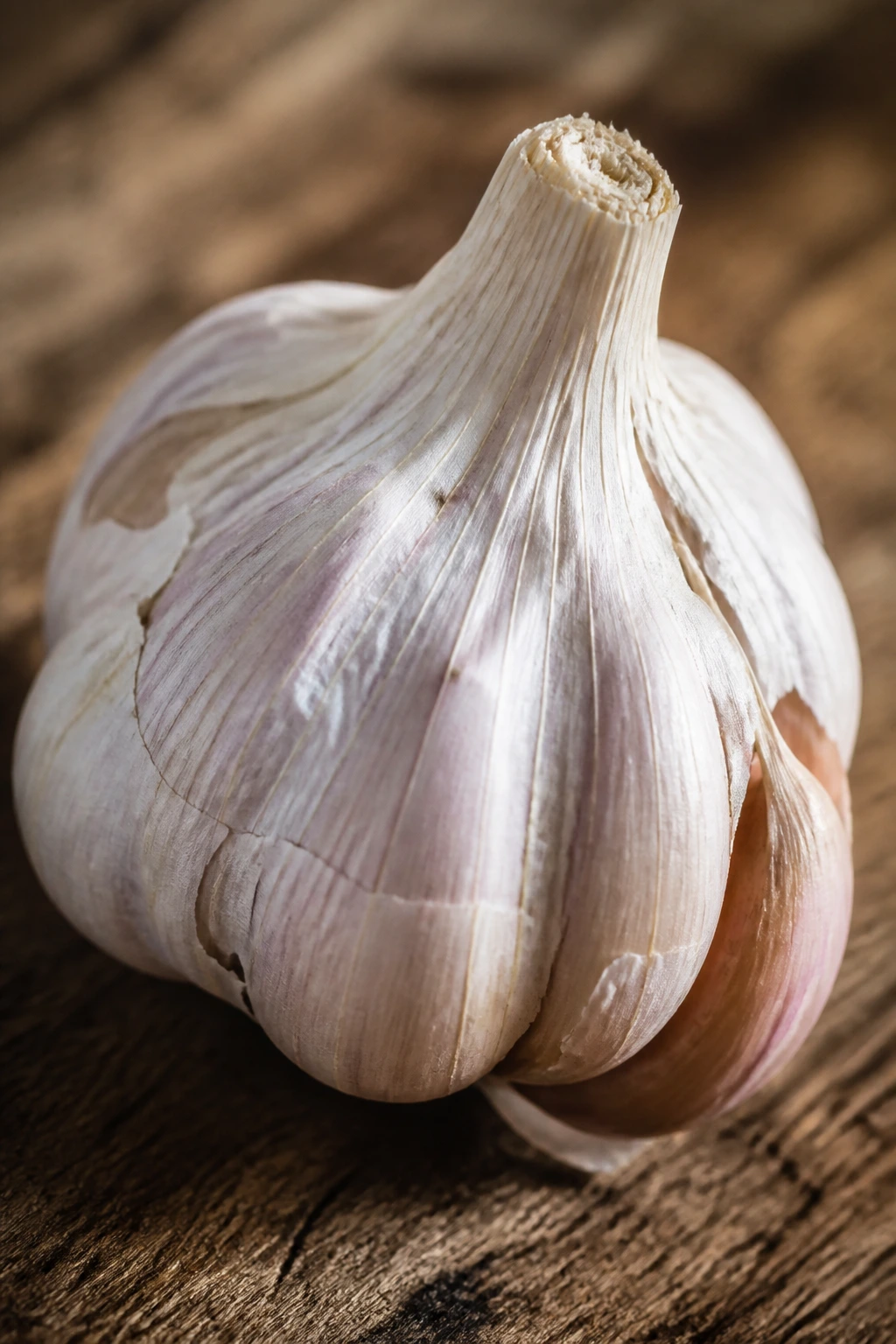
Garlic is tiny, but it changes the whole room. One clove minced into olive oil can make beans taste richer, greens taste sharper, and noodles taste like someone paid attention. It’s the kind of ingredient that teaches people how much flavor comes from a single decision.
What Makes It So Useful
Garlic works best when it’s treated with a little care. Chop or crush it, then give it a minute before heat if you want a stronger bite. Cook it gently, because burnt garlic turns bitter fast and can ruin a pan in seconds. That’s not a myth; it happens all the time.
- Use whole cloves for roasting with chicken or vegetables.
- Mince it for dressings, sauces, and quick sautés.
- Grate it into yogurt sauces or mashed avocado for a sharper kick.
- Smash it with salt for a paste that spreads easily through a pan.
I like garlic most when it’s used as a quiet foundation rather than a loud trick. It doesn’t need to dominate. It just needs to be there.
8. Cabbage
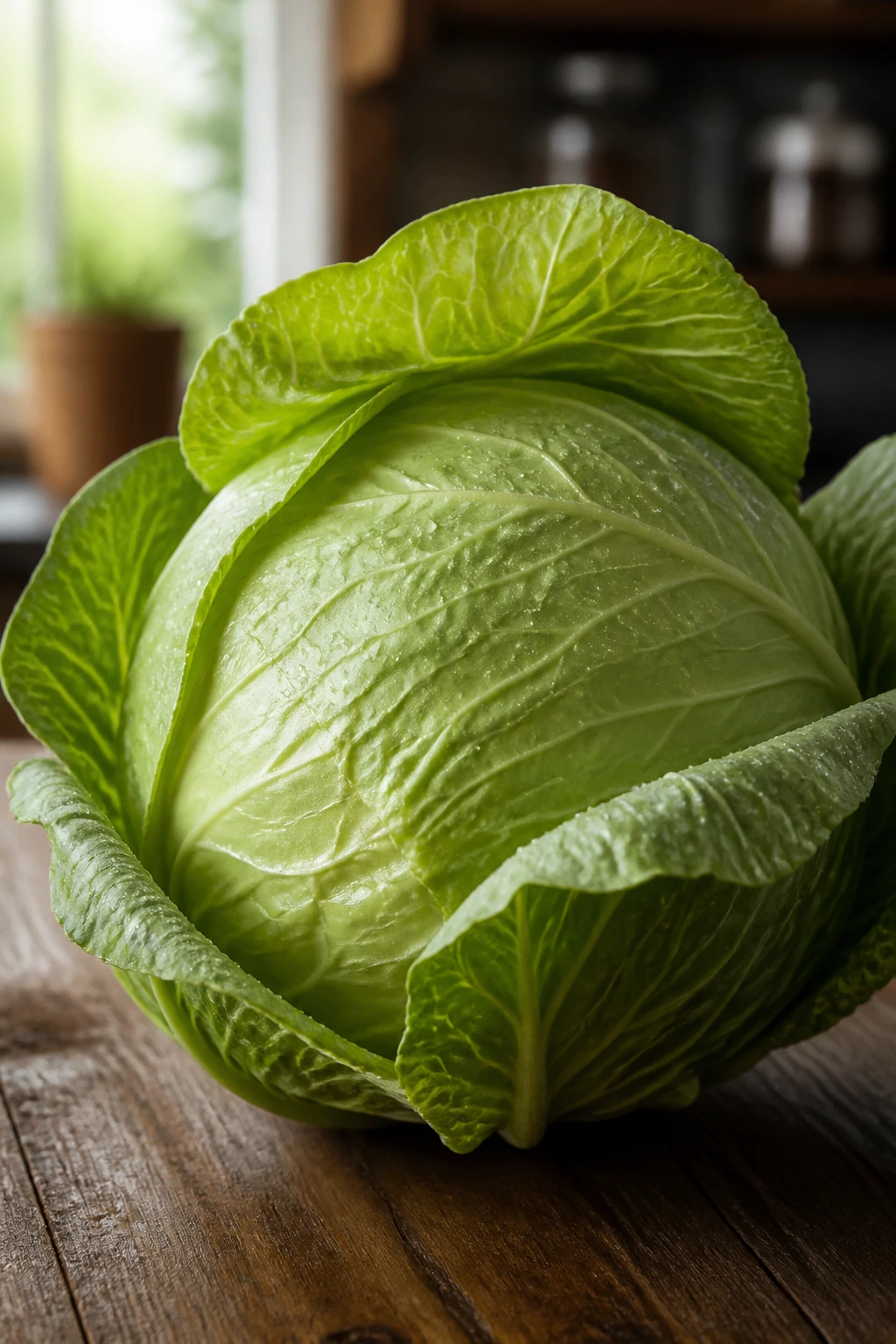
Cabbage is one of the most practical vegetables in the produce aisle. It’s cheap, sturdy, and happy to sit in the fridge for a long time without sulking. Slice it thin for slaw, chop it for soup, or let it soften in a skillet with a little oil and salt. It does not need much help.
What makes cabbage worth repeating in daily meals is texture. Raw cabbage gives crunch. Cooked cabbage gets soft and sweet. Roasted cabbage wedges turn caramelized at the edges, which is one of those cheap little kitchen wins people ignore too often. Red cabbage adds color, green cabbage brings that classic crispness, and napa cabbage cooks so fast it almost feels like cheating.
It also takes well to acid. A splash of vinegar or lemon wakes it up, especially in slaws and braises. And if you like fermented foods, cabbage is the starting point for sauerkraut and kimchi, which carry the same sturdy, leafy base into a completely different lane.
A head of cabbage looks old-fashioned. It’s still one of the smartest things you can buy.
9. Cauliflower
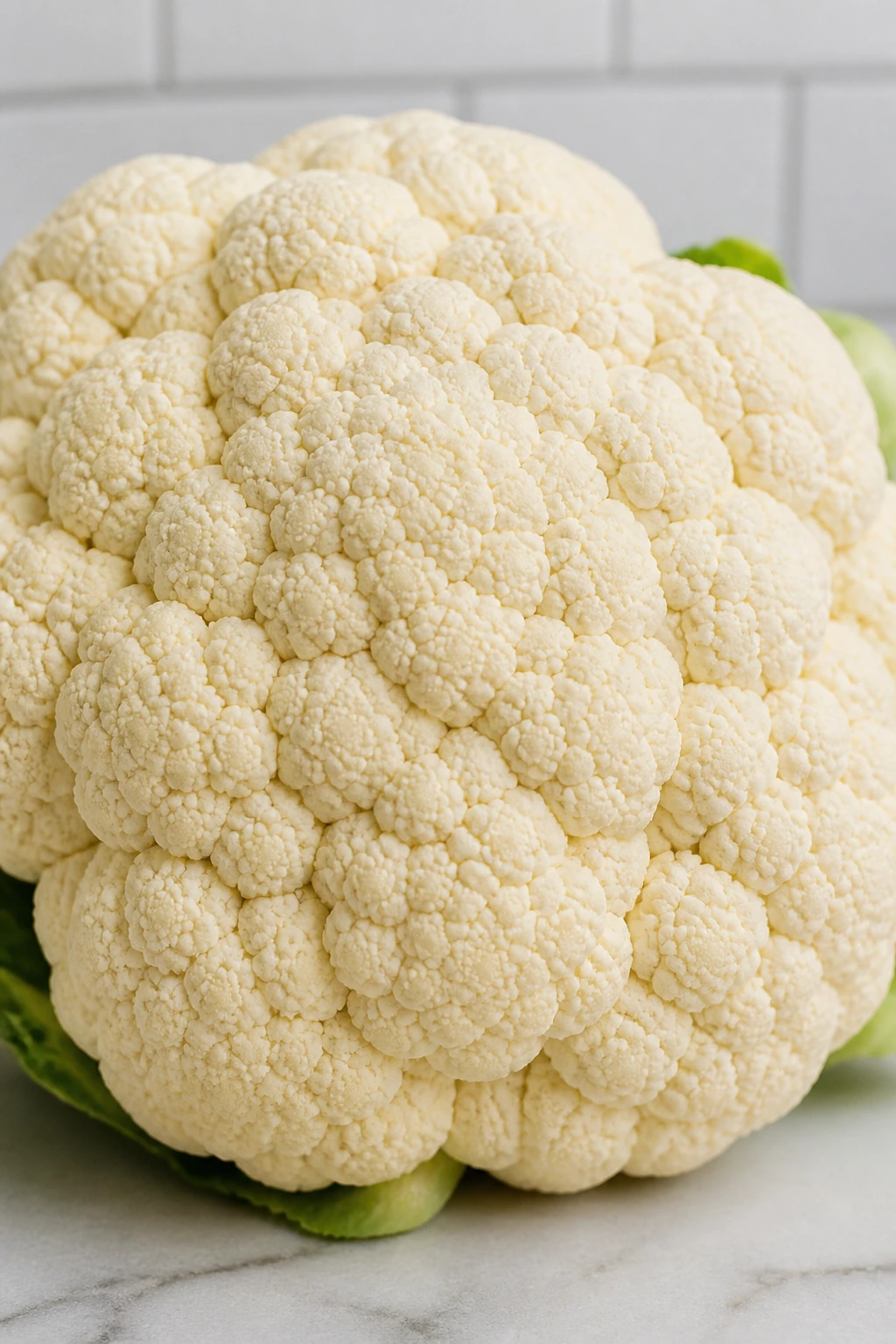
Why does cauliflower keep getting invited into kitchens? Because it is flexible enough to play a few different roles without pretending to be something else. That’s the trick. It works best when you let it be cauliflower — mild, a little nutty, and very good at taking on seasoning.
Roasting is where it shines. Cut it into even florets, dry it well, toss with oil and salt, and roast at a high heat until the edges go brown. The flavor gets deeper, and the texture moves from watery to almost buttery. Steam it if you want softness, mash it if you want a lighter side dish, or chop it finely for a grain-like base under curry or stir-fry.
How I Use It Most
- Roast florets with cumin, paprika, or curry powder.
- Rice it in a food processor for quick skillet dishes.
- Mash it with potatoes or on its own.
- Cut thick slabs for a knife-and-fork main dish.
Cauliflower is at its best when it gets browned. Pale cauliflower tastes like a missed opportunity.
10. Mushrooms
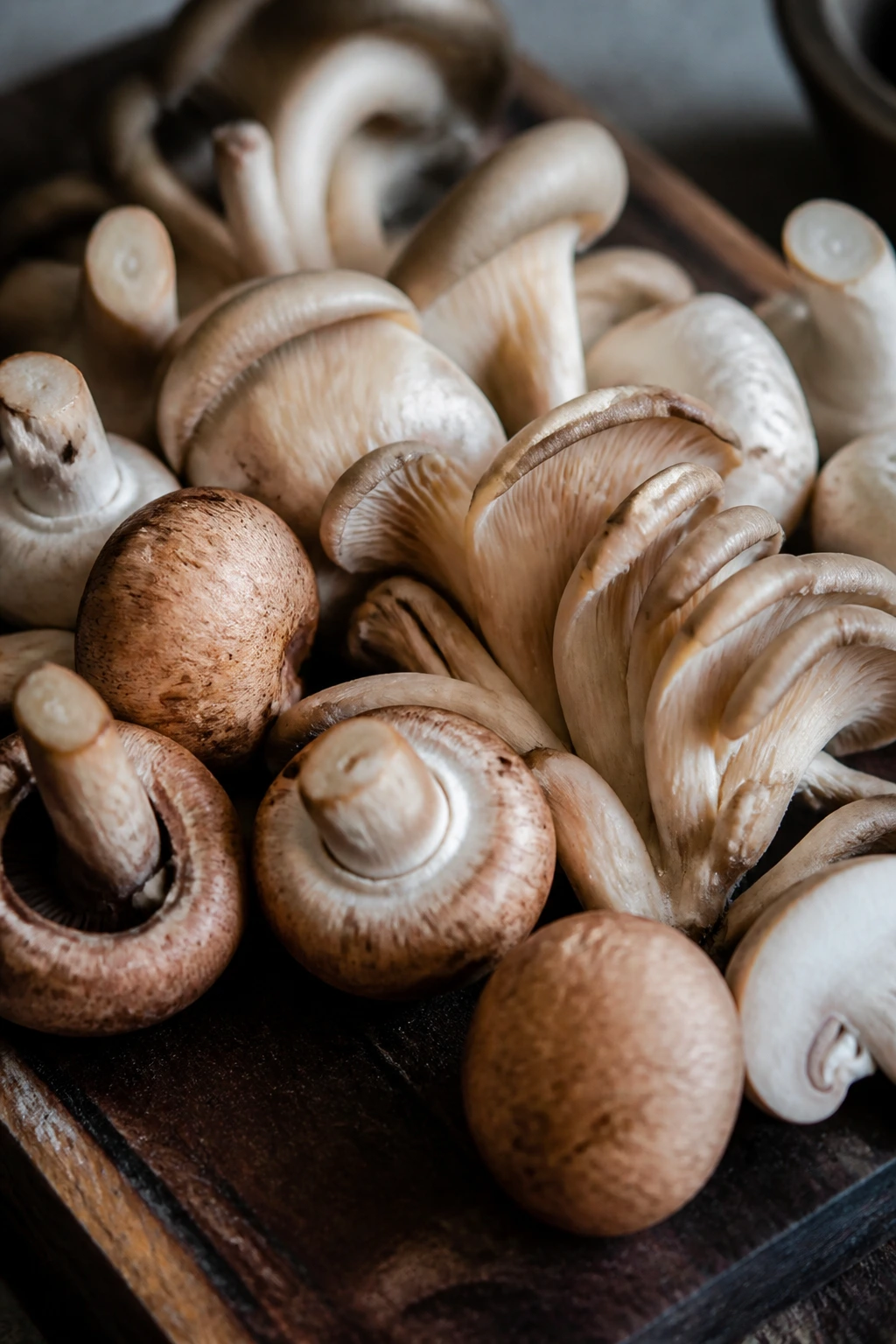
Mushrooms have a way of making food taste more complete. That umami thing people talk about? This is where it shows up in a real, useful way. Sautéed mushrooms bring depth to rice, pasta, toast, omelets, and grain bowls. They also give you a meaty texture without actually being meat, which is useful whether you eat meat or not.
The first rule is simple: don’t crowd the pan. Mushrooms release water as they cook, and if you pile them in too tightly, they steam instead of brown. Give them space, let them sit, and wait for the edges to caramelize. Then the flavor changes.
Cremini, button, shiitake, and portobello all do slightly different jobs. Cremini are reliable. Shiitake are meatier. Portobello slices can anchor a sandwich. I usually think of mushrooms as the ingredient that makes a fast meal taste like somebody spent longer on it than they did.
A splash of soy sauce, a knob of butter, or a little garlic is enough. That’s all they ask.
11. Zucchini
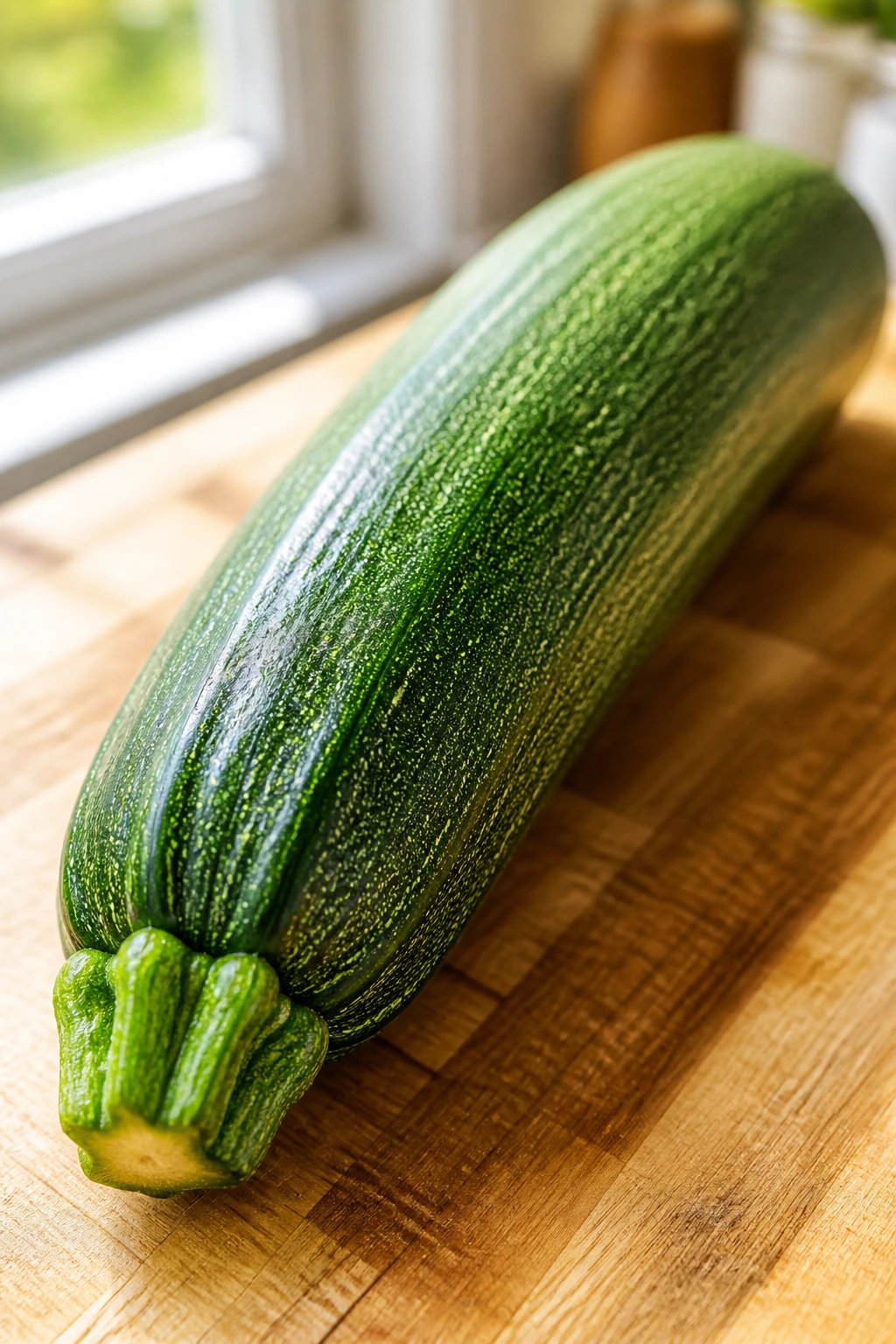
Zucchini is the vegetable you buy when you want something light, fast, and adaptable. It cooks quickly, so it’s easy to slide into weeknight meals without slowing anything down. Slice it into half-moons for a skillet, grate it into fritters, or cut it into thick planks for roasting and grilling.
The only real problem with zucchini is overcooking. Leave it too long in the pan and it goes soft in a sad, watery way. That’s fixable. Use high heat, keep the pieces fairly large, and season them while they still have some structure. A little salt, black pepper, and olive oil go a long way.
Zucchini also shows up well in pasta dishes, bean sautés, and tomato-based sauces. If your garden gives you too much of it, grate and freeze it for later use in baked goods or vegetable pancakes. And yes, it can vanish into bread, muffins, and quick loaves without making them taste like a farm stand.
It’s not dramatic. It’s useful. That counts.
12. Kale
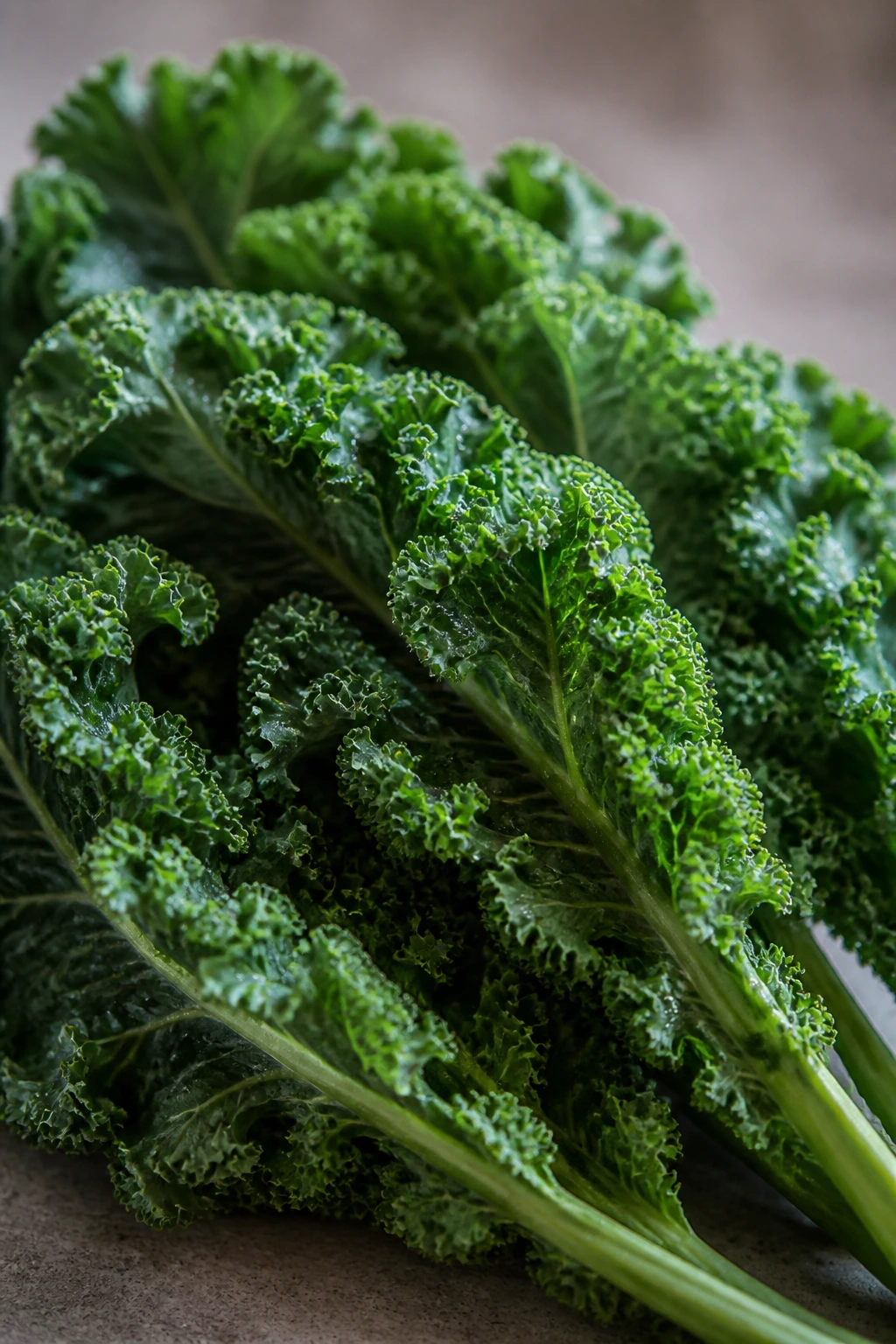
Kale is sturdy in a way spinach isn’t. That matters. The leaves hold up after heat, sit well in salads when dressed early, and don’t collapse into nothing the second they touch a pan. For meal prep, that toughness is a gift.
What Makes It Different
Curly kale and lacinato kale behave a little differently. Curly kale brings more bite, while lacinato — the darker, flatter kind — is a little easier to chew and feels better in soups and sautés. Strip out the woody stems and slice the leaves thin. If you’re eating it raw, massage it with olive oil and salt for a minute or two until the texture softens. That step matters more than people think.
- Good in bean soup, sausage soup, and lentil stew.
- Works in skillet eggs, pasta, and grain bowls.
- Keeps its shape after a bit of heat, so leftovers stay decent.
- Roasted into chips, it gets crisp fast, though I still prefer it cooked in real meals.
I’m not precious about kale. I’m just saying it does the job better than most leafy greens when the meal needs to sit for a while.
13. Sweet Potatoes
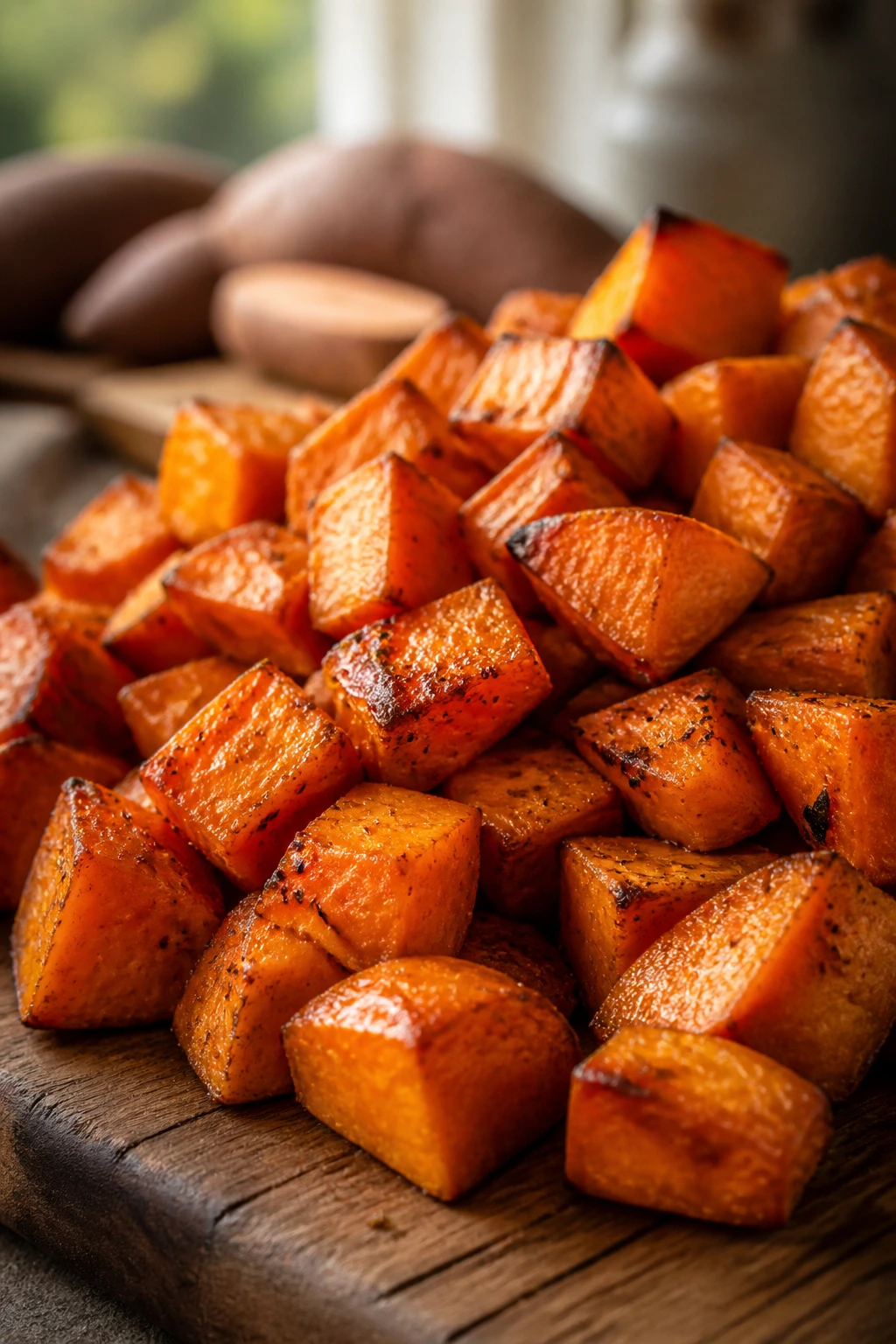
Sweet potatoes earn their spot because they can act like a side dish, a starch, or even the base of a whole meal. Roast them in cubes, bake them whole, mash them, or slice them into wedges. They have enough natural sweetness to feel satisfying, but they still work with savory toppings, which is where they get interesting.
Why They Keep Showing Up
Sweet potatoes are dense, filling, and easy to season in different directions. Cinnamon and yogurt work for breakfast. Chili powder and black beans work for dinner. Butter and salt are the plain answer, which is often the right one. Their orange flesh also brings beta-carotene, and that’s one reason they feel so substantial on the plate.
- Cube them for sheet-pan dinners.
- Roast rounds and top with feta or beans.
- Mash them with a little milk and garlic.
- Bake a whole one and split it open for lunch with eggs, greens, or chili.
The skin is worth eating if it’s clean and crisp. No reason to throw it away unless you hate texture. I don’t.
14. Beets
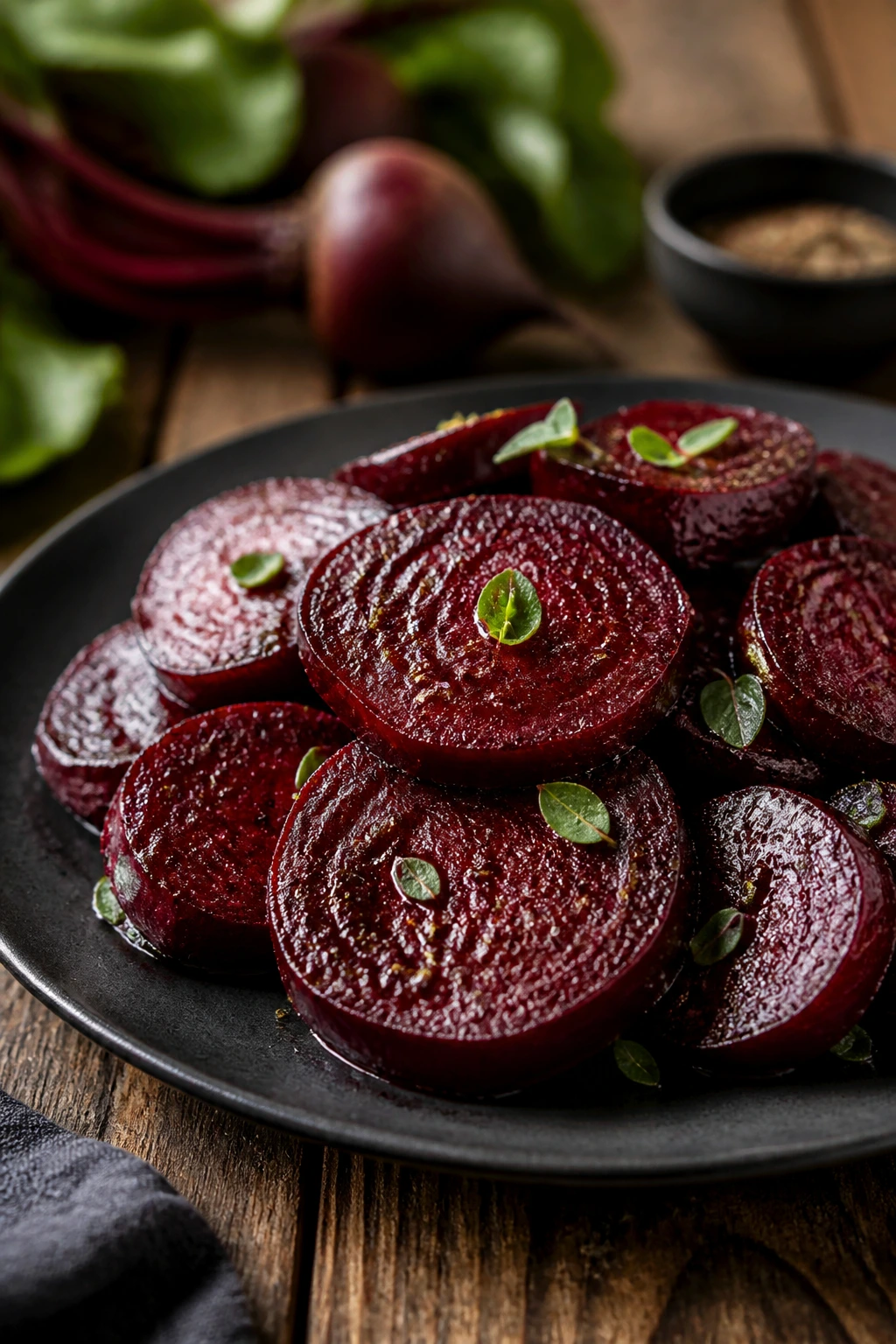
Beets are not shy. They taste earthy, sweet, and a little rustic, and they stain your board, your fingers, and sometimes your shirt if you’re careless. That mess is part of the deal. If you can handle the color, you get a vegetable that roasts into soft, almost jammy slices with a flavor that stands apart from everything else on the plate.
Roasting is the easiest way in. Wrap whole beets in foil or roast them uncovered until a knife slips through easily. Once they cool, the skins rub off fast. From there, slice them into salads, toss them with goat cheese, or serve them with lentils and herbs. Beets also work in soups, especially when blended with yogurt or sour cream.
Don’t ignore the greens if the bunch comes with them. Beet tops behave a lot like chard or spinach and can be sautéed in garlic and oil. That’s the sort of thrift that makes a vegetable feel doubly useful.
Beets ask for a little patience, but they pay it back.
15. Green Beans
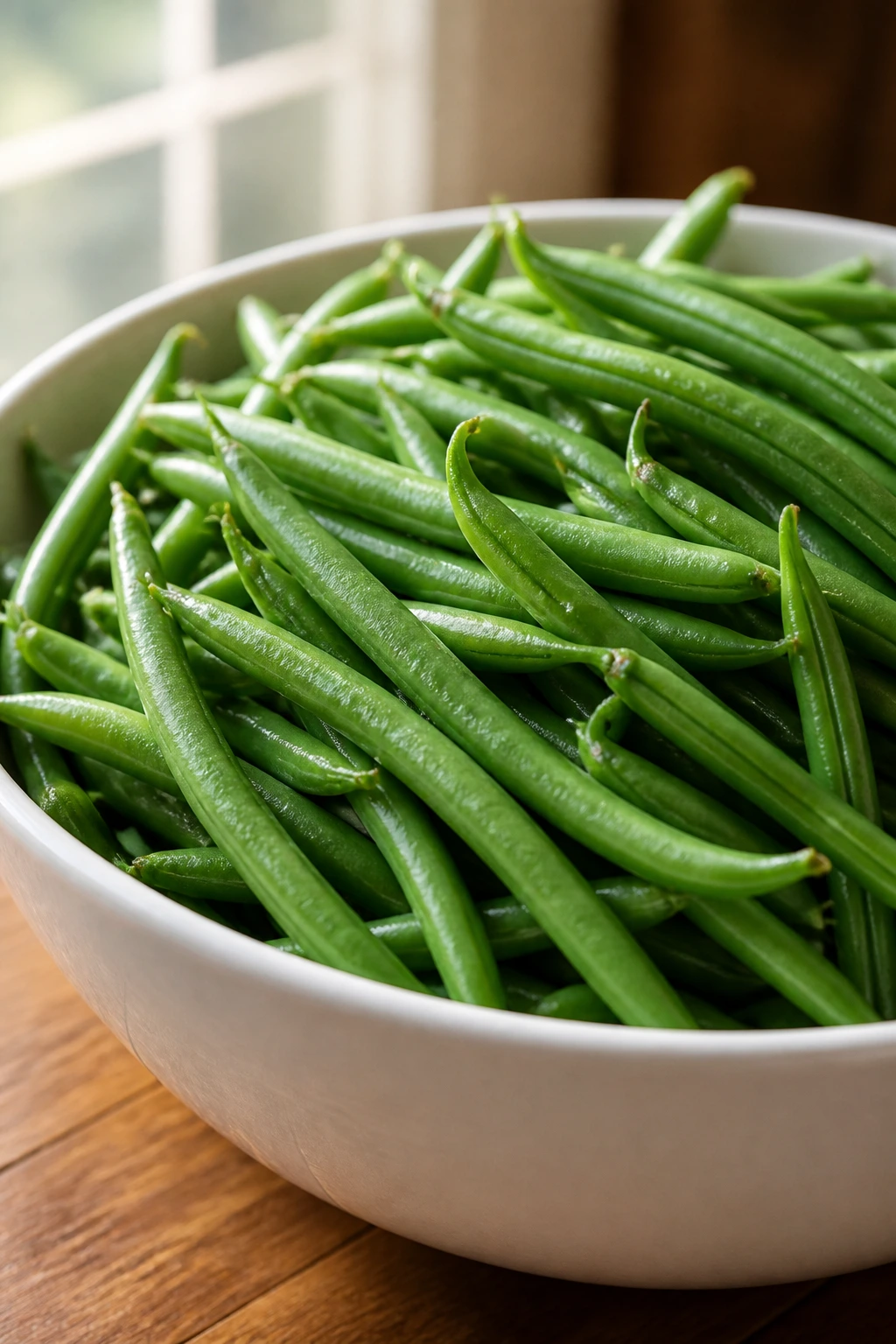
Why do green beans work so well with almost anything? Because they bring a crisp-tender snap without crowding the plate. They’re one of the few vegetables that can be simple and still feel finished if you cook them right.
How to Use Them
The main mistake with green beans is overcooking them into olive-green sadness. Keep them bright, keep some bite, and stop when they turn tender but still resist the teeth a little. Steam them, blanch them, or sauté them in a hot pan with garlic and oil. If you want them for a holiday-style side dish, toss them with butter and toasted almonds. If you want them for Tuesday, a squeeze of lemon works.
- Blanch and chill them for salads.
- Sauté with garlic and chili flakes.
- Add them to soups near the end so they keep their shape.
- Roast them if you want a little char around the edges.
Frozen green beans are useful too, though fresh ones usually have a better snap. Either way, they make dinner feel more complete.
16. Peas
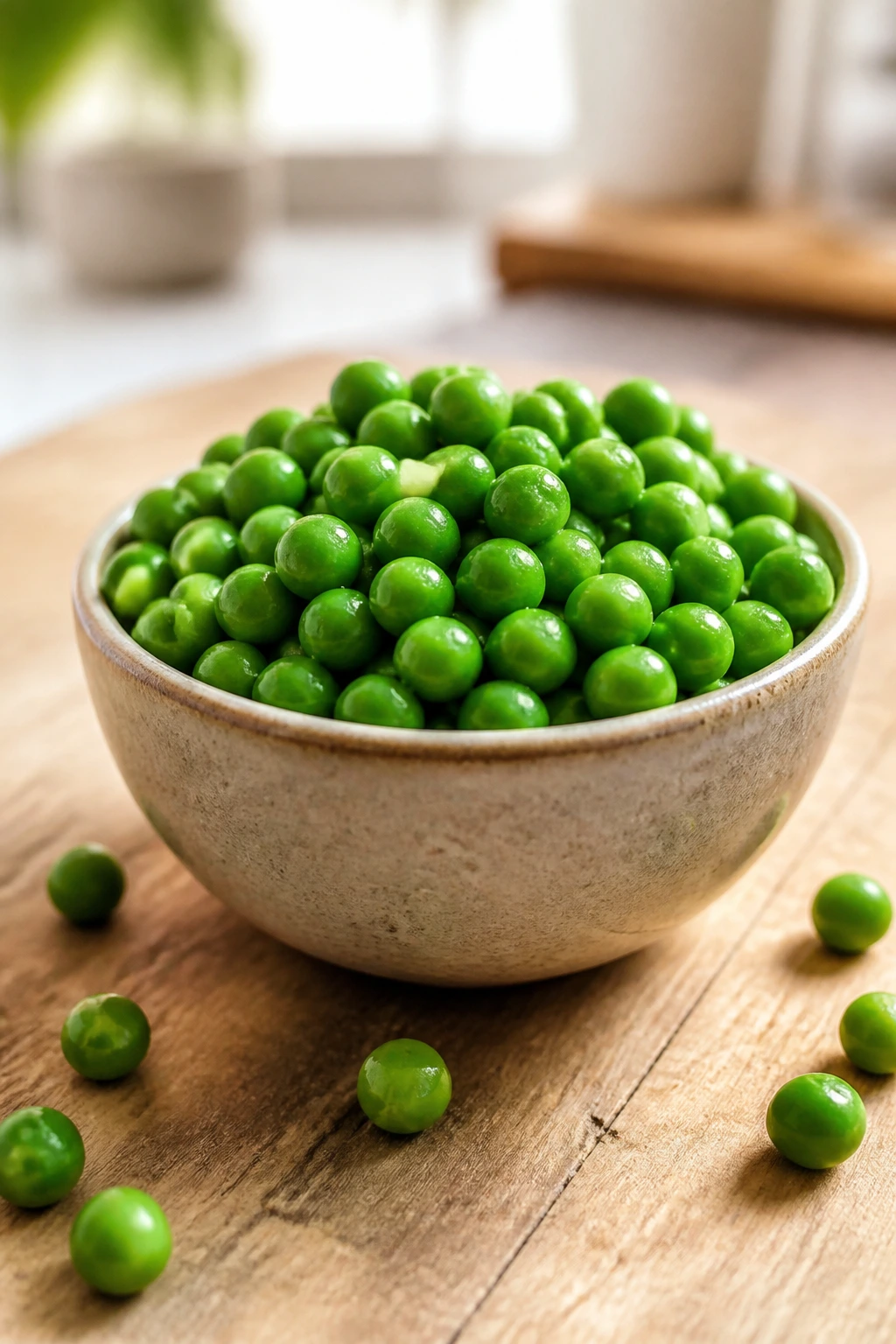
Frozen peas are one of the best-kept practical secrets in the freezer aisle, except it isn’t really a secret and never should have been treated like a compromise. They’re sweet, tender, and ready in minutes. That’s useful when dinner is moving fast and the fridge looks grim.
Peas work in pasta, fried rice, soups, risotto, and mashed potato mixtures. They bring a little brightness to heavy dishes and a little starch to light ones. That balance is why they show up in so many cuisines. You can stir them in at the end of cooking and get a burst of green without much effort.
What to Watch For
Fresh peas are lovely when you can get them, but frozen peas are the everyday answer. They keep their sweetness better than people expect. Don’t boil them forever; a quick heat-through is enough. If you overcook them, they turn dull fast.
- Stir into buttered rice with herbs.
- Add to chicken soup or vegetable soup.
- Blend into a pea spread with lemon and mint.
- Mix with eggs, bacon, or feta for a fast brunch dish.
Peas are modest, which is part of their charm.
17. Brussels Sprouts
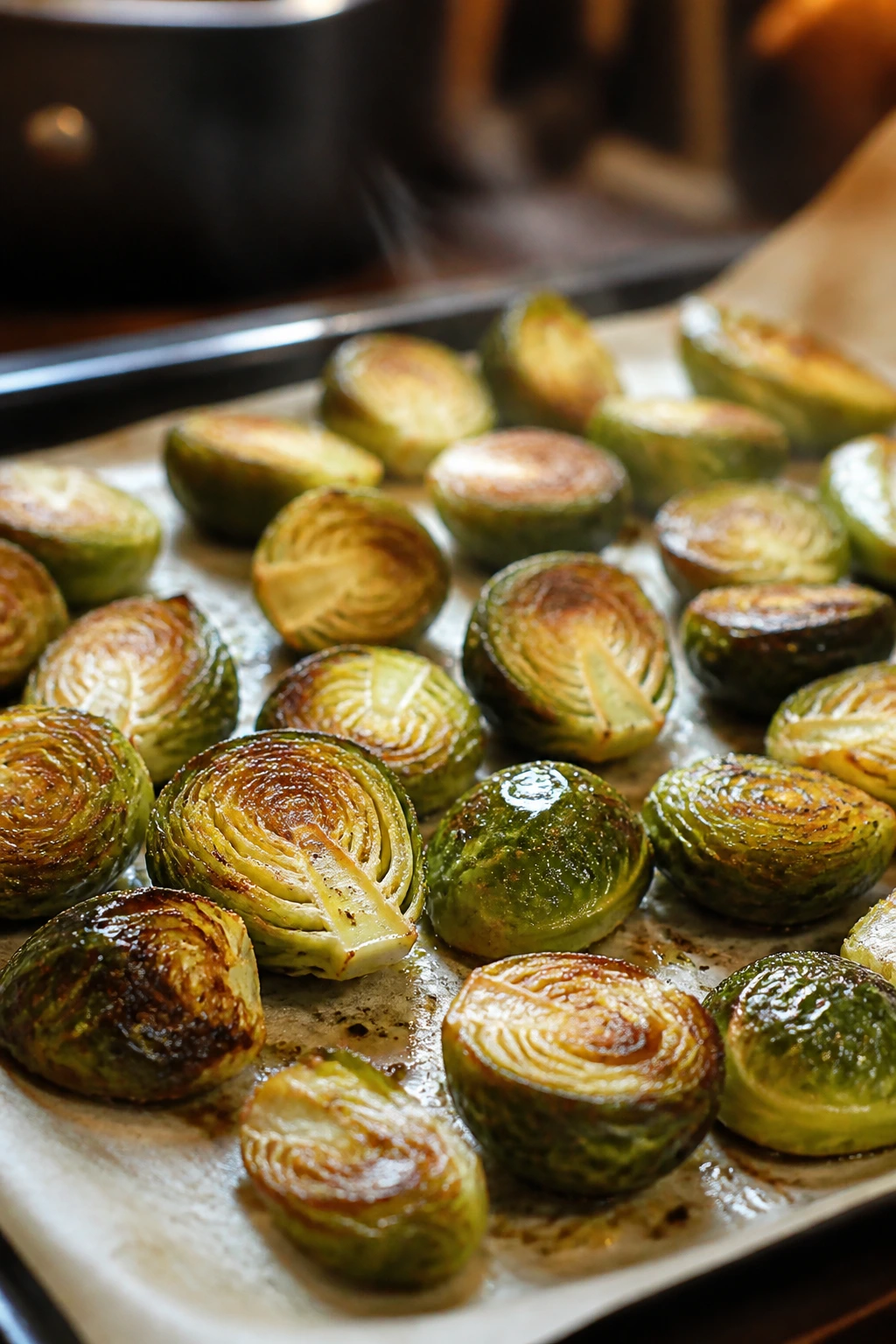
Brussels sprouts are the vegetable people claim to hate until someone roasts them hard enough. Then the outer leaves crisp, the cut sides brown, and the center turns sweet instead of bitter. Heat fixes a lot here. Not everything, but enough.
A good Brussels sprout should be trimmed, halved, and cooked with purpose. Roasting cut side down gives you the best texture because the flat surface hits the pan and browns. A bit of oil, salt, and high heat are enough, though bacon, mustard, balsamic vinegar, or Parmesan can all steer the flavor in different directions.
Fresh sprouts usually roast better than frozen ones. The frozen version can still work in a skillet or soup, but the texture is softer. That’s fine if you’re not chasing crisp edges.
I like Brussels sprouts because they’re honest. They can taste a little bitter if you baby them, and then they taste excellent if you stop being afraid of heat.
18. Celery
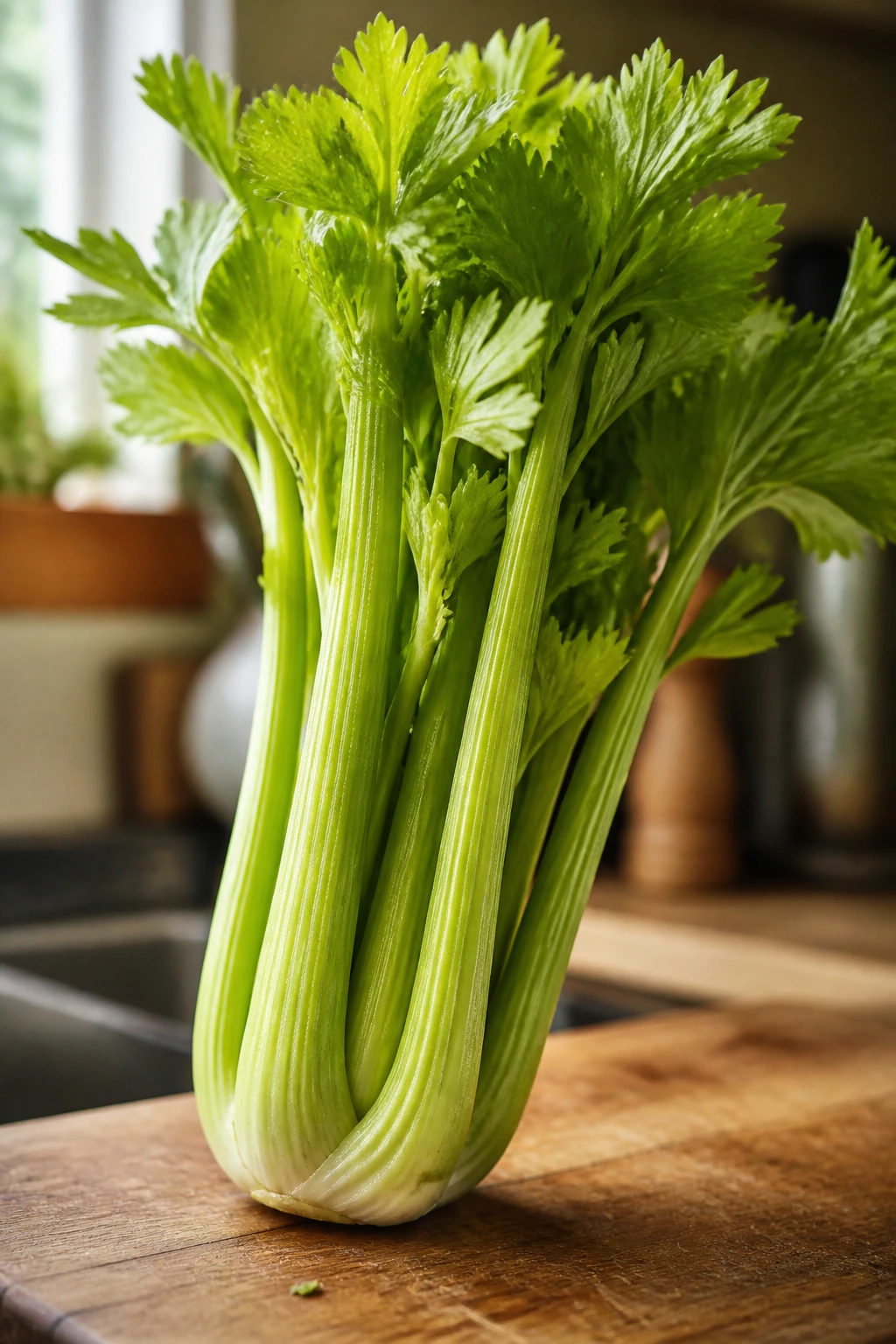
Celery doesn’t need to be thrilling to be useful. It brings crunch, freshness, and that clean green flavor that makes soups, tuna salad, chicken salad, and chopped vegetable mixes taste more finished. Think of it as a supporting actor that knows its role.
Unlike vegetables that need heavy cooking, celery often does its best work raw or lightly softened. The leaves are usable, too, and people throw them away too quickly. Chop them into soups, sprinkle them over salads, or use them like soft herbs. The stalks also belong in mirepoix, the classic onion-carrot-celery base that starts a huge number of stews and sauces.
Best use? Buy a bunch with tight stalks and bright leaves, then keep it cold in the fridge wrapped in paper towel or tucked in a container. That keeps the snap going longer. Once it bends and goes limp, it still has soup duty left in it, which is more than can be said for a lot of produce.
Celery is plain. Plain is useful.
19. Swiss Chard
Swiss chard is one of my favorite leafy vegetables because it gives you two textures in one bunch. The stems are crisp and colorful; the leaves are tender and mild. Cook them the same way and one part overcooks while the other stays tough, so you need a tiny bit of patience. Worth it.
Why It Belongs on the Table
Chard works best when you treat the stems and leaves separately. Slice the stems thin and start them in the pan first. Give them a minute or two, then add the leaves and let them wilt. That small sequencing step makes the final dish much better. Garlic, lemon, olive oil, beans, and a pinch of chili flakes all suit it.
- Red, yellow, and rainbow stems make it look lively in the pan.
- The leaves behave like spinach but hold their shape a bit better.
- It’s good in omelets, bean stews, pasta, and simple sautés.
- If a bunch looks oversized, it usually means more stems to chop and more food for the money.
Chard is the sort of vegetable that makes dinner feel slightly more composed without getting fussy. I like that.
20. Cucumbers
Cucumbers are more useful than they get credit for. People think of them as salad filler, which is a shame, because their cold snap and clean flavor make them excellent in lunches, sauces, snacks, and quick side dishes. If a meal feels heavy, cucumber helps.
They’re at their best raw, obviously, but there’s room to do more. Slice them into yogurt with dill and garlic. Toss them with rice vinegar and sesame oil. Layer them into sandwiches so the bread doesn’t feel as dense. Make quick pickles when you want something sharp beside roast meat or beans.
The Small Details Matter
If cucumbers taste watery to you, salt the slices for 10 minutes and pat them dry. That step pulls out a little excess moisture and sharpens the texture. Peel only if the skin is thick or waxy; otherwise, leave it on for crunch and color. Seedless cucumbers, Persian cucumbers, and English cucumbers all have slightly different textures, but each one can find a place in daily meals.
A fridge with cucumbers, carrots, spinach, onions, and one or two sturdy greens feels less like a guessing game and more like a workable kitchen. That’s the real win.
