



The treadmill can be a soul-crushing device. If you spend forty minutes staring at a wall while shuffling along at a moderate pace, you are missing the point of true metabolic conditioning. Many women assume that “cardio” is synonymous with long, boring stretches of low-intensity movement. It is not. If your goal is burning fat, changing your body composition, and improving your heart health, you need to stop pacing and start pushing.
Efficiency matters. Most of us do not have two hours a day to spend at the gym. You have a job, a life, and responsibilities that do not involve staring at a heart rate monitor. The most effective workouts are the ones that force your body to work harder in a shorter amount of time. We are talking about intensity, not duration. When you elevate your heart rate into specific zones and keep it there—or spike it and let it drop—you trigger physiological changes that simple walking cannot touch.
You do not need to spend your life in the gym to see results. You need to be deliberate. The following list breaks down twenty different ways to approach cardio. Some focus on explosive power, others on muscular endurance, and a few on sheer mental grit. Forget the steady-state grind. It is time to move with purpose.
1. High-Intensity Interval Sprinting

Sprinting is the gold standard for metabolic conditioning. You do not need to be a track athlete to reap the benefits. It is about maximal effort for short bursts followed by recovery. The secret is that you are not just burning calories while you run; you are triggering the afterburn effect, technically known as excess post-exercise oxygen consumption (EPOC), which keeps your metabolism elevated for hours after you leave the gym.
How to Structure It
You want a 1:3 ratio for beginners. If you sprint for 15 seconds, walk or rest for 45 seconds. As you get fitter, push toward a 1:1 ratio.
- Find a flat track or a safe stretch of path.
- Warm up for 10 minutes with light jogging and dynamic stretching.
- Sprint at 90-95% of your maximum effort.
- Recover fully before the next burst.
Pro tip: Do not underestimate the need for a thorough warm-up. Cold muscles are prone to tears. Take your time getting your legs ready.
2. Kettlebell Swings
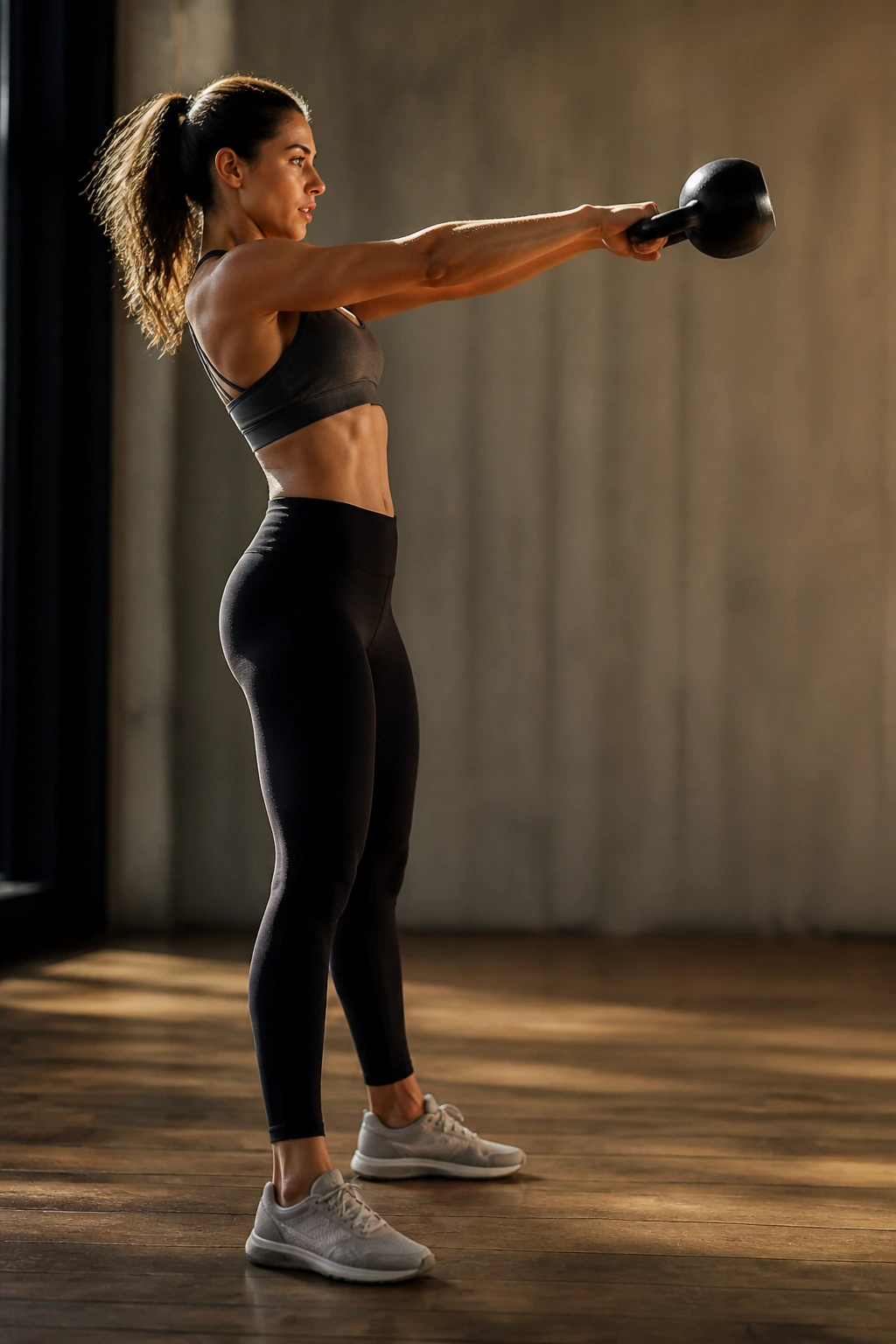
This is not a shoulder exercise, and if you are using your arms to lift the weight, you are doing it wrong. The kettlebell swing is a hip-hinge movement that drives your heart rate through the roof while torching your posterior chain—the glutes, hamstrings, and lower back. It is arguably the best tool for women who want to build a strong, athletic core while stripping away body fat.
The Mechanism of the Swing
The power comes from your hips. You are snapping your hips forward to propel the bell upward. Your arms are merely guide ropes. If you feel it primarily in your lower back, you are likely squatting too deep or not engaging your glutes at the top of the movement. Keep the movement sharp, crisp, and explosive.
Why It Burns Fat
- Full-body engagement increases total caloric expenditure.
- It spikes the heart rate instantly, simulating high-intensity interval training.
- It builds muscle, which naturally boosts your resting metabolic rate over time.
3. High-Intensity Jump Rope

Remember elementary school recess? It is time to revisit that, but with a lot more intensity. Jumping rope is a fantastic, underrated conditioning tool. It improves coordination, strengthens the ankles, and builds explosive power in the calves and quads. It is also incredibly portable. You can do this in a garage, a park, or a corner of a gym.
Technique Matters
Do not jump three feet in the air. You only need to clear the rope by an inch or two. Keep your elbows tucked near your ribs and use your wrists to create the rotation, not your entire arm. If you are flailing your arms, you will tire out before you get a real workout.
How to Progress
Start with 30-second intervals. If you trip—and you will—just pick it up immediately. Do not stop. The frustration is part of the conditioning. Once you master the basic bounce, look into techniques like the “boxer skip,” which allows for longer, sustained effort.
4. Hill Sprints

Gravity is the best personal trainer you will ever have. When you run on flat ground, you have to push yourself to find intensity. When you run up a hill, the terrain forces it upon you. Hill sprints are inherently safer than flat sprints because your feet strike the ground closer to your center of gravity, which reduces the impact on your knees and hips.
The Benefits of Incline
Running uphill forces you into a forward-leaning posture that naturally engages your glutes and hamstrings. You simply cannot maintain a heel-strike gait while running up an incline; it forces you onto your forefoot. This builds functional strength that carries over into everything else you do.
Safety note: Keep your eyes on the horizon, not your feet. Looking down at your feet encourages hunching, which limits your lung capacity. Keep your chest up and drive your knees.
5. Stair Climber Intervals
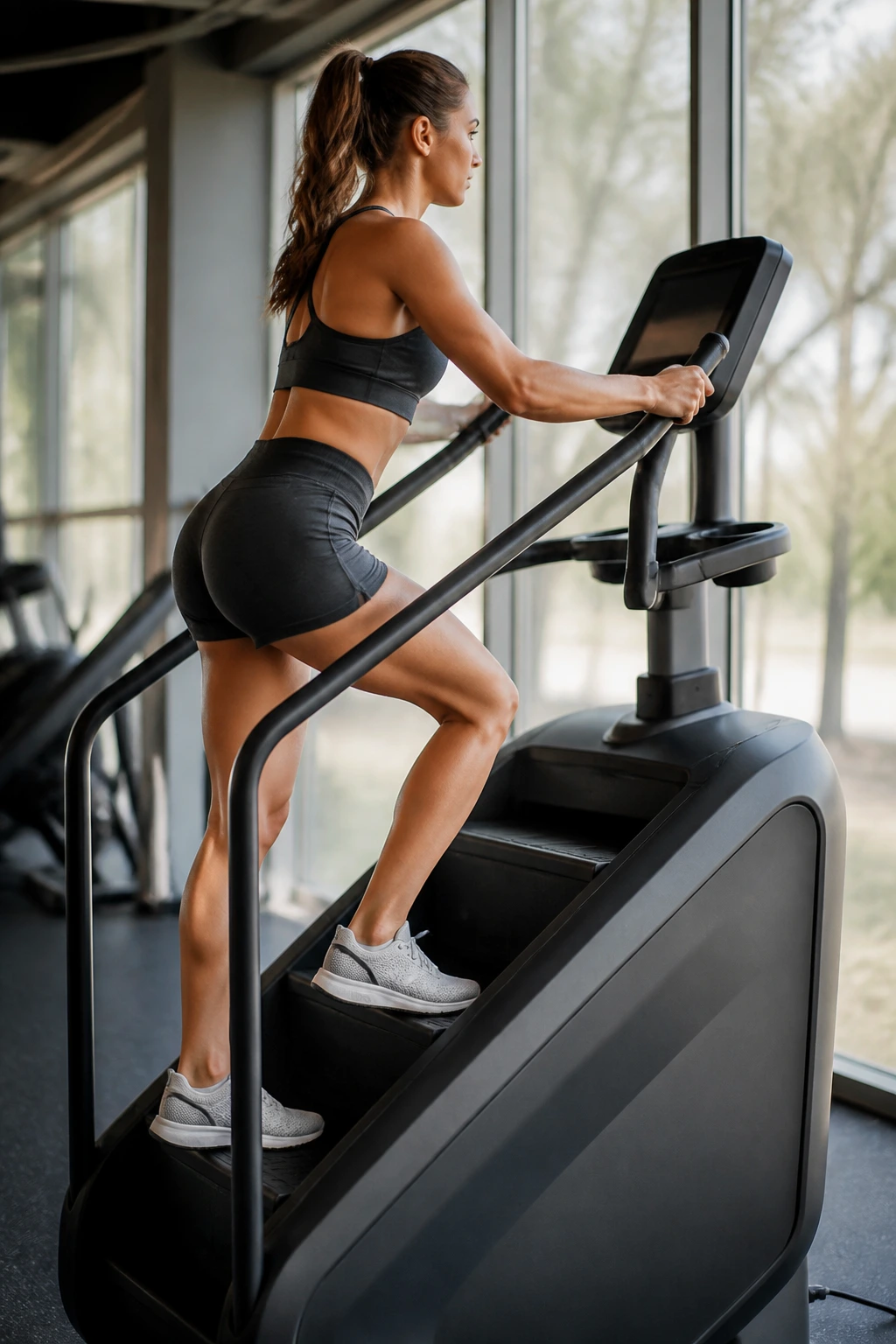
The stair machine—or simply finding a tall flight of stairs in a stadium—is a brutal way to burn fat. It is essentially a vertical sprint. You are fighting gravity with every single step. This is not about mindless pacing while reading a magazine. It is about aggressive, targeted effort.
How to Get More Out of It
Most people make the mistake of leaning heavily on the handrails. When you dump your body weight onto the console, you negate the core work and drastically reduce the caloric burn. Let go of the rails. If you feel like you are going to fall, lower the intensity setting. Your core should be working to keep you upright.
The Interval Approach
- 2 minutes at a moderate “warm-up” speed.
- 1 minute at a very fast pace (the “climb”).
- 1 minute at a slow recovery pace.
- Repeat for 20 minutes.
6. Rowing Machine Intervals
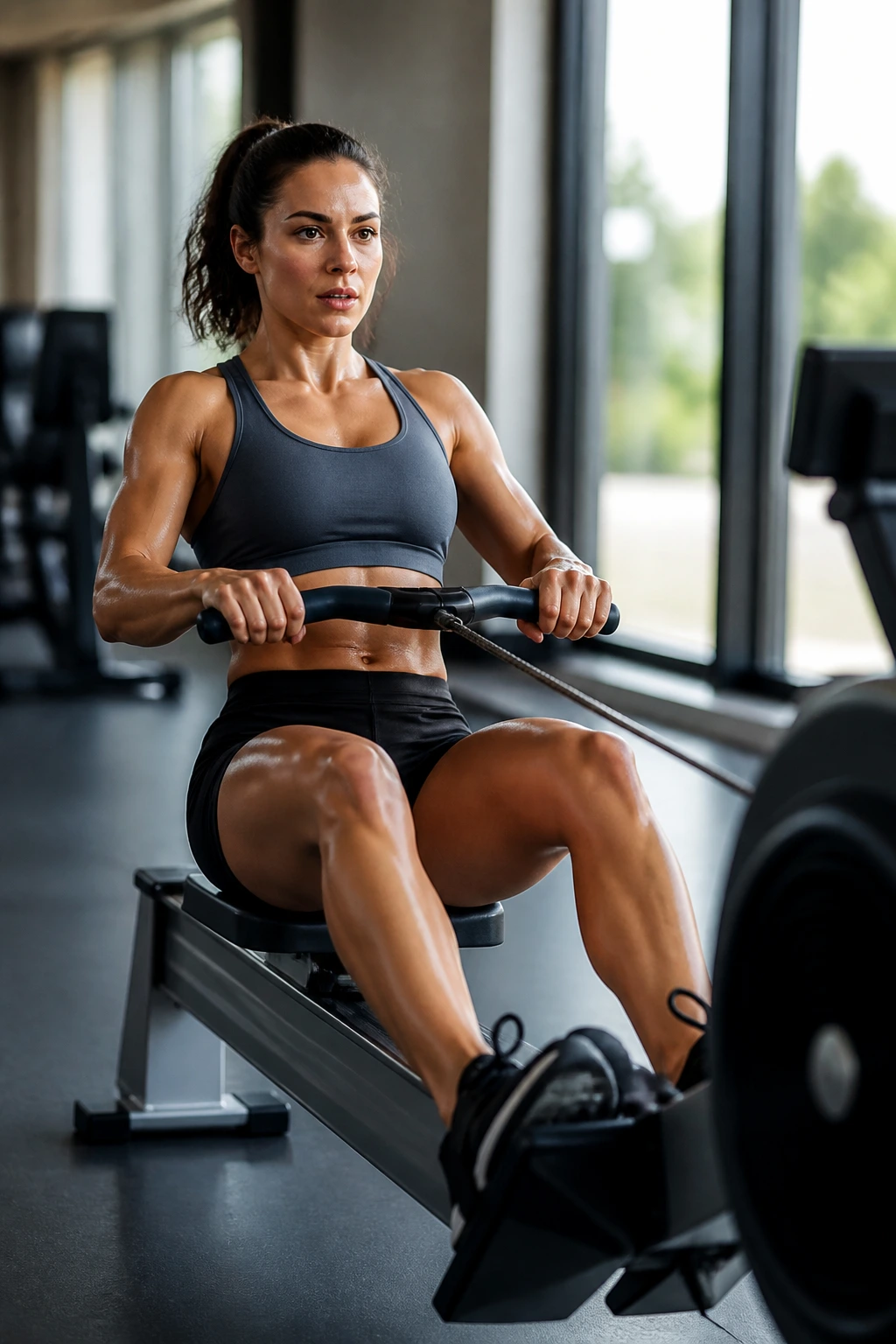
The rowing machine is a full-body workout that many women ignore because it looks intimidating or confusing. It is actually one of the most efficient ways to burn calories. You are using your legs, core, back, and arms in a rhythmic, high-tension sequence. If you are doing it right, you should feel exhausted after a very short time.
The Sequence
- Drive: Push with your legs first.
- Pivot: Lean back slightly using your core.
- Pull: Pull the handle to your lower chest with your arms.
- Return: Reverse the motion in the exact same order.
The key is the leg drive. Your legs are the biggest muscle group in your body. When you push with them, your heart rate climbs much faster than if you were just pulling with your shoulders. If you are not feeling it in your quads, you are rowing with your arms only.
7. Battle Ropes

Battle ropes are fantastic for upper-body conditioning, but people often get them wrong. They stand too still, they don’t engage their legs, and they treat it like a casual arm movement. To get a fat-burning effect, you need to use your entire body. The ropes should be an extension of your core, not just your biceps.
How to Execute
Maintain a partial squat the entire time. Your legs should be burning just as much as your shoulders. Engage your abs as if you are bracing for a punch. This stabilizes your spine. Perform the waves with aggressive force, trying to make the ropes hit the floor as hard as you can.
The Intensity Factor
Battle ropes are perfect for Tabata-style training. Do 20 seconds of all-out, maximal-effort slams, followed by 10 seconds of complete rest. Do this for 8 rounds. You will finish in 4 minutes, and you will be absolutely drenched.
8. Mountain Climbers

This is a cardio movement masquerading as a core exercise. When performed slowly, they work your abs. When performed at high speed, they are a legitimate cardiovascular challenge. The trick is to keep your hips low and your shoulders stacked directly over your wrists.
Common Form Mistakes
Do not let your butt pike up toward the ceiling. When your hips rise, you take the pressure off your core and your legs, making the movement easier and less effective. Keep your back flat, like a table. Imagine balancing a glass of water on your lower back.
Adding Intensity
To really spike your heart rate, perform these as “running” mountain climbers. Keep your core tight and cycle your legs as fast as you possibly can, keeping your toes just barely touching the ground. If you do this for 45 seconds, you will find your lungs screaming for air.
9. Full-Body Burpees
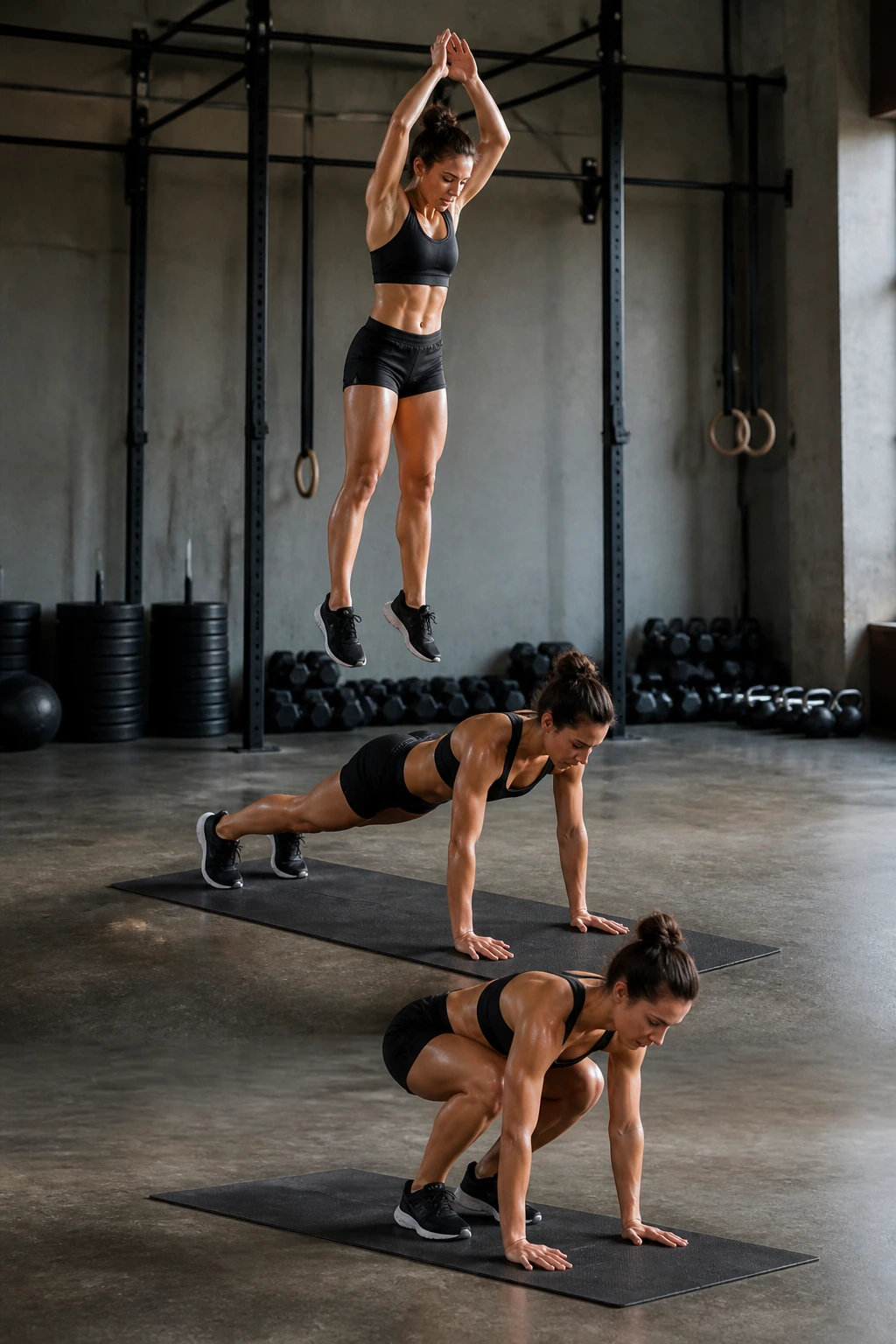
Love them or hate them, burpees are incredibly effective. They combine a squat, a plank, a push-up, and a jump into one fluid movement. Because they require your body to move from the floor to a standing position repeatedly, they demand a massive amount of energy.
Why They Work
Burpees force your heart to pump blood from your feet to your head and back again, continuously, as you change levels. This makes them a superior conditioning tool compared to almost any stationary exercise.
Pro tip: If the standard burpee feels too jarring for your wrists, try “sprawls.” These involve hopping into a plank position and hopping back up without the push-up. It keeps the intensity high but saves your joints.
10. Plyometric Box Jumps

Plyometrics are about explosive power. When you jump onto a box, you are training your fast-twitch muscle fibers. This improves your athletic capability and burns a significant amount of energy because of the sheer force required to propel your body weight upward.
Safety First
The jump is only half the battle. The landing is critical. Land softly on the balls of your feet with your knees slightly bent. Never “stomp” onto the box. If you cannot land quietly, the box is too high.
Why It’s Effective
Explosive movements recruit more muscle mass than steady, controlled movements. You are demanding that your nervous system fire every available muscle fiber at once. This high level of demand is exactly what you want for a fat-burning workout.
11. Cycling Intervals

Forget the slow, rhythmic spinning in a group class if you want to focus on fat loss. You need intervals. Use the resistance dial on the bike to change the game. You should not be able to hold a conversation when you are in your “work” interval.
The Setup
- Start with a 3-minute warm-up.
- Crank the resistance to a “heavy hill” setting.
- Pedal as hard as you can for 30 seconds.
- Drop the resistance and pedal slowly for 30 seconds.
- Repeat this for 15 to 20 minutes.
If you aren’t sweating after 10 minutes, your resistance is too low. The bike should fight you. You should be working to make the pedals turn.
12. Shadow Boxing

You don’t need a heavy bag to get a boxer’s workout. Shadow boxing is an excellent way to improve agility, core rotation, and cardiovascular endurance. The key is to keep moving your feet. Do not stand still and just throw punches.
The Focus
Keep your core tight. Every time you throw a punch, you should be rotating from your hips. If you just extend your arms, you miss the opportunity to engage your obliques and back muscles. Visualize an opponent in front of you. Snap your punches and bring them back to your face immediately to protect yourself.
Adding Resistance
Hold light dumbbells—1 or 2 pounds maximum—to increase the intensity. Do not go heavier; you want speed and snap, not strength training. If you go too heavy, you risk injuring your rotator cuffs.
13. Lap Swimming

Swimming is unique because it provides resistance in every direction. The water creates drag, so you are essentially doing resistance training and cardio simultaneously. It is also exceptionally low-impact, making it the perfect choice if you are recovering from joint issues or if you simply find the impact of running too harsh.
How to Make It Fat-Burning
Do not just float through the lanes at a leisurely pace. You need to swim intervals.
- Swim one length as fast as you can.
- Rest for 30 seconds.
- Repeat until you have done 10 to 15 lengths.
The recovery time in the water is the secret. Even though you are resting, your body is still working to dissipate heat and recover, and the next length of hard swimming keeps your heart rate elevated.
14. Medicine Ball Slams
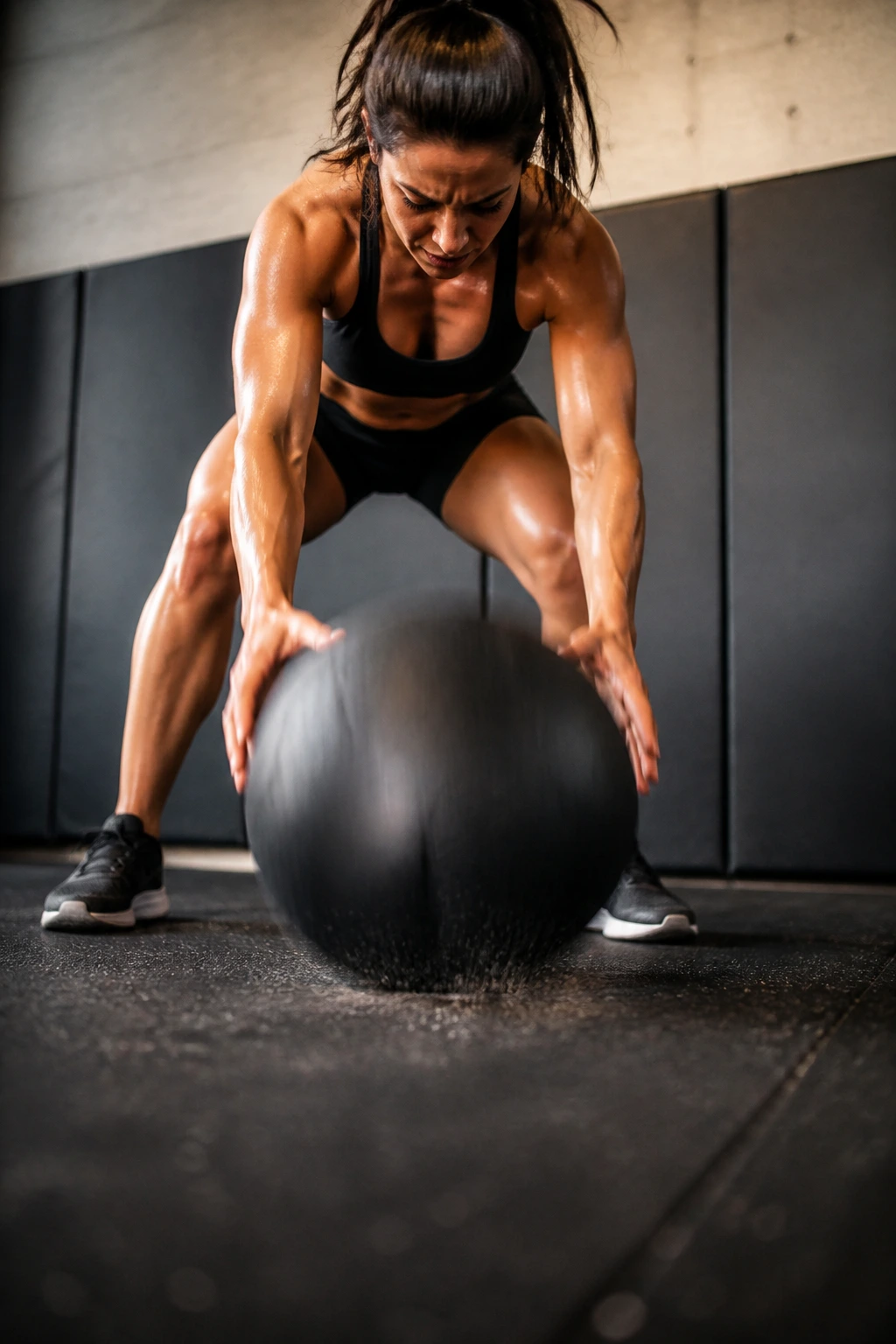
This is a cathartic, high-power move that builds core strength and burns fat. The key is to use a non-bouncy medicine ball—the “dead” kind filled with sand. This forces you to pick it up every single time, which is where the real calorie burn happens.
The Technique
Lift the ball high over your head, fully extending your body. Use your core and lats to slam the ball into the floor as hard as you can. Do not just drop it; drive it down. Squat down to pick it up, keeping your back flat.
The Result
You are doing a vertical reach, a squat, and a high-intensity slam all in one rep. This taxes your cardiovascular system quickly. Try doing 15 reps, resting for 30 seconds, and repeating for 10 sets.
15. The Hybrid “Row-Run” Finisher

If you are a member of a gym that has both rowers and treadmills, use them together. This is a classic “circuit” style workout that keeps your heart rate spiked because you are constantly switching muscle groups.
The Setup
- Row 250 meters as fast as you can.
- Hop off and run 400 meters (or run for 90 seconds).
- Hop back on the rower.
- Repeat 4 to 5 times.
By switching from the rower (which is lower-body dominant and seated) to the treadmill (which is weight-bearing and high-impact), you keep your body guessing. It prevents your muscles from getting into a steady-state rhythm, which forces your heart rate to spike every time you make the switch.
16. Tabata Squat Jumps

Tabata is a specific protocol: 20 seconds of all-out effort, 10 seconds of rest, for 8 rounds. It is only 4 minutes long, but those 4 minutes should be the hardest of your day. Squat jumps are the perfect exercise for this because they are physically demanding and require zero equipment.
The Execution
Squat down until your thighs are parallel to the floor, then explode upward into a jump. Land softly and go immediately back into the squat. For the 20 seconds of work, you are counting reps—try to get as many as you can, but do not sacrifice form.
Why This Works
The intensity of 20 seconds of explosive movement depletes your stored energy quickly. The 10 seconds of rest isn’t enough time to recover fully, which means your heart rate climbs higher with every round. By round 7, you will be gasping for air. That is the point.
17. Elliptical Resistance Training

Most people use the elliptical on a high-speed, low-resistance setting, which is basically an “easy button.” It is a waste of time. To get an actual fat-burning workout, you need to crank the resistance up until it feels like you are climbing a steep hill.
How to Use It
Push and pull with your arms, not just your legs. Engage your back and shoulders. Keep your chest up and your core braced. When you add high resistance, you force your legs to work against the tension, which turns a “cardio” machine into a resistance tool. If you can pedal for 30 minutes without feeling winded, your resistance is way too low. Increase it until 10 minutes feels challenging.
18. Agility Ladder Drills

Agility ladders are not just for football players. They are incredible for women who want to improve coordination, focus, and cardiovascular health. The rapid, precise footwork forces you to engage your brain, which makes the time pass faster than any treadmill session ever could.
The Drill
Focus on “high knees” or “in-and-out” shuffles. Keep your core tight and your feet light. Do not look at your feet—look straight ahead. The moment you start staring at your feet, you lose your posture.
Why It’s Great
It breaks up the monotony of steady cardio. You are forced to focus on the pattern, which takes your mind off the “burn.” Plus, the rapid, explosive footwork keeps your heart rate elevated in a way that feels very different from traditional running.
19. Weighted Pack Hiking

If you want to spend more time outdoors and less time in a gym, put a weighted pack on your back and go for a hike. This is known as “rucking.” It adds resistance to your walking, which increases your heart rate significantly without the joint-jarring impact of running.
Why It’s Effective
Walking is great, but it is low-intensity. Adding 10 to 20 pounds to your backpack changes the physics. You are now moving a load. Your heart has to pump more blood to support the extra weight, and your muscles have to work harder to stabilize the load.
Note: Start light. Do not jump straight to 30 pounds. Your spine and hips need time to adapt. A comfortable backpack with a hip belt is essential to keep the weight off your shoulders.
20. Bear Crawls
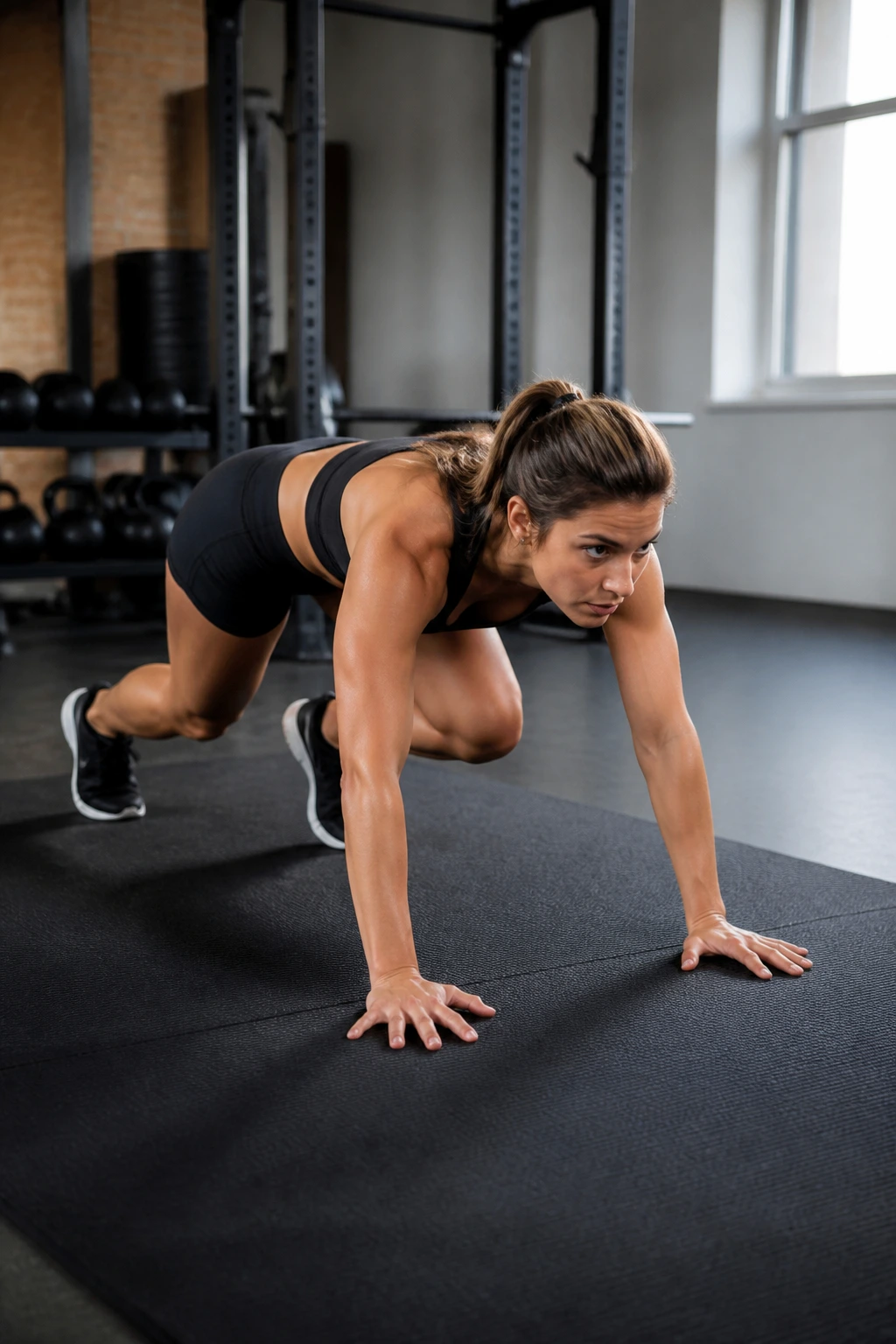
This is arguably the most humbling exercise on this list. A bear crawl looks simple, but after 30 feet, your shoulders, quads, and abs will be screaming. It is a full-body movement that forces you to coordinate your opposite hand and foot while keeping your hips low.
The Form
Get into a quadruped position. Lift your knees just an inch off the ground. Move your right hand and left foot forward, then your left hand and right foot. Keep your back flat—do not let your hips sway from side to side.
The Workout
Try doing 30-second intervals of crawling forward, backward, and side-to-side. It is not just cardio; it is mobility and stability work rolled into a brutal fat-burning package. You won’t need to do this for long to feel the impact.
Final Thoughts
The key to fat burning isn’t a specific machine or a trendy workout class; it’s intensity and consistency. You have to be willing to get uncomfortable. If you finish your workout feeling like you could have kept going for another hour, you didn’t push hard enough. But if you walk away feeling like you gave every ounce of energy you had, even if it was only for twenty minutes, you have done your job.
Don’t feel pressured to do every single one of these workouts. Pick two or three that you actually enjoy—or at least tolerate—and stick with them. The best cardio program is the one that you actually show up to. If you dread the treadmill, stop using it. Try the rowing machine or the kettlebell swings.
Remember, these movements are just tools. Your body is the engine. It will adapt to whatever stress you place upon it, provided you give it enough challenge. Listen to your joints, respect the recovery process, and keep showing up. The results happen in the accumulation of all those hard, breathless minutes you put in when you could have just stayed on the couch.
