



Most beginner powerlifting programs fail for a boring reason: they ask new lifters to do too much too soon. Too many exercises. Too many rep ranges. Too much chatter about “activation” and “muscle confusion” and other nonsense that gets in the way of learning how to squat, bench, and deadlift with a barbell that actually moves some weight.
For women, that confusion gets worse because the advice splinters fast. One camp says to keep it light forever. Another camp pushes a hard-charging bro split that looks fun for two weeks and then feels like a second job. Neither is much help if you’re trying to get stronger, stay consistent, and build real confidence under the bar.
The good news is that most strong beginner plans share the same bones: practice the main lifts often enough to learn them, add weight in small jumps, and stop pretending soreness is the same thing as progress. That’s the part people skip. A session that looks simple on paper can be exactly what makes a novice improve, because simple is what lets you repeat it.
So here’s the honest version: beginner powerlifting programs for women do not need to be fancy. They need to be clear, recoverable, and easy to run even when life gets messy. The best one is the one you can keep showing up to, bar after bar, without dreading the warm-up. That starts with the simplest full-body setup.
1. Three-Day Full-Body Linear Progression
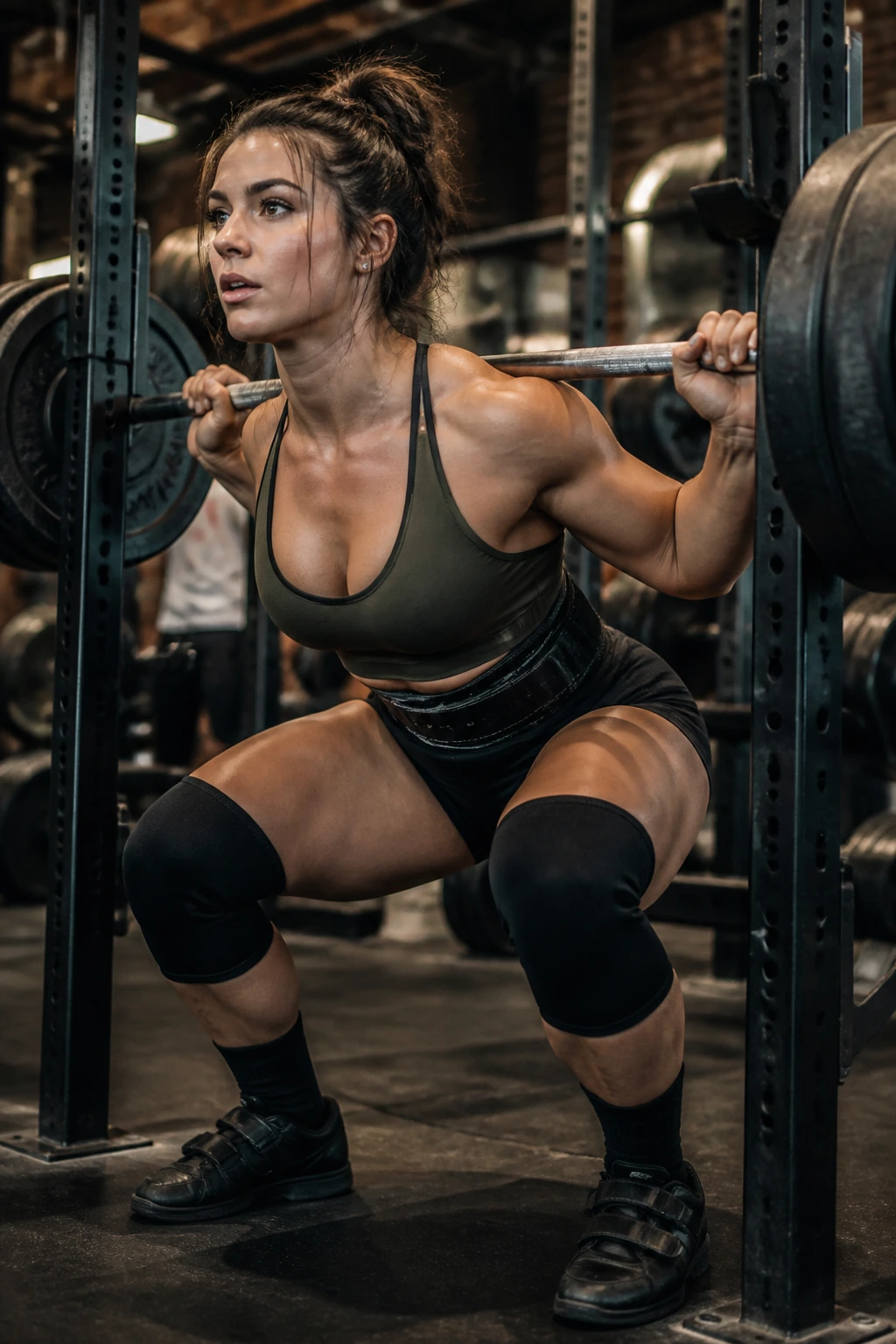
This is the cleanest place to start if you have never run a barbell program before. Three days a week, same main lifts, small jumps, and no guesswork. It looks plain because it is plain. That’s why it works.
Why it works
You practice the squat, bench press, and deadlift often enough to learn them, but not so often that your joints feel shelled by Wednesday. Most true beginners can recover from that kind of work if the sets stay honest and the accessory lifts stay short. Add 5 pounds to the squat and deadlift and 2.5 pounds to the bench whenever all your reps look clean. When the bar speed turns into a grind, hold the load for one more week instead of forcing the jump.
Sample weekly layout
- Monday: Squat 3×5, bench press 3×5, barbell row 3×8
- Wednesday: Squat 3×5 at a slightly lighter load, overhead press 3×5, deadlift 1×5
- Friday: Squat 3×5, bench press 3×5, split squat 2×8 each leg
That setup gives you enough lower-body work to drive progress without burying you in fatigue. It also keeps the bench from being a once-a-week afterthought, which matters more than most people think. Many women notice the upper body lags first, and a simple three-day plan gives the bench enough frequency to catch up.
Pro tip: keep a 2.5-pound pair of microplates in your gym bag. Tiny jumps look silly until they save a stalled bench press.
2. StrongLifts 5×5 With a Powerlifting Twist
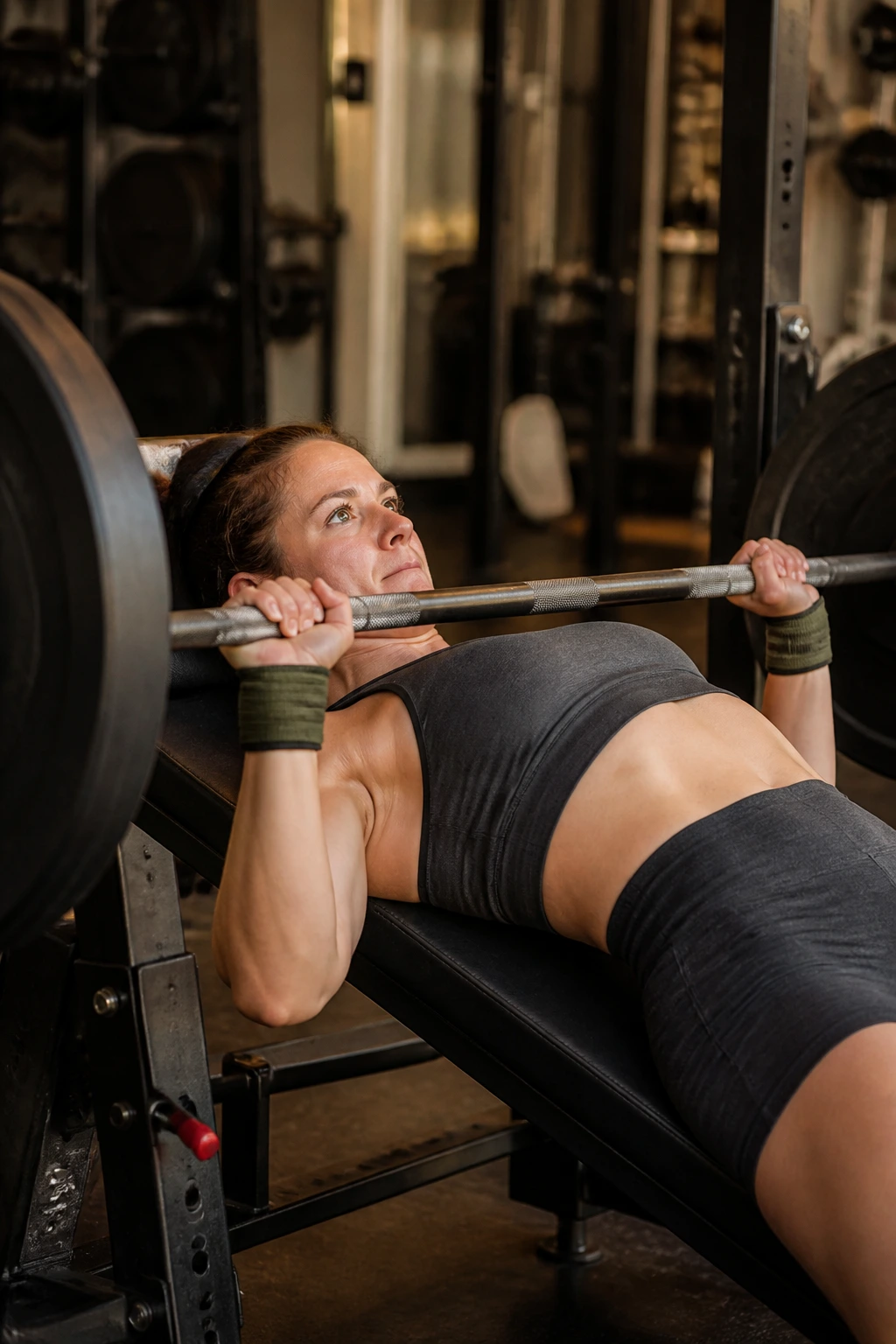
Five-by-five gets mocked because people copy it badly. The truth is less glamorous: it’s a useful novice template if you trim the nonsense and keep the main lifts front and center.
StrongLifts-style training shines when you want a short checklist and a predictable session. The basic version asks for squat, bench, row, overhead press, and deadlift across alternating days. For a powerlifting focus, I’d make two changes right away: keep the squat and bench as your main drivers, and treat the row as back support rather than a hero lift. Heavy rows are fine. Just don’t let them eat the session.
What to keep, what to change
- Squat: 5×5, add weight slowly
- Bench press: 5×5, paused on the chest for a second
- Deadlift: 1×5, not a whole pile of junk volume
- Row: 3×5 or 3×8, controlled and strict
- Extra work: 2 sets of planks, pull-aparts, or back extensions
The 5×5 structure is especially good if you like clear progression and hate wandering around the gym wondering what comes next. It is less good if your lower back hates repeated heavy pulling or if you recover slowly from high set counts. Then the volume starts to feel like a tax.
A lot of lifters chase more work when what they need is better reps. Not more. Better.
3. Starting Strength Style Novice Plan
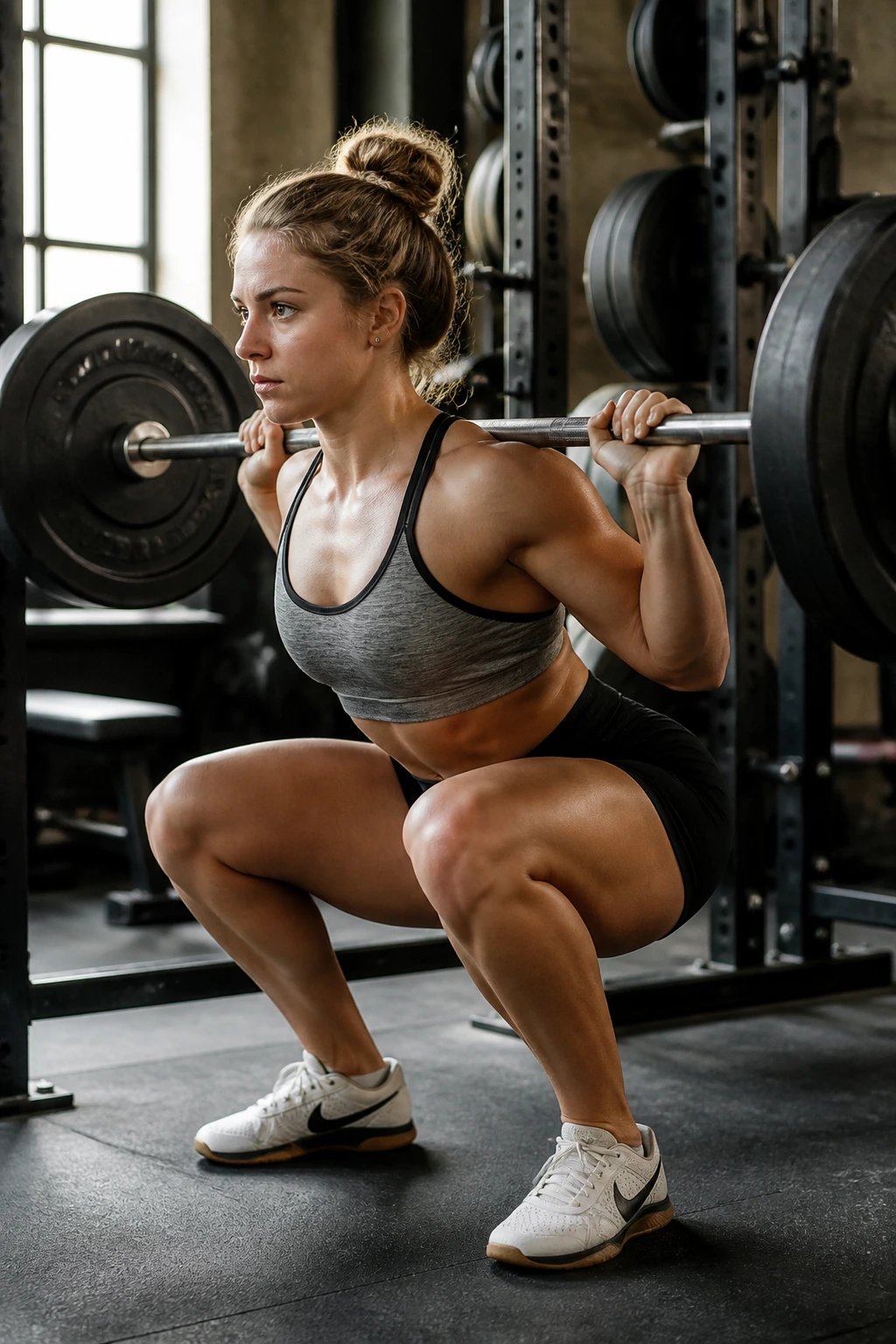
Do you want the least complicated barbell plan possible? Then this is the one people keep coming back to, even when they pretend they’ve outgrown it. The layout is spare: squat every session, press or bench every session, deadlift once, and keep adding weight until the bar tells you to stop.
The appeal is obvious. You learn the main lifts by doing the main lifts. That sounds almost too plain, but plain is often exactly right for a beginner who has spent years doing random circuit work and never felt a real barbell in her hands.
How to run it
Use 3 sets of 5 for the squat, bench press, and overhead press. Use 1 set of 5 for the deadlift. If the gym has tiny plates, use them. If it doesn’t, you’ll stall sooner than you should, especially on the press.
The one place I’d nudge this plan is the pulling volume. Replace power cleans with barbell rows, chest-supported rows, or lat pulldowns if you want a little more upper-back work and less skill clutter. Most beginner women benefit from that swap because it gives the shoulders some help without making the program a circus.
The downside? It can feel unforgiving if sleep, stress, or life gets in the way. But if you like a clear bar path and measurable progress, this old-school template is still one of the best places to start.
4. Greyskull LP With Rep PRs
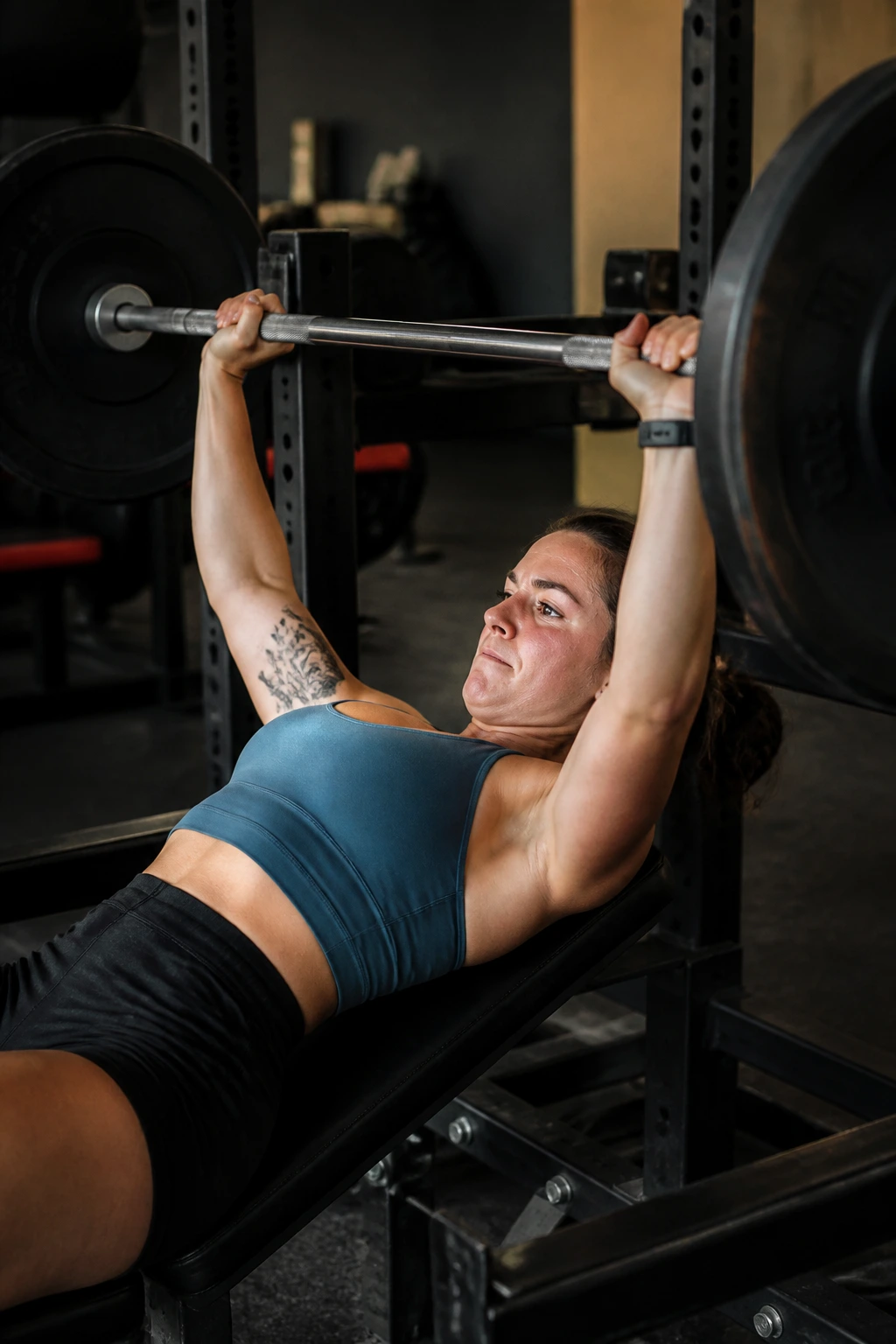
Greyskull LP is a smart choice when straight linear progression feels a little too brittle. You still add weight, but the last set gives you room to earn a rep PR when the day is good and back off when it is not.
That little tweak matters more than people admit. On a rough week, beginners can start believing they are “failing” just because they hit the prescribed reps but not some imaginary perfect target. Greyskull reduces that drama. You finish the set, keep the form sharp, and collect more reps if the tank is there.
What it looks like
- First two sets: 5 reps
- Last set: as many clean reps as possible, stopping before form breaks
- Progression: add weight next session if the top set stays solid
- Assistance: chin-ups, curls, triceps work, and rows in small doses
For women who stall early on pressing, this style can be a relief. The rep PR gives you something to beat without needing a giant jump every single time. It also teaches a useful skill: recognizing the difference between a hard set and an ugly one.
Don’t turn the AMRAP set into a circus act. One sloppy grinder is not a badge of honor. A clean extra rep, sometimes two, is enough.
5. Four-Day Upper/Lower Split
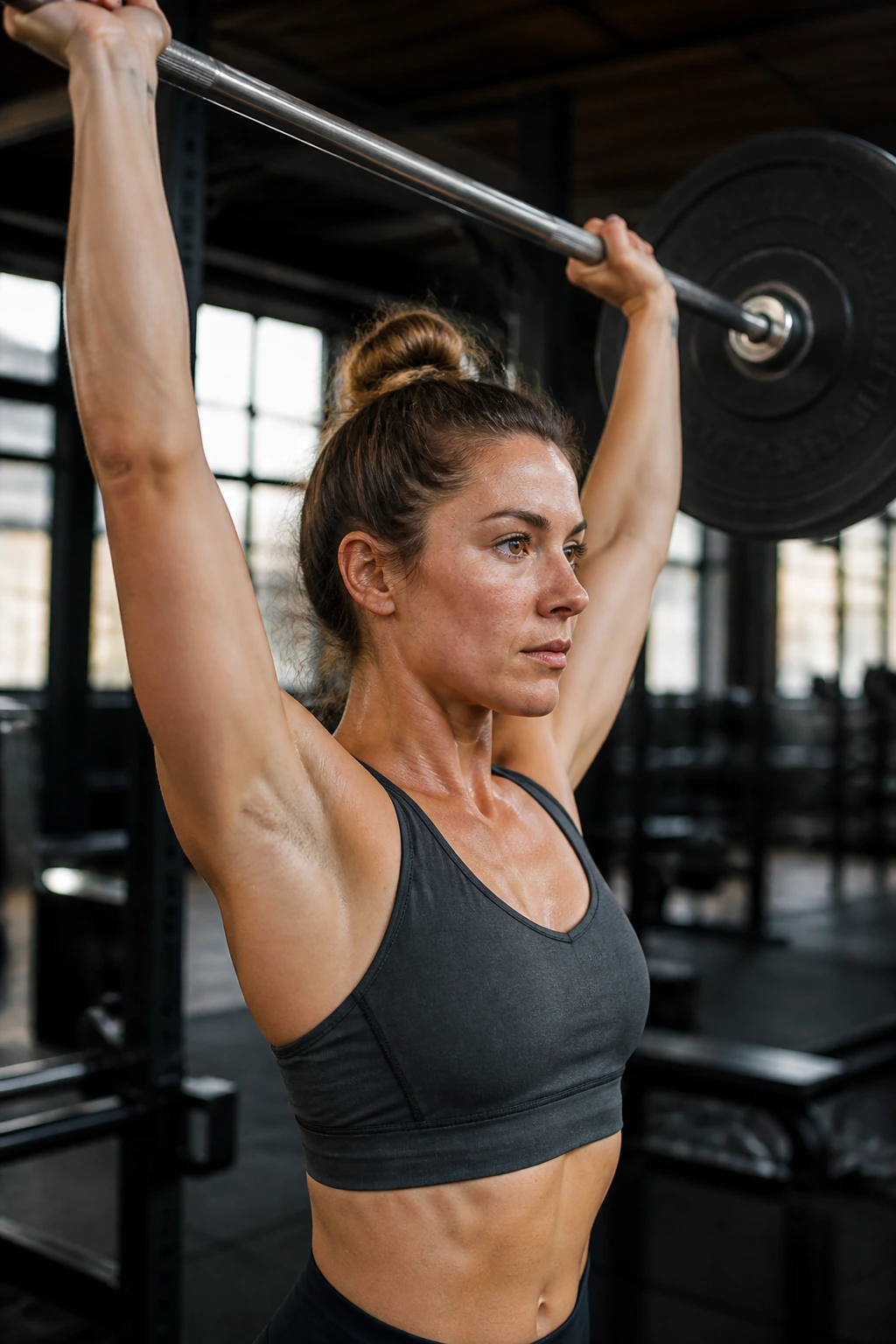
Three days is not magic. If your schedule is weird, or you like shorter sessions, a four-day upper/lower split can feel smoother and easier to live with.
The structure is simple: two lower-body days and two upper-body days. One version leans on volume early in the week and heavier work later. Another flips that around. Either way, you get more breathing room between heavy squats and deadlifts, which helps if your recovery is only so-so.
A basic version
- Monday, Lower Volume: Squat 4×5, RDL 3×8, split squat 2×10
- Tuesday, Upper Volume: Bench 4×5, row 4×8, triceps 2×12
- Thursday, Lower Heavy: Squat 3×3, deadlift 2×3, hamstring curl 2×10
- Friday, Upper Heavy: Bench 3×3, overhead press 3×5, pulldown 3×8
The upside is comfort. Sessions feel shorter, and the training week has a nice rhythm. The tradeoff is that squat and deadlift progress may be a hair slower than on a pure novice LP, because you’re spreading the work around.
Still, if a three-day full-body plan leaves you fried and cranky, that slower pace is worth it. A program you can finish beats a program you can brag about.
6. Heavy-Light-Medium Beginner Rotation
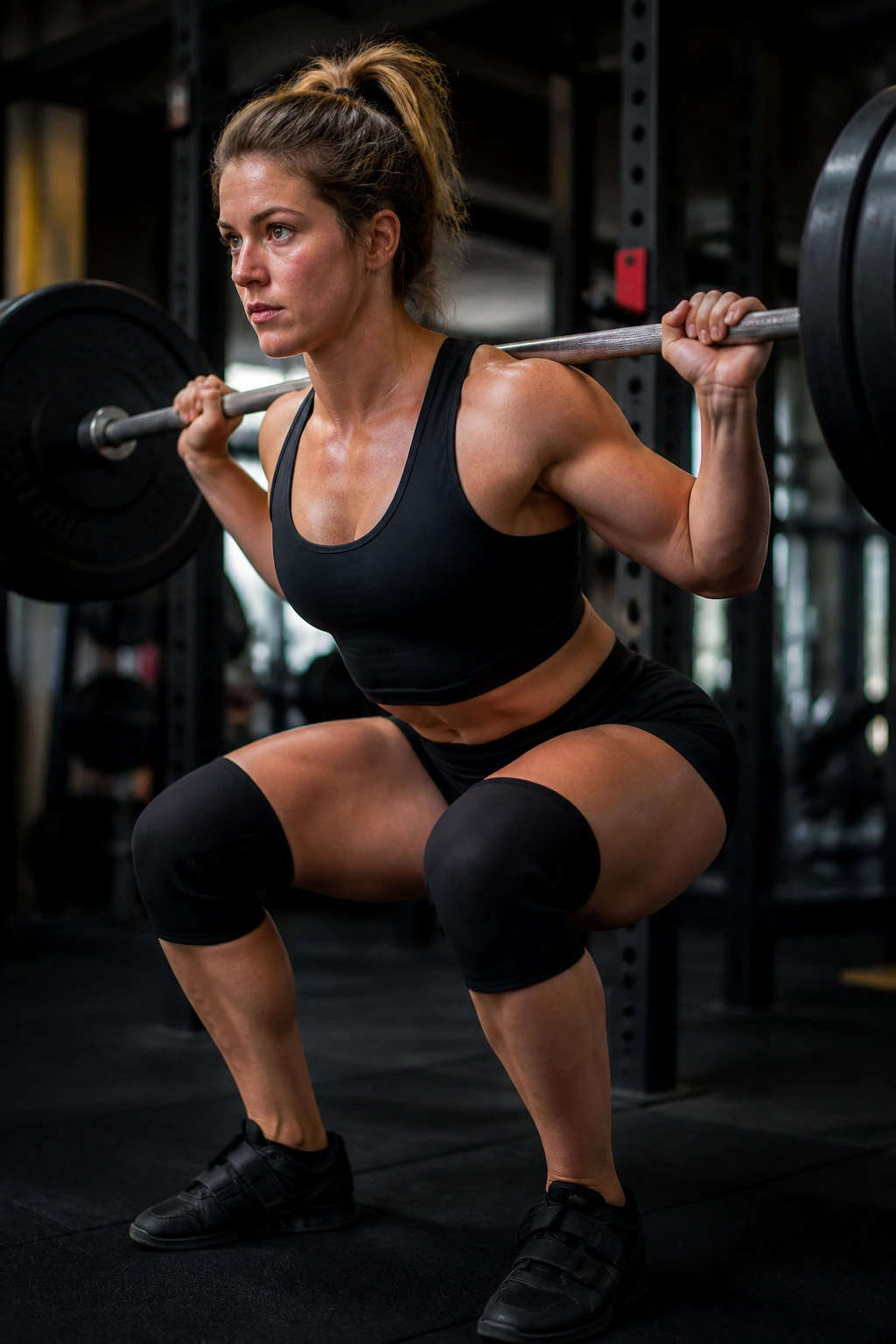
Heavy-light-medium sounds old-fashioned because it is old-fashioned. That is not a problem. Old-fashioned barbell ideas stick around when they keep working.
The basic idea is easy to like. One day is heavy, one is light and technical, one lands in the middle. Beginners do well with that because it teaches them how to handle different levels of effort without making every session feel like a test. You stop treating every warm-up like a max attempt.
How the week might look
On the heavy day, squat and bench around RPE 8 — hard, but not a grind. On the light day, drop to 60-70% and make the lifts crisp. On the medium day, sit somewhere in the middle, usually 70-80%, and collect cleaner volume.
That setup is excellent for women who want to get stronger but hate the feeling of being beat up after every workout. It also helps if you’re still learning the difference between “I worked hard” and “I wrecked myself.” Those are not the same thing.
The light day is not a throwaway day. It is where position gets cleaner, bar path gets smoother, and your squat stops looking different every time you touch the bar.
7. Deadlift-Once-Per-Week Technique Builder
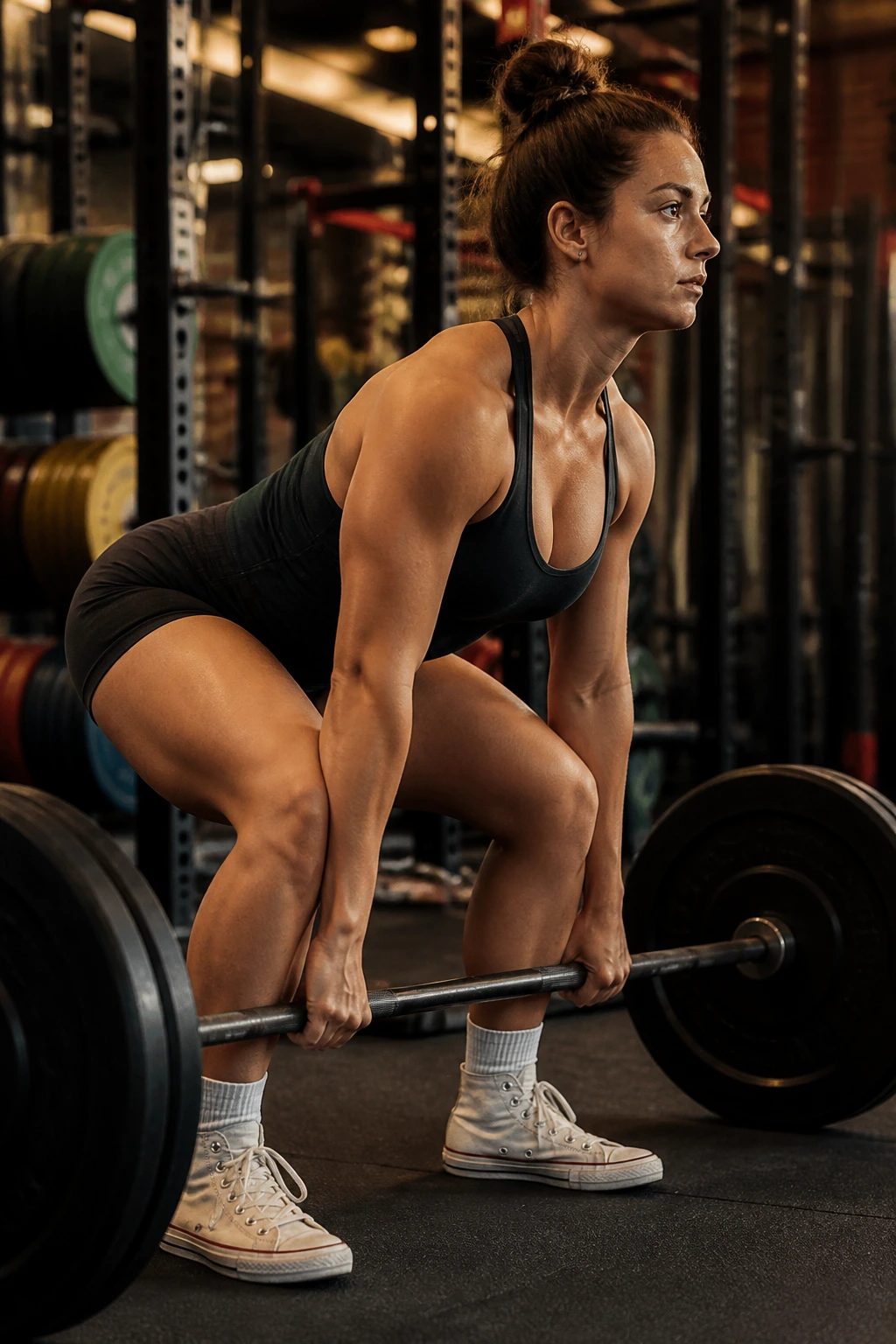
If deadlifts leave your lower back tired for days, the answer is not more deadlifts. It’s better deadlifts, done less often, with smarter accessories around them.
A lot of beginners — women and men both — turn the deadlift into a contest of endurance. They pull too many sets, too often, with too much rounding, and then wonder why the floor feels sticky every week. One heavy deadlift exposure is plenty for a beginner. The rest can come from hinges that are easier to recover from.
A simple setup
- Deadlift: 1 top set of 3 to 5 reps
- Paused deadlift: 2×3 with a light pause below the knee
- Romanian deadlift: 2×6 to 8
- Hamstring or glute work: 2×10 to 12
That mix teaches you to hold position off the floor, which is where most novice deadlifts fall apart. It also keeps you from chasing fatigue just because the lift feels dramatic.
Use a three- to five-minute rest on your top deadlift sets. Breathe. Reset your brace. Pull again. The deadlift rewards calm setups more than dramatic effort.
8. Bench-Priority Beginner Program
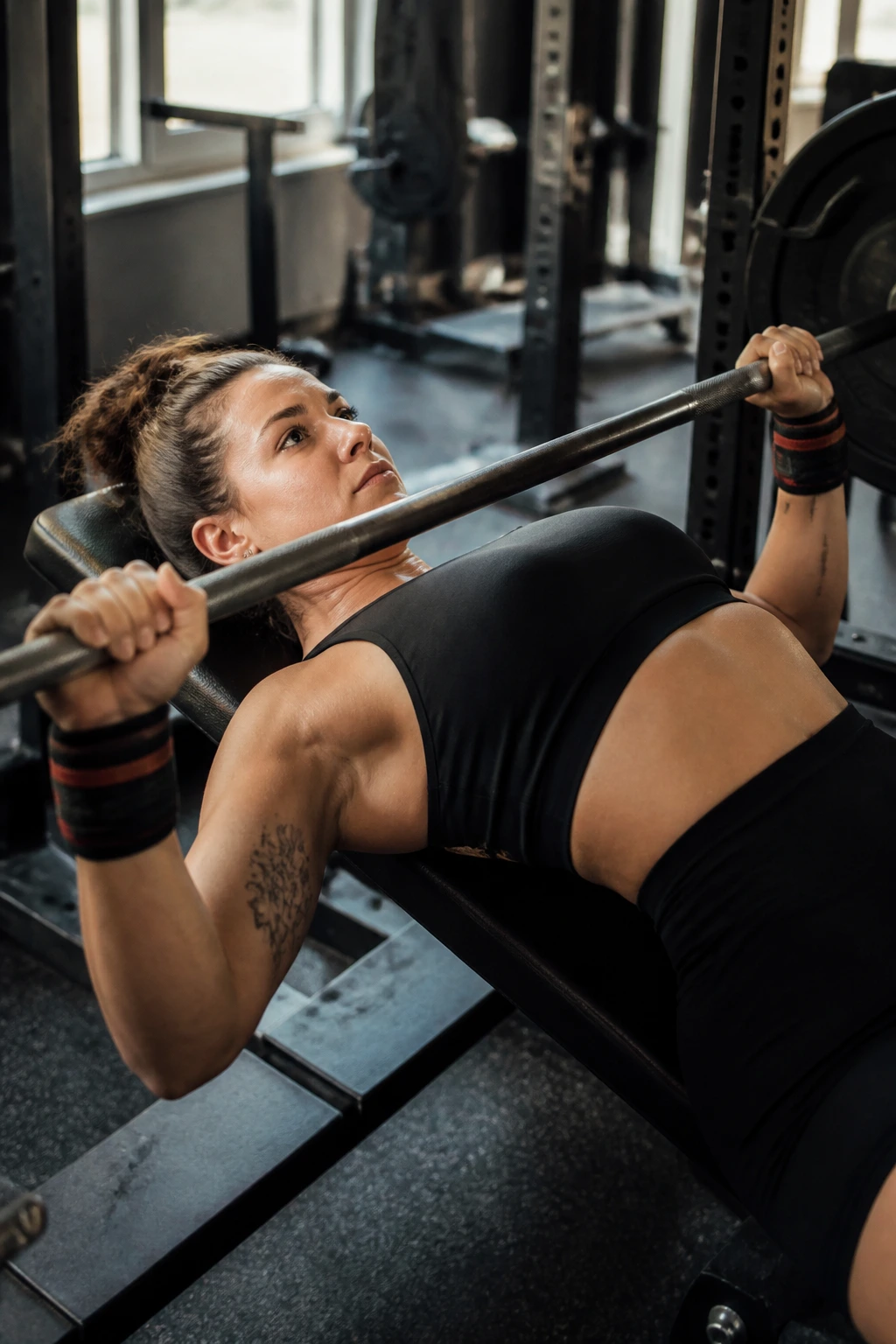
Most women do not need to fear the bench press. They need more practice with it. That’s a different problem, and it calls for a different fix.
If your squat moves fine but your bench feels shaky, weak, or awkward, make the bench the lift you touch most often. Three weekly exposures work well: one competition-style bench day, one paused day, and one close-grip or dumbbell support day. The extra practice helps your setup stop feeling like a puzzle.
What the week can include
- Competition bench: 3×5 or 5×3
- Paused bench: 4×4 with a one-count pause
- Close-grip bench: 3×6
- Rows and rear delts: every upper-body day
- Triceps work: 2 to 3 sets, 10 to 15 reps
The extra upper-back work matters here. A stable bench starts with stable shoulders, and stable shoulders usually come from rows, pulldowns, and enough rear-delt work to keep the chest-up position honest. Skip that, and the bench starts to wobble.
Short version? If the bench is your weak lift, practice it like it matters. Because it does.
9. Squat-Priority Beginner Program
Is your squat the lift that feels most awkward? Then it deserves more attention, not more punishment.
A squat-priority plan is straightforward: squat three times a week, bench twice, deadlift once. The squat gets the freshest part of the week and the most technical practice. That is useful for women who feel strong in the legs but still fight with bracing, depth, or bar placement.
What changes when squat leads
One session should be volume-based, one should be heavier, and one should focus on positions. Tempo squats, pause squats, or a lighter back squat with crisp reps can clean up your pattern fast. You do not need a dozen squat variations. Two is enough.
I like using front squats or pause squats as the technical day because they expose sloppy balance fast. If you lean too far forward or lose your brace, the bar tells you immediately. Rude, maybe. Useful, absolutely.
Keep deadlift work modest on this template. A hard squat-priority week can chew through recovery if you also try to pull heavy from the floor twice. That is how beginners wind up sore in places they can’t name.
10. RPE-Based Autoregulated Novice Plan
RPE looks fancy until you translate it into plain English. It’s just a way to adjust the day’s work based on how hard the set actually feels.
A beginner plan built on RPE 6 to 8 gives you room for rough sleep, bad workdays, or the kind of gym session where the bar feels like it’s made from lead. That matters more than strict percentage plans for some lifters, because not every week behaves itself.
How to use it
- RPE 6: about 4 reps left
- RPE 7: about 3 reps left
- RPE 8: about 2 reps left
Start each big lift with a top set of 4 to 6 reps at RPE 7. Then take one or two back-off sets at a load that feels clean. If the top set moves fast, add a little weight next time. If it feels sticky, repeat it.
The catch is honesty. Beginners often overrate how hard a set really was, usually because the last rep felt awkward. That’s where video helps. A quick clip from the side tells you more than your tired brain does.
This plan rewards self-awareness. It also punishes ego fast.
11. Home Gym Powerlifting Program
A home gym changes the whole game. Fewer people staring, fewer waits for racks, and no one camping on the only bench in the room while you pace around with a water bottle.
The best home-gym beginner plan is the one that assumes basic equipment and nothing more: a rack, a barbell, plates, a bench, and maybe a pair of adjustable dumbbells. That’s enough. You do not need six cable stations to get strong.
Keep the menu short
- Squat or front squat
- Bench press or floor press
- Deadlift or Romanian deadlift
- Row or pulldown variation
- One core drill
If you train alone, safety arms matter. So does a floor press when you’re not sure about a heavy bench day without a spotter. That one change makes pressing a lot less stressful.
Home training also works well for women who prefer quiet, controlled sessions. No rushing. No waiting. The downside is obvious: you have to supply your own momentum. Nobody is there to turn the room into a training environment for you.
12. 45-Minute Busy Week Plan
A short session is not a weak session. It just needs to be stripped down to the useful parts.
If you’ve got forty-five minutes, you need a plan that starts on time and ends before the wheels fall off. That means one main lower-body lift, one main upper-body lift, and one fast accessory pairing. No wandering. No random extra curls because the rack was empty and you felt ambitious.
A workable layout
- Day 1: Squat 3×5, bench 3×5, plank 3×30 seconds
- Day 2: Deadlift 1×5, row 3×8, reverse lunge 2×8
- Day 3: Squat 3×3, paused bench 4×3, lat pulldown 2×10
Use a timer. Seriously. A lot of wasted gym time comes from standing around after a set that should have been followed by the next one. Keep rest periods to 2 to 4 minutes on the main lifts and 60 to 90 seconds on accessories.
This template works because it respects the calendar. That is not glamorous. It is useful.
13. Hypertrophy-First Powerlifting Block
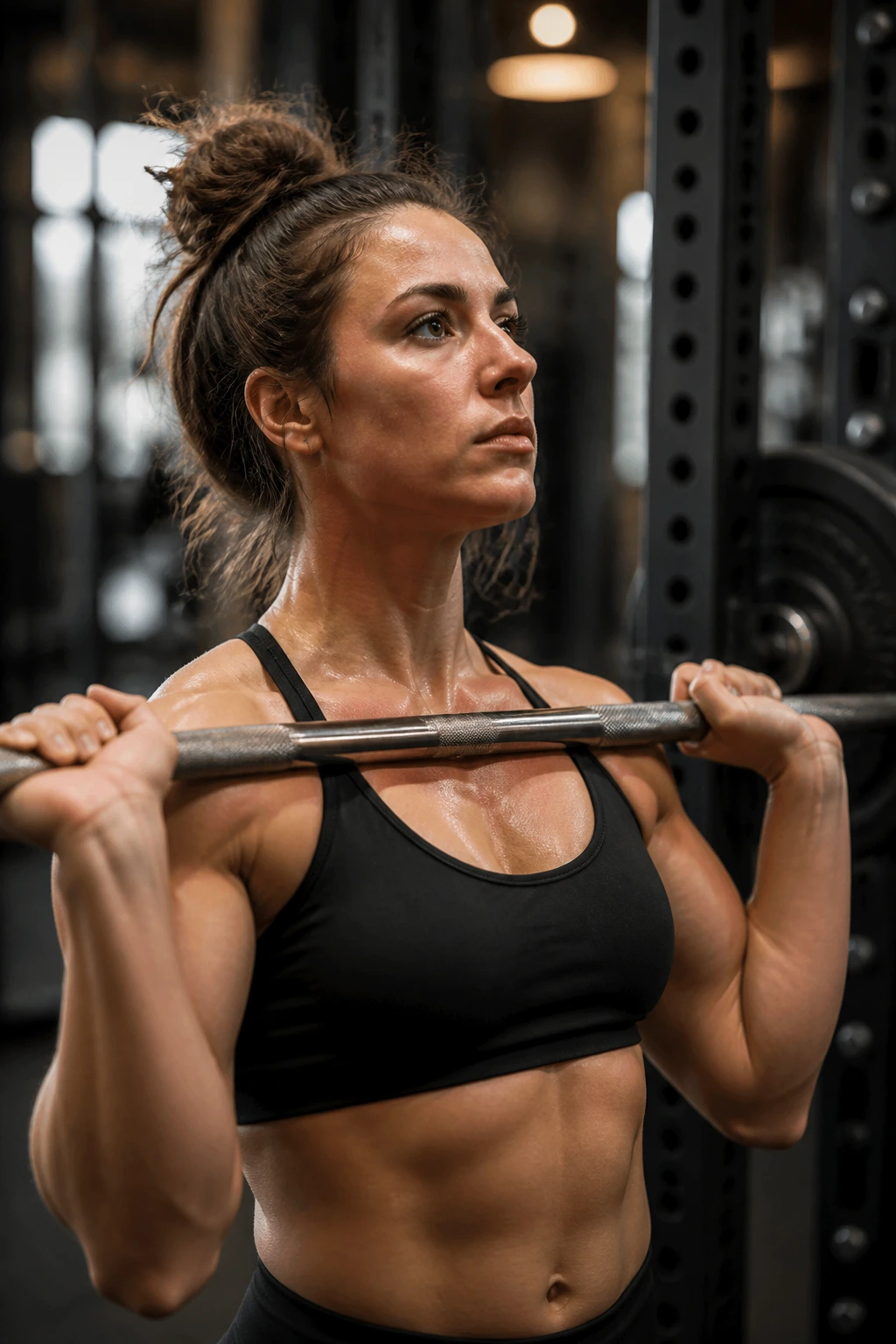
The fastest way to get stronger is not always to chase heavy singles. Beginners usually need more muscle, better positions, and a little time under the bar before they start worrying about maximal loads.
A hypertrophy-first block leans on 6 to 8 reps, controlled eccentrics, and a little more accessory work than a bare-bones novice plan. It’s a good fit for women who feel under-muscled, shaky in the hole on squats, or nervous under heavier bench attempts. The point isn’t to become a bodybuilder. The point is to build enough tissue and practice that the bar feels less hostile later.
The shape of it
Spend four to six weeks on higher-rep squat, bench, and hinge work. Keep one or two accessories per session, not five. Think rows, split squats, lat pulldowns, and triceps extensions.
After that block, shift back into lower reps. Your heavy work often feels better because your joints are warmer, your positions are cleaner, and the bar no longer exposes every weak link at once.
The trap is obvious: people fall in love with accessories and forget the main lifts. Don’t do that. The extra work is a tool, not the whole program.
14. Three-Practice-Per-Week Technique Plan
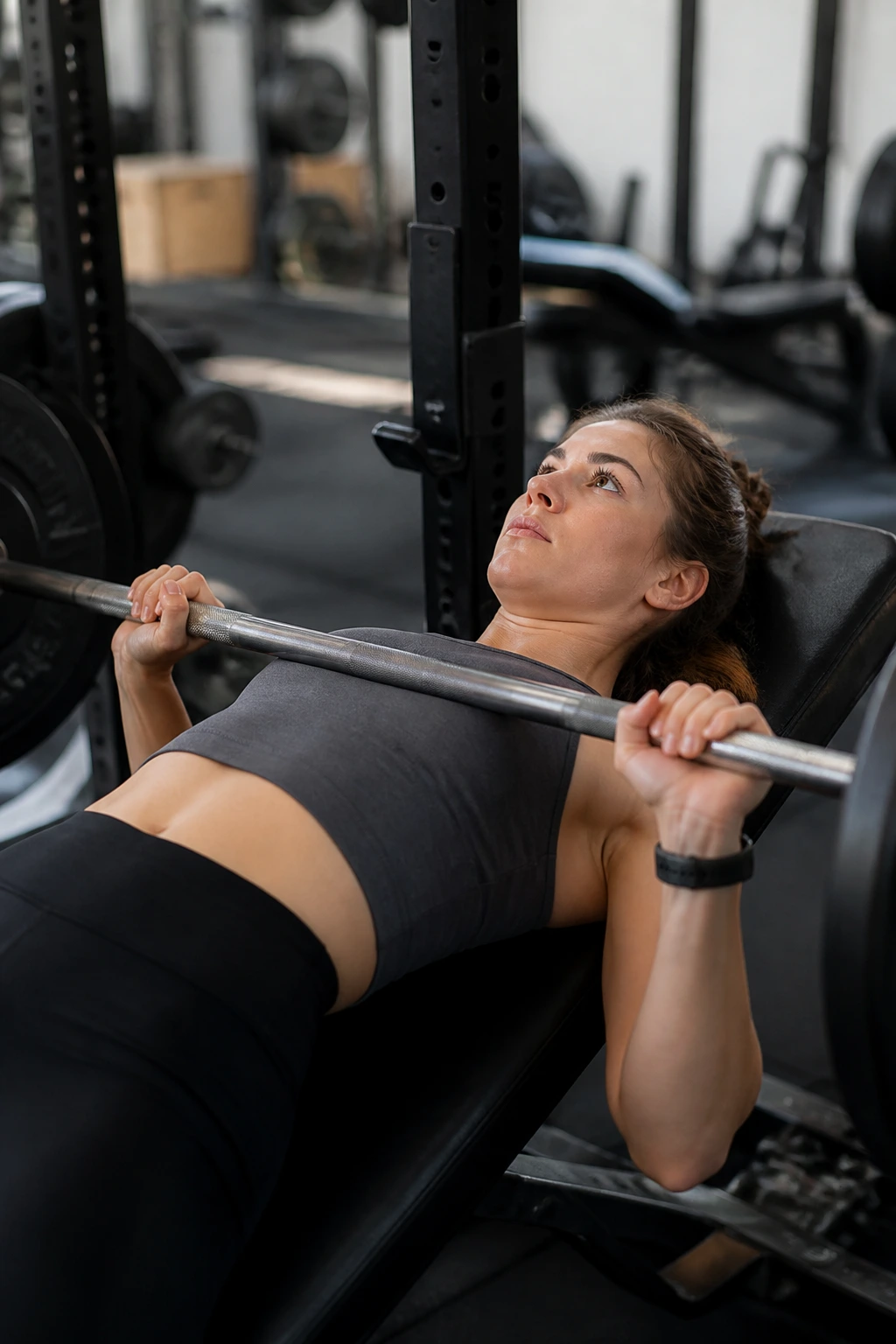
Technique practice and hard training are not the same thing. A beginner who needs cleaner movement often benefits from more touches with lighter loads, not from more ego.
This plan gives you three weekly exposures to each competition lift pattern, but only one of them has to be hard. The other two are there to sharpen positions, fix the bar path, and make setup feel automatic. That’s especially helpful if you tend to lose your brace on the squat or rush the bench unrack.
What each day looks like
Day 1: Heavy practice
One top set on squat, bench, and deadlift around RPE 7 to 8, then one back-off set.
Day 2: Position day
Pause squats, paused bench, and Romanian deadlifts with slower tempo.
Day 3: Volume day
Three sets of five on the squat and bench, lighter pulling, and short accessory work.
This is a nice setup for women who like repetition but hate boredom. The lifts stay familiar, yet the stress changes enough to keep training moving. It also helps if you’ve never had a coach cue your setup in person, because the repeated practice teaches you what the bar should feel like when things go right.
One small note: keep your pause work honest. A half-second pause is not a pause.
15. High-Frequency Squat and Bench Plan
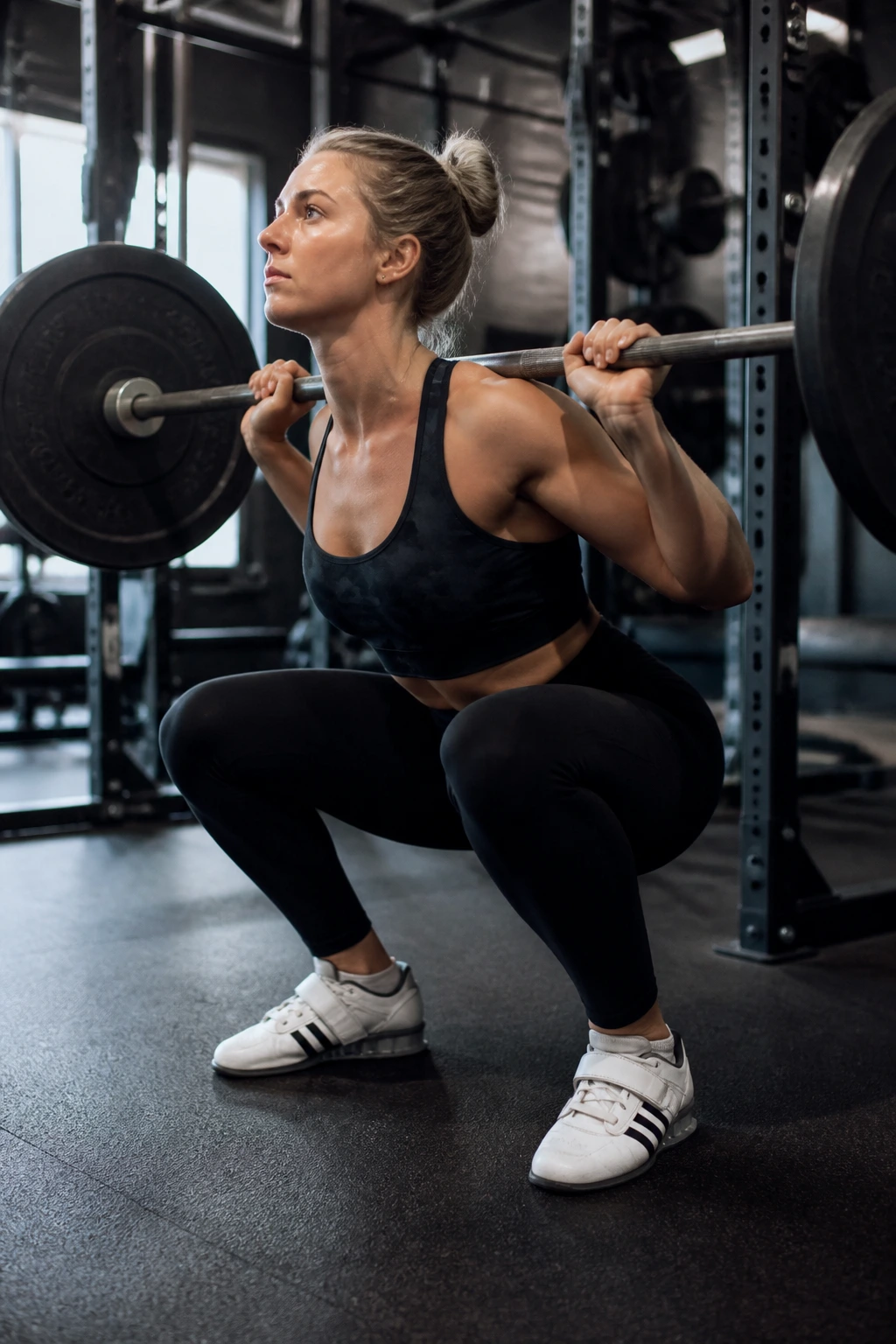
High frequency sounds aggressive, but frequency alone is not the problem. Intensity is the problem. Volume is the problem. Bad setup is the problem.
A beginner can squat and bench more often than she deadlifts, as long as the work is split into easy and hard days. Three squat exposures and three bench exposures per week is a sweet spot for a lot of lifters who want faster skill gains without turning every session into a war.
A simple split
- Squat: heavy day, light technique day, medium volume day
- Bench: heavy day, paused day, speed day
- Deadlift: one heavy day, one light hinge accessory
The nice part about this setup is how much it sharpens the lifts. You start to know where your feet go, how deep the squat should feel, and what a tight bench setup feels like before the bar even leaves the rack. That saves time later.
It is not the best choice if you get sore from everything or if your schedule already feels crowded. High frequency only works when the work is controlled. Otherwise it becomes a fast route to nagging elbows and tired hips.
16. Lower-Back-Friendly Beginner Program
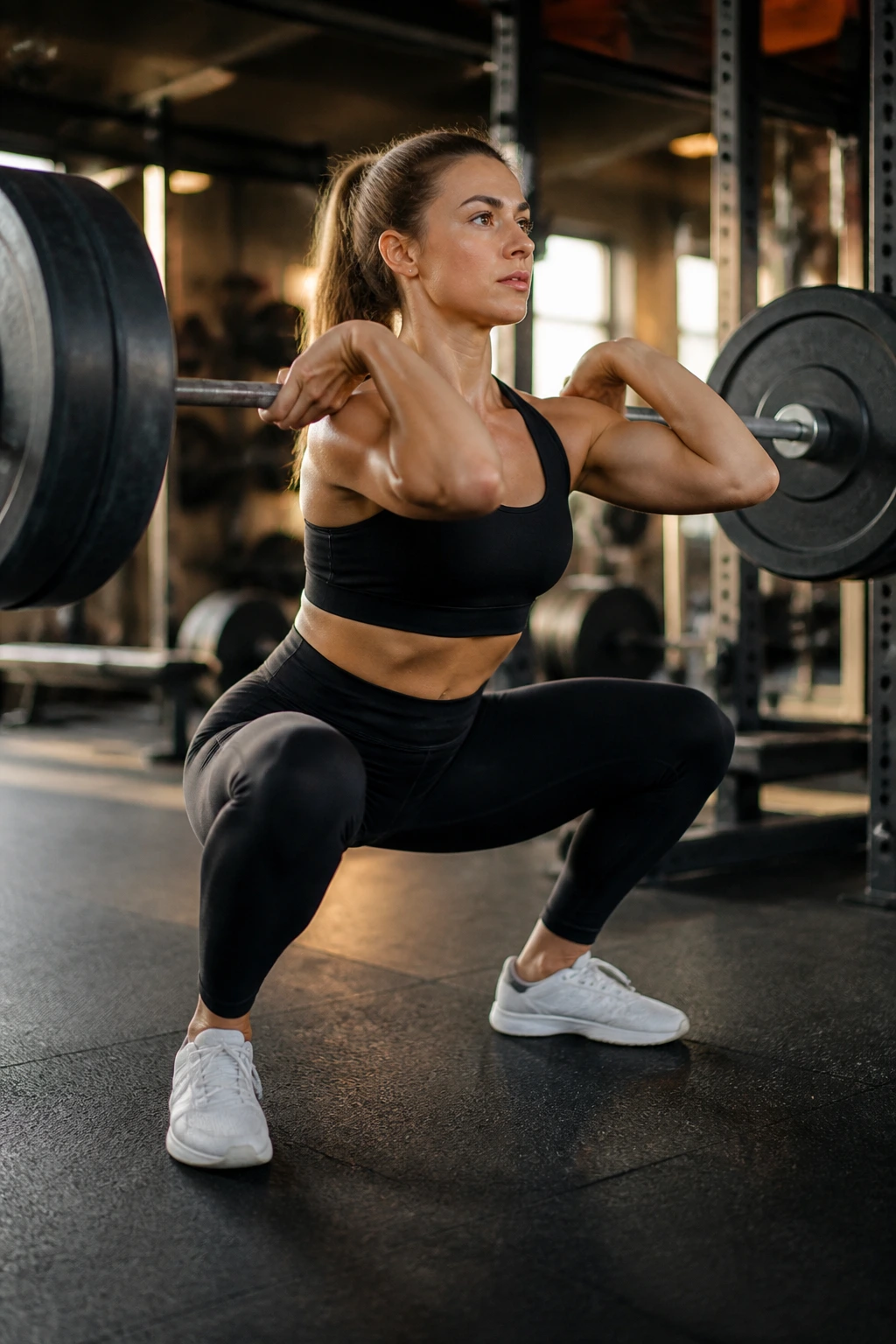
If your lower back gets cranky, the program should work around that instead of pretending the issue is a character flaw.
A lower-back-friendly beginner setup uses the competition lifts carefully and swaps in friendlier variations when needed. That might mean front squats instead of back squats for a block, trap-bar deadlifts instead of conventional pulls, and floor presses if arching on the bench feels off. None of that makes you less serious.
Useful substitutions
- Front squat or safety bar squat for a few weeks
- Trap-bar deadlift if conventional pulling lights up the back
- Floor press if bench setup feels unstable
- Chest-supported row instead of bent-over rows
The point is not to avoid work. The point is to keep training while you clean up the issue that’s limiting you. If a movement causes pain that keeps growing, get it checked by a qualified clinician. Training through that kind of pain is stubborn, not brave.
A lot of lifters discover that once the back calms down, their squat and deadlift feel better almost immediately. Amazing how that works.
17. Meet-Prep Bridge for First-Time Lifters
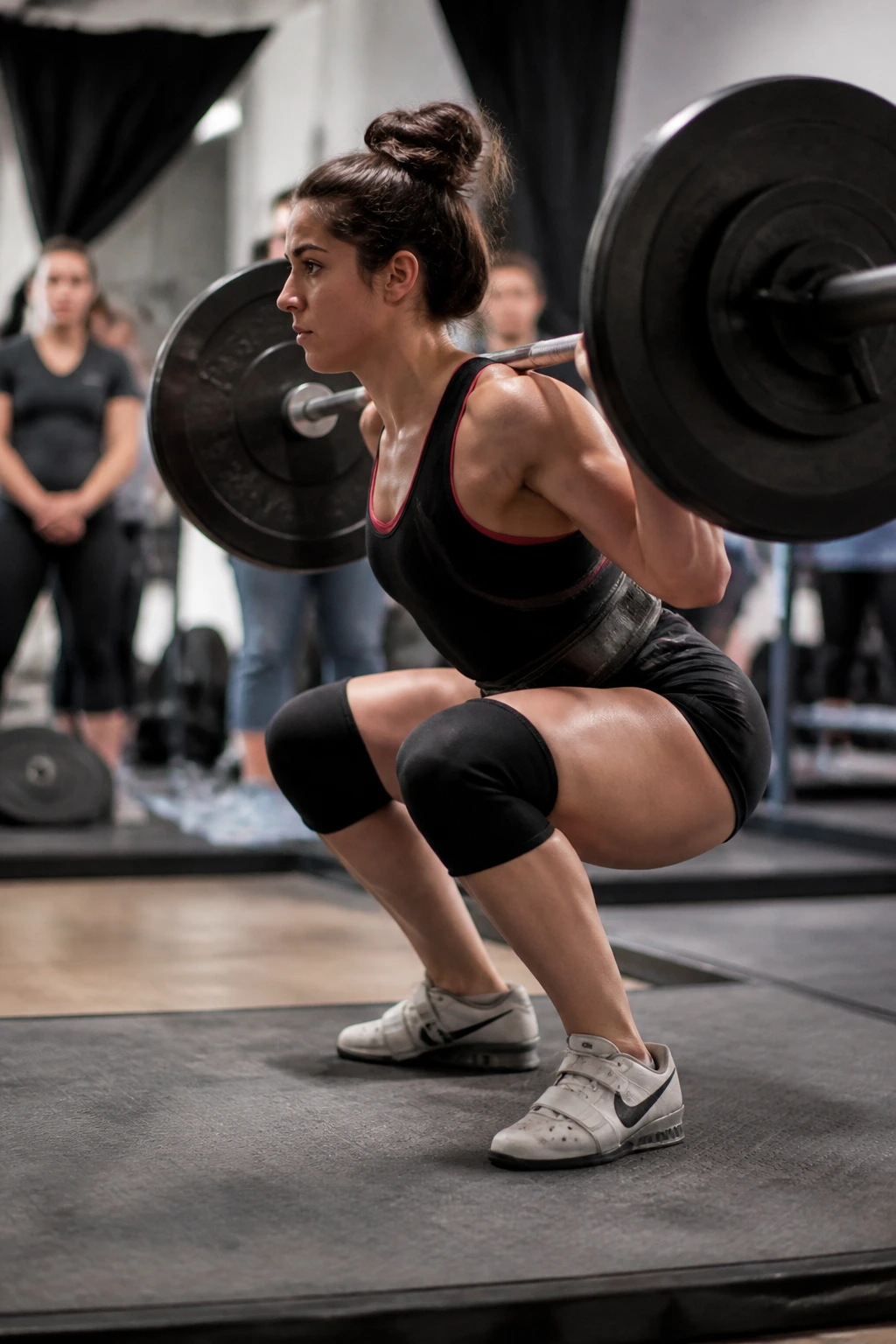
The first meet can feel a little weird. Commands, weigh-ins, rack heights, judges, warm-up timing — all of it is new, and a lot of beginners get more nervous about the logistics than the lifting itself.
A bridge plan is for the woman who has trained for a while, knows the lifts, and wants to step onto a platform without feeling lost. The structure usually runs eight to twelve weeks. Early on, you keep building strength. Later, you practice commands, opener selection, and low-fatigue singles.
What should be in it
- Competition squat with meet-depth practice
- Paused bench with command holds
- Deadlift singles at comfortable weights
- One mock meet week with warm-up timing and attempts
Openers should feel boring. If your opener feels exciting, it’s too heavy. Pick something that moves like a solid triple on a good day, then leave room for second and third attempts.
That last part matters. Beginners often confuse a meet with a place to prove a point. It’s not. It’s a place to show the lifts you’ve already built.
18. Accessory-Heavy Balance Plan
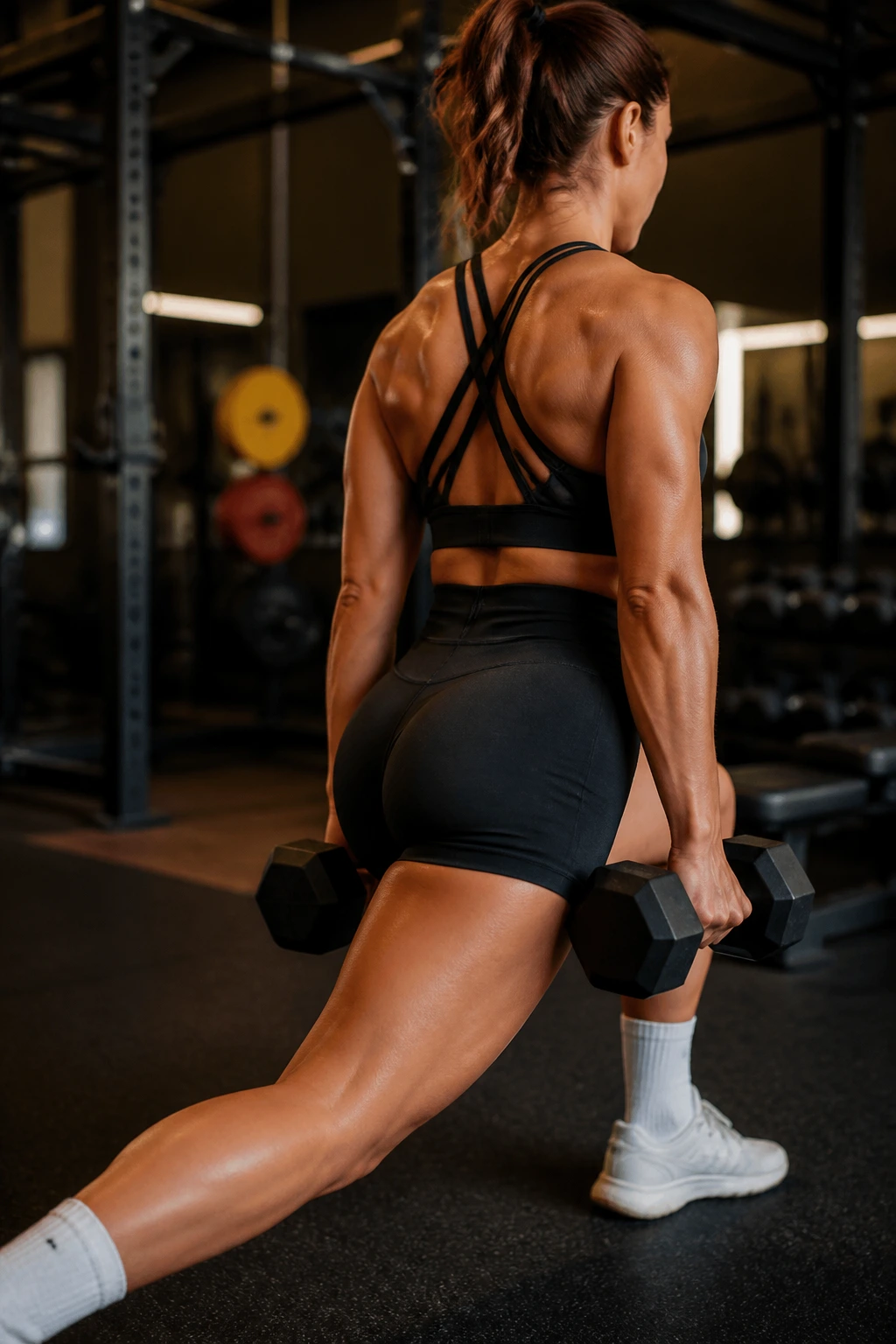
Some women love the main lifts and want a little more glute, upper-back, and triceps work baked in. Fair enough. Training should still be training.
An accessory-heavy plan works when the big lifts stay first and the extras stay disciplined. You get enough room for split squats, leg curls, pulldowns, face pulls, and triceps extensions without turning the session into a bodybuilding marathon. That balance can be useful if you like the look and feel of more total volume.
A good rule of thumb
Keep the main lift to 3 to 5 hard sets. Then choose 2 accessories per session, maybe 3 if they’re short. If you add an accessory, remove something else. That’s the trade.
This kind of program tends to suit lifters who get bored by bare-bones training, or who want their upper back and glutes to catch up with their main lifts. The catch is recovery. Accessories can sneak up on you, especially if you treat every set like it has to set your soul on fire.
It doesn’t. It just has to do its job.
19. Menstrual-Cycle Flexible Training Template
A flexible template is not about guessing what your hormones are doing on any given Tuesday. It’s about adjusting training when your body sends an obvious signal.
Some women notice clear shifts in energy, sleep, cramps, or appetite. Others don’t. So the smartest approach is simple: keep the same weekly structure, then adjust load or volume by a small amount when a rough day shows up. Usually that means trimming one set, dropping 5 to 10 percent off the bar, or swapping a heavy top set for a cleaner technique set.
A practical way to handle it
- Good day: run the planned top set and back-off work
- Okay day: keep the lift, reduce one set
- Rough day: use technique work at a lighter load
- Bad day: train the pattern and leave with gas in the tank
The logbook matters more than the calendar. If your squat feels off three sessions in a row, that’s useful information. If your energy is flat for a week, that’s useful too.
I like this approach because it doesn’t turn cycle talk into magic. It stays practical. It also prevents the common beginner mistake of forcing a hard session when the body clearly wants a quieter one.
20. Choosing Between Beginner Powerlifting Programs for Women
If you’re staring at all these beginner powerlifting programs for women and feeling a little cross-eyed, that’s normal. The right choice is rarely the prettiest spreadsheet. It’s the one that matches your schedule, your recovery, and the kind of training you can repeat without bargaining with yourself every Tuesday.
Pick by schedule
- Three days a week: choose the full-body linear progression, Starting Strength style, or Greyskull LP
- Four days a week: choose the upper/lower split or heavy-light-medium setup
- Short sessions: the 45-minute plan beats an ambitious plan you never finish
Pick by recovery
If you bounce back quickly, frequency-heavy work can be useful. If you feel run down after a few hard sets, the lower-volume or autoregulated options will treat you better. Deadlifts especially deserve respect here. They are simple, but they are not cheap.
Pick by confidence level
If the barbell still feels new, start with the plainest template. If your bench is the weak link, use the bench-priority version. If your squat is the lift that makes you second-guess everything, squat-priority is the obvious move.
Here’s my blunt take: the best beginner plan is the one you can run for months without constantly editing it. Keep the main lifts in, use small jumps, and stop trying to outsmart the basics. That’s where the strength is hiding.
